And Another Wenlock Walk

IMG_1139sq

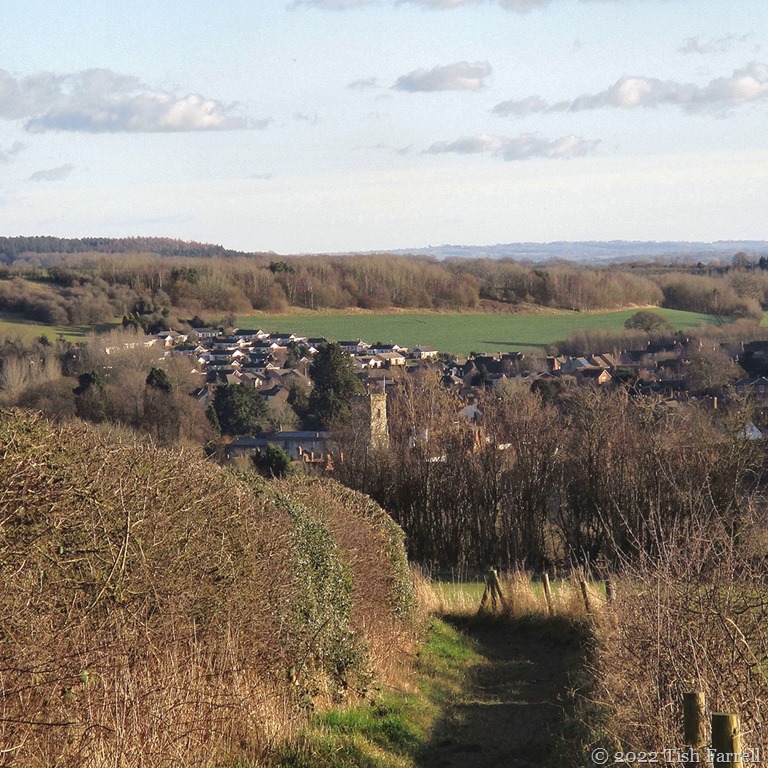
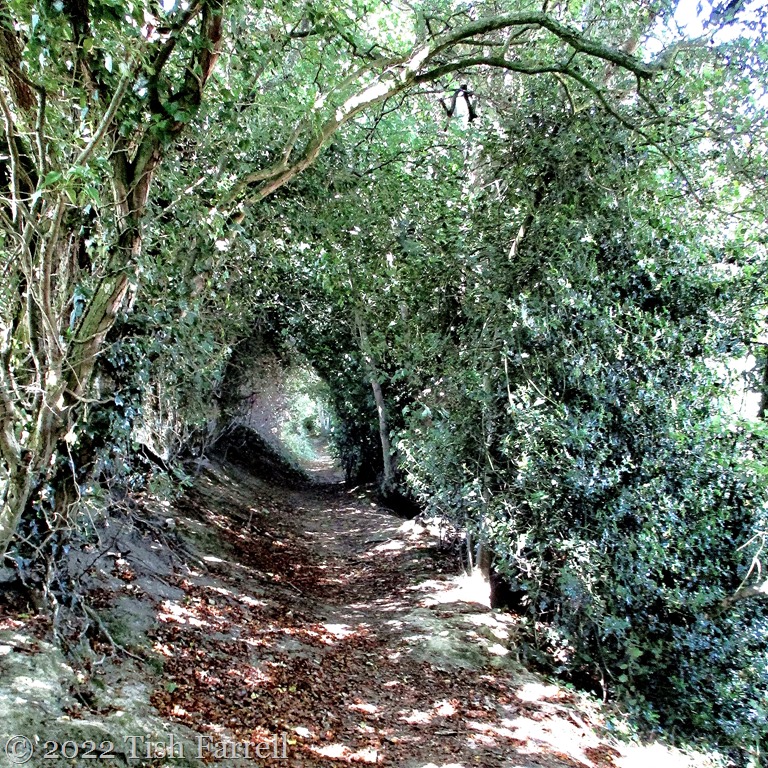
This feels like a old path, the way hollowed out between field boundaries, the ground worn threadbare to rock and knotty tree roots. As you leave the town and climb towards Callaughton, you need to watch your step, and take the occasional breather. Which is good too, because it means there are chances to stop at windows in the vegetation and look back on the town.

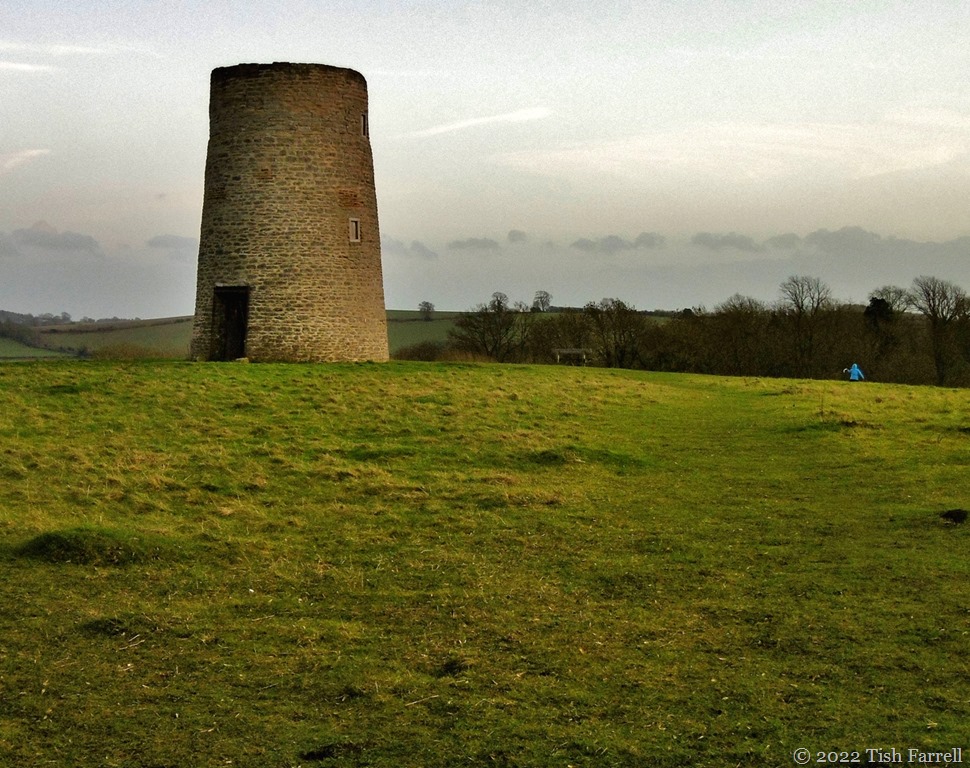
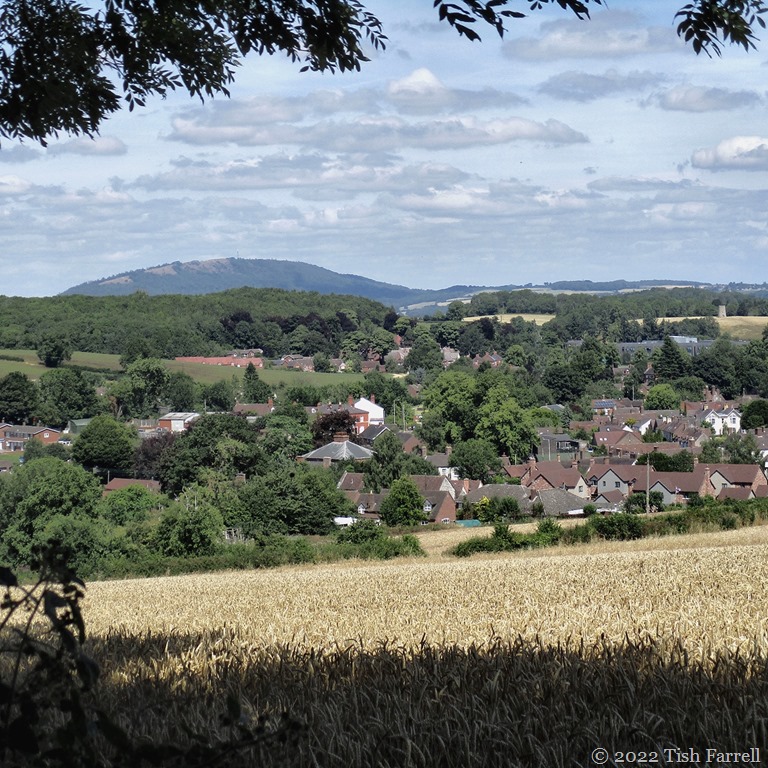
In the next view, I’m looking roughly north, the Wrekin in the distance, and in the far right you can just spot the windmill atop Windmill Hill. The field directly beneath the Wrekin and woods (bordered by a short row of pink roofs) is Townsend Meadow. Immediately forward of the field is the allotment, but you can’t see it for trees.
IMG_1123sq

*

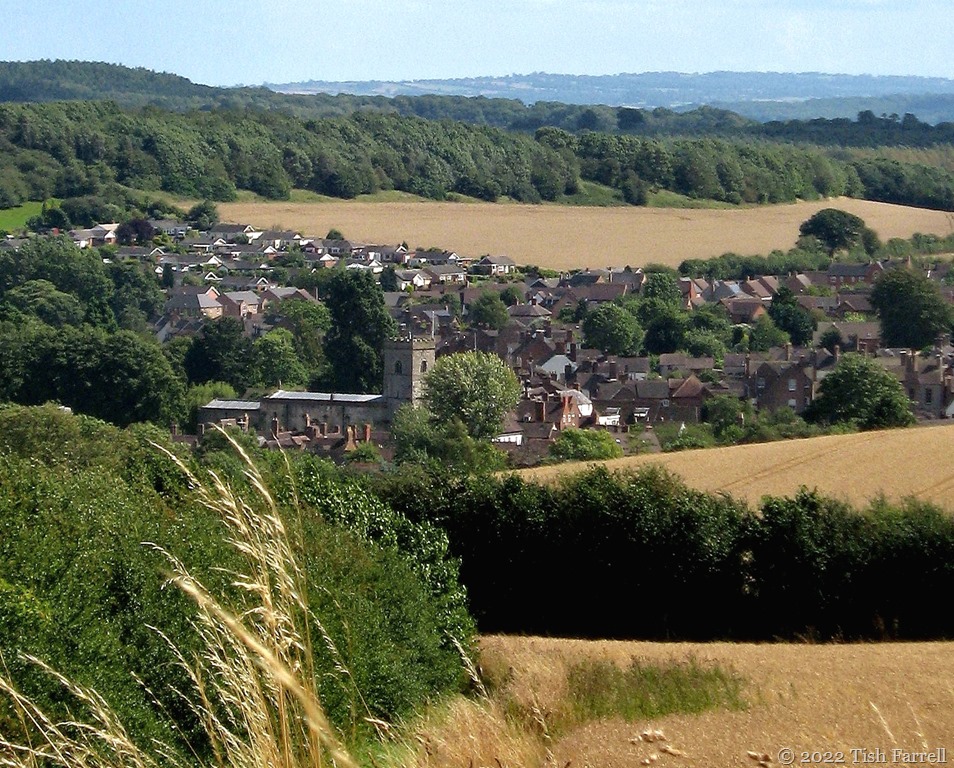
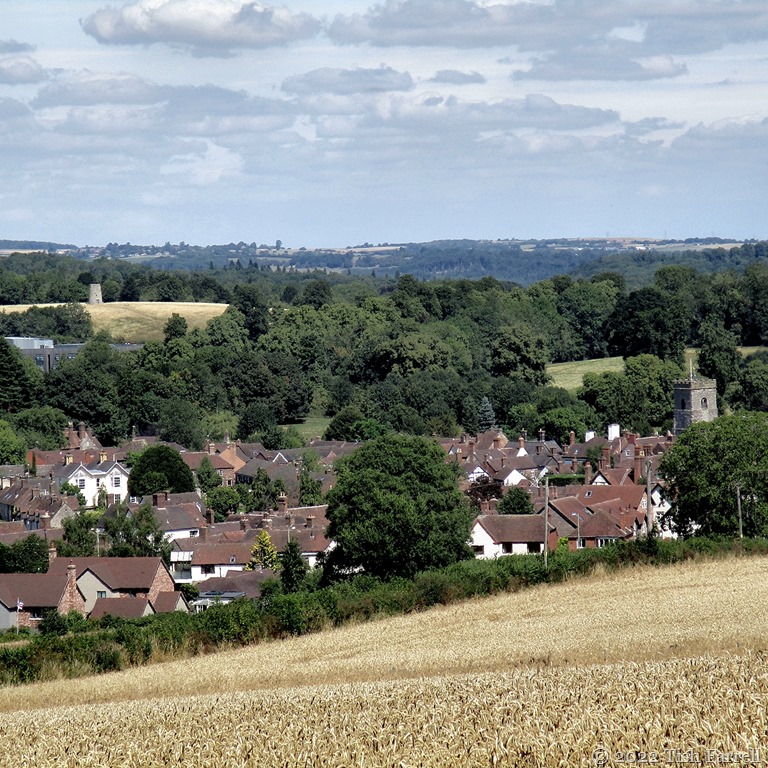
Now turning towards the east so you can the tower of Holy Trinity Church. It was once part of the Wenlock Priory complex. But the oldest parts of the church are said to date to the days (before the Norman Conquest) when the priory was a convent for both men and women, though they worshipped seperately. It is thus believed to be the site of the original women’s church, but has obviously undergone much rebuilding over the centuries. In fact during reburbishment in 1101, the supposed remains of St. Milburga were found near the altar, she who was the first abbess of Wenlock (675-690). The discovery of the saint’s bones, described in 1190 by Bishop Odo, as ‘beautiful and luminous’, put Much Wenlock on the pilgrim route and led to the town’s rapid growth. Happy days for the Priory coffers.
IMG_1127sq

*

The path brings you out on Callaughtons Ash, a field on the boundary with the historic township of Callaughton. To our ears the word ‘township’ is perhaps misleading. These days the settlement is little more than a hamlet, and it may never have been much bigger in the past, though records show there was  a weeping cross in the vicinity in the 13th century which doubtess attracted the devout. It is anyway one of seven ‘townships’ that surround Much Wenlock and once fell within the town’s ancient parish boundary. Others include Bourton, Farley, Harley, and Wigwig. And I have no idea how the Wigwig name came about.

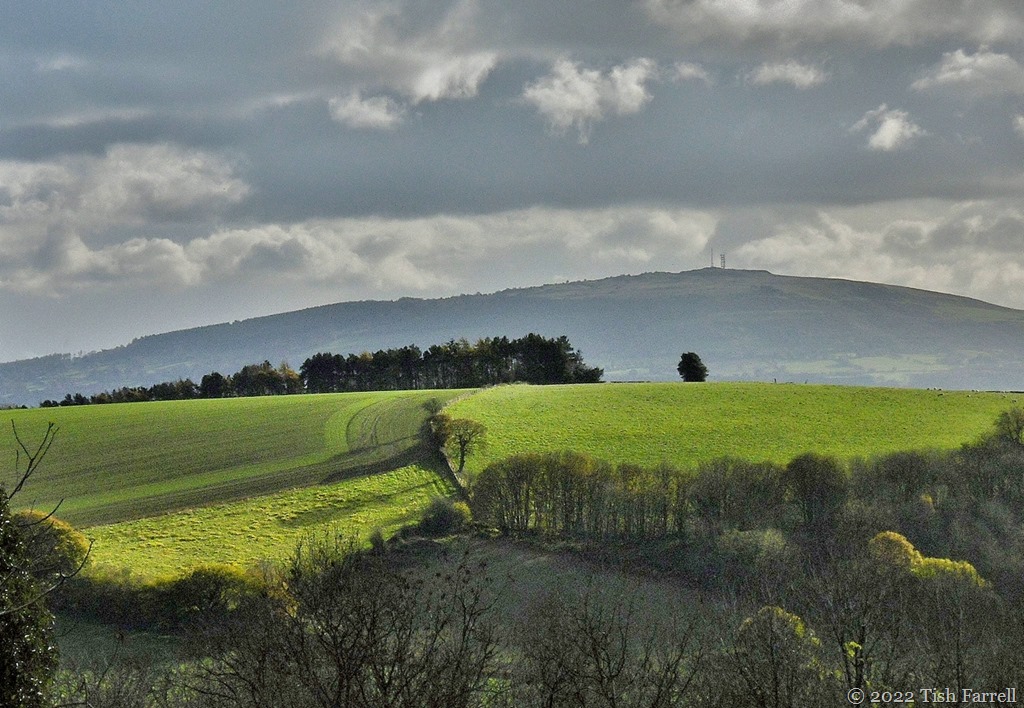
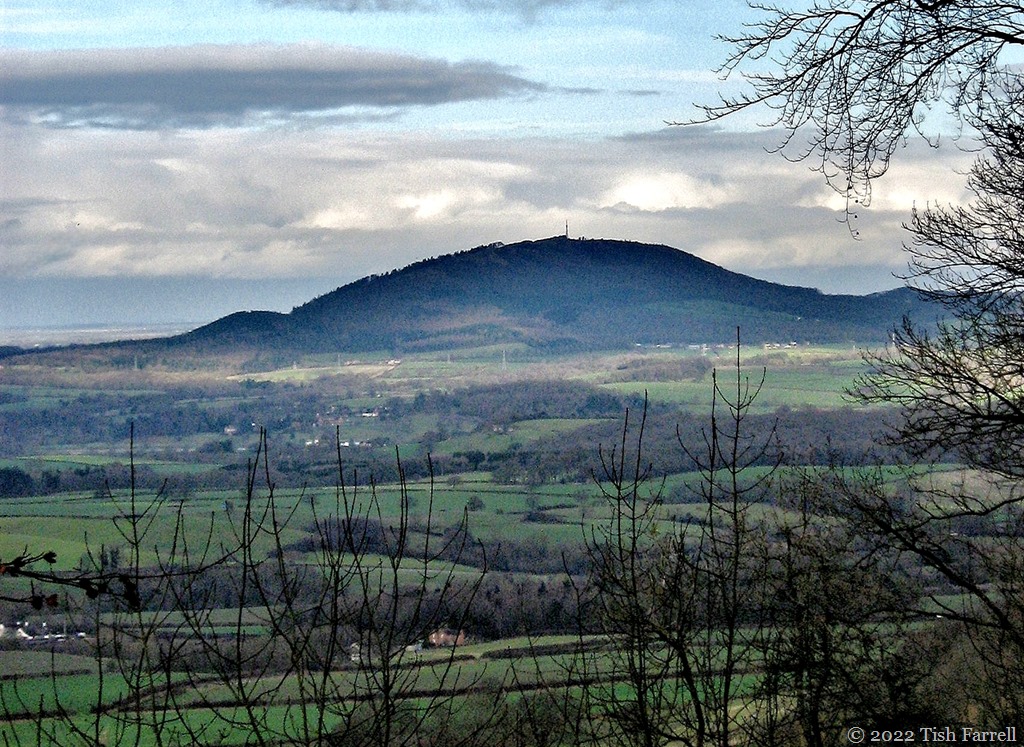
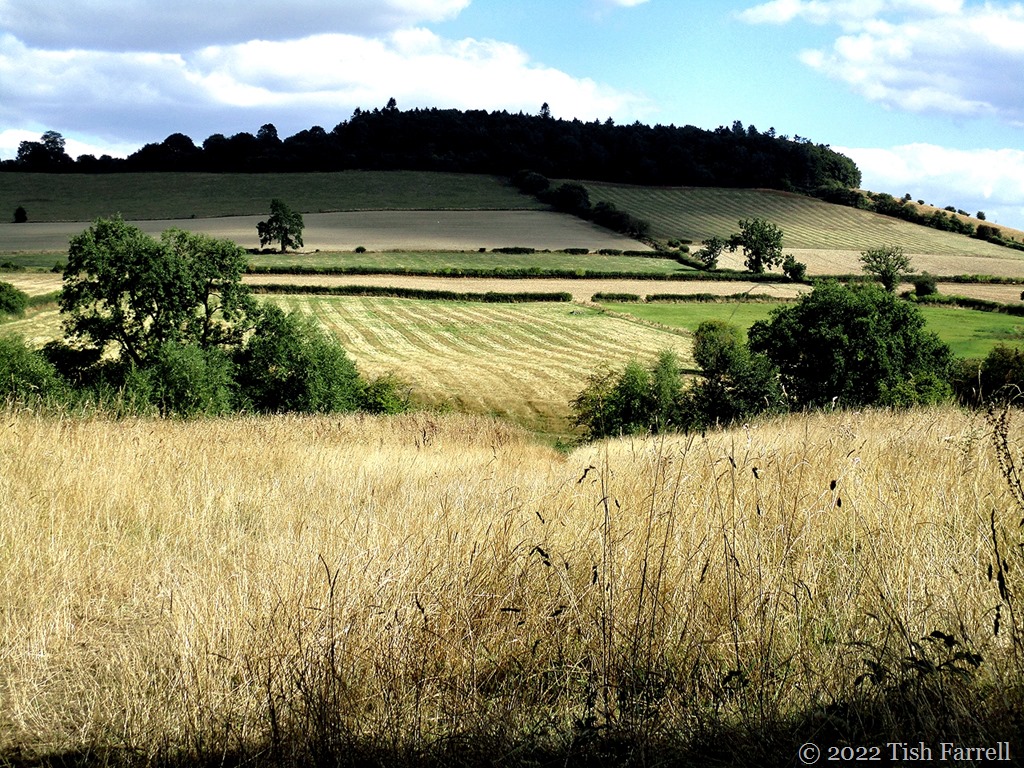
There’s a fine view of Clee Hill at the top of the path:

IMG_1134sq

Walking Squares #7 Keep walking with Becky.

Coming Home From The Edge

IMG_0067sq

It’s interesting but when you are walking about in Much Wenlock, you are very rarely aware of how steeply the land rises towards Wenlock Edge, or of the fact that the town sits in a distinct hollow with other not-so-steep hills rising to the east and south.

In this photo I am walking down from the Edge, following the path that ends up on Sytche Lane, a short hop from our garden gate. We’re lucky to have so many good walks on our doorstep, and mostly field paths, too.

Walking Squares #5 Today Becky is taking a walk close to home.

IMG_0067cr

The Texture Of Water?

57

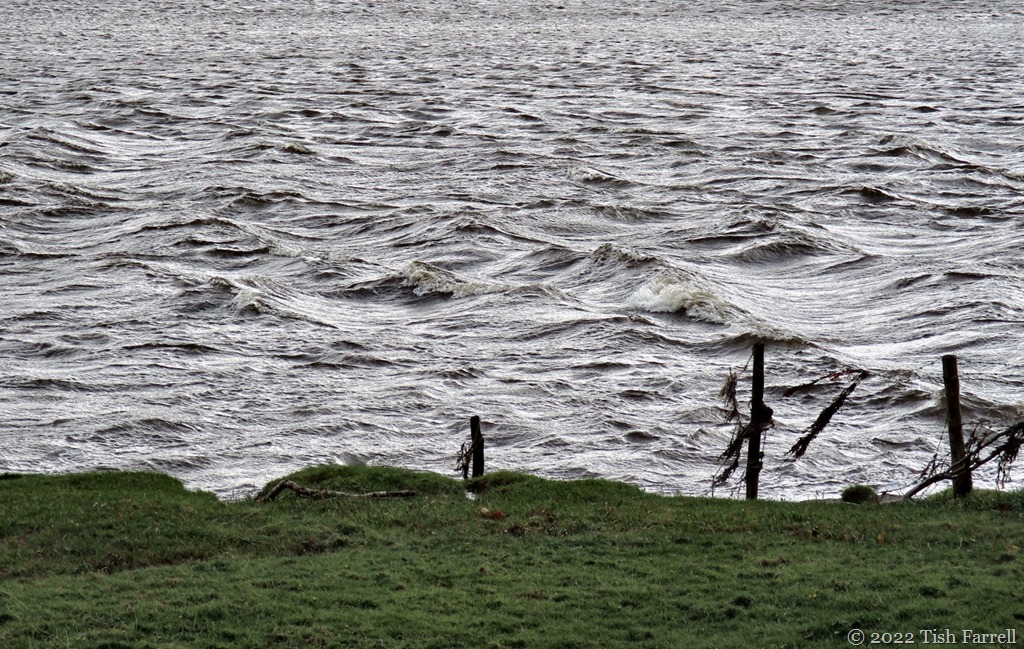
The Mawddach River after the storm. There’s a tension here – a case of estuarian counterflow as the sea tide washes up against  the river’s downflow. There’s an odd perception, too, of evolving solidity – of molten metal perhaps – artisan silver with flecks of gold; or of liquid thickening in the making of a sauce. Anyway, I thought it was an interesting effect.

7

The photo was taken last Wednesday as we arrived in Mid-Wales on the tail of a colossal downpour. We were starting a 4-day stay, and very much fearing a wash-out sojourn. But we needn’t have worried. We did have some fine days.

This is where we were staying – Borthwnog Hall on the banks of the estuary. A return visit after several years, but this time with a balcony view across the salt marsh at low tide. Fascinating places tidal rivers and estuaries. More photos in following posts.
1

35

CFFC: Texture

Over The Home Hill: More Hills

P1050952ed2

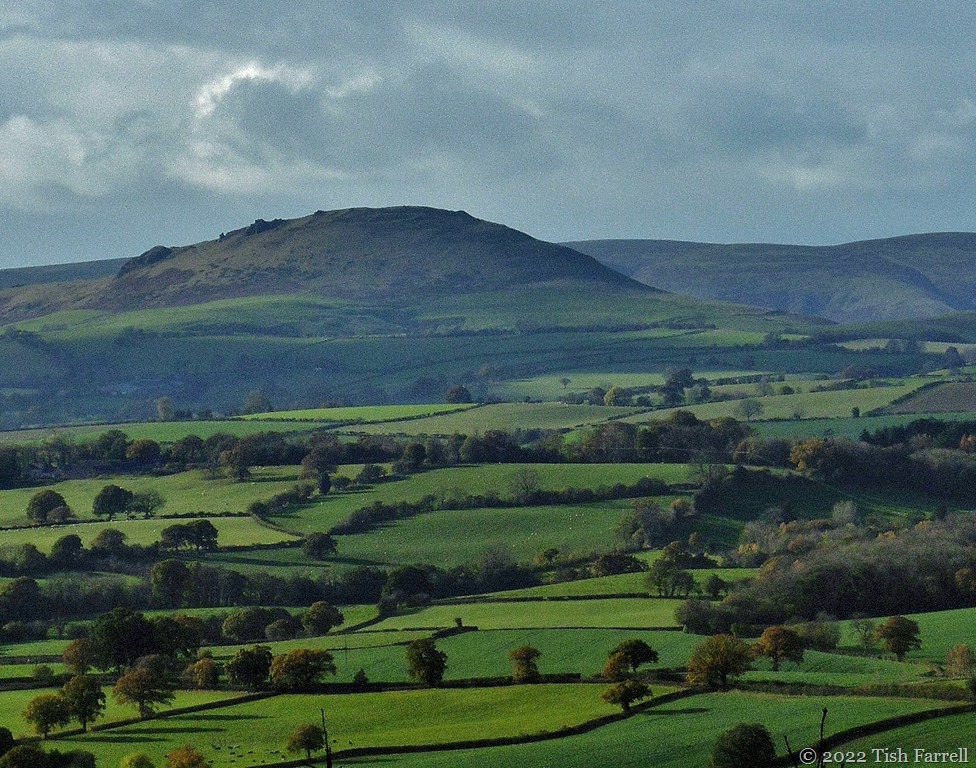
Wenlock Edge behind our house runs for twenty odd miles, a wooded escarpment that bisects the county of Shropshire on a north-east-south-west axis. It’s not always easy to see out for the tree cover, but here and there, a few choice viewpoints give you a glimpse of Shropshire’s other hills, the Long Mynd living up to its name in the distance here. I’m fumbling for the name of the hill in the middle distance (not recognising it from this angle). It could be Caradoc.

*

If we turn right round in the other direction, then we can see Clee Hill:

P1050963ed

*

Closer to home, you can take the National Trust footpath out of Much Wenlock and head for the Edge landmark, Major’s Leap, from where, on a winter’s day, you may be treated to an other-worldly view of the Wrekin, subject of many quaint Shropshire tales. (My version here).

IMG_1949ed

*

And coming down the Edge footpath behind our house you have a fine view of Much Wenlock hugged round by hills, Walton Hill and Shirlett Forest:

IMG_1373ed

*

And while I’m showing off our local hills, I can’t leave out the town’s favourite landmark: Windmill Hill with a small turquoise person heading over it:

P1030046ed

Lens-Artists: over the hill  Donna at Wind Kisses has set this week’s challenge.

Monochrome Favourites

P1040719ed

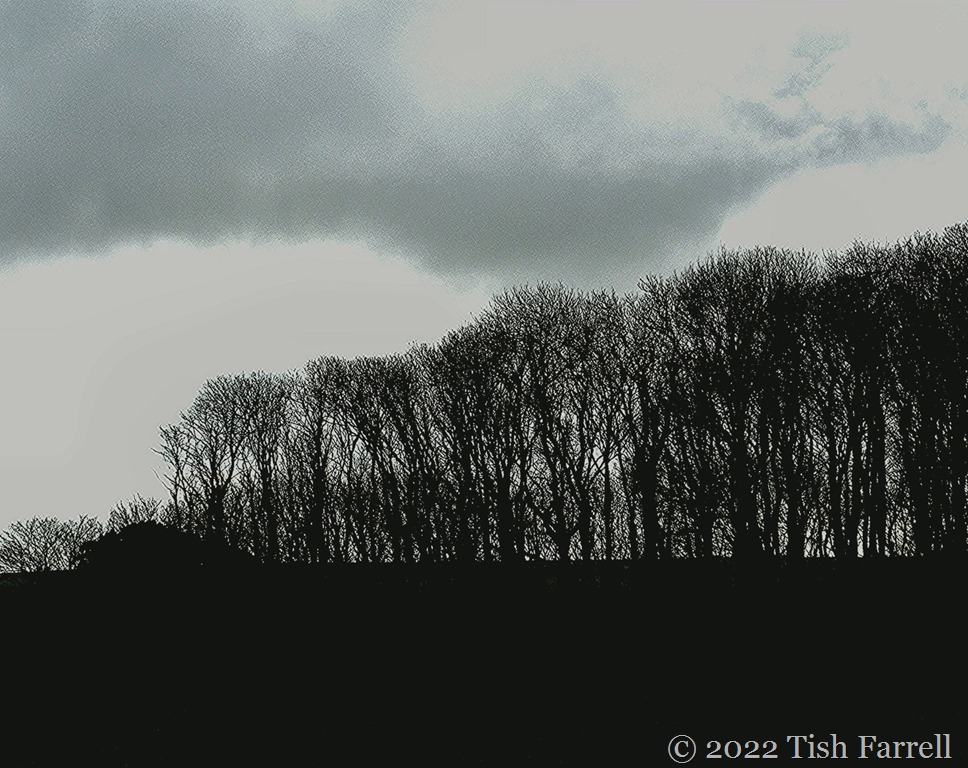
Ash trees at St. Brides Castle, Pembrokeshire

*

This week Cee says we can pick our own black and white images. These are some of my favourite shots of Welsh winter scenes.

P1060365c

Llanddwyn Island, Anglesey

*

IMG_3308ed

Farm fence, Aberffraw, Anglesey

*

P1060515edWinter dawn, Menai Strait, Anglesey

*

P1060598ed

Family gathering, Penmon Point, Anglesey

*

Cee’s Black & White Photo Challenge: favourites

The Changing Seasons ~ August 2022

IMG_1235ed

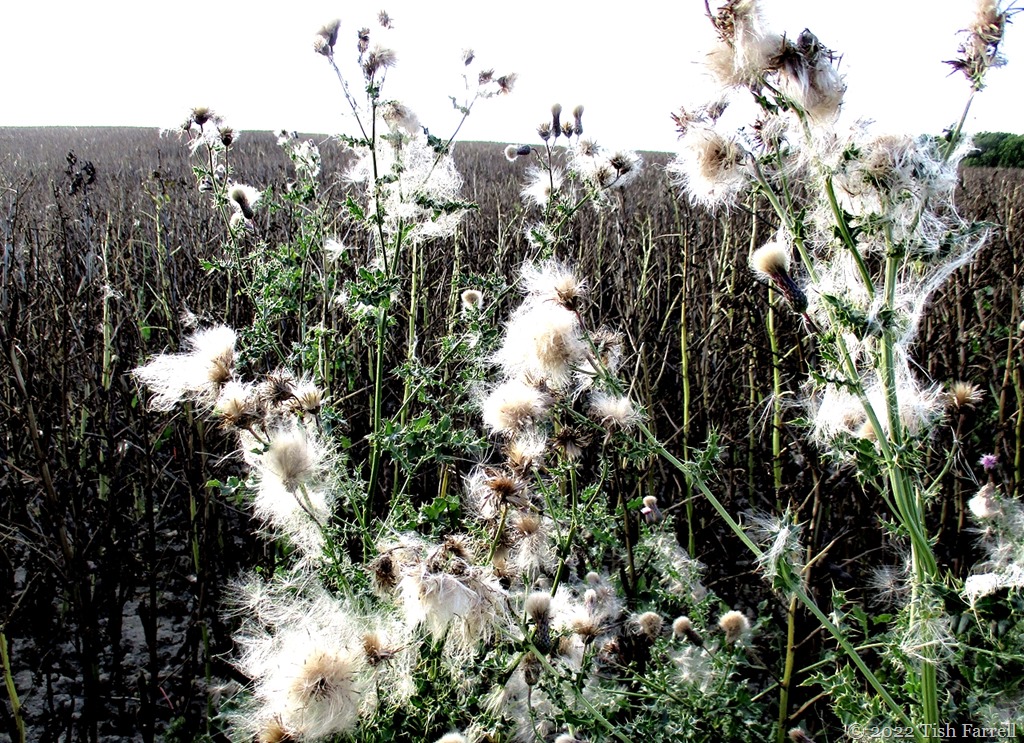
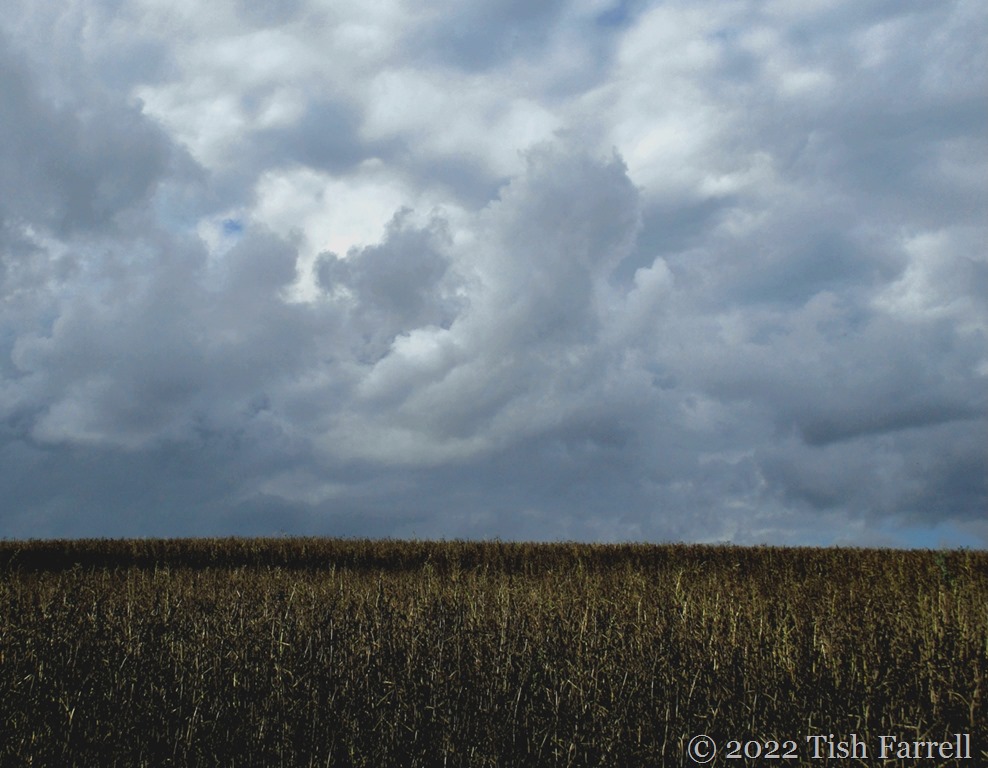
Harvest time in Much Wenlock came early this year. With the brief heatwave that lasted less than a week, but the months of drought, some crops looked baked-in-the-ground. Without regular rainfall, our heavy Silurian soil very quickly turns to concrete and cracks open.

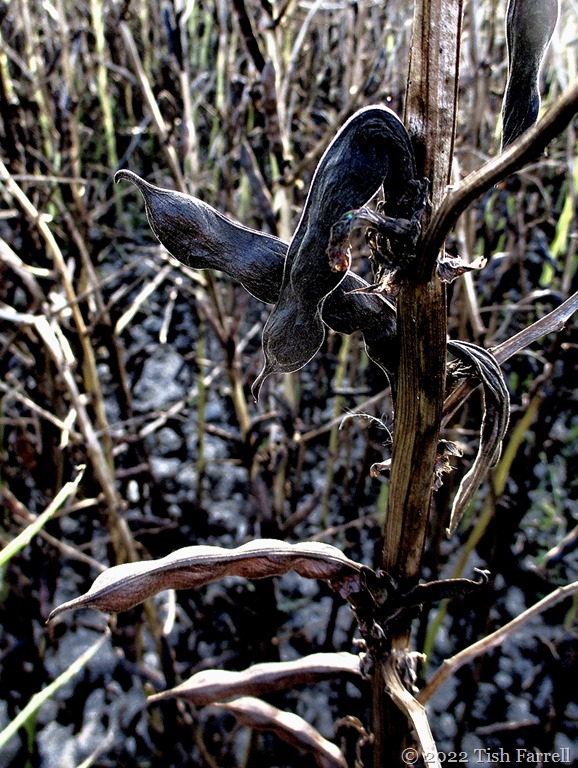
The field beans in Townsend Meadow behind the house that started off so well in spring, did not make good, fat pods before they started turning black and drying out. The plants themselves have been standing in the field, blackened and leafless for weeks. Until today that is (September 1st), when they were finally harvested amid a great dust storm. I dare say  the beans that have been harvested will be very well dried, but probably only suitable for animal feed.

IMG_1335ed

IMG_1332ed

Thistles and the field bean crop just before harvest

*

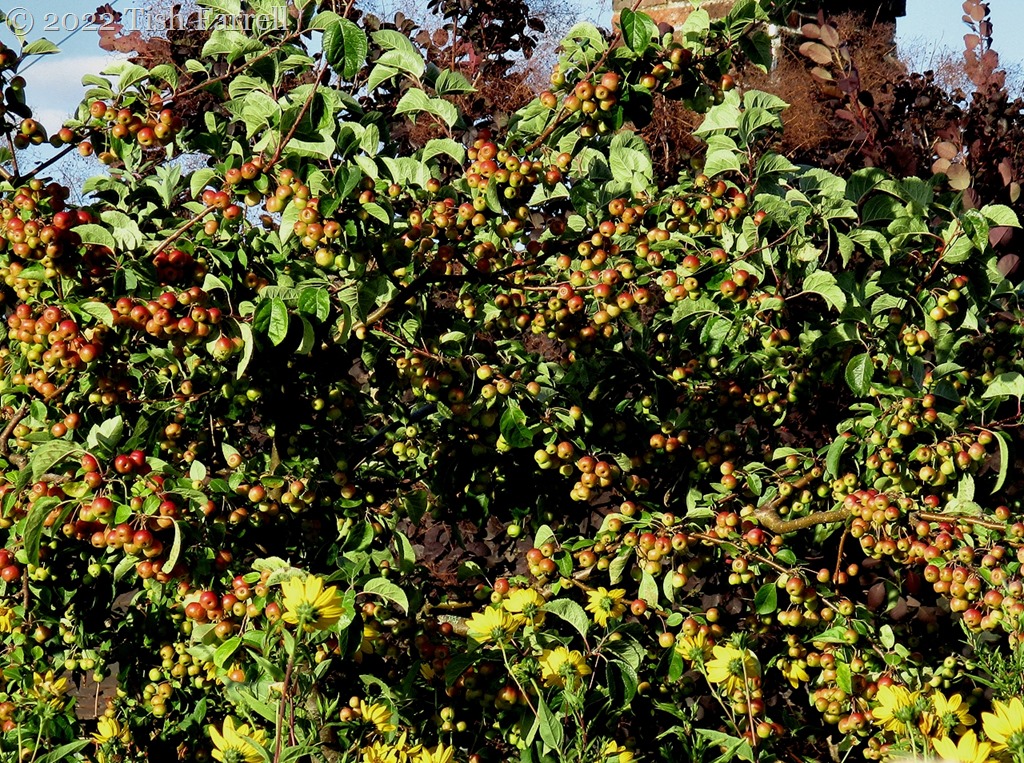
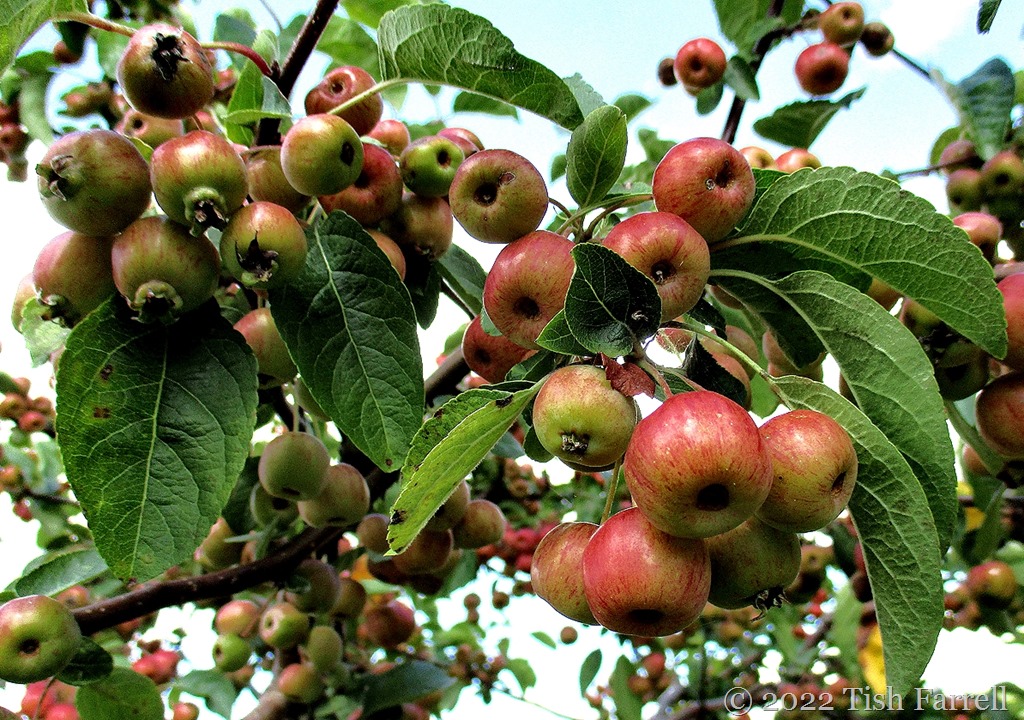
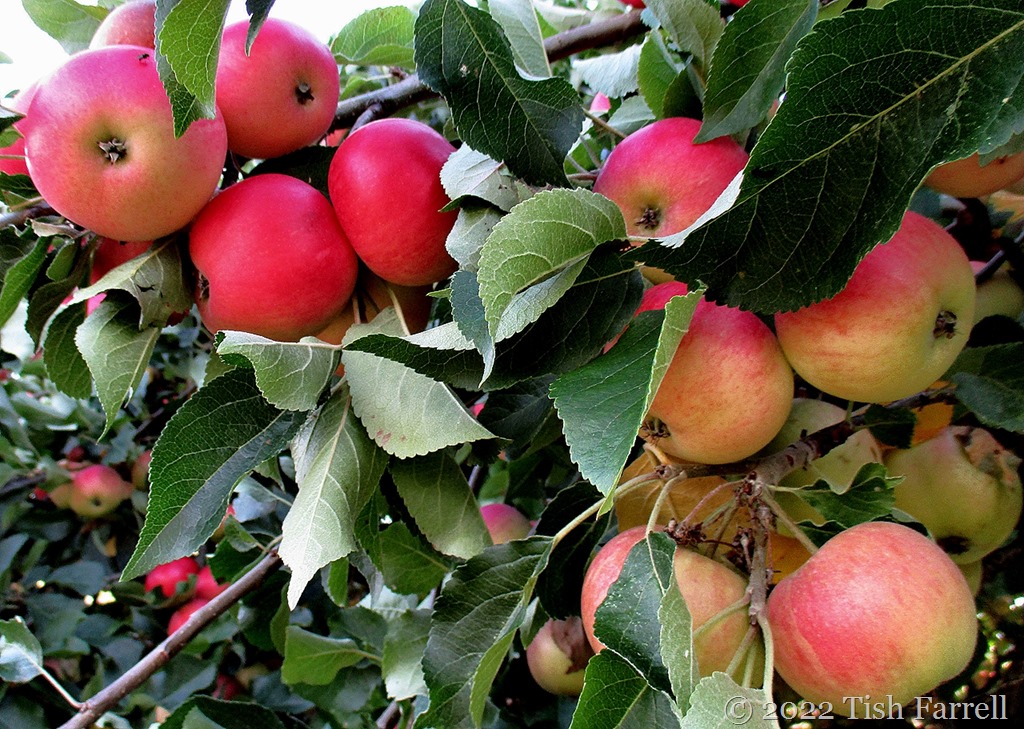
Now when it comes to apples, both wild and cultivated, it’s a whole new story. Here is the crab apple tree in our back garden. The fruit is tiny, but what a crop. I’ve never seen this little tree so laden: enough to make crab apple jelly and leave plenty for the over-wintering birds.

IMG_1295ed

IMG_1317ed

*

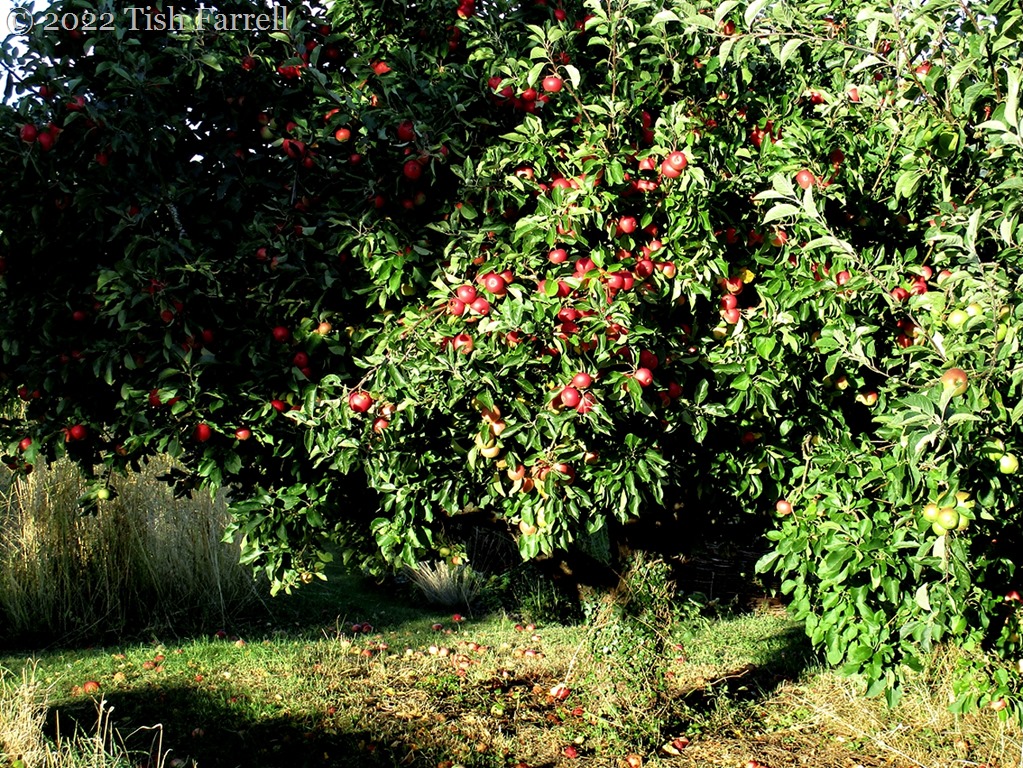
Up at the allotment, the Discovery apple tree is also cropping earlier than usual, and again, weighed down with fruit. The skins are bit tough though; again likely due to lack of rainfall:

IMG_1282ed

IMG_1292ed

IMG_1288ed

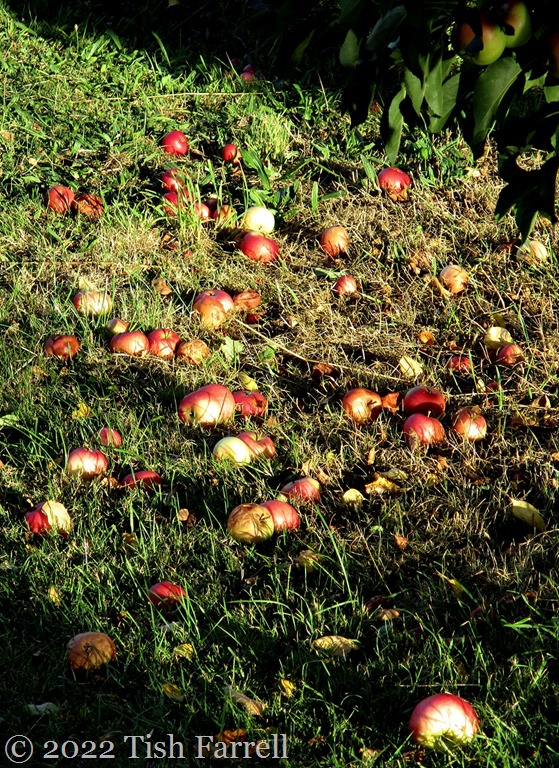
Windfalls in August

*

Since the three very hot days early in the month, we’ve had lots of cool and cloudy days, when we were sure it was going to rain. We’ve even had weather forecasts that threatened deluges. But no. They did not materialize. Only one passing shower that teased all the plants, and this gardener into thinking things were about to improve.

IMG_1274ed

*

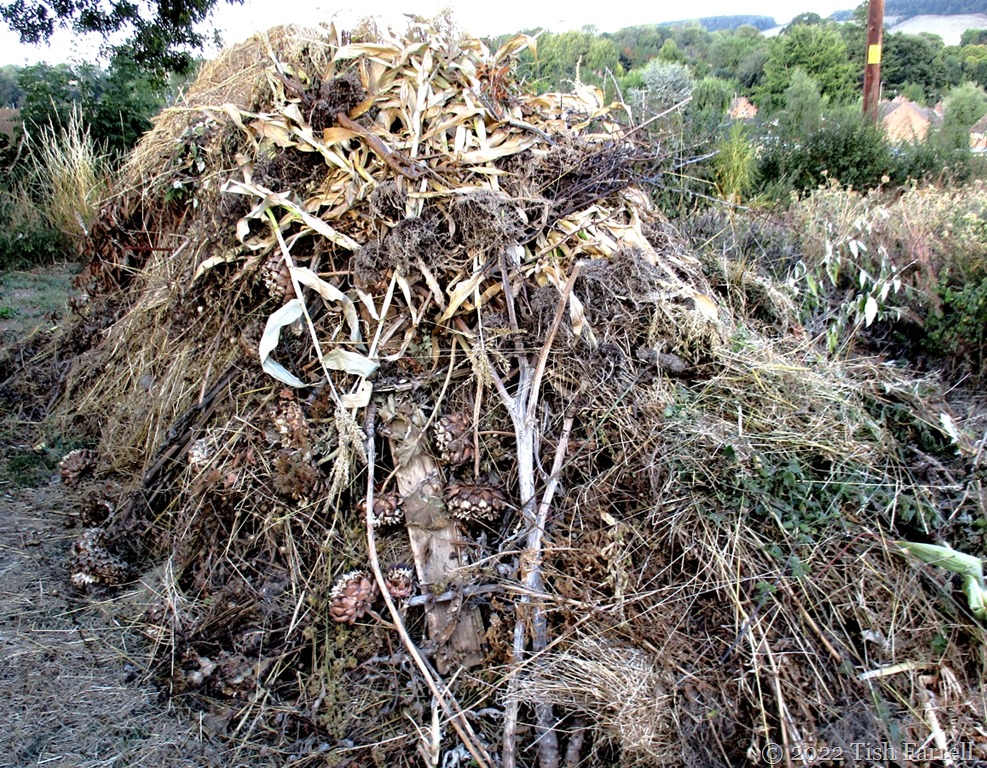
Here’s the allotment bonfire in waiting. It looks very autumnal. The stalks of the artichoke plants on the pile, dried so hard they could not be chopped up for compost.

IMG_1347ed

IMG_1148ed

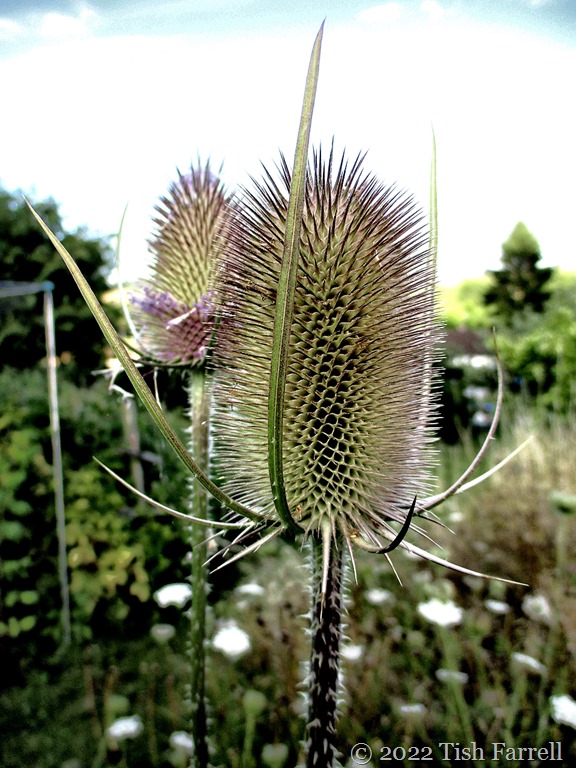
Teasels already

*

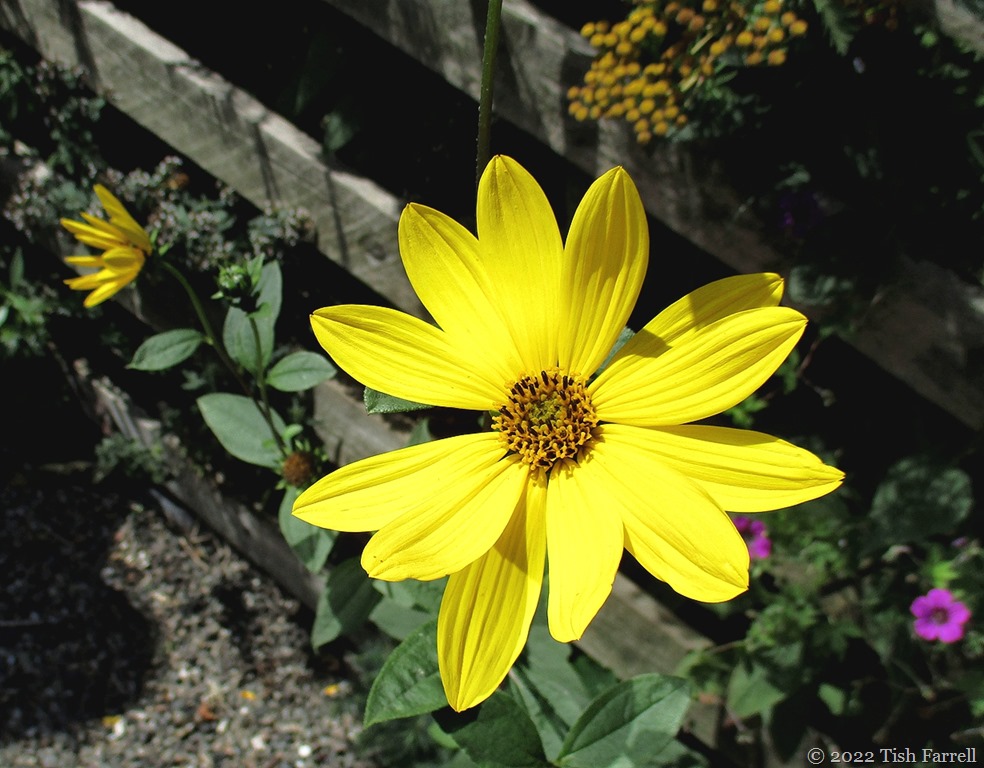
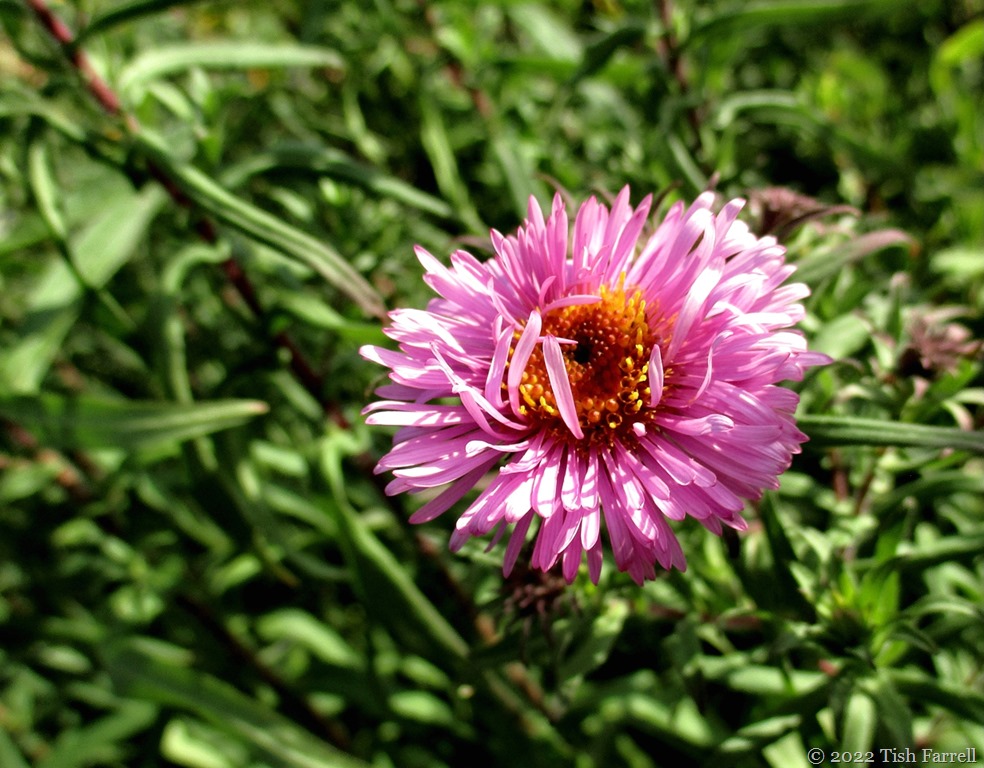
In the home garden, many plants have struggled without rain. The phlox that usually flowers all summer, bloomed and then was quickly desiccated. Hand watering simply did not cut it. Now though, some of the helianthus (perennial sunflowers) are trying for a bold recovery, and I spotted the first Michaelmas daisy yesterday. The geraniums, too, have soldiered on valiantly. Things in pots (cosmos and echinacea) are probably faring better because it’s easier to manage the watering. Which also means we have a jolly new sunflower just out by the greenhouse door. It’s sharing a tub with some tomatoes.

IMG_1324ed

IMG_1316ed

IMG_1329ed

*

And finally a view from Wenlock’s old railway line, taken yesterday:

IMG_1327ed

The Changing Seasons ~ August 2022:   Please visit hosts Brian at Bushboys World and Ju-Lyn at Touring My Backyard

Iced

P1030428edit

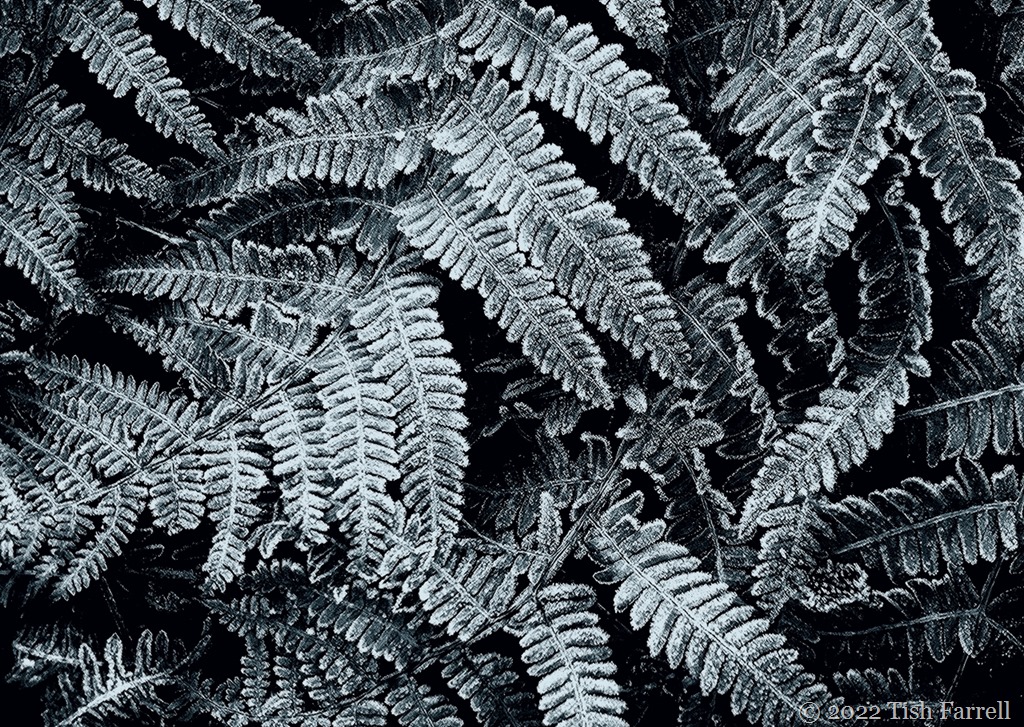
For anyone currently suffering any kind of over-heating, herewith some cooling images of frosted ferns. These photos were taken a few Decembers ago during a sudden frigid spell in Hay-on-Wye, widely known as the book capitol of the world. We’d planned a long weekend there – a brief trip out of Shropshire and into Powys. It was only an hour or so’s drive. Up to the moment we set off, we’d had mild winter weather, but even as we stopped for a cup of tea half way in scenic Eardisland, we could feel the bank of cold, cold air closing in.

P1030430edit

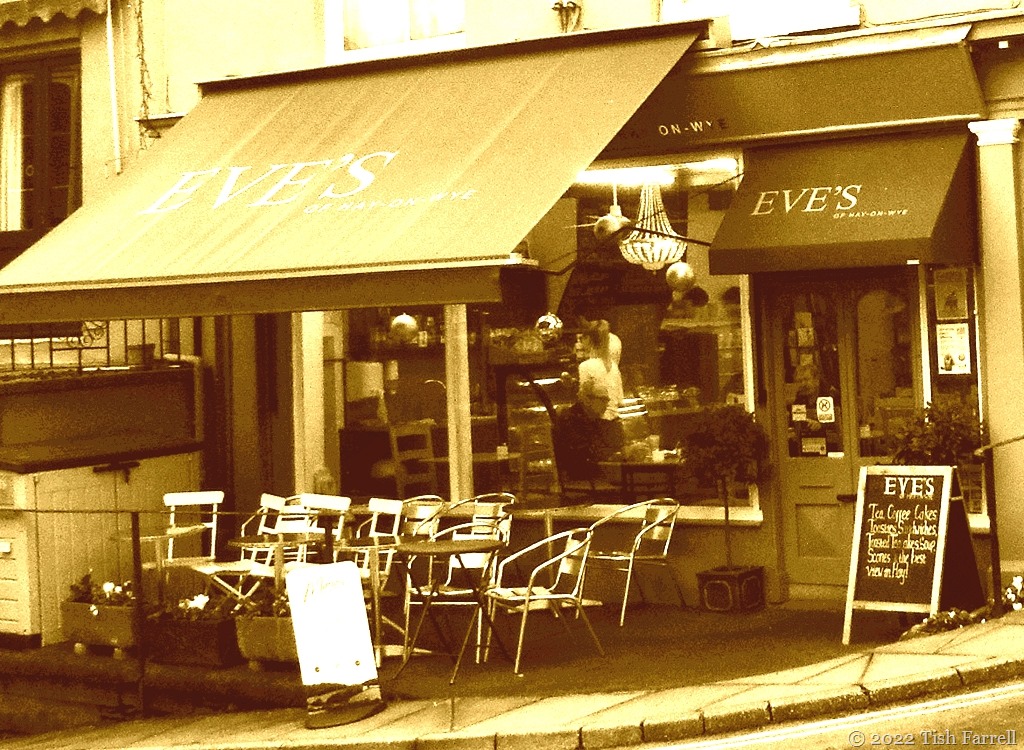
And so it proved to be three nights of cold comfort.  On one of them the central heating system in our inn failed altogether. In between times a gale blew through the place as no one thought to shut the doors. Nor thought to light the log burning stove in the bar while we ate our evening meal. Street wandering could only be undertaken in small doses. Or at least that was our excuse for popping into Eve’s for regular rescue infusions of hot chocolate. Thank goodness, too, for Hay’s many hostelries that were far more welcoming than ours and for Richard Booth’s bookshop with its big squidgy sofas to camp out in.

P1030331ed

Cee’s Black & White Photo Challenge: hot or cold

Townsend Meadow: Views Spare Or Complex

IMG_0089

Ripening barley

*

It’s pretty much a truism when it comes to prose, the fewer words the better. This is a hard lesson for most writers to learn: how much to leave in; what to cut. Of course timing is involved too, not only scene setting. To build suspense, a sense of drama, irony, mystery, you can’t rush things. But then too much detail and description can bog things down, or worse, bore.

For most of us, honing the craft of captivating verbal particularity, the sort of writing that transports readers, heart-and-mind, right to the spot takes much practice and perseverance.  And there may come a point when the attempt to conjure with words becomes too darned hard. Well, aren’t we humans, above all, moved by visual stimuli. Just think.  If Word Press blogs were solely prose, how many of us would be here?

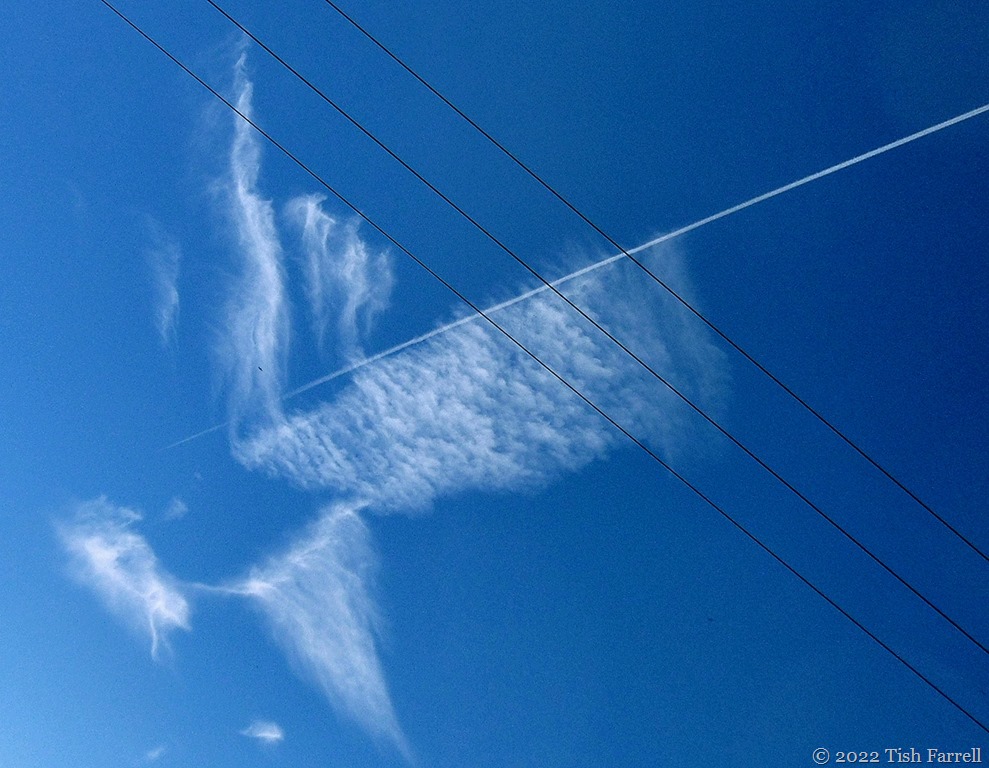
And so to images. These are all views from the field behind our house: the things that catch my eye: light and shadow; blocks of texture; earth colours. In this space, between our garden fence and Wenlock Edge,  it’s usually the sky that creates all the drama.

IMG_0053cr

The fence at the top of the field in winter

*

img_1729

Over the garden fence

*

p1060998

Summer grasses on the field path

*

cr

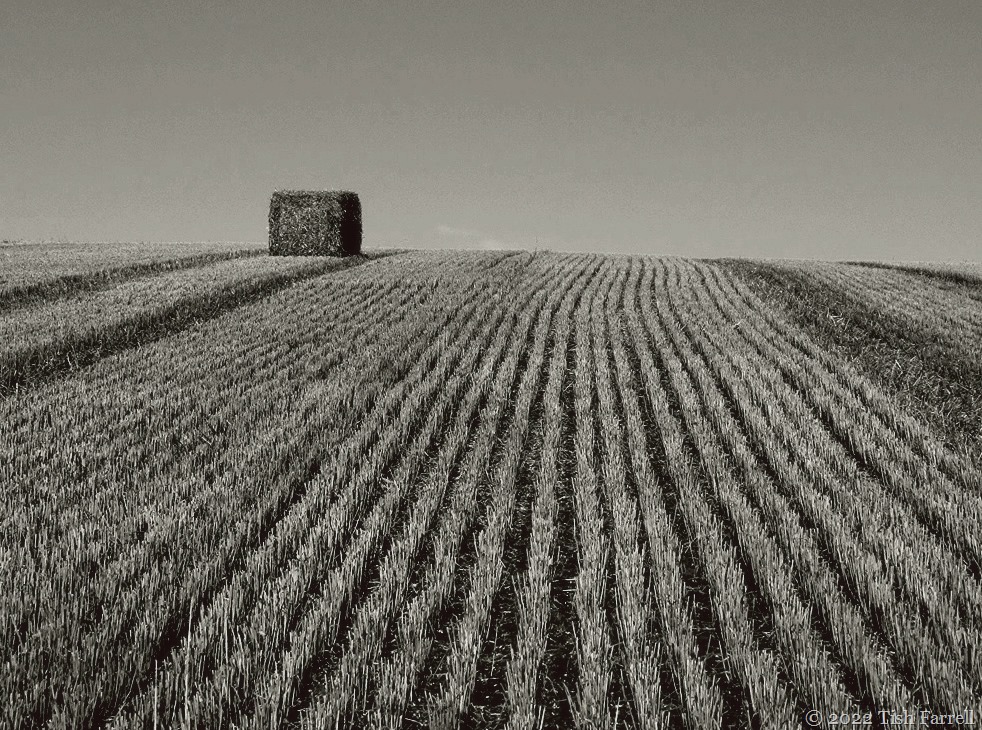
After the wheat harvest

*

P1000566re

Winter hedge-top

*

P1080430re

*

100_5858re

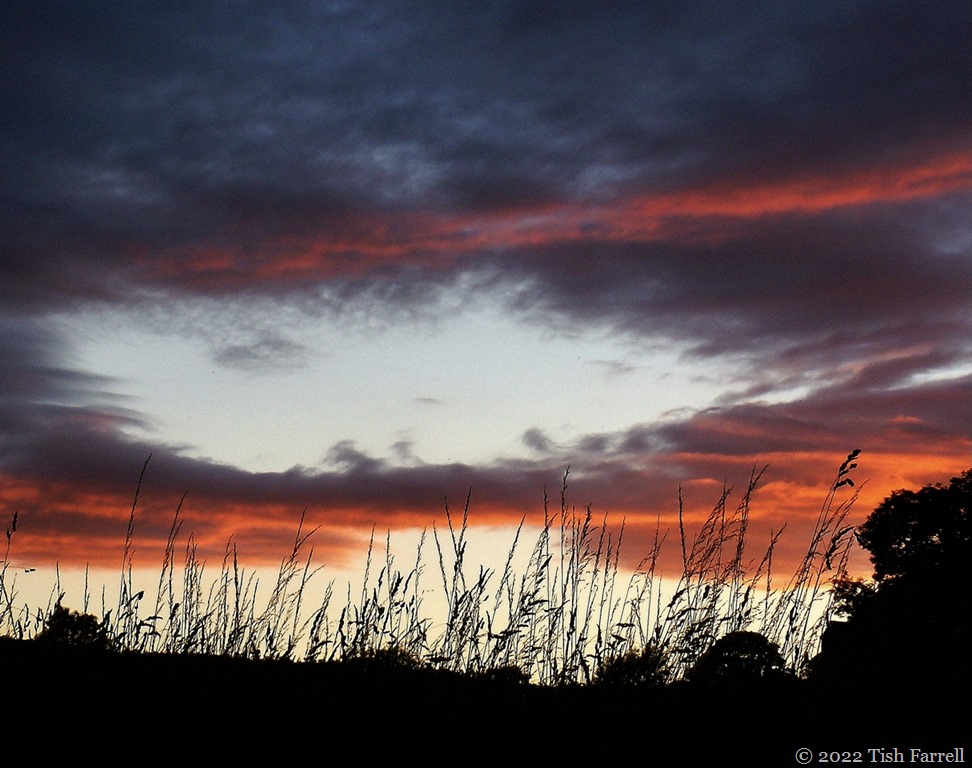
Midsummer sunset

*

100_5995

*

100_6568re

*

P1050990re

Lens-Artists: minimalism/maximalism   Sofia at Photographias has set this week’s theme. Please pay her a visit.

Quiet Scenes On The Edge

P1060107sep

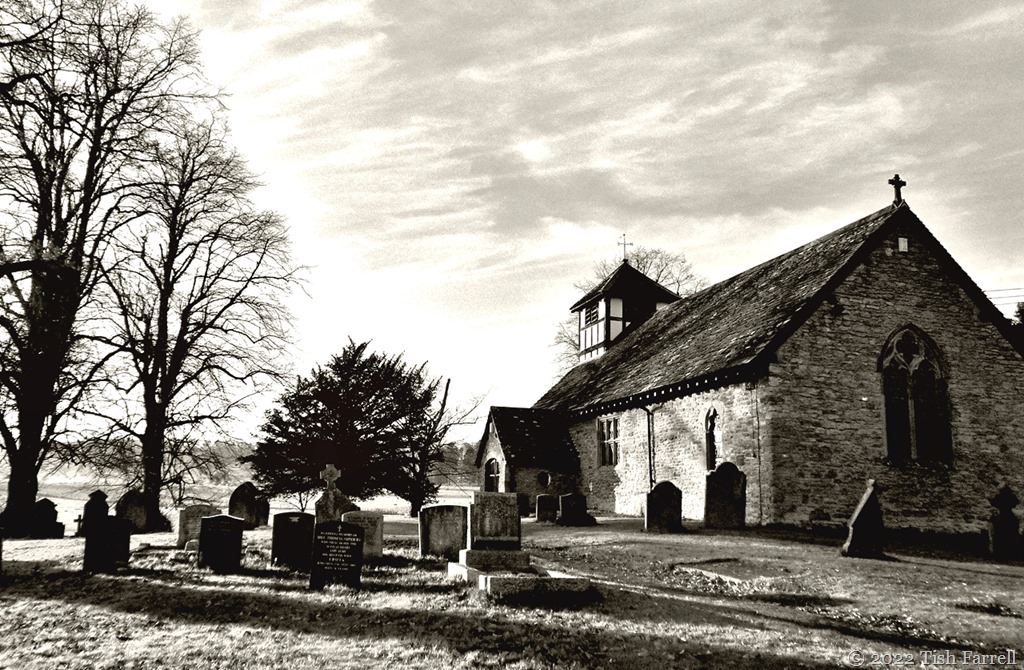
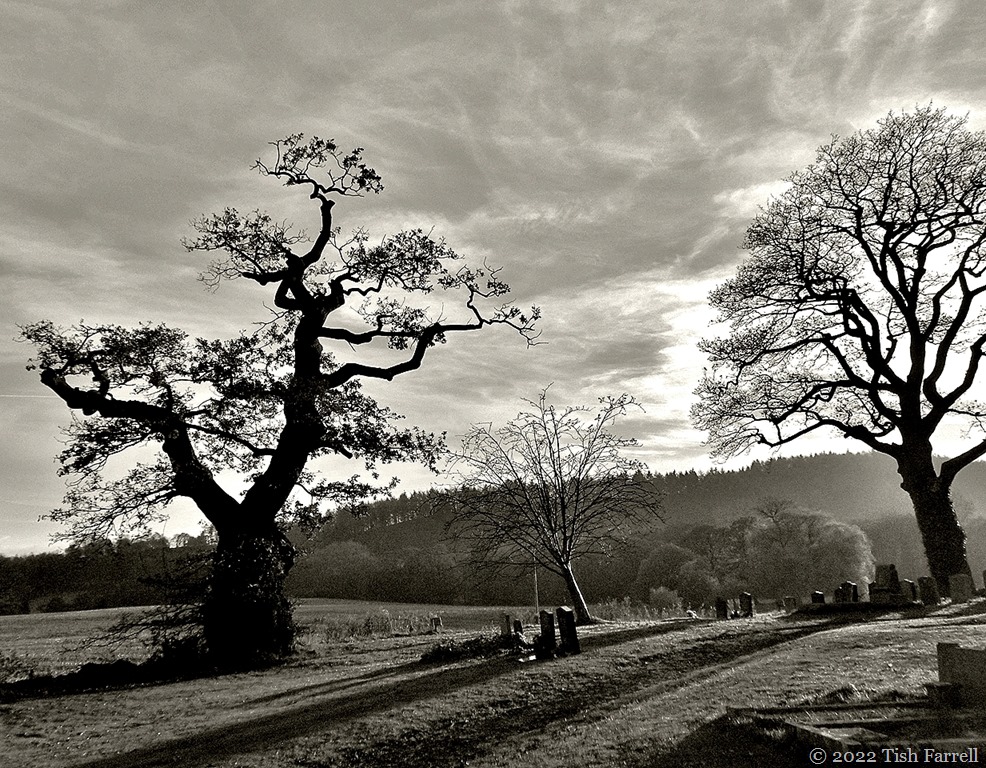
The hamlet of Easthope lies a few miles south-west of Much Wenlock. To reach it you travel along Wenlock Edge towards Church Stretton, then drop down a winding lane, too narrow for comfort. At the village heart is St. Peter’s church and the meadows of Manor Farm. The houses are scattered round: old limestone cottages, some ancient timber framed buildings, some modern homes built last century, a gracious rectory no longer ecclesiastically engaged. Most look out on the Mogg, a darkly forested hogsback ridge whose trees hide the the remains of  an Iron Age hillfort known as The Ditches.

You can just see the conifer tops of the Mogg between the churchyard trees in the next photo.

P1060116sep

I took these photos one bright December afternoon. It was something of a pilgrimage.  My good friend and artist Sheilagh Jevons resides in this peaceful graveyard, the perfect spot for a woman so in tune with the Shropshire landscape and its liminal spaces and much in love with the Mogg. Her house and studio were just down the lane from the church and she called her home The Mogg.

*

P1060049sep

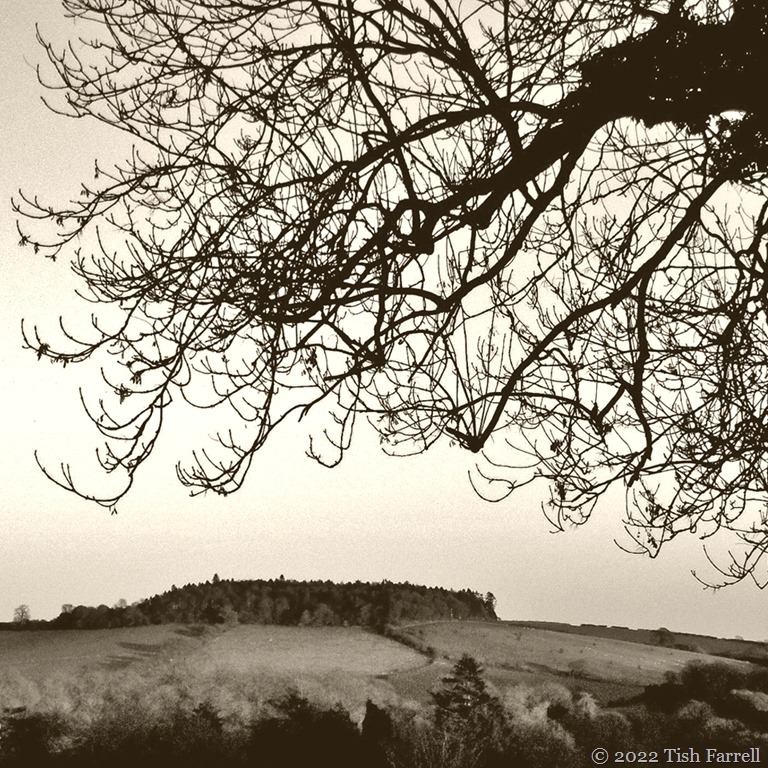
Here is another hill topped with a conifer plantation. It lies on the easterly side of Much Wenlock, and this is the view I see as I come home from the allotment, stepping out under the big ash tree that guards the unofficial ‘gateway’ through the field hedge.

*

P1100113sep

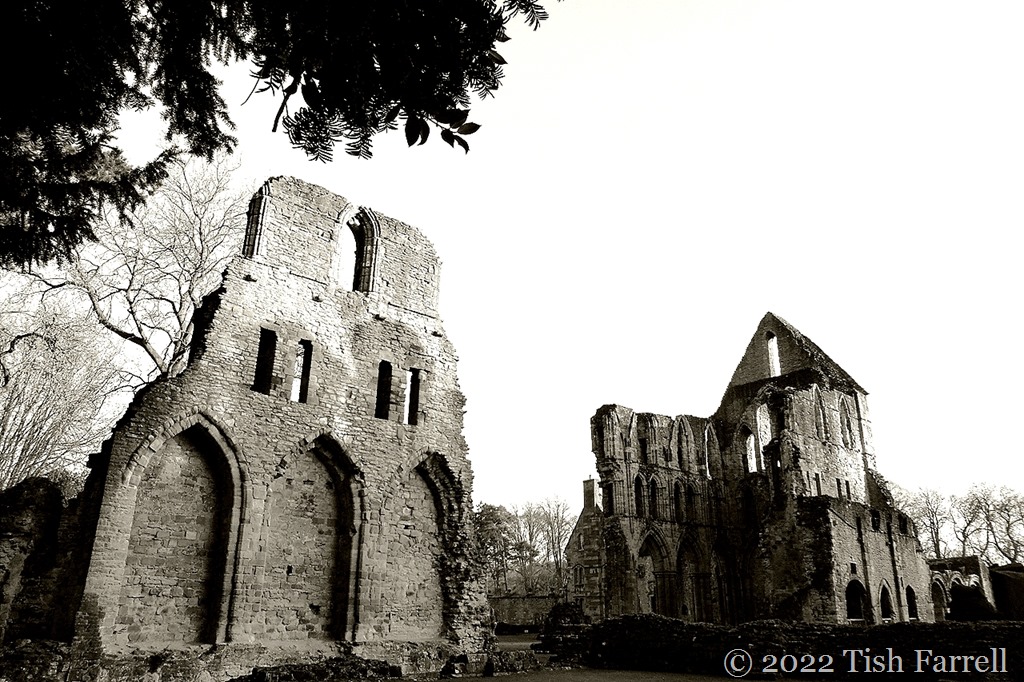
And naturally, one of the most peaceful spots in the town are the ruins of Much Wenlock Priory whose origins, in the charge of Saxon princess and abbess, St. Milburga, go back to 670 CE. The remains you see here are much later, dating from successive building phases in the 12th and 13th centuries. In its day, Wenlock Priory was among the grandest monastic houses in Europe, its monks belonging to the Cluniac order and brought here from France. It’s a mysterious thing to think of now, a French community ruling the lives, body and spirit, of Shropshire folk. All dissolved in 1540 of course, with the protecting lead stripped off the roofs by Thomas Cromwell’s team of asset strippers.

Cee’s Black & White Photo Challenge: peaceful