Six On Saturday: Wind & Sun & Hail

heart's delight tulip

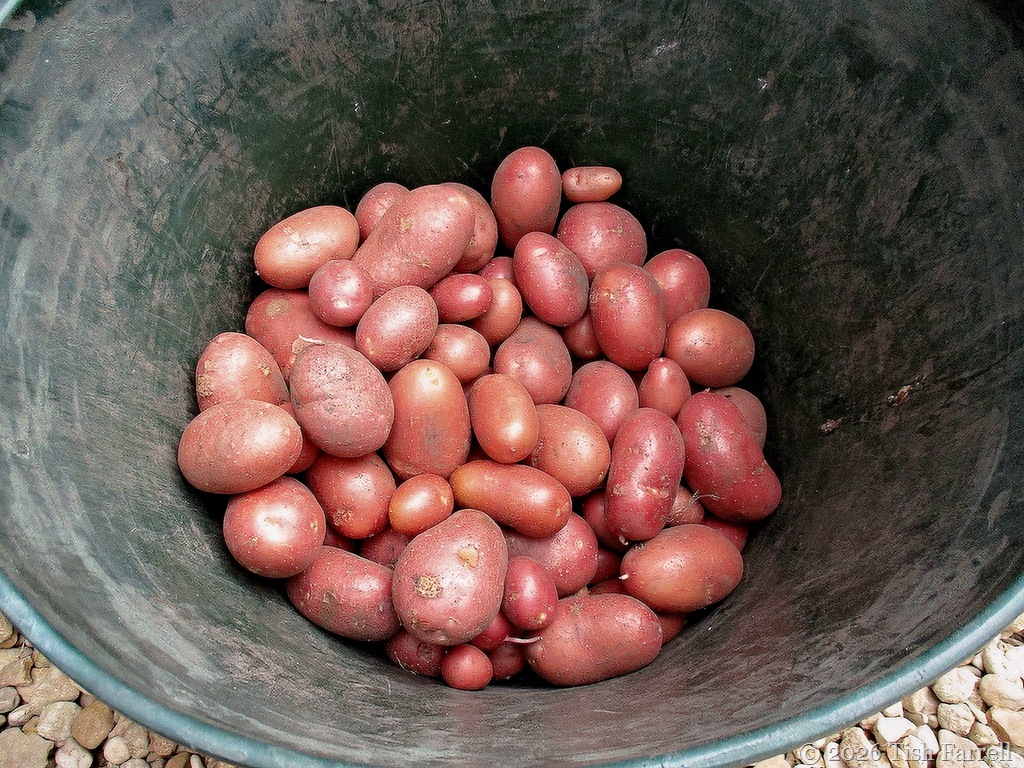
It’s been a week of many weathers, including a sudden heat wave on Wednesday with days of piercing winds and low temperatures either side.  One day we’re in the 20s C, and the next it’s down to 9 degrees. All very confusing, although I did manage to remember to think it was time to plant the seed potatoes – Red Rooster and Charlotte. They had grown some very chunky shoots while lingering in egg boxes in the downstairs cloakroom.

Also we could have done without the gale last Saturday. More of which in a moment. But first, the garden stars of the past two weeks have been these lovely little front garden tulips, Heart’s Delight (1). They have stood up to being roasted and thrashed, but I fear they won’t last today. As I write this, we’re having a hail storm and fierce sleety gusts. Most of their petals have already blown off.

IMG_0111ed

*

And so to last Saturday’s gale, and good bye cherry plum tree (2).  It wasn’t our tree, but it gracefully filled our kitchen window view and we liked to watch it through the seasons. It also made up for the ‘horrid holly hedge’ which we acquired along with the house. On Easter Sunday we woke to this:

cherry plum 2

cherry plum 7

cherry plum 1

*

The tree people came this week and cut the whole thing down. They said the remaining trunk showed signs of decay and had to go. There’s no denying it: it’s left a big gap.  I doubt that the housing association owners will replace it, planting space being rather limited. Here it is back in March.

cherry plum in March

cherry plum gap

We can now see the retirement home’s almond blossom tree across the road, but the immediate holly hedge view seems rather bleak and gloomy. I’m wondering about having a Japanese Maple in a big pot at the top of the old steps opposite the side window. It’s a semi-shaded, sheltered spot. It might work?

*

Of miniature trees (3). On a happier note, the garden’s tiny trees seem to be faring well. We don’t have a great deal of space, and although I realise shrubs generally form the ‘spine’ of a garden, I couldn’t get to grips with what to choose or where to put them. Instead, I thought of dwarf trees. The conference pear is the prettiest of them just now. It’s in a raised bed beside the potato patch.

back garden April

pear 3

pear 2

*

We also have 2 dwarf eating apple trees and a little Stella cherry on the top of the terrace wall, and in the front garden, two small crab apples (Evereste and upright Laura both about to flower), and a Merrybelle Plum, which is just over.

My thinking with the little trees is that we and the pollinators have the pleasure of the spring blossom (and maybe also some fruit come autumn), but they leave lots of room for the late spring and summer show of herbaceous perennials.  And if we lose sight of them for a while among the phlox, rdbeckia and Michaelmas daisies it doesn’t really matter.

Merrybelle 3

Merrybelle plum

terrace bed

About to flower – a dwarf Christmas Pearmain just visible to the left of the tulip pot.

*

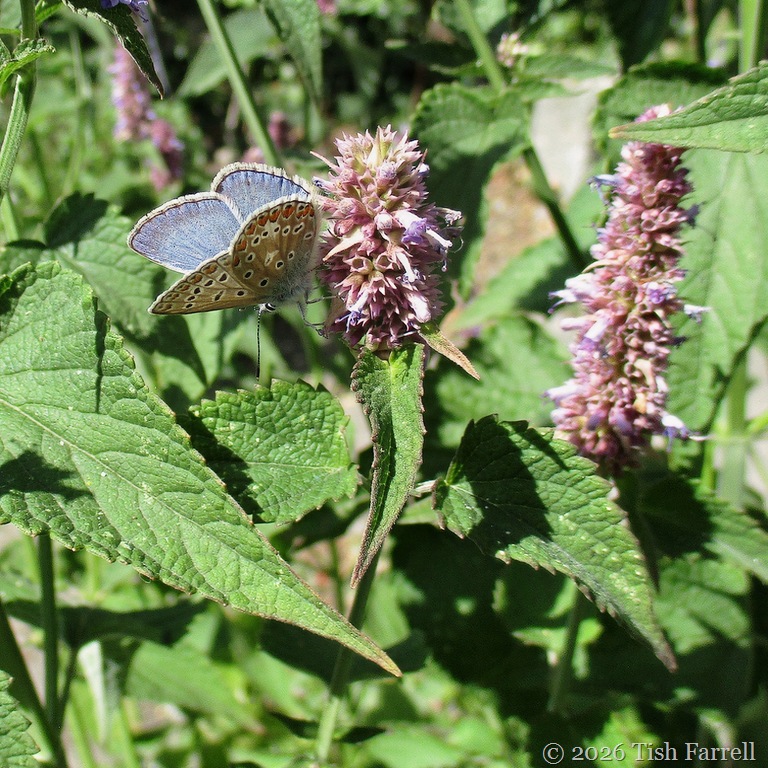
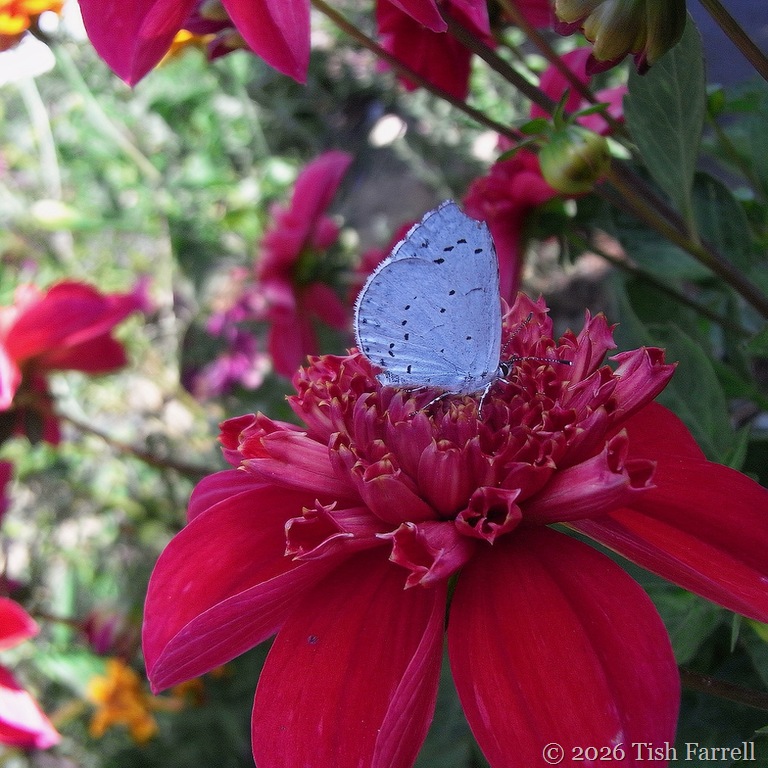
The weather may be changeable and bitterly cold (even by English standards) but there have been plenty of sightings of butterflies: orange tips, tortoiseshells, Common Blues. I’ve also noticed bumble bees, especially in the Pulmonaria (lung wort) flowers. Diana Clare (4) with her striking silvery leaves, is a new plant bought last year, so I’m pleased to see she’s settling down, and especially after the pigeons snaffled her first leaves.

RIMG0065ed

*

Also looking its best with lots of flowers for the insects is the creeping rosemary (5), planted a couple of years ago along the front garden wall.

rosemary

*

And last, but not least, it’s all thanks to he who builds sheds and car ports that aren’t for cars, AKA Graham. This week he finished making me a cold frame (6). Brilliant! He’s also mended my ancestral (grandfather’s) spade  whose handle broke while I was trying to excavate the whirly washing line spike that needed to go somewhere else.

All we need now is to get growing with some warmer, less windy weather. Roll on spring!

cold frame

*

Six On Saturday April 11 2026


Knowing My Ground: Spring On The River Avon

willow evening

This week Patti at Lens-Artists asks us to consider fore- middle- and background when framing our photos.  And it just so happens I took a few (I think) suitable photos back in March when we were staying beside the river at Bidford-on-Avon in Warwickshire.

The house had a fine view of the town’s fifteenth century bridge. On the afternoon we arrived there was brilliant sunshine. I’m glad I caught it! I liked the shimmery reflections of trees and church tower in the river, but also that you can glimpse the upstream banks  through the arches. Can you see the swan?

Bridge sunset

RIMG0095 Bidford Bridge sepia

*

Bidford Bridge upstream view

A view from the bridge

*

And lastly a couple of photos from our visit to nearby Hidcote Manor Gardens:

Hidcote magnolias

I liked the layered look of the magnolia blossoms near and far against the flat grey sky.

*

Hidcote tearoom window

What’s not to like about this red-framed window in the Hidcote tearoom, and such a rich red too. Then there’s the garden border beyond, still slumbering for the most part, and in the distance the manor house roof.

Choose a pane, any pane…

copyright 2026 Tish Farrell

*

Lens-Artists: Framing your shot – fore-, middle, and background

This week Patti sets the theme, and gives us some excellent examples and guidance. Go and see!

Blue Sky Morning

RIMG0060ed

Breakfast on the lawn. A jug of coffee and fresh cut orange and apple with toasted nuts. And at last the sun on our skin. A sense of bliss after the dark, wet months.

Overhead, in the big blue, jackdaws drift from their roost to all points and back again. No reason necessary. Far off, too, above the town, white glints catch my eye. They shimmer like foil reflecting the sun, and soon, drawing near, take form: a pair of buzzards in their best feathers. It’s the white underwing that catches the light. They glide by. A pair. Aerial synchrony. It looks like a slow pas de deux.

And next comes the red kite, Shropshire’s largest raptor. Sipping our coffee we lean back to watch. It’s far up, the tell-tale V of the tail feathers, the wide wingspan. We almost take such sights for granted now. The sparrows, though, dash for cover in the holly hedge. And that’s when, gaze lowered, I notice the brimstone butterfly. Wings of pale apple green, it’s flitting about the garden at high speed. Then up and away over the fence, across the street and into the Thorntons’ garden. It’s the second I’ve spotted this week. I don’t recall ever seeing brimstones before.

Along the garden path there’s a continuous sprinkling of cherry plum blossoms. The ice pink petals fall like slow snow flakes. On days like this the tree looks its festive best against the sky. It’s not our tree but grows near our hedge, casting the new spring garden of daffodils and hellebores in dappled light.

RIMG0063ed

And so with the sun and the blue sky all seems hopeful, bountiful, beneficent, and I breathe a long slow breath. Muscles soften. Winter tensions dissolve. Here, in our small garden world, spring is happening.

copyright 2026 Tish Farrell


Lens-Artists: Time to relax  This week Anne at Slow Shutter Speed wants to know what helps us relax.

Changing Seasons, February 2026: The highlights

crocus feb 1

Here in England, it’s too easy to harp on about our months of wet and dismal weather. But February has not been all wall to wall gloom. Last week, when we had two sunshine days, everyone was out and about, spurred on by fits of exuberance. How we’d missed the sun. It felt a battery recharge.

I made the most of it, too. Not only did I mow the lawns, but I also dug out my compost bin and spread the contents all over the back garden beds: instant refurbishment to rain beaten soil, and no digging required – at least not beyond the confines of the compost bin. No-dig pioneer gardener, Charles Dowding, would surely give me a thumbs up for effort. The blackbirds are certainly pleased with me, although I’m not so pleased with them. They seem to think the garden path is a better spot for my compost.

And so the highlights – the crocus certainly. They’ve stood up magnificently to rain and wind:

crocus feb 4

crocus feb 3

*

And in sheltered corners the daffodils are just now following on:

Daffodils Castle St feb

*

And about the town, the hedgerows are hanging in hazel catkins that catch the light:

hazel catkins 2

*

While hedge bottoms glow with bursts of freshly opened celandines, some of our earliest wild flowers:

Celandines feb

*

Meanwhile the cherry plum tree over the garden hedge, is treating to us to a sherbet pink confection of early blossom:

cherry plum feb

*

And then one afternoon last week at sunset…

sunset feb

*

…a blackbird perched in the top of our big apple tree and sang a call and answer duet with a compatriot somewhere across the town:

Blackbird serenade

*

And I stood transfixed, listening, breathing in the sappy scents on the air, thinking of spring…

With apologies for the visual shudder


The Changing Seasons: February 2026  Host Brian has a wonderful February gallery featuring his local wildlife. And as ever at Touring My Backyard, Ju-Lyn has both fine views and she’s been creating more fabulous treats in her kitchen.

sunset feb header

Reasons To Be Cheerful: Six On Saturday

snowdrops 9

January came with heavy snow and gale force gusts that brought down snow-laden trees. Then there were days of frost and biting winds, then heavy rains that flooded fields and roads. There were also many low cloud days, the hills around the Castle shrouded in murk the colour of mud; not much sight of the sun. But through it all the snowdrops have been emerging in ever bigger clumps. They are everywhere around the town, in pots and borders, on patches of abandoned garden, under walls and hedges. And they’re still going strong.

Our own snowdrops are too newly planted to make a clump or a photo worth taking, though we’re still pleased to see them. So these are the neighbours’ snowdrops.

*

The garden has been looking pretty dreary, but there are signs of spring  – when I put on my specs and do some low-level peering.  The Tete a Tete daffodils for one are looking promising:

daffodils

*

We’re also approaching the main season for hellebores. The December flowering Christmas Carols have kept going through snow and frost, but the rain has muddied and bruised their faces.

IMG_9727

*

This purplish-pink one, just opening outside the kitchen window, is faring better:

IMG_9808sq

And still in purplish mode the Ajuga reptans  looks to have put on a growth spurt along the back garden path. I think it may be Atropurpurea. It’s certainly looking very purple here in the afternoon light:

Ajuga

*

And since we’re in the back garden, it’s worth looking in on the winter greens. At one stage they were buried in six inches of snow, but now I see the Swiss Chard and perennial beet have begun to regrow, and the purple sprouting and cauliflowers planted out in the cleared runner bean bed in September are bulking up. The land cress, meanwhile, has been sprouting edible, peppery salad stems all winter.

Swiss chard 3

RIMG0020

IMG_9816

*

And finally there are the slivers of tiny mauve crocuses that have popped up all over the front garden. On dull days they are almost invisible, their petals in tightly wrapped small spikes that remind me more of fungi than flowers.

crocus ed 3

But earlier this week we actually had a blue-sky-full-on-sun day, and the tiny souls opened wide, though barely an inch across at full petal: their own small force of nature.

*

Six on Saturday Our host Jim, as ever, has plenty to show us in his garden; always something new to see or learn about there.

Six On Saturday: In The December Garden

IMG_9640sos

Now as the year ends, the garden is wet, wet, wet. Wet as in waterlogged, sodden, soggy and all round slithery. But yesterday we had sun. It seemed like a heavenly blessing after days of gloom and serial downpours. And suddenly, instead of finding the garden depressing, I started to notice the plants that were not only doing their best, but in their own way, putting on a show.

1) Top of the list is Nandina domestica, otherwise known as Heavenly Bamboo. It’s not a bamboo and so does not have bamboo’s bad infesting habit. The variety here is Fire Power. It’s compact, dome-like in habit, evergreen, and will grow around 18 inches tall with a two feet spread. It likes full sun, but otherwise is undemanding. It also seems unfazed by hard frost (we had several weeks of freezing weather last year). But what colours! It turns more red with the cold weather.

IMG_9629sos

*

Number 2) is a plant that has made a good recovery after a very unpromising start. It’s a Japanese Shield Fern I bought on-line back in the spring. After ten days being lost and tossed about by the delivery company, it arrived in very sorry state, much mangled and desiccated. Now it seems very happy in its pot, making new fronds even..

IMG_9628sos

*

3) The prize for steadfast out-of-season flowering goes to the Phlox paniculata Adessa in the front garden. This is a young plant, bought in the summer. I was not expecting it to flower until next year, but come November, spires of small white flowers appeared, and they’re still going, subtly scented too.

IMG_9641sos

*

4)  Also in the front garden is a tiny self-grown viola. It’s seeded from the pot of violas my sister gave me over a year ago. Such stalwart, exquisite little plants.

IMG_9639sos

*

5) Another surprise is the number of foxglove plants in the garden, all self-sown. They have been growing huge during the recent wet and mostly mild weather, having recovered from a spell of heavy frosting in November. Happy thoughts of summer then.

IMG_9634sos

*

6) Finally, and spot on for a December debut is hellebore Christmas Carol. It was a gift last year, since divided and planted out both in a pot and in the new back steps bed. It’s been so cheering on dull days, though, annoyingly, some beastie is biting holes in its petals. Last year it flowered from months and months.

IMG_9651sos

IMG_9649sos

*

Happy gardening everyone –

whether planning or planting, depending on your hemisphere

Six on Saturday  And thanks and Happy Christmas to host Jim. He has shown us so many fascinating plants, to say nothing of guiding us around his stunning planting schemes.

IMG_9640 sos header

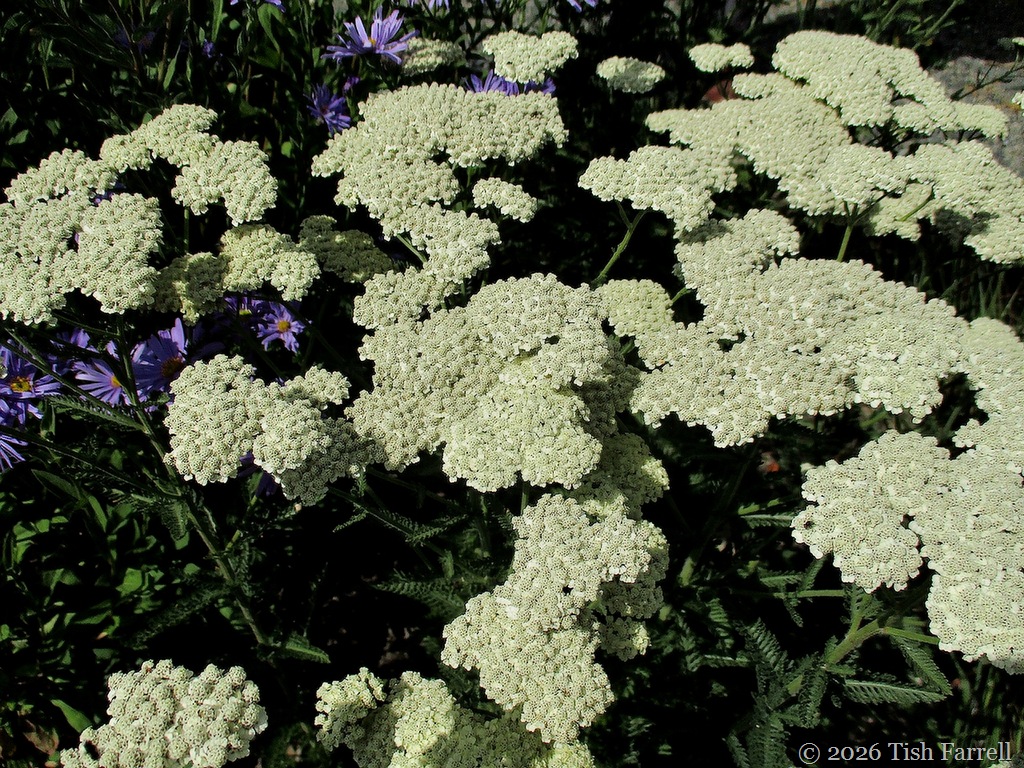
Shadows of Summer Past at Wildegoose Nursery

wildegoose 1

Wildegoose Nursery in the Corve Valley has been hosting a special winter opening this week (Thursday – Sunday) – giving us a chance to see the walled garden in its late season colours. Not the brightest of days yesterday, and with rain on the air.

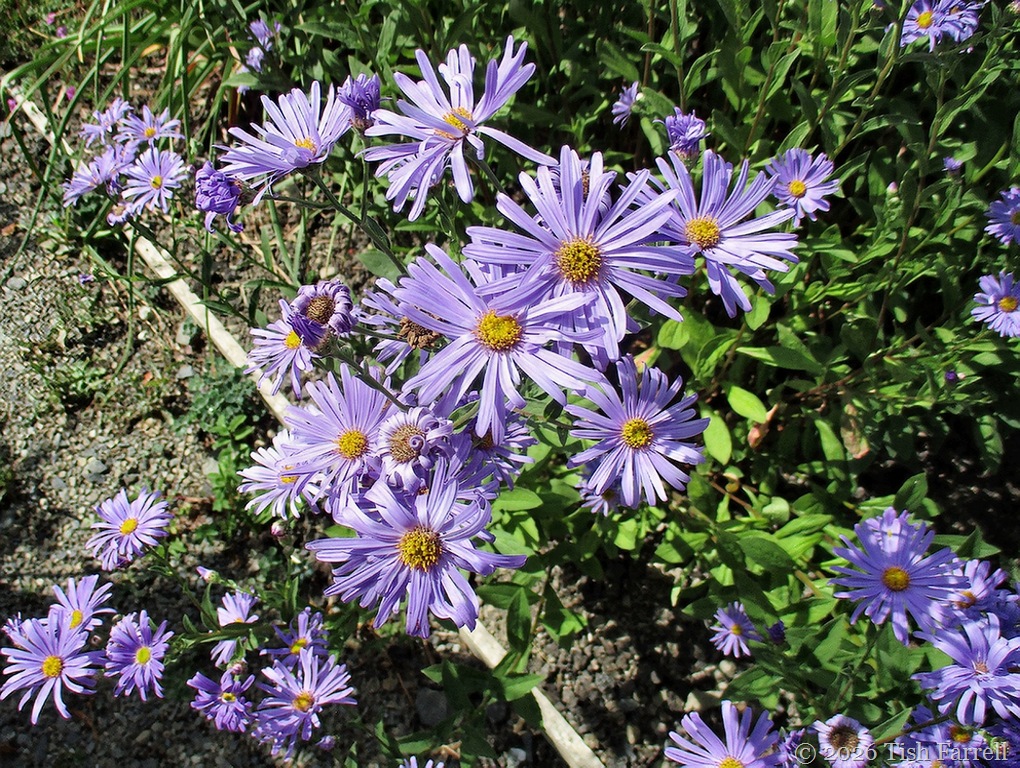
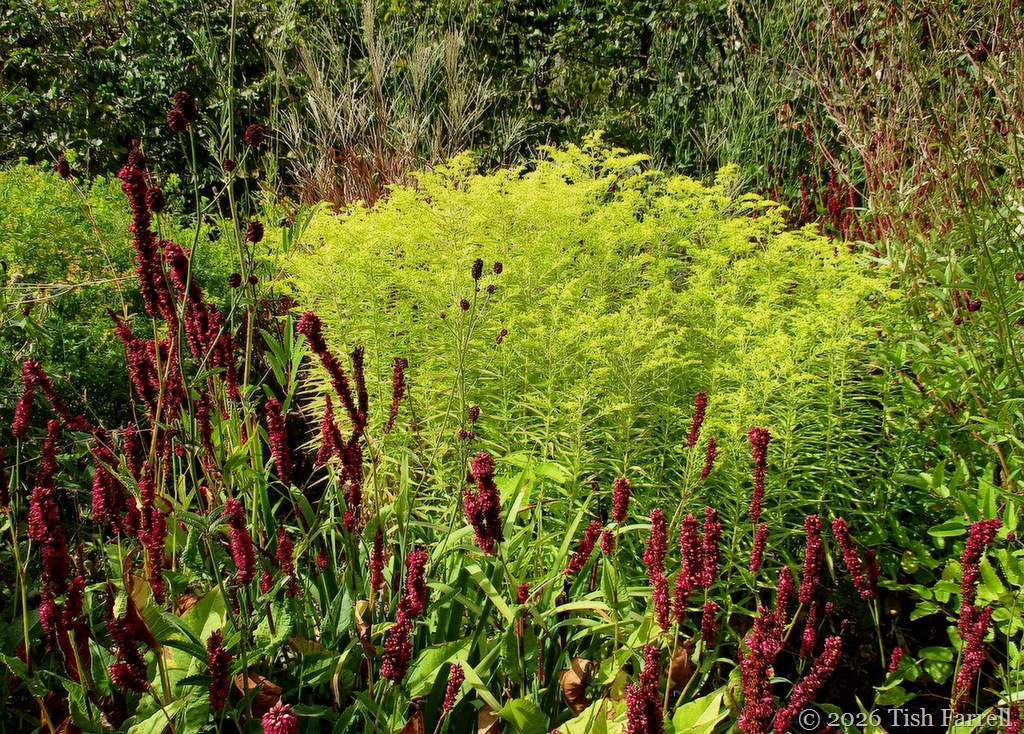
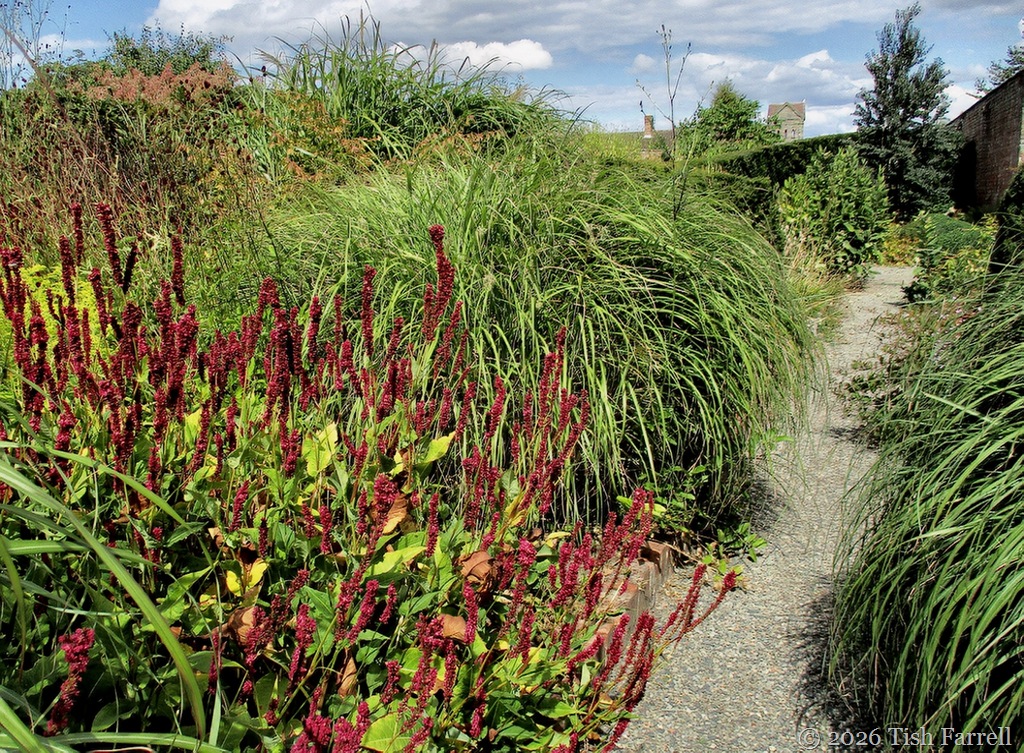
Here’s a reminder of how it looked when we visited in September, this after weeks without rain:

Wildegoose 1

Art 4a

Then and now…

wildegoose 6

wildegoose 4

From the tea room window

November Shadows #29

wildegoose header

Six On Saturday: Showing Their Colours

Evereste

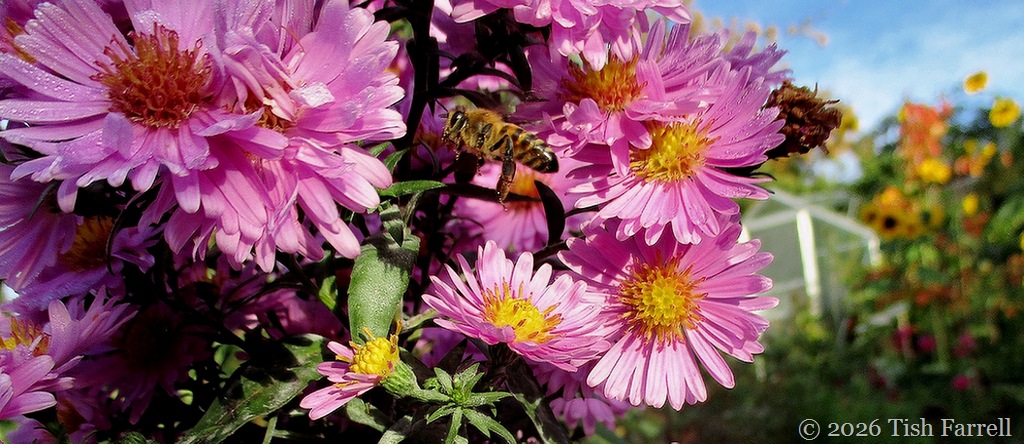
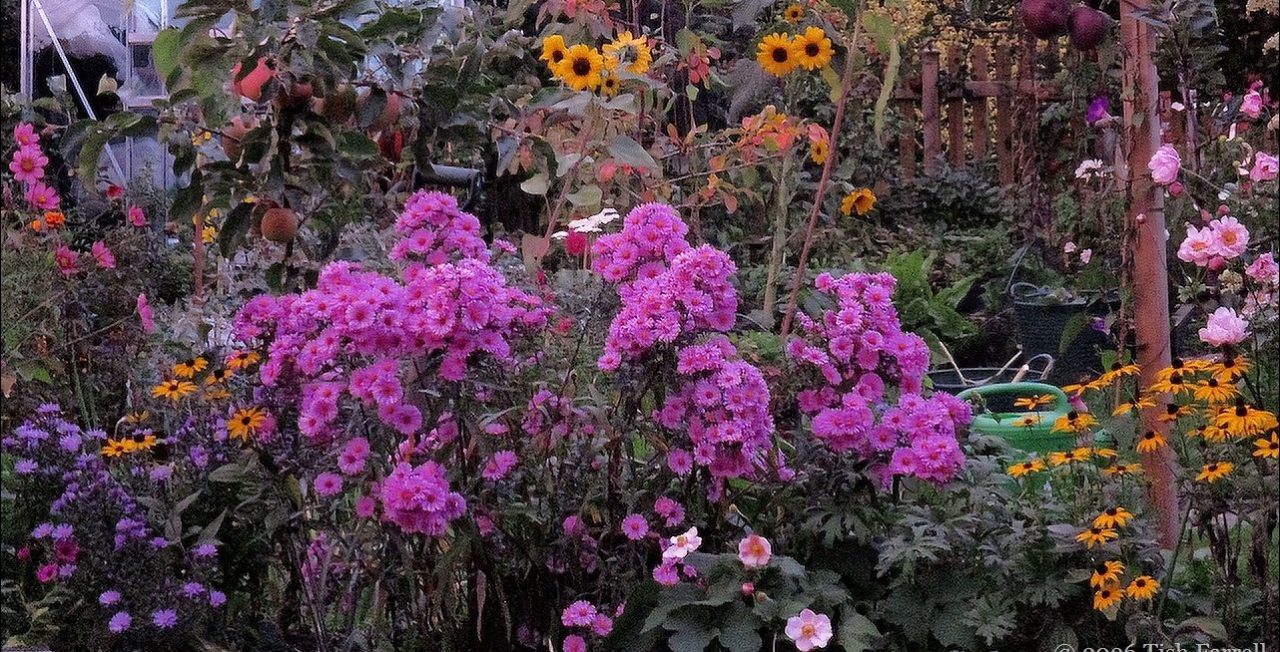
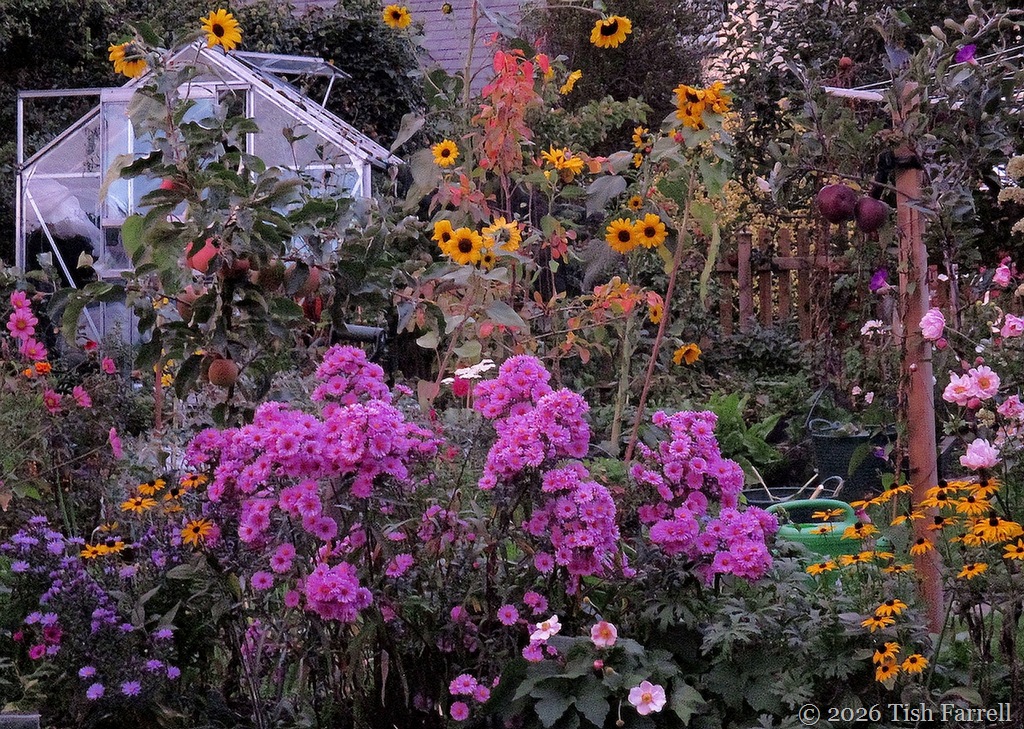
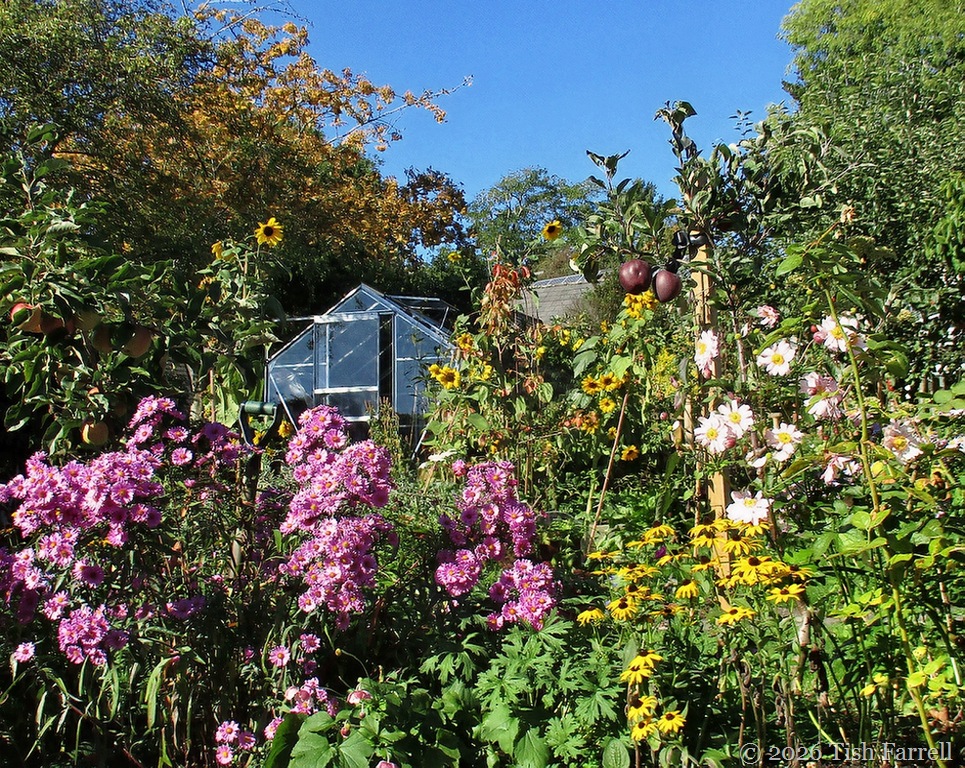
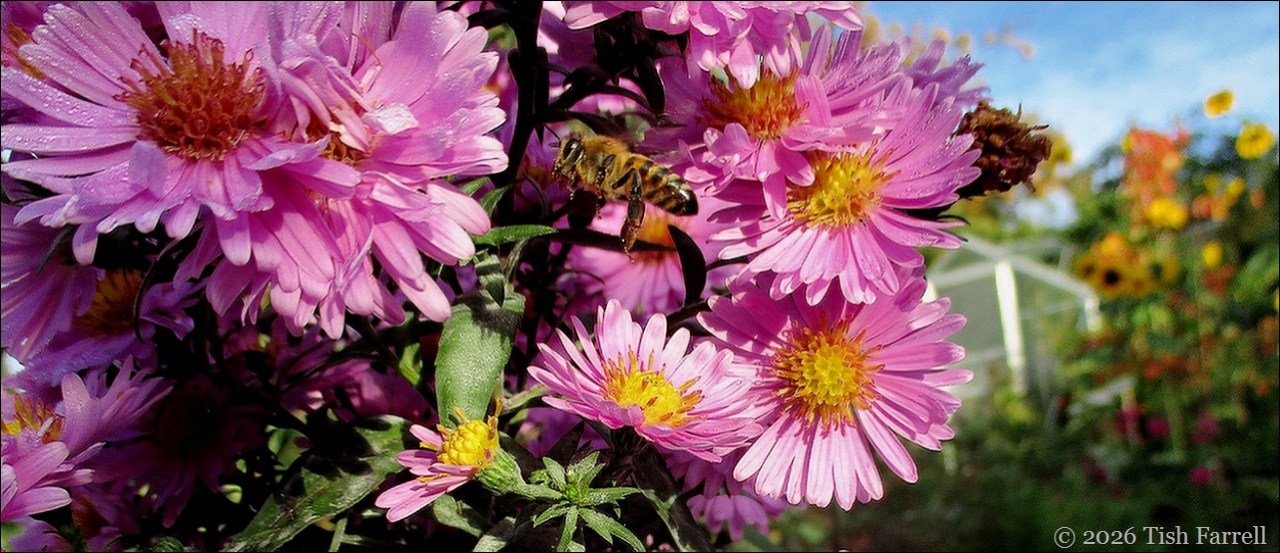
Back at the end of October the garden was alive with drifts of cosmos, Michaelmas daisies and rudbeckia. And then the downpours began, plus some big winds. The cosmos is still hanging on, but the Michaelmas daisies are no more and rudbeckia down to the final few stems.

1) The rose trio, though, is hanging on, still doing their bit. Cornelia by the greenhouse is looking a little rain battered, but still very pretty. St. Cecilia on the terrace wall has been flowering sporadically for some weeks. But her neighbour, Penelope, has only started flowering this week, beautiful, but unexpected…IMG_9404

IMG_9373

Penelope

*

2) There have been other surprise openings this week, including the newly planted young Hesperanthus Wilfred H. Bryant…

Hesperanthus

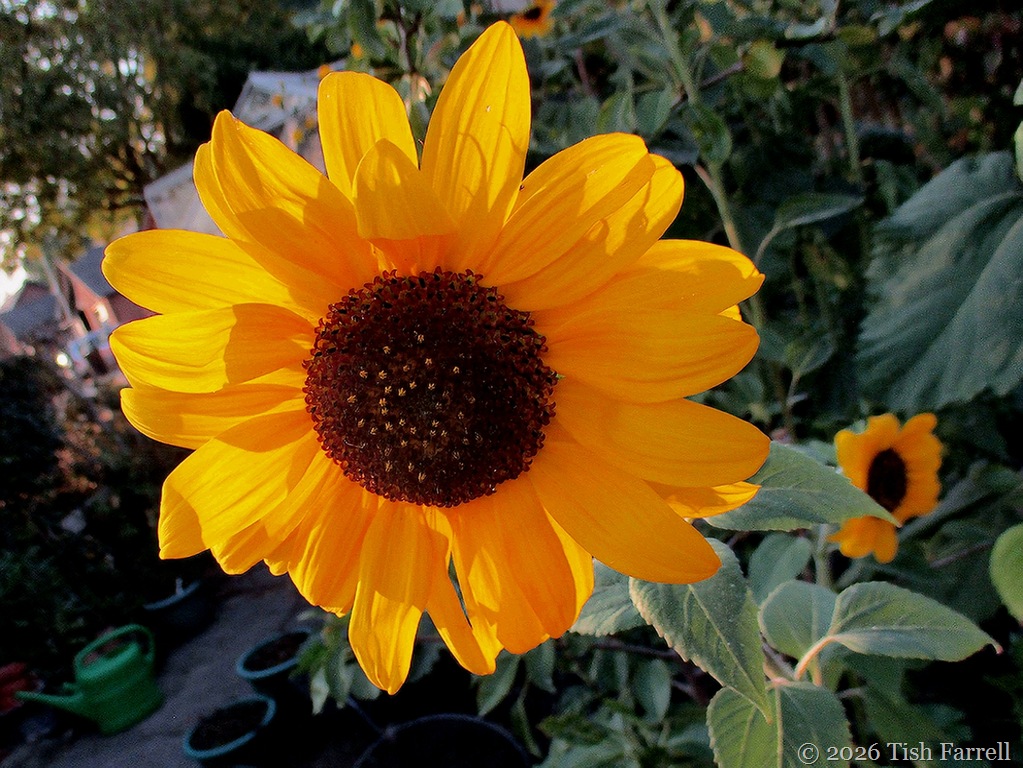
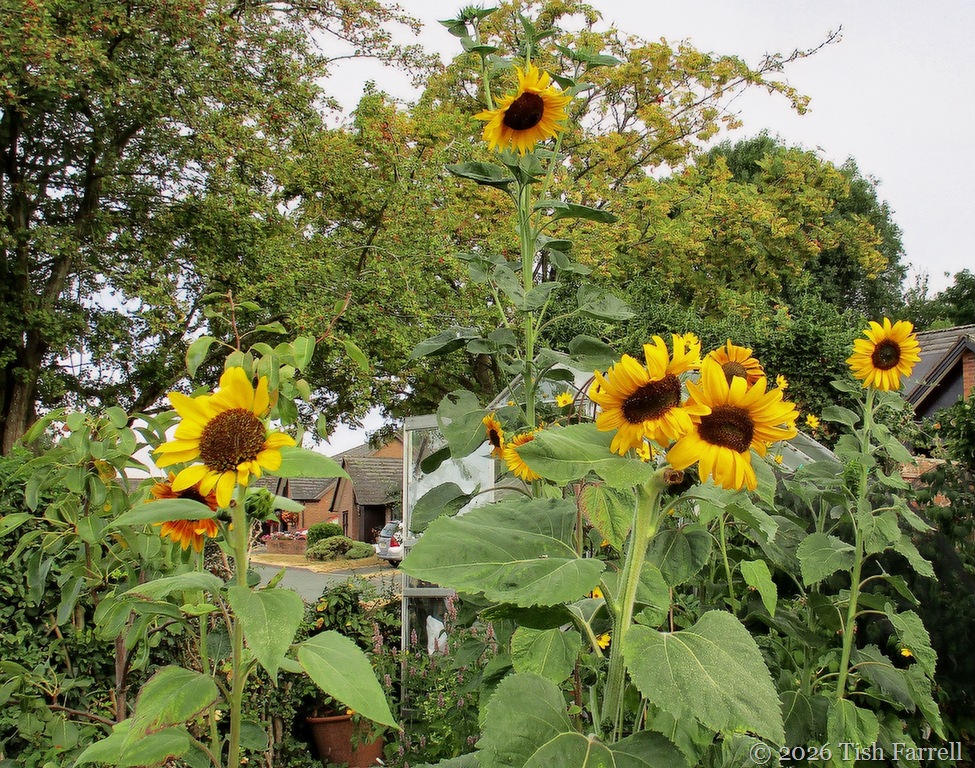
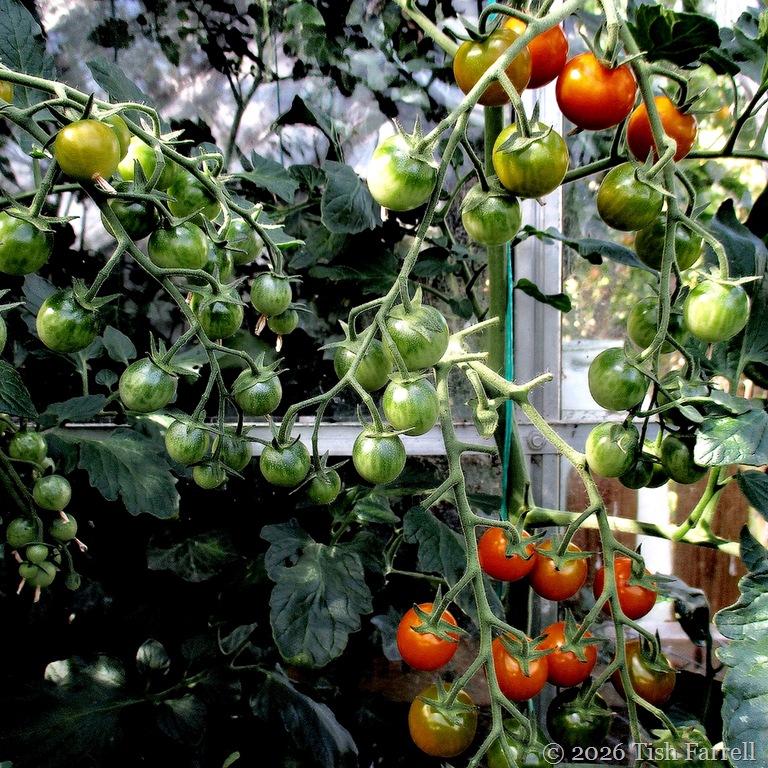
Other curious (unseasonal?) discoveries this week include buds and flowers on two Vanilla Ice sunflower plants which I grew from seed in the spring. They’re multi-headed plants with medium,  in sunflower terms, sized flowers. Heaven knows why they’ve waited till November.

3) In the still going strong since the summer category, Salvia Amistad wins first prize. Actually, this is the best its looked since it was planted in the spring…

IMG_9425

4) And in the front garden, a new favourite Crocosmia Harlequin, as seen this morning. Isn’t this a lovely plant…

Harlequin

*

5) In between torrential rain and misty drizzle, garden tidying, and the usual plant shifting has begun. Our builder and son also came and removed an annoying (literally) stumbling block outside the back door. Last year we had the garden steps reconfigured, but the job wasn’t quite finished and the old bottom steps survived the exercise, were a real eye-sore and general all-round nuisance. But now transformation. They have been demolished and a brand new, semi-shade bed created. I’ve planted it up with assorted hellebores, (Christmas Carol in the right hand corner just in bud), dwarf daffodils, snowdrops under the hedge, pulmonaria Blue Ensign and Diana Clare (silvery leaves), and in the far left, a neat fern, Polystichum setiferum congestum. As the leaves go from the hedge end behind the house, it will get more light. A spring garden then.

new bed

*

6) Last but not least, when it comes to providing long-lasting colour and cheerfulness, to say nothing of eventually feeding the birds, it has to be the crab apple trees: a miniature Evereste in the front garden (header photo) which we can see from the sitting room, and Jelly King at the bottom of the garden, but visible from the kitchen. Even on the gloomiest days, they do their best to glow. Today, though, we have wall to wall sunshine and Wedgewood Blue sky, so here they are looking their brightest…

Jelly King

Evereste header


Six on Saturday Please call in on our host, Jim. He still has some fabulous plants still flowering in his garden

After The Storm ~ Six On Saturday

Cornelia rose

This time last week, the wind was racketing around the garden, threatening to uproot and mash the herbaceous plants. But in the end, damage was minimal. In fact some plants have been thriving since.

And especially

1) Cornelia rose

She’d been in a big pot by the greenhouse all summer. And as she was new, I’d been concerned about keeping her suitably watered during the long summer drought. She did flower a little back then, but not for long. But since the storm, and removal into a bigger, bottomless pot, she has sent out elegant arching stems laden with buds and blooms. She’s a hybrid musk, and the flowers, though small like wild roses, smell delicious. I’m hoping she will eventually fill the gap between the hedge and the greenhouse.

2) Cosmos bigger and better

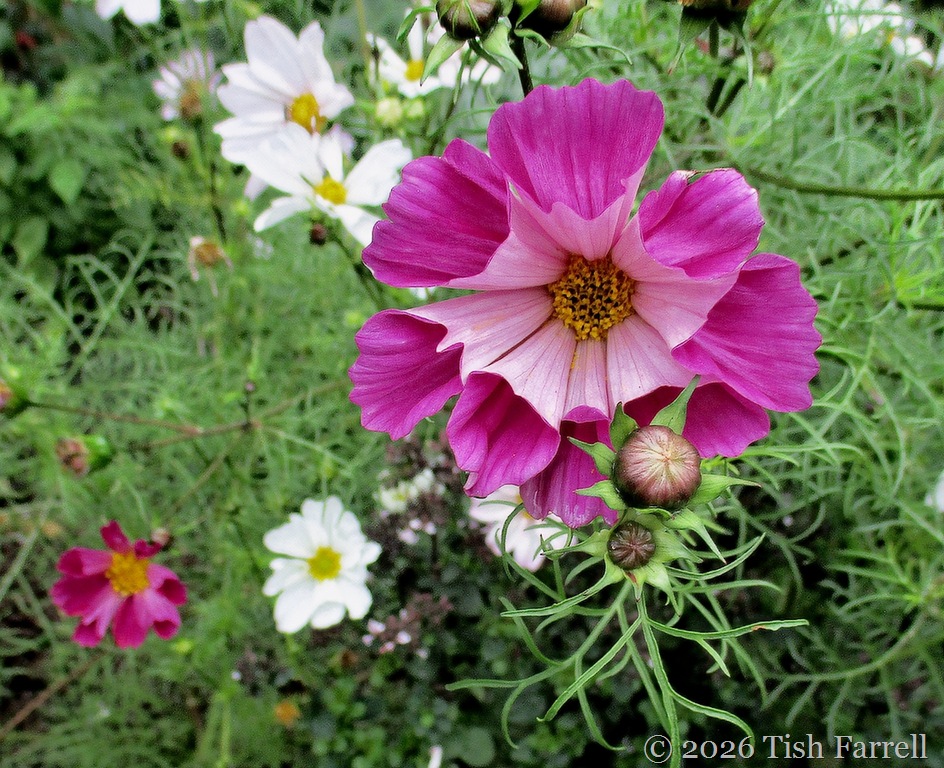
The gale might have blown their frocks off, not to mention nearly scooting them out of the ground, but the Cosmos plants on the terrace wall have come back bigger and better, and are covered in new buds. I’ve been filling vases with them.

cosmos

Cosmos 2

*

3) Tree tomatoes?

Nor did the big wind deter tomato production in the cooking apple tree.  Daft, I know.

sungold

This plant was one of my rejects, a pot-bound Sungold seedling that had hung around on the garden path long after I’d potted up the main plants in early June. Eventually, I stuck it the ground , and generally forgot about it, though I did provide it with a supporting stick. Some time later I discovered that it had climbed way up into the apple tree, and so chopped off its top growth. And again ignored it. Then it began fruiting and has been doing so for many weeks – just a few tomatoes at a time. They’re delicious too.

Here it is – you can just see a strand of green fruit hanging down to the right of Jelly King crab apples, green obelisk behind.

apple tree

*

4) The Kabuki calabrese gets the prize this week for making me smile a lot. I always find it exciting when my brassicas start to sprout. And this particular plant has survived remarkably unscathed after the summer attack of flea beetles which make holes in everything of the brassica family. The flower head isn’t exactly big enough for two. Well, not yet. Watching brief activated.

Kabuki broccoli

*

5) Grumble of the week

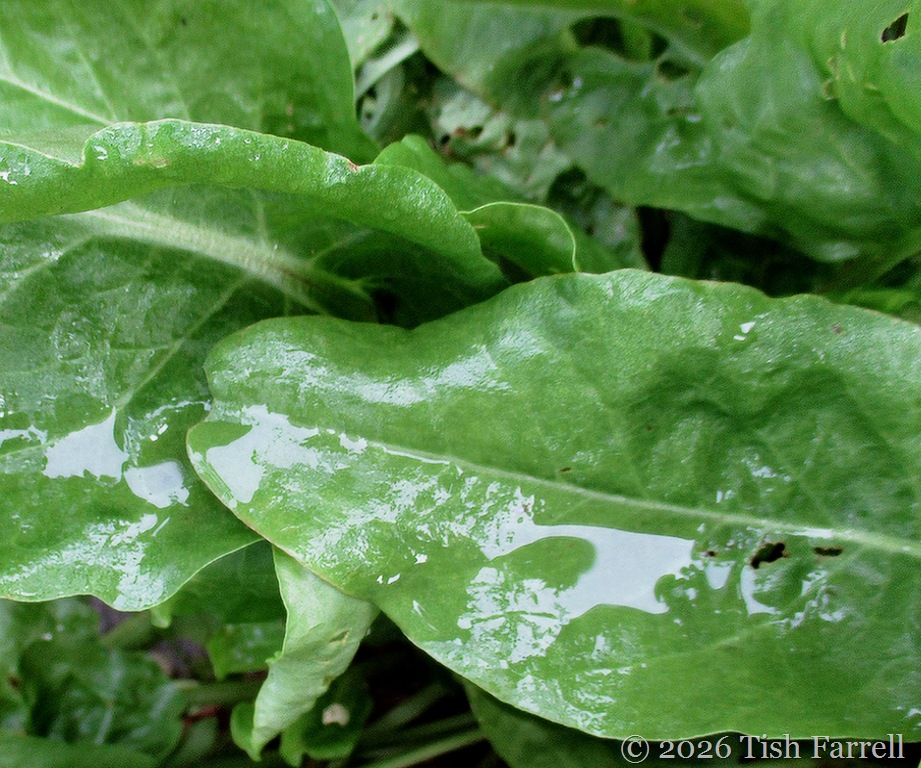
Well, there always has to be something. Now I’m wondering what on earth is making holes in my Swiss Chard (mature and seedling versions) and also the Perennial Spinach. I thought I’d finally protected all the edible greens from all comers with a covering of fine black netting. All summer I’d managed to fend off butterflies from the caulis and purple sprouting. And kept the pigeons at bay. But now I have holey leaves. He who is a sometime plant pathologist posits caterpillars, but I can see no obvious sign of them. Suggestions, anyone?

spinach pest

Swiss Chard

*

6) Sunbathing

And not to end with a fit of gardening disgruntlement, since the storm we’ve been having some wonderful sunny spells, warm enough to make one put autumn woollies straight back in the cupboard. Even the ladybirds have been sunning themselves. I’ve been finding them all around the garden, including some very tiny ones.
ladybird

And that’s it from our Shropshire garden. Happy gardening, folks.
Please call in on our host Jim at Garden Ruminations.
Six On Saturday

Cornelia rose header