The Changing Seasons: This Was July ‘26

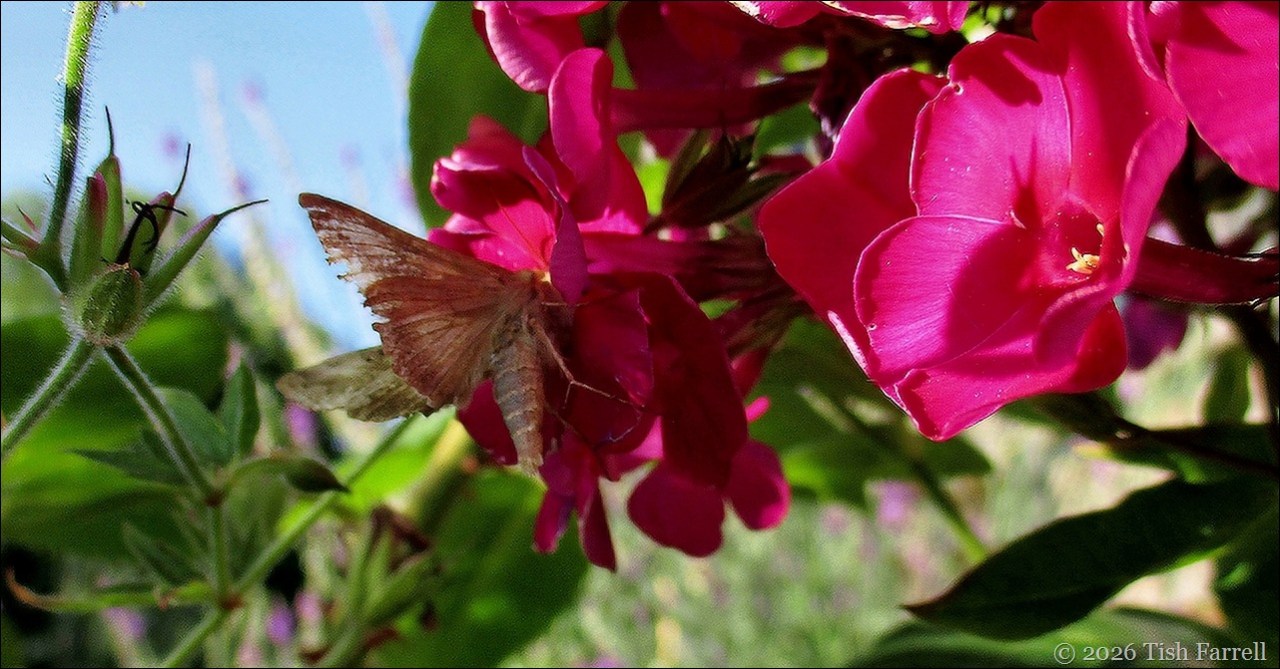
day moth

July has stayed hot and dry from start to finish, albeit with some slightly cooler temperatures this week. All around Bishop’s Castle the fields lie shorn, stubble baked to a crisp, and paling to the colour of Jersey cream. The harvest, then, is done, and a good month early; the grain shipped off to store or contract buyers. There will be no need to dry it. Moisture is the very thing that’s lacking, and so the talk is of lower yields and big farm losses. That said, not everyone has done badly. Some farmers have produced a good crop. Much depends on when they last had rain and the lay of their land. Also on varieties grown. Wheat is a grass with resilience ‘baked in’; it has deep delving roots.

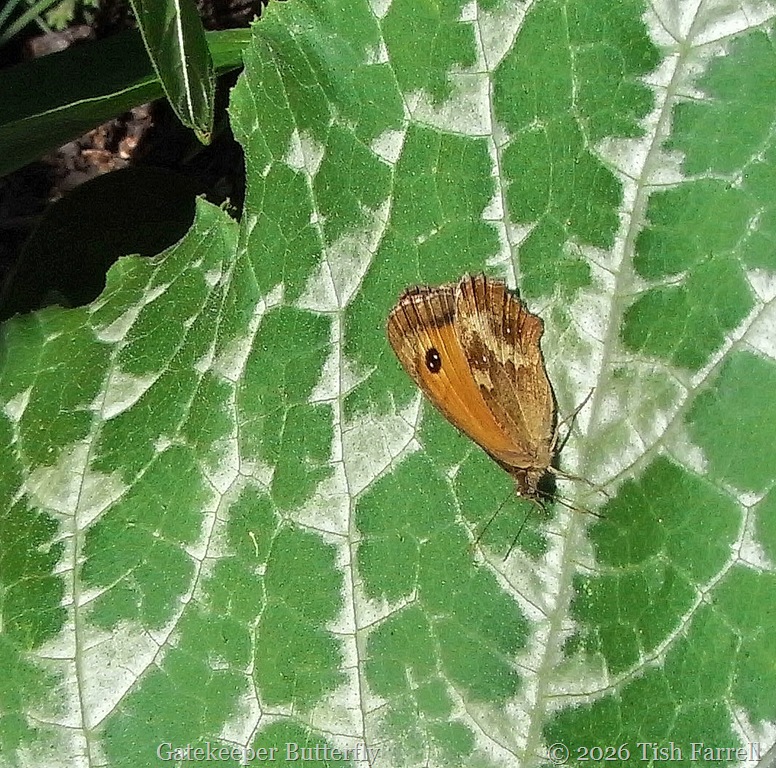
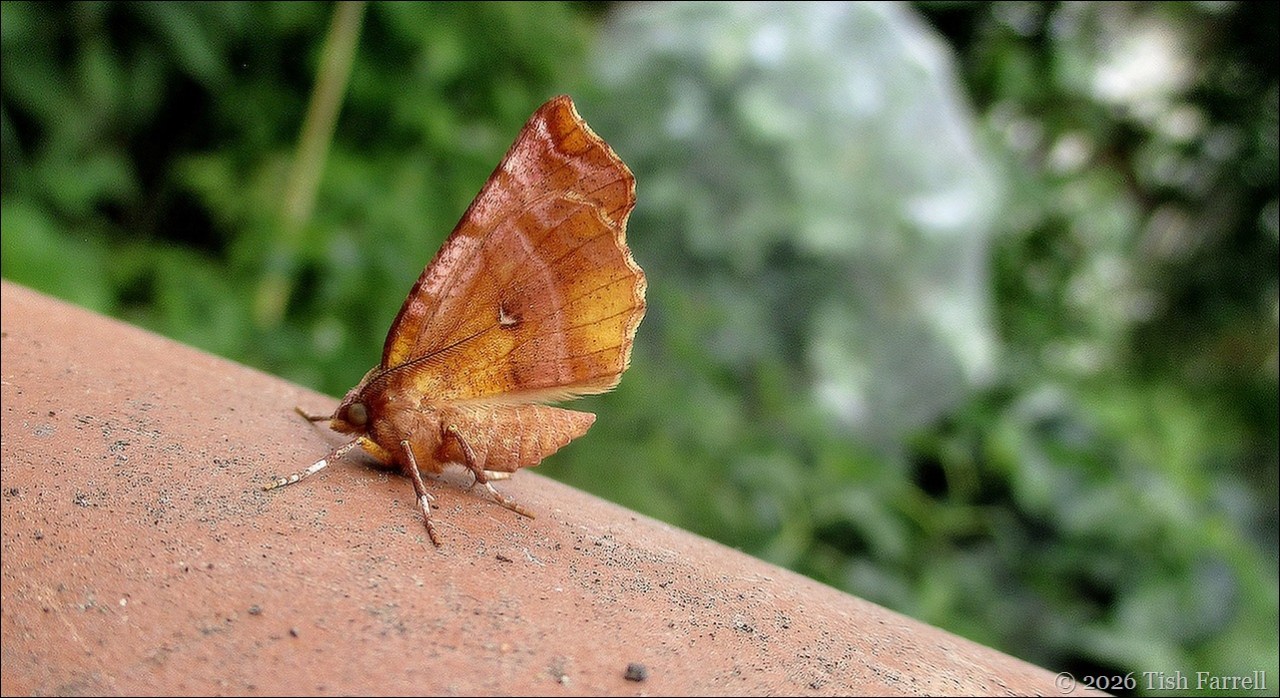
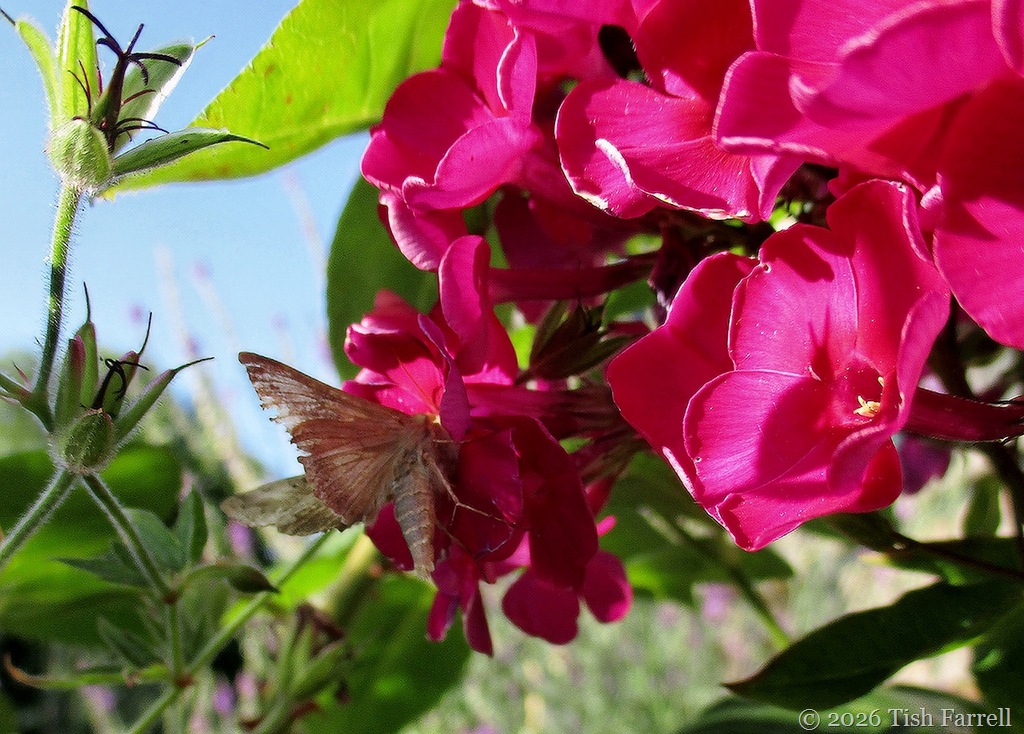
Meanwhile, the Farrells have had the luxury of spending most of July in the garden. They have kept company with Gatekeeper butterflies, Sedge Browns, Painted Ladies, Cabbage Whites and a  host of bees and hover flies. There’ve been a lot of moths around too, including the day-flying moth in the header photo (ID not fathomed, but whatever it is, it clearly likes phlox nectar).
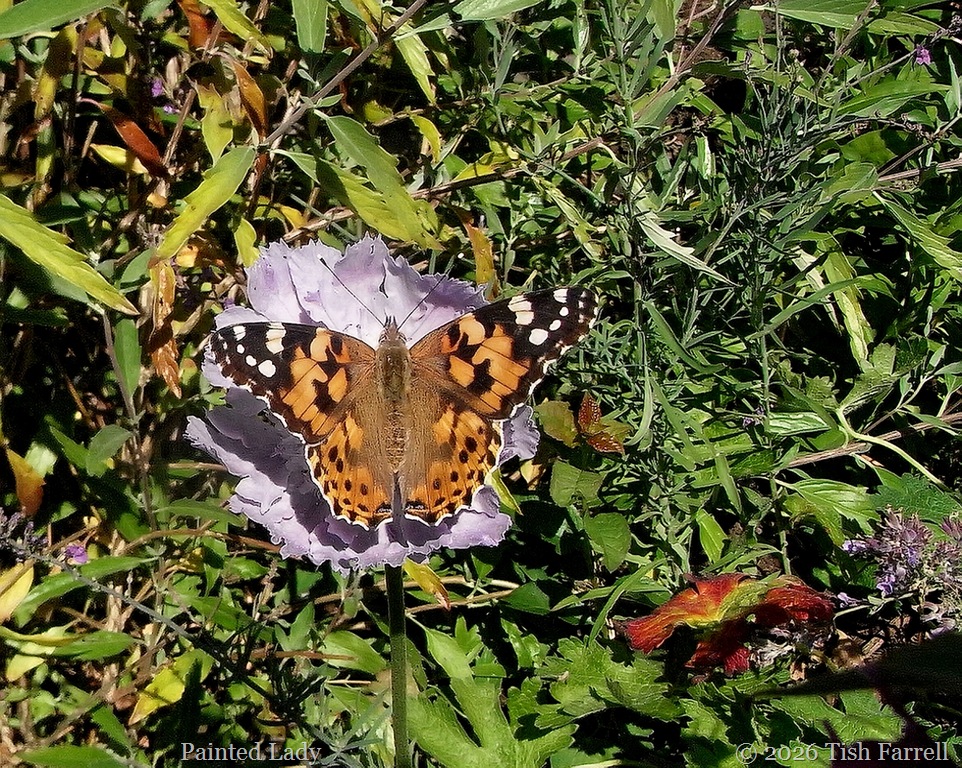
Painted Lady 1

sunflowers bees 4

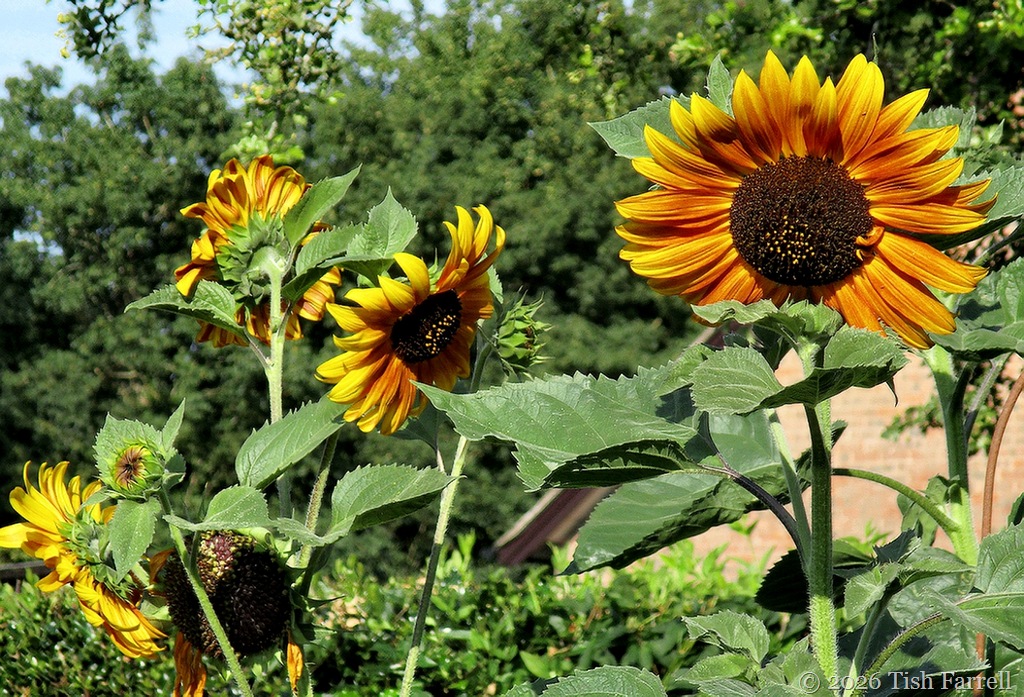
sunflower colony

Gatekeeper butterfly

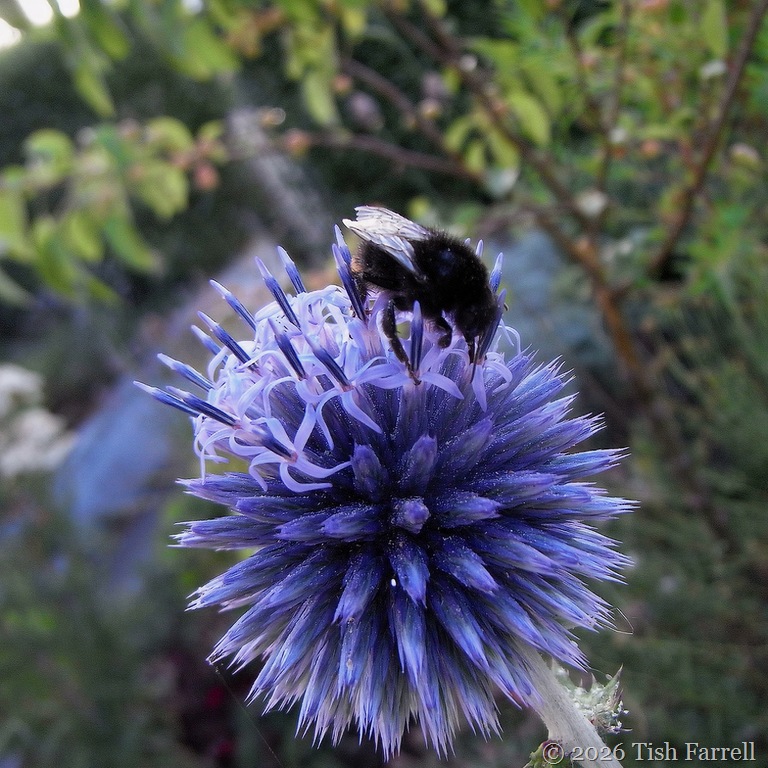
echinops

*

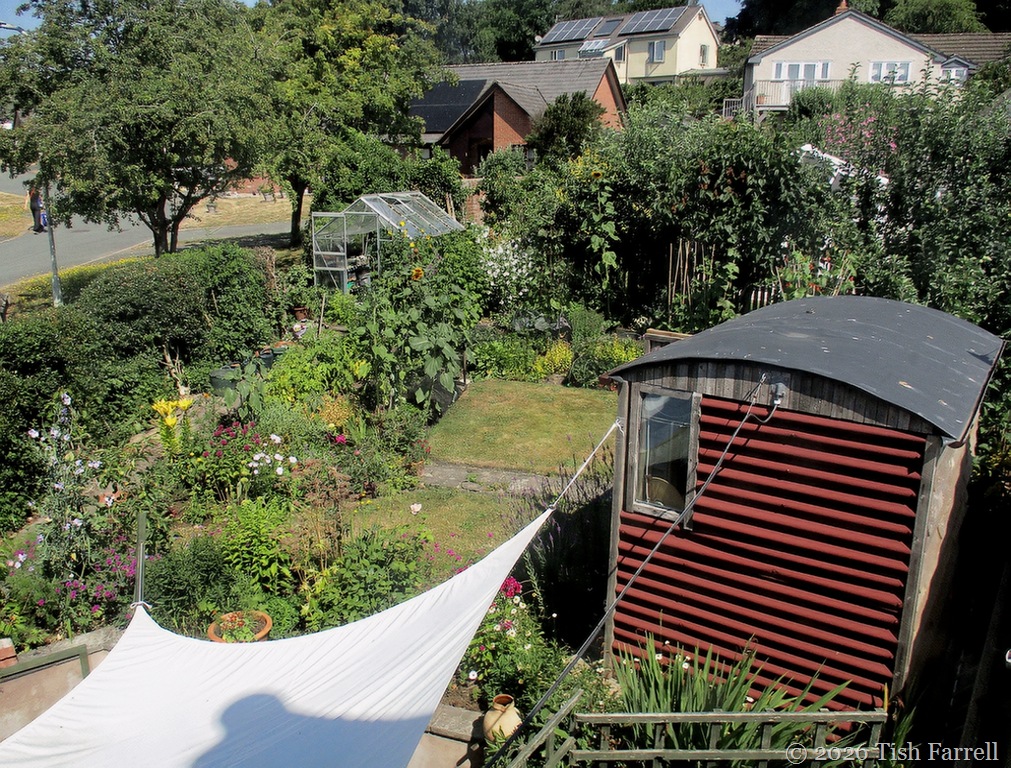
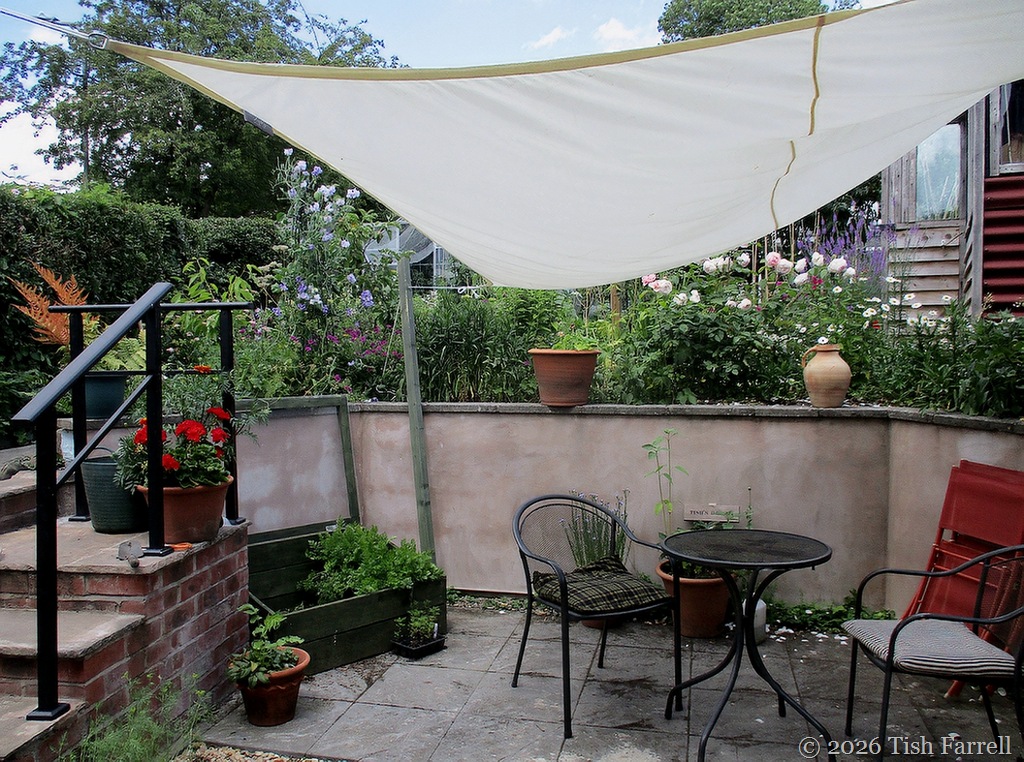
The plant-life has just about coped with the drought, some varieties better than others, and especially those that were well mulched. In fact, the flock of self-grown sunflowers have positively thrived, and quite left to their own devices. The tallest one is 8 feet tall and with 8 flower heads. The gardener, though, has grown a bit weary with tending and watering. But on the big plus side we’ve truly enjoyed weeks of eating outdoors, shaded by the backdoor wing. Having supper outside every evening is definitely not a guaranteed summer occurrence in England. We’ve been feeling as if we’re on a foreign holiday, and all without transiting an airport. Triple bonus indeed.

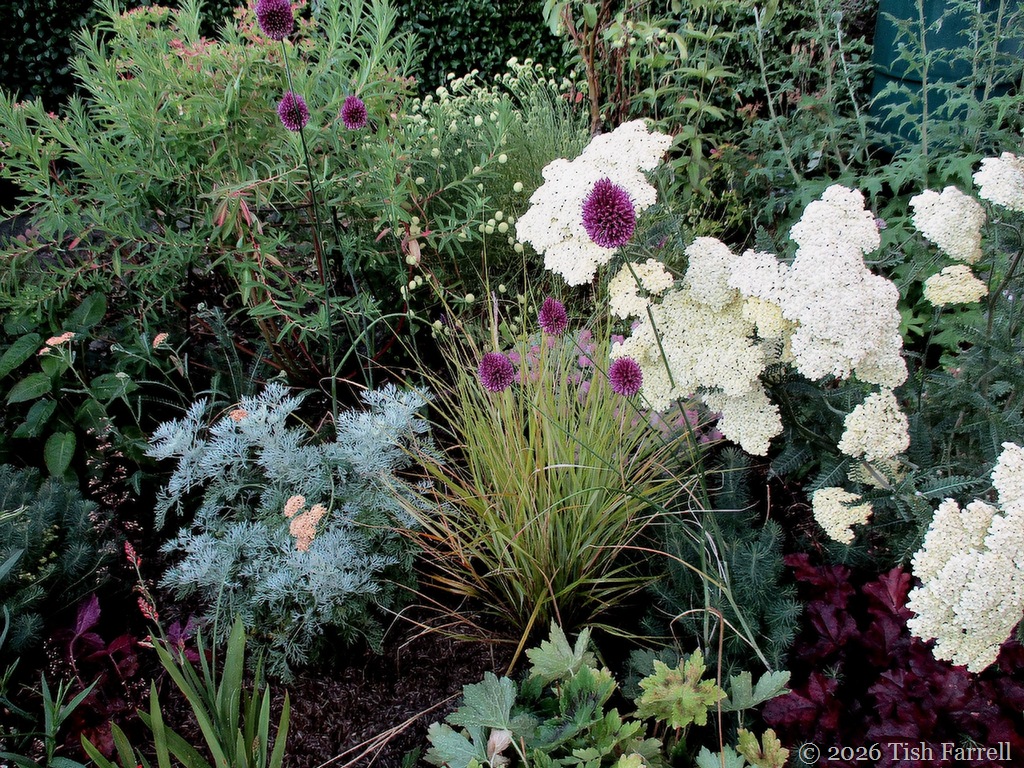
front drive border

garden front 3

front border 11 Jul

winging it 3

winging it 2

*

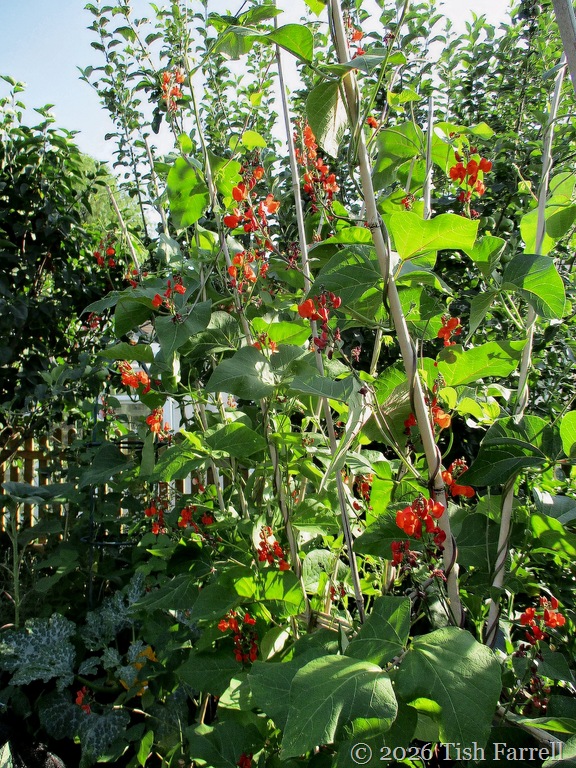
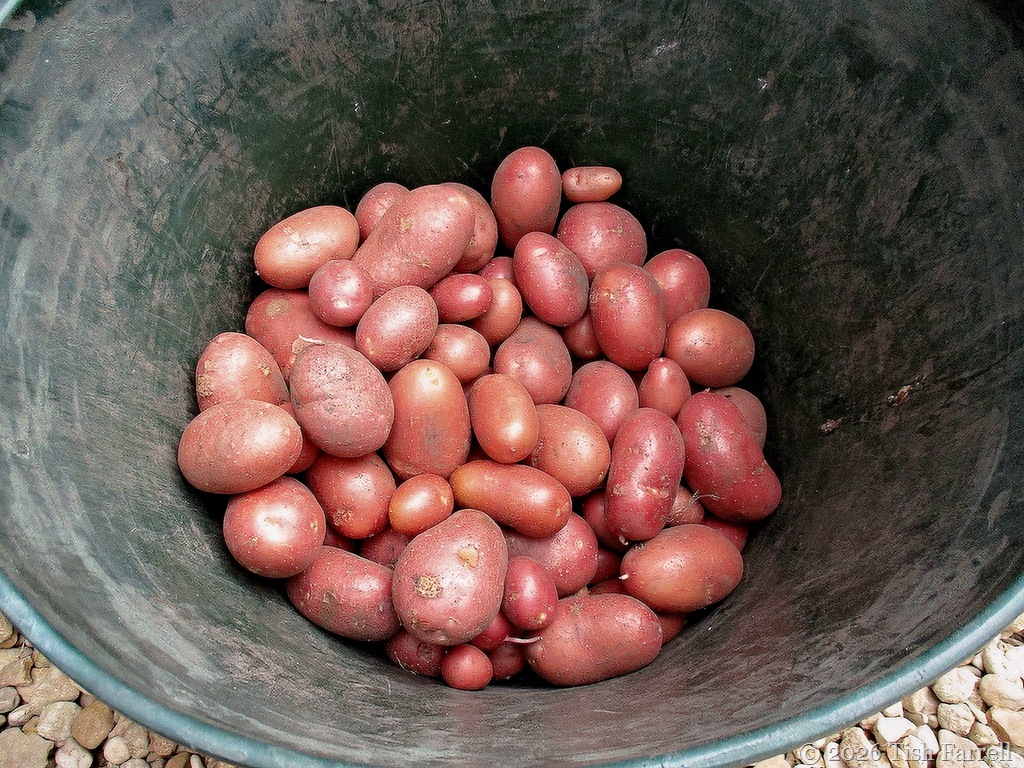
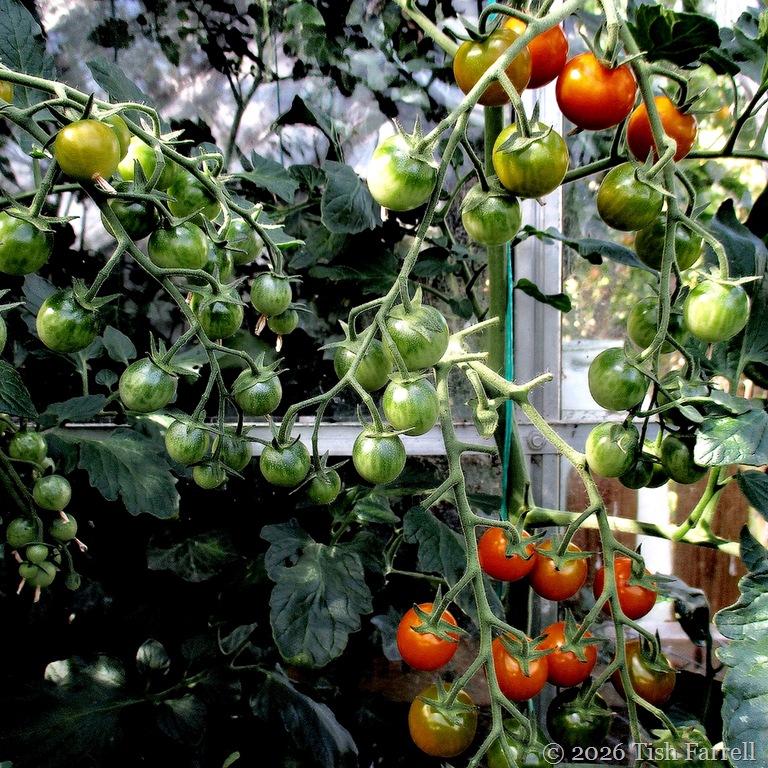
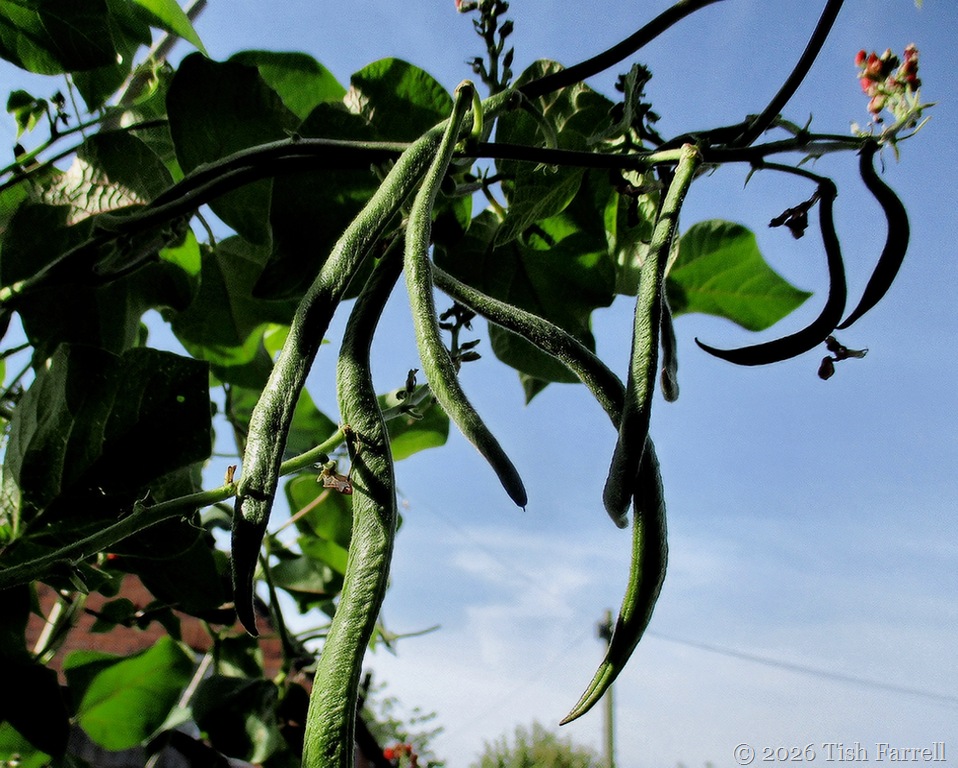
There have been some good vegetables grown this month too. I’ve tried to stop treating our smallish back garden like an allotment plot and concentrate on growing things that work (given pigeon, sparrow, flea beetle and butterfly predation). So we have courgettes, French and runner beans, potatoes (not too many), tomatoes, baby cucumbers, herbs and salad greens. So far so good.

courgettes

runner beans 5

 bean flowers

Rooster spuds

cherry tomatoes honey comb

And hopes for August? Please weather gods can we have some nice and steady falls of good summer rain.


Copyright 2026 Tish Farrell


The Changing Seasons July 2026  Please call in on our hosts Ju-Lyn  and Brian at Bushboys World
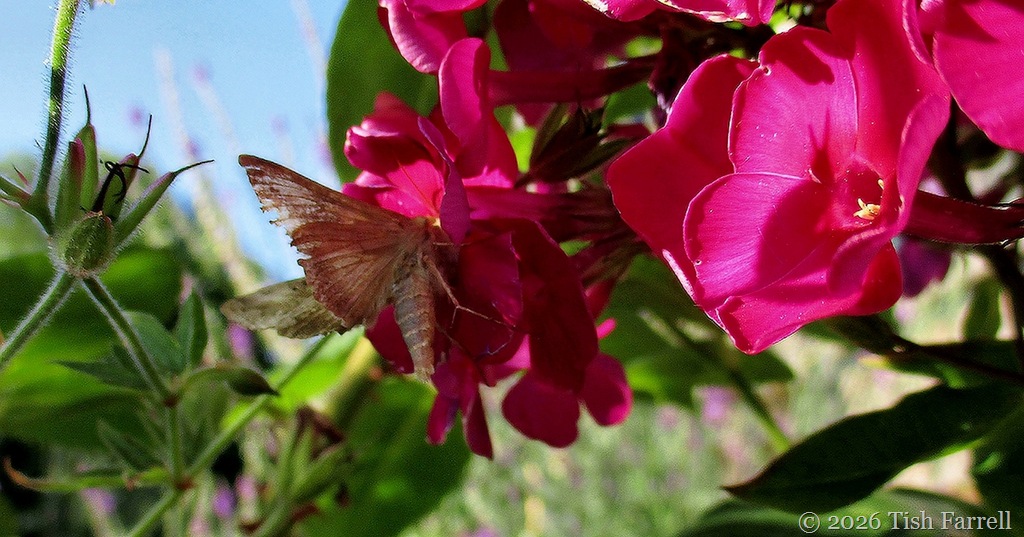
day moth header

A Thorn In The Flesh?

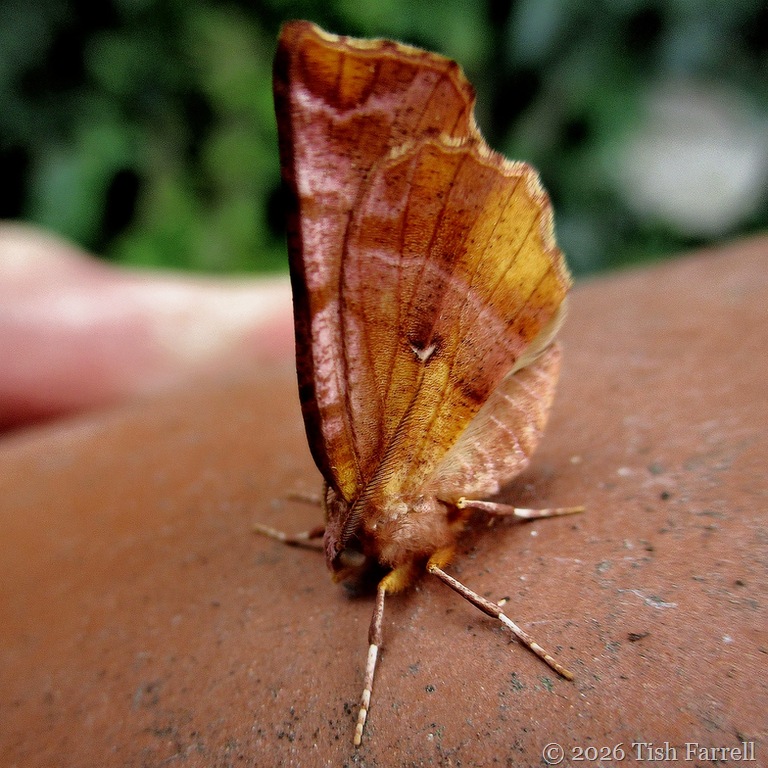
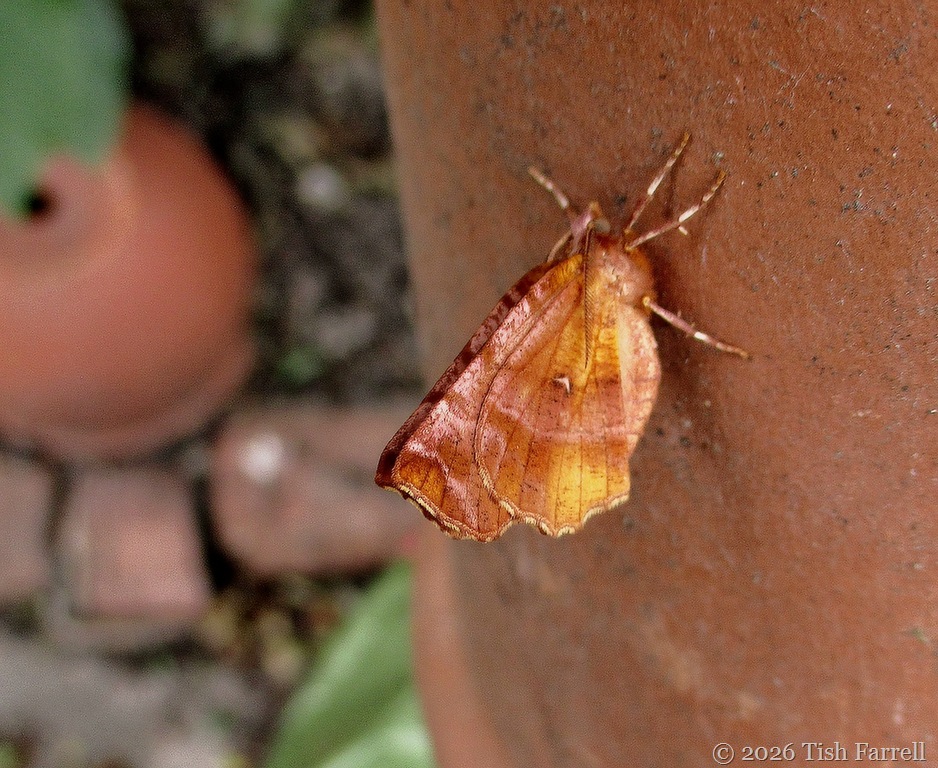
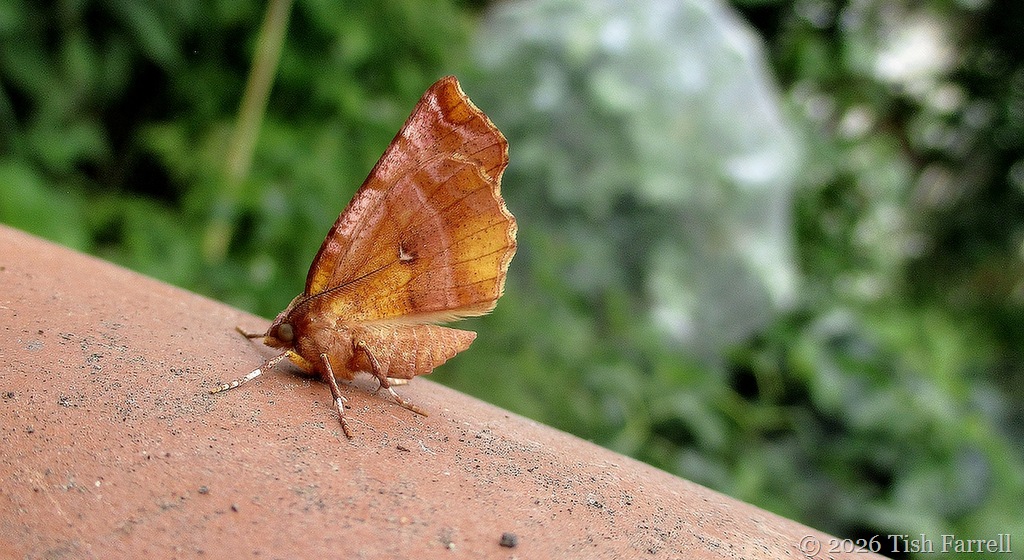
Early Thorn Moth

Look what I found among the pots by the greenhouse. It was in broad daylight too, and with wings in the butterfly position – but it’s not a butterfly.

It took some identifying too, this moth that likes to look like a butterfly.

Moths are unknown territory to me, apart from the stunning Elephant Hawk Moth that I once found in our Much Wenlock garden. There are over 2,500 recorded species in the British Isles, so where to start? I began with charts of the commonest species, thinking that wing colour might be the key.  That didn’t work. It was only when I thought to search for moths that rested with wings in the vertical that I made progress. The habit, I discovered, was known among some members of the Geometridae family. Finally, I narrowed the search down to Thorns, and then to an Early Thorn Selenia Dentaria.

You can see some other kinds of Thorn moths here. They rest with wings at the horizontal.

moth early thorn

The Early Thorn is a medium sized moth, the wings, as seen above, about an inch (28mm) across. It flies from dusk onwards, so I’m not sure why it was so exposed to daylight, unless it had recently emerged. The caterpillars feed on the leaves of deciduous trees, including hawthorn, and I found the moth directly below the hawthorn tree that overhangs our hedge. The timing was right too. There are two flight seasons: mid-February to May and then July to September.
I resisted the temptation to disturb it – i.e. in hopes of seeing its open wings.

header early thorn

Copyright 2026 Tish Farrell

In The Garden 8 July

yard

So the promised heat-wave arrives and it is hot. Twenty five degrees Celsius this morning when I took the header photo. Thirty two degrees in the shade this afternoon as I write this.

We inhabit an urban heat island (UHI) of course, living as we do amid brick, concrete, asphalt and repurposed medieval stone, all the sun-storing component parts of old and ancient properties that sprawl, hugger mugger, down a steep, south facing hill. But there is a gentle breeze, which is something. I never thought I’d think fondly of those past weeks and months of blustery winds.

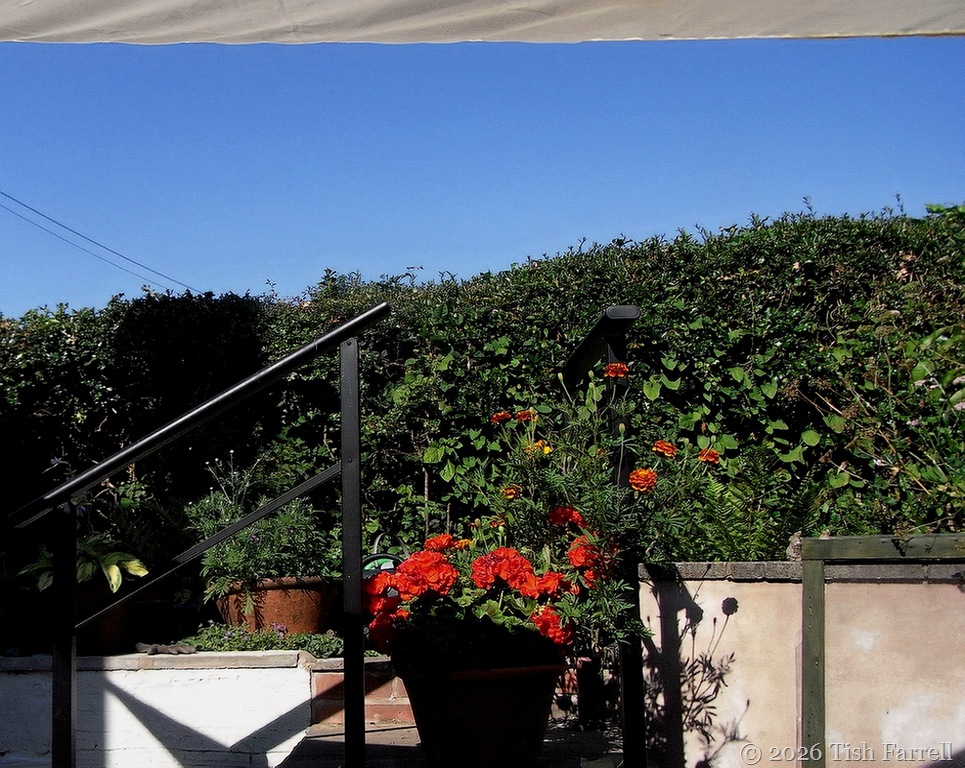
Now the next door cherry plum tree is no more, there’s little to no natural shade in our garden. But we do have a wing, strung outside the kitchen doors. It’s a good spot for dining out.

winging it 2

winging it

*

Above the wing, the red kite glides by, apparently seen off by the local jackdaws who live in the big ash tree further up the hill. The kite doesn’t seem too bothered, very much above such petty annoyances,  but it’s hard to photograph, it moves so swiftly.

red kite

Up in that perfect blue swifts and house martins zip by. No chance of catching a shot of them. The butterflies flit away too, Hedge Browns living up to their name, patrolling the back hedge at speed. In the front garden, which is especially hot (it faces east on a north-south axis) Painted Ladies dash away as soon as they spot me. But then finally, when I stand very still, one stops for a long sip of Moonshine.  Achillea, that is. They are very like tortoiseshells, but paler colouring, although this one is looking darker in the full-on sun.

painted lady_thumb[6]

Moonshine Achillea

*

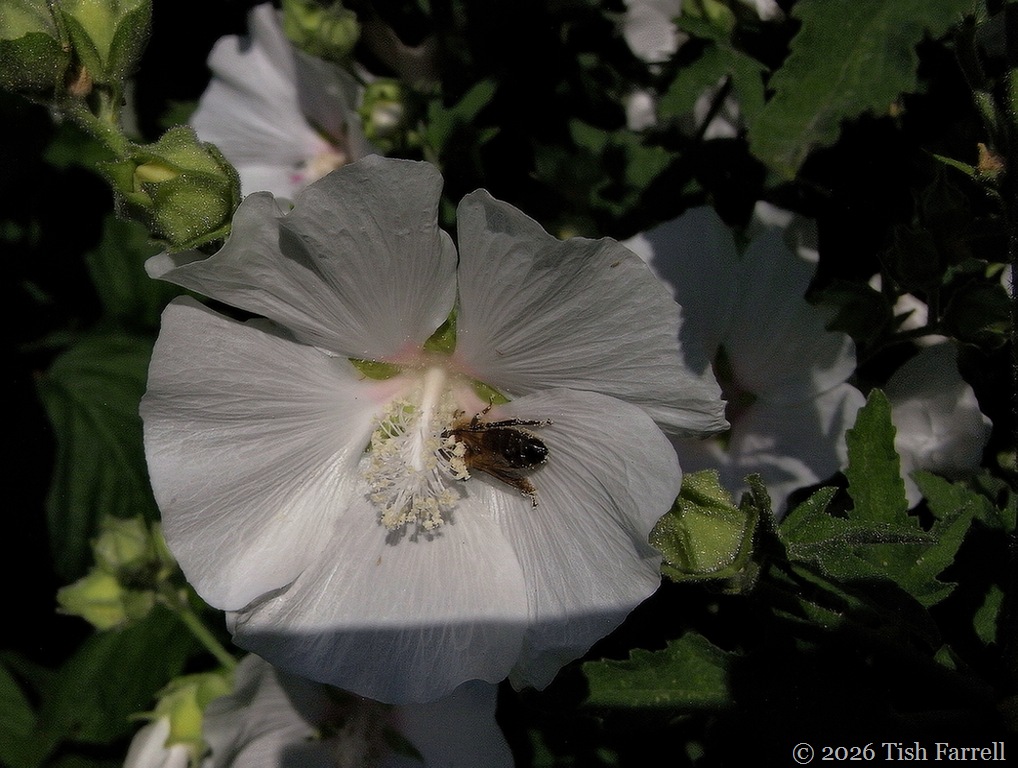
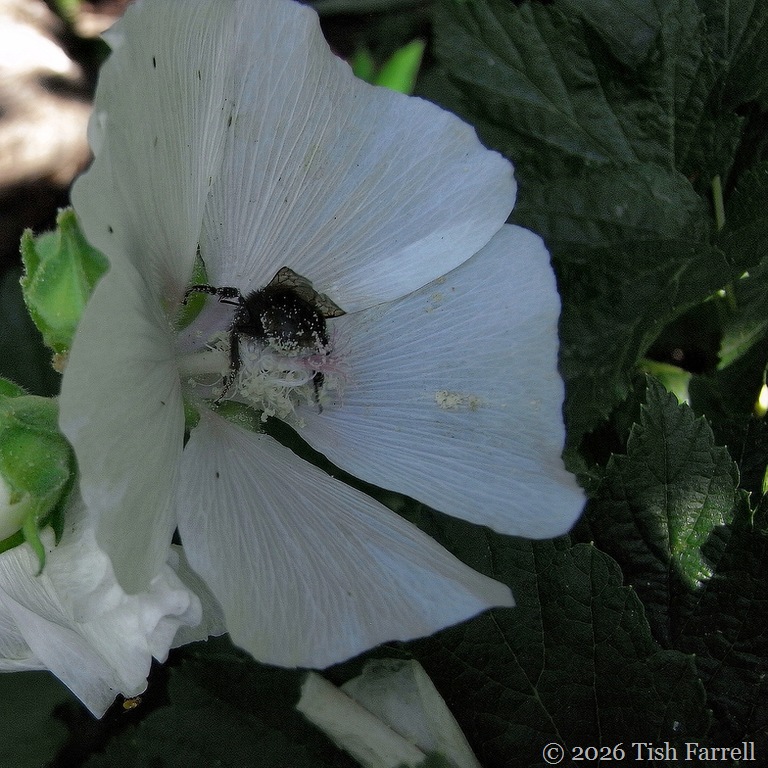
Meanwhile, down beside the greenhouse, where the ice white mallow is blooming, the honey bees and bumbles are bathing themselves in mallow pollen, a full-body experience by the look of things. I have a sense of wanting to join in.

pollen bathing

pollen bathing 2

*

Above them, the self-seeded sunflower heads for the sky, the first flower beginning to open just this morning.

sunflower giant

*

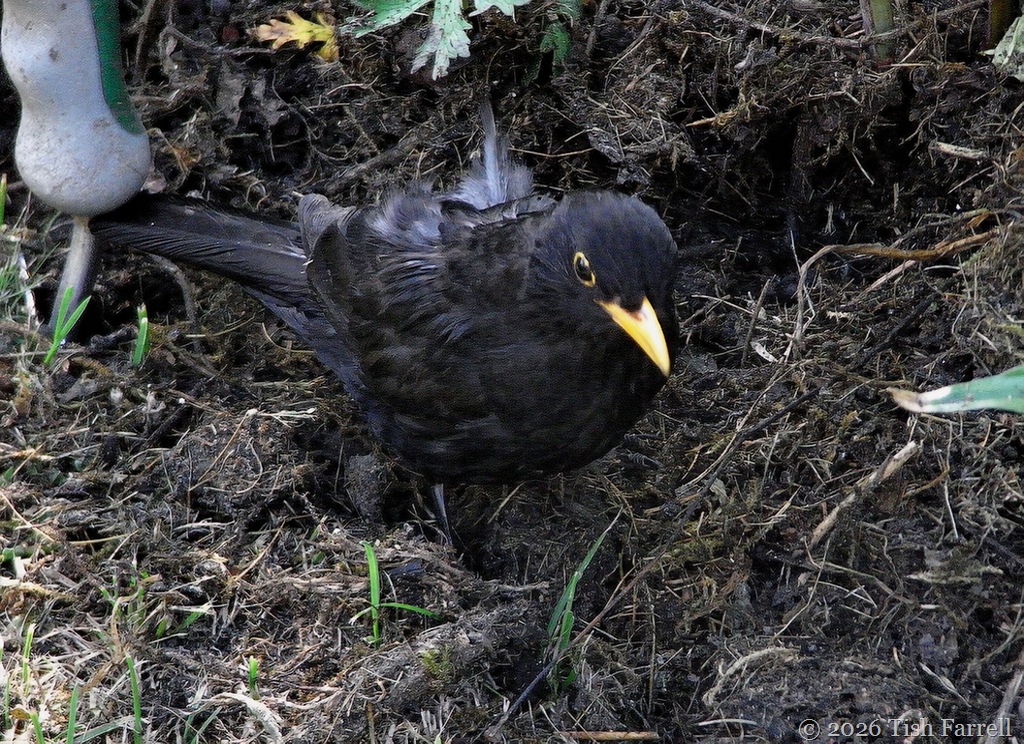
At 9 a.m. I was out emptying the last of the loamy stuff from my compost bin, spreading it around the base of plants that had missed out on earlier mulching attempts. And ‘attempts’ is the key word here. I have a garden assistant who is keen to make improvements on my efforts. It is currently a battle of wills: he moves it one way; I move it back.

It’s too hot for this game, I tell him. But he doesn’t listen. The search for bugs, grubs and worms must go on…

blackbird

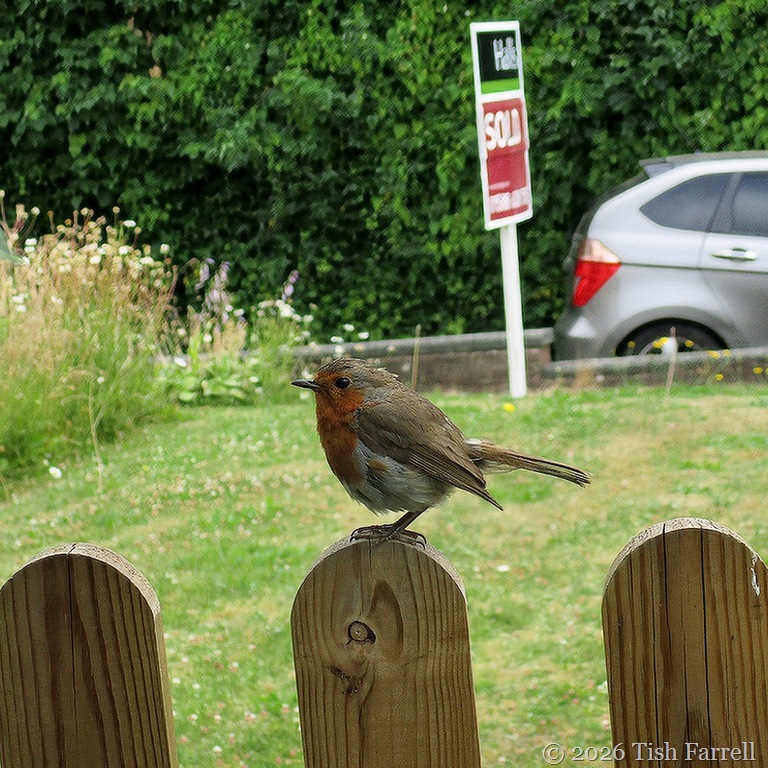
At least these days the robin only gives me the eye, and soon flies off if I’m not doing something actively worm-rendering. Back in spring when there were nestlings to feed, it would arrive at my feet and shout if I wasn’t turning over the soil fast enough. Sometimes I wonder whose garden this is…

robin

Copyright 2026 Tish Farrell

Winging It ~ Chance Encounters With Aerial Kind

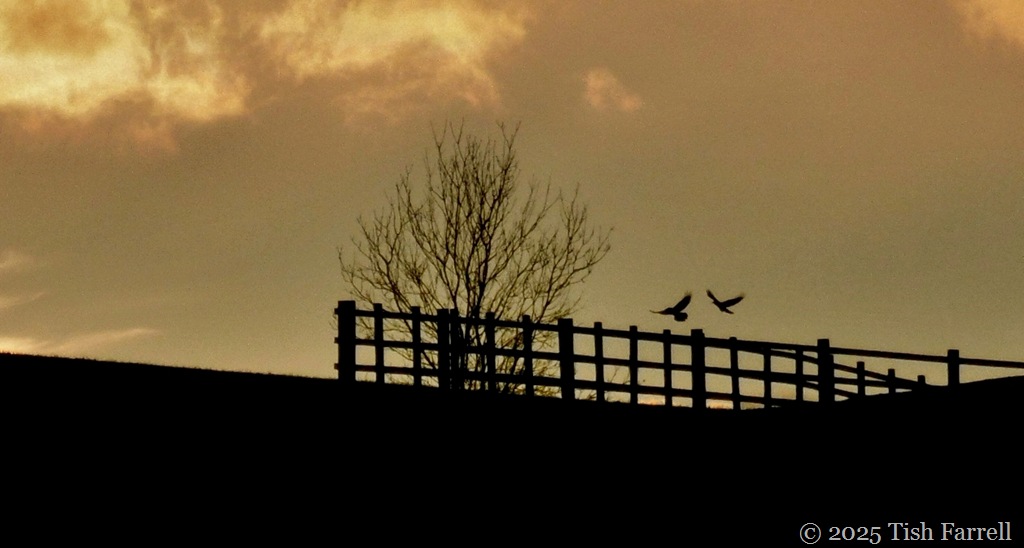
townsend meadow resized

In the old tales birds are often messengers, bearers of foreknowledge – for good or ill. They overhear things that humans don’t, come unbidden to help the hero in their quest, although their warnings are not always understood or welcomed.

In Kenya (and other parts of Africa) the Red-Chested Cuckoo is the bearer of good news. Its three note call says the rains are coming – ‘time to dig’, ‘time to dig’. On the other hand, in some interpretive versions, much depends on the geo-location of the call. If you are setting out on a journey and the call comes on the right of the path, then it signifies that all will be well. But if it comes from the left, then there’s danger ahead; better go home and wait for a more propitious day.

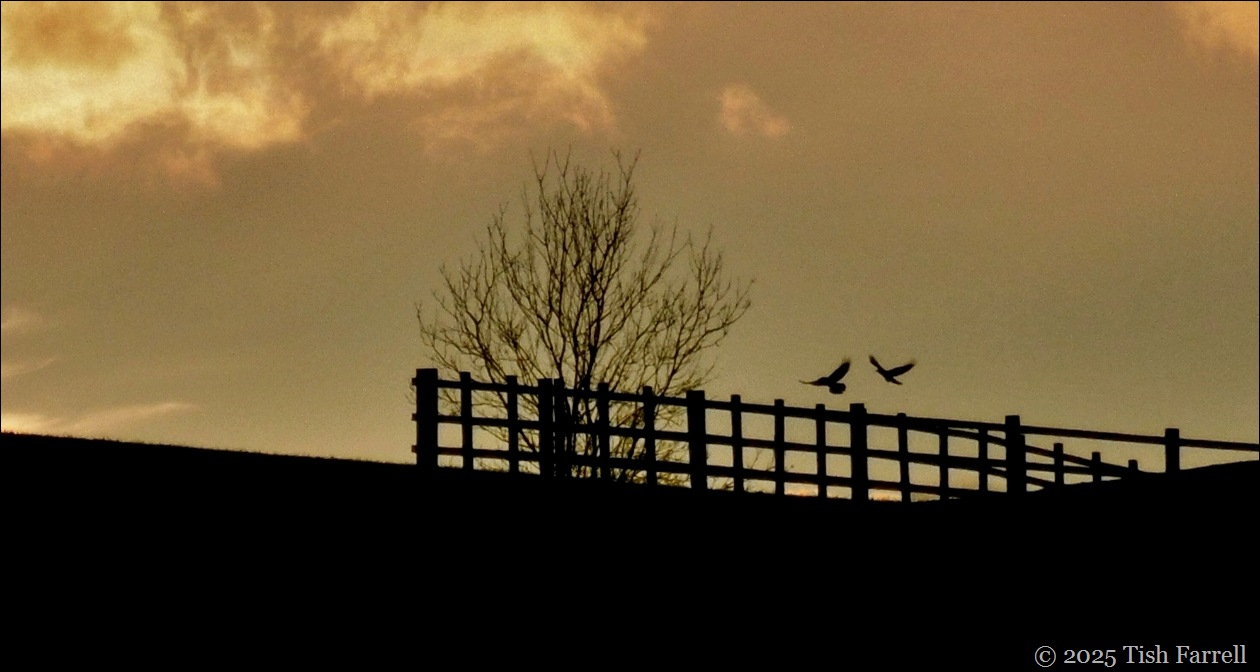
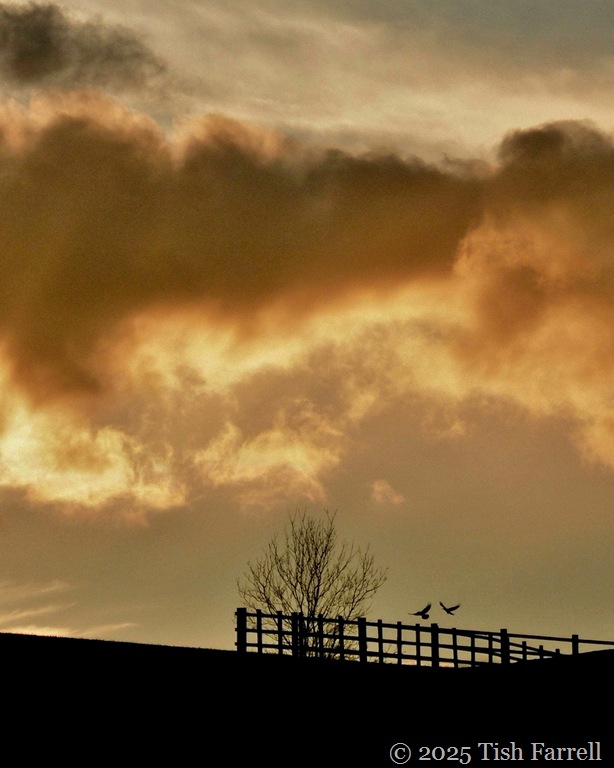
I think the two birds in the first photo are rooks. All members of the corvid family (rooks, crows, ravens, choughs, magpies, jays) tend to have a poor reputation on the bad omen front, but since I have a twosome here, I’m choosing to see them as beneficent. I’m also reminded of the magpie sighting rhyme: one for sorrow, two for joy.

***

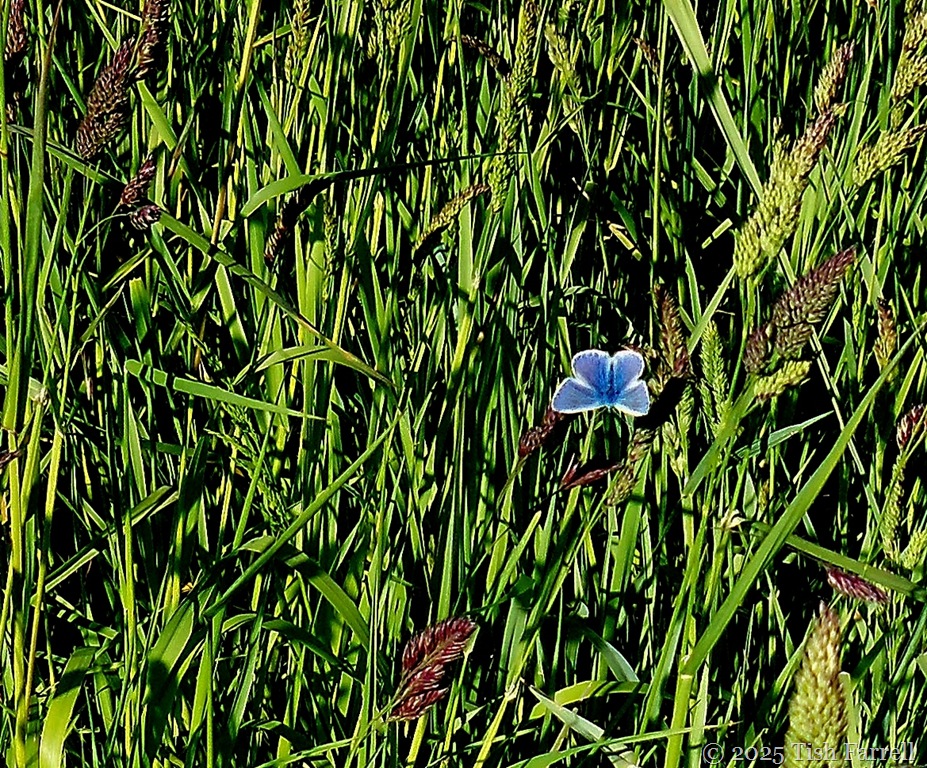
common blue

Butterflies also have spirit world connotations. In cultures across the globe they represent transformation and rebirth, joy and happiness. A butterfly may also be seen as the embodiment of a human soul, although a crowd of them might be thought an evil portent. I’m happy, then, to come upon this single tiny Common Blue butterfly, sipping at grasses on a summer’s evening.

***

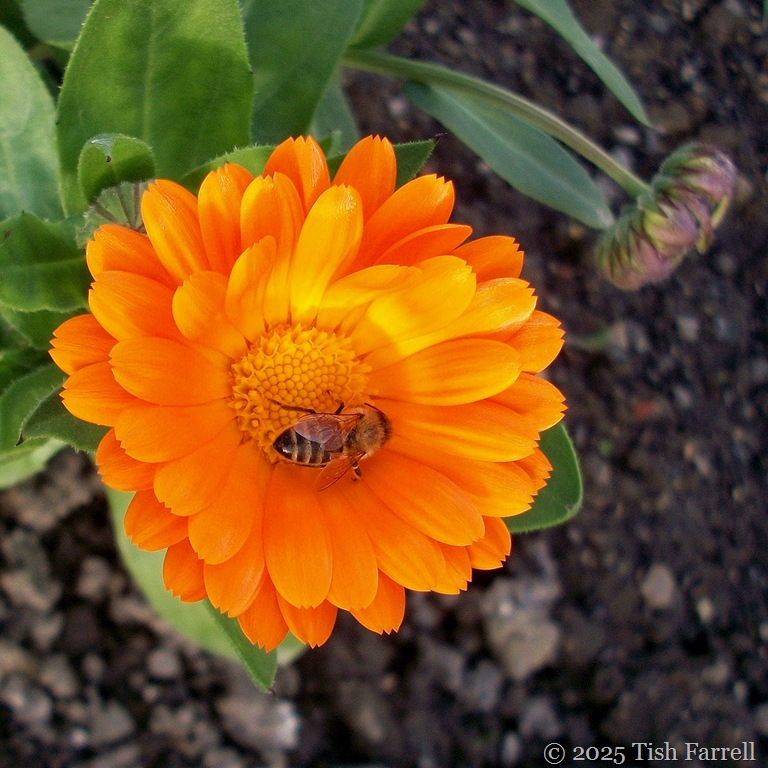
bee and marigold

And as for the bees, most of us know that, as pollinators alone, they are absolutely indispensable. The value of their produce too is inestimable. They are admired for their busyness and sound work ethic; the therapeutic hum in spring orchards.

It’s not surprising, then, that in many ancient cultures they were revered. They conferred blessings even on the gods. For instance, Apollo’s gift of prophecy was bestowed on him by three bee maidens, or in older pre-Hellenic versions of the tale by a trio of bee goddesses. Other texts see the bee’s origin as dramatically supernatural. One Ancient Egyptian version has it that they arose from Sun God Ra’s tears as they fell on desert sand. What an image. I think I believe it.

***

Lens-Artists: Wings  This week Beth at Wandering Dawgs gives us a fabulous theme to work with.

header

September Harvest

IMG_3868ed

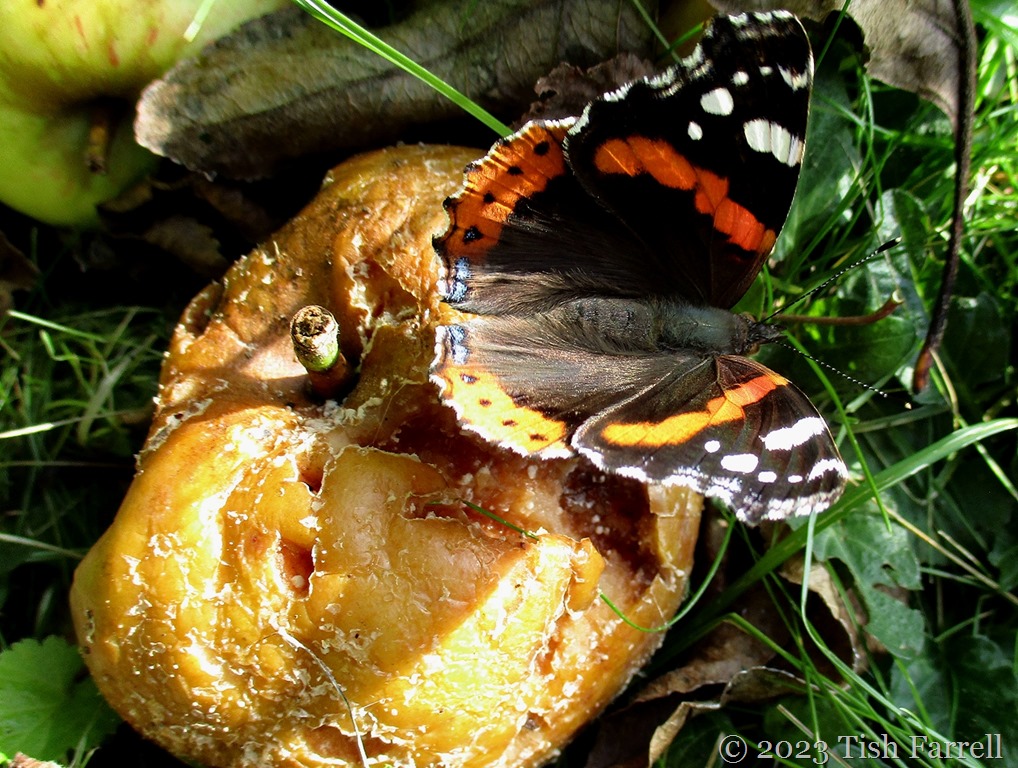
Warm winds this afternoon, and a flurry of Red Admiral butterflies about the garden. Also out on the lawn, the alcoholic waft of gently fermenting apples – windfalls from our gnarly trees. The trees are in need of serious remedial work – if reclaiming them is even possible. Most of the fruit is spoiled before it falls – lots of pests and diseases, and some very spotty articles. But that said, there’s been enough good fruit to make a few pots of cinnamon and honey poached apple. And more to come.

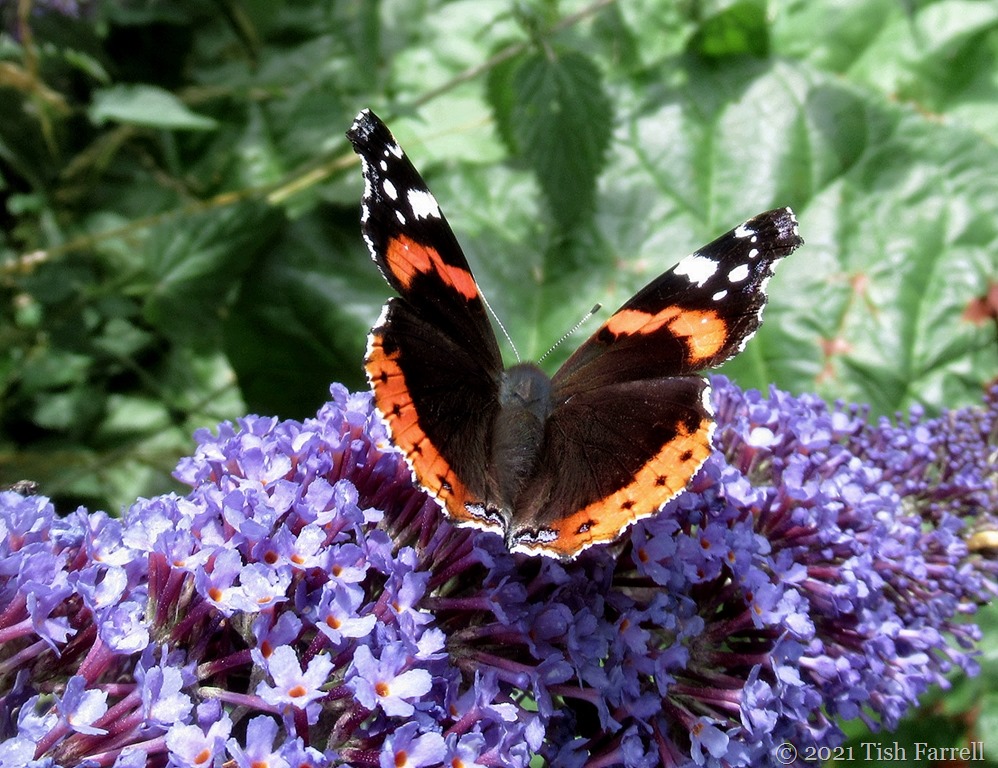
As for this Red Admiral, it was spending a lot of time supping from a very rotten apple. I wonder if butterflies get squiffy. It might account for all the whirling about that was going on as I hacked away on project-liberation-greenhouse. It’s almost free from the overbearing hedge, but a lot of broken panes where hawthorn and ivy branches have leaned too heavily. For now, though, it’s good enough to shelter two bucket-planted tomato plants brought from Broseley. They’re still fruiting, if sporadically.

Our other tomatoes are an outdoor container variety, Tumbling Tom. They ripened very nicely on the terrace wall during our week of hot September weather. Here they are doing just what it says on the packet: cascading from their pots in profusion – out of summer and into fall.

IMG_3702ed

Lens-Artists: What’s Bugging You?

IMG_9780cr

I don’t need to be asked twice to reprise photos from my bugs and butterflies archive. And this week at Lens-Artists, Donna is doing the asking.

IMG_2780cr

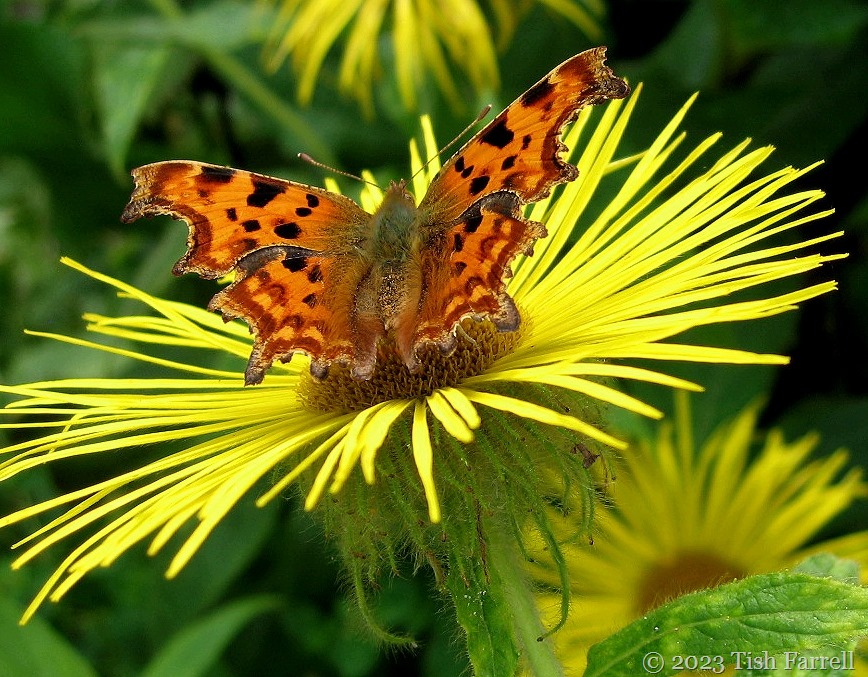
Comma butterfly on Doronicum ‘Little Leo’ aka Leopard’s Bane.

*

IMG_9331

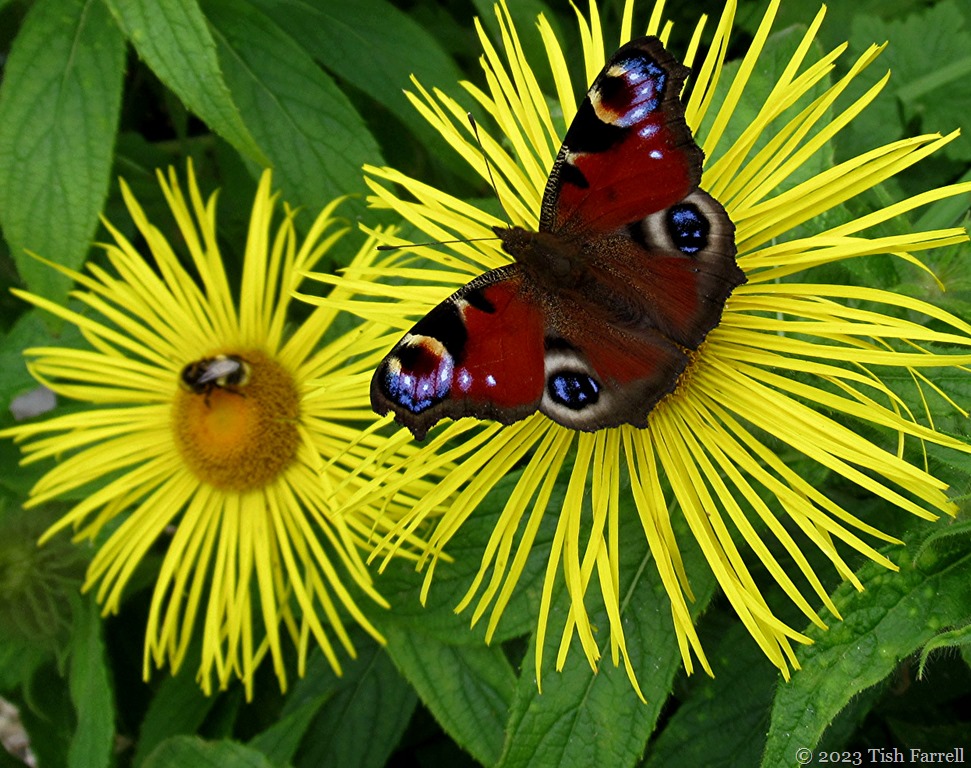
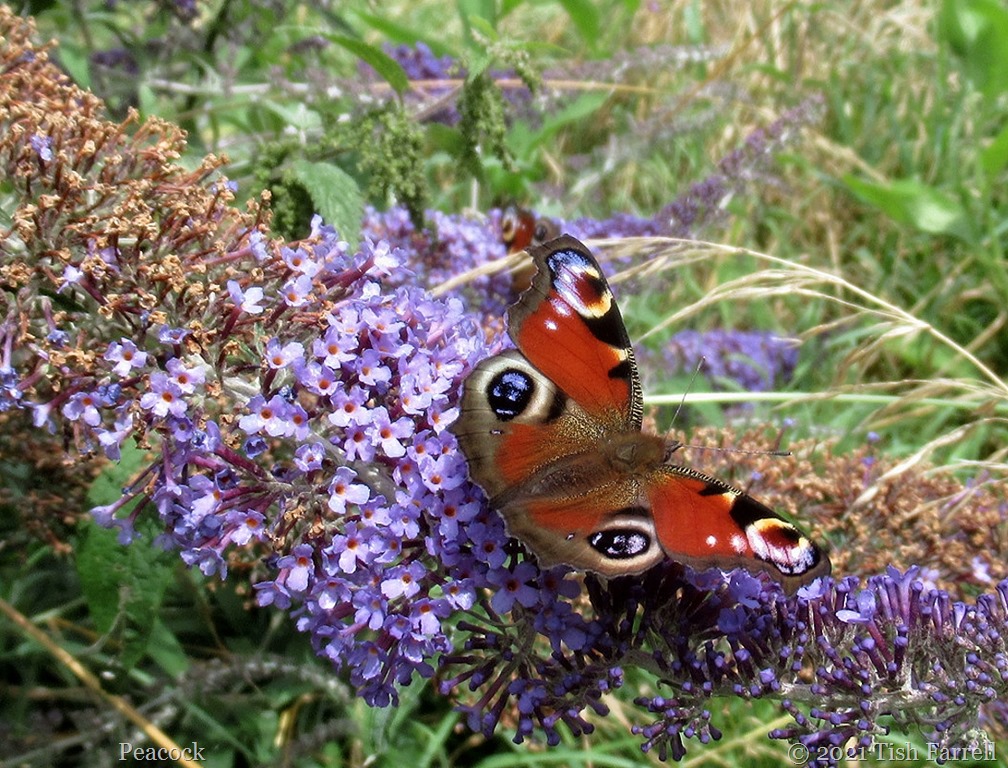
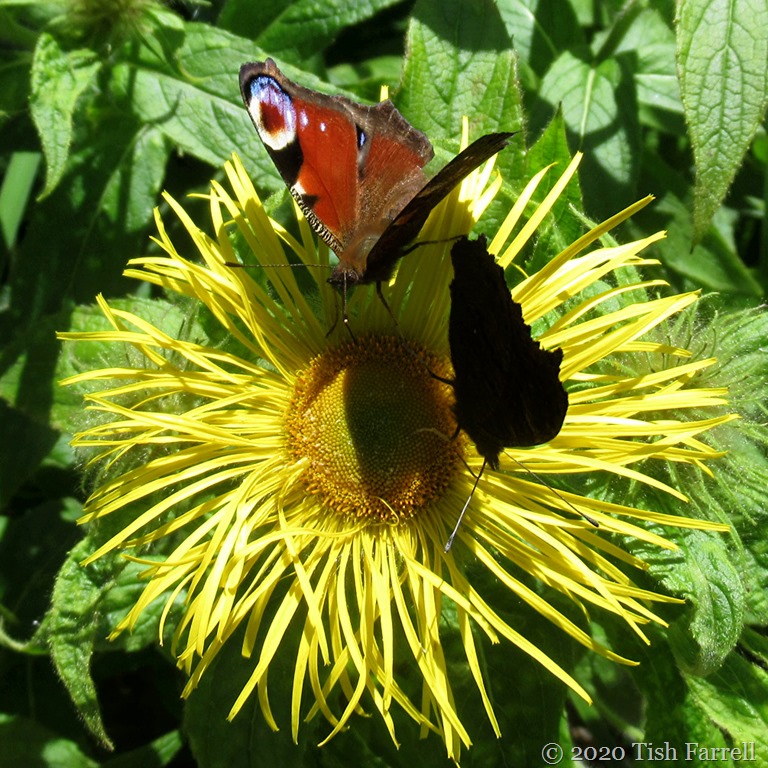
Peacock and the bee.

*

100_6631cr

Marmalade hoverfly visiting the crocosmia, a variety which I’m pretty sure also had marmalade in its name.

*

IMG_1485

And another kind of hoverfly on a lace flower.

*

IMG_3103

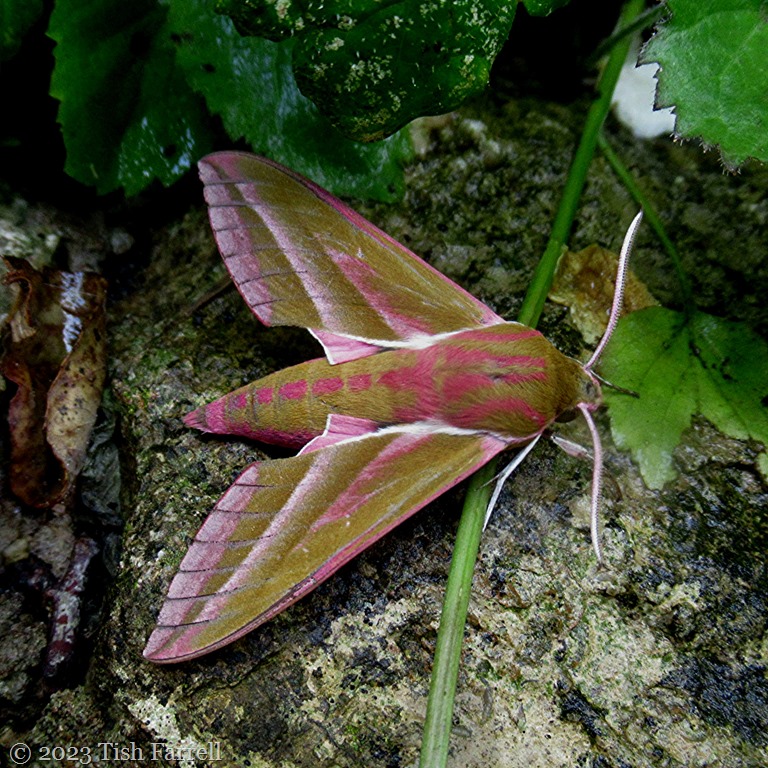
Elephant hawk-moth found one day on the garden wall.

*

IMG_8834cr

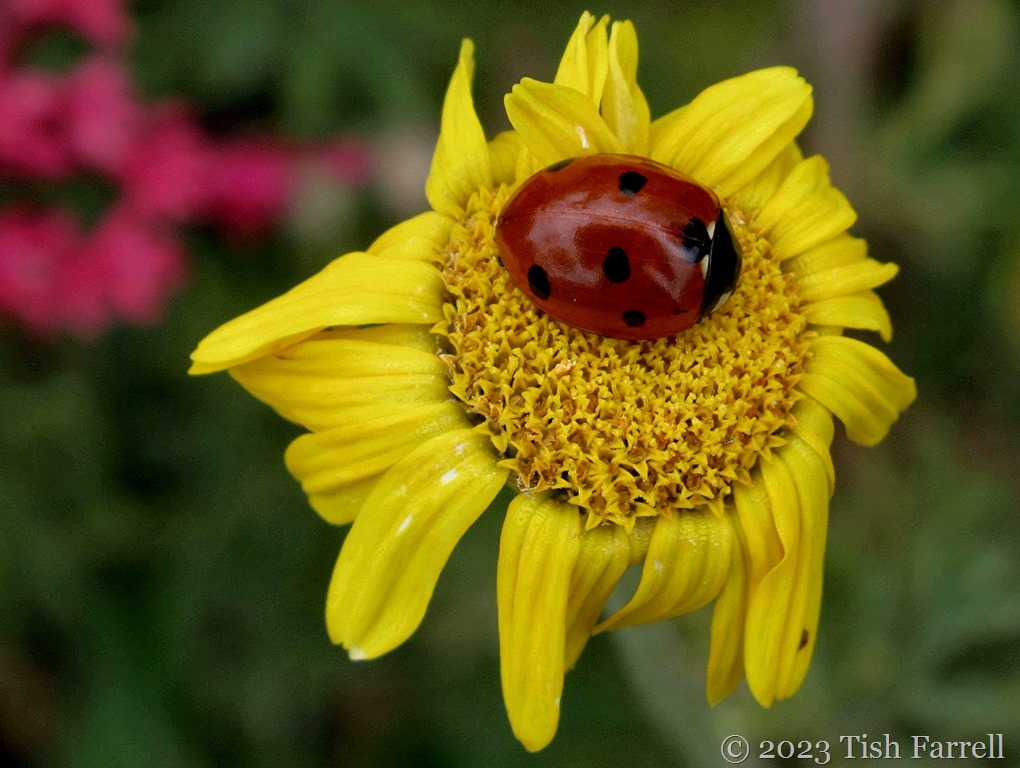
This ladybird has found the perfect ‘platform’ on a Dyer’s chamomile daisy.

*

IMG_0670

IMG_1263

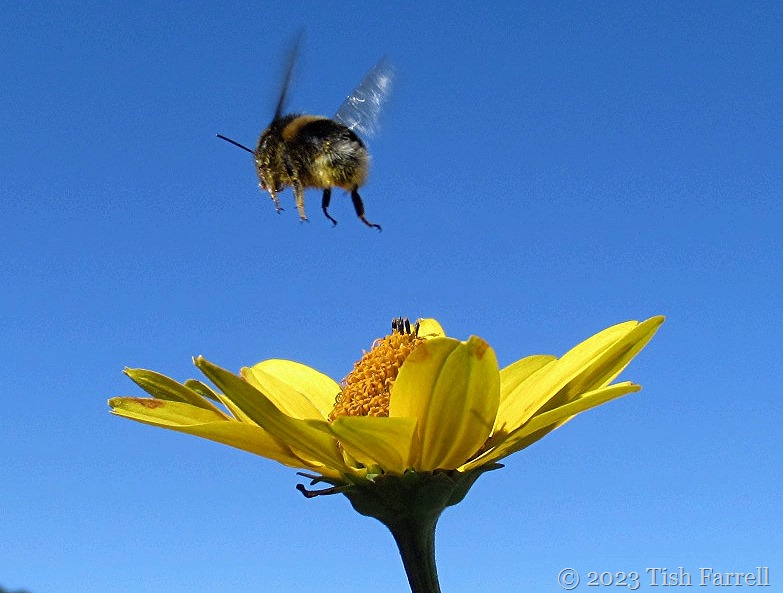
White-tailed bumble bee ‘bathing’ in Hollyhock pollen.

*

100_3915

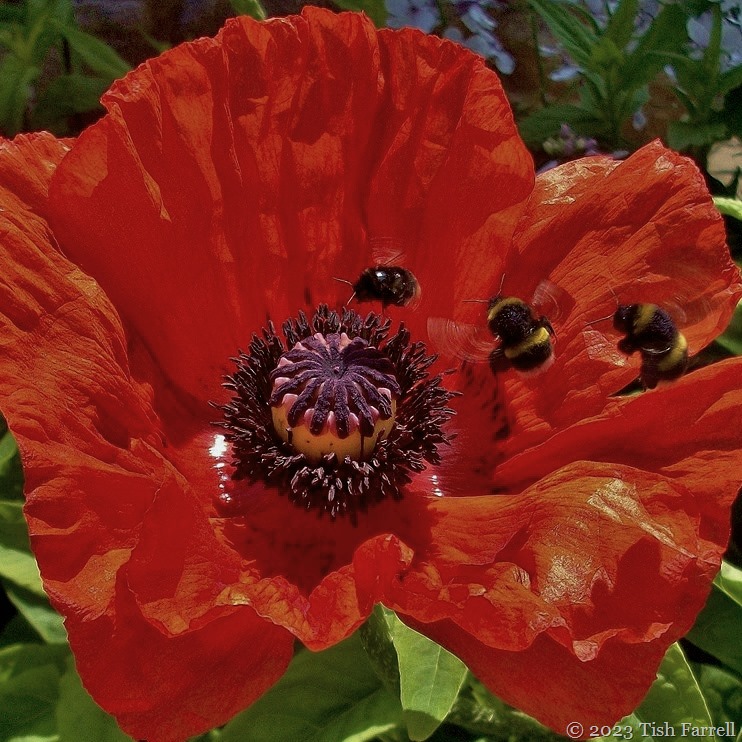
We could call this a bee line: oriental poppy here we come. BZzzzzz!

*

Lens-Artists: What’s bugging you? That’s this week’s question from Donna at Wind Kisses. Go see her fine gallery of close-up bugs, bees and butterflies.

Chasing Butterflies

IMG_1413

And to start with, a Red Admiral for Jude. This month at Life in Colour she is looking for all things RED. She also tells me they are rather short on butterflies down in Cornwall. Not so in Shropshire.

Yesterday at the allotment all the plots were brimming with butterflies, mostly cabbage whites looking for any unprotected brassica leaves for a spot of egg laying. They’ve even been coming into the polytunnel, attracted by some overgrown Tuscan Kale seedlings that I failed to plant out in the spring. I’ve also found a comma and a gatekeeper in there.

But the biggest draw is the Buddleja on one of the abandoned plots. No wonder it’s called the butterfly bush. Even so, the butterflies are very wary, so you need to sneak up on them if you want a photo:

IMG_1397

IMG_1392

IMG_1389

IMG_1408

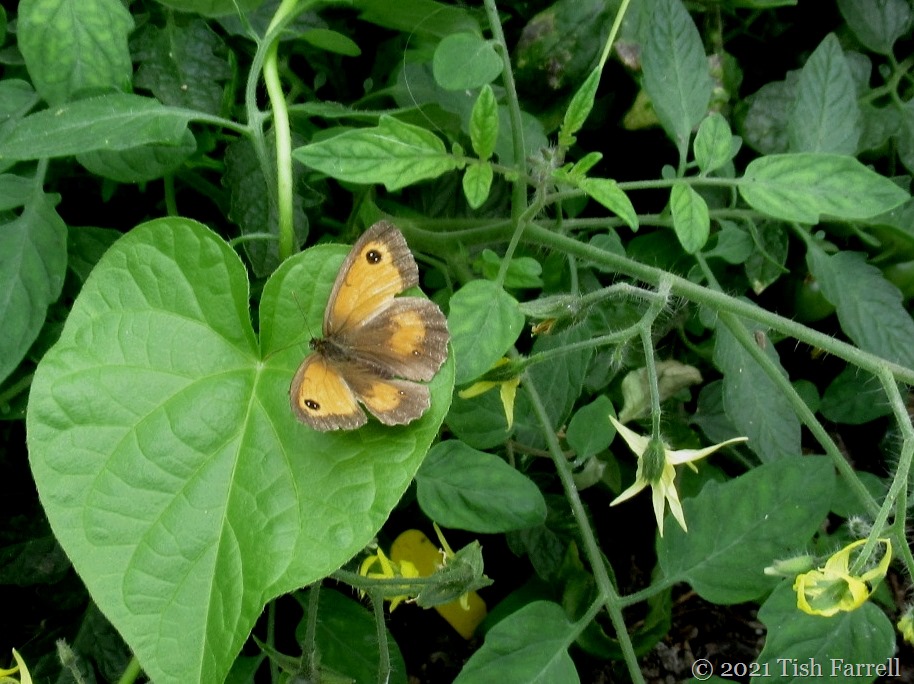
And a gatekeeper on a morning glory leaf in my polytunnel:

IMG_1421

Today A Piece Of Sky Fell In The Garden

IMG_1453

And here it is:

IMG_1459

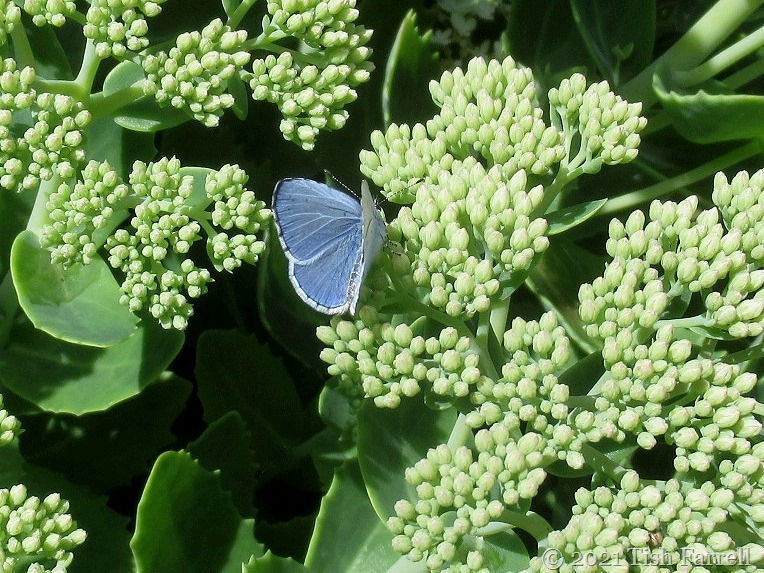
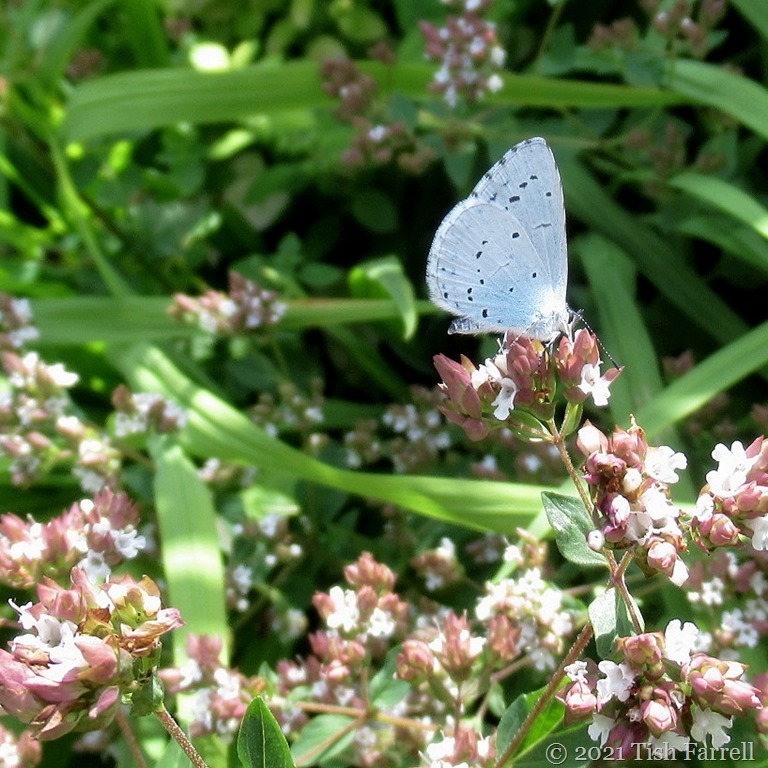
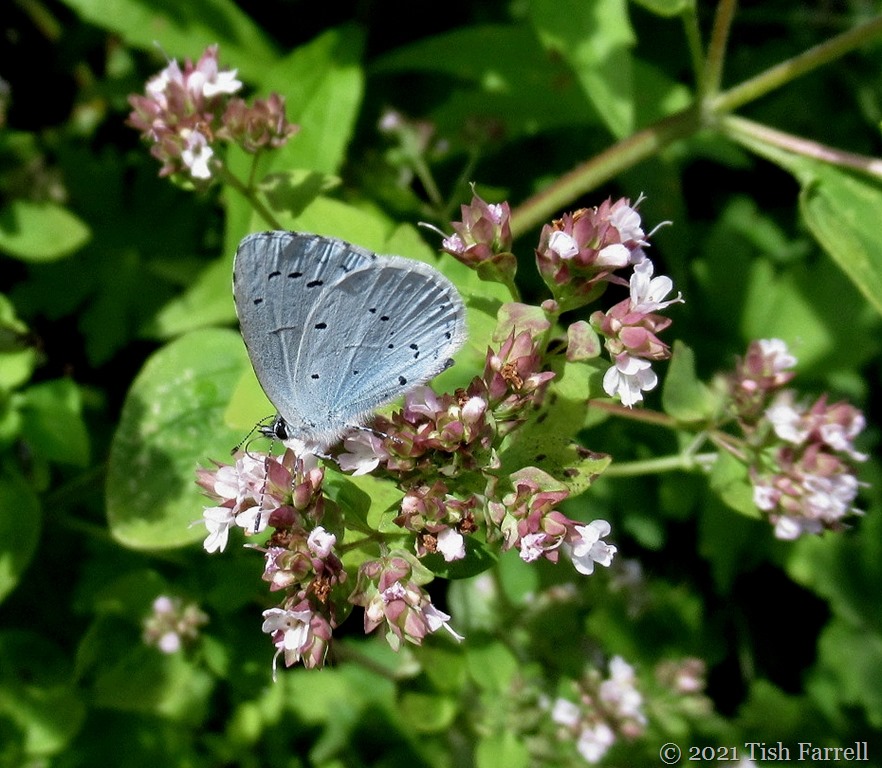
…a male Holly Blue butterfly Celastrina argiolus on the sedum. Blue butterflies tend to be very skittish, and as far as I know I’d not seen a Holly Blue before, though they are quite common. This one was also very shy, and after he flitted off to feed on the oregano flowers would only show me his underwings. But still, they are also very pretty – at first sight white, but then a shimmer of iced blue.

IMG_1464

IMG_1479

copyright 2021 Tish Farrell

Some Peacock Perspectives

IMG_9177

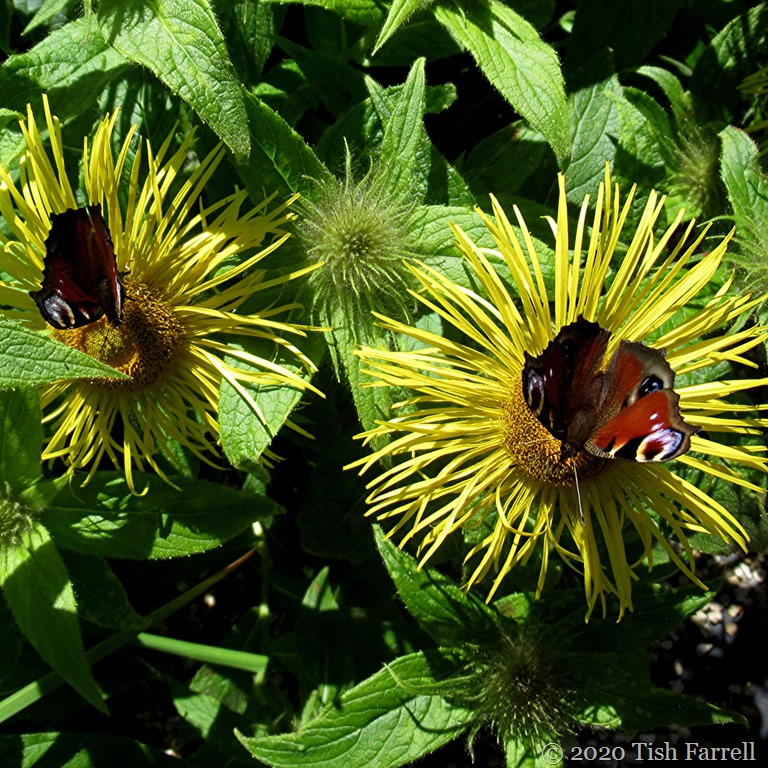
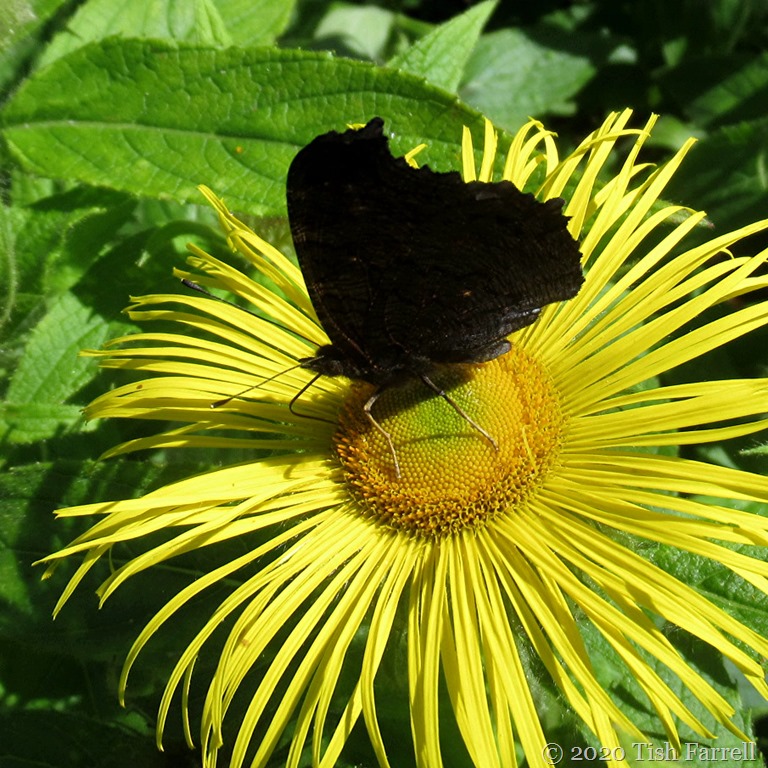
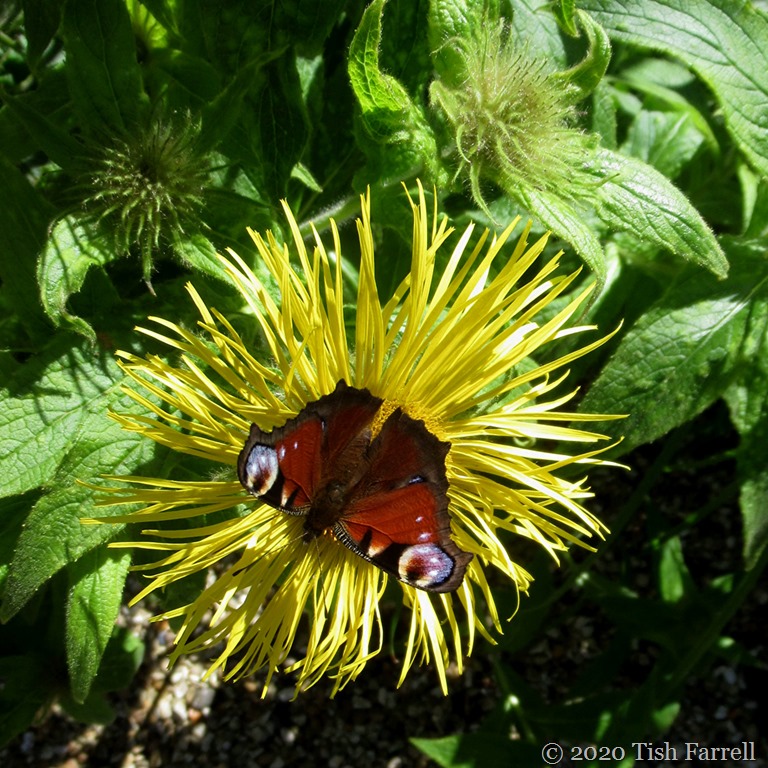
Today in the Sheinton Street garden we have both sunshine and warmth, elements that have been lacking so far this month. And so amongst the Doronicum we also have a profusion of peacock butterflies, sip-sipping like mad at the tiny compound flowerlets. I watch them as I hang out the washing – the survival imperative played out before our very eyes.

IMG_9199

IMG_9212

IMG_9180

Square Perspective #30

On The Path To The Allotment: A Retrospective

IMG_3872

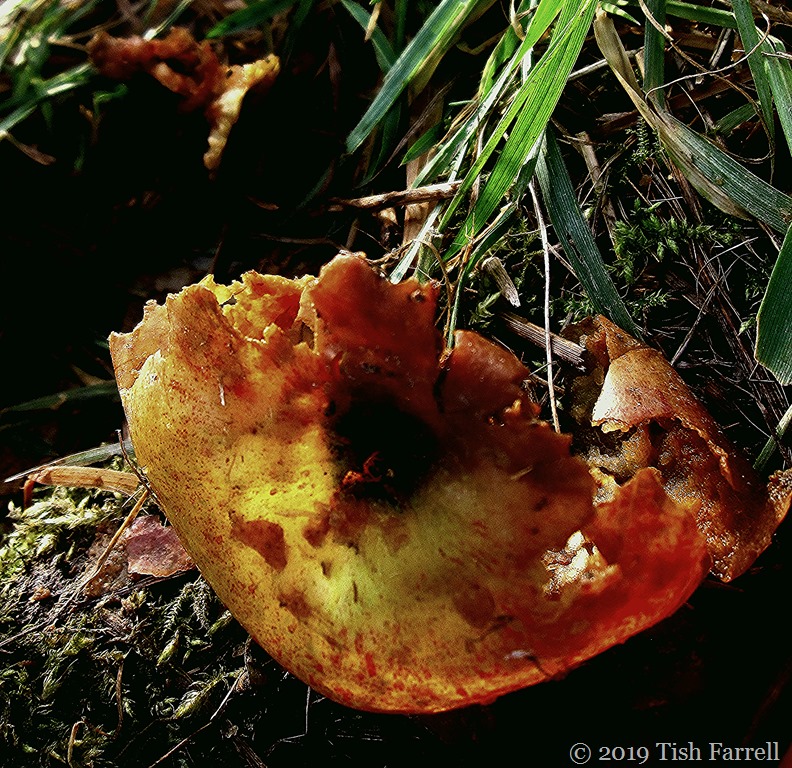
I usually do have a camera in my pocket when I go to the allotment, although gardening and snapping are not ideal co-activities given the photographer’s general grubbiness. Anyway, here are some of my favourite shots from the past few years: nature small but beautiful, and in no particular seasonal order. I especially love the header photo though – the winter sun caught in a windfall apple that has been hollowed out by blackbirds, so many natural forces at play here.

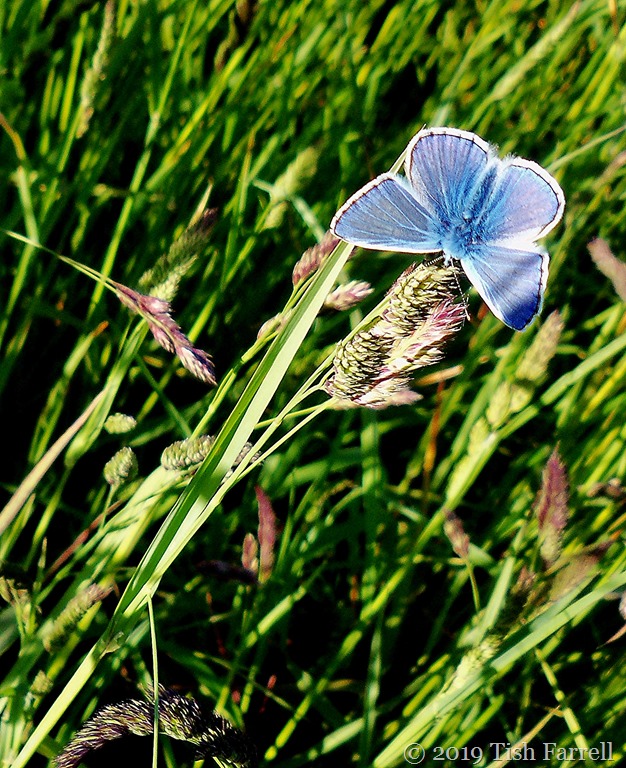
Also the fact that I caught a Common Blue butterfly, wings open and with a one-handed click and it turned out to be pretty much in focus, is hugely pleasing. These little butterflies flit about at high speed, and seem especially nervous if you point a camera at them.

100_5567

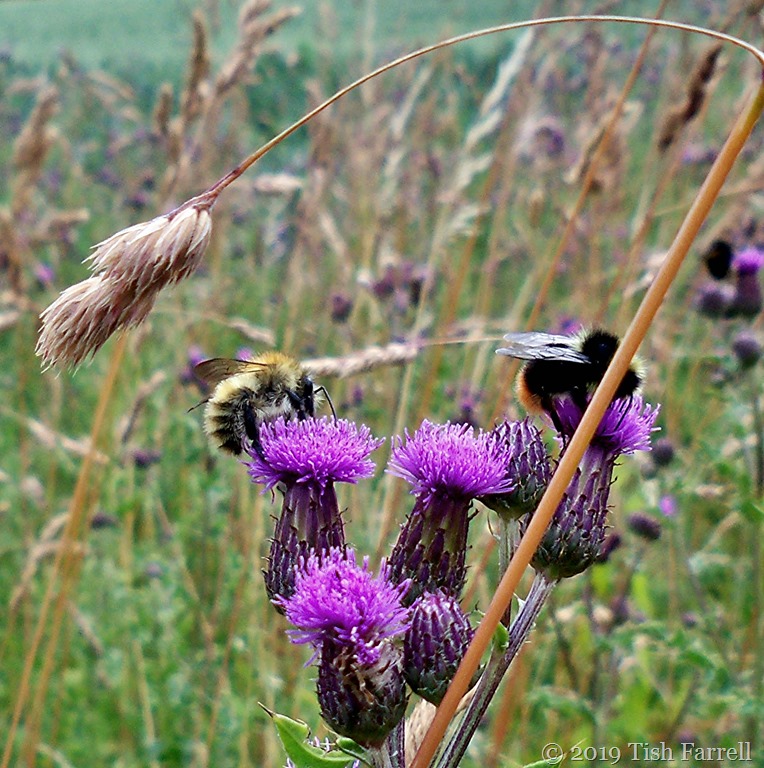
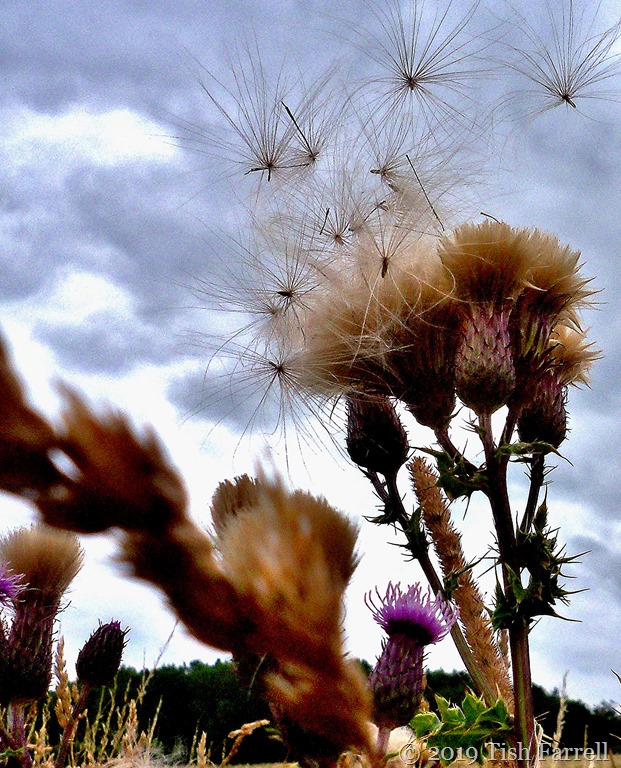
Most perversely too, while my gardener self fumes at finding dandelions, thistles and bindweed in the garden, since they are the most difficult weeds to oust, I still admire their beauty, and in all their phases. And the bees clearly love thistle flowers too.

100_5545

100_6341

100_6773

P1070562

P1070625

P1070031

P1060998

IMG_1828

So much to see all around us. We only have to look.

Lens-Artists: Nature

This week Patti at Lens-Artists gives us nature as her theme. Please call in to see her and the other Lens-Artists’ work.