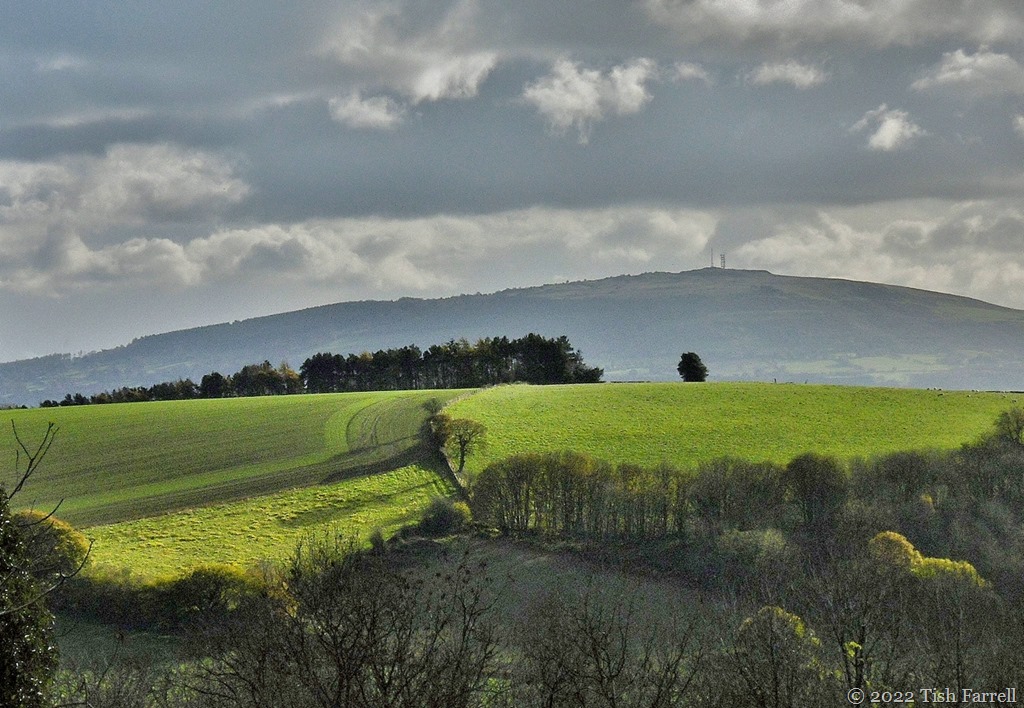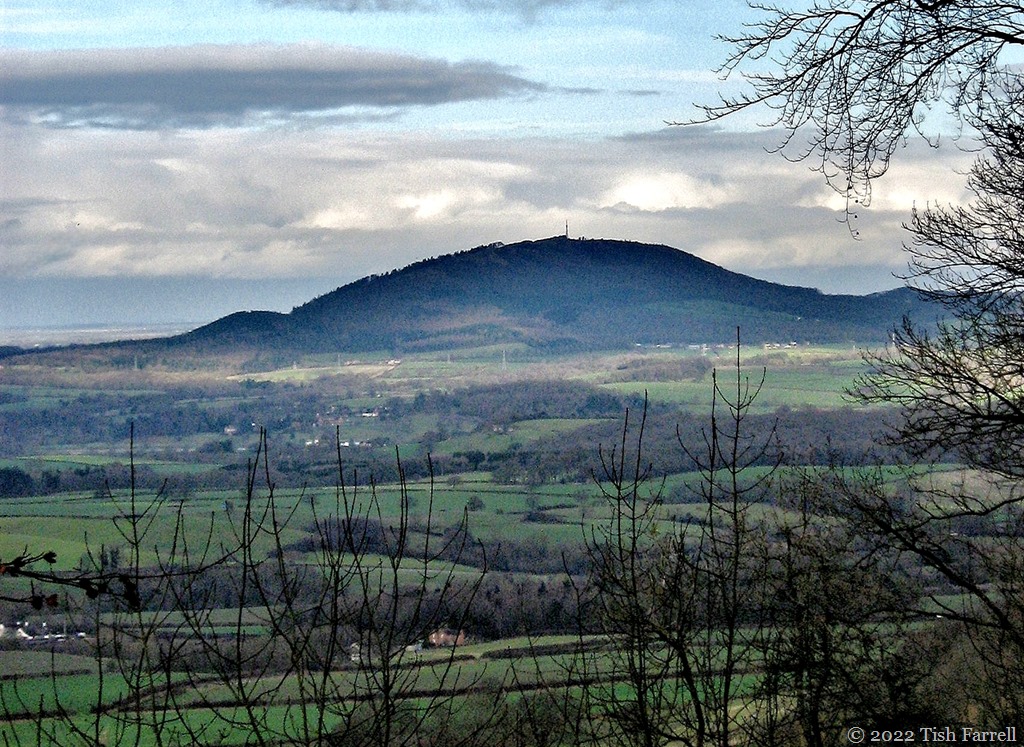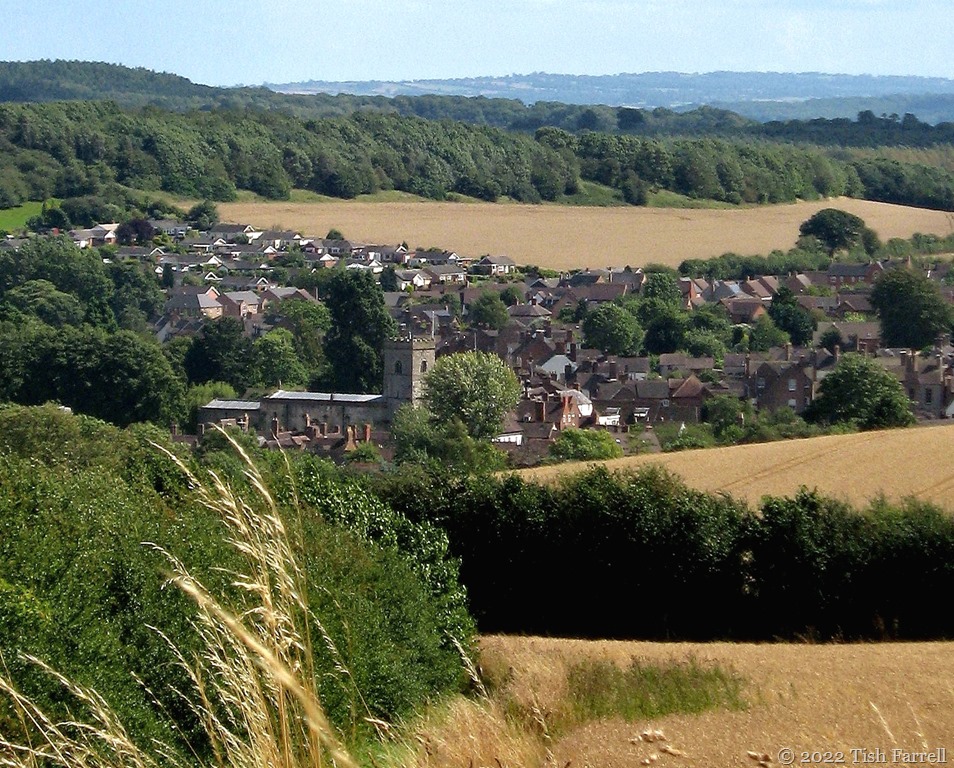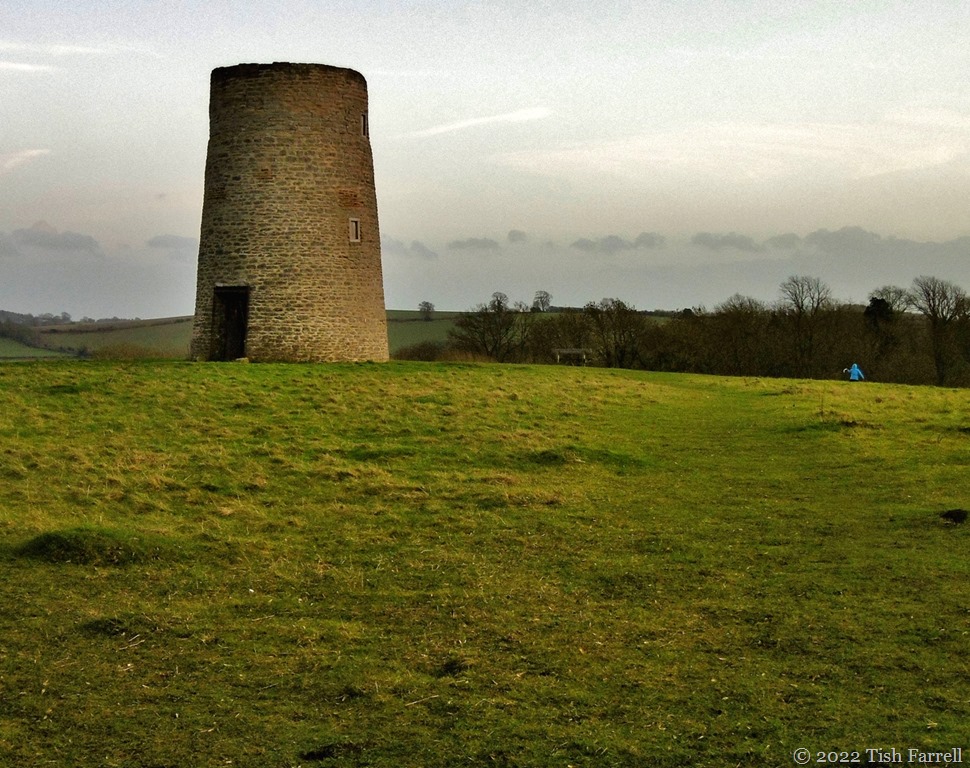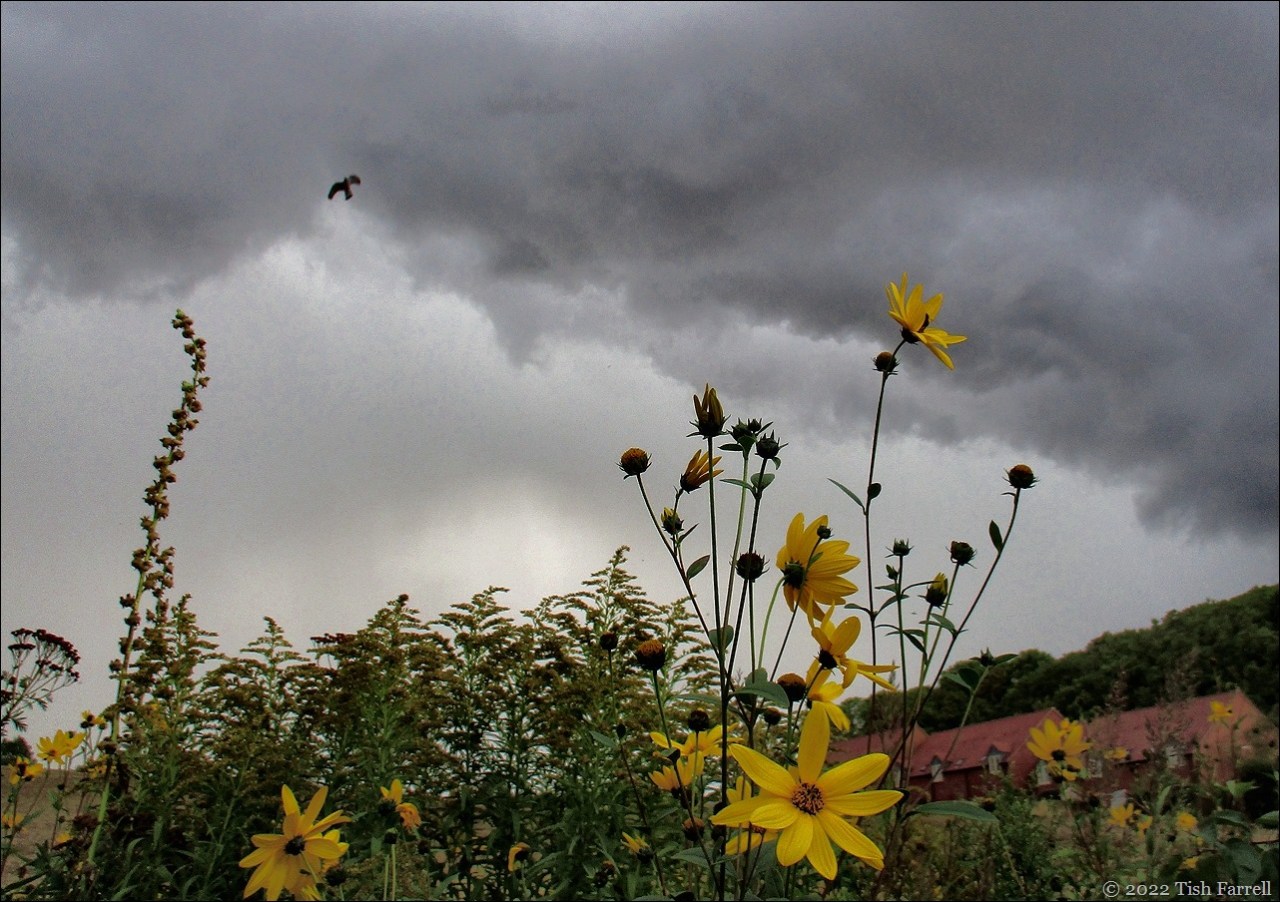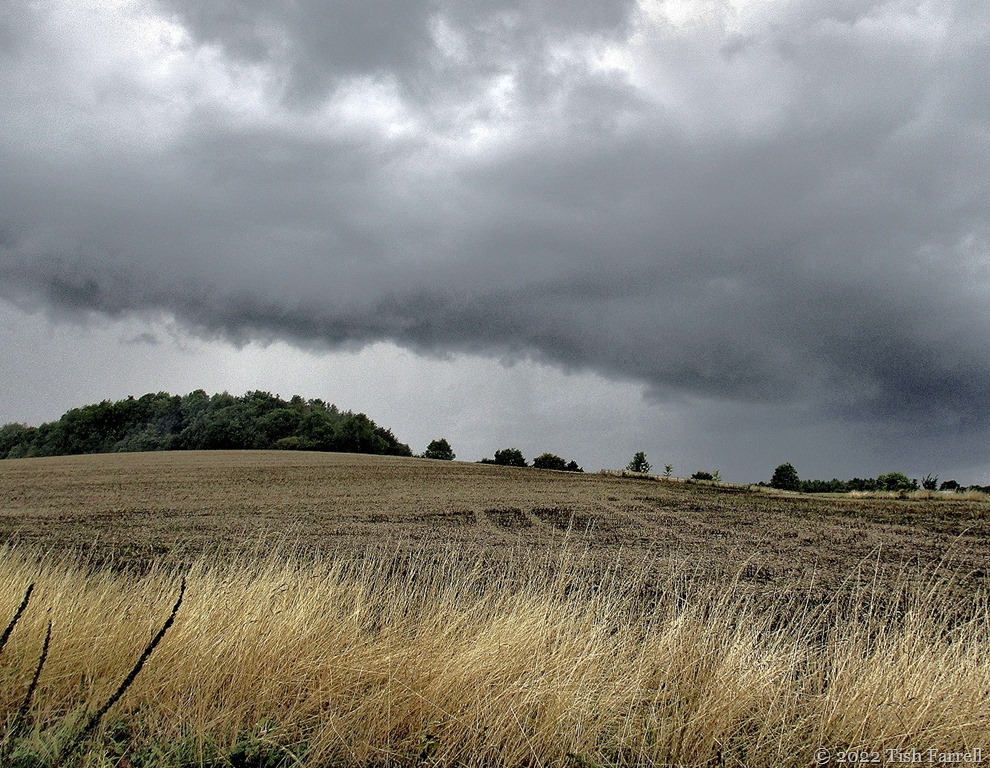
There’s A Storm Coming…

IMG_1459ed

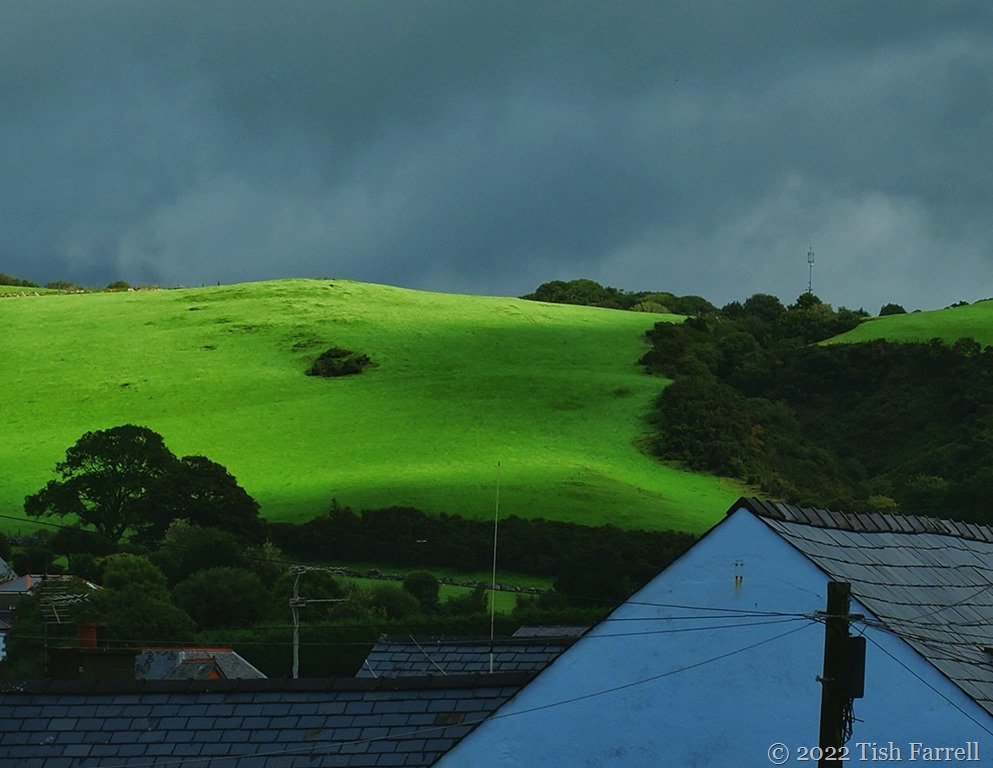
Over the garden fence this afternoon. And yes, after weeks of drought, we’ve had some rain, though the showers have not been as generous as these clouds seem to promise. I watched them roll out across Townsend Meadow towards Wenlock Edge. A cloud serpent, or a Chinese dragon in many shades of grey. There were pigeons flying every which way and some horizontal lightning.

Nothing like a spot of wild weather to stir the spirits.

IMG_1447ed


The Changing Seasons ~ August 2022

IMG_1235ed

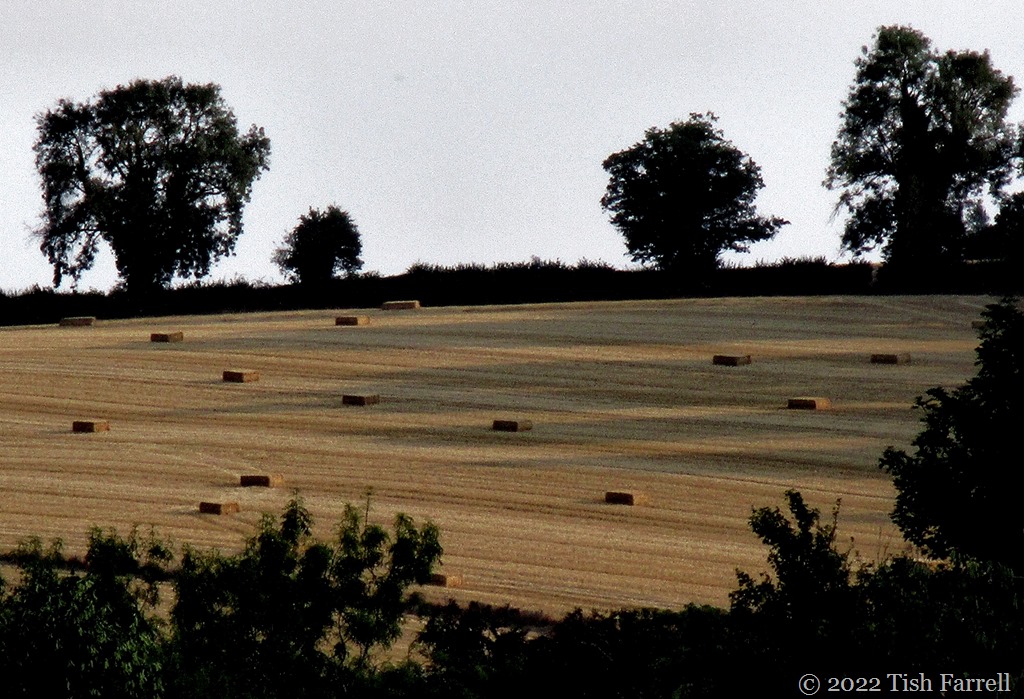
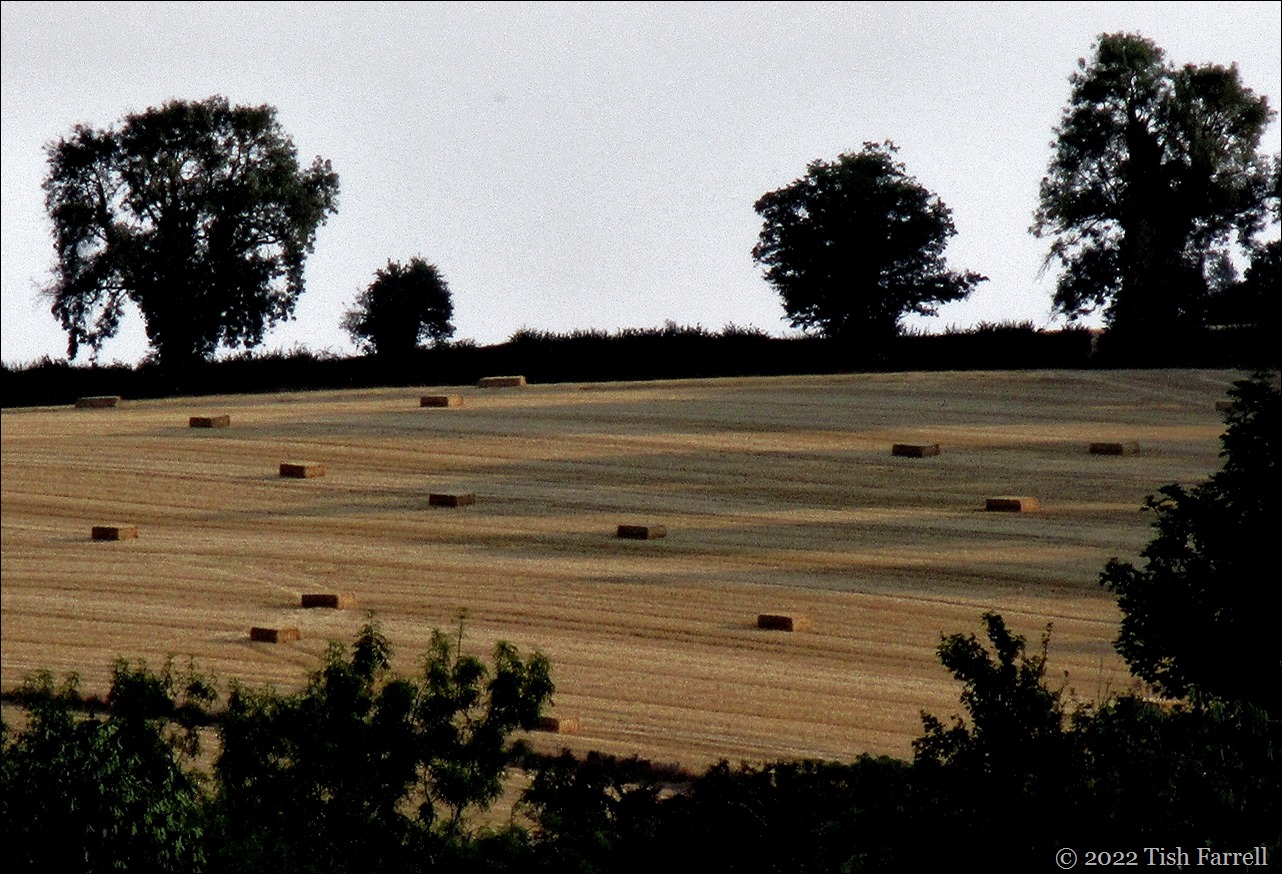
Harvest time in Much Wenlock came early this year. With the brief heatwave that lasted less than a week, but the months of drought, some crops looked baked-in-the-ground. Without regular rainfall, our heavy Silurian soil very quickly turns to concrete and cracks open.

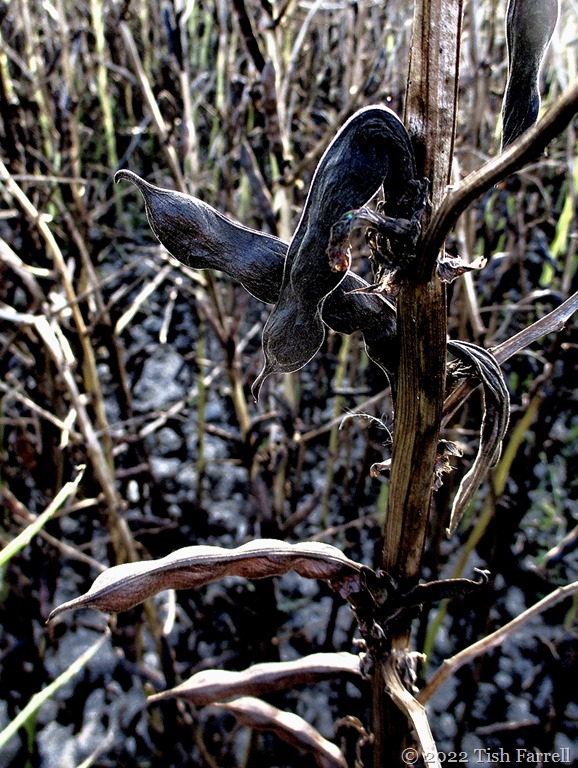
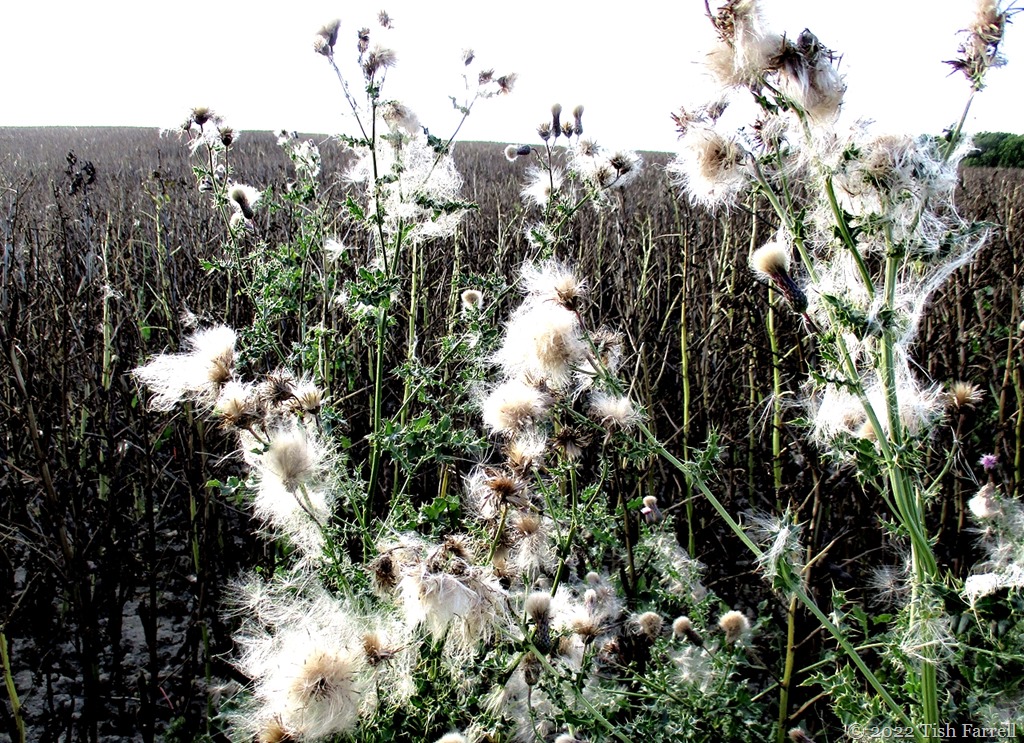
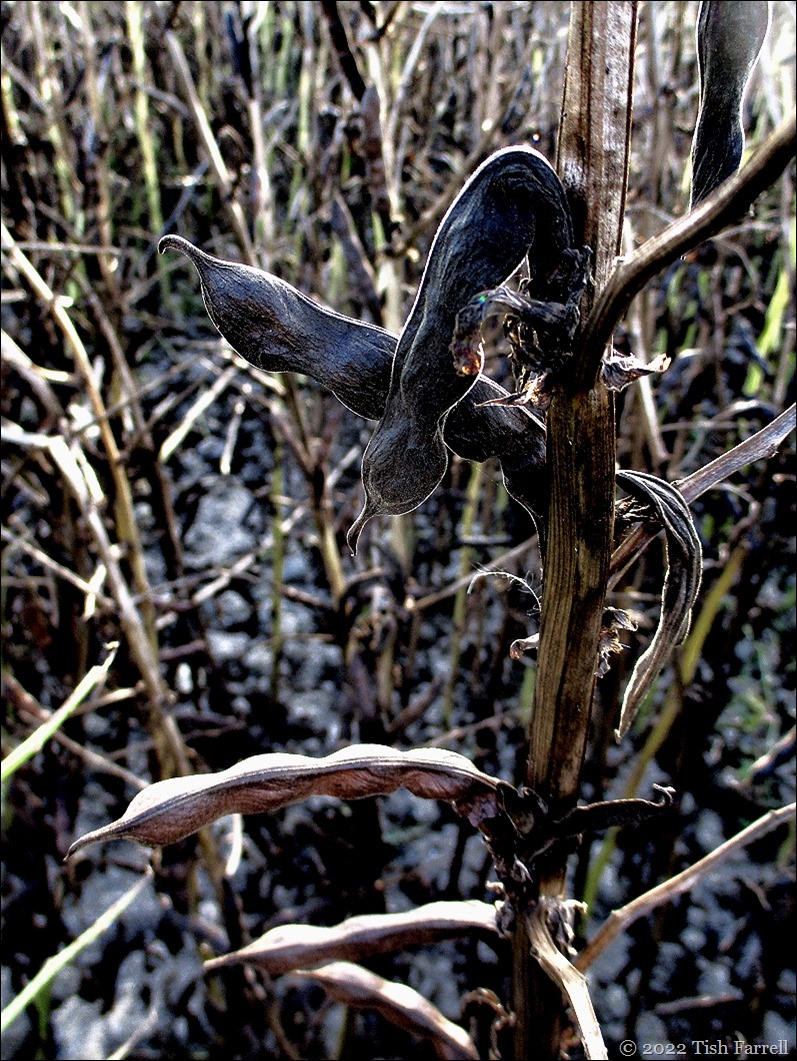
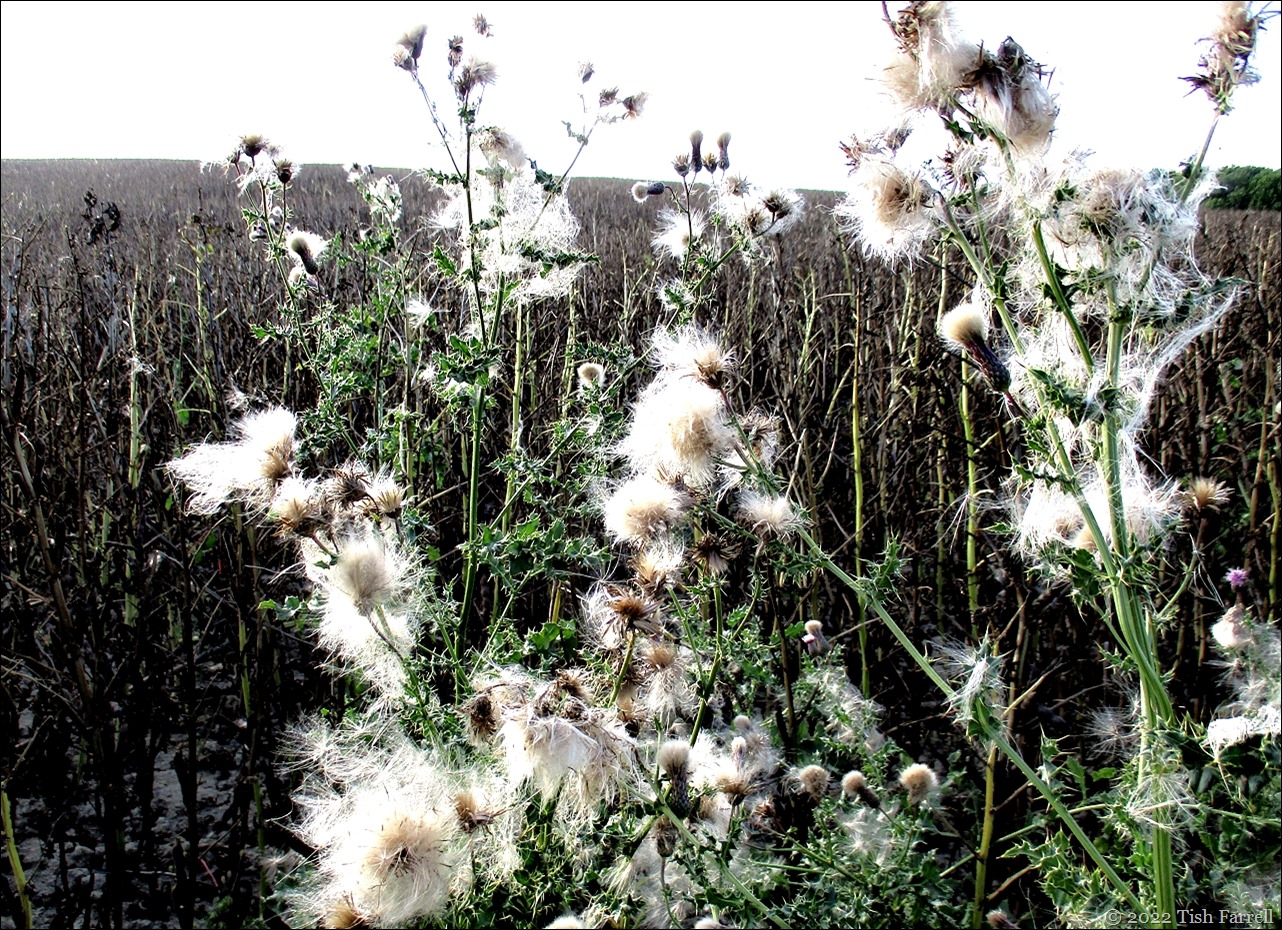
The field beans in Townsend Meadow behind the house that started off so well in spring, did not make good, fat pods before they started turning black and drying out. The plants themselves have been standing in the field, blackened and leafless for weeks. Until today that is (September 1st), when they were finally harvested amid a great dust storm. I dare say  the beans that have been harvested will be very well dried, but probably only suitable for animal feed.
IMG_1335ed

IMG_1332ed

Thistles and the field bean crop just before harvest

*

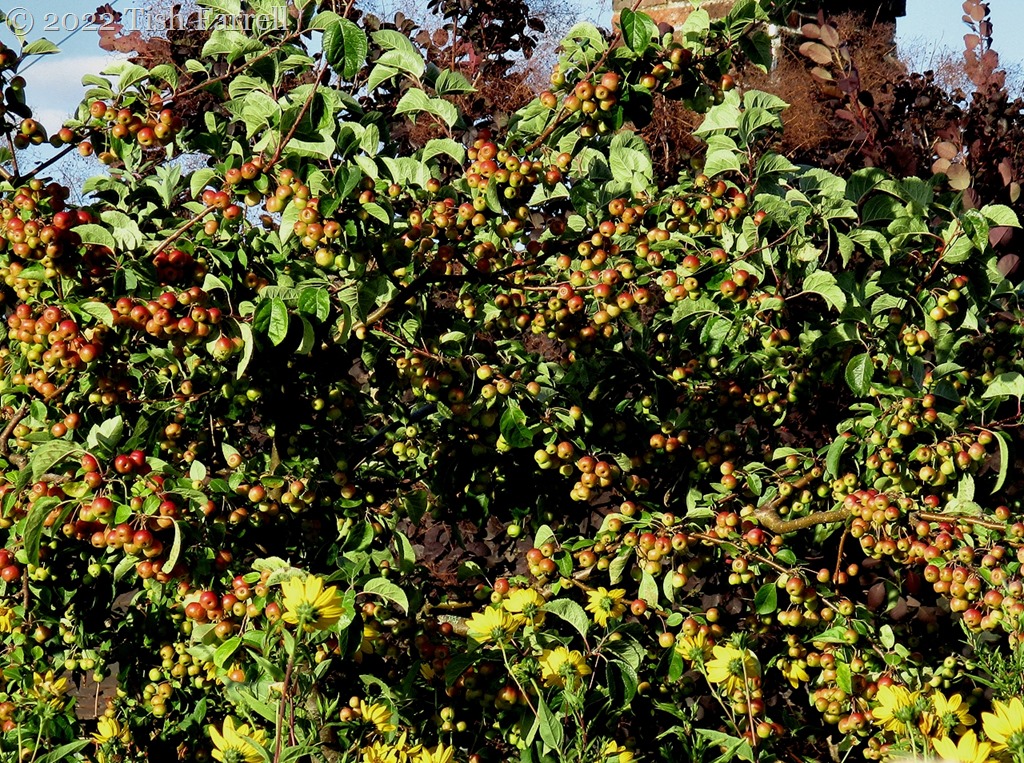
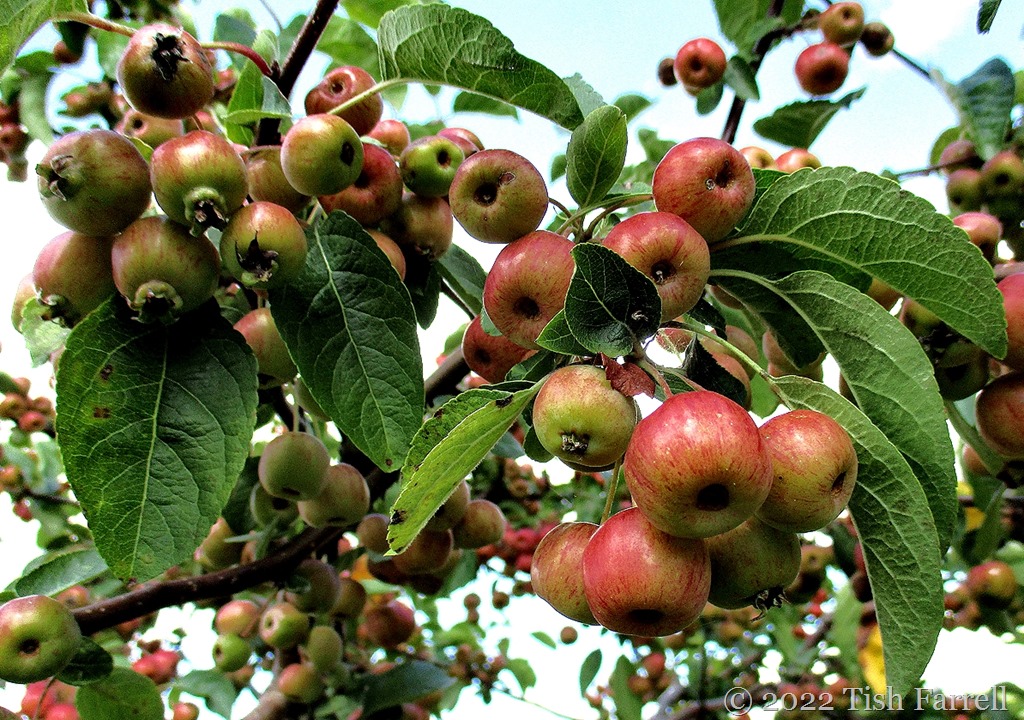
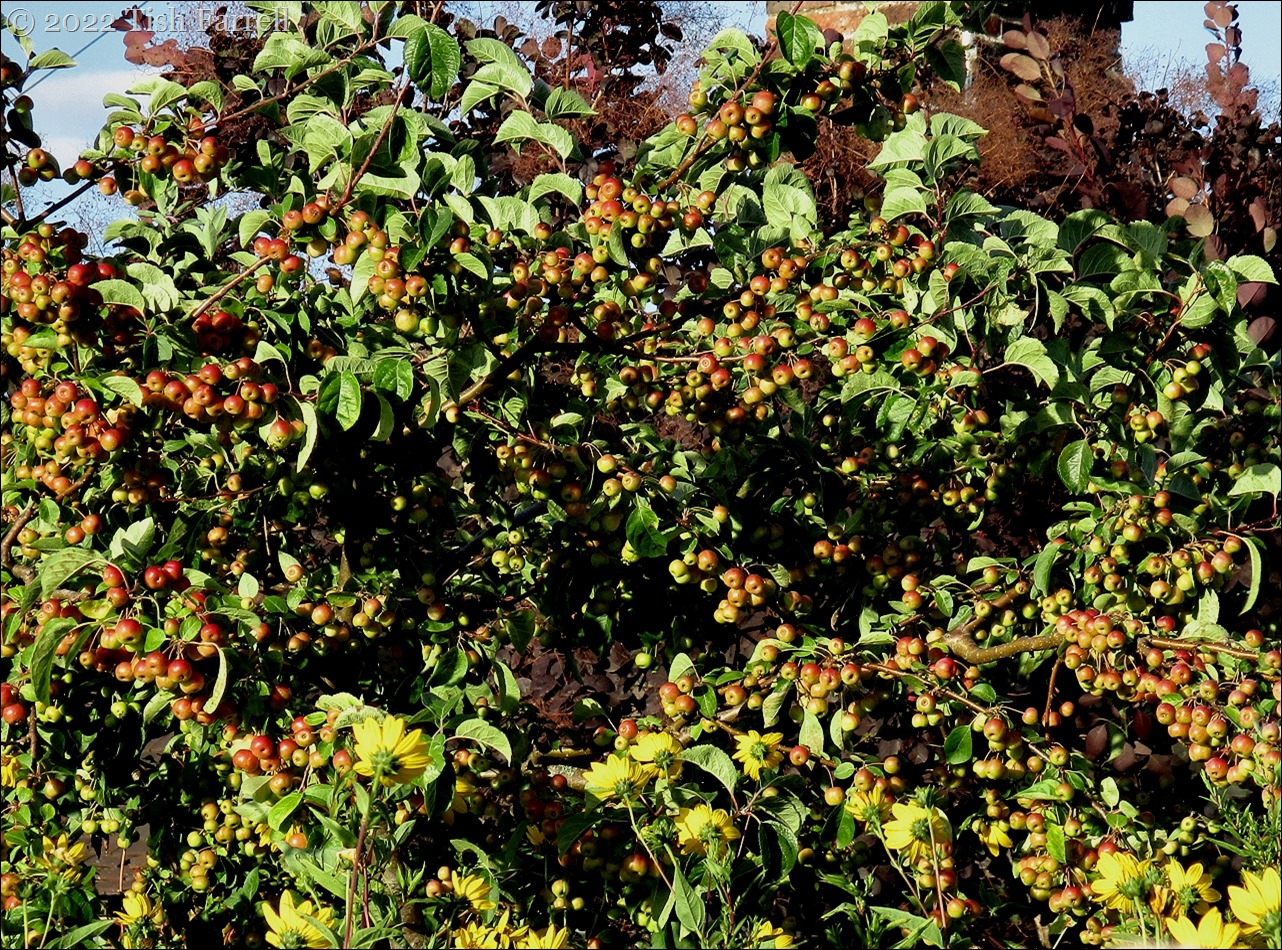
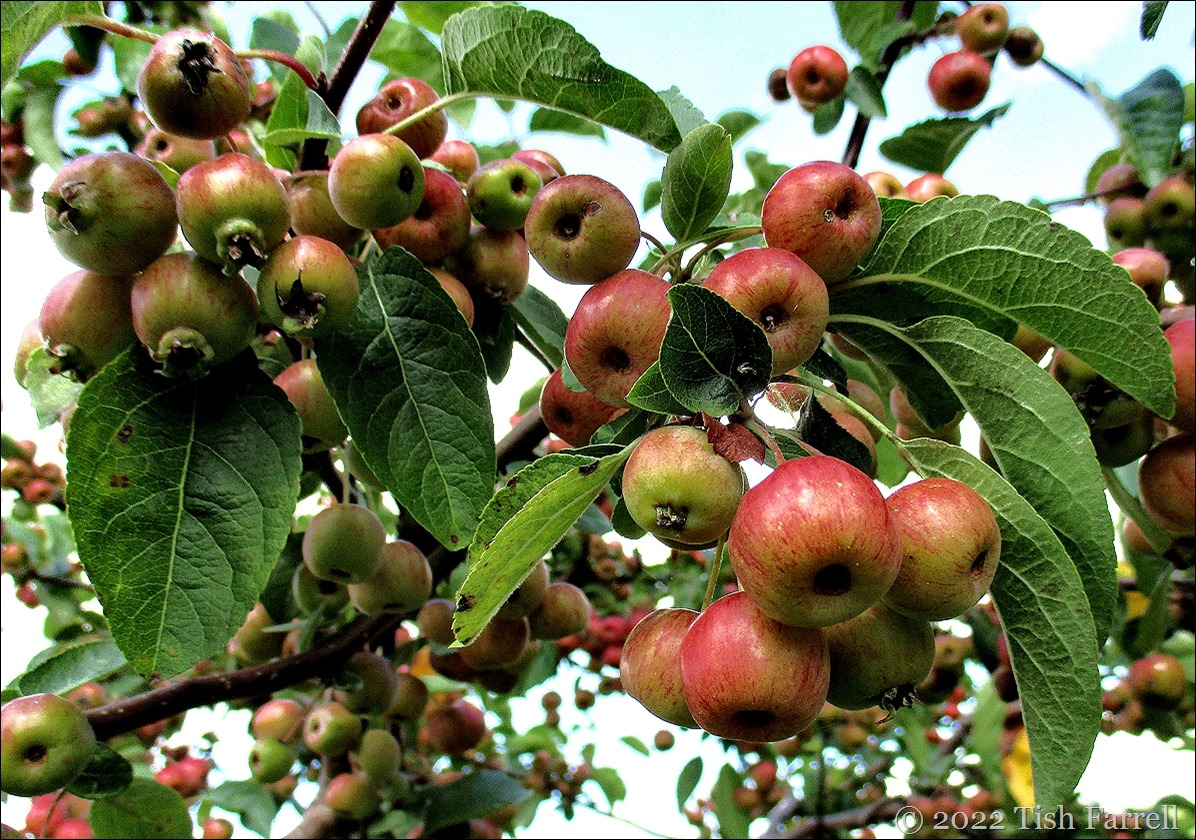
Now when it comes to apples, both wild and cultivated, it’s a whole new story. Here is the crab apple tree in our back garden. The fruit is tiny, but what a crop. I’ve never seen this little tree so laden: enough to make crab apple jelly and leave plenty for the over-wintering birds.
IMG_1295ed

IMG_1317ed

*

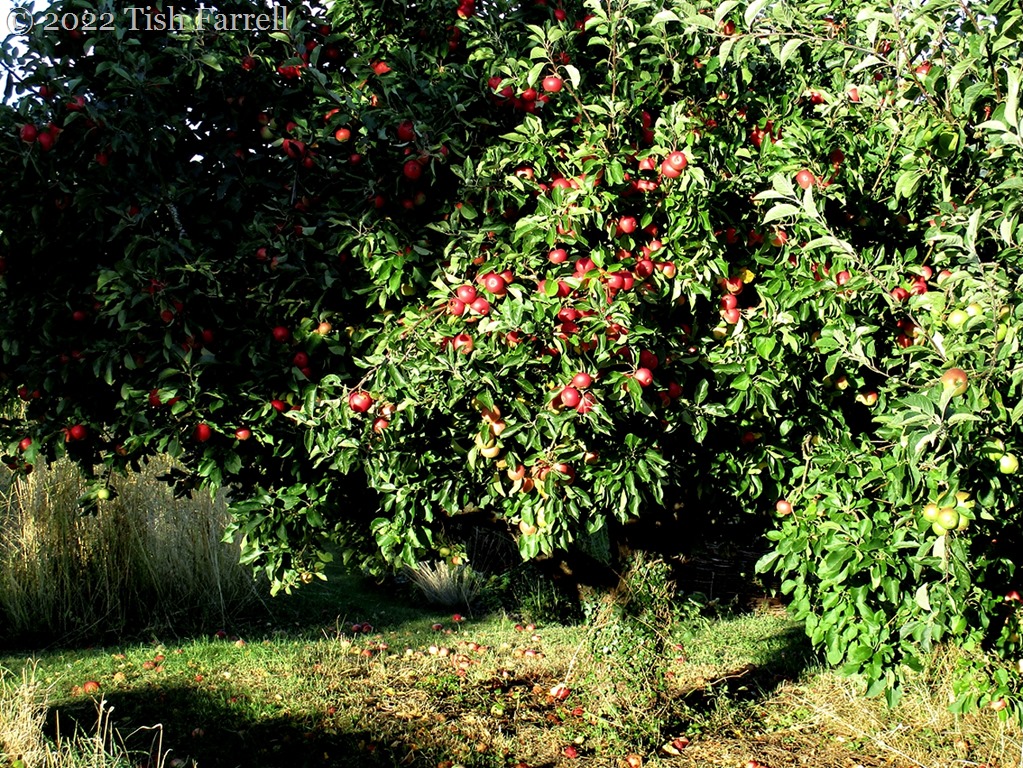
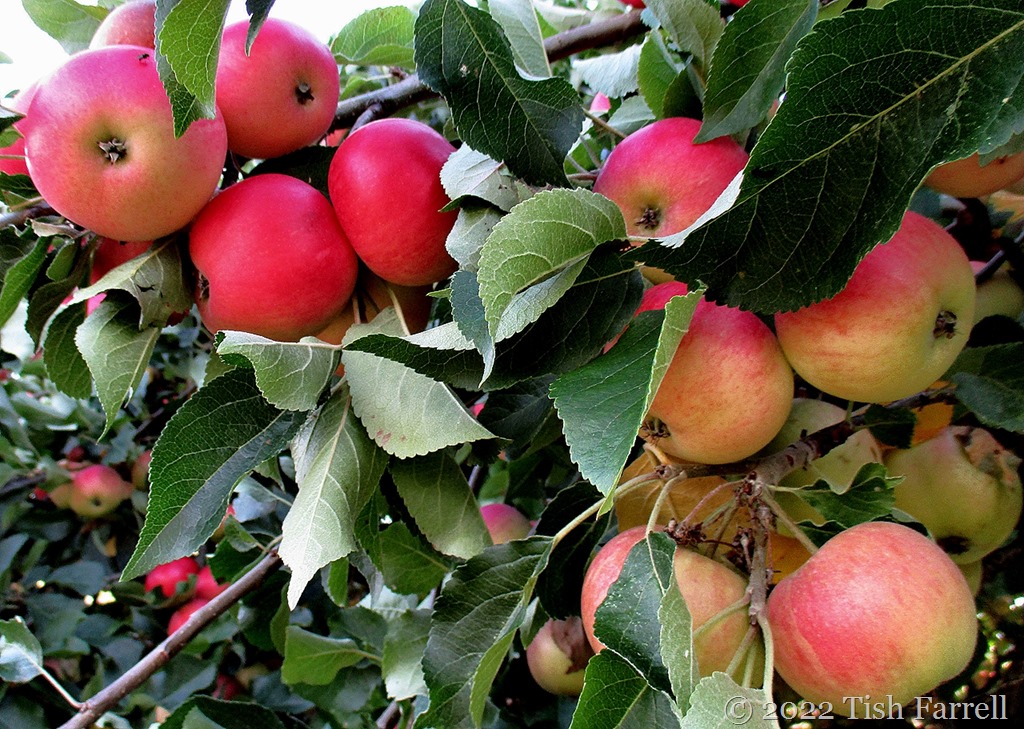
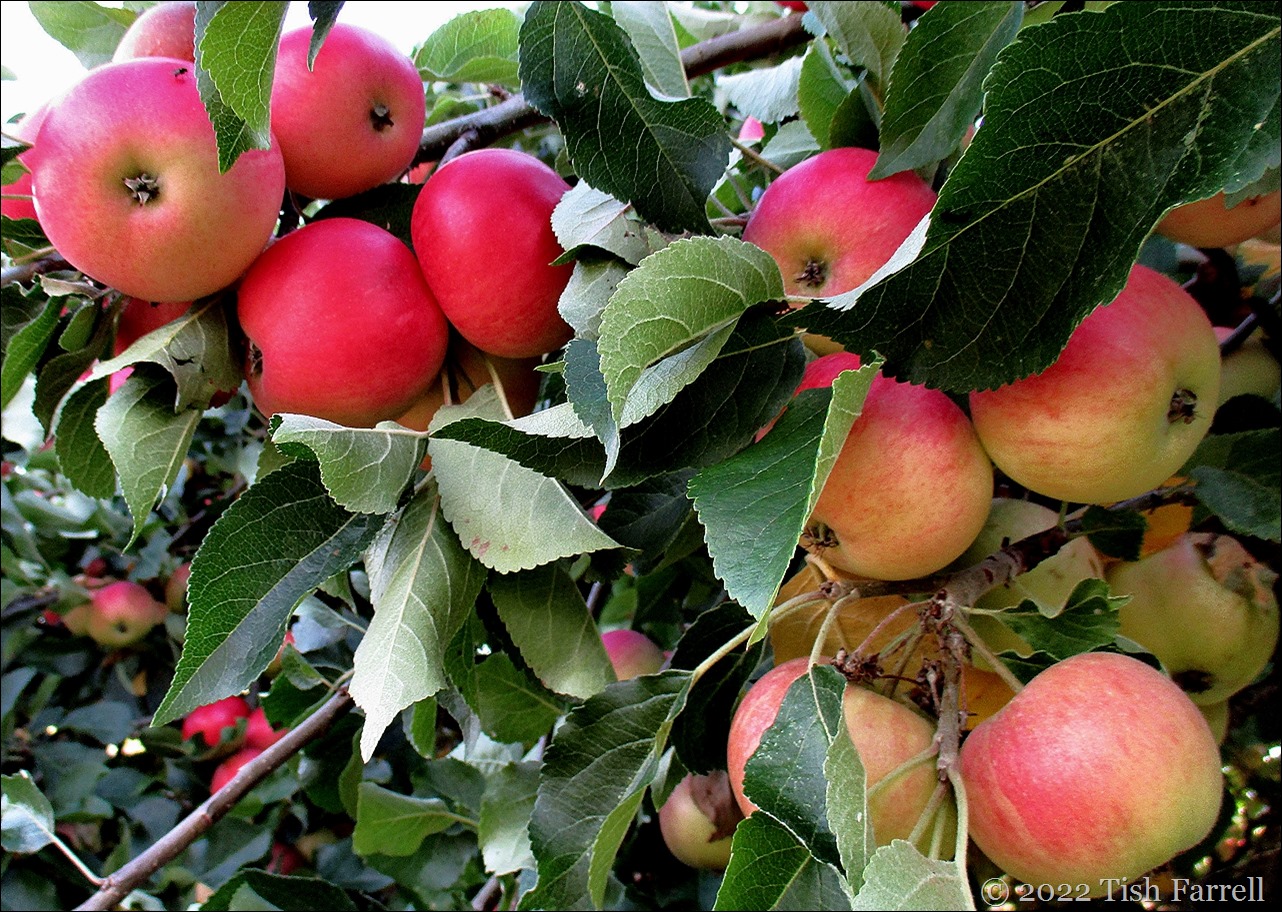
Up at the allotment, the Discovery apple tree is also cropping earlier than usual, and again, weighed down with fruit. The skins are bit tough though; again likely due to lack of rainfall:

IMG_1282ed

IMG_1292ed

IMG_1288ed

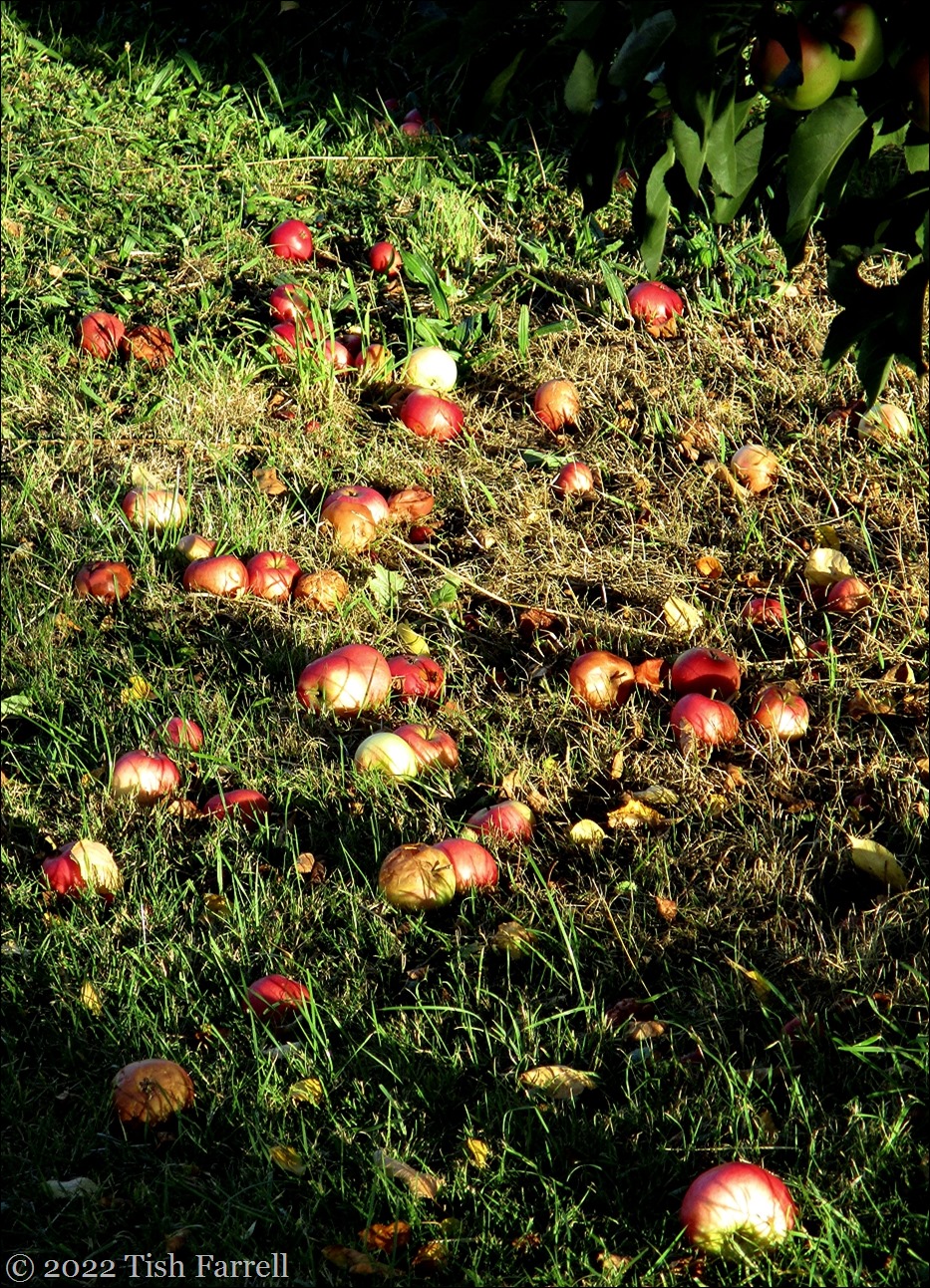
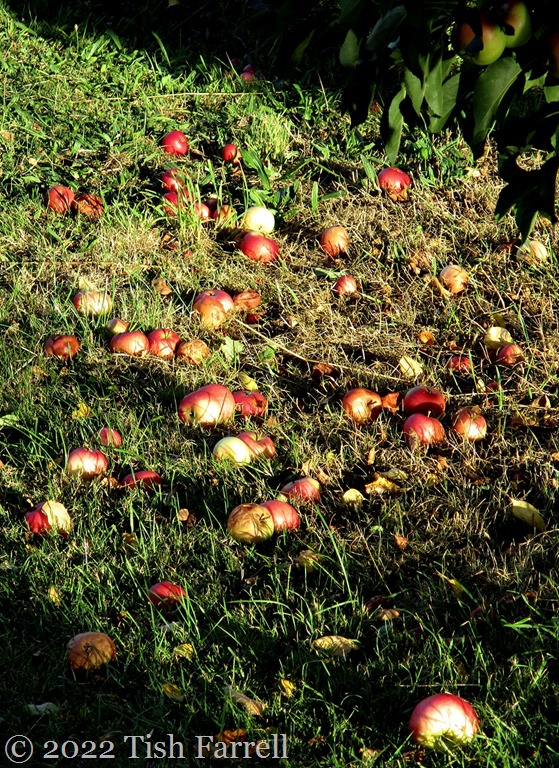
Windfalls in August

*

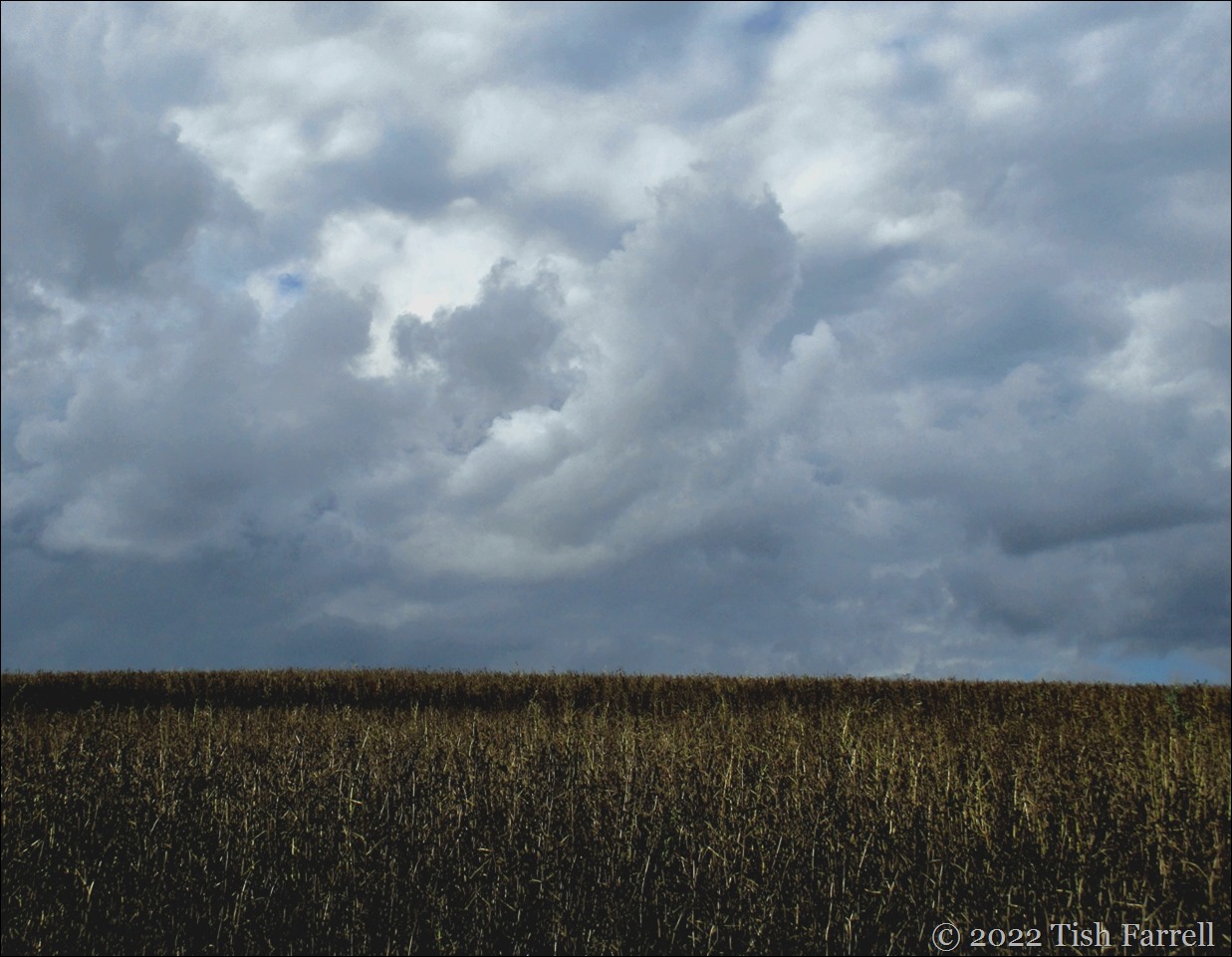
Since the three very hot days early in the month, we’ve had lots of cool and cloudy days, when we were sure it was going to rain. We’ve even had weather forecasts that threatened deluges. But no. They did not materialize. Only one passing shower that teased all the plants, and this gardener into thinking things were about to improve.
IMG_1274ed

*

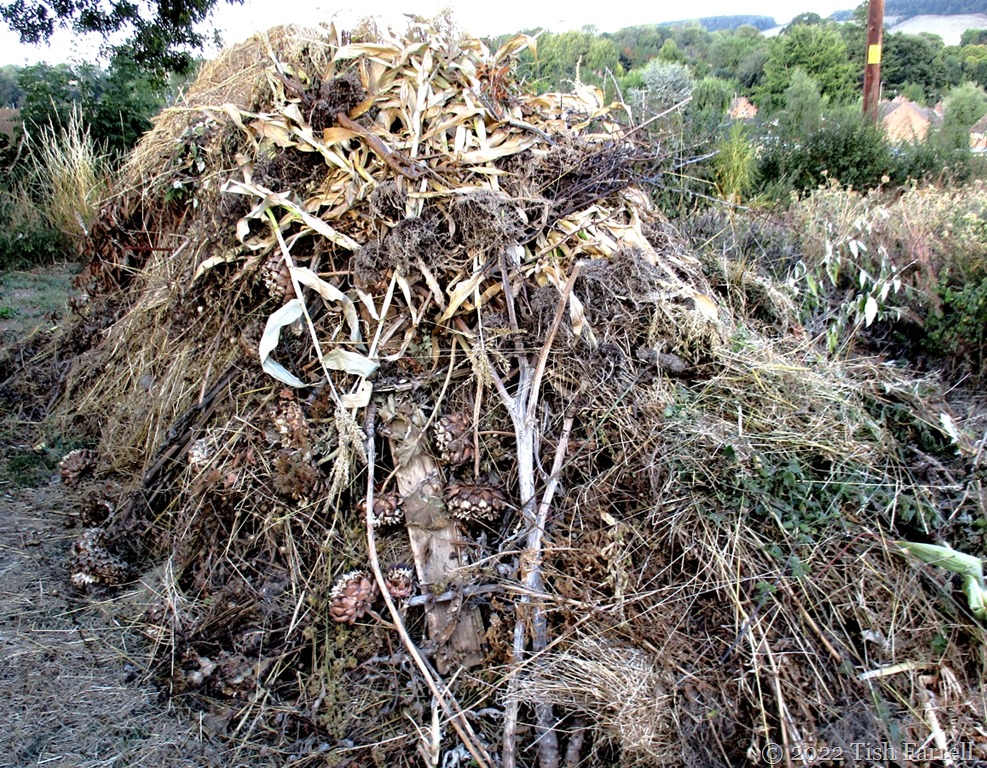
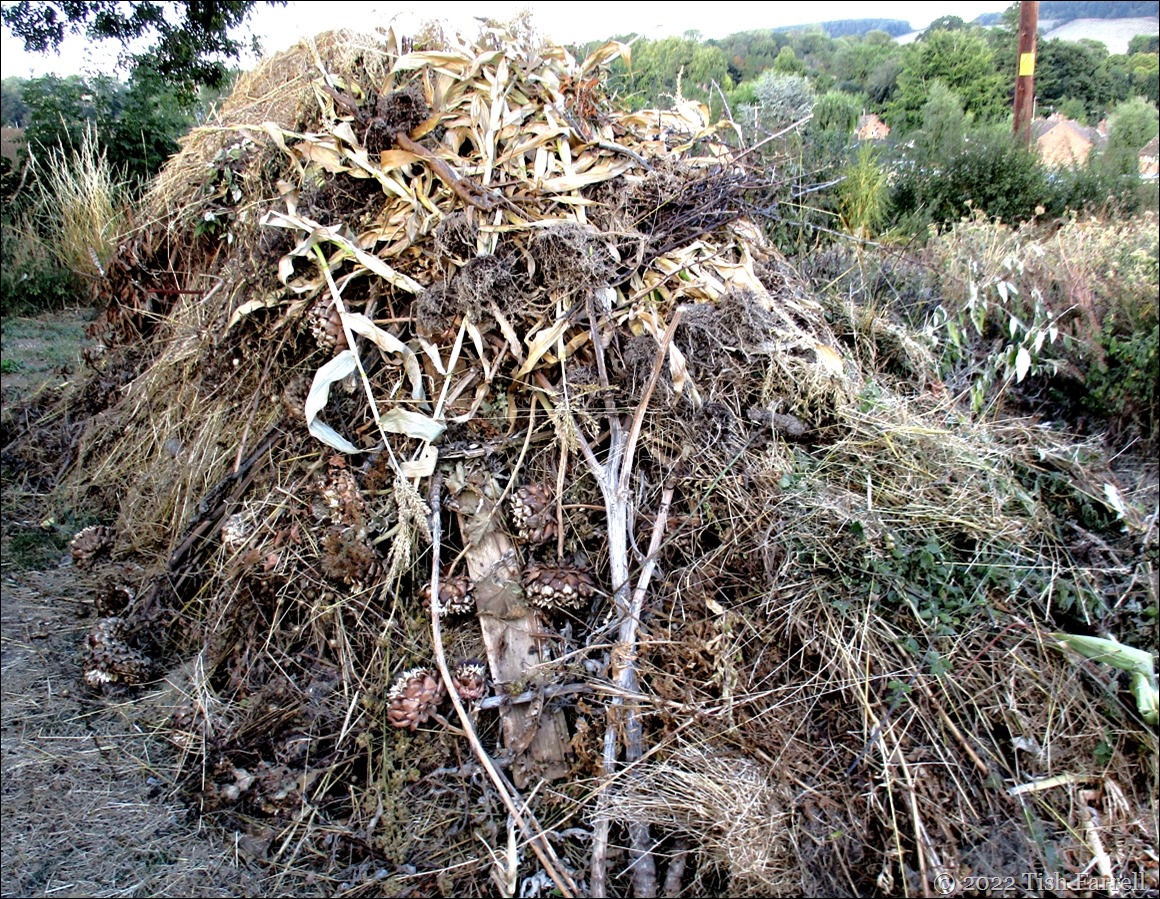
Here’s the allotment bonfire in waiting. It looks very autumnal. The stalks of the artichoke plants on the pile, dried so hard they could not be chopped up for compost.
IMG_1347ed

IMG_1148ed

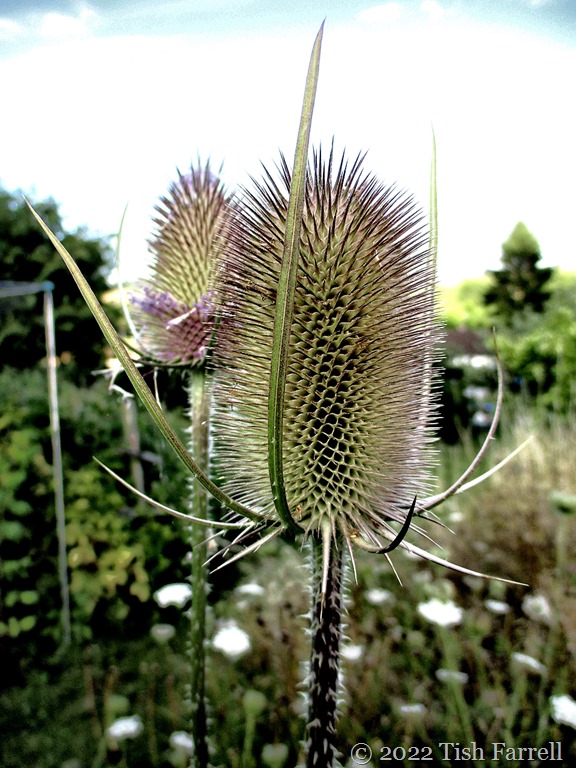
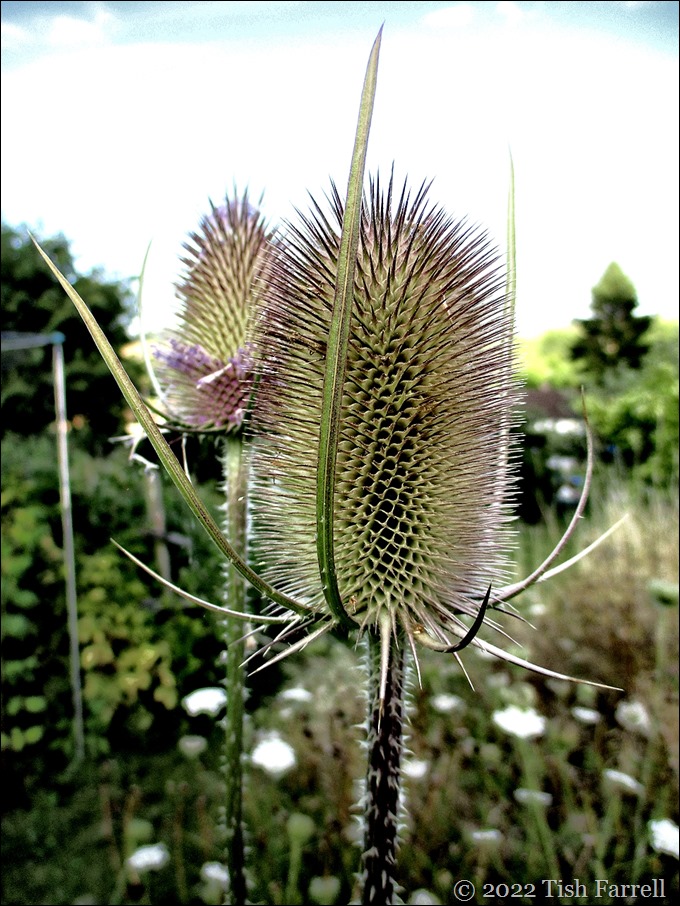
Teasels already

*

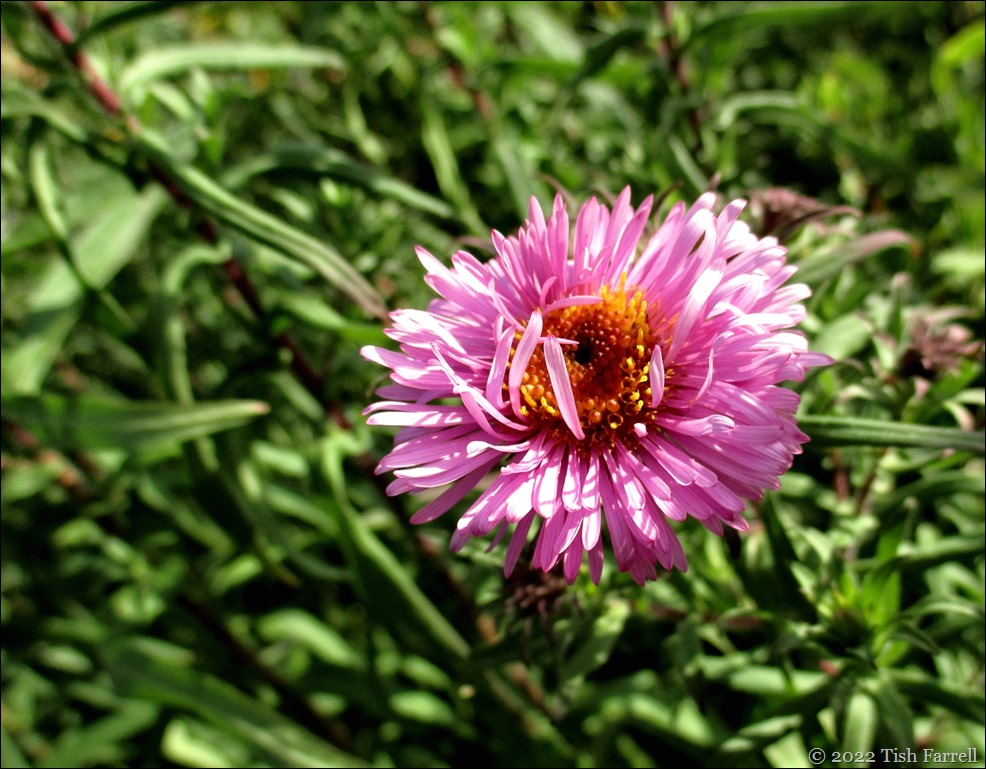
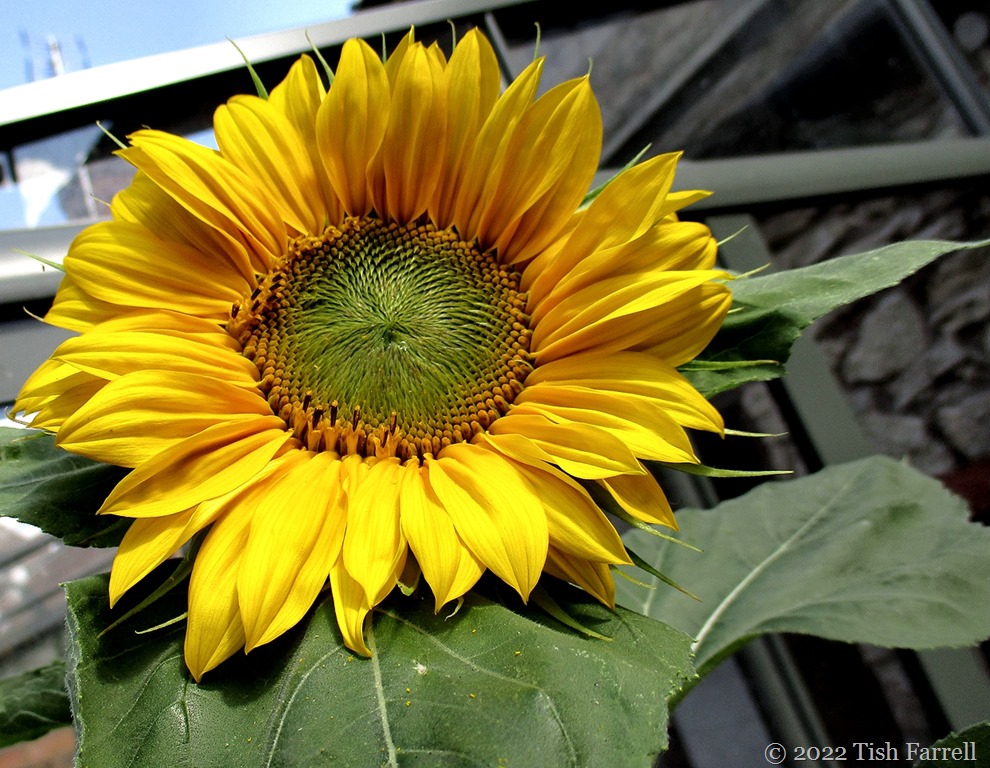
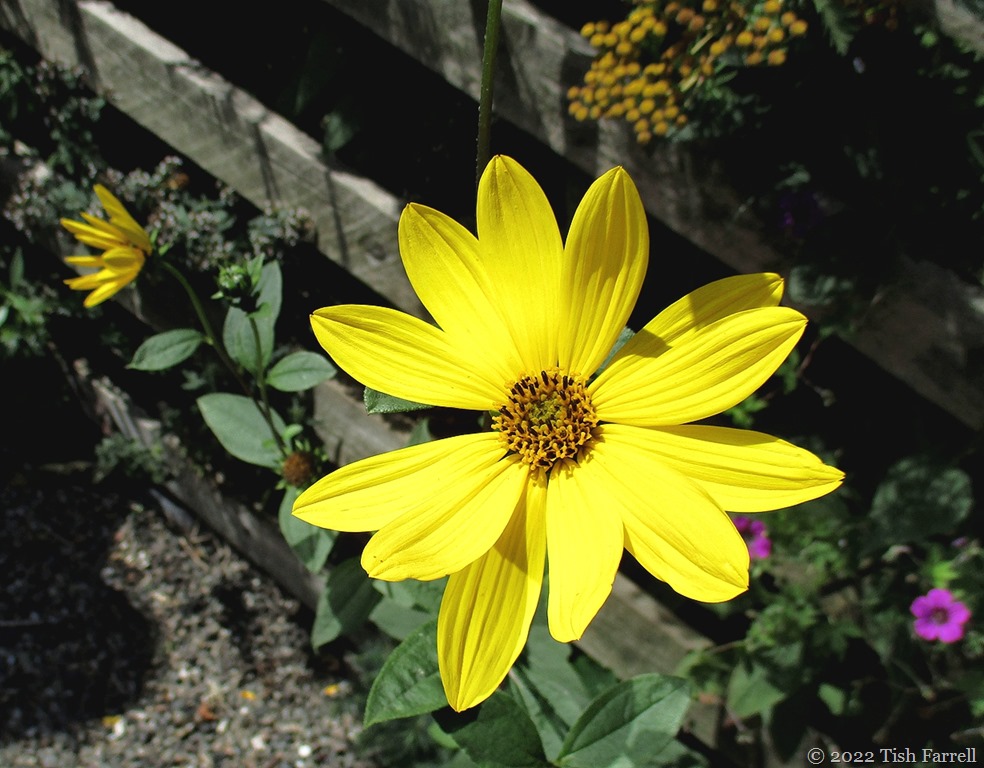
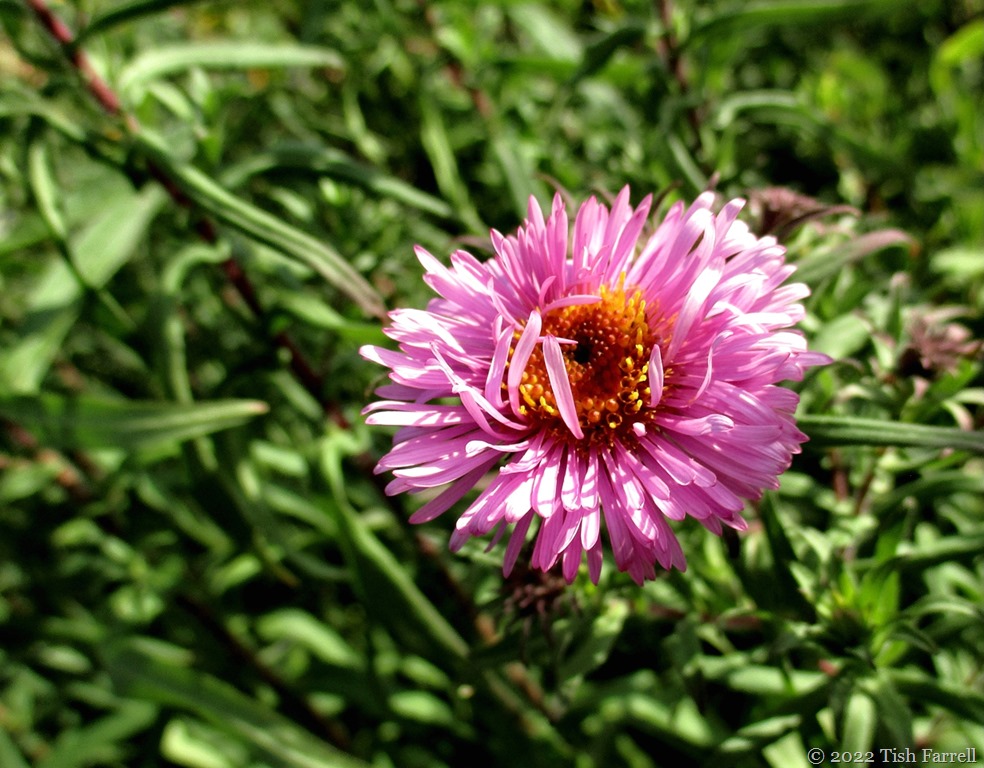
In the home garden, many plants have struggled without rain. The phlox that usually flowers all summer, bloomed and then was quickly desiccated. Hand watering simply did not cut it. Now though, some of the helianthus (perennial sunflowers) are trying for a bold recovery, and I spotted the first Michaelmas daisy yesterday. The geraniums, too, have soldiered on valiantly. Things in pots (cosmos and echinacea) are probably faring better because it’s easier to manage the watering. Which also means we have a jolly new sunflower just out by the greenhouse door. It’s sharing a tub with some tomatoes.
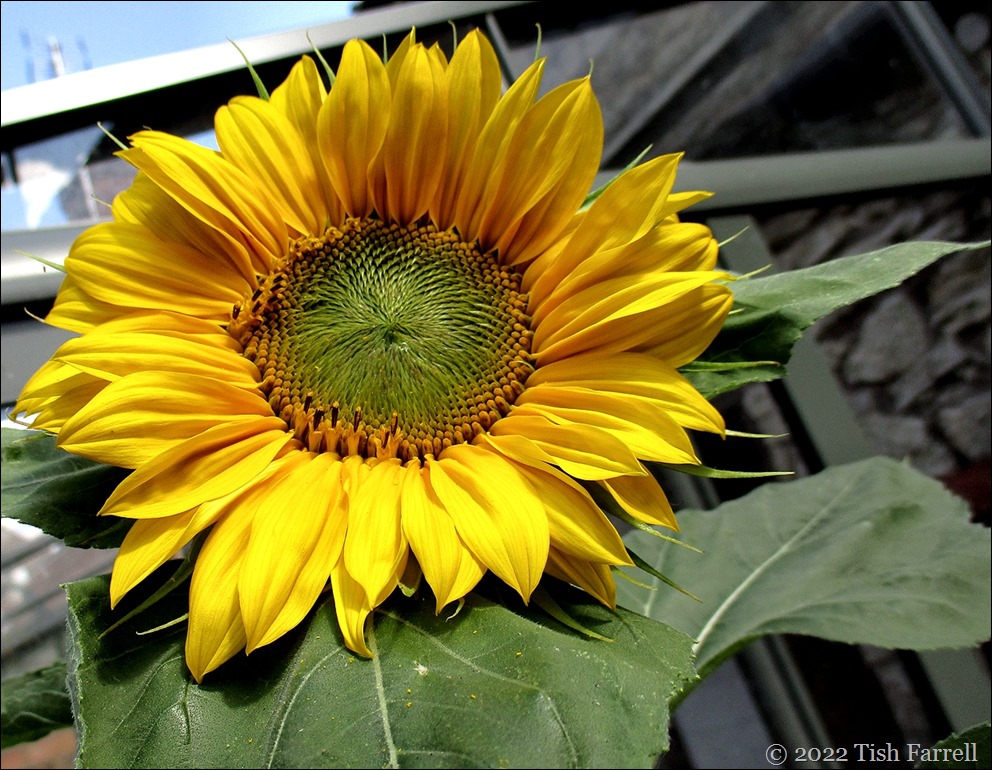
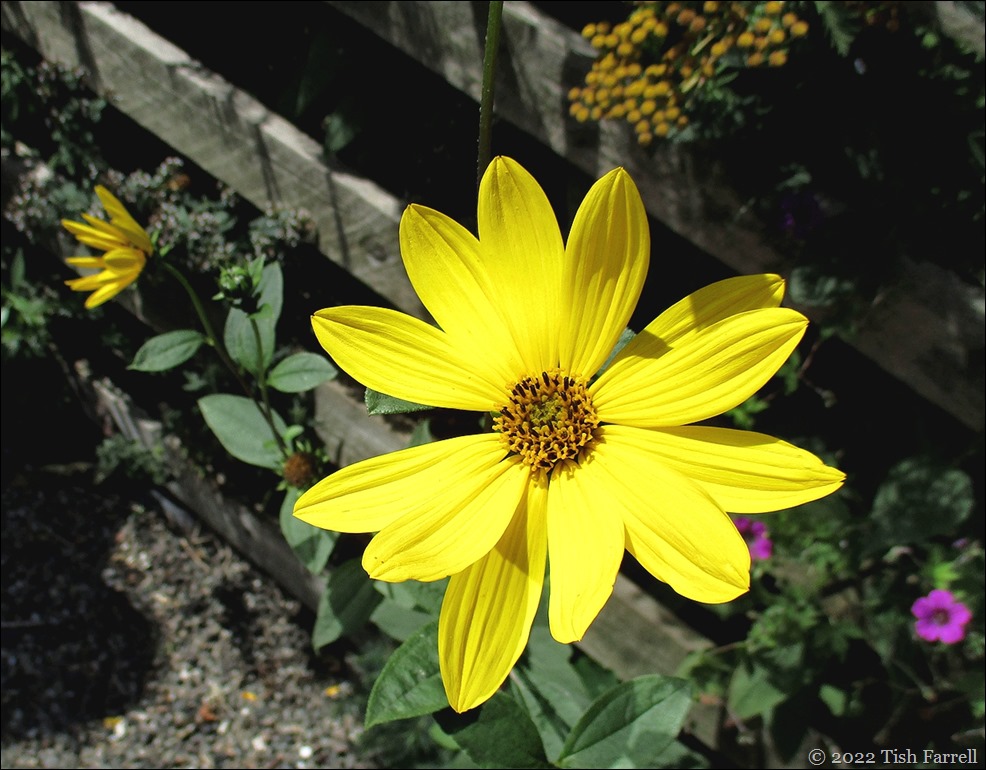
IMG_1324ed

IMG_1316ed

IMG_1329ed

*

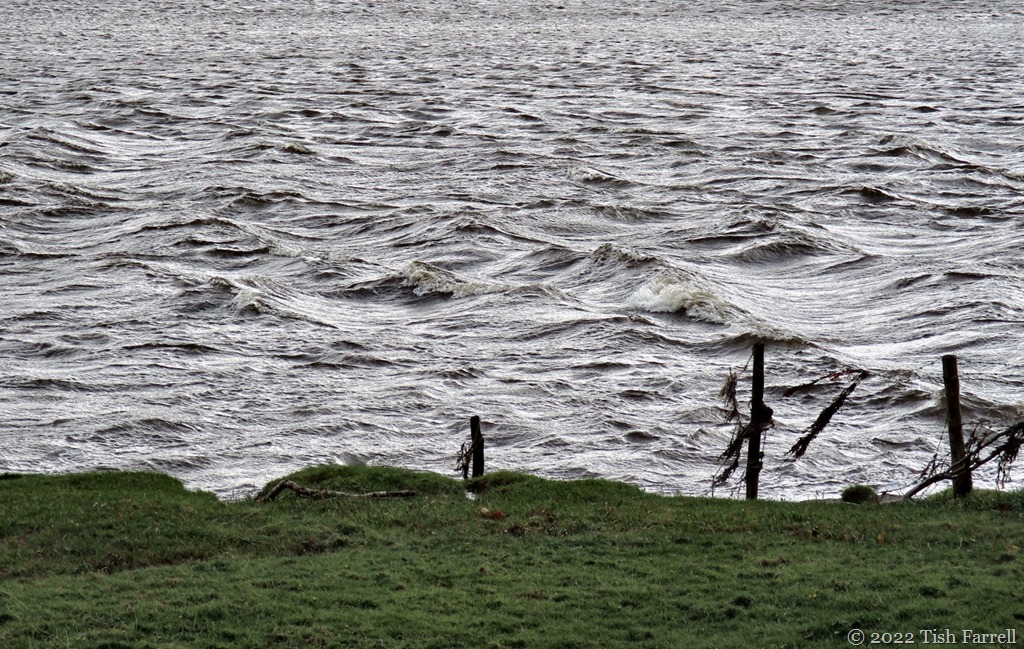
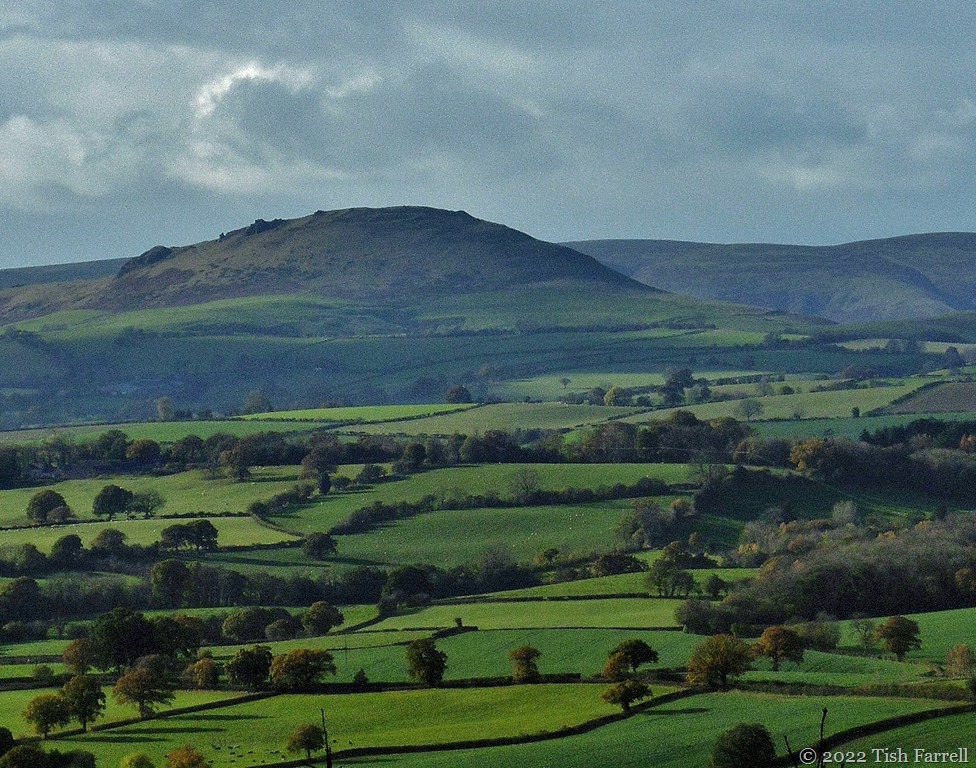
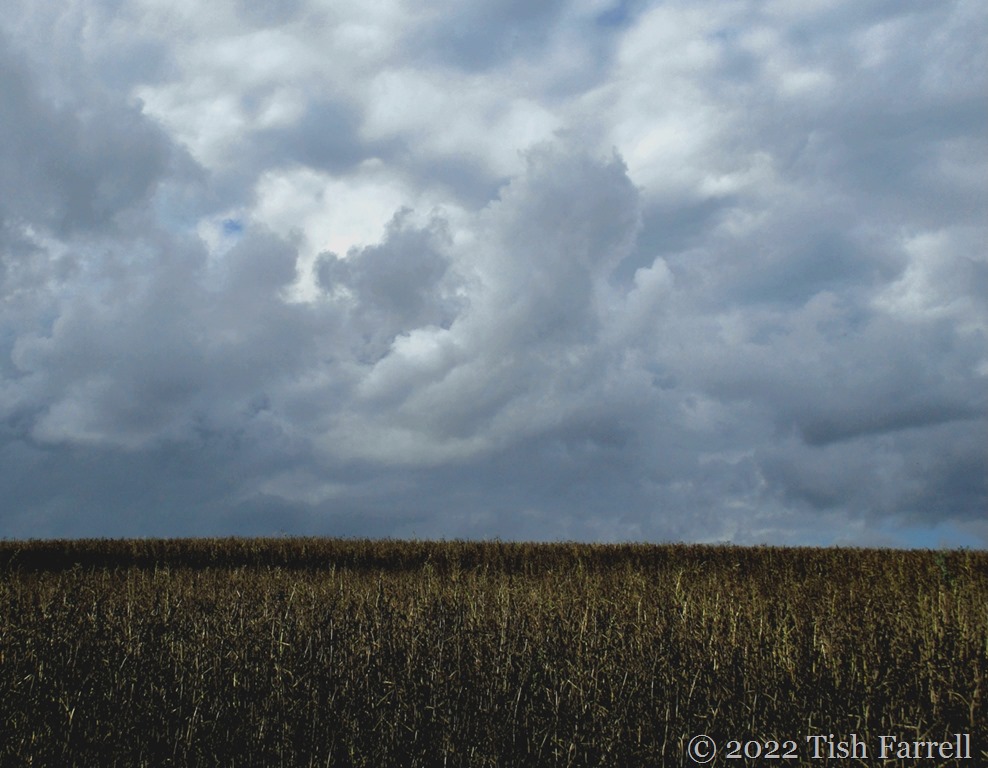
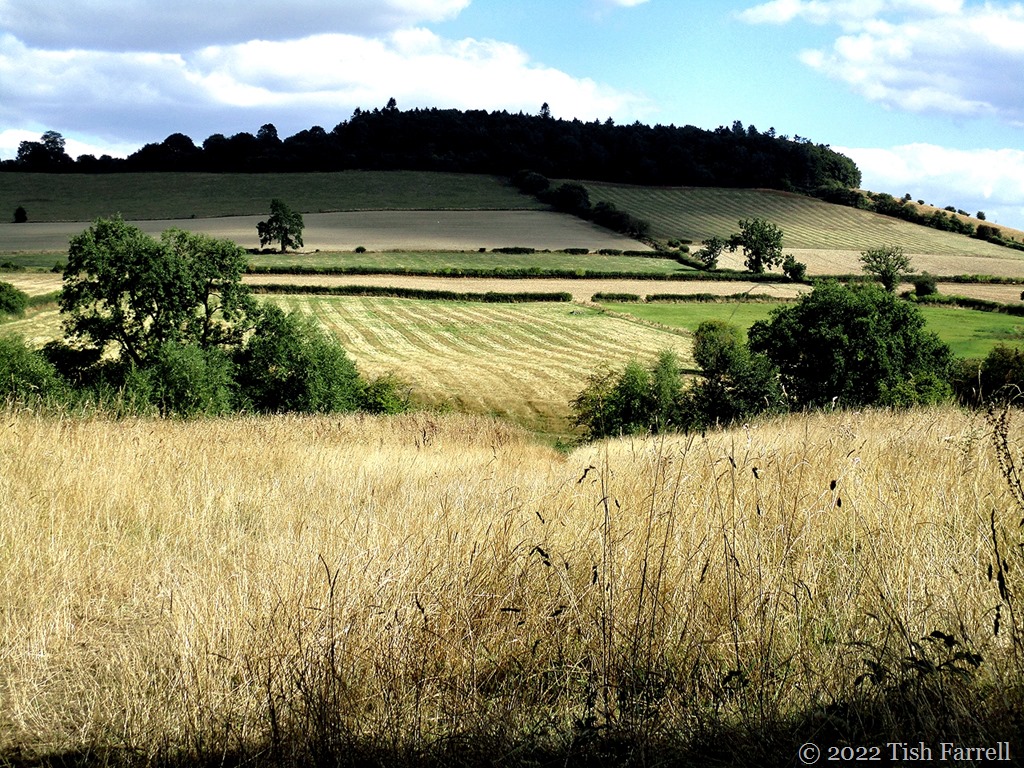
And finally a view from Wenlock’s old railway line, taken yesterday:
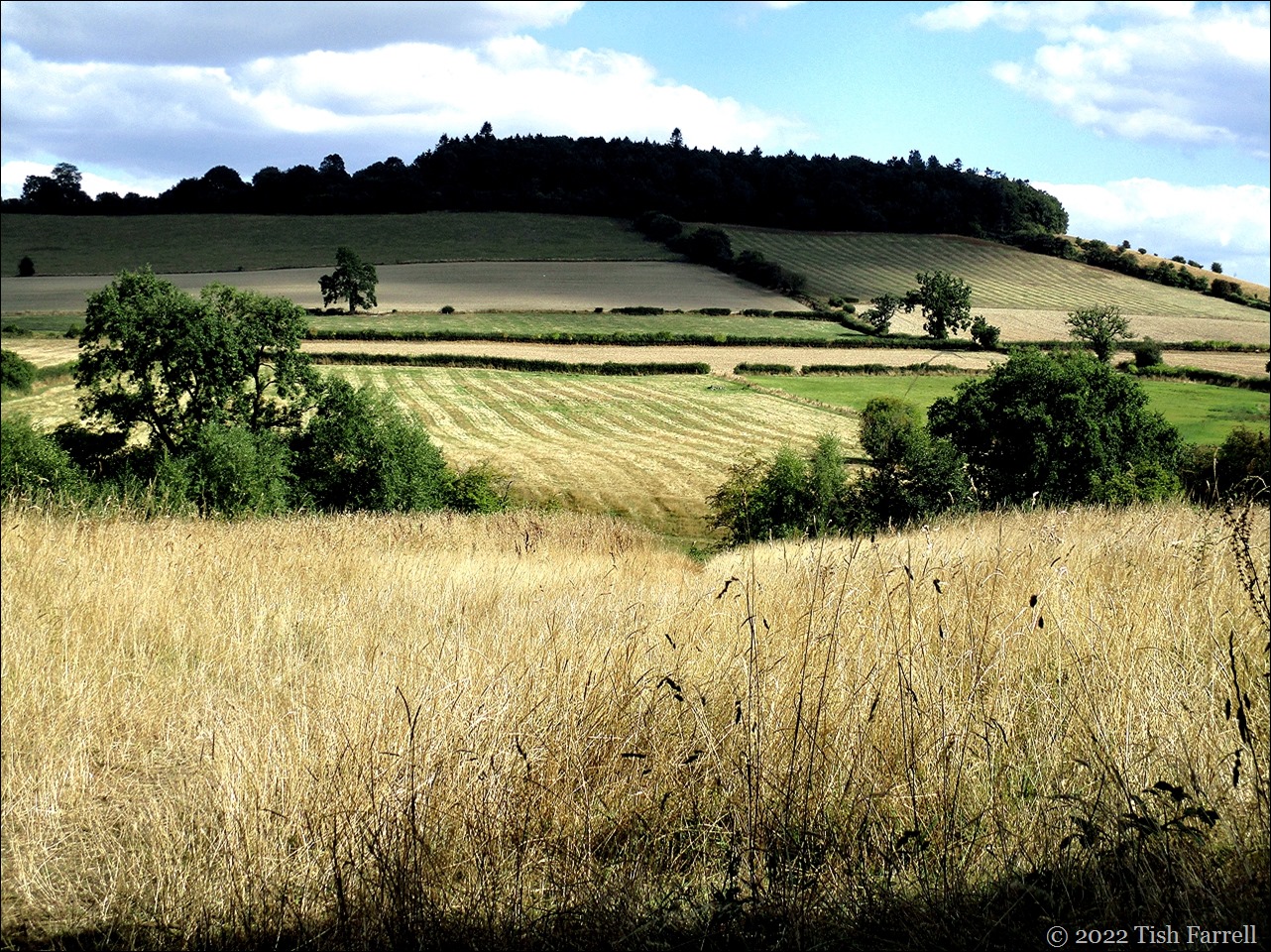
IMG_1327ed

The Changing Seasons ~ August 2022:   Please visit hosts Brian at Bushboys World and Ju-Lyn at Touring My Backyard

Here Comes The Sun

P1000056 - ed

Snowdonia, North Wales from across the Menai Strait

*

Wales tends to have a reputation for being short on sunshine and  long on rain (washed out family holidays often looming large in people’s memories). And it’s true it does receive a lot of rain from the Atlantic. And yes, it can often be a question of catching  it while you can. But then when you do, the combination of mountains, sea and active weather systems can produce some other-worldly effects. The island of Anglesey in December and January puts on some specially good sunlight shows, and what can be more heart and spirit-lifting than winter sun.

004cropped

013ed

The Pilot House, Penmon Point, Anglesey

*

P1000210ed

In Henllys Woods

*

IMG_9268ed

Aberffraw Beach: January sunset

*

Lens-Artists: Here comes the sun  This week Amy asks to see our sun photos and anything under the sun.

Iced

P1030428edit

For anyone currently suffering any kind of over-heating, herewith some cooling images of frosted ferns. These photos were taken a few Decembers ago during a sudden frigid spell in Hay-on-Wye, widely known as the book capitol of the world. We’d planned a long weekend there – a brief trip out of Shropshire and into Powys. It was only an hour or so’s drive. Up to the moment we set off, we’d had mild winter weather, but even as we stopped for a cup of tea half way in scenic Eardisland, we could feel the bank of cold, cold air closing in.

P1030430edit

And so it proved to be three nights of cold comfort.  On one of them the central heating system in our inn failed altogether. In between times a gale blew through the place as no one thought to shut the doors. Nor thought to light the log burning stove in the bar while we ate our evening meal. Street wandering could only be undertaken in small doses. Or at least that was our excuse for popping into Eve’s for regular rescue infusions of hot chocolate. Thank goodness, too, for Hay’s many hostelries that were far more welcoming than ours and for Richard Booth’s bookshop with its big squidgy sofas to camp out in.

P1030331ed

Cee’s Black & White Photo Challenge: hot or cold

Glory Be!

IMG_1246

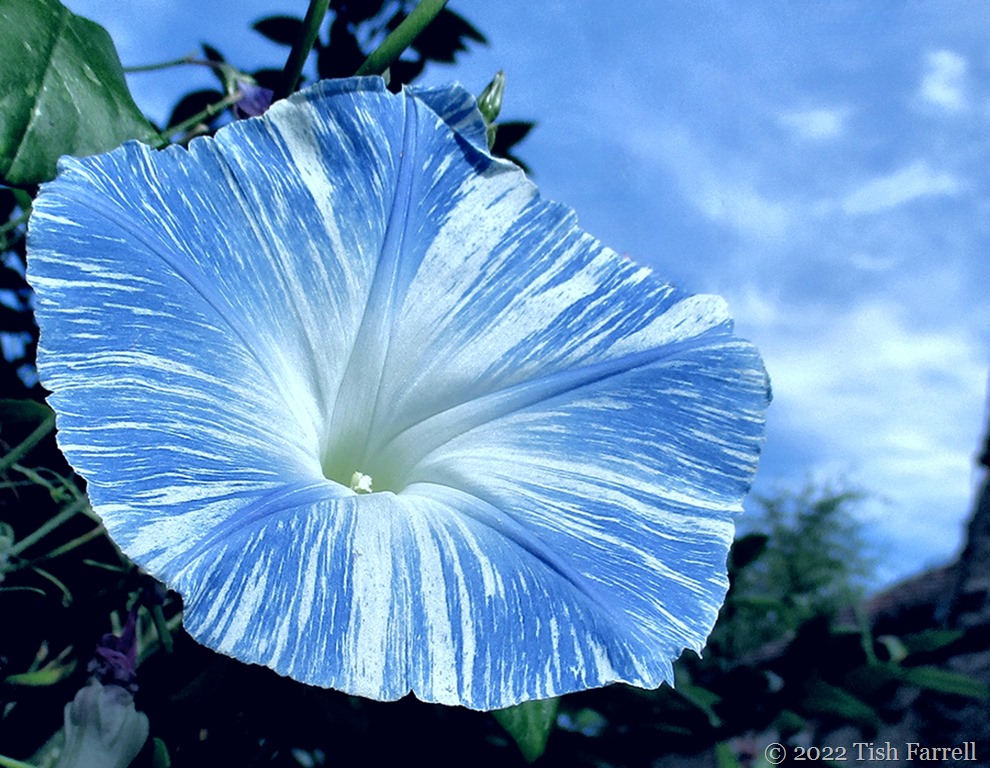
Thank goodness. Our second day of COOL, with a good 10 degrees C completely vanished in thin air. It’s back to grey skies too. They often feature in British summers, and for once we’re thankful. The Morning Glories seem to feel the same way. There were eight blooms out this morning: four Flying Saucers with the sweet peas on the downstairs terrace, and some white ones with purple flashes among the Sun Gold tomatoes in the upstairs garden. They don’t last long though, even without the blazing sun curling their petals.

IMG_1245

We even had some gentle showers yesterday, this after weeks of drought. Hopefully there will be more purposeful rain tomorrow so I can sow spinach and carrot seeds, and plant out the lettuce that survived the baking.

I’m anyway feeling seasonally confused after the heat wave. Everywhere around the town, the trees and fields have a parched, end-of-season look that has me thinking already of autumn, and of the things I might sow in the polytunnel for winter salads. But I’m getting ahead of myself. We’re only just half way through August, and there’s still the tomato and cucumber crop to nurture. And in the home garden, even as today’s blooms fade and crumple,  there are plenty more glories to come.

IMG_1254

Up The Creek In Dubai

2ed

We had a brief stay in Dubai while we were living in Kenya. We needed a break from a long spate of El Nino rains. The stop-overs in UEA bookended a sunny week on a small island in the Maldives, but when we flew into Dubai, it was lowering skies and big puddles on the runway. Not at all what we expected. The nights were chilly too and very windy, the beachside palm trees swaddled in sacking. We did have a couple of fine days, though, as this very fine sunset on the Creek shows.

You can just make out the dhows moored along the further shore. (And in the bottom right corner, the woman who had come specially to feed the gulls).  I bet the Dubai skyline looks nothing like this now. There was a frenzy of construction going on when we were there in the late ‘90s. It is a city state endlessly in motion, constantly reinventing itself.  I’m wondering, though, if the dhow trade is still as vibrant as it was when we were there. We saw cars, trucks, refrigerators, car parts, sink units and all sorts being loaded  for onward Indian Ocean destinations – a far cry from the days when the Creek was nothing but a fishing village, and the local lads made a living pearl diving. The way things change.
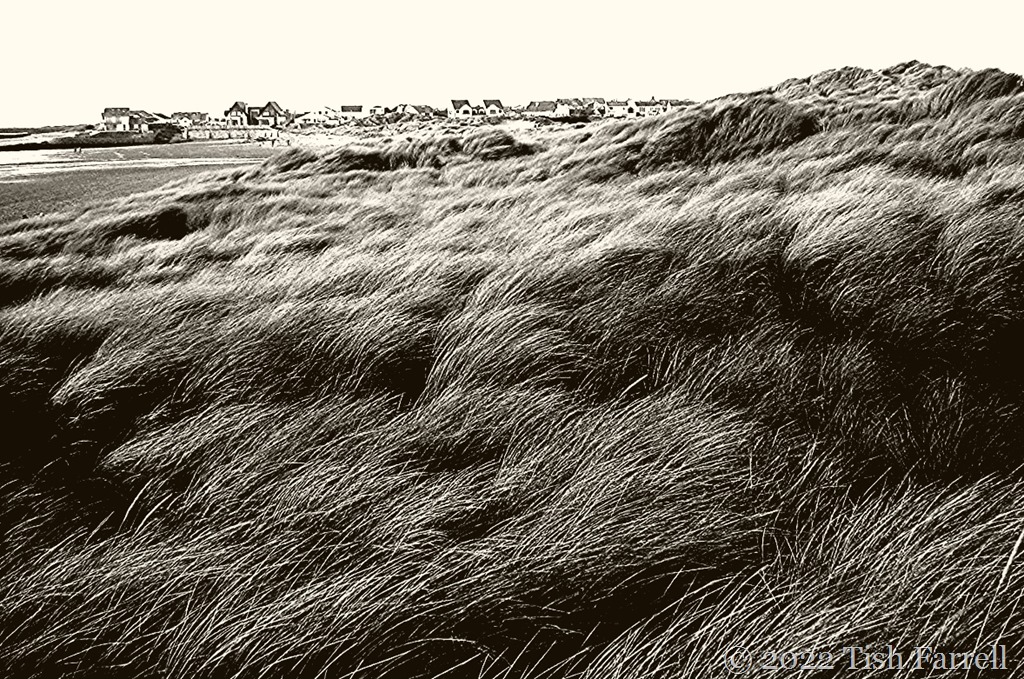
96

118

56

Lens-Artists: motion  This week Patti wants us to feature movement.

Too Hot To Mooooo-ve

IMG_1170

Our present wave of Mediterranean weather is not being kind to our shaggy coated Highland Cattle. Today my PC tells me it is 30 ‘ C / 86 ‘ F.  Phew for us as well as for them. They probably wish they were in Reykjavik where, according to the Norwegian YR Weather site, it is a cool 12 ‘C / 54 ‘ F. Greenland, on the other hand, is probably too cold for comfort, even by MacMoo standards of insulation. It seems to be sunny there today, but the temperature is between MINUS 18 and –20 ’C / –4 ’F.

Apparently  July and August are the warmest months in Greenland with temperatures between 0‘ C and 10’C. So: not much summer in the Arctic at present. It’s much like life really. For every high, somewhere there’s a corresponding low. Meanwhile the MacMoos slumber on in Cutlins meadow in whatever shade they can find.

IMG_1174

The Red Balloon ~ Ups And Downs Last Night Over Wenlock

IMG_1228ed1

I was watering wilting vegetables at the allotment, when I glanced up and caught sight of this hot air balloon coming my way. It was floating over Windmill Hill. But as it drew closer I could hear it huffing, and it was soon obvious that staying airborne was not so easy. Not enough air currents perhaps; too much external hot air?

Anyway, the next I looked it was coming down somewhere behind Down’s Mill.

IMG_1194

And then it was up again:

IMG_1200ed

*

But not quite high enough: the Priory ruins were looming:

 IMG_1209ed

IMG_1213ed

*

And then the church tower, this view taken through fellow allotmenteer, Ron’s raspberry canes:

IMG_1216ed

*

Finally as it traversed the town, the balloon gained more height, and floated majestically over Walton Hills:

IMG_1219ed

*

The last I saw it was off towards Callaughton, flying over the cemetery chapel:

IMG_1233ed

*

An exciting ride for all those aboard:

IMG_1222ed2

*

And watching this had me thinking. How many of you know/remember the short French film Le Ballon Rouge/The Red Balloon 1956.

I was entranced when I first saw it donkey’s years ago. It’s on YouTube of course. If it plays in your region, welcome to 1950s Paris. Enjoy!

https://www.youtube.com/watch?v=VexKSRKoWQY

Earth Marvels

IMG_1117ed

If ever I were to begin to pin down my beliefs, then I might say they relate to earth, the planet, the universe, the creative forces that we humans scarcely understand, although that doesn’t stop us from telling ourselves plenty of stories about them. Indeed, throughout our short existence on the planet, it seems we have always told such tales, and it’s probably worth considering how many of them have proved false and fanciful.

And so when it comes to taking photographs, these are the kinds of thoughts that may be drifting through my mind. I mean, really – existentially – how do you explain this peacock butterfly – its form, colours and intricacies of behaviour? Of course for taxonomic purposes, entomologists may have a great deal to say on all these aspects, but in the natural scheme of things this organism simply IS, albeit occupying its own very particular evolutionary time and space.

Through my human eyes, then,  I see it as a marvel, because I also judge it to be beautiful and so worthy of my full attention. It is also very pleasing, exhilarating even, to see it, take its photo and then to share it. So in this sense it is also a celebration. At the same time I note that I am, as most people would be, uneager to similarly celebrate housefly larvae, dust mites, garden slugs or sooty mould; yet they all have their place in the biosphere. All of which is to say we humans are very selective when it comes to the things we ‘see’ and don’t ‘see’. I also think it’s worth thinking about this proclivity when it comes to our earth stories.

For now though, more celebratory earth snaps from today’s August garden. It’s bee and bug heaven out there…

IMG_1080

IMG_1072

IMG_1050

*

And yesterday I discovered a newcomer to the garden. This is one of a host of tiny bees presently foraging on the tansy flowers over the fence in the guerrilla garden. They are less than a half inch/centimetre long with banded abdomens of yellow or bluey-grey tones. I think they are a Colletes species/plasterer bees and therefore fairly recent arrivals in the UK.

IMG_1043

IMG_1063ed

IMG_1099ed

IMG_1035

*

Lens-Artists: What’s your photographic groove?  Anne at Slow Shutter Speed  wants to know. Please pop over to her blog.

In Case The Flood Comes

attenuation pond ed

Our small and ancient town of Much Wenlock sits in a hollow beneath Wenlock Edge. The Edge itself is an uptilted Silurian seabed, formed some 400 million years ago, and the farm fields around the town rise steeply to the Edge top. In consequence, flash flooding has long been a problem and in recent years (after the 2007 storms when the town centre was badly inundated) our locality has been designated a rapid response flood risk zone, the danger coming mostly from field run-off feeding onto roads and lanes that run into the town.

And so finally in 2017, after much humming and ha-ing, the Local Authority commissioned engineers to excavate two flood attenuation ponds at either end of the town. They are basically reverse reservoirs in that they remain empty with the aim of catching up the worst of any flood should a particularly bad rainstorm hit the Edge.

One of the ponds is at the top of Townsend Meadow, behind our house, and given the upward slope of the field, I found myself much taken with the sight of the big digger and dumper on my horizon  as the work was underway. I think I’m also happy to have the pond above our house, although the Farrell domain did not flood in 2007, and some experts have equivocal views about the utility of attenuation ponds in rapid-run-off situations. Anyway, so far so good. Besides which, the guerrilla garden behind the garden fence is on a small rise and forms something of bund to protect us.

Now for more digger views, far and near:

attenuation pond digger

attentuation pond 1 ed

Cee’s Black & White Photo Challenge: Busy with purpose