Townsend Meadow: Views Spare Or Complex

IMG_0089

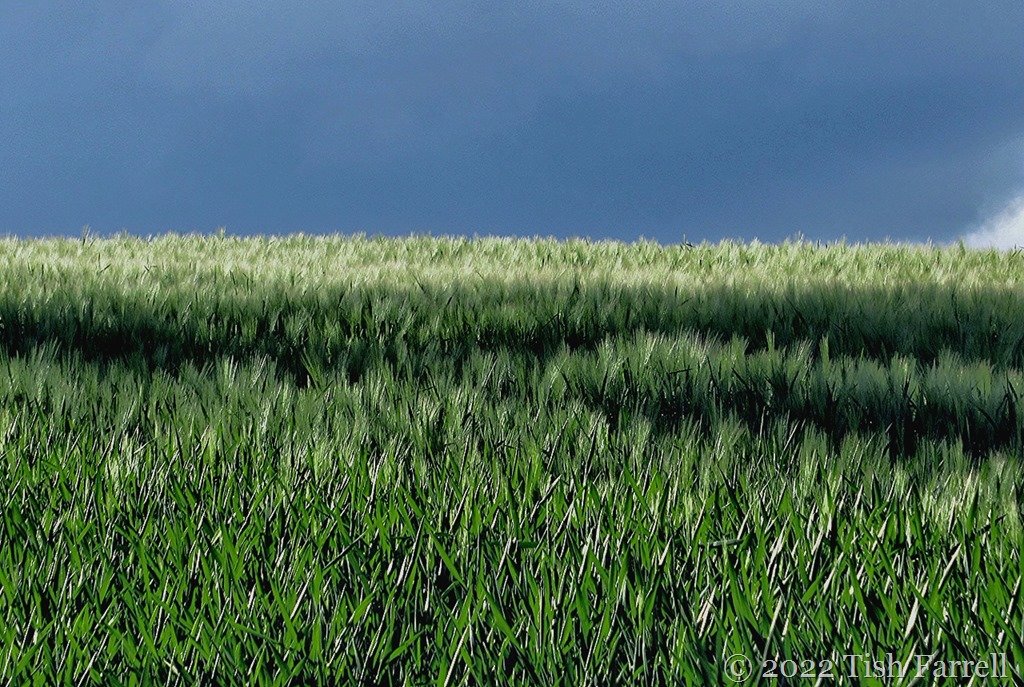
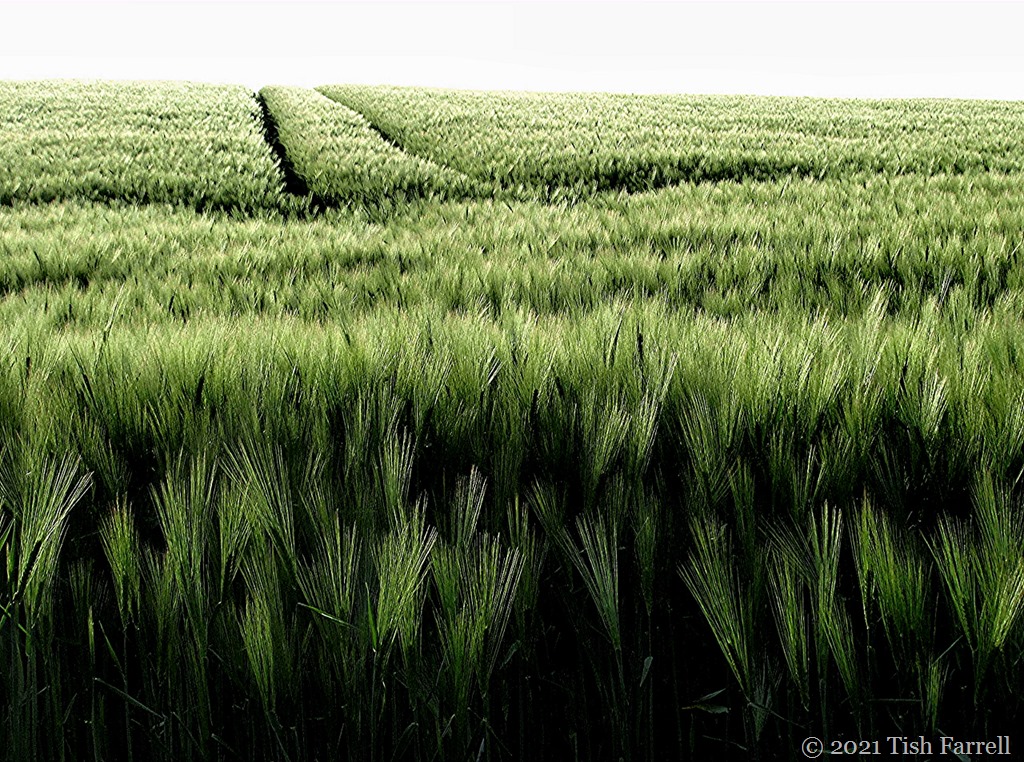
Ripening barley

*

It’s pretty much a truism when it comes to prose, the fewer words the better. This is a hard lesson for most writers to learn: how much to leave in; what to cut. Of course timing is involved too, not only scene setting. To build suspense, a sense of drama, irony, mystery, you can’t rush things. But then too much detail and description can bog things down, or worse, bore.

For most of us, honing the craft of captivating verbal particularity, the sort of writing that transports readers, heart-and-mind, right to the spot takes much practice and perseverance.  And there may come a point when the attempt to conjure with words becomes too darned hard. Well, aren’t we humans, above all, moved by visual stimuli. Just think.  If Word Press blogs were solely prose, how many of us would be here?

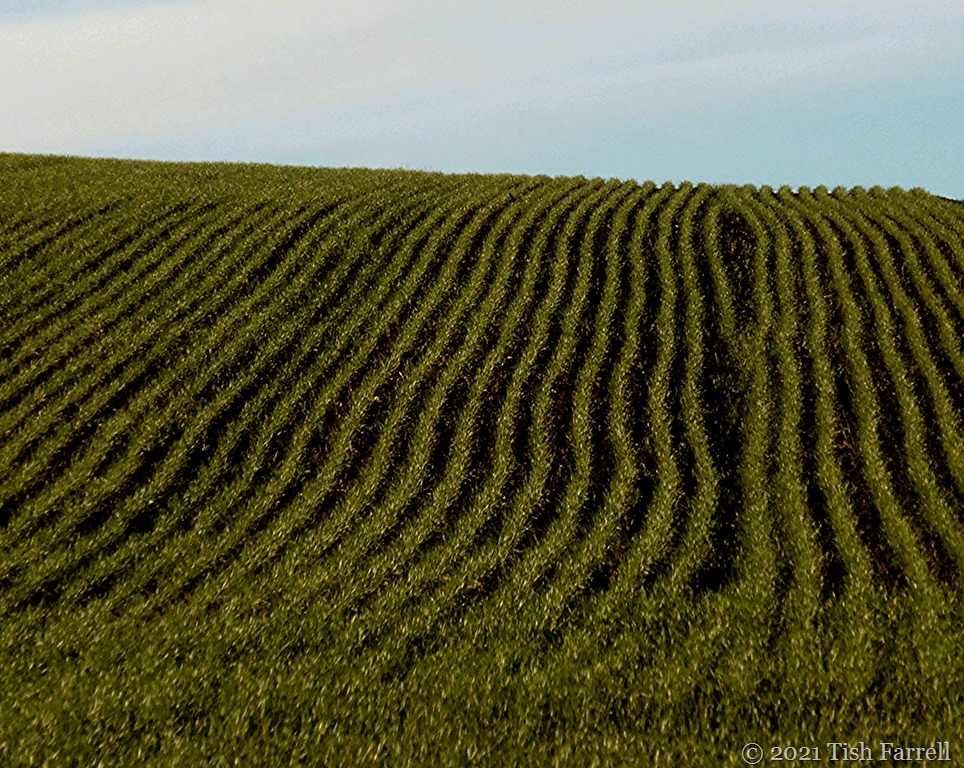
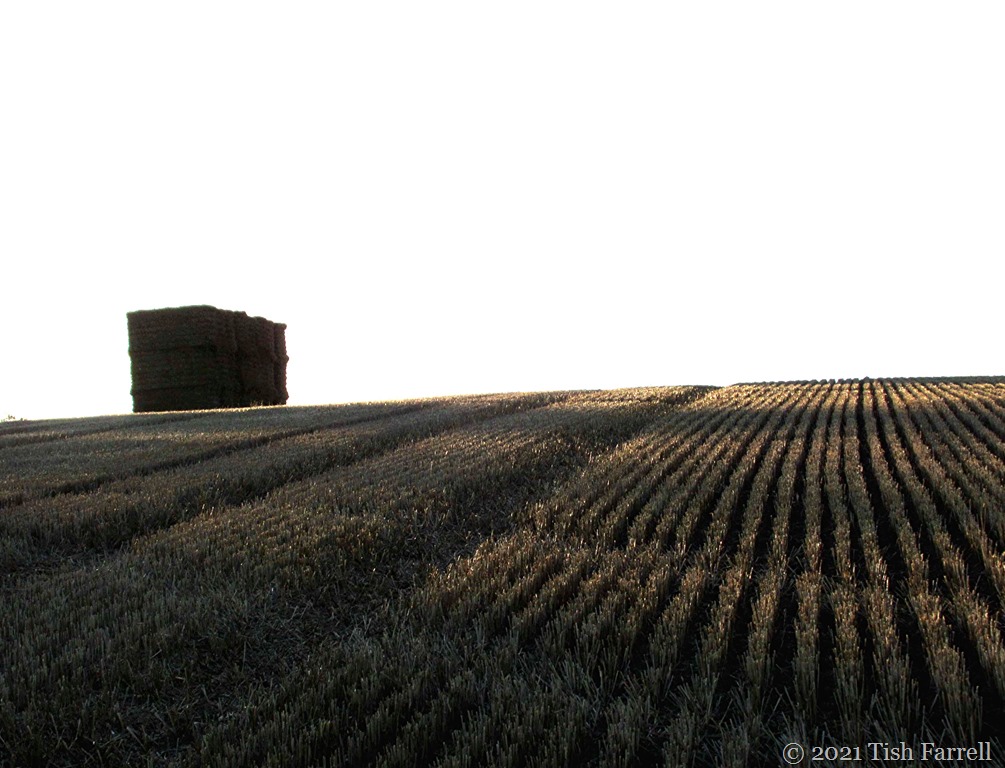
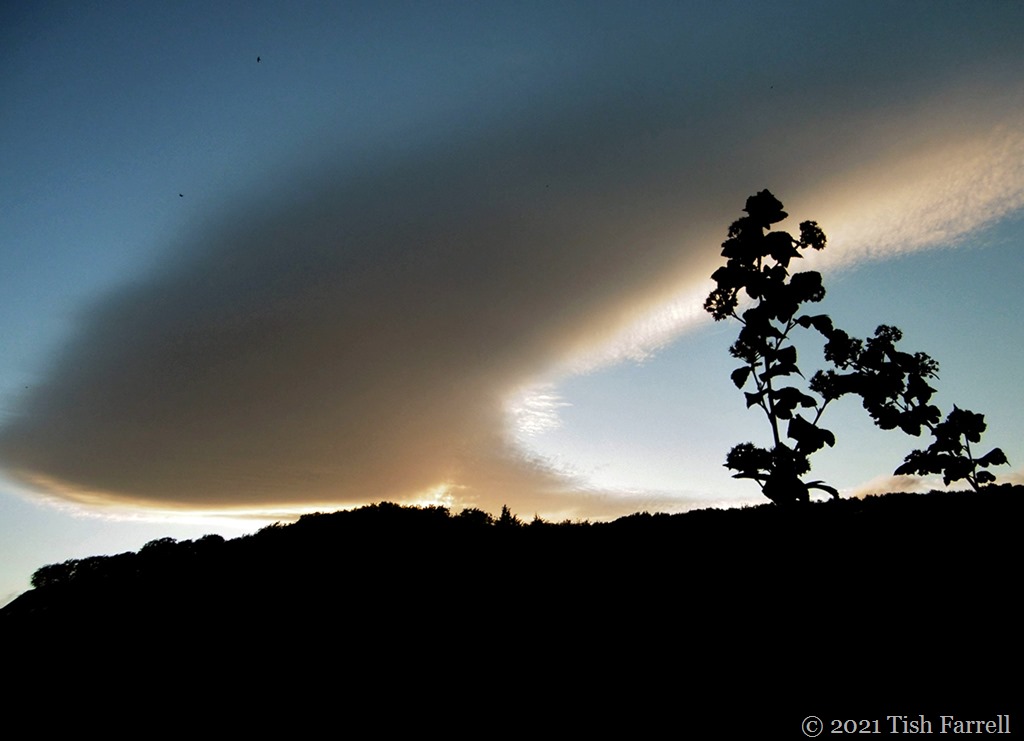
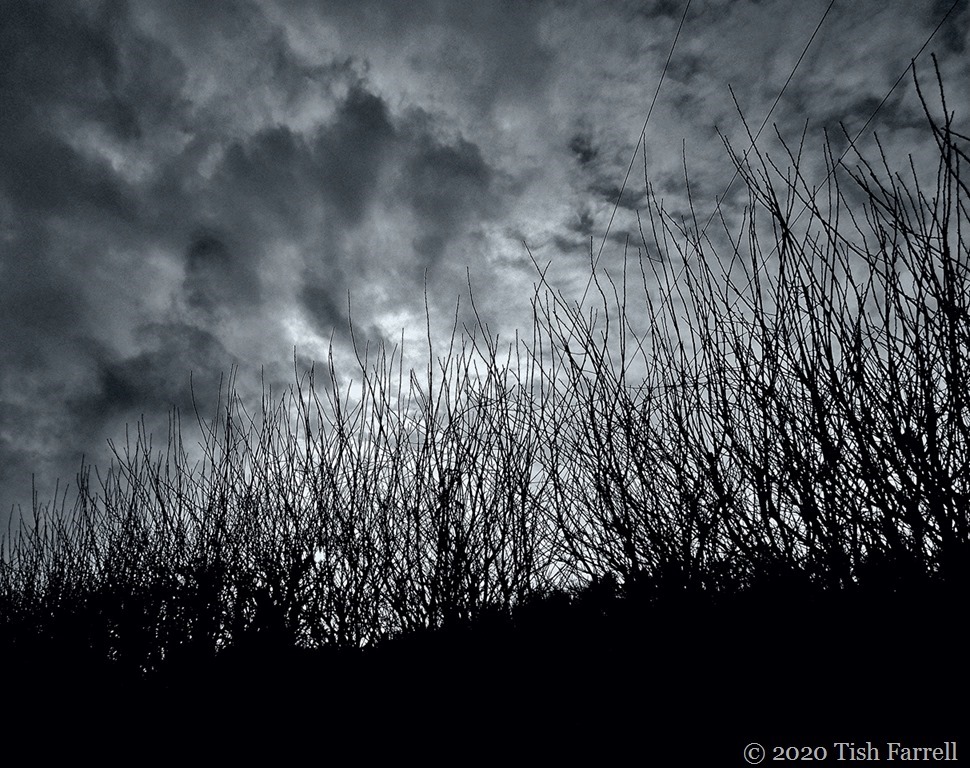
And so to images. These are all views from the field behind our house: the things that catch my eye: light and shadow; blocks of texture; earth colours. In this space, between our garden fence and Wenlock Edge,  it’s usually the sky that creates all the drama.

IMG_0053cr

The fence at the top of the field in winter

*

img_1729

Over the garden fence

*

p1060998

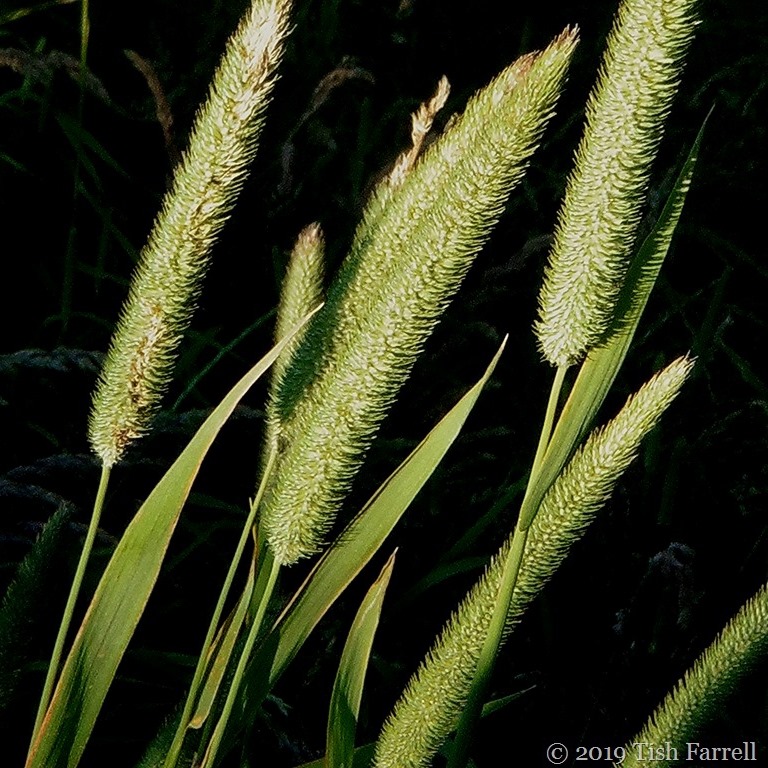
Summer grasses on the field path

*

cr

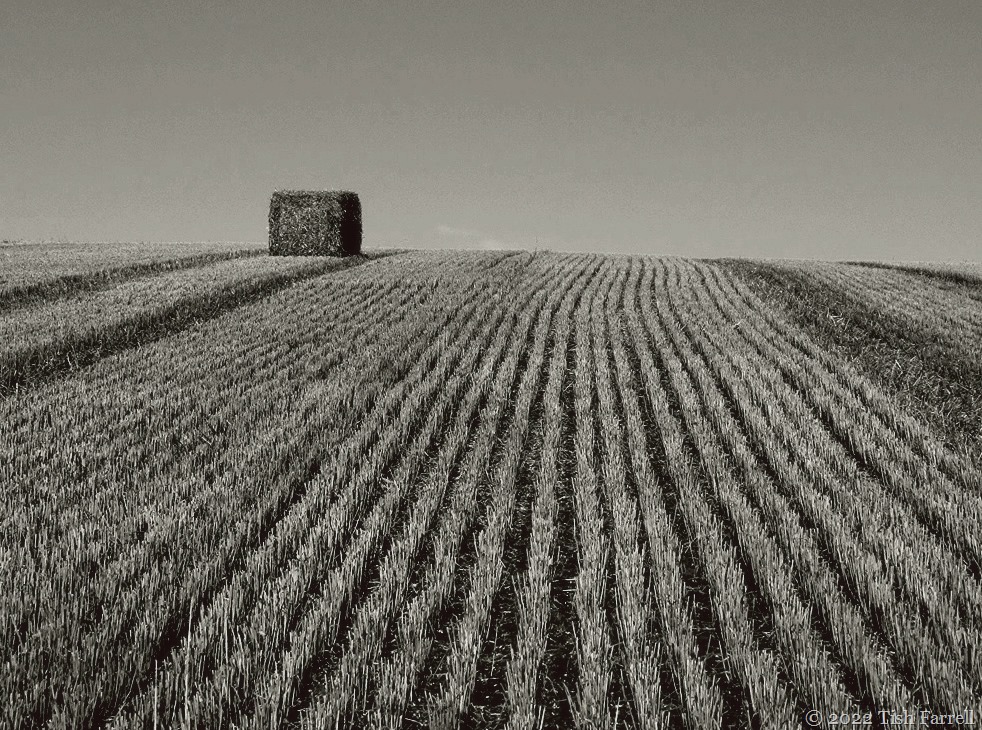
After the wheat harvest

*

P1000566re

Winter hedge-top

*

P1080430re

*

100_5858re

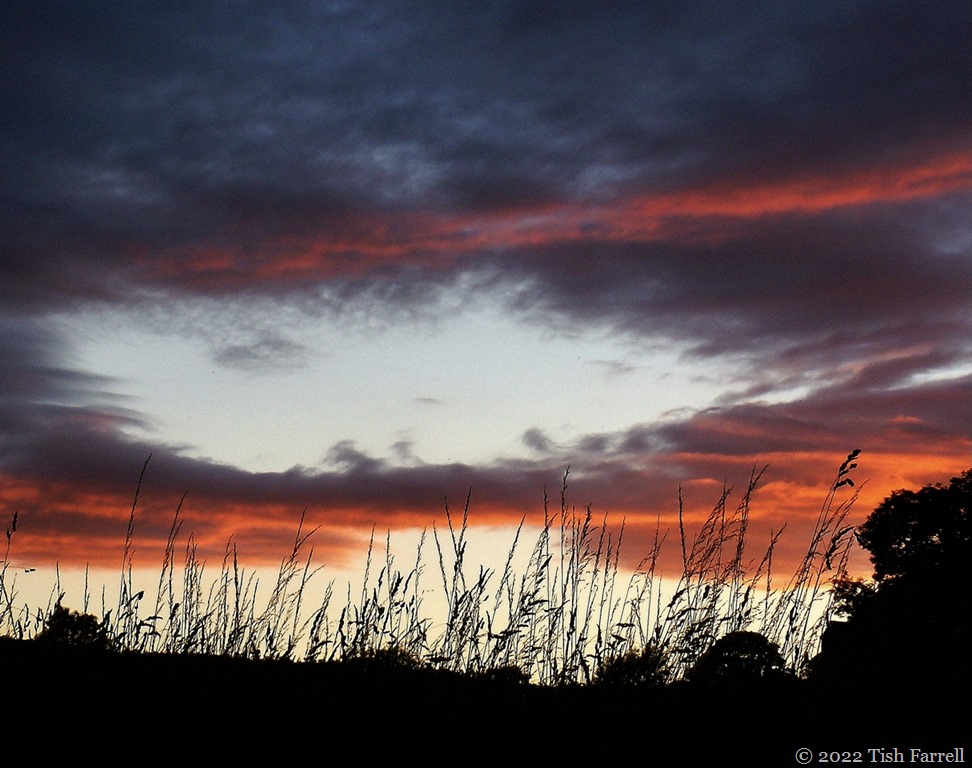
Midsummer sunset

*

100_5995

*

100_6568re

*

P1050990re

Lens-Artists: minimalism/maximalism   Sofia at Photographias has set this week’s theme. Please pay her a visit.

Every Little Thing

IMG_6811

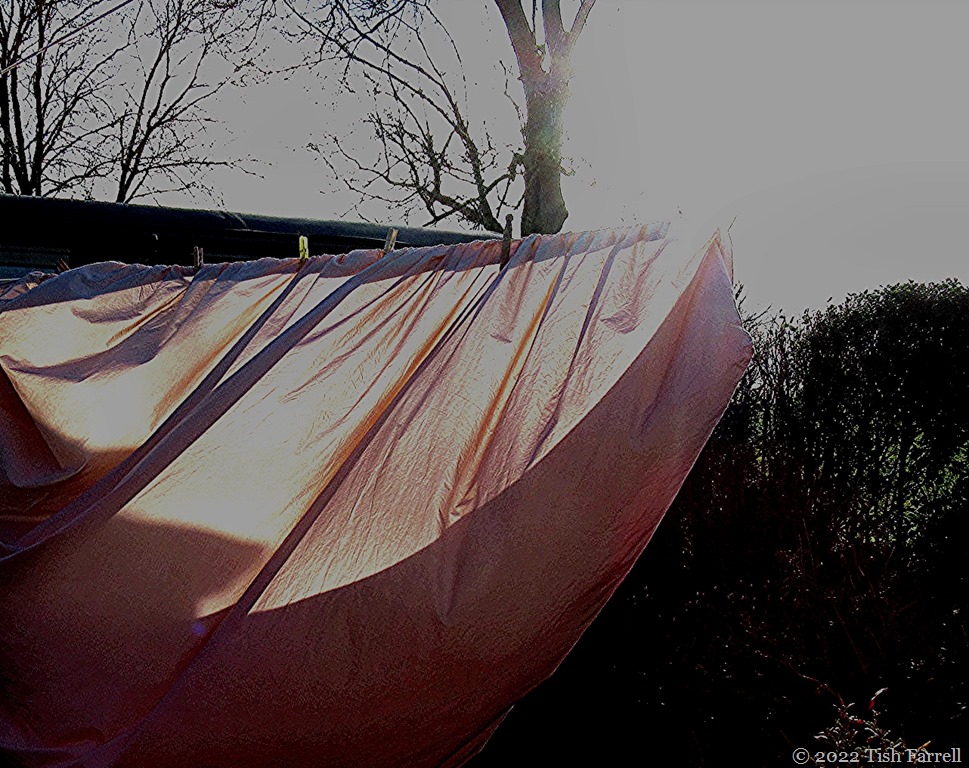
Out on the line – an unexpectedly good drying day in February

*

This week at Lens-Artists, Amy asks us to show her things that make us smile. So here are some of the happenstance little-big things that, at various times, have caught my eye or otherwise brightened my day:

IMG_6932sq

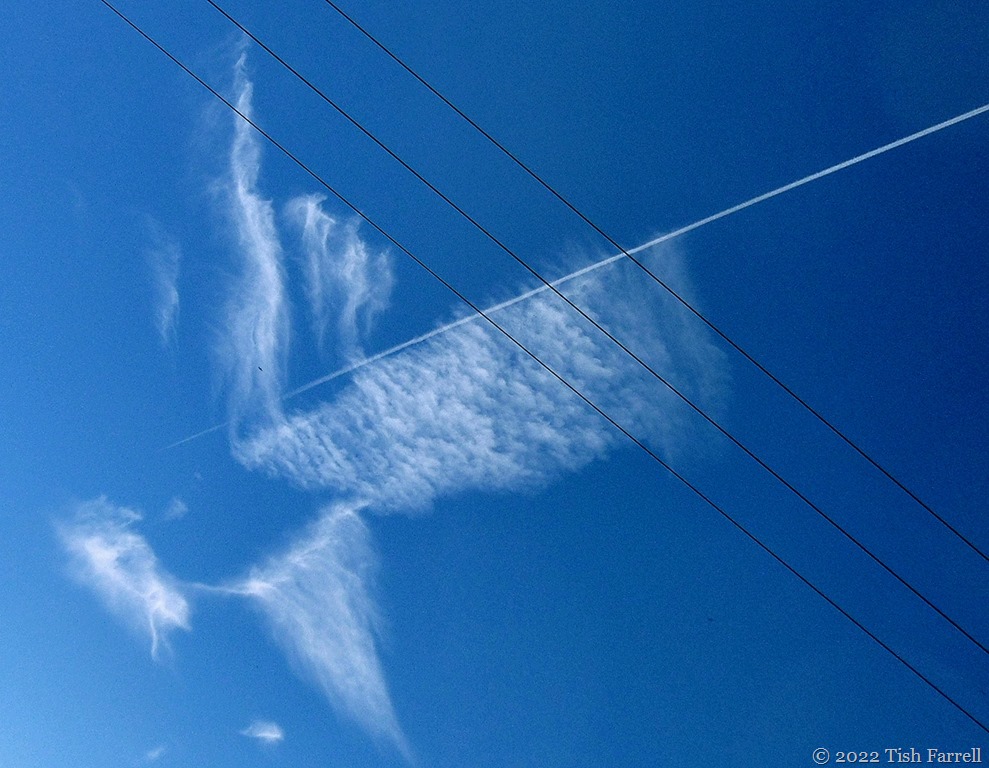
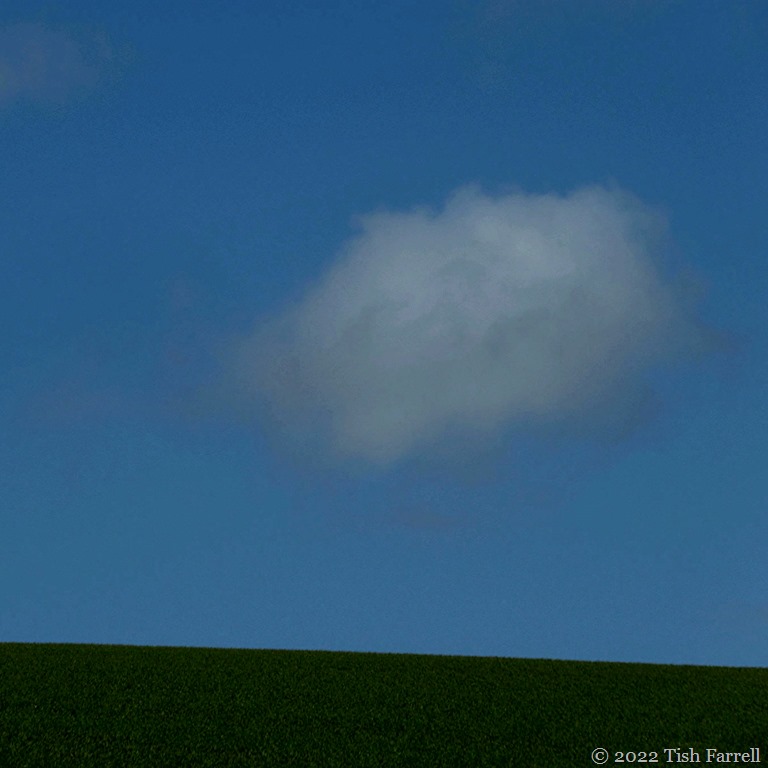
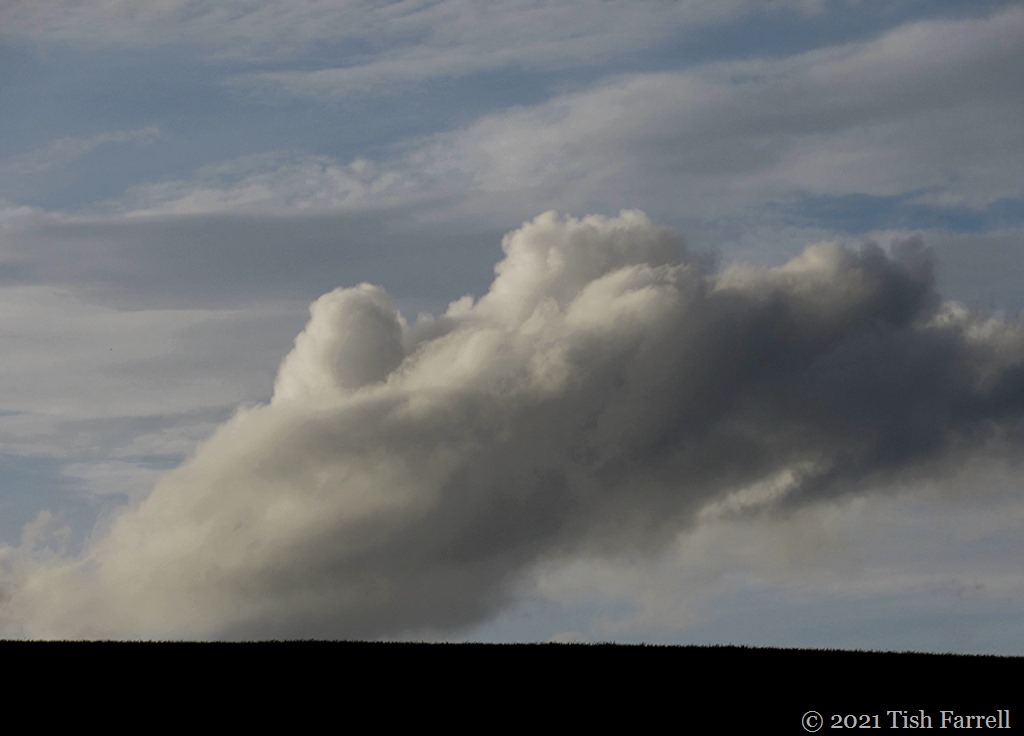
A neat little cloud traversing Townsend Meadow

*

IMG_7440re

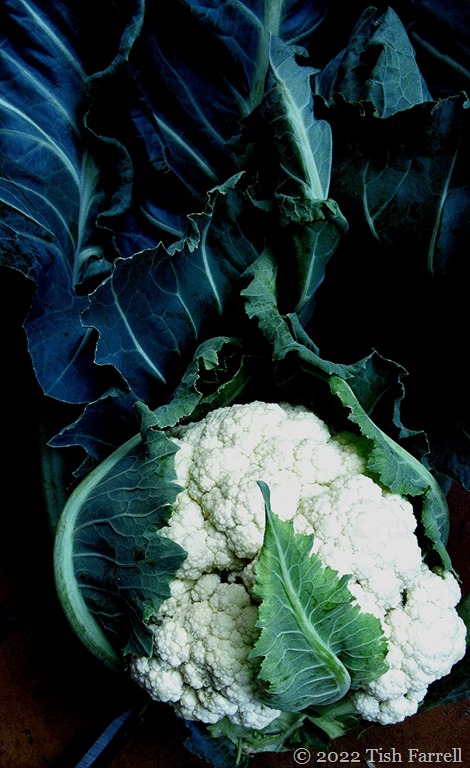
Finding I’d grown a rather good cauliflower at the allotment

*

100_6855re

Spotted in the garden sage bush

*

IMG_7452

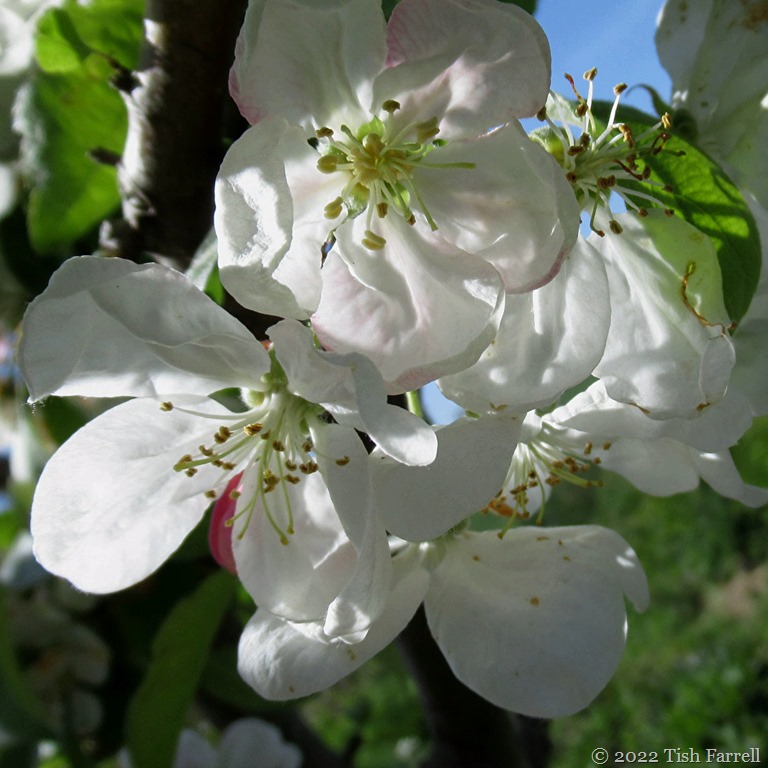
Spring sun-catchers: crab apple flowers…

*

100_7068

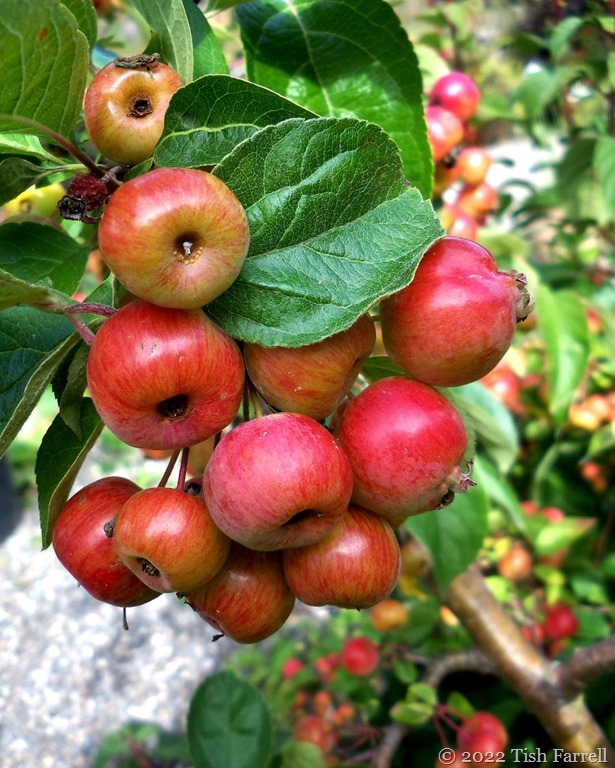
…that in autumn become perfect tiny apples

*

IMG_7605

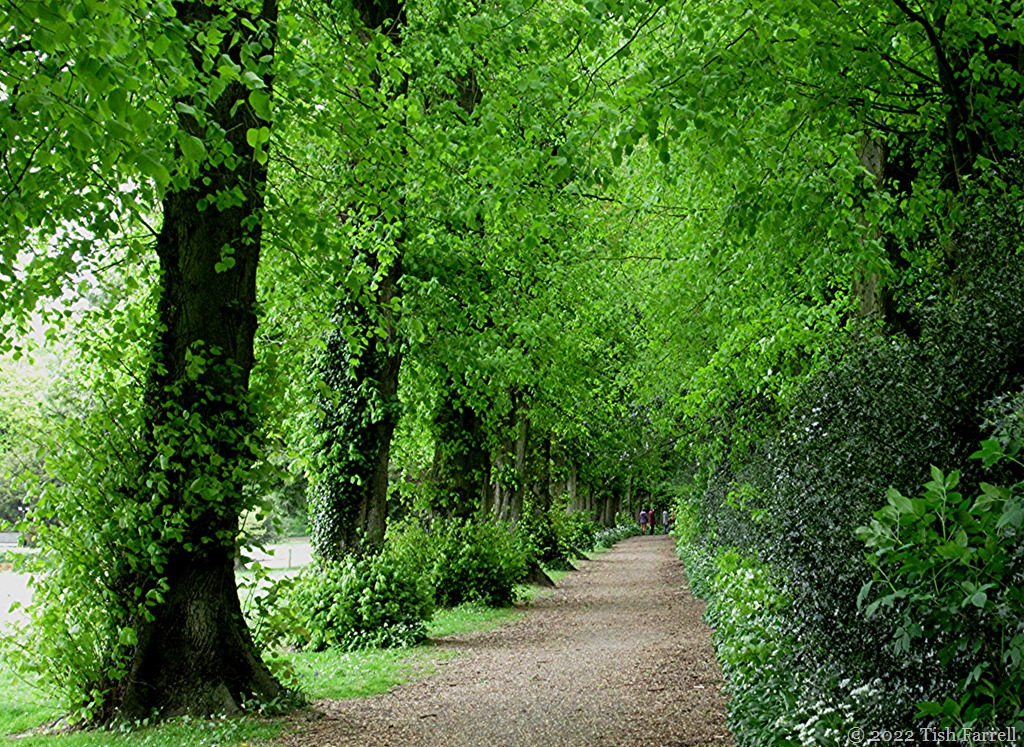
The Linden Walk in full summer leafiness

*

IMG_8321

Lens-Artists: Every Little Thing

Bokeh For All Seasons ~ The Art of Blur

P1050485cr

Sofia at Lens-Artists suggests we think about bokeh – the judicious (or in my case mostly accidental) application  of blur to add depth and accent to our photo images.

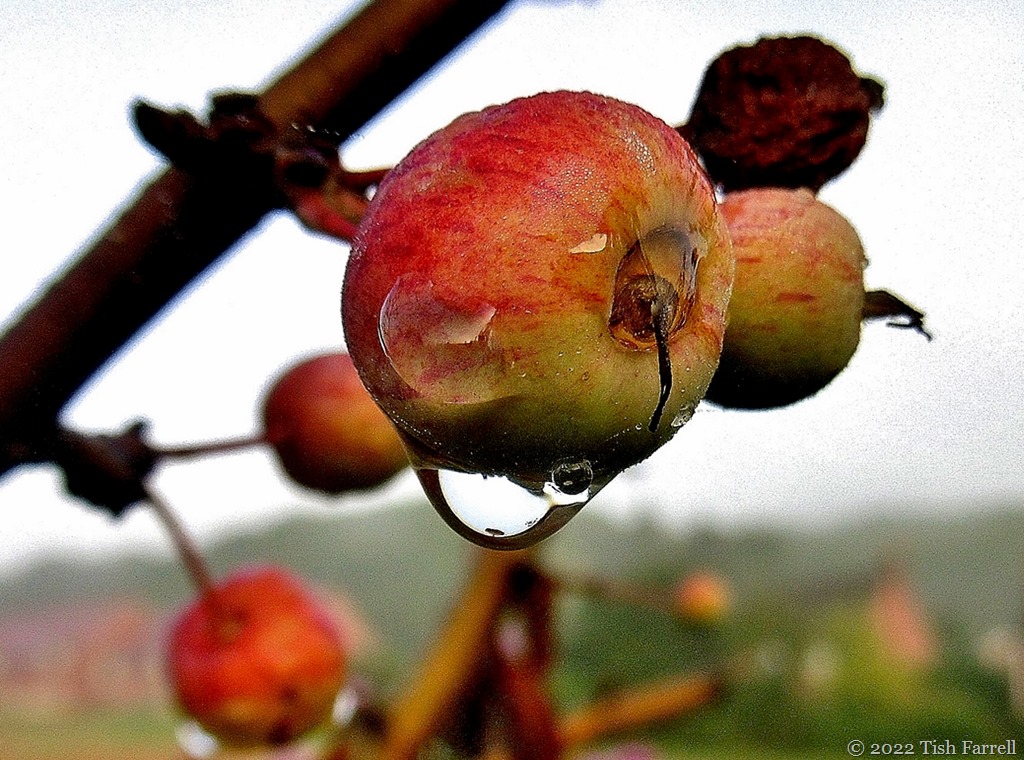
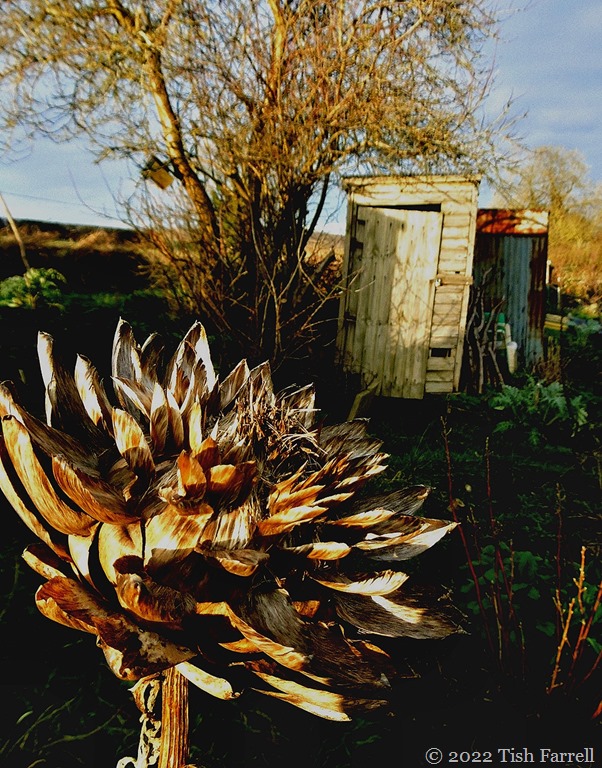
Here are some garden bokeh, taken at different seasons and times of day. The header photo is a late autumn crab apple over the garden fence. And next up is a very wintery globe artichoke at the allotment. I like the russet tones, focused and unfocused, picked up by the afternoon sun:

P1060855cr

*

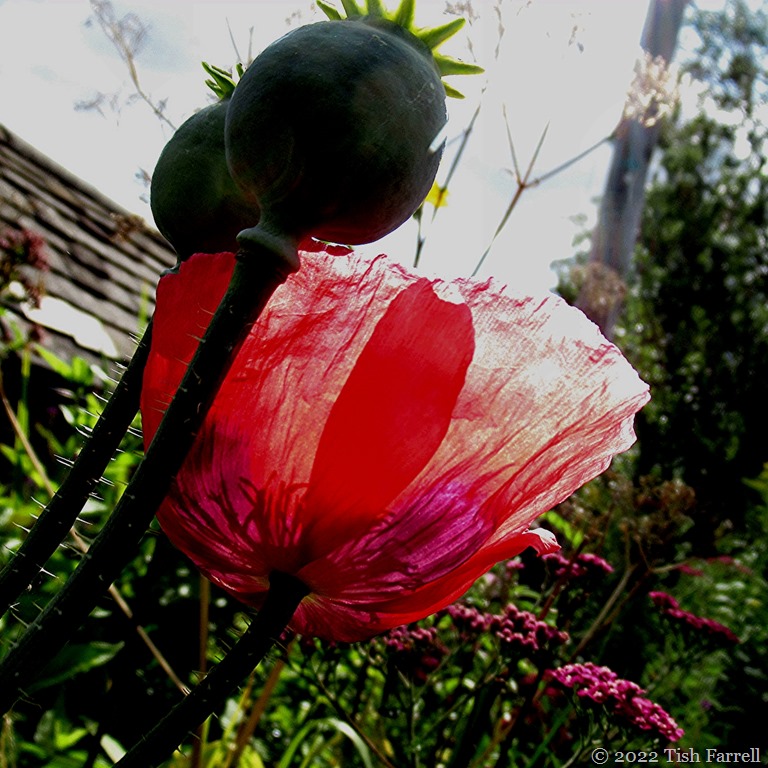
Summer and a self-invited opium poppy out in the guerrilla garden:

IMG_4158cr

*

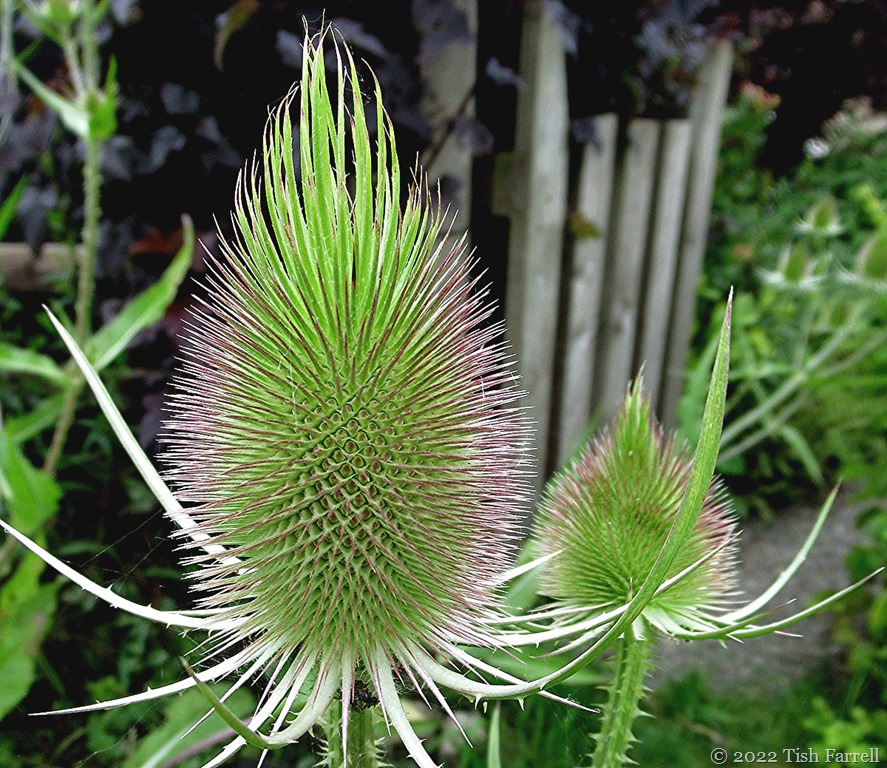
And late summer teasels forming outside the garden gate:

IMG_8803cr

*

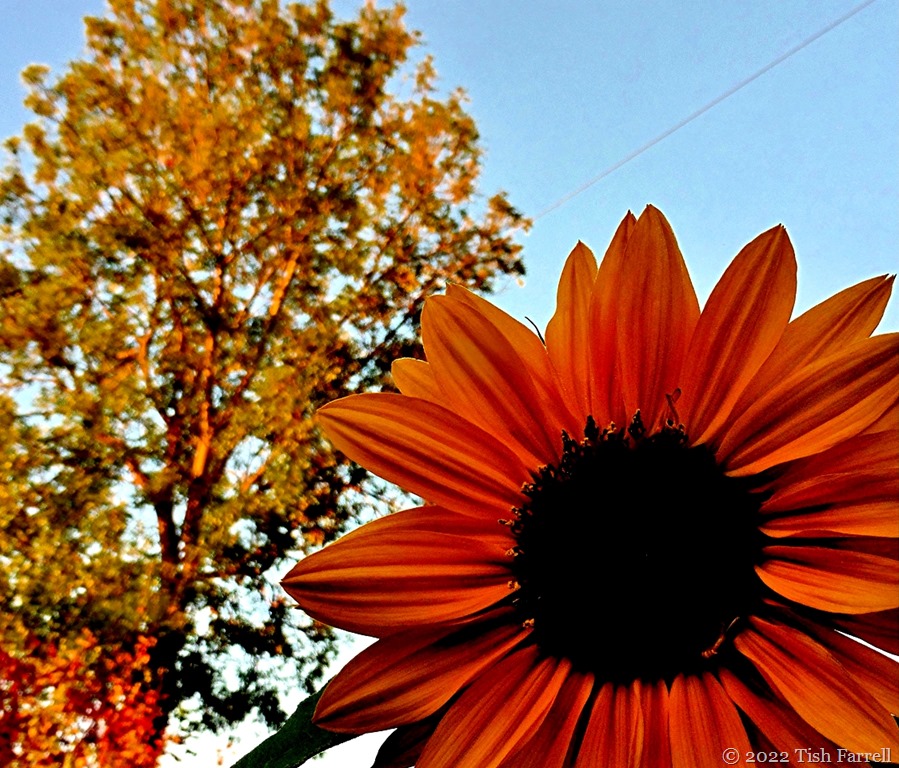
An October sun-downer sunflower in the ‘upstairs’ garden:

P1020262cr

*

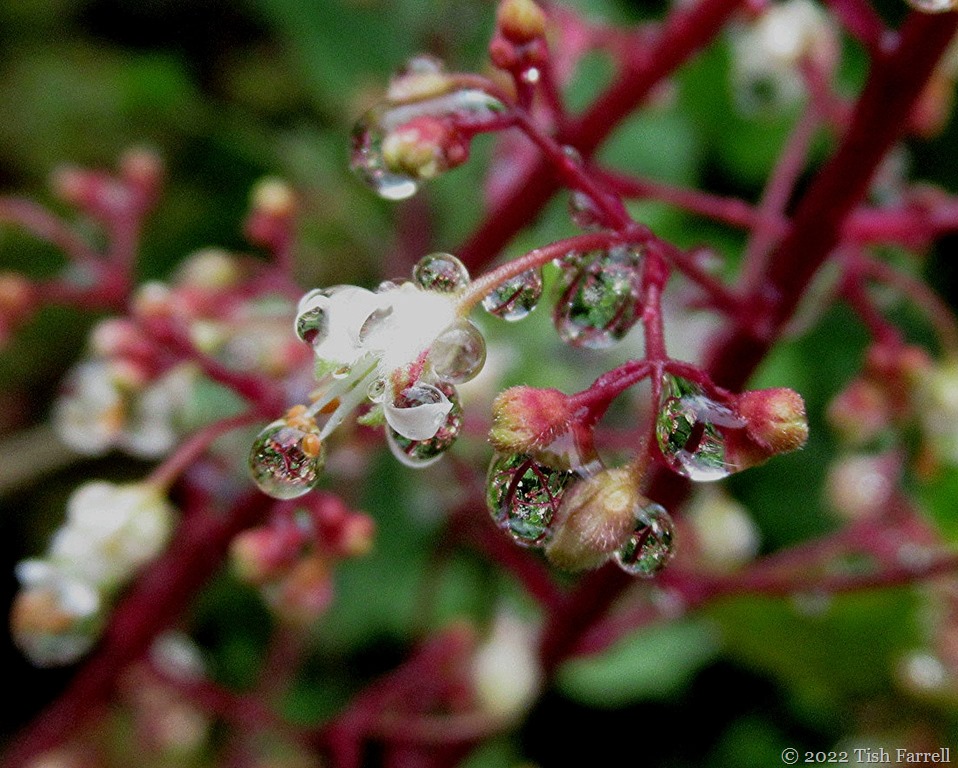
Early morning dew on a heuchera flower in early summer:

IMG_0377cr

*

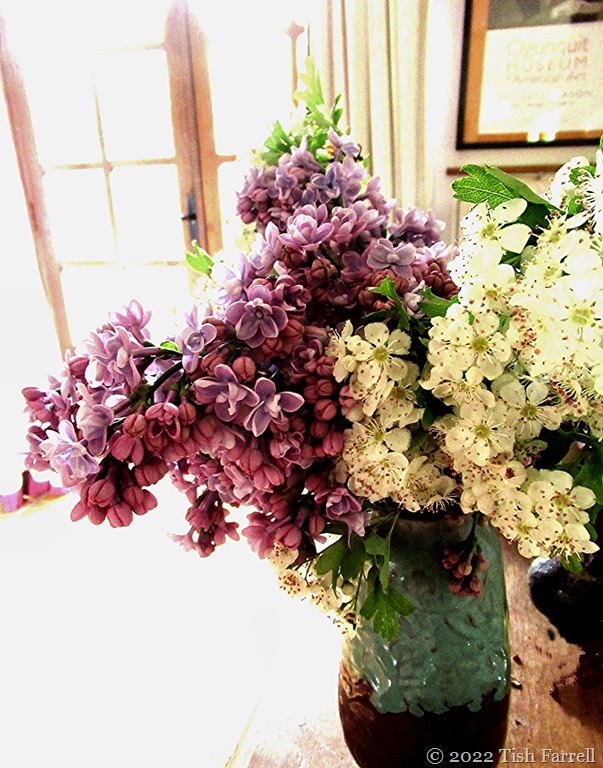
And a May-time bouquet in the kitchen: lilac and hawthorn blossom:

IMG_7572

Lens-Artists: Bokeh

Long Mynd Wrought By 600 Million Years Of Earth Change

P1030457cr

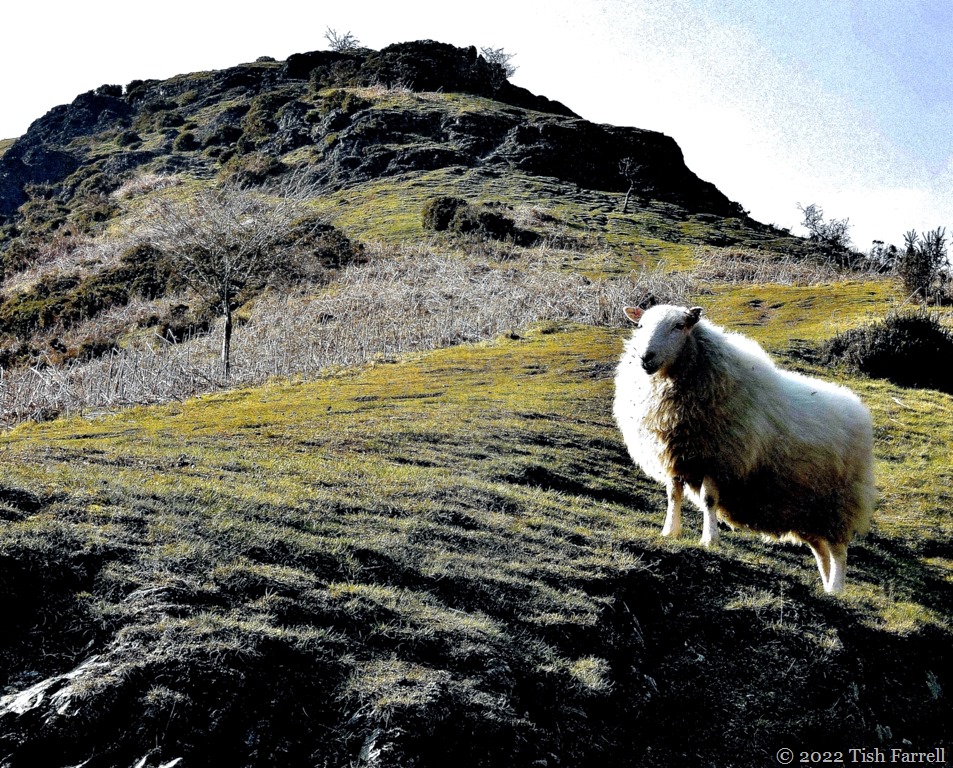
This sheep is posing on some of the world’s most ancient rocks, layers of mud-stones, sand-stones and shales laid down when this incipient Shropshire Hill was still lying in shallow seas somewhere in the Indian Ocean off East Africa. This was followed by much shunting and shifting across the planet, tectonic plates smashing and colliding.

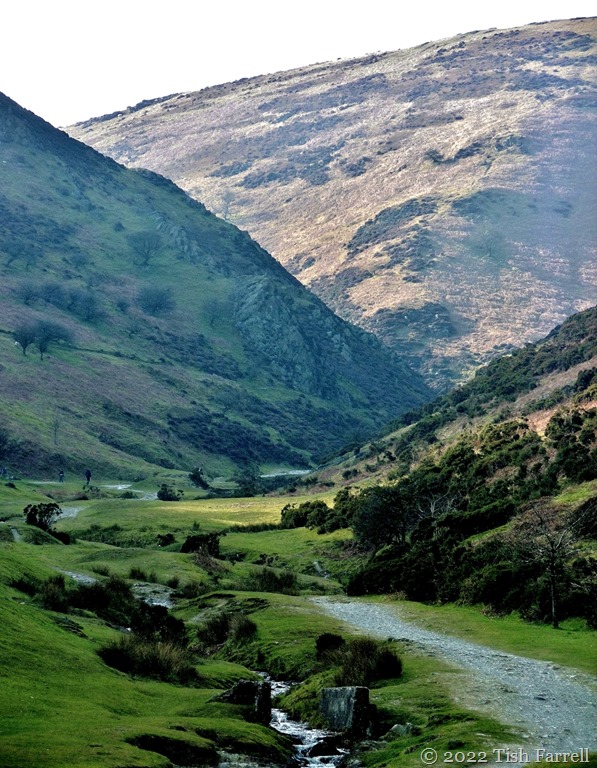
Our most local collision was along the Church Stretton Valley, just over Wenlock Edge, some twelve miles from where we live. To the east of it (some 600 million years ago) volcanic ash and lava formed our well loved hills of Wrekin, Lawley, Caer Caradoc and Ragleth. To the west lay the sedimentary formations of Long Mynd, which around 550 million years ago were folded and thrust upwards along the Church Stretton Fault.

Then in recent times (2.4 million to 20,000 years ago) glaciers slipped and slid along the  Mynd’s flanks, although the summit was clear of ice. And then during successive interglacial (warming) periods (300,00-15,000 years ago) melting ice fed stream torrents that cut deep valleys and batches…

P1030461resized

P1030466resixws

P1100539res

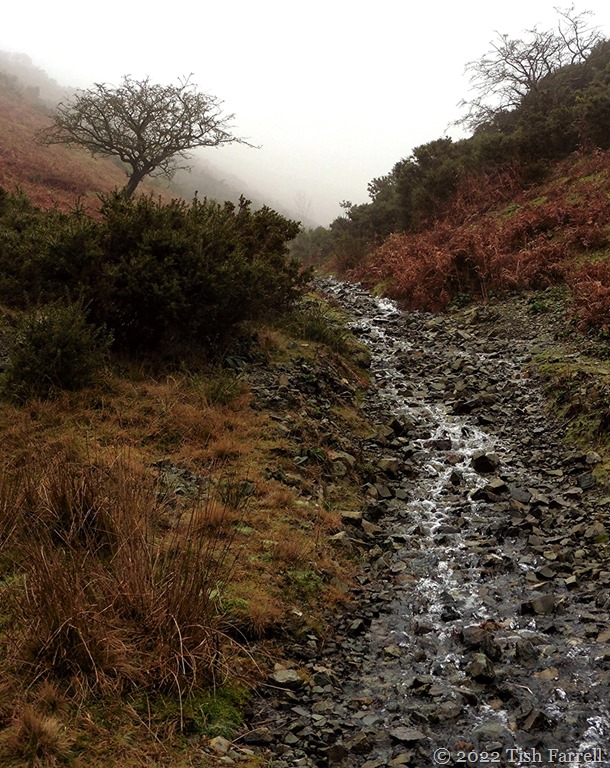
Ashes Hollow, one of the Mynd’s stream-cut batches

*

And so it might be timely to ponder on the momentous natural forces that brought about the formation of this single Shropshire hill – begun in tropical seas half a world away, then wrought by collision, compression, ice and melt-water. And all achieved without the meddling of humanity and on a planet that is endlessly reshaping itself.

100_4415

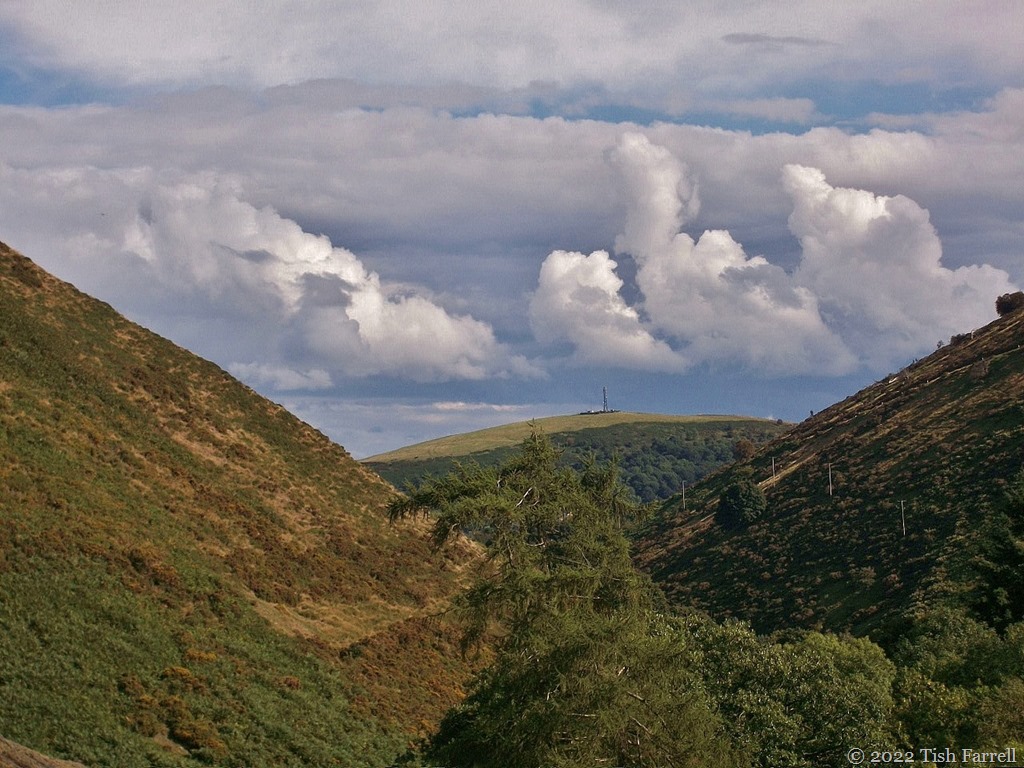
View from the Long Mynd’s Carding Mill Valley towards Ragleth Hill

*

P1080522resized

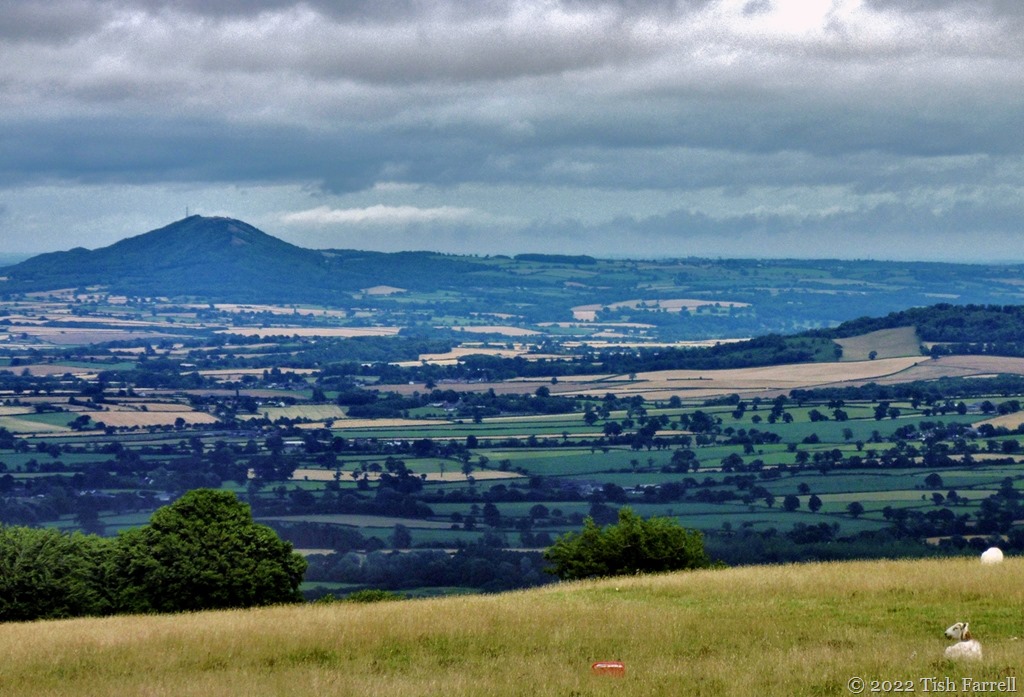
Looking east from the Long Mynd towards the Wrekin

*

Lens-Artists: Earth Story    Please visit Amy to see her very stunning Earth Story photos.

Spring Curves

IMG_0150cr1

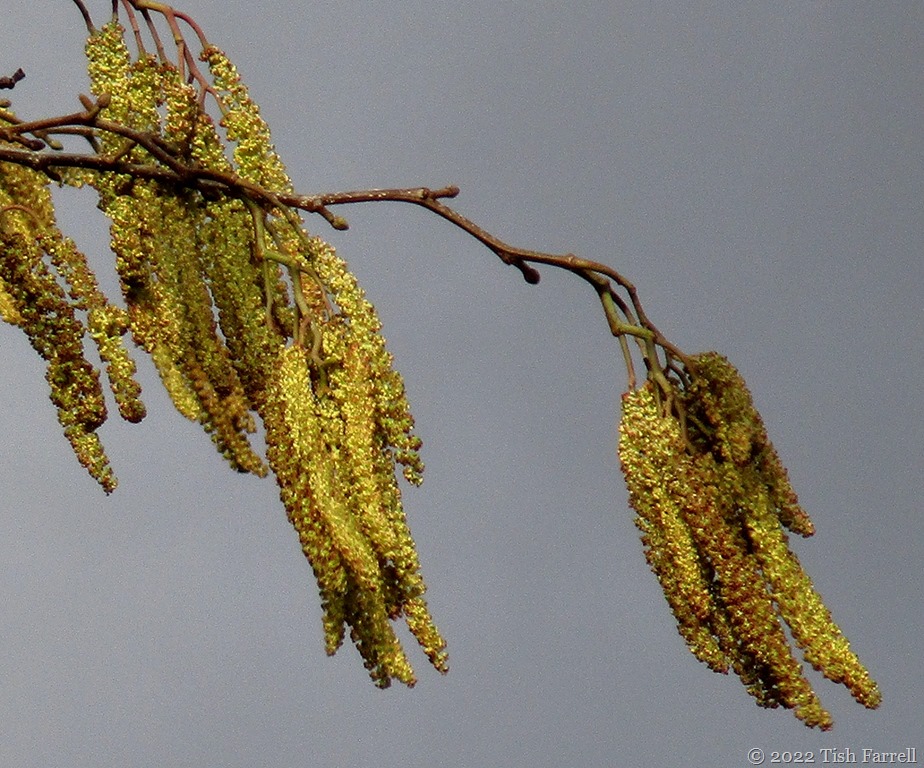
Alder catkins catch the sun in the Linden Field

*

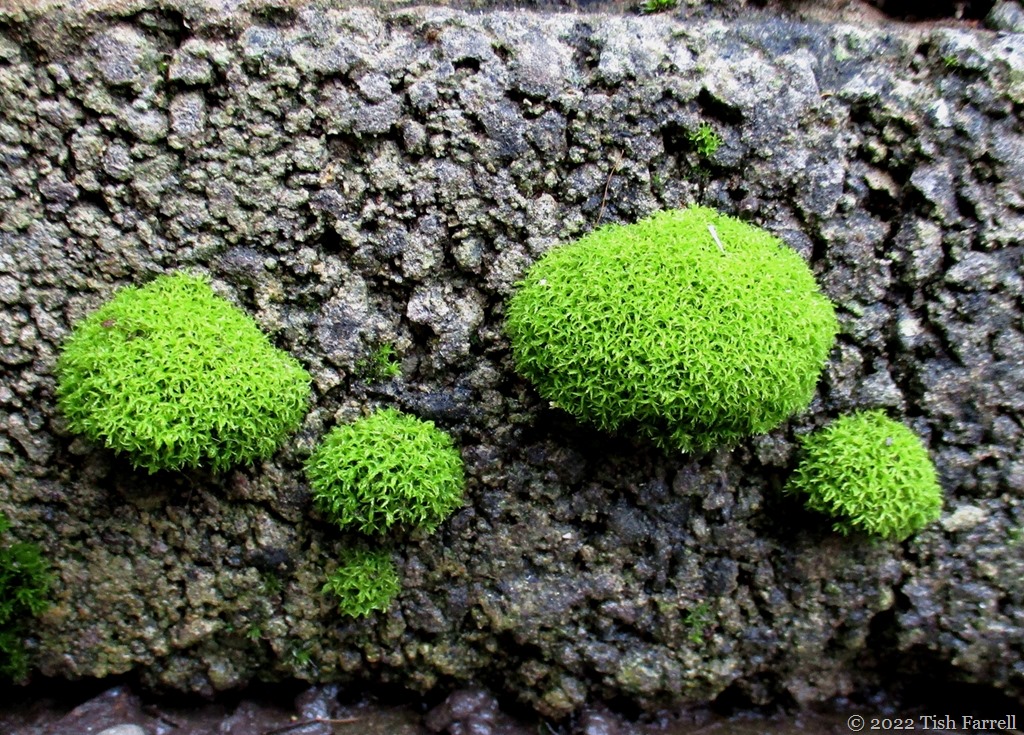
Spring came to Wenlock this week, both time-wise and weather-wise. We’ve had lunch in the garden three days running. Astonishing for March! Full-on sun and a general bursting of buds and blooms in every quarter. Even the moss on the garden steps has switched to hyper-green mode.

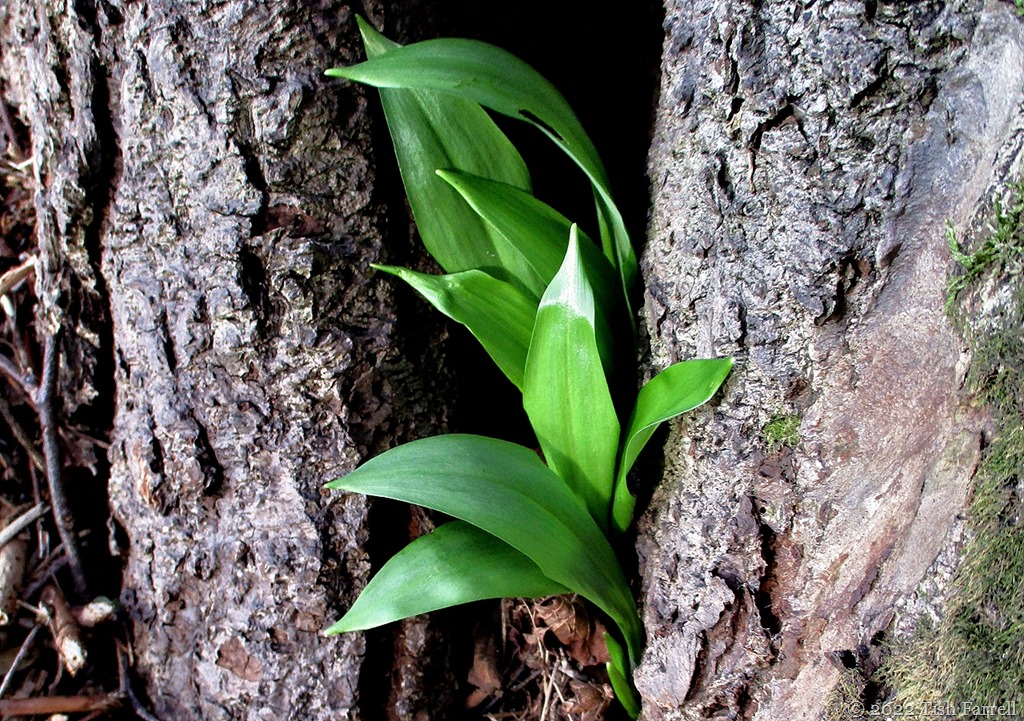
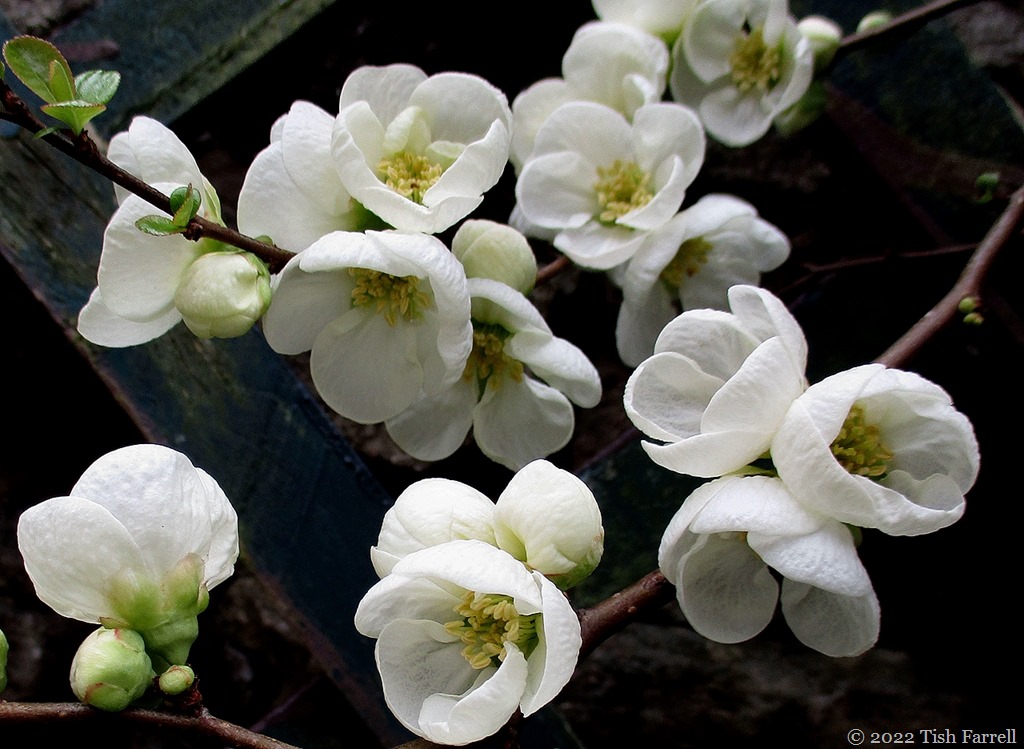
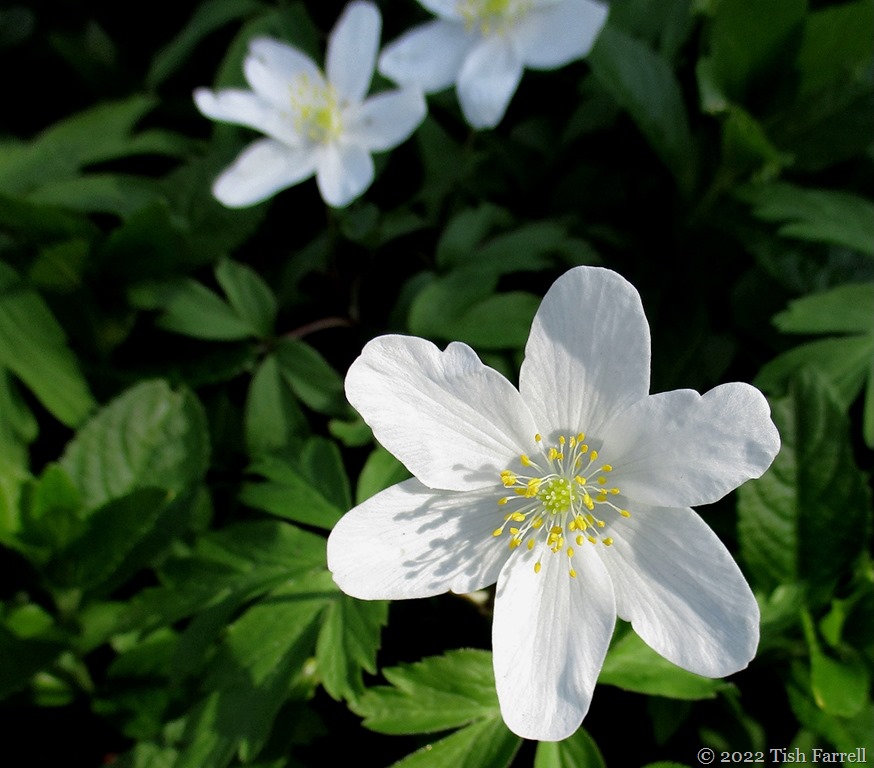
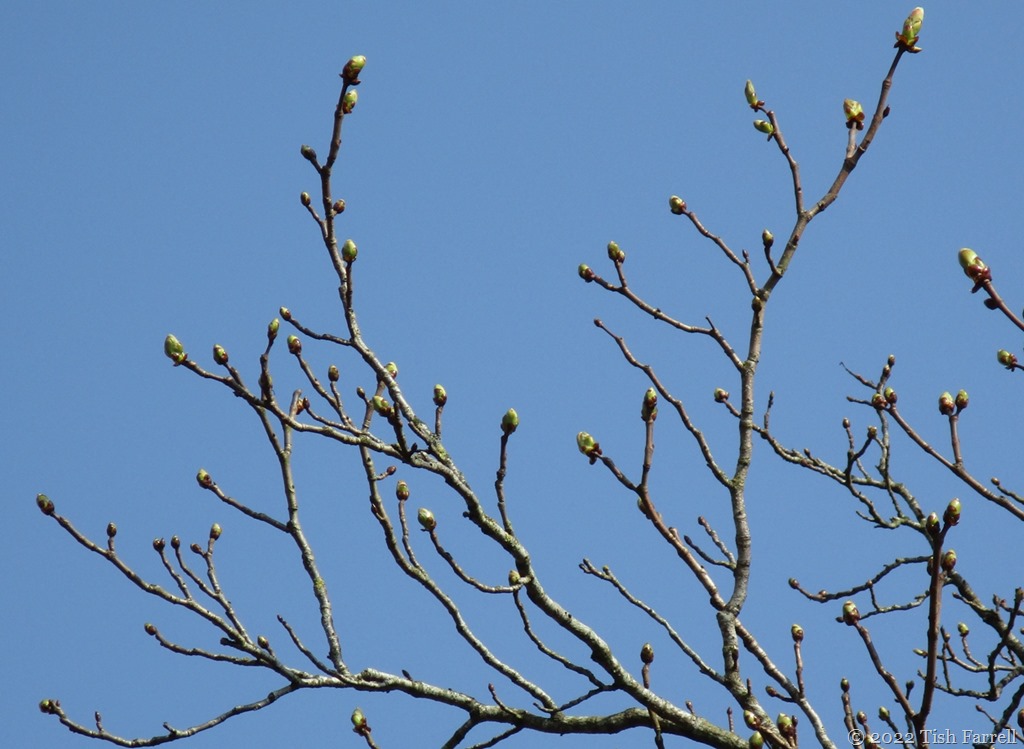
Over the road in the Linden Field there are prairies of wild garlic leaves just begging to be plucked for sauces and soups. In fact such  is the vegetative imperative of this particular plant, it’s to be found sprouting from the lime tree hollows on the Linden Walk. At the top of the field, under the oaks, the daffodils are at peak perfection. Also growing there are wood anemones, dog’s mercury, violets and primroses. Then beside the Cutlins path the horse chestnut trees are now a mass of sticky buds. And at home in the garden the white japonica is looking its serene best.

IMG_0174

IMG_0156IMG_0239cr

IMG_0257

IMG_0266

IMG_0271

This week Ann-Christine at Lens-Artists asks us to show her curves.

Lens-Artists: Curves

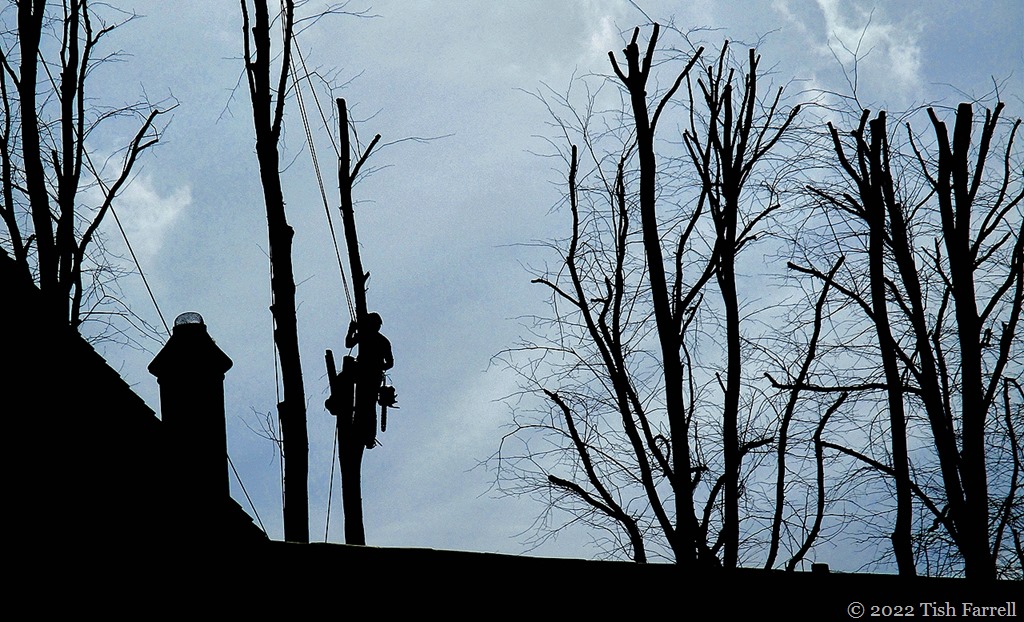
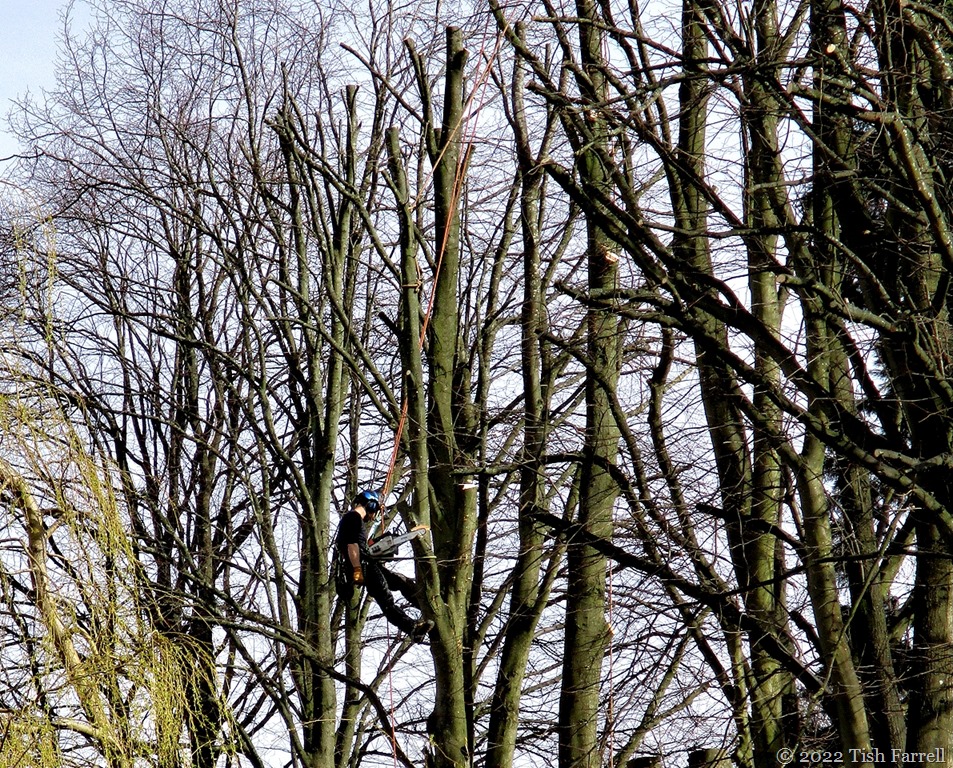
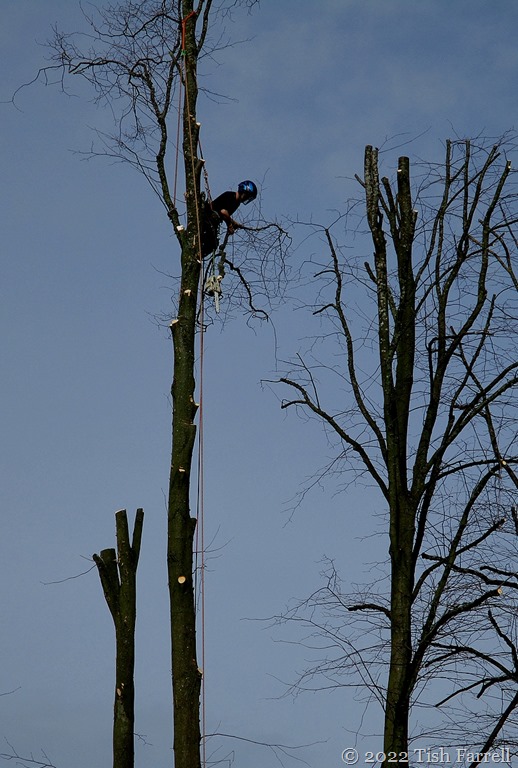
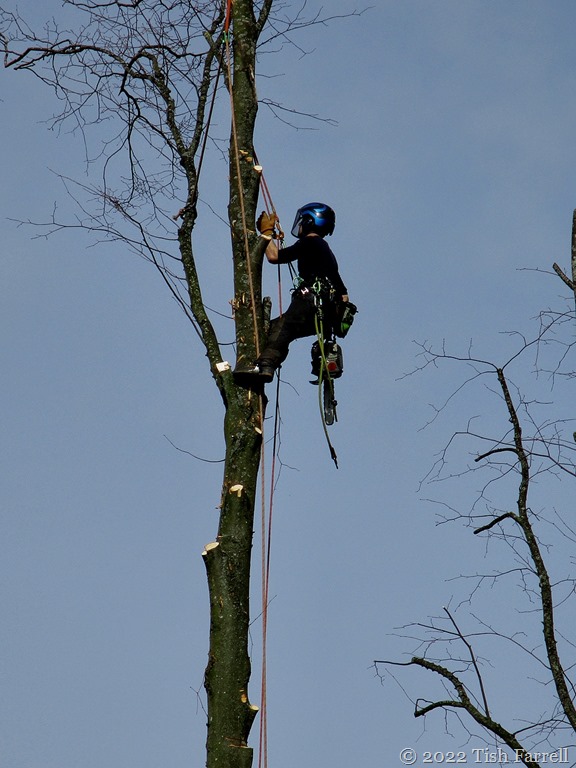
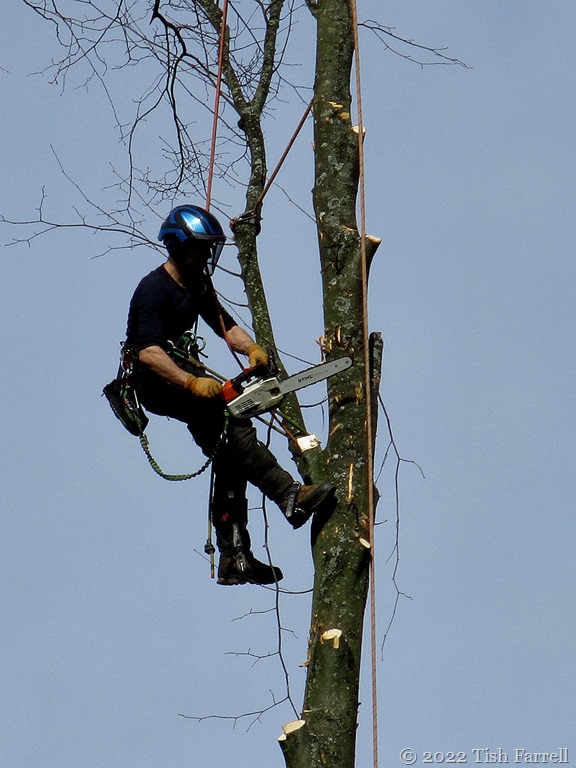
Don’t look now, but there’s a man in the tree…

IMG_0186cr

Monday morning. Sunshine after days of rain plus hints of spring.  A walk to the shops then. We set off down the Cutlins field path, pleased to find it dry underfoot, though we’re pleased too soon: at the path bottom by the kissing gate we find a huge puddle.  Ah well. Muddy shoes AGAIN. There are strange sounds too, out on the lane, shattering the peace of the Priory ruins. Chainsaws.

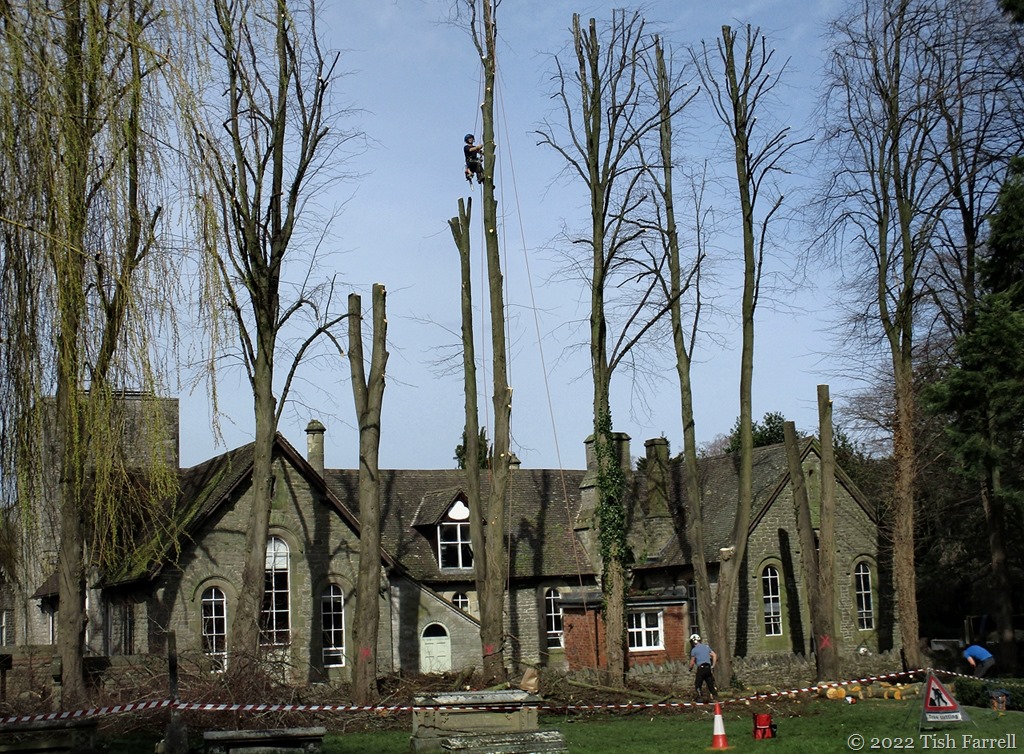
When we reach the Priory Hall (originally a National School that once served Much Wenlock’s poor children, but now is the town’s community centre), this is the sight that greets us. Goodness.

Then we recall the recent planning application. The line of  lime trees along the churchyard wall behind the Priory Hall has been scheduled to be taken in hand – three cut down and the remaining ones pruned. Better get a better look then. It’s not often that Much Wenlock provides so much excitement on a Monday morning:

IMG_0191cr

IMG_0189cr

IMG_0193cr

IMG_0197cr

IMG_0199cr

IMG_0207cr

Lens-Artists: Close and closer

The Things We Find When Lost

IMG_4238

Farrell Safaris are notorious for their cross-country deviations even when kitted out with a fully functioning map. And so it was on our recent Anglesey stay, and with an intended short (couple of miles) drive from Aberffraw to next-door Rhosneigr, that we managed to miss the turn and instead head off to who knew where.

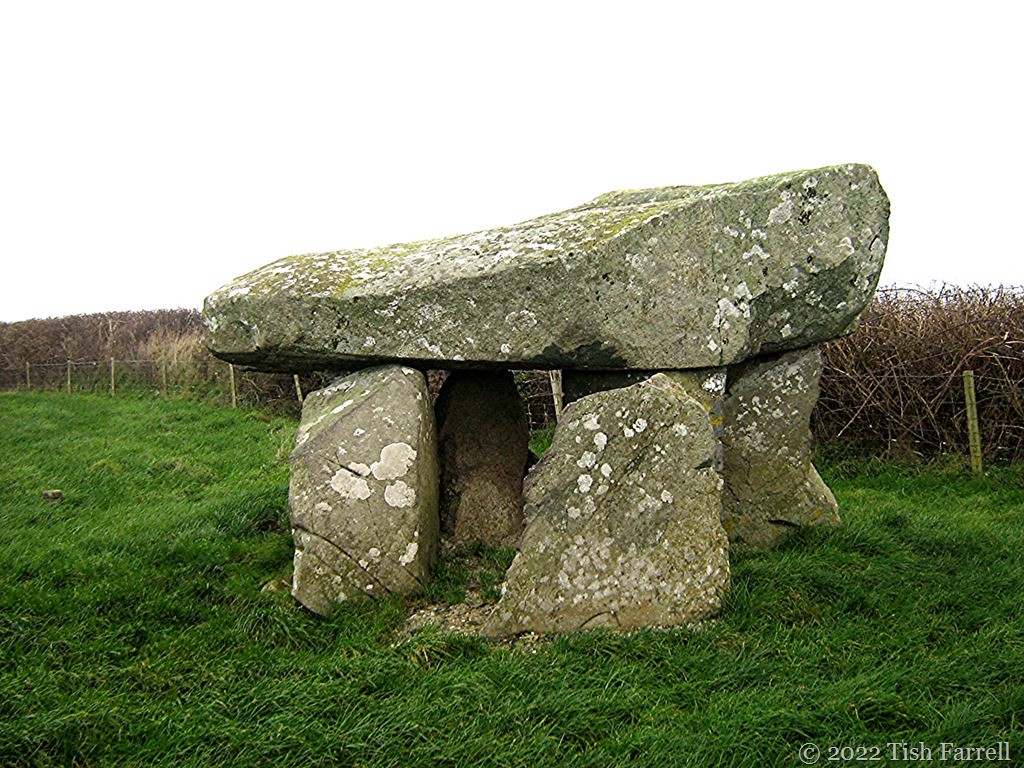
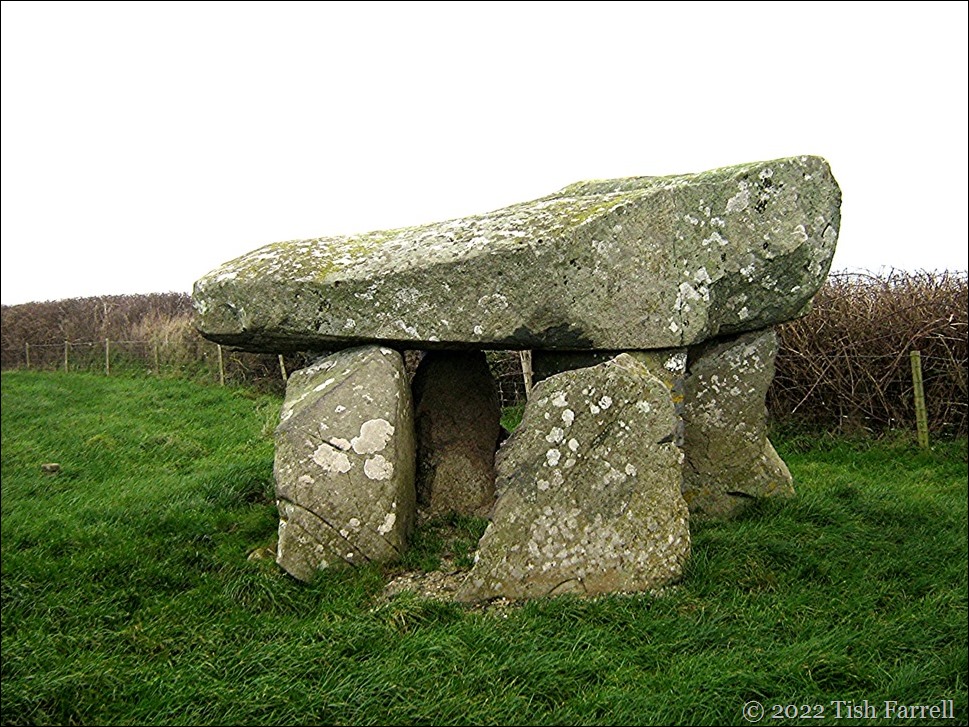
Usually when this happens, Captain Farrell’s first resort is to keep going, perhaps in hopes that, if we do this for long enough, all will come right.  Fortunately this time we had savvy niece in the back seat, and she soon had our position pinpointed on her phone. We did indeed need to turn around. And it was while this was going on – i.e. finding a suitable turning space on a narrow country lane, that I spotted the Neolithic burial chamber in the far corner of a farm field.

Can we stop, says me, hoping for a better look over the wall and maybe a long-shot photo (poor light willing).

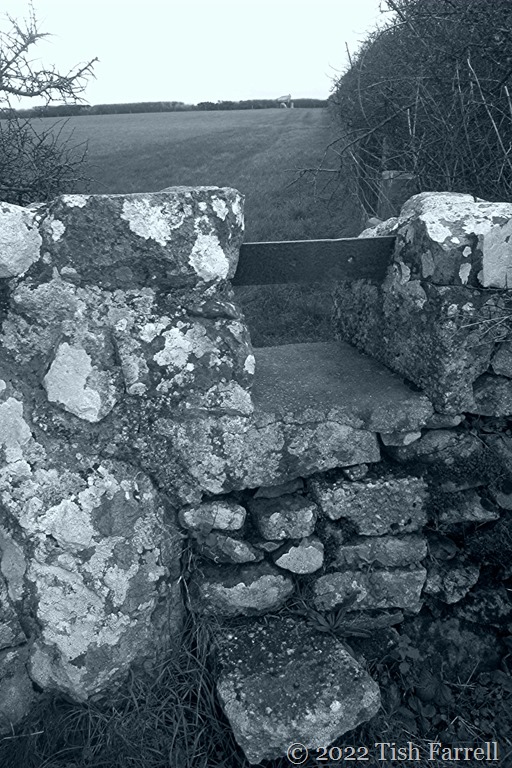
But once turned about, we soon saw that a proper visit was feasible. There were official signs in Welsh and in English ‘Ty-Newydd Burial Chamber’, a pull-in space on the verge and a stile.  Sister, cockapoo and niece were up for a visit, though the wind was brutal and it was starting to rain. In my rush to head the expedition as chief prehistorian I was ensnared in a hawthorn bush and held up proceedings. Meanwhile Captain Farrell gathered himself for unscheduled activity, and manfully brought up the rear.

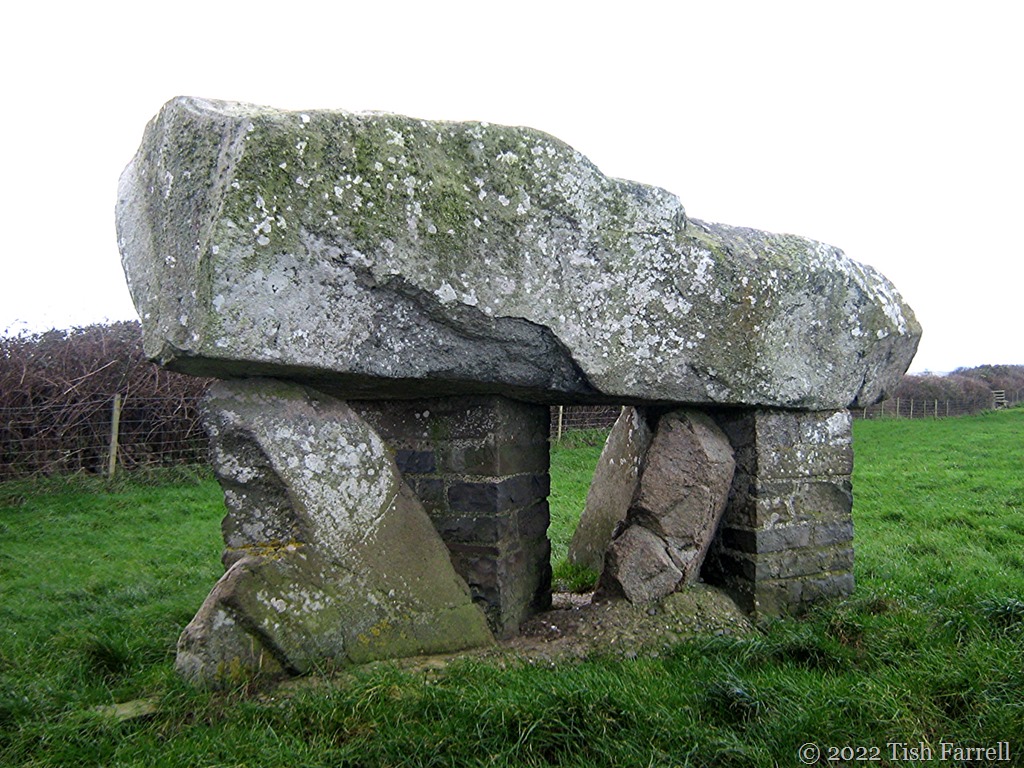
We then tramped across the muddy field only to find the ancient capstone (a whopping 12 ft by 5ft/3.7 m by 1.5m) had been propped up on two unsightly brick pillars set on a concrete base. And while their solid intervention was doubtless necessary for many reasons, their presence jarred. The dreary light did not help.
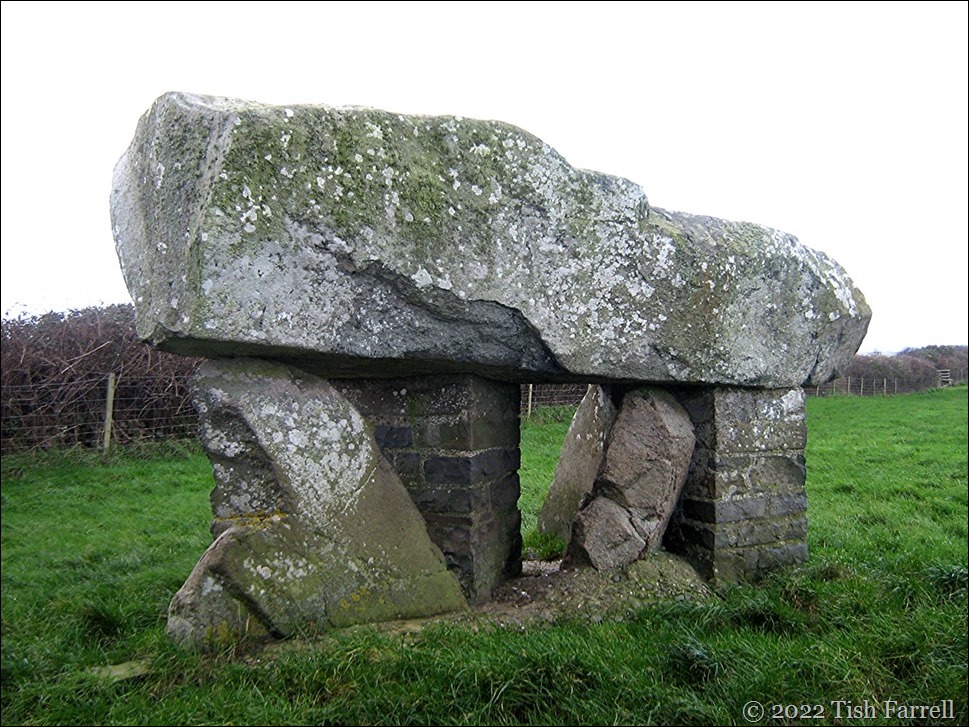
IMG_4235

*

So it turned out that the original drive-by view had been more impressively mysterious than the close-quarters’ encounter. Ah well.
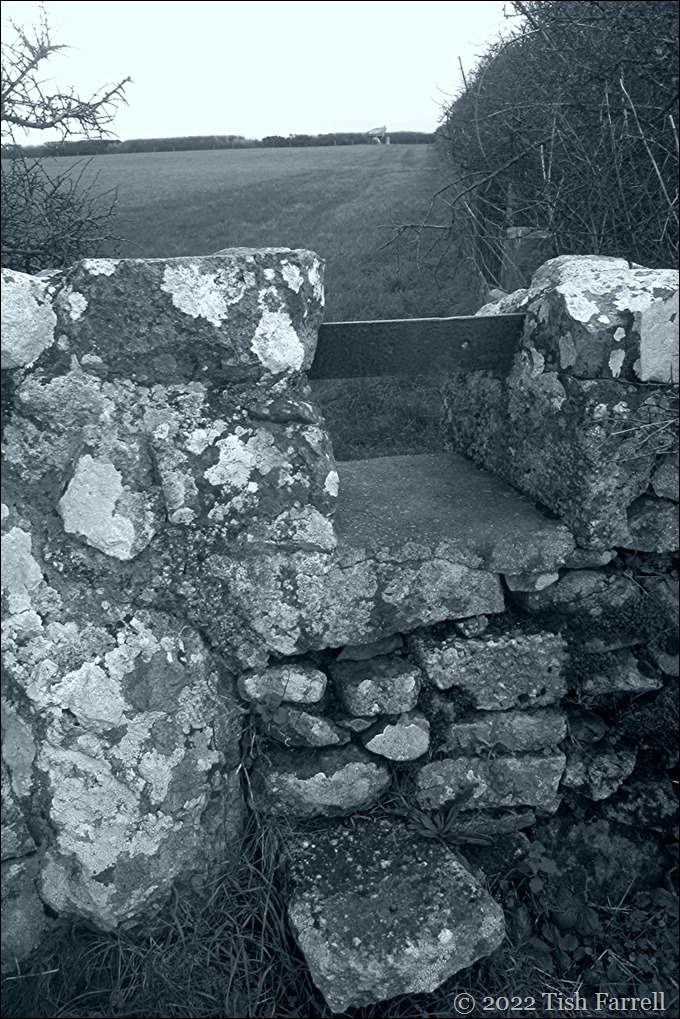
IMG_3387

IMG_3385

*

The tomb was excavated in 1935 and is considered typical of the funerary monuments built by the first farming people (see also the Barclodiad y Gawres tomb in an earlier post). Finds included a hearth with charcoal remains, some flint flakes, a burned flint arrow head, and a chip from a polished stone axe. But there were also pottery shards of the later Beaker People of the Bronze Age, and signs of a further chamber, which suggest the tomb was used, or re-used over a considerable time-span. The large cairn that once covered the tomb is long gone – ploughed out and/or its stones re-purposed. Instead, small concrete bollards have been set out to indicate its original extent. Useful guidance on the one hand, but like the brick supports, they felt intrusive somehow.

Anyway, we paid our respects to ancient souls who then, like us, must have been alarmingly blasted by the training jets taking off at nearby RAF Valley. The New Year’s holiday was over and ‘business as usual’ resumed. Out of the gale the engines’ roar filled the sky, the earth, the universe, my skull. It was noise so loud as to be physically shattering. I had that strange sense of someone walking over my grave and a horrid glimpse of what it must to be some innocent village dweller in a war zone; to be on the receiving end of the northern hemisphere’s mighty industrial war machine.

Several times during that day the soundtrack for Armageddon rebounded through my bones and being. It happened again in late afternoon as we walked on Aberffraw’s magnificent beach. And I wondered then, as I have done many times recently, what on earth the ancestors would think of us now. We who believe ourselves so very civilised?
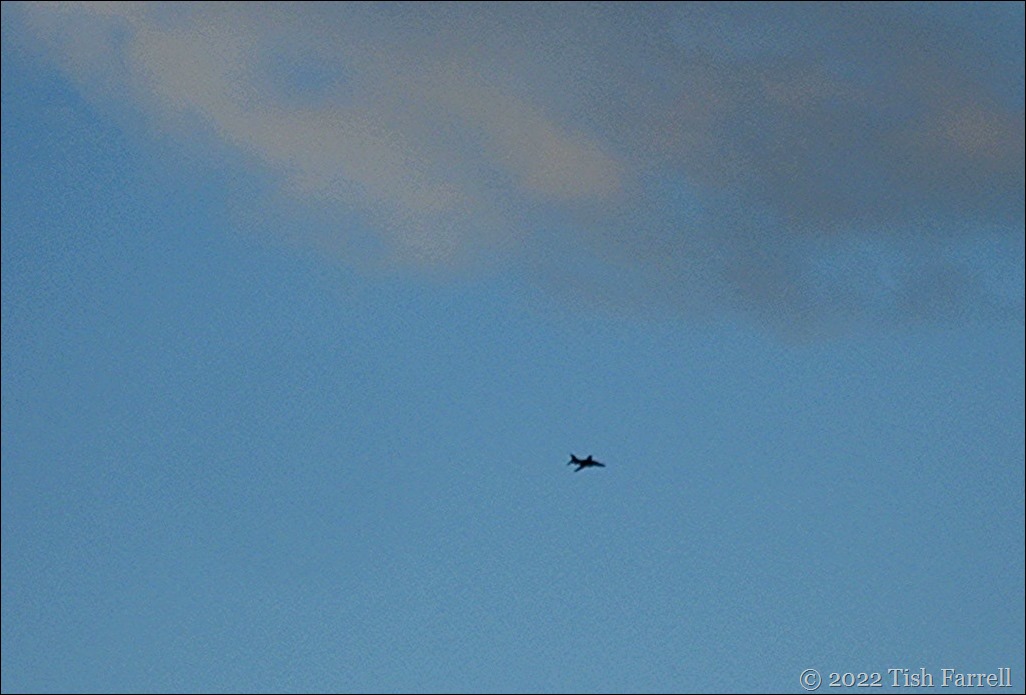
IMG_4267

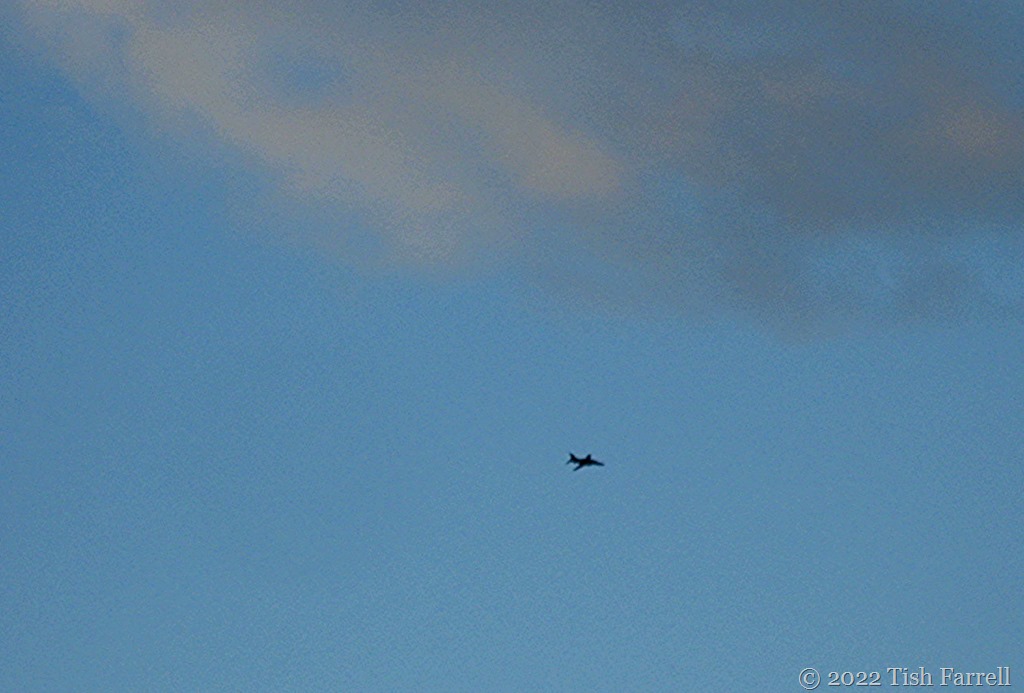
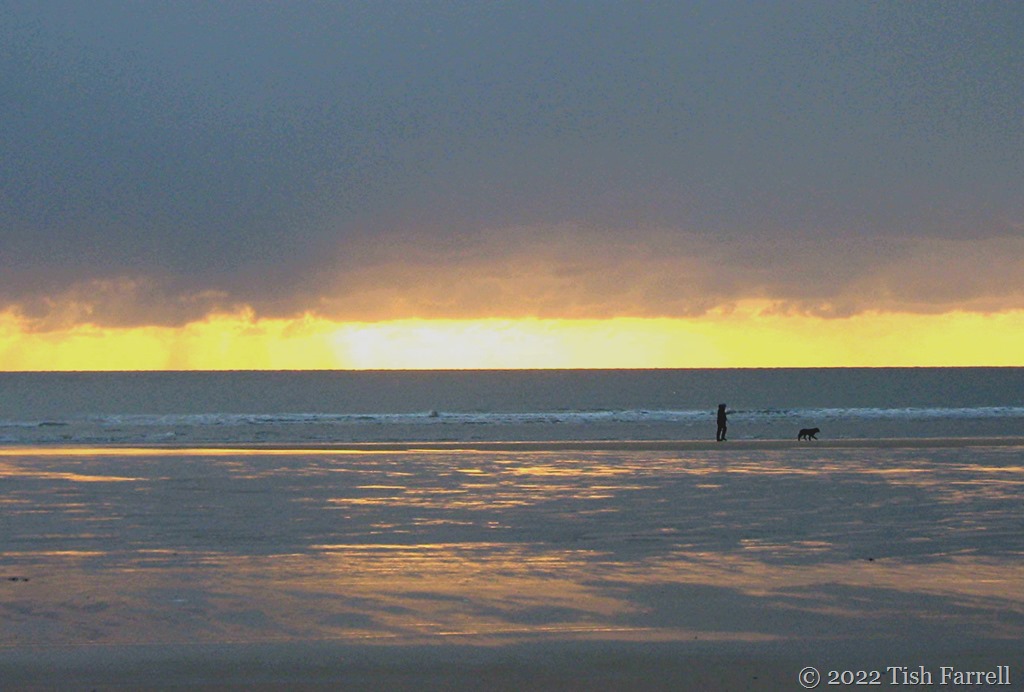
A Hawk T1 or T2 (?) caught over Aberffraw estuary. And the photos taken immediately afterwards – first looking towards mainland Wales, and the second across the Celtic Sea towards Ireland:
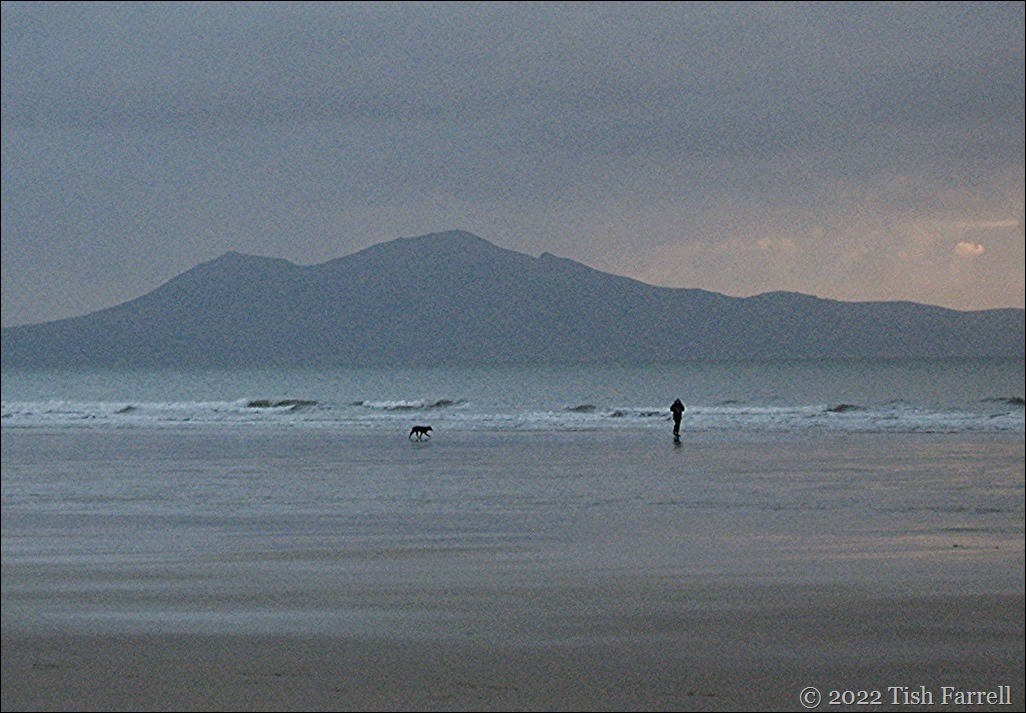
IMG_4268

IMG_4270

Lens-Artists: interesting things

This week Patti wants to see the kinds of scenes/objects that catch our eye or pique our interest. Please go and view her interesting choices.

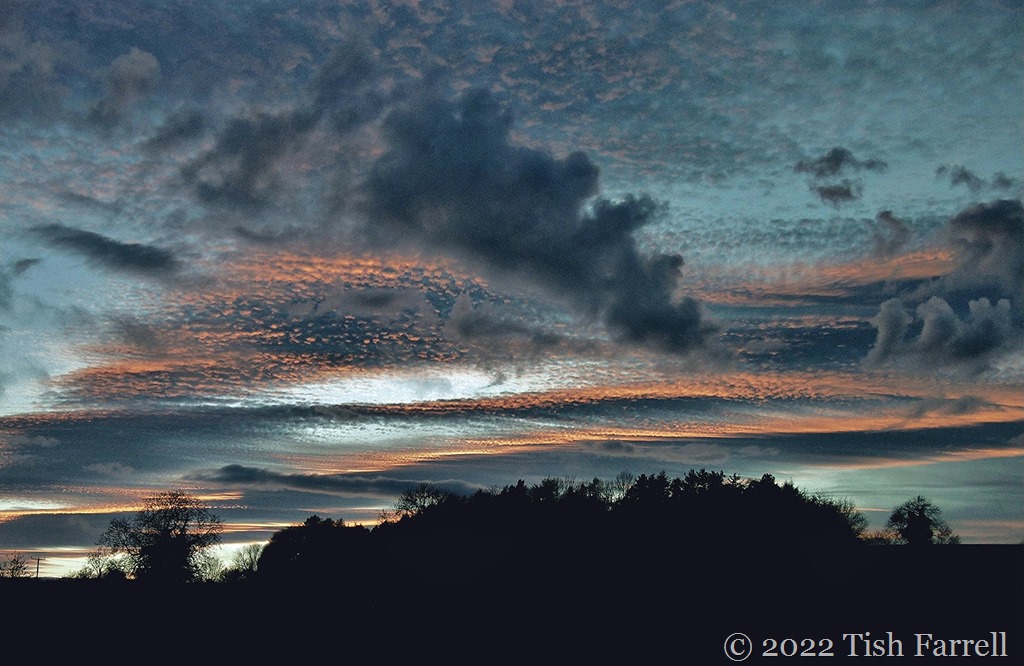
‘The Little Church In The Sea’

IMG_4178

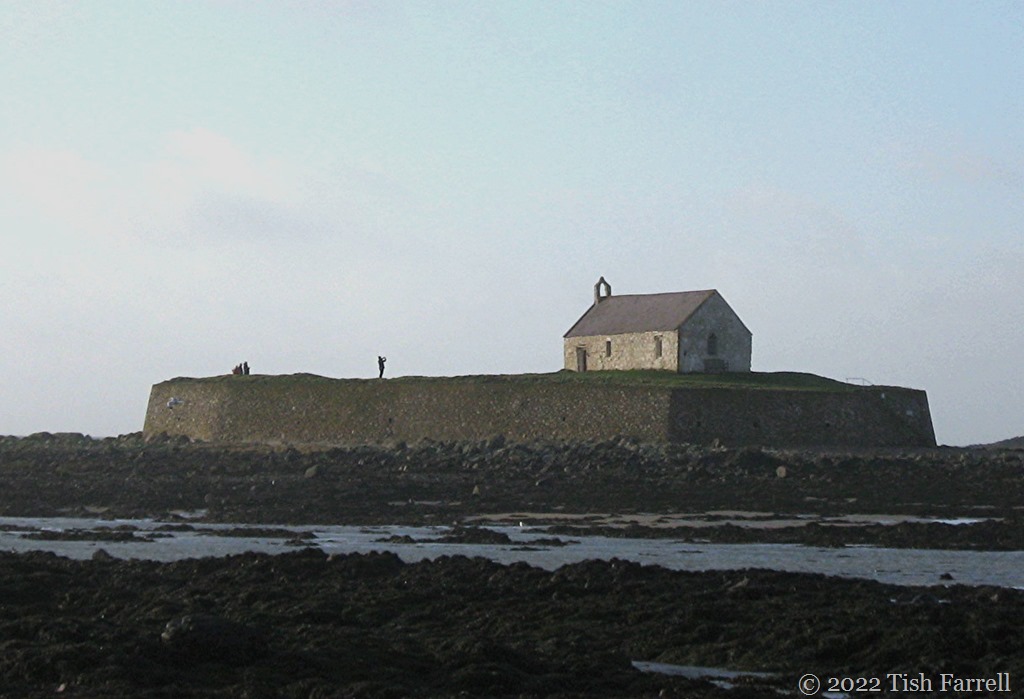
Or in Welsh: Eglwys bach y môr. Dating from the 12th century, it survives the sea storms only with the help of some robust 19th century defences. Erosion has reduced the peninsula on which it was originally built to a tidal island known as Cribinau. You can find it along the Coastal Path just north of Aberffraw (Anglesey).
The church itself is dedicated to the Irish Saint Cwyfan (Kevin) who lived in the 6th century. Whether he ever visited Anglesey is not known, but the island, once the stronghold of the Celtic Druids until the Roman invasion, was certainly a favoured retreat for early Christian hermit-saints.

You can walk across to the island at low tide and the church is still used for weddings and christenings. Come a bright summer’s day, it would be hard to imagine a more momentous setting for such important family rites.
IMG_4168

Six Word Saturday

Lens-Artists: double dipping

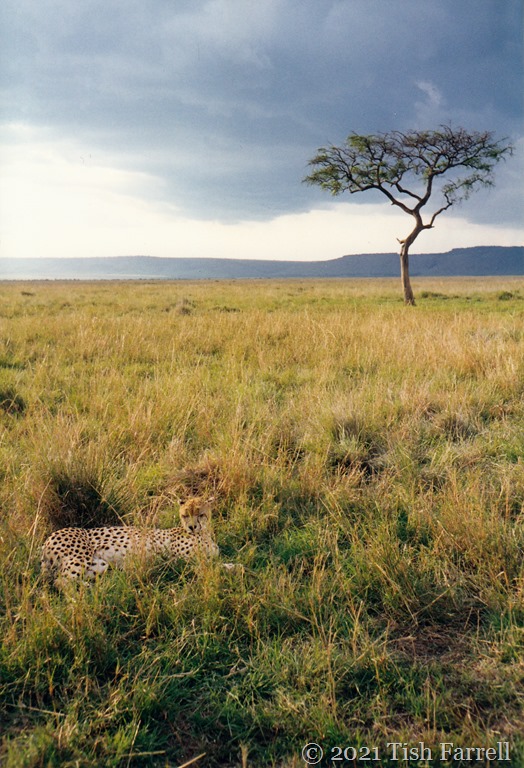
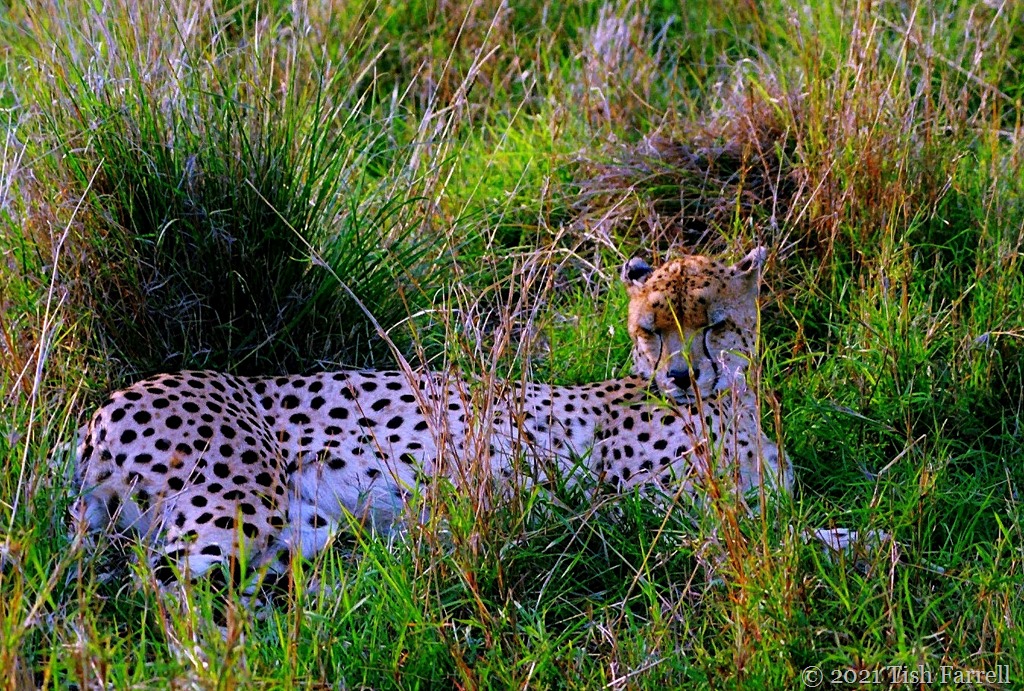
Quiet Hour In The Maasai Mara

Scan-140726-0005 (9)

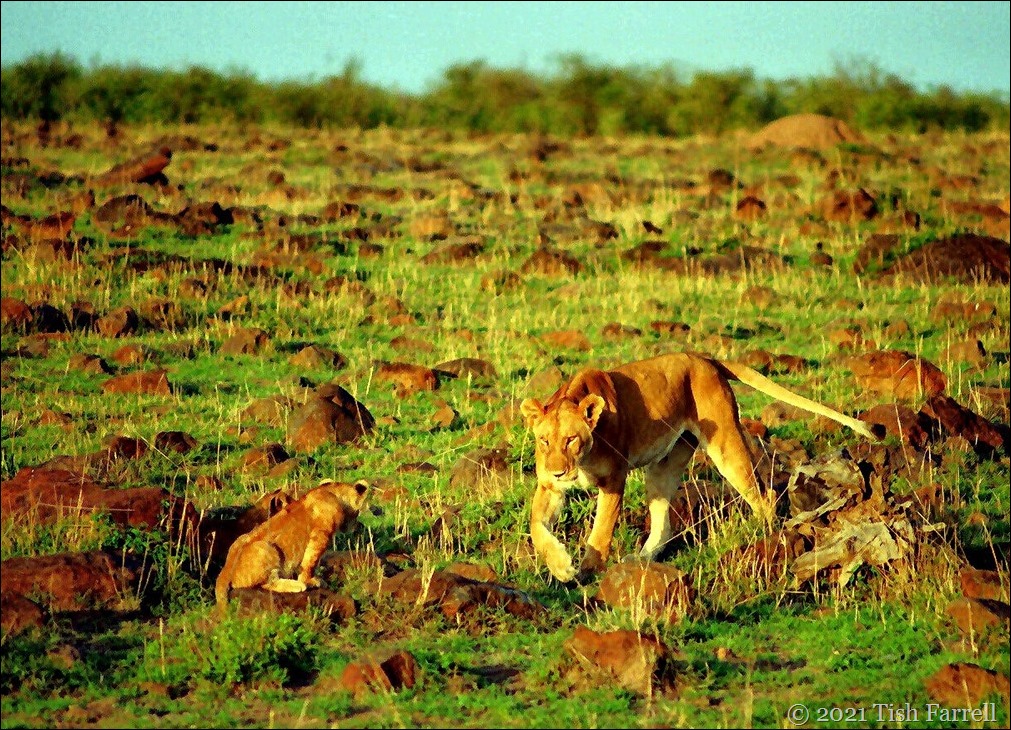
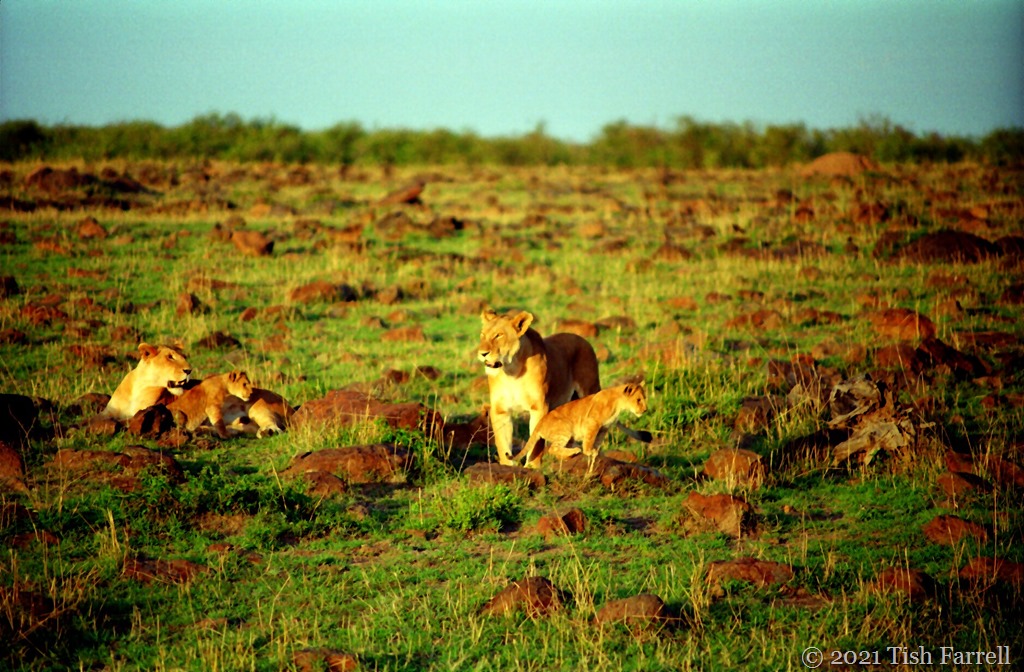
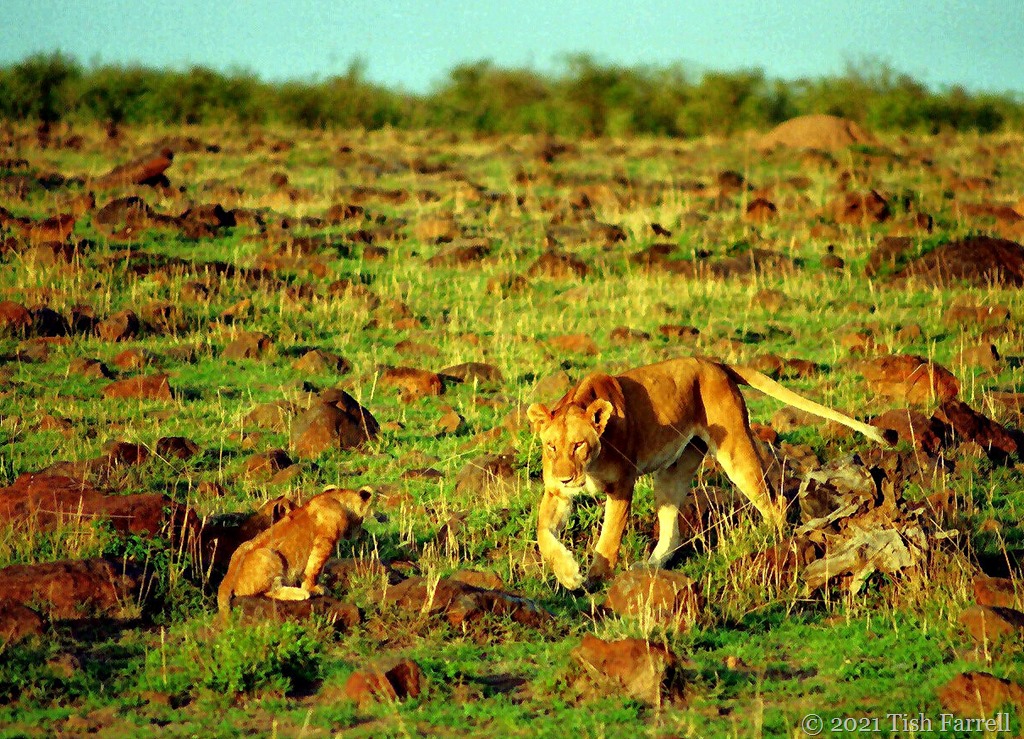
Almost sunset and a good time for mamas to play with the children…

Scan-140726-0004 (8) - Copy - Copy

*

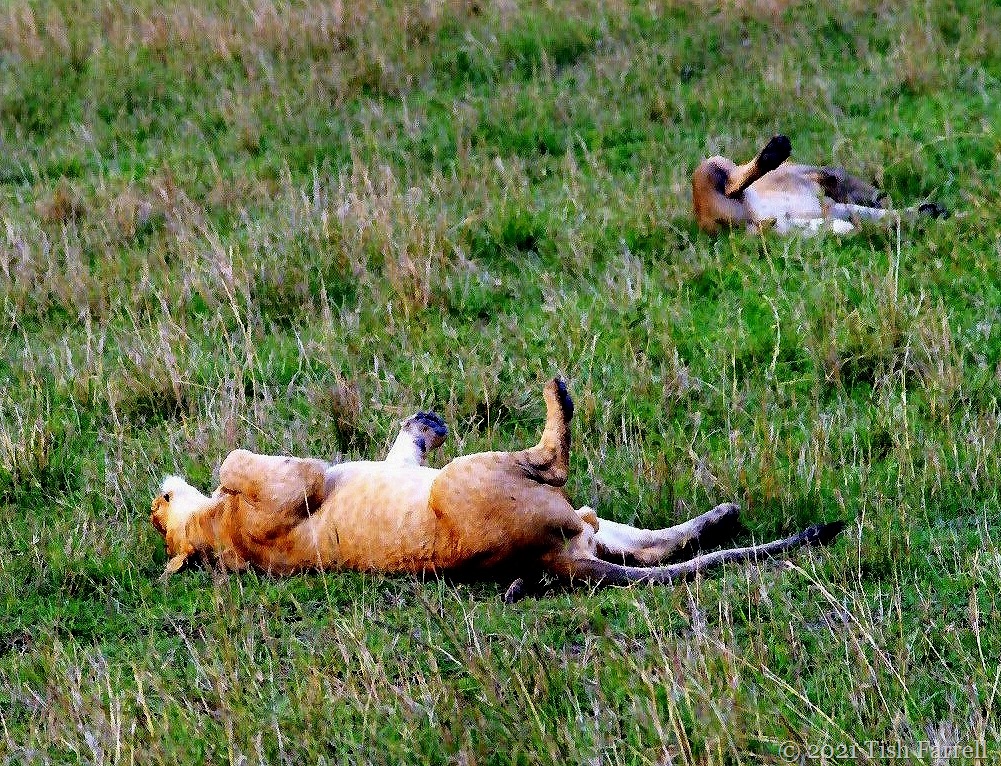
Or for lads to roll and loll…

Scan-140726-0003 (7)

*

Or a cheetah to snooze in the grass beside a mulului tree…

IMG_0012

Scan-130520-0021

*

And then for humans to watch day’s end over the Mara plains…

Scan-140726-0003

Lens-Artists: Serene  This week Patti invites us all to stop and ponder on peaceful scenes. As ever,  these views are from the old Africa album.
Chasing The Light Over Townsend Meadow

P1060987

Those who come here often know that our Shropshire cottage overlooks a field that once marked Much Wenlock’s northerly boundary. It’s all in the name of course – Townsend Meadow. In times past it was pasture for dairy cows. The farm, long gone, was in the corner of the field, and the dairy, where the milk was collected, was a few doors down from our house on Sheinton Street. But in the years since we’ve lived here the field has been used solely for growing arable crops; wheat mostly, but now-and-then oil seed rape, oats, field beans and barley.

Our further view, beyond the field, is of the woods along the summit of Wenlock Edge. You can just make them out in the middle distance of the first photo. This vista and this field and the sky above, are the places where I endlessly discover events and effects. In this sense you could call it a source of rich sustenance; the everyday world that is never commonplace.

When it comes to photography, I belong to the ranks of happy snappers. I have zero technical skills, though somewhat perversely I’m particularly drawn to taking photos in challenging light conditions – to see what will happen, I suppose. The first photo is a good example. It was taken by opening the rooflight window in my office to the horizontal position (which also involved standing on the spare bed) resting my Lumix point-and-shoot camera on the back of said window – that is, on the outside frame nearest me – engaging some zoom, and hoping things are as focused as can be. And there we are.  It is a strange photo. A bit quantum physics-ish. Lost realms and parallel universe kind of stuff.

Here are some rather more obvious low-light Townsend Meadow moments.

P1070611

P1100710

IMG_0222

IMG_4214

P1080191

p1000553

IMG_2927ch

townsend meadow 5

Lens-Artists: Follow Your Bliss Lindy has set the challenge this week.