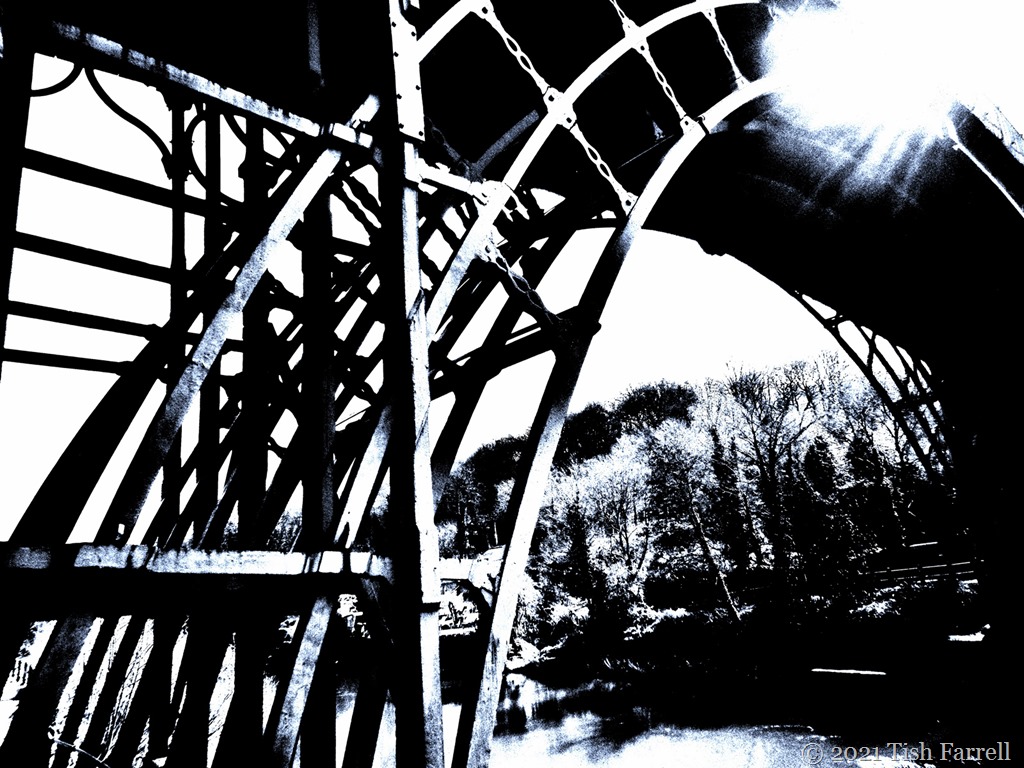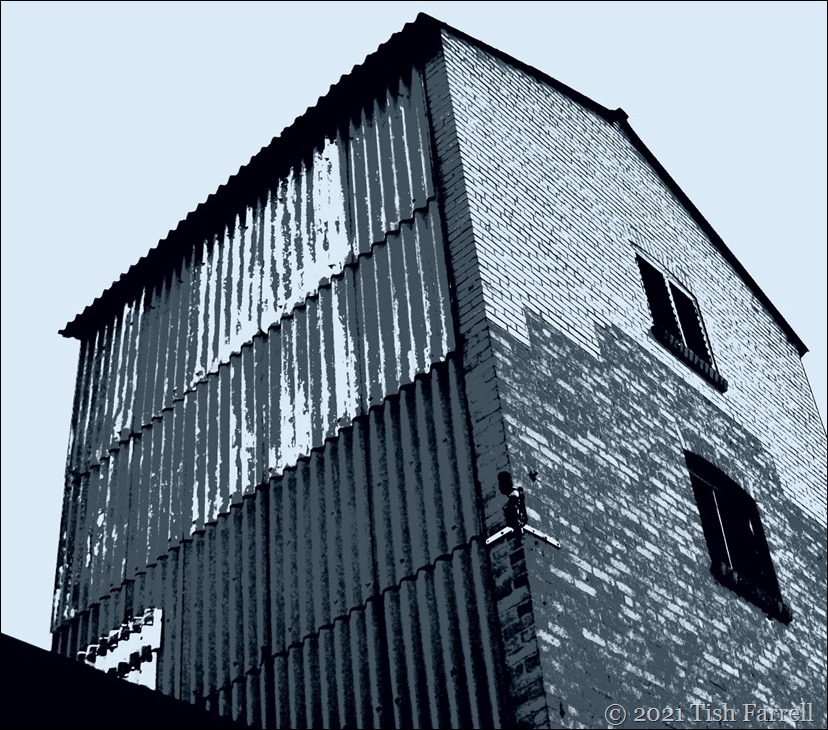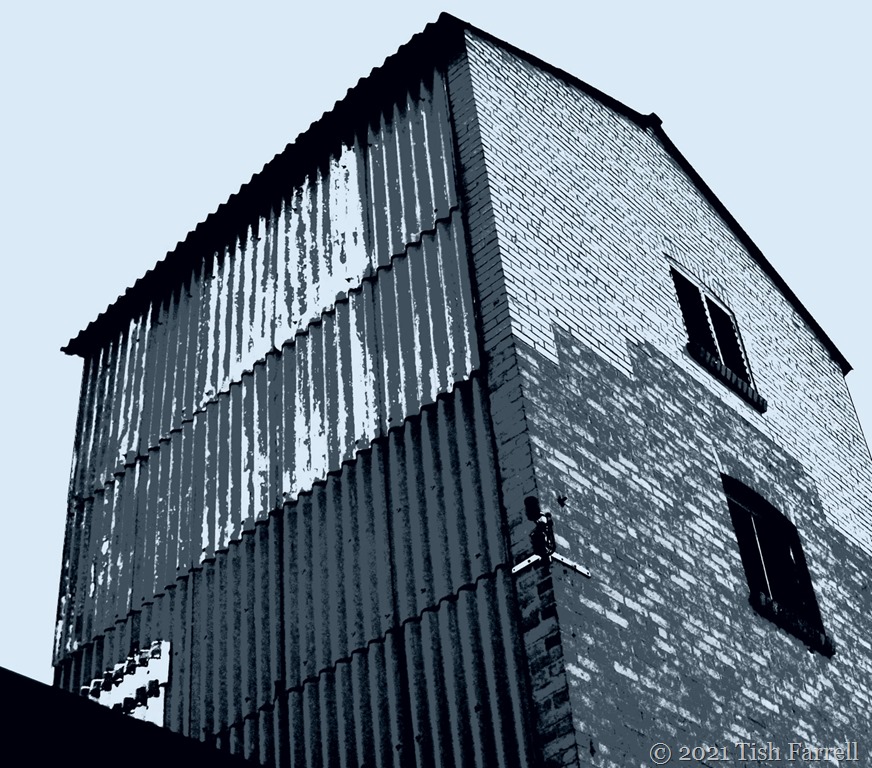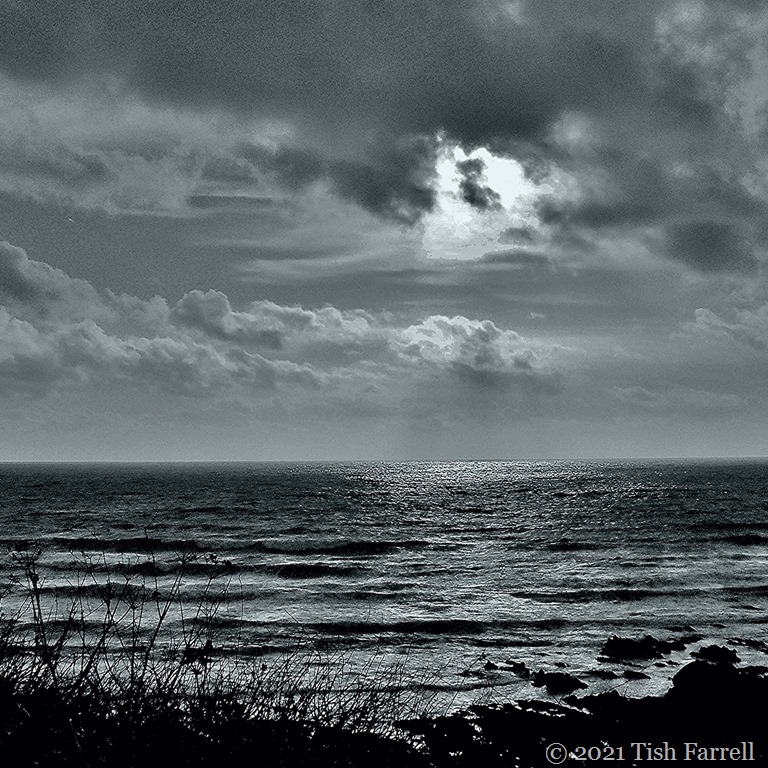
In Matching Stripes?

Grevy's zebra

Day’s end and a gathering of Grevy’s zebra, the largest and most northerly race of zebra-kind. It was a chance encounter. For two hours Kevin, our Chagga guide had been driving us along the dirt tracks of the Lewa Downs reserve. It was new territory to us; our first trip to northern Kenya from our then home-town of Nairobi. The landscapes were breath-taking, sweeping rangelands, pale grasses, beetling gorges, the distant gauzy backdrop of the Matthews Range.

Earlier we had stopped to follow a Greater Kudu family on foot. They were moving in single file up a steep bush trail. We lingered under a thorn tree and in the late day light, watched as they melted one by one into dappled cover. Then it was back to the truck and more trail bashing, the only sign of wildlife, massive piles of elephant dung on the track, and some torn up thorn trees where the herd had passed.

We scanned the bush country all round for a glimpse of them, but they were gone, or at least we could not see them, which is not the same thing. Elephants are invisibility specialists. No matter. As I said, the country was magnificent, the light like liquid amber, and the air filled with the soothing scent of acacia blossom. Lemony with tones of jasmine. As ever, out in the bush, all felt like a dream.

And by now, too, the sun had dropped behind the mountains, the light fading fast. We headed back to camp, and it was then, as we rounded a bend on the trail, we met the zebra. There was only just enough light left to take their photo, but they obligingly stood perfectly still.

And just in case you’re wondering what the difference is between Grevy’s and the plains zebras, here’s another sundowner scene, this time from the Maasai Mara far to the south:

mara zebra

These are Common or Burchell’s Zebra, smaller than the Grevy’s. Their all-over, widely spaced stripes are thicker; ears pointed to Grevy’s endearingly round. Their social habits are different too, the plains’ zebra living in family groups with much grooming between members while their cousins appear to move in less structured gatherings.

But what about the stripes, you may ask: is every zebra’s livery unique?

park 17

It is hard to be sure from the Grevy’s portrait, though I’m thinking it’s highly likely. But when it comes to the plains’ cousins, I have told the tale before of how once in Zambia, on a New Year’s Day game drive, a rather tipsy guide waxed lyrical about the very particular patterns on each zebra’s ‘butticles’, and how it was by such means that zebra offspring recognised their respective mamas. I don’t know about the last bit, but these two photos from Nairobi National Park certainly prove a point, final blurry butticle shot aside: the stripes truly do not match.

IMG_0034

Cee’s Black & White Photo Challenge: Matching Things

Looking In Looking Out On Wenlock’s Old Railway Line

100_7808

P1010926

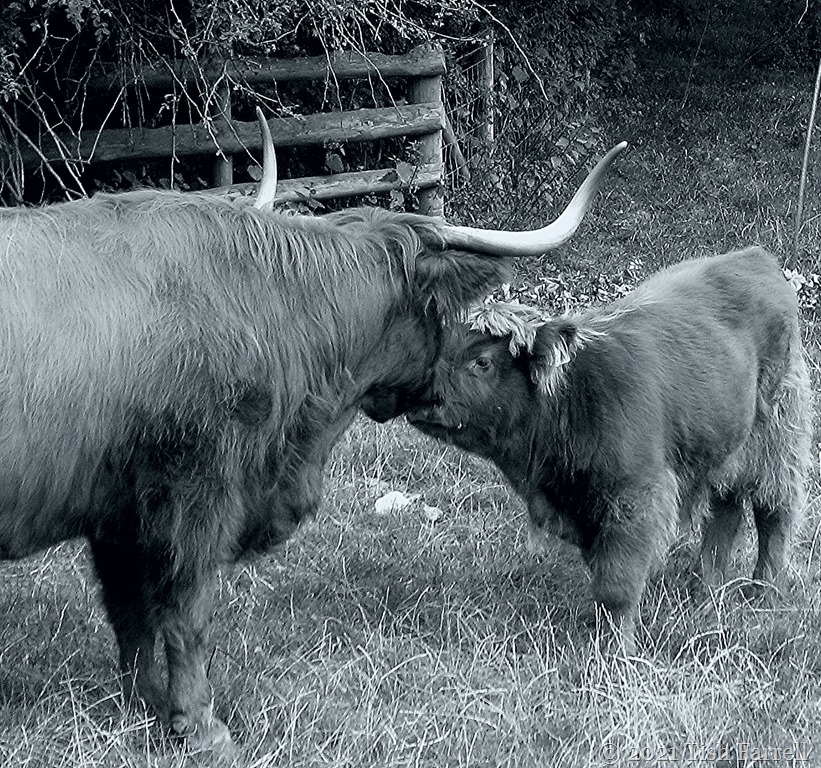
The old railway line that runs for a couple of miles on the edge of town is a local treasure. If you are outward bound, and up for a really long hike, it is the starting point for a host of other footpaths. You can head for the Severn Gorge, or go cross country through farmland searching out ancient signs of lost medieval villages. The towards-town stretch runs past the outskirts of Shadwell Quarry and then on below the Linden Walk, terminating abruptly above the Cutlins meadow where the highland cattle are often found grazing.

IMG_1359

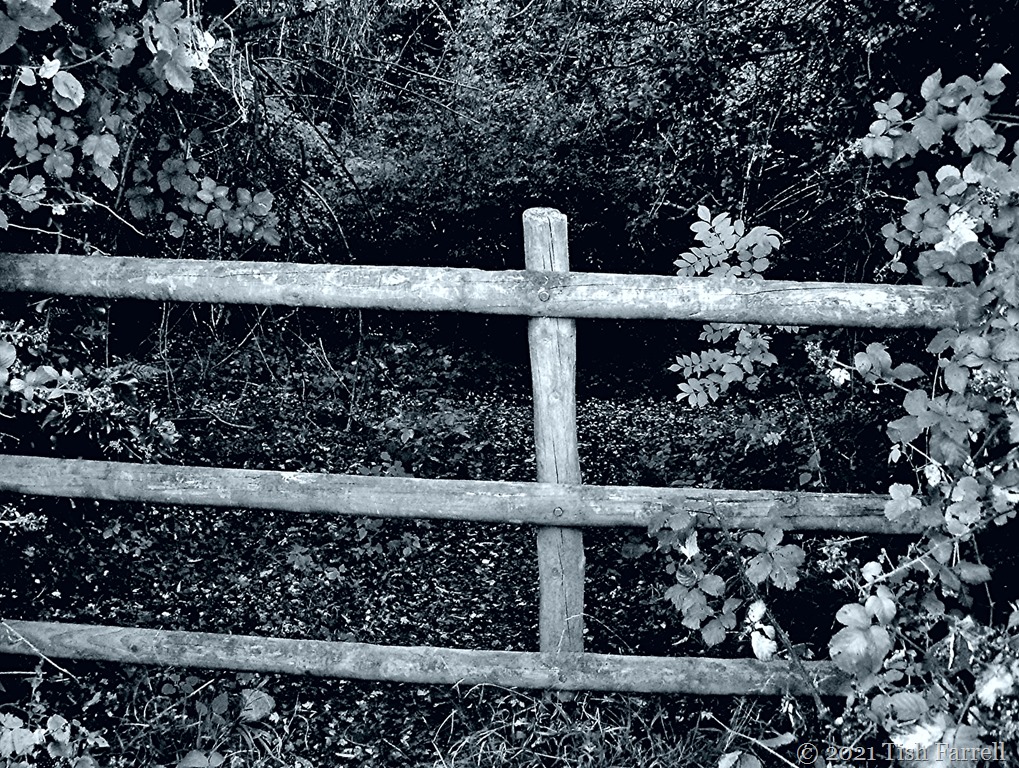
For much of its length the old line is a shadowy arcade of ash, hazel and crab apple trees. Bosky in other words. In spring there are masses of tiny white violets among the ferns, later a scattering of orchids and wild strawberries. Now and then someone comes along and clears back the tree branches and ivy to stop total junglification. There are scarcely any views out. The fence in the first two photos is the main ‘window’ of opportunity.

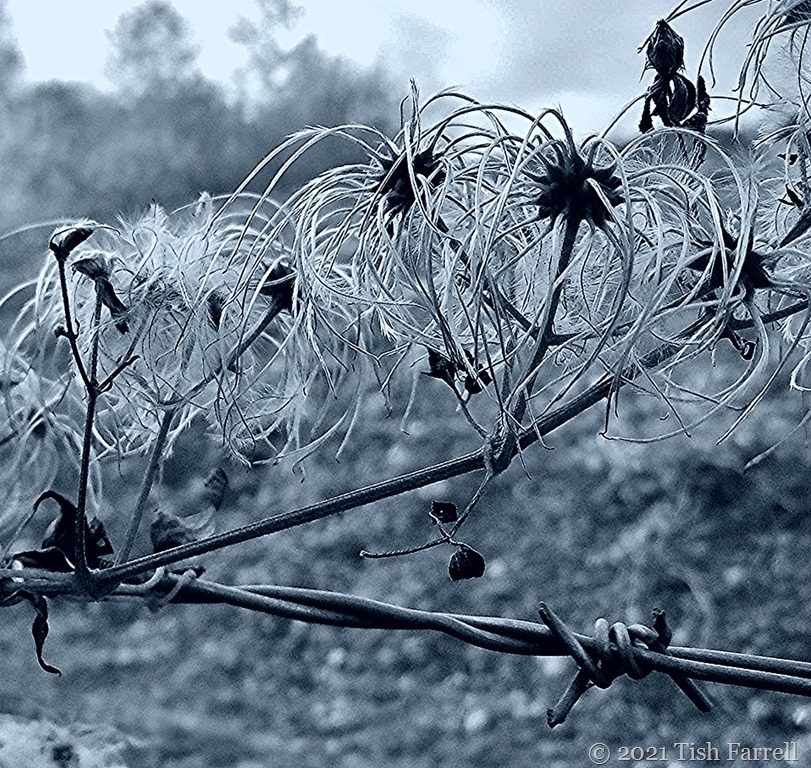
On the northerly side you have to a bit of clambering above the trees to glimpse the quarry peripheries. Not very scenic, but I quite like the starkness of these next two winter shots – wild clematis (Old Man’s beard) and barbed wire and then the detention camp look of the perimeter fence.

100_7819

P1000661

*

And finally one I’ve posted before – the gate at the entrance of the Linden Walk. At this point the railway line is in a cutting to the left of the trees.

p1040281

Cee’s Black & White Photo Challenge: Fences and gates

Bridge Over The River Teme

ed

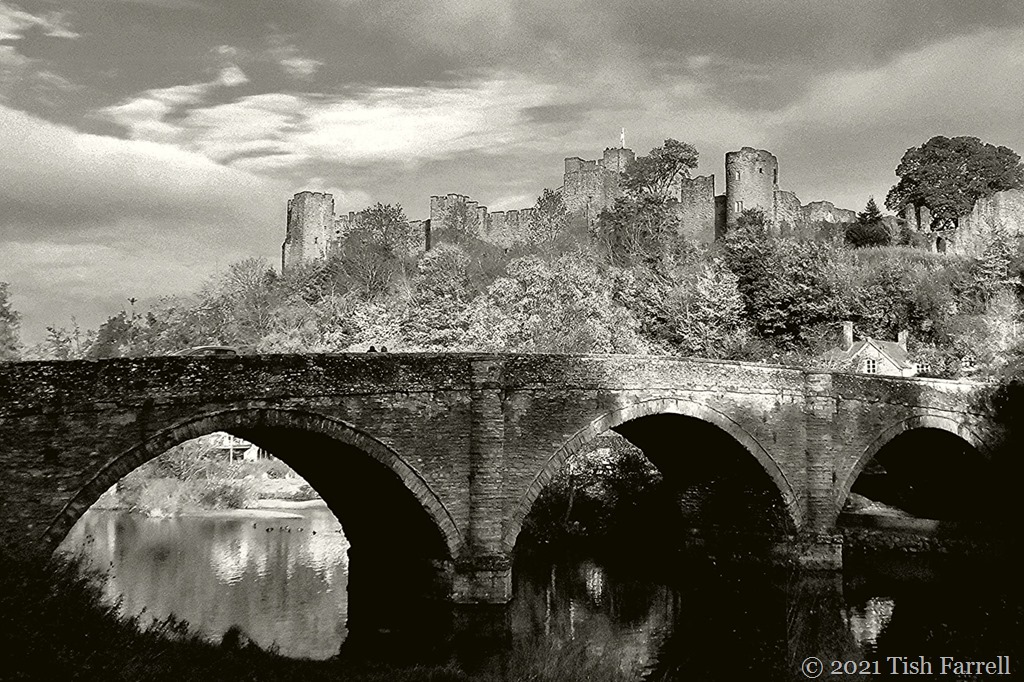
Dinham Bridge in the Shropshire market town of Ludlow is not as old as looks suggest. It was built in 1823 and is sometimes attributed to Thomas Telford, who in earlier decades had been Shropshire’s Surveyor of Public Works. But it seems unlikely that this is one of his bridges; around this time and for several years before he was most often to be found far away in his Scottish homeland, very much taken up with the mammoth enterprise that was the construction of the 60 mile-long Caledonian Canal.

On the other hand, Ludlow Castle, seen here above the bridge, is every bit as old as it looks – over a thousand years old in fact. Work began on the hillside promontory in 1075 and continued over the next hundred years. It was a key defensive position aimed at keeping the nearby rebelling Welsh suitably subdued. The town grew up below its walls from the 12th century onwards, all laid out in the manner typical medieval town planning.

Meanwhile the castle continued to play its part – in the Wars of the Roses, and the English Civil War. It was also the place where, Arthur Tudor, Prince of Wales and Henry VIII’s older brother died in 1502, a circumstance that later had much to answer for. In the November of the preceding year, Arthur and his new bride, Catherine of Aragon, had gone to Ludlow Castle for their honeymoon. They were both 15 years old, and had been betrothed since infancy. You can read more of that story in an earlier post Honeymoon Destination Anyone?

Cee’s Black & White Photo Challenge: bridges

Wheels Within Wheels: Or How To Make A Lot Of Hot Air

IMG_0802

In another life I worked at the Ironbridge Gorge Museum Trust (IGMT). This was back in the days of government funded job-creation projects when these were the only means of beginning a museum career. I did various jobs – education officer, archaeology project supervisor, head cook at the New Inn at the Blists Hill Victorian Village. Fund-raising catering events also featured. I once devised lunch for a thousand Commonwealth University Vice Chancellors, and served apple pie in the Blists Hill  Squatter Cottage to a bunch of bemused Italian Industrial Archaeologists. Then there was the party for the class of Welsh school children in the depths of the Tar Tunnel whither provisions were wheeled in on an old mine truck and we all had to wear hard hats with miner’s lamps, and the poor kids had to tuck into the party food before the dark, dank atmosphere of the tunnel turned the crisps and sausage rolls to mush.
But I digress. This is supposed to be about wheels and a (vaguely) technical explanation of the header photo is called for.

So: back in the early days of IGMT, as in the late 1960s, the putative museum had among its patrons venerable local industrialists, men who were worried that Shropshire’s  industrial heritage would be lost in the van of Dawley (later Telford) New Town development. They had the notion of saving particular technological exemplars and exhibiting them, sculpture park fashion, on one of the Ironbridge Gorge’s abandoned industrial sites. Blists Hill seemed ideal because it was anyway rich in original 18th and 19 century industrial remains: blast furnaces, adits, canal, brickworks, steam-winding engine, and the fabulous inclined plane, (tar tunnel beneath) – all still waiting to be conserved and/or restored.

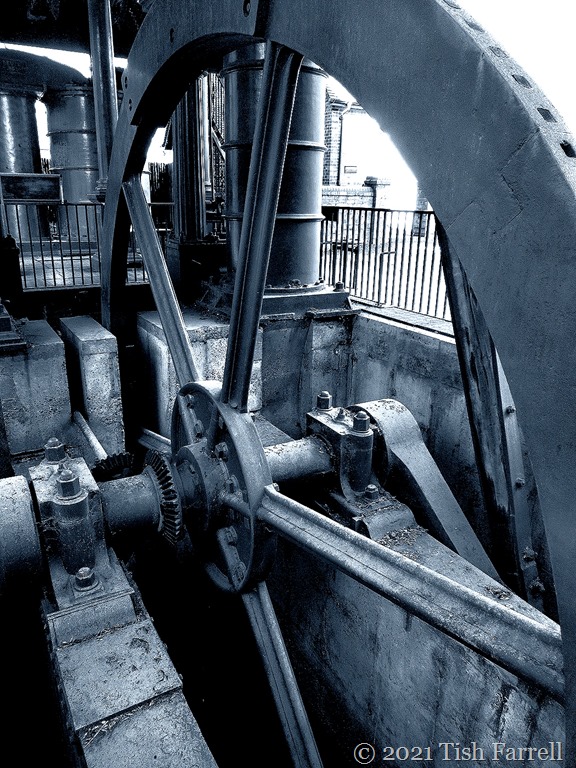
One of the first ‘exhibits’ to be relocated there was David and Sampson, a huge steam powered air blowing machine that from 1851 to 1900 had been deployed to stoke up the heat in four blast furnaces at the nearby Lilleshall Company.

IMG_0801

Unfortunately I don’t have a photo of the two massive beams (obscured here by the protective superstructure) but you can see what they look like at this link. Both beam engines were harnessed to and regulated by a single large flywheel., each connected to a steam cylinder (beside the wheel) and a big air tub (to the rear). Between them, the engines pushed out 12,500 cubic feet of air per minute. As in WHOOSH!

These days, it’s hard to imagine that East Shropshire was once a centre of industry – i.e. from early mediaeval monastic days to the 1960s. The Lilleshall Company that originally commissioned the beam engines from Murdock, Aitken and Co, Glasgow – was active in iron and steel production, coal mining, engineering and brick making over some 150 years, and belongs to the latter phase of Shropshire’s industrial history. (There is more about Murdock, Aitken and Co plus some old photos of beam engines HERE.)

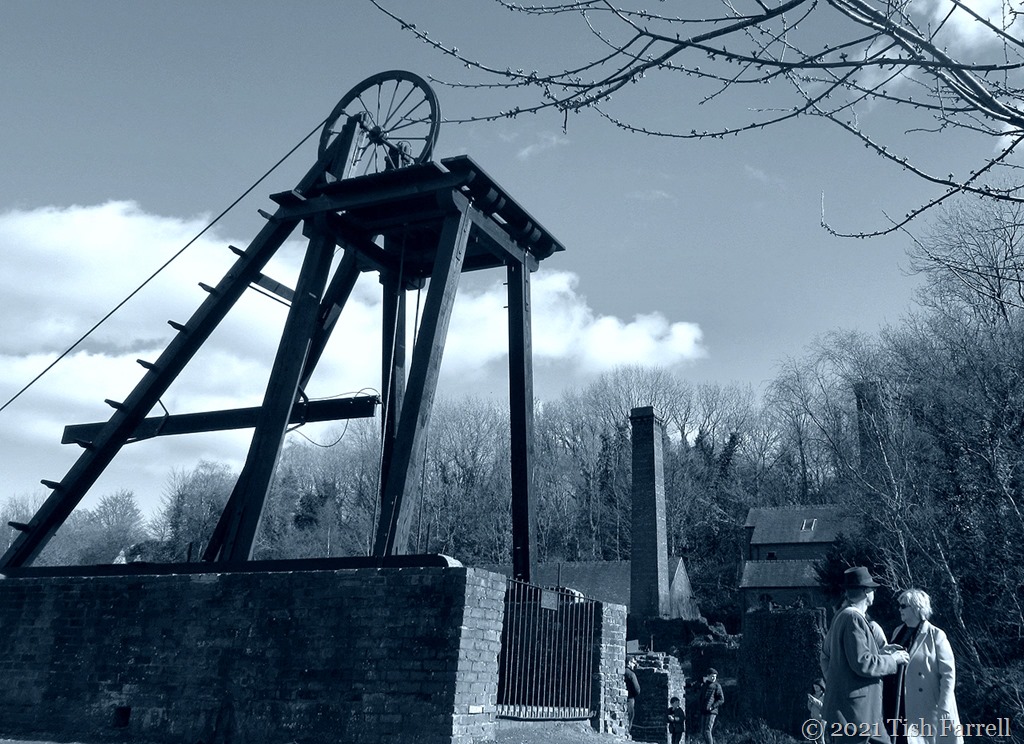
And while we’re at Blists Hill and looking at wheels, here’s the restored pit head of an original 19th century mine, also operated by a very fine (still working) steam engine. The local mines very conveniently produced fire clay, iron ore and coal – just what the industrial entrepreneur ordered.

IMG_0819bw

Blists Hill pit head, and 19th century brickworks ruins behind.

Cee’s Black & White Photo Challenge: wheels

‘Large As Life’ ~ More ‘Vintage’ Africa Scenes

elephants  sepia

Maasai Mara

*

For this week’s Black & White Photo Challenge, Cee asks for things on the large side, which at once had me thinking of big animals; big skies; big landscapes: Africa. And this further prompted the thought of trying a sepia-vintage look with photos from the Farrells’ aging Africa album. To my eye the results look rather like plates from some 1930s book club imprint of travellers’ tales.

Lewa Downs white rhino sepia

Lewa Downs, Northern Kenya: white rhino

*

Lewa Grevys Zebra and Mount Kenya sepia

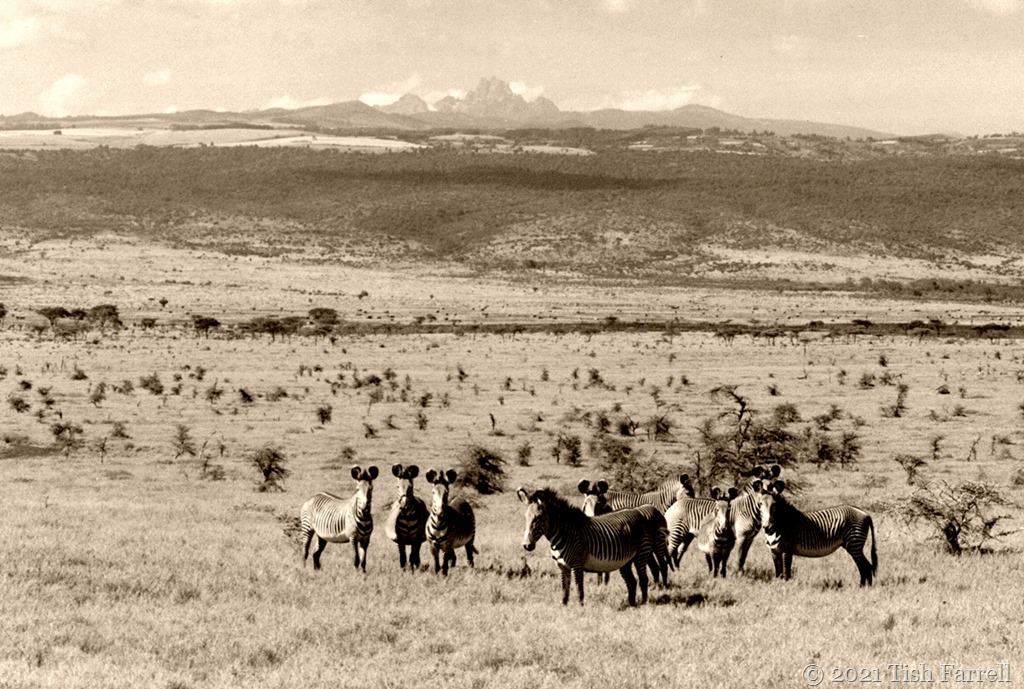
Lewa Downs: Grevy’s zebra with Mount Kenya backdrop

*

Kilimanjaro from Mombasa Highway sepia

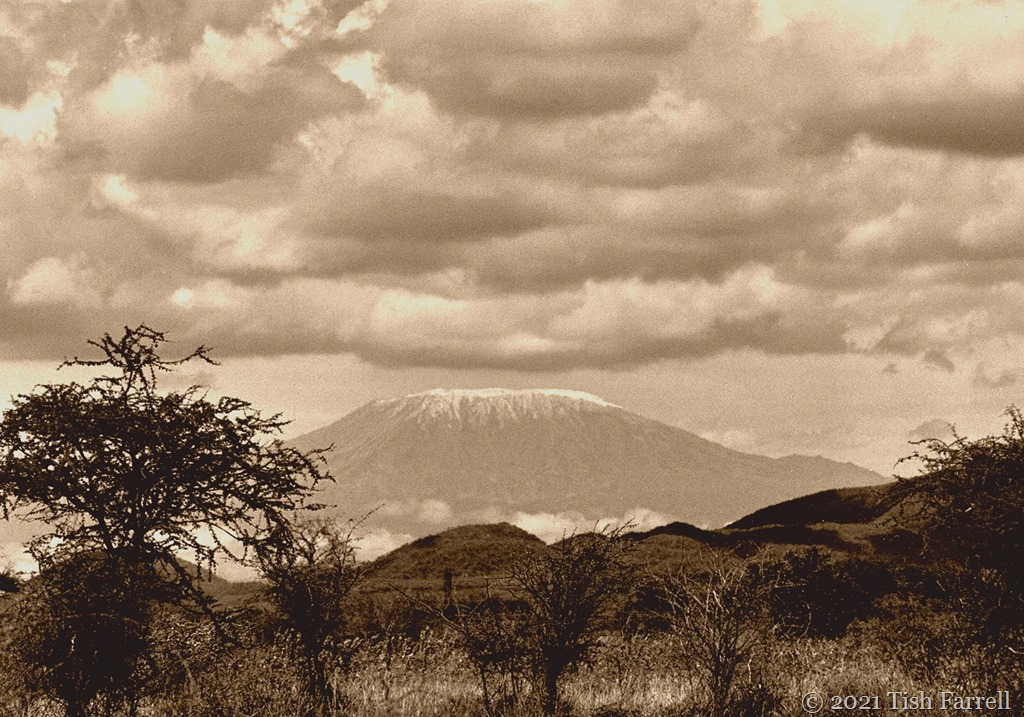
Kilimanjaro revealed one morning on the Mombasa Highway at Kibwezi

*

Scan-140726-0005 (8)se

Maasai Mara Marsh Pride

*

290sep

Olololo Plateau and Thomson’s Gazelle

*

desert date mulului tree 001sepia

Desert Date tree Maasai Mara

*

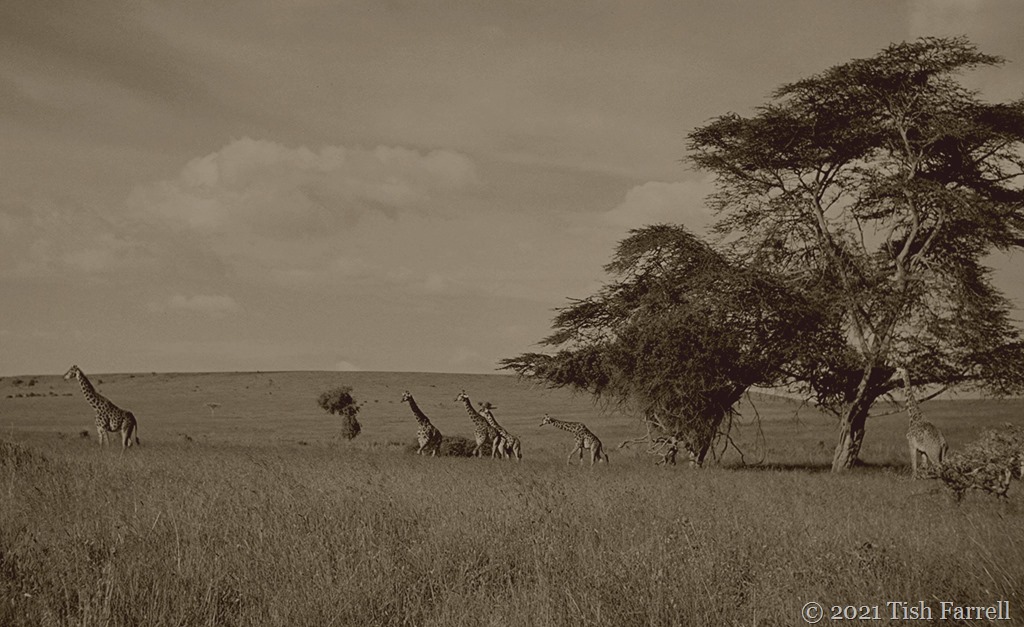
Athi Plains giraffes sepia

Athi Plains Giraffe

*

Cee’s Black & White Photo Challenge: Large subjects

Sky-Rise

100_8787Telford

Telford is Much Wenlock’s closest town, just a few miles away across the River Severn. It’s a new town in fact, begun in the 1960s when its developers laid claim to the brownfield land between the traditional coalfield communities of Wellington, Madeley, Ironbridge, Dawley and Oakengates, places whose inhabitants had played their part in Britain’s industrial revolution from at least the 17th century.

One new-town aim was to provide fresh work opportunities and decent housing for families of the ever-expanding West Midlands (Birmingham-Wolverhampton) conurbations. Another was to revive the old Shropshire coalfield towns and villages, including Ironbridge, which by the 1960s, with their declining local industries, appeared to have lost the will to live. Back then I recall visiting Ironbridge on a school history trip. We peered at the decaying bottle kilns of the Coalport China Works through a jungle of waste-ground weeds and wondered why on earth Miss Price had brought us to such a dreary place.

From the start, then, Telford Development Corporation (TDC) panjandrums had a mission: their new town had heritage. They chose to name it after a man of vision: Thomas Telford 1757-1843, father of modern civil engineering and a man with strong local connections. At the start of his career, after leaving his Scottish homeland, he had been Surveyor and Engineer for Shropshire. He left us many striking landmarks too, including the breath-taking Pontcysyllte Aqueduct.

The ‘new town with a past’ message was not simply a piece of window-dressing. TDC committed huge resources to saving the historic industrial fabric of the coalfield settlements, deploying teams of conservation architects and builders across the district, restoring everything from workers’ cottages and toll houses, to ironworks warehouses and riverside tile factories. It is probably fair to say that without all the new-town investment in conservation, the internationally famous Ironbridge Gorge Museums might never have made it off the starting blocks.

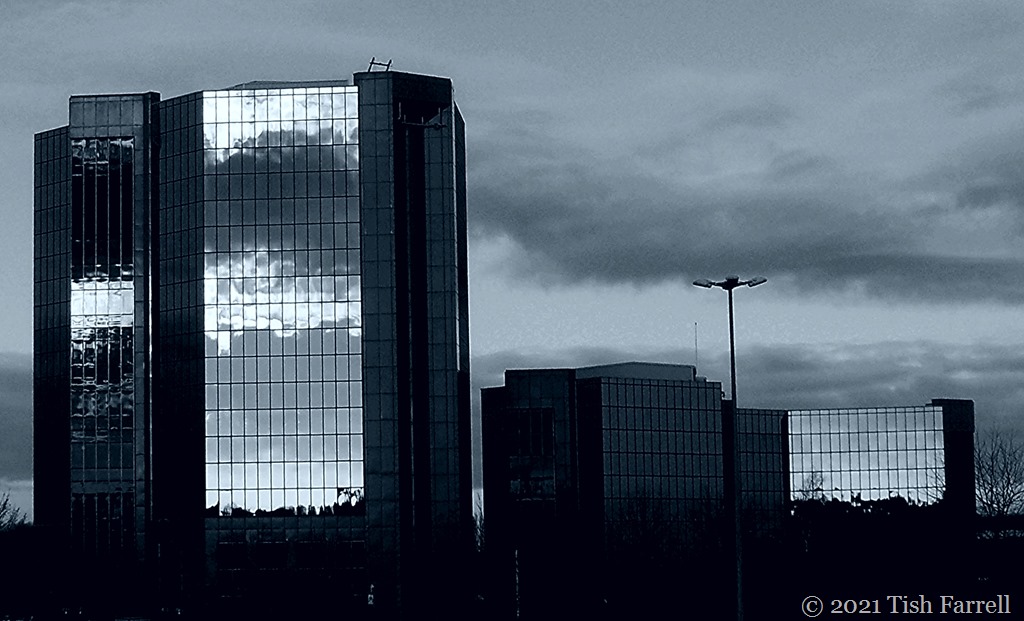
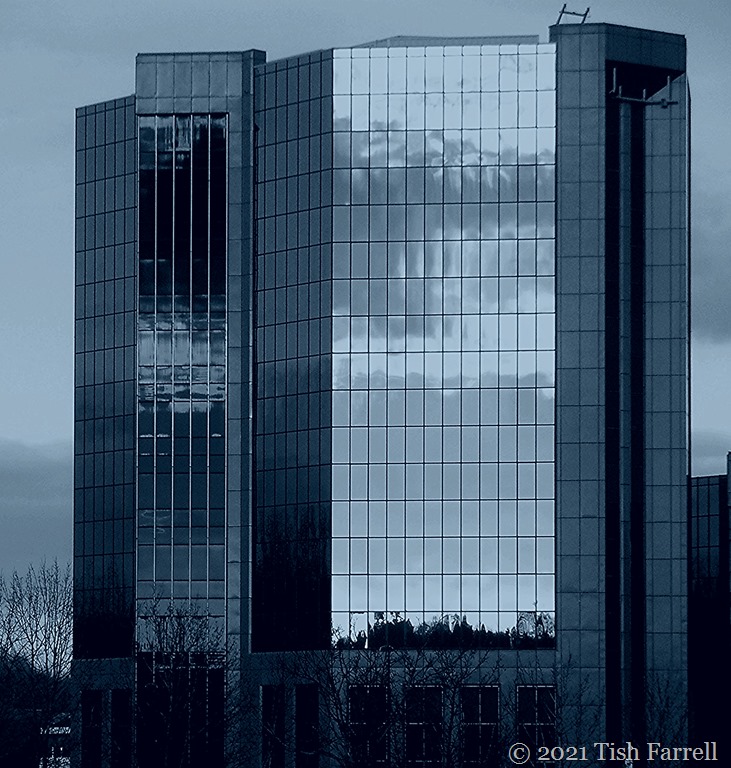
100_8788Telford

This particular high-rise, Darby House, is also a nod to the past. HQ for the Telford and Wrekin Council, it rises above one of town centre’s notoriously numerous traffic islands, and salutes the ingenuity of the Darby ironmasters of Coalbrookdale. (Abraham Darby I invented the means to smelt iron using coke instead of charcoal, and  Abraham Darby III built the world’s first cast iron bridge over the River Severn).

One can’t help but wonder though what Thomas Telford and the Darbys would think of these tributes – the new-fangled new-town architecture, the dizzying, multiplying networks of roads, shops, business parks and housing. But then you could say these were men who started it all; played their part in the pioneering of cast-iron construction which gave rise to the high-rise and more besides.

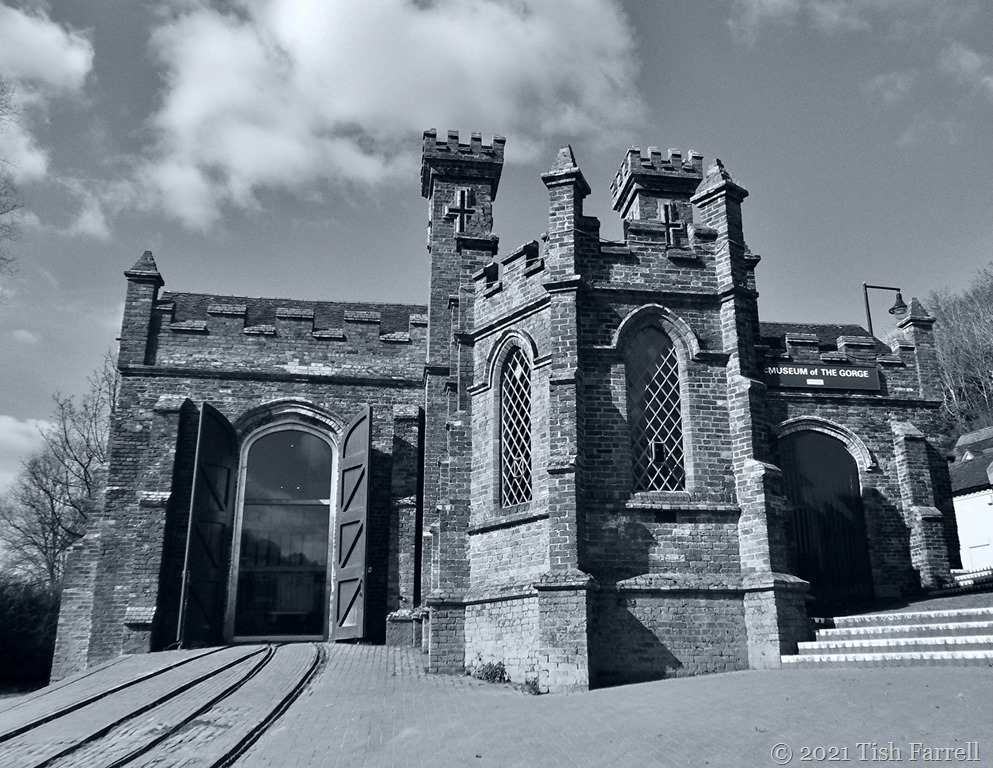
P1000856

Anyway, here, by contrast, is a building that the Coalbrookdale ironmasters considered  ‘just the thing’ in its day. Designed in the Gothic style around 1840, it was the riverside warehouse for the despatch cast iron goods down the River Severn to Bristol. It is also one of the many buildings saved from decay by Telford Development Corporation and now part of the Ironbridge Gorge Museum complex.

*

And finally the Iron Bridge (1779) (restored and owned by English Heritage).

P1000846

For those of us who tend to think the modern more ugly than picturesque and prefer to take comfort in the ‘antique’, it is worth remembering that in its day, this bridge, the manner of its construction, was unthinkable for most people. There it was, replacing the stalwart, heavily buttressed stone bridges that everyone had used for hundreds of years. It literally was ‘the shock of the new’, a daring piece of pioneering technology designed to show off and sell a concept. In this respect then, you could say it has very much in common with the enterprise and entrepreneurial zeal that gave rise to Telford ‘new town’. Surprising or no, the connections are real ones.

Cee’s Black & White Photo Challenge: Buildings

Bright Water, Wild Breakers

sea 8

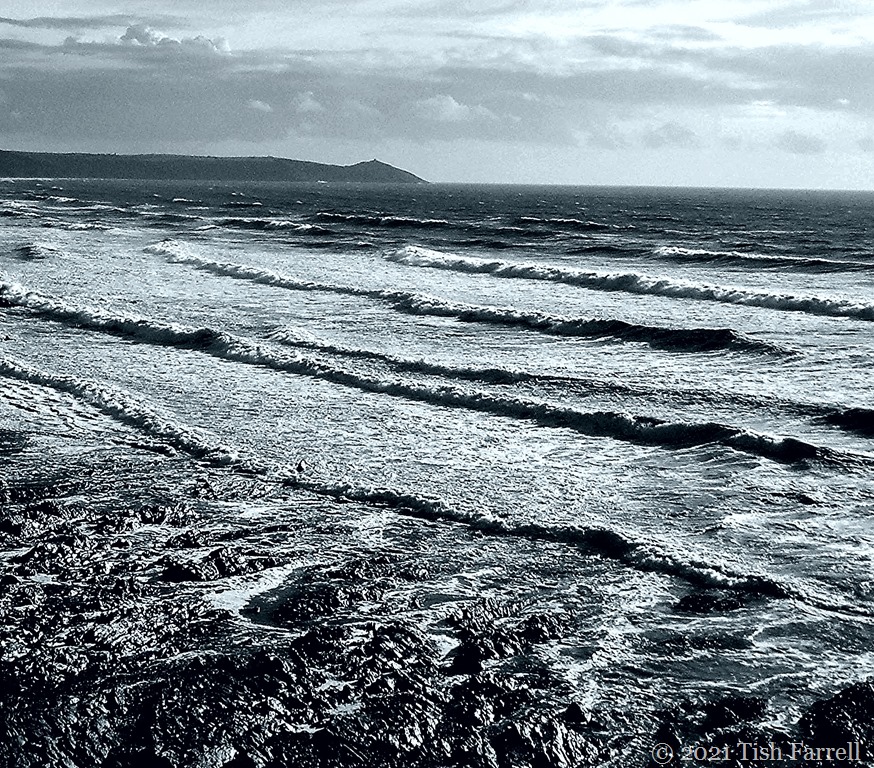
The coast in winter is a special place. When we came to Port Wrinkle beach on a late December morning we found the seascape lived up to its name. From the clifftop at least the incoming tide looked scenically ‘wrinkled’.

sea 9

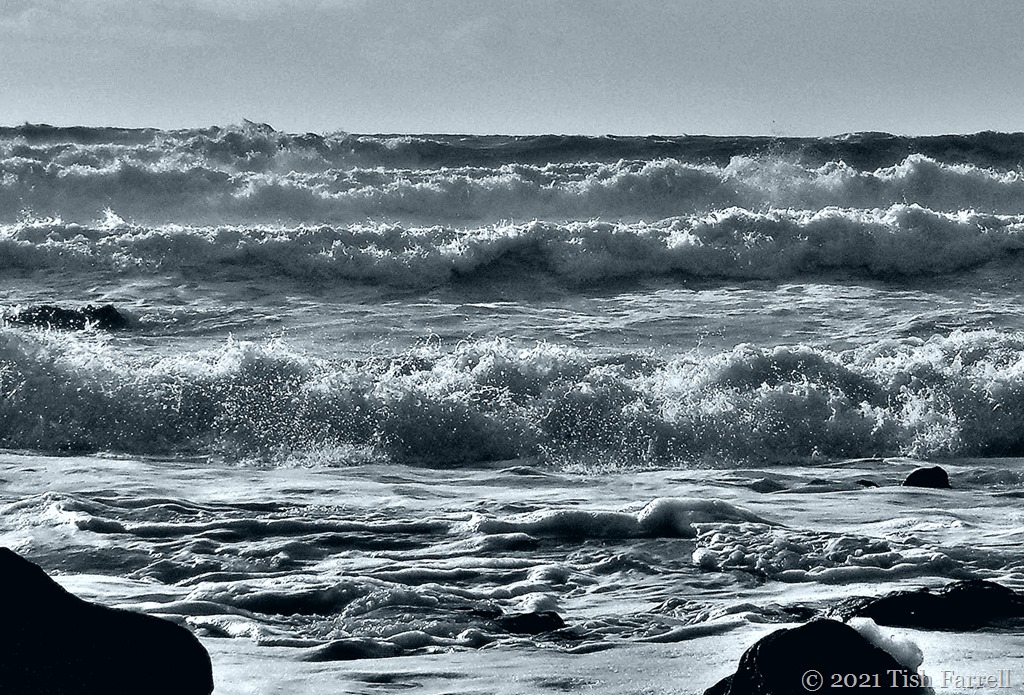
But down on the shore it was another story. Those ‘wrinkles’ reared and unravelled with such force they left you breathless. This was Cornwall where for centuries past communities had depended on the sea, and not only for fish, but for smuggling and the harvesting of washed up cargos from wrecked ships. Soon you were wondering how it would be if life and livelihood meant the daily taking on of such seas. Would you have the heart for it?

You know you wouldn’t. But never mind. We were only there to look. And spectators can afford to be thrilled. And so thrilled we were. Bring on the white horses!

sea 4

sea 3

copyright 2021 Tish Farrell

Cee’s Black & White Photo Challenge: words beginning with B and W

Bright Square #9

High Noon On Brooklyn Bridge

Brooklyn Bridge

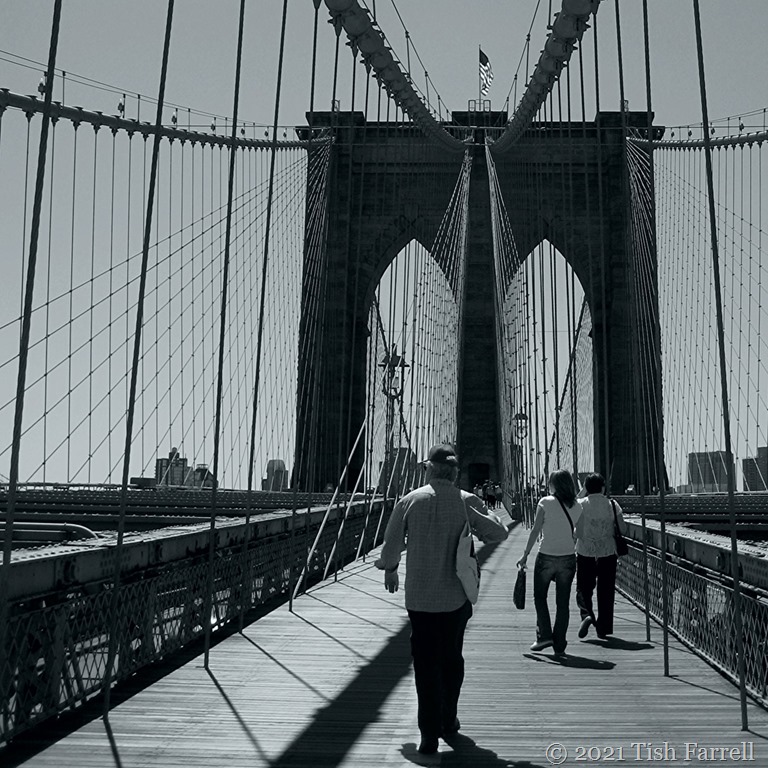
Our early June arrival in New York coincided with a heat wave – 100 degrees F and every degree making its presence felt. We had thought that standing over the East River might have a cooling effect, but it didn’t. And so we did not bother to exert the energy required to cross the bridge to Brooklyn, only went midway then retraced our steps. Our New York-born friends were astonished when we told them. ‘You mean you didn’t cross the Brooklyn Bridge? You only walked half way?’ ‘Yep. Too hot.’ There were disbelieving looks. But then there was a stunning view of downtown Manhattan coming back.

IMG_0328

Cee’s Black & White Photo Challenge: triangles, diamonds, squares