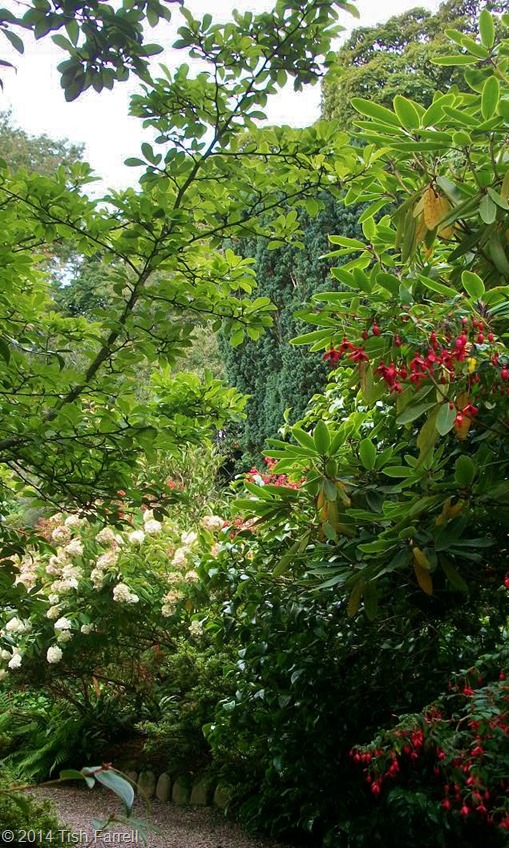
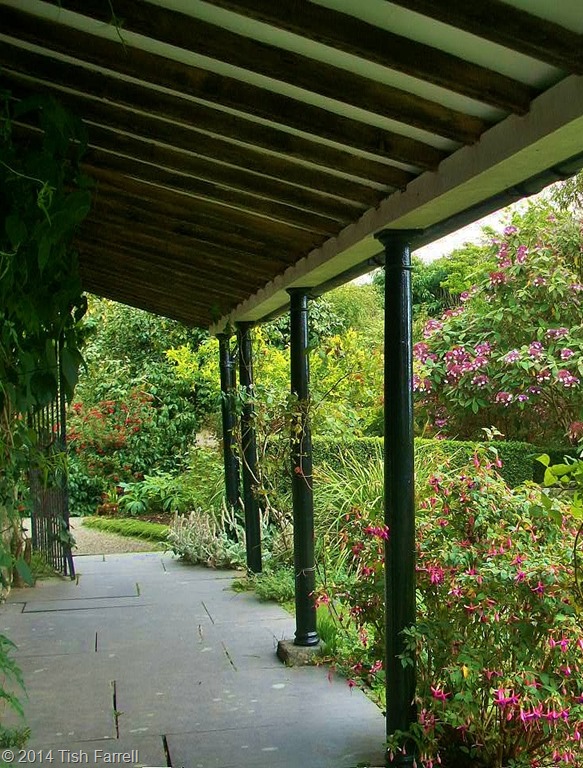
Surely Plas yn Rhiw is too lovely a place for visions of Hell? The ancient Welsh domain on the road to Aberdaron has a benign and slumbering air; here are gentle and delicate spirits.And it is not simply in the subtle shapes of the garden’s planting or the soft hues and scents of fading flowers;
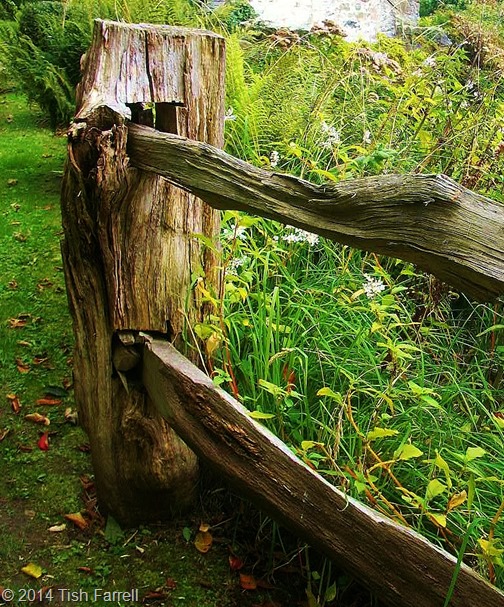
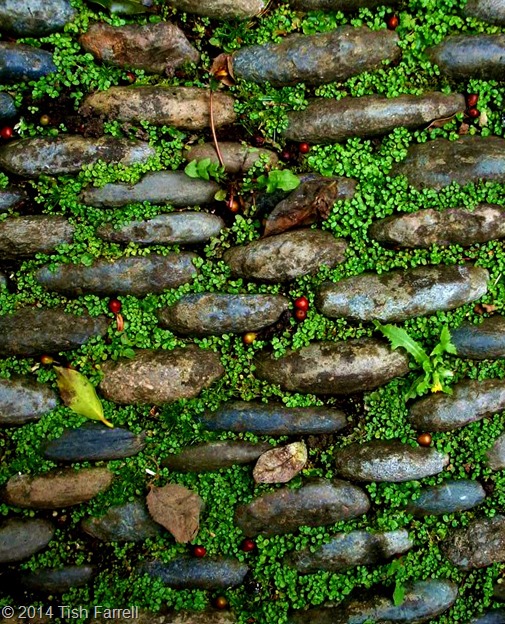
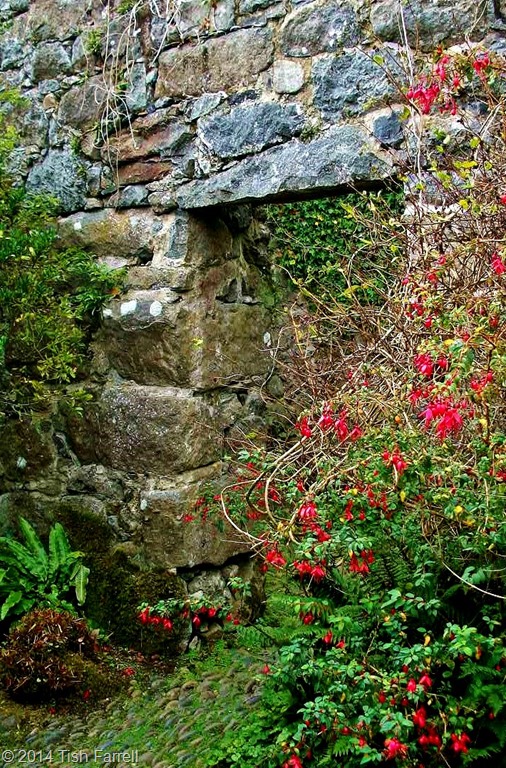
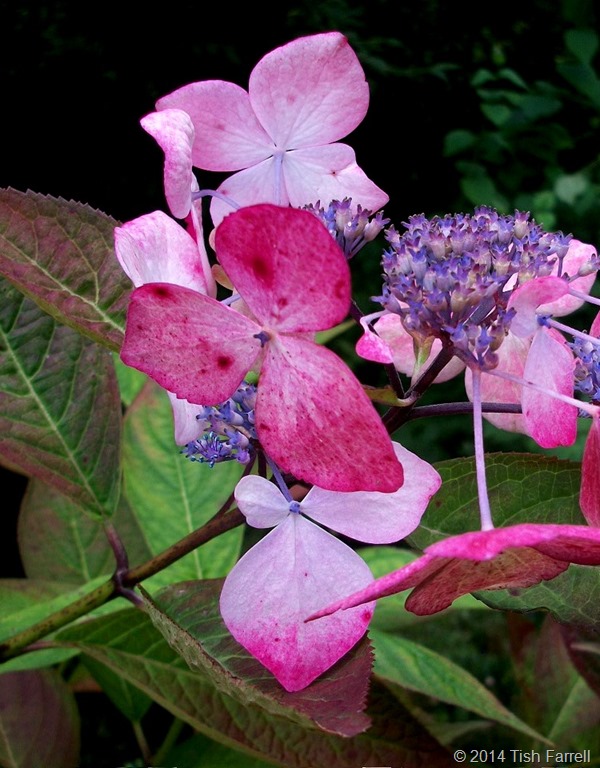
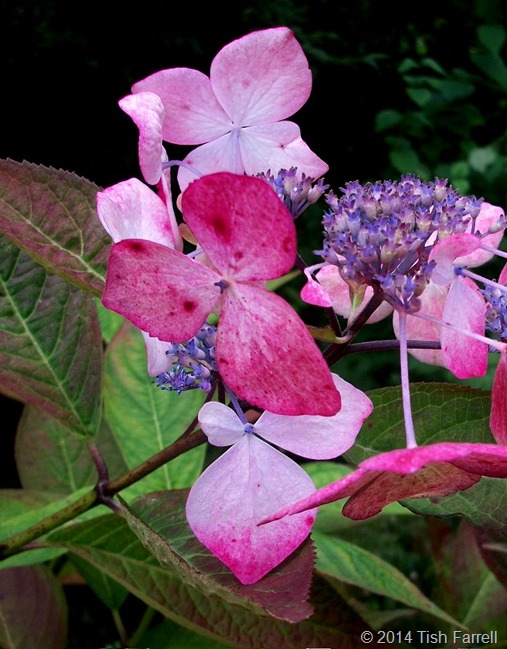
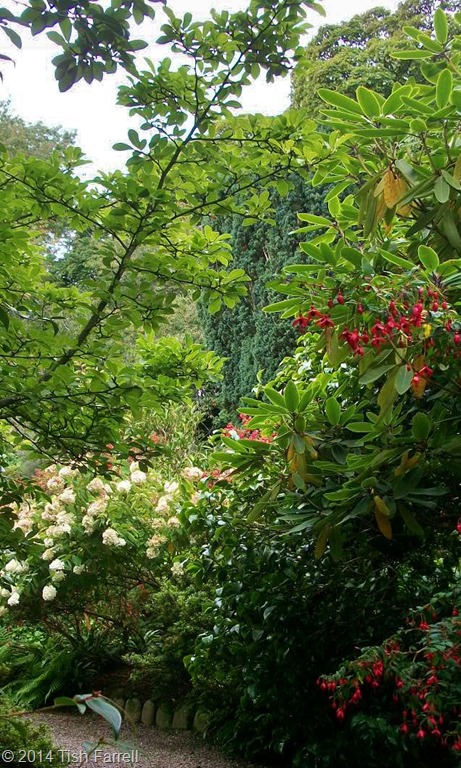
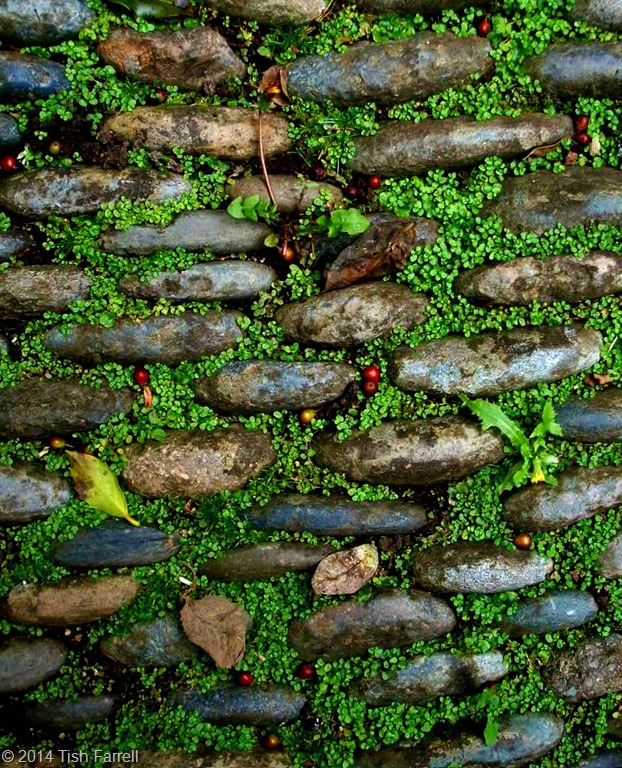
or in the cobbled paths and woodland walks where wild strawberries and ferns grow alongside fuchsias and hydrangeas;
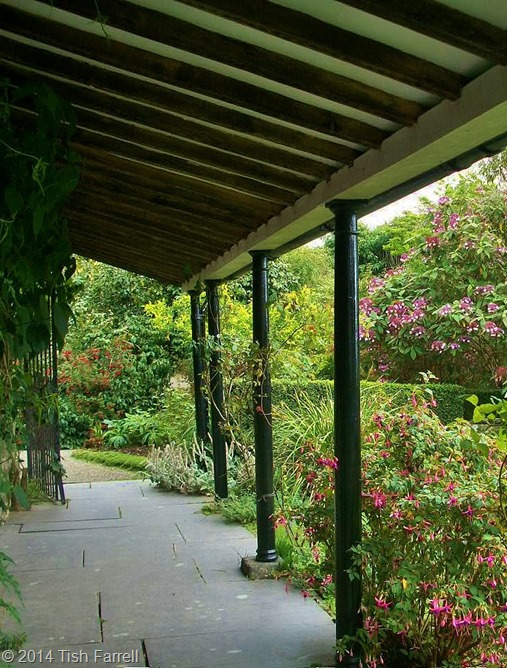
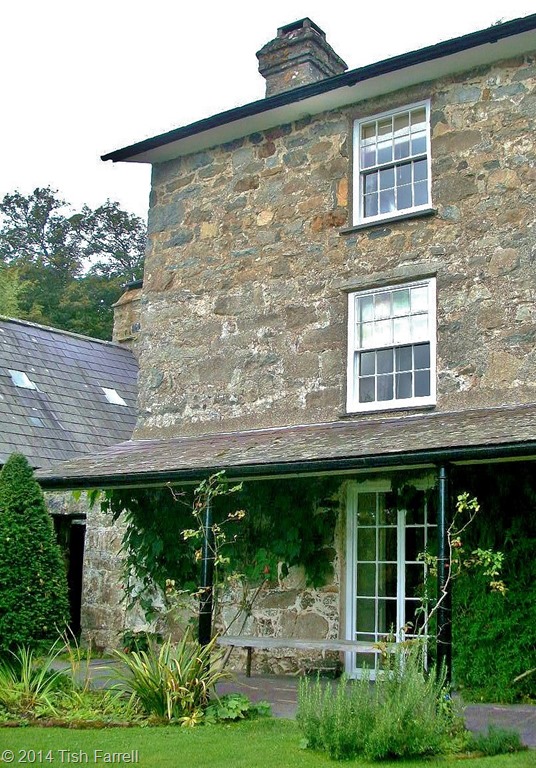
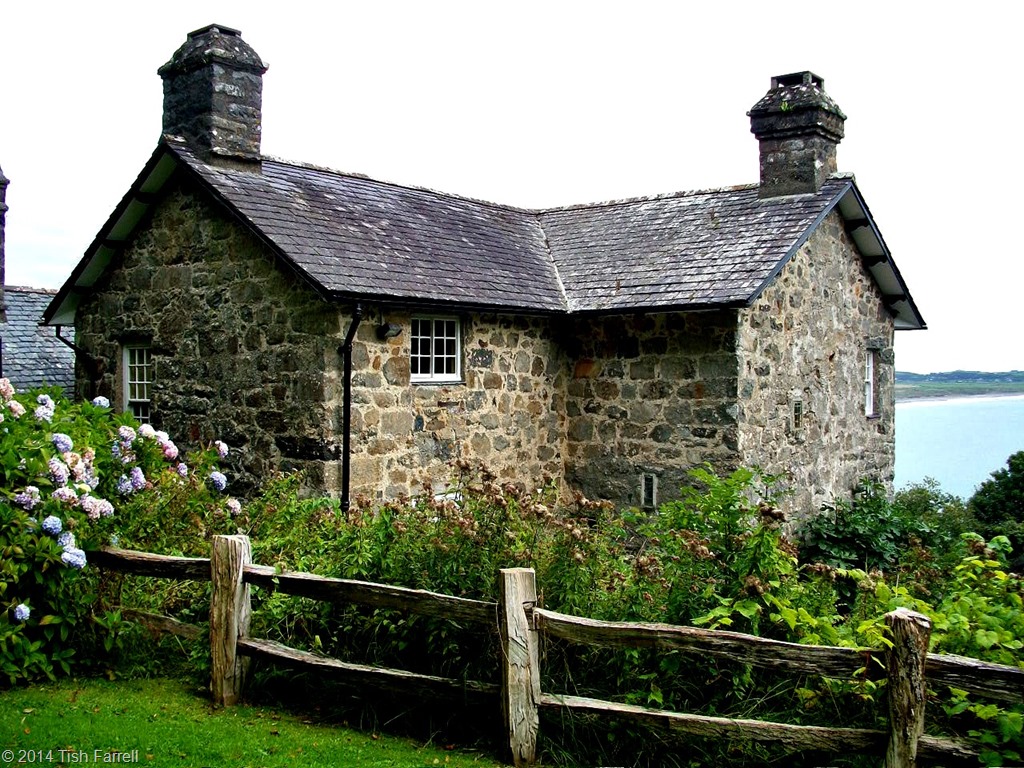
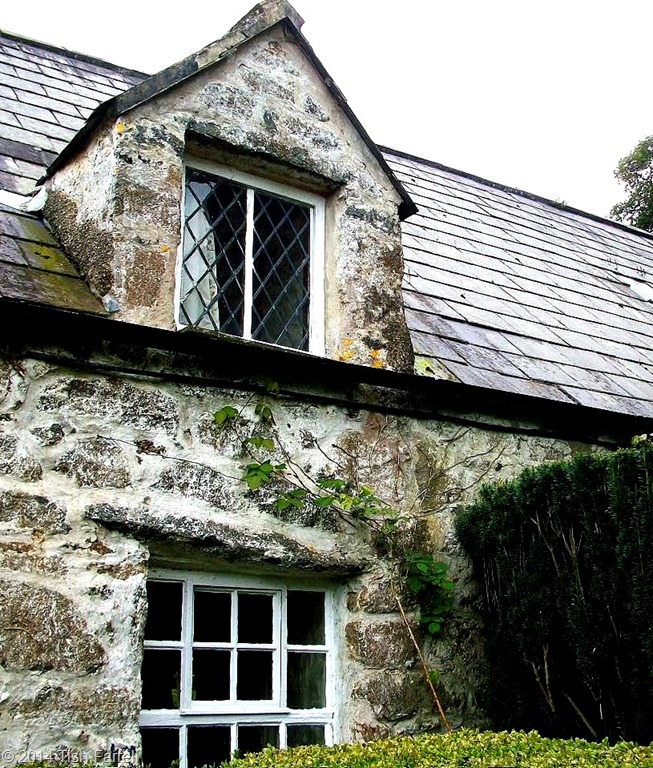
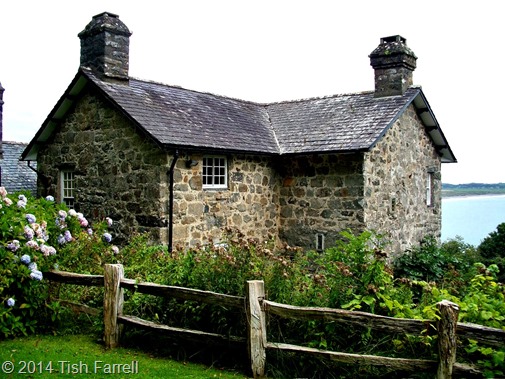
or in the fabric of this old, old house whose stones reflect the end-of-summer sky and the steely blue-greys of the sea below.
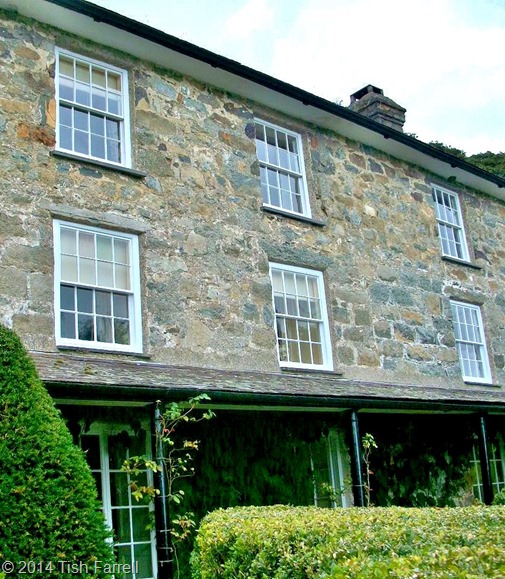
Even the air around the house feels strangely soft. It is the kind of late September softness that makes you want to lie down in the grass and dream for days and years, listening only to insect hum and the chatter of sparrows. The setting anyway is blissful; all enclosed by woodland at the foot of Mynyth Rhiw Mountain, and embraced by the seeming sheltering curve of Hell’s Mouth Bay (Porth Neigwl). So now you have it, an inkling that the tranquil surface overlays some deeper, darker currents.
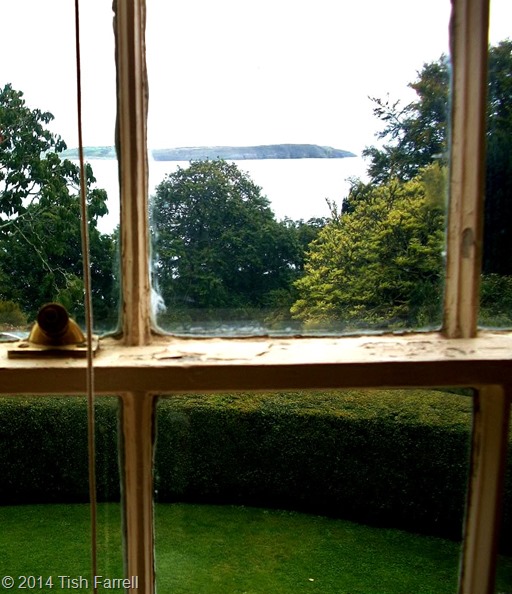
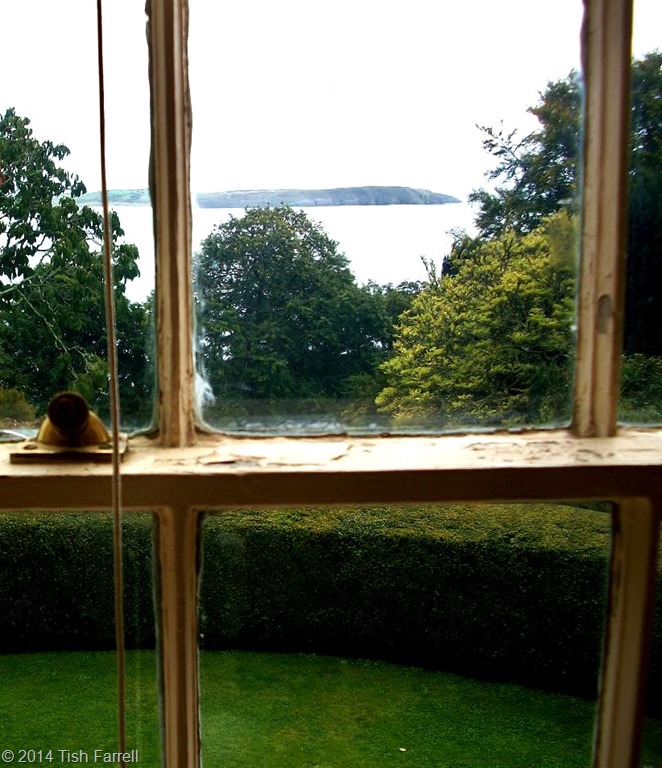
Hell’s Mouth lies on the southerly tip of Llyn Peninsula, overlooking the broader sweep of Cardigan Bay. The calm view from Plas yn Rhiw is transfixing. How can it have such a name? Yet watch this space and see a different scene. For when the south westerly gales come roaring in, this bay becomes a death trap. Over the years it is said that some thirty ships have been run aground, their holdfast anchors dragging before the driving storm. Wrecks include the Transit that foundered with a cargo of cotton in 1839. In 1840 it was the Arfestone carrying gold. An Australian ship was lost there in 1865, and in 1909 the sailing ship Laura Griffith was wrecked. And there is more.
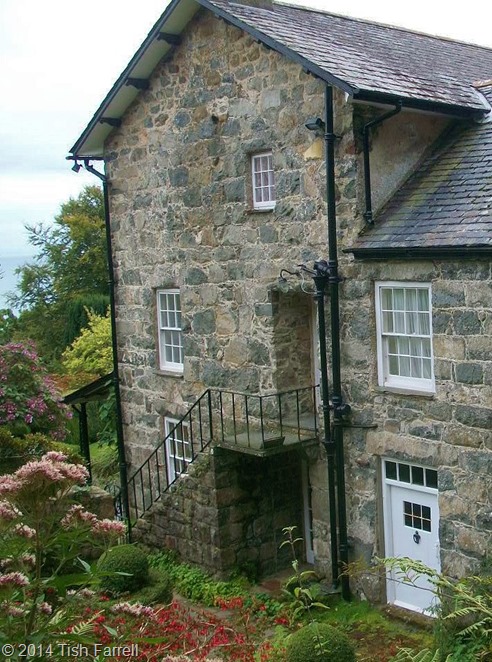
Reel back to the 8-900s AD and Llyn was the scene of bloody raids. At this time the Vikings occupied coastal Ireland across the bay. Llyn was then part of the Welsh Kingdom of Gwynedd and Powys and its prominent position made it seem an easy target from over the Irish Sea. The Welsh, under Rhodri Mawr (Rhodri the Great 844-878 AD) fought valiantly to keep the raiders at bay, although accounts of the time attest to their terrifying attacks. But whatever the truth, the sight of a raiding party, sixty five ships strong, and coming fast into the bay must have truly chilled the blood. By the 10th century Llyn was still holding its own against Viking incursion, but only through constant vigilance. And this is where Plas yn Rhiw comes in. Local history has it that Meirion Goch, great-grandson of Rhodri Mawr, was instructed to build a fortified house at Rhiw and hold the coast against invasion. It is also thought that this stronghold occupied the site of the present house, although no provable traces have been yet been found. The descendants from this royal dynasty appear then to have occupied Plas yn Rhiw for the next thousand years, eventually adopting, in the English fashion, the surname Lewis. ![IrishSeaReliefmap[1] (2)](https://tishfarrell.com/wp-content/uploads/2014/06/irishseareliefmap1-2_thumb.png?w=386&h=480 "IrishSeaReliefmap[1] (2)") The Llyn Peninsula is the finger of land above Cardigan Bay. Hell’s Mouth is due north of the ‘d’ in Cardigan. The port of Dublin in Ireland was founded by the Vikings, along with other coastal towns that they used as raiding bases. (Map: Creative Commons).
The Llyn Peninsula is the finger of land above Cardigan Bay. Hell’s Mouth is due north of the ‘d’ in Cardigan. The port of Dublin in Ireland was founded by the Vikings, along with other coastal towns that they used as raiding bases. (Map: Creative Commons).
*
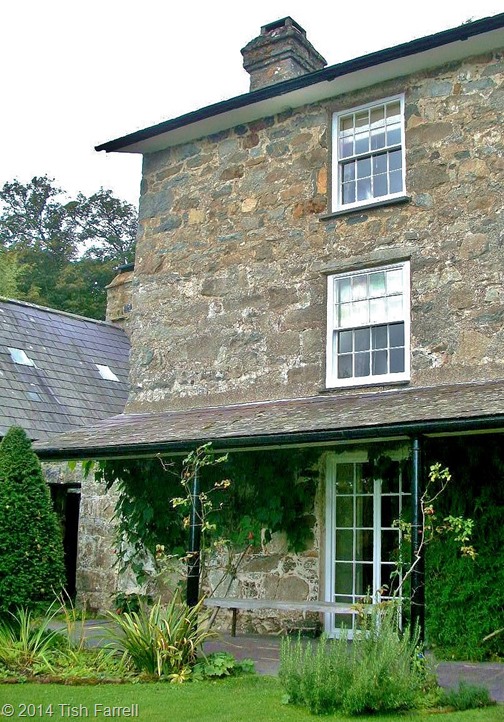
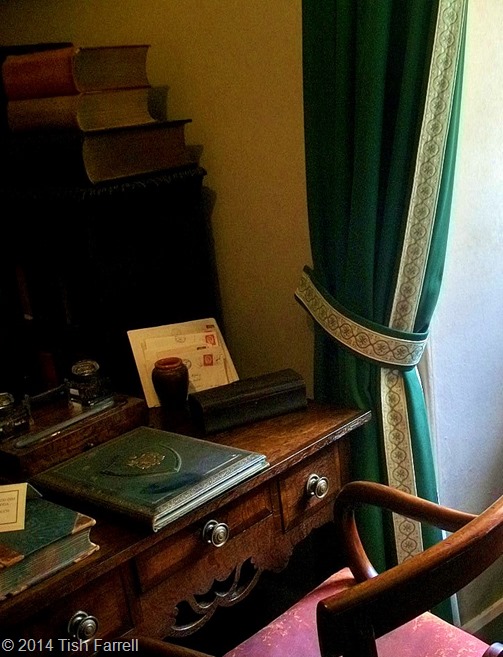
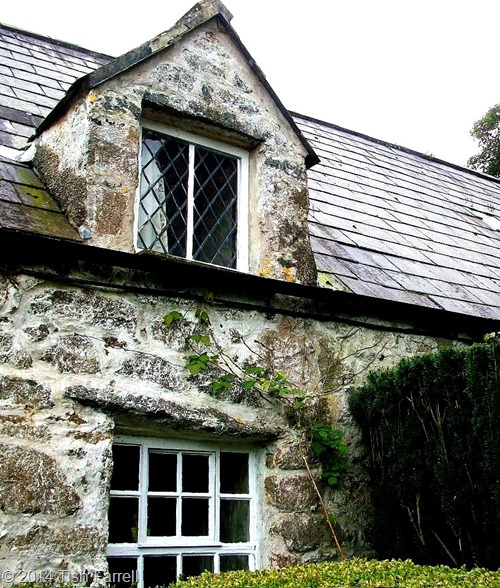
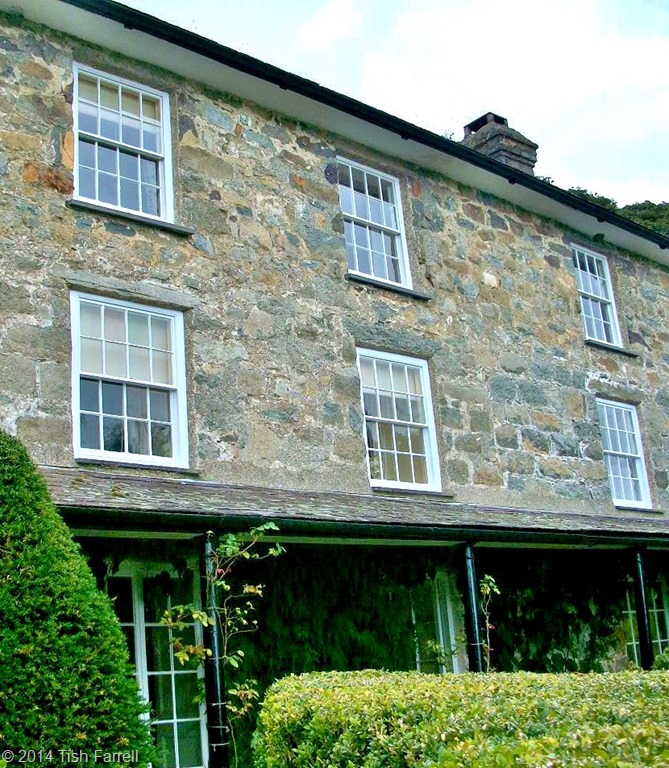
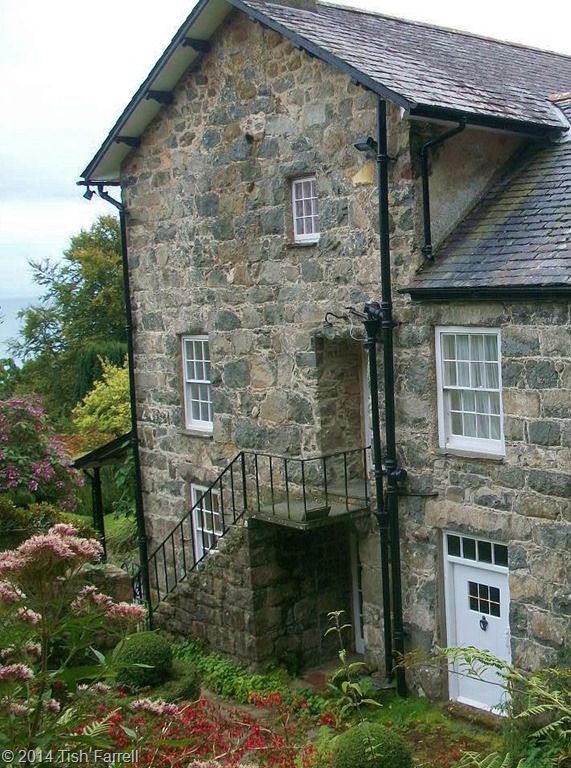
The house we see today, then, has its own stories – cycles of re-building, abandonment, decay, renewal. Now , as a National Trust property, it is frozen in time; as if its last elderly inhabitants, the Keating sisters, have simply popped out to the shops and left you to gaze upon their hats and gloves, and recently received letters. But more of these sisters in moment. First a quick history of the house. The lintel over the French window is carved with the date 1634, which probably marks the re-modelling of an existing medieval house by the then owner John Lewis. In 1820 the house was further extended and the grand Georgian facade and a further storey added. But in 1874 the long connection with the Lewis family ended and the house was sold for the first time in its existence. The new owner then let it to a succession of tenants, and it was possibly one of these, Lady Strickland, who created the gardens. She apparently also introduced the first bath tub to the district. And there is a tale of a ghostly visitation during her tenancy – a drunken squire roaming the house in search of a drink (lost spirits perhaps?). But by 1938, when the house was once more for sale, it was in a sad state of repair. The nearby millstream had left its bed and was running through the hall, rotting the staircase, brambles blocked the front door and the garden was a jungle. Enter the saviours, Welsh conservationist and architect, Clough Williams-Ellis (creator of Portmeirion ) and his friends the Keating sisters.
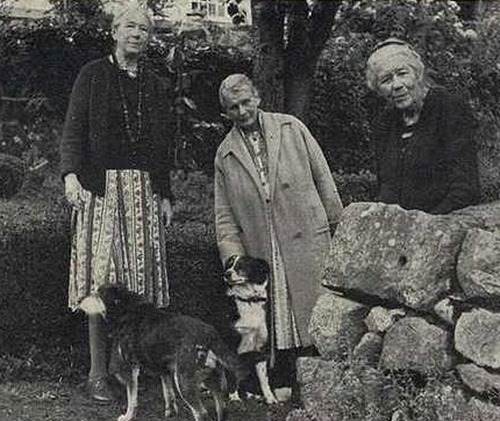
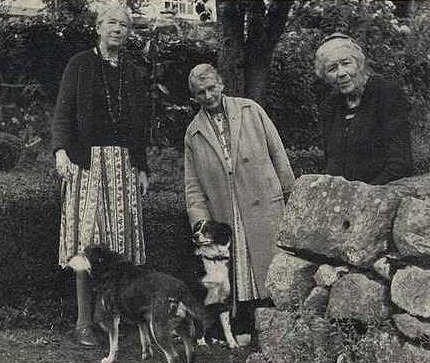
In this newspaper photo of 1960 (www.rhiw.com/) we see Eileen, Lorna and Honora Keating at Plas yn Rhiw. It is down to them that Llyn does not have a nuclear power station. They bought up coastal land to prevent it, and than gave the land to the National Trust. They also opposed overhead power lines and caravan parks, and in 1939 Honora received an OBE for her work for the National Council for Maternity and Child Welfare. They were the daughters of a Nottingham architect who was killed in a traffic accident when they were small. Their 32-year old mother Constance was left to bring them up, and she ensured, among other things, that they received a good education. Every year from 1904 the family spent their summers in Rhiw. In 1919 they bought a cottage above Hell’s Mouth, and it was from here that they first saw Plas yn Rhiw. In 1934, after Constance became an invalid, the sisters settled permanently with her in Rhiw. There are tales of them shunting mother around the locality in a wheeled bed. By this time Plas yn Rhiw was abandoned, and although there were hopes of saving it, the owner could not be found. Then in 1938 a FOR SALE notice went up. Six hundred pounds was the asking price, and it was Clough Williams-Ellis who alerted Honora. He sent her a telegram: “Will you invest savings Plas”. She replied: “Yes, but haven’t got much.”
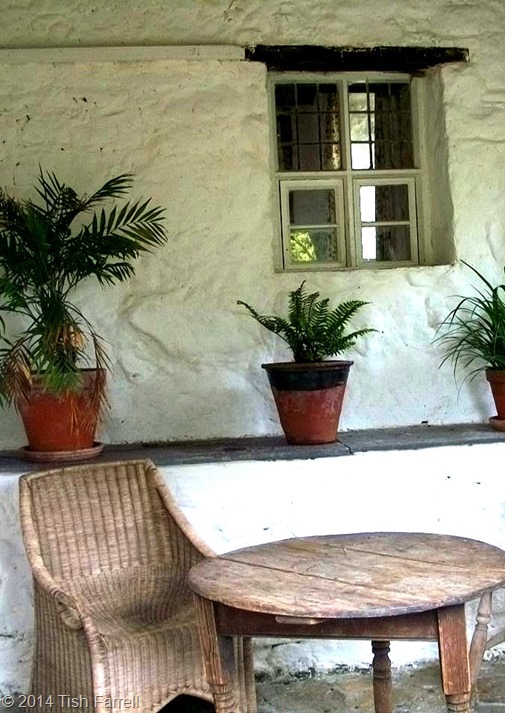
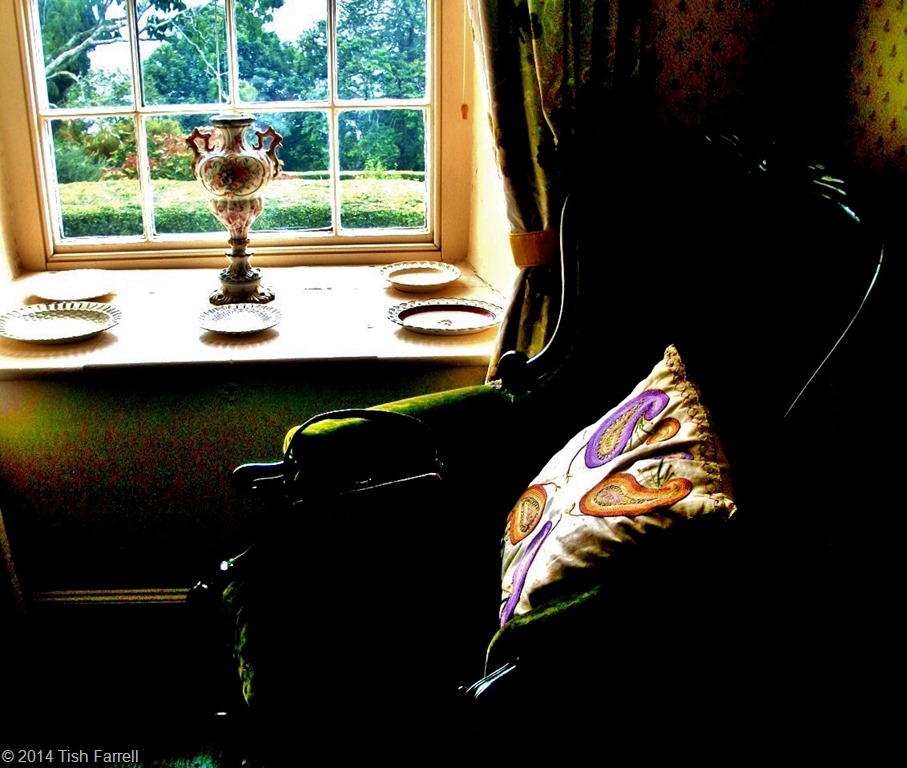
The sisters bought the house, along with 58 acres of land that were all that remained of the original estate. With Clough Williams-Ellis to help and advise, the restoration began, and the following year the Keatings moved into the house. They then set about buying back the estate’s former land, which they gave to the National Trust in 1946 in memory of their parents. The house was donated in 1952, although the sisters lived there for the rest of their lives, the last and youngest sister, Honora, dying in 1981. Inside, the house has no pretensions to grandeur, although it is filled with personal treasures – everything from fine Meissen figures to the cottage vernacular of a Welsh spinning wheel. Along with the family portraits and antique furniture are paintings by Honora who studied at the Slade, and also works by M E Eldridge, the often overlooked artist wife of the poet R S Thomas. (When Thomas retired from being parish priest at nearby Aberdaron, the Keatings leased to him Sarn Rhiw, a stone cottage in the grounds below the house).
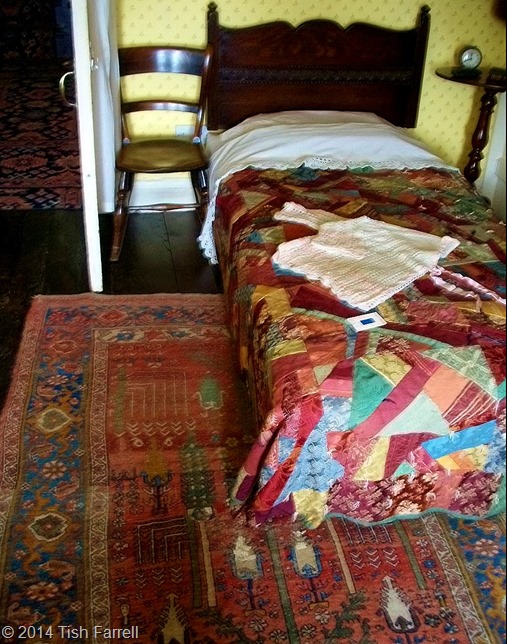
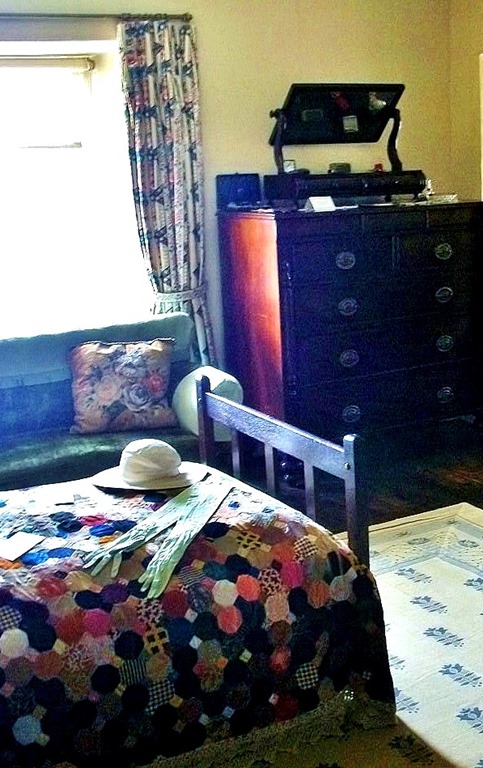
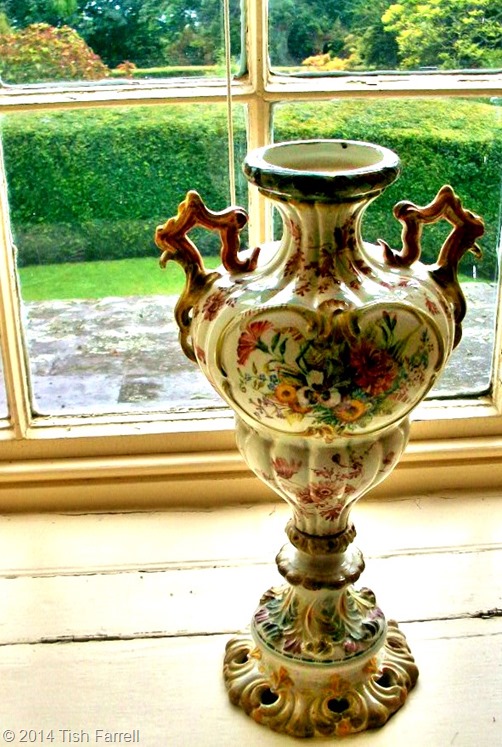
The Yellow Bedroom
*
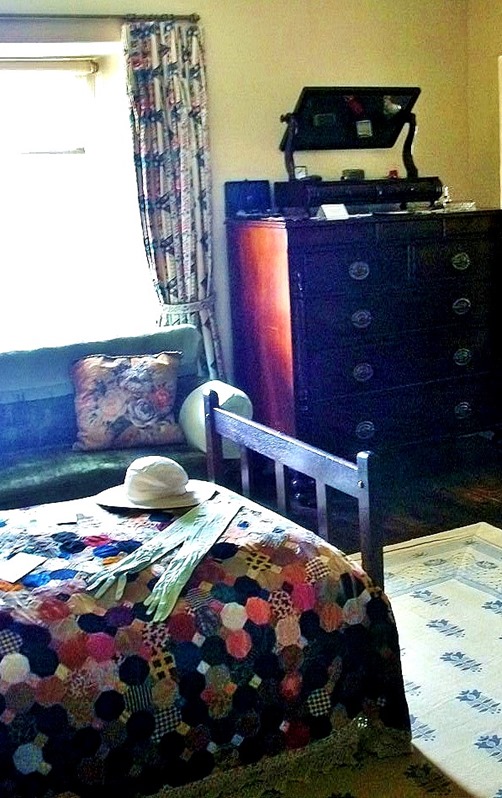
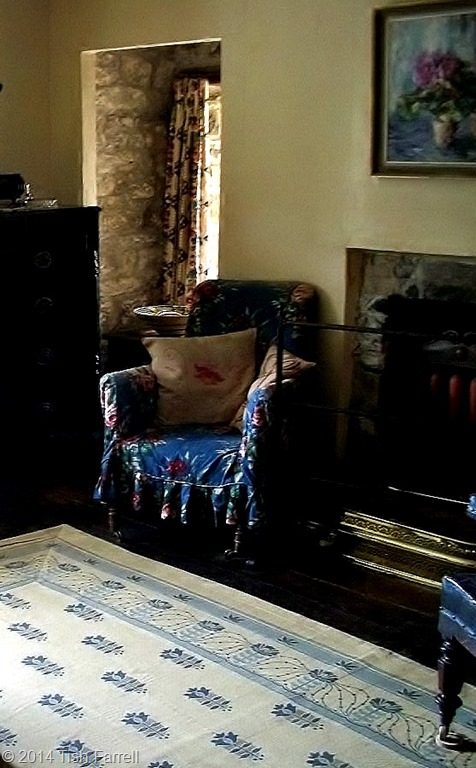
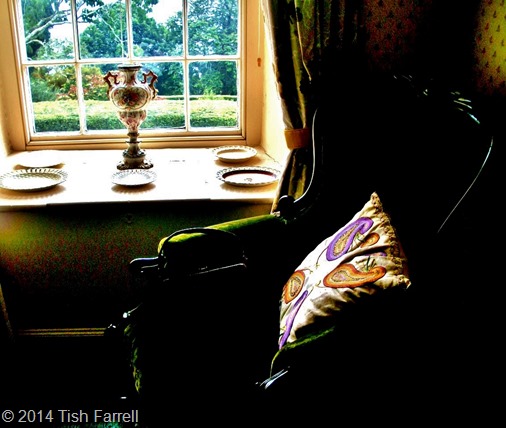
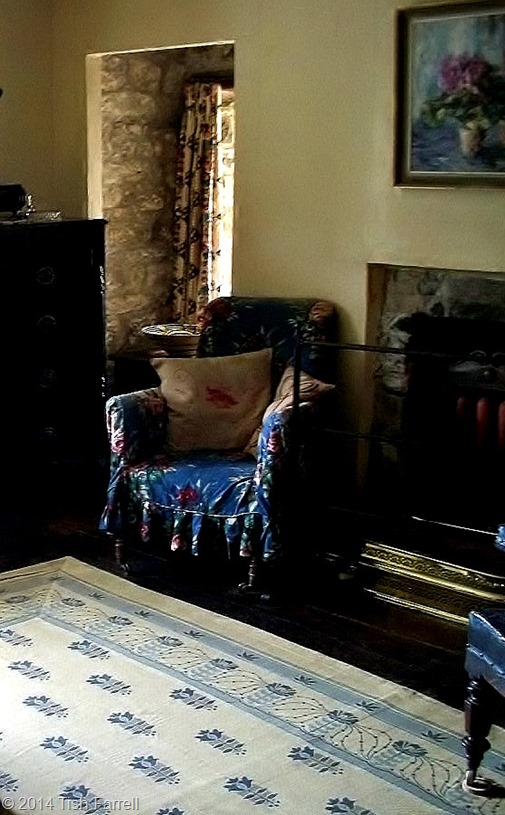
Honora’s room – alongside the Victoriana there is in the fireplace a c.1916 Royal Ediswan electric fire which operated by means of 250-watt bulbs. Beside the bed is an early Pifco Teasmaid.
*
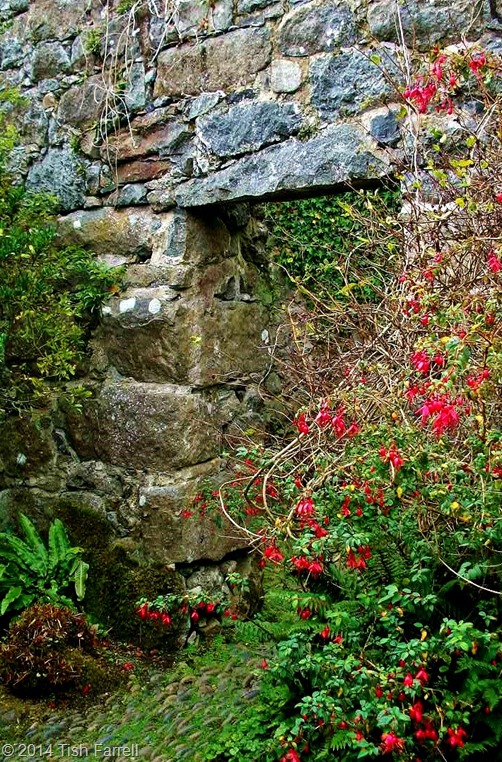
Today the National Trust is continuing to restore the house while staying true to the Keating sisters’ aesthetic sensibilities and conservation principles. The garden has its striking seasons: carpets of wild snowdrops along the woodland walks in winter, a magnificently flowering Magnolia mollicomata in spring, the early summer azaleas, the September cascades of crimson magnolia fruits and fuchsias. So perhaps the final words should be left to Clough Williams-Ellis. In a letter that now hangs framed in the hall, he writes to the sisters: “In these serene spring days your little kingdom must be heavenly indeed.”
Related: Arch Wizard of Wales: Clough Williams-Ellis Bright Fields on Llyn Warrior Wind-Singer of Llyn Post inspired by Sue Llewellyn’s A Word A Week: Delicate








![IrishSeaReliefmap[1] (2)](https://tishfarrell.com/wp-content/uploads/2014/06/irishseareliefmap1-2.png "IrishSeaReliefmap[1] (2)")