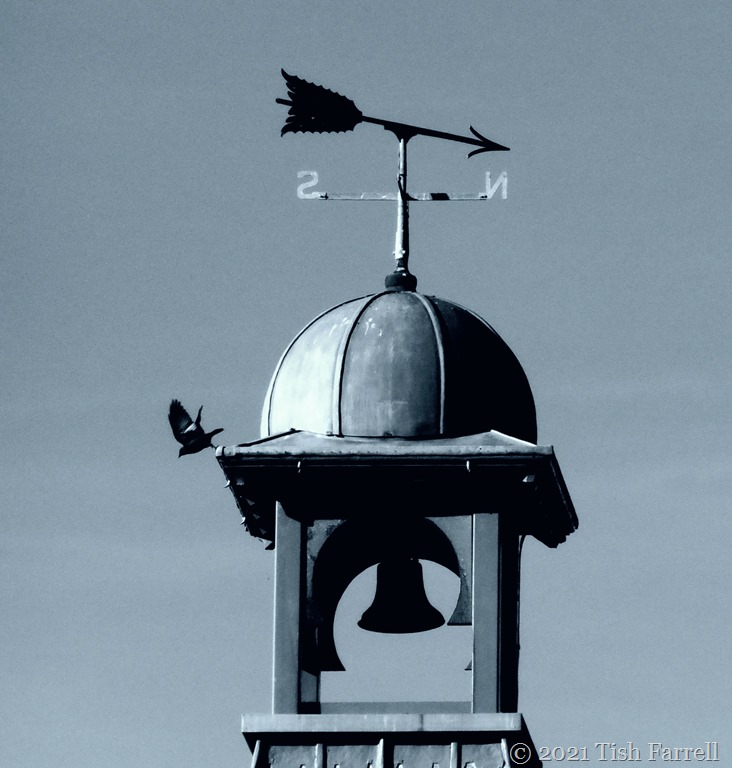
Today on her black-and-white challenge Cee says show her anything to do with flight, so this photo seems to hit the mark: two-in-one I’d say. The tumbling jackdaw was snapped a couple of springs ago at St. Bride’s Castle, Pembrokeshire.
Today on her black-and-white challenge Cee says show her anything to do with flight, so this photo seems to hit the mark: two-in-one I’d say. The tumbling jackdaw was snapped a couple of springs ago at St. Bride’s Castle, Pembrokeshire.
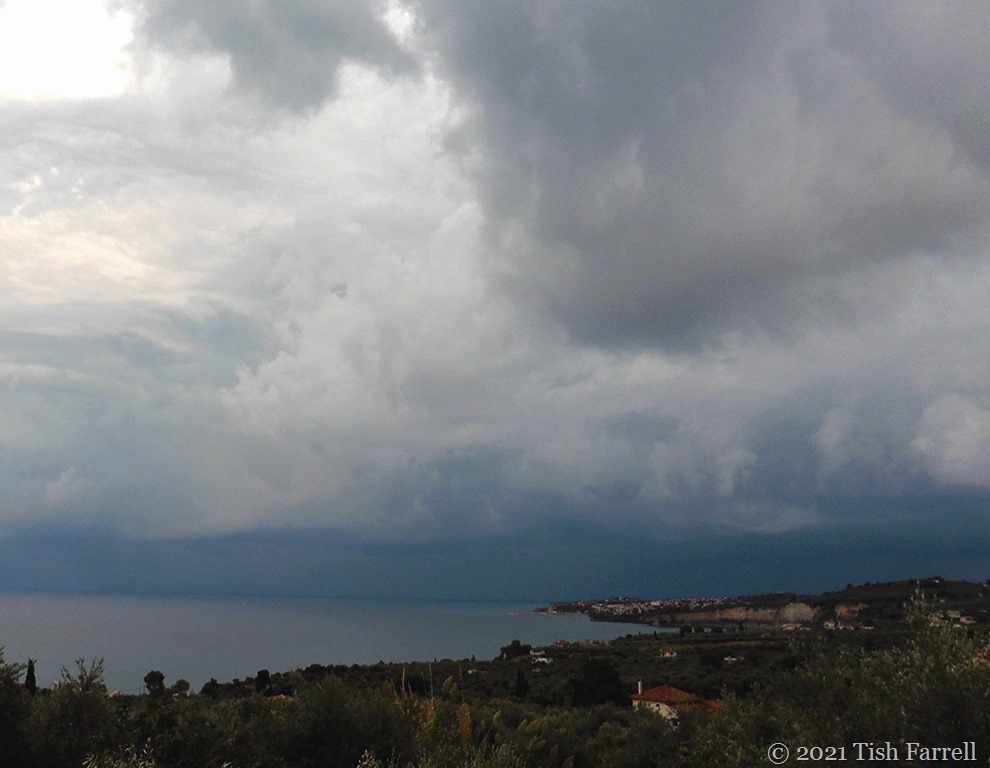
Summer left on our first day in Greece. We might have woken to hot and dazzling sunshine, but by lunchtime the storm clouds were building over the strait. And then came the deluge, torrenting off the pantiles on our cottage roof. Maria, the cottage owner, said it was the first rain in months and after the broiling summer (that we’d only just missed) the olive groves and vineyards were desperate for a good watering. So it was hard to feel too hard-done-by as, before our eyes, the parched Kalamata land sucked up the downpour.
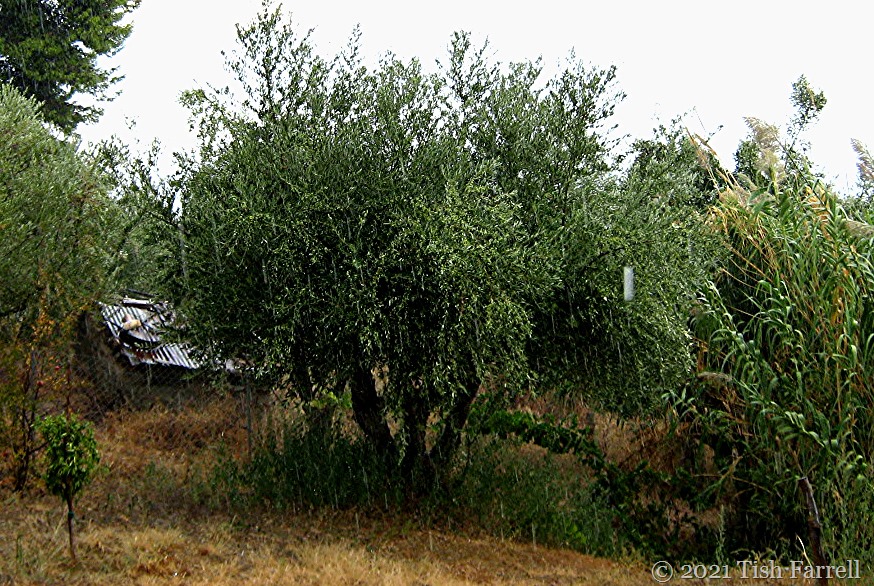
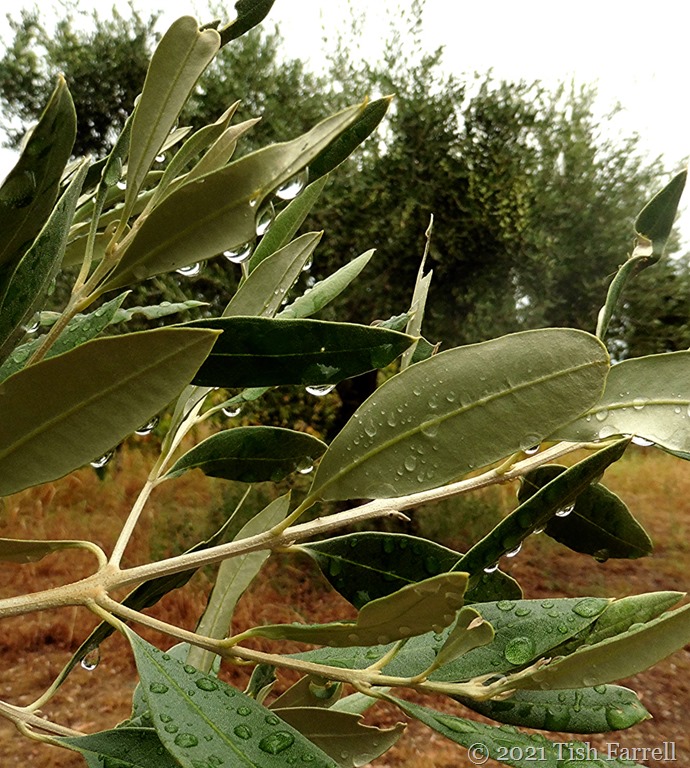
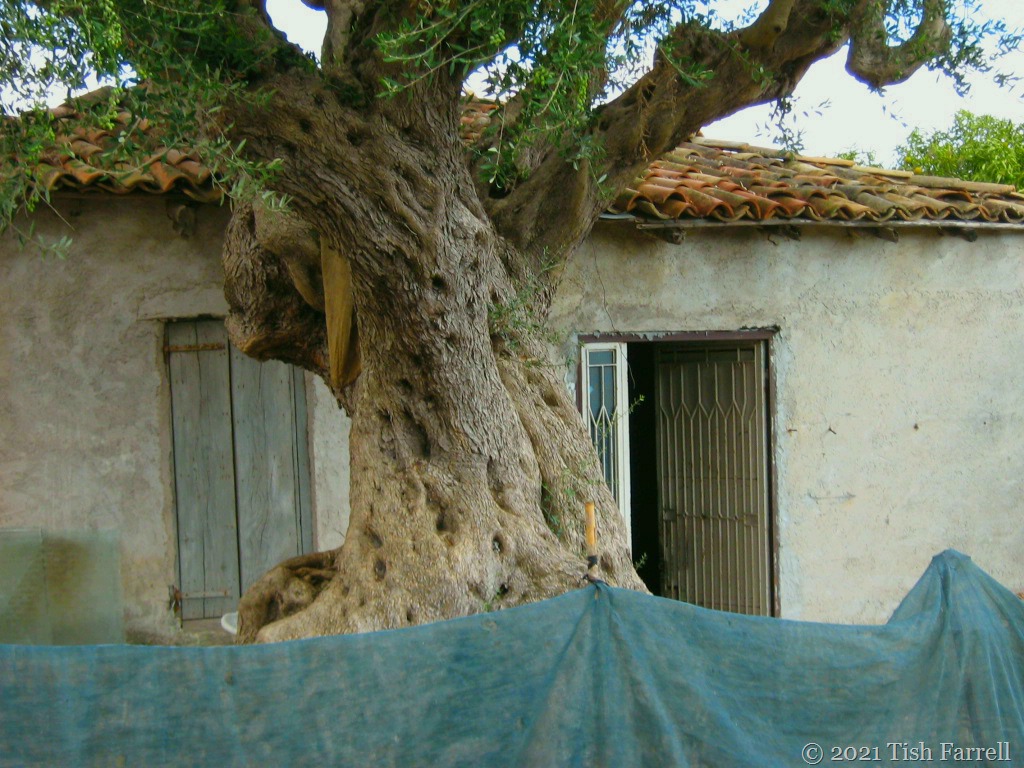
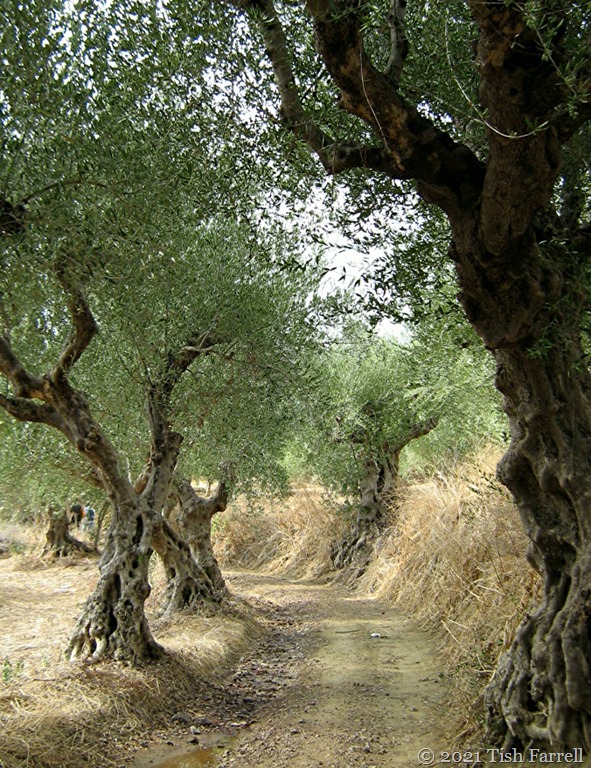
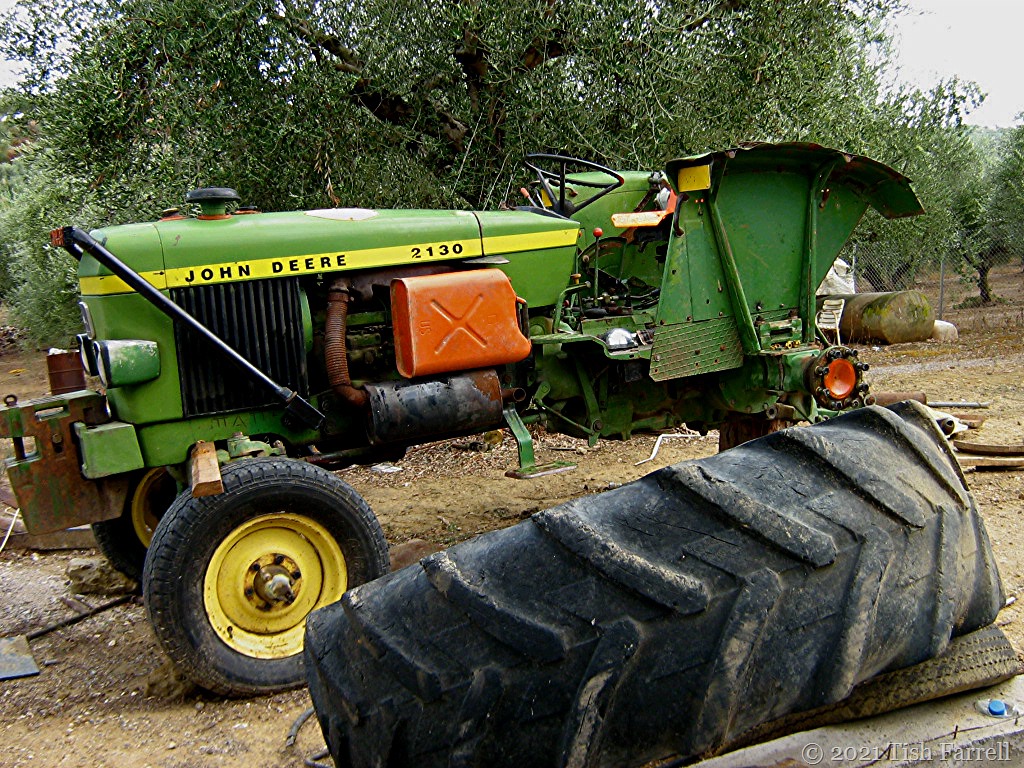
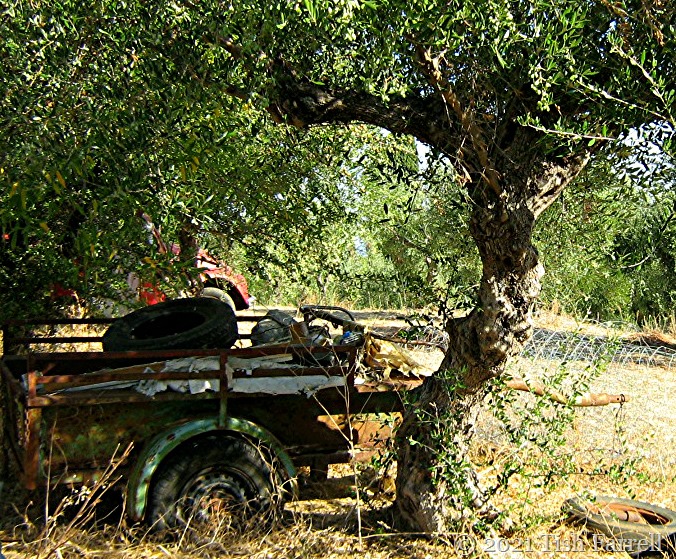
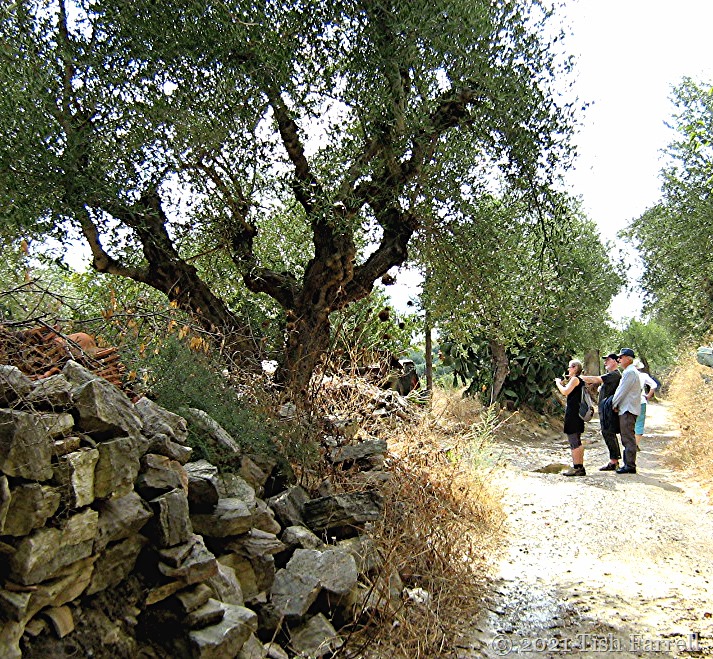
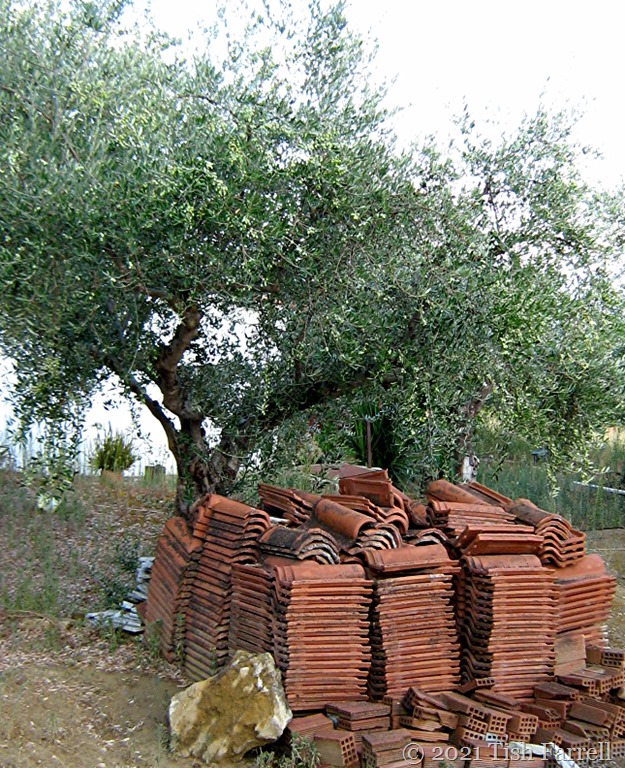
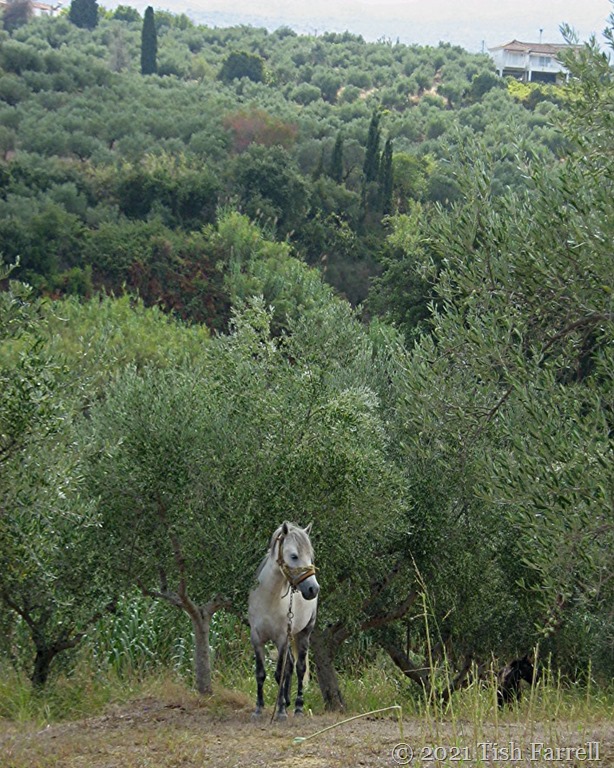
The thunder racketed around for a couple of hours, and finally rumbled off in late afternoon, leaving us with still threatening clouds but, by then, a pressing need to stock up on provisions. We had been told that the nearest supermarket in Harakopio village was an easy two-mile walk. And so it was: a tranquil path between small farms and ancient olive groves; no traffic; only the scent of damp leaf litter and sometimes the delicate fragrance of tiny cyclamen along the verges. There was farm clutter of course along the way, but that goes with the territory. Hens scrattled about under the trees and handsome dogs kept watch over their people’s domains. There was a rather nice horse. Now and then the sun almost shone and I fell in love with gnarly olive trees that looked at least as old as Odysseus.
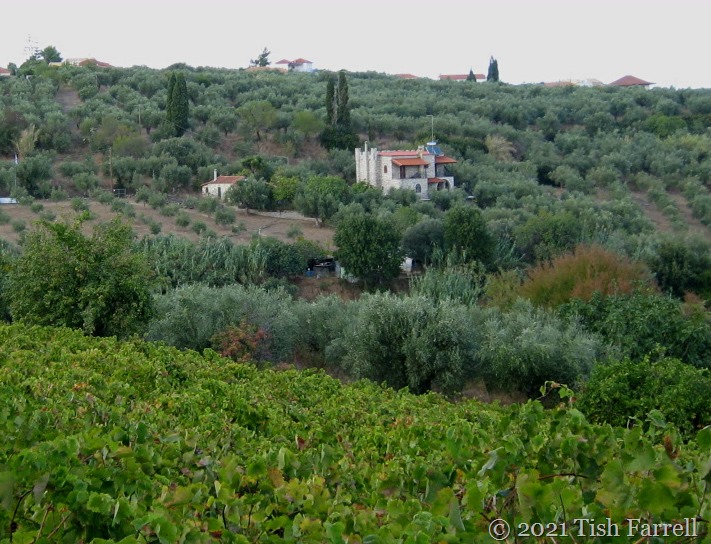
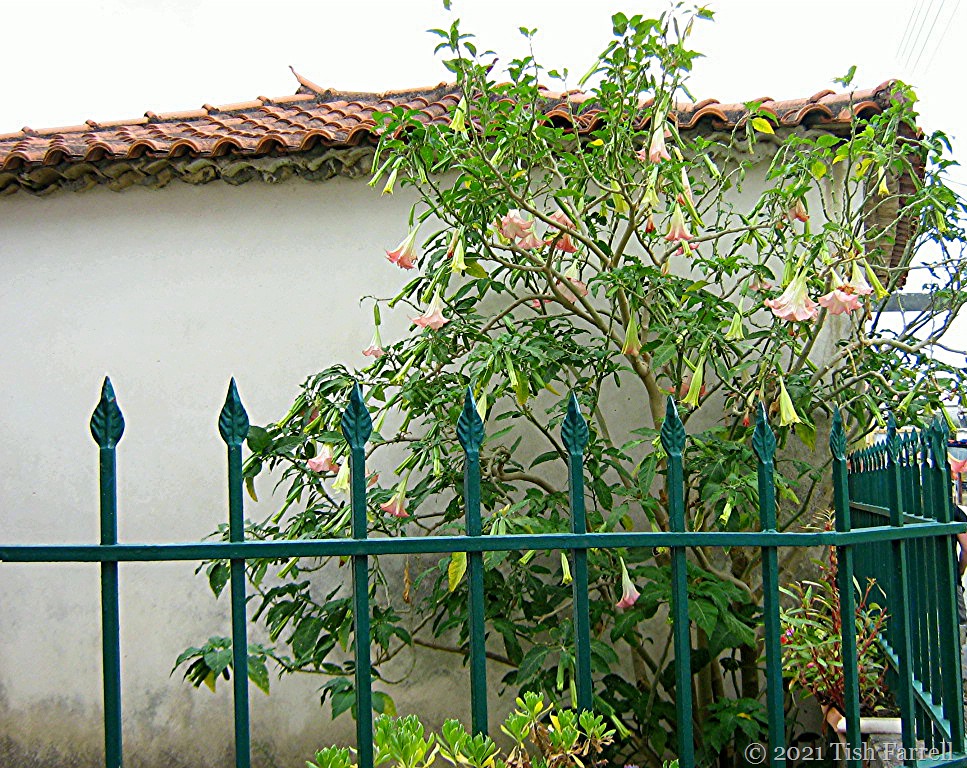
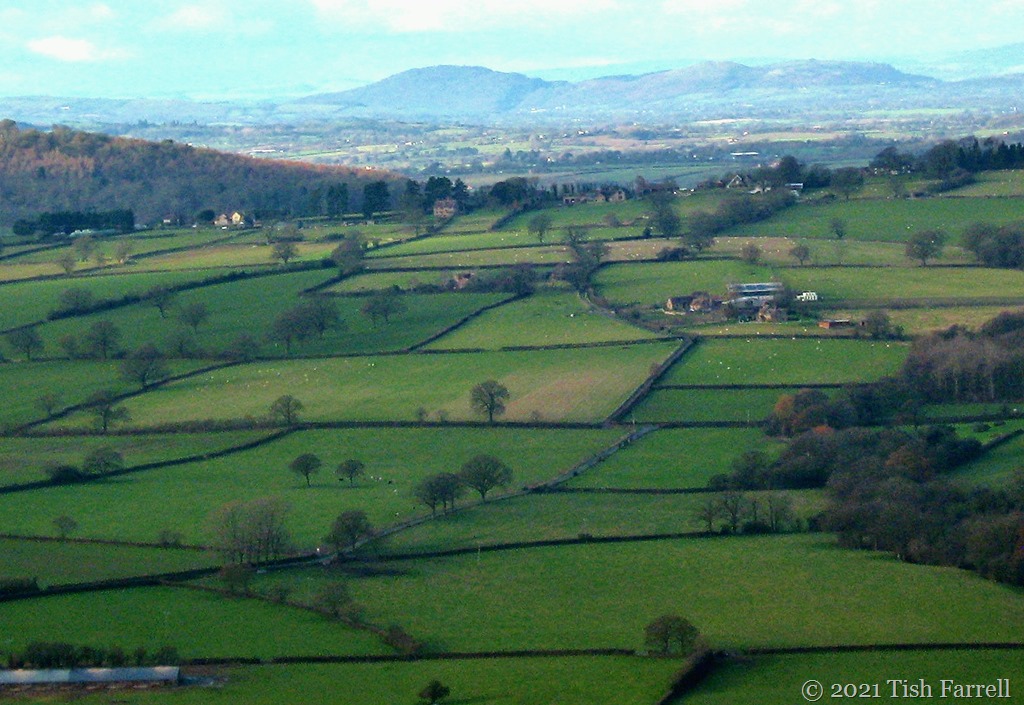
This month Jude at Travel Words asks us to explore the colour green. So I thought I’d start with our home landscapes. Here in the English countryside we perhaps take greenness for granted. Even our over-wintering fields are bright with sprouting wheat and pasture grass. The header shot is a December view, looking across Shropshire from Wenlock Edge.
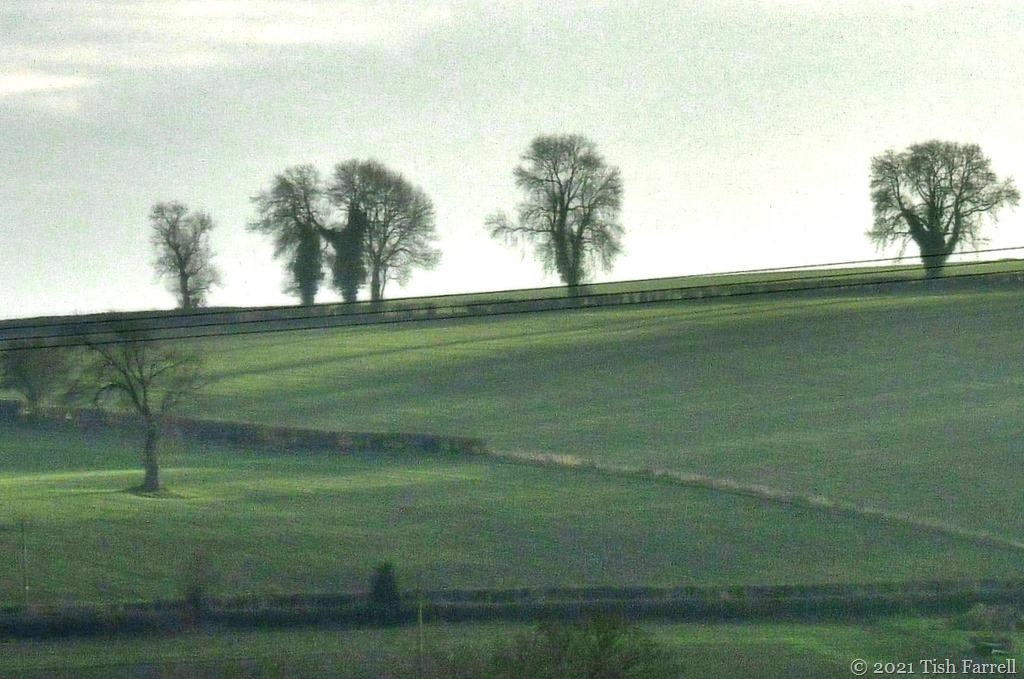
Closer to home is the long-shot view I see whenever I go to the allotment: Callaughton Ash on the southerly edge of Much Wenlock. It’s one I never tire of – those sky-line ash trees with their ivy cladding.
*
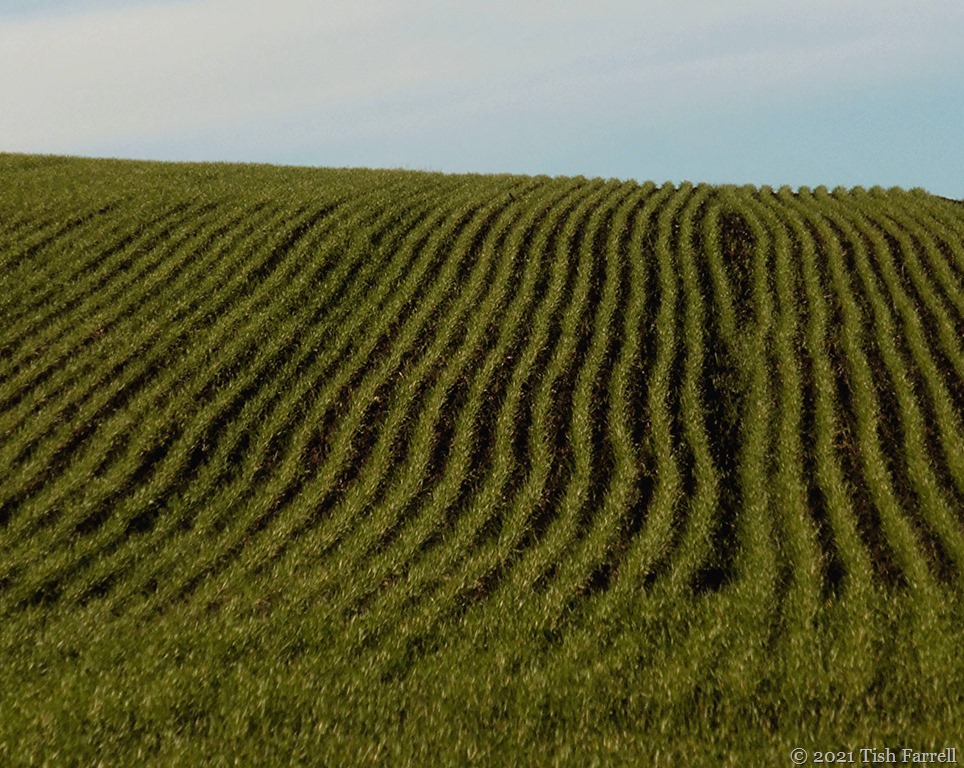
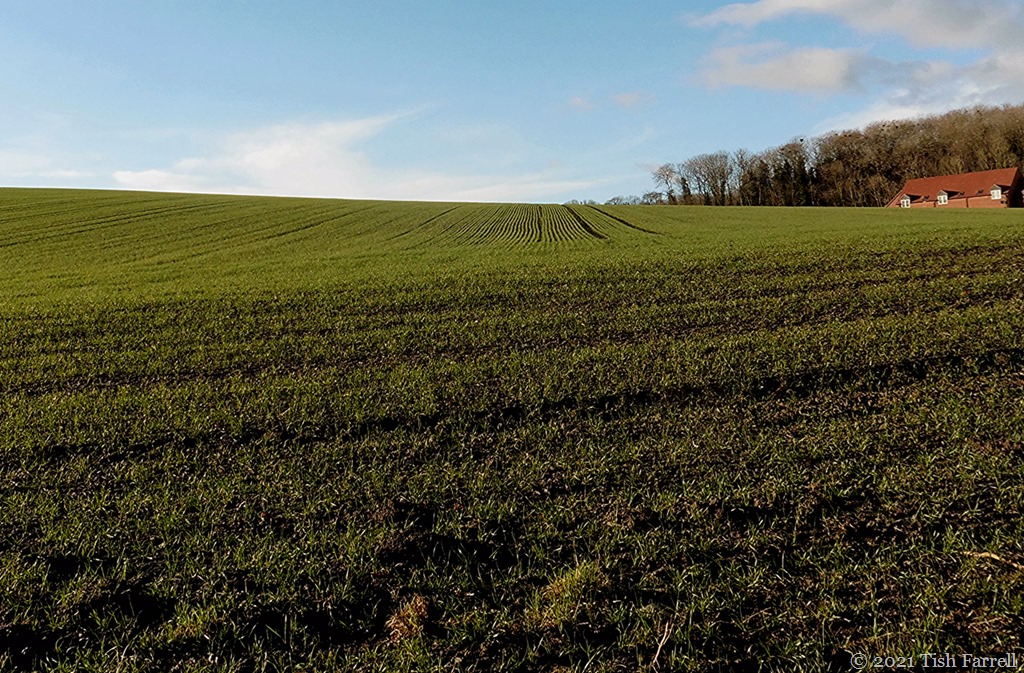
Then behind our house is Townsend Meadow. Wheat has been grown along the flanks of Wenlock Edge for centuries, and as proof has left its name ‘The Wheatlands’ in part of it. These days the crop is sown in October-November and is usually well sprouted by Christmas. I like the corduroy effect.
*
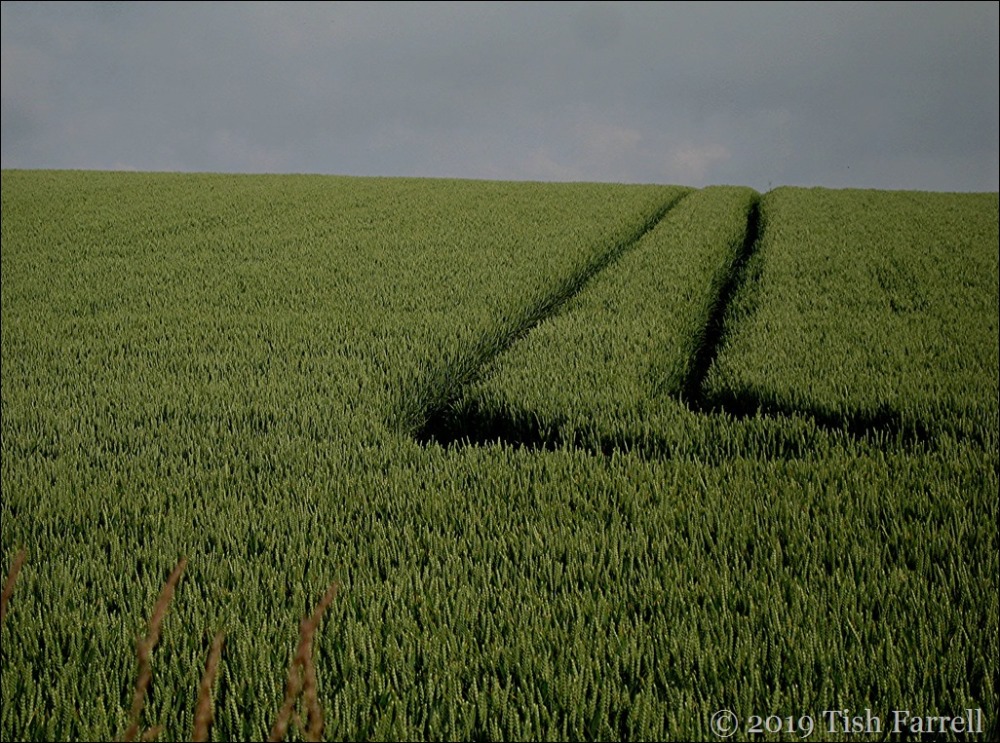
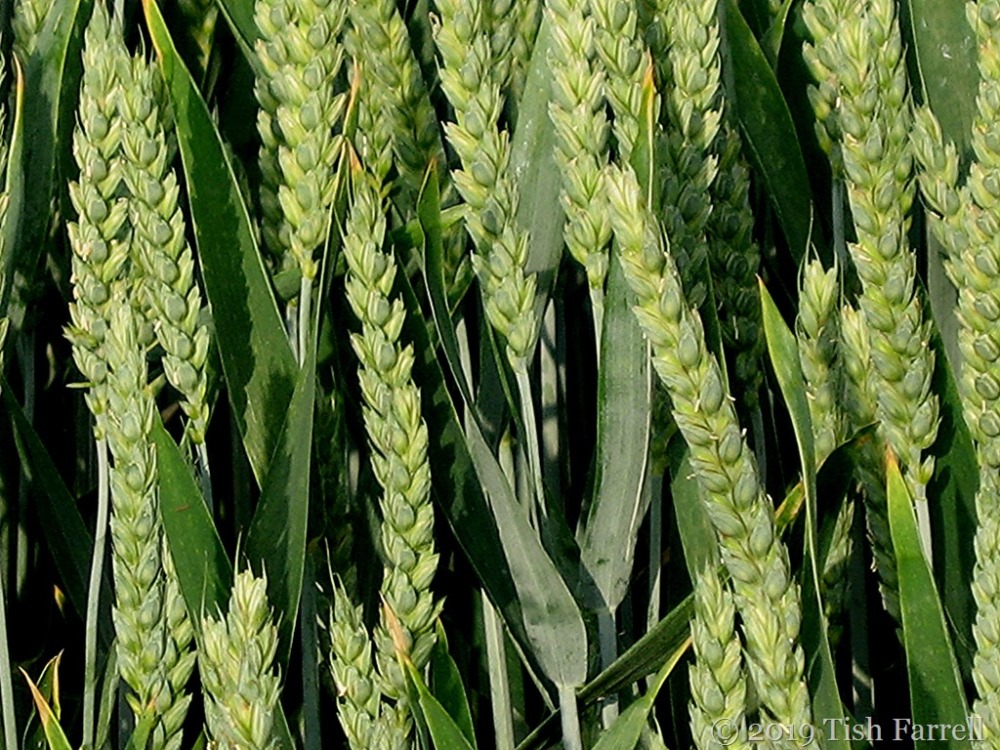
By summer, after serial dosing, the field looks like this:
*
And on our side of the fence, thanks to home-made compost:
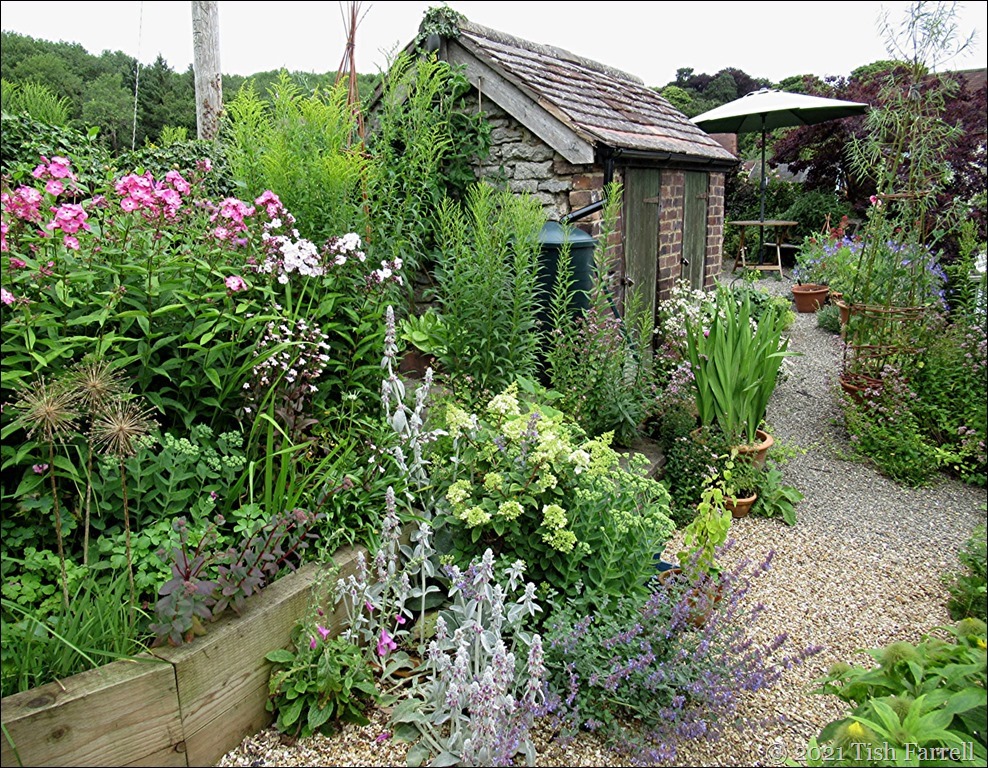
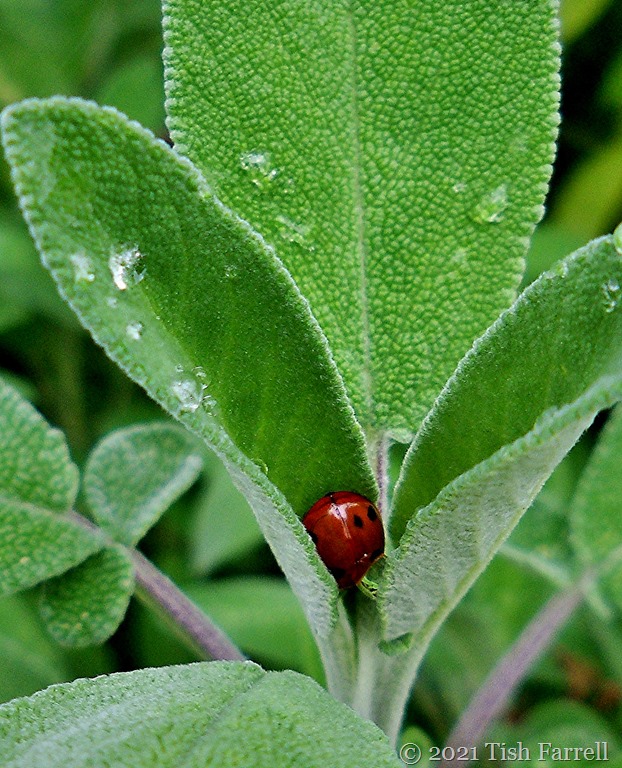
*
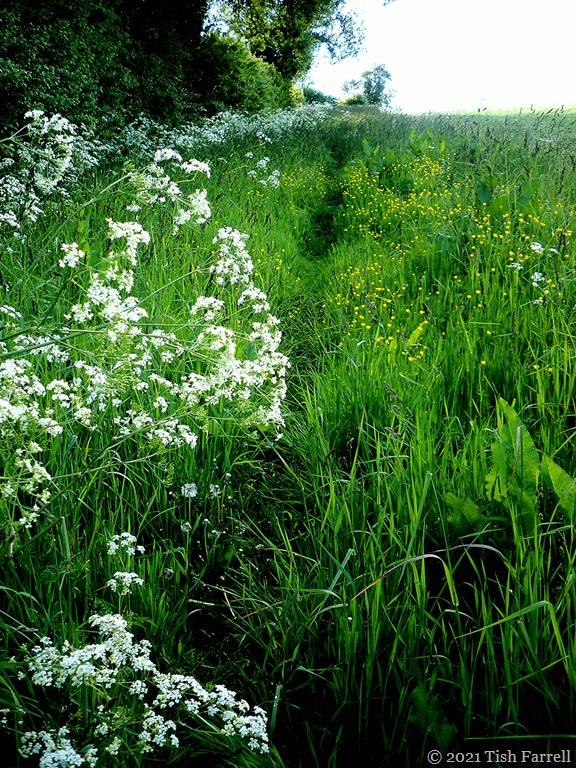
Meanwhile my summer route across the field to the allotment used to look like this – before the farmer cut the ‘wildlife’ reserve back to the ‘path’:
*
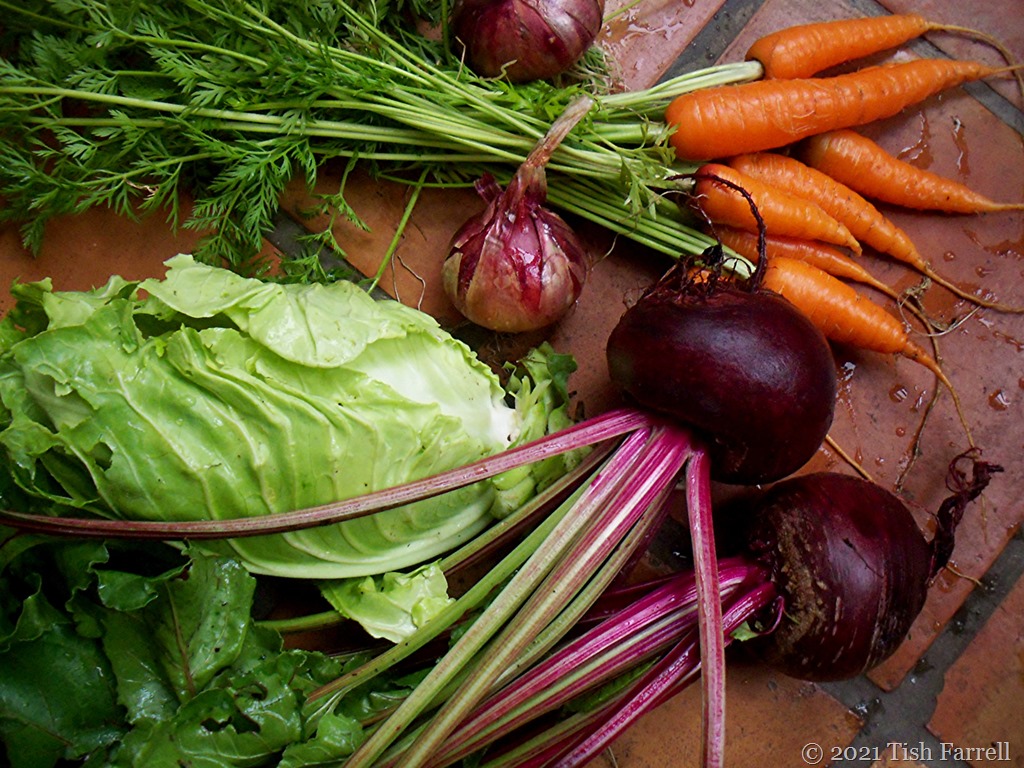
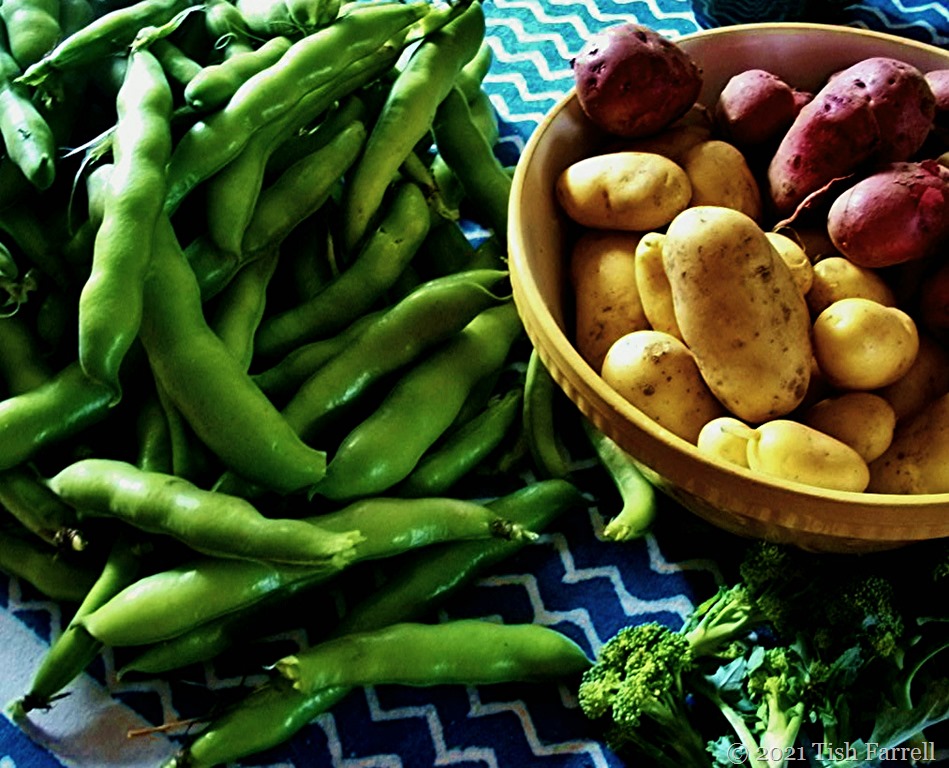
And when things go well on the plot:
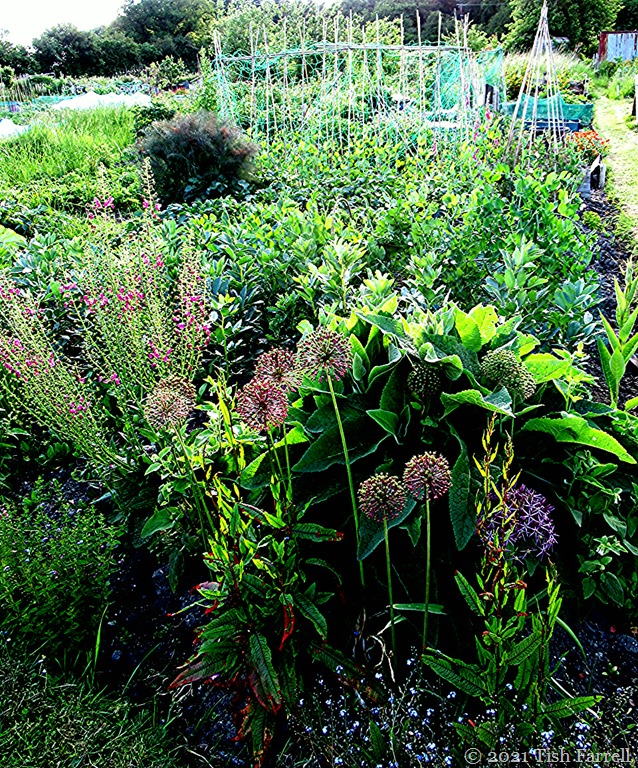
… we get other ‘greens’:
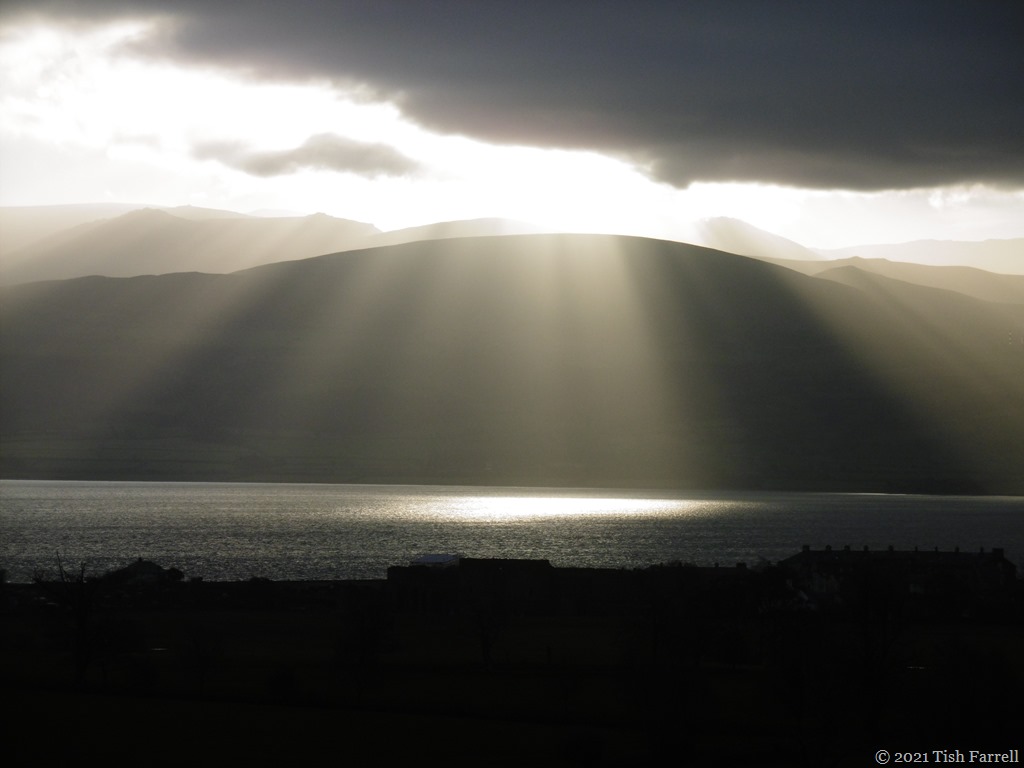
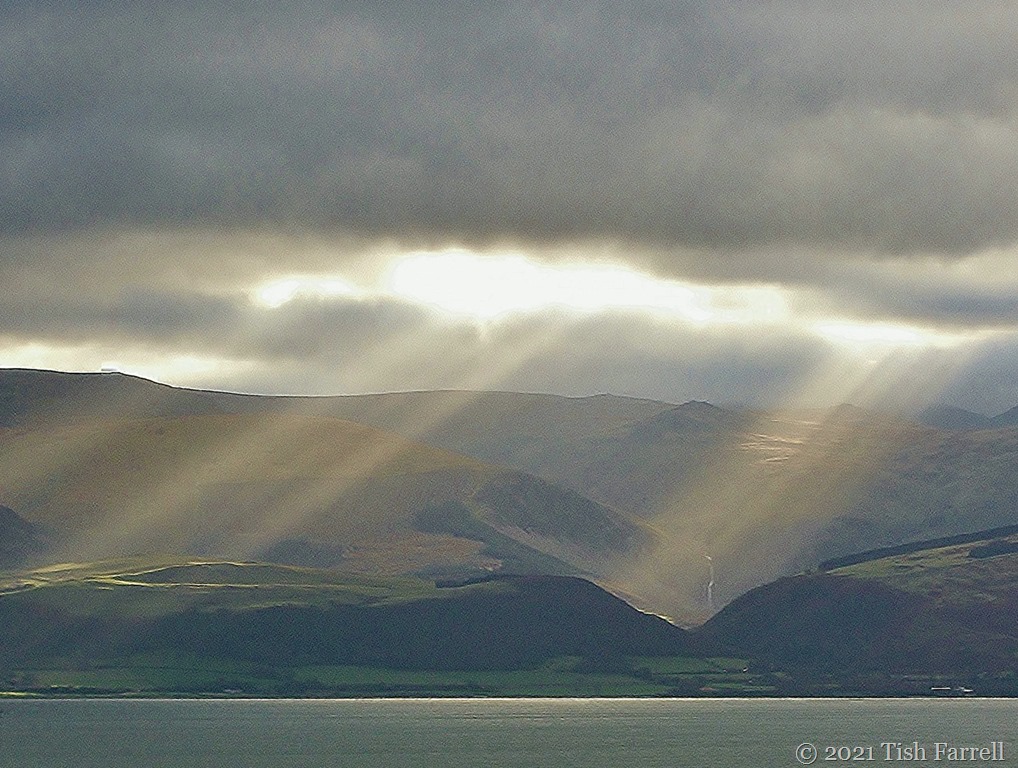
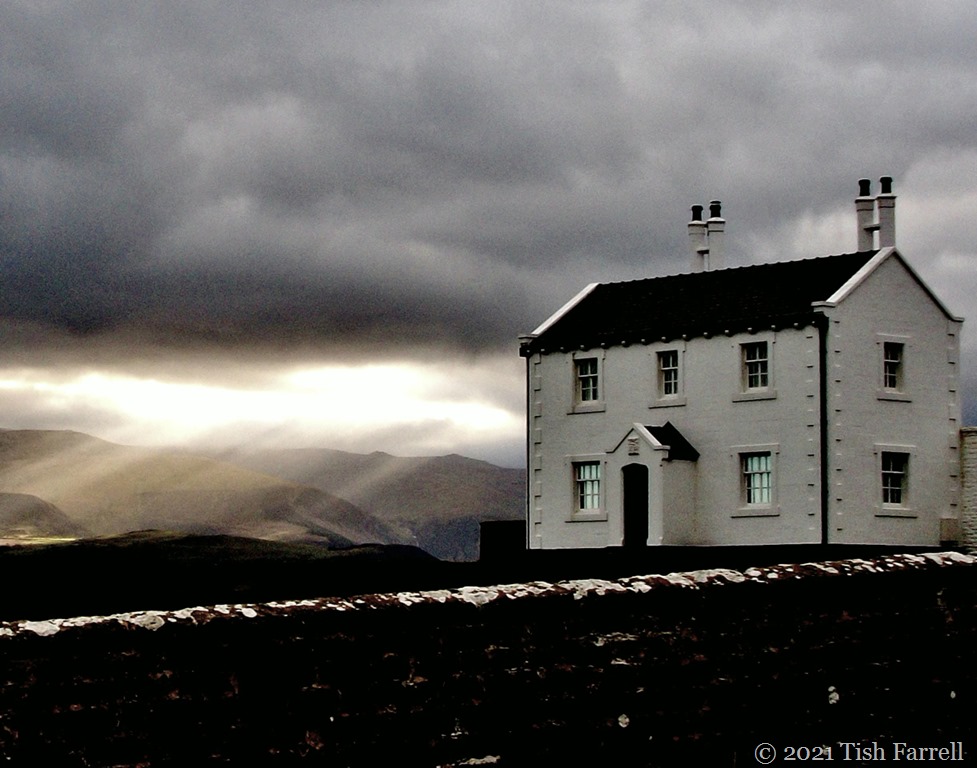
This week Amy at Lens-Artists has set us a fine task – the pursuit of natural light. It’s one of the aspects of photography that fascinates me most; especially when it’s in short supply. Anyway, I instantly thought of the strange light effects that happen across the Menai Strait between the North Wales coast and the island of Anglesey, caught here during various December sojourns on the island. All the views are looking towards the Welsh mainland and Snowdonia.

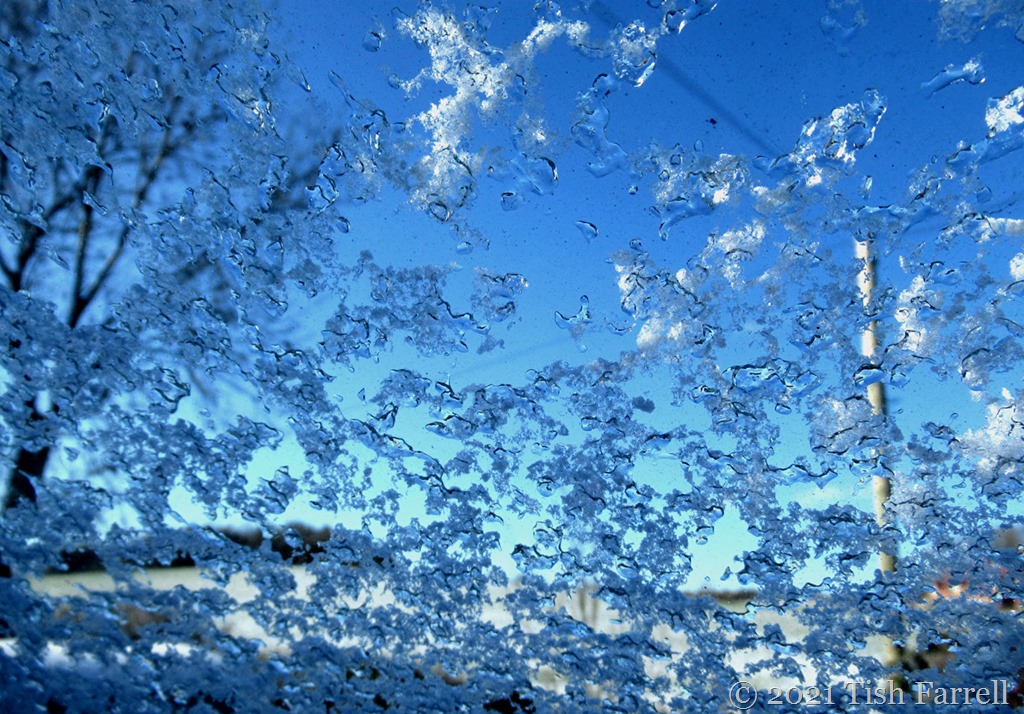

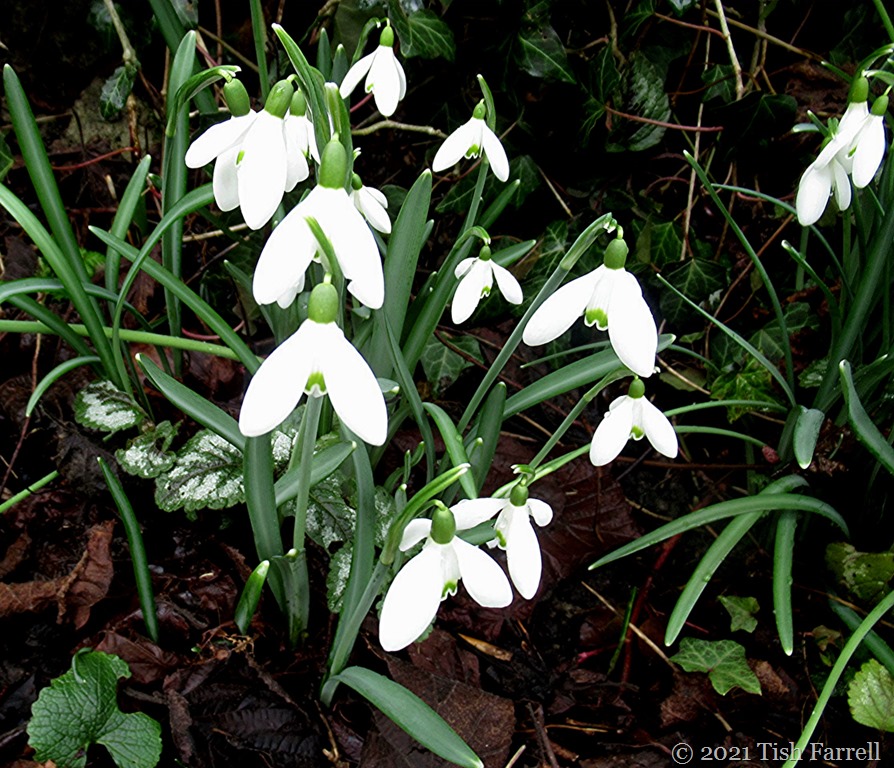
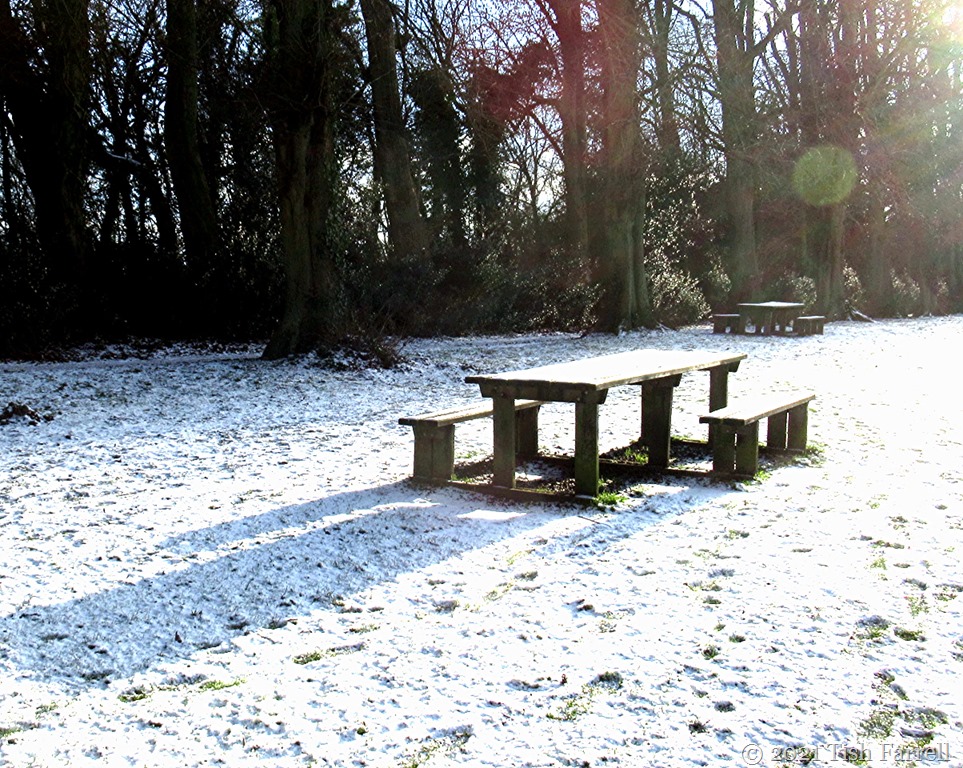
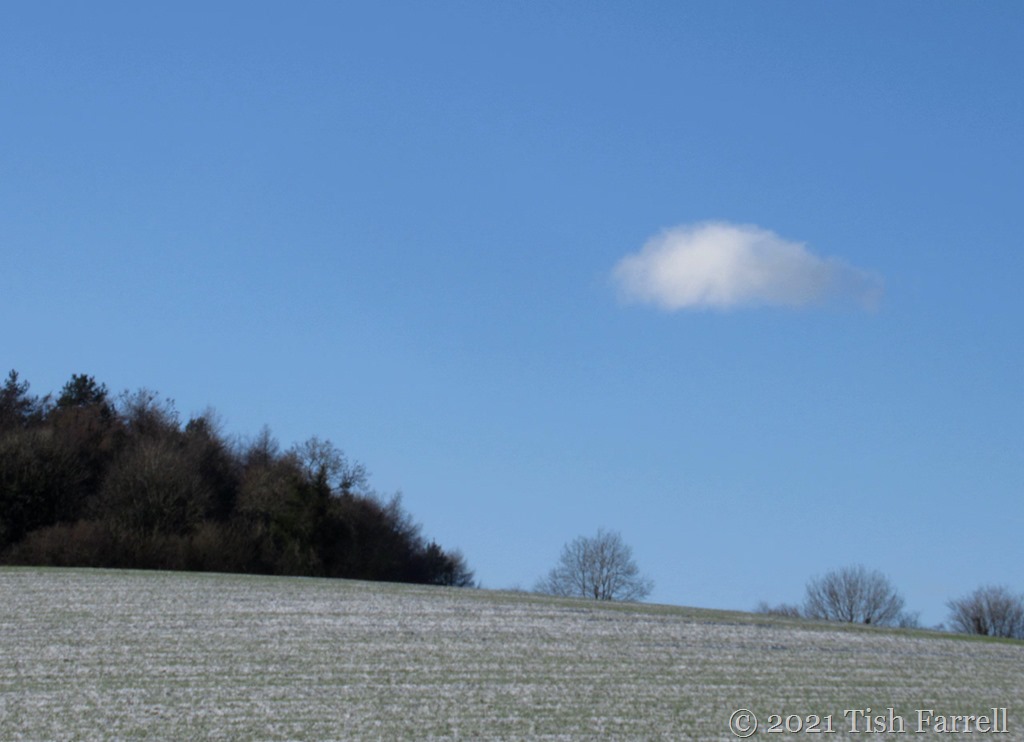
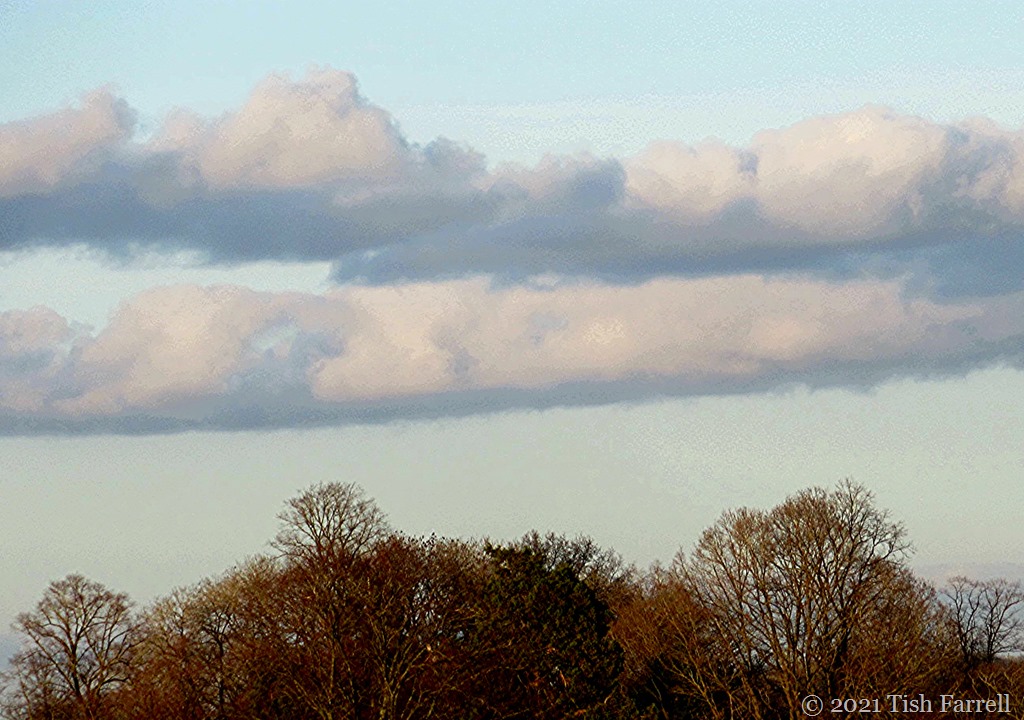
Winter – spring – winter: we have been sorely teased over the past weeks, though it’s true that February may often prove contrary, breaking out in fleeting intervals of unexpected warmth. This year, after hard-frost beginnings, we had several days of sudden spring, and he who is old enough to be more weather-wise started casting clouts and layers with abandon. Too soon, I told him. Winter’s not done. And besides, March can be cruel. Hang on, good sir, to fleecy vests and quilted combinations.
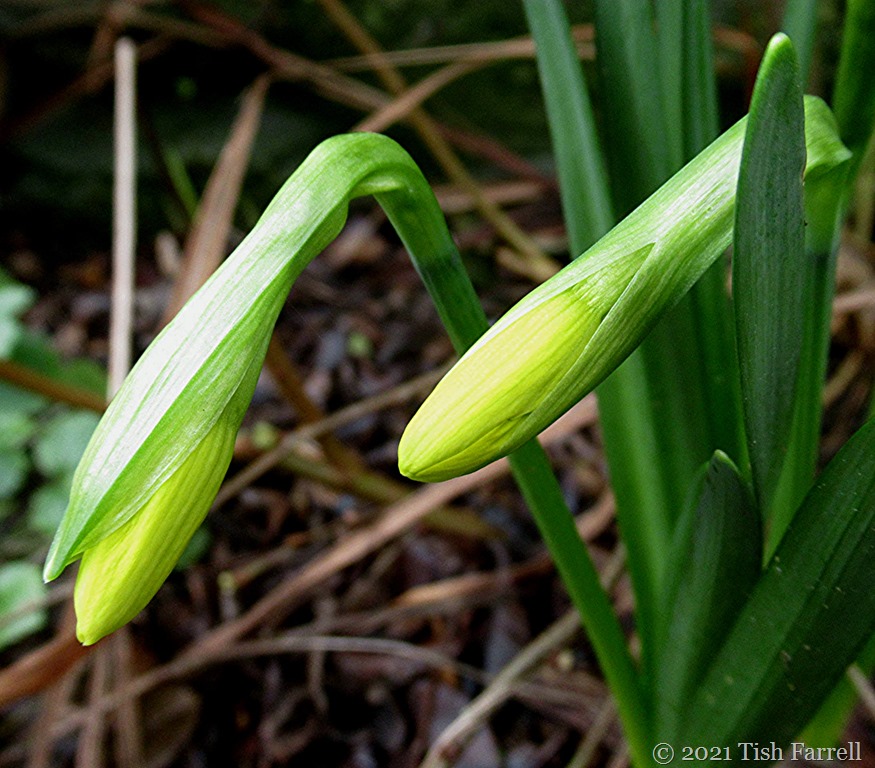
And so here we are, the first days of the new month with much sky-gloom and creeping dankness, again the pressing need for woolly gloves and hats, and that’s just indoors. I joke. Well almost. But in spite of the cold, there are signs of spring: the blackbird singing its heart out just now in the Station Road holly tree, doves on the church tower in close-canoodling-cooing huddles, daffodils fast opening. Reasons to be cheerful. Absolutely!




This week Cee wants to see black & white subjects ‘bigger than a bread box’. And since ‘bigger’ some how prompted notions of New York, I thought I’d opt for the more extreme end of large with these shots of the Queen Mary II.

Cee’s Black & White Photo Challenge: bigger than a bread box
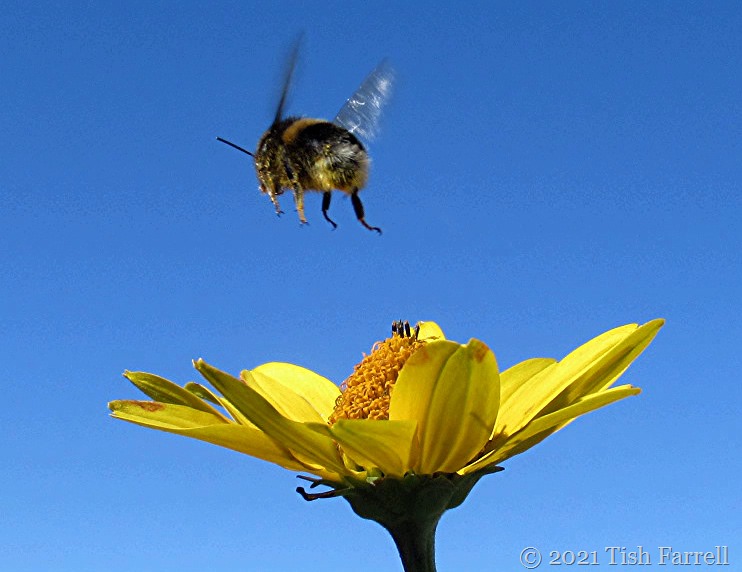
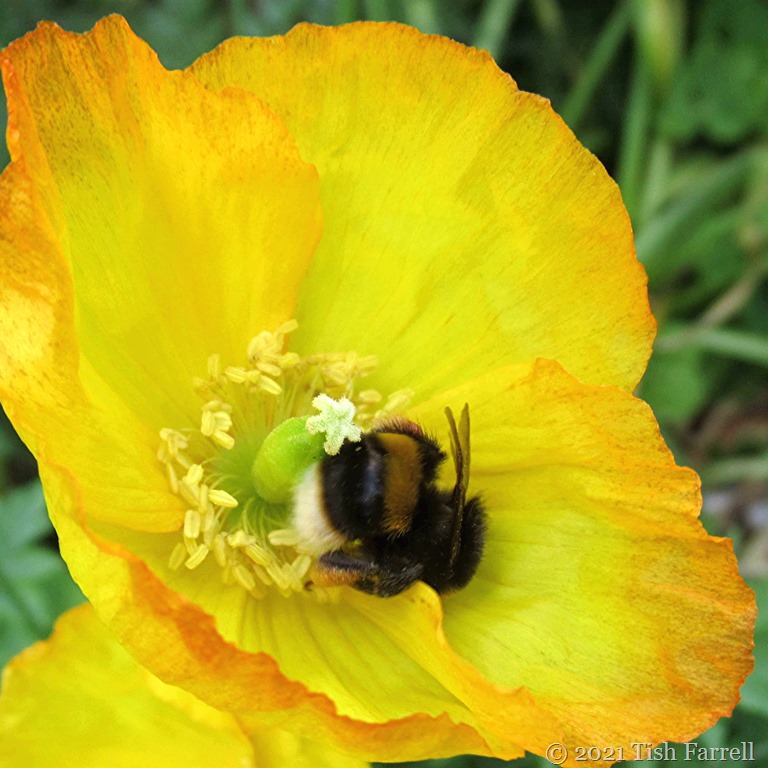
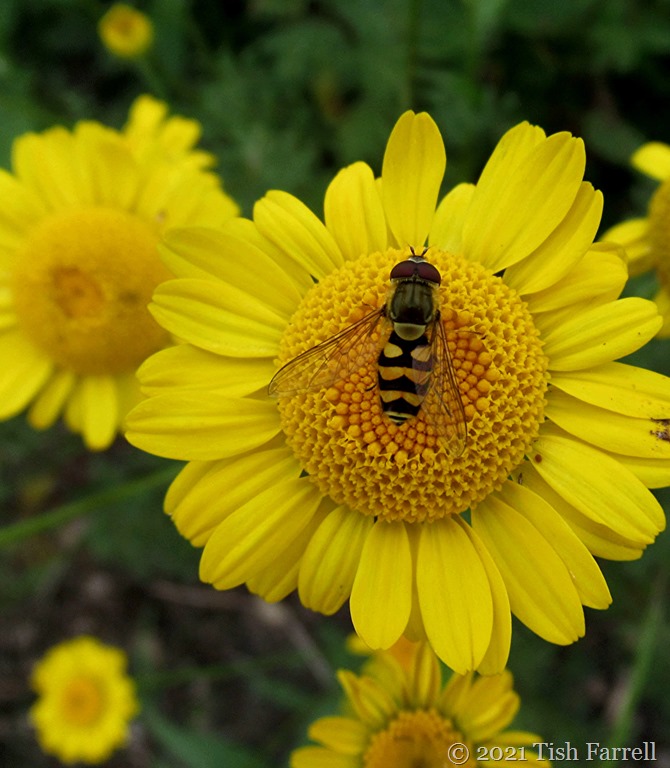
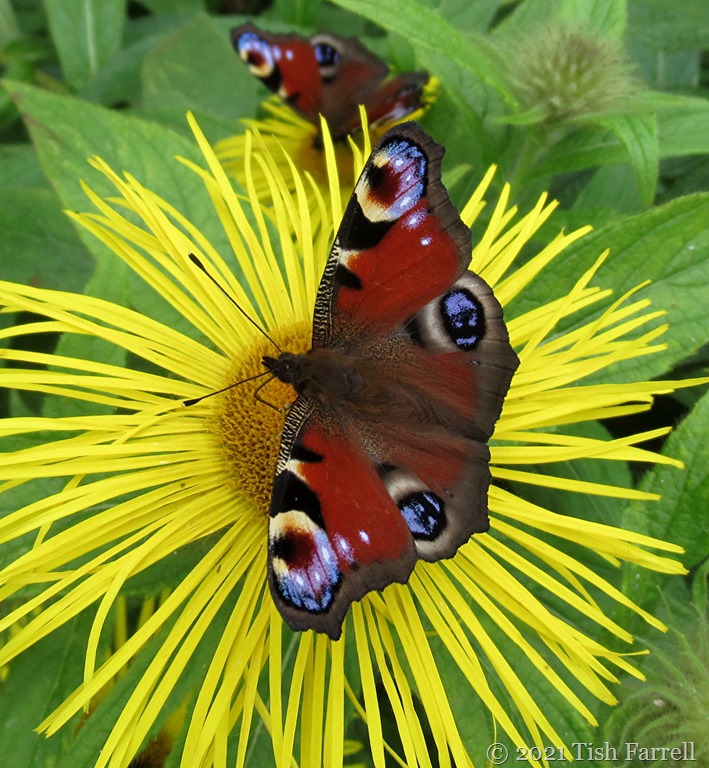
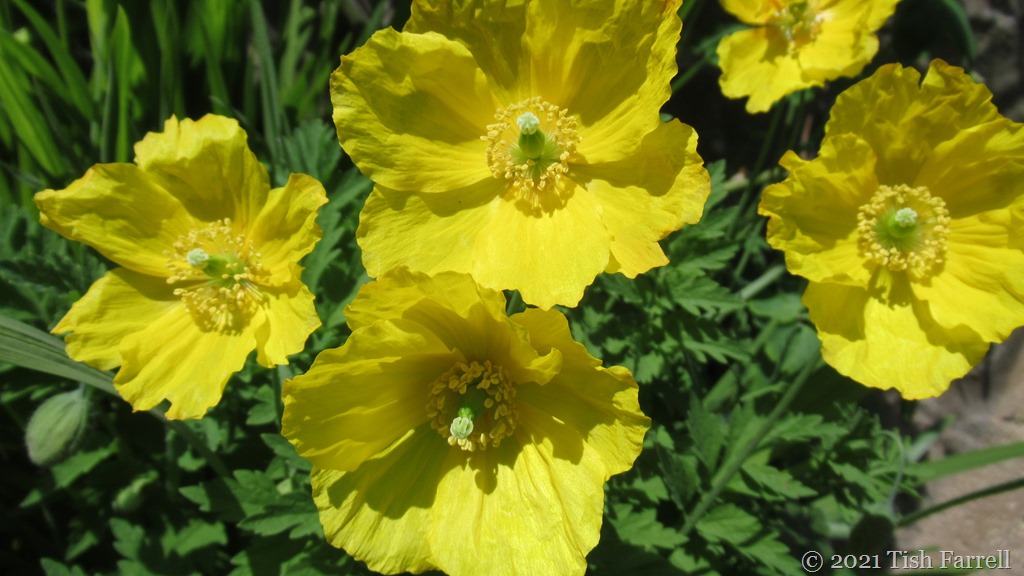
It’s that time of year when thoughts turn to seed sowing, or at least to sorting out the seed packets and checking what needs to be dealt with when. There are visions, too, of new planting schemes – as in trying to remember where things are in the garden. With some plants you never do know. The Welsh poppies are complete vagabonds and can pitch up in the most unlikely quarters. Likewise the dandelions, the little gate-crashers. Needless to say, the garden must have plenty of yellow. Got to keep the bees, bugs and butterflies well fed. In the meantime, here’s a reprise of some of last summer’s best yellows.




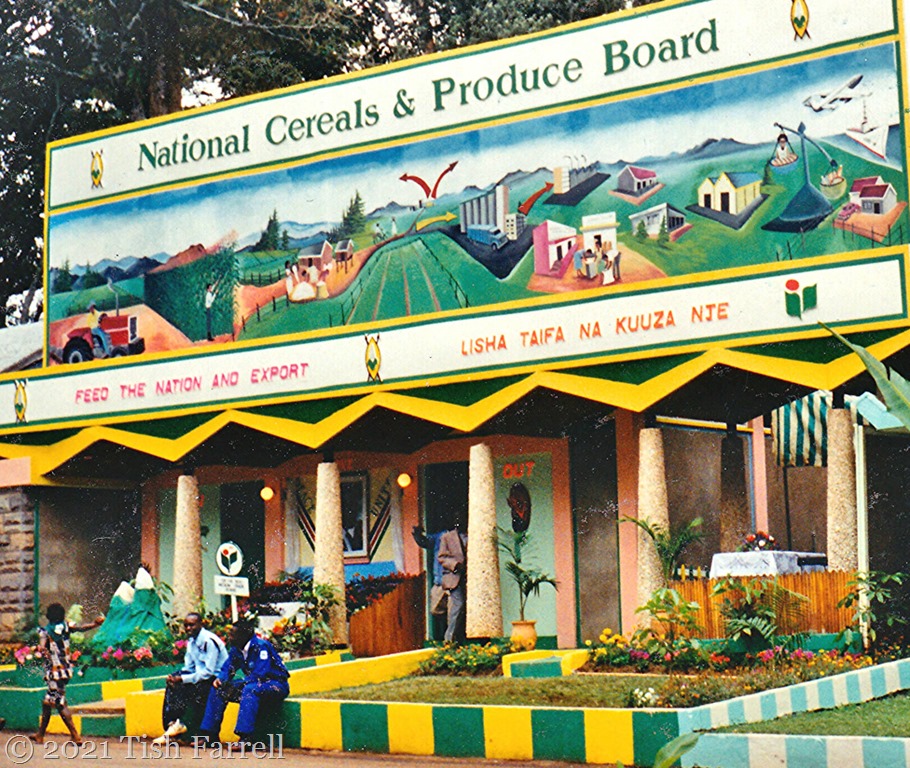
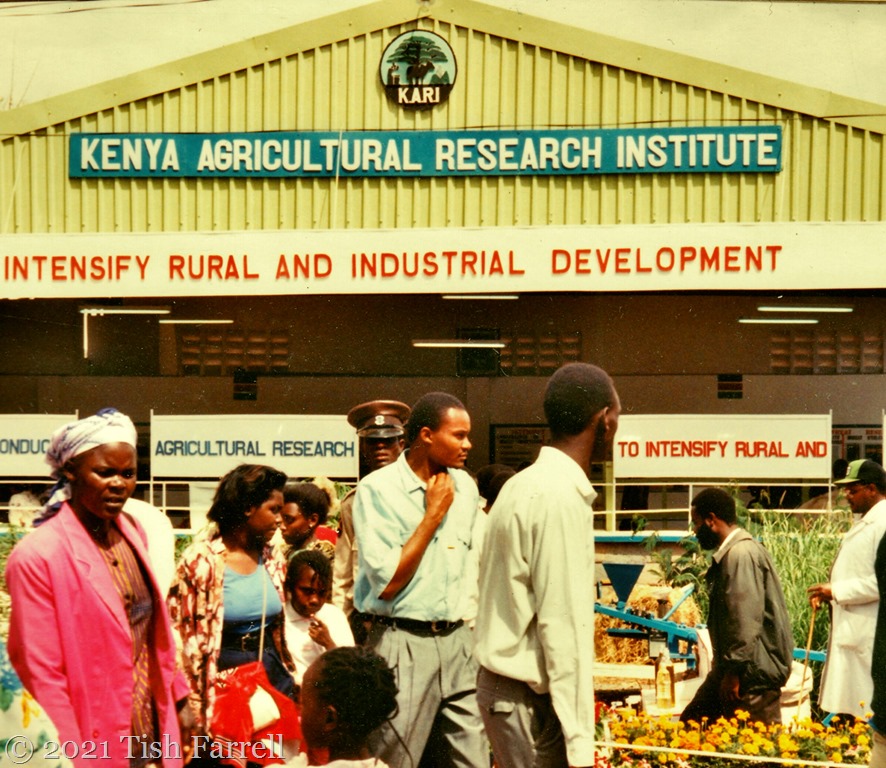
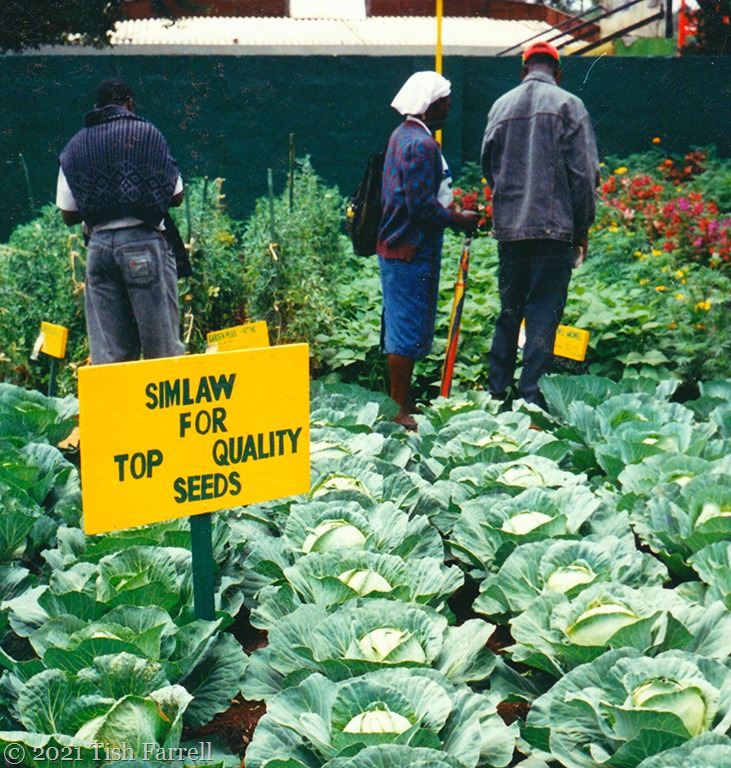
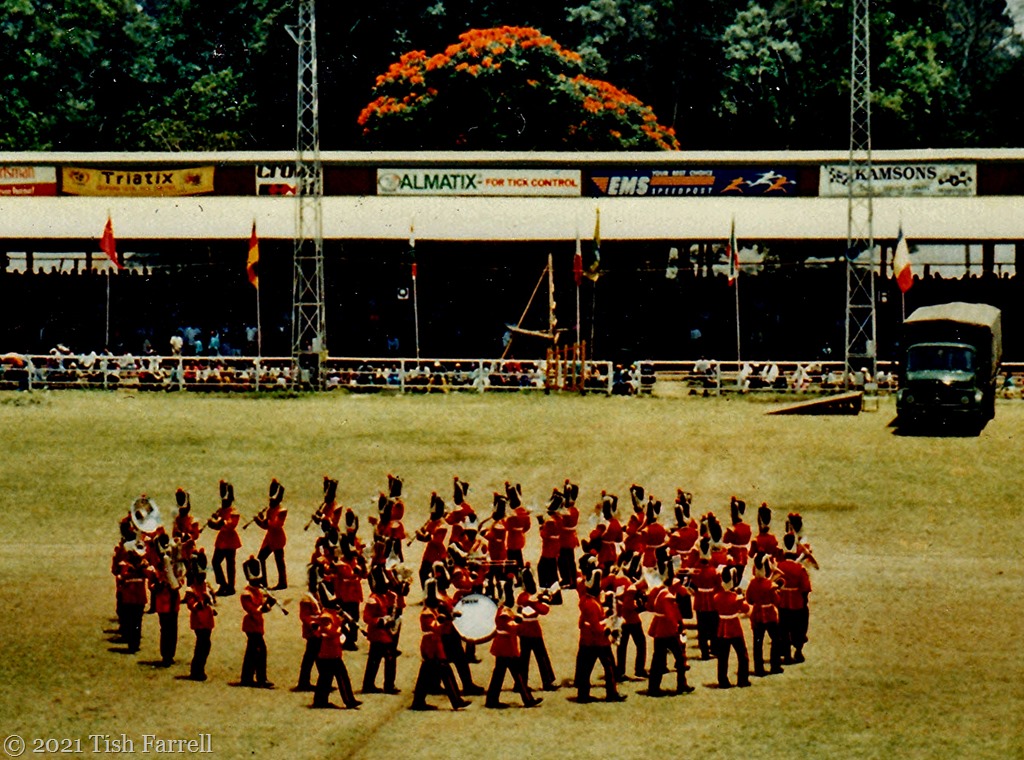
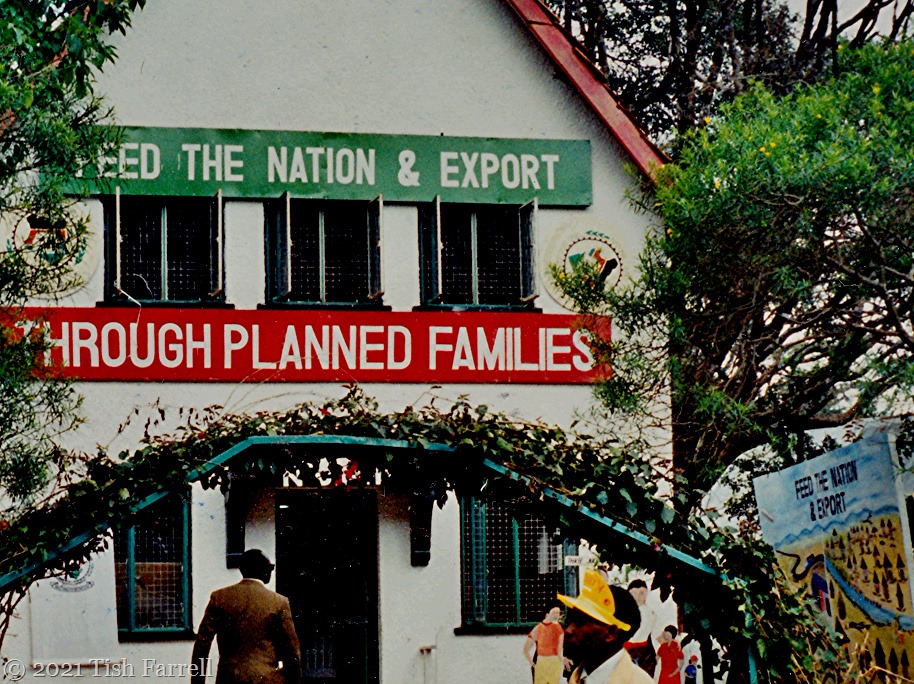
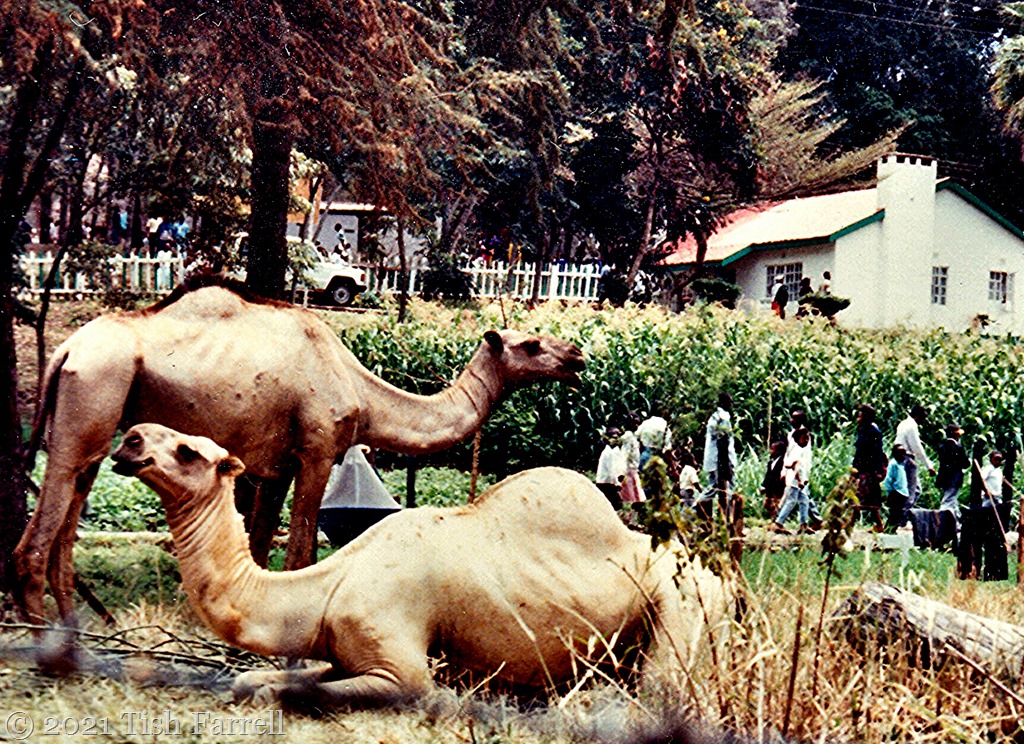
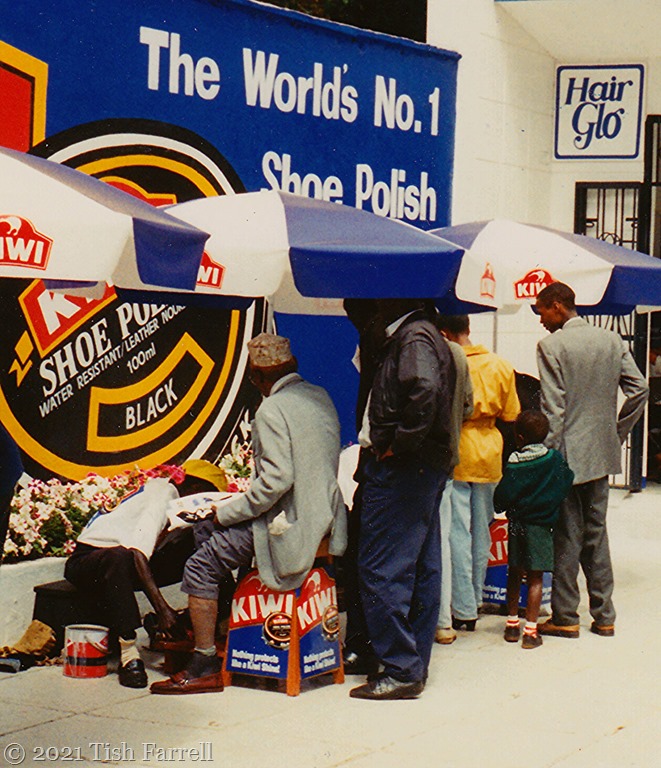
The agricultural show can most probably be counted as one of the more useful left-overs from the colonial occupation of African nations. Back in 1995 when these photos were taken I remember being struck by a rural farmer’s glowing comment in a newspaper interview. He said he had to travel a great distance to attend the Nairobi show every year, but it was worth it. The exhibition stands were his university, he said.
I could believe it. The amount of expert advice available at every turn was indeed impressive, and I speak as someone brought up on agricultural shows: my father was a grain merchant for a farmers’ cooperative and my memories of the various company stands were weighted rather more towards alcohol delivery than education.
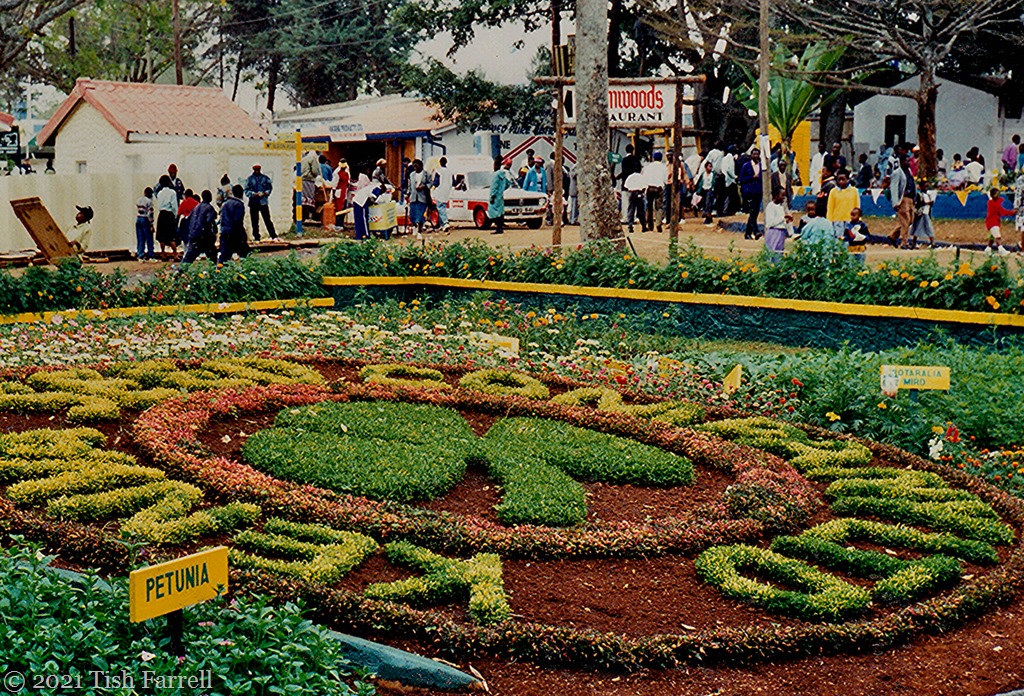
Of course the Nairobi show is also about selling and public relations, but I remember being particularly diverted by the National Archives stand which was showing 1950s newsreel footage of Land and Army so-called Mau Mau uprising; also by the Kenya Automobile Association’s novel pitch to drum up membership; and by the glorious conformity of the cabbage display put on by a seed company. And of course there was all manner of entertainment to be had: shopping, snacks, a helter skelter, close encounters with camels, ripping performance from the military band: all the fun of the fair in fact. And you could get your shoes cleaned with the ‘world’s no.1 shoe polish’, then have a swish new hair do in the next-door salon.
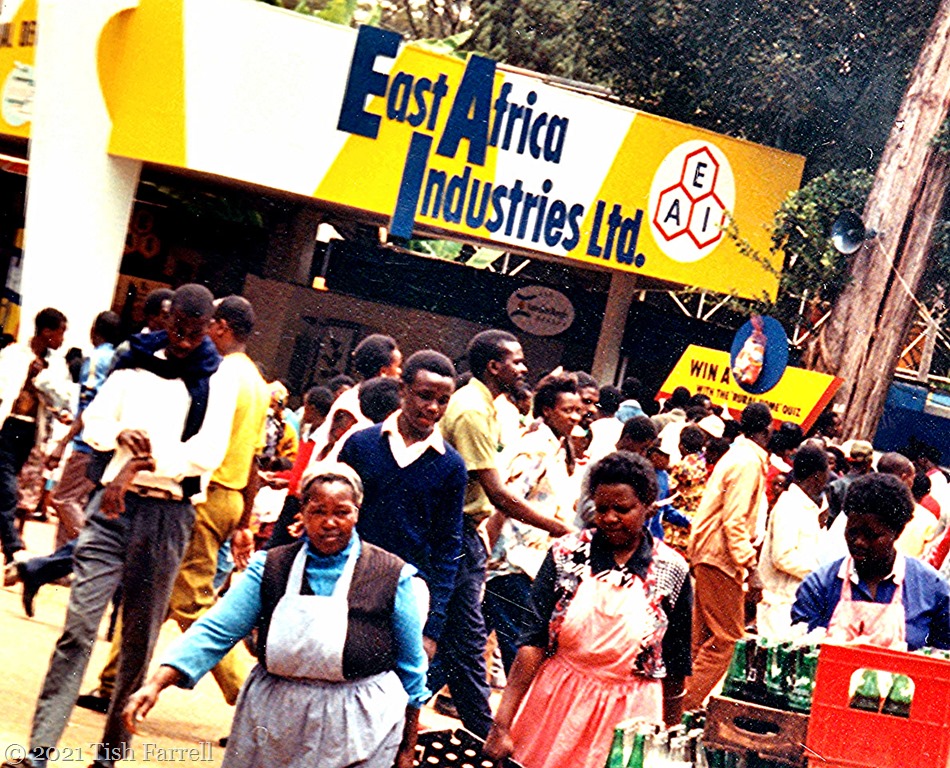

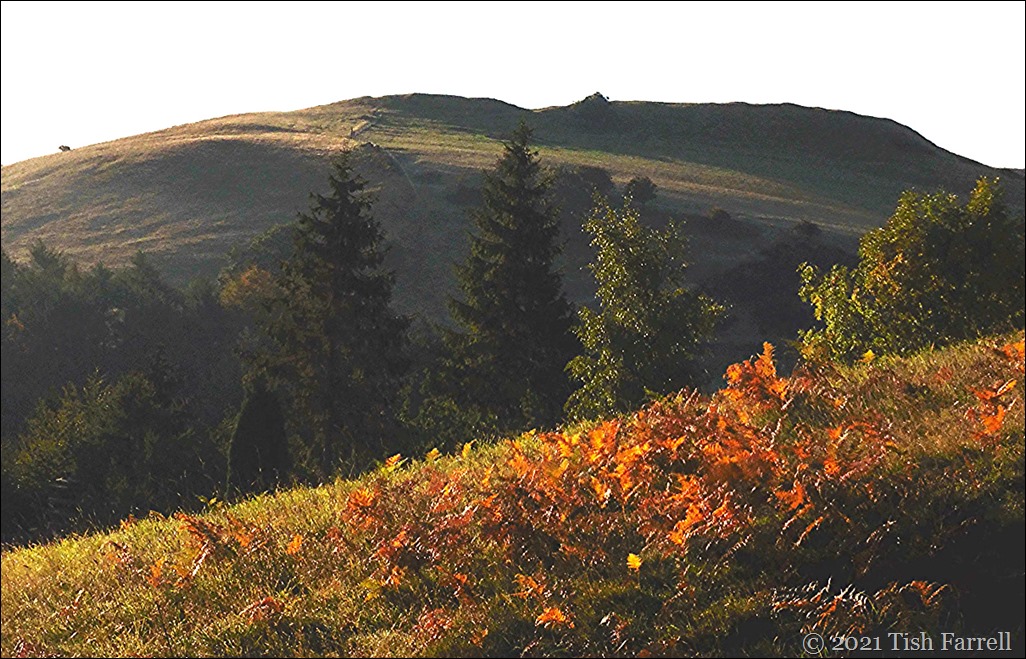
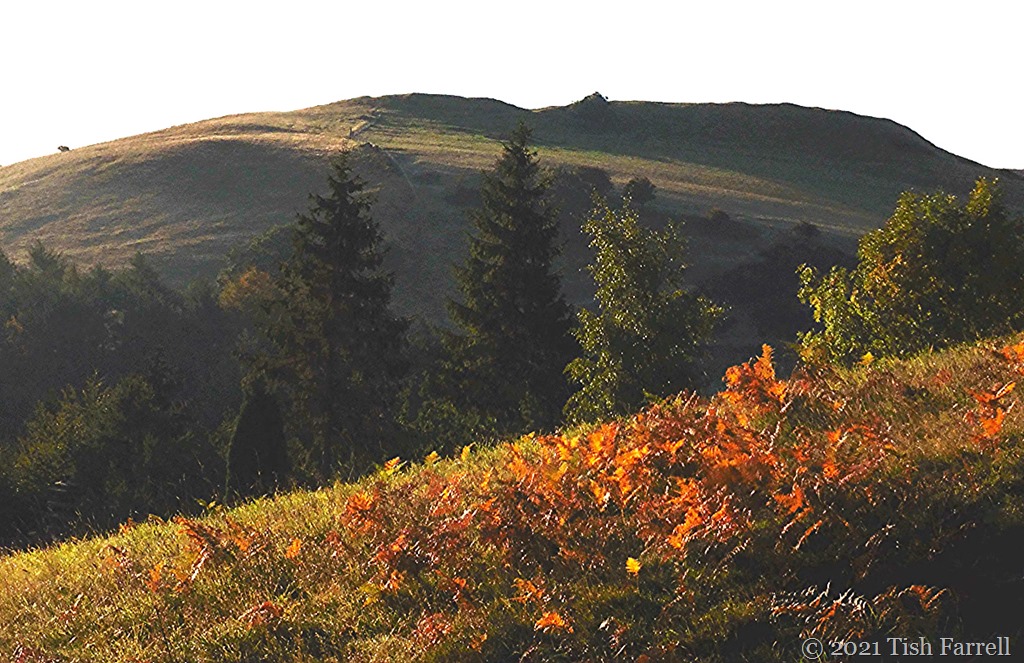
Life in Colour: Yellow This month Jude at Travel Words is asking us to think about yellow. Please pay her a visit.
You can waste spend hours, days, weeks pursuing long-dead forebears. I think we might call it obsessive compulsive distraction disorder. On the other hand, on the plus side, the activity can present very particular lenses through which to glimpse hitherto unthought-of aspects of our past. But more of this later.
In the meantime, my current pursuit has turned up a host of great grand elders, down to the 10th generation, the result of following only one branch of a great great grandmother’s tree. She, by the way, was Mary Ann Bennett of Bradwell, married to George Brayley Fox of Callow Farm, Highlow. And one of the odd things I’ve discovered is that her grandfather and the 4th great grandfather I never knew I had, one Robert Jackson, hat maker and native of the lead mining village of Smalldale, Bradwell (1786-1857) spent his last years as tenant of an isolated farm in the rugged uplands between Highlow Hall and Abney, a next door neighbour in fact of fellow Duke of Devonshire tenants, my Callow Fox farming ancestors.
Robert Jackson wasn’t alone at the Oaks. John and Mary, children from his second marriage to Hannah Eyre were living with him, both around the thirty age mark in the 1851 census. Whether their mother ever lived there is unknown. In 1841 the family still had the hat business in Smalldale, but by 1848 Hannah was dead, having seemingly died in another place altogether, several miles from either Oaks or Smalldale. I’ll come back to that.
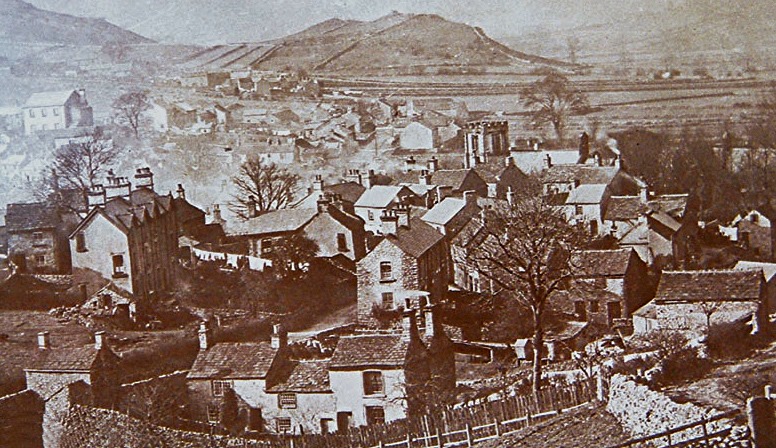
Bradwell in the late 1800s
*
For geographical reference, the nearest city to High Peak is Sheffield, only a few miles north east of Hathersage (top right corner); Manchester to the north west:
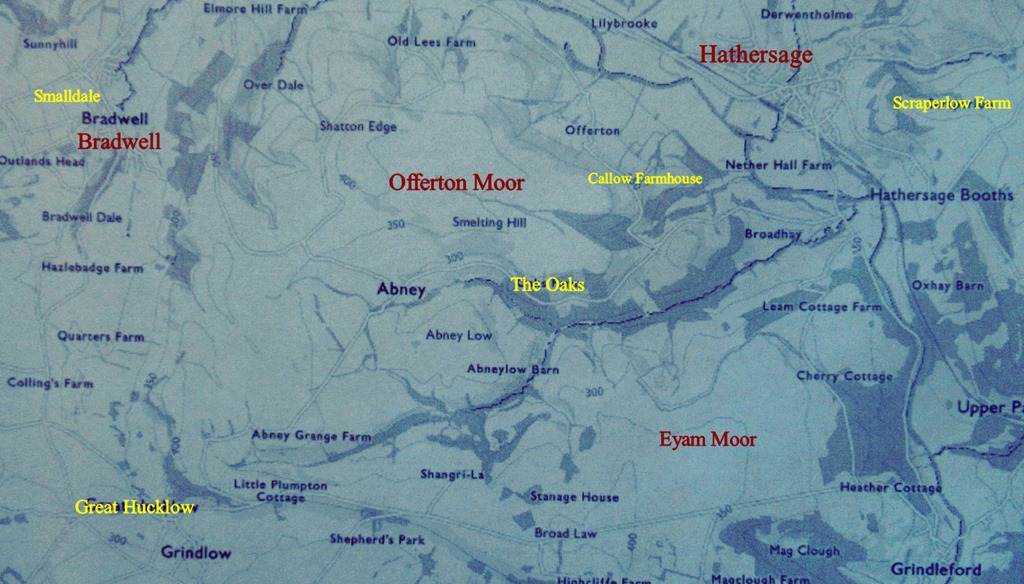
*
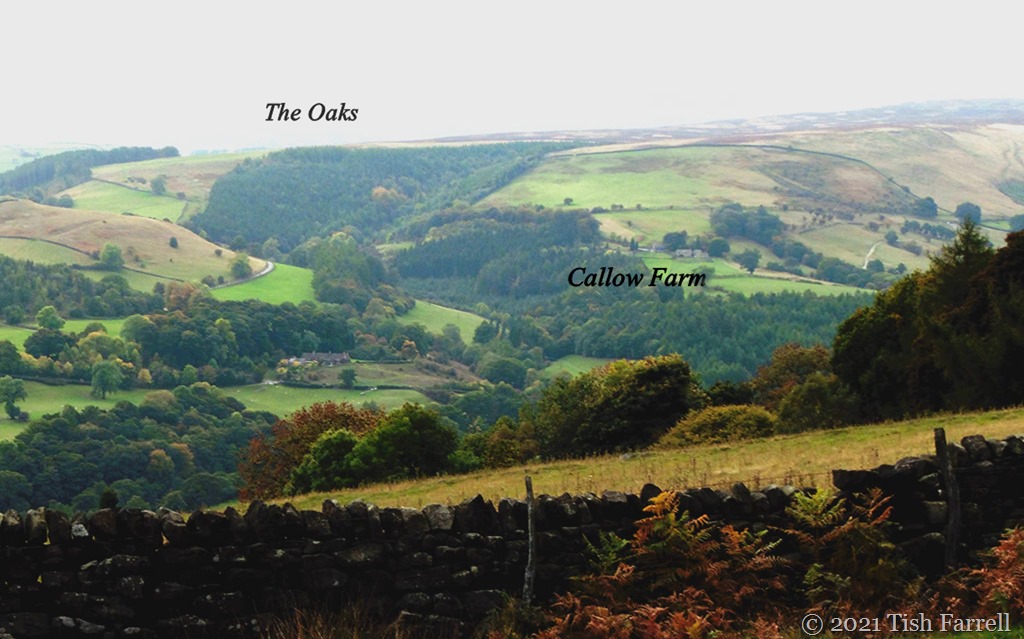
This next photo, looking across to Highlow from above Hathersage, shows the general lay of the land between Callow and The Oaks (Offerton Moor above Callow).
And a closer view of The Oaks farm taken from the web:
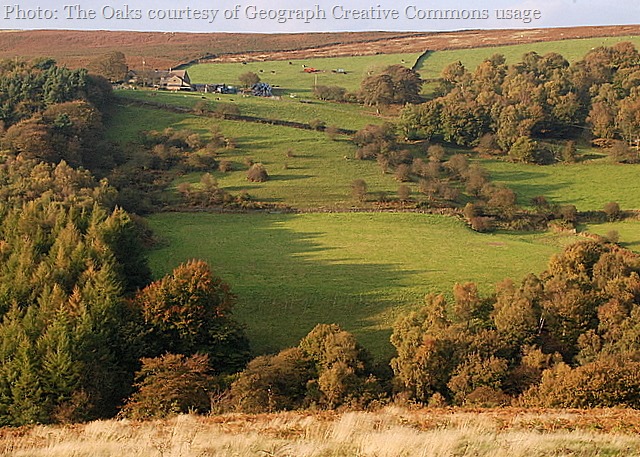
So: a remote quarter to hive off to after 60 odd years of living and working in the fume ridden, busy industrial environs of Smalldale and Bradwell. The lonely farm that the hatter took on was only 32 acres, presumably all grazing in that exposed location, and although it was by no means unusual for Derbyshire folk have at least two principal occupations: e.g. farming and lead mining; farming and butchery; farming and millstone cutting or scythe-making or joinery or running delivery services, the late-day switch from hat making to upland stock-raising at first seems surprising.
But then what about the famous Bradda Beavers!
On the other hand, one of Robert’s mainstay hat lines would have been the Bradda Beaver, a sturdy, brimmed hat made from thickly felted sheep’s wool. Their manufacture began in Bradwell and Smalldale the 17th century, and for a time the export of this highly durable headgear to London for further shaping and finishing was extremely lucrative. The trade supported several Smalldale and Bradwell hat-making families over many generations (In particular the Evans and Middleton families).
The hats were also sold in large numbers to local miners since they were both water resistant and stalwart enough to support a tallow candle for deep-mine prospecting. Robert’s own father, Christopher Jackson, was a lead miner, but his mother, Sarah Middleton, may well have belonged to Smalldale’s hat-making Middleton dynasty, and perhaps it was through her that he took up hatting rather than mining.
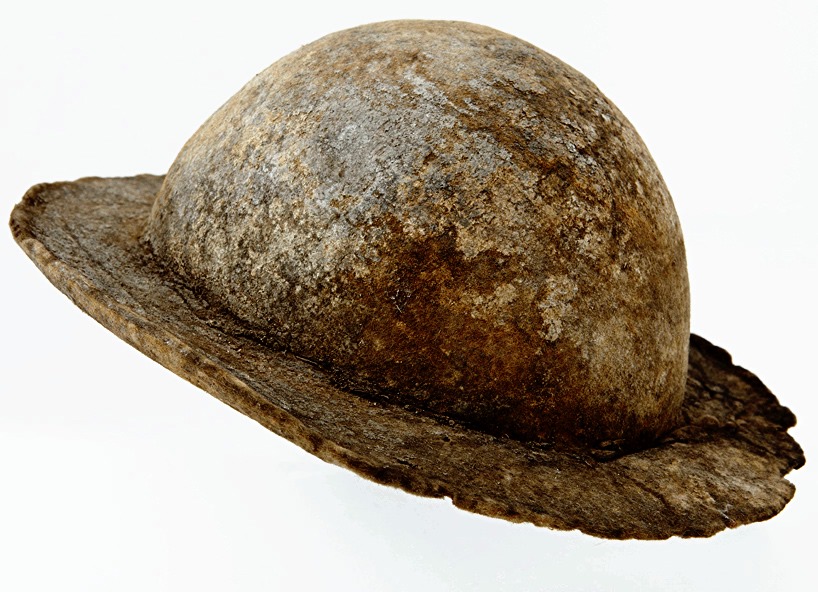
Bradda Beaver Photo: Peak District Mining Museum
*
The Bradda Beaver in the photo is a rare survival and now to be found in the Peak District Mining Museum in Matlock. The felting process apparently involved many rounds of heavy labour – carding and steaming and planking the fleeces. It is likely, then, that Robert Jackson knew his sheep. It is also likely, in the face of declining business, that he wished to secure the farm tenancy with his son’s future in mind. And sure enough, after Robert died in 1857, the records show that John remained at the Oaks until his own death in 1888.
Interestingly, father and son both put this address on their respective gravestones: ‘The Oaks, Highlow’, albeit in different graveyards (Great Hucklow and Hope). It makes me wonder if there isn’t just a touch of ‘social climbing’ by association – even in death? Highlow with its gentry and aristocratic connections was a location with cachet – both of status and romance. And there was always the annual tenants’ ball at Chatsworth to attend. Family legend has it that one year, around her eighteenth birthday, my Great Grandmother opened the ball with the Duke of Devonshire.
But back to gravestones and other odd discoveries.
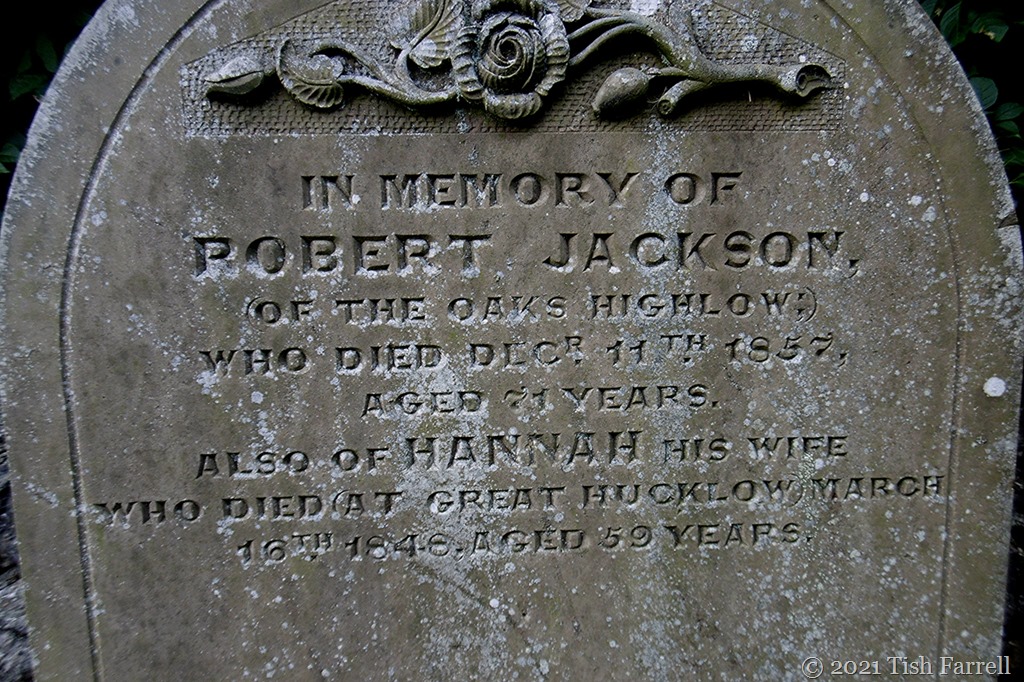
In the midst of ancestor searching a week or so ago my external hard drive died. It was while I was trying to assess the extent of file loss that I came across the photo above, taken several years ago on a ramble round Derbyshire. For some reason I’d opted to go to the small hamlet of Great Hucklow, halfway along the lane between The Oaks and Bradwell. I’d simply wanted to get the gist of the village where I knew Fox family members had been lead prospecting in the early 18th century.
When we got there it was all surprisingly rural and, in search of something particular to explore, we’d ending up pottering around the redundant Methodist Chapel’s tiny burial ground, and that’s when I found this prominently placed stone, thought the addition of the Oaks address noteworthy as I also knew the Callow Foxes had farmed there in the 17th century, and so taken the stone’s photo. It is thus rather strange to now find I’d had passing ‘communion’ with the remains of an actual ancestor, though why he and Hannah chose to be buried there is a mystery. Until that point, as far as I have discovered, all family rites had taken place in Church of England parish churches; but now here was a non-conformist element (much in favour in mining communities). And what was Hannah’s connection with Great Hucklow. Had she died while visiting relatives there and her burial become a matter of some urgency?
Then I discovered Robert Jackson had left a will, which for the small sum of £1.50 could be ordered on line from the Government will and probate office. Often old wills are short on specifics, especially if there is a surviving wife. This one, though, threw up more surprising aspects, not least several bequests involving the former hatter’s ‘lead mines and shares in lead mines’. In other words he was leaving the rights, rents and income from a series of lead seams or rakes, along with barns and cow houses, in various named fields in Great Hucklow.
The beneficiaries apart from Mary and John, were ‘dear daughter Jenny Bennet’ from Robert Jackson’s first marriage, and ‘dear granddaughter Mary Ann Bennet,’ whose own mother, Hannah, Jackson’s eldest daughter from the first marriage, had died soon after giving birth. Jenny Bennett, as it turns out, was both Mary Ann’s aunt and her step-mother, having married her dead sister’s husband, Richard Bennett, lead miner of Bradwell, a year after Hannah’s death.
Phew! What a rigmarole. But presumably it was Jackson family proximity in Highlow that provided the opportunity for Gt Gt Grandmother Mary Ann Bennett to meet George Brayley Fox. She was only 22 when she married him at Hope in 1860, and he was pushing 40. Not only that, an elderly widowed Robert Fox was still head of the Fox family at Callow. He had lost his own Mary Ann back in 1845, she the locally named ‘London Lady’ of unknown origins whom he had wed by marriage bond at Southwell Minster, Nottingham in 1812.
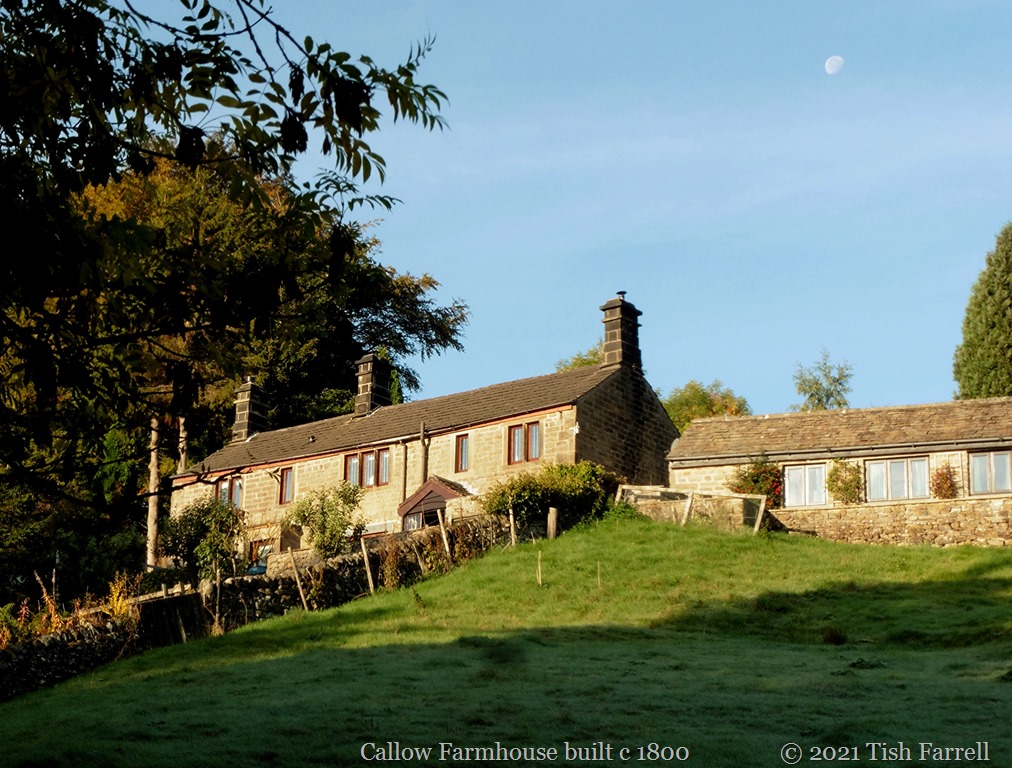
At the time of the 1861 Callow census Robert Fox is 83. It is perhaps telling that the newly married George and Mary Ann are recorded as ‘domestic servants’ (shades of Wuthering Heights?) Mary Ann is probably about to produce her first child, and it seems more than likely that step-mother Jenny Bennett and daughter Harriet, who are named as visitors, are at Callow for this very good reason. When the first son arrives he is christened Robert Jackson Fox, so honouring both grandfathers.
And finally a Great War connection…
There’s surprising historical postscript to the Smalldale-Bradwell hatting business. It’s what I meant by those unexpected lenses through which we glimpse small and telling historical details. The trade in Bradda Beavers struggled on in the late 19th century. Only one Derbyshire company survived into the twentieth century. But then came 1914 and the horror of trench warfare and the pressing need for soldiers’ helmets. The earliest ones were made in the nearby steel-making city of Sheffield. I came across this account from Julie Bunting in The Peak Advertiser 14 Aug 1995:
Long after hat making ended in the Peak, the design of the old Bradda Beaver was resurrected in a manner which deserves wider recognition. It came about in the early days of the First World War when British soldiers at the front were in desperate need of suitable helmets. Research centred on the steel making city of Sheffield, where in 1915 Walter Sissons, of W. G. Sissons & Company, silversmiths, suggested a pattern to the Munitions Committee. The die for the prototype was made from a plaster cast of an old Bradda hat, taken by Walter Sissons junior, who lived in Bradwell. The pattern met with instant approval and the Trench Warfare Department placed an initial order for one million helmets at 4s 6d each.
Of course establishing a die for the first Sheffield production was only the start. The Tommy’s ‘tin hat’, also known as the Brodie helmet, underwent several modifications through the course of the war.
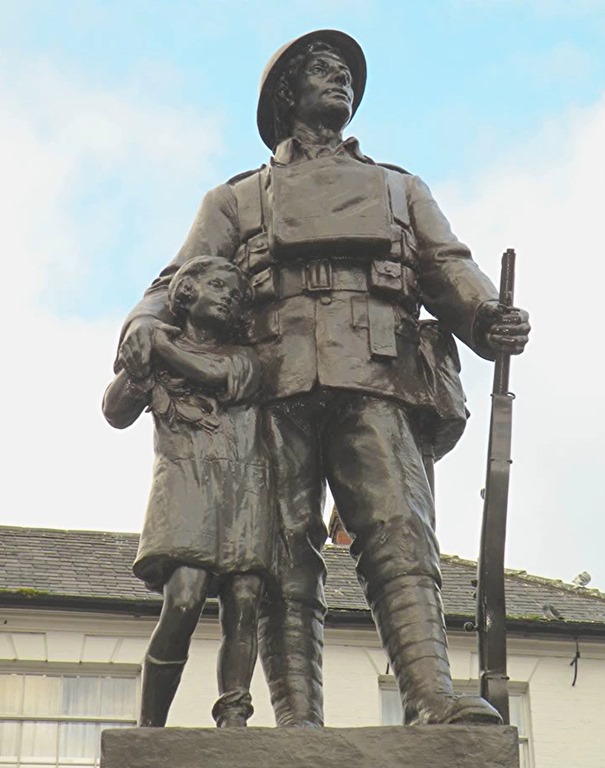
Photo: Sleeping Gardens: War Memorial ~ Alfreton, Derbyshire
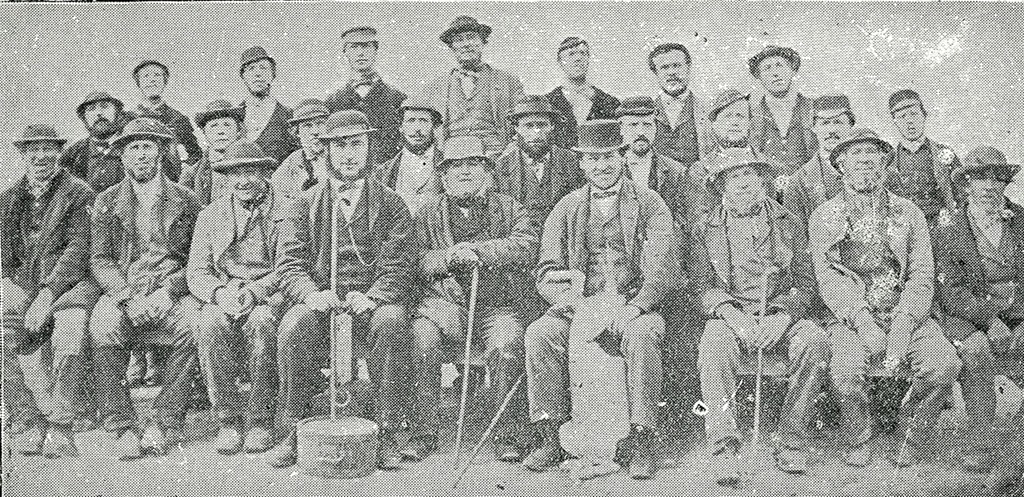
And here are a few examples of Braddas as worn by some of the older members of the Bradwell Rake Head miners in the 1860s. (Photo: Bradwell Ancient and Modern 1912 by Seth Evans.)
Rights to mine for minerals in Derbyshire were held by the ruling monarch, a prerogative commonly known as the ‘King’s Fields’. These rights were mediated and overseen via rulings from the Barmasters and jurors of the Barmote Courts set up from 1288 at a number of locations across the lead field. I think it would be fair to say that lead miners did not care to answer to too many other people. There is still a surviving courthouse or Moot Hall in Wirksworth. Meetings are still held there. One way or another, besides the miners and their monarch, all social strata had some involvement in the lead trade during the heyday from the 17th to the early 19th centuries – dukes, gentry, parish priests, merchants, blacksmiths, joiners, lawyers, shopkeepers, candle makers, publicans, farmers…and yes…hatters.
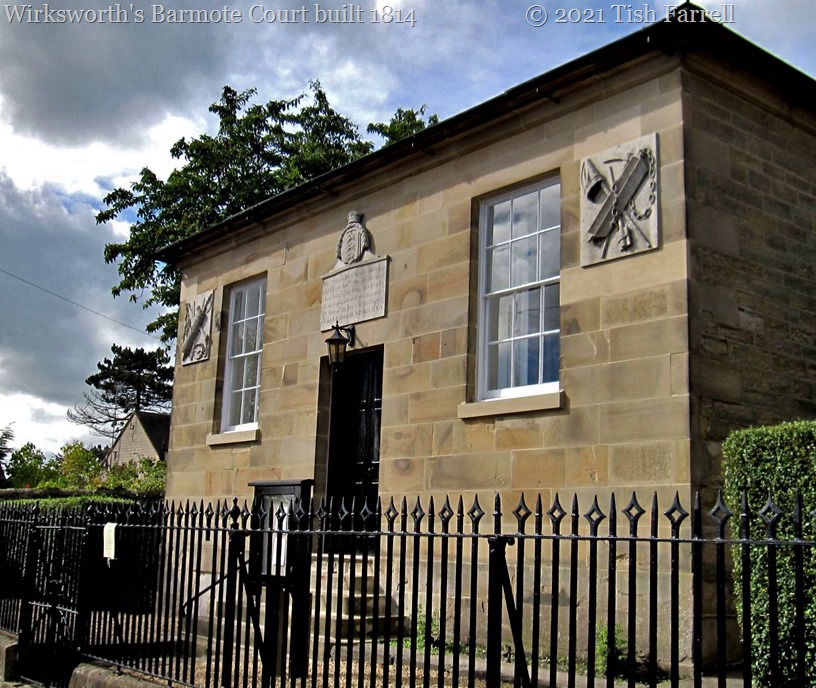
copyright 2021 Tish Farrell
Related posts:
So what did Great Great Grandfather George Brayley Fox keep in his barns in 1892?
Lost down the time-travelling rabbit hole with Great Great Aunt Sophia
Historical sources: census returns for Hathersage, Highlow, Eyam, Bradwell; records of Hope and Eyam Parish Churches; Robert Jackson’s will; Seth Evans Bradwell Ancient and Modern 1812

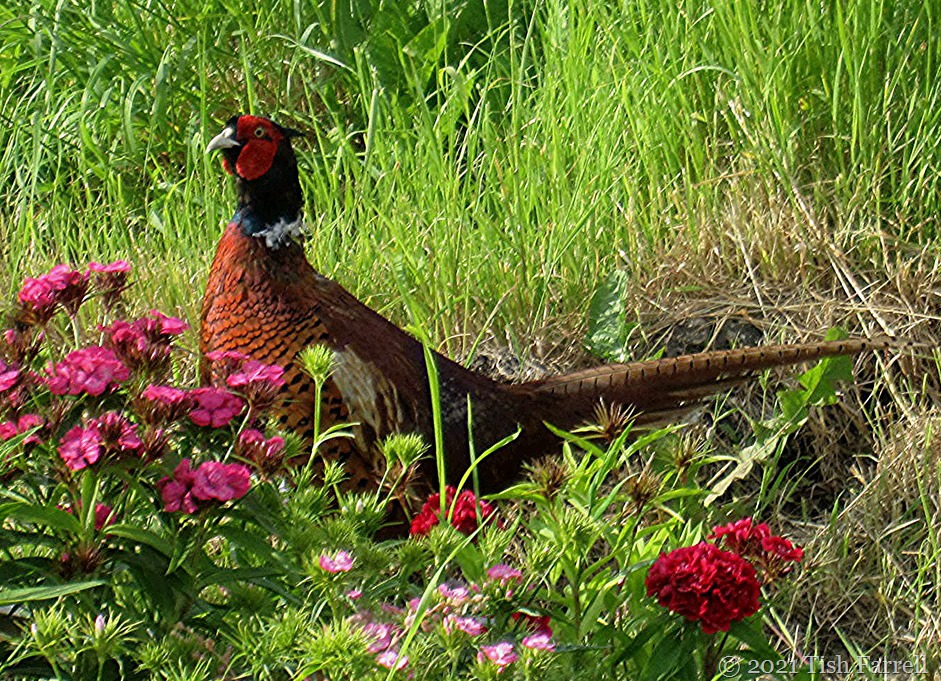
This week Lisa at Our Eyes Open asks to see photos of birds we love. To be honest pheasants are not a favourite, though their plumage is certainly magnificent. What I love about this pheasant is that he stopped to pose by the Sweet William. It shows him off so very nicely, don’t you think. After that I wasn’t too keen on him, and reverted to grumpy gardener mode. The photo was taken near my allotment plot and I didn’t need him nibbling and pecking among my veggies.
