
BLUE!
So I’m passing it on: Monday lift-the-spirits blue

BLUE!
So I’m passing it on: Monday lift-the-spirits blue
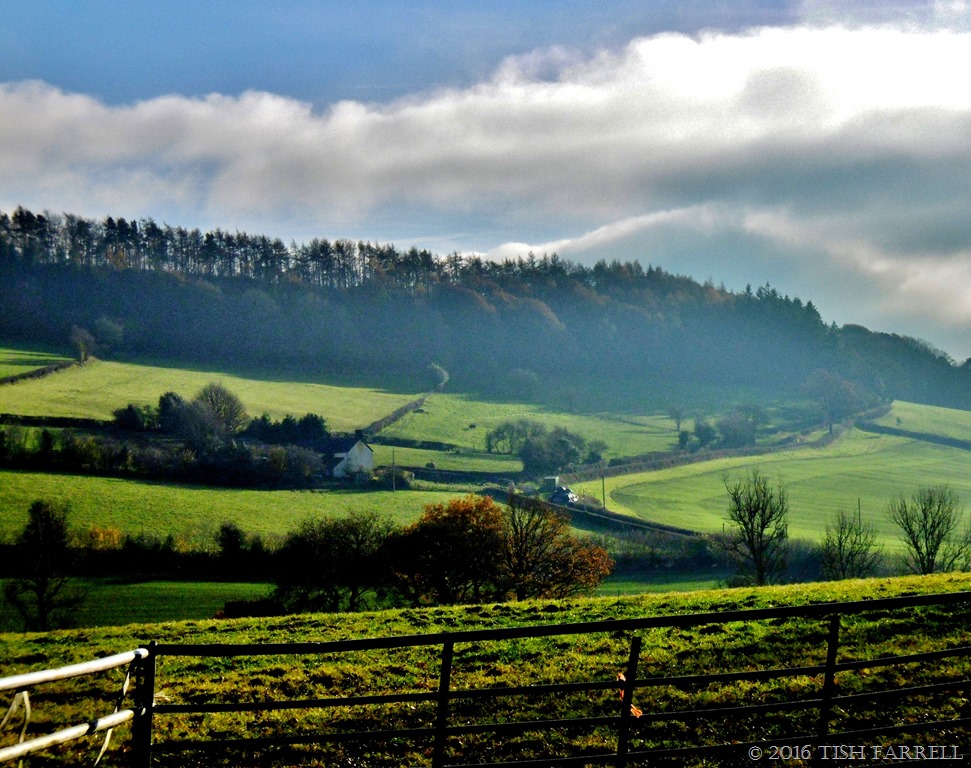
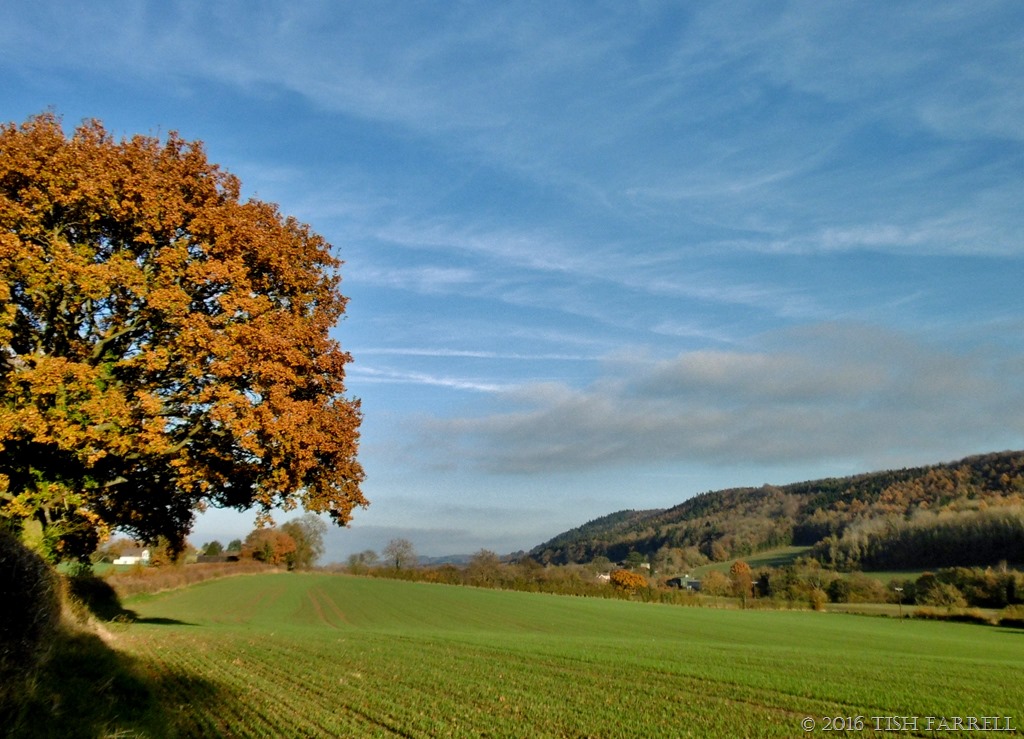
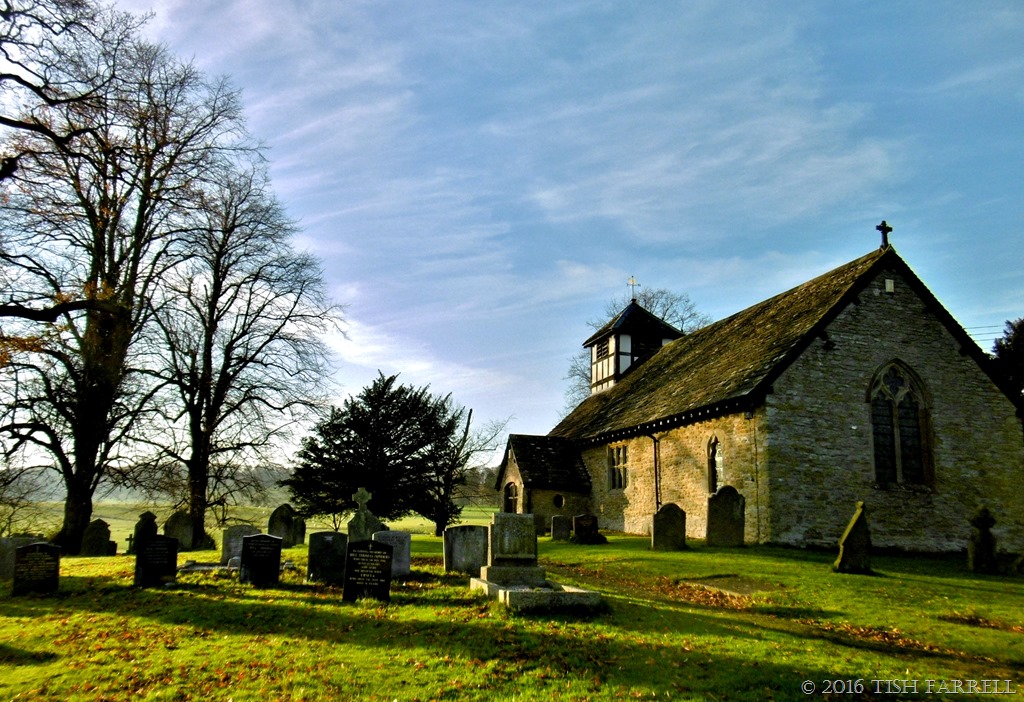
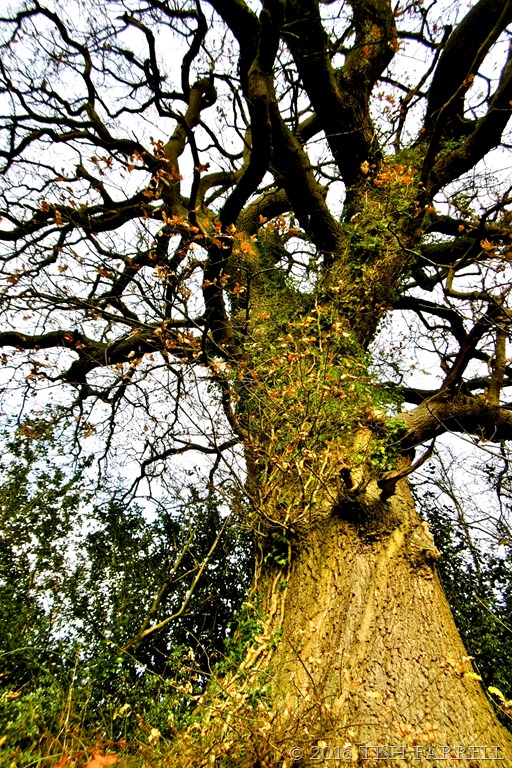
Today was a golden day – not a breath of air and the landscape lit up by the oak trees that still have their leaves. Here are some glimpses, then, of my corner of Shropshire on a late November afternoon.
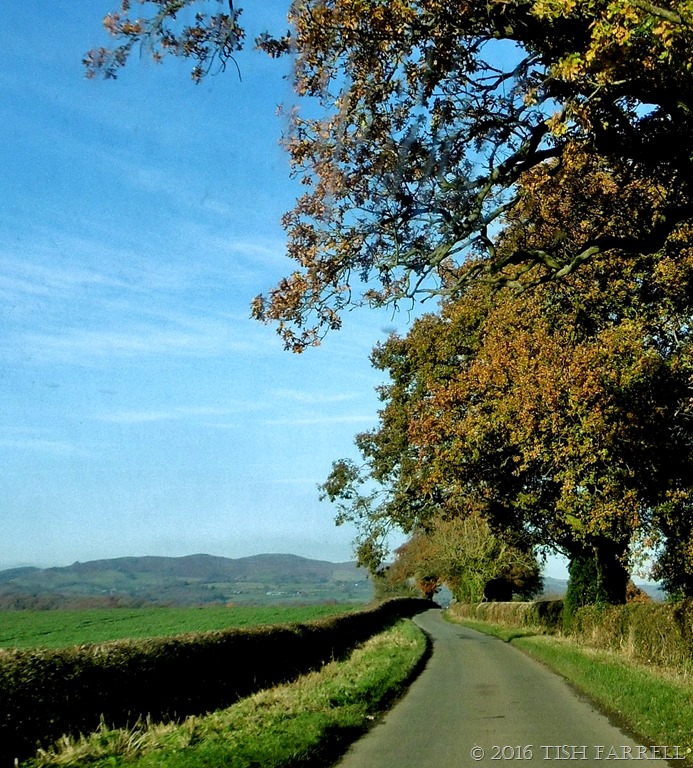
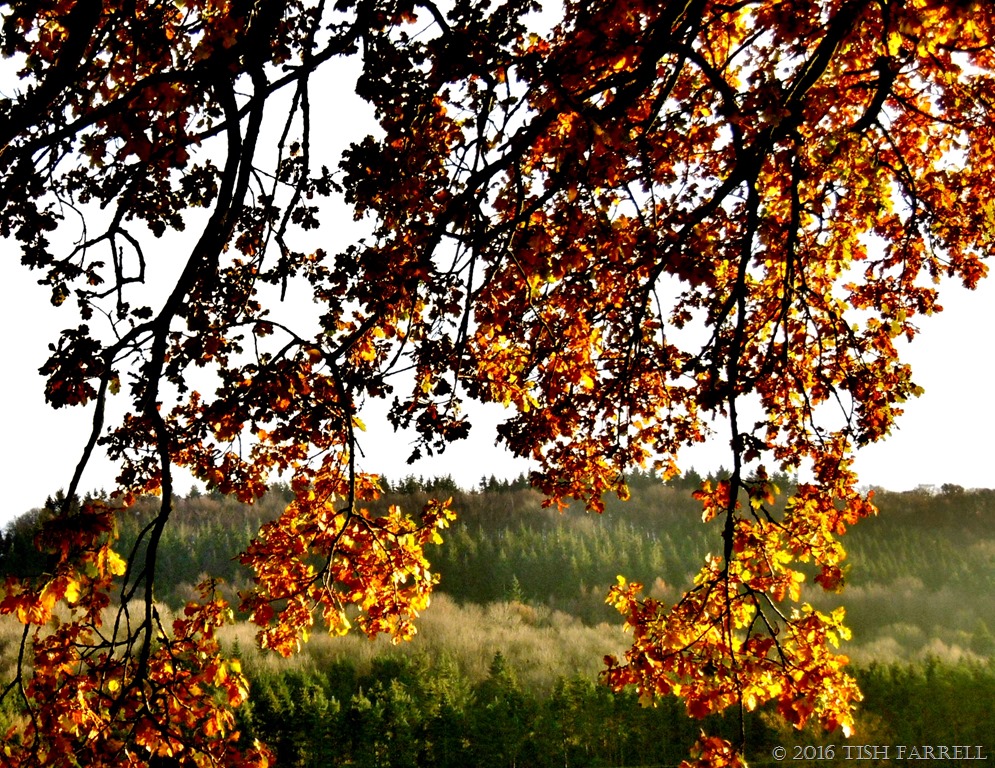
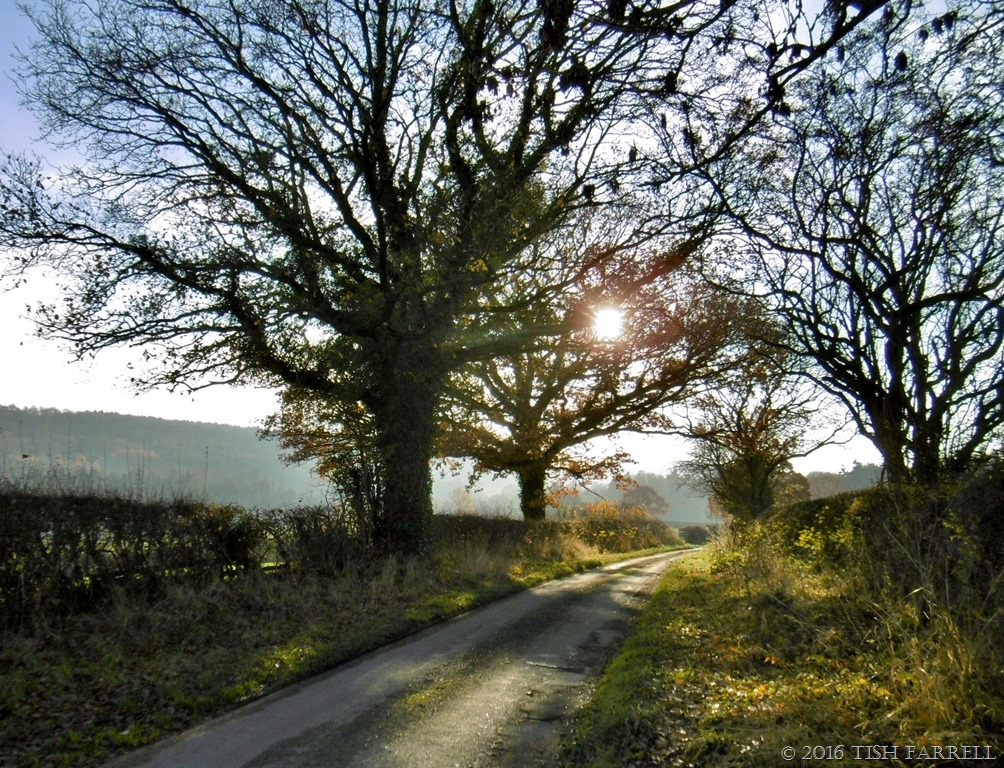
Cardinal Guzman: The Changing Seasons


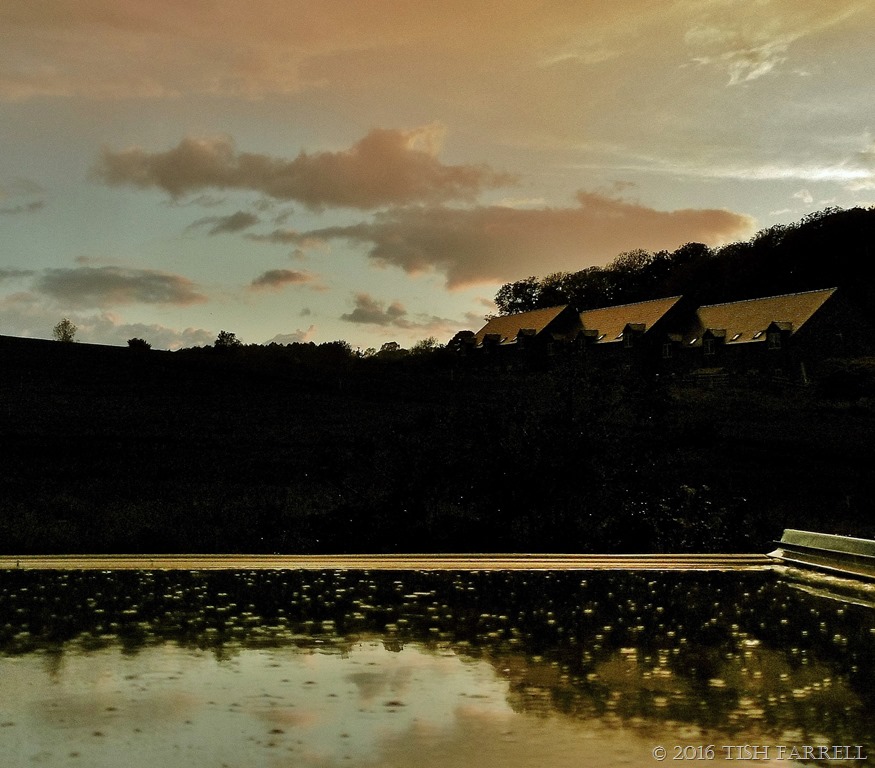
If I stand on the bed in my office, I can open the roof-light and place my digital camera on the glass. It makes for some quite interesting twilight effects, and means I can use zoom and more zoom – i.e. as in playing, not writing. But then all writers/creators need to do lots of playing: it’s all part of nourishing the imagination. The knack, of course, is knowing when to stop, and get down to some hard graft. Not today, I’m afraid.

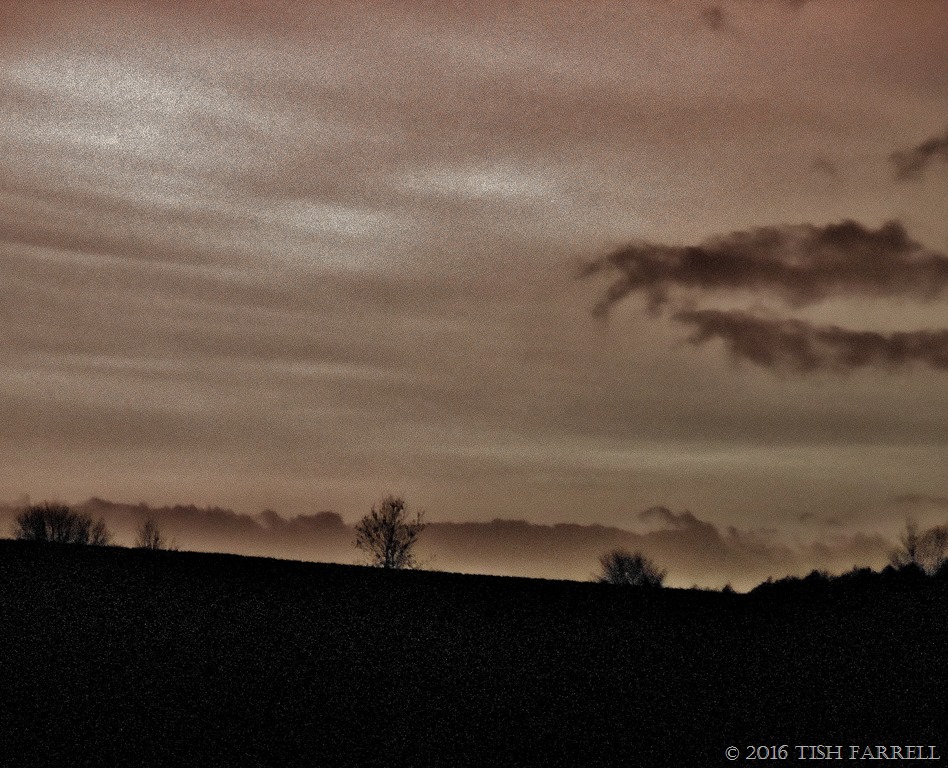
This Thursday at Lost in Translation Paula asks for twilight, and who are we to refuse her.
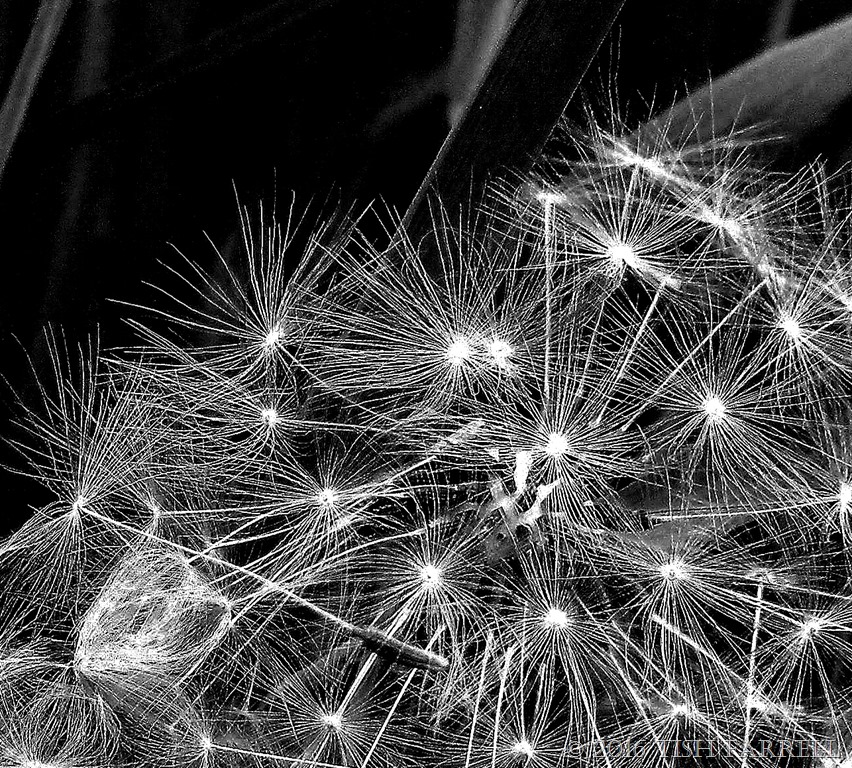
Talk about conflicting interests. When I’m at work on my allotment I continuously wage war on dandelions. They are shown no mercy, bar resorting to pesticides. And yes, I know they are very helpful plants – the roots plunging deep into the soil strata and releasing otherwise inaccessible nutrients into the topsoil.
On the other hand, on the way to the allotment, camera to hand, I have a lot of time for them. They are of course in the farmer’s field, and not on my plot, which helps to foster a little appreciation. I find their seed-head ‘clocks’ endlessly photogenic. Looked at closely, they have a mysterious and mesmerizing quality: the perfect design of their parachutes, each one programmed for relentlessly unavoidable procreation.
And so, even as I feel my spade-hand twitching towards a ruthless uprooting, I’m also thinking ‘live and let live’. There are other good reasons to love dandelions. I’ve mentioned in earlier posts that these plants possess great therapeutic qualities. Herbalists have long used the roots for healing liver conditions, while the leaves and flowers act more on the kidneys (not for nothing is the dandelion’s country name piss-in-the-bed.) You can use the young leaves in salads, while the roasted roots make a passable coffee. Meanwhile, the dandelion in the photo is also auditioning for a special effects role in Star Trek.

Here’s another place I never tire of photographing – the Linden Walk. Not only is it lovely of itself, but it also leads to Windmill Hill, that other object of my snapping affections. I took this photo yesterday with the leaves whisking off the trees. It was too windy for those addicting musky smells of autumn leaf litter, and the delicious summer scent of lime tree flowers was only a memory (until next year of course).
But whatever the weather or time of year, this lime tree avenue is always a very soothing place to walk. Its other-worldly quality takes you out of yourself: a pathway to another dimension perhaps? Doubtless the town’s physician, Doctor Penny Brookes, who planted the trees in 1869 was well aware of the calming properties of lime trees since he was also a Padua-trained herbalist.
When made into a tea, the blossoms have a sedative effect. This was a recommended therapy during World War 2 (Richard Mabey Flora Britannica).
But in the absence of linden flower tea, here’s the lovely second movement ‘Petals’ from Takashi Yoshimatsu’s Piano Concerto Memo Flora; Kyoko Tabe piano:
Post inspired as ever by Paula at Lost in Translation Please pay her a visit. CALM is today’s watchword.
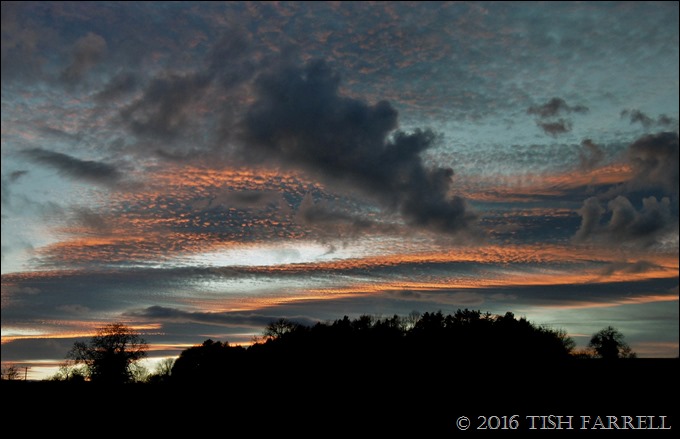
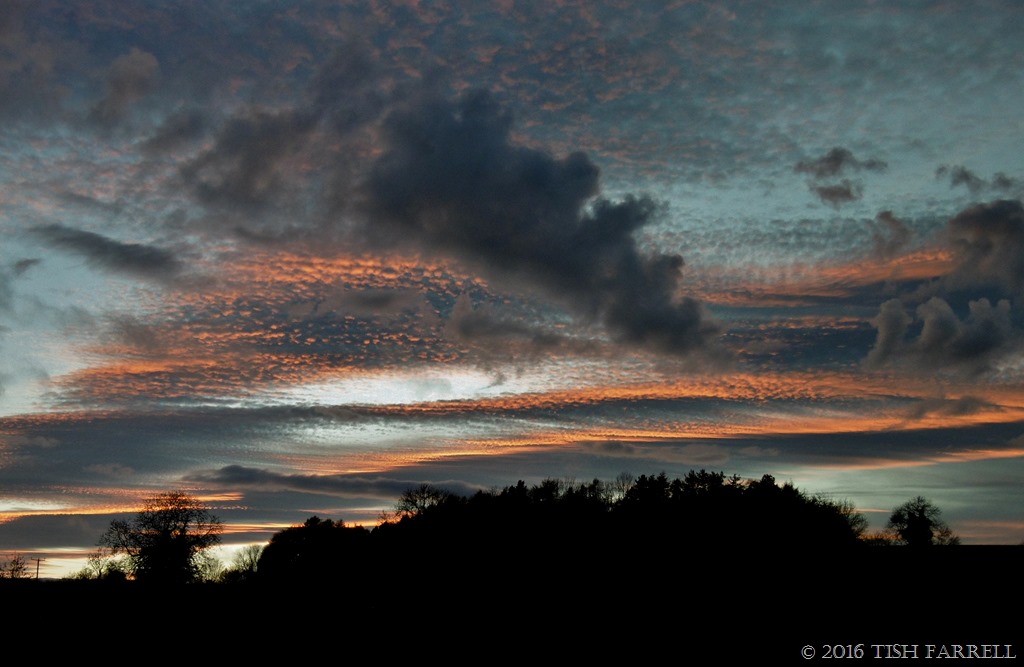
Hard to know which of us was on mind altering substances – me, my camera, or the Wenlock Edge Sky-painter. Perhaps all three of us. Anyway, I was tramping along the margins of Townsend Meadow, having been to the allotment for a trawl of Tuscan kale and cabbage tree greens. It was around 4 p.m. but already going dark, and I had paused briefly to watch three little girls bouncing so joyously on their garden trampoline in a hectic communion of after-school-steam-lettingoffness – when it suddenly occurred to me to turn around. And this is what I saw. It took my breath away. So of course I had to snap it and pass it on.

…at least till next year.

I posted the first photo of this oriental poppy last Thursday during a spell of unexpected sunshine, but I’m afraid the weekend’s rainstorms cut her off at the roots. Ah well. She was lovely while she lasted – so bravely out of time and season.
But writing this has just reminded me of what the lovely woman who sold her to me said.
If you cut your oriental poppies down to the ground after they have finished flowering in early summer, you will have a second late blooming.
Somehow I don’t think she meant they would flower in November. But then who knows what to expect these days, the way the seasons are shifting.
Cee’s Flower of the Day Please go visit Cee for more floral pleasures.

This week at Black & White Sunday Paula says choose our own topic. So here is one of my favourite subjects, and one that I realize has been totally neglected for ages and ages. (Meg at Twelve Months in Warsaw has pointed out – once or twice – that my penchant for snapping this particular local Wenlock landmark is somewhat akin to Monet’s repetitive haystack renditions). Ah well. Another OCD trait to admit to – along with obsessive compulsive compost-making. Also my other slight obsession is to use my camera’s monochrome setting in poor light conditions just to see what will happen. Here I was lucky to catch the last gasp of sunset before it slipped behind Wenlock Edge.

This oriental poppy has been unfurling its petals for the last couple of days – never mind the fierce squalls and sudden Arctic blasts. Never mind that it is NOVEMBER. This morning she finally opened into sunshine. Still a little crumpled in the frock department, but what chutzpah, eh, and for a flower that looks so intrinsically delicate.
Anyway, she is my offering for Paula’s Thursday’s Special challenge. Today she has given us five cue words to choose from: ascending, idleness, jaunty, whiff and luminosity. So here we have poppy luminosity. With a touch of jauntiness thrown in.
Come to think of it, to find something so lovely in the garden at this time of year, also has my spirits lifting sky-high, so I’ll throw in ‘ascending’ too. Hope she brightens your day too. Many of us could do with a good gloom antidote, mentioning no ‘T’ words.
copyright 2016 Tish Farrell
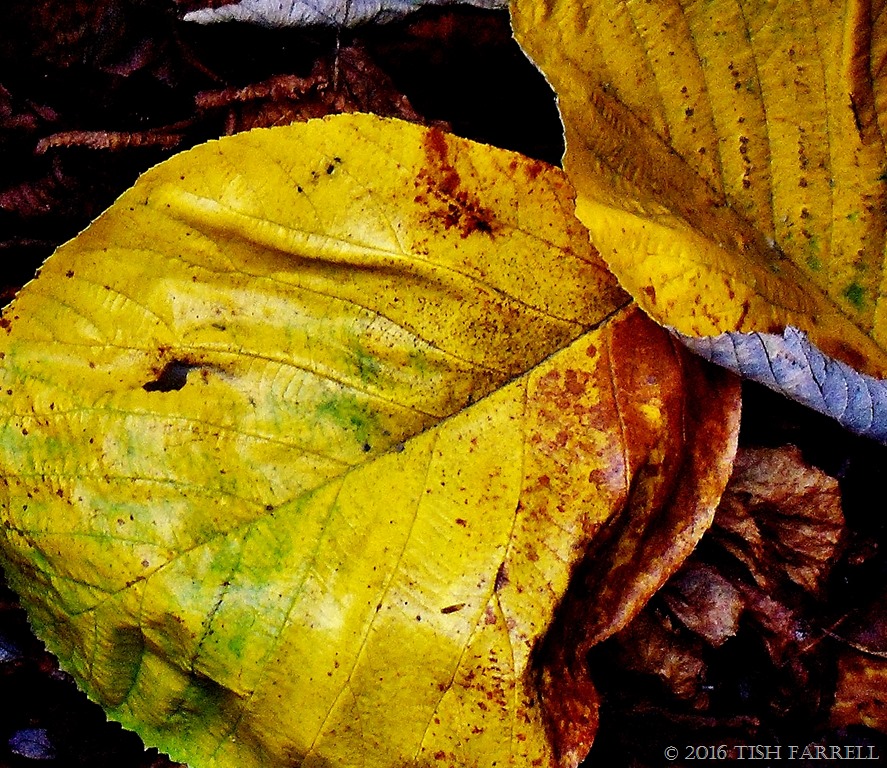
With sack and rake
I harvest gold;
tree-leavings:
bird cherry, damson, lime;
cached to rot.
It’s a slow alchemy –
six seasons it takes me
to process gold to dirt,
giving me the earth.
copyright 2016 Tish Farrell
*
For more leaf magic visit Verena at Festival of Leaves
