Looking Back: African Dawn

img20241008_12561103dawn flamingos ed

These last few weeks I’ve been immersed in a major displacement activity – both actually and metaphorically. While trying to find a good place to store Graham’s newish photo scanner, I decided I’d quite like to use it and revisit our old Africa negatives.

The Epson, however, was unknown territory. I’d done my original scanning using technology long since deceased, and I wasn’t altogether happy with the results, or with my editing. So first stop meant downloading software and all the nonsense that goes with it (compatibility/senescence issues – not mine – since both scanner and PC are only a few years old as far as their owners are concerned, but they are obviously superannuated in techno-ageist terms).

After several efforts, and two different apps later, I’m finally set to go, but then there is the issue of dealing with negatives that are twenty and thirty years old, were processed in Africa, have thus moved continents, survived several house moves, and not been stored very carefully. My original prints are in far better condition, some astonishingly sharp, but they are stuck in albums. So yes, as I said, a major displacement activity.

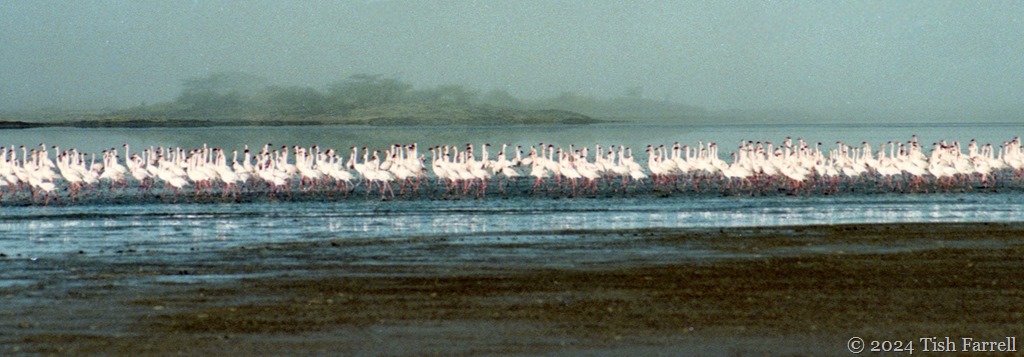
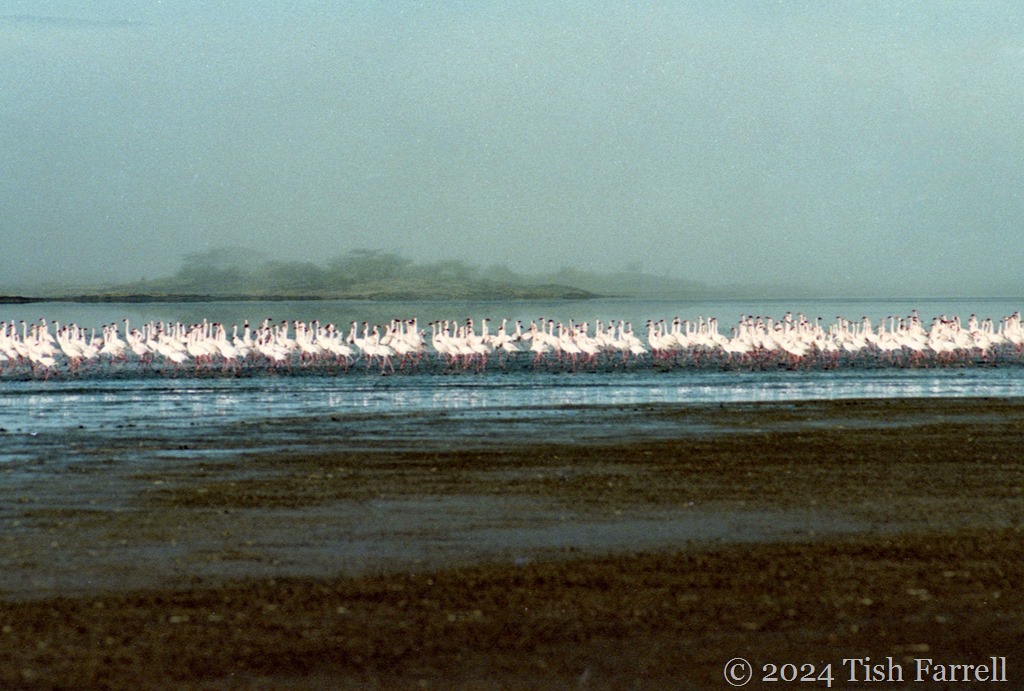
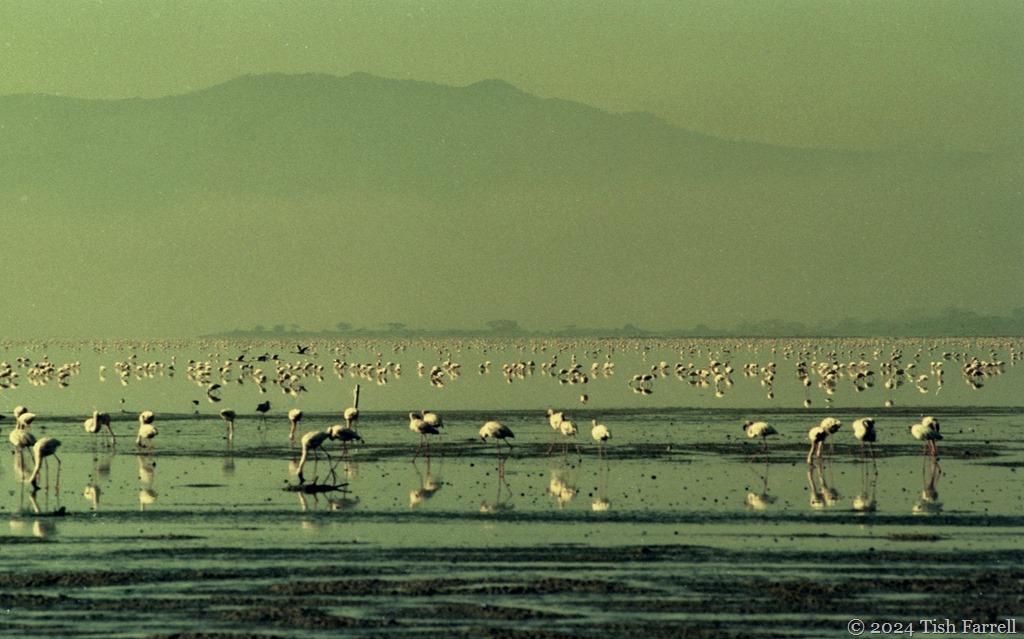
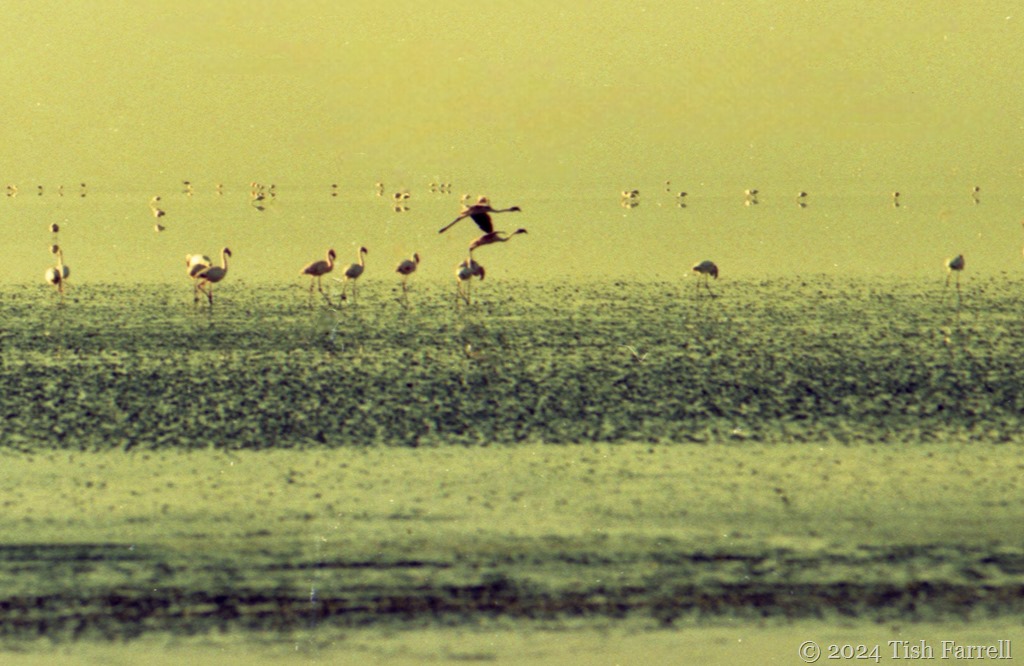
Yet it’s serious time travelling too, and every now and then a frame emerges and I am transported. The image may have lost clarity, but I’m there at first light, on the shores of Lake Elmenteita in Kenya’s Rift Valley.
The greater and lesser flamingos that inhabit this shallow soda lake never stop honking and grunting. It’s a seamless shifting soundscape that you hear all night if you are camping nearby. The loudness ebbs and flows, depending on where the flocks are feeding, but always strangely amplified across the shallow waters. At dawn though, you forgive the din, just for the sight of them through the mist. In the distance they look like scattered rose petals, and since the air is frosty at this hour, this sparks thoughts of celebratory champagne and ice bowls of strawberry sorbet…

img20241004_11291465 flamingo dawn

*

But let’s not get too carried away. If you venture out on the lake mud for a better view, beware. It’s slithery with flamingo guano, and the acrid smell of it, along with the soda, stings the nose, throat and eyes.

And yet…and yet these vistas have to be the most entrancing of all the many scenes in my memory archives.

*

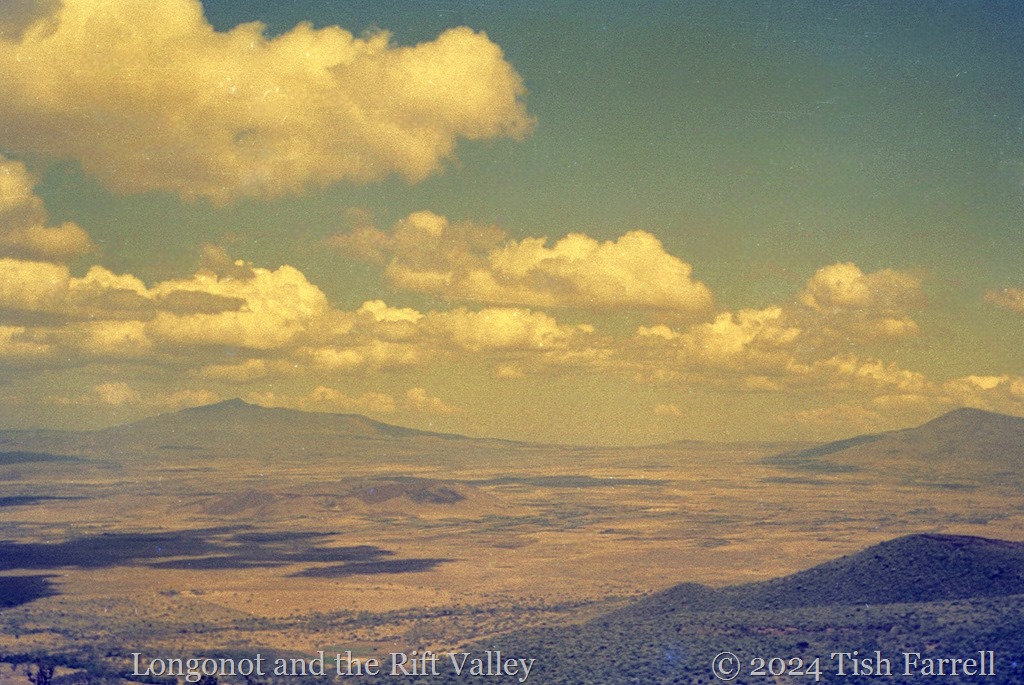
When we lived in Nairobi during the 1990s we came here when we needed a break from city living, staying at Soysambu tented camp. The drive up the Great Rift had its own thrills, both the astonishing views of the Rift volcanoes, and the hair-rising truck driving along the way.  It was always a relief to turn off the tarmac and bump along dirt tracks to the camp. img20241003_14405356ed

*

The lake and its surrounding land is mostly in the hands of the Delamere family. From the late 19th century to the 1930s, the third baron Delamere was both an agricultural pioneer and prime mover in the shaping of the then British colony. Among other land holdings, he acquired 46,000 acres around the lake in the early 1900s. At some stage there were attempts to grow wheat there, but the soil was too shallow and the land reverted to bush. In our day, the fifth Lord Delamere, managed the place as a private game reserve (more recently the Soysambu Conservancy) and cattle ranch.

img20241005_19451737 flamingo dawn

*

The camp back then was sheltered by fever trees, sixteen tents each with its view of the lake and the remnant volcanic cone, known by local Maasai as the Elngiragata Olmorani, the Sleeping Warrior.  There was always something to look at. The light on the lake changed every second and there were 400 species of bird to watch out for not least the campsite superb starlings, weaver birds, orioles, babblers, herons and storks – and then you might look up to see impala slip noiselessly through the trees or waterbuck out on the flood plain…

It could all have been a dream of course.

img20241005_19075173 Sleeping Warrior

img20241008_12580861ed

*

Lens-Artists: Looking back  This week Sofia wants to see the things and places we treasure and would like to revisit.

img20241008_12561103dawn flamingos ed header

What’s In A Garden ~ Or Tales Of The Not Quite Planned

butter bean blossom and morning glory

The thing about making a garden is you never really know what will happen there. Not really really. You do of course ‘set the stage’ for growing to happen – from planting up a few doorstep pots to toiling over ground work and designing and filling borders.

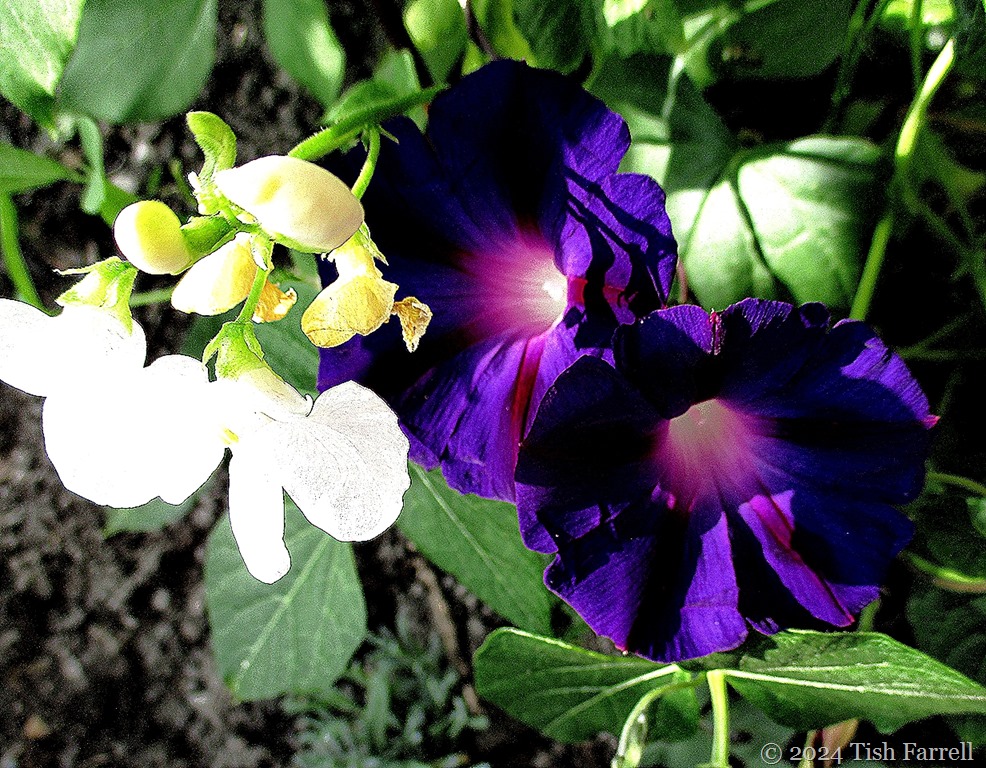
And then when you sow seeds, as I did here for Gigantes butter beans, and Black Knight morning glory – you could well envision how they might be if they were planted out together and set to grow up the front garden obelisk. (Header photo)

But you can’t necessarily predict the actual ‘show’, which of course is what’s wonderful about gardening. In many ways it’s ever an experiment. The pleasure comes when you walk outside and notice something  special, the something whose actual disposition you had no control over.

IMG_6023

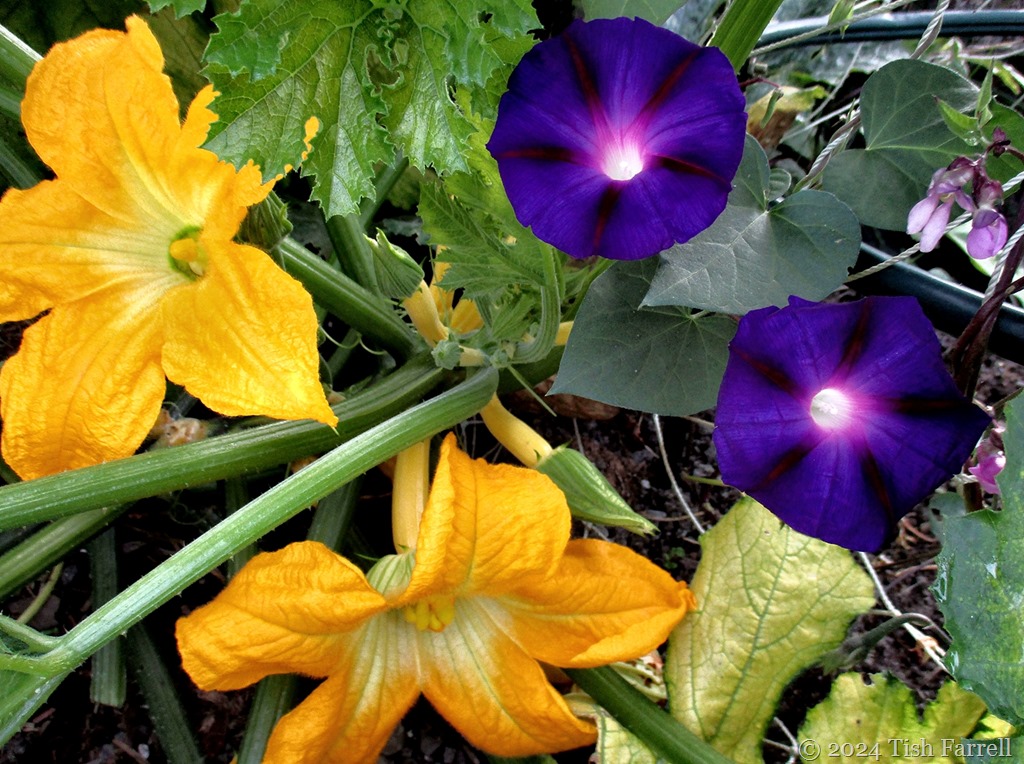
In the back garden I planted out some more Black Knights with purple climbing French beans Violette. But at the moment they seem more keen to keep company with the courgettes. The flowers have an unearthly look about them. I could swear they radiate light from their recesses.

IMG_6035

*

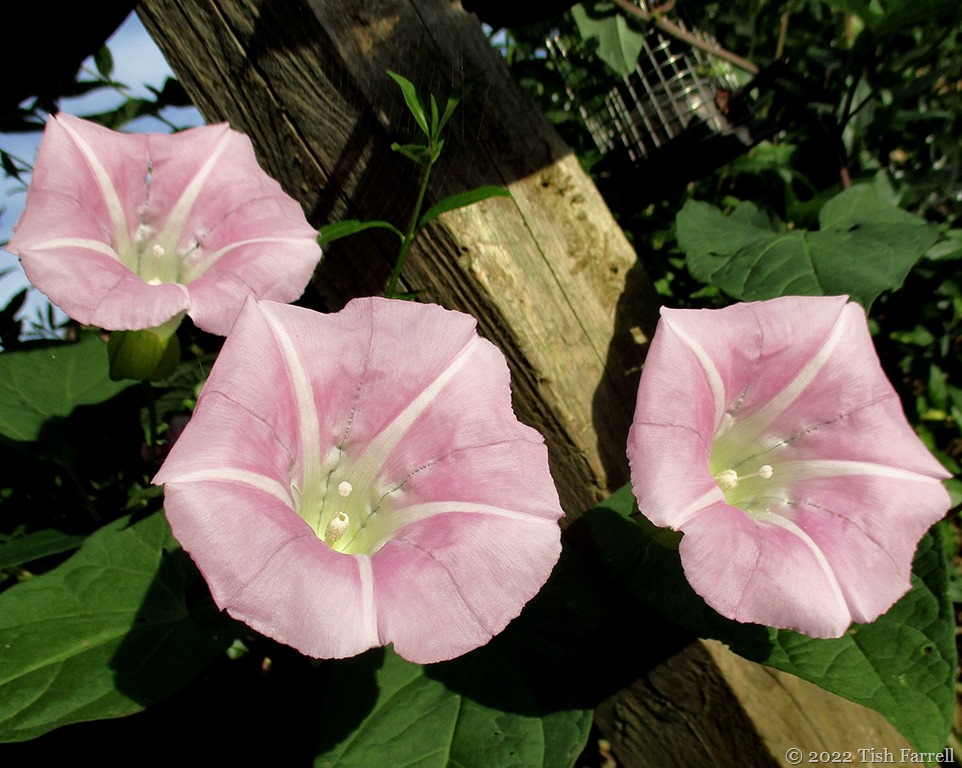
Then there are the wild and feral plants that invite themselves into the garden. Sometimes they are not too welcome. But sometimes they make one’s heart leap with delight. Here, entwined in our otherwise horrid hedge we have this glorious pink convolvulus (bindweed). The flowers are much bigger than the wild white version of themselves and they out-trumpet their morning glory cousins too.

IMG_6010

*

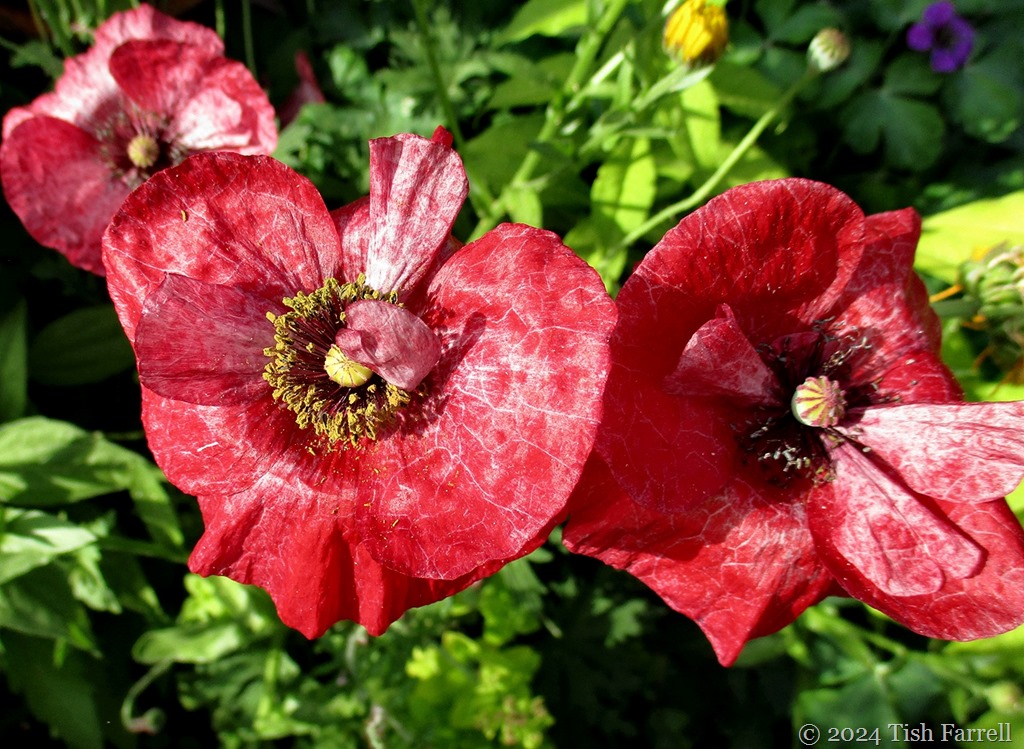
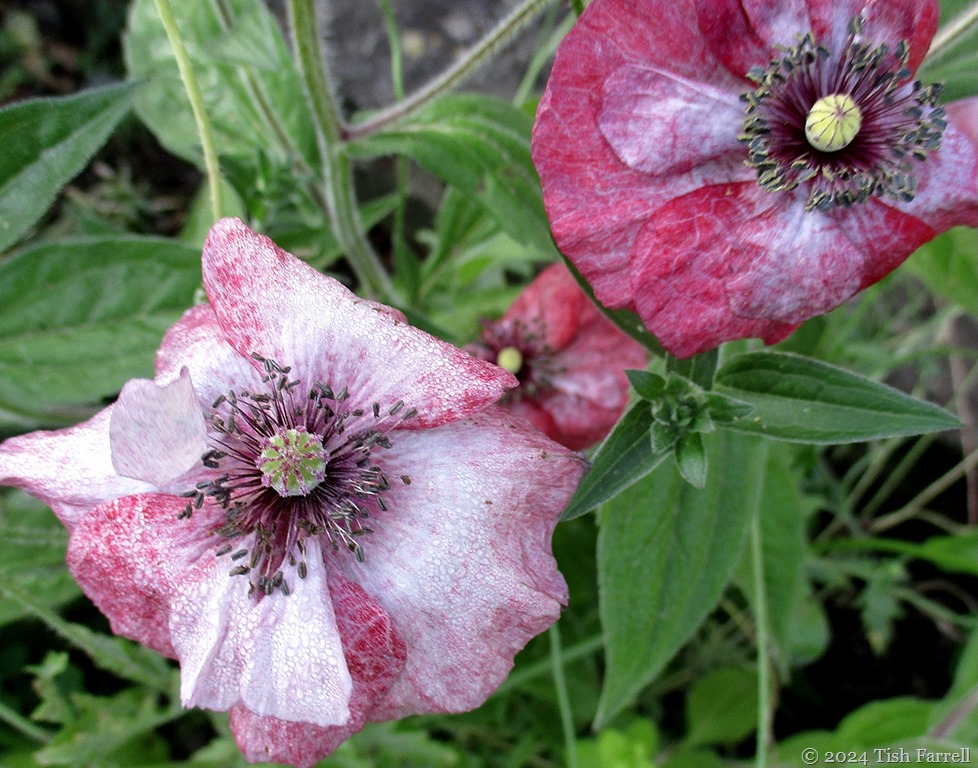
And then there are the garden invaders that invite more curiosity than delight. These delicate crimson-grey poppies are presently flowering above the terrace wall and, as far as I can tell, is a single plant with many branching stems. As the flowers fade, the more ashy they become.I’m not sure what to feel about them.

IMG_5878

IMG_6036

*

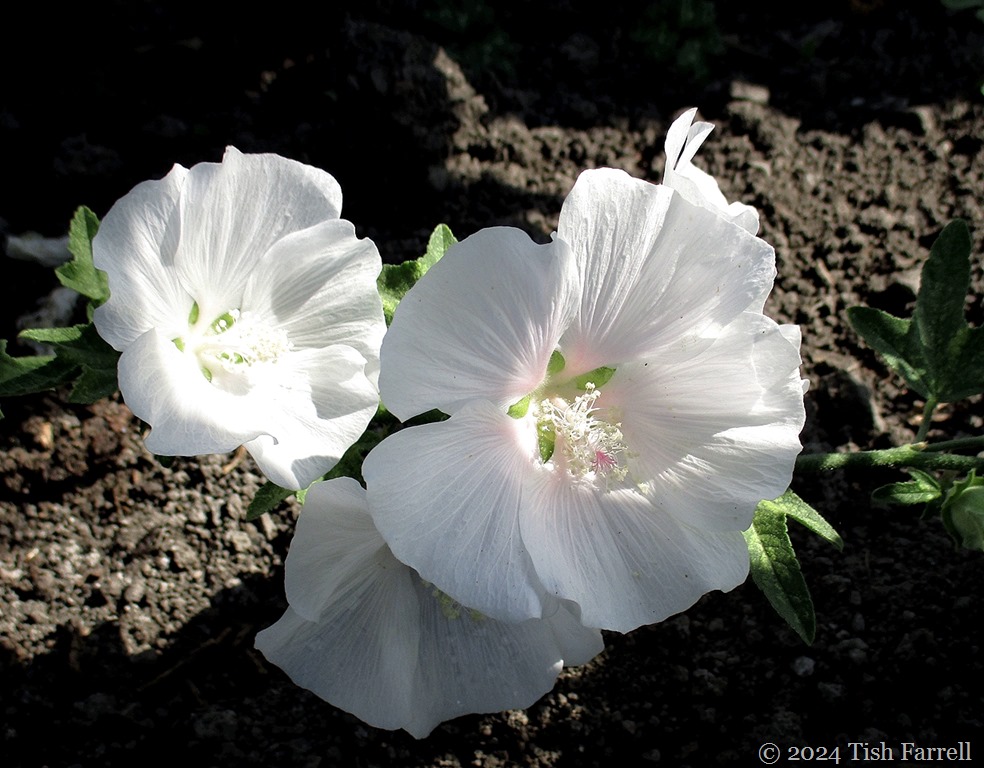
But I know I love this white marsh mallow, a shrub I bought recently to grow on and fill a gap along the back garden fence. A perfect moment – catching the early morning sun on its face:mallow

*

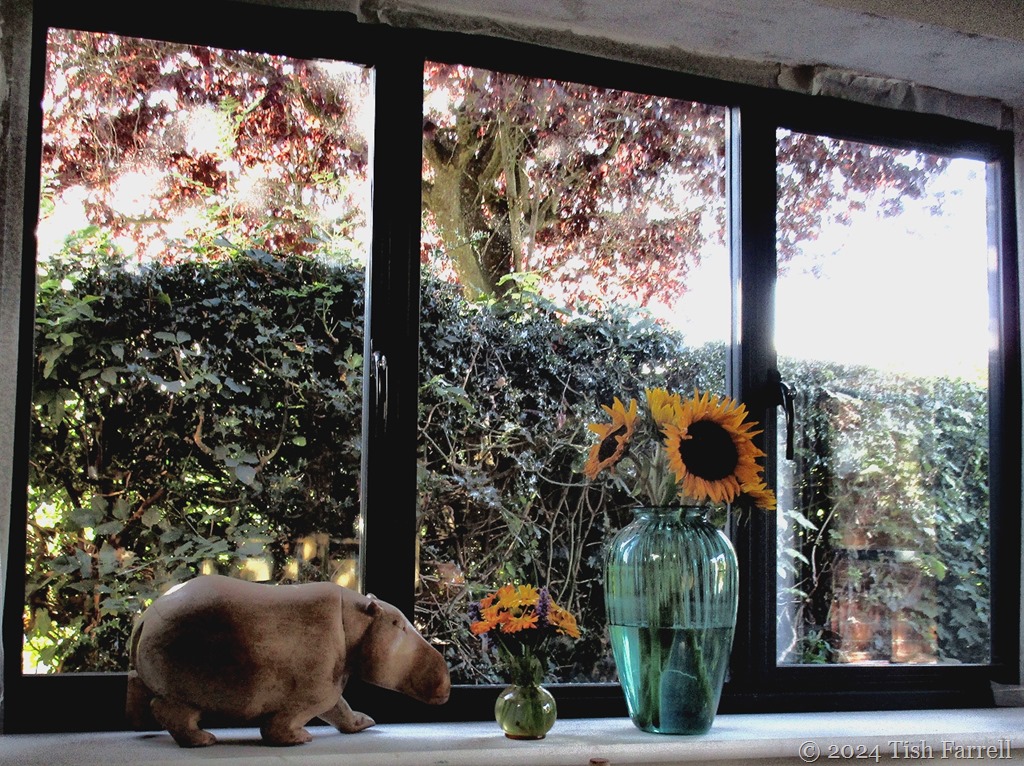
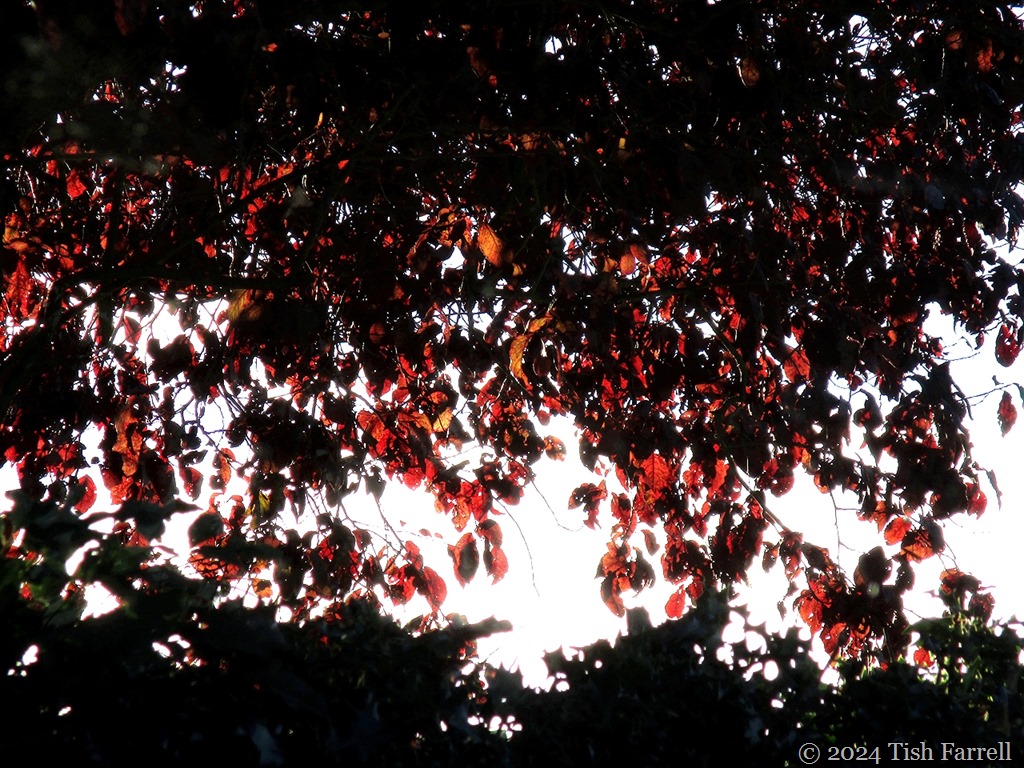
And then there are things that add to a garden that aren’t quite in the garden. Just over the hedge, on the roadside verge, is an ornamental cherry tree with deep burgundy foliage. At sunset, as we eat supper, we have a glimmering light show at our new kitchen window; not at all what we were expecting.

kitchen window

IMG_6006

P.S. For followers of the house renovations: the kitchen’s not finished yet. Last lap stuff still to do.

Lens-Artists: What’s In A Garden  Ann-Christine at Leya shows us some stunning gardens

Shadows And Silhouettes

P1040281 cr

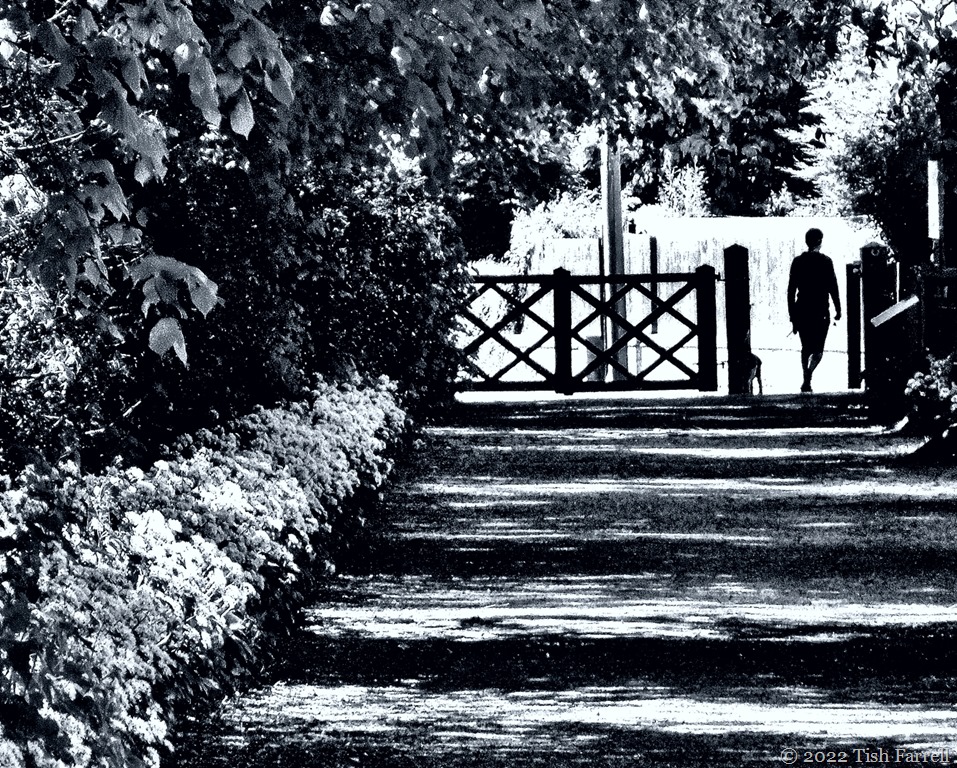
Herewith a reprise of some favourite monochrome shots from the Much Wenlock archive. The header is the entrance to the Linden Walk, which several of you (Jude especially) will well remember.

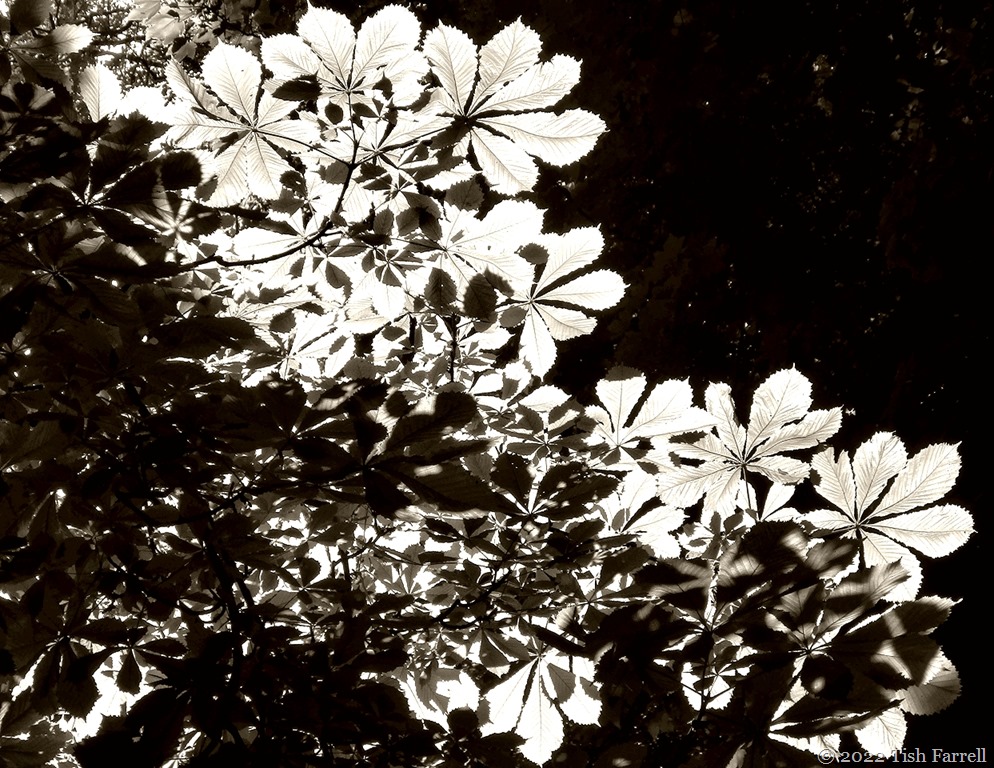
The next photo was taken on the shadowy cutting of the old railway line that runs alongside the Linden walk: top-lit horse chestnut leaves…

horse chestnut leaves

*

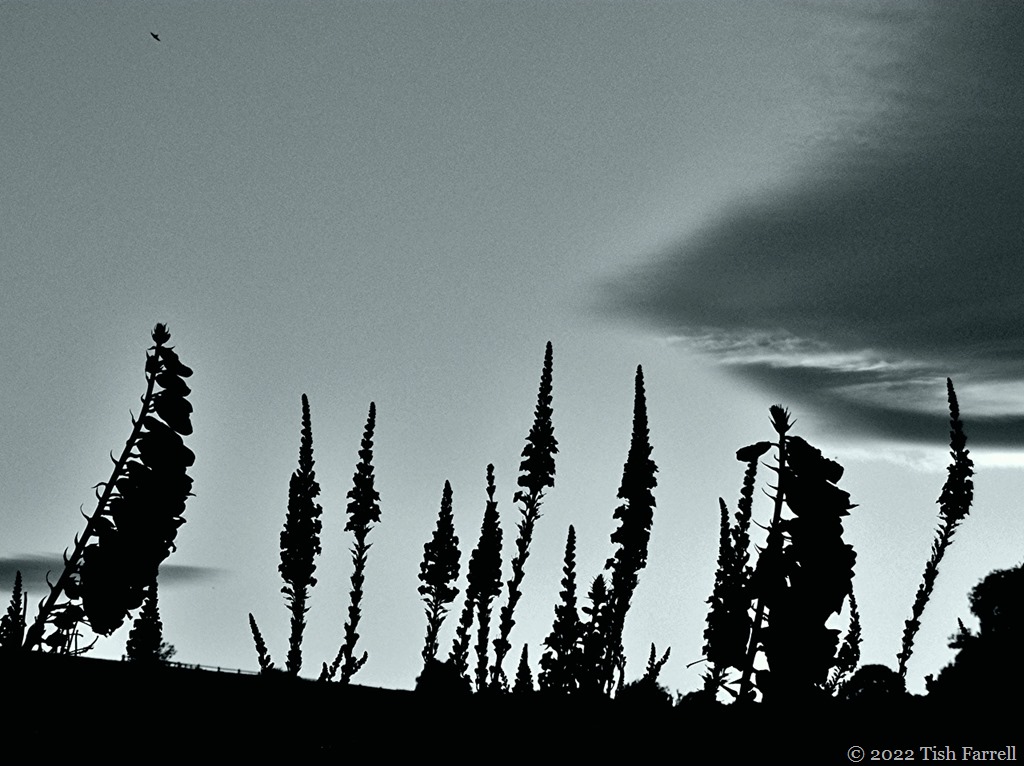
Next, a former back garden view of foxgloves: sun setting over the fence…

P1080211re

*

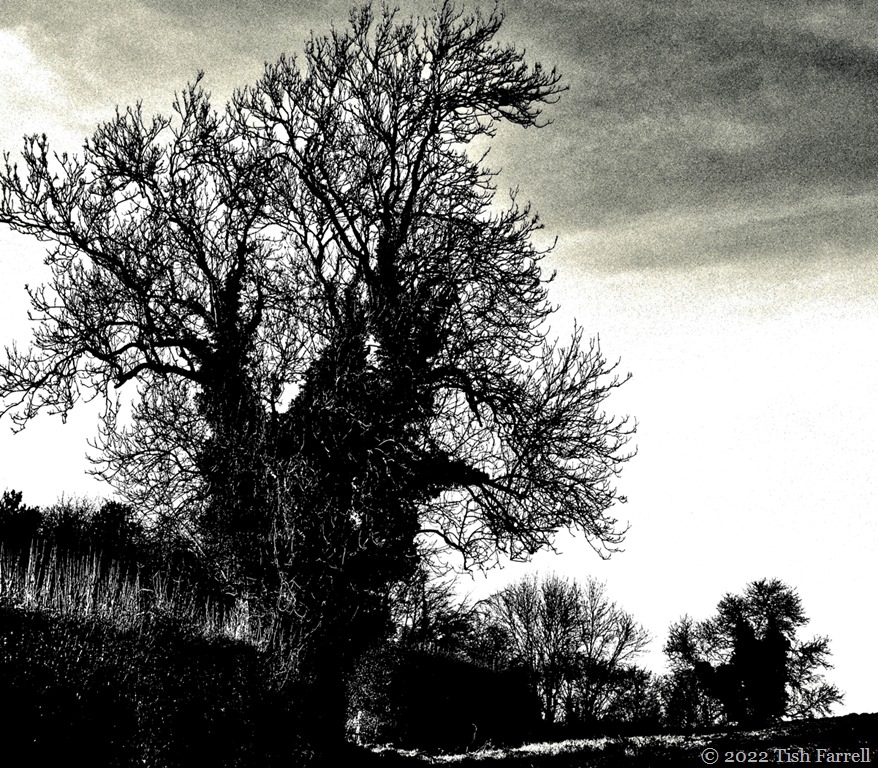
A couple of wintery scenes now. First the ivy clad ash trees in Townsend Meadow:

P1000348ed

*

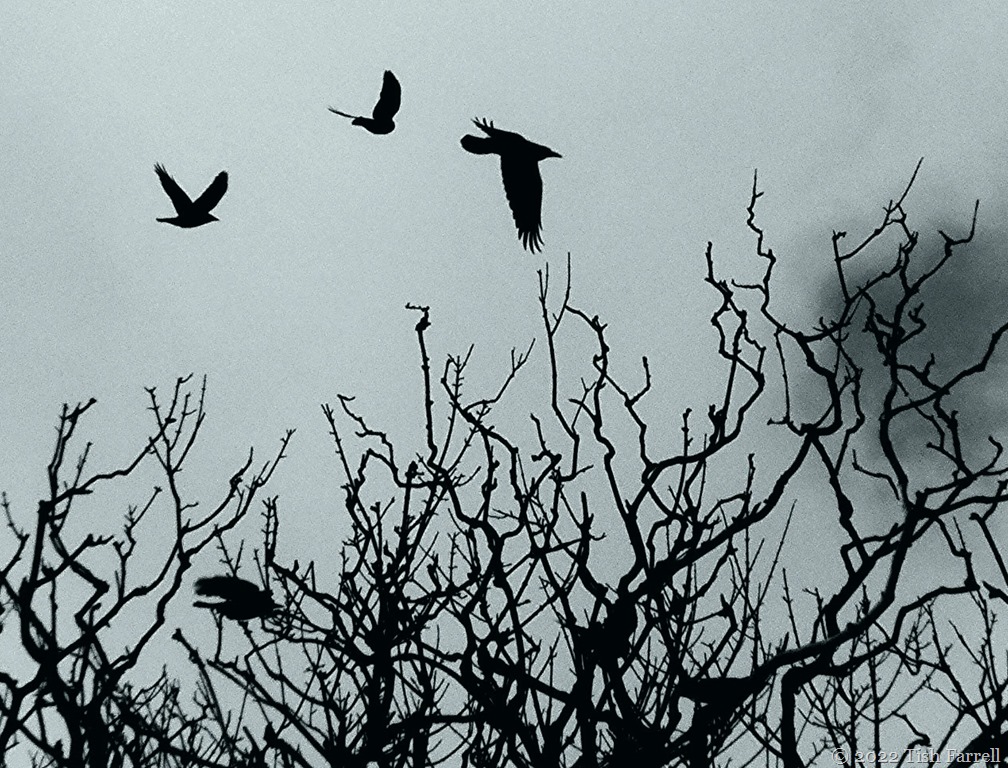
…and twilight over Rookery Wood: one rook (centre) and several jackdaws:

P1040737

Shadows & Silhouettes  Dawn at The Day After is this week’s host at Leanne’s Monochrome Madness

Monochrome Madness: Trees Making Art

IMG_3290overexposed

On a seaside lane in Aberffraw, Anglesey

*

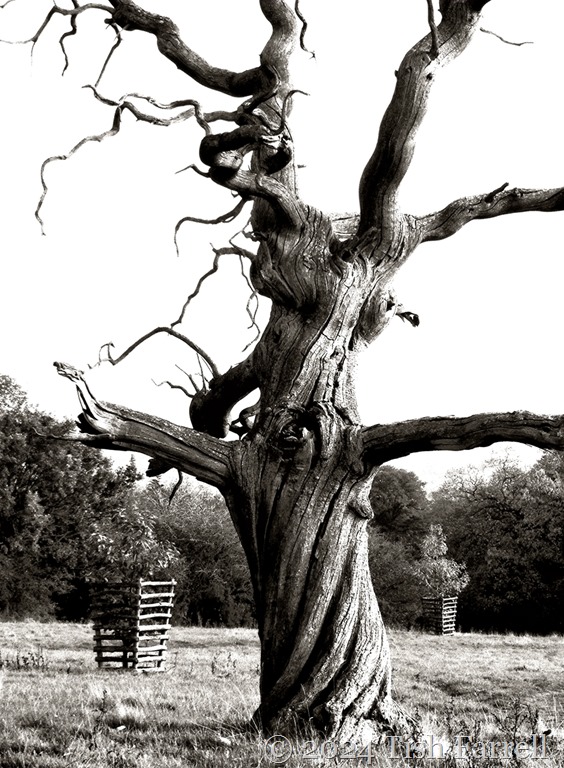
This week at Leanne’s Monochrome Madness,  Sarah from Travel with me invites us to show her trees, especially ones that are strikingly sculptural.

Britain’s coastlands are good places to find such trees, the prevailing winds bowing and retraining limbs, scissoring canopies. And yet, to my eye, these trees seem to dance with the elements, the header hawthorn caught in the end flourish of a pirouette; the tree below mid jete: a paradox of energy transfixed.
P1060537bw

P1000075

Henllys Wood, Beaumaris, Anglesey

*

Other kinds of physical setting may enhance the intrinsic art of a tree. This next photo is of an ash, I think, viewed through an aperture in Penmon Priory dovecote, also on Anglesey island.
P1060543

017monochrome

*

At Newborough Beach, further along the coast from Penmon, there are other elements in play. Erosion.

100_7122

This is a tale of deposition and decomposition. The extensive sand dune system, on which these plantation conifers was planted, blew into this part of Anglesey during a massive storm in the fourteenth century. Now bit by bit,  the storms are stealing the sands away again, leaving a parade of ghost trees.

*

And talking of ghost trees, there are yet other transformative powers at work. At Croft Castle on the Herefordshire-Powys border, the estate walks of Spanish Chestnuts, have succumbed to both age and disease (Phytophythora cinnamomi or cinnamon fungus). The trees supposedly date from the late sixteenth century, their origins ‘explained’ by an Armada legend that suggests they were grown from chestnuts found in the pocket of a ship-wrecked Spanish sailor.

Now Croft is nowhere near the sea, but maybe that is irrelevant. This was the age of grand garden making, and it is well known how rare plant material, however it arrived, was ever coveted by the landed elite. And of course it’s a good story, a fittingly mythic gloss for this gallery of the arboreally deceased; trees that have been allowed to die and be dead in their own spectacular way.

P1090652ed

P1090599sq

One of Croft Castle’s Spanish Chestnut ‘ghost trees’

*

Finally, and in more comfortable terms, there are those trees whose familiar contours or particular disposition mean home to us; they become our personal landmarks. Here are some from our Wenlock days:

100_6398

The Linden Walk, Much Wenlock in late summer

*

P1000347

The allotment ash tree in winter

*

p1070087 ed

The little tree on the hill above the house

*

Monochrome Madness: trees  This week Sarah at Travel With Me is featuring trees. She suggests we consider sculptural qualities.

Two By Two

P1060365 - Copy

P1060368

This week at Lens-Artists, Elizabeth of Albatz Travel Adventures has us thinking about diptychs. This is what she says:

“A diptych is two images placed in proximity to one another, forming a pair. To make a successful pairing there should be several things in common, and something very different, contrasting.”

Please see her post for a range of inspiring examples.

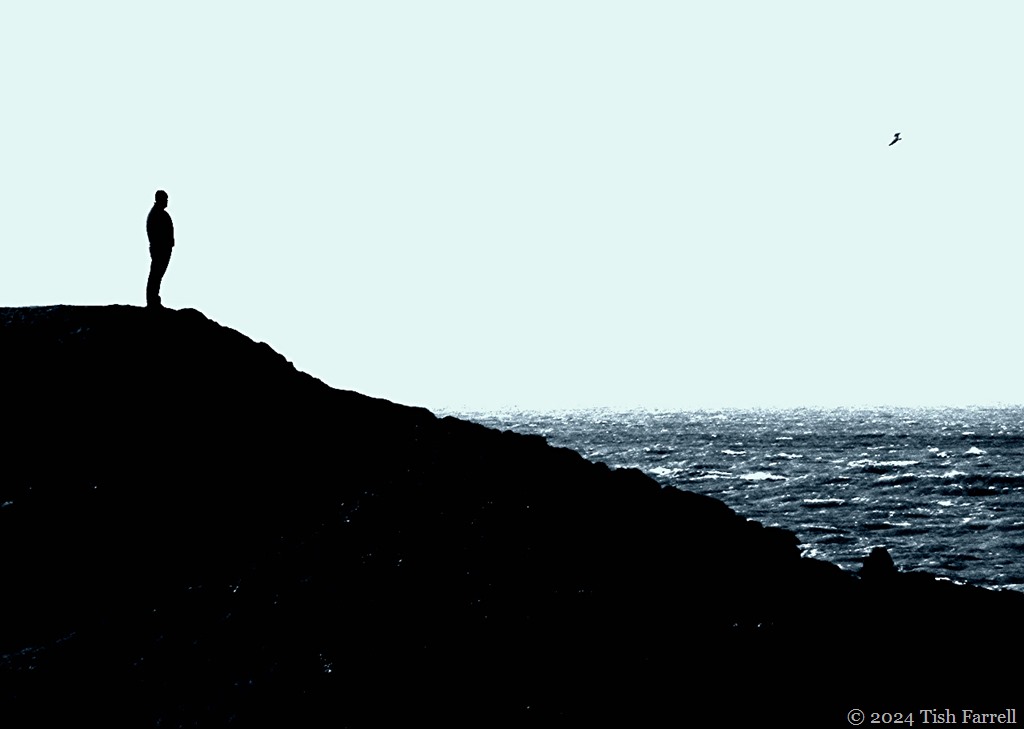
My header pair is perhaps a bit daft, but it appeals to my sense of humour: man ruminates deeply on the ebb and flow of the Celtic Sea.

Man makes up mind: enough is enough.

Location: Anglesey, North Wales.

*

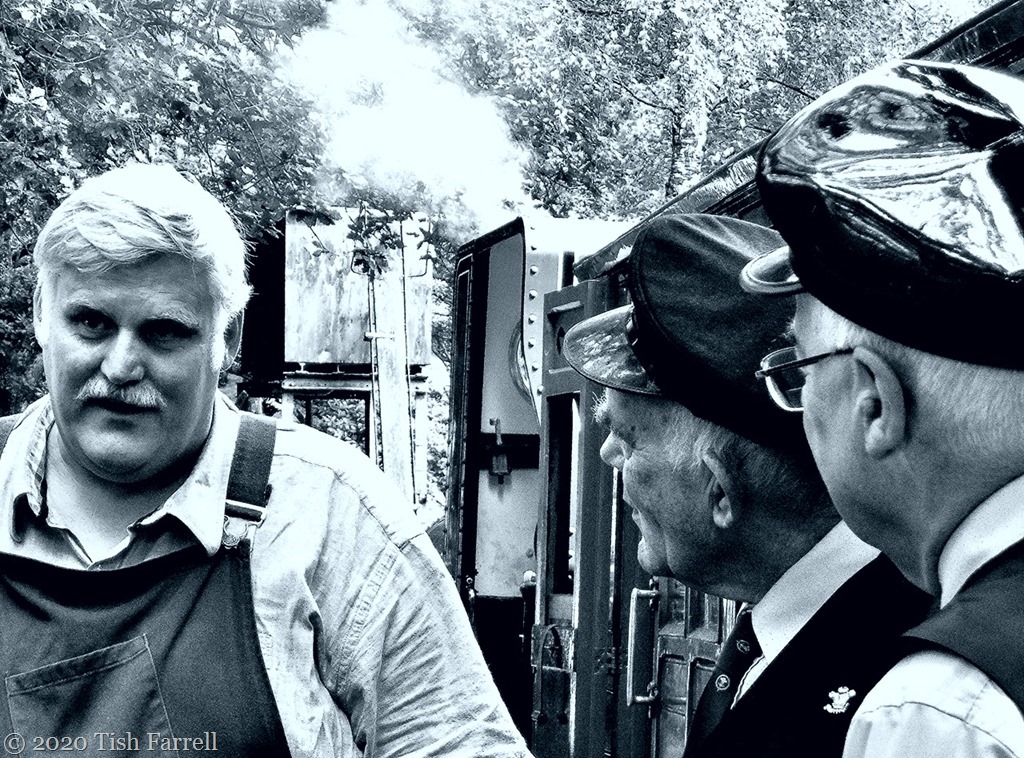
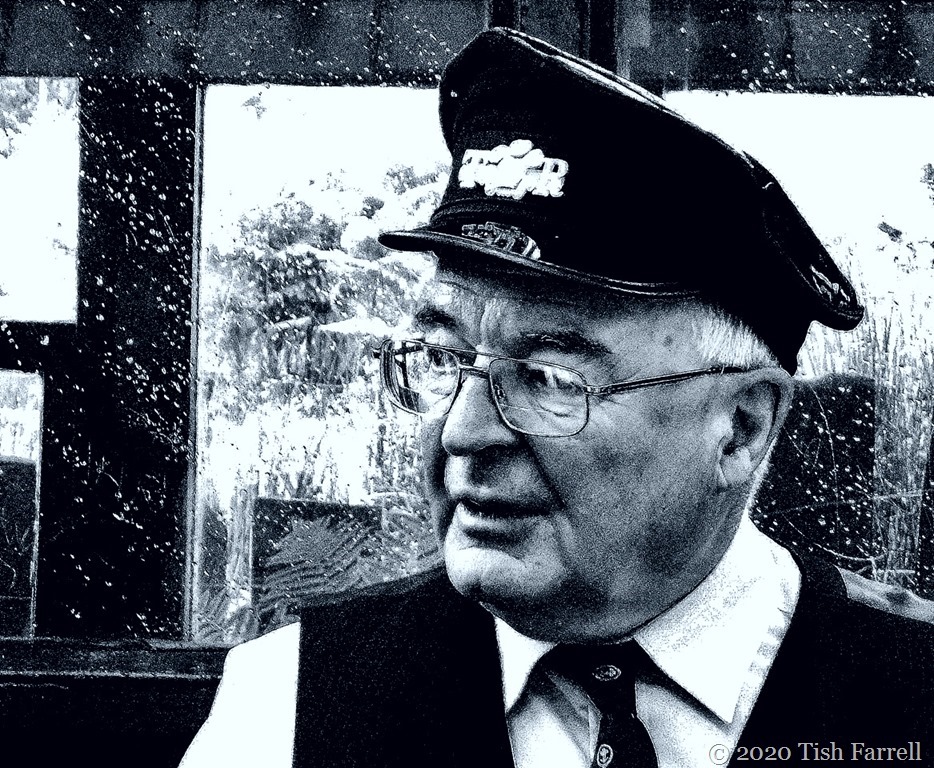
The next pair also has a Welsh location, taken on the Tallyllyn Steam Railway. Some of the enthusiastic volunteers who help run the trains:

Tallyllyn

p1040806

*

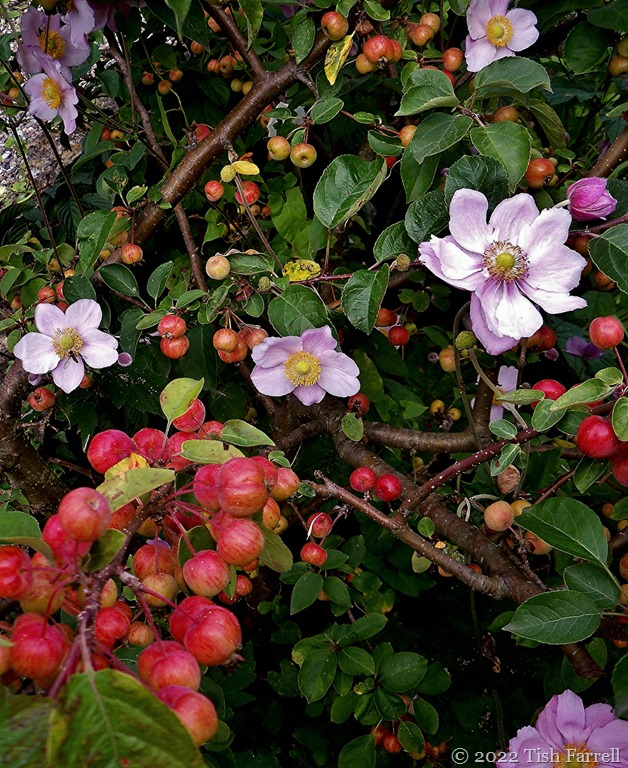
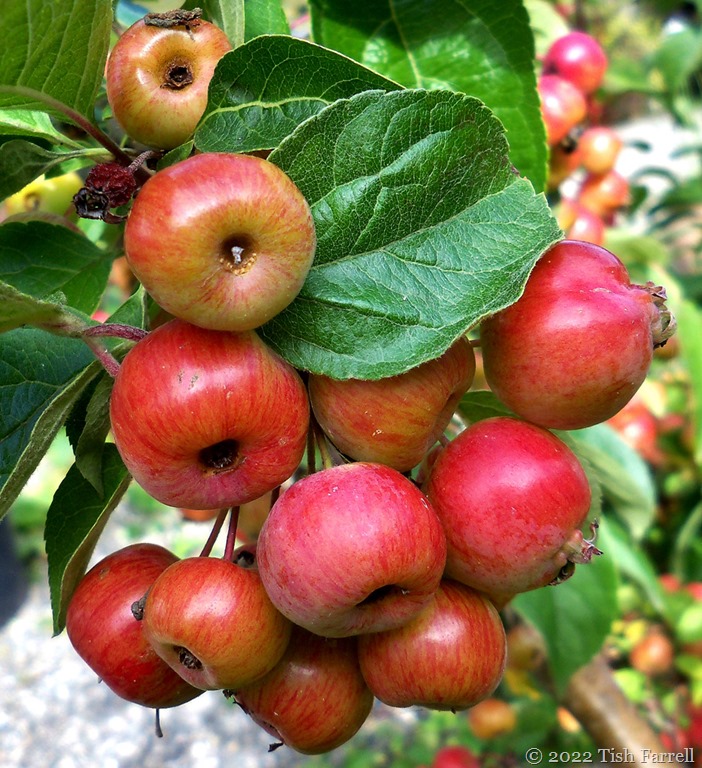
Crab Apple Tree (with Japanese anemones) in our old Wenlock garden:

100_7062

100_7068

*

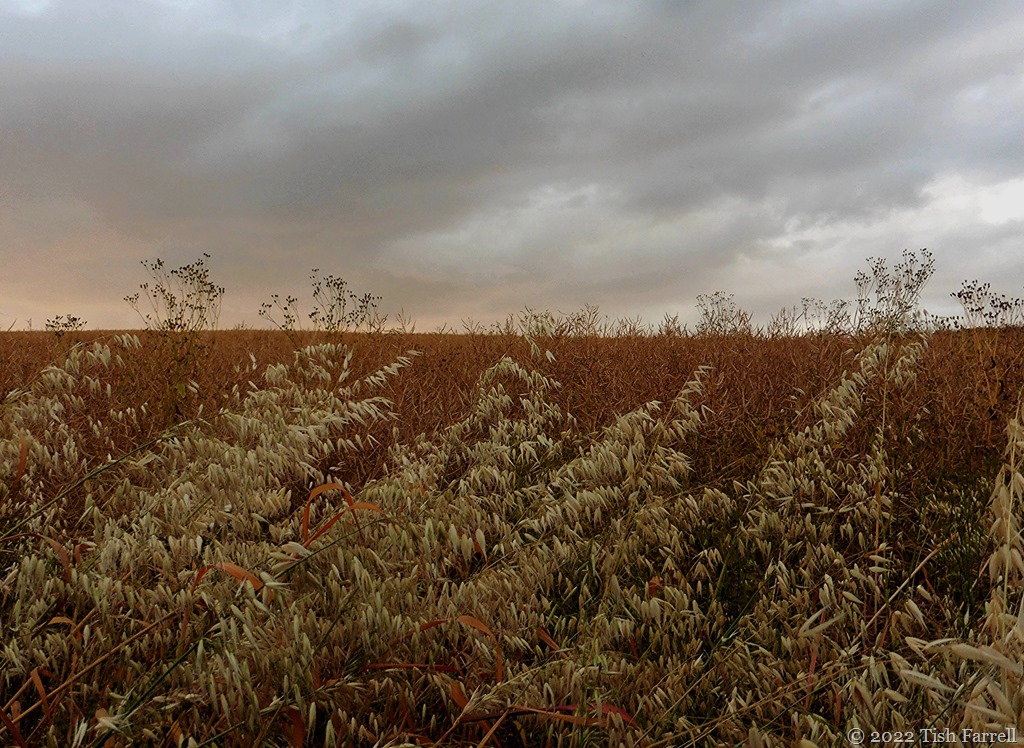
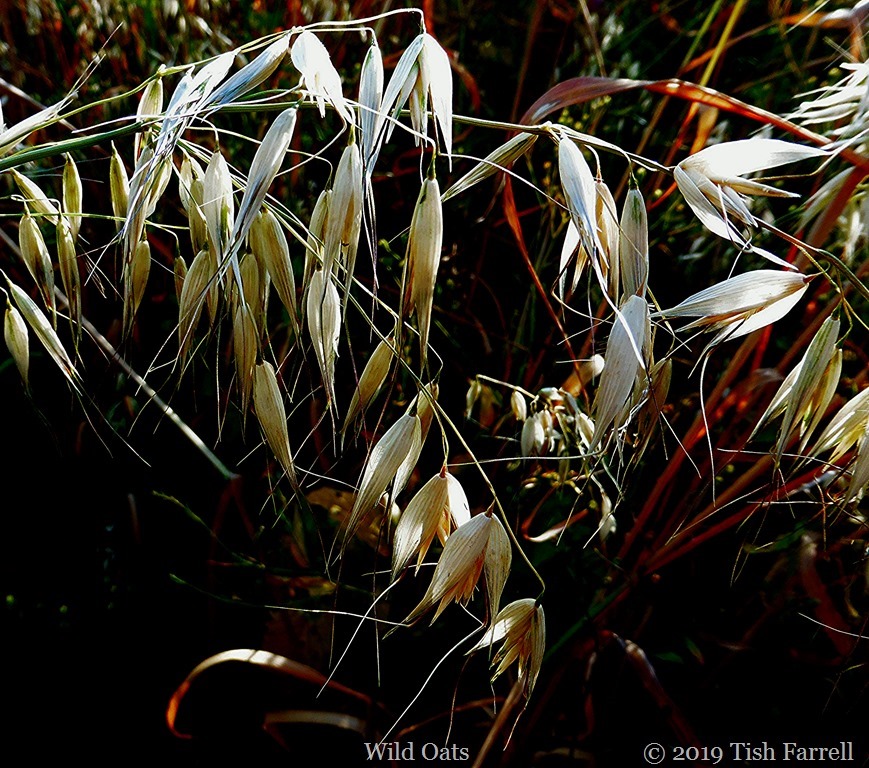
Townsend Meadow, Much Wenlock and a fine crop of wild oats:

P1070611

p1070625

*

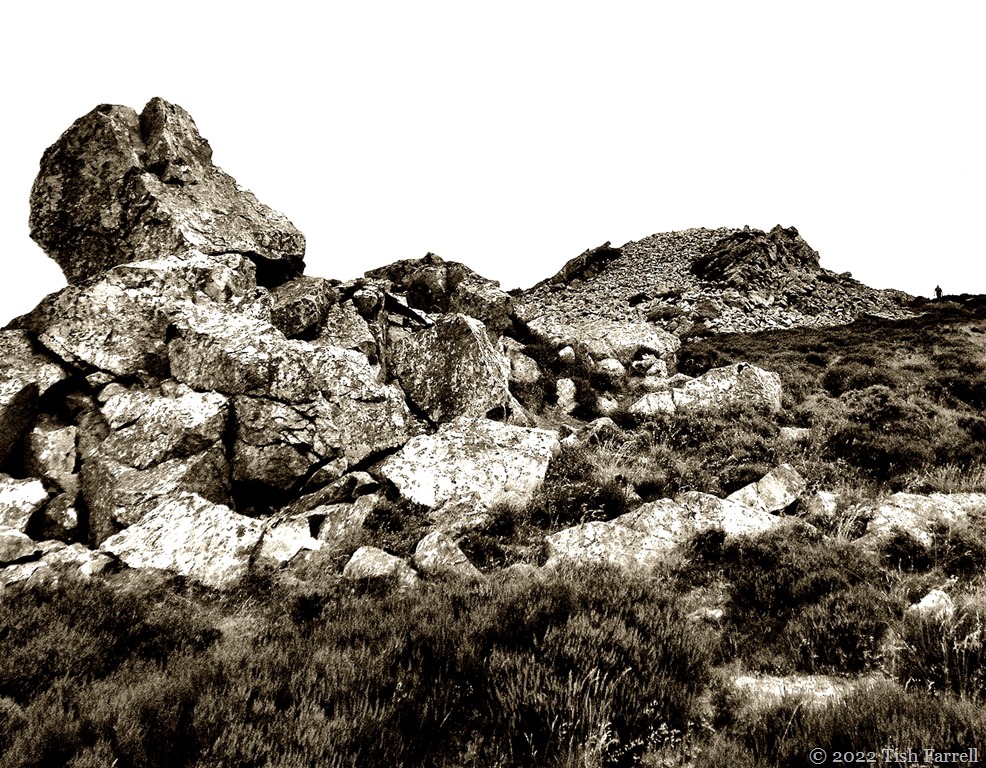
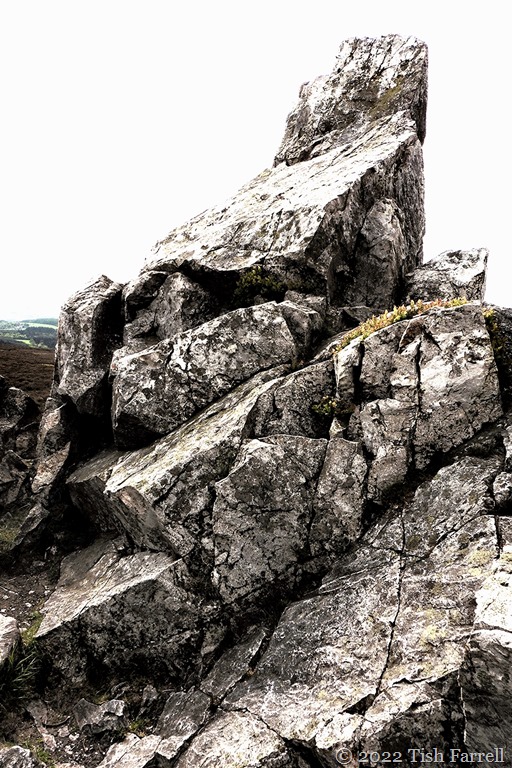
Up in the Shropshire Hills: the Stiperstones

P1080552sepia

P1060001dia

*

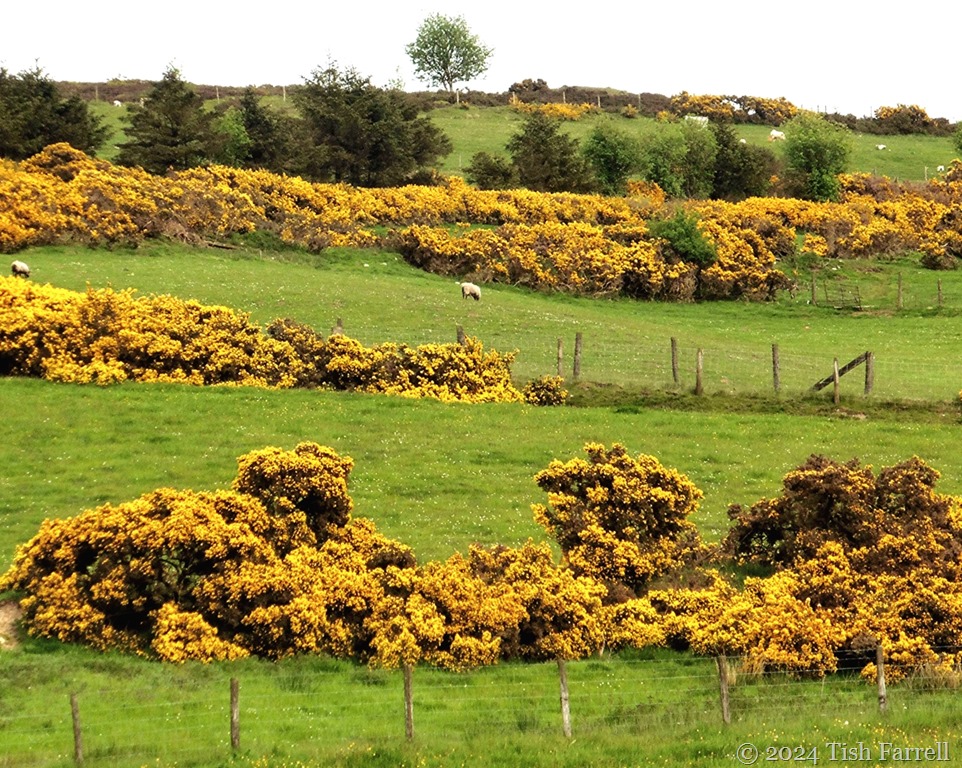
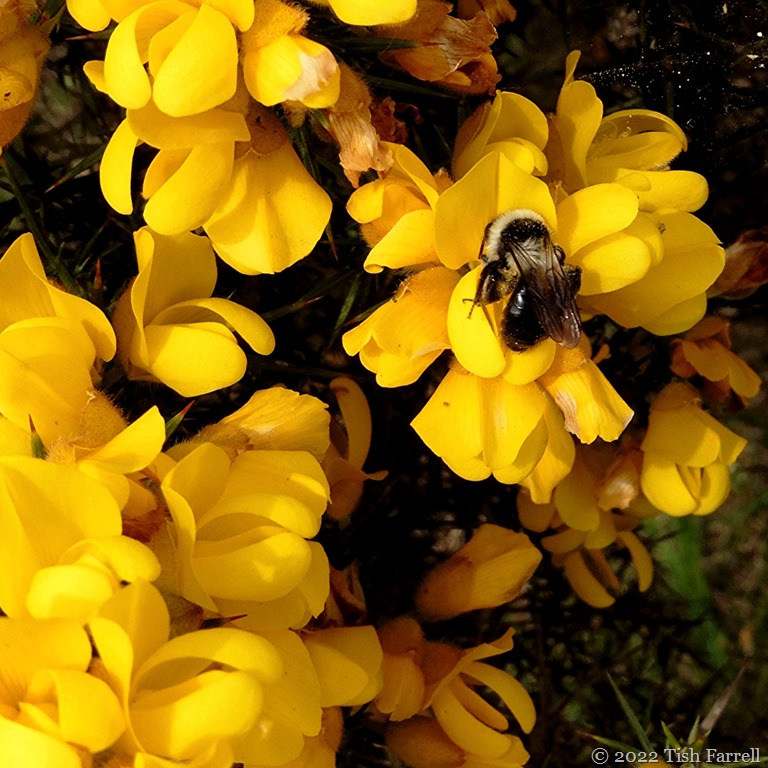
Also on the Stiperstones – fields of gorse, once widely cropped for winter animal fodder; these days, more valuable to bees and other insects:

P1060009

P1060017sq

*

And finally some light and shadow. Leaves – back lit and top lit:

img_0580

img_0568

Lens-Artists: Perfect Pairs

Pondering On The Rectilinear

lens-artists

Penmon Lighthouse, Anglesey

*

This week Lens-Artist Egidio wants us to consider the rectangular in our photo compositions (link below). E.g.  how the leading line of the horizon may create two rectangles between sea and sky, or land and sea, or land and sky. Then there are reflections to play with, or different textural zones, or a leading line up the centre of a scene dividing it visually into lateral rectangles.

And then there is rebatment/rebattement of a rectangle, which is not quickly or easily described, but my first photo (I think) is an example. The lighthouse is centred on a line that would make a square of the right hand side of the rectangle. Anyway, this technique is explained fully HERE.

Egidio gives other examples of rectangular approaches, so please pay him a visit.

These next photos were taken in the  National Nature Reserve of Ganllwyd near Dolgellau, mid Wales. The footpath took us through dense woodland with streams everywhere. There was a steep climb…

100_6484

100_6496ed

*

…which brought us here, to a mountainside that was the scene of the  Welsh goldrush in the late 19th century.

100_6545edAs you can see, it was an overcast day, and the view so big, it was not easy to know where to begin with it, or focus the eye, although the heavy clouds do indeed make their own rectangle. So…

I made use of old mine building walls and windows to frame views/narrow the focus/add a bit of interest.

100_6540ed

100_6544 - Copyed

*

And finally, down from the mountains to the Mawddach Estuary.

IMG_1645ed

And another gloomy (and very windy) day. The Barmouth Viaduct, a one-time railway bridge, now takes only pedestrian and cycle traffic. In this photo it acts like a zipper between river and mountains.

*

Lens-Artists: Two rectangles  Egidio at Through Brazilian Eyes wants us to consider the rectangular in our photo compositions.

Taking Off!

Evelyn

The last day of Becky’s May squares, and I thought this photo of my aunt, Evelyn Ashford, somehow sums up the themes of renewal and moving forward. It shows such spirit, doesn’t it; a sense of hopefulness and forging ahead.

I’m guessing it was taken in tough times too, around the start of the war in 1939. Evelyn would have been seventeen. But it’s possible it was taken earlier. Her very ‘grown-up’ tweeds may be explained by the fact she was employed in the dress department of a big Guildford store. She had started her working career aged fourteen, apprenticed to the local draper in Cranleigh where the Ashfords lived.

I don’t know who the photographer was, possibly my father, but a bit of sleuthing has revealed the location as the trig point on Pitch Hill, Surrey, not far from Cranleigh. Evelyn is taking flight over the South Downs.

Evelyn Coneyhurst Hill

Evelyn Mary Ashford 1923 – 2013

*

You can find her story in an earlier post The Many Faces of Evelyn Mary Ashford

And more at:

Tales From The Walled Garden

Tales from the walled garden #3: when Alice met Charlie

Tales from the walled garden #4: more about Alice

Tales from the Walled Garden #2: back to the potting shed

#SquaresRenew 

Roots Of The Matter ~ As In Too Much Burgeoning

IMG_5344

I may have mentioned once or several times that we’ve inherited a garden full of promiscuous weedy invaders. Top of the list is ground elder, closely followed by Spanish bluebells, but topping the top is Phygelius (kindly identified by Jude who described it as a thug that had to be dug up and contained in a pot). It is a semi-evergreen shrubby entity from South Africa, also known as Cape Figwort and Cape Fuchsia. And yes, it does look pretty when it’s cascading in bright red tubular flowers.

But just see where its roots are off to. These are growing under and in what was lawn.They extend at least two metres from the mother plant at the top of the garden. And the thing you most need to know about this vigorous pesky plant is that the smallest broken fragment of root has the capacity to make a new plant and root system in the blink of an eye.

The ground in the photo had been covered by a sheet of black plastic for around three months. This killed the grass, but only encouraged the Phygelius to sprout potential plants at regular intervals along the length of its root system. The good news is I can now see it and so unravel it (carefully) with a fork, and also extract any intertwining ground elder.

A tedious job, but then I do have company.

IMG_5338

This male blackbird spent all of Monday with me, scoffing worms and growing ever bolder. By the time I’m done, he will be one very fat bird, because the garden is also blessed with masses of worms.

And then this week there was another happy find, this time under a fallen roof slate…

IMG_5314

…one large toad. What a gift. Perhaps he/she is the reason why I’ve seen so few slugs. (So far anyway).

And finally, a pleasing plant discovery, rescued from behind the compost bin where it was being nibbled by snails:

IMG_5269

Cranesbill: Geranium Phaeum ‘Album’

*

And so the garden moves forward – renewed, reconstructed and (in several quarters), burgeoning.

*

#SquaresRenew     Becky’s May photo squares each day feature moving forward, reconstruction, renewal and burgeoning. Still time to join in.

header

Leading You Up The Garden Path

IMG_5211ed

Each day For the month of May Becky is hosting a square format photo featuring one or more of the following themes: move forward, burgeoning, reconstruct, renew. And so here, on all those fronts, is the kitchen-window-to-be with a view on another ‘work in progress’ – the garden. The hawthorn tree over the hedge is doing the burgeoning.

The house extension has been forging ahead too, and while super-builder Alan has been putting up the inner timber frame, I have been digging up the lawn. I started doing this last summer, soon after we’d moved into The Gables, but got no further than two beds along the garden path. Even so, they are already looking promising, bursting with spinach, Swiss chard, coriander, various kales and cauliflowers. (Everything has to be netted against pigeon plunder).

But then came the wet and frigid winter, and so the digging mostly had to stop until March.

IMG_5216

Our garden ends at the fence behind the greenhouse, and I’m now expanding an existing narrow bed along the entire fence-line. First on my list has been rooting out the ground elder and phygelius seedlings, followed by making a well composted trench for runner and butter beans. The trench is done and the bean row will run parallel to the greenhouse, but with space enough for some outdoor tomatoes beside the greenhouse.

Against the back fence are a few field bean plants (mini broad beans), now busy flowering, and next to them is a small plot of sprouting broccoli and green Romanesco cauliflowers for late summer cropping.

It’s a pity everything has to be netted, but the pigeons are remorseless foragers, including testing things they don’t really like and leaving lots of shredded leaves – the rotters.

Meanwhile the kitchen is looking like this:

IMG_5213

A brick-skin with parapet is next on the agenda. There will then be double doors filling the open space, and a roof lantern illuminating the cooking department. The further half of the back house wall will then be knocked through to the main sitting room to create an open L-shaped living space on a roughly east-west axis.

But for now it’s all blue-sky thinking, and not least some serious musings on how the new roof lantern will affect the interior light. Hmmm:

IMG_5210

*

#SquaresRenew

hawthorn header

Teeming Green Above Ludlow’s River Teme

IMG_4959ed

The Green Cafe below Ludlow Castle

*

Ludlow is one of Shropshire’s loveliest old market towns, the earliest surviving remains (including parts of the castle) dating from the early Norman period in the 11th century. It’s also one of our favourite places, about 20 miles from Bishops Castle, but we had not visited for ages. And so a couple of weeks ago, when spring was teasing us with the notion that sunny days had returned, we thought it was about time for an outing. A significant lure included thoughts of lunch at The Green Cafe.

This award-winning little restaurant sits on the riverbank, between Dinham Weir and Dinham Bridge. Ever popular, it has an outdoor terrace, and an inside (compact) dining room. But wherever you choose to sit, you are guaranteed a warm welcome, including with added blankets if it’s cold outside and there are no seats free inside.

IMG_4951

*

The menu is always inventive, dishes coming in large or small versions, and with emphasis on fresh, locally produced ingredients. The cakes and deserts are fabulous, although this time we had no room for them. We’d filled up on smoked salmon with pickles, labneh and mustard yoghurt, plus a dish of roasted tiny new potatoes with aioli sauce. All very delicious. After that, there was nothing left to do, but to wander over Dinham Bridge, look at the views, see spring happening and watch the river flow by.

IMG_4968ed

Going with the flow

*

IMG_4962ed

#SquaresRenew   Every day in May Becky is hosting a square format header photo. The themes are move forward, reconstruct, renew, burgeoning.