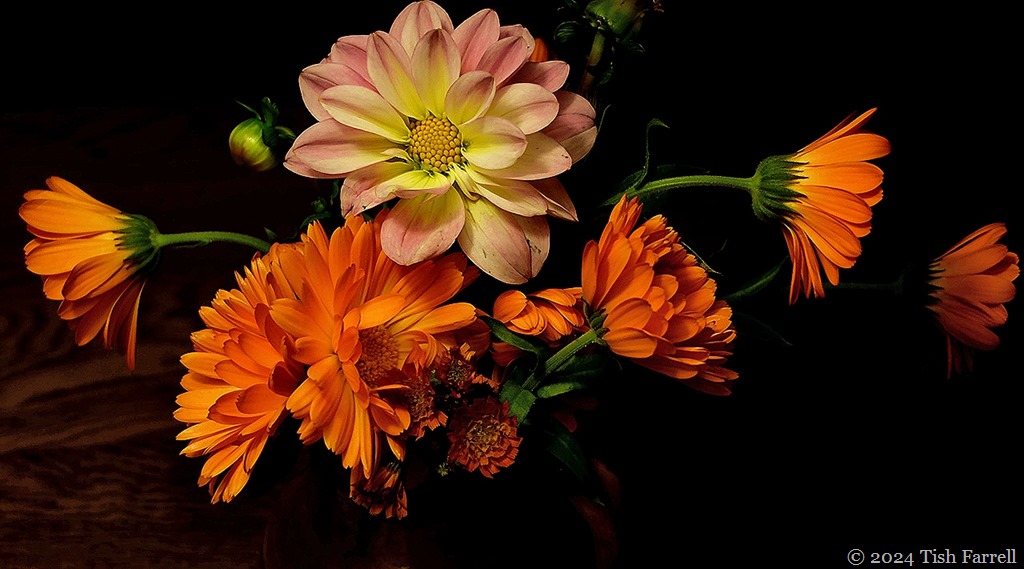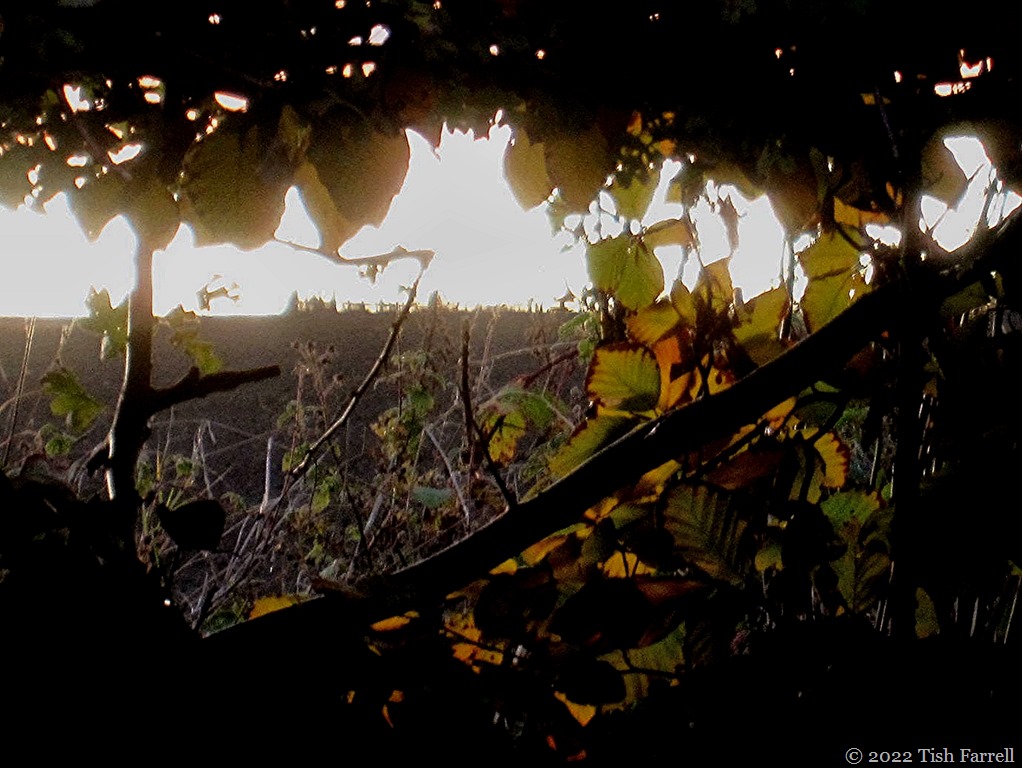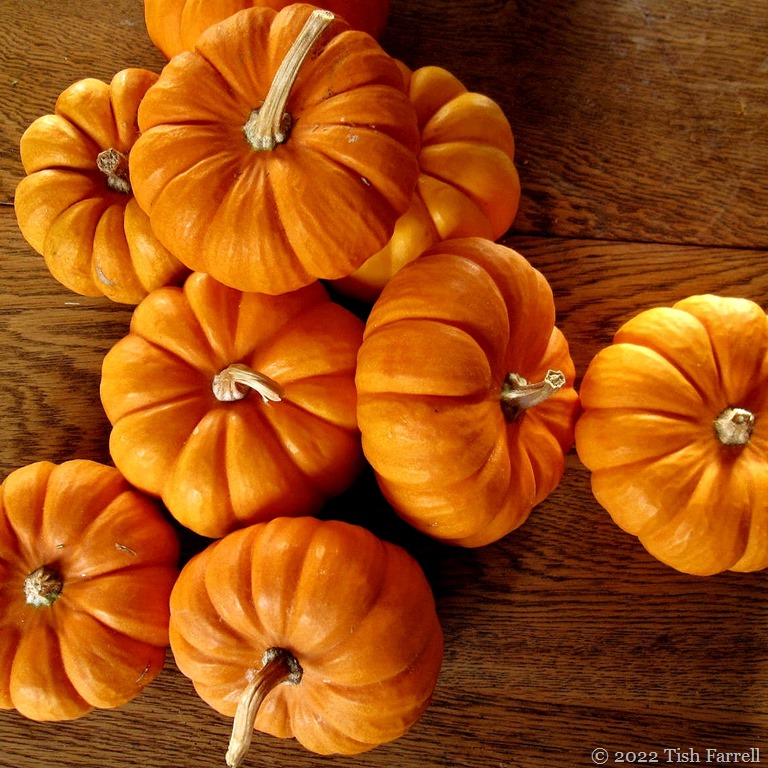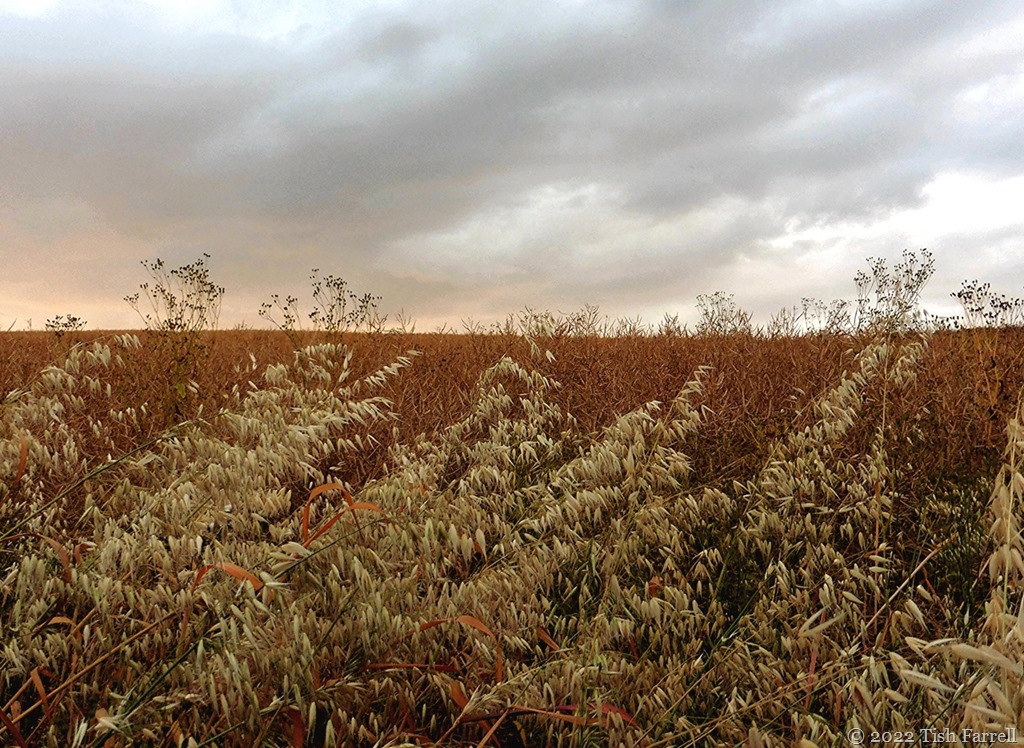
In A State Of Abstraction

P1030760

If this header photo makes you feel shivery, then that’s how it feels today in Shropshire (21 April ‘24). We don’t have ice, outside or on the windows. And the only snow we’ve had

P1030998

was back in March, and nothing like the winter white-out we had a few years ago (second photo).

But today the air, beneath a bank of sullen cloud, has a razor’s edge. When, at midday, I went to check on things in the greenhouse, I was glad I’d put on a second woolly jumper. And even that wasn’t warmth enough; still the cold crept into my bones.

What is going on? We’re three parts through April, yet the soil is cold. I keep putting off planting the seed potatoes; leaving them chitting on the potting bench. Soon they’ll be more chit than spud.

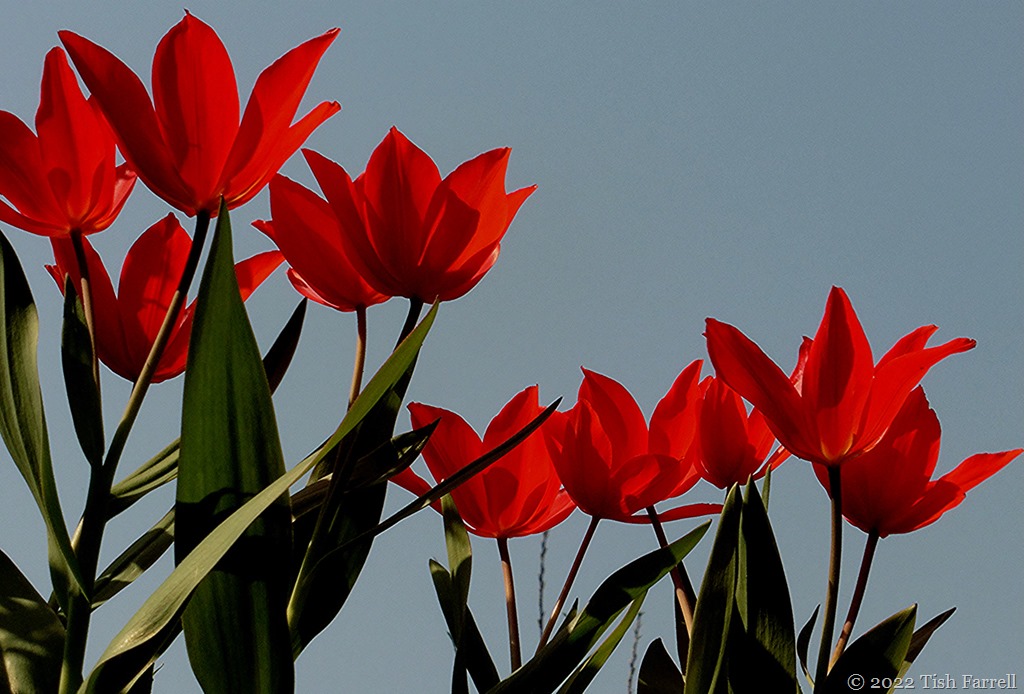
And yet, when the sun does shine, as it did yesterday, you could almost believe it was spring. (This should tell us something elemental about what warms the earth. The presence of SUNSHINE). The tulips are certainly saying spring; and the mass of wild flowers on the lane verges say so too: the star-like stitchwort, cowslips, primroses, Jack by the Hedge, the gaudy hoards of dandelions…

tulips abstract

*

And the trees are bursting into leaf, the first flush of greens tinted bronze and pinky-purple and pale gold:

trees abstract

*

And then the farm hedges are white with blackthorn, and the farm fields bright acid yellow with oil seed rape flowers:

oil seed rape1

*

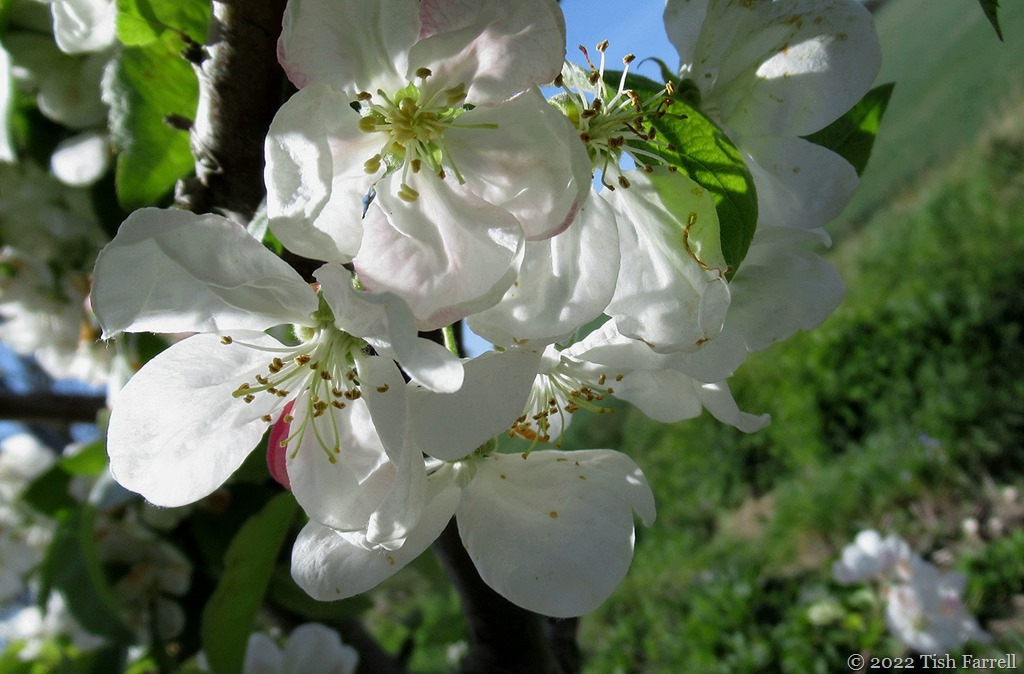
And in the garden the lilac buds are forming and the apple blossom full-on:

apple blossom abstract

*

Meanwhile on the house renovation front, we are very glad, (what with the persisting coldness) that the roof is now restored:

roof abstract

and that we’re almost done with the conservatory demolition. This is the floor:

rubble

*

And that our hero builder has cleaned off and saved over three hundred bricks from the dismantling to use on the extended exterior.

For now they’re stacked on the garden wall, making their own installation:

bricks.jpg

*

With all that’s going on, I’m also thinking that a state of abstraction is good place to be just now. So many thanks to Ritva at Lens-Artists for this interesting approach.

Lens-Artists: Abstracts   This week Ritva gives us abstracts. Go see her post and be inspired.

Window Shopping: Looking In, Looking Out?

window shopping

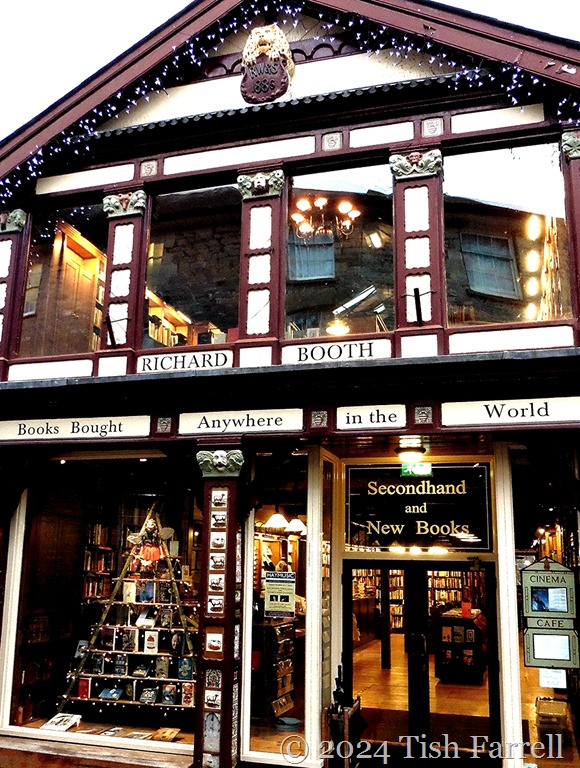
A pre-Christmas break a few years ago. We were in Hay-on-Wye, the quaint Welsh border town on the banks of the mighty River Wye. Its primary claim to fame is that it’s full of second-hand book stores, including the world’s largest started in 1961 by Richard Booth, he who later declared himself King of Hay and was all-round responsible for putting the town on the booklovers’ map.

Richard Booth window shopping

*

But even bibliophiles need a break from browsing the stacks, so there are also cosy cafes, quirky antiques shops and artisan crafts emporia to wander round. There’s even a castle, bought by Richard Booth in 1970 and recently restored to provide all manner of cultural events and exhibitions.

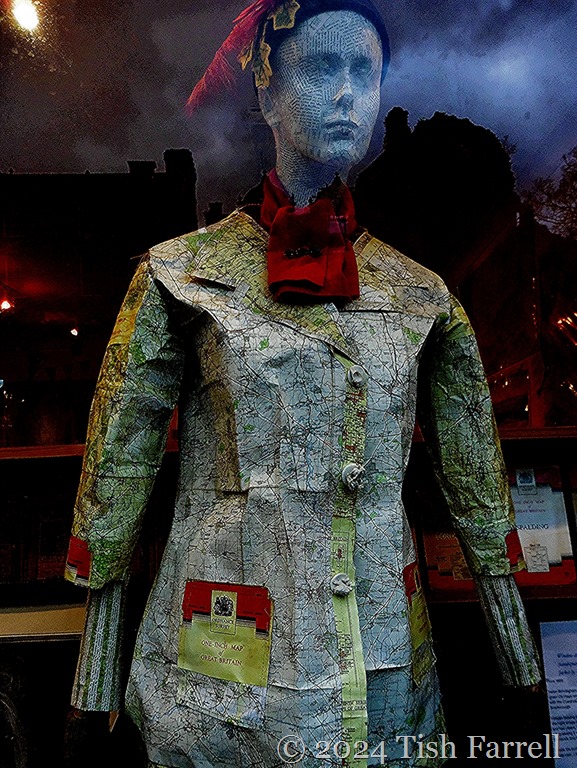
And talking of booklovers’ maps, here are some actual maps.

map woman 2

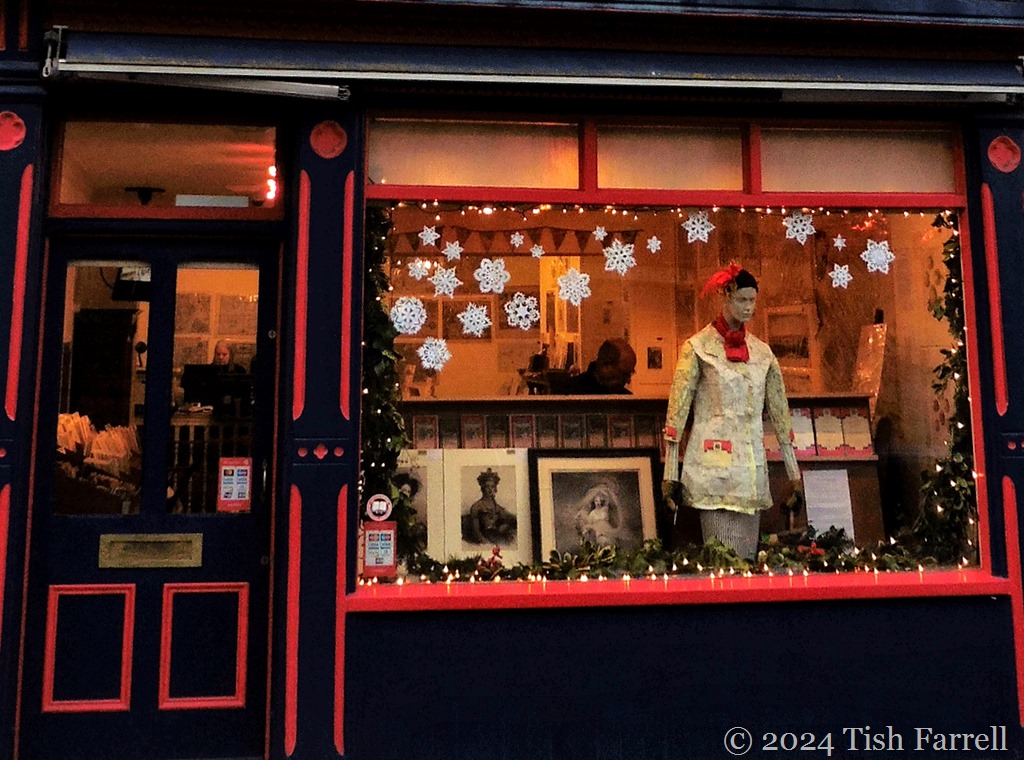
On the street below the castle we found a shop selling antiquarian ephemera, including prints and old Ordnance Survey maps. My eye was instantly caught by this well kitted-out young woman. She won’t get lost, I thought; a new-old take on tracking devices – rambling jacket made of maps. (You can just see the outline of the pre-restored castle in the reflection behind her.)

Here’s the full shop frontage.

map woman

map woman 3 cropped

That gaze says determination, doesn’t it. Madam definitely knows where she’s going.

*

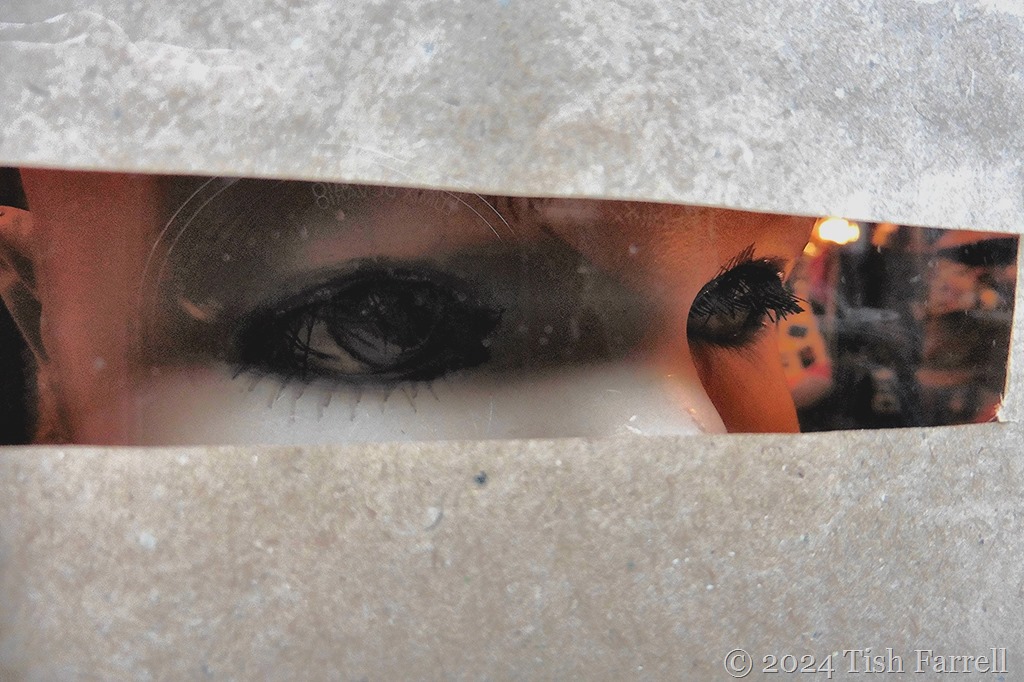
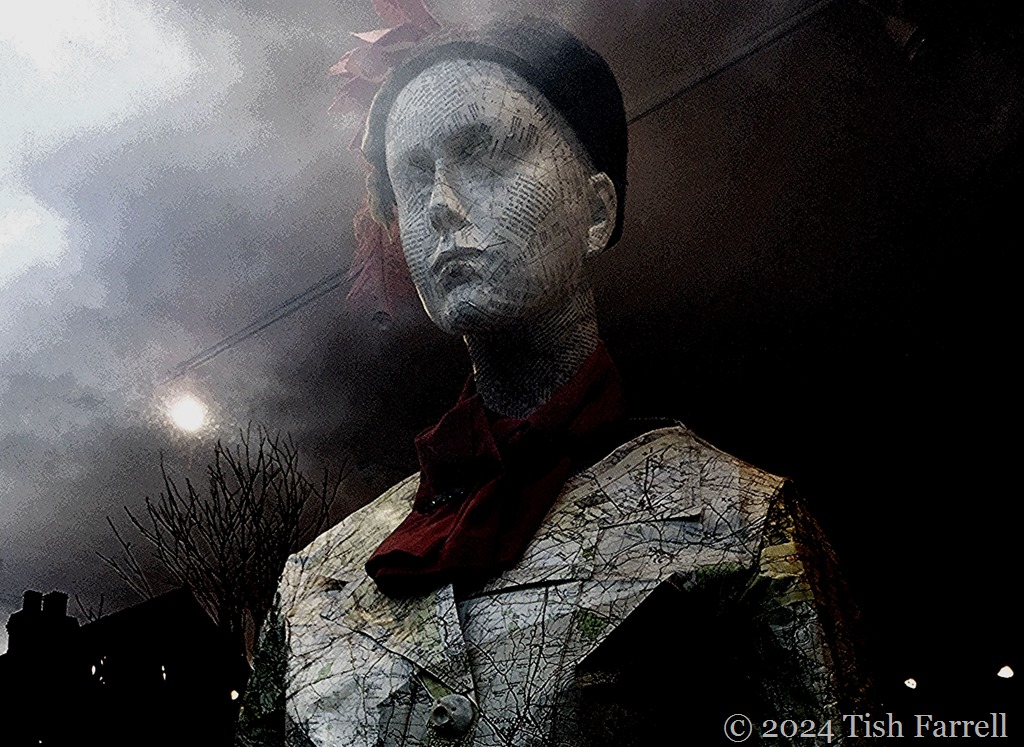
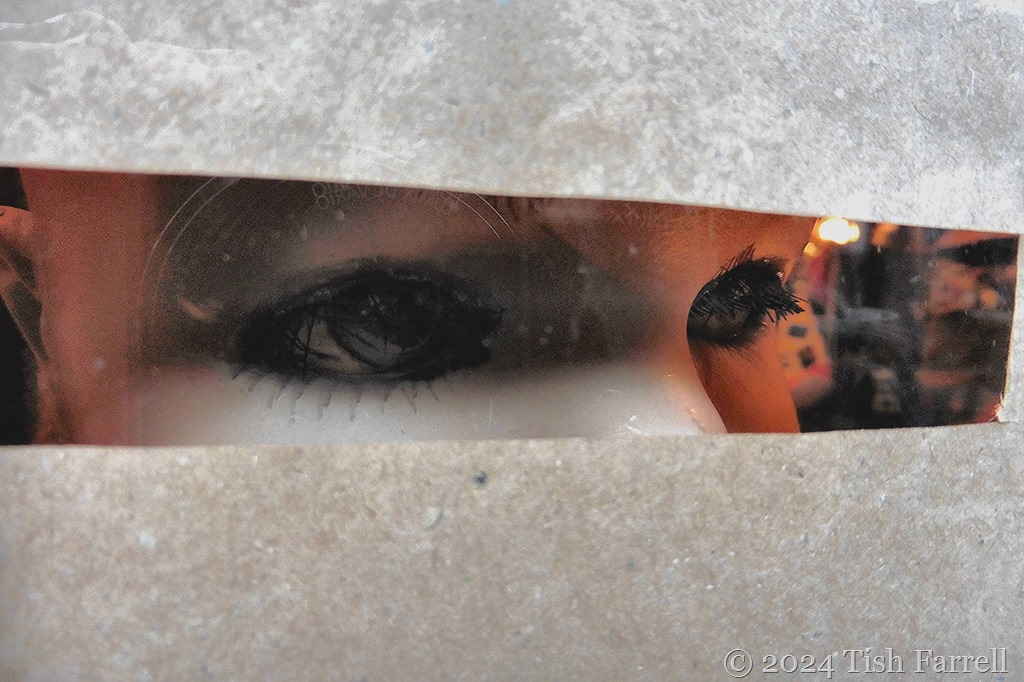
But back to the mysterious header photo;window shopping

It was a strange experience to find myself regarded through a slit in an otherwise blanked-out shop window. It makes me wonder, which of us is doing the window shopping? There she was – watchful, wistful, captive or femme fatale? – looking out from what proved to be a vintage costume store. She lured us in of course.

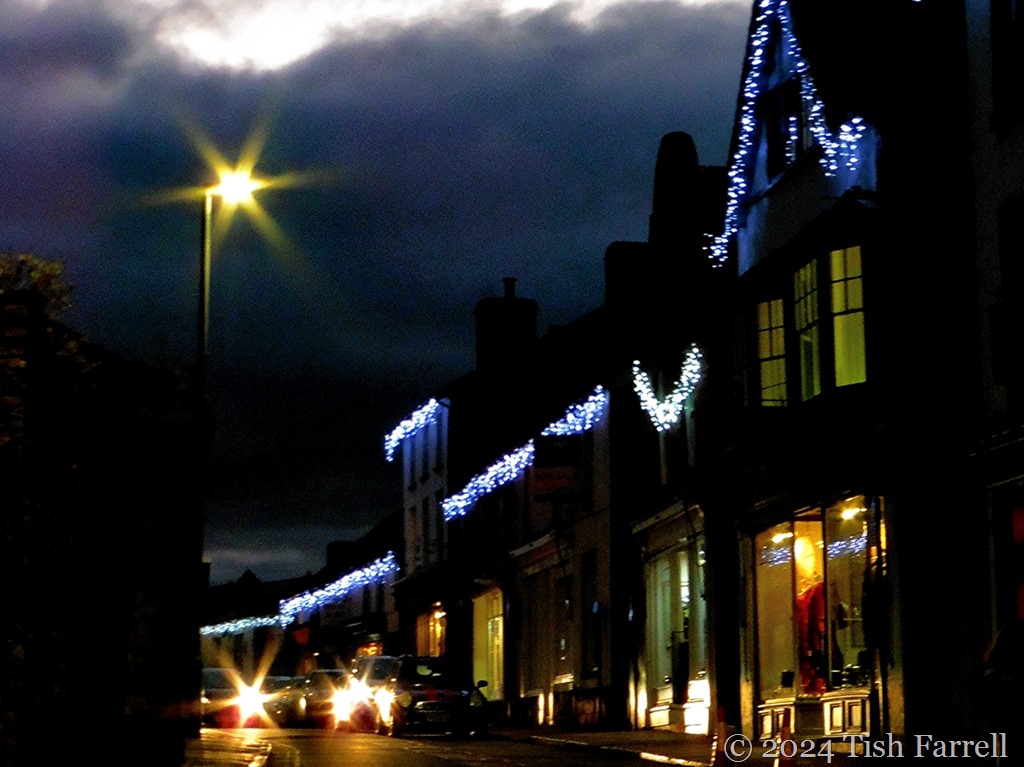
And finally, Hay at twilight:

window shopping 3

*

Lens-Artists: window shopping  This week Ritva sets the challenge. Please see her post for creative tips on how to approach it.

The Weather In The Garden

IMG_4585

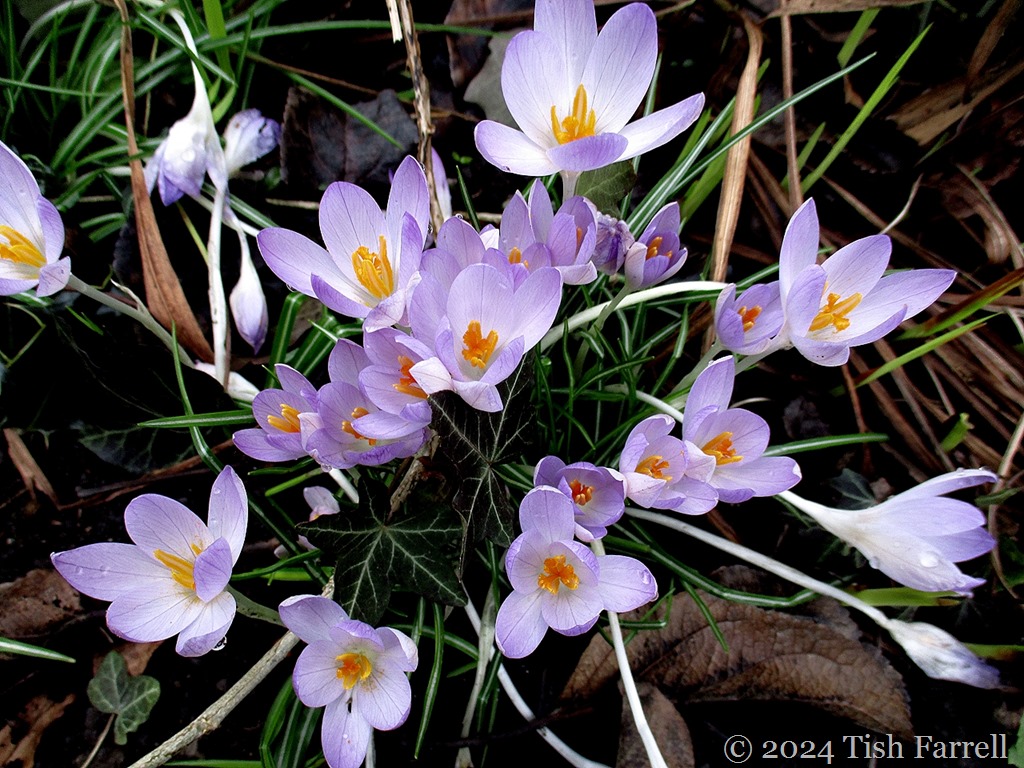
So far this week at The Gables we’ve had frost, biting wind, and yesterday an all-day deluge with wall to wall gloom. But today, St. Valentine’s, the rain has held off. In fact it’s been almost warm, with a glimmering of sunshine, and up in the top garden this clump of seedling crocus was in full fanfare.

IMG_4590

*

And not only that,  Mr. Whippy, the ice-cream man, was back in town. Jangling rendition of O Sole Mio up and down streets. And then while I was snapping the crocus, along buzzed a honey bee, the first I’ve seen and heard this year.

Anyone would think it was spring.

But then February can be a tricksy month in England, ambushing us with a day of sudden warmth, only to whip up more icy blasts just when we’ve been daft enough to cast off our thickest winter woolly.

So: best not to count one’s spring chickens too soon.

This bee, though, is definitely seizing the moment, making the most of fine weather, and a rich pollen harvest. (Note the gathering sac on the rear leg; full pollen facial thrown in). What’s not to love.

IMG_4624ed

IMG_4605ed2

IMG_4622ed

Happy Valentine’s Day!

Lens-Artists: Weather This week Anne at Slow Shutter Speed  has us weather watching. Plenty to inspire us in her lively photo essay.

How Did My Garden Glow…

IMG_8709

There’s more than a hint of nostalgia in my choice of photos here. With the turn of the year and the first hints of spring, I am thinking about gardening; and more especially, of gardens left behind and the things I used to grow there.

IMG_3706

100_4929

IMG_6237

P1020262cr

*

The new home garden, though small, has potential as they say, but much like the house, every part of it needs attention. We’ve had the hedges cut into shape and the apple trees  pruned. The greenhouse is all but mended, and the slab for Graham’s shed is laid and ready for his latest creation. But the biggest challenge is reining in the overall infestations of ground elder, ivy, Spanish bluebells and a devilish creeping shrub with red tubular flowers that seems intent on taking over the place.

Basically, when it comes to fresh planting, we’re pretty much at ground zero, with an awful lot of ground to shift. And while it is feasible, with serial determination, to clear areas of the invaders, it will likely take a few seasons to do so. All of which means holding back on plans for any permanent planting, at least on the herbaceous and shrub front. I am resisting using weed killer.

The invaders’ persistence is not such an issue when it comes to making vegetable plots. They can be cleared and weeded every year at the end of the growing season, and again in spring. In fact it has crossed my mind to grow this year’s potatoes in the front garden where we’ve lifted a load of unsightly paving. I’ve also thought of using that space for a mixture of annual flowers, beans and greens, i.e. cottage garden style. I probably will do that. After all, you can grow climbing beans up sunflowers. They like to cohabit. And it seemed to work at the Broseley rental house where I made a quick-fix garden last year.

In the meantime, I’m thinking of starting some perennials off in pots. I know we will miss the allotment raspberries, so I’m trying a small bush variety called Yummy . It will apparently grow well in containers, at least in the short term. I’ve also rescued a few of the previous occupants’ plants from the infested beds, and ‘quarantined’ them in pots too, thus capturing any remnant ground elder which can be carefully unpicked during re-potting or planting out.

But then I’m truly missing our Evereste crab apple tree from the Sheinton Street garden. It’s a very slow grower, so if I do give in to buying a replacement, it might well manage in a big pot for a while.

IMG_2123ed

*

So: onwards and upwards. I’ve come to the conclusion it is my lot in life, much like generations of my Hampshire gardener ancestors, to wield a spade, endlessly making new gardens wherever I end up living. You  may expect some of the results to crop  up here. For now, some very pleasing ‘borrowed landscape’ from back in the autumn – the rowan tree over the hedge by the greenhouse. A wonderful birds’ pantry.

IMG_3951

Lens-Artists: warm colours  This week Egidio wants to see warm colours in our photos. Please see his blog post for some wonderful warmth and inspiration.

DSCF0053

Simply Does It

P1070611cr

Wild oats and a summer storm brewing: I liked the muted tones in contrasting textures.

*

These convolvulus flowers seemed to light up a shady corner:

100_6691

*

The barley field: shades of green with front row sgraffitto effect:

IMG_0222

*

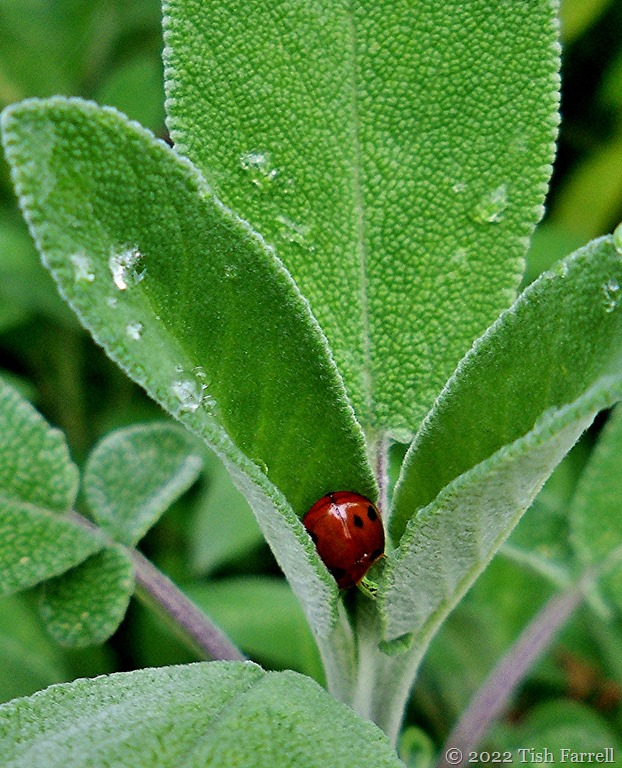
Ladybird sheltering in a sage leaf – what’s not to love?

100_6855

*

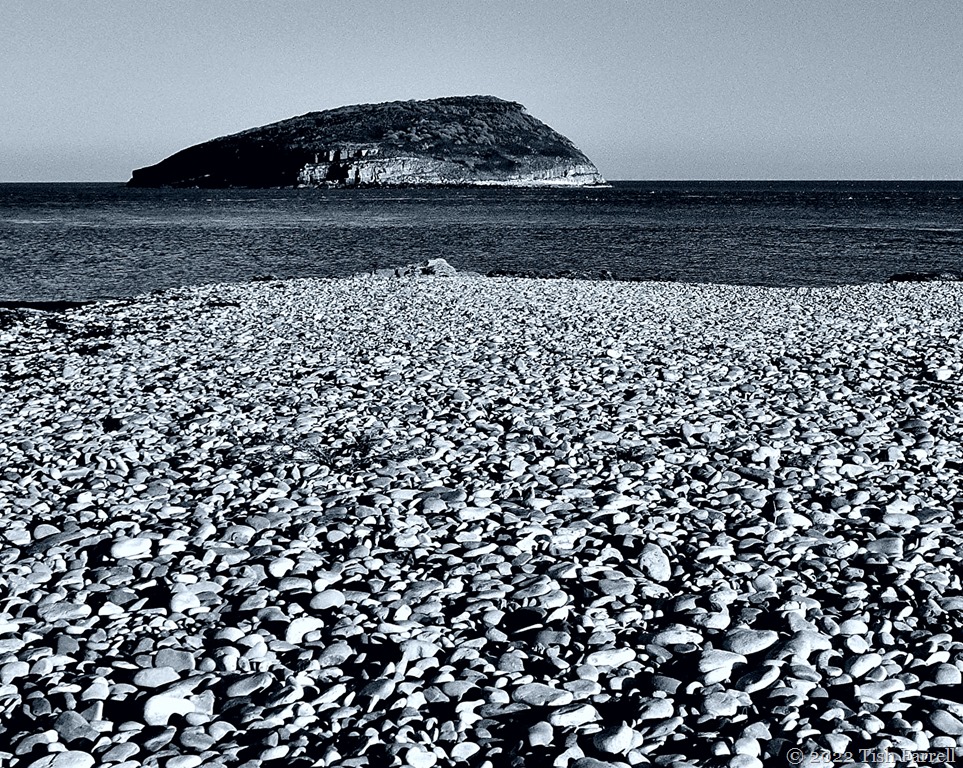
And finally – three photos taken at Penmon Point on the island of Anglesey. In descending order: view of Puffin Island;  looking across Menai Strait to the Welsh mainland;  boy looks at lighthouse.

P1060570cr

IMG_6205

p1060566

Lens-Artists: Simplicity  This week Philo at Philosophy Through Photography sets the theme. Please go and see his inspiring examples.

Backlit From The Wenlock Archive

P1050321

This week Ann-Christine at Lens-Artists wants to see our backlit subjects – always an appealing approach as far as Mrs. Farrell’s concerned. This year, though, the sun has been so tricksy – more going than coming – there seem to have been few chances for new naturally  backlit shots.

Which means dipping into the archive: a Much Wenlock retrospective in other words; I know some of you won’t mind revisiting Sheinton Street.

IMG_0777cr

Underneath the Horse Chestnut tree, last summer on the old railway line

*

IMG_0323re

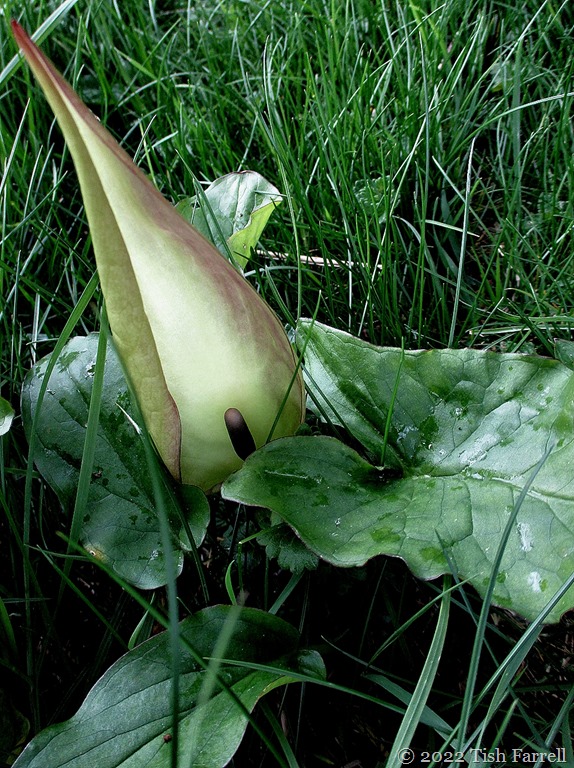
Wild Arum Lily/Cuckoo Pint/Lords and Ladies last spring on Windmill Hill

*

IMG_7453cr

Evereste Crab Apple blossom over the garden fence

*

IMG_7572

On the kitchen table: lilac and hawthorn blossom

*

IMG_8160

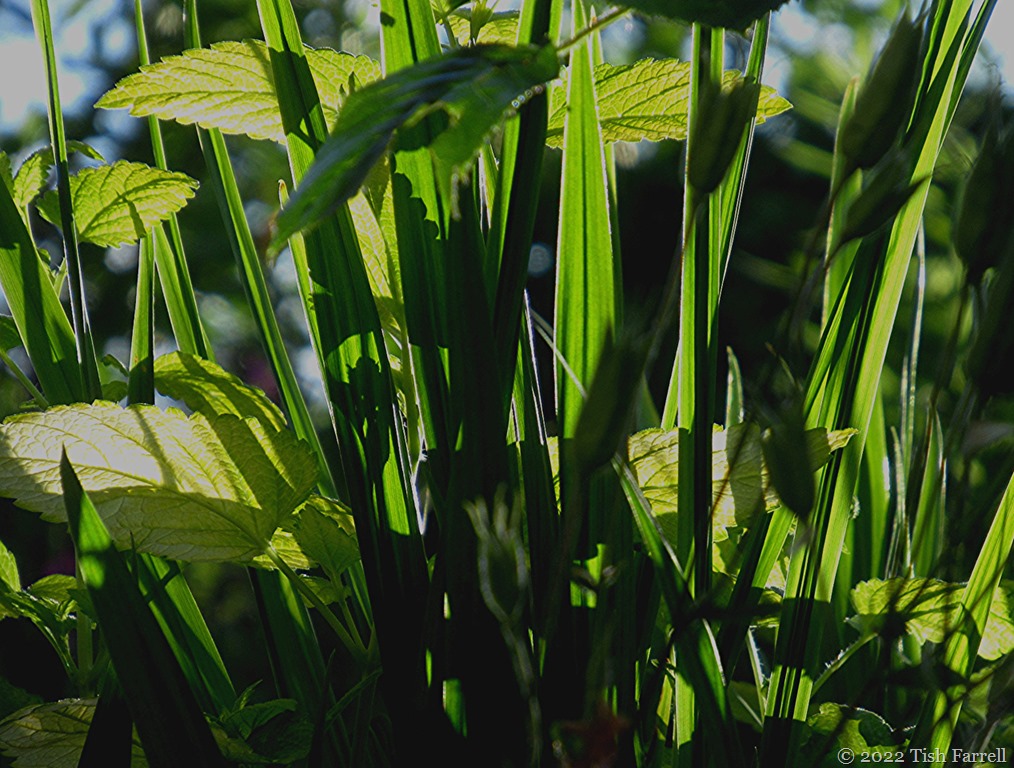
Looking up into the ‘upstairs’ garden: lemon balm and montbretia leaves

*

sqIMG_0652

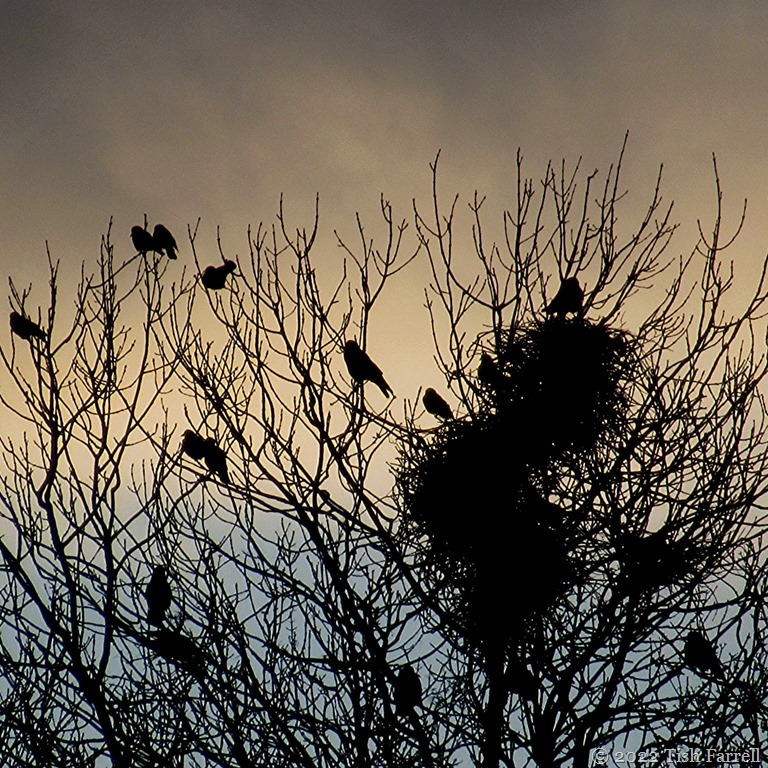
Winter sunset in the Sytche Lane rookery

*

IMG_8700

Late summer sunset on Townsend Meadow with nettles

Lens-Artists: Backlit

Windfall Quinces At The Allotment

IMG_1993

For one reason or another, but mostly due to some serious rainstorms, I had not been to the allotment for several days. When it wasn’t raining, slithering across the field in the mud did not appeal. And then the wind got up. And then just when I thought I’d go, another downpour began. And so it seems that after our too arid  summer, we’re in for a very wet autumn.

But yesterday came the window of opportunity. The morning was almost sunny. We anyway needed some veggies. So wellies on, off I trudged along Townsend Meadow, which is now a green haze of sprouting wheat. The rain is suiting it. It has also been suiting all the field beans spilled during the summer harvesting. They have been pushing up through the wheat, and I noticed yesterday that the farmer has clearly been over the field with his big herbicide sprayer. I find it astonishing that plant-killing chemicals can be so attuned as to know a broad bean seedling from a wheat stem. Anyway, the application is clearly doing its stuff, and the wheat looks fine.

IMG_1988

*

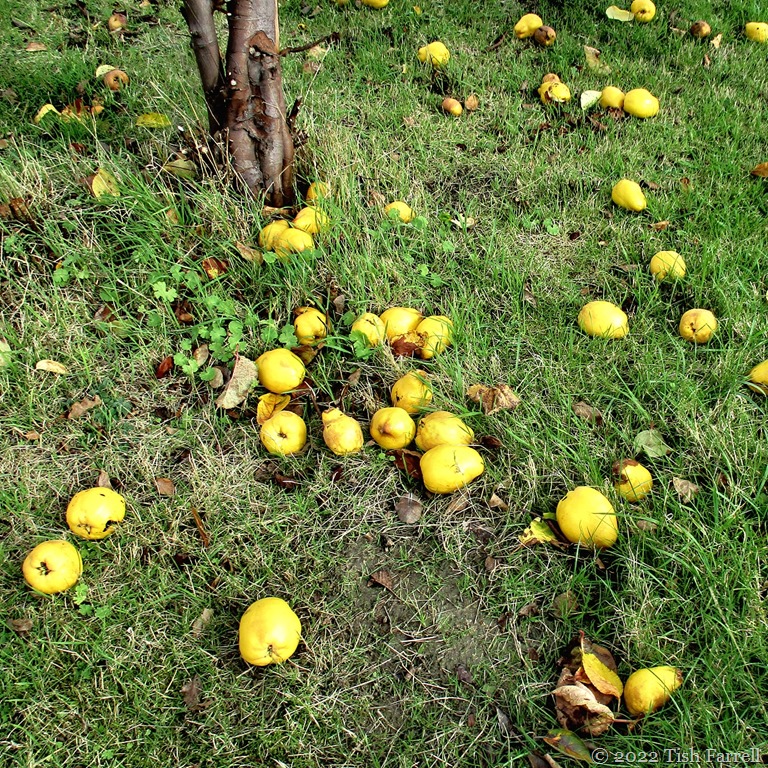
Up on the plot all is soggy and much blown about, and certainly not at all photogenic. There was lots to gather though – leeks, beetroot, chicory, carrots, and still some tomatoes, lettuce and rocket in the polytunnel. I didn’t stay long. The wind was gusting up into a small gale. You can see what it did to quince crop. The tree this year was laden. It seems a waste not to use the fruit, but apart from quince jelly, which needs loads of sugar, it’s not really a favourite in the Farrell household.

IMG_1893

Townsend Meadow: wheat and field beans (before the spraying)

#WalkingSquares This November join Becky in her daily walks, or whenever you can, the only rule, the header photo must be SQUARE. 

Reflections: Looking Back On Tiwi Reef

sea and sky on the reef at Tiwi ed

Today in Shropshire we are having a heatwave – 26 C which is hot for us. It’s making me think of Kenya days when we used to spend Christmas (the hottest season) on the South Mombasa coast. We took all our best friends and family there. So: fond, if long ago, thoughts of grilled reef fish and lobsters bought from the local fishermen, and daily visits from the vegetable seller who pushed his sturdy Chinese bike along the coral paths, the black frame slung with raffia panniers, the contents garnered from his shamba – pawpaws, tomatoes, red onions, tiny hen’s eggs, warty lemons, a pepper or two.

Of course it was steamy there beside the Indian Ocean, but breezy too, and the verandaed beach cottages, following the local style, were built to catch it – tall makuti thatched roofs, large unglazed windows shaded by louvered shutters with moveable slats. Billowing mosquito nets over the beds. The outside sounds blowing in, crickets in the hot grass, finch chatter in the Madagascar flame trees, plangent call of the water bottle bird emptying its flask, a descending doo-doo-doo-doo…then waft of frangipani, and further off, the ocean crashing on the reef. The smell of the sea. Aaaah! Tusker beer, anyone?

sunrise on the lagoon ed

dawn over Tiwi lagoon ed

ed

Lens-Artists: seeing double This week Jez has set the challenge. He has some stunning reflections on show.

Centred At Wenlock Priory

p1000494

Of course for centuries Much Wenlock Priory was the centre of things for the ordinary folk who lived along Wenlock Edge and across the River Severn beyond Ironbridge. And I don’t only mean for the saving of their souls or temporal spiritual guidance. Successive priors were effectively CEOs of a large agricultural and industrial business enterprise. They ruled over an extensive landed estate in much the same way as powerful feudal lords of the manor ruled over their serfs and villeins.

The Priors laid down the law. They exacted rents, tithes and substantial death duties from the community, while the peasant smallholders, who were their rent-paying tenants, were obliged to provide a considerable amount of their labour –  ploughing, harvesting, transporting goods. The Priory was also a big wool producer and it was involved in industrial enterprises such as quarrying, milling, extracting coal, operating an iron-making bloomery in Coalbrookdale, and so presumably relying on members of the 18 local serf families to do much of this work.

The Priory also did very nicely when anyone died. One third (a terciar) of the value of the deceased person’s moveable goods would be claimed. In 1377 when John Brice a local lord of the manor died, his executors had to pay out 5 oxen, plus a further third in value of 5 cows, 7 horses, 132 sheep, 90 ewes, 75 lambs, 2 silver spoons, and 3 drinking bowls with silver decoration. Other terciar records indicate that people’s every last possession was weighed up (in all senses). This might include the value of meat in the larder, the iron parts of a plough, corn in the barn, pans and axes, a worn out harrow all converted to monetary worth and paid in coin (Wenlock in the Middle Ages  W F Mumford).

It is thus pleasing to know that there were moments when the Prior’s powers were well and truly challenged. In 1163 the villeins rebelled and ‘threw down their ploughshares’, calling for the repressive Prior to be deposed. The monks’ response was to excommunicate the lot, a truly horrifying penalty at the time. This only led to a riot. The church was besieged and knights called in to save the monks. But in the end the Prior was forced to hold an enquiry before a committee of knights and monks who, it seemed, listened to the villeins’ grievances and effected a compromise. In the following centuries, as the villeins’ own economic power grew, they were more and more able to demand payment for their services (A History of Much Wenlock Vivien Bellamy).

But with all this taxing and tithing, you can well see why in 1540 Thomas Cromwell wanted to get his hands on, as in liberate, the accumulated wealth of nation’s monastic houses. And here in Wenlock we still have the end result, nearly 6 centuries on – the dissolved relics of one of Europe’s most prestigious monasteries.

P1100067ed

Cee’s Black & White Photo Challenge: Centred