
***
It’s been pretty darn hot this week in Shropshire, but nearly 9 degrees cooler now. On the whole, the garden, the gardener, and the gardener’s other half have weathered the sudden roasting, but the water butts are empty, one or two plants are looking frazzled, and the hot days have finished off the lovely ranunculus which, until last Saturday, had been blooming wonderfully, making the most of the long, cool spring. Also, some flowering plants like the Perry’s Blue iris, came and went very swiftly, while over the hedge, hawthorn tree’s blossom fried. We now have siftings of crisp brown petals everywhere.
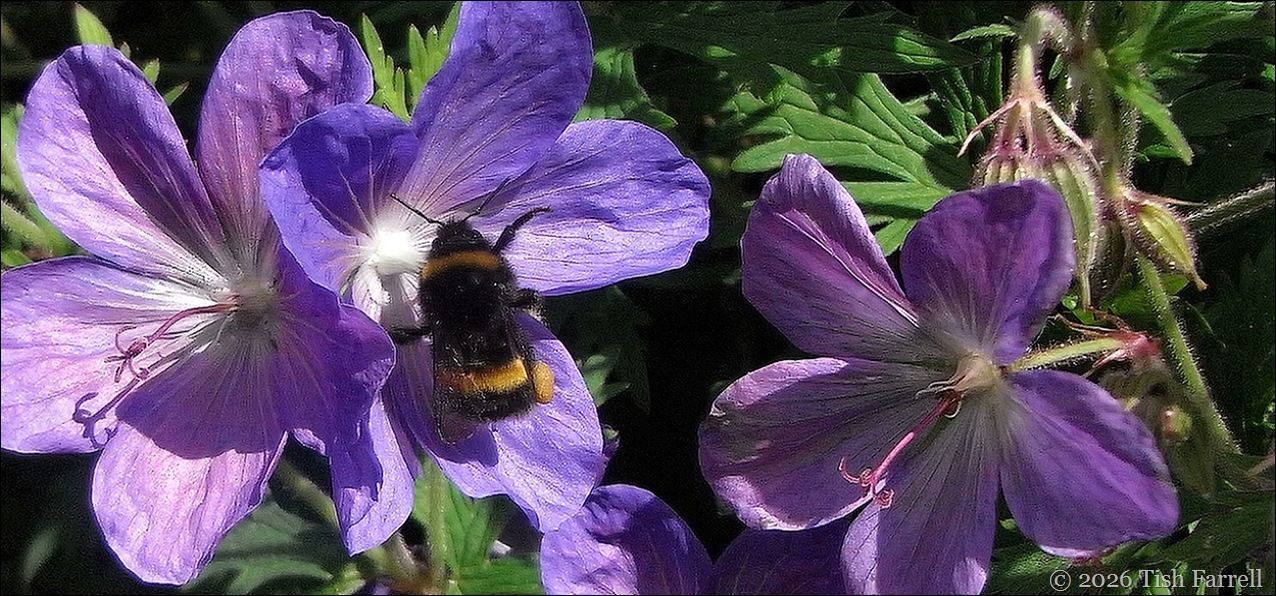
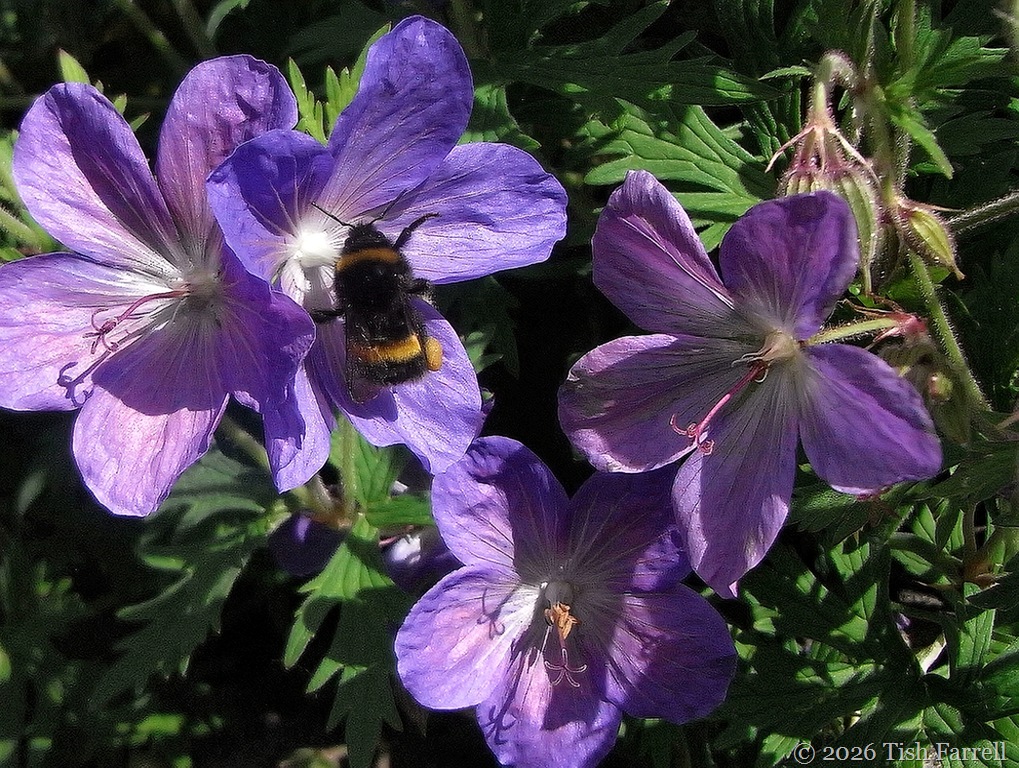
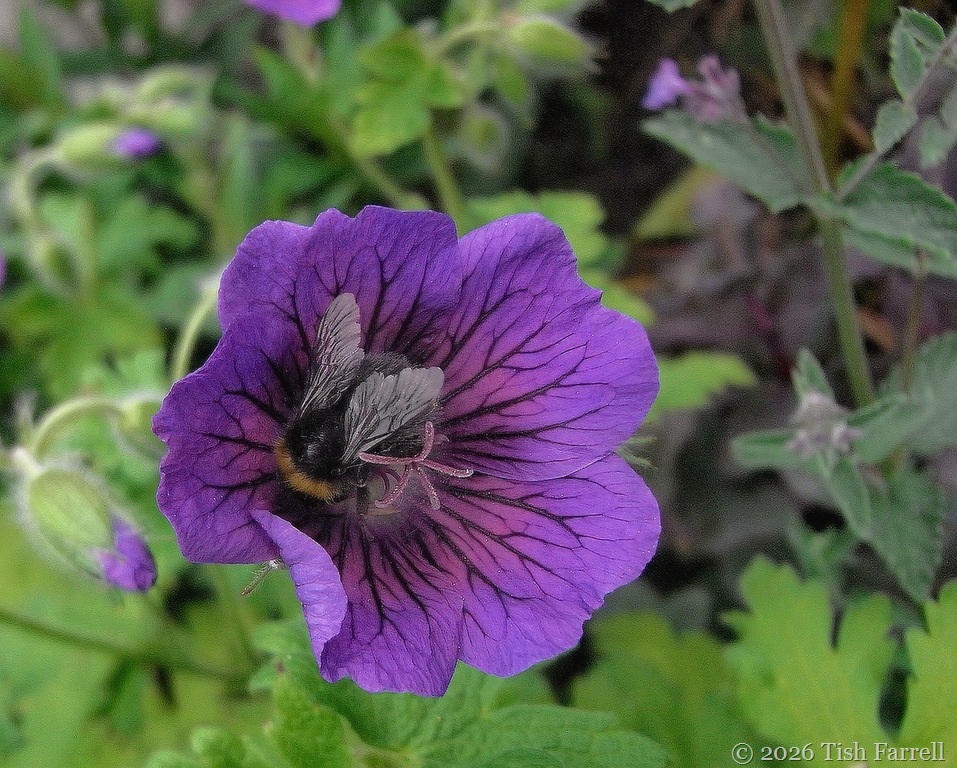
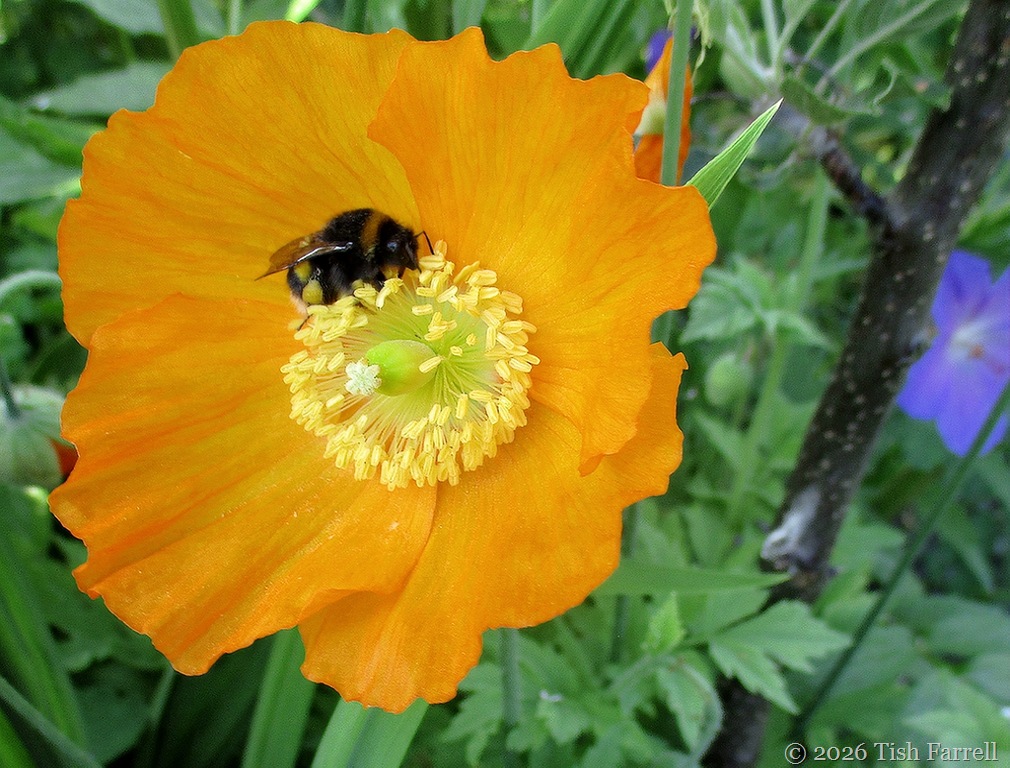
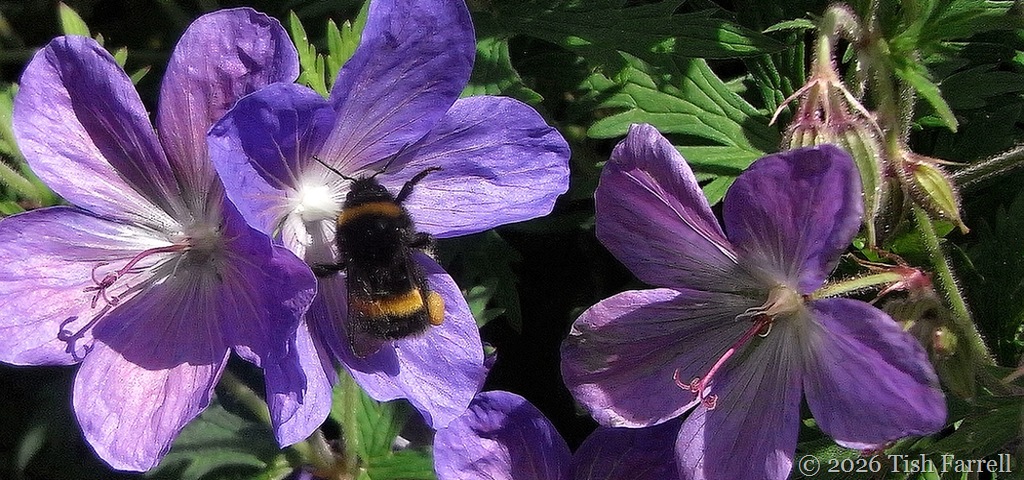
One real hot-weather bonus is that the bees (1), worryingly absent earlier in the month, are now back in the garden, feeding voraciously on the hardy geraniums, Welsh poppies and foxgloves. They seem to be making up for lost time.
***
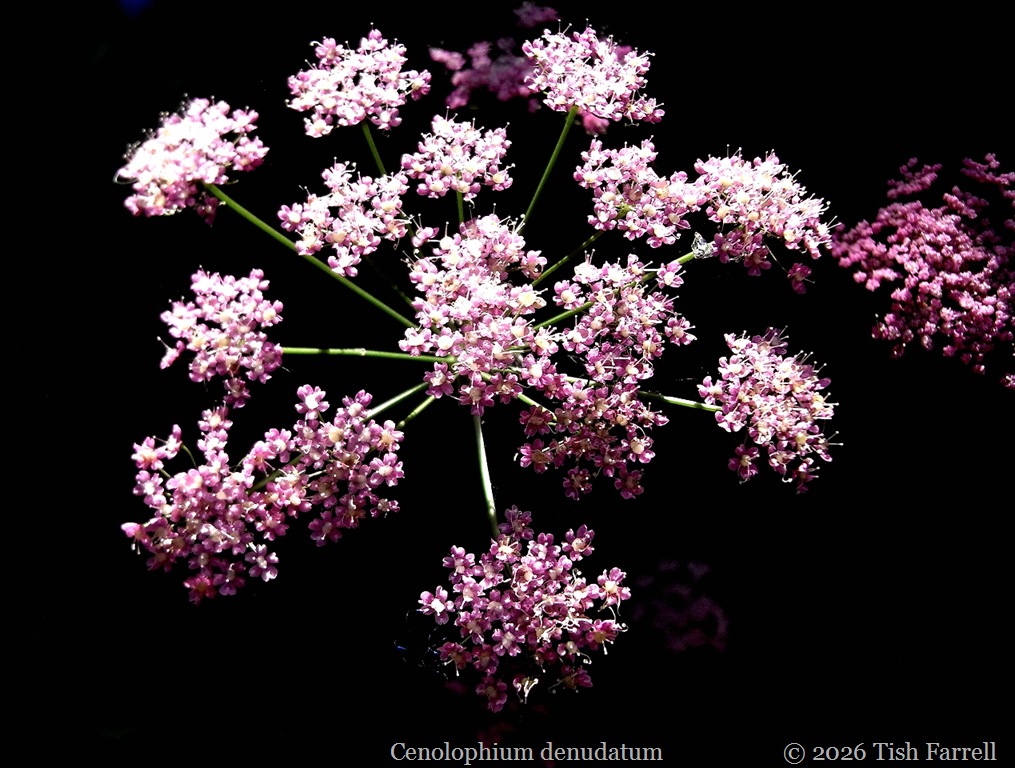
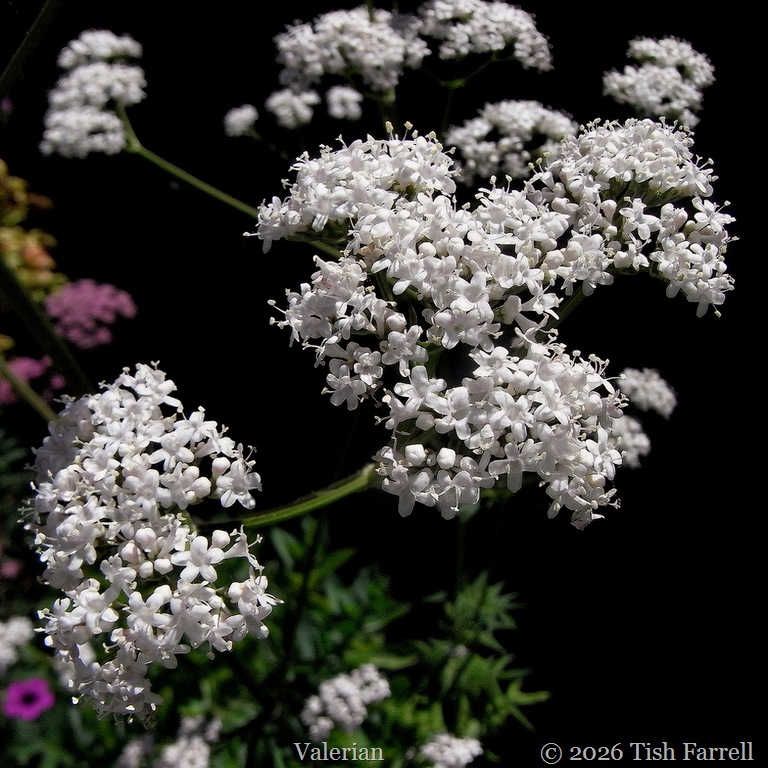
In the back garden border the umbels (2) are the rising attraction. I’m always pleased when the valerian starts flowering, but this year it has a companion, one very like it, if more pink and more sweetly scented. Its common name, Baltic Parsley, sounds most unpromising for such an airy, delicate plant, but then this is hugely preferable to its tongue-twister botanical title of Cenolophium denudatum . I bought two young plants on-line last autumn from Great Dixter Nurseries, whose curated collections are altogether too tempting for the ever greedy gardener.
***
This year I’ve decided to rein in the vegetable growing (3). Limited space is one factor, but the main reason is not liking all the ugly netting defences needed to keep the pigeons and sparrows from eating everything. I’m still growing herbs, salad stuff, carrots in containers, a couple of rows of potatoes, some strawberries and raspberries, tomatoes in the greenhouse and also beans – all of which don’t need too much if any protection.
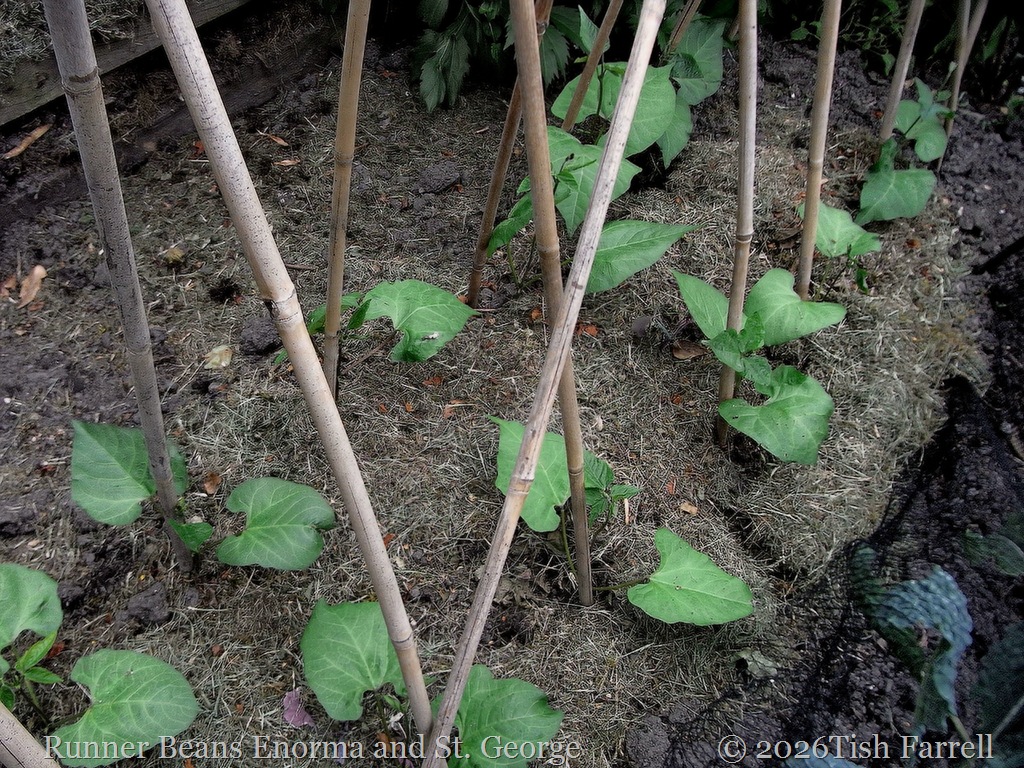
For several of the hot days I dithered about whether or not to plant out the large runner bean seedlings. In the end I decided it was better for them in the ground than drying out in their pots. I surrounded them with an emergency mulch of grass cuttings. Our neighbour had kindly just deposited a load over the fence and into our compost bin. I don’t usually use them for mulching, not wanting either crusts or a smelly, squidgy pan, but they soon dried out and the blackbirds have since been turning them over.
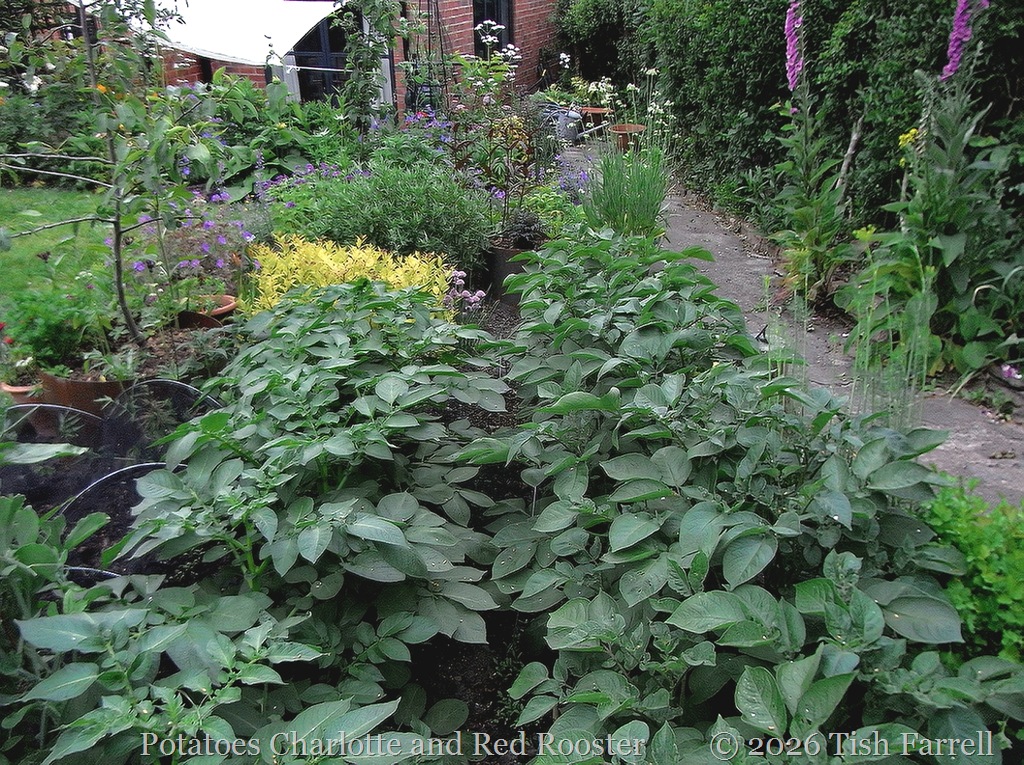
Meanwhile on the other side of the garden, the potatoes are looking pretty good. The Charlotte row is thinking of flowering.
***
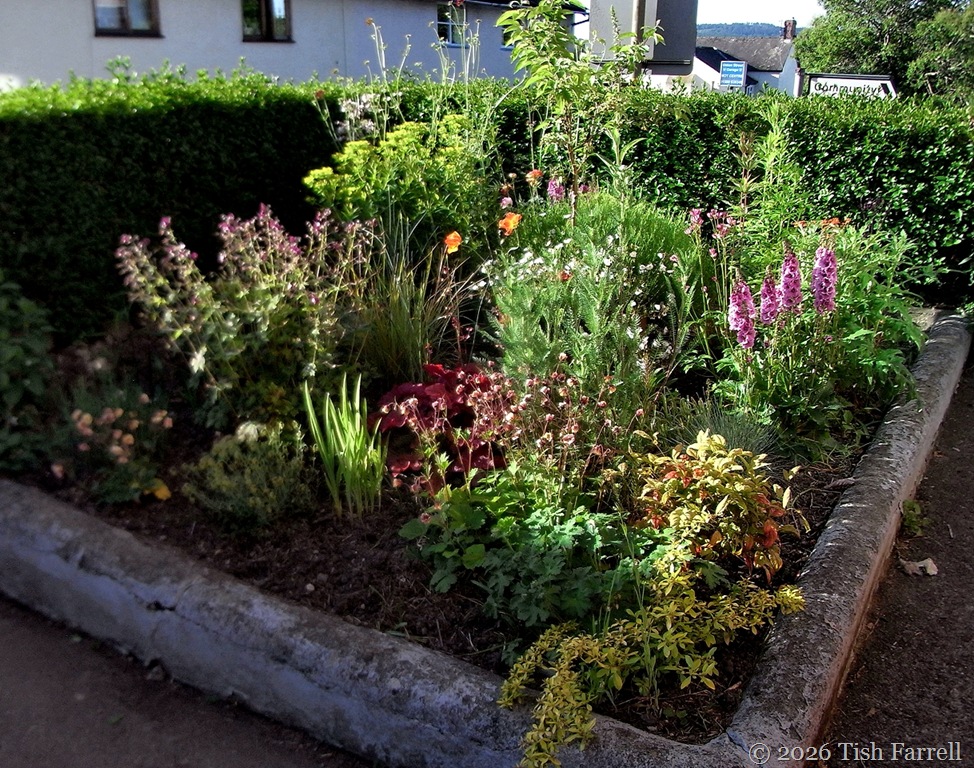
And talking of mulch, my number (4) this week is a shout-out for the benefits of applying Strulch. This is very much for the small-garden gardener who doesn’t have access to masses of home-made compost. It’s a mineralised fine straw that comes in easy-to-move 9 litre bags. Last autumn I bought 2 bags and spread them over the two front garden beds, spots that are both exposed from the north in windy weather, but also sun-traps during heat-waves. There was still enough strulch left over to scatter less generously around some shrubs in the back garden. The stuff is not cheap, but you can find good deals on-line.
Apart from anything else, I’ve hardly had any weeds, and the herbaceous plants are emerging nicely to do their early summer stuff. I covered the entire soil surface, about an inch/2 cms deep.
***
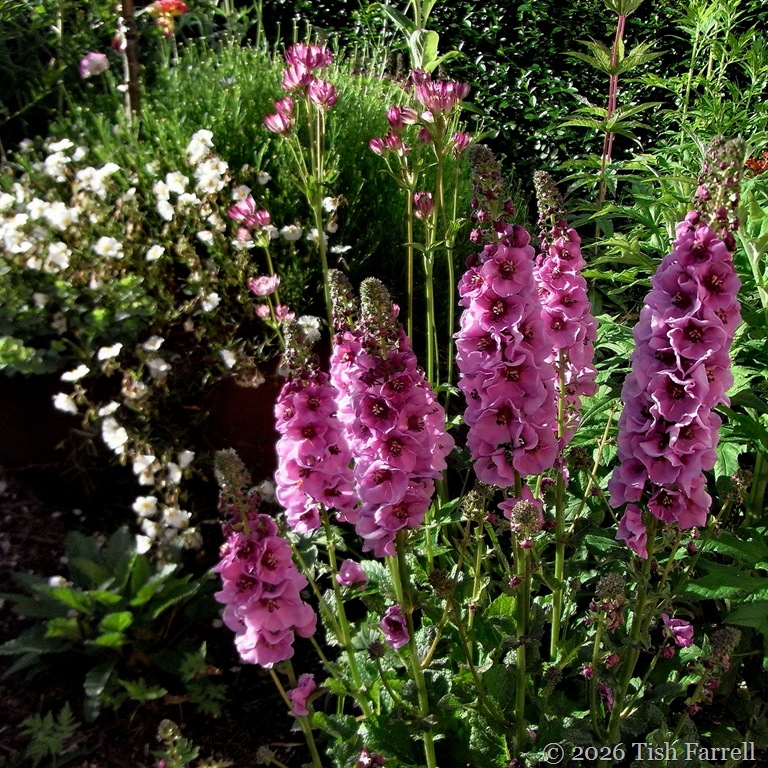
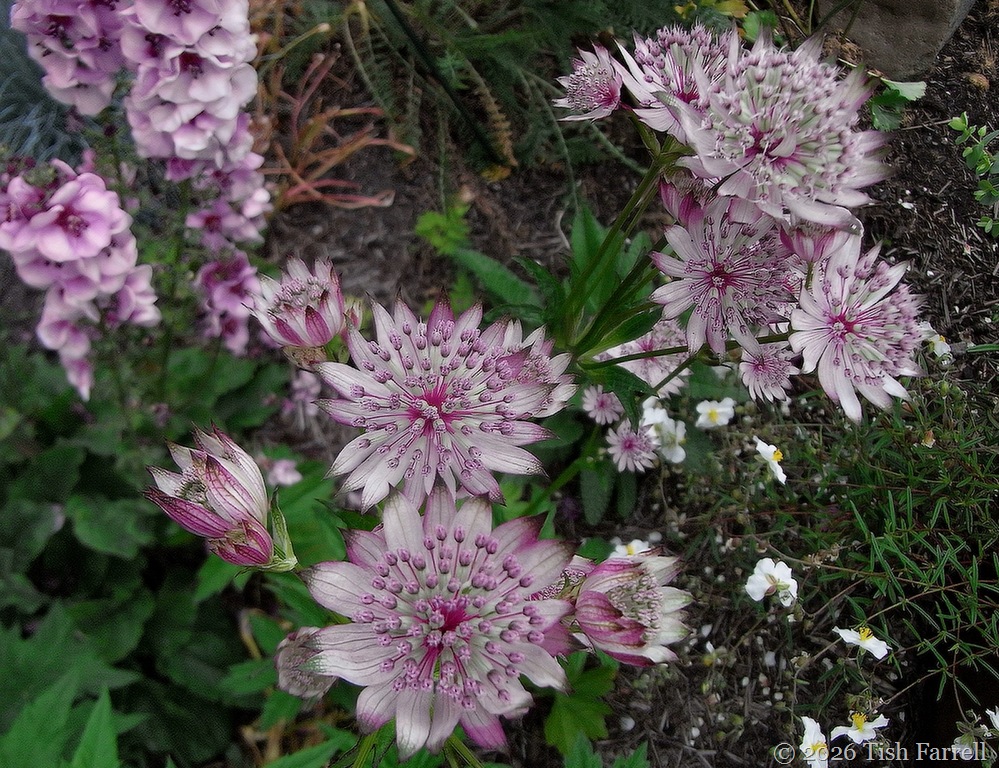
From left to right: Helianthemum Wisley White, Astrantia Sparkling Stars middle, Verbascum Lavender Lass front. And a closer look at the Astrantia. Isn’t she lovely?
***
Not everything is going so well. Unseen pests (5) have been busy, most notably in the sweet peas, amongst which something, probably pigeons, have been gnawing off whole chunks of stems. For once, I’d grown some pretty chunky plants, and put them out early to grow up obelisks. But once they started growing, large parts began to go missing. I still have some flowers, but it’s not the display envisaged. I’ve never had this problem before, and can’t think how to protect them – i.e. that won’t end up in a big tangle of netting. (Note to self. The obelisks are probably the problem. Ideal perches for pigeons).
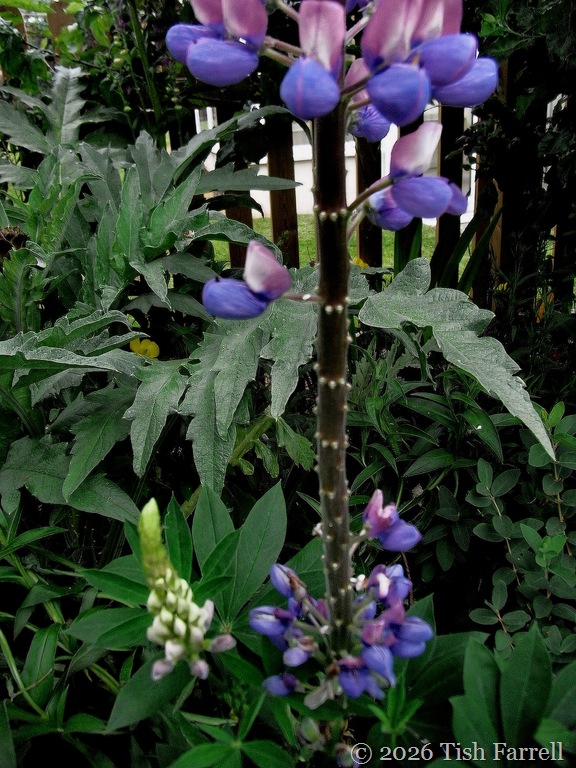
The other casualty, one that’s ongoing despite moving the plant to different locations, is the lovely blue-mauve lupin. Something keeps stripping the flowers. One minute they’re there, and the next time I look…
***
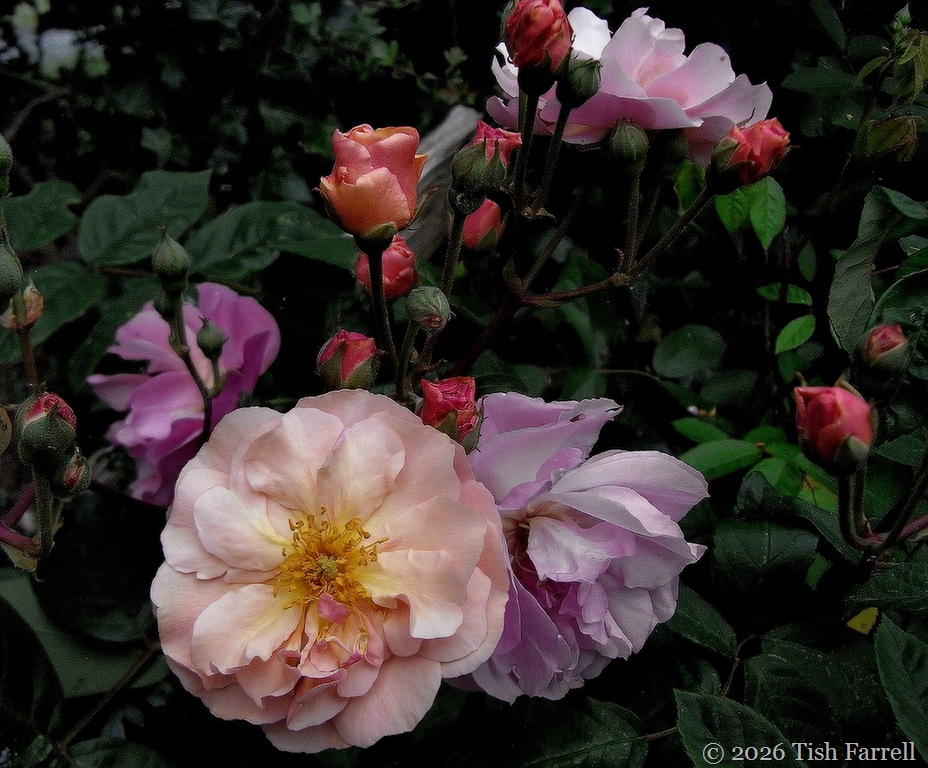
But to end on a high note, and a deliciously fragrant one too – Cornelia Rose (6). She burst into flower this week. More power to her little pink petals. She’s growing by my greenhouse so I see a lot of her.
Copyright 2026 Tish Farrell
Six on Saturday Despite the heat-wave down in Cornwall, host Jim has some spectacular things on show in his garden, to say nothing of the magnificent Poplar moth in the greenhouse.

It’s good to see the bees making more of an appearance now 🐝🐝🐝 And among all your lovely flowers I think I like the Astrantia best of all!
The Astrantia really is quite something, isn’t it. Its first year of proper flowering.
Tish, I admire you and your garden. Your photography is also outstanding.
Thank you on both counts, Anne 🙂
😍
Bees and butterflies in attendance here too. Including an orange tipped that I have never seen in this garden before. Your herbaceous border is a delight. I tried Srulch once when I first moved here to try an counter the S&S but it didn’t work and I also found that it stops plants from self seeding. I guess that’s a bonus for stopping weeds though.
BTW Claire Austin is opening her nursery on Thursday 11th – Saturday 13th June 2026
10:00 AM – 4:00 PM. Tickets 8 quid. It includes Nursery Tour (10:00 AM), Claire’s Perennial Masterclass (1:00 PM), ‘Claire’s Favourites’ Trail (All day)
Take a self-guided stroll through the garden and fields to see Claire’s top picks for the season.
White Hopton Farm, Wern Lane, Sarn,
Newtown, Powys, SY16 4EN
Sounds like a good day out if you are interested. I have always found her plants to be exceptionally good.
Many thanks for the Claire Austin info, Jude. I often look at her website. As to the strulch, yes, I can see that self-seeding would be blocked, though in the late autumn sometime I did scatter some Sweet Cicely seeds that my sister had given me, and they’ve popped up through the strulch – rather more of them than is necessary!
Tish, your garden is beautiful!
Many thanks, Beth.
Some wonderful shots this week. I especially love the verbascum, what a fabulous colour and it sits so well with the astrantia. Enjoy your week.
That verbascum is a very pleasing plant. It’s making loads of branching stems too, and an offspring.
Wonderful to hear about the bees, Tish! And I must confess to never having heard about Strrulch
Yes, am pleased to see the bees. It was rather worrying that there were none about earlier in the month.
It all looks wonderful. If it’s any comfort (it won’t be) I have never succeeded in growing lupins. They seem to be a popular food item wherever we’ve lived.
I seem to remember my father growing magnificent ones, so am a bit frustrated. The one we have is anyway a volunteer, but I was so taken with its colour scheme when it first appeared.
The heat is nice but not too much. The rose is stunning!
It is such a sweet rose. Now though it’s being rained on, but no longer fried. Ah, well. Such is our random weather.
I heard about your oppressive heat. Wow.
It was pretty hot for a couple of days. Back to coolish, windy and showery now.
Than goodness!