Blessed Earth ~ Our One And Only

P1080441

And when we’ve trashed this one, there won’t be another (see postscript).

*

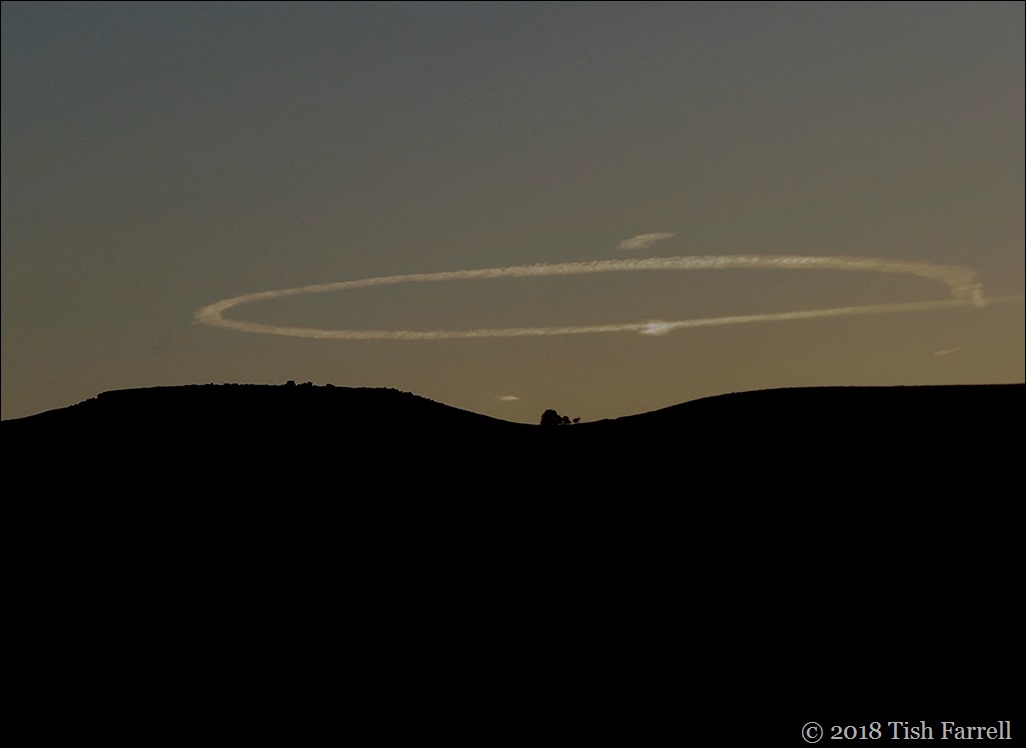
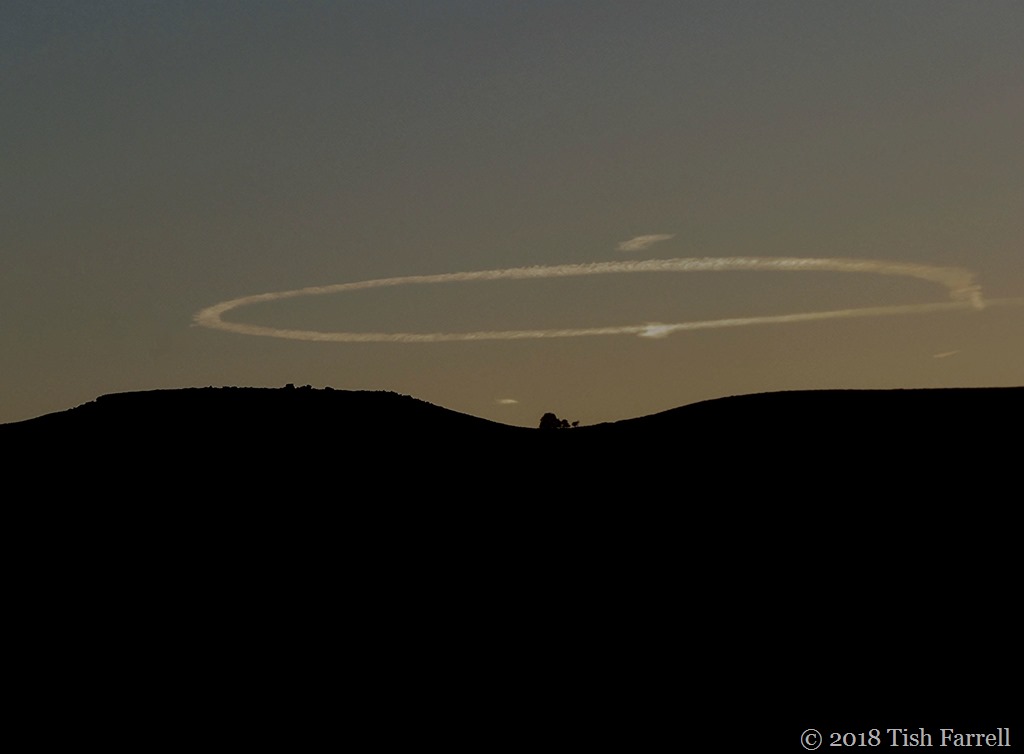
In case you’re wondering where I’ve been for the past week – we’ve been staying in a barn in the Derbyshire High Peak where we woke to views of Higger Tor and Millstone Edge (haloed here) and the wide vistas of Hope Valley. The barn in question was one my maternal ancestors would have known and used, though not in its current luxurious holiday-let manifestation of five bedrooms, three bathrooms, plus central heating, range cooker, vast TV screen and free Wifi.

For around two centuries the Fox family lived at Callow Farm, tenants of the Eyres, and later of the Dukes of Devonshire who bought the Highlow estate from the Eyres/Archers in the early nineteenth century. The Foxes were also in this particular vicinity (around Highlow and Offerton in Hathersage Outseats) for at least the preceding 500 years, although trying to unravel the multiple generations of Georges and Williams is proving pretty impossible. All the more tantalizing when we know a 19th century list of Derbyshire Charters has a certain William Fox holding a few acres at Offerton in the late 1200s.

The more recent tenant Foxes owned some land too, and so in their way were very minor landlords. This in itself is a puzzle, since from earliest times this whole territory was controlled by abbots and monarchs and thence parcelled out to sundry lords and lordlings who taxed, tithed and generally reaped the rewards of ordinary mortals’ labours.

In High Peak the bulk of those returns included a large annual cut from the proceeds of the lead mined and processed by  Derbyshire yeomen farmers like the Foxes – a raw and life-threatening trade carried out when they were not engaged in growing oats, making cheese and butter from their small dairy herds, cutting mill- and grinding stones from the precipitous millstone grit edges or minding their sheep. I have evidence of some of these multiple activities from local newspaper details of October 1892 when my great great grandfather George Brayley Fox sold off the Callow Farm stock before leaving the farm. This also means I know precisely what was in those barns at that particular time.

I have also now witnessed what the Dukes of Devonshire did at Chatsworth with the income from their tenant farmer-lead miners. The extravagant display of the 6th Duke in particular is jaw-dropping. But for all this and more – see upcoming posts.

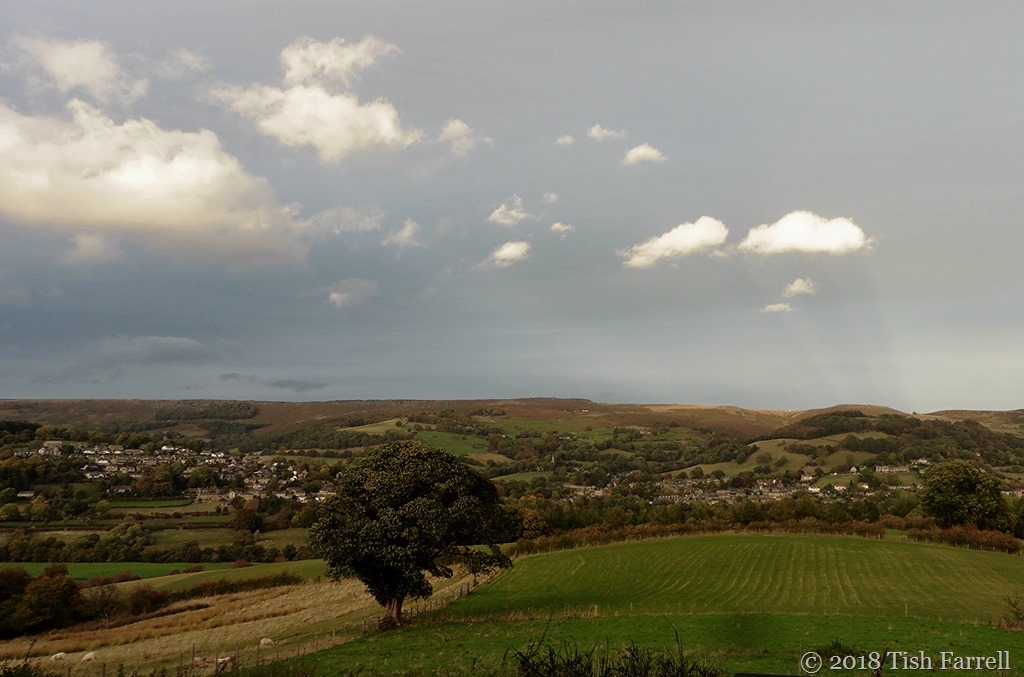
For now here’s a daylight view from Callow farm fields, looking across the Derwent Valley to Hathersage: Higger Tor on the far right, Stanage Edge along the skyline to the left.
P1080480

IMG_7531

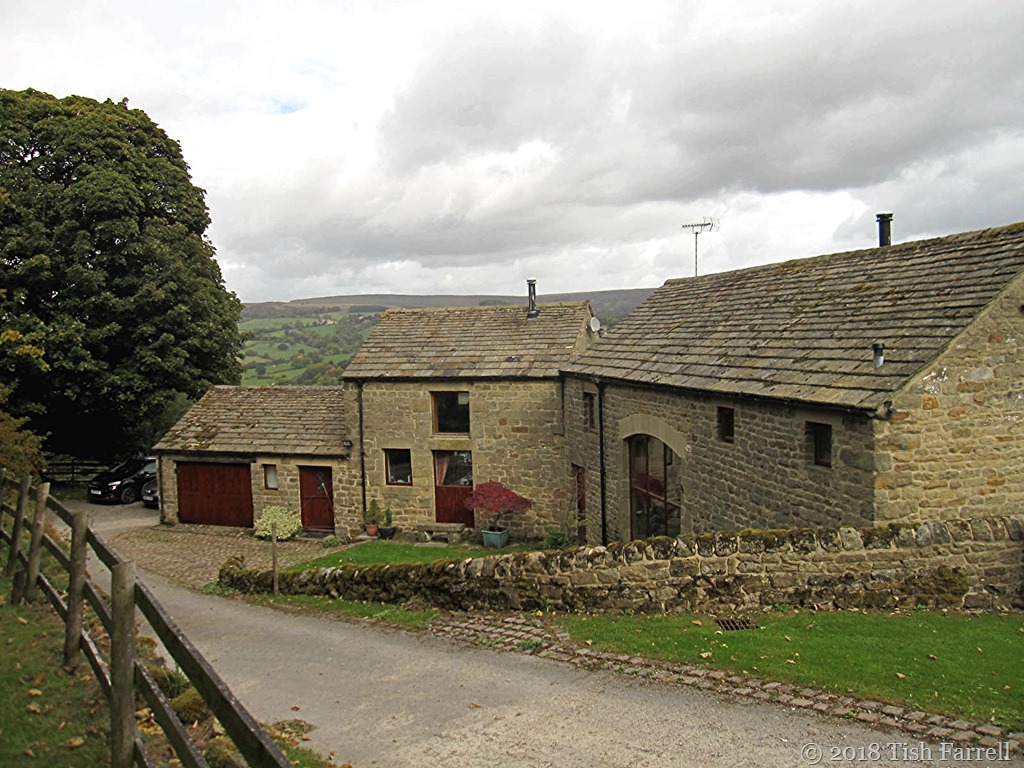
And here is Callow Barn – now cut off from the next door farmhouse, the properties being privately and separately owned and perhaps originally sold off from the Chatsworth Estate in either the 1930s or 1960s, both occasions when the estate’s massive death duties required the sale of extensive property and farmland.

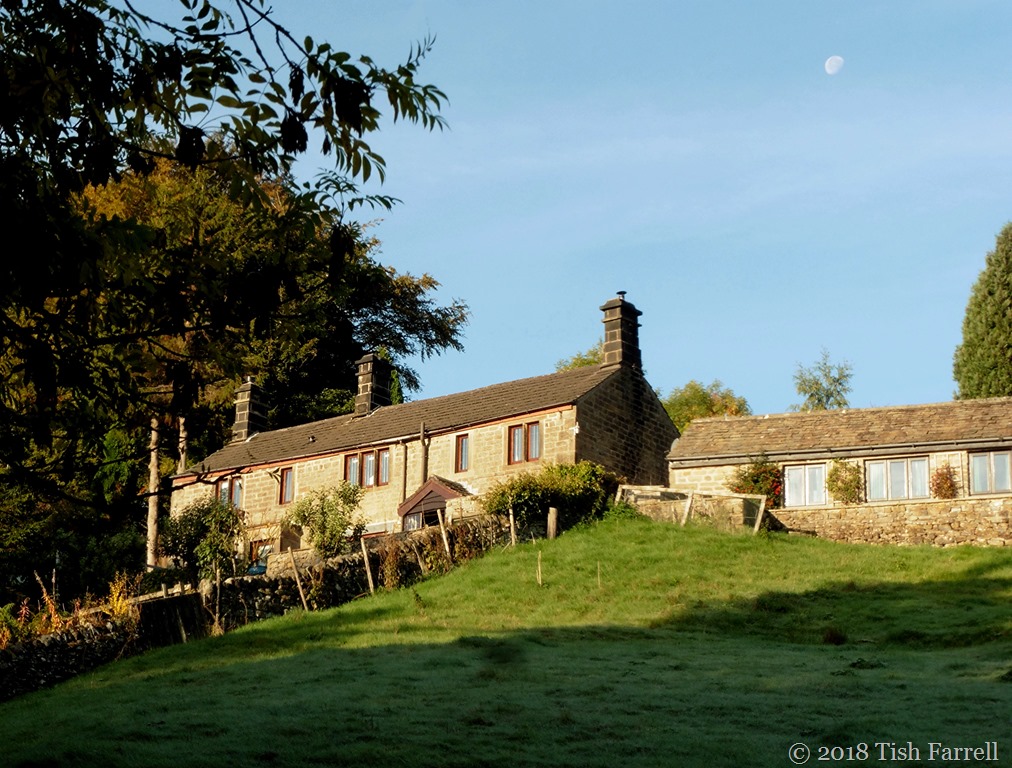
And finally Callow Farmhouse as seen from the public footpath to Leadmill:
P1080338

*

P.S. Much of Derbyshire – the uplands and dales – lies within the National Park. I learn this morning from the Campaign to Protect Rural England (CPRE is an organisation well worth supporting) that our government wants to bury nuclear waste in our National Parks, wilderness areas that are now used by many hundred thousand citizens for walking and cycling, and whose consistent presence there through much of the year significantly supports local rural economies. The Derbyshire national park in particular positively teems with humanity at weekends, happy families and dogs out for a jaunt and some very fresh air, away from the nearby cities of Manchester, Sheffield and Derby. Words fail.

Six Word Saturday

#AncestralLandscapes

copyright 2018 Tish Farrell
A Path For All Seasons ~ Wenlock’s Linden Walk

P1030637

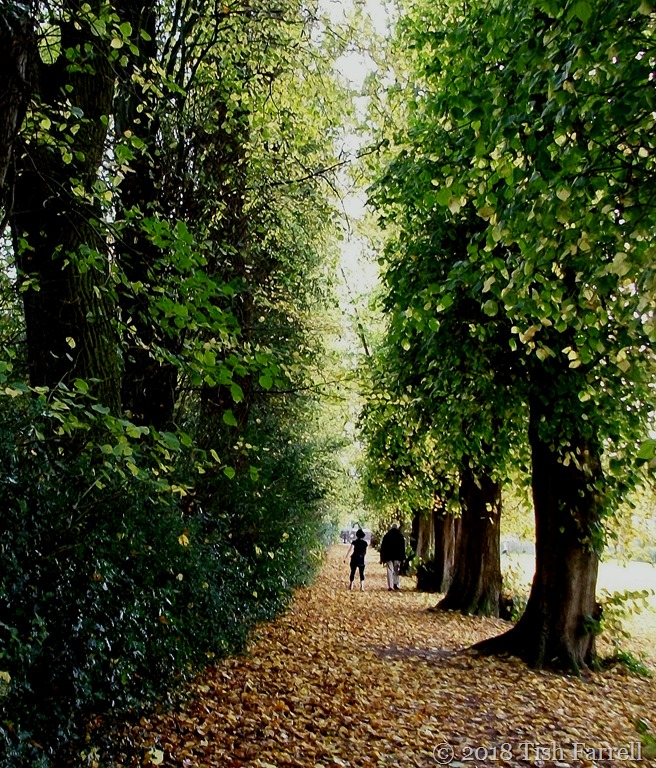
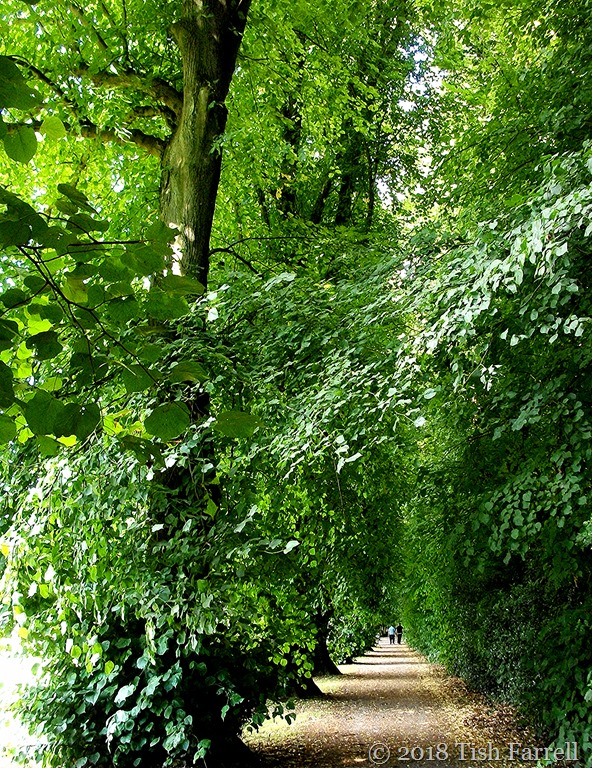
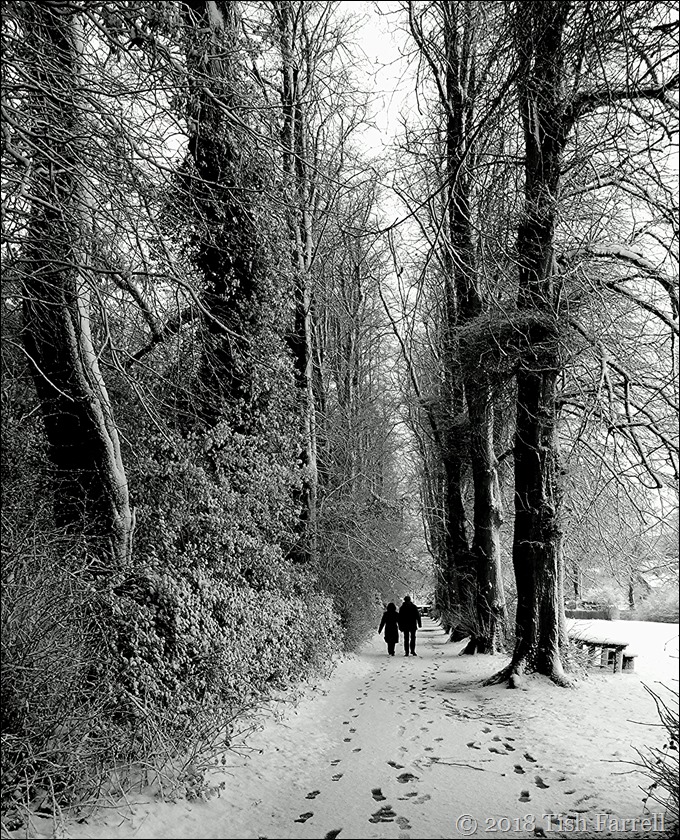
Those of you who come here often will know that the Linden Walk is Much Wenlock’s best loved path; mine too as it is only a couple of minutes from the house. It is always beautiful – whether in storm, snow, rain, sunshine, with or without leaves. It is also the enduring gift of the town’s physician, Dr. William Penny Brookes, who with his friends planted it in the 1860s. Thank you. Dr. Brookes. I should remember to say this more often.

100_6680

a

Lens-Artists: path

Sheep Smarts ~ Cattle Grid No Object

P1080252

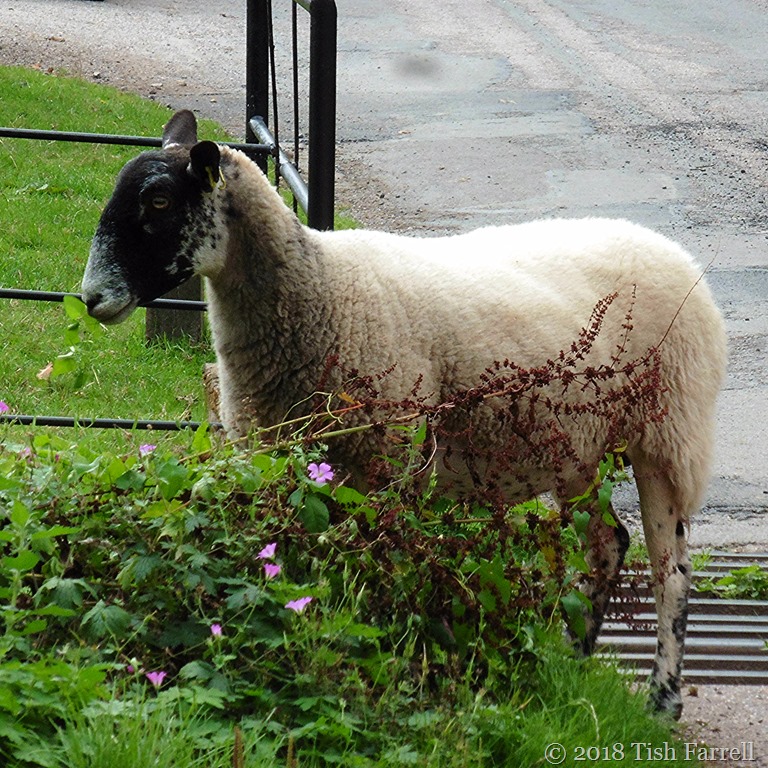
This sheep popped over the cattle grid so fast, I didn’t actually see it in action (one second it was on the far side, the next it was among the pink geraniums), but all its friends and relations in the next-door field saw. Goodness, what a commotion they kicked up. How did you do that! Wait for us! BAAAAAAA!

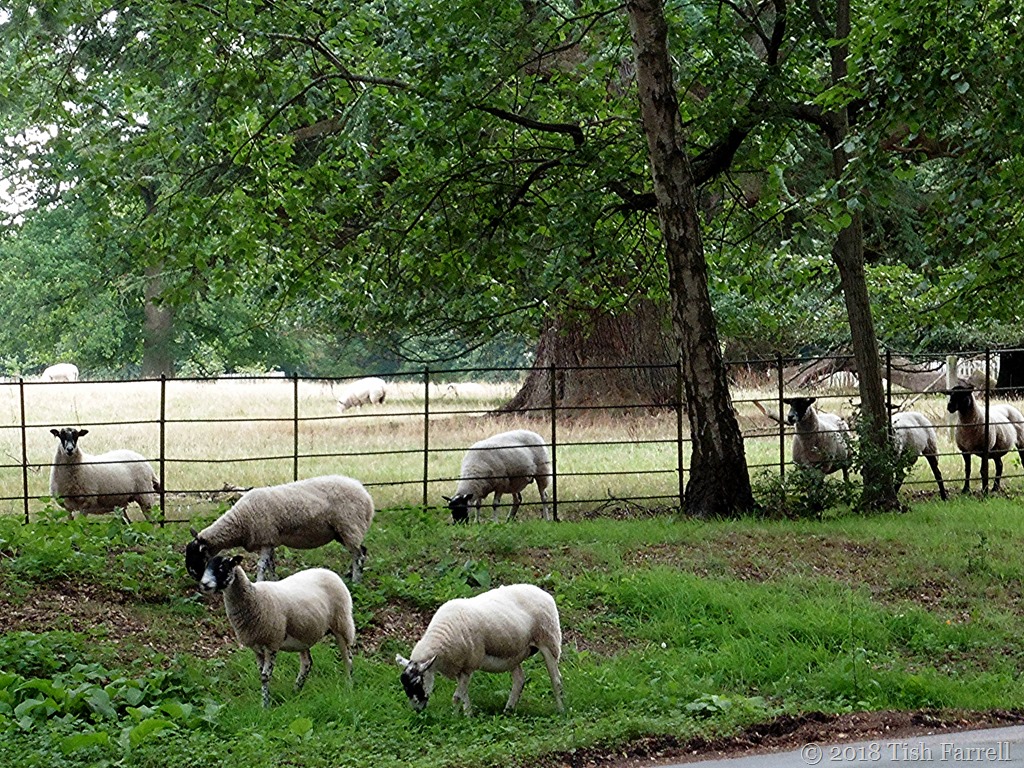
We’d just had lunch in the Apple Store Cafe on the Brockhampton Estate (see previous posts), and were about to head home. But at the last minute I thought I’d like a photo of the parkland with its grazing sheep, although the light wasn’t promising. And that’s when it happened – the great escape – ovine-style.

A couple of other sheep who had been paying attention to how it was done, soon followed their leader. The rest stood at the fence and whinged. BAAAAAAAA!

P1080256

In the Pink #8  Today Becky is truly ‘in the pink’.

Six Word Saturday  While over in St. Albans, Debbie’s climbing high – a three towers challenge. Go for it, Debbie!

The Changing Seasons ~ August ~ A Change In The Weather In Wenlock

P1080003

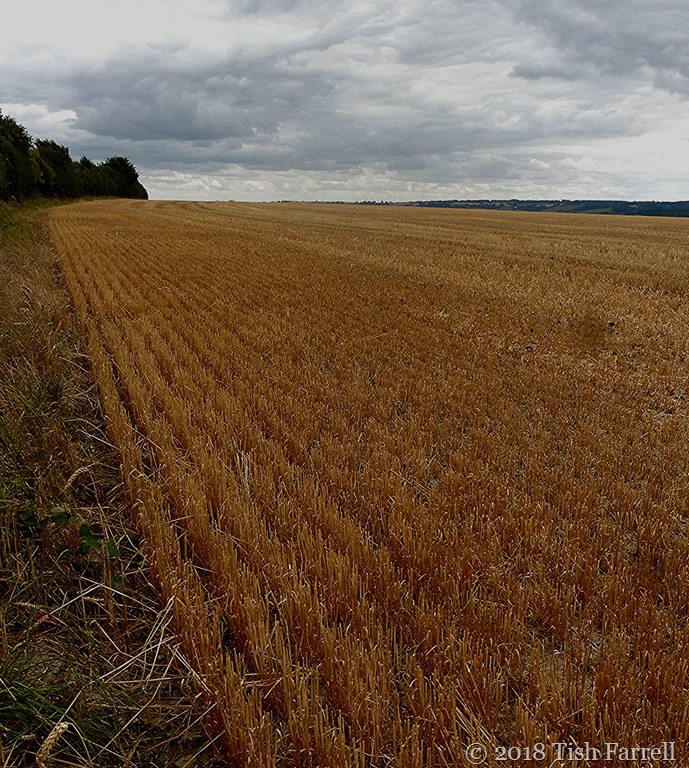
After three solid months of wall-to-wall summer with broiling temperatures and barely a spot of rain, we have skipped a good month or two and landed in autumn. It’s all very disconcerting. Fields are shorn of their grain crops, the stubble cut, bailed, stacked and now being hauled past the house in juggernaut  consignments. The muck-spreaders are in action too, top-dressing the hard-baked land for the next crop. Dubious odours waft about the place – some of them human.

Our Midlands water and sewage company  do a good trade in what they euphemistically call bio-solids. It has a low-grade, lingering pungency, but having recently watched a BBC documentary on the Secret Life of Landfill (a brief horror clip HERE on YouTube), I’m glad something useful is being done with the stuff. Animal waste also has to be recycled and one morning this week we had four tractors, grisly muck-spreading tanks in tow, thundering in convoy up and down Sheinton Street – to and from somewhere for and with some very potent slurry.

More scenically, early on Saturday evening as we were driving over to friends in neighbouring Staffordshire, we saw two tractors ploughing the red sandstone soil in tandem, a flock of seagulls swirling after them.

I keep wanting to yell, hang on! It’s still summer. Except the sudden 10 degree drop in temperature has me scurrying to the winter vest drawer. But still, out in the back garden it at least looks like summer, so to make up for talk of weird weather and bad smells, here is my August garden gallery. Somewhat perversely, the Morning Glory that has been twining up our small apple tree all summer, has waited for the cool weather to arrive before deciding to flower. A welcome sight, if surprising in the gloomier light. Likewise the Mediterranean-loving zinnias, which have stepped up a gear to full throttle blooming, and continue to be a favourite bee haunt.


This slideshow requires JavaScript.


The Changing Seasons  Please visit host Su for some fine NZ vistas

Lens-Artists #8 Colourful And please visit Tina and the other Lens-Artists. for some ‘colourful’ photography.  I hope Tina won’t mind my doubling up here.

Sticking To Earth Patterns

IMG_3796

Humans love to see the patterns in things. This habit can nurture an aesthetic sensibility and inspire much creativity on the one hand, and it can lead to all manner of misunderstandings and fallacies on the other. Which of us hasn’t at least pondered on the ‘meaning’ of a series of pure coincidences, or passingly ‘seen’ a pattern of events that ‘proves’ a conspiracy theory is not a conspiracy theory.

Given the negative propensities of patterning, and the power these may exert on the human mind, it might be as well to take note that this is currently being practised upon us by much of what is reported by the mass media, and the manner in which important issues are presented to us.

There is, to my mind, a constant drip-feeding in relation to particular topics (to name a few: Middle East, Russia, nuclear weapons, climate change, Labour Party, Jeremy Corbyn, Brexit); a seemingly endless repeating pattern of half-truths, proclamations of absolute guilt without evidence, scape-goating, focusing continuously on the irrelevant, divisive reporting, unproven circumstances presented as fact, and, in the name of that weasel word ‘balance’, equal weight given to the opinions of people who know what they are talking about, and the notions of those who do not believe in evidence/have their own minority axe to grind/are (verging on the) delusional. And the whole lot mashed up into an ‘entertaining’ package of easily digested sound and picture bites, whose patterning then is constantly rehashed/given oxygen by mass spoutings on social media.

It is all very disturbing, and when I think about it, I feel like a pawn in someone else’s nasty game, and that makes me angry. And so I distract myself with things in my little world, though I must say I did have Mark Rothko’s Dark Brown, Grey and Orange  vaguely in mind when I took that second photo of the rape seed field beneath a stormy sky – his drive to express the human condition; to move beyond apparent abstraction – while I was visualizing an abstraction of the actual, but also brooding somewhat on the human condition.
But now for some lightish relief from gloomy ruminations: more earth patterns from around Much Wenlock, including some of the abnormally early, done-and-dusted grain harvest. Another kind of pattern?

P1070770

P1070758

P1070752

Lens Artists This week Ann-Christine asks for patterns.

Into The Field of Lost Content…

IMG_7203

…marches Graham with his morning mug of coffee. A touch eccentric perhaps. But then if you have a handy field you can walk into from the house, and the sun is shining, why not?

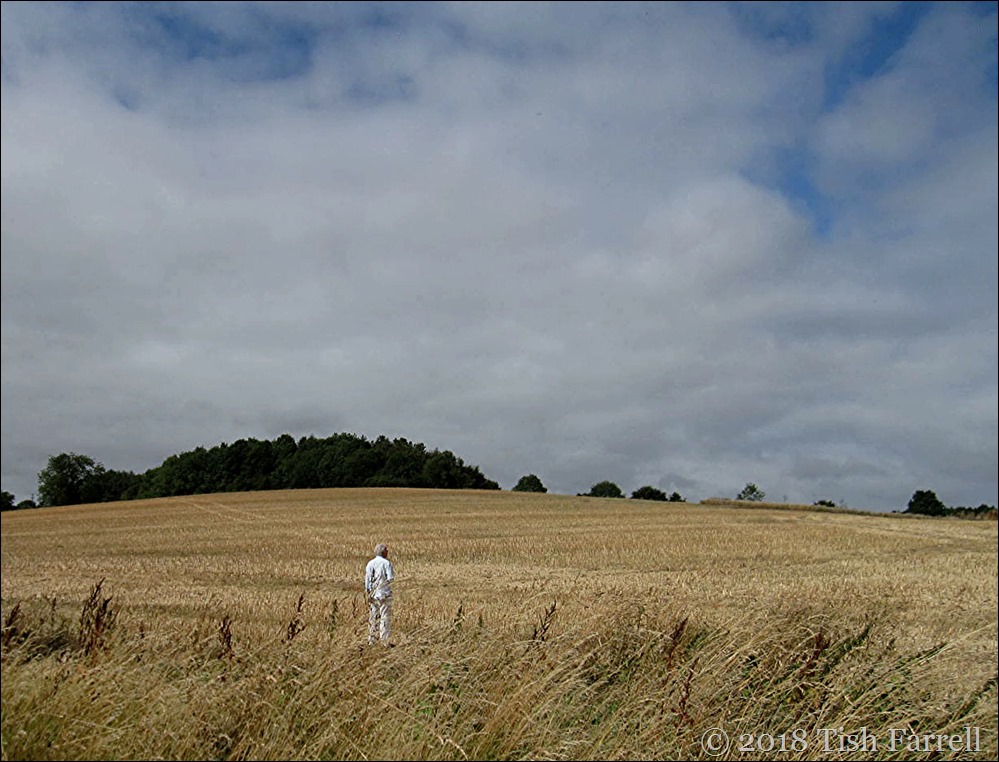
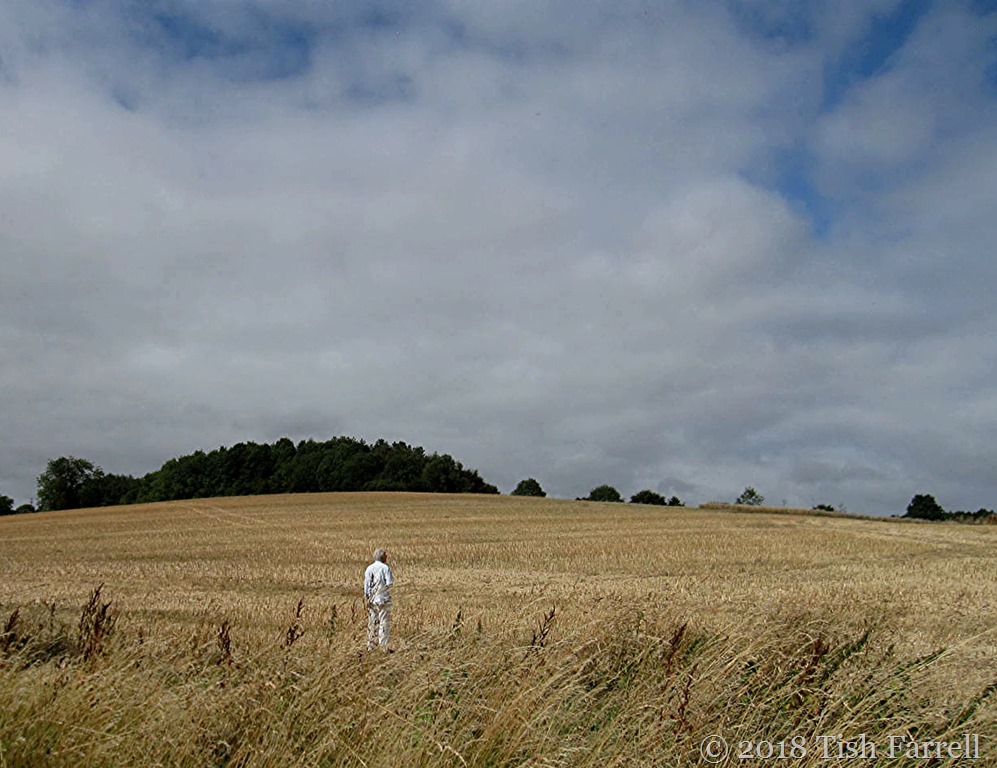
Actually we always get excited when the farmer harvests Townsend Meadow. We watch over the crop, usually wheat, but this year oil seed rape, for the whole year. And then comes a brief interlude before the ploughing and re-sowing when we feel we can rush out there and romp. In Graham’s case the romping is a purely cerebral activity as you may judge from this contemplative pose.

We could, however, have done without Wednesday night’s momentous dust storm that followed the combine harvester. The crop looked totally desiccated before it was cut, and the seed pods wizened, and now we are left with a desert of chaff that lies in deep drifts between the stalks. Please, weather gods, keep your stock of gales, winds, and even light zephyr breezes well contained otherwise we might have to hoover the garden. And ourselves too.

cr


Six Word Saturday

Please visit Debbie and her v. stylish ATM

July’s Changing Seasons ~ All Hot Air And Going To Seed

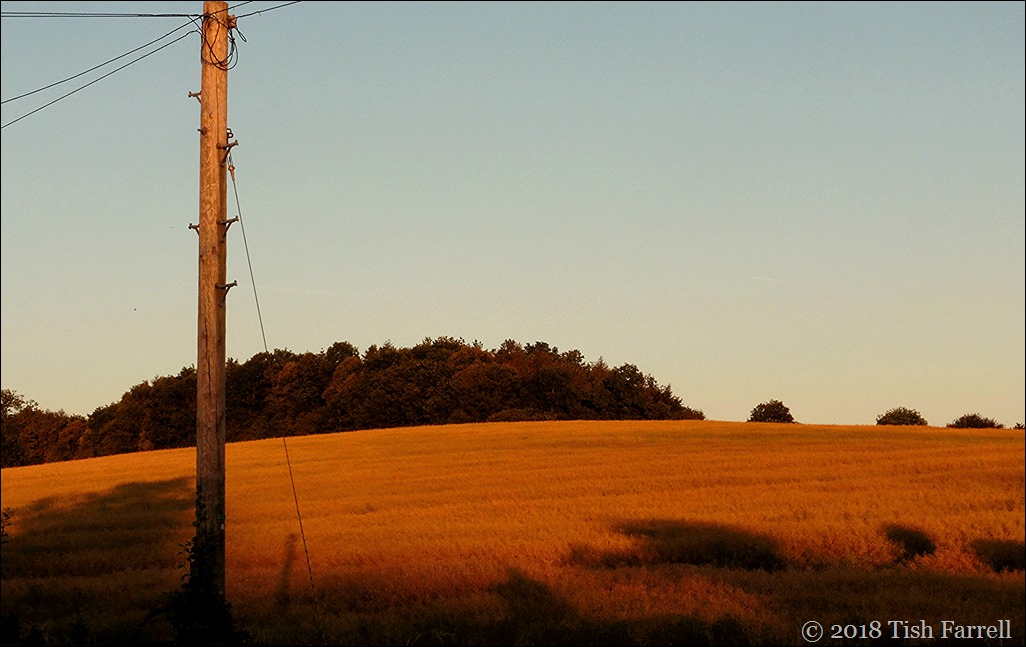
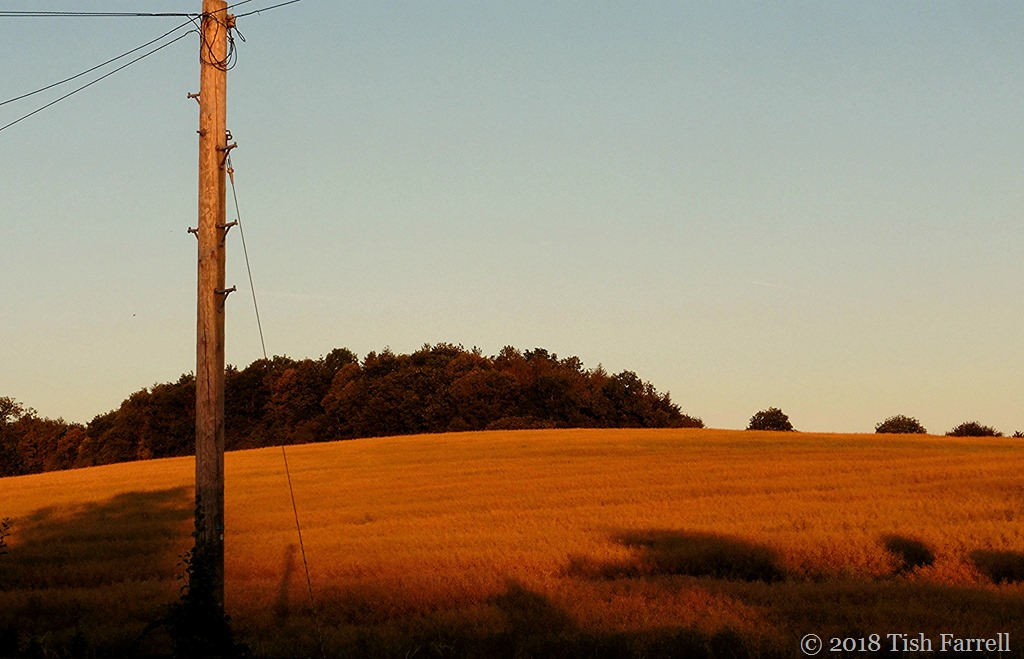
I said in an earlier post that plant life was galloping away to flower and set seed all before being fried. Now with the end of July approaching, we have definitely reached the fried stage. I took the header view of Townsend Meadow as I was coming home from  the evening’s allotment watering. I thought it captured the day’s residual heat in a ‘baked-to-a-turn’ kind of way, a muted version if you like of Vincent Van Gogh’s Wheatfield with crows, a work that always seems to exude its own hotness. It’s a shame the local rooks did not put in an appearance to complete the scene, but sensibly they seem to be keeping a low profile – no doubt roasting quietly in their treetop roosts on the Sytch where the brook no longer flows.

Rain keeps appearing on the weather forecast, and then disappearing. Today’s promised thunderstorms have blown away. I think we’ve only had one significant watering in two months, and the heatwave looks like continuing.

Up at the allotment the harvest has been hit and miss – much bolting of lettuce and wilting of peas; puny potatoes, though wonderfully free of slug spit. The sweet corn continues to flourish and is starting to form cobs, and there have been loads of raspberries. The courgettes keep coming, and even the squashes are producing. In the polytunnel the Black Russian tomatoes are fat and delicious, and the peppers and aubergines beginning to fruit. All of which  means much hauling of watering cans every evening.

Here then, are more scenes of simmering Wenlock in and around Townsend Meadow.


This slideshow requires JavaScript.

Changing Seasons July 2018

Please visit Su to see her changing season in New Zealand

Going Witless On Wednesday And Wild Wild Oats

P1070652

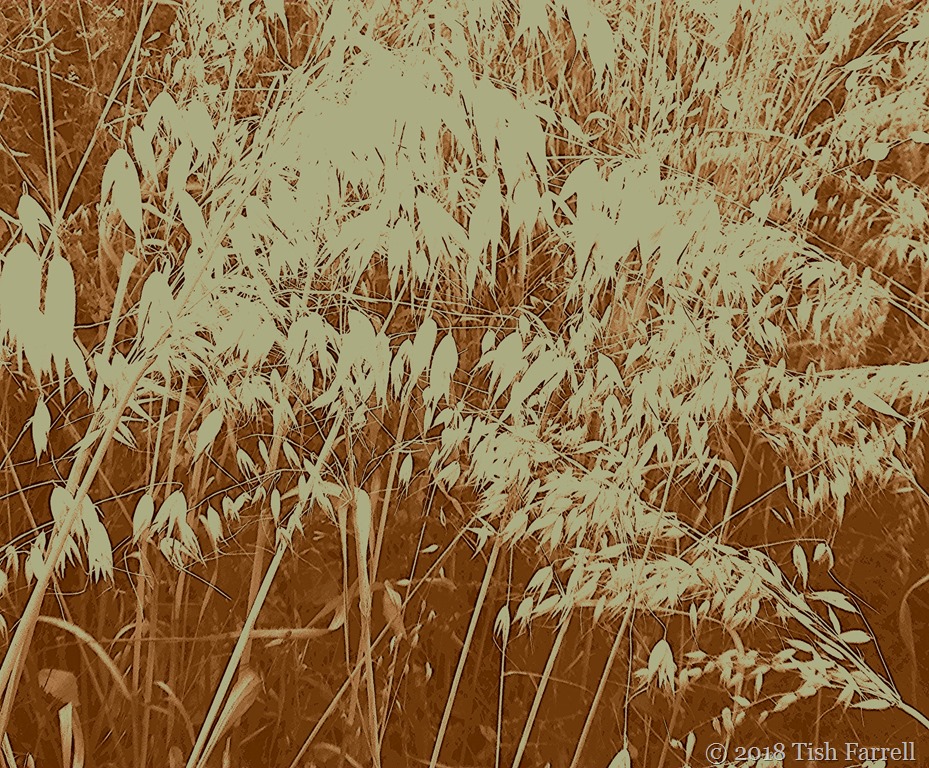
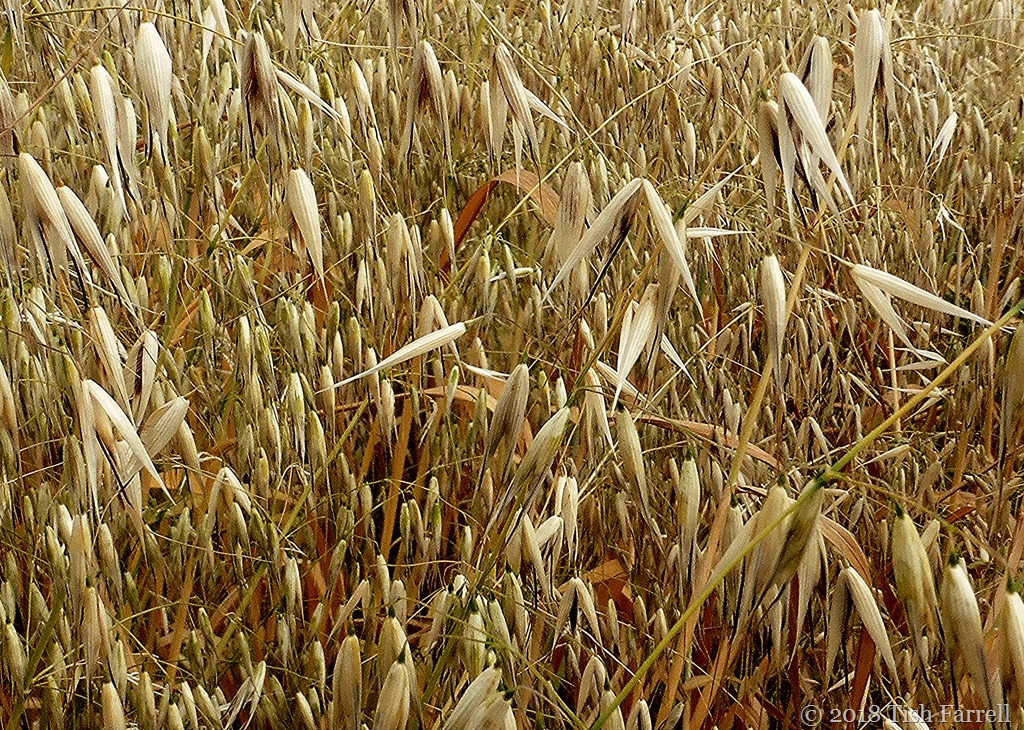
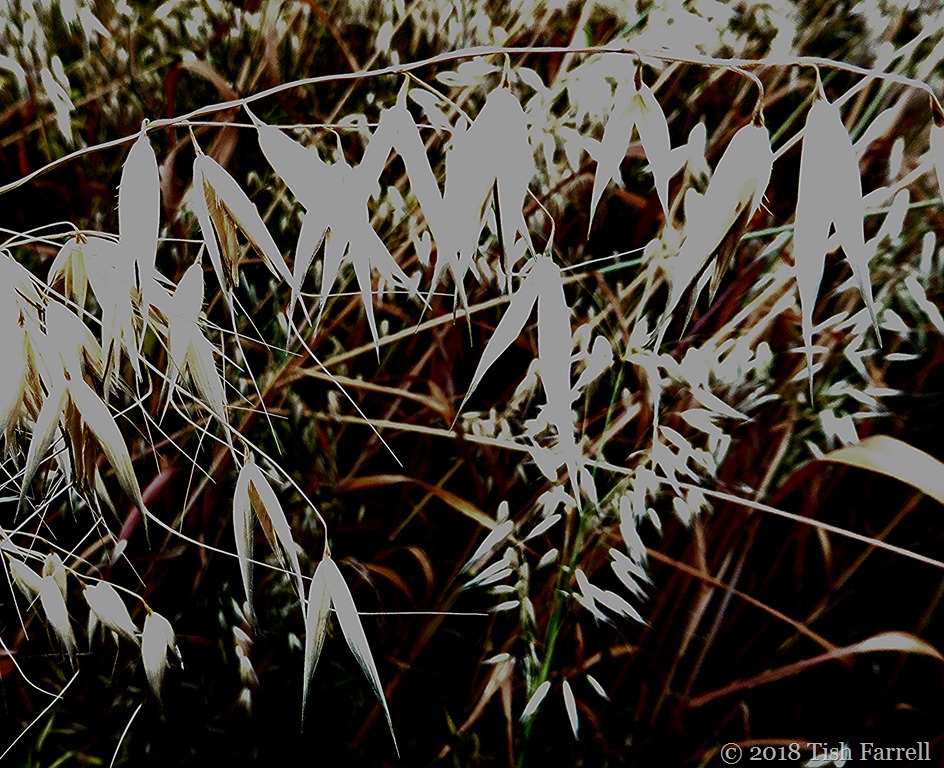
Put it down to too much sun, or too much time spent thrashing through the head-high overgrowth along the field path, but I seem to have a case of wild oats fixation. Their seeds have been shed and the remaining sheaths are paper thin and tinder dry and the light dances through them. And I am entranced.

Townsend Meadow ~ Waiting For Rain And A Bit Of A Ramble About Wild Oats

P1070614

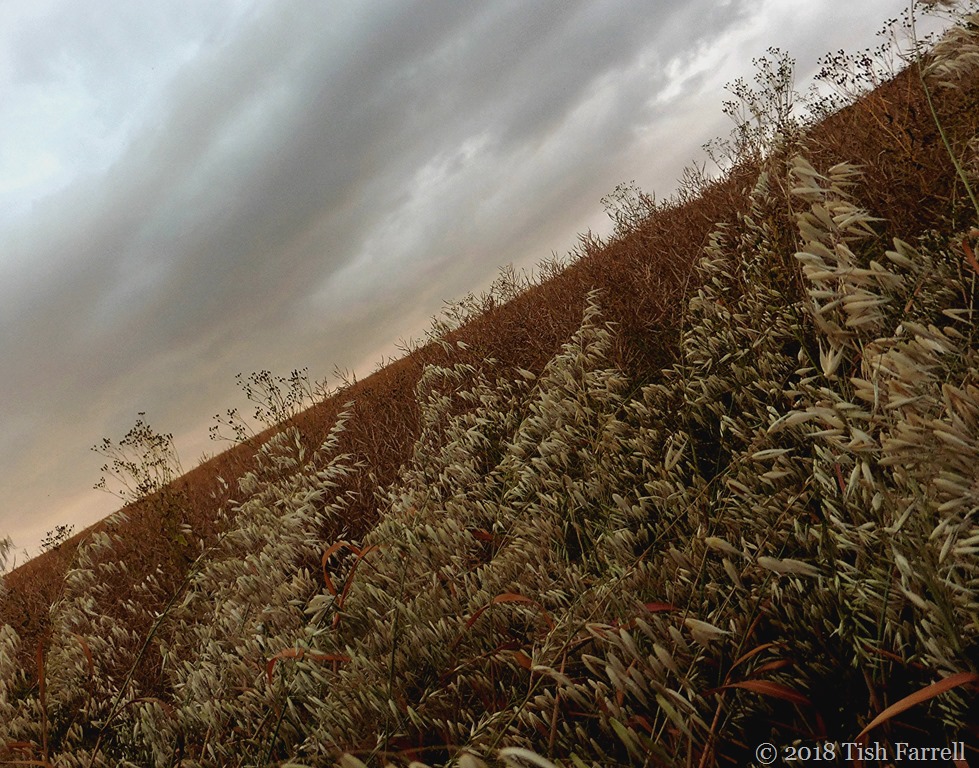
Last night as I was watering at the allotment, dark clouds were building up in every quarter. I was sure it was going to rain. But no. By 8 pm they had moved off, leaving a strange red mist effect over Wenlock Edge. Beneath it the rapeseed crop is tinder dry and a deepening shade of copper. The wild oats on the path edge are ripening too – their cuneiform seed heads turned from green to pale ochre. I’m becoming a bit obsessed with trying to photograph them. They seem to reflect light that lends itself to a touch of abstraction.

P1070559

P1070600

The Wild Oat Avena fatua  is of course the parent plant of our cultivated oat and fully edible. It possesses the same valuable B vitamins and minerals: manganese, magnesium, potassium, iron, and chromium. Oats are very soothing to the system, apparently reducing inflammation. They also contain powerful antioxidants and are rich in fibre.

Wild oats, however, are considered a crop pest, especially in wheat, reducing the crop by up to 40%. They are also becoming resistant to herbicides, which fact certainly seems to be supported by their continued presence in Townsend Meadow, where they receive lots of herbicide doses every year. This is rather making me think that we should all be eating oats instead of wheat – without added glyphosate that is. Some of us might start feeling a lot better than we do after eating wheat products.

My Derbyshire farming ancestors seemed to have lived on oats, turned into tasty pancake-like oat cakes and made from a slightly fermented batter. Eaten with farm-made cheese and butter of course, and doubtless washed down with homebrewed ale.  A good number of them lived into their late eighties and early nineties. Some of them were known to go in for a little prize fighting and were quite famed for their prowess in the ring – and that was only the women.

And apart from all this, a handful of rolled oats tied up in some muslin, soaked in warm water and applied to the skin with some very gentle rubbing, makes the best exfoliant scrub ever.

This Morning Over The Garden Fence ~ A Field For All Seasons

P1070127

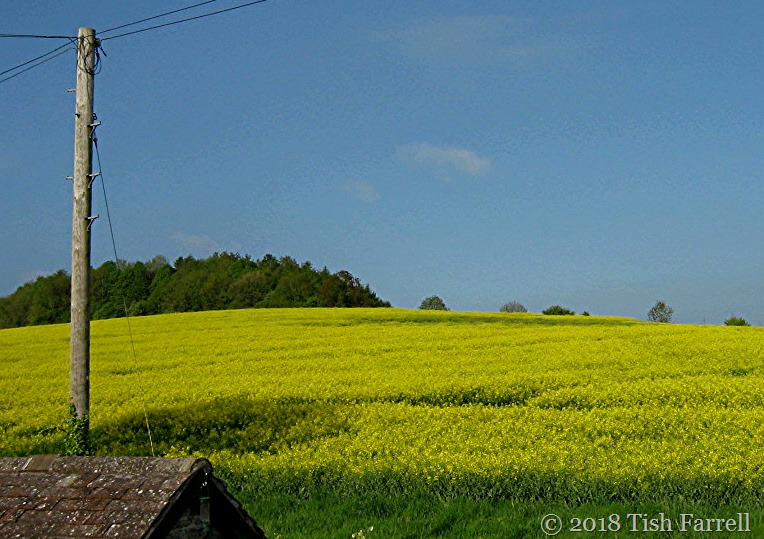
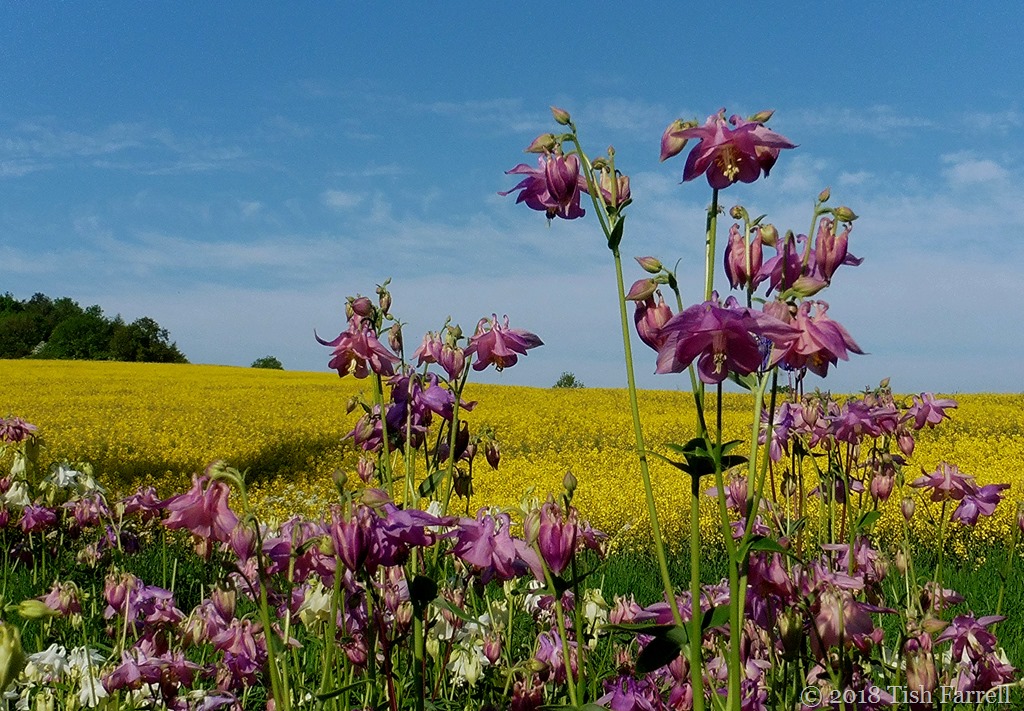
I’ve watched this crop of rapeseed developing behind our house since the autumn when it was sown – back to back with the wheat harvest. All through the winter it clung to the ground and was much eaten by pigeons. In April, after a good dosing with agrichemicals, it sprang into life like Jack’s beanstalk, and was soon taller than me. By May is was a sea of acid yellow, that mellowed to gold. This morning at 5.30 am it was turned to copper. As I’m writing this, the field, under the full-on midday sun, is being visited by hosts of cabbage white butterflies.

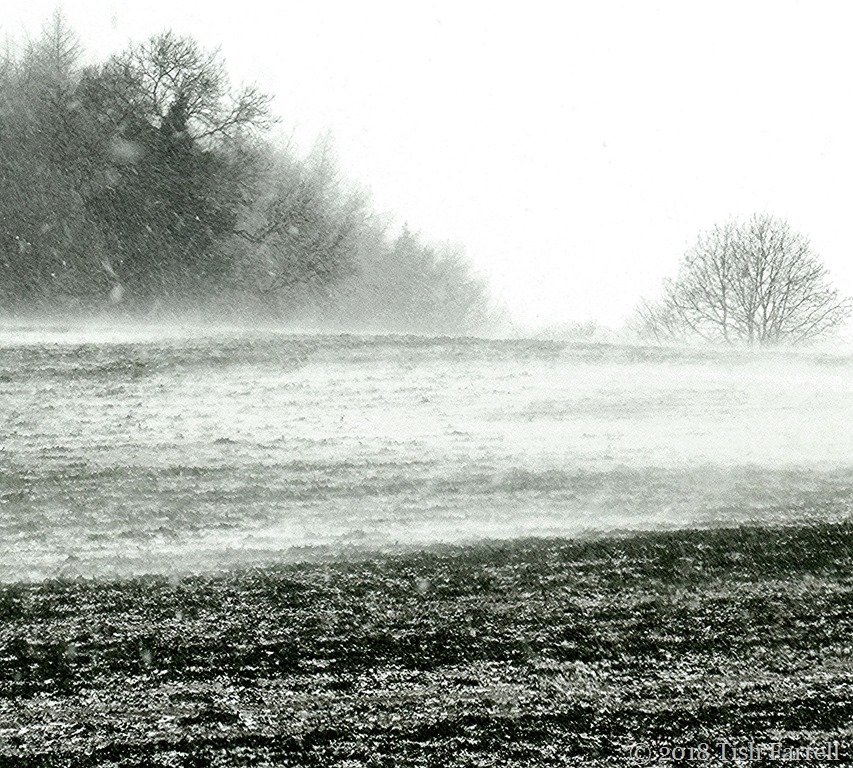
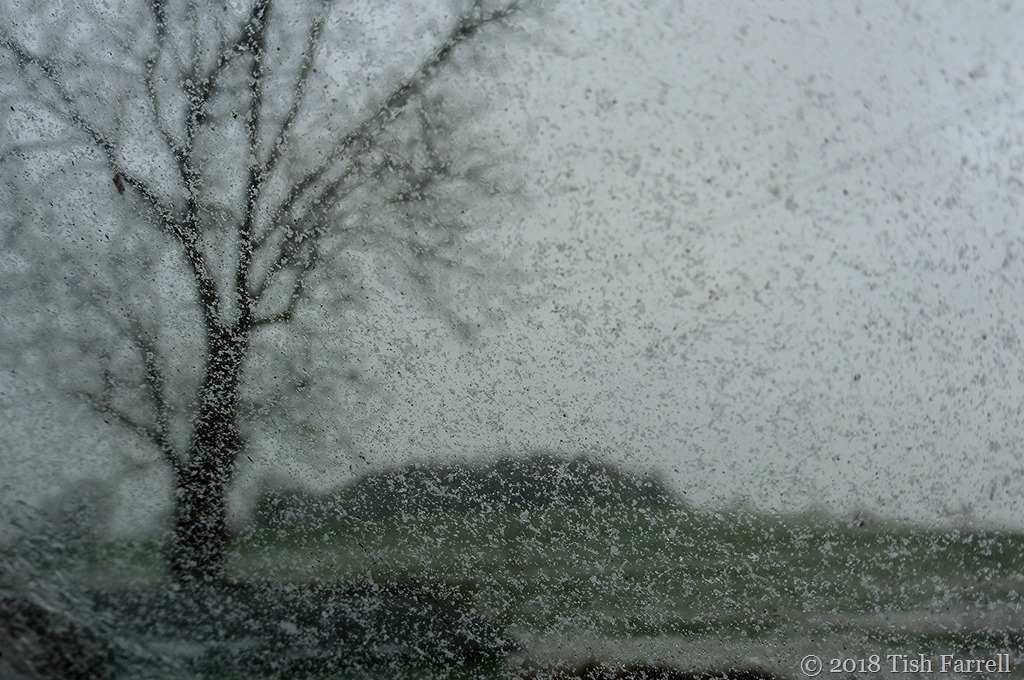
So it is that the plants have survived deluge, bird predation, gale, blizzard, frost, three lots of snow, and now weeks of ground-baking drought. The plants look almost ready to harvest, although when I inspected a couple of pods last night, there seemed to be precious little seed inside. Which made me think that only the farmers who are harvesting sun with their fields of solar panels will be having a good crop this year.

Here’s a retrospective of Townsend Meadow during 2018.

IMG_3321

P1060315

P1040400

P1040394

IMG_6563

IMG_6573