Townsend Meadow: Views Spare Or Complex

IMG_0089

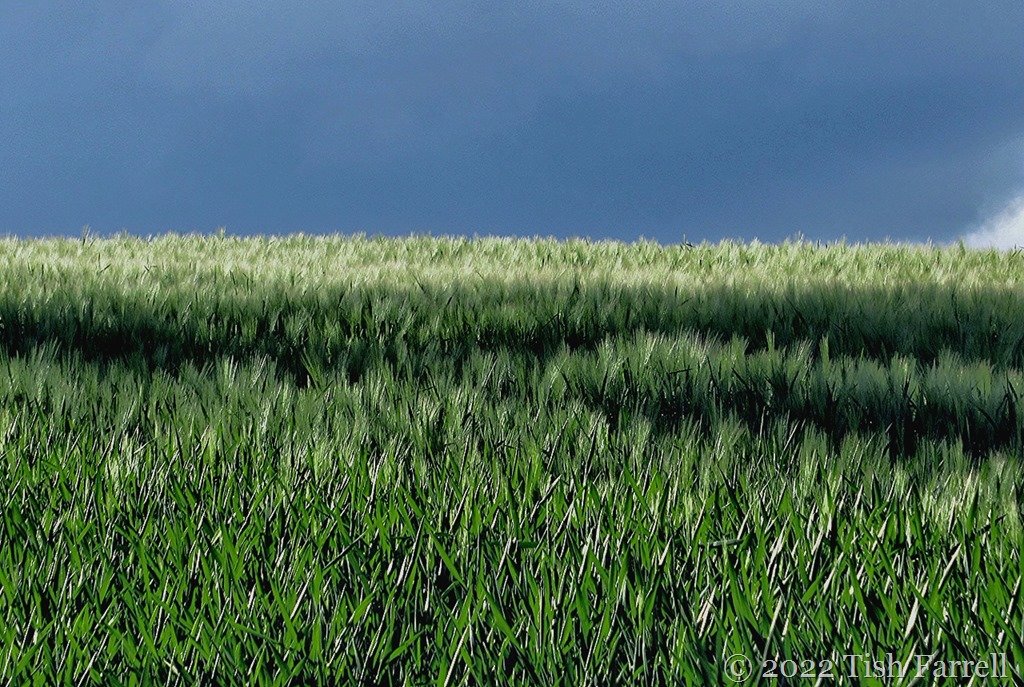
Ripening barley

*

It’s pretty much a truism when it comes to prose, the fewer words the better. This is a hard lesson for most writers to learn: how much to leave in; what to cut. Of course timing is involved too, not only scene setting. To build suspense, a sense of drama, irony, mystery, you can’t rush things. But then too much detail and description can bog things down, or worse, bore.

For most of us, honing the craft of captivating verbal particularity, the sort of writing that transports readers, heart-and-mind, right to the spot takes much practice and perseverance.  And there may come a point when the attempt to conjure with words becomes too darned hard. Well, aren’t we humans, above all, moved by visual stimuli. Just think.  If Word Press blogs were solely prose, how many of us would be here?

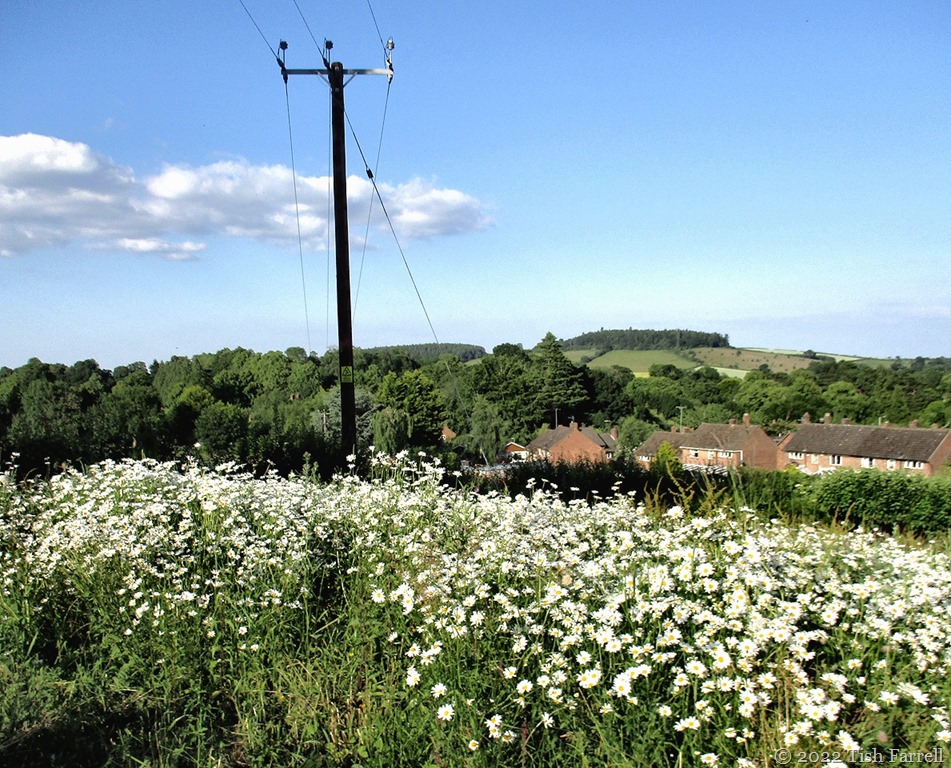
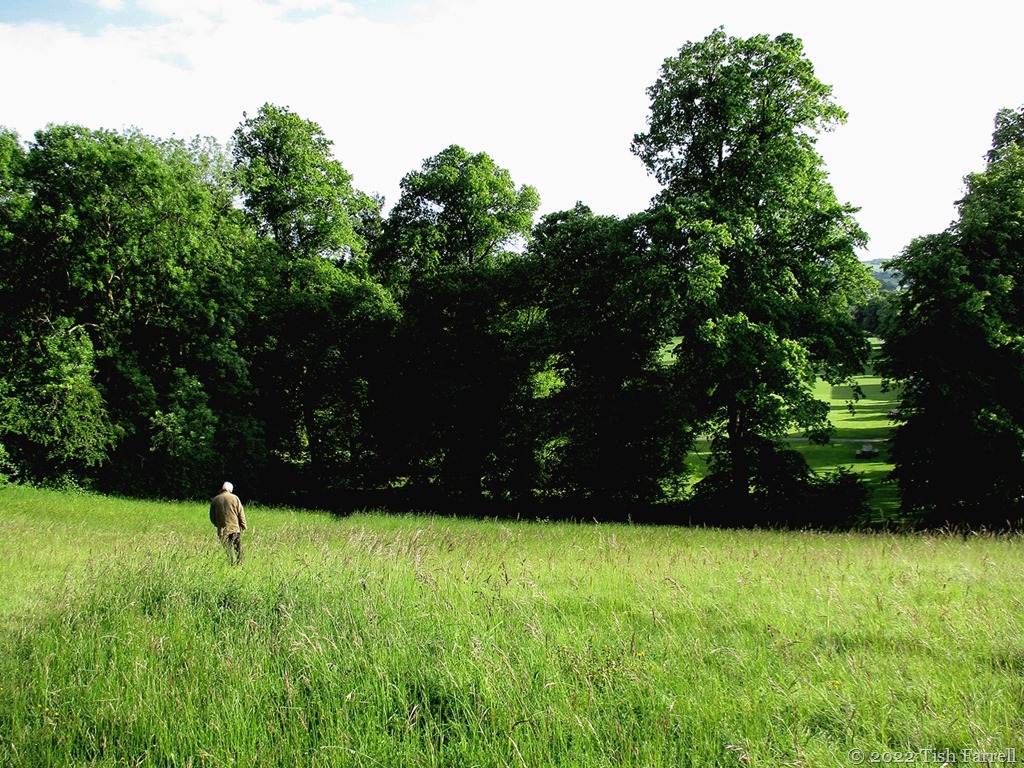
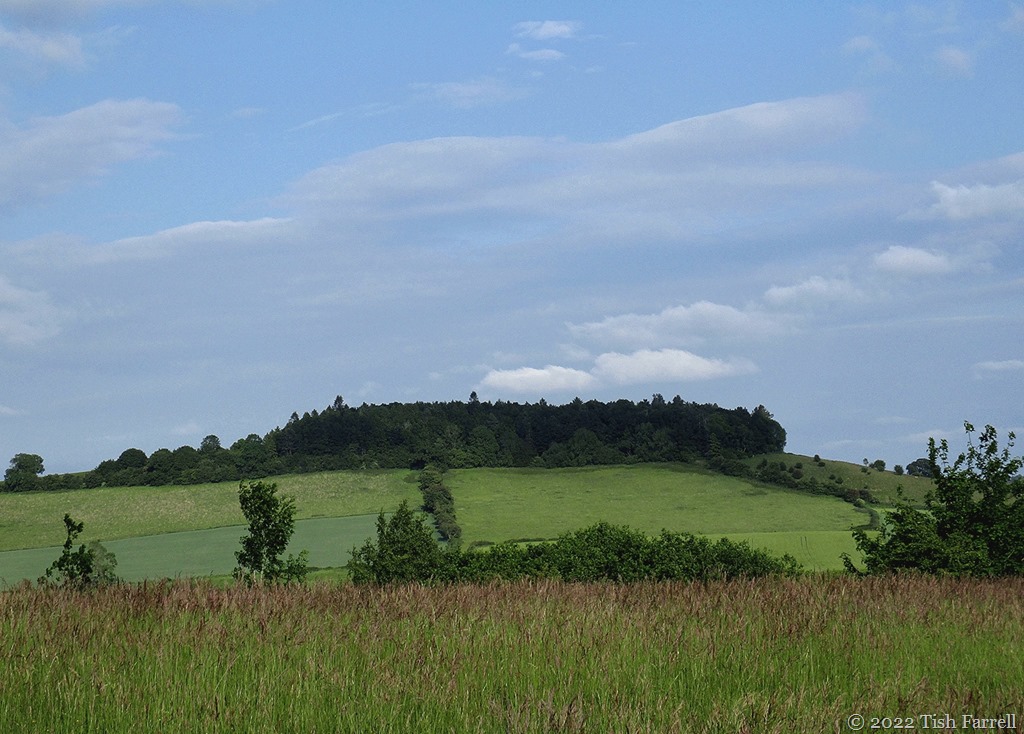
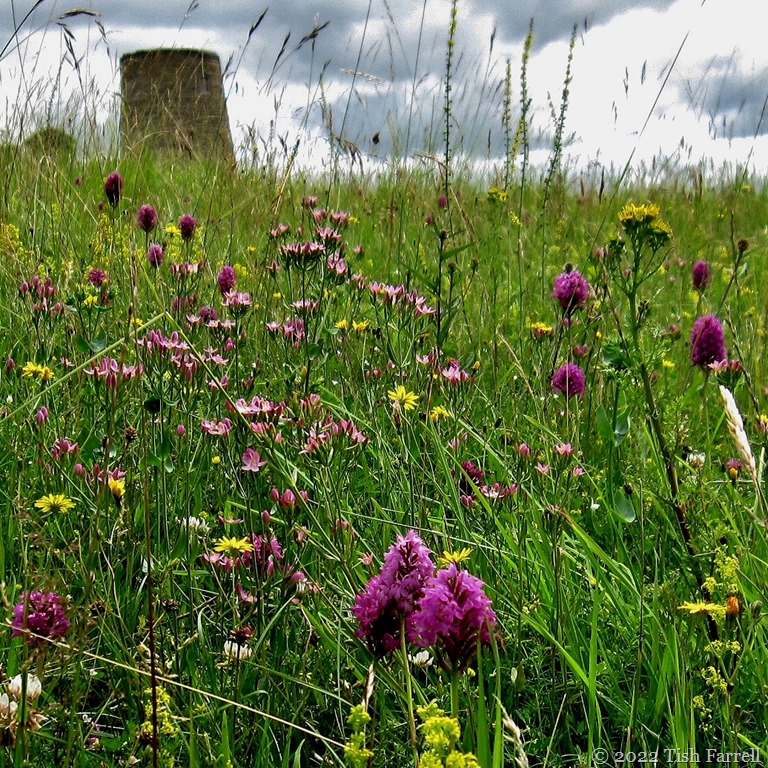
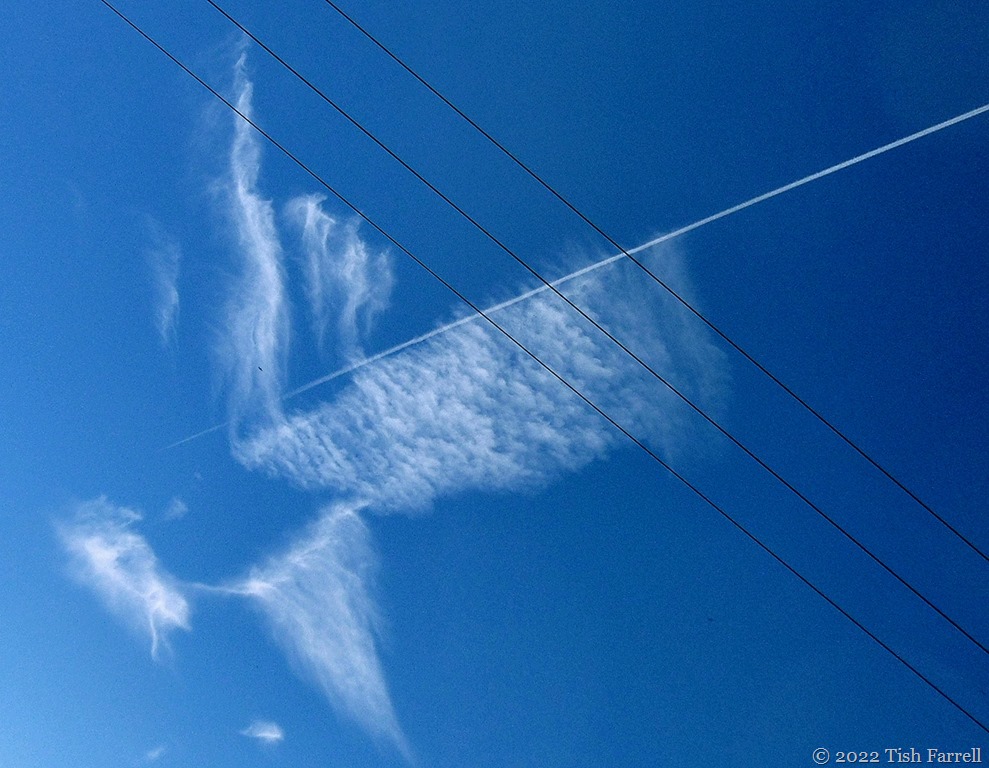
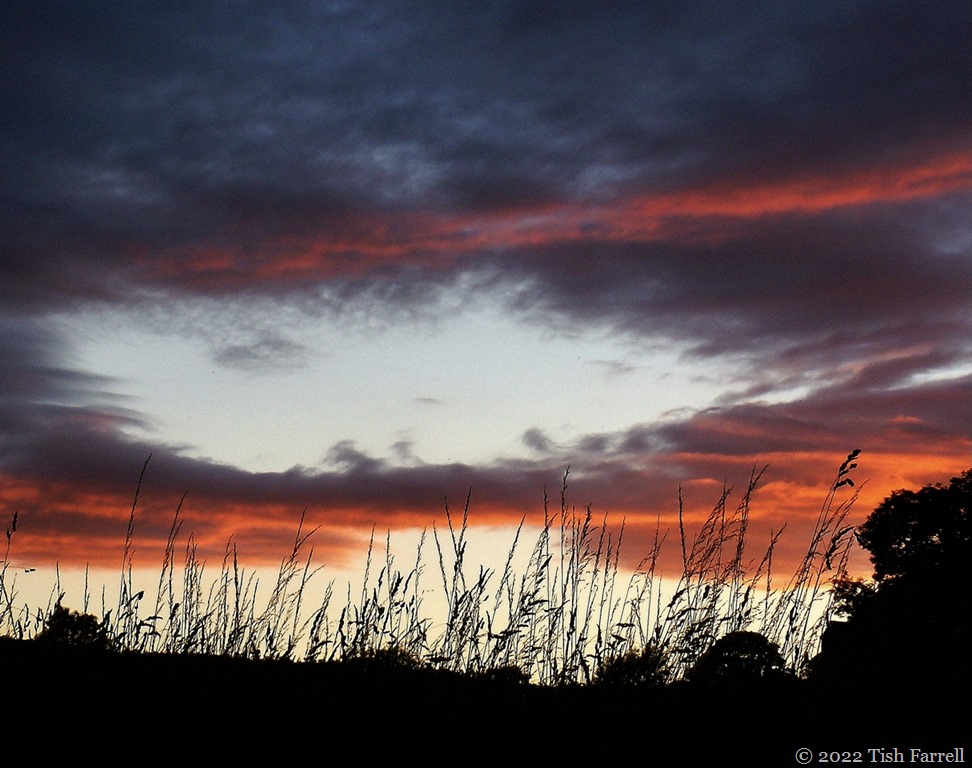
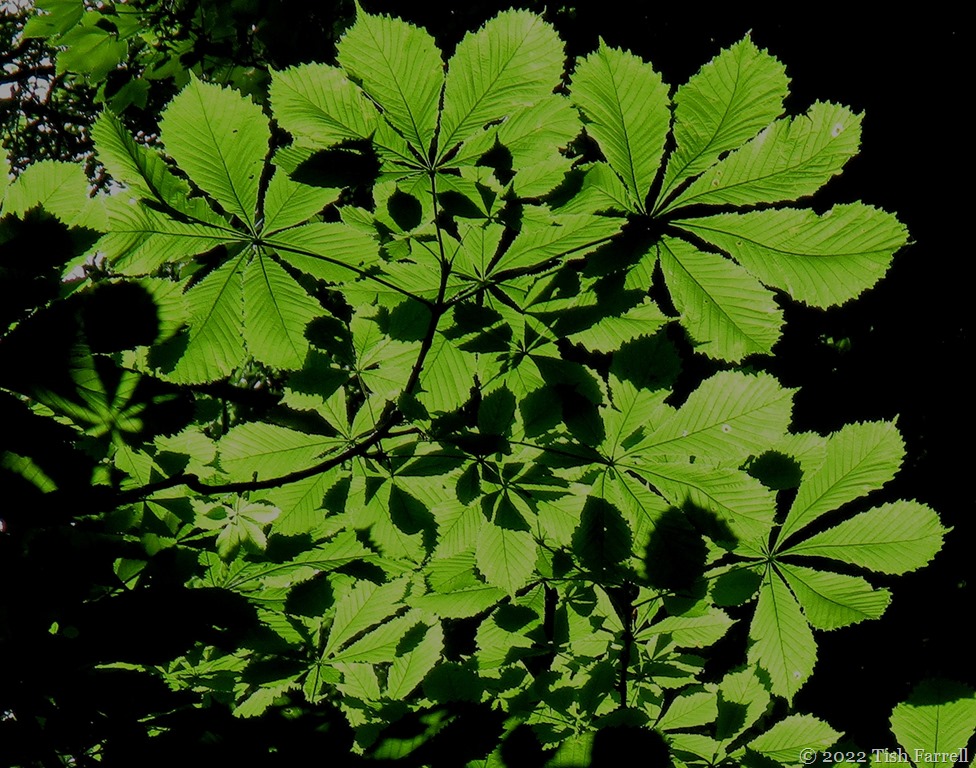
And so to images. These are all views from the field behind our house: the things that catch my eye: light and shadow; blocks of texture; earth colours. In this space, between our garden fence and Wenlock Edge,  it’s usually the sky that creates all the drama.

IMG_0053cr

The fence at the top of the field in winter

*

img_1729

Over the garden fence

*

p1060998

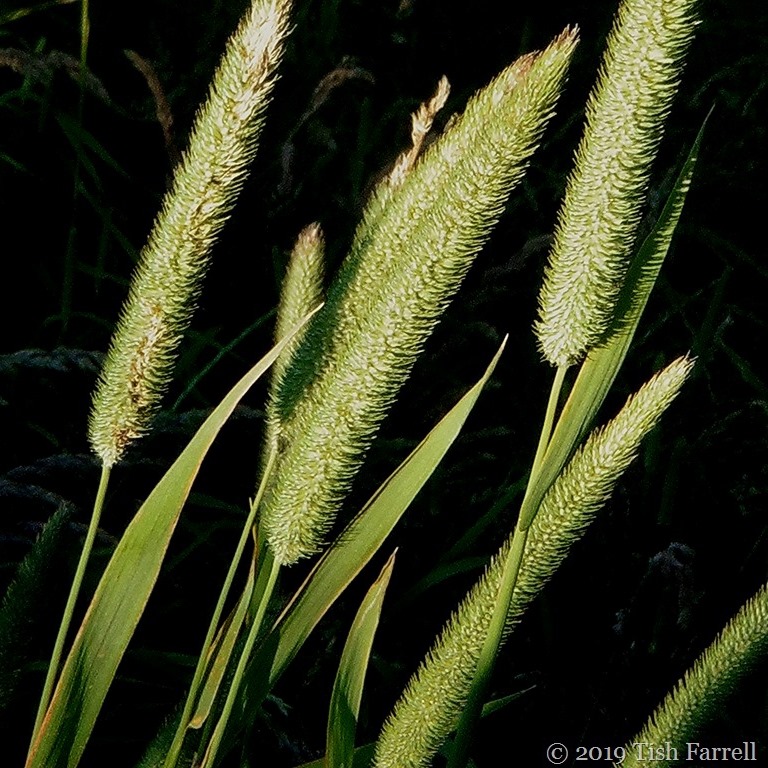
Summer grasses on the field path

*

cr

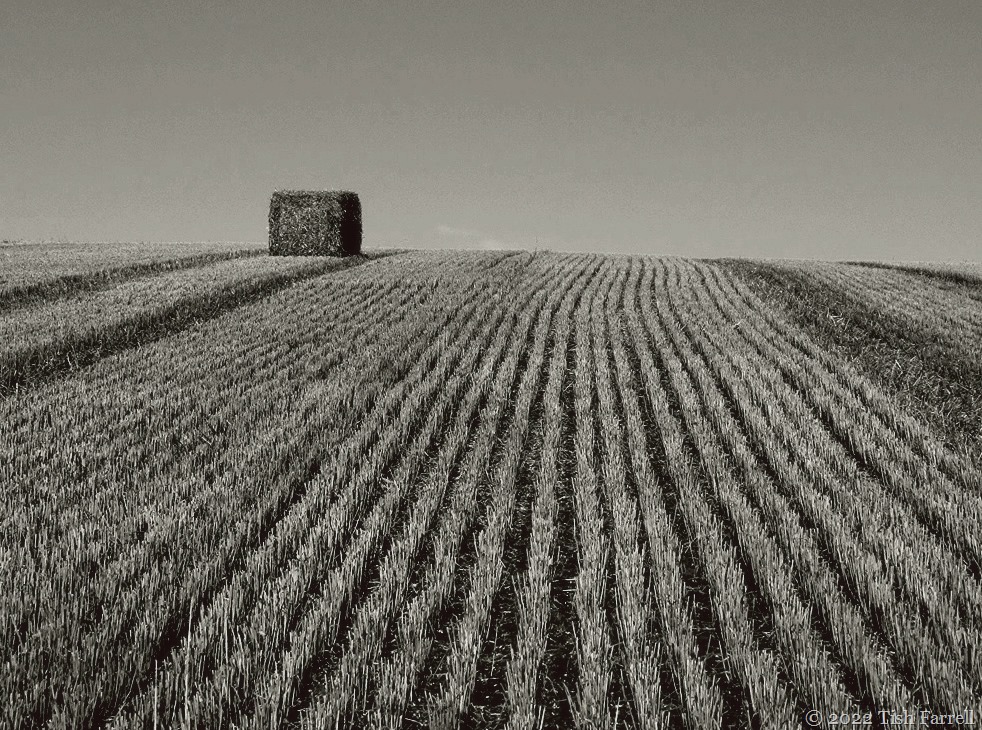
After the wheat harvest

*

P1000566re

Winter hedge-top

*

P1080430re

*

100_5858re

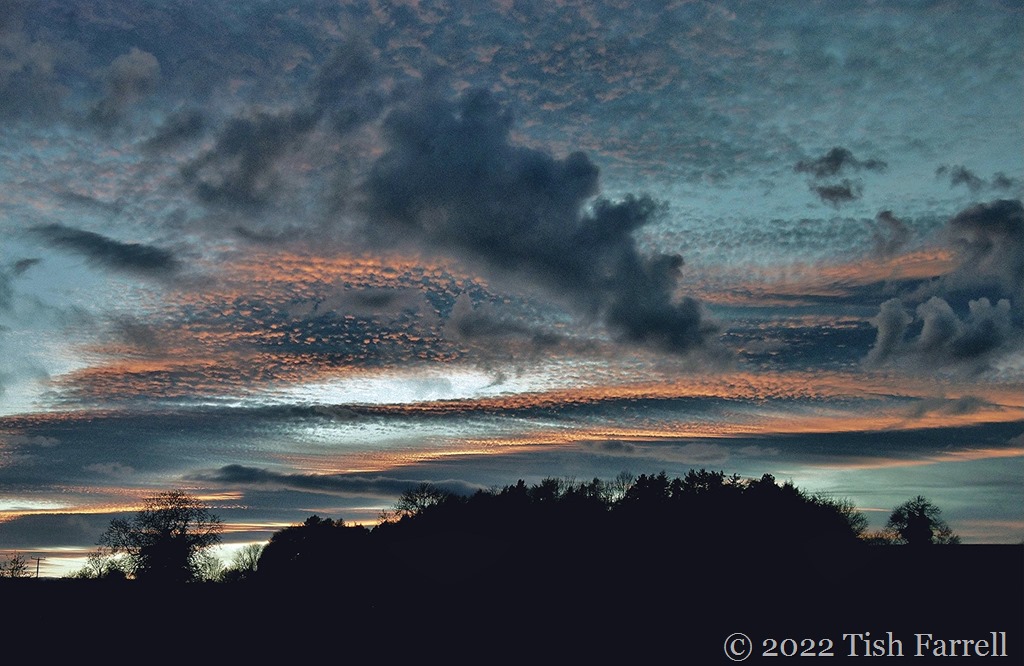
Midsummer sunset

*

100_5995

*

100_6568re

*

P1050990re

Lens-Artists: minimalism/maximalism   Sofia at Photographias has set this week’s theme. Please pay her a visit.
Quiet Scenes On The Edge

P1060107sep

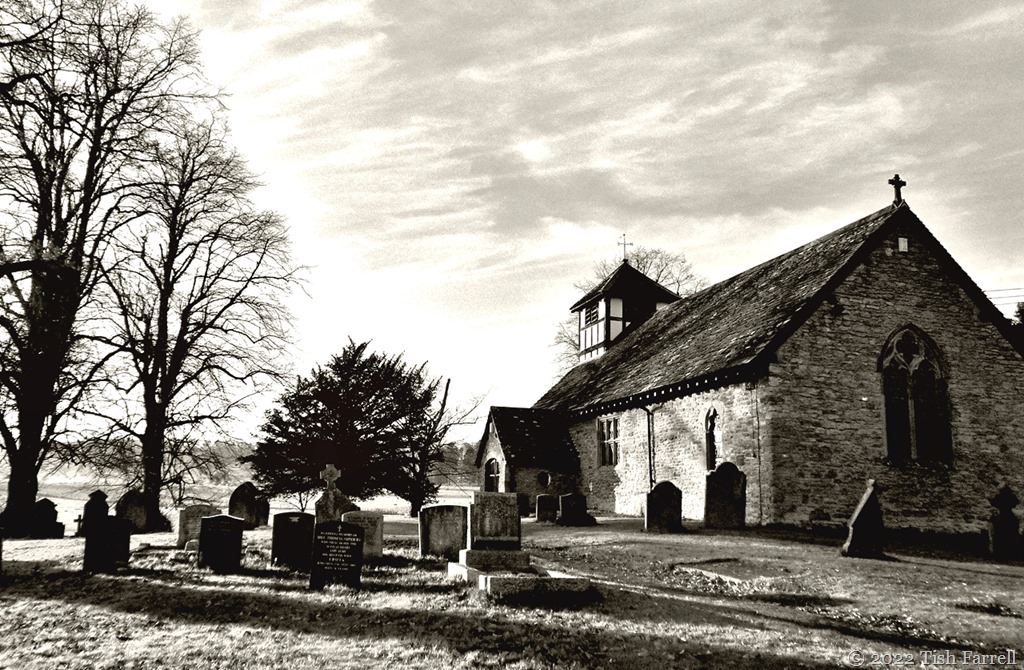
The hamlet of Easthope lies a few miles south-west of Much Wenlock. To reach it you travel along Wenlock Edge towards Church Stretton, then drop down a winding lane, too narrow for comfort. At the village heart is St. Peter’s church and the meadows of Manor Farm. The houses are scattered round: old limestone cottages, some ancient timber framed buildings, some modern homes built last century, a gracious rectory no longer ecclesiastically engaged. Most look out on the Mogg, a darkly forested hogsback ridge whose trees hide the the remains of  an Iron Age hillfort known as The Ditches.

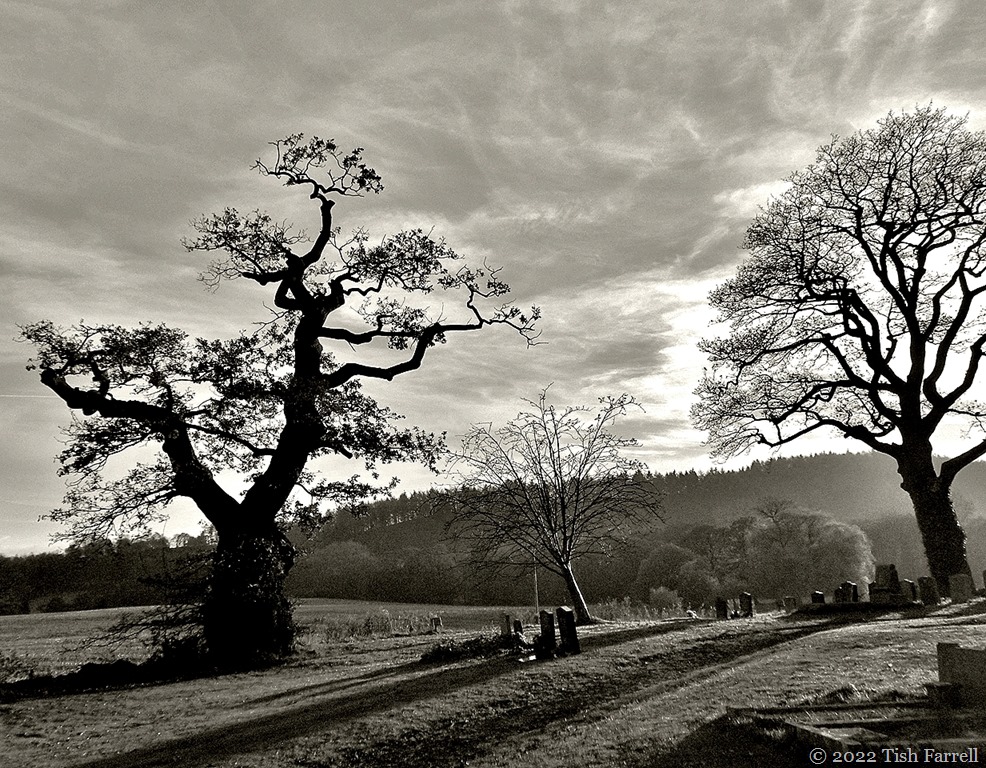
You can just see the conifer tops of the Mogg between the churchyard trees in the next photo.

P1060116sep

I took these photos one bright December afternoon. It was something of a pilgrimage.  My good friend and artist Sheilagh Jevons resides in this peaceful graveyard, the perfect spot for a woman so in tune with the Shropshire landscape and its liminal spaces and much in love with the Mogg. Her house and studio were just down the lane from the church and she called her home The Mogg.

*

P1060049sep

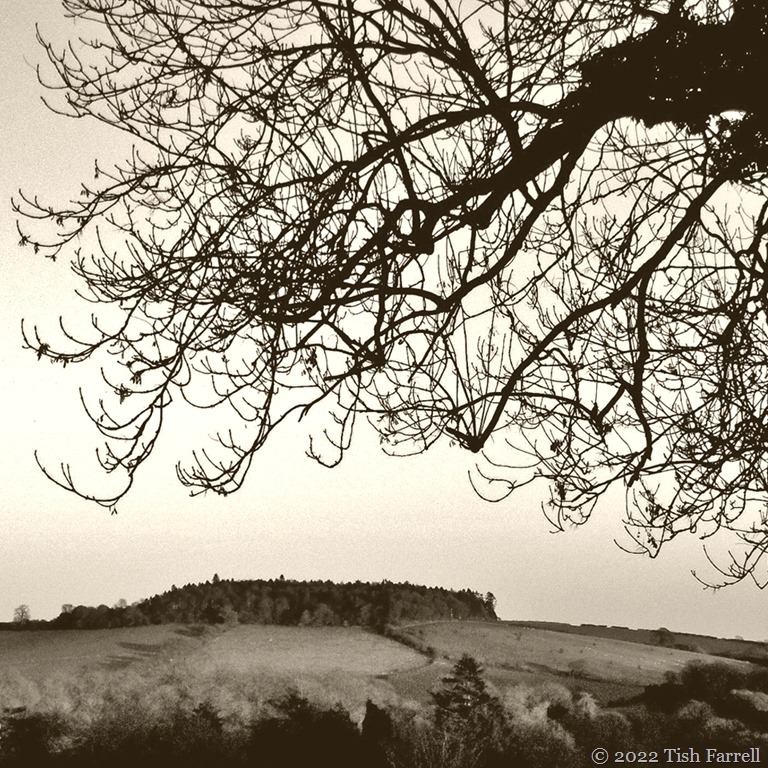
Here is another hill topped with a conifer plantation. It lies on the easterly side of Much Wenlock, and this is the view I see as I come home from the allotment, stepping out under the big ash tree that guards the unofficial ‘gateway’ through the field hedge.

*

P1100113sep

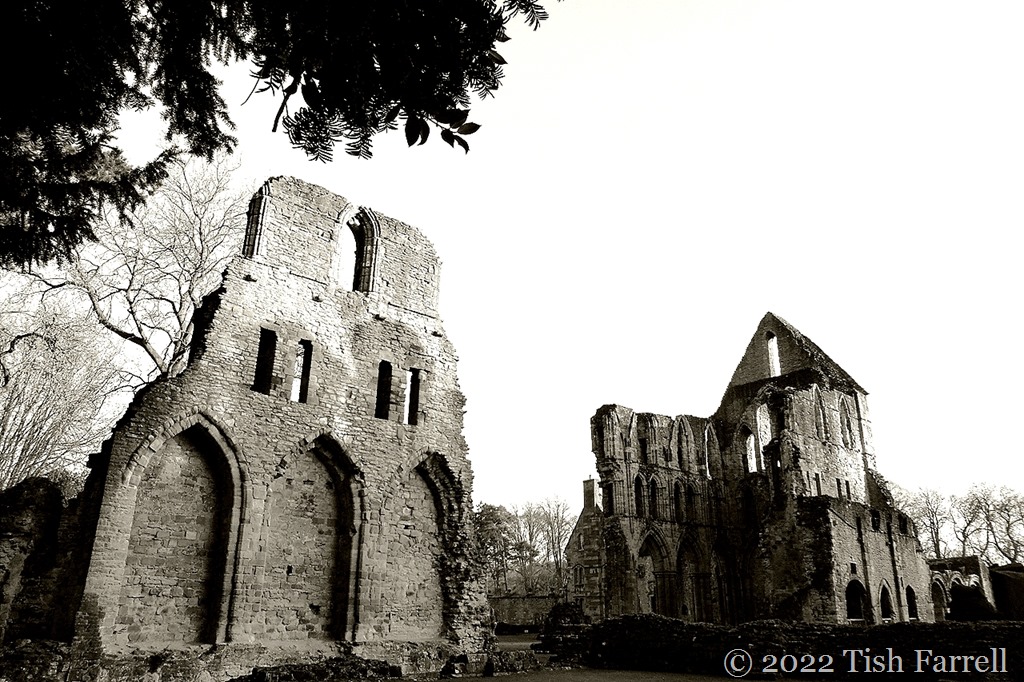
And naturally, one of the most peaceful spots in the town are the ruins of Much Wenlock Priory whose origins, in the charge of Saxon princess and abbess, St. Milburga, go back to 670 CE. The remains you see here are much later, dating from successive building phases in the 12th and 13th centuries. In its day, Wenlock Priory was among the grandest monastic houses in Europe, its monks belonging to the Cluniac order and brought here from France. It’s a mysterious thing to think of now, a French community ruling the lives, body and spirit, of Shropshire folk. All dissolved in 1540 of course, with the protecting lead stripped off the roofs by Thomas Cromwell’s team of asset strippers.

Cee’s Black & White Photo Challenge: peaceful

The Changing Seasons: May 2022

IMG_0569re

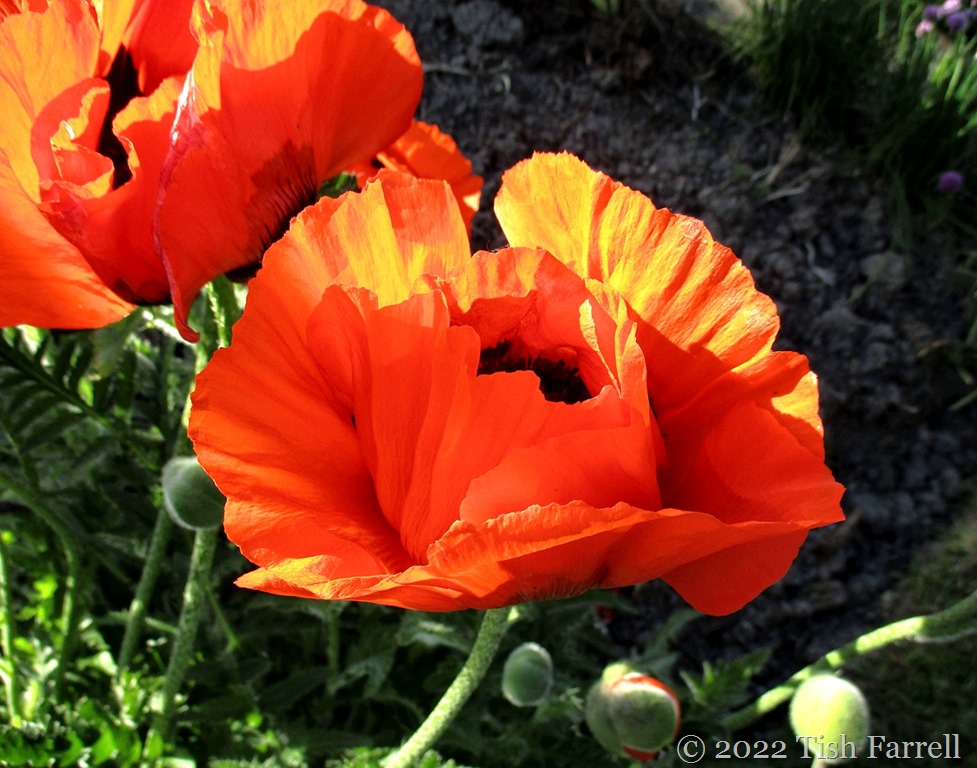
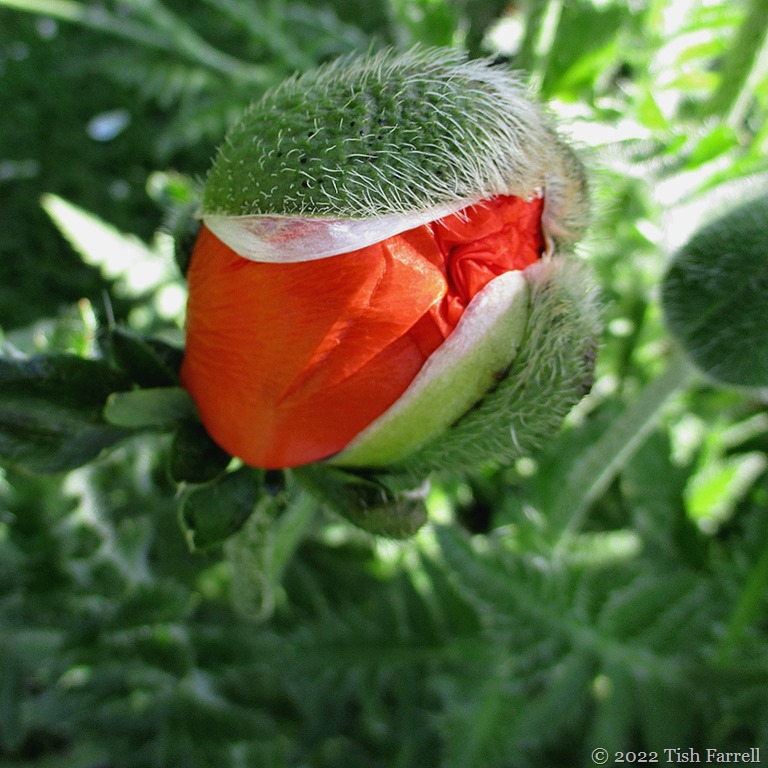
Poppy time on  my allotment plot, the oriental perennials I grew from seed last year. I’d been hoping for a range of colours, but it looks as though they are all turning out to be tomato soup red. I should not complain. This bunch are brightening the spot in front of my shed.

IMG_0568sq

IMG_0564re

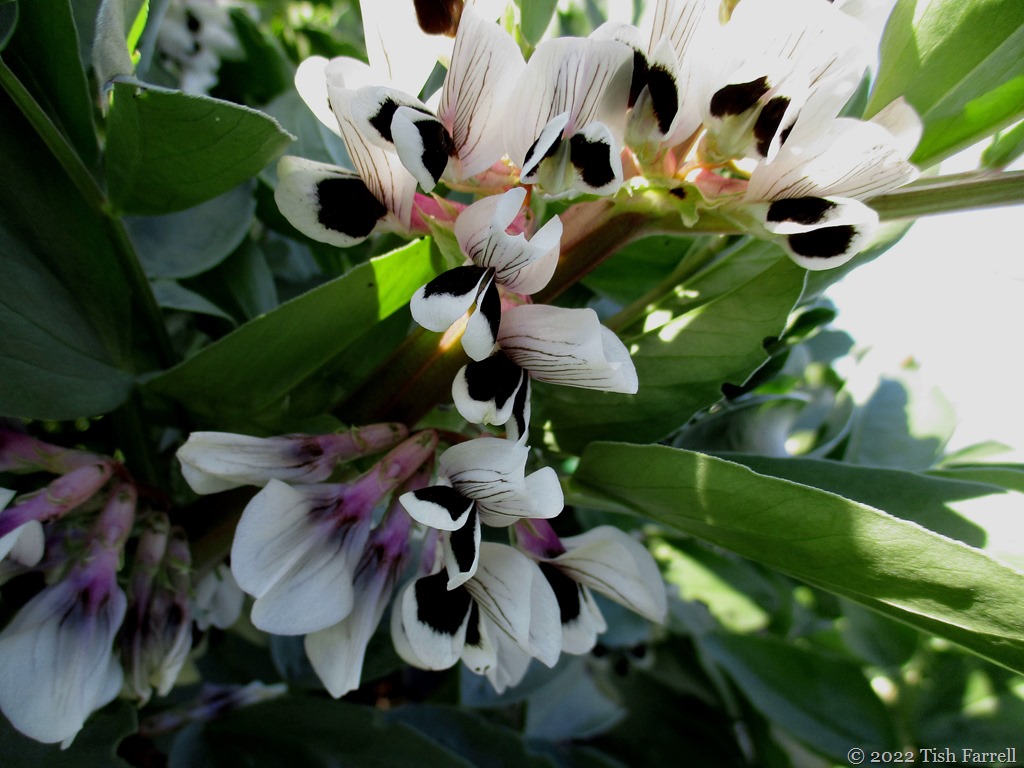
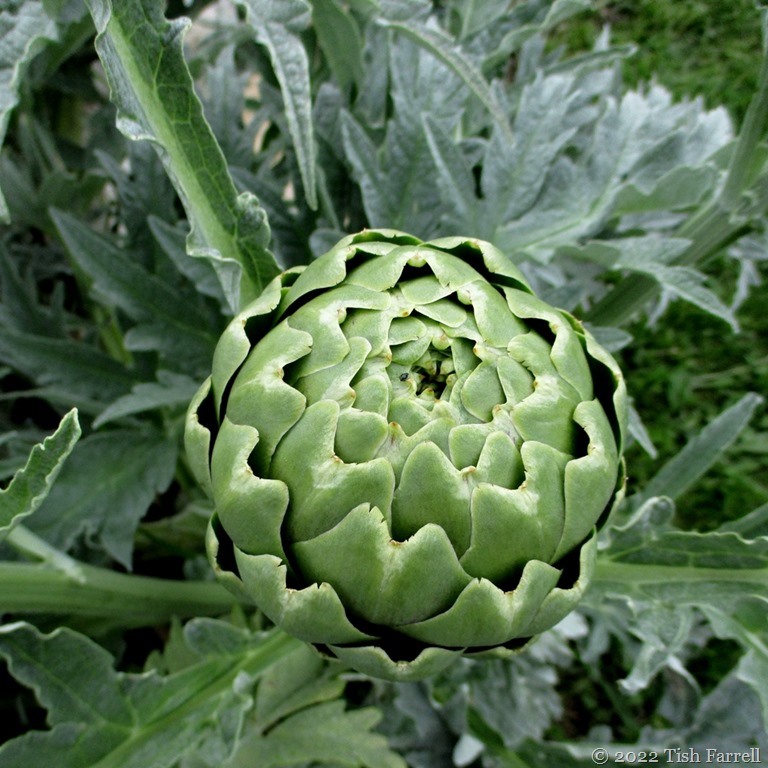
Otherwise at the allotment, the globe artichokes are going bonkers, arriving far earlier than expected. We’ve already polished off several. By contrast, the early potatoes are making a slow start, their green tops only beginning to sprout last week. Parsnips, on the other hand, have germinated well, this time sown in a large builders’ tub, and the onion sets are making their first green shoots. Beetroot, cauli and cabbage seedlings have been successfully planted out and the broad bean plants are flowering magnificently.

IMG_0573re

IMG_0451ed

IMG_0502sq

*

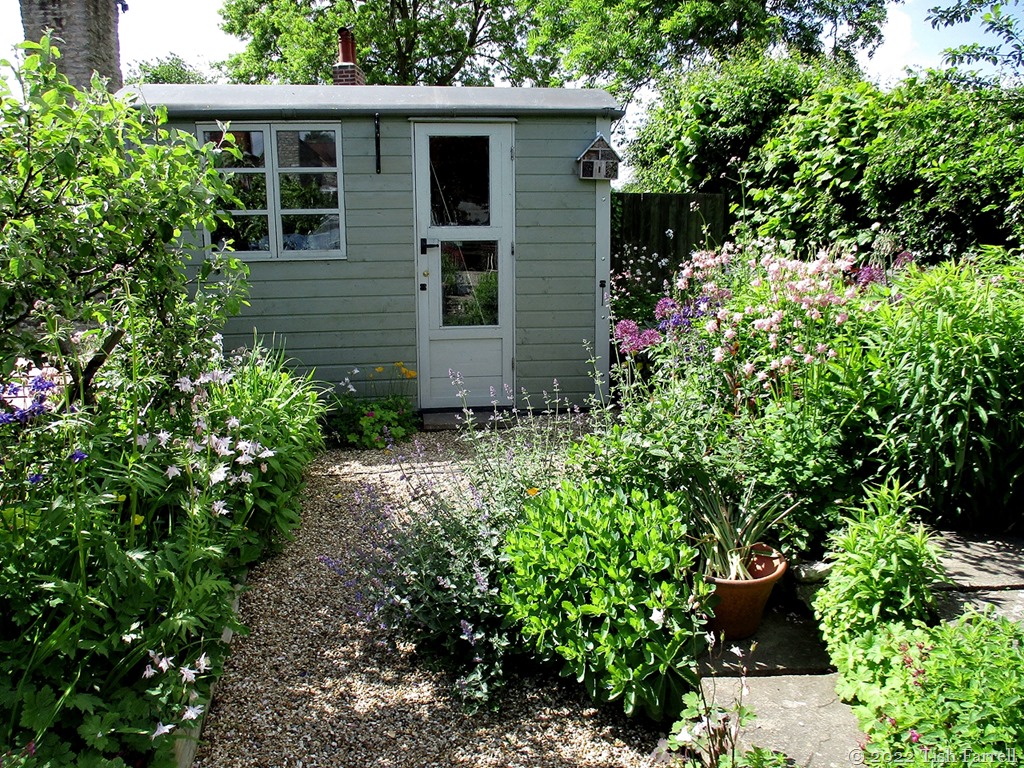
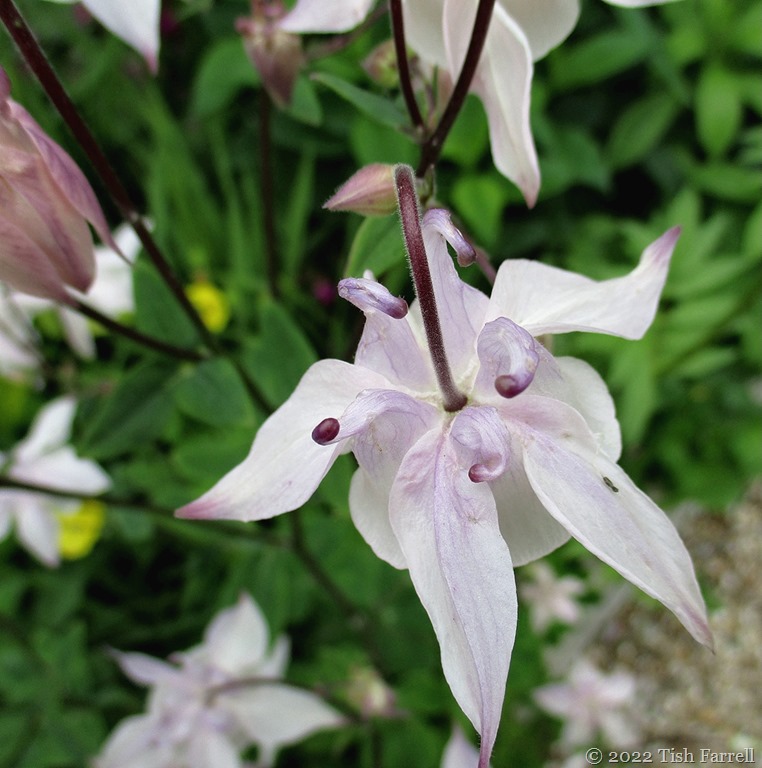
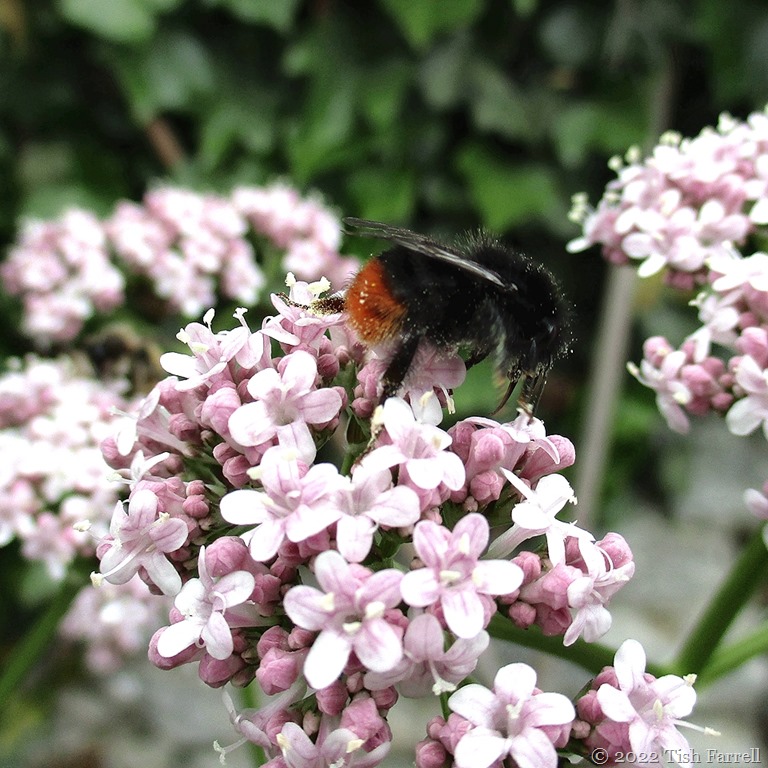
In the home garden all is alliums and aquilegias, valerian and catmint. The apple blossom is long gone, quickly dispersed by May’s repeated rounds of wind and rain, but a few days ago I noticed there were lots of tiny apples forming – on the Coxes and the crab apple trees.

IMG_0508re

IMG_0496

IMG_0483sq

IMG_0477sq

IMG_0469sq

IMG_0456sq

*

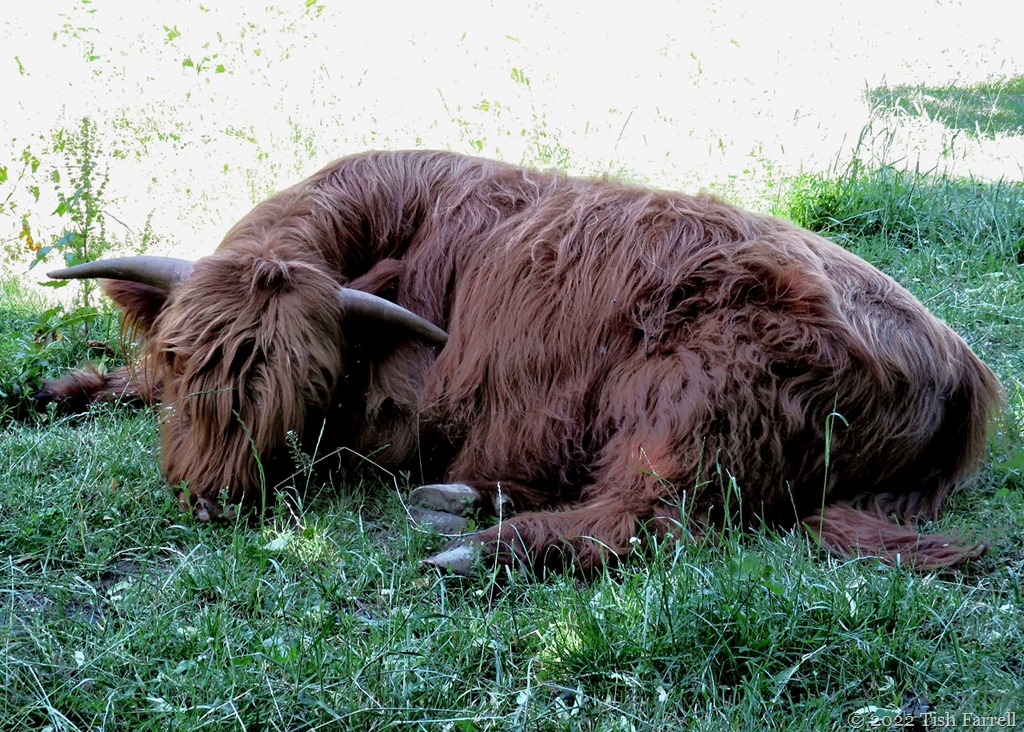
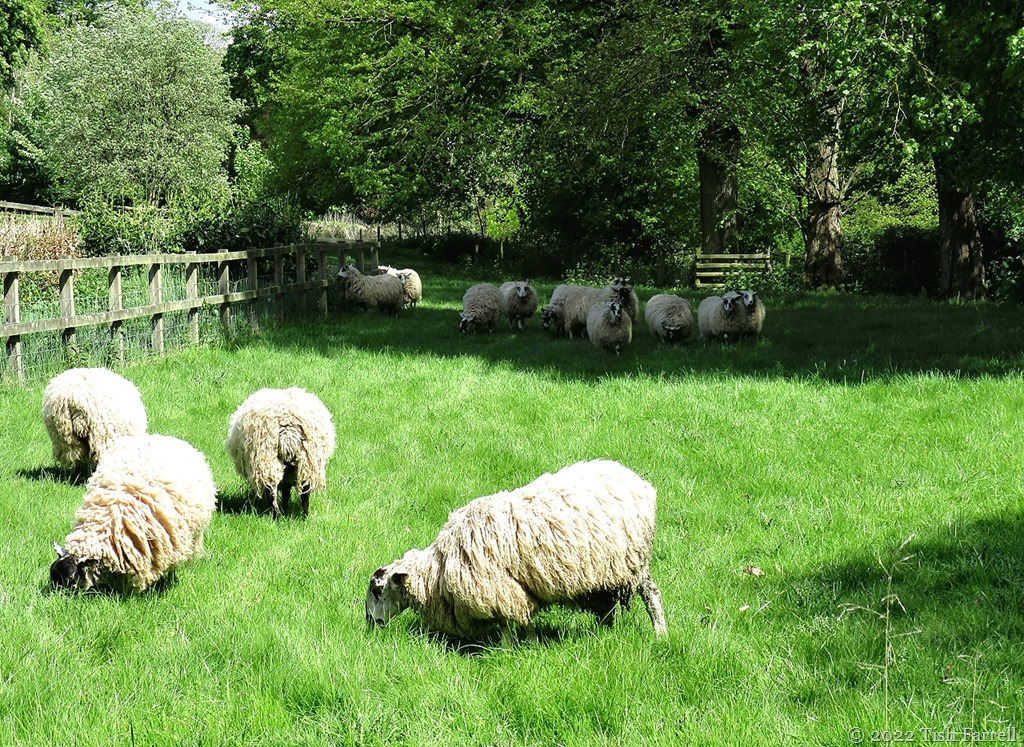
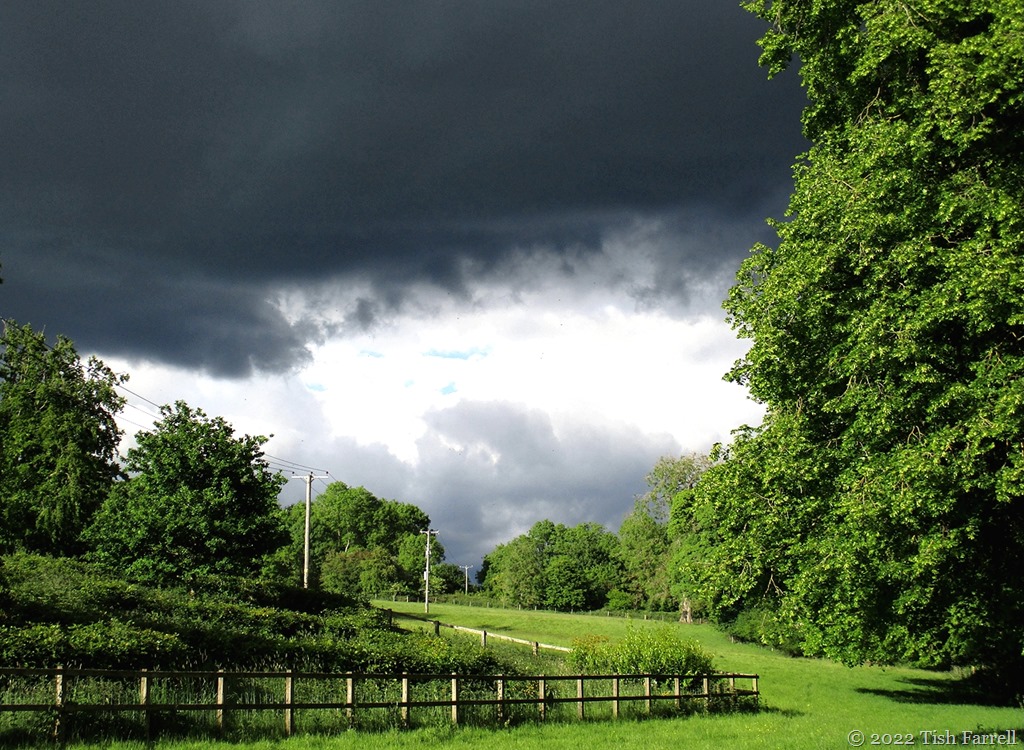
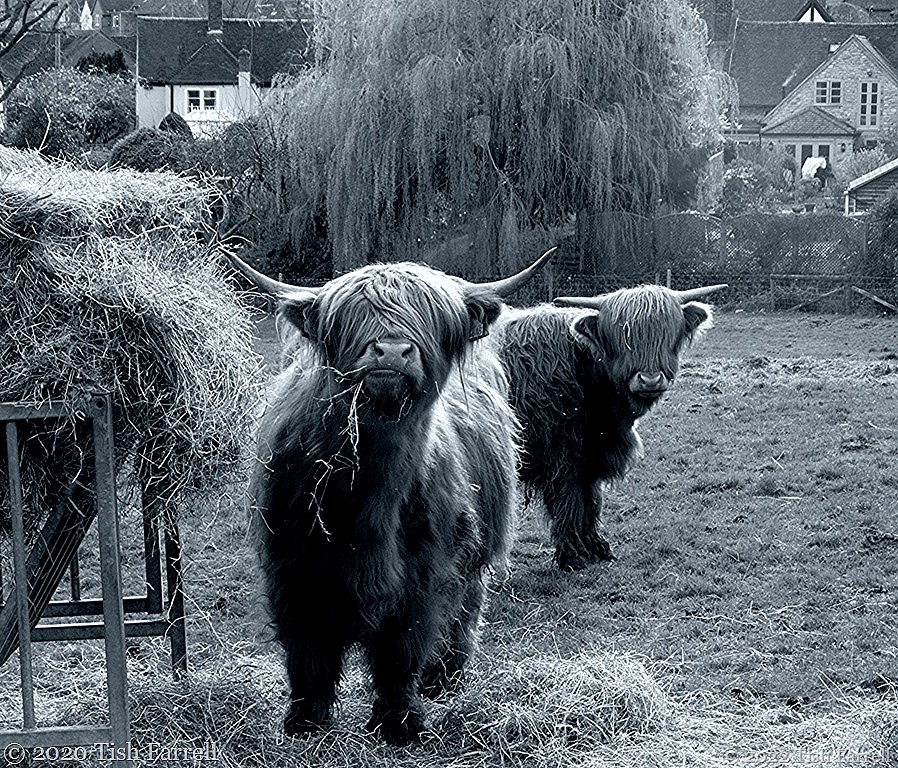
Meanwhile around the town, all is lush in the fields beside the Cutlins path – shaggy sheep on one side, young MacMoos on the other, up to their knees and noses in buttercups. And oh yes, don’t forget to watch the sky. Looks like there’s another downpour coming:

IMG_0426re

IMG_0585re

IMG_0589re

*

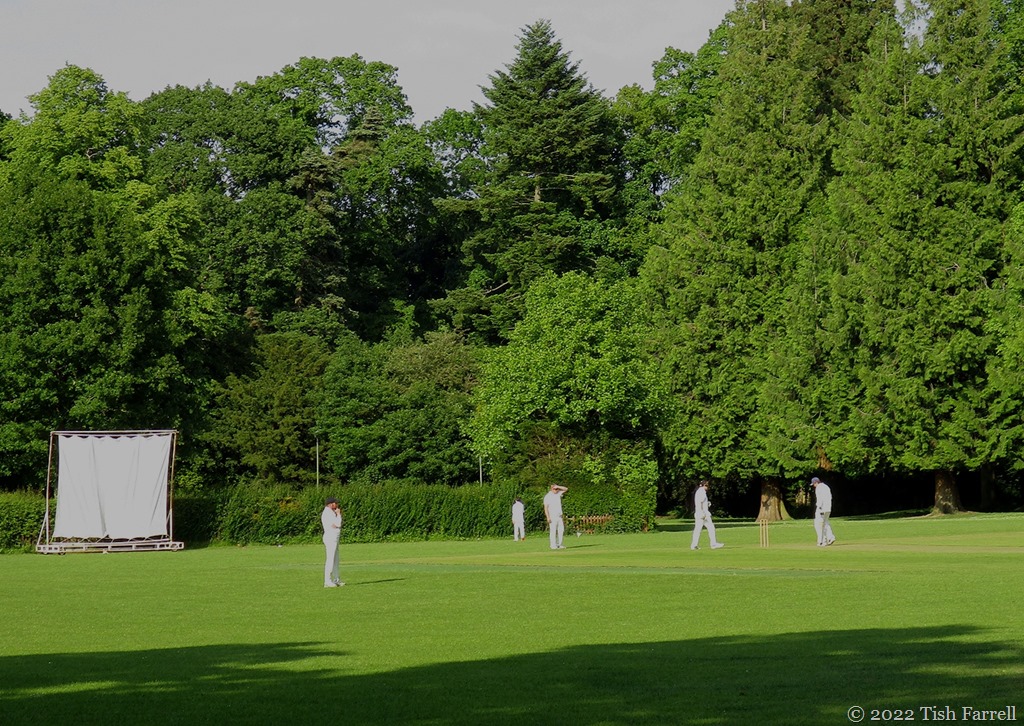
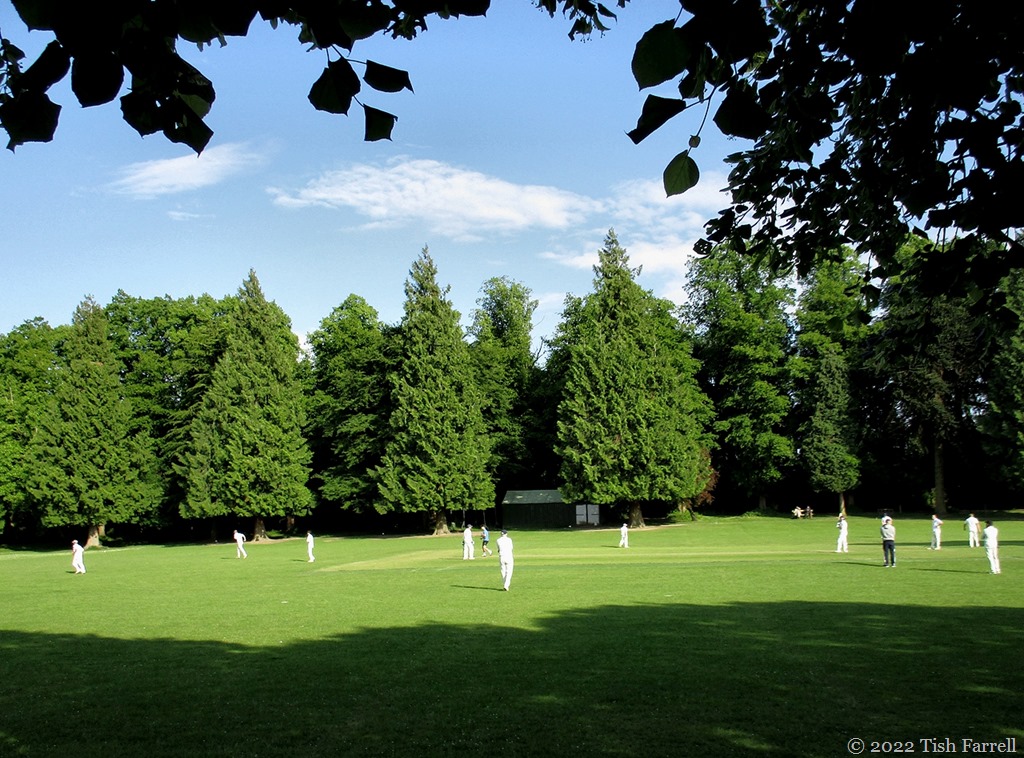
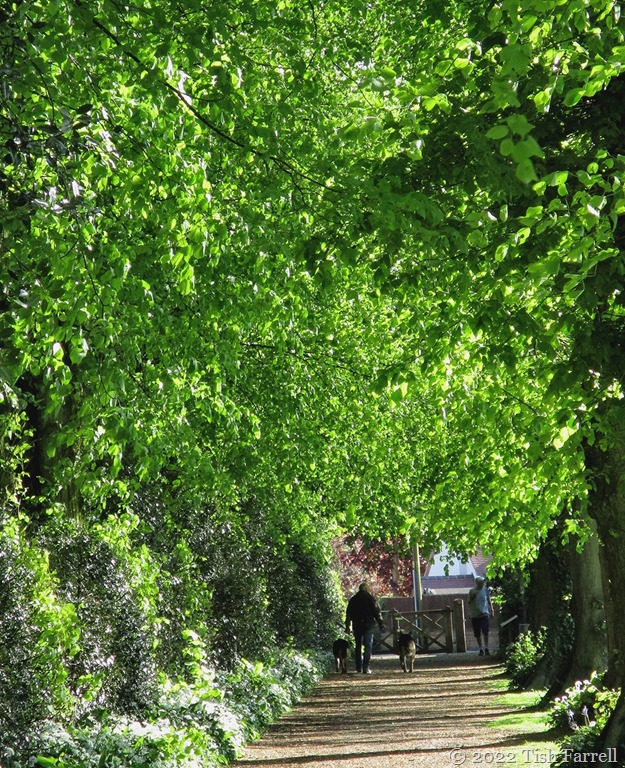
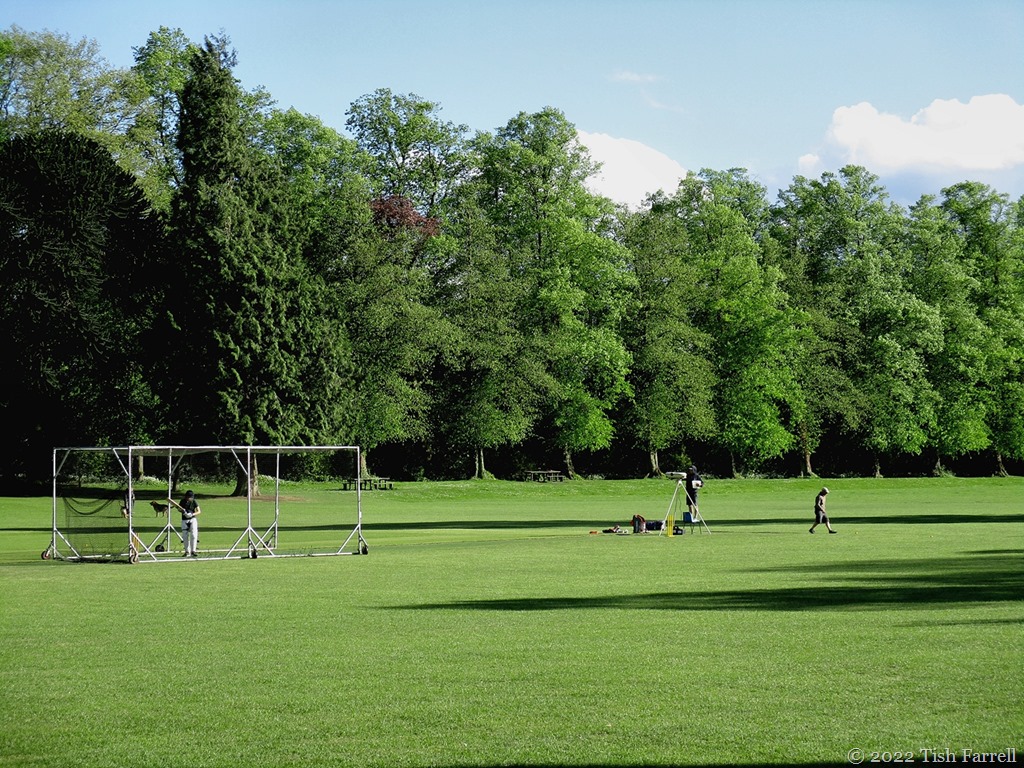
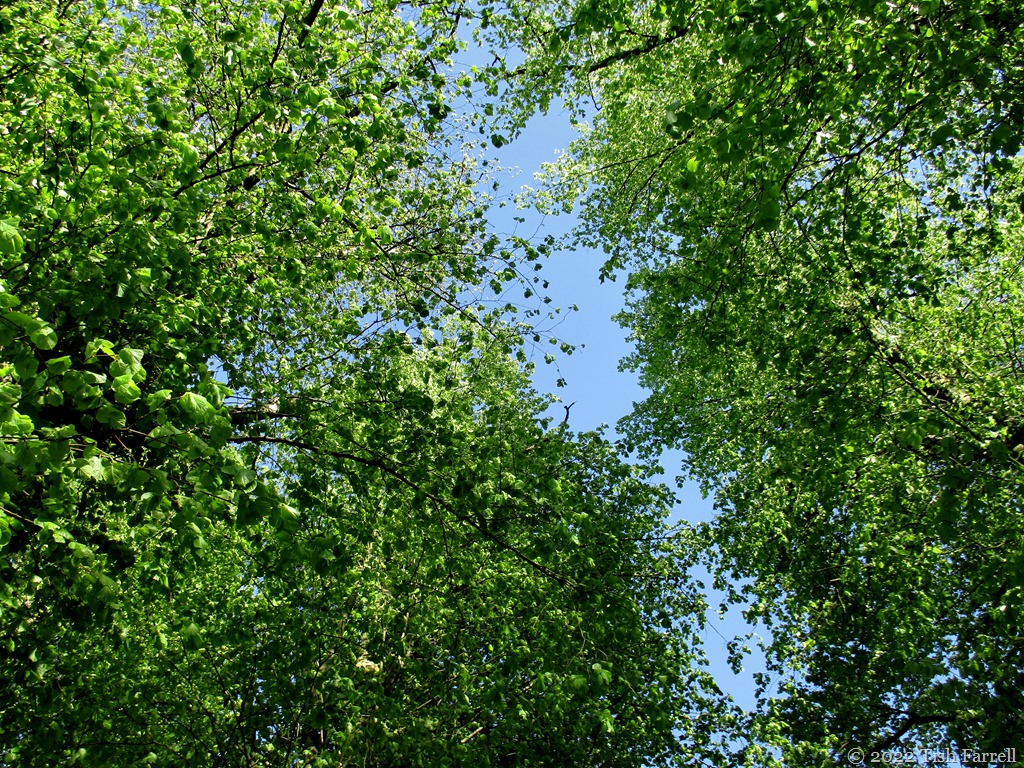
Nearby, on the Linden Field all is bursting green. The cricket season is upon us, the pitch well fettled, and lads in the nets  honing batting skills.  As ever, the Linden Walk is the favoured resort of walkers and runners and lately been proving a welcome resort out of the persistent chilling wind.

IMG_0431re

IMG_0445re

IMG_0442re

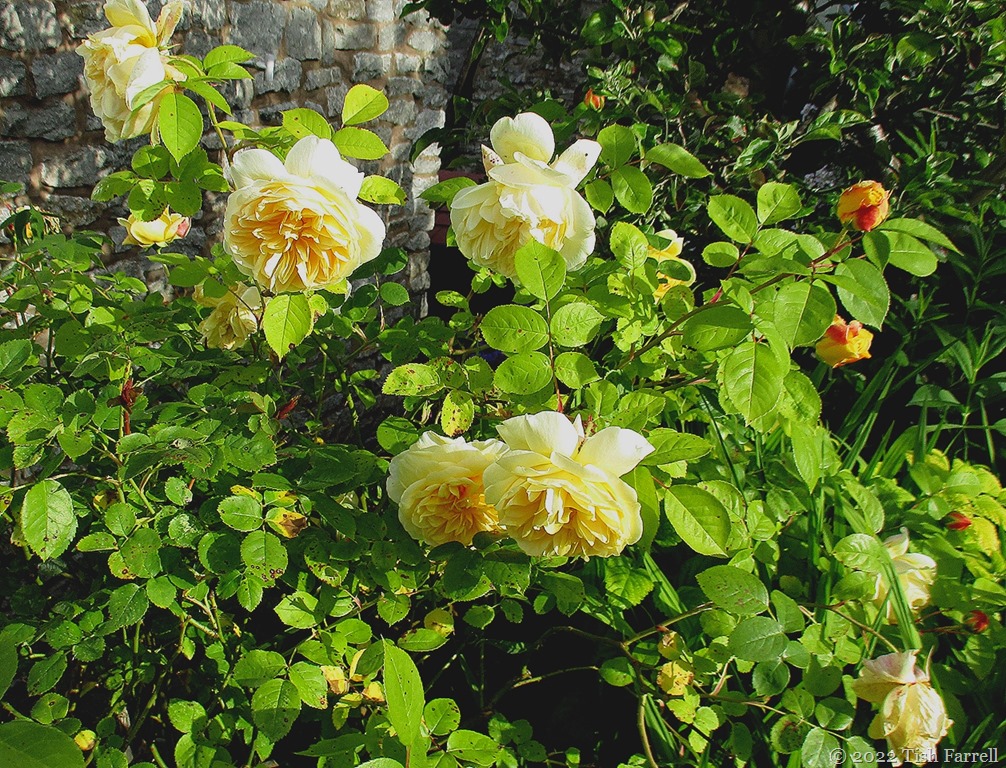
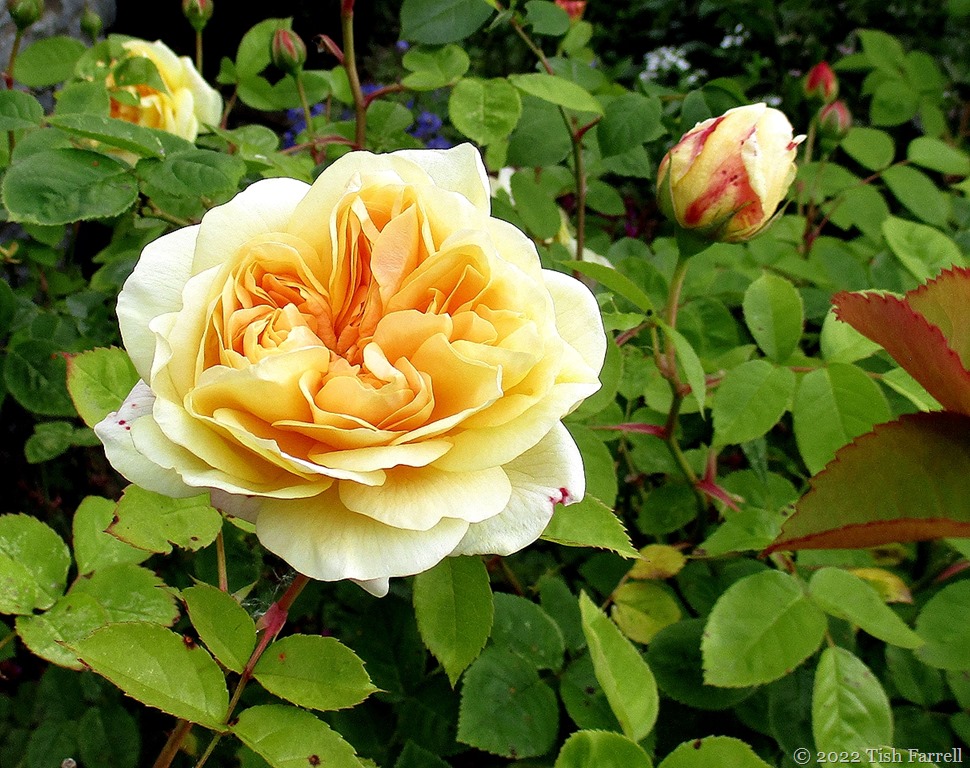
But as you can see, the spring growth hasn’t in the least minded the ongoing coolness, and it’s certainly made the most of May’s sudden spate of unseasonal downpours. He who has given up binding books for the making of small and interesting occasional tables tells me it’s supposed to be getting warmer now June’s arrived. And yes, I think at last I can believe him. Today the sun is out, and best of all, the wind has dropped. In the greenhouse the French beans are surging out of their pots and the sweet corn seeds have germinated, and up in the upstairs garden, rose Teasing Georgia is strutting her stuff. Happy days.

IMG_0612re

*

The Changing Seasons: May 2022  Brian at Bushboy  and Ju-Lyn at Touring My Backyard are the kind hosts of this monthly challenge. Please go and see what they have been doing during May.

On The Ice-Sheet Path ~ Stiperstones Revisited

IMG_0542ed

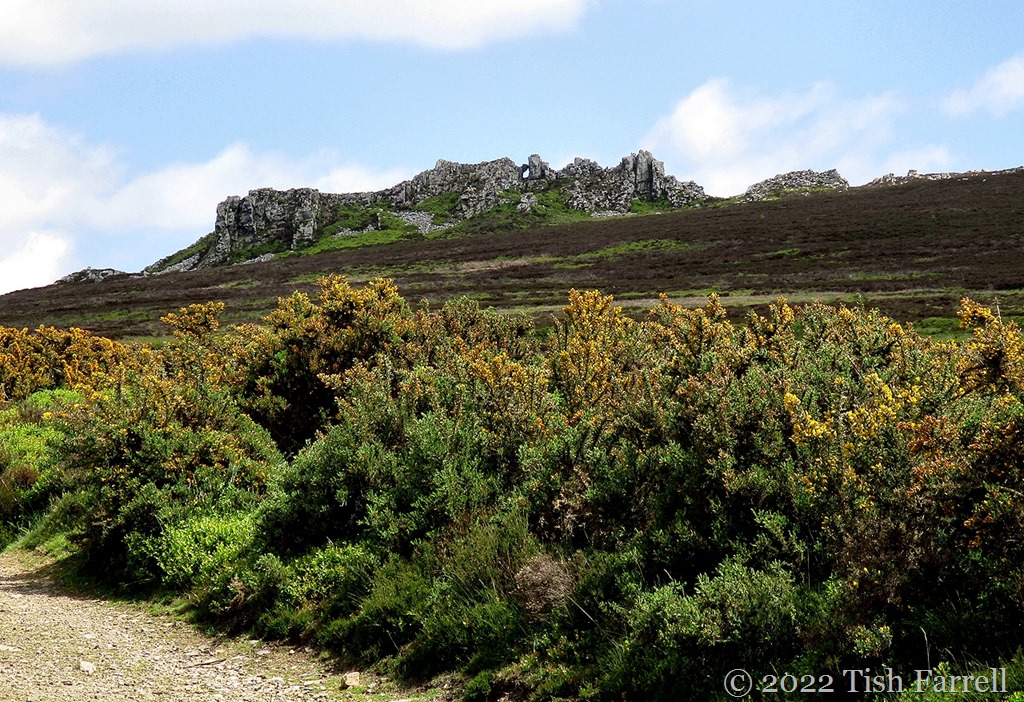
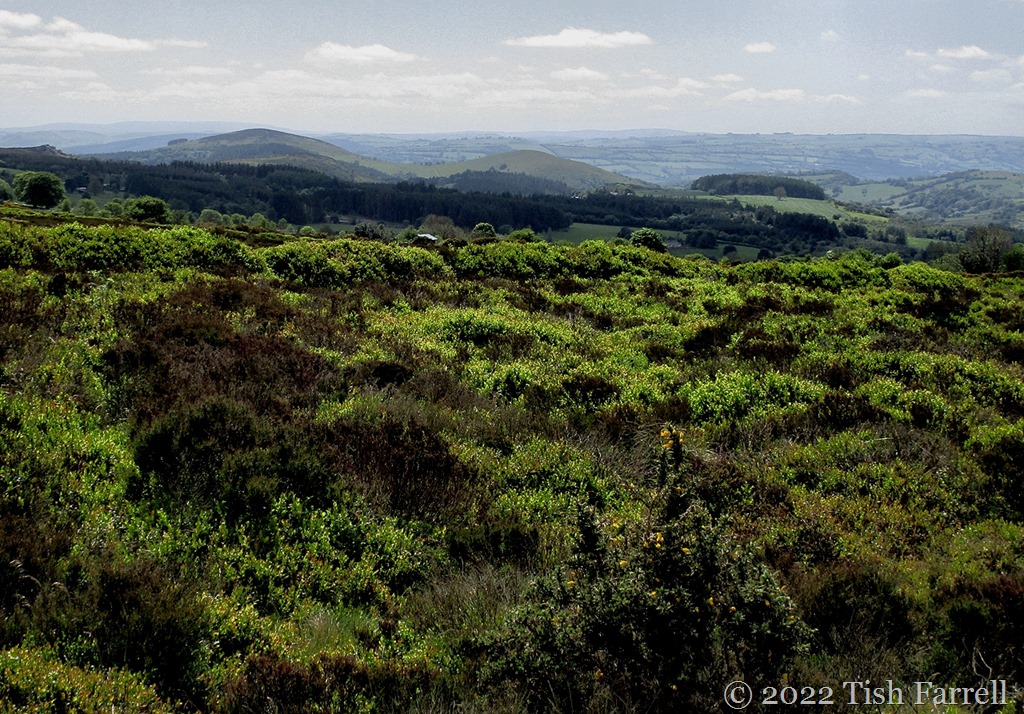
This time we approach from the west, the Shropshire border with Wales below and behind us.  The path from The Bog climbs up through sheep pasture hedged with gorse. The gold is dazzling. In sun-sheltered hollows, out of the wind, the flower-mass gives off coconutty scents. The grassland too is flushed with gold – a mass of buttercups.

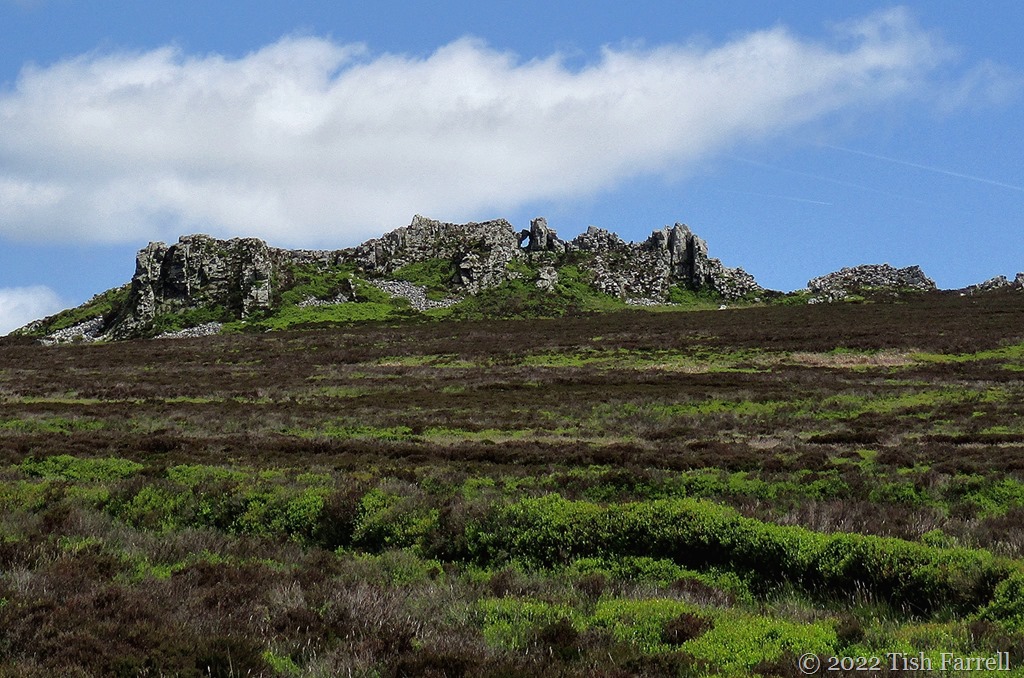
After a steepish climb, the path sets off more evenly along the foot of the Stiperstones ridgeway, the quartzite tors of Cranberry Rocks and Manstone Rock standing proud on the skyline. We are making for the Devil’s Chair (header photo), but it is still invisible at this point along the path.

IMG_0515re

The tors’ rubble spill  (stone runs) makes them look more like man-made spoil heaps than natural phenomena. And of course this was an industrial landscape across nearly two millennia:  from Roman times to the early 20th century. Although back then the activity was mostly hidden from sight in the deep mine shafts and caverns dug for the extraction of valuable lead ore.

The tors, though, are their own work, their response to environmental pressures – the fractured tumble created by the freeze-thaw cycles of the last glaciation when the Welsh ice sheet nudged up against the hillside, but did not cover it. In fact, as we follow the path, we must be walking over terrain where the ice would have lain feet deep, the far edge below the tors ebbing in surface melt-water in summer, resuming the deep-freeze lock-down in winter.

It’s surely not too hard to imagine?

For as we walk here under the sun, the bright gorse and lush new bilberry bushes, bleating of lambs, distant mew of a buzzard, I note that even now in late May, the wind still has a piercingly icy edge.

It reminds me, too, that for some reason most of us have decided, on the basis of nothing in particular, that the planet has somehow done with ice ages; that they must be a thing of the past. Yet the last ice sheets only retreated 10,000 years ago; we are presently in an interglacial, the Holocene.

IMG_0527re

Within interglacial periods there are phases of warming and cooling. E.g. It is generally accepted that around 6,000 years ago that the northern hemisphere was much warmer (Holocene thermal maximum) than it is today (NOAA National Oceanic & Atmospheric Administration US). There is likewise evidence from analysis of pollen and other prehistoric deposits in peat bogs across Europe of  periods of dramatic climatic decline e.g. the Late Bronze Age Britain (from around 3,000 years ago) when it became much wetter and cooler. Yet by the time the Romans had taken over the land, there was another warm phase. And again in the Medieval period, this before the general descent into the Little Ice Age of 14th-19th centuries for which there are also historical accounts. (I mentioned the London Frost Fairs of the Little Ice Age in a recent post on chaotic weather.)

The cycle of ice ages and climatic variation within interglacial phases is apparently dependent on shifts in the inclination of the earth on its axis, plus associated so-called ‘wobbles’, together with variations in the sun’s energy output. In other words, there can be  no doubting that here we have in play planetary cycles that are stratospherically beyond humanity’s capacity to control. Anyway, it’s making me think that hanging on to the woolly jumpers and thermal underwear might not be a bad idea.

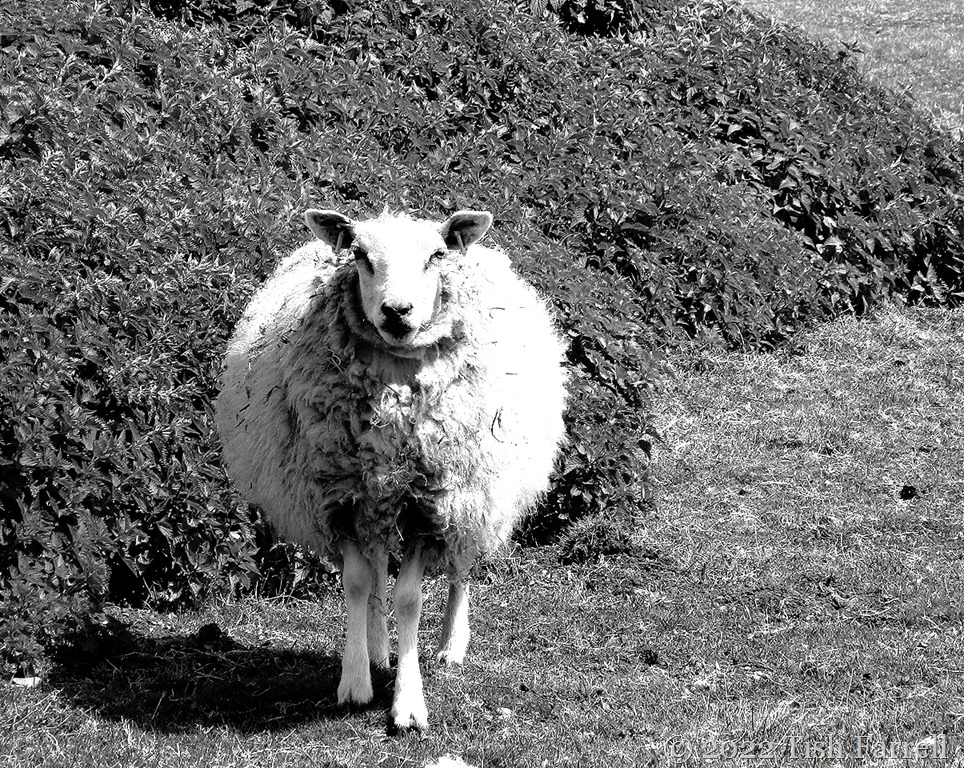
And talking of woolly jumpers, as the Devil’s Chair comes into view I find myself the subject of ovine scrutiny…

IMG_0532re

IMG_0533re

*

And now for the Devil’s Chair, long the subject of Shropshire myth and witchery:

IMG_0540ed

*

And the view from this spot, back towards Cordon Hill, the border and Wales. Remember that ice sheet. This was the land that it covered. At the glacial maximum around 22,000 years ago the ice was estimated to be up to half a kilometre deep. Sheffield University has produced some interactive maps.

IMG_0545re

IMG_0546re

The dark tussocks are heather which will bloom in late summer. The bright green bushes are bilberries, locally called win- or wimberries – our native version of blueberries, ready to pick around August time, but presently flowering. The little rosy bells are hard to see, but the bees are finding them:

IMG_0555re

*

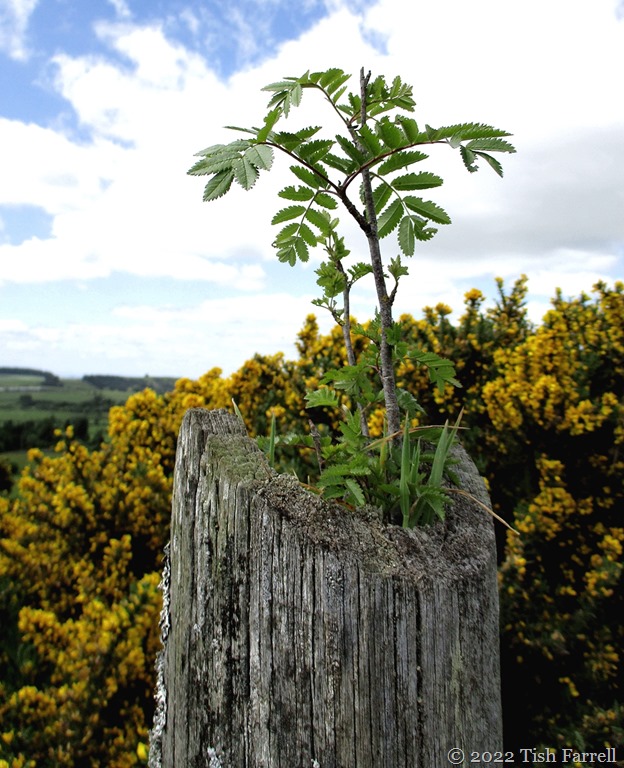
As we retrace our steps to The Bog where we’ve left the car, I’m stopped in my tracks by  the sight of a mountain ash tree seedling. There it is, growing so strongly atop a weathered gate post. It makes me smile. It seems like a sign: the earth, the real world, has much to teach us when we choose to pay attention.

IMG_0559ed

Light And Shadow Over The Garden Fence

100_7393re

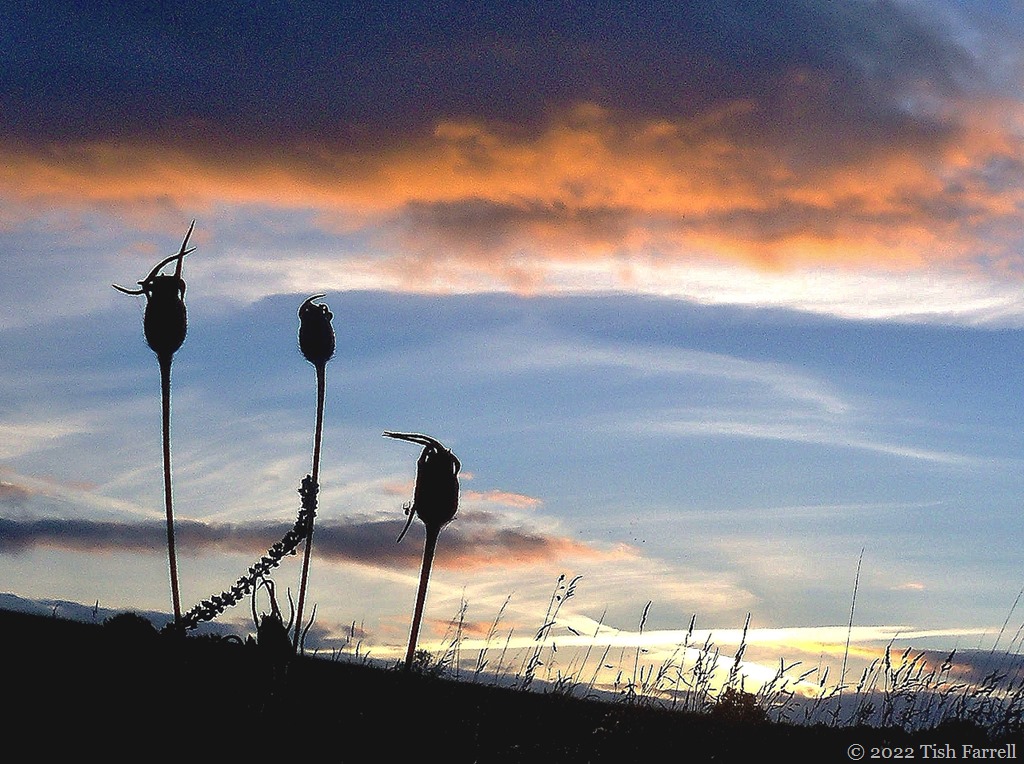
Late summer and corn cockle seed heads against a Wenlock Edge sunset.

*

P1070087 re

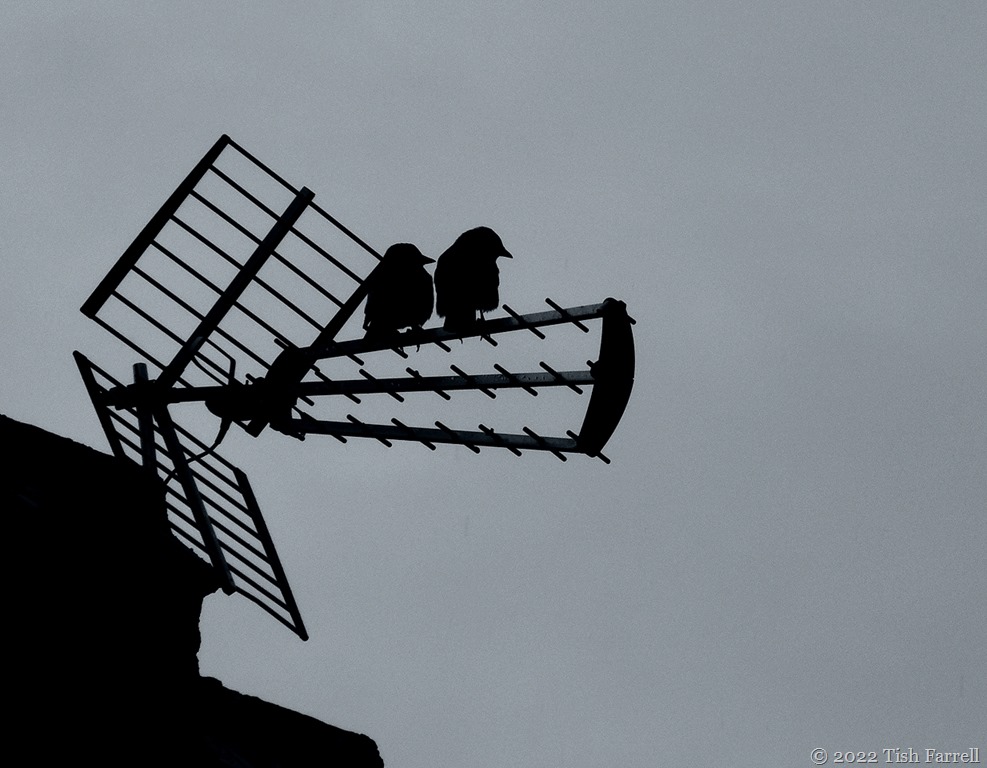
Townsend Meadow behind the house; the fence surrounding the attenuation pond that protects the town from flash floods. And also our local carrion crow couple being nicely scenic.

*

P1100419

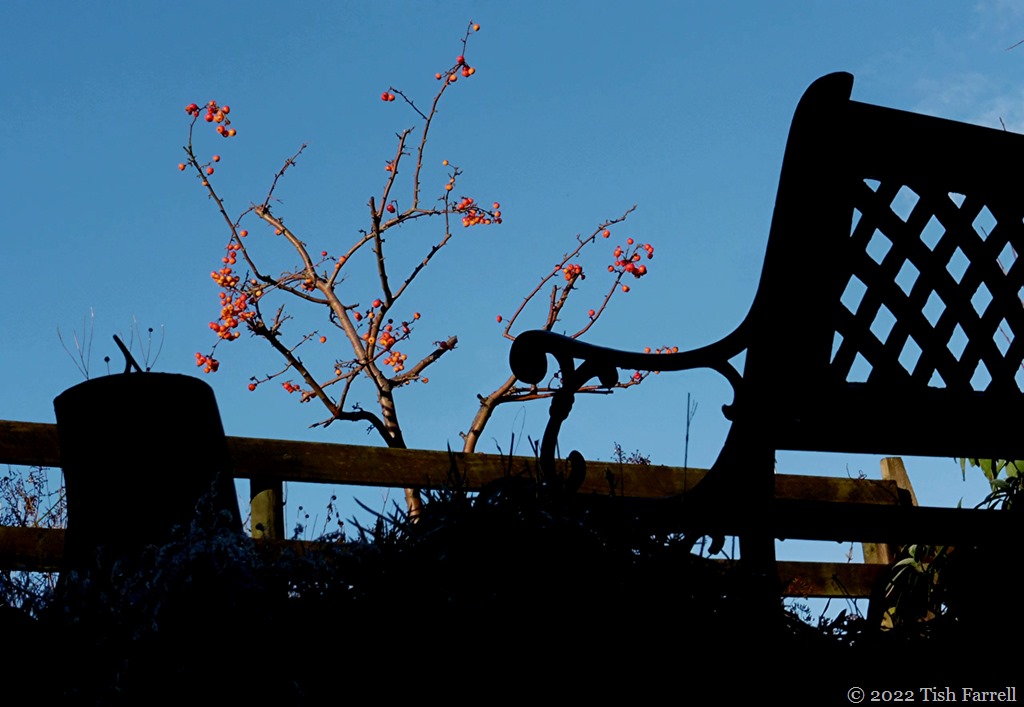
The upstairs garden seat in winter; the ash log sun dial, and the last of the crab apples.

*

p1020253p

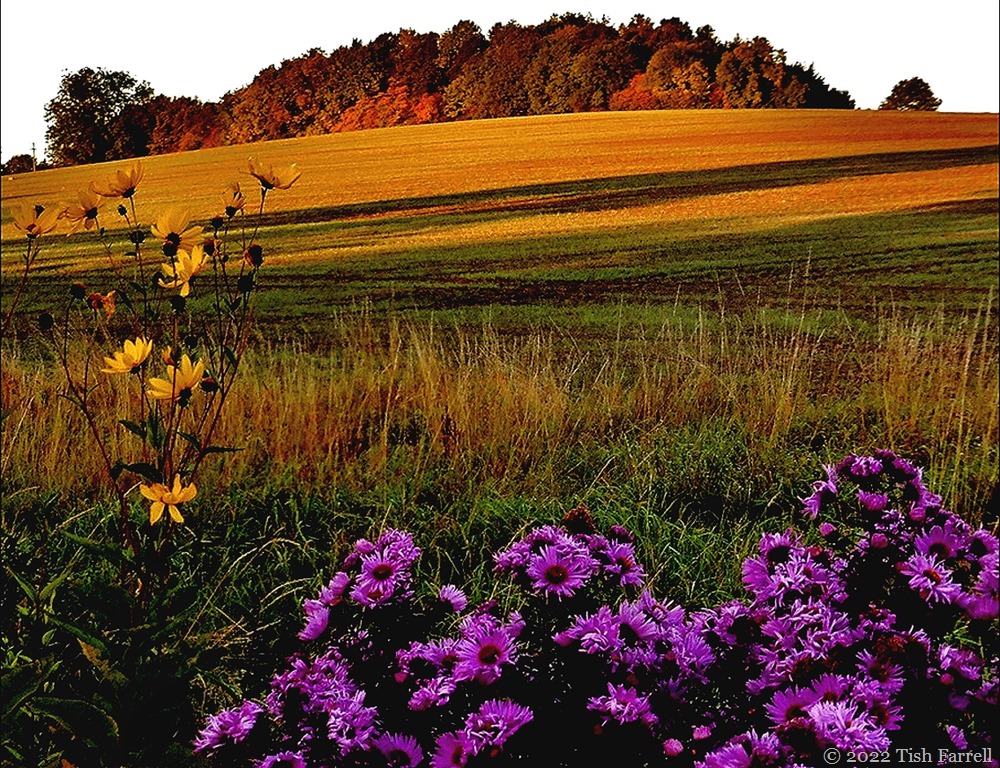
Autumn dawn, the guerrilla garden in shadow: Michaelmas daisies and helianthus. Townsend Meadow after the barley harvest, but still golden in the early morning sunshine.

*

P1080211re

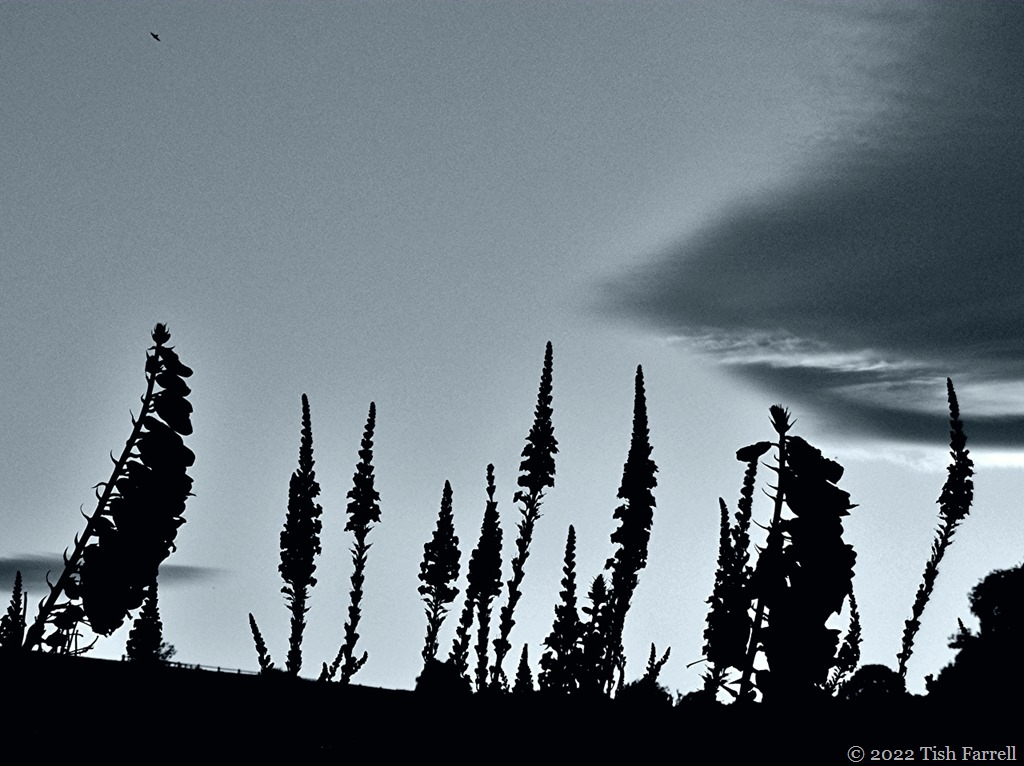
An early summer monochrome foxgloves and purple toadflax in the guerrilla garden.

*

P1090190

And an almost-monochrome. Shadow play on a dust sheet hug out to dry on the washing line.

*

Lens-Artists: Light & Shadow  Patti has set the theme this week. Please pay her a visit. She has some stunning photos to show us.
Wild And Wychy On Windmill Hill

IMG_0318cr

Here in the northern spring lands our eyes are presently filled to bursting with blooming displays of cherry, apple, pear, black thorn and magnolia trees. It’s easy to forget that all trees have their floral season, one way or another. Some tree flowers are so inconspicuously green, are so very small, or flowering at the end of winter when we’re least about, it’s easy to overlook them. This is certainly true of the early spring flowers that preceded this branchy display of green-winged fruits, discovered last week, sprawling over the perimeter fence on Windmill Hill.

Its ID took a bit of tracking down. I’d got it in my head that it was some kind of hornbeam. But it isn’t. It’s a Wych Elm sapling, Ulmus glabra. This, I further discover, is Britain’s only native elm, common throughout the land as tree cover was restored after the Ice Age, but much depleted from round 7,500 years ago, when the first stone age farmers began to systematically clear the woodland for agriculture.
The so-called English Elm Ulmus procera  was only introduced some 3,000 years later by our Bronze Age ancestors. This introduction may well be a reflection both of the utility of water resistant elm wood (for boats, wheels, furniture and coffins) and of its ritual significance. The tree was sacred to many peoples of Northern Europe, and in particular was thought to induce prophetic dreams.

Since the 1960s the English Elm has succumbed drastically to Dutch Elm disease – a fungal infection spread by elm bark beetles. The Wych Elm, to some extent, appears to have resistance, though it too is now a rare find in our English countryside. The decline in both species has meant a decline in the white-letter hairstreak butterfly which breeds in elm tree canopies.

IMG_0320

But if the Wych Elm does manage to escape infection, and finds itself growing in a preferred climate of cool summers with damp air, or on a rocky hillside beside a stream, then it can reach 30 metres (100 feet) in height, while surrounding itself with a sweepingly majestic canopy.

And so what of the Wych Elm on Windmill Hill? Did some human hand plant a young sapling there, or did it grow itself from an off-chance, wind-blown seed? That it is growing entangled with the chain-link fence that surrounds the perimeter of Shadwell Quarry, suggests more happenstance than intention. On the other hand, at some time in the past, the old quarry face has been planted with a wide variety of trees – both deciduous and coniferous species. In the next photo you can see the tree-line (behind the windmill) that marks the quarry perimeter. Beyond it, the ground falls away in an alarming manner, the most recent limestone workings lying way below and filled with a deep, deep pool of turquoise water, locally dubbed ‘the Blue Lagoon’.

Anyway, note to self: remember to collect some seeds when they ripen in the summer. A Wych Elm nursery is a fine prospect.

 IMG_0371cr

And We Think Our Weather Is Chaotic, But What About 1821-22?

P1030781

Last night in Wenlock it was all howling wind and battering raindrops on the roof lights. Then this morning the gusts were positively whistling through the tiniest gap in the closed bathroom window. Shivery indeed. Yet the onset of this 40 mile per hour small gale was yesterday described by the weatherfolk  as ‘brisk’. A bit of an understatement methinks. But however one describes it, this current bout of wild and changeable weather now makes the week of lunch-in-the-garden back in March seem a long time ago. (Did it even happen?) And on top of that, it’s definitely curtailing gardening pursuits.

On the other hand, being confined indoors yesterday led to an interesting internet discovery of a wild-weather nature, this courtesy of the very fabulous Derbyshire Record Office which holds archive riches relating to Arctic explorer Sir John Franklin, he whose 1845 expedition to chart the Northwest Passage, tragically foundered in the ice. Among the treasure trove of documents listed in the archive is the transcription of an 1822 letter written in the May of that year by Franklin’s first wife, poet Eleanor Anne Porden. Franklin is away in the Arctic while Eleanor is writing from London, and filling him in on the dramatic events of England’s weather during 1821-1822.

For someone who is used to forever hearing how our weather is set to become ever more chaotic, I found it fascinating to learn how very chaotic it already was in 1821 when Britain was emerging from the Little Ice Age (c. medieval period – 1850). Eleanor’s letter in fact makes reference to the last of the Thames’ Frost Fairs held in 1814.

A view of the river Thames: 1814

The Last Frost Fair of 1814 copyright Museum of London

Between 1600 and 1814 the Thames would freeze for up to 2 months creating an astonishing  venue for all manner of events and entertainment.

*

But first she broaches the weather topic by telling John Franklin that though matters may be peaceable in other domains, ‘the elements are in sad confusion.’

She goes on to say:

I should think that the mean temperature of last year was pretty nearly what it ought to be, but the seasons were all mixed together, and not well mixed neither; we had neither Spring nor Autumn, Winter nor Summer. Only two nights greeted us with the agreeable novelty of a frost, and the consequence was that a friend of ours saw the armies of two rival confectioners fighting for the thin cake of ice on a pond behind his house. As for snow, I think you had best bring a little home in a bottle, to shew as a curiosity to those who may have forgotten its colour.

Then she moves on to the storms ‘such as I never remember’ following one after another for three months:

Trees were torn up, and houses blown down, and from the coasts the accounts were dreadful- three Indiamen* were lost in sight of land.

* ships of the British East India Company

Next came the Christmas Thames’ floods in London’s Westminster and Vauxhall

forcing numbers of inhabitants to take refuge in the upper rooms of their houses, till they could be carried away in boats. At Staines it is said that the water was rushing in torrents through every house, and parts of Windsor were in similar condition.

She quips that people who usually travelled up to London for the Christmas season had abandoned their plans, not wishing to embark on a sea voyage in order to achieve that objective.

And then follows an account of the most bizarre event of all:

To complete my catalogue of marvels, in less than three months after, a strong south wind so drove back the waters of the Thames, that aided by a neap tide the channel was left nearly dry, and it was crost on foot between London and Blackfriars bridges, almost in the spot where an ox had been roasted whole on the ice just 8 years before…I understand that the tide afterwards flowed with unusual force for 3 days, and it has been thought that the extraordinary shape of the river must have been connected with some volcanic phenomenon.

And finally she concludes with mention of London’s May weather:

this week we were shivering over a fire, and now the thermometer is at 81⁰ in the shade.

You can read the whole lively letter HERE

Meanwhile, planting still curtailed, I shall cultivate a state of reduced grumpiness about Shropshire’s changeable elements. I am anyway much amused by Eleanor’s suggestion that Sir John Franklin should return home with a bottle of snow to remind the general populace what this unfamiliar substance looks like. The more things change, eh…

Spring Curves

IMG_0150cr1

Alder catkins catch the sun in the Linden Field

*

Spring came to Wenlock this week, both time-wise and weather-wise. We’ve had lunch in the garden three days running. Astonishing for March! Full-on sun and a general bursting of buds and blooms in every quarter. Even the moss on the garden steps has switched to hyper-green mode.

Over the road in the Linden Field there are prairies of wild garlic leaves just begging to be plucked for sauces and soups. In fact such  is the vegetative imperative of this particular plant, it’s to be found sprouting from the lime tree hollows on the Linden Walk. At the top of the field, under the oaks, the daffodils are at peak perfection. Also growing there are wood anemones, dog’s mercury, violets and primroses. Then beside the Cutlins path the horse chestnut trees are now a mass of sticky buds. And at home in the garden the white japonica is looking its serene best.

IMG_0174

IMG_0156IMG_0239cr

IMG_0257

IMG_0266

IMG_0271

This week Ann-Christine at Lens-Artists asks us to show her curves.

Lens-Artists: Curves