August Over The Edge And Faraway

IMG_8936

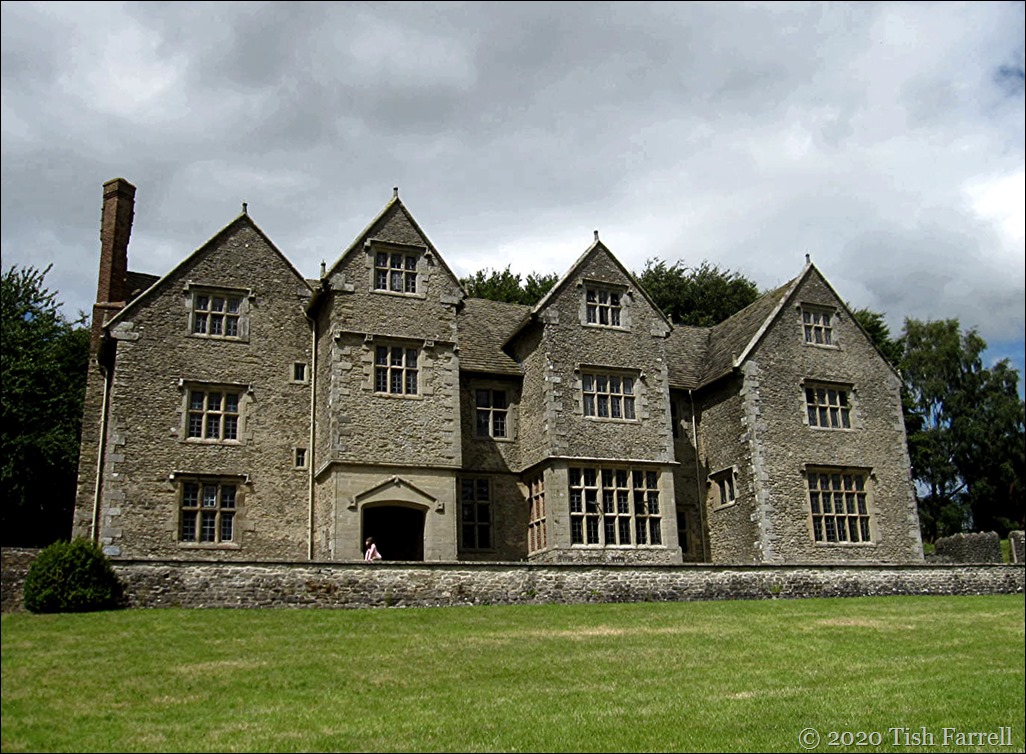
Sunday afternoon, and the sudden need for fresh horizons spurred us out the door to explore parts of Wenlock Edge we cannot reach on foot from the house. The escarpment, wooded for the most part, is some twenty miles long, and though crisscrossed from end to end with paths and bridleways, we are not committed walkers of the long-distance variety, more amblers than ramblers. The expedition thus required a short car sprint – along the Edge from Much Wenlock and a sharp turn left in Longville-in-the-Dale for Wilderhope Manor. This Tudor mansion sits above Hope Dale, its back to the Edge. It is owned by the National Trust but run by the Youth Hostel Association, and its car park is handy for a number of cross-country paths.
IMG_8890

The house was built in the 1580s for one Francis Smallman and it was a Smallman scion, Major Thomas Smallman, who, during the Civil War (1642-51, Charles 1 versus Oliver Cromwell) performed a feat of dashing bravery. He was a staunch Royalist and when he learned that the Roundhead army was approaching Wilderhope he mounted his horse and headed for Shrewsbury, a dozen miles away, to warn the Royalist forces there.

The Roundheads followed, and in a bid to escape them, the Major and horse took a flying leap off Wenlock Edge. Sadly the horse did not survive the 200 foot drop, but by a stroke of luck the Major’s fall was broken by a wild cherry tree (or apple tree depending on which version you read). He thus completed his mission on foot, rousing the Royalist forces who launched an attack at Wilderhope. The Major apparently bequeathed us his ghostly presence, said to be seen by some still plunging over the precipice on horseback. The supposed spot, ‘Major’s Leap’, is now a popular viewpoint.

But enough dawdling. Back to the walk. We had decided to follow a 2 mile stretch of the Jack Mytton Way which itself is a 70-mile foot and cycle path named after another local personality, Mad Jack Mytton, a somewhat surprising association for a facility promoting healthful pursuits. Mytton, born into wealthy Shropshire squirearchy in 1796, died in Southwark debtors’ prison at the age of 37, a drunken, spendthrift, philanderin’, huntin’, roisterin’ rake of the first water who, it is said, claimed to have seen a mermaid in the River Severn. Not following in his footsteps then!

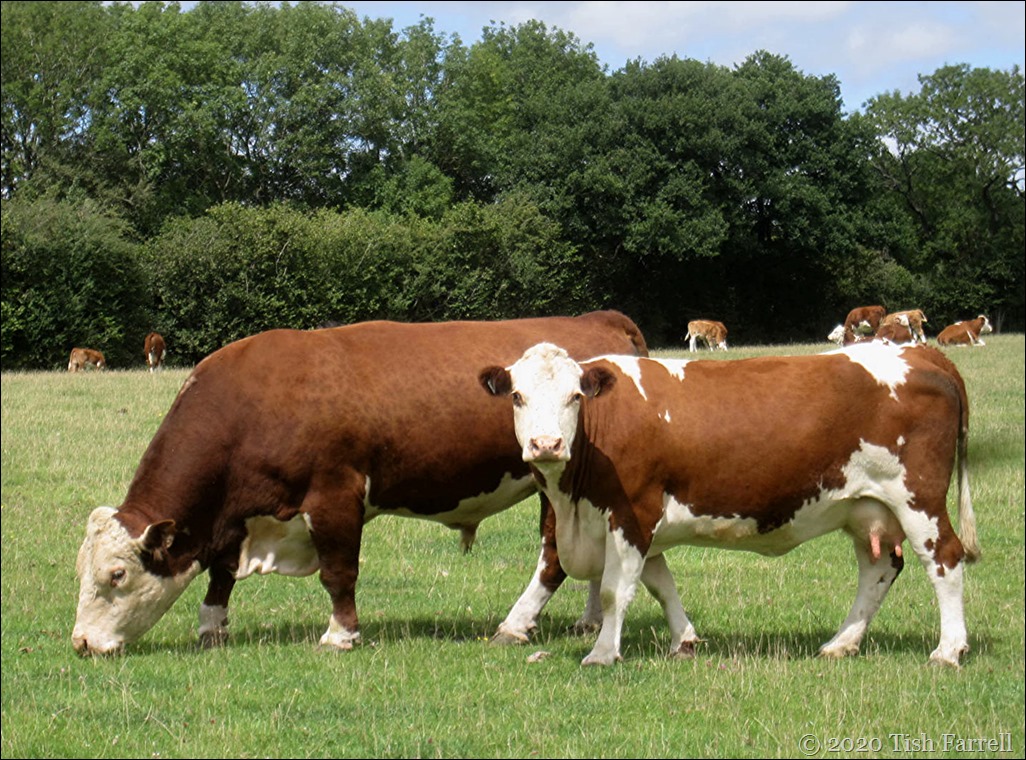
The path from Wilderhope starts off on the farm drive, passing through pasture and a very fine herd of Hereford-Friesian cattle who gave us the once over as we passed.
IMG_8894

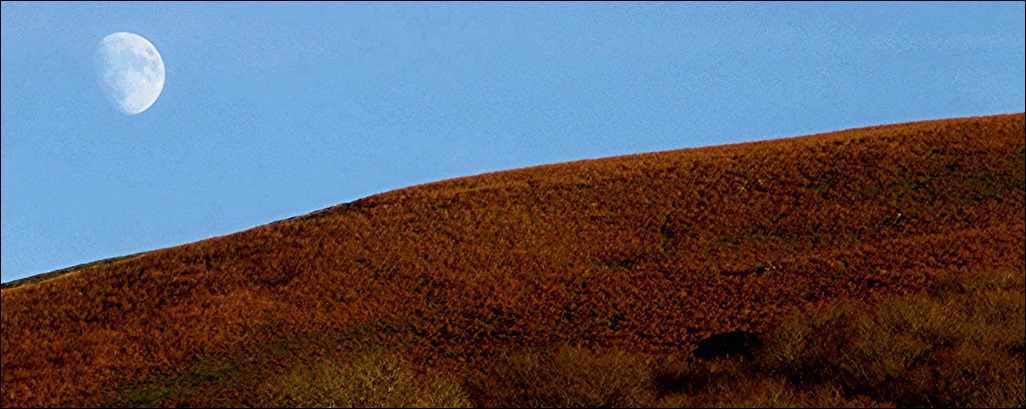
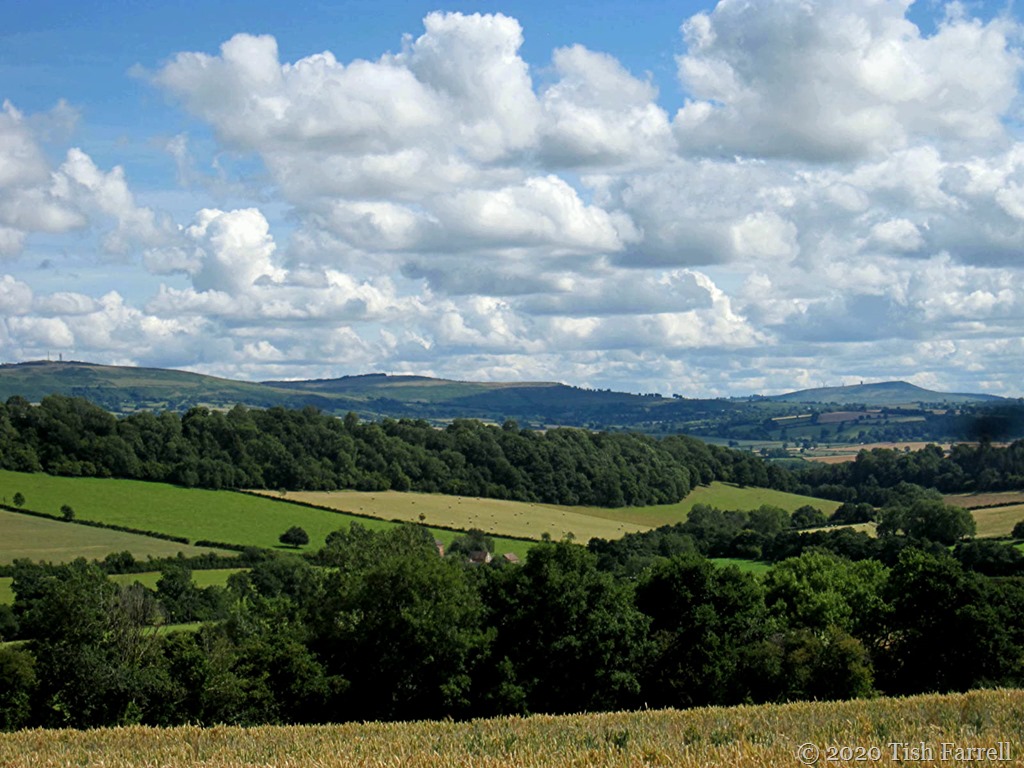
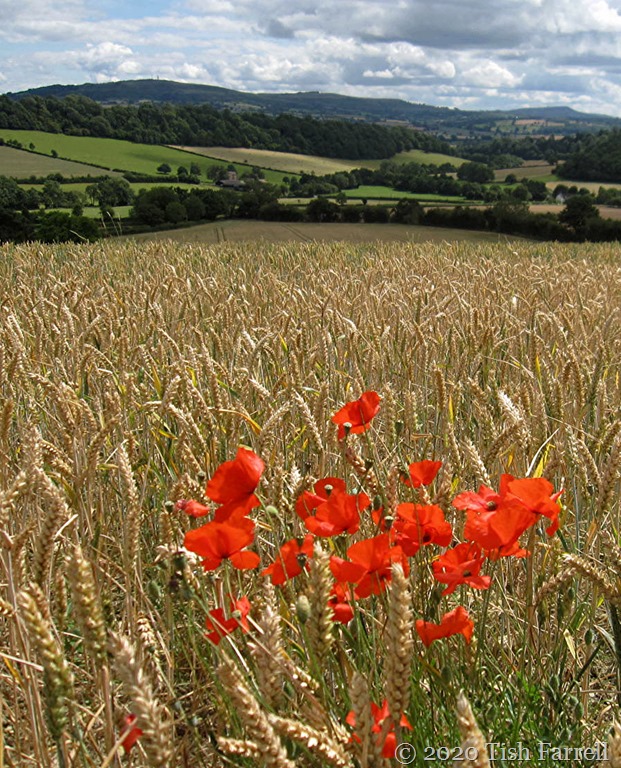
Then it was across the lane into the wheat field. This (and the header view) is Hope Dale looking from Wenlock Edge with Corve Dale and the Clee Hills in the distance

IMG_8903

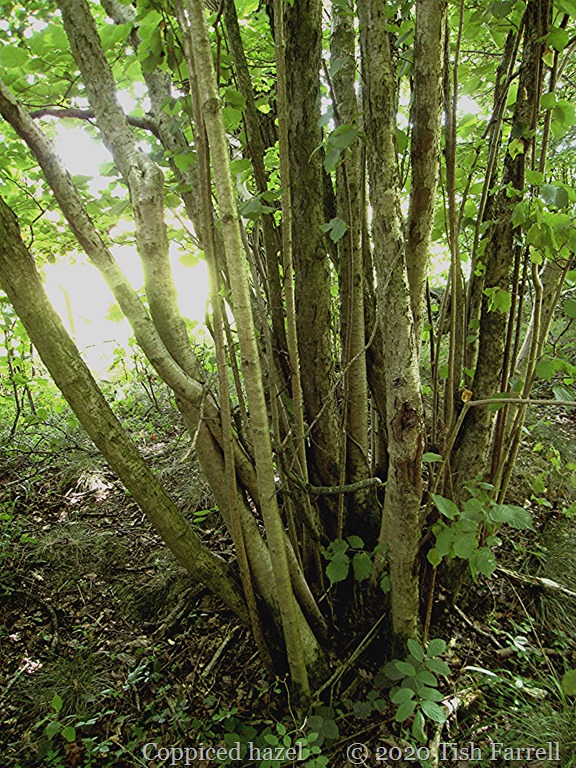
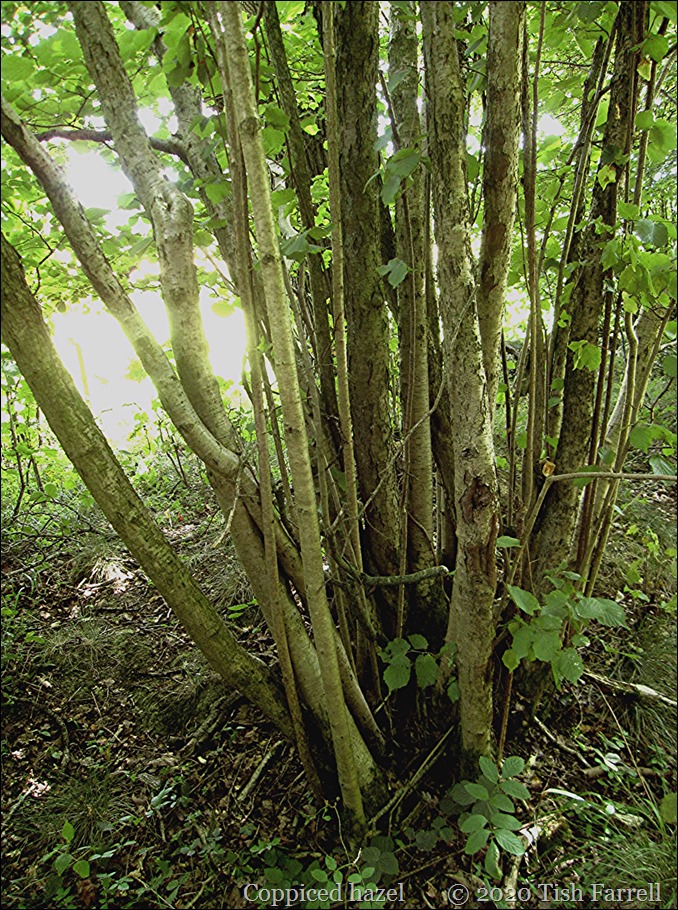
At the field boundary the path heads into Coats Wood, and the rest of our walk to Roman Bank is under dappled shade: oak, ash, beech, an ancient yew, field maple, holly, birch, lime, rowan, the odd sycamore, and many coppiced hazel trees. The woods that covered all of Wenlock Edge in ancient times were a valuable resource for fuel gathering, timber cutting and stock grazing and, in the Middle Ages every township within a mile of the Edge (most of Saxon origin) had common rights there.

IMG_8904

Coppicing is the ancient practice of cutting a tree’s main trunk so encouraging the growth of multiple upright stems. These were used in hurdle making for fencing in farmstock, stakes for hedge laying, for bean poles, basket making, and in early times before forges and furnaces ran on coke, to make charcoal. These days coppicing has been re-introduced in a bid to manage woodland sprawl and encourage the re-establishment of dormouse populations.
IMG_8917

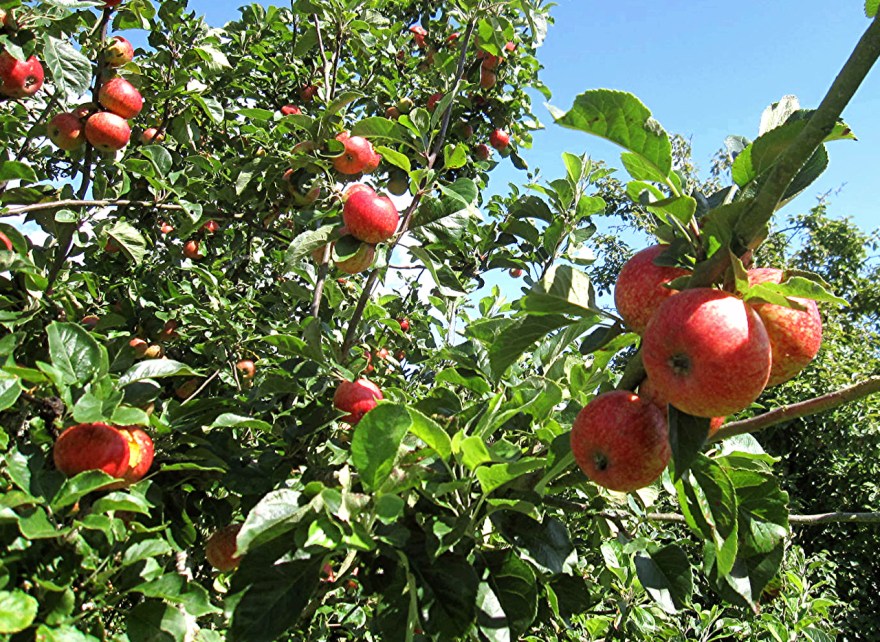
It was mid-afternoon by the time we retraced our steps. There was a sense of somnolent wildlife stirring. (All had been silent on the outward meander). Blackbirds were bobbing about in the leaf litter, and overhead we heard ravens cronking. Then as I was surveying an area of coppiced hazel, I found two roe deer looking back at us. They melted away – woodland ghosts. But the fleeting glimpse made us glad we had stirred ourselves to take a trip out, this even though we had managed to miss lunch and were by then very hungry. But even that was catered for. On the Wilderhope Manor drive we found a wild cherry tree hanging in delicious dark fruit, and later I wondered if the National Trust had planted the it as a reminder of Major Smallman’s heroic leap. And next there were apples, astonishingly early, but all the better for being scrumped.


copyright 2020 Tish Farrell

Some Peacock Perspectives

IMG_9177

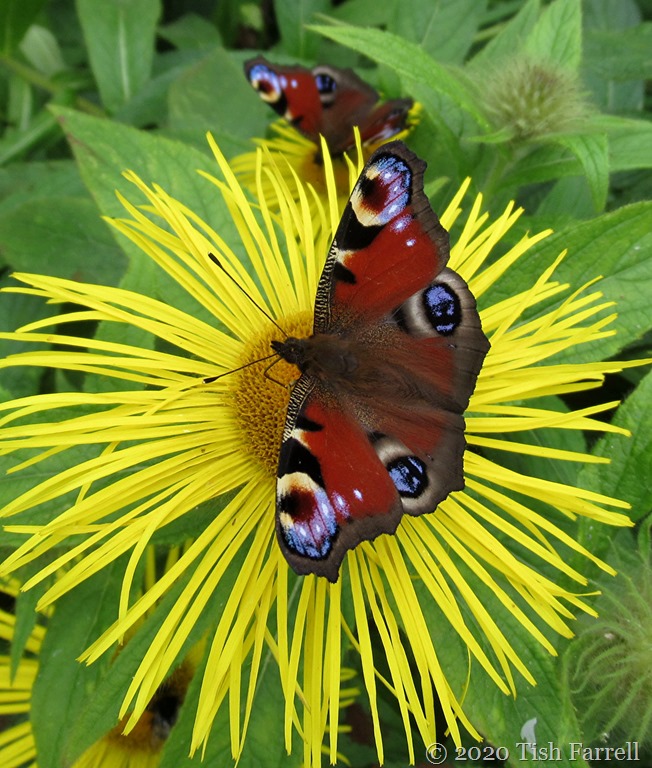
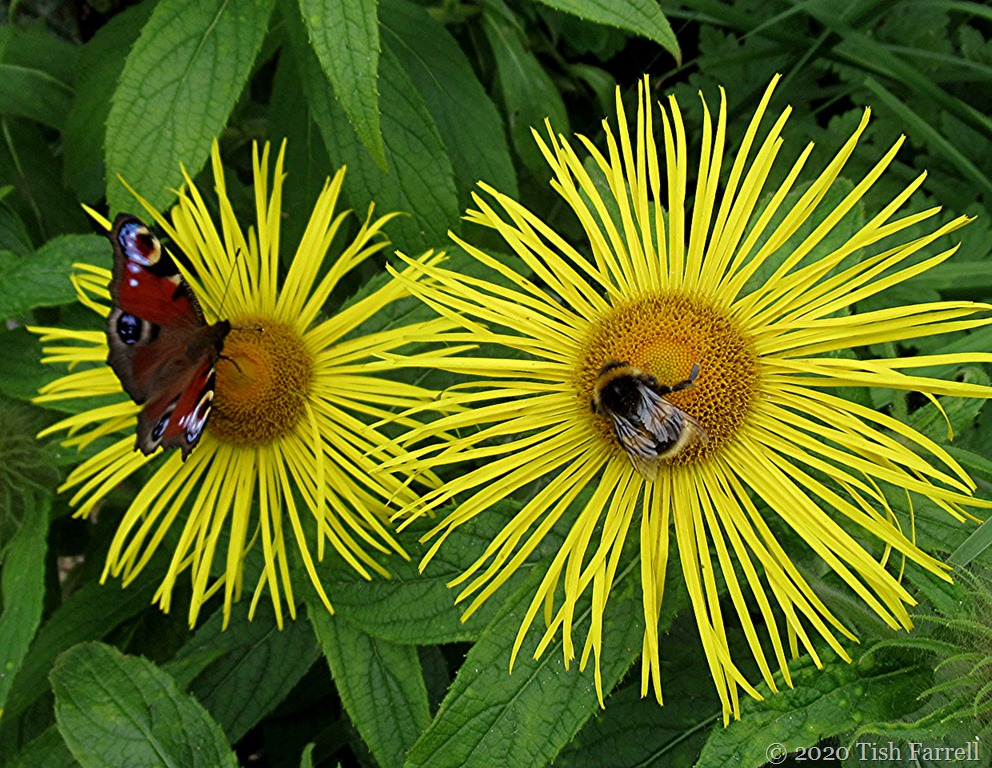
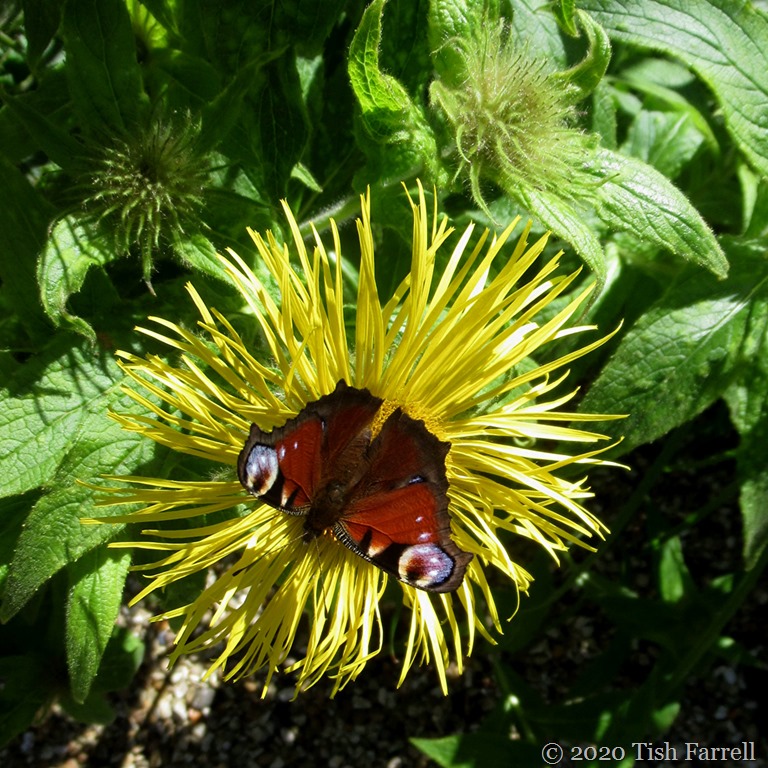
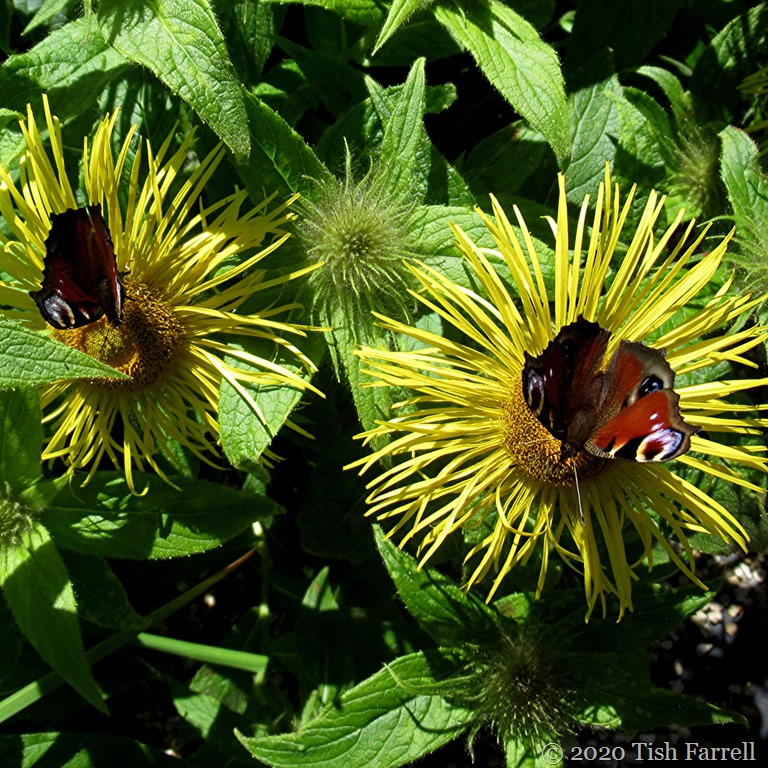
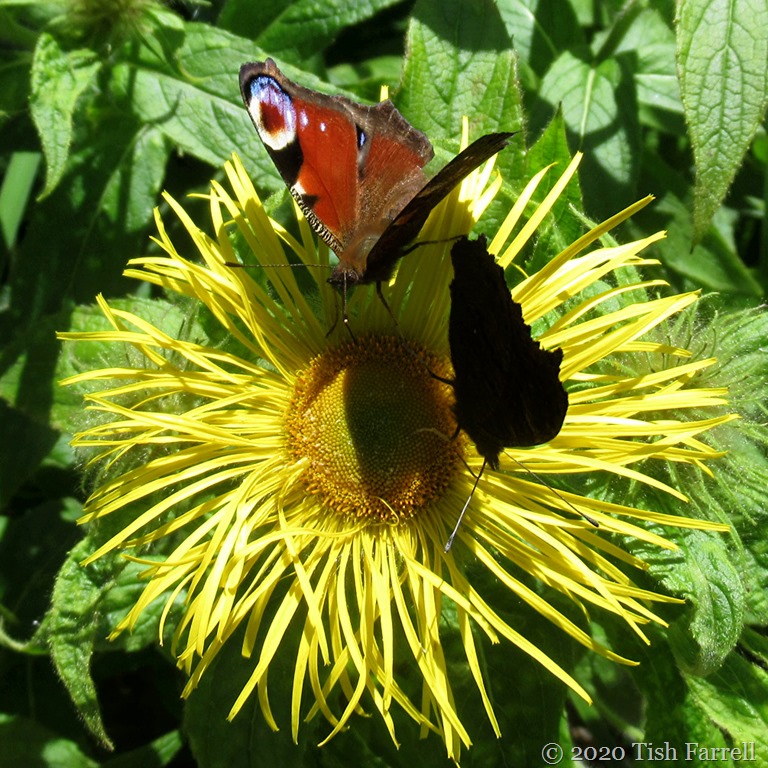
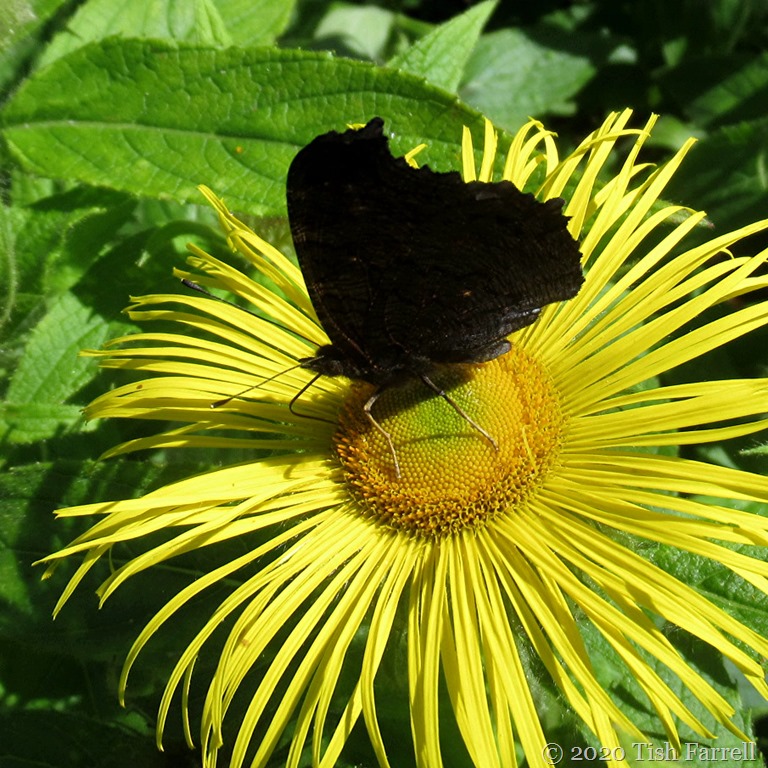
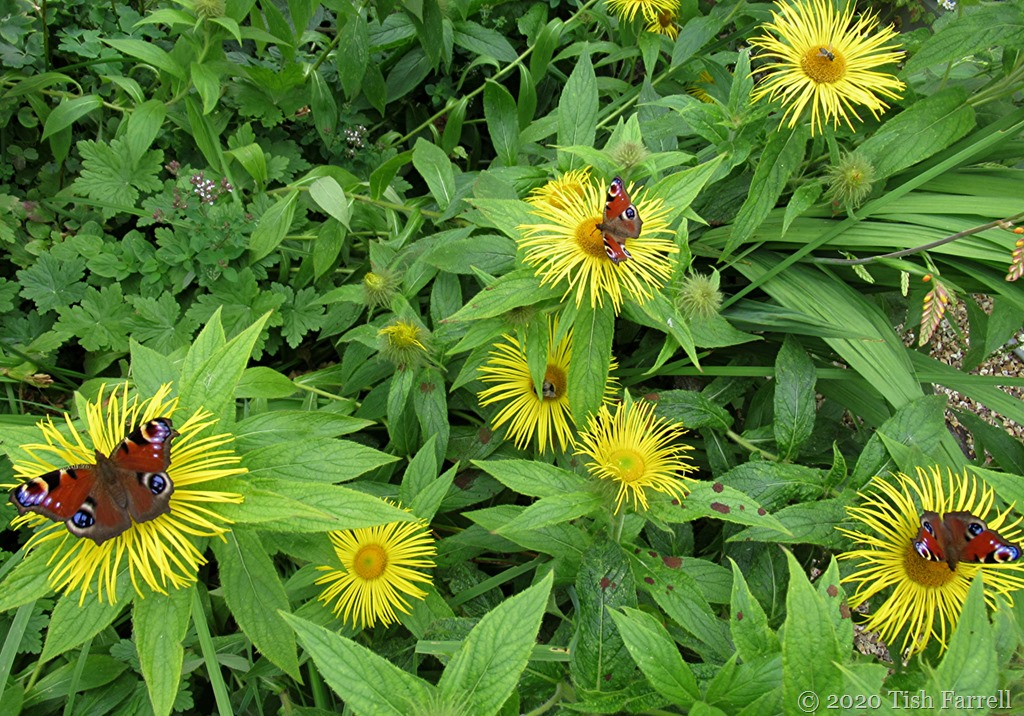
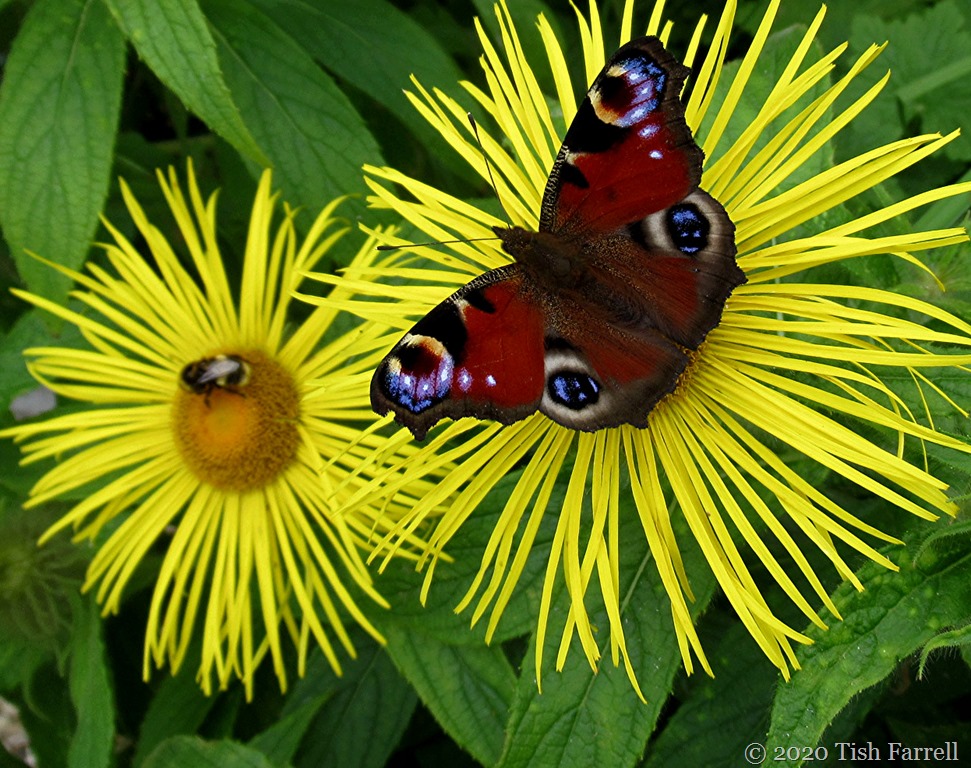
Today in the Sheinton Street garden we have both sunshine and warmth, elements that have been lacking so far this month. And so amongst the Doronicum we also have a profusion of peacock butterflies, sip-sipping like mad at the tiny compound flowerlets. I watch them as I hang out the washing – the survival imperative played out before our very eyes.

IMG_9199

IMG_9212

IMG_9180

Square Perspective #30

In The Evening Sun ~ Lemon Balm

IMG_8161

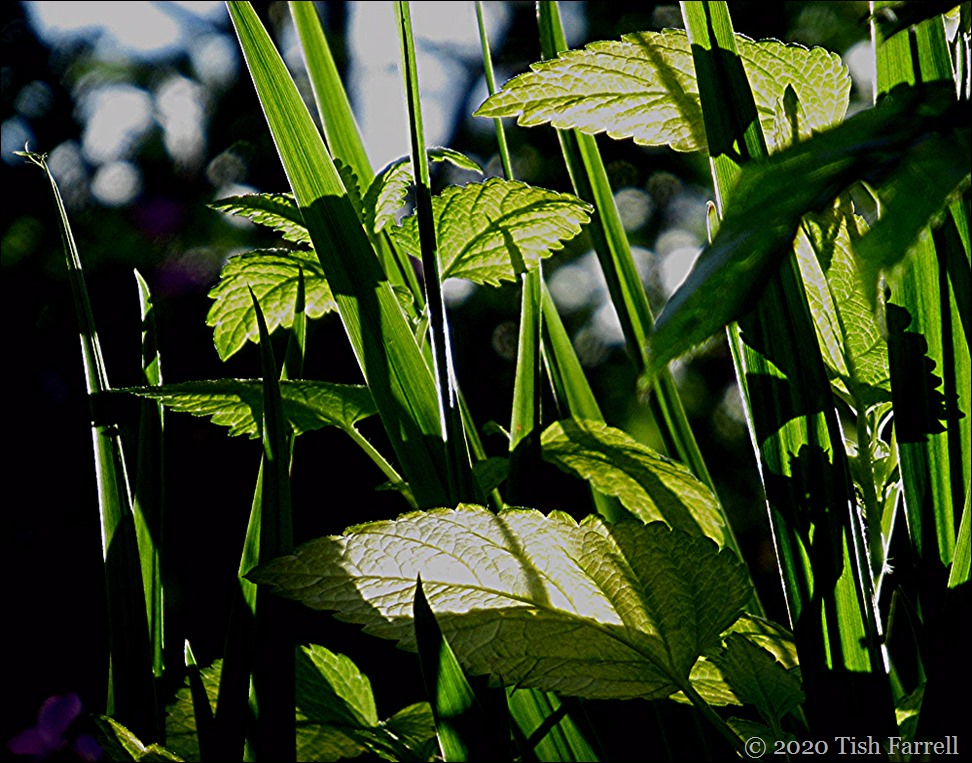
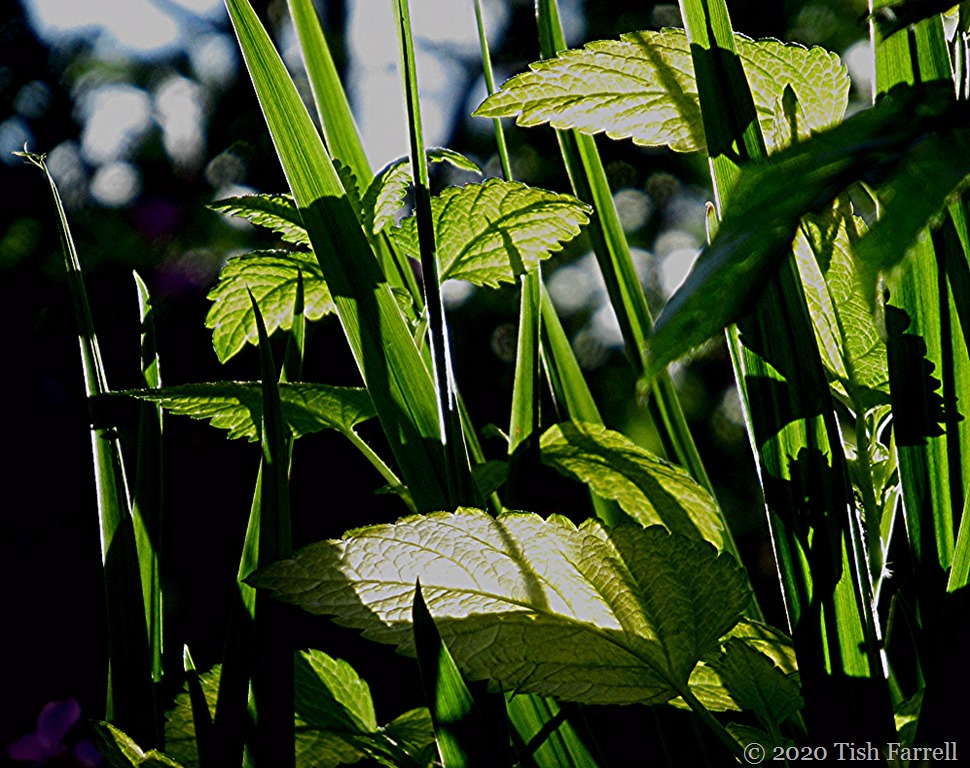
In these viral days – virtual and actual – we could probably all do with some regular infusions of lemon balm tea. Medical herbalists prescribe it for anxiety, shock, insomnia and all round jangled nerves. Simply brushing your fingers against the stems fills the air with a lemony minty freshness that lifts the spirits. Last night as I was standing at the kitchen door, waiting for the couscous to fluff up, I saw these sprigs among the montbretia leaves, briefly lit by the last of the sun – a glow to savour then between our present squalls of wintery rain and high winds. Last Saturday it was all heat and high summer here in Shropshire. This Saturday the weather clock has regressed to early March. Strange times all round. Time to brew some lemon balm methinks.

Six Word Saturday

The Changing Seasons: May 2020

IMG_8111

I took this photo last night as I left the allotment: the cow parsley in the descendant, the wheat thrusting up and beginning to form ears. It rather reflects my mood, for much as we have been enjoying the sudden outburst of ‘high summer’ days, albeit in May, I’m also feeling very cross. And since my views veer towards the contrarian, I don’t intend to air them here beyond saying there is too much officialdom fudging/ineptitude/cross-purposes/vested interest/contradictory information/rubbish media reporting and all round manipulation.

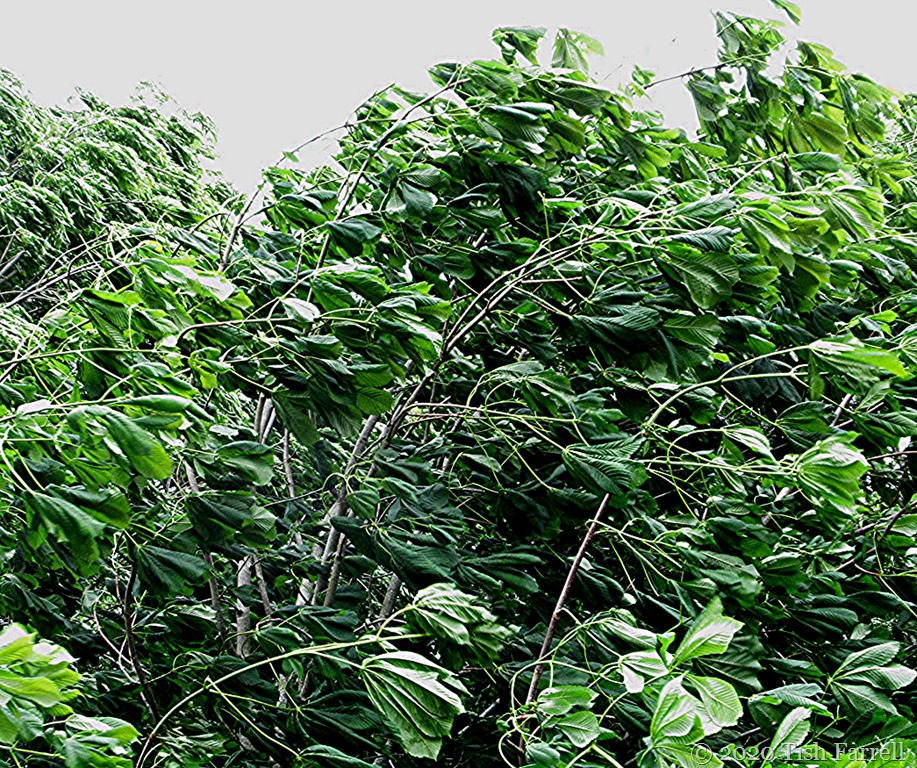
So that was May in the outside world. Meanwhile in my little Wenlock  sphere of influence all is burgeoning, and the garden is lovely. I’m not sure how we ended up with Mediterranean weather over the last few days and for the week ahead. It was preceded here by two days of tempest and a high chill factor that the weather people described as a gusty breeze. So gusty was it, that plants I’d put outside to harden off, had to return indoors and the process started over once the wind dropped.

Here is the gusty breeze in action. This is not a ‘fake’ photo:

IMG_7953

I haven’t recorded this month’s allotment activities – although much has been done: earthing up of potatoes, planting out beans – runners, butter, borlotti, Jacob’s cattle gold, Cherokee, climbing French; courgettes and squashes; red cabbages, Tuscan kale; and in the polytunnel: tomatoes, aubergines and peppers. The reason I’ve not taken photos is because most things are shrouded in thin horticultural fleece or mesh to defend them from excess heat, drying out, and pigeons. For now the plots look like some kind of crazy campsite.

On the home front the garden is moving into summer mode with foxgloves, roses, sweet peas and geraniums. The columbine grannies (aquilegias) have mostly lost their bonnets, the poppies their frocks, and the alliums are transforming into seedy constellations. But the red valerian (Centranthus) – also known as kiss-me-quick and devil’s beard is busy attracting the bees, and the whole garden is filled with bee-hum which can only be a good thing. I’ve also had the chance to notice how very furry some bumble bees’ bottoms are, so I thought I’d share an example of that particular observation in the upcoming gallery.


And here’s some news from the Dyfi ospreys: chicks hatched in new High Definition:


The Changing Seasons: May 2020

Poppy Profusion

IMG_7873

Our cottage faces east and so has full-on morning sunshine, and here it is filling the oriental poppies – a sort of natural neon effect as they sway in the breeze. They are right beside the main road, which is growing busier by the day now that lockdown strictures are easing. But the increase in traffic isn’t cramping the poppies’ style. Lots more buds set to open, and that will definitely please the bumble bees.

IMG_7859

Today In The Columbine Garden

IMG_7798

The columbines do as they please in our garden. Over the years they have moved in from who knows where, and done much replicating. I have made only one deliberate introduction which is a lovely lemon one saved from an overgrown plot at the allotment. Every spring we have additional variations in the indigenous colour scheme, this season’s new shade being white with hints of mauve and purple. We also have various pinks, deep violet, burgundy and ivory and some of them have now moved into the front garden that sits beside the road so who knows where they will be off too next. A world invaded by columbines – well, why not?

So here are some garden views – inside back and outside back (guerrilla garden), and lastly our roadside bed which I feel could now serve as a reference plot for the Haphazard School of Cultivation. I’m not sure what the poppies are doing there – shades of Heinz tomato soup.  Ah well. They’re looking very jolly – a spot of light relief from Lockdown-itis.

IMG_7797

IMG_7796

IMG_7853

IMG_7757

IMG_7808

IMG_7804

IMG_7818

IMG_7829

IMG_7823

Today At The Top Of The Garden ~ Apple Blossom Sunshine And Tiny Tulips And A Very Happy Birthday To Becky

IMG_7453

No doubt about it, the Sunshine Deity is showering us with her beneficent rays. You can almost hear the plants crying YIPEEEEE! as they break free from the winter’s rain battered soil, which here in Silurian Sea Wenlock sets like cement.  Things are definitely thriving best in the parts of the garden that received an autumnal mulch of tree chippings (gratefully gathered from a big heap in a neighbour’s yard). The front garden by the road is a mass of foliage with bursts of blue and (nearly) black centaurea, and the little crab apple tree that went in a couple of years ago is weeping prettily. I can also see that an allium-oriental poppy break-out is imminent. Any day now!

But back to the top garden: the Coxes apple tree is just blooming and underneath it the miniature tulips are saying ‘see me, see me’. It’s all too exciting.

IMG_7461

IMG_7421

w

Square Tops #22

HAPPY BIRTHDAY, BECKY! A TOPPING DAY TO YOU.

Top Run!

IMG_7374

Lots of people around the town have been keeping fit. Hats off to them. And so, as well as admiring the energetic zeal of this determined young woman, you also get to see the august lime trees of Much Wenlock’s Linden Walk just coming into leaf. Every day the green haze grows greener.
There’s a strong connection too, between these trees and physical exercise. The limes were planted by the town’s physician and his chums in around the 1860s. Dr William Penny Brookes knew a thing or several about people staying healthy – in body, mind and spirit. It was why he invented the Wenlock Olympian Games (begun in 1850) which still take place every year on the field to the left of this avenue. On the right of the Linden Walk ran the railway – whose arrival in town was also facilitated by the wise doctor’s lobbying. It once brought thousands of people from far and wide to see the games. I think Dr. Brookes would be very pleased us – we’re all shifting ourselves one way or another  – gardening, walking, cycling, running.
Talking of shifting, it’s gone 5 pm and the allotment calls. Time to trot across the field and get some spuds in.

Square Tops #16

The Deconstructed Top-Knot?

IMG_7349

When we walked into town yesterday down the Cutlins path we pleased to see members of the McMoo clan back in the meadow. And a little family group by the looks of it – daddy, mummy and junior McMoo.

And the parents all but canoodling while offspring was exploring the peripheries of the town’s electricity substation.

IMG_7372

IMG_7369

IMG_7367

On the return trip, shopping accomplished, we found the local jackdaws had discovered the McMoos too. They were busy plucking the bull’s winter coat for a spot of nest building material.

IMG_7370


Square Tops #12

After The Flood ~ The Primrose Path

IMG_7132

After our sunny blue-sky Monday, Tuesday was back to dank and gloom. Undaunted, though, we decided on another local jaunt, this time to the nearby River Severn and the historic settlement of Jackfield, a couple of miles downstream of Ironbridge. This old industrial enclave was once the centre of the 19th century decorative tile manufacture – two vast factories, Maw & Co and Craven Dunnill that once shipped their products down river and thence around the world to grace the walls of palaces and grand public edifices.

These days the remains of the Craven Dunnill works are given over to the Jackfield Tile Museum, part of the Ironbridge Gorge Museum Trust, while the remnant buildings of Maw & Co house craft workshops and apartments and the very pleasing Tile Press Cafe which was where had lunch – halloumi toasties with lots of salad.

IMG_7135

Part of the former Maw & Co decorative tile factory now used for workshops and small businesses.

*

February had seen some massive flooding along the Severn Gorge, and we were glad to see the river was pretty much back in its bed, though still flowing fast and furious and above usual levels. Turbid was the word that came to mind as I took this muddy shot.

IMG_7121

One of the worst and serial casualties of Severn flooding is the traditional old pub,  The Boat Inn.  It stands in a hollow below the footbridge to Coalport, and its front door records nearly a century of flooding. This year’s deluge was one of the worst, making third place under the 19 feet 5 inches of February 1946, and just above the 1947 flood of 19 feet 1 inch. In fact the 1940s saw 4 really bad floods, with the next worst in 1966, so this extreme excess of water is by no means a new event.

IMG_7125

IMG_7123

*

And here’s what it looked like last month, photo courtesy of The Shropshire Star on-line:

Boat Inn February 2020

It’s hard to contemplate the horror of being on the receiving end of so much water. The inn sits at the lowest point of the settlement and apparently floods from behind as well as to the front. The flood inside then holds the front doors shut against the outside flood! We felt so sorry for the licensees. There was not much sign of life when we walked by. Hopefully it will be back in action soon.

IMG_7128

IMG_7124

The inn sign gives a big clue as to the business of the past. This is one of the big trading barges (Severn trows) that used to ply the River Severn. Until the railway arrived, trows provided ideal means of transport for the Ironbridge Gorge ceramics industries, including porcelain from the Coalport China Works just across the river – much smoother by boat than by 19th century roads.

For some fascinating old photos and more history from Jackfield please visit From Shropshire And My Shins Are Sharp blog.

Wandering back to the car past The Boat Inn’s neighbouring cottages we didn’t see much obvious sign of flood damage there, only the clump of celandines and primroses by a cottage gatepost which seemed like a sign of hopefulness and recovery. Here they are again.

IMG_7132