“Life, Jim, but not as we know it”?

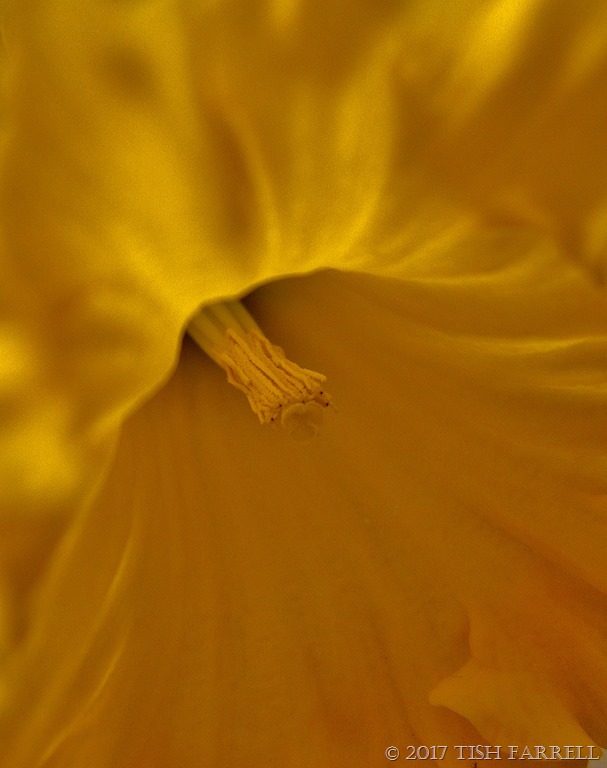
IMG_3993

I don’t know about you, but I find this close-up shot of a daffodil a bit disturbing. It was sitting in a jug with other daffodils on our kitchen table, full lit by a pendant light. We’d just had dinner and I thought I’d capture some floral detail.

But somehow daffodils by night don’t quite make sense. And there’s a worrying ‘otherness’ about the too-close-quarters; rather like the first time you looked up someone’s skirt when you were a child.

Hm. It makes me think though – what a wonderful mystery is this thing we call life. And in this case, so very yellow!

Honeymoon Destination Anyone?

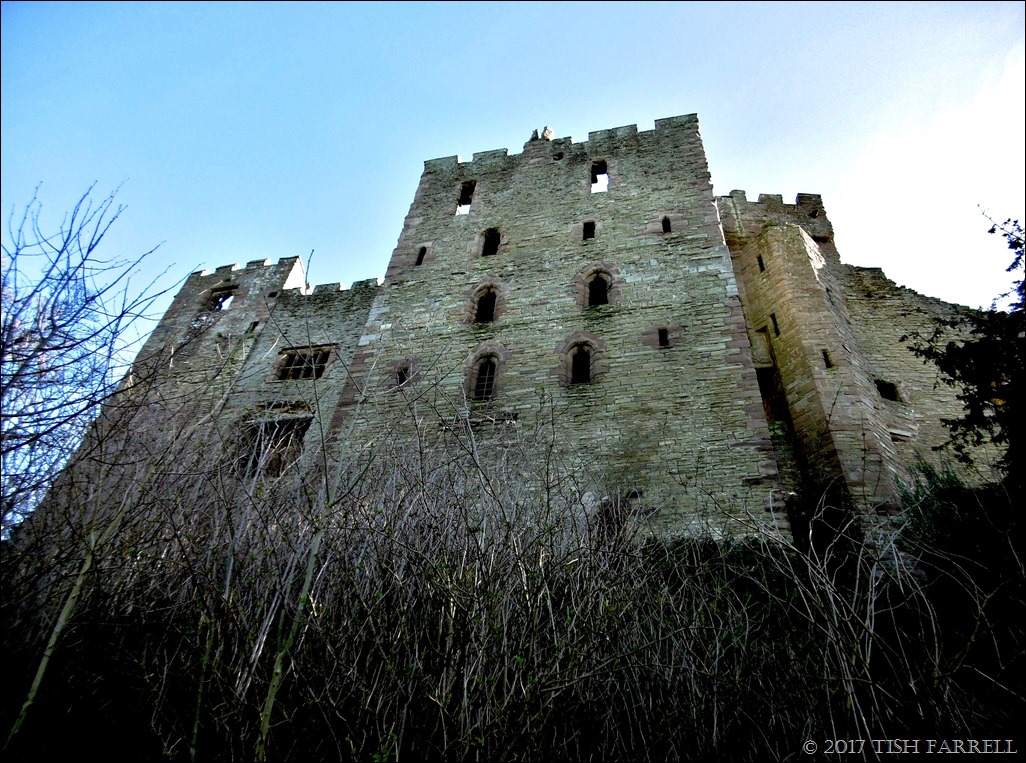
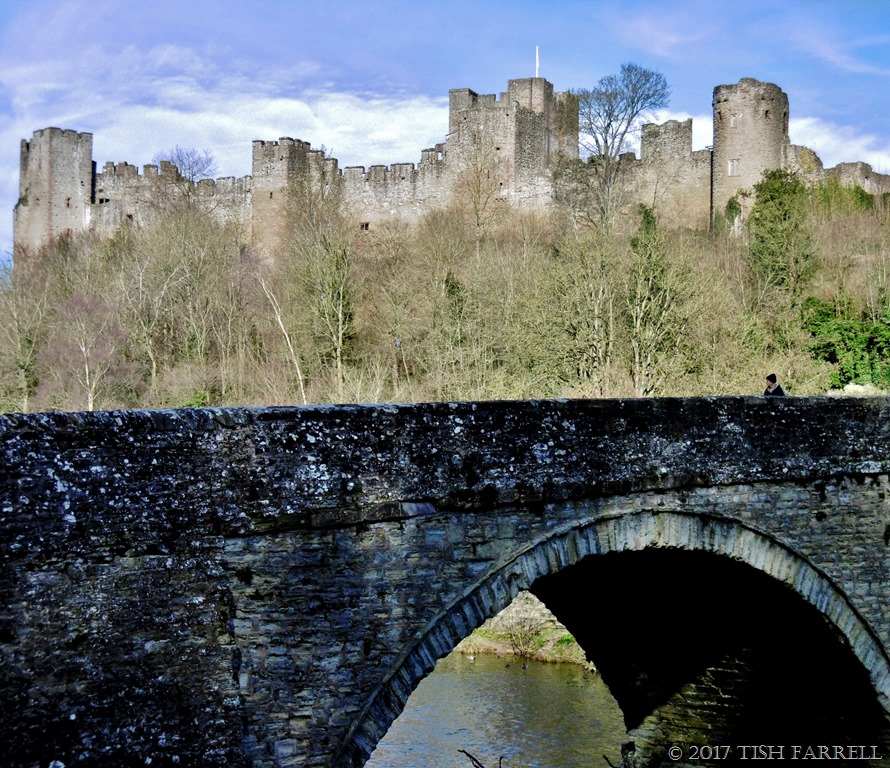
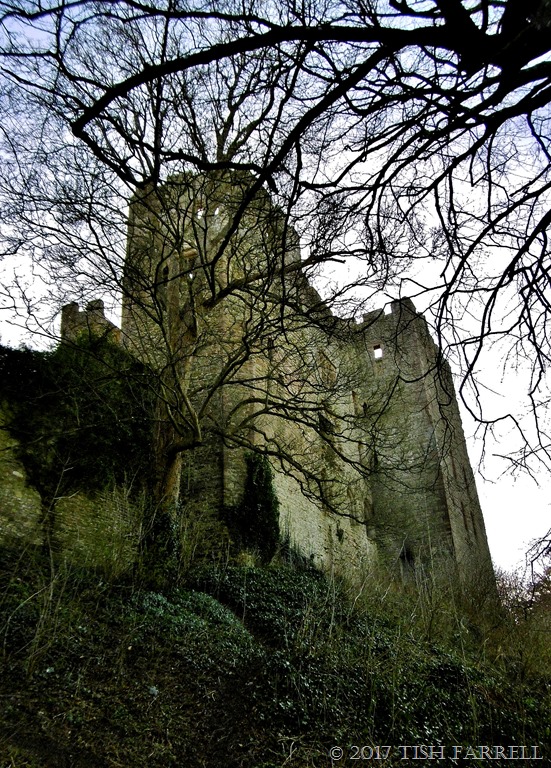
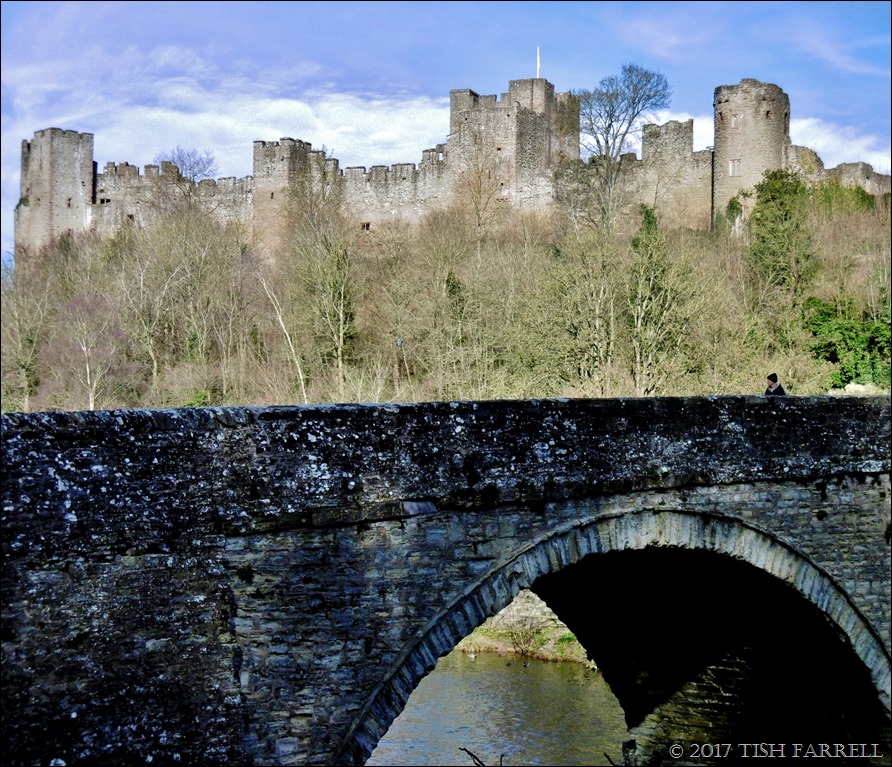
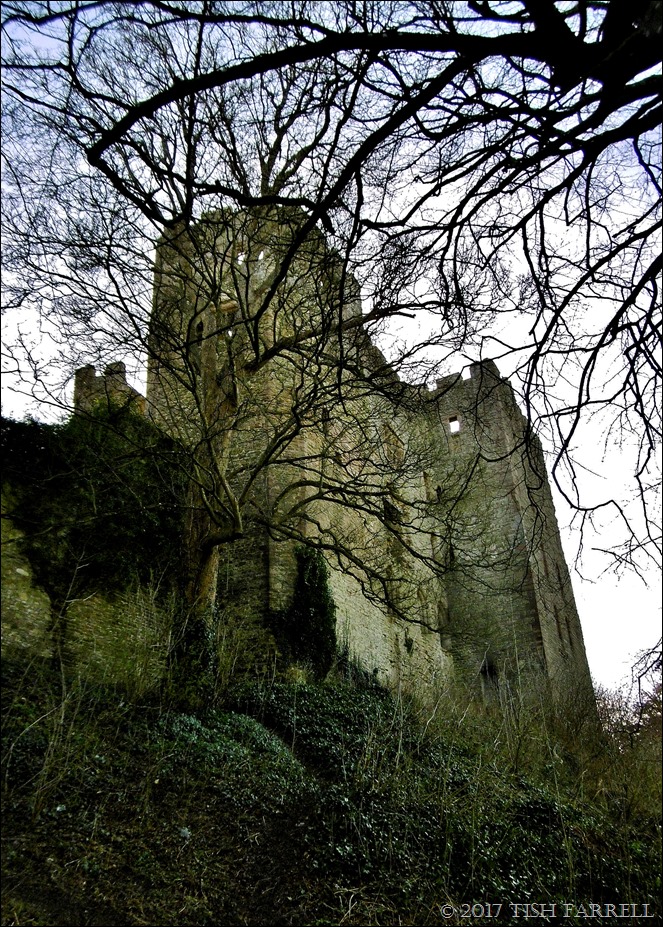
I was thinking of Jude as I took this photo last Thursday. Now she lives under a Cornish sky, but not so long ago this was her stamping ground, and I’m pretty  sure she knows the path I am standing on as I take this photograph. It skirts the cliff beneath the brooding elevation of Ludlow Castle in Shropshire, the River Teme rushing over the weir below.

The other thought that was running through my head was: what a place for a honeymoon. And yes, I’ve mentioned this before. But even with the walls intact, the great hearths lit, and the tapestries well hung and thickly plied, it would have made a daunting venue for post-nuptial celebrations. The bride and groom I am thinking of were only teenagers, and the year was 1501. Fortunately for them, some consideration was given to their comfort and they were lodged, not inside the castle, but just outside the walls in the Castle Lodge.

By then the castle had already been standing for over 400 years. It was built after the Norman Conquest between 1066 and 1085. Its purpose control and domination; its overriding associations with war not love. It had been built on the borderland between England and Wales to keep the Welsh warrior princes in check, and thereafter figured in three civil wars and numerous uprisings. In the 12th century King Stephen and Empress Matilda fought over it. In the 13th century it featured in the Second Barons’ War. In the Wars of the Roses in the 15th century it was a Yorkist stronghold under Richard Duke of York (later Richard III). In fact anyone who was anyone throughout a thousand years of history either pitched up here in person, or had the place in their sights for some political reason or other.
P1070170

And the teenage newly weds? One was Arthur Tudor, Prince of Wales, just fifteen years old, and heir to Henry VII. His bride, a few months older, was Catherine of Aragon, betrothed to him since the age of three. They had been married at St. Paul’s in London on 14 November 1501, only ten days after their first  meeting. Arthur informed Catherine’s parents (Isabella I of Castile and Ferdinand II of Aragon) that he meant to be ‘a true and loving husband’. But from the start there were problems of communication. The couple tried speaking to each other in Latin, but were confounded by their differences in pronunciation.

But then what do such things matter when it comes to state expediency? The marriage was a matter of strategic alliance, and the honeymoon at Ludlow was all about Arthur being seen to stake just claim over Wales.  He was  there on royal business to preside over the Council of Wales and the Marches.

The couple were in Ludlow over the winter months, and one wonders how a girl from the sunny warmth of Spain felt to be despatched  to such a union and to such a place. One hopes they found some joy there, although it would have been all too brief. They both fell ill with the highly contagious ‘sweating sickness’ which was sweeping England at this time.  By April 1502 Arthur was dead, and Catherine swiftly rendered a diplomatically inconvenient widow – a pawn in the foreign alliance game.

Apart from anything else, there were serious financial implications for Henry VII. Ferdinand had only paid half of Catherine’s 200,000 ducat dowry. Now Henry was faced with returning it, and/or suing for the unpaid portion. So it was that Catherine became betrothed to Henry’s second son, Henry, Duke of York, whom she finally married in 1509, thus becoming the first wife of Henry VIII. For 24 years all went well, and then Ann Boleyn came along and it was all damn lies, character assassination, cruel confinement  and social ostracism for Catherine. A sad end indeed for a Spanish princess, our long-time English queen, and Europe’s first woman ambassador.
P1070147

copyright 2017 Tish Farrell
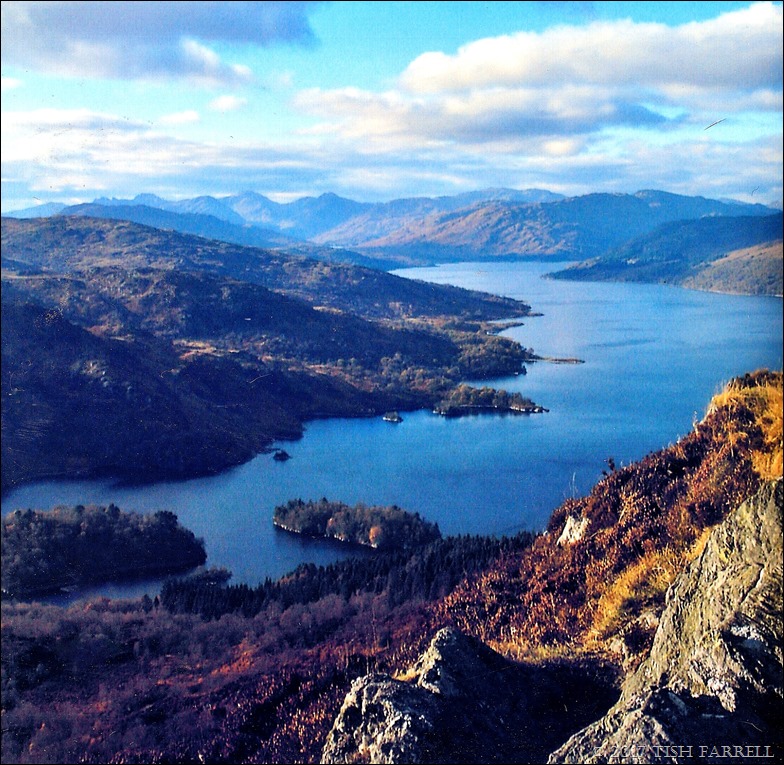
Sunday Solution to Saturday Guess The Place ~ It’s The Trossachs!

IMG_0001

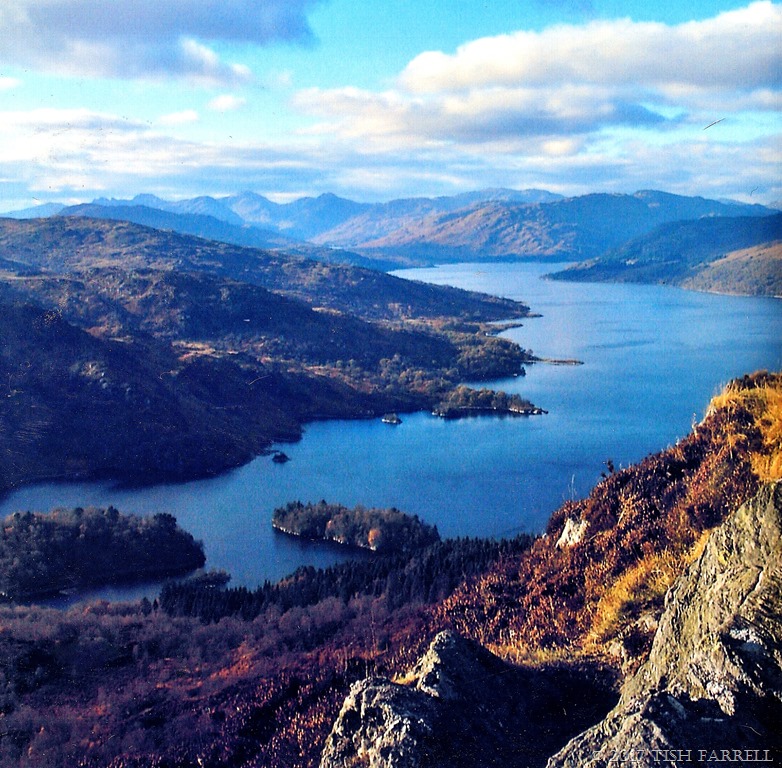
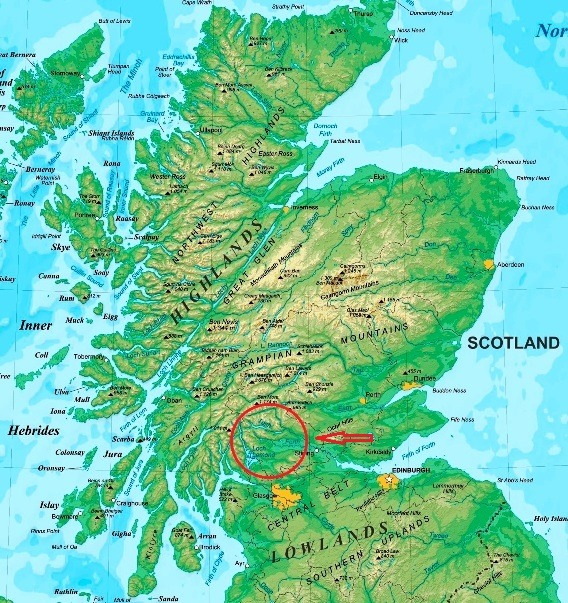
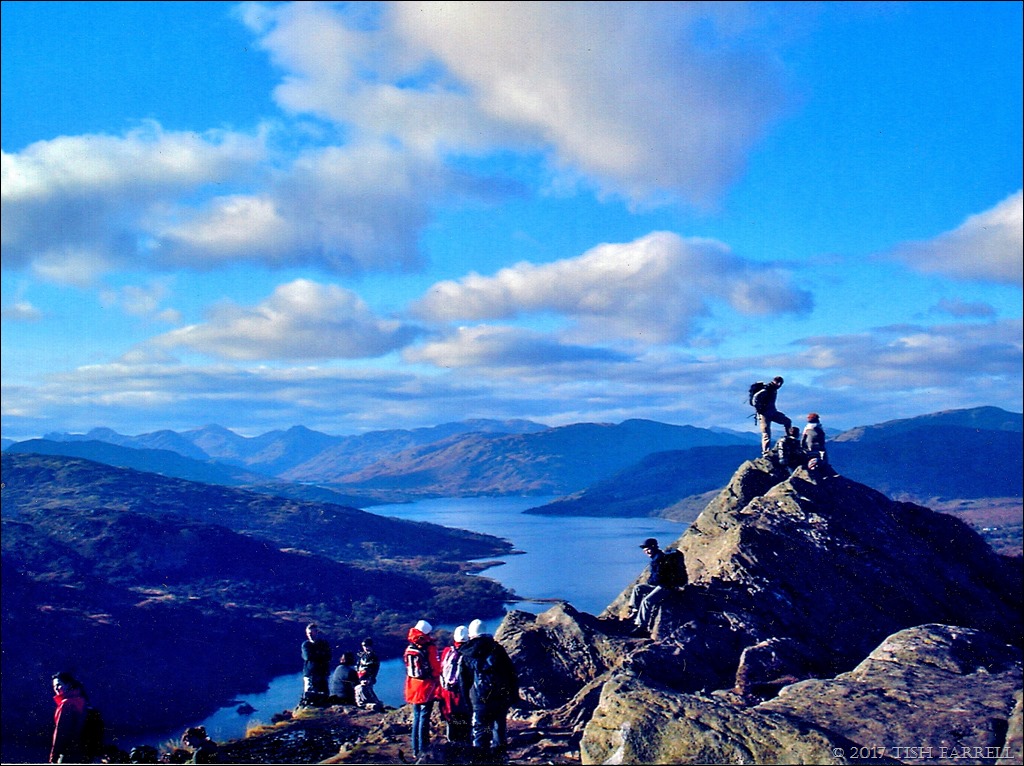
And more specifically it is a view of Loch Katrine taken from the summit of a ‘small mountain’ Ben A’an. So Jo was closest guesser with Loch Lomond, which is the next big loch westwards – she is definitely a woman who knows her landscapes. But thanks to all for playing along with yesterday’s photo quiz. And since I’m guessing that many of you have no idea where The Trossachs National Park is, here’s a map. The area is basically north of Glasgow and west of Stirling, and so not even in the Scottish Highlands despite all the beguiling peaks in the photo.

Scotland map

Map: Eric Gabba (Sting)/Wikipedia CC-BY-SA 4.0

For more about The Trossachs from a local, see this article by Bill Kasman.

Thursdays Special ~ Great Zimbabwe Re-Scanned

Great Zimbabawe

I was very pleased that this Thursday’s Special from Paula is another Traces of the Past challenge. I spent yesterday afternoon attempting to scan these photos of Great Zimbabwe. I’ve shown other versions of these images before – scanned from negatives, but either I or the scanner was on the blink, and I wasn’t very happy with the results. Then the scanner broke altogether (it was a whizzo Nikon one too), and that was that.

So yesterday I had a go with some of the original prints on the flat-bed scanner, which then led to a lot of dust-speck removing  – very tedious.

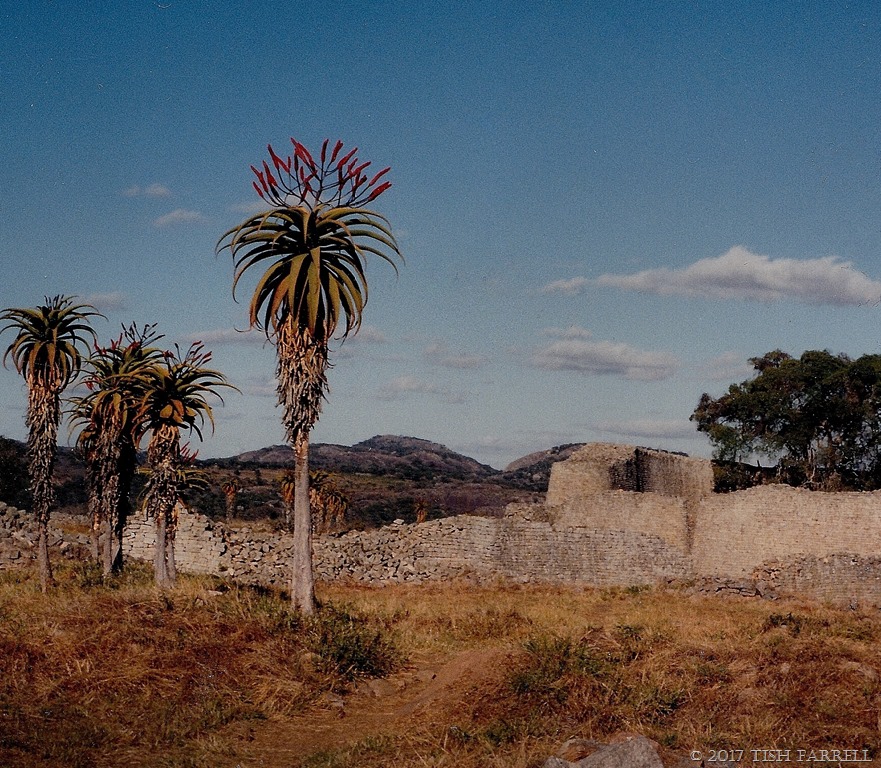
This is the best I’ve been able to do. The first shot shows the Great Enclosure, and the top of the mysterious stone tower within. The sci-fi plants on the left are giant aloes.

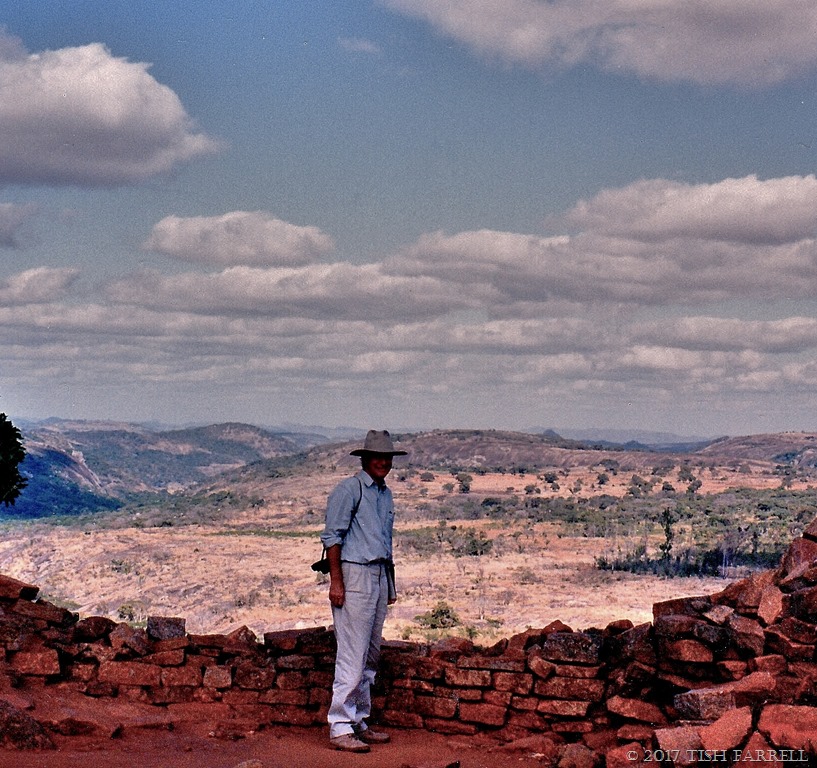
This next shot is taken from the Hill site, where archaeologists have discovered gold and other metal working enclaves.

4_0003

It gives a good sense of the surrounding terrain, although in the heyday of Great Zimbabwe, the environs may well have been a good deal more lush. The citizens’ domestic economy revolved around cattle herding, and indeed, one of the theories for the city’s demise in the C15th is over-grazing. But I’m sure there was more to it than that.

Great Zimbabwe was part of an extensive trade network throughout the period equivalent to Europe’s early Middle Ages. Its  merchants trekked in caravans to the Mozambique coast, taking gold and ivory to trade with Arab dhow merchants of the Swahili seaboard cities. It is very possible, then, that the gold floating around Europe and the Middle East in Crusader times came from Great Zimbabwe. In other words, it was not the remote settlement it may seem today; it was strongly connected to the Old World’s wheeler-dealer networks. Nor was it the only great African city state in southern Africa. So much of the continent’s human history remains to be discovered and told; historian Basil Davidson made a good start, though most of his works may be out of print now. And it was Peter Garlake who wrote the classic work on Great Zimbabwe (1973).

I only wish I’d taken more photos while I was there. We were being distracted by a travelling companion who was intent on not noticing that we were visiting one of the world’s most fascinating archaeological sites. Ah well. Anyway, looking at these photos now, it all looks very dreamlike, and that’s how it felt at the time.

 3

But I’ll leave you with a few hard facts. Great Zimbabwe was built and lived in by Shona people between 1000 and 1500. The enclosure walls, though often monumental, were seemingly never defensive. The entrances are simply open, undefended spaces. The stone came from the nearby granite hills, and was cut and laid without mortar. The walls vary from 4 to 17 feet in width with some reaching over 30 feet in height. It is, in short, a very amazing place, and I have written other posts with more of the history.

But oh, wouldn’t it be wonderful if these walls could speak and tell us their stories!

Thursday’s Special

Into The Rift Valley Under A Midday Sun

Rift lane 2 - Copy

Rift lane 2

Rift lane 2 - Copy (2)

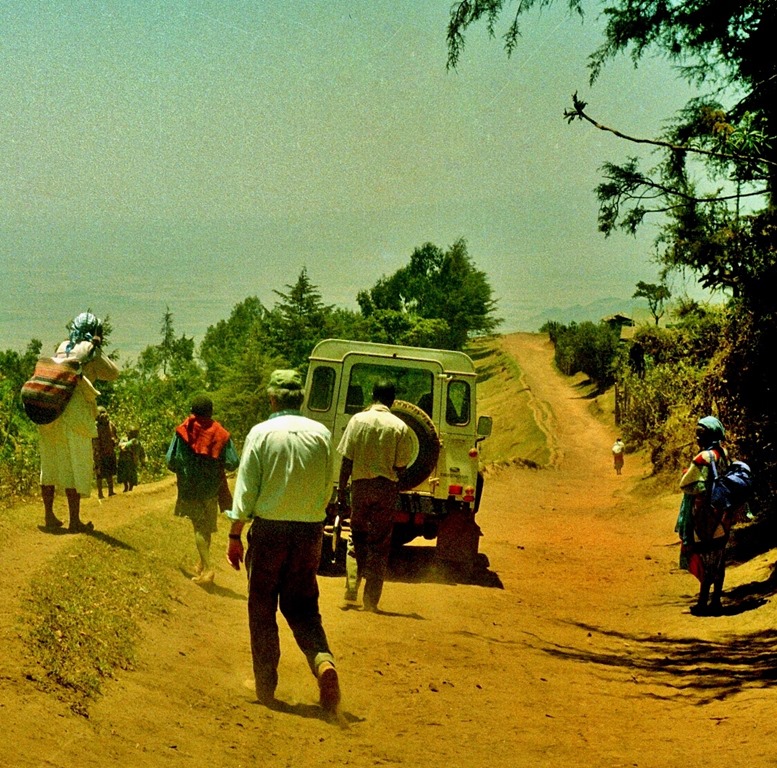
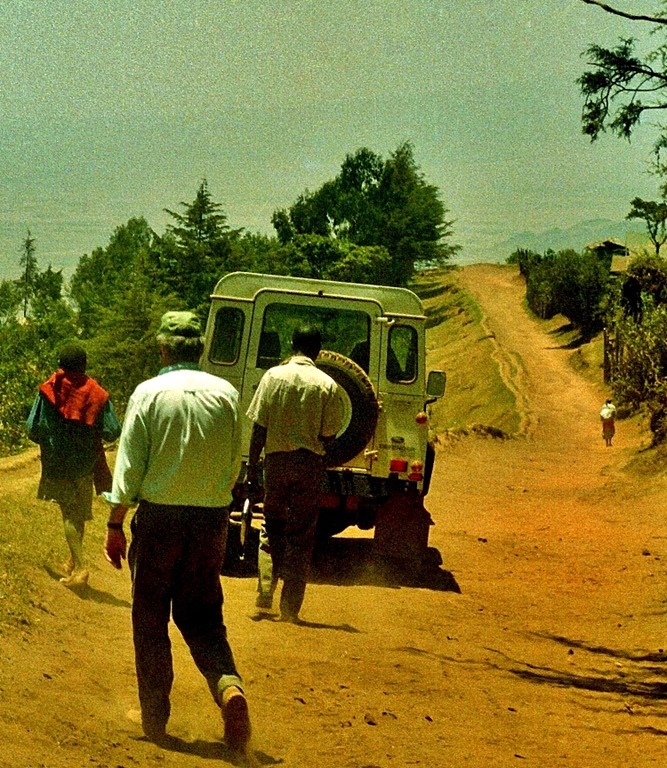
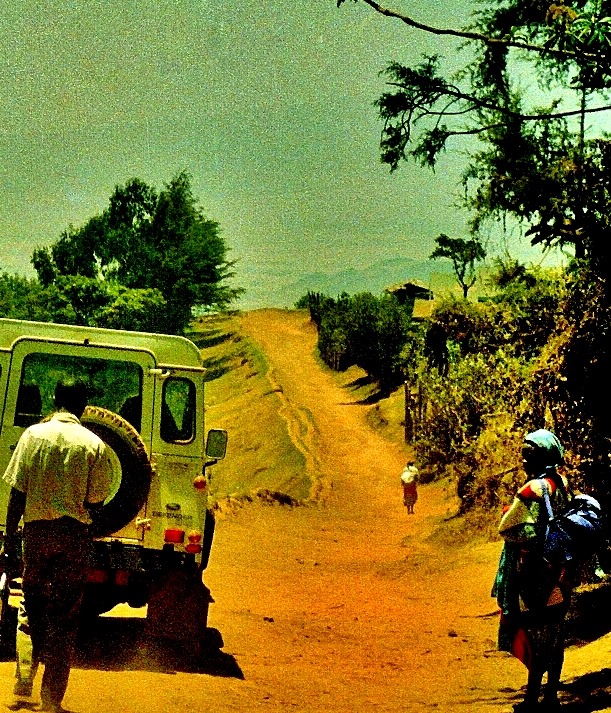
Here’s another old ‘when we were in Africa’ shot. It was taken in  full-on midday sun (not good), but despite increasing fuzziness, I thought it would be interesting to do some successive crops, just to lead the eye along this Rift escarpment road. As might be imagined it was easier to negotiate on foot than by vehicle.

The Great Rift is actually ahead where the road drops from view. If you stare hard enough at the first shot, you can just make out the blue outline of the Rift volcanoes in the valley bottom.  The photo was taken in 1997-8 when He-Who-Was-Studying-Smutted-Napier-Grass was doing his fieldwork for his PhD thesis, and I was going along as She-Who-Holds-One-End-Of-The-Tape-Measure.

There were several such smut missions, and on all occasions it was really Njonjo who was in charge. He was our driver (seen here behind the works’ Land Rover) and he was a whizz at spotting plots of smutted Napier grass while at the same time driving on roads a good deal worse than this one.

It was also he who talked us into numerous randomly chosen Kikuyu farmsteads around the Rift Valley. This was probably more of a feat than we realized at the time. Unknown people striding about in field plots with tape measures can rouse unwelcome suspicions from local farmers: the activity taken as signs of imminent invasion by  land grabbers. In fact anything to do with land is a touchy issue in Kenya, and has been since colonial times. It is one of the nasty, big, enduring skeletons we Brits left behind there, along with our notions of large-scale land ownership, Crown Lands, and the idea that confining indigenous populations to community reserves (where very many still subsist on degraded ancestral plots) was a good one.

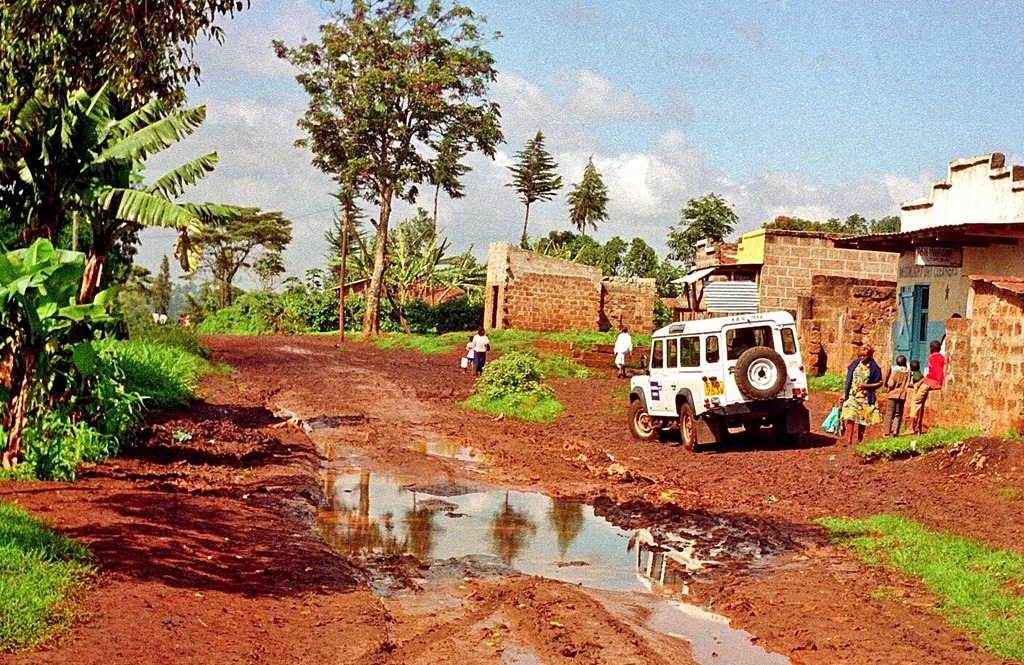
Anyway, that’s another story. In the next on-the-road shot, (and one that has some tarmac), Njonjo (in the tartan shirt) is conducting an impromptu workshop on smut identification. These are all smallholder farmers who just happened to spot our presence, and gathered round to see what we were up to. Everyone was very happy when Graham produced some information booklets on what to do with smutted  plants.

impromptu smut workshop

*

In the next shot Njonjo holds a clump of diseased grass. The fungal infection turns the flower spikes black and gradually weakens the plant, decreasing the leaf mass year on year. Most smallholder farmers have such small farm plots, any livestock has to be zero grazed, i.e., confined to pen or paddock, and food delivered to it. Napier grass is an important and usually prolific fodder crop, and grown wherever there is space, including along road verges and on hillside terraces to serve a further function of stabilising the soil and reducing soil erosion.

smutted grass and a fruit tree disease - Copy

There is not much than can be done about the disease, other than to pull up the plants and burn them, and plant clean fresh stock. This is easier said than done in communities where farmers get new planting  material from each other. It was one of those situations where you quickly learn that other people’s roads are a damned sight harder than ours – and in all senses.

trading centre after El Nino rains

copyright 2017 Tish Farrell
There is more about these expeditions at Looking for smut: work on Kenya’s Highland Farms

Photo Challenge: The Road Taken

Thursdays Special ~ A Commanding Presence

IMG_0026

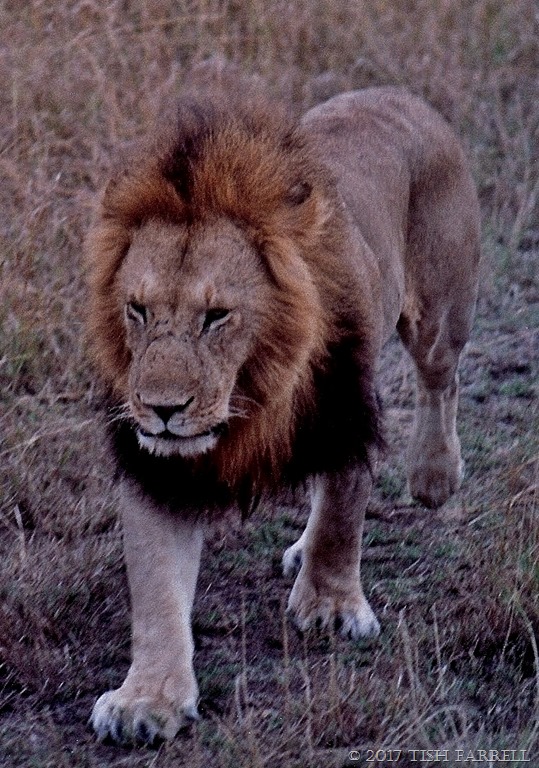
It’s not easy taking a photo of a moving lion, and for all sorts of reasons – not least, the excitement. This is another shot of one of the members of the Maasai Mara’s celebrity Marsh Pride. I think that confident stride definitely says ‘I’m in charge here’. And just look at the size of those front paws! Scarily impressive even in this somewhat aged photo.

We visited the Maasai Mara only three times while we were living in Kenya, but every trip there delivered many breath-taking moments. We were lucky too. Kenyan wildlife guides are among the world’s best – so generous in the sharing of their knowledge – whether of grasses and dung beetles or leopards and rock pythons.

Scan-140726-0004

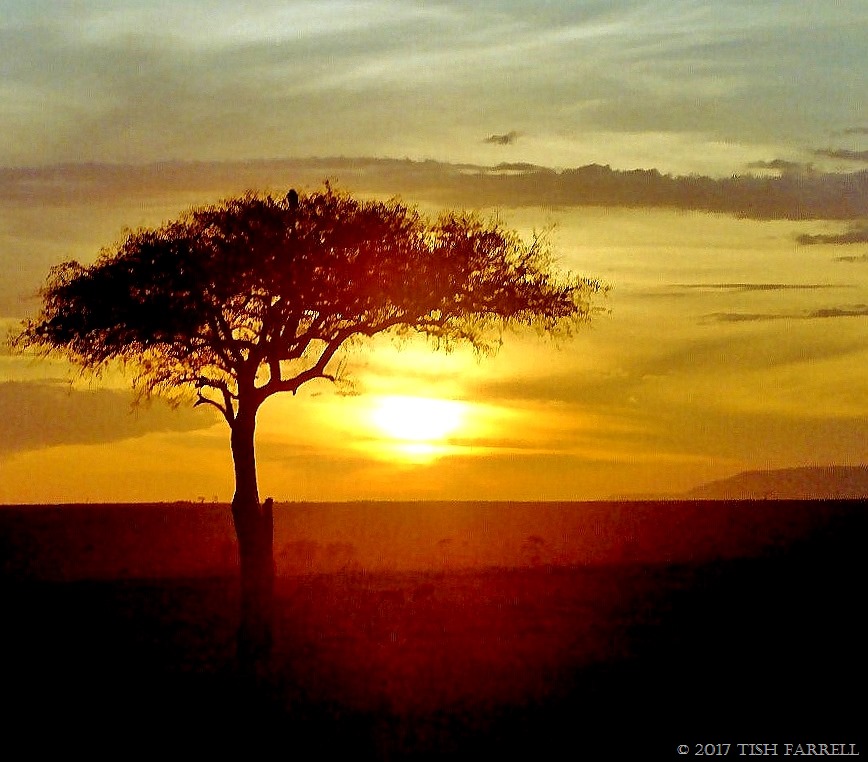
Desert Date  and the Oloololo Escarpment ~ indelible memory Mara-style

*

This week at Lost in Translation, Paula’s  March Pick A Word includes five word prompts: commanding, coarse, gibbous, incremental, indelible. Please see her interpretations and be inspired.

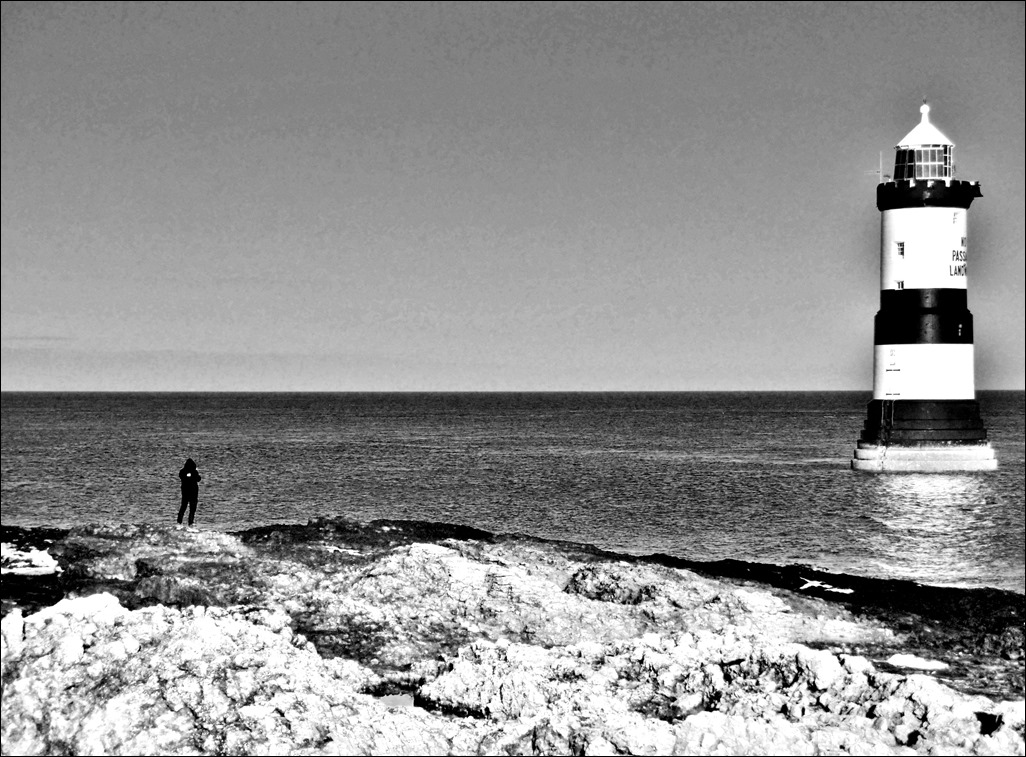
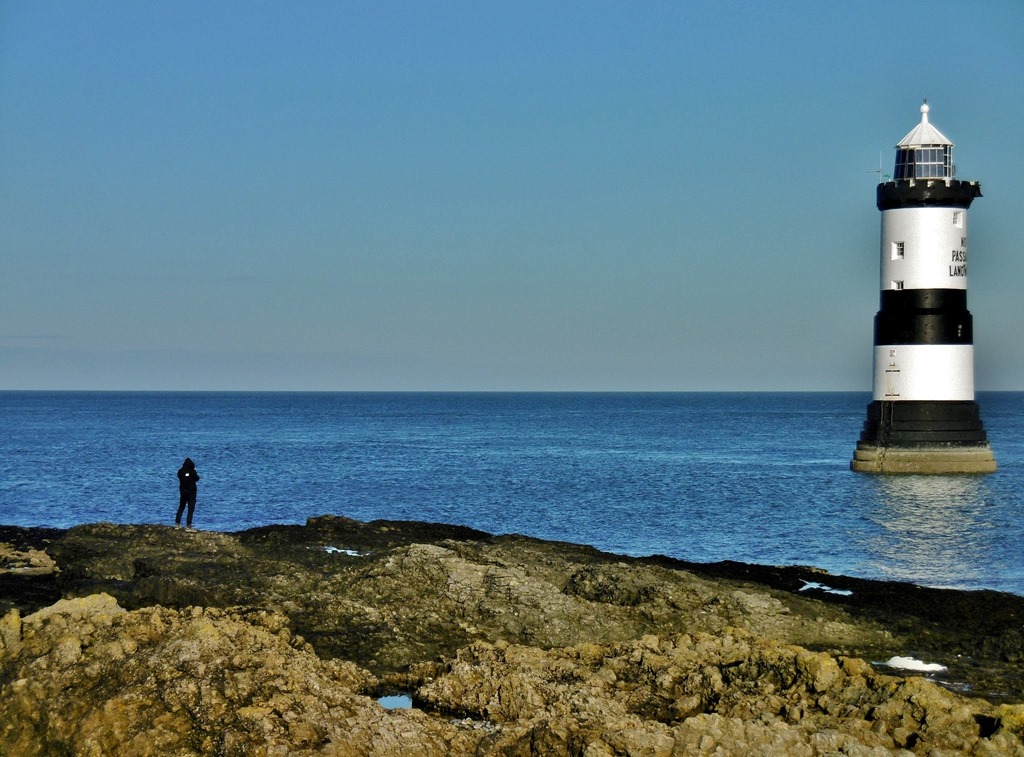
Black And White Sunday ~ After And Before ~ Sam On The Rocks At Penmon Point

For this week’s Black & White Sunday Paula asks us to show her an original colour shot rendered into monochrome.  It is an interesting exercise, seeing what will work in a different format; and what won’t.  Here I’m trying it out with another shot from the Christmas on Anglesey archive. I’m not too keen on the dark smudges around the lighthouse that’s showing up in both versions. I think I  had the camera on too much zoom; otherwise, I can’t account for them. Strange irradiating substances?

Please visit Lost in Translation for more Afters and Befores.

While I’m here, is anyone else finding WordPress incredibly clunky, or has my PC been sabotaged again by Windows 10?

P1060566

When All Is Said And Donne…


No man is an island,
Entire of itself.
Each is a piece of the continent,
A part of the main.
If a clod be washed away by the sea,
Europe is the less.
As well as if a promontory were.
As well as if a manor of thine own
Or of thine friend’s were.
Each man’s death diminishes me,
For I am involved in mankind.
Therefore, send not to know
For whom the bell tolls,
It tolls for thee.

John Donne 1573-1631 

Meditation 17 from Devotions Upon Emergent Occasions

And never was there more urgent need to embrace these words and embed them in heart, body and mind. Around the globe so many are locked in a constant state of divisive, calculated ‘them and us’ posturing, pawns in the too many ‘emergent occasions’ of the hate-filled, dogma-driven, racist, resource-grabbing, xenophobic, war-mongering sort that are instigated, managed and fuelled by the self-serving few. And now we have a ‘world leader’ actively promoting nuclear proliferation because, he says, his nation should be top of the pile in the arms race. That would be the nuclear dust pile then?

For those of us who were here the first time round – it’s back to the madhouse.

How did we let this happen? And what are we going to do about it?