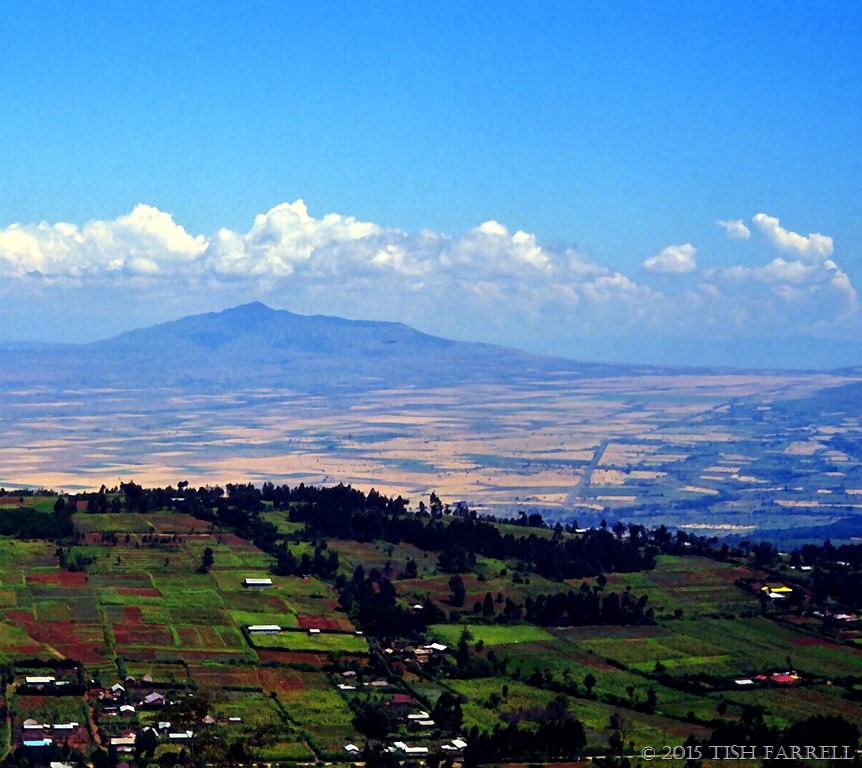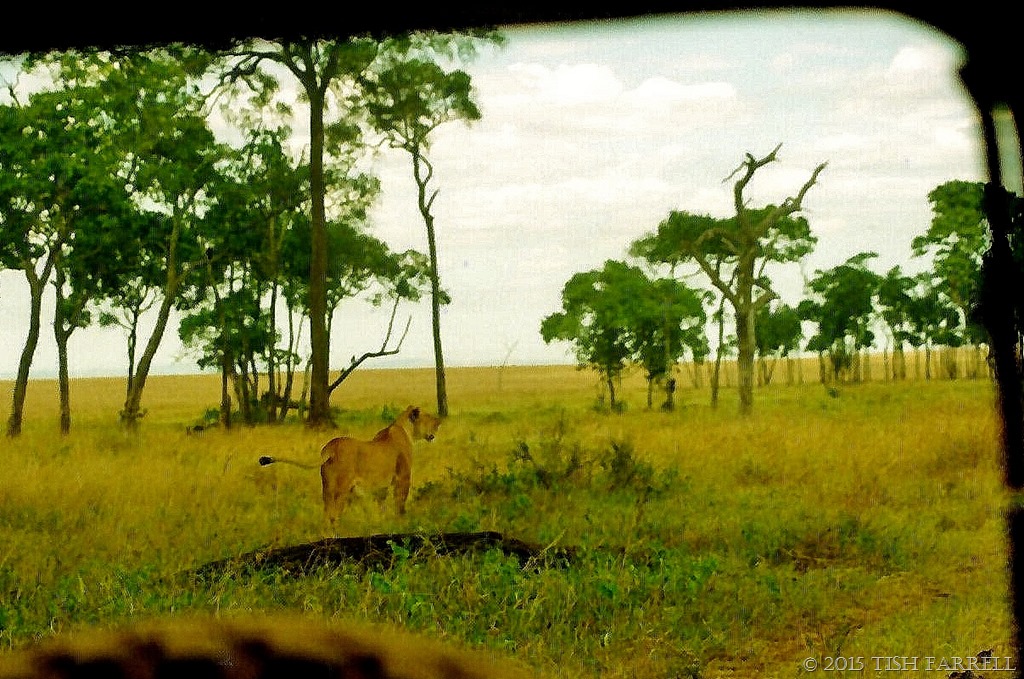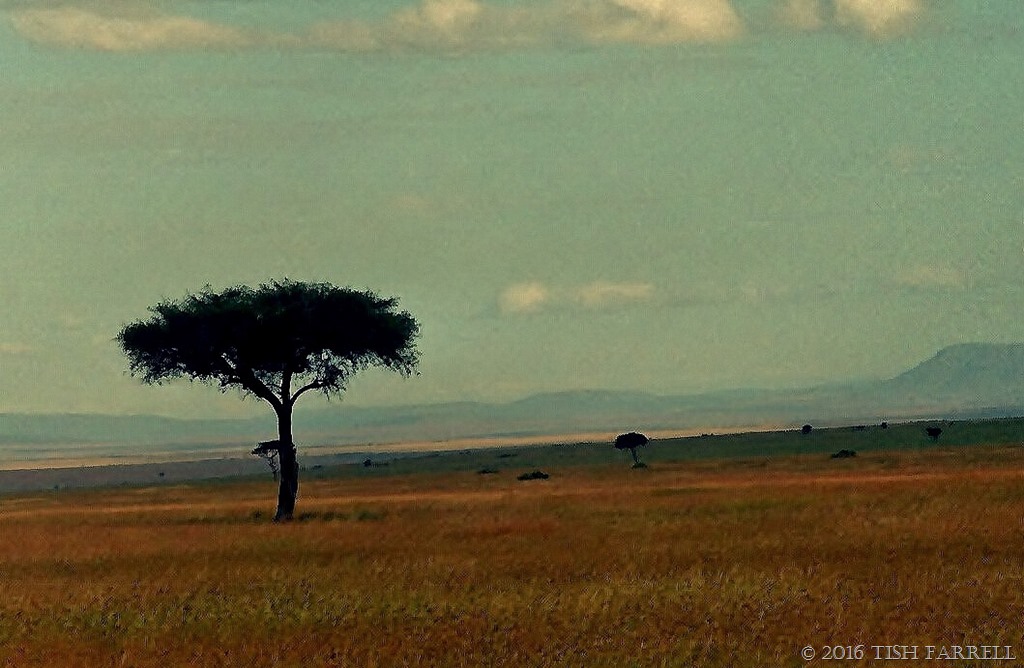
I had been wondering to myself whether I would post some of my Africa pix for the nature photo challenge, and thought I probably wouldn’t. Then the ‘Landscape’ challenge cropped up, and so here I am, killing two birds with one shot. Or it might be two. Also, for whatever reason that has nothing much to do with me, post editing or anything, this view of the Maasai Mara (edge of the Ololo Escarpment to the right, desert date tree to the left) has acquired the look of a painted landscape. I think it was probably taken at dawn, out on game drive from the Mara River Camp, one of the last places we stayed before ending our eight-year life in Kenya and Zambia.
The desert date (Balanites aegyptica), much like the baobab, is one of Africa’s treasure trees, and has multiple uses. It grows in the driest places across the Sahel and savannah regions of the continent, and fruits in the driest of years. It is thus highly valued by nomadic herders since both fruit and foliage provide useful forage for camels and goats during times of drought.
Also a nourishing and restoring skin oil can be made by milling the fruit, its cosmetic and therapeutic qualities long known of by the Ancient Egyptians. (Samples have apparently been discovered amongst pyramid grave goods). And you can buy it now. Fair trade producers in Senegal, West Africa are producing the oil commercially.
Other traditional uses include making fish poison from the bark, and using the termite resistant wood to fashion farm tools. Better still, an emulsion can be produced from the fruit – harmless to humans and warm-blooded mammals (Trees of Kenya Tim Noad & Ann Birnie: 27) and used to clean up drinking water supplies. It kills the freshwater snails that carry bilharzia, and the water fleas that carry guinea worm, both causes of distressing and debilitating diseases in many parts of Africa.
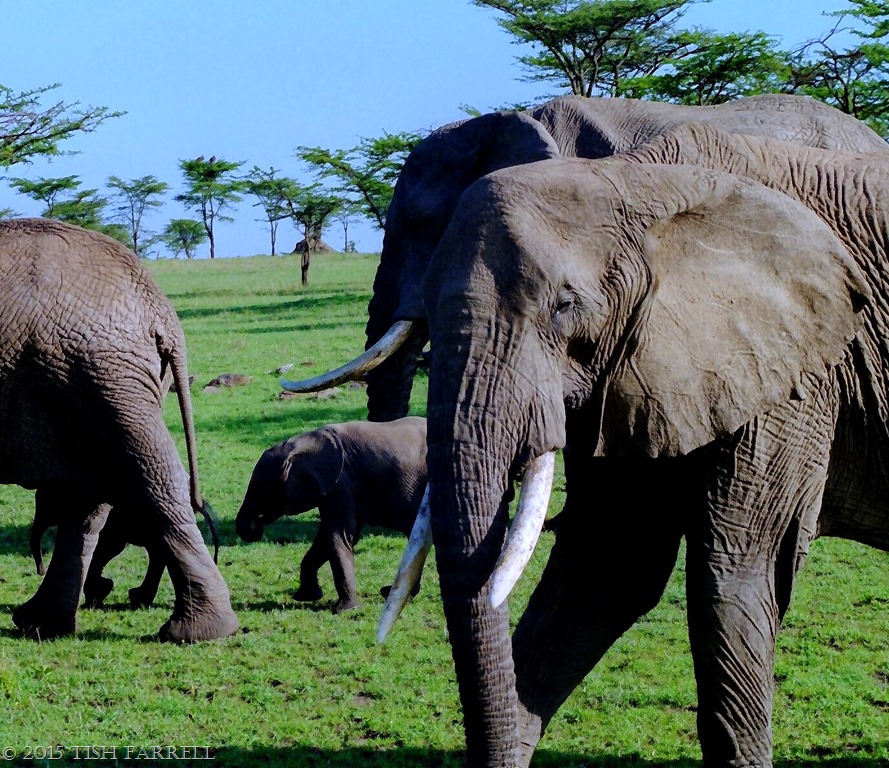
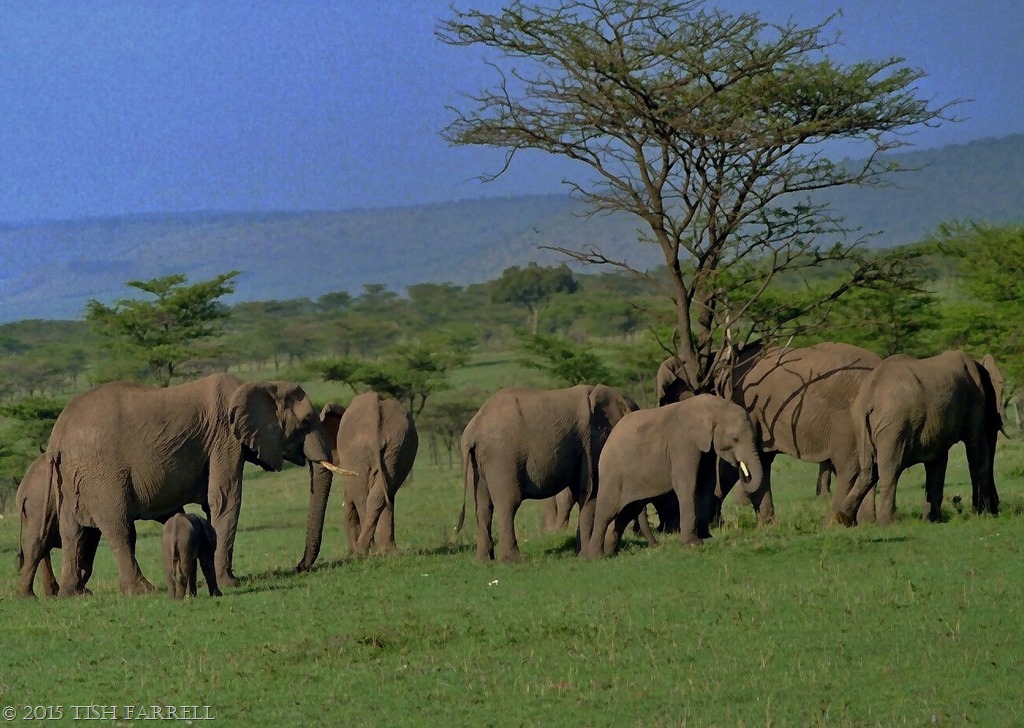
The continued existence of this tree is also related to the continued existence of elephants. In the wild they are the main conduits by which seed is processed and made ready to plant. Having passed through the elephant’s digestive tract, it is then conveniently deposited in its own dollop of manure. Another example of how all in the natural world is intimately connected, and we kill off bits of it (stupidly thinking they don’t matter) at our peril.

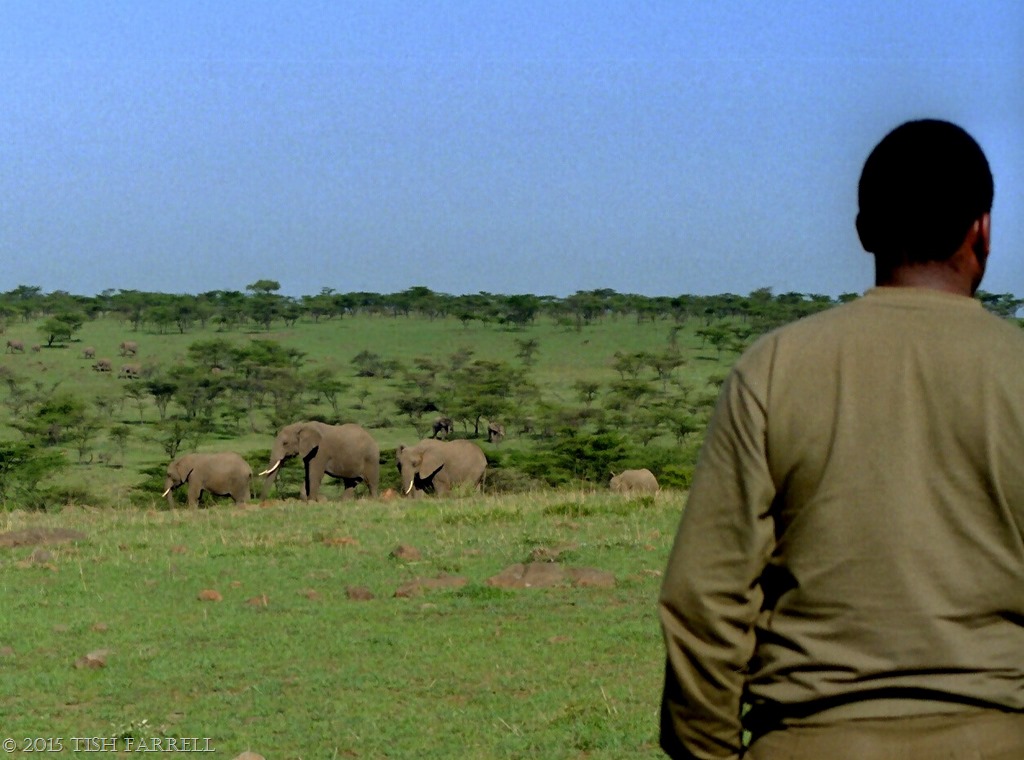
Elephants at high noon beside the Mara airstrip. You can see the green tops of desert date trees above a gully in the distant heat haze.
*
Anna at Una Vista di San Fermo invited me to join the 7-day Nature Photo Challenge. This is my Day 4. Please also go and see Laura’s magnificent dragonfly at Eljaygee, and Sue Judd’s elegant study of daffodil decay at WordsVisual, and Gilly’s absolutely mega termite mound at Lucid Gypsy.