This 12 minute video from the Tax Justice Network explains.
*
Three sons’ tribute to their father:
https://twitter.com/TommyCorbyn/status/1205625660141719552?s=20

This 12 minute video from the Tax Justice Network explains.
*
Three sons’ tribute to their father:
https://twitter.com/TommyCorbyn/status/1205625660141719552?s=20
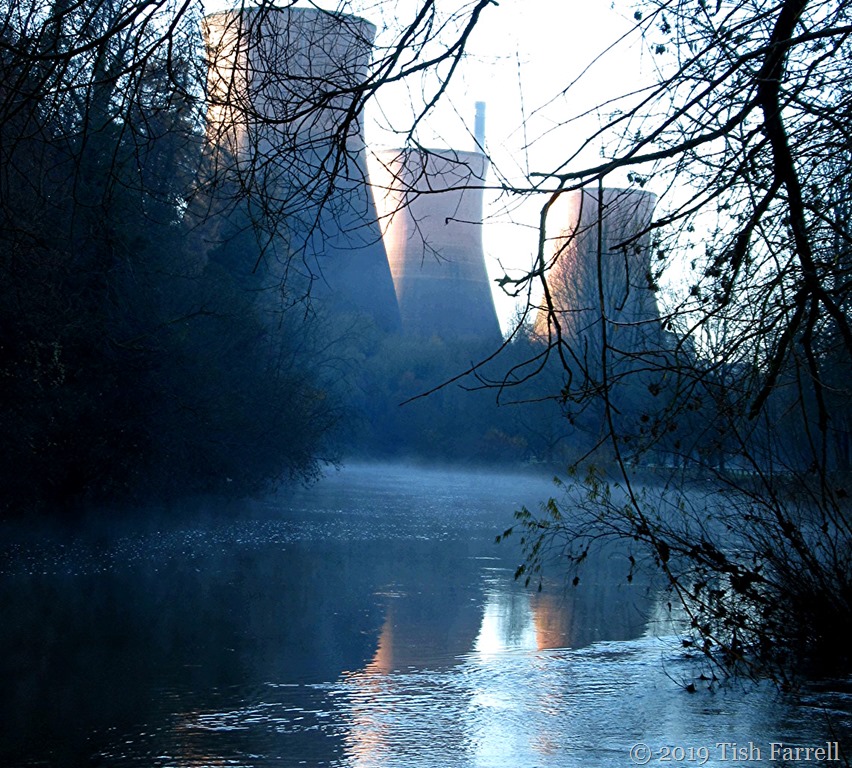
This shot of the Ironbridge Power Station cooling towers was taken last Friday lunchtime. And here’s what happened to them this Friday morning:
Thanks for this clip to ‘Charlie the Cat on You Tube. See also https://www.bbc.co.uk/news/av/uk-england-shrop
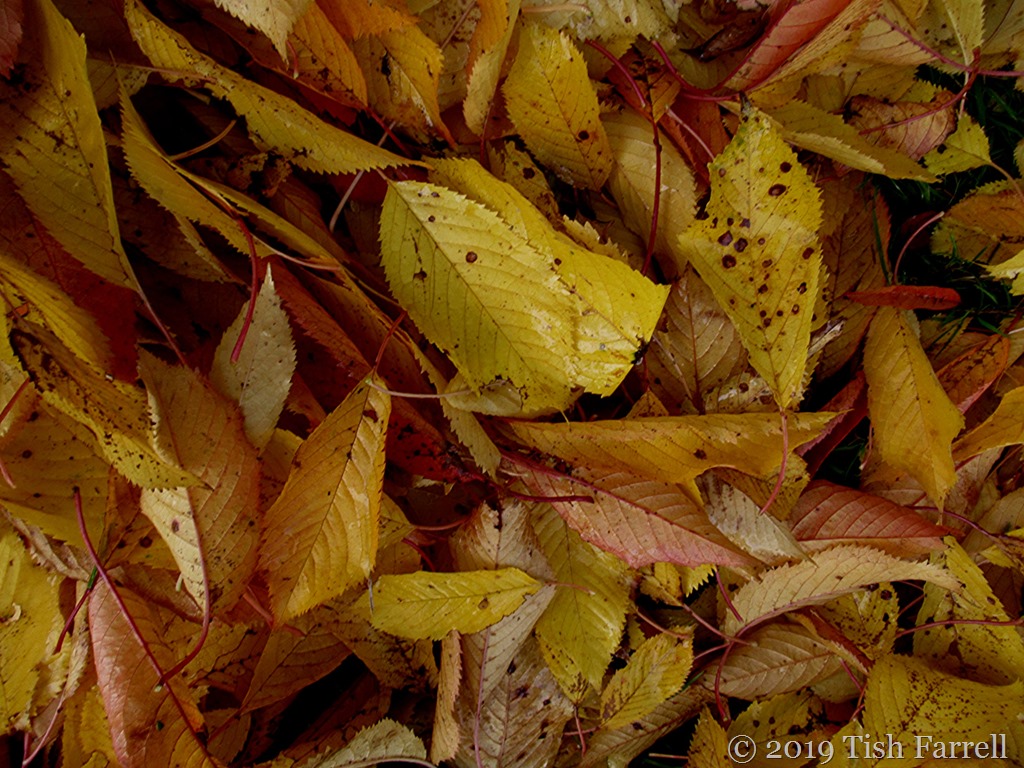

It’s that time of year and the gardener’s gold must be gathered in. And so whenever I go up to the allotment, taking stuff for the compost bins, I then head up the lane to the woods behind the plots. Until recently the fallen leaves have been rain-sodden, but with a few rainless days they’ve dried off a bit and a bag full no longer weighs a tonne. Ideally too, the leaves should have the mower run over them before storing. This speeds up decomposition. You can also add grass mowings and comfrey leaves.
But whatever you do with them, they do take a long time to make proper leaf mould for seed sowing purposes – 2- 3 years probably. On the other hand if you only want compost for mulching winter beds, then they are good to go in less than 12 months. I stored mine in rolls of fence wire, pegged to the ground to make small silos. This year I’ve also bought some jute leaf sacks. The jute will eventually rot and be composted, but in the meantime the leaf sacks can be stored in shed and polytunnel.
No one else at the allotment gathers leaves, although when I mention the subject they all agree it’s a good idea. Then after a pause they usually say ‘ah, but they take so long to rot down.’ To which my first and last riposte is, well the sooner you start collecting them, the sooner this ceases to be an issue. And yes, I can see it might seem a touch eccentric to go scrabbling round in the woods but hey, last year’s leaf compost has now made a nice thick mulch for the strawberries, raspberries and young asparagus plants. So thank you trees – oak, beech, field maple, sycamore and bird cherry – and never fear, this year I’m still leaving you plenty of leaves for your own personal use.
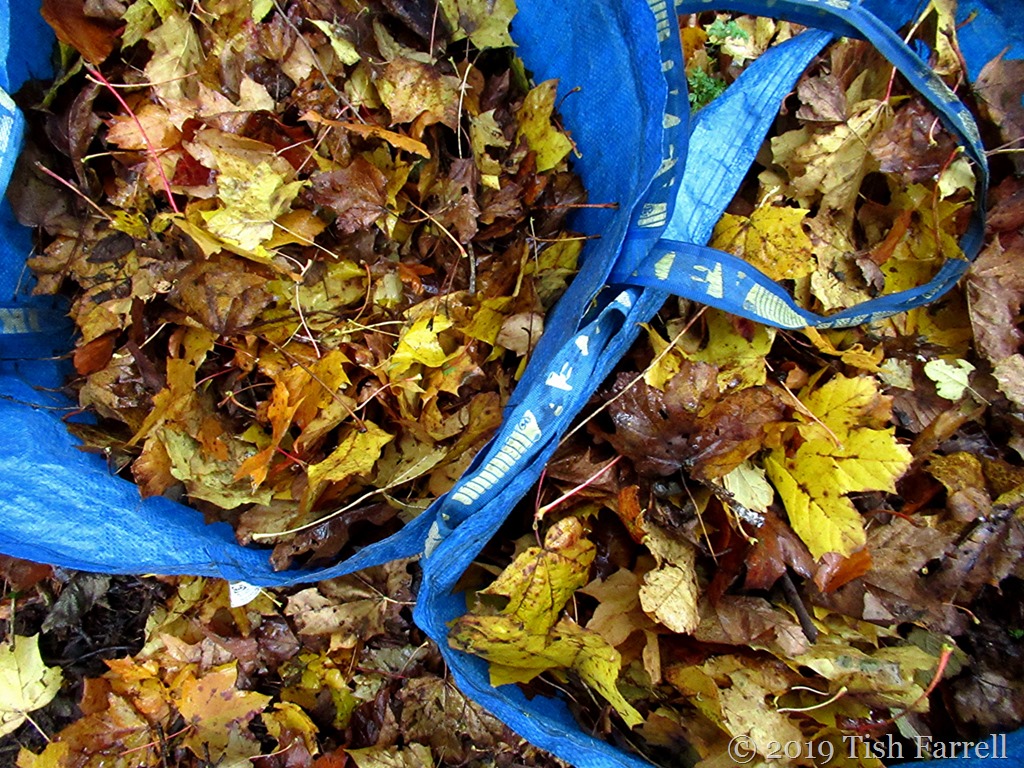
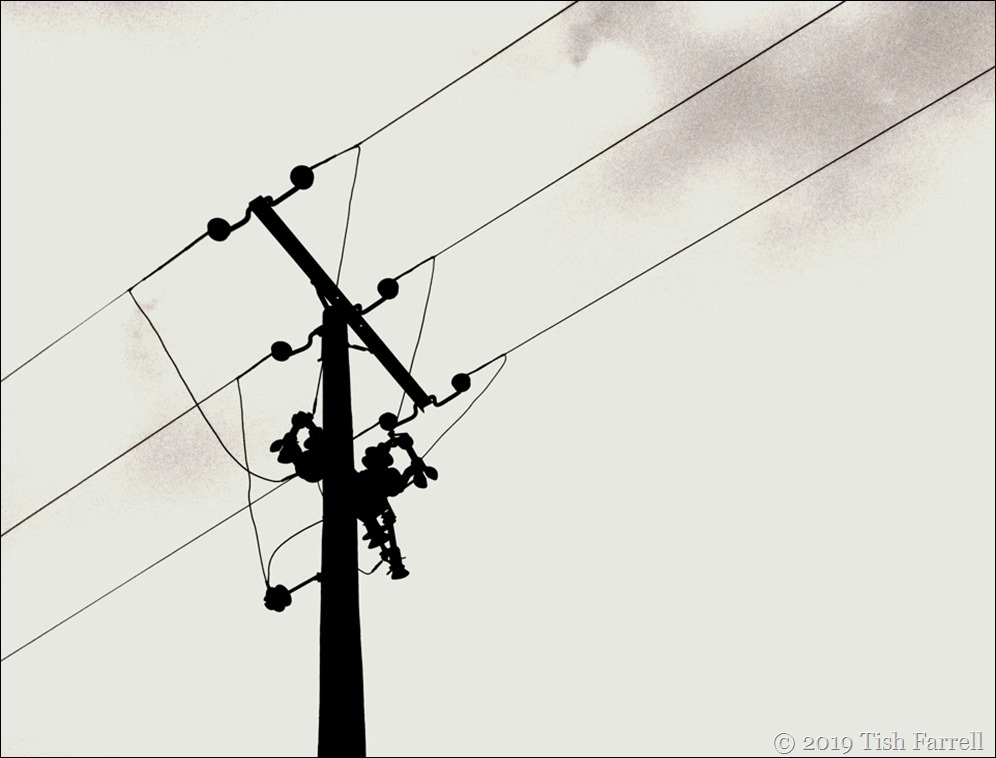
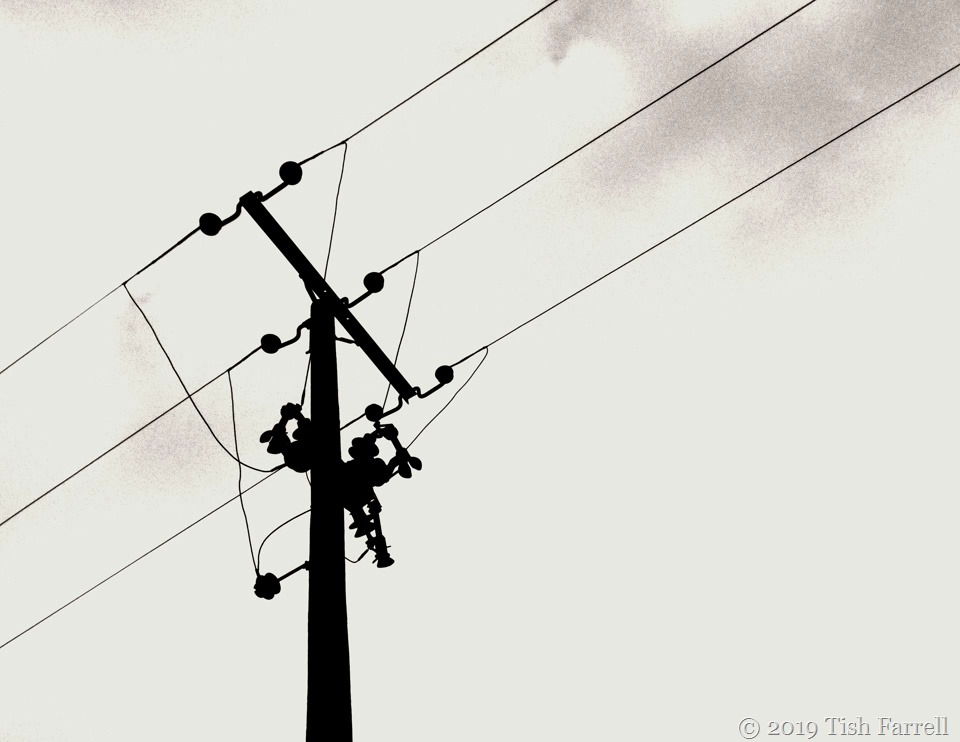
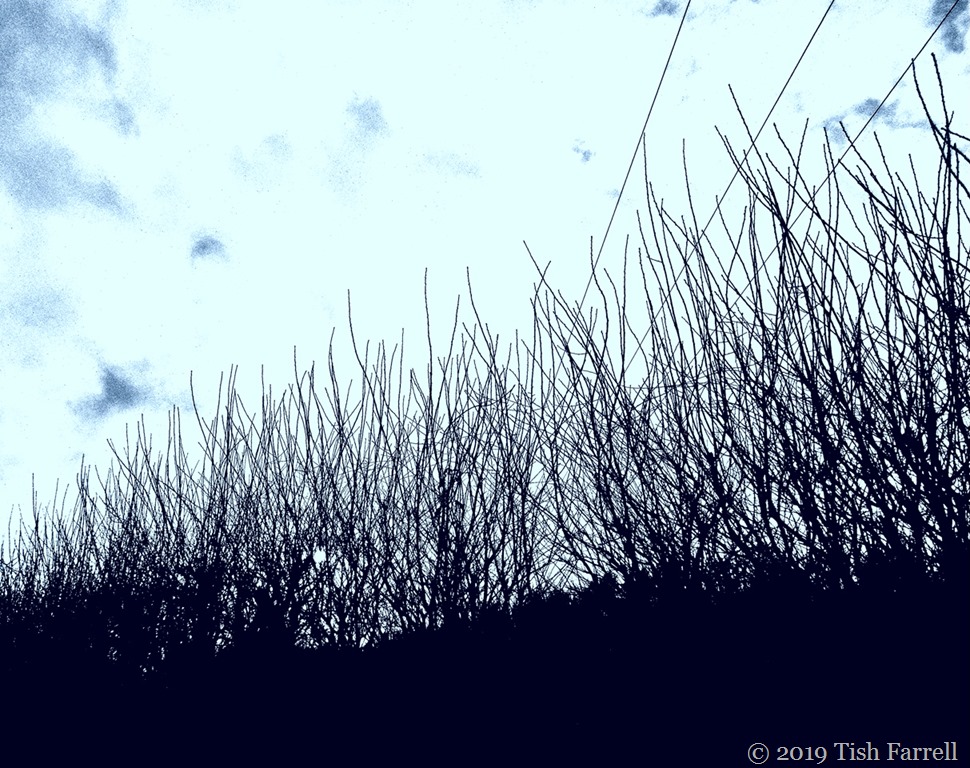

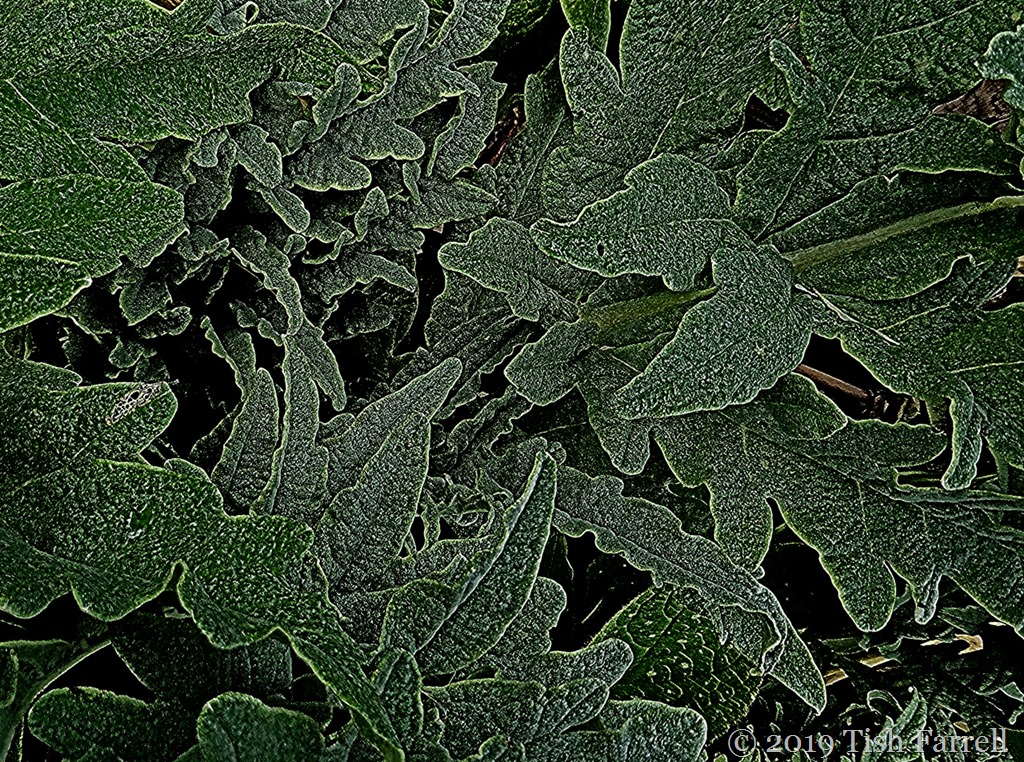
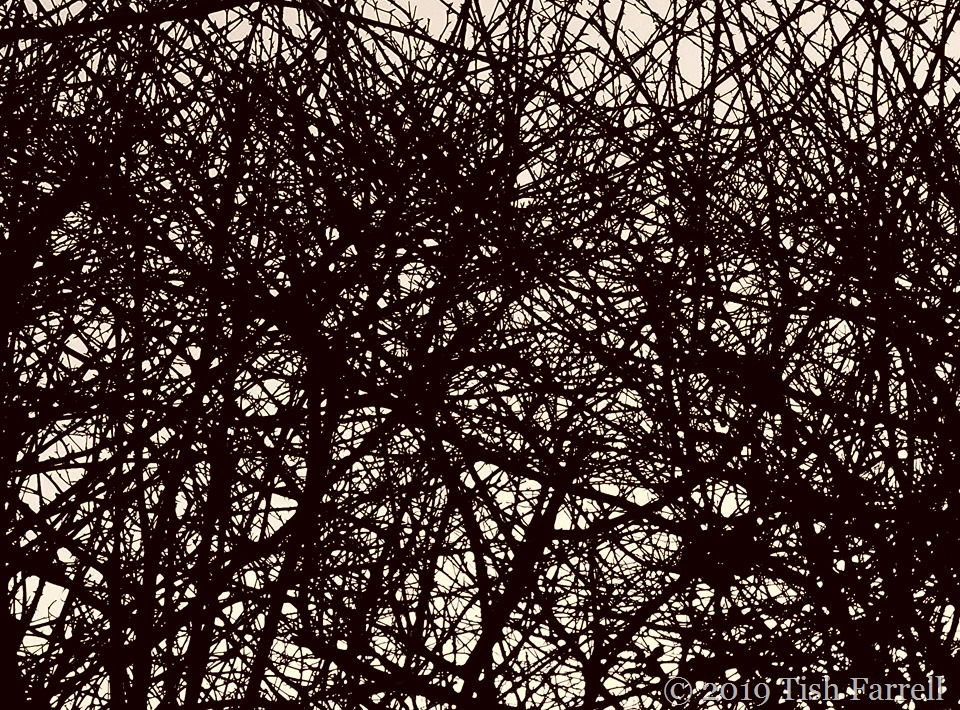

Lens-Artists: Abstract Patti’s set the challenge this week. Please go and view her abstract creations.
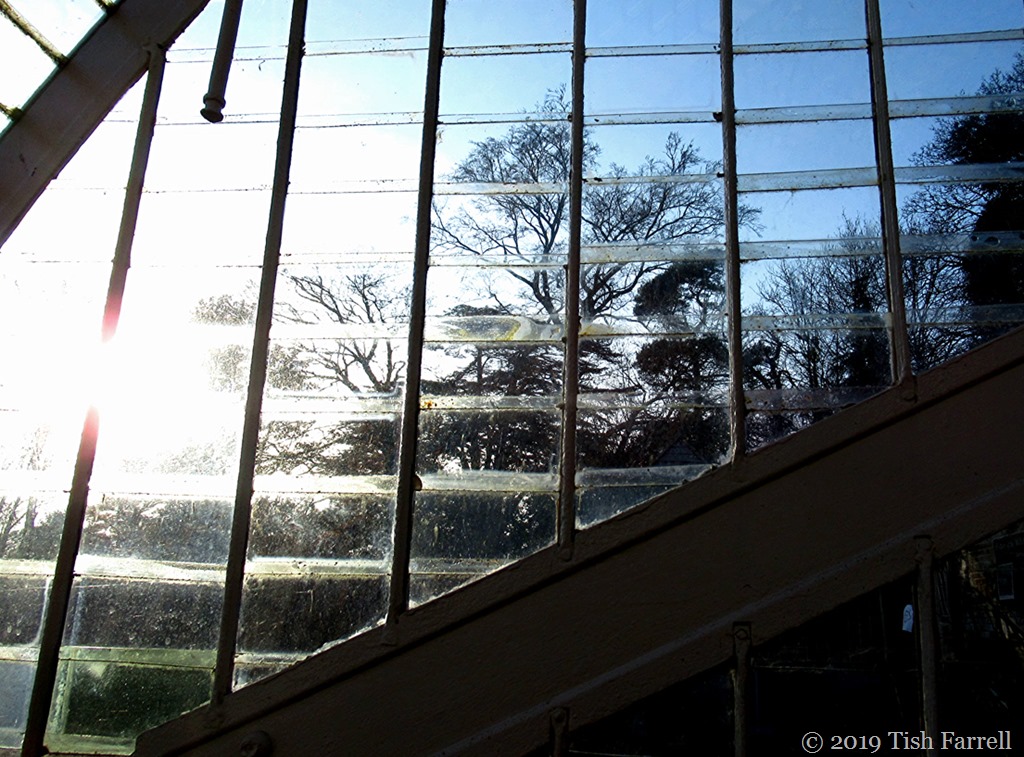

For most of November it’s been rain and gloom on the weather front, and hate and smear in the mass media. When it comes to the upcoming general election it feels like a no-win situation. We’re dying for it to be done with, but horrified by the possible result. I further give my position away when I say the only bright spot this last week was when Channel 4 ‘emptied chaired’ Boris Johnson who refused to take part in the leaders’ climate crisis debate and replaced him, as they said they would do, with an ice sculpture. This served to generate the Twitter hashtag #BorisIsAMelt which in turn made me laugh out loud, and briefly lifted the spirits.
And then on Friday the sun came out so we popped over to nearby Ironbridge and turned it into a proper outing, mooching and lunching. And then yesterday, though Wenlock was again lost in murk, when we drove out of town into Corvedale there was the sun floodlighting the valley through a thin gauze of mist. Goodness! Sun – two days running. So we went to the off-season opening at Wildegoose Nursery where we had last been in August when the walled garden was alive with butterflies and all round floral brilliance. Yesterday it was transformed to muted tones, here and there lit up by plumes of ornamental grasses as they caught the sun. The place is pure magic however it comes, and especially its magnificent glasshouse. Yesterday it was hosting a special course of Christmas wreath making plus some arty works from our much loved 2020 Gallery (even though it’s moved from Wenlock to Ludlow).
And so making the most of November’s sunny intervals, the following photos are mostly from the last couple of days: first off, yesterday at Wildegoose Nursery:


*
Ironbridge 29th November:


*
And on home territory earlier in the month: fog over the garden fence and brighter vistas in and around the Linden Walk and Wenlock Priory parkland…


copyright 2019 Tish Farrell
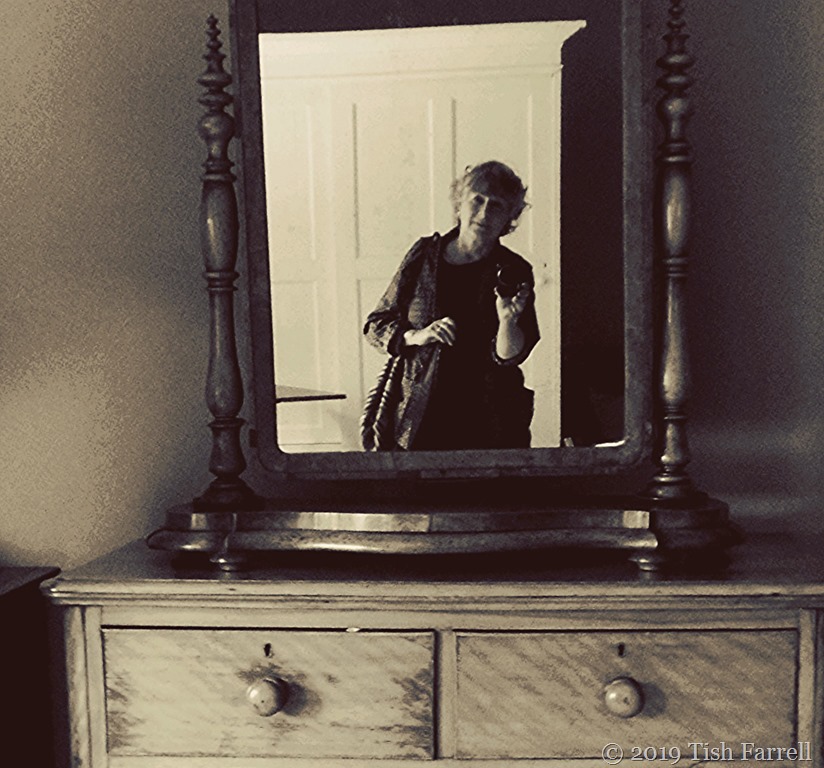
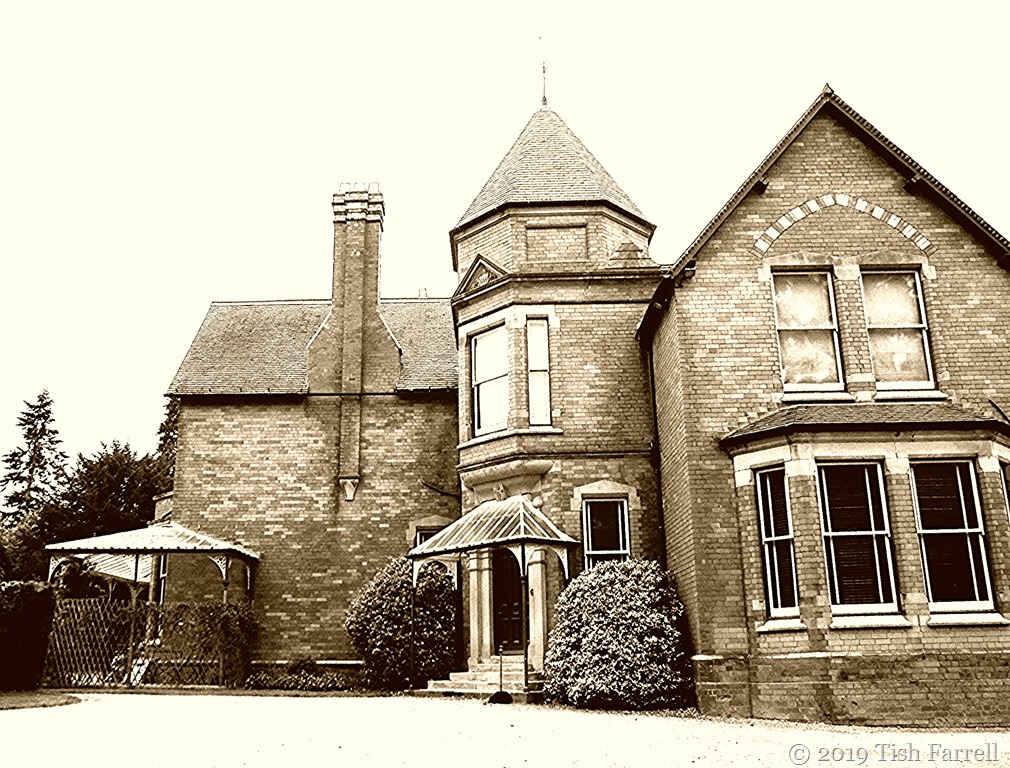
These photos were taken in one of the National Trust’s more unusual heritage properties – Sunnycroft in Wellington, Shropshire – an example of an English suburban middle class villa built by a brewer in 1880. To begin with, then, this small-town gentleman’s residence started out fairly modestly but in 1899 a widow, one Mary Jane Slaney, bought the house and set about creating her own miniature version of an upper class estate. This is what the National Trust has to say:
An estate in miniature (from the National Trust Site)
Mrs Slaney aspired to have a home, garden and estate that had all the essential features of the much larger grand estates of the time, but much smaller in scale. She added a lodge at the top of the drive, a coach house and stables, kennels, glasshouses and an impressive conservatory.
The five acre garden today is half of its original size yet it retains all the key elements of a Victorian garden and grounds such as a paddock, orchard, and formal rose garden as well as herbaceous borders.
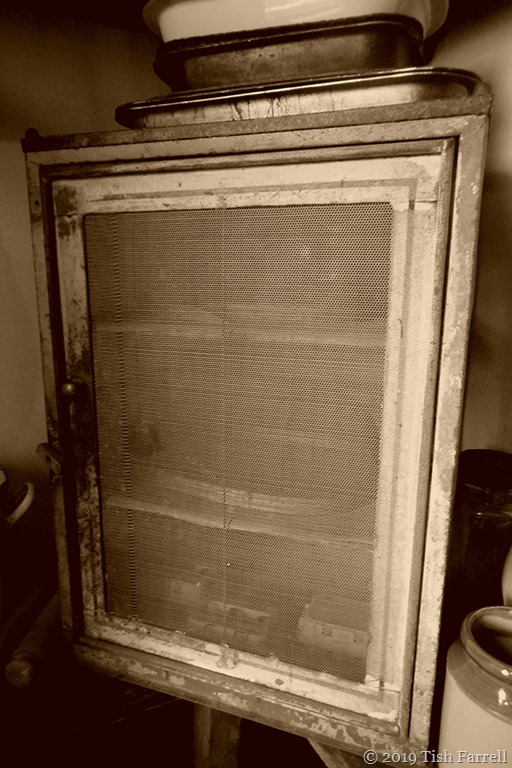
But perhaps the most interesting feature of the house, and this is not without a distinct touch of the Miss Havershams, is that it was lived in by three generations of the same family up until 1997 when the whole place plus contents was handed over to the National Trust. It is thus an extraordinary glimpse into family life over 98 years, all the domestic stuff – clothes, personal possessions, contents of the pantry, the medicine cupboard – still to be seen.
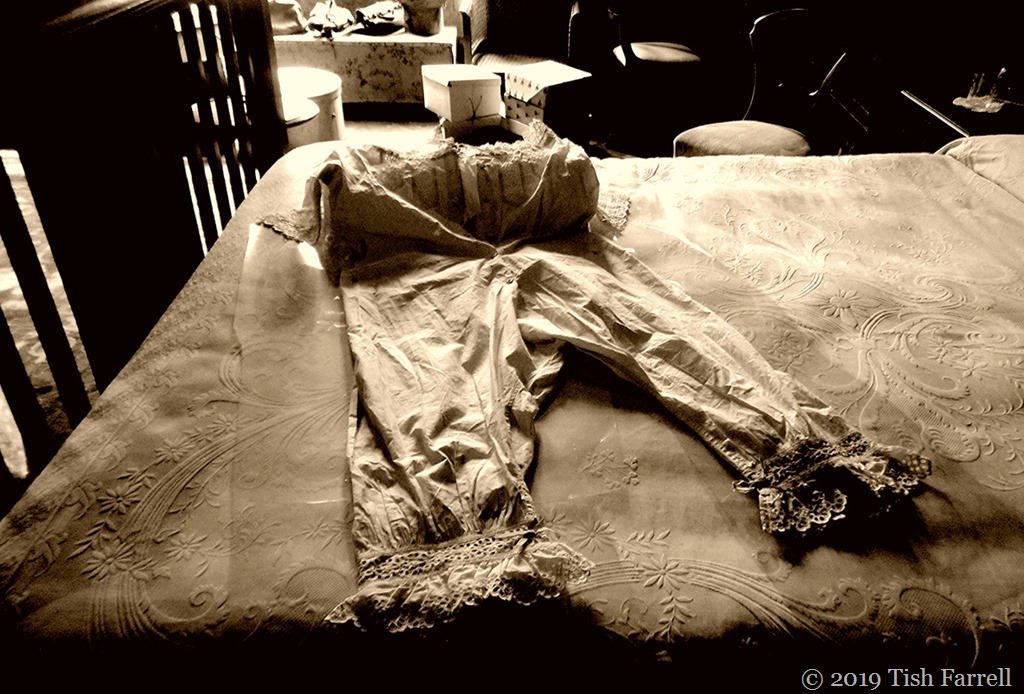
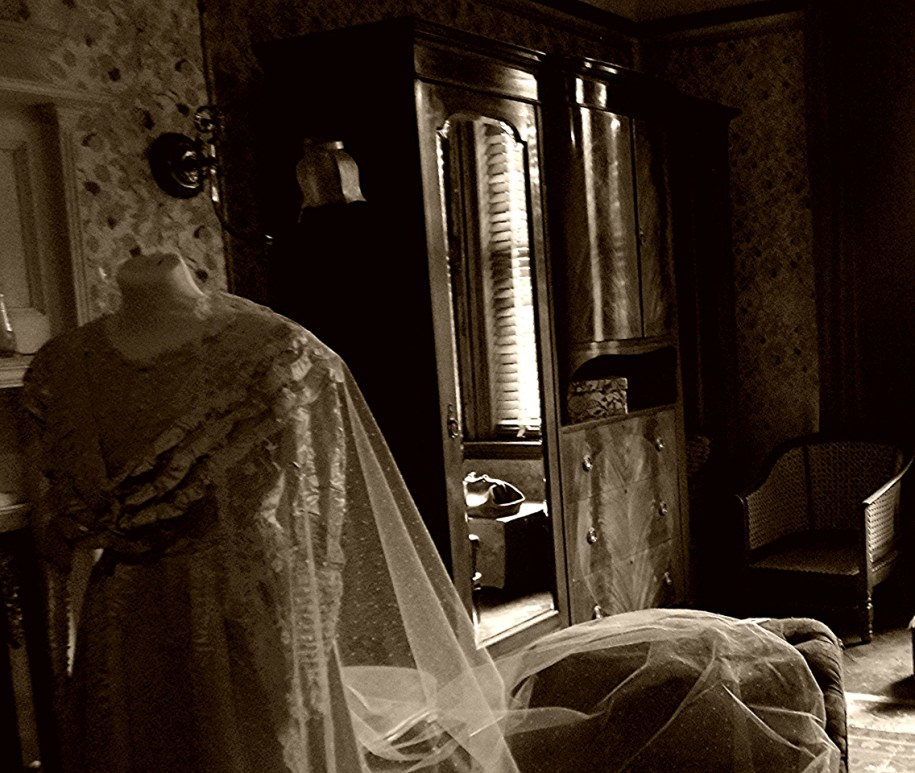
You can see more of Sunnycroft’s family possessions in the National Trust collection here.
Now, since I’m sure you’re curious, here are some views of the house, first showing the 1899 added ‘grand entrance’, and then the side elevation from across the croquet lawn:

*
And finally a teaser – who remembers what this is?
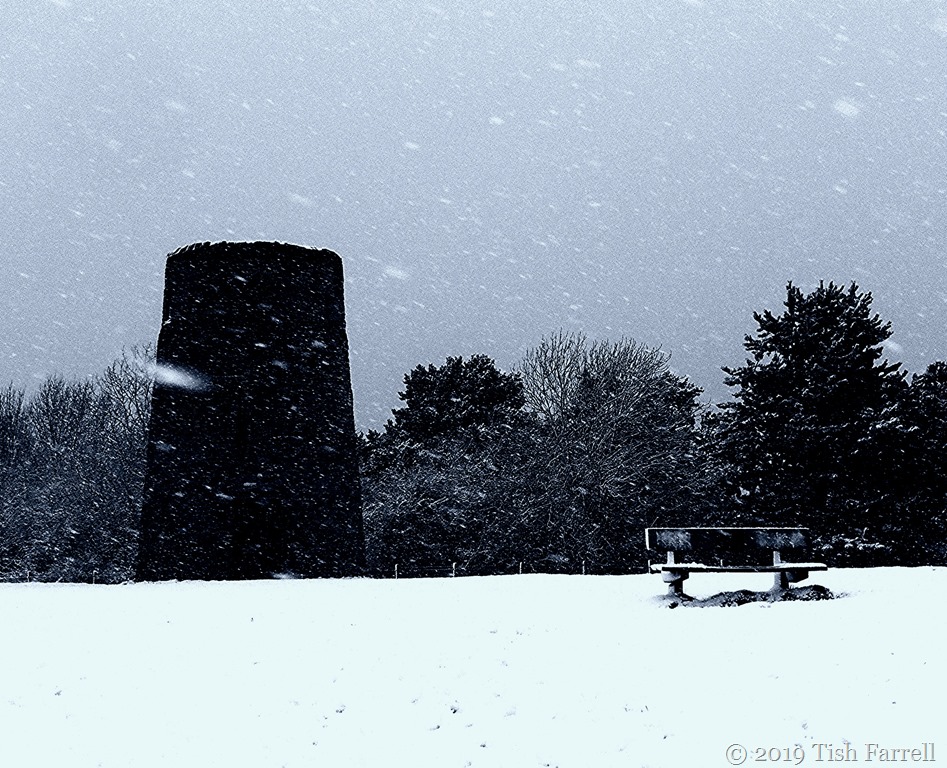
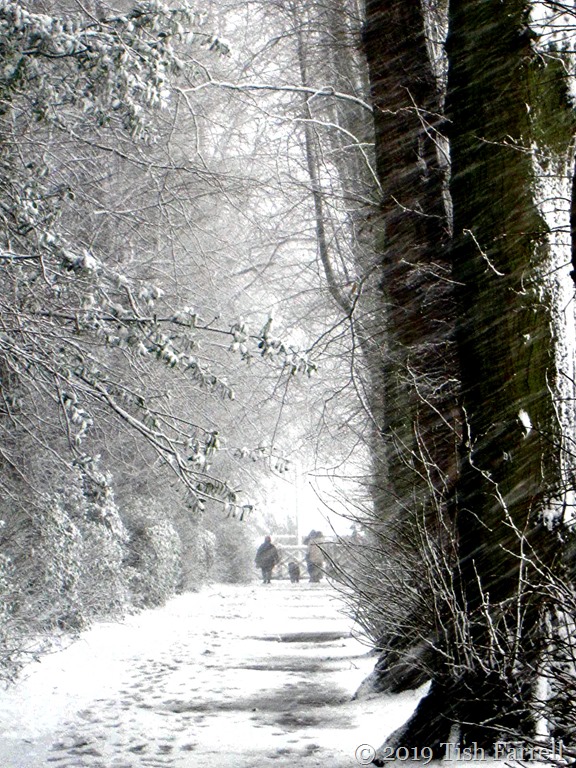
Some forecasters are telling us to look out, bad weather is on the way, and especially come UK election day on the 12th December. I’m hoping they’ll be wrong. Meanwhile, and in response to Tina’s cold theme @Lens-Artists, here are views around Wenlock taken in early December two years ago. It had its scenic moments, but caught us out too. We’ve grown rather used to mild, wet winters. The header photo was taken in a bit of blizzard, as was the next photo on the Linden Walk.
*
But there were ‘Christmas Card’ vistas too – and especially out in the Wenlock Priory parkland:
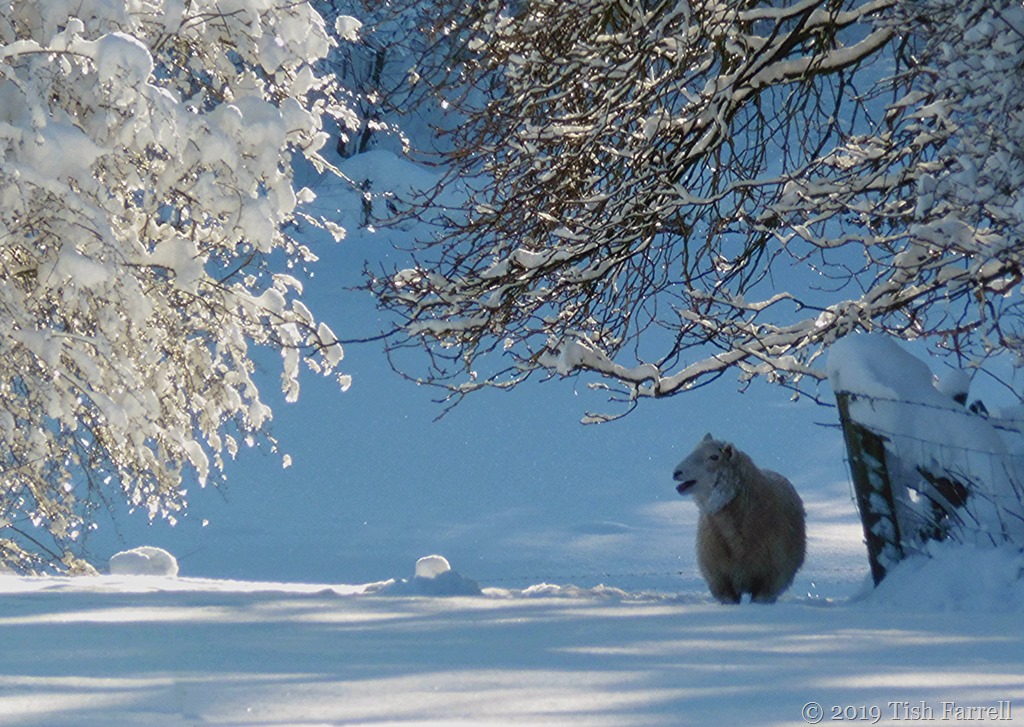
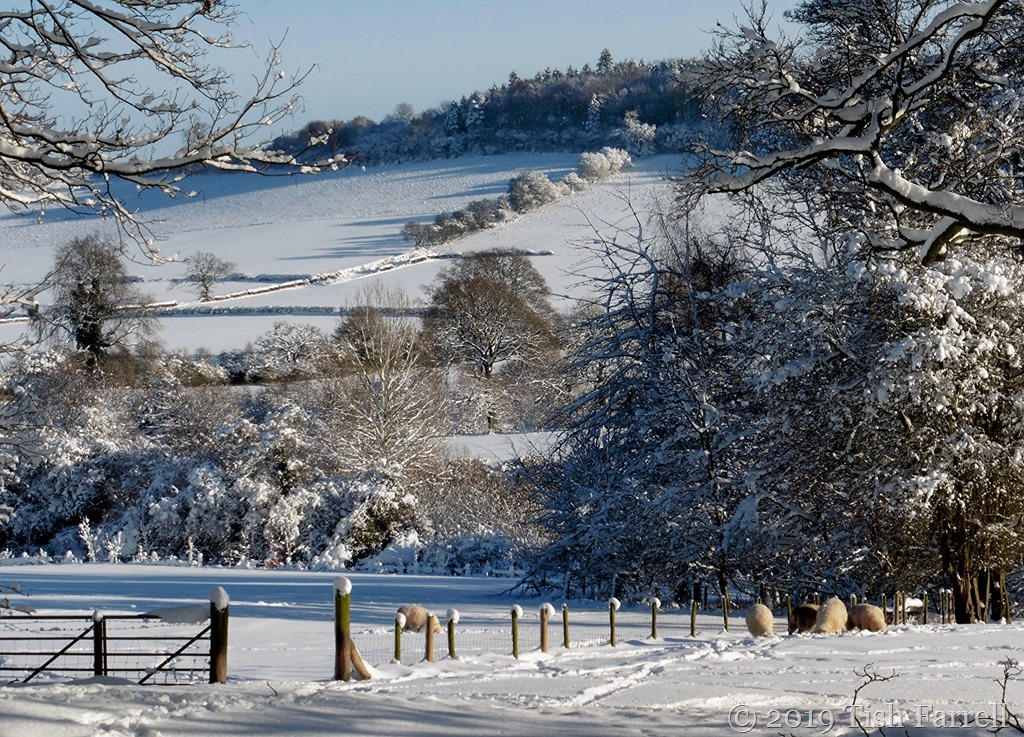
*
And all was very quiet around the town:
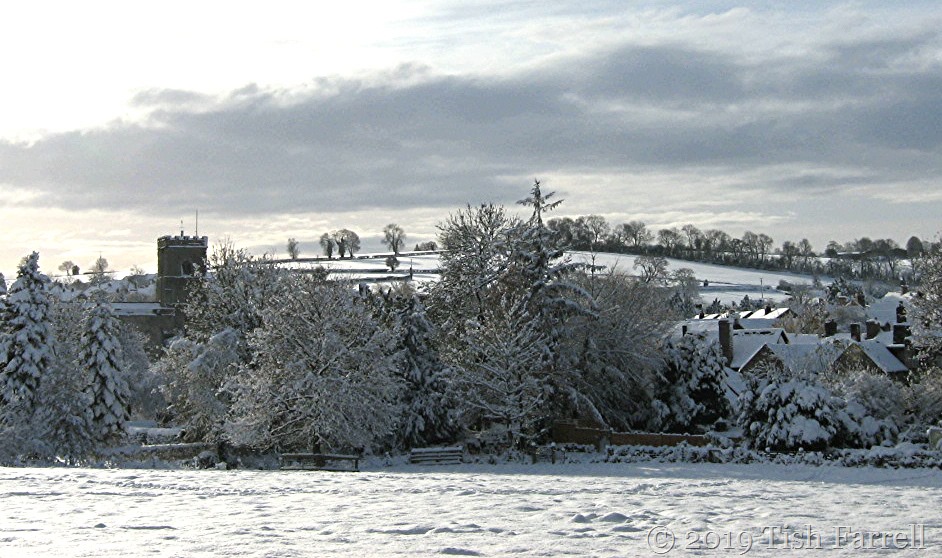
And along the old railway line:
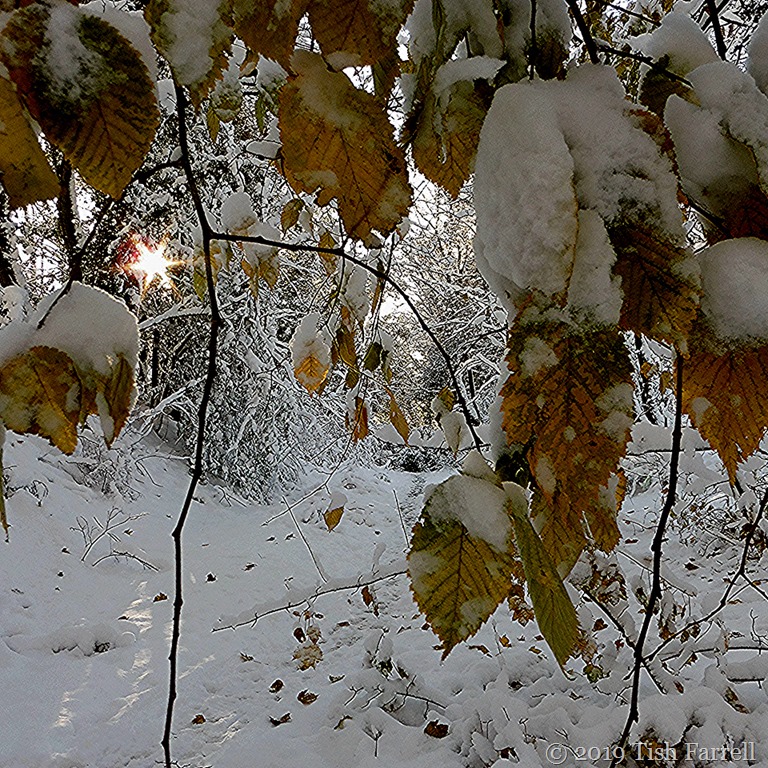
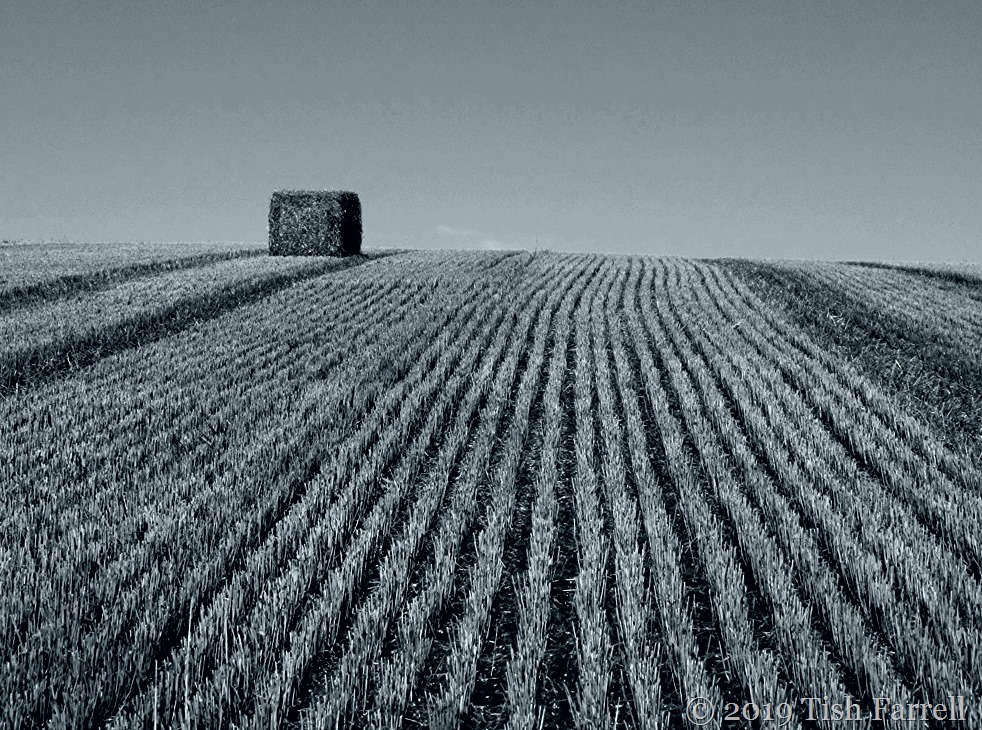

This photo was taken in September, in the field behind the house: a familiar place then, or so it seems. I like the sense of emptiness, or rather, the effect of having been emptied. Viewed in the abstract, the stubble ridges attract me too: a more active idea embodied now, something akin to tracks and of being drawn at speed over the brow of the hill to some bright, unseen future. On the other hand this might easily be a false reading; the large straw bale sitting below the false horizon has a sentinel look. A fortified outpost? The perception is disturbing. I start to ponder on who exactly is running the reality we believe we inhabit and why on earth, and for earth’s sake, do we continue to entrust them with it. Which brings me to the medieval notion wherein people believed they got the kings they deserved. Also a disturbing thought: but disturbing enough to make us now take action and change the picture? I wonder.
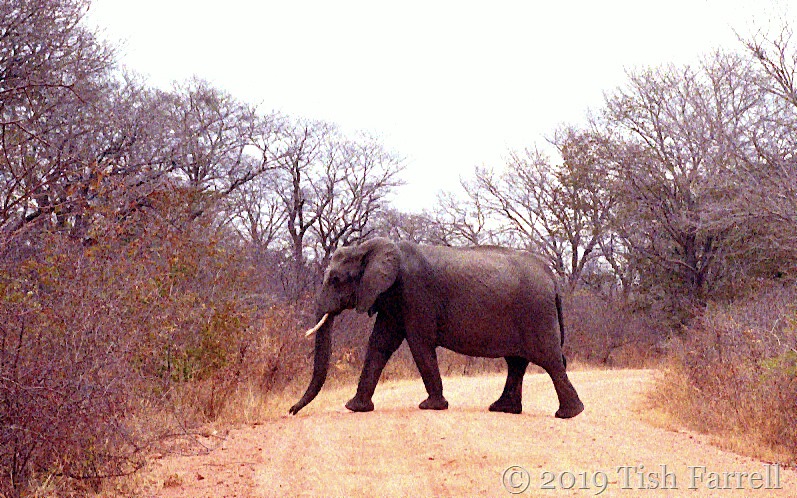
It’s always best to wait when an elephant decides to cross your path. This particular elephant crossing episode happened in Hwange National Park, Zimbabwe. The photo was taken in July, southern Africa’s winter. The bush country was tinder dry and the skies overcast, and the nights chilly. We were living in Zambia at the time and had driven down for a couple of weeks meandering. Zimbabwe is a very fine country for a spot of meandering.
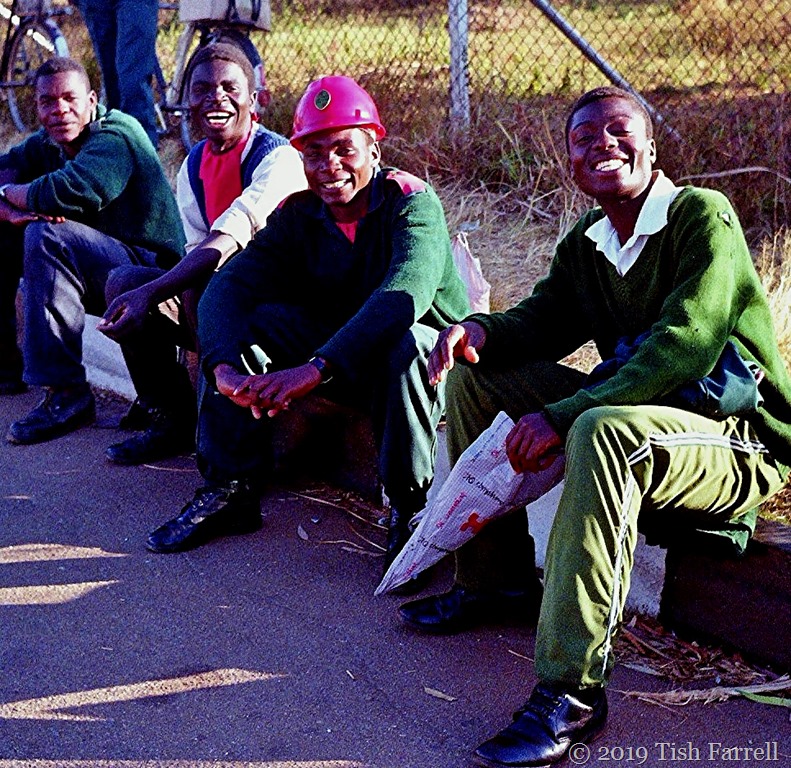
This photo was a piece of pure happenstance. I’d just walked out of the post office somewhere in down-town Harare. These security guards were waiting to start the 6 o’ clock night shift. I was invited to take their picture. A treasured shot.
*
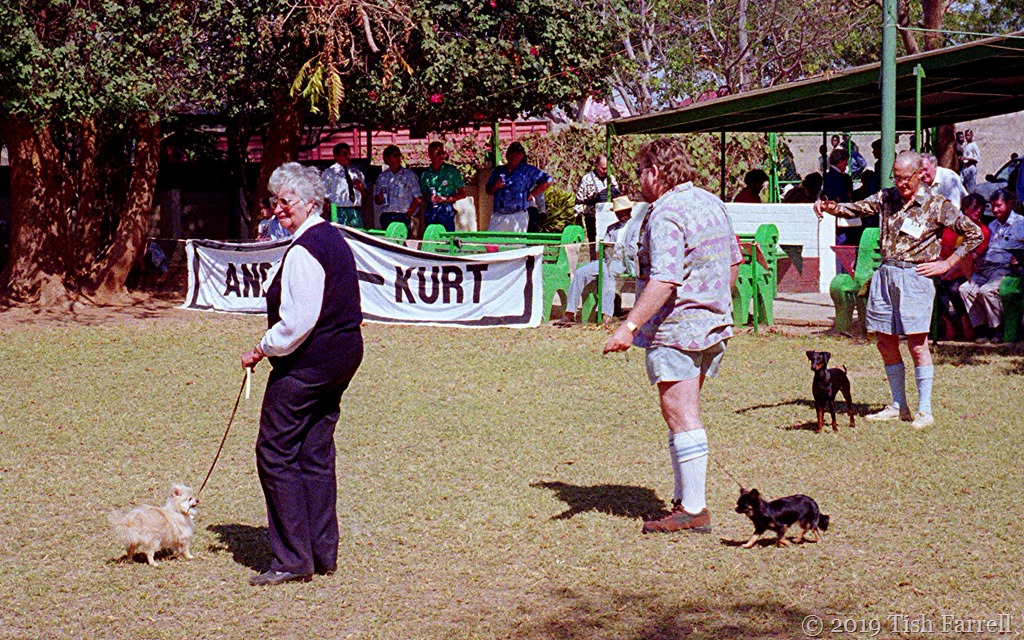
We’re in Lusaka, Zambia for this dotty photo. One of the institutions that the colonial British left behind in the African territories they invaded is the annual agricultural show. These days it is a big family day out for Zambians and but oddly also includes (mostly for members of the European and Asian communities) a dog show. Here we see entrants in the terrier class waiting for the all important judging moment. I seem to remember it was the Manchester terrier (far right) that got the first prize rosette.
*
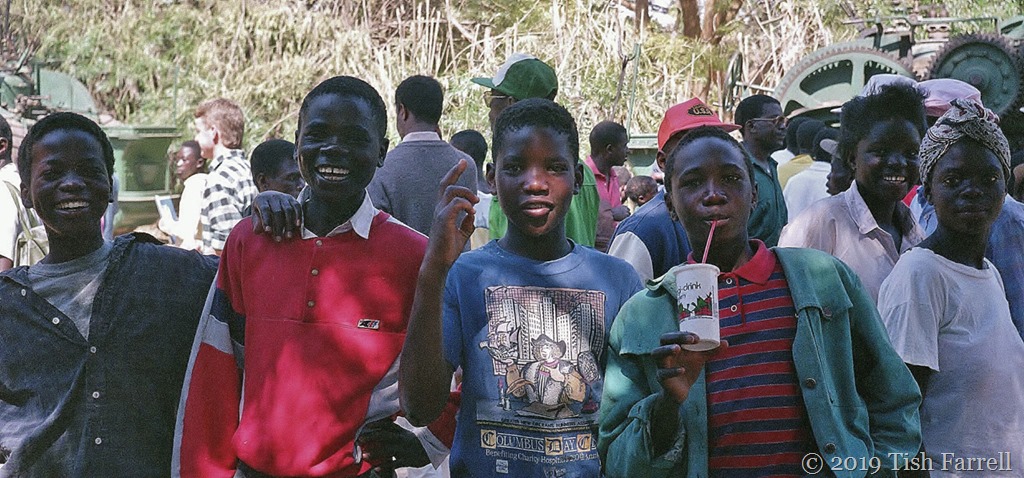
Kids doing what kids do everywhere – hanging out in hopes something interesting might happen.
*
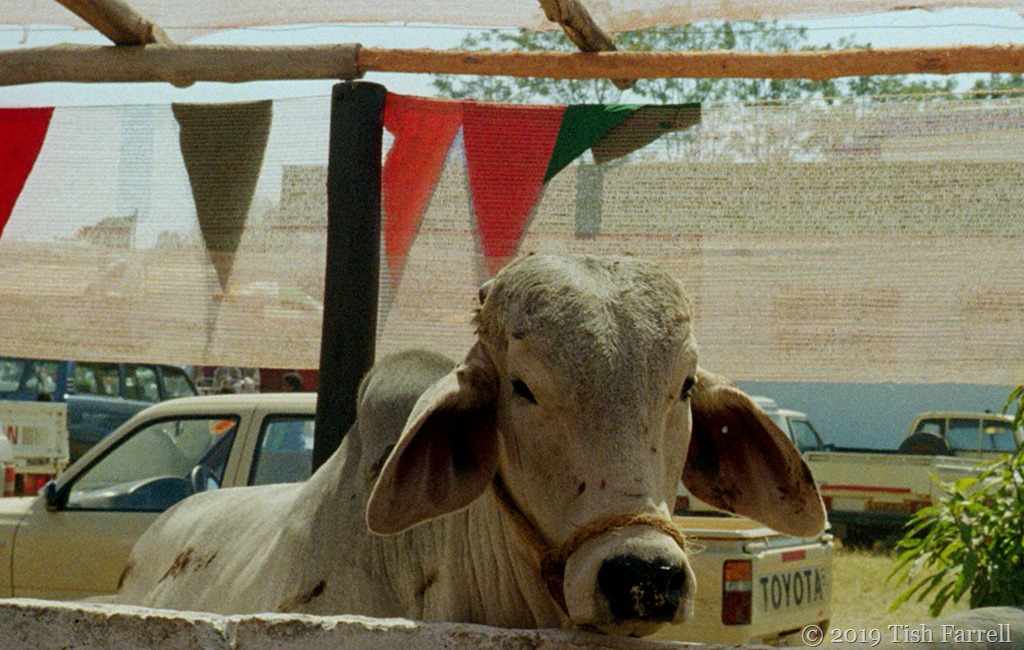
A patient zebu bull waiting for his moment in the judging ring.
*
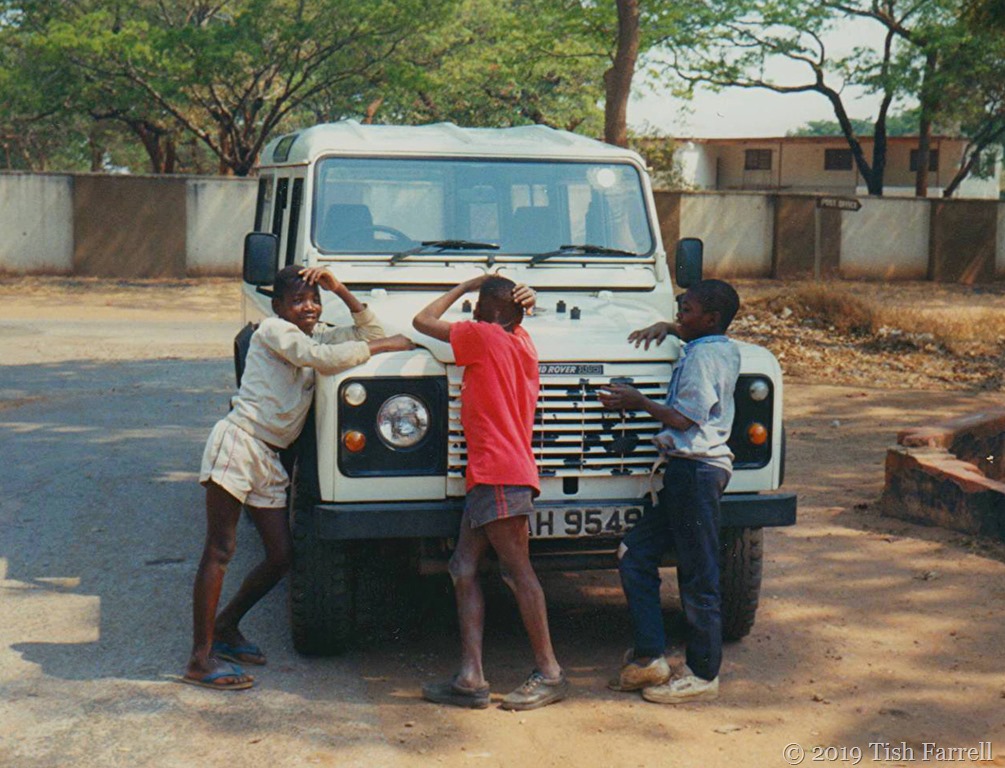
Woodside shopping centre, Lusaka. Parking boys waiting for their guarding fee from the car owner. All over the continent, where millions of young people are unemployed, this is how some lads make a living.
*
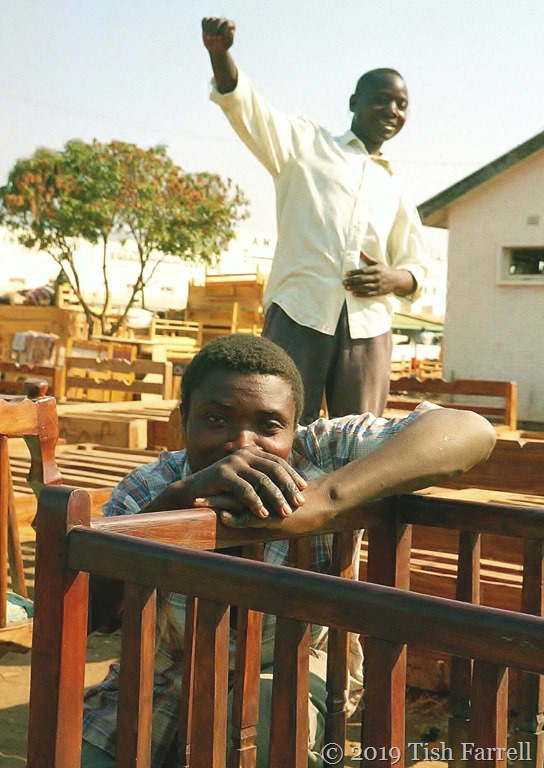
Waiting to make a sale: Kamwala furniture market, Lusaka. We bought most of our big household items, beds, chairs etc, from roadside craftsmen. They made good stuff, a lot of it from recycled shipping crates, or by simply repurposing reeds and timber from the highway verges. I miss this way of life. It’s how we should be living: local produce, locally sold by the people who made it, and no need to drive to the out-of-town shopping mall; and none of it shrink-wrapped in sheaves of plastic.
*
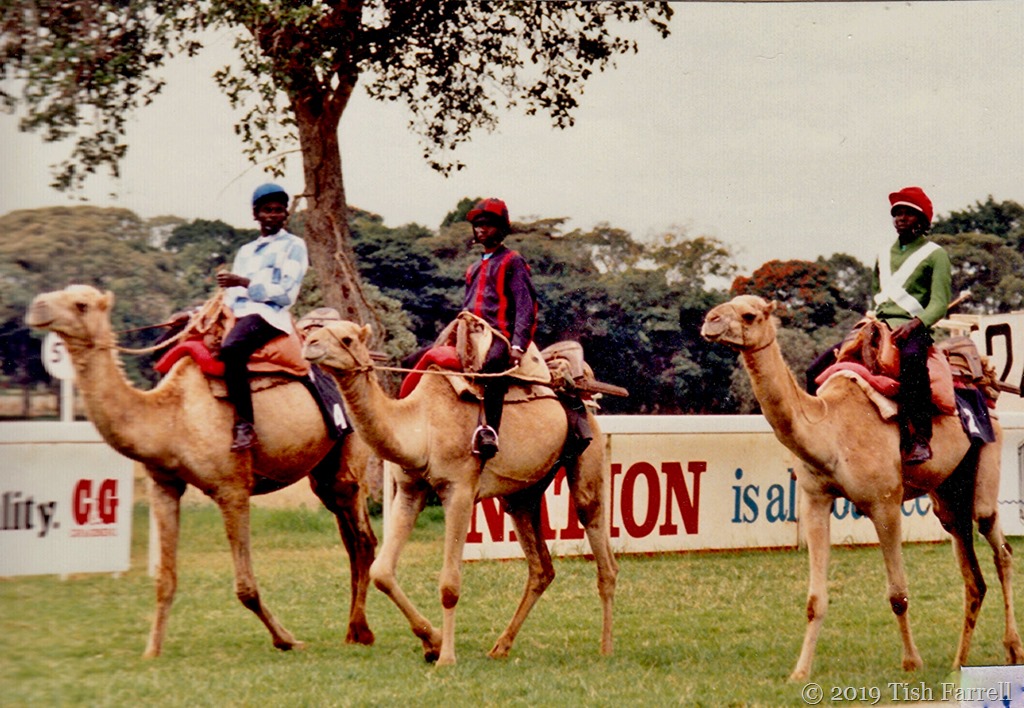
We’re in Nairobi now, at the Ngong Racecourse. These are members of the Kenya Police Anti-Stock Theft Unit who operate in the arid northern district. This was supposed to be a race, but the camels couldn’t summon the enthusiasm – either to start or to finish. So here we are waiting for them to pass the finish post.
The Ngong Races are another hangover from colonial times, wherein the institution of ‘Race Week’ was laid on over the Christmas period to provide white settlers with the excuse to come to town, get totally blotto and so escape the lonely toil on their isolated farms. These days the races are popular with Nairobians from all walks of life, though a glimpse of the members’ enclosure and of the memsahibs in their big hats might make you think you’d landed at an English county race meeting.
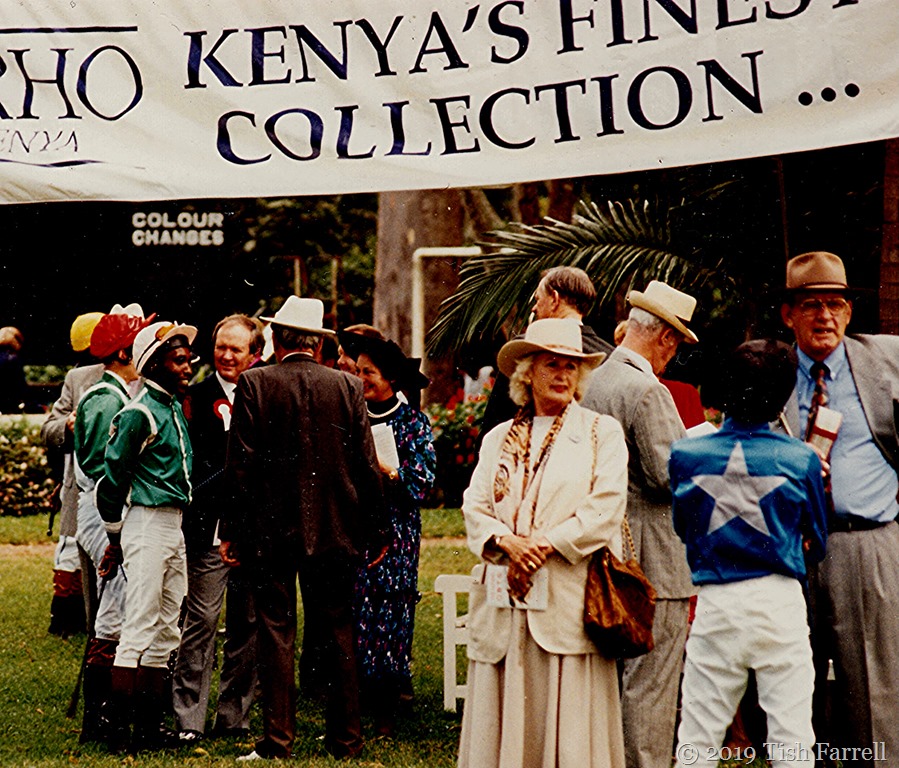
Waiting for the next race.
*
Race Day is also very much a family event, so there is lots to keep the children amused: face painting, donkey rides, ice creams and Mr. Magik doing tricks.
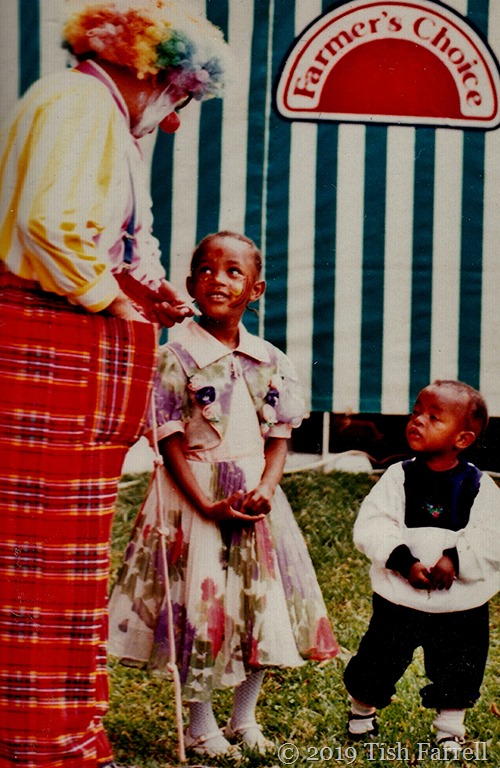 This little boy does not seem too impressed: waiting for magic to happen perhaps.
Lens-Artists: Waiting Amy set this week’s challenge. Go and see how she has interpreted ‘waiting’.
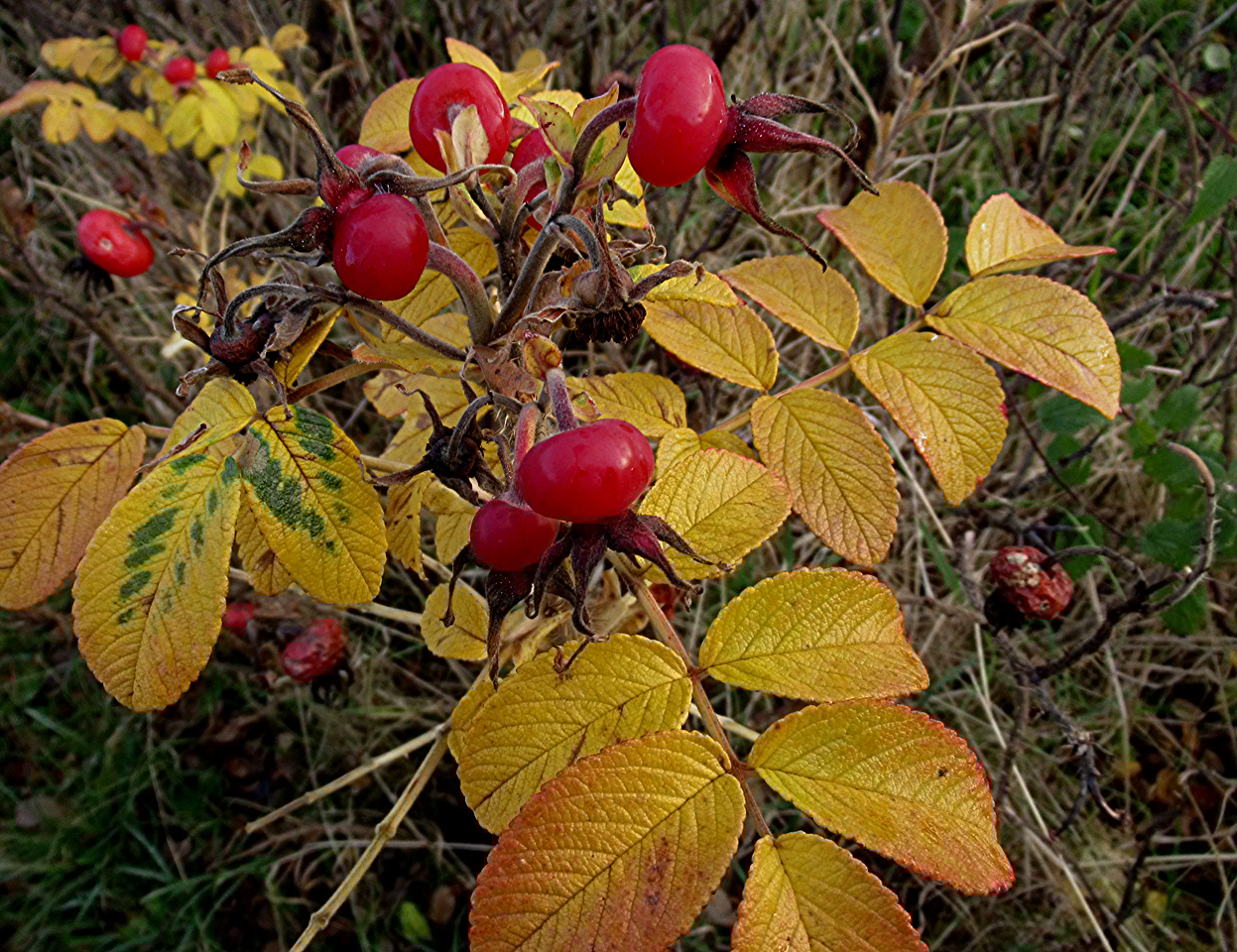
It has to be said the November allotment is a pretty dreary place. The ground is sodden and too many of the plots have run amok. But here and there, if I focus on the particular rather than the whole, a few happenstance artworks catch my eye.
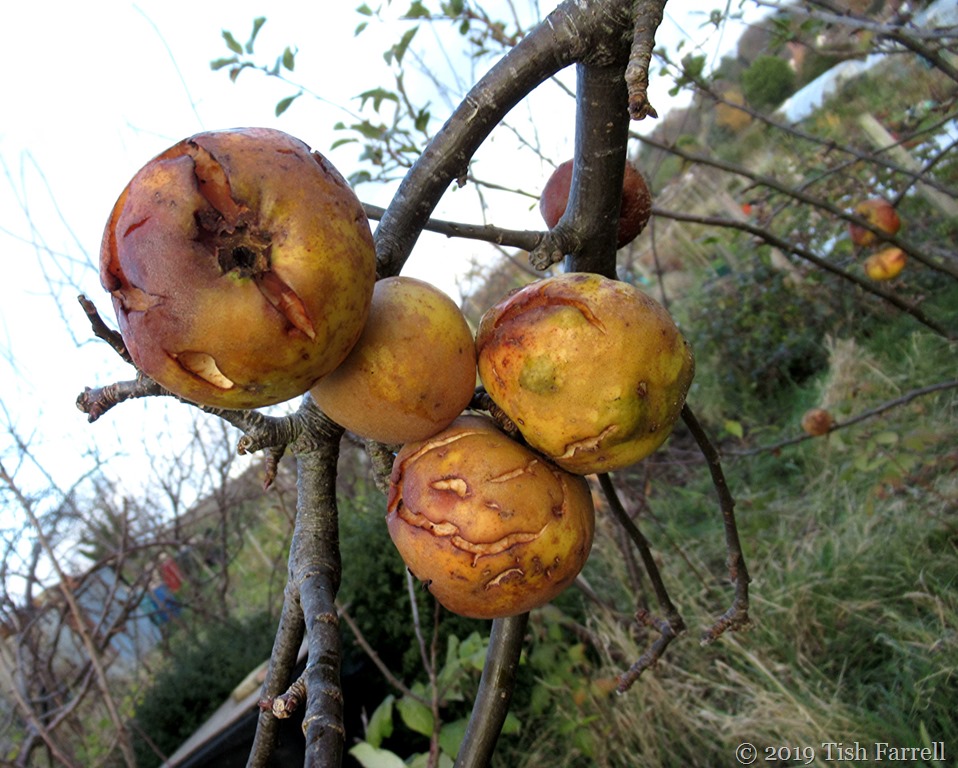
Russet Apples
*
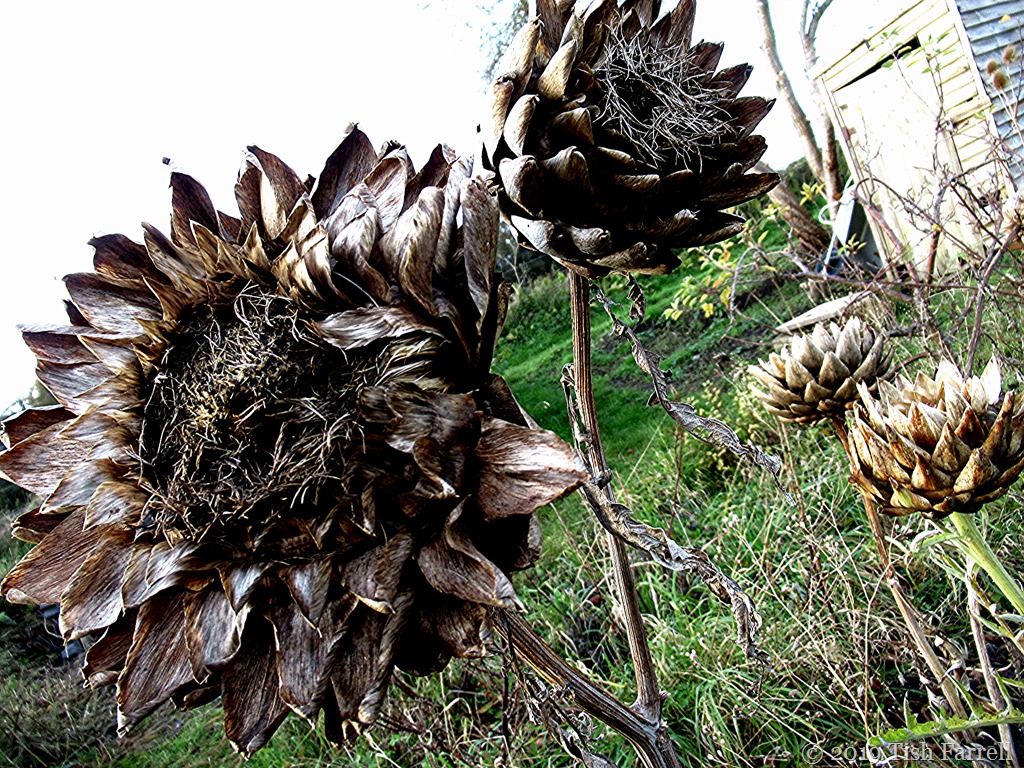
Simon’s Globe Artichokes gone to seed.
*
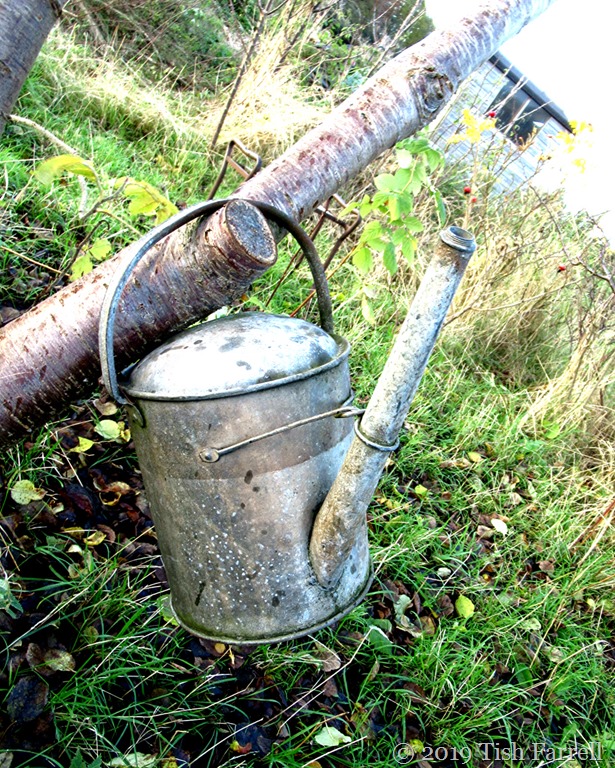
Jenny’s watering can where it has been hanging for the last several years. ***
*
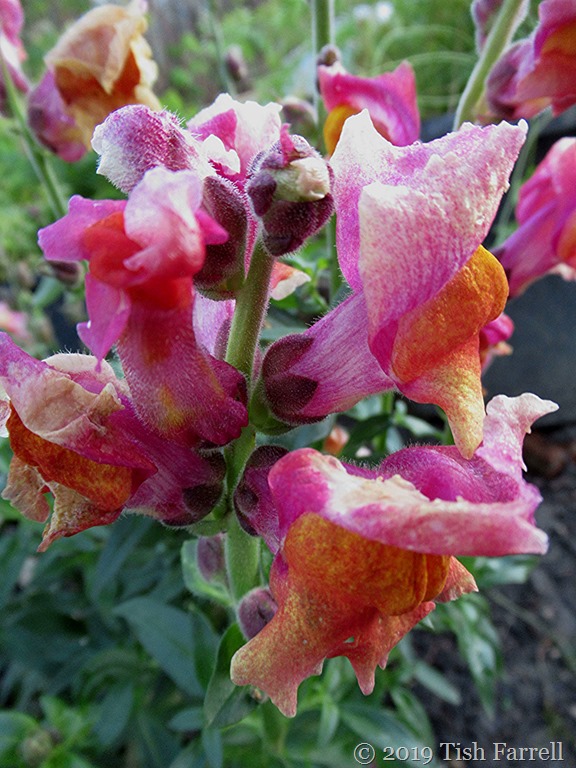
Self-grown Snapdragon in my old runner bean plot. On its second flowering.
*
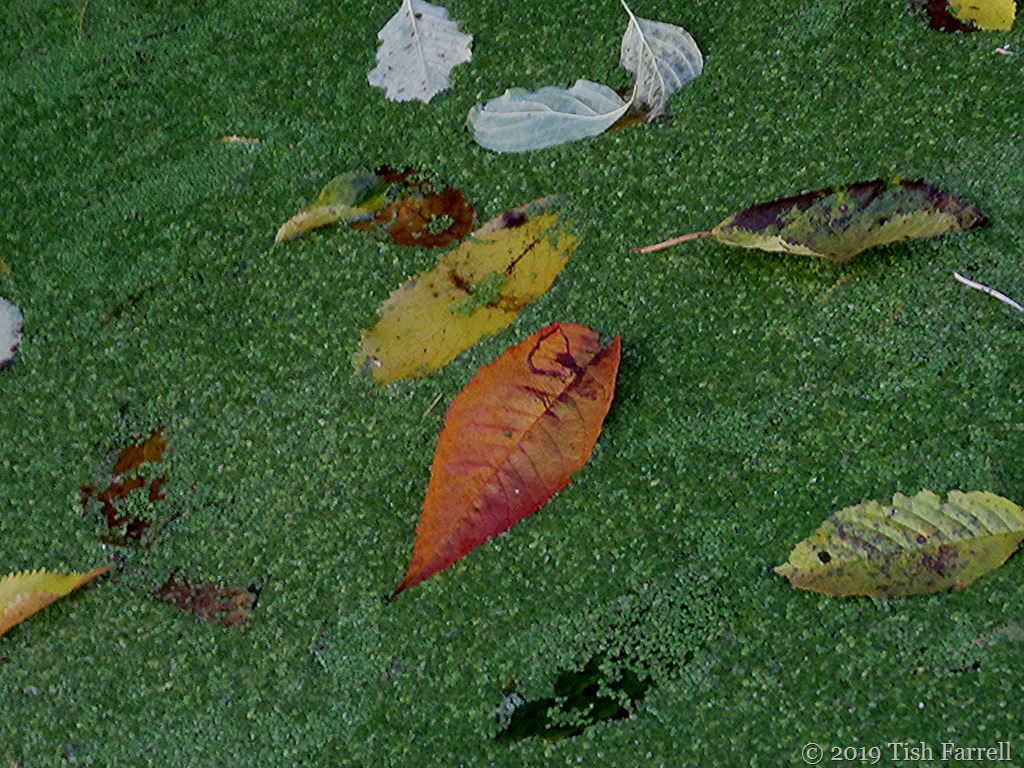
Duckweed and leaves on the allotment pond
*
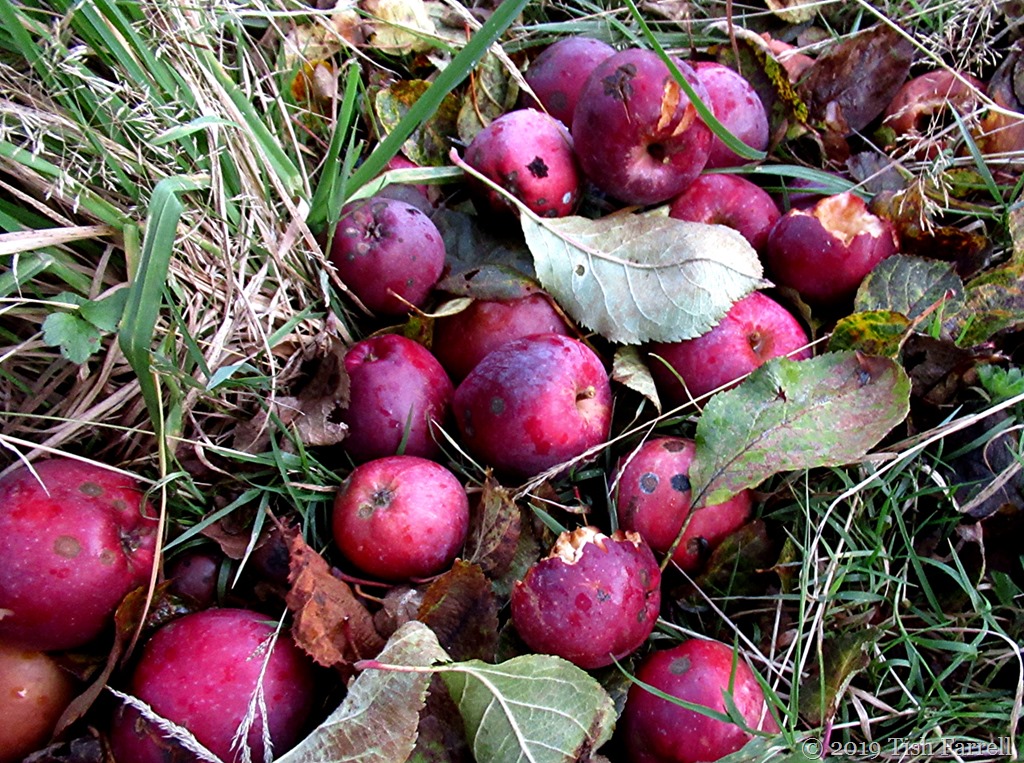
Fallen apples on an abandoned plot
*
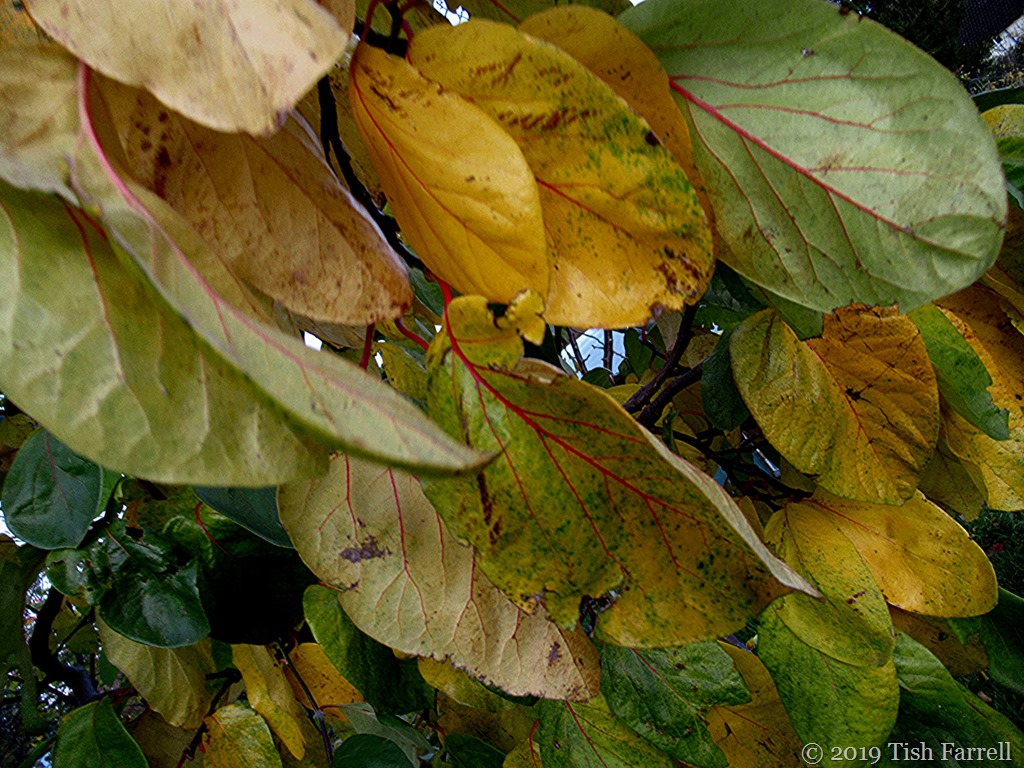
Quince leaves in the communal orchard
*
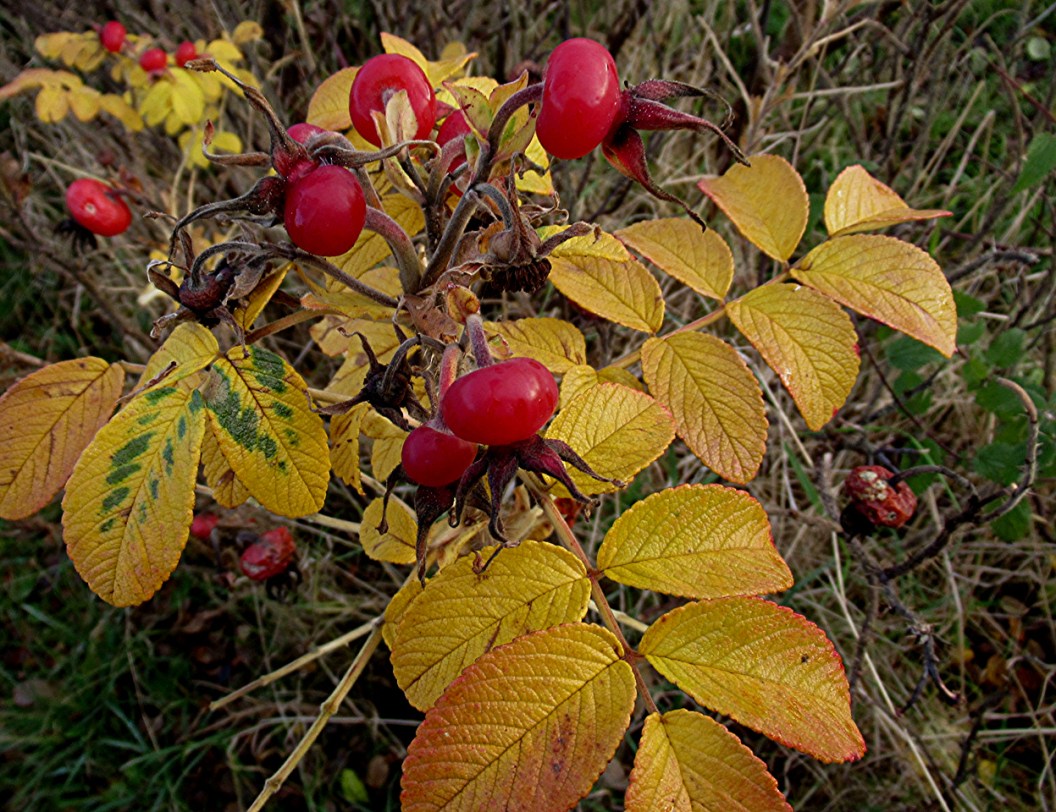
Rugosa Rosehips.
*** Thom who is a marvel at flash fiction on just about any topic and in any setting and with a seemingly endless array of compelling characters was ‘spoken to’ by the watering can. Pop over to his place to see what he’s written: https://tnkerr.wordpress.com/2019/11/17/a-bit-o-friction-tween-old-jenny-and-mulvaney/
I just love it when one thing leads to another. Cheers Thom!
