Today In The Garden ~ Blue On Blue

IMG_2746

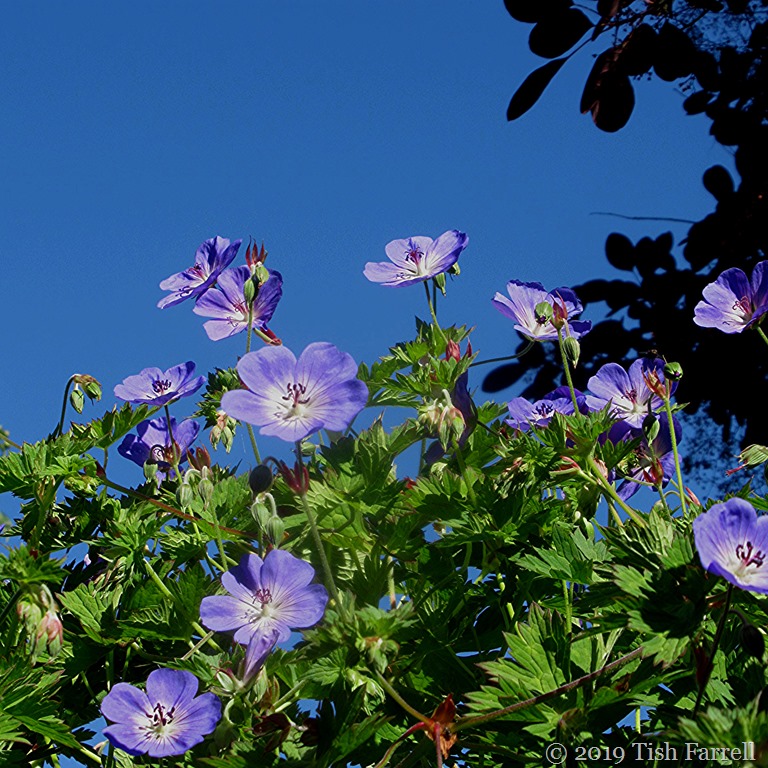
One of the best things about a garden on several levels is that you get to see plants  from unexpected view points. Here’s Rozanne busy flowering her socks off. She’s on top of the wall that holds up the bank behind the house, well above my head height,  and will be flowering now until the first frosts. The almost black foliage in the corner is Cotinus aka Smoke Bush or Smoke Tree. When it flowers it is a mass of feathery creamy-pink plumes.

July Squares #4

Beating The Blues With Bubbles

100_7324

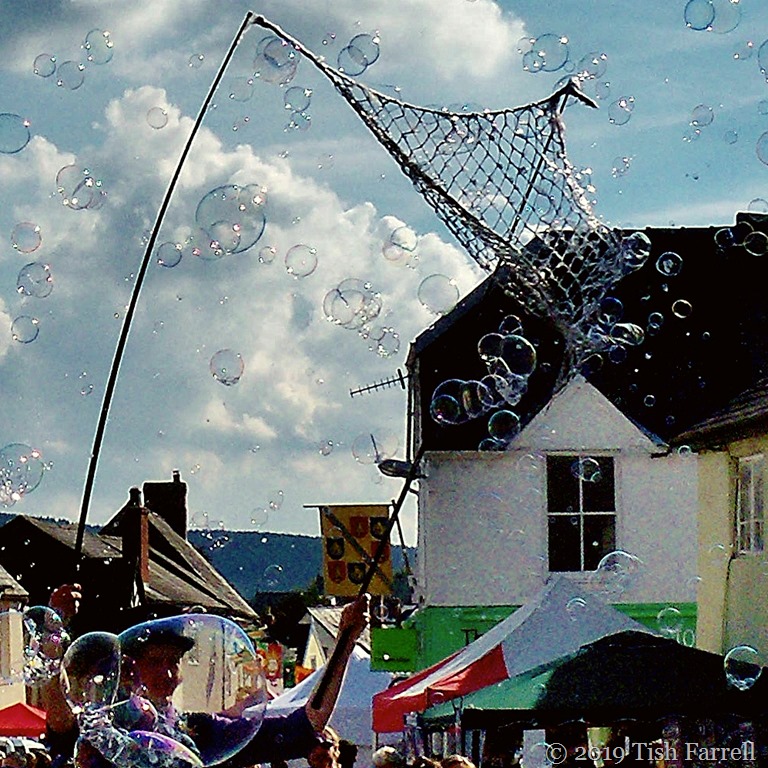
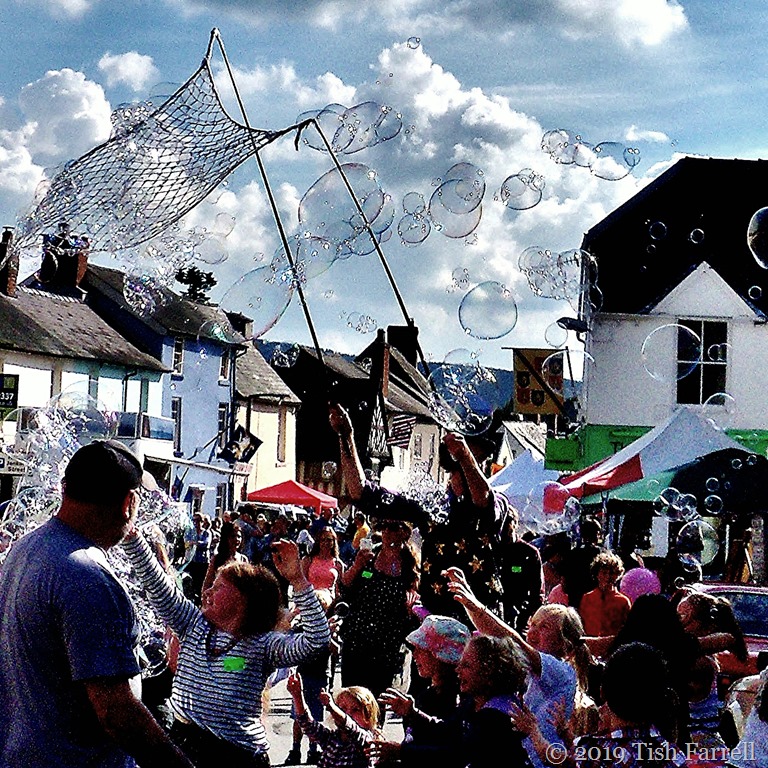
I have never grown out of loving bubbles. As a rural child of the fifties receiving a tin of them complete with a pretty little plastic wand (pale pink or blue) was one of life’s big thrills. And so rather more recently when we came upon the Bubble-Making Man at Bishops Castle Michaelmas Fair it was all I could do to stop myself from joining in with the children’s great bubble chase. Because that’s what you do with bubbles – you try to catch and keep them. You want just one of them to last forever and ever. Anyway, being several decades beyond childhood, I contained my excitement by snapping them instead. Which of course means I do get to keep them. And you get to have them too. And if you’re having a so-so Monday, or even a dreary one, here’s a gift of bubbles to lift the spirits. Who’d’ve thought there was so much magic in a bucket of soapy water and a piece of net. Just goes to show!

100_7319

100_7321

100_7323

100_7331 - Copy

100_7330 - Copy

Related post: Summer Came Back On Saturday And Took Us To The Fair

July Squares #1   Every day this month Becky wants us to show her BLUE anyhow we like, so long as it’s SQUARE. Follow the link to join in.

The Changing Seasons ~ This Was Wenlock In May

IMG_1549

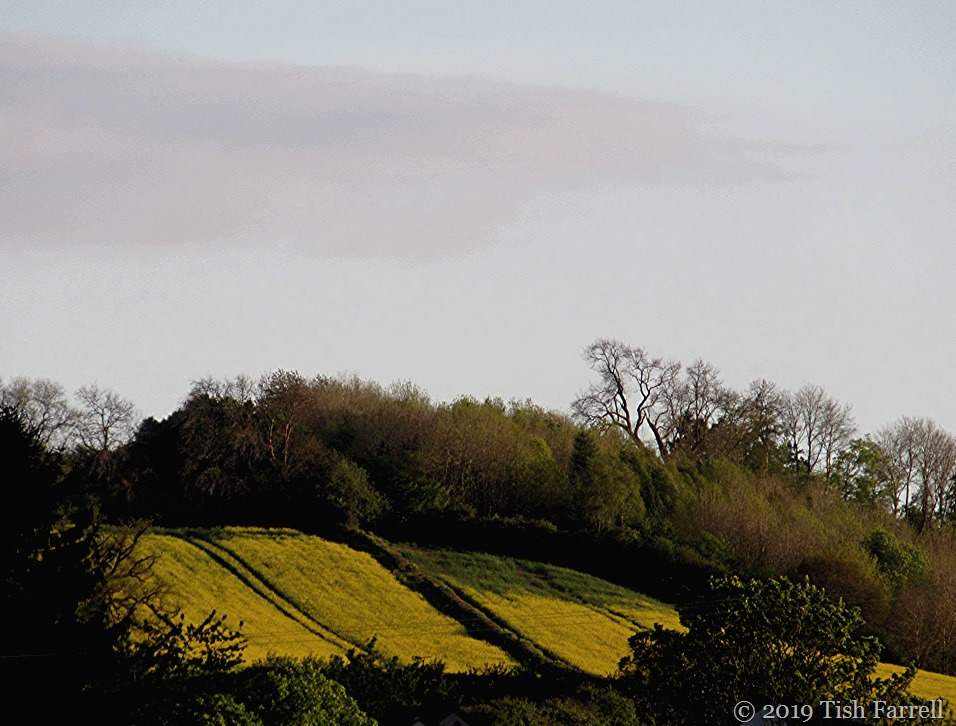
Last May the field behind the house was a yellow sea of oil seed rape flowers. This May the rape has only been visible on more distant hillsides around the town and I’ve rather missed having it on my doorstep and walking the golden arcade through the crop where the farmer’s big tractor had left a barren track during spraying.  This year the rape bloomed extra early too, is already running to seed – which perhaps means chances of a better harvest; last year’s crop was scorched in the heat wave and shed much of its seed before it could be cut.

Elsewhere around the town we’ve been watching greenery happen. This next photo shows the Linden Walk on the 30th April. The one below it was taken yesterday, the 31st May. I noticed the pale flowering wings are already well formed, though the tiny buds were still tight shut, and I thought of their heavenly scent to come.

IMG_1513

IMG_1850

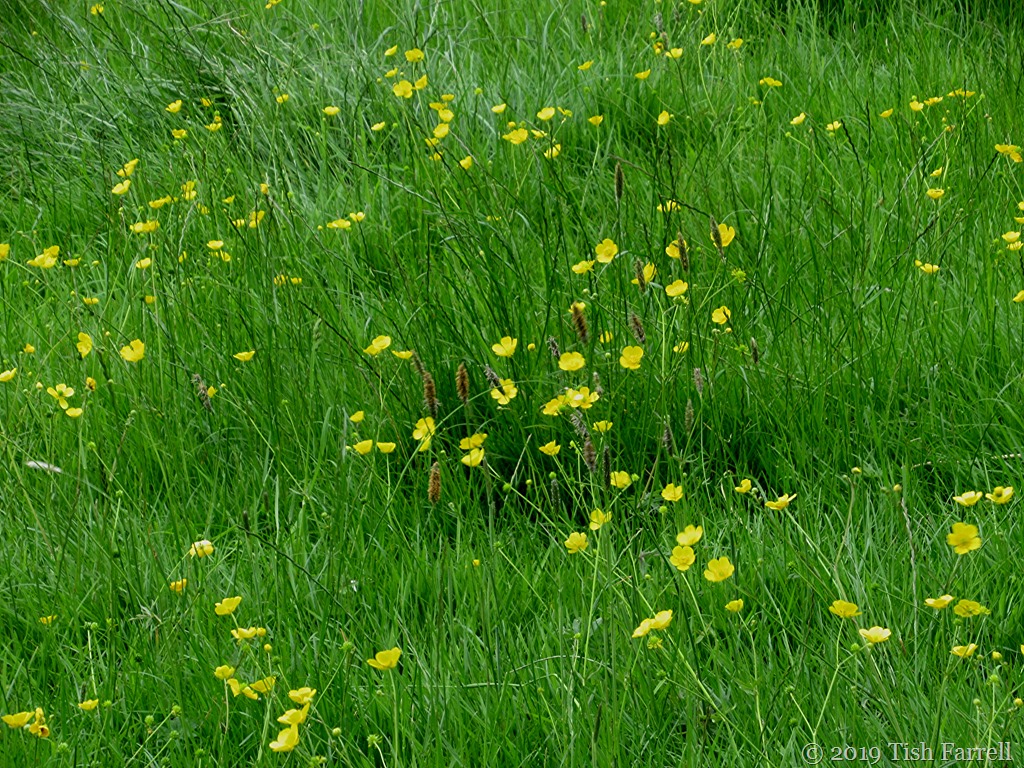
In the Cutlins meadow members of the MacMoo clan have been absent for a couple of weeks. Then on Thursday we saw they were back. There they were dreaming amongst the lush grass and knee-high buttercups.

IMG_1862

IMG_1865

*

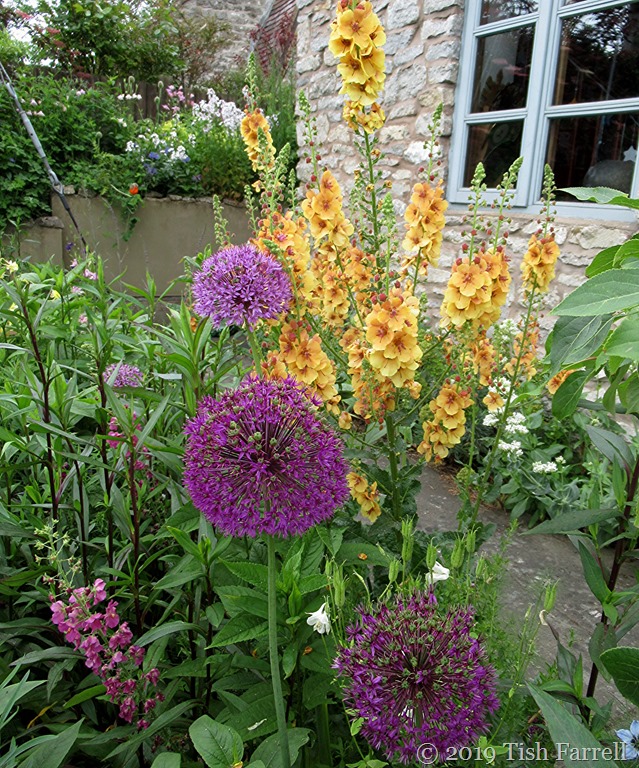
On the home front all is blooming. Yesterday morning I found our front garden – the one that slopes down to the main road – positively heaving with small bumble bees. The orange verbascum flowers had reached just the right state of ripeness, and the bees were gorging on them. The sparrows, too, have been enjoying the front garden, which goes to show – even a small roadside plot can make a bit of a wildlife sanctuary.

IMG_1847cr

IMG_1836

IMG_1838

IMG_2104

IMG_8313

The Changing Seasons: May 2019

Wishing Su a speedy recovery from the flu.

In The Red ~ Iron Bridge Makeover

IMG_1727cr

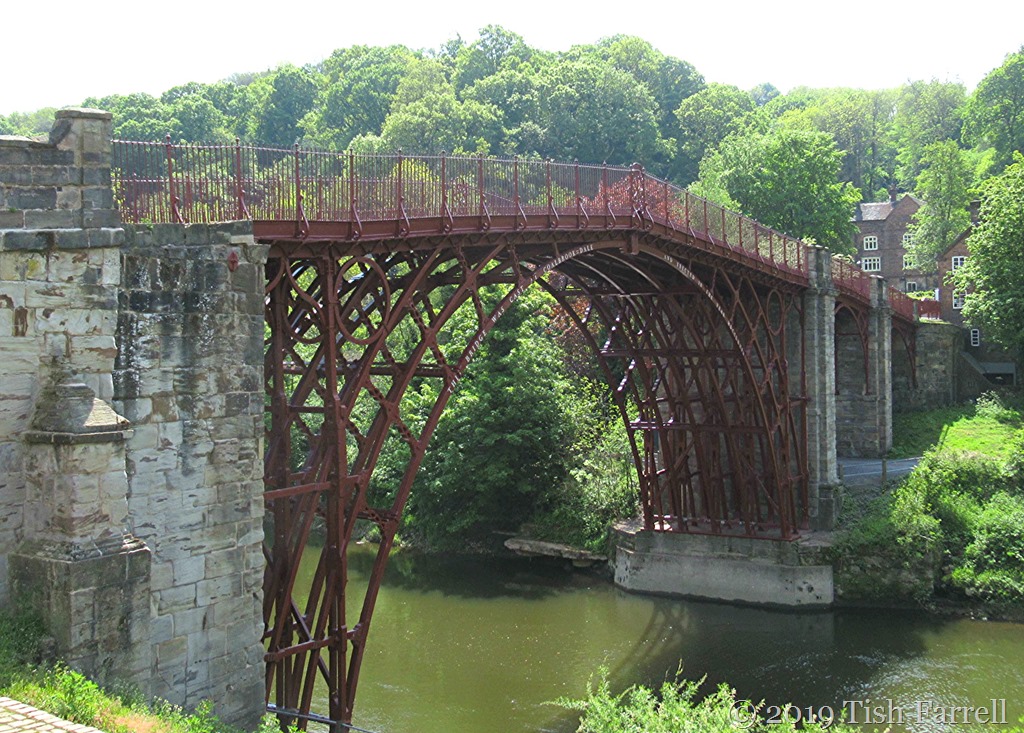
For much of last year this 240-year-old bridge was under wraps while English Heritage engineers carried out major repairs on the iron work. And it was during this process that the original paint colour of the world’s first cast iron bridge was discovered – a rusty red. This seems to have struck many as surprising, probably because in the living memory of most Shropshire folk, the bridge has either been lugubrious black (as I remember it in the 1960s) or battleship grey – its most recent shade before the overhaul.

P1000843

*

And this is how it looked last week bathed in May sunshine. A much more jaunty effort.

IMG_1711

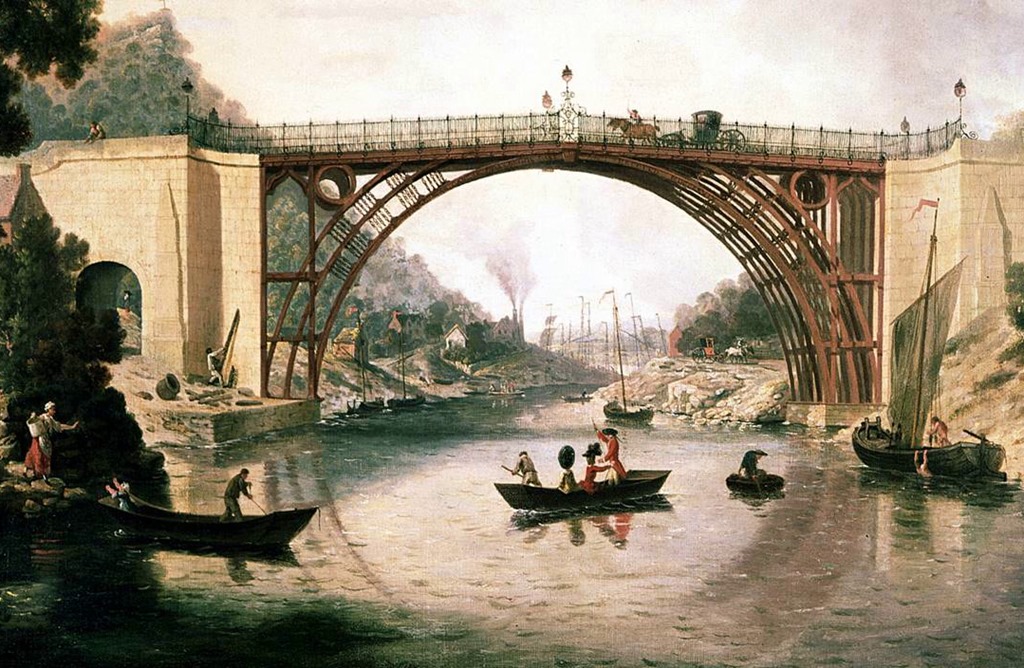
That the bridge was originally this colour, or as near as can be recreated, was documented at the time. While Abraham Darby III was having it built (between 1779 and its official opening in 1781) he commissioned some promotional artwork from William Williams. He wanted to show the wide world what marvels could be created using cast iron.

Iron Bridge

William Williams c 1780 Cast Iron Bridge near Coalbrookdale  Ironbridge Gorge Museum Trust

*

Needless to say, as with all propaganda, inconvenient truths have been elided from the view, and we have instead notions of paradisal punting and extreme millinery rather than the filthy outpourings of riverside ironworks and coke burning furnaces that were actually in the vicinity. (And don’t forget the ear-splitting soundscape of clanging steam hammers and the general clamour of the wharves and boat-building yards).

In fact if you want an image of where man-made global warming began or a metaphor of how some of us prefer to deny responsibility for the damage caused by our industrial excesses, then this painting could well serve the purpose. Beguiling, isn’t it?

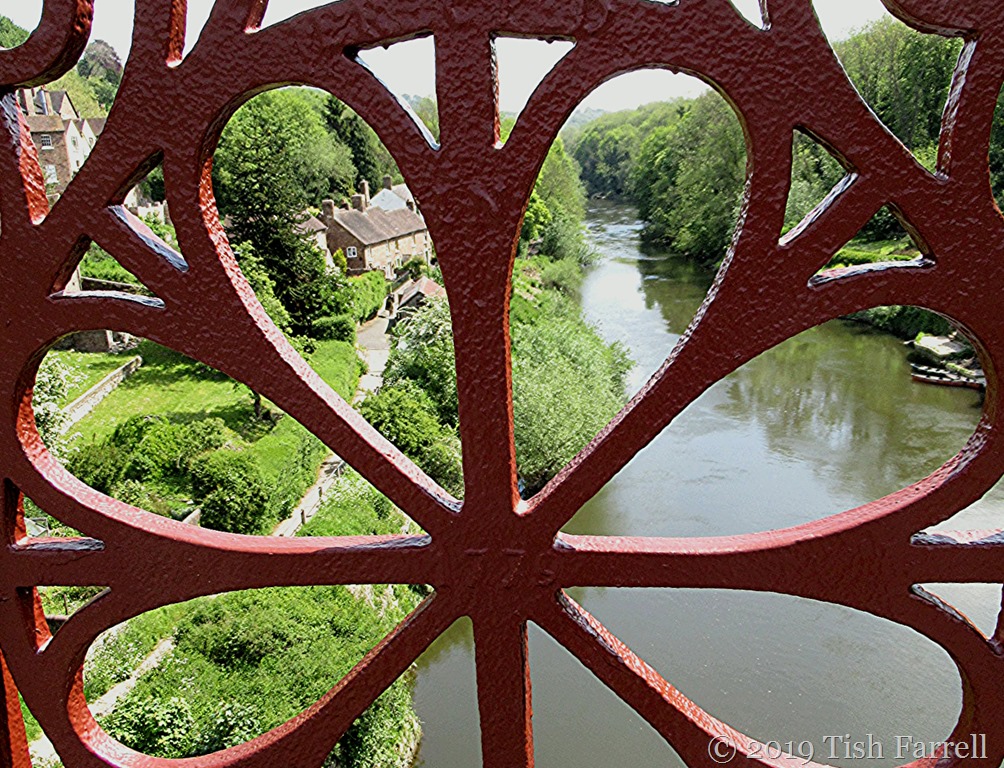
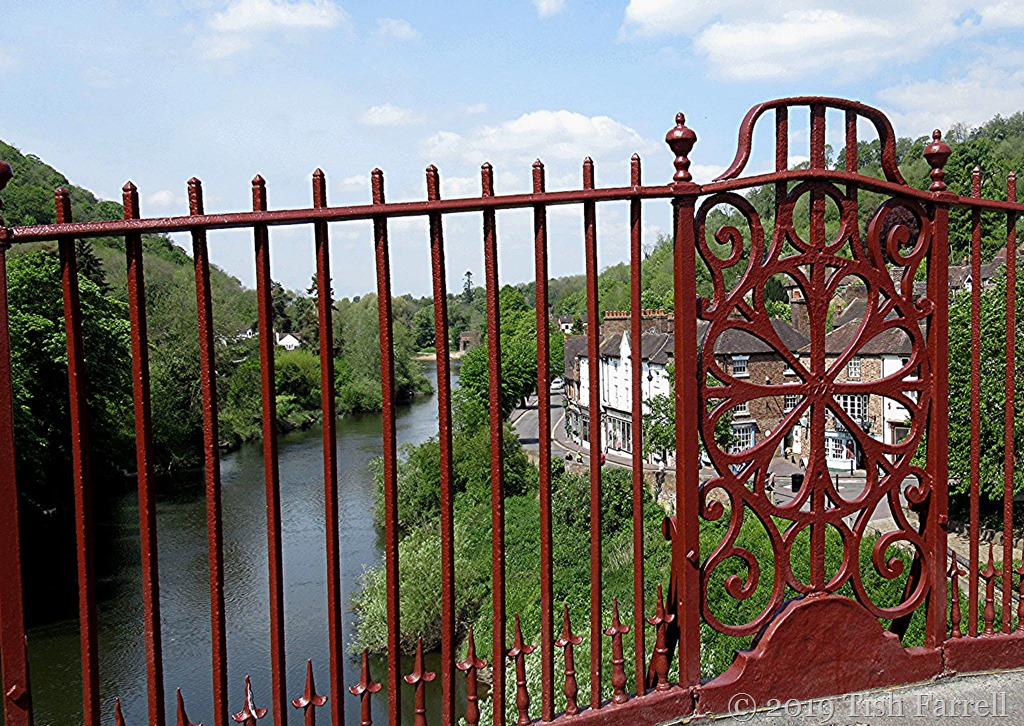
Standing on the freshly caparisoned bridge today and looking at a river empty of the the fleets of trading barges that once plied these waters from early monastic times and into the 19th century, the lush hanging woodland of the Severn Gorge all around, it is hard to believe that the Industrial Revolution had its roots here; that the innovations in iron making and casting made by the Darby dynasty and John (Iron Mad) Wilkinson sparked the multiplier effect of technological invention (from the soul-sapping iron-framed textile factories of the north to the transport systems of Stephenson and Brunel) and so on around the world; and that now, after all the excitement and technical derring-do and ingenuity we’re left to contemplate the mess that industrialisation has made of the planet.

However, on a warm afternoon in May, with the little town of Ironbridge quietly hosting the season’s first sightseers, it seems altogether like too much irony (cast, rolled, puddled or wrought). We’ll just enjoy the views then.

IMG_1713

IMG_1714

IMG_1715

copyright 2019 Tish Farrell

Six Word Saturday Pop over to Debbie’s to see her wonderful naked man.

Today In The Garden ~ Granny’s Bonnets Galore

IMG_1614

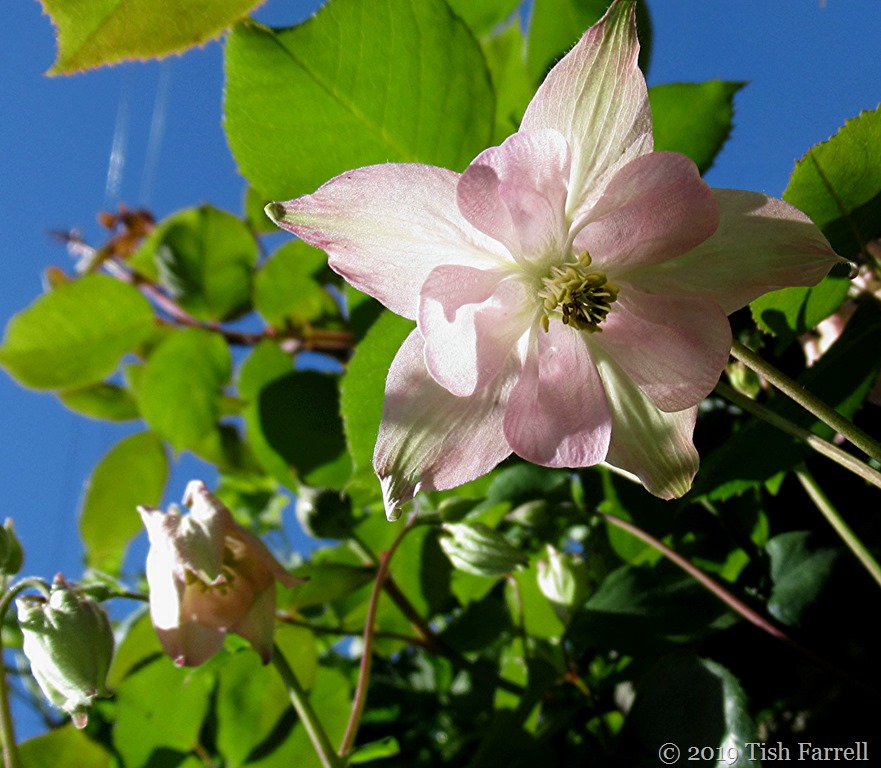
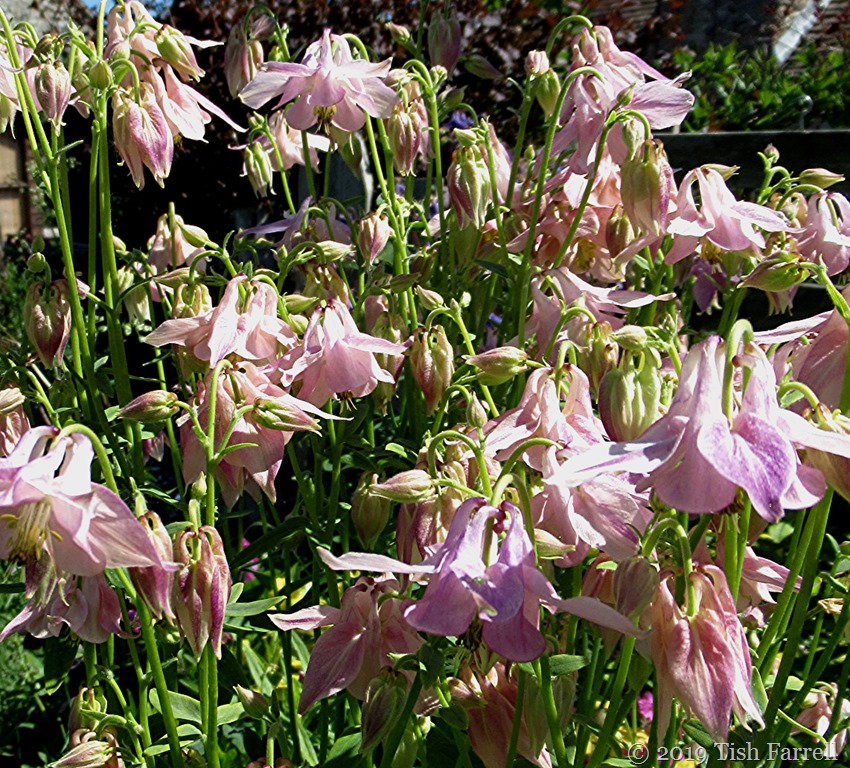
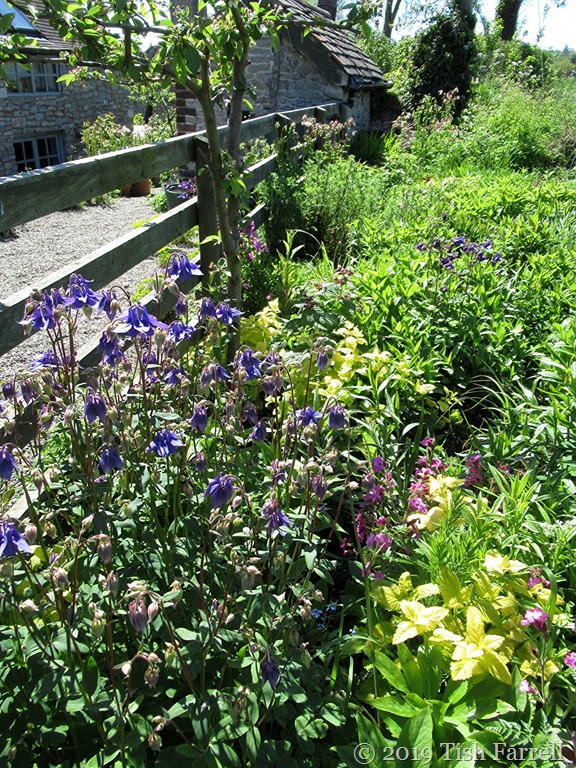
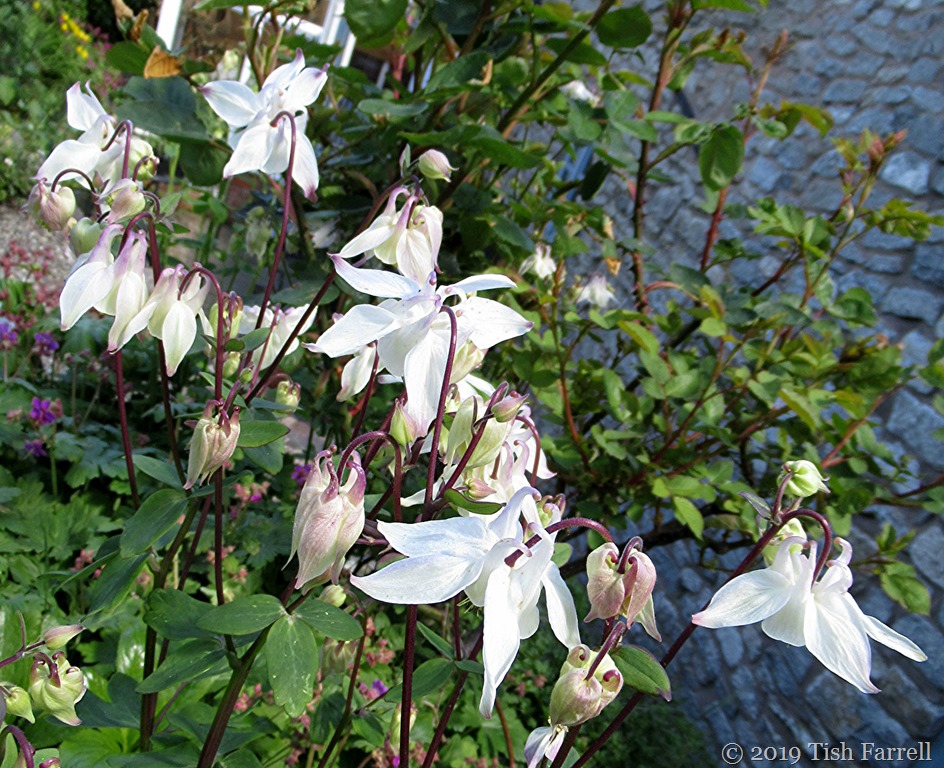
I’ve said before there’s a lot goes on in our garden that has little to do with me. This month’s aquilegia/columbine/granny’s bonnets invasion is just one of them.  Year after year they self-seed and appear in subtly new colour variations. Sometimes the mauve palette predominates, sometimes the pink and claret. This year there are several white ones with mauve hints, and also some new salmon pink ones that have chosen to grow in amongst the Gloire de Dijon climbing rose which is just about to break into blooms of the very same shade. Makes you wonder if the Grannies have more than bees in their bonnets. I mean, did they plan this?

IMG_1607

Out in the guerrilla garden (between our back fence and the field) the Grannies are growing in thickets. They have also crept round to front garden for the first time this year, though last year I did plant a species yellow one out there (a plant rescued from an abandoned allotment plot) in hopes that in time it might mingle with the residents and create some new shades.

IMG_1563

IMG_1561

IMG_1586

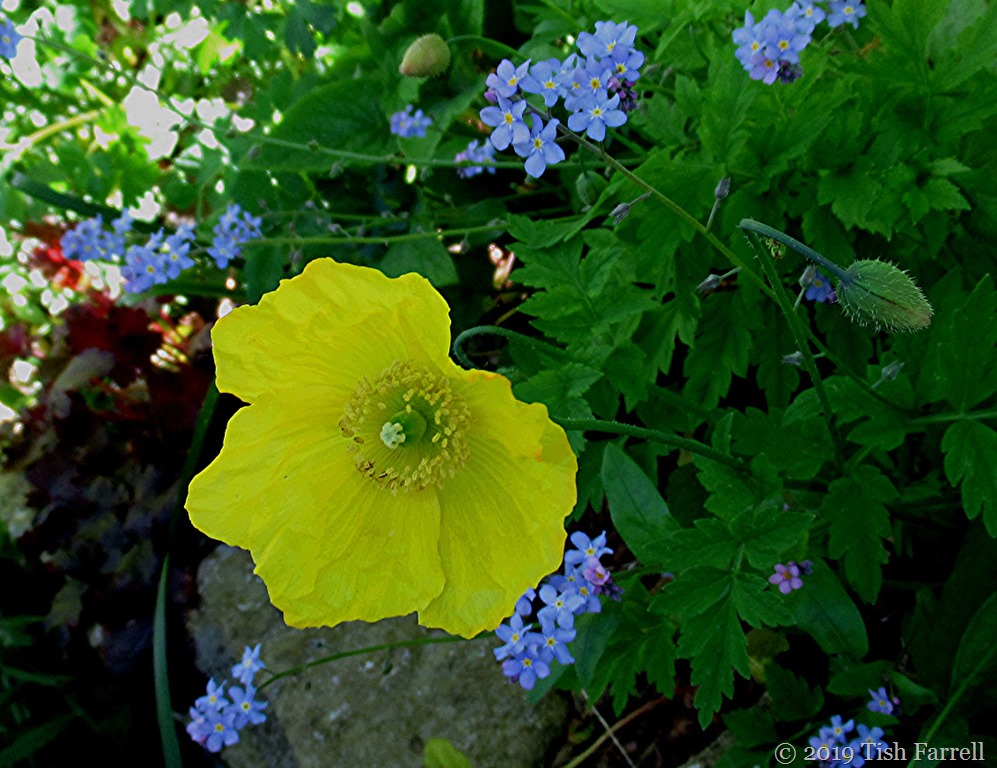
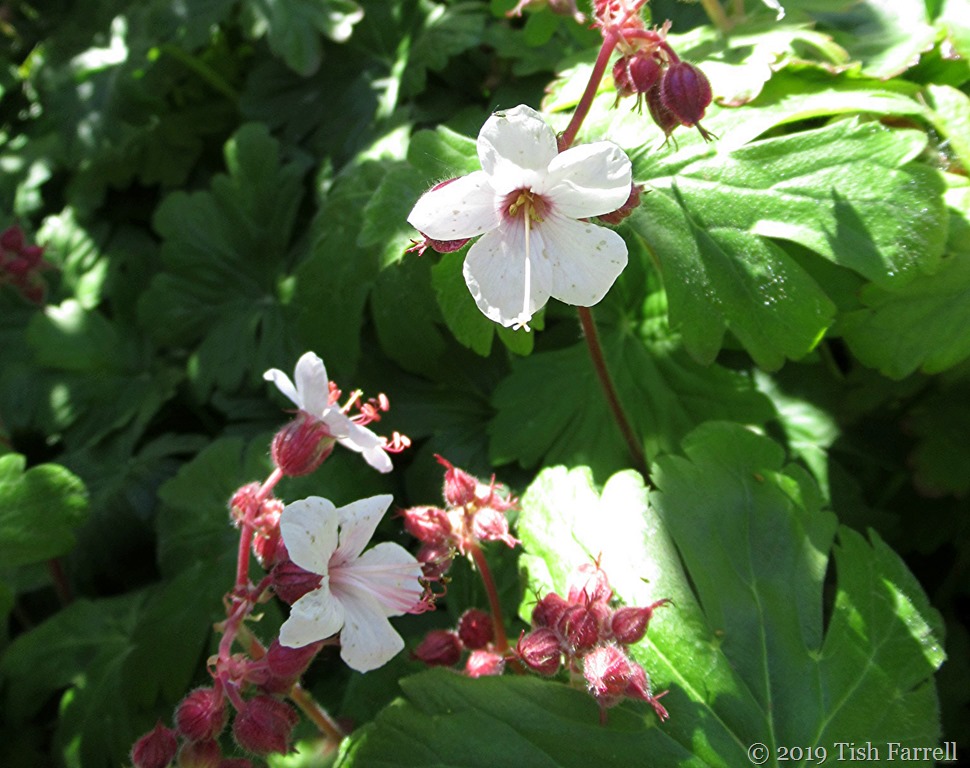
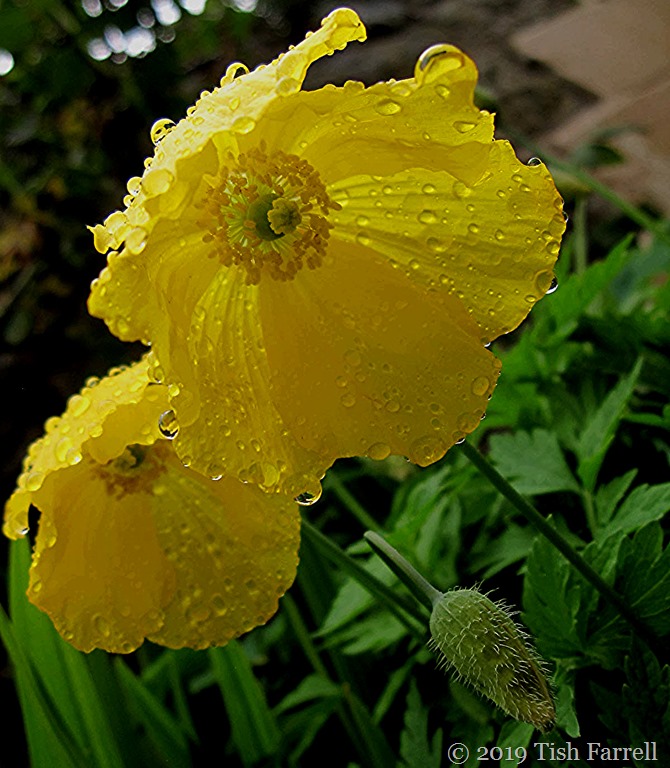
And then besides the Granny’s Bonnets, there are the self-gardening Welsh poppies, forget-me-nots and perennial geraniums (which also mingle and change colour). Soon there will be foxgloves and corn cockles, and if we’re lucky, the opium poppies may visit us again. When friends ask us if we’re going away, we always feel a touch bemused. With so much going coming and going outside the back door, why would we need to?

IMG_1618

IMG_1589

IMG_1599

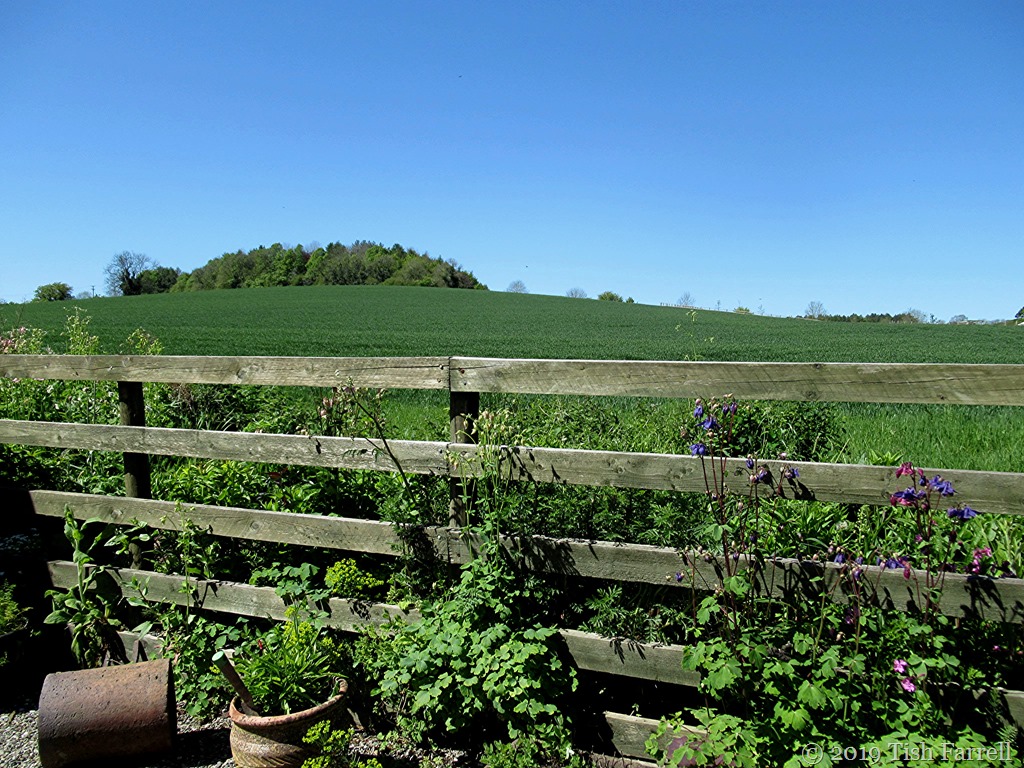
Whenever we can, we sit on the bench at the top of the garden, stare at clouds (though there wasn’t a single one this morning when I took these photos), listen to the racketing of rooks, the keening call of buzzards, watch the jackdaws fly over, hear the garden buzz, observe the wood across the wheat field as it changes in shade and texture day by day, exchange greetings with a passing walker on the field path. And we think – this is a good place to be; a very good place.

IMG_1556

Earth Sense: The Sweet Smell Of Wet Soil

IMG_8223

There’s nothing like it: either the word or the phenomenon. Petrichor is the term coined in 1964 by two Australian scientists, Isabel Joy Bear and Richard G Thomas, derived from the Greek word petra  meaning stone and ichor the fluid that flows in Greek gods’ veins (Nature, Volume 201, Issue 4923, pp. 993-995) and they used it to describe the smell of soil when it rains after a prolonged dry spell. They even defined the component parts. Oils from drying plants are absorbed by clay-based soils and rocks and when it rains, these are released in the air along with the aromatic exudations of actinobacteria in the soil.

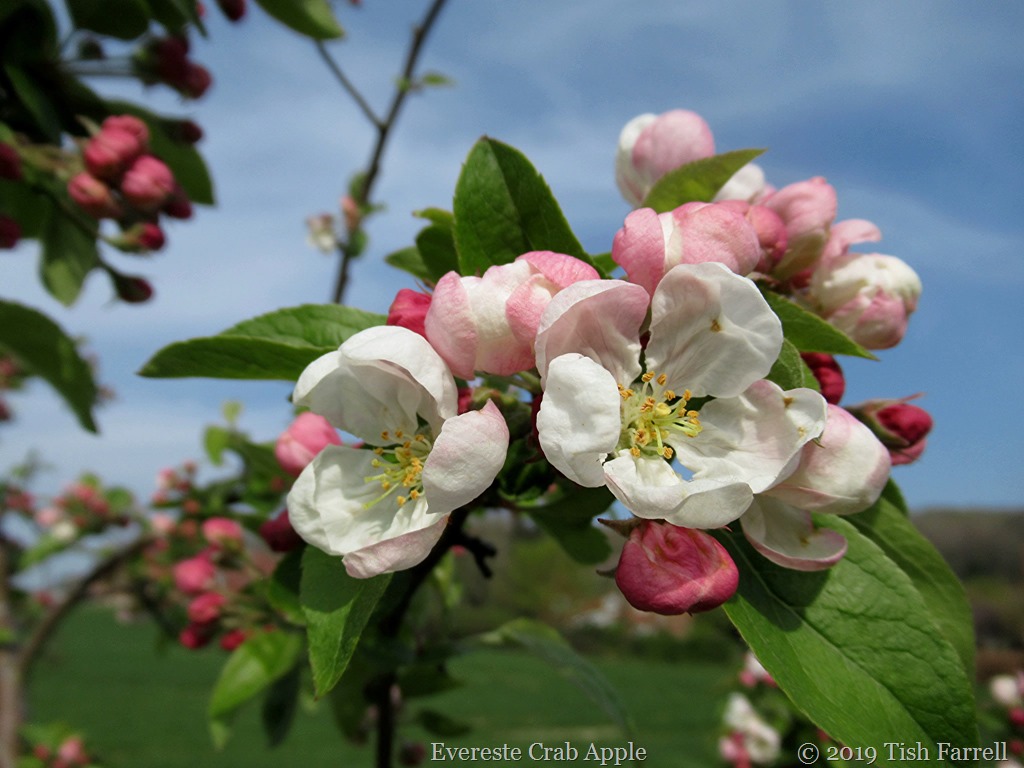
And that’s what happened here today, spot on 2 pm just when the weather forecast said it would, and after several weeks of drought. I’d just made it back from the allotment where I had been moving raised beds, making new terraces and breaking up compacted soil in readiness for the promised rain. On the way home, draped in emergency polytunnel mac – a somewhat scabby garment I have to say, I noticed how the blossom on the crab apple tree by the garden gate is already going over, and I had only posted its picture the other day, the flowers so pink and freshly unfurling. Today the petals are white and shedding, here and there revealing the makings of miniscule apples on their stems. The procreative imperative in full swing then, which naturally induced a fit of gardener’s panic, a feeling that somehow I was lagging behind. So much to do, and so little time.

But then down came a soft and steady rain that made the garden sit up tall, and pretty soon filled the air with those delicious earth scents, the sort you breathe up your nose and into your soul, that make you one with antique divinities whose veins flow with ethereal fluids. No need to rush. Just breathe. Aaaaah. Petrichor!

IMG_8237

Copyright 2019 Tish Farrell

Spring Well Sprung On Wenlock Edge

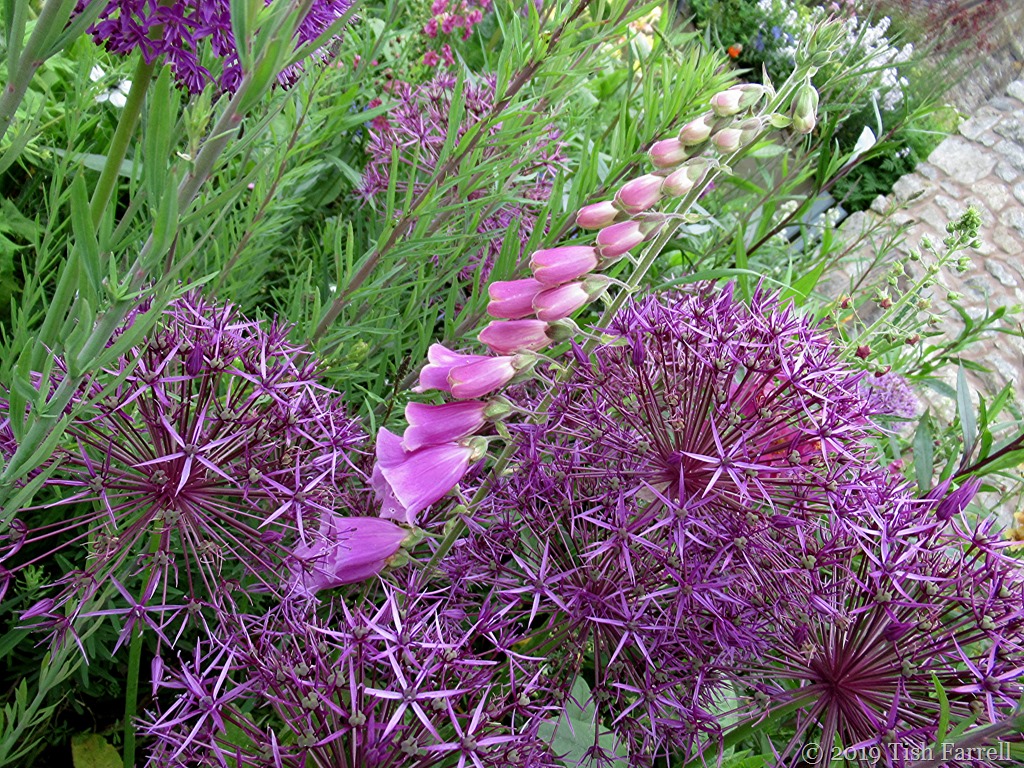
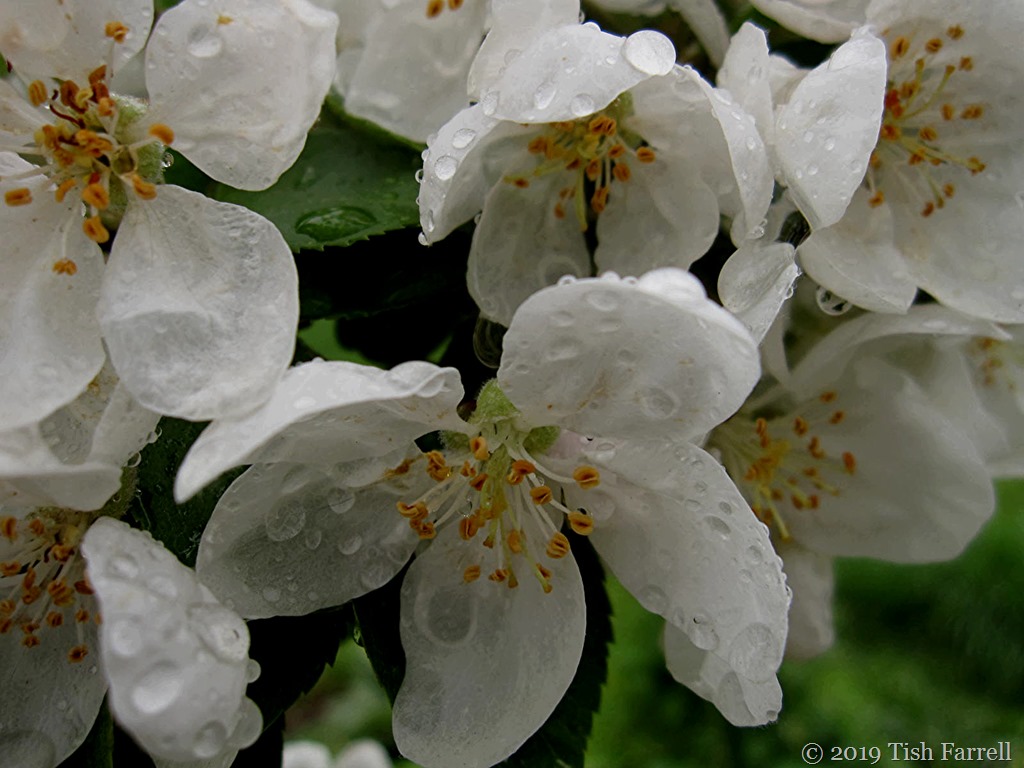
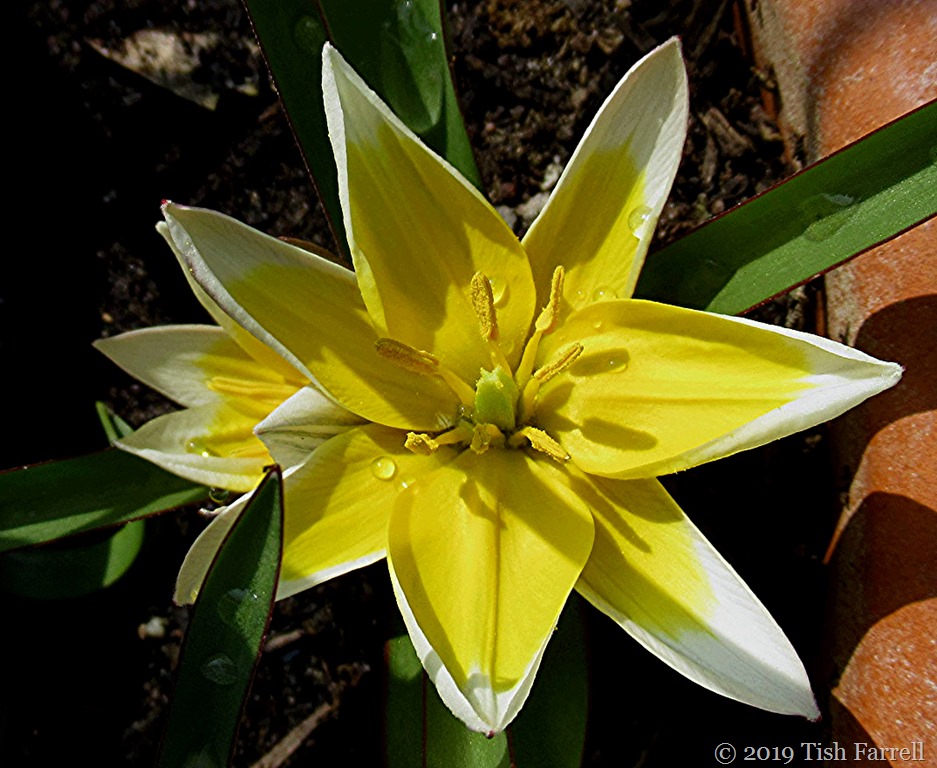
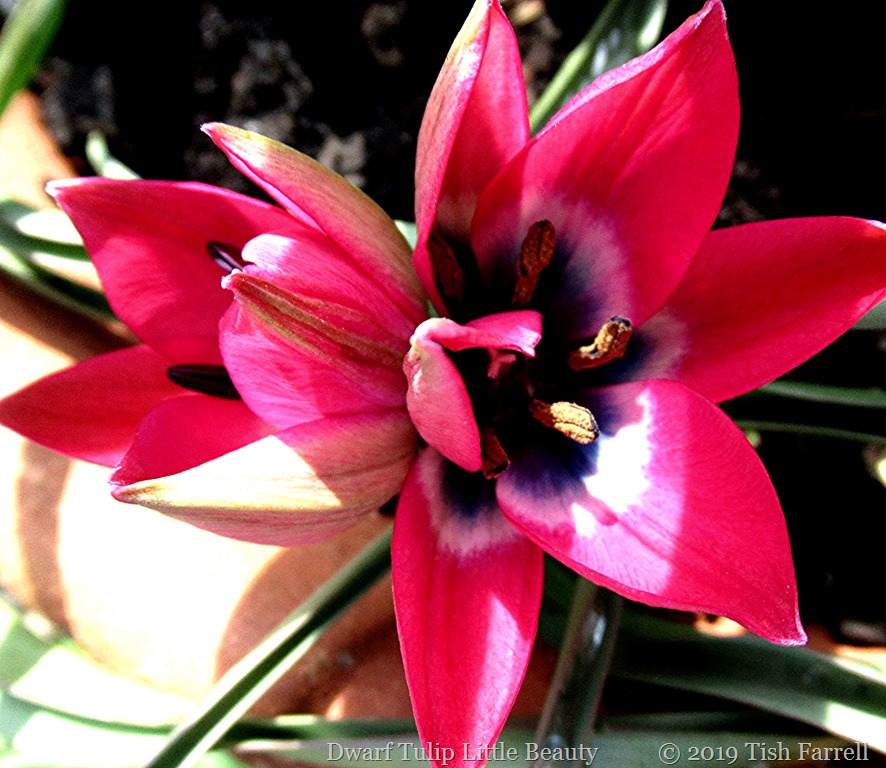
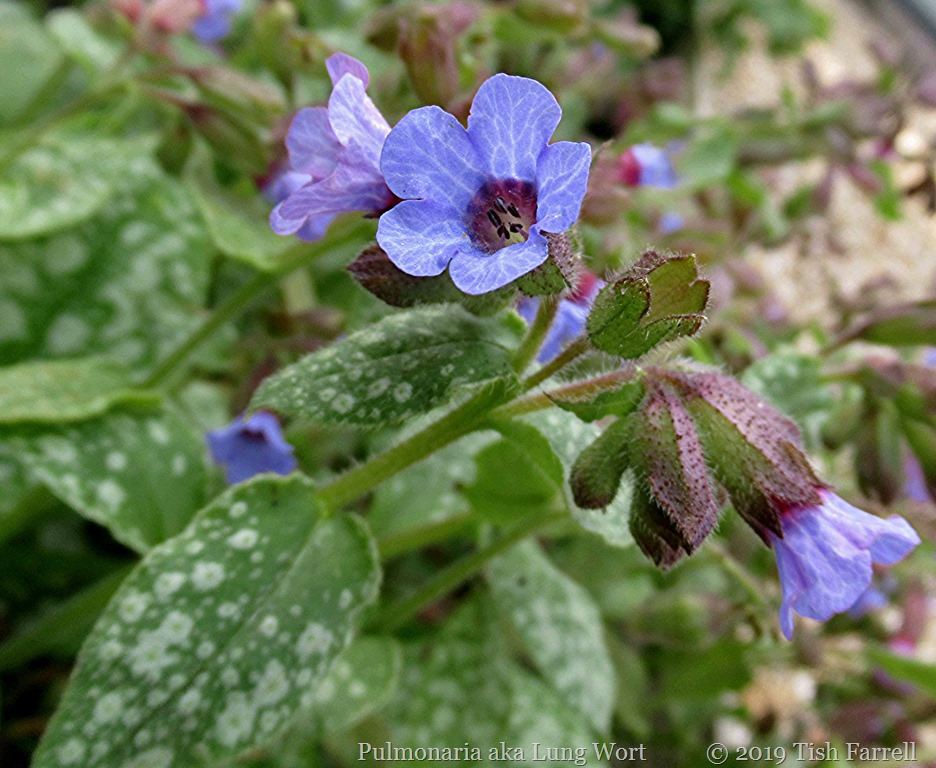
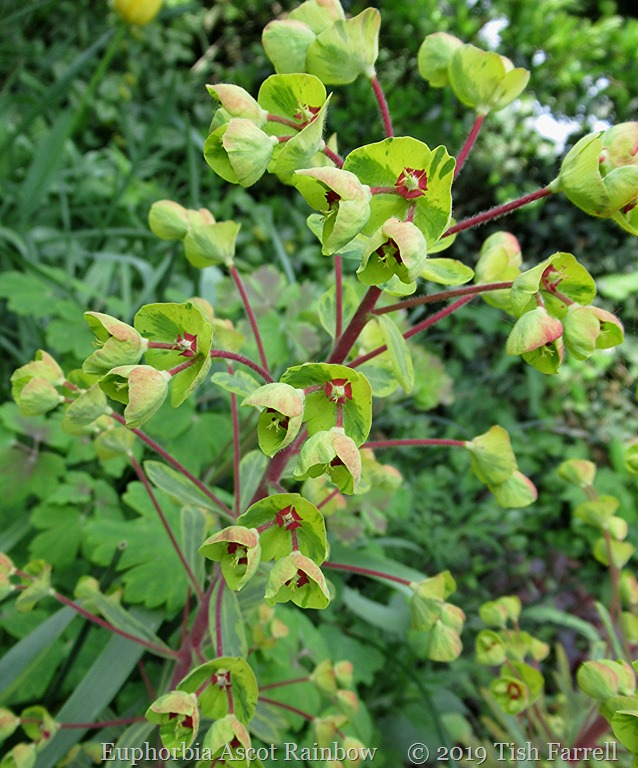
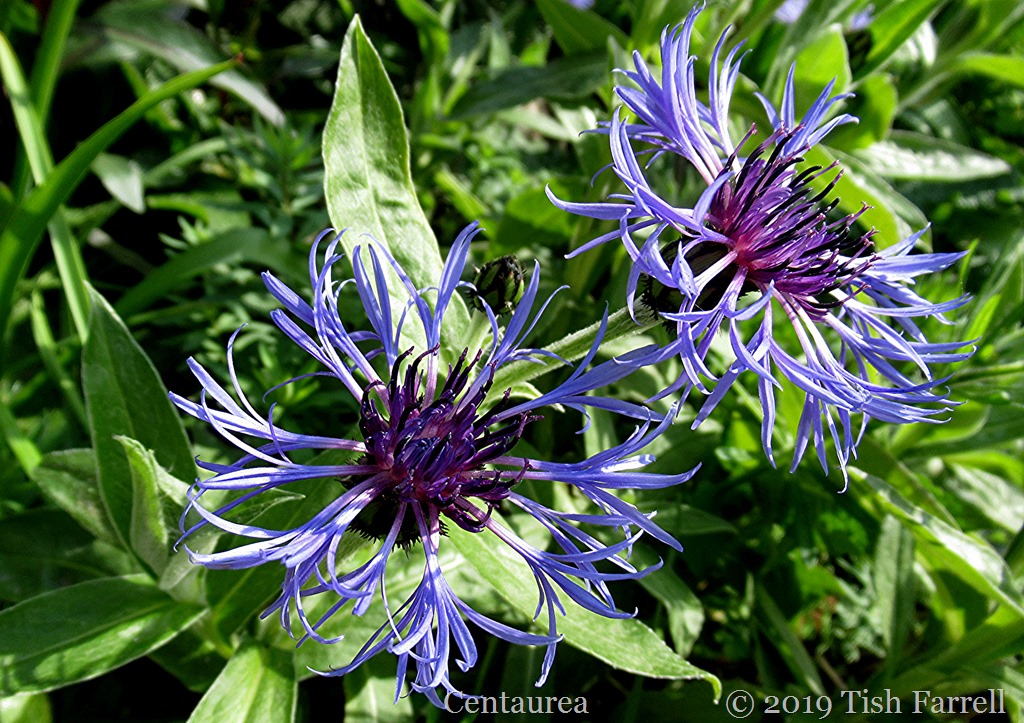
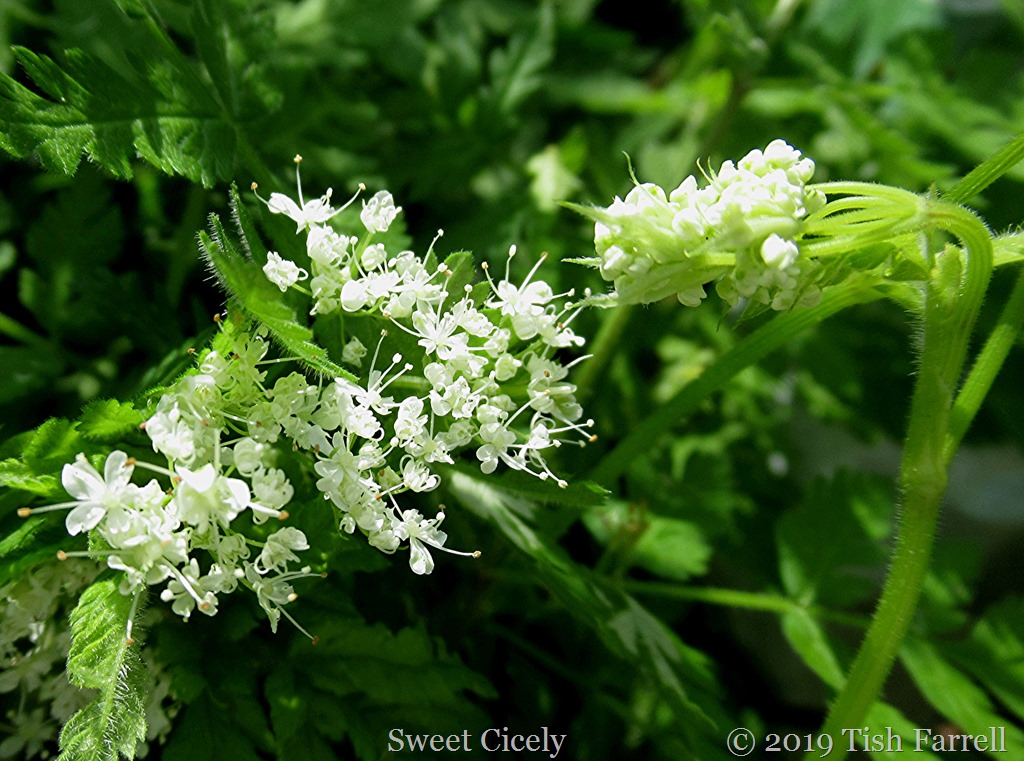
Bye bye Siberian icy blasts, hello summer! It’s been all change here in Wenlock and all go, go, go out in the garden. Tulips bursting, crab apple blossom unfurling, Spanish bluebells shooting up, euphorbias at their vibrant, greenest best, pesky weed oxalis suddenly a haze of soft pink flowers just to stop me pulling it up, columbines on the cusp, perennial Centaurea cornflowers showing off their best blues, Sweet Cicely all lacy umbels (and a good addition when cooking fruit to reduce the amount of sugar needed). Ladybirds on pest patrol. Bees on the forage. Cloudless blue above. Hot sun. It’s just all too exciting.

IMG_1396

IMG_1360

IMG_1388

IMG_1411

IMG_1389

IMG_1415

IMG_1420

IMG_1340

copyright 2019 Tish Farrell


Six Word Saturday (that would be in the post title!) Pop over to Debbie’s for more 6-worders.

Today The Weather Feels Like This

IMG_3178cr2

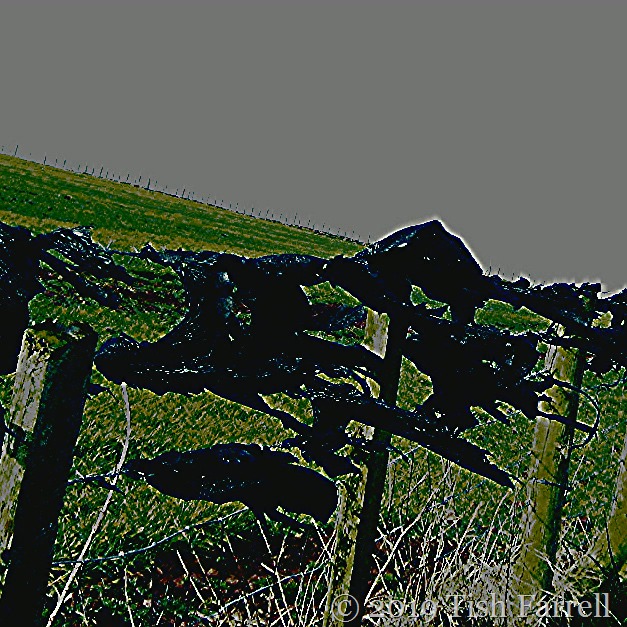
Country lore has it that if March comes in like a lion it will leave like a lamb. Well roll on flocks of little ovine entities. As I write this, the wind is roaring up over the Edge, and blowing right through the house even though all the windows are shut. And IT IS ICY. And outside,  it is blow-you-over gale force across the field with intermittent fierce rain squalls. Yet the BBC weather people claim that here in our corner of Shropshire we are currently having ‘sunny intervals with a fresh breeze’. In support of this contention, they have staked out their hourly weather map with a row of sunny-cloud icons. It’s a sign of the times of course. You can no longer trust a single mediated report, not matter how supposedly trustworthy the source. Wear more vests, that’s my advice. And balaclavas.

Photo: Bin bag and barbed wire, St Bride’s Bay, Pembroke, March 2018

Spiky Square #9

Six Word Saturday

Much Wenlock’s Changing Seasons ~ Flaming June 2018

P1070031

Who’d have thought it? Here in the UK we’ve been having summer and all before it was officially summer; week after week of sunshine, and hardly a drop of rain. May was the warmest May in over a hundred years, and June has continued in like vein. The roses have been flowering their socks off and, along with the pinks and honeysuckle, filling the garden with delicious scents. In fact everything is blooming at high speed, intent on pollinating and seed-setting before being fried. This evening I saw fully formed, if not yet ripe hazel nuts at the allotment. The biological imperative in action then. Already the countryside has the dry and dusty look of late August.

Of course all this sunshine means there’s lots of watering to be done at the allotment, though I’m very conscious that water is precious and I should not waste it.  I’ve been trying to mulch things where I can, and otherwise shelter crops with netting, mesh or fleece. I have not managed to get to grips with the strawberry bed though. Did not put straw down when I should have done, and although the plants have been producing lots of fruit, they looked flat out and flabbergasted yesterday evening  – beyond being watered now.  On the plus side – more heat = fewer molluscs.

All around the town the hay fields have been cut and cleared. And when we drove over Wenlock Edge to Church Stretton this morning all of Shropshire lay sweltering under the sun, and set to bake for another fortnight too.

This raises serious issues – the water supply in particular, and climate change in general. We need to start taking both seriously, and we especially need the water supply and its management back under public control. And if we’re now going to have largely rainless springs and summers, followed by very wet winters with the increased likelihood of serious floods too, then we need more water storage facilities. Many conurbations are still relying on reservoirs built by the Victorians. Birmingham water comes from Elan Valley reservoirs in Wales, built in 1893.

This week in our part of the West Midlands we’ve been having very strange goings on with the taps courtesy of Severn Trent Water whose CEO earns £2.45 million a year.  (She is one of the 9 water company executives who between them have received £58 million pounds in pay and benefits over the last 5 years.) In the evening the pressure drops until water is either absent or only a dribble. Severn Trent say this is happening because increased usage due to the hot weather is causing air pockets in the pipes, and they’re having to pump the air out.

This is an entirely new phenomenon to us, although having lived in Africa we are well used to the absence of water and the notion that we should not take its provision for granted. Anyway the STW explanation rather reminds me of old British Rail’s excuse of ‘leaves on the line’ whenever services went awry. In early March there were similar happenings in the pipes due, Severn Trent said, to an unprecedented number of leaks because of the cold weather.

However you look at it, a delinquent water supply that is so susceptible to changes in the weather, and for which most households pay £400 a year, is not fit for purpose. ‘Take back the taps’ say the GMB Trades Union.

Changes in rainfall patterns, and failure to properly manage rain-fed water supplies is going to seriously affect the nation’s food production. We’ll need to eat different things, learn to grow them in new ways, opt for drought-resistant plants. When we leave Europe, we will have to grow our own vegetables, since most of them seem to come from there. Is anyone taking some action on this, I wonder.

But for now we can go on enjoying the unprecedented warmth, making hay etc. It has many very good points. Earlier this month the town held its two-week arts festival without a drop of rain on its outdoor performances, and on Sunday we had the town picnic on the Church Green, and the whole afternoon was blissful – at least it was if you had a good tree to sit under. Here are some views around Wenlock during flaming June:

And last Sunday’s town picnic:

This slideshow requires JavaScript.

Changing Seasons June 2018

“How Green Was My Valley” ~ Thursday’s Special

P1060110

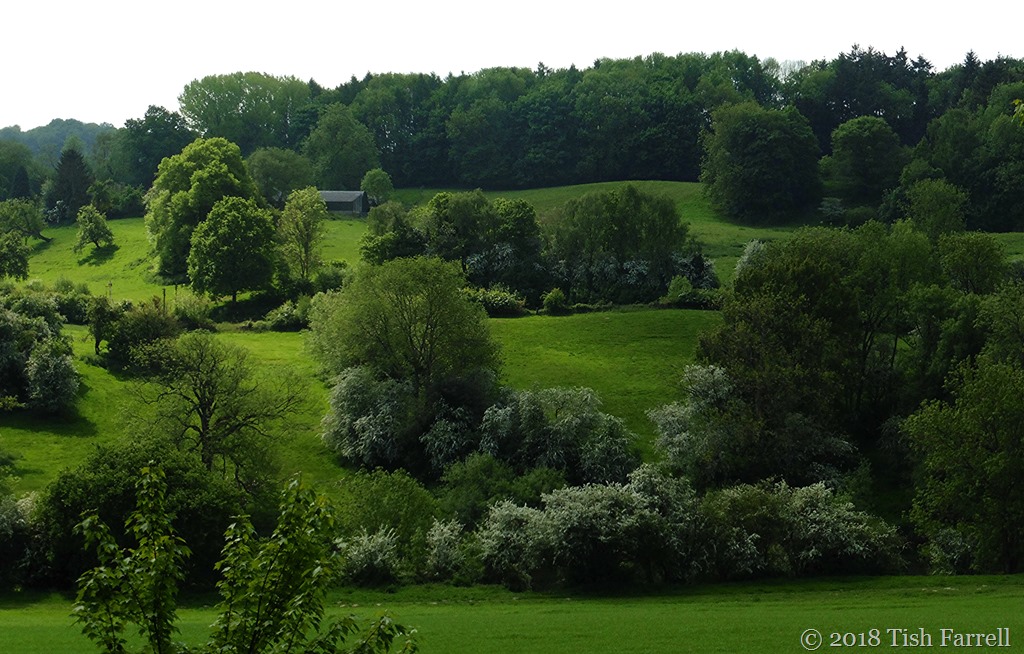
Here in Shropshire, May has been a month filled with much welcome sunshine. Everywhere you look, the countryside is brimming with green-ness, so no colour enhancement was needed for this view across the River Severn at Arley (just south of Bridgnorth). It was taken last Saturday at the Arley Arboretum Plant Collectors’ Fair – post to follow.

I’m sorry you can’t see the river, which is actually quite wide at this point (hiding behind the foreground hawthorns). Nor can you see the railway line that runs midway across the frame. For this is the landscape through which you will pass if you have the good fortune to board the Severn Valley Railway, and chug along the river behind a good old coal-fired locomotive, trailing its long white steamy banner as it goes, and not a few smuts. Clackety-clack and much toot-tooting and many a rustic halt en route.  Oh, the nostalgia!

Thursday’s Special: saturation

How Green Was My Valley  a 1939 novel by Richard Llewellyn set in Wales: tales of the Morgan coal mining family. Also a 1941 John Ford film.