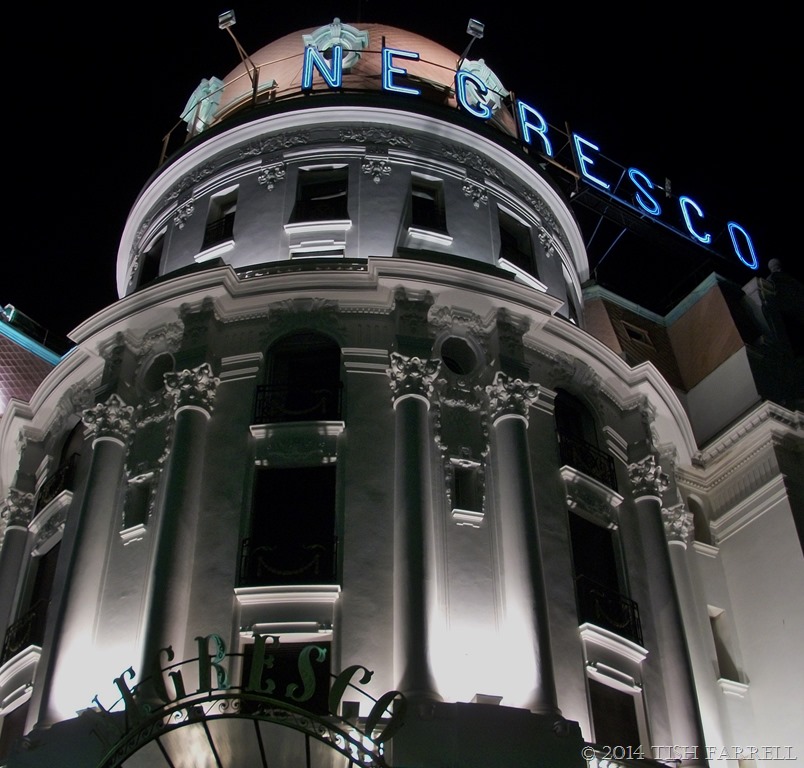
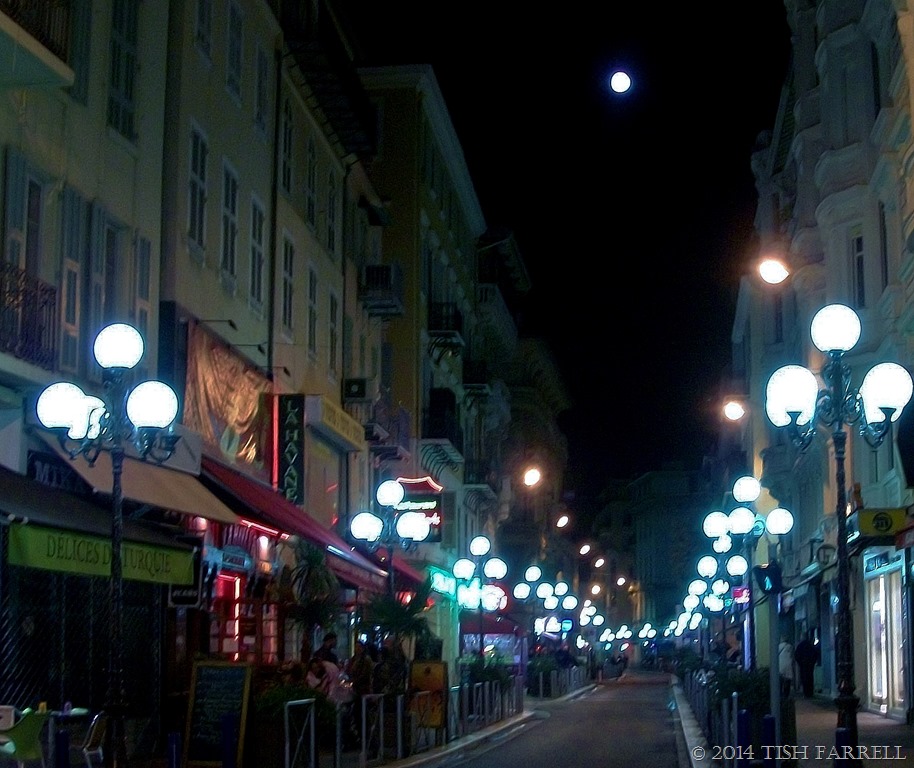
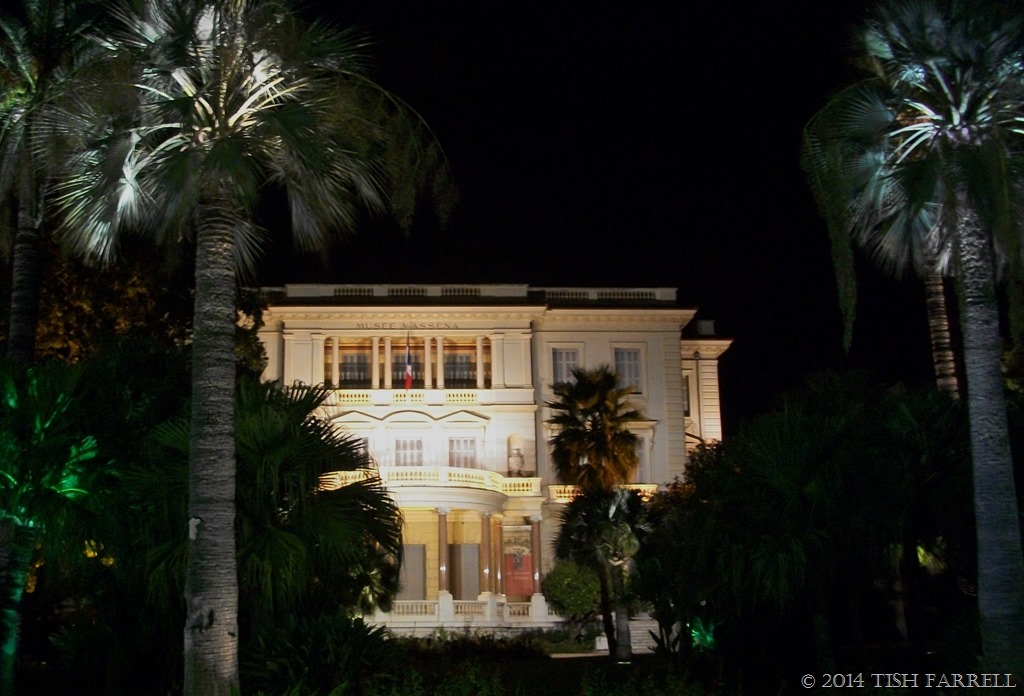
Nice is a lovely city to walk around at night. So many bistro and restaurant menus to browse, the sound of the sea along La Baie des Anges, the October evening crisp after the day’s warmth; ghosts of times past…

Nice is a lovely city to walk around at night. So many bistro and restaurant menus to browse, the sound of the sea along La Baie des Anges, the October evening crisp after the day’s warmth; ghosts of times past…
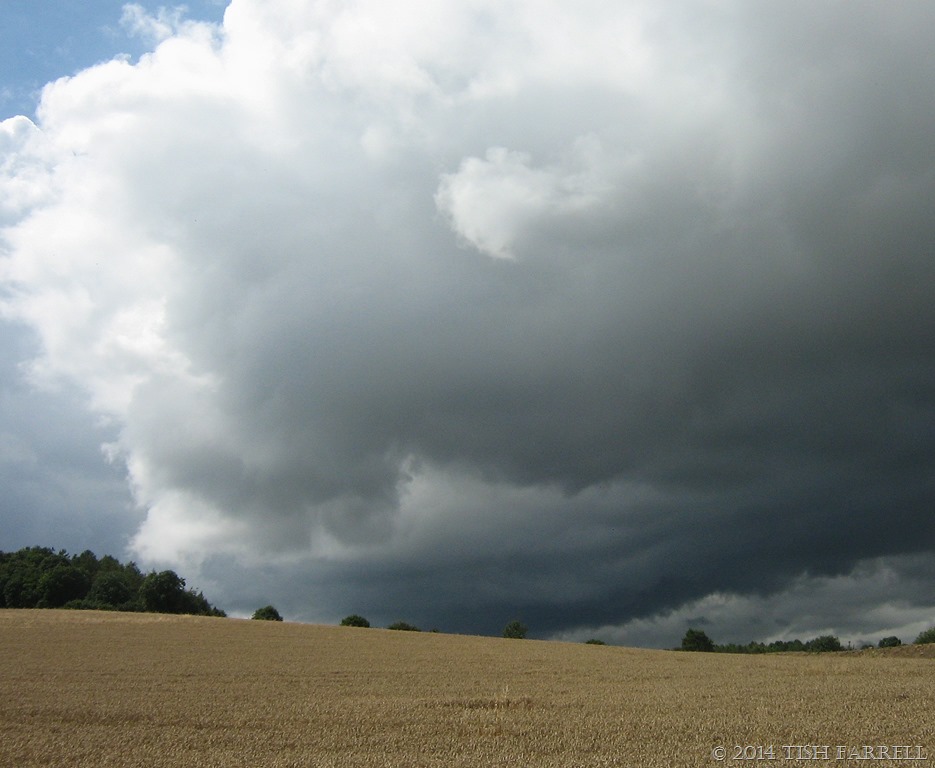
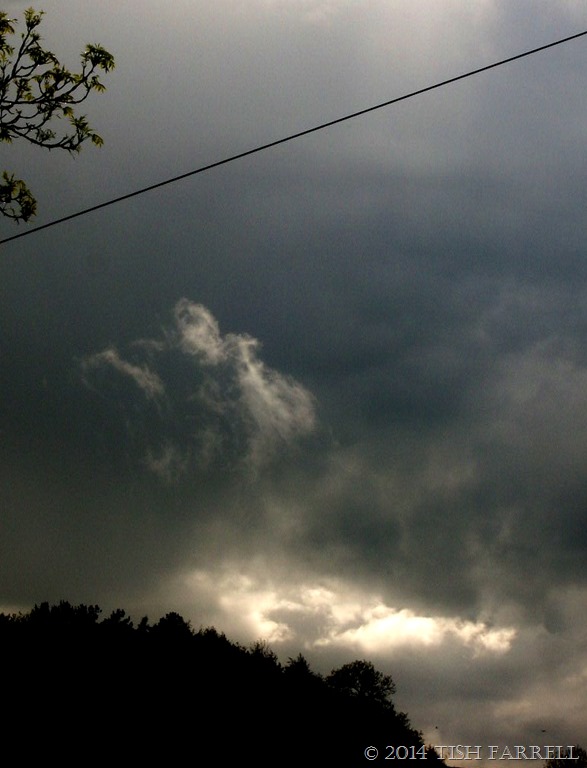
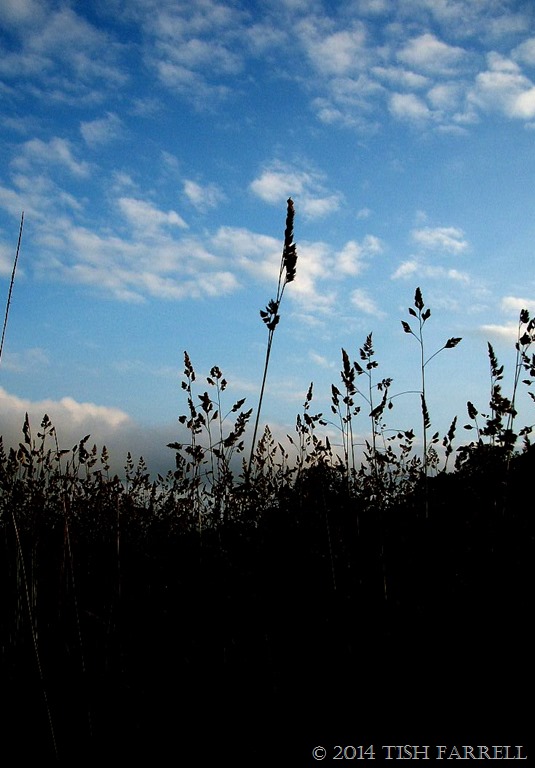
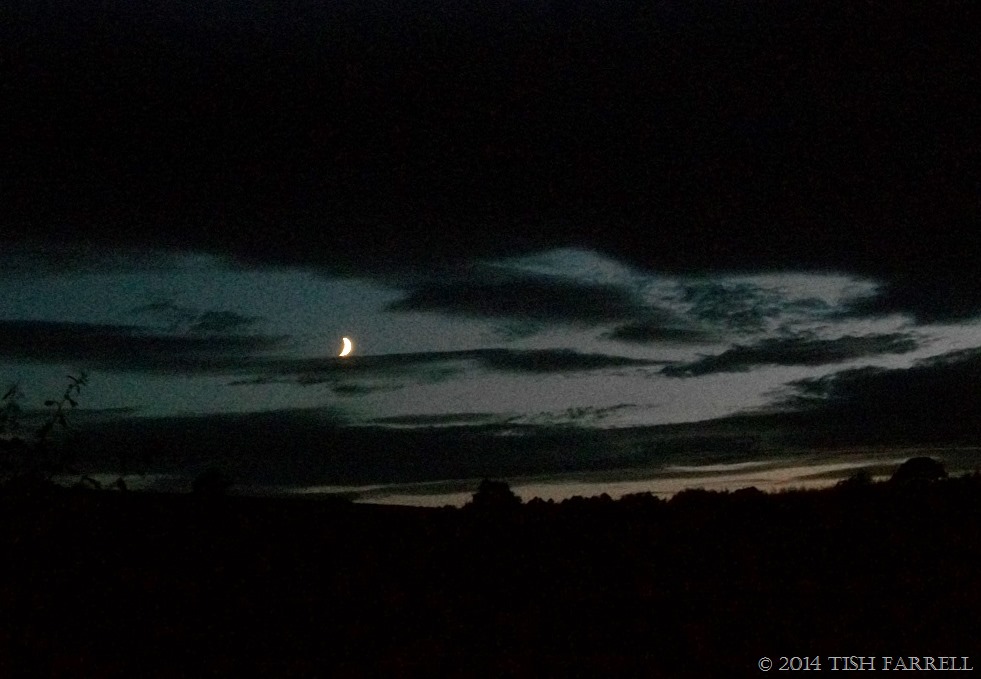
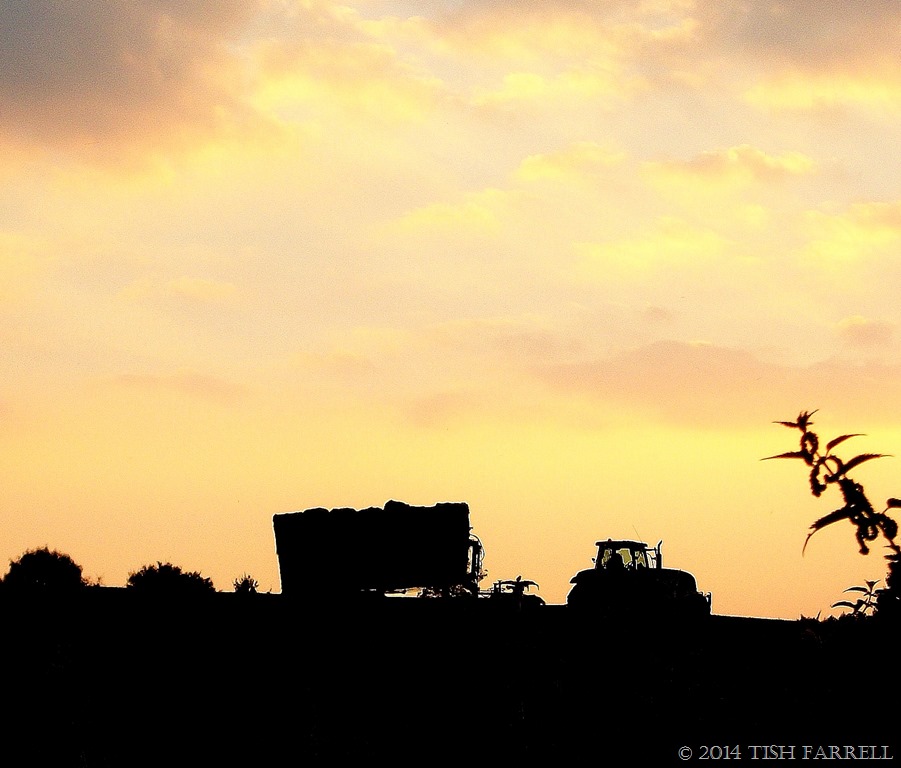
Is it just me, or are our skies growing more interesting in terms of light and cloud formation? I know I spend more time these days looking upwards. Behind our house on Sheinton Street the farmland rises in a series of scarps till it reaches the tree line on Wenlock Edge. Thereafter the ground falls away through hanging woodland. It is quite a drop and means we view the weather higher up somehow, always beyond a series of false horizons. The light and cloud change every minute of the day. You can lose hours simply watching.
This week Paula suggests we post portraits of one kind or another. Here, then, are some sky portraits taken over Townsend Field and Wilmore Hill. You may imagine, too, the frequent exchange that takes place between G and me as we move about the house and garden: I say. Have you seen the sky?

Lost in Translation Thursday’s Special
#WenlockEdge
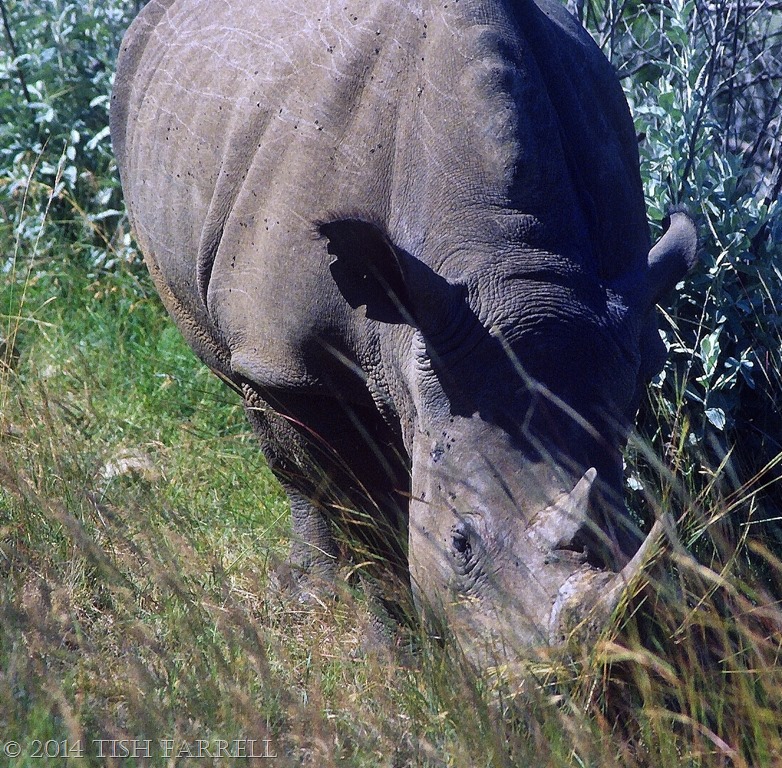
The poaching of rhinos for their horn is a truly abhorrent trade, and shows humans at their worst, not only in terms of wanton cruelty, but also for their gross stupidity in believing that the horn a) makes a nice macho handle for their dagger, or b) does a single thing for their sexual performance. I do not wish to be sexist, but we are talking of the male of the species here.
However, while we are blaming recent decades of poaching for big game loss, it is worth remembering that some truly monumental decimation took place in countries like Kenya under colonial rule, and by the kind of aristocratic settler who considered East Africa their own personal hunting ground; this to the exclusion of the people whose land it had been for generations, and who then became labelled poachers if they were caught hunting for the pot.
John Hunter, was but one of many white hunters who worked both on his own account as a safari leader, and as a game clearance officer for the government. He began his hunting career around 1910 after quitting his job as a guard on the Mombasa railway. In an article in LIFE magazine 12 July 1952 he begins by saying:
When I first came to Kenya the game covered the plains as far as man could see. I hunted lions where towns now stand, and shot elephants from the engine of the first railroad to cross the country. In the span of my 65 years the jungles have turned to farmland and savage tribes have become factory workers. I have had a little to do with this change myself; for the government employed me to clear dangerous beasts out of areas that were opened to cultivation.This was in a day’s work for me; yet I have always been a sportsman.
John A Hunter(1887 – 1963)
*
His career tally for elephants killed is 1,400, but when it comes to rhinos, he holds the world record. Over a two-day period he was responsible for 1,000 rhino deaths, the slaughter taking place in the Makindu area of Ukambani, about a hundred miles south of Nairobi. The land, and rather poor land at that, was wanted by the authorities for the resettlement of the Akamba people. But the scale of the killing goes to show how plentiful these animals once were.
When John Hunter came to retire in 1958, it was to the small hotel he had built at Hunter’s Lodge, Makindu. I have written about the place in other posts; we practically lived there in ‘92. The story goes that successive owners had long given up trying to keep the roadside hotel sign upright. Always, the locals said, some avenging rhino would come and flatten it. Whether this was a real or a spirit rhino, no one said, but there were certainly no rhinos in sight when we were there.
Today in Kenya there are several private reserves where small numbers of black and white rhinos live out their lives with round-the-clock ranger-guards. At the time when the top photo was taken, the white rhino concerned inhabited, with several others, a secluded part of a Maasai-owned group ranch. It is hoped that initiatives such as these will keep the species viable, but it is by no means certain. It is anyway a dangerous job for the men in the photo below. These days poachers come well armed with automatic weapons. It takes great bravery and strength of character to protect the world’s wildlife out in the bush. So three cheers for the rangers wherever they are working on this, WORLD RHINO DAY. These men and women deserve all our praise and support. It is only a shame that their diligent protection continues to be needed.
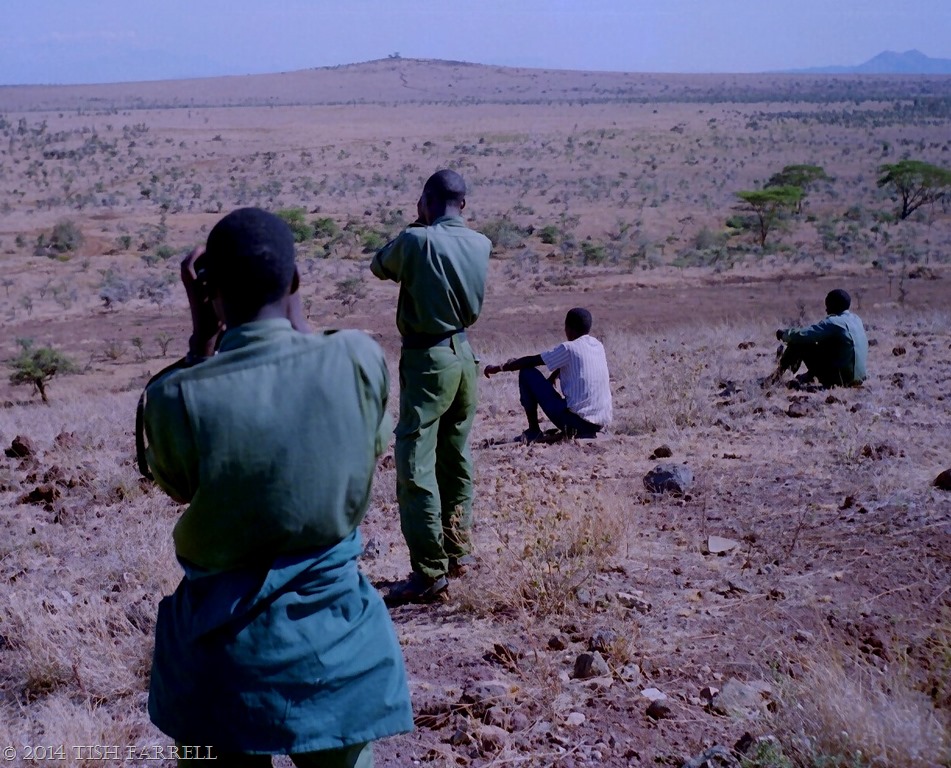
Anti-poaching team in a private reserve in Northern Kenya
*
copyright 2014 Tish Farrell
For a South African perspective on the state of rhinodom see De Wets Wild, always a blog worth visiting for its wonderful wildlife photos.
And for an Indian view, Sriram Janak’s wonderful blog.
Ailsa’s travel theme: strong for more strong stories
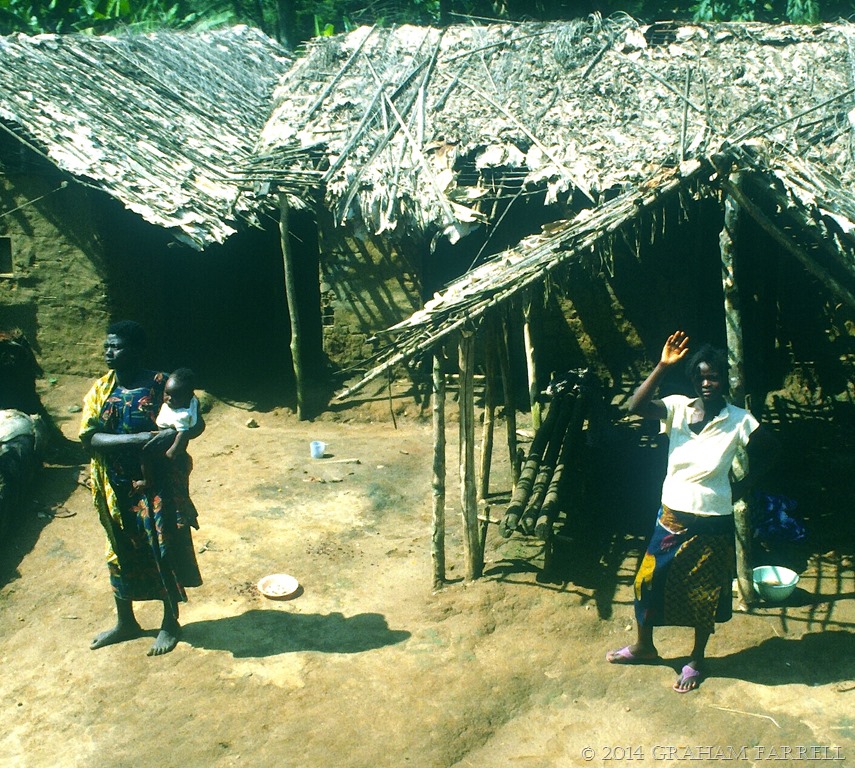
There’s a story here. You have to look carefully though. This is very much a happenstance shot, taken by Graham from a moving overland truck many years ago. In the truck, alongside him, were a bunch of young Australians and New Zealanders. You may picture a row of enquiring, youthful, fair-skinned faces looking out on this scene. It is hard to imagine what the locals made of this passing vision of alien hobo humanity. The Central African Republic (CAR) has never been a common tourist destination. It certainly is not these days.
In the late nineteenth century occupying French colonisers apparently tried to turn the country into a cotton plantation. It did not work. Ever since independence in 1960, all has been shaky. For the past decade the people of CAR have been caught up in bloody bush wars, these apparently ethnic based and factional: Christian versus Muslim. Neighbouring Chad to the north is implicated. As in the Democratic Republic of Congo, CAR’s neighbour to the south, this is a beautiful land stuffed with riches: uranium, crude oil, gold, diamonds, and valuable hardwoods. There is also good farm land and hydro-power potential. Yet its people are also among the world’s poorest. As in DRC, it is necessary to ask the question ‘Who benefits?’ to find out exactly why this state of things persists in the 21st century.
…forest either side the red dirt road, rolling hills, coffee bushes, pawpaw tees, kapok trees, bananas, innumerable mangoes and desolate villages…people waving and smiling, but also some half-heartedly thrown stones and raised fists from the kids…
from G’s Overland Diary
*
You can make a guess that a good part of the answer will involve a chain of traded commodities that reaches us in the industrialized nations, for we are the end-users and buyers. By some means or other, arms will be going the other way. For this is the nature of the rich world’s (largely unseen) relationship with African territories. In the past it was the cropping of humans for slaves, and the cropping of elephants for tusks to make drawing-room piano keys, and balls for the billiard table games of civilized gentlemen. Today, it is the minerals that are craved, and at any cost. The trade keeps unscrupulous African potentates in power. They pillage resources from neighbouring countries to sell to the so-called developed world (is this us?). And so we have the carnage.
Until 1997 France maintained a military force in CAR; senior French politicians are said to have acquired diamond and gold interests in the country during the ‘80s and ‘90s. Thereafter, fearing a power vacuum, Paris funded French-speaking African nations to provide a peacekeeping force there (BBC news page). Today, French forces are back as part of the UN peacekeeping mission. Their fellow peacekeepers are Rwandans, and these two forces do not see eye to eye either (The New Republic). However you look at it, the country is a bloody mess. Once the Pandora’s Box of vested interest by multiple players has been opened, it is hard work to restore any vestige of order. We see this in the Middle East too.
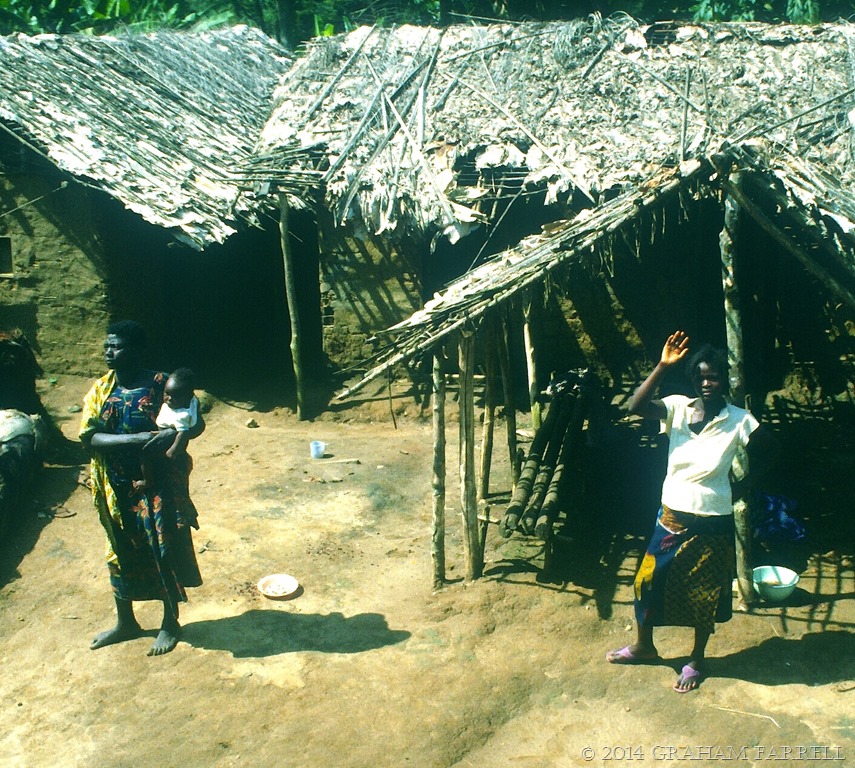
And so back to this photograph. The girl’s wave is wistful as she looks directly at us. Frozen in the moment is her wondering about life elsewhere. The mother, though, knows better. She looks steadfastly away, eyes focused on some other reality. Her stance suggests proud forbearance, feet planted firmly on the earth, her piece of earth, weight evenly distributed. The arms that encircle the baby are sure, composed, protecting, not clinging. She is doing what women do in Africa – endure. Perhaps she is enduring still. Most likely not.
copyright 2014 Tish Farrell
![IMG_0258_thumb[2]](https://tishfarrell.com/wp-content/uploads/2014/09/img_0258_thumb2.jpg "IMG_0258_thumb[2]")
It stills the mind, listening to the sea. The chattering monkey mind shuts up. Gives in. Surrenders to the inward rush of waves, the rhythmic retreat. But add in the doleful wail of a lighthouse foghorn, and something else happens. A door in the imagination swings wide: images of storm-lashed fishing boats, a ship off course, the warning blast resounding on fog-laden seas, the tremors of anxiety as seafarers hear that sound and know of invisible danger ahead. Shoals, sandbanks, submerged rocks?
*
There was none of this kind of drama on the day we went to Portland Head Light. The morning’s sea mist had dispersed to dreamy afternoon sunshine. We watched a huge cruise ship sail out of Portland. People milled about the gift shop and ate ice creams. September in Maine – what could be nicer?
The Portland Head Light is the state’s oldest lighthouse, built at the behest of President George Washington between 1787 and 1791. Apparently government funds at the time were very tight and the story goes that the President ordered the masons, Jonathan Bryant and John Nichols of Portland, to use materials taken from the fields and shore and haul them to the site by oxen.
The original plan was for a 58-foot tower (17 metres), but when it was done it was realized that the light would not be visible beyond the headlands to the south. A further 14 feet (4 metres) was required, at which point Mr. Bryant quit, leaving Nichols to finish the job and build the small house beside it. The Light was dedicated by the Marquis de Lafayette and first lit on January 10 1791 using 16 lamps fuelled by whale oil.
The first keeper was Captain Joseph Greenleaf, an American Revolution veteran. For his pains of manning the Portland Head Light, Greenleaf was allowed to live in the keeper’s house and fish and farm nearby. He received no pay. By June the following year he had had enough. He wrote to the authorities telling them of his travails. For one thing in the winter the ice would form so thickly on the lantern glass it obscured the light, and he would have to go up there and melt it off. It is hard to imagine what kind of effort this would have involved, and in alarming conditions too. In 1793, until his death two years later, he received an annual salary of $160, which by today’s values would be around $4-5,000. Not exactly riches for saving life and property from treacherous seas.

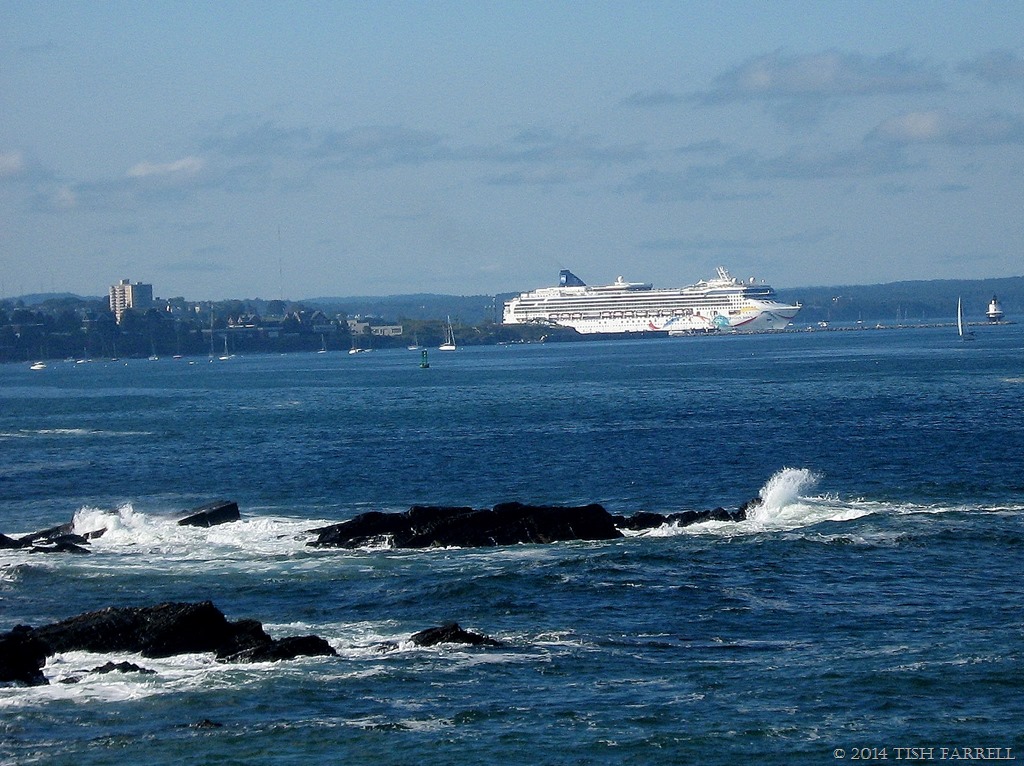
Ailsa’s travel challenge: noise
copyright 2014 Tish Farrell

Cover: Kathleen Collins Howell
There’s nothing like a good review for recharging flagging creative spirits, and believe me, they do flag. So I was more than delighted to receive this one for my novella Losing Kui. Many thanks bjg.
You can read the opening chapters on an earlier post HERE
Available on Amazon and also on ePub Bud for Nook, iPod/iPhone
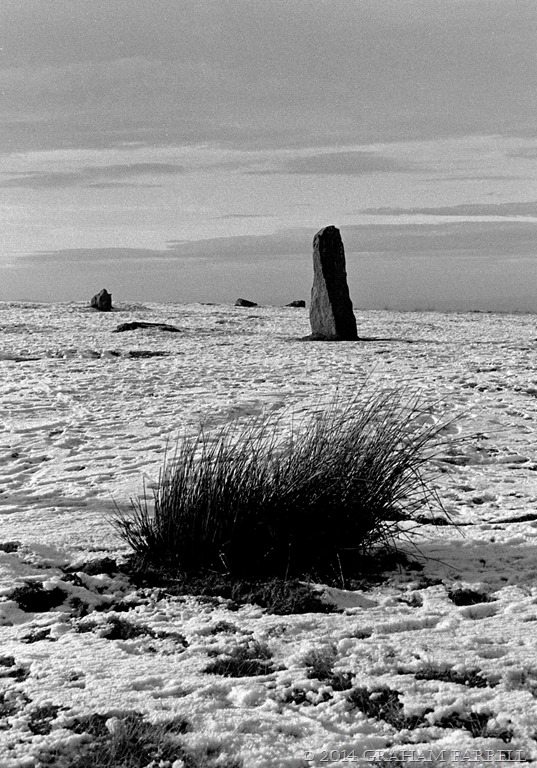
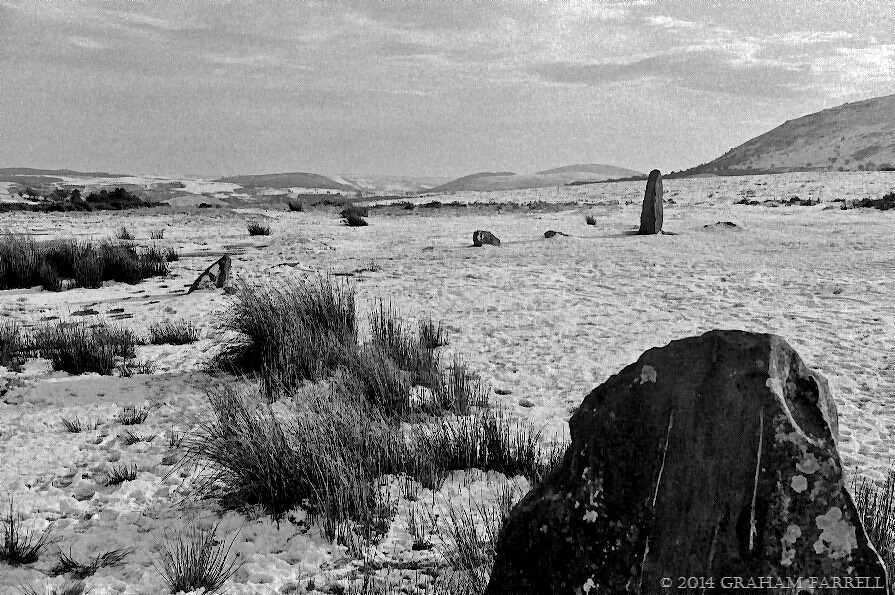
These photos were taken at the Bronze Age stone circle of Mitchell’s Fold, up in the South Shropshire hills. It seems isolated now, but four thousand years ago there was much human activity in these uplands. There are the remains of field systems from this era as well as burial cairns and other stone monuments. In more recent times this stone circle has been associated with the legend of a wicked witch called Mitchell. She is reputed to be entrapped within the stones. You can read more of this story at Witch-catching in the Shropshire Wilds.
copyright 2014 Tish Farrell
With thanks to Cee for her brilliant challenges, and to Graham for the use of his photos.
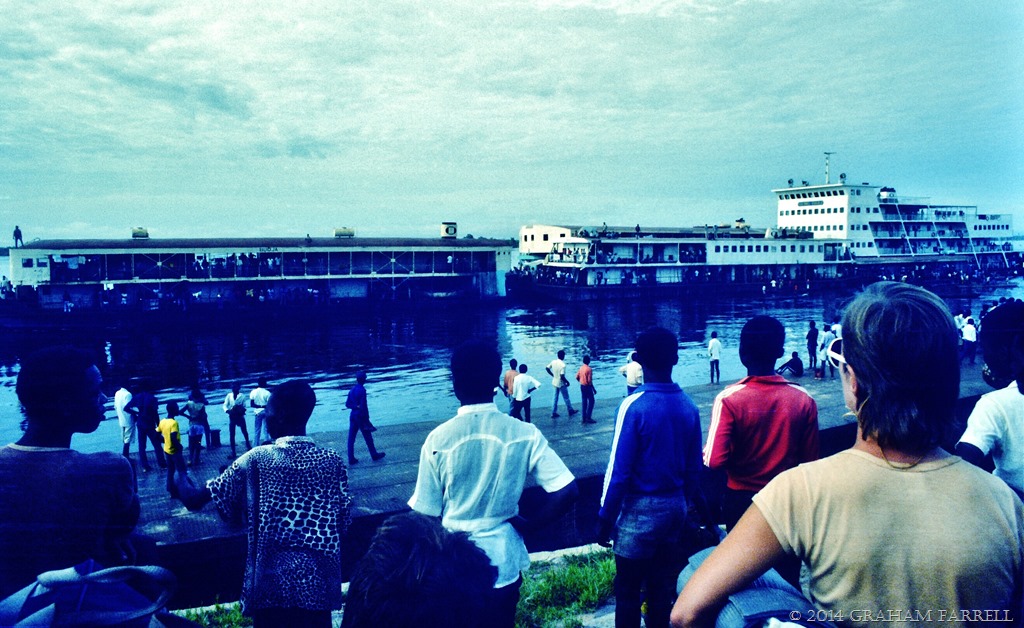
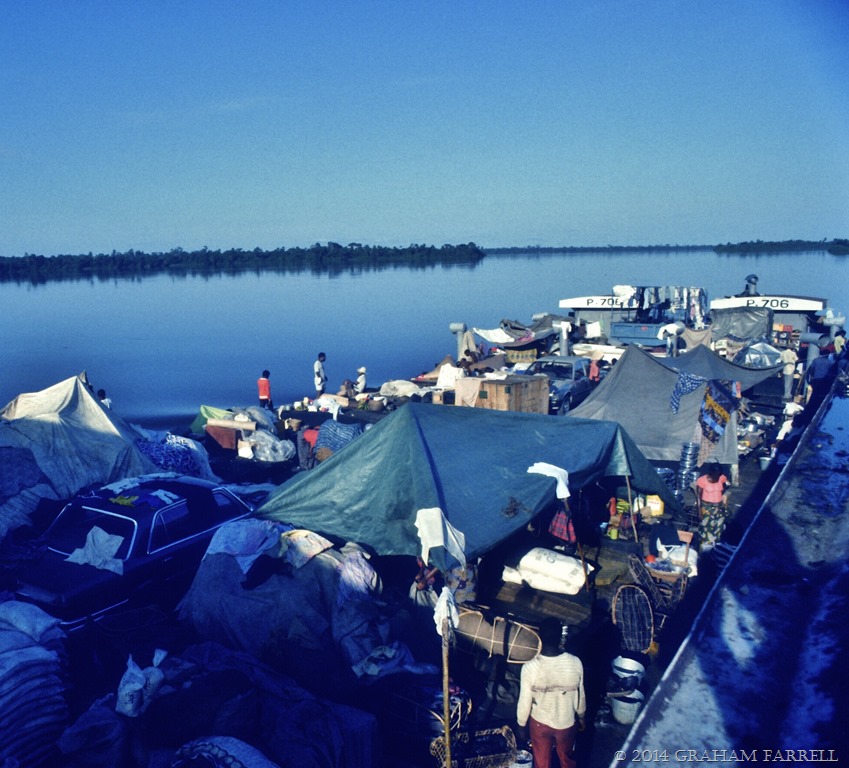
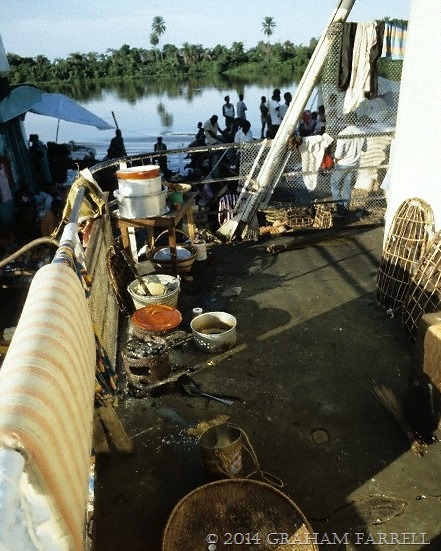
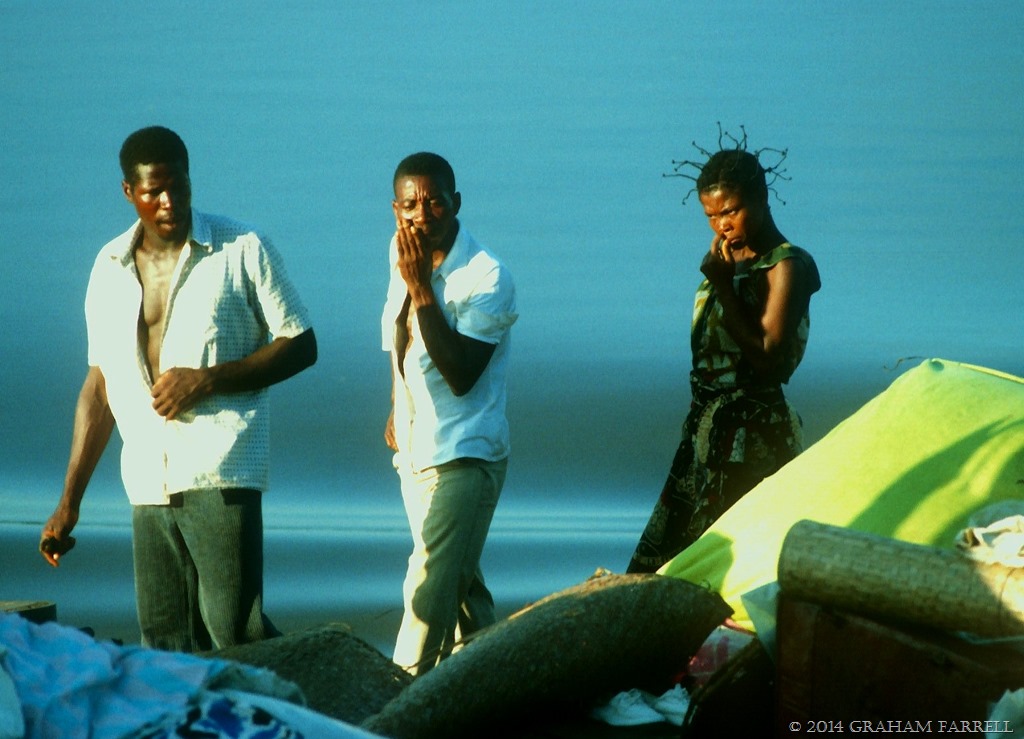
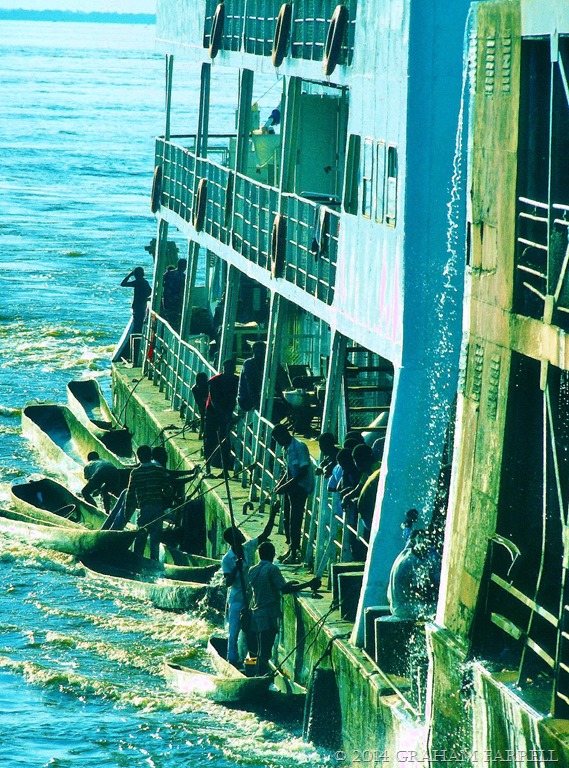
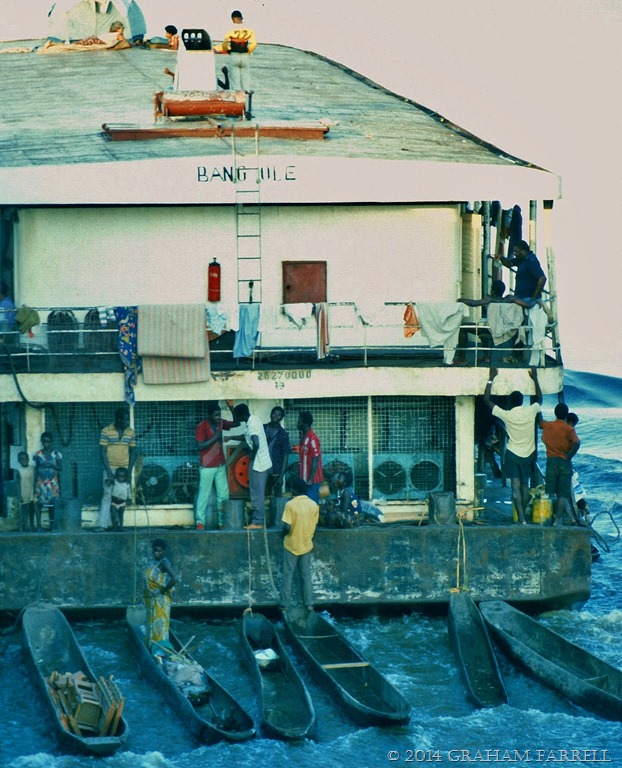
I have written elsewhere that the Team Leader’s long ago trip on the Congo Ferry is a source of great envy to me. I’ve said, too, that the Congo River is Central Africa’s super-highway. In a land with few roads and vast forests, the river is not only an essential means of transport, but a place to do business for communities along the river. This ferry plies some thousand miles of treacherous waterway between Kinshasa, the capital of the Democratic Republic of Congo, and Kisangani in the east. The ferry takes not only passengers, but also has several great barges hitched alongside, and to them are tied fleets of traders’ pirogues. Since progress can be slow with days of delay – running aground on one of the shifting sandbars being a common hazard – the ferry becomes a floating shanty town – all of life and death takes place here.
Henry Morton Stanley was probably the first European to explore the river’s length. It was down to his urging of the riches to be had there that King Leopold II of Belgium established one of the cruellest, most murderous regimes ever perpetrated on hapless humanity. Under the guise of humanitarian aid, Leopold secured this vast Central African territory as his personal fiefdom and named it Congo Free State. From 1885-1908 (until the Belgian Government forced him to relinquish control) Leopold was thought to be responsible for up to 10 million deaths*of African villagers who were terrorized, raped, mutilated and killed in order to provide their quotas of wild rubber and ivory to European Station managers. And believe me, you see only the merest glimpse of these European officers’ activities in Joseph Conrad’s Heart of Darkness, a tale that was rooted in his own brief experience as a steamboat captain on the Congo. Campaigners who helped to expose Leopold’s activities include British journalist E. D. Morel, Irish-born British diplomat, Roger Casement in the Casement Report, and Sherlock Holmes creator, Arthur Conan Doyle.
Nor has the resource grabbing by foreign powers ever stopped. One way and another, the world’s greatest nations have long defended their vast interests in the Congo. Western multi-nationals control millions of dollars of mining concessions. This was the reason why America installed, kept in power and armed the plundering Mobutu regime for 30 years. In 1998, after the repercussions of the Rwandan Genocide escalated into a civil war across the Congo, the US armed 3 of the African nations (Chad, Namibia and Zimbabwe) involved in supporting Laurent Kabila’s bid to take control**. In 2012 The Guardian newspaper reported that British MPs were investigating the ‘opaque dealings’ of London-listed mining companies in DRC***:
“News of the potential inquiry, which could involve top FTSE 100 mining executives being called to give evidence, comes as campaigners argue that natural resources deals are benefiting multinationals rather than the DRC’s population. Commodity trader Glencore will also face calls to explain its involvement in the resource-rich central African country.”
And so the question that nags is when, in the name of humanity, is the plunder and rapine ever to stop? Do not be fobbed off with the notion that the bloody conflicts that have been raging along DRC’s eastern border with Rwanda for over a decade are ONLY to do with local warlords, or Rwanda’s predation. They are to do with coltan that is an essential resource for making cell phones. They are to do with diamonds that adorn the elite and pampered, and are essential to industrial processes and make foreign dealers very rich. They are to do with gold, and copper, and cobalt, and hardwoods, and oil prospecting. They are to do with super-power arms dealing. For this piece of Africa is the most resource-rich territory on the planet, far beyond H M Stanley’s wildest dreams, or even Leopold’s rapacious imaginings.
Yet its people remain the poorest on earth. Corporate wealth based on unfair trading comes at human cost, and that cost is the same kind of barbarity that Leopold’s men doled out. As the angry Karim in Monica Ali’s novel Brick Lane is wont to say, the question to ask is: “Who benefits?” In these conflict-ridden days, it is a question always worth asking. Sometimes it offers a glimpse of clarity between all the establishment smoke and mirrors.
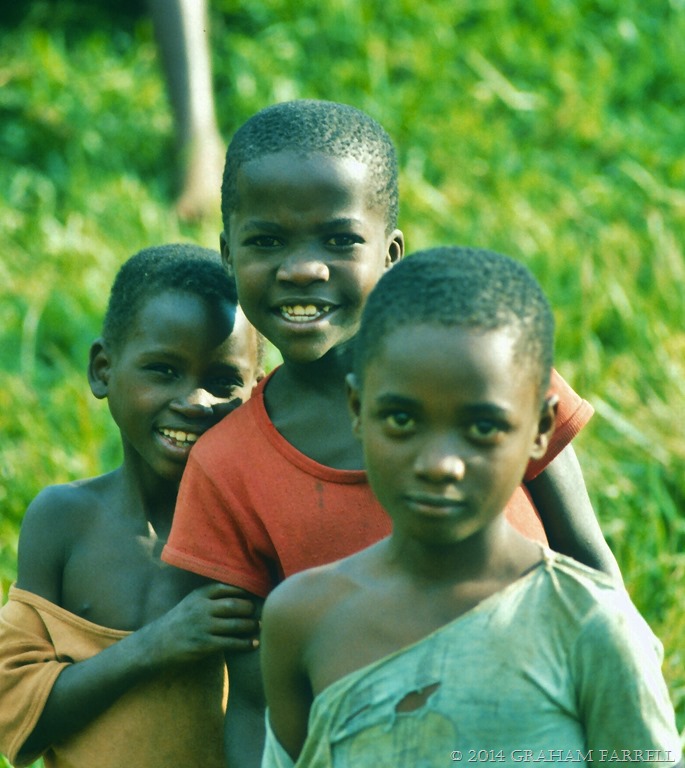
copyright 2014 Tish Farrell
References:
* Andrew Osborn Belgium Confronts its Colonial Demons
**World Policy Institute report: US Arms to Africa and the Congo War
*** Mining firms face scrutiny over Congo deals
Corporate Watch Death on the lake: British oil company’s role in Congo killings exposed
Related: Up the Congo for more of the history
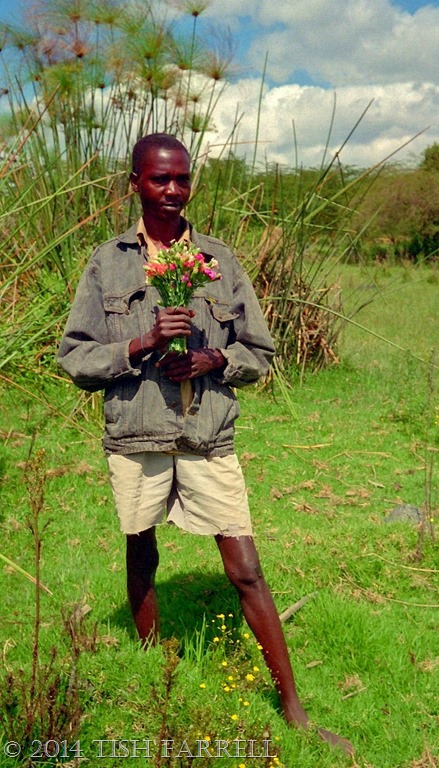
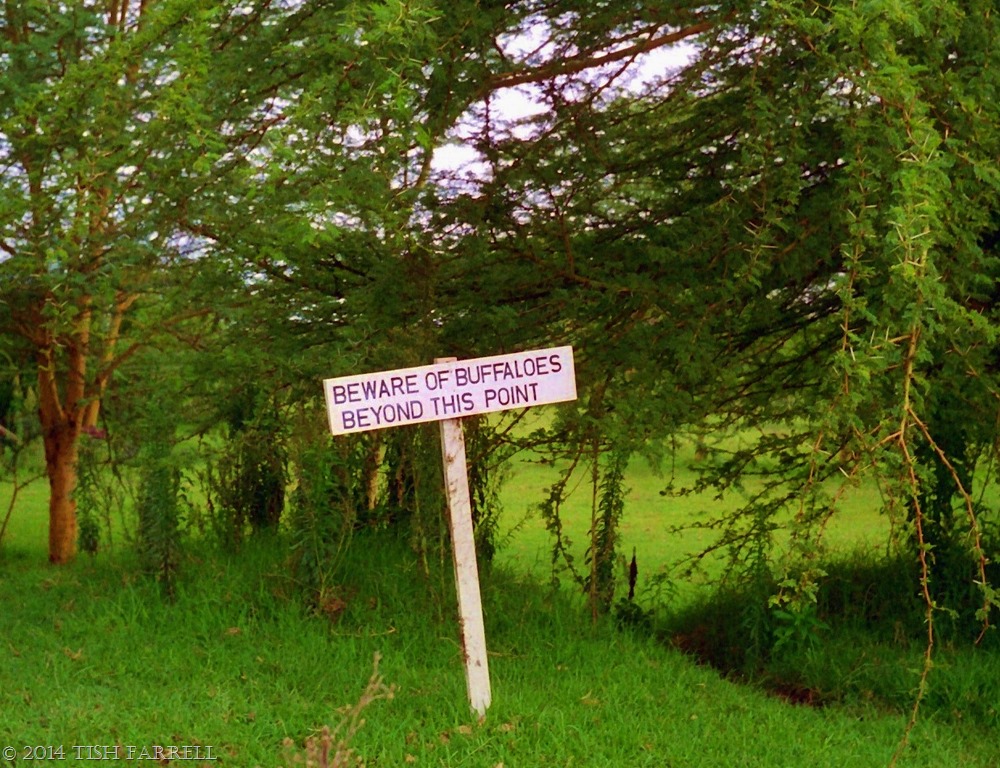
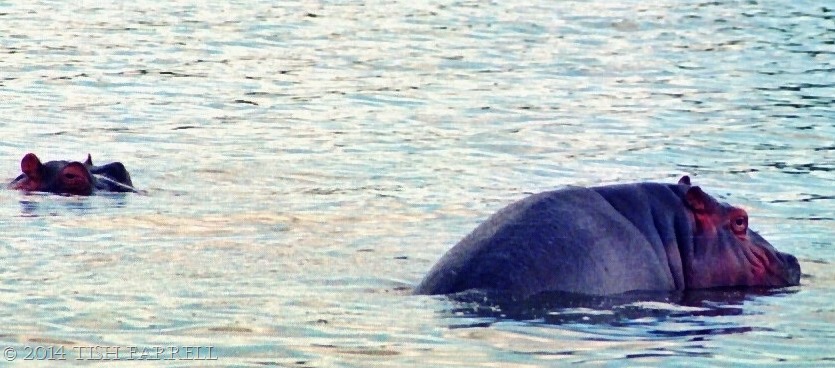
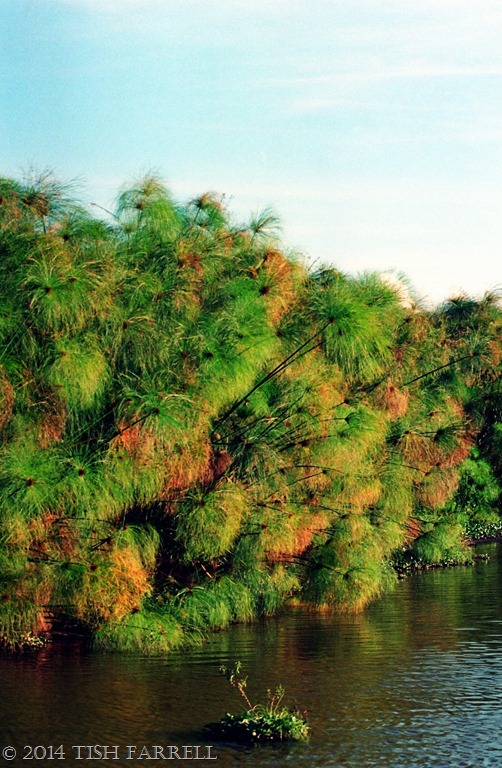
In Africa shopping is often an adventure. Well, who needs the thrill of the mall when you can strike a deal in a hippo-infested papyrus swamp? And for carnations too. I was most impressed by this young man’s opportunism, though puzzled too. Flower-buying customers seemed in short supply in this particular location. I was in the wilderness grounds attached to the Safariland Hotel on the shores of Lake Naivasha when he popped out of the papyrus. I had been wandering alone there (as I did over several days), not on the look out for retail therapy, but for Cape Buffalo (as indeed the sign warned me), and also for hippo whose very loud grunting was resounding off the lake. Both creatures can be deadly if you catch them, or they you, in circumstances not to their liking.
In short then, I was engaged in my own form of adventure bird-watching, while the Team Leader, aka Graham, was back at the hotel, involved in workshop brain-storming with fellow scientists from across Africa. The other surprising factor is that I had some money on me so was able to buy a bunch. The flower seller kept his stock hidden from view in a swamp puddle. It seemed he was recycling the discarded side-shoots from one of the local flower factories. There are several of these huge horticulture enterprises along Lake Naivasha’s shore, all abstracting and polluting the only freshwater lake within Kenya’s Rift in order to export perfect metre-long stems of roses and carnations to Europe. The seller was thus making an opportunity out of stock control squeamishness over European “standards”. But as you can see, his little posy is very pretty. The flowers lasted ages, even surviving a hot drive back to Nairobi. A good buy all round.
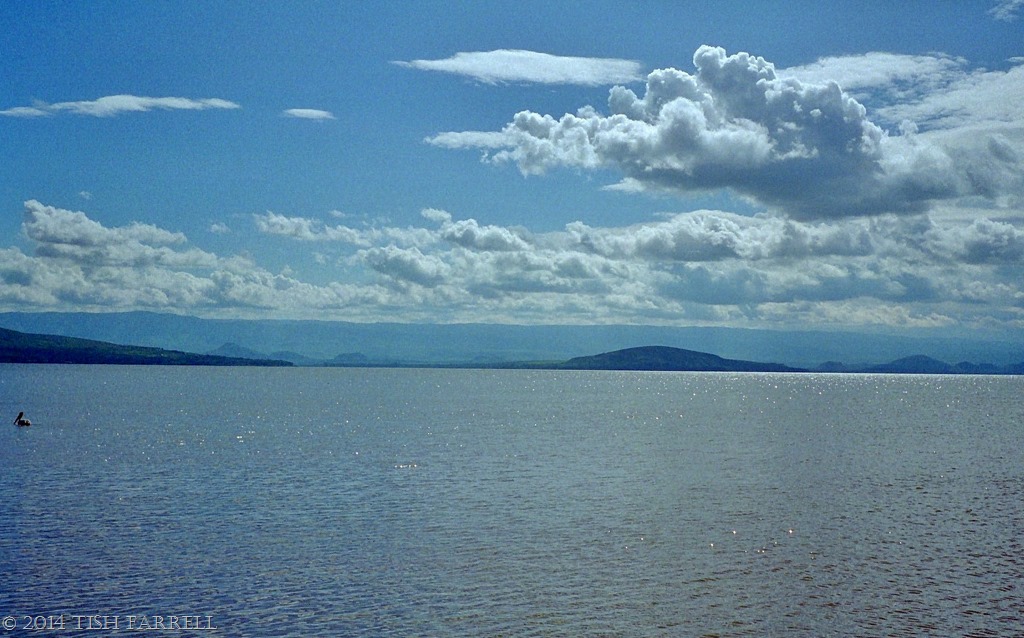
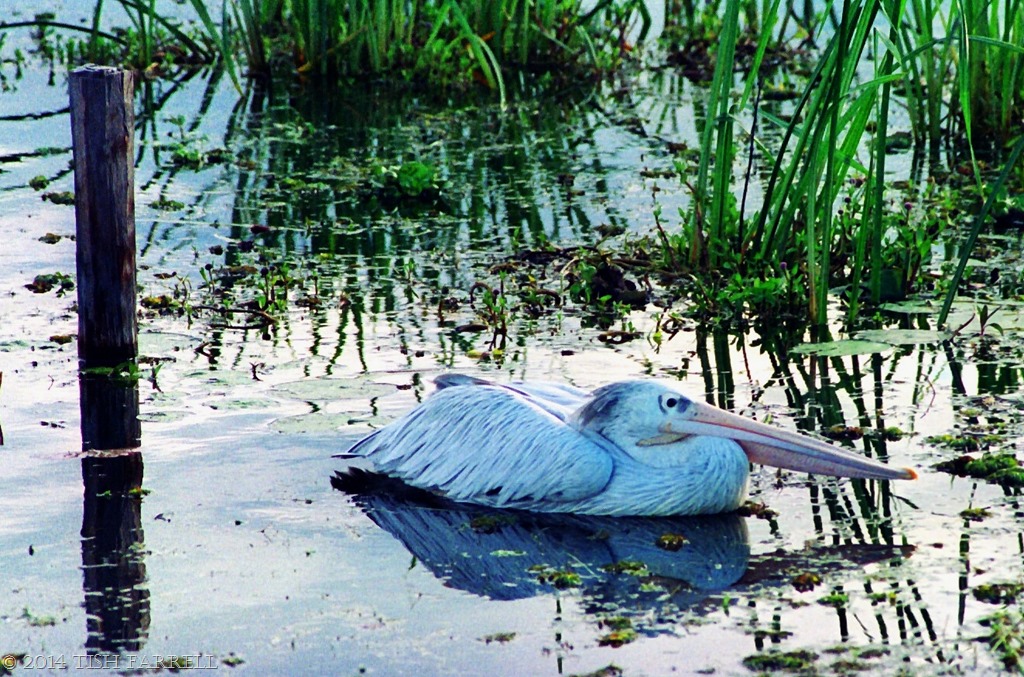
You can read more of this story at CARNATIONS, CROOKS AND COLOBUS AT LAKE NAIVASHA For now, here are more views of this unique wildlife outlet store:
![51CM9EJQ5QL[1]](https://tishfarrell.com/wp-content/uploads/2014/09/51cm9ejq5ql1.jpg "51CM9EJQ5QL[1]")
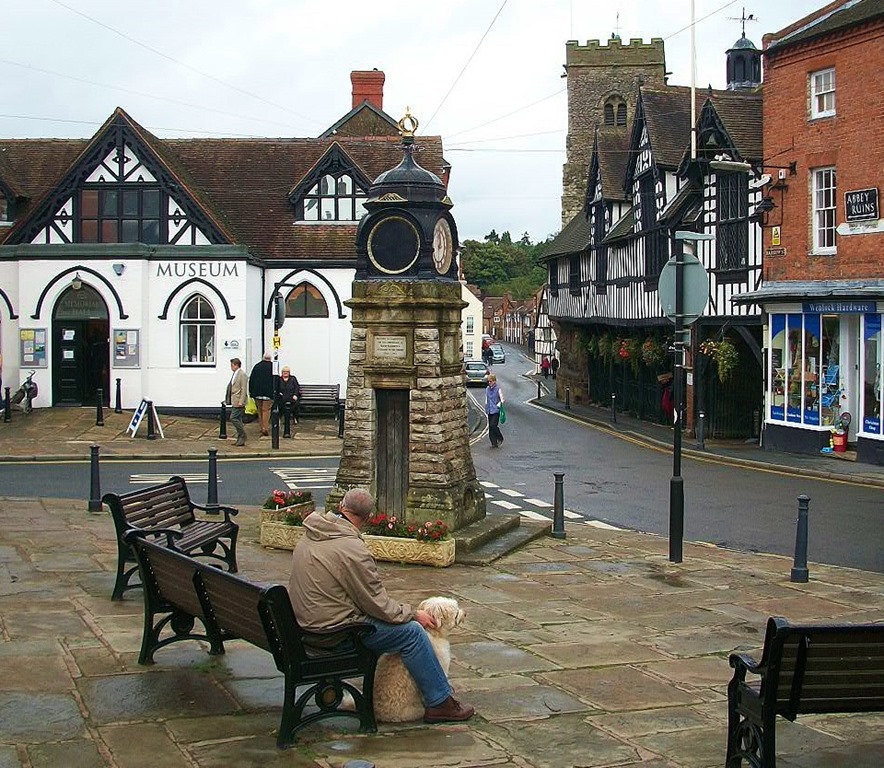
It’s hard to imagine, but in 1949 Hollywood descended on my little home town of Much Wenlock. Both its locations and inhabitants featured in David O. Selznick’s screen version of Mary Webb’s 1917 novel, Gone to Earth. The film’s star, Oscar-winner Jennifer Jones, certainly looks the part, and in this respect she well conjures the book’s central character, the untamed but doomed spirit that is Shropshire lass, Hazel Woodus.
As an American, Jones of course had to receive specialist drilling in the Shropshire dialect, a form of speech which these days is scarcely heard, but would have been the norm during Webb’s childhood. She writes it very clearly in the book’s dialogue, and Jones makes a good stab at it, but it perhaps sounds overdone to modern ears. People in England do not speak like this any more.
![gonetoearth17[1]](https://tishfarrell.com/wp-content/uploads/2014/09/gonetoearth171.jpg "gonetoearth17[1]")
Mary Webb herself spent her adolescence in Much Wenlock, and for the rest of her too-short life lived in various parts of rural Shropshire. She knew country ways intimately. Her writing is rooted always in the landscapes of her own growing up – the upland wilds and rugged long-gone lead-mining and peasant farming communities, the small market towns. But although she observes the hardship and poverty with a keen eye, she has tended to be dismissed as a writer of the romantic and rustic, her work parodied in Stella Gibbons’ Cold Comfort Farm.
In her day, though, she had some very well known literary admirers including Rebecca West and John Buchan (Thirty-Nine Steps). I think her novels deserve a rediscovery. Her themes are still relevant today: male attitudes to women being one of them; human cruelty and wilful destructiveness for another.
In Gone to Earth, the central character, Hazel Woodus, is eighteen, motherless, and living in an isolated cottage with her coffin-making, bee-keeping father, Abel. Her only companion is a tame fox, Foxy, and her only guidance in life is dubiously received from her dead mother’s book of gypsy spells.
Two men want her: the Baptist Minister who marries her and tries to protect what he sees as her innocent spirit, and the fox-hunting landowner who wants only bodily possession. Hazel herself is torn between respectable conformity and her growing sexual awareness. And if I tell you that the term ‘gone to earth’ is the huntsman’s cry when a fox goes underground to escape the hounds, you will know that the story does not end well.
In other senses the book’s plot may be purely allegorical. Above all, it is about the pointless destruction of natural beauty and freedom. Webb was writing it at a time when three of her younger brothers were fighting in the World War 1 trenches.
![MuchWenlock05[1]](https://tishfarrell.com/wp-content/uploads/2014/09/muchwenlock051.jpg "MuchWenlock05[1]")
![MuchWenlock10[1]](https://tishfarrell.com/wp-content/uploads/2014/09/muchwenlock101.jpg "MuchWenlock10[1]")
Much Wenlock 1949 in outside and inside the medieval Guildhall: scenes from Gone to Earth, director Michael Powell
*

The making of the film did not run altogether smoothly, and there are perhaps some parallels between Hazel as an object of male possession and control , and the position of the film’s star, Jennifer Jones. She had had an affair with the executive producer, David O. Selznik, and by 1949 they were married. He wanted Gone to Earth to be solely a showcase for her, and he did not think the film’s makers, the fabulous storytelling team of director Michael Powell, and screenwriter, Emeric Pressburger, (The Red Shoes, The Life and Death of Colonel Blimp) had done her justice. He even took them to court for not producing what was in the script. He lost the case, but he still had the right to make an alternative version.
![feat1[1]](https://tishfarrell.com/wp-content/uploads/2014/09/feat11.jpg "feat1[1]")
The upshot was that for the 1952 American release, renamed The Wild Heart , he chopped all the scenes that did not make the most of Jones, had new scenes shot, and to make sense of the makeover added a commentary by Joseph Cotton. The film was not well received, and so did not serve his purpose. Only recently has the original Powell and Pressburger version been fully restored.
![feat4[1]](https://tishfarrell.com/wp-content/uploads/2014/09/feat41.jpg "feat4[1]")
In the film clip below you will see, not Much Wenlock, but a location some miles across Wenlock Edge. Here are the beautiful hills of South Shropshire, in particular the Stiperstones with its bleak outcrop known as the Devil’s Chair. This is where Hazel goes at night in expectation of guidance from one of her mother’s superstitious rites. This silly, girlish act, and mistaken reading of events will have tragic consequences.
For more on Mary Webb:
![images-3[1]](https://tishfarrell.com/wp-content/uploads/2014/09/images-31.jpg "images-3[1]")
“This year’s discovery has been Mary Webb, author of Gone to Earth. She is a genius, and I shouldn’t mind wagering that she is going to be the most distinguished writer of our generation.”
— Rebecca West, review of Gone to Earth in the Times Literary Supplement, August 30, 1917
Mary Webb: neglected genius for the synopsis of Gone to Earth and also for details of her other works.
