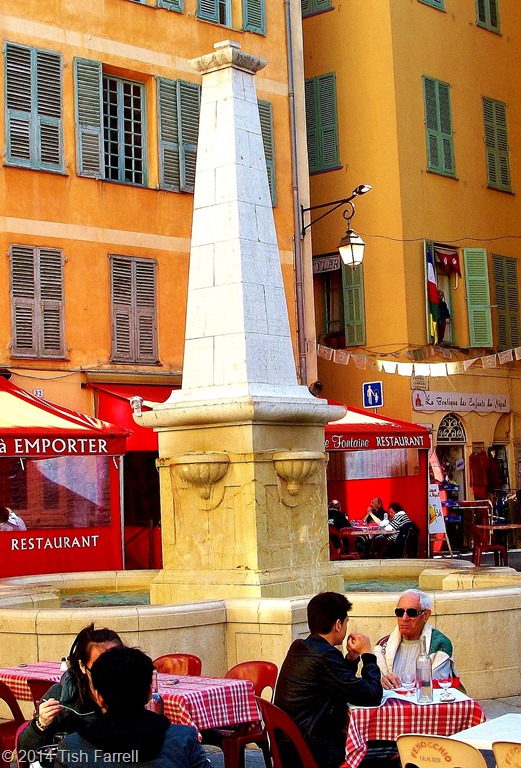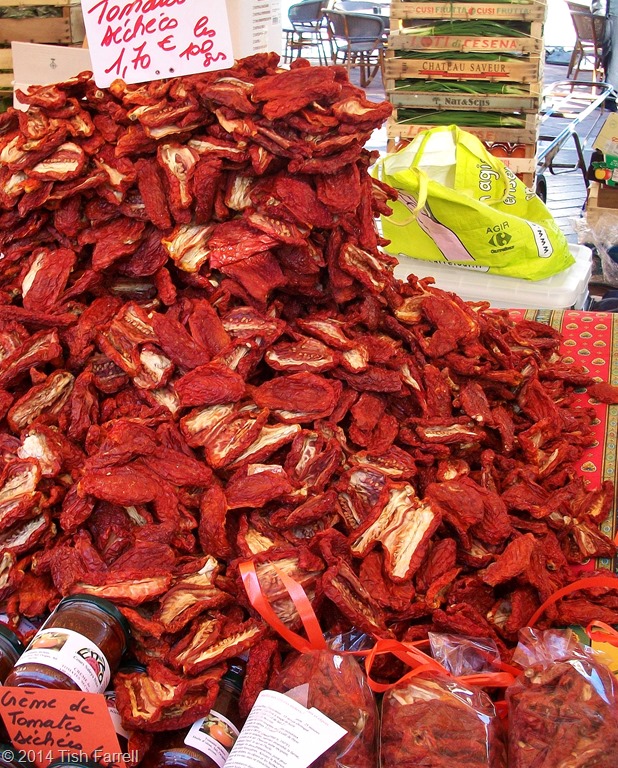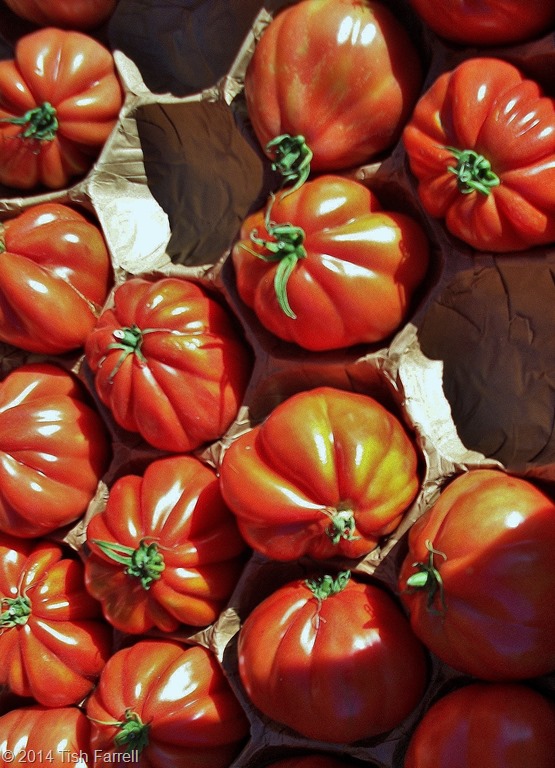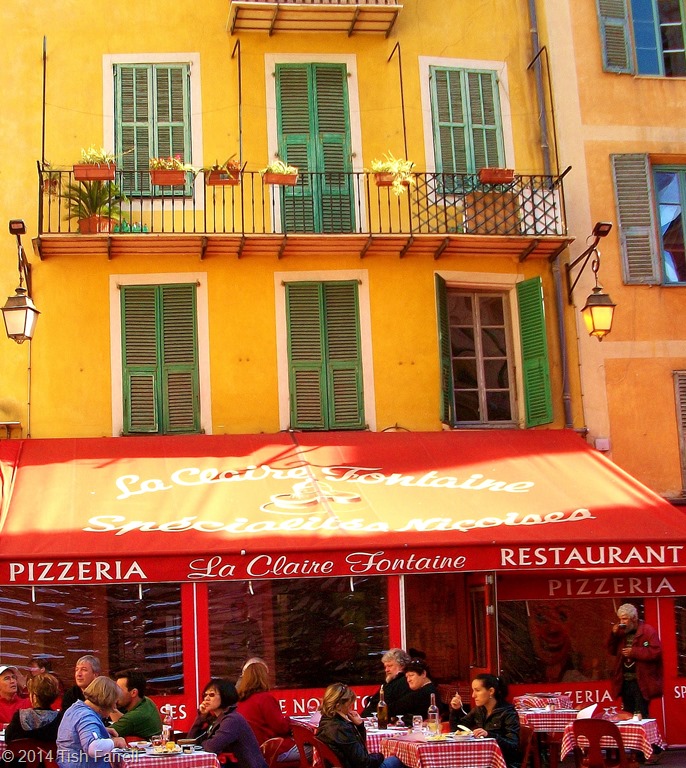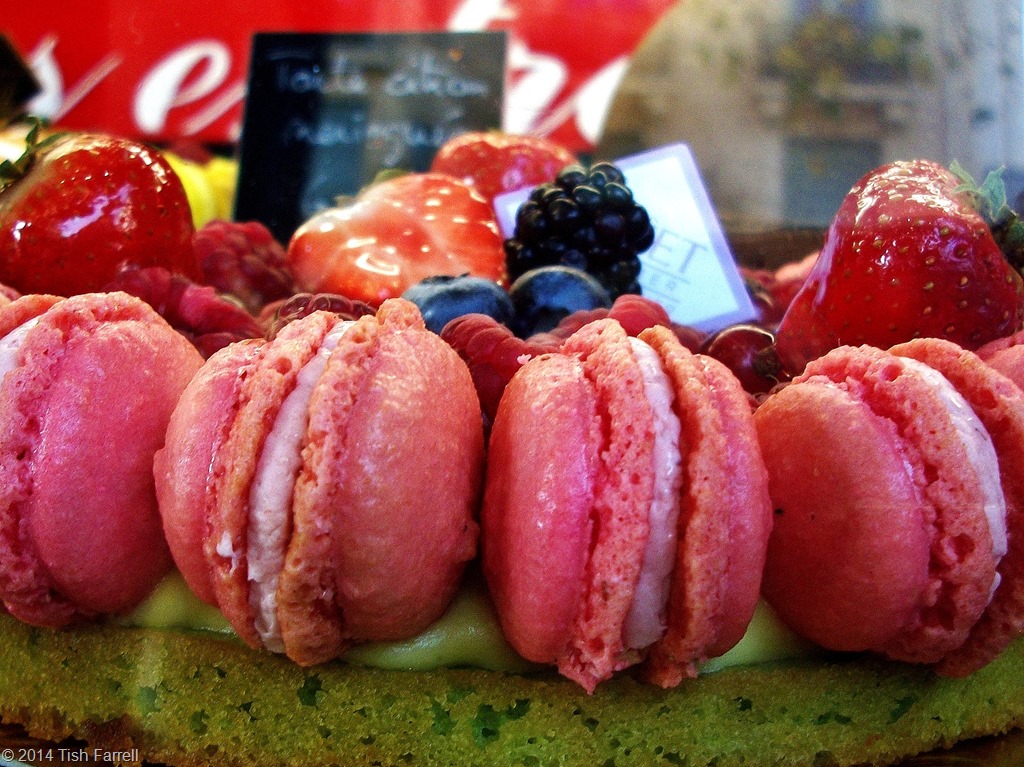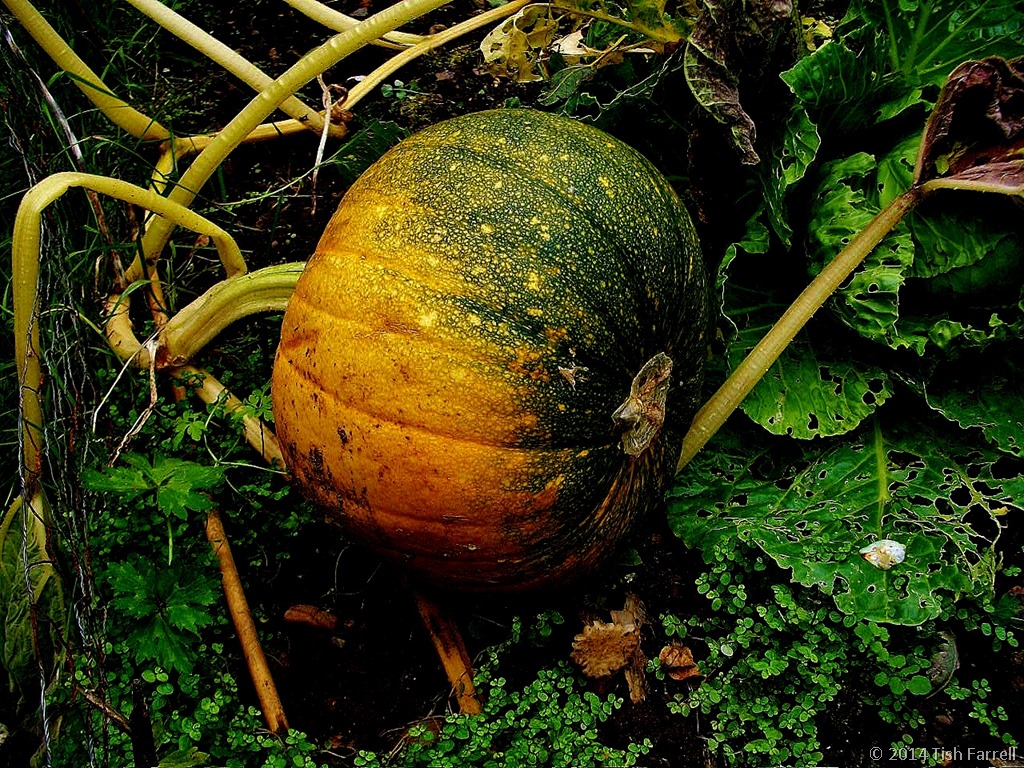
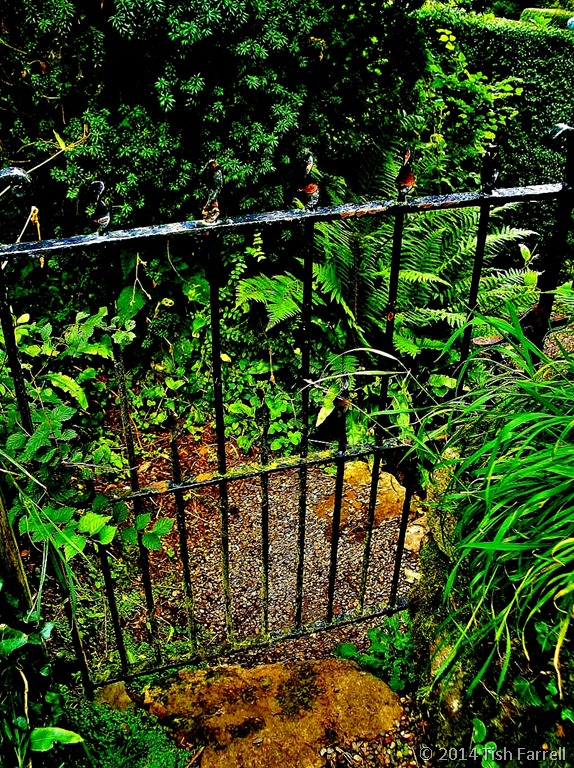

I feel there is a sense of ‘drawing in’ in all these photographs; of summer’s end and winter on the way: a sense of season’s decay before renewal.

I feel there is a sense of ‘drawing in’ in all these photographs; of summer’s end and winter on the way: a sense of season’s decay before renewal.

You can’t have a good party, even one with a negative cast, without some games. And here are a few that might unblock the block. And if they seem a tad childish, who cares? So much writer’s block is down to that domineering, sneery, superior, judgemental inner critic. Time to banish the rotten killjoy and play.
It’s in the cards…
This first game takes quite a bit of preparation, but this in itself will help with the loosening up process. Since you need lots of paper cut into small pieces, it is a good thing to do with several similarly afflicted friends. You are aiming for something credit card size. Three different colours might make it more interesting. How many ‘cards’ you have is up to you, but the more you have, the more possibilities you create.
Divide the cards into three equal piles. These will be your 3 main story ingredients: protagonist, place, artefact. Work through each pile, writing down one possible protagonist on each of the protagonist cards, then the same for the ‘place’ and ‘artefact’ piles. DO NOT think about these. Write down first thoughts.
My first thought protagonists are: Captain Cook, Death, a leopard, Miss Marple, a hoover salesman. Places could be: ice cream parlour, the morgue, planet Europa, the subway, the Gobi desert. And artefacts: a Bronze Age sword, a hat stand, thimble, memory stick, goldfish bowl…
Shuffle the cards in their individual piles and place face down. Every player deals themselves a card from each pile, and weaves the three prompts into a story. The dafter the better. This is all about letting go.
Story-time ~ old lamps for new…
Everyone has a favourite fairy story, but how about turning it on its head. And inside out. Or back to front. Why not re-tell Cinderella from the point of view of one of the mice who gets turned into a fine white horse so he/she may help pull the heroine’s coach to the ball. How does the mouse feel about this transformation. Is it a grave disappointment to return to mousedom at midnight? Or what about Aladdin’s genie? How does he feel about all the conjuring, and being ordered about by a mere youth? Perhaps he’s a female genie who colludes with the wicked magician to retrieve the lamp…Think laterally.
Out of the hat…
Making funny hats is an excellent party activity. You’ll need lots of disparate makings: card, sellotape, coloured pens, scrap fabric, glitter…Create from anything to hand – viking helm, coronet, turban, veil or fascinator. When finished, put it on, or swap it for someone else’s, and then conjure the hat’s owner. Who are you? Where you off to in that hat?
Have Fun!
copyright 2014 Tish Farrell
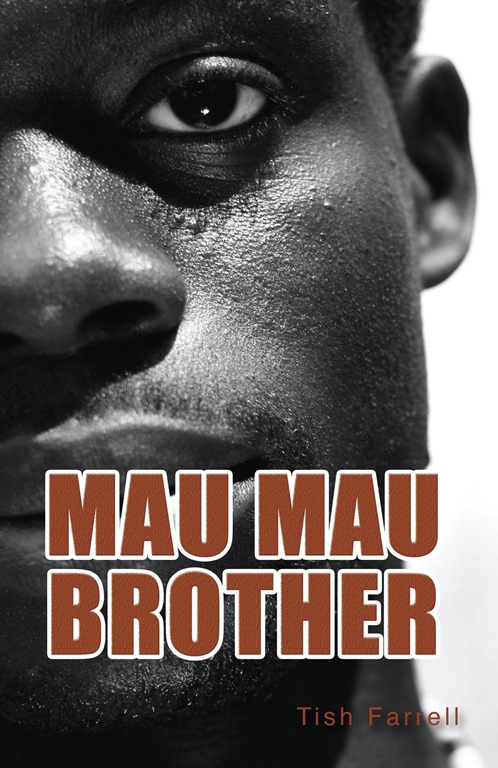
An exciting little parcel arrived last week – copies of my latest quick-read for teens (or even for adults) in Ransom’s Shades 2.0 series. It’s a small, neat book. Pocket sized. As per the Shades’ format, it is a novelised short story, the text broken down into brief chapters, the whole designed for readers who find bigger books, and dense text too daunting to tackle. The pages have much white space, and the story’s 5,000 words are spread over 64 pages, which of course makes it easier for anyone to read. The aim is to build reading muscles and so (hopefully) nurture a love of books.
But if the books are small-scale, there is nothing ‘slight’ about their content. Their themes are of adult interest too. As a writer I can think of no bigger challenge than to woo readers who would probably rather not read. It unavoidably demands your crispest most affecting prose.
I knew, too, that historical fiction can be off-putting to many teen boys. In Mau Mau Brother, then, I used first person, present-tense narrative to make events more immediate. The story tells of the 1950s uprising against British rule in Kenya as seen through the eyes of fifteen-year-old Thuo. This perspective on what happened is not widely known outside Kenya; the British authorities deliberately destroyed many records. But for Thuo there many kinds of war – not only with the British, but also with the African Home Guard, and even with his own freedom fighter brother whom he blames for all his troubles. But in the end, the biggest war he has to fight is with himself.
And now for an extract:
The British are bombing Kenya’s highland forests to flush out the freedom fighters. Thuo and his family have been driven off their farms and made to live under curfew in a fortified village. Their every move is ruled by the African Home Guard. Then one night Thuo’s elder brother, Kungu, a seasoned fighter, finds his way to Thuo’s hut. He is wounded, and sick, and Thuo is faced with the starkest choice – to inform on his brother, or risk detention and death to help him.
After the plane goes, Njonjo whispers that he’s overheard the Home Guards talking.
‘They know Kungu is near,’ he hisses. ‘Tomorrow the British soldiers will sweep this part of the Reserve.’
That night we sit in our hut ,weighed down with fear, expecting the worst. I am stunned when Kungu says, ‘I must leave now.’
‘But how?’ I cry.
This time I am more scared for him than for me. His brow glows with sweat. He still cannot walk properly.
‘The way I came, through the barbed wire.’
‘But the ditch. The stakes.’
‘I will roll down. Crawl out. Like a cockroach. Have no fear, little brother.’
‘But where will you go?’
‘A cave I know. I once shared it with a she-leopard.’
I shiver. A window on hell has just swung wide. I see the big cat’s yellow eyes, the white fangs. Then I see the falling bombs, hear elephants screaming, the rifles’ crack-crack, feel the breath of a pseudo-gangster on my neck.
The words fly from my mouth before I can stop them. But, once said, I cannot take them back.
‘I’m coming too.’
AVAILABLE ON AMAZON
FOR MORE ‘E’ WORDS STORIES
copyright 2014 Tish Farrell
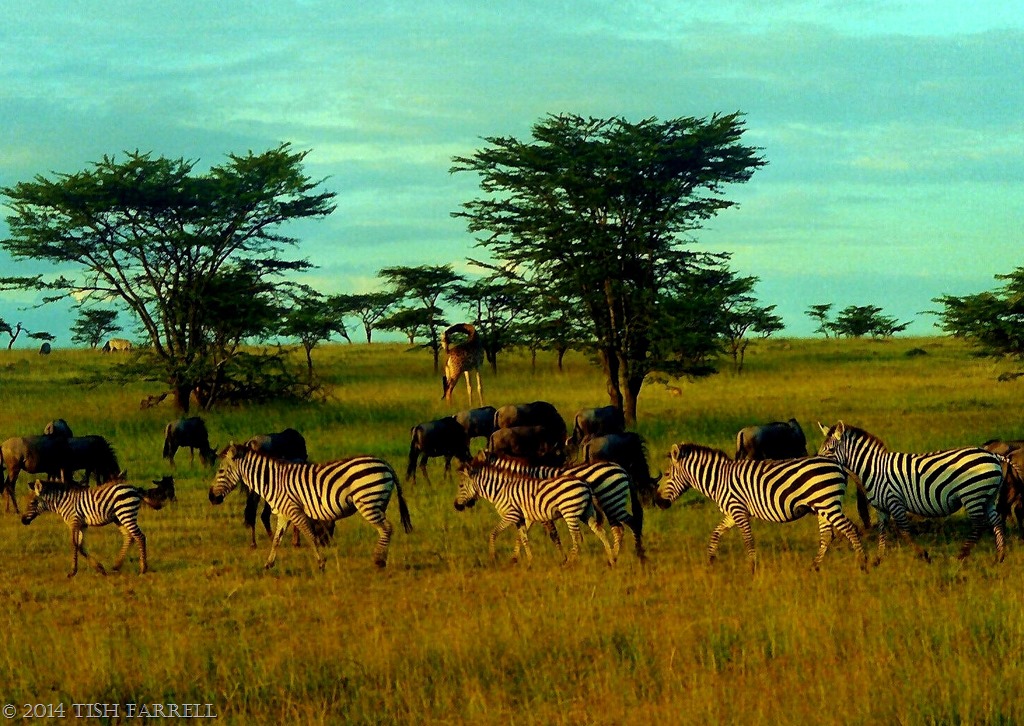
Night comes swiftly at the equator, usually at 6 to 6.30 pm. But around 5 pm there is that perfect moment when the light is like molten honey. This shot was only a quick snap, taken after a game drive, and as we were heading back to camp on the Mara River. Our driver-guide was intent on one last go at spotting a leopard. For our part, we were simply entranced by this scene. Even at the time it seemed as if we had stepped into an oil painting. Besides, this was the most game we’d seen in one place all afternoon. Because that is something that wild life films tend not to show you: that you can drive for hours across the African bush and not see a single animal.
There is also more going on in this scene than is immediately obvious. Behind the zebra are some wildebeest; then the giraffe between the thorns. I’m not sure what the pale animal is on the top left horizon, but from its size I’d say it is probably an eland. Then if you look carefully just below the right hand bough of the right hand thorn tree, you might make out a brown dog-like shape. Hyena. There will doubtless be others in the grass. Once it was thought they were only scavengers, moving in on big cats’ kills. But now they are known to be hunters too. They prey on gazelles and larger antelope. Even a lone hyena can bring down a full-grown wildebeest, and pack away 15 kilos of meat at one sitting. They have jaws like industrial meat grinders, and believe me, to come upon one at close quarters, is not recommended.
Sunday Stills: Crowd Work
copyright 2014 Tish Farrell
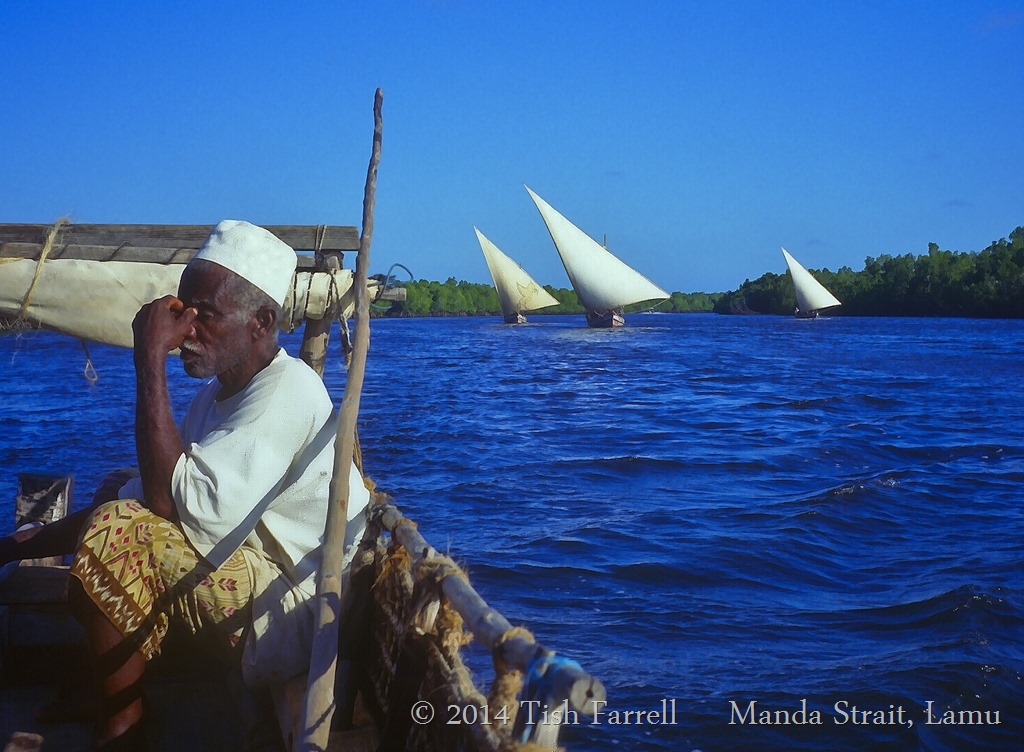
There came a time when Sendibada signed on with a strange sea captain. The next day, as dawn was breaking, the ship cast off, a strong breeze filling the lateen sails, and bearing them swiftly out to sea. But towards noon the wind died, and the boat drifted, becalmed, on still waters.
At this the captain strode out on the bridge, and began to utter words that Sendibada could not fathom. He stared and stared for, to his astonishment, the ship began to rise, graceful as an egret taking flight. Sendibada grinned. He liked a good adventure, and now it seemed this strange captain of his was none other than the most powerful magician.
Up into the clouds they soared, flying, flying until at last they saw a faraway red spot. But little by little the spot grew, until at last Sendibada saw it was a city in the sky, and that every house there was made of copper. Soon they set down in the harbour and, as the crew made to go ashore, from every quarter, lovely girls came out to greet them, bearing on their heads copper trays laden with the most delicious fruits and sweetmeats and tender roasted morsels.
And so it was that much time passed, the ship’s crew enjoying month after month of this most gracious hospitality. Sendibada, though, was growing homesick, and said as much. Now the magician gave him a round mat and told him how to use it.
Sendibada followed the instructions, placing the mat on the ground and seating himself upon it so that he faced the direction of his home town. Then he spoke the foreign words that meant: Behold! We shall all return to it . And at once the mat rose into the clouds, and faster than a diving hawk, set Sendibada back on the beach just outside his home town.
copyright 2014 Tish Farrell
The Copper City retold from a translated text in Jan Knappert’s Myths and Legends of the Swahili
P.S. In case you hadn’t guessed, Sendibada is the Swahili version of Sinbad.

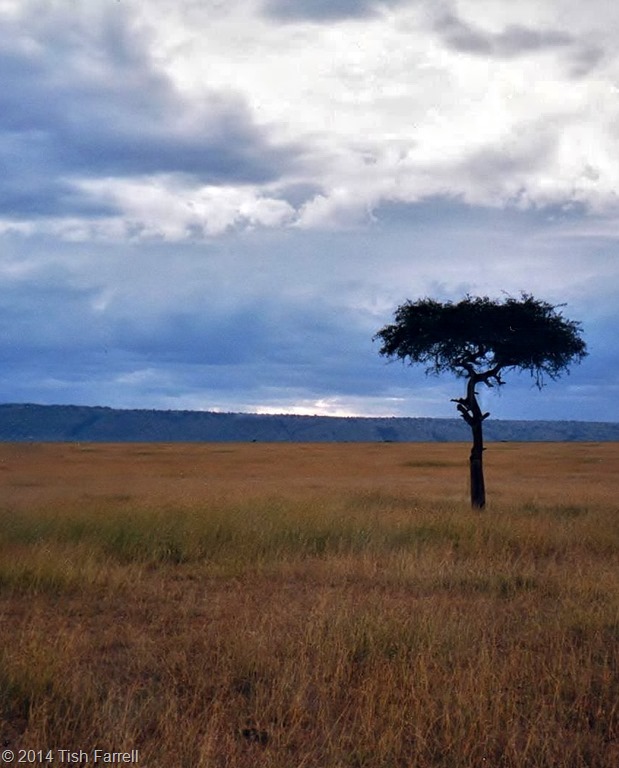
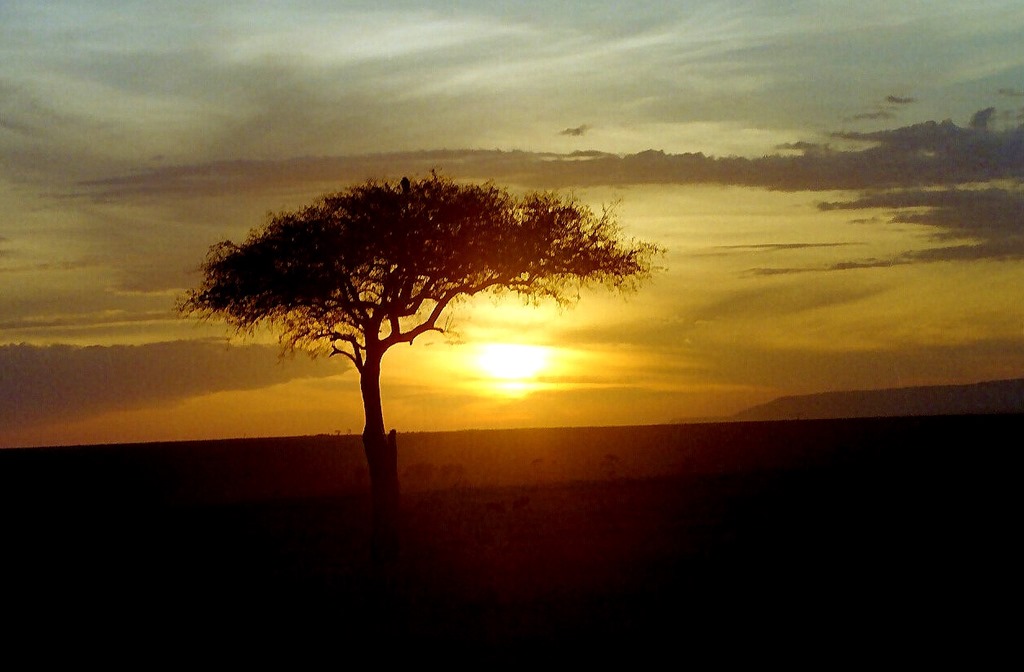
Badda, Othoo, Olokwai, Eroronyit, Mjunju, Kiwowa – are just some of the names that Kenya’s peoples use for this super-tree. Here, in the Maasai Mara, its lone presence on the grasslands adds a sense of drama. Perhaps the spare silhouette springs some ancestral memory. For if we believe that humankind evolved in the Great Rift, then we must have an ages-old association with this tree, and not only as a source of food, but for firewood, the making of shelters and tools and, most especially, for medicine.
All the photos here were taken in the Mara, but the range of the Desert Date (Balanites aegyptiaca) extends across much of Africa, and into parts of the Middle East and India. But wherever it grows, its multiple uses have long been valued. Much like the baobab, it is a natural pharmacy. Every part of this unassuming tree has been scientifically shown to be packed with pharmacologically active substances.
Saponins are the key compounds. They protect the immune system, decrease blood lipids, lower cancer risk and cholesterol levels. They include diosgenin, from which hormones for the contraceptive pill may be produced. In short, the tree’s parts – roots, shoots, bark, fruits and seeds – have been shown in laboratory tests to have many healing and prophylactic properties: anti-fever, anti-diabetic, anti-inflammatory, antibacterial, antifungal, anti-parasitic, anti-cancer, antioxidant and liver-protecting. (For more scientific details see Bishnu P Chapagain 2006.)
And so it is that the practices of generations of traditional healers, from Africa to India, (and so often sneered at) may now be vindicated: all along they have been barking up precisely the right tree.
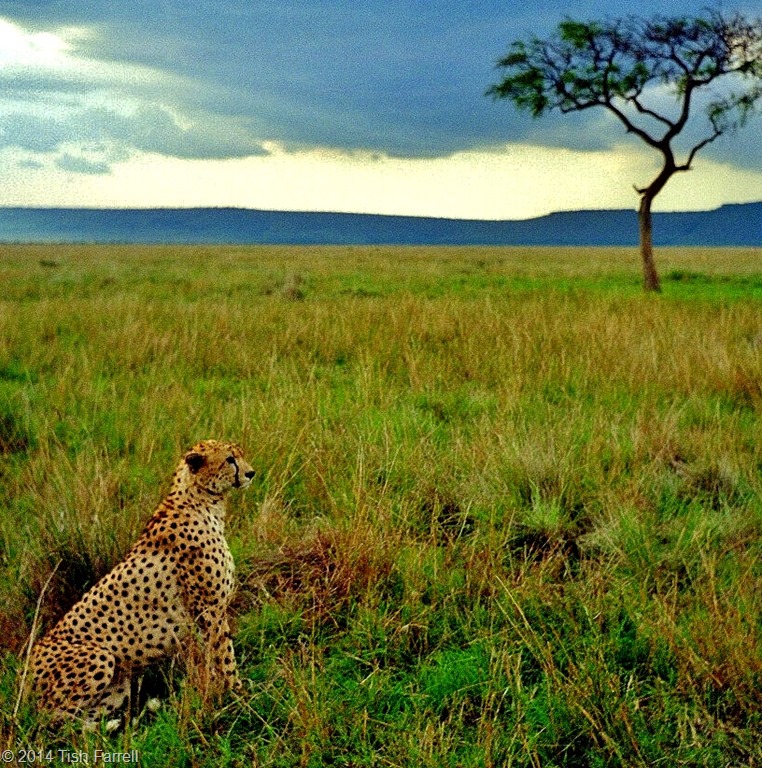
For example, the Pokot pastoralists of northwest Kenya make a decoction of the root to treat malaria. They also boil the root in soup to ease oedema and stomach pains. For heartburn, the Akamba of central Kenya make an infusion of bark. Throughout East Africa, the root is used to get rid of intestinal worms, and as a general purgative. The bark is used as a fish poison, and when mixed with fruit will kill freshwater snails and copepods that host the parasites that cause Bilharzia and Guinea Worm respectively, both scourges in many parts of Africa. In Sudan herbalists use Desert Date to treat jaundice, and in West Africa the fruit is mixed into porridge and eaten by nursing mothers. The seeds, when boiled, produce an excellent oil that is used in food preparation and to soothe headaches. Over 4,ooo years ago in Ancient Egypt this oil was a prized cosmetic. So much so, that the seeds were placed in tombs beside the dead as if to suggest that, in the afterlife, this was a tree that no one could be without.
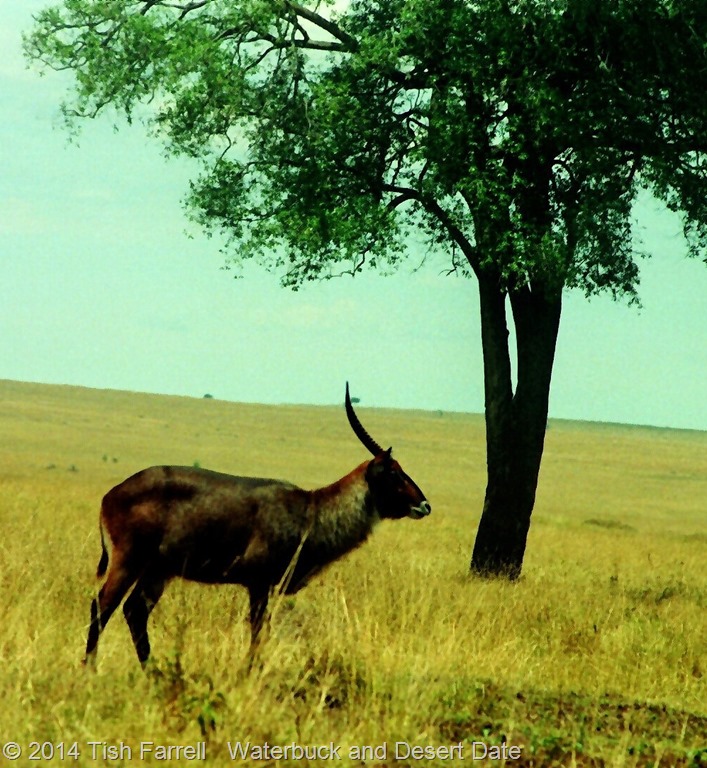
In fact Balanites thus once grew in profusion along the Nile Valley, and were possibly cultivated. But they are also well adapted to arid and semi-arid conditions, tolerating both sand and heavy clay. Their vertical roots reach down 7 metres, while the horizontal roots may extend 20 metres from the trunk. It can also cope with stock and wildlife grazing (the characteristic canopy is shaped by browsing giraffes), flood, and grassfire. Their boughs and long, thin spines photosynthesize even when the leaves drop off. This makes them a valuable famine food. No matter how dry, each year they can produce up to 10,000 date-like fruits. The flesh is bitter-sweet, but eaten by humans, their stock and most wild game. In fact elephants are one of the main propagators of this species, at least in Africa. While most other creatures spit out the stones, elephants swallow them, depositing them in due course in dollops of ready-made compost.
In Kenya the Pokot and Turkana also eat the tree’s young leaves and shoots, boiled, pounded and fried with fat. The Maasai eat the gum, and the Marakwet boil the seeds and eat them like beans. In other parts of Africa the small flowers are stirred into porridge, and the fruit is fermented to make alcoholic drinks.
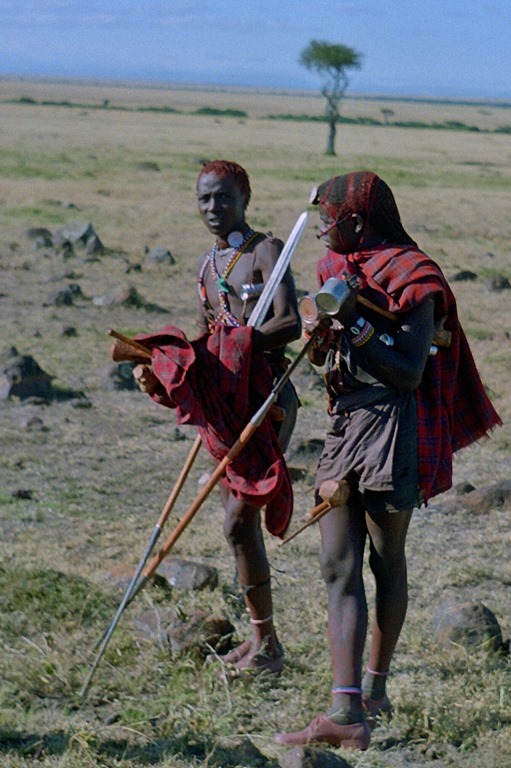
And then there is the wood. This is an excellent cooking fuel since it burns with little smoke. The wood is durable and used for house-building. It is also easily worked to make yokes, wooden spoons, pestles, mortars, handles, stools, combs. Resin from the tree stems is used to stick feathers on to arrow shafts and spear heads to shafts. The Turkana use it to repair cracks in tool handles. And the tree itself may be grown in farmsteads as a living fence that can be cropped for both human needs and livestock fodder. While it is protecting domestic animals and crops it is also fixing nitrogen in the soil.
And now you know why I called it a tree of life. It is ripe for development too, the kind of development that can only enhance existence on the planet. In fact one gasps at how much potential can subsist within a single tree species. AND THIS IS JUST ONE TREE. But doesn’t it show, and with glaring clarity, that instead of destroying the world’s wild places (and for mostly very pointless reasons), we need to protect and learn from them, and learn, too, from those indigenous peoples who still know them intimately and understand where the real treasure lies.
Copyright 2014 Tish Farrell
For my earlier post on the baobab:
Anthology Baobab: African Story Tree
Jungle2Jungle and Bishnu P Chapagain 2006 for more about the Desert Date
Flickr Comments for more ‘D’ words

It is late afternoon when Daniel, our guide, takes us to the rock-strewn place where he knows the lions will be.

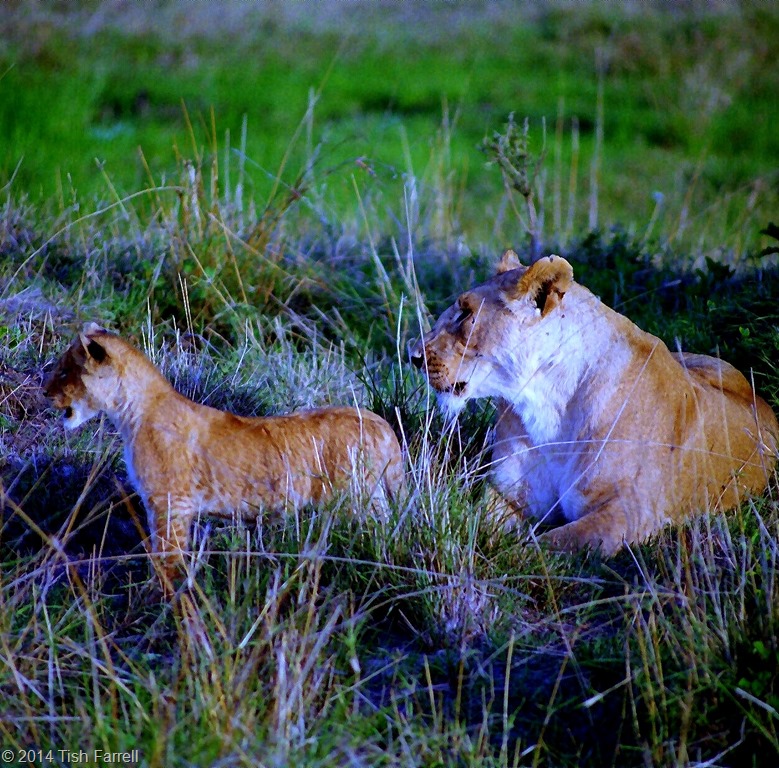
The males are hiding away in longer grass, but the females and cubs are out in the open, enjoying the last of the sun. The light is spectacular. I wonder if the lionesses have chosen this place on purpose: because their young blend in so well with the landscape. In any event, they seem utterly relaxed. This mother (above) simply watches us as she feeds one of her cubs. There is another at her tail, disguised as a boulder, while the third one takes off on a small adventure.

The quiet proximity of these lionesses is breath-taking, our intrusion on their family life above their notice. We watch them until the sun goes down and it is time to return to our camp on the Mara River.


Ailsa’s travel challenge: meeting places
Go here for Ailsa’s and other bloggers’ meeting places. Meanwhile, here are a few that caught my eye:
Travel Tales of Life Cinque Terre: Meeting in an Italian Paradise