Still Life at the Allotment

100_6630

Mid October and the marigolds are still blooming up at the allotment. I love the way they simply grow themselves amongst my vegetables. In a mild winter they may flower into December.  It was also good to see this bee out and gathering pollen. These days, every bee is precious. Once we have killed them all with agri-chemicals, we can expect to starve. It’s as simple as that. My allotment empire has recently expanded – more of which in the next post – so I’m intending to grow more varieties of late and early flowering plants on my plot. Or maybe I should simply stick to marigolds, and let them grow EVERYWHERE. The flower petals are lovely in salads, and a herbal tea of marigold flowers is good for warding off flu. Simply looking at them makes you feel better. All that orange straight into the brain, lighting up the little grey cells as the days darken.

‘Happy Autumn’ northern dwellers.

100_4930


For more vibrant treats visit Cee’s Fun Foto Challenge

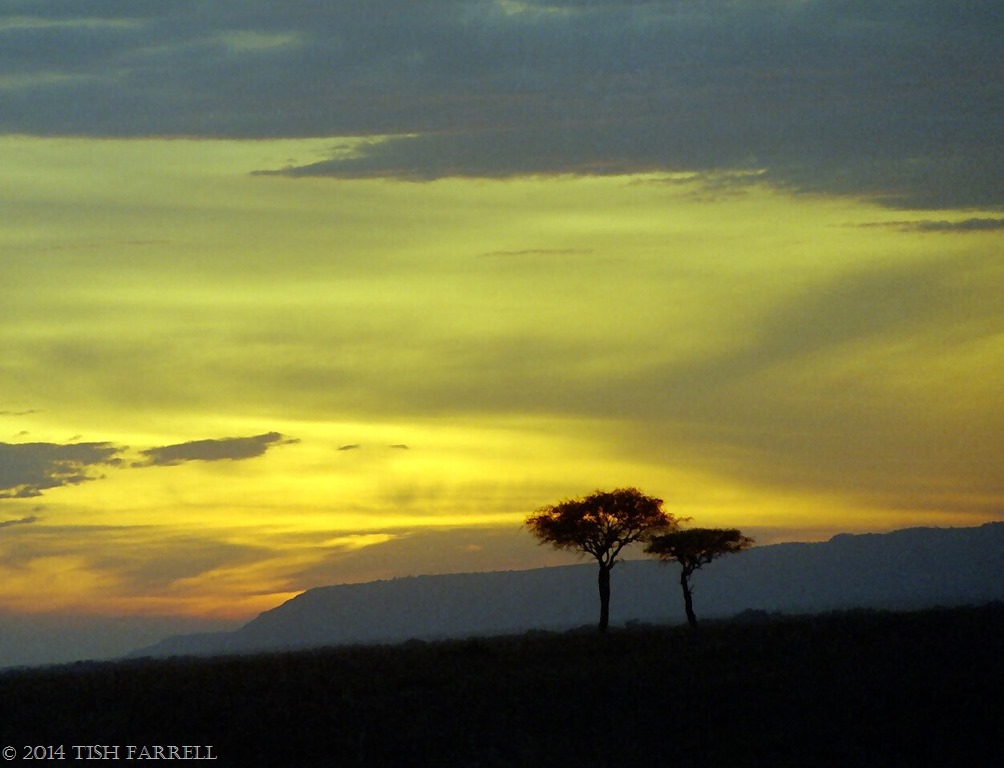
Oloololo Escarpment: Maasai Dreaming


Scan-140726-0002 (3)


Night on the Mara River – darkness wraps round, close as a Maasai’s blanket.  It is cold, too, on the river’s bend. We press closer the campfire, our white faces soon roasting red. No one speaks. There’s too much to listen for. A hyena whoops across the water?  It sounds close. It sounds unearthly, sending shock waves through vulnerable bones – mine, conjuring packs of predators, out there, circling our ring of light. And even as I think it the Maasai are on us.  Six warriors, spears in hand and naked to the waist.  Their leader tosses his ostrich-feather head-dress that looks like a lion’s mane.  He is fearless.  He is lion.

Then the singing starts, a nasal falsetto that resonates through time and space – the winds’ whine through Mara grasses.  The Maasai girls trip lightly into the firelight, their wraps like flames – yellow, red; close-cropped heads hung with beads; chins jutting forward as the crescent necklets – tiny beads so patiently strung – rise and fall on skinny chests.  The moran start to leap – higher, faster.

excerpt from Dances With Warriors © 2014 Tish Farrell

Continues HERE

Flickr Comments for more bloggers’ stories

DP Weekly Photo Challenge

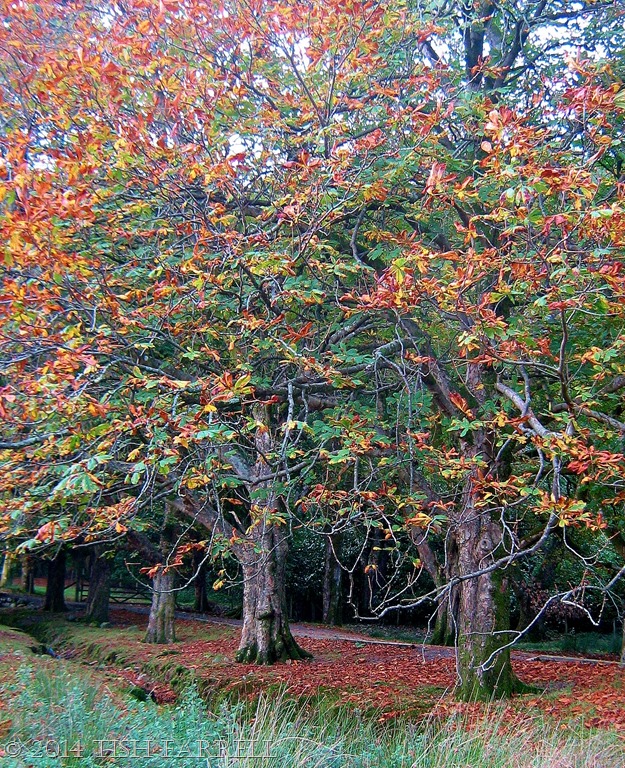
Inside Autumn

Inside Autumn by Nomzi Kumalo. Please take joy in the work of this wonderful poet

Nomzi Kumalo's avatarNOMZI KUMALO

Multicoloured leaves along the street in a hill
Wood soaked and sweetened by the rain falling
Merciful water dripping onto quiet pavements
Dribbling slippery down the tarred thirsty road

A neutral sky where the air harbours no pressure
The rooftops and local windows leaking domestic
An uninspired dog lays heavy by an entrance hall
When there is nothing to do is there nothing to do

Flattened tired carpets still pretend to be luxury
Inside wooden walls of the same old thing again
Sometimes the coffee steaming will hold comfort
One of those days without a name to label it by

Forgotten picture frames capture some yesterdays
Glossy managed smiles and gestures from parties
The trolls and magnets and broken love messages
Settled into grown up life and ways of escaping it

The stale kitchen mood meets a crisp autumn air
Spring long dead visits the city to play some tricks

View original post 22 more words

Now that summer’s done, we take the Dol Idris Path…

IMG_1768

The other day I decided we should take a short break in Wales as we did this time last year. Back then we went to the Llyn Peninsula. On Thursday we headed further south, to Dolgellau in Gwynedd in north-west Wales. It’ is well under a two-hour drive from home, but given that the local guidebook states that the town ‘enjoys’ 70 inches of rain a year, it might seem a perverse choice of holiday destination, and especially in the autumn. All I can say was we were very lucky. For four whole days the weather was fine, the sun often hot, and when it did rain, it did so while we slept. What could be better?

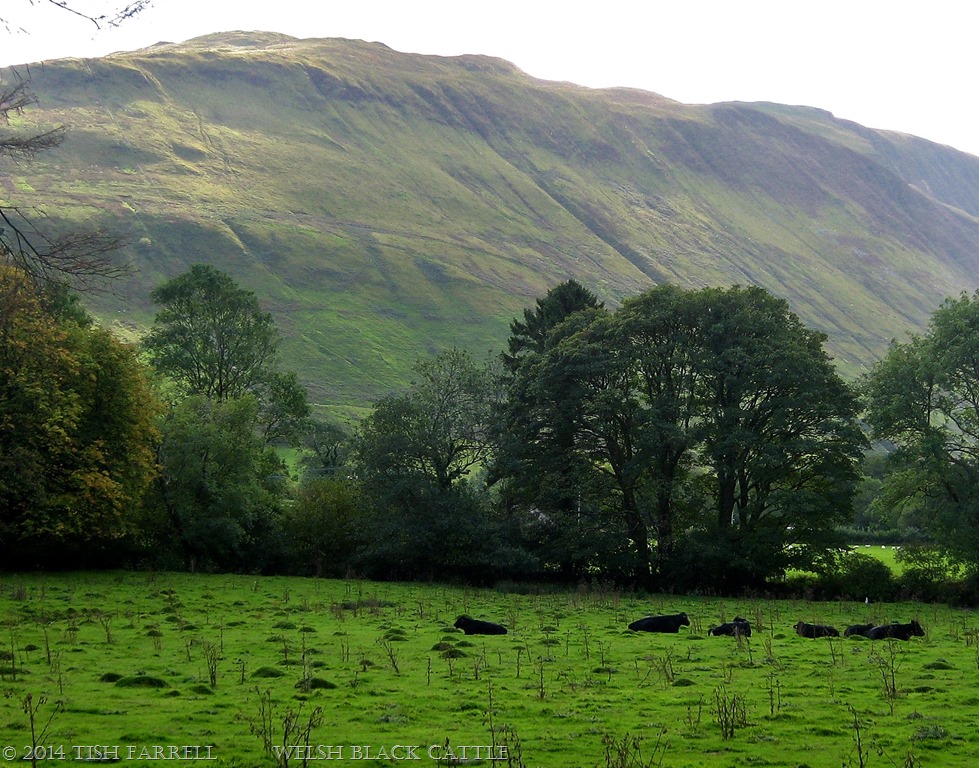
Dolgellau (Dol-gethl-eye) is an ancient market town, once prosperous as a centre of the wool trade.  Today, agriculture, especially sheep and cattle rearing are still important, but tourism has now become a mainstay. And for those who relish outdoor pursuits of every kind, then this part of Wales has pretty much everything on offer, and all set in the most stunning mountain landscapes.

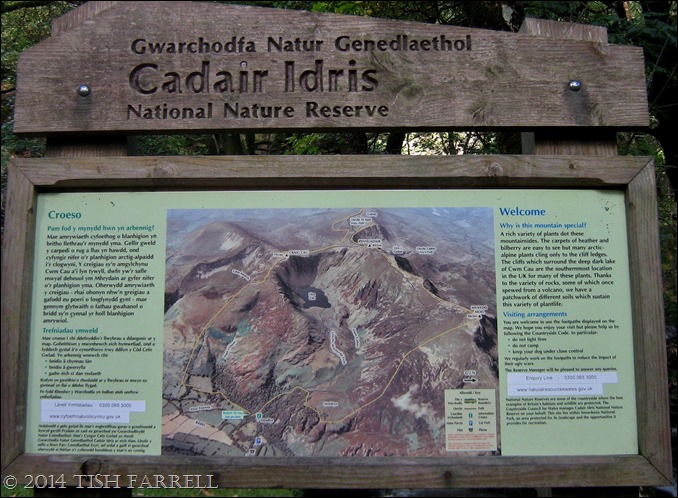
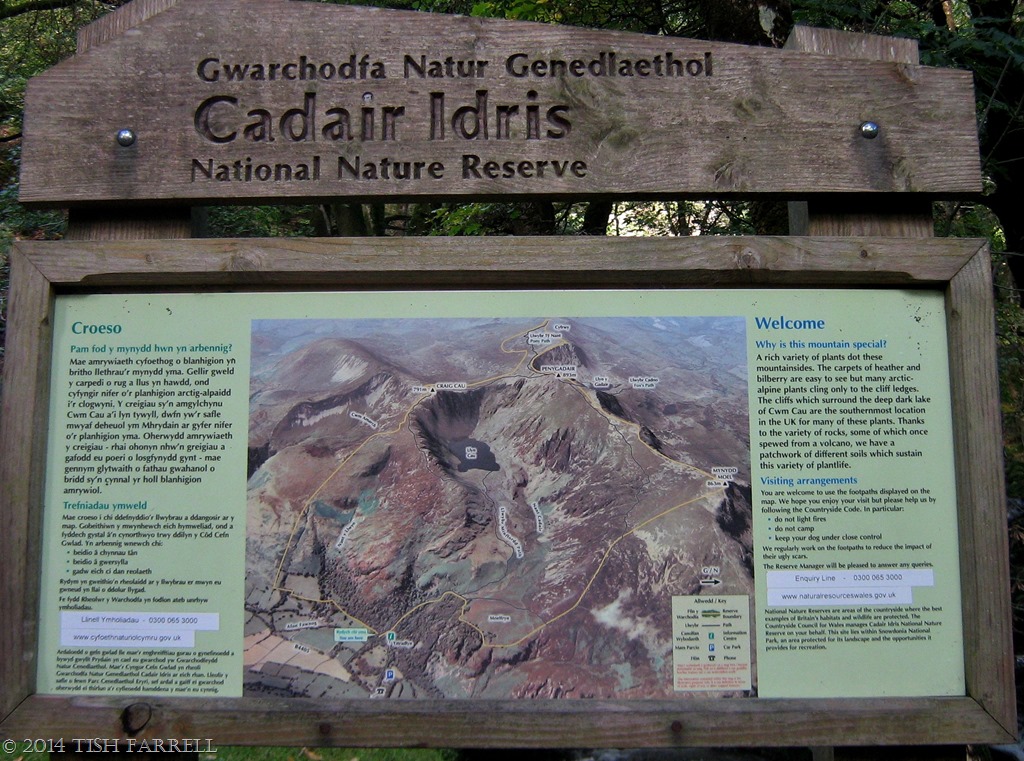
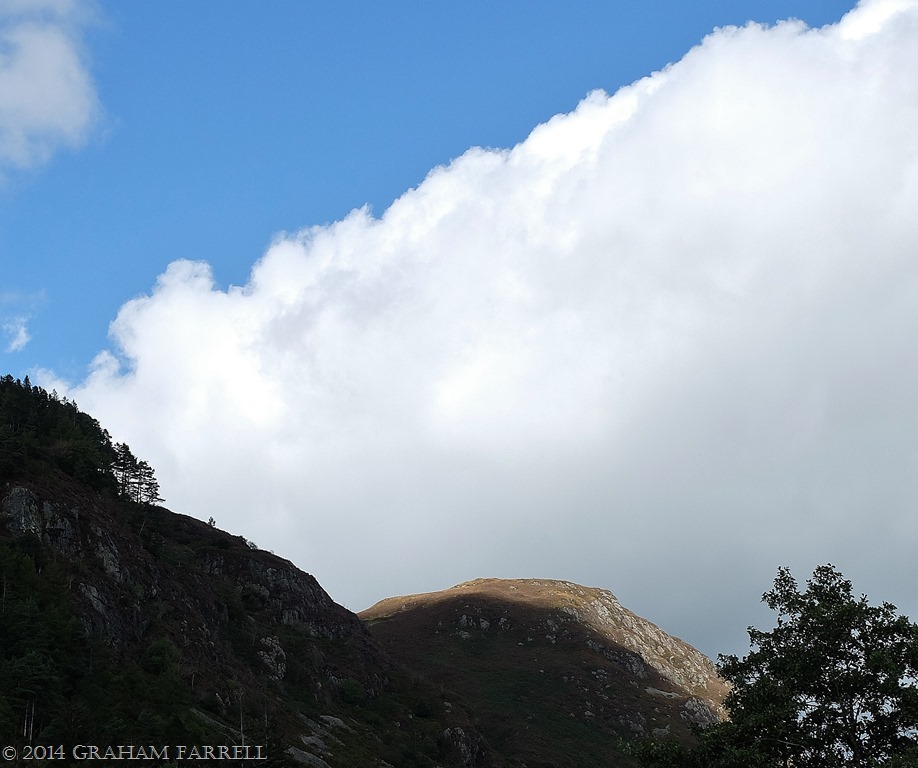
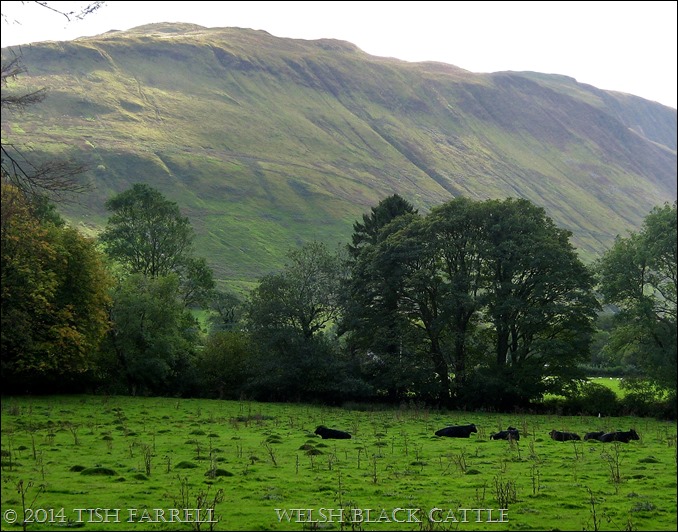
Perhaps the most dominant feature in this locality is Cadair Idris, seen here in its lower reaches from the Dôl Idris Path, a few miles outside the town.

IMG_1753

*

IMG_1729

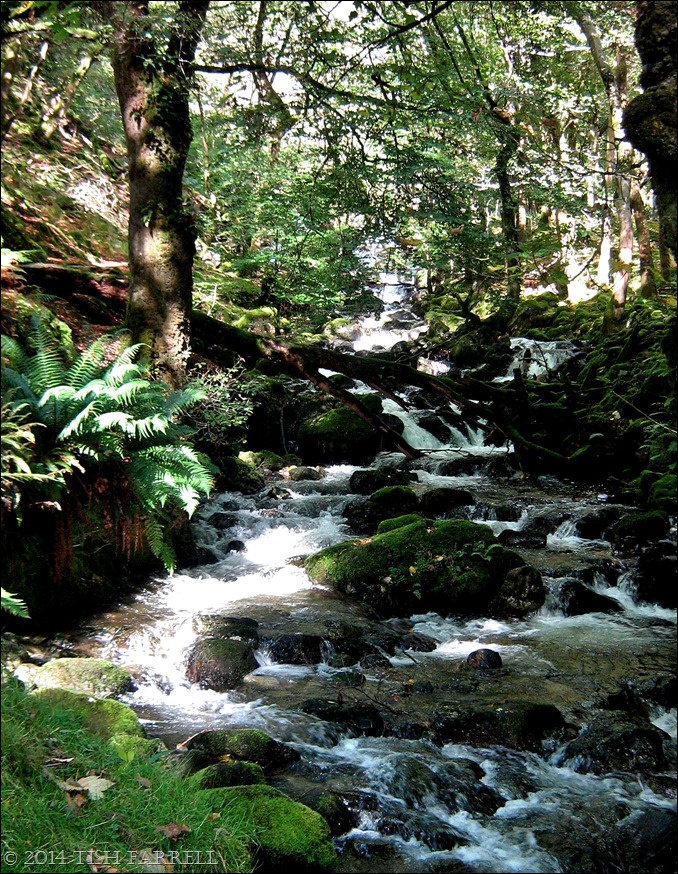
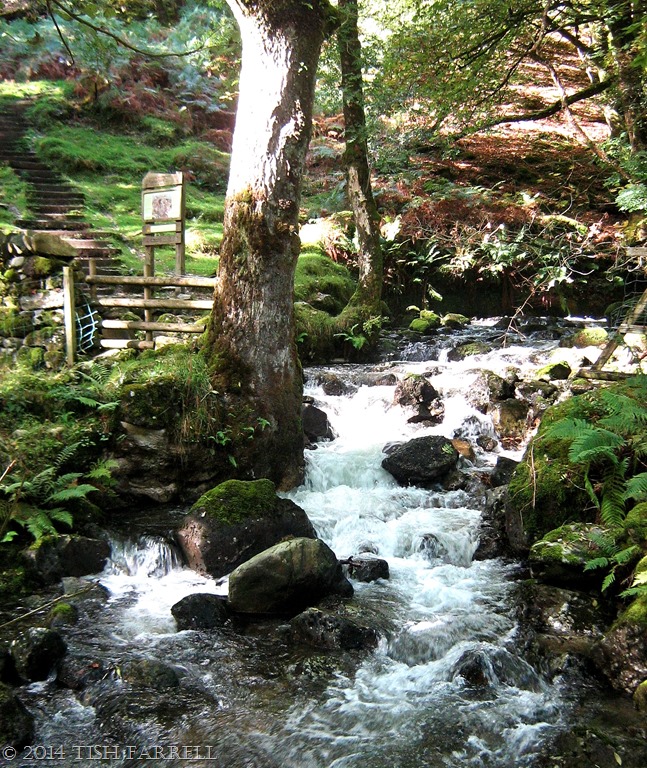
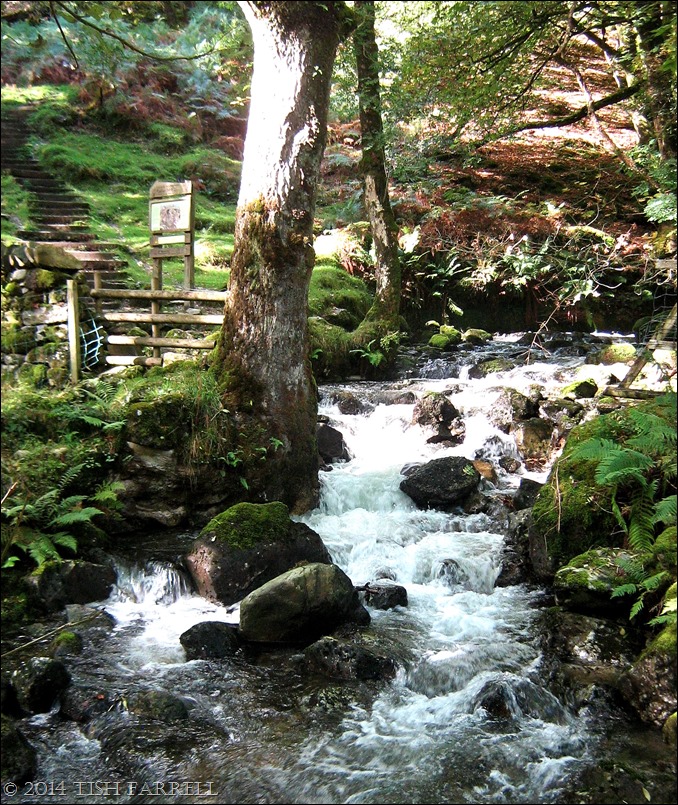
The mountain is 893 metres (2,930 feet) high, and there are several routes to the summit, but the most direct one strikes off  almost vertically from the Dôl Idris Path, which itself is a short, level route created for those who wish to stroll on the horizontal. (That would be us). So we were not tempted to take the winding stairway up the hillside, this despite its splendid setting beside a roaring waterfall. We had read the guidebook and learned that those steps mark the start of 3.8 kilometre (2.4 mile) ever-upwards haul that includes a 300 metre (1,000 feet) cliff scree face. It would take five hours to go there and back, and besides which, there was also the legend to consider. This says that anyone who spends the night on the mountain will wake up either  mad or a  poet.

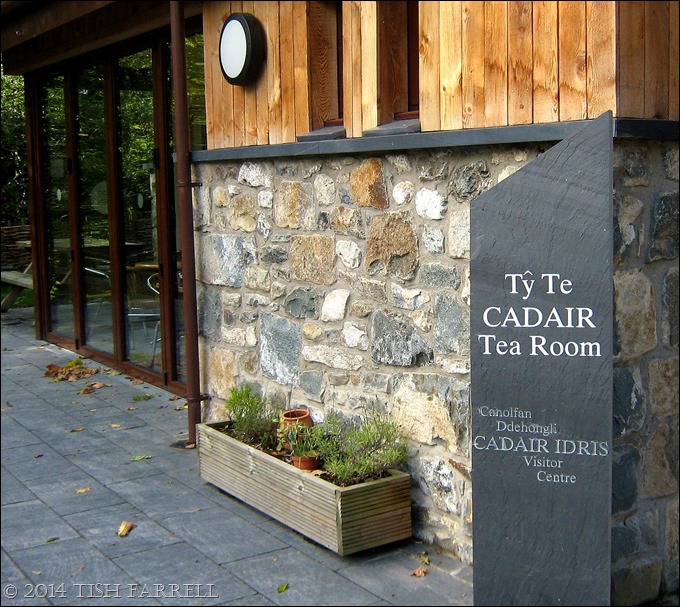
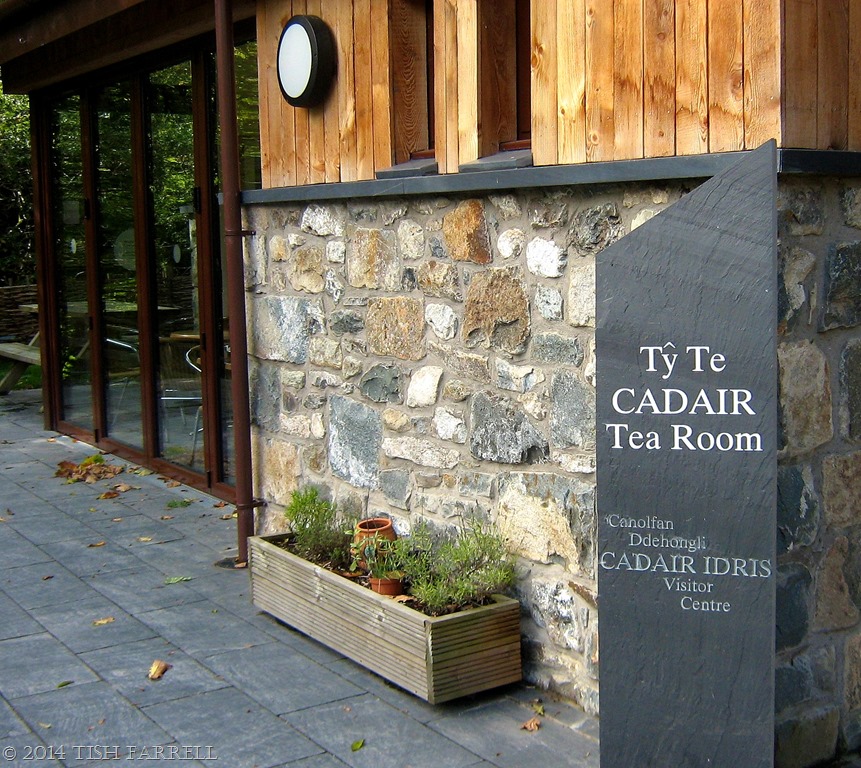
We couldn’t risk it, not even for a brainstorm of bardic eloquence. Instead we took photos, but only after we had visited the tea-room and eaten chicken curry and rice (me) and a bacon sandwich (G) while watching nut hatches on the bird feeder outside the window. (All Farrell safaris must include tea rooms, coffee houses and restaurants). Also, while we were there, we viewed the cartoon about Idris the Giant, who uses the mountain as his armchair (cadair) while gazing up at the stars. And finally, we peered uncertainly at the bat-cam video that mistily revealed to us rare and roosting horseshoe bats who live in the tea room roof space. Bats in the attic. That was  somehow pleasing too.
IMG_1725

*

IMG_1731

*

IMG_1715

IMG_1714

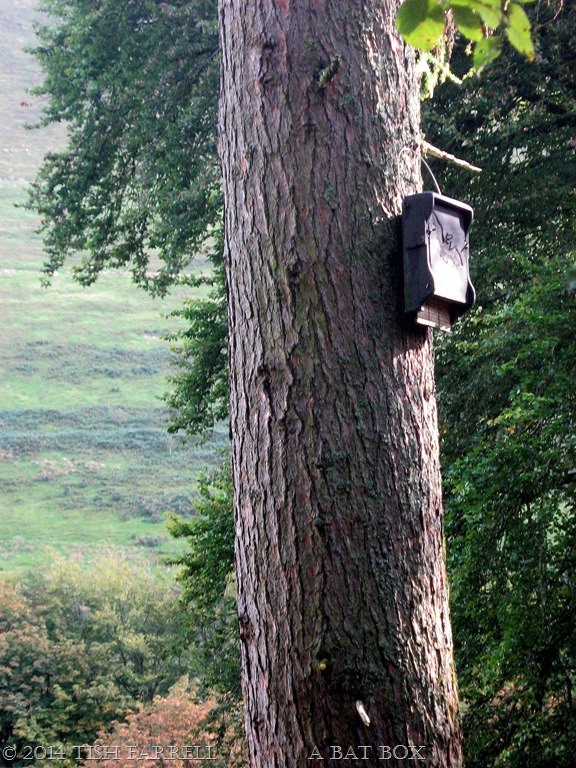
The food in the cafe was really rather good, but once back on the path we found still other diversions. There was the spotting of bat boxes in the trees. Apparently 9 species are catered for. I didn’t discover the exact purpose of the boxes – emergency roosts for dirty-stop-out bats caught out in the daylight while still far from  home?

IMG_1722

More curiously, at the foot of the mountain path, we found the ruined remains of Idris soft drinks company’s research laboratory.  And yes, it does look more like a barn. It is hard to imagine that, in its day, a cutting-edge business empire based on non-alcoholic fizzy drinks, had its  roots  in an isolated valley below Cadair Idris. The company even went on to supersede Schweppes as the sole soft drinks purveyor to HM Queen Victoria.

Dolgellau 076

Im19190726ILN-Idris[1]

The founder of the company, a successful Welsh chemist called Thomas Howell Williams, began the laboratory in 1873. The Temperance Movement was gathering momentum at this time, and the production of cheap, non-alcoholic, and (apparently) healthy drinks was welcomed.  Why Williams chose this site in particular is not exactly clear, but he was so impressed by the mountain’s splendour that he changed his name by deed poll to Thomas Idris. He also became known as The Ginger Beer Man, and all these years on, Idris Fiery Ginger Beer is still produced, albeit under the Britvic label.

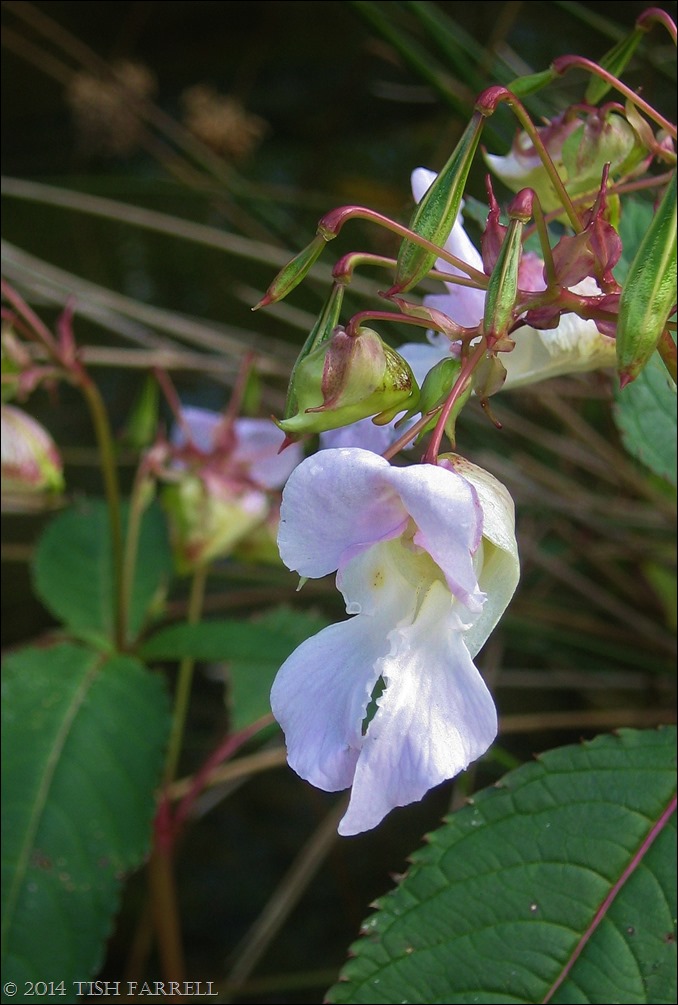
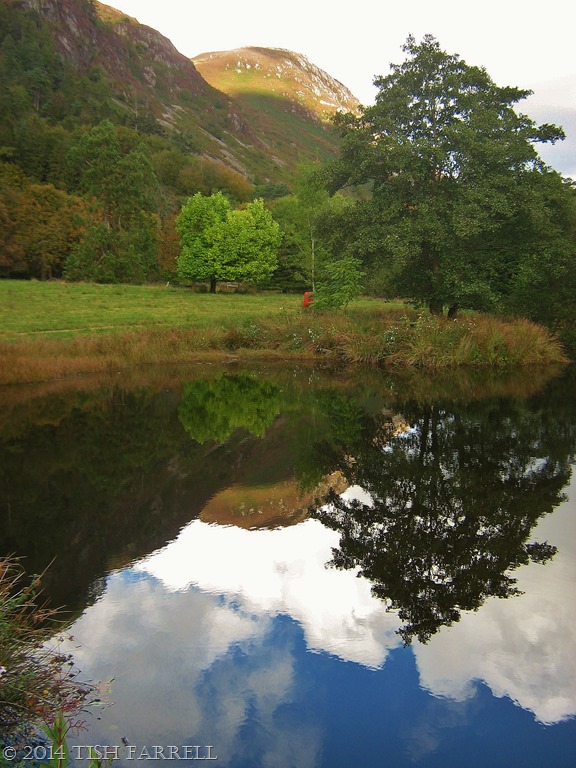
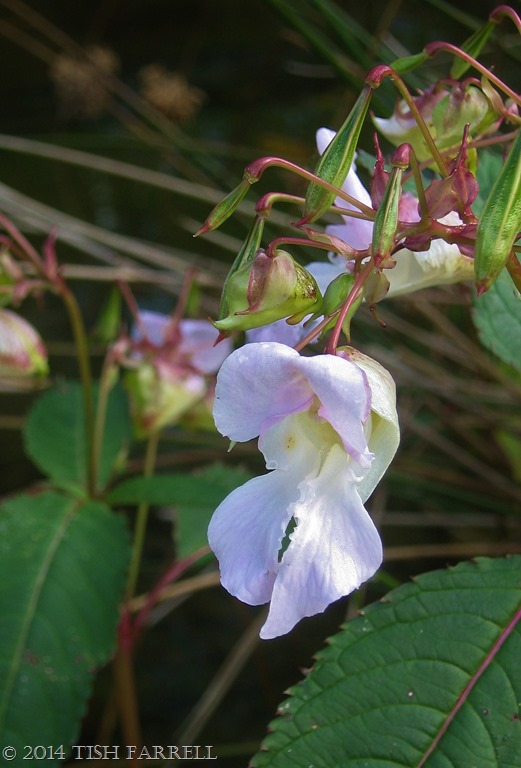
In the 1980s the Idris family gave the land to the Snowdonia National Park Authority and, in the last few years, a flat, circular path of just over a kilometre has been created to cater for all who wish to enjoy what remains of the Idris parkland domain. There is an ornamental lake with wild balsam on its margins, specimen trees dotted here and there, a fish ladder and weir to examine, secluded tables for picnics, a chestnut tree avenue, streams to walk by, and of course the tea room for the scones and carrot cake we didn’t have the first time round.

On our slow wandering we did not see the buzzards, kites or peregrine falcons noted on the tea room’s  recent ‘bird sightings’ board, but it was a fine walk on a fine autumn day, and so thank you Mr. Idris for your gift to the nation – to Wales that is, and thence to the United Kingdom that derives only the greatest benefit from the sum of its peripheral lands’ magnificent places.

copyright 2014 Tish Farrell
IMG_1734

IMG_1754

IMG_1763

*

Dolgellau 105

Flickr Comments: N words

This post was also inspired by Jo’s Monday Walk : Fountains Abbey

The Man from Much Wenlock: Meet Ken Milner

It is a privilege to know Ken Milner, a gentle creative man with deep rooted sensibilities for the past in and around Much Wenlock. He is a treasure house of information on country lore, on the families who have lived for generations below Wenlock Edge, and on the novels of Shropshire writer Mary Webb which, incidentally, he only learned to read at the age of thirty five. He built the house you can see in the video, and he created this beautiful garden which brings joy to all who see it. Graham passes it twice a day, driving to and from work. It is a floral threshold between the town and Wenlock Edge.

Ken also paints, makes sculptures, and is a poet and storyteller. Here, though, is his living creation – his garden. The video content was created by Ken and Wenlock poet, Paul Francis, and the whole filmed by  Silva Productions, a Midlands production company. You are in for a treat.


https://www.youtube.com/watch?v=23lgFSQzvTw


#WenlockEdge

Flickr Comments: M words

Night-time Plea in Nice: Come Rescue Me…?

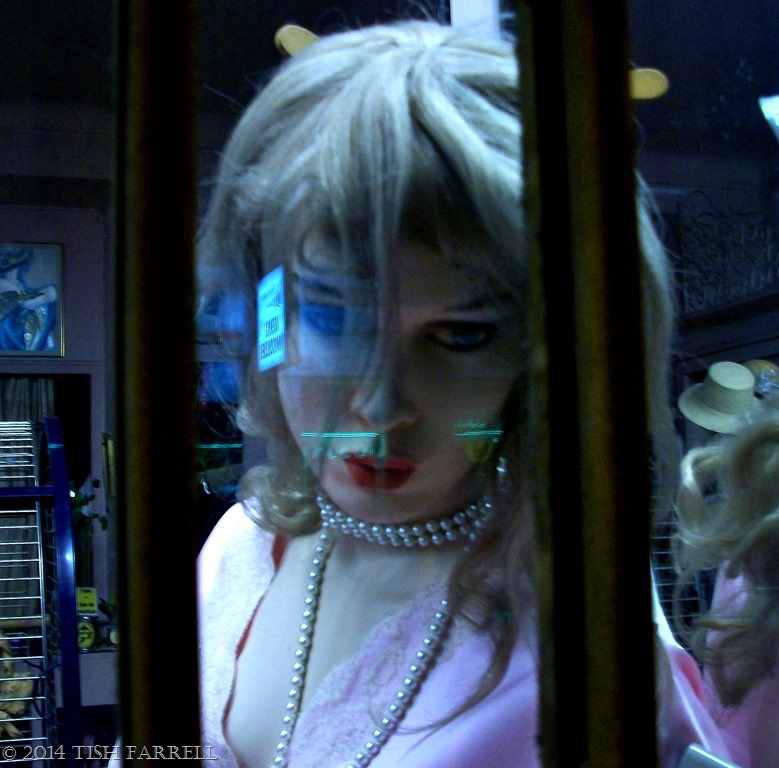
by day there was a green parrot in the cage

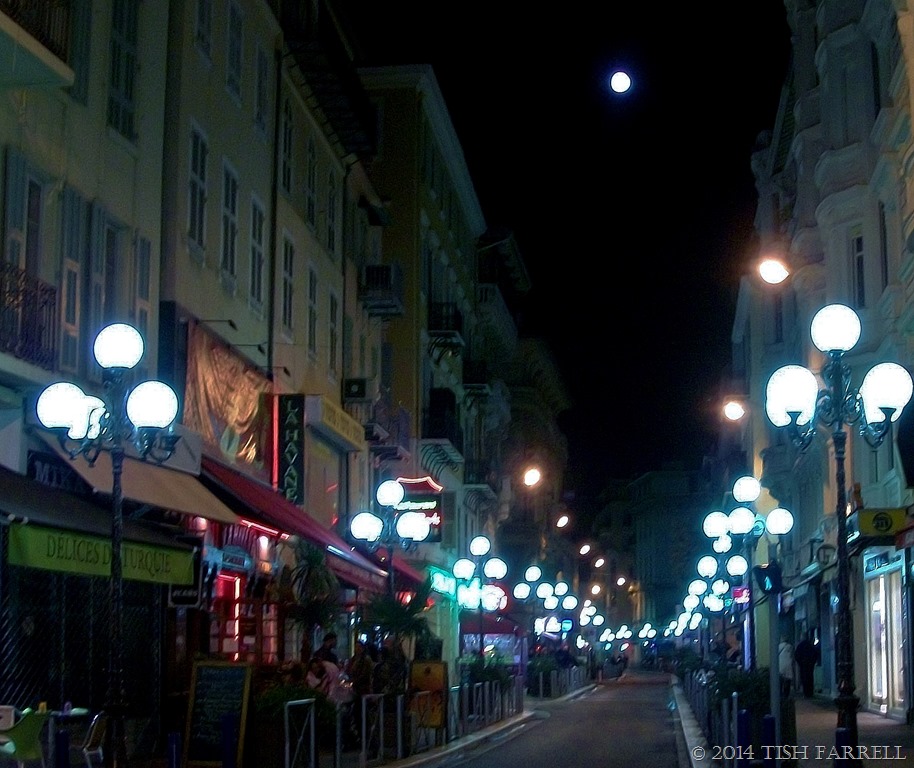
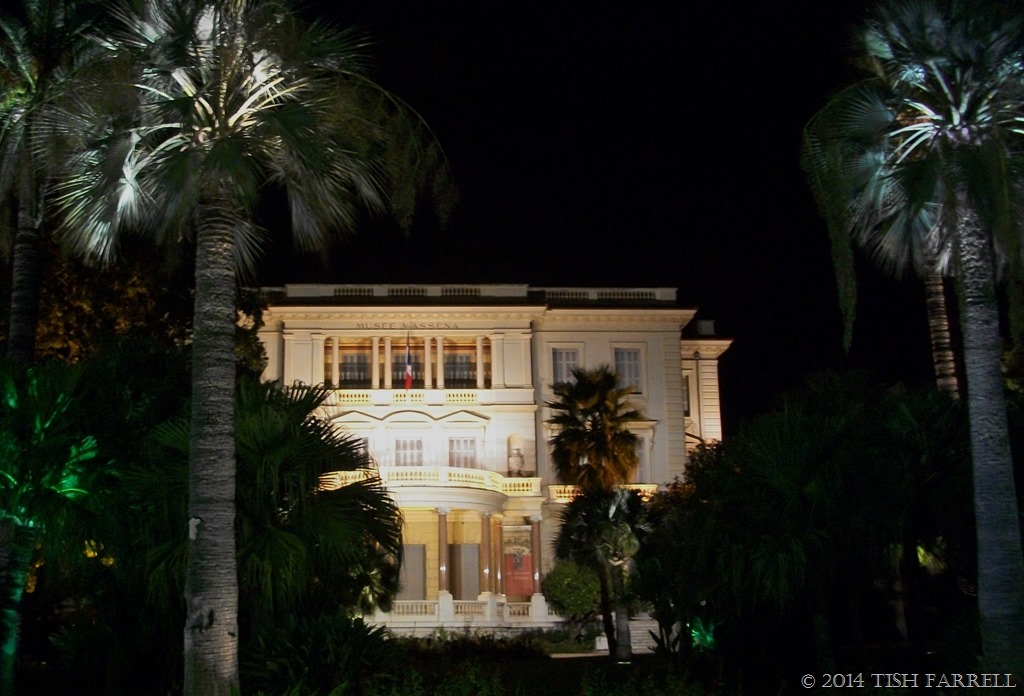
There are so many enticing shop windows to gaze at in Nice – everything from brightly coloured marzipan sweets to exquisite oriental teapots. This window, however, was most disturbing. The more so, since it was just across the street from our hotel.

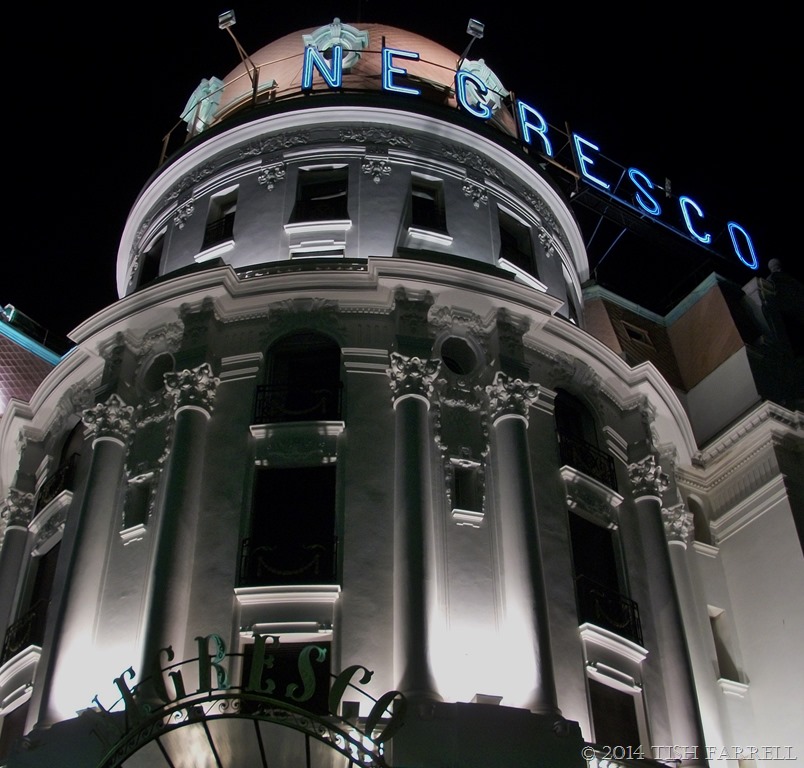
I think of this as my ‘David Lynch photo’. It seems to have about it more than a hint of that director’s very weird but somehow compelling TV series Twin Peaks. By day,  the window on Nice’s Rue de Rivoli (just up from the swish Negresco Hotel where we weren’t staying) was scarcely noticeable. Only at night, when dimly lit from within and without, did it take on ‘a reality’ (though I hesitate to explore this further) and you could see more clearly what was inside. It seemed to be a dry cleaners, but there was also a lonely parrot in a large cage, and an assortment of wedding  gear arrayed on a wigless bride, and many large-brimmed sun hats. This girl, though, was surely yearning for rescue. Perhaps she is still. Any heroes out there?

copyright 2014 Tish Farrell

Ailsa’s Travel Theme: Inviting

DP photo challenge: nighttime


Thursday’s Special: looking at the sky over Wenlock Edge

IMG_1390 (2)

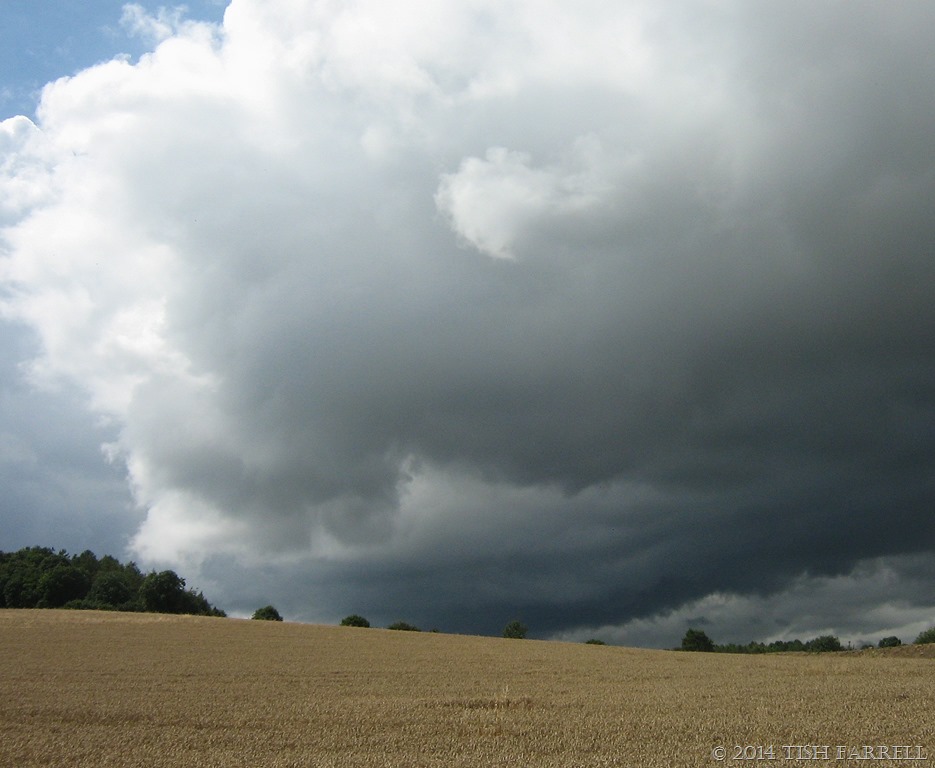
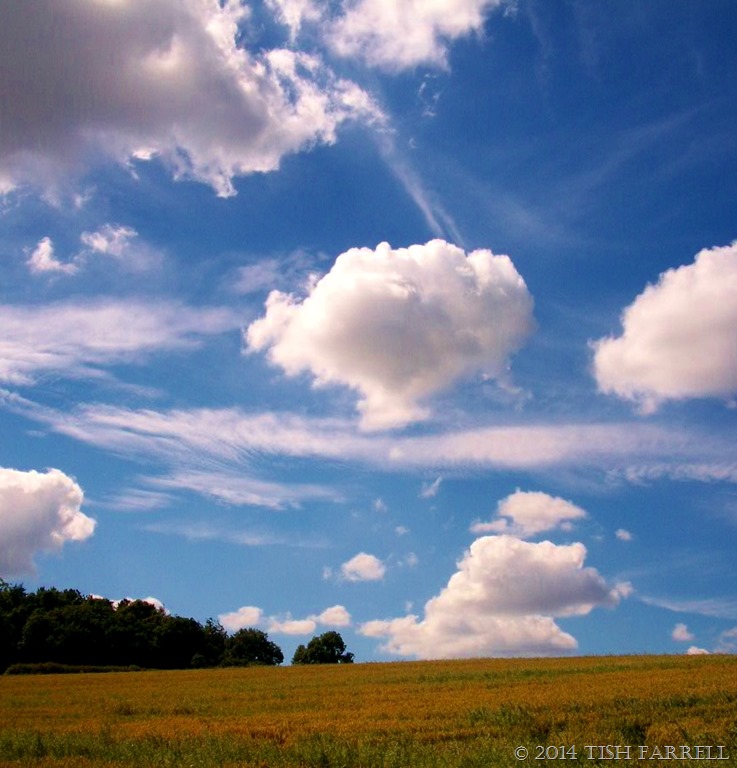
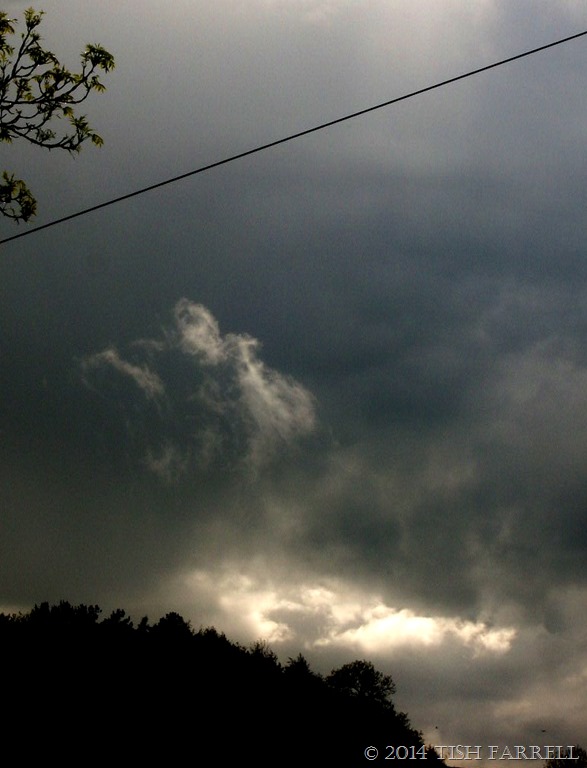
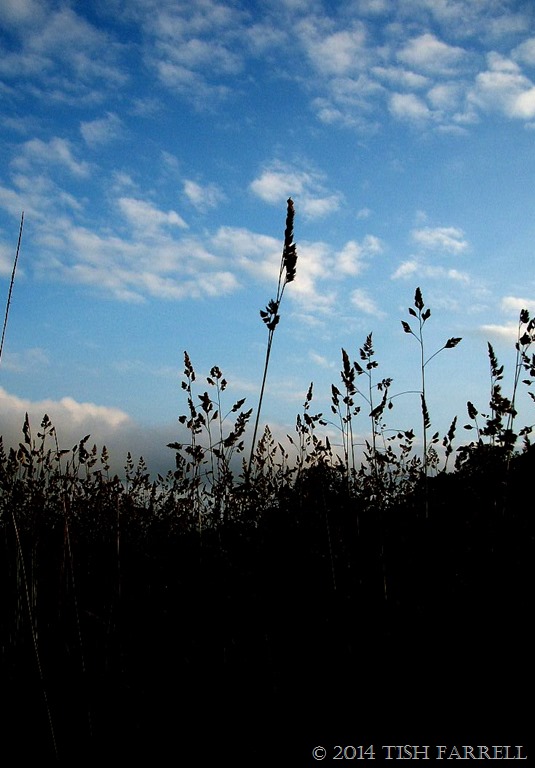
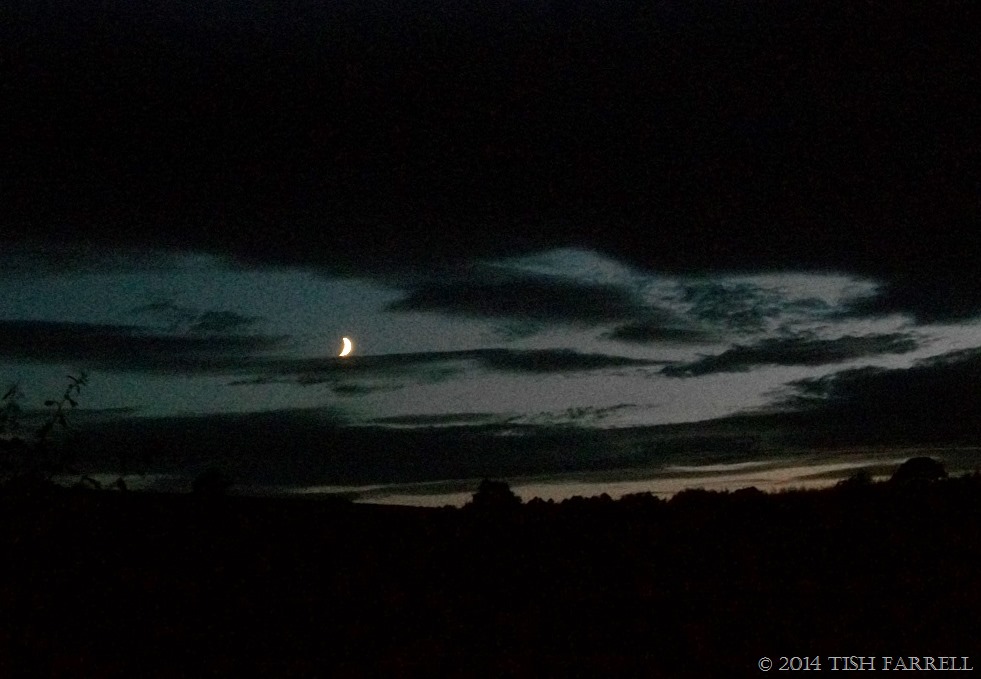
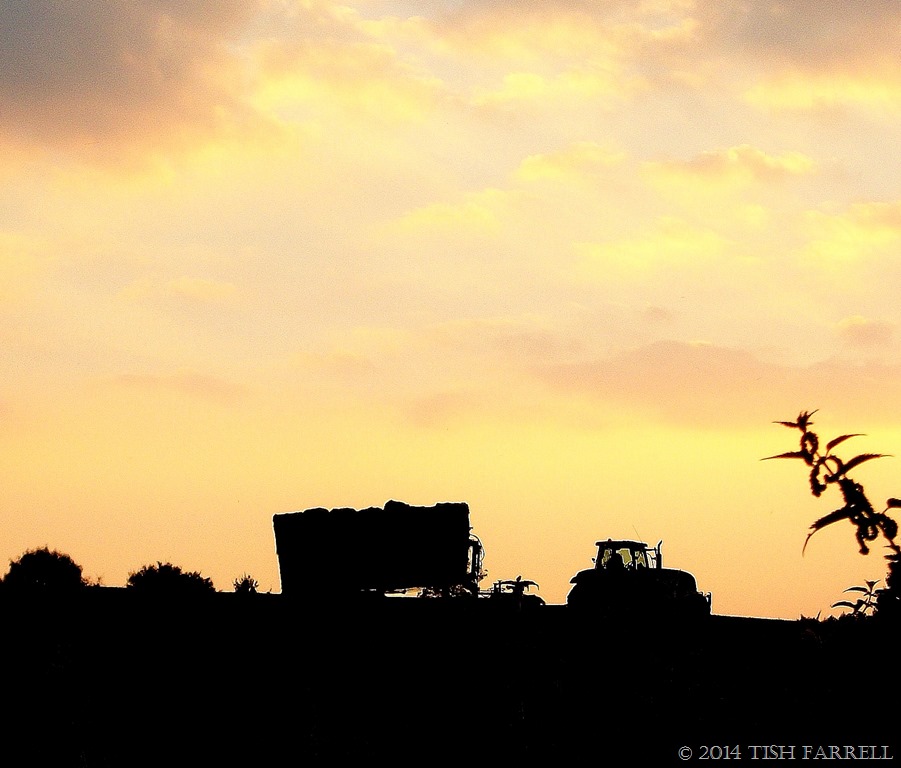
Is it just me, or are our skies growing more interesting in terms of light and cloud formation? I know I spend more time these days looking upwards. Behind our house on Sheinton Street the farmland rises in a series of scarps till it reaches the tree line on Wenlock Edge. Thereafter the ground falls away through hanging woodland. It is quite a drop and means we view the weather higher up somehow, always beyond a series of false horizons. The light and cloud change every minute of the day. You can lose hours simply watching.

This week Paula suggests we post portraits of one kind or another. Here, then, are some sky portraits taken over Townsend Field and Wilmore Hill. You may imagine, too, the frequent exchange that takes place between G and me as we move about the house and garden: I say. Have you seen the sky?

100_5995

100_5659

100_5845

100_5872

100_6382

Lost in Translation Thursday’s Special

#WenlockEdge