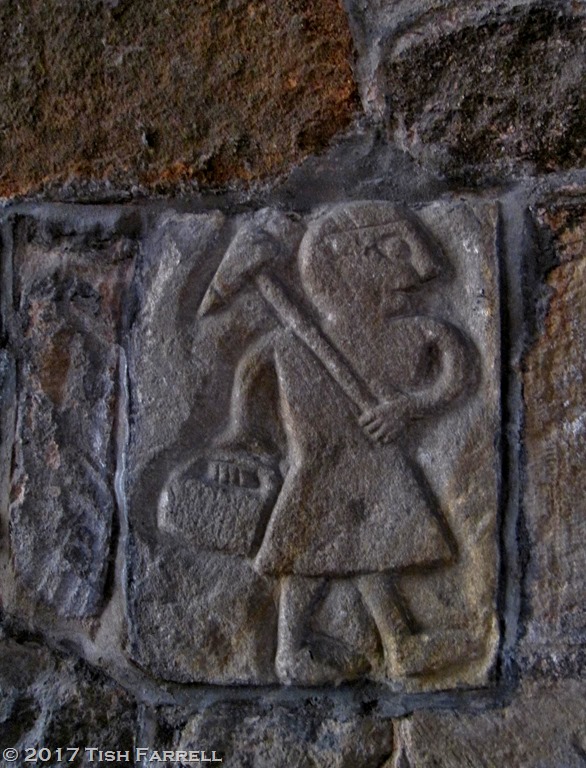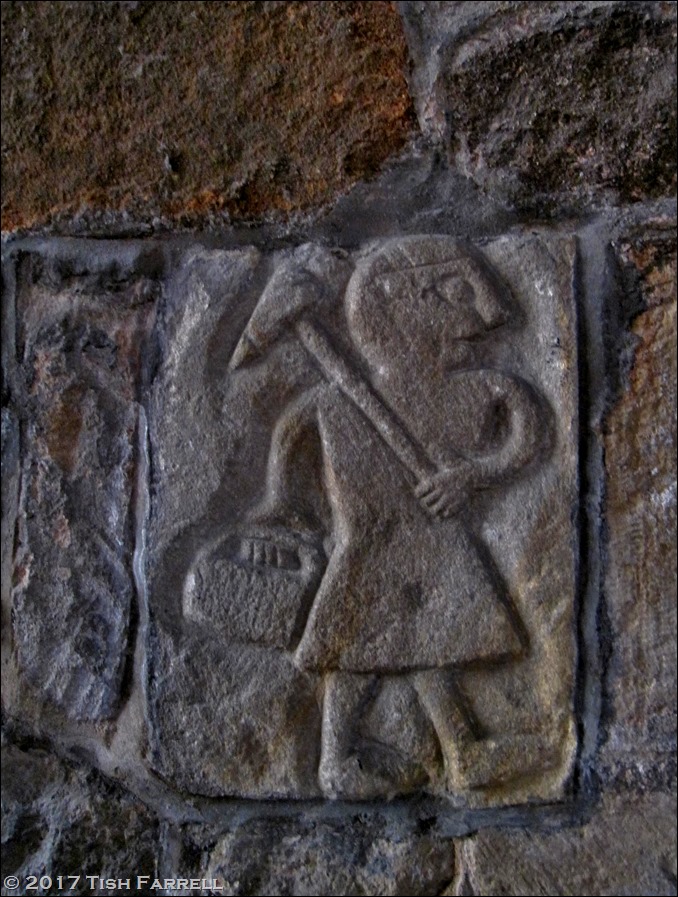
He is said to be 800 years old, or thereabouts, this mythic little figure of a lead miner with his pick and kibble (basket). He is presently to be found embedded in the wall inside St. Mary’s Church in the Derbyshire Peak District town of Wirksworth. But this was not his original home. He once lived in the nearby village of Bonsall, where he was found during the restoration of the 13th century parish church of St. James. This was in 1863, and it was then that T’owd Man found his way (along with other pieces of interesting medieval stone work) into the garden of one Churchwarden Coates.
This highhanded commandeering of the local lead miners’ talisman did not please the general populace, who wanted him restored to sacred territory. Somehow in the argy bargy he ended up being firmly mortared into the wall of St. Mary’s Church in Wirksworth instead – where he has remained ever since for his own good and general safekeeping. He has also become the town’s ‘unofficial’ symbol, so you can pay him a visit, AND get the tee shirt.
But this story of general displacement is making me wonder. What if T’owd Man is a good deal older than is currently thought. I’m assuming his 13th century date was given him because he was found in a church of 13th century origins. But to my eye he could easily be a Saxon carving. What if the medieval builders of the Bonsall church had also recycled him? (There are in fact many examples of Saxon carving within St. Mary’s, all re-deployed from an earlier church. See my post Expressions of Power ~ Secular and Spiritual? for more of the background history).
Lead mining was a key industry in the area from at least Roman times. There is also documentary evidence of its importance in Saxon Wirksworth. In 835 the township was ruled by Abbess Cynewaru, and in a missive of that time she states that she was every year sending a gift of lead valued at 300 shillings to Christ Church, Canterbury. Much later in the Domesday Book of 1086 the entry for Wirksworth includes 3 lead works.
Wirksworth was in fact the centre for the trade. It was a hard and dangerous business. The miners were also a maverick lot. Many were yeoman farmers who combined hill farming with lead working, and some grew extremely rich on the trade, although many died from explosions in the mines, and the general toxicity of working with lead.
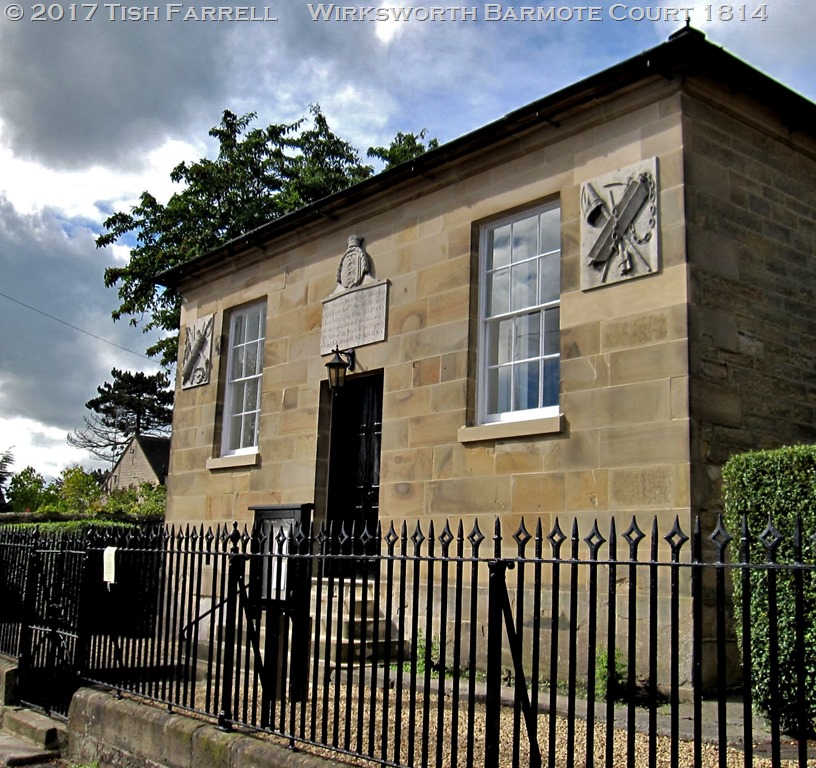
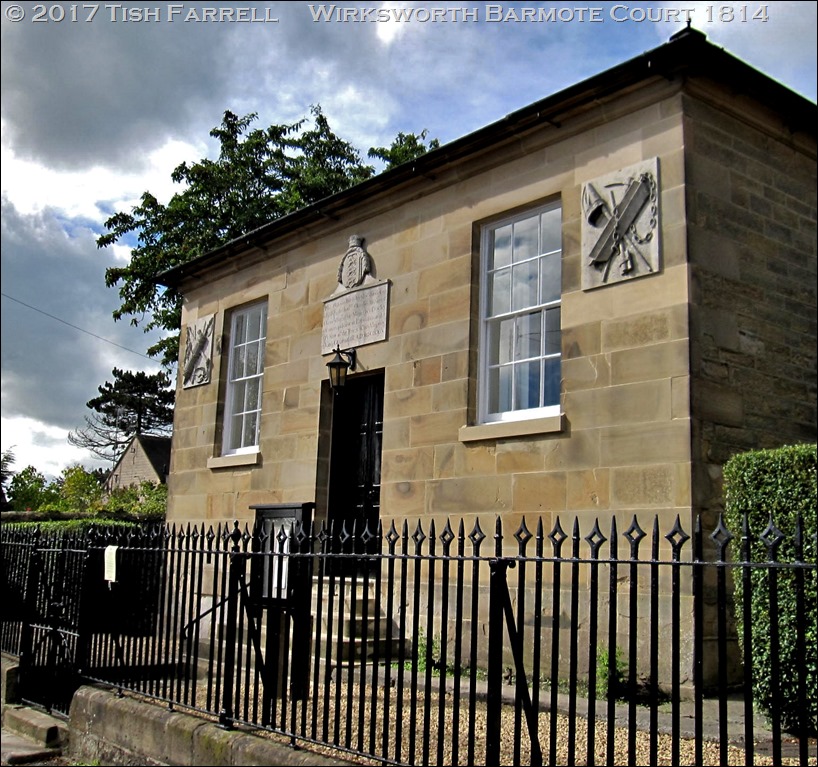
All the miners’ activities were subject to a system of rigorous rules and regulations overseen by the Barmaster of the Barmote Court. This court was held in Wirksworth for at least 7 centuries, and had its origins in Saxon Burg Moots (moot is Saxon for gathering or assembly). The last version of the court or Moot Hall still survives. It was built just out of the town centre in 1814 to replace a grander Moot Hall that stood in the Market Place. It seems the noisy behaviour of the miners, and the congestion they caused in the town centre, led to the earlier building being demolished.
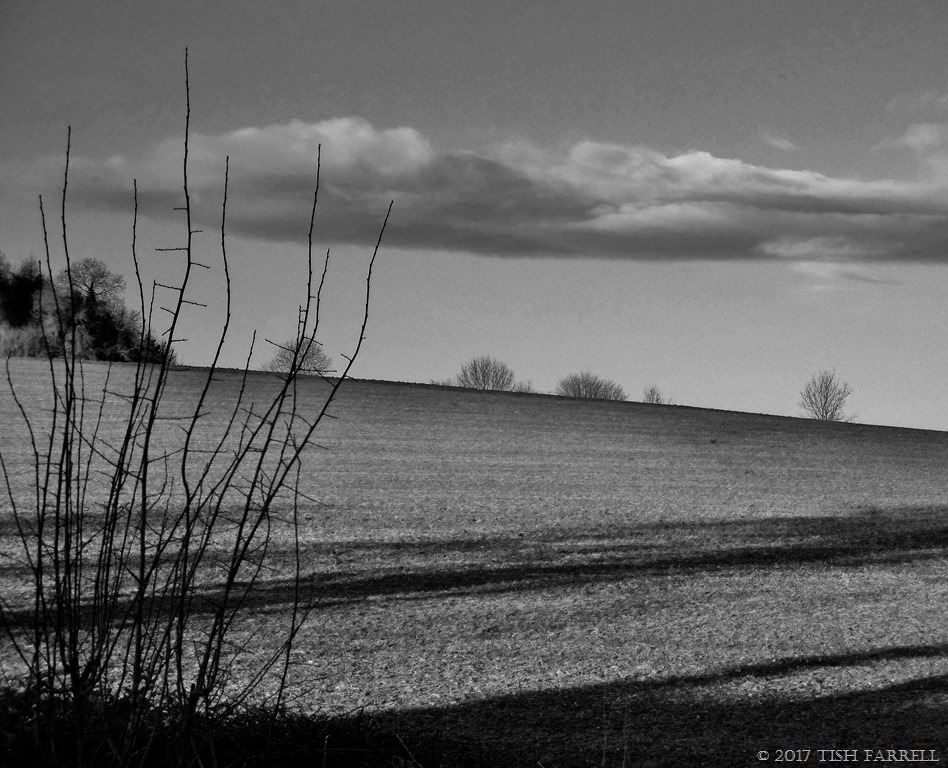
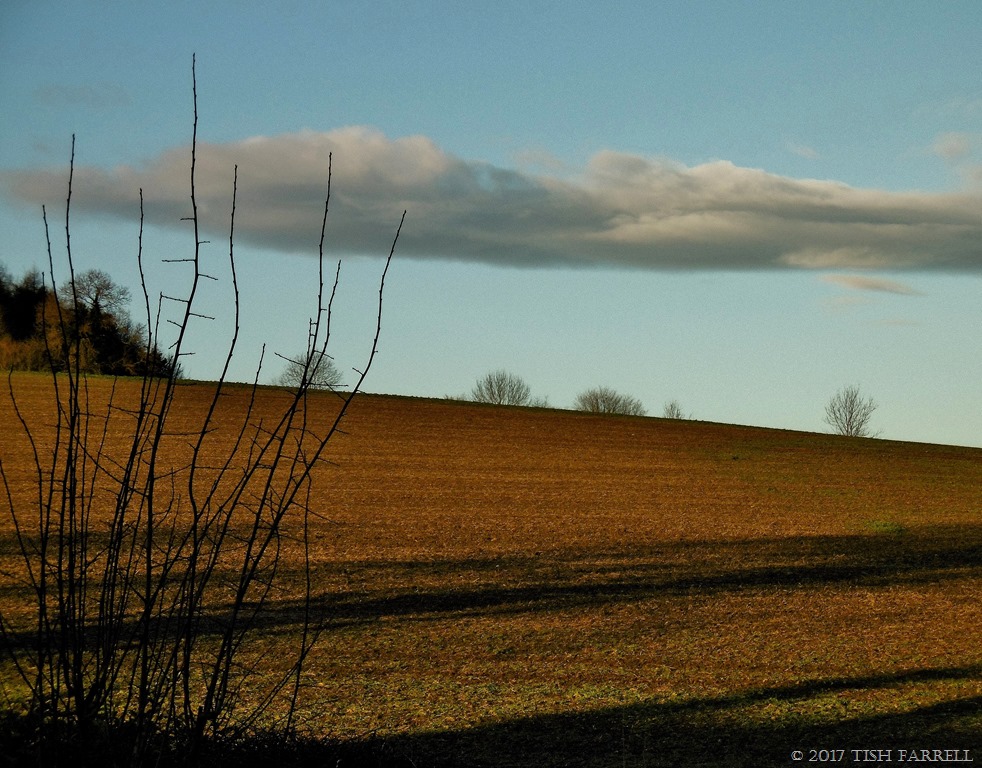
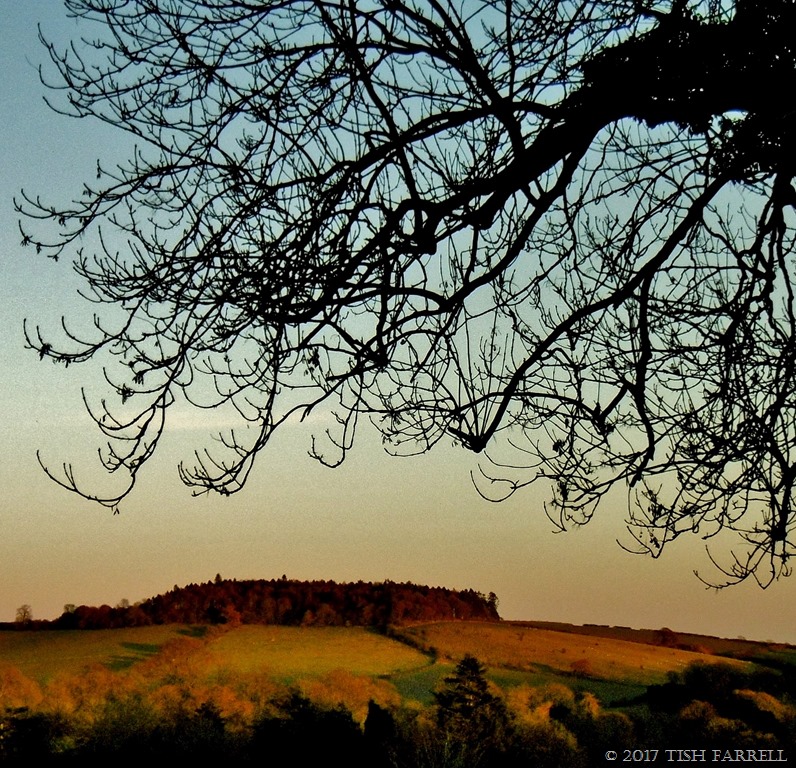
Wirksworth is a fine town for a visit. Its many surviving seventeenth and eighteenth century houses attest to the general prosperity of the place over many decades. When the lead ran out in the 19th century, limestone quarrying replaced it. Rivers were harnessed to power cotton mills, and so the industrial age kicked in. And if this smacks too much of ‘dark satanic mills’, don’t you believe it. The town sits in glorious countryside, in the heart of England, in fact at ‘its very navel’ as one-time resident D.H. Lawrence put it. Here, then, are some more views from England’s very green and pleasant navel:
This slideshow requires JavaScript.
copyright 2017 Tish Farrell
Thursday’s Special ~ Traces of the Past Check in here to see what Paula and other bloggers have posted.


![withprehistoricp00rout_0187[1]](https://tishfarrell.com/wp-content/uploads/2017/01/withprehistoricp00rout_01871.jpg "withprehistoricp00rout_0187[1]")