Apple Blossom, Wintery Weather And A Puzzling Plant Pest

IMG_4889ed

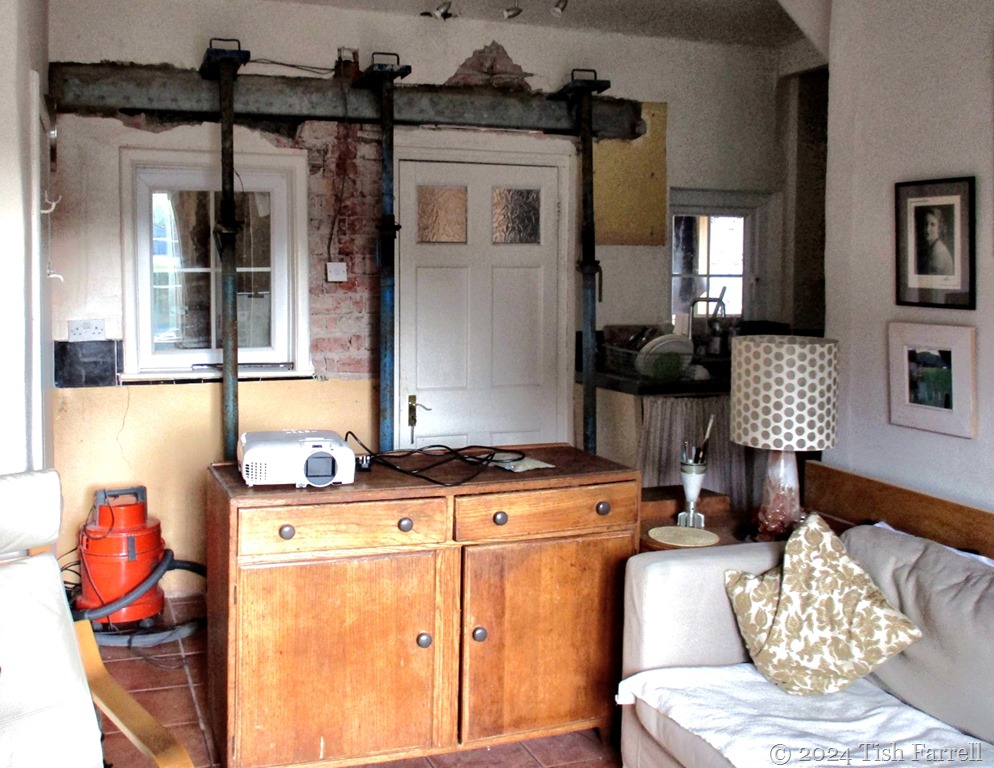
The wind is roaring round the house as I write this. The good news is the house roof is back on and fully restored. Ace builder Alan finished it off today, up there on the scaffold top, in the teeth of gale and squall, painting the gable tops, realigning a dodgy gutter. He said it was freezing up there. What a hero.

The re-laid slates are looking pretty smart, but the grand reveal will have to wait till the scaffolding comes down at the end of the week. In the meantime, it’s good to know that the weather will now stay outside the house and the fragile gables stop crumbling into the bedrooms.

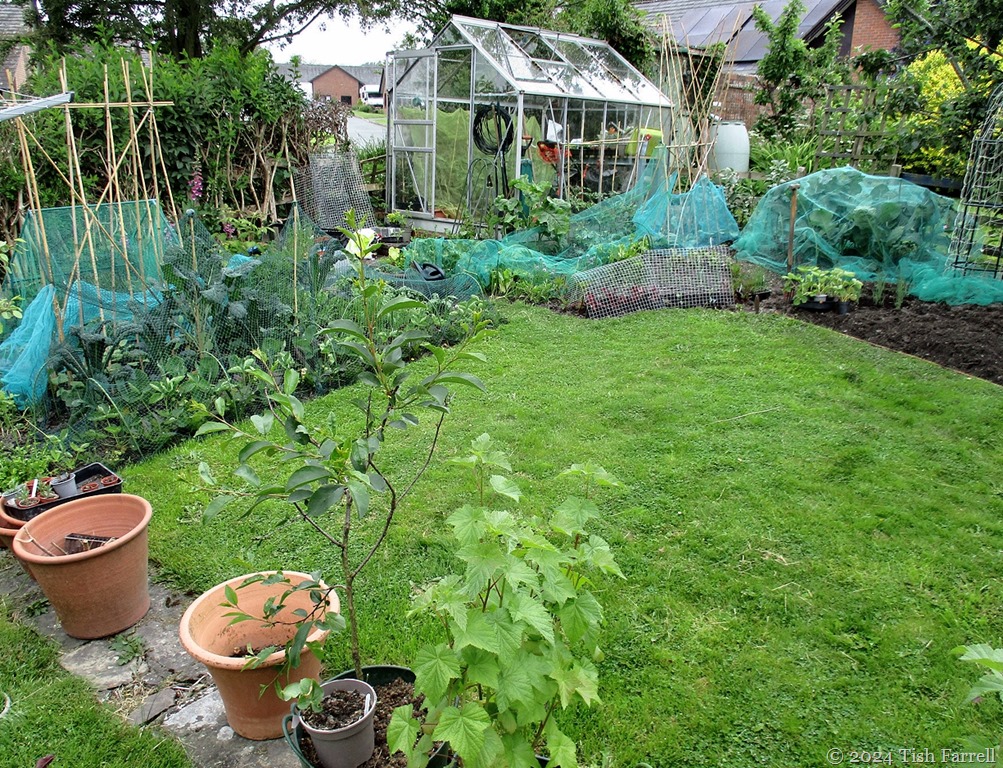
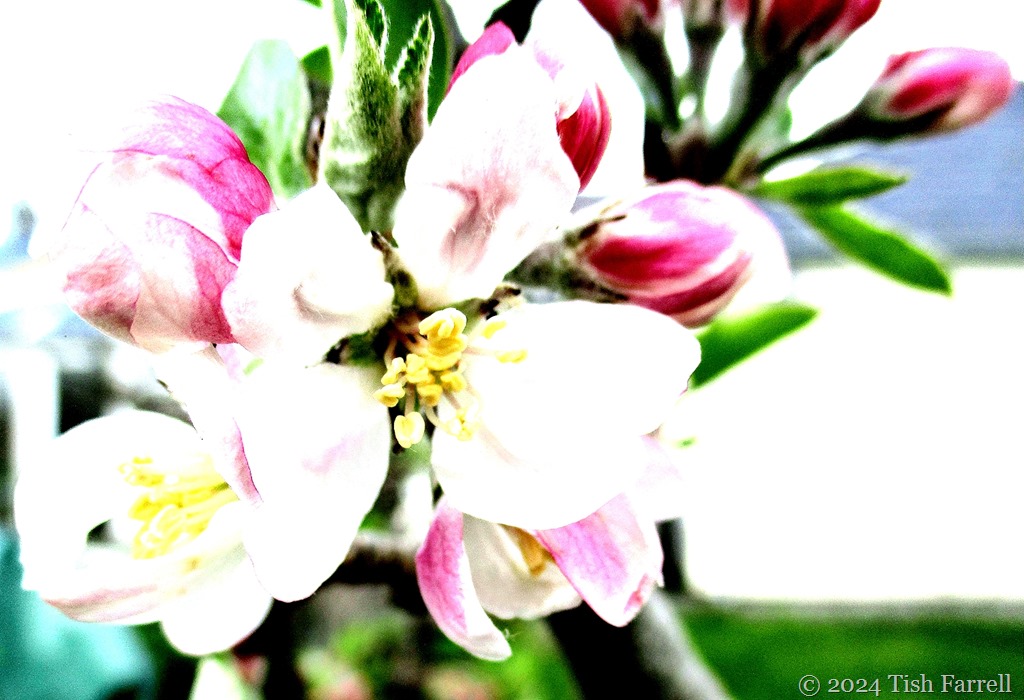
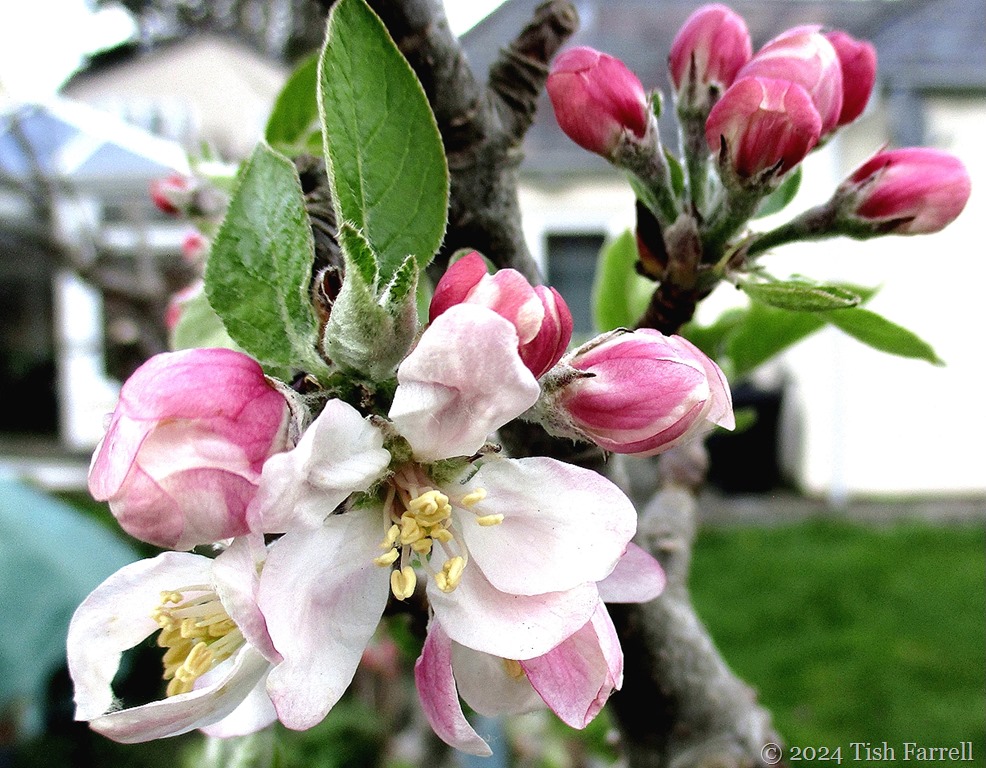
In the garden, spring is happening despite the perishing wind. Our gnarled little apple tree by the compost bin has dared to open three buds, but you can tell they’re shivering. I think it’s a Crispin. We had a few good apples from it last year. The other two apple trees that came with the garden, had to be hard pruned, as in eight feet of  top growth removed, so we’re not expecting much from them for a while.

IMG_4888ed

*

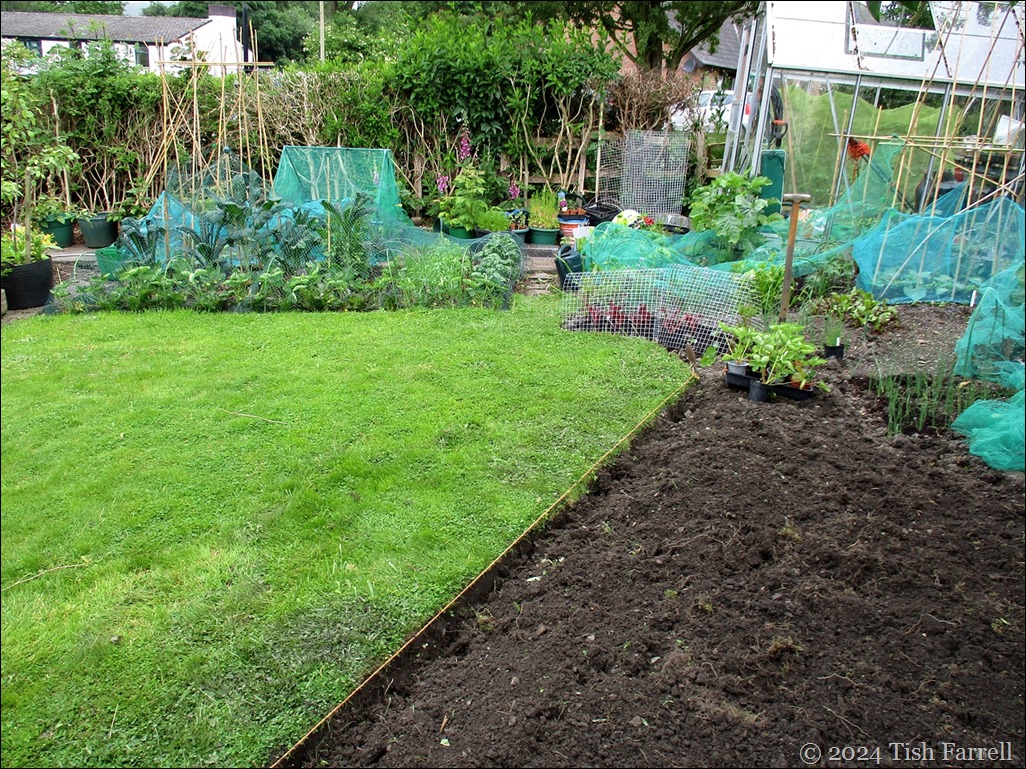
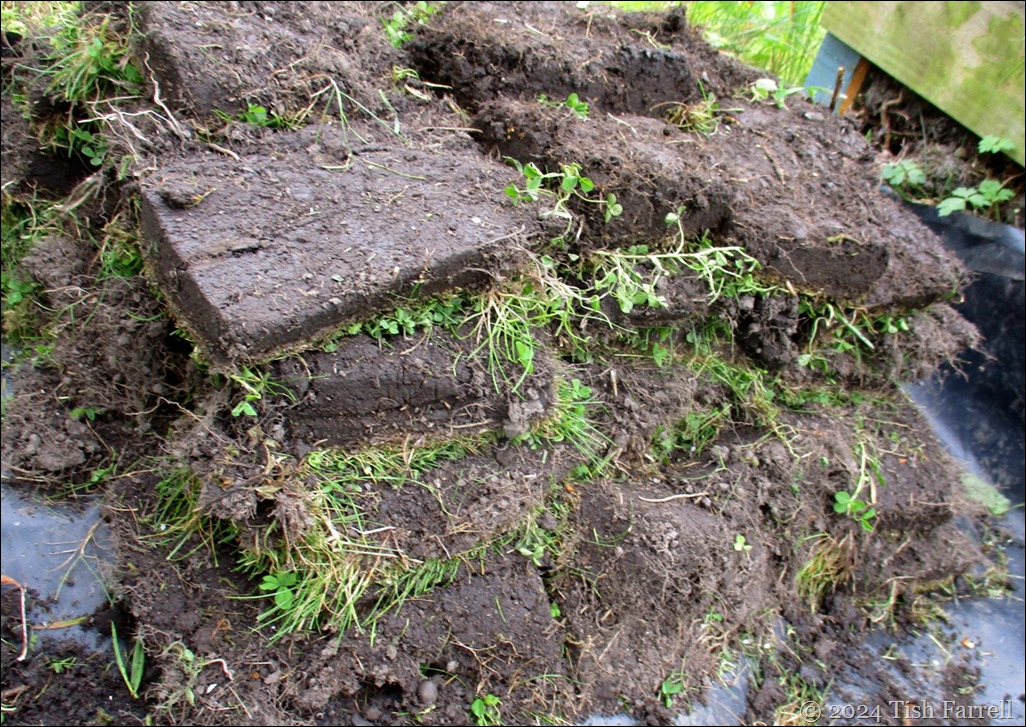
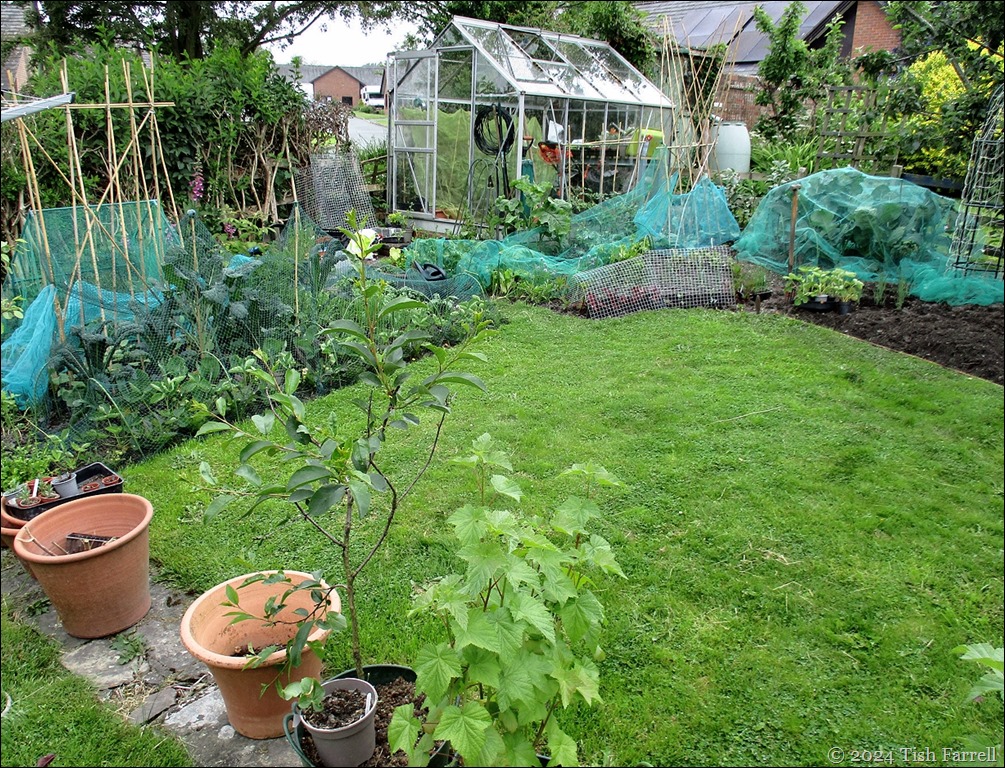
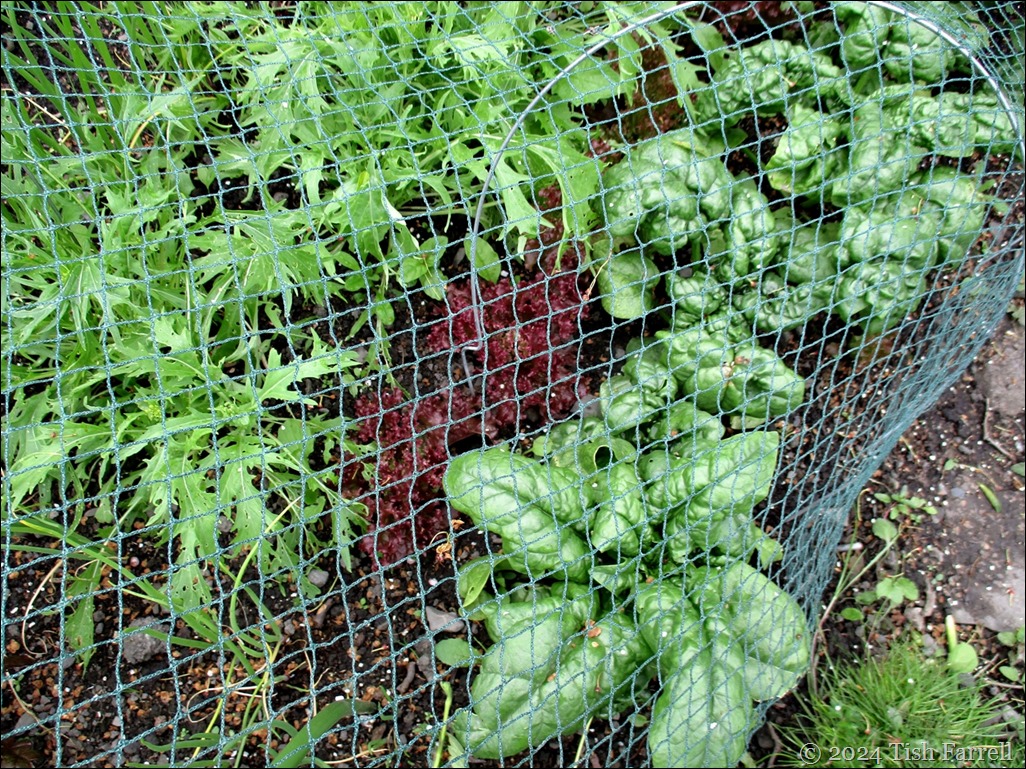
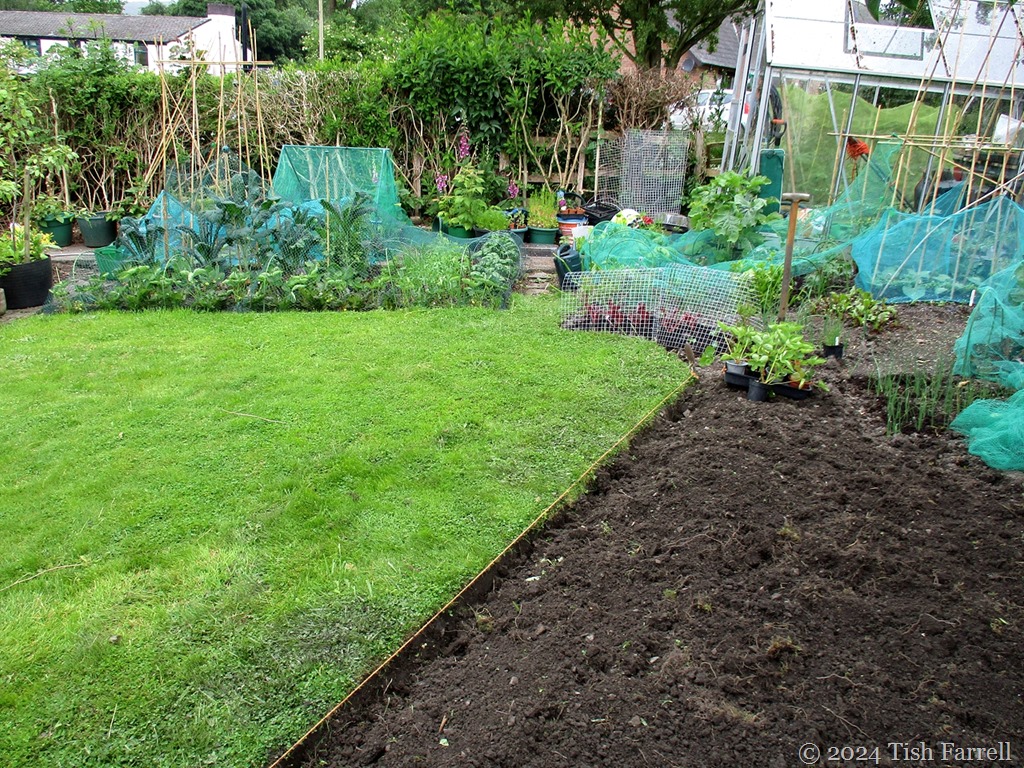
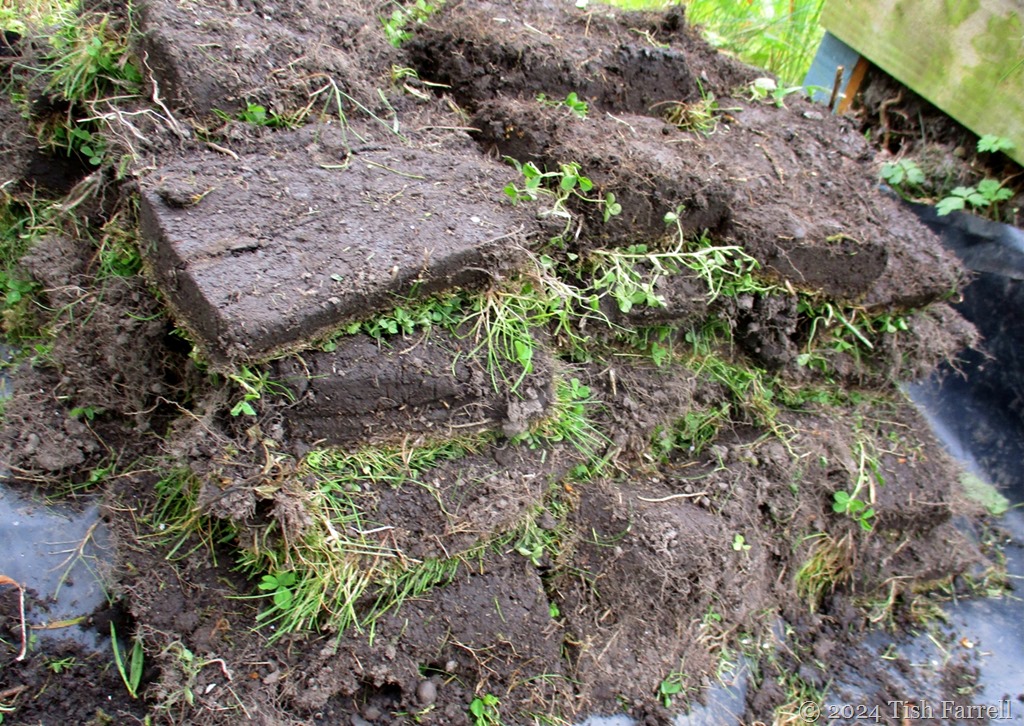
In between rainstorms, and wrapped up in sweaters, padded parka, fleecy pants and woolly hat, I’ve been a) digging up the lawn to create more vegetable growing space; b) attempting to dig out and unpick ground elder, Spanish bluebell and Mexican cigar plant colonies*; and c) continuing to disengage the hedge from chicken wire and the ivy overburden. This last activity is proving slow going. My presence causes the sparrows to dive from the hedge-side feeding post and into the hedge, where they shout loudly until I go away.

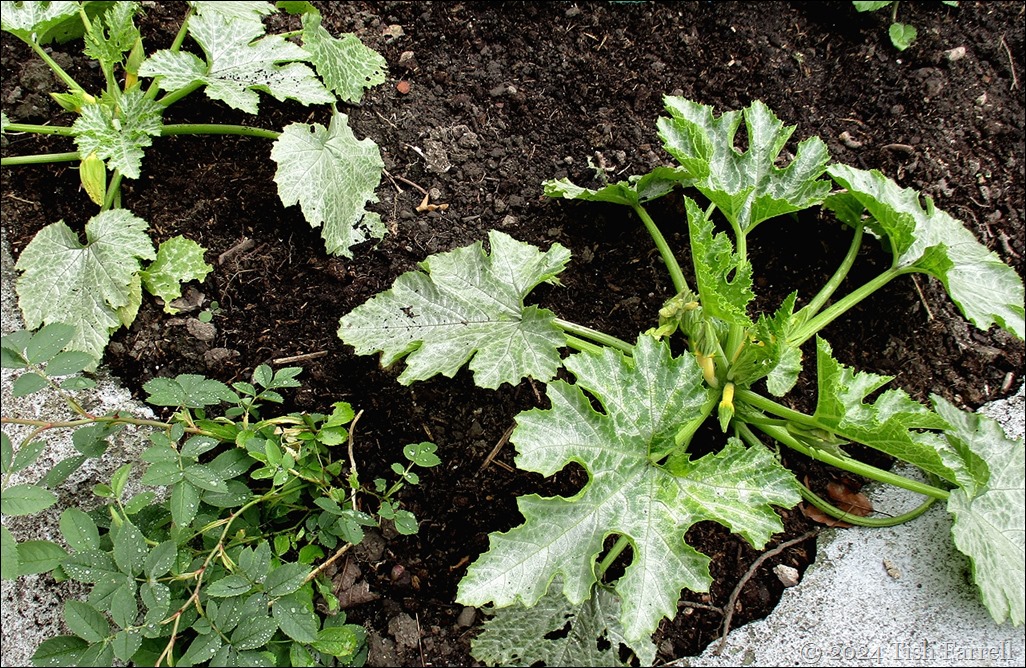
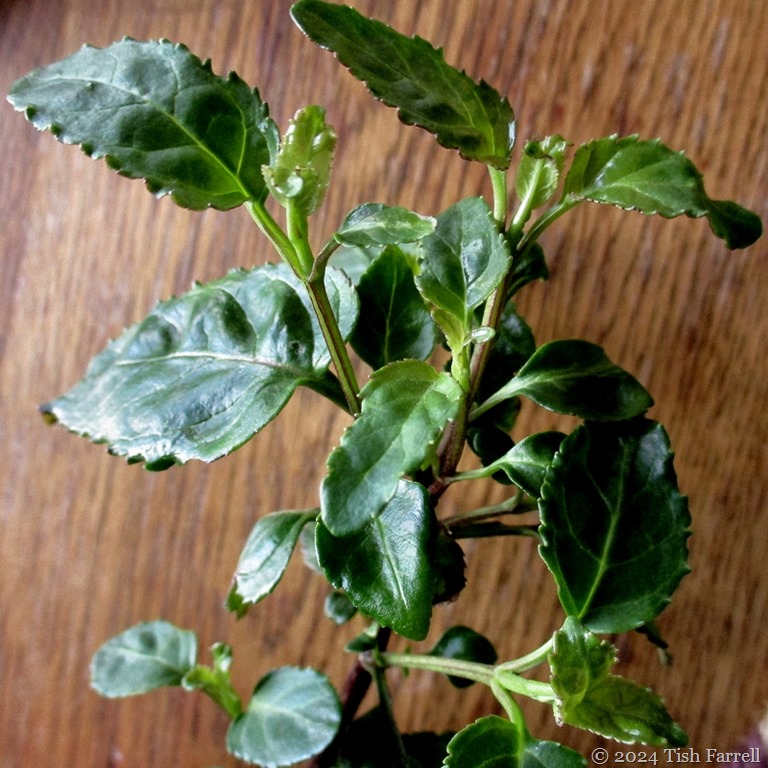
*Now for the plant pest and a note of caution, as in beware of letting Mexican cigar plant (Cuphea) loose on your property. In our garden, it’s like ground elder on steroids. Even the tiniest root fragment will turn into a shrub; the new roots spreading several feet in fleshy festoons, thick as macaroni – under paths, into lawns. When in flower, it has a trillion tube-like blooms that also make seeds. Only if you have the chance of entertaining humming birds should you have it in the garden, and only then in a container.

Needless to say, we do not have humming birds in Bishops Castle. It’s also astonishing that a tropical plant should make itself so at home in this rather draughty, frost-prone corner of Shropshire, although I gather there is at least one variety of the the 250 that is winter hardy.

When we moved into the house last August, this promiscuous entity was sprawling out of our garden, admittedly from a very sheltered, sunny bed, and up over next door’s garage roof, i.e. two metres taller than it’s supposed to grow. Though it did occur to me that perhaps it had found some ancient long-drop W.C. to root itself in. It was also giving itself a leg up along the length of a pine tree that was growing horizontally across the back of the flower bed. But I keep wondering if I’ve misidentified it; maligning an otherwise innocent shrub.

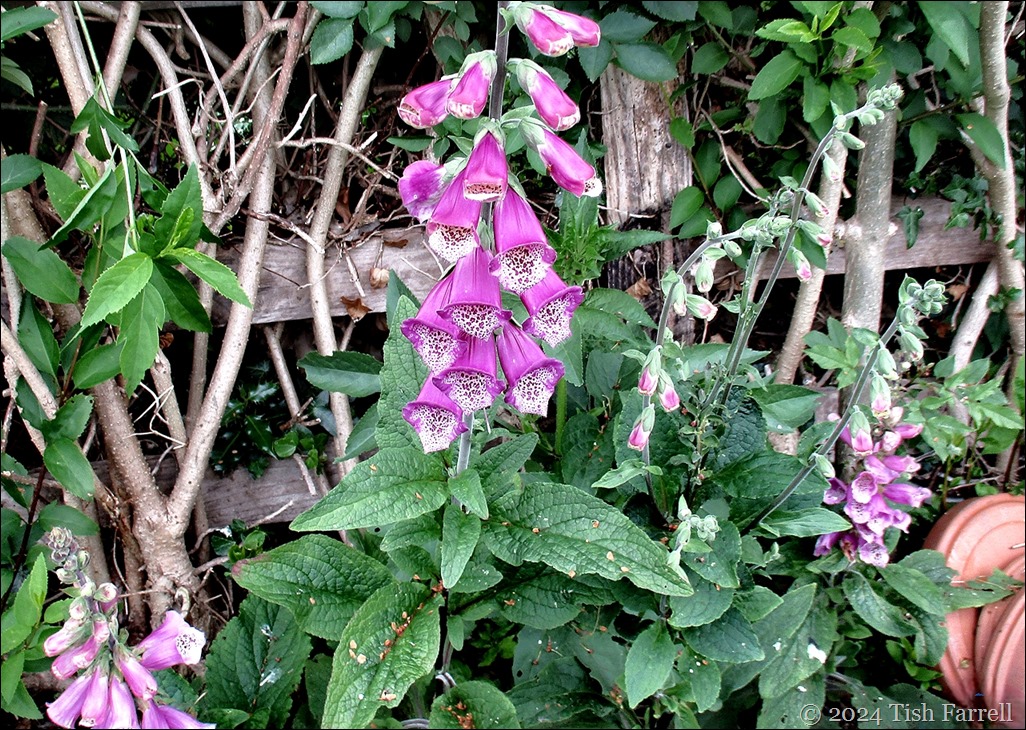
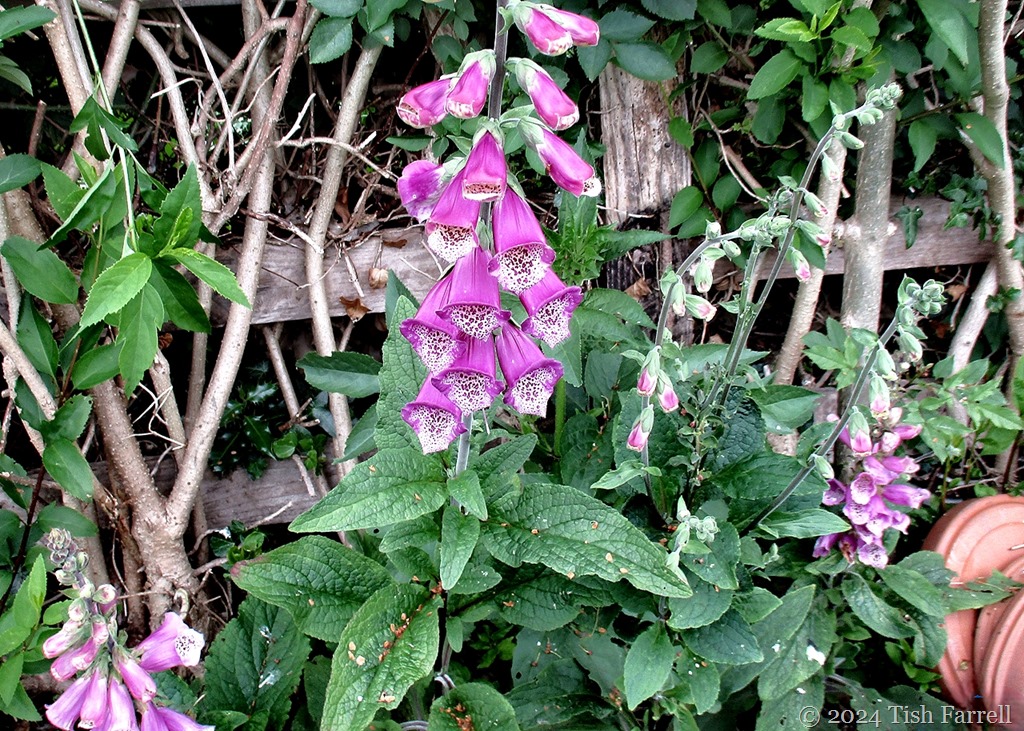
Any thoughts, gardeners? The serrated leaves are puzzling me, but when in flower, it looks like THIS. And descriptions of the swift growing/spreading roots/long flowering season fits.

IMG_4899ed

Here In The Marches, March Comes In Like A Lion

IMG_4681sq

*

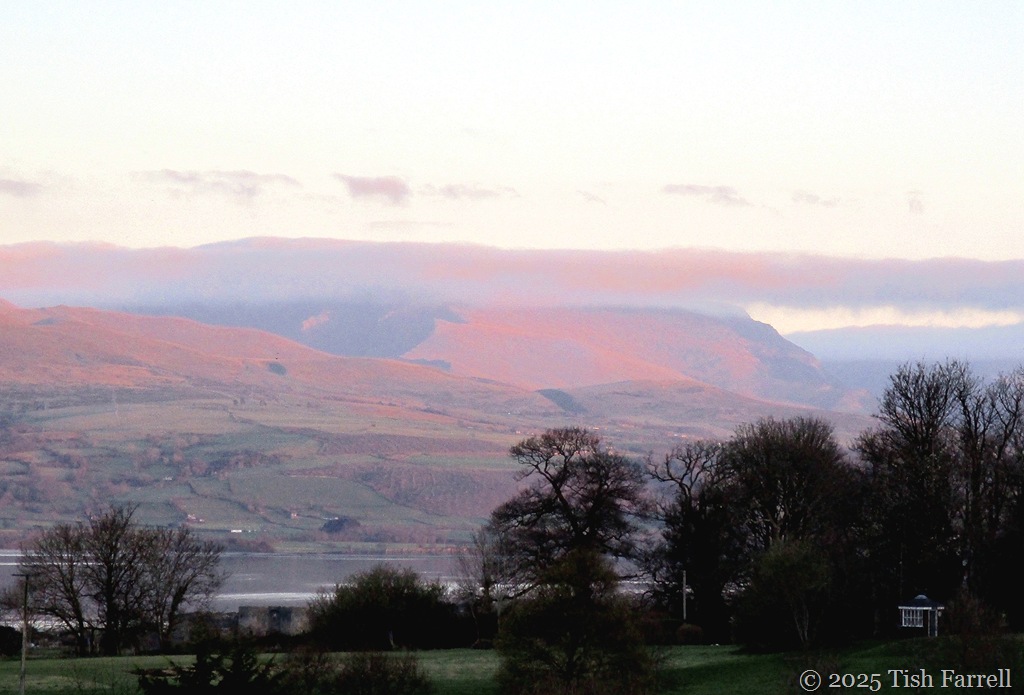
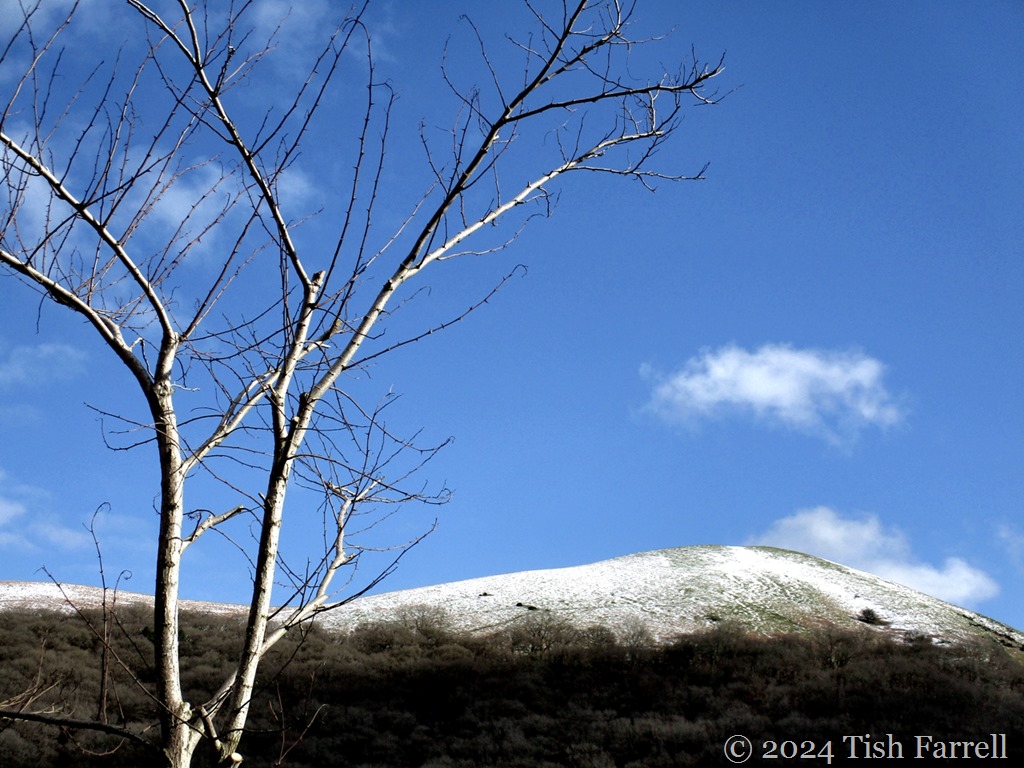
And we can only hope that old country lore comes up to snuff when it says that March coming in like a lion, goes out like a lamb. It can’t be too soon for some lamb-weather either. At least yesterday, after I’d taken this first photo of Ragleth Hill, the sun came out and melted the snow. But it was a one day wonder. Today, after more overnight frost, the wind is roaring round the house and down the chimneys and it’s wet, wet, wet. Downcast daffodils all round.

So, Weather Gods, more skies like this, please. (You can hold on the snow).

IMG_4686ed

Ragleth Hill, Church Stretton

There’s A Storm Coming…

IMG_1459ed

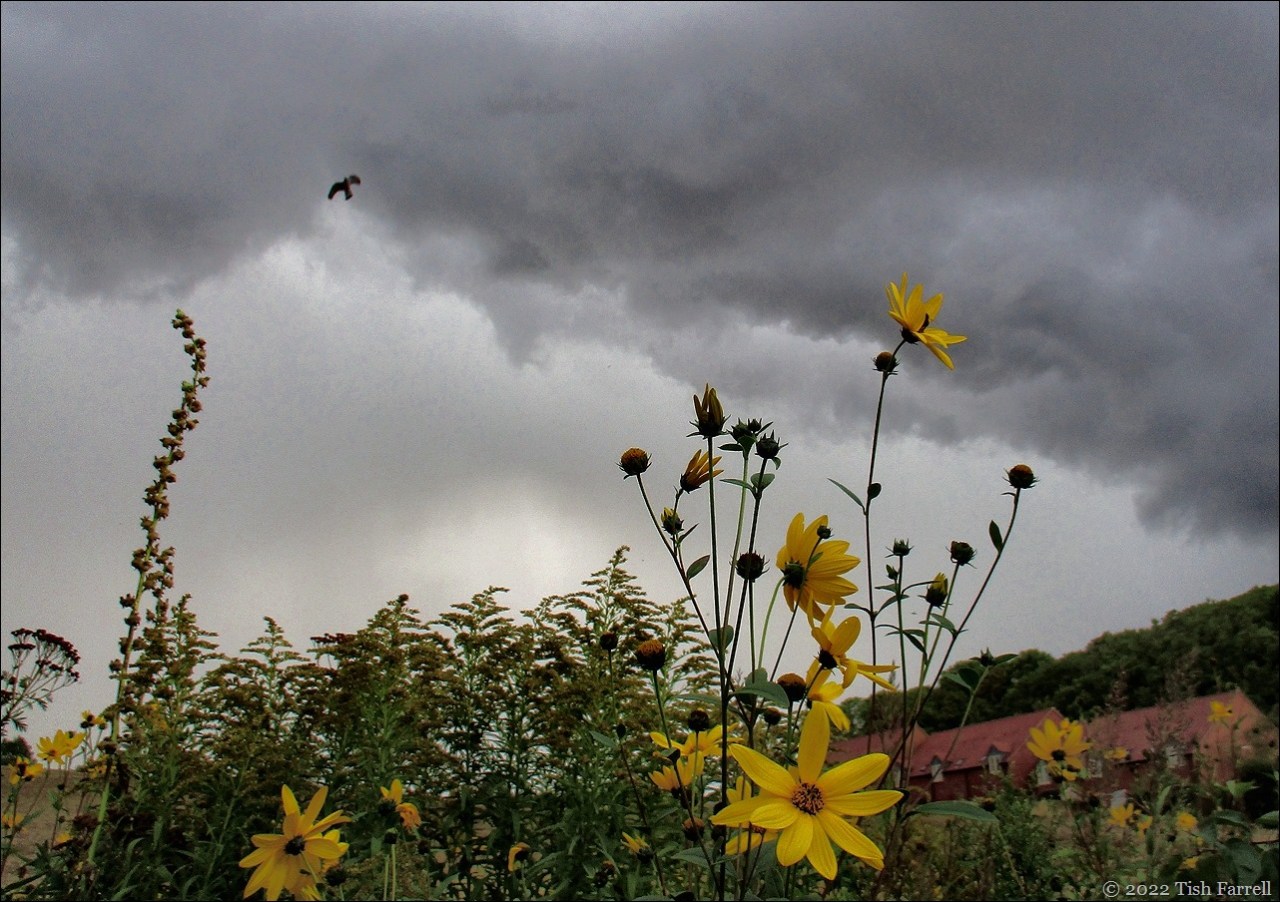
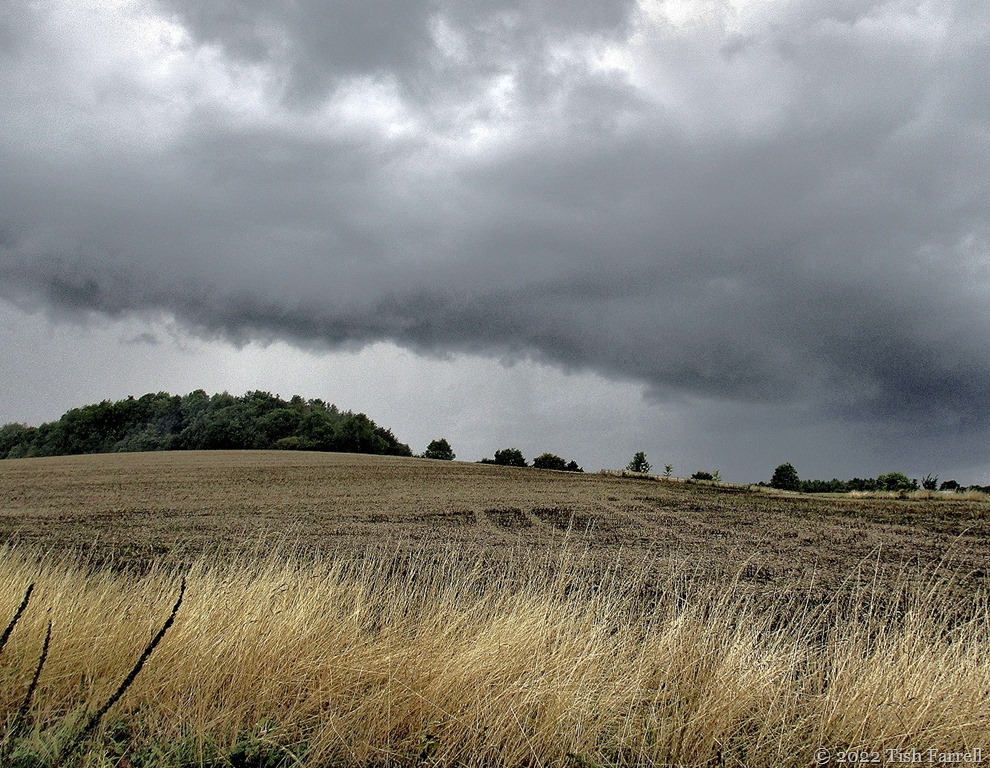
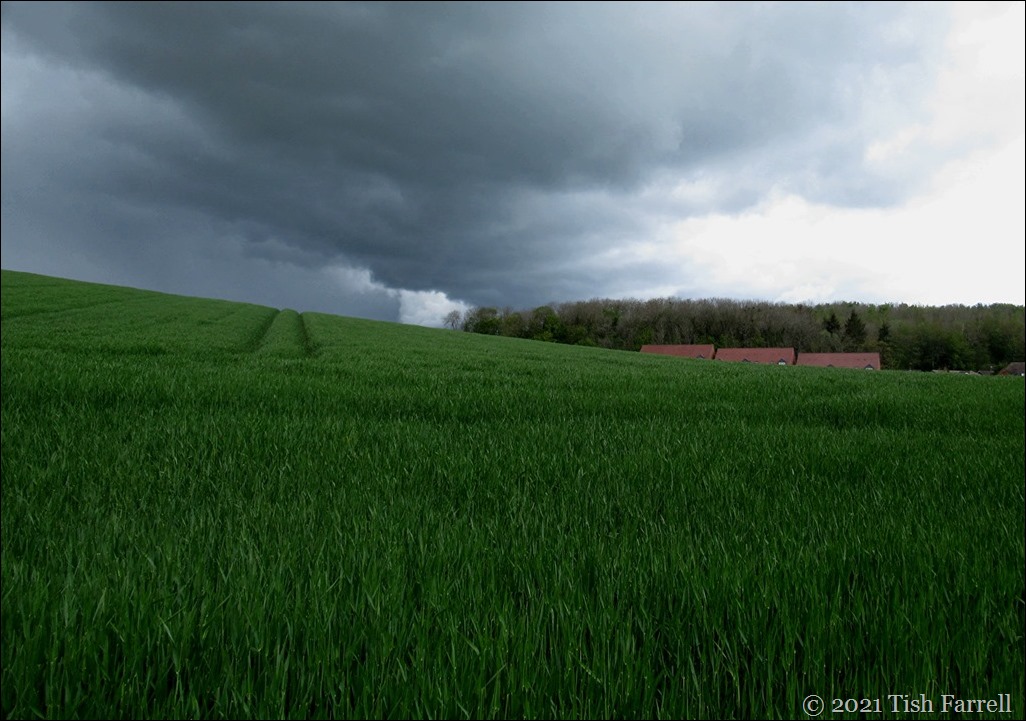
Over the garden fence this afternoon. And yes, after weeks of drought, we’ve had some rain, though the showers have not been as generous as these clouds seem to promise. I watched them roll out across Townsend Meadow towards Wenlock Edge. A cloud serpent, or a Chinese dragon in many shades of grey. There were pigeons flying every which way and some horizontal lightning.

Nothing like a spot of wild weather to stir the spirits.

IMG_1447ed


Glory Be!

IMG_1246

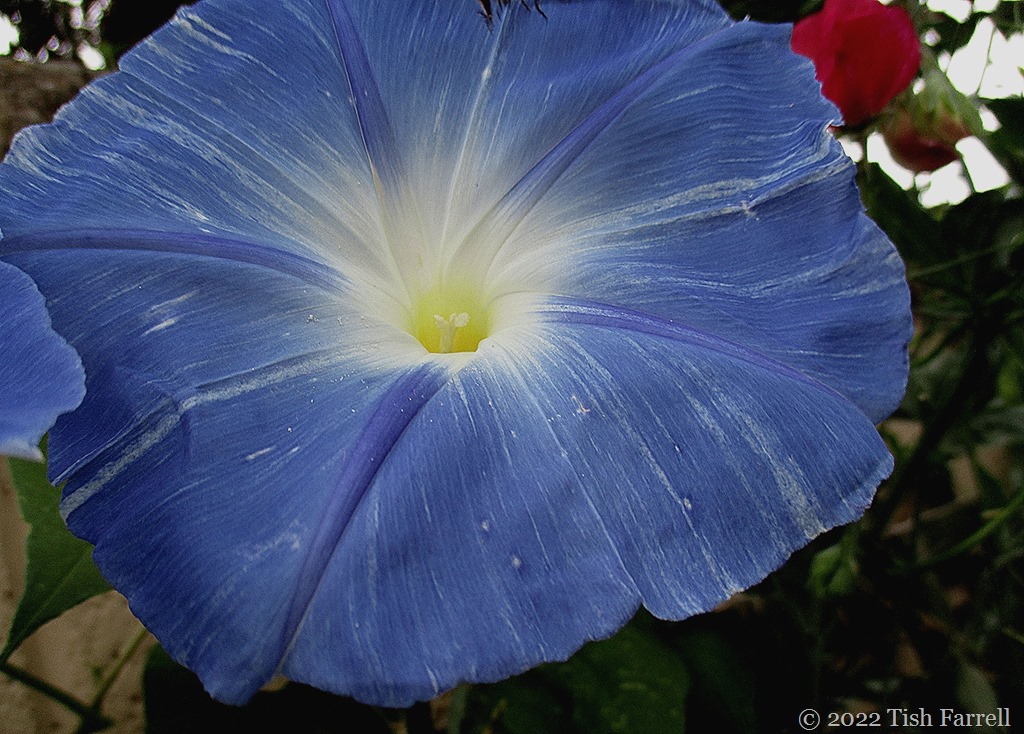
Thank goodness. Our second day of COOL, with a good 10 degrees C completely vanished in thin air. It’s back to grey skies too. They often feature in British summers, and for once we’re thankful. The Morning Glories seem to feel the same way. There were eight blooms out this morning: four Flying Saucers with the sweet peas on the downstairs terrace, and some white ones with purple flashes among the Sun Gold tomatoes in the upstairs garden. They don’t last long though, even without the blazing sun curling their petals.

IMG_1245

We even had some gentle showers yesterday, this after weeks of drought. Hopefully there will be more purposeful rain tomorrow so I can sow spinach and carrot seeds, and plant out the lettuce that survived the baking.

I’m anyway feeling seasonally confused after the heat wave. Everywhere around the town, the trees and fields have a parched, end-of-season look that has me thinking already of autumn, and of the things I might sow in the polytunnel for winter salads. But I’m getting ahead of myself. We’re only just half way through August, and there’s still the tomato and cucumber crop to nurture. And in the home garden, even as today’s blooms fade and crumple,  there are plenty more glories to come.

IMG_1254

Regaining Our Cool

IMG_0983ed

Well, it was pretty hot in Wenlock on Tuesday – 33-34C (bottom 90sF), this being the temperature given for Telford, our nearest big town. But then on Wednesday we were dropped back to 22C (72F) max and deeply gloomy skies. The breeze was back too. In fact yesterday afternoon when I took this photo, it was positively draughty walking along the Linden Walk; also very dry. You can see the wind blowing up a dust storm from the grass mower on the left.

At midday, as I write, my PC says it’s 14C (57F), and the forecast from our local weather station at RAF Shawbury indicates top temperatures of 17-24C (62-75F) for next nine days: https://www.weatherhq.co.uk/raf-shawbury/10d  The main thing though, we should have some rain tomorrow. Fingers crossed.

But, one asks, where did all that 2-day heat wave go? And how did it come in the first place? The explanations I’ve read state it was a burst of hot air out of North Africa pushed across Europe by a high pressure zone, a congruence of  events caused by a change in the jet stream, that mysterious air current whose meanderings appear to be responsible for all sorts of weather anomalies.

Of course in the Northern Hemisphere, this kind of heat wave has happened quite a few times over the past century. Such weather events not only came with extreme temperatures, but were often brutally long. The 1930s were particularly bad for overheated summers. This was the Dust Bowl era on the North American Great Plains, a time when (according to this Nature paper) there were 22 heat wave days per summer in Central US, and the maximum record temperatures reached then still stood at the time of 2019 US heat wave.

In Britain in August 1930 temperatures reached 34C, building over four days but, as seems to have happened this year, the high suddenly retreated allowing cool weather to move in.

Earlier, in 1911, people in Europe and America were not let off so lightly. The New England Historical Society HERE documents graphic accounts and photographs of the 11 days of sweltering heat that hit 44C/112F in the shade, said to have driven some people mad. Meanwhile in Britain the Wikipedia entry says the heat wave built from July through to September with a top temperature of 36.7C/98F. And in France, the 70-day broiling resulted in a horrendous death toll (scroll down for the English text.)

So all in all, uncomfortable as it was for many, it seems we got off lightly with a two-day baking. But many thanks to all fellow bloggers who expressed good wishes and concern. Much appreciated.

And We Think Our Weather Is Chaotic, But What About 1821-22?

P1030781

Last night in Wenlock it was all howling wind and battering raindrops on the roof lights. Then this morning the gusts were positively whistling through the tiniest gap in the closed bathroom window. Shivery indeed. Yet the onset of this 40 mile per hour small gale was yesterday described by the weatherfolk  as ‘brisk’. A bit of an understatement methinks. But however one describes it, this current bout of wild and changeable weather now makes the week of lunch-in-the-garden back in March seem a long time ago. (Did it even happen?) And on top of that, it’s definitely curtailing gardening pursuits.

On the other hand, being confined indoors yesterday led to an interesting internet discovery of a wild-weather nature, this courtesy of the very fabulous Derbyshire Record Office which holds archive riches relating to Arctic explorer Sir John Franklin, he whose 1845 expedition to chart the Northwest Passage, tragically foundered in the ice. Among the treasure trove of documents listed in the archive is the transcription of an 1822 letter written in the May of that year by Franklin’s first wife, poet Eleanor Anne Porden. Franklin is away in the Arctic while Eleanor is writing from London, and filling him in on the dramatic events of England’s weather during 1821-1822.

For someone who is used to forever hearing how our weather is set to become ever more chaotic, I found it fascinating to learn how very chaotic it already was in 1821 when Britain was emerging from the Little Ice Age (c. medieval period – 1850). Eleanor’s letter in fact makes reference to the last of the Thames’ Frost Fairs held in 1814.

A view of the river Thames: 1814

The Last Frost Fair of 1814 copyright Museum of London

Between 1600 and 1814 the Thames would freeze for up to 2 months creating an astonishing  venue for all manner of events and entertainment.

*

But first she broaches the weather topic by telling John Franklin that though matters may be peaceable in other domains, ‘the elements are in sad confusion.’

She goes on to say:

I should think that the mean temperature of last year was pretty nearly what it ought to be, but the seasons were all mixed together, and not well mixed neither; we had neither Spring nor Autumn, Winter nor Summer. Only two nights greeted us with the agreeable novelty of a frost, and the consequence was that a friend of ours saw the armies of two rival confectioners fighting for the thin cake of ice on a pond behind his house. As for snow, I think you had best bring a little home in a bottle, to shew as a curiosity to those who may have forgotten its colour.

Then she moves on to the storms ‘such as I never remember’ following one after another for three months:

Trees were torn up, and houses blown down, and from the coasts the accounts were dreadful- three Indiamen* were lost in sight of land.

* ships of the British East India Company

Next came the Christmas Thames’ floods in London’s Westminster and Vauxhall

forcing numbers of inhabitants to take refuge in the upper rooms of their houses, till they could be carried away in boats. At Staines it is said that the water was rushing in torrents through every house, and parts of Windsor were in similar condition.

She quips that people who usually travelled up to London for the Christmas season had abandoned their plans, not wishing to embark on a sea voyage in order to achieve that objective.

And then follows an account of the most bizarre event of all:

To complete my catalogue of marvels, in less than three months after, a strong south wind so drove back the waters of the Thames, that aided by a neap tide the channel was left nearly dry, and it was crost on foot between London and Blackfriars bridges, almost in the spot where an ox had been roasted whole on the ice just 8 years before…I understand that the tide afterwards flowed with unusual force for 3 days, and it has been thought that the extraordinary shape of the river must have been connected with some volcanic phenomenon.

And finally she concludes with mention of London’s May weather:

this week we were shivering over a fire, and now the thermometer is at 81⁰ in the shade.

You can read the whole lively letter HERE

Meanwhile, planting still curtailed, I shall cultivate a state of reduced grumpiness about Shropshire’s changeable elements. I am anyway much amused by Eleanor’s suggestion that Sir John Franklin should return home with a bottle of snow to remind the general populace what this unfamiliar substance looks like. The more things change, eh…

There’s A Storm Coming…

IMG_3418

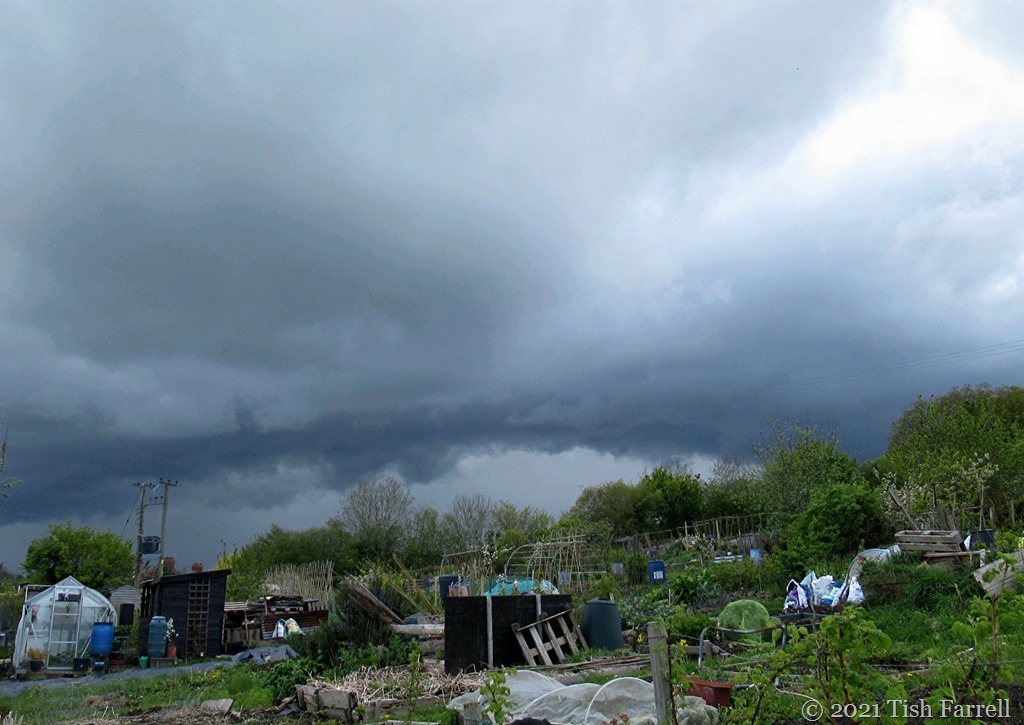
This week the icy currents have retreated. Instead we have storms. I was at the allotment yesterday when this one crept up on me. I was planting out some pea seedlings, the skies ahead sunshiny blue, and all well with the world, but when I turned round:

IMG_3398

Heavens! A swift retreat looked called for. Lately the rain has come in sudden deluges of tropical ferocity, the sort of downpours that leave you soaked no matter how water-proofed you think you are. I’ve been caught out before between allotment and home. For sure it’s only a five minute hike across Townsend Meadow, but it’s amazing how much wetter than wet you can get in that short space.

So home it was, the storm on my heels.

But it was only a tease. Almost home and scarcely a drop, I stopped to take the header photo and watched the storm slip over the Edge.

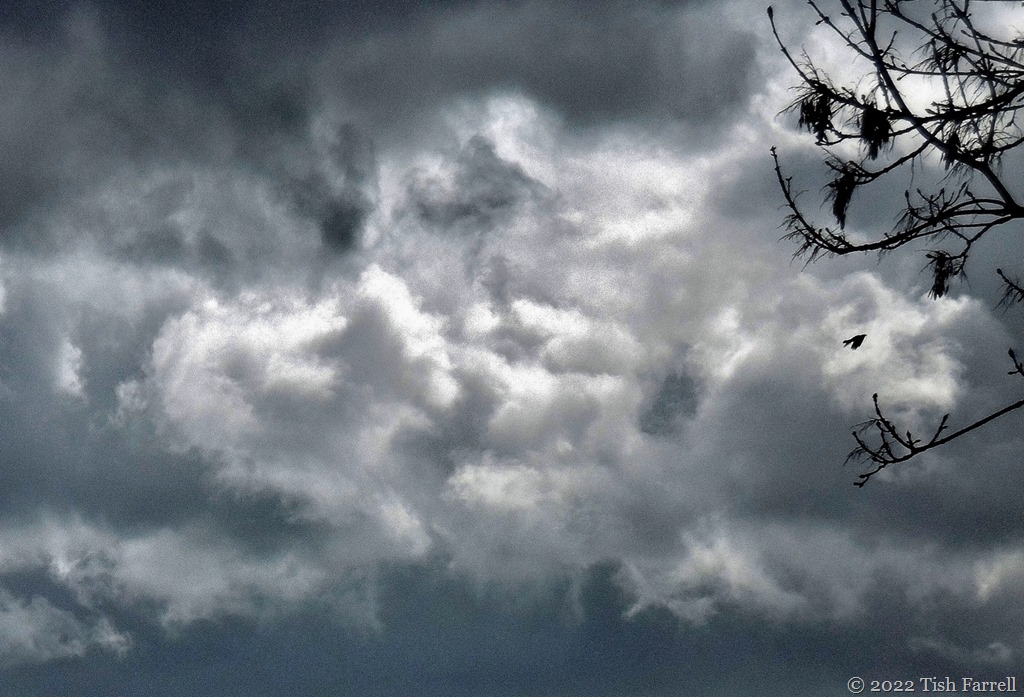
It came back later though: hail, thunder, downpour. During an early evening lull I went out into the garden. The birds were singing. It was almost warm; the sky looked amazing: so many shades of grey. And then it started to rain again.

IMG_3441

The Changing Seasons: February

IMG_6748

There’s been little chance to take photos this month. We have had altogether too much bad weather: two storms and one on the way; rain that has been raining since the end of September; wind, sleet and hail; and for poor people who live near the River Severn, horrendous floods. Nearby Ironbridge has been deluged, the water breaching the flood barriers. Our county town, Shrewsbury, has been returned to the bad old winter flood days of the 1960s, this despite its modern flood defences. (You can go here to see the BBC coverage.)  In Much Wenlock ten homes on the High Street were treated to a slurry of liquid mud and gravel courtesy of run-off from surrounding hillsides delivered by road into their living rooms and parked cars.

There is much that could have been done since our region’s last big floods in 2007-8. No one seems to drain fields properly, or maintain lane and roadside ditches as they did in my childhood, interventions that would at least help to slow the flow. In fact our verge-side ditches seem to have mostly disappeared, presumably filled in and sacrificed to road widening. And so in times of heavy rains when highway drains may become quickly blocked, our roads serve as highly efficient flash flood delivery systems.

We need to start thinking about better water catchment management, and especially on our denuded uplands where our rivers rise.

Australian farmer initiatives show how all our water catchment areas could be managed better with the addition of ‘leaky weirs’ set at intervals down water courses: rocks, tree trunks judiciously placed to create a series of delta effects. No need for hugely expensive hi-techery. Such simple methods not only hold back flood water and sediment, but hydrate surrounding land and foster regrowth of bank-side vegetation that in turn restores biodiversity, providing resilience too in times of drought. AND, most importantly of all, reducing soil erosion.

BECAUSE apart from the absolute misery caused by flooded homes, the impact on life, health and livelihoods, the biggest long-term loss to us ALL, is the fertile soil that floods carry away. Once it is gone, it is gone. Many of our soils are already mineral depleted. This will ultimately have an impact on the quality of food produced and on human health. The way we treat the land, always clearing, forever taking out with an eye to greater efficiency and higher productivity, but without ever replenishing adn rebuilding, is a good way to degrade local and regional weather systems.  In fact creating land resilience and restoring the natural environment are probably the most useful things we could be doing now this minute to mitigate future extreme weather events.

And before too much blame is laid at farmers’ doors for industrial farming practices, the UK and Australia, it seems, have various laws that forbid landowner interference with water courses on their land. They must seek official approval to do anything that impacts on water flow. In the UK, riparian owners have some very serious responsibilities which include ensuring the clear movement of water through their properties.

Here’s an interesting video showing how leaky weirs work, and showcasing the pioneering efforts of farmers and the Mulloon Institute in New South Wales:

*

And back on the home front and to fend off sensations of all round rising damp, here’s a photo of my drying washing, taken on the one day this month when it was worth hanging it out in the garden. Nothing like filling one’s sheets with wind and sunshine; always makes for the best sort of sleep, I always think.

IMG_6811


The Changing Seasons: February 2020

Sue has a very lovely gallery of photos this month. Please go and see.

‘Polarised’ ~ Today’s Skylight View

IMG_6751

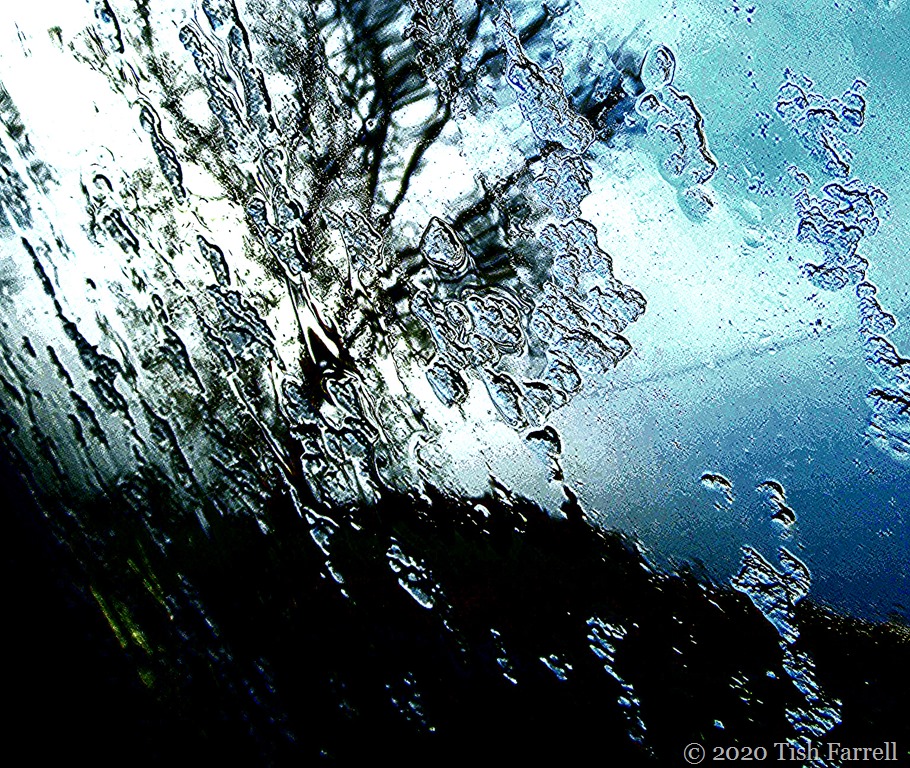
This morning the radio weather commentary described our English temperatures as ‘polar’. It surely feels like it – and that’s inside the house. For despite the existence of central heating and the recent consumption of a good hot mug of coffee, I am wearing mittens as I type this.

And since it is far too cold to go outdoors I cunningly combined Jude’s ‘patterns challenge’ which asks us to look at the subject from different perspectives, and combined near and far subjects – snow on the bedroom window and next door’s garden ash tree – all in one shot. The abstracted result rather reflects my abstracted mindset at present.

#2020PhotoChallenge

Please visit Jude for lots of inspiring ways to look at your photo subjects.

Today The Weather Feels Like This

IMG_3178cr2

Country lore has it that if March comes in like a lion it will leave like a lamb. Well roll on flocks of little ovine entities. As I write this, the wind is roaring up over the Edge, and blowing right through the house even though all the windows are shut. And IT IS ICY. And outside,  it is blow-you-over gale force across the field with intermittent fierce rain squalls. Yet the BBC weather people claim that here in our corner of Shropshire we are currently having ‘sunny intervals with a fresh breeze’. In support of this contention, they have staked out their hourly weather map with a row of sunny-cloud icons. It’s a sign of the times of course. You can no longer trust a single mediated report, not matter how supposedly trustworthy the source. Wear more vests, that’s my advice. And balaclavas.

Photo: Bin bag and barbed wire, St Bride’s Bay, Pembroke, March 2018

Spiky Square #9

Six Word Saturday