Season Of Mist and All Round Wetness ~ Six on Saturday

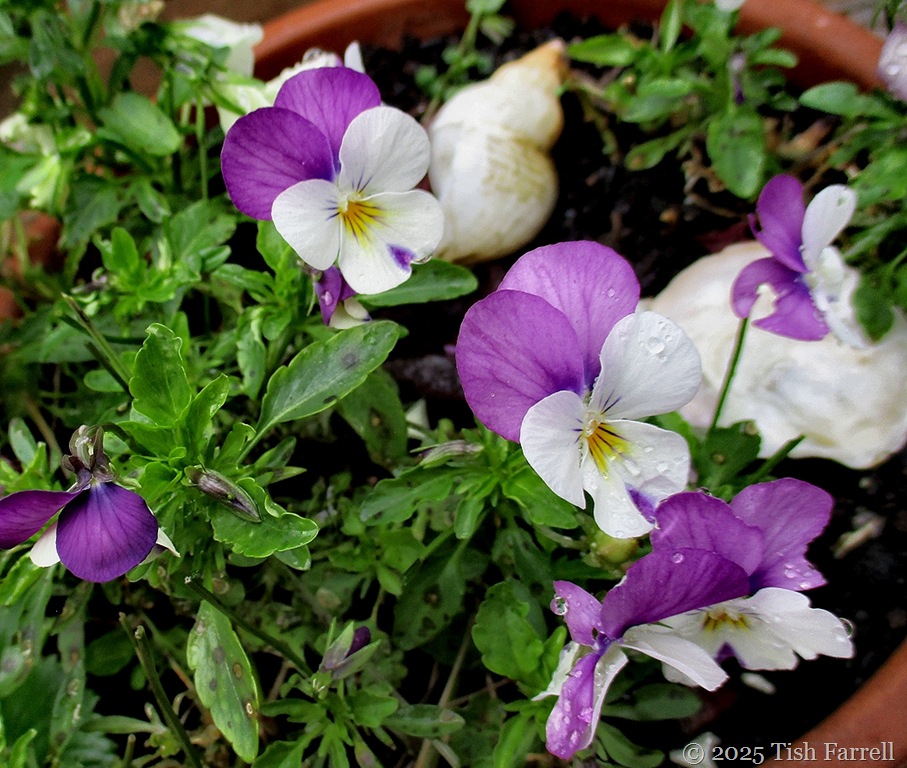
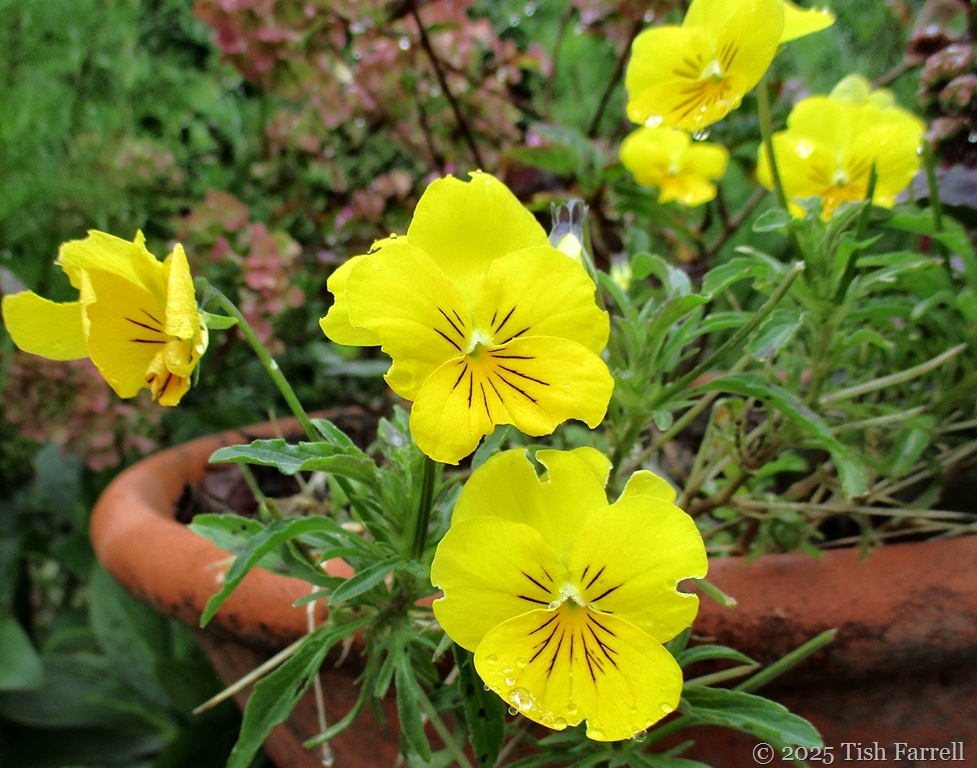
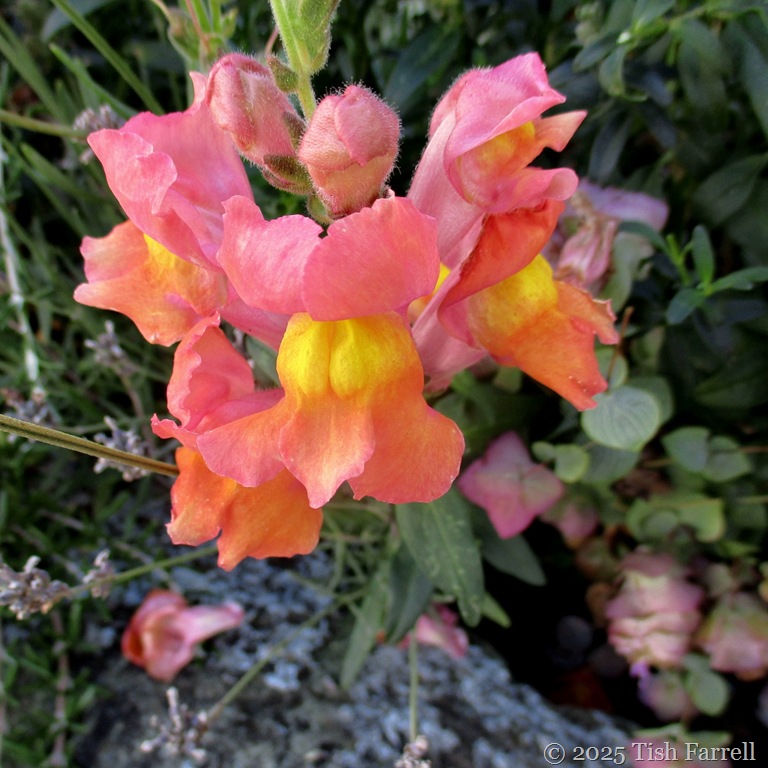
viola magnifico 2

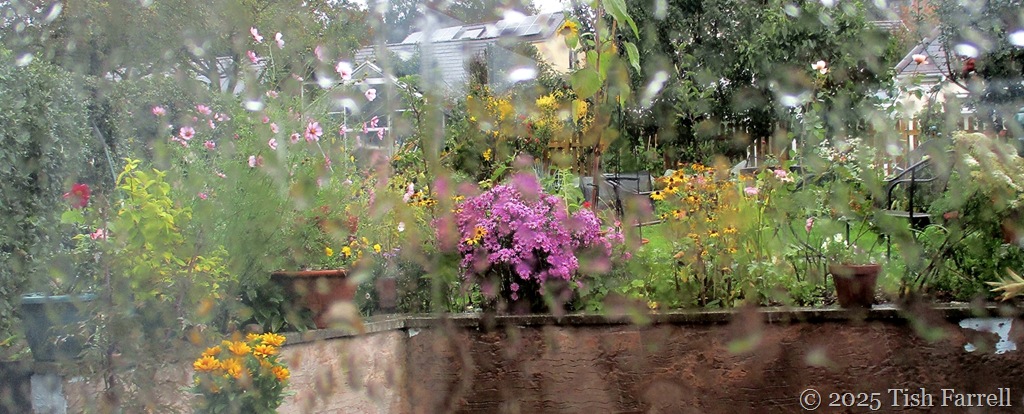
Here in Bishop’s Castle the rainy weather continues as we head towards the autumn equinox. Just now it’s pouring steadily, threatening to dampen spirits for today’s Michaelmas Fair. This is always a hugely jolly affair of stalls, parades, Chinese dragons, steam engines, vintage vehicles and street performances – assorted bands, Morris dancers, a jester from Chester, the singing farmer, to name but a few of the events. And then the whole thing is rounded off mid-evening with a magical lantern procession through the town (the lanterns made by children). All very much dependent of weatherly cooperation. But then I’m sure, this being the Castle, everyone will make the best of it, brollies and waterproofs at the ready.

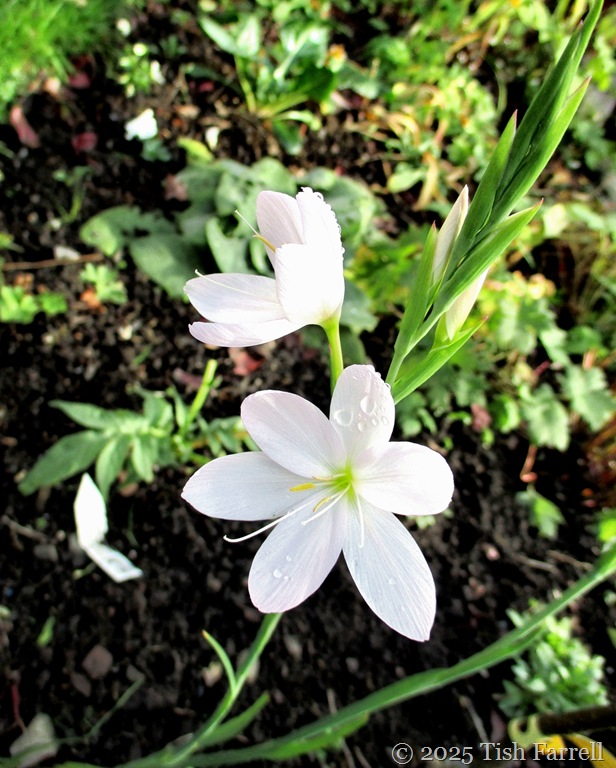
Definitely not a day for gardening though. Also as the season winds down, it’s hard not a feel a touch dispirited by the ongoing sogginess. The few roses on their second flowering don’t like it much either. But come hell or high water, to say nothing of last winter’s three solid weeks of snow and frost, the little pansies, viola magnifico [1] above still soldier on. This plant has been flowering continuously for twelve months.

And talking of pansies, what is it that nibbles the yellow ones? And is it the same thing that bites off the buds from my only lupin whenever it tries to flower?

*

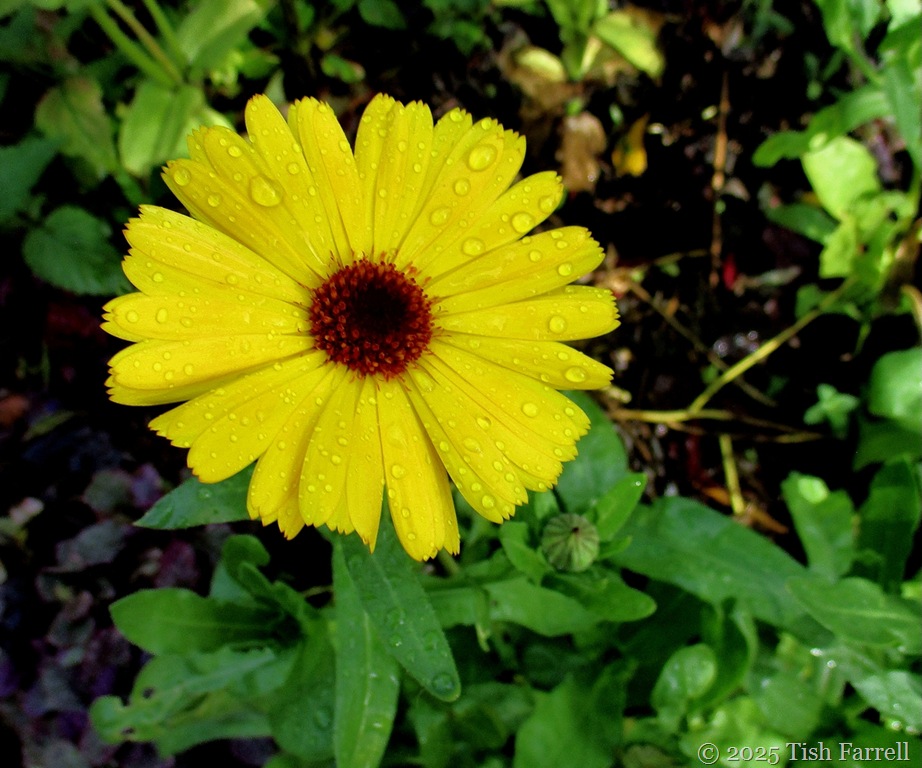
yellow viola

*

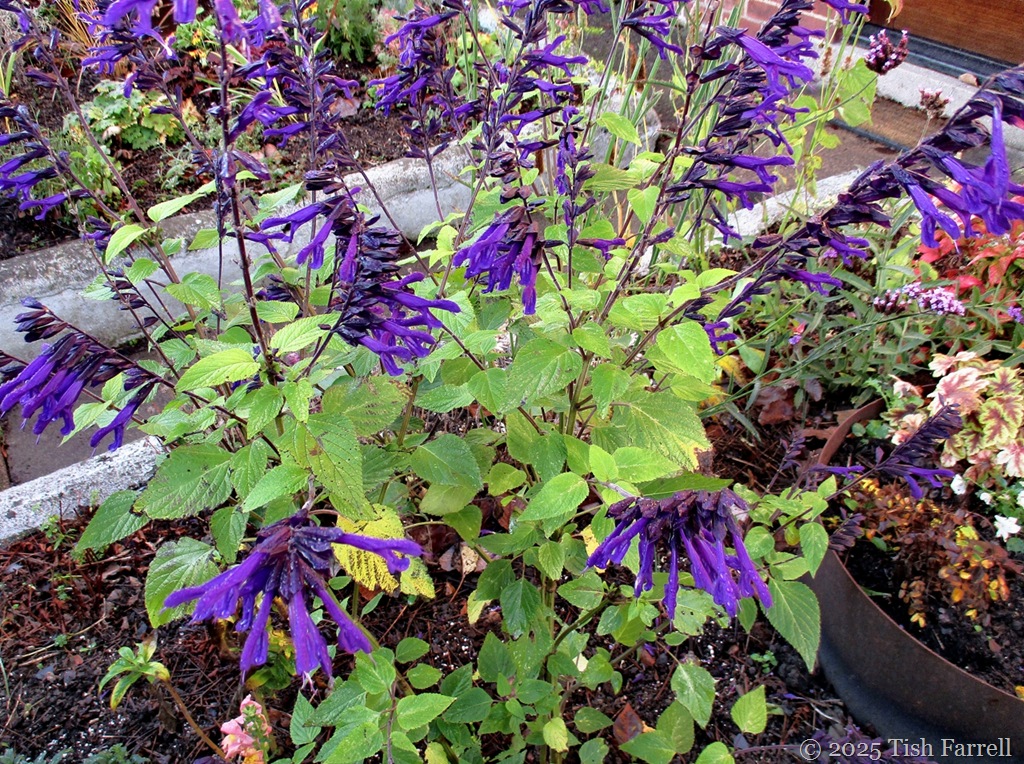
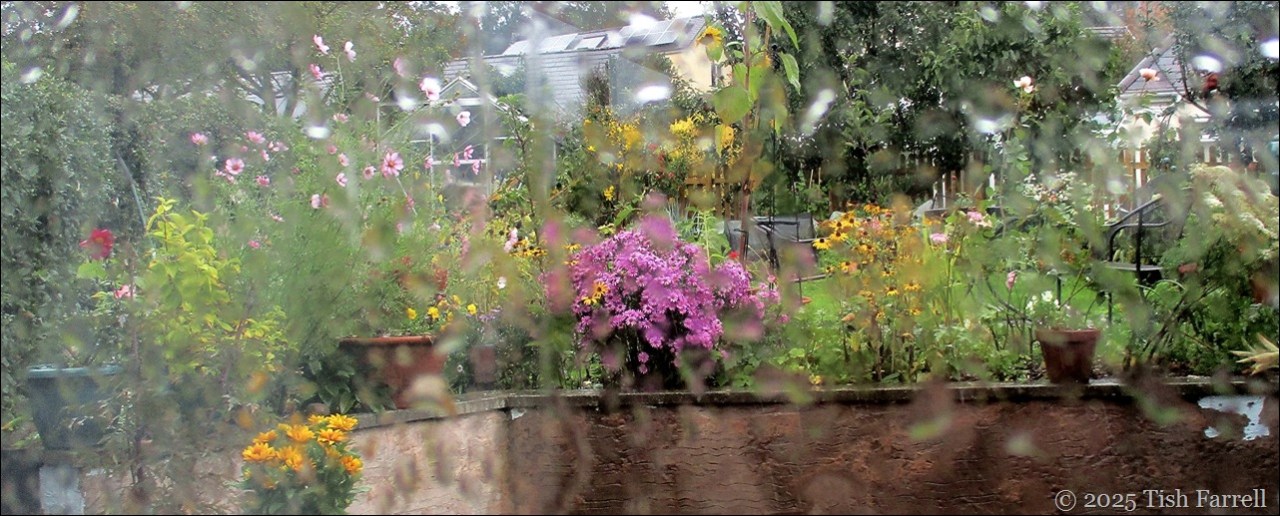
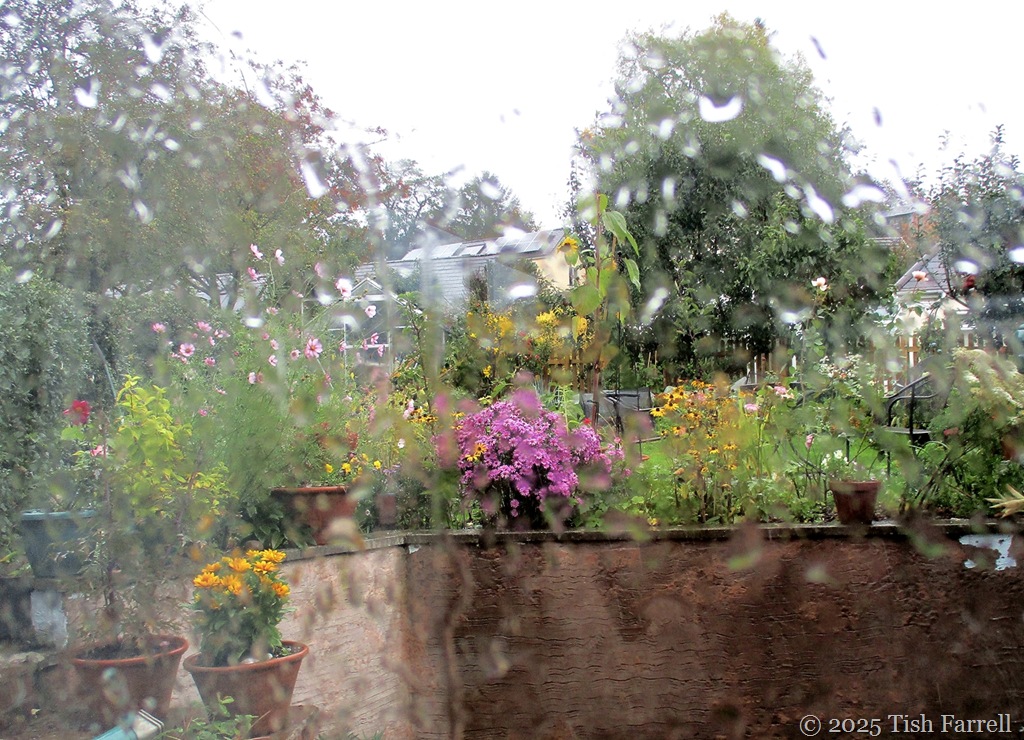
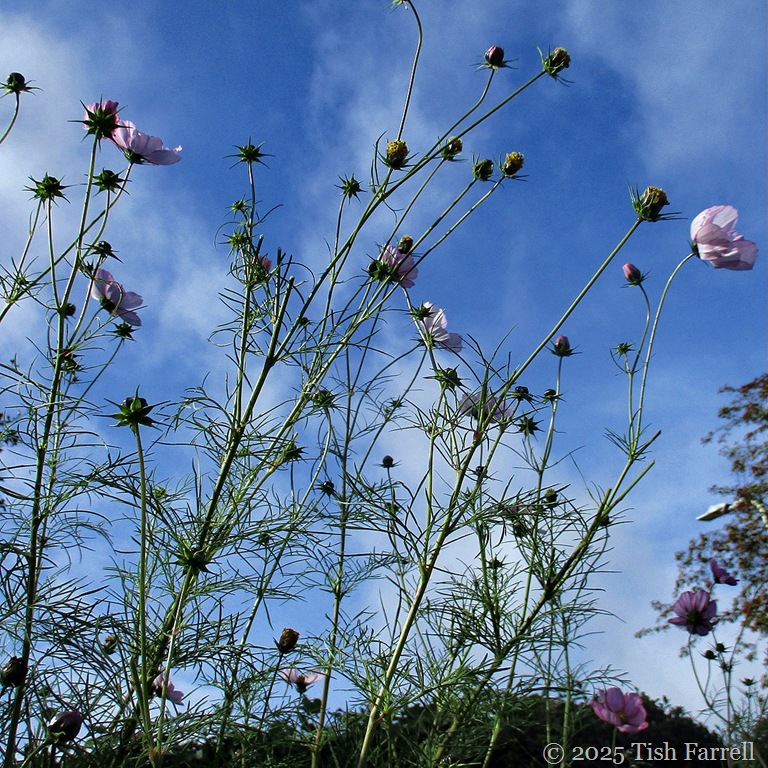
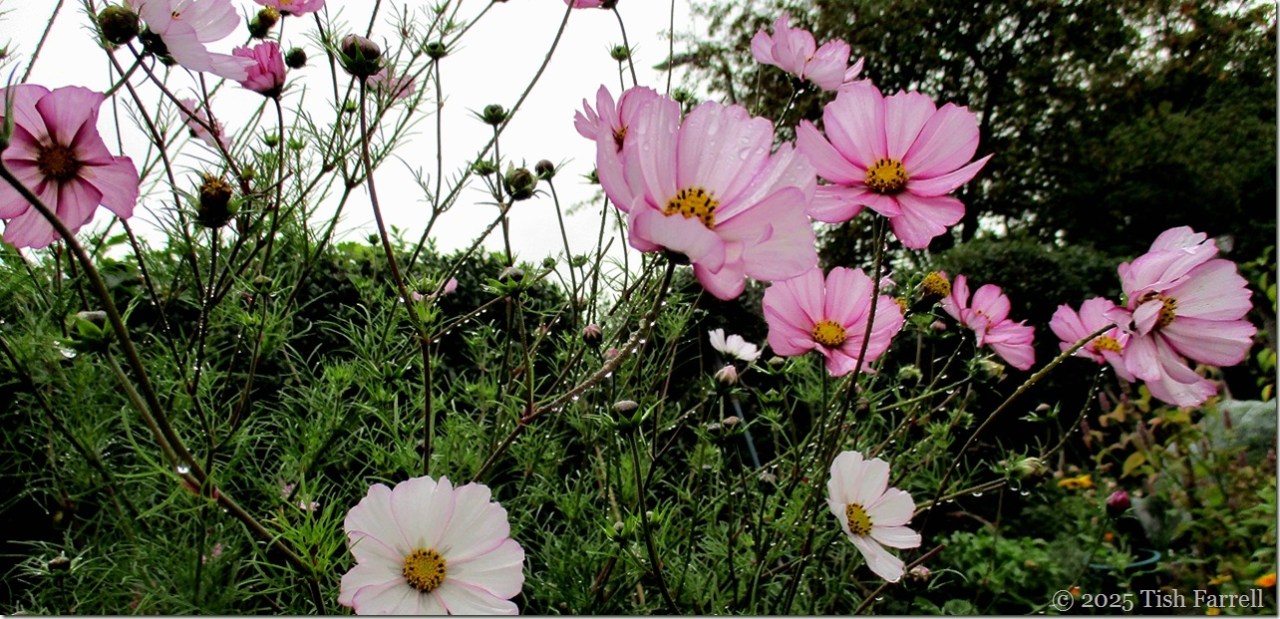
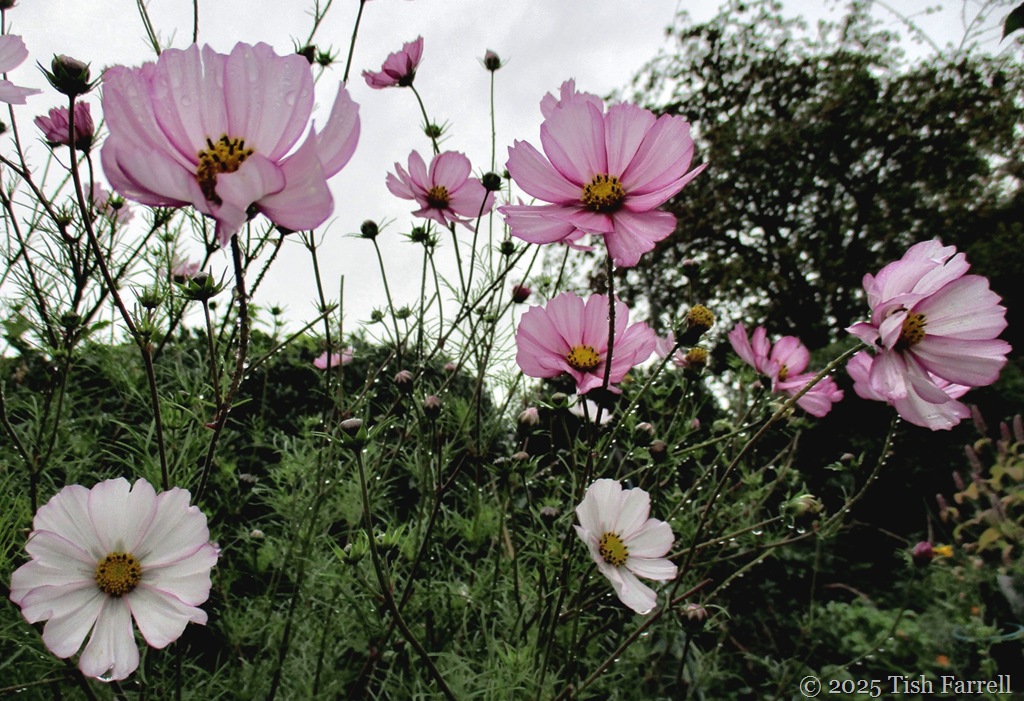
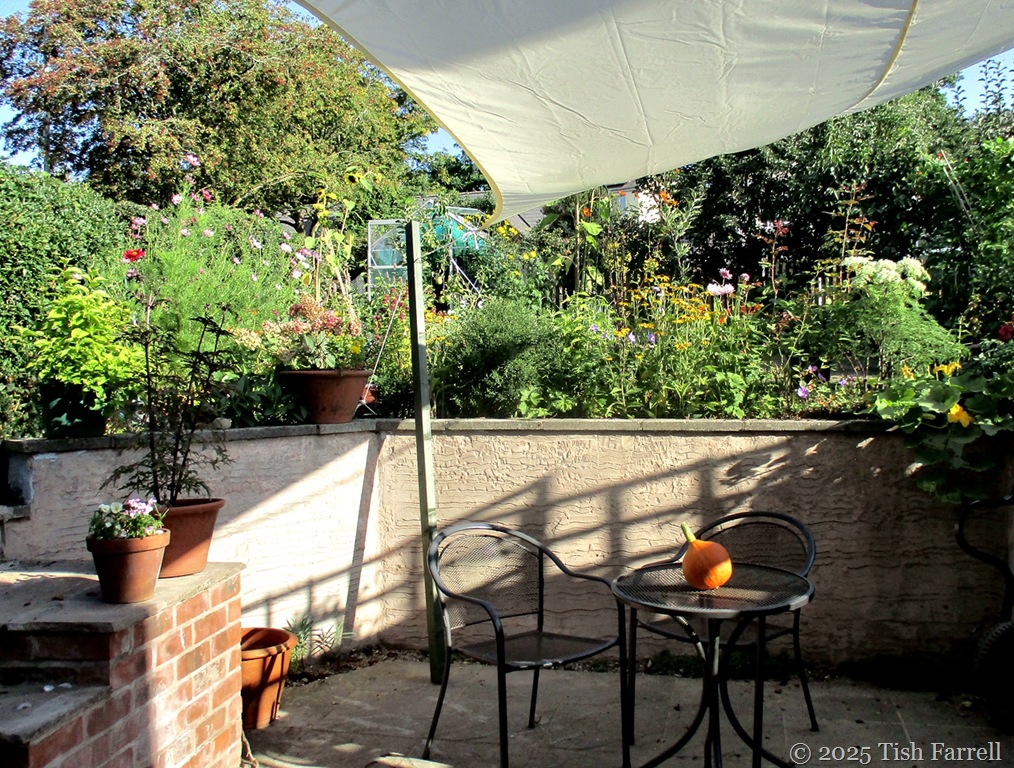
The Cosmos [2]doesn’t mind the weather either. In fact it seems to be having a new lease of life, and I’m enjoying the drifty looks of it, its stems hanging in raindrops.

Cosmos

*

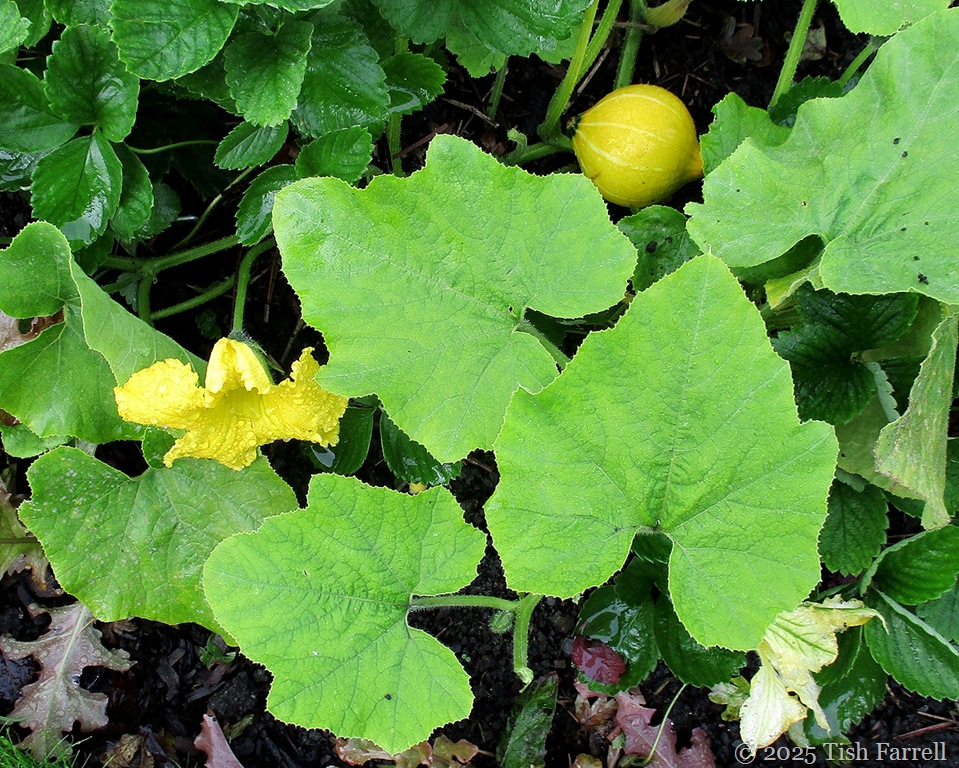
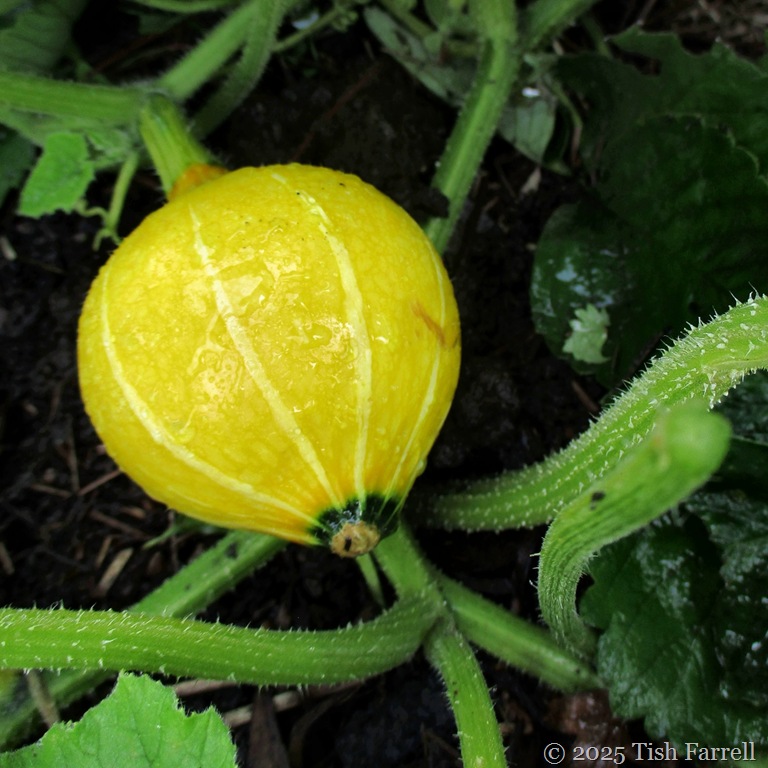
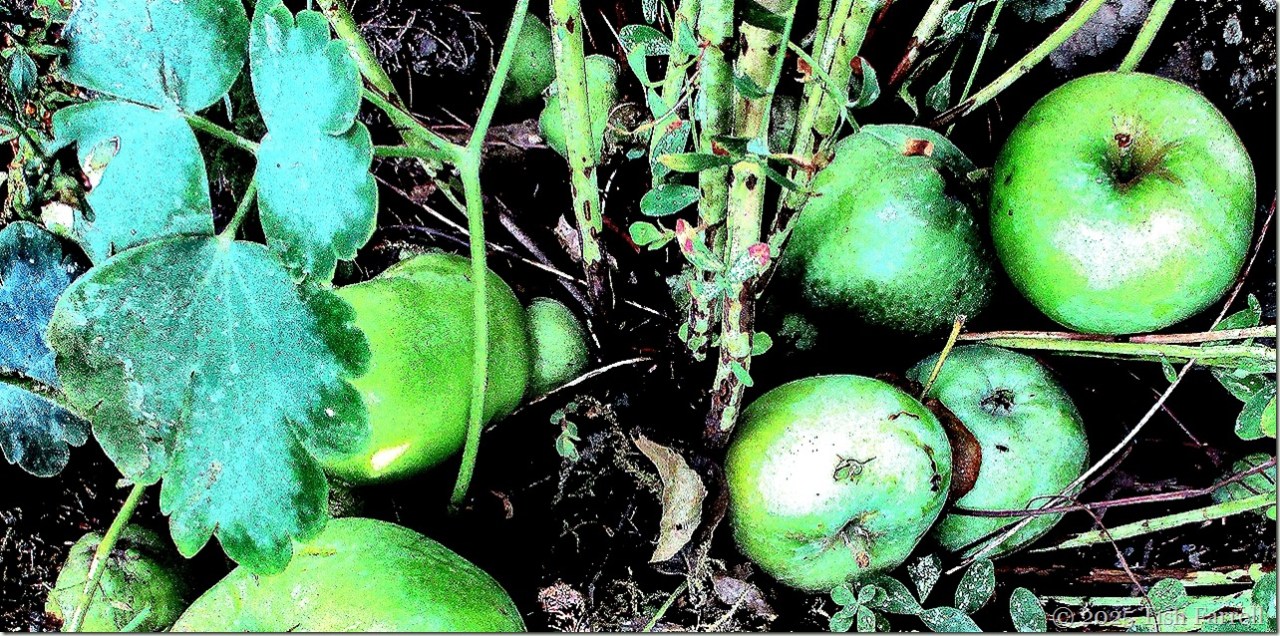
The Japanese ‘Uchiki Kuri’ squash [3] plants  weren’t as productive as I’d expected, and I had high hopes of some later planted plants. They’ve produced a couple of tiny ones, and I’ve nipped off extraneous shoots, but I think it’s probably too late for them now.

Japanese Squash 2

Japanese squash 3

japanese squash

*

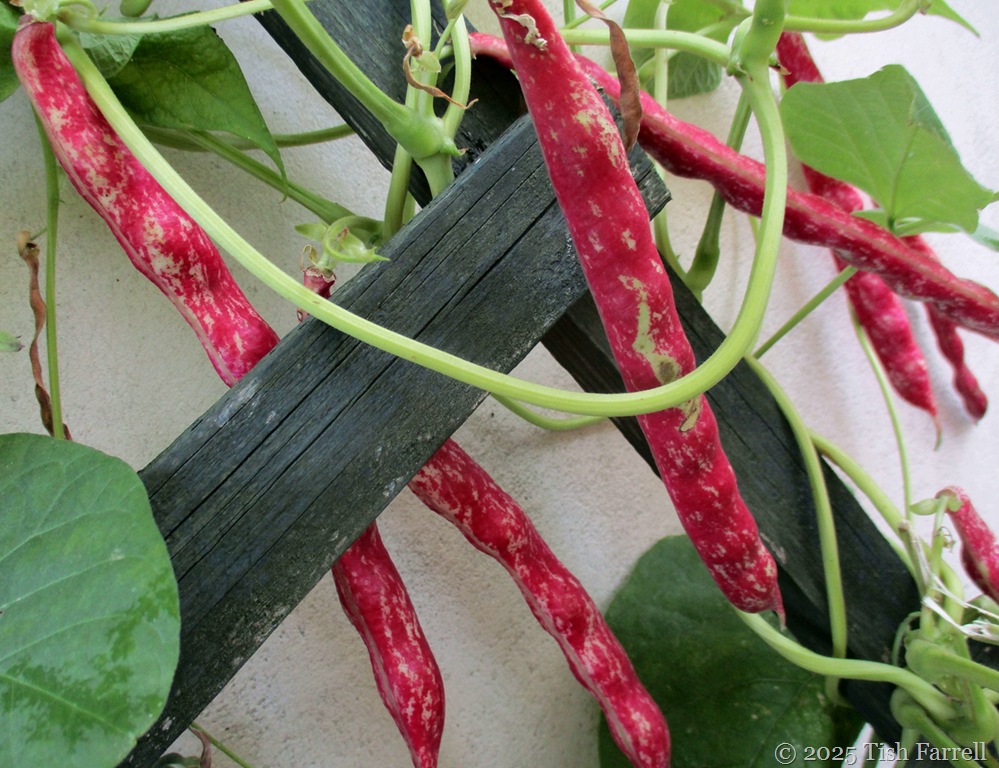
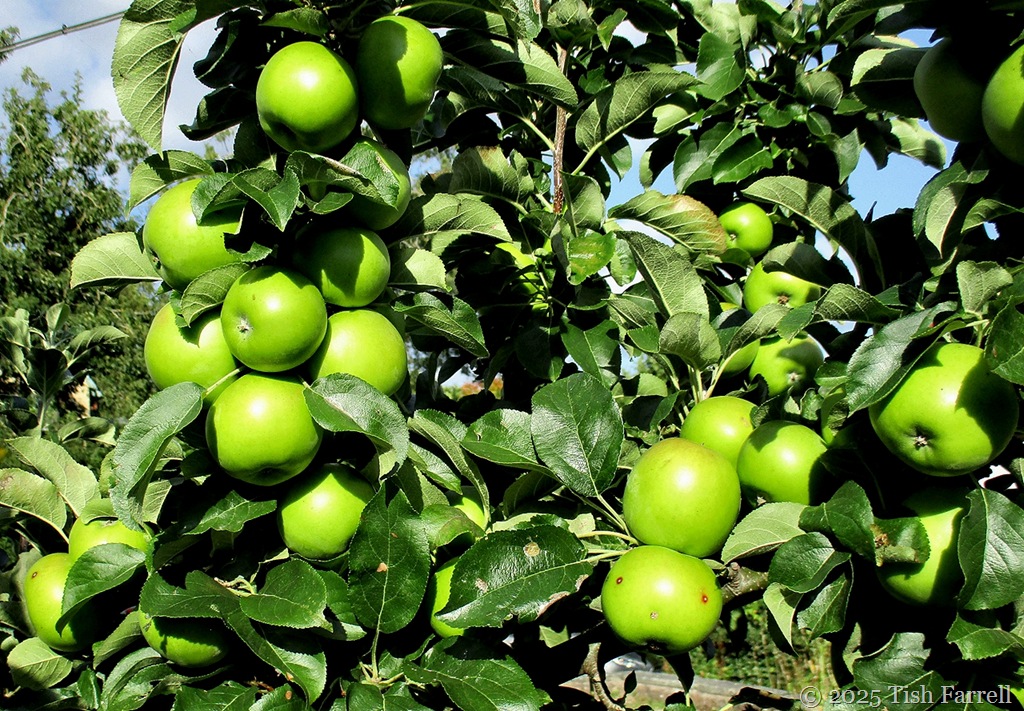
The borlotti bean crop [4] is looking more promising. I picked all the dwarf variety some weeks ago, but the climbing ones are just beginning to dry in their pods. I love them for their looks alone, though they’re pretty good in the pot too.

borlotti

*

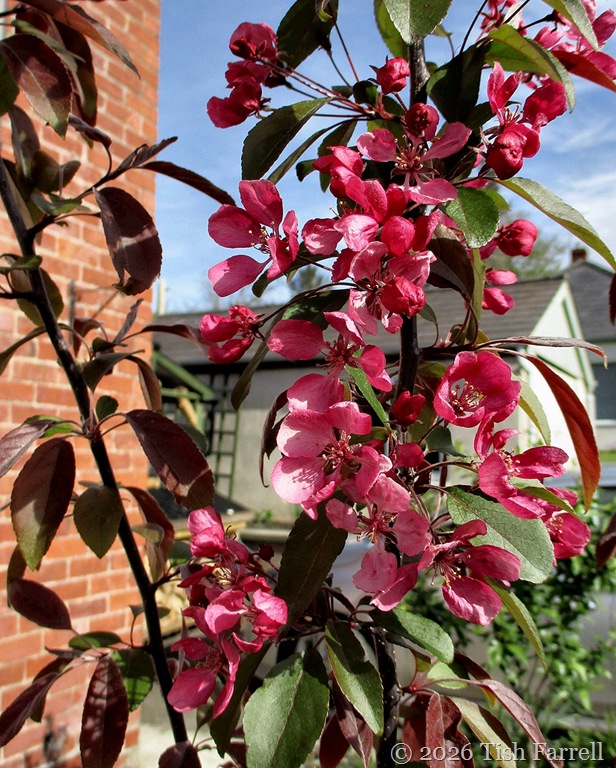
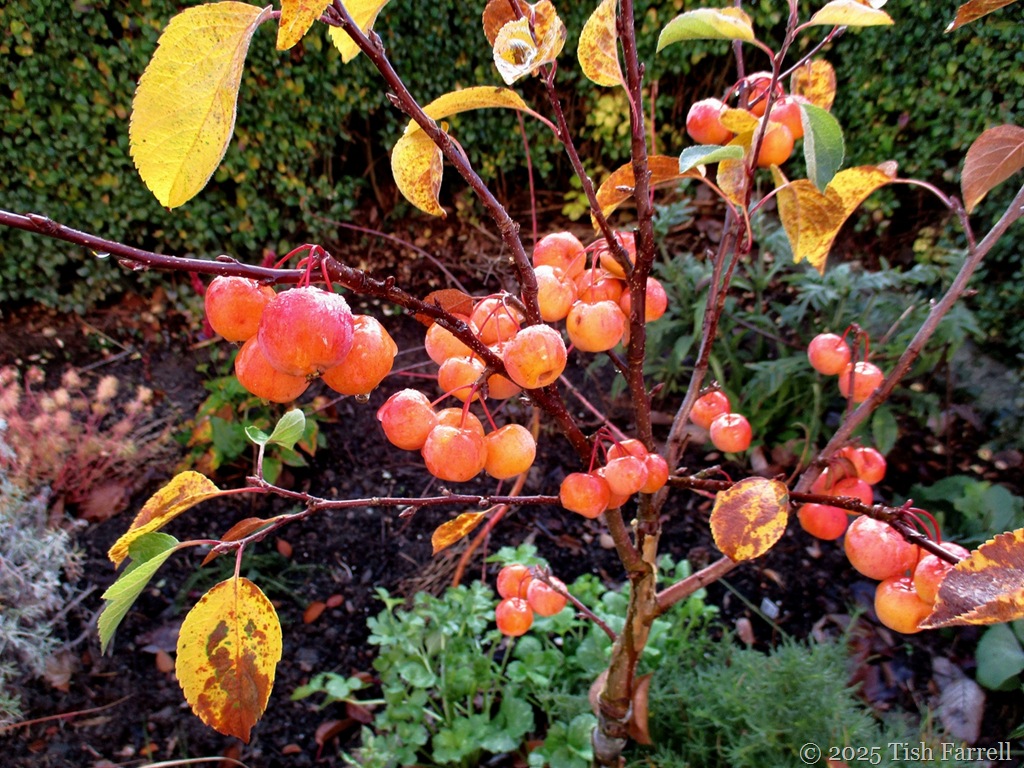
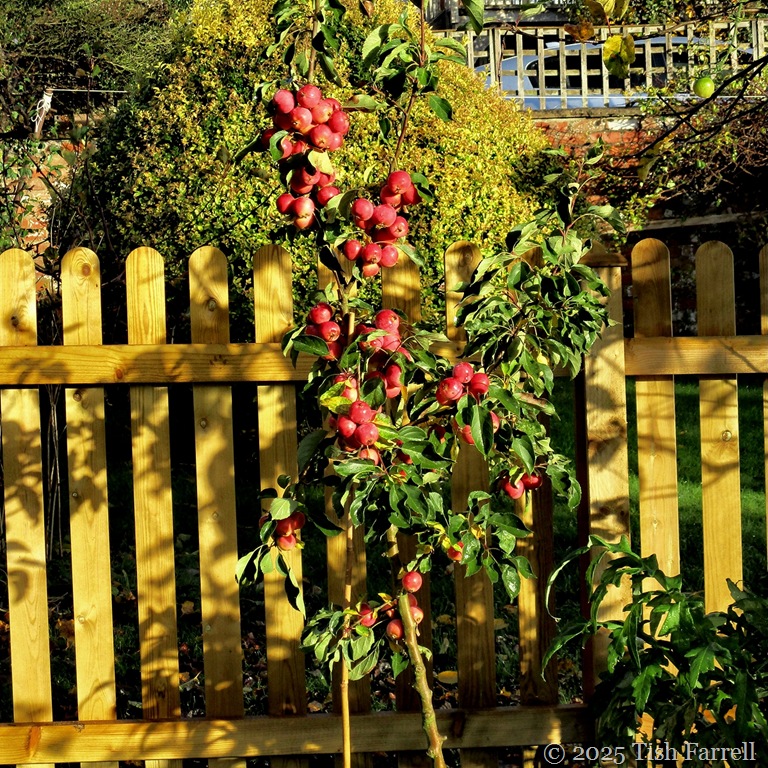
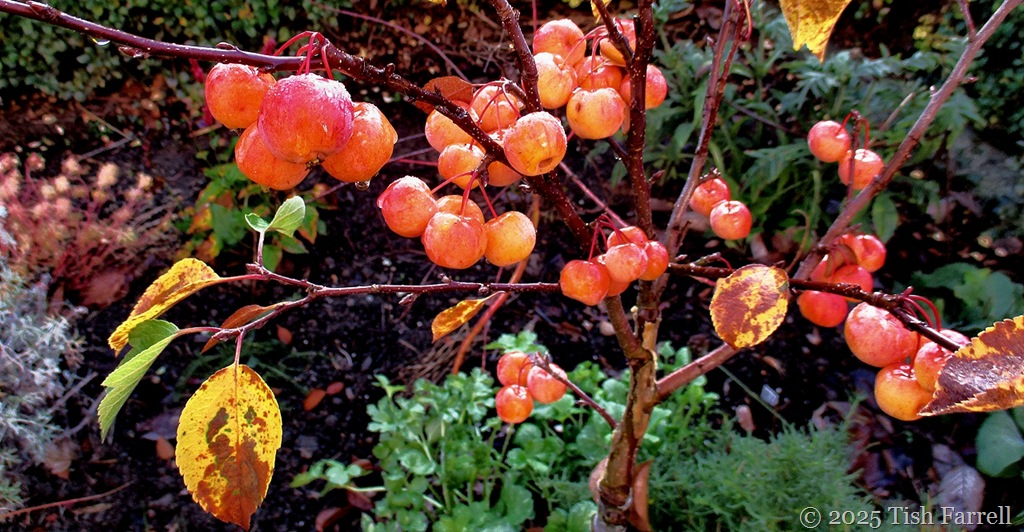
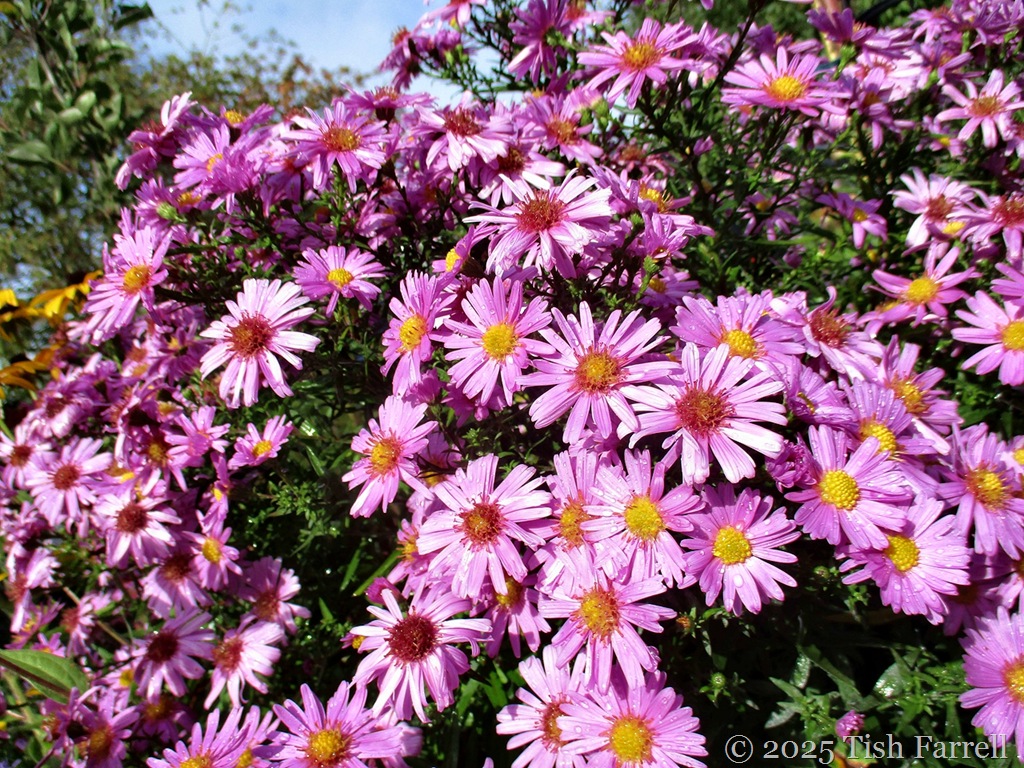
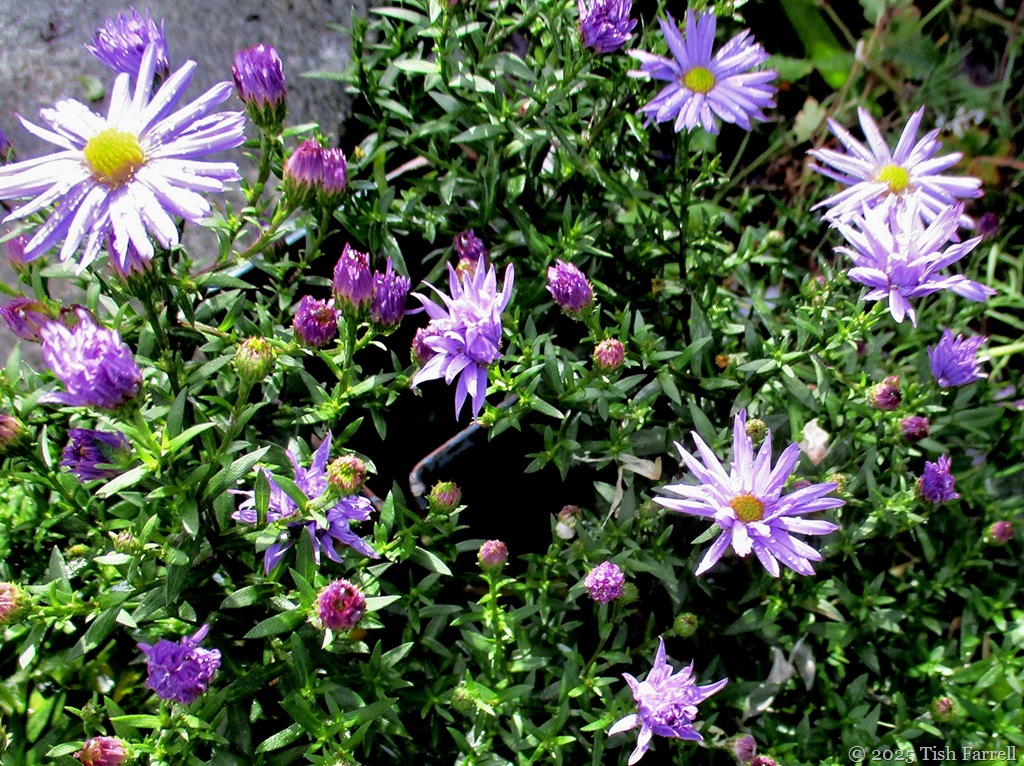
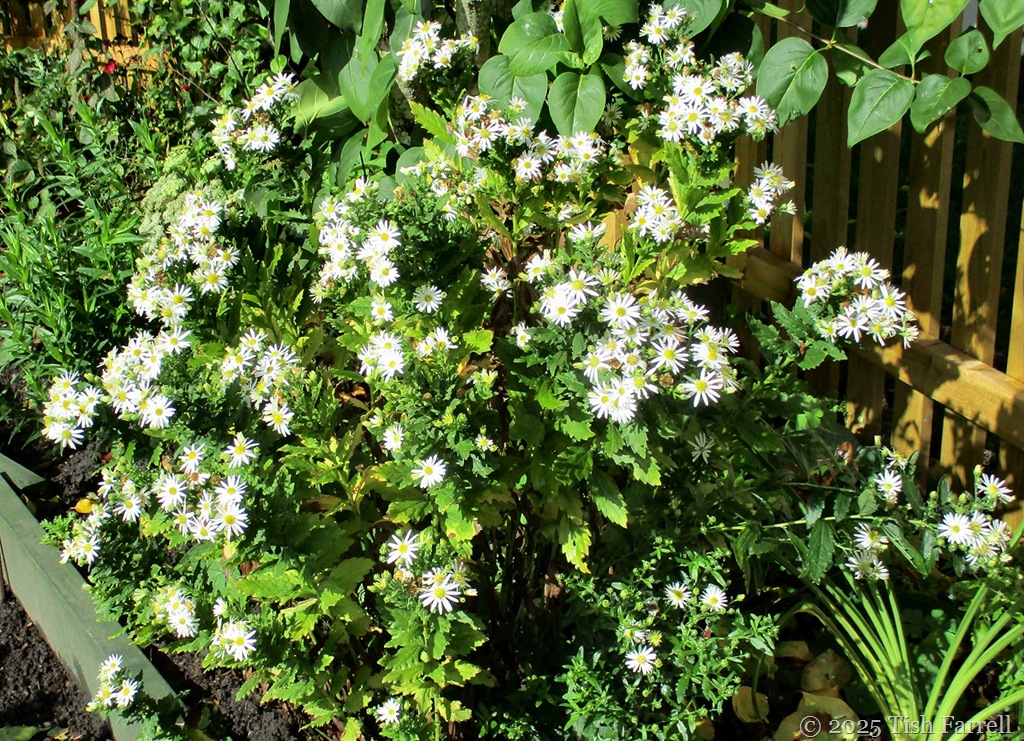
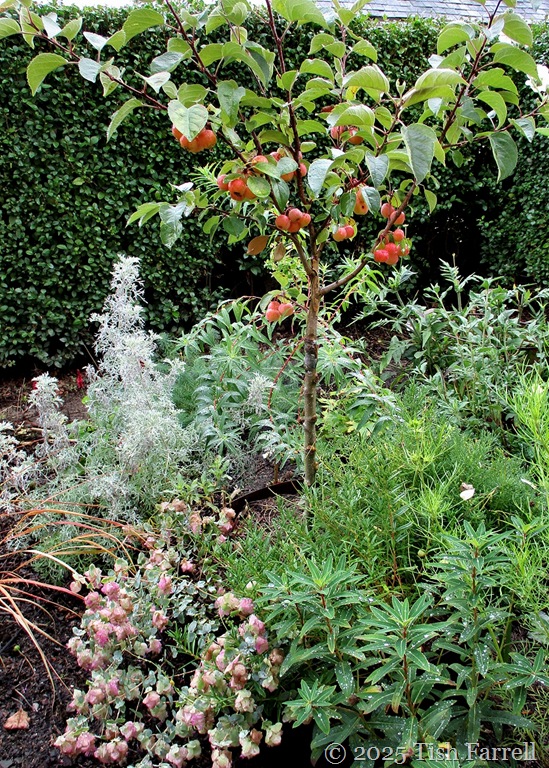
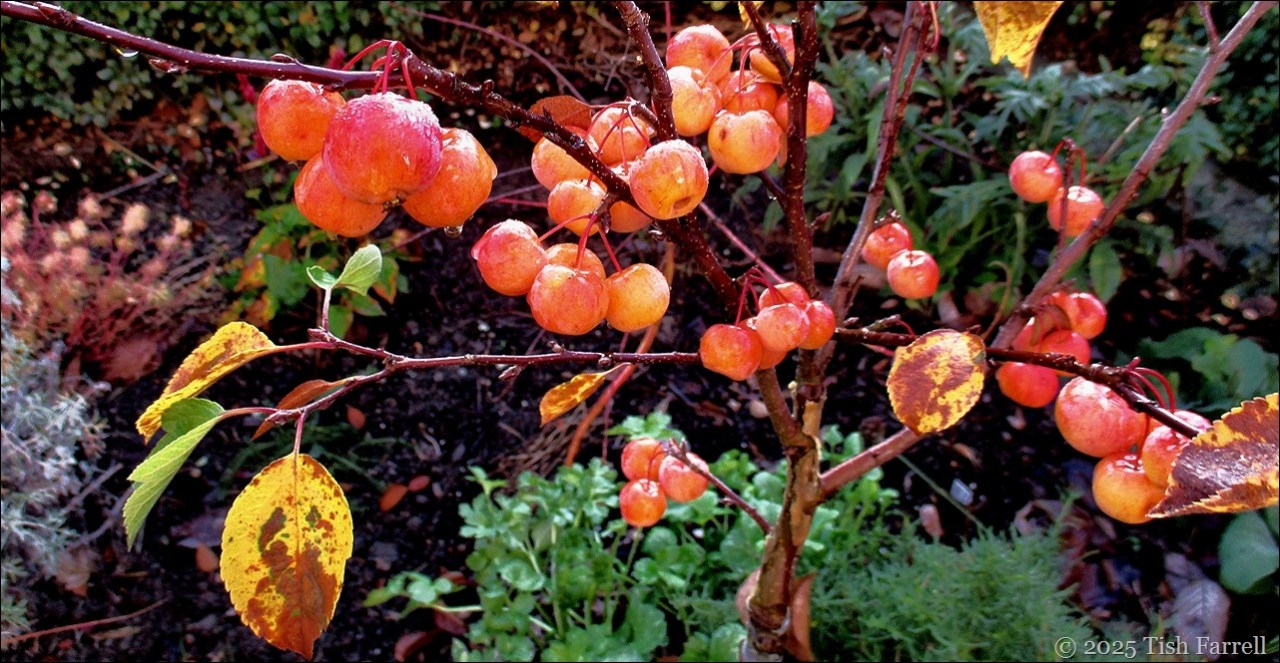
Despite my weather whingeing, the garden is still looking colourful. The rudbeckia and Michaelmas daisies certainly brighten the place up. There are also still some sunflowers at the bottom of the garden, and my two very small crab apples trees [5], Evereste and Jelly King are looking their vibrant best.

 Evereste

This miniature Evereste is in a corten steel raised bed, along with some origano Kent Beauty, and Santolina. Silvery Artemesia Powis Castle behind.

*

Jelly king

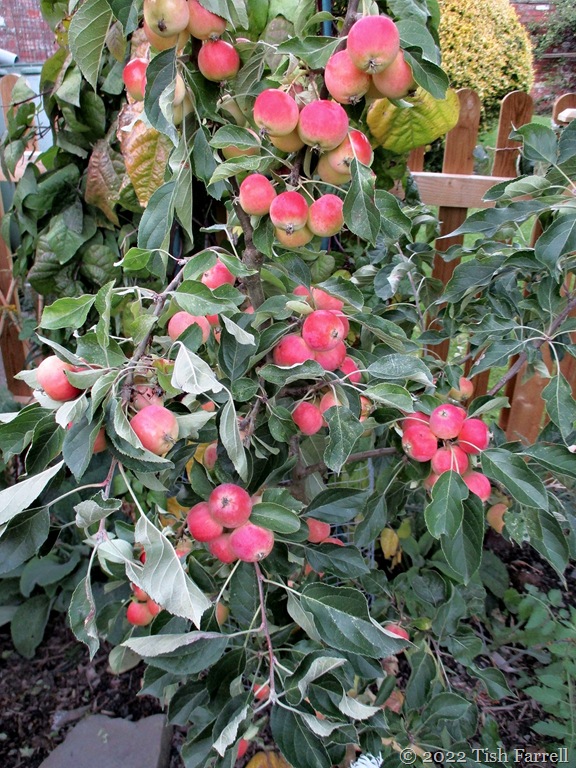
Jelly King is lighting up the furthest corner of the garden. I’m not sure I want to sacrifice the apples to making jelly (perverse I know, considering this is why I chose it). They look so lovely, and in fact, now I have found sources of wild apples (see previous post) I think I will leave them, first for us to look at, and later for the blackbirds.
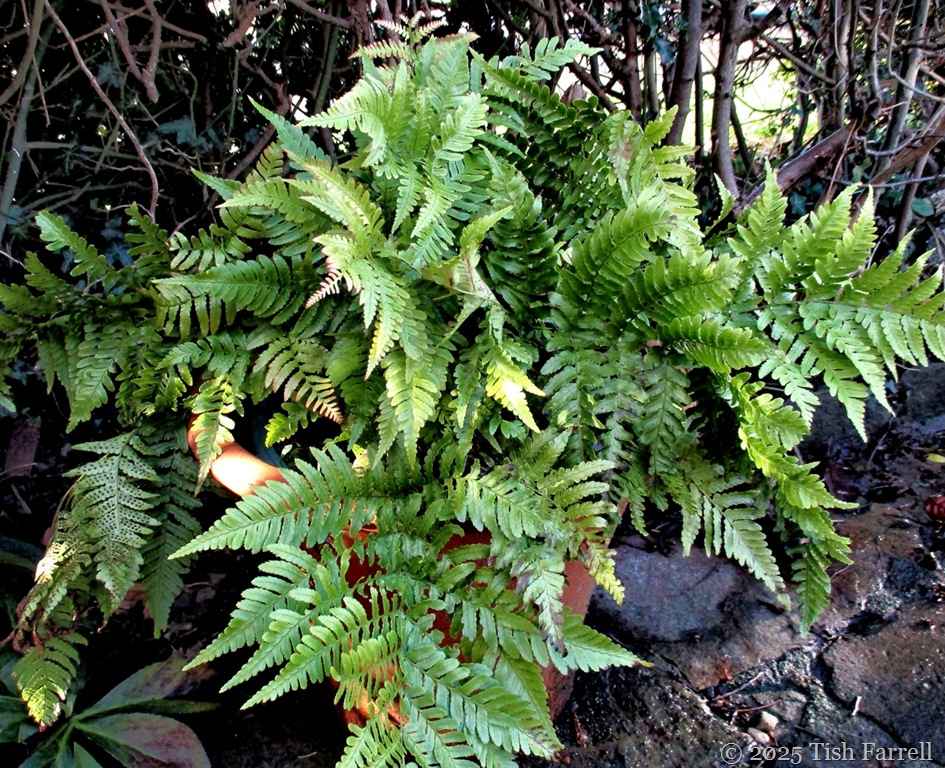
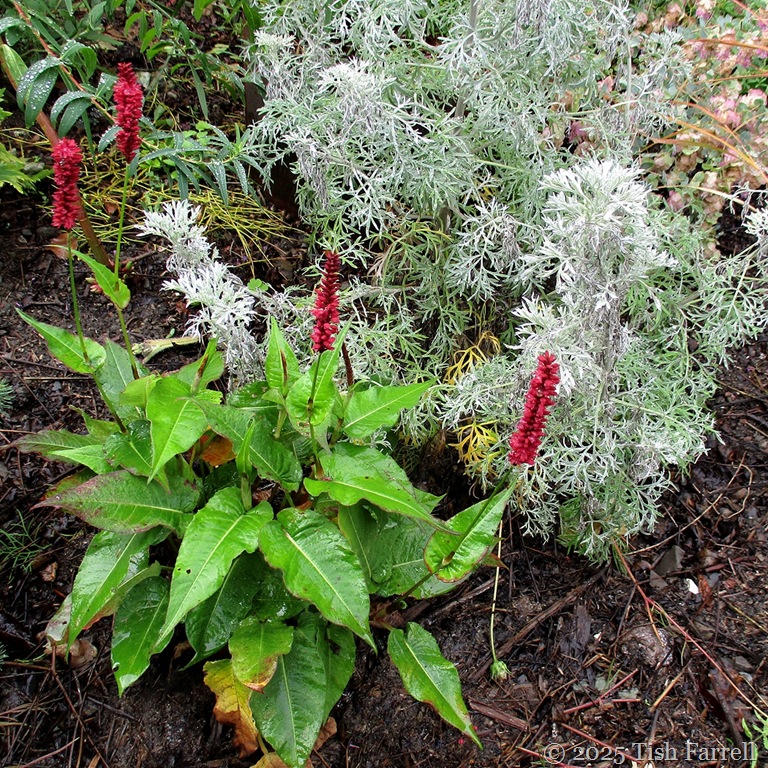
Finally, here’s one of my newish garden plants that has been so glad of the rain, Persicaria Blackfield [6], red bistort. It really struggled all through the summer, despite my hand watering. But then with the first of the recent showers, it perked up and began to flower. It’s interesting that the drought seemed to have had a miniaturising effect on the whole plant, as if it was making itself small to save itself. I’m hoping it will settle in now and come into its own.

Persicaria Blackfield

*

Six on Saturday Please visit host Jim at Garden Ruminations. He’s been very busy despite the weather.

Late Bloomers: Six On Saturday

sunflower

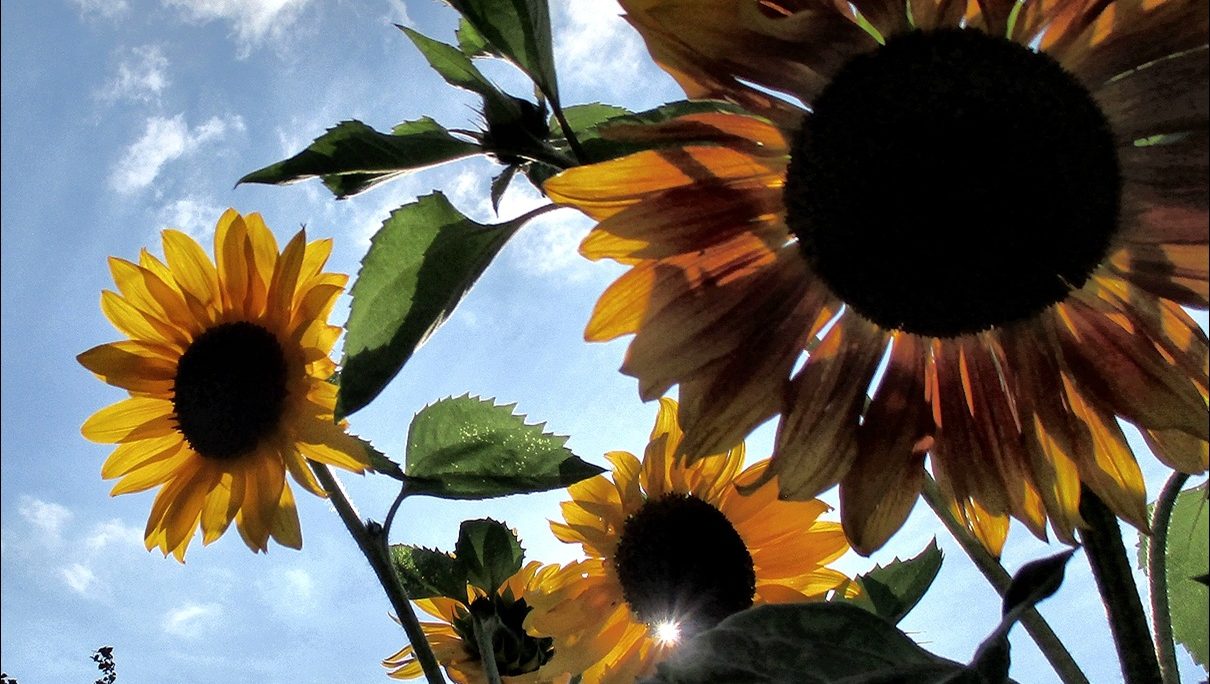
The garden looked shell-shocked after this week’s deluge. Rain at last! But rather too much at one go. “It never rains but what it pours…” etc etc. Anyway, the giant sunflowers [1]  held their own and are still putting on a show. Then there were the almost immediate signs of revival by the lawn which had been dusty brown all summer. This reminded me of our Kenya days when our lawn of tough Kikuyu grass was reduced to looking like old sacking during the long dry season. But come the short rains and up would spring masses of green shoots,  an instantaneous green sward.

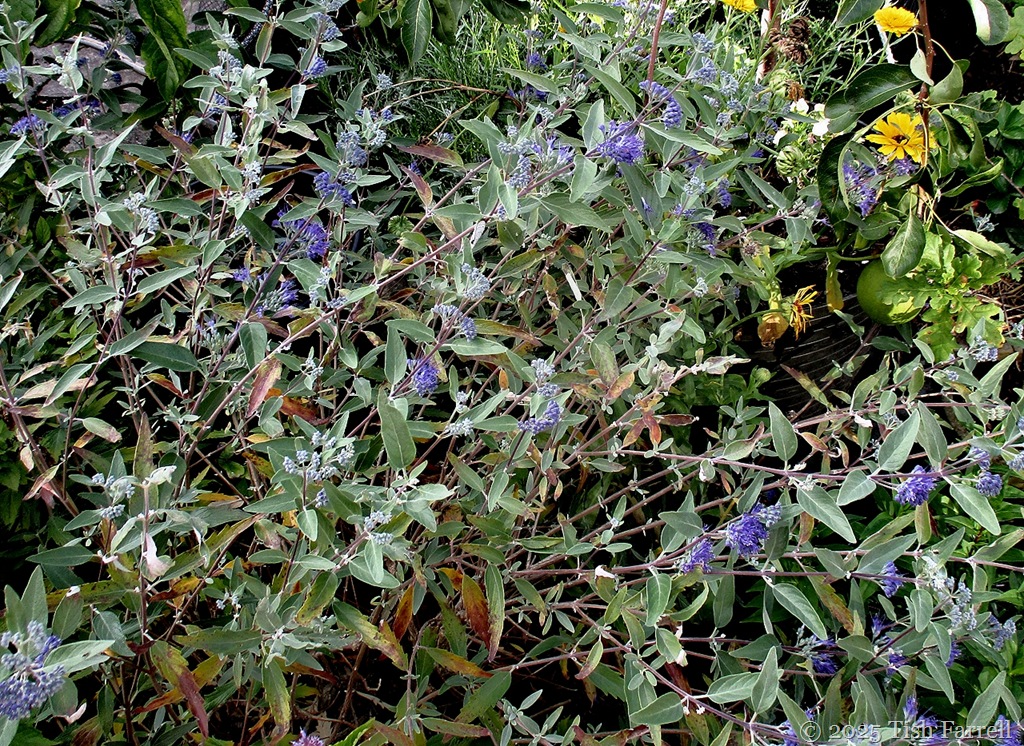
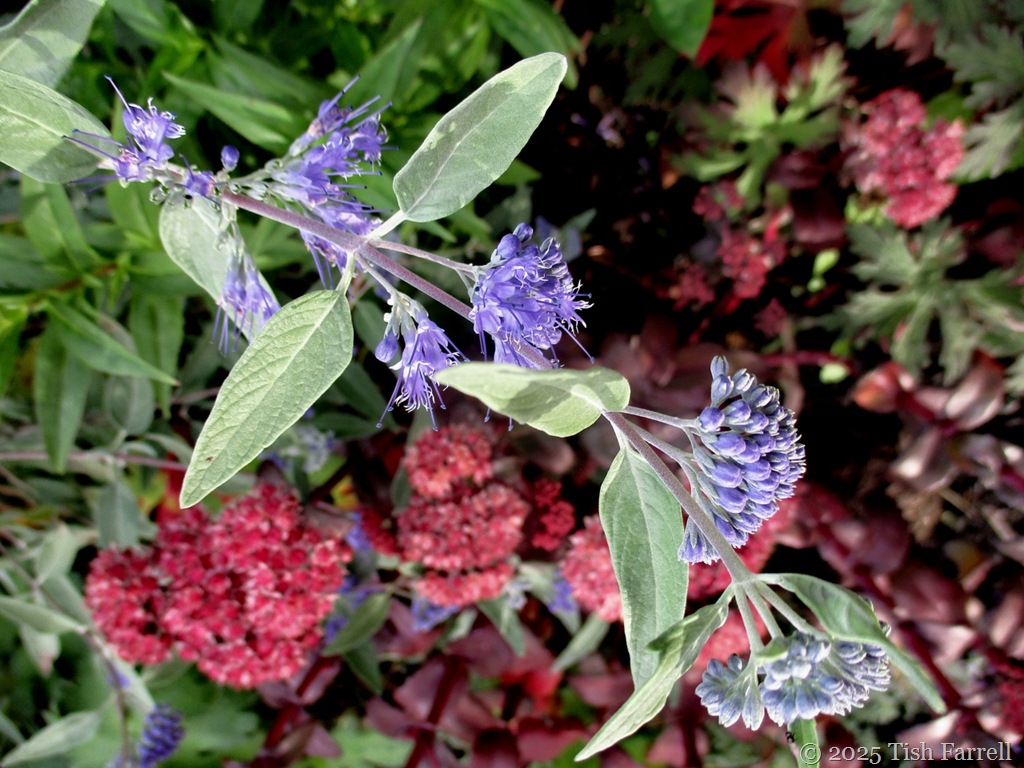
The rain stirred the caryopteris [2] into flowering. It is supposed to be late, but this year seemed particularly so. As a shrub, its structure is rather underwhelming. The small silver-grey leaves and lax stem tendencies make it look rather like some unkempt garden escape on waste ground. Or maybe it was just the way I pruned it. The instructions said give it a good cut back.  Or then again, maybe it is simply the effect of a long, dry summer. This variety is Heavenly Blue. And if the overall look isn’t too exciting, the sapphire sprays are gorgeous, and bee-life loves them.

caryopteris heavenly blue

caryopteris detail

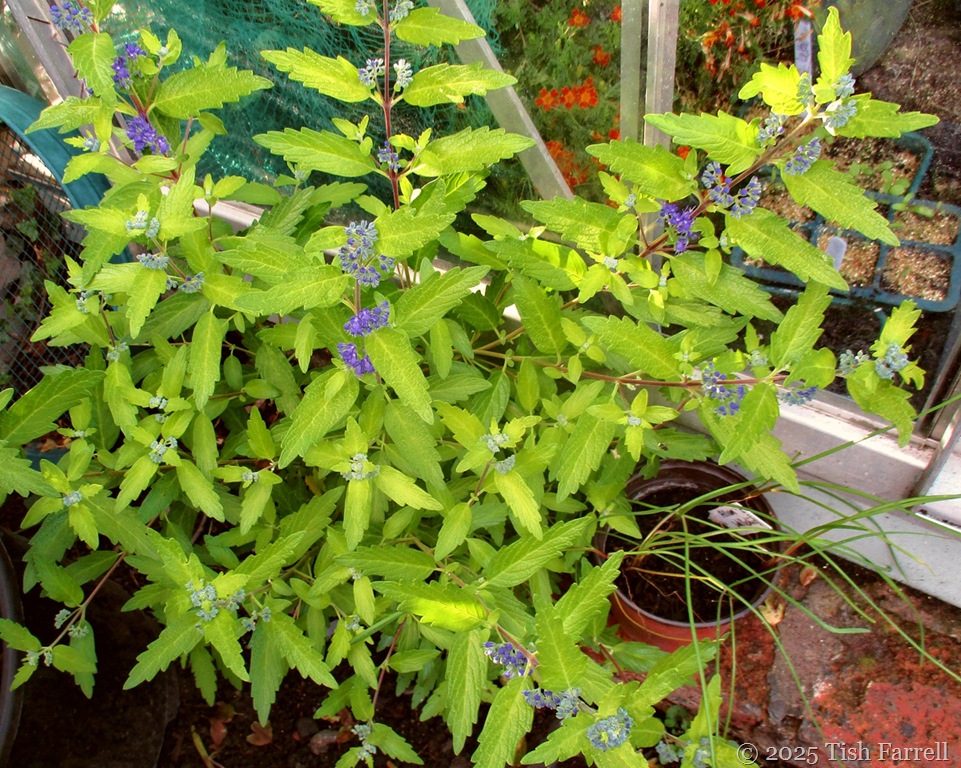
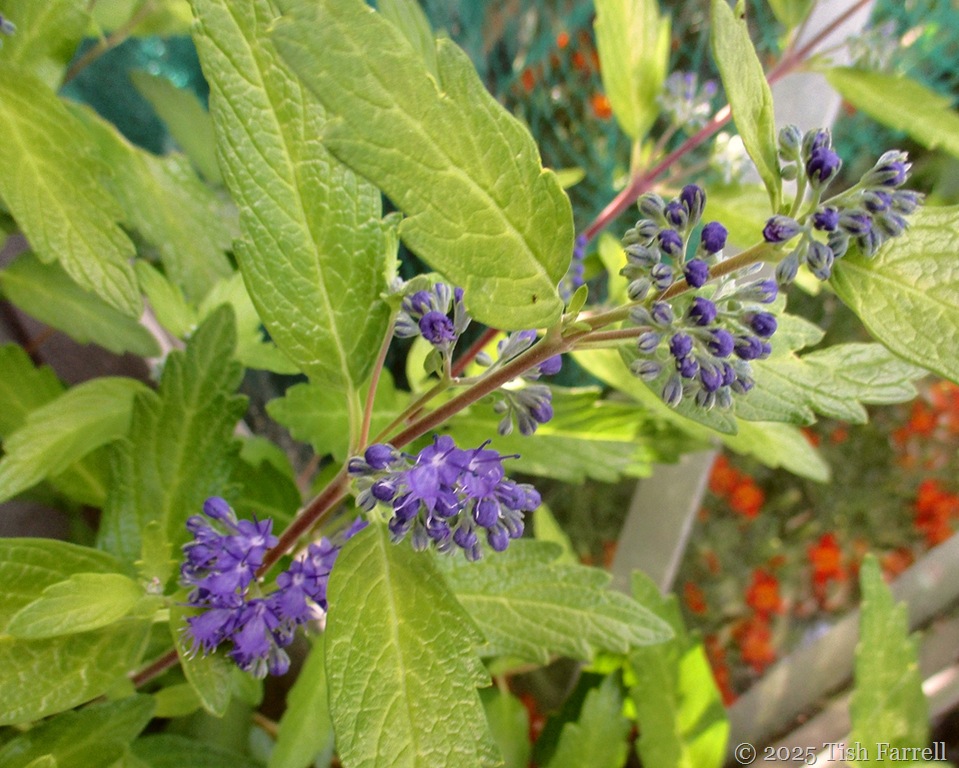
I have some other young caryopteris shrubs by the greenhouse. These have yellowish leaves and are a variety called Gold Crest. At the moment, their shape is rather more appealing. Also the contrast colours of flowers and foliage is pleasing.

caryoptros gold crest

caryopteris details gold crest

*

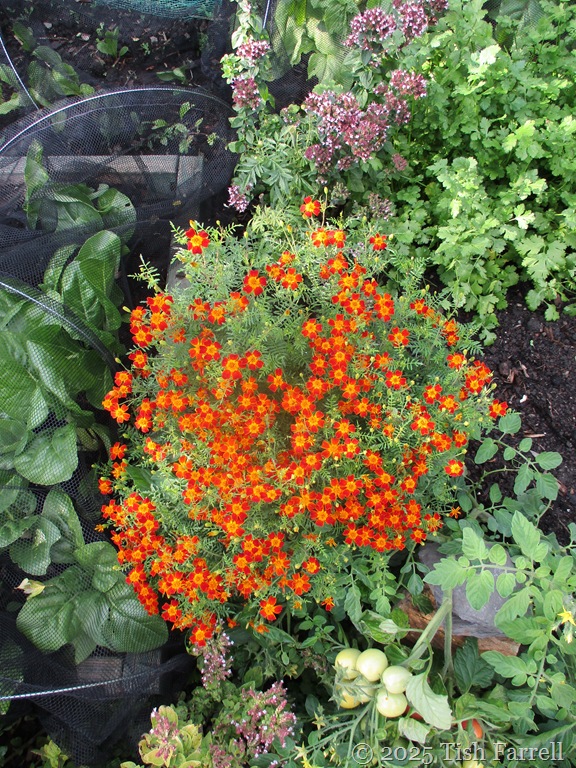
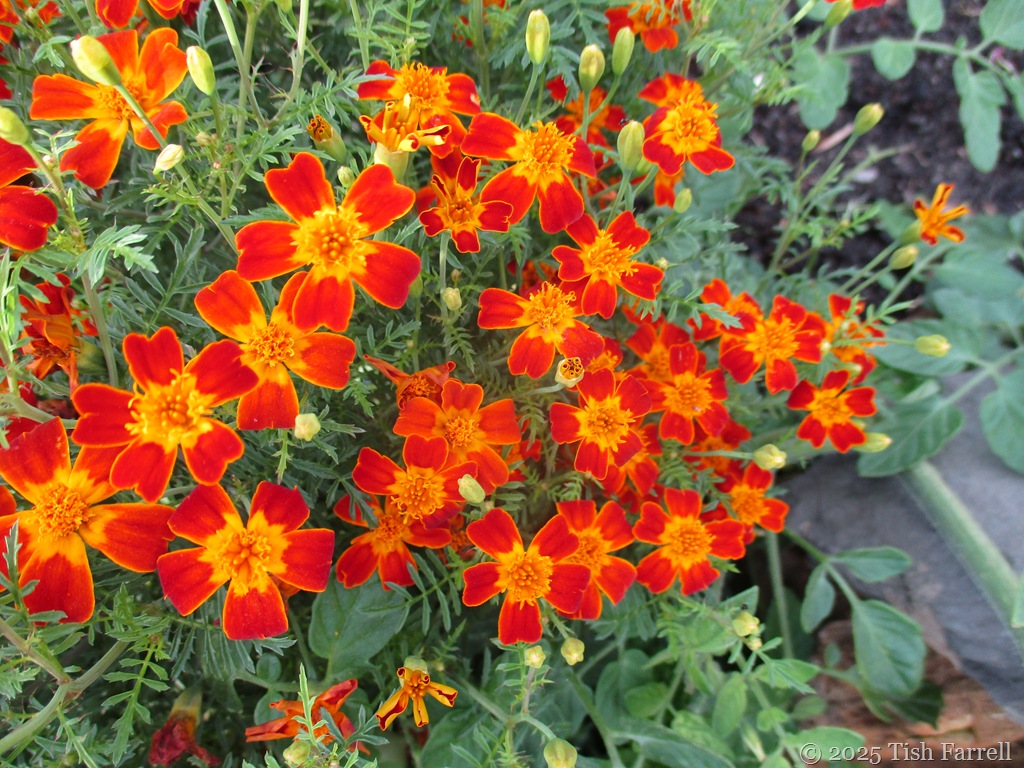
The French Marigolds [3] have also appreciated a good dousing. Grown from seed this spring, Red Gem has been flowering all summer. She’s supposed to deter white fly, so I planted her out in the greenhouse amongst the tomatoes, and also between the raised beds where I have a rather late performing Tumbling Tom cherry tomato. The individual flowers are tiny but it’s still a good show.

IMG_8845

IMG_8844

*

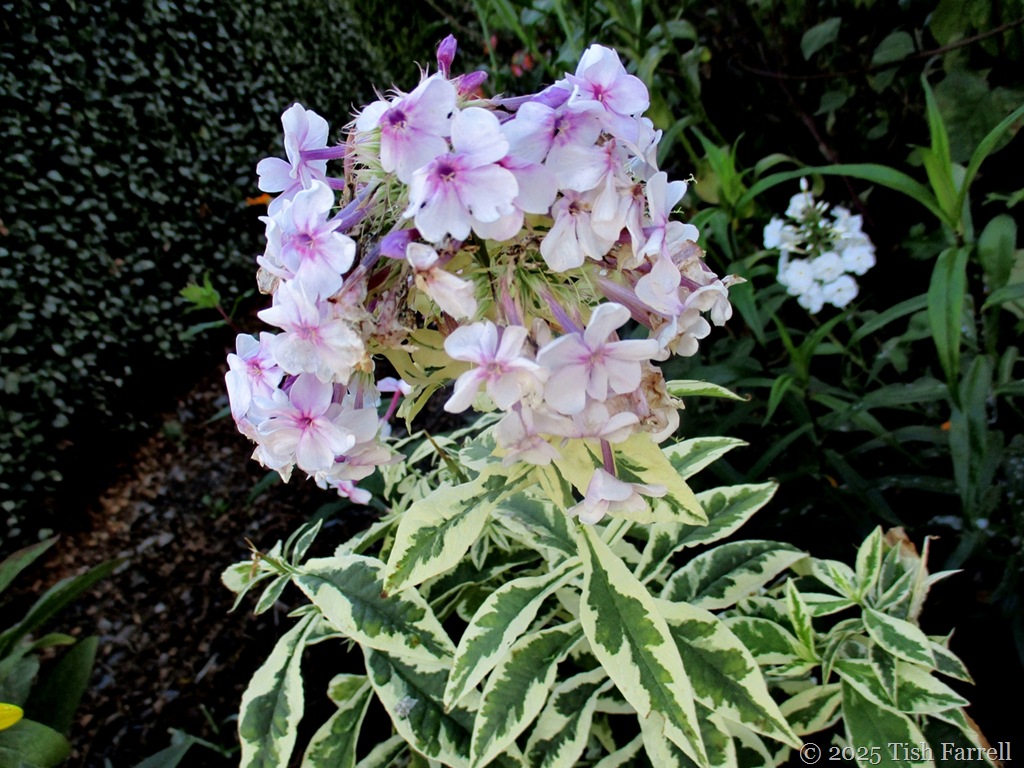
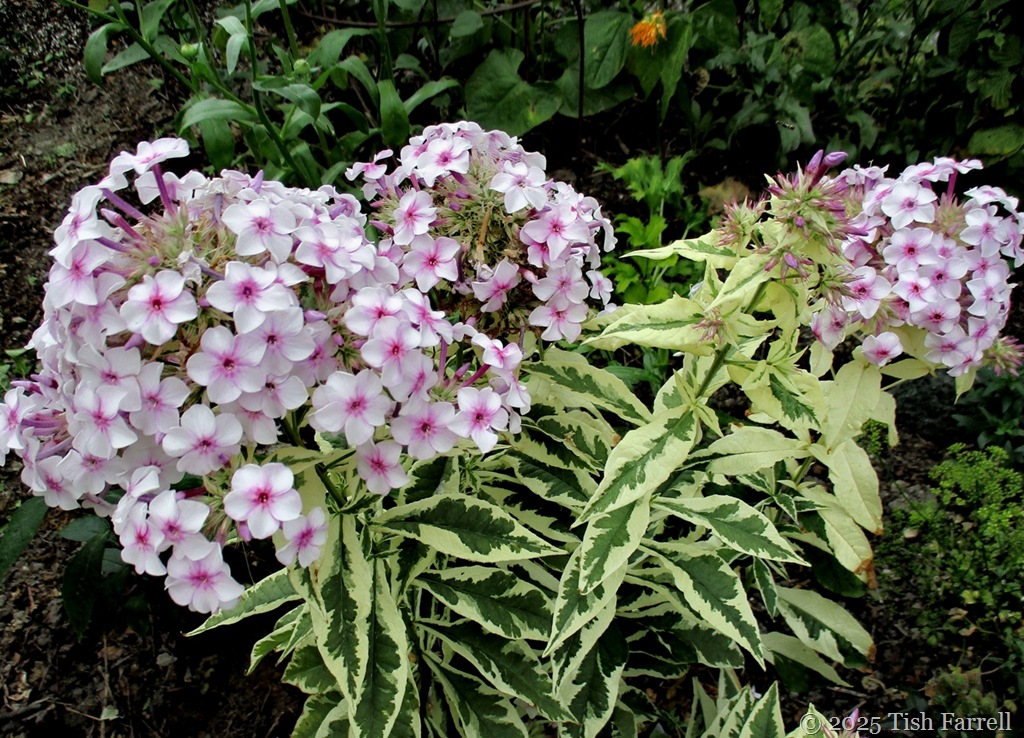
Another plant that’s done well until this week is one of my new favourites: phlox Norah Leigh [4]. I should have featured her when she was in full bloom. But she still has a few flowers, and although I’m generally unkeen about pink, I find the contrast with the variegated foliage very attractive. I’m becoming a bit of a phlox fanatic.

Here she is after the heavy rainstorms:

Norah Leigh

And here she is a week of so ago, before the rain: a stalwart show considering the dry weather, and that I only bought her as smallish specimen back in the early summer :

Norah Leigh 2

*

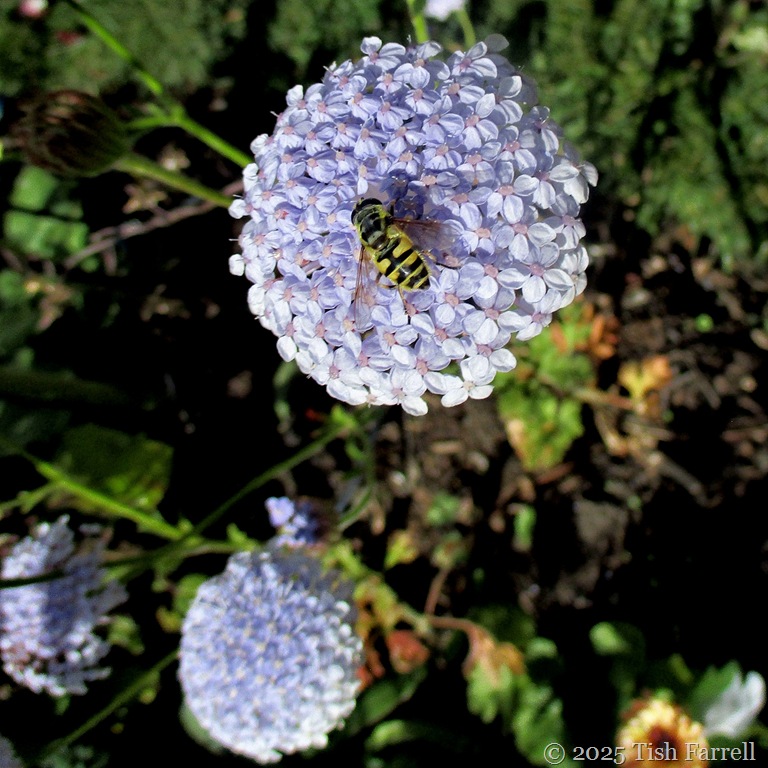
Some of the seed grown Madonna Lace Didiscus [5] are still going too. Also much loved by insects. When the flowers fade they transform into little silvery sputniks – quite magical on a dewy September morning.

lace flower

*

But the prize for the longest flowering flower this year goes to the self-sown and -grown snapdragons [6]. They’re on their third blooming round at least, and the plants are now growing quite shrubby with masses of seed heads among the latest flowers. The original volunteers have made some new plants in the course of the summer and these are also flowering now. And there’s me thinking that our front garden soil, which is full of old paving mortar and mashed roof tiles is somehow problematical. Norah Lea and the snapdragons are clearly loving it.

snapdragon

*

back garden

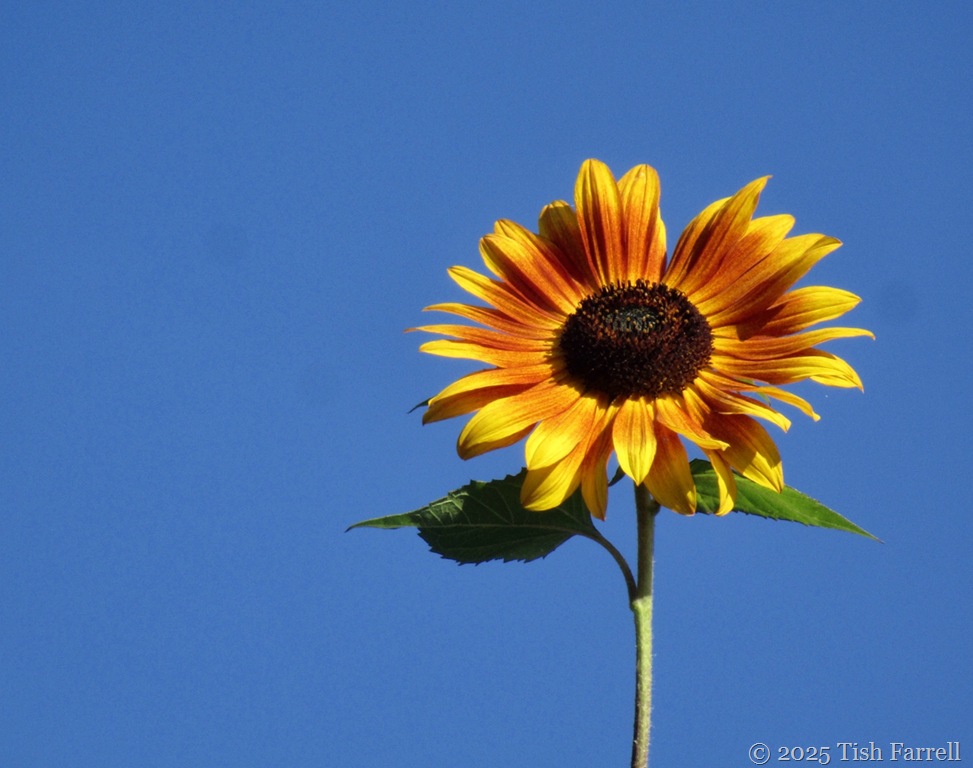
Late summer in the back garden. He who-builds-sheds’ wing shade is obscuring the sunflower view from the kitchen door, though we have been glad of it. Here’s what it’s hiding:

sun in sunflowers

Six on Saturday  Please call in on Jim and see what he’s been up to in the garden and at the allotment.

Strains Of Autumn

apples

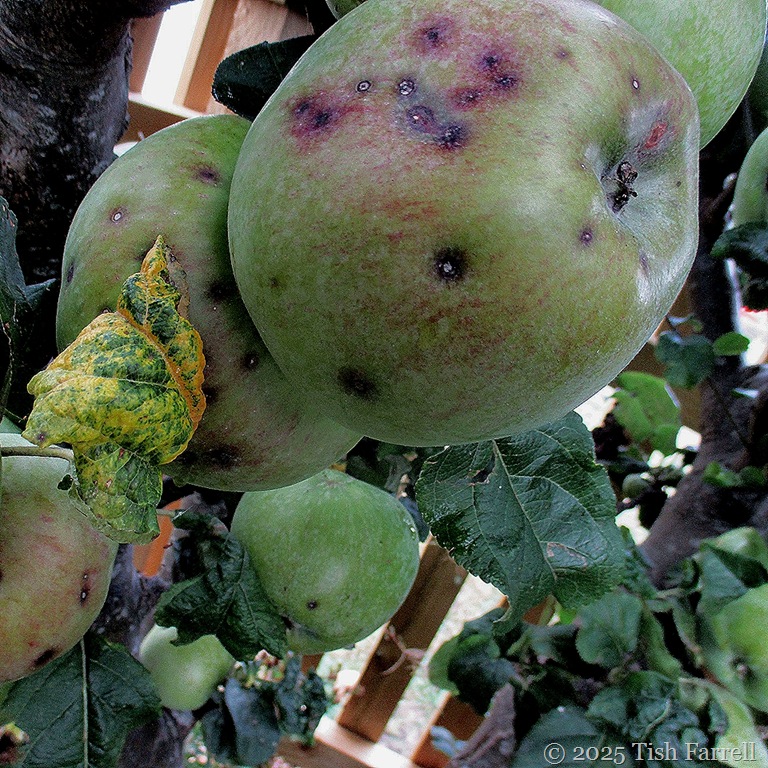
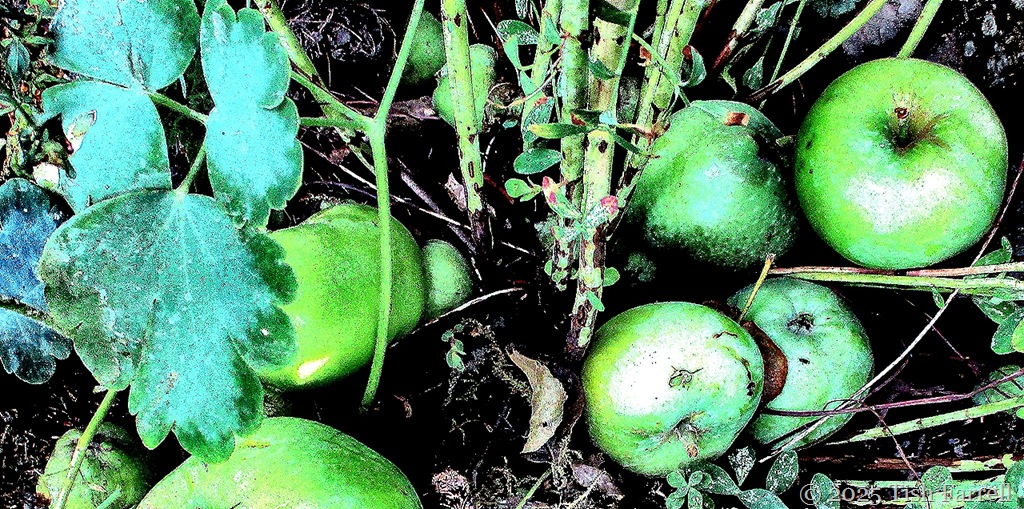
Around the garden peripheries there’s the heady scent of fermenting fruit. This year the apple (1) crop is phenomenal. Our three old trees are crammed with fruit, even though we’ve tried to thin them out. The apples are not ripe yet, but in the last few weeks many have been falling off. They are now rotting happily, giving the plants along the garden fence a rather solid (vaguely alcoholic) mulching. Of course the blackbirds and the wasps have been eating some of them. Many, too, were damaged, diseased or infested before the fall. We have yet to get to grips with what ails the two cooking apple trees. The Crispin eaters in the photo above seem fairly healthy, although they have been dropping a lot of unripe fruit. But the cookers look like this:

IMG_8812

*

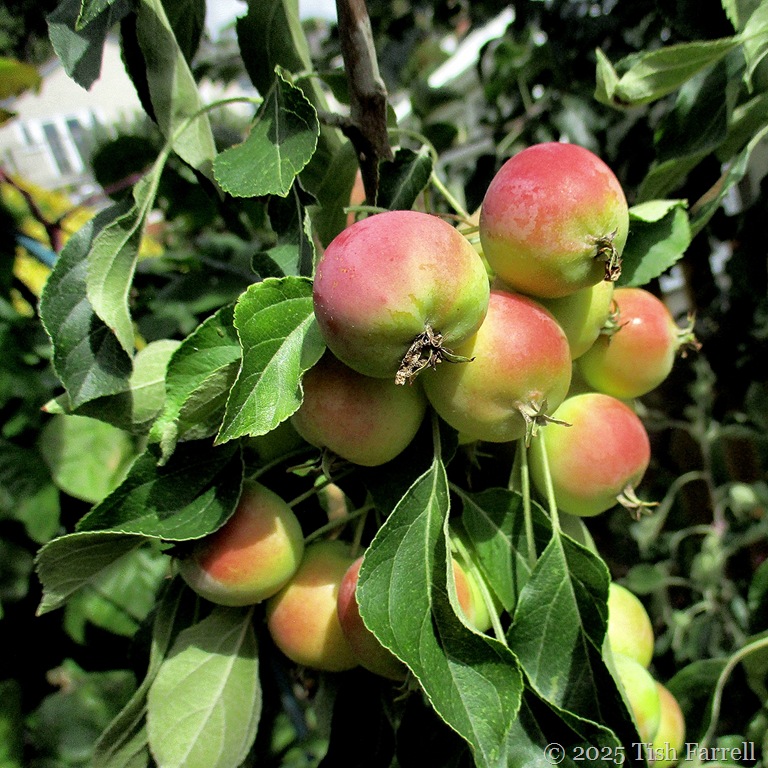
By contrast,  the crab apples are taking on a rosy glow. The little tree at the top of the garden is now much happier since we’ve had some rain and cooler temperatures. The many weeks of drought certainly stressed it:

crab apple

*

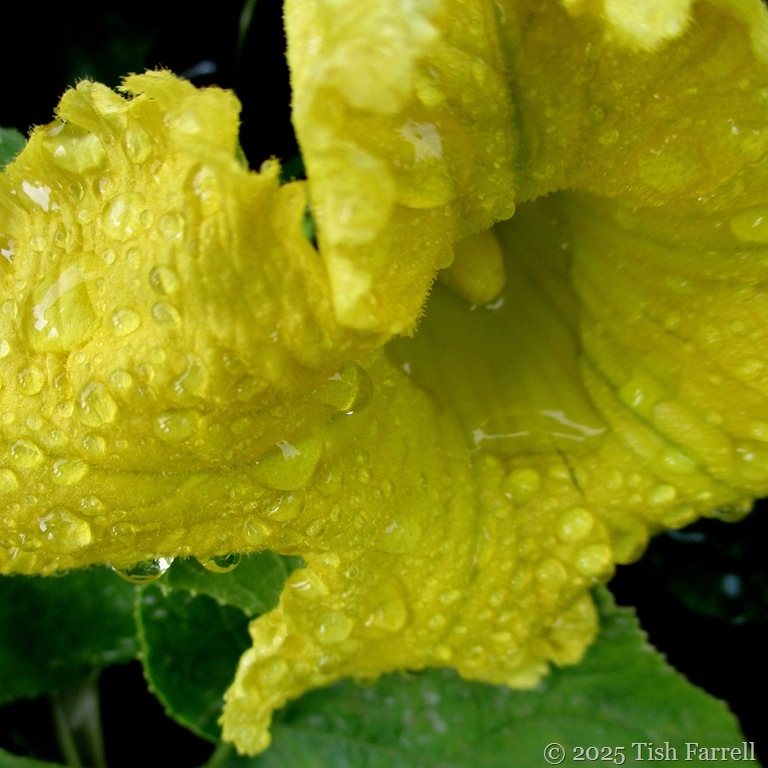
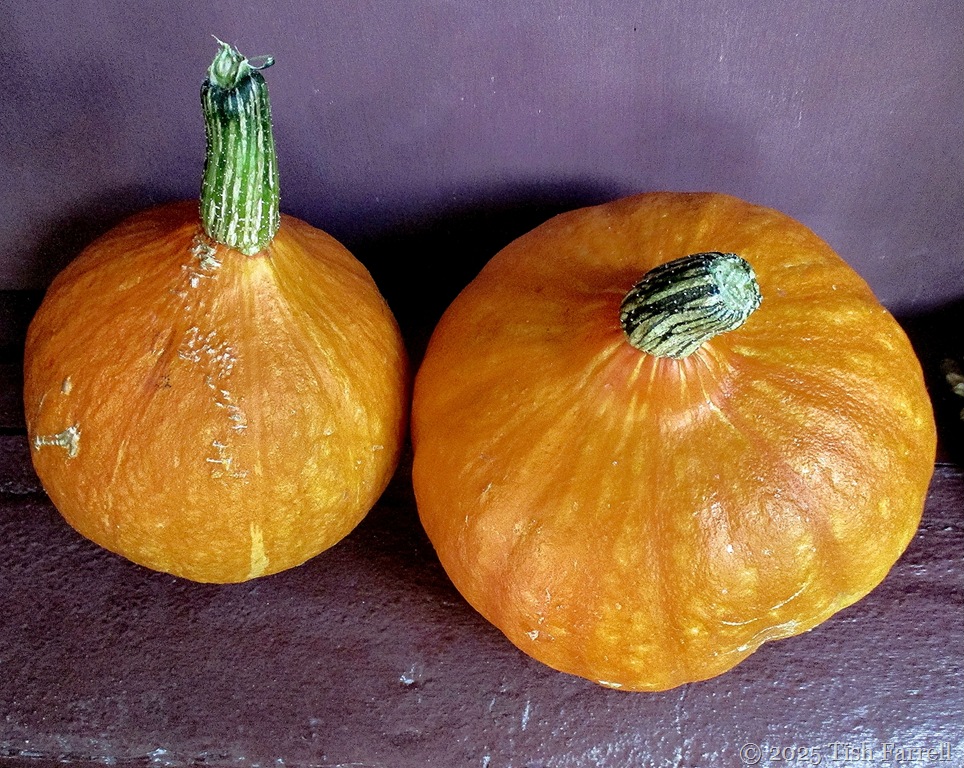
I’ve now harvested my two Uchiki kuri squashes (2), one from each plant on the side wall border. I was hoping for more (3-5 per plant were promised on the packet) but after a flying start and much vigorous growth (and feeding), the plants suddenly seemed to give up; three small squashes turned brown and died. I have two more plants (planted out later in the top garden) still looking hopeful, with a tiny squash each, but I notice there are now only male flowers being produced. These, on the other hand, are very lovely, smell delicious and are a magnet for bee-life (see previous post of bees on the razzle). Anyway here we have the outcome of all that bee foraging:

uchiki

*

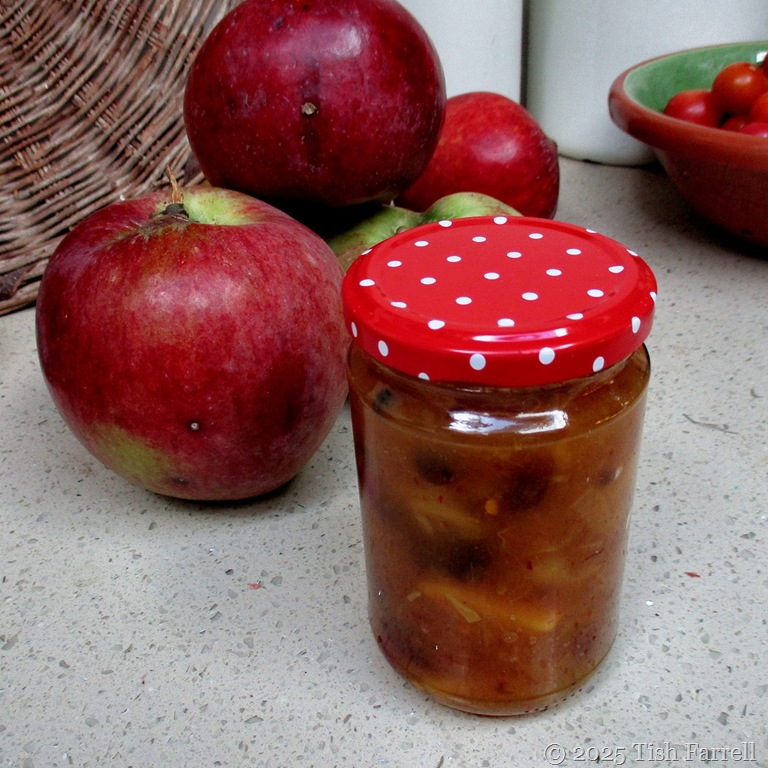
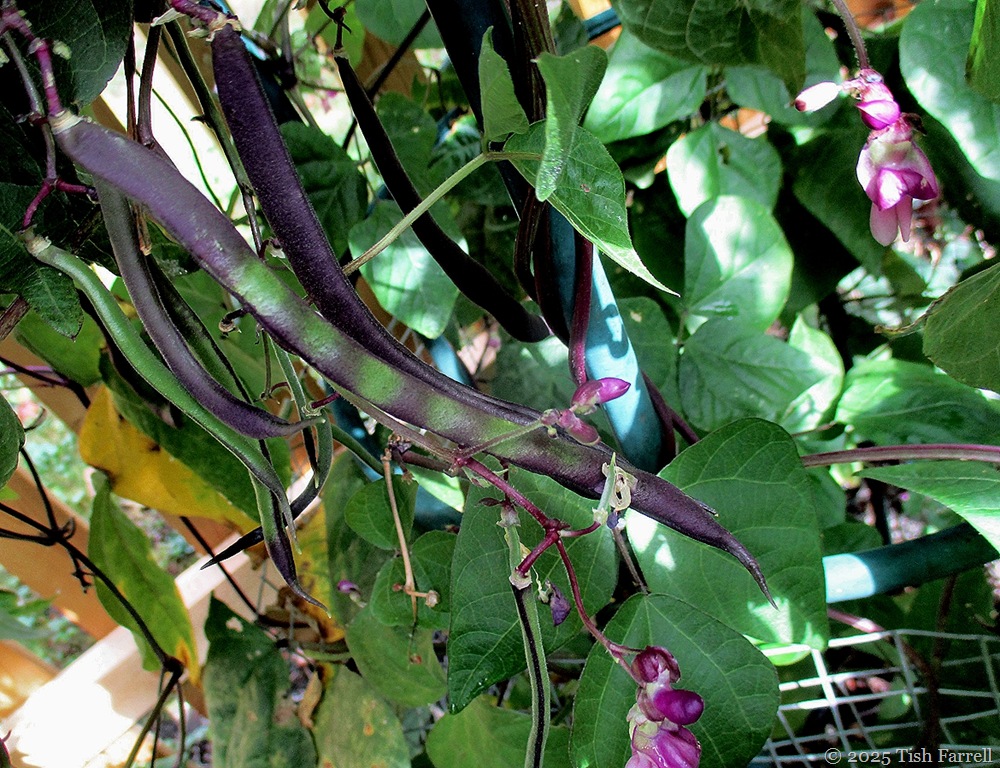
The bean (3) harvest has been somewhat sporadic too, although on two occasions  I’ve had sufficient spare runner beans to make several pots of runner bean chutney – always welcome in the winter months with jacket spuds. Since this week’s rains, the plants look as if they are rallying and there’s more blossom along the pole tops. There are also signs of a further crop of Violette climbing French beans. They’ve been coming and going all summer, producing in usable quantities, but it’s meant no gluts to pass on to neighbours as happened last year.

violette beans

*

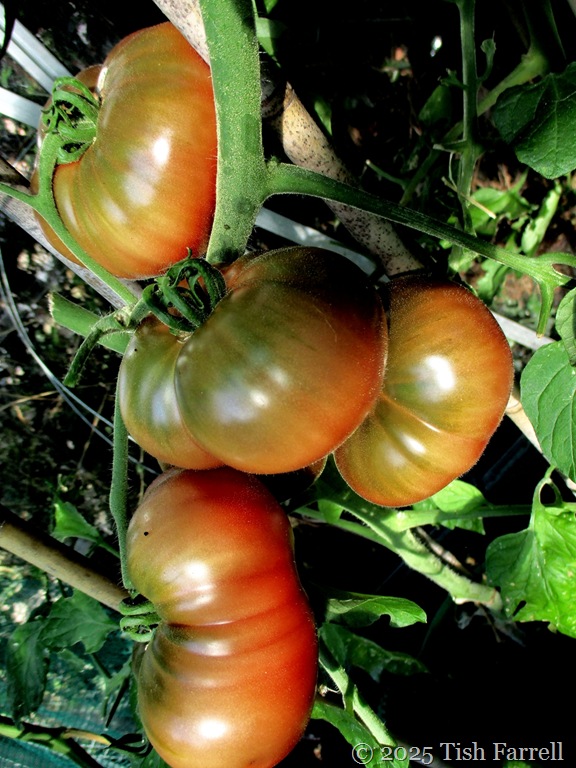
Also just ripening are my Cherokee tomatoes (4). They’re an heirloom variety I’ve not grown before, and I was a bit wary of giving up extra Sun Gold space in my small greenhouse. They started to form fruits and fatten early in the summer, and I wondered if they would ever ripen. The one plant I put in the garden by the runner beans has been leading the way.
cherokee tomatoes

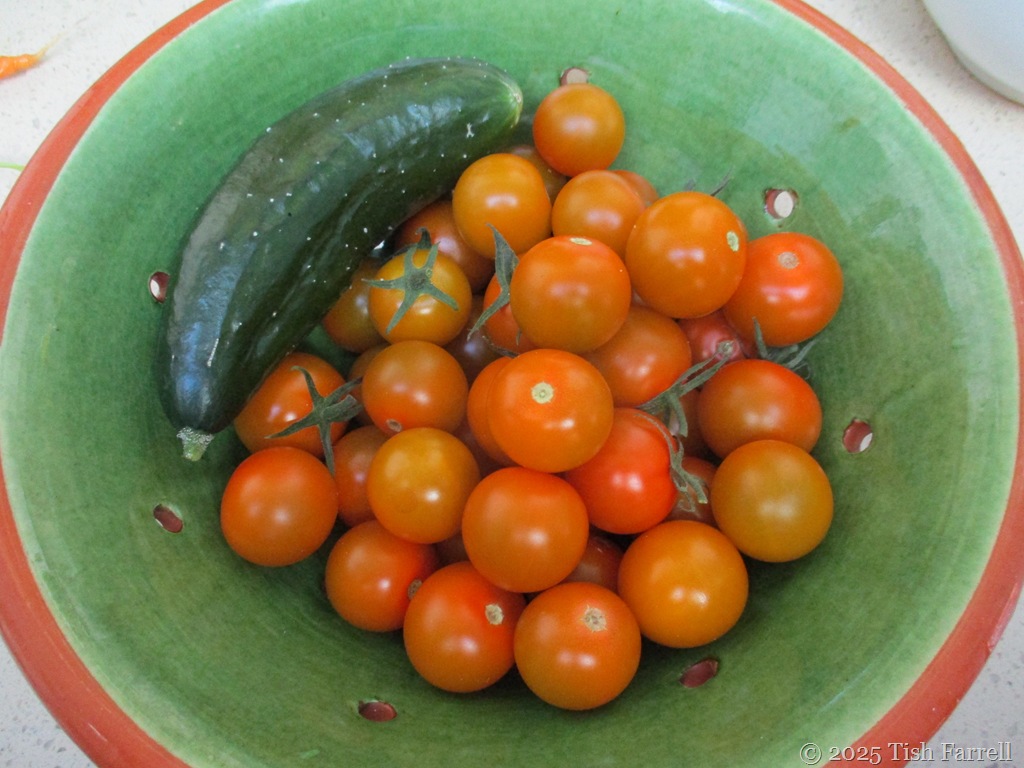
Meanwhile the Sun Gold cherry tomatoes have been producing a few handfuls every day, though look to be fizzling out in the greenhouse. Surprisingly, two rather ropey plants put outside fairly late, are now doing quite well. One growing up a Polka raspberry cane, and the other keeping close company with the big cooking apple tree.

IMG_8589

*

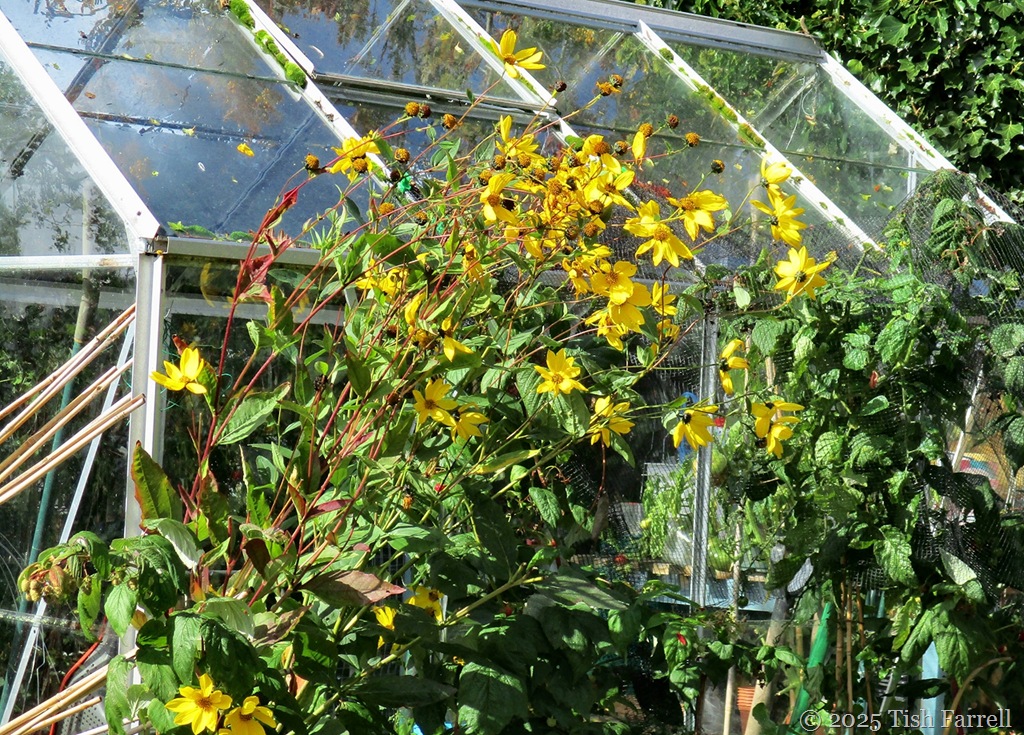
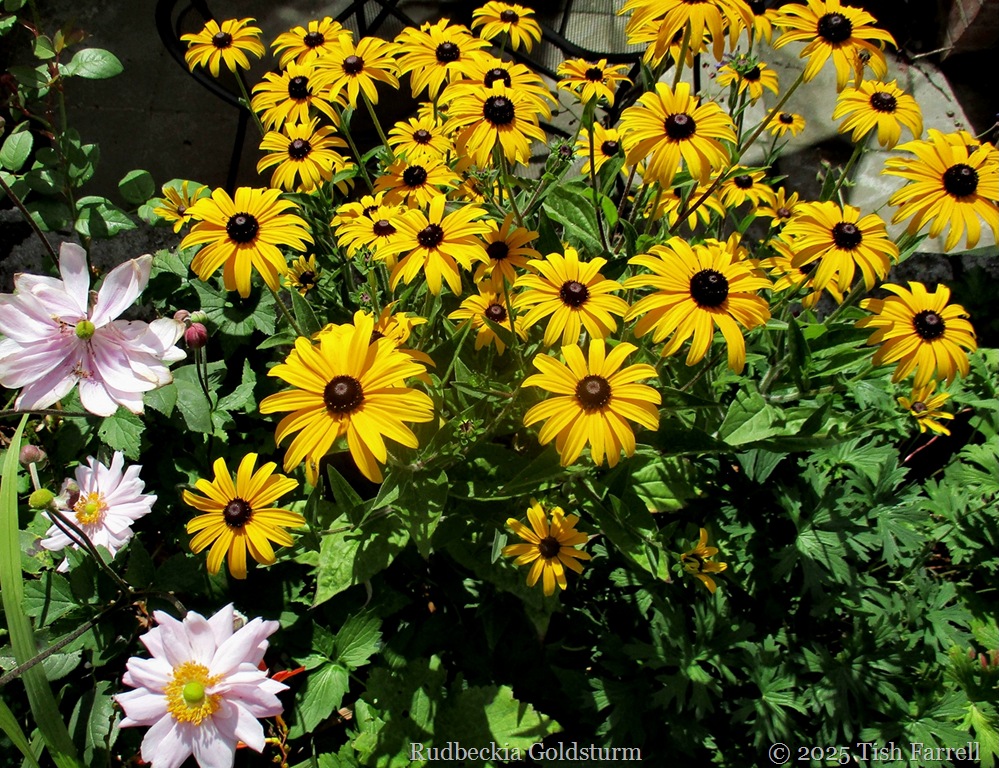
And now is the time for the late summer flowers. The rudbeckia (5) are presently the stars of the borders, especially the Goldsturm which is a mass of flowers. I bought the original plant (since split into several more) at the Bishop’s Castle Michaelmas Fair, the month after we moved into The Gables two years ago.

rudbeckia

Then there’s the super-tall Rudbeckia lacinata Herbstone by the hot compost bin. It’s been going strong for several weeks now and looks to be about eight feet tall. I think the rotten apple mulch plus residue escaping the hot bin might be spurring it on.
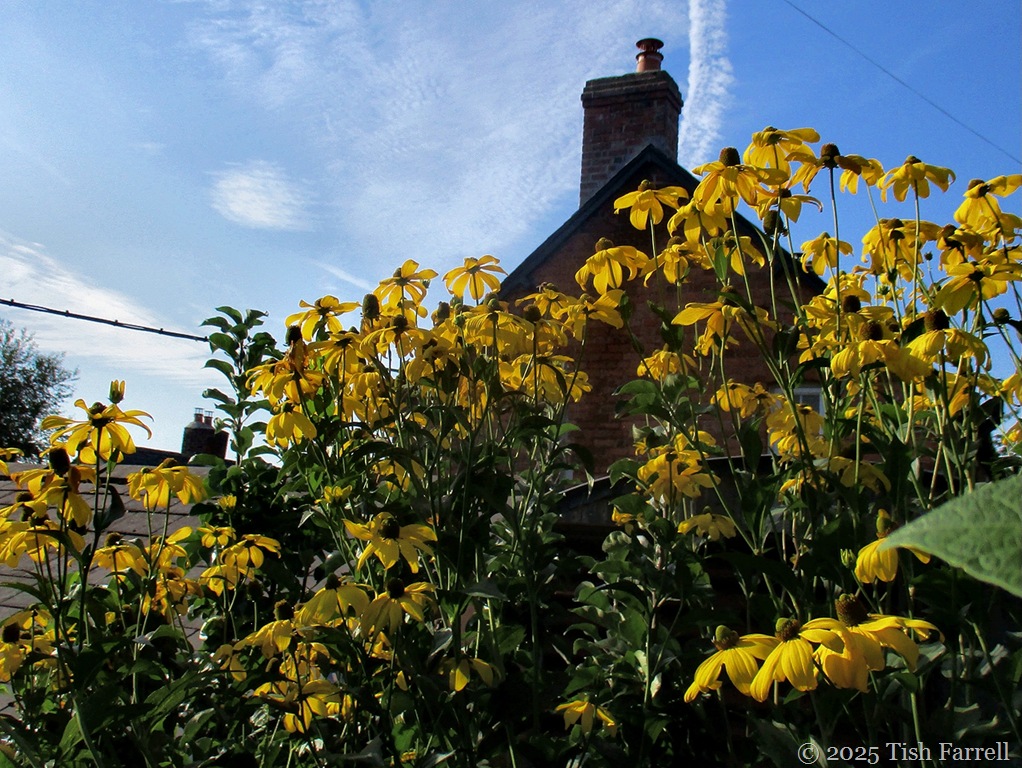
rudbeckia lacinata herbstone

*

Finally, a plant I brought from our Wenlock garden – Selinum (6). I’m glad I did, although I was worried that it wasn’t thriving.  It’s just coming into full flower after a summer show of ferny leaves that looked pretty droopy most of the time. It’s related to wild cow parsley (Queen Anne’s Lace) that flowers in late spring-early summer. But unlike her, puts on a welcome spread for insect-life in late season. I love its structural beauty, the filigree looks.
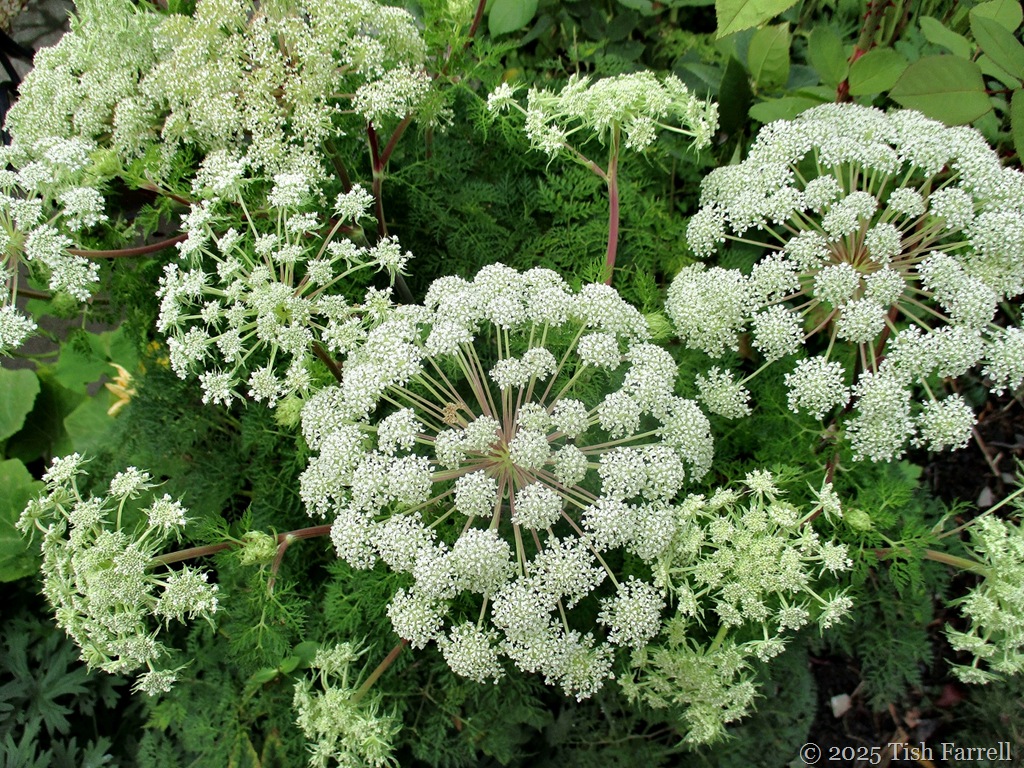
selinum

Six on Saturday Jim at Garden Ruminations is our host. Please go and see what he’s been up to.


apples header