“Clouds pass and disperse.
Are those the faces of love, those pale irretrievables?
Is it for such I agitate my heart?”
― Sylvia Plath Elm

“Clouds pass and disperse.
Are those the faces of love, those pale irretrievables?
Is it for such I agitate my heart?”
― Sylvia Plath Elm
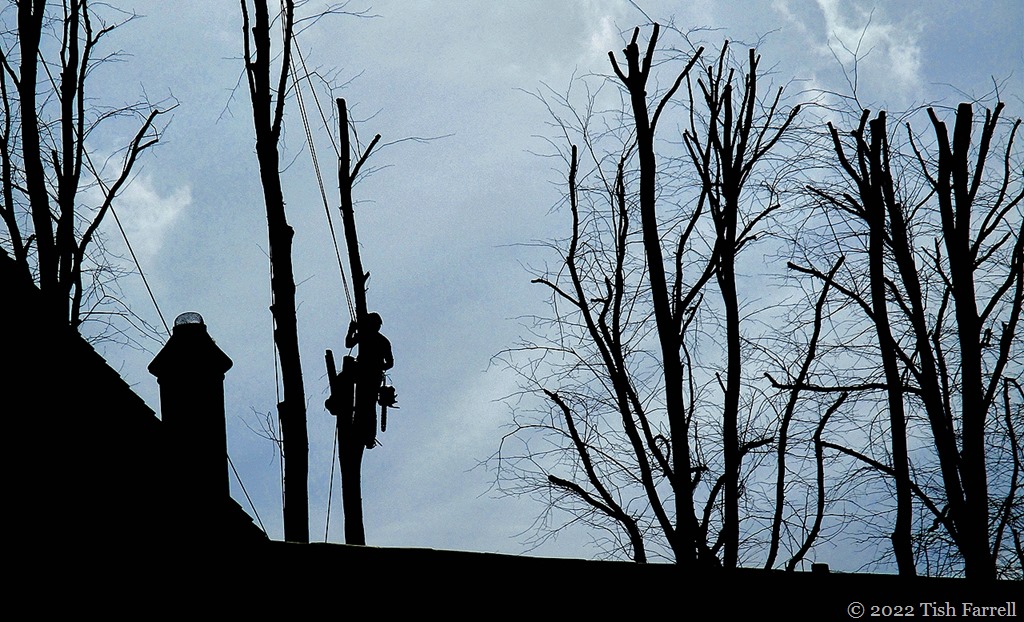
Monday morning. Sunshine after days of rain plus hints of spring. A walk to the shops then. We set off down the Cutlins field path, pleased to find it dry underfoot, though we’re pleased too soon: at the path bottom by the kissing gate we find a huge puddle. Ah well. Muddy shoes AGAIN. There are strange sounds too, out on the lane, shattering the peace of the Priory ruins. Chainsaws.
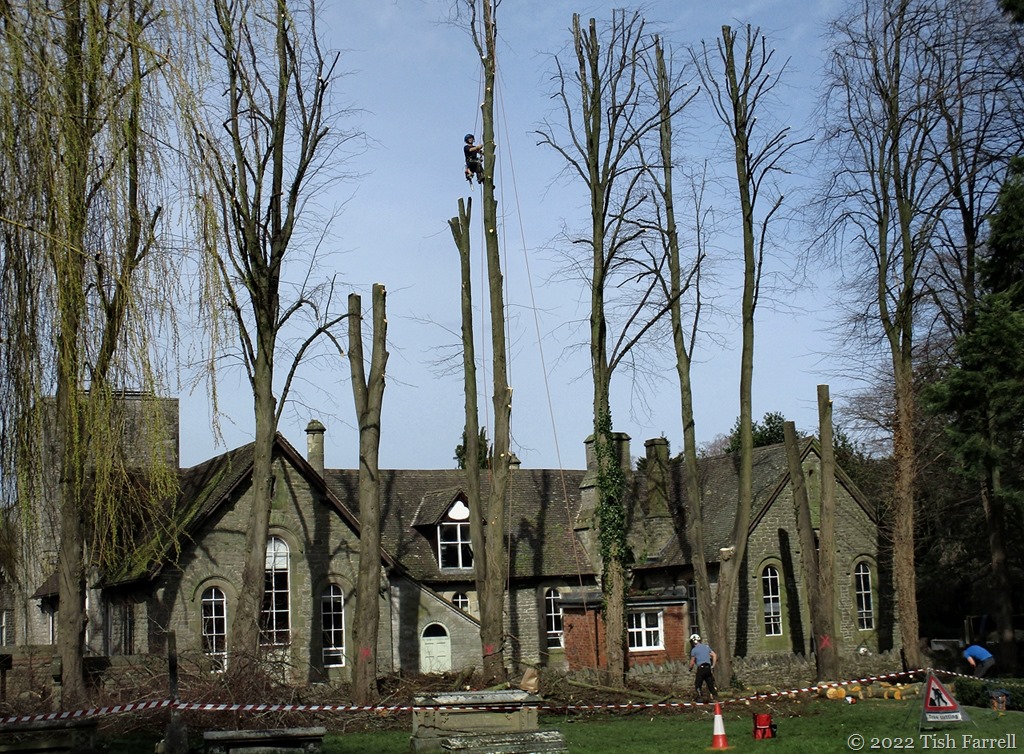
When we reach the Priory Hall (originally a National School that once served Much Wenlock’s poor children, but now is the town’s community centre), this is the sight that greets us. Goodness.
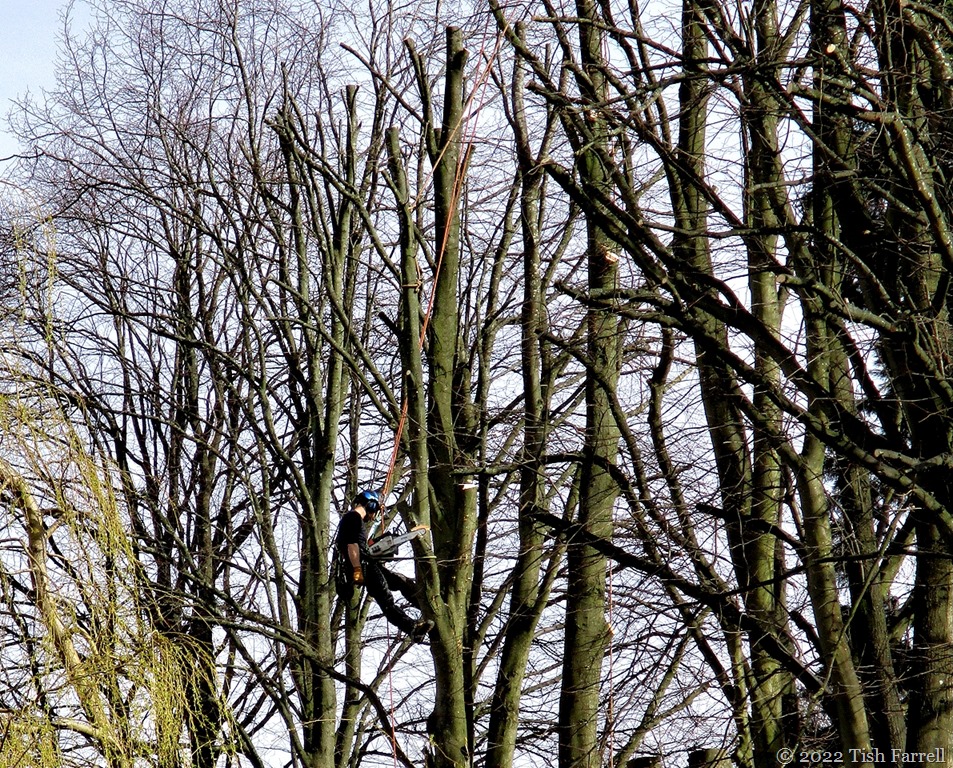
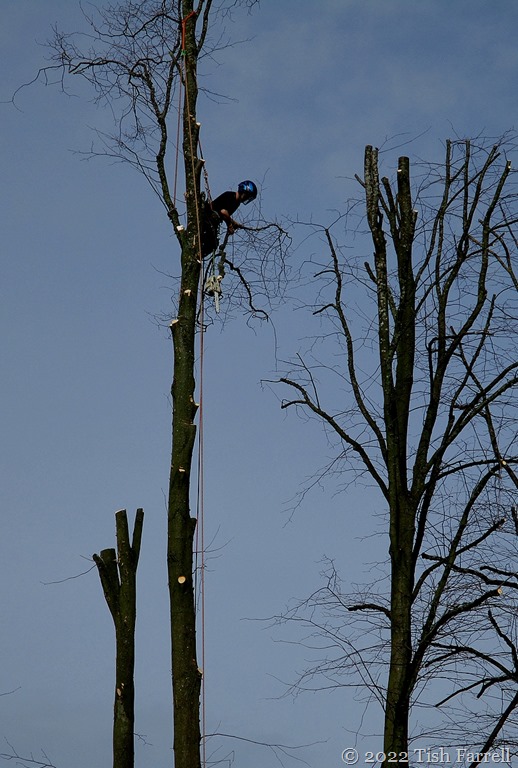
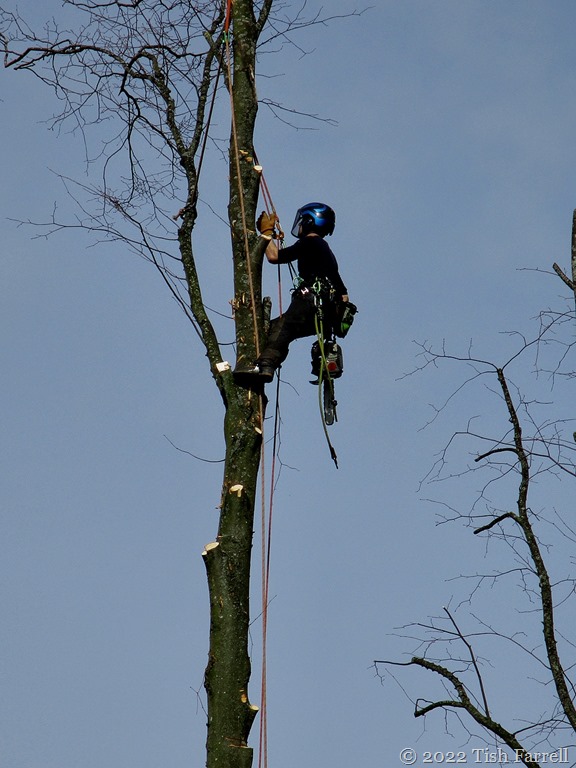
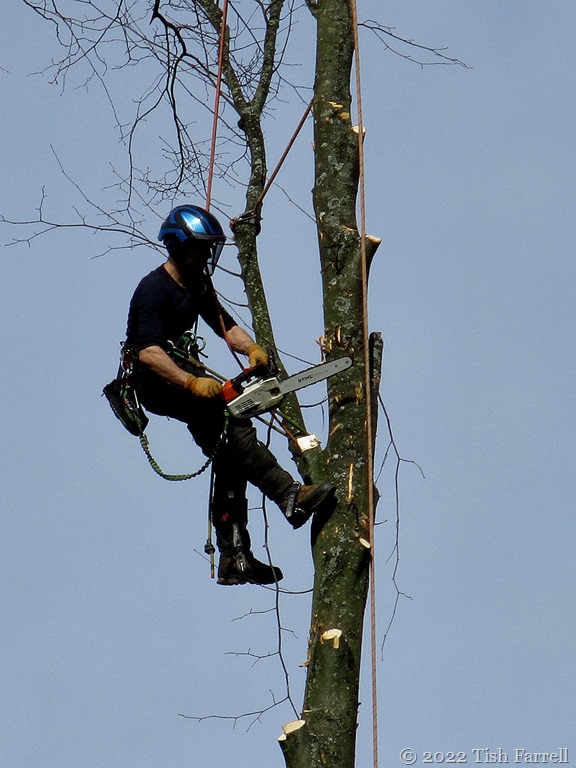
Then we recall the recent planning application. The line of lime trees along the churchyard wall behind the Priory Hall has been scheduled to be taken in hand – three cut down and the remaining ones pruned. Better get a better look then. It’s not often that Much Wenlock provides so much excitement on a Monday morning:

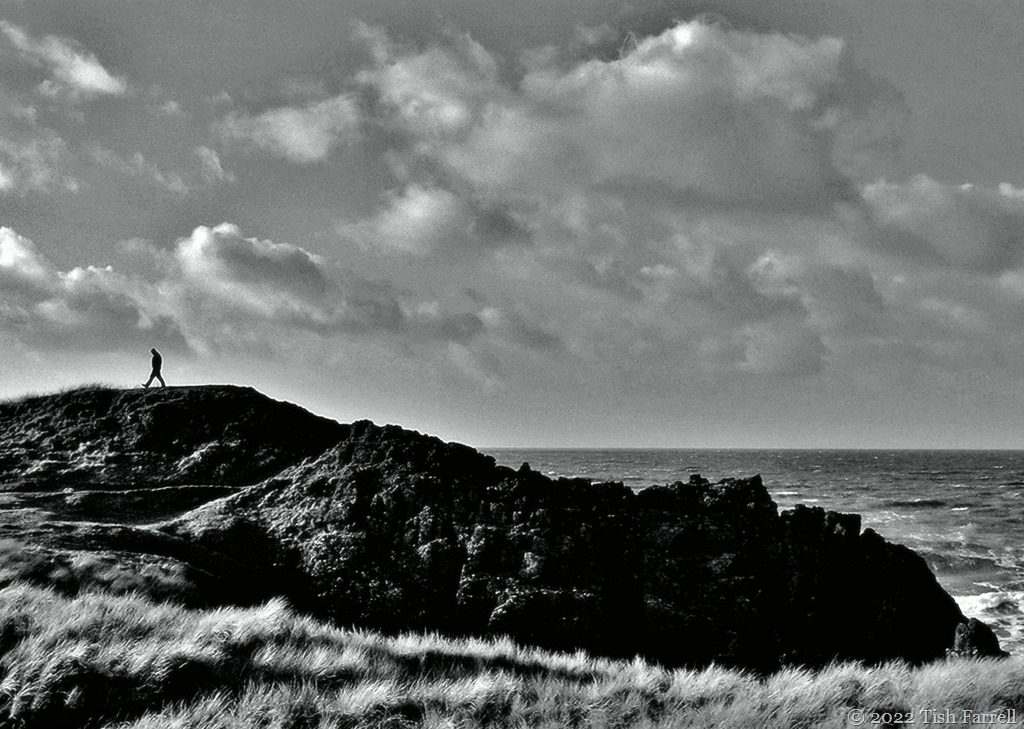
There may be signs of spring here in Shropshire, but the wind is still perishing cold. It’s reminding me of a wind-blown winter’s visit to Llanddwyn Island on Anglesey, where the sea-gale found every chink in one’s protective layers. Even so, it was a fine place to be: racing waves and whipped up grasses.
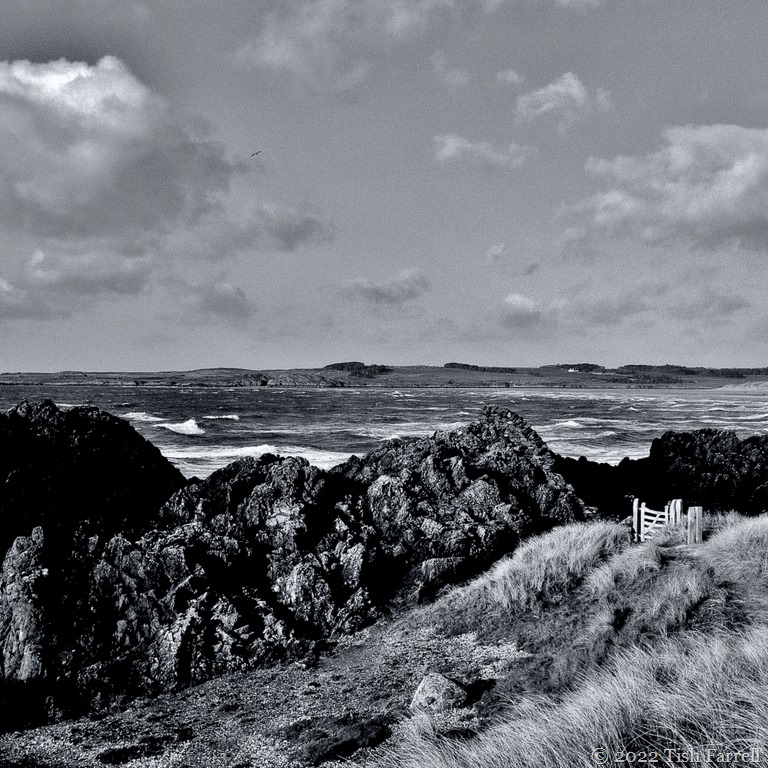
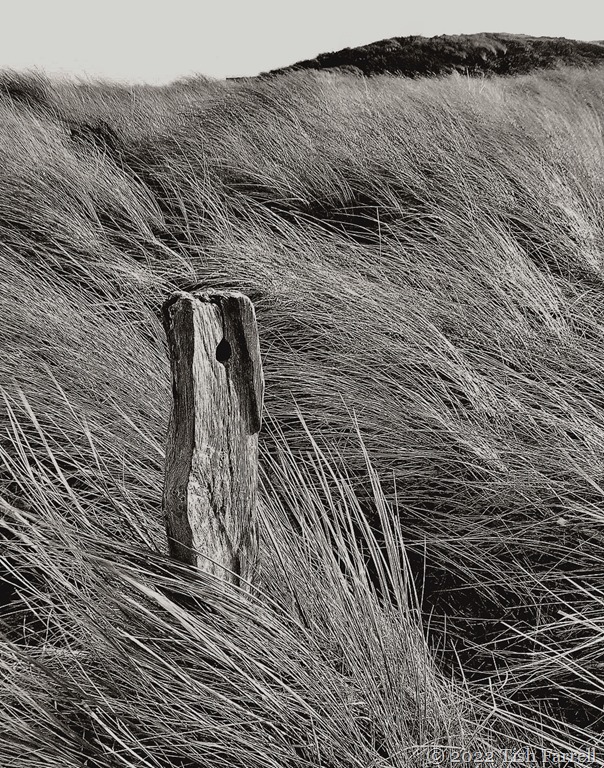
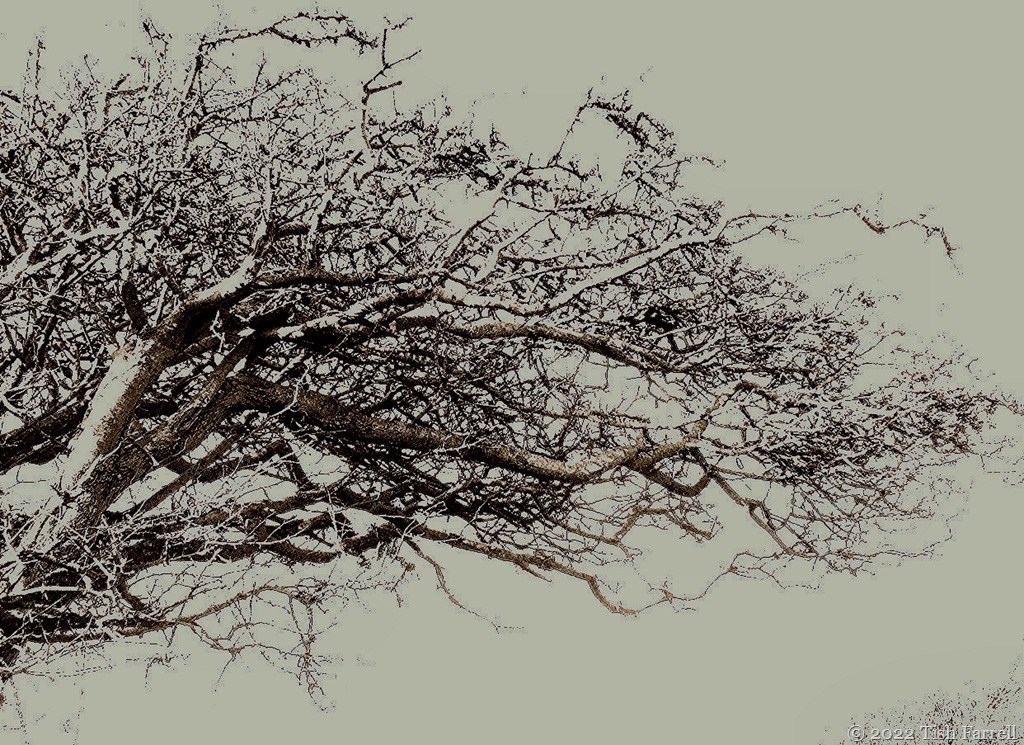
These photos were taken during our blustery stay on Anglesey, North Wales, back in early January. The hawthorn tree in the farm hedge has been sculpted and stunted by the prevailing sea gales over decades. In its dormant state it is now so rigid a structure that the winter blasts have little apparent effect. By contrast, the grasses were bowing flat in the bed outside the converted chapel where we were staying. One knew how they felt.

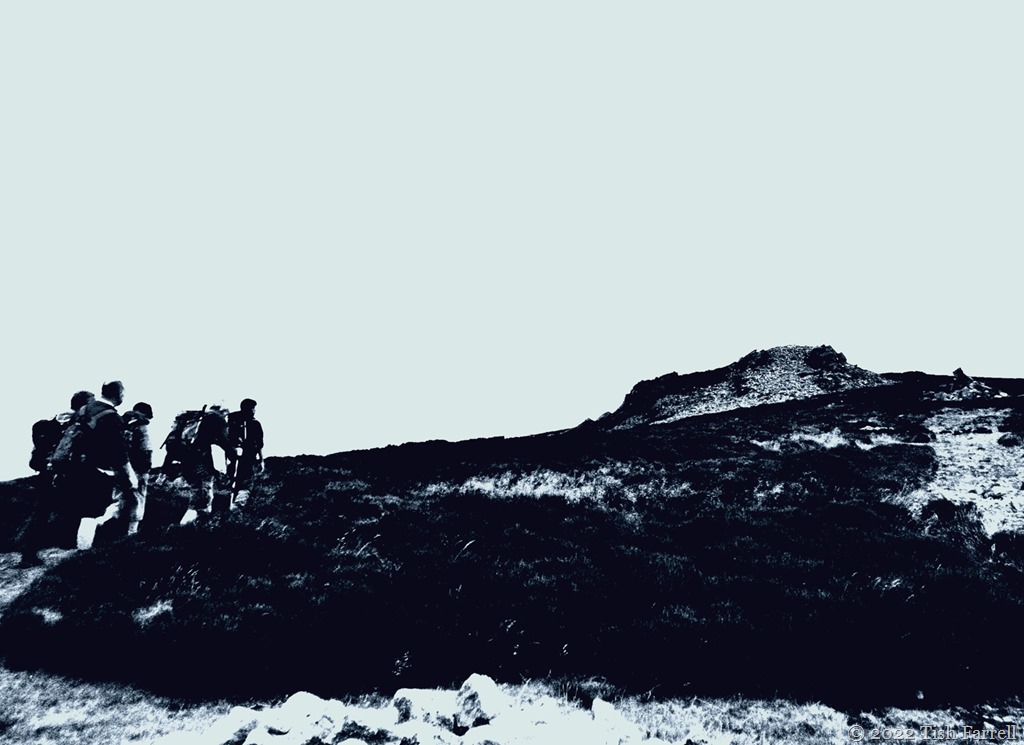
Shropshire’s mysterious Stiperstones featured in a recent Square Odds post. Here are more shots in monochrome, plus a few facts for geology lovers.
The grey-white rock of the ridge is quartzose sandstone known as the Stiperstones Quartzite Formation, created some 480 million years ago in the Ordovician era.
The tors and the rubble-like surroundings we see today are the work of more recent events in the last Ice Age (c. 115,000 – c. 11,700 years ago). During this time, the eastern edge of the Welsh ice sheet was nudged up against the Stiperstones, not covering it, but causing the quartzite to fracture during periods of intense freezing followed by thawing.
The highest point (Manstone Rocks) is 536 metres (1,759 ft) above sea level, making it the county’s second tallest hill after Brown Clee. The ridge extends some 8 kilometres (5 miles), the summit crowned with a series of six distinctive outcrops.
For geology buffs there is a detailed overview of Shropshire’s 700 million year geological history by Peter Toghill HERE.
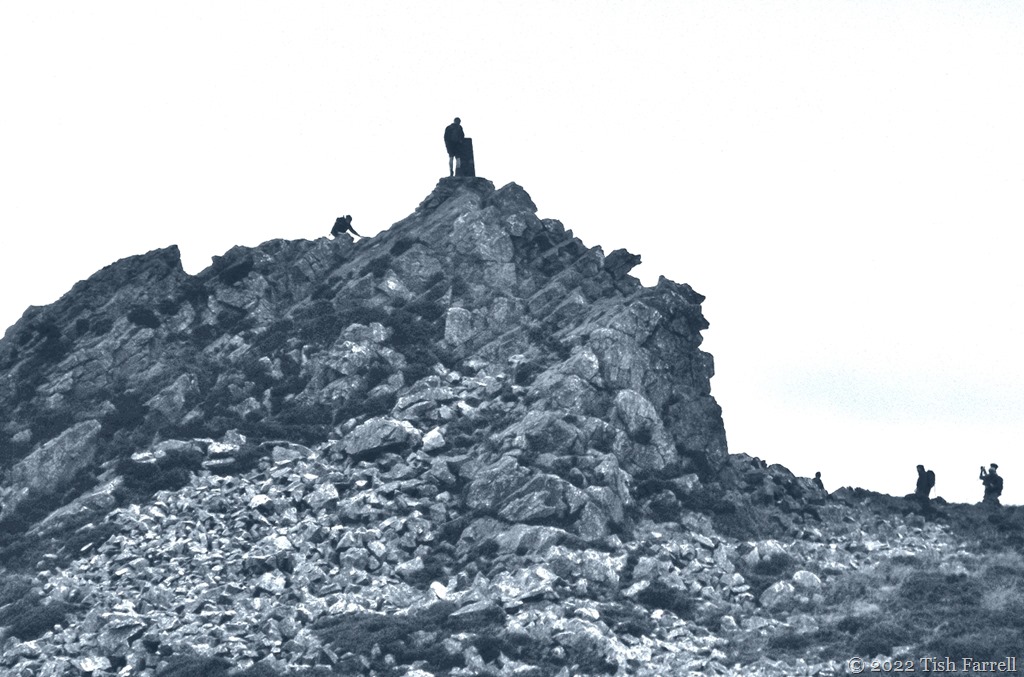
This next photo: men on Manstone Rock, the highest point on the Stiperstones…
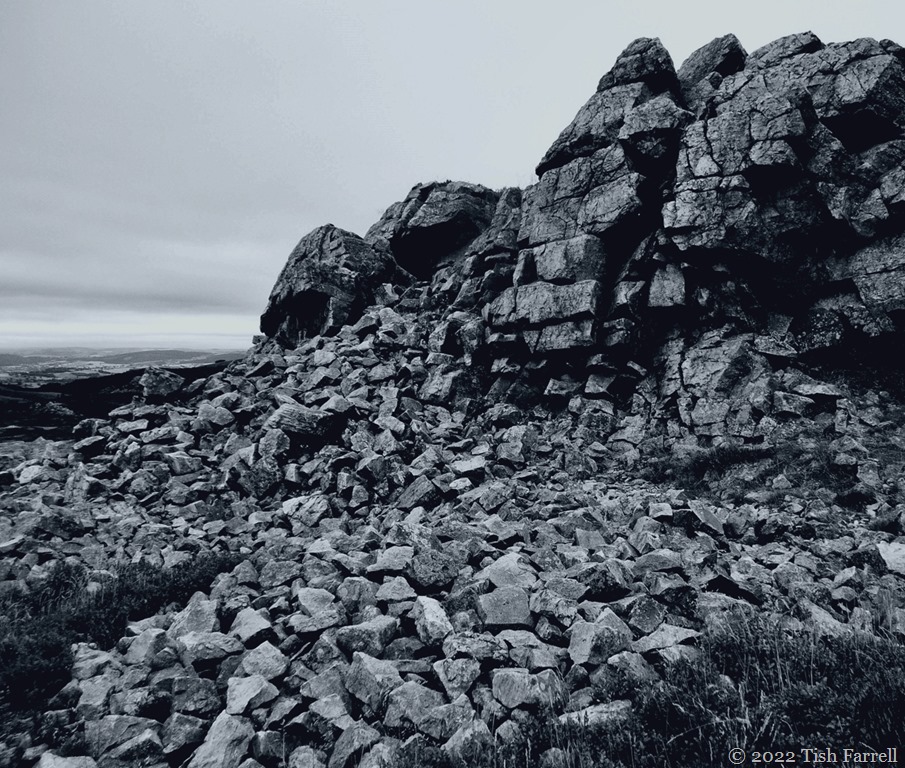
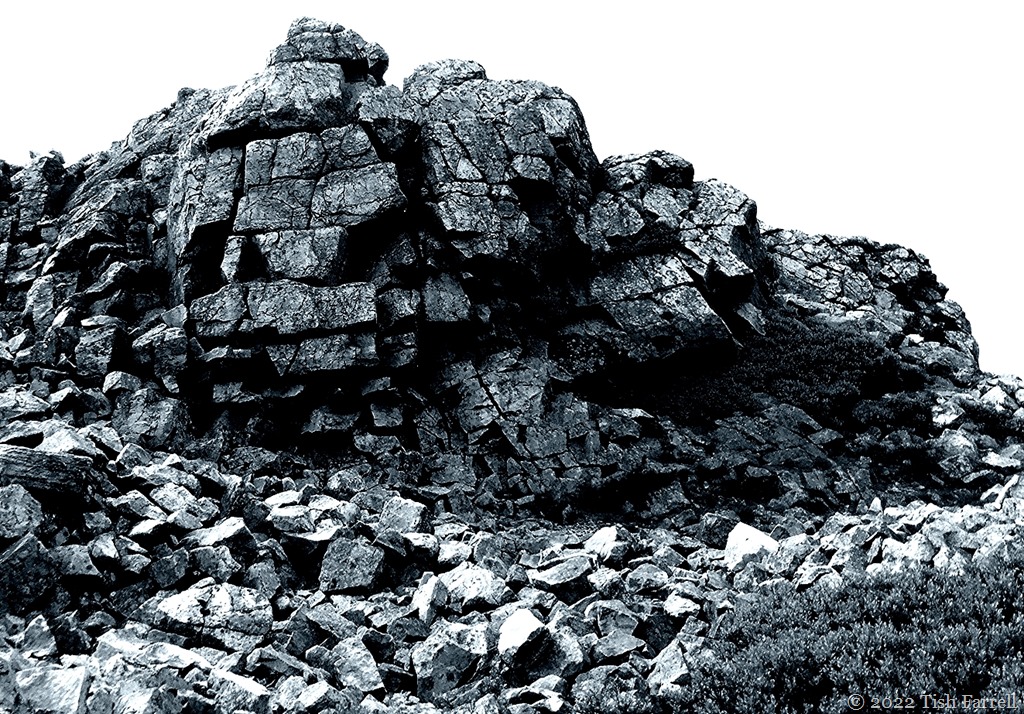
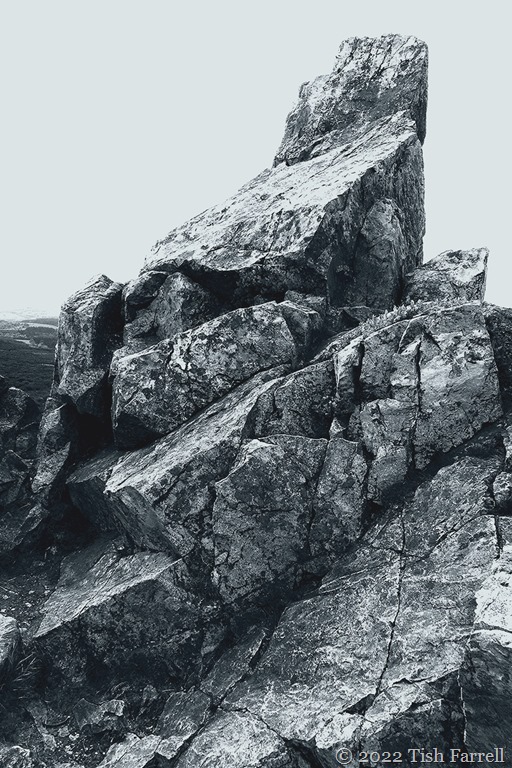
Cee’s Black & White Photo Challenge: rocks, boulders, stones
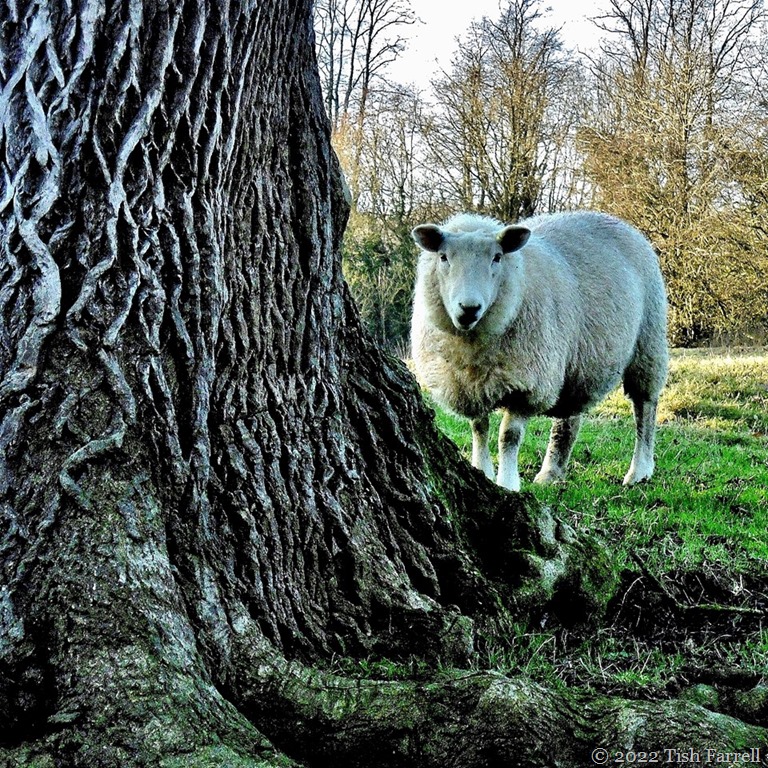
I don’t know about you, but I feel quite uncomfortable being so closely scrutinized by a member of the ovine tribe. It happens now and then as I tramp the lanes and byways of Much Wenlock.
This one was in the field opposite Wenlock Priory ruins, which interestingly had much to do with sheep rearing in the early Middle Ages. In fact the sale of wool from its flocks was an important source of the Priory’s wealth. And so you may imagine the brotherly fury (even to the point of murderous intent) that was roused when, in the late 1200s, the then Prior, John de Tycford, engaged in some dirty dabbling in the futures market and sold 7 years’ wool crop in advance and then kept the proceeds.
One monk, William de Broseley was so incensed, he left the Priory and gathered a gang in the woods, all set to ambush and kill the Prior. News of this plan did not go down well with the higher authorities, who instructed sheriffs to arrest ‘vagabond monks of the Cluniac order.’ William was duly captured and received his just deserts (not defined by chroniclers, but doubtless deeply unpleasant).
Meanwhile the Prior, who also went in for monastic asset stripping as well as having a history of fraternizing with money-lenders, had friends in a very high place: first King Henry III and then his successor-son, Edward Longshanks, aka Edward I. De Tycford, it seems, was good at political intrigue and had been royally employed on a diplomatic mission to nearby troublesome Wales. It did not seem to matter that he had run the Priory into debt. When he left Much Wenlock in 1285 it was to take up an appointment as Prior of Lewes in Sussex, not only another grand Cluniac house, but also a politically sensitive location. The army of Henry III had retreated into the Priory in 1264 during the barons uprising led by Simon de Monfort. This had caused serious division between the monks, many of whom were later punished or banished back to France.
And so it goes. It’s how the world runs. Power and money control ALL aspects of our lives, although we’re mostly too distracted to see how deep and wide this goes. Perhaps the sheep is trying to tell me something. Perhaps I ought to tell it: I am not a sheep.
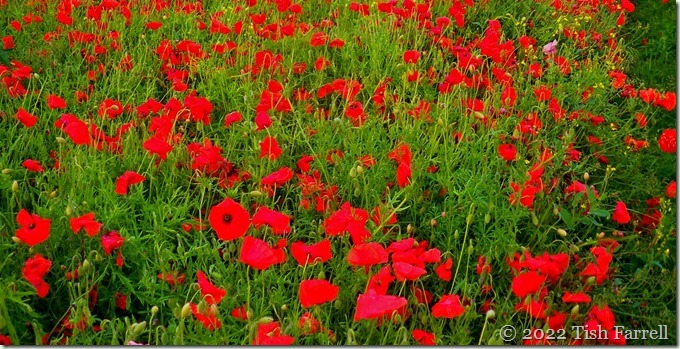
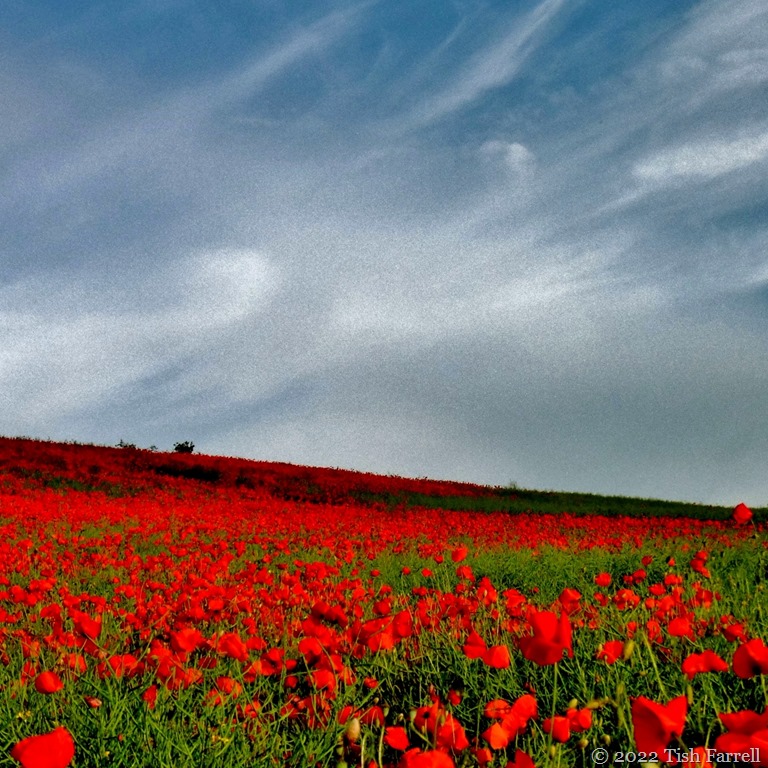
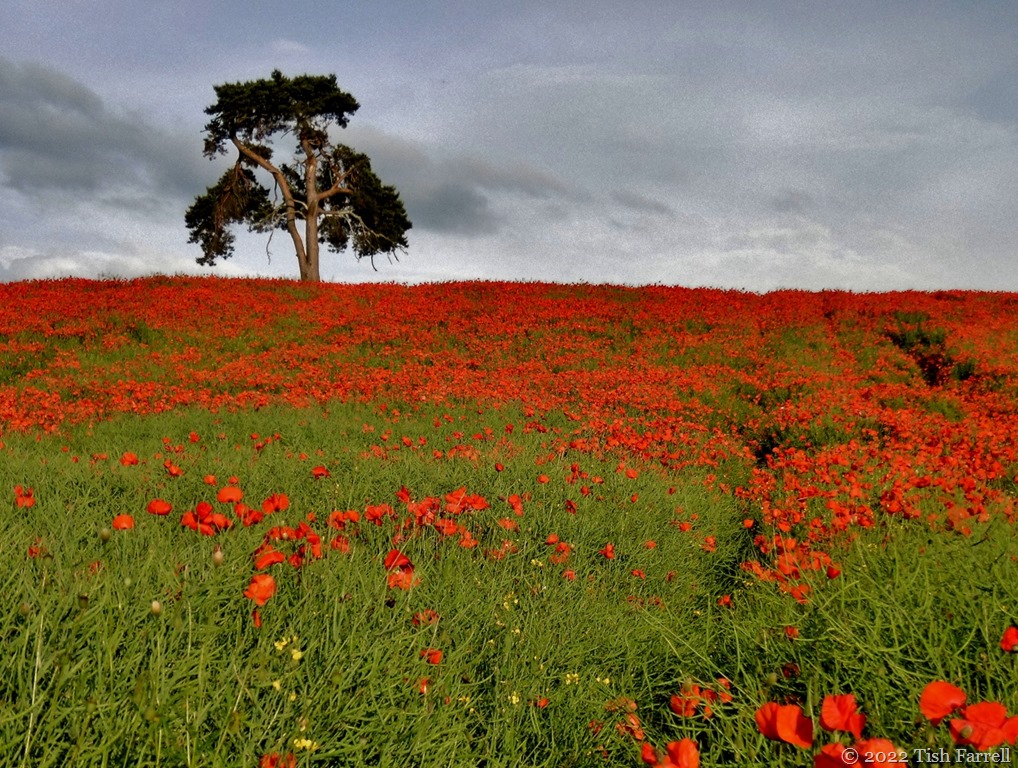
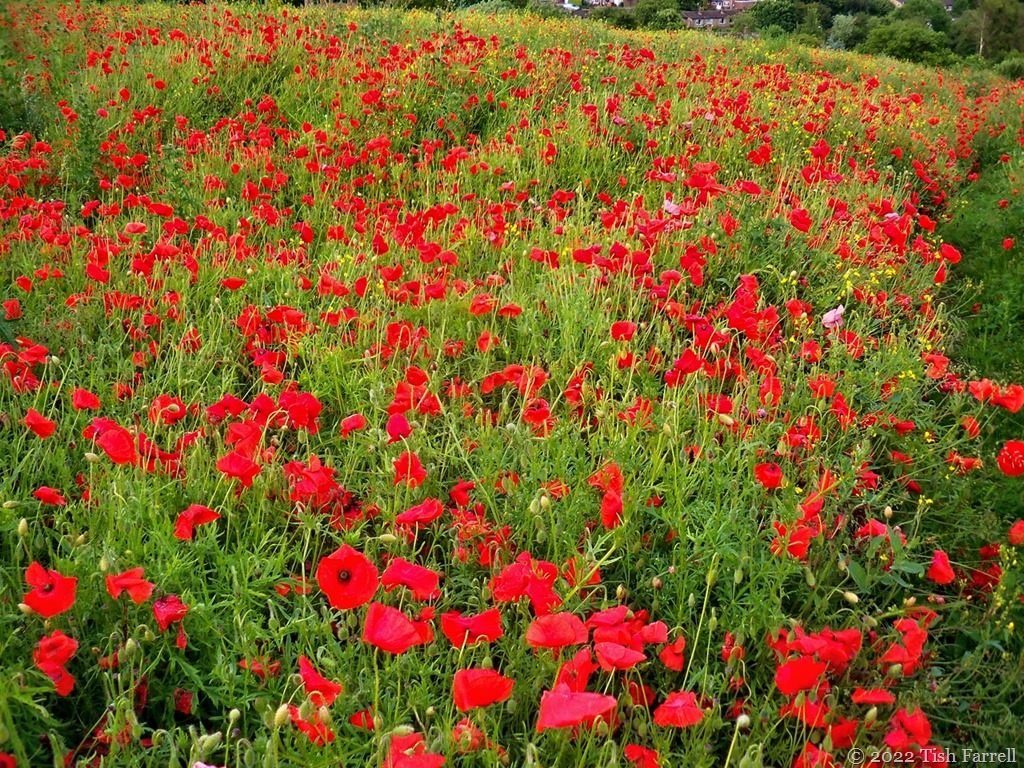
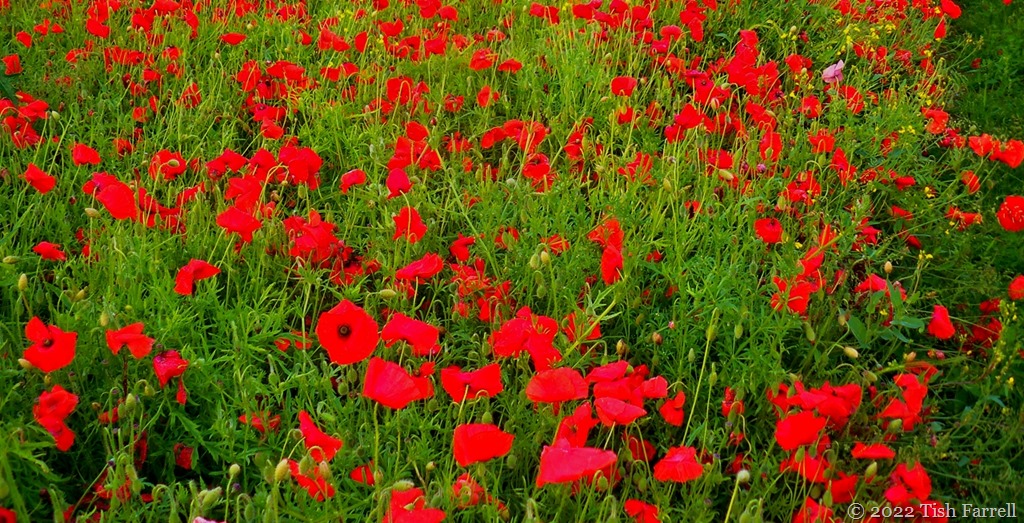
One mid-summer evening when I was leaving the allotment by the gate rather than by my usual route through the field hedge, I glimpsed, on the far edge of town, over rooftops, and between trees, an astonishing scarlet blaze where I’d never seen one before. Home was forgotten, and off I went to investigate: over the main road out of Wenlock and down a lane beside the old railway bridge, into a field with an abandoned barn by the gate, and there it was: an entire field of poppies.
They looked to have exploded from an oil seed rape crop, but it was hard to tell. Had someone sabotaged the farm seed, or did the farmer do it on purpose? Whatever the cause, it’s not happened since. But it was one of those weirdly wonderful happenings wherein it was hard not to grow very over-excited and run amok. I took lots of happy snaps, then dashed home to spread the news to he had a much smarter camera. And then we went back and repeated the excitement, all fuses fired by poppy power.

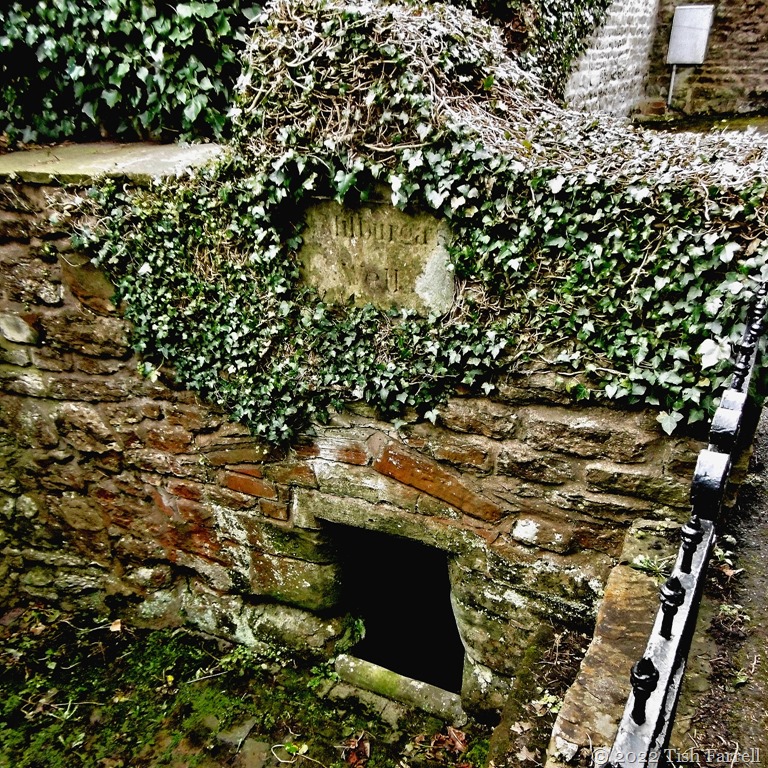
Much Wenlock has at least three saintly wells. St. Milburga’s, a few steps from the town centre, is the best preserved, though it is doubtful the superstructure we see now had much to do with this Saxon saint. She came to Much Wenlock around 690 to take charge of a religious community of monks and nuns, this after being trained in her vocation at the monastery of Chelles near Paris. Double convents were not unusual in Saxon times, though the men and women worshipped in separate chapels. Milburga was also the daughter of Mercian king Merewald and, along with her appointment as abbess, came the responsibility of managing the lay people and lands of a very large estate that extended many miles into Corve Dale to the south, and across the Severn Gorge in the east.
For the next 37 years she ruled over her communities, temporal and spiritual. She appears to have done a good job because the many legends about her attest always to her healing (and other mystical) powers. She had a particular propensity for striking springs from barren ground and, it was said, could ripen winter-sown barley – from seed to harvest – within a single day. She even brought the dead back to life on more than one occasion. And in between these miracles, spent much time dodging the unwanted attentions of lusty chaps. This seems to be a common narrative in the tales of Saxon princesses who opted for a life of chastity. In Milburga’s case, rivers rose up to thwart her pursuers.
Water, then, is a common theme here.
She was still remembered four hundred years after her death. In 1100 when the convent church was undergoing repairs, some human remains were discovered near the altar. With their sweet fragrance and mystic glow they could be none other than the bones of Milburga, and so began the cult that over succeeding centuries brought much pilgrim business to the growing town. Two of our town pubs owe their origins to those times.
In fact beliefs in Saint Milburga’s powers persisted even into the 20th century. Catherine Milnes Gaskell, who lived in the old Prior’s house not far from the well, tells in her book Spring in a Shropshire Abbey how one day she met young Fanny Milner, sent by her grandmother to fetch some well water. Grandmother apparently needed it to bathe her eyes so she could read the Sunday scriptures. When questioned further about the well’s potency, Fanny tells Lady Catherine:
“It be blessed water, grandam says, and was washed in by a saint – and when saints meddle with water, they makes, grandam says, a better job of it than any doctor, let him be fit to bursting with learning.”
Lady Catherine also relates how the well had once been the focus of more profane pursuits:
It is said that at Much Wenlock on “Holy Thursday”, high revels were held formerly at St. Milburgha’s Well; that the young men after service in church bore green branches round the town, and that they stopped at last before St. Milburgha’s Well. There, it is alleged, the maidens threw in crooked pins and “wished” for sweethearts. Round the well, young men drank toasts in beer brewed from water collected from the church roof, while the women sipped sugar and water, and ate cakes. After many songs and much merriment, the day ended with games such as “Pop the Green Man down”, “Sally Water”, and “The Bull in the Ring”, which games were followed by country dances such as “The Merry Millers of Ludlow”, “John, come and kiss me”, “Tom Tizler”, “Put your smock o’ Monday”…
Hm. High jinx and ale brewed from church roof run-off – that’s quite a picture to conjure, isn’t it. I hasten to add, we don’t such things these days 🙂
In an earlier post this week I mentioned Wild Edric our heroic Saxon warlord who challenged the Norman interlopers and ended up as a ghost haunting the Stiperstones. Now shunt forward a few hundred years to the 1640s, a time when England was locked in civil war: Roundhead Parliamentarians versus Charles 1 and the Royalist army. The Parliamentarians were intent on curbing the king’s proclivities to do as he liked at the nation’s expense; the Royalists were set on protecting the monarch’s prerogative.
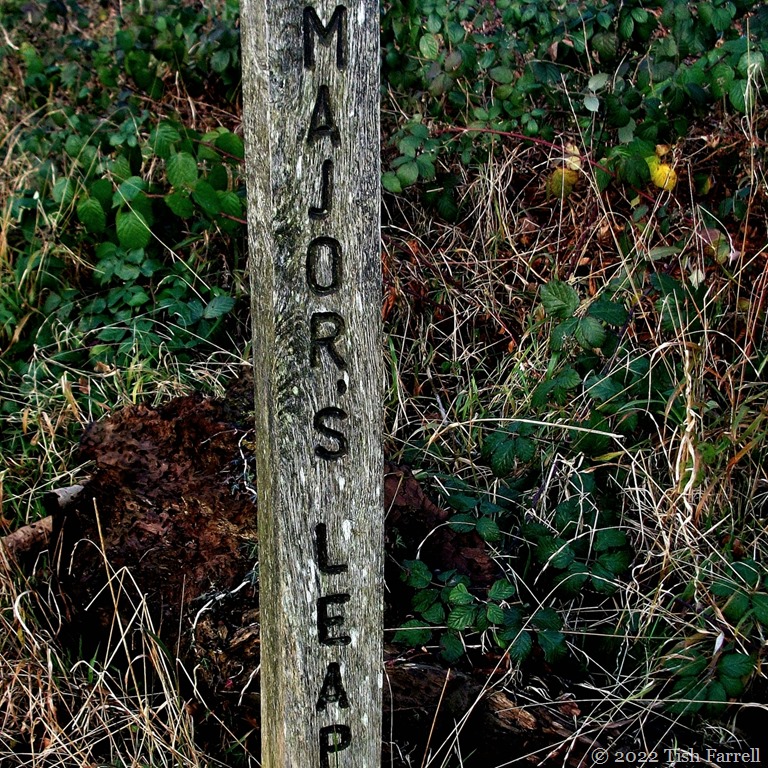
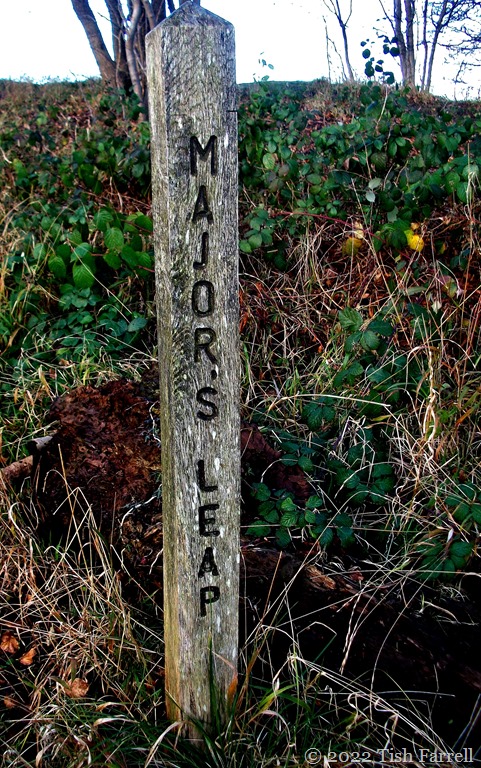
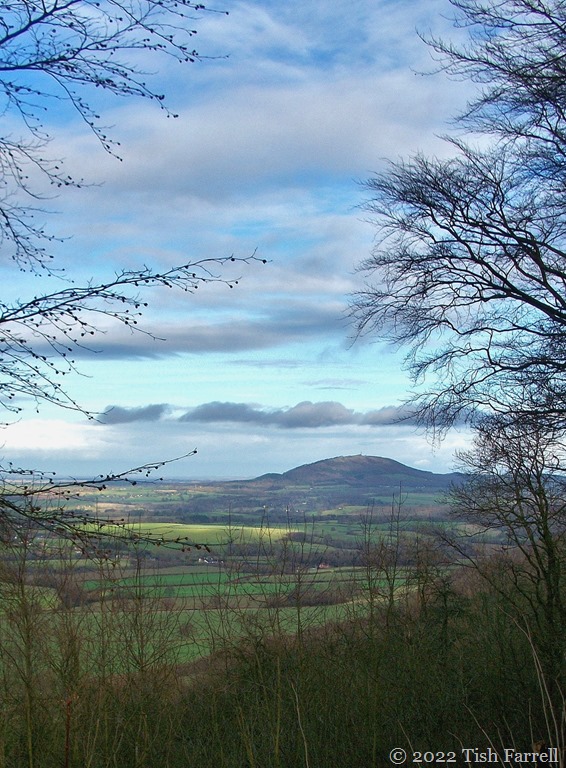
We’ve shifted from the South Shropshire hills to Wenlock Edge, a wooded limestone escarpment that rears up above the county’s farming lowland for nearly 20 miles. Enter one Major Thomas Smallman, fleeing on horseback from his home in nearby Wilderhope Manor. He is a King’s man, carrying despatches for the Royalist headquarters in the county town of Shrewsbury, some dozen miles away. On his heels are Cromwell’s troops. Trying to evade them, the major veers off along the Edge. But there’s no escape. He and horse leap over the precipice. It is a two hundred foot drop. The major was caught up in a crab apple tree, and so survived to deliver his despatches to Shrewsbury, but his valiant horse was lost. Perhaps that’s why a ghostly major on horseback may sometimes be glimpsed near this signpost on the Edge footpath.
*
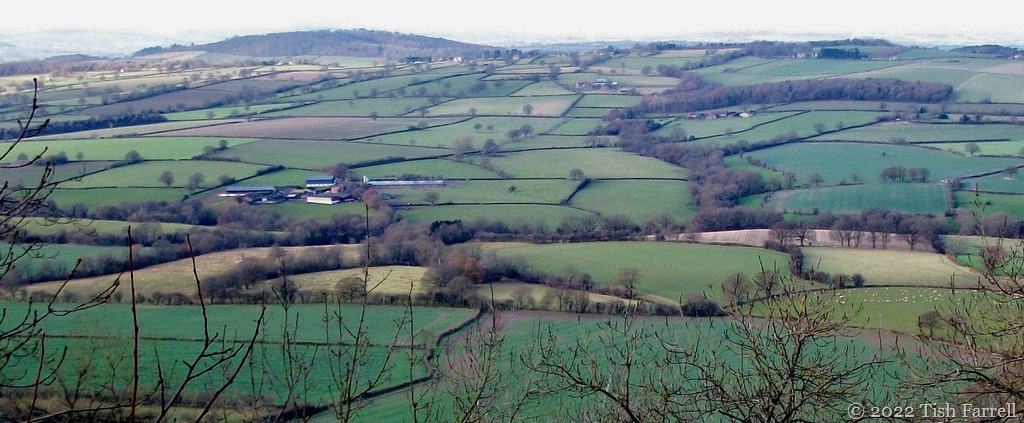
And to give you a notion of what lay before the major when his horse took off:
The Square Odds #10
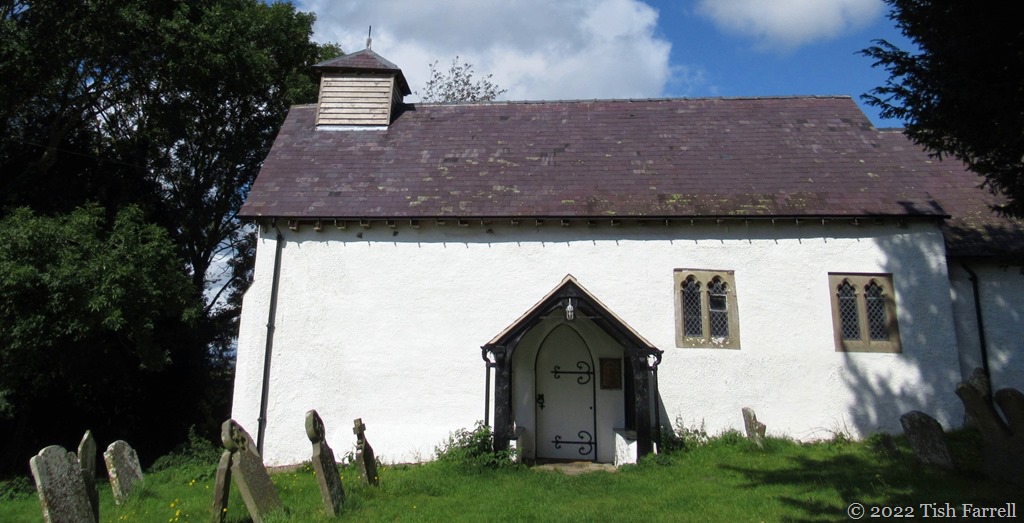
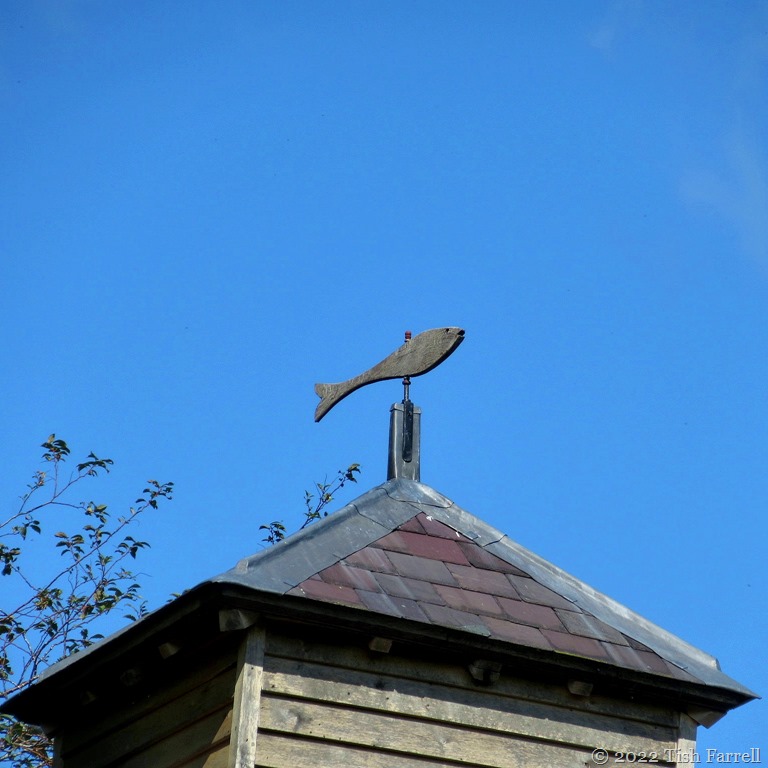
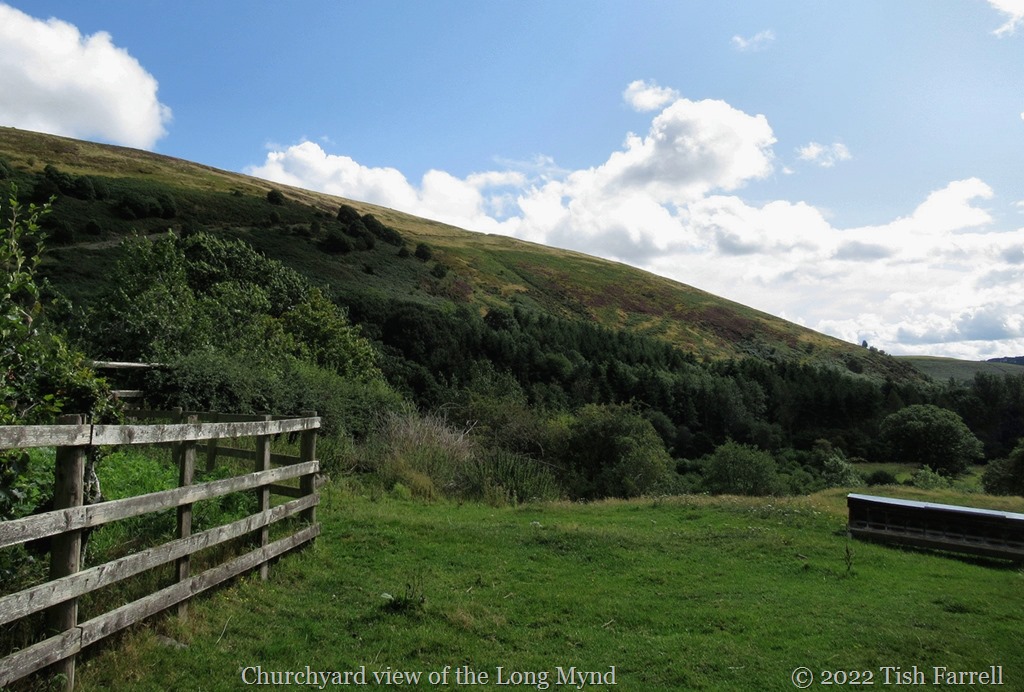
I don’t know about you, but I had never encountered a weather fish before. This one is atop the tiny ancient church of a very tiny farming settlement below Shropshire’s Long Mynd. The church is 12th century and you can find out more about it and its location in an earlier post: On the way to Myndtown to see which way the fish blow
For now, just a smidgeon of history.
As you will see, the word ‘town’ in Myndtown is misleading. It should be understood in the old Saxon sense of ‘settlement’. In the Domesday accounts of 1085 it is described as being held by Leofric who in turn holds it from a French lordling nicknamed Picot, otherwise known as Robert de Sai (from the Orne district in France).
Leofric (a good Saxon name) is a freeman, overseeing some 240 acres (one and half hides), enough for three and half ploughs, and on which tax is due. In the settlement there are four villagers, four smallholders with two ploughs and two slaves. There is one hedged enclosure. The conqueror’s accountants state whole is worth 30 shillings, half the amount is was worth in 1066.
Historians surmise that the fall in value at this particular place and time is due to incursions by raiders from nearby Wales.
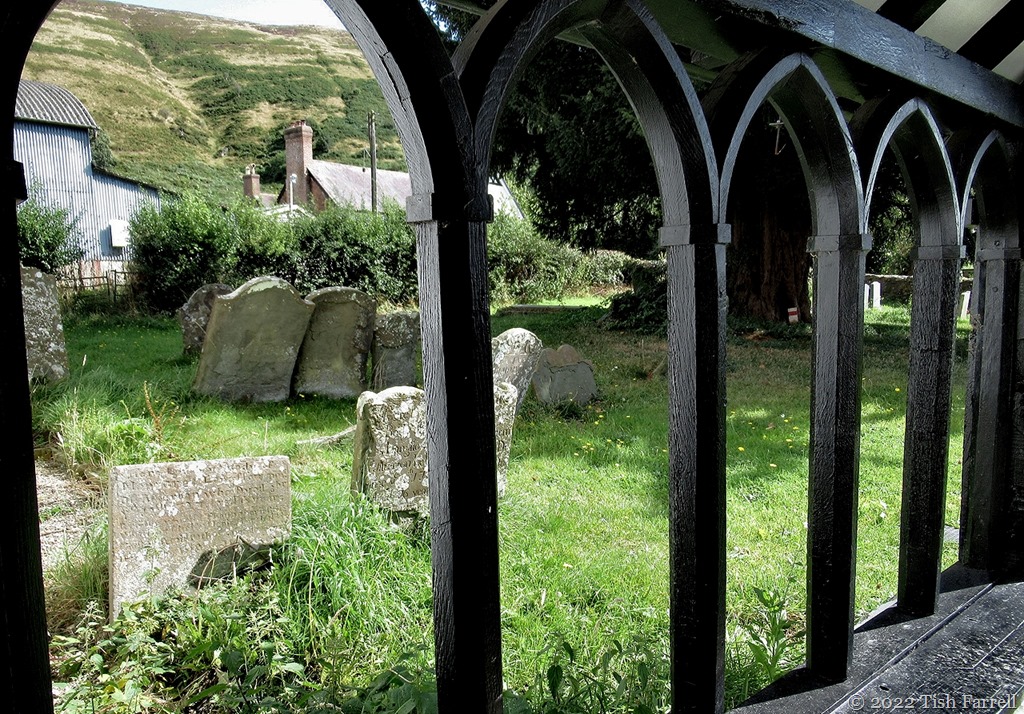
Fortunately there was no raiding going on during our Myndtown visit. The only sound was a buzzard tracking the Long Mynd foothills. You can just spot it in the next photo (above the porch roof).

*
And besides the general peacefulness, there were other signs that the weather fish spoke truly: it was indeed a fine day for flying. Look up! Here comes a glider launched from the Long Mynd glider station.