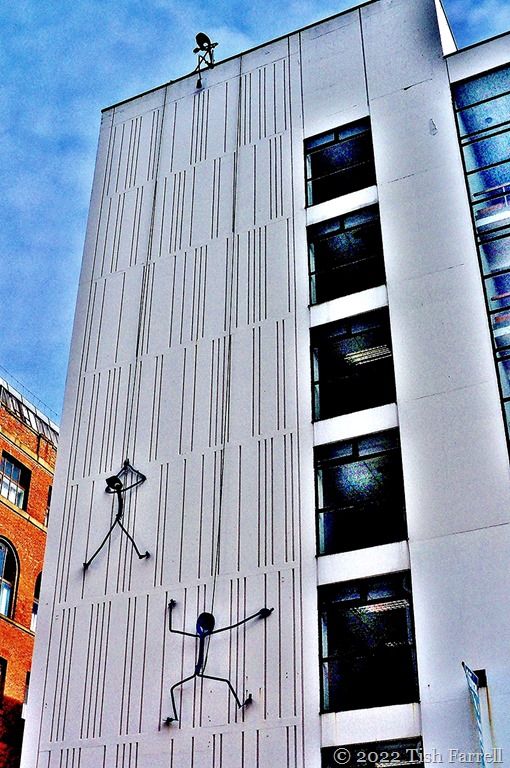
Cycling chaps
*
Jackdaws staying tuned
*
Two for tea, MacMoo style
*
Cycling chaps
*
Jackdaws staying tuned
*
Two for tea, MacMoo style
*
Out on the line – an unexpectedly good drying day in February
*
This week at Lens-Artists, Amy asks us to show her things that make us smile. So here are some of the happenstance little-big things that, at various times, have caught my eye or otherwise brightened my day:
A neat little cloud traversing Townsend Meadow
*
Finding I’d grown a rather good cauliflower at the allotment
*
Spotted in the garden sage bush
*
Spring sun-catchers: crab apple flowers…
*
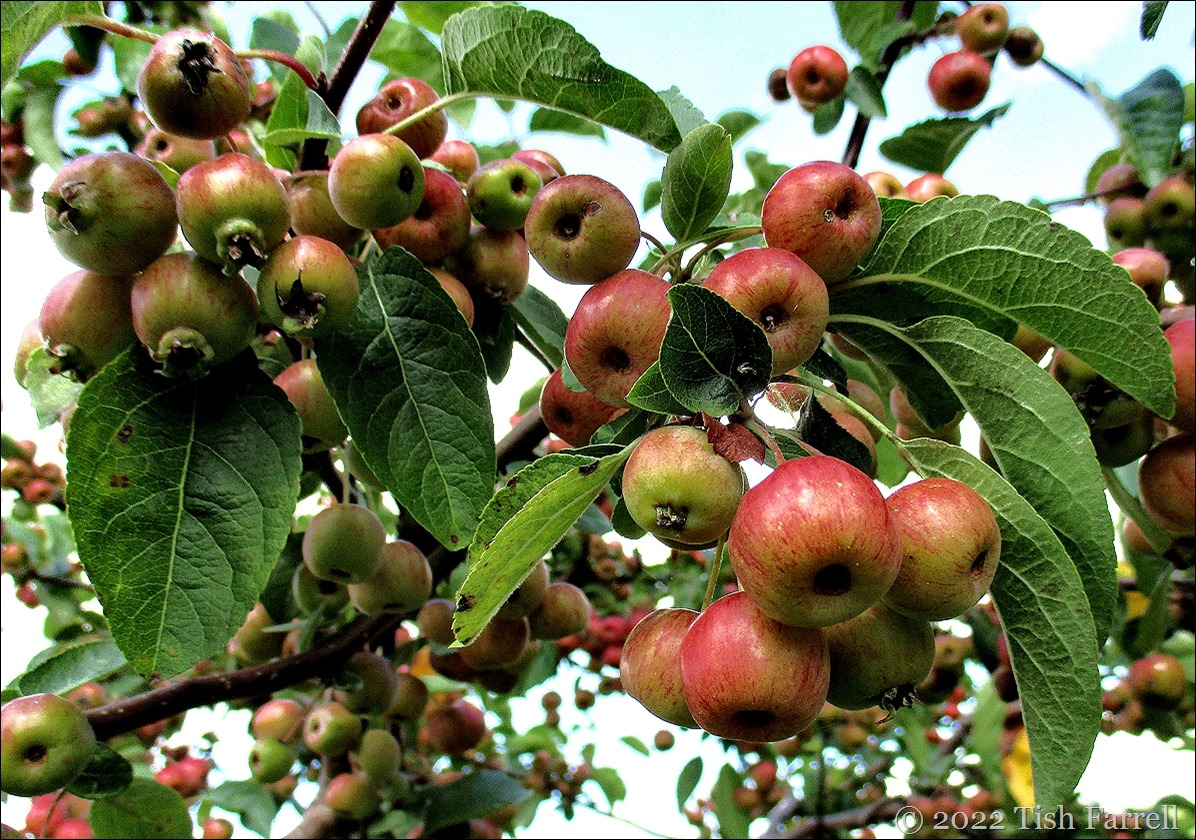
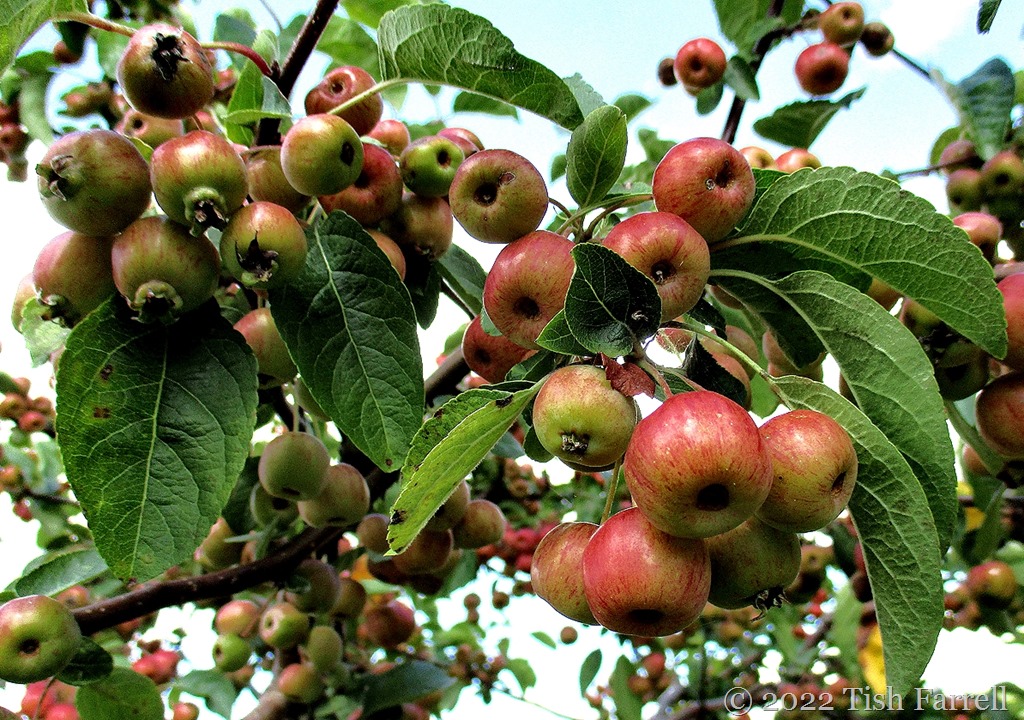
…that in autumn become perfect tiny apples
*
The Linden Walk in full summer leafiness
*
This week Cee wants to see tender moments. Here are some that caught my eye on a couple of visits to Shropshire’s Severn Valley Railway.
They make me wonder too: young dads sharing their passion for steam trains; little lads not quite big enough to be sure. Which is also touching.
*
And quite another take on the topic…
A case of sore feet and
a tender behind… (I know, it’s an old joke)
*tender = coal wagon
Nigella AKA Love-in-a-mist
*
Dandelion profusion: the next generation
*
Damson blossom
*
Frosted Hesperantha
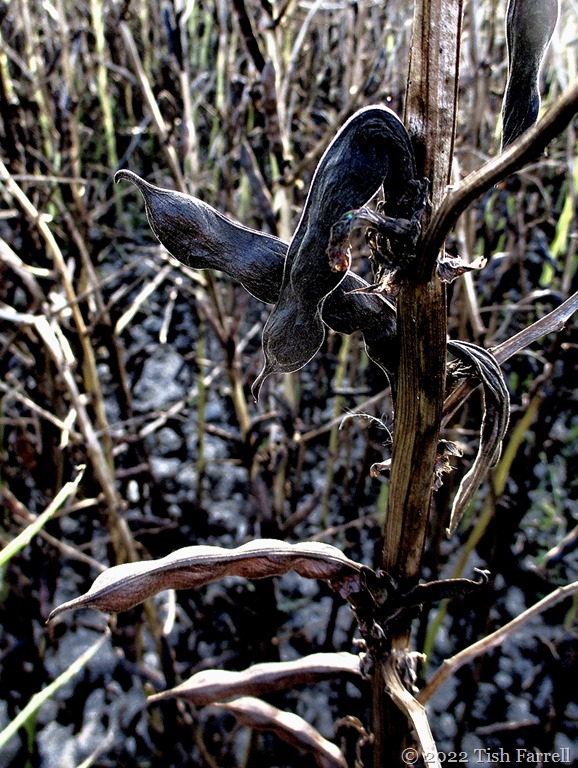
Late summer and corn cockle seed heads against a Wenlock Edge sunset.
*
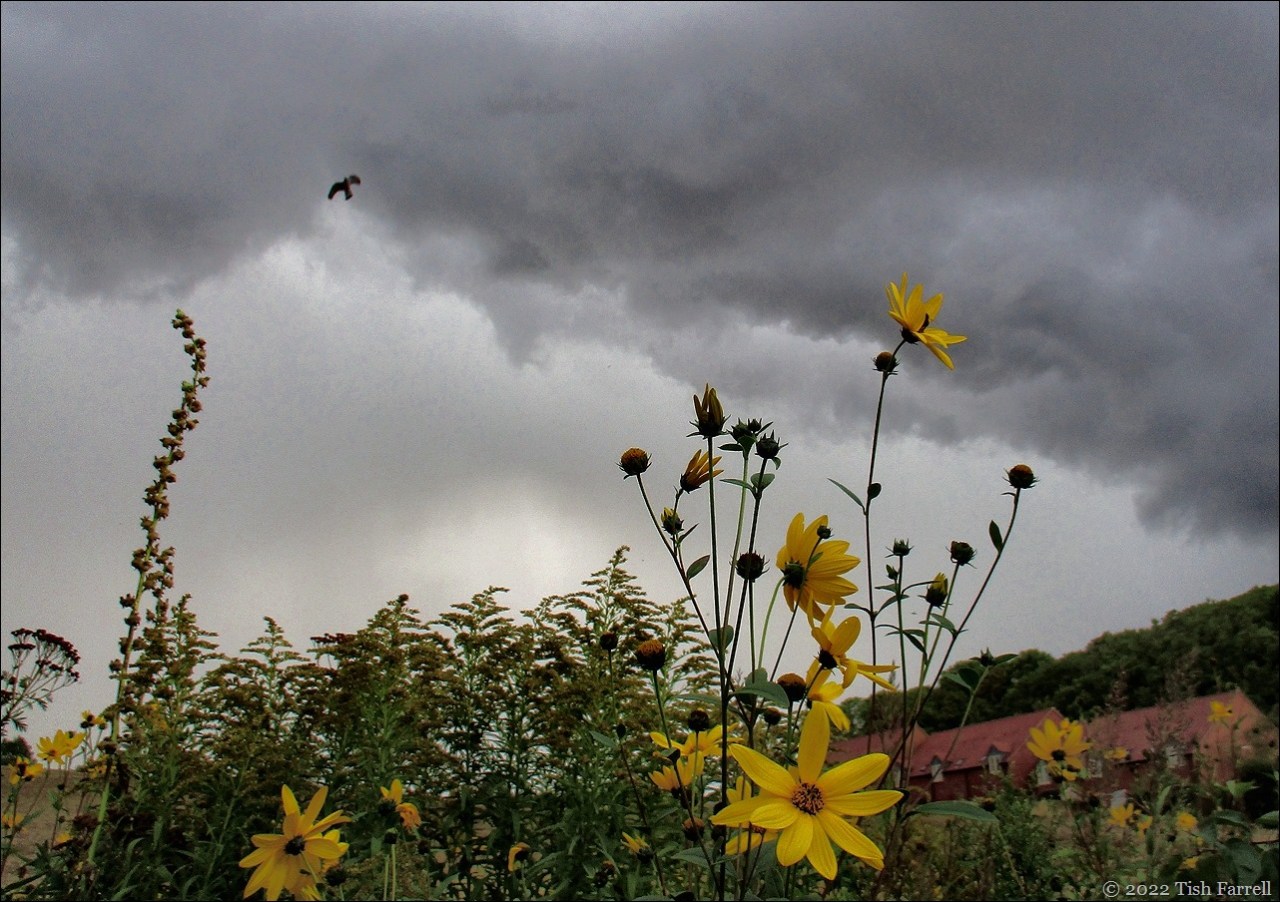
Townsend Meadow behind the house; the fence surrounding the attenuation pond that protects the town from flash floods. And also our local carrion crow couple being nicely scenic.
*
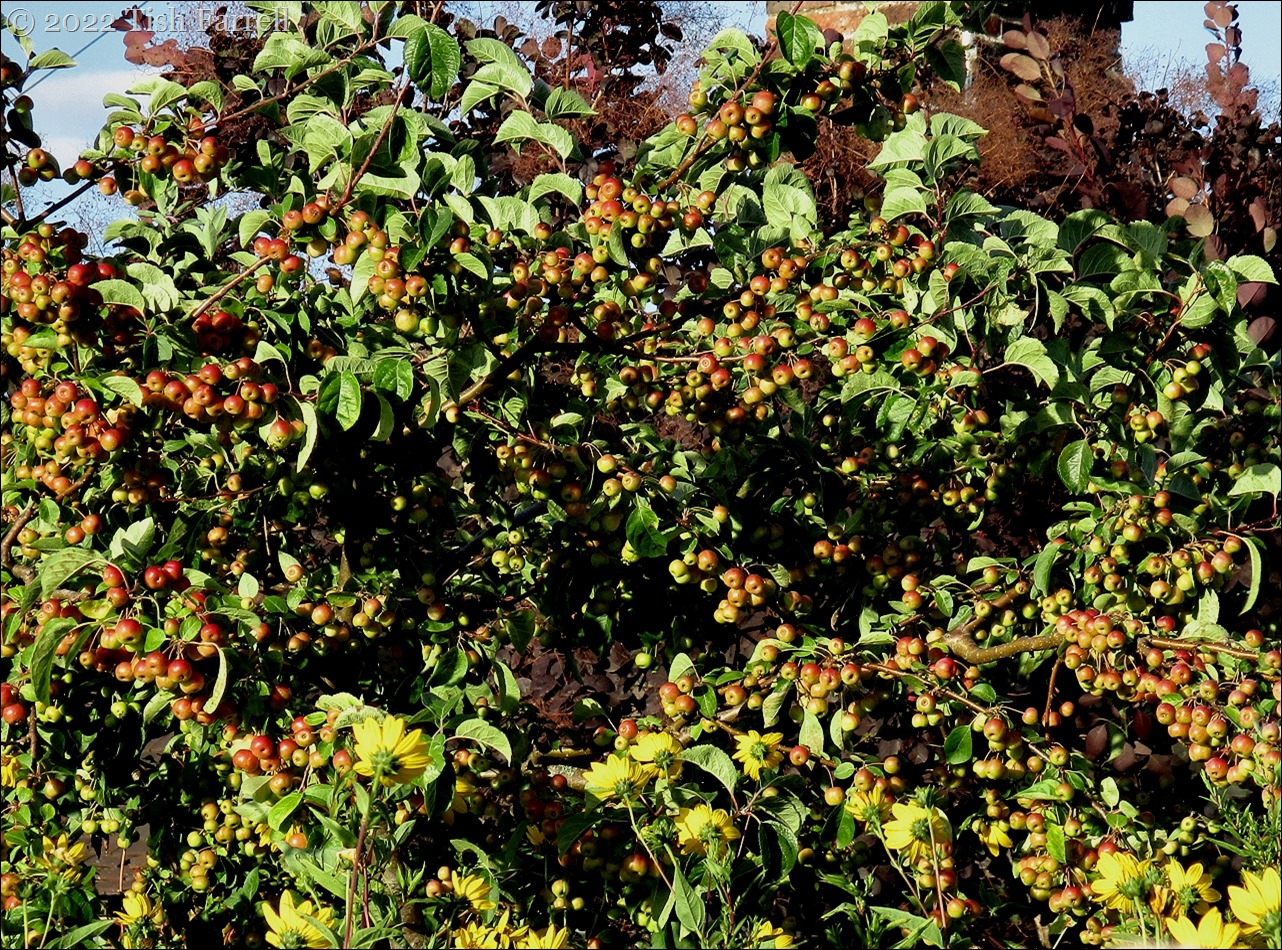
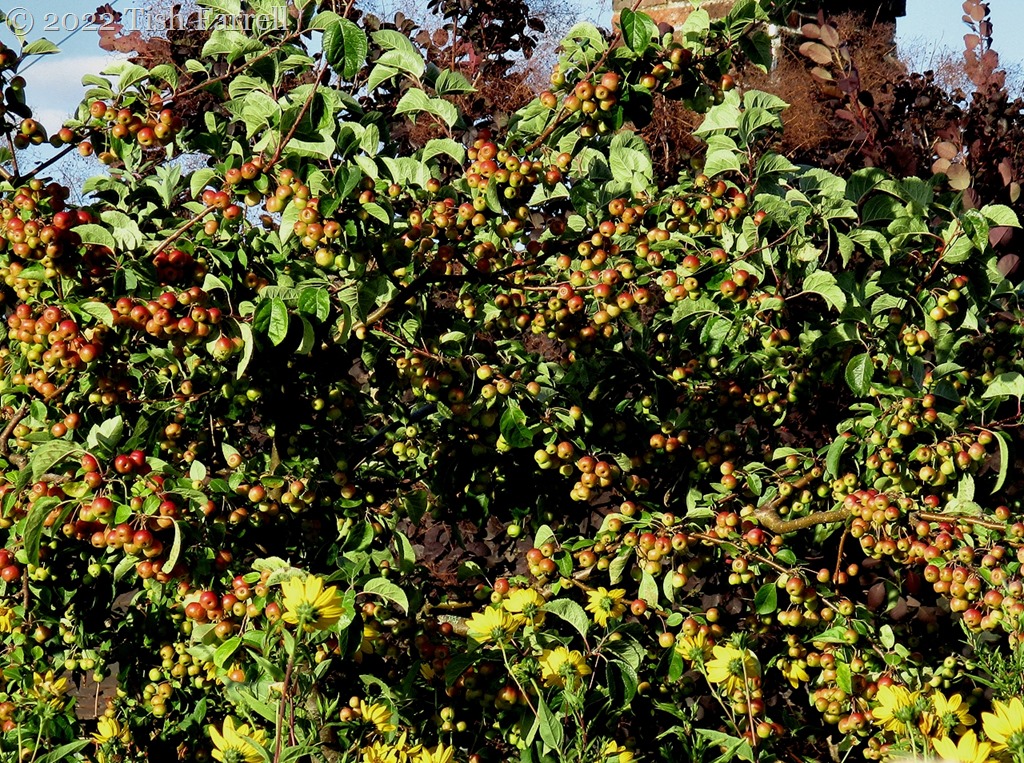
The upstairs garden seat in winter; the ash log sun dial, and the last of the crab apples.
*
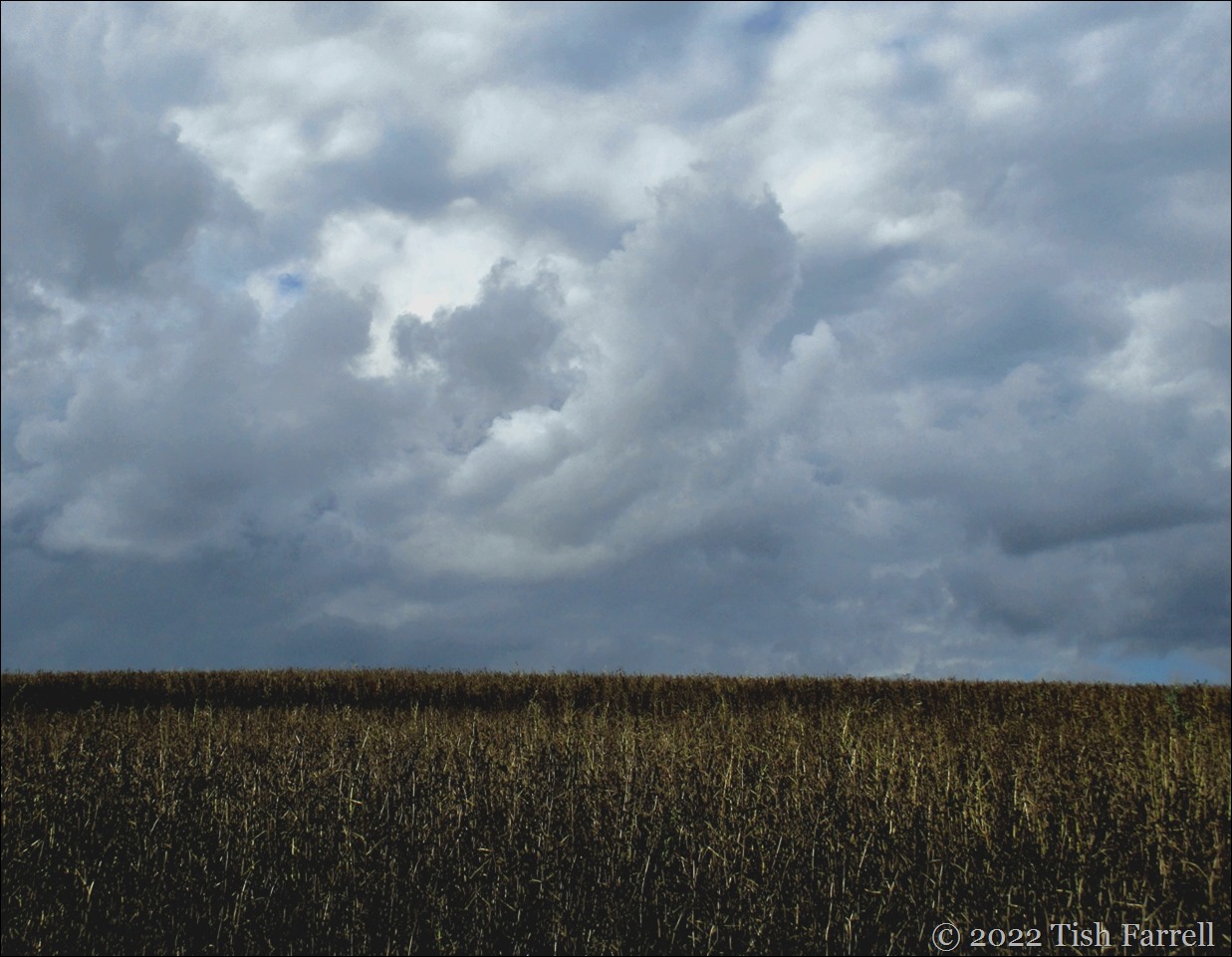
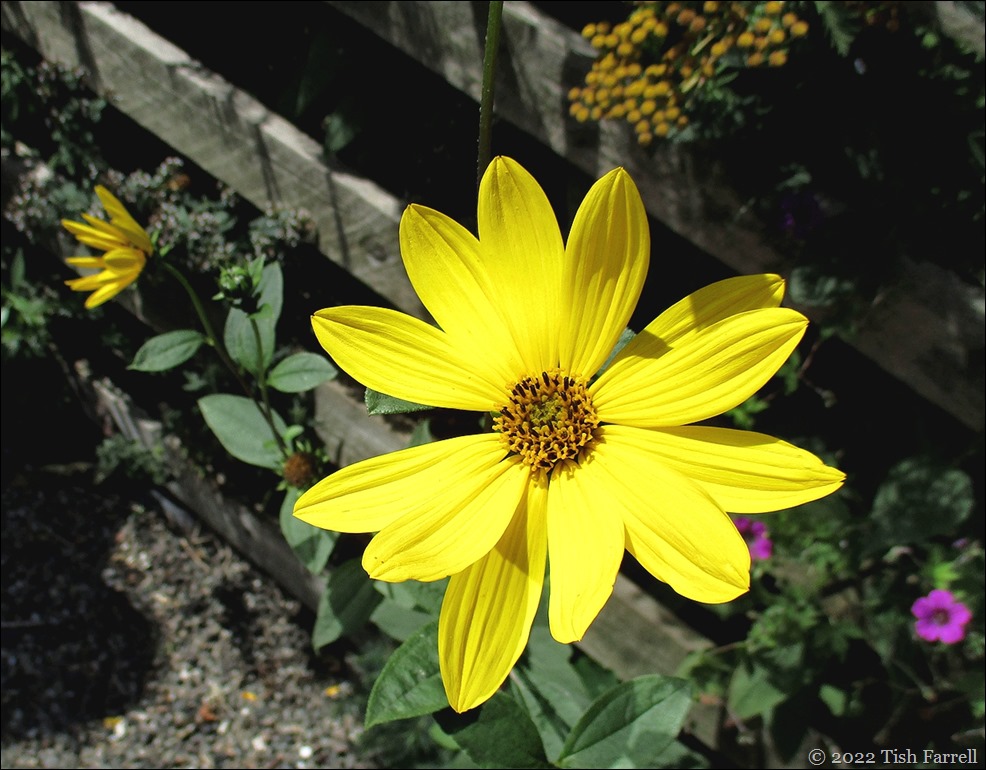
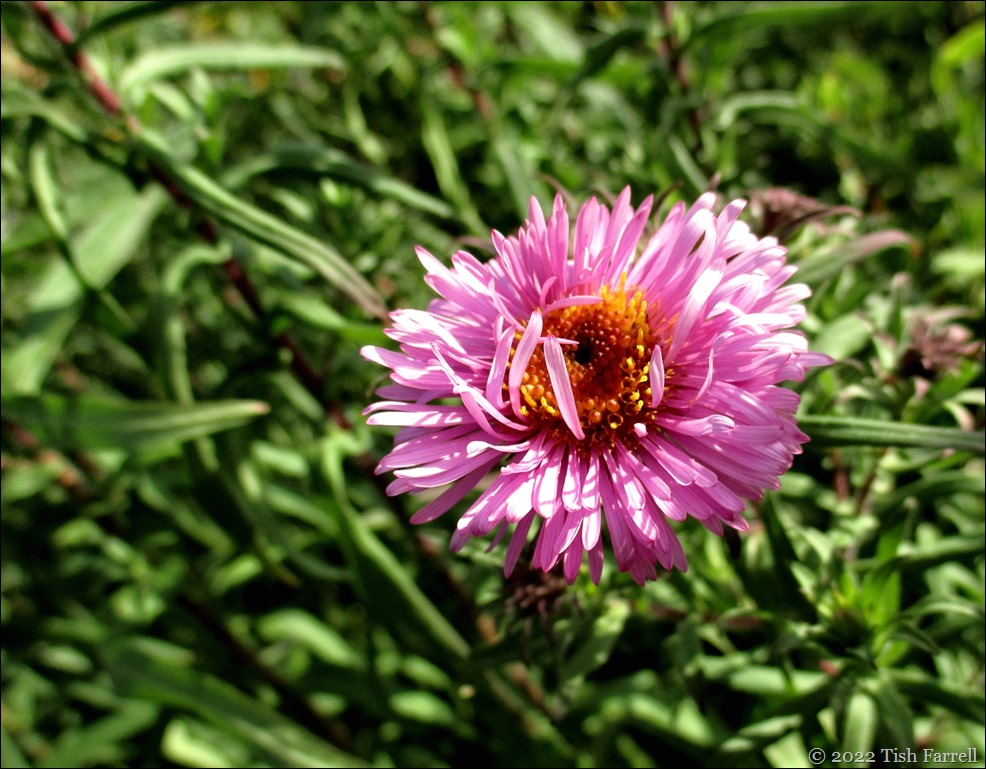
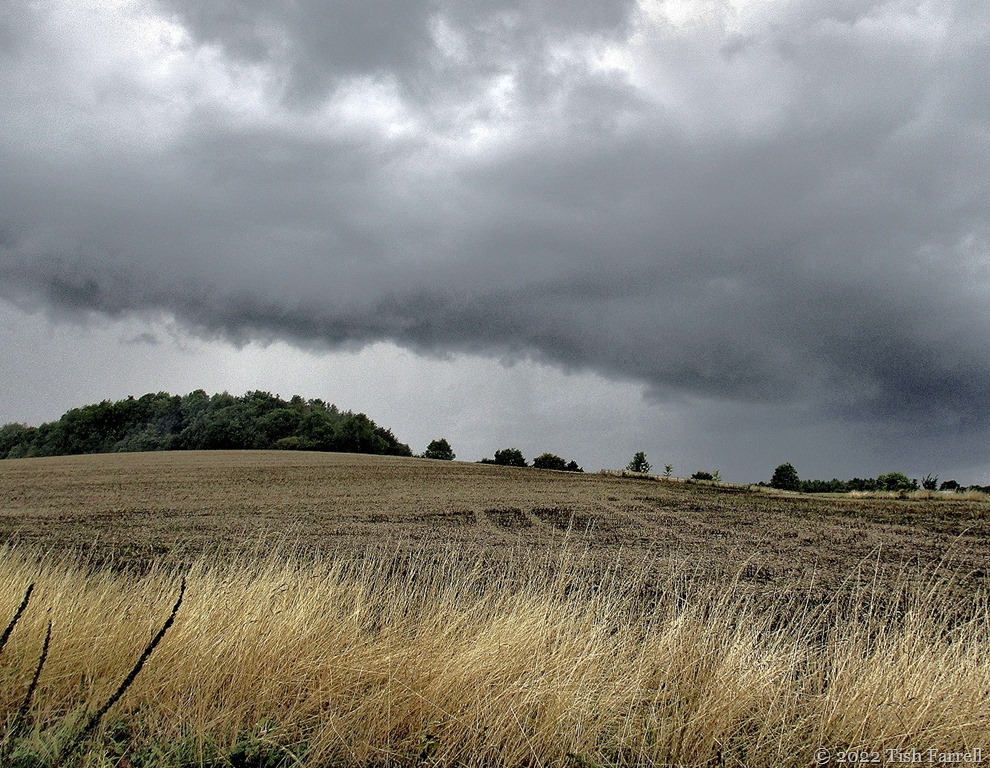
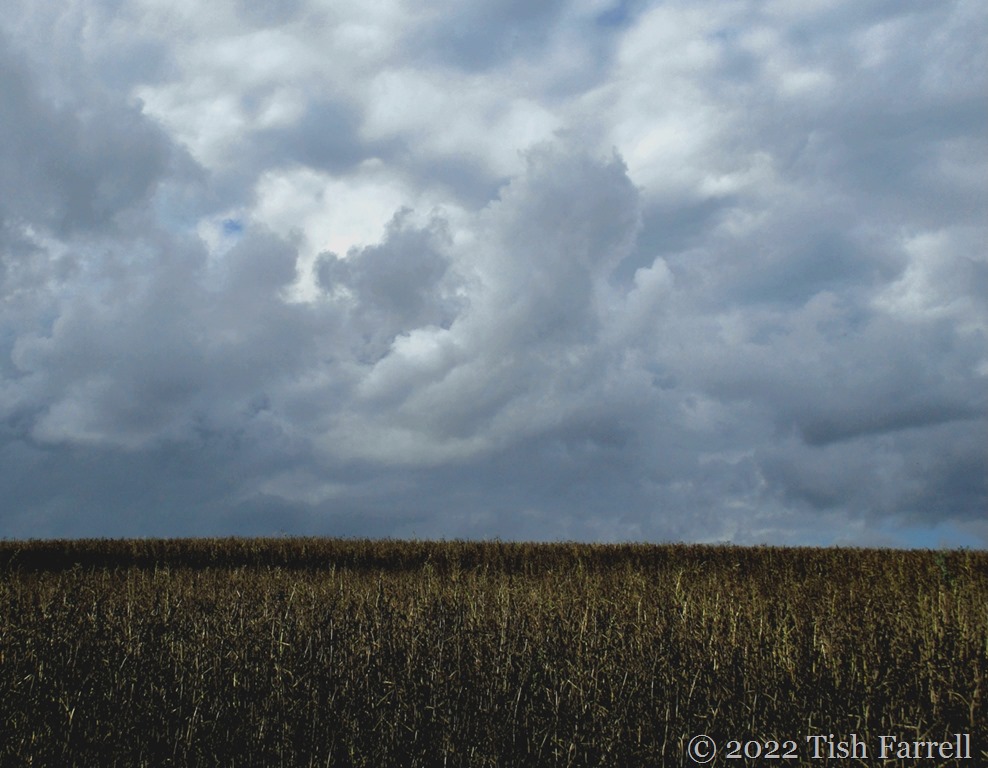
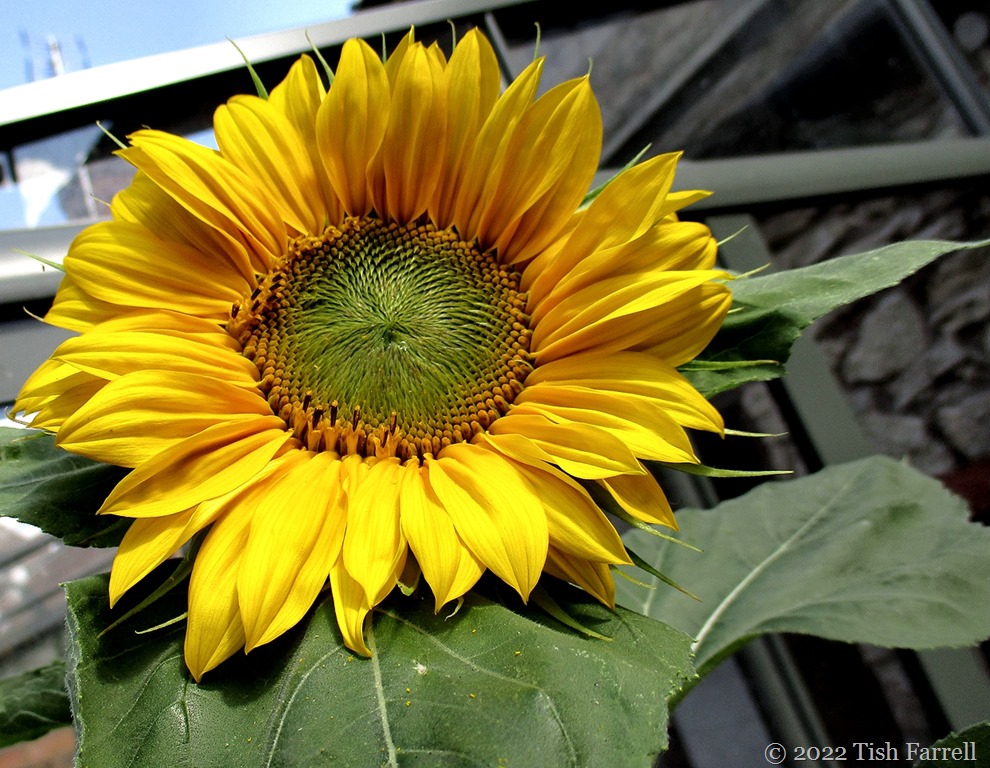
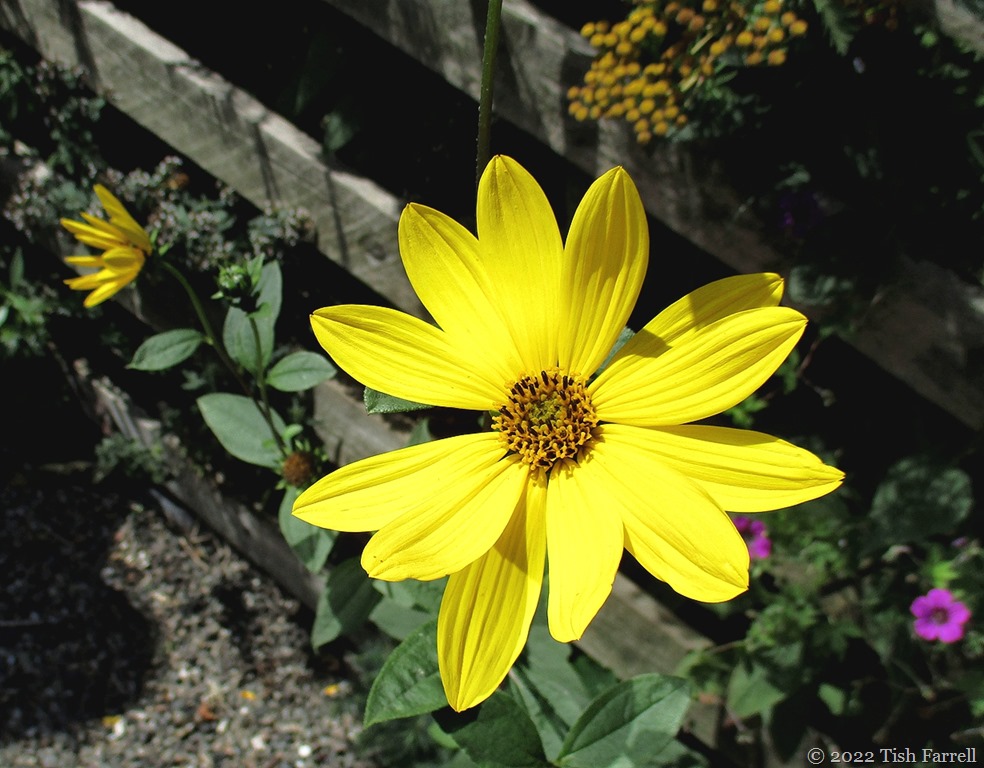
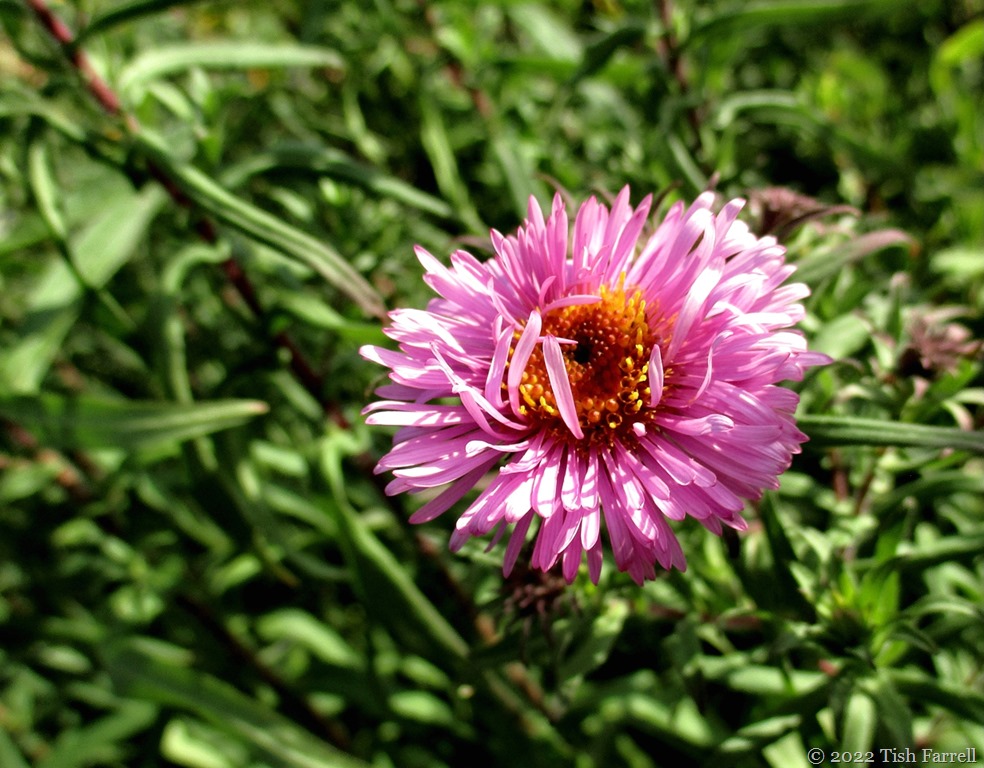
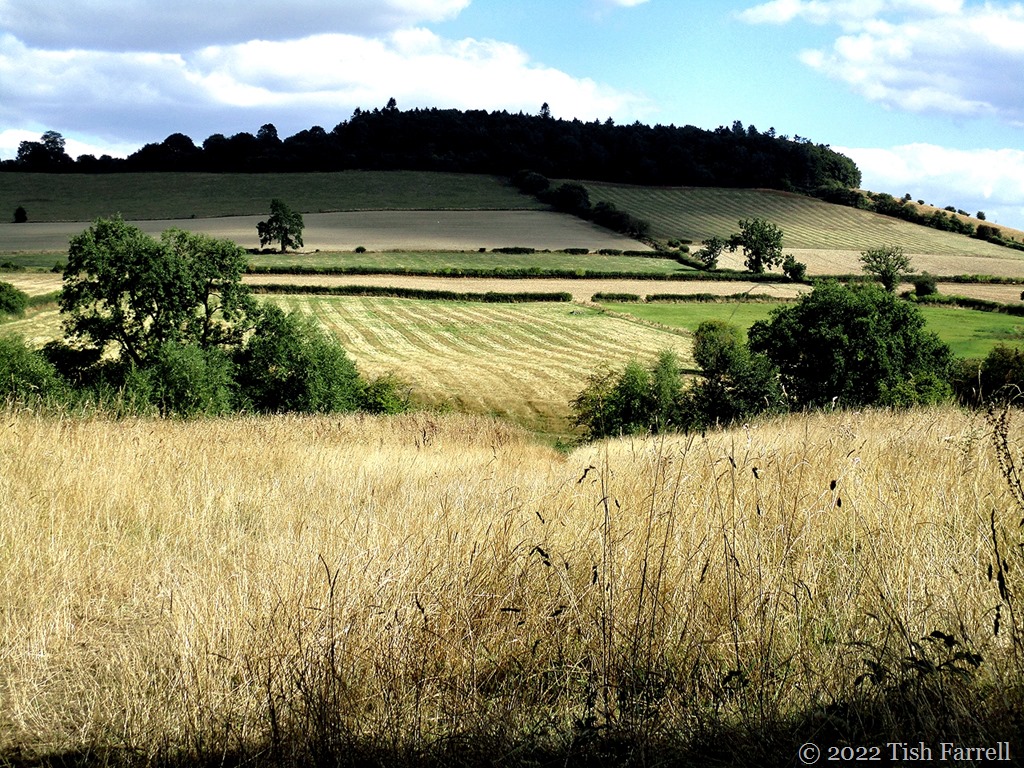
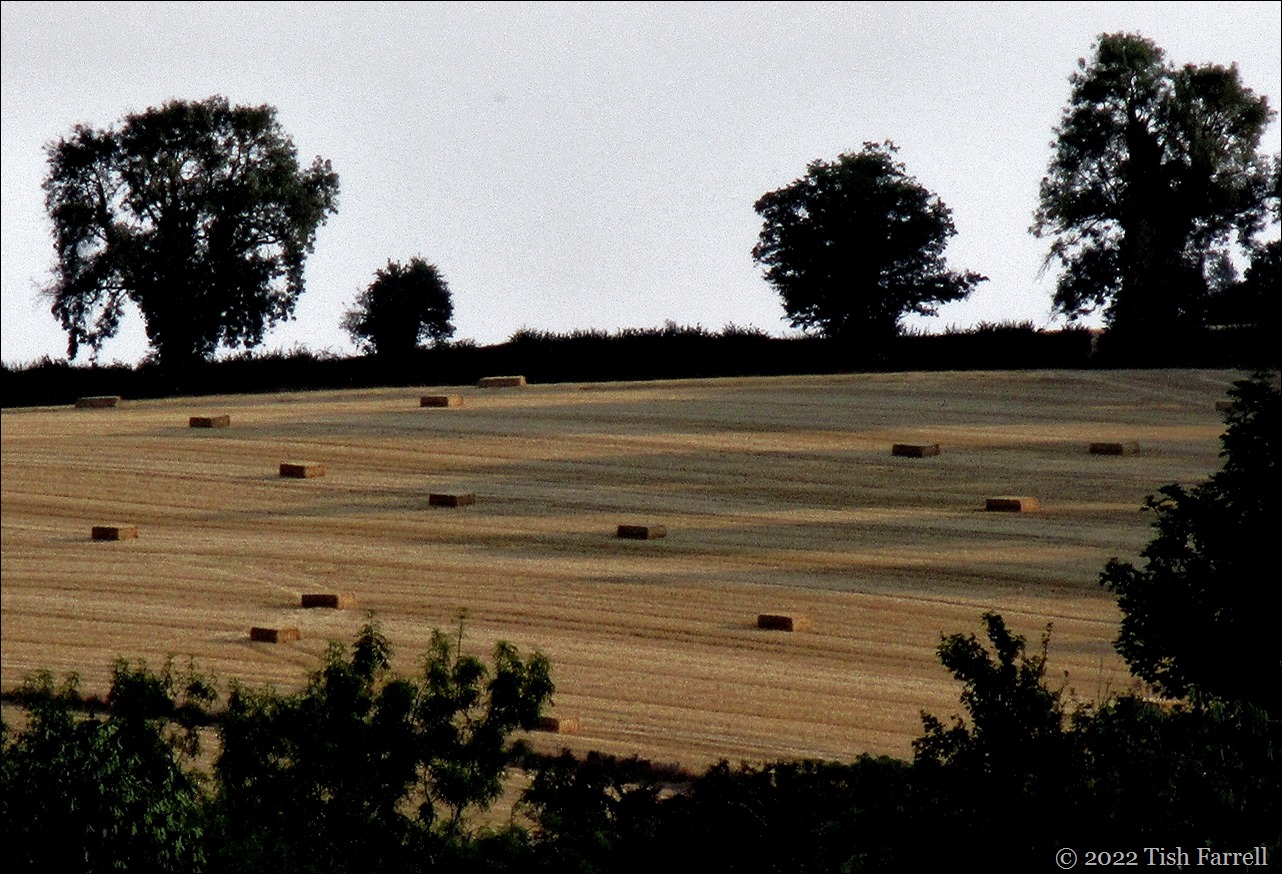
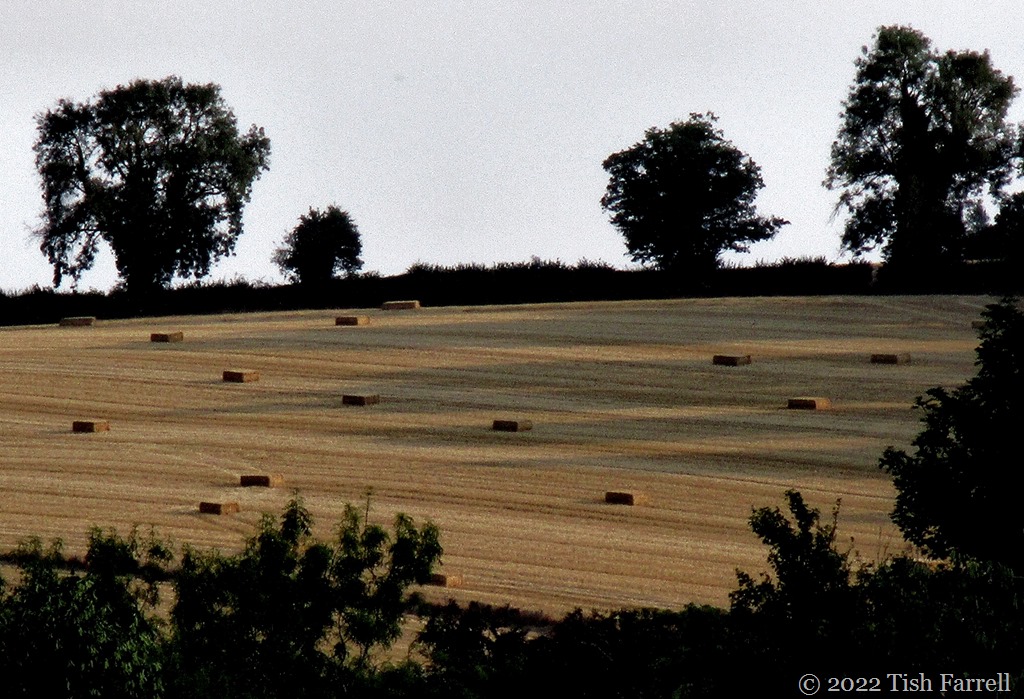
Autumn dawn, the guerrilla garden in shadow: Michaelmas daisies and helianthus. Townsend Meadow after the barley harvest, but still golden in the early morning sunshine.
*
An early summer monochrome foxgloves and purple toadflax in the guerrilla garden.
*
And an almost-monochrome. Shadow play on a dust sheet hug out to dry on the washing line.
*
Lens-Artists: Light & Shadow Patti has set the theme this week. Please pay her a visit. She has some stunning photos to show us.
A Don’t Look Now moment? Who is that small, retreating turquoise person?
*
This week’s Lens-Artists’ challenge is from Tina. She asks us to think about ‘the rule of thirds’ in our photo compositions. Please go and see her very striking photo gallery (link at the end). As for me, I thought I’d feature some of my too many Windmill Hill photos. It’s the place where I go to play with my camera.
June is orchid time, mostly pyramidal (above) and spotted, and a small population of tiny bee orchids which are very hard to find (below)
*
The grassland on the Windmill Hill is a rare survival – a traditional limestone meadow: clover red and white, bedstraw, orchids, agrimony, ragwort to name a few of its summer floral inhabitants.
*
A profusion of Lady’s Bedstraw. Its subtle fragrance is delicious.
*
After the flowers, a host of grass species
*
A seat in winter
*
Girls just wanting to miss netball practice
*
Little ponies once used to graze the hill in autumn
*
Early spring Cuckoo Pint
*
Blizzard!
Late September last year we were lucky to have a whole week of Indian Summer weather, this while we were staying in a cottage on a Warwickshire farm cum livery stables. It was blissful. Lots of dewy, well fenced paddocks, and many handsome horses to chat with.
Here in the northern spring lands our eyes are presently filled to bursting with blooming displays of cherry, apple, pear, black thorn and magnolia trees. It’s easy to forget that all trees have their floral season, one way or another. Some tree flowers are so inconspicuously green, are so very small, or flowering at the end of winter when we’re least about, it’s easy to overlook them. This is certainly true of the early spring flowers that preceded this branchy display of green-winged fruits, discovered last week, sprawling over the perimeter fence on Windmill Hill.
Its ID took a bit of tracking down. I’d got it in my head that it was some kind of hornbeam. But it isn’t. It’s a Wych Elm sapling, Ulmus glabra. This, I further discover, is Britain’s only native elm, common throughout the land as tree cover was restored after the Ice Age, but much depleted from round 7,500 years ago, when the first stone age farmers began to systematically clear the woodland for agriculture.
The so-called English Elm Ulmus procera was only introduced some 3,000 years later by our Bronze Age ancestors. This introduction may well be a reflection both of the utility of water resistant elm wood (for boats, wheels, furniture and coffins) and of its ritual significance. The tree was sacred to many peoples of Northern Europe, and in particular was thought to induce prophetic dreams.
Since the 1960s the English Elm has succumbed drastically to Dutch Elm disease – a fungal infection spread by elm bark beetles. The Wych Elm, to some extent, appears to have resistance, though it too is now a rare find in our English countryside. The decline in both species has meant a decline in the white-letter hairstreak butterfly which breeds in elm tree canopies.
But if the Wych Elm does manage to escape infection, and finds itself growing in a preferred climate of cool summers with damp air, or on a rocky hillside beside a stream, then it can reach 30 metres (100 feet) in height, while surrounding itself with a sweepingly majestic canopy.
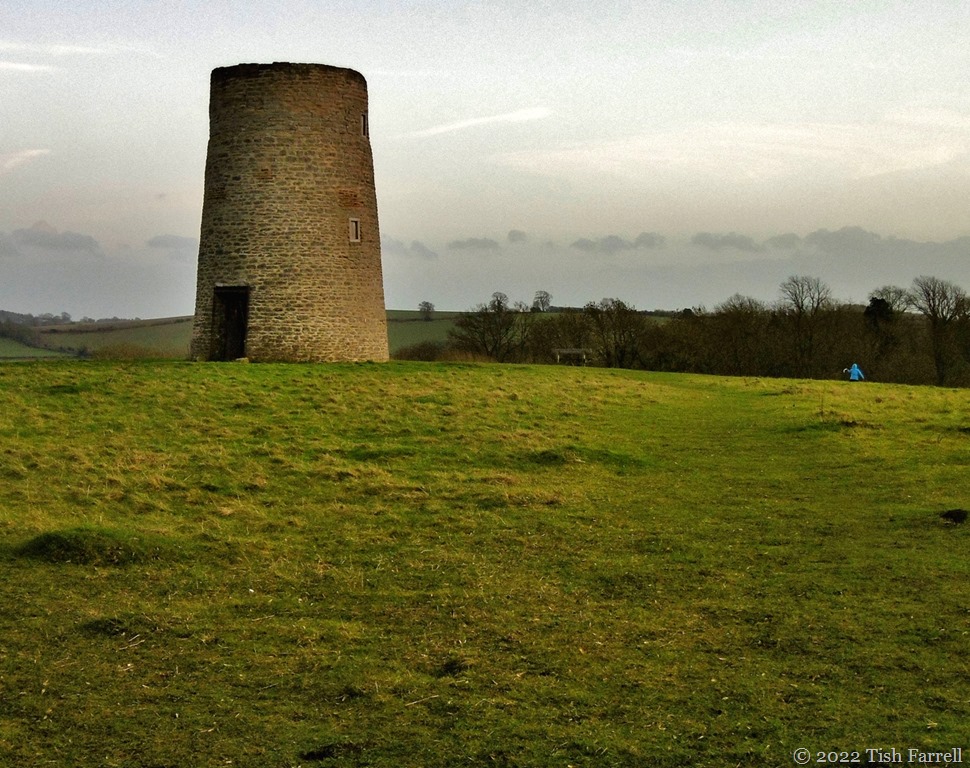
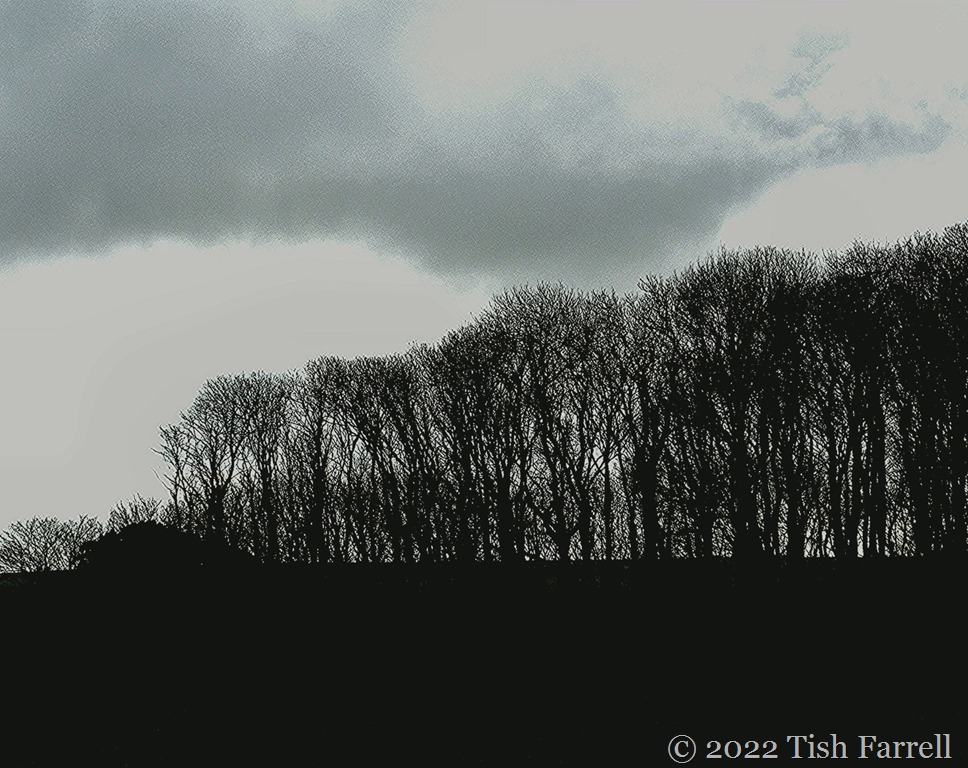
And so what of the Wych Elm on Windmill Hill? Did some human hand plant a young sapling there, or did it grow itself from an off-chance, wind-blown seed? That it is growing entangled with the chain-link fence that surrounds the perimeter of Shadwell Quarry, suggests more happenstance than intention. On the other hand, at some time in the past, the old quarry face has been planted with a wide variety of trees – both deciduous and coniferous species. In the next photo you can see the tree-line (behind the windmill) that marks the quarry perimeter. Beyond it, the ground falls away in an alarming manner, the most recent limestone workings lying way below and filled with a deep, deep pool of turquoise water, locally dubbed ‘the Blue Lagoon’.
Anyway, note to self: remember to collect some seeds when they ripen in the summer. A Wych Elm nursery is a fine prospect.
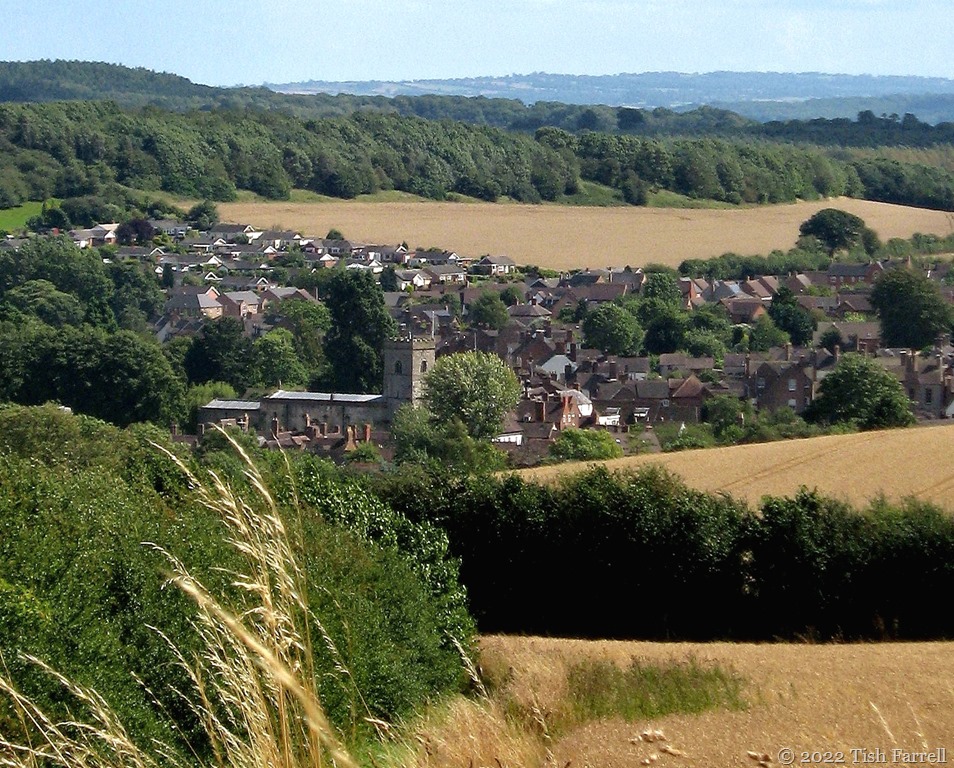
Driving up and out of Wenlock yesterday and suddenly all of Corvedale stretched before us. And so much of it YELLOW!
And so it seems that despite a wild and windy spring, followed by the last two weeks of dry and chilly weather, the oil seed rape is blooming. Its heady scent filled the car as we headed to The Crown at Munslow for a family lunch. The fields of it were everywhere, filling our sights as we rounded bend after bend on the narrow lane, shocking the vision at every turn. Then to the south, there was Clee Hill, rising serenely above a lemony sea. It made us wonder what Van Gogh might have made of this landscape, or if in fact the crop is having the last word: that there is little more to be said about yellow. ![]()
There may be a lingering chilliness on the wind, but in the upstairs garden crab apple tree Evereste is in full floral finery. I don’t remember seeing her quite so blossom laden. And she’s already attracting a few bees and sundry bugs, all calling in for their spring pollen fix. So if anyone is thinking of a crab apple tree for their garden, then Evereste is a real treasure. She’s compact too, for despite the suggestion of gigantism in the name, she only grows about 10 feet (3 metres) tall.