All Friends At Nairobi’s Elephant Orphanage

When it comes to the survival of orphaned elephant infants, loving friendship is the only thing that works. Baby elephants need continuous loving, tactile affection as much as they need food. Without it they quickly die.

Kenya’s Dame Daphne Sheldrick, pioneer in elephant orphan rescue and rehabilitation, learned this the hard way. For years she strove to create a rich formula to substitute for mother’s milk. But in her efforts to keep orphans physically alive, she also learned that the emotional ties between baby and surrogate mother were crucial to the baby’s survival.

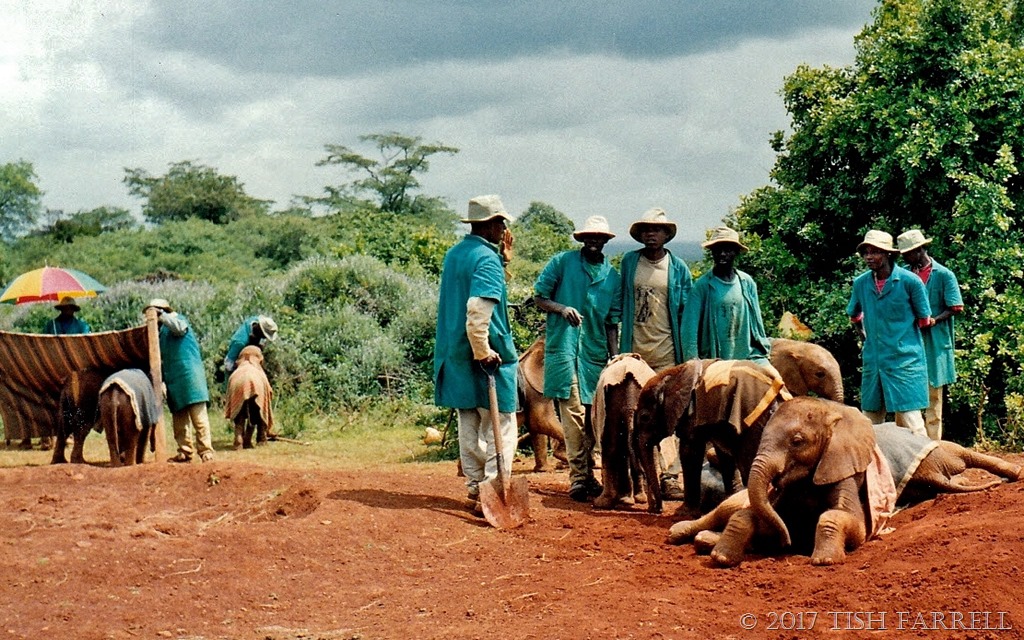
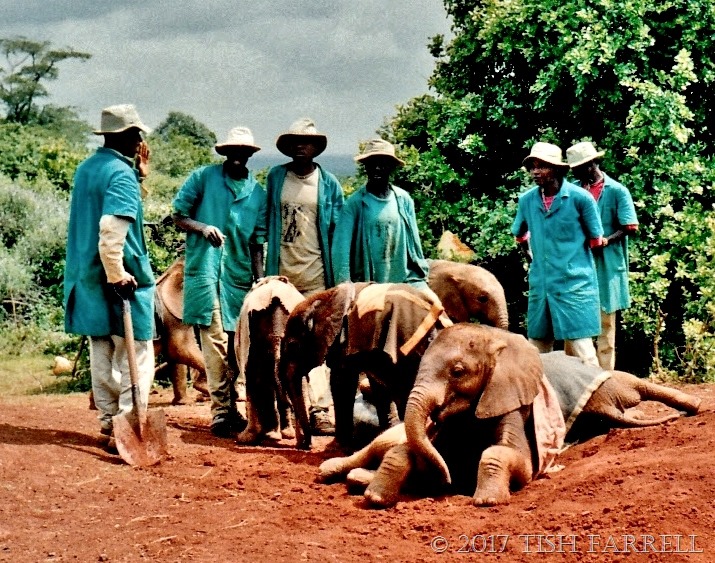
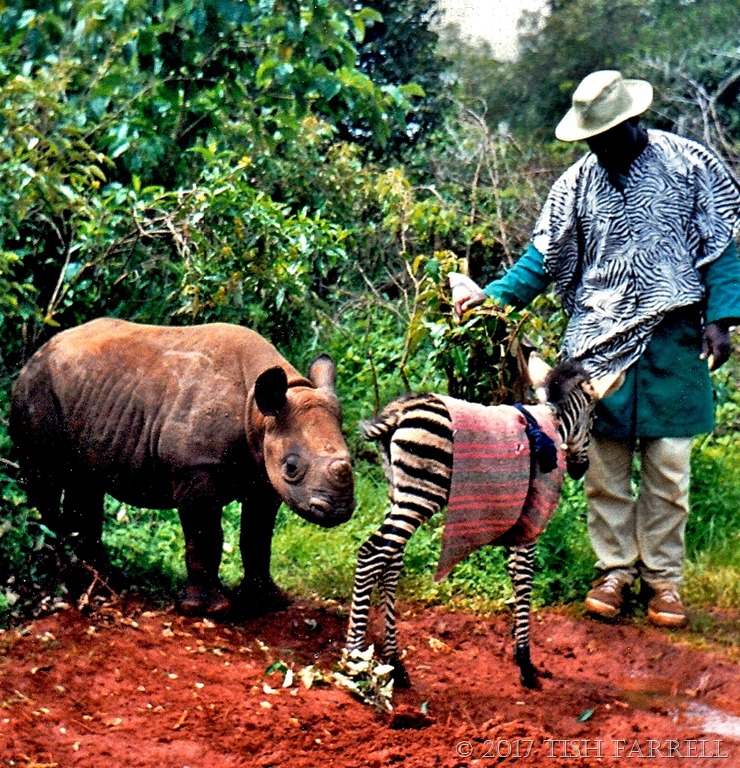
At her orphanage on the edge of Nairobi’s National Park she has developed an astonishing survival regime for all the young animals brought to her. Every orphan has its ‘mother’ i.e. one of the green-coated keepers seen in the photos. Every keeper is on full time duty with his charge, and this includes sleeping with the baby in its stall.

By day there is feeding, mud bathing and playing to be done. The blanket strung on a line in the top photo is there to simulate the overshadowing side of an elephant mother. The keeper feeds  his baby, holding the bottle down behind the blanket. The babies are also wearing blankets – at 5000 feet above sea level, Nairobi can be cool in July when this photo was taken, and in the wild small babies would anyway have the constant warmth and shelter of mother and aunts.

IMG_0029

The ultimate objective of the Sheldrick Wildlife Trust is to re-introduce the orphans to the wild. This is a painstaking and precarious procedure, recreating communities in the absence of wild matriarchs who are the custodians of herd memory.

Tsavo East National Park is one of the main locations for the rehabilitation process. This is the park where Daphne Sheldrick’s husband, David, was warden until 1976. During their time together at Tsavo, the Sheldricks pioneered the rehabilitation of many wild animals that had been reared in captivity. On David’s early death in 1977, Daphne set up the Trust in his memory. Forty years on some 150 elephants have been saved, along with rhinos and other species.

If you want to read about the elephants in detail there are keepers’ daily diaries HERE. You can find out what is going on in the nursery with the youngest orphans, or discover how the adolescents are faring at various forest locations as they learn to live again in the wild. A study of dedicated friendship in action then.

IMG_0033

If you are ever in Nairobi, then the orphanage is open to visitors for an hour each day. You can also donate to the Trust or foster an orphan. There are more details HERE.

Daily Post: Friend

Thursday’s Special ~ Pick-A-Word At Penmon Point

P1060605 (3)

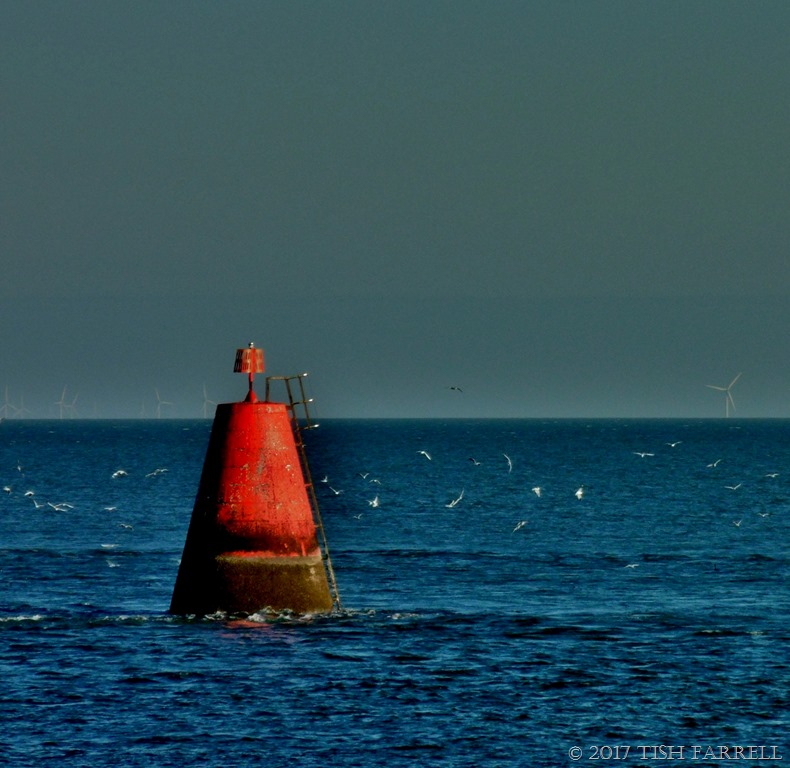
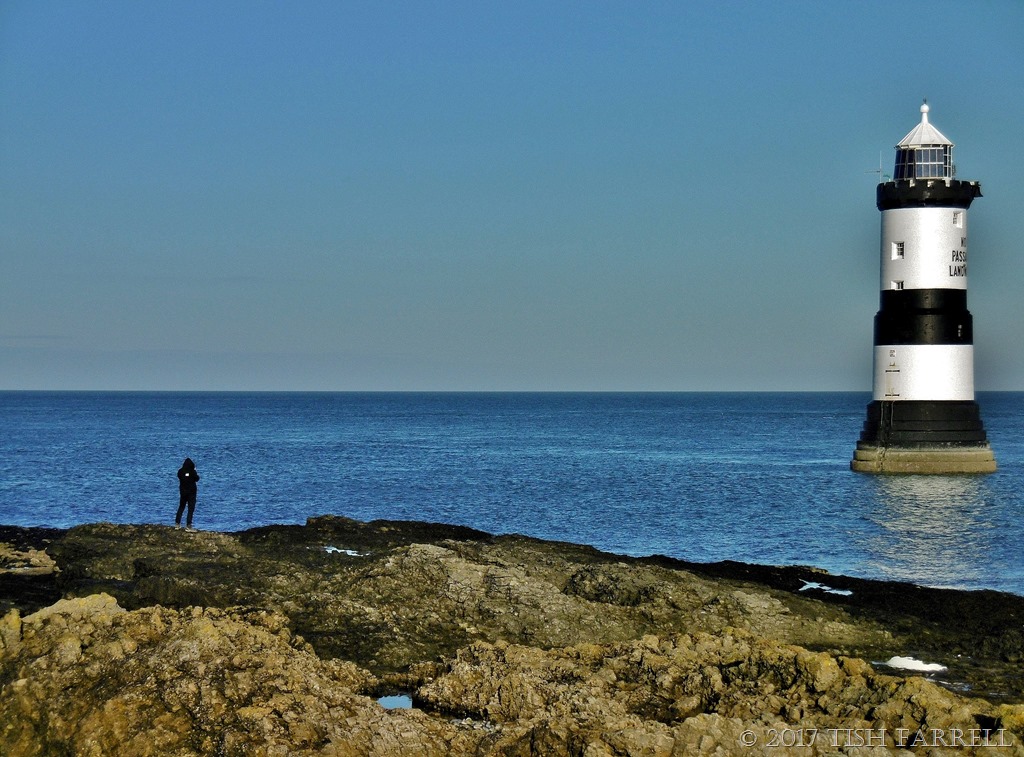
This buoy at Penmon Point, on the Menai Strait in Anglesey tells shipping to be vigilant – the channel between the main island and Puffin Island is too shallow for passage. The lighthouse says so too in a big notice on its topmost white stripe (out of shot):

P1060580

P1060566

This month Paula’s pick a word at Lost in Translation includes: branching, vigilant, pomp, hooked and continual. So I’m laying claim to them all – distantly branching wind turbines off the Great Orme, the need to be vigilant in these waters, the hooked profile of the bay, and the continual ebb and flow of the tide. And as for pomp, well I think the lighthouse has plenty of it.

But for a truly outstanding interpretation of these prompts, please visit Paula, and enjoy her Venetian gallery.

Oh No! The Poppies’ Frocks Are Blowing Off

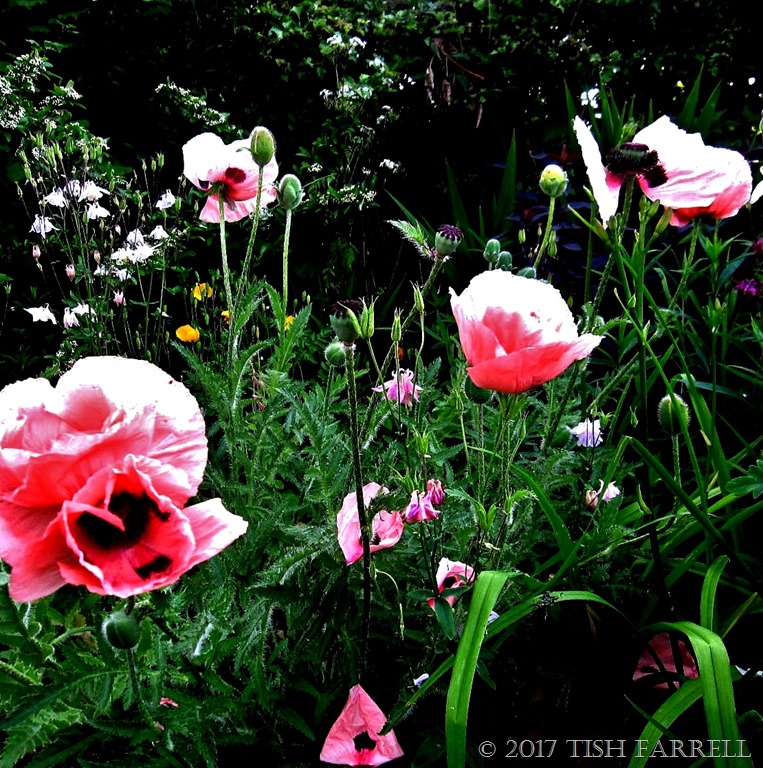
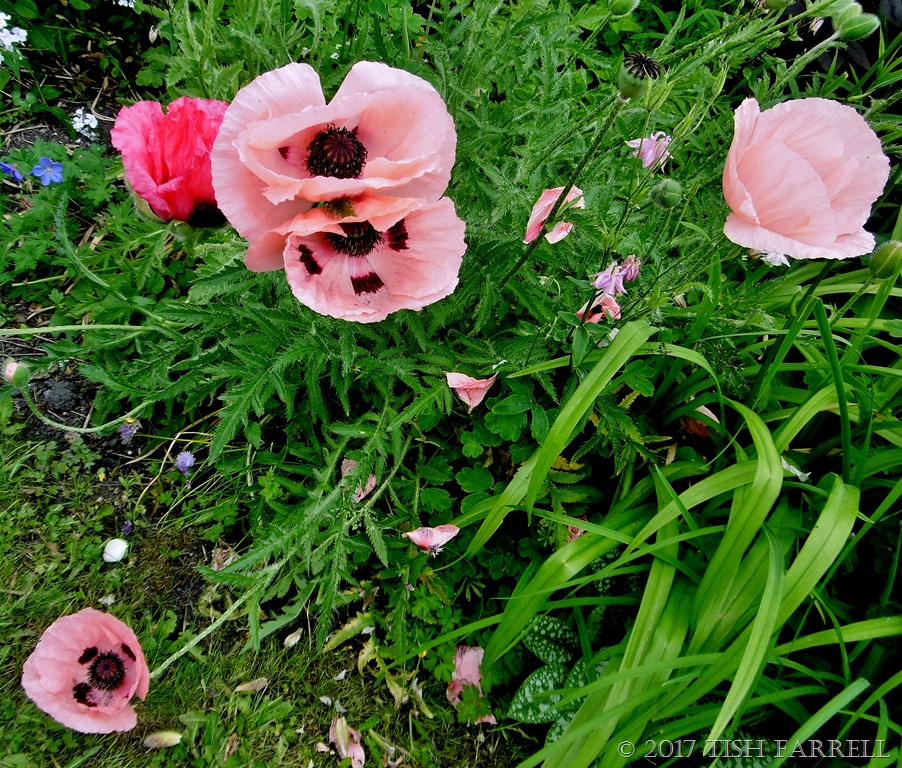
Last night as I was snapping the foxgloves outside the garden, a keen wind blew up. Inside the garden the oriental poppies were in complete disarray – a veritable strip-tease was going on. Of course it often happens – just when the poppies are looking their best, we have gale or deluge, and the garden party ends up a complete wash-out: everyone with draggled skirts, hair-dos shot and mascara smudged.

IMG_4946

IMG_4936

IMG_4943


But the good news is – when I got up this morning…


P1080167

P1080165

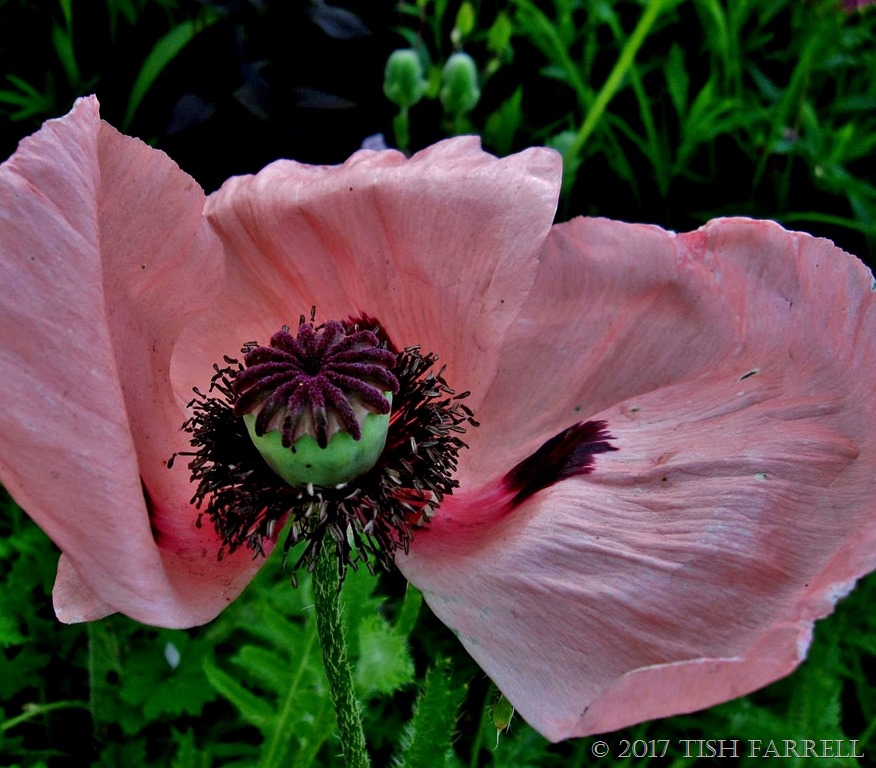
…there were new girls on the block, including one in lipstick pink. How could I have forgotten  that she would be coming along? Although how she got herself in with the salmon pink crowd I do not know.

While I’m here, I’ll pass on an oriental poppy gardening tip for those of you that grow them, and may not know: if, when the poppies have finally finished flowering, you cut the plants right down to the ground, you will be treated to a late summer flush.

Cee’s Flower Of The Day  Please visit Cee to see her lovely flower shots, and leave links to your own.

Tonight Over The Garden Wall ~ The Foxglove Garden

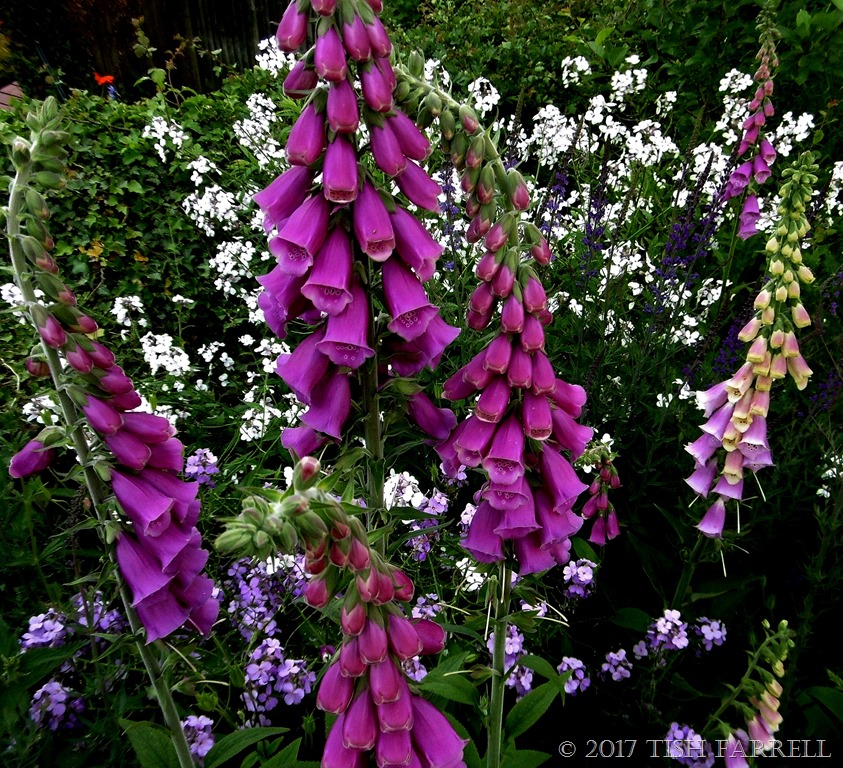
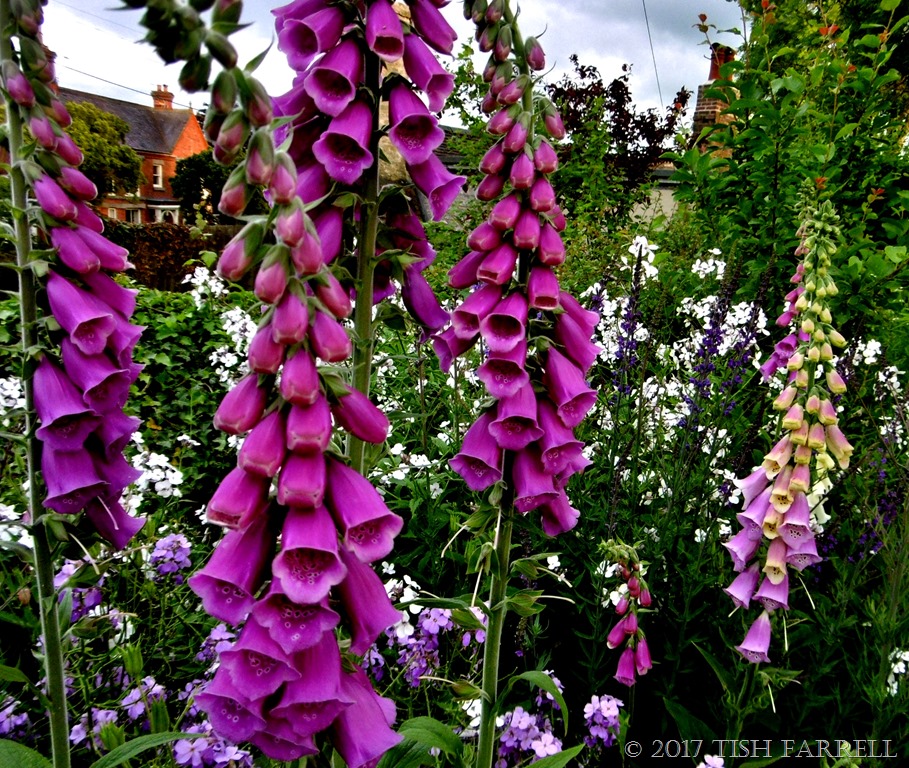
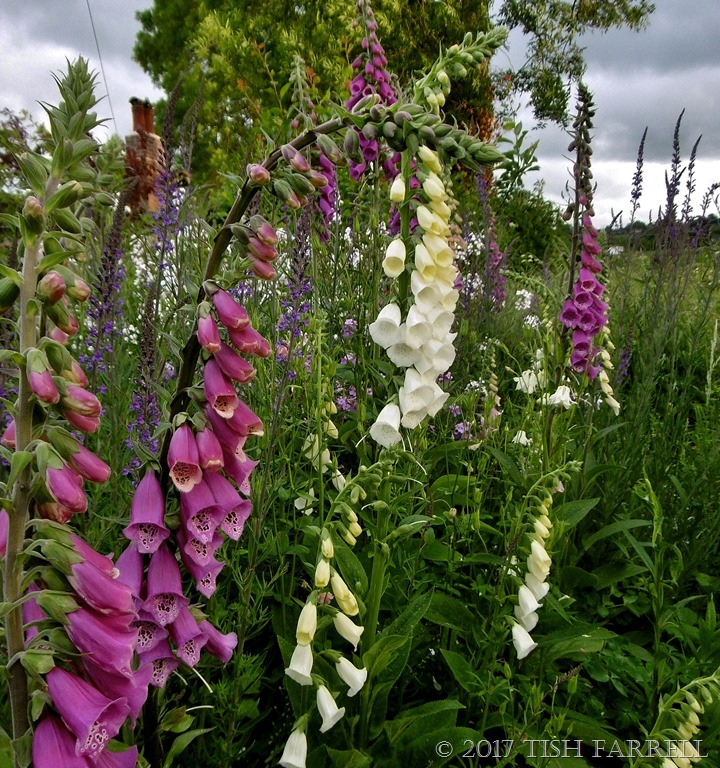
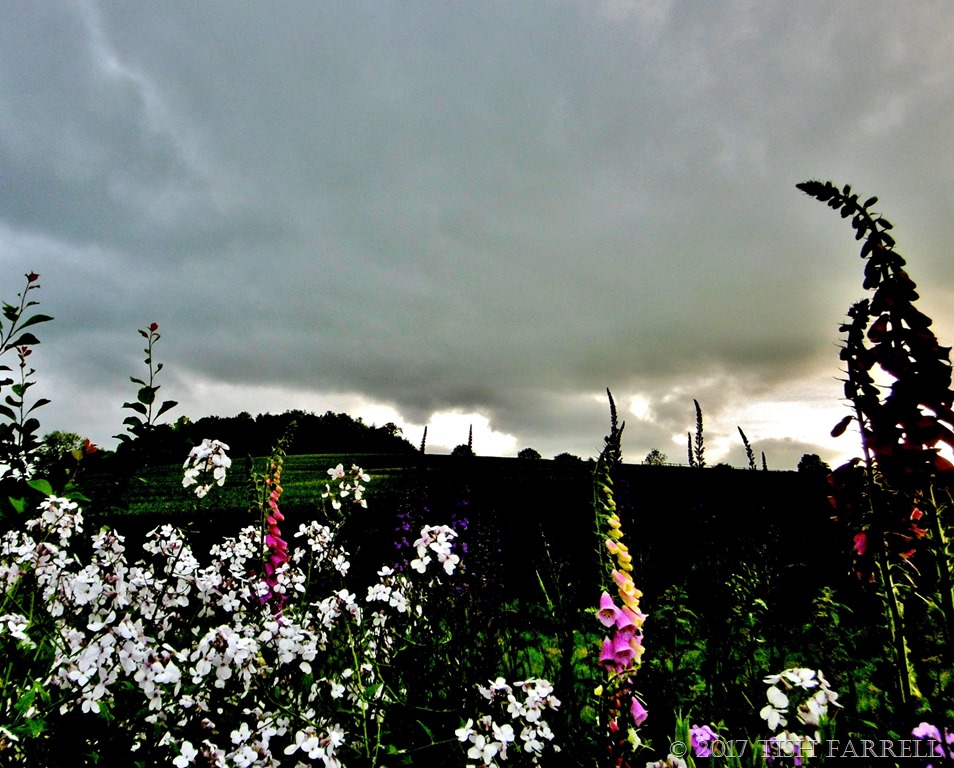
A week ago the wilderness garden behind our house was all columbines. They went to seed very quickly and now it’s the foxgloves’ turn – along with the Dame’s Violets and the slender spires of purple toadflax. All self-sown and grown. I’m rather taken with the foxglove on the right, the one  with creamy lips. I must remember to collect some seed, though there’s no knowing how its offspring will turn out.

P1080140

P1080135

The white foxgloves are lovely too. They have lime green speckles inside each flower.

P1080156

And finally a view looking out over the garden wall as the sun goes down over Wenlock Edge.

The Big Digger Driver And The Kindness Of Strangers

P1060816 - Copy

P1060816 - Copy - Copy

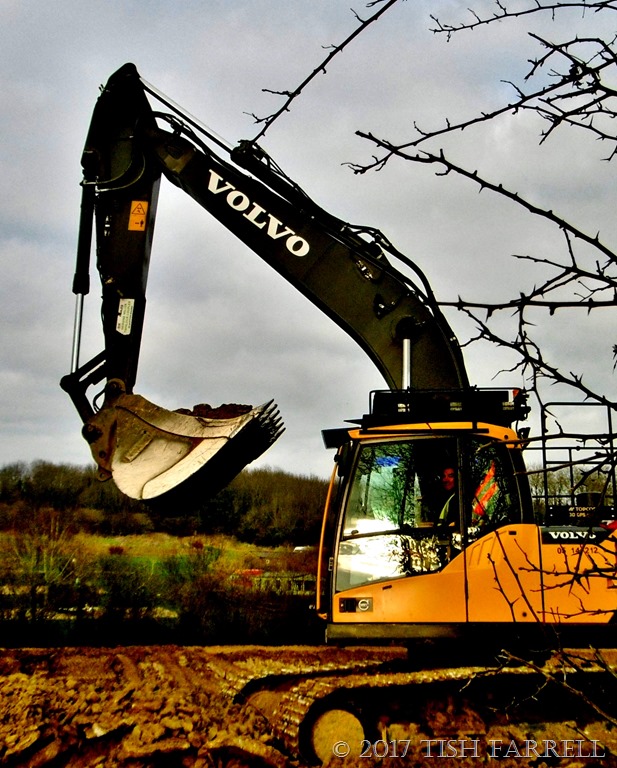
I think I’ve mentioned that here in Much Wenlock we’re in the throes of having a couple of attenuation ponds dug above the town – this in a bid to reduce flood risk.  We are in what the Environment Agency calls a ‘Rapid Response Catchment Area’. This means that if a severe storm hits our part of Wenlock Edge, then we have about twenty minutes warning before a flash flood reaches the town. There are other factors involved too. Flash flooding is more likely if the ground is already sodden from periods of prolonged rainfall. Or if it is frozen hard.

Our last bad flood was in the summer of 2007 when over fifty homes were affected. Due to the steepness of our catchment, any flood is usually quick to leave, but even so, it can cause a lot of damage.

One of the attenuation ponds, currently nearing completion, is in the top corner of Townsend Meadow behind our house. Earlier in the year, and in preparation for the excavation work, a number of small trees were felled and shredded into heaps around the pond perimeter. Yippee, I thought on discovering them by the path on the long way round to the allotment. More chippings for paths and weed suppression.

I duly went to collect a few bags full, but it was harder work than I expected. For one thing there is quite a haul up the path from the pond, and then once at the top of the hill and into the wood, another haul down the field boundary to the allotment.

Meanwhile, my chippings collecting habit had not gone unnoticed. Late one afternoon in April, and after the working day was over, I was plodding up the path with a full bag when a truck pulled up on the field track that the construction crew were using. It was the digger driver in the photo. A very Welsh digger driver. At first I didn’t quite grasp what he was saying. I thought he’d come to tell me off. But that wasn’t it.

When I explained what I was doing and where I was going with the chippings, he said it would be no problem for him to move the chippings piles to the top of the hill. In fact I think he would have delivered them to the allotment if there had been suitable access. He drove off down the track, and I carried on with my bag, and rather forgot about the digger man.

Sometime later (I was pottering around in my polytunnel) fellow allotmenteer, Dave, came to tell me that he had  been surprisingly hallooed from the neighbouring field by a very Welsh man who was going on about chippings and some woman he’d met on the path. After some thought, Dave had concluded I was the woman in question, and so we went up the field to investigate, and there at the top of the track was a huge pile of wood chips – enough for all my paths, and more to compost over the winter. There was no sign of the digger man. I expect he’d gone home for his tea, but Dave helped me fill my big blue IKEA bags and carry them back to the plot.

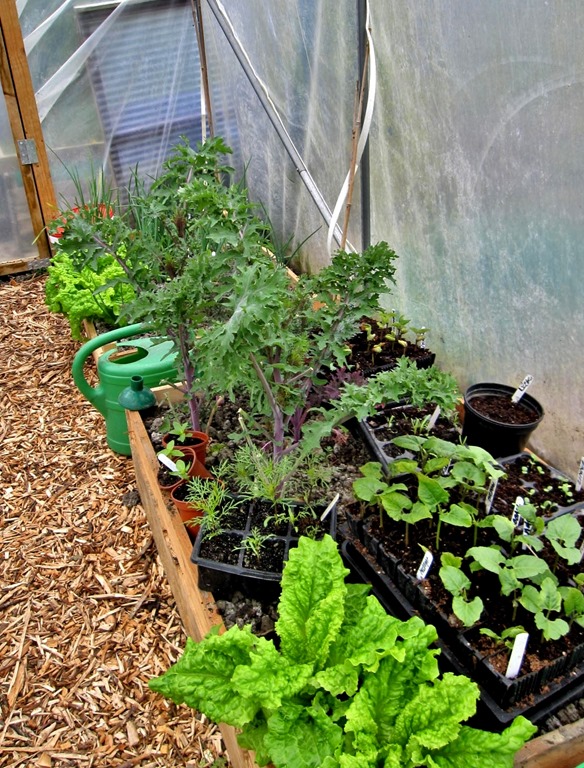
So lucky me! Two very kind men in one day. And a nice new path between the polytunnel raised beds, which incidentally were made by a third kind man who lives in my house.

IMG_4380


Black & White Sunday: After and Before    This week Paula asks us to give a colour shot a monochrome edit.

Sun And Rain In The Seychelles

310

We were living in Zambia at the time – in Lusaka, a city that in 1993 was  beset by cholera from infected boreholes, rumours of military coups, incursions over the border by predatory gangs of Zairean military making up for lack of pay, and the populace being structurally readjusted courtesy of financial rigours visited on them by the International Monetary Fund. Elsewhere in the country, people were starving due to severe drought and high maize prices; there was an outbreak of swine fever that caused small farmer chaos, and reported figures for HIV infection were sky high.

It was thus a relief to leave for two weeks of quietness on Mahé, the Seychelles main island. The place was blissful, but there were twinges of guilt nonetheless as we wandered barefoot on near empty beaches: we had the means to take a break from Zambia when most of Zambia’s ten million citizens did not.

For more of the Zambia story: Letters from Lusaka part 1 and part 2,

Once in Zambia: in memoriam

*


Ailsa’s Travel Theme: Rain

Six Word Saturday

This Week Over My Garden Fence ~ Granny’s Bonnets Galore

IMG_4543

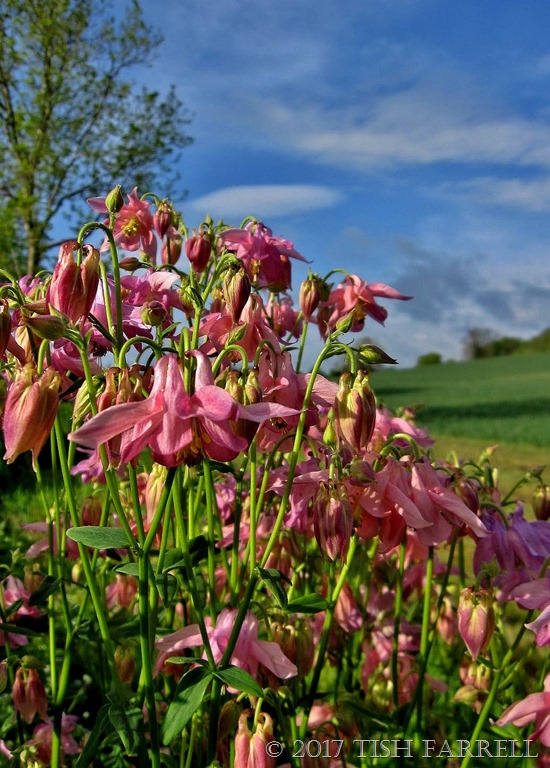
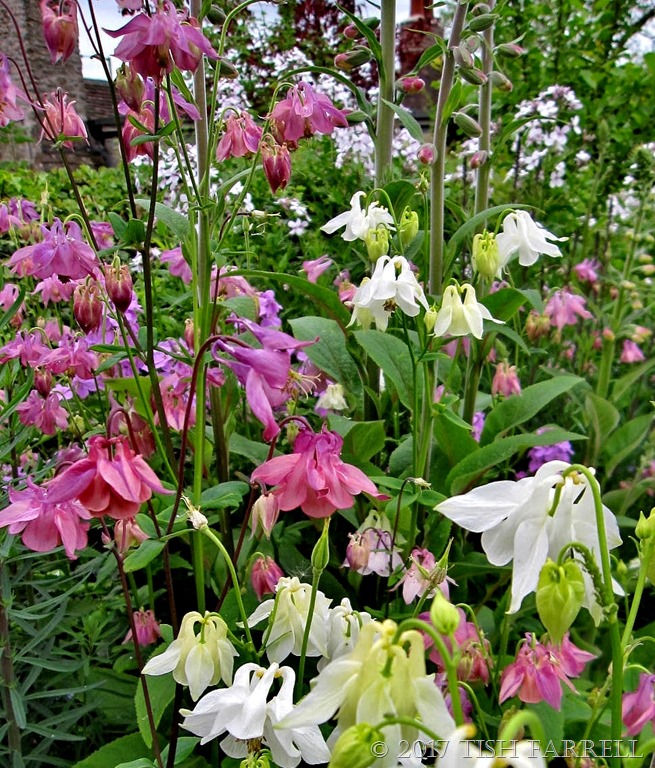
You can’t have too many, can you? Aquilegias that is, aka Columbine or Granny’s Bonnets. They self-seed all over our garden, and also outside the back fence where we have a self-gardening border between us and the field. Dame’s violet, feverfew, purple toadflax, moon daisies, corn cockle and foxgloves are the other vigorous self-sowers. The Dame’s violet in particular is welcome for its fabulous scent. This year most of the plants have come up white. Last year they were mostly pinky-mauve as the plant in the next photo. I like the way they give us a change of scheme:

IMG_4885

IMG_4884

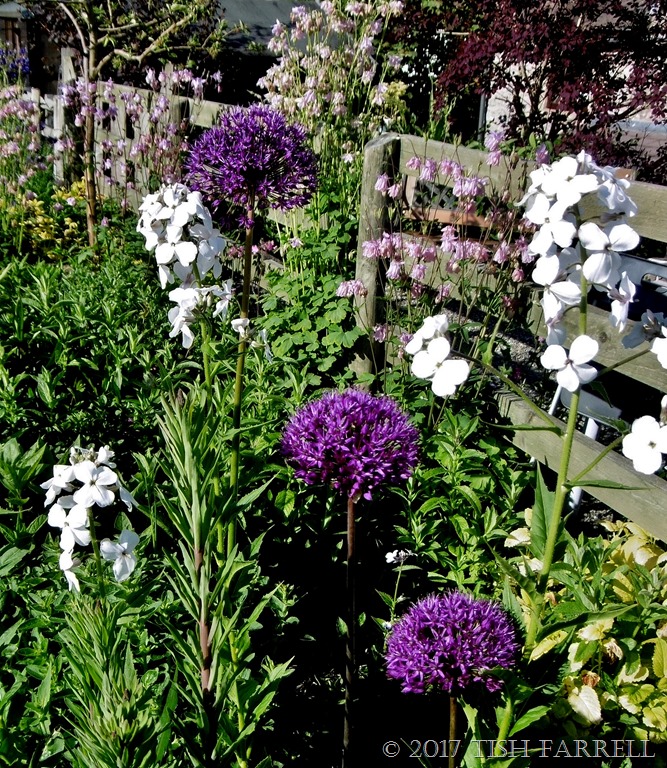
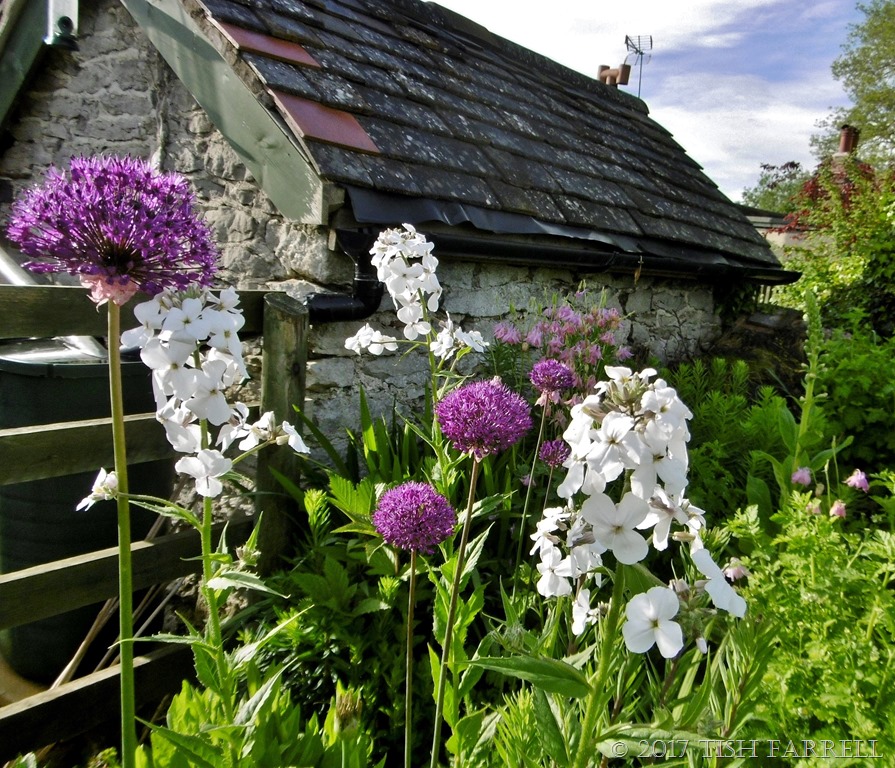
The border isn’t entirely made up of DIY flora. I have put in a few perennials, along with spreading useful herbs – various mints, oregano, lemon balm and marjoram. This year too, some left over allium bulbs put in 18m months ago, are making a nice show – quite unplanned planting scheme-wise.  They were planted in the places where I could get my trowel in the soil.

P1080117

You can also glimpse the transplanted crab apple tree in the top left corner. It’s just coming into full leaf. Next on parade will be the foxgloves. They are opening today under a sudden heat wave – so pictures to come. I’m also wondering if the invasion of opium poppies will be repeated this year. It’s nice to be kept guessing and to have a good garden fence to lean on – to watch and wait, and see what this unofficial garden will do next. It’s certainly keeping the bugs and bees happy.

P1080113

This slideshow requires JavaScript.

Cee’s Fun Foto Challenge: Gardens  Please visit Cee for more lovely plants and gardens.

Hurlers And Miners ~ 6,000 Years Of Heritage On Bodmin Moor

IMG_4690

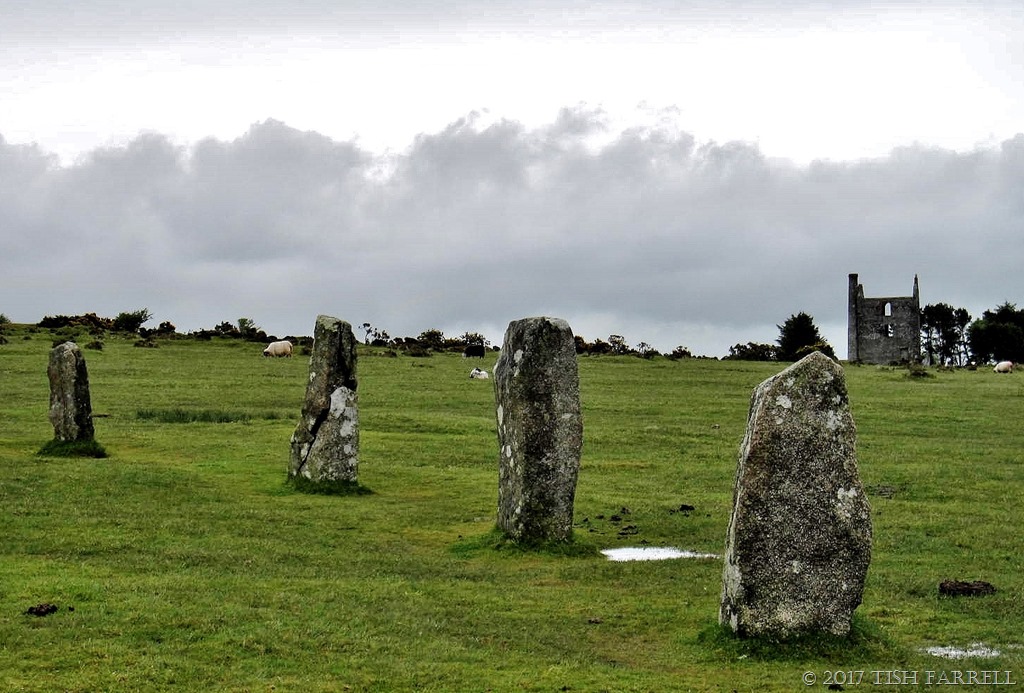
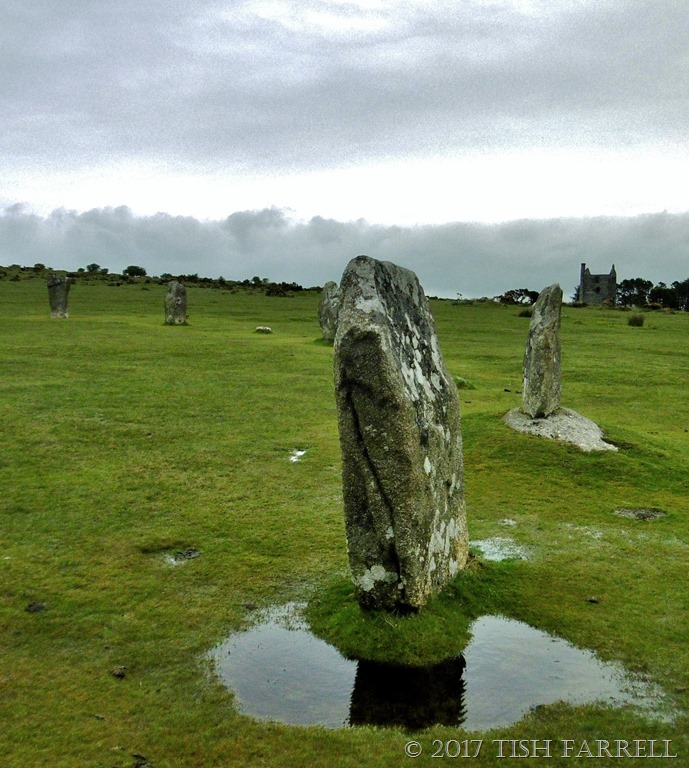
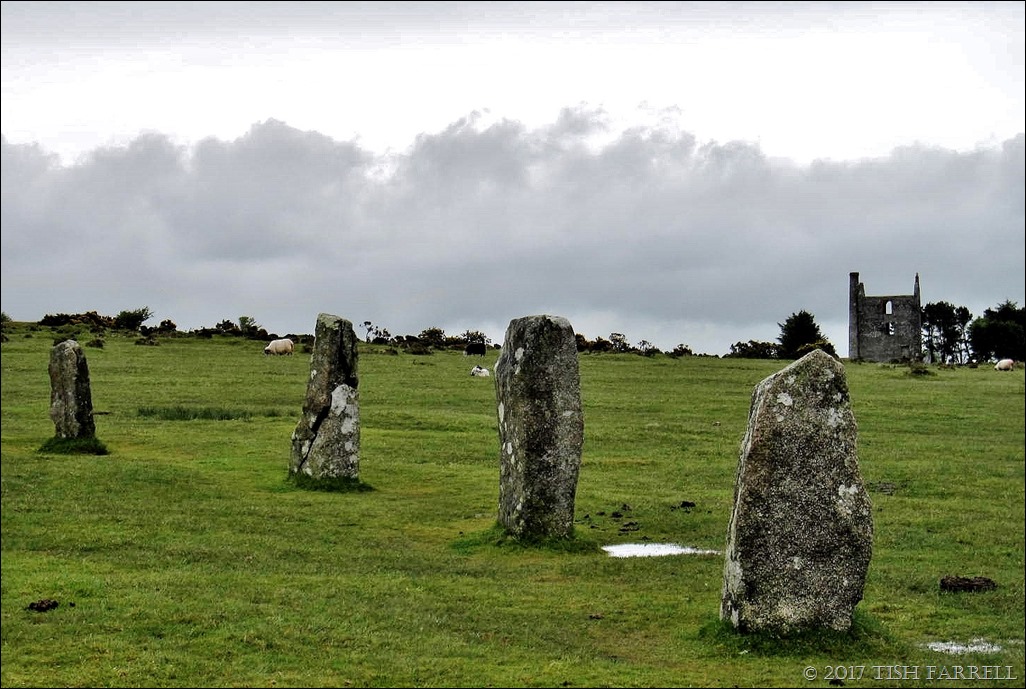
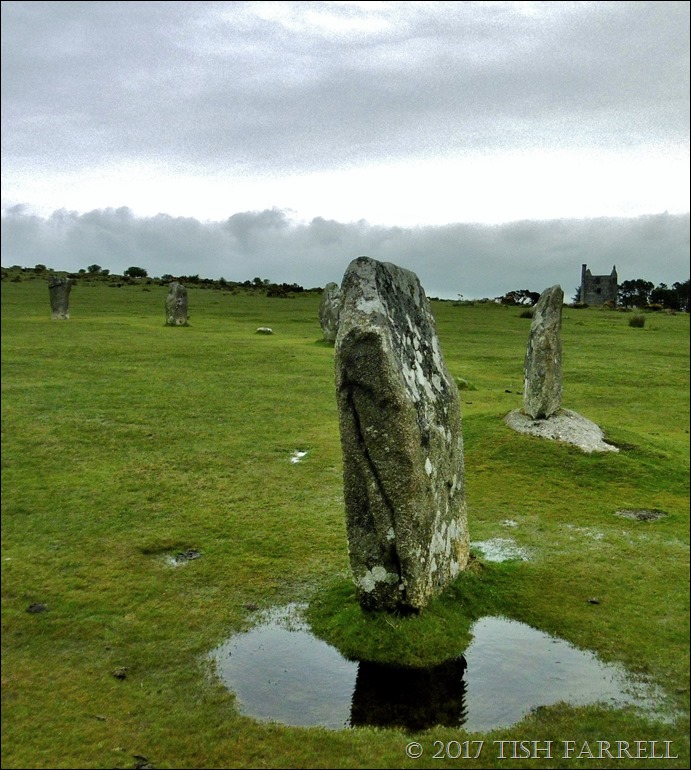
In the last post I featured The Hurlers stone circles  near the Cornish village of Minions on Bodmin Moor. Here they are again, if only a small segment. They date from the late Neolithic or Early Bronze Age, around 2,000 years BCE.

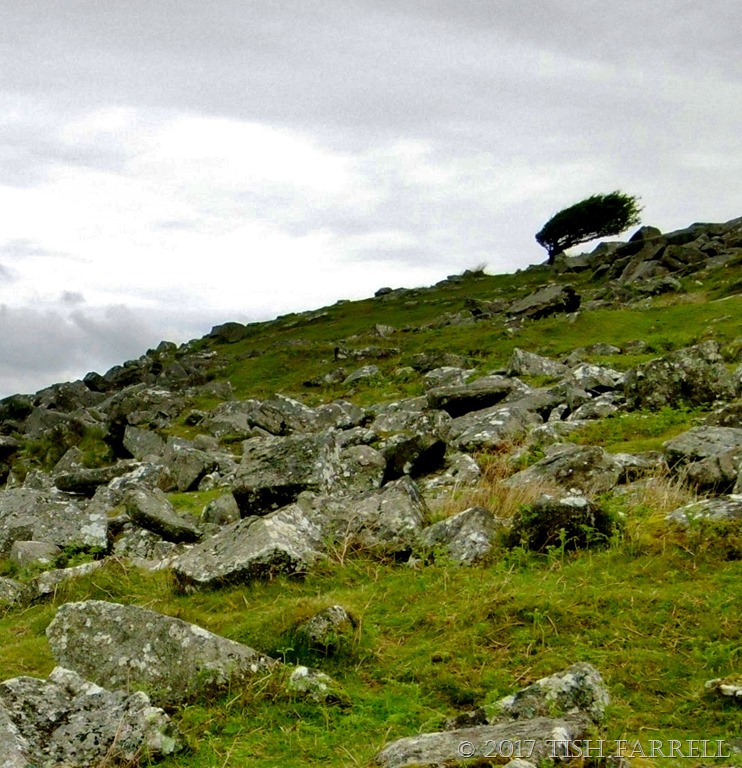
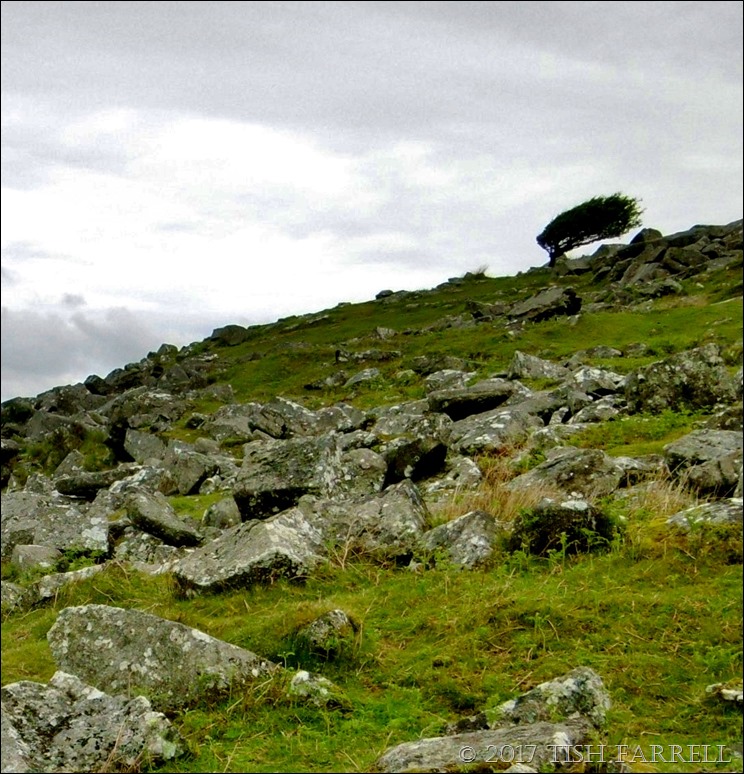
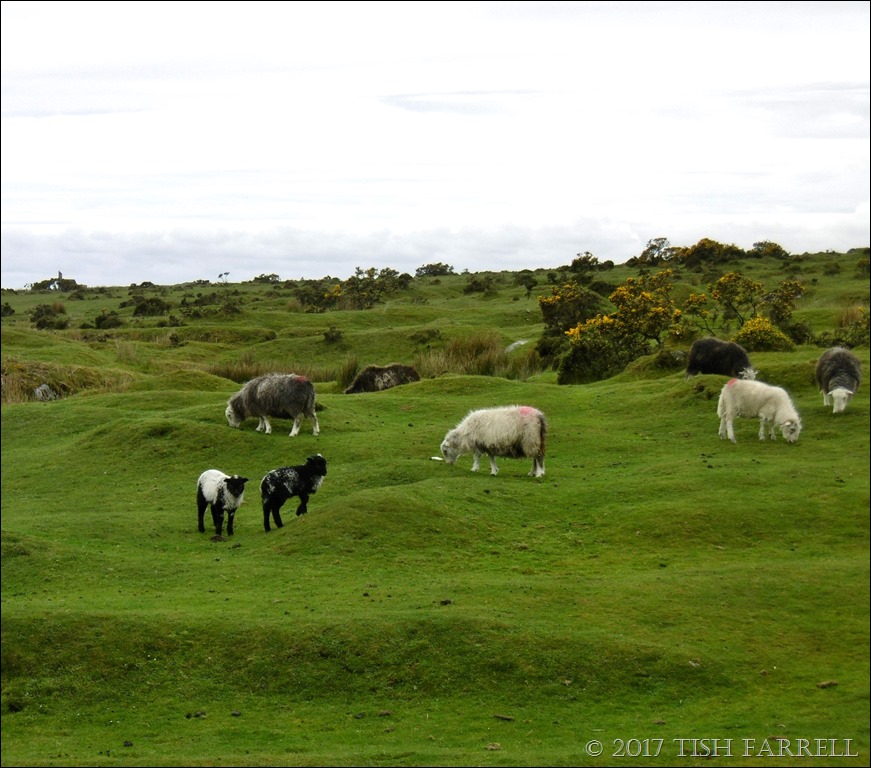
The landscape around is exposed and bleak, itself  a product of the human intervention that began at least 6,000 years ago, when the first Neolithic farmers, equipped only with stone axes, began the systematic clearance of the forested uplands.

It is an arresting thought that, armed only with stone-based technology, we humans were already consciously rearranging the planet’s surface. Early farmers carried out shifting ‘slash and burn’ cultivation, clearing ground, then moving on to virgin territory when the farm plots lost fertility. By such means the earliest farmers cleared great swathes of forest right from one end of Europe to the other. On Bodmin, any chances of forest regeneration were then reduced by stock grazing, which through subsequent millennia finished what Neolithic communities had started, creating the windswept moorland we see today.
P1080009

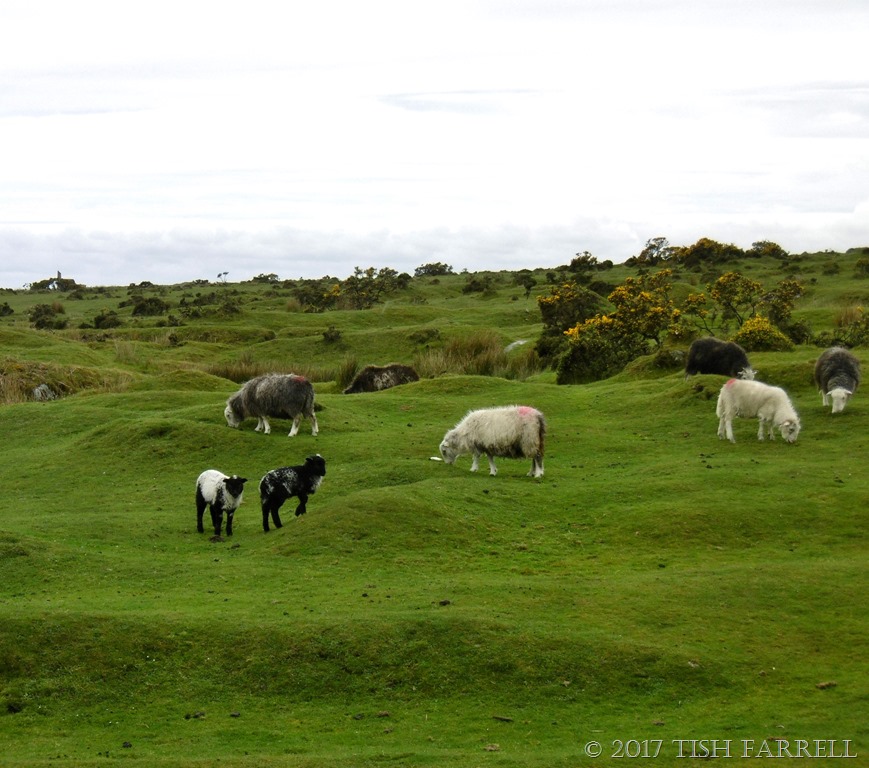
Of course these days  we know that removing tree cover contributes to climate change and environmental degradation, by altering rainfall patterns, and accelerating soil erosion. But in this case global climate change was also a factor.  During Neolithic-Early Bronze Age times it seems the climate was much warmer, with these uplands offering a more benign environment than today. A quick look at an ordnance survey map shows that Bodmin was a very busy place back then. There are numerous hut circles, burial cairns and tumuli, tor enclosures, stone-walled field systems, ceremonial stone circles and standing stones.

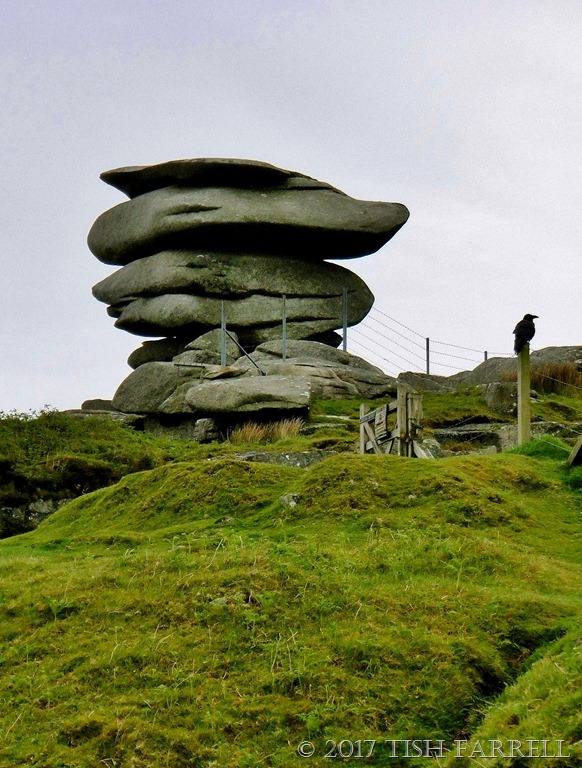
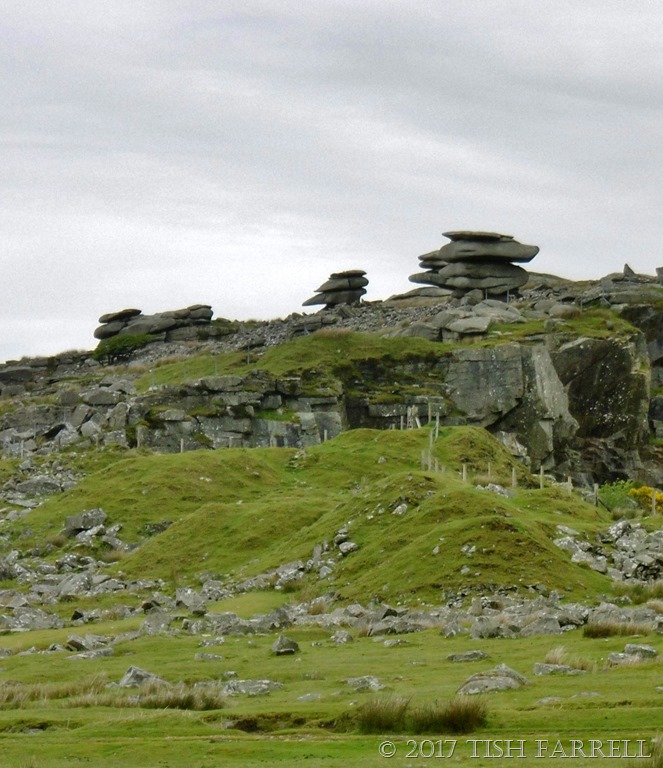
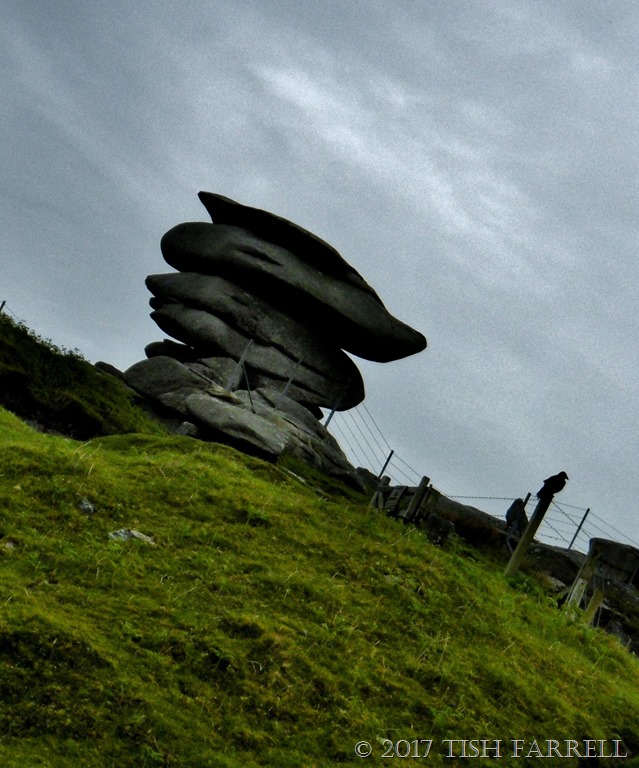
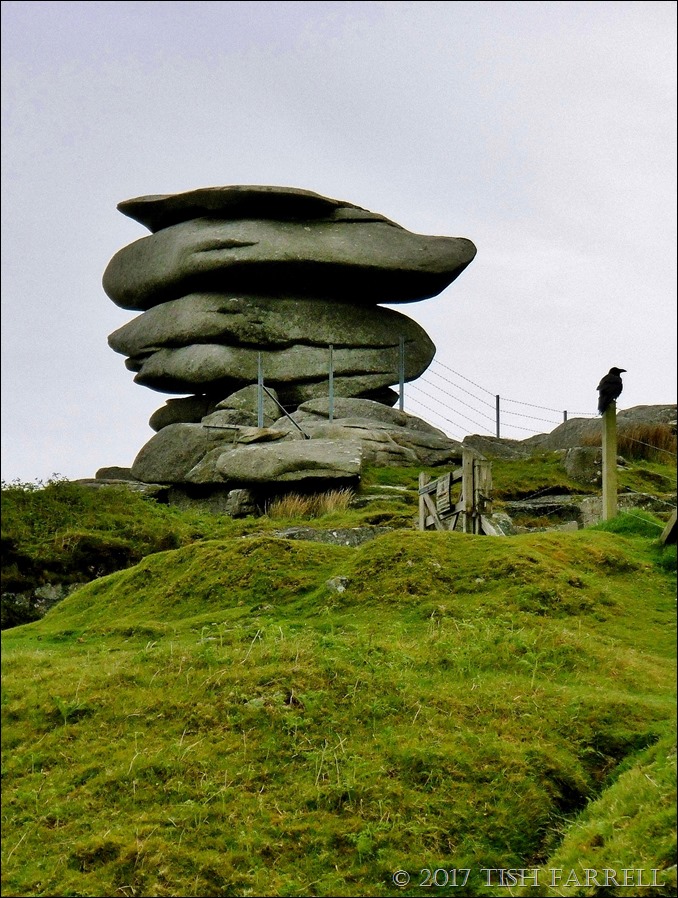
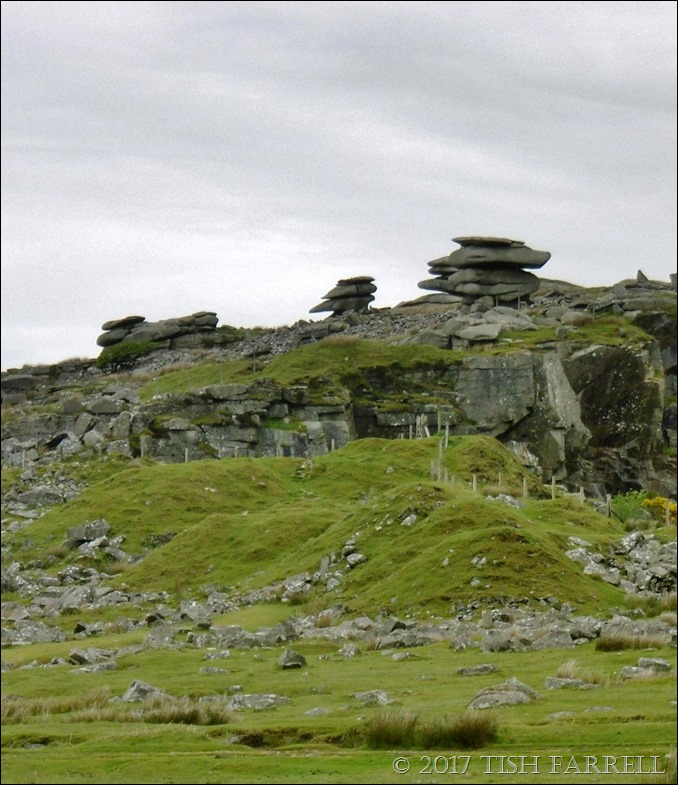
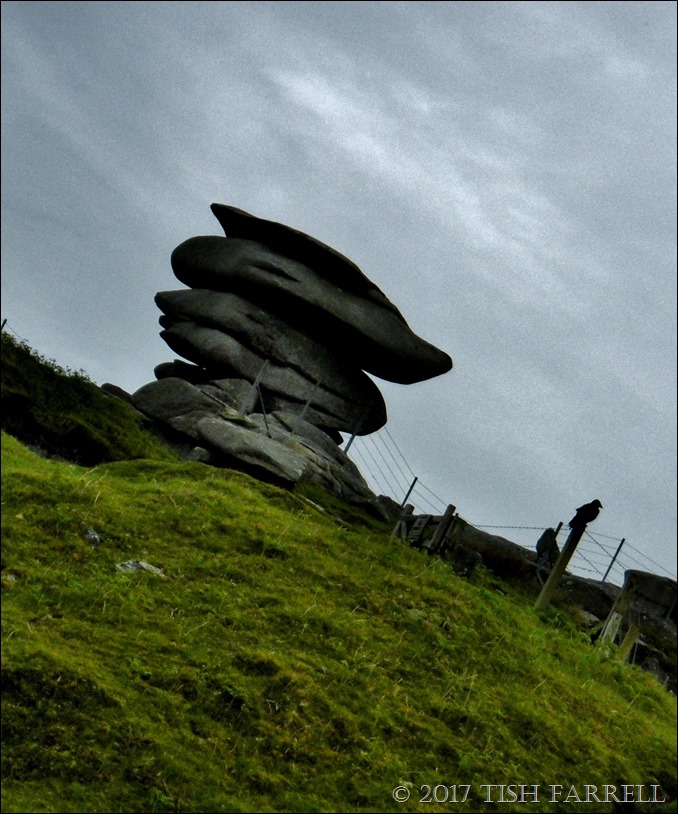
The siting of burial monuments, in particular, was very important – often on the skyline to be seen from one monument to another; or else related to a naturally prominent feature such as one of the stone tors. The Cheesewring Tor is a good example. It lies due north of The Hurlers circles. You will soon see why this weathered granitic pile of rocks captured the imagination of the ancestors, just as it captures ours today.

But there may also have been practical considerations too. When it came to the gathering of clans and families for important occasions, the visibility of man-made and natural features in a landscape without highways would have been the prehistoric equivalent of SatNav.
P1080012

P1070999

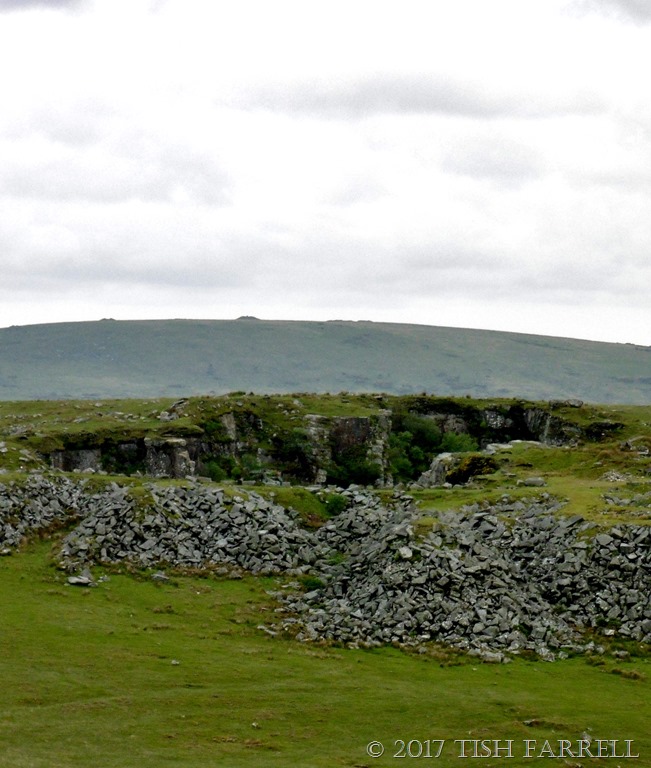
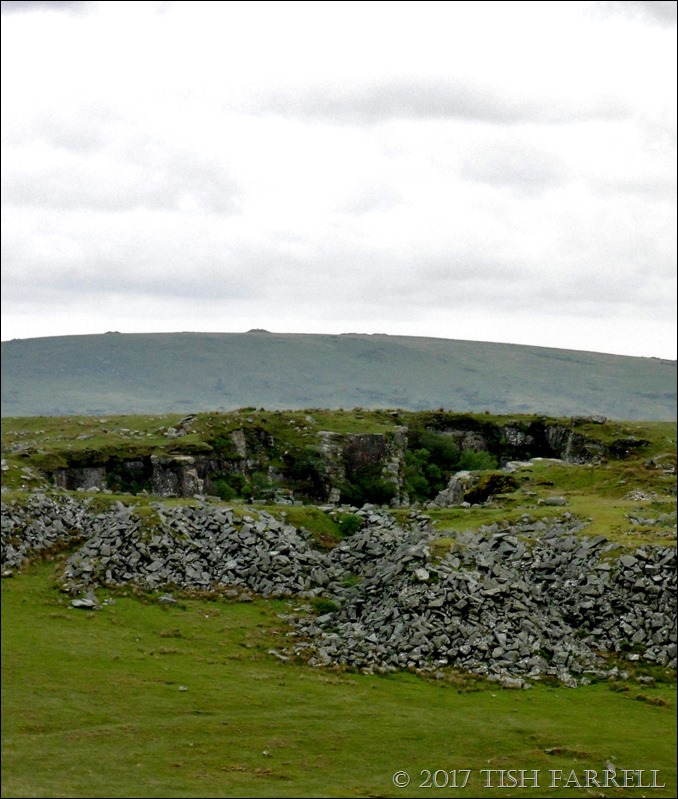
Looking southwest from the Cheesewring this is what you see on the skyline beyond the quarry: a series of round barrows:
P1080013

But sometime around 2000 years BCE, the climate began to deteriorate and humanity moved to settle more low-lying areas. It is an interesting irony that the combination of human action and natural climate change which rendered the abandoned uplands unsuitable for anything other than grazing, thereby led to the survival of so many of the prehistoric remains.

Farming, though, is not the only agency of landscape change in this area. Shunt forward to the mid-nineteenth century and you will spot the evidence for quite a new kind of invasion. There’s a clue in that first photo of The Hurlers. Here’s another glimpse:
P1070972

And closer still:

P1070995

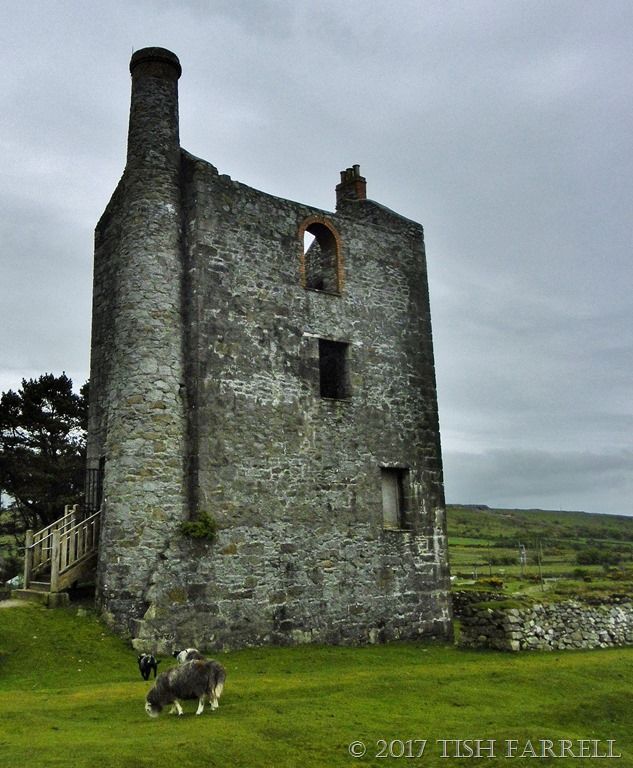
This is the Houseman’s engine house, part of South Phoenix Mine, now partially restored as the Minions Heritage Centre. It one of many such mines in the locality, their ruins as dramatic in their way as the stone circles and tors.  For fifty years, between the 1840s-1890s, Minions was the centre of a booming copper mining industry. Over 3,000 people were employed here, including women and children.

Hundreds and thousands of tons of copper ore was extracted, and exported down to Liskeard and the coast at Looe by means  of the ‘Cheesewring Railway’ otherwise known as the Liskeard & Caradon Railway. It was opened in 1844, operated initially by gravity and horsepower, and also carried granite and tin. You can just see part of the granite quarry below the Cheesewring tor. Other signs of Minions’ industrial heyday of miners, quarrymen and railway workers are the humps and bumps of abandoned spoil heaps. The nearby settlement of Minions is also evidence of the industry – it grew up around the junction of several branch lines to house the influx of workers. It is the highest village in Cornwall, and today has a rather desolate air.
P1070994

And now for another kind of heritage: legend. There are all sorts of stories connected with Bodmin’s man-made and natural features. I mentioned the origin of The Hurlers in the last post. The Cheesewring tor has also inspired all manner of explanations. One story tells how it was created by Giants and Saints at the time in the early Dark Ages when Christianity was spreading through the land.

The Giants, who were used to tramping about their domain, and doing just what they pleased, were fed up with the Christian Saints invading their land, putting up stone crosses, and declaring all the wells holy. They called a council to decide how to rid Cornwall of the nuisance.

And to this council there dared to come the frail St. Tue. He challenged Uther, the strongest of the Giants, to a trial of strength. They would have a rock hurling contest.

Rock hurling was one of the Giants’ favourite pursuits. Also, seeing the slightness of Saint Tue, the Giants were sure they would win.

Saint and Giant thus then took turns to throw six very large quoit shaped rocks across Craddock Moor and onto Stowes Hill, but to Uther’s surprise the little Saint soon proved a formidable opponent. By the time the Giant came to throw his last rock, his strength was failing. To the sounds of much Giantly groaning, his stone tumbled from the pile. Tue then  went to make his final throw. The rock was huge, but just as it seemed that the task was beyond him, an angel appeared and placed the rock on top of the pile. The Giants were so overawed by the sight of angel wings casting their golden glow about the place, they conceded to the Saints, and by this means Cornwall became a Christian land.

Another yarn has it that if you visit the Cheesewring at sunrise, you will see the top stone turn three times. This is more up my street myth-wise, and I truly would like to be there at dawn to see what happens, and also to hear the wind on the stones making them resound and mutter.
P1080008


copyright 2017 Tish Farrell

Daily Post: Heritage


This slideshow requires JavaScript.