What’s In A Garden ~ Or Tales Of The Not Quite Planned

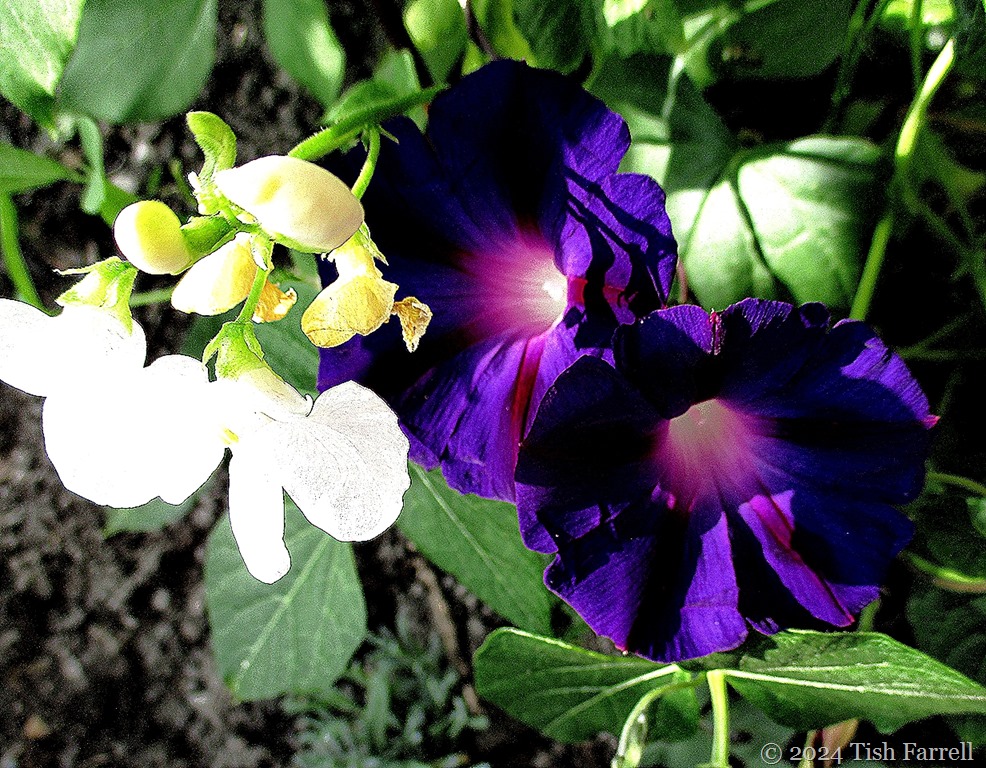
butter bean blossom and morning glory

The thing about making a garden is you never really know what will happen there. Not really really. You do of course ‘set the stage’ for growing to happen – from planting up a few doorstep pots to toiling over ground work and designing and filling borders.

And then when you sow seeds, as I did here for Gigantes butter beans, and Black Knight morning glory – you could well envision how they might be if they were planted out together and set to grow up the front garden obelisk. (Header photo)

But you can’t necessarily predict the actual ‘show’, which of course is what’s wonderful about gardening. In many ways it’s ever an experiment. The pleasure comes when you walk outside and notice something  special, the something whose actual disposition you had no control over.
IMG_6023

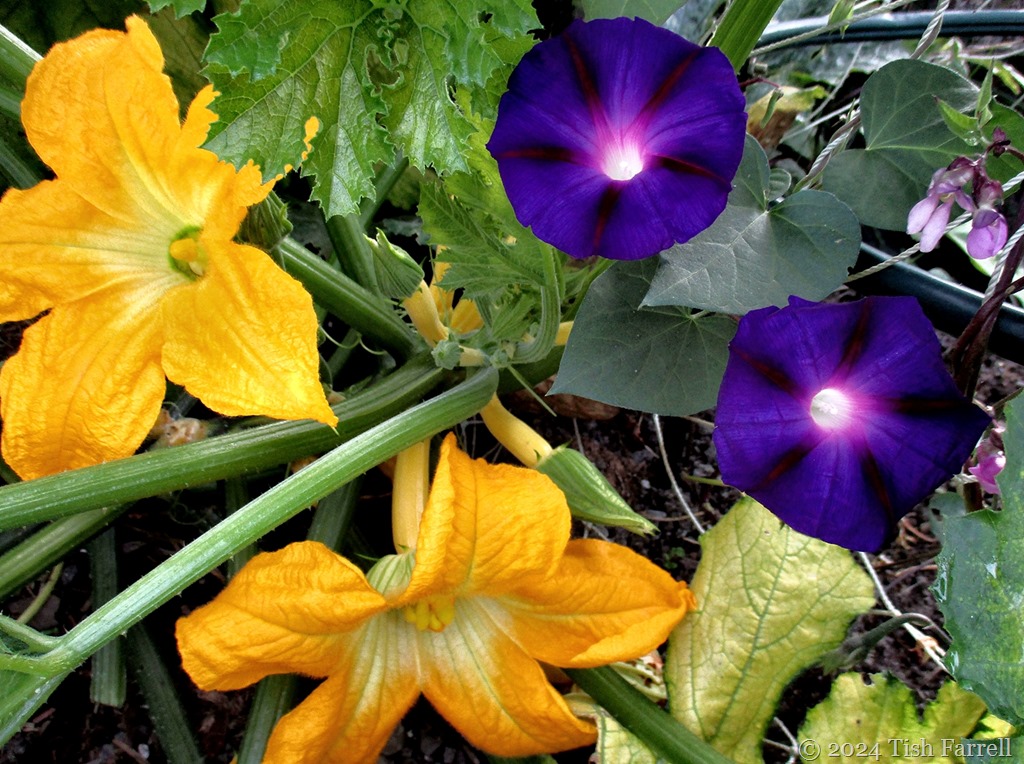
In the back garden I planted out some more Black Knights with purple climbing French beans Violette. But at the moment they seem more keen to keep company with the courgettes. The flowers have an unearthly look about them. I could swear they radiate light from their recesses.

IMG_6035

*

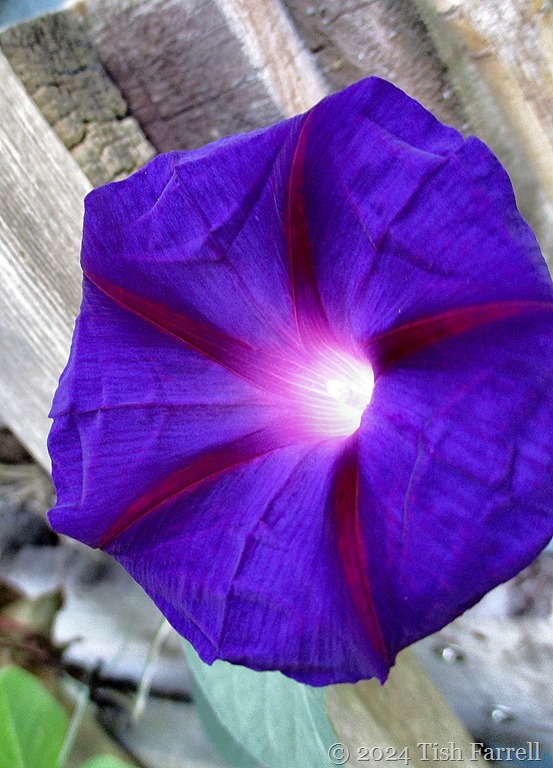
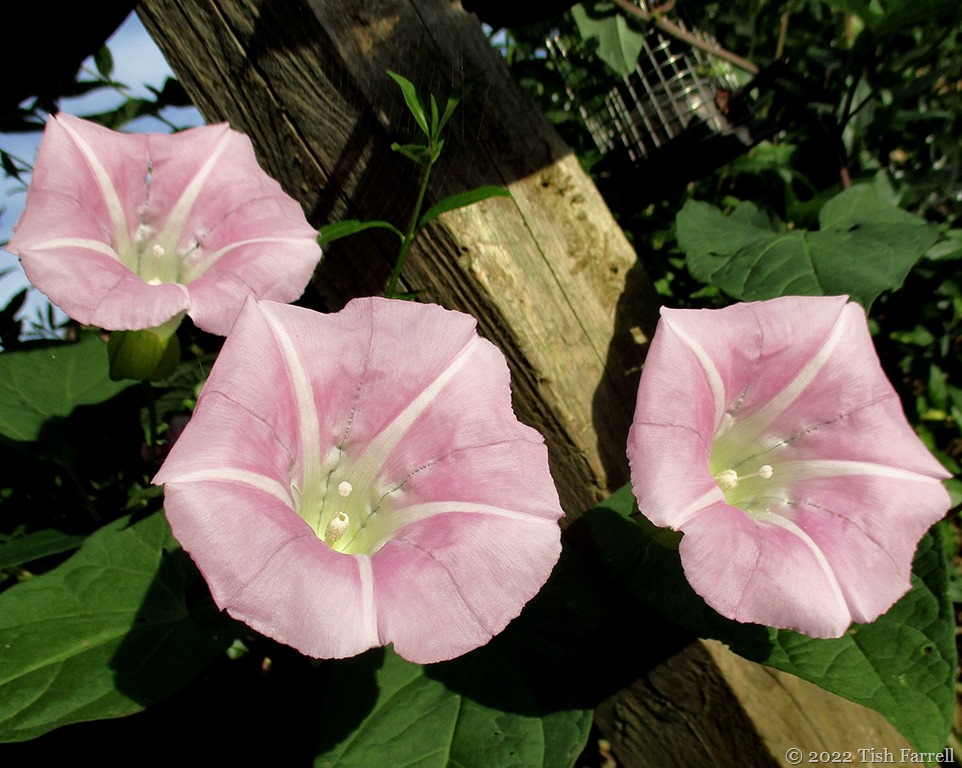
Then there are the wild and feral plants that invite themselves into the garden. Sometimes they are not too welcome. But sometimes they make one’s heart leap with delight. Here, entwined in our otherwise horrid hedge we have this glorious pink convolvulus (bindweed). The flowers are much bigger than the wild white version of themselves and they out-trumpet their morning glory cousins too.

IMG_6010

*

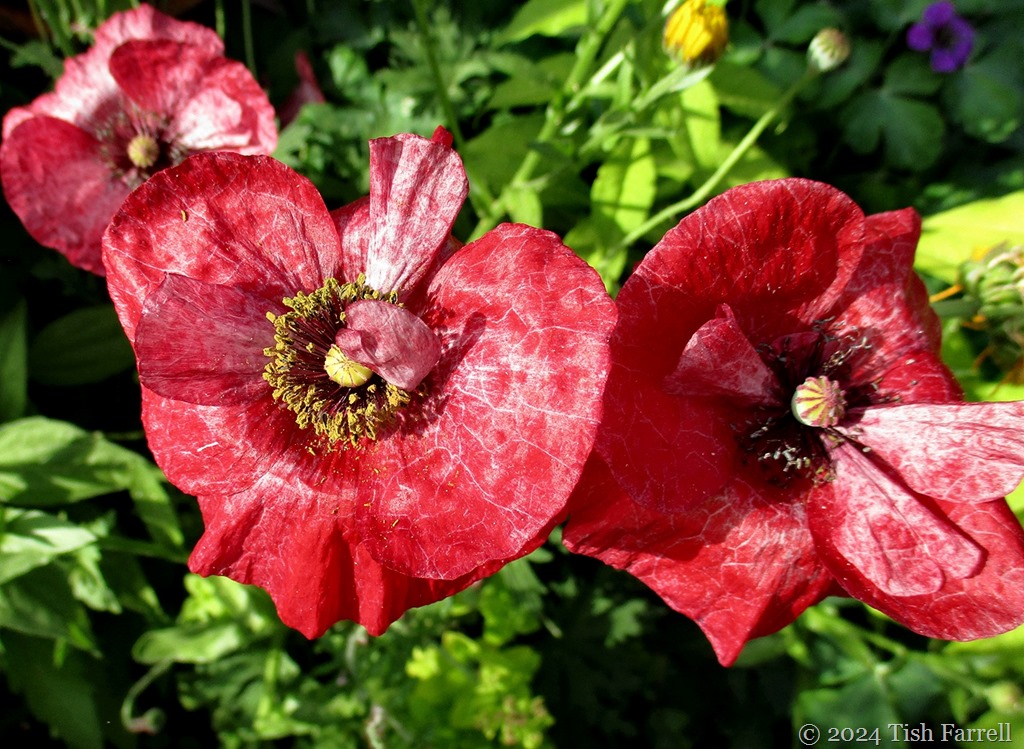
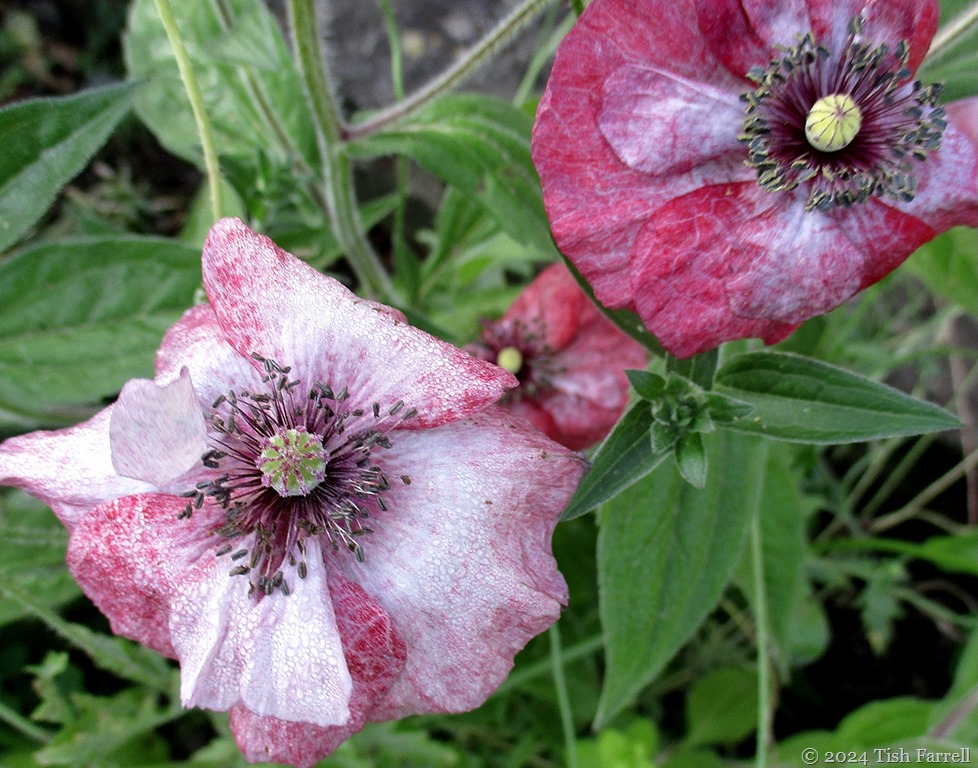
And then there are the garden invaders that invite more curiosity than delight. These delicate crimson-grey poppies are presently flowering above the terrace wall and, as far as I can tell, is a single plant with many branching stems. As the flowers fade, the more ashy they become.I’m not sure what to feel about them.

IMG_5878

IMG_6036

*

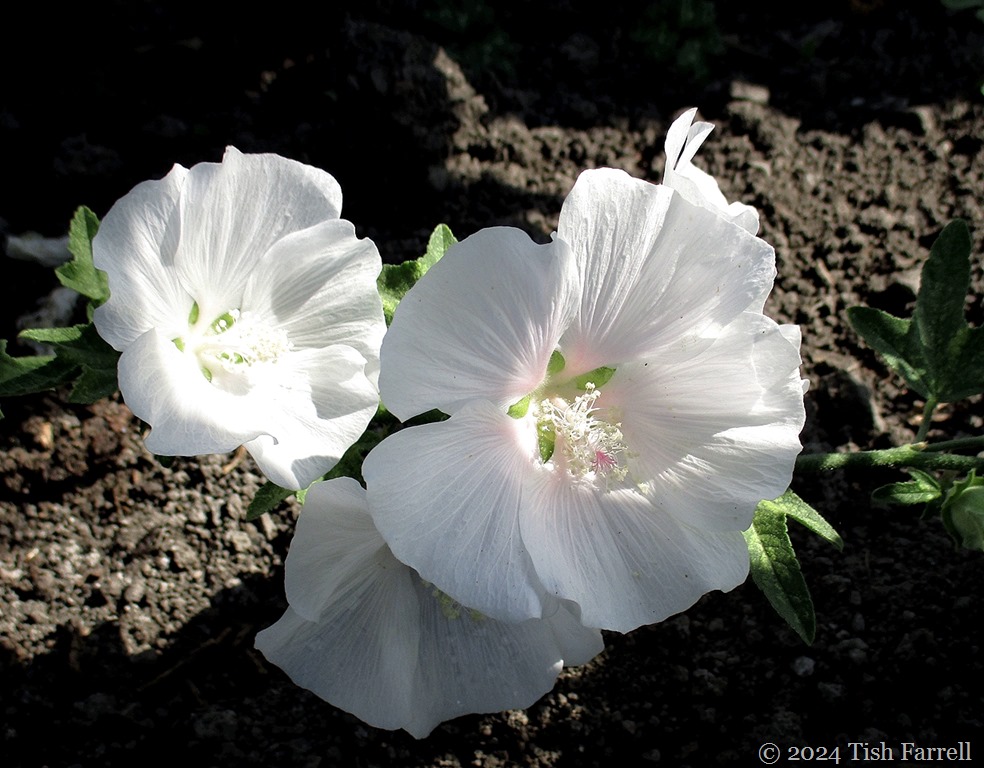
But I know I love this white marsh mallow, a shrub I bought recently to grow on and fill a gap along the back garden fence. A perfect moment – catching the early morning sun on its face:mallow

*

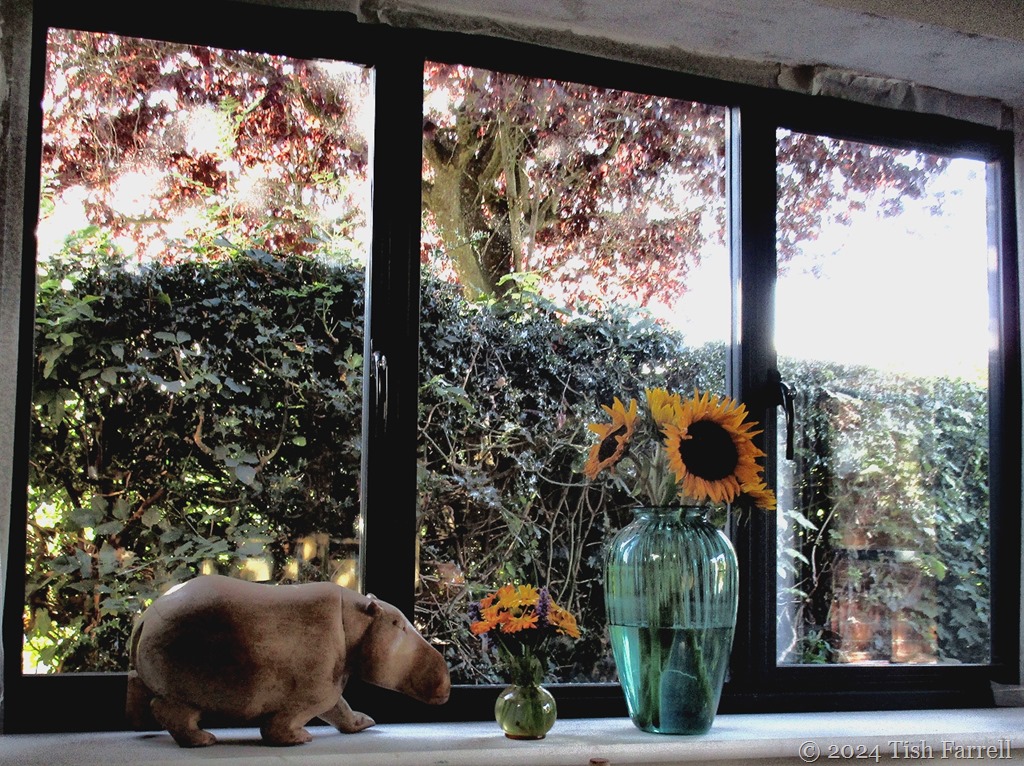
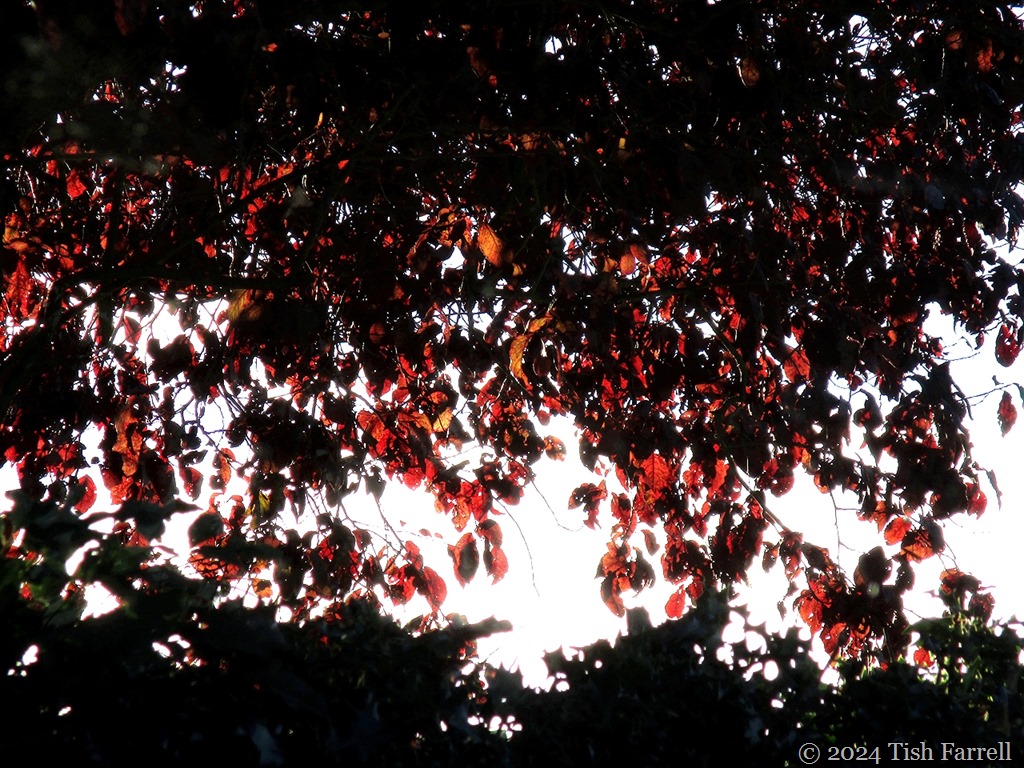
And then there are things that add to a garden that aren’t quite in the garden. Just over the hedge, on the roadside verge, is an ornamental cherry tree with deep burgundy foliage. At sunset, as we eat supper, we have a glimmering light show at our new kitchen window; not at all what we were expecting.

kitchen window

IMG_6006

P.S. For followers of the house renovations: the kitchen’s not finished yet. Last lap stuff still to do.

Lens-Artists: What’s In A Garden  Ann-Christine at Leya shows us some stunning gardens

Dreaming Places ~ From Shropshire To Lamu And All In A Day

balcony 2

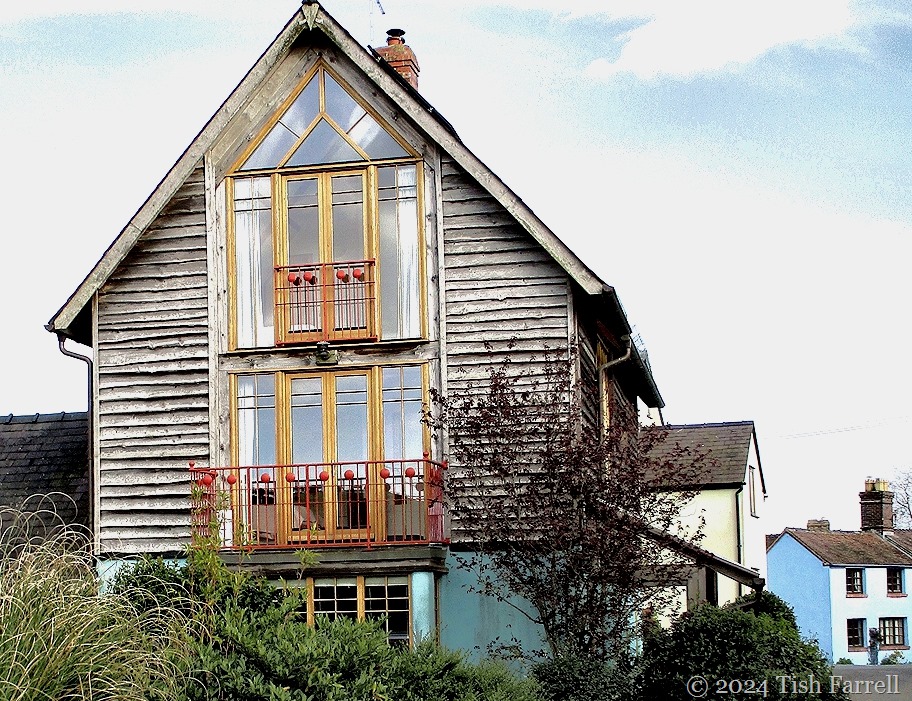
One of Bishop’s Castle’s pioneering eco-homes

*

Today, as July winds down, we have a summer’s day. Only the third in a month of coolness and cloud. Sunlight floods the house front. Warmth even. No trace of the wind that has dogged us for much of the year. Stillness then. The soundscape, resonant, a part-song of church bells, bee hum and pigeon chorale.

There’s a sense of bliss.

And where does my mind go?

Why, off to Kenya’s Indian Ocean island of Lamu – a trip made decades ago and at Christmas too.

balcony

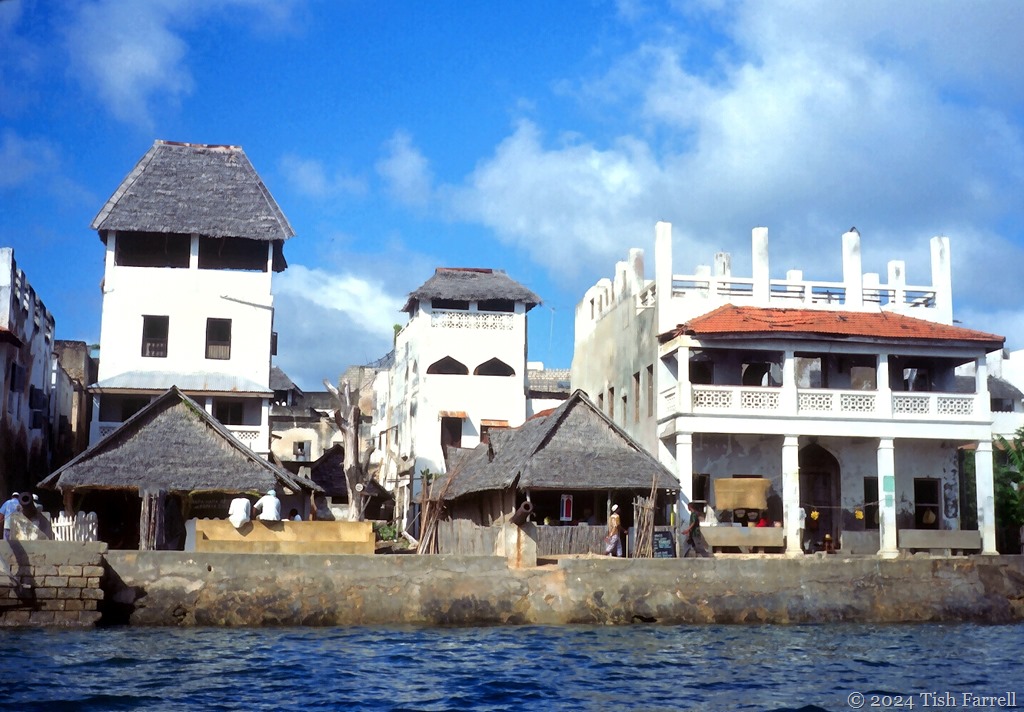
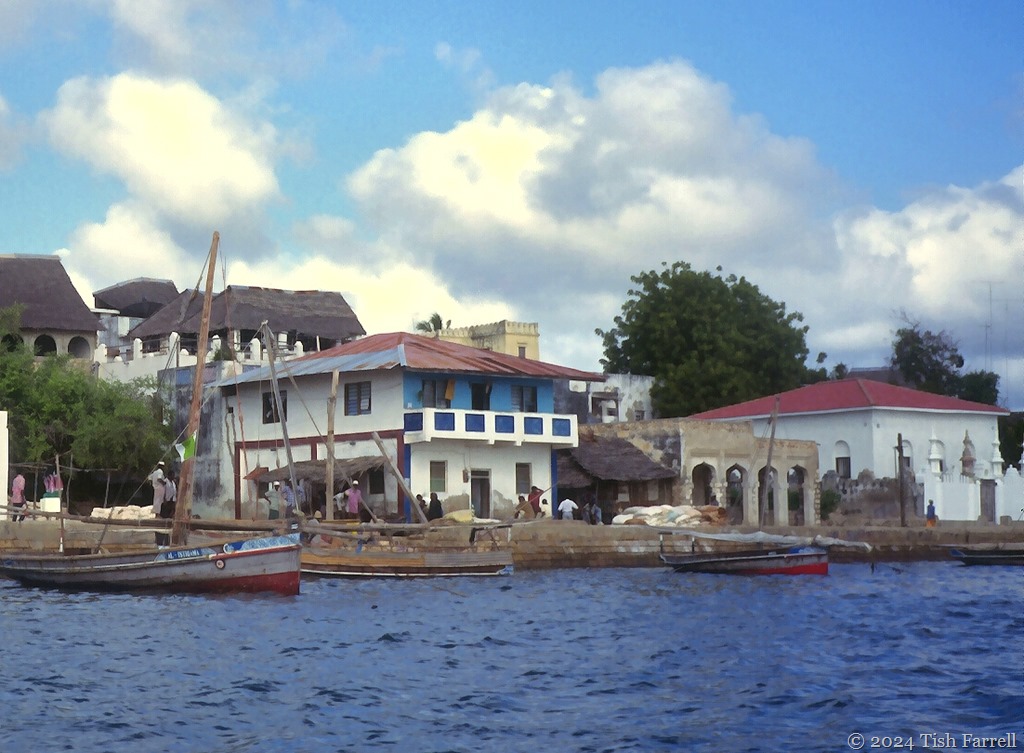
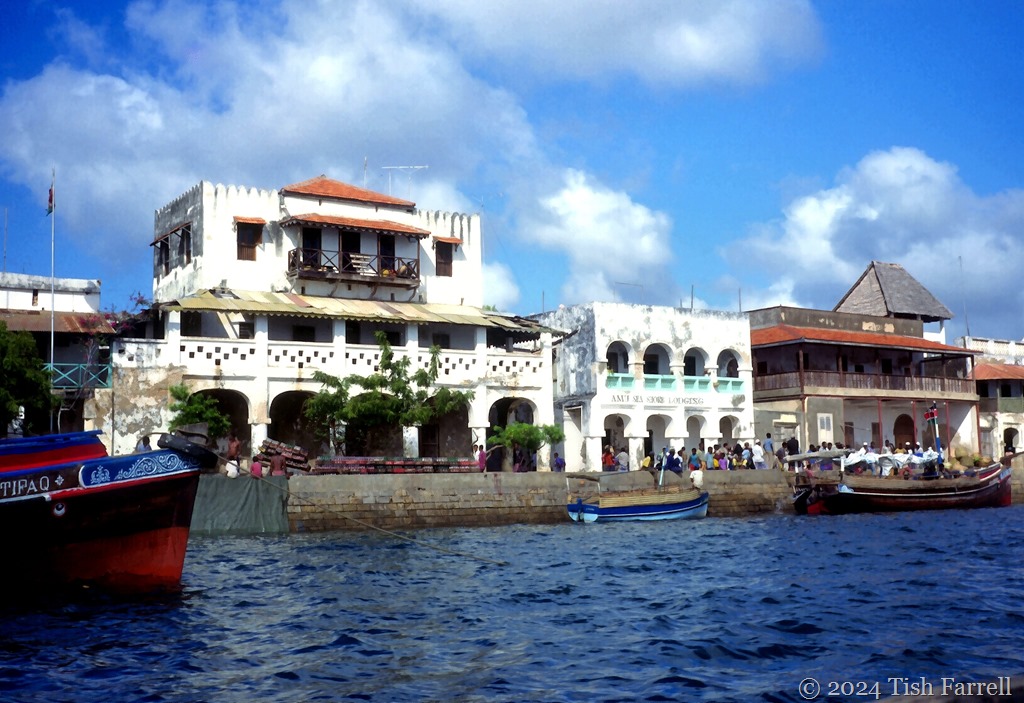
The harbour at Lamu’s Stone Town

*

Perhaps our recent spell of autumn-in-summer weather is seasonally disorienting me, although in mitigation, December in Lamu is the hot season, their summer; though rather hotter and steamier than ours.

But in the full-on Shropshire sunshine, the mind plays tricks. Meanders. Perhaps there’s another trigger to this farflung mental safari.

I soon spot it. Back in the days of the Lamu trip we lived in Nairobi, on one of Lavington’s tree-lined avenues of Jacarandas and flame trees and clipped grass frontages. (Strangely, I discovered later, I have ancestors named Lavington).

At nearly 6,000 feet, the climate there is mostly benign – a subtropical highland climate. In June and July the temperatures might drop as low as 48F (9C), and in December to March reach the upper 70s and low 80s F. The finest days there always had us thinking of perfect English summers (big skies and heat-hazy lawns), the sort from village fetes and school sports days.

Summers back then seemed, well, more summery.

And then amid my mind’s eye ramble arrives the Lens-Artists’ theme for the week: balconies. And so, by winding paths, I come to Lamu.

balcony 4

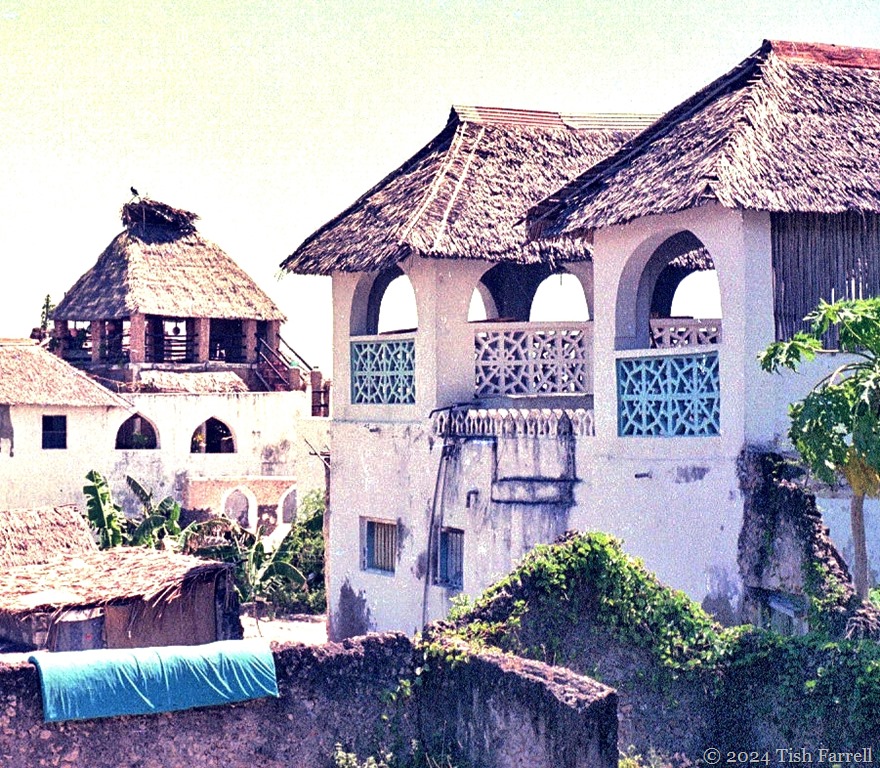
Stone Town – it is now a World Heritage Site. The surviving 18th century merchants’ homes, finely built of coral rag, are evidence of a once thriving city state, one of several Swahili towns and cities along the East African seaboard, stretching from Somalia to Mozambique. These settlements have origins back in the 8th and 9th centuries – the people who lived in them, their language, their culture born (literally) from a thousand and more years’ congress between Arab traders and indigenous African communities.

balcony 3a

The goods once traded out – ivory, leopard skins, tortoise shell, gold, mangrove poles (boriti) and slaves. The goods traded in – silks, porcelain, fine carved treasure chests, brass ware, jewellery and dates. In short this is Sinbad territory (Sendibada in KiSwahili stories). He doubtless plied the seas off East Africa; out from the Persian Gulf, the monsoon kaskazi bearing him south; and, after many hair-raising encounters, the kusi winds blowing him home again to Basra.

I’ve written more about this at Quayside Lamu. And about the Swahili HERE.

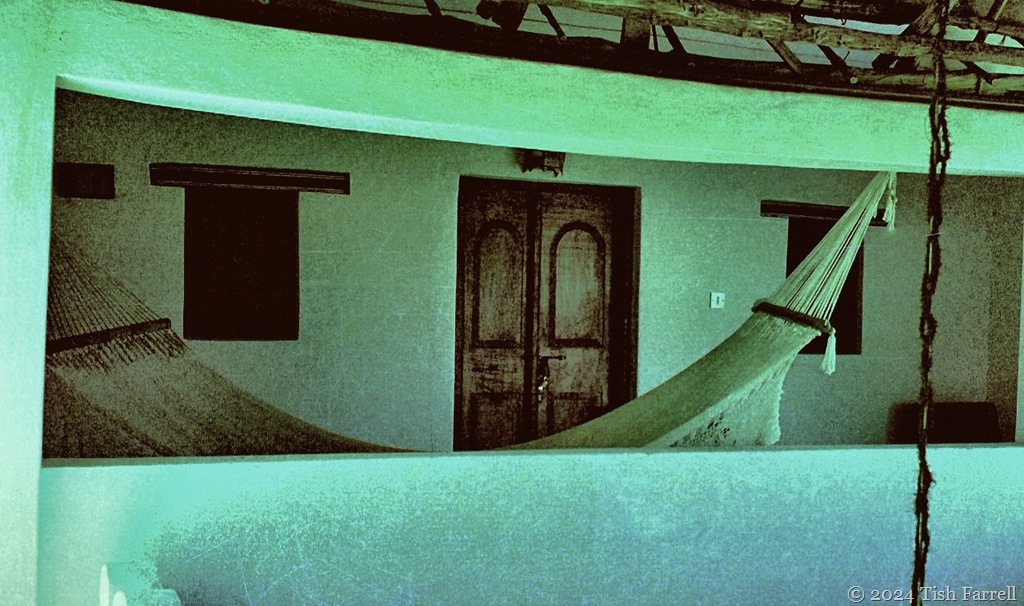
But now for more balconies. Those perfect places for dreaming. For today, bathed in unaccustomed warmth, I surely am dreaming.

balcony 2

balcony 5

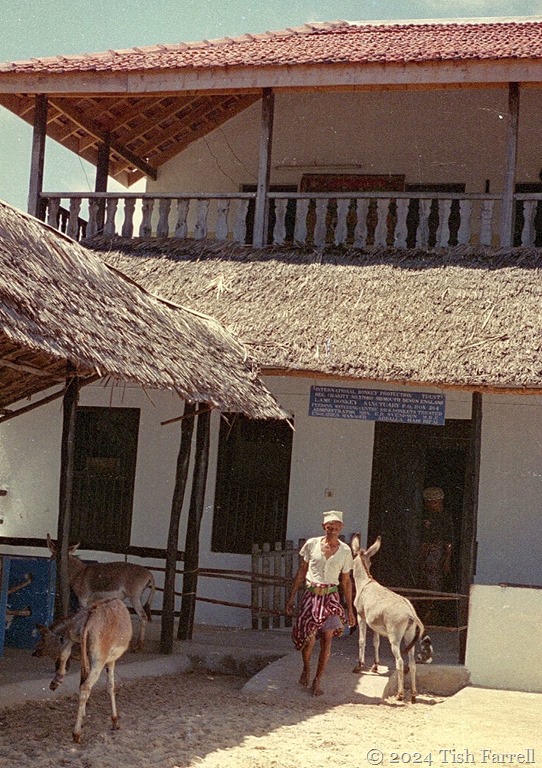
Lamu donkey sanctuary. Donkeys are a key mode of transport on the island

*

balcony 7

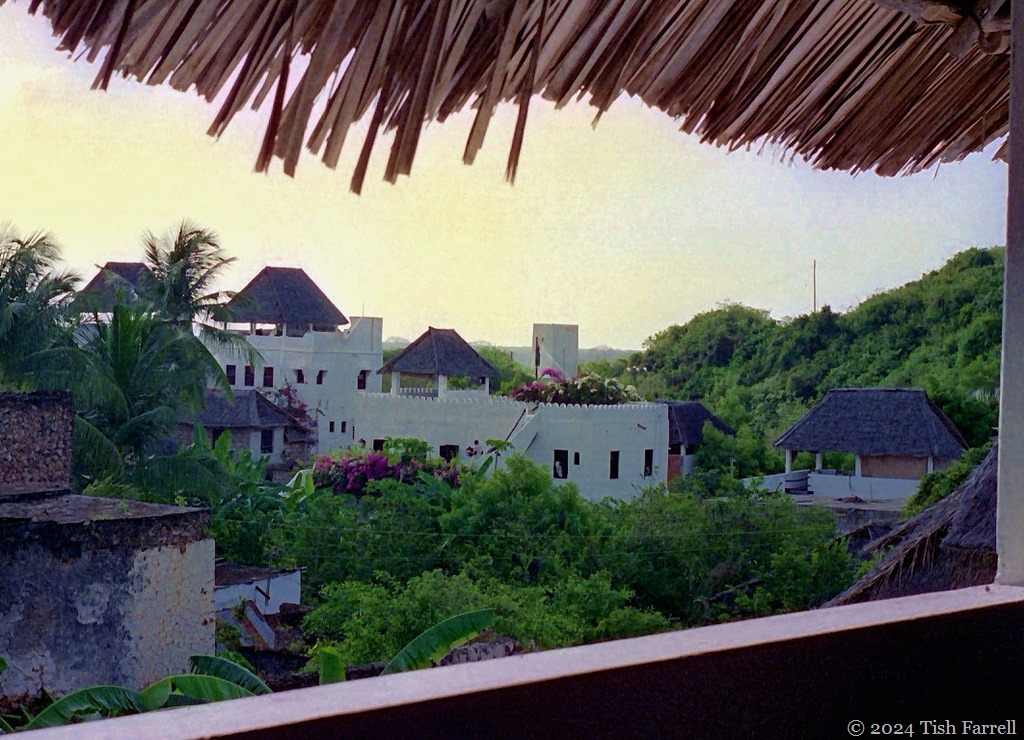
Sundowner look-out over Shela village, Lamu

*

balcony 6

Lens-Artists: Balconies This week PR at Flights of the Soul sets the theme. Follow the link for a fine gallery of balconies.

Two By Two

P1060365 - Copy

P1060368

This week at Lens-Artists, Elizabeth of Albatz Travel Adventures has us thinking about diptychs. This is what she says:

“A diptych is two images placed in proximity to one another, forming a pair. To make a successful pairing there should be several things in common, and something very different, contrasting.”

Please see her post for a range of inspiring examples.

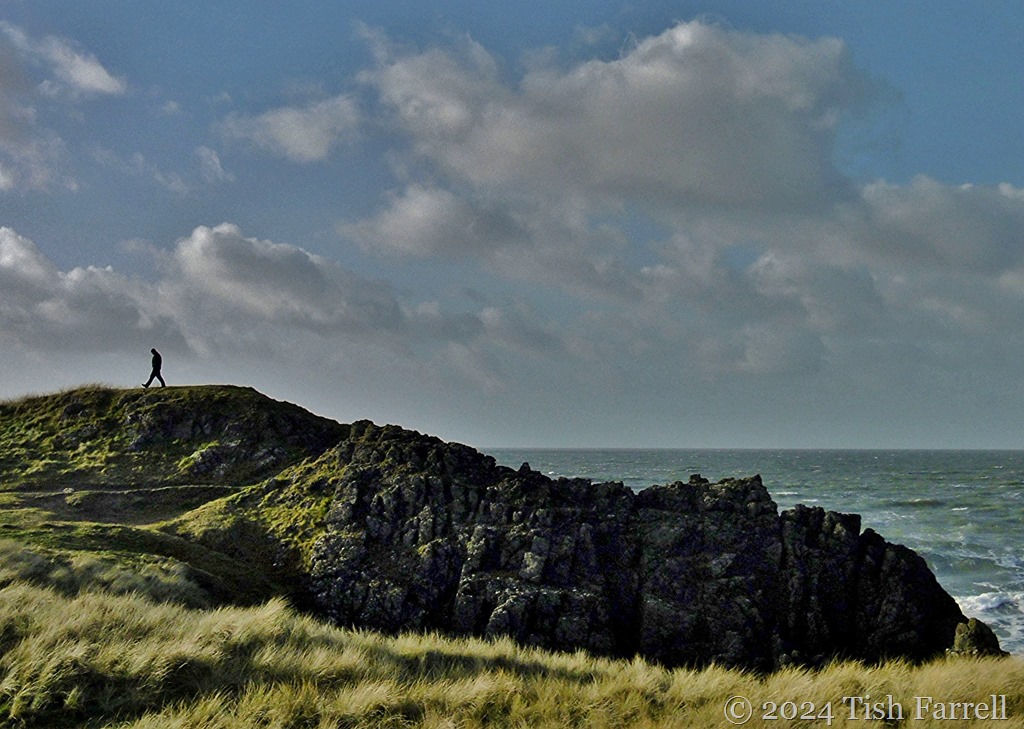
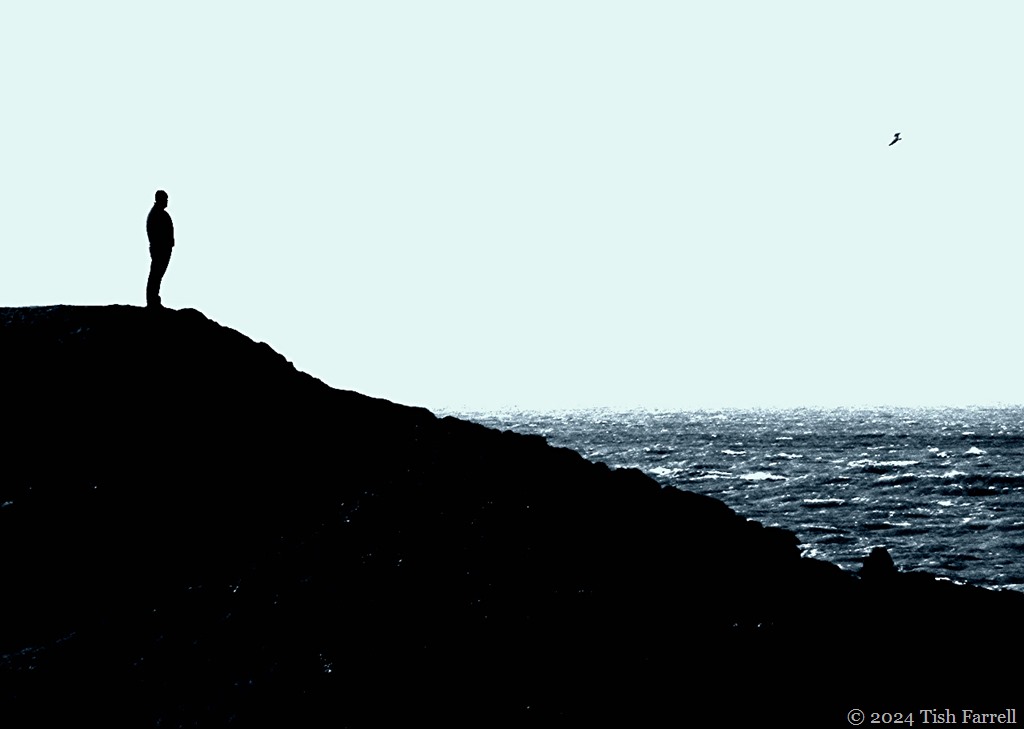
My header pair is perhaps a bit daft, but it appeals to my sense of humour: man ruminates deeply on the ebb and flow of the Celtic Sea.

Man makes up mind: enough is enough.

Location: Anglesey, North Wales.

*

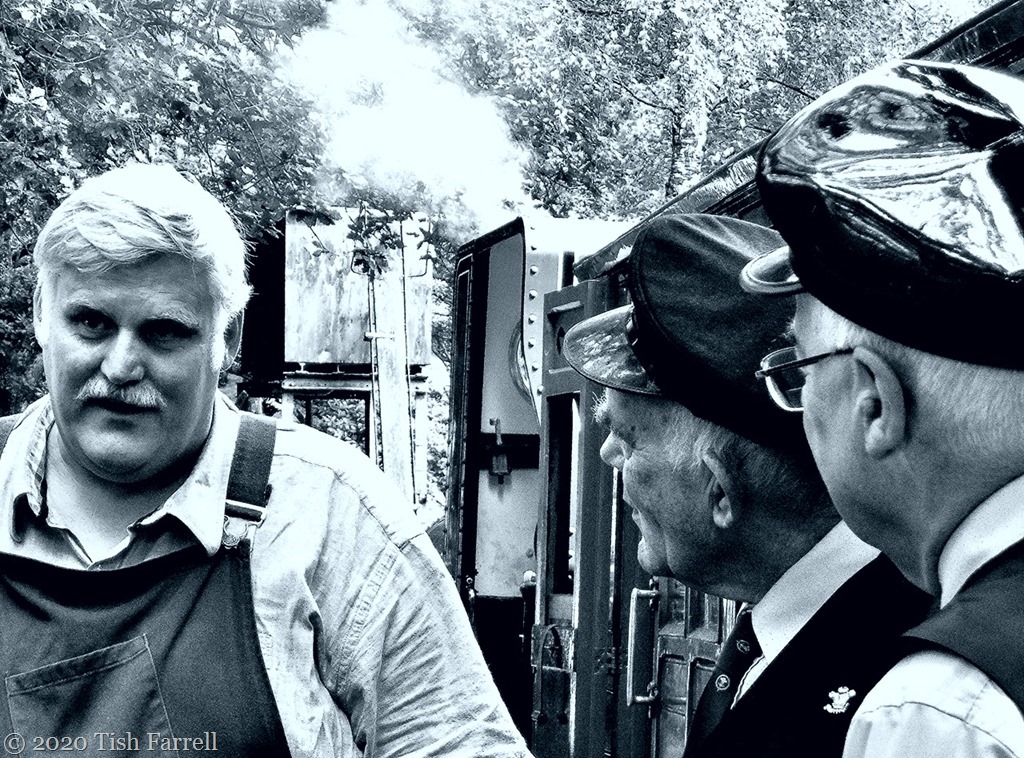
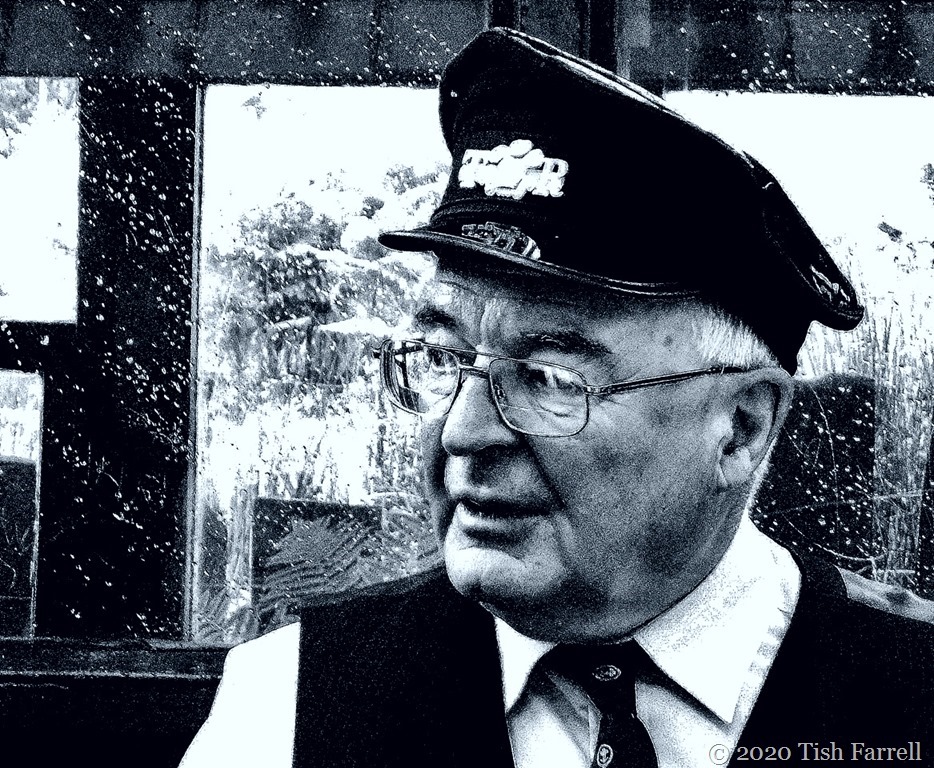
The next pair also has a Welsh location, taken on the Tallyllyn Steam Railway. Some of the enthusiastic volunteers who help run the trains:

Tallyllyn

p1040806

*

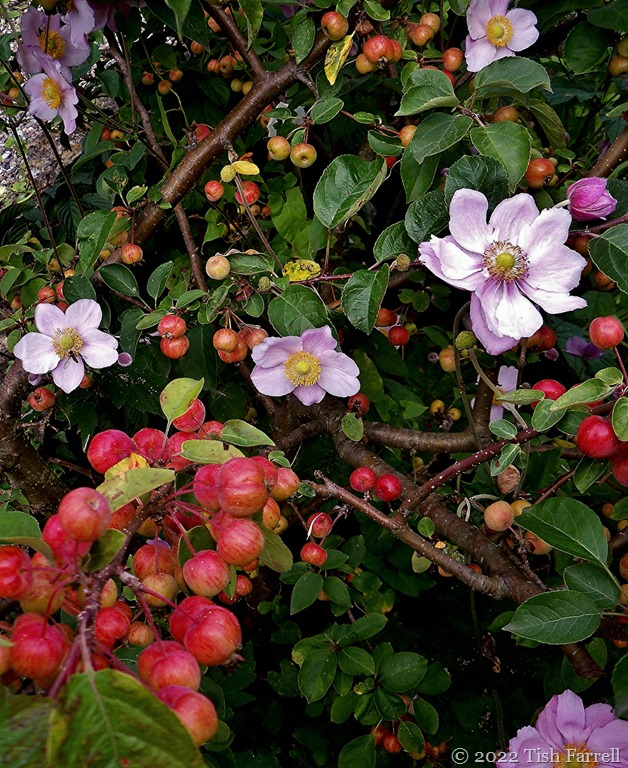
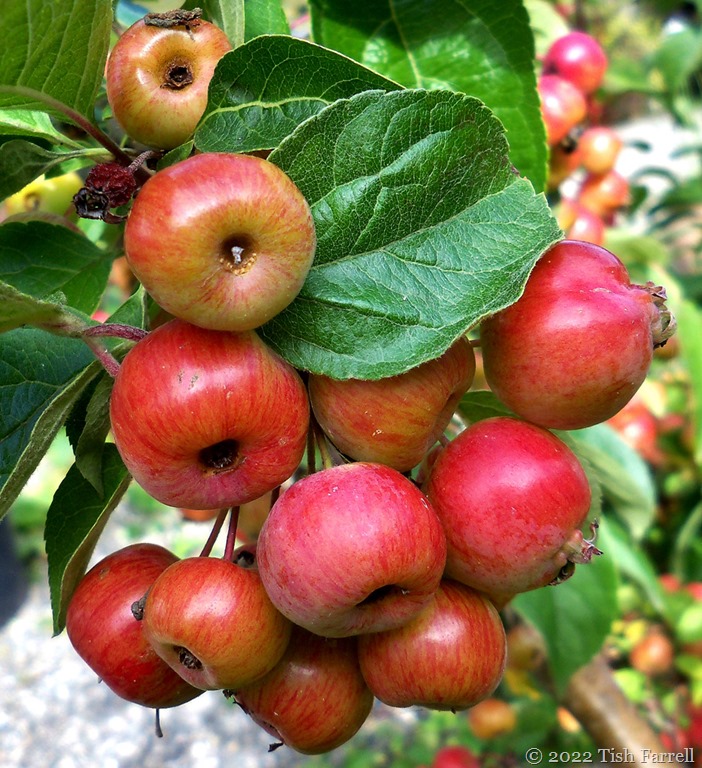
Crab Apple Tree (with Japanese anemones) in our old Wenlock garden:

100_7062

100_7068

*

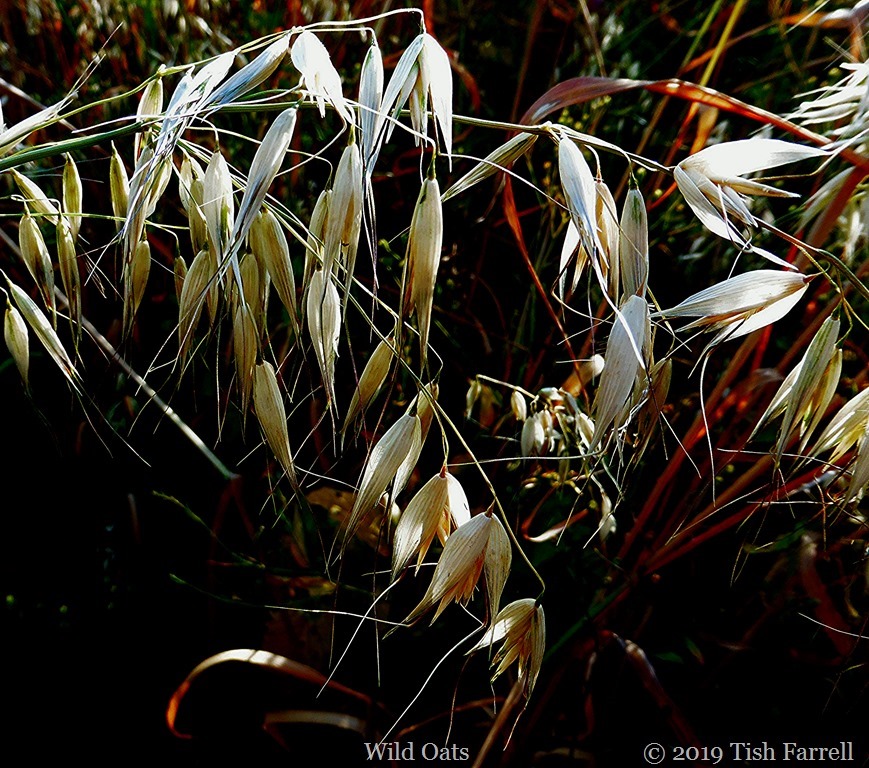
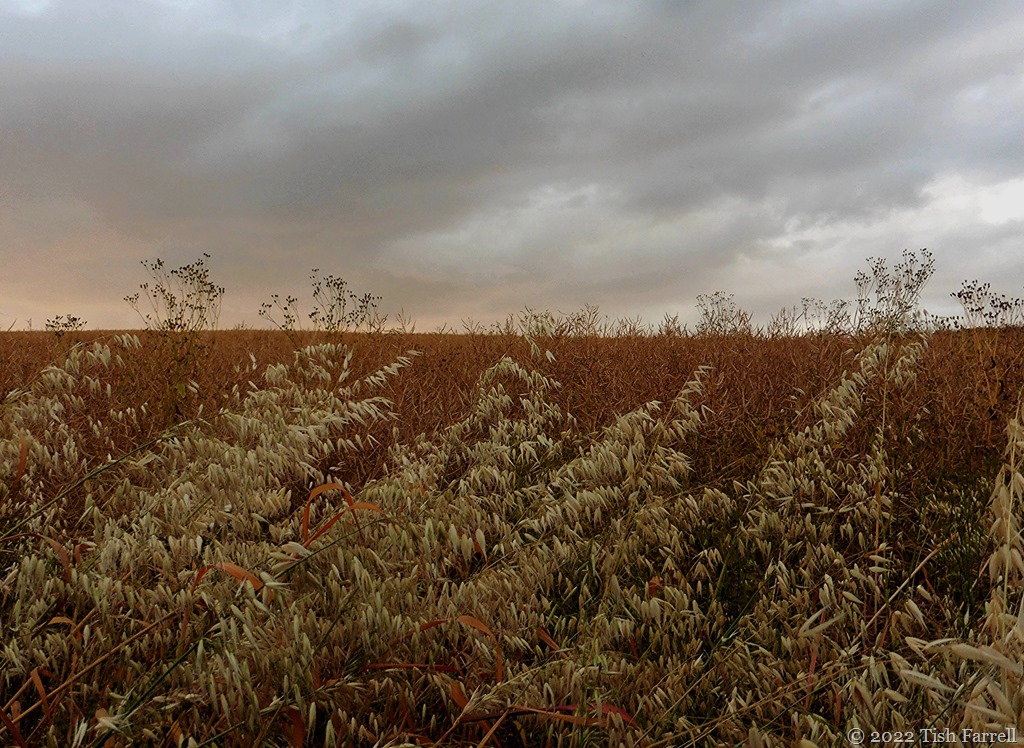
Townsend Meadow, Much Wenlock and a fine crop of wild oats:

P1070611

p1070625

*

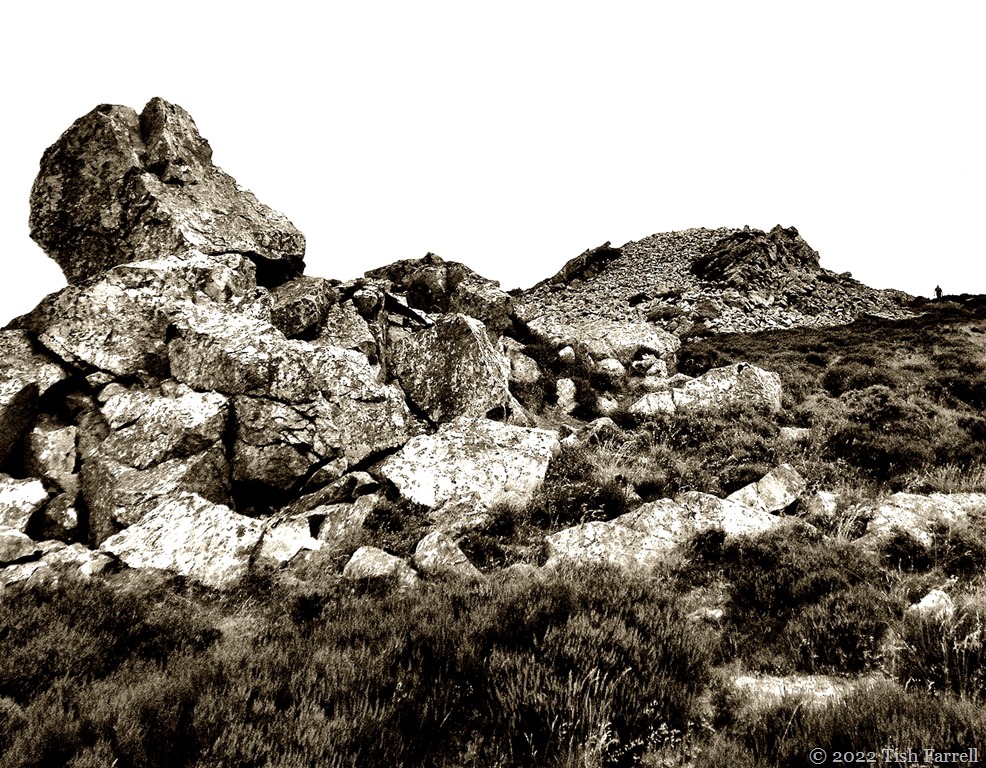
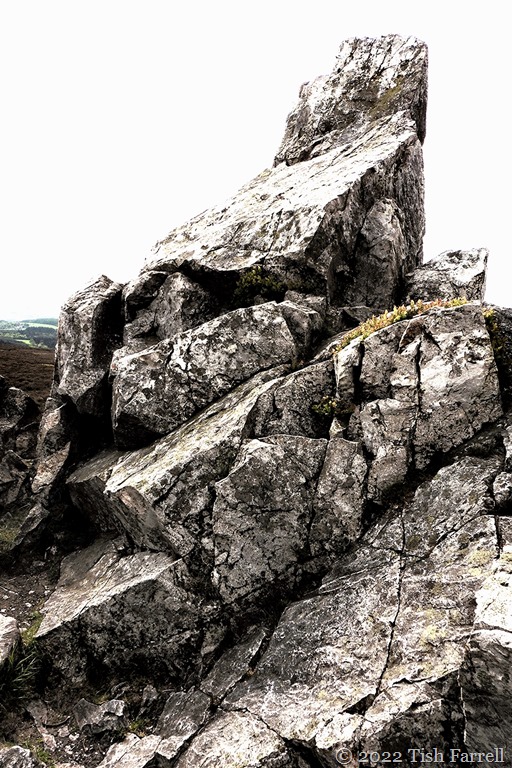
Up in the Shropshire Hills: the Stiperstones

P1080552sepia

P1060001dia

*

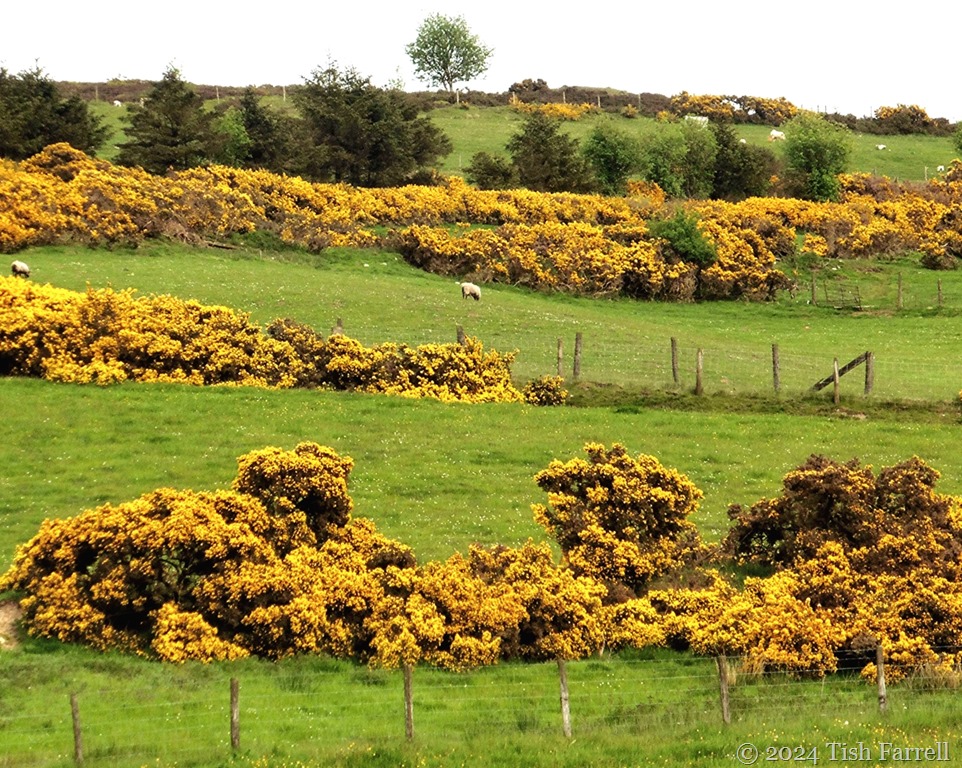
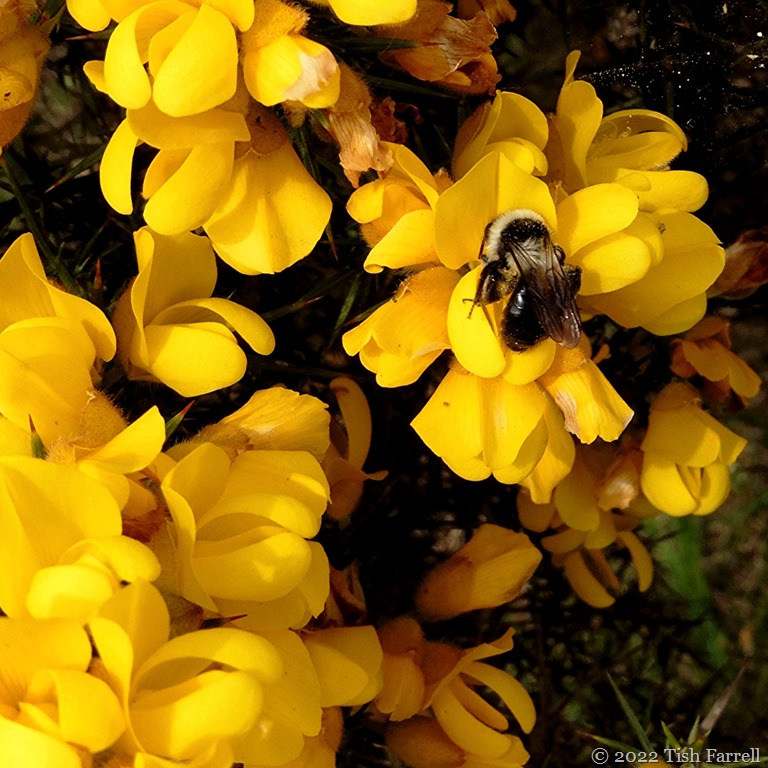
Also on the Stiperstones – fields of gorse, once widely cropped for winter animal fodder; these days, more valuable to bees and other insects:

P1060009

P1060017sq

*

And finally some light and shadow. Leaves – back lit and top lit:

img_0580

img_0568

Lens-Artists: Perfect Pairs

Pondering On The Rectilinear

lens-artists

Penmon Lighthouse, Anglesey

*

This week Lens-Artist Egidio wants us to consider the rectangular in our photo compositions (link below). E.g.  how the leading line of the horizon may create two rectangles between sea and sky, or land and sea, or land and sky. Then there are reflections to play with, or different textural zones, or a leading line up the centre of a scene dividing it visually into lateral rectangles.

And then there is rebatment/rebattement of a rectangle, which is not quickly or easily described, but my first photo (I think) is an example. The lighthouse is centred on a line that would make a square of the right hand side of the rectangle. Anyway, this technique is explained fully HERE.

Egidio gives other examples of rectangular approaches, so please pay him a visit.

These next photos were taken in the  National Nature Reserve of Ganllwyd near Dolgellau, mid Wales. The footpath took us through dense woodland with streams everywhere. There was a steep climb…

100_6484

100_6496ed

*

…which brought us here, to a mountainside that was the scene of the  Welsh goldrush in the late 19th century.

100_6545edAs you can see, it was an overcast day, and the view so big, it was not easy to know where to begin with it, or focus the eye, although the heavy clouds do indeed make their own rectangle. So…

I made use of old mine building walls and windows to frame views/narrow the focus/add a bit of interest.

100_6540ed

100_6544 - Copyed

*

And finally, down from the mountains to the Mawddach Estuary.

IMG_1645ed

And another gloomy (and very windy) day. The Barmouth Viaduct, a one-time railway bridge, now takes only pedestrian and cycle traffic. In this photo it acts like a zipper between river and mountains.

*

Lens-Artists: Two rectangles  Egidio at Through Brazilian Eyes wants us to consider the rectangular in our photo compositions.

‘I hear you singing in the wire…’

music 4

This week Egidio at Through Brazilian Eyes sets us a particularly novel challenge. He asks us to consider how our photographs might chime with particular pieces of music: perhaps something we were listening to when we took a photo, or a scene that evokes a favourite song or melody.  Go to  his blog post for more insights and some fine photography.

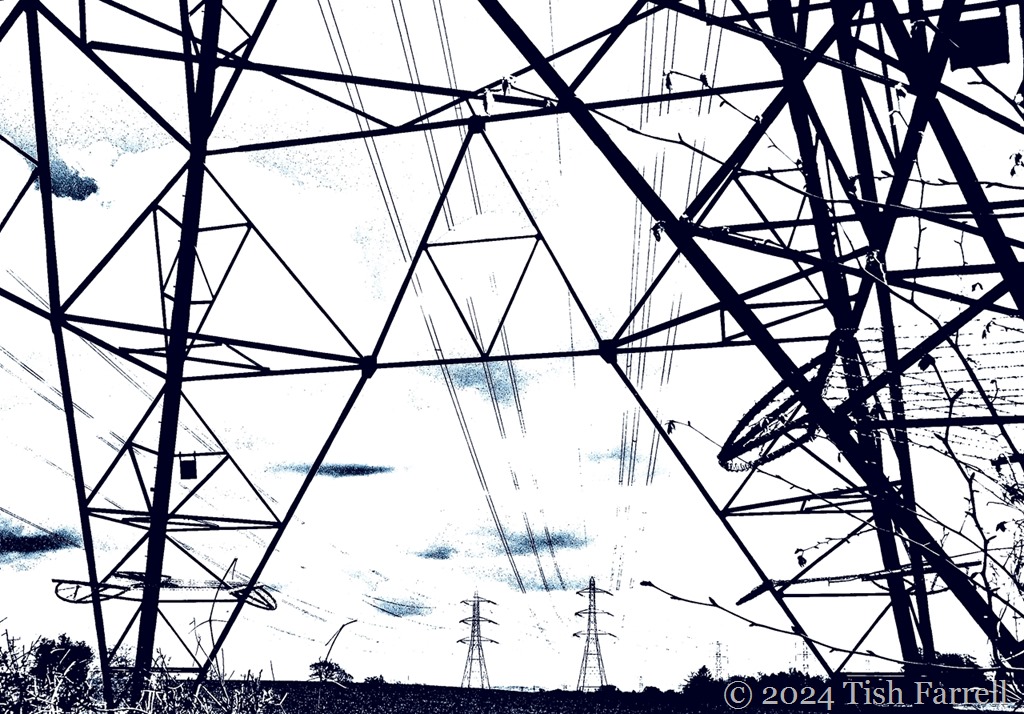
As for my musical photos here, I’ve always been fascinated by power lines. The scale and steeliness of pylons; the way they hold dominion, stride out across the landscape. There’s a sense of isolation; alienation; our physical inconsequence against these giant spawn of human ingenuity.  And so perhaps for some of these reasons, whenever I hear Wichita Lineman (Glen Campbell version of course) with its tones of longing, loneliness and big, big vistas, it never fails to resonate through my psyche. And I don’t even much like country music. But there you are: one of those conscious-subconscious mysteries.

MUSIC 2

music 6

Glen Campbell singing Jimmy Webb’s Wichita Lineman

Lens-Artists: Music to my eyes

In A State Of Abstraction

P1030760

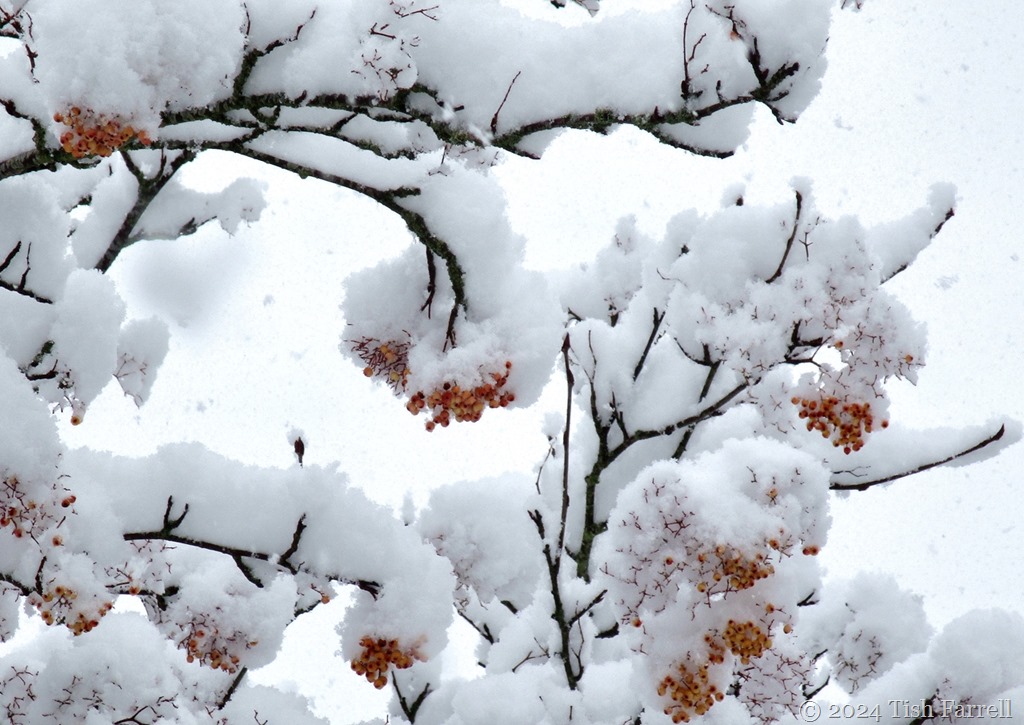
If this header photo makes you feel shivery, then that’s how it feels today in Shropshire (21 April ‘24). We don’t have ice, outside or on the windows. And the only snow we’ve had

P1030998

was back in March, and nothing like the winter white-out we had a few years ago (second photo).

But today the air, beneath a bank of sullen cloud, has a razor’s edge. When, at midday, I went to check on things in the greenhouse, I was glad I’d put on a second woolly jumper. And even that wasn’t warmth enough; still the cold crept into my bones.

What is going on? We’re three parts through April, yet the soil is cold. I keep putting off planting the seed potatoes; leaving them chitting on the potting bench. Soon they’ll be more chit than spud.

And yet, when the sun does shine, as it did yesterday, you could almost believe it was spring. (This should tell us something elemental about what warms the earth. The presence of SUNSHINE). The tulips are certainly saying spring; and the mass of wild flowers on the lane verges say so too: the star-like stitchwort, cowslips, primroses, Jack by the Hedge, the gaudy hoards of dandelions…

tulips abstract

*

And the trees are bursting into leaf, the first flush of greens tinted bronze and pinky-purple and pale gold:

trees abstract

*

And then the farm hedges are white with blackthorn, and the farm fields bright acid yellow with oil seed rape flowers:

oil seed rape1

*

And in the garden the lilac buds are forming and the apple blossom full-on:

apple blossom abstract

*

Meanwhile on the house renovation front, we are very glad, (what with the persisting coldness) that the roof is now restored:

roof abstract

and that we’re almost done with the conservatory demolition. This is the floor:

rubble

*

And that our hero builder has cleaned off and saved over three hundred bricks from the dismantling to use on the extended exterior.

For now they’re stacked on the garden wall, making their own installation:

bricks.jpg

*

With all that’s going on, I’m also thinking that a state of abstraction is good place to be just now. So many thanks to Ritva at Lens-Artists for this interesting approach.

Lens-Artists: Abstracts   This week Ritva gives us abstracts. Go see her post and be inspired.

Mad About Megaliths

2

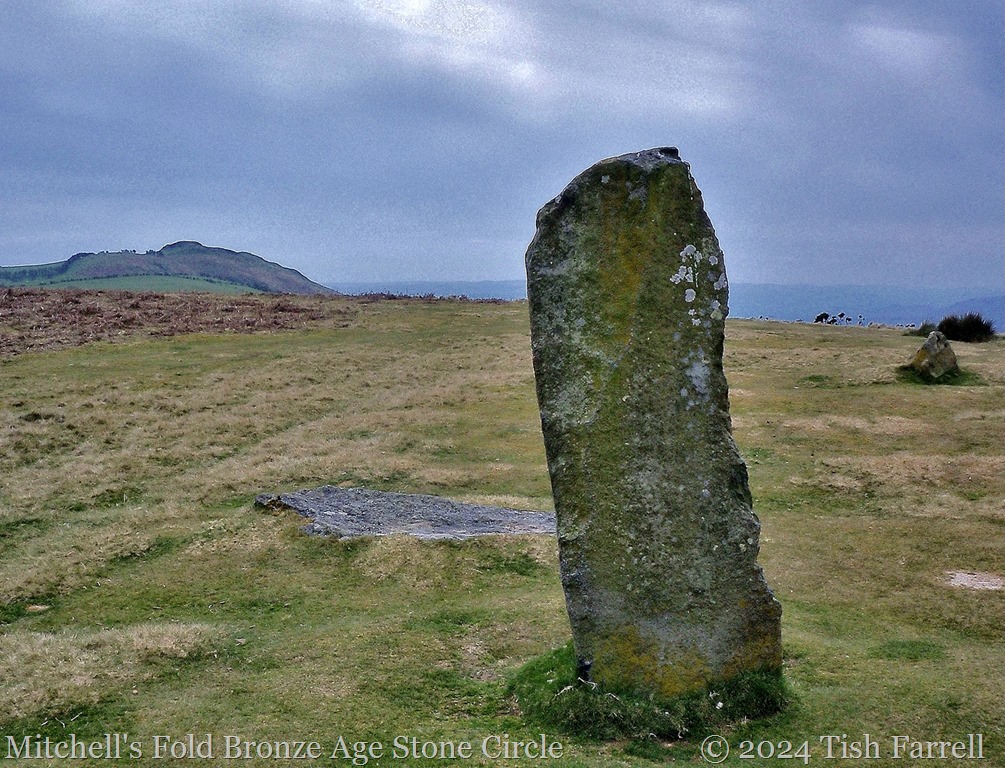
It’s an old passion, the love of old stones, already set in before my first decade on planet earth. My memory tells me it had something to do with Saturday afternoon drives along Cheshire lanes and mother announcing that the unusual row of cairns along one such lane were the ancient Celtic graves of sacrificed virgins. Sometimes she could be most unsuitable. The story wasn’t true anyway, but it sparked a yen for things prehistoric.

P1030697ed3

Mitchell’s Fold Bronze Age Stone Circle, Shropshire

*

My second decade thus found me sitting in the basement lecture rooms of Sheffield University Arts Tower, looking at slide shows of standing stones, cairns, cists and chambered tombs, the subjects frequently screened upside down. The lecturers in the small Prehistory Department, couldn’t seem to fathom the loading of the slide carousel (it became a standing joke). And then they didn’t seem to think it mattered which way up we looked at things.

P1070984ed

They were probably right. After all, there is very little one can say about these ancient structures and configurations. We might be able to hazard a date for their construction from some excavated artefact found nearby. And we know that tombs were tombs from the human remains found within them.

We also know that these sites must have been hugely important to the people who constructed them. (Think physical effort needed to heft the stones; antler picks and stone axes the only available technology). And then there is the siting of the monuments which, in nearly all cases, strongly suggests pre-literate humanity’s elemental connection with landscape. Place had MEANING; all of it doubtless sacred in ways we no longer grasp.

But when it comes to knowing who the people were, and how they lived and what they believed – the rituals and customs honoured over generations – then the stones remain stonily silent.

And I think that’s what I like about them. They are mysterious. Utterly mysterious.

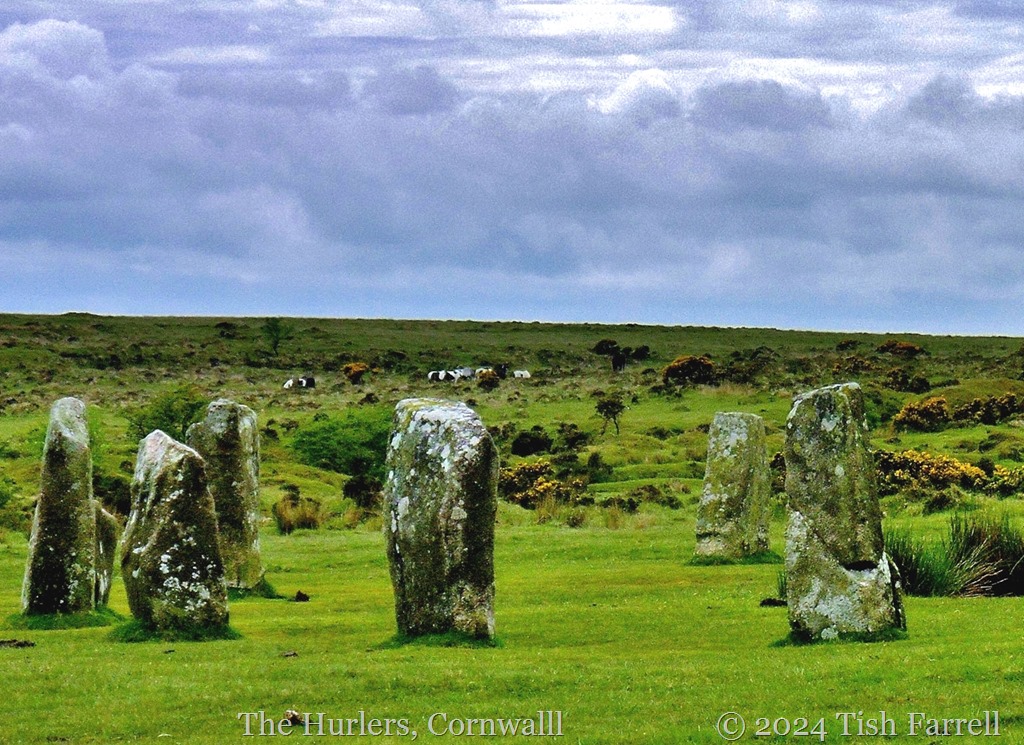
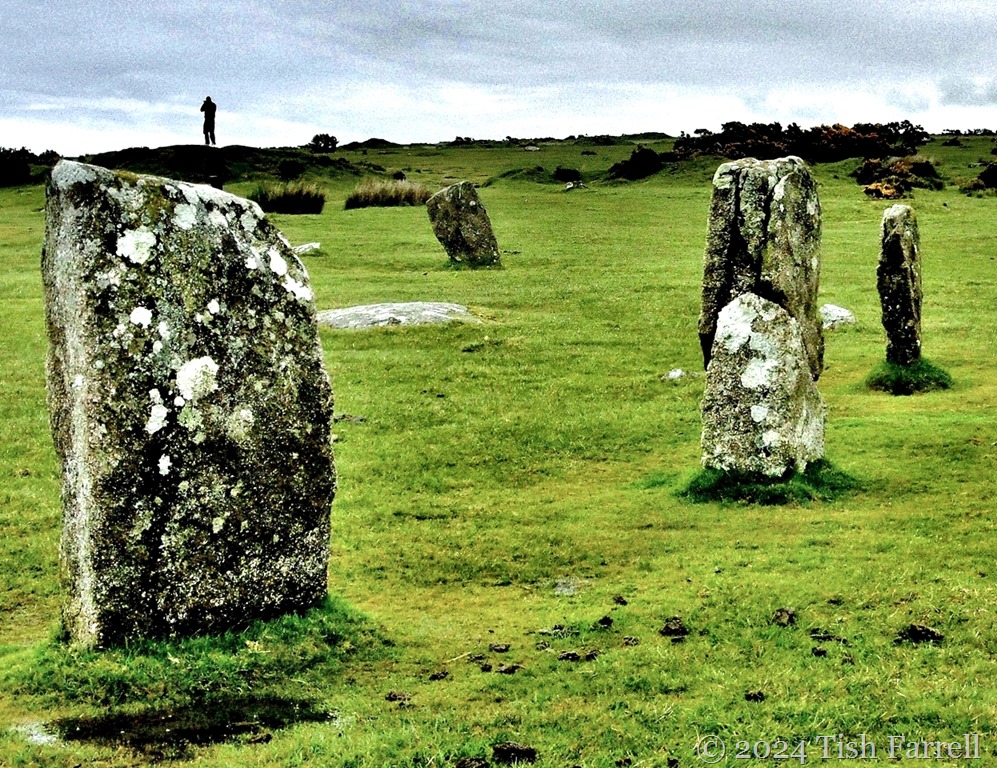
Here’s another photo of  The Hurlers stone circles on Bodmin Moor, Cornwall. (The obvious mystery here being who or what is that seeming pendant figure on the horizon?) The Hurlers are said to date from the late Neolithic, early Bronze Age (so around 2,500 BCE) and they are unique in that the site comprises three perfect circles set in a row. (Impossible to photograph without a drone). But that’s not all. P1070982ed

*

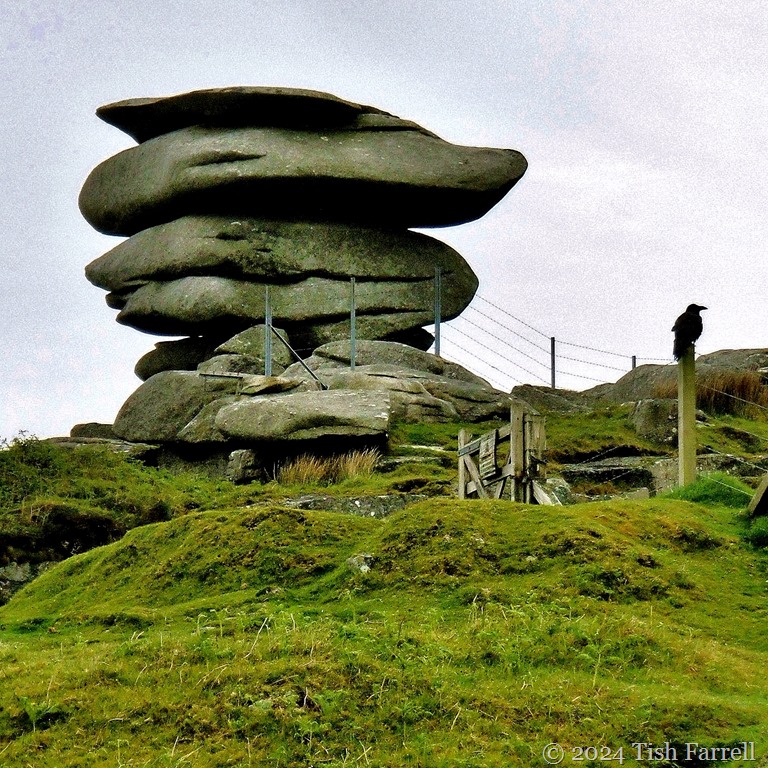
The circles line up with a striking natural feature – the Cheesewring granite tor (Keuswask in Cornish), which of course makes one wonder if it somehow featured in the circle ceremonies, if only as a beacon site to gather in communities from across the moor.

P1080012ed

*

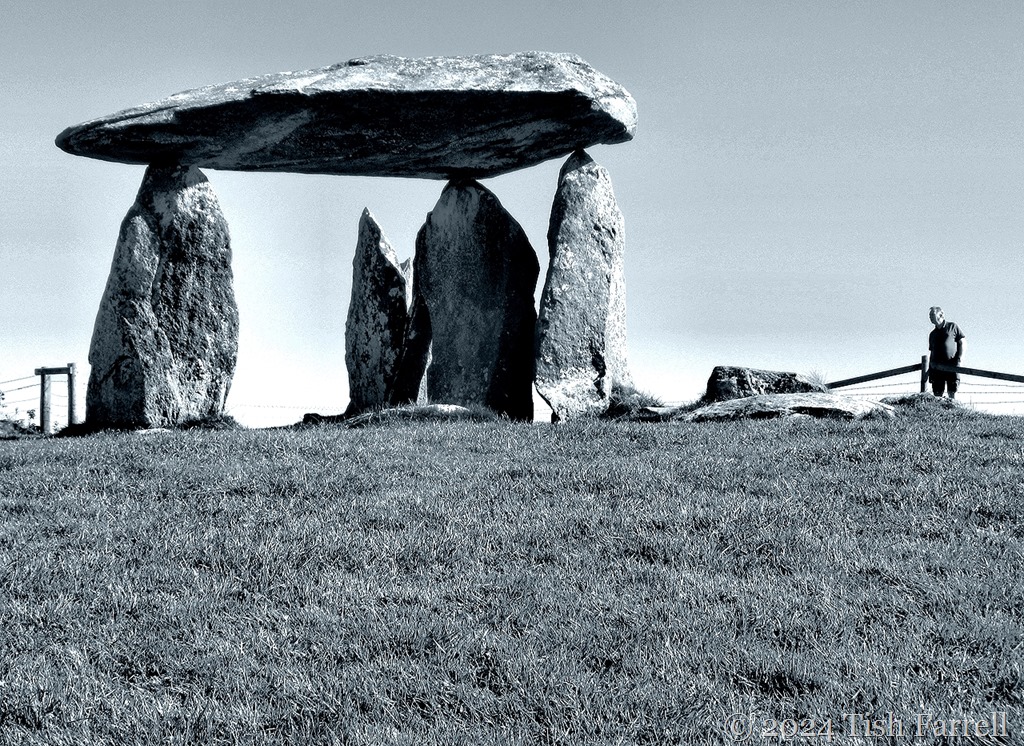
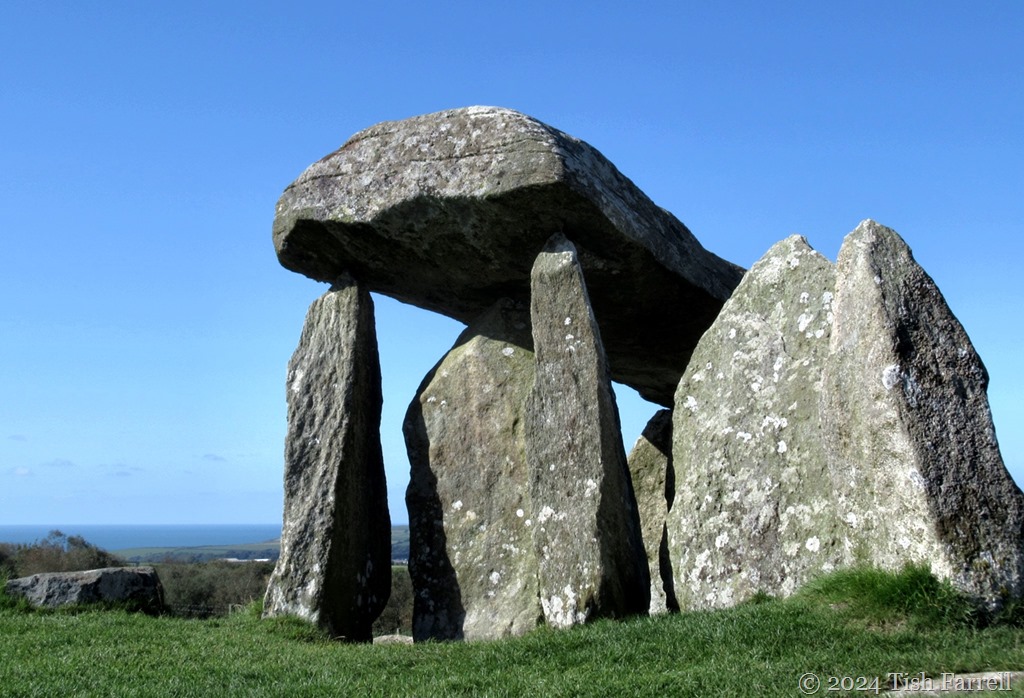
In Pembrokeshire, West Wales, there are numerous megalithic sites. One of the most striking is Pentre Ifan chambered (dolmen) tomb c. 3,500 BCE. The capstone is seventeen feet long and thought to weigh around 16 tons.

IMG_4581ed

*

The finished tomb would have been covered with a huge mound of stone and earth, and the whole constructed in sight of the sea and  Mynydd Carningli (Mount of Angels).

Pentre Ifan

Pentre Ifan 2

You can read more about Pentre Ifan in a previous post HERE.

Lens-Artists: Rock Your World   This week Donna sets the theme with photos of some fabulous rocky subjects. Go see!

Moving Water, the Wales Edition

IMG_1740ed

*

Whenever  you visit Wales, you can always be sure of plentiful H2O. Whether it’s tumbling down mountains, as here at the foot of Cader Idris…

100_6495ed

IMG_1725ed

*

Or filling rivers as in the Mawddach Estuary near Dolgellau…

p1040713bw

57

IMG_1645ed

*

… and the River Glaslyn at Porthmadog  (Wales’ tallest mountain, Snowden, in the background…

100_4726

*

Or on its sea shores…

IMG_0620

at Harlech, North Wales,

*

Broadhaven

P1040499

…Newport and Fishguard, Pembrokeshire:

IMG_4614ed

DSCF1110ed

*

or on the island of Anglesey

Henllys

IMG_0789ed

100_7163

P1060448

P1060382ed

*

Or simply dropping from the sky…

storm

IMG_9280

*

You can tell we love visiting Wales, can’t you?  Though usually best to take good rainwear.

IMG_1740ed2

Lens-Artists: water in motion   This week Sofia inspires us with some wonderful compositions. Go see!

Window Shopping: Looking In, Looking Out?

window shopping

A pre-Christmas break a few years ago. We were in Hay-on-Wye, the quaint Welsh border town on the banks of the mighty River Wye. Its primary claim to fame is that it’s full of second-hand book stores, including the world’s largest started in 1961 by Richard Booth, he who later declared himself King of Hay and was all-round responsible for putting the town on the booklovers’ map.

Richard Booth window shopping

*

But even bibliophiles need a break from browsing the stacks, so there are also cosy cafes, quirky antiques shops and artisan crafts emporia to wander round. There’s even a castle, bought by Richard Booth in 1970 and recently restored to provide all manner of cultural events and exhibitions.

And talking of booklovers’ maps, here are some actual maps.

map woman 2

On the street below the castle we found a shop selling antiquarian ephemera, including prints and old Ordnance Survey maps. My eye was instantly caught by this well kitted-out young woman. She won’t get lost, I thought; a new-old take on tracking devices – rambling jacket made of maps. (You can just see the outline of the pre-restored castle in the reflection behind her.)

Here’s the full shop frontage.

map woman

map woman 3 cropped

That gaze says determination, doesn’t it. Madam definitely knows where she’s going.

*

But back to the mysterious header photo;window shopping

It was a strange experience to find myself regarded through a slit in an otherwise blanked-out shop window. It makes me wonder, which of us is doing the window shopping? There she was – watchful, wistful, captive or femme fatale? – looking out from what proved to be a vintage costume store. She lured us in of course.

And finally, Hay at twilight:

window shopping 3

*

Lens-Artists: window shopping  This week Ritva sets the challenge. Please see her post for creative tips on how to approach it.

Once heard…

Marsh Pride male 1 ed

*

…never quite forgotten.

Thrilling and chilling both: a wild lion, in broad daylight, proclaiming his eminence. And not a full-throated Metro-Goldwyn-Mayer lion-roar (there’s no big show of fearsome canines); more a weaponized grunt that carries across the Mara grassland and rebounds against my sternum. And then in my skull.

It takes some moments to re-ground, and assure the nervous system we’re not in danger.  We’re sitting in a big safari truck. The lion does not even look at us, nor appear to register our presence.  We pass by slowly. He parades. Our guide tells us he is the senior male of the Marsh Pride, a group of lions made famous on British TV during the 1990s, when wildlife photographer, Jonathan Scott, documented their movements. This lion, we’re told, is calling to the junior male. Meanwhile the pride’s three lionesses are busy devouring the kill, a hartebeast. They don’t see us either.

But still that resonating roar.

Throwing the voice is part of a male lion’s M.O. A spot of leonine ventriloquy if you like. To make themselves sound bigger and deadlier, they may also choose a dried up river bed for some night-time roaring. The dirt bank of a donga provides a  ‘sounding board’ to amplify the roar which may carry for several miles. Obviously the aim is to let other males know exactly what they’re up against should they dare to infringe territorial bounds.

We drive away, feeling somehow changed. Very small perhaps. It’s August 1999, the last of our seven years living in Kenya. When we return to England for good, what will we make of such days? Did they really happen? Sometimes it’s hard to be sure.

marsh pride senior male

*

To hear that lion call for yourself, there’s a brief clip here:

https://www.youtube.com/watch?v=1e0_4dwF9A4

Lens-Artists: Sound   Donna at Wind Kisses choses sound for this week’s theme – however you care to interpret it. Please pay her a visit.