Time For The Big Leaf Harvest ~ The Gardener’s Gold

P1090795

For the last week I’ve been out and about on woodland paths scooping up fallen leaves into big blue IKEA shopping sacks. This pursuit invites worried stares from passing dog walkers and the ingress of nosy dog noses into my bags of gatherings – presumably in hopes that I’ve also raked up decomposing animal parts, or at the very least, an interesting stick.

Two days ago, by such devices, I was nearly able to kidnap a very nice cockapoo, and after my exchange with its human companion, I rather wished I had. ‘They are lovely dogs,’ I say to the man as he closes in on me. ‘I wouldn’t know,’ he says dismissively. ‘All I know is it needs a lot of exercise.’ Well, I thought, such disgruntlement in the face of this good-hearted, intelligent canine whose cappuccino coloured face I am presently clutching (come home with me little woolly dog). I decided he must have been dragooned into enforced dog walking by a wife at work, or an aged mother-in-law – how else could one explain such sour reactions.

But back to the leaves. When I’ve filled two bags I haul them down the footpath to the allotment where I tip them into wire silos. After that it’s a question of waiting for them to rot down into leaf mould. Usually this takes about two years if you want dark crumbly loam. The process can be speeded up by shredding the leaves first, hence my collecting them on paths where people walk and mash them up. Oak, beech and hornbeam leaves are said to make the best leaf mould since they break down well. It also helps to turn the pile now and then and give it a watering if it looks like drying out.

There’s not much nutrient content in the finished product, but it helps retain moisture and is brilliant as a general soil conditioner, to pile round the roots of cane fruit and for mixing into potting compost. Last year I was also glad to use the half-rotted stuff as a mulch to stop the vegetables from baking in the heat wave. In this state, too, it can be used to cover bare earth over the winter. Always a good move if you want to encourage worm activity as every gardener does.

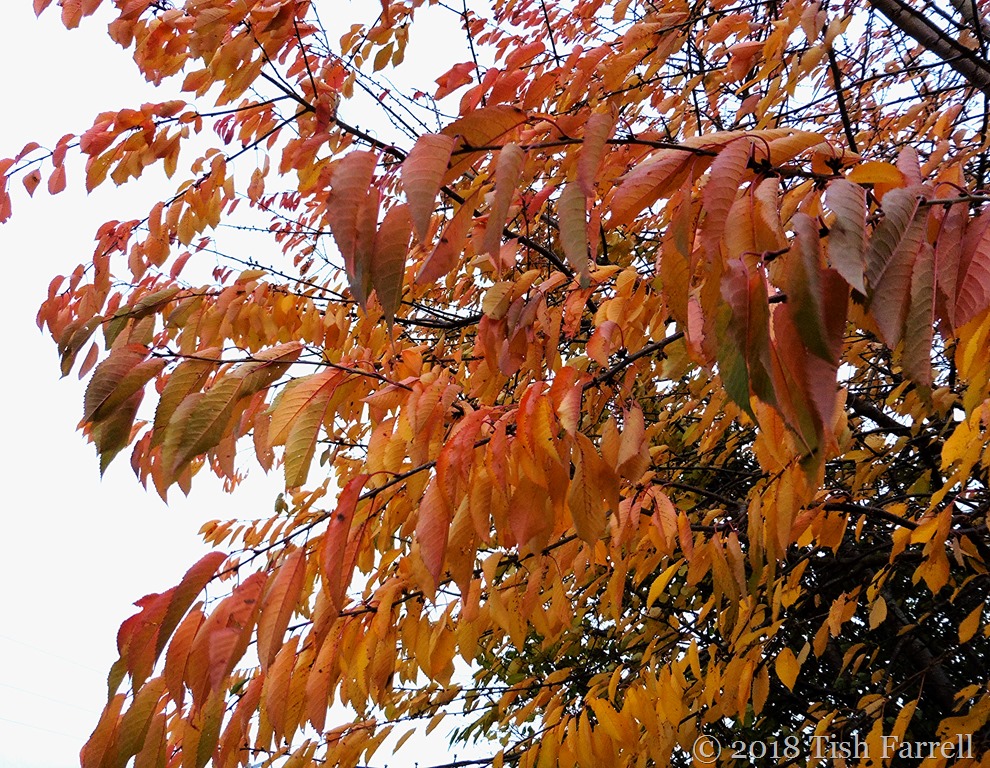
But obviously the best part about the leaves just now is their magnificent glow. At half past four yesterday as I left the allotment it was already heading into dusk, but the bird cherry was lighting up the place like a torch. And further along on the field path a beech hedge was floodlighting its garden. What a show. I took its photo, while making a note to return when all the leaves had fallen off. So much treasure for the taking.

P1090813

copyright 2018 Tish Farrell

Lions ~ Now You See them, Now You Don’t

375

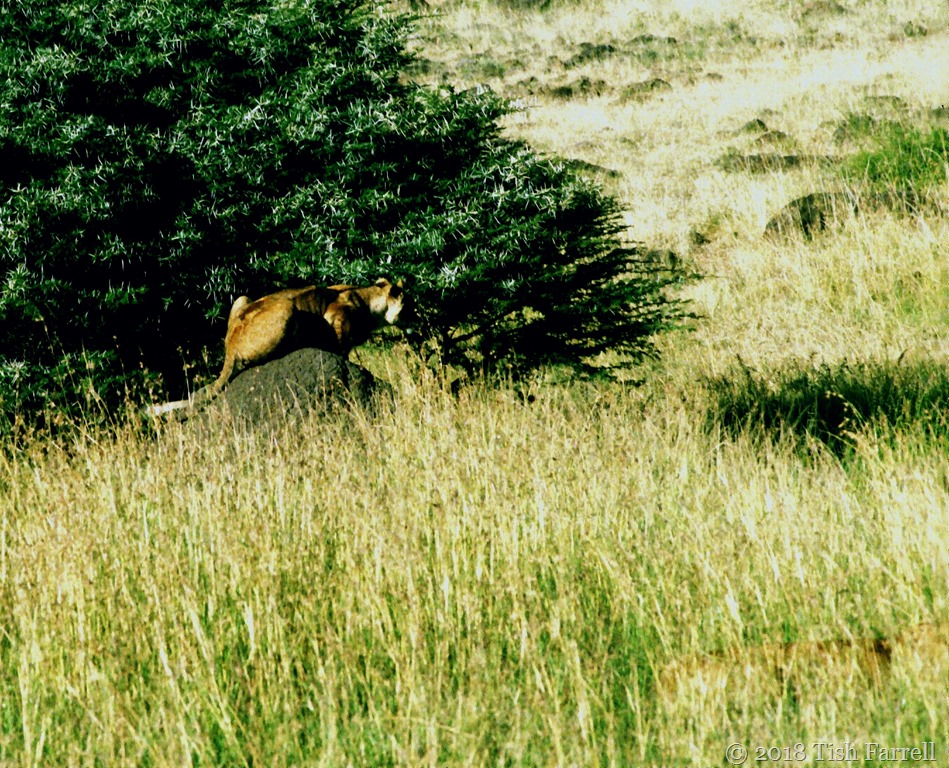
Lions are the past-masters when it comes to both standing out and blending in – this week’s photo challenge from Ann-Christine at Lens-Artists, which sent me rifling through the old Africa Album for some good examples. These were all taken in Kenya’s Maasai Mara back in another lifetime. The header shot shows both leonine proclivities – the art of showing off and of disappearing in foot-high oat grass. I think there are at least three lions in this shot. In the following close up you can see one of them – just right of the lioness’s left ear. Probably a male.Mara lioness 2 (2)

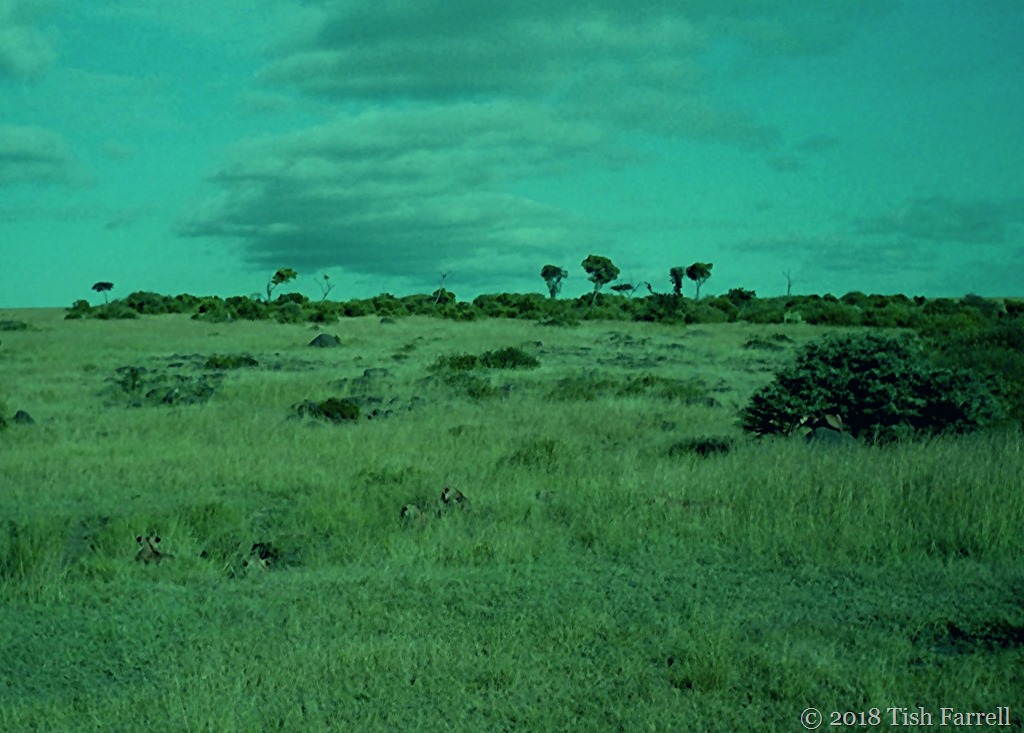
But what about this next shot – can you spot the second lion? Course you can, now you know what to look for:

Scan-130520-0019

*

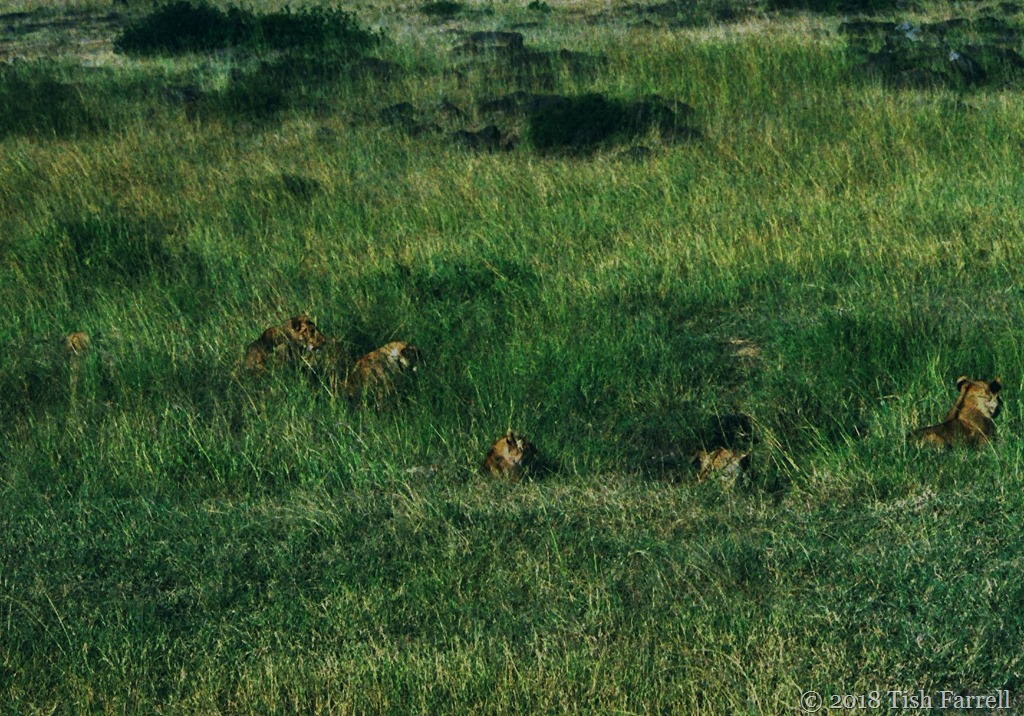
And here’s a different kind of concealment – the whole pride in a gully; their concentrated gaze suggesting thoughts of dinner and where they might find it.

Scan-130520-0011

Scan-140731-0033

Lens-Artists: Blending in or standing out

Today A Touch Of Garden Magic ~ Foxgloves?

IMG_7787

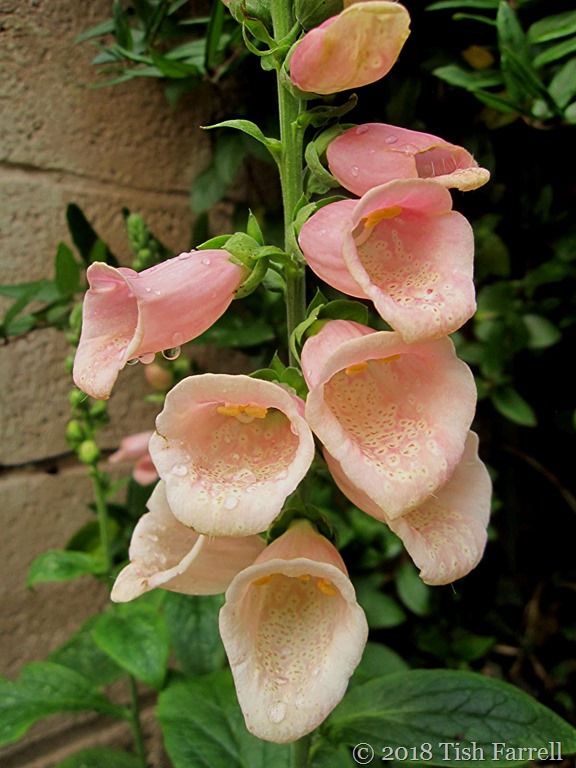
Well, it has to be some kind of magic, foxgloves in November. And not just one aberrant stem, but several all set to bloom. And this after last week’s several frosty days. But what a treat to find it flowering outside the back door – its blushed peachy shades looking far too delicate for this autumn outing.

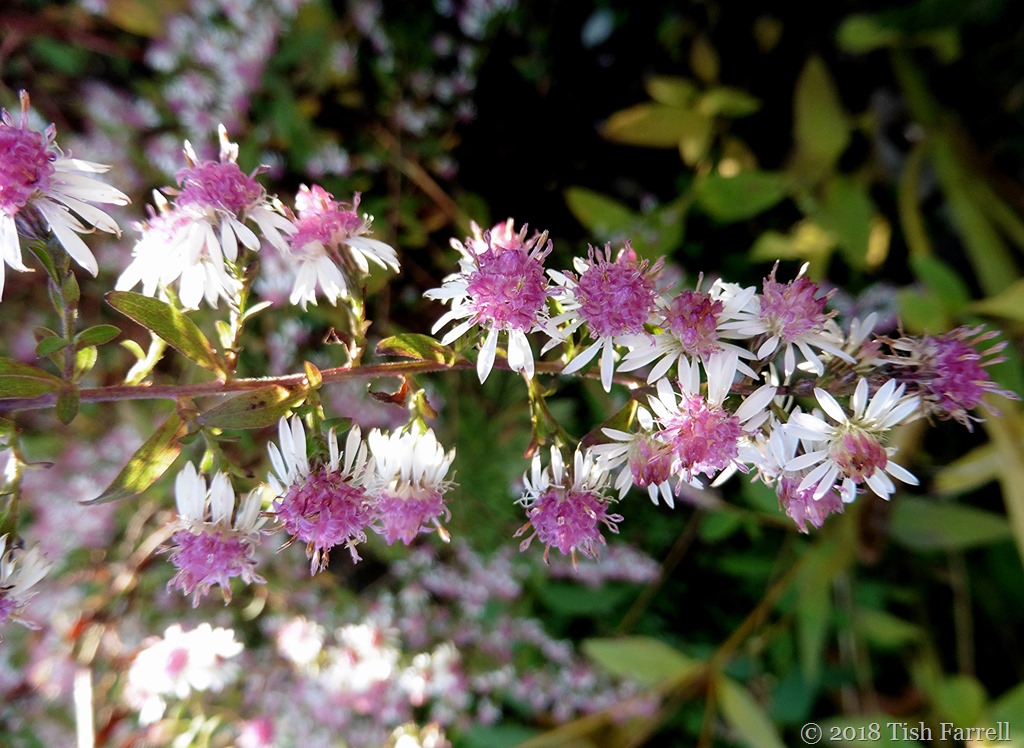
There are other treasures too. In the raised bed at the top of the garden there are delicate cascades of Aster Lady in Black. I bought it at the end of last summer, and it has just now come into its own. It doesn’t grow too large, but has dark stems and feathery leaves and a slightly unruly habit, and while the individual flowers are tiny, the overall effect is perfect for brightening a late season border.

IMG_7796

P1090541

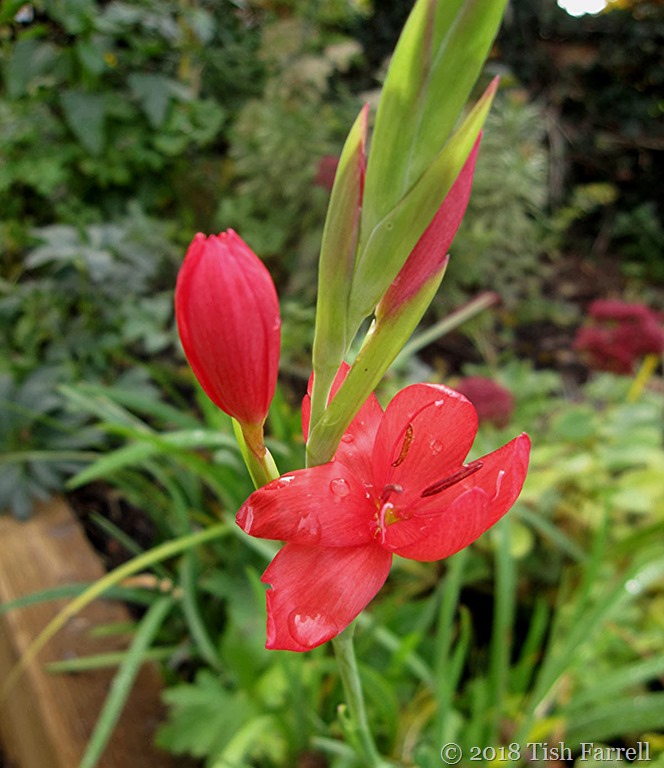
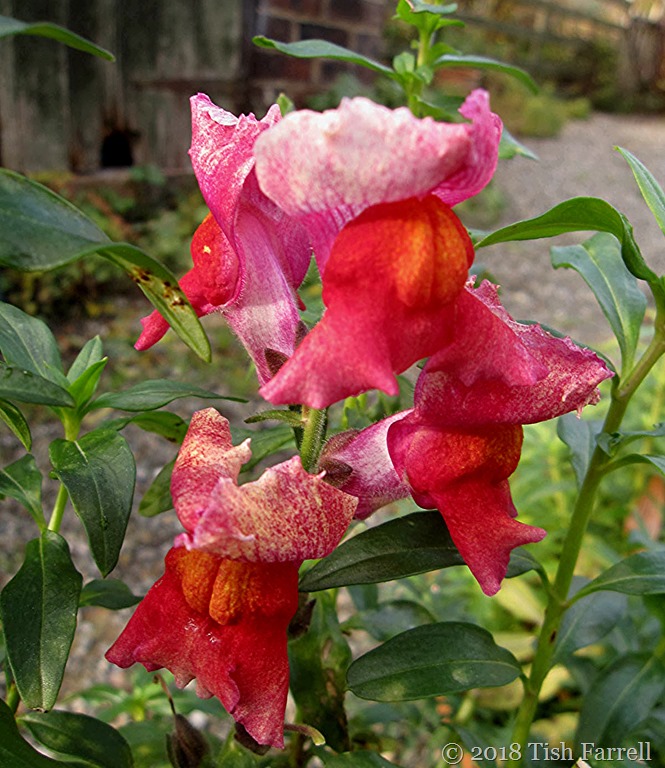
And then there are still some crimson snapdragons and coral hesperantha:

IMG_7792

IMG_7794

Charlotte Bronte Was Here ~ North Lees, Hathersage 1845

P1080850

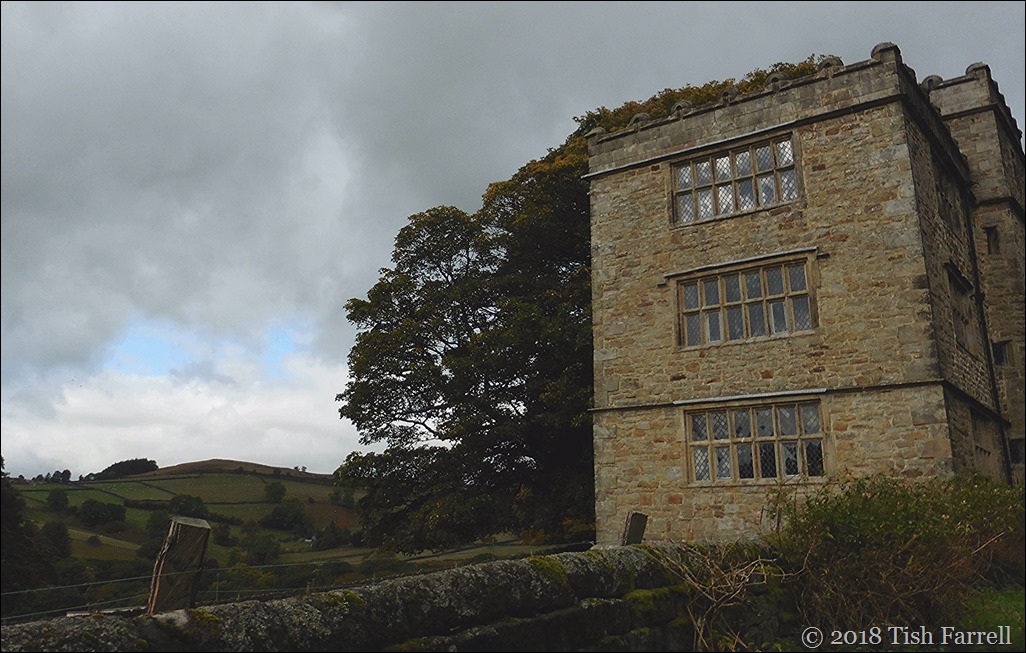
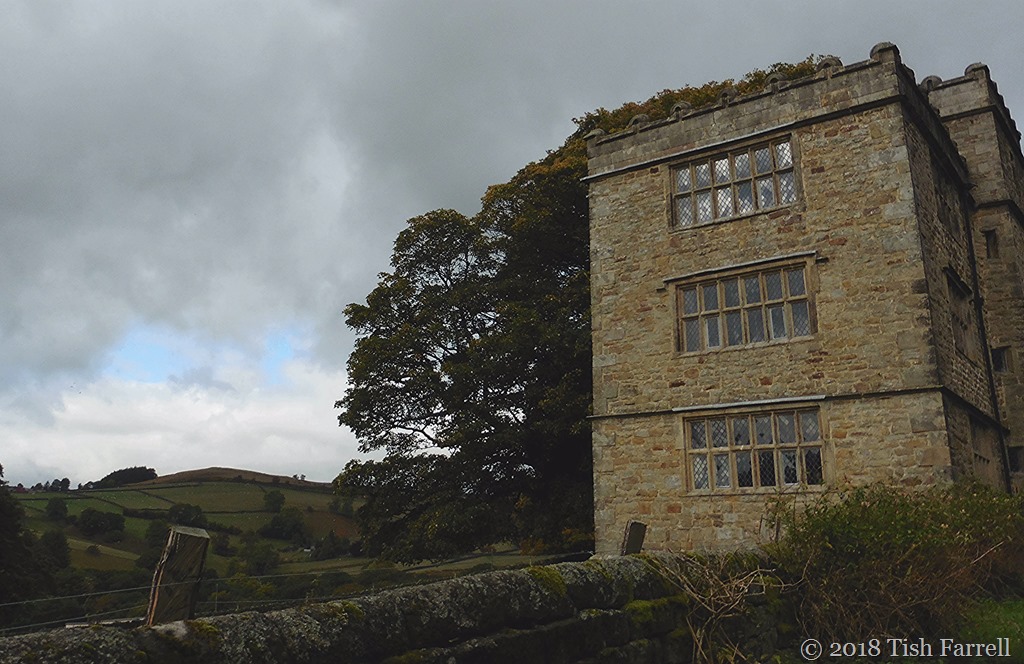
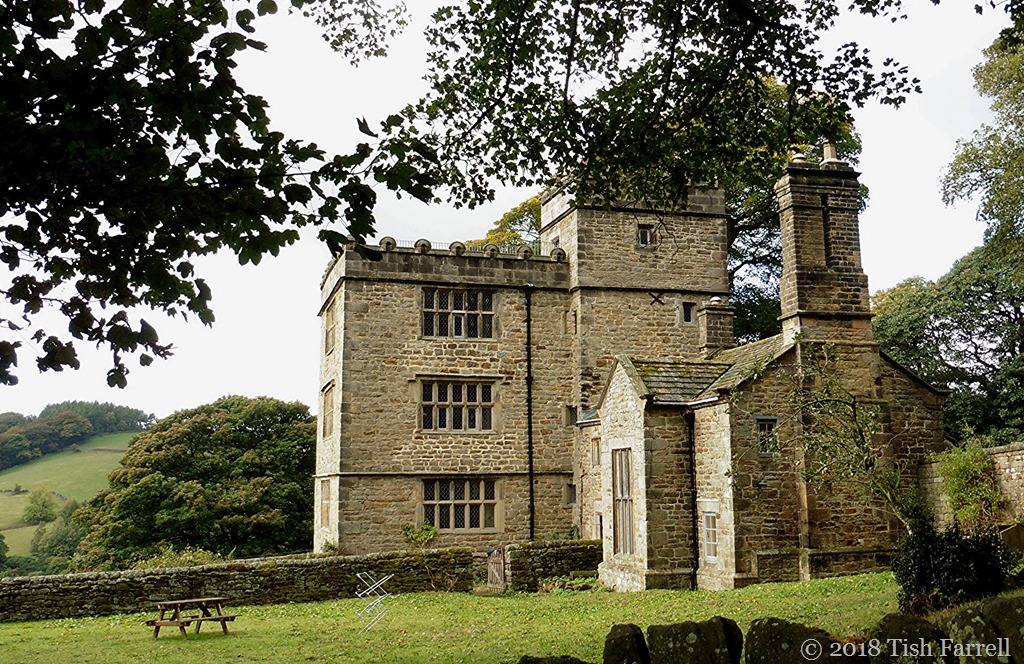
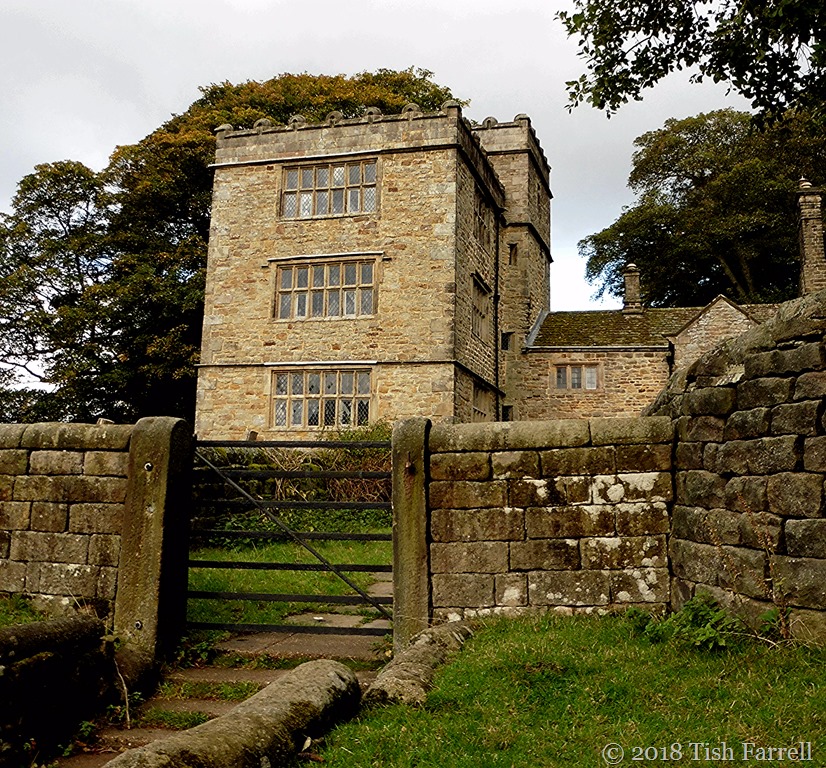
I stepped over the threshold. It was a fine autumn morning; the early sun shone serenely on embrowned groves and still green fields; advancing on to the lawn, I looked up and surveyed the front of the mansion. It was three storeys high, of proportions not vast, though considerable: a gentleman’s manor-house, not a nobleman’s seat: battlements round the top gave it a picturesque look.

Charlotte Bronte’s description of Thornfield Hall from Jane Eyre

P1080848

I’ve written about this before – that the Derbyshire village of Hathersage and its bleak high moors seem to have provided Charlotte Bronte with much of her setting inspiration for Jane Eyre (See earlier post Jane Eyre was here: or was she? ). But on our recent trip to Derbyshire I had the chance to have a look at North Lees for myself and take these photos.

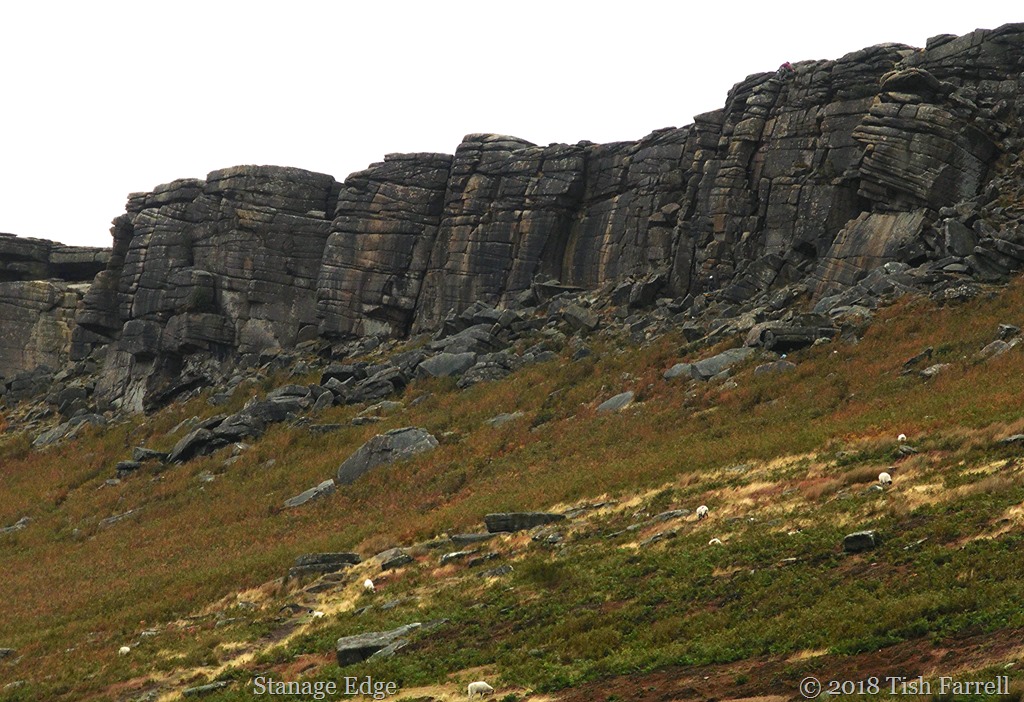
The house sits on a wooded  hillside above Hathersage and below the millstone scarp of Stanage Edge. There is the sense of great isolation there, and it was anyway not a good day for photographs. But my timing was apt given Bronte’s description.

P1080821

Jane Eyre was published in 1847. In 1845 Charlotte Bronte spent three weeks in Hathersage, staying with her old school friend Ellen Nussey, the vicar’s sister. The vicar himself, Henry Nussey, was away on his honeymoon. He had apparently once proposed to Charlotte and been rejected. His absence from the vicarage may well have been chosen for an opportune time for her visit. The two friends then did the rounds of local worthies, including more than one visit to North Lees Hall.

At the time George Eyre, his widowed mother and two sisters were living there. The Eyres had lived in the house since 1750. During the 1400s members of the same dynasty had lived in the manor house that preceded the present hall which dates from around the 1590s. During one of Charlotte’s visits she is said to have been told the grim tale of a previous ‘lady of the house’, one Agnes Ashurst, who became mad and was confined on the second floor, in a room with padded walls so she would not injure herself. Like Edward Rochester’s wife in the novel, she apparently also died in a fire.

Clearly it was a story too good to waste. It is also an excellent example of how writers hoard everything and anything that resonates:  tales, impressions, details of vistas and people, all to be reworked in the ‘world building’ process of creating a convincing context for their narrative.

Knowing that a writer’s source of inspiration could be a real place does not add to our appreciation of the novel; for some it may even detract, and especially if they subscribe to the (false) notion that fiction writers make everything up. Of course they don’t. Immaculate conception without source material to inform the creative process simply does not happen. Here’s some more description of the hall’s surroundings:

Leaning over the battlements and looking far down, I surveyed the grounds laid out like a map: the bright and velvet lawn closely girdling the grey base of the mansion; the field, wide as a park, dotted with its ancient timber; the wood, dun and sere, divided by a path visibly overgrown, greener with moss than the trees were with foliage.

Charlotte Bronte Jane Eyre

P1080849cr

copyright 2018 Tish Farrell

Turning Accident Into Artwork?

P1090190

I am not sure why he who lives in my house interfered with the washing machine hose, thus causing said machine to disgorge all over the utility room floor; and not once but twice due to the rinse and spin cycle. I think it was something to do with the fact that he had stored some of his bookbinding card on top of the washing machine, (he being in need of a flat surface that was relatively dust-free beneath the counter top) and earlier in the week was having a sort out in that vicinity, fishing out supplies that had slipped to the back, and thereby dislodging water exiting hose.

I was upstairs writing while all the repercussions of this earlier manoeuvre were happening, and so blissfully unaware of the downstairs flood. It was only as I was coming downstairs to get the washing out of the machine, that I heard loud exclamations from bookbinding man. ‘What on earth’s been going on in here,’ he says. I have no idea, I say, but I note the accusatory tone that suggests I might have been responsible for whatever it is.

By now I have reached the flooded utility room. Oh, no! I think. The washing machine’s given up the ghost after 18 years. But diagnosis will have to wait. First there is water mopping up to do. Luckily the floor is covered in quarry tiles so there is no particular damage done. The only casualties are the dustsheets that are kept under one of the cupboards. The downside is we don’t discover this till later, by which time they are very fusty.

In the meantime, after pulling out the washing machine from its slot, investigating its innards, the penny is beginning to drop in the mind of bookbinding man. ‘I think it’s my fault,’ he says meekly. ‘I must’ve dislodged the hose.’ Then he says brightly that at least it’s good to know we don’t need to buy a new washing machine, and that we also now have a very clean floor, even in the places where we don’t normally clean it.

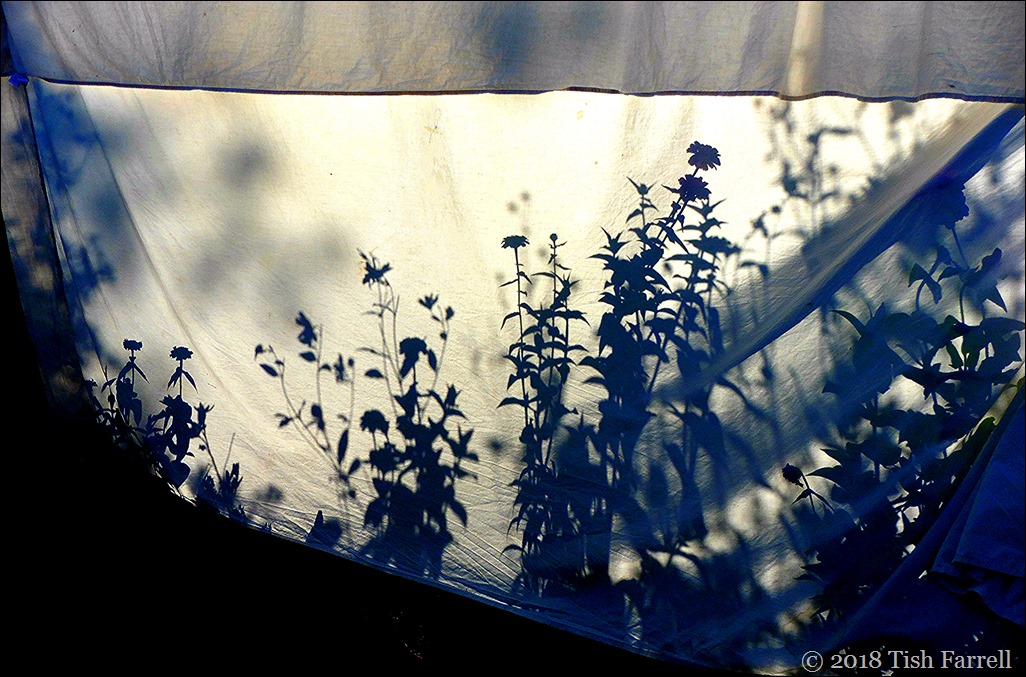
The day is saved then, but for the washing and airing of dustsheets. And as the sun is shining I go out and take a washing line photo. Look! The garden is putting on a shadow play.

copyright 2018 Tish Farrell
 

Lens-Artists: Just for fun

Reblog: ‘If you only read and reblog one of my blogs, make it this one!’

Hear what Disney heir, Abigail Disney has to say about tax breaks – FROM HER OWN EXPERIENCE. The scenario she outlines is not just applicable to the US. Tax breaks for the rich rob ordinary people of decent lives.

Turn on the sound at the button in the bottom right of the video. To reblog the video you need to go to Judy Dykstra-Brown at Life Lessons blog

lifelessons's avatarlifelessons - a blog by Judy Dykstra-Brown

Be sure to turn up the sound on the lower right arrow each time you play it.
https://www.facebook.com/PatrioticMillionaires/videos/179149963010942/

View original post

October’s Changing Seasons

Our October began bathed in the rosy glow of ancestral landscapes, the farm fields and vistas of four generations of maternal grandfathers, the millstone grit uplands of Derbyshire’s High Peak District. It would have been a hard life on Callow Farm, and especially for the grandmothers who would have managed a never ending round home and farm duties while rearing six or even eight children (the parish records suggest that many more Foxes survived into adulthood than were lost in infancy, but then yeoman farming folk would have been well nourished and well aired by comparison with most town dwellers down the centuries).

This slideshow requires JavaScript.

*

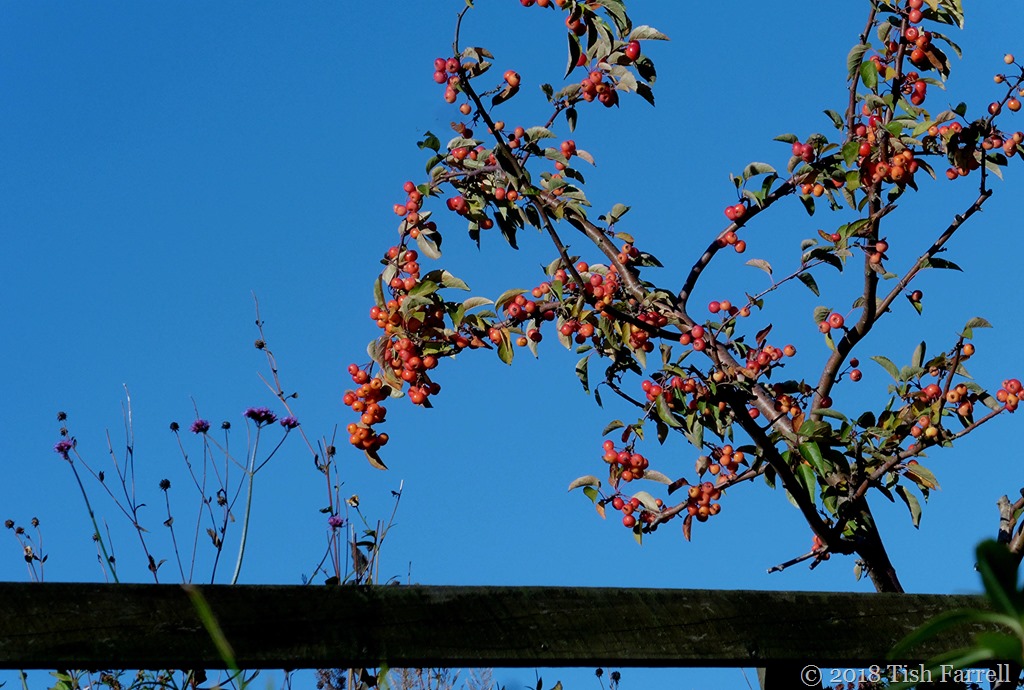
By the time we returned home, summer was definitely on the wane in our Shropshire garden although many flowers were still holding their own. Even now, the front garden beside the road is bright with helianthus, sedum, Michaelmas daisies, purple toadflax, small pink roses and the stalwart geranium, Rozanne. And out back in the guerrilla garden there are sunflowers and dyer’s chamomile with its bright yellow daisies. There are also Japanese anemones, hesperantha, zinnias, snapdragons and the shrubby convolvulus still on the go. So kind of the garden to ease us so gently into autumn.


*

Meanwhile, around the town and farm fields the change of season is more apparent:

*

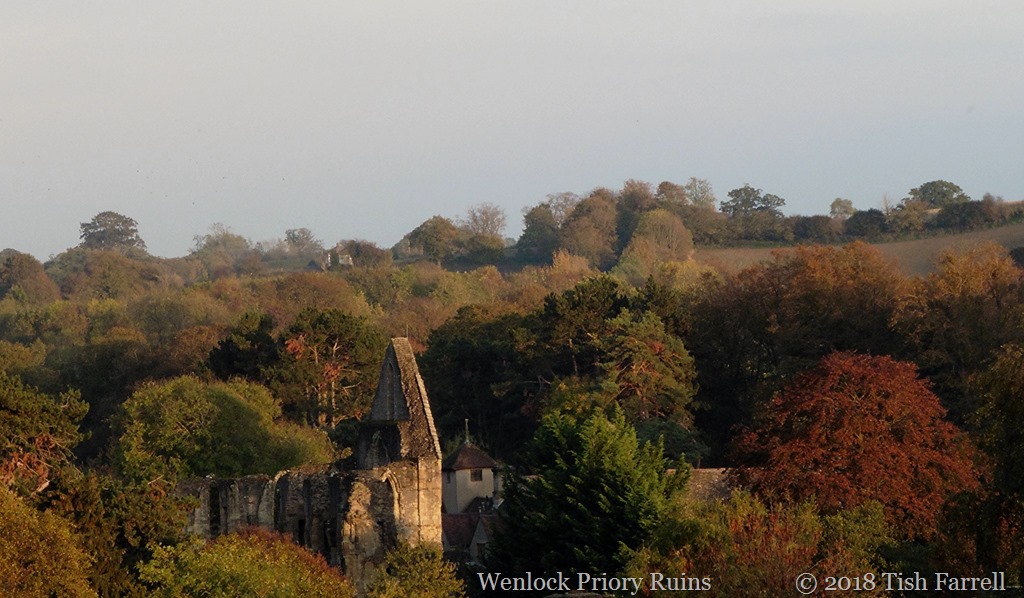
And finally a glimpse of the priory ruins and the little tower on the Prior’s House:

P1090186

The Changing Seasons: October 2018