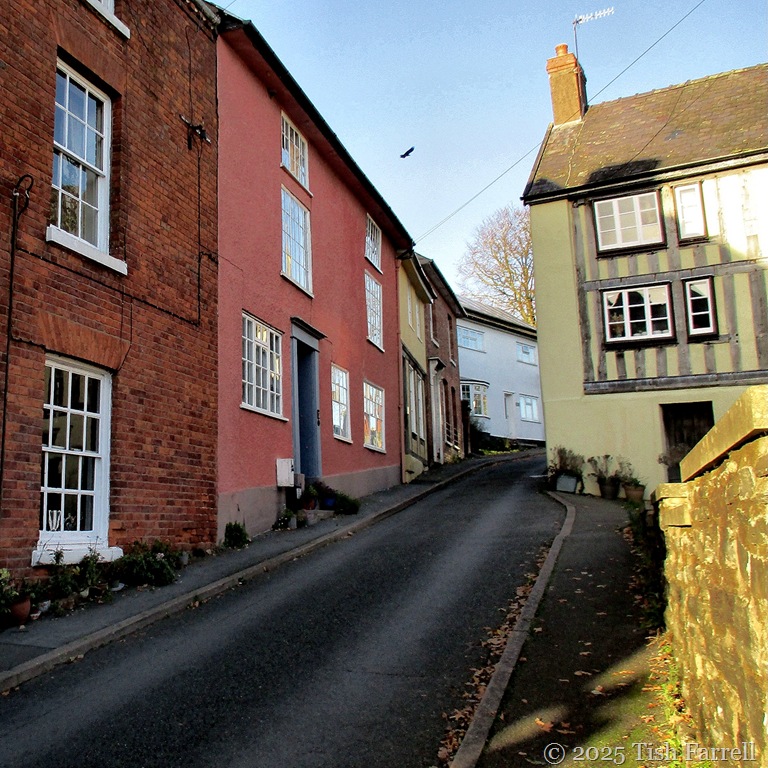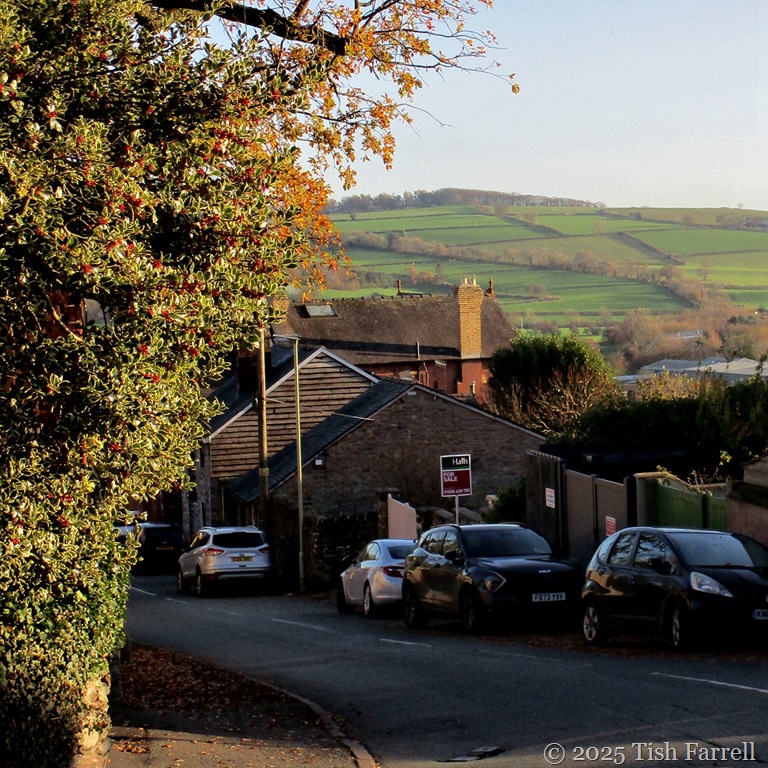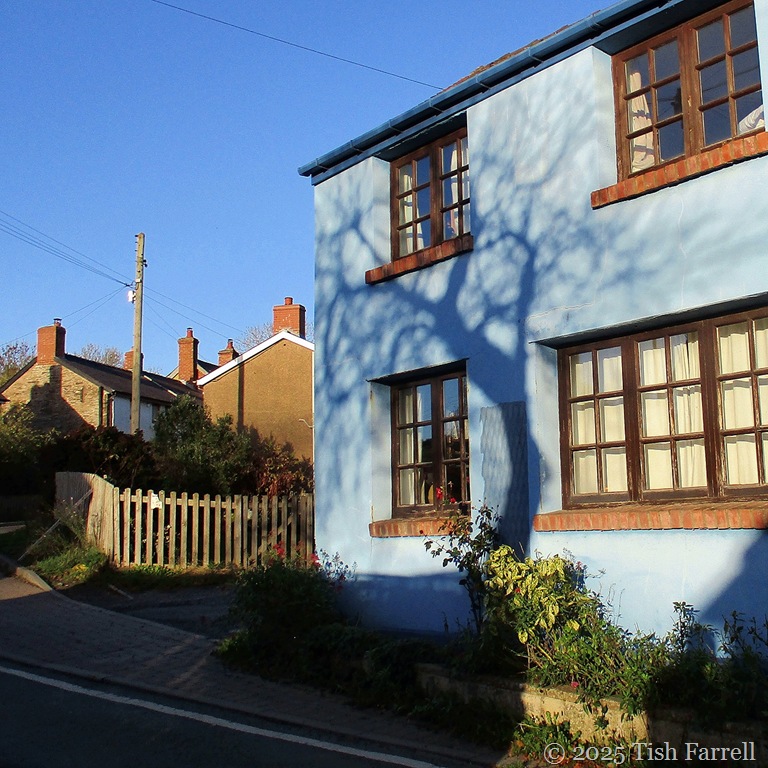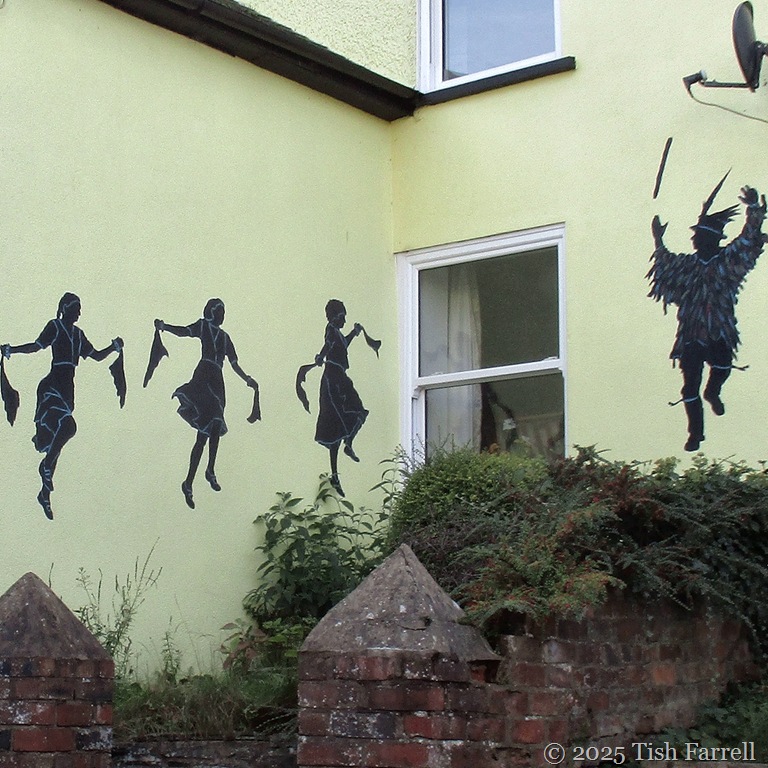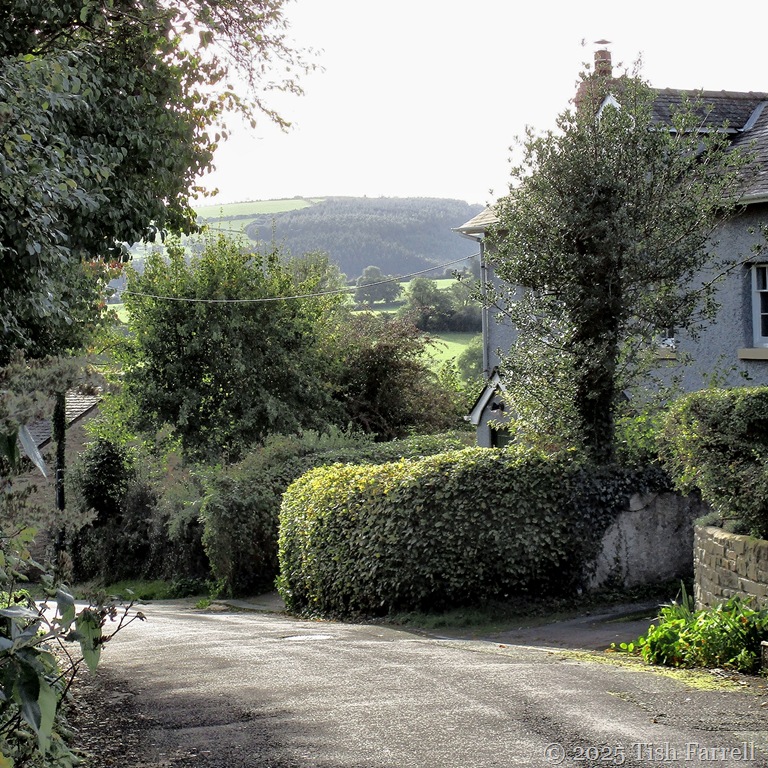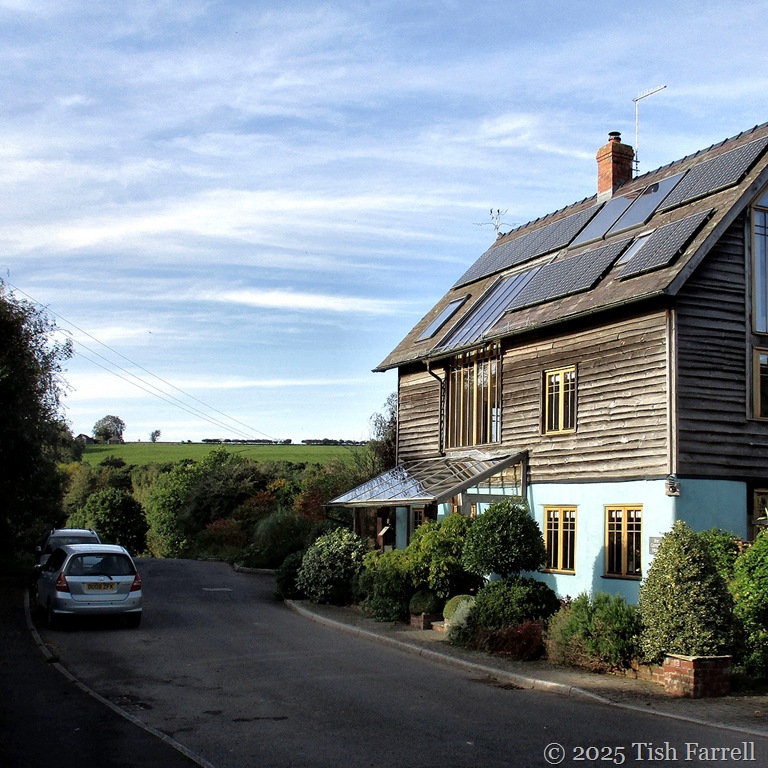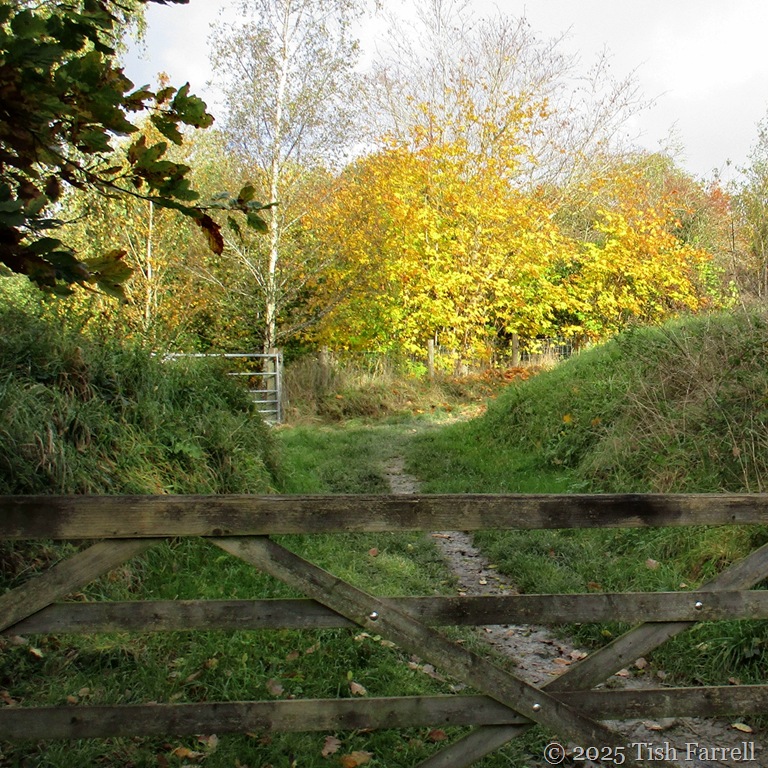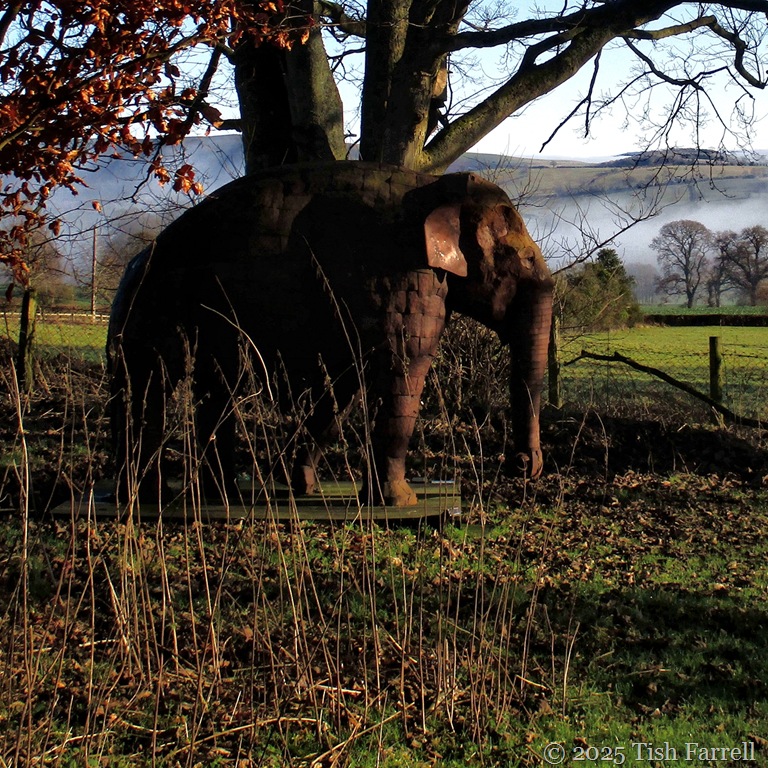
Red Brick

IMG_5145sq

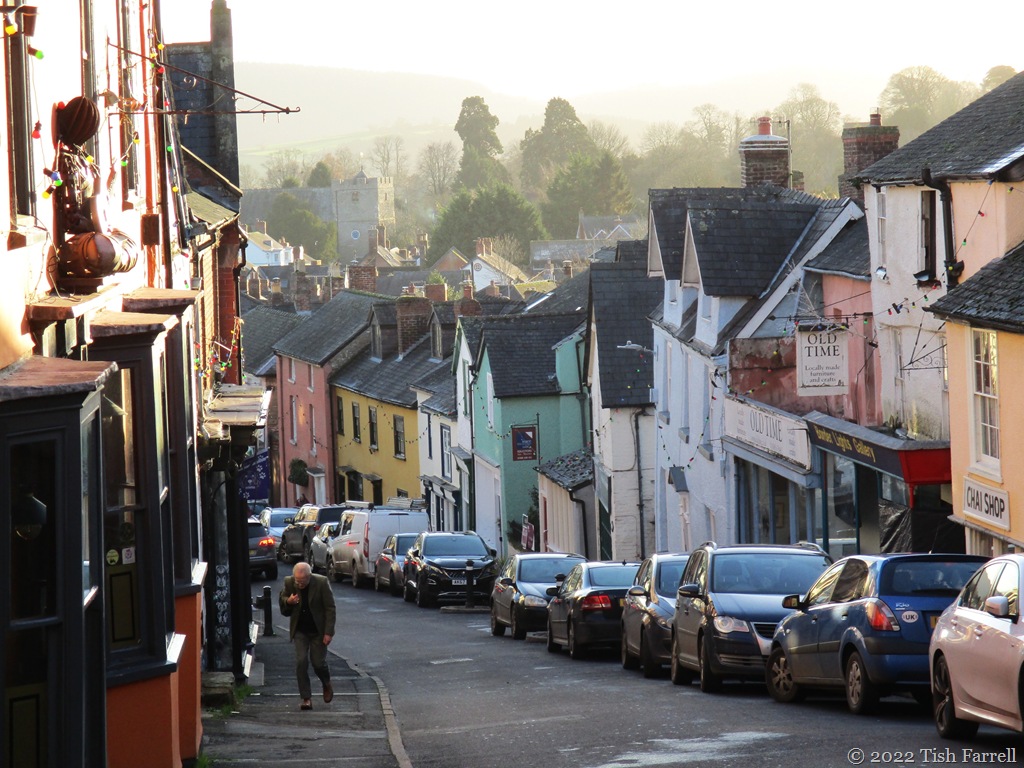
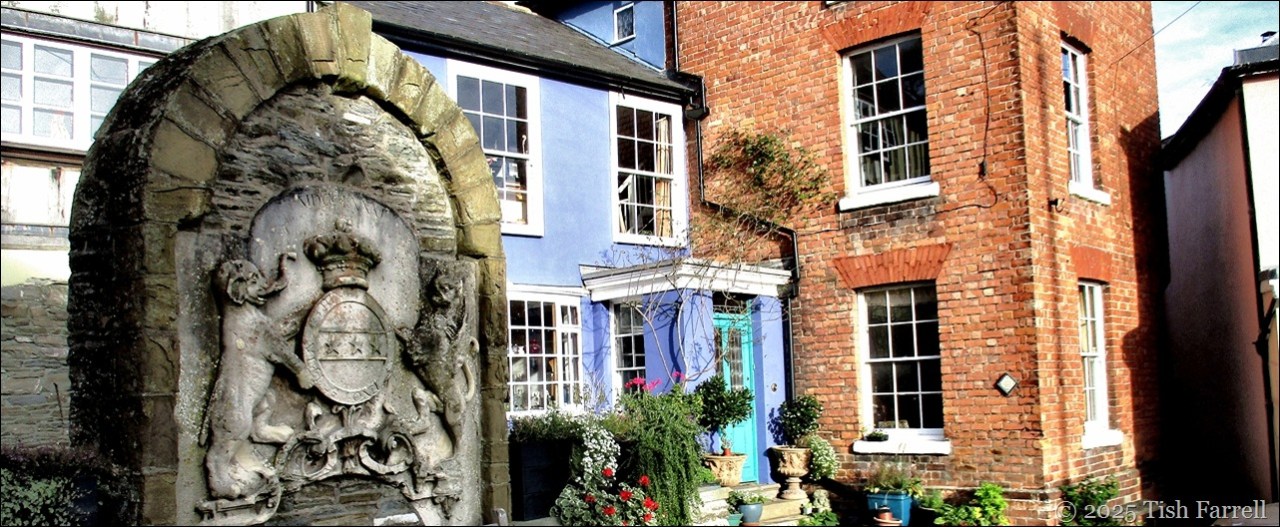
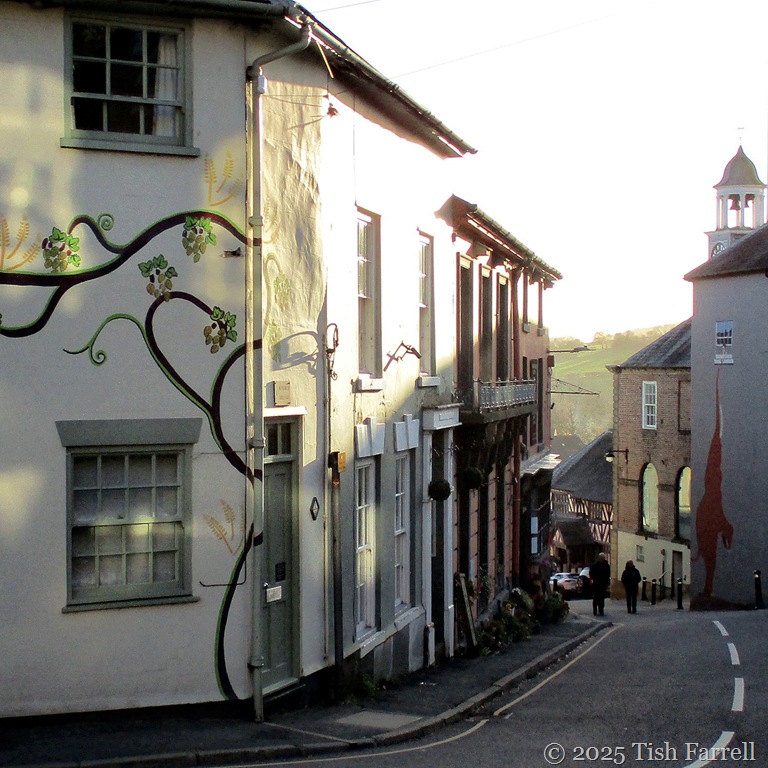
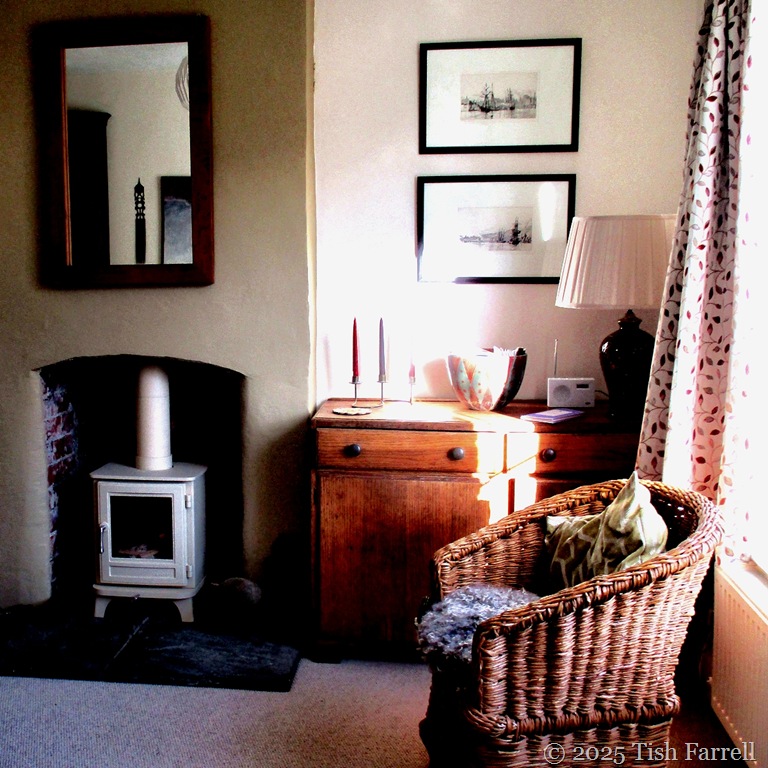
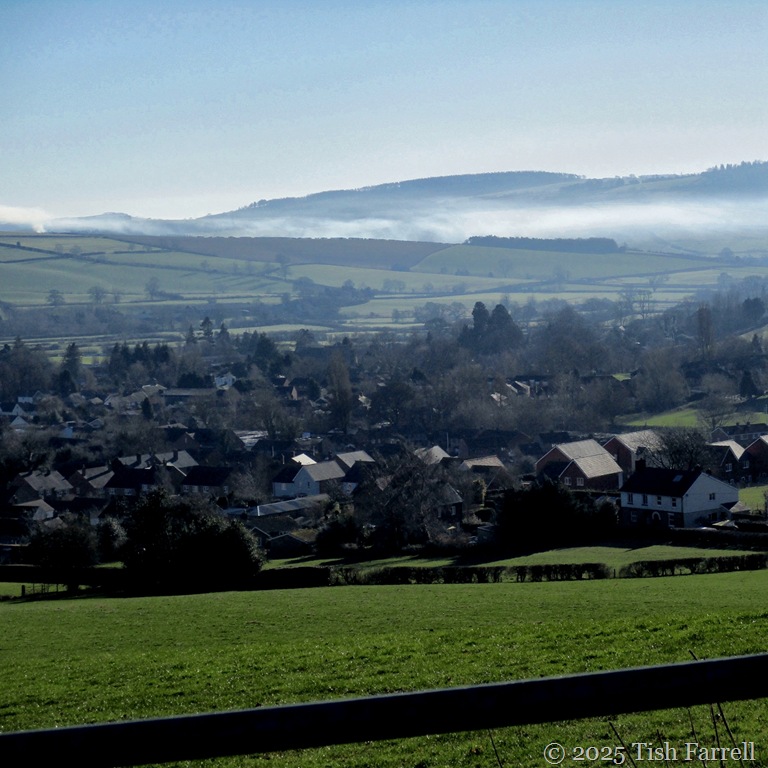
It’s very nearly two years since we moved into The Gables, a modest little house, built in the early 1920s by a local builder. It stands on ground that once belonged to the smithy and The Hit Or Miss pub further up the street.  (Both now family homes).

The move from Much Wenlock had been protracted: selling our cottage had taken time. Then there was six months in a rented house while we found somewhere to buy. It gave us chance to do some serious de-cluttering, but all the same we knew we would not fit comfortably into our new house without building a new kitchen. And so we bought it with that notion in mind.

We began, then, with something of the gamble. The Gables is in the Bishop’s Castle conservation area. Planning approval would be required, and our encounters with planning authorities in the past had not always gone well. We engaged local architectural designer, Henry Beddoes, to take care of the plans and the application. After all, it was scarcely an ambitious project replacing an old heat-leaking, plastic conservatory with a properly insulated room.

Even so, waiting for approval was still nerve-wracking. It took several months.

sq1

When it came to the actual plans, the site itself was anyway problematical. The south end of the conservatory was right on the boundary with a roadside verge, and most of the rest was nestled into the overgrown bank and hedge. There was not much room to manoeuvre, either outwards or upwards.

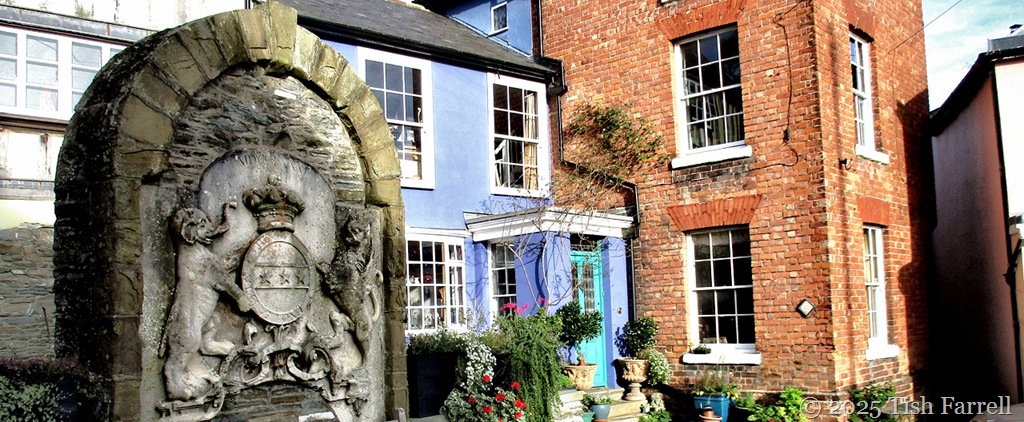
Flat roofs are never ideal, but a sloping roof that did not obscure the upstairs windows and had a good enough incline would have markedly reduced the height of the living space. (See previous post for internal restructuring.) And so instead we have a lantern skylight and some leaded nifty brickwork round the parapet. It seemed to us a reasonable compromise, not overburdening the existing house either in scale or fanciness. Builder Alan also cleaned and re-used all the conservatory bricks, and took pains to source new ones that were as near as possible to the 1920s fabric.

sq3

*

And so there you have it: the Farrell domain…plain and unassuming, but ever so well built and insulated.

IMG_7715 back garden

bricks header

#SimplyRed Day 8

Home Deliveries

IMG_5377 ed

This time last year we were still up to our ears in building work. We were opening up the back of the house – replacing an old conservatory with a new kitchen-dining room. This project involved somewhat hair-raising deliveries of construction materials into our front garden. As you can see, access on our street is challenging for large trucks, and it gets worse beyond our house. The only way out is backwards.

Also during such operations, the entire carriageway was blocked. So I was mightily impressed by the high-techery involved in this particular delivery – all executed ‘remotely’ by the driver with a natty little gizmo hung round his neck. Watching him was anyway a welcome distraction from watching what was happening at the back of the house.

It was July when we turned the existing sitting-room cum galley kitchen…

IMG_3687

…into this:

IMG_5385ed

IMG_5623

The big ‘knocking through’ event. The dust cloud was horrendous. And the steel beam insertion somewhat mind boggling.

At this stage, the structural work on the new kitchen beyond the opening was nearing completion, and the old galley kitchen was about to be re-worked and closed off to make a utility room with cloakroom.

IMG_5620ed

Super builder Alan eased the transition by setting up a make-do sink plus the cooker in the new kitchen where we planned to camp out until the arrival of the kitchen units in mid-August. Meanwhile, all the new kitchen window and door spaces were encased in black plastic, while we also waited for the actual windows and double doors. It was all strangely cavernous. It was also raining a lot, and there were concerns over leakage.

Then came the lantern roof-light, doors and windows (the kitchen’s footprint was dictated by the space occupied by the erstwhile old conservatory – not ideal but do-able and the plans drawn up by Bishop’s Castle architectural designer Henry Beddoes):

IMG_5871ed

IMG_5865ed

And there was light:

IMG_6549

*

And then came the solid wood kitchen drawers and cupboards made by local cabinet makers Shepherd Hills:

IMG_6542

IMG_6548

IMG_6545ed

And yes, I know – it’s all very quirky, mostly evolved as we went along.

And after the kitchen, there was/is still more to do, especially the small terrace area at the back door.  Outside views to follow.

IMG_5379 header

#SimplyRed Day 7   Becky concludes the first week of SQUARES in fine style on the high seas. Three weeks left to post red themed photos; the header must be SQUARE.

#Squares

Enter The Dragons

Michaelmas Fair chinese dragon

Yesterday I posted scenes ‘live’ from the Bishop’s Castle carnival, today we have photos from another of the town’s annual parties, last year’s Michaelmas Fair. It begins with a parade in which Chinese dragons and drummers steal the show. (Sadly no competing Welsh dragons in spite of the town’s closeness to Wales, but then you never know what might turn up this year).

IMG_6304sq

*

As happened yesterday, the weather was cool and gloomy, but there was no dampening of the spirits; not once the Rajasthan Brass Band took to the streets…

IMG_6324ed

*

…and the town’s own Shropshire Bedlams Morris men stepped out, all jingling bells and vigorous stick clashing…(More about local Morris heritage here)

IMG_6331ed

IMG_6335ed

*

The Michaelmas Fair takes place all over the town, in the pubs and park and church halls. A stage below the Town Hall hosts live bands all day. There are street stalls and street food, bubble blowing, fire eating, an afternoon parade of steam engines, tractors and classic vehicles, headed by Clive the elephant, another star attraction. (The town’s elephant connection is explained in a previous squares challenge post here.) And the whole is rounded off with an evening lantern procession through the town, all lanterns made by Castle folk.

IMG_6367ed

*

I didn’t catch Clive the elephant last year, but here’s a photo of him from a sunnier fair:

100_7180ed

*

This year’s fair is on the 20th September. More details HERE. But before that there’s another big fun event: the Party in the Park on the 19th July. A day of non stop live bands, workshops, and family activities from noon to 10.30 pm. Sometimes life in this small country town can sound a tad exhausting.

And on that note,  back to dragons, this one from the 2023 lantern parade:

IMG_3791ed

IMG_3813ed


#SimplyRed Day 6

IMG_6303 Michaelmas fair chinese dragons header

Today’s The Day ~ Bishop’s Castle Carnival

IMG_8118

There are times when Bishop’s Castle might strike one as a sleepy place, but looks can deceive. This is a town that knows how to party, and there are several festivals through the year. Today is carnival day. The parade kicked off at 1.pm. headed by the town crier caught here on his cell phone – a pleasing conjunction of time past and present on the communications front.

Fat Cat Brass followed on his heels, setting the tone – full-on jollification despite the cool and gloomy day.

IMG_8122 sq

*

And then came the floats, with much emphasis on growing and farming and country living:  lots of vintage tractors, classic vehicles, steam engines and the timber merchants’ smart fleet of trucks hauling the big floats.

cropped ed

IMG_8128 ed

IMG_4358 ed

IMG_4356 sq 2

IMG_4350 sq

IMG_4348 cr

IMG_4351 cr

IMG_8132ed

*

After wending around the town and down our street, the parade headed for the park for an afternoon and evening of fun and games: bouncy castle, live music, falconry demo, sheep show and mini digger competition not the least of it.

And now in late afternoon, the sun has come out. A grand day out all round then.

IMG_4346 cr header


#SimplyRed  Day 5

Six-Word Saturday

A Surprising Red Arrival

IMG_8014 poppy

This opium poppy sprouted up suddenly between the blackcurrant bush and the compost bin, and this week it began to flower, just in time for Becky’s month of squares. Red is the theme, and square the format for the header photo.

The bees have fun with all the frills, burrowing in and out to gather pollen. I notice, too, there are more poppy plants coming on outside Graham’s shed so we’re in for a show from these showy volunteers.

When the buds first break, they are almost black, giving a glimpse of the dark underskirts first. Later, when the flower opens, they are only visible if you stand on your head.

IMG_8018 poppy buds

#SimplyRed   Day One –  Join Becky for her month of squares: painting July red, but in a good way.

The Changing Seasons: June 2025

IMG_7887 wall border

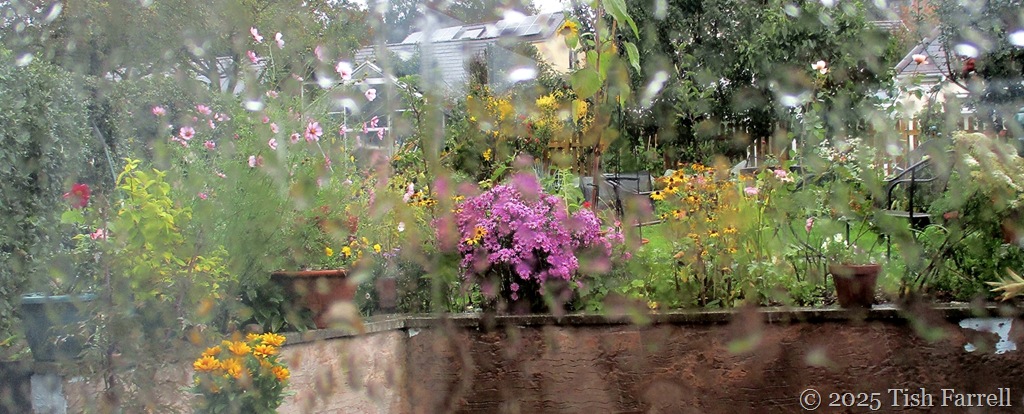
My last post perhaps gave the impression that there’s little room for flowers in our small garden; that all my attention has been on growing stuff to eat. But not so. June has been wonderfully floriferous, especially in the border atop the terrace wall. And beneath it, while the geraniums, centaurea, foxgloves, valerian and St. Cecilia rose came to full bloom, Graham sat on a chair, suitably hatted, and methodically chipped off the failed and peeling plaster. Our builder, Alan, says he’ll come and re-do it in autumn. And while he’s here sort out the old back garden steps. The house improvements continue.

IMG_7792 wall border

St. Cecilia rose, Ann Thomson geranium, Sherbet Fizz pot marigold

*

Looking from the top of the garden towards the kitchen door, the border runs between the far end of shed and the right hand path. It also includes two miniature apple trees planted  back in the autumn. The rose, St. Cecilia, was languishing there when we moved in nearly two years ago, but she’s had a good feed and a hard prune, and this June has been flowering wonderfully. She may be a tad wishy-washy colour-wise, but she has an exquisitely delicate scent.

IMG_7715 back garden

IMG_7950 st cecilia

IMG_7797 wall border 2

Self-sown foxgloves among the geraniums at the path end of the border

*

The garden peripheries have also bloomed over the last couple of weeks, surprising given our near total lack of rain for many weeks. In the northerly corner the medicinal herb, St. John’s Wort is now soaring into the apple tree. I grew it from seed donated by a supporter of the Bishop’s Castle Seed Bank. The seed packets sit in a tray at the Town Hall and are free, although donations are welcomed.

IMG_8037 st john's wort

*

Also blooming for the first time is this dreamy perennial foxglove. It has a tendency to flop somewhat in warmer temperatures, and has been struggling in the dry soil under the big apple tree. Mulching with hot-bin compost helped. And some hand watering of course.

IMG_7777 perennial foxglove

*

And another cool looking plant that’s just started to flower. A white mallow. She’s been in several spots around the garden, but is now in the rear westerly corner, behind the Rooster potatoes and in front of a very nice miniature crab apple tree. The moves seem to have left her unscathed:IMG_8011 Mallow

*

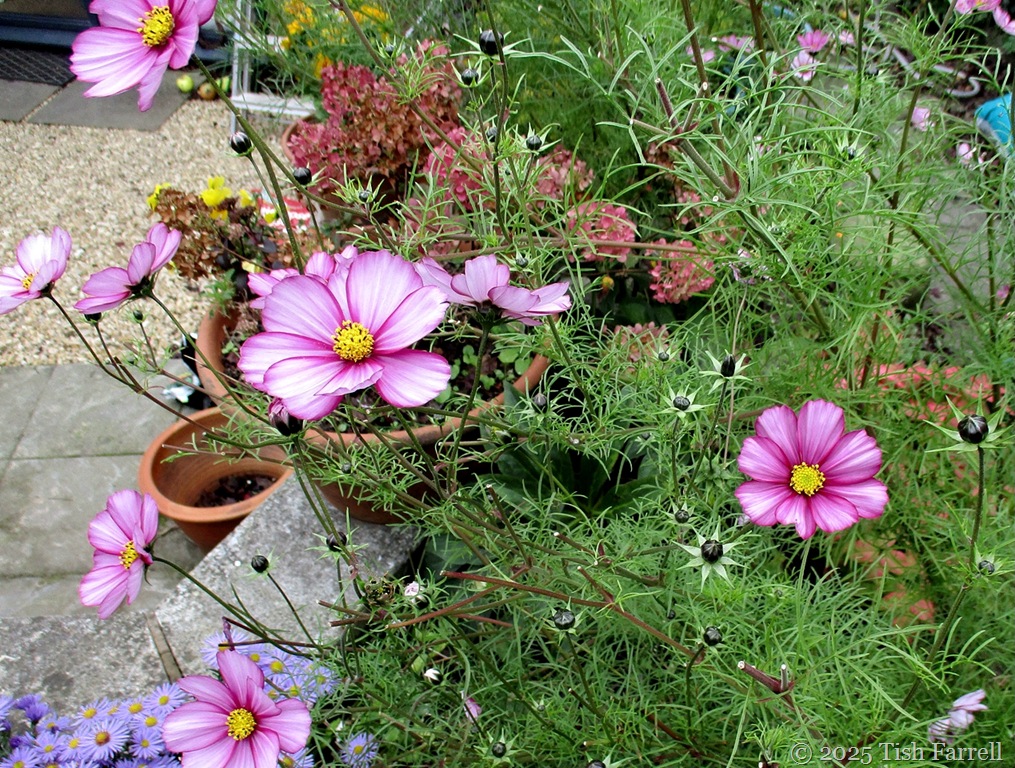
At the front of the house we have two biggish square beds, created after removing ugly paving (recycled into shed base and new back garden steps), but they are very much a work in progress. In the southerly one, I have some currently very small shrubs growing on, a couple of escallonias and a cistus, and in the meantime there’s a mix of herbaceous perennials and annuals, cosmos and zinnias, filling the spaces.

I was missing my Evereste crab apple tree, and managed to find a miniature one. It’s planted in a small circular raised bed of corten steel which I’m expecting to rust. Around it are some assorted small plants, including a white rock rose and Santolini rosmarinifolia, which are evergreen, Salvia Salavatore, and a trailing plant, Oregano Kent Beauty (centre front). This last was a wonderful plant discovery courtesy of Jude at Cornwall in Colours. I’d never seen it before I saw it on her blog. It really seems to like our garden, so thank you, Jude.

IMG_8047 front garden

In the background right, not yet flowering, are three alcalthaea – a cross between mallow and hollyhocks. They are apparently short-lived perennials, but we’ll see. Last year they grew very tall and had to be curtailed, but their peachy pale flowers were very pretty.

Plants apart, the main activity in June was having our drive dug up by Justin, Bishop’s Castle’s professional excavator sans pareil.  He mostly had to use a pick, this because the exact location of our water main pipe was uncertain. And this was happening because we wanted our rusted hundred year old, cast iron water pipe replaced with a plastic one. To say this was one heavy duty task is an understatement. Order is restored, but the drive now needs to be resurfaced.

IMG_7729 water pipe

*

Out beyond the garden gate:

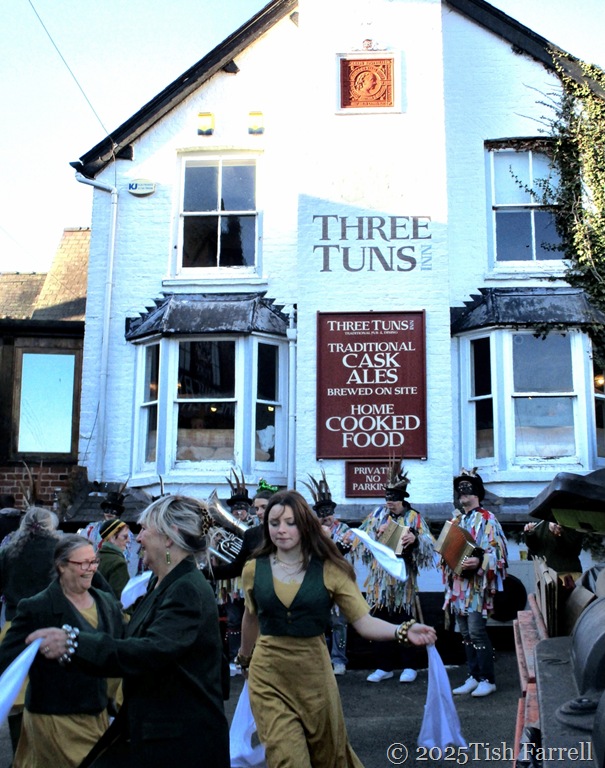
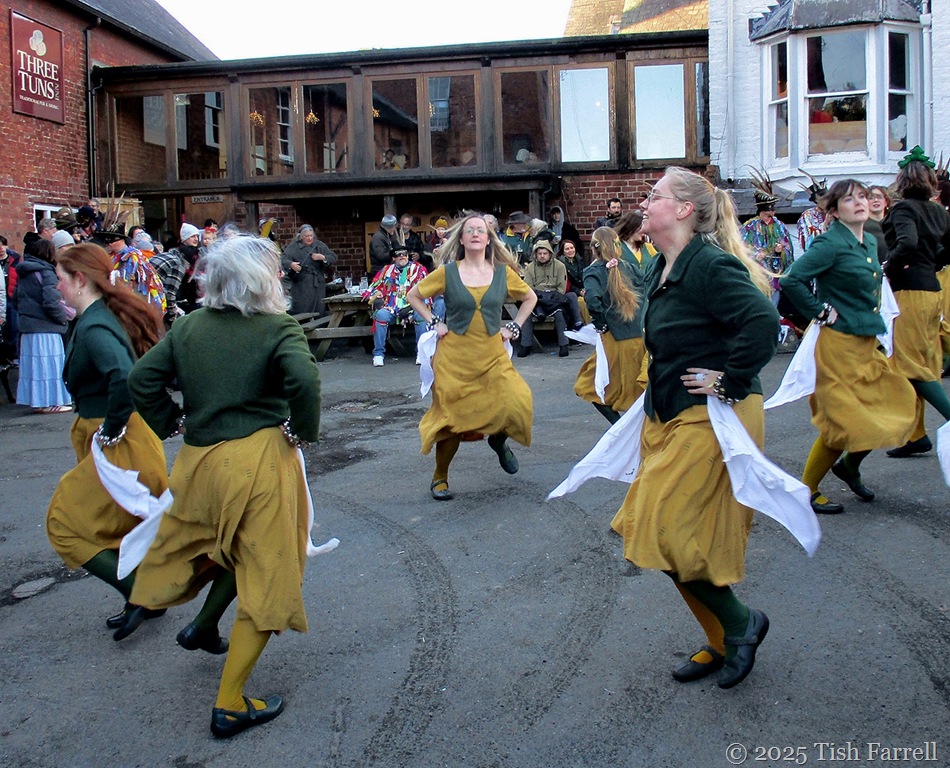
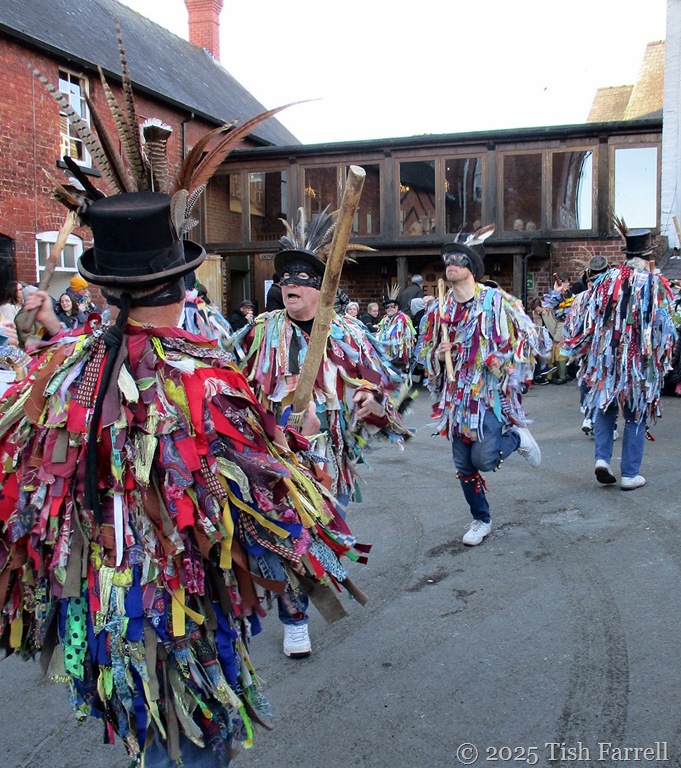
A week last Sunday in Bishop’s Castle we had midsummer celebrations in the form of a gathering of Morris dancing troupes, local and further flung. They started on Sunday morning with rousing performances and much drumming at the next door care home, after which they streamed up the road past the house to continue performing at the top of the town. Later when we tried to drive out of the town by our usual route, we found the road ahead full of dancers and musicians, and were advised that they might be there for some time and so would we mind making a detour. We didn’t. It was all good fun and surely makes a change from having multiple local roads closed for cable laying.

IMG_7916 midsummer morris

*

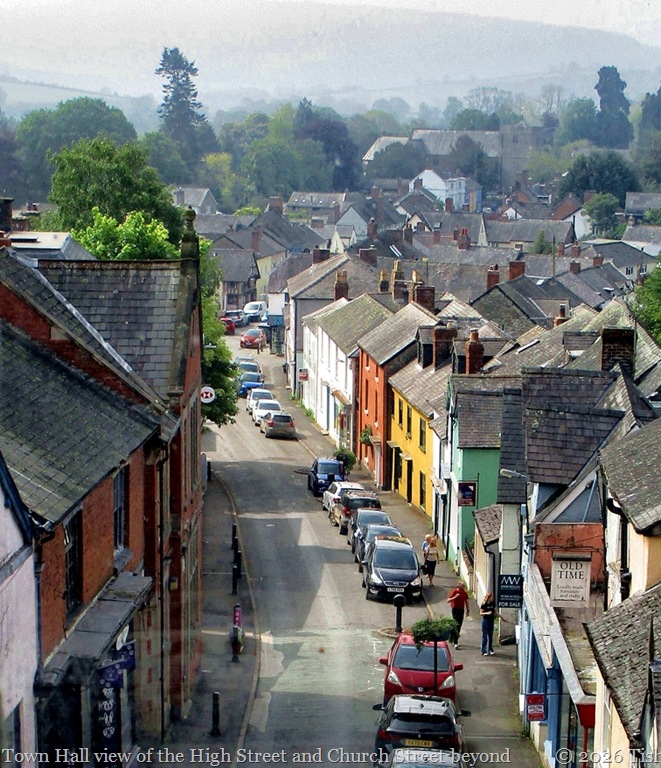
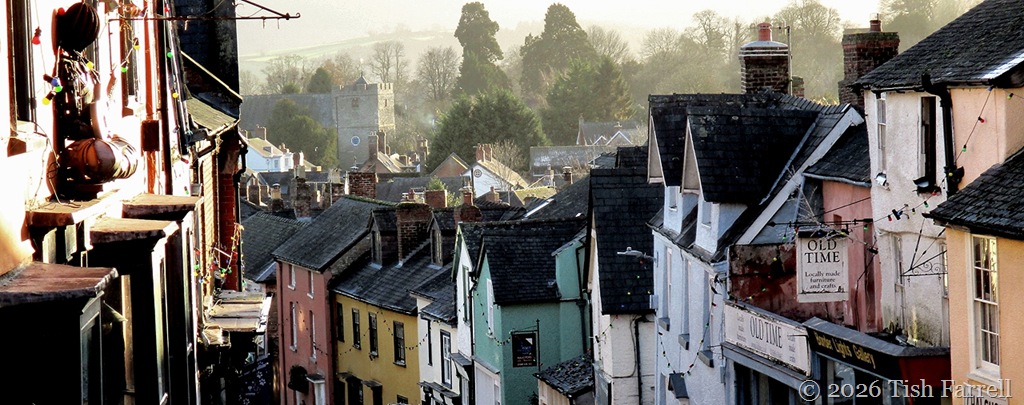
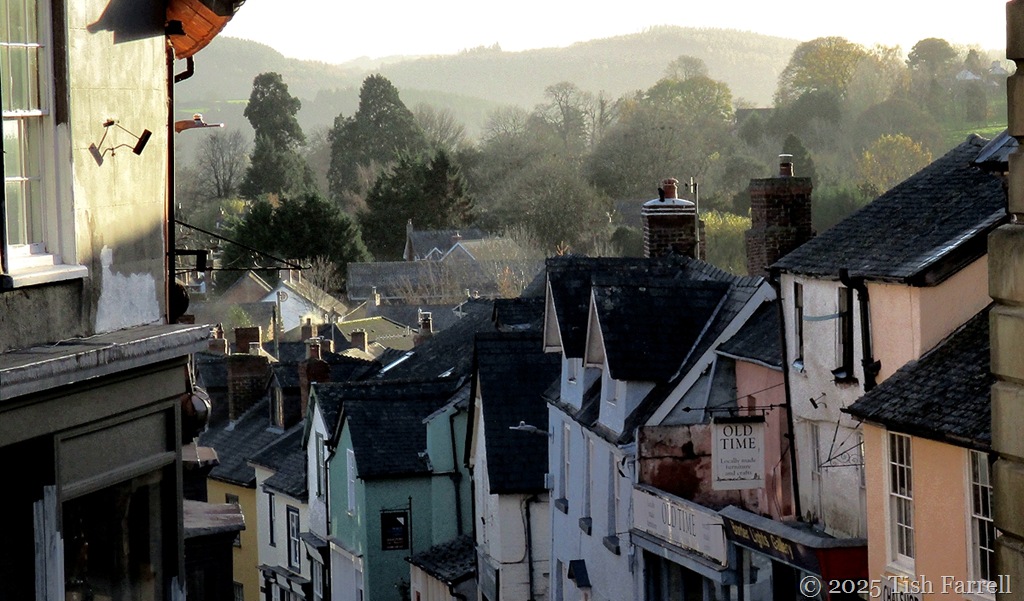
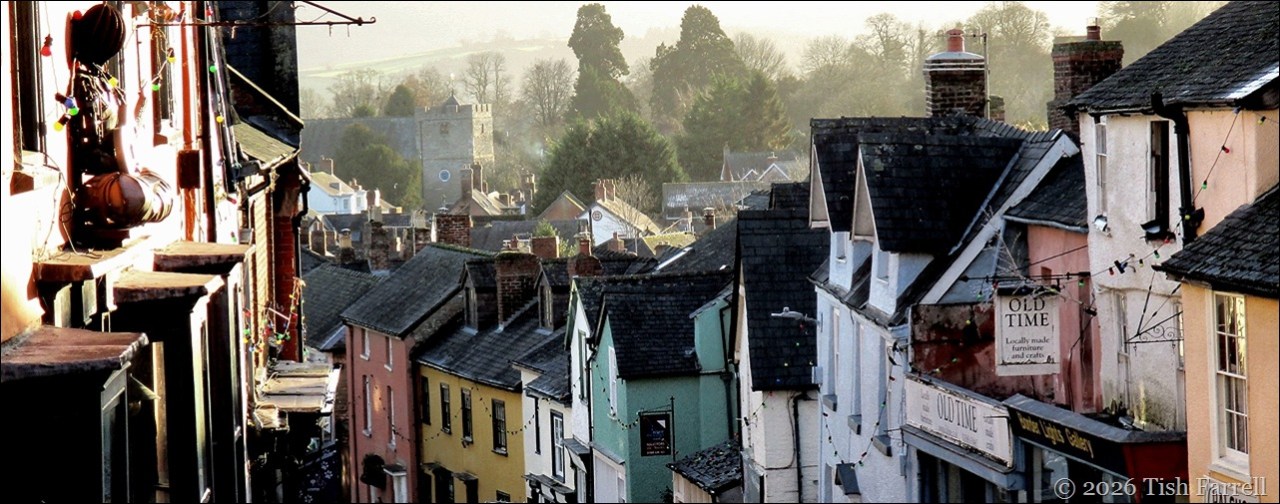
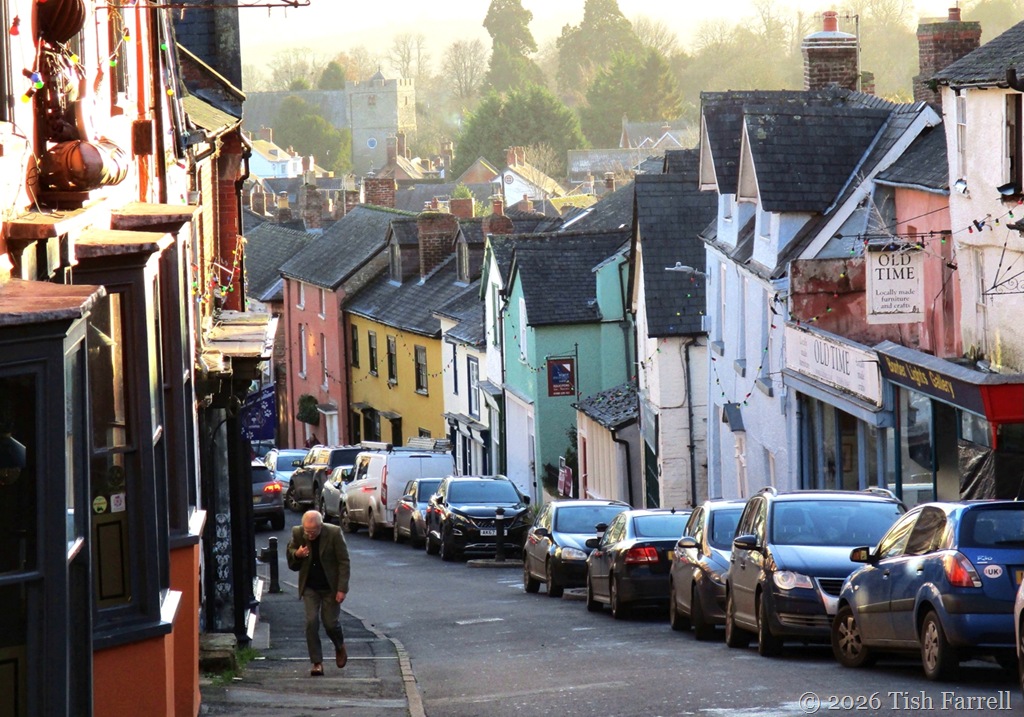
And yesterday (Sunday)  we treated ourselves to another local institution – climbing to the top of the town to visit the House on Crutches Museum. (I forgot to take a photo of the outside so click on the link to see it). We hadn’t been for two years, but it’s a wonderfully quirky collection, revealing many aspects of Bishop’s Castle history, in particular how it featured on  the ancient drovers’ route out of Wales, a way of life and of making a living that survived some 800 years. At the top of the rickety stairs that we both managed to fall up, I stopped to take this view down the High Street: a sleepy Sunday in Bishop’s Castle.

IMG_8065 Biahop's Castle high street

*

Today as I write this, on the last day of June, we are having our hottest day so far this year, apparently 29 degrees C (84 degrees F) at 3 pm this afternoon at Shropshire’s weather station in Shawbury. Now at 6 pm it’s 26 degrees in the house, but there’s a pleasant breeze in the garden, as there has been all day. Tomorrow, temperatures begin to fall, and in fact by next Sunday it will be 12 – 15 degrees C, this according to YR the Norwegian Met Office, which is pretty good on UK weather. And this may also mark the beginning of rain. At last!  Yesterday, we had a few sprinkles and the plants all stood up tall, as if expecting a good drench. They were duly teased.

IMG_7757 snapdragon

And so I’ll round this up with a shot of the snapdragons that have flowered heroically all through June, and with not a drop of water from me. They are pretty much over now and making lots of seed. I think I’ll give them their heads. Next June I could have a whole bed of snapdragons. How wonderful would that be.

*

The Changing Seasons is hosted monthly by Brian at bushboys world and Ju-Lyn at Touring My Backyard. Please pay them a visit.


IMG_7792 wall border header

Six On Saturday ~ Produce!

IMG_7953 back garden

As you can see, the ‘upstairs’ garden behind our house is really rather modest. And here, currently, and probably for the foreseeable future, chaos reigns; this courtesy of a gardener who still thinks her growing spaces comprise two seventy by 15 foot allotment plots  plus the home garden with its adjacent stretch of ‘guerrilla gardened’ field over the back fence. Heigh ho! Those were the days when we lived beside Wenlock Edge.

IMG_7954 back garden 2

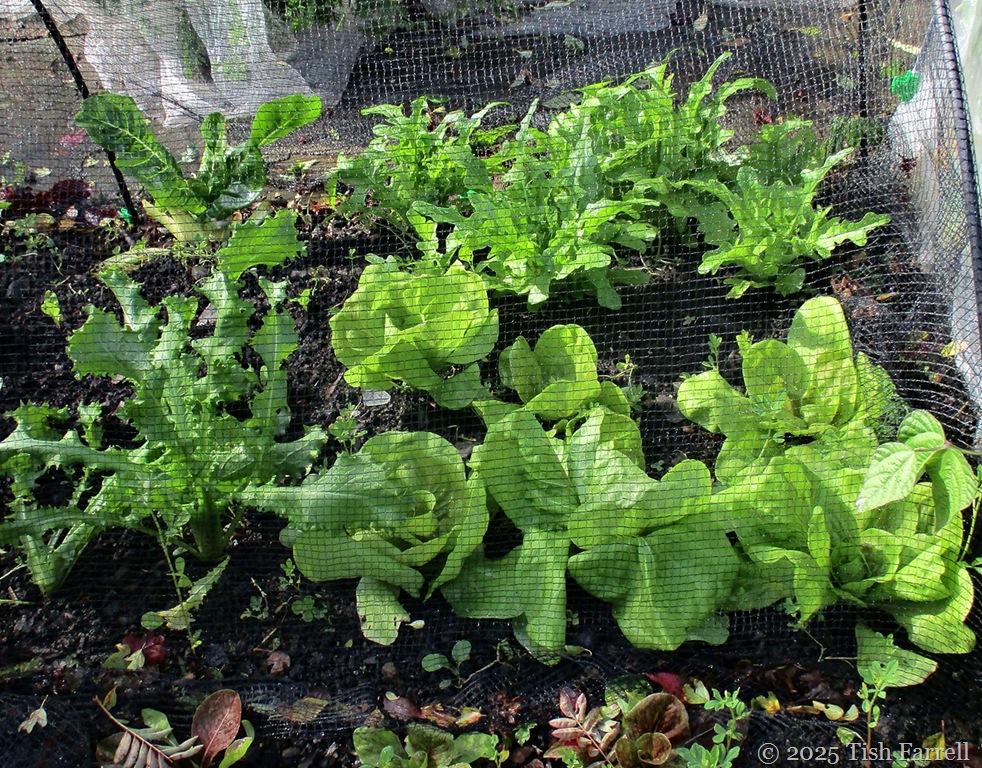
Now, mostly settled in our new home, I do know I must cut my cultivating cloth according to the physical means of production. (The lawns, though, do seem to keep shrinking). Also this year there’s been the matter of watering through the mostly rainless months of spring and early summer. This has been quite hard work. (I know mulching is much of the answer, but my hot compost bin can only yield so much stuff, and so far it’s spread rather too thinly). And then there are birds and cats and insects to contend with which means everything edible has to be netted, which is not very attractive. So, as I say, chaos presently reigns, but with a few organised segments in between.

1.) The first of these to produce excitement in the Farrell household are the two short rows of potatoes. They were planted at the end of March, ten in each row. Even with little rain, and not much watering, the Belle de Fontenay have produced some lovely salad potatoes. (They’re also a main crop variety if left longer, but that’s unlikely to happen).

IMG_7943 belle de fontenay 2

Behind them is a row of Rooster red spuds, also main crop. The plants have grown astonishingly tall, given the weather, while the Belle de Fontenay have flopped flat in front of them. I think the Rooster must have commandeered the downward flow of any available groundwater from the hill above.

IMG_7971 rooster potatoes

*

2.) The next excitement this week was a bunch of carrots, and not a single sign of carrot root fly in any of them. I have attempted to protect the rows by growing them in a raised bed, between onions and covered with some fine mesh. Last year all my carrots were root-flied.

IMG_7964 carrots

*

3.) We eat a lot of greens, and this year I’ve grown some different varieties of kale, including, pink frilly, Tuscan, and a crossed Tuscan and Daubenton’s perennial kale, the seed produced by a forest gardener on eBay. (There’s also some Swiss chard in the bunch below.) I know kale isn’t to everyone’s taste, and I’ve yet to try this, but I recently learned you can roast it till crispy. This involves ripping up the washed and dried leaves (without the stalks), tossing the pieces in oil, spreading them on a baking sheet and cooking for 15-20 minutes in a fairly hot oven. Sesame seeds and favourite spices along with sea salt and black may be added.

IMG_7965 greens

*

4.) Yesterday we ate our first homegrown courgette (zucchini), and very nice it was too, sliced and lightly browned in the fat from cooked lardons and then added to a salad.IMG_7999 courgette 2

IMG_7982 courgettes

I put the plant in beside the compost bin, a position that clearly is suiting it. I have some yellow courgettes coming on nearby.

*

5.) Also in last night’s salad were the first of the field beans. These are a variety of broad (fava) bean, grown mostly in the UK as animal feed or as a green manure, ploughed back in the soil before producing beans. This, I feel, is a lost opportunity. The plants grow four or five feet and taller, while the beans themselves are little bigger than peas. But then the plants are prolific, and so ideal if you haven’t a large enough space to grow their bigger cousins. My field bean plot is around a square metre/yard.

They have anyway, become something of a summer staple in the Farrell household. Picked at the right moment they are deliciously tender and can work as a rather good imitation of guacamole. If they get over-ripe and a bit floury, they make excellent soup and refried beans. The downside is they are fiddly to pod. But then the mass of little pods is good fodder for the hot compost bin, as is all the vegetation (chopped up) when the plants are done.

IMG_7977 field beans 2

IMG_7975 field beans 3

IMG_7992 field beans

*

6.) Last but not least on the garden foraging front are the marigolds (Calendula officionalis). I use them in herbal tea. They contain all sorts of therapeutic properties, known and made use of for a couple of thousand years. But mostly I add the petals to salads, taking care not to include any passing hoverfly. This particular variety is called Sherbet Fizz. We also have lots of self-seeded bright orange and yellow ones from last year’s crop. I love them all. They have to be one of the most heartening of flowers. Simply to gaze on them lifts the spirits.

IMG_8007 marigold sherbet fizz

IMG_7961 marigolds

Six on Saturday: Please call on Jim. There’s always lots to look at and discover in his Cornish garden.

It’s All Birds And Bees In Our ‘Castle’ Garden

IMG_7447ed

Well, they do say an Englishman’s home is his castle. And for this English woman, this stronghold must obviously include the garden. At least I like to think the garden is my domain; my own small fiefdom.

The wildlife, of course, has other notions. This mama blackbird, for instance, is quite sure my purpose in life is to provide her with fresh feeding stations. As soon as I begin work in the garden she’s there, poised to snatch a worm or grub. If I do not provide quickly enough, she fixes me with that beady eye, and starts her own digging.  This has led to us falling out somewhat. I’ve had to net all my vegetable beds to stop her rooting out my seedlings.

But she did keep me company while I cleared the boundary wall with our neighbour’s garage. It was a horrendous job, hacking out ingrowing and overgrowing hypericum (Rose of Sharon) that years ago had been planted along the top of the wall, and since turned itself into a stretch of brutal anti-tank wire, while inviting Spanish bluebells, ash trees and willow herb to join in the fray.

IMG_7328 ed

I’d been tackling the job on and off since last summer. But now it’s done.

IMG_7332 ed

I’ve planted the road end with a couple of trailing blackberries designed for hanging baskets and also some foxgloves which had grown themselves in the back garden. As for the rest, for this year I’m thinking of putting in various kales and perhaps courgettes; nothing permanent in other words. I’ve discovered that hypericum shoots and roots from the tiniest scrap of itself, so it will probably take a few seasons to clear the bed.

Meanwhile mama blackbird has been well fed, and the feeding clearly paying off. Two days ago, while planting a hornbeam sapling to fill a gap in our rear hedge of horrors, I had the sense of being watched. When I peered into the tangle of privet, holly and sycamore, there she was, sitting still as stone, on a very neat nest, looking straight back at me. I left her in peace.

As blackbirds go, I suspect she is rather elderly. Her tail feathers look more than a touch bedraggled. But she has us weighed up as non-threatening entities, choosing to nest right by the path that we use all the time. She is not afraid to leave it either, when she sees me with a spade. Yesterday,  when I was unearthing some ash tree saplings further down the hedge, she was right there, just in time to gobble up a big juicy worm.

IMG_7417

Male blackbirds don’t do nest duty, but I’m assuming this is papa. He’s taken to singing sweetly in the hawthorn tree just over the hedge. He shows up when I’m digging too, but not if mama is around. (She sees him off). He actually comes very close and tweets at me, if I’m not providing worms.

Earlier in the year it was the robin who would come nagging as soon as I set foot in the garden. He/she was especially pleased with operation dig-out-compost-bin, but now is perhaps too busy with egg minding to be around so much.

IMG_6911ed

IMG_6843

*

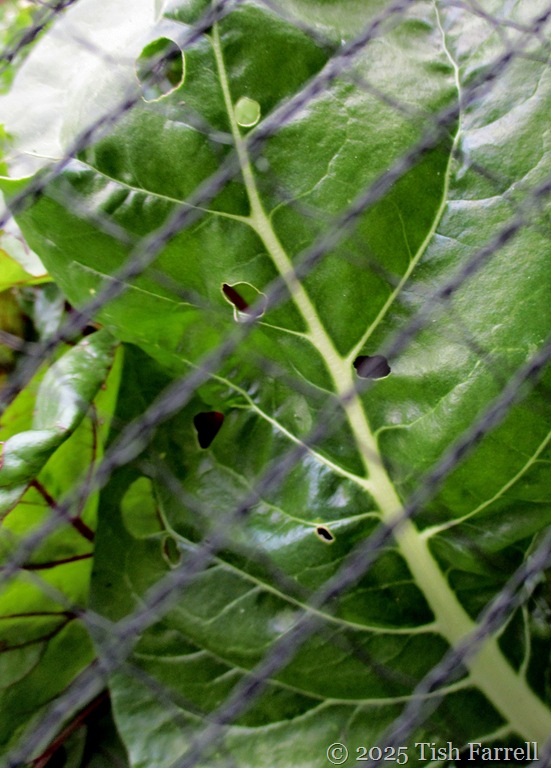
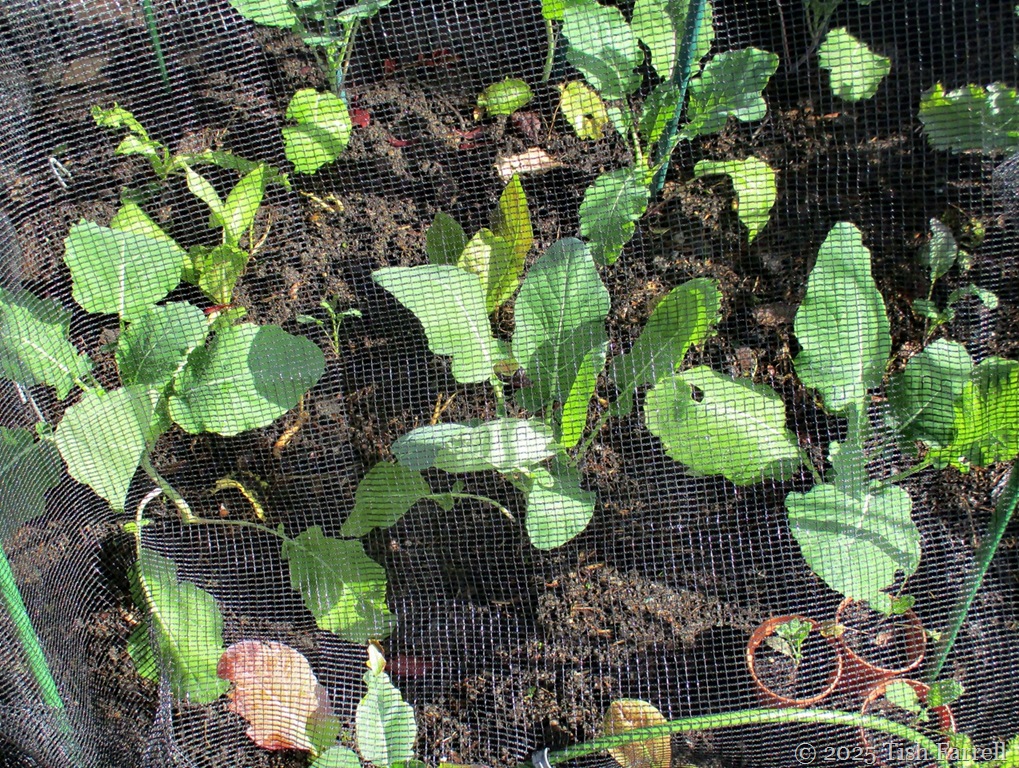
Other birdlife, as in pigeons, I’m not so pleased to see. They’re another reason for having netting all over the vegetable plots, though it doesn’t stop them from nibbling through the fine mesh if the plants grow too close to the edge. They like spinach, brassicas, chard, chicory, beetroot leaves, lettuce, young field bean leaves and lemon sorrel.

IMG_7437

IMG_7434

IMG_7508

The garden is very much ‘a first draft’; there’s much to sort out (tidy) and much trial and error (given the lack of an actual plan). Next week a paling fence will start going up around the perimeter (from behind the greenhouse and round). It won’t be too tall but will create a boundary for fresh planting which might help focus this gardener’s mind.

For now we are enjoying the apple blossom, and especially the little tree which is flourishing between the compost bins, one open, one hot. I think it’s a Crispin. The black hot bin is not a pretty sight, but the mass of flowers is lovely and, in a spot of warmish afternoon sun, is alive with bee hum. Just look at the pollen sacs on the bees’ legs.

IMG_7478

IMG_7474sq

IMG_7427

*

And there’s not only apple blossom. On the terrace wall we have tulips. They are presently looking rather glamorous:

IMG_7426ed

IMG_7425

So: spring is here in the Farrell domain aka Castle (also the locals’ name for the town), and in moments when the wind drops and you stand in the sun where the air is less frigid, it feels like it too. Cheers, fellow gardeners! Happy planting!

Six on Saturday: blackbirds, robins, bird defences, apple blossom, bees and tulips

copyrithg 2025 Tish Farrell
We’ve Been Having Blue Sky Days…

IMG_7302 blue

*

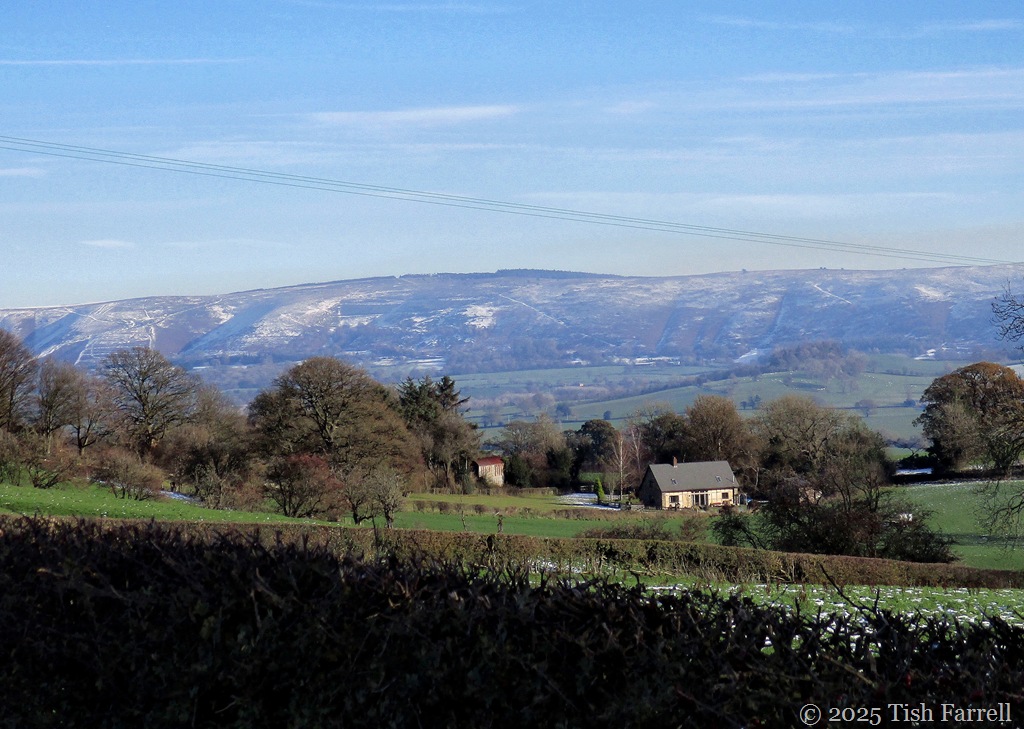
They arrived with the spring equinox on March 20th…

IMG_7303 blue

*

… days hot in the sun, but ice-cold in shade, as if the air came straight off a snow field…

IMG_7307 blue

*

…yet so enlivening, it had us one day walking (instead of driving) to the builders’ merchants on the edge of town…

…spotting, as we went, wild cherry blossom, the bright white blackthorn that is everywhere in drifts on farm hedgerows, and then the distant green of wheat fields and fresh grassland.

IMG_7311 blue

*

Meanwhile, the town lanes and gardens have been aglow with magnolias, daffodils, pussy willow, forsythia, camellias, fire-red japonica…

IMG_7300 blue

IMG_7284

IMG_7287 blue

IMG_7326 blue

…and the cherry plum by the house has day by day been turning from pink to bronze, as blossom flutters off and gives way to leaves.

*

And so the Shropshire countryside has been drowsing in a haze of vernal glamour: an earth dream of a perfect spring come to life.

The blue sky days turned into weeks, three to be exact. Long enough for us to grow used to blissful weather, to think it ours forever.

In the garden, our faces turned often to the sun, we noted the little pear tree begin to flower…

IMG_7317 blue

*

…and the old apple tree by the compost bin burst with buds…

IMG_7361

…that then begin to open…

IMG_7366

*

…just in time for Sunday’s full moon and a complete change in the weather…

IMG_7372

*

Today there is grey sky, racing rain clouds and a piercing wind that gusts down the chimneys. It feels like winter when we walk to the shops, clad in sweaters, quilted coats and woolly hats. We’re cast adrift in seasonal confusion. Bereft. Abandoned by spring. How could she do this when we so loved the sun, the light, the crisp air?

Ah, well.  The weather people say the wind should lessen tomorrow, all but doubling temperatures from 6 to a soaring 11 degrees C. There might also be a view of the sun on Easter Sunday morning, but little to see in the following week. Instead, there will be rain, of which this gardener and the nation’s farmers are much in need. So it goes. All chop and change. Perhaps blue sky spring will be back in May.

copyright 2025 Tish Farrell
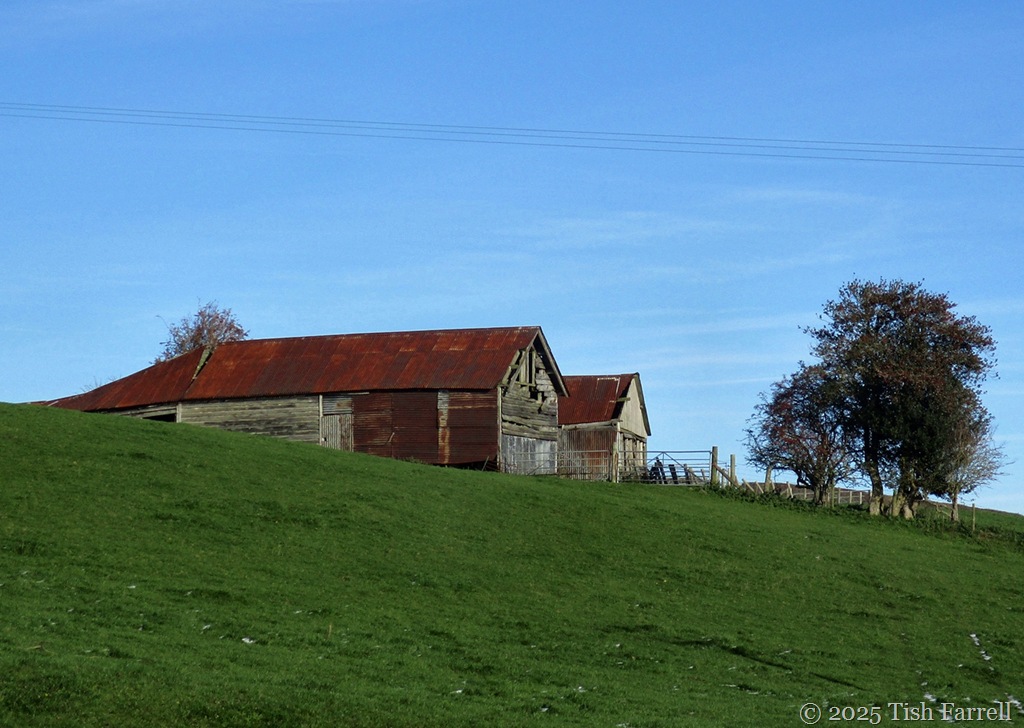
Lens-Artists: abandoned  This week Anne sets us the topic ‘abandoned’. Please see her post for more serious cases of abandonment.

Spring!

IMG_6806ed

Or is it?

February in Britain often teases, bringing us a sudden mild and sunny day, as it did last Saturday, followed by bone biting winds (today). Countryman poet, John Clare 1793-1864, wrote a poem about February fickleness. I probably mentioned this time last year. It’s worth a read.

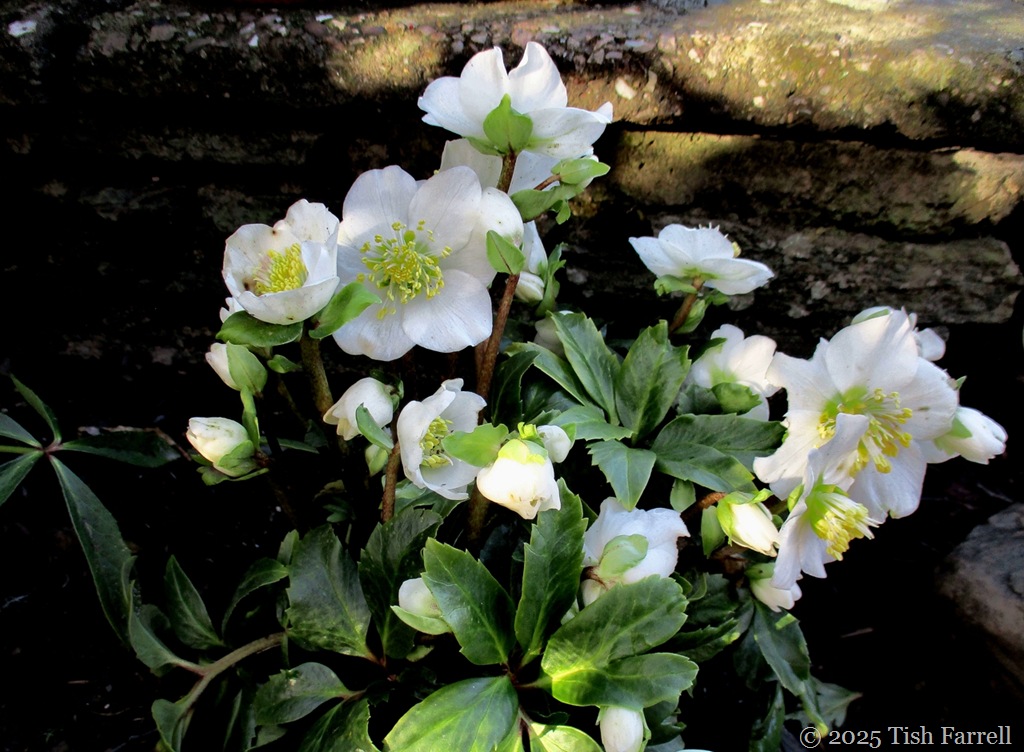
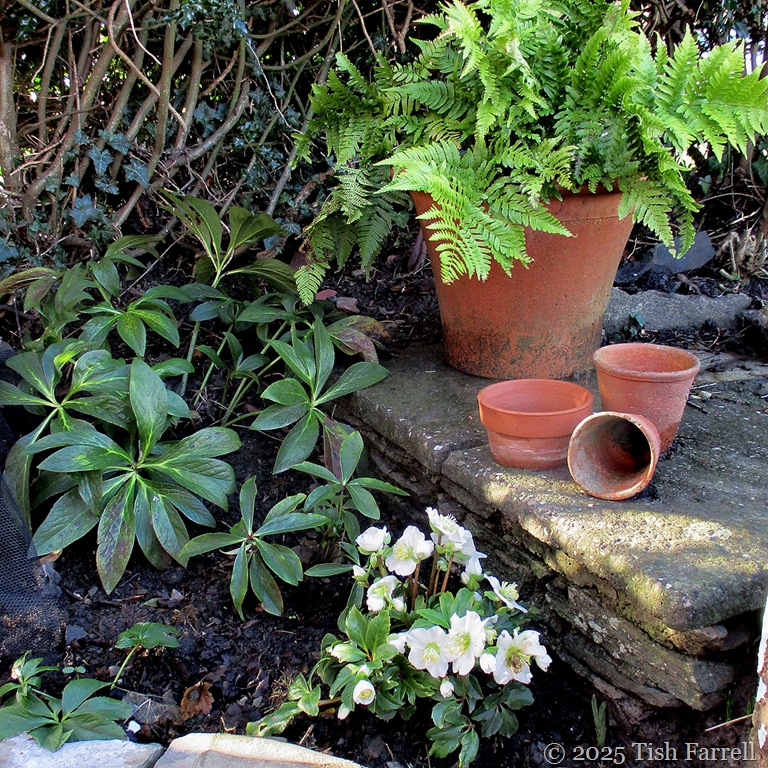
So: we have crocus and snowdrops, and the odd daffodil. Also hellebores, both waning and waxing. On the garden steps the winter pansies still thrive, although all but blustered out of their pot.

IMG_6787ed

IMG_6795

We have only a small scatter of snowdrops in the Farrell domain, but everywhere else about the town, in gardens, under lane-side walls and hedges there are drifts and drifts. Reinforcements, then, needed at The Gables for next year.

IMG_6822ed

At the top of the garden steps the dark hellebore has just begun to flower. Very striking when the sun catches it. Meanwhile, in the pot below, Hellebore Christmas Carol is winding down after a three month performance. Although having said that, this morning I noticed there are new buds forming beneath the gone-to-seed blooms.

IMG_6832

*

The clump of tiny crocus at the top of this post popped up this week by the front gate. Most welcoming of them. This particular variety also seems to be growing in every Bishop’s Castle garden. And of course there are the chunkier sorts too, a whole host in fact spotted in the grounds of the Wintles eco-houses:

IMG_6796

IMG_6801ed

*

Outside the kitchen window (on the far side of our horrid hedge) the ornamental cherry tree is now displaying the faintest haze of plum coloured buds. They will be candy floss pink when they open. Not a favourite colour, but still a sight to look forward to against a blue spring sky.

IMG_6808

And talking of the horrid hedge, those of you who follow my gardening pursuits will know that last year I was doing battle with it: untangling swathes of ivy, pulling out decayed hawthorn branches, unpicking very prickly vegetation that had knitted itself into a chicken wire fence running the length of the back garden, whingeing about the forest of saplings – ash, sycamore and elder that had grown amongst the holly, privet, weigela and hawthorn, all of which meaning you pretty much need a chainsaw to keep it in check.

In an ideal world I would have it dug out and replanted with wildlife-human friendly species. In fact, looking at 1990s photos of it, I don’t think it was ever deliberately planted as a hedge: more a case of boundary holly trees and shrubs suckering up together with arboreal interlopers and encasing a very rotten field fence.

But then a few weeks ago I had a notion. I discovered I could buy individual wild hedging plants and so fill in gaps between existing thickets. We have now popped in bird cherry, field maple and briar rose whips. We also have a more substantial hornbeam still to plant on the sunny side of the biggest gap created by our recent building work.

My hope is that, as the new plants become established (well trained of course), we can then cut back the main stems of the ash, sycamore and overgrown weigela, encouraging them to sprout more usefully (and manageably) from the base. That’s the plan anyway. One for the long term, methinks.

And apart from this, and in rare dry spells, my other betwixt-winter-spring gardening pursuit has involved digging out the compost bin. Last year I’d filled it with dug up lawn. And oh, what lovely stuff it’s become. I can’t tell you how happy it makes me – a lovely big pile of crumbly dirt. Perhaps enough for two raised beds.

Time to start some seed sowing then…

IMG_6809

copyright 2025 Tish Farrell
*

IMG_6807header