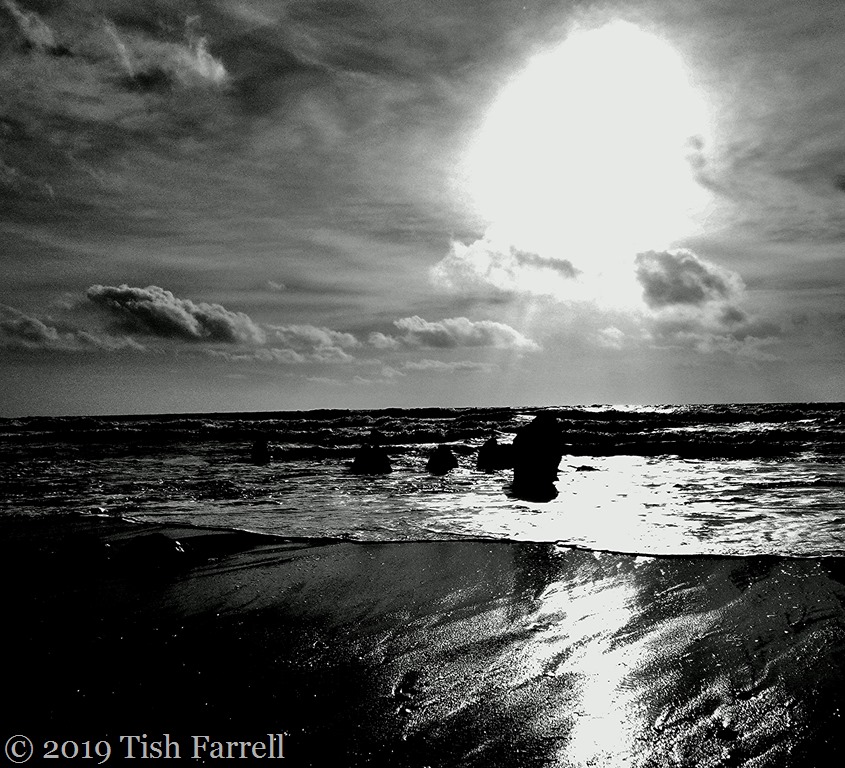
December a few years ago, Port Wrinkle, Cornwall

December a few years ago, Port Wrinkle, Cornwall
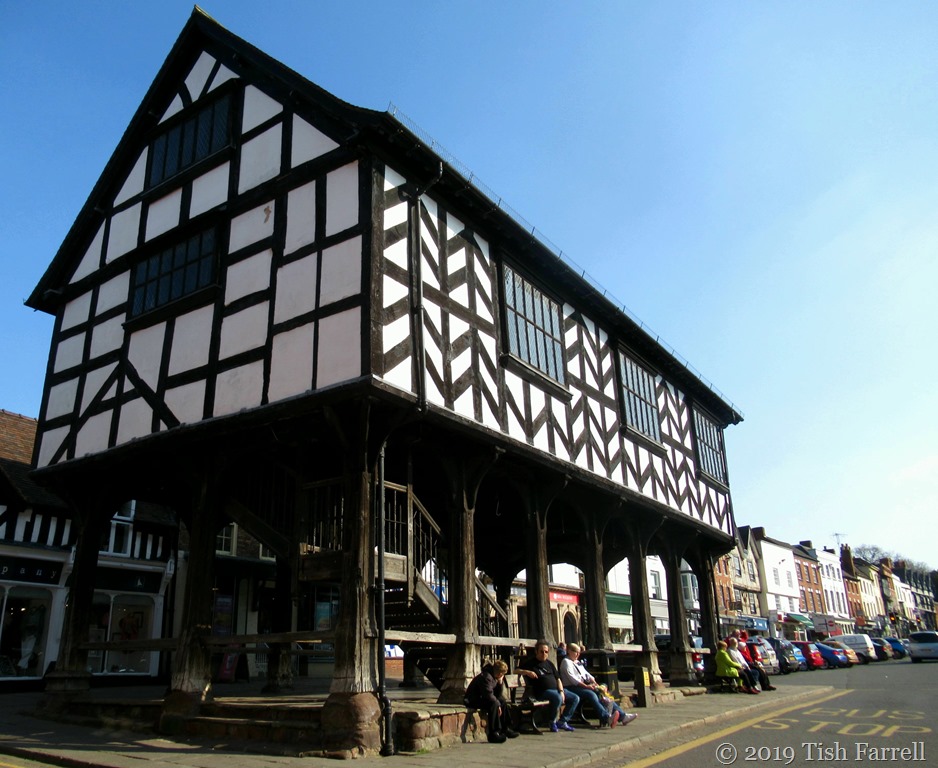
We English do well with our market towns, at least ones where developers were not let loose during the 1960s-70s era of replacement brutalist shop fronts. Ledbury in our neighbouring county of Herefordshire, and the town closest to our Eastnor cottage break at the end of March, is pretty nigh perfect. It has a long, long High Street composed of many 18th century and earlier facades, and in the centre is the Market House that began its civic life as piece of determined urban refurbishment 400 years ago.
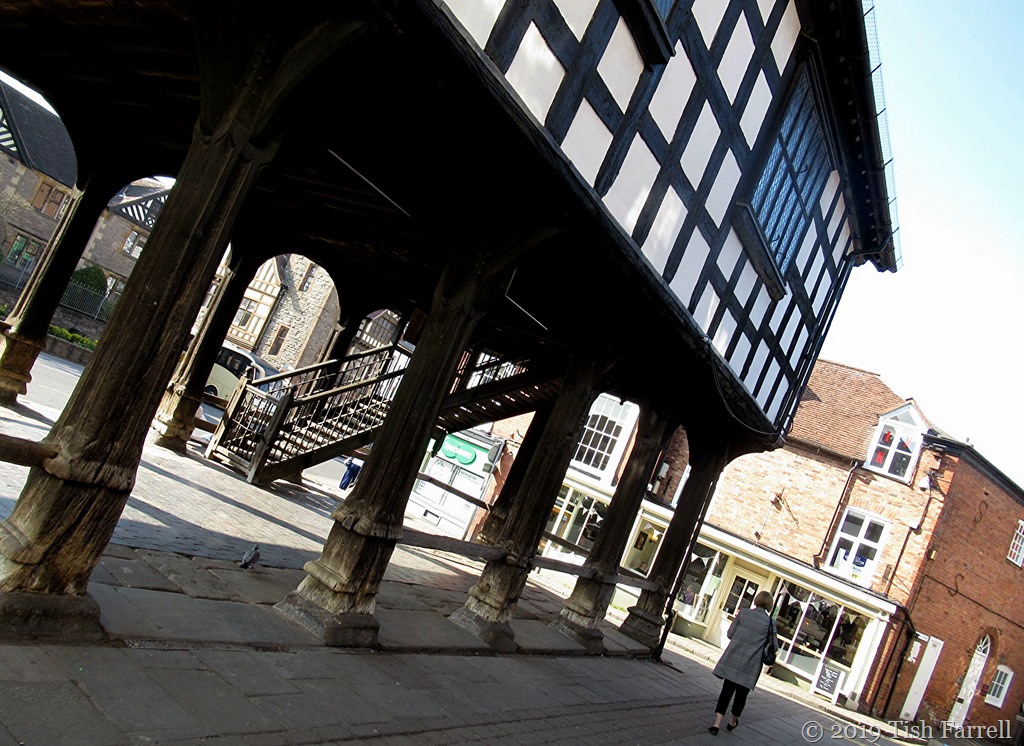
Town records show that the site where it stands had been a market place since 1122, but by the end of the 1500s the space had been encroached on by rows of tatty shops which greatly offended local trader, John Phillips. He set about raising funds through public subscription, and for the sum of £40 bought Shoppe Row and had it demolished. Work began on the Market House in 1617. The original plan included the building small shops between the oak pillars while the upper storeys were to serve mainly for the storage of goods – corn, wool, hops for brewing and acorns used in the leather tanning trade.
However, all did not proceed as expected. In 1655 when John Phillips died the building work was still not completed, and there was no money left to finish the job. In fact it wasn’t until 1668 that local worthies came up with a cunning plan to raise the necessary funds. They helped themselves to £40 from two legacies that were meant to provide clothing for the town’s poor, but then drafted a new instruction: each year 12 poor citizens would have clothing paid for from the profits of the Market House. So it seems the civic misappropriation may be forgiven.
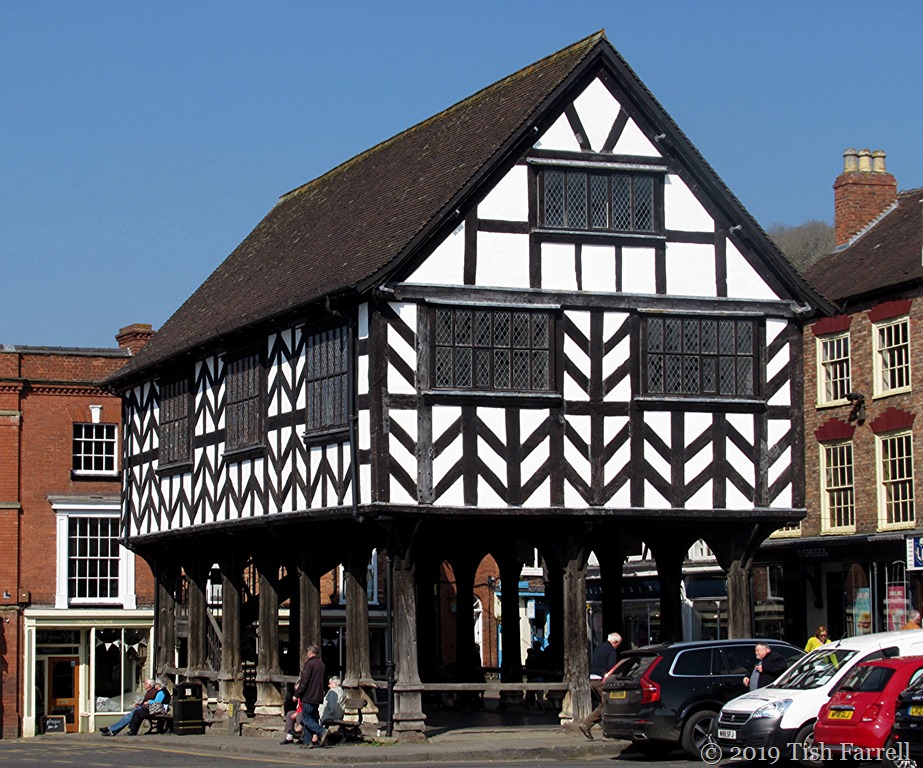
The Market House had a fresh lease of life in the Victorian era when the present windows and staircase were installed. The upper floors then served as the town hall and meeting room. Further restoration work was carried out in 1939 and during the 1970s and 80s. But the most dramatic resuscitation project took place in 2006 when it was discovered that the oak stilts were under threat from ‘foot rot’ and boring wasps. Repairs involved raising the entire structure 2 feet (600mm) off the ground so the builders could scrape out the damaged bases, and infill with a natural lime-grout mortar which is structurally strong, but does not seal in damp as modern cement does.
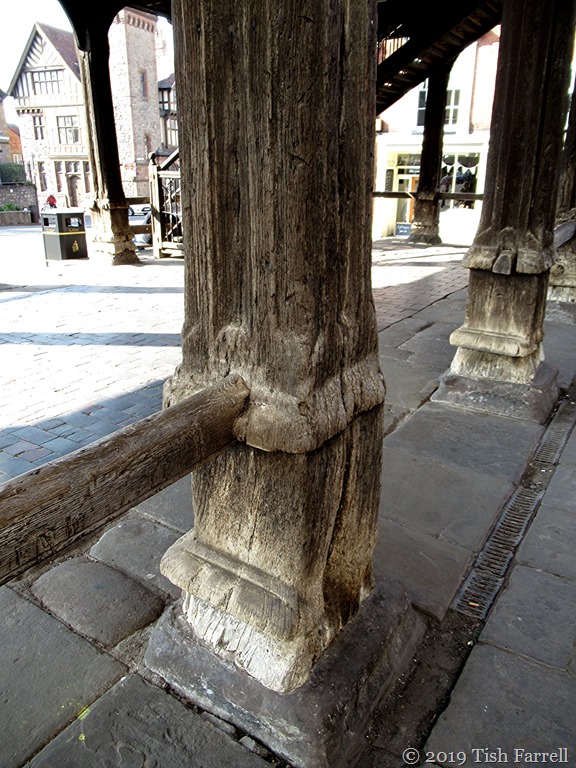
And so the Market House survives well and into its 5th century, and is now used for meetings and exhibitions, its ‘downstairs’ still hosting weekly markets while at other times impressing all with its well-worn and pleasing venerability.
But as I said earlier, there is much more to look at up and down the town – intriguing alley ways with unusual shops, lots of cafes and restaurants, and a potential for a darn good hike up and down the High Street. There are some literary connections too – Poet Laureate John Masefield (1878-1967) was born and lived here. Elizabeth Barrett Browning (1806-1861) also lived here during her formative years. In 1809 when she was three, her father Edward Barrett Moulton Barrett, the owner of slave plantations in Jamaica, bought Hope End estate near the town. Elizabeth lived here until 1833 when family litigation and the abolition of the slave trade caused her father great financial losses, and thus the sale of Hope End and a move to Sidmouth in Devon.
Masefield is also well loved (and especially by me) for his children’s book ‘A Box of Delights’. I especially treasure his word ‘scrobbled’ meaning to be nabbed by the baddies. But now for some Ledbury views, including a glimpse of the writer himself, discovered in a quirky alley leading to the town Printers, who advertise themselves around the place with amusing posters. A town of delights then – old and new:
copyright 2019 Tish Farrell
Lens-Artists: Something Different This week Tina asks us to show her something new or out of the ordinary.
Every Saturday one the Lens-Artists posts a new challenge.
Patti https://pilotfishblog.com/
Ann-Christine aka Leya https://lagottocattleya.wordpress.com/
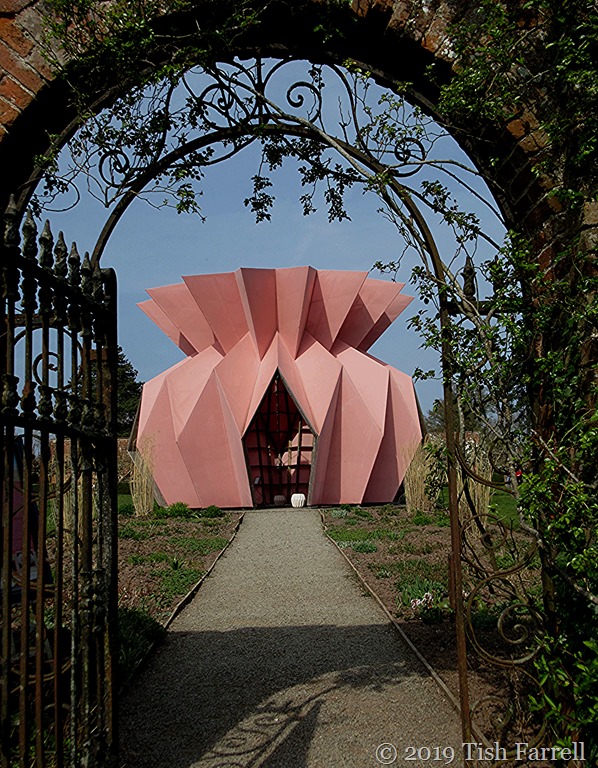
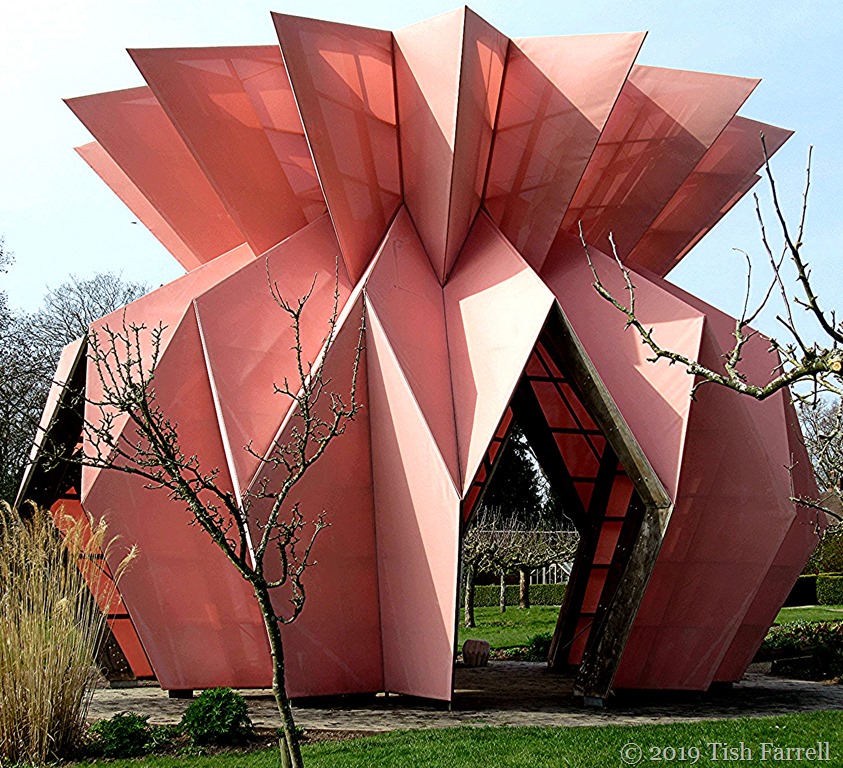
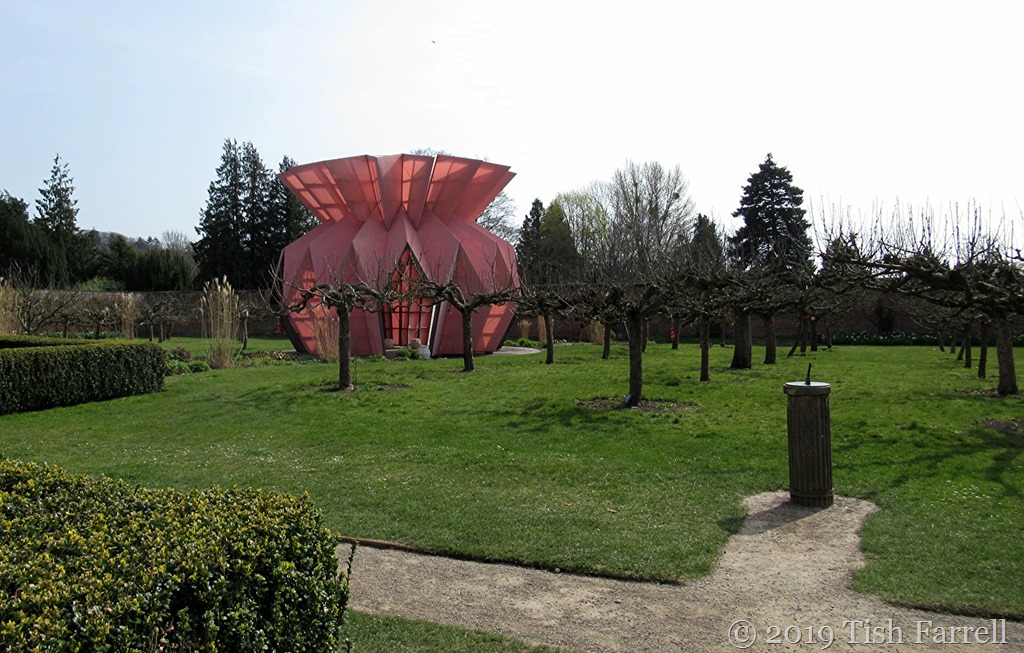
April 1st, All Fools Day, and it flitted through my mind that it was just the day for paying the pink pineapple pavilion a second visit. It was anyway a piece of happenstance. We were driving back from the Malverns and the need for lunch was pressing. And, since you can pretty much rely on a National Trust property for a decent snack, we decided to call in at Berrington Hall.
The last time we were here it was a gloomy October day back in 2017 when Berrington was hosting all manner of art installations inspired by different aspects of the estate’s history. Taking photos then had proved a challenge so it was good to see the gardens full of sunshine. And though the pineapple may not be to everyone’s taste, I was quite pleased to see it was still in residence. And if it seems quite balmy, then it is probably not half as balmy as the kind of extravaganzas created by the overbearingly rich and idle during the 18th century. You can read more about this in the original post A Giant Pineapple In The Garden.
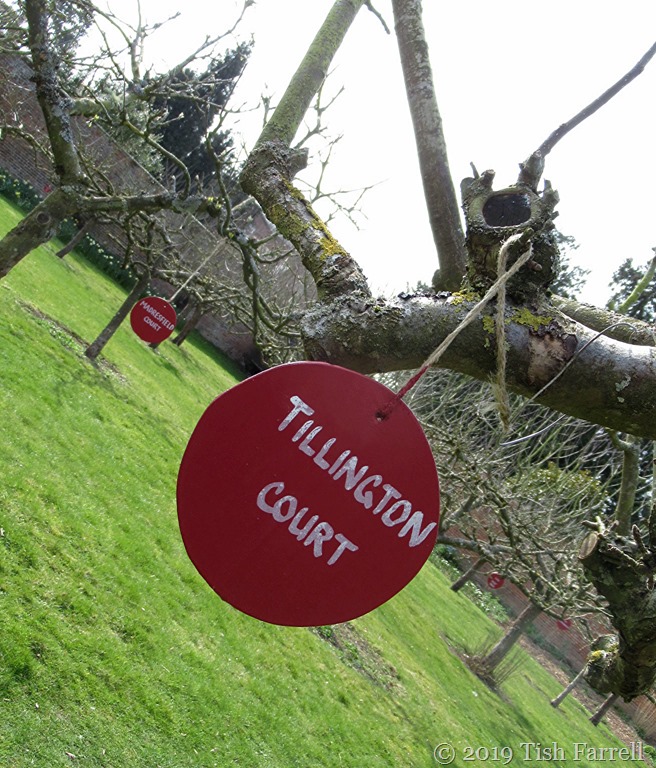
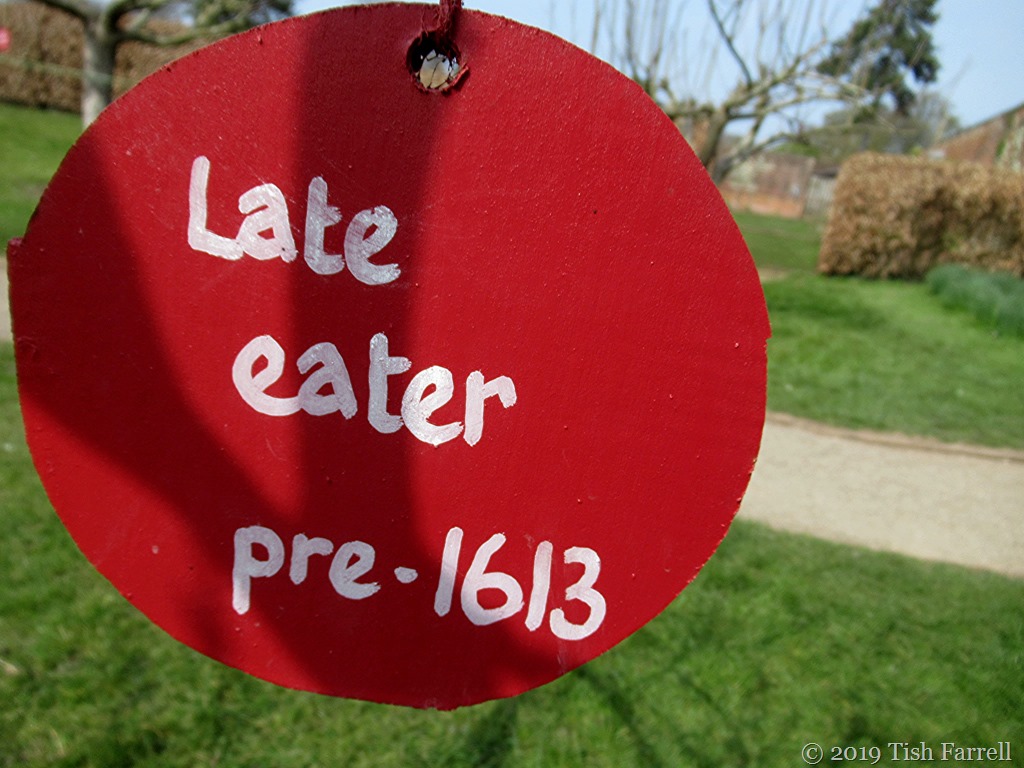
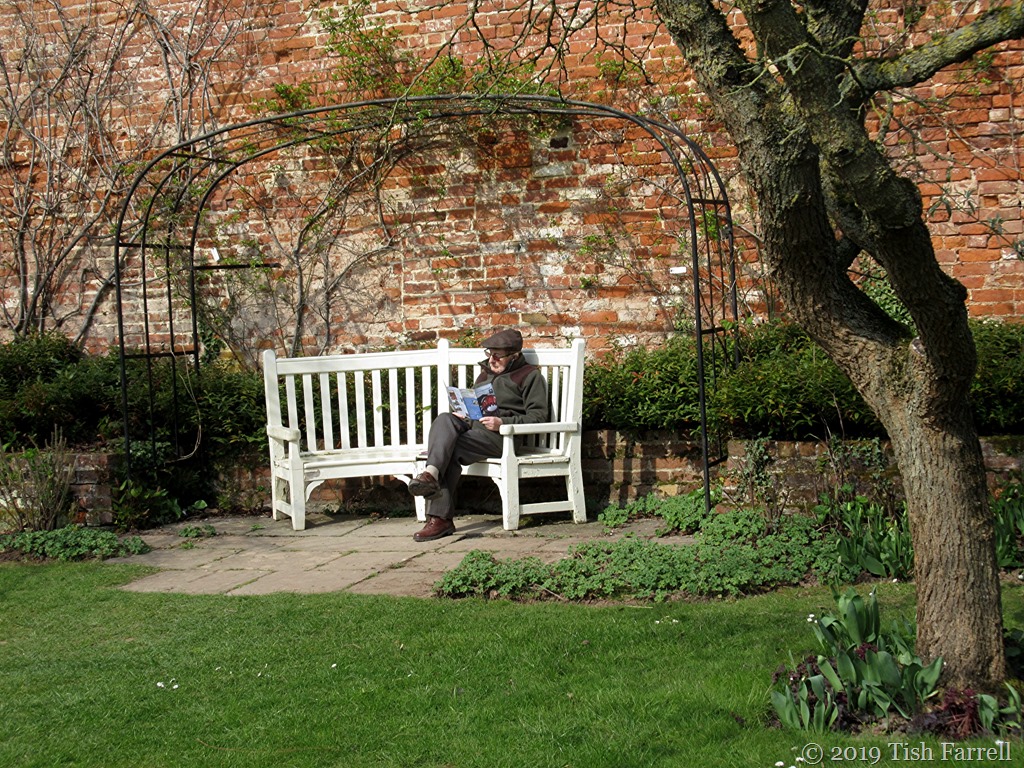
On Monday we were simply happy to have a quick mooch around the walled garden where the ancient apple orchard is currently being revivified, each tree carefully pruned and curated, with big name tags and the dates of species origins. So many varieties, and these days you’re lucky to see six sorts in the supermarket. What treasures we deprive ourselves of and for no good reason. So full marks National Trust for taking pains to restore the garden and nurture these old varieties.
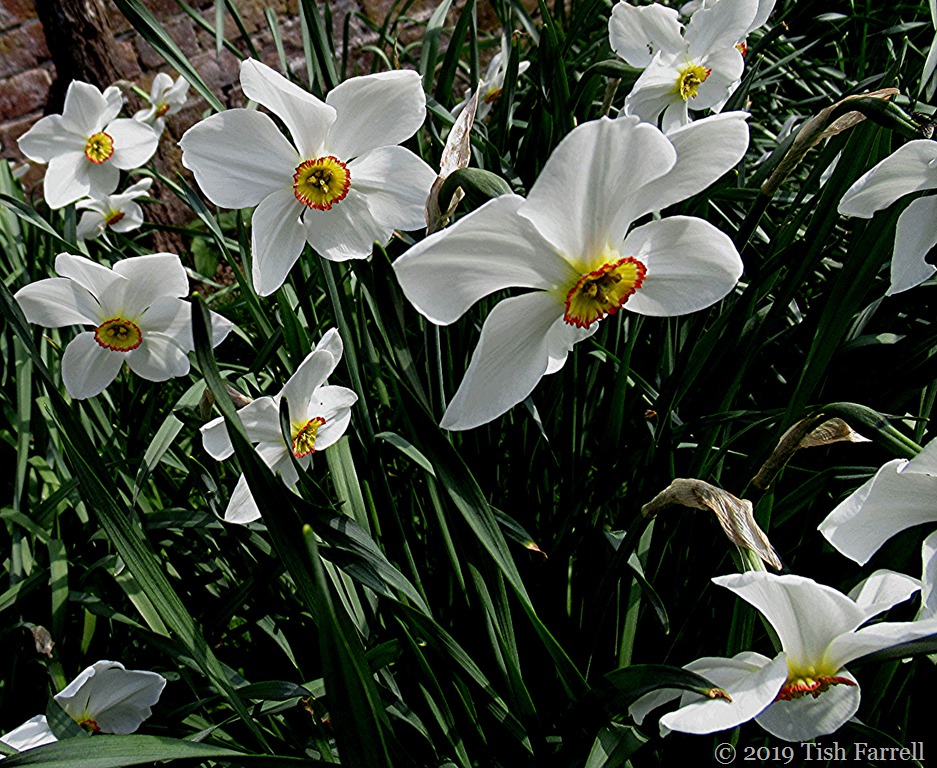
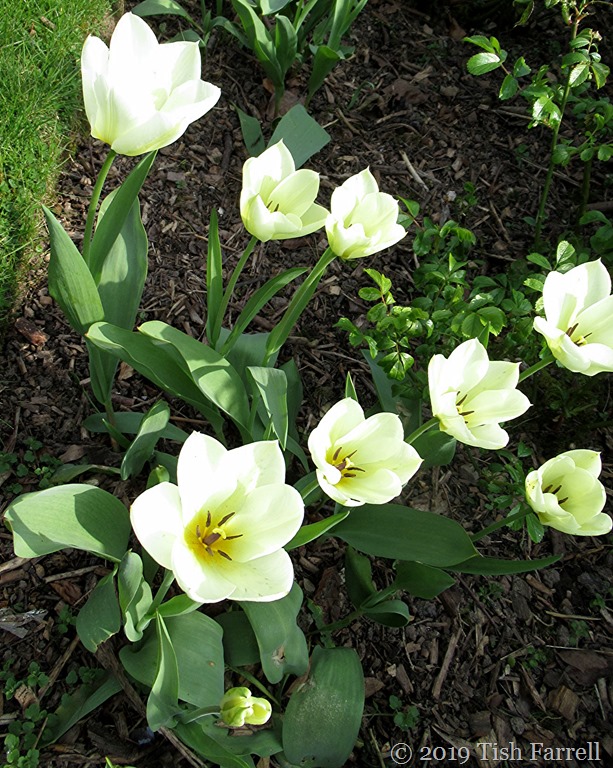
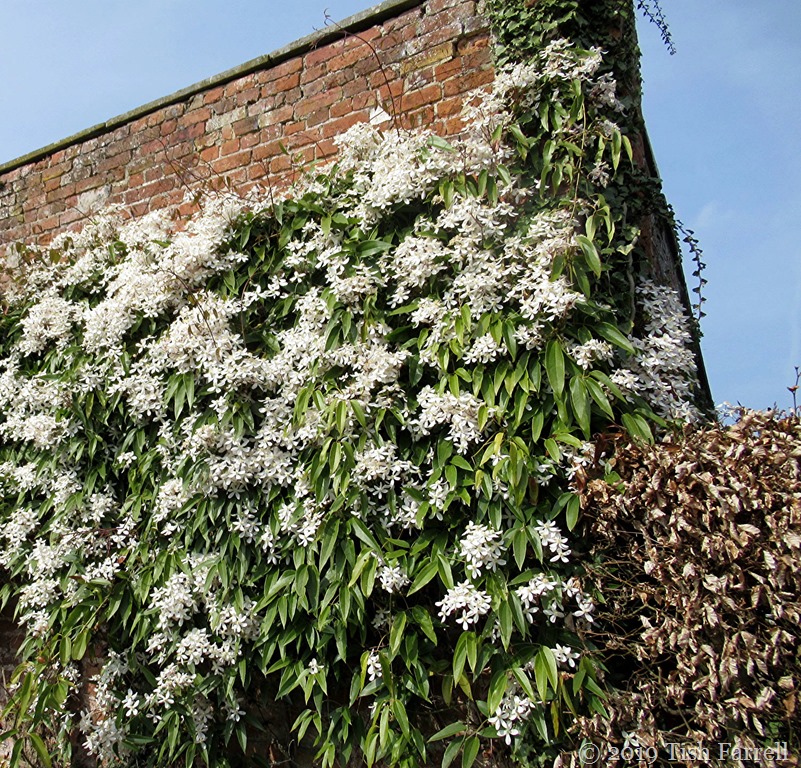
Now for some more garden views:
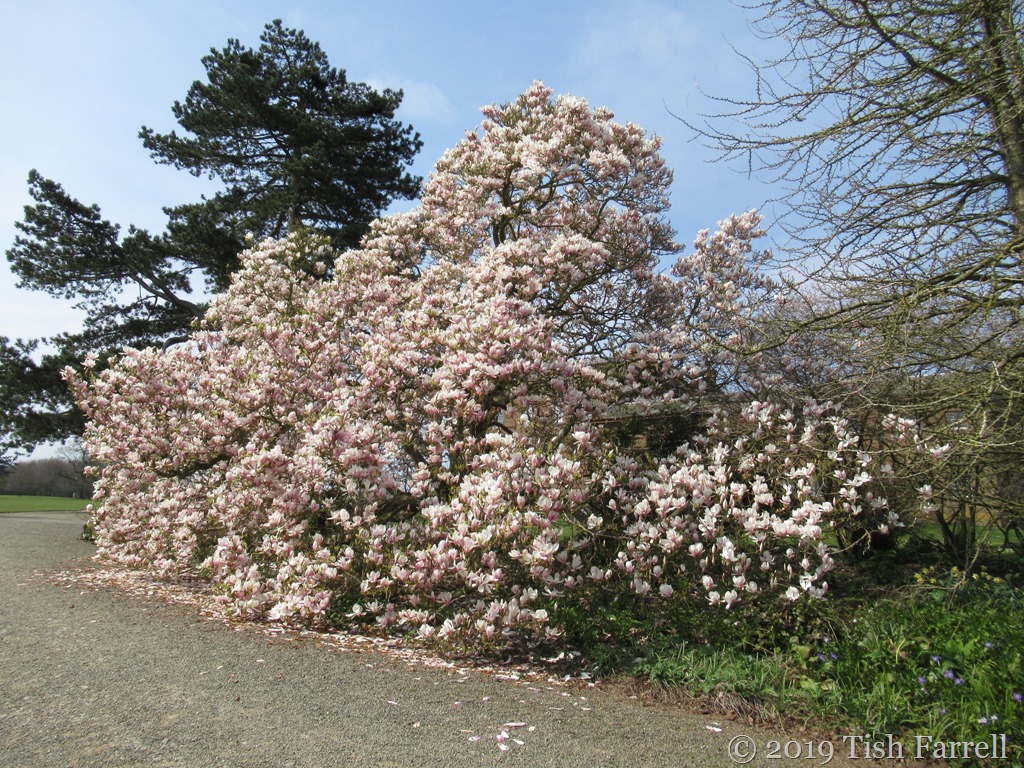
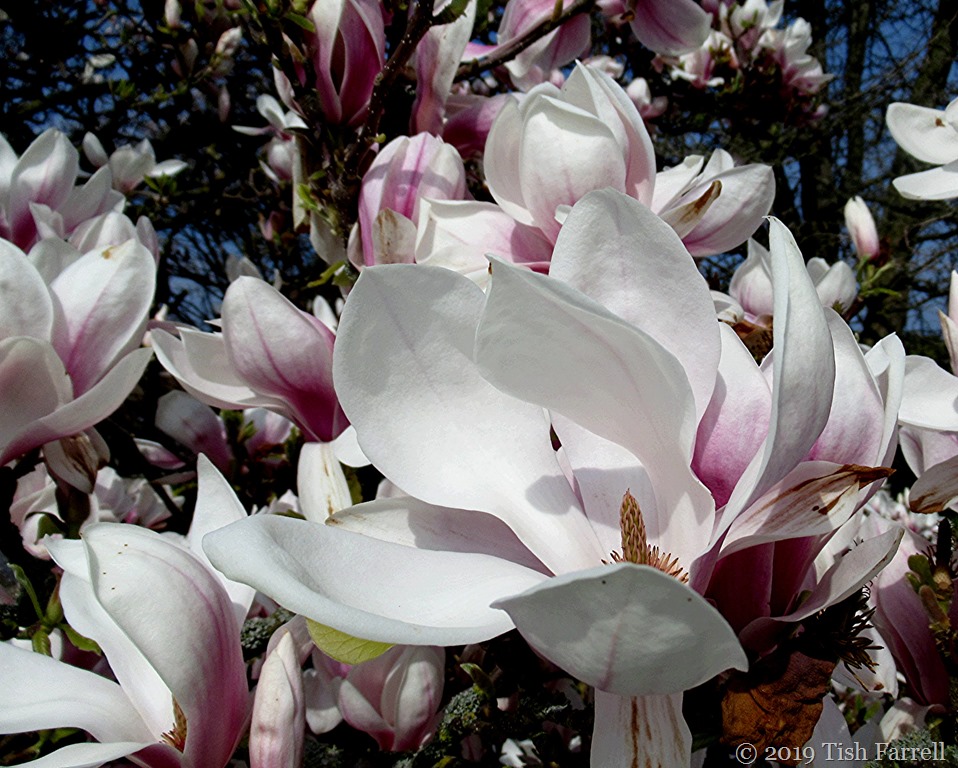
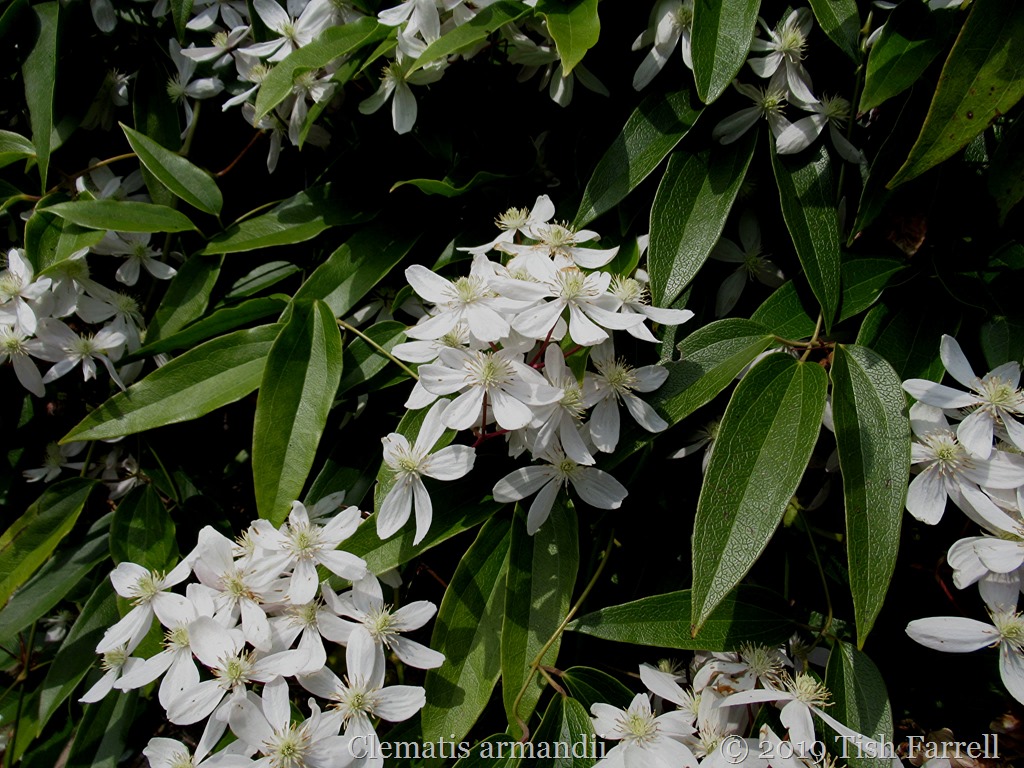
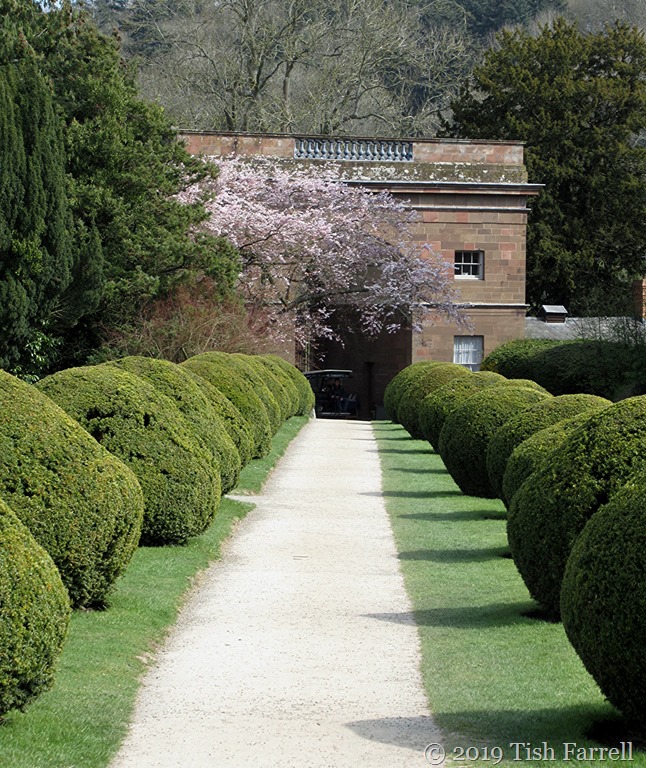
Lens-Artists #39: Hello April All thanks to Amy for this week’s challenge. Please pay the Lens-Artists a visit.
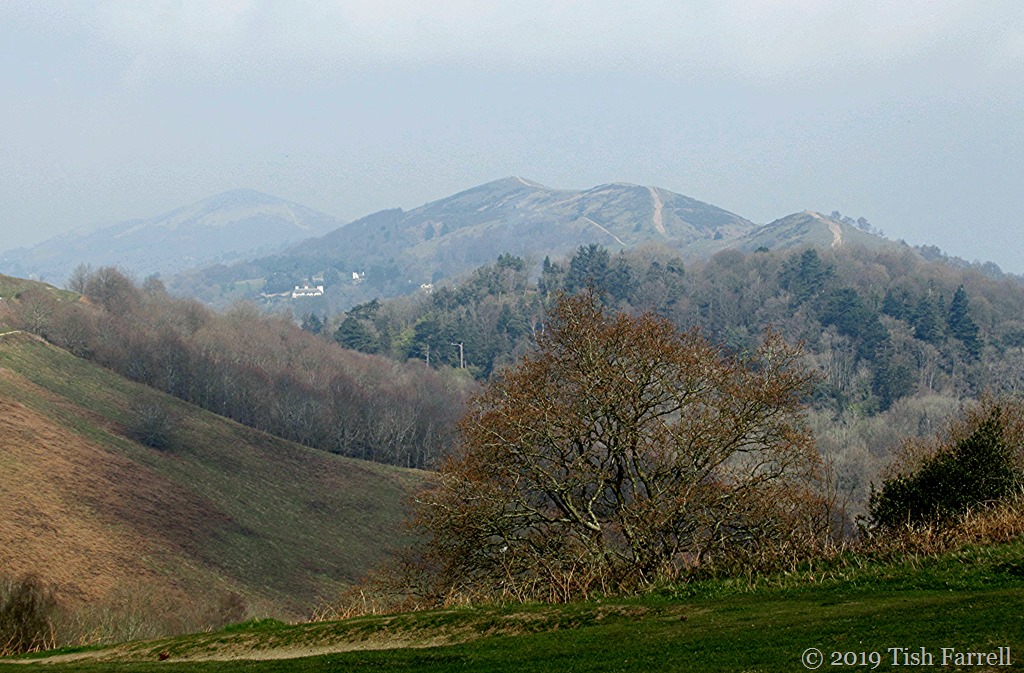
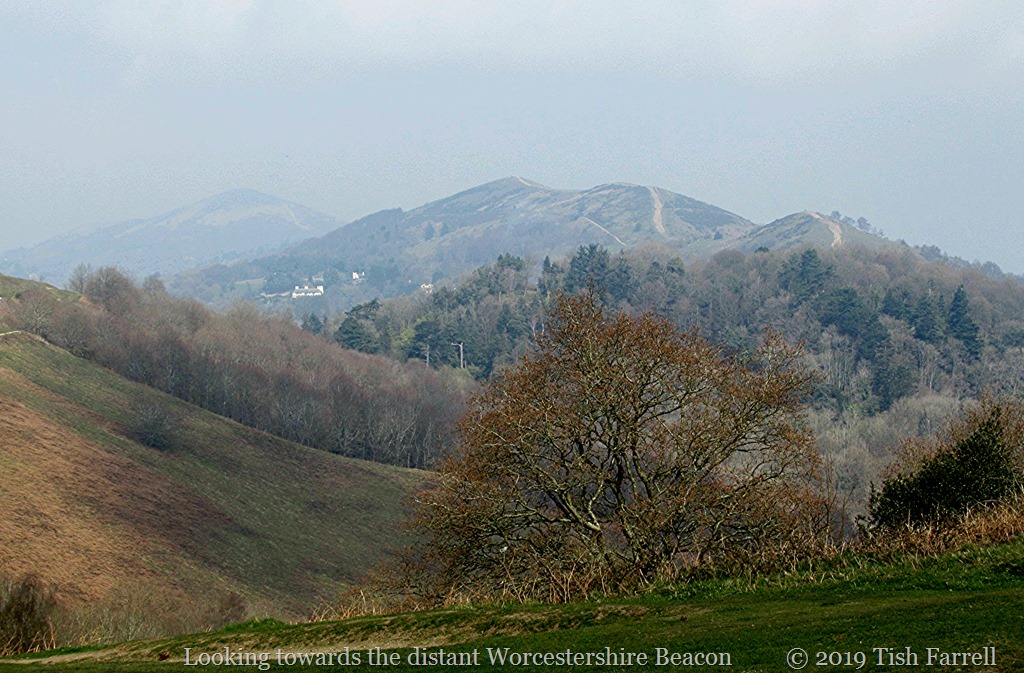
Lately I’ve been thinking you don’t need to go far from home to find other worlds; places where you feel taken out of yourself and far removed from familiar routines. And so it proved last weekend. We crossed the southerly border out of Shropshire, and climbed into the Malvern uplands. On either the hand, east and west, the farming shires of Worcester and Hereford spread out beneath us, Gloucestershire to the south; in every sense, then, the green pastoral heart of England. And it was all thanks to my sister Jo and her chap, Bob, who were kind enough to take us away with them for three nights in Peacock Villa in a quiet wooded corner of the Eastnor Estate.
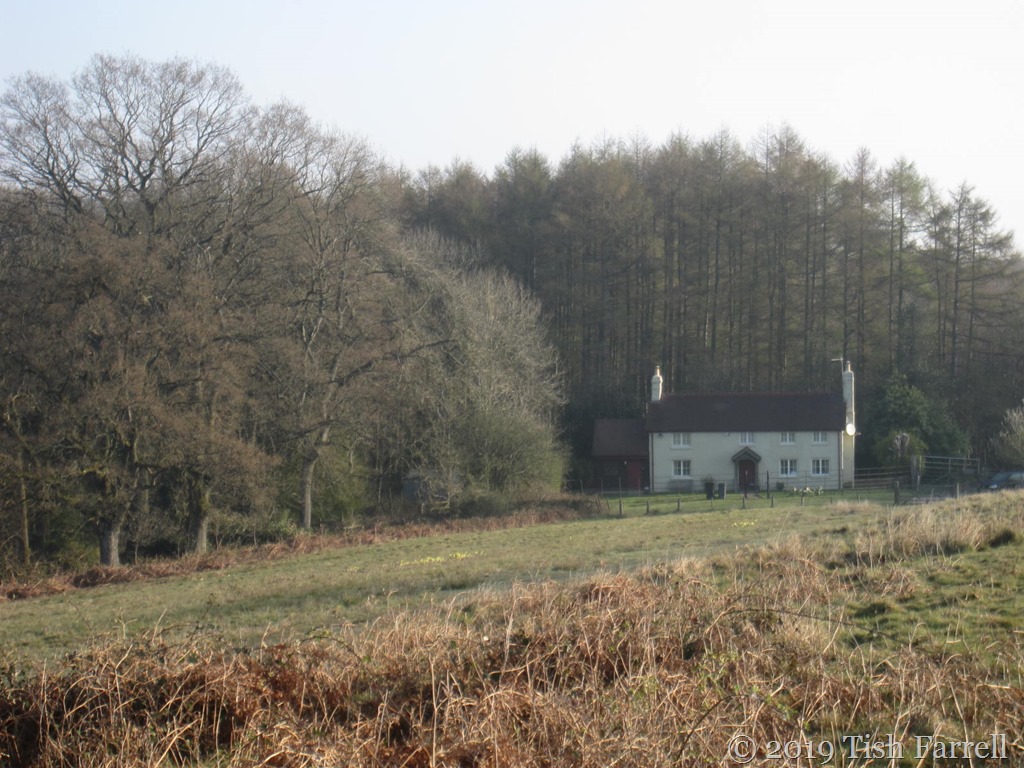
I should say at once that the cottage did not come with peacocks, but it did have a fine view of an obelisk. And there was silence too. Lots of silence when the pheasants weren’t calling or the woodpeckers drilling. And by night the kind of darkness that allowed you to gaze and gaze at the stars.
When I woke on Saturday morning this was the scene from the bedroom window.
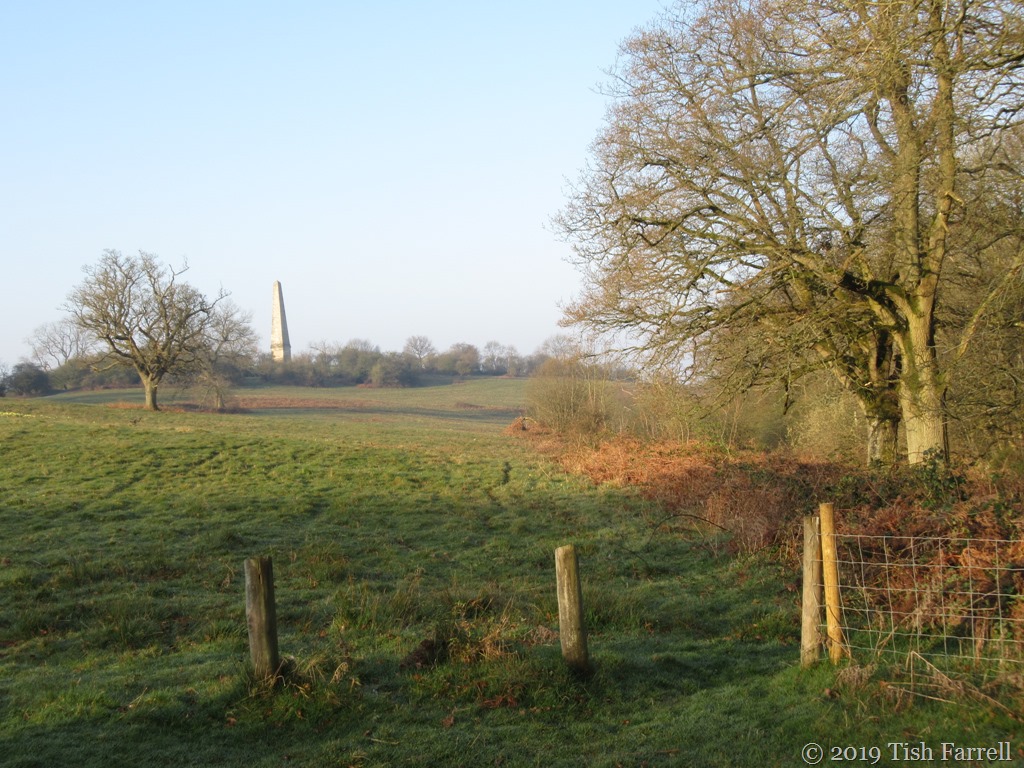
The 5,000 acre Eastnor Estate belongs to descendants of the Somers Cocks family whose antecedents arrived in Eastnor at the end of the 16th century. The family grew in wealth and status during the 18th century, and by 1811 was building for itself a Neo-Norman extravaganza that is Eastnor Castle, a country pile of (deemed) appropriate grandeur for the Ist Earl Somers. The obelisk, which stands on the highest easterly point from the castle displays inscribed highlights of the Somers Cocks family’s political successes and dynastic unions. It also commemorates the loss of a son, an intelligence officer on the Duke of Wellington’s staff who died in 1812 during the Peninsular War (1807-14) (wherein British forces were protecting Portugal during the conflict between Napoleon and Bourbon Spain). If you stand with your back to the westerly face of obelisk you can see the castle and the deer park. On a hazy late March day it all looks more than a touch surreal.
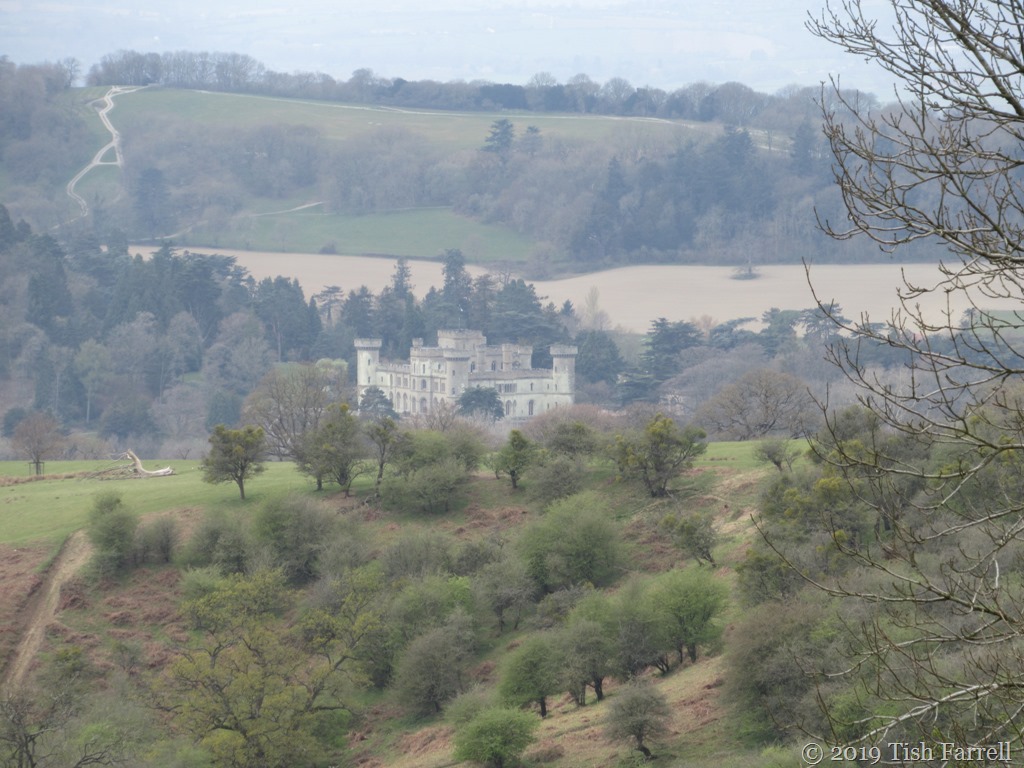
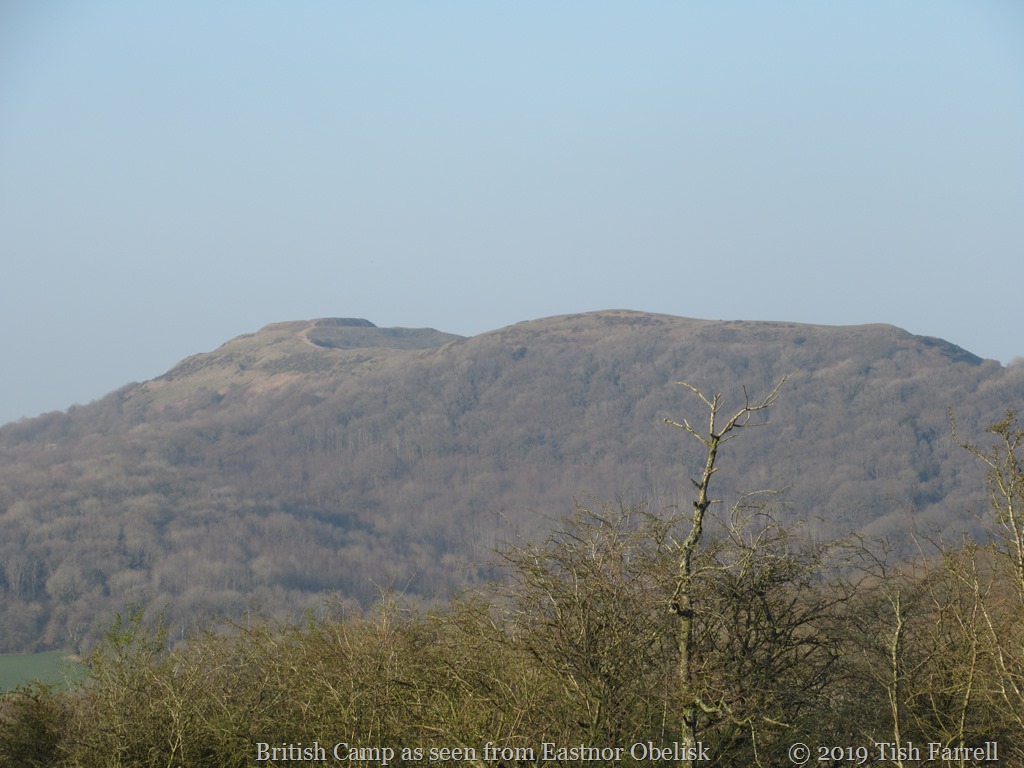
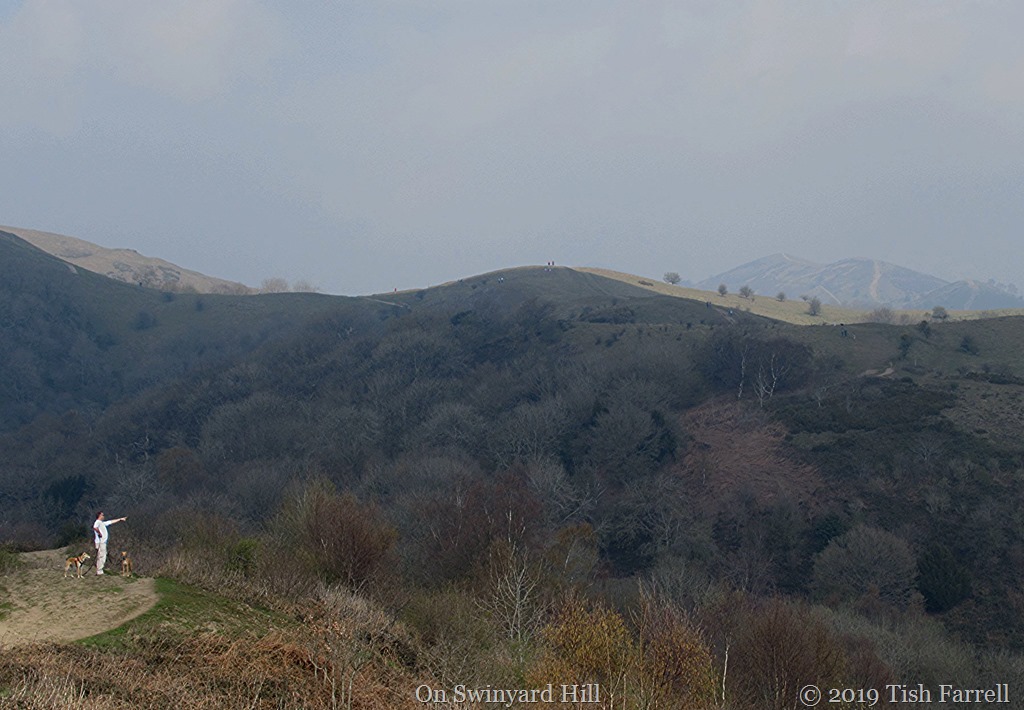
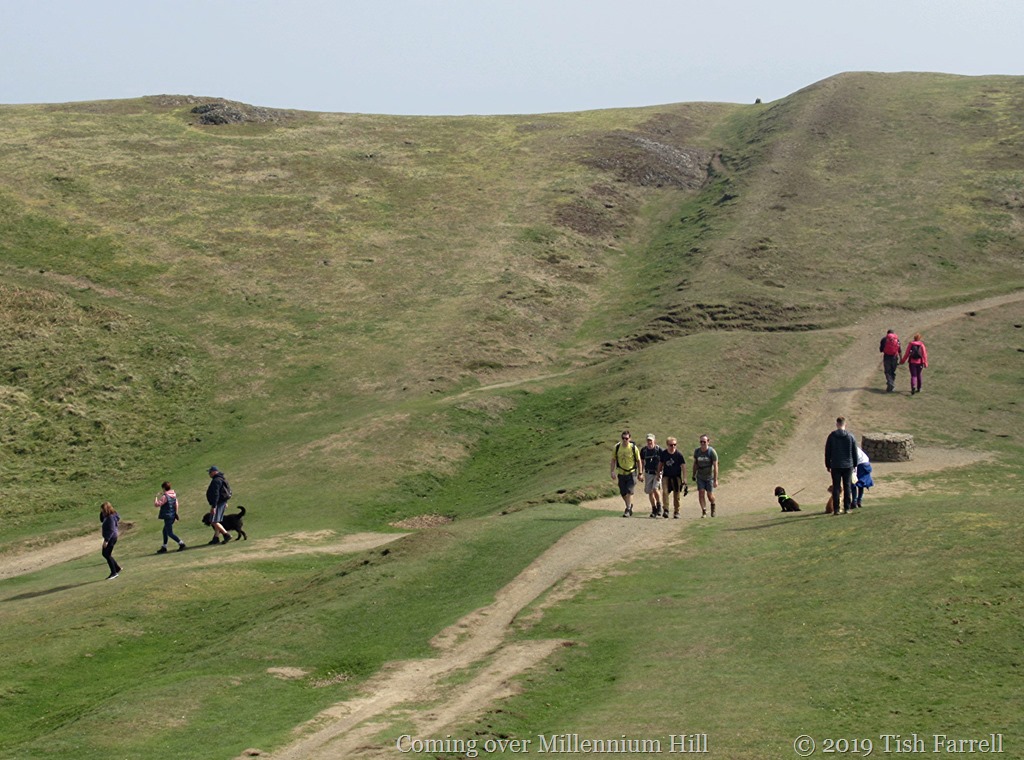
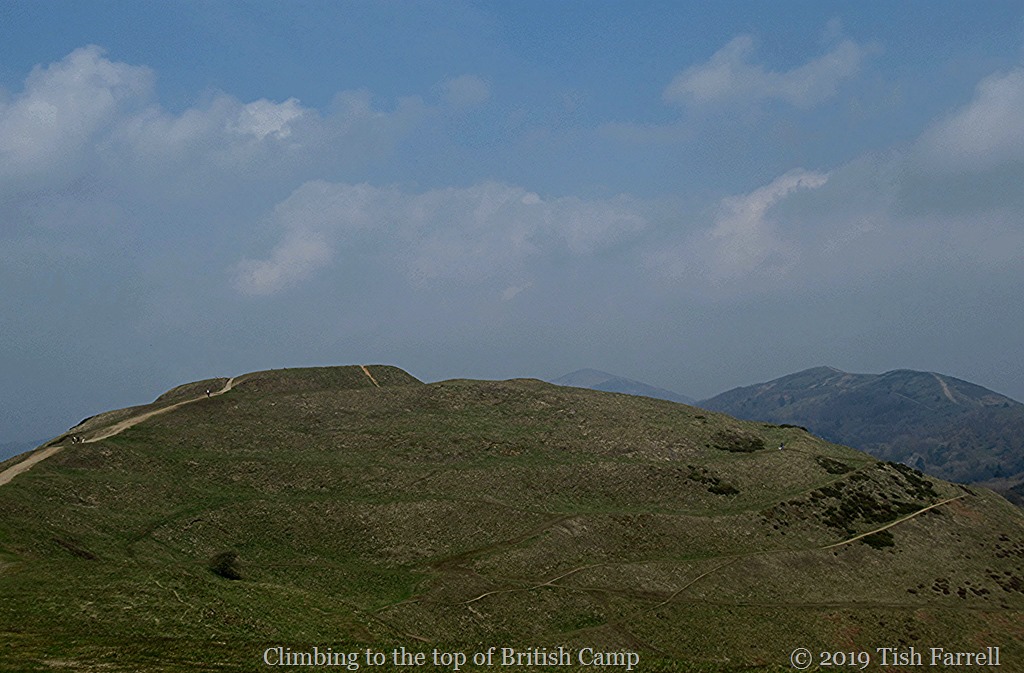
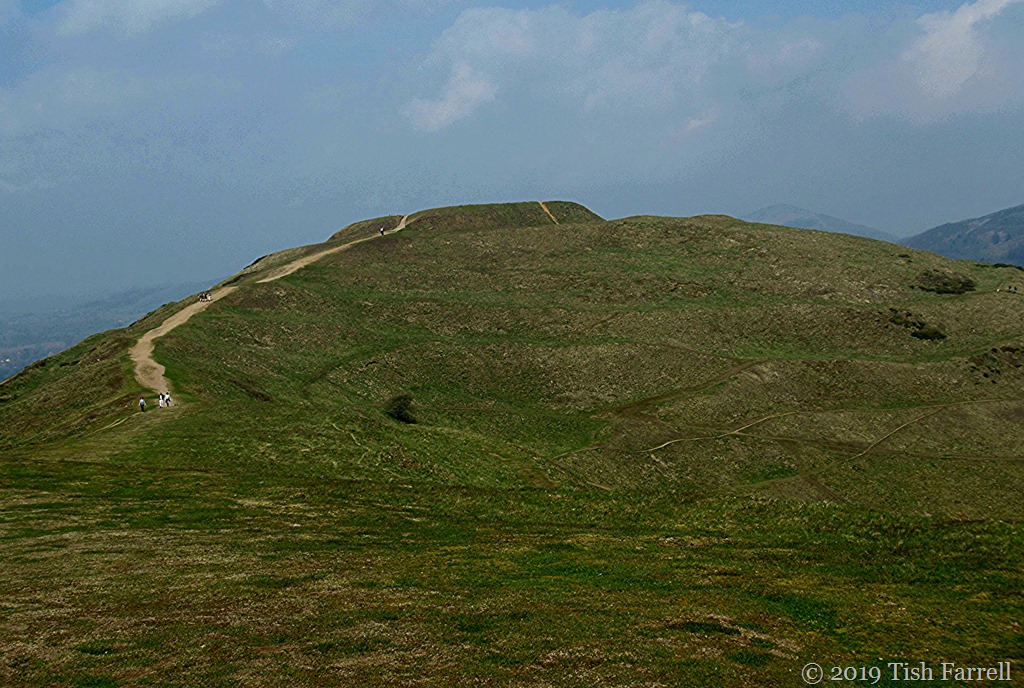
Later that morning we took to the path through Gullet Woods behind the house, climbing ever upwards on well-worn tracks to the Malvern Hills. Our objective, a mile or so along the ridgeway from Swinyard Hill (though after much upping and downing) was British Camp on the Herefordshire Beacon. This magnificent prehistoric cum early Middle Ages site, is a multi-phased hillfort begun in the Bronze Age three and half millennia ago, re-worked and massively ramparted and inhabited in the Iron Age and then, a thousand years on, adapted into a Saxon ring and bailey castle, perhaps by Earl Harold Godwinson himself (the future but short-lived king of England). Next, under Norman rule and during The Anarchy (1135-1153) of King Stephen’s reign, the motte and bailey were refortified and serially occupied by Waleran de Beaumont, 1st Earl of Worcester, and then by his brother, Robert de Beaumont, 2nd Earl of Leicester.
At its highest point British Camp stands at 1,109 feet (338 metres), and when you reach it and look out on the ridgeway tracks that snake over hill after hill you know you’ve reached the top of the world; that you’re standing on ground once walked over by prehistoric Celts, that resounded to the drumming hooves of horses as Harold and his men set off on a day’s hunting; that later rang to grim sounds of battle during The Anarchy, and finally to the shouts and hammering of determined demolition in 1155 under King Henry II.
All of which is to say my photos scarcely do British Camp justice, nor show the scale and immensity of the hand-dug Iron Age ramparts, but you can find some stunning aerial views and a detailed survey of the site HERE
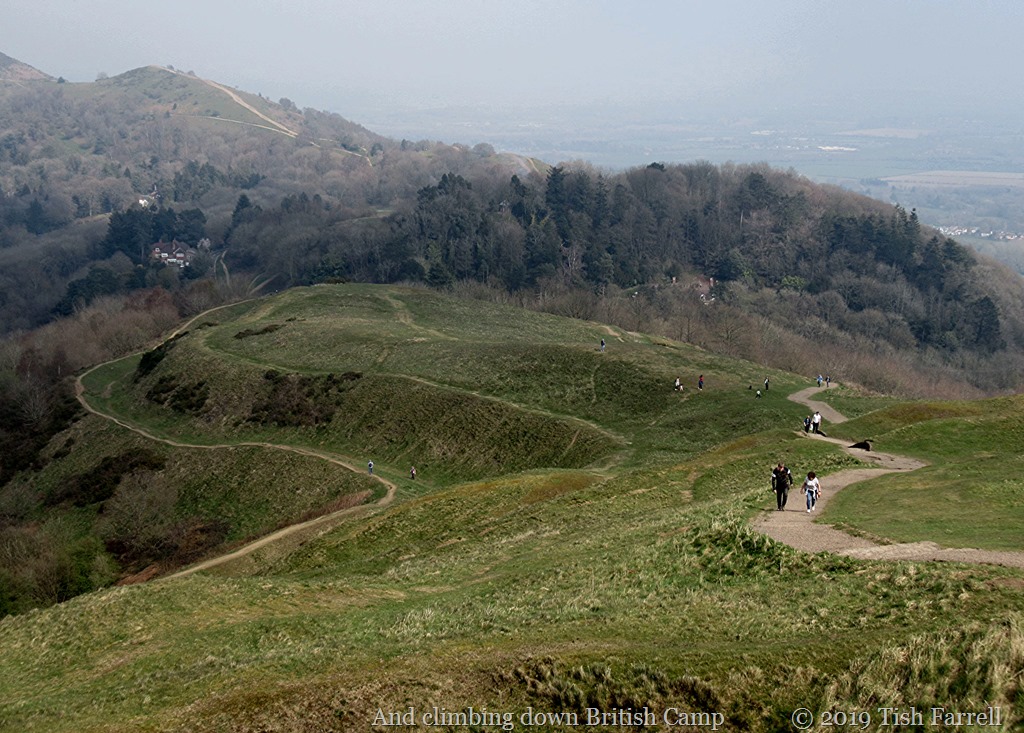
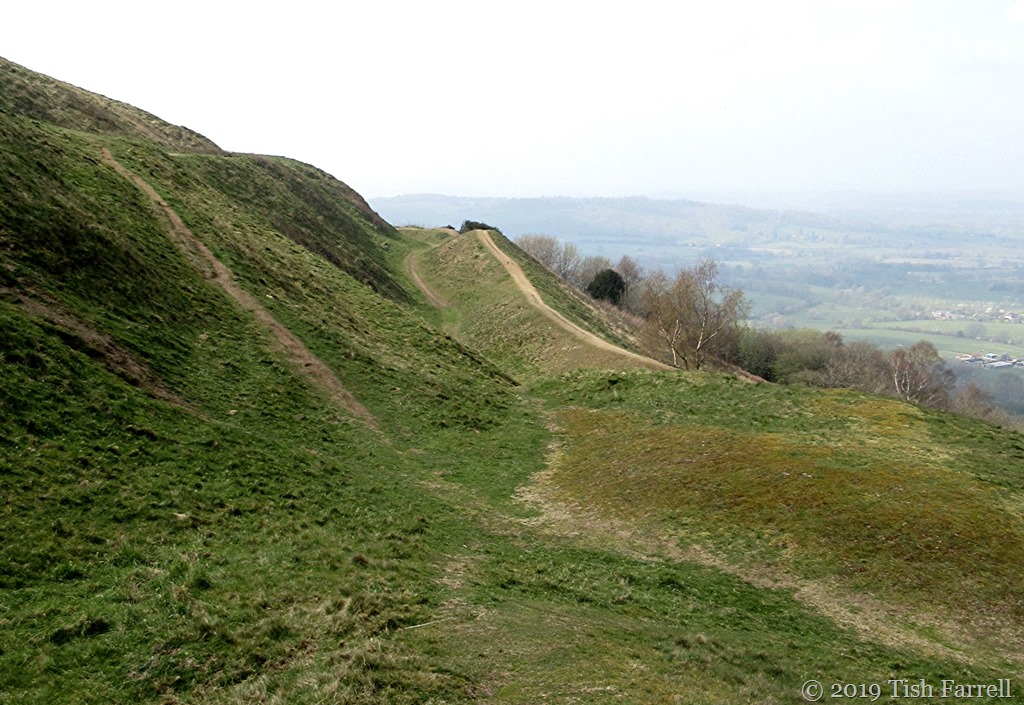
A VERY BIG THANK YOU, JO AND BOB
And now for Elgar who loved and lived near these hills during different phases of his life.
If ever after I’m dead you hear someone whistling this tune on the Malvern Hills, don’t be alarmed, it’s only me.
Edward Elgar referring to his Cello Concerto:
https://www.youtube.com/watch?v=6HqkrwgbsZ8
See also Ken Russell’s marvellous, if rather dated b & w 1962 film on Elgar, Portrait of a Composer. This is the link to the first of 4 parts. Watch it, if only for the opening sequence:
https://www.youtube.com/watch?v=JM2YGJCjAEA&list=PLA4421A4FC372EEDE
copyright 2019 Tish Farrell
Linking this to Jo’s Monday Walk
Please pop over there for a marvellously blue-sky excursion.

I’m not actually at my pc as this post appears, though I will be back there shortly. And shortly too it will be time to sow squash and courgette seeds.
A big thank you to Becky for her spiky squares challenge. What a lot of fun we’ve had.
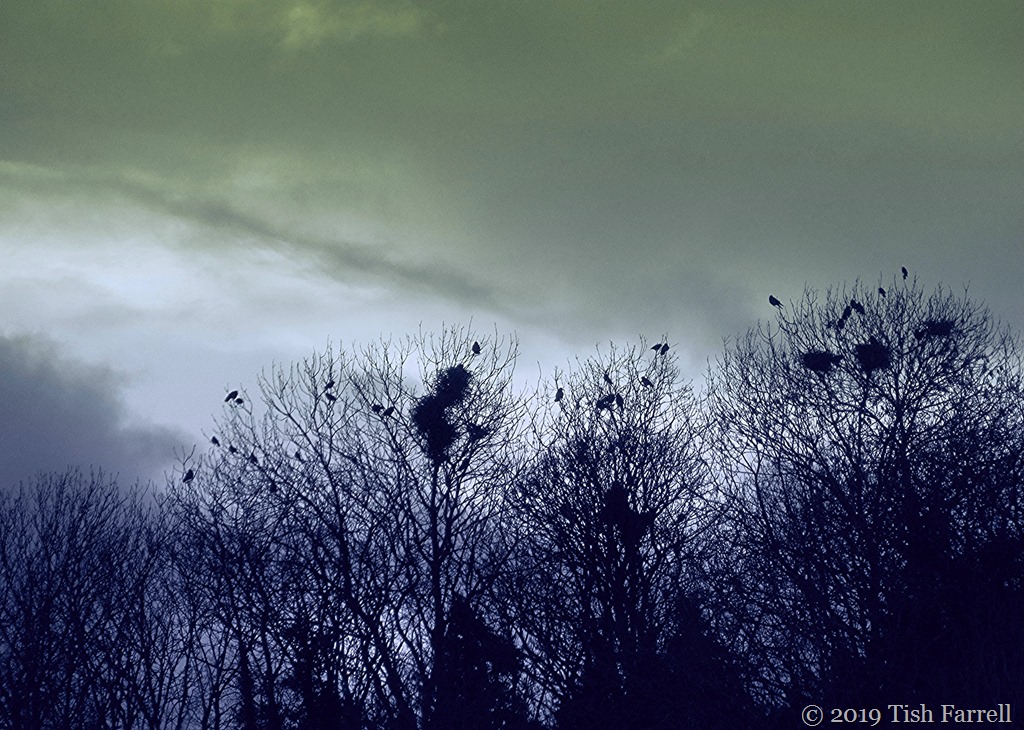


Here in Shropshire we are just this minute bursting with damson blossom. We also have our own variety – the Shropshire Prune, which has been around from at least Tudor times. The damson trees along the field boundaries and lining the country lanes are also reminders, or so local legend has it, that before chemical dyes were invented, damson growing was done on an industrial scale both here and in many parts of rural England, the fruit skins used to colour wool and leather. I’ve certainly seen old photos on a pub wall in nearby ‘Damson Valley’ of the fruit being harvested by the cartload and driven off to the local station. And whether for dyeing or not, there was certainly once a great demand for damsons in the commercial jam-making industry. These days people aren’t so keen on them, and each year the old tree at the allotment hangs in unpicked fruit. It is seems a great pity. Damsons are delicious, and they also make for excellent damson gin or vodka, so spreading their cheer through the darkest months. Chin-chin!

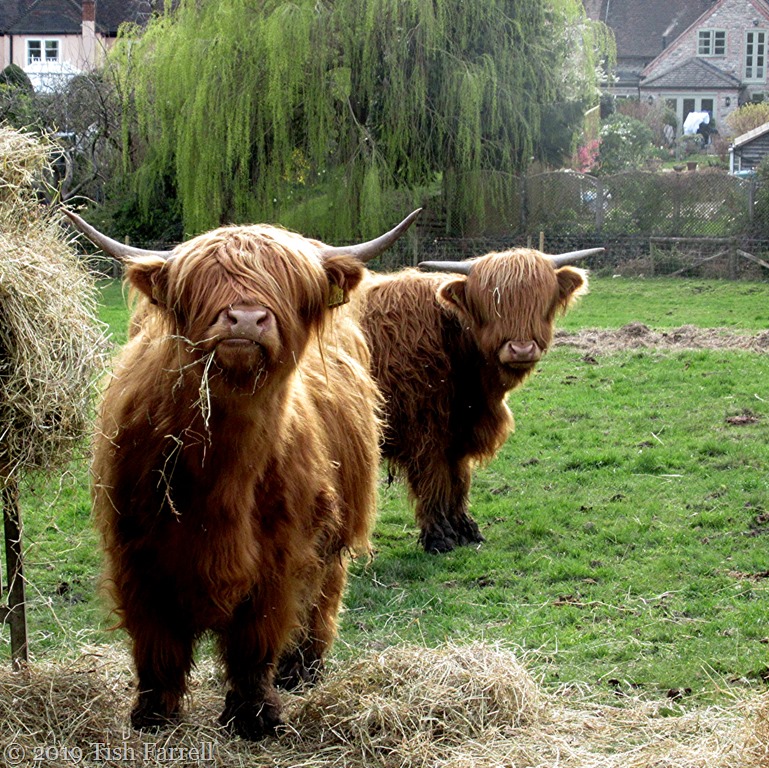
It doesn’t take much to keep us Farrells amused, or should that be amoosed. Anyway, since the highland cattle took up residence in the Cutlins meadow, it has added a whole new dimension to popping to the High Street for some milk. I can report that Mammy and infant MacMoo who featured in earlier posts, have been moved to pastures new, and now we have only four junior MacMoos with whom to pass the time of day. But they are pretty obliging when it comes to a photo shoot, although all in all, they would much rather eat hay. Just like us, then, it seems they are easily pleased.


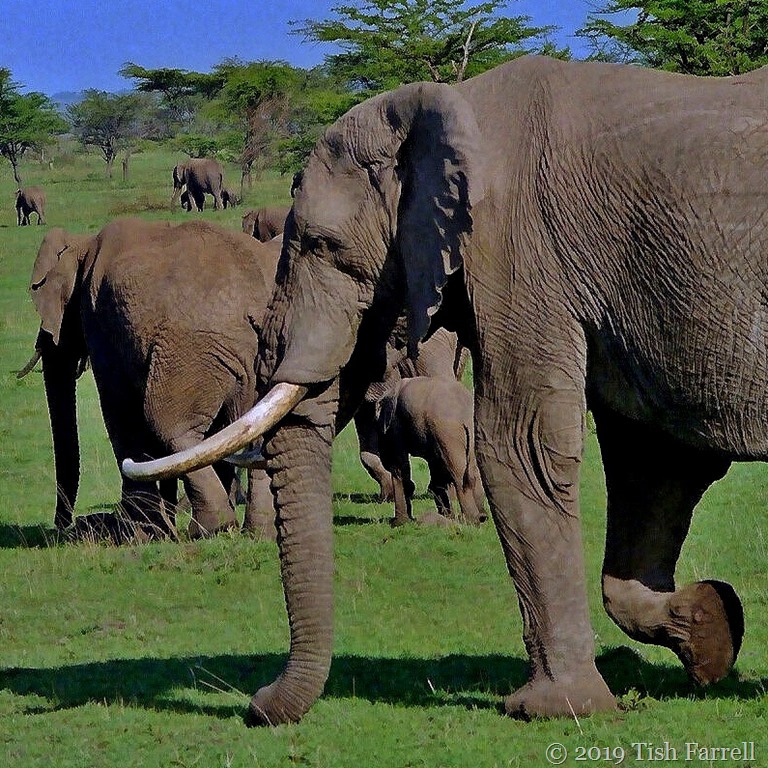
I have elephants on my mind today. Last night when we were trawling YouTube it threw up a mesmerizing BBC film about the desert elephants of Mali’s Sahel. It was made back in 2001, and followed a research project that involved fitting radio collars to 8 elephants (a very tricky pursuit) and tracking them and their herd over a 700 mile migration route, from water source to water source, as they crossed the desert lands of Mali and Burkina Faso. A subsequent trawl on the web suggests the research is ongoing under the auspices of Save The Elephants. The film is well worth viewing, and this is the link to the Daily Motion version: The Lost Elephants of Timbuktu 2001.
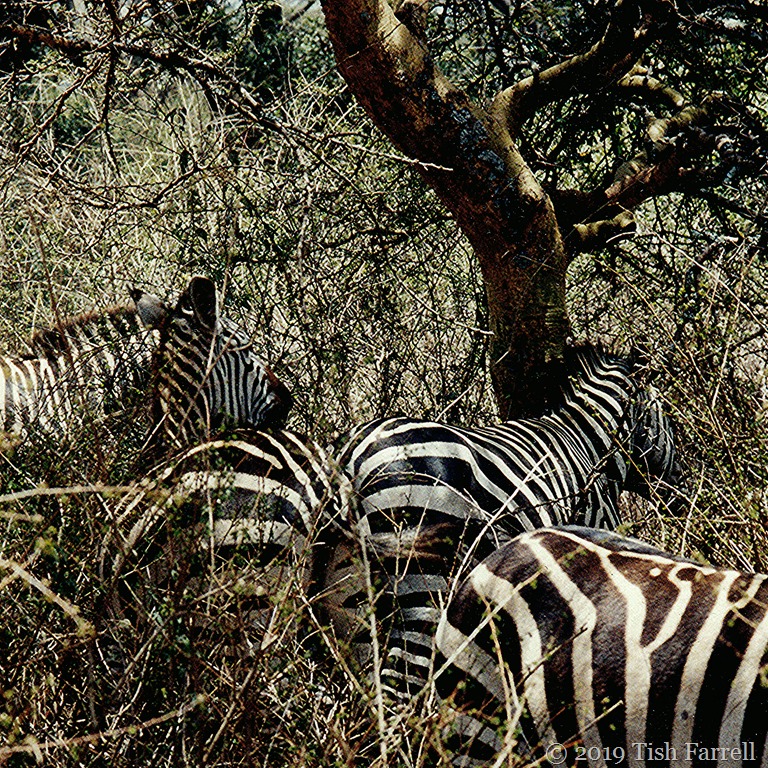
Our almost-spring has reverted to winteriness today, so it’s back to the old Africa album for Square 22 and a bit of midday heat. Am imagining too the smell of the bush – spicy sundried grasses and hot peppery earth – and in my head the seamless kroo-krooing of doves. And because it has amused me ever since I heard it from a tipsy guide in Zambia, I make no apologies for repeating it again here: when it comes to zebras’ butticles, he told us, each has its own unique set of stripes. He further suggested that this was how the offspring recognised their mothers. I have no idea if this is true, but am happy to go along with it if only for the butticles, since they sound more decorous than buttocks and so have remained discriptor of choice in the Farrell household when referring to that particular part of the anatomy. And anyway, zebras do sport such very handsome ones.


