Garden Gold ~ Calendula Officinalis

IMG_1532

In medieval times the flowers of the common pot marigold (Calendula officinalis) were included in ‘a cure’ for bubonic plague – added to the finely ground shells of new laid eggs and stirred in with treacle and warm beer; to be drunk night and morning. I’m not sure about the powdered egg shell, but the rest of it sounds quite heart-warming. And that’s the best thing about marigolds: simple to catch sight of them lifts the spirits, and lifted spirits are an essential part of wellness and wellbeing. So here is some Friday morning ‘medicine’ from the allotment, marigolds self-sown and grown without one finger’s worth of help from me – a free and lovely gift from Planet Botanic.
Copyright 2019 Tish Farrell

All Quiet In The Mara?

Scan-140726-0025

This week at the Lens-Artists, Tina explores the concept of harmony. There are of course many ways of thinking about it  – physically and metaphysically, in terms of colour, music, flavours, composition, structures, relationships, (angelic choirs even). My first thought, though, was of the East African plains: harmony in the sense of the natural cycle of things; every species occupying its niche within the grasslands ecosystem; harmony with edge since eating and being eaten also come into it. This photo, taken at sundown, could also be seen as harmony – at least from the human perspective – a case of the pathetic fallacy perhaps: disparate creatures roaming and grazing peacefully together in the  wilderness idyll, all bathed in golden late-day light. On the other hand, and I am not absolutely sure about this,  but there could well be a hyena on the prowl – the tiny brownish entity, slightly dog-like, a zebra and a half in from the right, and just below the bough of the right hand thorn tree. Harmony about to be interrupted then.

copyright 2019 Tish Farrell

Lens-Artists: harmony

April’s Changing Seasons: Leaves, Lambs And A New MacMoo


IMG_1524

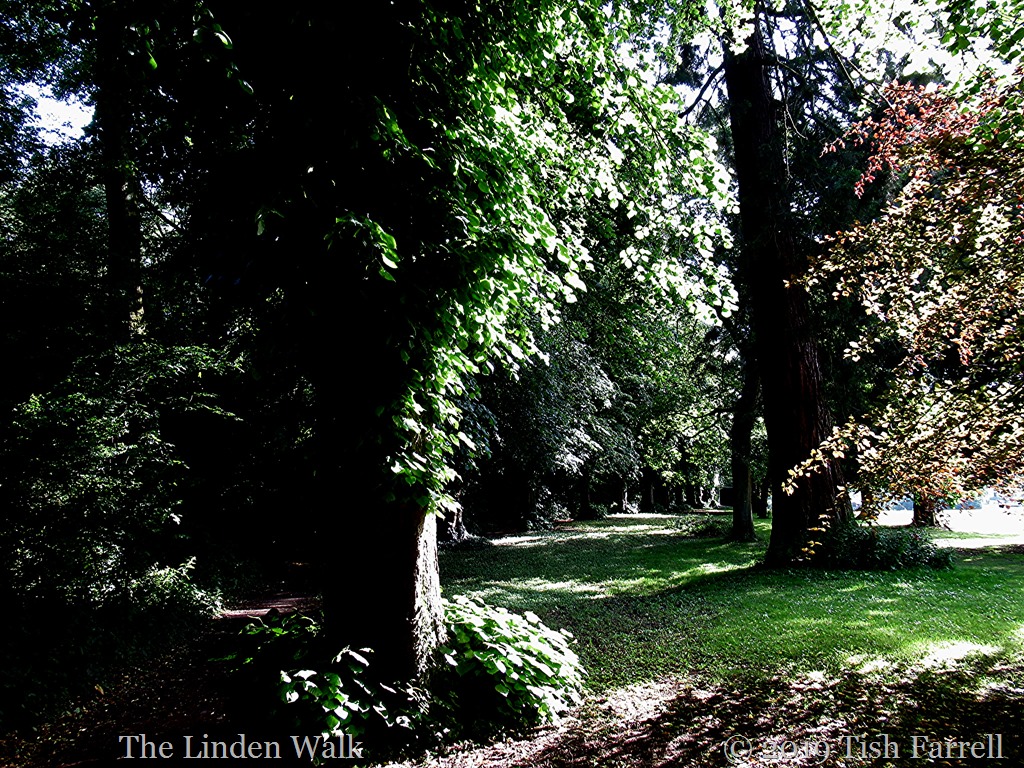
We’ve had three seasons this April – spring, summer and winter, some frost, lots of cold wind, a week of barbeque weather, more wind (thank you Storm Hannah), but no April showers, or at least only a couple of days’ worth. And now spring is back and we have leaves – lots and lots in their best, shiniest, juiciest green. In the last ten days the Linden Walk has turned from this:

IMG_8172

…to this:

IMG_1513

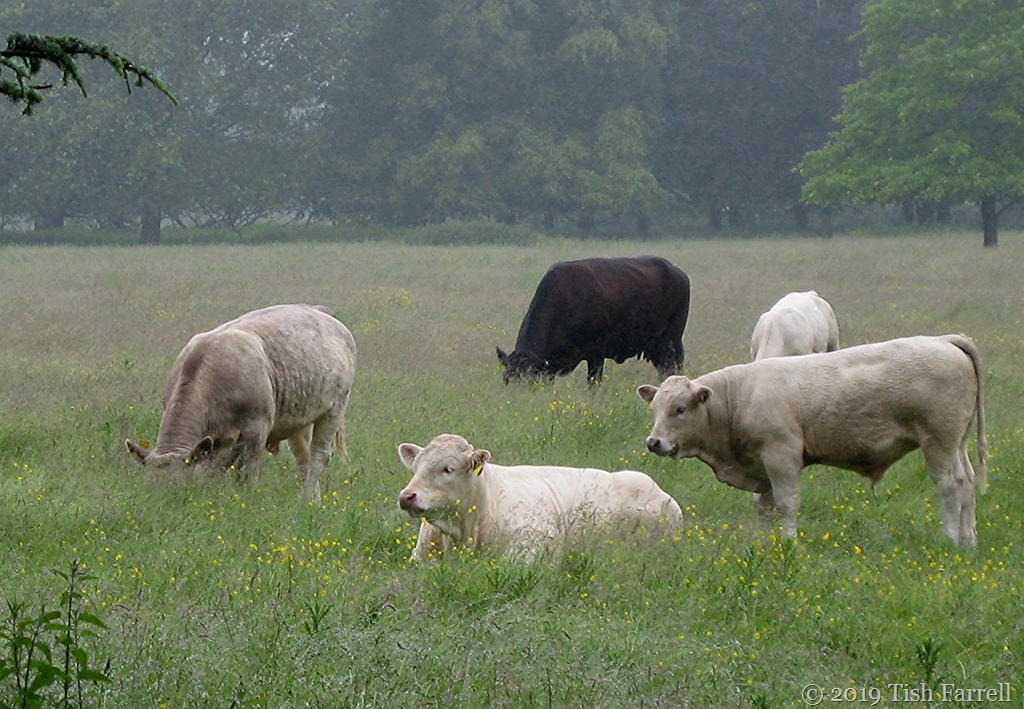
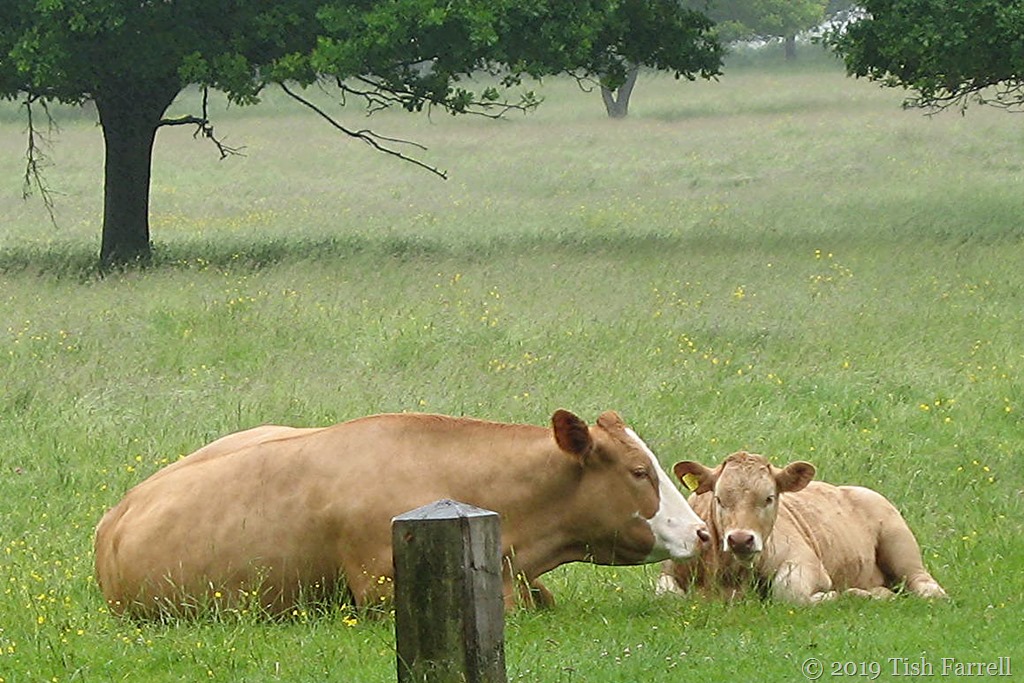
Also this week we have a new Highland bull calf in the Cutlins meadow. This morning as we were lingering on the path watching him, an elderly Wenlockian passing with her West Highland terrier informed us that the proud mother is a Welsh champion. We agreed she certainly has a fine set of horns, but she doesn’t strike us as the sort of cow who would be much impressed by awards. While we were there she was anyway much engaged with a tree stump trying to relieve a very tenacious itch. Meanwhile young MacMoo was attempting to muscle in on the scene.

IMG_1475

IMG_1477

IMG_1478

IMG_1485

IMG_1465

IMG_1460

IMG_1452

The magpie in the last shot looks to have found a handy source of nesting material.

And now a general Wenlock April round up.


The Changing Seasons

Pop over to Su’s for more changing seasons.

From The Side-lines ~ Digging Not Flooding

P1070549ex

Our cottage is rather short, the upstairs rooms being contained mostly by open roof space rather than walls. Also, the house itself is set in the side of a steep bank between Townsend Meadow and the main road, which means the best views  (our only good ones) are from the bedroom roof-lights. These windows all face west and overlook the field towards Wenlock Edge and the big sky above.

Much time can pass at these windows, studying cloud movements or the wheeling of rooks and jackdaws.  Sometimes the odd soul (with or without companionable dog) walks by on the field path just beyond our garden gate, and sometimes on Monday mornings, the town’s entire ‘walk for health’ mob, several dozen strong with high-vis vested leaders and bringers-up of rear, trails by. Now and then, too, the farmer can also be spotted, driving his latest substance-spraying rig back and forth across the crop (this week it was a top-dressing of fertiliser for the wheat which – after the rain – is already shooting up like multiples of Jack’s beanstalk). So given this general lack of activity out back, the appearance of a big digger and very large dump truck on the near horizon was an exciting event.

The work in progress (over the brow of the hill and out of sight in the field’s top corner) is the excavation of an attenuation pond. (There is another larger one to the south of the town). They are basically reservoir basins, but without water – designed to stem the impact of any flash flood off  Wenlock Edge. The town sits in a bowl between the Edge and several hills, and has been designated a rapid response flood zone. This sounds alarming, and indeed could well be, but the conditions for flash flooding are very particular: i.e. if a severe storm hits our catchment after prolonged periods of rain when the ground is sodden, or in winter after hard frost. Water that cannot drain into the land flows into adjacent roads which then act like rivers, speedily conducting the run-off into the town centre. This can all happen in the space of 20 minutes.

As far as we know, and despite its shortness and low-lying position, our house has no history of being flooded. In the last big flood of 2007 the water seemed to flow around us. I watched the rain pour off the garden terraces behind the house, flow by the kitchen door in a fast running stream before emptying on to the main road where it doubtless contributed to the flooding of properties downstream of us.

It was unnerving to see, and later we heard that at least 50 houses in the centre of town had their cellars and ground floors deluged. That evening, coming home from work across the Edge, Graham had to abandon the car on the far side of town and take an upland ‘cross-country’ route home.

How well the ponds will serve us is yet to be demonstrated. After 12 years without a flood, it is easy to imagine that it won’t happen again, though last month The Man from the Environment Agency did come specially to town to tell us we must remain vigilant. As many round the world know to their cost, climate change is responsible for an increase in extreme weather events and, in the most extreme scenario, our ponds will only slow the flow, not stop it. There are probably further measures that could be taken: urging (enforcing would be better) landowners to plant more trees, create more flood plains  round water courses, stop selling their land for large housing developments whose roofs and access roads accelerate run-off.

For now, though, all thanks are due to the workforce who toiled, excavating and landscaping the ponds, which may one day save our most vulnerable residents the distress of having to spend a year and more drying out a flooded home. In the meantime, I keep watching the sky over Wenlock Edge. At times when the rain closes in, day after day without let up, it’s easy to wonder: is this flooding rain?

P1070129cr

copyright 2019 Tish Farrell


Cee’s Black & White Photo Challenge: from the side

Earth Sense: The Sweet Smell Of Wet Soil

IMG_8223

There’s nothing like it: either the word or the phenomenon. Petrichor is the term coined in 1964 by two Australian scientists, Isabel Joy Bear and Richard G Thomas, derived from the Greek word petra  meaning stone and ichor the fluid that flows in Greek gods’ veins (Nature, Volume 201, Issue 4923, pp. 993-995) and they used it to describe the smell of soil when it rains after a prolonged dry spell. They even defined the component parts. Oils from drying plants are absorbed by clay-based soils and rocks and when it rains, these are released in the air along with the aromatic exudations of actinobacteria in the soil.

And that’s what happened here today, spot on 2 pm just when the weather forecast said it would, and after several weeks of drought. I’d just made it back from the allotment where I had been moving raised beds, making new terraces and breaking up compacted soil in readiness for the promised rain. On the way home, draped in emergency polytunnel mac – a somewhat scabby garment I have to say, I noticed how the blossom on the crab apple tree by the garden gate is already going over, and I had only posted its picture the other day, the flowers so pink and freshly unfurling. Today the petals are white and shedding, here and there revealing the makings of miniscule apples on their stems. The procreative imperative in full swing then, which naturally induced a fit of gardener’s panic, a feeling that somehow I was lagging behind. So much to do, and so little time.

But then down came a soft and steady rain that made the garden sit up tall, and pretty soon filled the air with those delicious earth scents, the sort you breathe up your nose and into your soul, that make you one with antique divinities whose veins flow with ethereal fluids. No need to rush. Just breathe. Aaaaah. Petrichor!

IMG_8237

Copyright 2019 Tish Farrell

Spring Well Sprung On Wenlock Edge

Bye bye Siberian icy blasts, hello summer! It’s been all change here in Wenlock and all go, go, go out in the garden. Tulips bursting, crab apple blossom unfurling, Spanish bluebells shooting up, euphorbias at their vibrant, greenest best, pesky weed oxalis suddenly a haze of soft pink flowers just to stop me pulling it up, columbines on the cusp, perennial Centaurea cornflowers showing off their best blues, Sweet Cicely all lacy umbels (and a good addition when cooking fruit to reduce the amount of sugar needed). Ladybirds on pest patrol. Bees on the forage. Cloudless blue above. Hot sun. It’s just all too exciting.

IMG_1396

IMG_1360

IMG_1388

IMG_1411

IMG_1389

IMG_1415

IMG_1420

IMG_1340

copyright 2019 Tish Farrell


Six Word Saturday (that would be in the post title!) Pop over to Debbie’s for more 6-worders.

Growing Thoughts

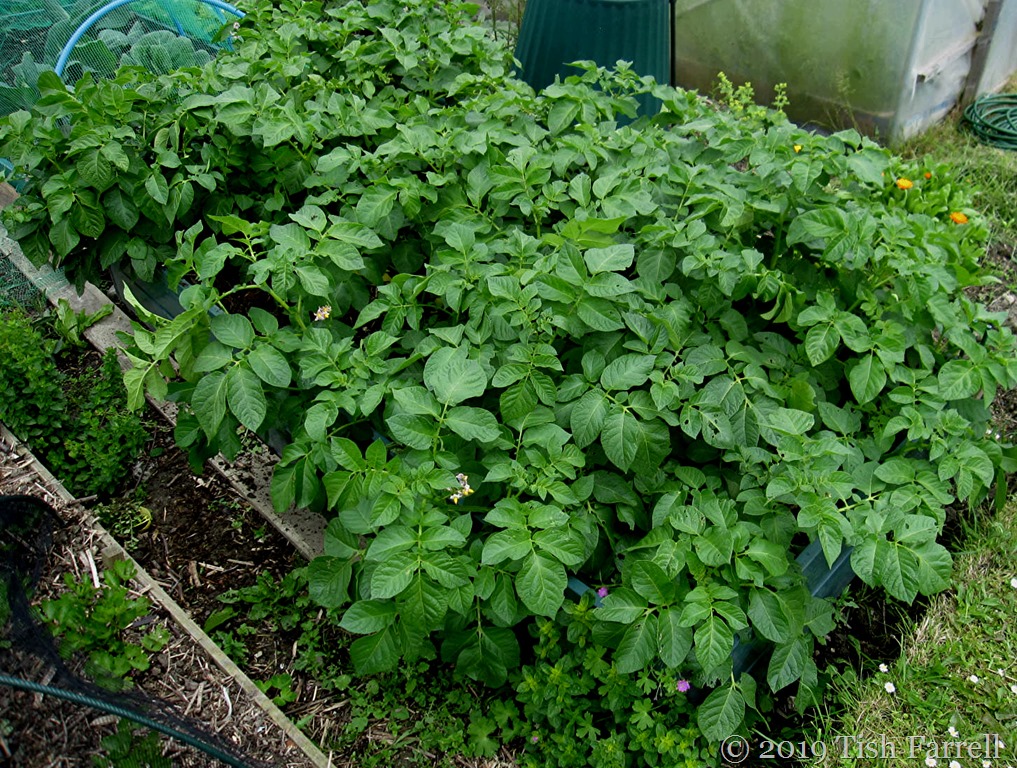
April and sowing and growing are very much on this English gardener’s mind. So far it’s been too cold to think of putting much in the ground, but impatience inevitably triumphs over common sense. In the last few days I have given in to inclinations to plant some first early potatoes. I’m trying a new technique as suggested by TV gardener Monty Don, growing them in a raised bed, and popped into a deep layer of compost a foot or so apart. But after I’d done it, I grew worried about the poor little tubers being subjected to Siberian icy blasts, and covered the bed in horticultural fleece. Now it’s down to ‘wait and see’.

Otherwise, it’s been mostly ‘housekeeping’ chores at the allotment: the first mowing of paths, turning compost heaps, edging beds, putting up climbing bean and pea canes, weeding, sowing stuff in the polytunnel. And dreaming of delicious produce to come.

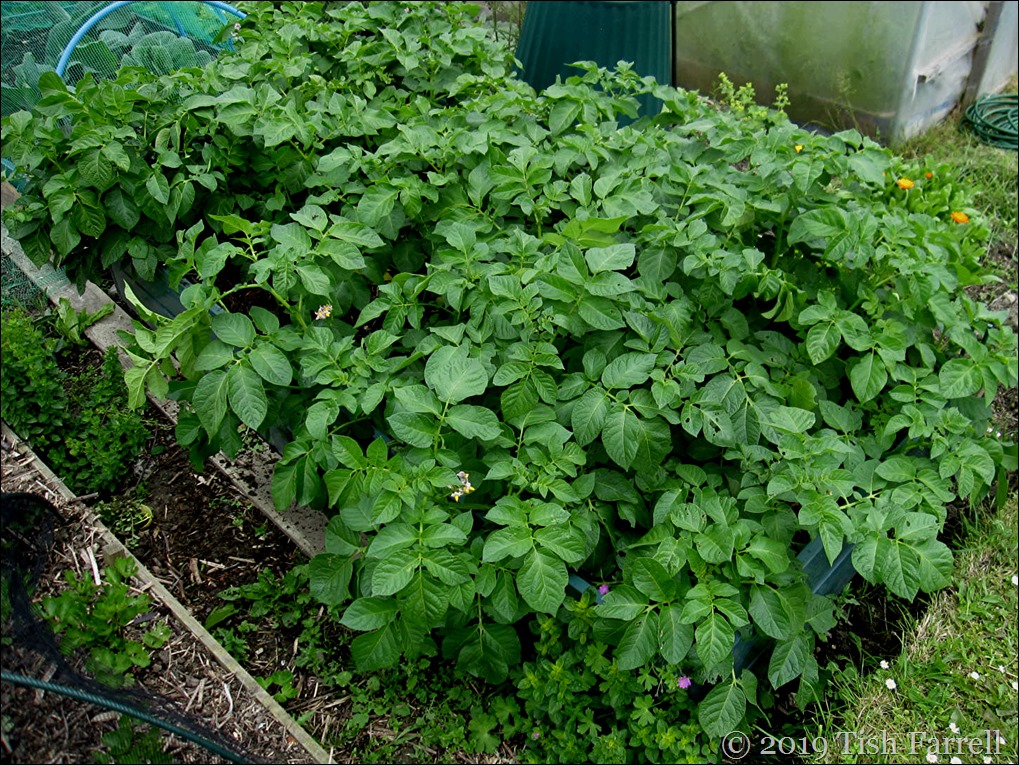
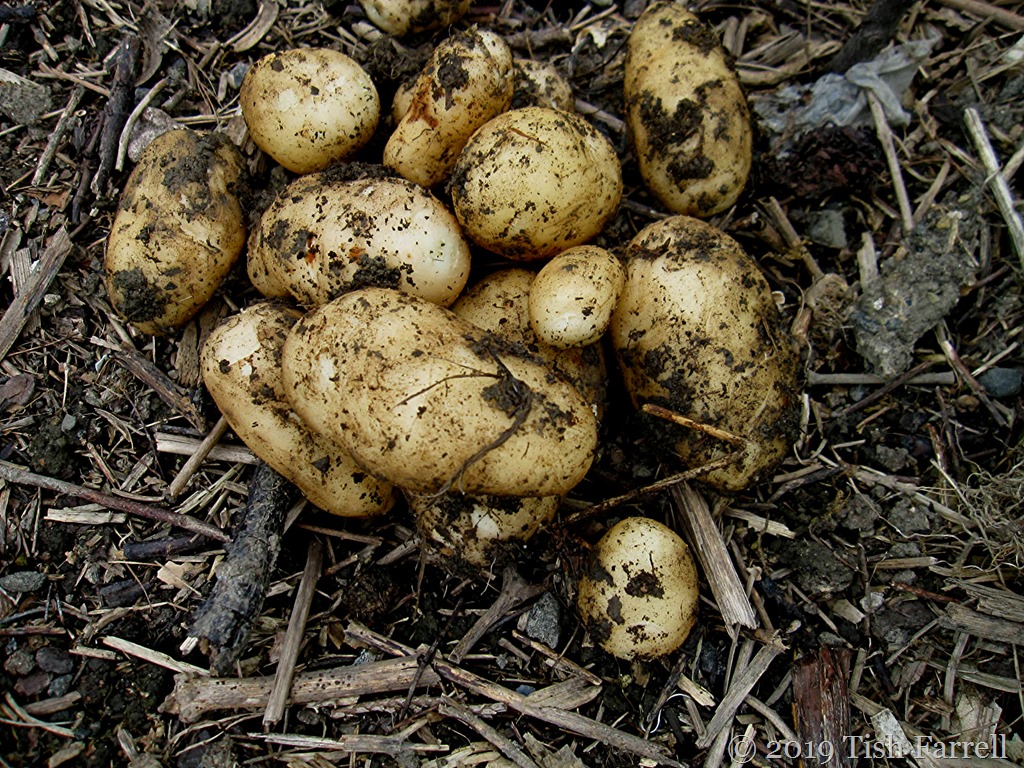
Here are some crops I grew earlier, and all eaten long ago:

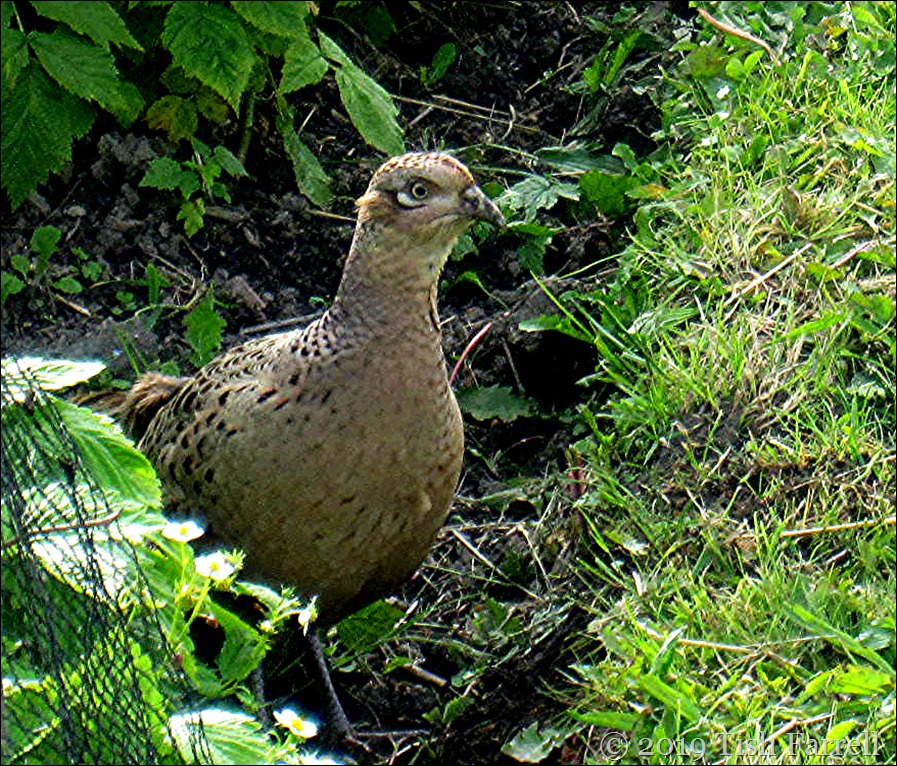
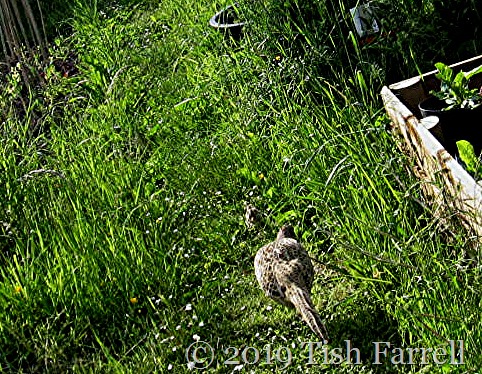
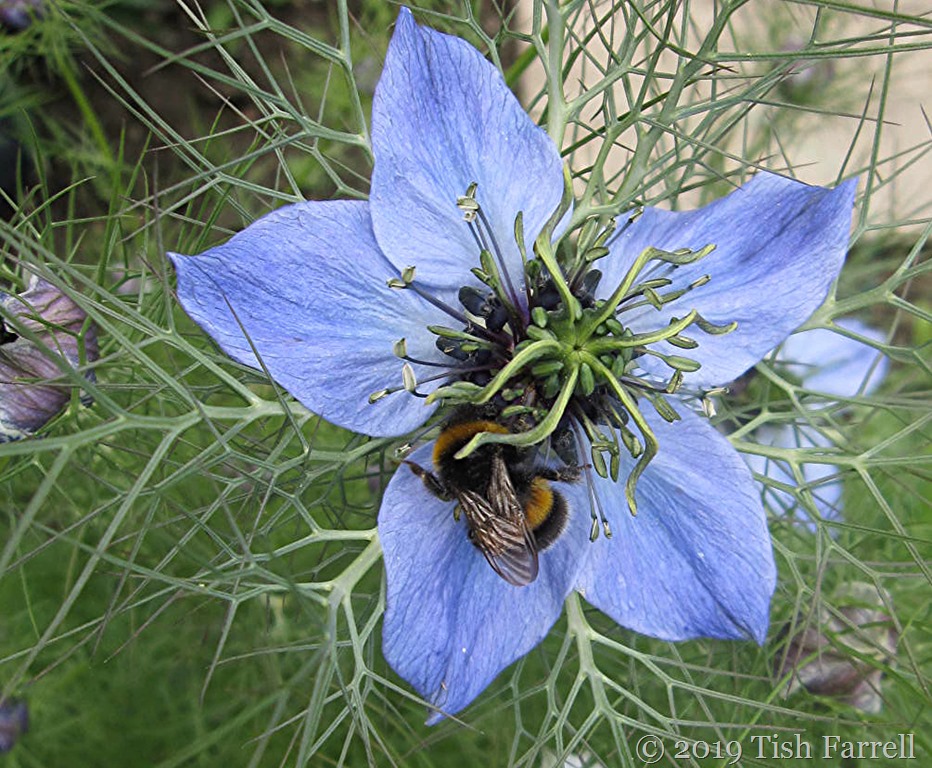
And of course the allotment plots don’t feed only us humans. Most of the gardeners grow flowers too – i.e. besides the flowering fruit and vegetables. And there are always plenty of flowering weeds on the abandoned plots, and so therefore lots to keep the bees, bugs and butterflies well fed. Deliciousness all round then.

copyright 2019 Tish Farrell


Lens-Artists: delicious

This week Patti at #Lens-Artists asks us to show her ‘delicious’.