Chatsworth Again

P1080783

If you read my October posts on Chatsworth, you will know that our wander through the grossly sumptuous interiors made us very, very grumpy – with ourselves for one thing – for pandering to this piece of (very successful) private heritage enterprise and paying £50 (including guide book) for the doubtful privilege of doing so.

And then there’s the history that riles. However you look at it, this great family pile is founded on all that continues to be wrong with English society: the dubious acquisition of great wealth, status and power, and the fact that we STILL bow before the titled, rich and famous as if rampant social climbing and an unearned and unjustified position of superiority is worthy of our respect. Furthermore we then confuse the act of procreation by such people with the passing on of hereditary titles, as if the first justifies the second. It does not. It need be considered no more real than a mass belief in fairies. Yet we  have embedded it in our institutions – the monarchy and the House of Lords being its most obvious expressions.

The first, admittedly, has been reduced to soap opera status (although the royal family still holds on to a vast amount of wealth and property so long as it does not rock any political boats), but the Lords, by contrast, exercise considerable authority over the passing of our laws. And while there are very good reasons to have an upper house to provide check and scrutiny of the doings of the House of Commons, the fact is the Lords are unelected – bishops and peers whose titles are the only membership credentials required to get in there to lobby and pass judgement on matters of national and international importance.

And we the English people, through habit and unquestioning apathy continue to be complicit in a system where wealth, class and newspaper magnates shape and control the society we live in, and often against our best interests. It is the Emperor’s New Clothes writ large – in all its intricately self-serving, pernicious nastiness. So why do we still buy into it? Or are we too distracted by our cell phones to pay attention?

But back to Chatsworth. Now I’m left wondering if it would be more acceptable if it were owned by the National Trust. Probably. Although I have to say that in recent conversations with friends and relatives who, like us, are Trust members, we increasingly agree that the stately homes themselves leave us cold, their current presentation often afflicted by bad cases of Downton Abbey-itis that make too much of surviving family members who (by accident of inheritance) may still live in them. Instead, it is more the National Trust’s thoughtful management of landscape and countryside, and the pioneering of green technologies that wins our hearts and minds.

Meanwhile at Chatsworth the Cavendish family take pains to make themselves politically acceptable by presenting themselves as great patrons of the arts, and particularly of contemporary art. They do this to the extent of mining their own mitochondrial DNA in order to commission artwork that fixes it in a public display in the North Sketch Gallery. Many of you commented on this bizarre piece of self-regard-made-art in Back to Chatsworth and a bad case of over-gilding?

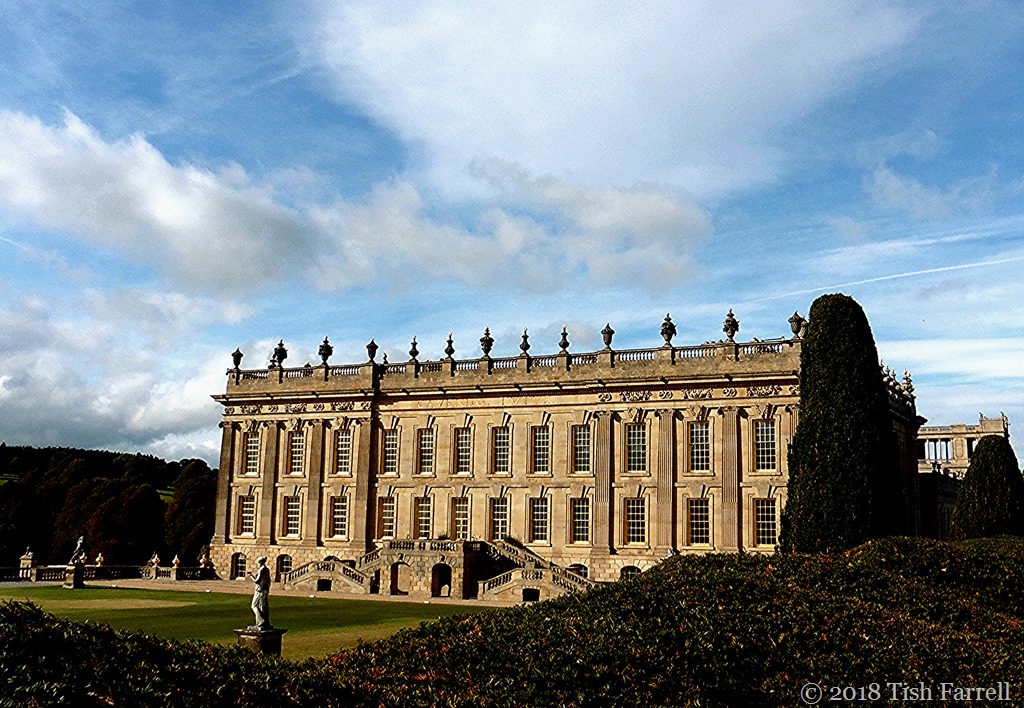
But of course, all this leaves me with a terrible dilemma. You see I have the photos, and Chatsworth is nothing if not photogenic, and especially in the October sunshine. And so now I’ve had a little rant, here are the pictures, the selection inspired by Paula’s word prompts at Lost in Translation. (See the list below).

This slideshow requires JavaScript.

P.S. But in case you’re thinking Chatsworth is an isolated example in the history of England’s aristocracy, and how its members acquired riches, power, titles and unwarranted social and political influence, then architectural historian, Dan Cruikshank’s BBC series The Country House Revealed  gives further examples. We came upon it last night on YouTube, and it reminded me how angry I’d felt at Chatsworth. Anyway, Cruikshank tells a grim, if fascinating story in episode 1 at South Wraxall in Wiltshire, though be warned, his whiffling, whispering mannerisms may prove a little irritating to some. On the other hand, the revelations in the content make it worth putting up with the eccentric delivery.

https://www.youtube.com/watch?v=dywRbbDsqnY


Related posts:

To Chatsworth and how Mary Ann went to the ball

Back to Chatsworth and a bad case of over-gilding?


Thursday’s Special: Pick a word in November : palatial, cerulean, spurting, radiating and comic.
Pursuing The Light In Wenlock Priory

P1100036

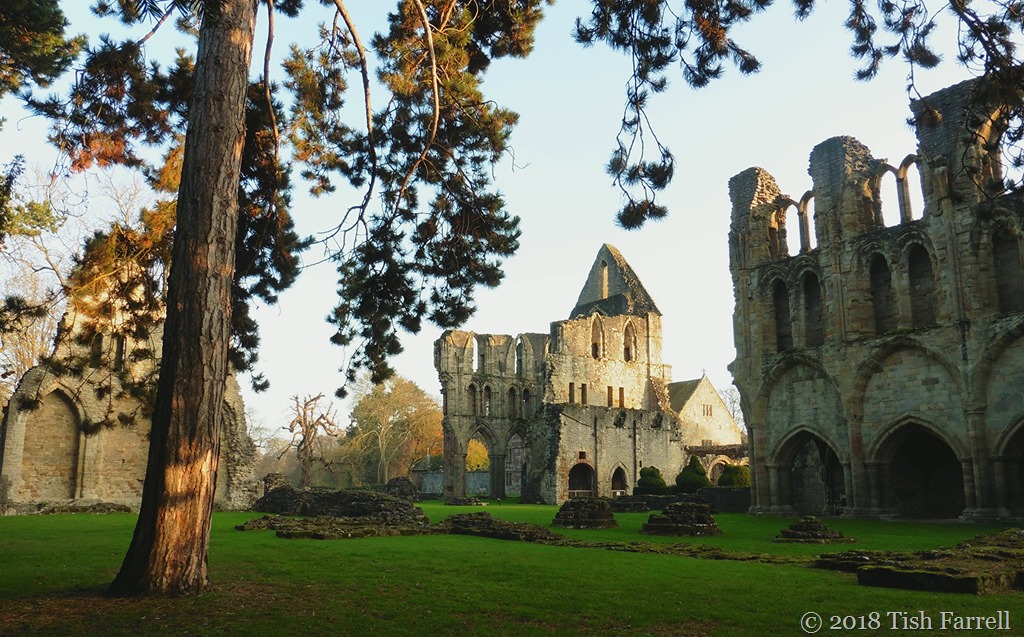
On Saturday the weather gods handed down sunshine and stillness, and so after lunch I spent an hour wandering round our local ruins, trying to catch the best of the light. We take them for granted, of course, these ruins. They are practically on our doorstep, a few minutes walk past the Linden Field and down the Cutlins where the sheep are presently grazing. Even before you get there you can glimpse the ragged elevations of the 13th century priory church through the Corsican pines, the old sandstone with its strange quality of luminosity, no matter the weather.

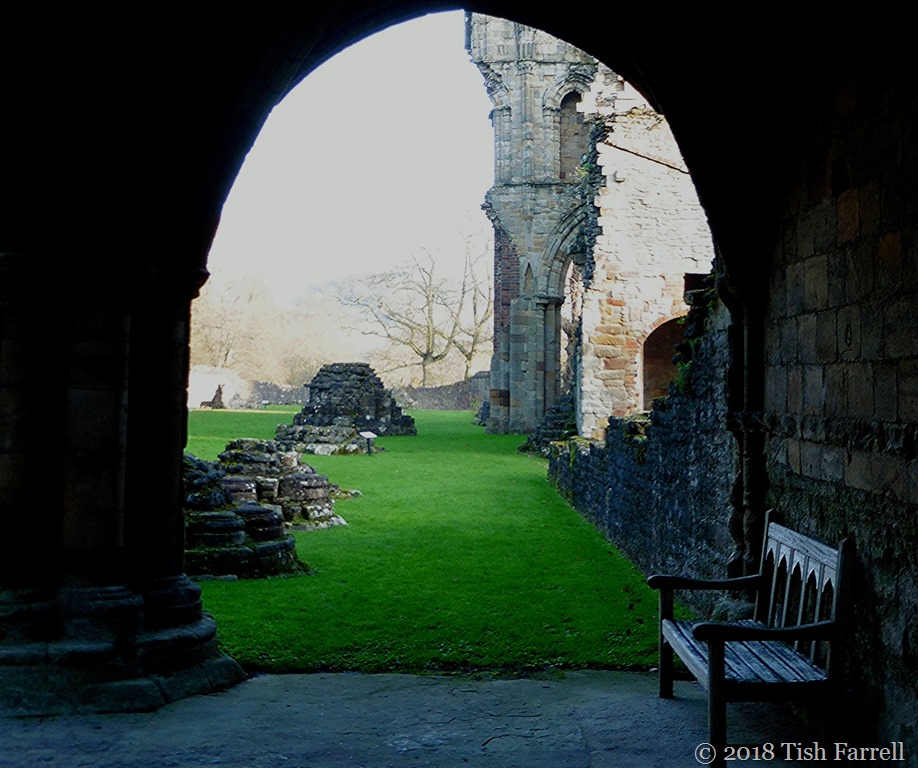
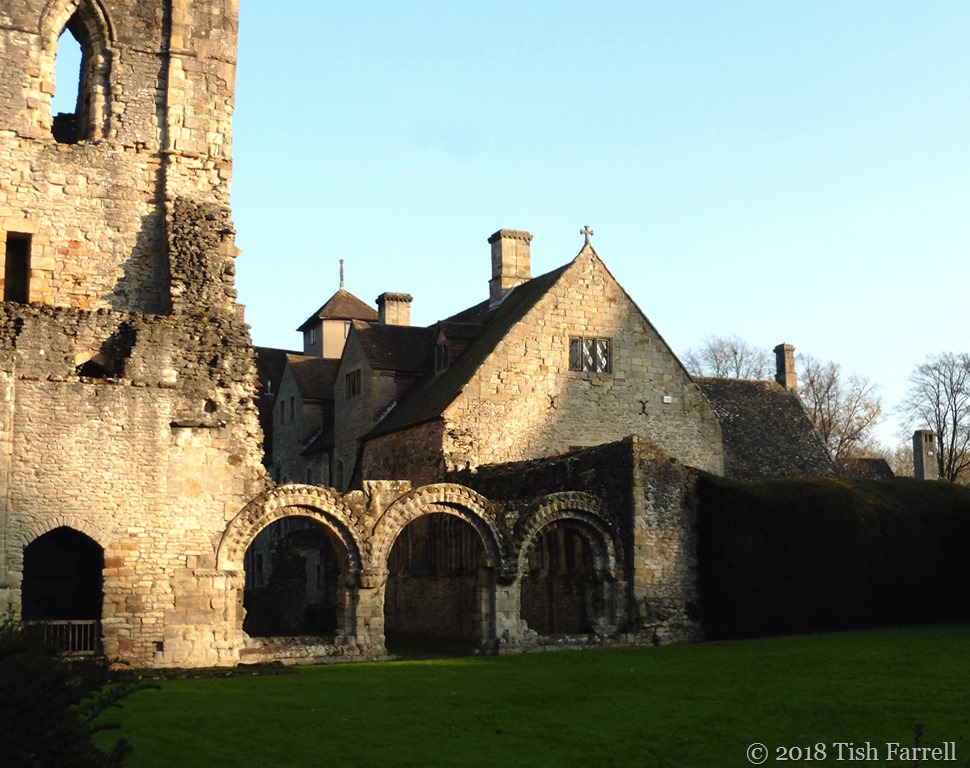
The ornate Norman arches you can see in the header photo date from c1145 (I’m standing in what was once the cloister to take the photo) and this is the entrance to the Chapter House, the monks’ meeting room. The building to the immediate right, is now a private house, long known as The Abbey, but once containing the monks’ infirmary and dormitory. You can also glimpse the rooftops of the later and very grand Prior’s Lodgings beyond it (late 1400s). (You can see more about them at Going behind the scenes at Wenlock Abbey.)

The less imposing doorway to the left of the archways leads to the library. This is not the original entrance but was added after the Dissolution when the priory remains were used as farm buildings. Above it soars the remains of the south transept, once part of one of the most imposing monastic edifices in all Europe. It’s hard to imagine the full scale of it now. Not only did Henry VIII’s dissolving crew do a good job in 1540, but the good citizens of Wenlock were quick to repurpose all that well cut stone. Most of the oldest houses in the town doubtless have some monastic stonework in them somewhere.

P1100011

P1100038

This view from St. Michael’s Chapel (the Prior’s private place of worship) shows the southern edge of the church nave. The church originally extended to the far wall just in front of the trees (107 metres/350 feet). The stone stumps are the remains of gigantic columns, a matching arcade to the north side (out of shot). The remains to the right of the columns belong to the south transept. See next photo.

P1100100

St. Michael’s Chapel right, south transept centre, north transept left. And still it is hard to grasp the original scale of the place. The roof of the nave would have risen way above the south transept, the church forty years in the building.

But now I’ve lingered too long. The shadows are gathering. My presence here feels like intrusion. Time to head home.

P1100104cr

copyright 2018 Tish Farrell


More about the priory’s history in an earlier post HERE. And for an account of Henry James’ visit to The Abbey see When Henry James Came to Wenlock.


Lens-Artists: Doorways  This week Tina gives us doors and doorways as the Lens-Artists’ theme. Please pop over to see her ever impressive work, and don’t forget to visit the other Lens-Artists.

The Magic Of Winter Light

P1060462

You cannot beat the Menai Strait for magical light shows, and especially in December when there can be perfect days like these. These photos were taken on Anglesey near Beaumaris, looking across to mainland Wales: the first at midday, the second in the early morning from behind the town, and the third at Penmon Point in late afternoon.

P1060524

004


Lens-Artists #19: Magical Light

For more inspiration please visit Amy and the other Lens-Artists to see their take on magical light.

If We The People Do The Remembering And Grieve For The Lost, Who Is It That keeps Forgetting?

P1090825

That wouldn’t be the people who rule us, would it?

STOP THE WAR COALITION  NEEDS US

P1090819

These images are presently being projected onto  the tower of Much Wenlock’s parish church.

Lions ~ Now You See them, Now You Don’t

375

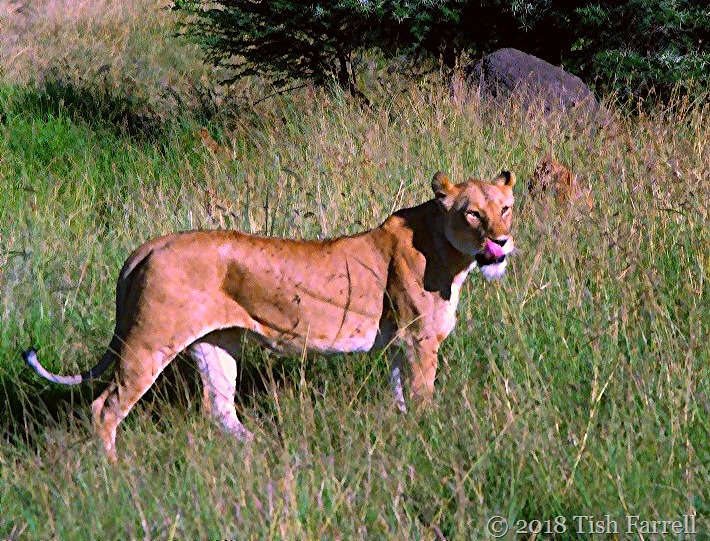
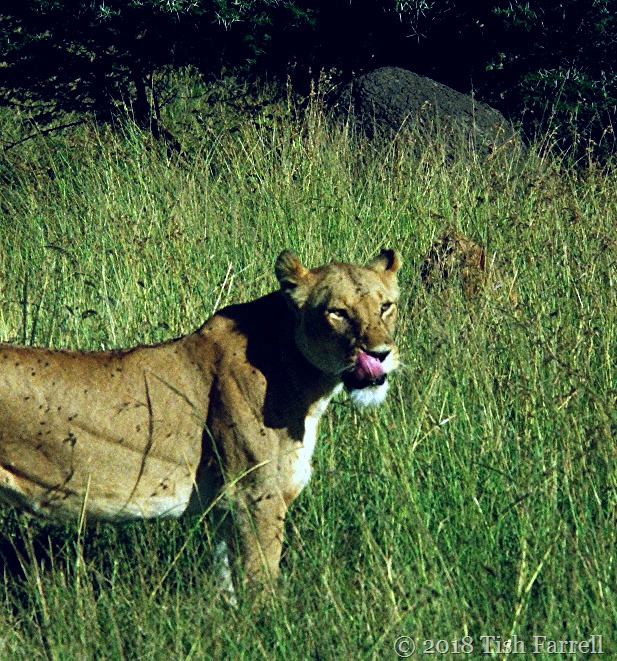
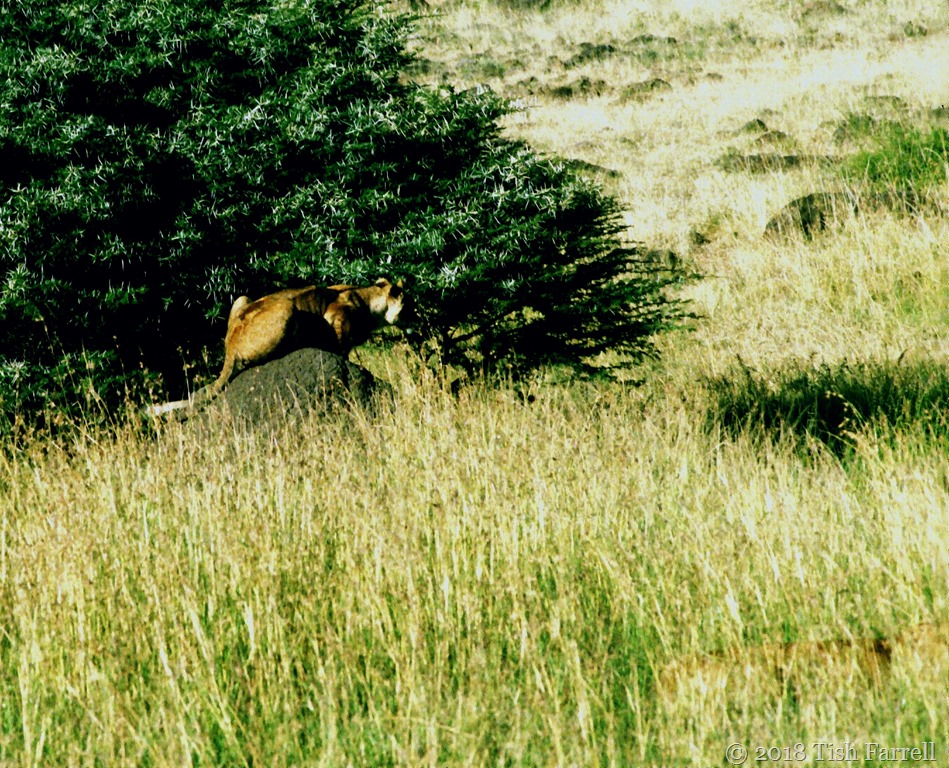
Lions are the past-masters when it comes to both standing out and blending in – this week’s photo challenge from Ann-Christine at Lens-Artists, which sent me rifling through the old Africa Album for some good examples. These were all taken in Kenya’s Maasai Mara back in another lifetime. The header shot shows both leonine proclivities – the art of showing off and of disappearing in foot-high oat grass. I think there are at least three lions in this shot. In the following close up you can see one of them – just right of the lioness’s left ear. Probably a male.Mara lioness 2 (2)

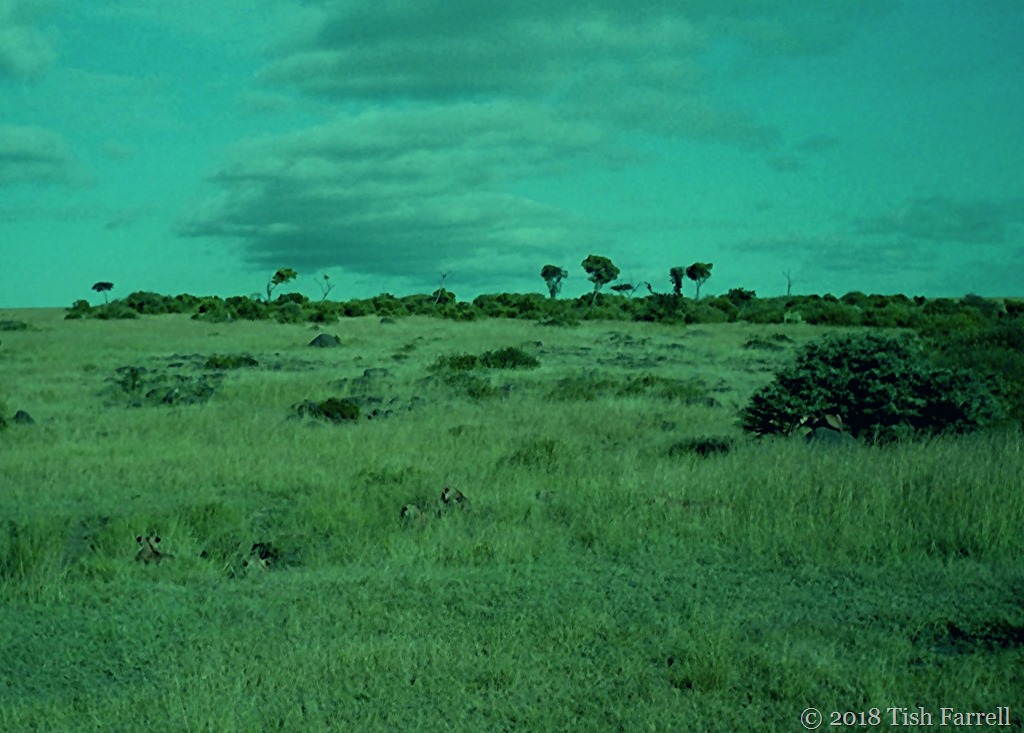
But what about this next shot – can you spot the second lion? Course you can, now you know what to look for:

Scan-130520-0019

*

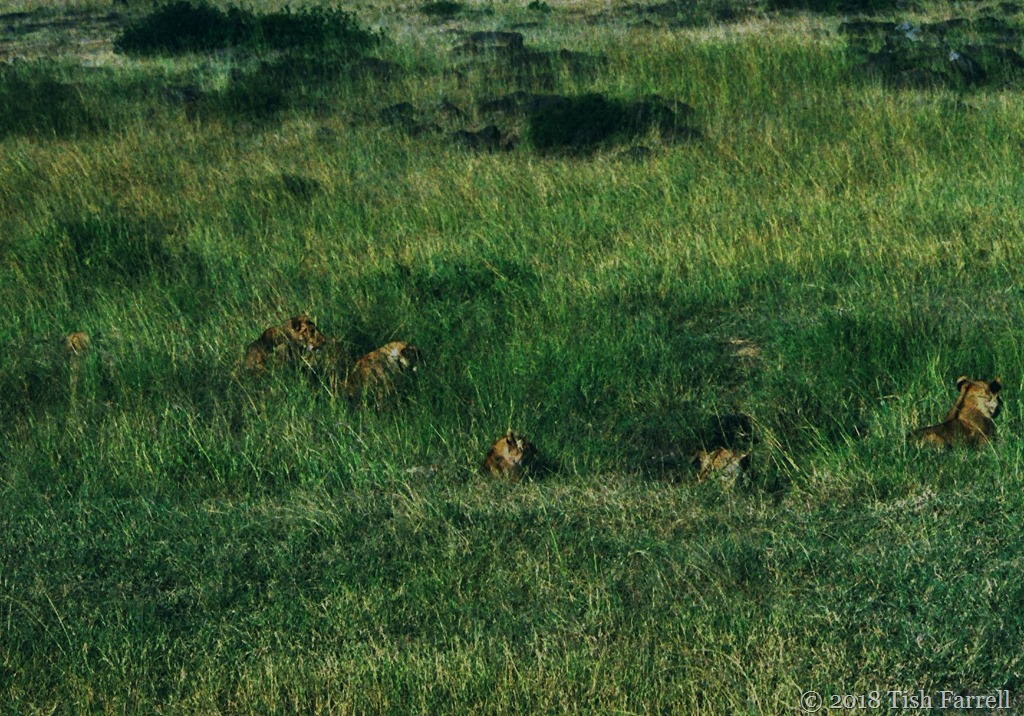
And here’s a different kind of concealment – the whole pride in a gully; their concentrated gaze suggesting thoughts of dinner and where they might find it.

Scan-130520-0011

Scan-140731-0033

Lens-Artists: Blending in or standing out

Today A Touch Of Garden Magic ~ Foxgloves?

IMG_7787

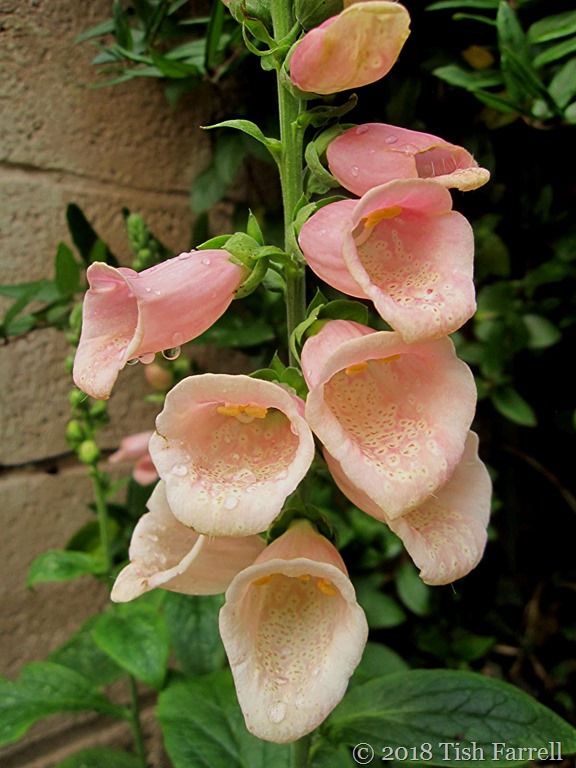
Well, it has to be some kind of magic, foxgloves in November. And not just one aberrant stem, but several all set to bloom. And this after last week’s several frosty days. But what a treat to find it flowering outside the back door – its blushed peachy shades looking far too delicate for this autumn outing.

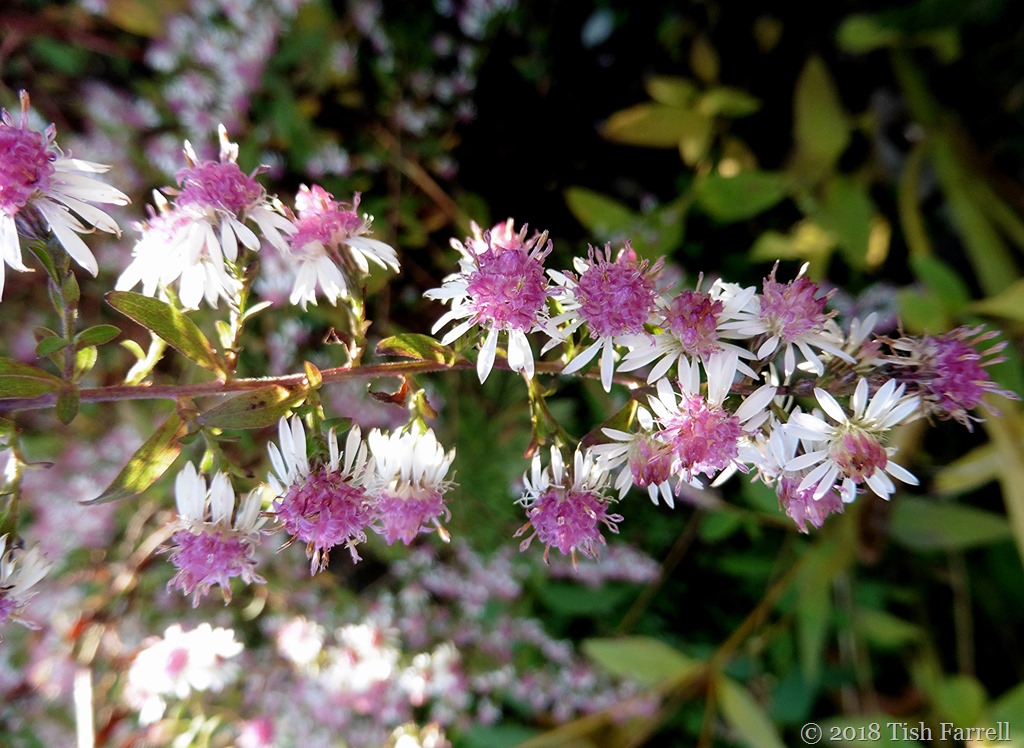
There are other treasures too. In the raised bed at the top of the garden there are delicate cascades of Aster Lady in Black. I bought it at the end of last summer, and it has just now come into its own. It doesn’t grow too large, but has dark stems and feathery leaves and a slightly unruly habit, and while the individual flowers are tiny, the overall effect is perfect for brightening a late season border.

IMG_7796

P1090541

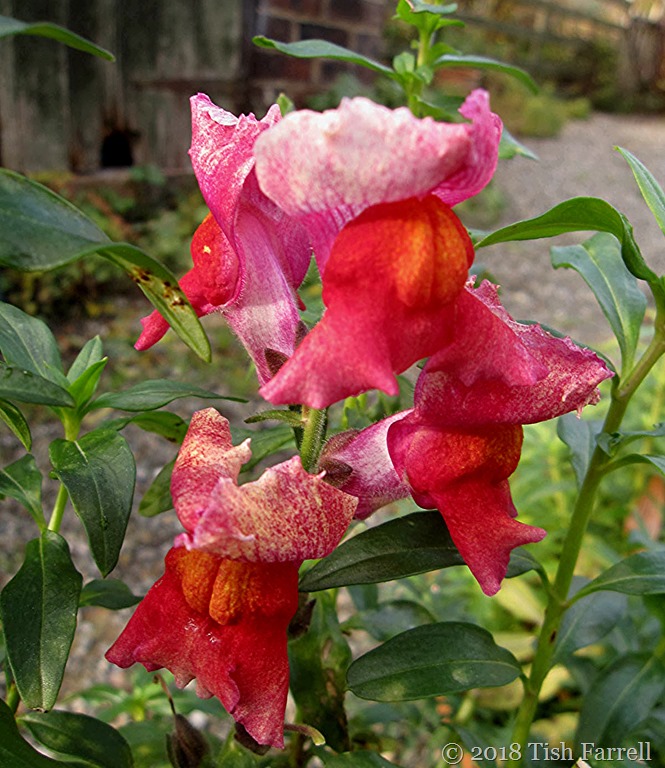
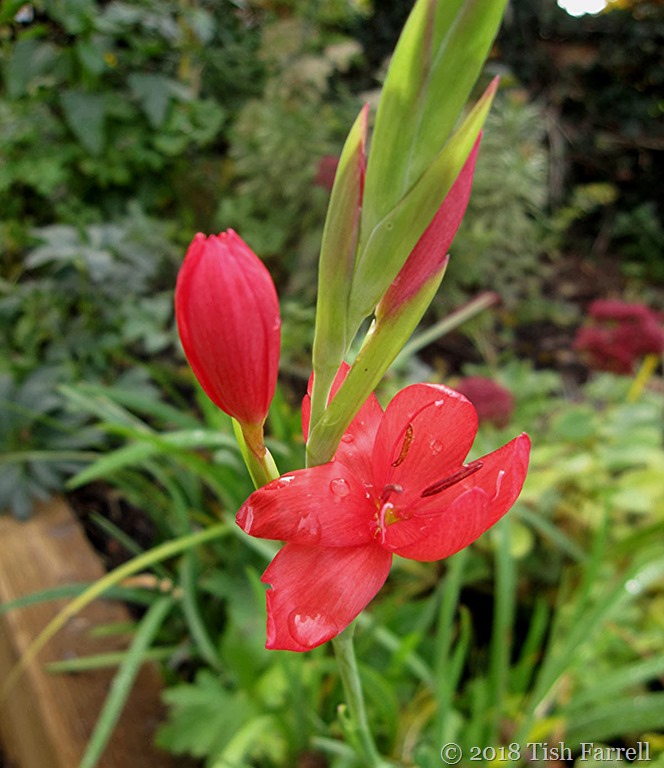
And then there are still some crimson snapdragons and coral hesperantha:

IMG_7792

IMG_7794

Charlotte Bronte Was Here ~ North Lees, Hathersage 1845

P1080850

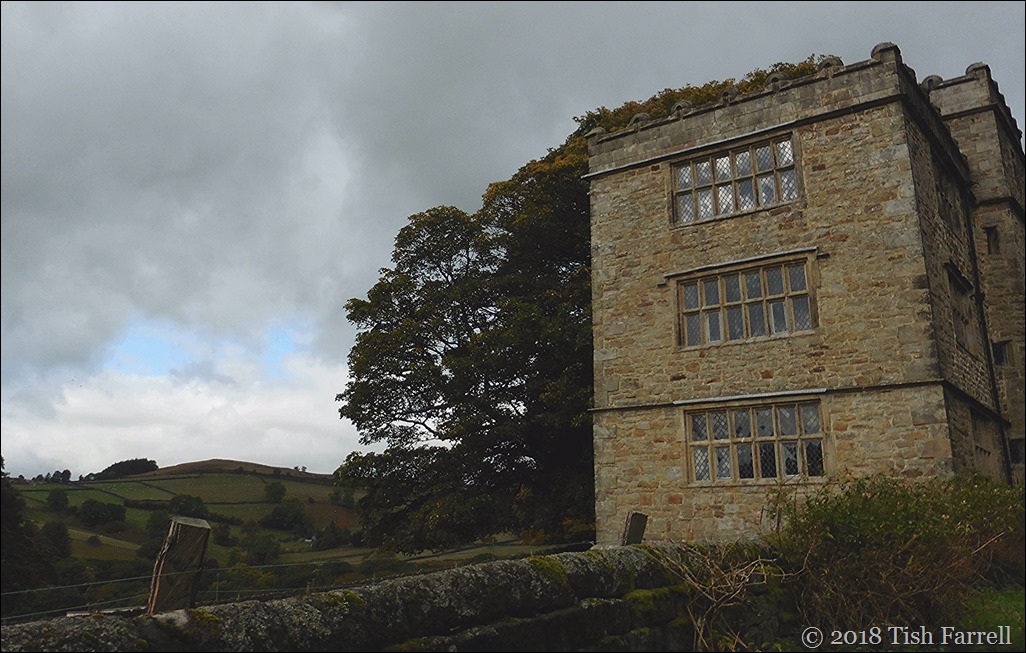
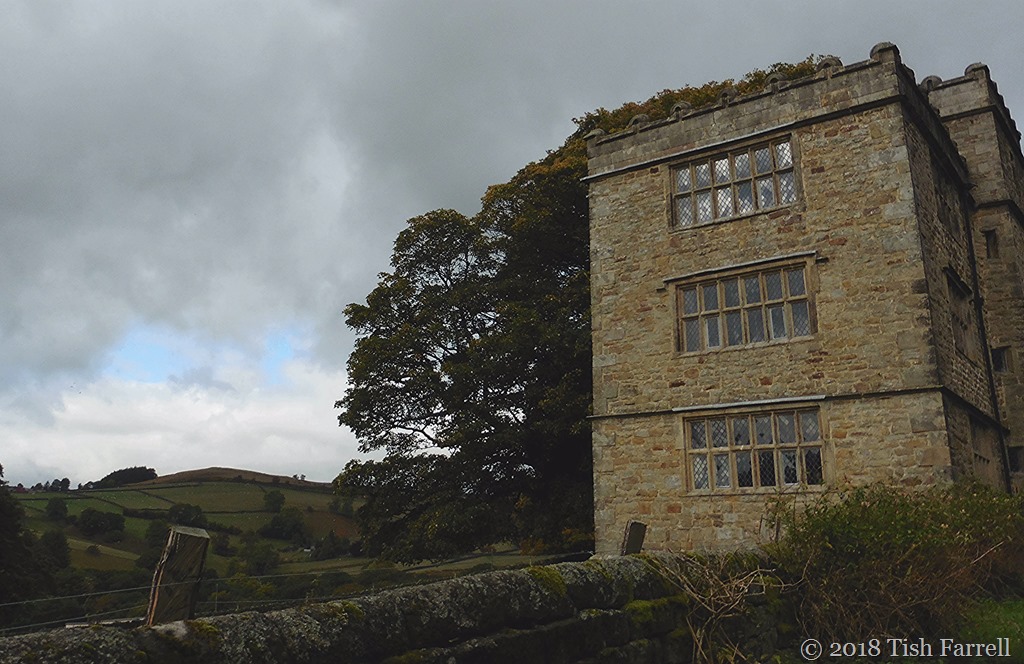
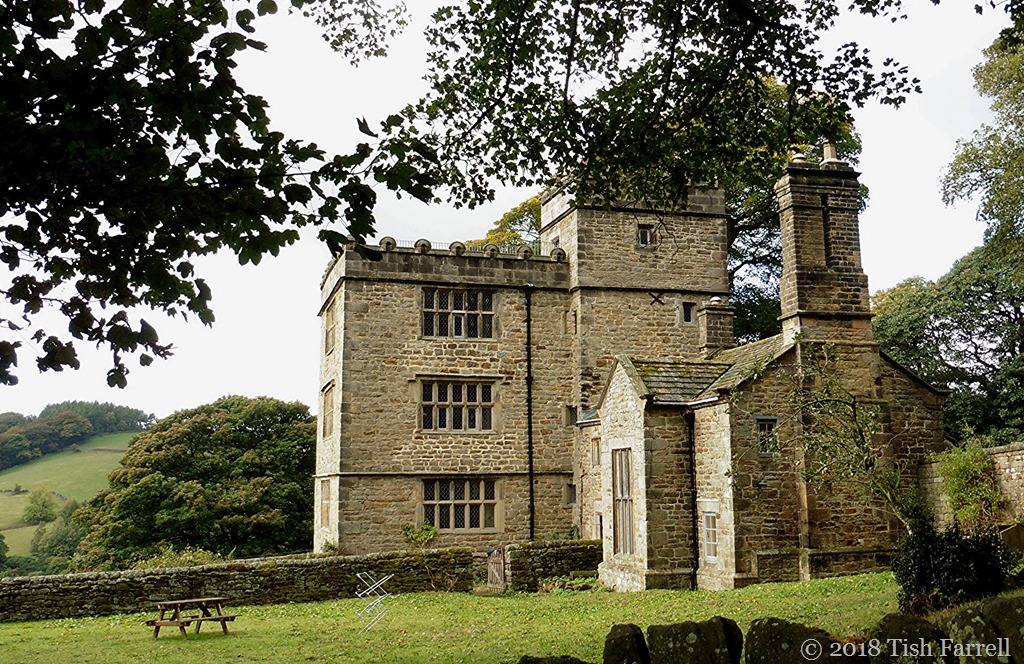
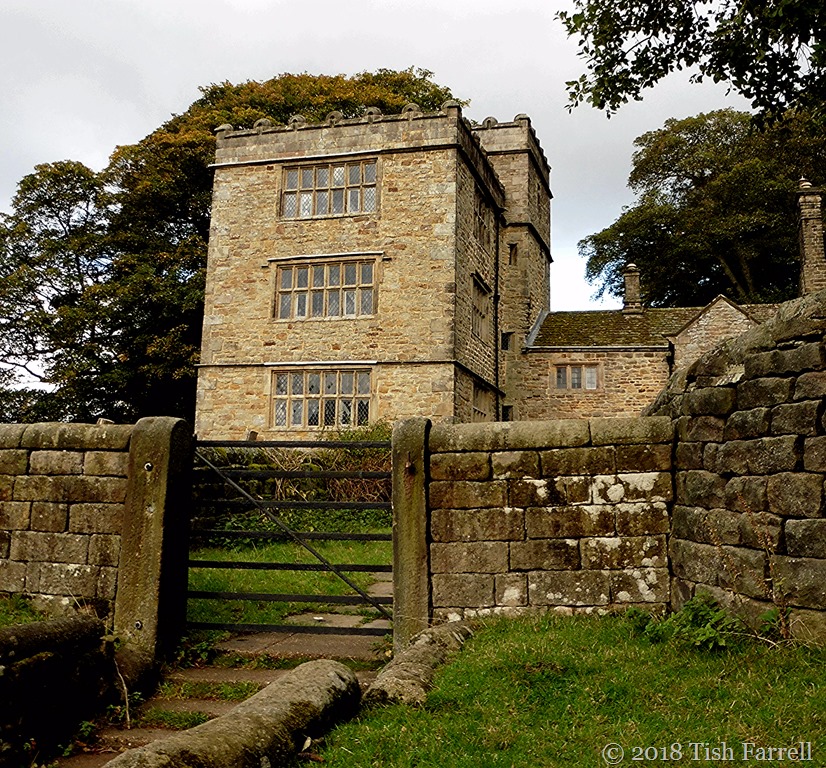
I stepped over the threshold. It was a fine autumn morning; the early sun shone serenely on embrowned groves and still green fields; advancing on to the lawn, I looked up and surveyed the front of the mansion. It was three storeys high, of proportions not vast, though considerable: a gentleman’s manor-house, not a nobleman’s seat: battlements round the top gave it a picturesque look.

Charlotte Bronte’s description of Thornfield Hall from Jane Eyre

P1080848

I’ve written about this before – that the Derbyshire village of Hathersage and its bleak high moors seem to have provided Charlotte Bronte with much of her setting inspiration for Jane Eyre (See earlier post Jane Eyre was here: or was she? ). But on our recent trip to Derbyshire I had the chance to have a look at North Lees for myself and take these photos.

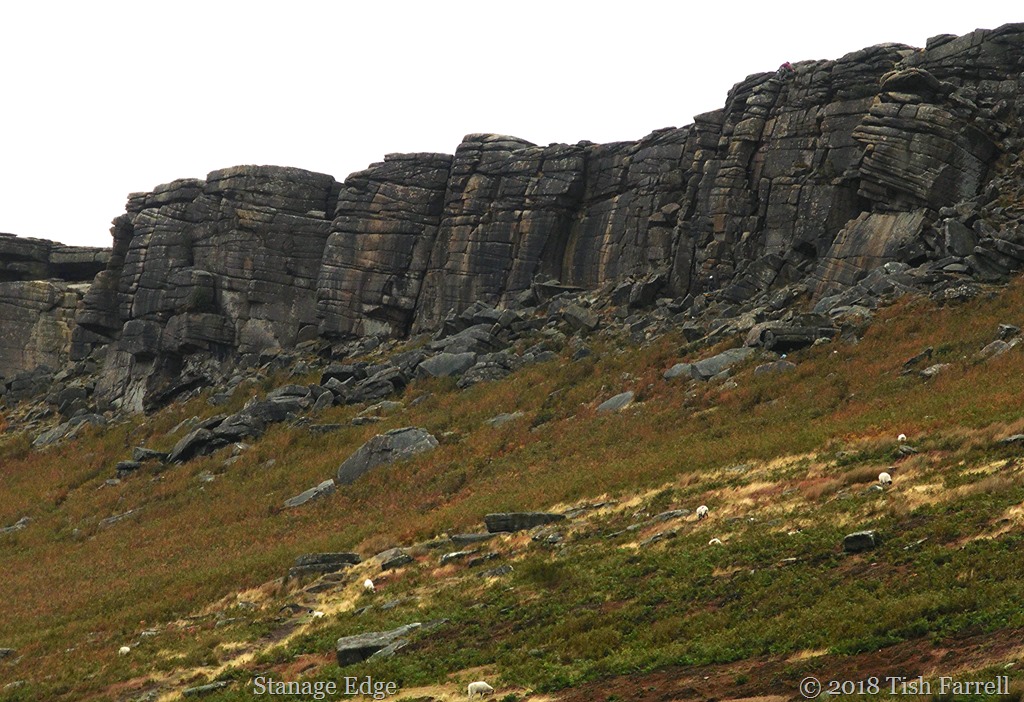
The house sits on a wooded  hillside above Hathersage and below the millstone scarp of Stanage Edge. There is the sense of great isolation there, and it was anyway not a good day for photographs. But my timing was apt given Bronte’s description.

P1080821

Jane Eyre was published in 1847. In 1845 Charlotte Bronte spent three weeks in Hathersage, staying with her old school friend Ellen Nussey, the vicar’s sister. The vicar himself, Henry Nussey, was away on his honeymoon. He had apparently once proposed to Charlotte and been rejected. His absence from the vicarage may well have been chosen for an opportune time for her visit. The two friends then did the rounds of local worthies, including more than one visit to North Lees Hall.

At the time George Eyre, his widowed mother and two sisters were living there. The Eyres had lived in the house since 1750. During the 1400s members of the same dynasty had lived in the manor house that preceded the present hall which dates from around the 1590s. During one of Charlotte’s visits she is said to have been told the grim tale of a previous ‘lady of the house’, one Agnes Ashurst, who became mad and was confined on the second floor, in a room with padded walls so she would not injure herself. Like Edward Rochester’s wife in the novel, she apparently also died in a fire.

Clearly it was a story too good to waste. It is also an excellent example of how writers hoard everything and anything that resonates:  tales, impressions, details of vistas and people, all to be reworked in the ‘world building’ process of creating a convincing context for their narrative.

Knowing that a writer’s source of inspiration could be a real place does not add to our appreciation of the novel; for some it may even detract, and especially if they subscribe to the (false) notion that fiction writers make everything up. Of course they don’t. Immaculate conception without source material to inform the creative process simply does not happen. Here’s some more description of the hall’s surroundings:

Leaning over the battlements and looking far down, I surveyed the grounds laid out like a map: the bright and velvet lawn closely girdling the grey base of the mansion; the field, wide as a park, dotted with its ancient timber; the wood, dun and sere, divided by a path visibly overgrown, greener with moss than the trees were with foliage.

Charlotte Bronte Jane Eyre

P1080849cr

copyright 2018 Tish Farrell