Beach Walking

50

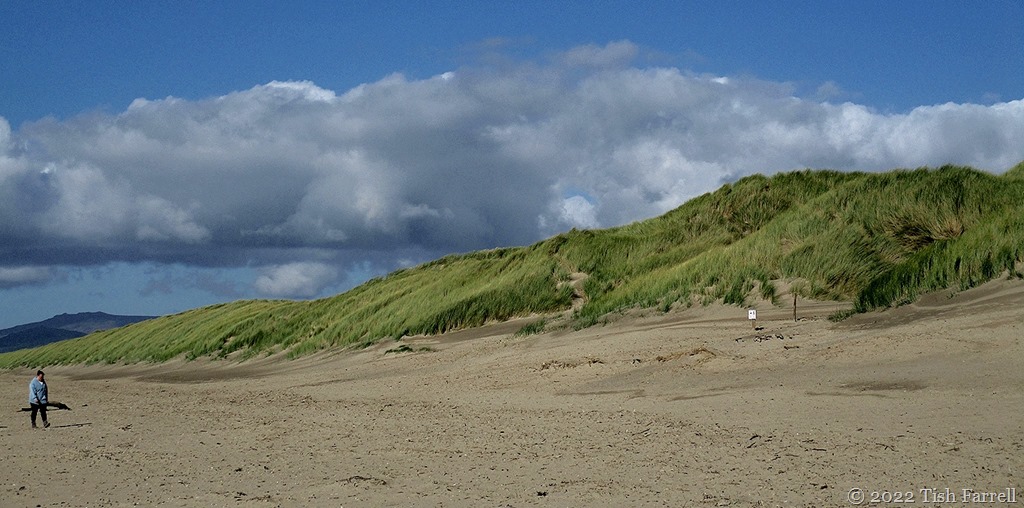
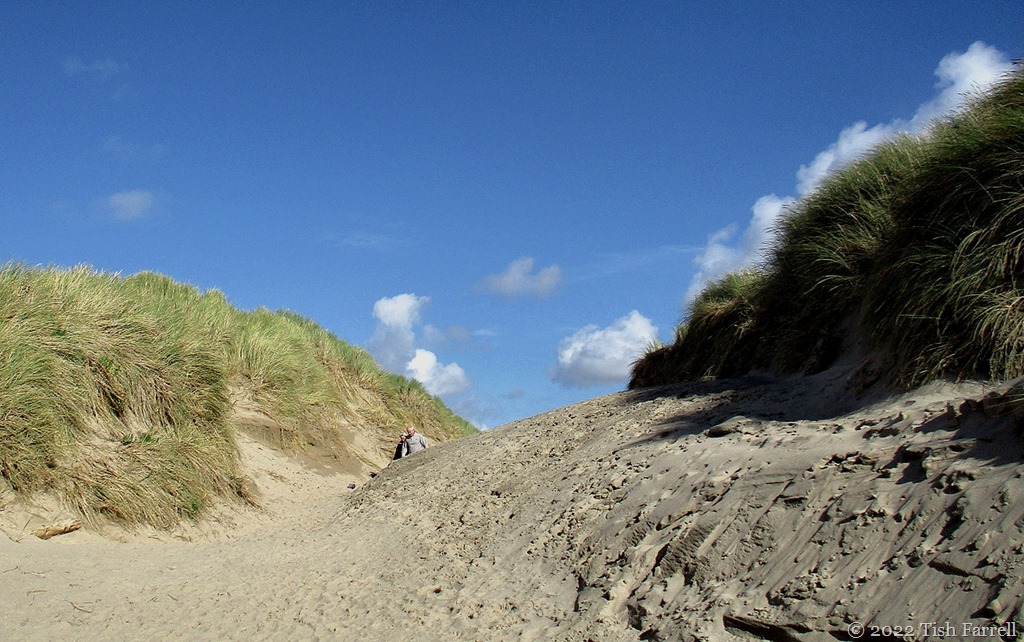
This is a walk we did earlier – i.e. back in early October when we staying at Borthwnog Hall on the Mawddach Estuary in Wales. The beaches along this part of the coast from Barmouth to Harlech (where these photos were taken) are stupendous – sandscape heaven with much of the area designated nature reserve.

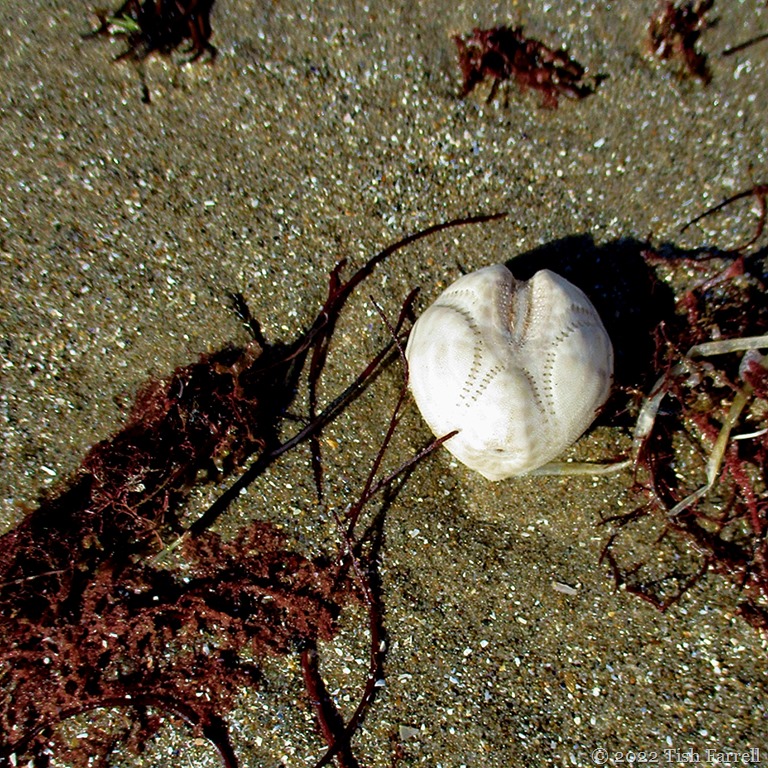
My only quibble (as a life-long beach-comber and shell gatherer) was the tide had swept the shore so clean, there was hardly a thing to find. So this is my main sighting: the skeleton (test) of a common heart urchin Echinocardium cordatum, also known as a sea potato.

You can see what they look like in real life HERE. When they have all their spines they’re rather hairy entities. They burrow several inches into sandy sea bottoms and both feed themselves with passing particles and avoid getting completely buried with a mobile feeding tube that keeps a clear shaft of water above them.

So there you have it: a heart urchin test. And some rather pleasing red seaweed.

Walking Squares #18  Today Becky is wondering what kinds of things we notice when we’re out walking.

45header

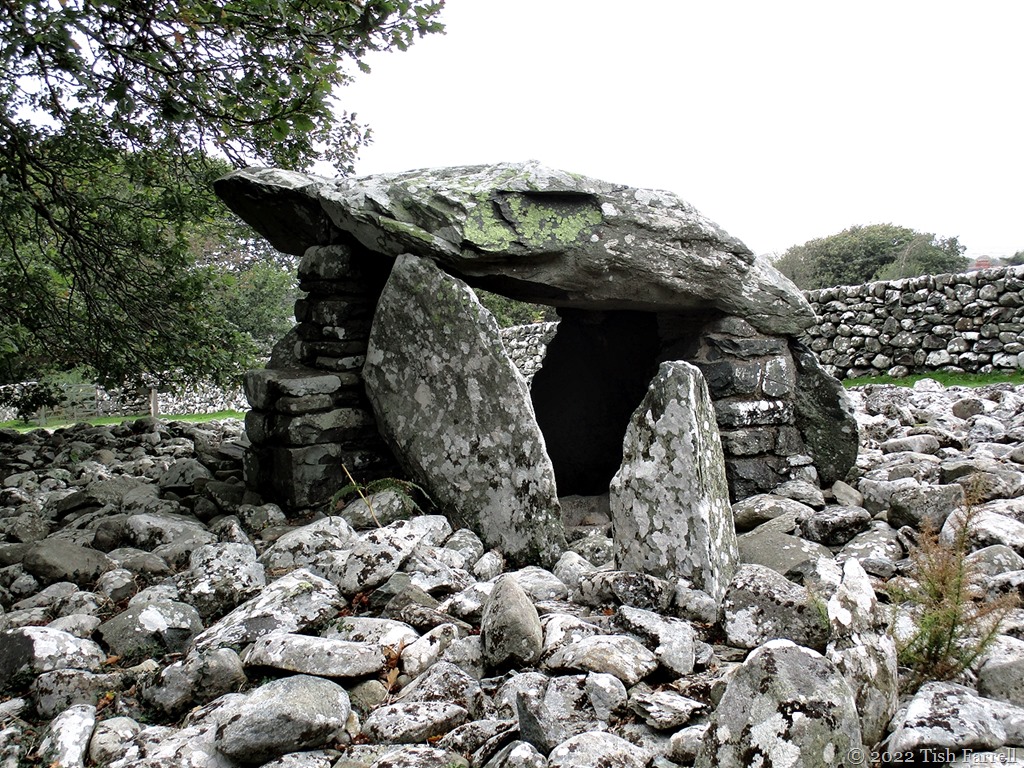
Communing With The Ancestors At Dyffryn Ardudwy

60 dyffryn ardudwy effect

Scan an ordnance survey map of Wales, and especially the county of Gwynedd where we were a couple of weeks ago, and you will soon spot a host of prehistoric remains: hut circles, standing stones and chambered tombs. They can be found on the coast, in the immediate hinterland and in the uplands of Snowdonia, thus giving an impression of a very busy ancestral landscape.

Of course there is no way of knowing if these are the scant remains of many more monuments, lost to collapse, deliberate destruction and/or repurposing by later populations, or if they roughly represent the sum of the stone-built prehistoric past. Another problem is dating them. For example, Neolithic chambered tombs appear to have served the whole community, were constantly re-used and so remained in use over a considerable period of time. On our recent Wales trip we found a good example in the little village of Dyffryn Ardudwy (OS grid ref: SH585235), one of a group of 6 similar monuments between Barmouth and Harlech.

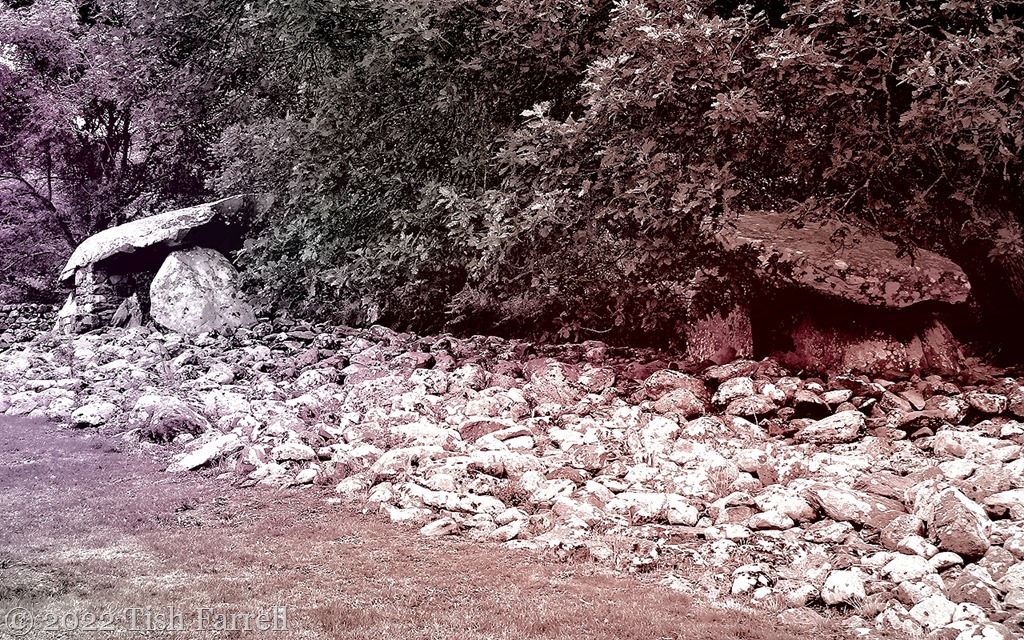
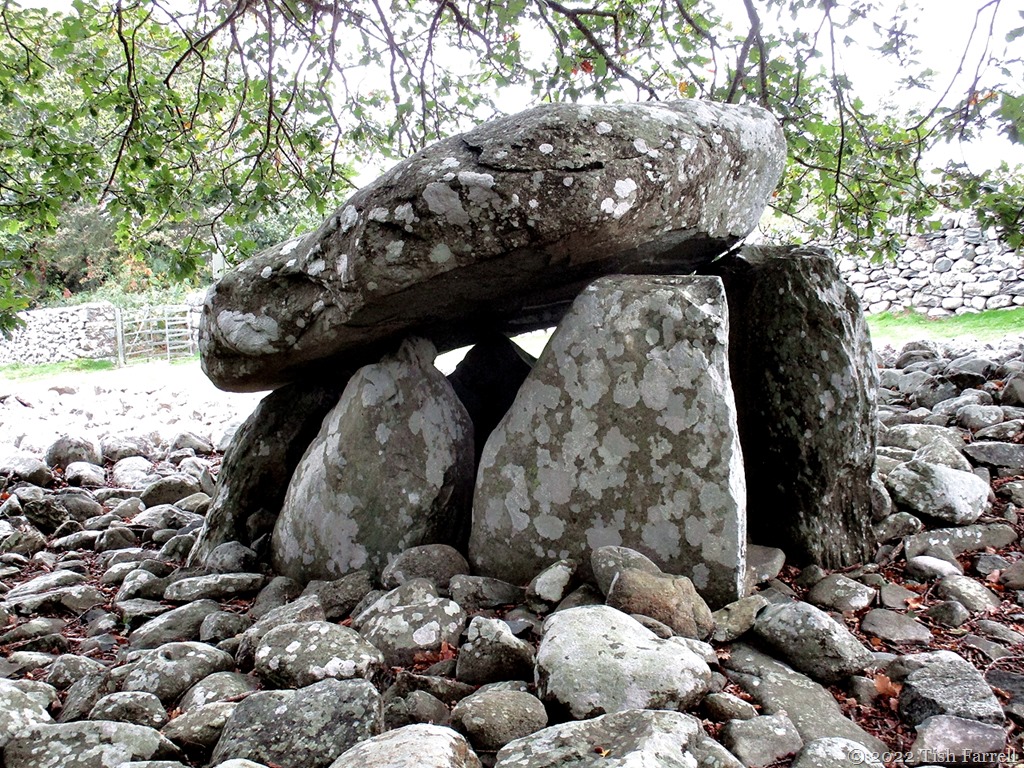
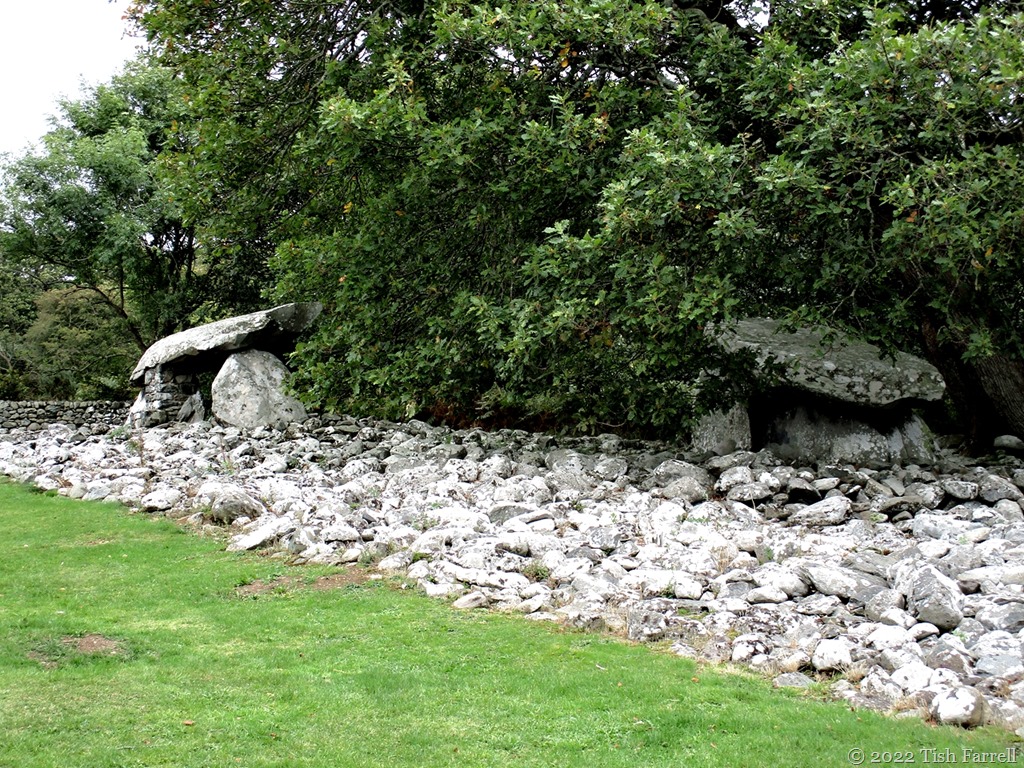
The unusual feature here is there are the two burial chambers in close proximity, the earliest (far right in header photo) dating from around 6,000 years ago and built by Neolithic farmers. This was originally covered by a small oval cairn, but with a forecourt facing east. Shards of Neolithic pottery were found during excavations.

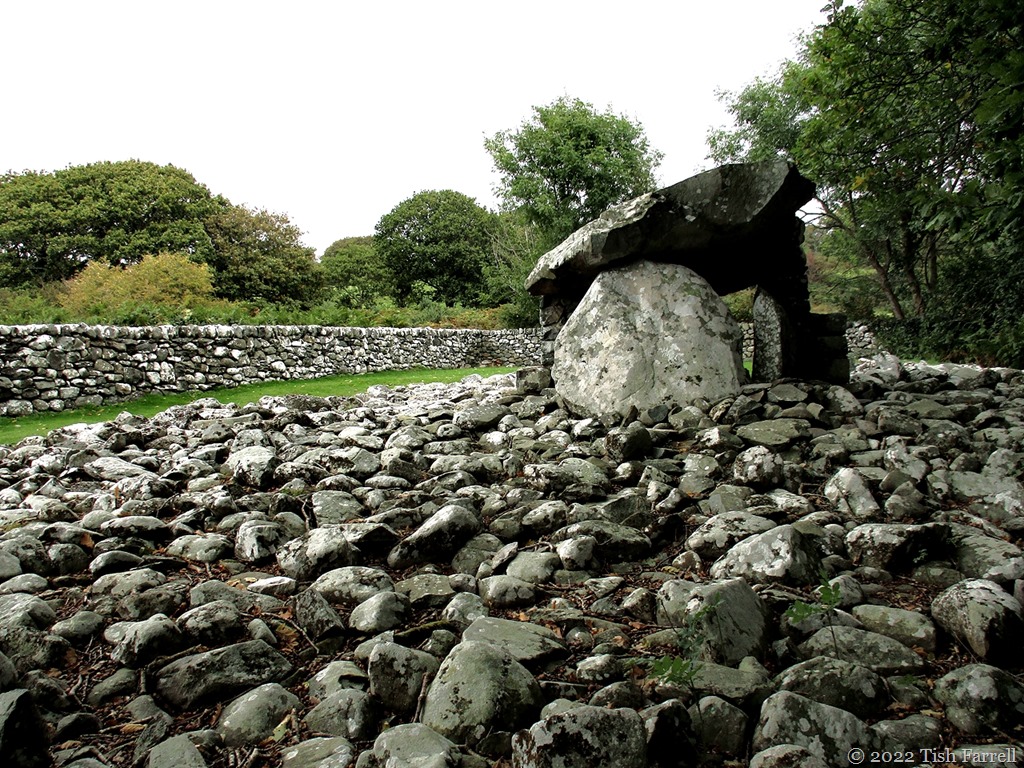
Sometime later, the larger easterly chamber was constructed, and the whole area including the earlier chamber and its surrounding cairn, was covered by a large trapezoidal barrow  some 100 feet (30 metres) long. This construction phase also included a forecourt facing east. These forecourts are thought to have provided the ceremonial setting for funerary rituals. The big scatter of rubble is all that is left of the mound. Over succeeding millennia it has doubtless provided a handy source of building material.

28

9

6

The building of such monuments suggests that Neolithic communities had both plenty of human-power and the spare time to do the building work.  And while the large chamber slabs most likely came from the immediate vicinity, they still had to be shifted and lifted.

From our consumption-heavy perspective is easy to think that stone age life was tough and impoverished. But the coastal region would have been very rich in resources – not only a range of seafood, especially shellfish, but also the wildfowl, fish and game of the salt marsh estuaries to supplement farm produce.

The immediate hillside area was anyway still occupied two plus millennia later by Bronze Age-Iron Age people. In the next field to the burial cairns are the stone foundations of two circular houses together with evidence of field terracing and an enclosure. So life went on there, though probably with settlers of quite different/or at least mixed cultural origins.

But one of the most beguiling features of the Dyffryn ‘house of the dead’ in our era is that it feels embraced. The path to it runs beside the village community centre and then beside the primary school, the setting is cared for, pastoral, almost domestic. It’s reminding me of a chambered tomb of the cromlech variety I once spotted on a lane skirting a Breton farmyard. The tomb had been incorporated into the outbuildings; the past very purposely repurposed and impressively too. Adaptive re-use as conservation persons are wont to say. I like it.

5

Related: Pentre Ifan chambered tomb.

Good Heavens: A Real Sand Castle?

12

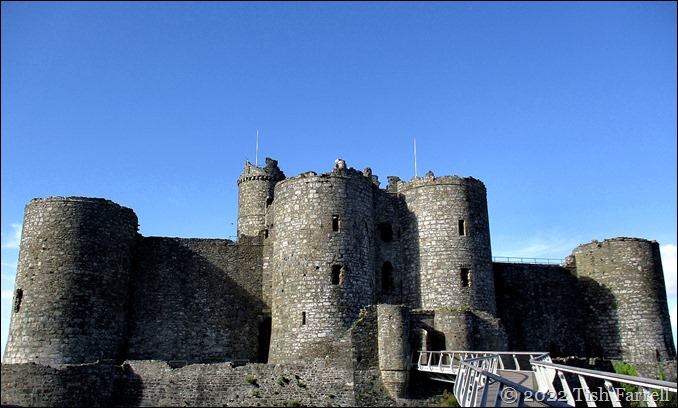
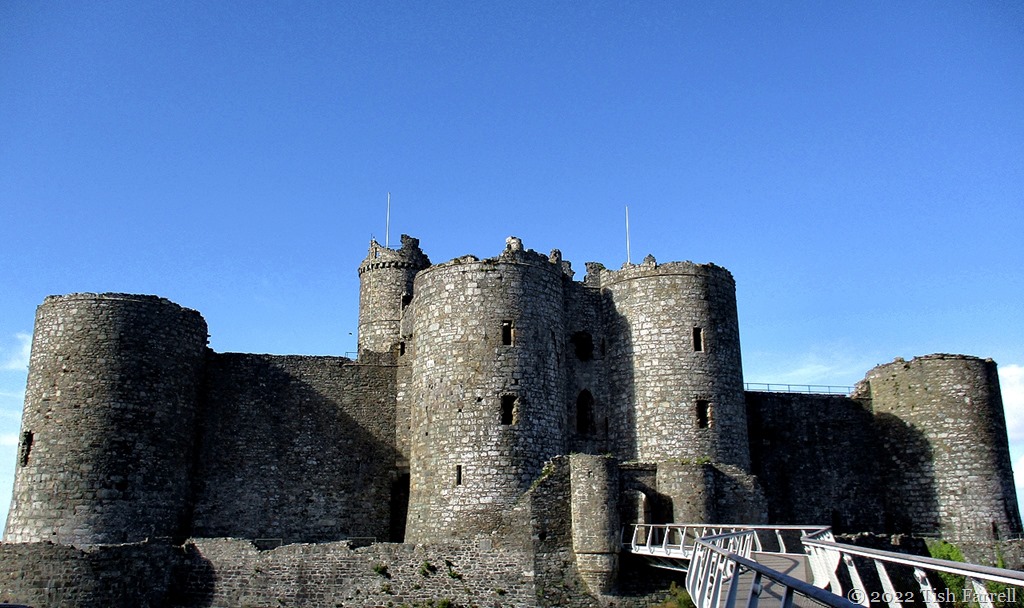
We did not go inside the castle on our recent visit to Harlech on the Mid-Wales coast. To tell the truth I’m rather offended by the tyranny that these brutish bastions of Edward I  represent. He, the irascible English monarch (1272-1307) built a whole string of overbearing fortifications between 1277 and 1304 (Caernarfon being the very grandest), this in a bid to subjugate the Welsh. Of course, in a nice twist of historical irony, the castles are now major international tourist attractions, bringing welcome income to the Welsh economy. (Take that, Edward Longshanks!)

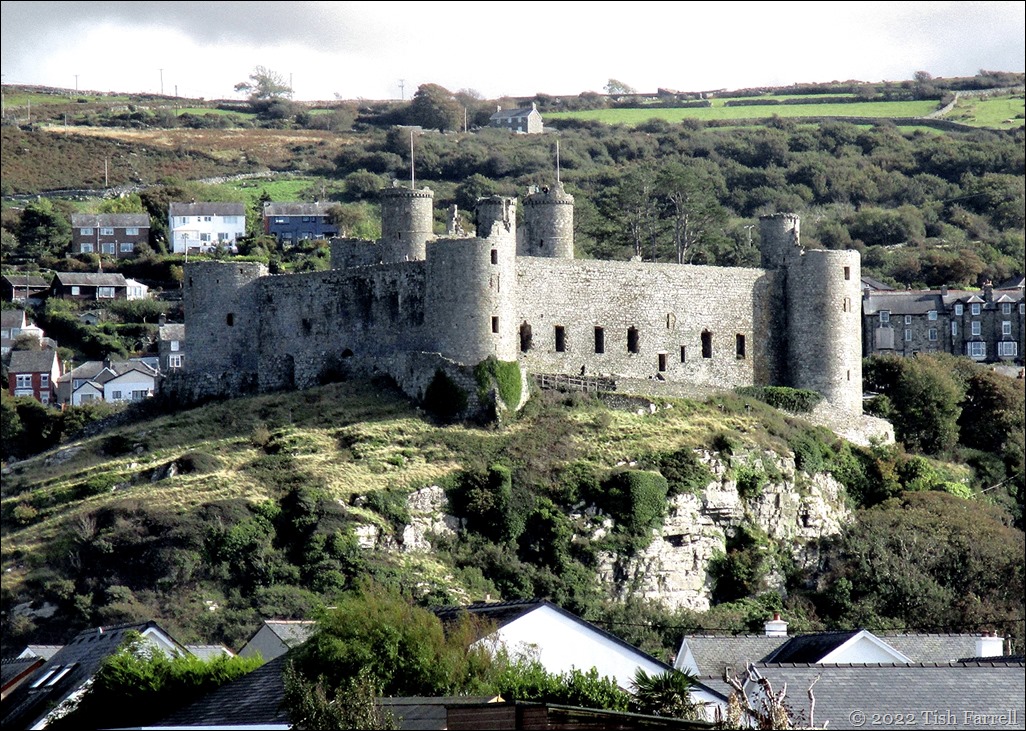
What interested me was a little photo exploration of the castle’s present setting.

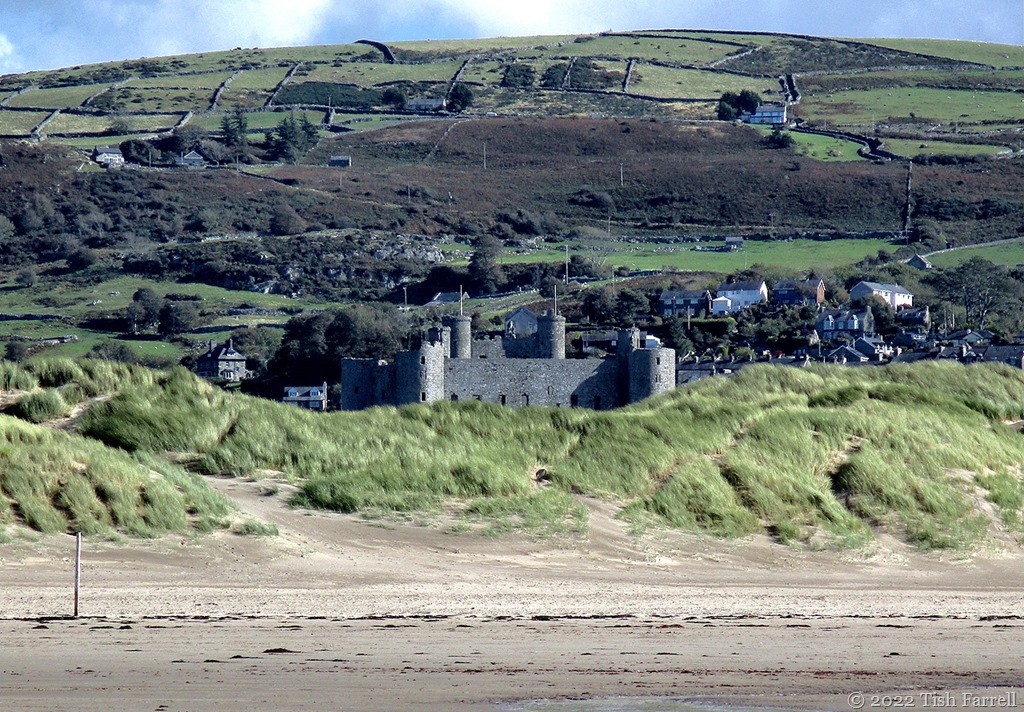
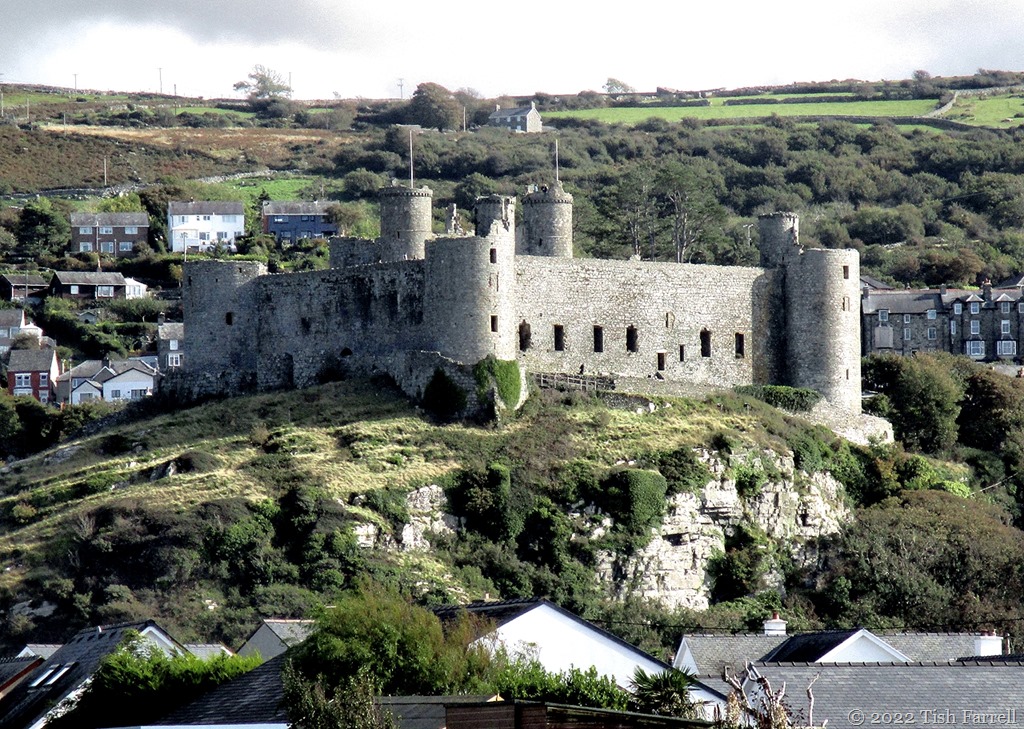
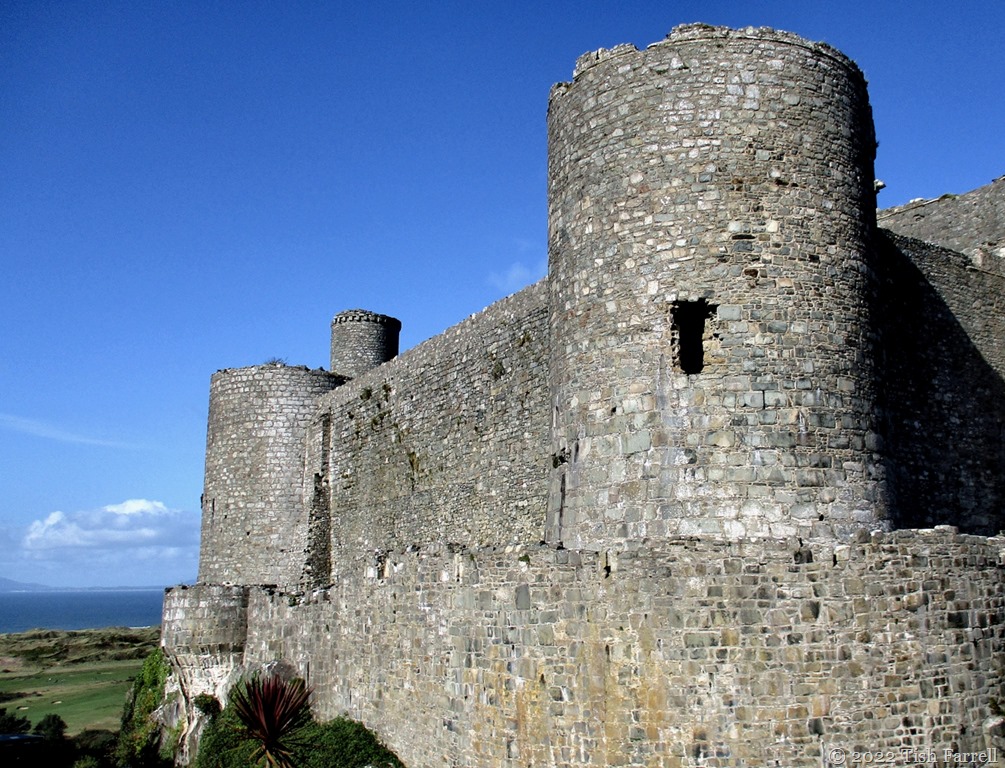
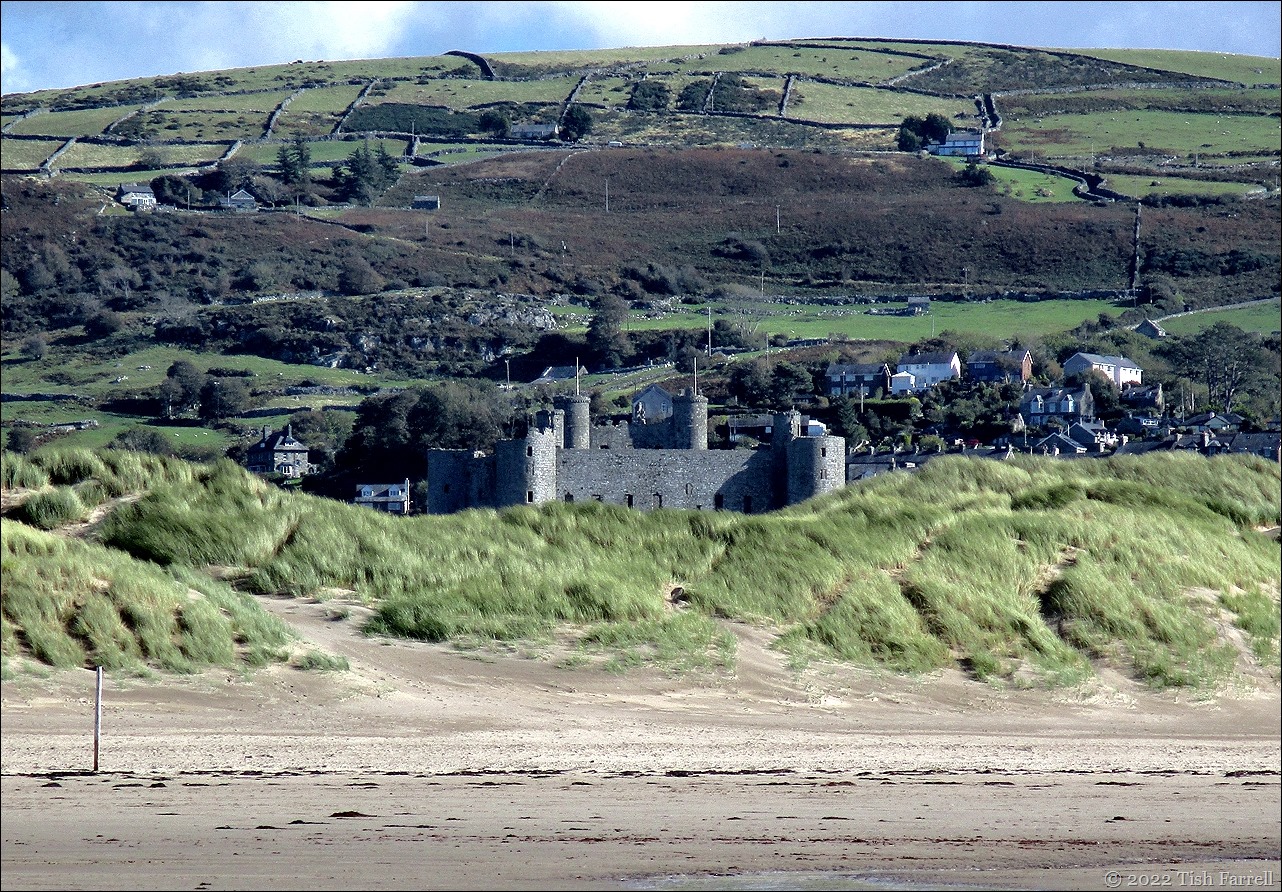
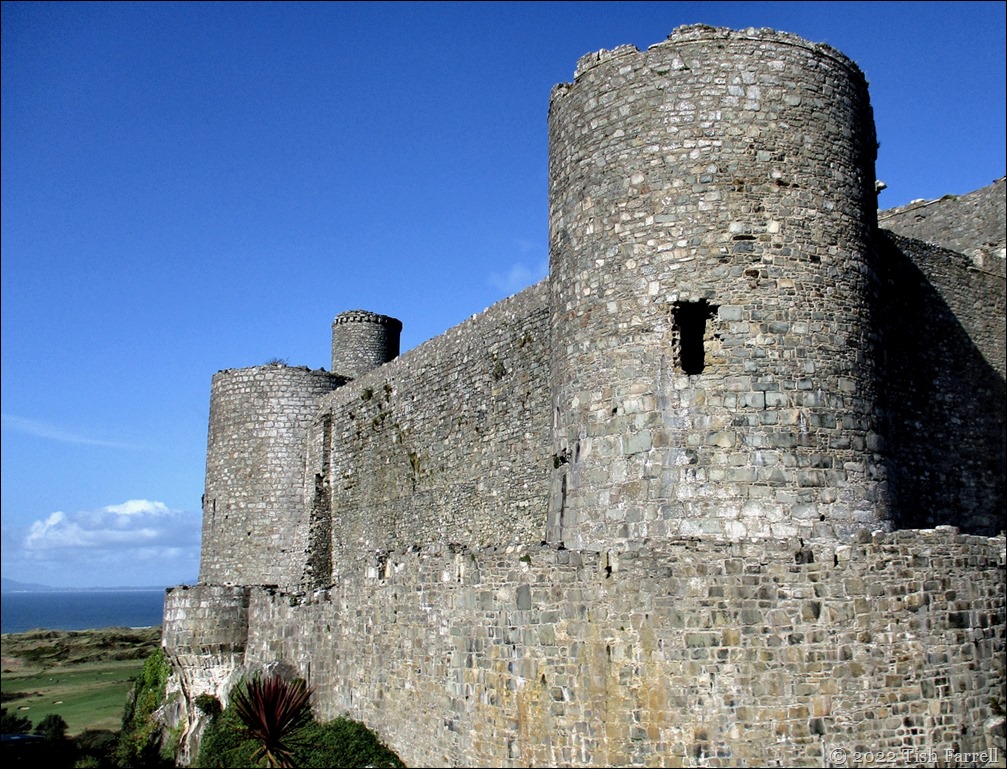
For instance, the header photo is something of a trompe l’oeil. Quite misleading in fact. The castle does not sit among the massive sand dunes that have invaded much of the Welsh coast over past centuries and are still growing. It sits on a 200 foot (61 metres) eminence of ancient Cambrian rock (the Harlech Dome), whose footings were once lapped by the sea, and where ships bringing in supplies would once have docked.

So yes, here we have a fascinating case of falling sea levels, or rather, rising land levels. Parts of  Britain’s landmass have risen, and apparently some are still rising (e.g. Scotland) in response to the post-glacial ice weight reduction (isostatic rebound), as in ten thousand years after the event, while others, e.g. south east England, where there are newer rocks and/or compacting clay strata (as in London), are sinking or eroding each year.

Geology has much to answer for. It is ongoing, never static.  A pity that most of us (and that very much includes Mrs. Farrell) know so little about it, or the forces that have shaped and continue to influence the planet. I seem to remember my geography teacher, aeons ago, telling us that Britain was tilting. And it’s far from being the only place where geology is still  moving upwards or downwards. [e.g. an unrelated phenomenon in the Pacific where satellite data show many atolls and islands are growing in size rather than eroding].

But back to Harlech. There’s a diagrammatic reconstruction of the early 14th century castle’s outer defences and setting above the sea here:
13

16

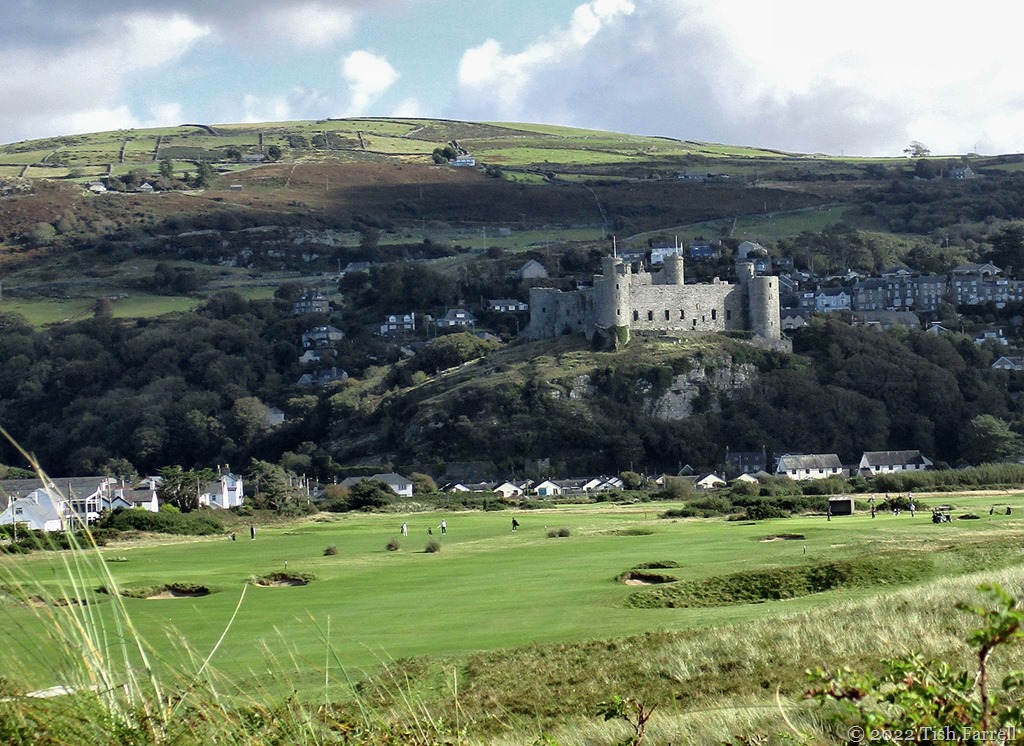
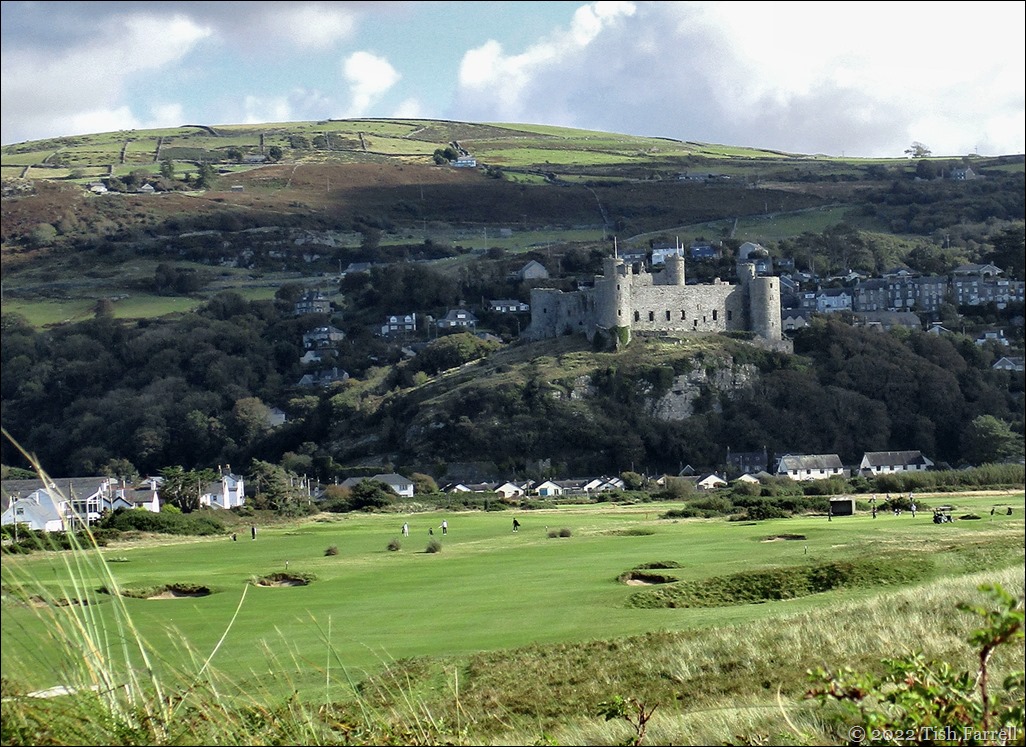
This photo above gives you a glimpse of the golf course that lies between Harlech  (castle and lower town) and the massive dune system behind the now distant beach.

And looking from the other direction:
14

*

It should be said that the Welsh people did not take English oppression lying down. There were a good few revolts and uprisings, and one in particular in 1400 under Owain Glendwyr, an actual Prince of Wales (as opposed to the  fabricated English ones of recent times). He captured Harlech in 1404 and made it his family home and military HQ for four years. He also held his second parliament there in 1405. However, for all that, Welsh rule was short lived. English forces retook Harlech in 1409 during the reign of Henry V.

*
20

21

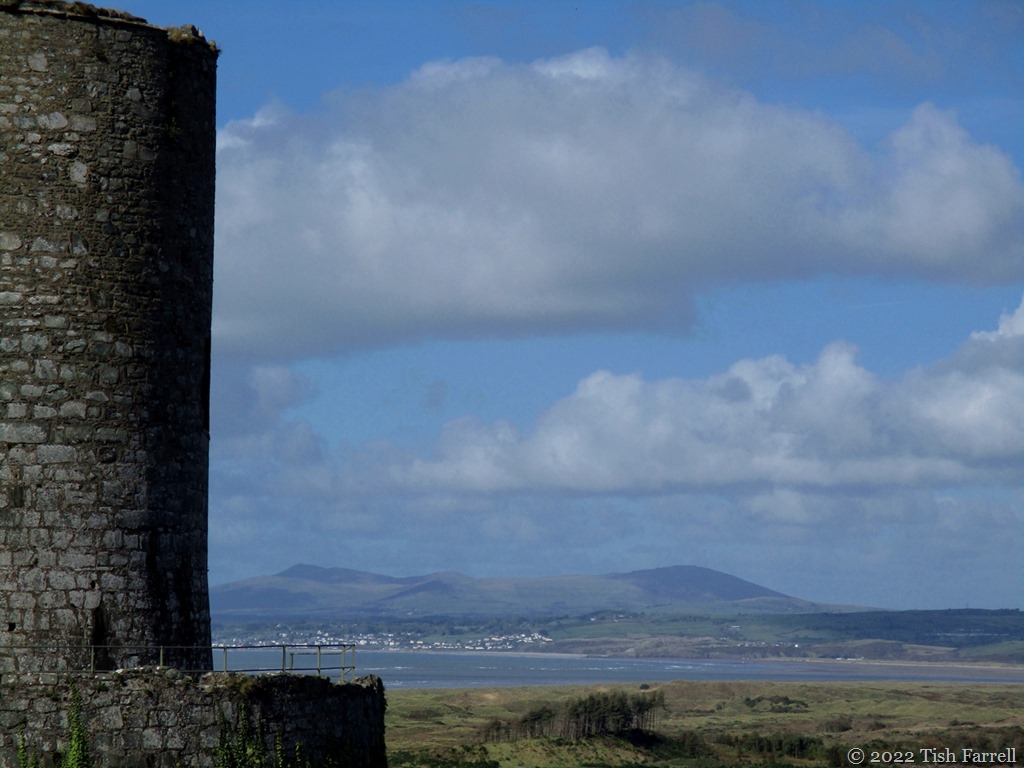
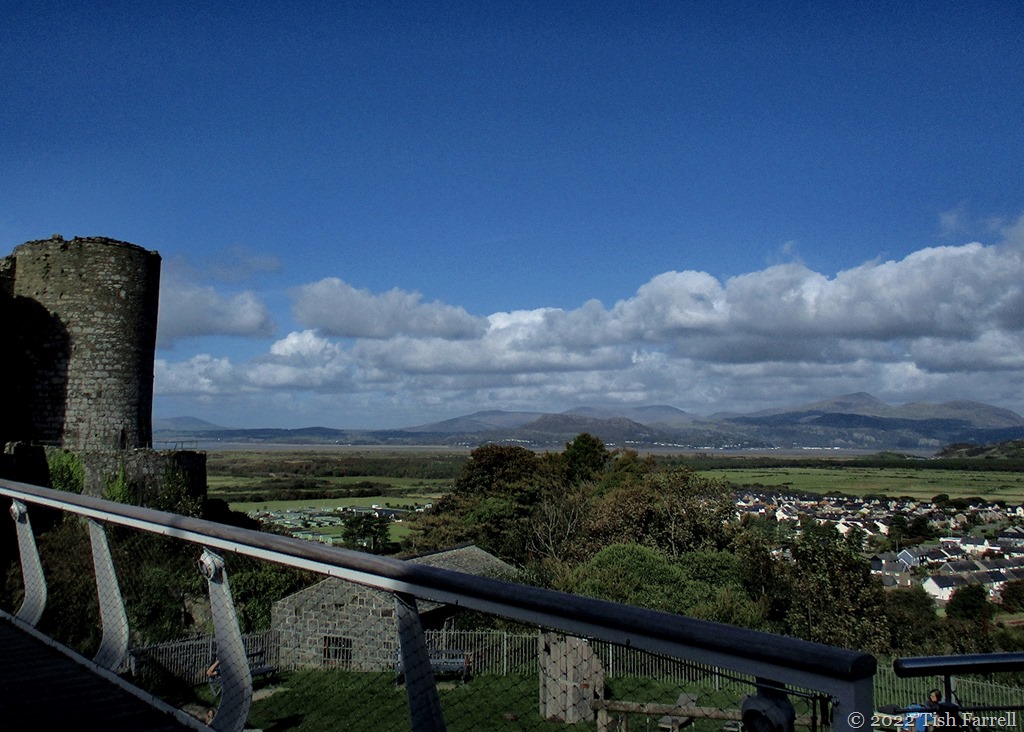
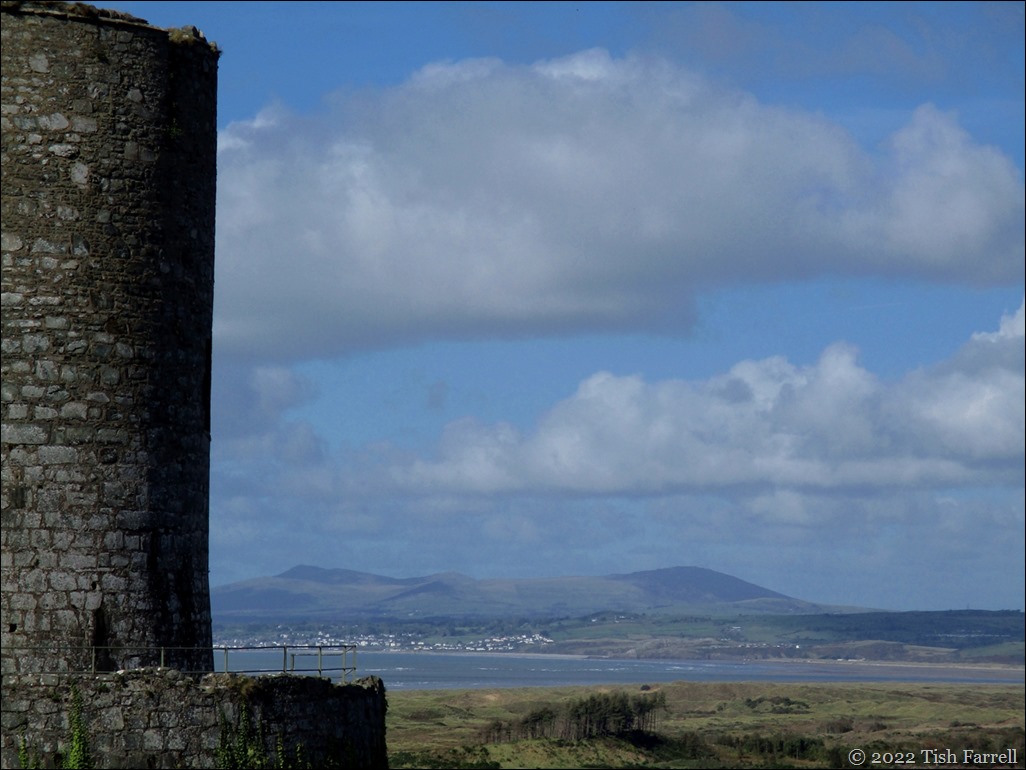
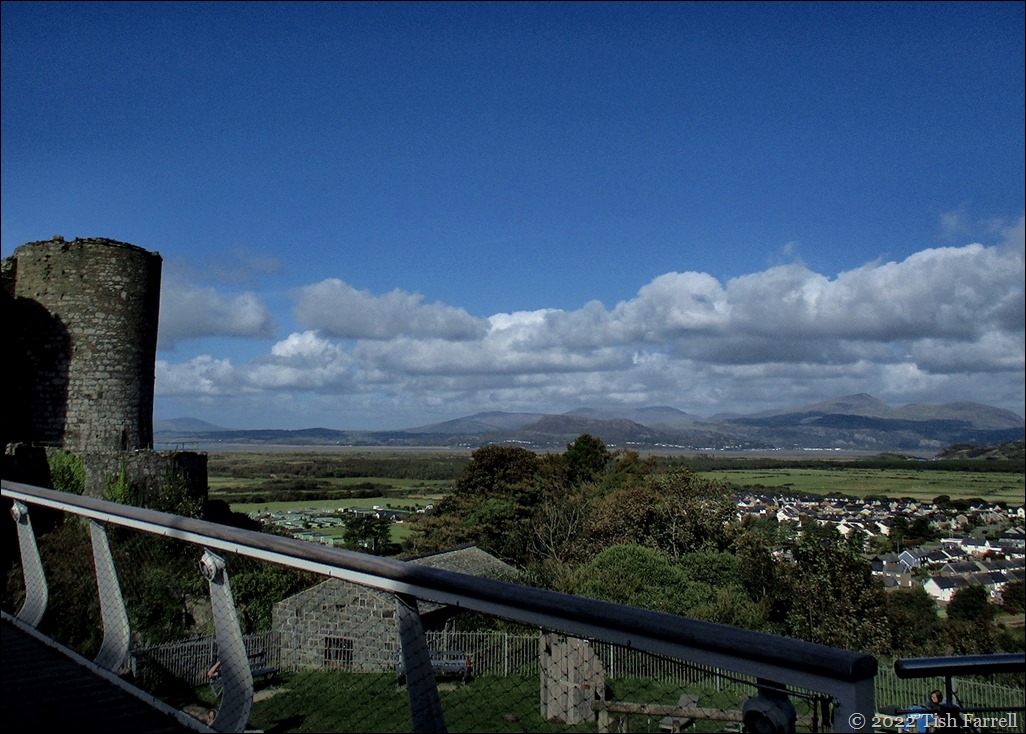
Looking from the castle towards North Wales, to Eryri, the mountains of  Snowdonia, and the plain below where once there was sea.
23

19

*

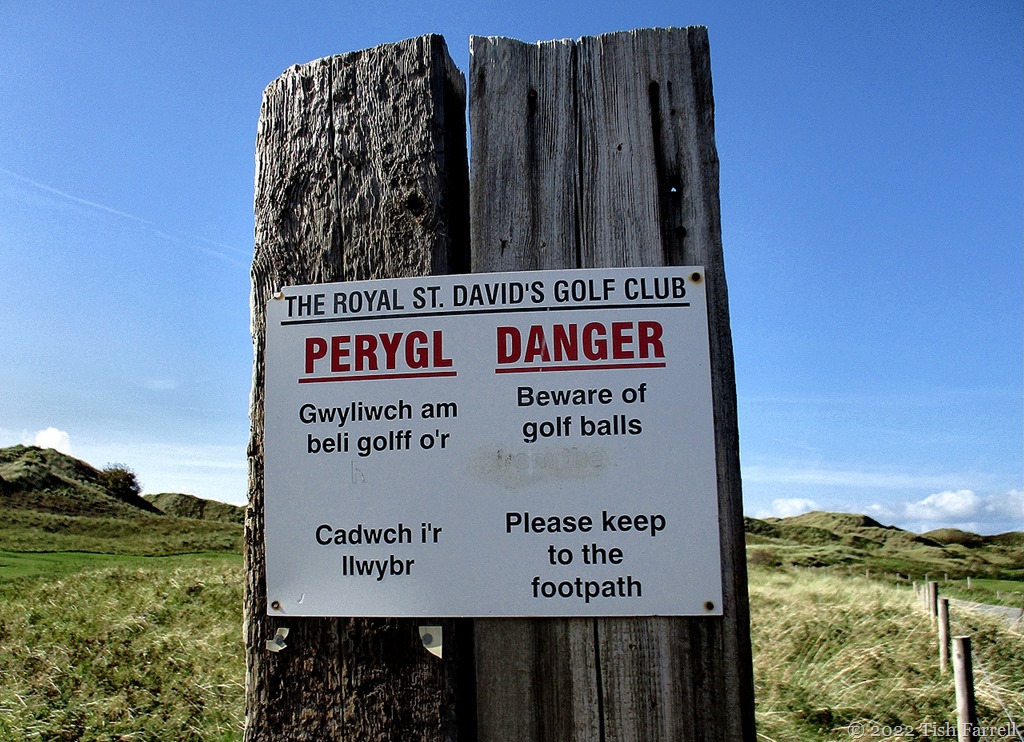
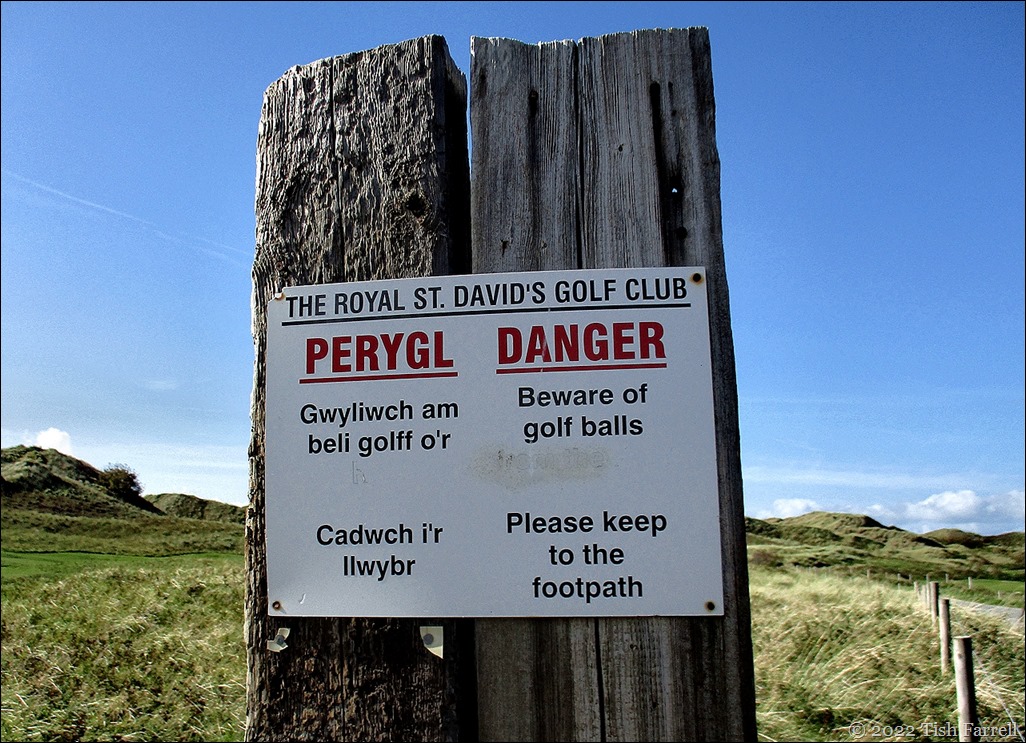
It is intriguing how things change, and how if we fail to grasp in what ways they change and why, we truly risk  losing the reality plot. As we headed to the beach I was amused by this sign on the golf course:
43

Where once there was passage for ships, the biggest risk is now flying golf balls. Who’d’ve thought it.

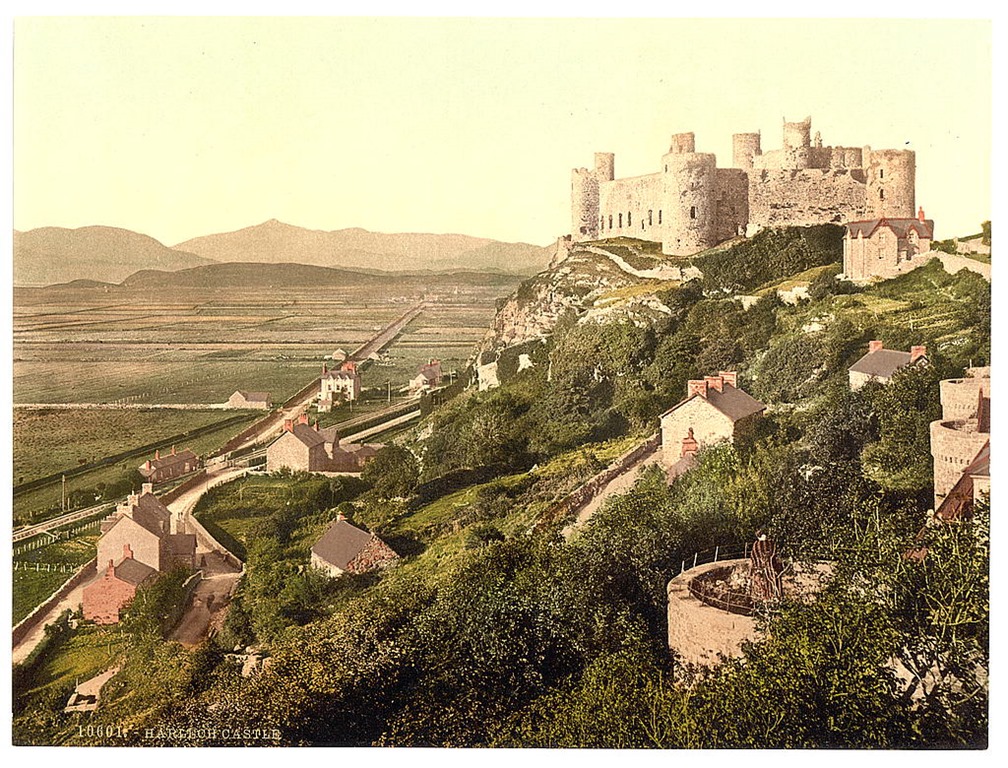
And finally an old image of the castle around 1890-1900 courtesy of the Library of Congress on Wikipedia:

Harlech Castle c 1890 Library of Congress

*

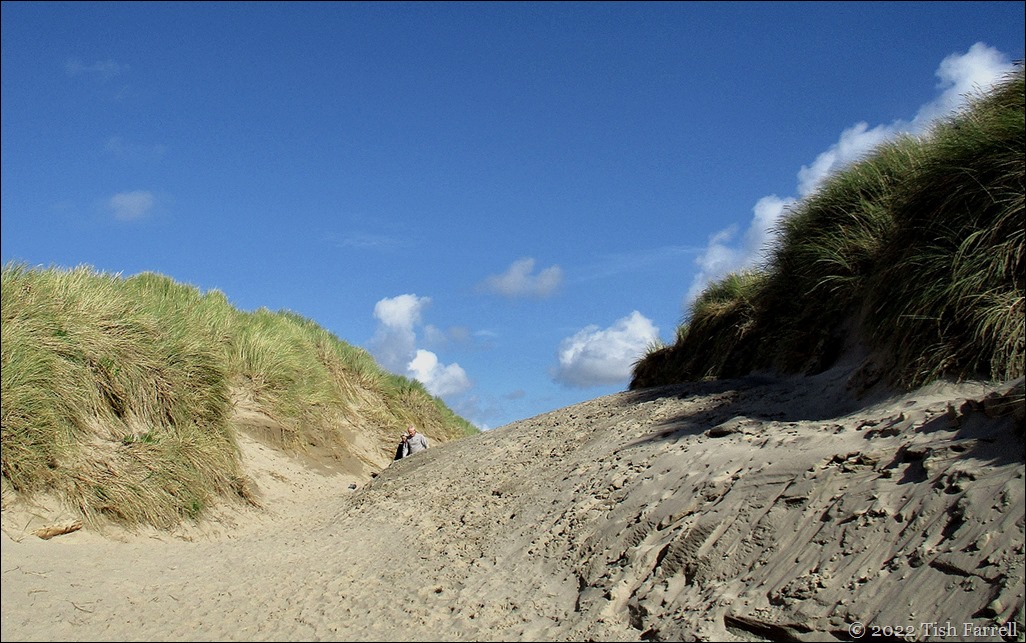
More about the Morfa Harlech dune system HERE. Yes, it is still growing.
44

Lens-Artists: One Subject Three Ways  Patti wants us to look at our subject from different angles.

The Texture Of Water?

57

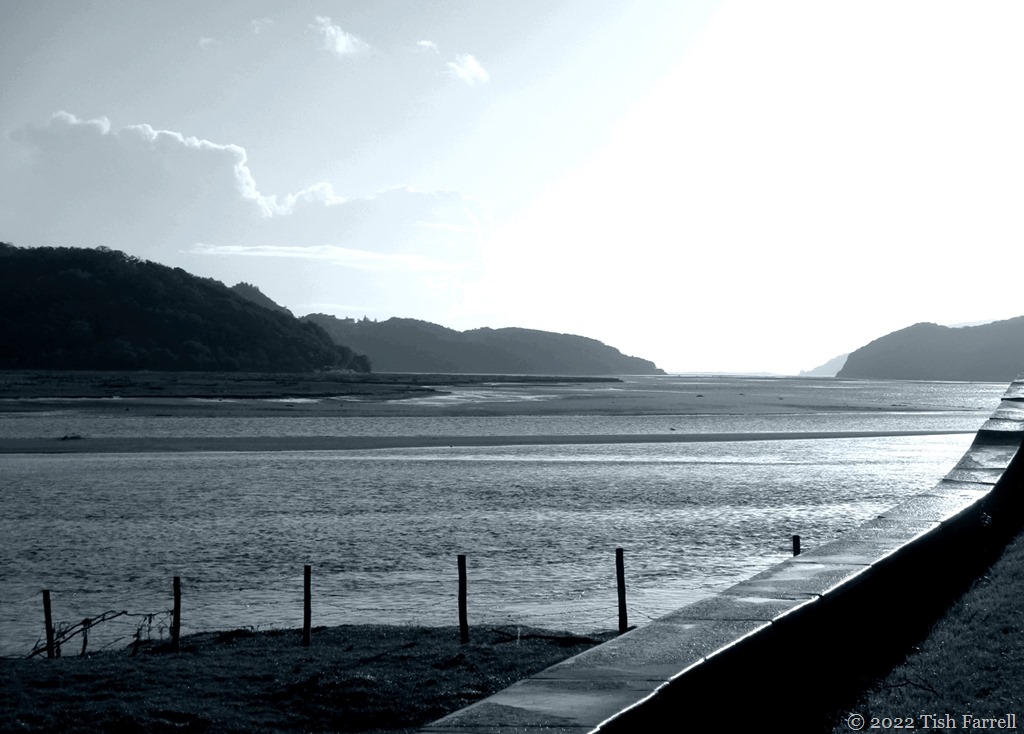
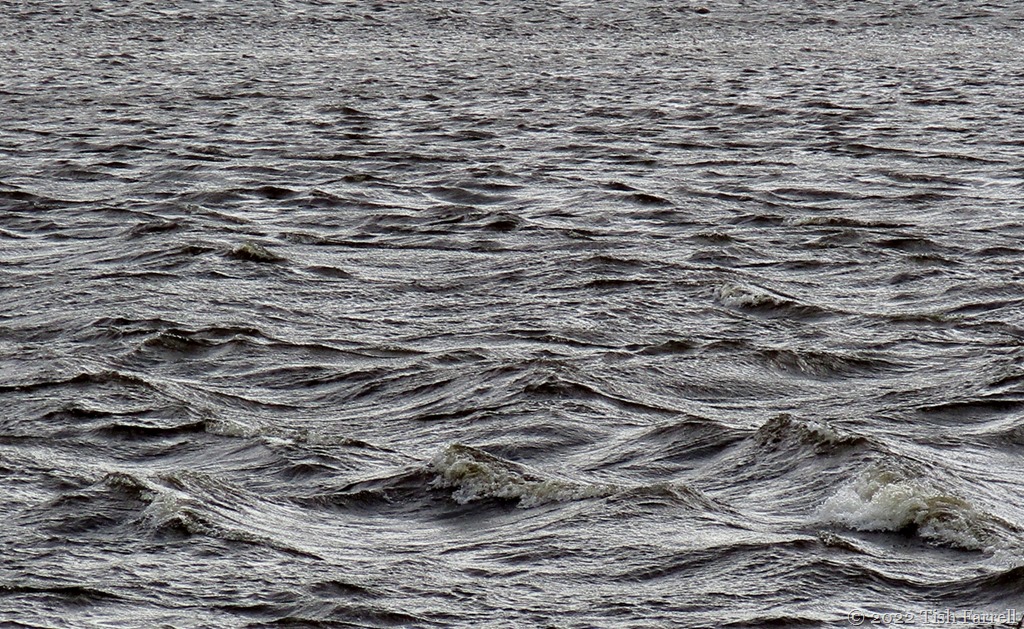
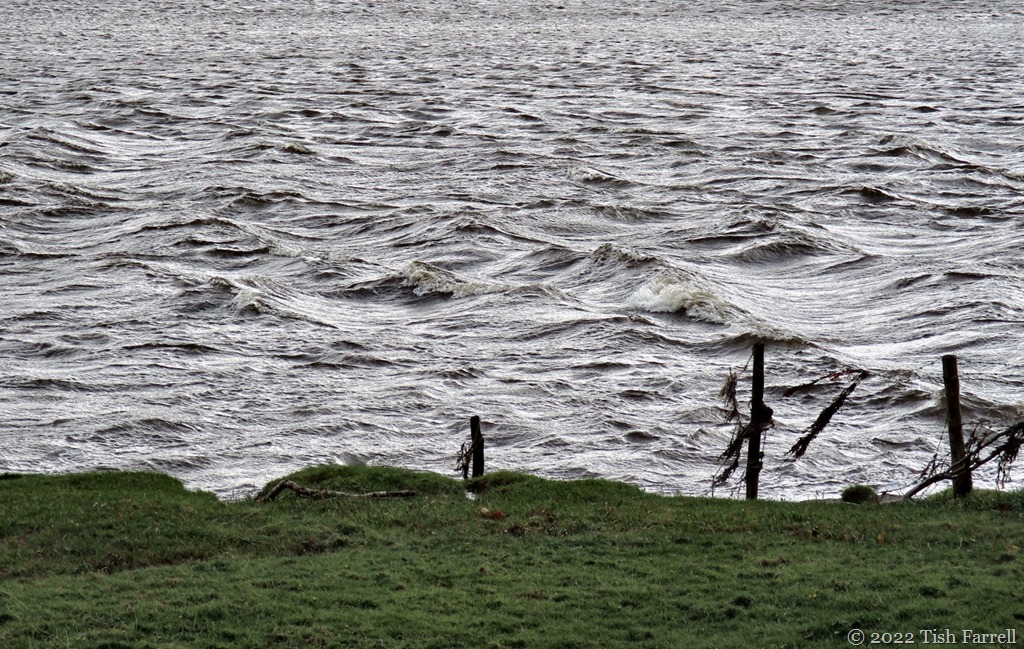
The Mawddach River after the storm. There’s a tension here – a case of estuarian counterflow as the sea tide washes up against  the river’s downflow. There’s an odd perception, too, of evolving solidity – of molten metal perhaps – artisan silver with flecks of gold; or of liquid thickening in the making of a sauce. Anyway, I thought it was an interesting effect.

7

The photo was taken last Wednesday as we arrived in Mid-Wales on the tail of a colossal downpour. We were starting a 4-day stay, and very much fearing a wash-out sojourn. But we needn’t have worried. We did have some fine days.

This is where we were staying – Borthwnog Hall on the banks of the estuary. A return visit after several years, but this time with a balcony view across the salt marsh at low tide. Fascinating places tidal rivers and estuaries. More photos in following posts.
1

35

CFFC: Texture

Full Steam Ahead!

101_0162bw

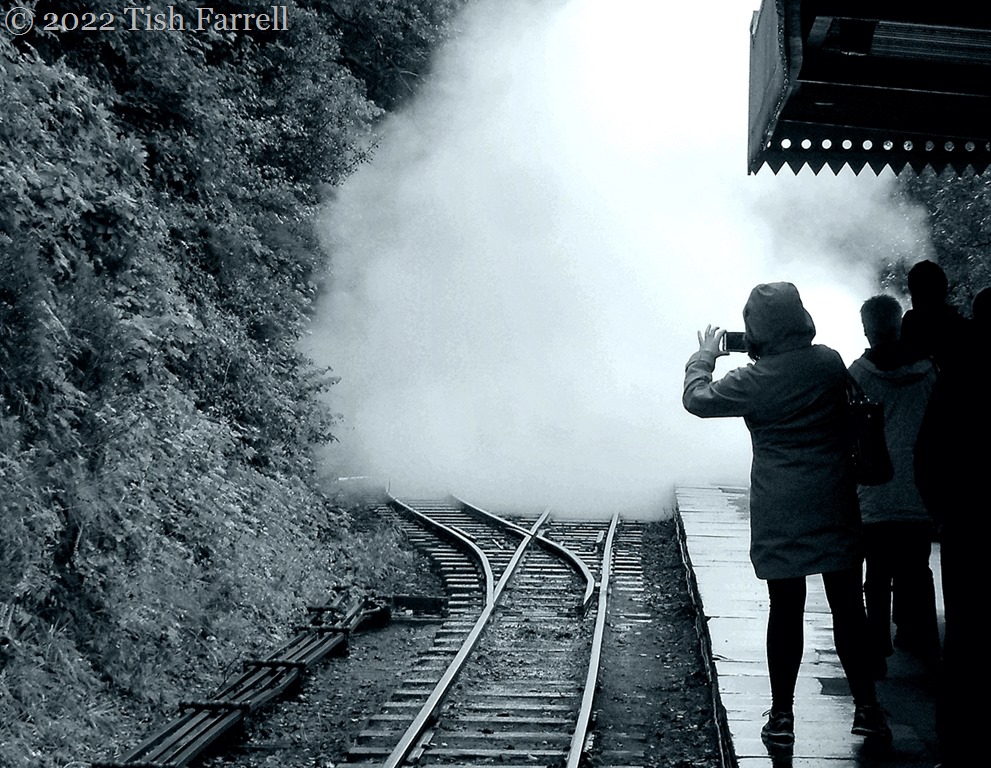
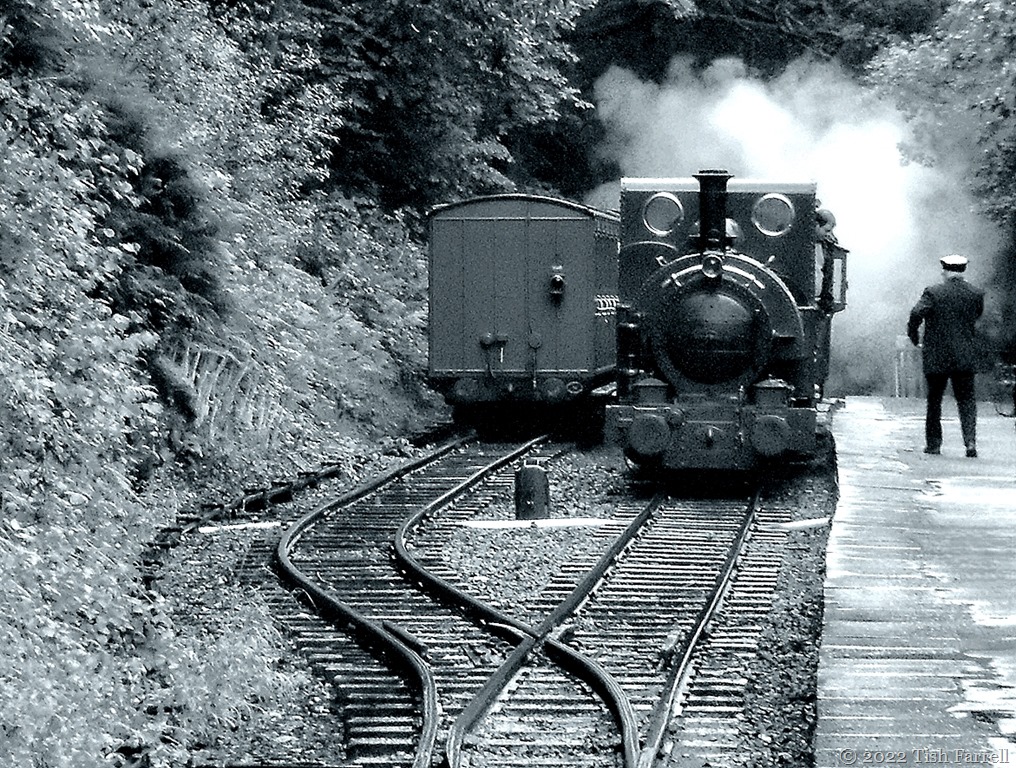
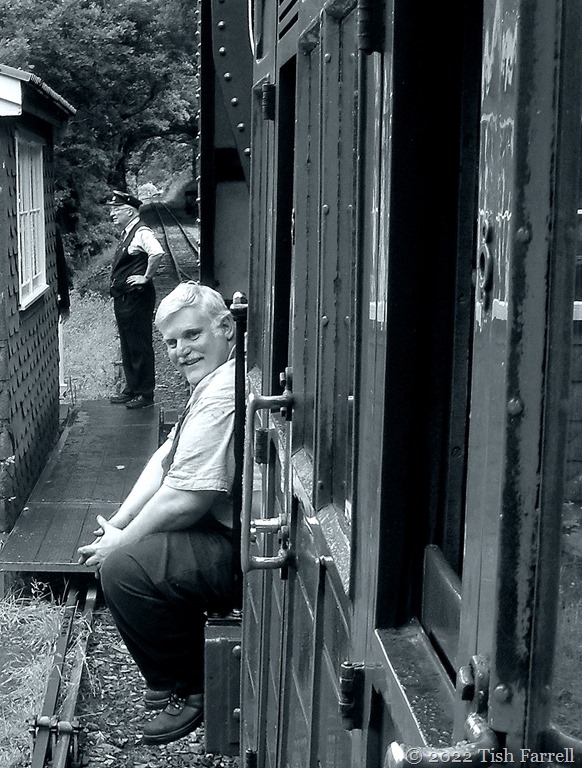
The Talyllyn Railway is a Welsh heritage treasure, once a working line opened in 1865 to haul slate from the quarries of the mid-Wales hinterland to the coast at Tywyn. The narrow gauge line may be only 7 miles long, but you can spend a whole day stopping off at stations en route, exploring Dolgoch Falls, having lunch at the station cafe at Abergynolwyn, or hiking up through the woods to the old Bryn Eglwys quarry.  And not only that, you meet lots of happy volunteer drivers and guards along the way, all of them bursting to fill you in with fascinating railway facts.
101_0157bw

101_0206bw

101_0128ed

Cee’s Black & White Photo Challenge: trains or tracks

Light, Shadow, Sun And Storm…

bright field 1 cropped

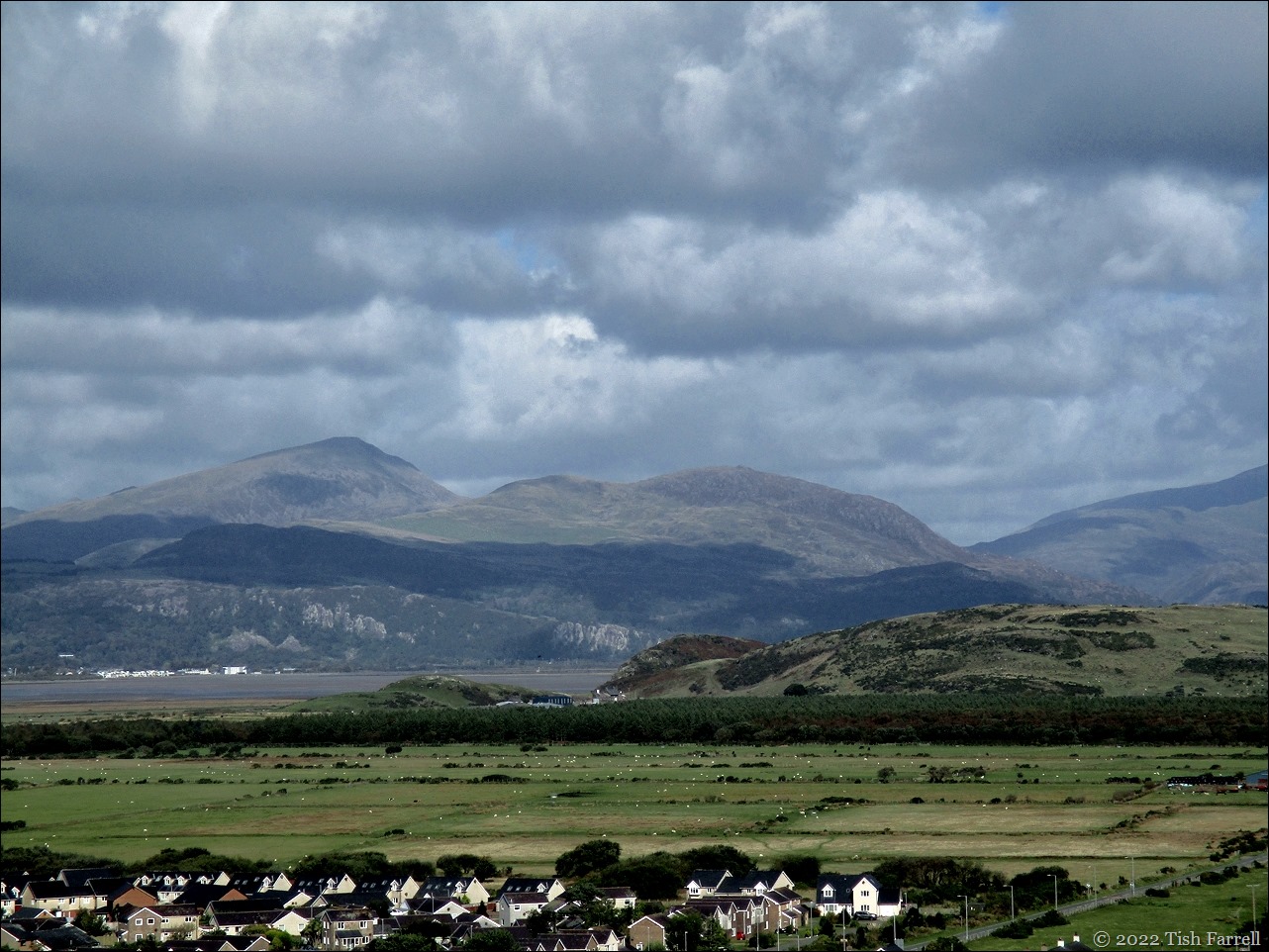
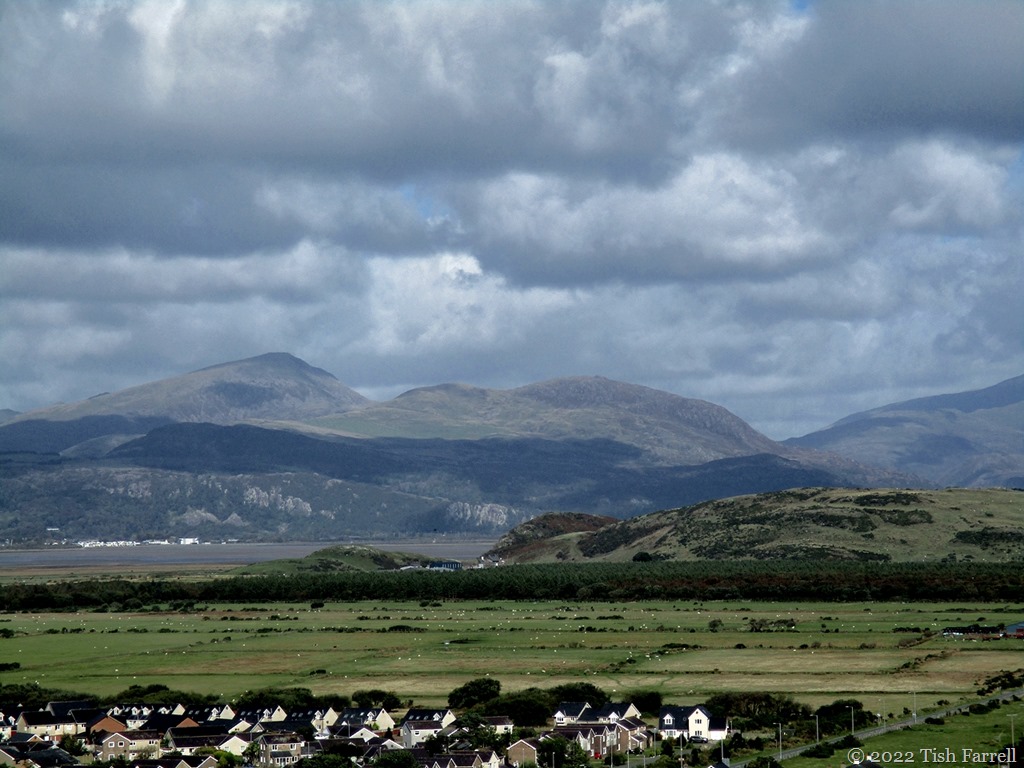
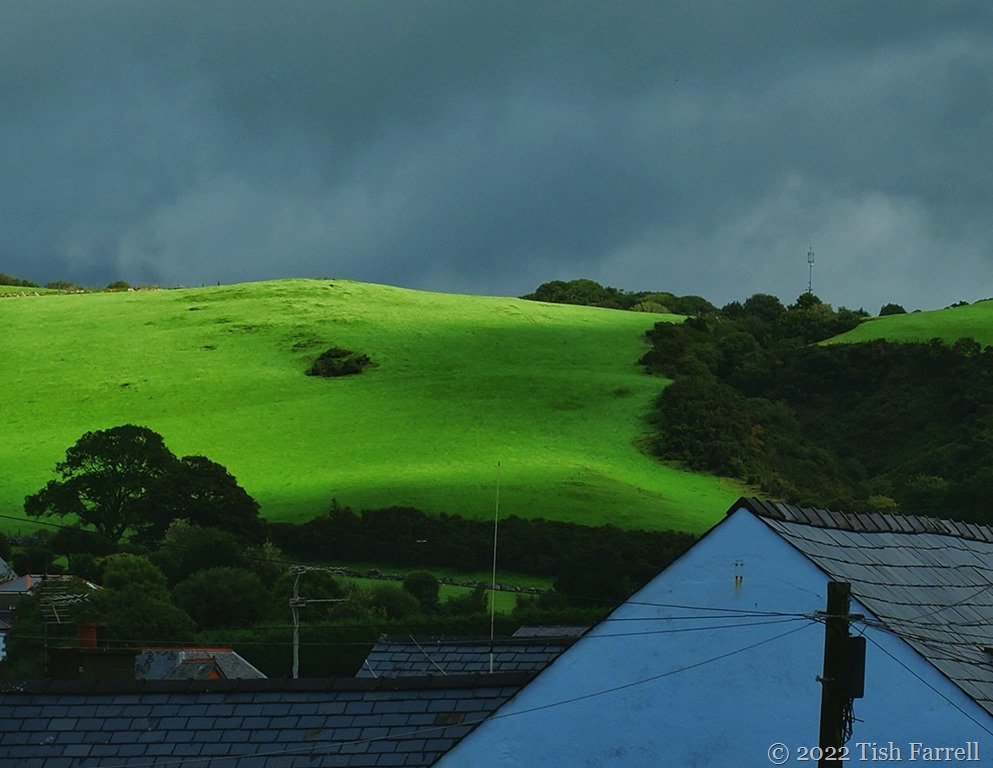
This week at Lens-Artists, Tina shows us many creative ways to interpret her chosen theme ‘opposites’. I thought I’d choose just one photo – a chance weather moment in Wales – one of those hard-to-credit solar beams piercing a storm-heavy sky. I mean to say, how can that field be so luminously green when the town of Harlech below is so deep in shadow, and the clouds above so full of rain? I even desaturated the image a notch or two. Of course there are other opposites here too: townscape-landscape;  manmade-natural; urban-rural.

Lens-Artists: opposites

Here Comes The Sun

P1000056 - ed

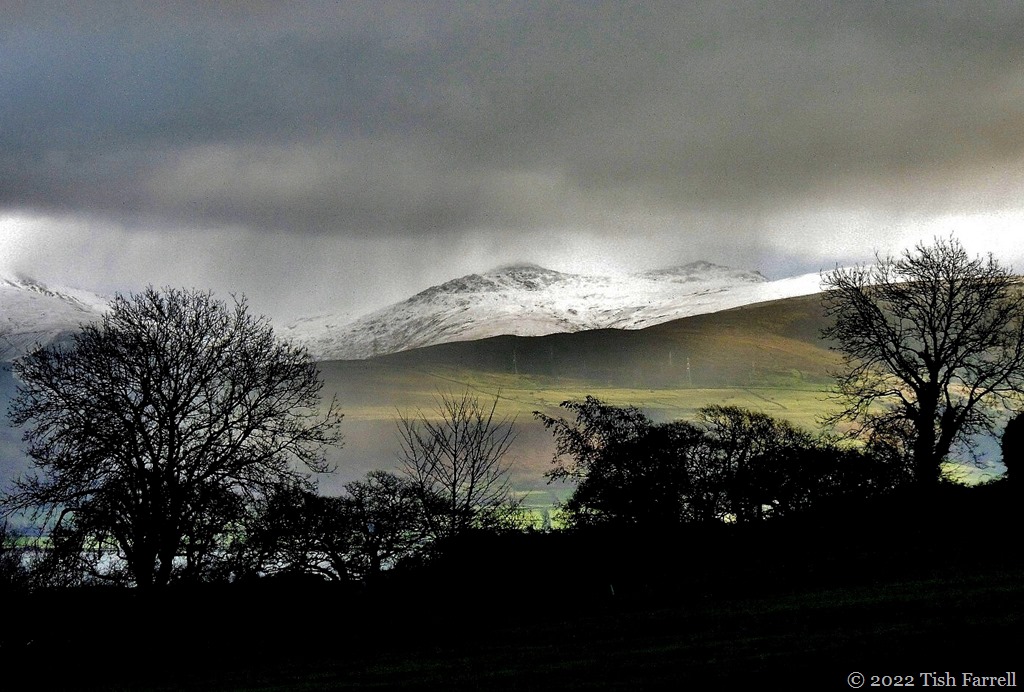
Snowdonia, North Wales from across the Menai Strait

*

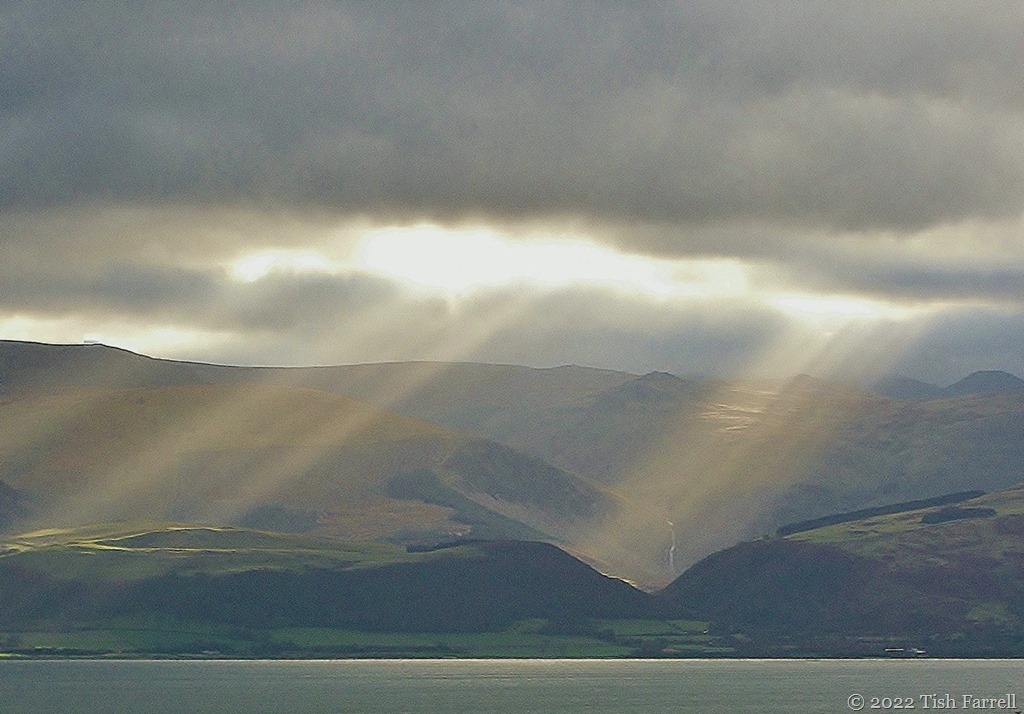
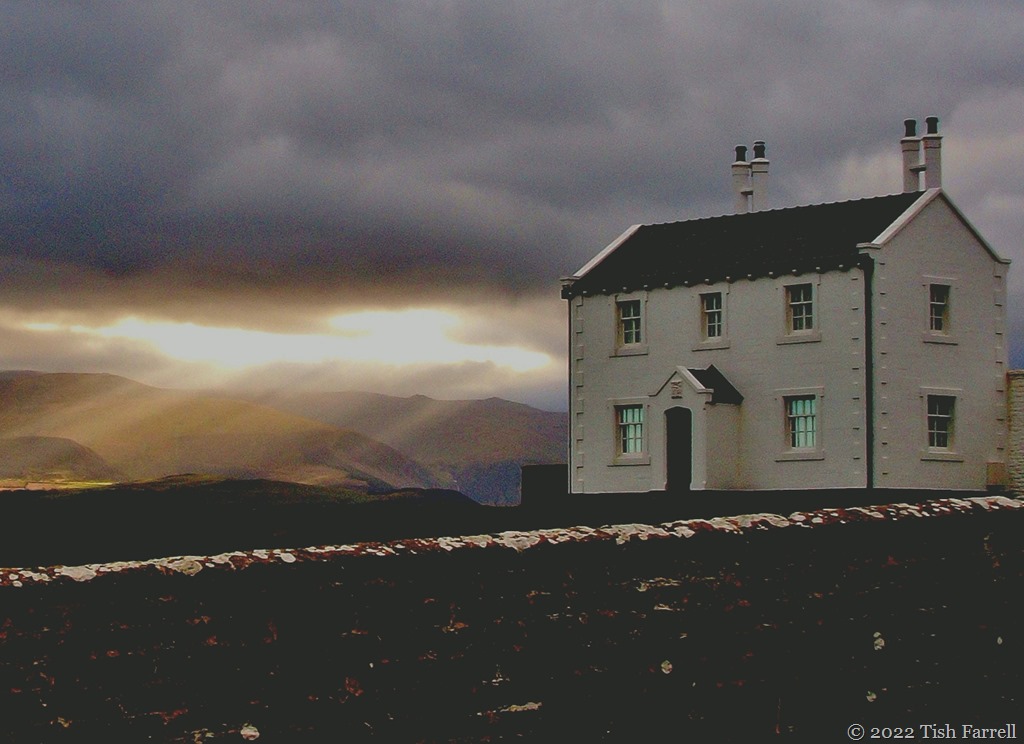
Wales tends to have a reputation for being short on sunshine and  long on rain (washed out family holidays often looming large in people’s memories). And it’s true it does receive a lot of rain from the Atlantic. And yes, it can often be a question of catching  it while you can. But then when you do, the combination of mountains, sea and active weather systems can produce some other-worldly effects. The island of Anglesey in December and January puts on some specially good sunlight shows, and what can be more heart and spirit-lifting than winter sun.

004cropped

013ed

The Pilot House, Penmon Point, Anglesey

*

P1000210ed

In Henllys Woods

*

IMG_9268ed

Aberffraw Beach: January sunset

*

Lens-Artists: Here comes the sun  This week Amy asks to see our sun photos and anything under the sun.

ONE

P1060368cr

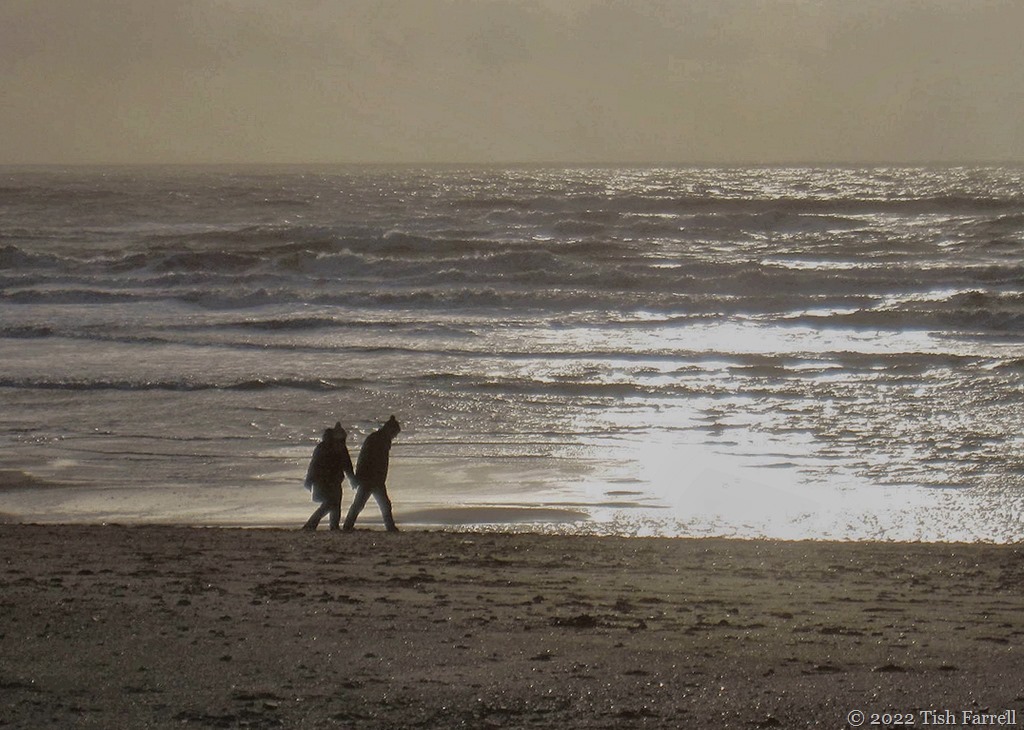
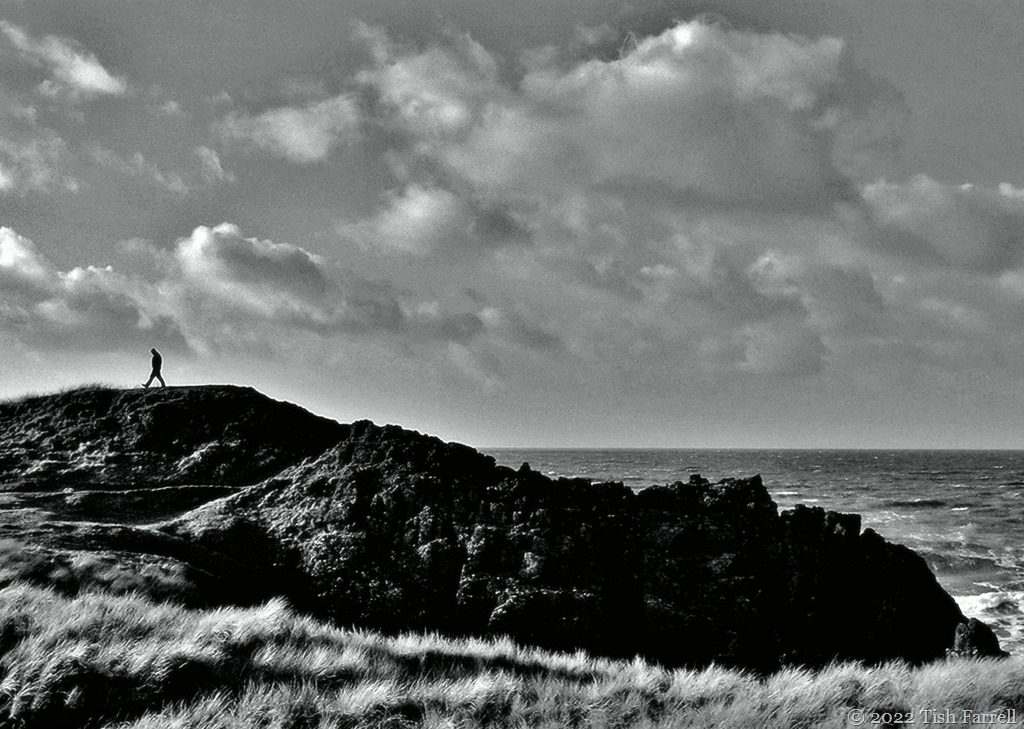
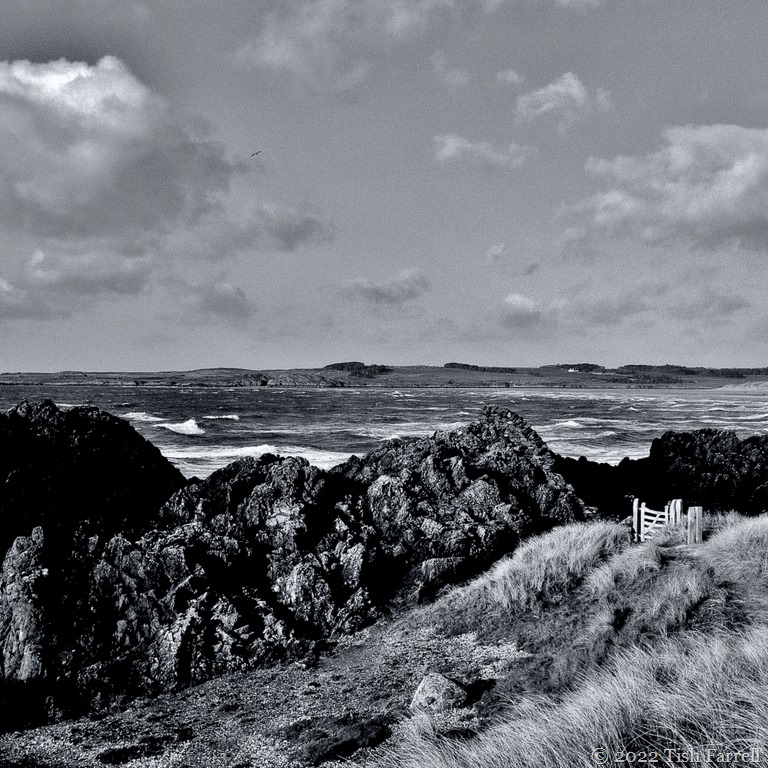
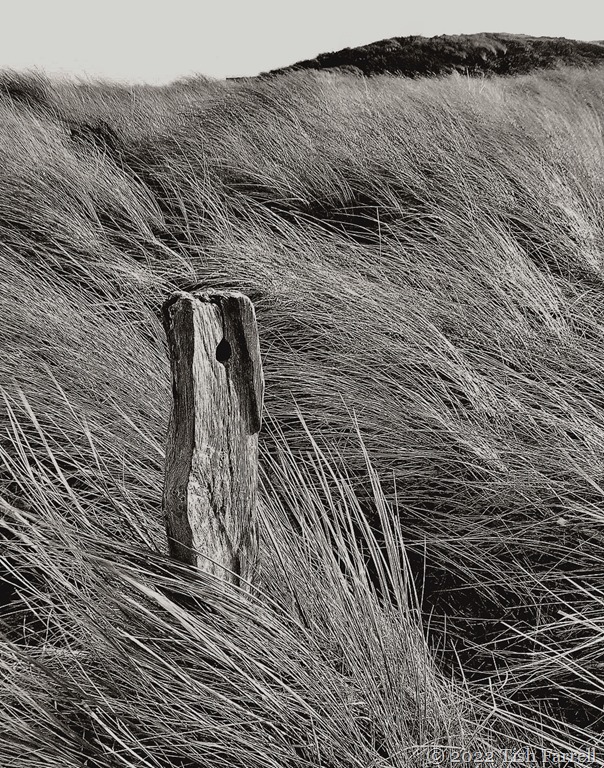
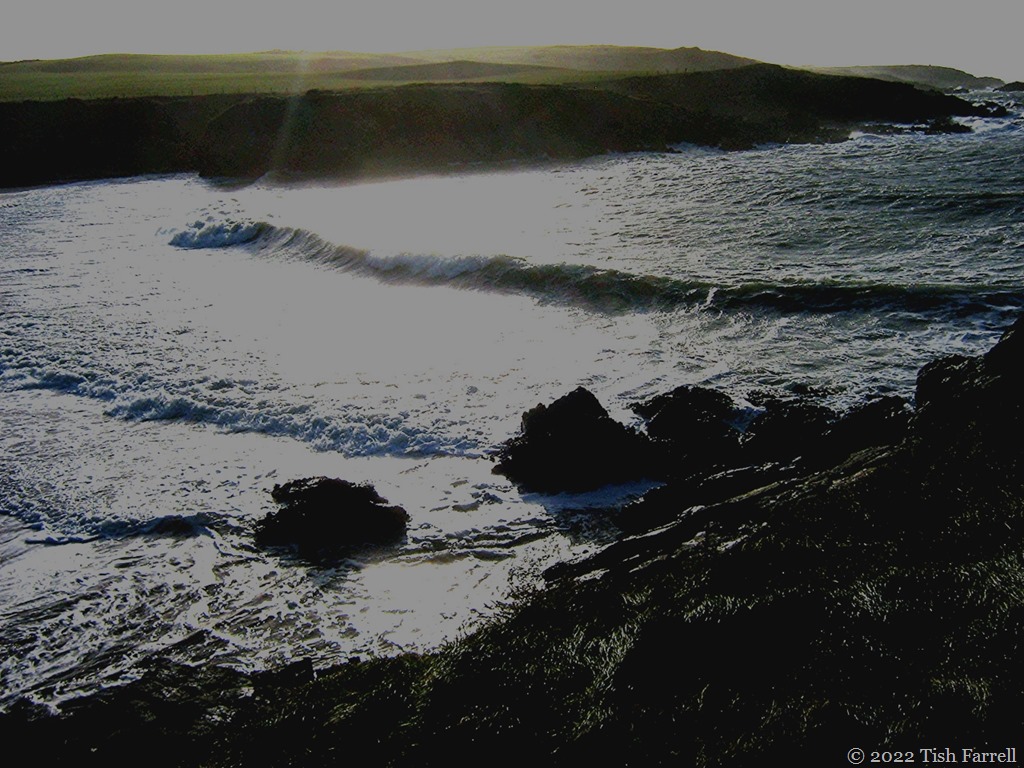
There may be signs of spring here in Shropshire, but the wind is still perishing cold. It’s reminding me of a wind-blown winter’s visit to Llanddwyn Island on Anglesey, where the sea-gale found every chink in one’s protective layers. Even so, it was a fine place to be: racing waves and whipped up grasses.

P1060369sq

P1060389cr

Cee’s Black & White Photo Challenge: one

The Changing Seasons ~ January 2022

IMG_9280

Our January blew in with sudden squalls and sea gales off the Celtic Sea, and a week’s sojourn on west coast Anglesey. From the sands of Aberffraw and nearby Newborough we could see the mountains of Snowdonia across the Menai Strait, a wood-cut frieze: sometimes steely grey, sometimes indigo; watch as snow dusted the high slopes. The place was blisteringly cold, but enthralling too. And we did have sunshine interludes too.

IMG_4227

IMG_4184

IMG_4168

*

And the deep-cloud afternoons did give up their gloom just in time for some breath-taking sunsets.

IMG_4270

IMG_4221

IMG_9268

*

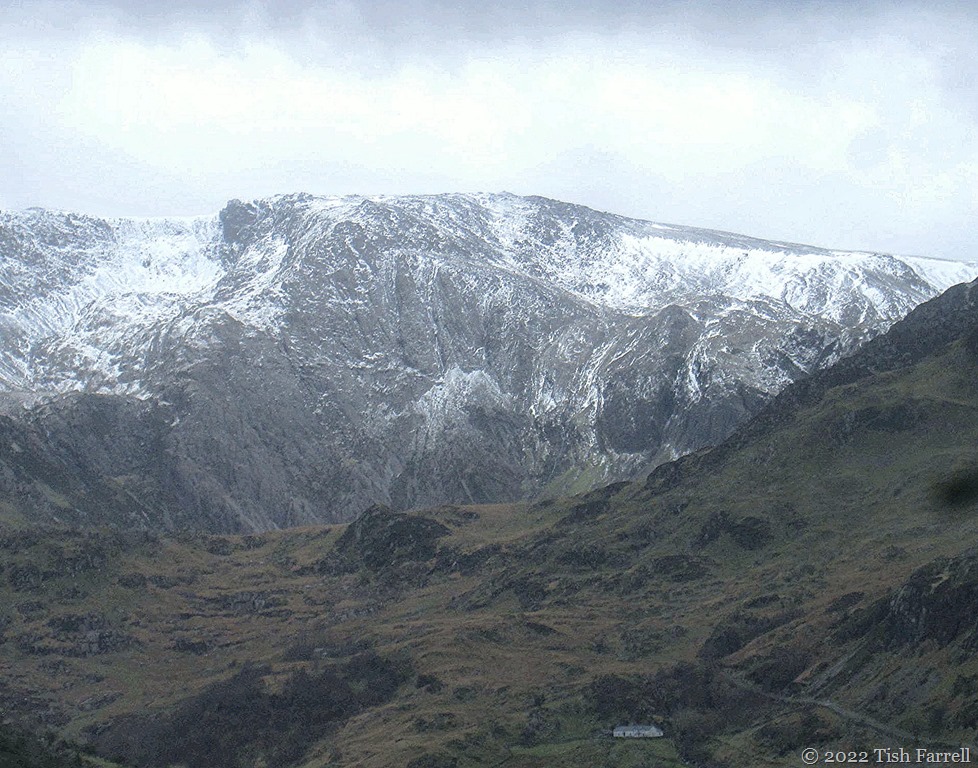
And then, too soon, it was time to leave, and then, as often happens when we drive over the Menai Strait away from Anglesey, the morning light failed. An eclipse of the sun? Some ancient Celtic curse on the land made manifest? In any event, our hundred-mile, mid-day drive home to Much Wenlock proceeded through a depressing dusk, although it did have its moment of mystifying grandeur as we wound through the Llanberis Pass. Can you spot the tiny white farmhouse at the foot of the photo?

IMG_9319resized

*

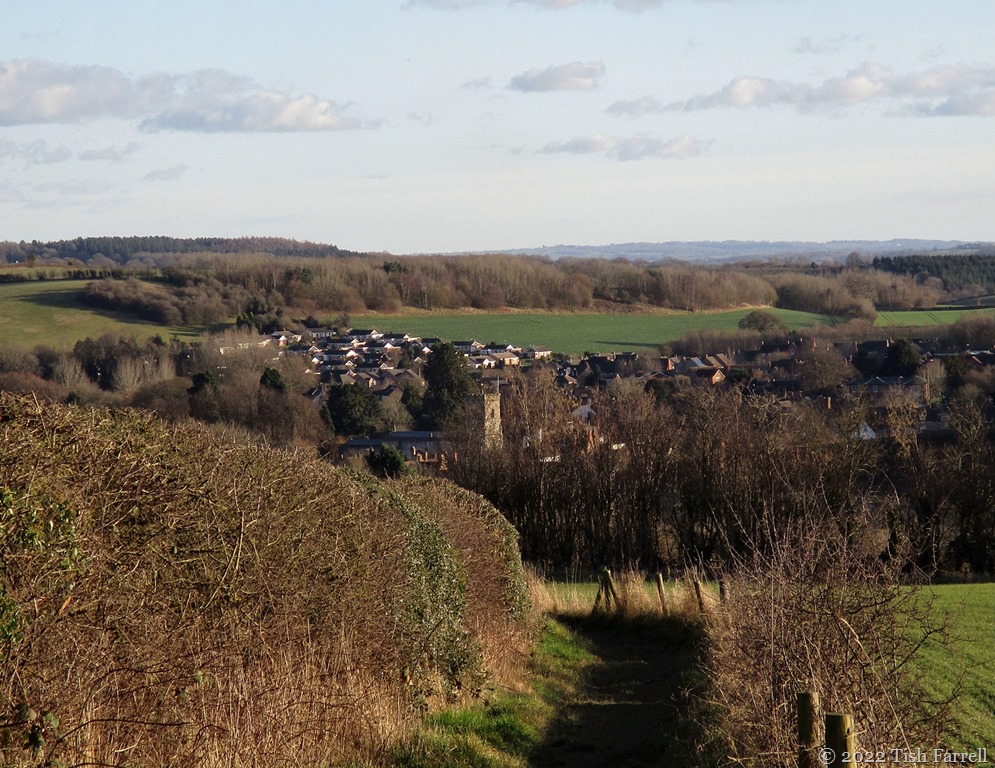
And so back home and last week’s walk up on to Wenlock Edge, taking the field paths behind the house. A gentler landscape certainly, and warmer too after a brisk upward hike. Also from our side of the Edge its true drama is quite concealed. We see only fields and treetops, but when you reach the path that runs along the ridge summit, it is only when you peer through the underbrush that you see that the land simply drops off – falling through hundreds of feet of hanging woodland, so steep as to be inaccessible except to birds and small mammals and perhaps an adventurous deer. This impression of no-man’s-land and apparent lack of management by humankind adds to its eeriness. On winter days, too, when the trees are bare, you can glimpse the village of Homer way below, and beyond it the farm fields of the Shropshire Plain.

IMG_0072

The path up to Wenlock Edge

*

IMG_0067

Looking back on the town

*

IMG_0082resized

Over the Edge

*

IMG_0088cropped

On the homeward path with view of the Wrekin

*

And on the home front, a wintery upstairs garden:

IMG_0004

IMG_0044resized

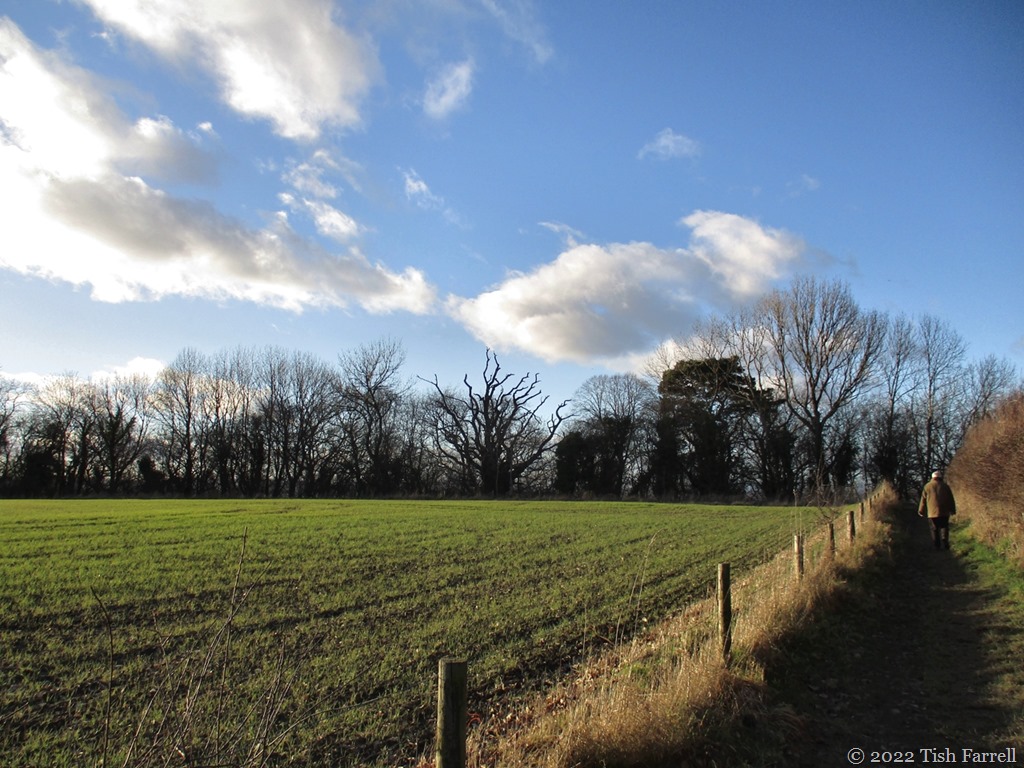
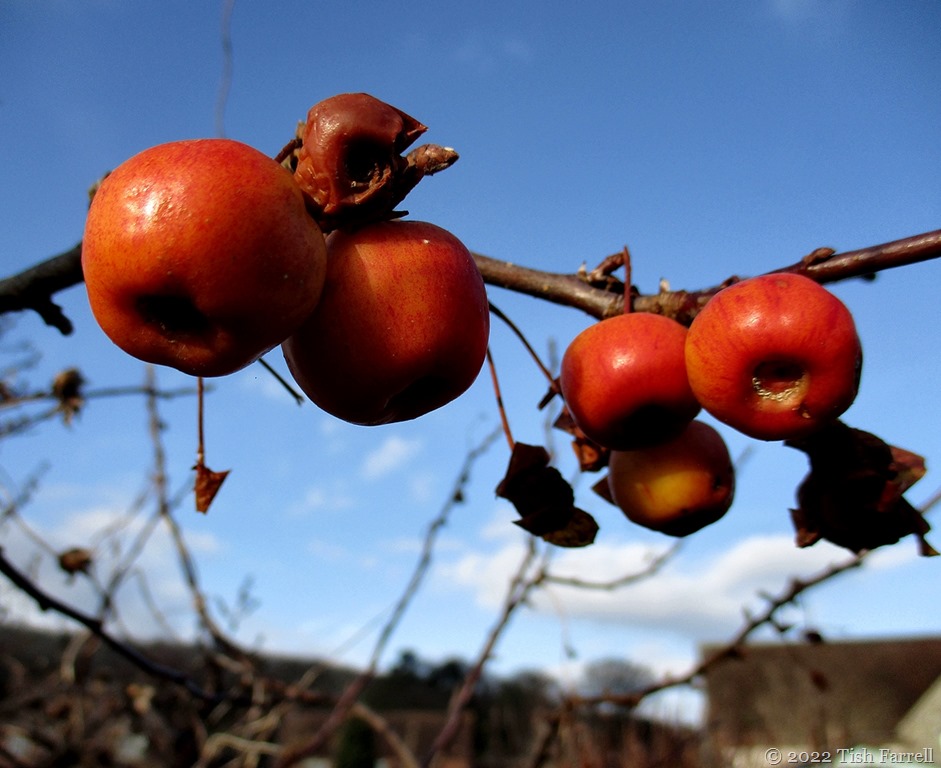
But still a few crab apples left

*

And in the kitchen: some surviving allotment marigolds and crusty spelt-flour soda bread:

IMG_0033

The Changing Seasons: January 2022. Please call in on our hosts, Ju-Lyn in Singapore, and Brian in Australia and see their January vistas.

The Beach At Aberffraw ~ January Sunset

IMG_4296cr

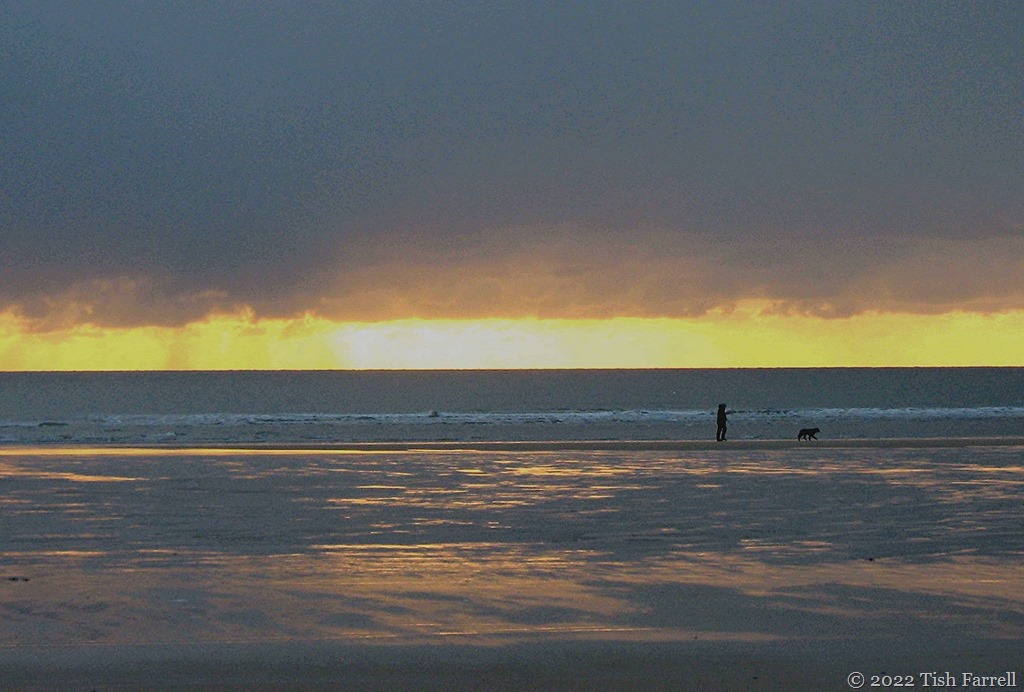
As I may have mentioned, once or several times, the January winds during our recent trip to Anglesey were vicious; not only the fearsome bluster but also the endless fusillade of icy darts that penetrated every ill protected piece of flesh. But they could not be avoided. My sister’s cockapoo needed walks, and coming equipped with built-in woolly suit, she did not give a fig for gales and freezing sea pools. If anything, they spurred her on: much racing and paddling and digging. It was hard not find such energy and all-round canine joy infectious. And then when we reached the beach beyond the dunes and estuary, there were sights like this: Celtic Sea sundowner; next stop Ireland. Tempest or not, how could this be missed. It had been so long since we’d seen and smelled the sea.

We weren’t the only ones to feel excited:

IMG_4151