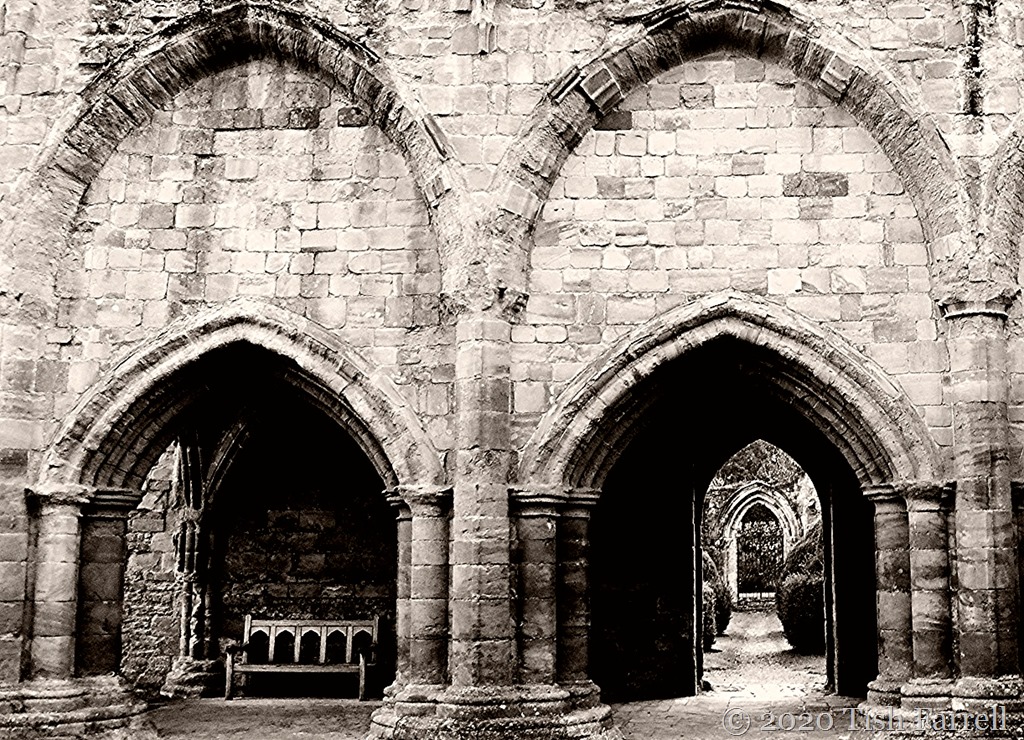
Wenlock Priory

*

The Wellingtonia seat on the Church Green
*

On Windmill Hill

*

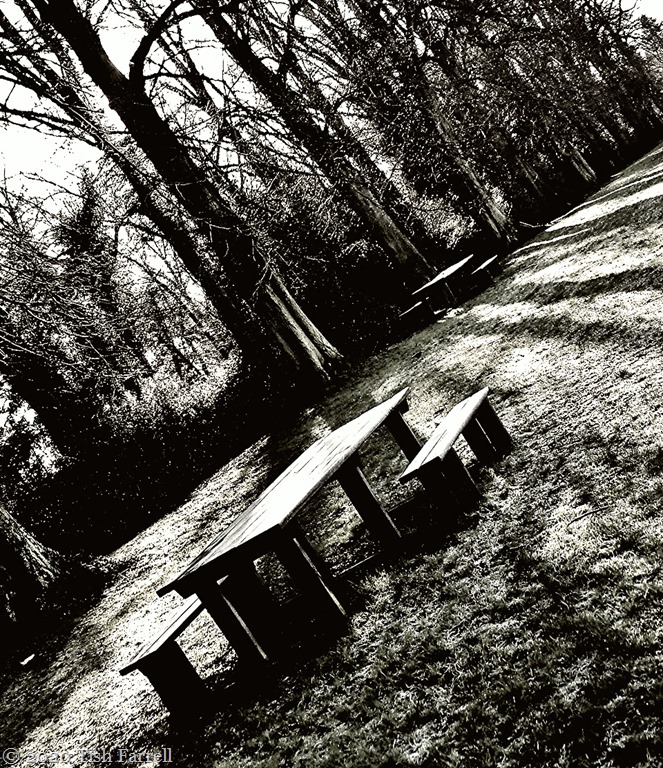
The Linden Field


Wenlock Priory
*
The Wellingtonia seat on the Church Green
*
On Windmill Hill
*
The Linden Field

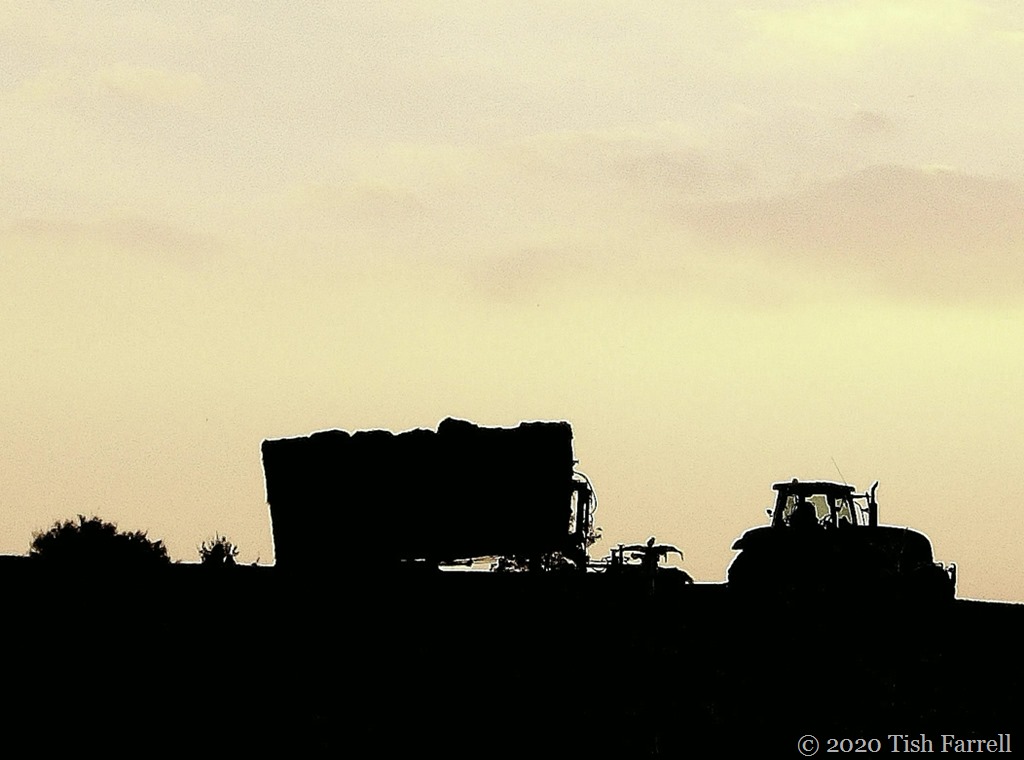
Our cottage at the back looks out over Townsend Meadow and beyond it, to the sky over Wenlock Edge. It is a westerly view so every day of the year we have a sundowner light show. Obviously some days the spectacles are more striking than others, but the sky over the Edge is always worthy of a good long ponder. We do much pondering here on Sheinton Street on the vestige shores of the Silurian Sea (circa 400 million years ago), when it was somewhere else entirely. Probably a little north of the Comoros Islands in what is now the Indian Ocean. A thought worth embracing. Or at least a prowl around its peripheries.


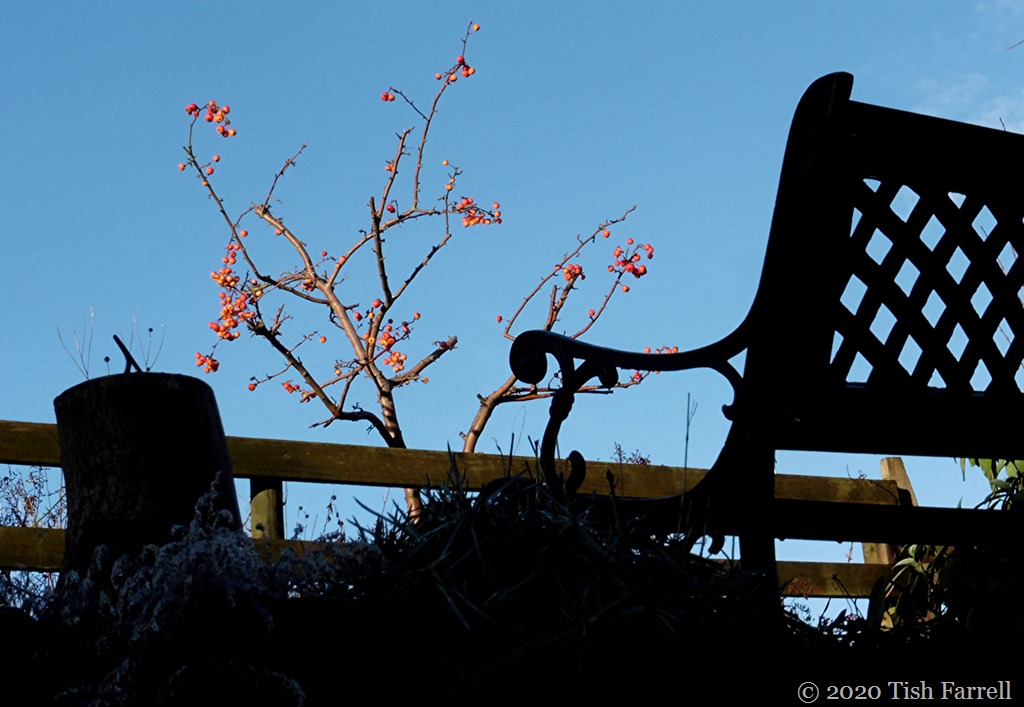
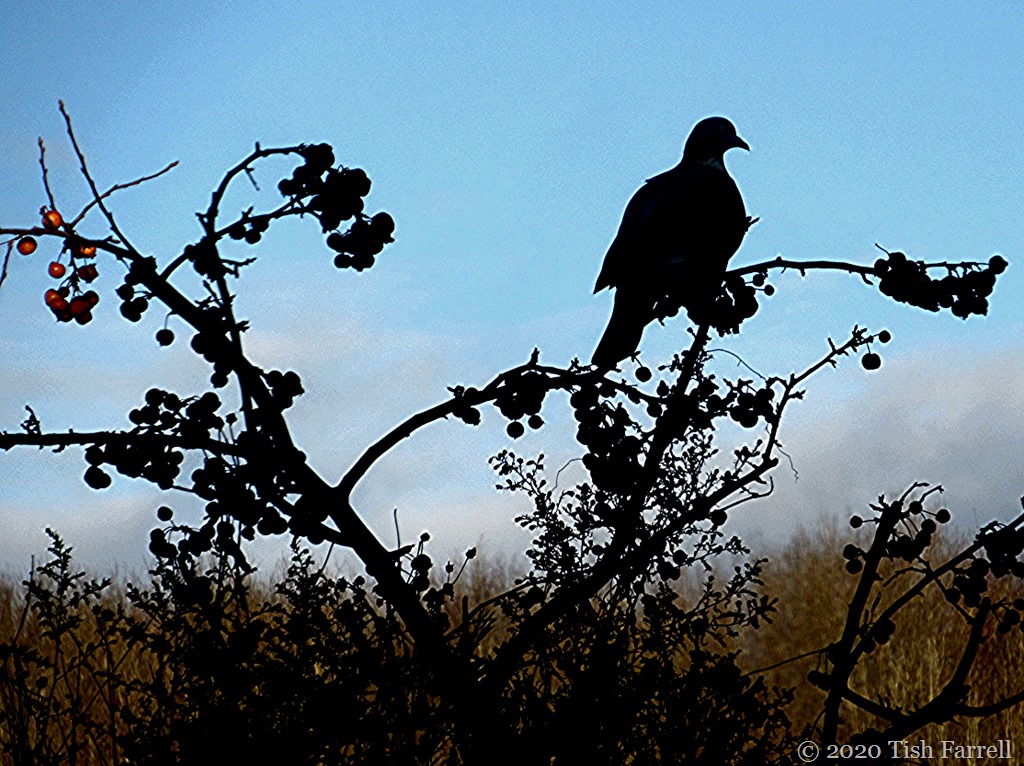

I’ve posted these archive shots in response to Jude’s this week’s light challenge over at Travel Words:
“This week’s assignment – Use strong backlighting (i.e. shooting towards the light source, but do not look directly at the sun) to create a contre-jour image where the subject becomes a silhouette, OR shoot the light through flowers or leaves creating a transparent effect.”


Lots of people around the town have been keeping fit. Hats off to them. And so, as well as admiring the energetic zeal of this determined young woman, you also get to see the august lime trees of Much Wenlock’s Linden Walk just coming into leaf. Every day the green haze grows greener.
There’s a strong connection too, between these trees and physical exercise. The limes were planted by the town’s physician and his chums in around the 1860s. Dr William Penny Brookes knew a thing or several about people staying healthy – in body, mind and spirit. It was why he invented the Wenlock Olympian Games (begun in 1850) which still take place every year on the field to the left of this avenue. On the right of the Linden Walk ran the railway – whose arrival in town was also facilitated by the wise doctor’s lobbying. It once brought thousands of people from far and wide to see the games. I think Dr. Brookes would be very pleased us – we’re all shifting ourselves one way or another – gardening, walking, cycling, running.
Talking of shifting, it’s gone 5 pm and the allotment calls. Time to trot across the field and get some spuds in.

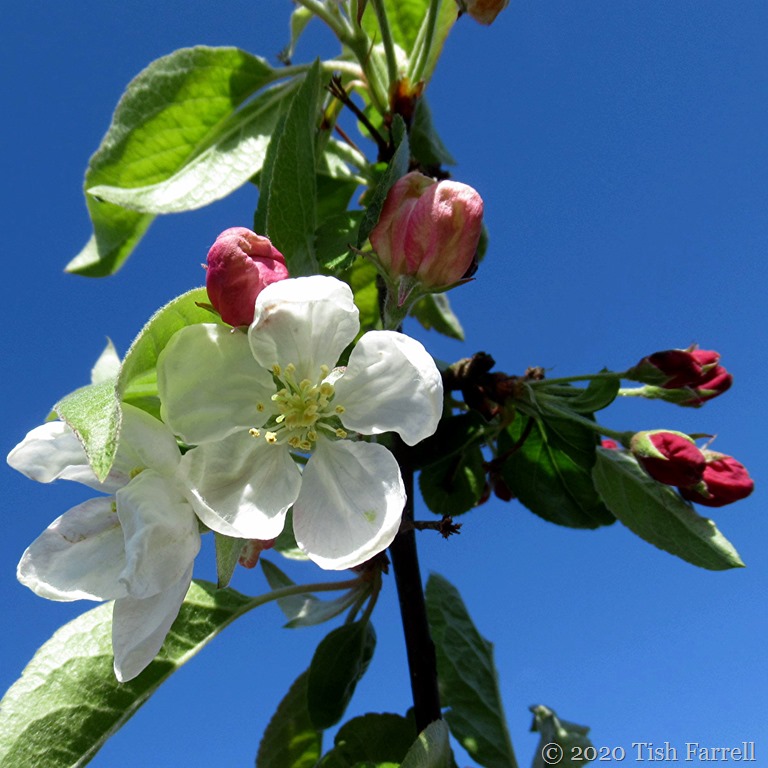
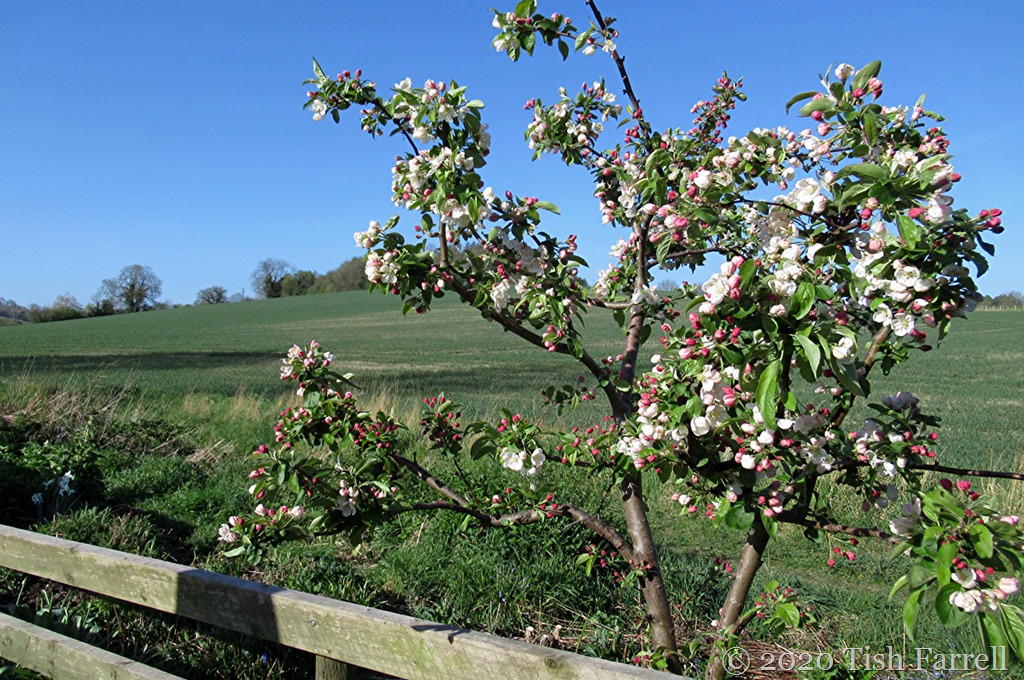
Here she is, our Japanese crab apple tree, Evereste, caught this morning in first flush over in the guerrilla garden. Full-on sun too, though the air is icy. It is both heartening, and yet surreal to see spring vegetation unfolding so graciously around us. Such strange and unprecedented times we’re living through; so many unsubstantiated and unchallenged narratives. Only time will tell which ones are true (or maybe not). In the meantime there are the small certainties, the truth that this apple flower is perfect in its own particular way. And that if a bumble bee happens by to pollinate it, then in October there will be a miniature rosy apple growing here, which in turn will give us pleasure and in December make a meal for a hungry blackbird.

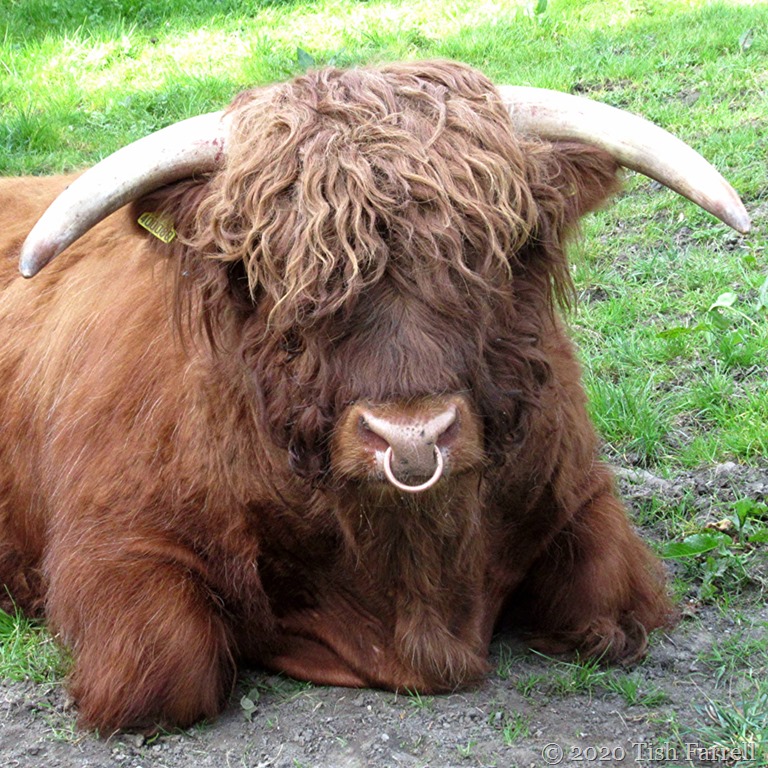
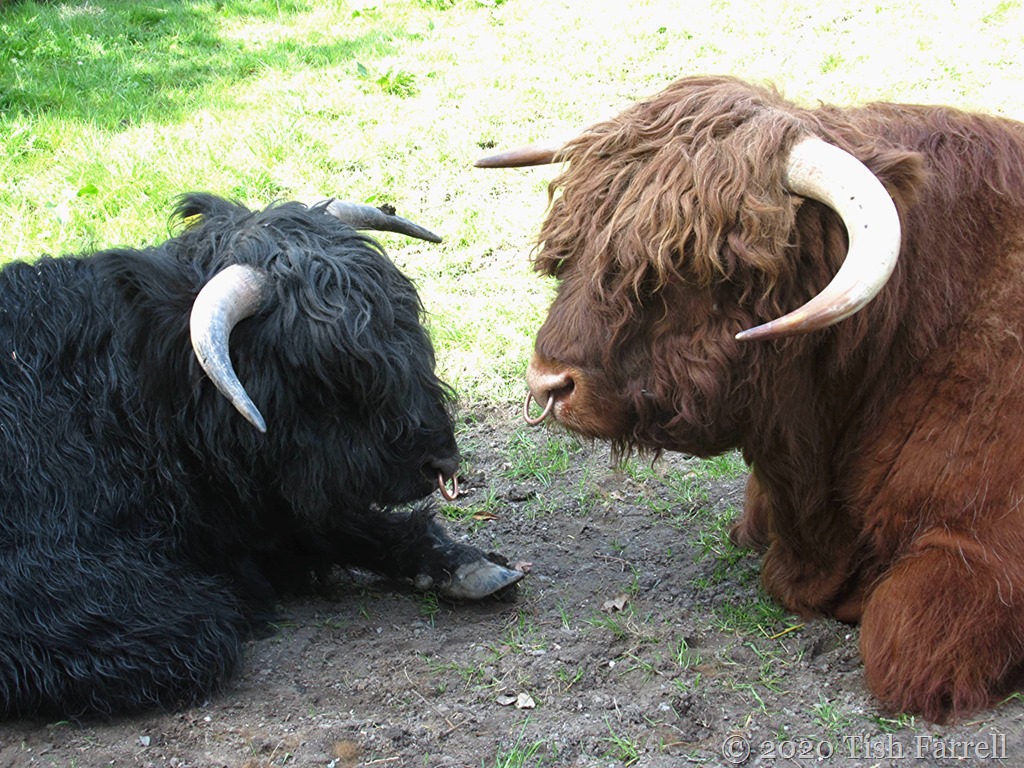
When we walked into town yesterday down the Cutlins path we pleased to see members of the McMoo clan back in the meadow. And a little family group by the looks of it – daddy, mummy and junior McMoo.
And the parents all but canoodling while offspring was exploring the peripheries of the town’s electricity substation.


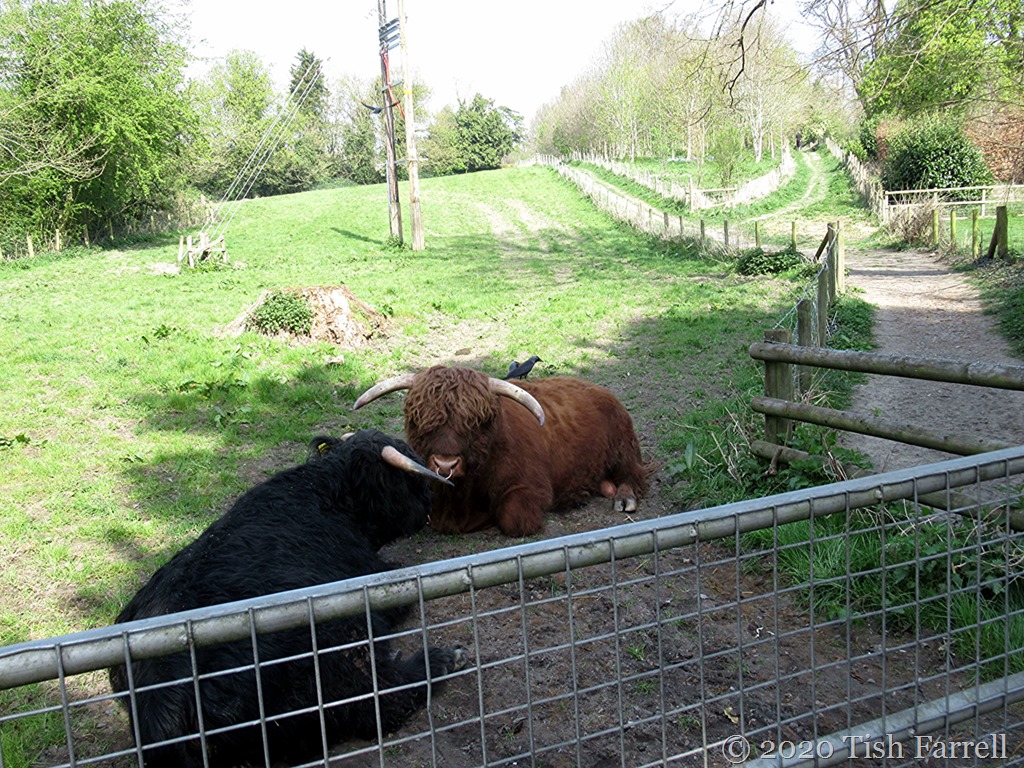
On the return trip, shopping accomplished, we found the local jackdaws had discovered the McMoos too. They were busy plucking the bull’s winter coat for a spot of nest building material.
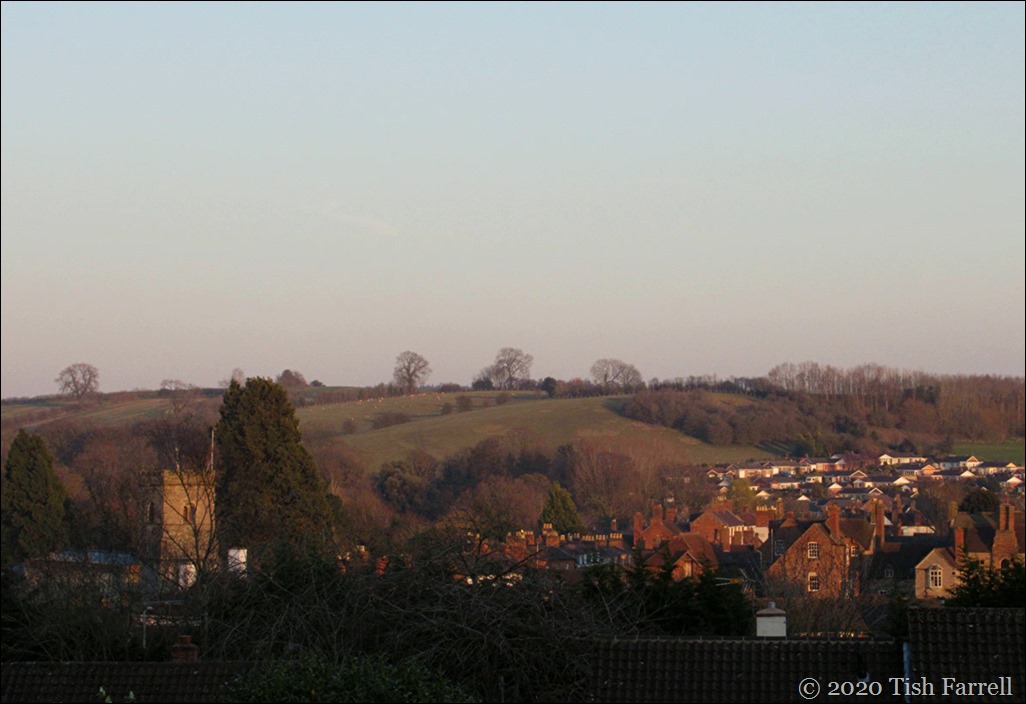
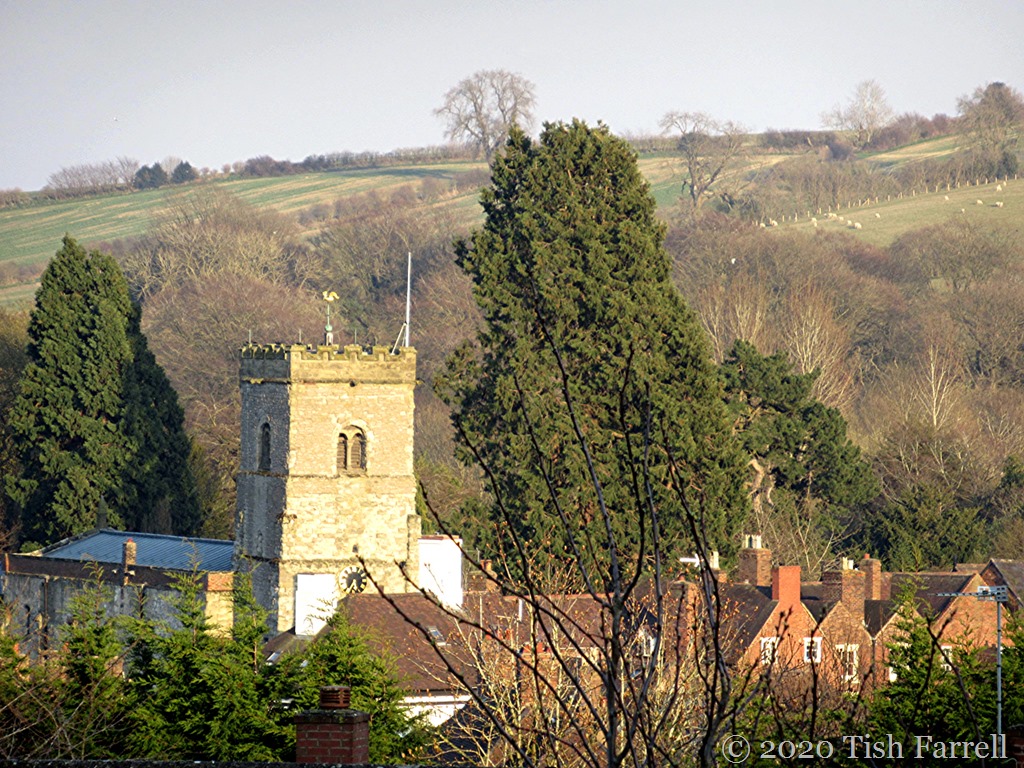
Here we are – a week and a half of home confinement, and I’m thinking Much Wenlock is a pretty nice place to be if one has to live under the lockdown regime. People in the town are trying very hard and with good humour to stick to the strictures of ‘no mingling’, and of course it’s not too hard to do where the population is small and there is plenty of space.
But I can’t help thinking where this will leave us – once the panic abates. Much will have changed; possibly for the foreseeable future. Coming out of isolation may prove a challenge for many. One thing is certain, we must not lose faith in our fellows. We must restore confidence in society in all senses and not keep seeing neighbours and all other humans as vectors of disease, particularly one that has been so badly presented in the often excruciatingly salacious mass media fear-fest.
In the meantime, I am still allowed to walk across the field to my allotment. There are many signs of new growth there despite days of icy winds. The artichoke plants, Swiss chard, over-wintered cauliflower plants, and sprouting broccoli are looking vigorous. There are a few leeks left to eat, assorted salad greens in the polytunnel, and I’ve planted out most of my broad bean seedlings. At home the conservatory is chock-a-block with young pea plants. The spuds are also well chitted and I’m hoping that it will be warm enough in the coming week to get some in the ground.


*
And despite the cold, there have also been some amazing-light interludes – ethereal sunshine that opens eyes and mind and spirit in elevating ways. And of course the star of my March snaps has to be the red-legged partridge that arrived so surprisingly on our shed roof the other morning and then launched into full cry for the benefit of any other partridges out there. Coooo-eeeee! For those who missed that post, here’s a reprise along with other views from Wenlock in these stay-at-home days.


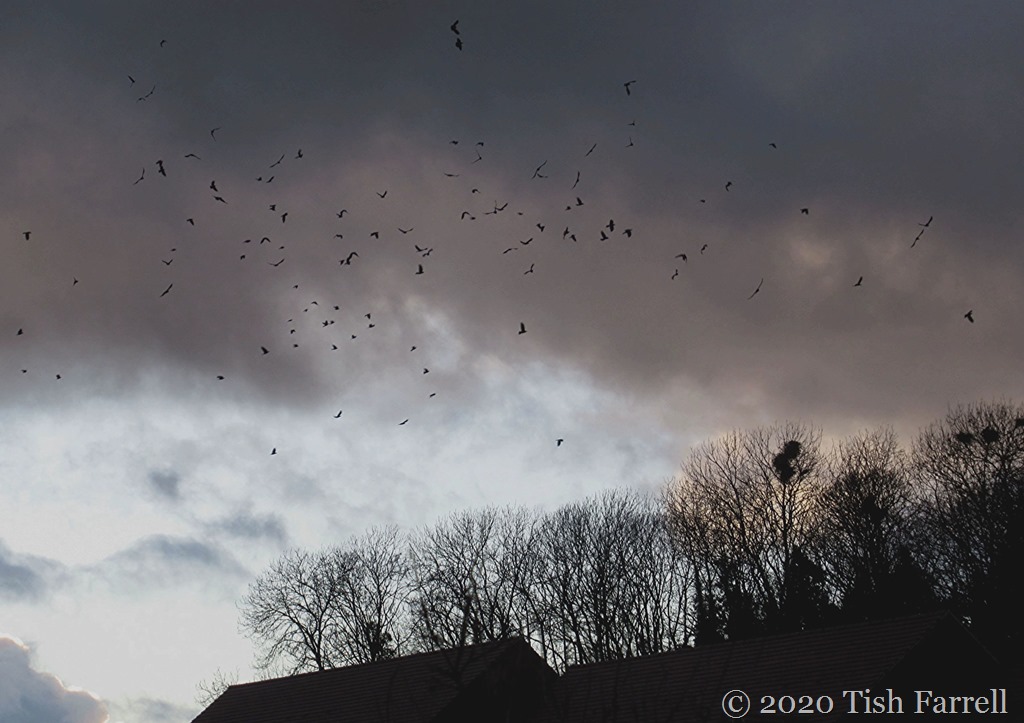

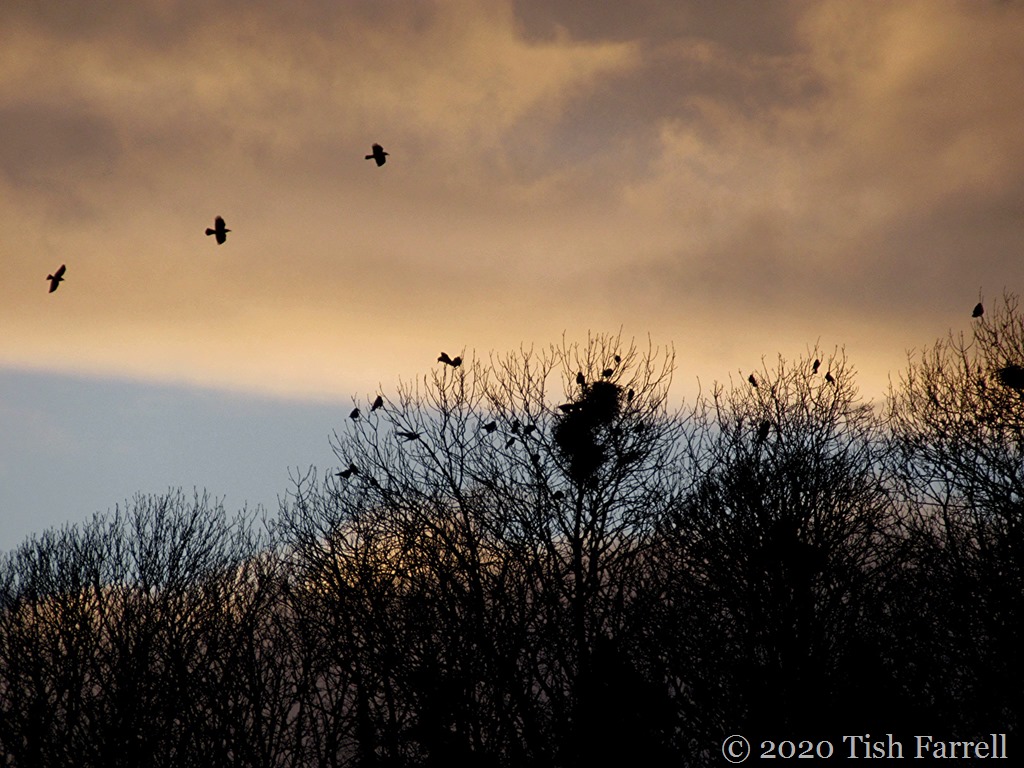
As with cloud-watching over Wenlock Edge, so with keeping an eye on things at the rookery behind the house. It’s endlessly fascinating: a visual meditation if you like. One thing that happens after the rooks return each twilight after the day’s foraging in the fields, is that there’s a general settling in the treetops. The roost is also shared with a large number of jackdaws. For a time after the general homecoming all seems peaceful, just some low-level muttering between fellows.
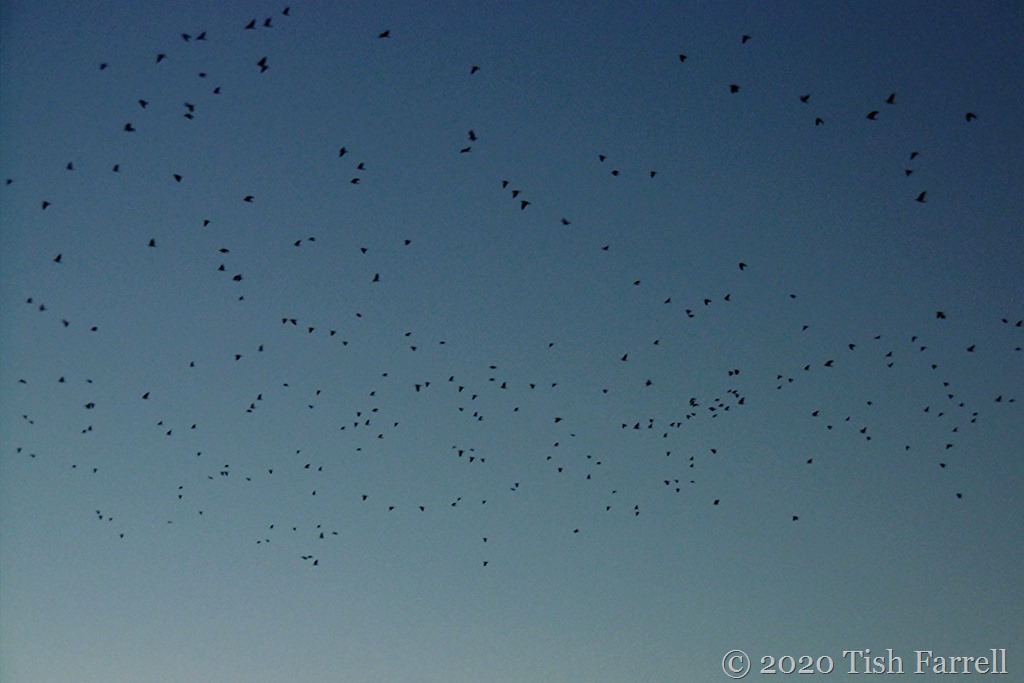
And then for no obvious reason (at least not to me) there’s a mass explosion from the wood, followed by a great whirling and swirling, which then may, as spring approaches, evolve into a full-on balletic extravaganza.

Cohorts of rooks and jackdaws divide and swoop, re-gather, execute a Mexican wave, divide and swoop on and on. The show may last for several minutes. If you happen to be walking over the field when it happens, as I was last night returning from the allotment, it can be almost elevating; the sense of avian energy lifting your heels from the earth. Wheeee-eeeesh! Let me join in.
*
But then, just as suddenly, it all stops. The birds alight in the wood, and all is quietness again. Perhaps it never happened.
*
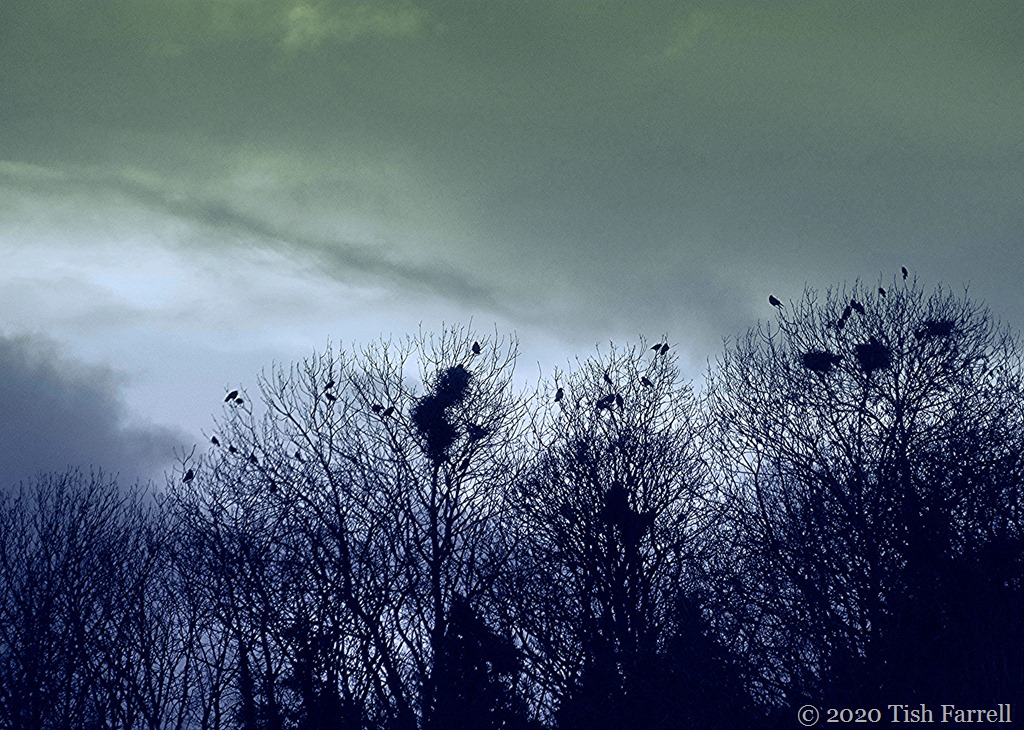
A small helping of earth magic for challenging times.


Below Wenlock Edge on the way to Westhope.
*

The Downs Mill lane two winters ago.
*

Much Wenlock High Street, Reynold’s Mansion built in the 16th and 17th centuries on the immediate left.
*
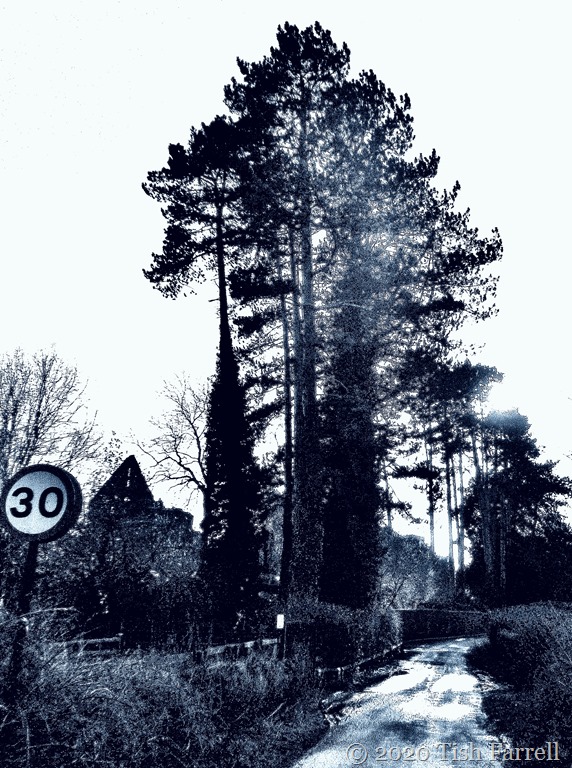
The lane by Wenlock Priory ruins and some fine Corsican pines.
*
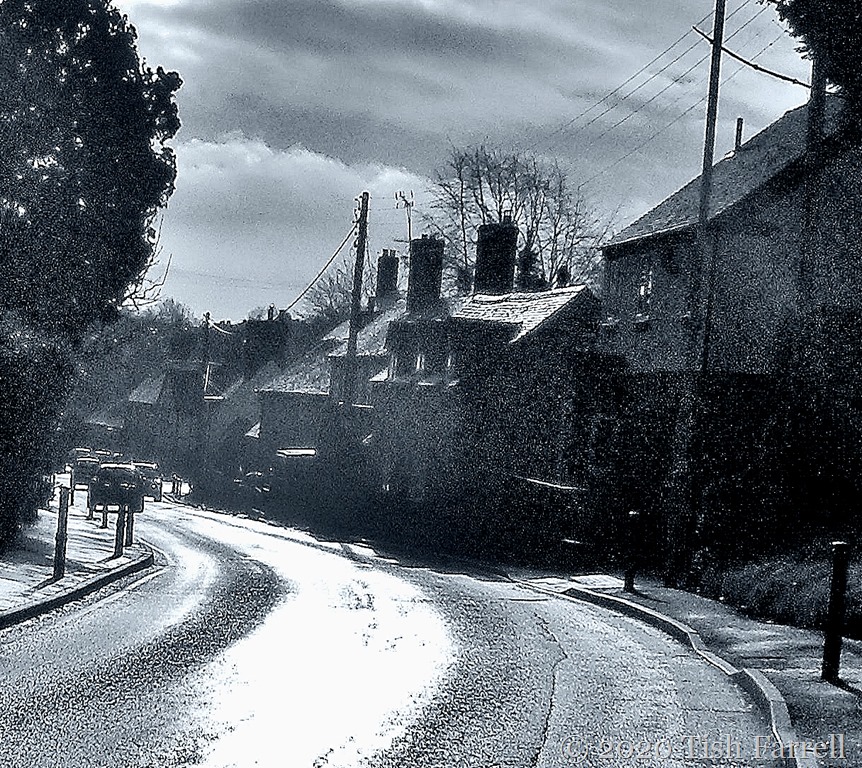
On home territory – a shining on Sheinton Street.
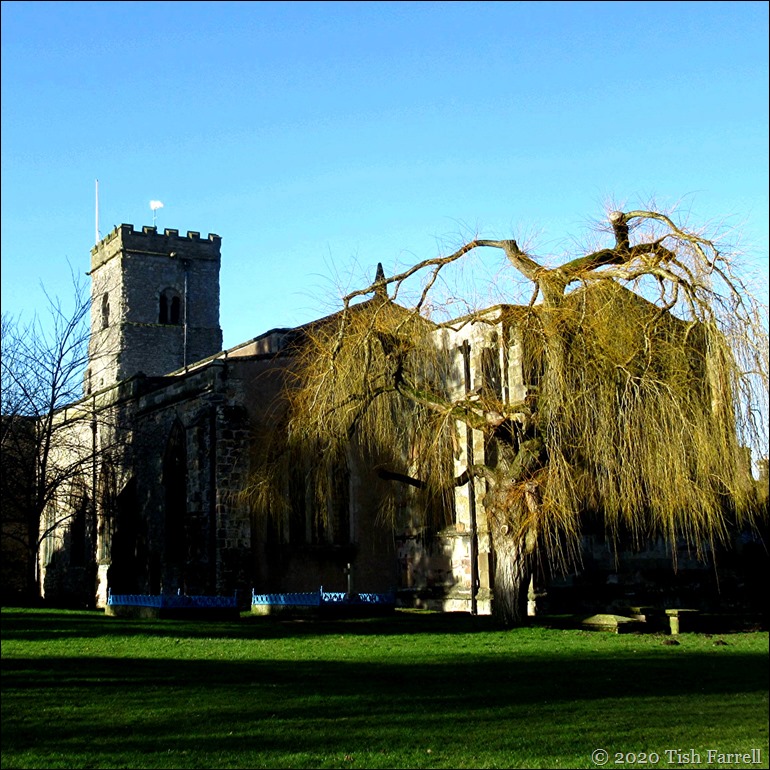
A bit of an odd phenomenon I thought on Monday as we were walking across Wenlock’s Church Green. And not only because we had sunshine – a rare event over the past few months – but also because the willow tree appeared to emitting its own light. The sunshine was also catching the edge of William Penny Brookes’ grave (1809-1896), he who was the town’s enlightened physician and who in 1850 recreated the Olympian Games as an annual town event. These games attracted national and later international interest. Brookes was in correspondence with Baron Coubertin (often given the credit for masterminding the modern Olympics) who visited Wenlock to see the games for himself. The model that William Brookes had perfected, down to the designing of the medals, was the actual inspiration for the creation of the modern Olympic Movement.
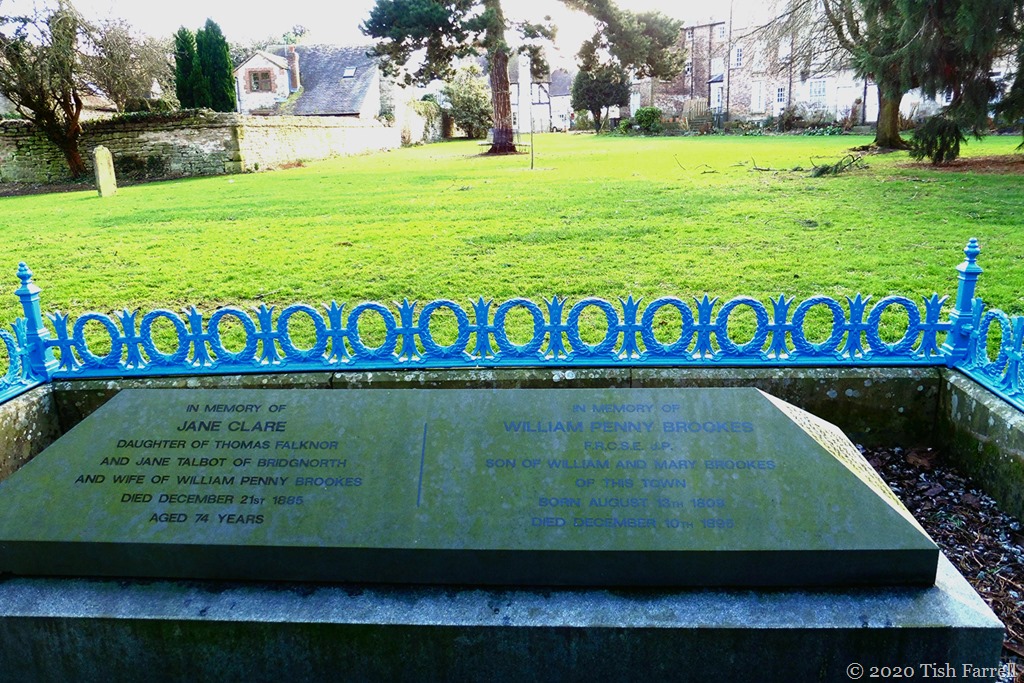
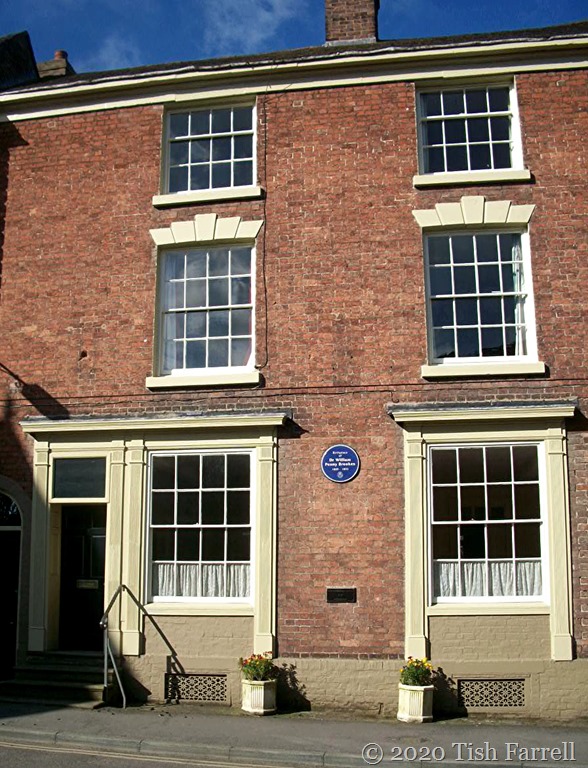
Brookes was a man who operated on many fronts when it came to improving community wellbeing. He was responsible for the arrival of the railway and the gas works, founded a library and the Agricultural Reading Society for working people, conducted trials on children’s bodily fitness and lobbied for the introduction of physical education to British schools. The link above gives a brief summary of his life and legacy to the town, and indeed to the world at large. The house where he lived stands opposite the church, marked with the requisite blue plaque. He is well remembered.
http://www.wenlock-olympian-society.org.uk/ for more information on past and present Wenlock Olympian Games
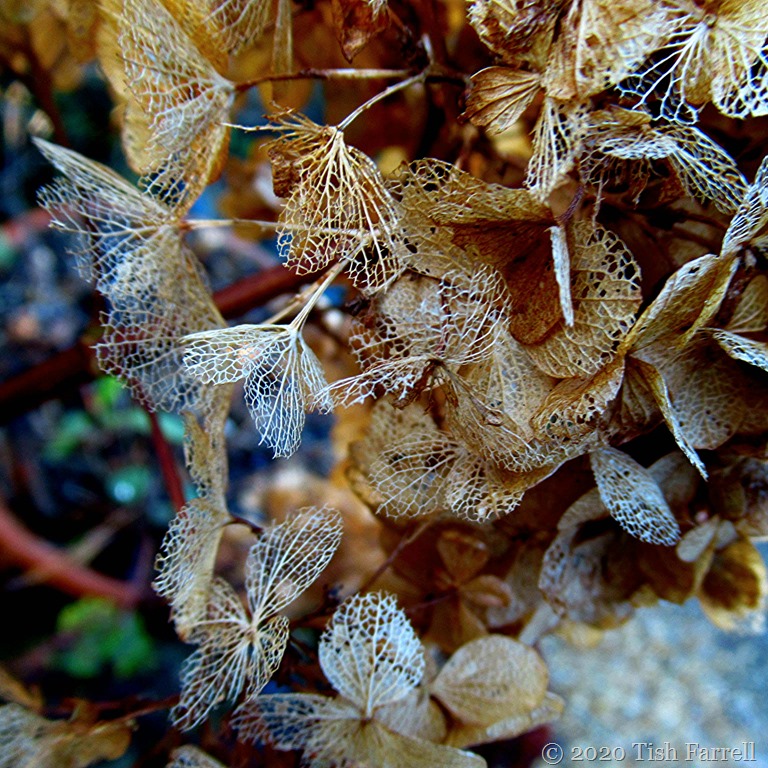
I know – another made-up word, and it’s all Becky’s fault down to Becky’s inspiring January Light squares challenge. Anyway, I am justifying this particular piece of word smithery on the grounds that these hydrangea flowers were indeed a product of summer sunlight, and so what we see here on a frosty January morning is a manifestation of residual light as it gently decays. This is my ‘story’ anyway.
