It’s A Small World ~ Over The Garden Fence

Most of you who come here often will know that over our garden fence beside  the field path we have been encouraging a wilderness garden to flourish. Most of it is not on our land, and so we call it ‘the guerrilla garden’, referencing a movement that began some years back and involved certain UK citizens going around, often under the cover of darkness, establishing gardens in derelict and unsightly corners of public spaces.

Our version was aimed at encouraging bio-diversity, mostly of the insect kind. It is wholly unplanned and includes some cultivated herbaceous species i.e. those that had grown too uncontainable in our small garden and had to be set free, the crab apple that had to be moved when the garden steps were being rebuilt, wild flowers sown and invaded, and quite a few weeds. I don’t do much to it beyond a big tidy up in the autumn, though I do have to tackle the fieldside margins now and then to stop the thistles and brambles from taking over.

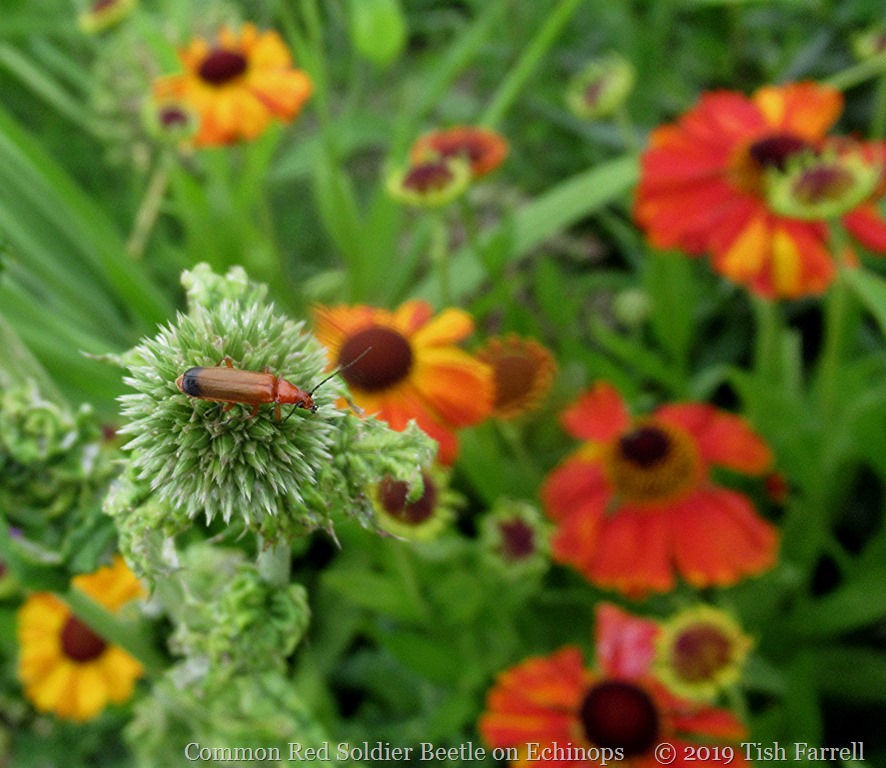
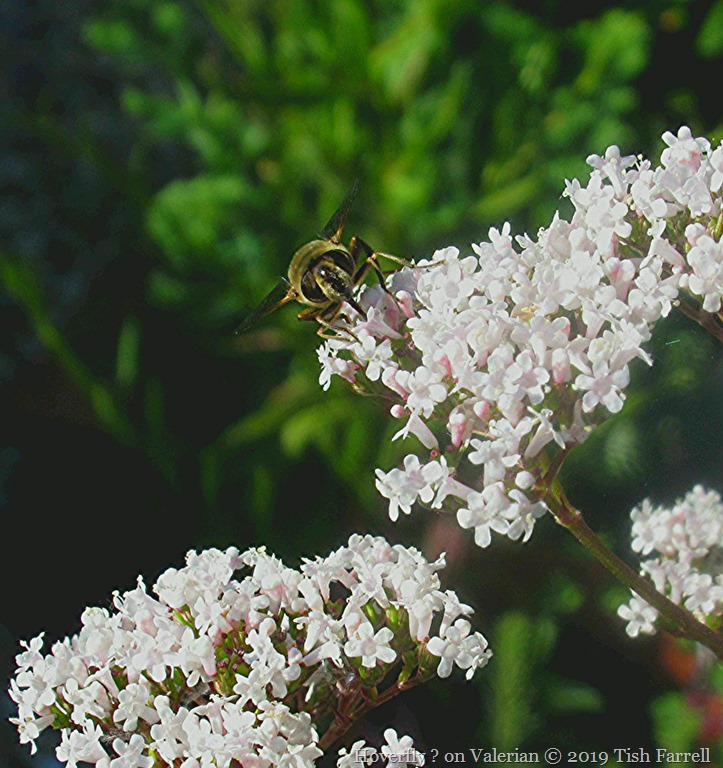
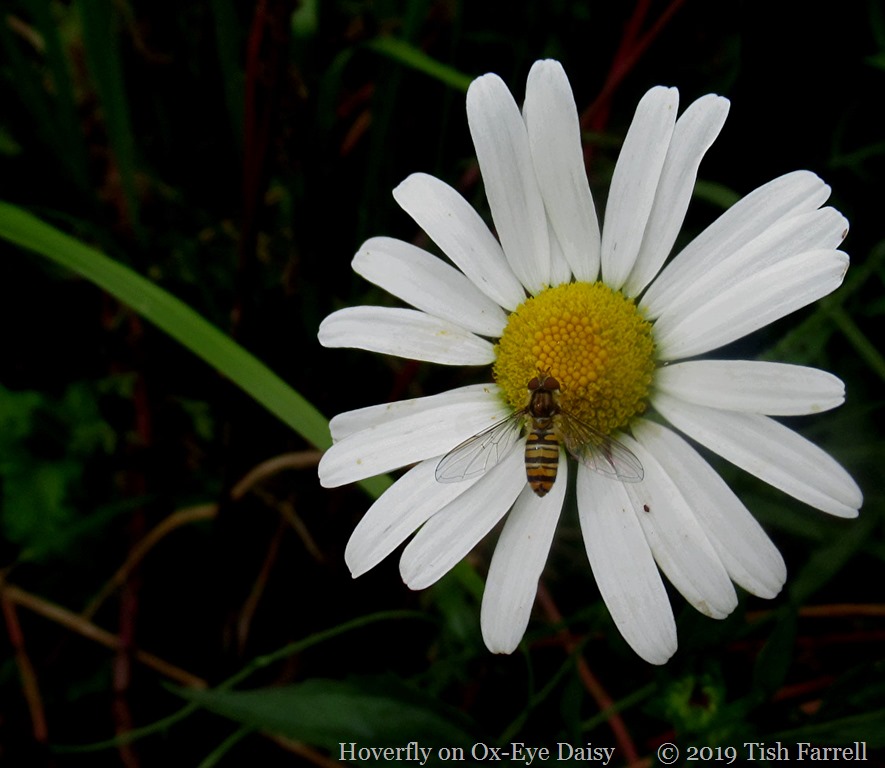
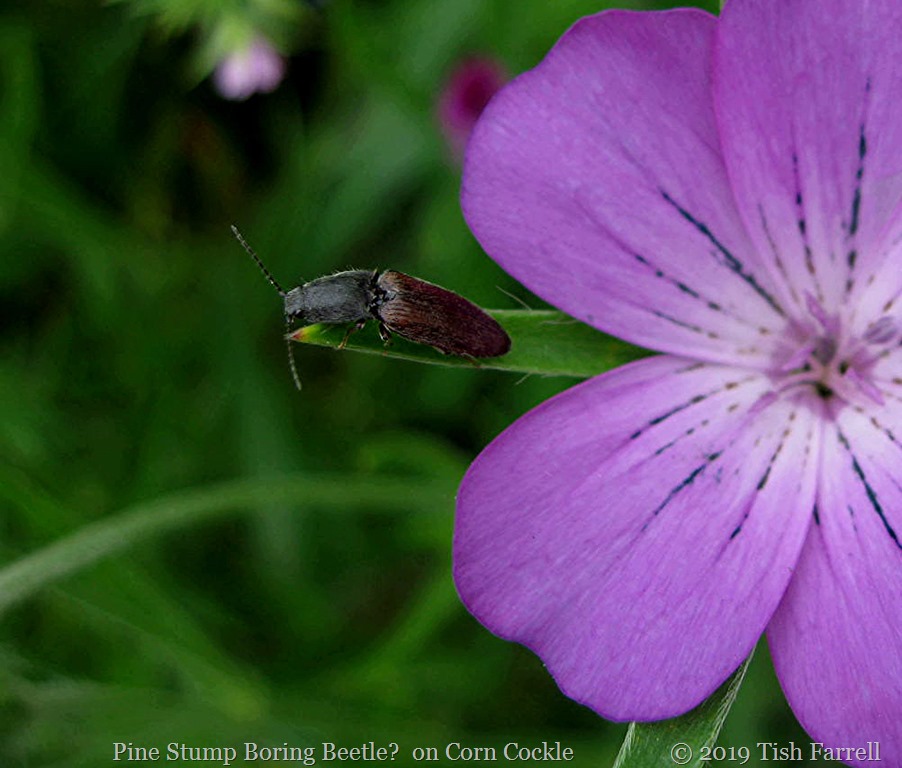
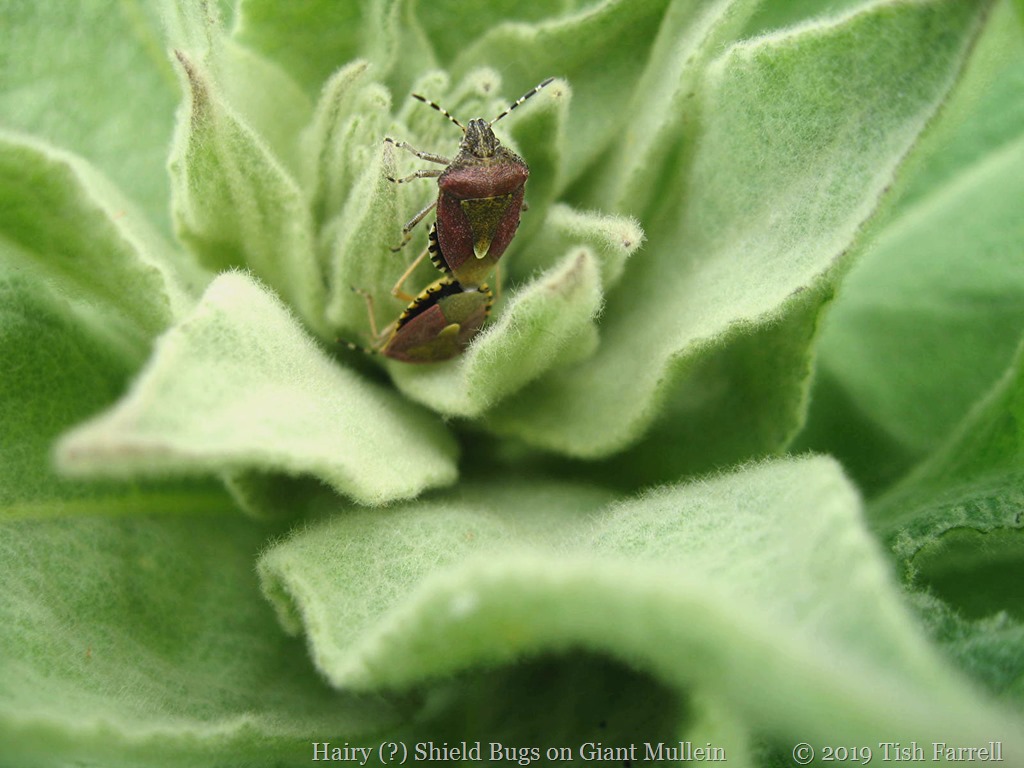
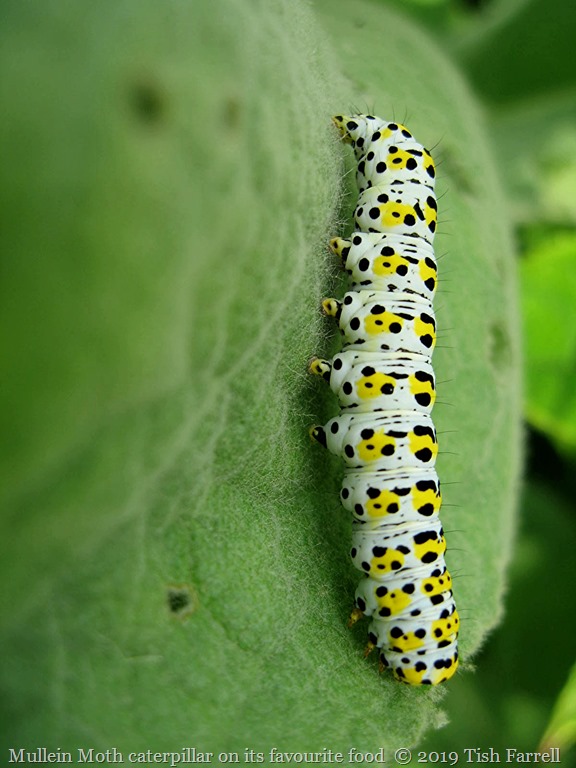
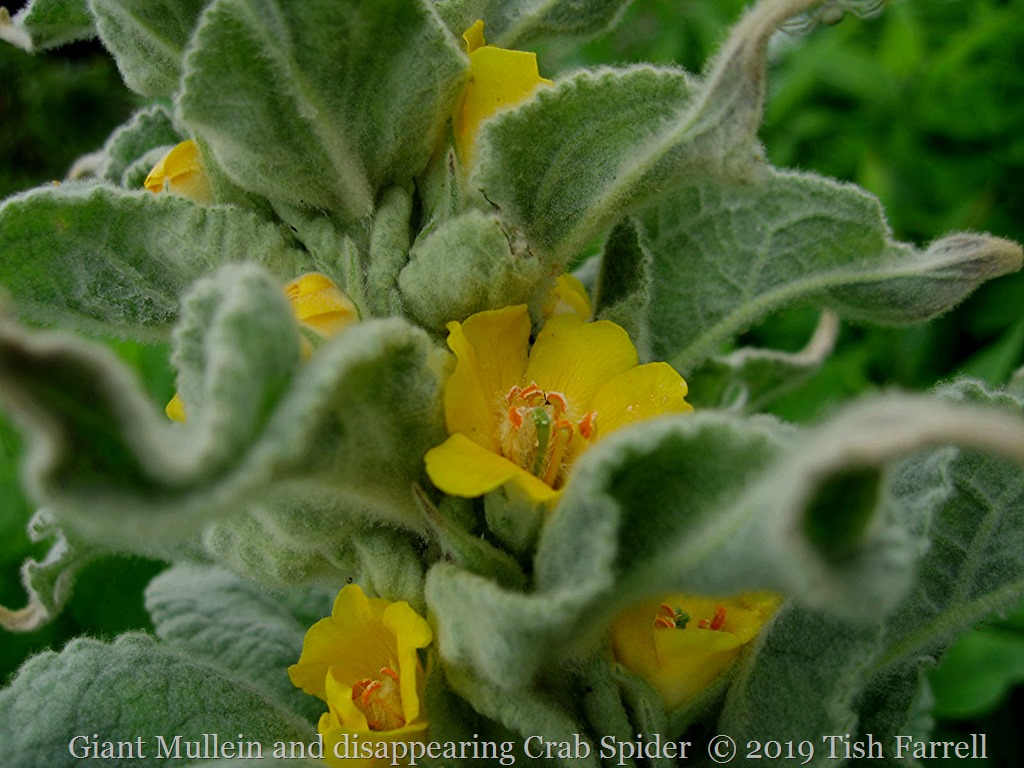
Anyway, the ensuing floral jungle is a great source of pleasure for six months of the year, and once you start peering over the fence to study it whole hours can pass. So here’s a glimpse of some of what goes on there . I should perhaps warn you before you set off, the photo of the Mullein Moth caterpillar is very much larger than life. Also, who can spot the crab spider in the close-up of the Giant Mullein flowers? And anyone who has more accurate identifications of the ‘?beetles’ and hoverflies (Pete?) please shout up.

IMG_2879

IMG_2739

IMG_2817

IMG_2812

IMG_2877

IMG_2873

IMG_2867

IMG_2448

IMG_2248

IMG_2255

IMG_2445

IMG_2442

IMG_2601 (2)

IMG_8509

IMG_2861

IMG_2521

IMG_2822


Lens-Artists: Detail This week Patti sets the challenge.

For more about the Lens-Artists photo challenge go HERE


Just Now ~ The Blue Over Wenlock Edge

IMG_2858sq

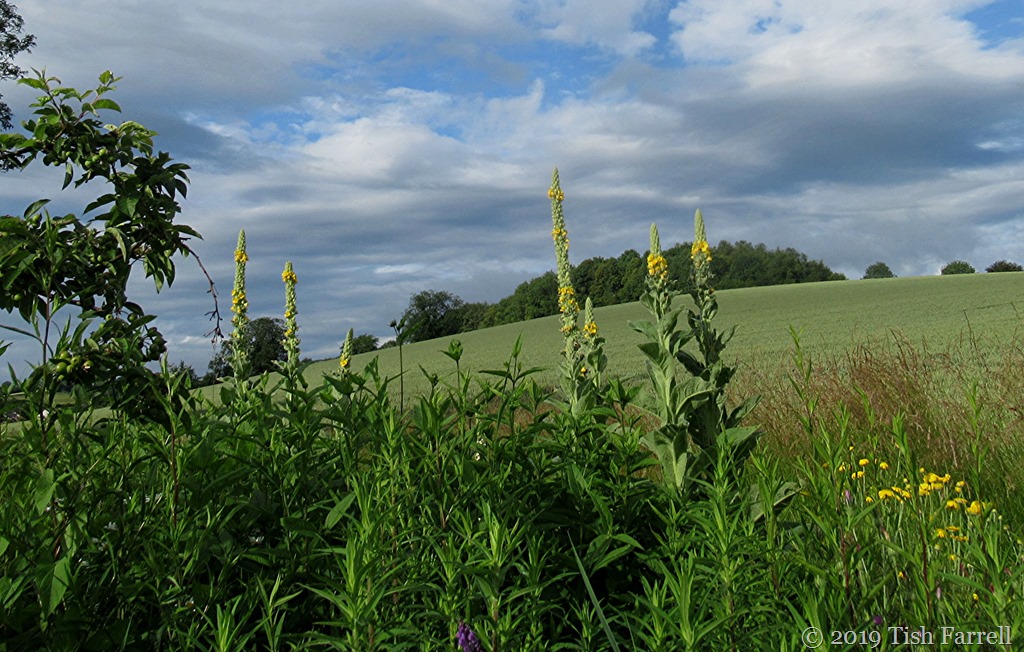
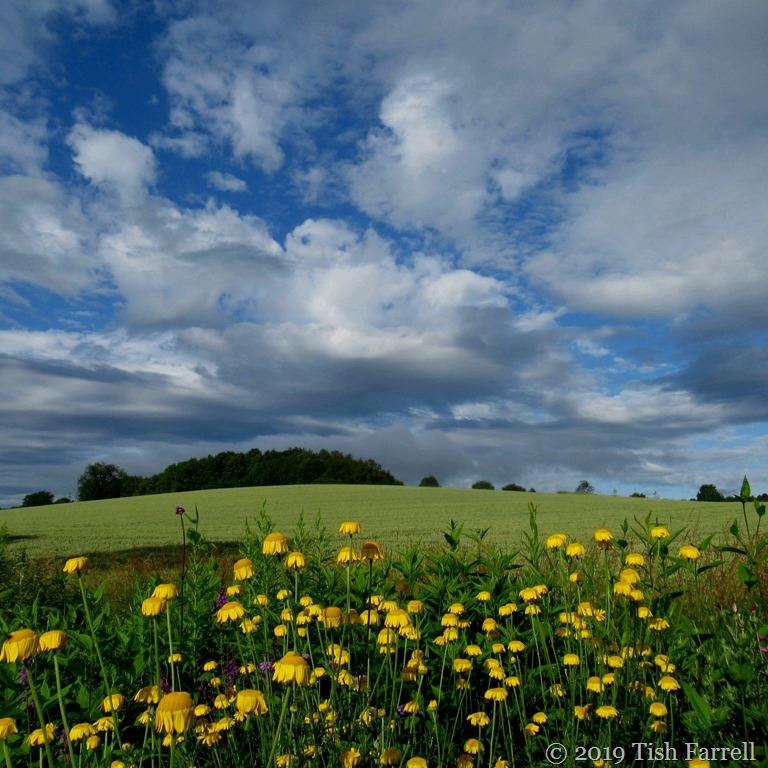
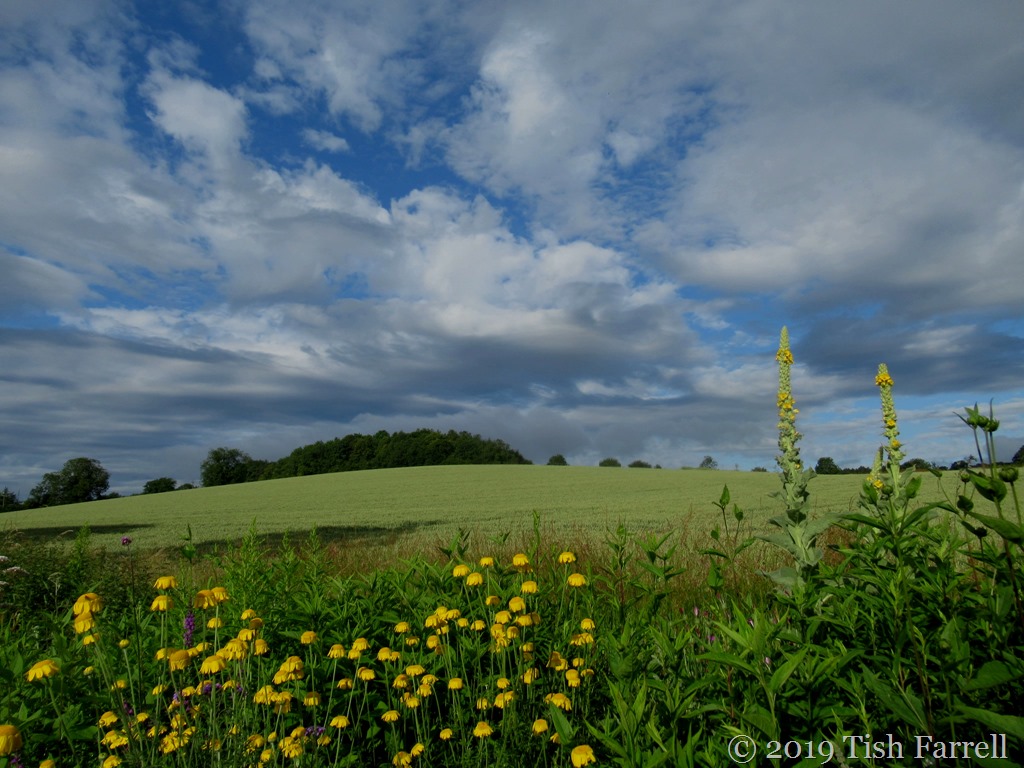
I noticed last night that the wheat in Townsend Meadow is on the turn – the silver-grey ears taking on the faintest sheen of gold. Out in the guerrilla garden there is also much gold on the go. The chamomile daisies are over a metre tall, and the giant mullein are being truly gigantic. Soon the helianthus will be blooming and it will be full-on yellow, here on the edge of Wenlock Edge.

IMG_2859

July Squares #11

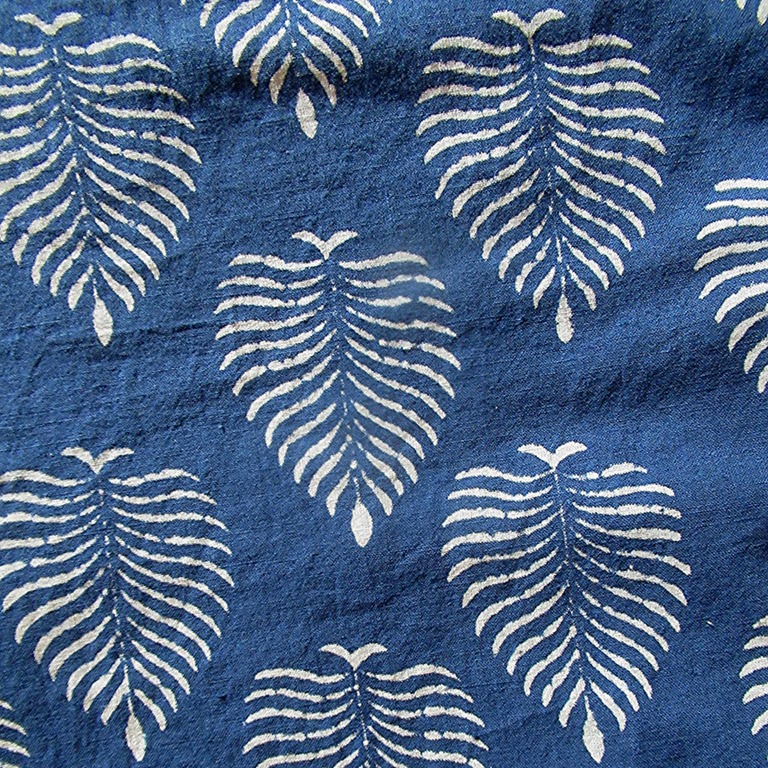
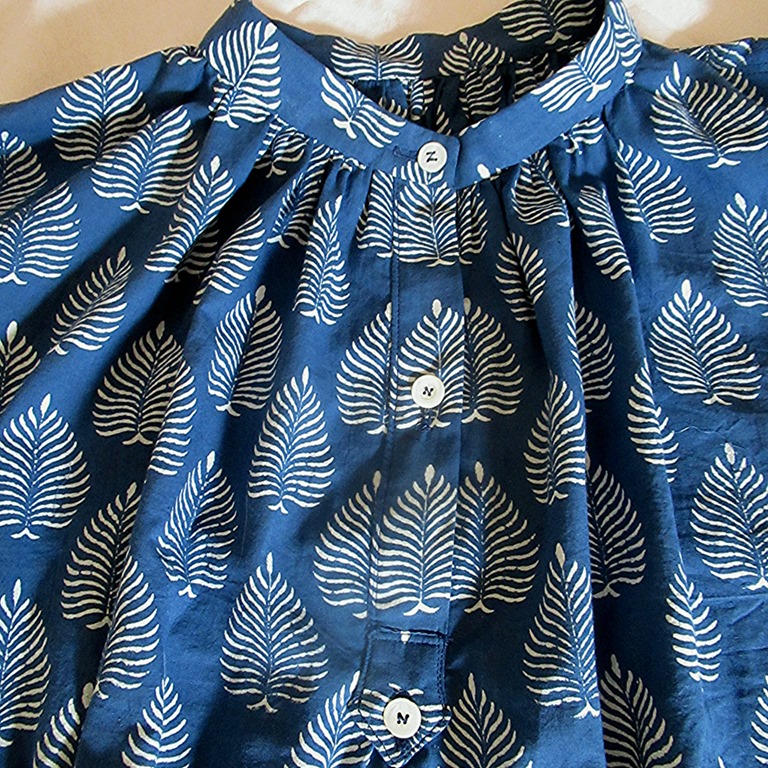
Atelier nani Iro Meets Indian Woodblock~ A Case Of Sewing Not Writing

DSCF1079t

I started making my own clothes in my teens: it was the era of Pop Art and Mary Quant shifts. I made a bee-line for cheap remnants of furnishing fabrics with big prints and turned out some surprising garments. Much much later, when were living in Kenya and Zambia, I was inspired by the bright local fabrics and started sewing again. Graham still has some striking longish shorts – an all-over mango tree design – orange print on navy – the lovely glazed cotton bought in Lusaka back in ‘93 and initially used as curtains in our little house on Sable Road.

Back in England again, I did not sew so much, though I remember making a big winter coat which features in one of my earlier blog headers. Thereafter the sewing urge mostly faded away. It was easier to buy stuff.

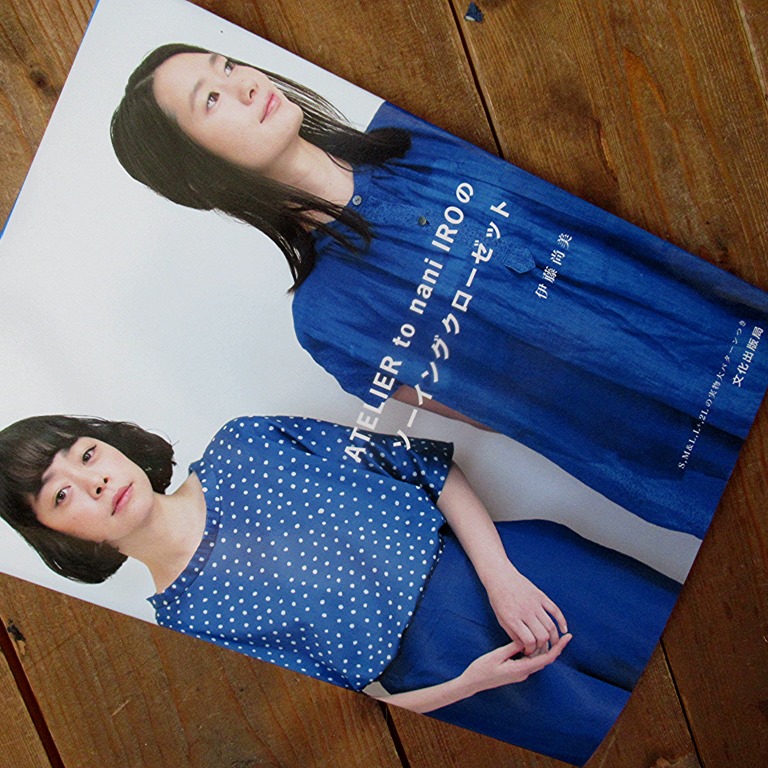
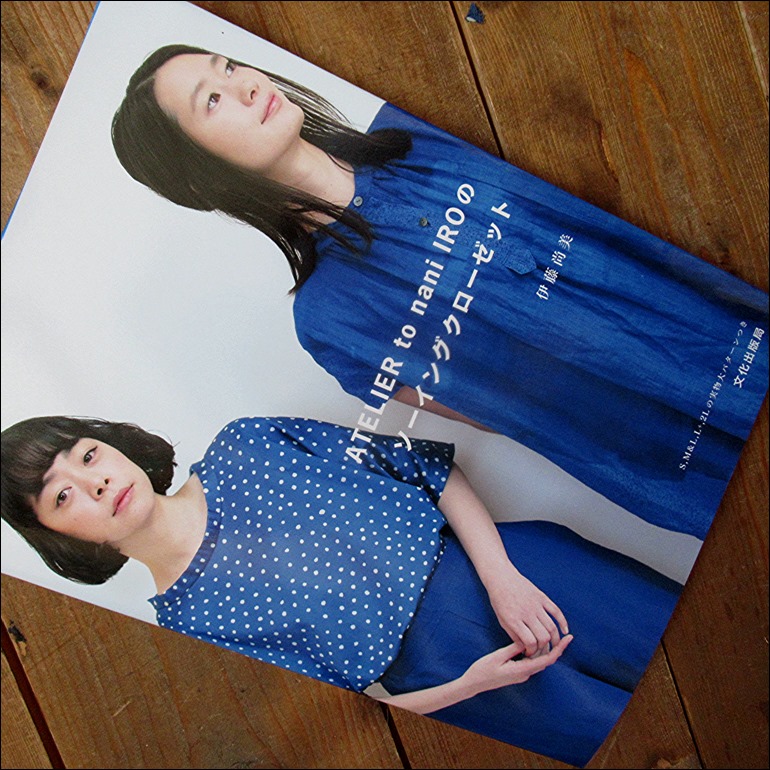
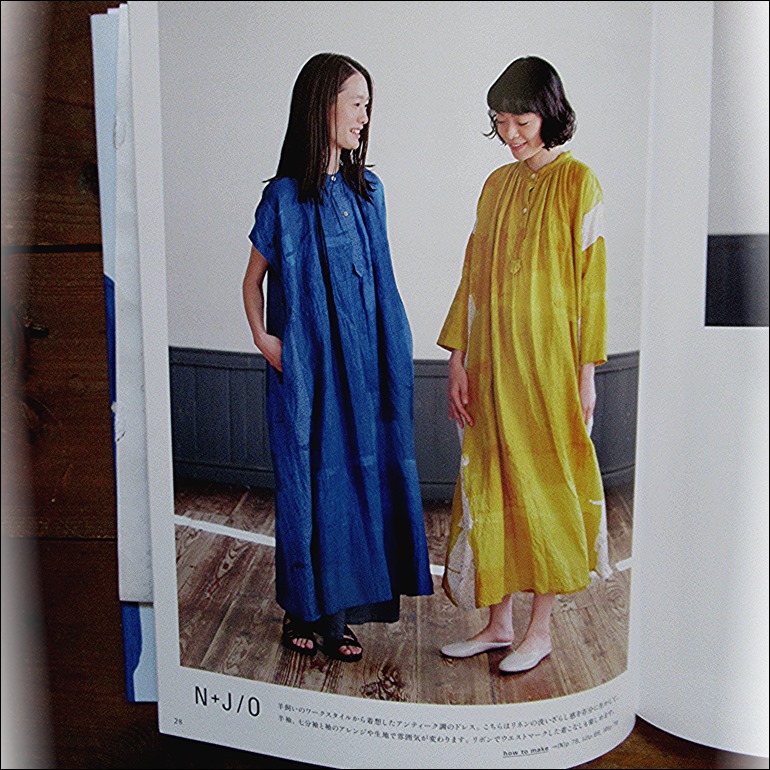
And then recently I discovered nani IRO. Not only was it love at first sight, but the advent of a whole new sewing adventure: the hitherto unencountered territory of Japanese design. This was the book that started it:
IMG_2768

IMG_2771

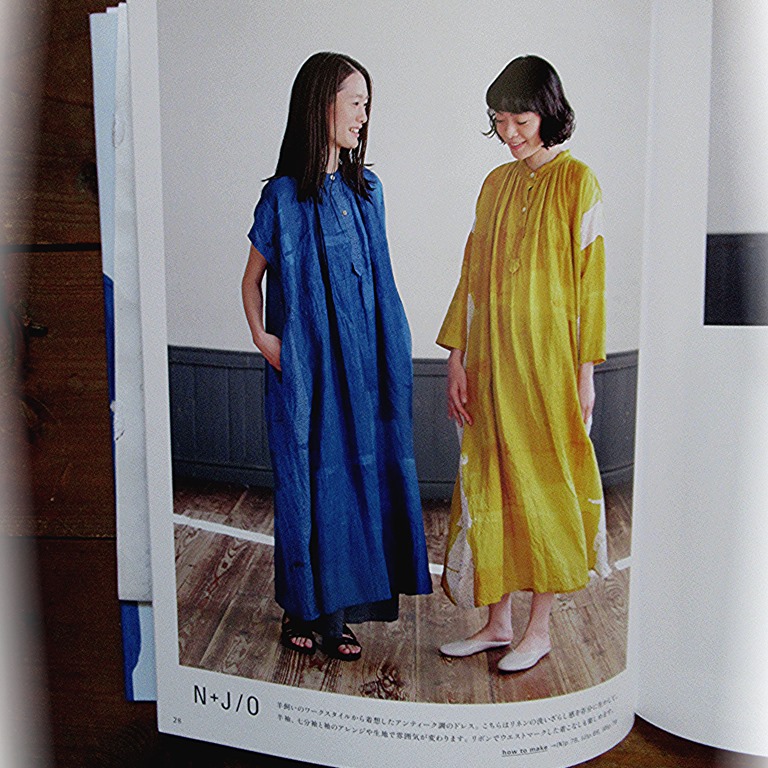
For those like me i.e. not-in-the-know, Nani IRO is the brand name for the fabrics created from designs by Japanese artist Naomi Ito. And Atelier nani IRO is the design studio that produces the sewing patterns. In the past they have catered only for petite Japanese sizes. But this current collection now includes sizes up to UK 14/US 12.

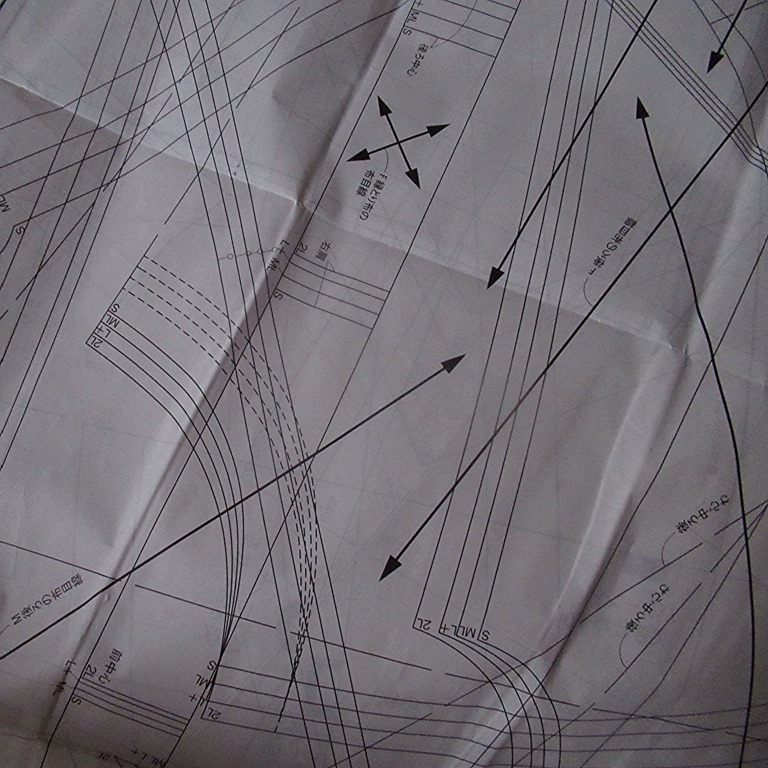
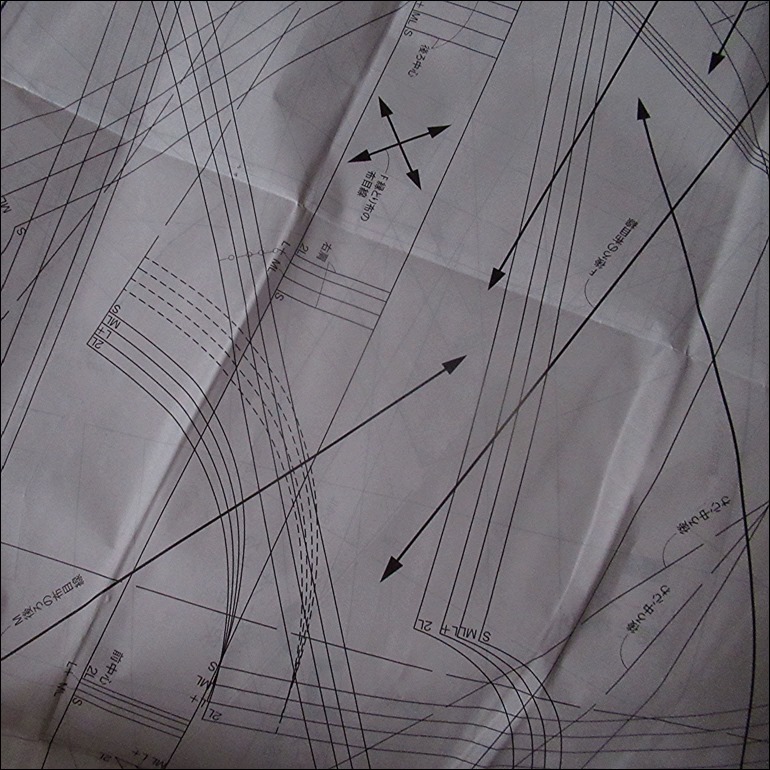
The book is beautiful – every page of it. But being captivated by the images and fabrics is one thing. I soon realised the challenge of using it to make an actual garment was probably bordering on the impossible. The patterns that come with the book comprise two fat folded wads of stiff white paper. They are inscribed with multiple pattern pieces that overlay one another, and at all angles. Furthermore, the instructions are in Japanese, although on the whole the book’s accompanying diagrams are more or less clear to anyone used to tackling European dress patterns.

So: this is what a small part of the pattern sheet looks like. Think exploded Venn diagram meets Heathrow air traffic control flight paths:
IMG_2773

Each garment does however have a letter code in English and the sizes are indicated S, ML, L+, 2L. After this, you are pretty much on your own.

Once you know the letter of your chosen project, you must then study the designated layout in the book to fix in visual brain the shapes of all the pattern pieces you’ll need. Then you have to search for those shapes within this bonkers mega-puzzle, and having located them, trace them off to the appropriate size on dressmaking tracing paper.

By this point, on my hands and knees amid clouds of tissue paper strewn across the bedroom floor, I realise I am pursuing, and with dogged intent, an extreme form of writer’s procrastination. I have actually chosen to unravel this devilish design of cross-purposes rather than sort out the pressing narrative plotting problems of the novel.

Found you out! I cry. This is not really about making a big blue frock out of a stash of Indian block print cotton that you just happened to have handy. This is about NOT WRITING.

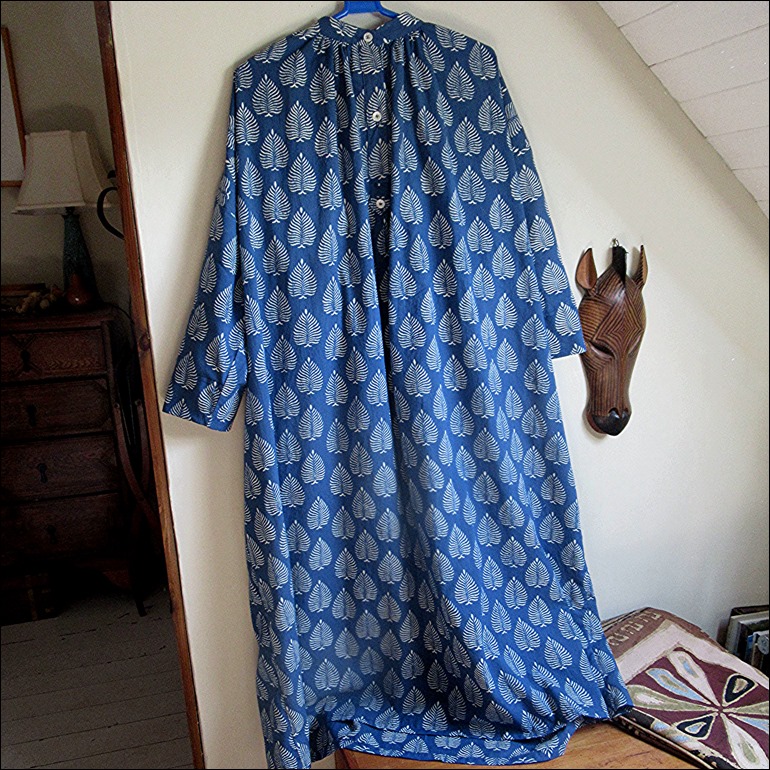
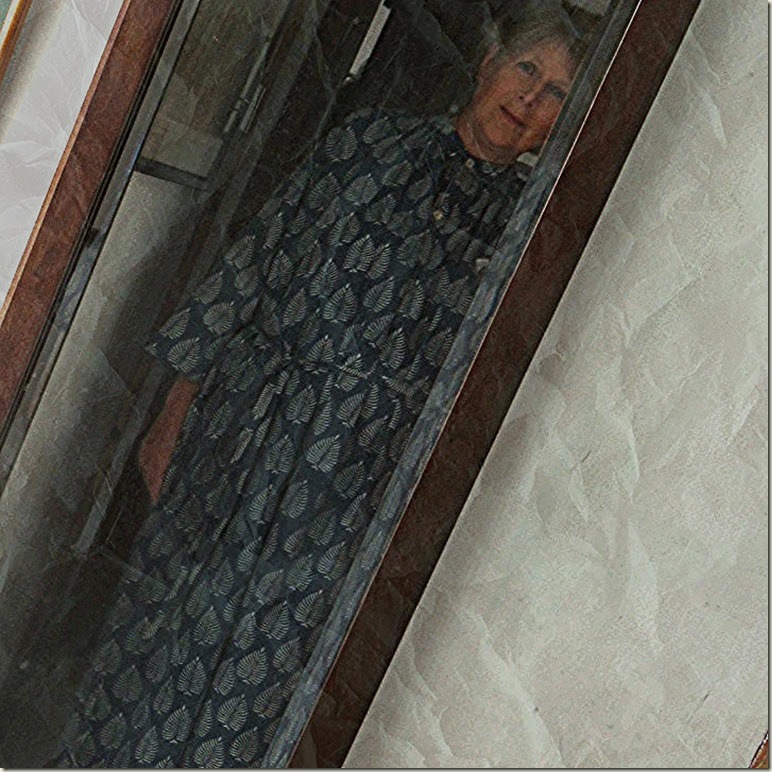
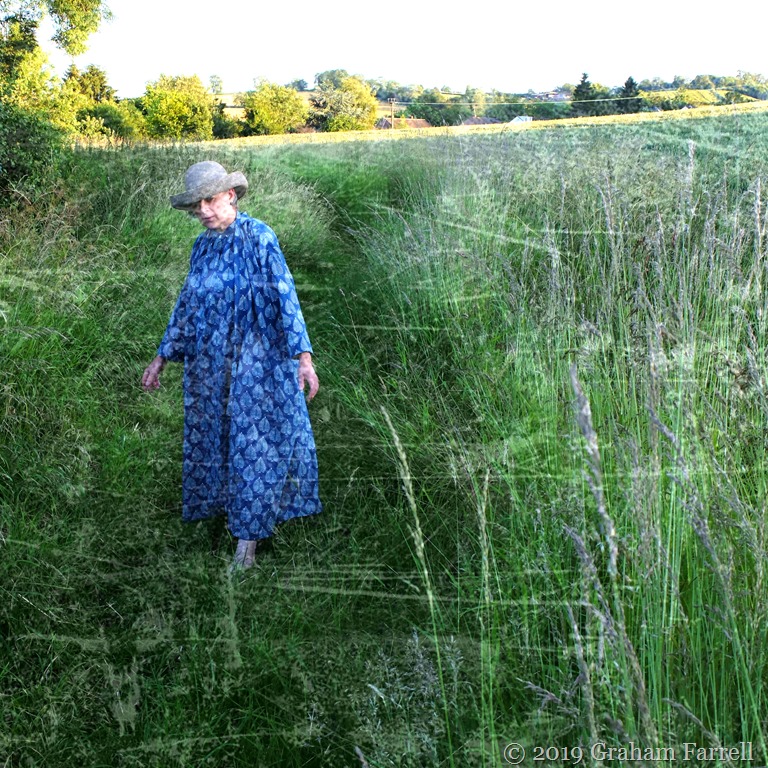
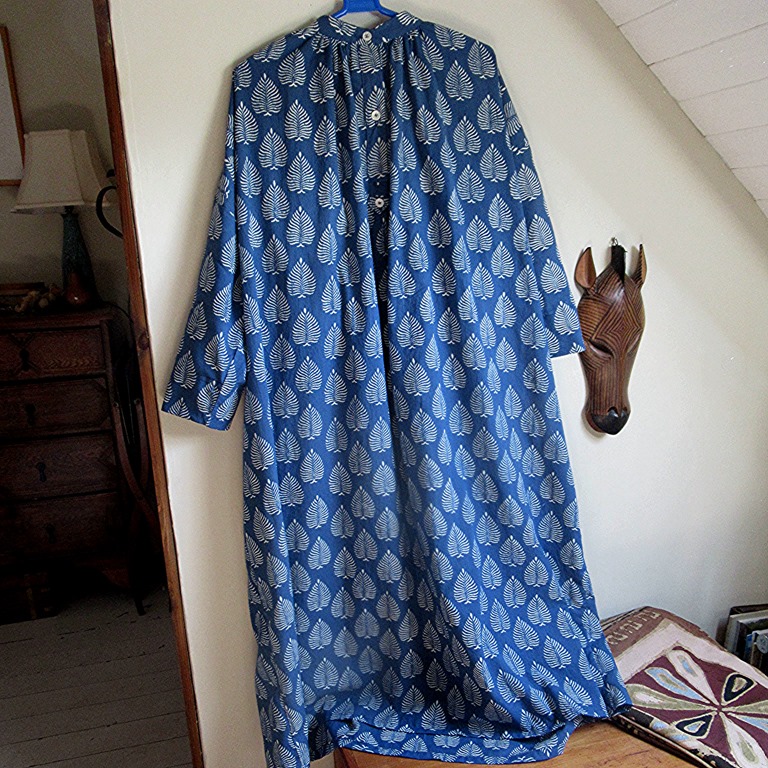
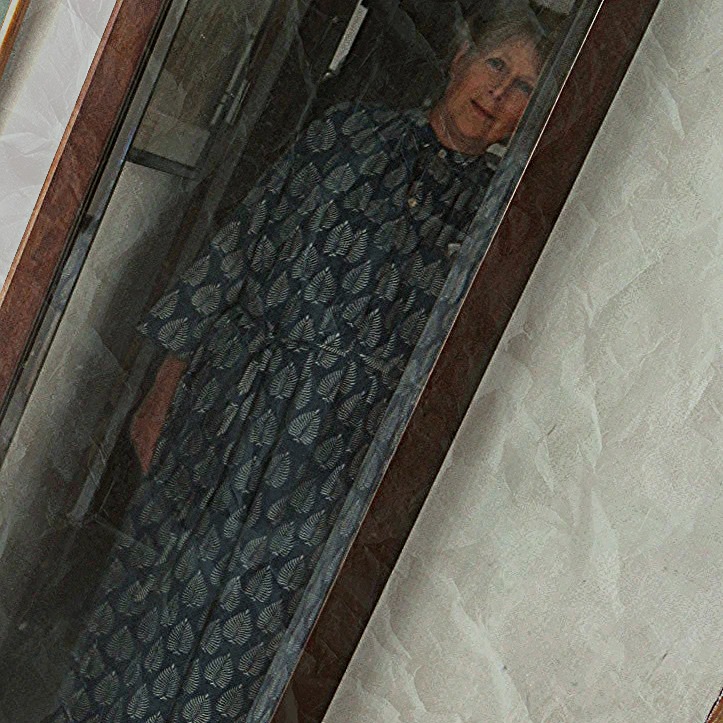
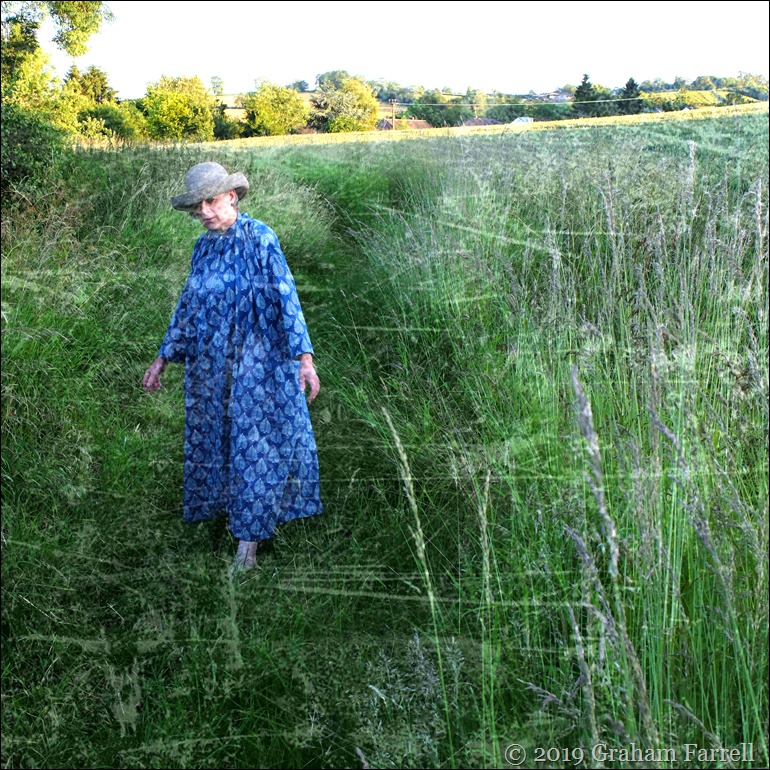
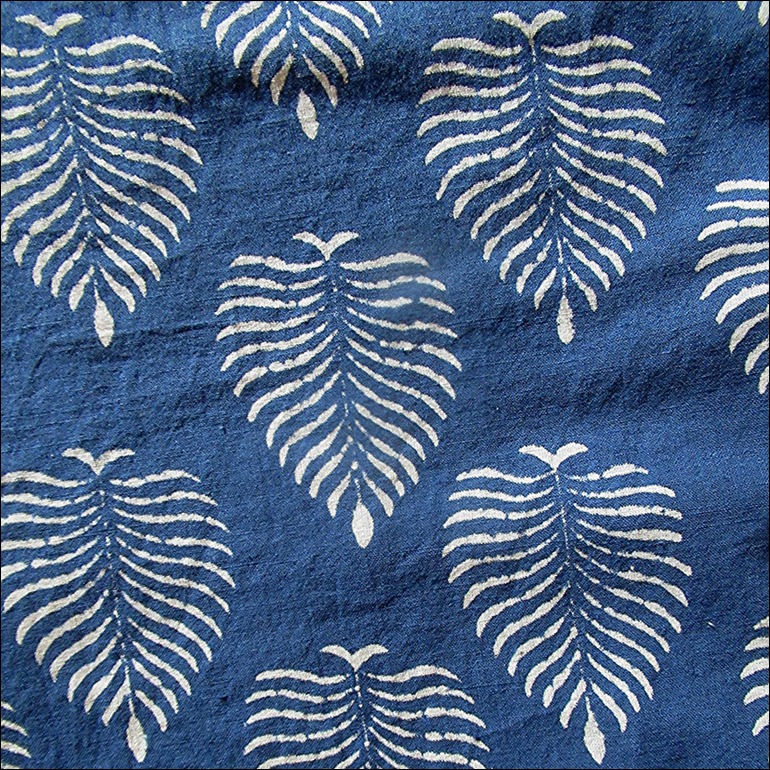
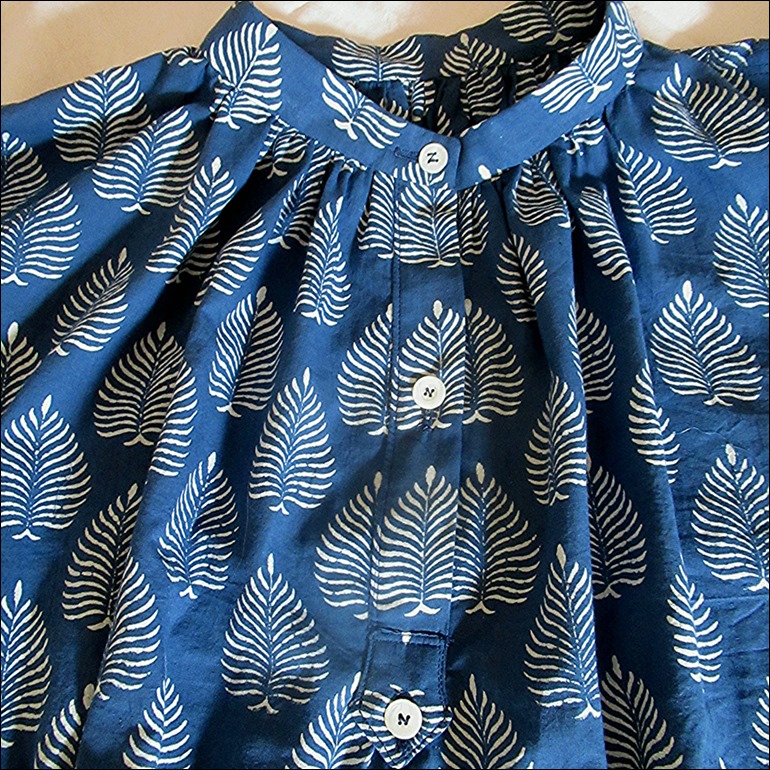
But  then of course when it comes to prevarication, writers have all the excuses. I tell myself it’s good at my age to go in for new forms of mental and manual exercise, even if the initial processes are killing on the knees. Besides, there is also the great satisfaction of making and completing a project. And while I can see that my new blue Indo-Japanese gown is hardly the sort of thing I can wear at the allotment, it does have potential as a personal seaside ‘changing room’. I can even look fairly gracious when needing to treat with the postman before I’m quite up in the morning.

And then I’m actually rather in love with the thing itself. Scenes from Kurosawa epics (Seven Samurai, Ran, Yohimbo) come flitting through my mind. Perhaps a little of the master’s creative impulses might just rub off on me (though hopefully not adding confusing Japanese influences to a yarn set in the East African bush. Or there again…) So I may just hang the finished work on the wall. Perhaps it will tell me I’ve used up all present excuses to not write. Perhaps it will say: stop play-acting out in the field with the other half and get back to the keyboard!
IMG_2760c

IMG_2762d

IMG_2765e

IMG_2753h

July Squares #7

Today In The Garden ~ Blue On Blue

IMG_2746

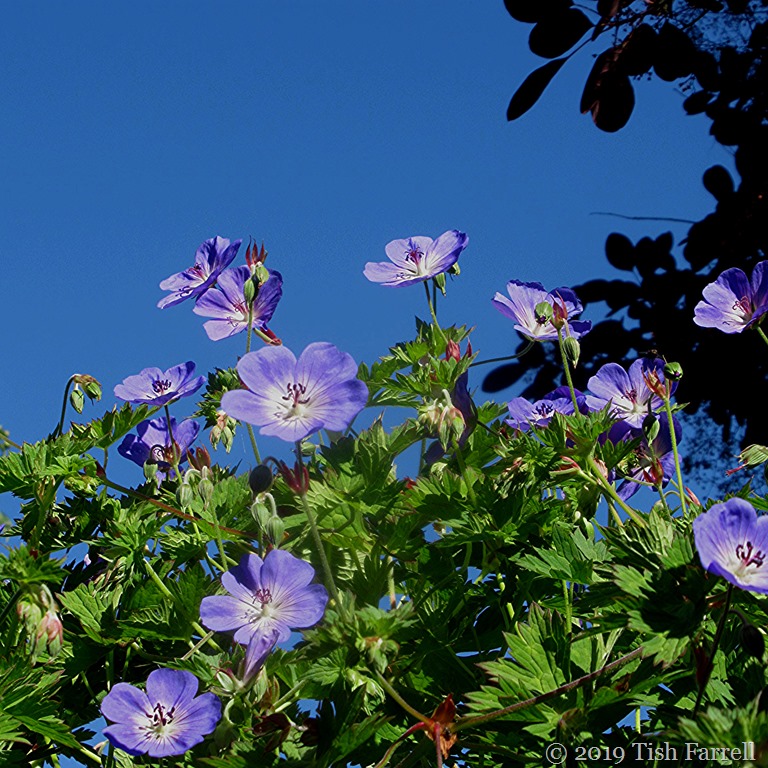
One of the best things about a garden on several levels is that you get to see plants  from unexpected view points. Here’s Rozanne busy flowering her socks off. She’s on top of the wall that holds up the bank behind the house, well above my head height,  and will be flowering now until the first frosts. The almost black foliage in the corner is Cotinus aka Smoke Bush or Smoke Tree. When it flowers it is a mass of feathery creamy-pink plumes.

July Squares #4

The Blue Of Marc Chagall

100_1310


For me a stained glass window is a transparent partition between my heart and the heart of the world

Marc Chagall (1887-1985)

Chagall was one of life’s shining stars. According to Wikipedia he is described by art critic Robert Hughes as a ‘quintessential Jewish artist’. Yet such a description is truly too confining for a creator who saw his work as ‘not a dream of one people, but of all humanity.’ To me, an unbeliever, his work speaks of spirit – the soaring, transcending best of us that comes with a wry but kindly smile and, above all, forgiveness (for ourselves and for others).

The stained glass in the photo comes from a window in the auditorium at the Musee National Marc Chagall on Cimiez Hill in Nice, one of the loveliest little art galleries of the world. The hill, too, is surely a place of creative hallowed ground: just up the road from Chagall is the wonderful Matisse museum. Both artists were magician-shamans, masters of colour, form and light – their works the manifestation of their spirit-journeys that ever invite us to rise to the occasion and follow.

Chagall was still working in his nineties, his last commissioned work (I’ve just discovered) is the north stained glass window of Chichester Cathedral in Sussex, England. I feel a pilgrimage coming on. In the meantime another detail of the Nice window:

100_1311

When Matisse dies, Chagall will be the only painter left who understands what colour really is.

Pablo Picasso

July Squares #2

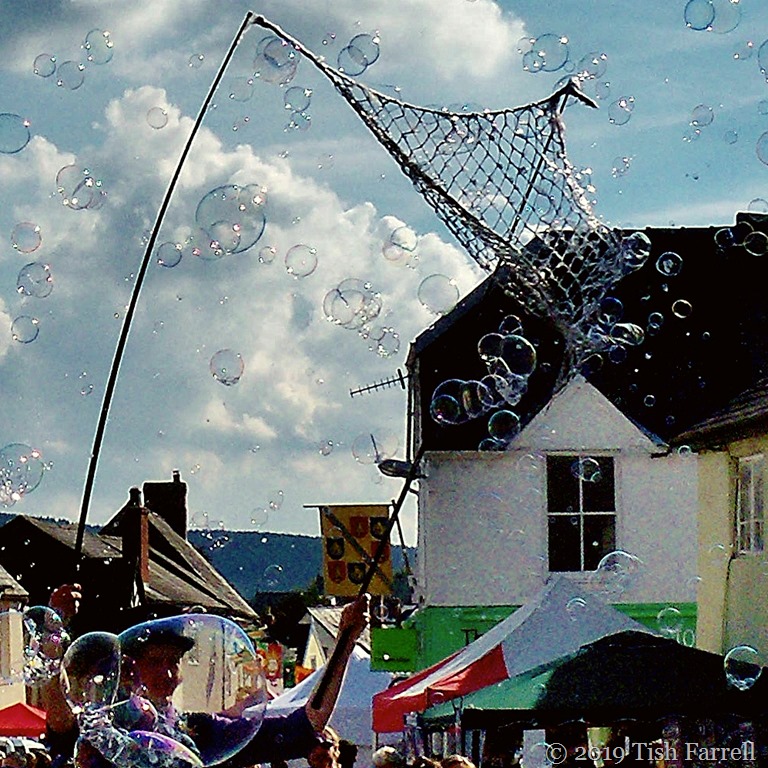
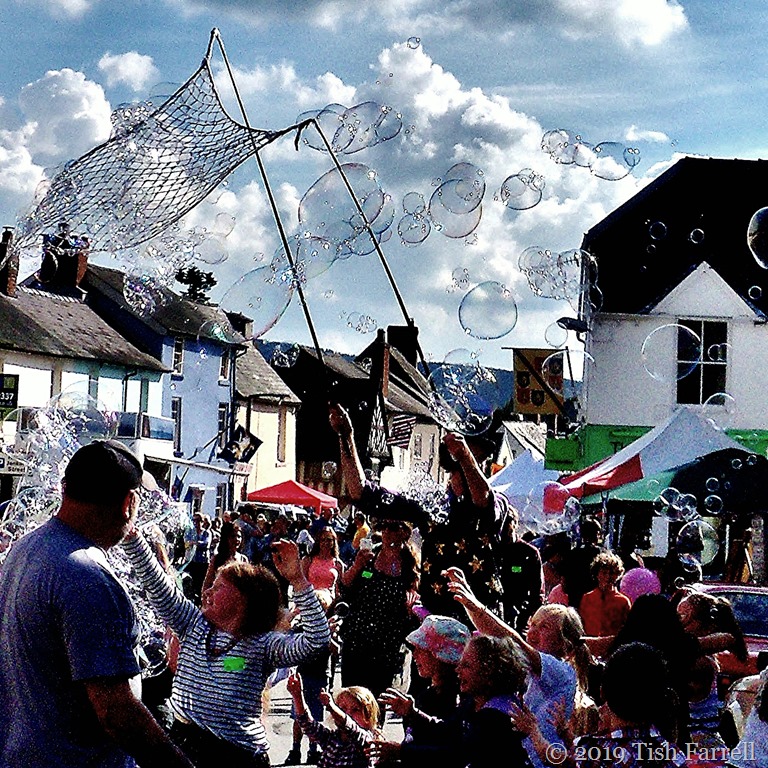
Beating The Blues With Bubbles

100_7324

I have never grown out of loving bubbles. As a rural child of the fifties receiving a tin of them complete with a pretty little plastic wand (pale pink or blue) was one of life’s big thrills. And so rather more recently when we came upon the Bubble-Making Man at Bishops Castle Michaelmas Fair it was all I could do to stop myself from joining in with the children’s great bubble chase. Because that’s what you do with bubbles – you try to catch and keep them. You want just one of them to last forever and ever. Anyway, being several decades beyond childhood, I contained my excitement by snapping them instead. Which of course means I do get to keep them. And you get to have them too. And if you’re having a so-so Monday, or even a dreary one, here’s a gift of bubbles to lift the spirits. Who’d’ve thought there was so much magic in a bucket of soapy water and a piece of net. Just goes to show!

100_7319

100_7321

100_7323

100_7331 - Copy

100_7330 - Copy

Related post: Summer Came Back On Saturday And Took Us To The Fair

July Squares #1   Every day this month Becky wants us to show her BLUE anyhow we like, so long as it’s SQUARE. Follow the link to join in.