Elephantine Geometry: The Things One Sees In Bishop’s Castle

IMG_6641sq

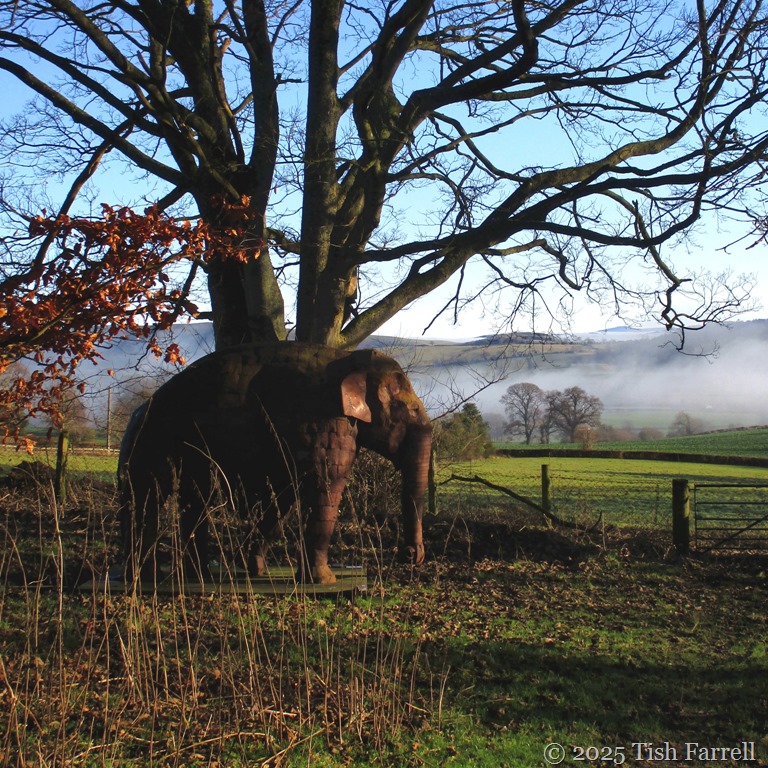
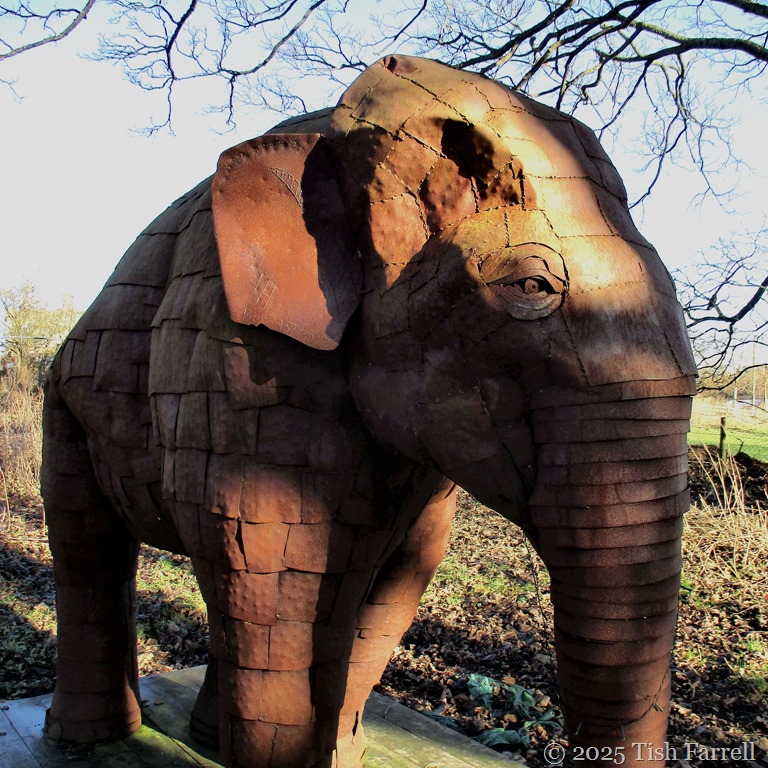
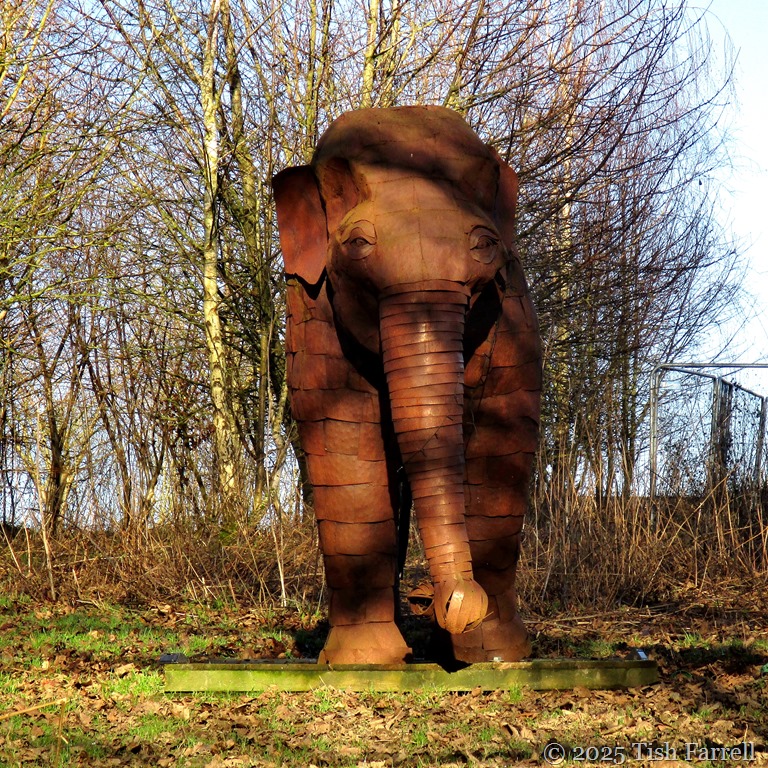
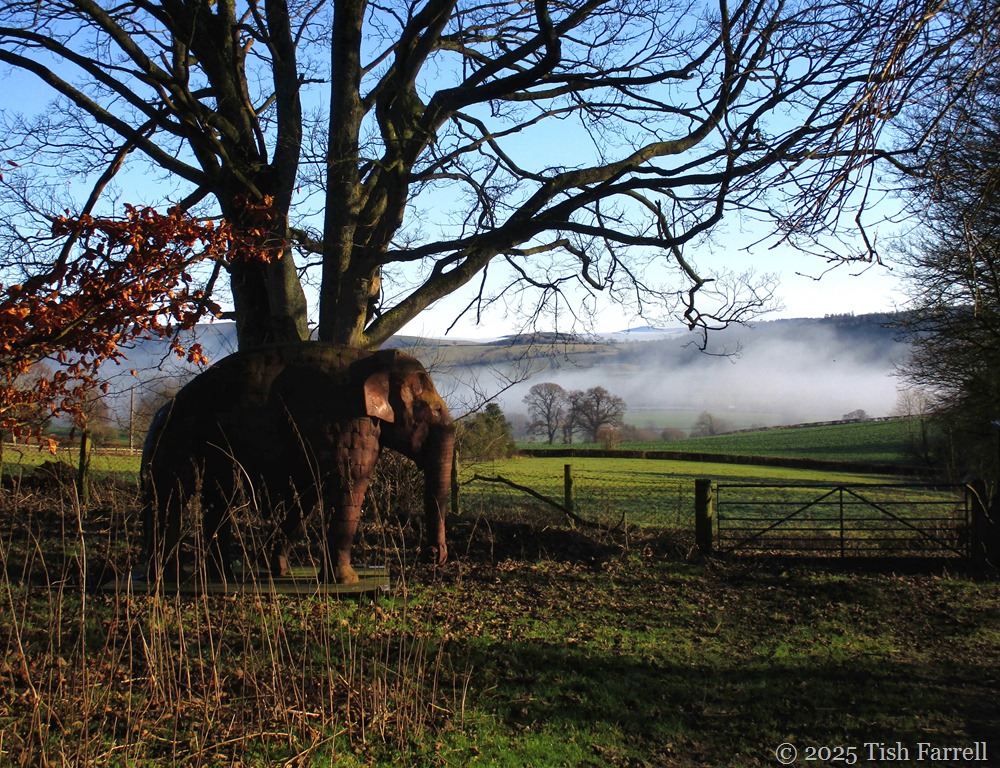
Well, at first sight, glimpsed through a December hedgerow, it truly did look like an actual elephant. Good heavens! What was it doing here in the Shropshire Hills?

We discovered it last week, by chance, as we explored the hillside paths above the town. There it was, beside the Shropshire Way, at Foxholes campsite, and with company too. The Buddha no less.

IMG_6638 sq

*

Closer inspection of course revealed that it was cunningly constructed of metal plates, now richly rusted.

IMG_6646 sq

IMG_6637 sq

*

We then realised that it was doubtless one of the exhibits in the Bishop’s Castle town trail, The March of Elephants. You can see the other artworks at that link. This particular work was created by local artist Ben Ashton, but I couldn’t find anything further about him.

By now you could well be wondering why there is an elephant art trail in a Shropshire market town wherein the trade in sheep and cattle has for centuries been the major enterprise.

There are two connections.

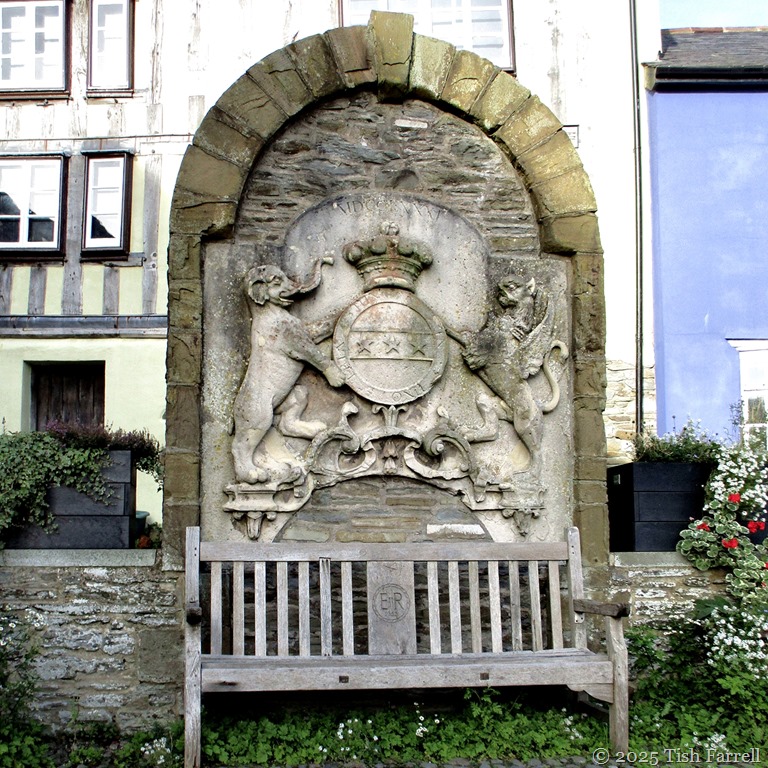
First there is Robert Clive aka Clive of India (1725-1774). After he had finished plundering Bengal (he had started out as a clerk of the East India Company), he returned to his native Shropshire with an eye-wateringly colossal fortune and lived at Walcot Hall just outside Bishop’s Castle. He was further rewarded for his India efforts with a seat in Parliament (MP for Shrewsbury) and an Irish peerage. His newly wrought family crest featured an Indian elephant, of which a carved stone version still survives in the town’s Market Square. It had once been prominently sited on the main window of the Market Hall (since demolished) built by Clive’s son Edward.

IMG_3973 sq

*

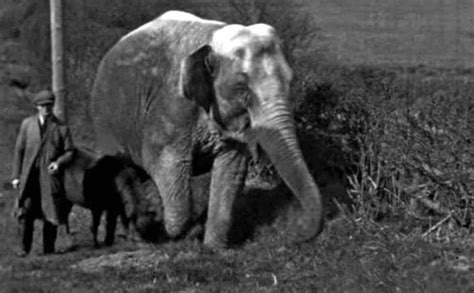
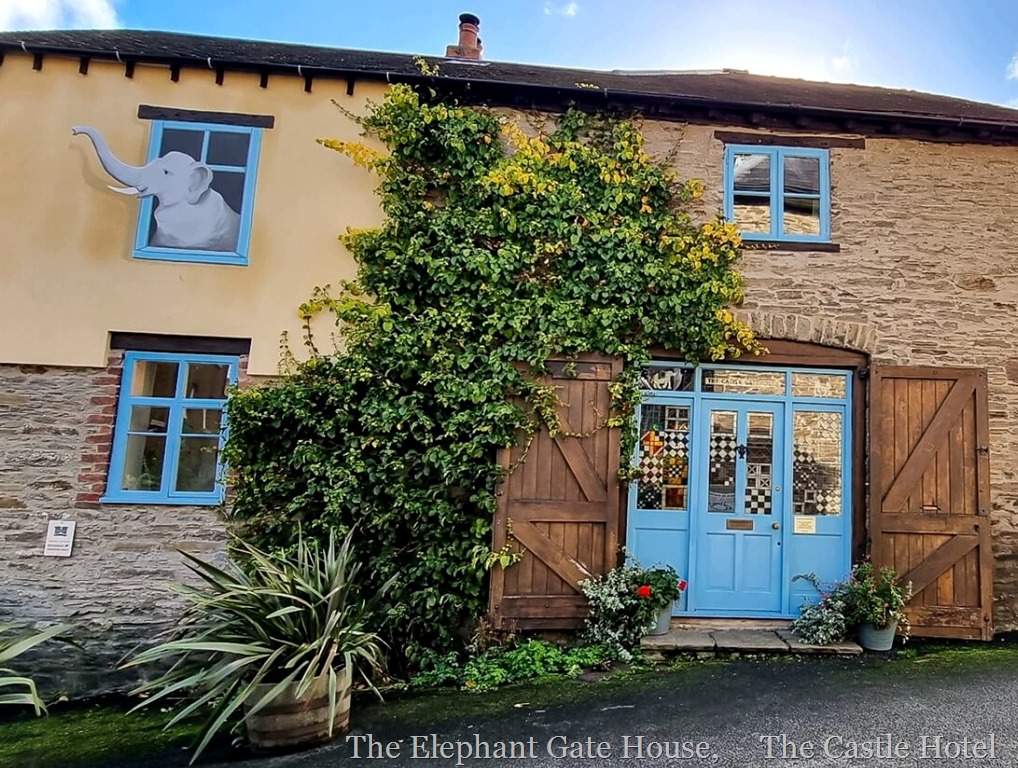
A rather more pleasing elephant association is the fact that during World War 2, one or more circus elephants were kept in Bishop’s Castle for safety’s sake. They lived in the stables of The Castle Hotel at the top of the town. At least one was to be seen exercising along the lanes. There’s a brief film clip of it here: https://www.youtube.com/watch?v=AnMu3l3Q0rE

Bishops Castle elephant

*

So there you are. Seeing elephants in Bishop’s Castle is not so outlandish after all.

 IMG_6641

*

P.S. The war-time elephants’ quarters have been given a plush makeover and you can now stay in The Elephant Gate House.

Elephant Gate House

#GeometricJanuary Day 4   This month Becky is hosting square photos with a geometrical theme.

Welcome To My World ~ A Late-Day Walk Above Bishop’s Castle

IMG_4567a

On Sunday I did a lot of complaining about the cold and lack of sunshine. Perhaps the weather gods took pity. At five o’ clock the clouds lifted and the sun came out, and although it was still chilly, we thought a walk was called for. There was a path I had my eye on back in the winter when it was too muddy underfoot to attempt it. But after a couple of downpour-free days and lots of drying wind, I thought it should be passable.

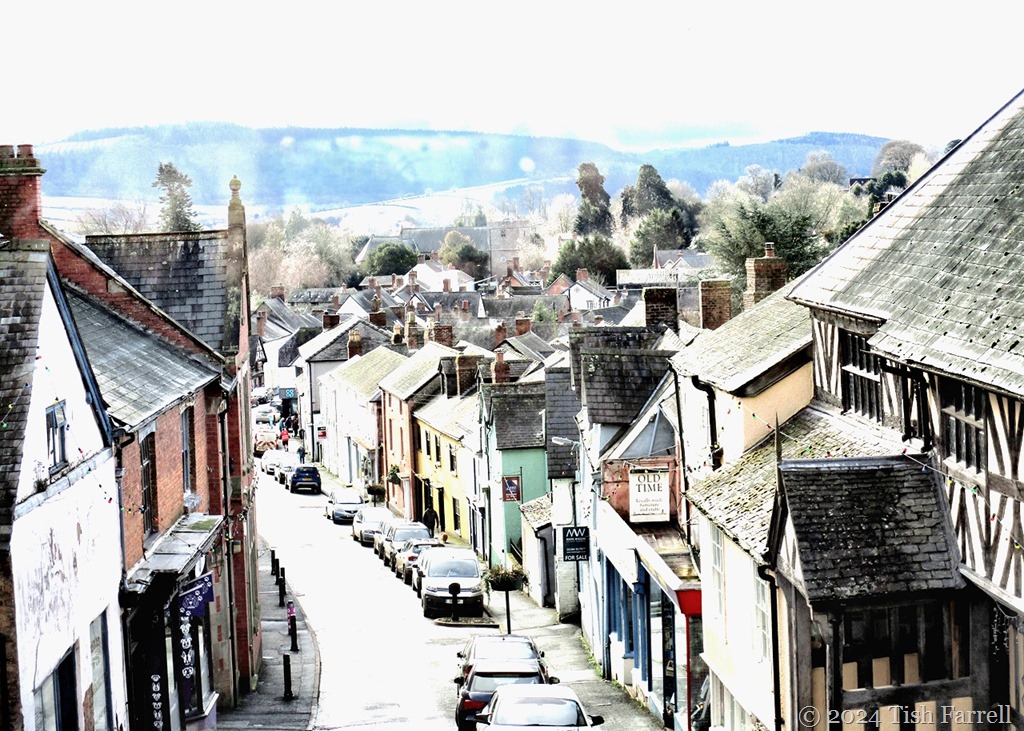
First, though, a spot of orientation by way of some archive photos. Above is Bishop’s Castle High Street as viewed from the Town Hall window. Our street runs parallel to it, behind the ancient timber-framed house in the right hand foreground (the Porch House).

Next is an autumnal view of said street, named Union Street after the Clun Union Workhouse that once occupied the site next door to us, now a care home with a community hospital behind.

IMG_3995

Our walk took us uphill, and left between cottages into Laburnum Alley, a shadowy path that runs between old stone walls and gardens. I imagine much of the stonework along this ginnel came from the demolished castle.

IMG_4077

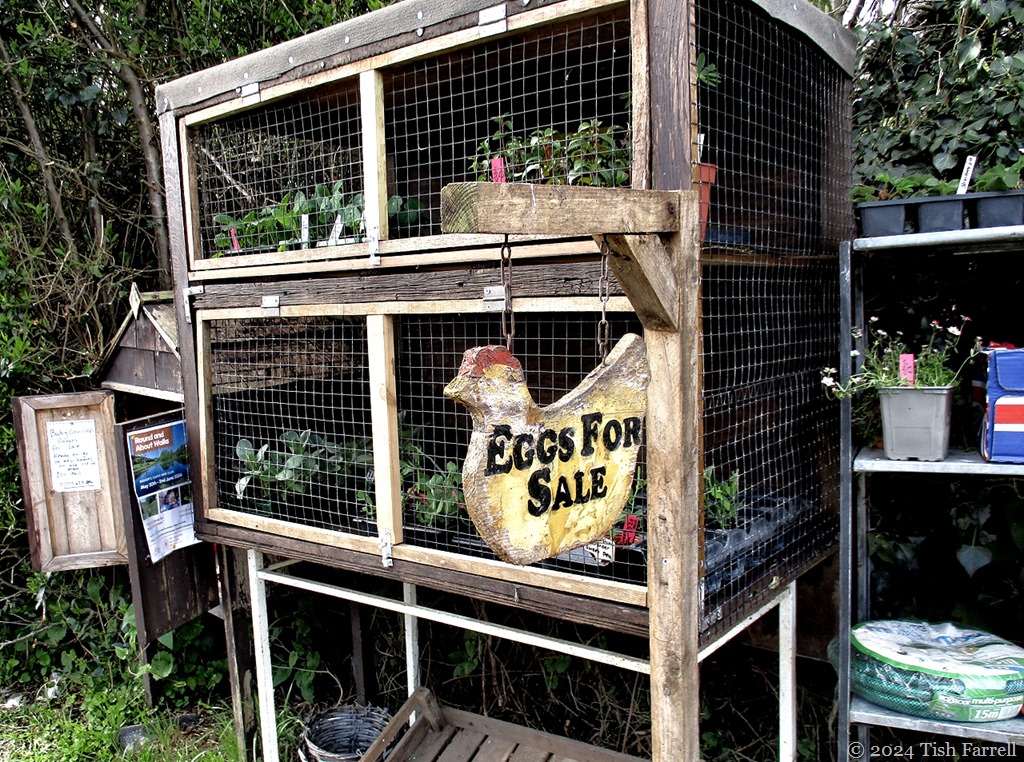
The path exits onto Welsh Street near the top of the town. There’s a handy kiosk here selling eggs and garden plants and sundry items that need a good home. I noted the tray of chunky broad bean seedlings, and pots of strawberry plants. There was also a notice advertising baby rabbits for sale.

IMG_5031

Just beyond the kiosk are a couple of striking looking  barns – a case of scenic dilapidation…

IMG_5033

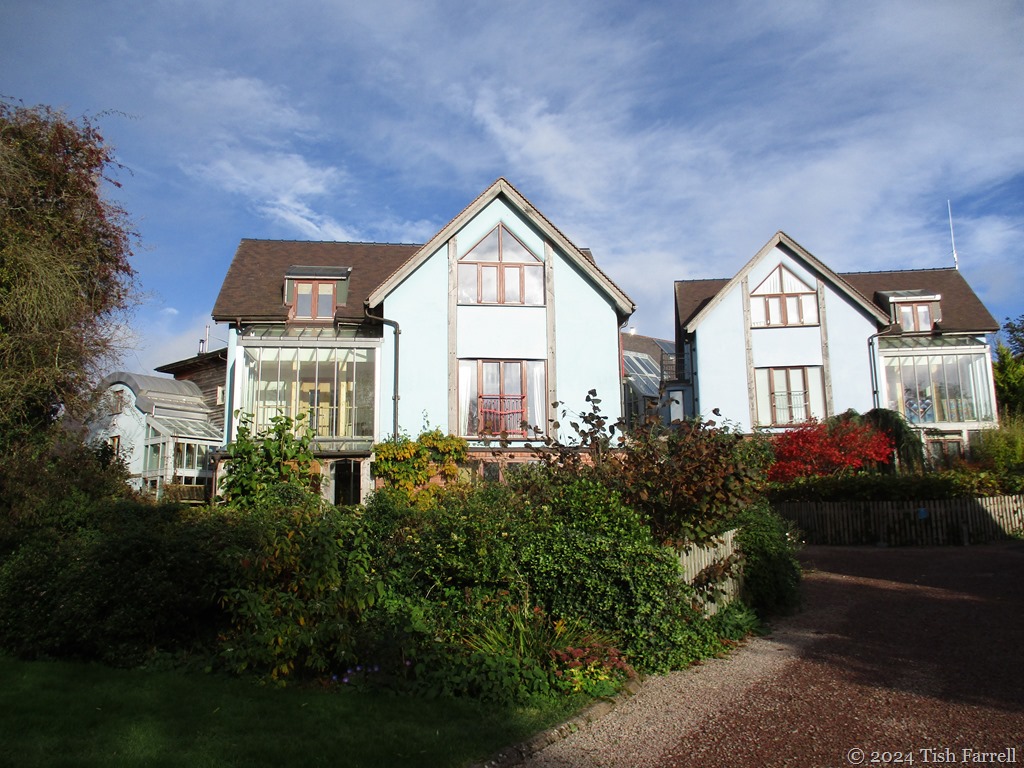
And across the road is The Wintles, an upmarket community of eco-homes, built in the days before eco-homes were quite invented:

IMG_4154

*

We’re on the edge of town now, and this is the green lane path that had caught my eye. It borders The Wintles’ communal ground of allotment and vineyard.

IMG_5045a

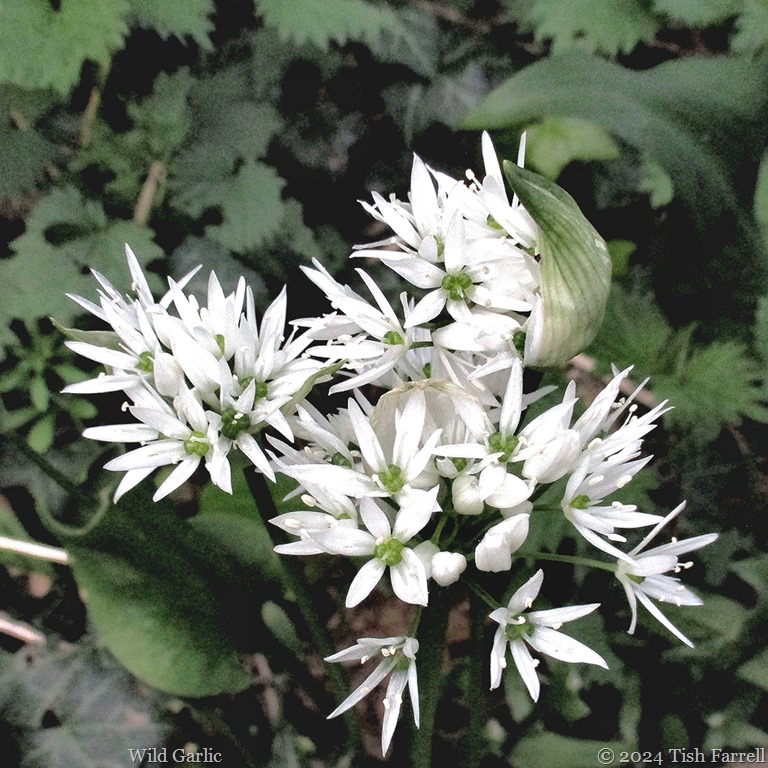
The verges were bright with stitchwort, wild garlic flowers, cuckoo pint, violets, cranesbill, unfurling ferns and cow parsley just opening, Jack by the Hedge aka Garlic Mustard. The lane was sheltered, but even so, I wished I’d put a hat on. It was easy, then, to promise Graham that this was not a major expedition; simply a brief foray to see where the path led.

IMG_5090

IMG_5042

IMG_5044

*

It led us to a gate and wobbly stile into a sheep field. We struggled over. Ahead the pasture rose steeply, and I could tell G’s enthusiasm was waning. Just as far as the horizon, I said, in winning tones.

IMG_5082a

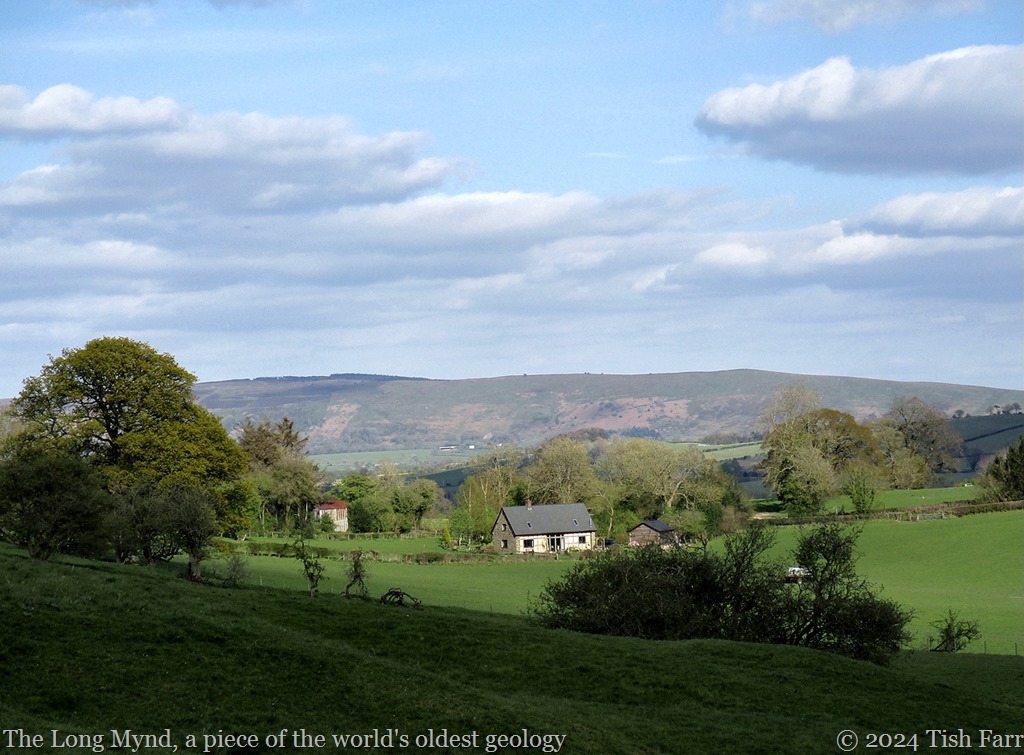
But once we were in the field, we found ourselves looking at marvellous hill country. On our right stretched the Long Mynd, its westerly flanks bathed in sunshine…

IMG_5052a

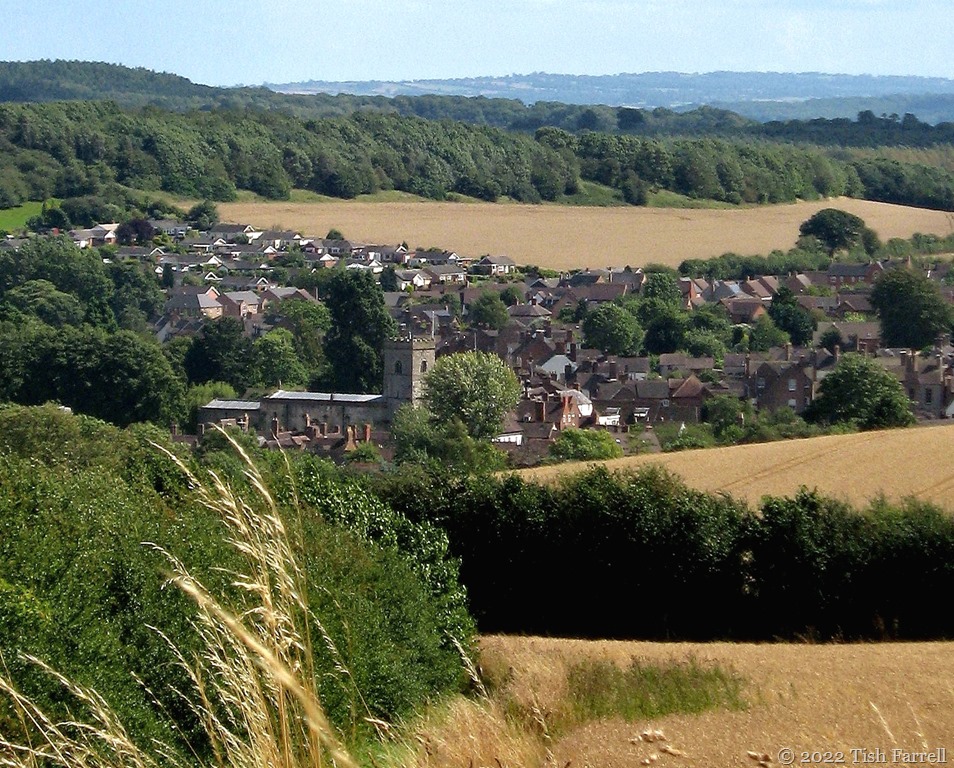
The sight of the hills all around had us striding on and up, now and then stopping to look back on the town. You can see the parish church of St. John the Baptist, dating from the late 1200s, in the second photo. It stands at the foot of the town.

IMG_5054a

IMG_5055a

*

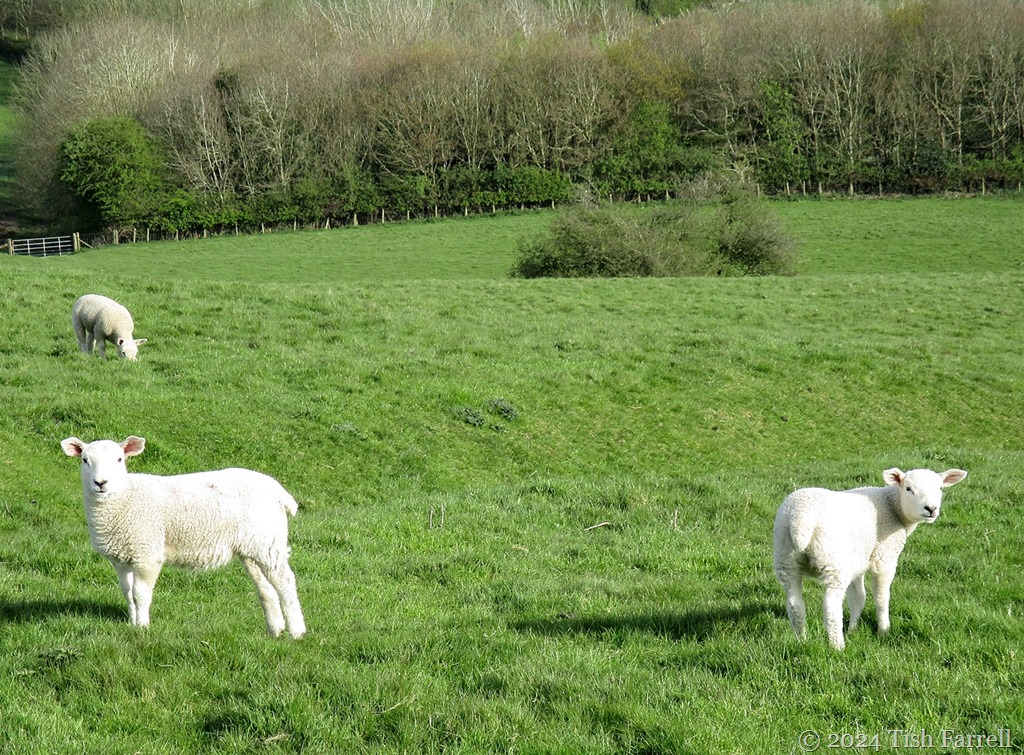
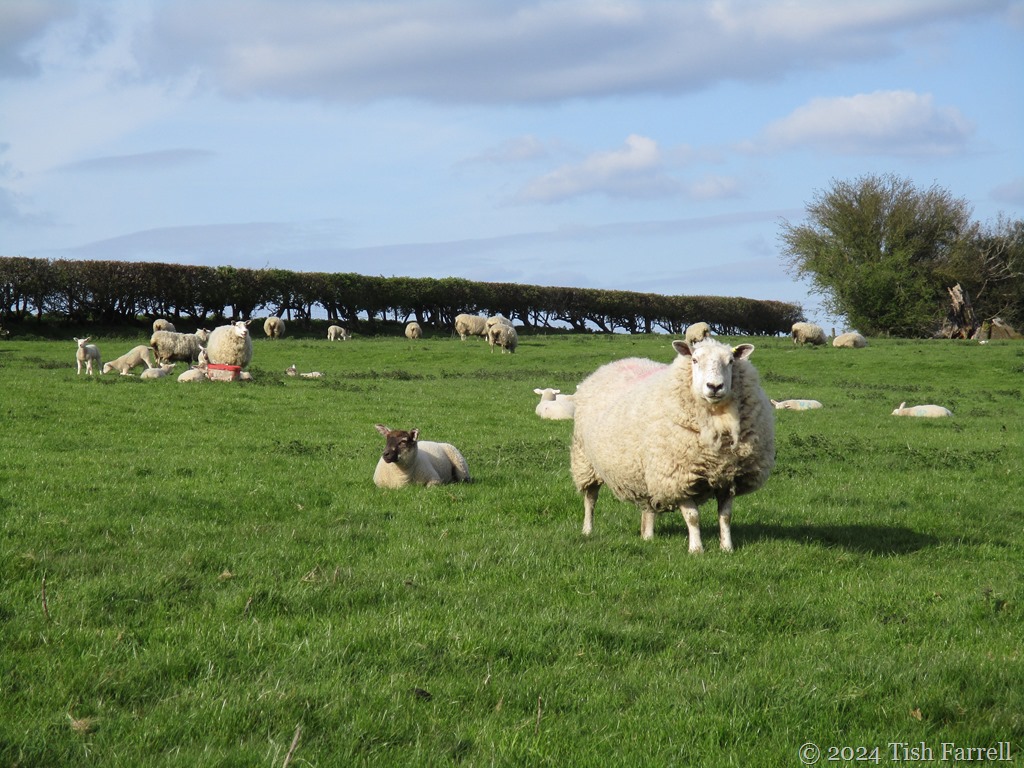
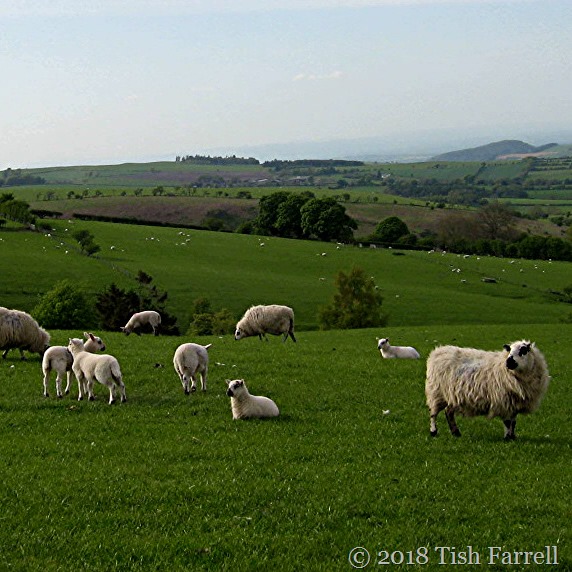
We were watched of course…

IMG_5078a

IMG_5056

*

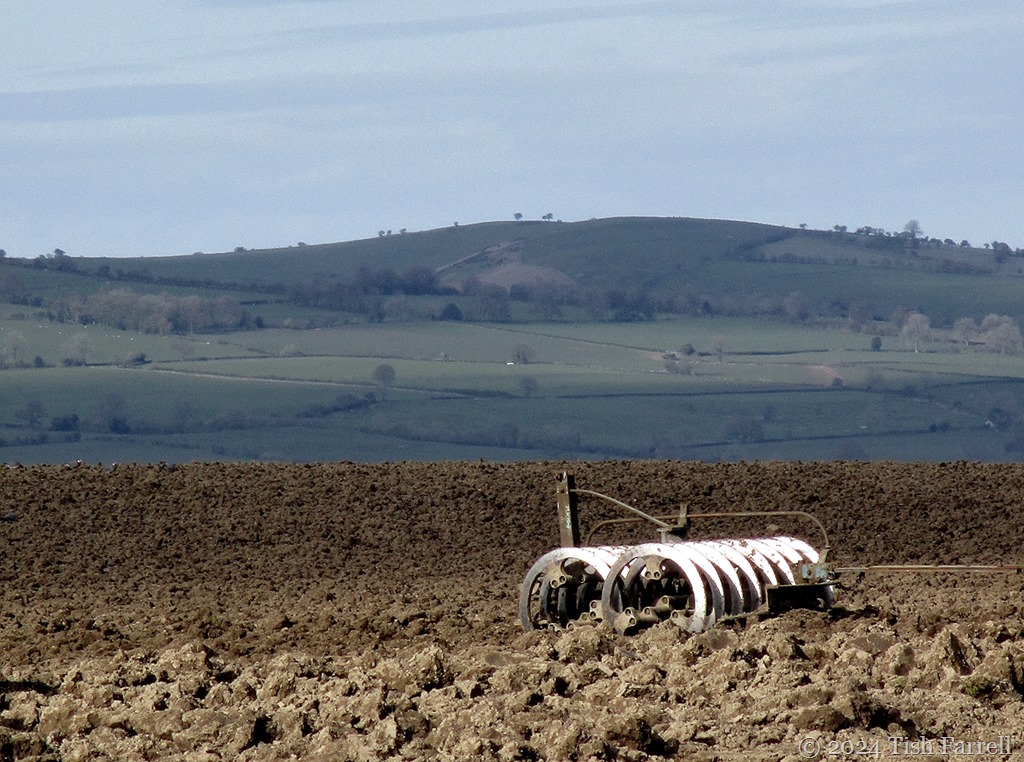
At the top of the sheep pasture there was another stile and beyond it an increasingly uncommon sight – a ploughed field (no-till farming becoming the norm these days).

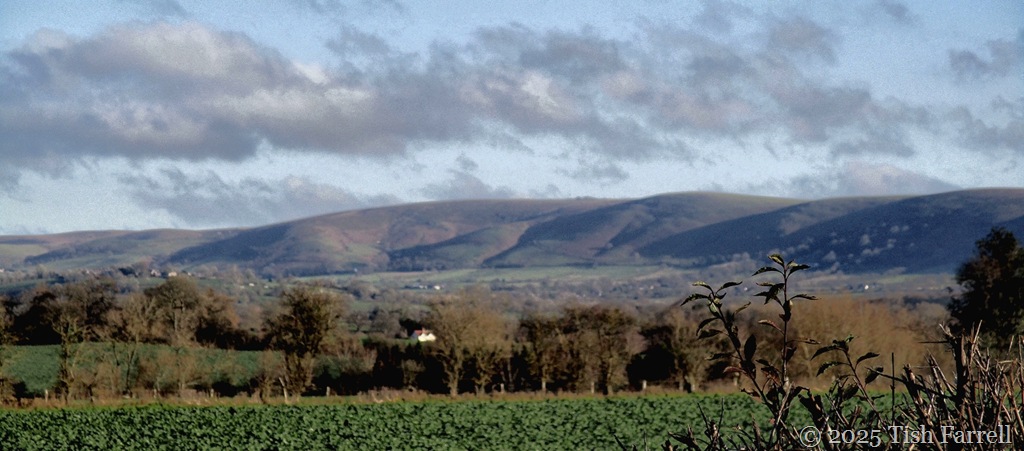
But beyond the plough, what a fabulous scene, the hills of the Shropshire-Wales borderland. A hint of The Lost Continent somehow miraculously manifested on our almost doorstep? It was too exciting. And anyway it was at this point we lost sight of where the path actually went. The way marker arrow suggested straight ahead, but tramping on wind-dried plough is v. bad for the ankles.

IMG_5068a

IMG_5069a

IMG_5072a

A retreat was declared. But we’ll be back to discover more.

*

IMG_5087

IMG_5106

Heading for home down Union Street.

*

IMG_5073header

Jo’s Monday Walk Go here for some stunning Portuguese walking.

Here In The Marches, March Comes In Like A Lion

IMG_4681sq

*

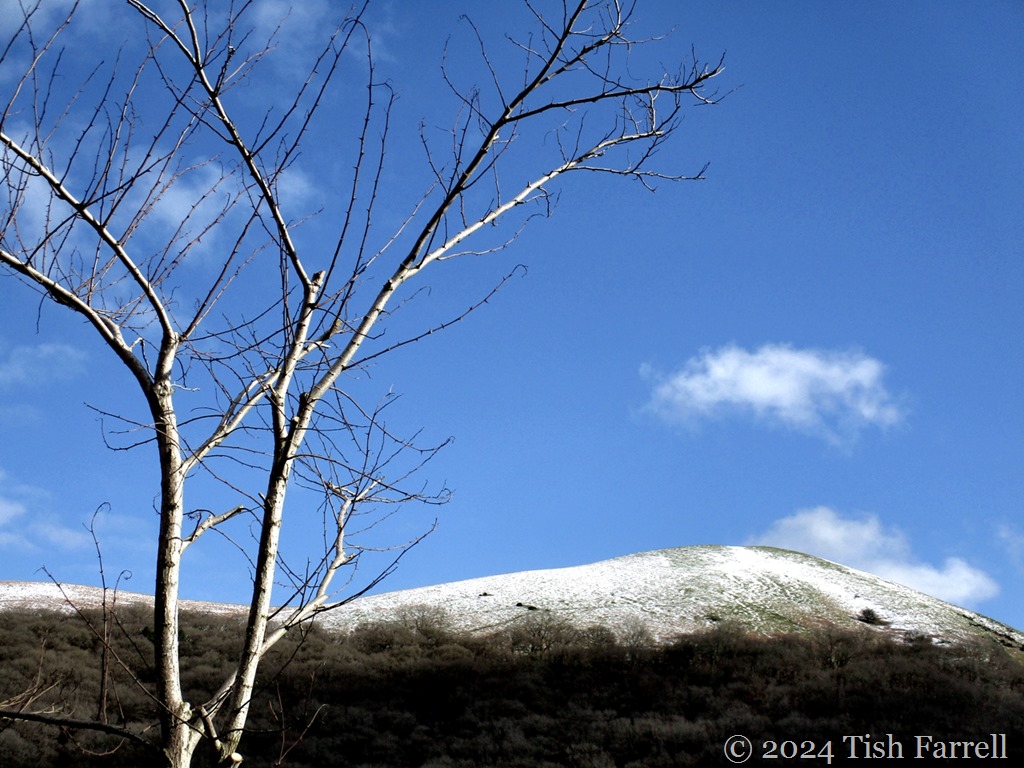
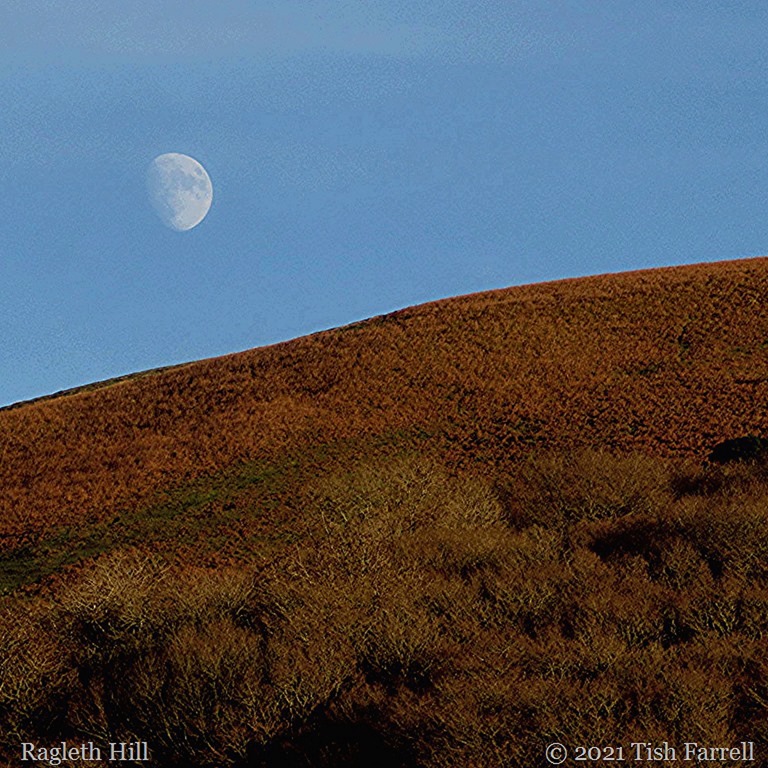
And we can only hope that old country lore comes up to snuff when it says that March coming in like a lion, goes out like a lamb. It can’t be too soon for some lamb-weather either. At least yesterday, after I’d taken this first photo of Ragleth Hill, the sun came out and melted the snow. But it was a one day wonder. Today, after more overnight frost, the wind is roaring round the house and down the chimneys and it’s wet, wet, wet. Downcast daffodils all round.

So, Weather Gods, more skies like this, please. (You can hold on the snow).

IMG_4686ed

Ragleth Hill, Church Stretton

Over The Home Hill: More Hills

P1050952ed2

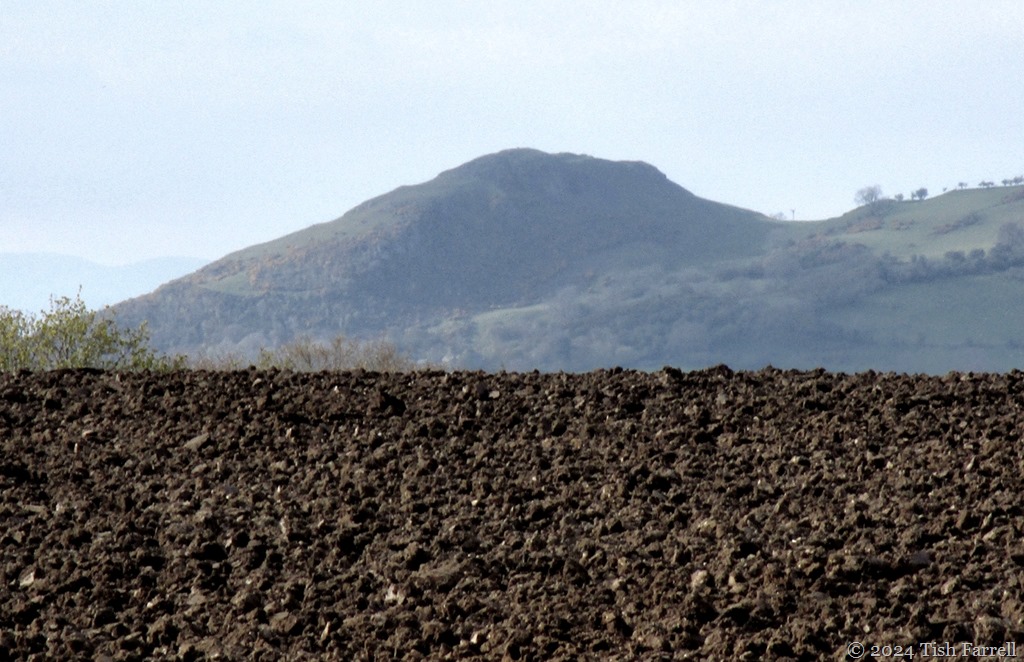
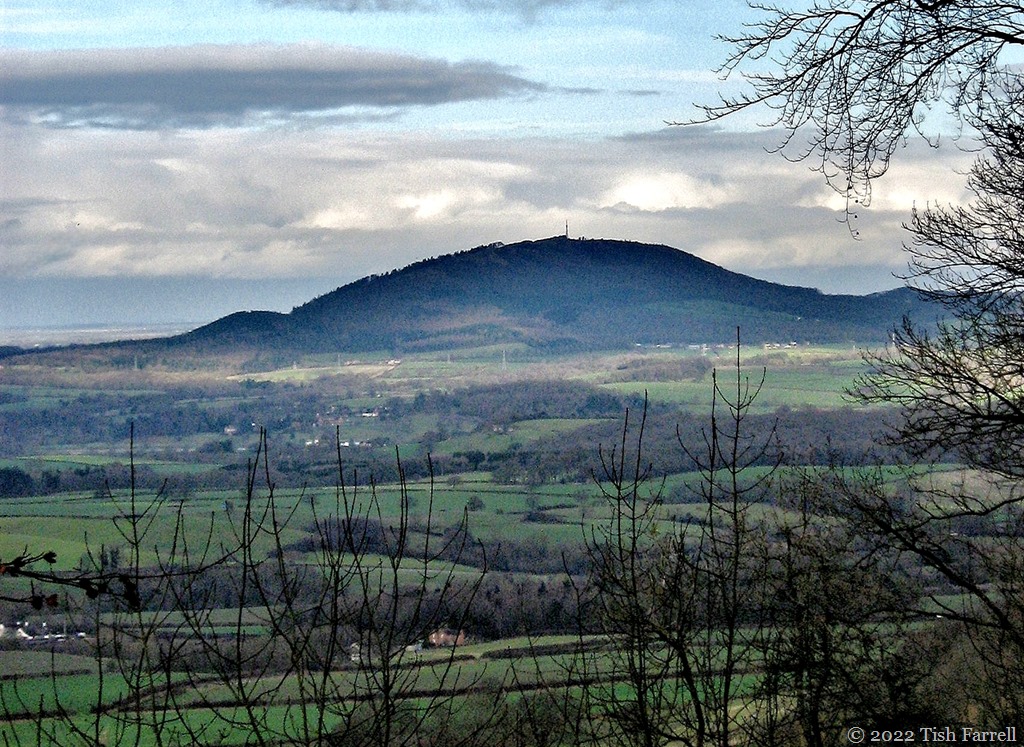
Wenlock Edge behind our house runs for twenty odd miles, a wooded escarpment that bisects the county of Shropshire on a north-east-south-west axis. It’s not always easy to see out for the tree cover, but here and there, a few choice viewpoints give you a glimpse of Shropshire’s other hills, the Long Mynd living up to its name in the distance here. I’m fumbling for the name of the hill in the middle distance (not recognising it from this angle). It could be Caradoc.

*

If we turn right round in the other direction, then we can see Clee Hill:

P1050963ed

*

Closer to home, you can take the National Trust footpath out of Much Wenlock and head for the Edge landmark, Major’s Leap, from where, on a winter’s day, you may be treated to an other-worldly view of the Wrekin, subject of many quaint Shropshire tales. (My version here).

IMG_1949ed

*

And coming down the Edge footpath behind our house you have a fine view of Much Wenlock hugged round by hills, Walton Hill and Shirlett Forest:

IMG_1373ed

*

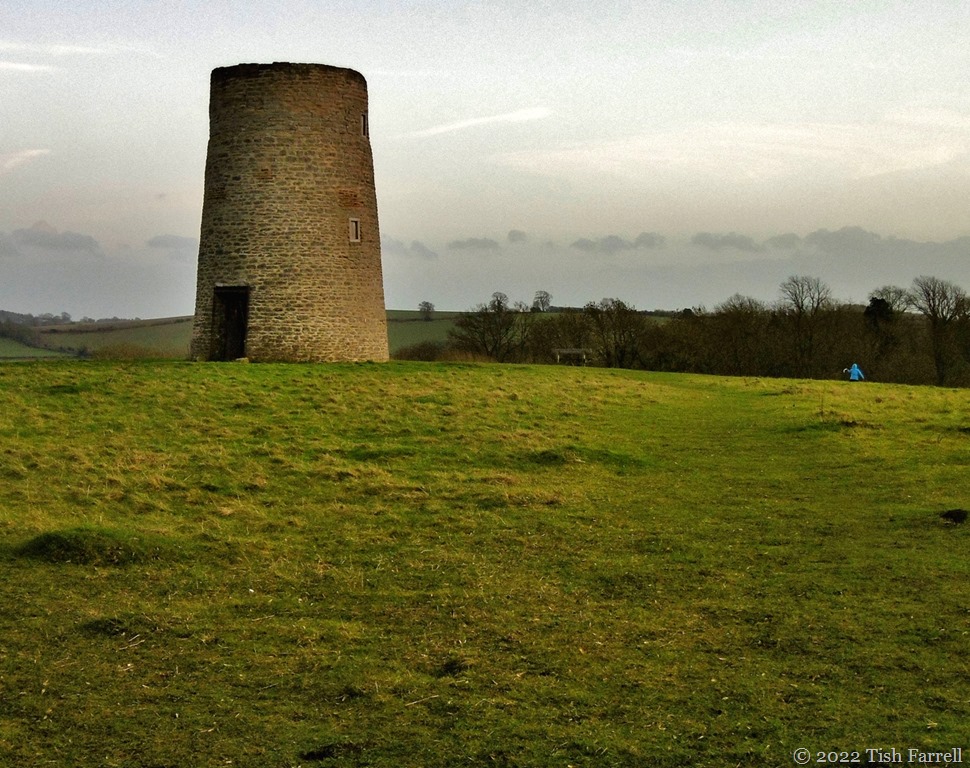
And while I’m showing off our local hills, I can’t leave out the town’s favourite landmark: Windmill Hill with a small turquoise person heading over it:

P1030046ed

Lens-Artists: over the hill  Donna at Wind Kisses has set this week’s challenge.

Cool Cool Convolvulus But Hot On The Plot

IMG_0957ed

We’re having a two-day heatwave here in the UK, temperatures in the 30s. That our summers for the last few years have been fairly heat-free seems to have erased memories that in times past we also had heatwaves. I remember baking to a crisp day after day on a Welsh beach back in the mid-1950s, and that was in May. And then there was the prolonged drought of 1975-76 when, due to severe water shortages, bathing with a friend was the catch phrase du jour. Wikipedia says this about that year:

Heathrow had 16 consecutive days over 30 °C (86 °F) from 23 June to 8 July[ and for 15 consecutive days from 23 June to 7 July temperatures reached 32.2 °C (90 °F) somewhere in England. Furthermore, five days saw temperatures exceed 35 °C (95 °F). On 28 June, temperatures reached 35.6 °C (96.1 °F) in Southampton, the highest June temperature recorded in the UK. The hottest day of all was 3 July, with temperatures reaching 35.9 °C (96.6 °F) in Cheltenham.

Whatever the weather, this gardener usually tries to avoid going away during the main growing season. At the best of times, watering the allotment vegetable plots and polytunnel seems too big an ask of fellow allotmenteers, and especially so during a dry spell. Summer for me, then, means garden watch. And so with the promise of a hot day ahead, this morning I was off to the allotment at 6 a.m. to see what rescue remedies might be needed after yesterday’s heat.

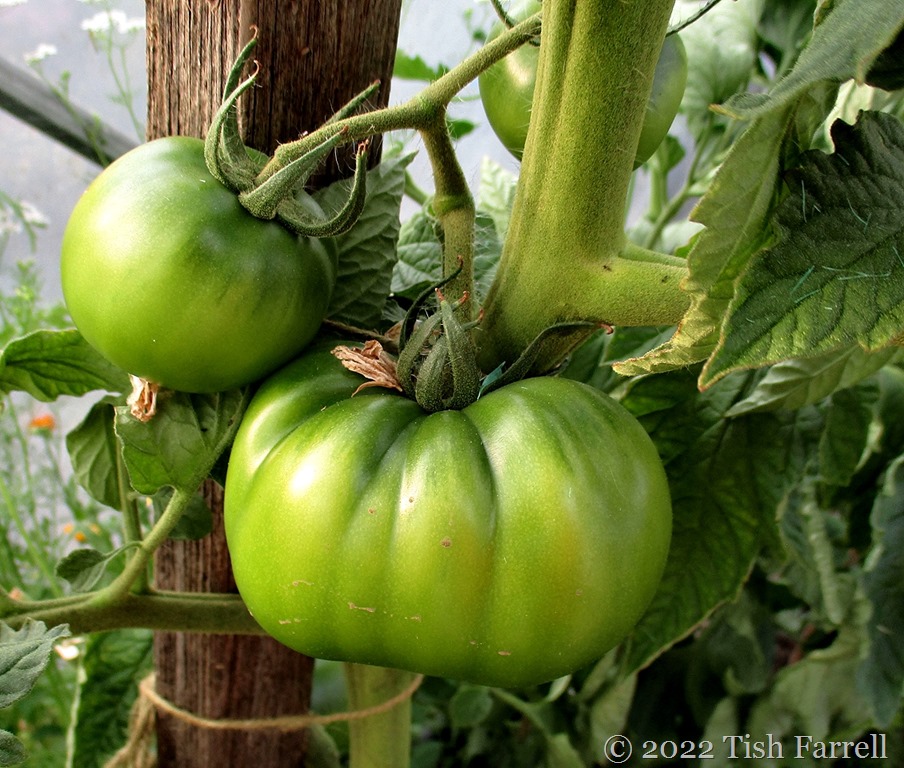
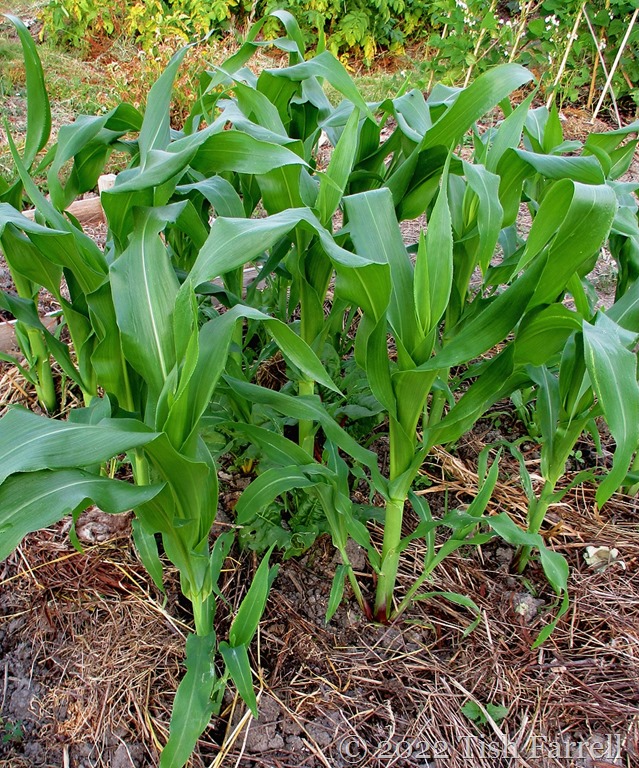
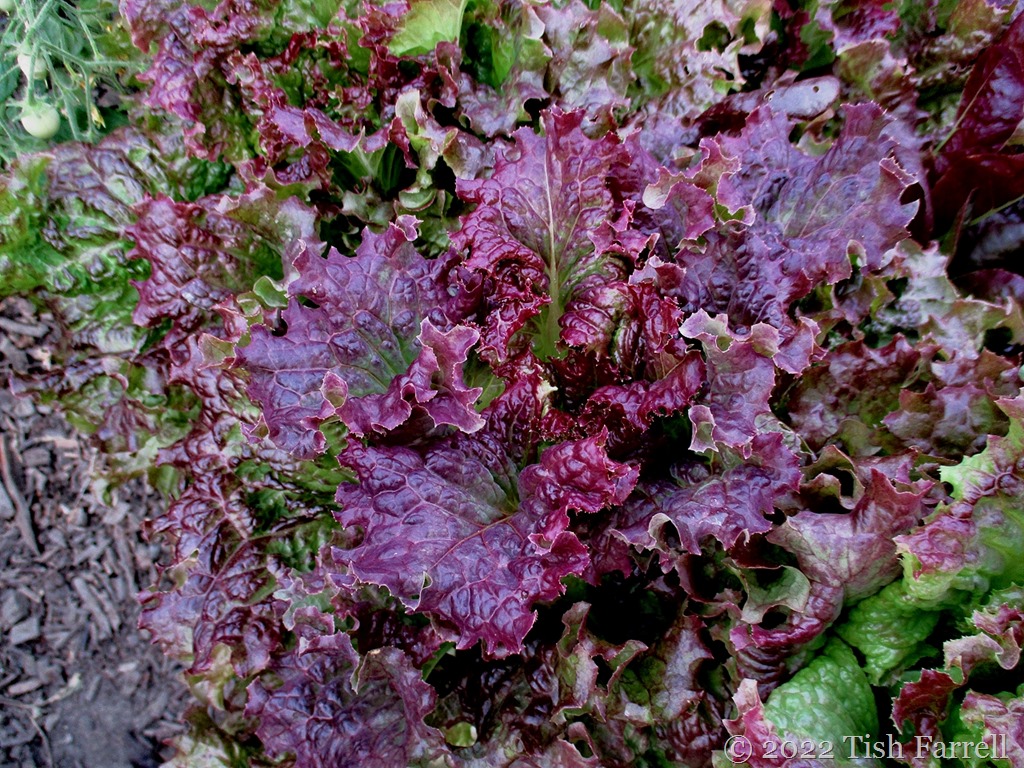
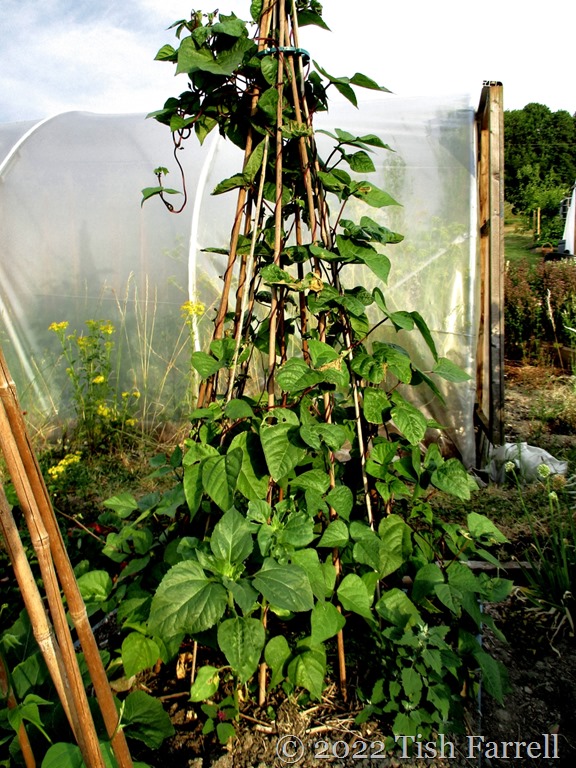
I needn’t have worried. The polytunnel (a sweat-inducing structure even in coolish weather) was fine. I’d left both doors open and the tomatoes, cucumbers and aubergines, lettuce and herbs looked happy enough. Meanwhile out on the plot, and since I was there, I damped down the mulch around the climbing peas and beans, courgettes and sweet corn, then picked raspberries that were looking a bit cooked, and gave vulnerable beetroot and leek seedlings a good soak.

IMG_0892

IMG_0919

IMG_0942ed

IMG_0929

IMG_0913ed

IMG_0910

*

And then I wandered around and took these photos, and was home by 8 a.m., by which time it was definitely warming up.  The BBC forecast says 35 C now at midday, though the Norwegian Met Office site YR (which I usually follow as it’s pretty good) says 34. In any event, it will be a much cooler 22C max tomorrow, and in the 20s for the rest of the week. I just hope we get some meaningful rain showers along with the returning coolness.

*

IMG_0956ed

*

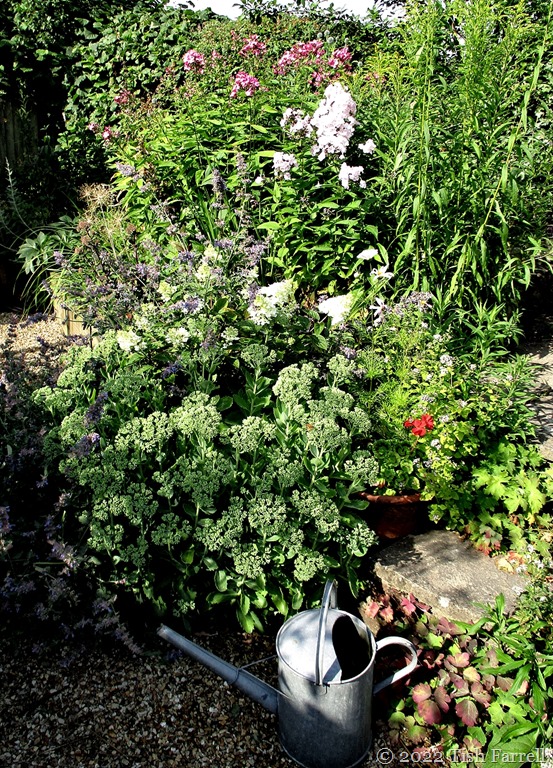
Back in the home garden, the borders are definitely struggling  through lack of rain. I can’t begin to water everything. The driest area is over the back fence in the guerrilla garden. Plants there simply have to take their chances, but even so, the tansy and golden rod are running rampant, towering over my head, and the late flowering Michaelmas daisies and helianthus are catching up. Meanwhile Ann Thomson geranium is holding her own against the lot of them. She may get cooked each day, but she’s still comes back flowering each morning. Oh, for such repeat resilience.

IMG_0970ed

IMG_0969

IMG_0966ed

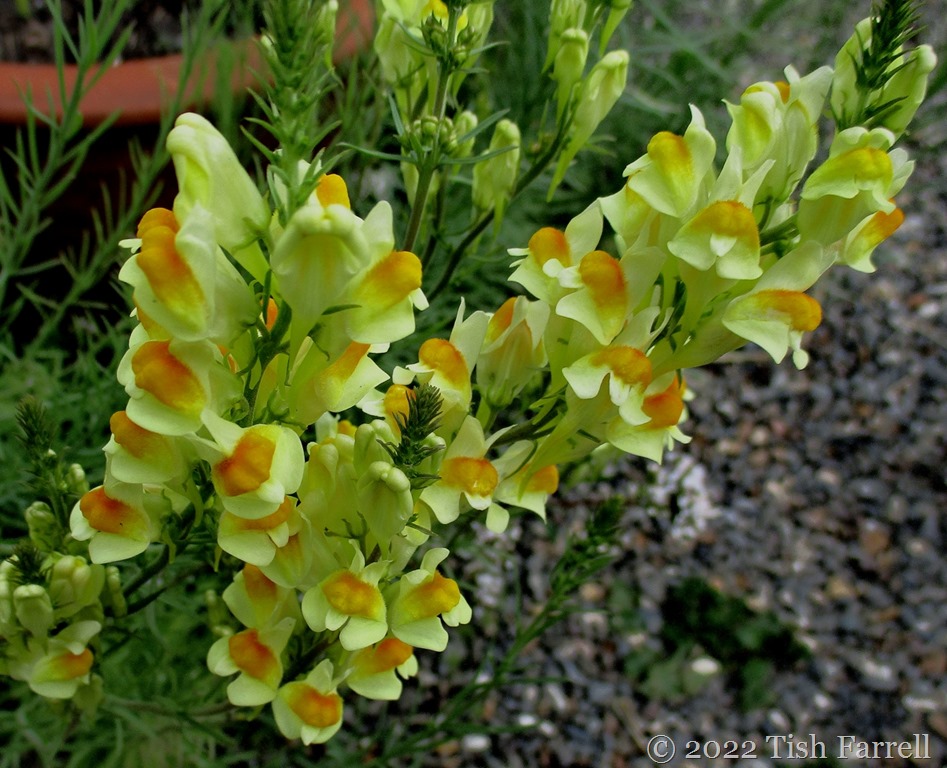
And this summer in the garden I’m really pleased to find that one of my favourite  wild flowers, yellow toadflax, has decided to colonise the upstairs path. I grew it from seed a couple of years ago, and now it’s taken off. I first fell in love with it as a child, on trips into the Shropshire hills where it grows along the lane verges in high summer…
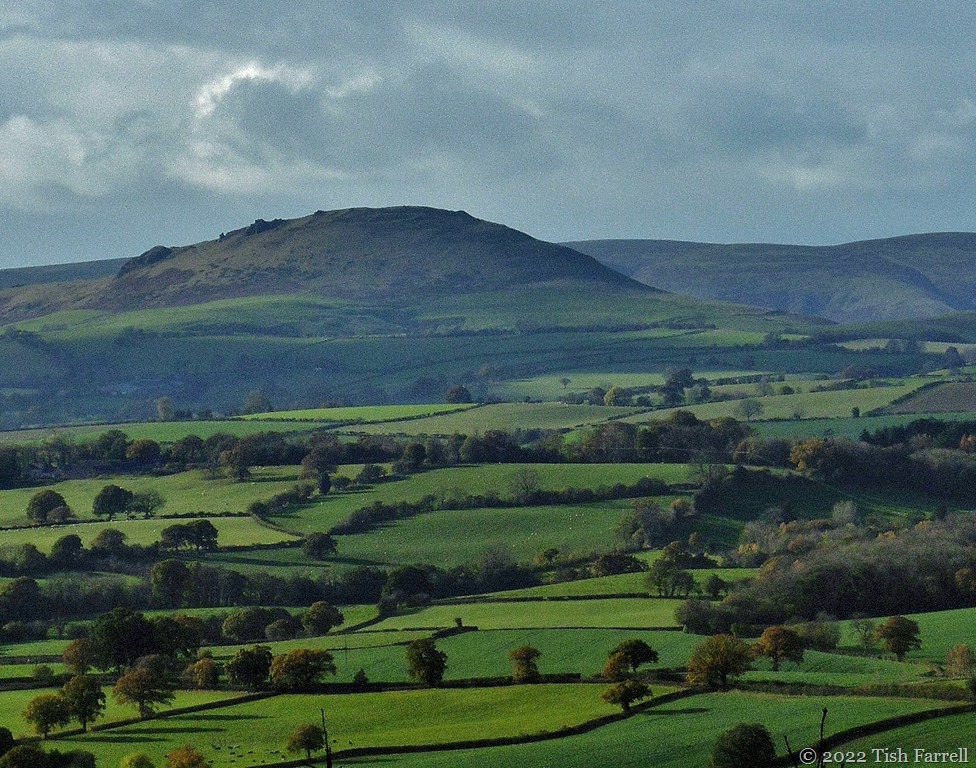
IMG_0961ed

*

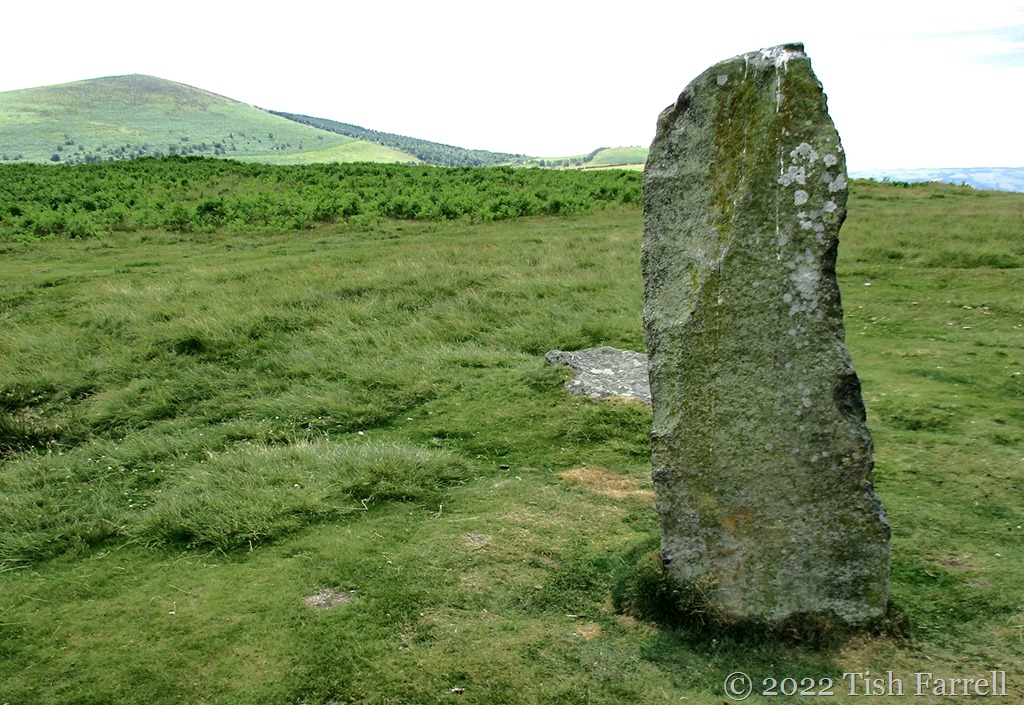
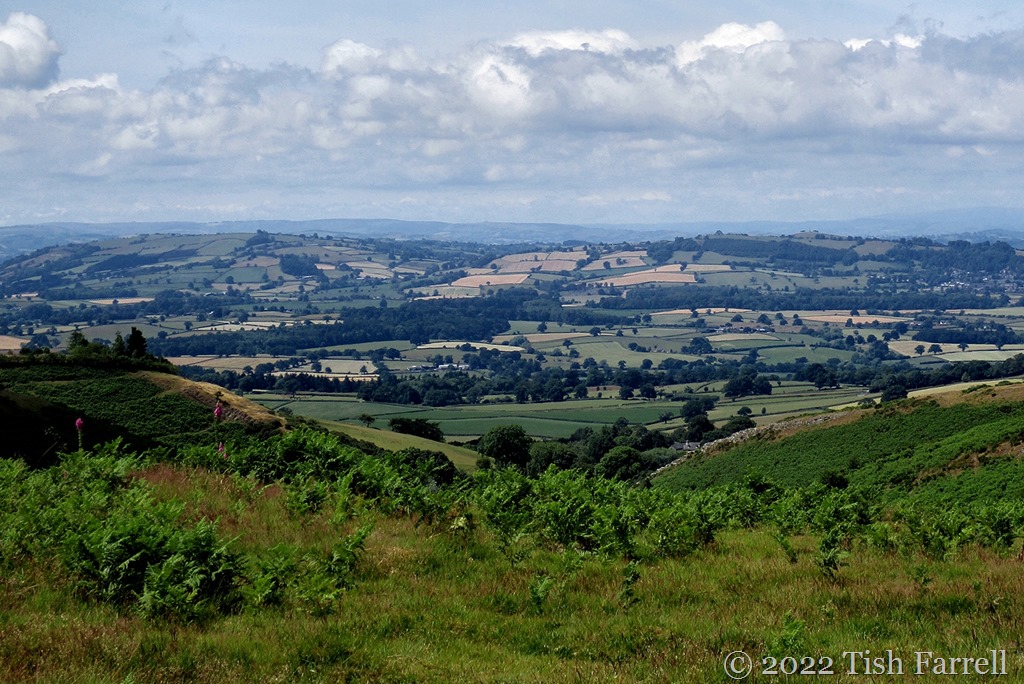
And talking of the Shropshire hills, I’ll leave you with summer views of the Shropshire-Wales borderland, taken a week or so ago on a visit to Mitchell’s Fold prehistoric stone circle.

IMG_0865ed

IMG_0862ed

Lens-Artists: Summer Vibes

This week Solaner has set the challenge.

Seasons Past ~ In The Shropshire Hills

Ragleth Hill Dec 2020

This first photo is a ‘family favourite’ square due to its being the view of Ragleth Hill from my sister’s house taken last Christmas when we were gathered there for lunch. A perfect winter’s day too – sun and moon and no snow.
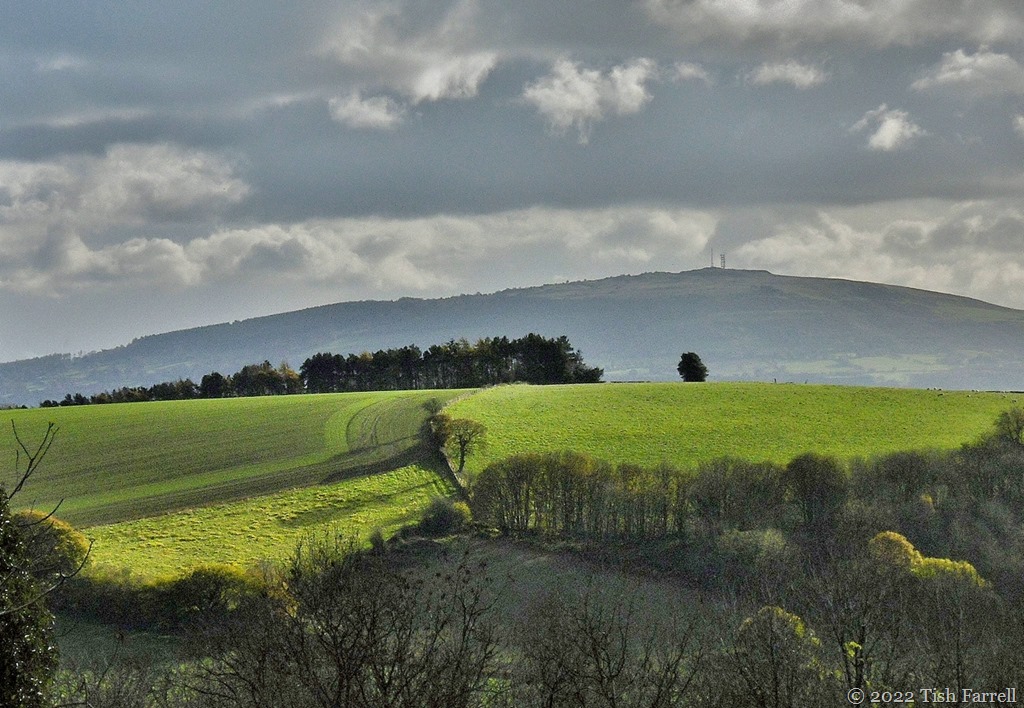
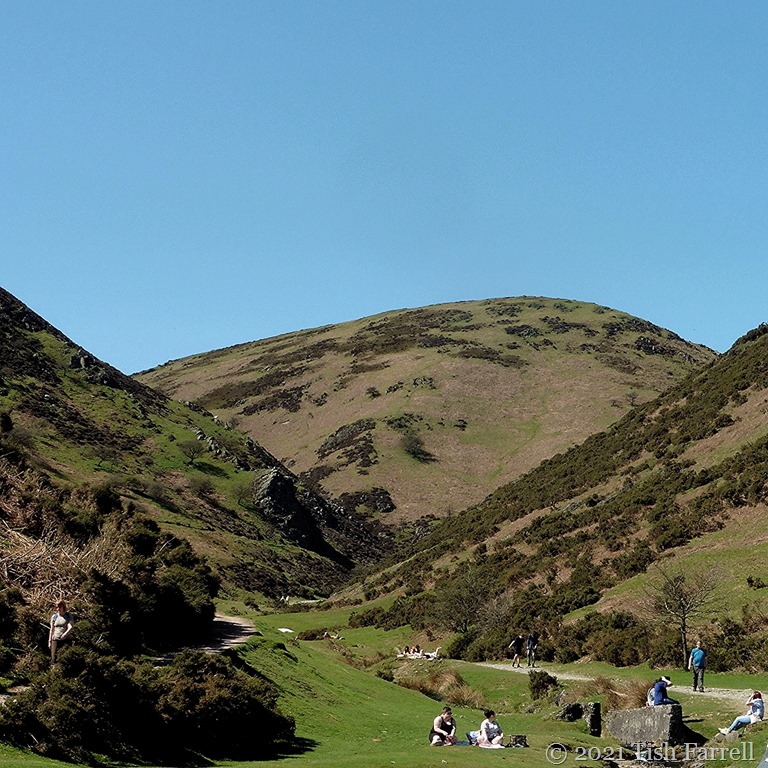
Across the valley from Ragleth is the Long Mynd, an extended spine of hill, its flanks riven by a number of small valleys, locally known as batches. The best known is Carding Mill  Valley, a busy local beauty spot in all seasons.

100_4401

P1050303

P1050289

And back to Ragleth Hill in summer:

P1080496

Past Squares #21

Borderlands ~ Distance In Time And Space

P1030690a

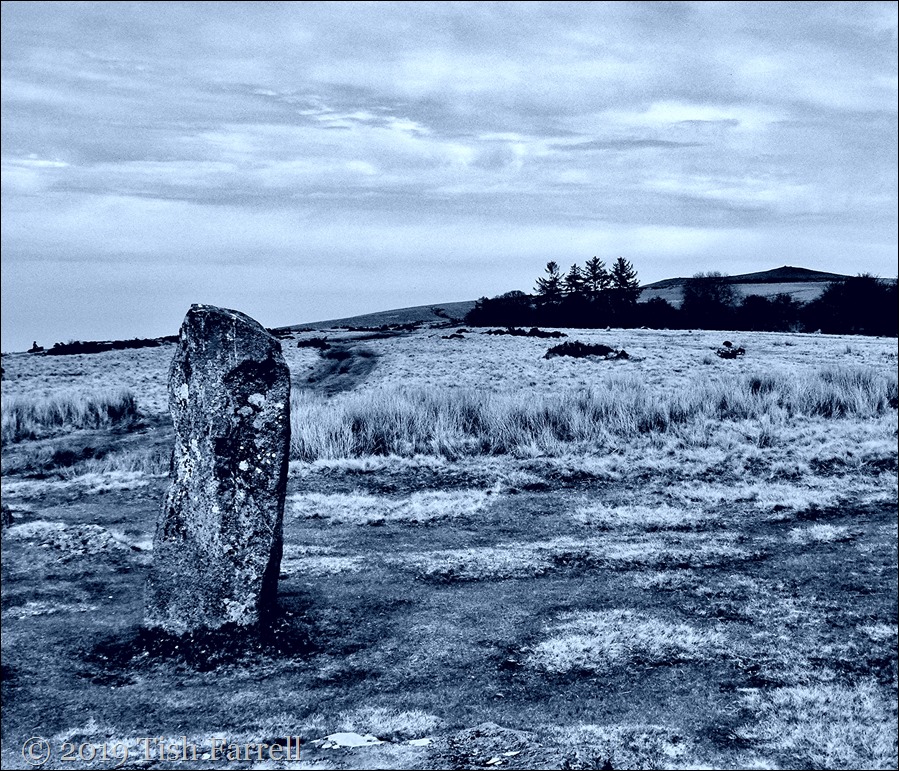
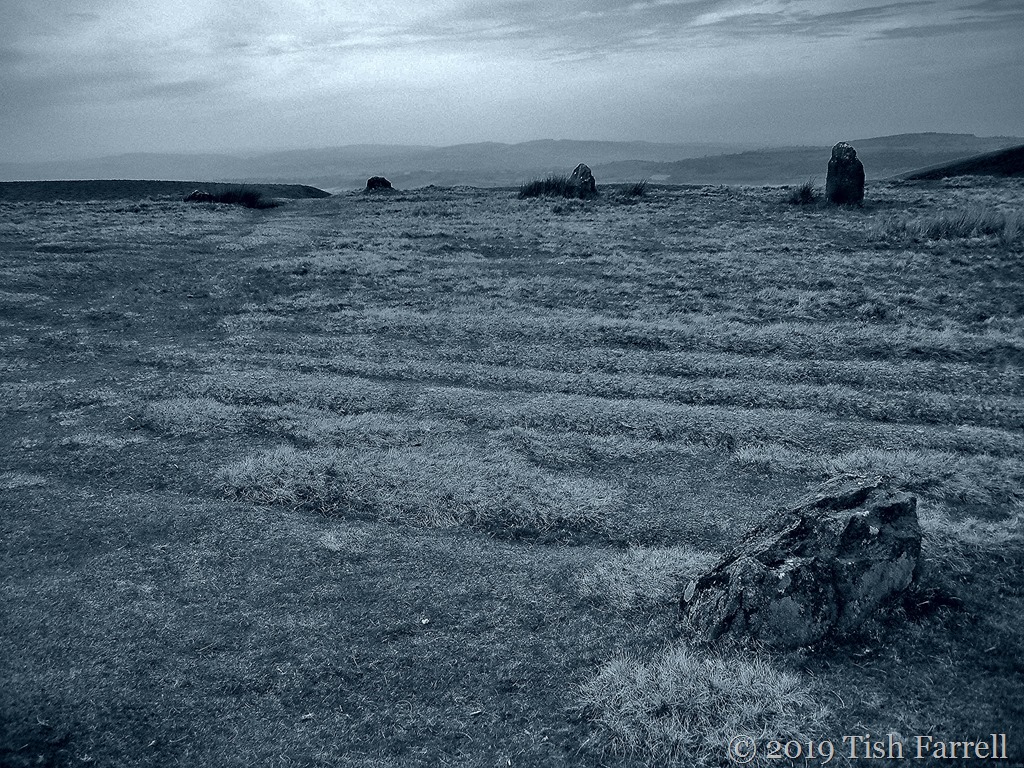
We’re in border country here – between the Shropshire Hills and Wales  and I’m standing inside a Bronze Age stone circle, Mitchell’s Fold, looking in a northerly direction. And if the circle is a little raggedy  after three millennia, then its location is surely still impressive.

*

Here is the southerly view towards Corndon Hill on whose flanks are the remains of several prehistoric burial cairns. To the right are the hazy Welsh uplands.

a

*

This westerly view towards Wales shows more of the Bronze Age circle. Several of the stones have been laid flat or damaged, and this apparently happened long ago. Perhaps when the land through the circle was being worked. You can see here the rig and furrow outlines of medieval fields. I think the climate must have been milder back then or they grew very tough crops.

100_9480

*

Now looking east, the furthermost ridge is one of Shropshire’s most mysterious and curiously named hillscapes: the Stiperstones with its lunar Manstone and Devil’s Chair outcrops. This ridge is formed from quartzite laid down some 480 million years ago.

P1030691

All these places loom darkly in local legends and folklore. I’ve told the story before of Mitchell, the wicked witch for whom Mitchell’s Fold is named. You can read about her grim deeds and sticky end in an earlier post: Witch Catching in the Shropshire Wilds which also comes with snow-scene photos courtesy of he who no longer uses his camera.

Cee’s Black & White Photo Challenge: In the distance

“What Are Those Blue Remembered Hills”?

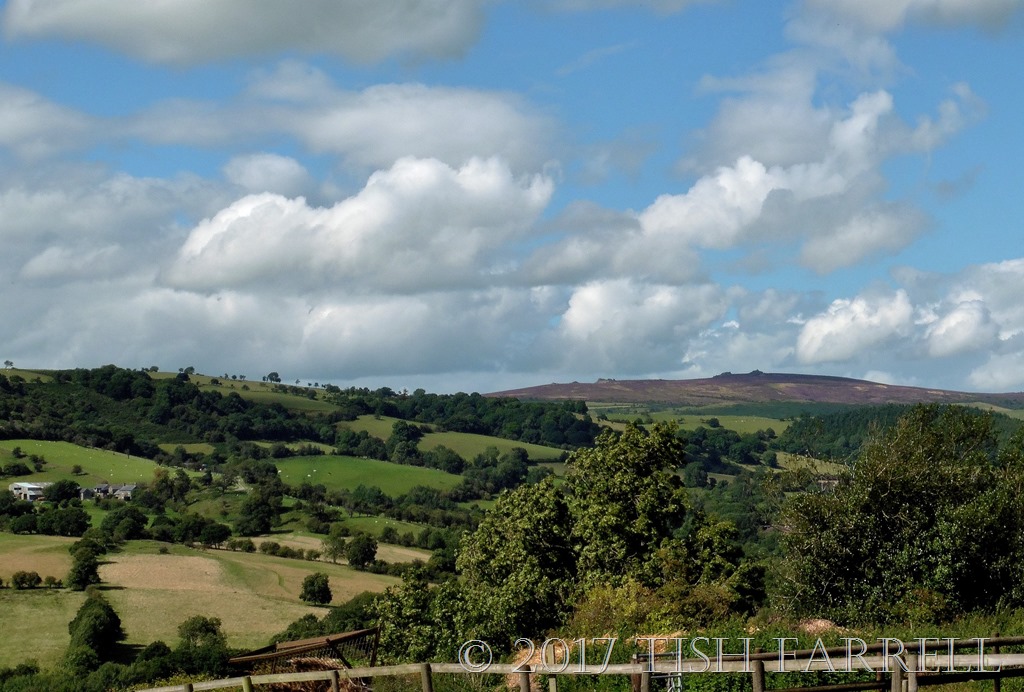
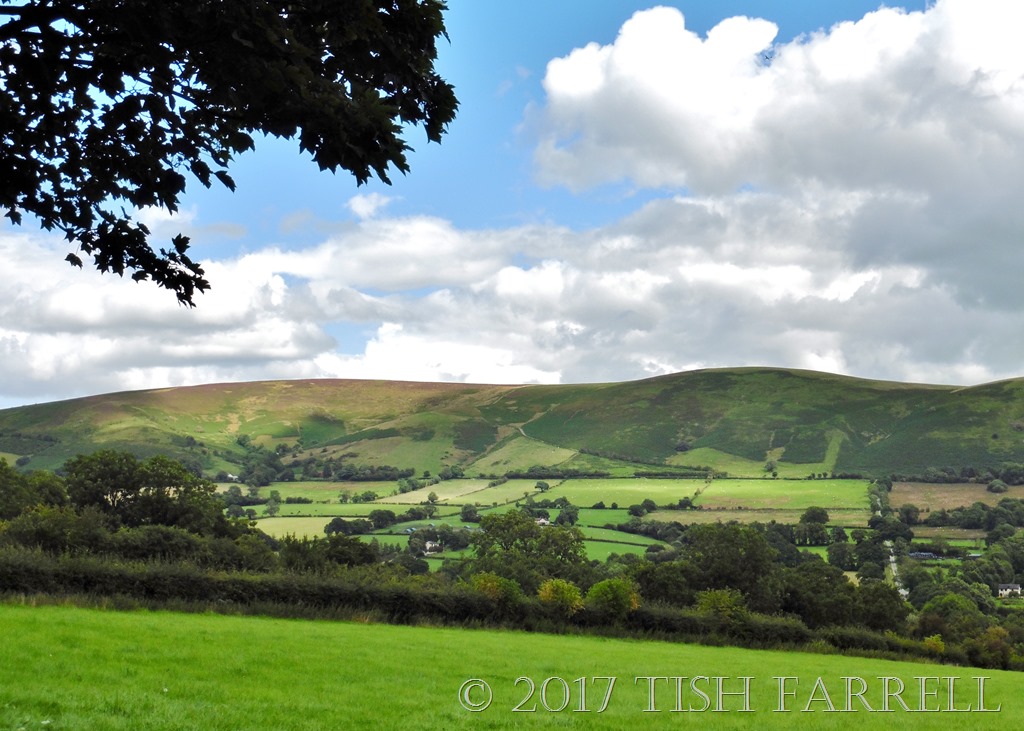
Anyone who saw July’s To The Mysterious Stiperstones post might just recognise those distant heather-covered hills. Last month they were captured under looming skies, but this was how they looked yesterday when we went to Wentnor.

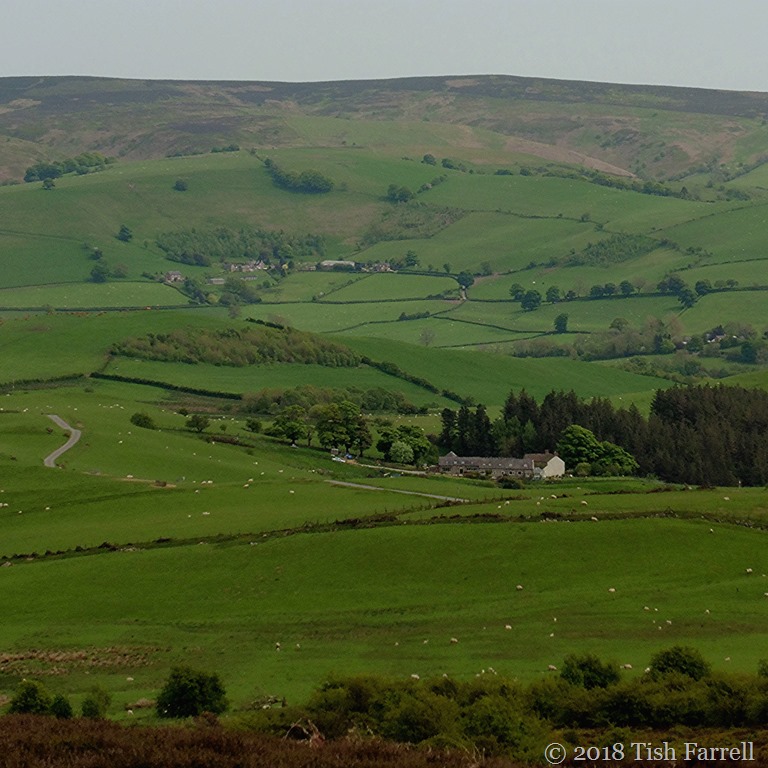
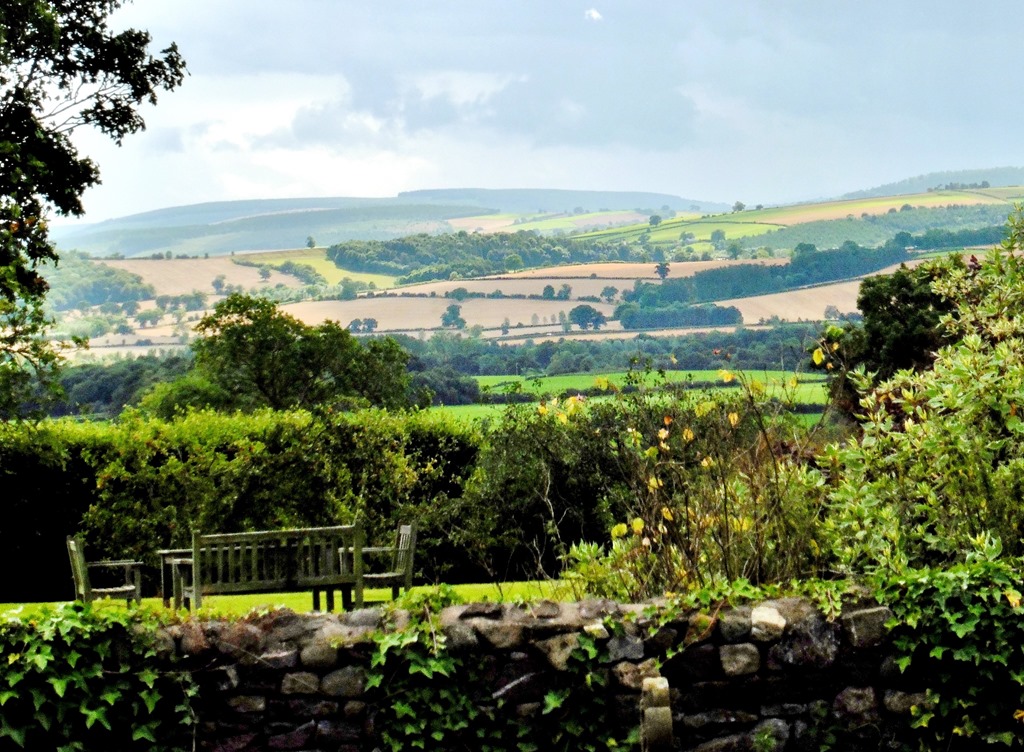
This off-the-beaten-track South Shropshire village must have some of the best views in the county – the Stiperstones to the west, and the Long Mynd to the east, and nothing but rolling farmland in between. The nearest towns are Church Stretton and Bishops Castle (6 and 5 miles respectively) but take note: Wentnor miles are at least twice as long as other people’s miles. It is a world all its own.

P1010829

*

Coming up next is a glimpse of the Long Mynd looking east from the village. The name, unsurprisingly, means long mountain. It does not allow itself to be photographed in one shot.

P1010823

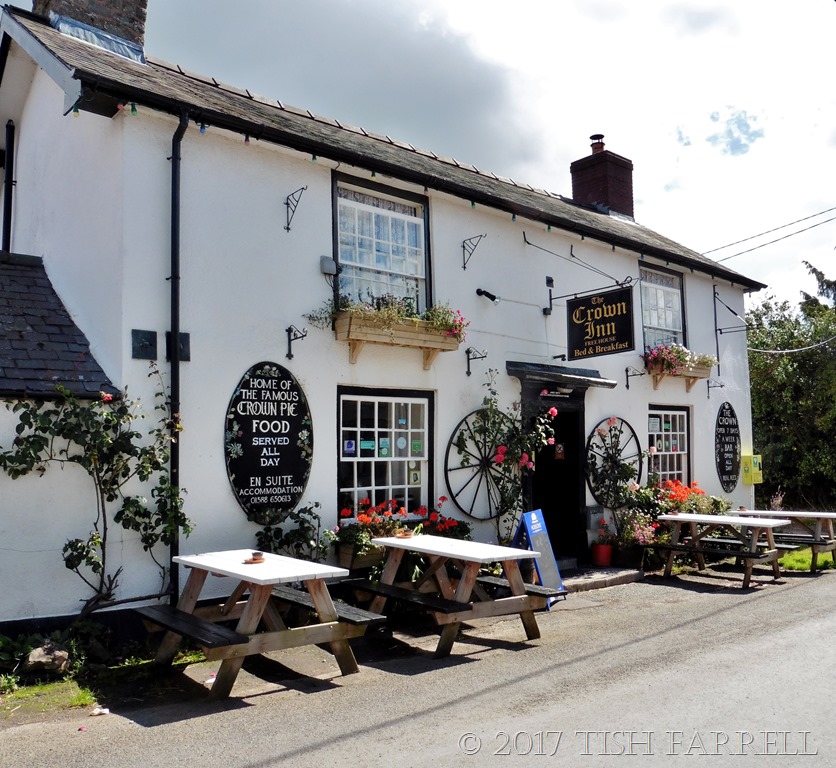
And here’s the northerly end, taken from the car park of the village pub:

P1010855

Talking of which, this was the objective for the outing – lunch at The Crown at Wentnor along with our best Buffalo chums, Jack and Kathy. The last time we four had been there, Graham and I were still living in Kenya, and only briefly in the UK on annual leave. We decided it had to be a good twenty years ago. How time flies.

P1010833

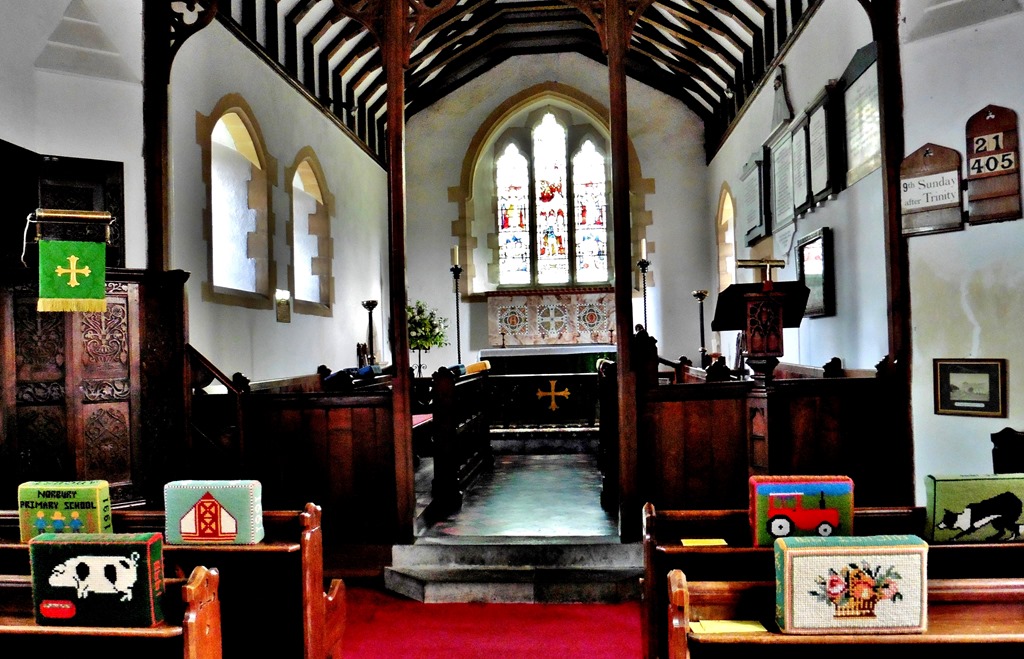
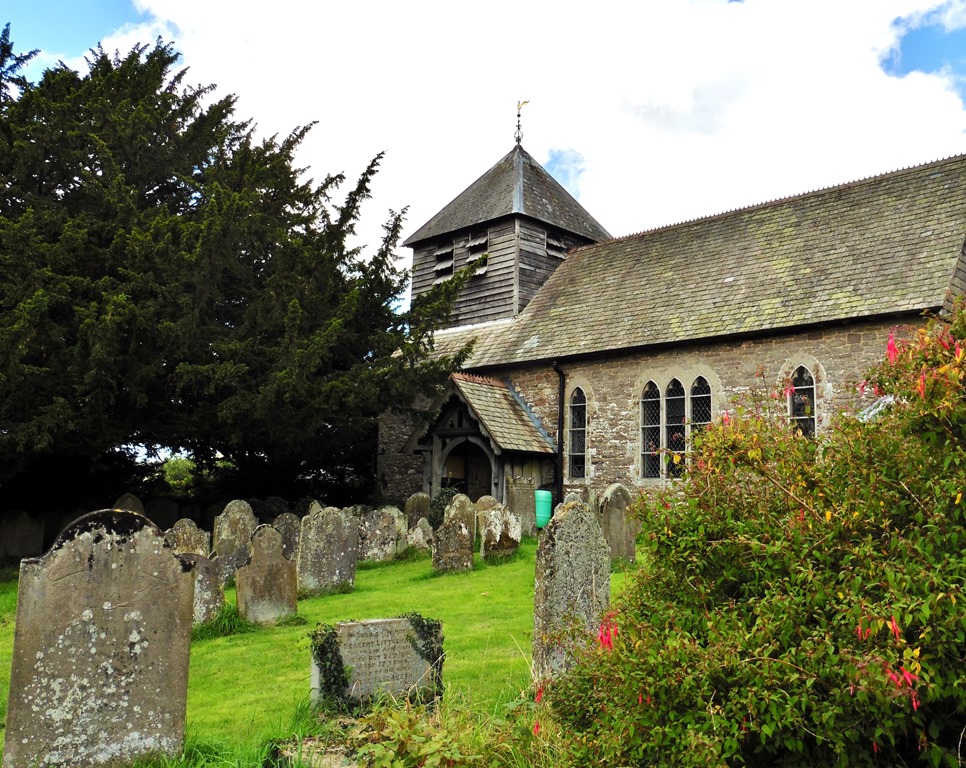
After lunch we wandered about the village, and paid a visit to the parish church of St. Michael. None of us are subscribers, but when out together we often seem to find ourselves in country churchyards. Besides, Wentnor church is welcoming, and vistas within and without most picturesque. In fact I was so taken with the charm of the kneelers along the pews,  I thought I might even like to join the people who had made them in a spot of hymn-singing – All things bright and beautiful of course; nothing like some tuneful gratitude as harvest festival time approaches.

P1010792

P1010805

P1010809

P1010813

The church was rebuilt in the 19th century, although parts date from the 12th century. I was particularly struck by the craftsmanship of the ceiling, and have never seen anything quite like it before. It made me think of the ornate wooden Viking churches of Norway.

Out in the churchyard with its ancient spreading yew, there were views of the Long Mynd and the hills towards Clun and Radnorshire:

P1010821

P1010818

P1010820

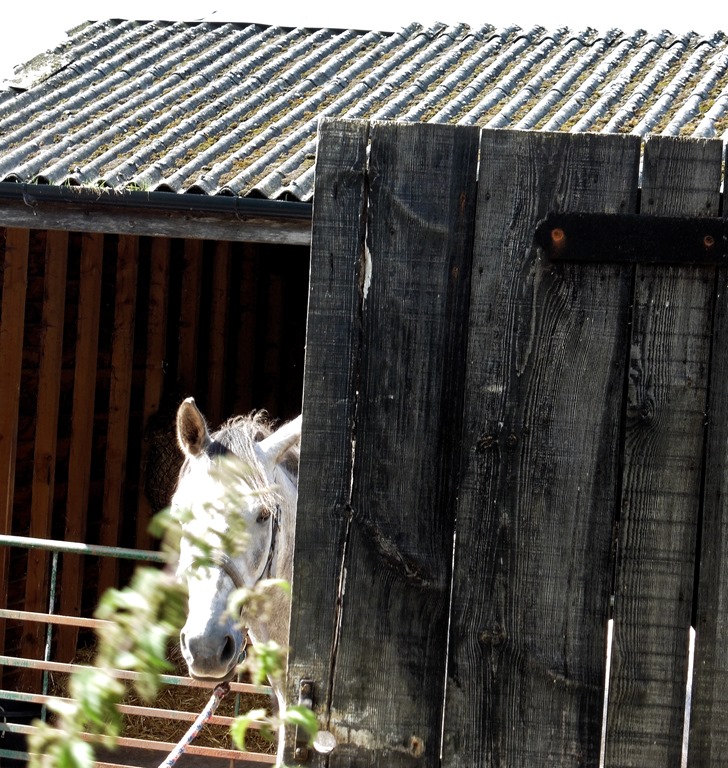
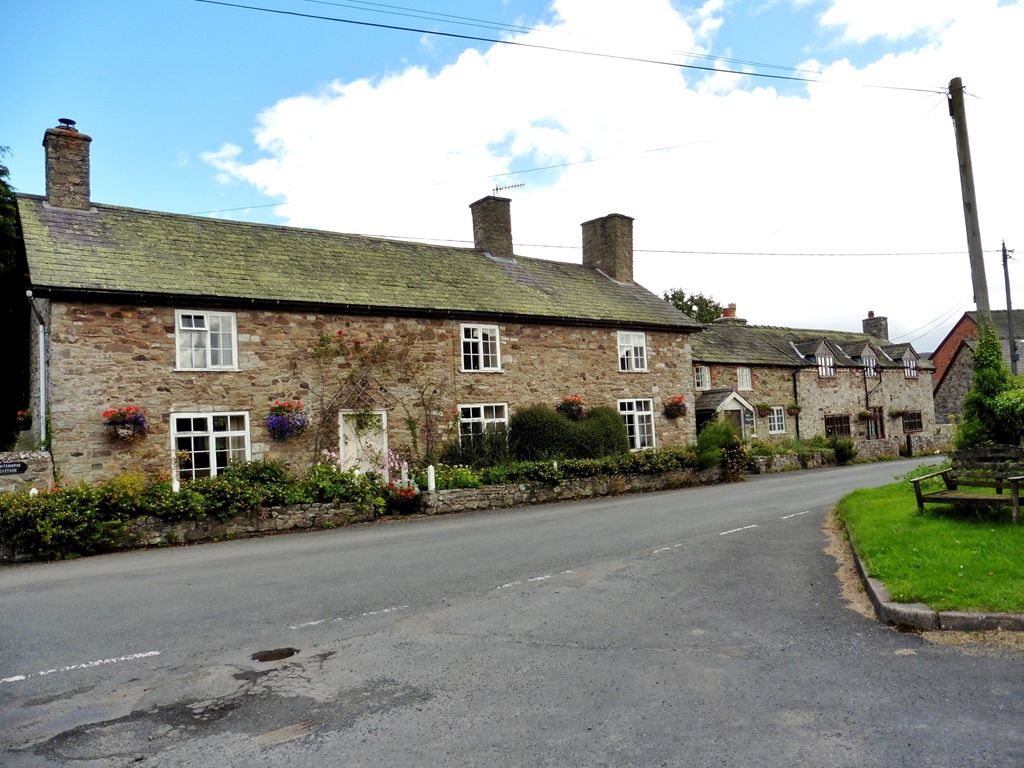
And it was all so very quiet with few signs of the locals as we wandered up and down the lane; only a couple of horses waiting for new shoes from the travelling blacksmith, the village noticeboard, old barns and cottages. And then the skies turned threatening and it was time to leave, back to the real world beyond the Mynd.

P1010839

P1010793

P1010830

P1010837

P1010845


N.B. The title quote is from A E Housman’s A Shropshire Lad  no. XL


Into my heart an air that kills

From yon far country blows:

What are those blue remembered hills,

What spires, what farms are those?

That is the land of lost content,

I see it shining plain,

The happy highways where I went

And cannot come again.

Six Word Saturday 

Treats and Treasures at Entertaining Elephants

DSCF0095

There’s a story that the Duchess of Windsor once had a cushion with words that read: If you are bored with shopping, you are in the wrong shop. With this thought in mind, please step inside my own favourite shop – Entertaining Elephants 0f Church Stretton in the Shropshire Hills.

For the past two years this lovely little emporium of quality foodstuffs, grocery essentials and ethically made gifts and clothing has been run by Jo Bickerton. And before I go much further, I should declare an interest: Jo is my sister. Here she is in her domain. You can  be sure of a warm welcome if ever you visit. I also doubt you will leave the shop without buying something wonderful.

100_6759

*

100_6749

Just now there is an array of Christmas speciality foods, but you can also buy your basic groceries too: free range eggs, Wenlock Edge bacon, Pimhill organic porridge oats. As far as possible, all produce is organic, ethically sourced and fairly traded. Customers with food sensitivities are also catered for. Artisan foods, such as bread, soups and cheeses, are produced locally. The same goes for many of the craft items and artwork. Jo’s guiding principles are that whatever she sells must be well made and life-enhancing.

DSCF9691

100_6687

DSCF0096

*

Upstairs there are more Christmas treats, and also Jo’s latest addition – a range of organic cotton and bamboo clothing.

DSCF0079

100_6751

The classically simple tunics, tops, and leggings can be dressed up with stunning recycled sari wraps and scarves, Turtle Doves lovely wrist warmers made from repurposed cashmere knitwear, and necklaces strung from Kazuri beads made in Kenya.

100_6686

*

And in case you are wondering where the name Entertaining Elephants comes from, it was chosen by the shop’s previous owners, from Maurice Sendak’s lovely picture book Alligators All Around An Alphabet.

100_4431

100_3498_resized

*

E is for Entertaining Elephants – every day, not just for Christmas. It’s worth coming to Shropshire just to visit.

DSCF0089

Contact: The Old Barn . 43 High Street . Church Stretton . SY6 6BX

http://www.entertaining-elephants.co.uk

#shoplocally

copyright 2014 Tish Farrell