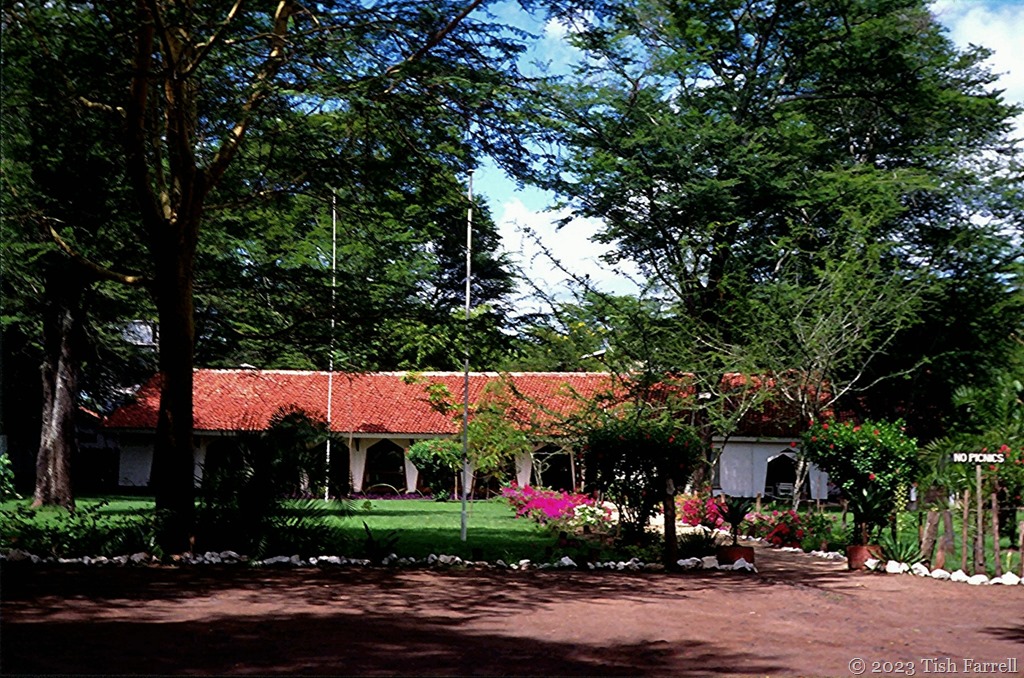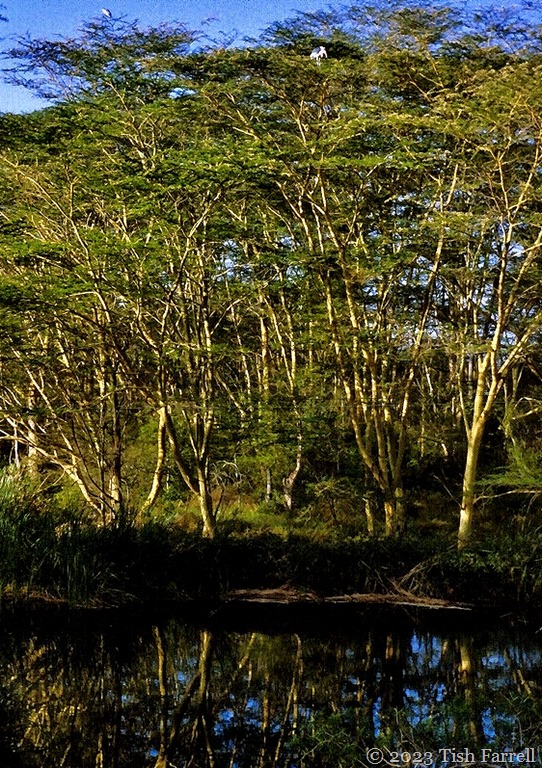
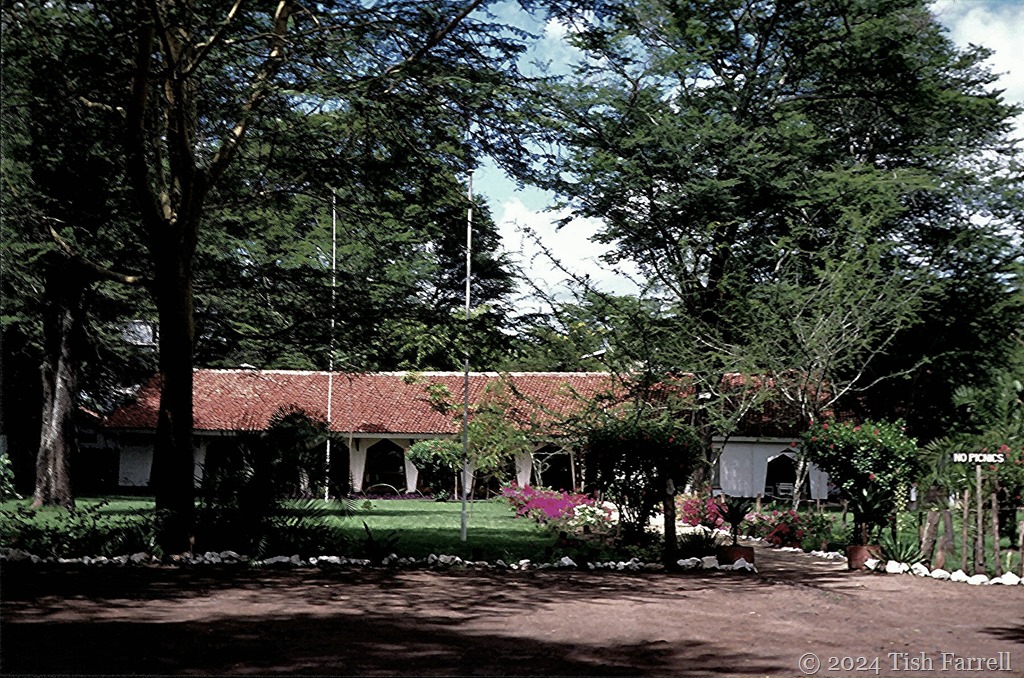
Every time there was that gasp of relief, as if we’d not been breathing for the last hundred miles. Ahead, through the heat haze, appeared the stand of fig and fever trees, rising tall and green above the dry bush country. After two hours of truck fumes, heat and dust and no shred of shade since leaving home in Nairobi, it seemed like an oasis.
It could be a mirage of course. But no. Next the scene would solidify and we’d see the Akamba wood carvers’ stalls set out under the trees. And then, thanks be, we’d be turning off the Mombasa highway, bumping along the dirt track, that was scarcely more bumpy than the road, and into the cool sanctuary of Hunter’s Lodge.
*
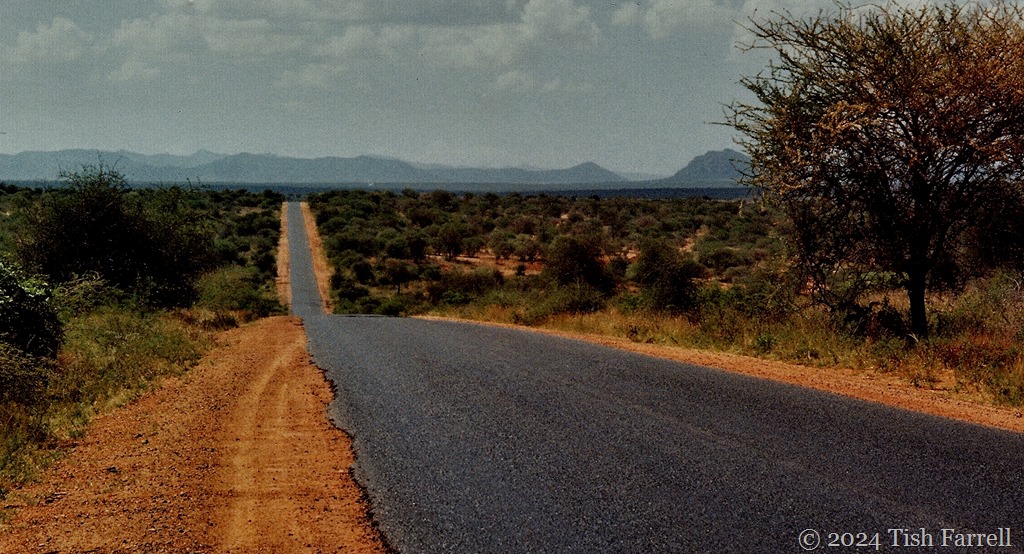
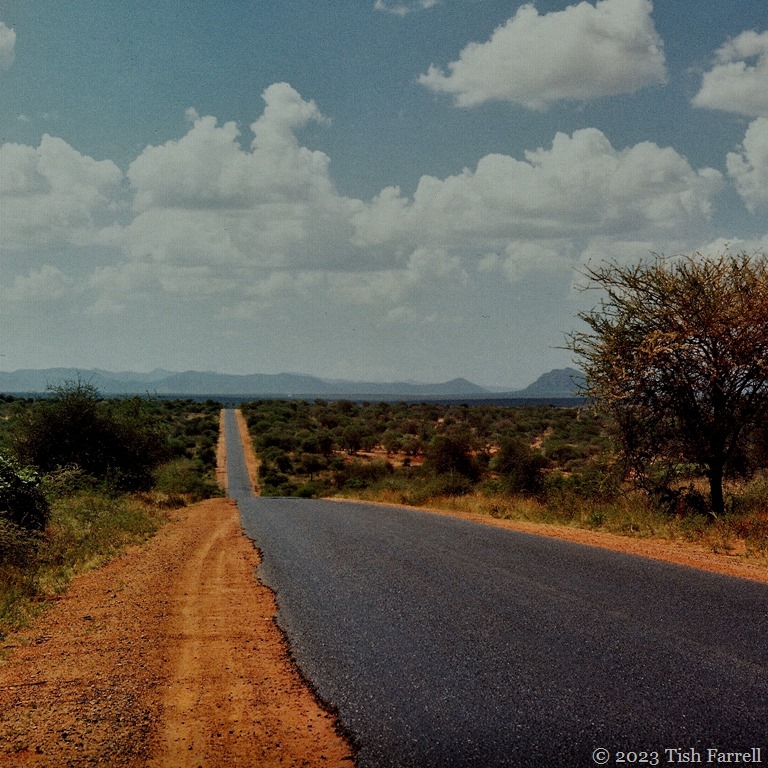
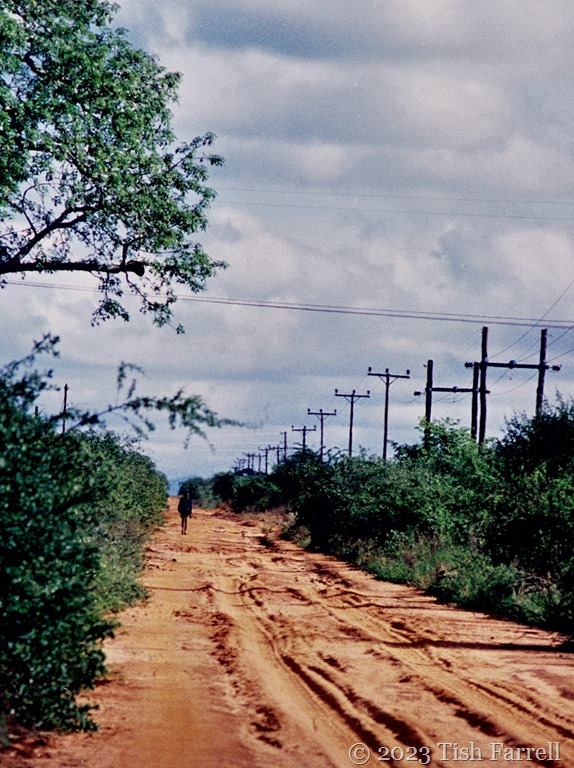
And this is what we had left behind – the highway looking north towards Nairobi, caught here in a rare truck-free moment. There is currently talk of this route being replaced by a 300-mile multi-lane, super highway-toll road to be built under the auspices of the US government. Some Kenyans are sceptical of its ever happening.
*
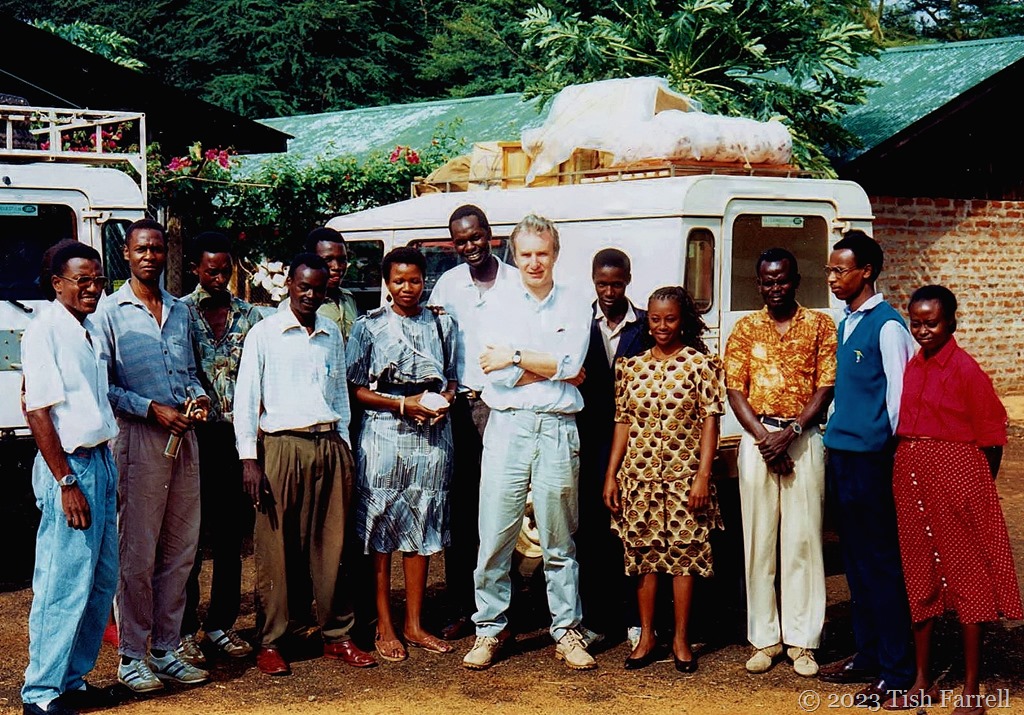
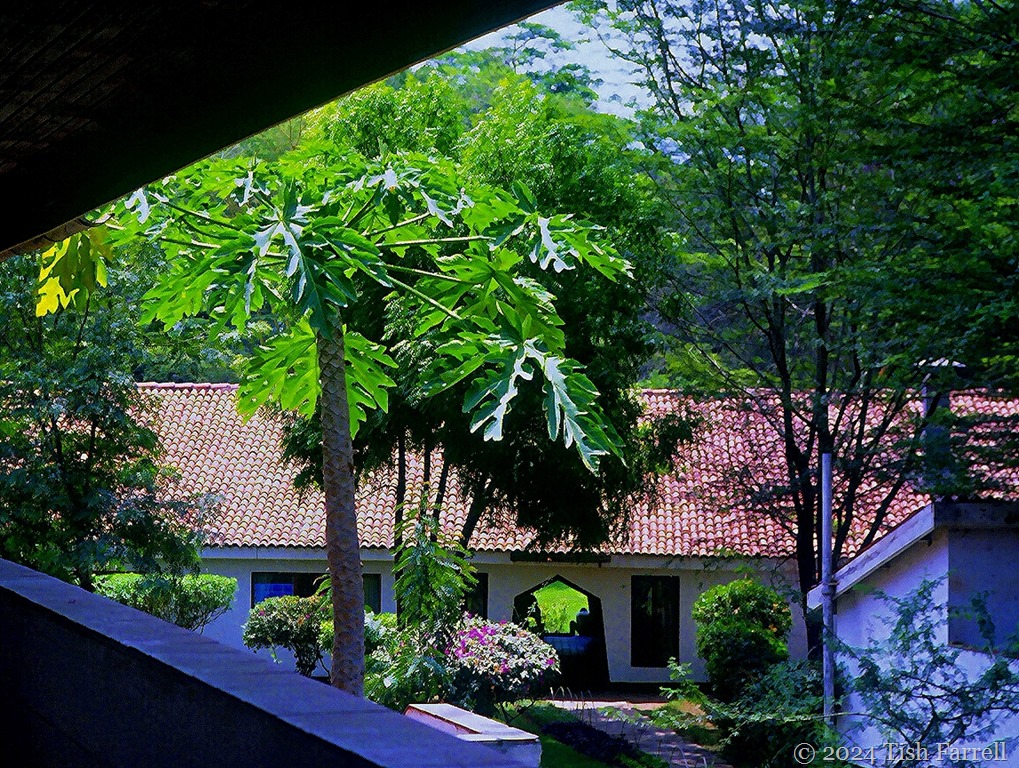
The trip to Kiboko and Hunter’s Lodge was one we made every other week during our first year in Kenya. Graham had been seconded to the Kenya Agricultural Research Institute to work on the eradication of the Larger Grain Borer, a voracious pest of stored grain, introduced to the continent on consignments of food aid. The project had its base at Kiboko field station, which, most conveniently, was behind the garden at Hunter’s Lodge.
There’s more back story here: Once in Africa: everyday moments at Hunter’s Lodge…until the crocodile
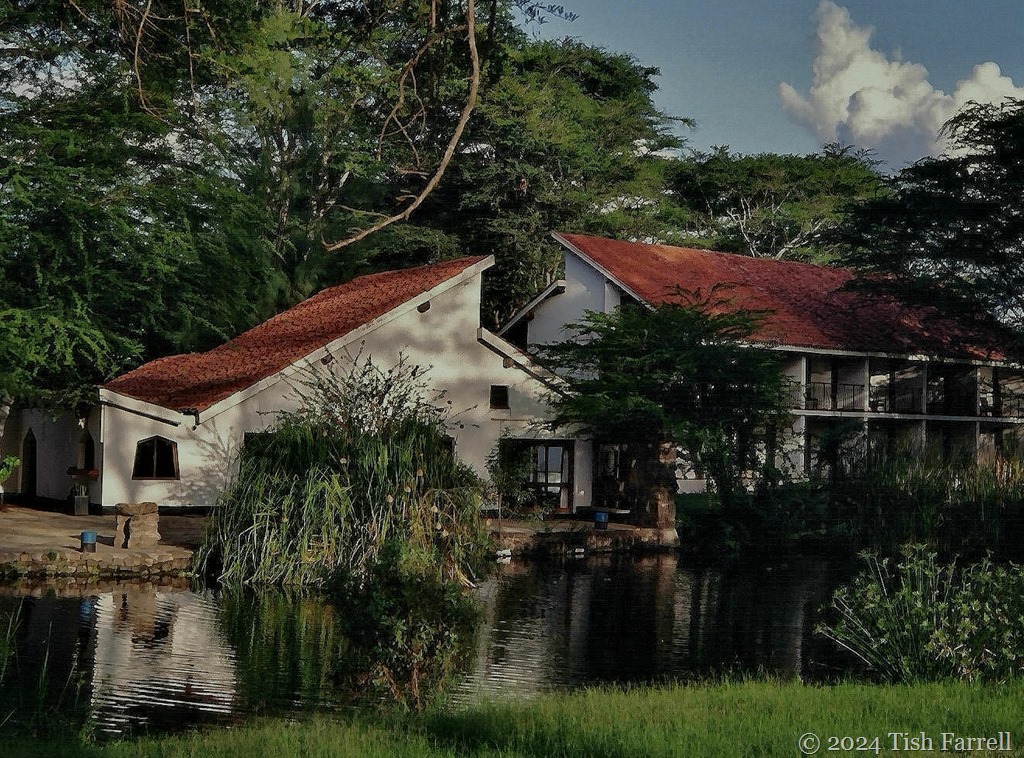
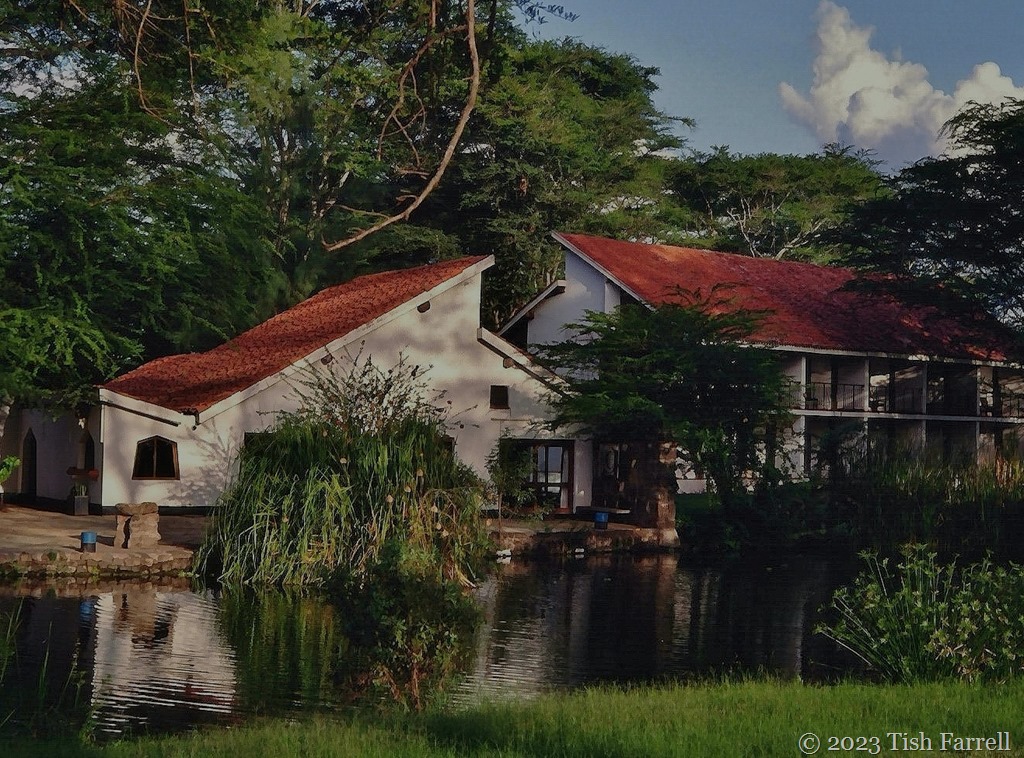
The Lodge was built in the 1960s as the retirement home of big game hunter, the blunt-speaking, no-nonsense Scotsman, John Hunter. He belongs to the era of grand shooting safaris for maharajas and European nobility. (Out of Africa Bror Blixen and Denys Finch Hatton were colleagues and friends). He also spent much of his shooting career working for the colonial game department, tracking down ivory poachers while ridding the lowland bush country around Kiboko of ‘troublesome’ rhino and elephants. The former were terrorising the Akamba farmers, the latter destroying the sisal and orange farms of British settlers. He chose this spot for his home because he remembered it as an elephants’ waterhole, where he had enjoyed much time simply watching them. He seemingly saw no irony in the fact that he’d helped eradicate the local population.
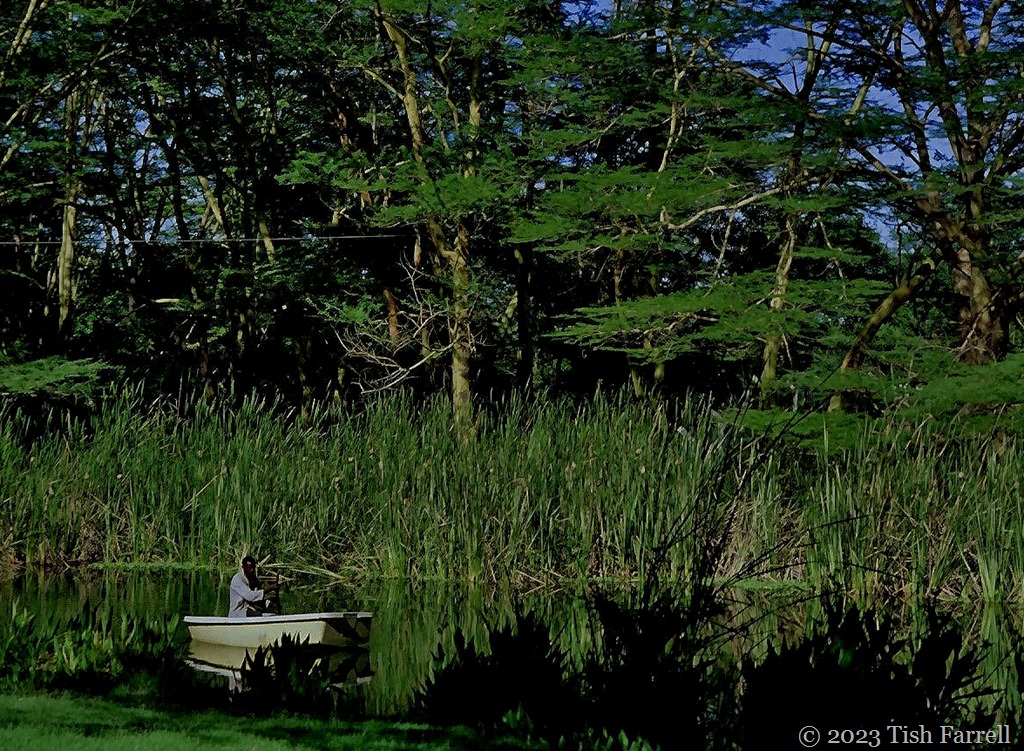
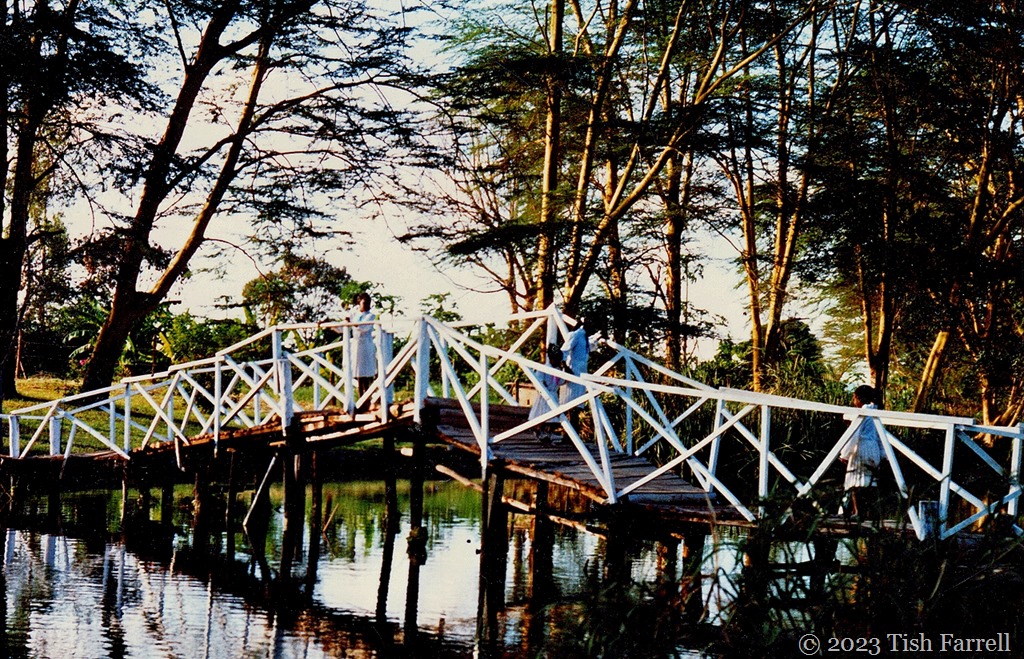
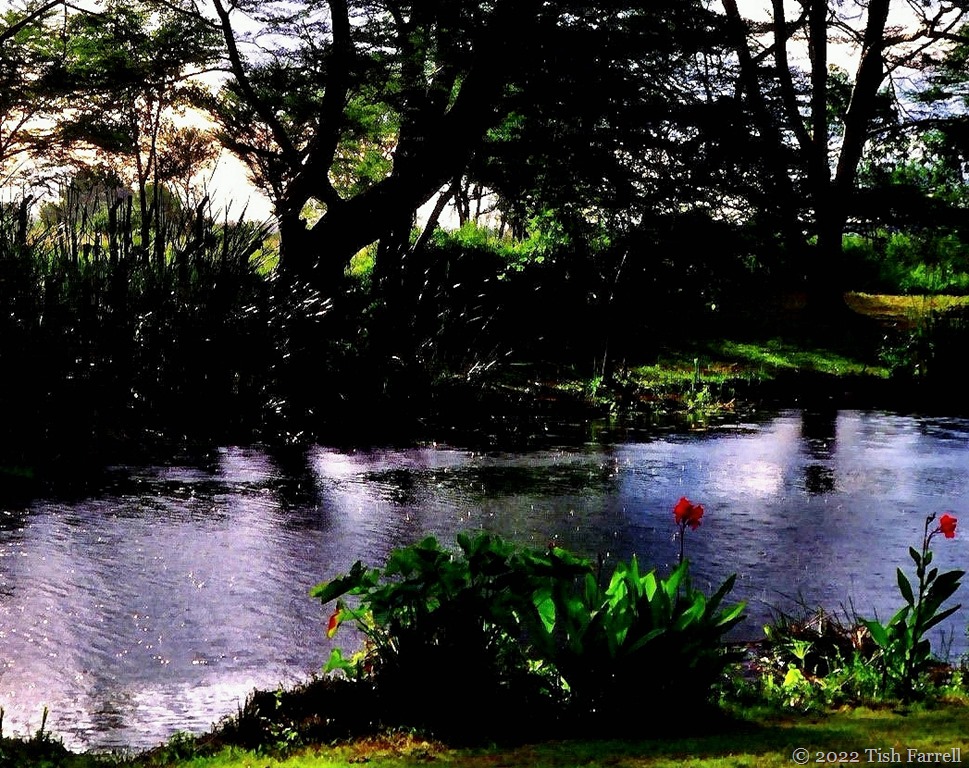
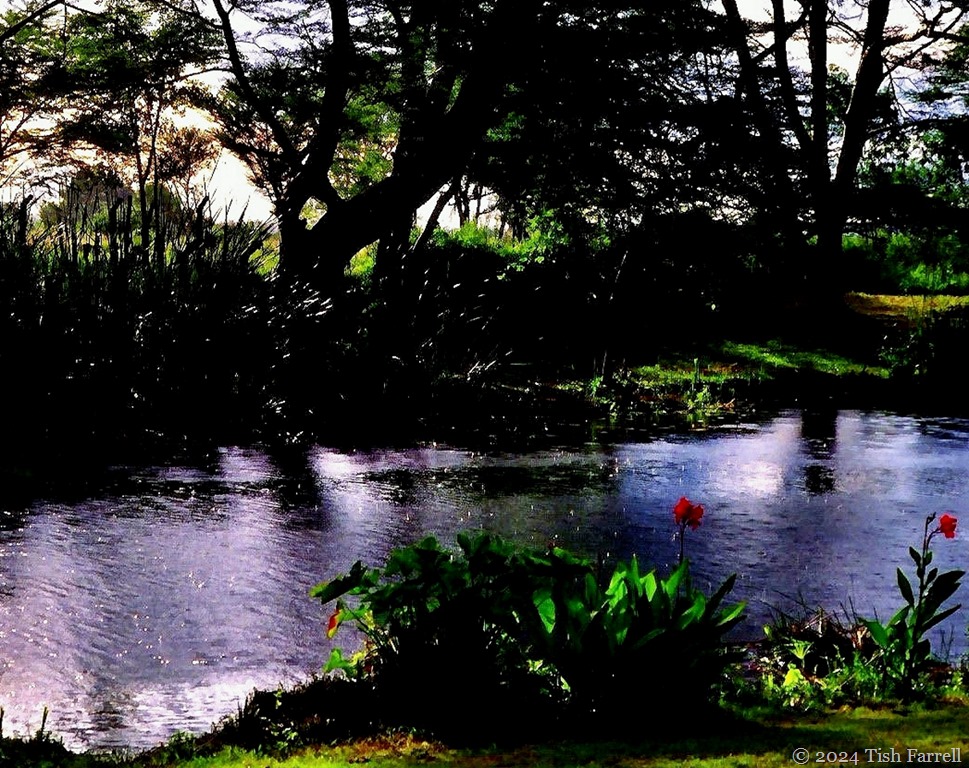
The waterhole, which was fed by a rare local water source, the Kiboko River, was remodelled into a garden lake, and traversed (in our day at least) by an extraordinary bridge that led to the vegetable shamba.
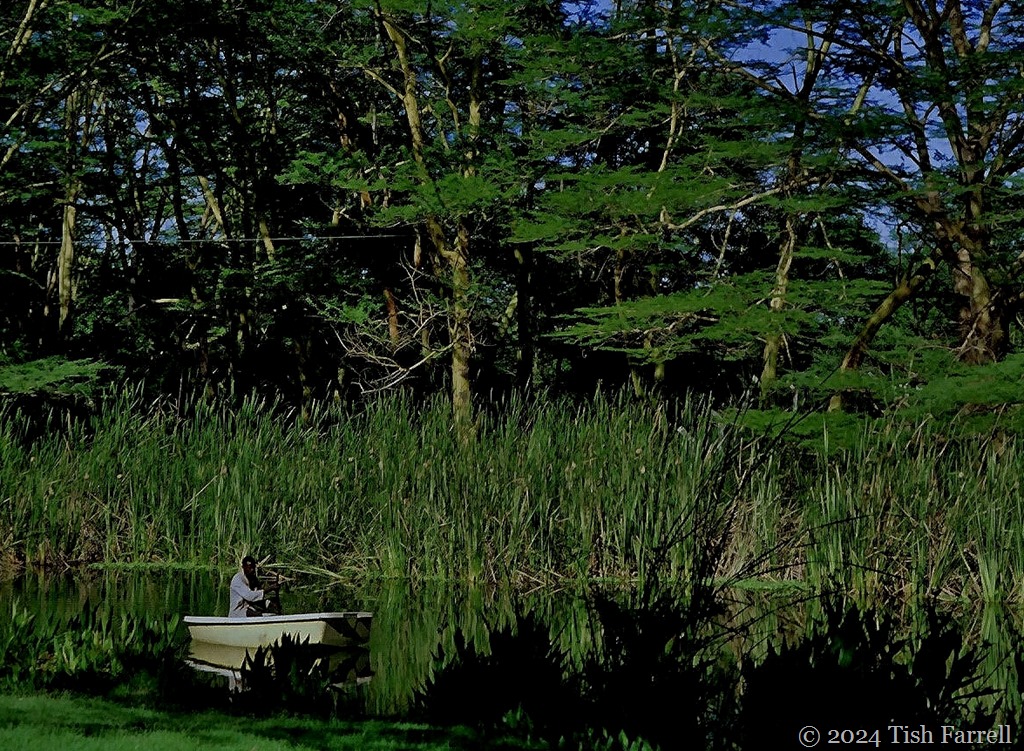
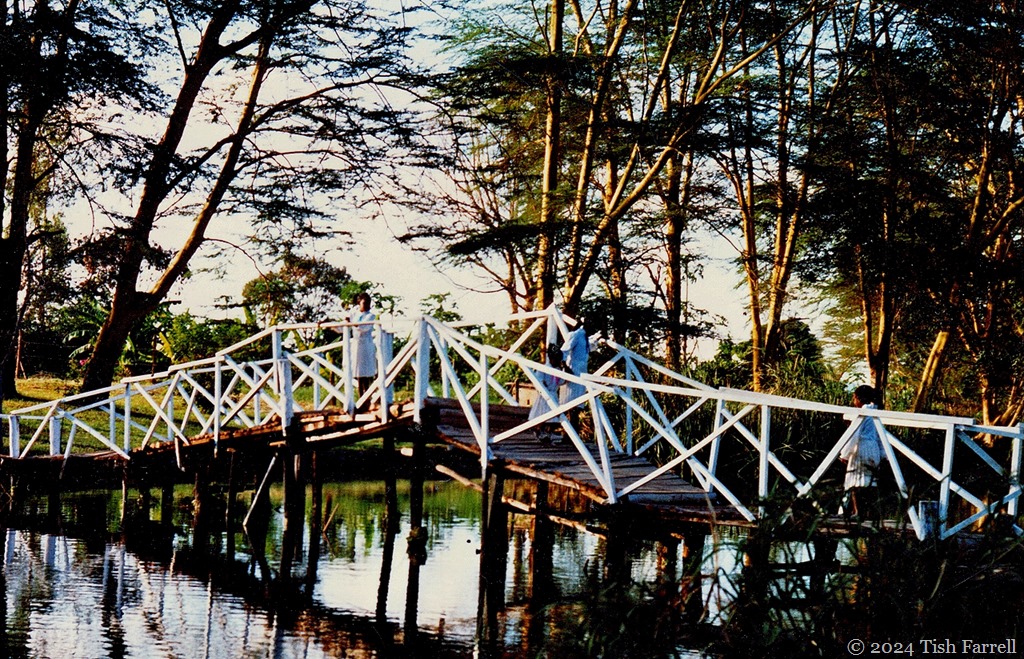
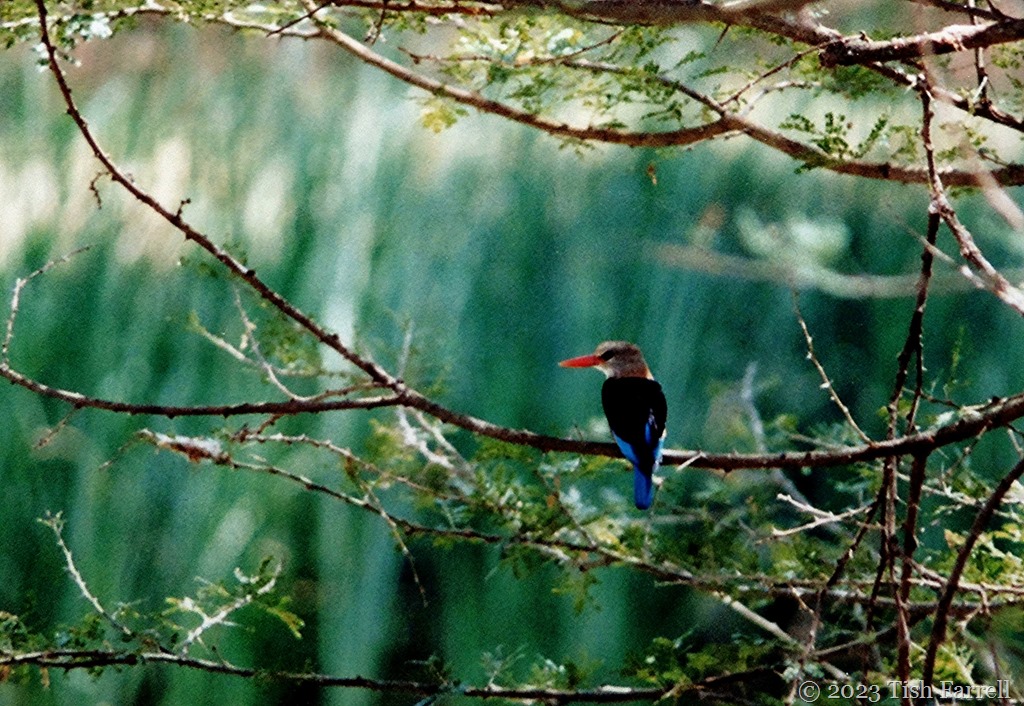
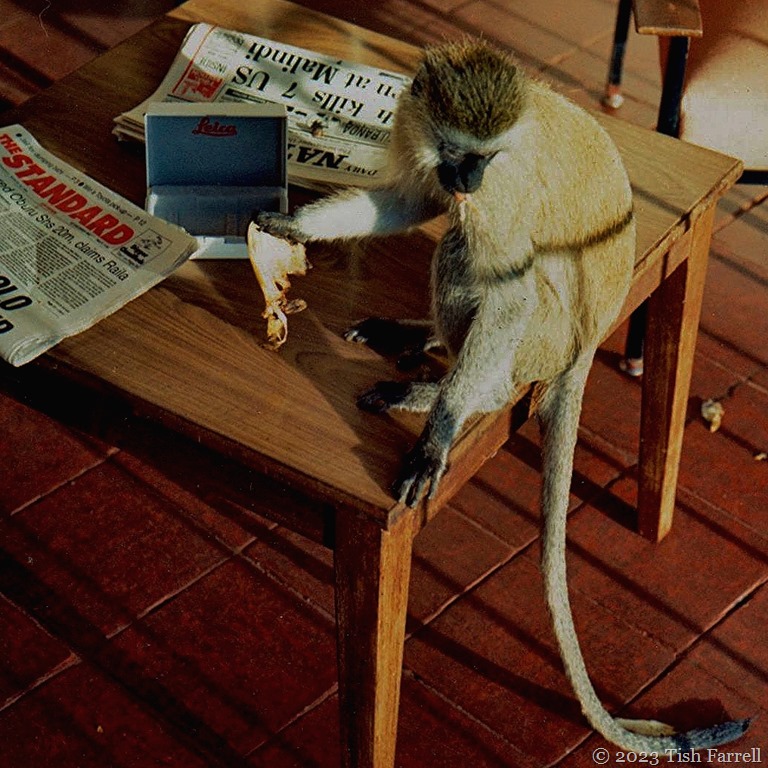
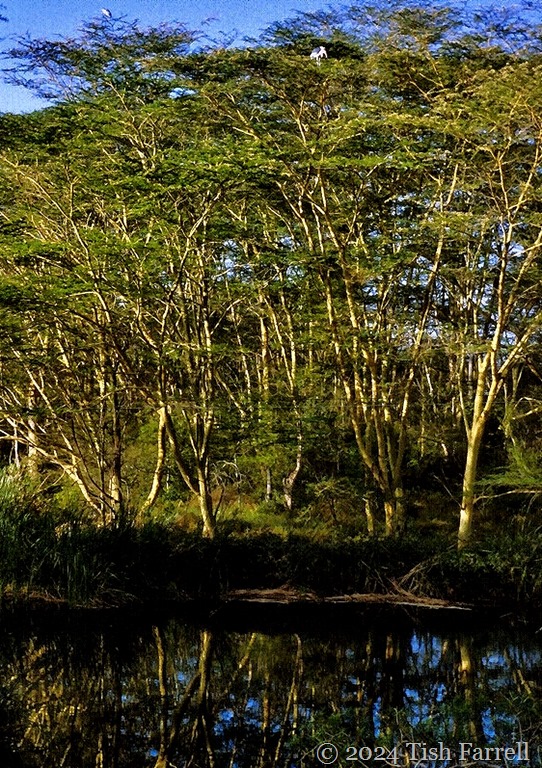
There was said to a leopard living at the top of the lake, though I never saw or heard it. We did hear bush babies screaming at night, and also watched the nightly firefly show over the water. It was also a fabulous place for birds: over two hundred species including many varieties of kingfishers, weaver birds, herons and storks. Sadly, I had only my small Olympus – trip camera, so there are few bird photos. The very distant marabou storks in the next photo’s tree tops are actually huge in real life.
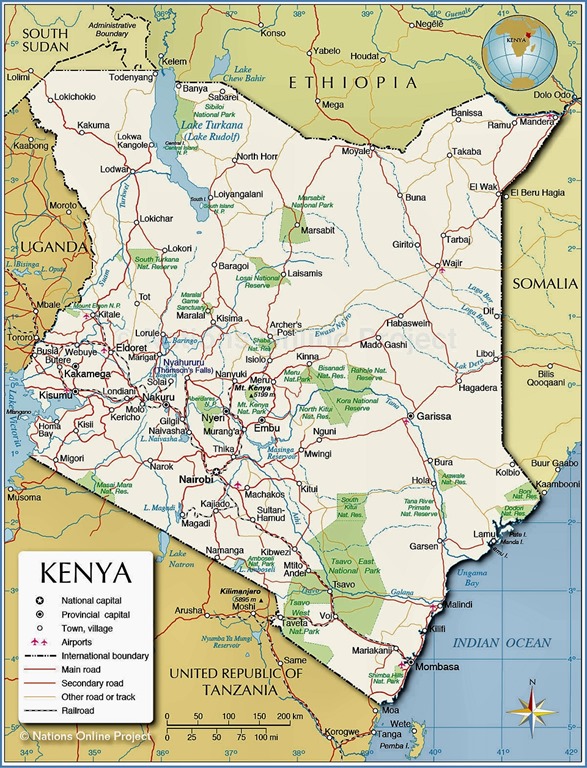
Kiboko isn’t marked on the map. It’s a centimetre above the border with Tanzania, due north of Kilimanjaro, roughly midway between Sultan Hamud and Kibwezi. The area east of the highway north of Tsavo East Park is Ukambani, traditional territory of Akamba farmers and herders. To the west is Maasai land, though you will of course see Maasai herders along the road, at the trading centres, and spot the red flash of their shukas as they drive their herds across the bush country north-east of Kiboko.
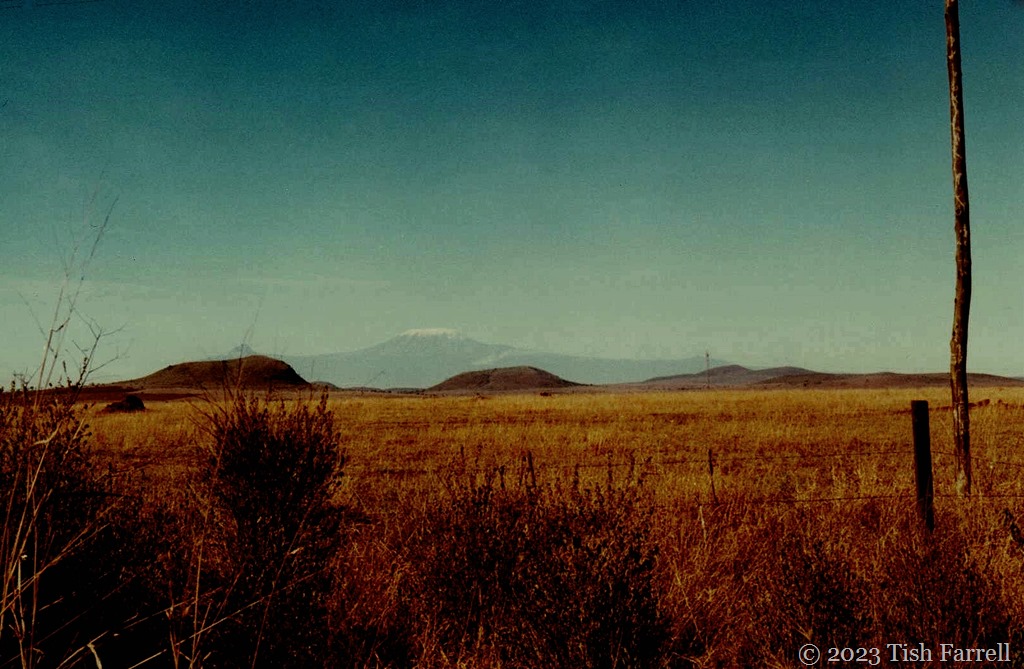
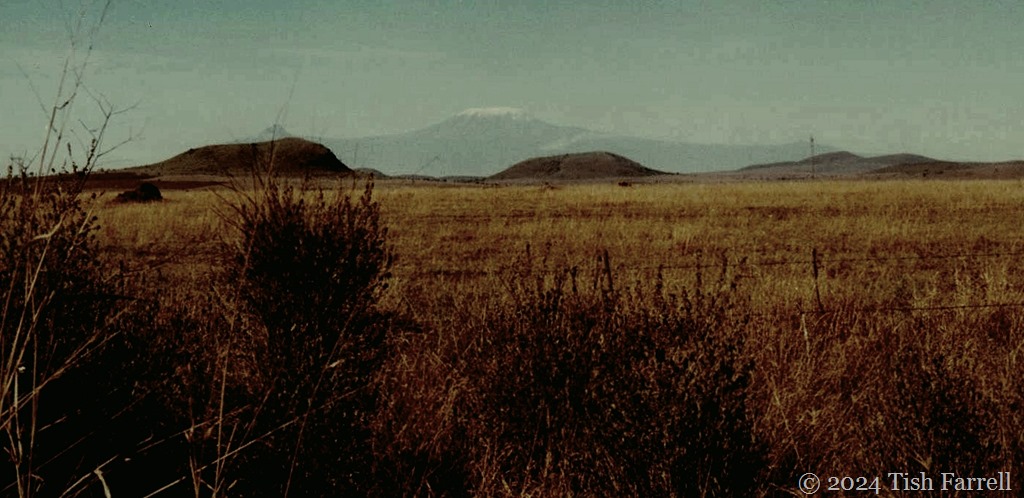
Sometimes along the road you may also catch a glimpse of Kilimanjaro, on those odd occasions when the mountain chooses to show itself. As you can see, lowland Ukambani is a sear land of thorn scrub and savannah. It hardly rained at all in the times we visited. The header photo was one of those rare moments.
*
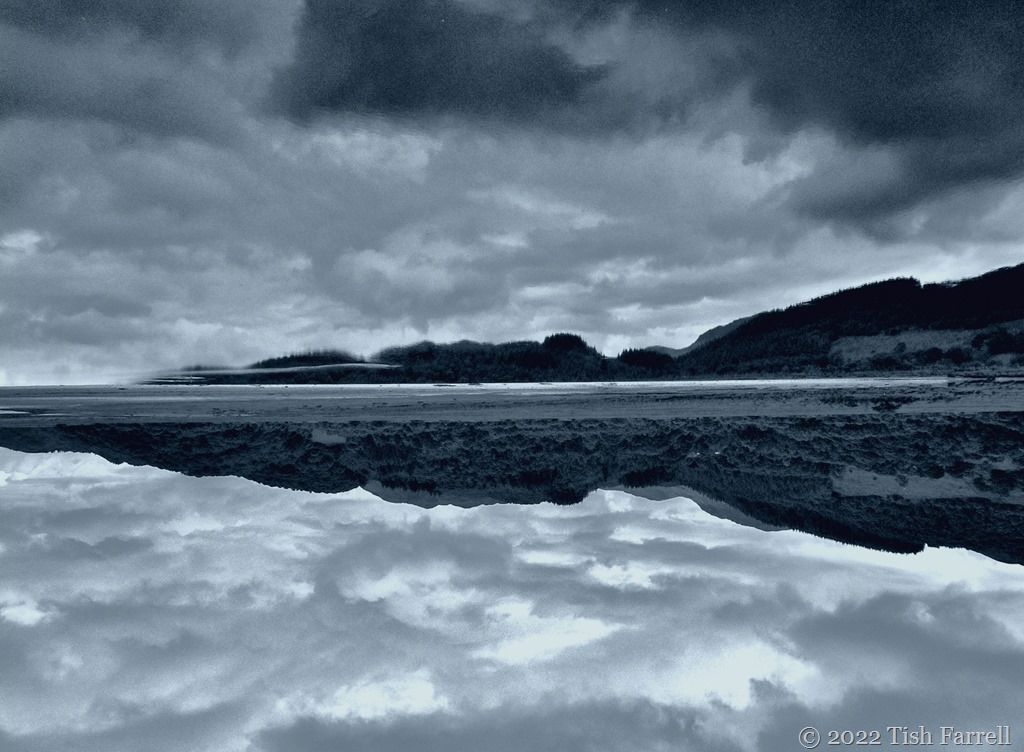
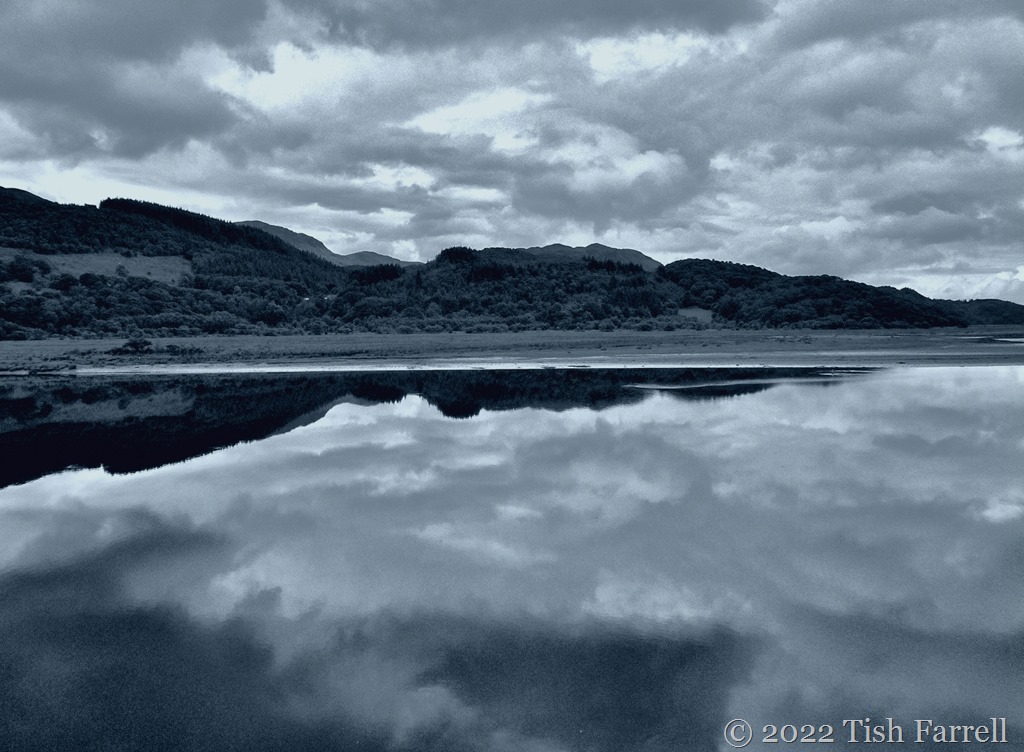
Lens-Artists: Cool Colours John at Journeys with Johnbo sets this week’s theme and says he is open to any or all interpretations.