Roll up, Roll Up For The Much Wenlock Christmas Fair

IMG_8732

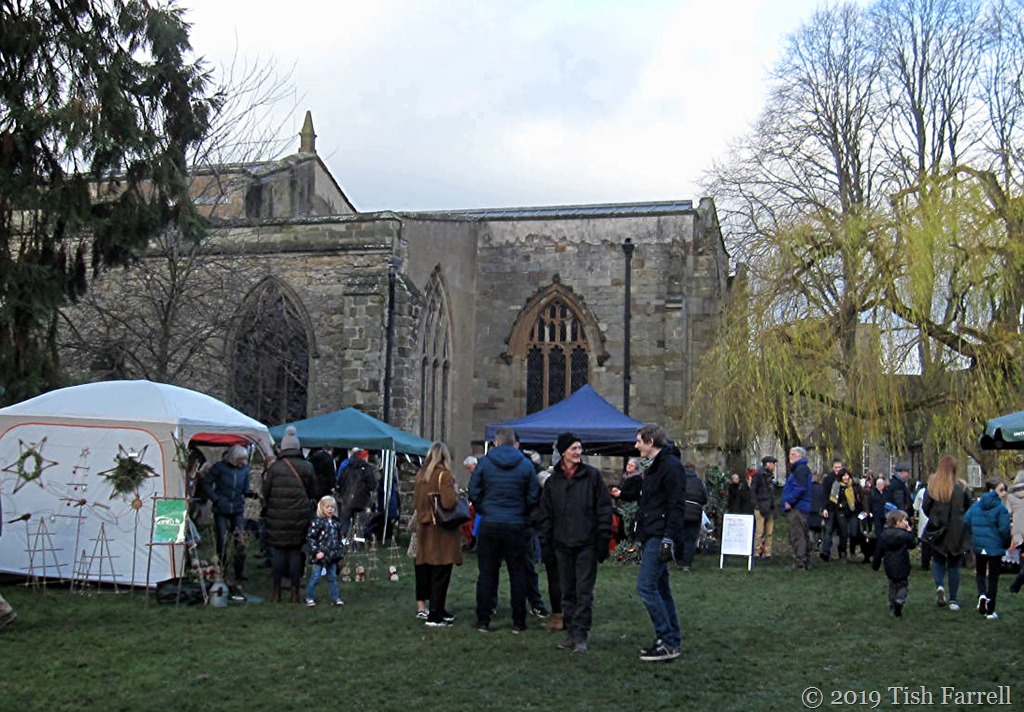
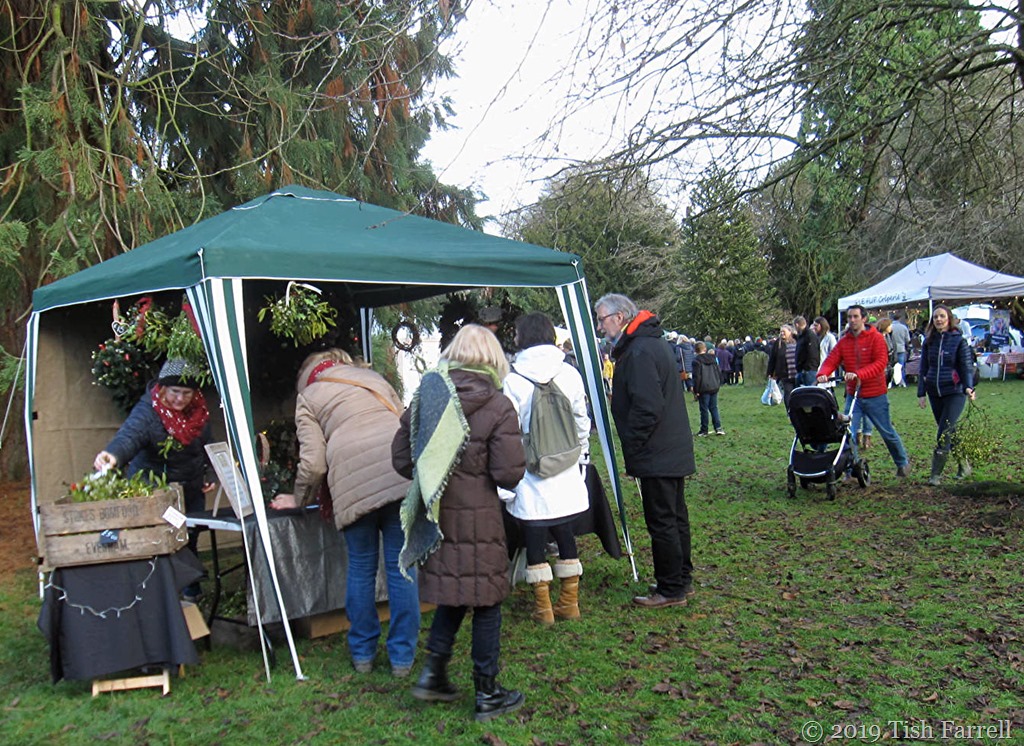
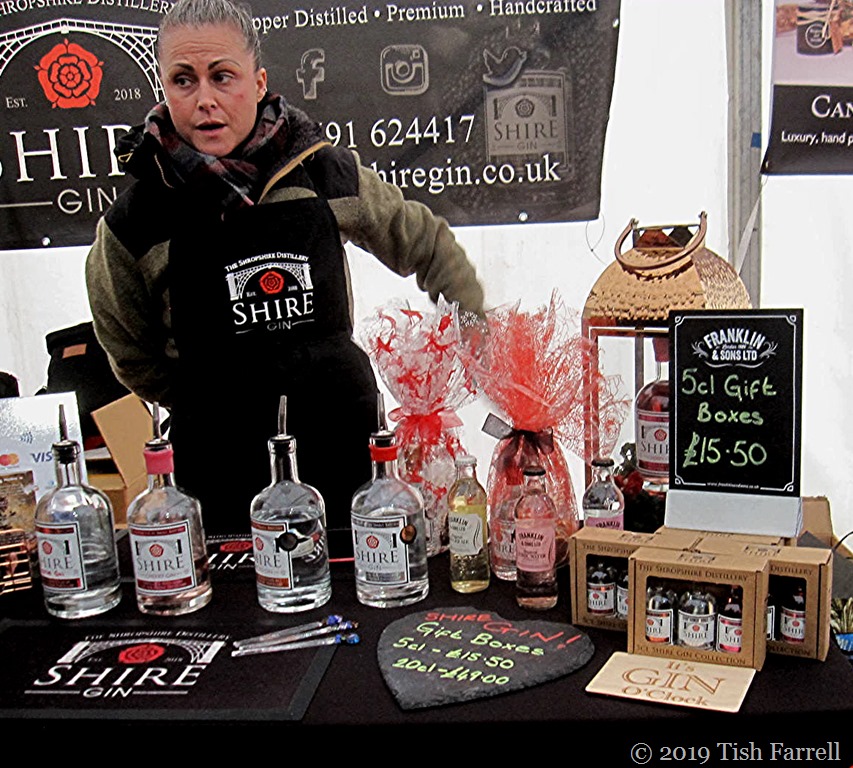
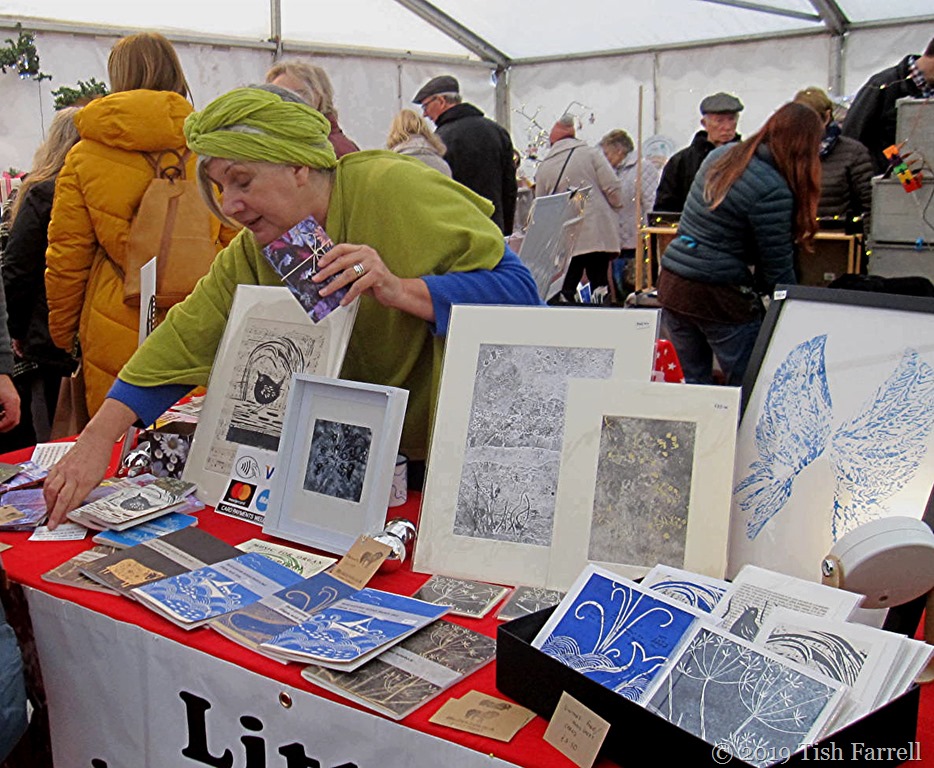
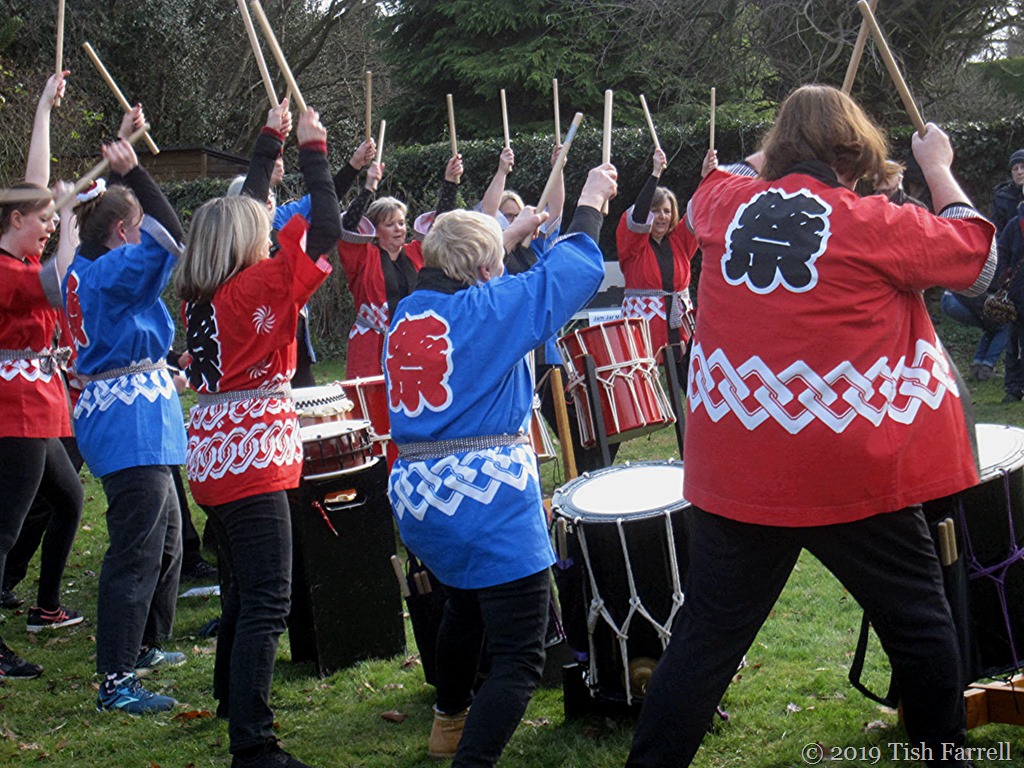
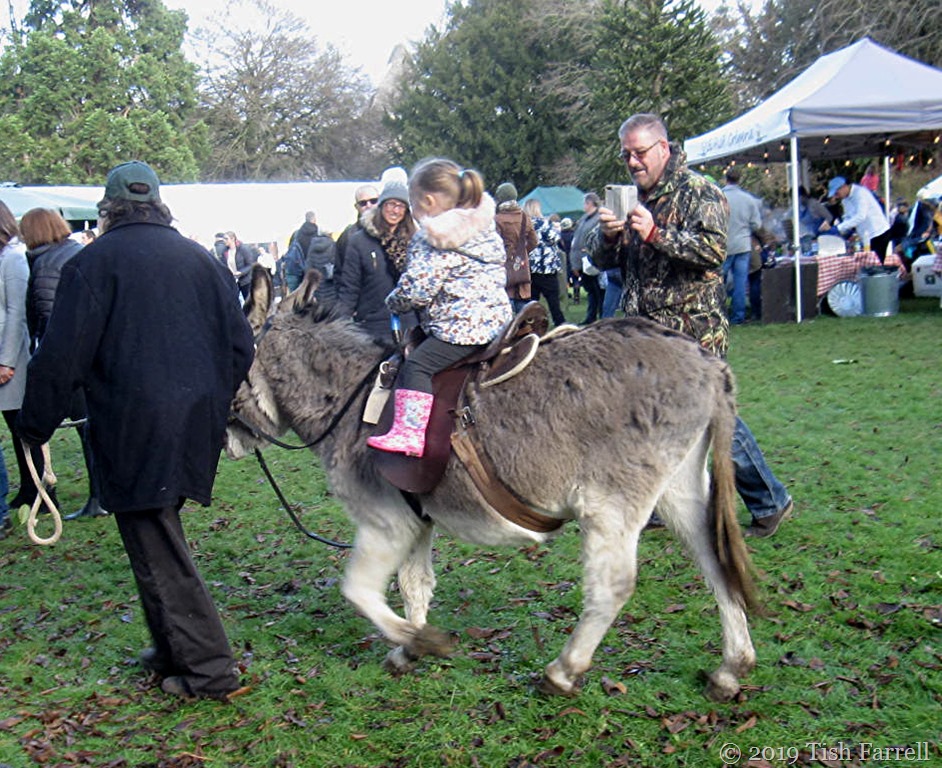
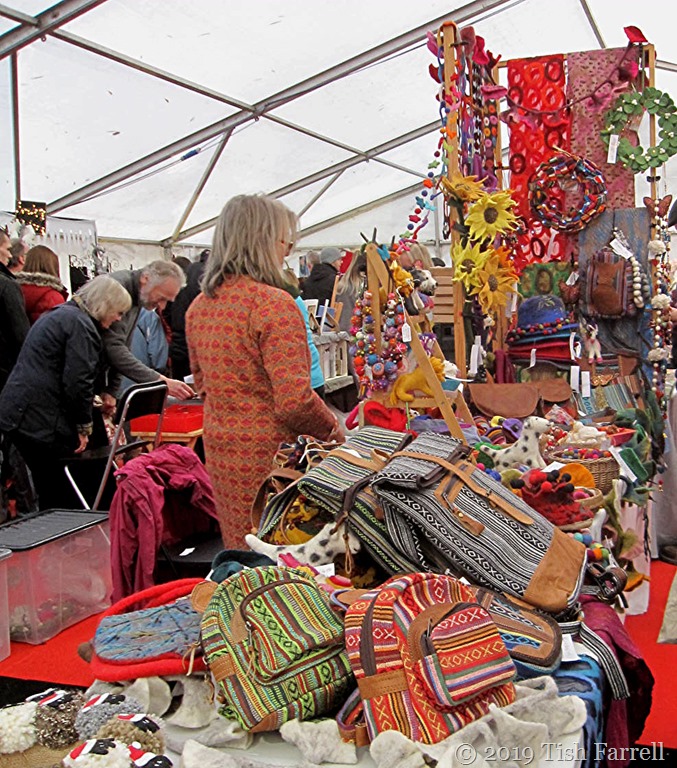
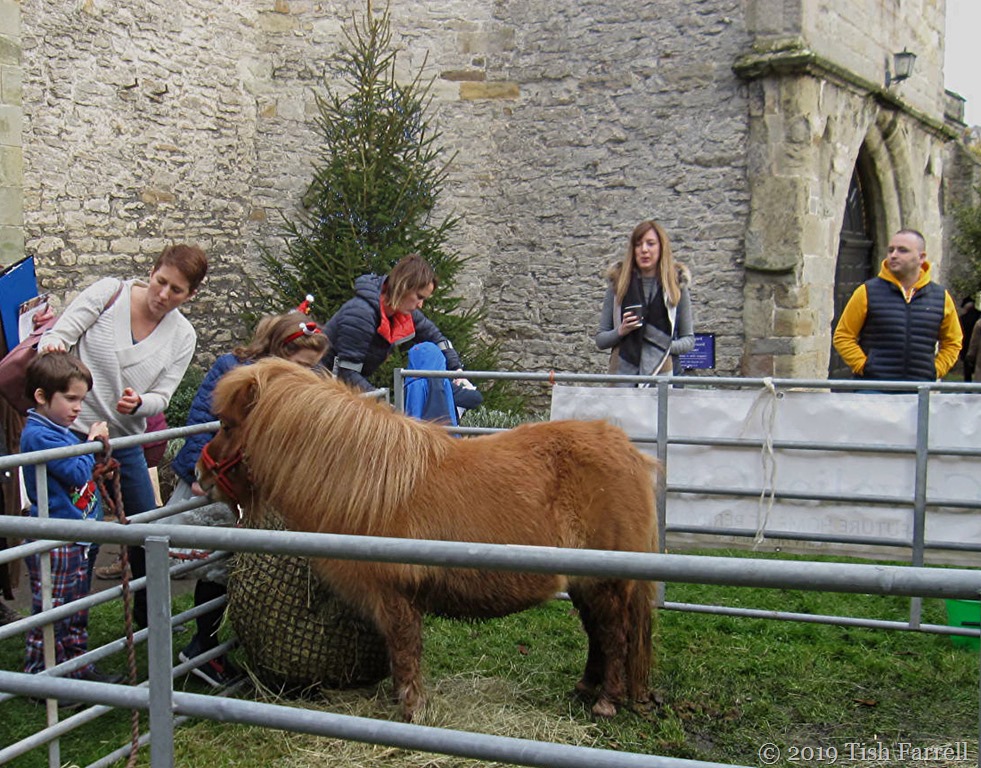
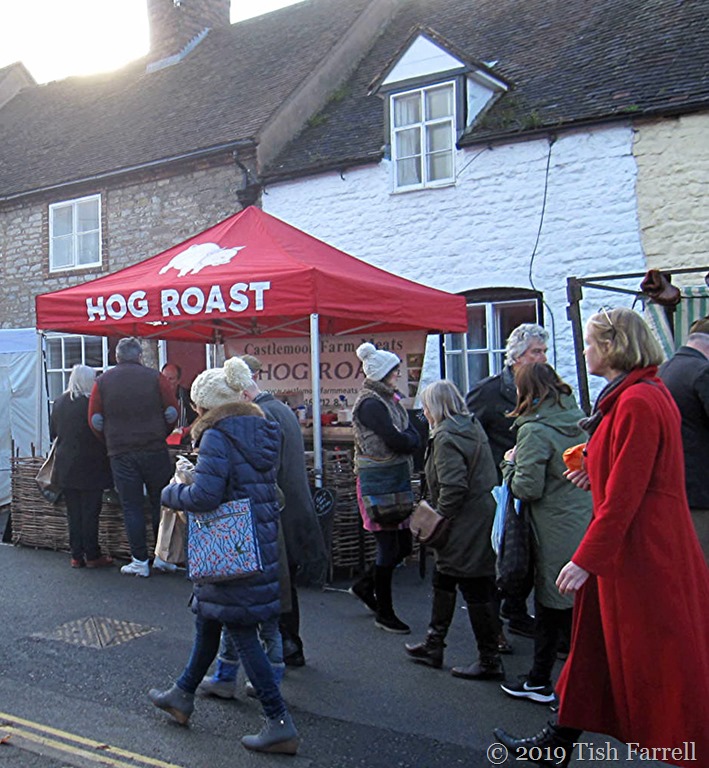
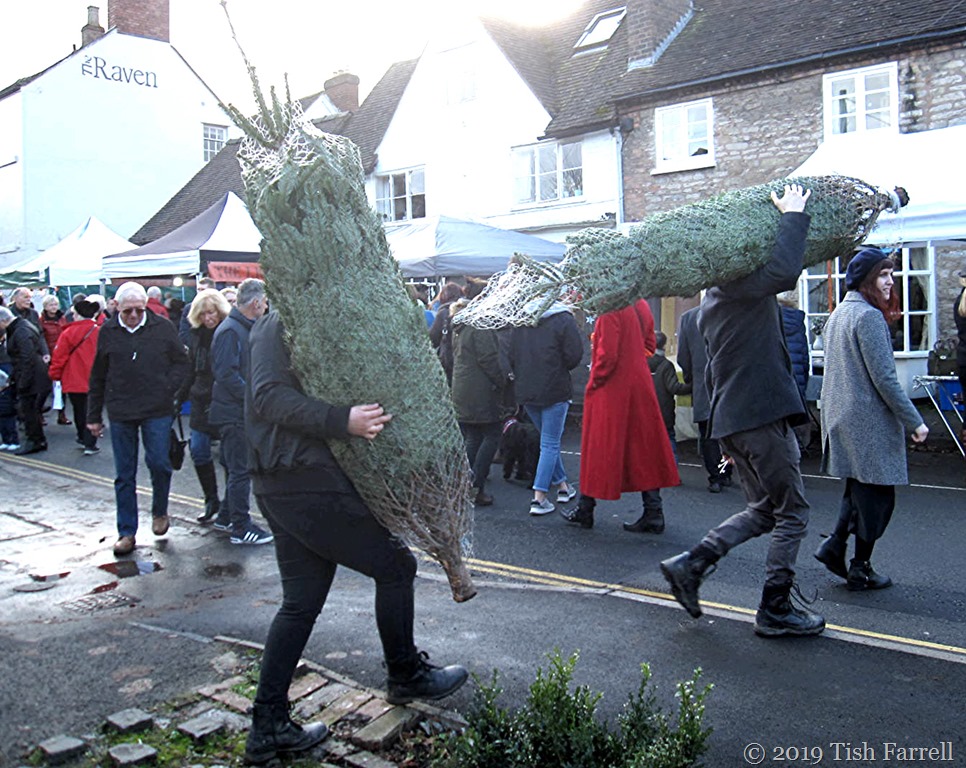
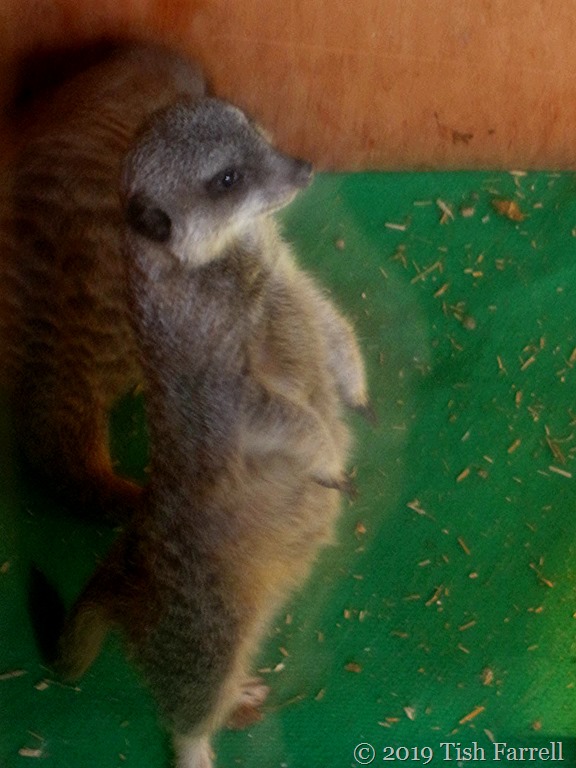
Feel your senses throb to the drummers’ beat, take a donkey ride, guess the name of the little pony, buy your Christmas trees, have nip of gin, or a nibble on a spicy Jamaican pastry, wander about on the Church Green and up and down the town’s main streets, shuffle round the two big crafts tents and buy your last minute special gifts, greet your neighbours, stock up on mistletoe to attract festive kisses, spot a meerkat (!!!?) No wonder Much Wenlock’s annual Christmas fair is the town’s most popular event.

IMG_8746

IMG_8742

IMG_8735

IMG_8747

IMG_8726

IMG_8743

IMG_8734

IMG_8758

IMG_8749

IMG_8750

IMG_8718

Lens-Artists: On display

Of Winter Past ~ Windmill Hill 2017

P1030665

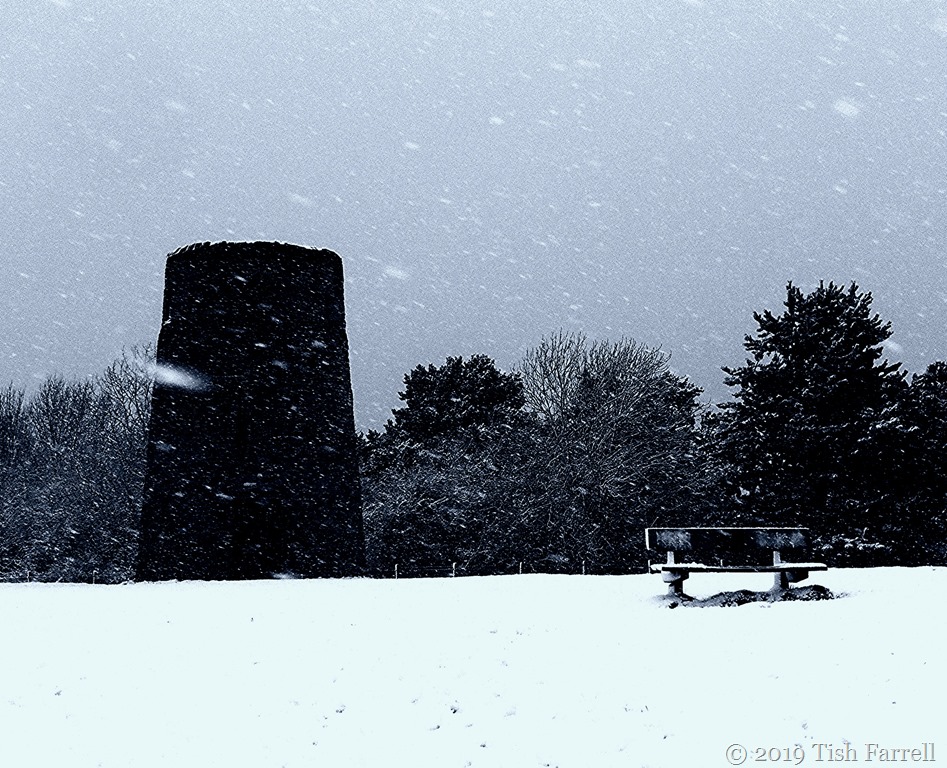
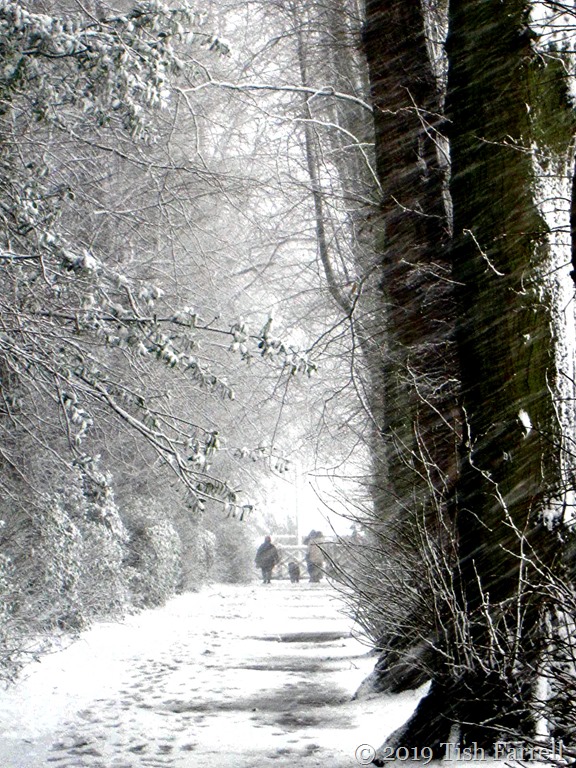
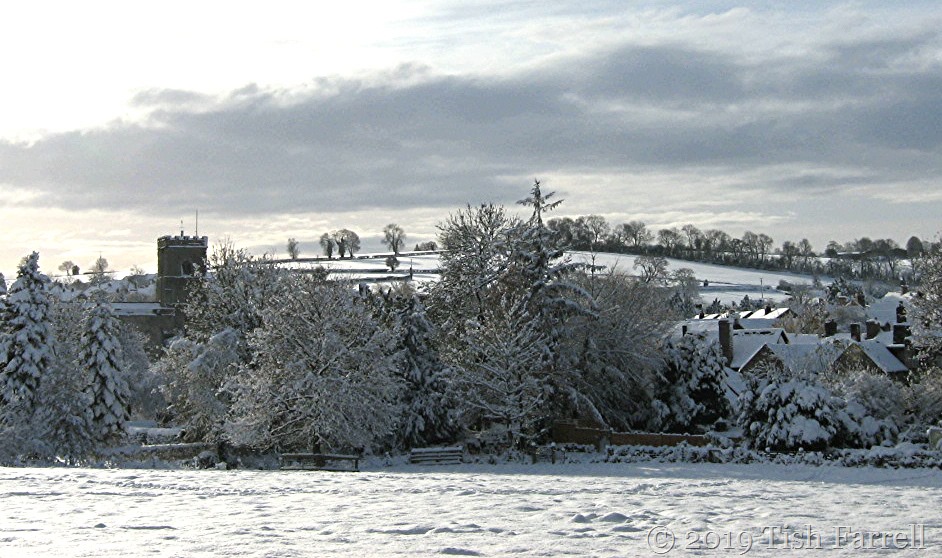
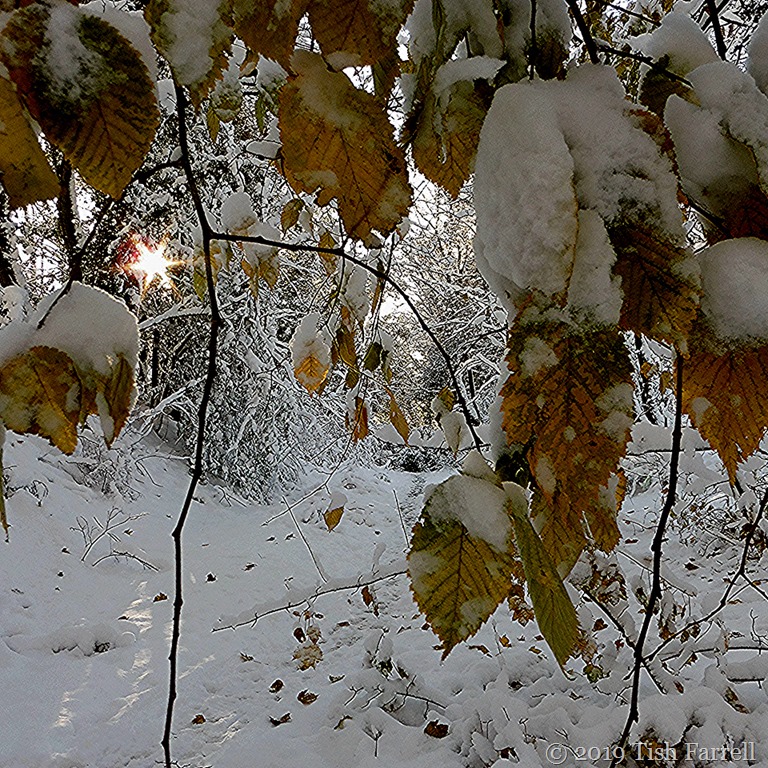
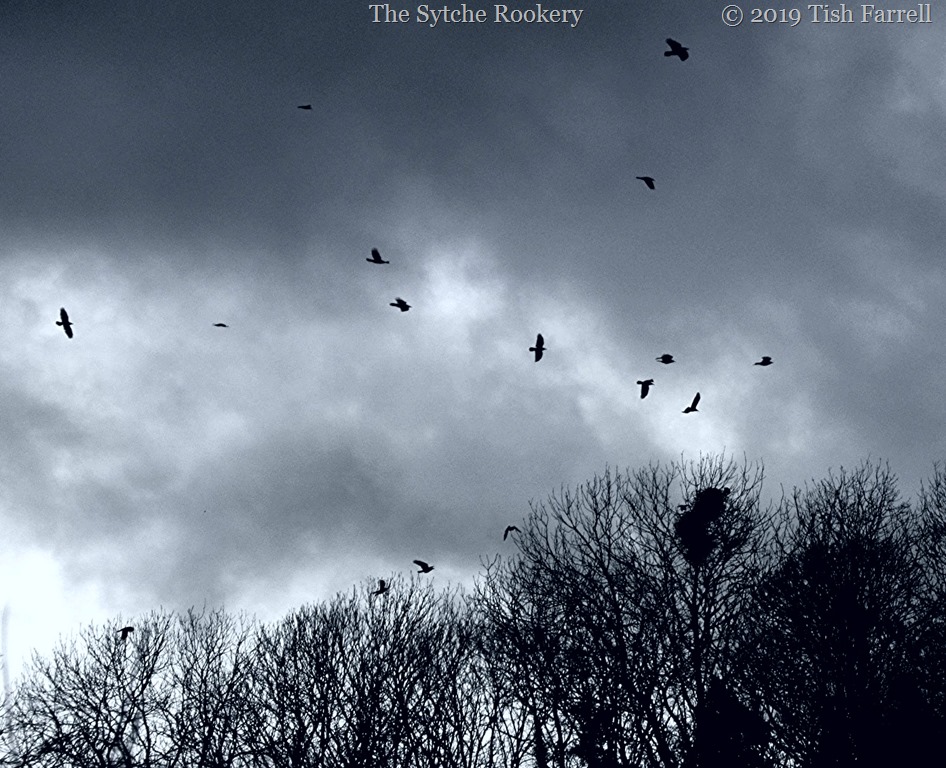
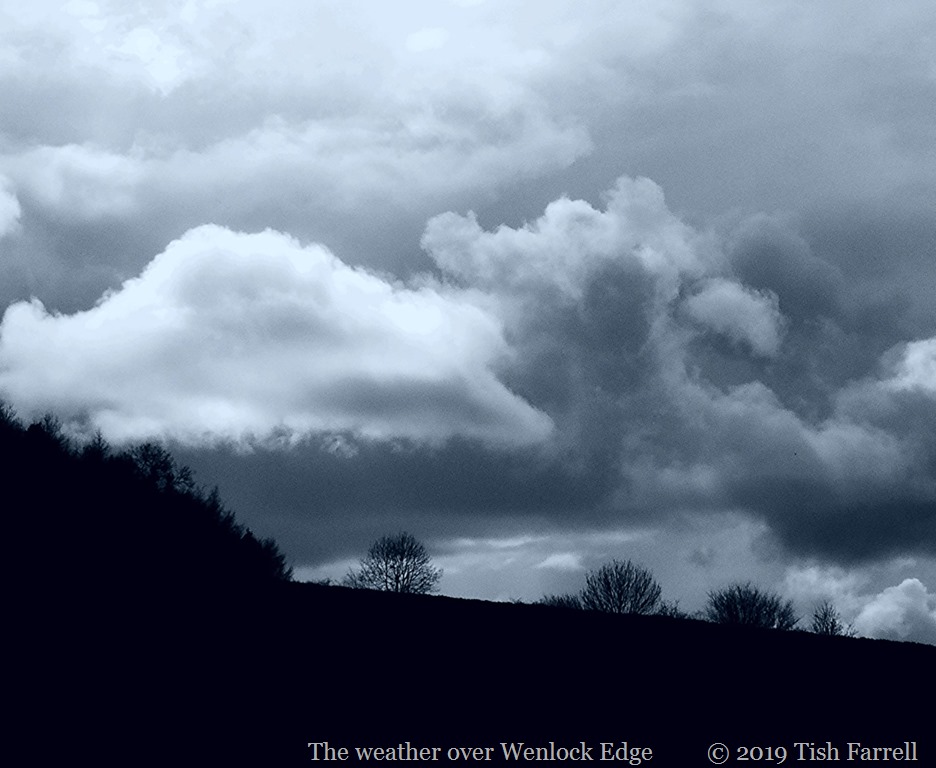
Some forecasters are telling us to look out, bad weather is on the way, and especially come UK election day on the 12th December. I’m hoping they’ll be wrong. Meanwhile, and in response to Tina’s cold  theme @Lens-Artists, here are views around Wenlock taken in early December two years ago. It had its scenic moments, but caught us out too. We’ve grown rather used to mild, wet winters. The header photo was taken in a bit of blizzard, as was the next photo on the Linden Walk.

IMG_6506

*

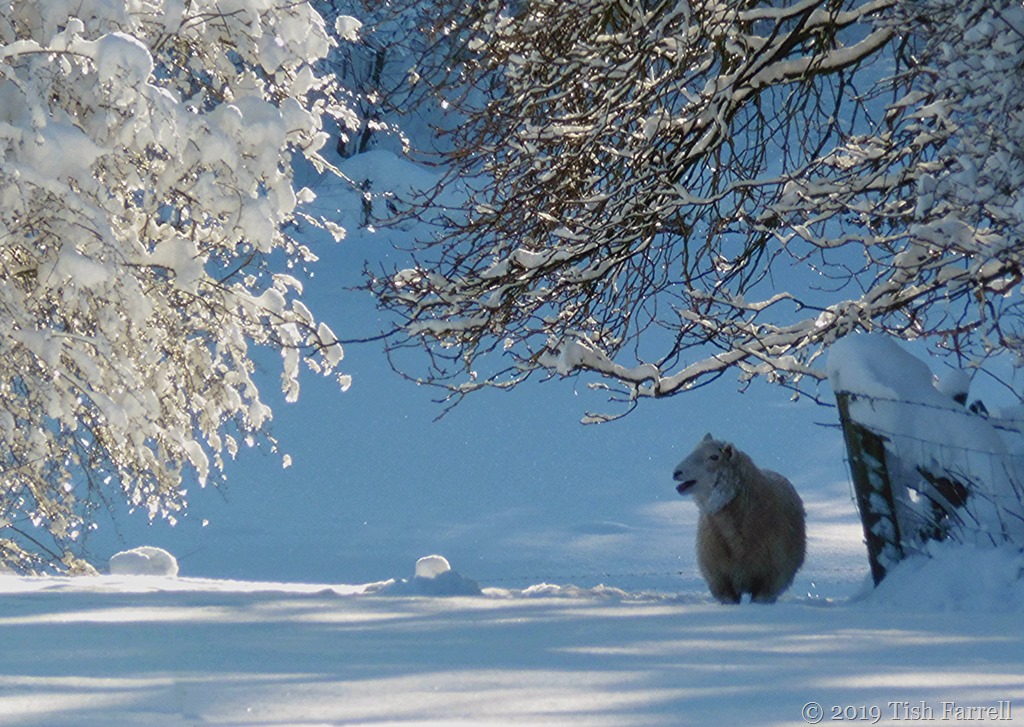
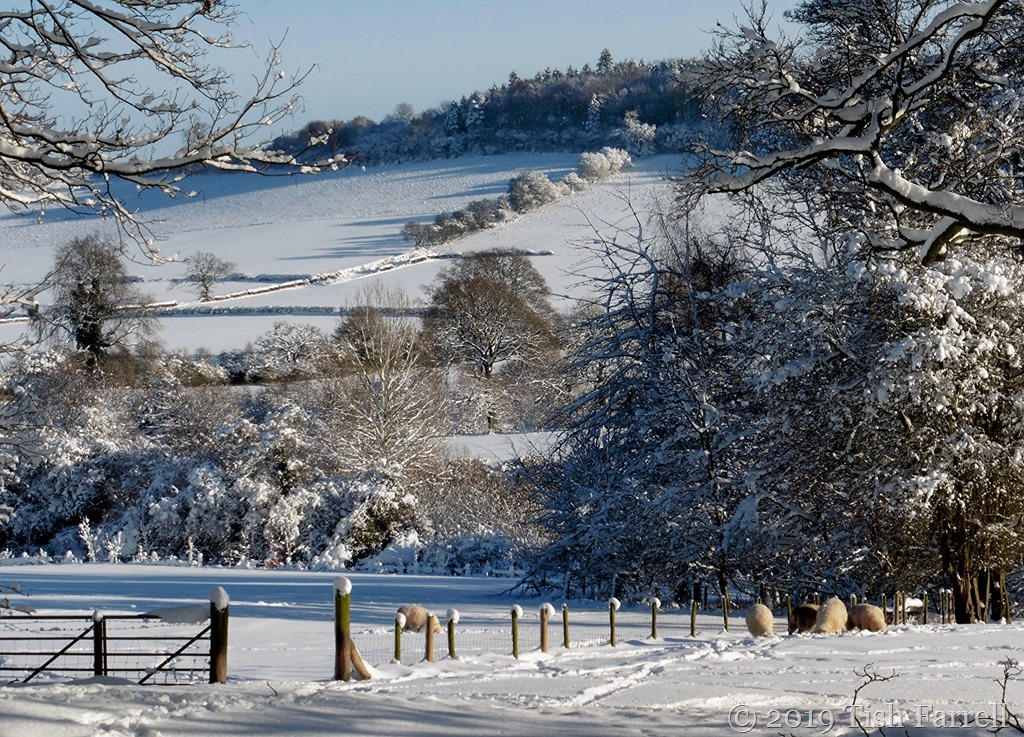
But there were ‘Christmas Card’ vistas too – and especially out in the Wenlock Priory parkland:

P1030854

P1030824

*

And all was very quiet around the town:

IMG_3003

And along the old railway line:

P1040003

Lens-Artists: Cold

Back To The Old Africa Album ~ All Manner Of Waiting In All Sorts Of Places

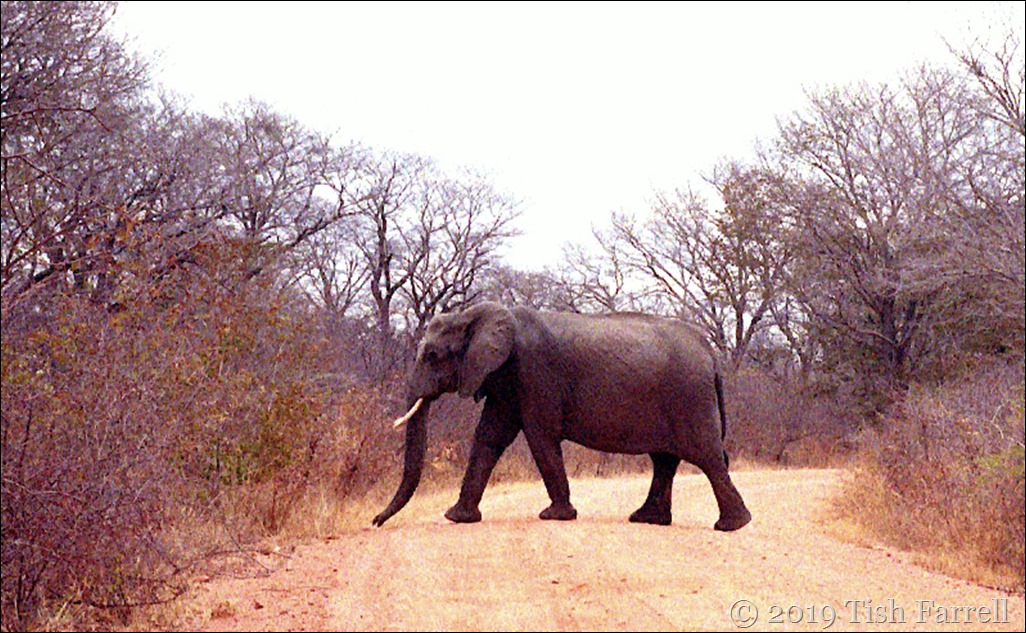
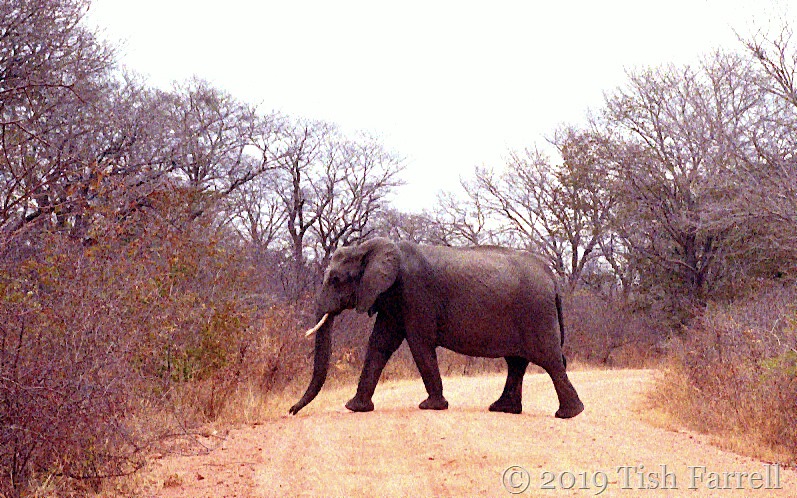
Hwange National Park - elephant crossing our path

It’s always best to wait when an elephant decides to cross your path. This particular elephant crossing episode happened in Hwange National Park, Zimbabwe. The photo was taken in July, southern Africa’s winter. The bush country was tinder dry and the skies overcast, and the nights chilly. We were living in Zambia at the time and had driven down for a couple of weeks meandering. Zimbabwe is a very fine country for a spot of meandering.
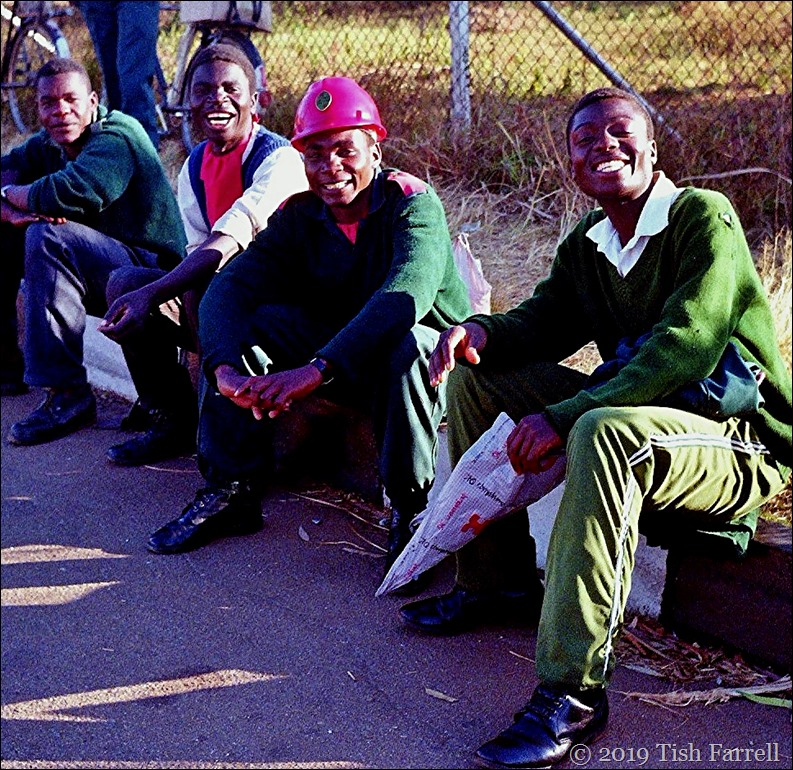
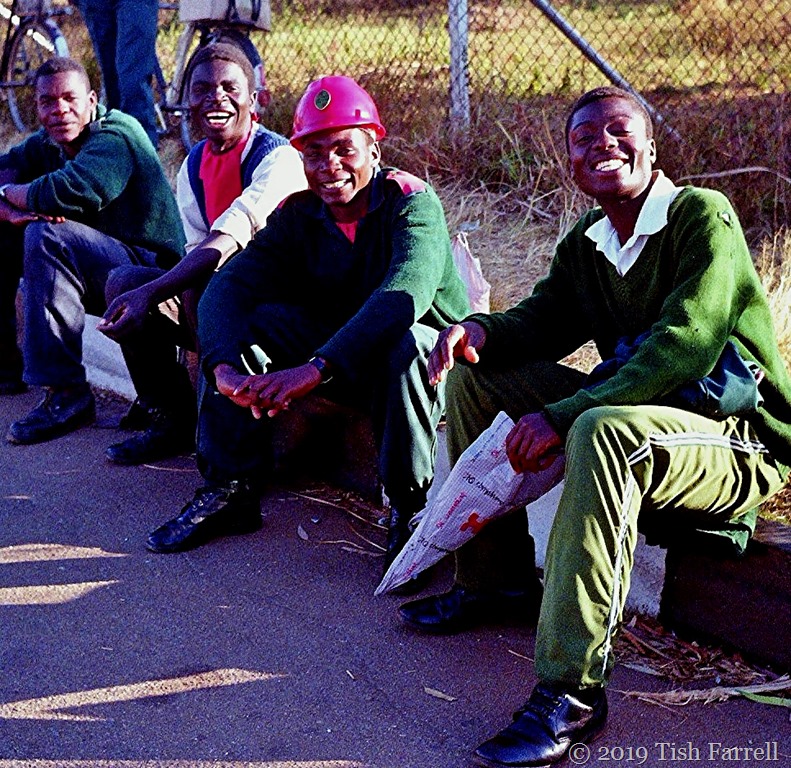
Harare night guards waiting to go on duty

This photo was a piece of pure happenstance. I’d just walked out of the post office somewhere in down-town Harare. These security guards were waiting to start the 6 o’ clock night shift. I was invited to take their picture. A treasured shot.

*
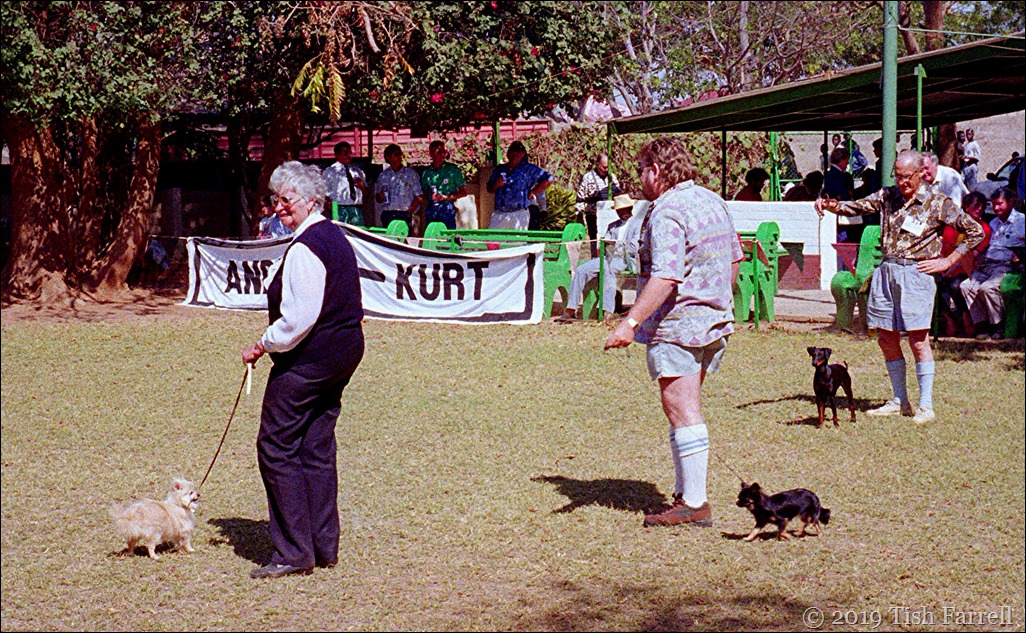
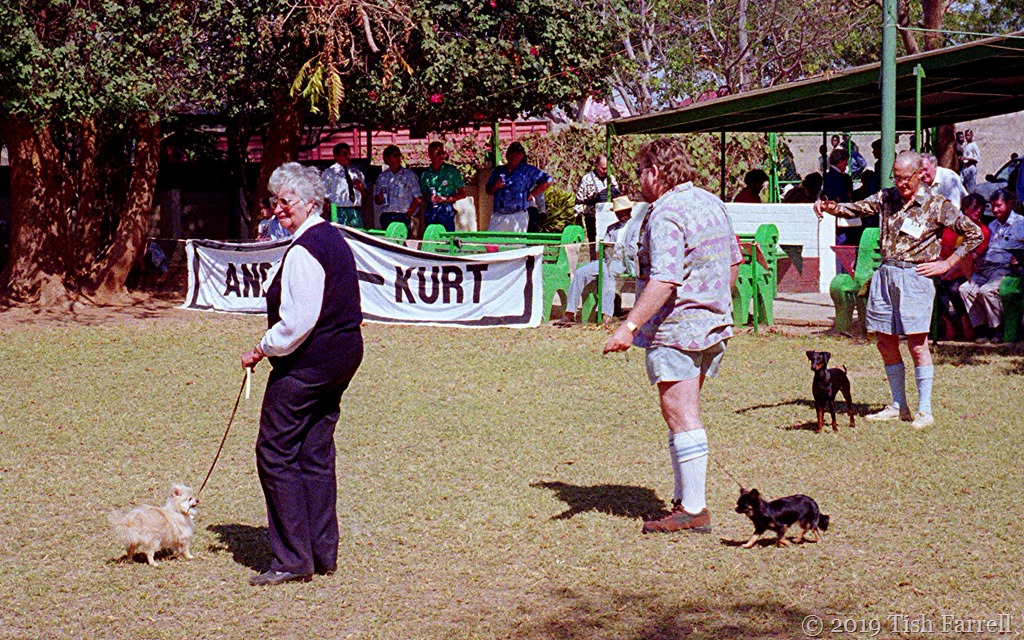
Lusaka agricultural show - Dog Show

We’re in Lusaka, Zambia for this dotty photo. One of the institutions that the colonial British left behind in the African territories they invaded is the annual agricultural show. These days it is a big family day out for Zambians and but oddly also includes (mostly for members of the European and Asian communities) a dog show. Here we see entrants in the terrier class waiting for the all important judging moment. I seem to remember it was the Manchester terrier (far right) that got the first prize rosette.

*
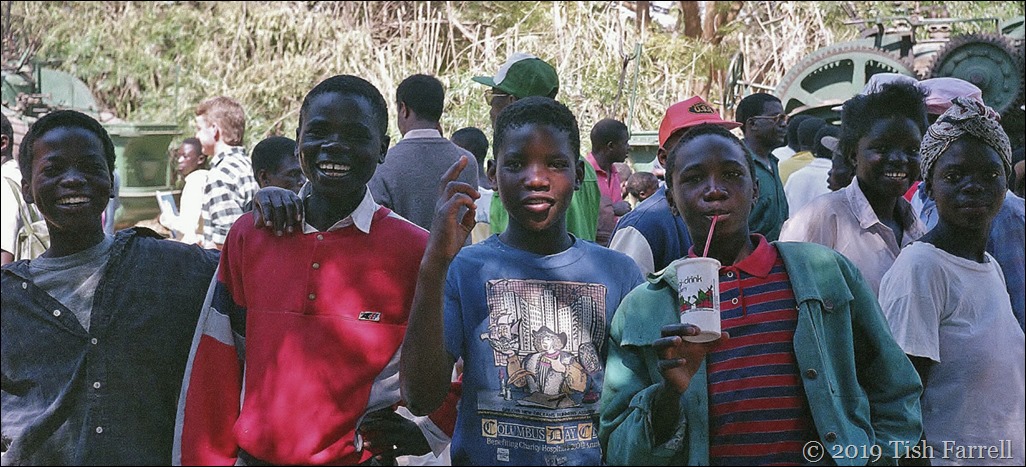
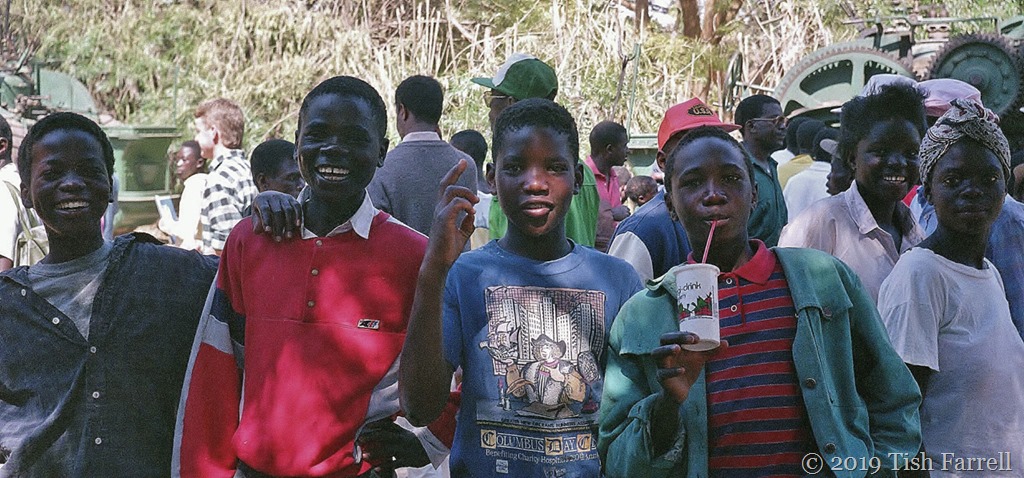
Lusaka agricultural show - kids

Kids doing what kids do everywhere – hanging out in hopes something interesting might happen.

*
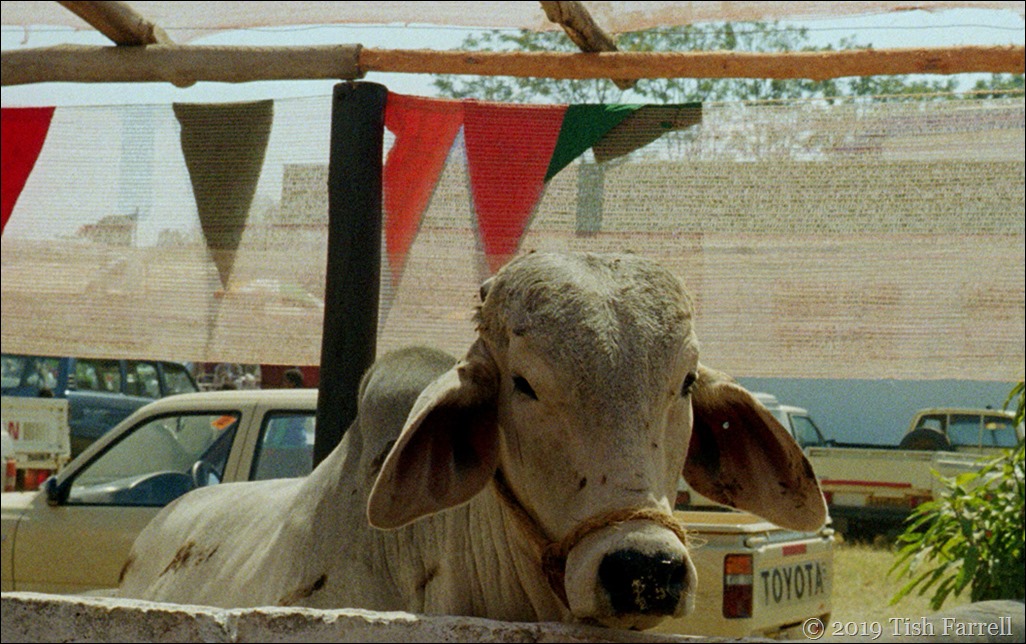
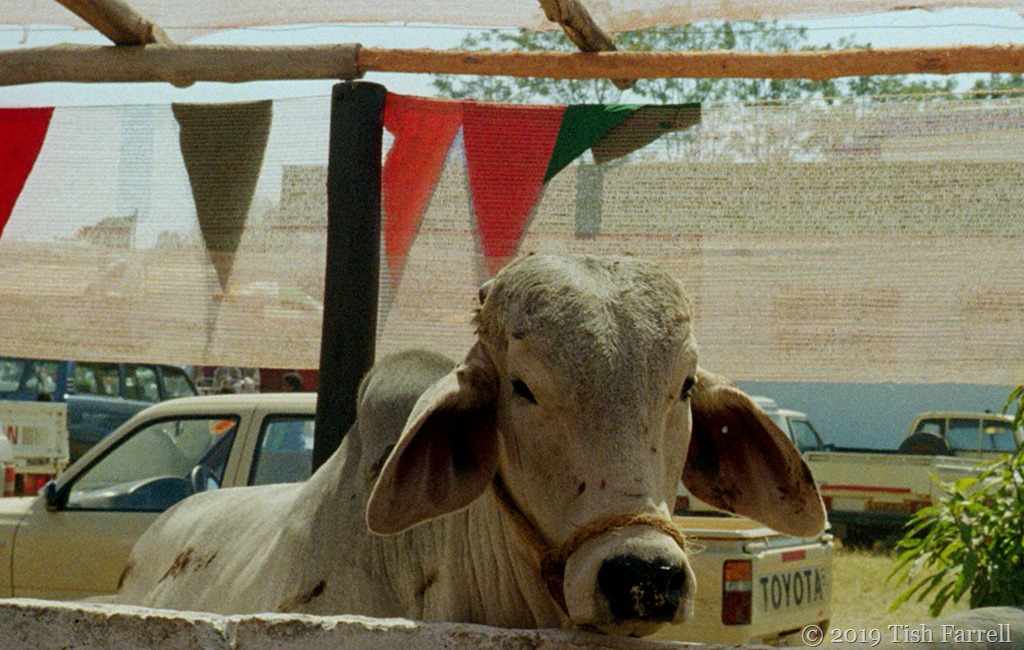
Lusaka agricultural show - African cow

A patient zebu bull waiting for his moment in the judging ring.

*
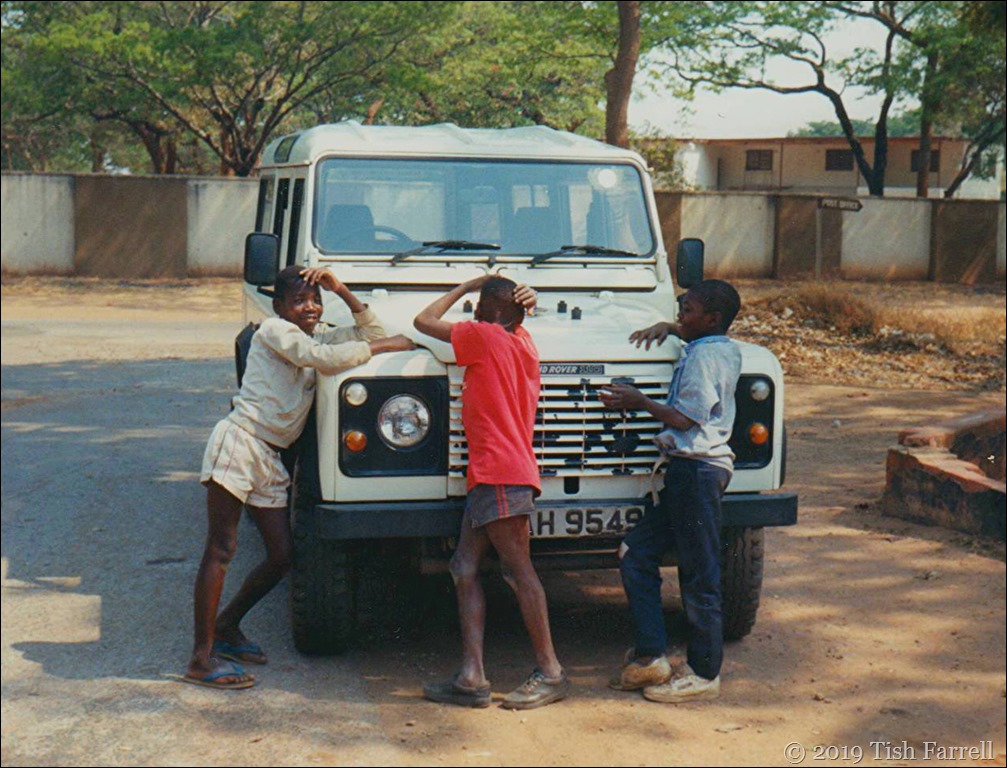
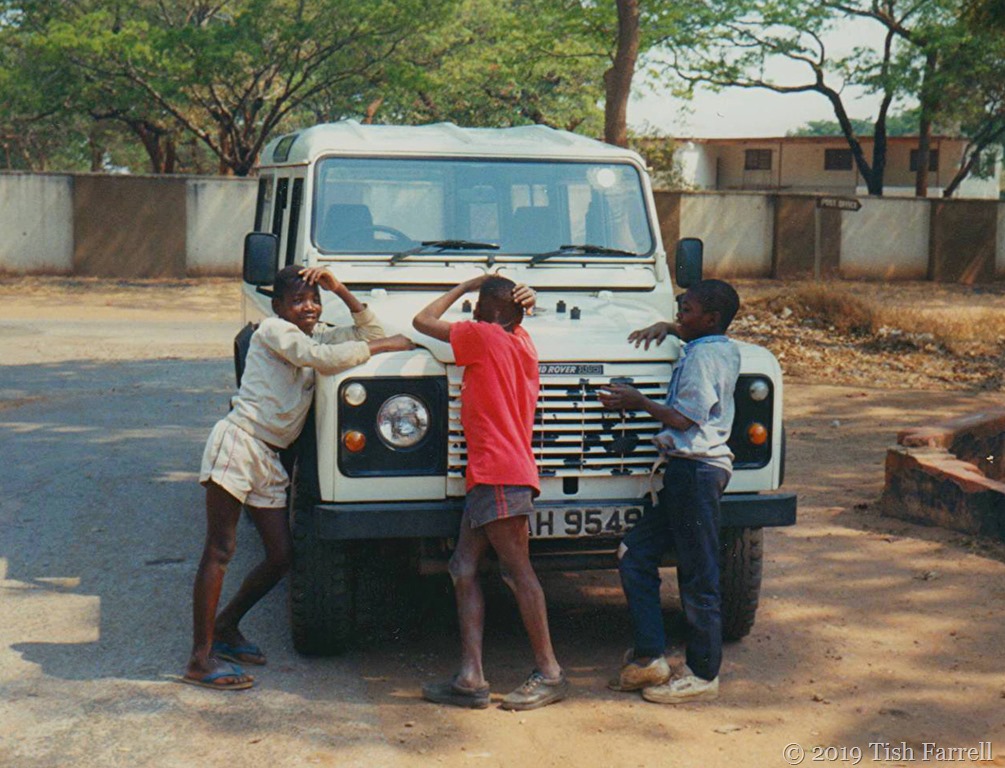
004

Woodside shopping centre, Lusaka. Parking boys waiting for their guarding fee from the car owner. All over the continent, where millions of young people are unemployed, this is how some lads make a living.

*
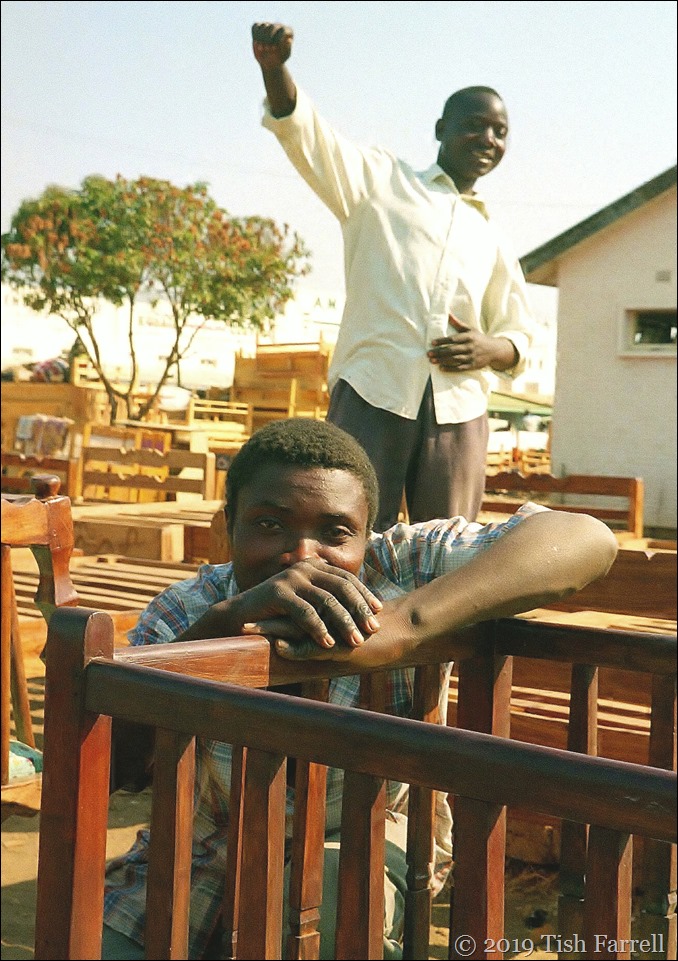
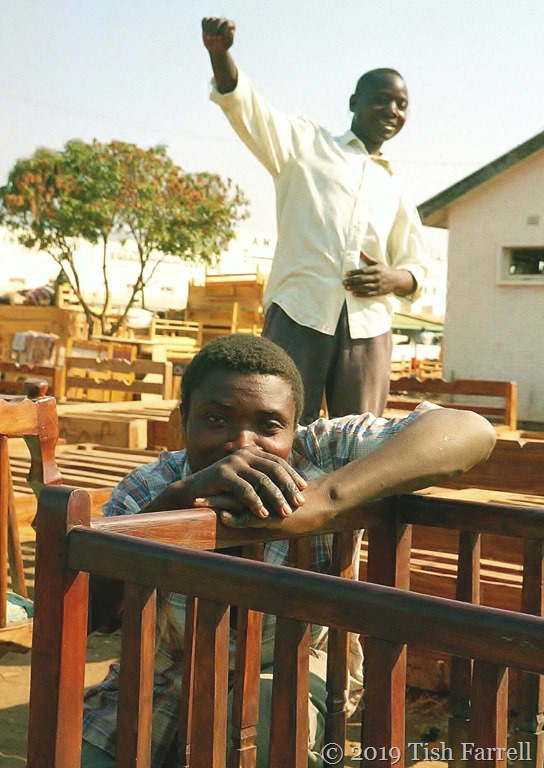
Kamwala roadside furniture market

Waiting to make a sale: Kamwala furniture market, Lusaka. We bought most of our big household items, beds, chairs etc,  from roadside craftsmen. They made good stuff, a lot of it from recycled shipping crates, or by simply repurposing reeds and timber from the highway verges. I miss this way of life. It’s how we should be living: local produce, locally sold by the people who made it, and no need to drive to the out-of-town shopping mall; and none of it shrink-wrapped in sheaves of plastic.

*
races_0004 - Copy

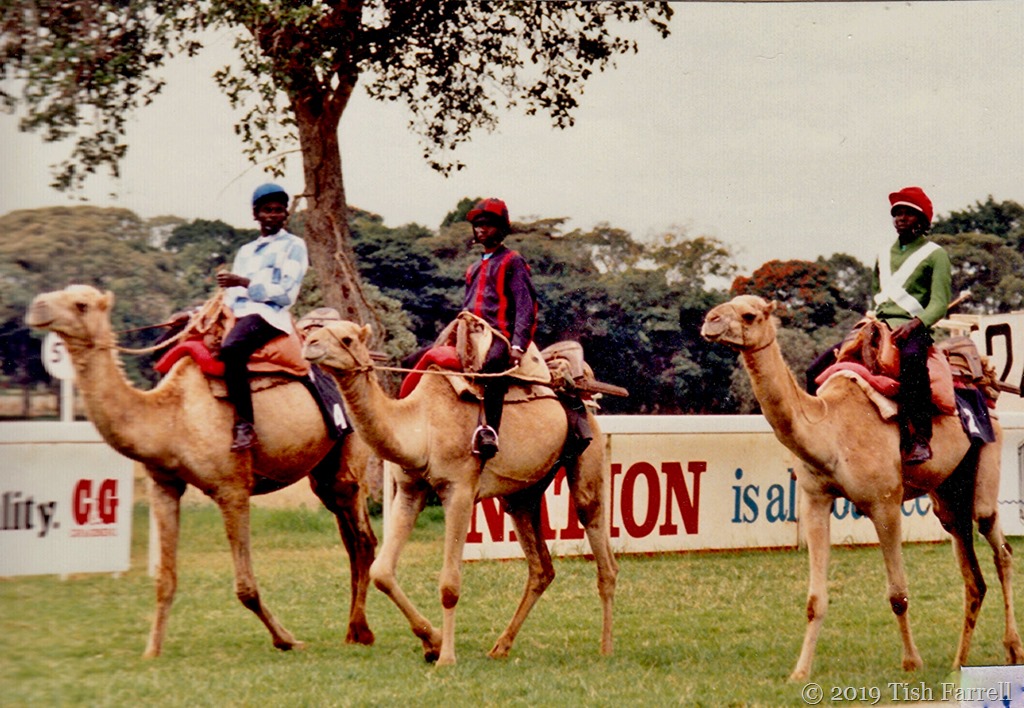
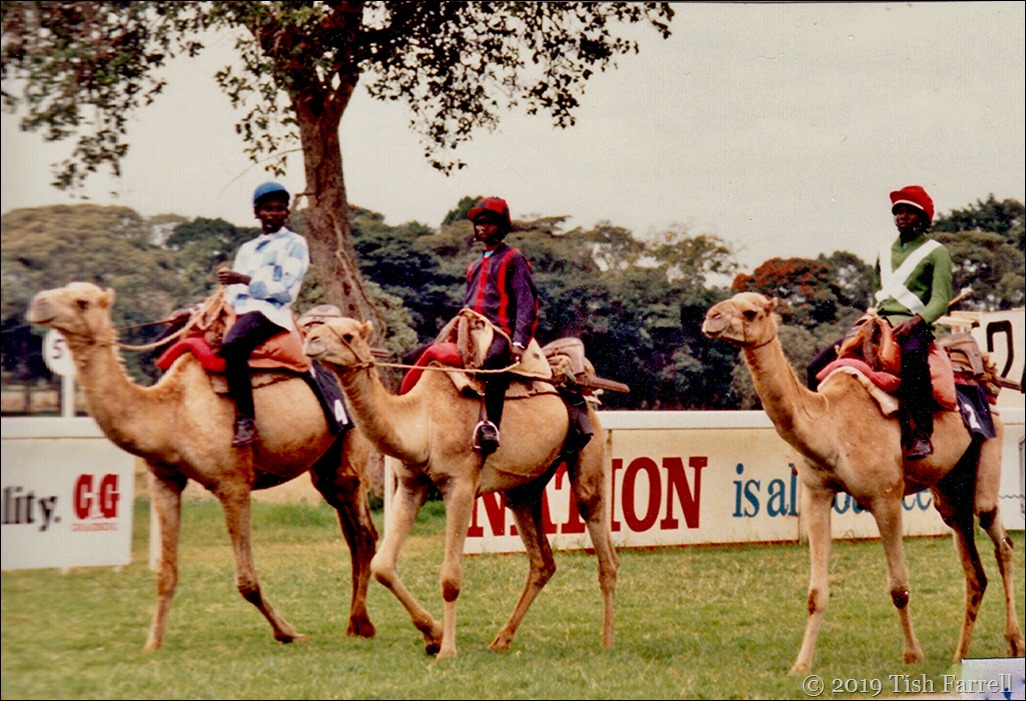
We’re in Nairobi now, at the Ngong Racecourse. These are members of the Kenya Police Anti-Stock Theft Unit who operate in the arid northern district. This was supposed to be a race, but the camels couldn’t summon the enthusiasm – either to start or to finish. So here we are waiting for them to pass the finish post.

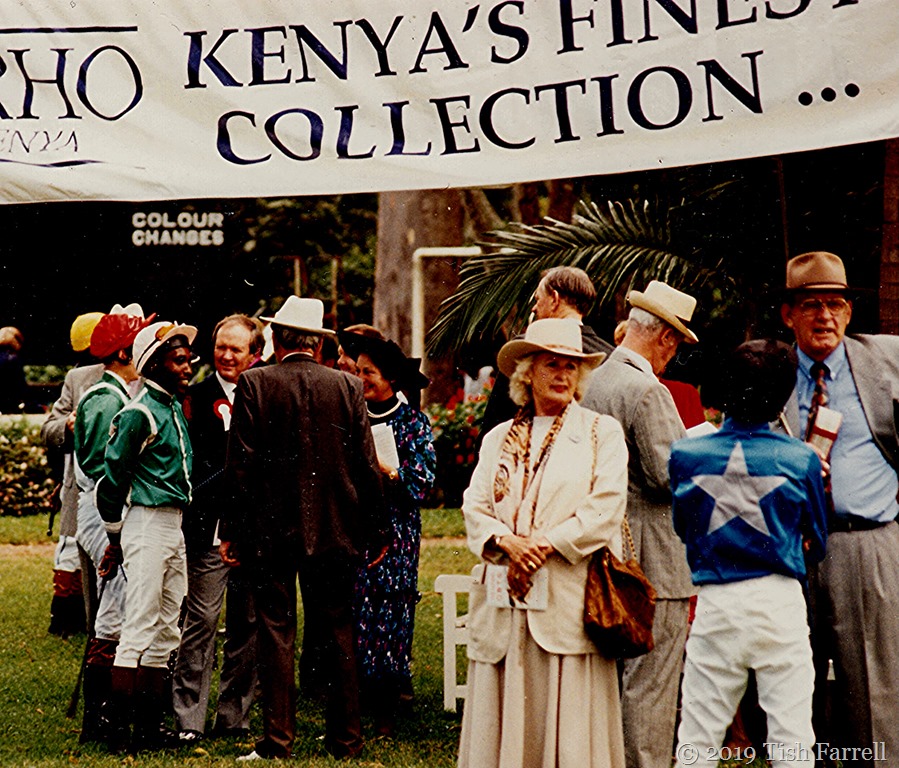
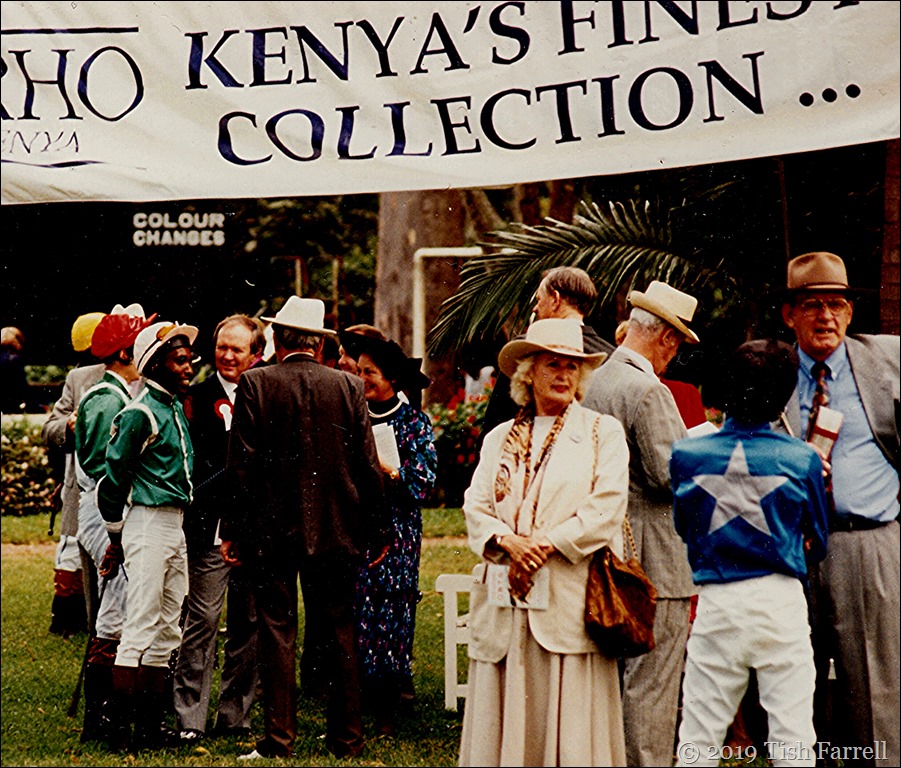
The Ngong Races are another hangover from  colonial times, wherein the institution of ‘Race Week’ was laid on over the Christmas period to provide white settlers with the excuse to come to town, get totally blotto and so escape the lonely toil on their isolated farms. These days the races are popular with Nairobians from all walks of life, though a glimpse of the members’ enclosure and of the memsahibs in their big hats might make you think you’d landed at an English county race meeting.
races

Waiting for the next race.

*

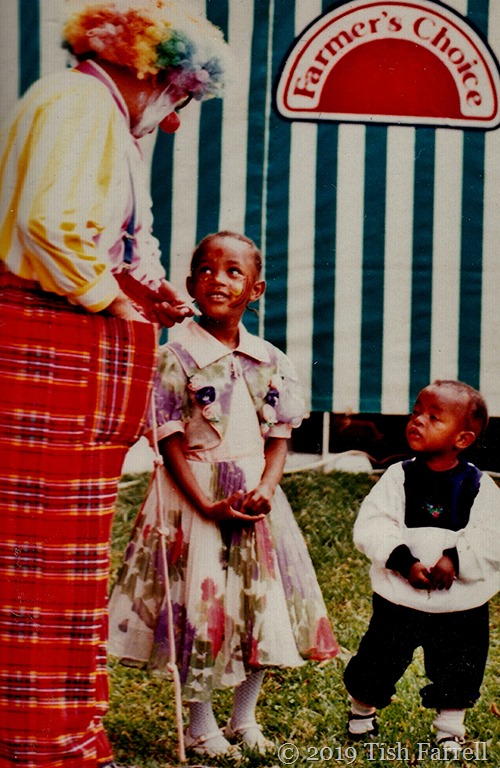
Race Day is also very much a family event, so there is lots to keep the children amused: face painting, donkey rides, ice creams and Mr. Magik doing tricks.
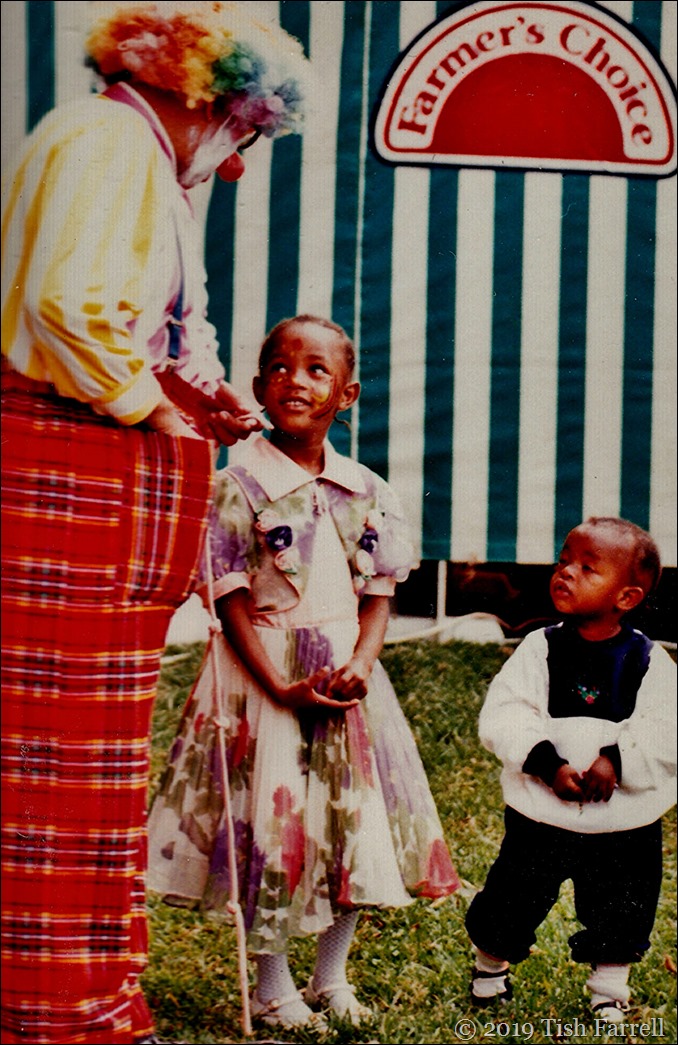
races_0004 - Copy (3)This little boy does not seem too impressed: waiting for magic to happen perhaps.

Lens-Artists: Waiting Amy set this week’s challenge. Go and see how she has interpreted ‘waiting’.

Shropshire’s Most Unsettling Hillscape: The Stiperstones

IMG_5502

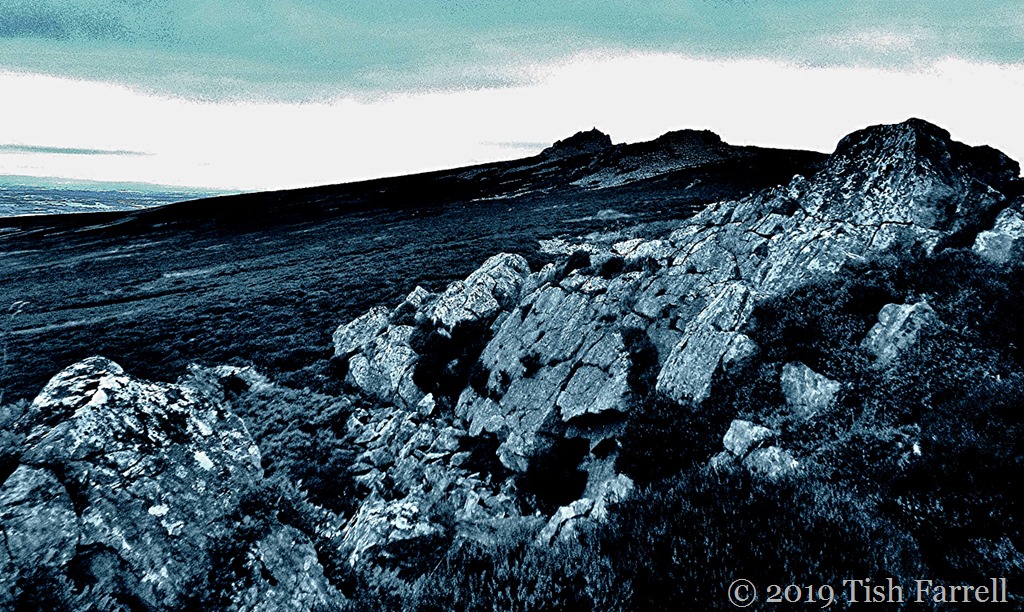
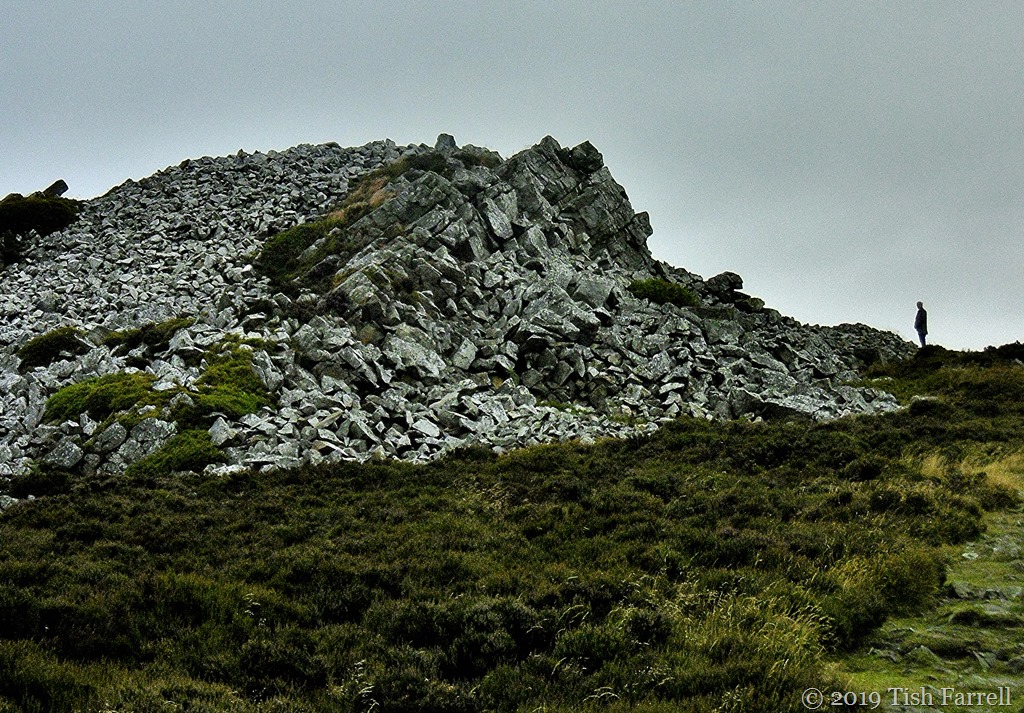
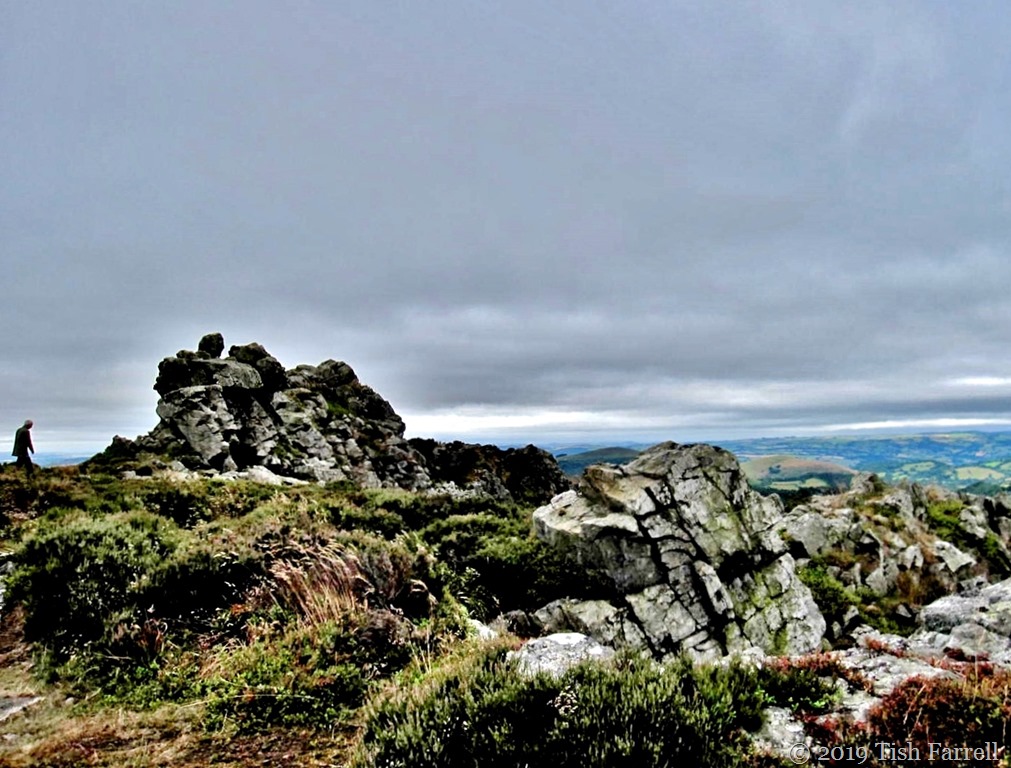
Well, the name alone is enough to set the nerves jangling. Stiperstones. There’s more than a hint of menace here, and local Shropshire folk will tell you exactly what that menace is. They will say that when the mist settles on this ridge of strange and craggy outcrops, that the devil has come, returned to his quartzite throne to preside over a gathering of witches and evil spirits.

P1080552

P1080554

IMG_5520

P1080572

These photos were all taken on a summer’s day, though it’s hard to believe looking at them here. For more about that particular visit and more about the Stiperstones go here.

Lens-Artists: creepy  Ann-Christine has set the challenge this week. She has posted some marvellously creepy images. Please take a look.

Kalamata Layers

P1020448

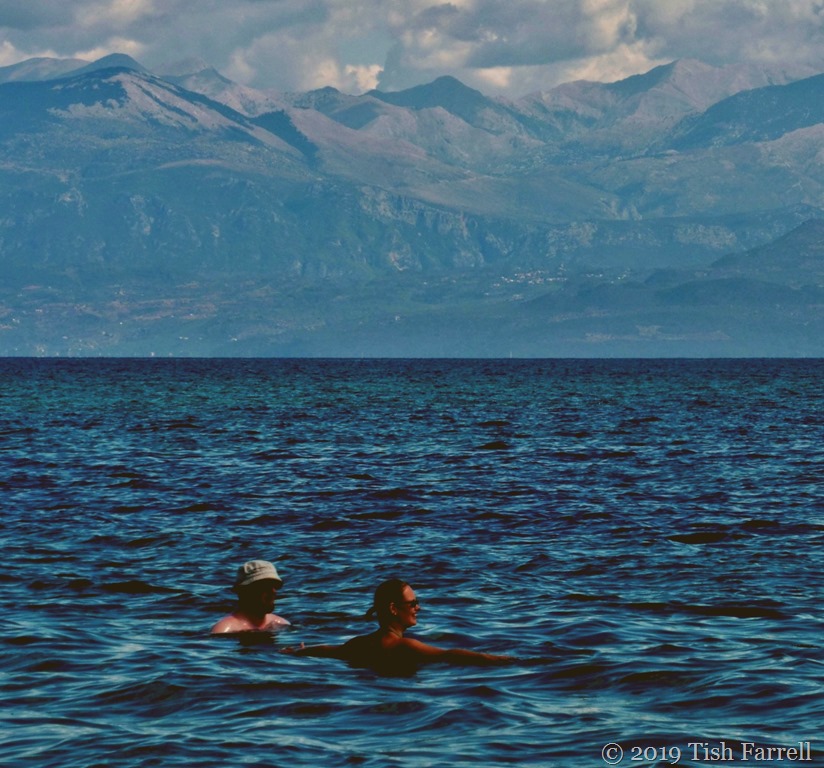
Late September and the locals had abandoned Peroulia Beach because, they said, ‘it was too cold’. Even to us Brits the sea was a touch cooler than hoped for. Still, you can’t come to Greece and not have a swim. And the glass-clear waters of the Messenian Gulf were so beguilingly blue. And then there was the backdrop view – the Mani that never quite came into focus all the time we were there, the rugged scarps of the Taygetos ever mirage like. Perhaps we dreamt it.
P1020643

Lens-Artists ~ Layered  This week Amy wants to see layered looks.

Squarely Filling The Frame In Townsend Meadow

IMG_4135

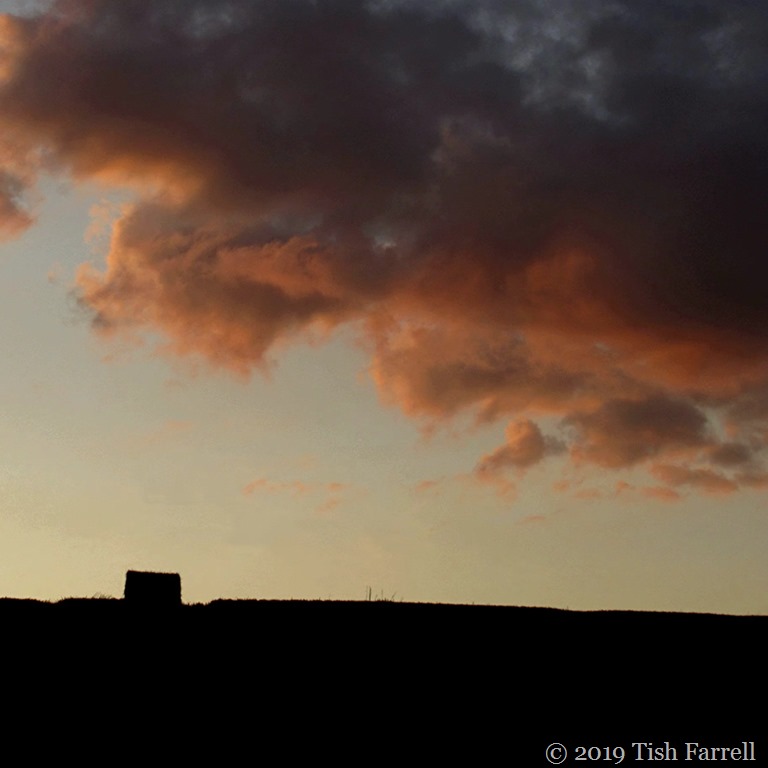
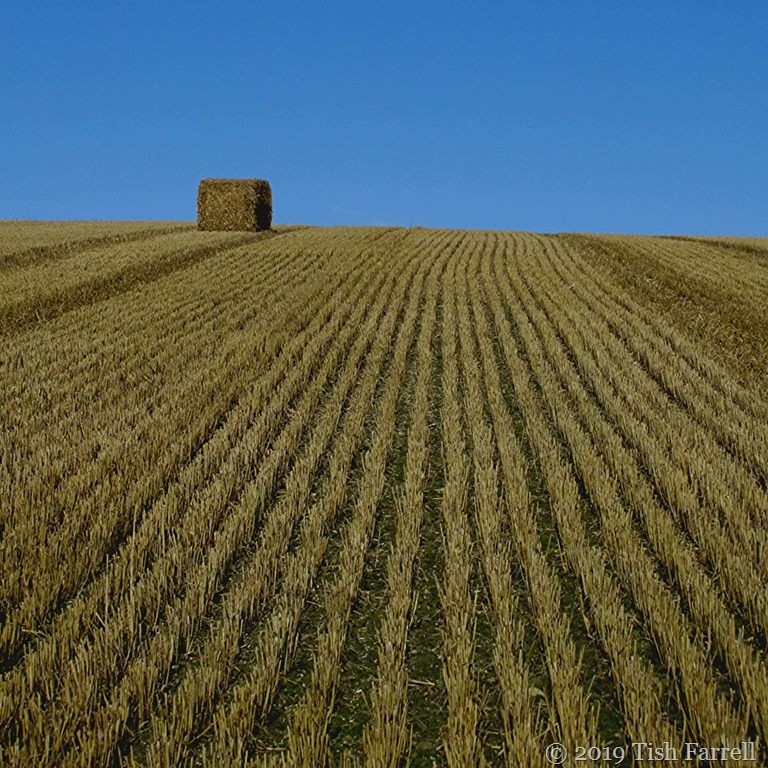
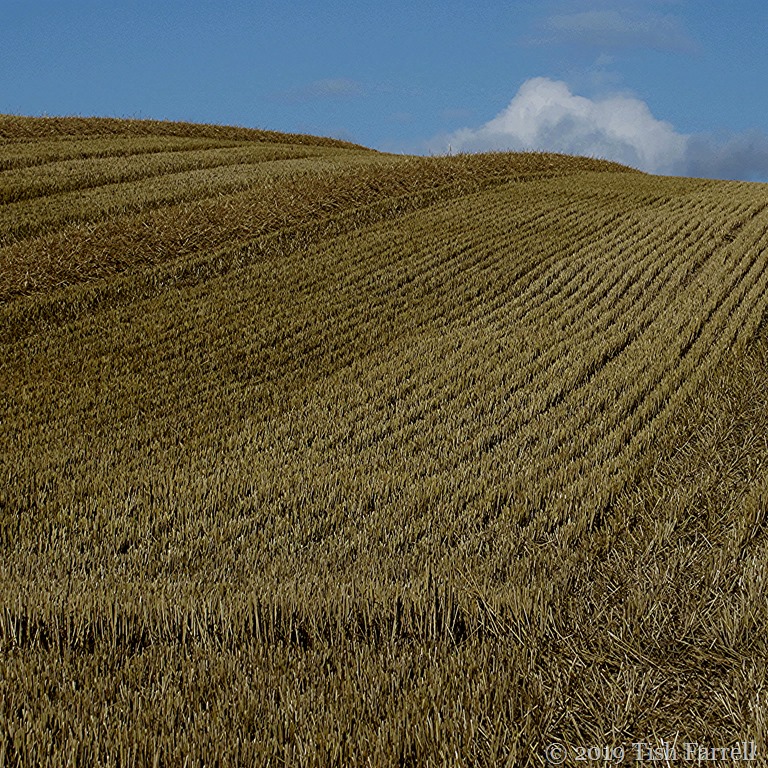
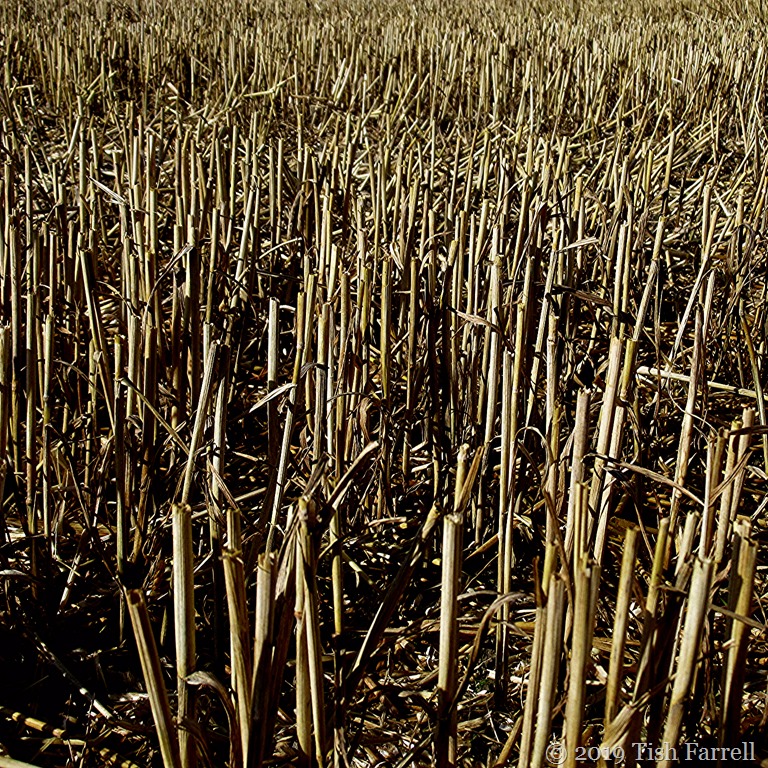
Today by way of an intermission from Two Go Pottering About In Pembroke, I’m back on home ground here – the field behind our house just after the wheat was cut in early September. It’s nice to recall the glorious sunshine too (since we returned from Wales it has been wet, wet, wet, the country locked inside jet stream weather effects). Also I thought I’d combine Becky’s line squares with Patti’s challenge to fill the frame. So here goes: bales, stubble, light and shadow, false horizons, landscapes and cloudscapes, textures and colour blocks. And lots of stalks.

IMG_3978

IMG_3969b

IMG_3963

IMG_3992

Lens-Artists ~ Filling the Frame

Line Squares #11

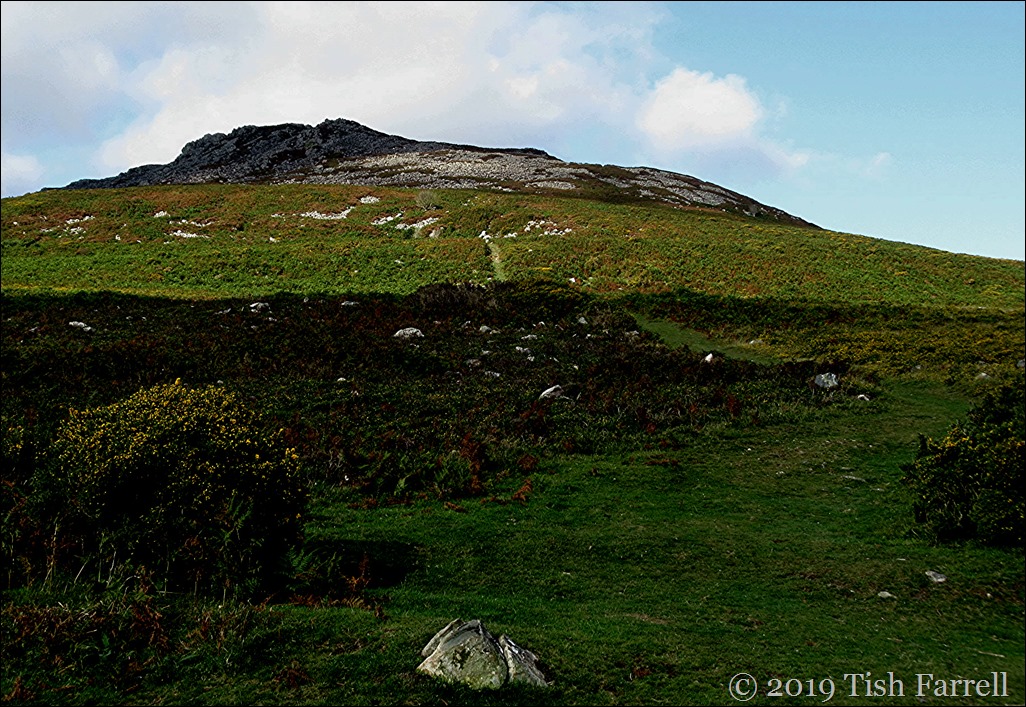
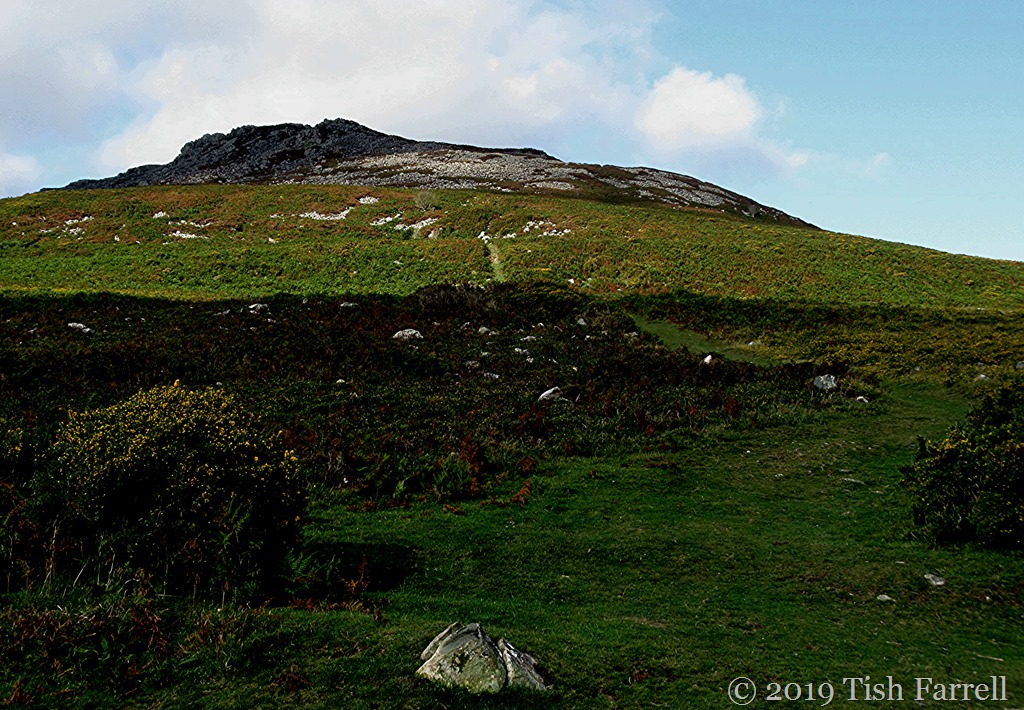
To The Mountain Of Angels ~ Mynydd Carn Ingli

IMG_4404

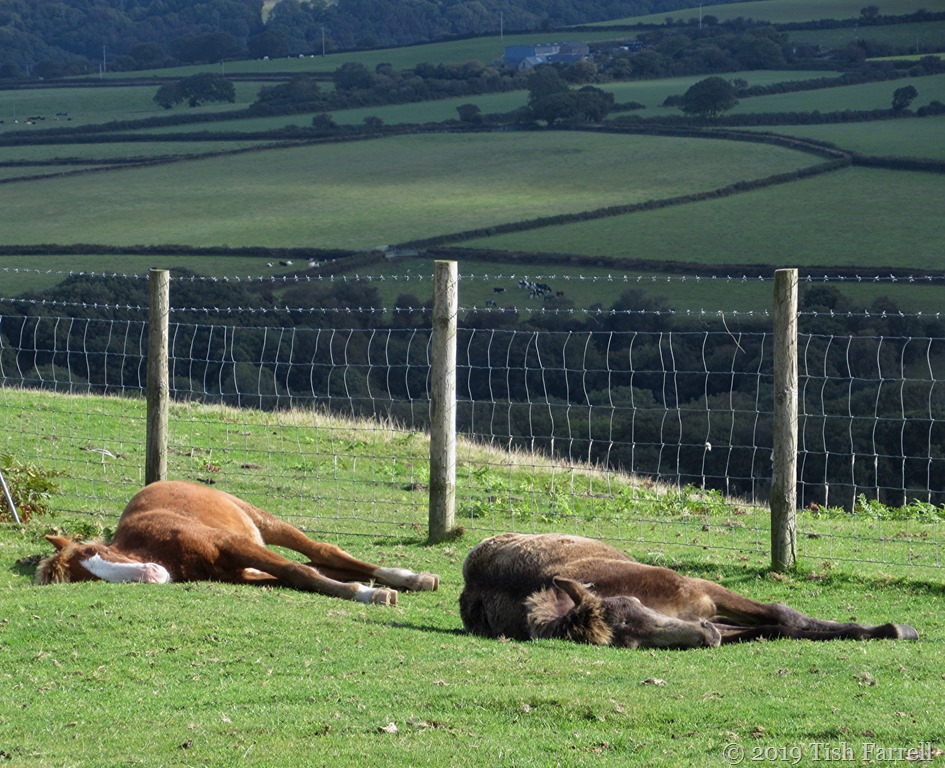
We were past it in a second – the road sign that warned of wild horses ahead. I blinked – mentally anyway. Had I seen such a sign before? The equine form black on white, lissom, tail whisking out, suggestive of a sprightly canter. And no sooner had I thought this, than there they were – in the flesh, and nothing less wild could be imagined. Two colts, flat out and dozing in September sunshine, while below the lush farmland of north Pembrokeshire joined them, stretching out and out.

IMG_4421

It was last Tuesday, just after breakfast, and we had taken the hill road out of Newport (Trefdraeth in Welsh) where we were having a few days’ holiday. My notion at least had been to climb Carn Ingli to explore the ramparts of the Iron Age hillfort that surrounds the summit. I’d read it was one of the largest hillforts in West Wales with traces of  25 hut circles within. A fortified village then, perhaps seasonally occupied.

And not only  this, there are also Bronze Age burial cairns and the suggestion too that the mountain top was first enclosed in Neolithic times. In fact the whole area, from coast  to hinterland and all across the Preseli Hills is littered with traces of prehistoric occupation: henges, standing stones, chambered tombs, hill- and promontory forts, burial cairns. The land of ancestors indeed, and for those of you who know your Stonehenge prehistory, you will recognise the name Preseli, and remember that the so-called bluestones of the inner circle were transported 140 miles from West Wales to Wiltshire. Recently the actual prehistoric quarry sites were discovered by a team of geologists and archaeologists. You can read the report here.

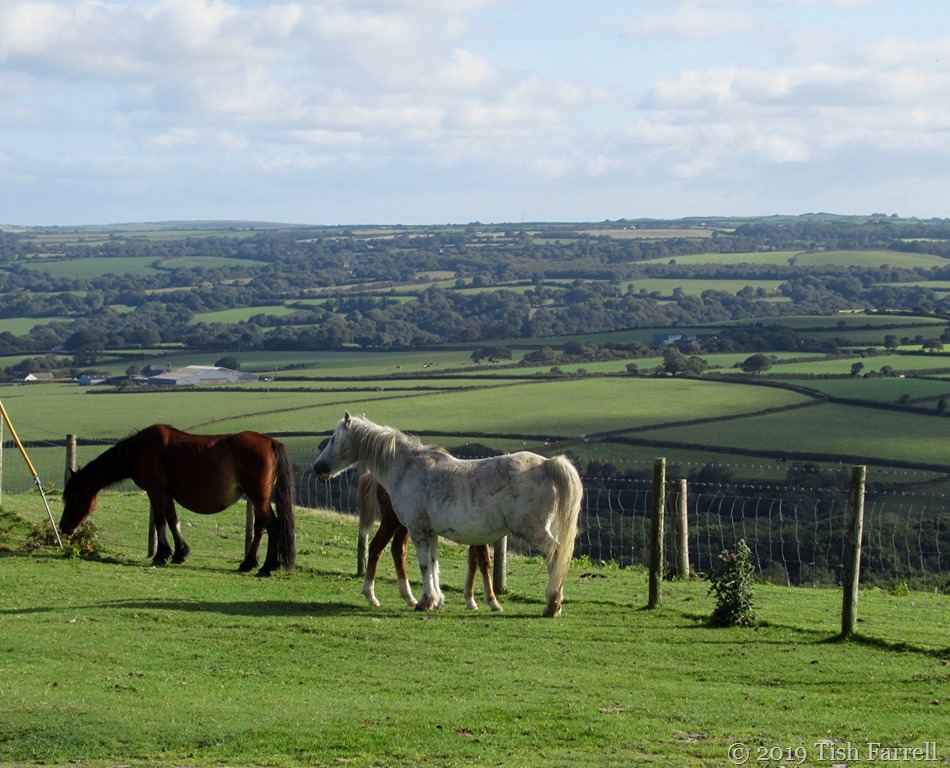
By the time we had gathered ourselves and tried to fathom the map, the wild horses had peaceably regrouped and we were joined by two mares, one in foal. Overhead the sun bore down very hotly for September; two ravens cronked and glided; the air filled with the scent of gorse and fading heather.

IMG_4403

We set off up the track, eyed by a white-faced bullock. The path went up and up, past tumbled rocks which may or may not have been part of some ancient hut circle.

IMG_4415

But the higher we went, the further we had to climb, and I was soon aware that he who is not so passionate about ancient relics was thinking thoughts that contained words like ‘wild goose chase’ and ‘hare-brained’. We gave it up, gazed awhile at the upland vistas and then drove on, wending on narrow lanes overhung with beech and hazel and ash, following the steep cleft of the Gwaun River valley down to Fishguard on the coast.

IMG_4412

*

P.S. In case I’ve whetted you appetite for a better glimpse of the hillfort, coming up is a view taken a couple of days later when we attempted to climb up from the seaward side. You can make out weathered ramparts. Below is Nevern Estuary and the tiny settlement of Parrog Quay, once a thriving ship-building yard and port for nearby Newport.

IMG_4797

IMG_4802

copyright 2019 Tish Farrell

Lens-Artists This week Amy asks us to show her countryside or small towns.

In The Frame ~ A Garden Treasure Trove

IMG_3469

We’re back in Corvedale, the lovely valley that lies between Wenlock Edge and the Clee Hills, not far from the ancient Heath Chapel that featured in Over the Edge and faraway.

Wildegoose Nursery is a plants persons’ dream, conjured within an old Victorian kitchen garden. The owners lease the walled garden from Millichope Park and, over the last few years, have transformed decades of dereliction into a magnificent showpiece for uncommon varieties of herbaceous plants. We went there because my sister Jo kept saying we should.  You’d love it, she said.

She was right. We did.

So: I’m posting this set of photos in response to Lens-Artists’ weekly theme. This week Amy asks us to think about how we frame our shots, and as this happened to be my particular challenge during our garden ramble: how to capture the essence of the whole, as well as the particular, it seemed a good opportunity to post them.

The colourways and combinations of the Wildegoose planting schemes are captivating, painterly, often flamboyantly informal, sometimes riotous.

IMG_3358

IMG_3357

Incidentally, I think this lily is hosting an invader harlequin ladybird. They originate in Japan and according the Royal Horticultural Society, were deliberately spread about the planet as a biocontrol for aphids, though not in Britain, whence they came of their own accord. They began arriving here in 2004. Unfortunately they also eat butterfly and moth eggs and our native ladybirds, and there are fears they will outstrip our native strains.

One particular challenge camera-wise was how best to photograph the astonishing Millichope Glasshouse. This too had been restored, all 12,500 postcard sized hand-made glass overlapping panels replaced. The glasshouse dates from around the 1830s and is highly unusual with its curved profile.

IMG_3409

IMG_3426

IMG_3446

Restored from this:

IMG_3331

Originally a Victorian kitchen garden such as this would have been cultivated by a small army of garden men and boys, all under the stern eye of a head gardener like Charles Ashford, my own grandfather. The glasshouses would have been devoted to producing exotic fruit, tropical plants for table and drawing room display; the garden walls used to support espaliered fruit trees – peaches, apricots, cherries, apples of many varieties, pears, each sited according to the most beneficial aspect. There would have been hot beds for melons and cucumbers and for forcing early crops, strawberry and asparagus beds, salad crops and vegetables of every kind, and also borders for cut flowers. Such production units were very expensive to run and by the interwar period most big gardens like that were beginning to be abandoned.

Wildegoose Nursery does have some vegetable beds, but mostly the garden is given over to exuberant herbaceous planting. There is also a small, beautifully arranged plant sales area, and a very welcoming tearoom which served such lovely food, we forced ourselves to stay for lunch, even though we’d not long sampled their coffee and cake for a late elevenses.

IMG_3438

*

And here are some planting schemes that especially caught my eye:

IMG_3366

IMG_3377

IMG_3368

And here are some general garden views with Clee Hill in the background. I should add there was also a particular soundtrack to these scenes: above the hum of a million pollinators and the soft chatter of garden volunteers, the thrum of combine harvesters in nearby fields, and overhead, the plaintive mew of buzzards.

IMG_3434

IMG_3328

IMG_3410

P.S. There is a fee for going round the garden, but we thought it worth every penny.

Lens-Artists: Framing the shot