It’s All Birds And Bees In Our ‘Castle’ Garden

IMG_7447ed

Well, they do say an Englishman’s home is his castle. And for this English woman, this stronghold must obviously include the garden. At least I like to think the garden is my domain; my own small fiefdom.

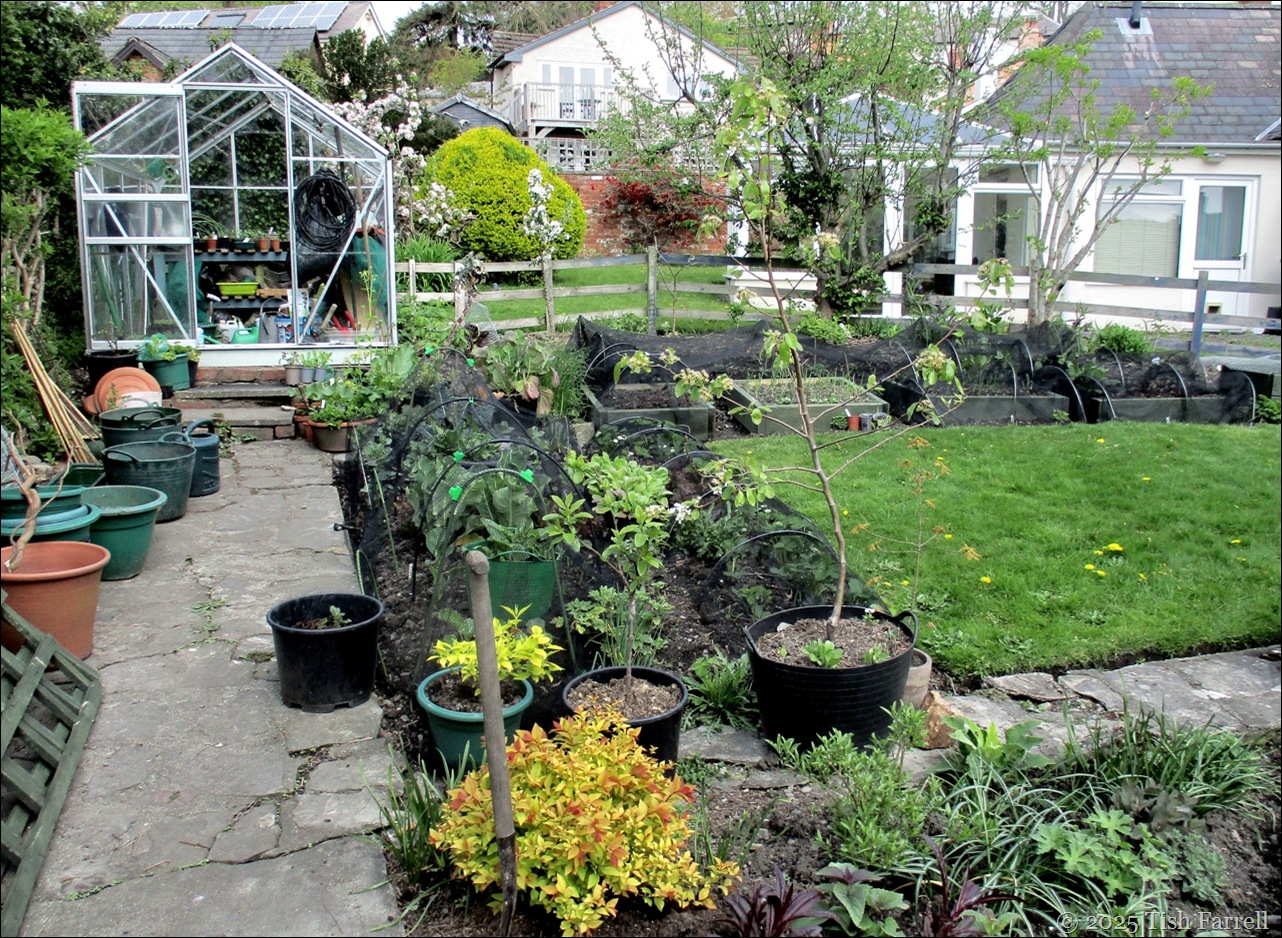
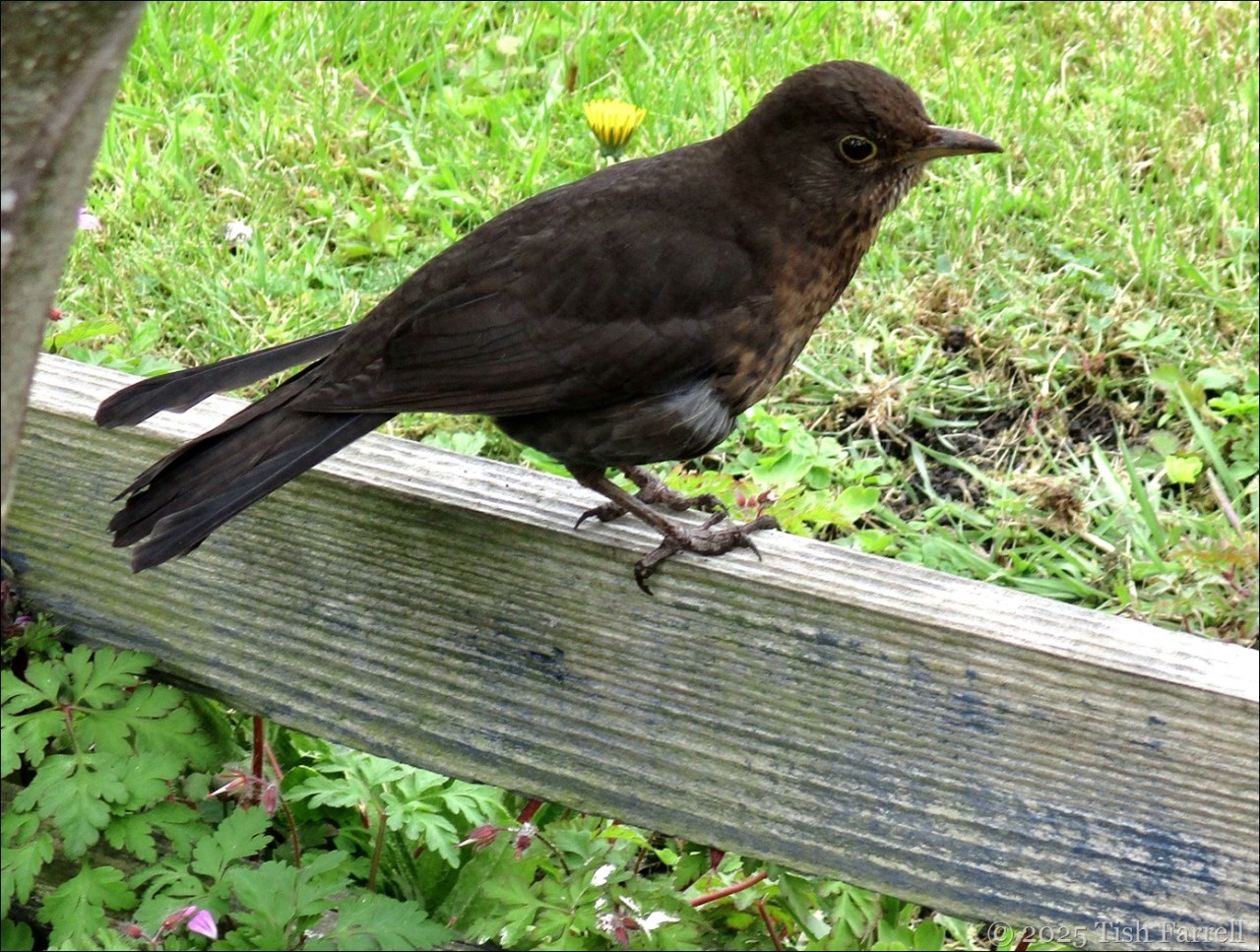
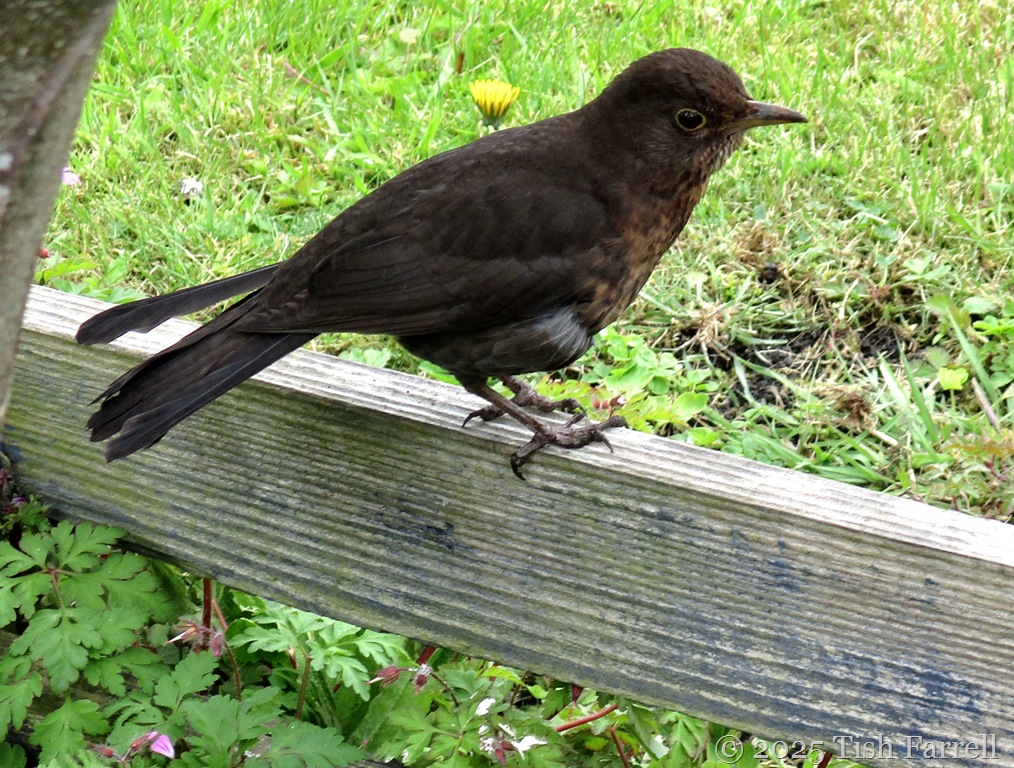
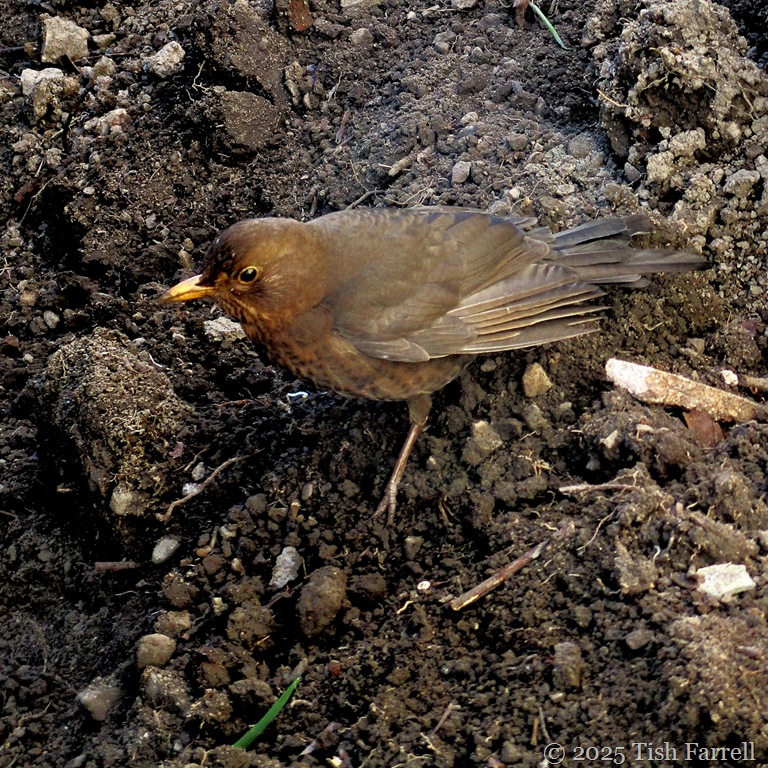
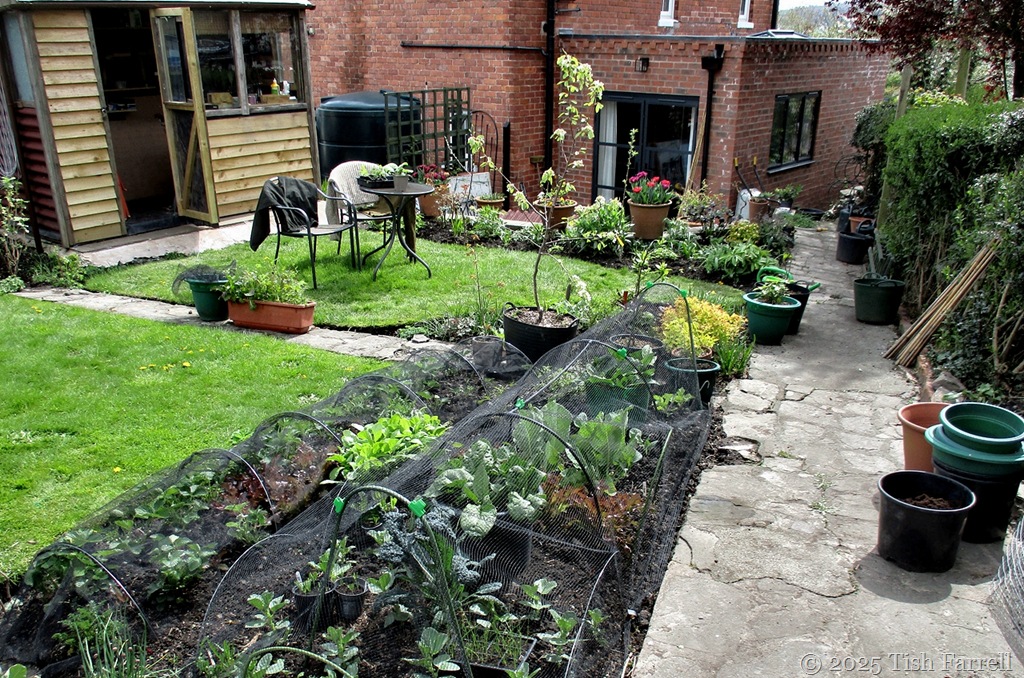
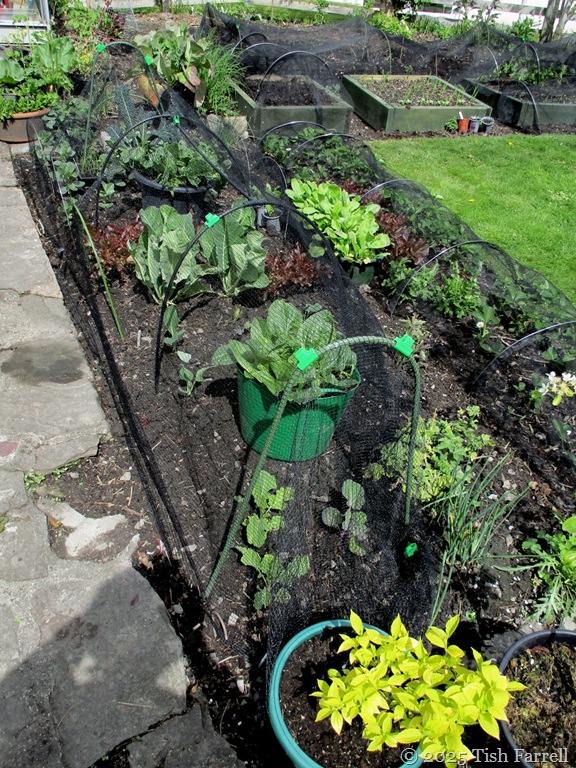
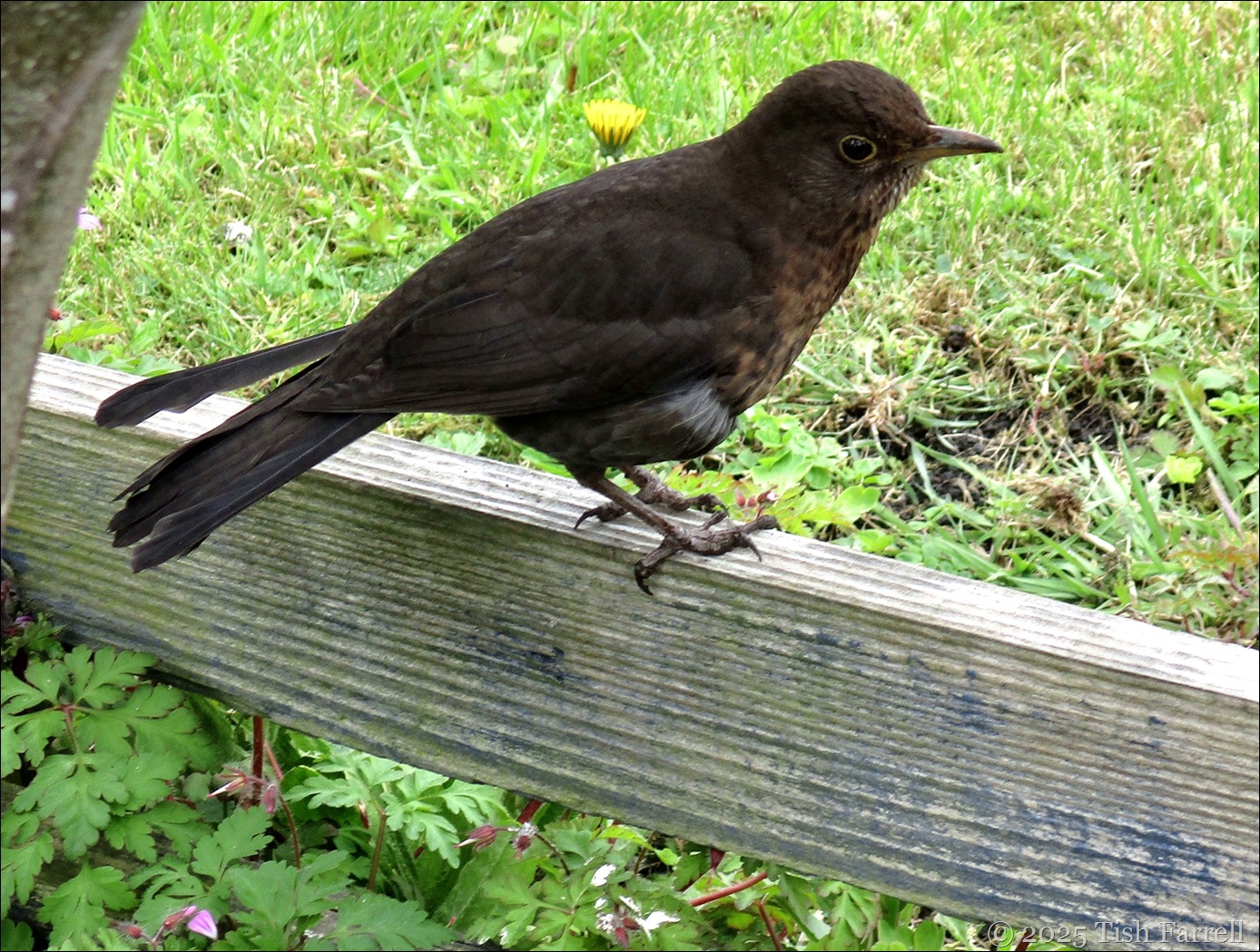
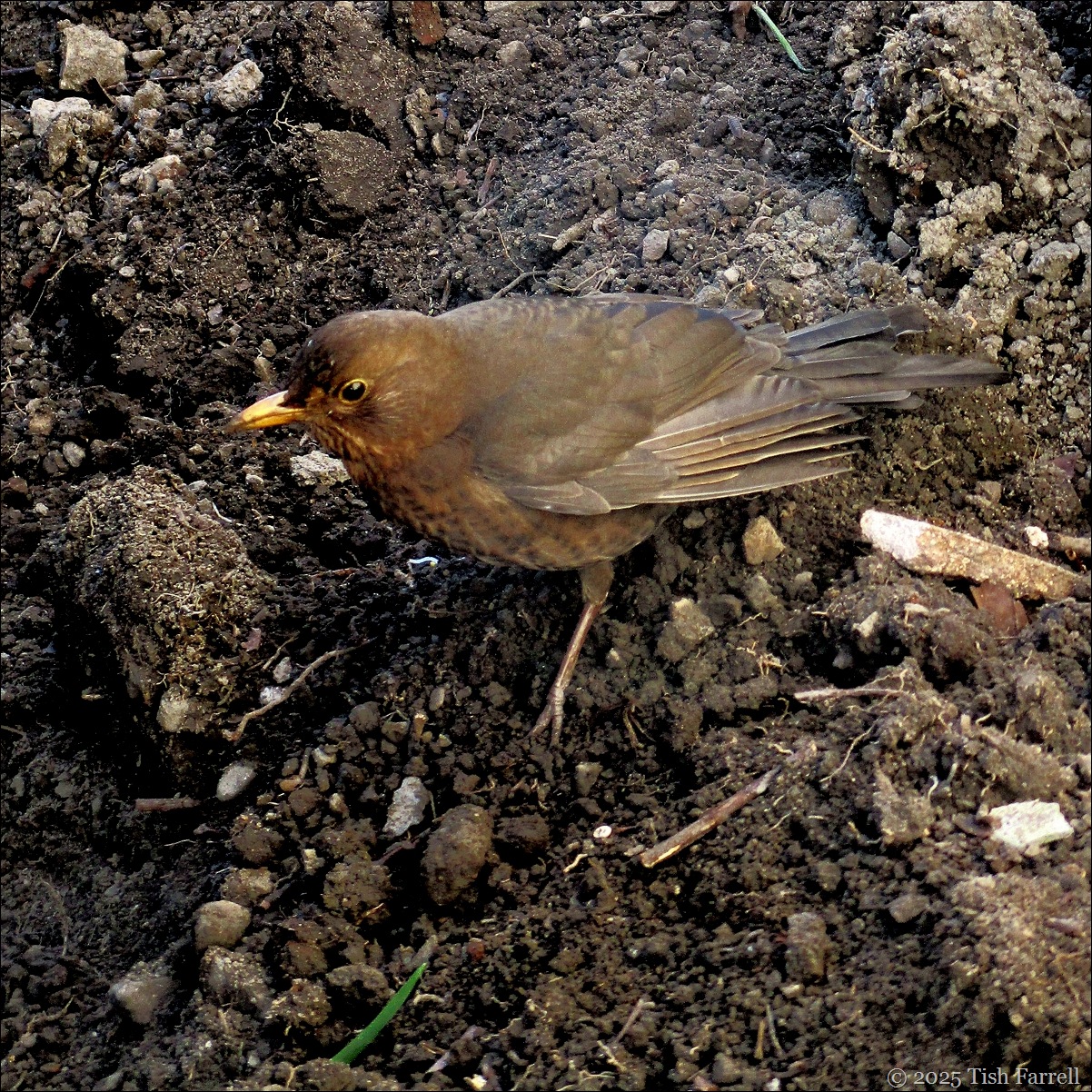
The wildlife, of course, has other notions. This mama blackbird, for instance, is quite sure my purpose in life is to provide her with fresh feeding stations. As soon as I begin work in the garden she’s there, poised to snatch a worm or grub. If I do not provide quickly enough, she fixes me with that beady eye, and starts her own digging.  This has led to us falling out somewhat. I’ve had to net all my vegetable beds to stop her rooting out my seedlings.

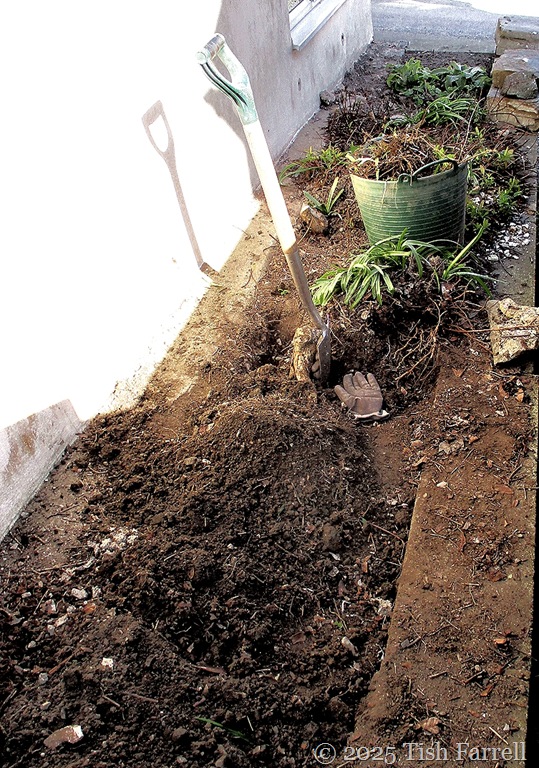
But she did keep me company while I cleared the boundary wall with our neighbour’s garage. It was a horrendous job, hacking out ingrowing and overgrowing hypericum (Rose of Sharon) that years ago had been planted along the top of the wall, and since turned itself into a stretch of brutal anti-tank wire, while inviting Spanish bluebells, ash trees and willow herb to join in the fray.
IMG_7328 ed

I’d been tackling the job on and off since last summer. But now it’s done.

IMG_7332 ed

I’ve planted the road end with a couple of trailing blackberries designed for hanging baskets and also some foxgloves which had grown themselves in the back garden. As for the rest, for this year I’m thinking of putting in various kales and perhaps courgettes; nothing permanent in other words. I’ve discovered that hypericum shoots and roots from the tiniest scrap of itself, so it will probably take a few seasons to clear the bed.

Meanwhile mama blackbird has been well fed, and the feeding clearly paying off. Two days ago, while planting a hornbeam sapling to fill a gap in our rear hedge of horrors, I had the sense of being watched. When I peered into the tangle of privet, holly and sycamore, there she was, sitting still as stone, on a very neat nest, looking straight back at me. I left her in peace.

As blackbirds go, I suspect she is rather elderly. Her tail feathers look more than a touch bedraggled. But she has us weighed up as non-threatening entities, choosing to nest right by the path that we use all the time. She is not afraid to leave it either, when she sees me with a spade. Yesterday,  when I was unearthing some ash tree saplings further down the hedge, she was right there, just in time to gobble up a big juicy worm.
IMG_7417

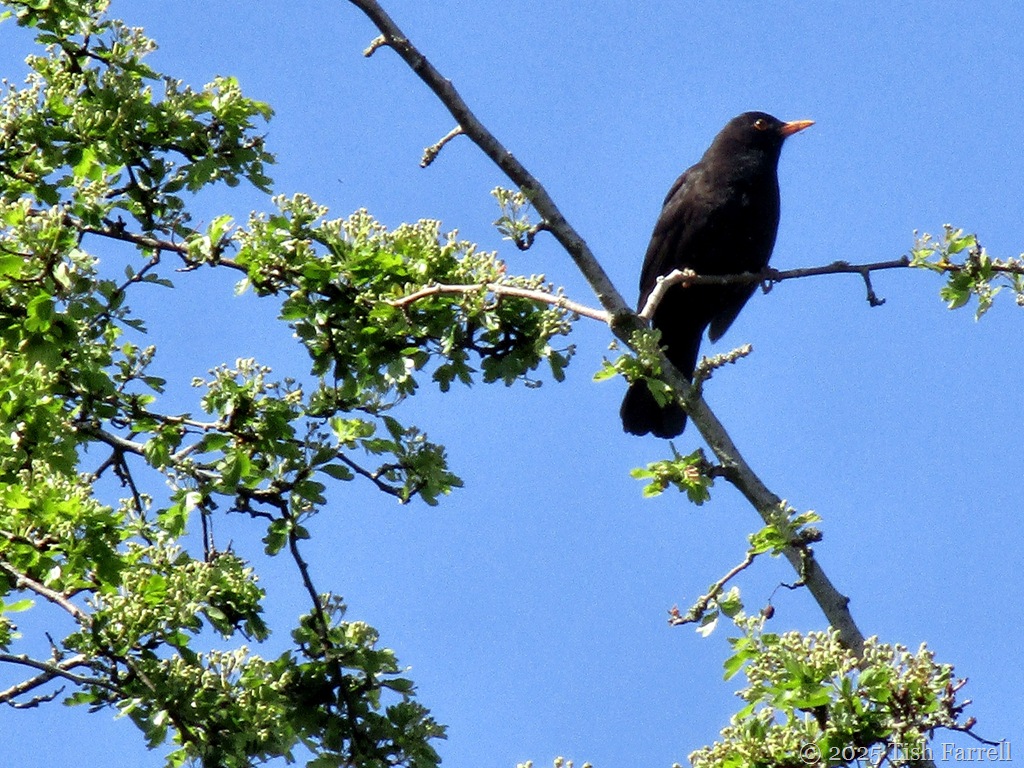
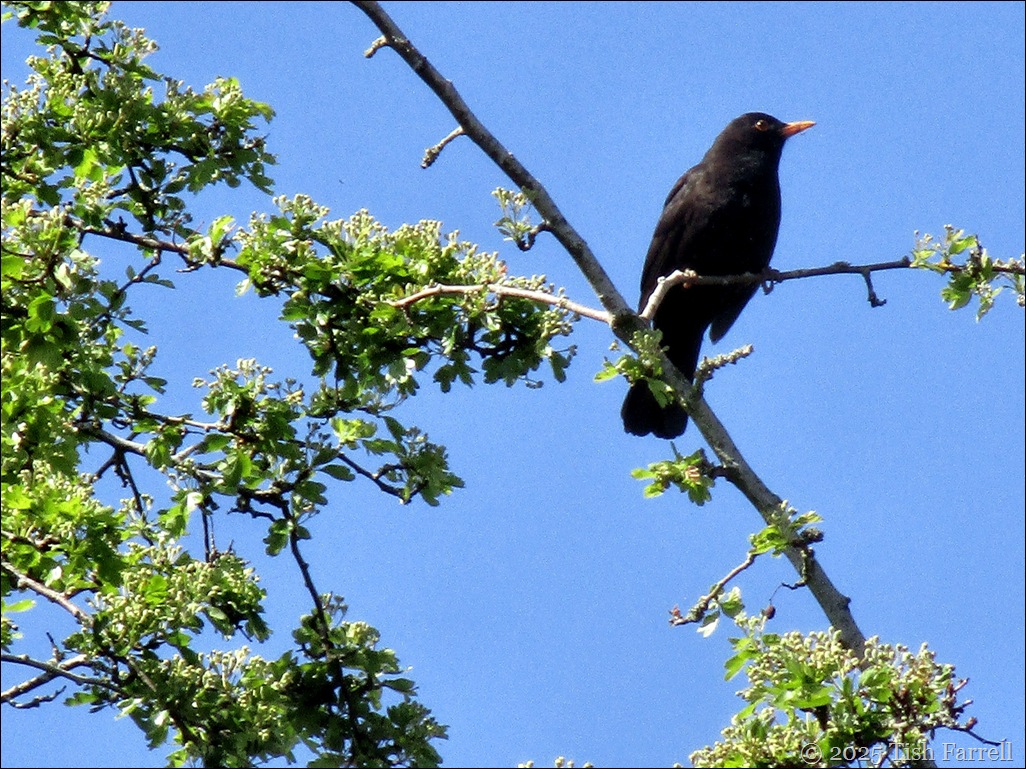
Male blackbirds don’t do nest duty, but I’m assuming this is papa. He’s taken to singing sweetly in the hawthorn tree just over the hedge. He shows up when I’m digging too, but not if mama is around. (She sees him off). He actually comes very close and tweets at me, if I’m not providing worms.

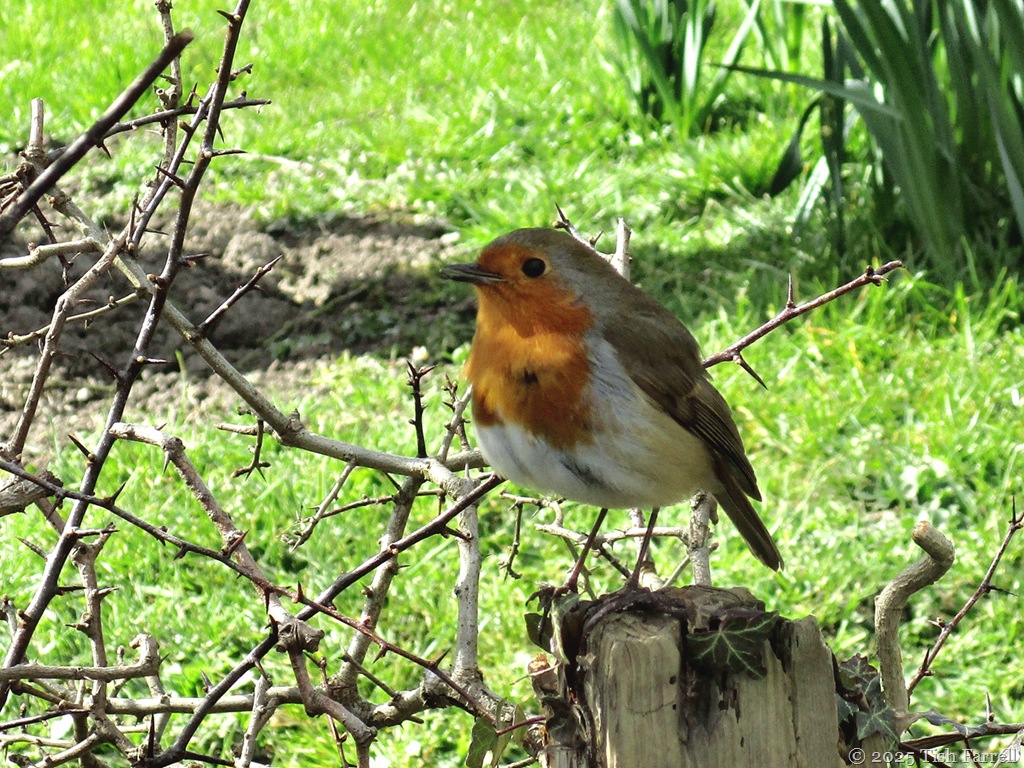
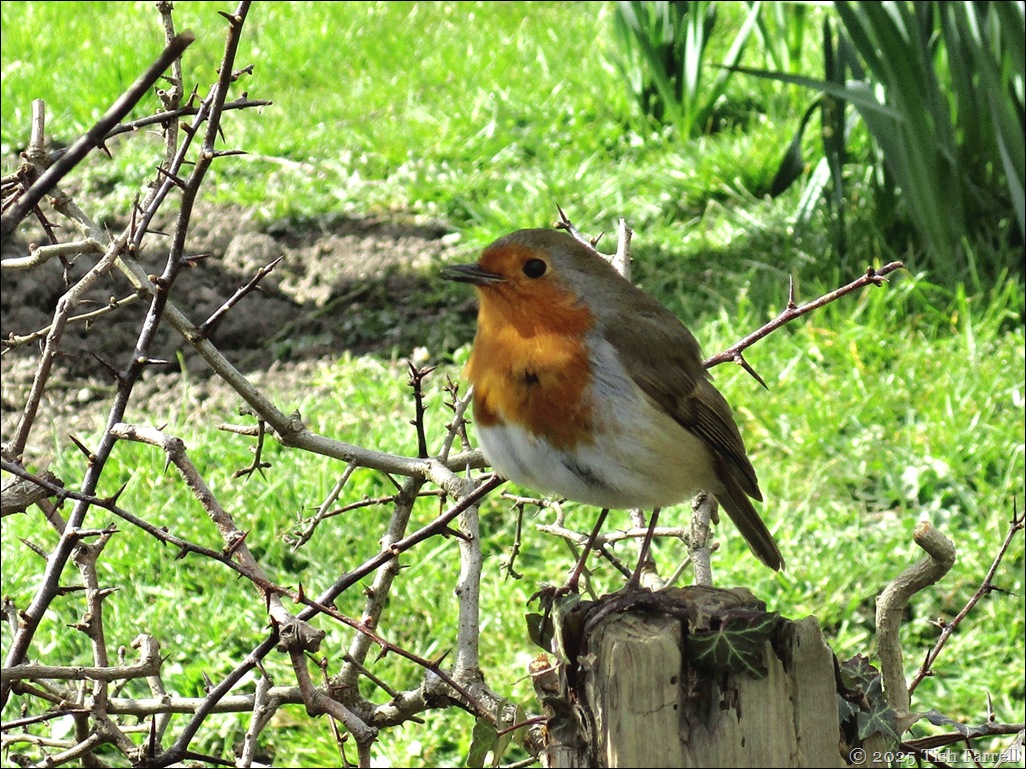
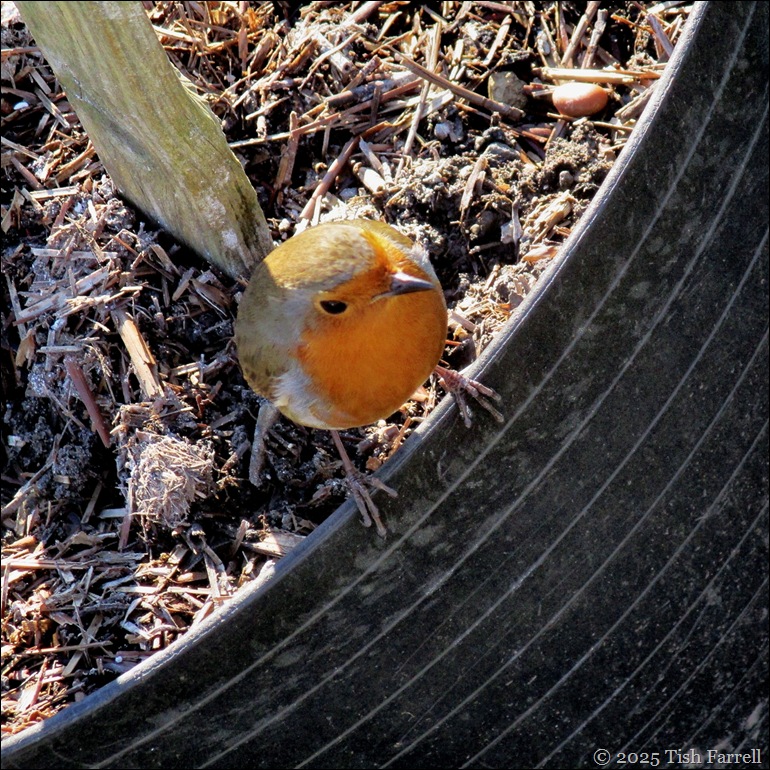
Earlier in the year it was the robin who would come nagging as soon as I set foot in the garden. He/she was especially pleased with operation dig-out-compost-bin, but now is perhaps too busy with egg minding to be around so much.
IMG_6911ed

IMG_6843

*

Other birdlife, as in pigeons, I’m not so pleased to see. They’re another reason for having netting all over the vegetable plots, though it doesn’t stop them from nibbling through the fine mesh if the plants grow too close to the edge. They like spinach, brassicas, chard, chicory, beetroot leaves, lettuce, young field bean leaves and lemon sorrel.
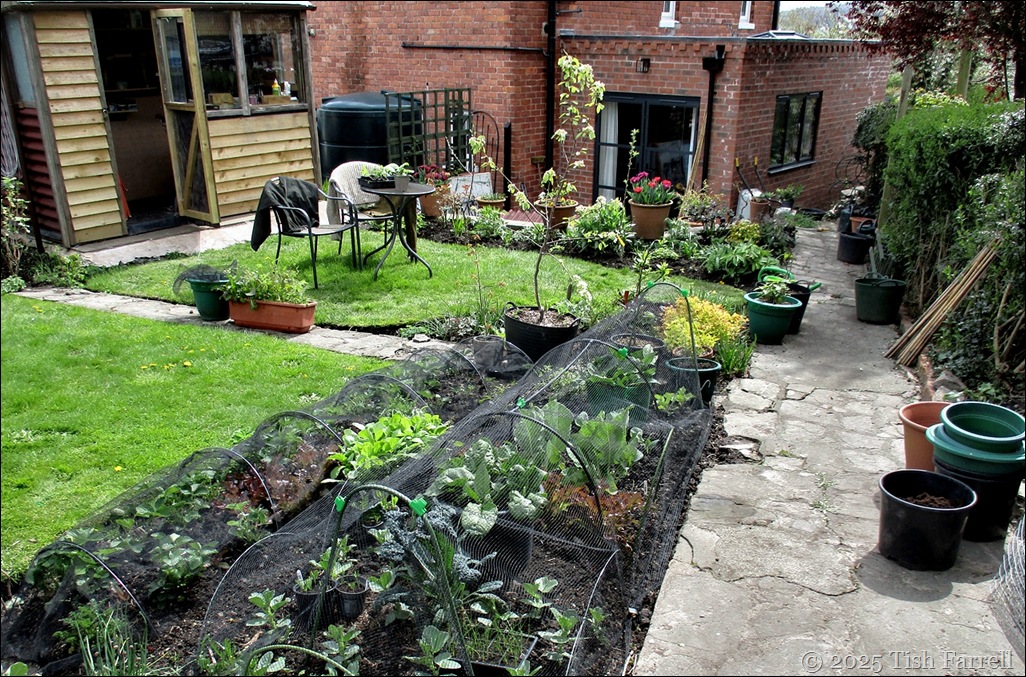
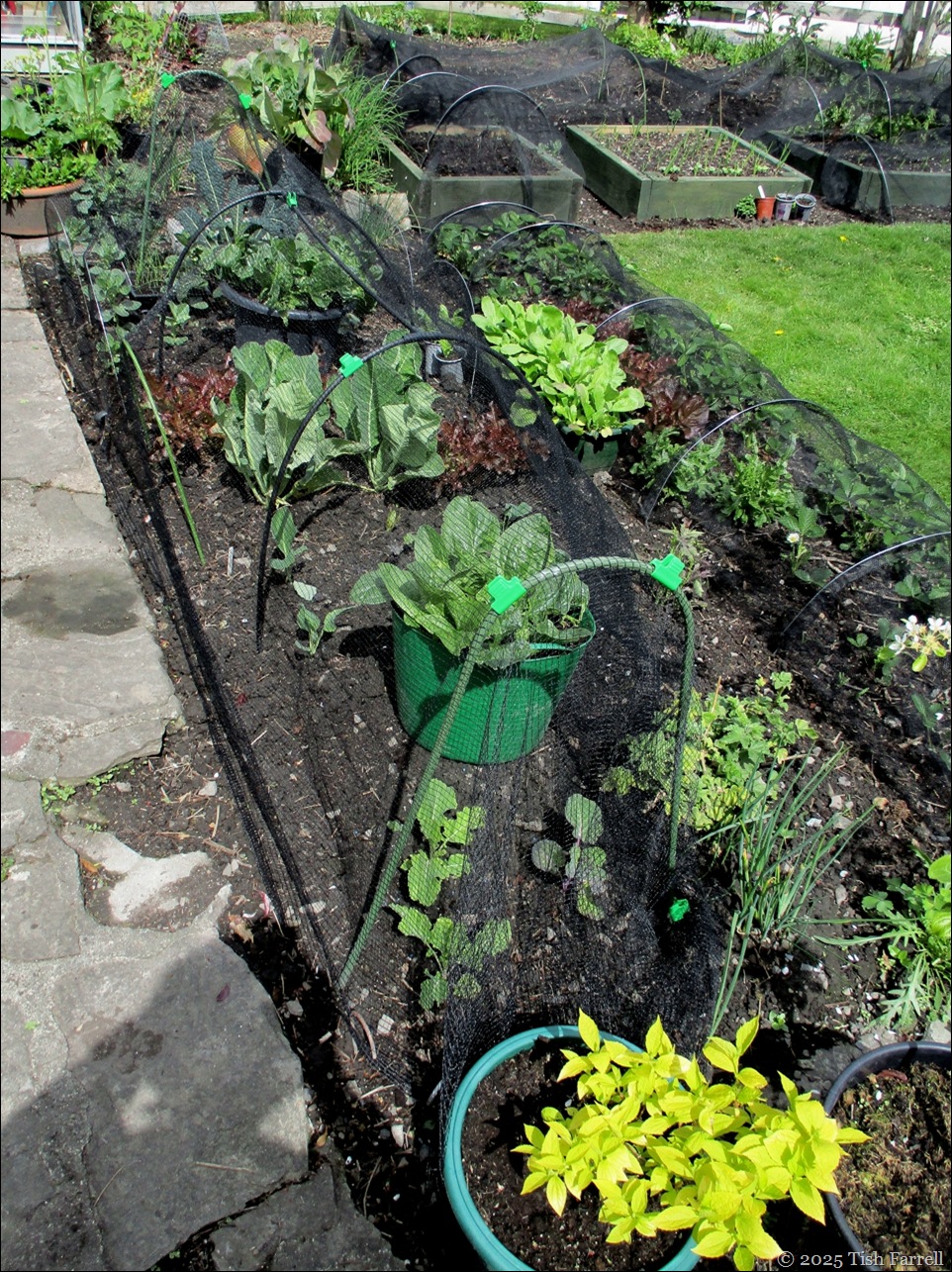
IMG_7437

IMG_7434

IMG_7508

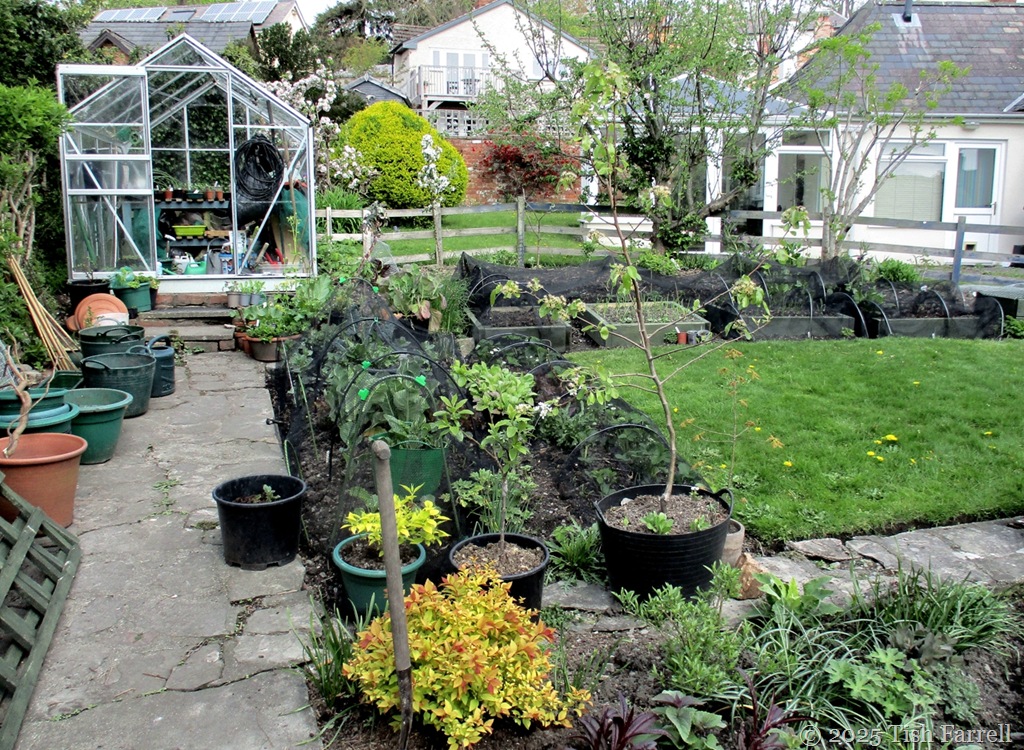
The garden is very much ‘a first draft’; there’s much to sort out (tidy) and much trial and error (given the lack of an actual plan). Next week a paling fence will start going up around the perimeter (from behind the greenhouse and round). It won’t be too tall but will create a boundary for fresh planting which might help focus this gardener’s mind.

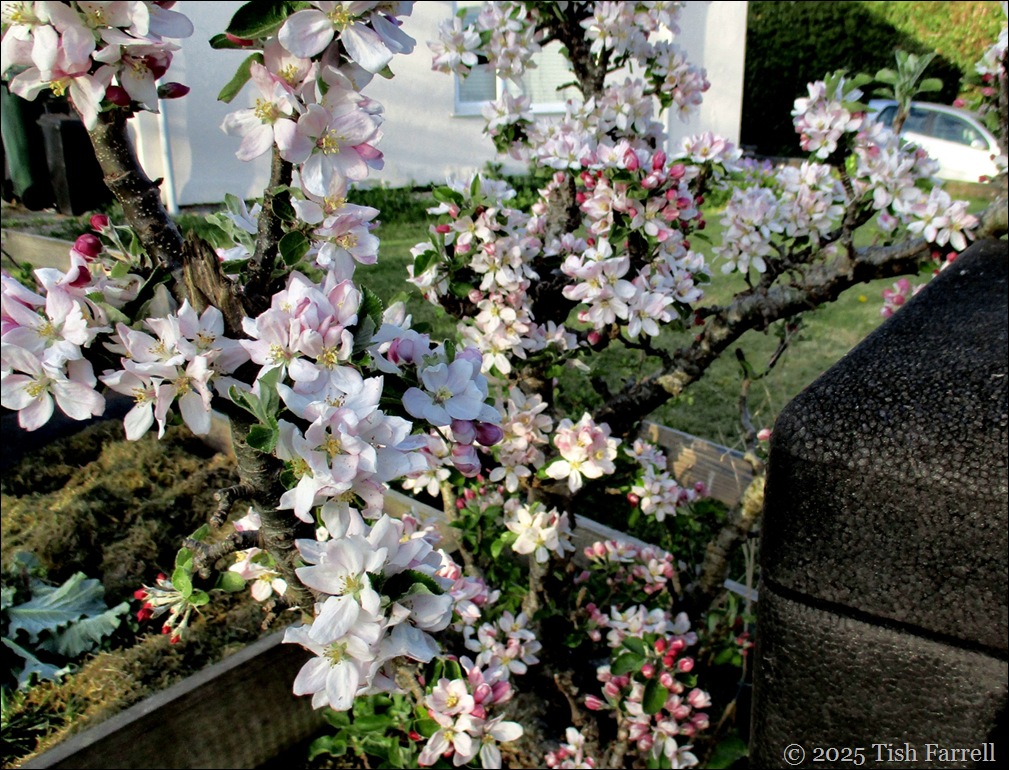
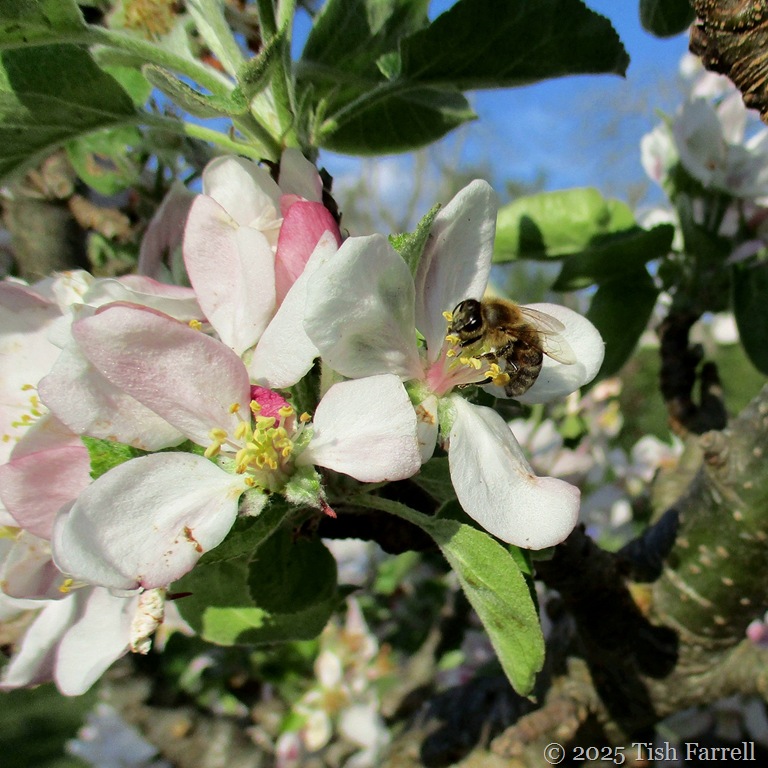
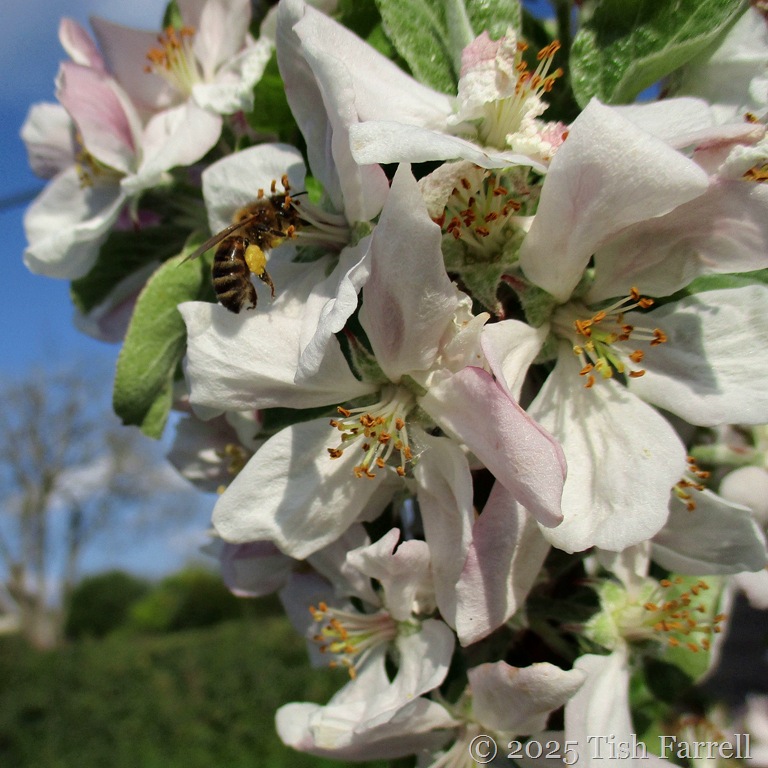
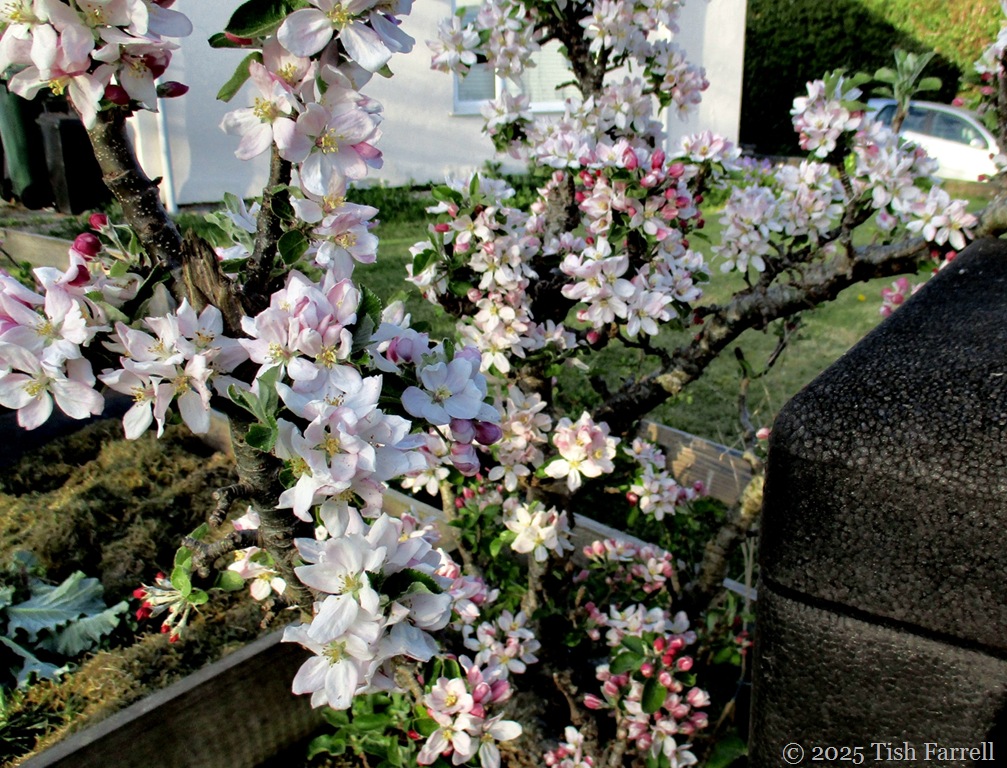
For now we are enjoying the apple blossom, and especially the little tree which is flourishing between the compost bins, one open, one hot. I think it’s a Crispin. The black hot bin is not a pretty sight, but the mass of flowers is lovely and, in a spot of warmish afternoon sun, is alive with bee hum. Just look at the pollen sacs on the bees’ legs.
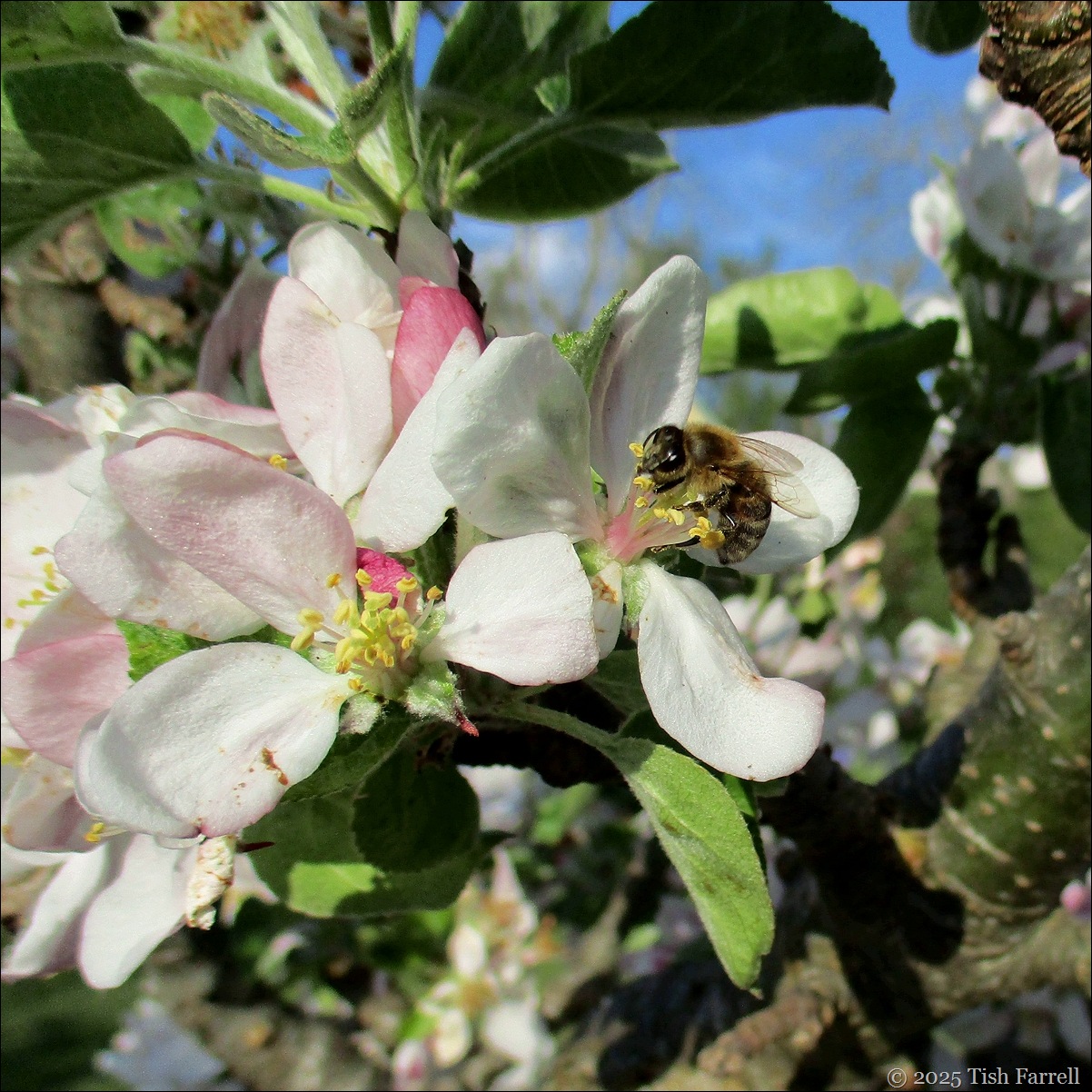
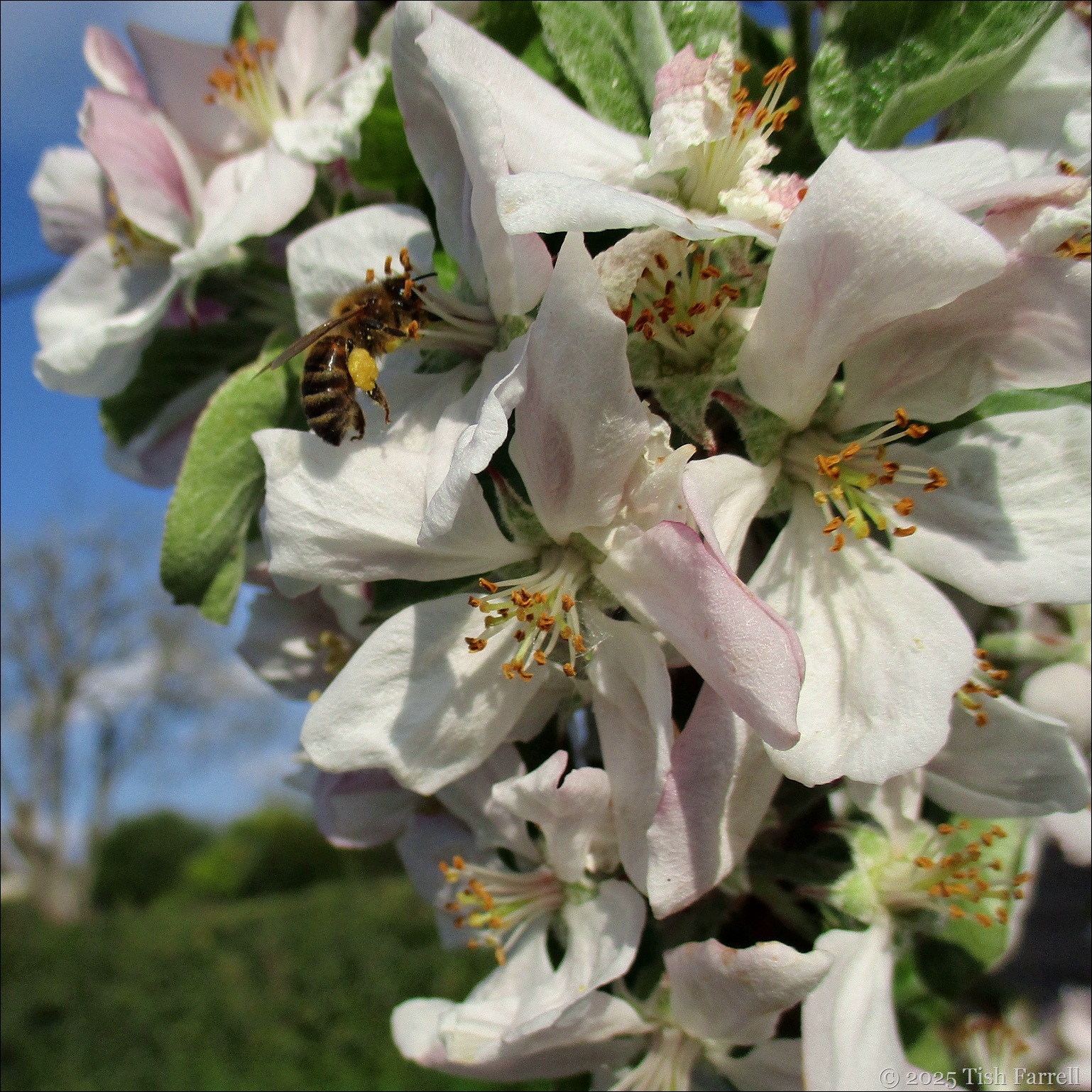
IMG_7478

IMG_7474sq

IMG_7427

*

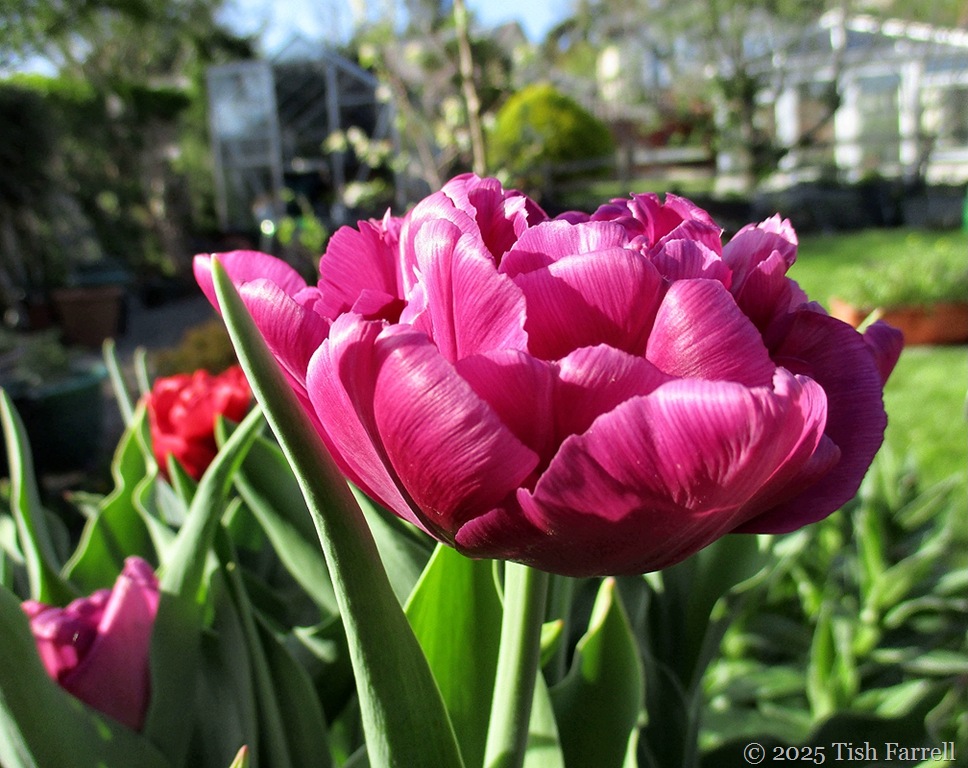
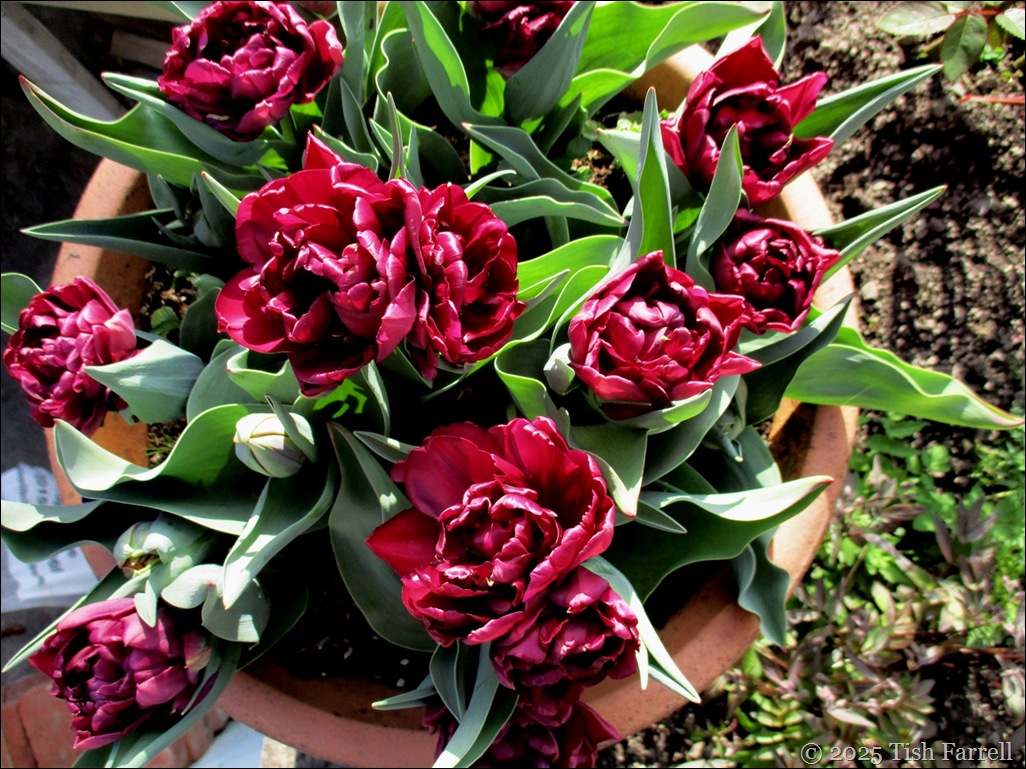
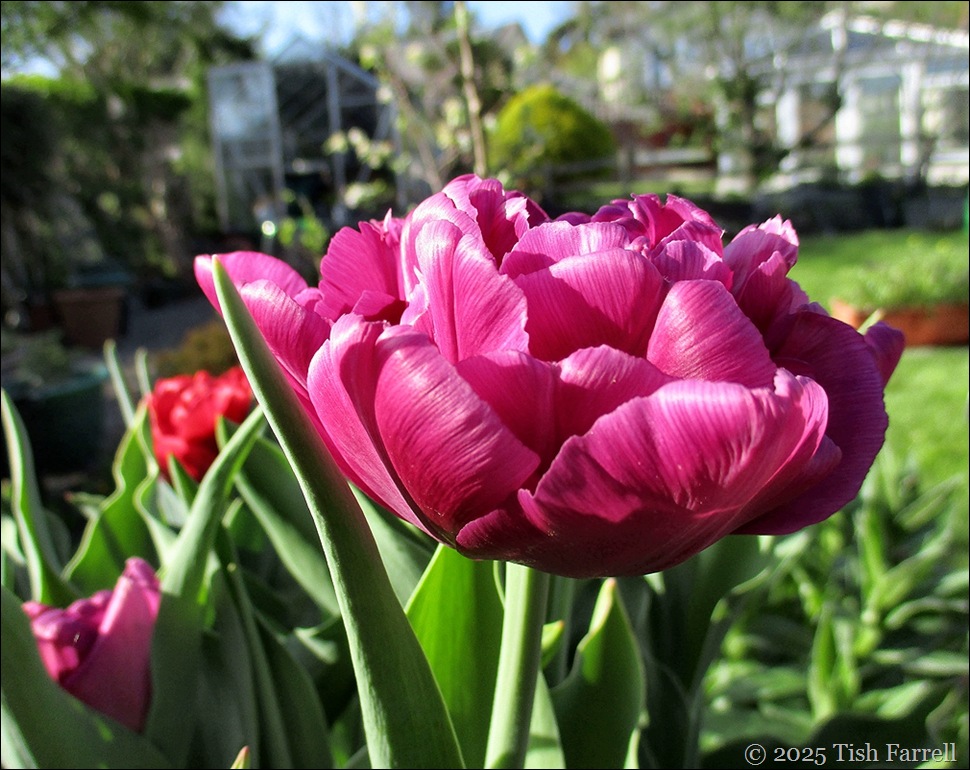
And there’s not only apple blossom. On the terrace wall we have tulips. They are presently looking rather glamorous:
IMG_7426ed

IMG_7425

So: spring is here in the Farrell domain aka Castle (also the locals’ name for the town), and in moments when the wind drops and you stand in the sun where the air is less frigid, it feels like it too. Cheers, fellow gardeners! Happy planting!

Six on Saturday: blackbirds, robins, bird defences, apple blossom, bees and tulips

copyrithg 2025 Tish Farrell

Lens-Artists: What’s Bugging You?

IMG_9780cr

I don’t need to be asked twice to reprise photos from my bugs and butterflies archive. And this week at Lens-Artists, Donna is doing the asking.

IMG_2780cr

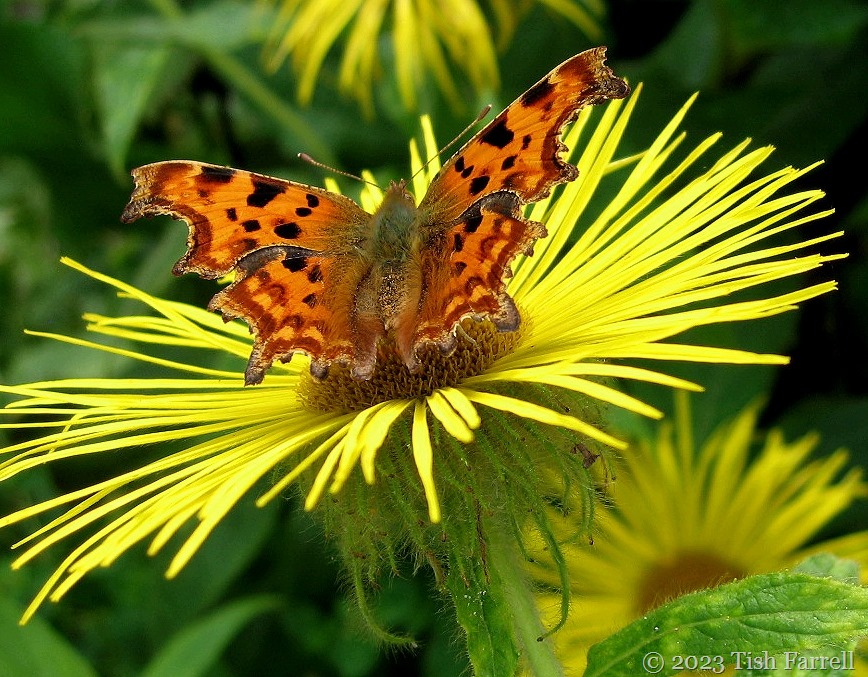
Comma butterfly on Doronicum ‘Little Leo’ aka Leopard’s Bane.

*

IMG_9331

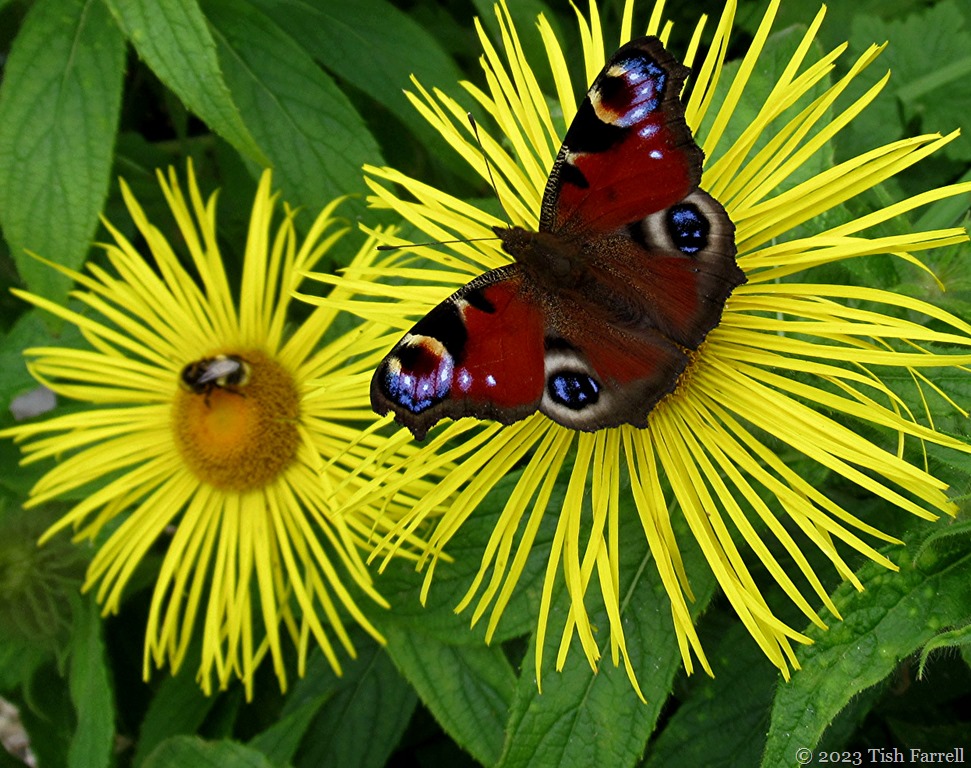
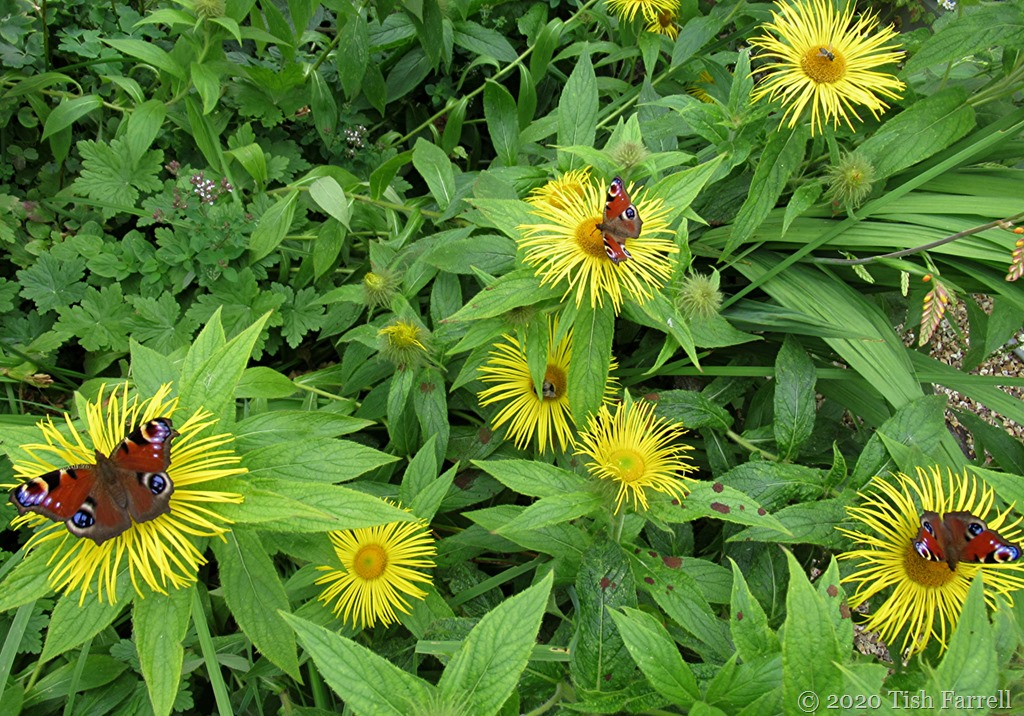
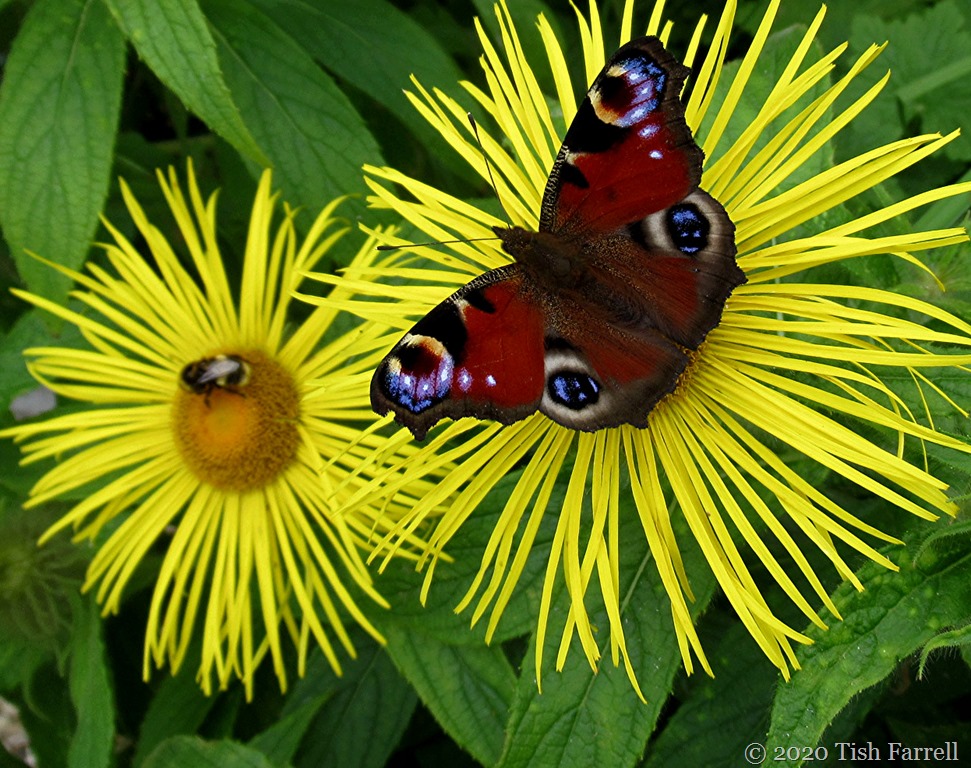
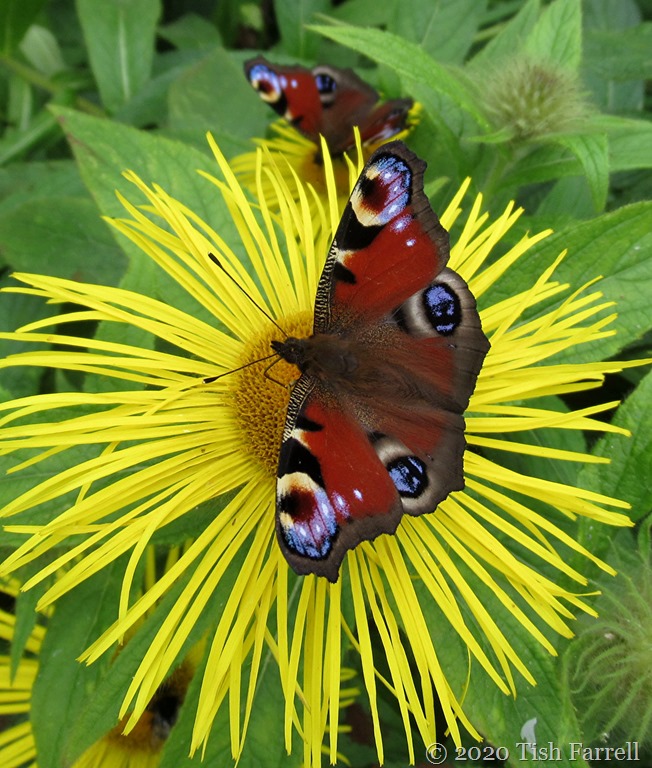
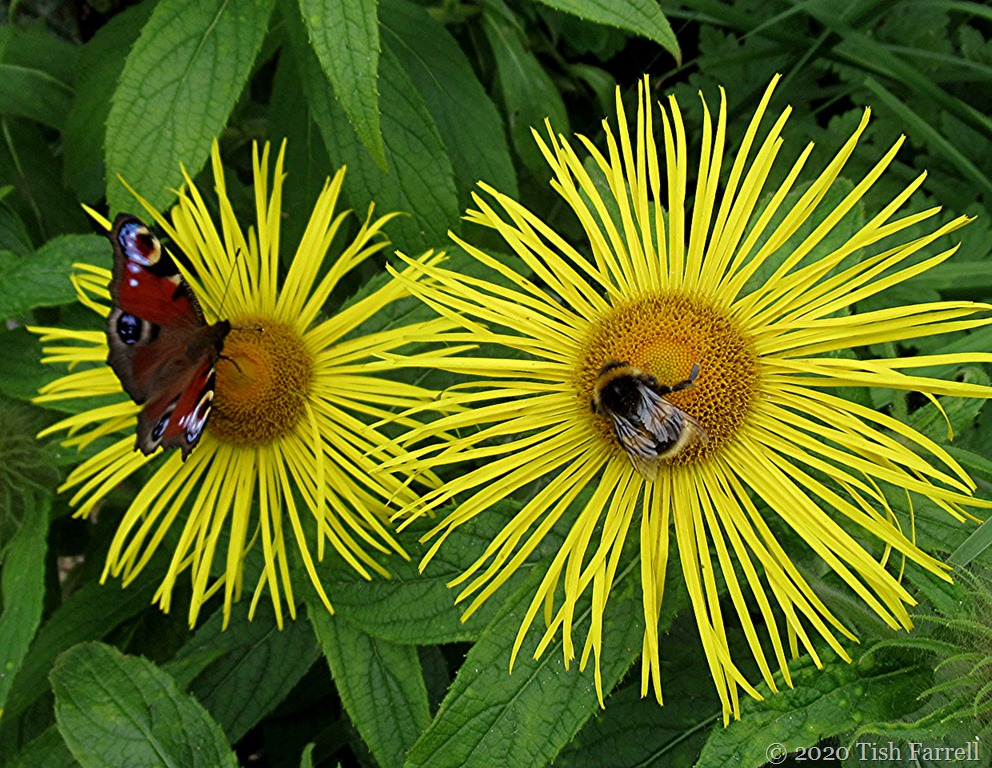
Peacock and the bee.

*

100_6631cr

Marmalade hoverfly visiting the crocosmia, a variety which I’m pretty sure also had marmalade in its name.

*

IMG_1485

And another kind of hoverfly on a lace flower.

*

IMG_3103

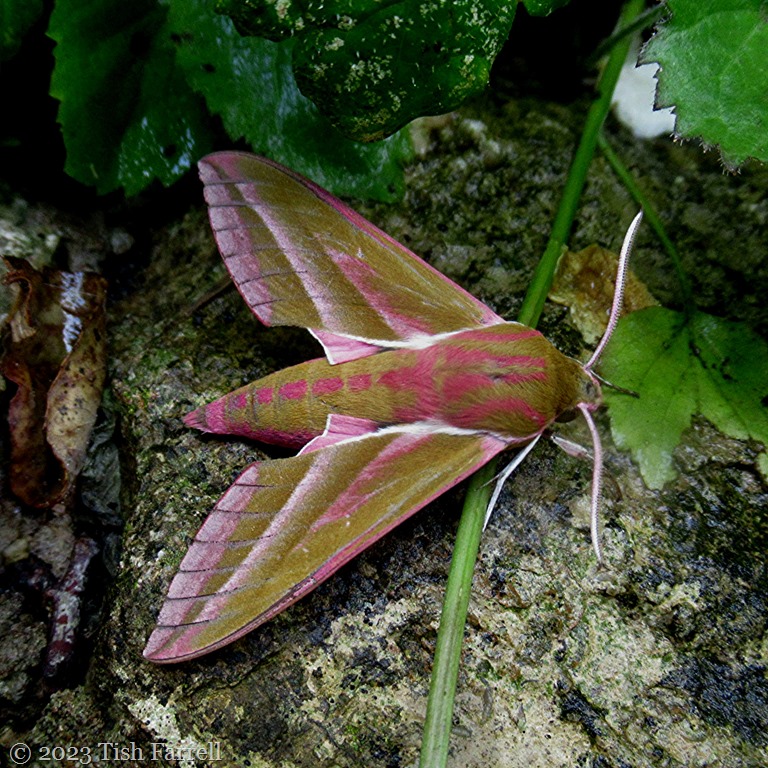
Elephant hawk-moth found one day on the garden wall.

*

IMG_8834cr

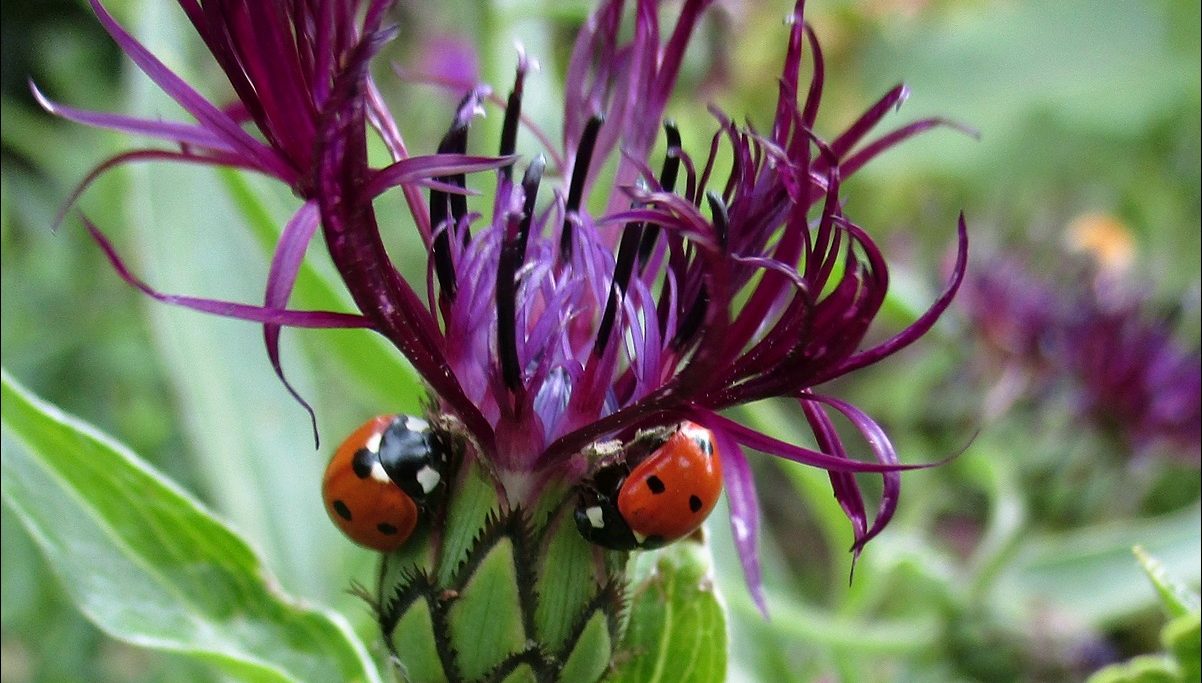
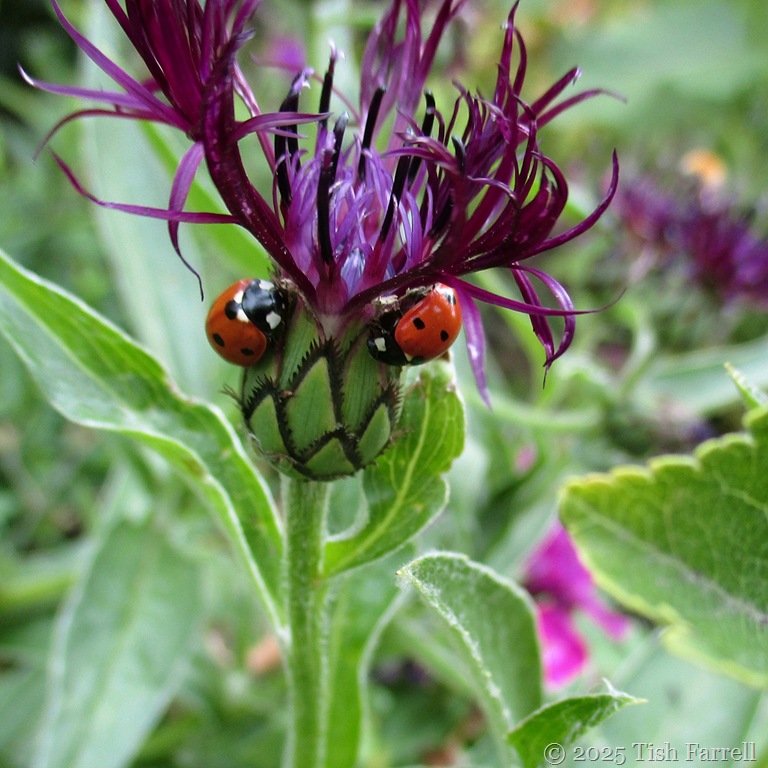
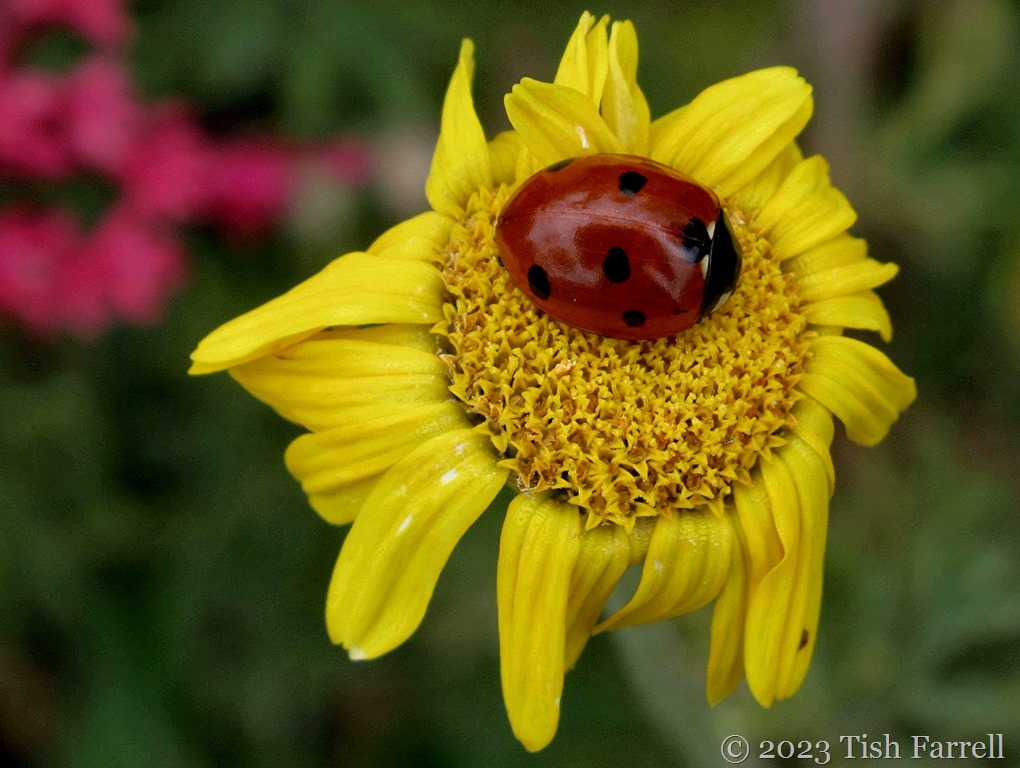
This ladybird has found the perfect ‘platform’ on a Dyer’s chamomile daisy.

*

IMG_0670

IMG_1263

White-tailed bumble bee ‘bathing’ in Hollyhock pollen.

*

100_3915

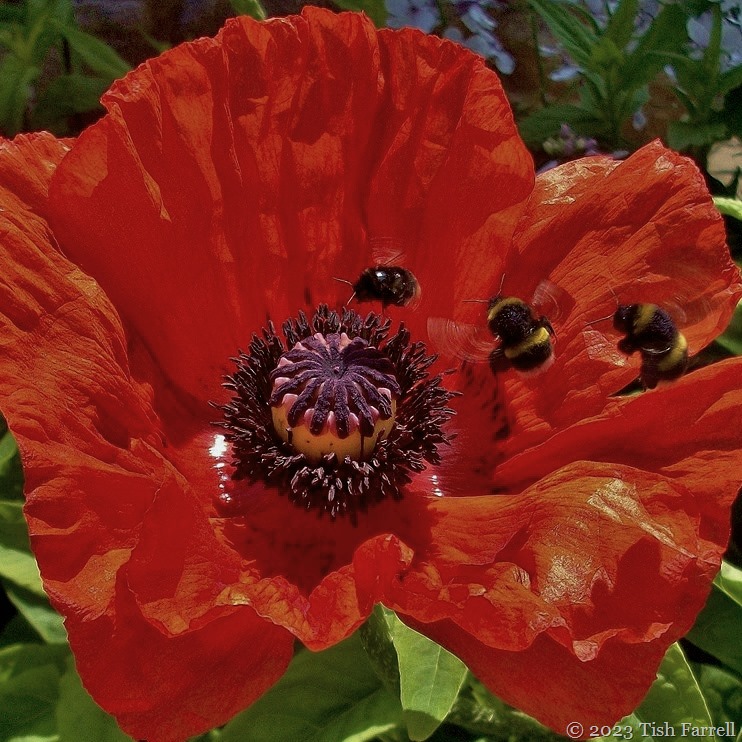
We could call this a bee line: oriental poppy here we come. BZzzzzz!

*

Lens-Artists: What’s bugging you? That’s this week’s question from Donna at Wind Kisses. Go see her fine gallery of close-up bugs, bees and butterflies.

Past Repast, And Not Only For Bees

IMG_8875

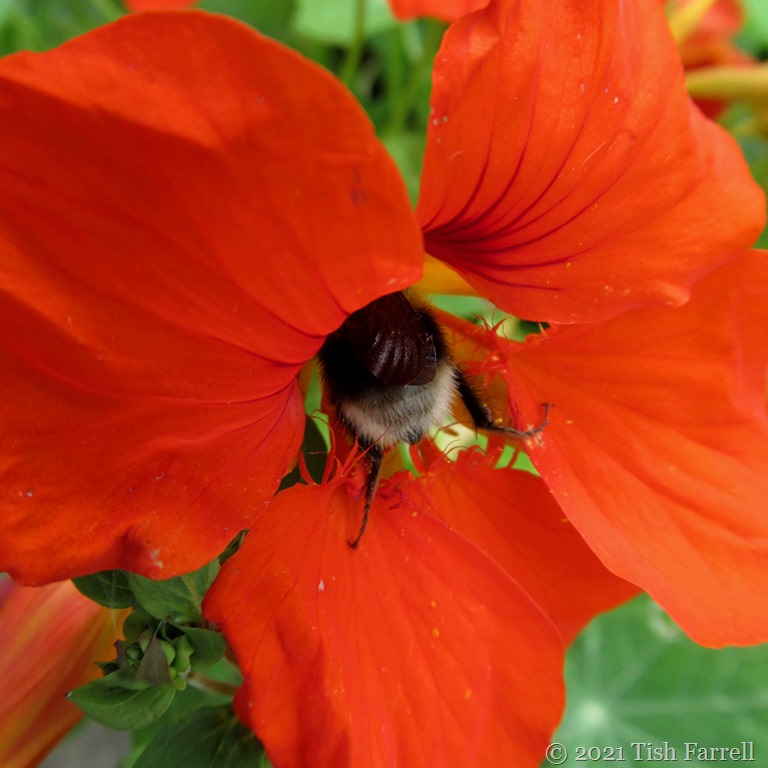
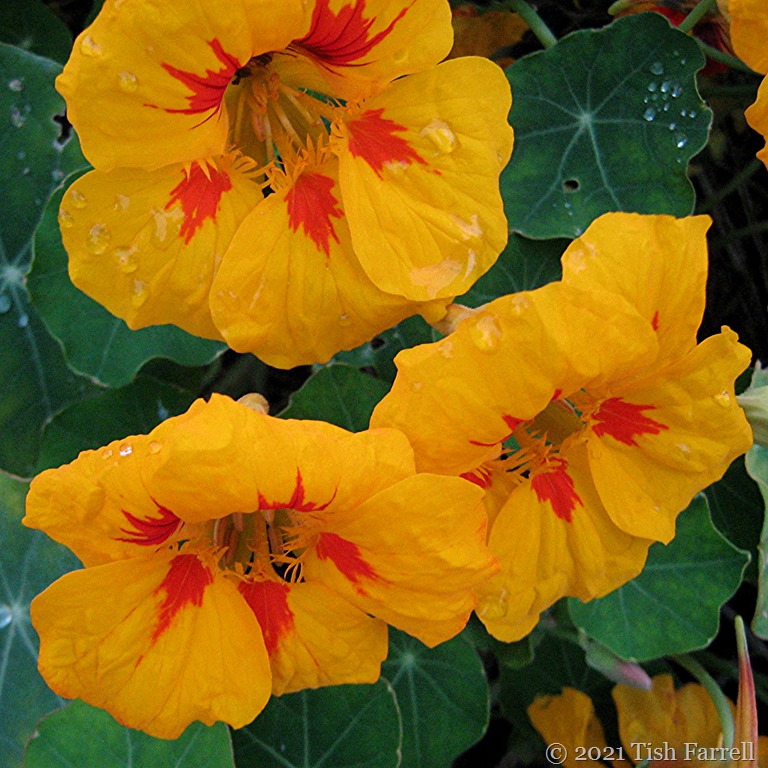
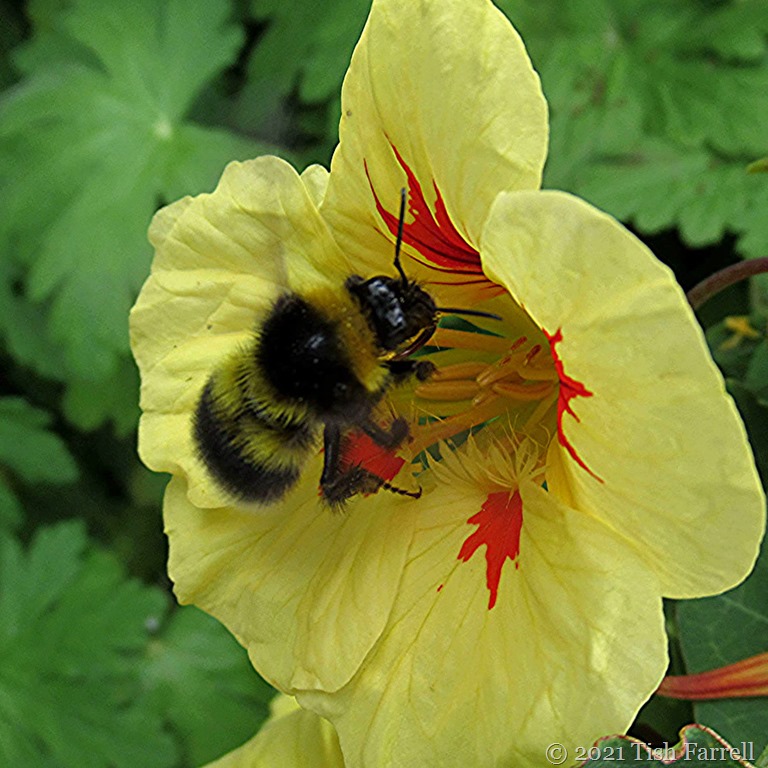
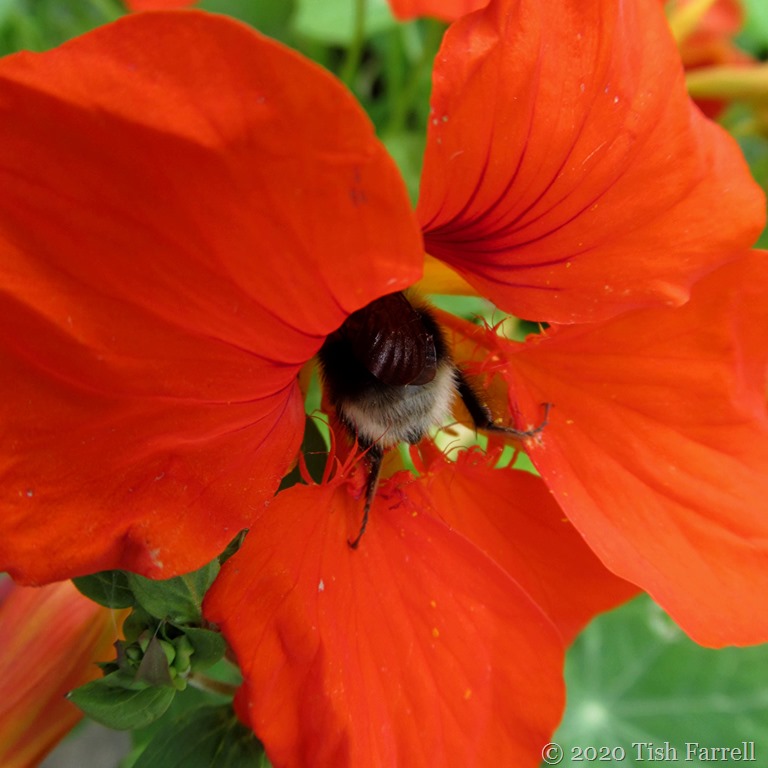
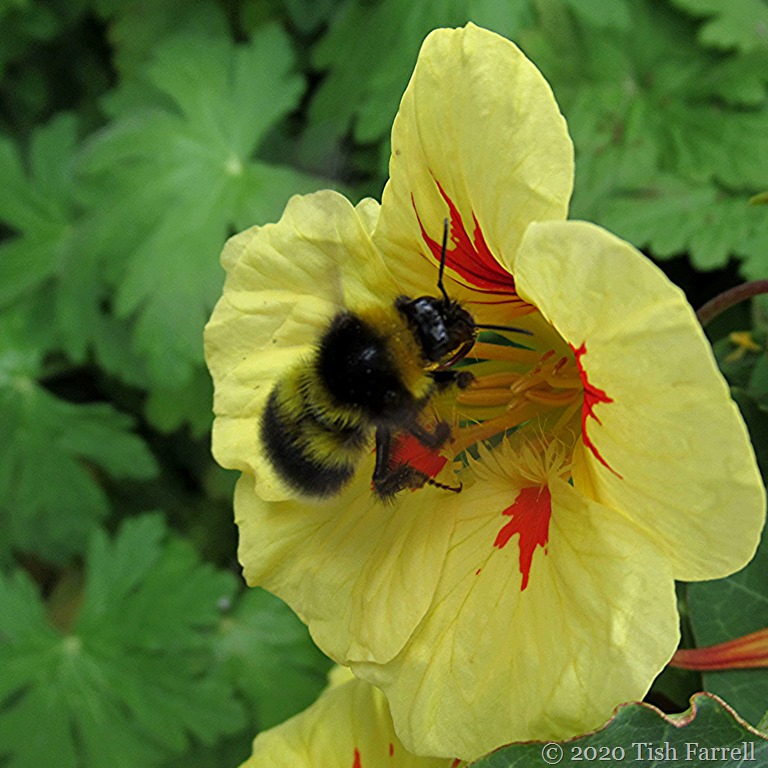
Today, Jude at Travel Words wants to see examples of edible orange. And just in case you think that only the bumble bees are enjoying my allotment nasturtiums, I have to confess I’ve lately been chomping the flowers whenever I go gardening. At the moment there’s a huge flock of them on the bed where I had broad beans earlier this summer. I’ve no idea how they got there (interspersed with pot marigolds) but they are making a colourful show, and their late arrival (seasonally speaking) means they have escaped depredations from cabbage white caterpillars and aphids.

The flowers are crisp, cool and peppery, and excellent added to salads along with their leaves. The seed heads are also edible, but due to their stronger flavour are perhaps better pickled than eaten ‘neat’.

IMG_4091

The garden nasturtium  has been much studied for medicinal benefits, and you can see some of the findings in the research paper HERE. This is a quote from the abstract:

The flowers and other parts of the garden nasturtium are a good source of micro elements such as potassium, phosphorus, calcium and magnesium, and macro elements, especially of zinc, copper and iron. The essential oil, the extract from the flowers and leaves, and the compounds isolated from these elements have antimicrobial, antifungal, hypotensive, expectorant and anticancer effects. Antioxidant activity of extracts from garden nasturtium is an effect of its high content of compounds such as anthocyanins, polyphenols and vitamin C.

I shall thus keep chomping until the frost finishes the present crop. Meanwhile, too, the flowers are still available for any late-hibernating bee in need of a pollen fix.

IMG_8878

Life in Colour: Orange

Past Squares #24

And Another View Of Yesterday’s Mystery Square…

IMG_5749

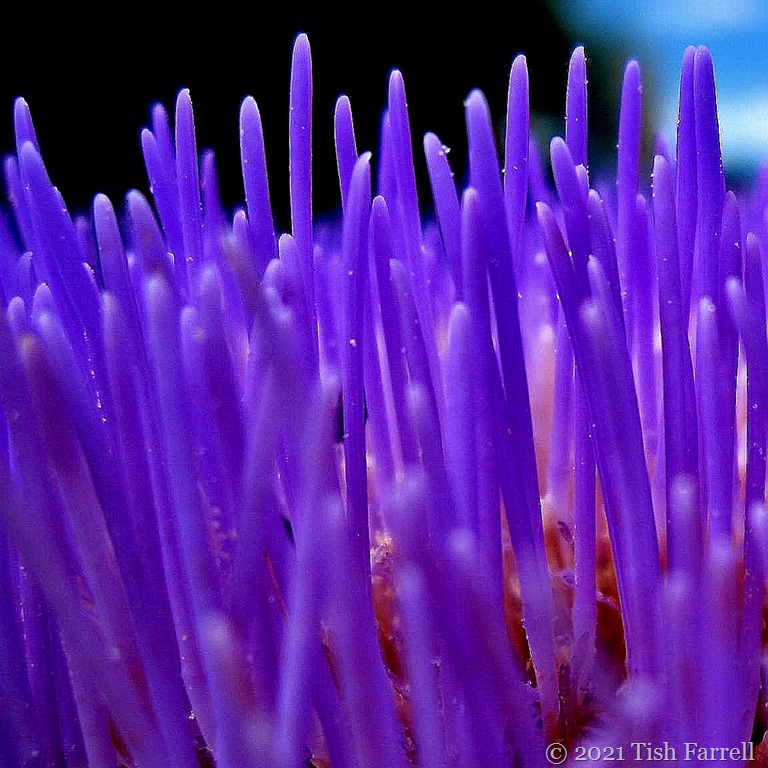
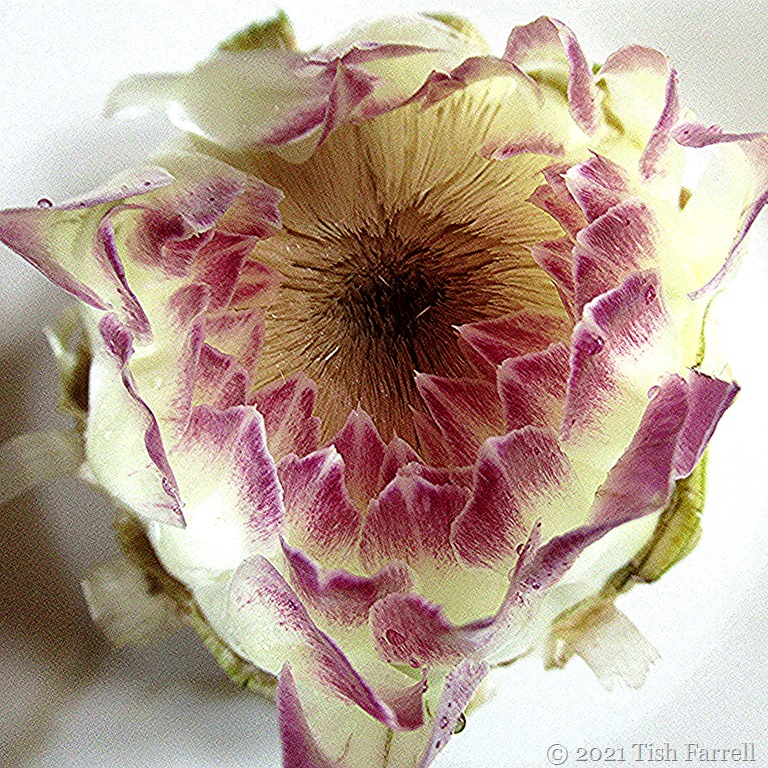
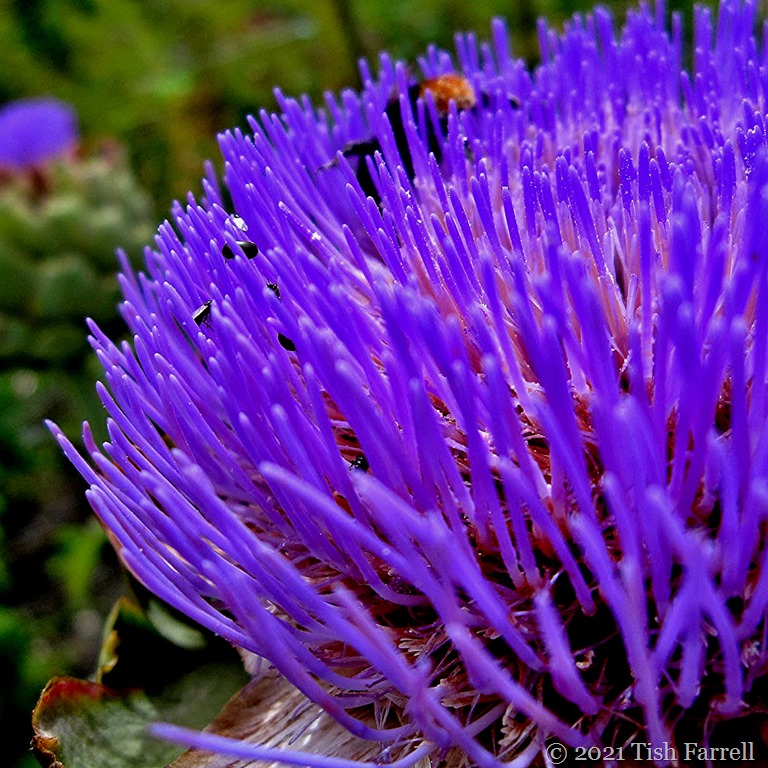
It comes with added red tailed bee bum, and so the mystery is revealed…a globe artichoke flower, or rather an artichoke inflorescence since each part is an individual small flower. There were several valiant stabs at it, but Jude and Izzie were the first to guess correctly.

IMG_5745

The up-close version as seen in yesterday’s response to I.J. Khanewala’s challenge at  Lens-Artists

*

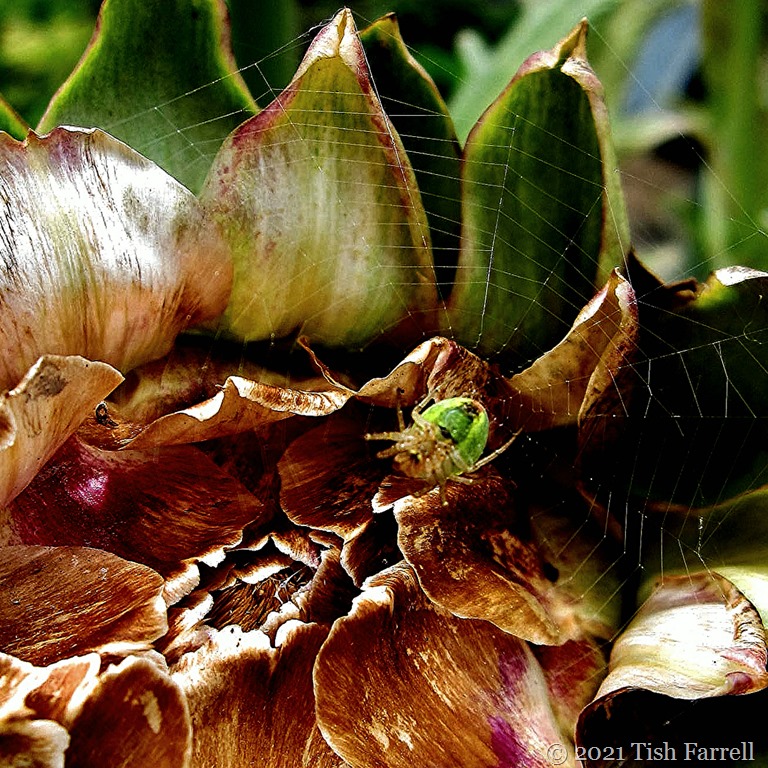
And here’s an artichoke flower just opening, the scaly outer leaves  meanwhile serving the constructional purposes of a small green spider:

 IMG_5747

*

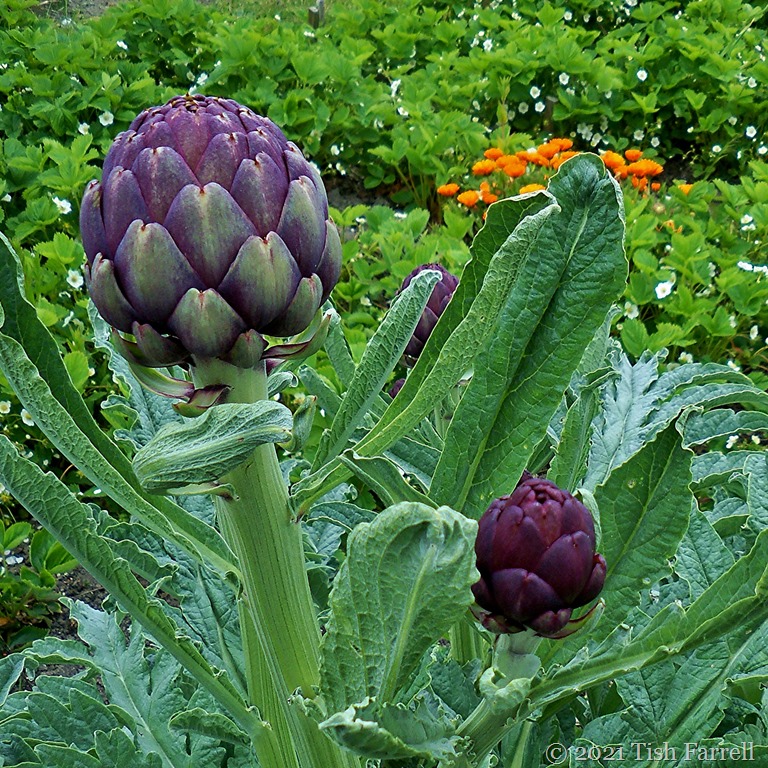
And now for the whole plant. I grow several globe artichoke varieties at the allotment. The purple ones are probably our favourites:

100_5517

*

Here’s one in the throes of being prepared as an artichoke heart, i.e. before having its inner leaves and hairy choke scooped out:

IMG_8609

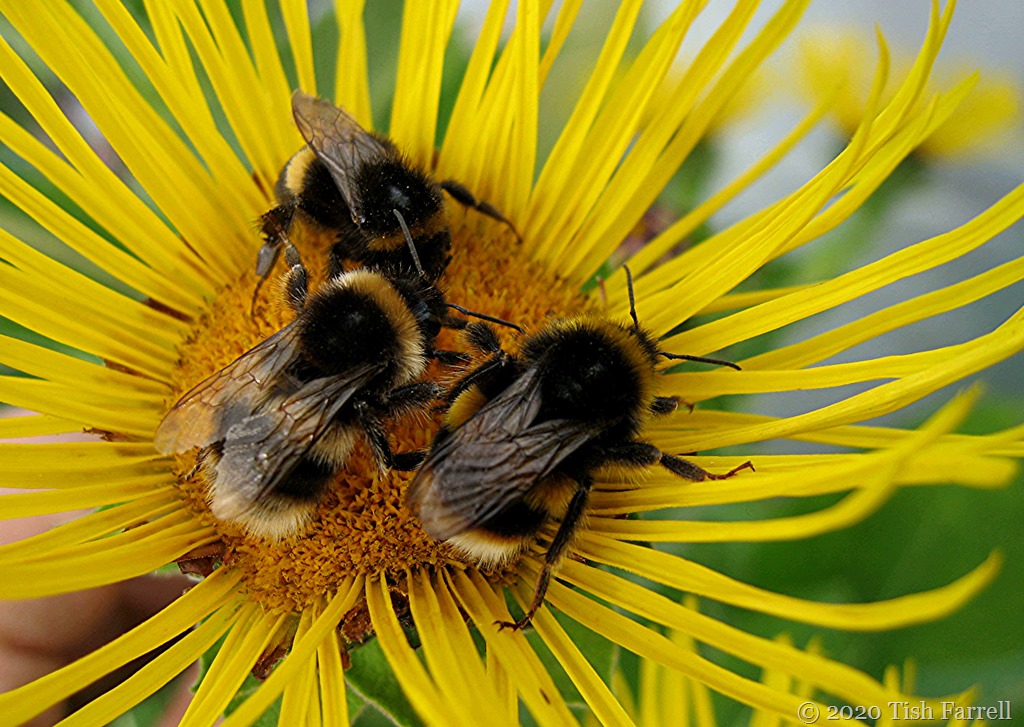
And now for a ‘B’ Movie: ‘Three Bees In An Artichoke’


Past Squares #11

Bumble Bee Dreaming…Bzzzzz

IMG_0520

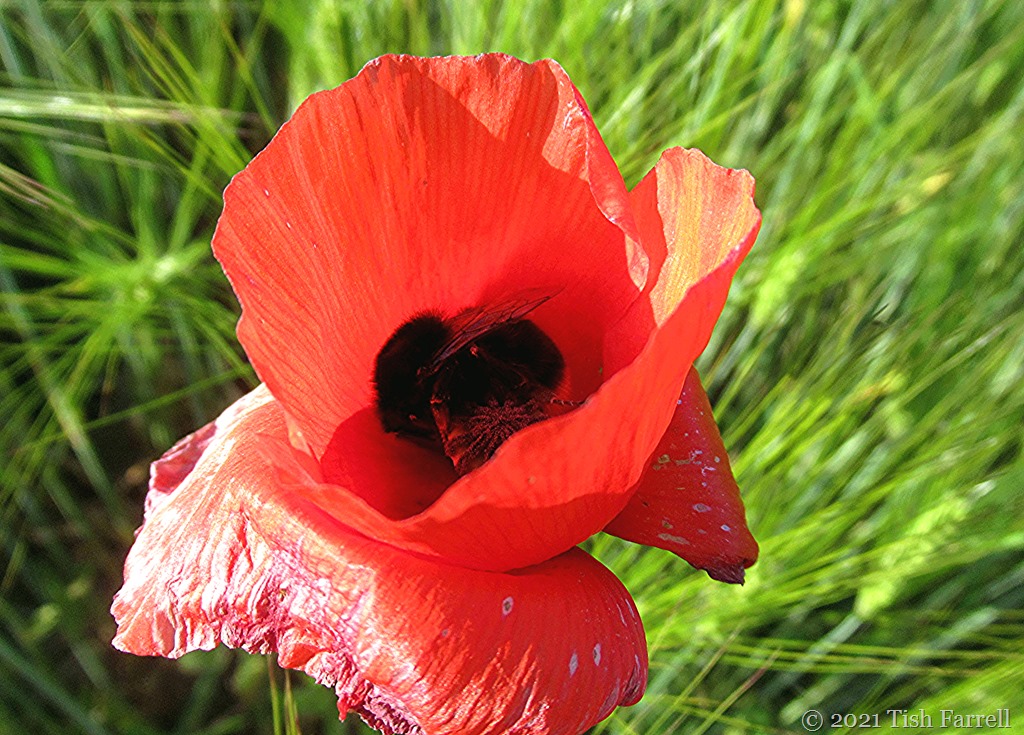
One single corn poppy amongst the barley in Townsend Meadow, and snug inside a fast-asleep bee. And what cosier spot, dappled late-day sun through gauzy drapes, the gentle swish of barley all around. I wanted to curl up inside there too, and dream whatever it is bees dream. Sad to say my curiosity got the better of me. After I took this shot, I gave the poppy stem a gentle nudge – just to be sure the bee was sleeping not dying – and off it zoomed. So sorry, bee, for spoiling your siesta.

copyright 2021 Tish Farrell

Life In Colour: Yellow

img_2856_thumb

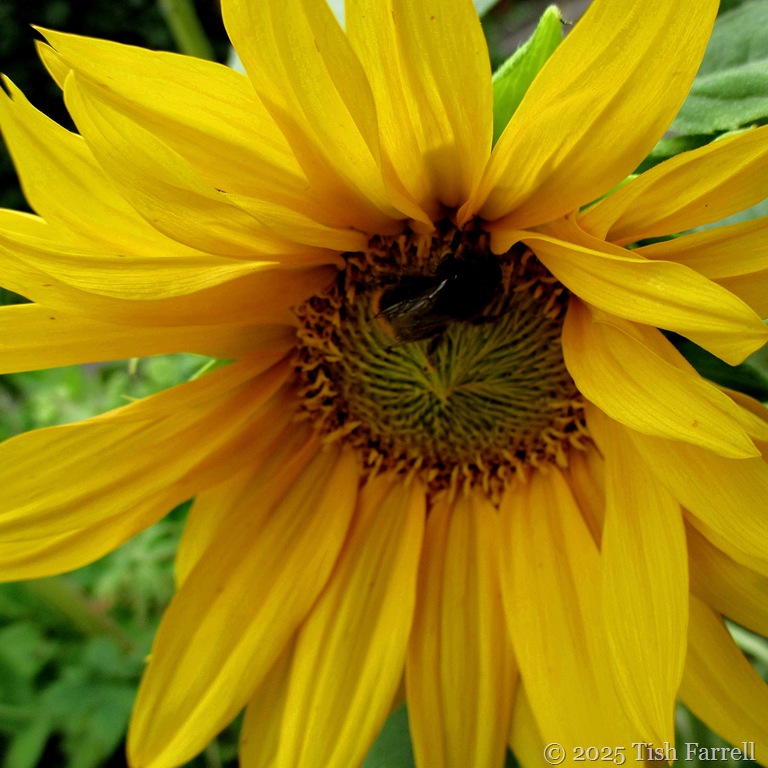
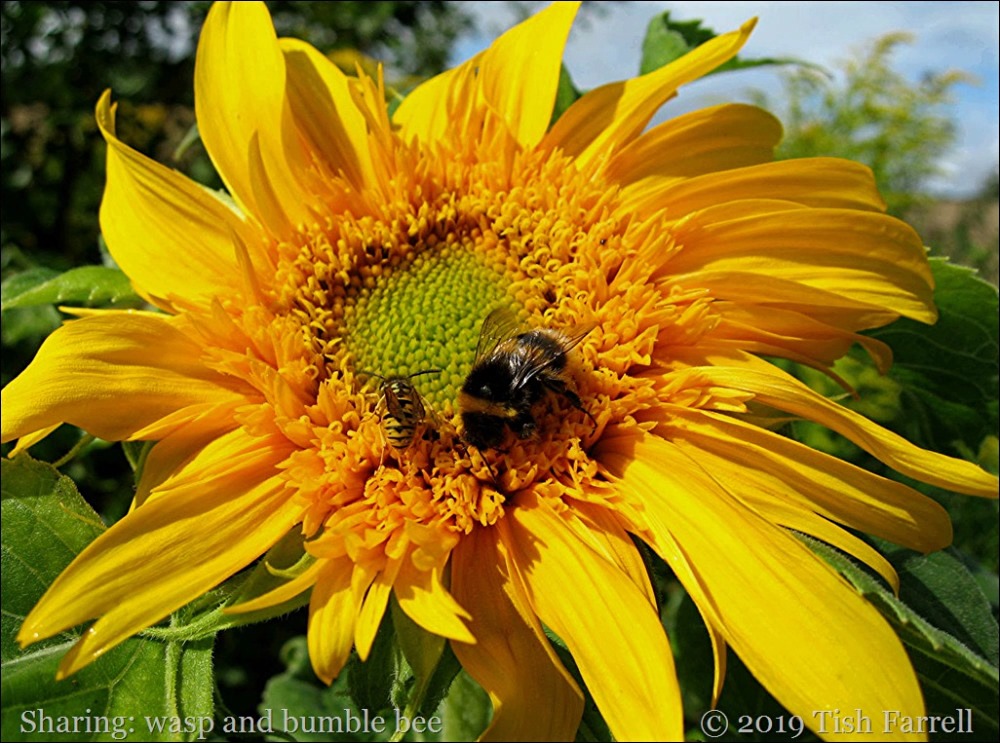
The wayward Polar Vortex has apparently been behind the recent frigid weather events in the northern hemisphere. But at last there’s been a shift in the UK: from locked-down locked-in C minuses to double-figure plus. Even so, it’s hardly warm and the garden, though defrosted, looks as if it’s been shot-blasted. And so to encourage it and me into thoughts of spring, I’m posting this very exuberant sunflower. Soon be time to sow some seeds for this year’s crop.

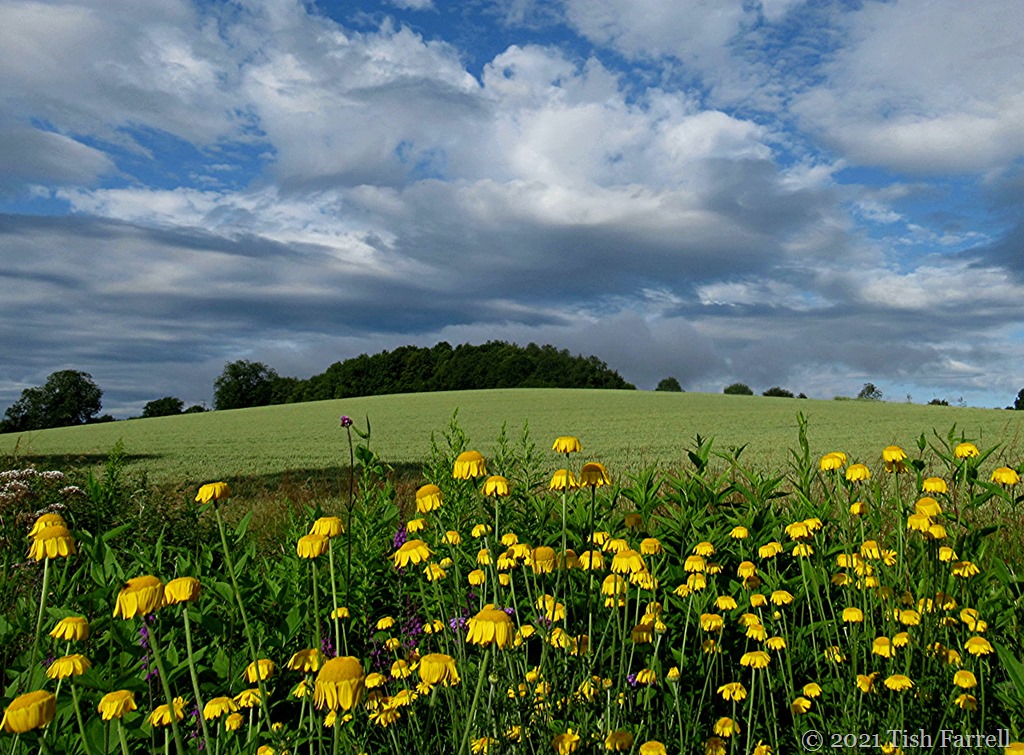
In the meantime I’m wondering if the Dyer’s Chamomile in the guerrilla garden over the garden fence will have survived the cold. It made such a show a couple of years ago, though I remember when I sowed it, the packet described it as a short-lived perennial. I’m thinking a fresh sowing won’t hurt. There are times when you can’t have too much yellow.
IMG_2793

IMG_2858

Over the garden fence: Dyer’s Chamomile and Townsend Meadow under wheat


Life in Colour: Yellow

World Bee Day Today 20th May

IMG_2675

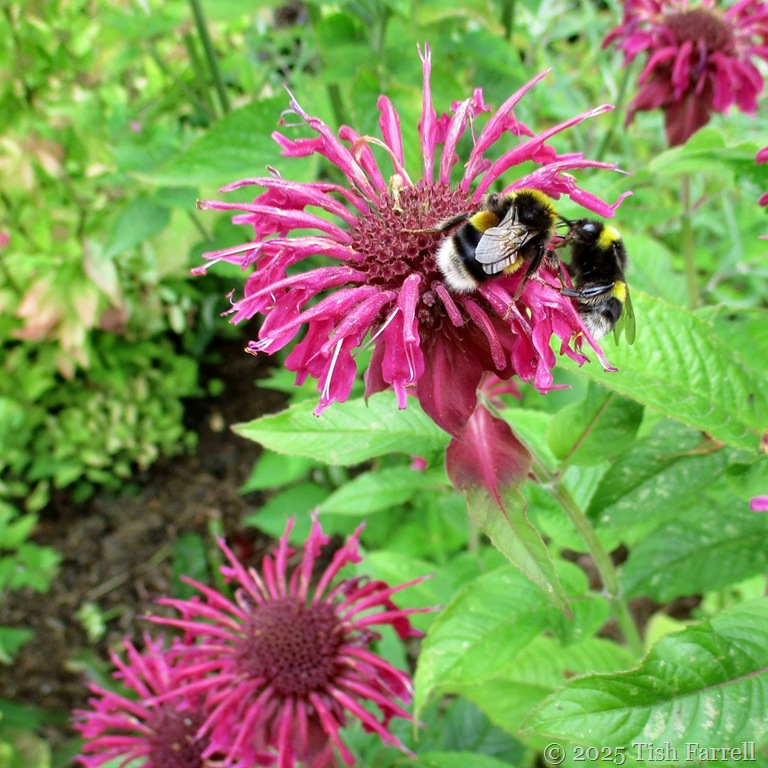
I’ve written lots about bees on this blog, and I guess most people who come here know how important they are to human existence; their overall busy bee-ness and the way they pollinate flowers that produce so much of our fruit, nuts and veg. So to celebrate bees here’s a gallery of snaps taken in the garden and up at the allotment. All, with the exception of the blue cornflower shot taken last month, are from the archive. At the moment the bees are zooming round too fast to have their pictures taken. Anyway more power to their pollinating…
 

This slideshow requires JavaScript.

United Nations World Bee Day