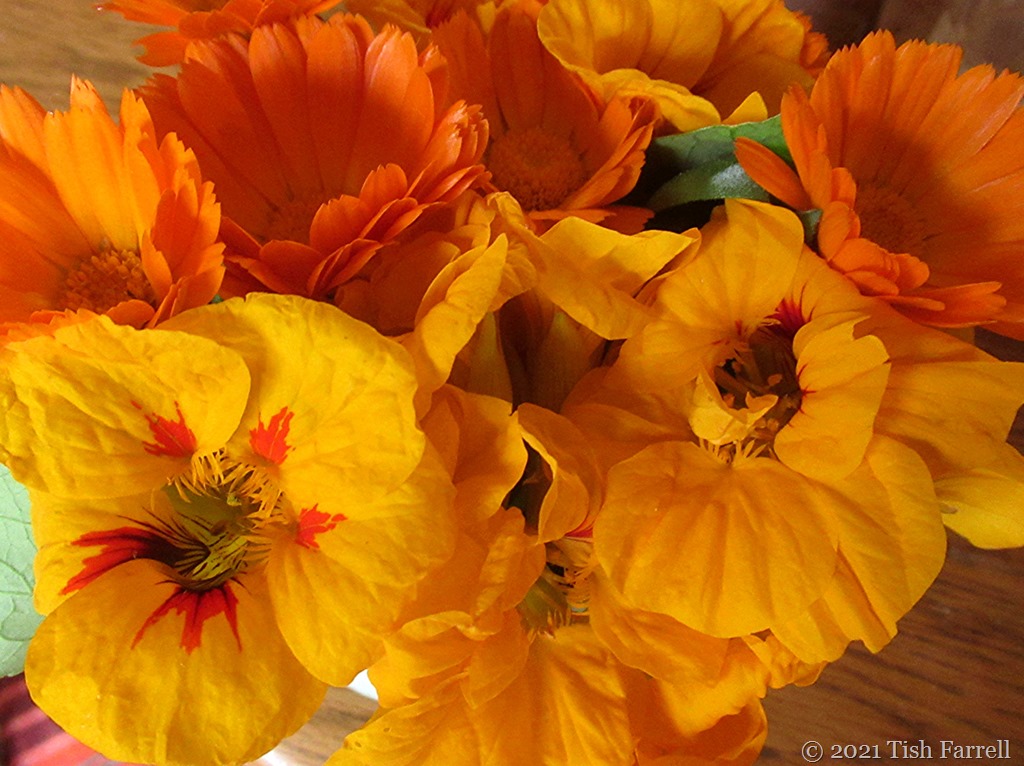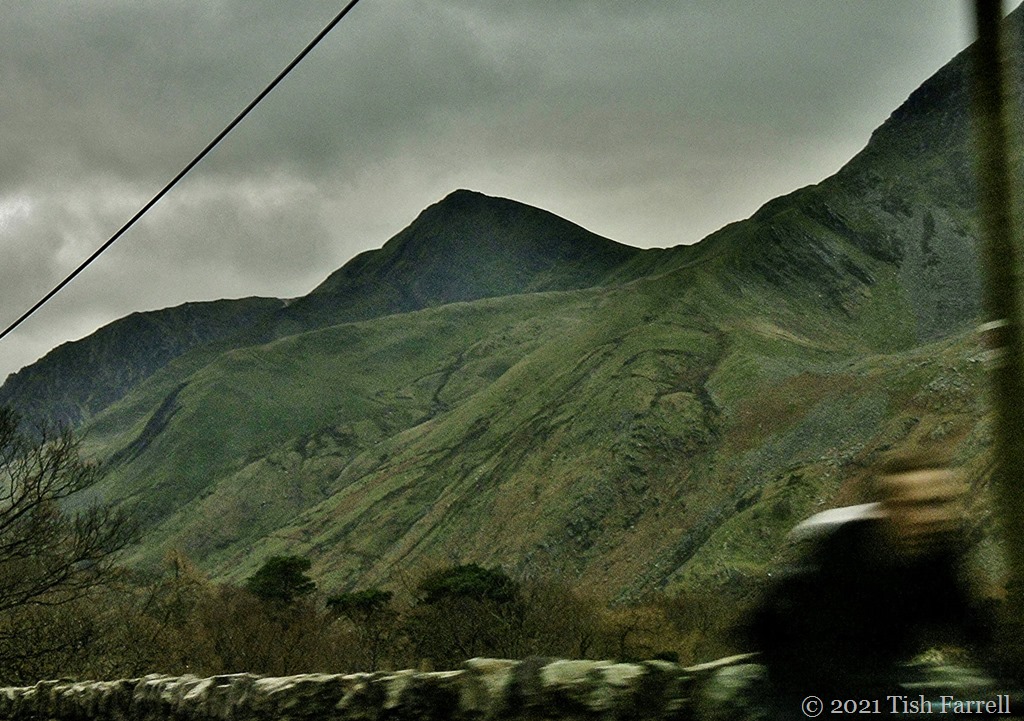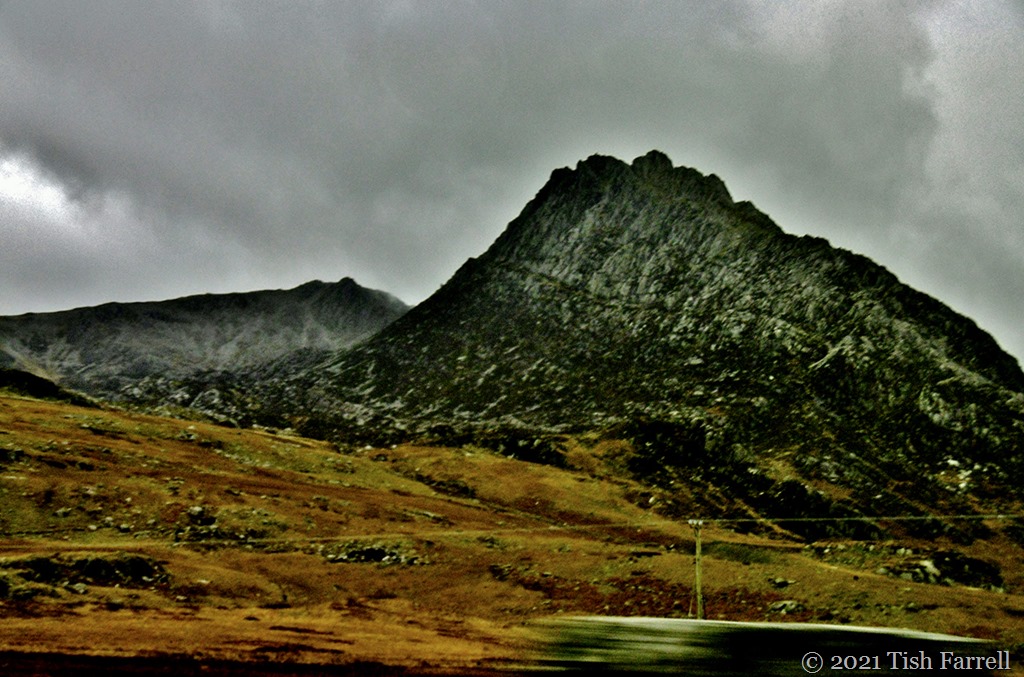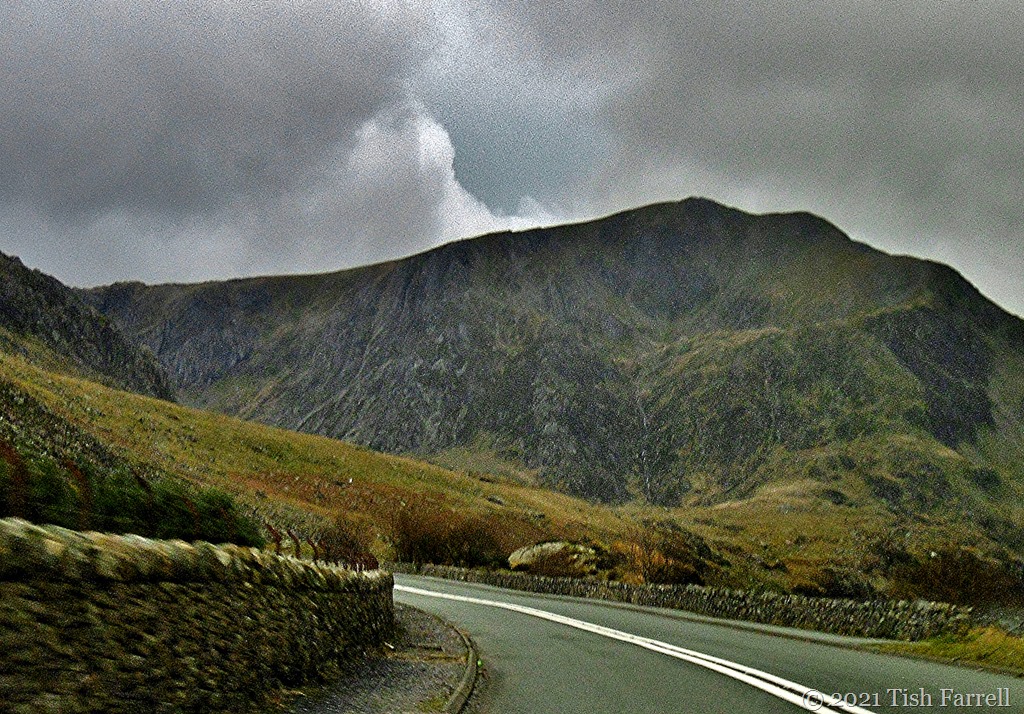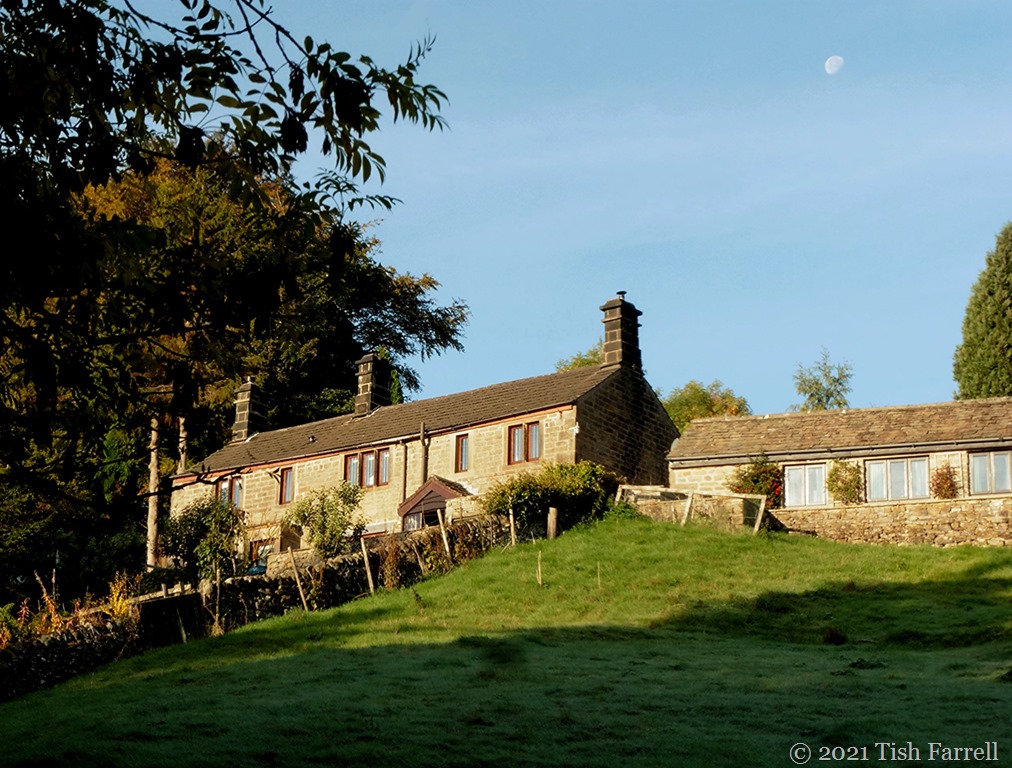
Chasing The Light Over Townsend Meadow

P1060987

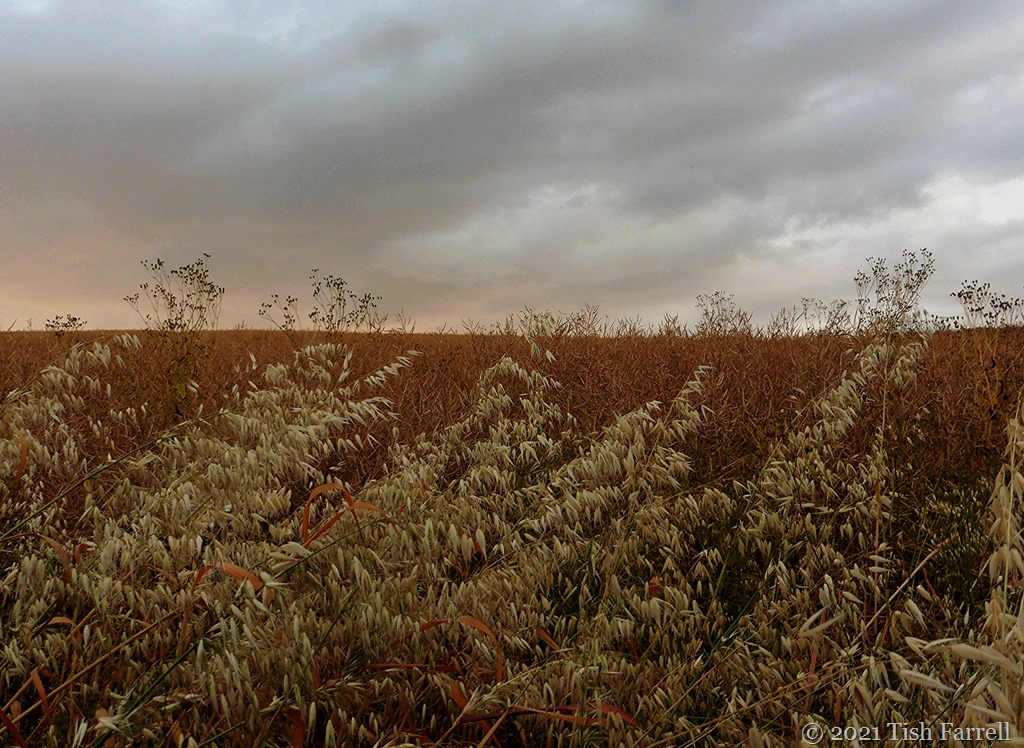
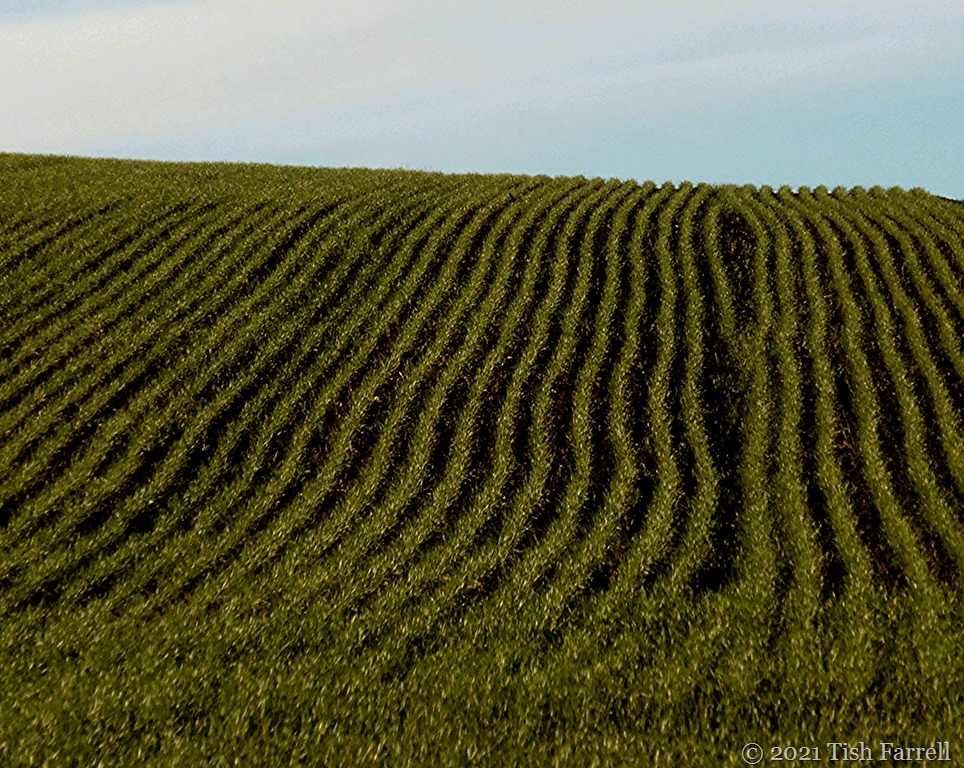
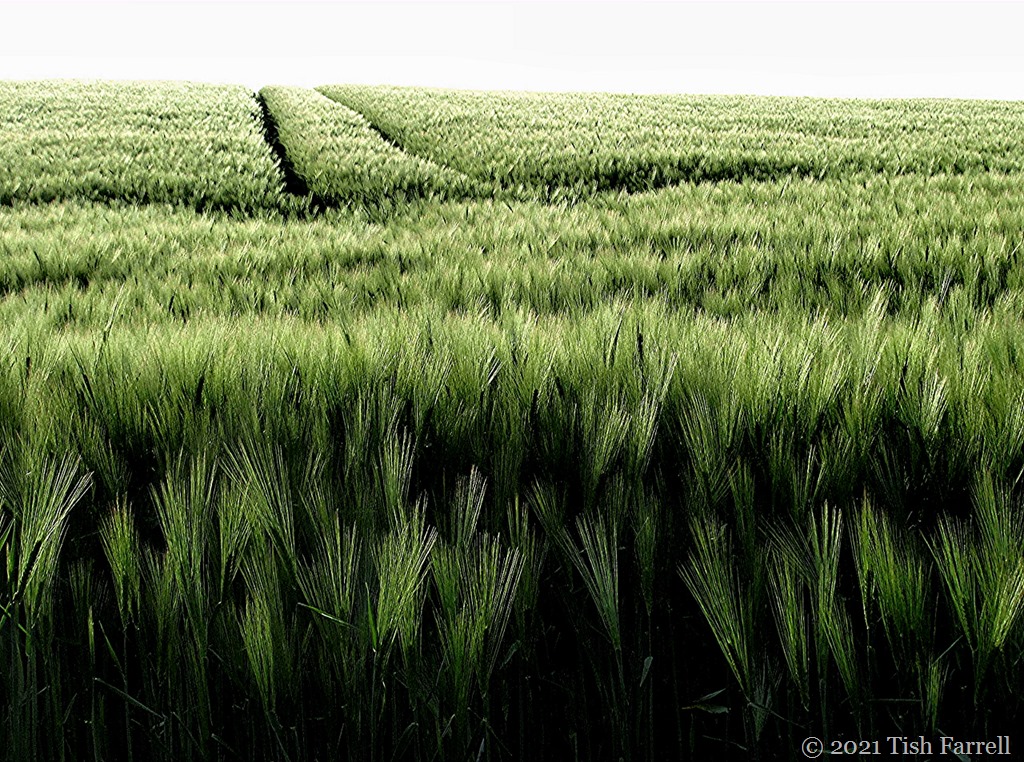
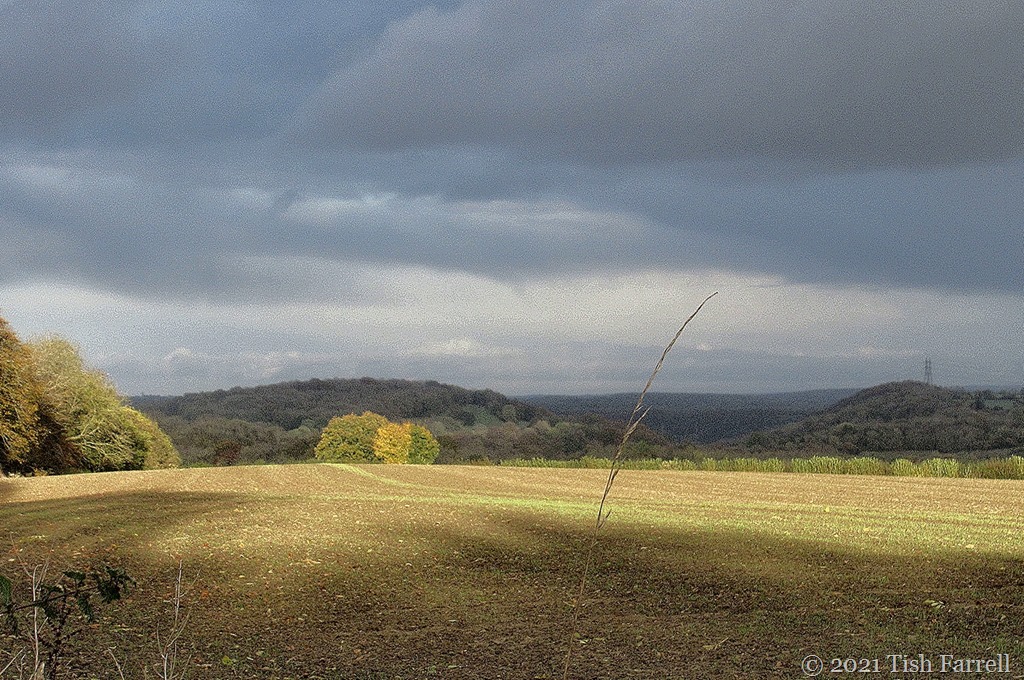
Those who come here often know that our Shropshire cottage overlooks a field that once marked Much Wenlock’s northerly boundary. It’s all in the name of course – Townsend Meadow. In times past it was pasture for dairy cows. The farm, long gone, was in the corner of the field, and the dairy, where the milk was collected, was a few doors down from our house on Sheinton Street. But in the years since we’ve lived here the field has been used solely for growing arable crops; wheat mostly, but now-and-then oil seed rape, oats, field beans and barley.

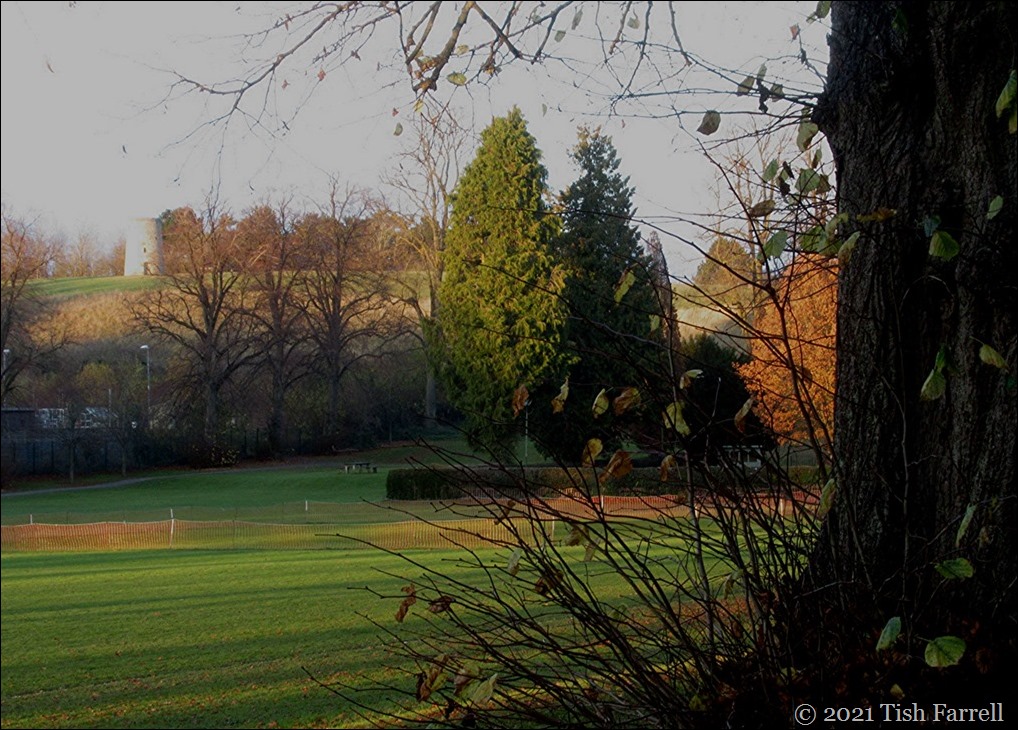
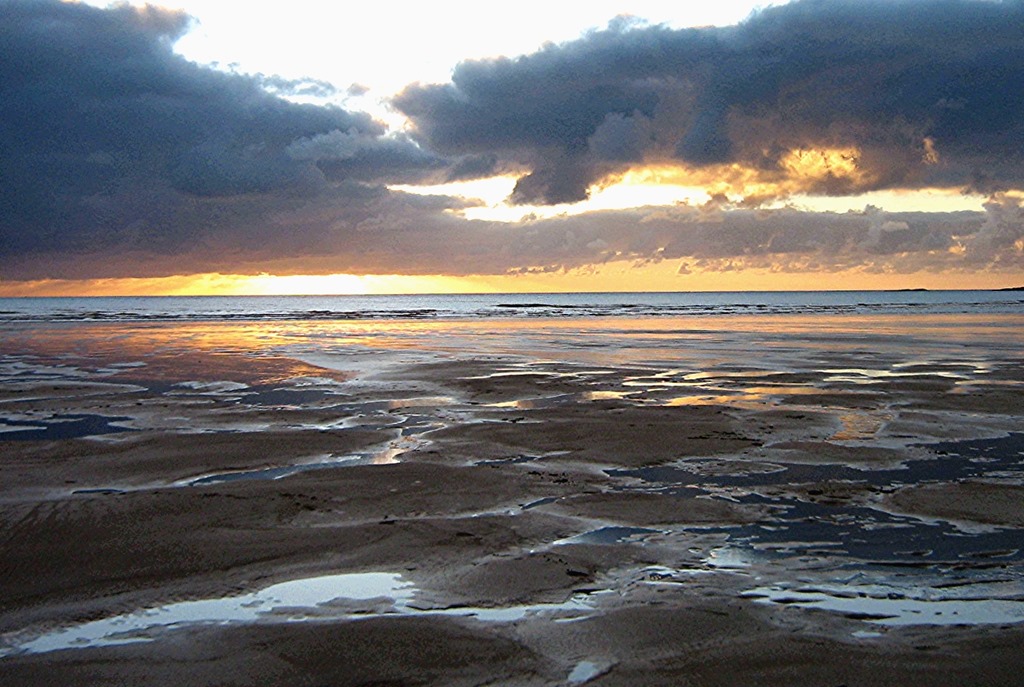
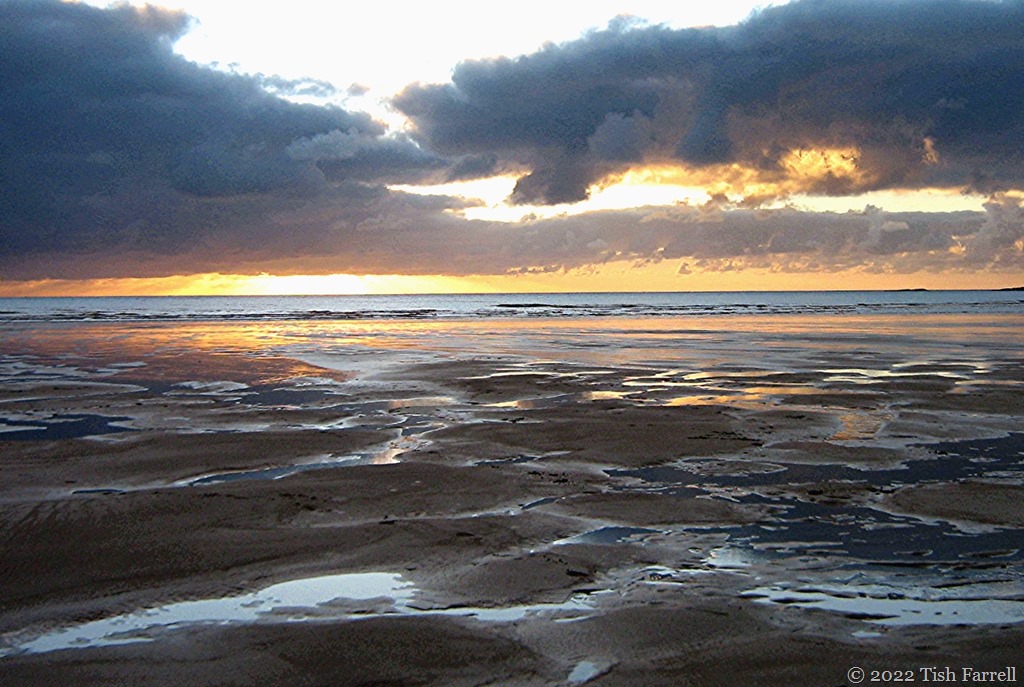
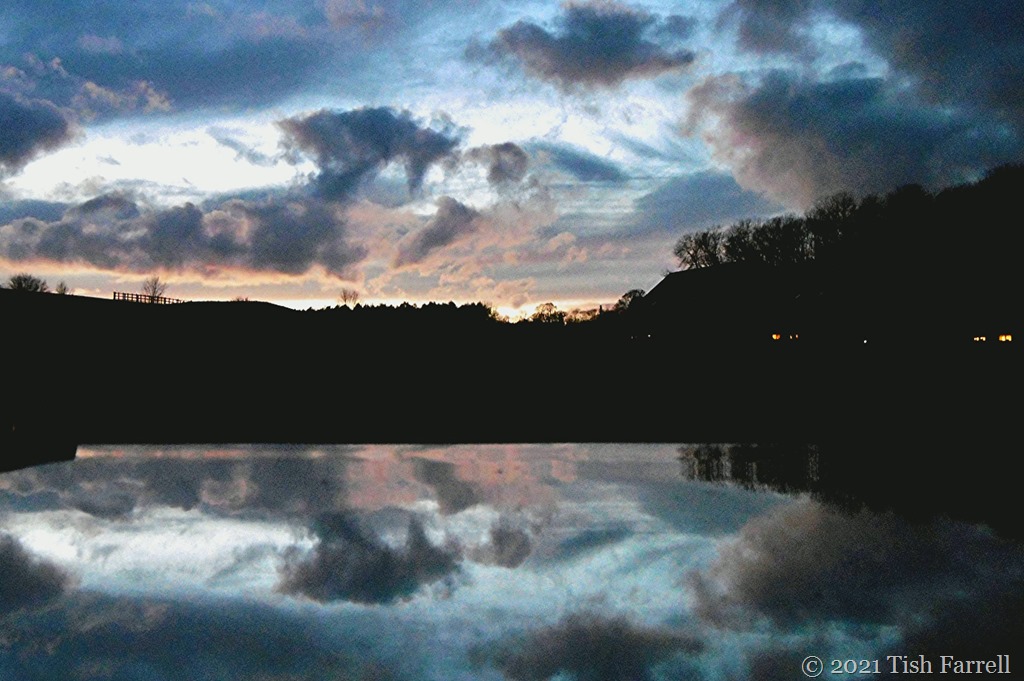
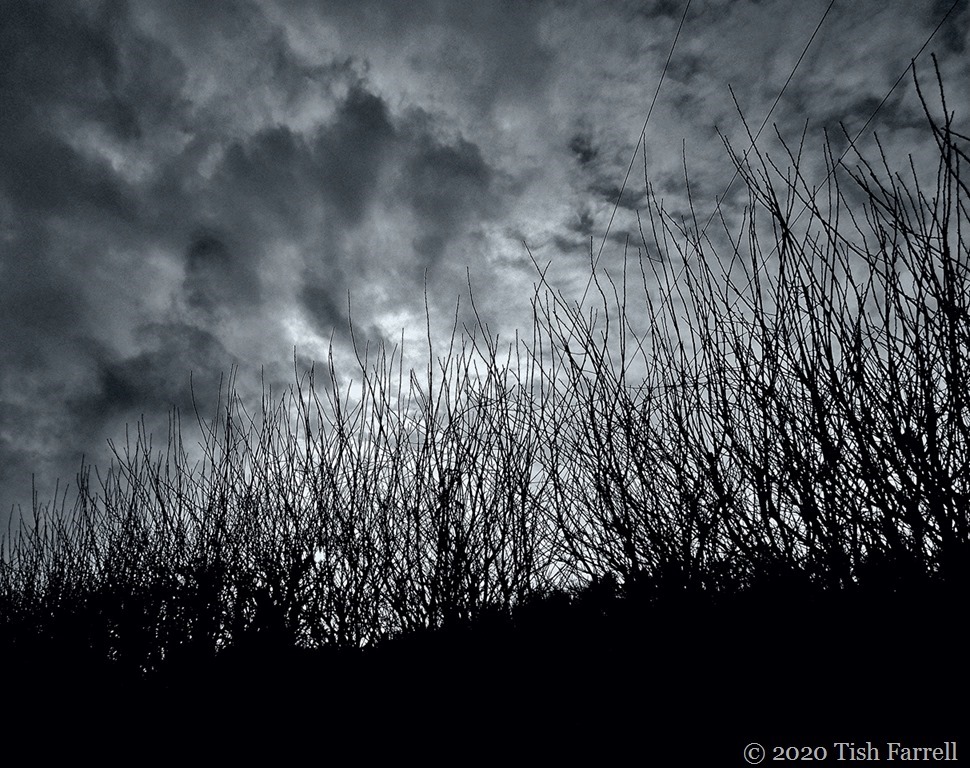
Our further view, beyond the field, is of the woods along the summit of Wenlock Edge. You can just make them out in the middle distance of the first photo. This vista and this field and the sky above, are the places where I endlessly discover events and effects. In this sense you could call it a source of rich sustenance; the everyday world that is never commonplace.

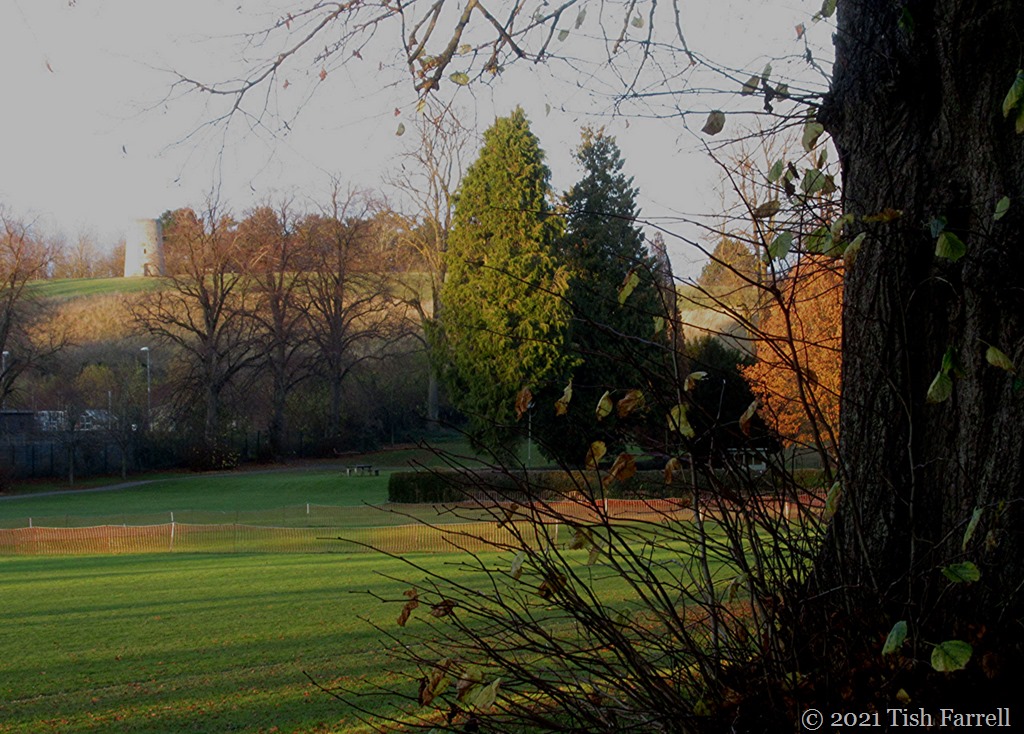
When it comes to photography, I belong to the ranks of happy snappers. I have zero technical skills, though somewhat perversely I’m particularly drawn to taking photos in challenging light conditions – to see what will happen, I suppose. The first photo is a good example. It was taken by opening the rooflight window in my office to the horizontal position (which also involved standing on the spare bed) resting my Lumix point-and-shoot camera on the back of said window – that is, on the outside frame nearest me – engaging some zoom, and hoping things are as focused as can be. And there we are.  It is a strange photo. A bit quantum physics-ish. Lost realms and parallel universe kind of stuff.

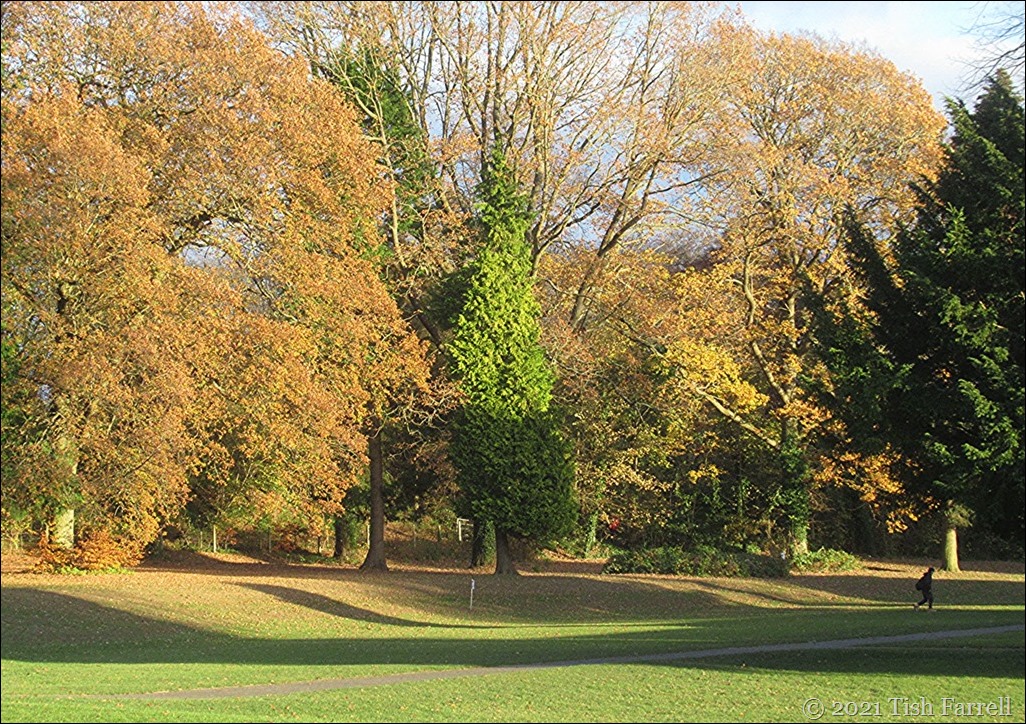
Here are some rather more obvious low-light Townsend Meadow moments.

P1070611

P1100710

IMG_0222

IMG_4214

P1080191

p1000553

IMG_2927ch

townsend meadow 5

Lens-Artists: Follow Your Bliss Lindy has set the challenge this week.

Christmas Past On Ynys Mon

P1000056 - cropped

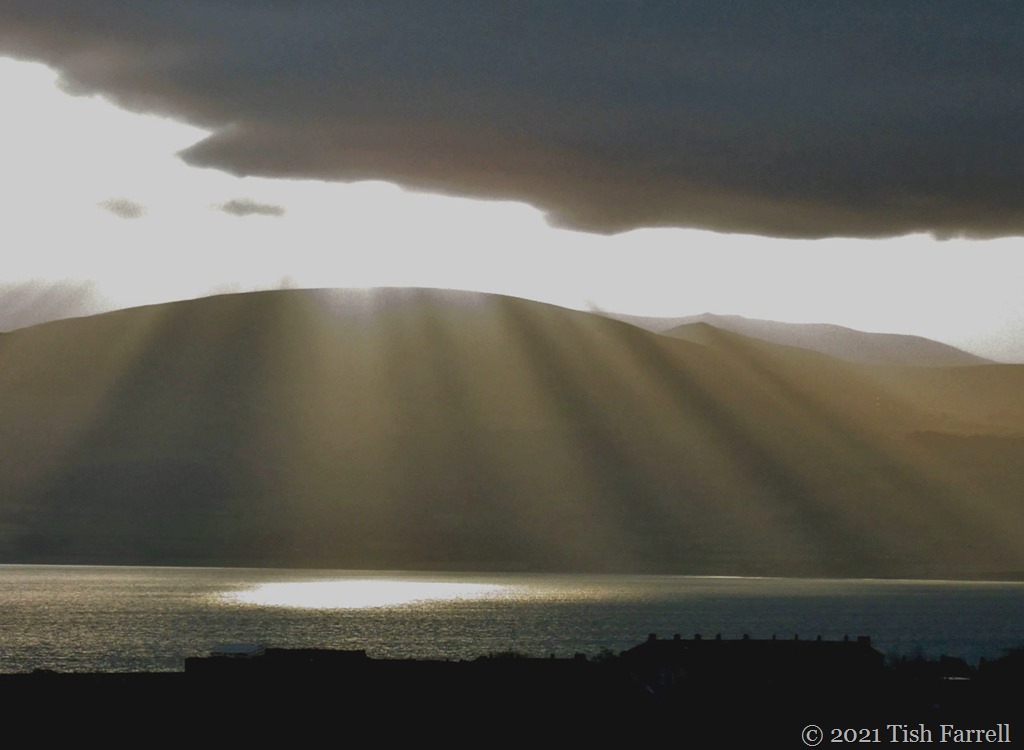
That this first  photo worked at all is something of a mystery. There was hardly any light (as you can see) and I was using my very basic Kodak EasyShare digital camera. But then it was Christmas Day and we were staying on the Welsh island of Anglesey (Ynys Mon) with its millennia of mystical associations – druids, saints and seers. When I took the shot I was standing above the little town of Beaumaris looking towards the Welsh mainland and the foothills of Snowdonia. The Menai Strait lies between, obscured by trees. It is a zone of extraordinary light-through-cloud displays.

Here are some early morning shots taken further along the Strait, rooftops of Beaumaris in the bottom edge foreground:

P1060514

P1060524

Life in Colour: Black/Grey

So What’s Missing Here?

IMG_2799

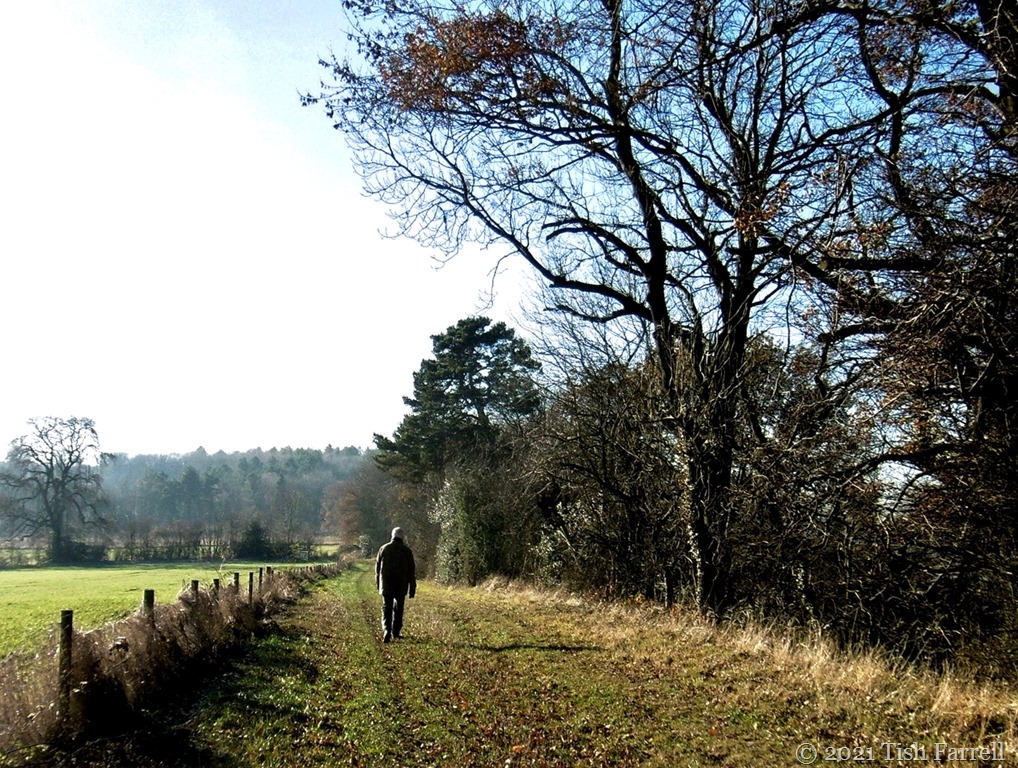
We were walking along the top of Wenlock Edge earlier this week – Edge on the left of this photo, Ironbridge Gorge right of centre. This is a circular walk that can include Windmill Hill as a slight detour, but otherwise takes you out of Much Wenlock before sending you up a field path (with fine views of the Wrekin) to the Edge above Homer village.

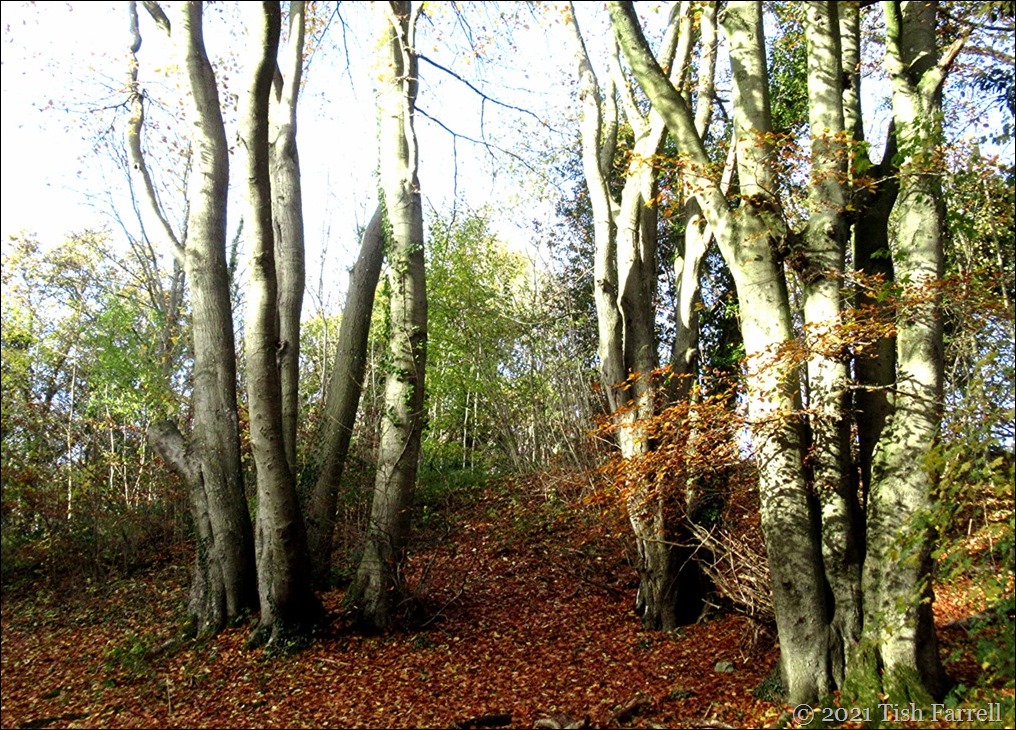
The final climb to the Edge top is quite steep and rocky, but once negotiated, you step out on a  pleasingly level track, farm fields on one side, hanging woodland on the other. I should say, though, that for those nervous of heights it doesn’t do to stop and look down into the wood. There, the huge ash, beech, oak, and sycamore trees grow hugger mugger on prodigiously tall, straight trunks that cling to several hundred feet of near vertical hillside. Here and there, between rare gaps in the canopy, you can just glimpse the fields of the Shropshire plain way below.
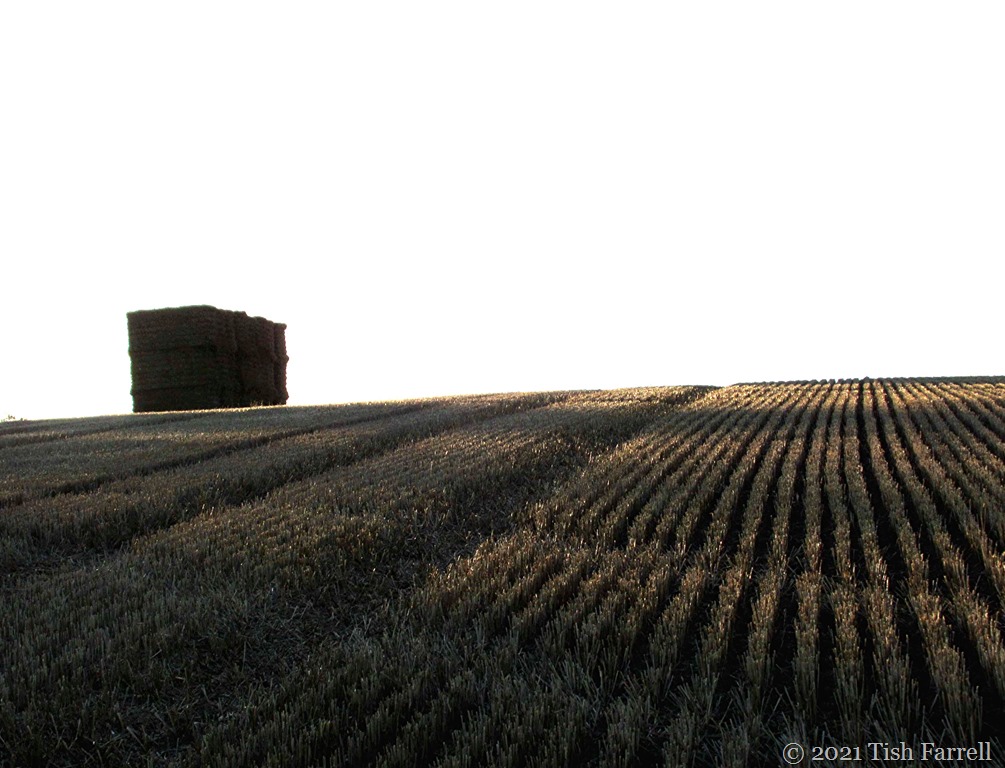
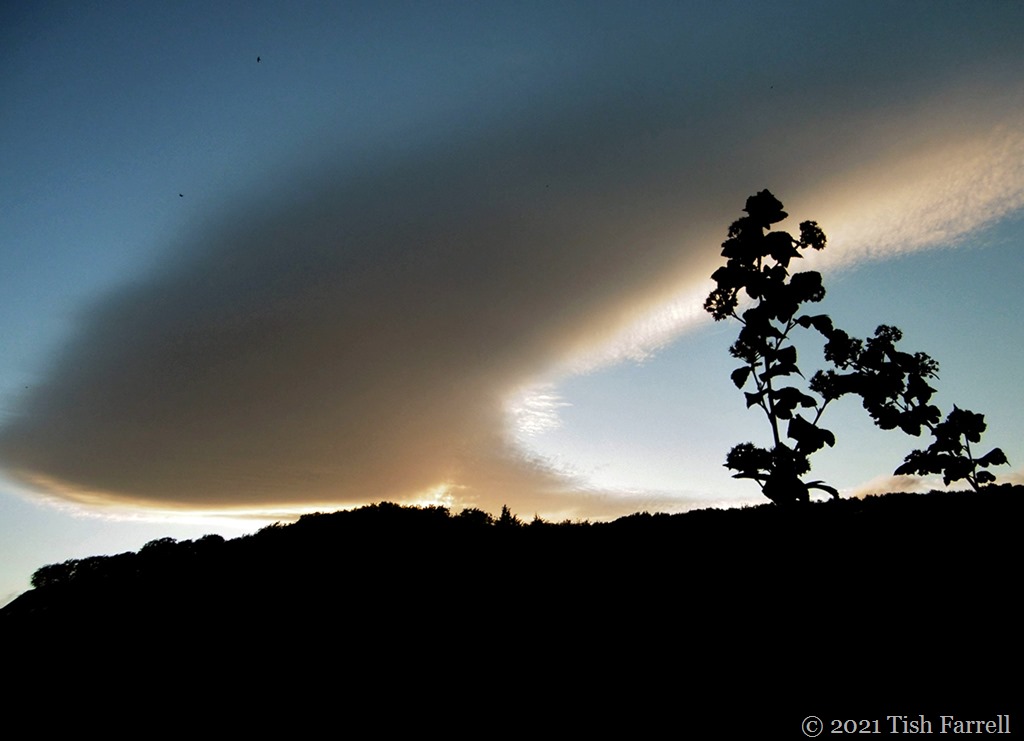
This is a winter’s day view of the Edge trackway, the seeming benign but beetling Edge wood on the right:

P1060126

*

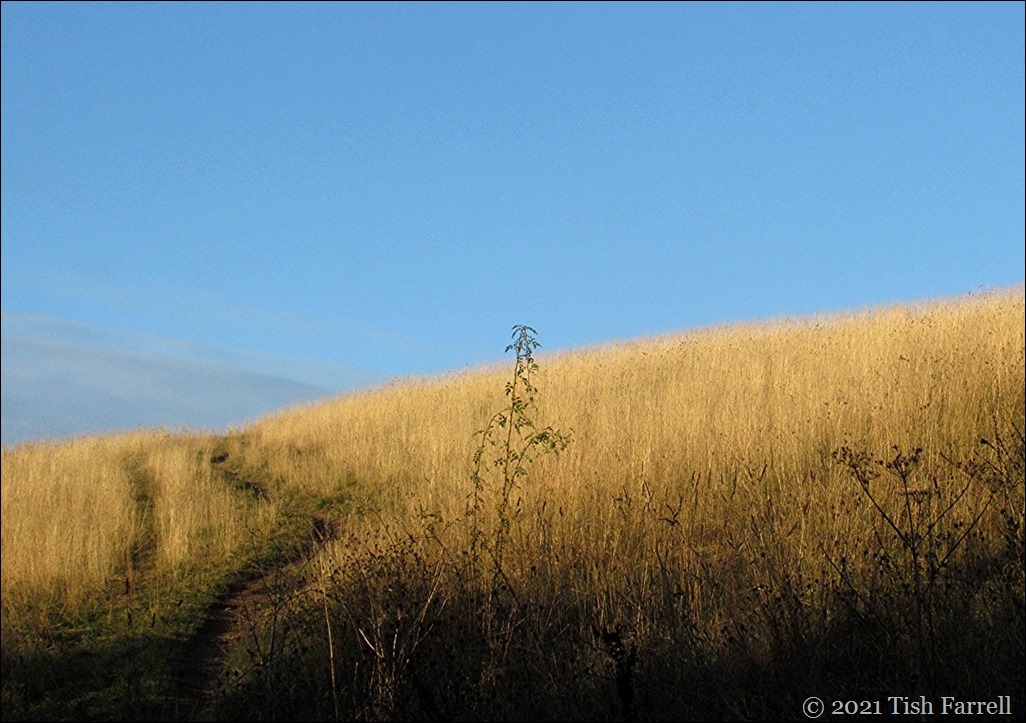
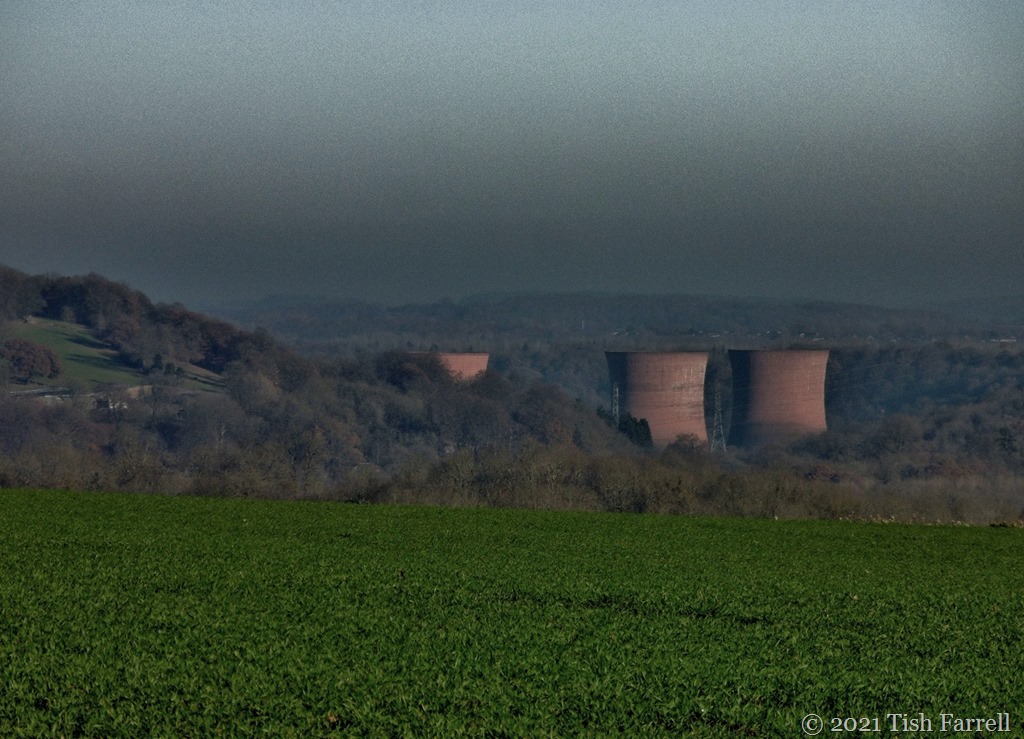
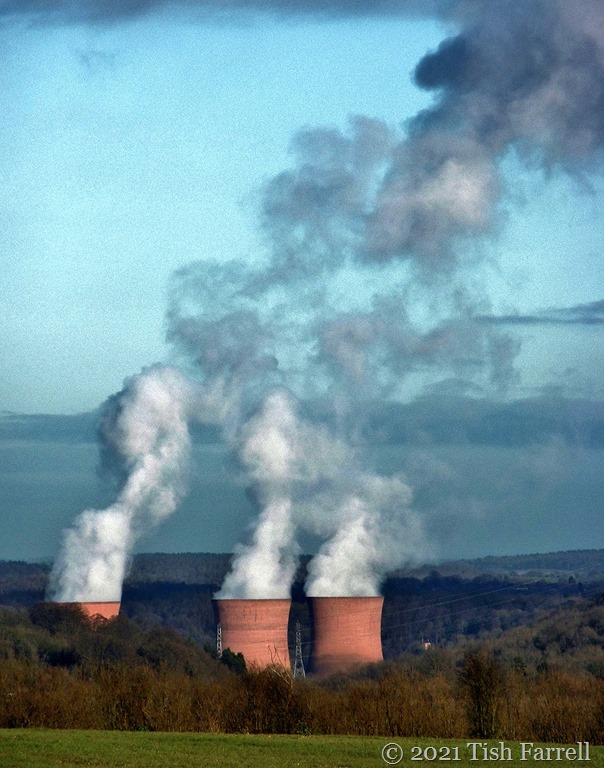
There’s a point further along this track where a path hives off at right angles, taking us back and down to the town. There’s also a particular fence post here that I often use in lieu of the tripod. I used it to take the header shot, including the grass stem pointer,  but in the past I used it to capture these views – the cooling towers of Ironbridge Power Station, shortly to be developed into a very large riverside housing complex:

 cooling towers

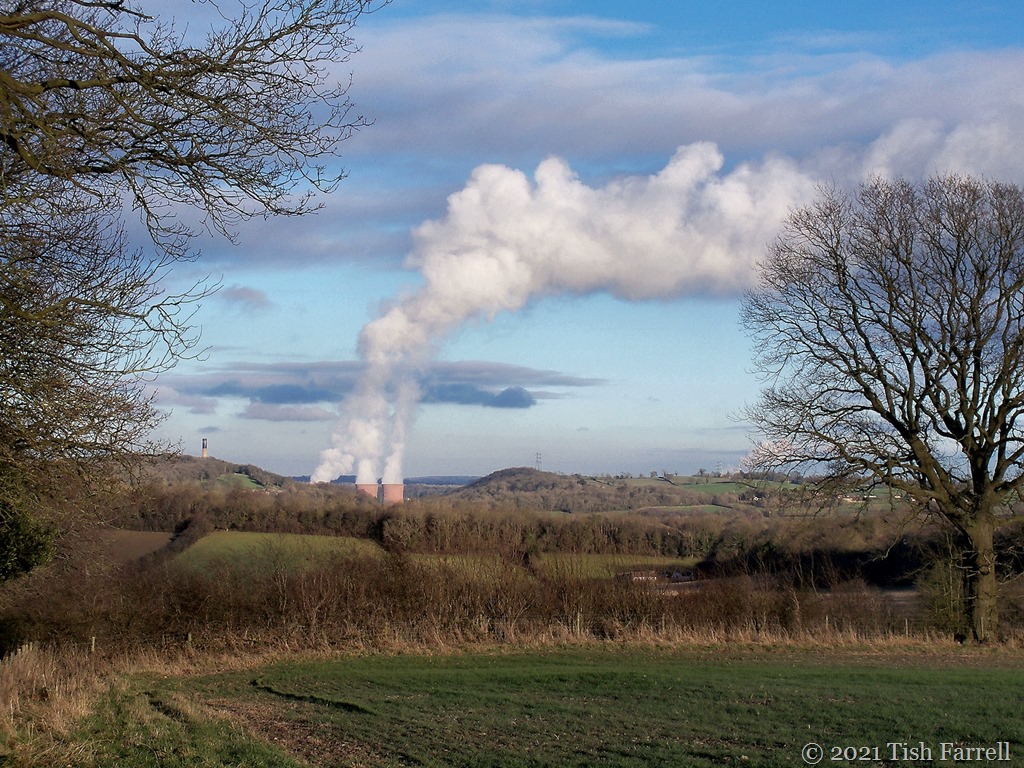
Here’s another winter’s view with the cooling towers steaming away, and to the left a glimpse of the chimney beacon that finally came down this summer:

101_4973

cooling towers resized

All gone now. This may well be a good thing. On the other hand,  we need to think very hard and carefully how, and at what precise cost, we will heat and power our homes in the future. At present there is, to say the least, something of a technological shortfall. Nothing, it seems, is settled.

IMG_2803

Seasons Past ~ In The Shropshire Hills

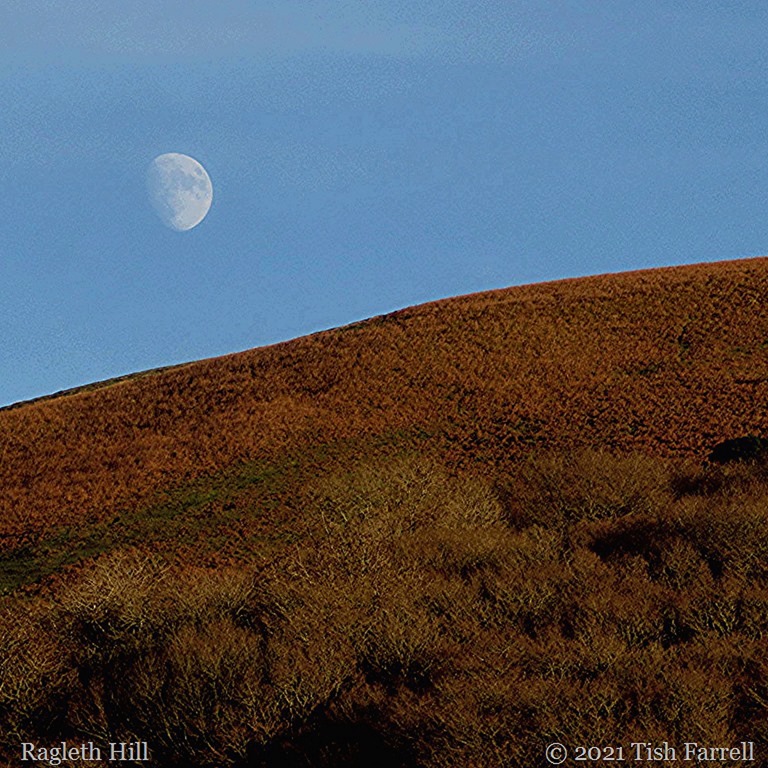
Ragleth Hill Dec 2020

This first photo is a ‘family favourite’ square due to its being the view of Ragleth Hill from my sister’s house taken last Christmas when we were gathered there for lunch. A perfect winter’s day too – sun and moon and no snow.

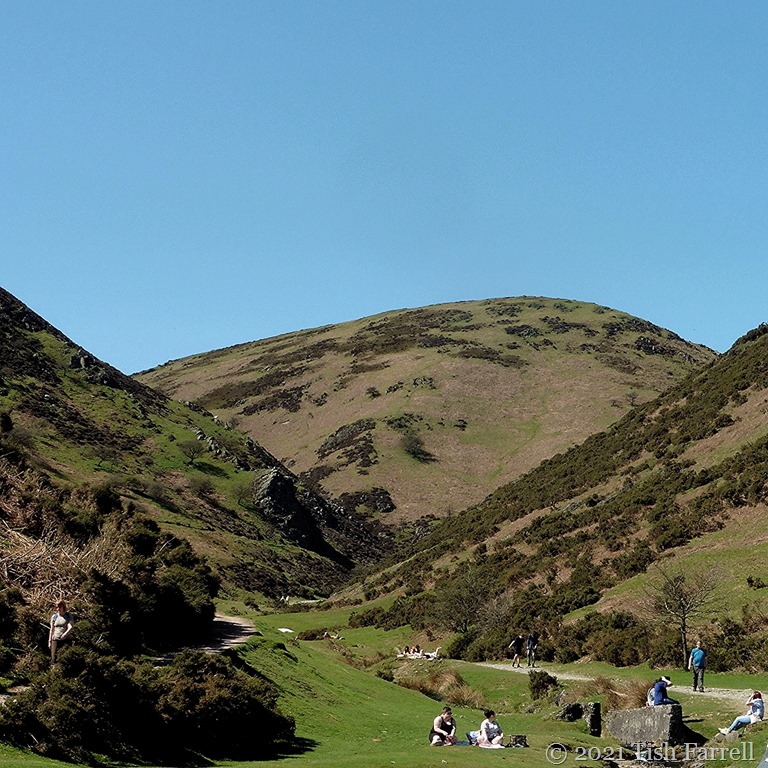
Across the valley from Ragleth is the Long Mynd, an extended spine of hill, its flanks riven by a number of small valleys, locally known as batches. The best known is Carding Mill  Valley, a busy local beauty spot in all seasons.

100_4401

P1050303

P1050289

And back to Ragleth Hill in summer:

P1080496

Past Squares #21

Flypast ~ Squaring The Circle

P1080445

I suppose it’s rather bizarre, but three Septembers ago I arranged a family gathering in the very buildings where my Derbyshire great, great grandfather  once kept his horses, oats store and cheese press along with all the usual 19th century small farm paraphernalia. Of course by 2018 the said buildings had been transformed into very smart holiday accommodation which we were renting for a week’s holiday, and by then too any actual family connection with the place and the nearby farmhouse had long been severed; back in 1892 in fact, when the Fox family left Callow Farm after nearly 200 years there.  

But then there are other kinds of connection, less tangible, but in some ways more visceral – the place, the landscape, the knowledge that past family members had lived and worked here, had been born and died here, their mortal comings and goings marked in the records and gravestones at St. Michael’s church down in the valley at Hathersage:

P1080349resize

*

The header photo was taken from the barns early one morning, looking across the Derwent Valley to the high moors above Hathersage. Here’s a daylit view:

Across Derwent Valley

And here are the barns:

P1080339 resized

And Callow Farmhouse, now a private home quite separate from the barns, but once home to the Fox family c1700-1892:

P1080338resized

You can read more of this story at an earlier post:

So what did Great Great Grandfather George Brayley Fox keep in his barns in 1892

Past Square #17

P1080444

Ordinary Extraordinary ~ Past Perfect Encounters

IMG_3872

It is often on the field path to and from the allotment that the seeming ordinary catches my eye. Often too it’s the result of collaborating elements. Take this apple, one of a bucket of windfalls that a neighbour had tossed over the hedge into Townsend Meadow. Then came the blackbirds who, through the autumn, nibbled at the flesh until only this translucent skin remained. Then there was some frosty winter weather and a lowering late-day sun over the Edge. And so we have an apple lantern. And I just happened to be passing as it lit up…

The allotment plots are also fertile grounds for the extraordinary ordinary and finding them can provide protracted and absorbing diversions from weeding and digging. Who can guess what this is?

IMG_5745

*

On the home front too, the multifarious parts of my unruly garden can be an endless source of distraction whatever the season, though autumn can yield some especially fine moments.

IMG_6653

IMG_6650

Lens-Artists: Ordinary  This week I. J Khanewala asks us to explore the commonplace with fresh eyes. A focused look at the ordinary can suddenly transform into the extraordinary.

Past Squares #10

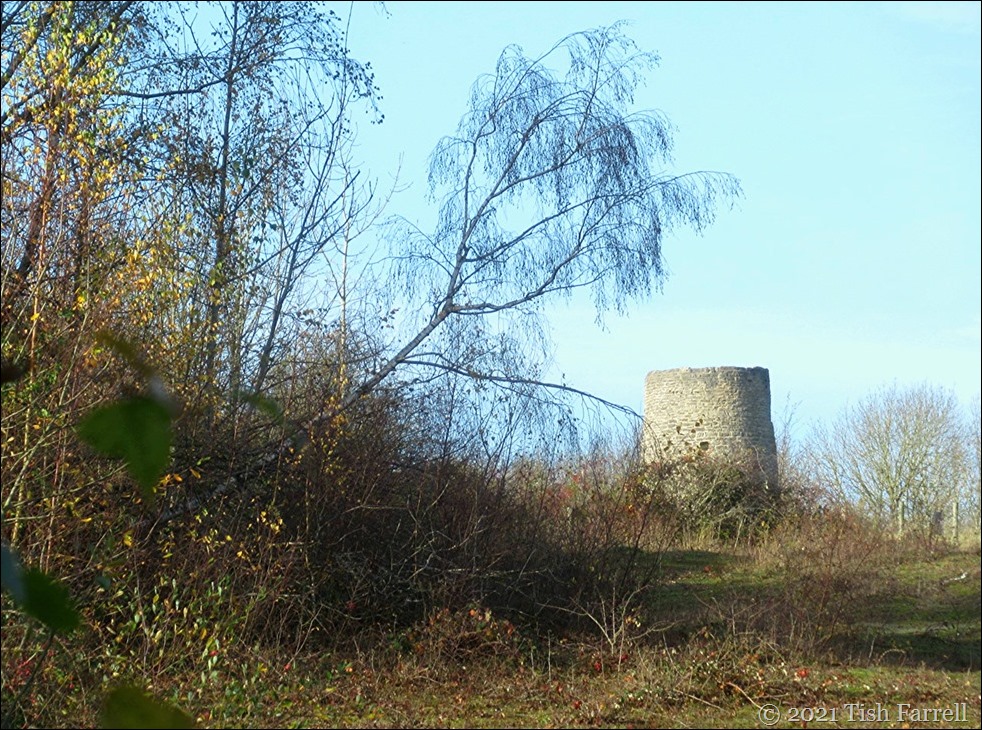
Last Of Summer Days In Heart-Of-England Country

IMG_2283

…and in this case that ‘heart’ would be Warwickshire, homeland of master playwright, Will Shakespeare, the man who tantalizingly left scant evidence of his existence there. But then we weren’t pursuing him in his Stratford birth-and-death place along with many a late summer visitor. We were choosing the quieter option, staying on a farm in a cottage near Royal Leamington Spa, watching horses graze in lush paddocks and meandering down leafy footpaths to the River Leam.

For seven days last week we were blessed with full-on summer warmth. Lucky us.

It was new territory too. For us Shropshire dwellers (slightly north and west of Warwickshire), this particular county has always been one to drive through to somewhere else, usually to Devon or Cornwall. This being due to its having various motorways which incline one to dash through. This has clearly been a mistake. At the very least it is a county of two stunning castles – each in the magnificent, must-visit-settings of Warwick and Kenilworth. Then there are the elegant Georgian boulevards of Leamington Spa with its riverside parks. Then out in the surrounding countryside there are ancient pretty villages with well patronized pubs serving delicious food. One little village called Wappenbury even had the distinction of having grown up within the  bounds of an Iron Age hillfort. You could still spot the weathered ramparts from the path down to the Leam.

IMG_2322

IMG_2011

IMG_2291

IMG_2197

*

Warwickshire is largely an agricultural county, mostly arable with ‘big-field’ cultivation and wooded peripheries, the surviving 18th century (and older) farmhouses displaying well kempt manorial looks.  By late September the harvest was pretty much done, the drilling of winter wheat underway. What remained, though, were fields and fields of pumpkins, they of the now customary Halloween variety. In fact there were so many acres of them – Sleepy Hollow on agristeroids – we decided the farmers must be growing them under contract to every  big supermarket chain across the land. Who knew?  But we pitied the poor pickers who we saw arriving on gathering duty: some of the pumpkins were HUGE, not easy to grapple with.

This next photo is one portion of a single field.

IMG_2261

IMG_2254

*

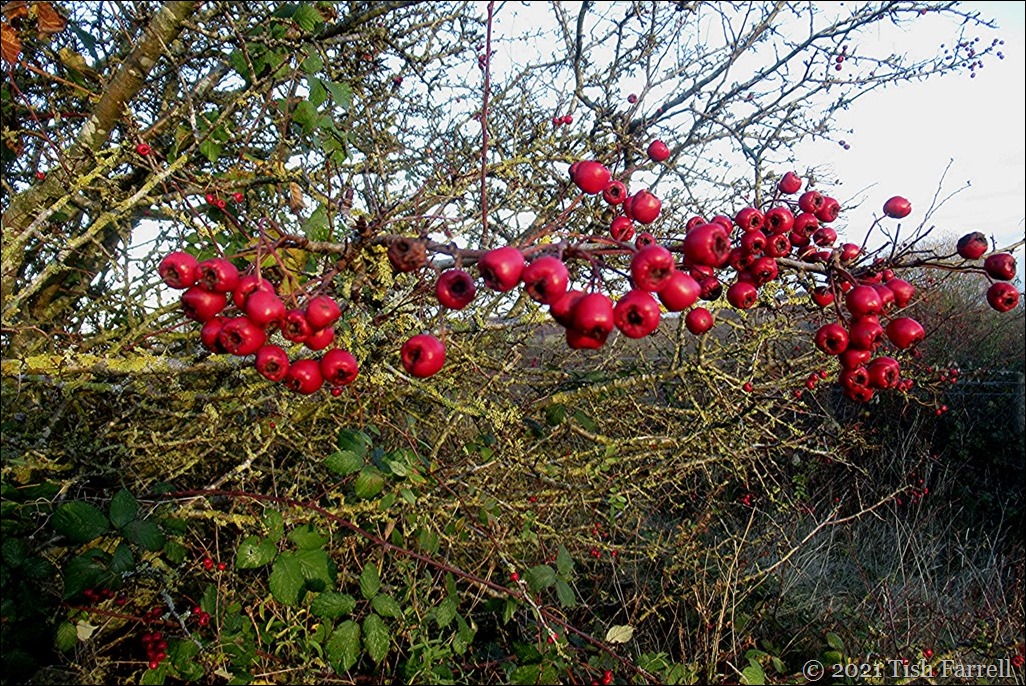
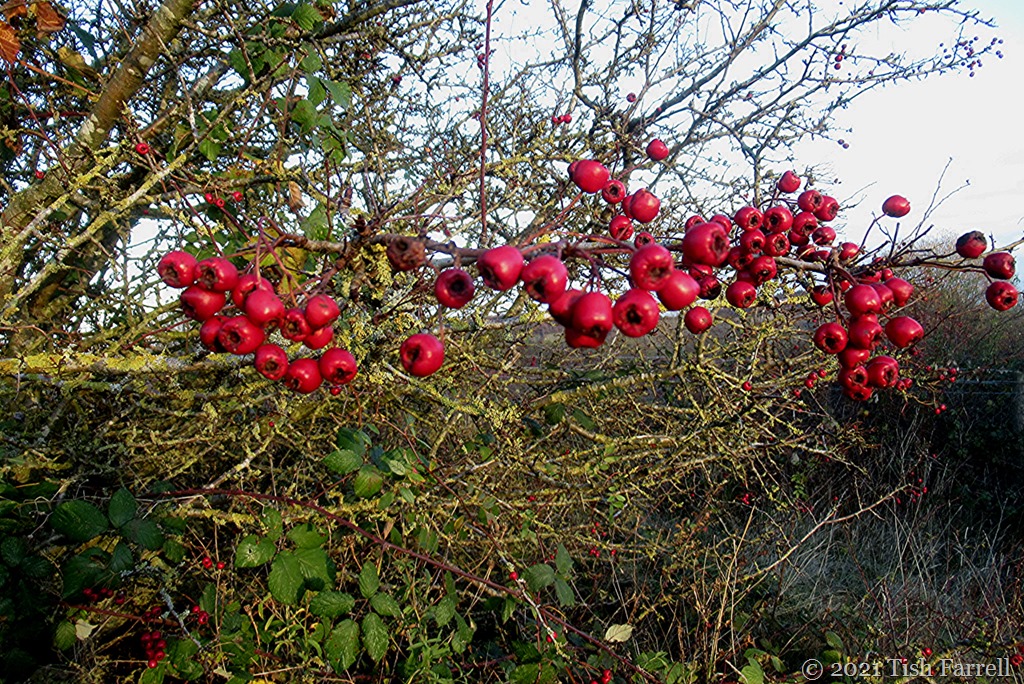
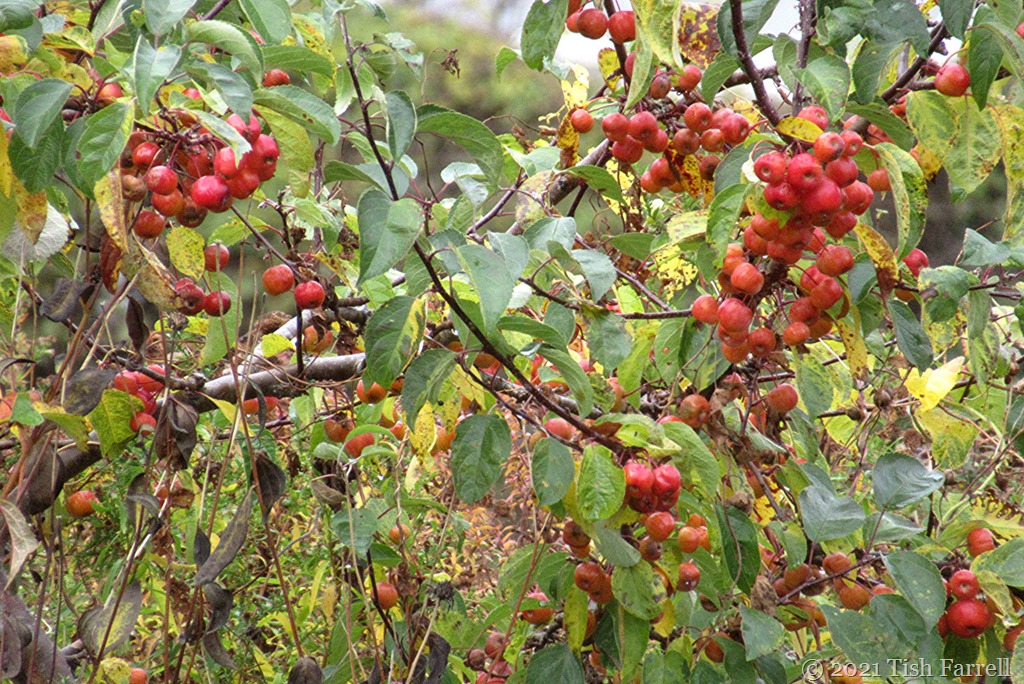
As you can see, our English trees are yet to gain their autumn tints, but there were other signs in the astonishing hedgerow shows of hawthorn berries and crab apples. I also discovered a tree of wild plums, the fruit so sharp yet lusciously sweet. An ode to wild plums is definitely called for.

IMG_2288

IMG_2229

*

But in case this all seems idyllic, there were also dark rumblings across the county: the incessant daylight thump-thump of heavy plant piling machines.  The controversial high speed 225 mph train line HS2 – London to ??? is carving up the land. And just in case, like me, when someone says ‘railway’ you picture only a narrow swath of track bed, then think again. There are all the access roads and service infrastructure to accommodate. The farm we stayed on had had a compulsory purchase order slapped on 100 of its acres. These are now fenced off.

IMG_2014

IMG_2297


For now, only phase 1 London to Birmingham is approved and underway though already, according to Construction News July 2021 it is £1.2 billion over budget; a situation described as ‘cost pressures’.  Nor is this limited section of the projected line likely to open before 2029-2033 (or even 2041 according to whistle-blowing info revealed by one Tory MP). Meanwhile, the whole point of the exercise (apparently) which was to open up the north of England: Manchester west and Leeds east (see map at previous link) seems unlikely to be approved. On top of that, the opposition to the project on grounds of horrendous cost, deemed general pointlessness, and wholesale destruction of ancient woodland continues, as noted in the most recent Government report:

The key issues across the route continue to revolve around traffic and road
related matters, woodland, vegetation and wildlife issues and noise
disturbance. HS2 Independent Construction Commissioner: Eighteenth Report

One also wonders, with all the moves to make people work from home, that come completion in 10+ years’ time – we’ll have more of a ‘ghost train’ than a viable commuter service.

IMG_2308

IMG_2294

*

Still, one shouldn’t let madcap schemes spoil things. Here are more sunlit Warwickshire vistas as summer slips into autumn.

IMG_2284

IMG_2299_thumb.jpg

IMG_2298

Lens-Artists: The Colours of Autumn

Life in Colour: gold

Taking The Broad View ~ Mara Grasslands

desert date mulului tree 001 - Copy (2)

In the rainless months it is the oat grass that gives the Mara plains their golden hue. The small trees with their sculpted looks are desert dates, mulului trees, much browsed by all the local herbivores.

These photos from the Farrells’ old Africa album were taken outside the main Maasai Mara National Park, below the Oloololo Escarpment on territory owned by related Maasai families, locally referred to as a group ranch. Visitors pay a daily fee to group ranch elders. We were lucky to be able to make three trips there while living in Kenya.

Scan-140727-0038

Scan-140728-0018

wide Mara 7

lions wide Mara 30

mulului trees Mara 14

Life in Colour: Gold

Lens-Artists: Going wide