Cornwall’s Smallest Stone Circle ~ Thursday’s Special

P1020776 - Copy cr

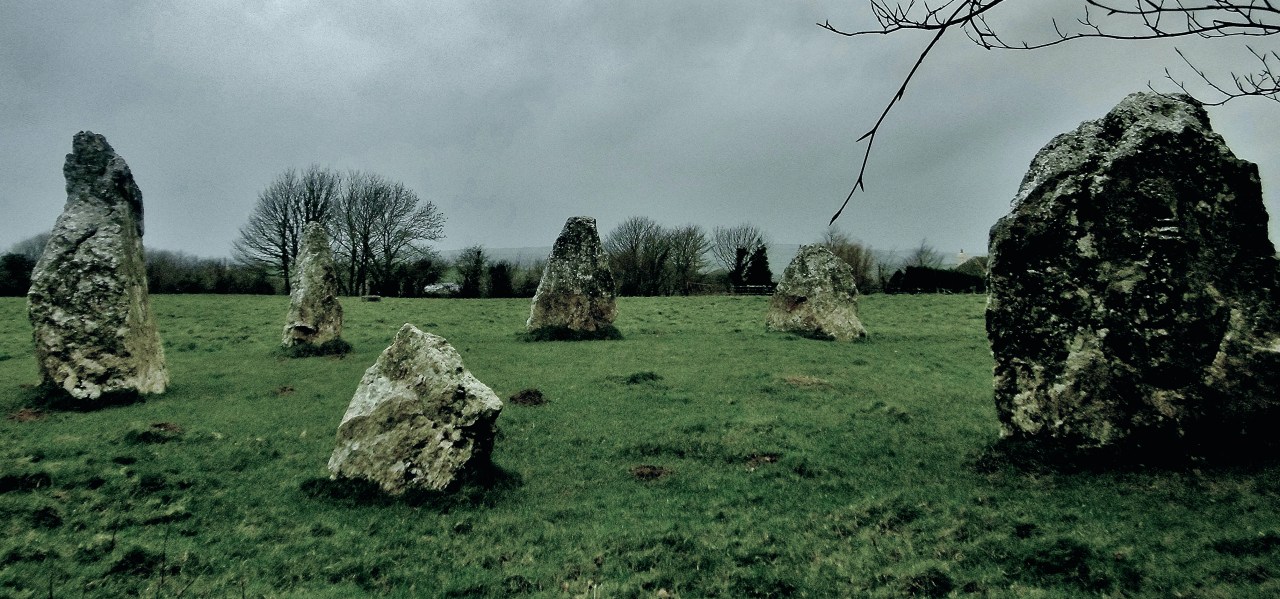
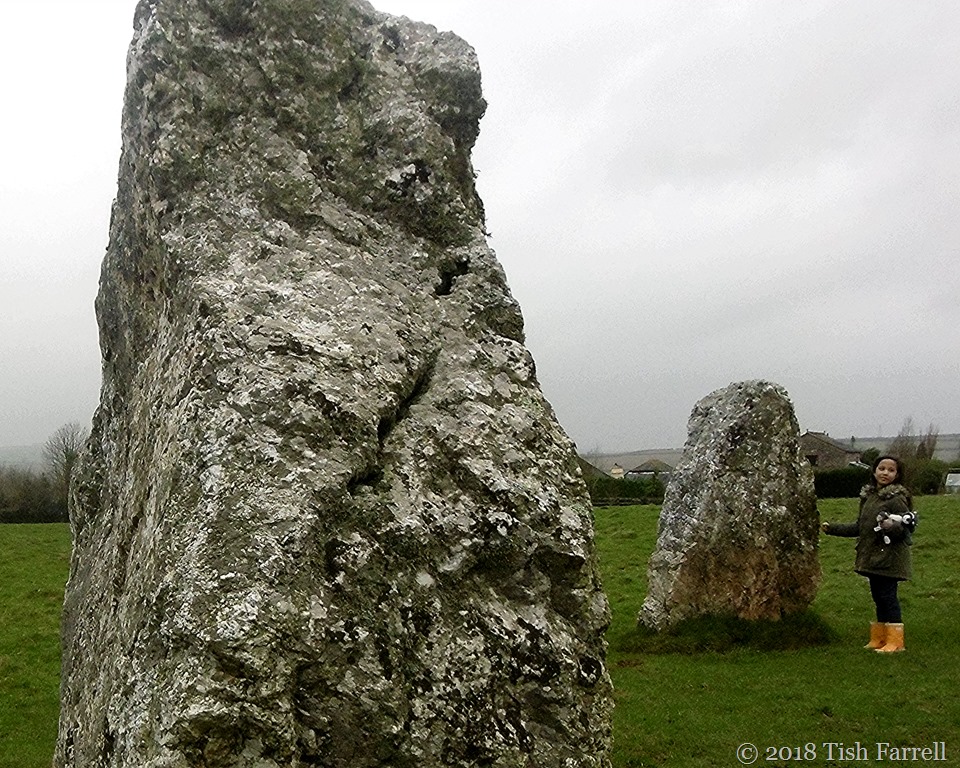
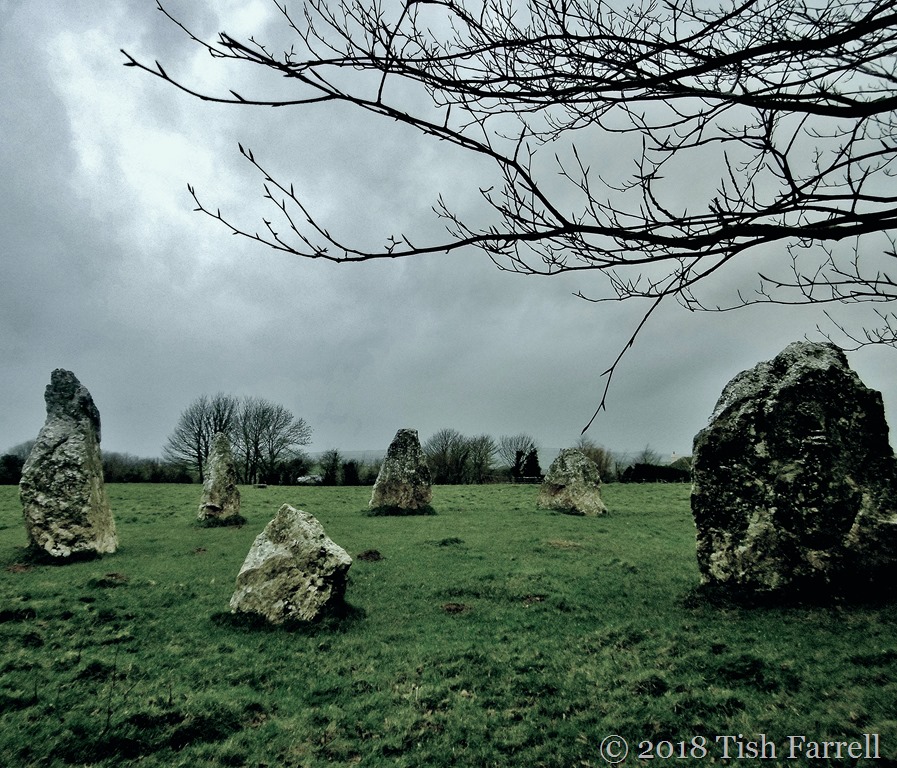
When it comes to photographing prehistoric stone circles, you need the right kind of light, preferably a dramatic dawn or sunset or a good frost. And this clearly wasn’t any of these, but the best I could do on dull, dank December morning. The whole thing was definitely improved by the arrival of the sweet little girl in her tangerine wellies.

Anyway, here it is – Cornwall’s smallest prehistoric stone circle. It is just over thirty feet across (10-11 metres) and is at least 4,000 years old. It sits most domestically behind farm cottages and among a few sheep in the small village of Duloe. There are eight stones, some estimated to weigh around 12 tons, and they were probably chosen because of their high quartz content, which gives them an otherworldly bloom even in this poor light. In any event, they had to be manhandled from the nearest source, at least one mile away.

The  first historical reference to them was in 1329 CE, when they are mentioned in a record relating to the farm called Stonetown (still existing with that name), on whose land they stand.

In 1801 they were discovered again, although at that time the stones were all lying flat and there was a hedge growing through the middle, with a field on one side and an orchard on the other.

Many stone circles in Britain have recumbent stones, (e.g.  see my post on Arbor Low in Derbyshire) and it is usually not known at what stage the stones were laid flat, or in what circumstances. Certainly there is archaeological evidence of prehistoric people themselves ritually ‘closing’ a monument or burial site when it is no longer needed. In more recent times superstitious dread, and/or Christian repugnance at old ‘pagan’ ways prompted people to bury standing stones or lay them down. All of which is to say, everything to do with stone circles is pretty much shrouded in mystery and conjecture.

At Duloe though, there was an interesting and tangible discovery. In 1861, during efforts to restore the circle and raise the stones, a workman put his pick through a Bronze Age burial urn containing human bones. It had been placed at the foot of the largest stone which was also broken during the restoration work, and is still lying on the ground in two pieces. The urn and its contents have since been lost.

But it is this find that provides 2,000 BCE date for the site. However, the circle itself may well pre-date this. As has been shown with recent work at Stonehenge, the world’s most famous prehistoric circle, the stones there were erected in the late Neolithic (c.4,500 BCE) and not in the Bronze Age as originally conjectured, although there are many Bronze Age burials in the vicinity. It also appears that before the Stonehenge stones, there were earlier wooden pillars on the site and these belonged to the Mesolithic period circa 8,500-7,000 BCE when people were still hunter gatherers.

In other words, throughout human existence, a site that has once held, or is perceived to have held ritual significance will often be re-used by succeeding inhabitants across many centuries, and by people of quite different ethnicity and religious viewpoints. So we find Roman temples in earlier Iron Age hillforts, or medieval churches built atop Neolithic chambered tombs.

We cannot divine what these stone circles truly meant to the people who constructed them. But we can surmise that the monumental effort involved implies life and death importance. There are political implications too, both in the conception of the work and in its realisation. Even the building of a small circle like Duloe would have required considerable organisation of people-power. But if these circles have no stories to tell us, they do at least reflect an era when humanity had a very different relationship with the natural and cosmic world than we do today, and that alone might give us some pause for thought.
P1020774

Thursday’s Special Paula’s August ‘pick a word’ prompts include fortified, chic, submerged, embodiment, prehistoric. I think I might claim submerged here too, since the meaning and means of construction of this site are well and truly buried.

copyright 2018 Tish Farrell

Pleasing Patterns

IMG_1445

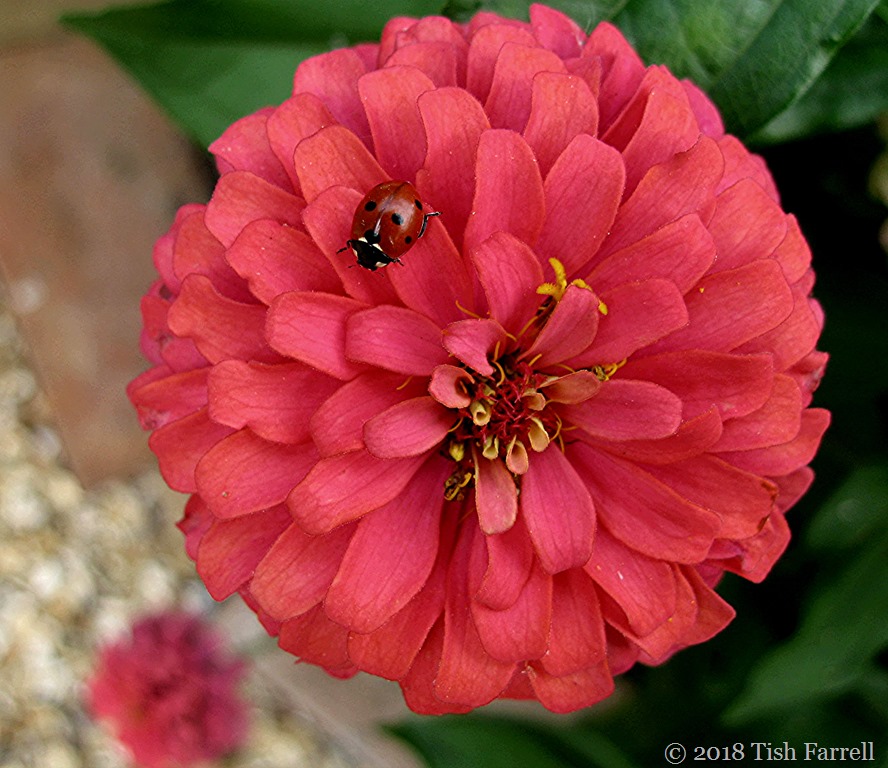
The other day I noticed the tips of the apple tree boughs were encrusted with greenfly. I was going to treat them to a soap and water spray, but then forgot. The next time I looked the ants and ladybirds had moved in on the job and the greenfly invasion was much diminished. This ladybird is obviously having  some R and R in the nearby zinnias. Always good for a smile – ladybirds.

Sticking To Earth Patterns

IMG_3796

Humans love to see the patterns in things. This habit can nurture an aesthetic sensibility and inspire much creativity on the one hand, and it can lead to all manner of misunderstandings and fallacies on the other. Which of us hasn’t at least pondered on the ‘meaning’ of a series of pure coincidences, or passingly ‘seen’ a pattern of events that ‘proves’ a conspiracy theory is not a conspiracy theory.

Given the negative propensities of patterning, and the power these may exert on the human mind, it might be as well to take note that this is currently being practised upon us by much of what is reported by the mass media, and the manner in which important issues are presented to us.

There is, to my mind, a constant drip-feeding in relation to particular topics (to name a few: Middle East, Russia, nuclear weapons, climate change, Labour Party, Jeremy Corbyn, Brexit); a seemingly endless repeating pattern of half-truths, proclamations of absolute guilt without evidence, scape-goating, focusing continuously on the irrelevant, divisive reporting, unproven circumstances presented as fact, and, in the name of that weasel word ‘balance’, equal weight given to the opinions of people who know what they are talking about, and the notions of those who do not believe in evidence/have their own minority axe to grind/are (verging on the) delusional. And the whole lot mashed up into an ‘entertaining’ package of easily digested sound and picture bites, whose patterning then is constantly rehashed/given oxygen by mass spoutings on social media.

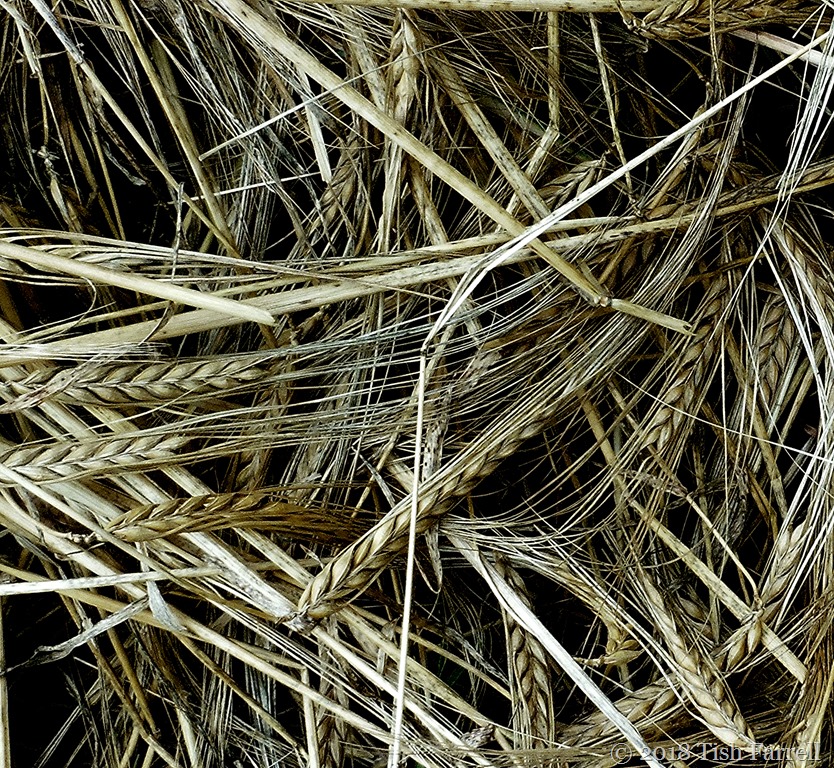
It is all very disturbing, and when I think about it, I feel like a pawn in someone else’s nasty game, and that makes me angry. And so I distract myself with things in my little world, though I must say I did have Mark Rothko’s Dark Brown, Grey and Orange  vaguely in mind when I took that second photo of the rape seed field beneath a stormy sky – his drive to express the human condition; to move beyond apparent abstraction – while I was visualizing an abstraction of the actual, but also brooding somewhat on the human condition.

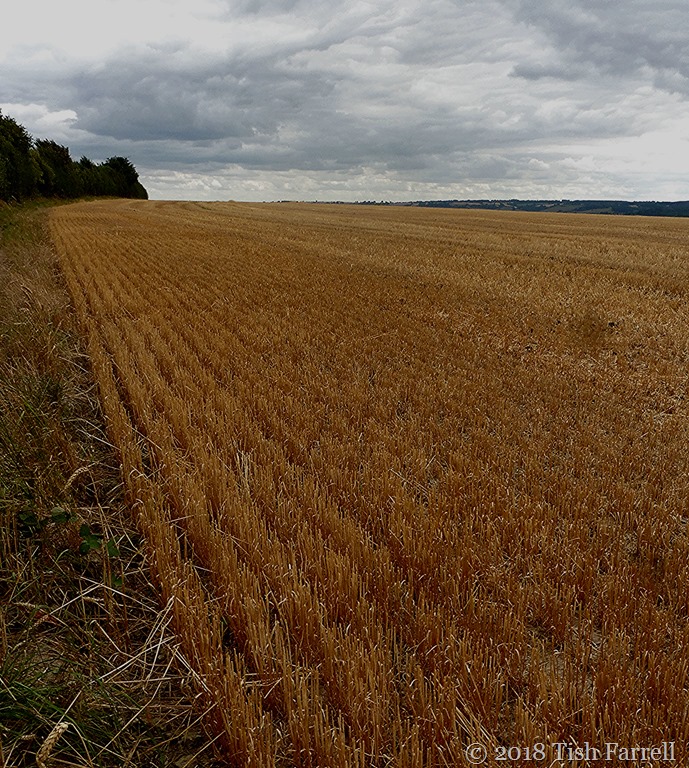
But now for some lightish relief from gloomy ruminations: more earth patterns from around Much Wenlock, including some of the abnormally early, done-and-dusted grain harvest. Another kind of pattern?

P1070770

P1070758

P1070752

Lens Artists This week Ann-Christine asks for patterns.

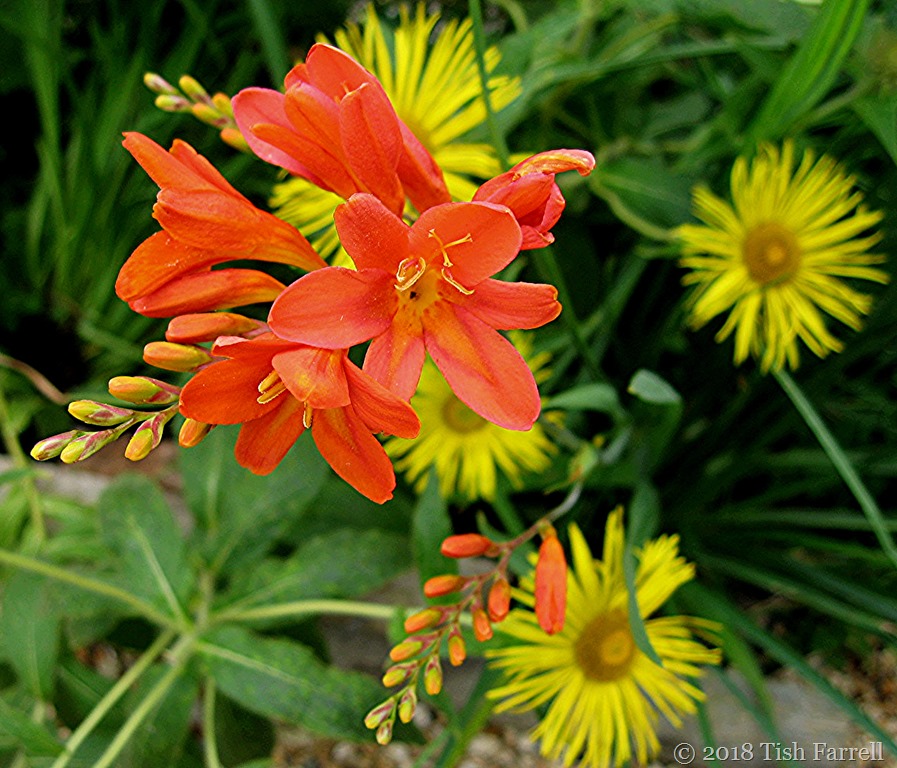
Popping Up Among The Doronicum – Crocosmia

IMG_7433

The squeezing of HeWhoBuildsSheds’ new shed into the small back garden last year meant the loss of a herbaceous border. I didn’t mind too much, although it was a challenge to find new homes for the plants. Some were sacrificed altogether; some were thrown over the hedge to take their chances; some were planted outside the back fence in the guerrilla garden, some were put in next door’s guerrilla garden (I’ve started a trend) and others were just put somewhere.

Then in the spring, as soon as the tulips were over, Shed Development Phase 2 was thrust upon me. This meant moving more plants in order to create enough space to turn one flat bed into a raised bed so that the shed could have its own gravel forecourt and thus be accessible in all seasons. This also included digging up what was left of the lawn. The upshot of this HouseThatJackBuilt ‘school of gardening’ (fortunately no cows’ horns were crumpled in the process) is that much of what is happening out there now is a complete surprise.

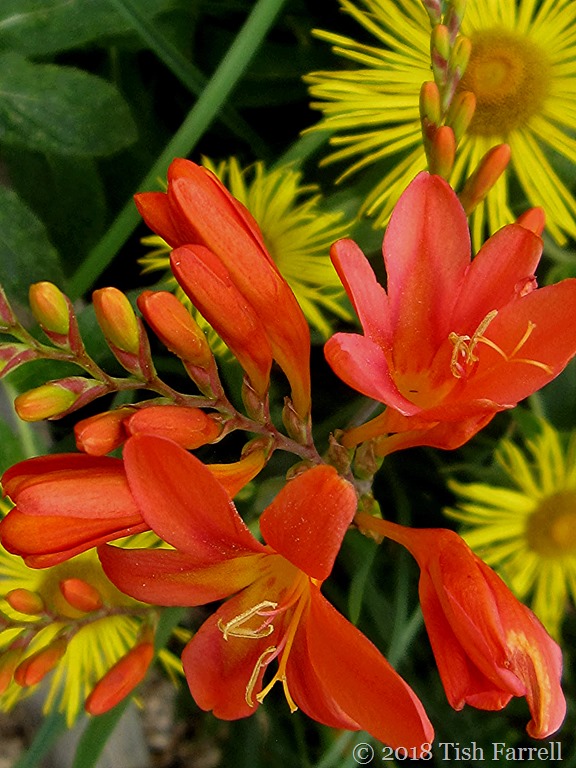
For instance, I have no memory of how this crocosmia arrived among the doronicum. On the other hand, I do feel I need to give it a round of applause for cutting such a horticultural dash. Well put, that flower, however you got there.

IMG_1424

Six Word Saturday

Please visit Debbie. This week she has some handy advice!

Out In The Garden Bee-Dazzled And Bee-Dizened And Bees Showing Their Knees

IMG_7412

IMG_7456

IMG_7458

IMG_7466

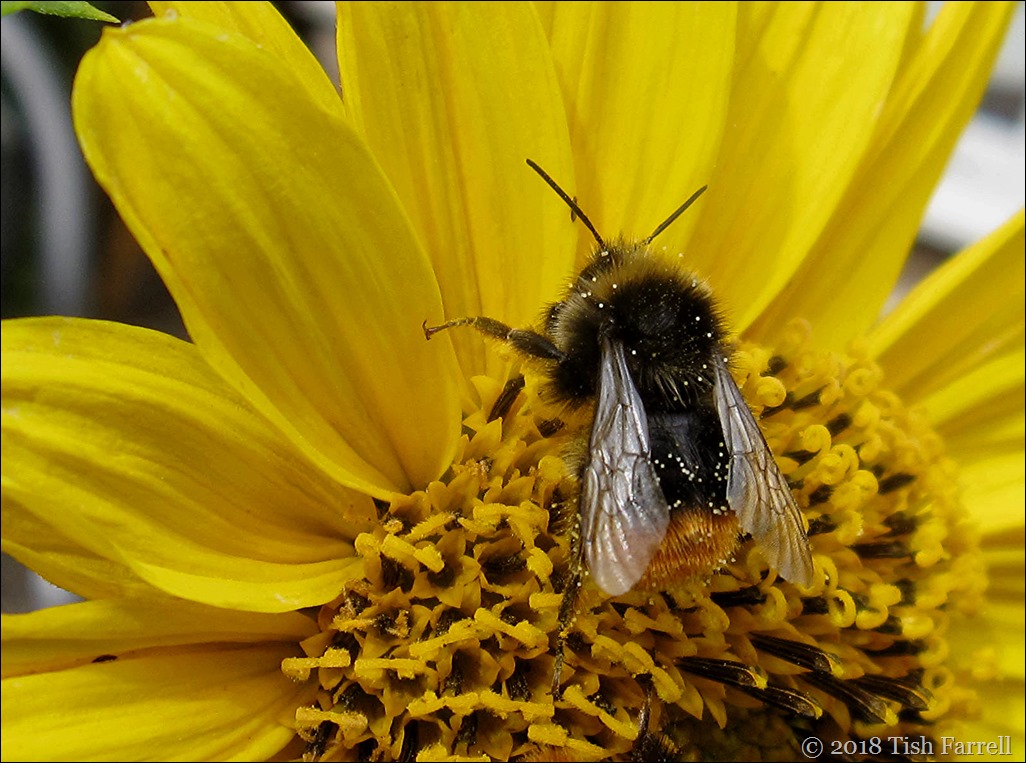
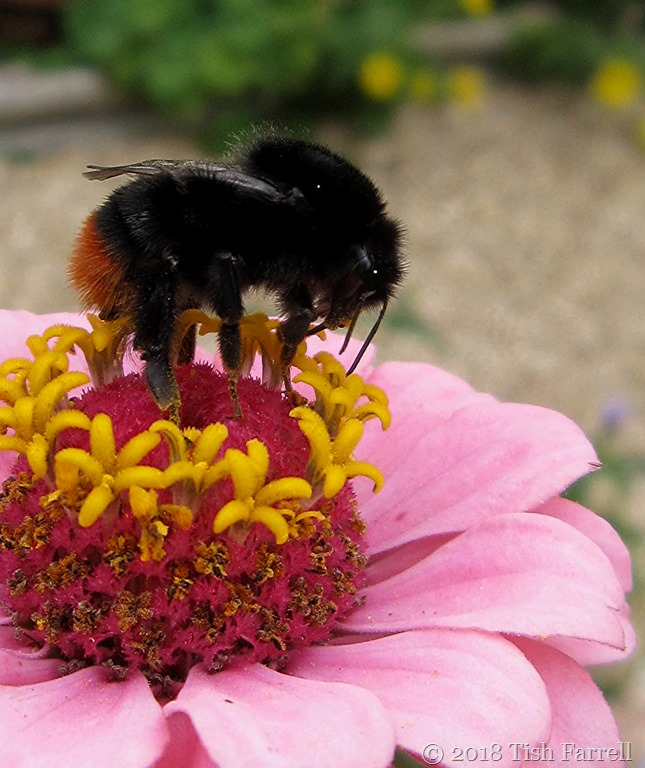
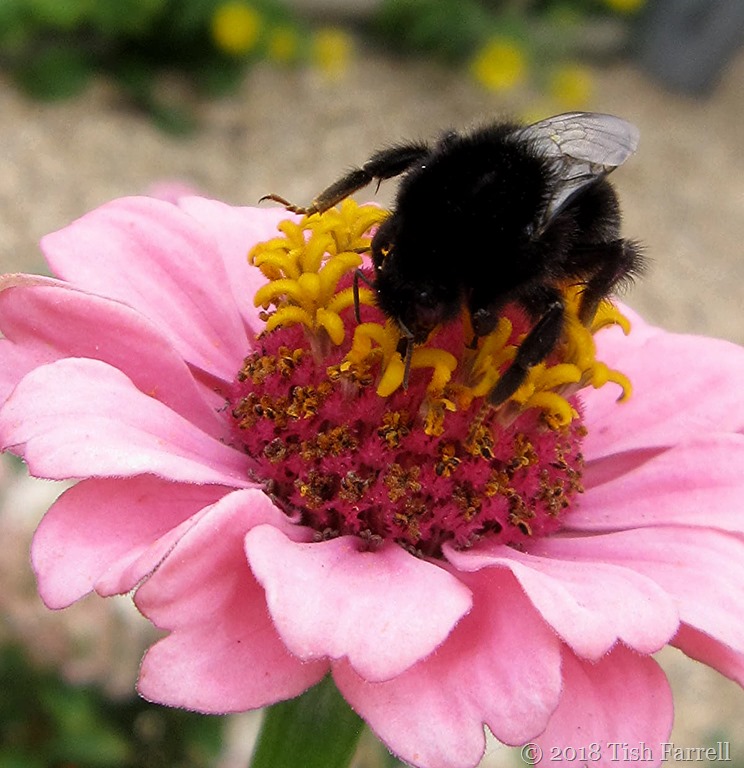
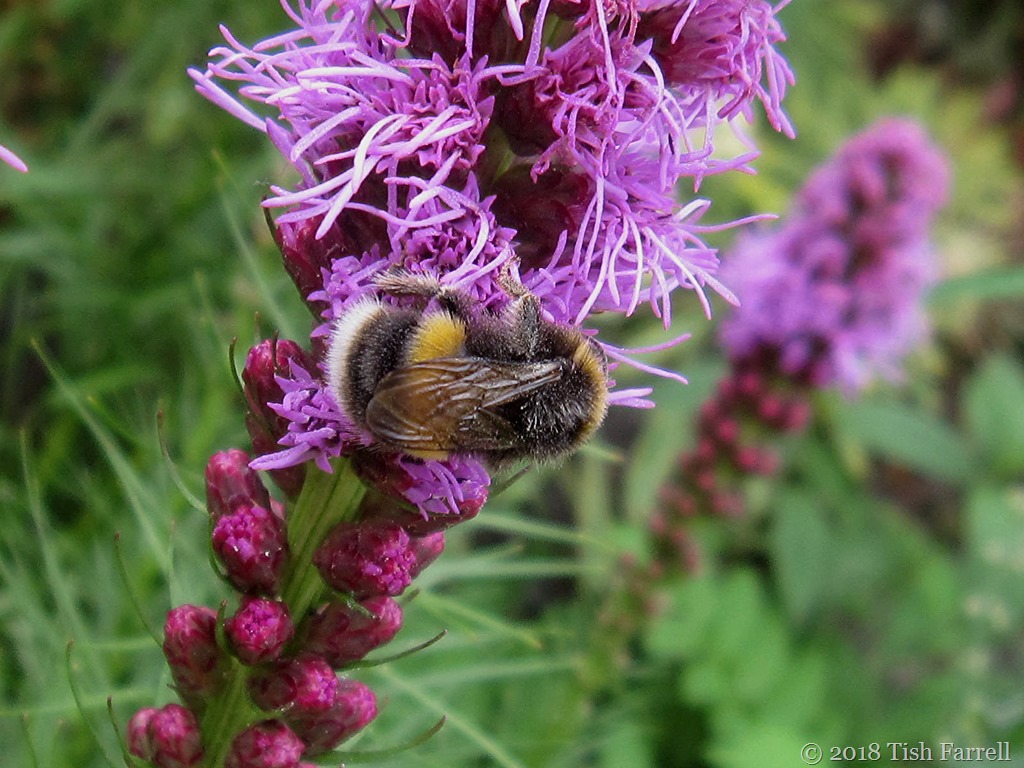
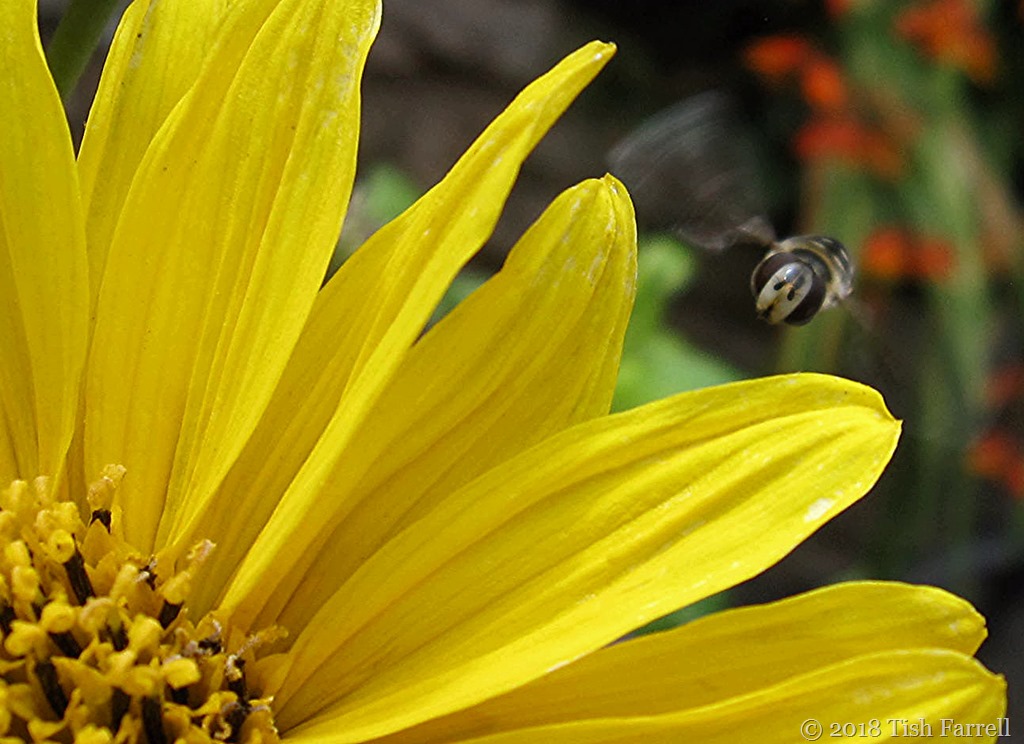
I popped out in the garden at lunch time, armed with my little Canon Ixus, and found it was all go on the bee front. The header flower, Helianthus Capenoch Star was proving very popular. I’d only bought it the other day, to go in the back of the flower bed that I said was ‘officially full’, and it is still in its pot, waiting for a slightly cooler moment to plant it out. In the meantime, it is being much visited. But then that goes for most of the other flowers: zinnias, cosmos, liatris, doronicum, echinacea, rudbeckia, and the self-sown purple toadflax. So many happy buzzing souls.

IMG_7428

IMG_7370

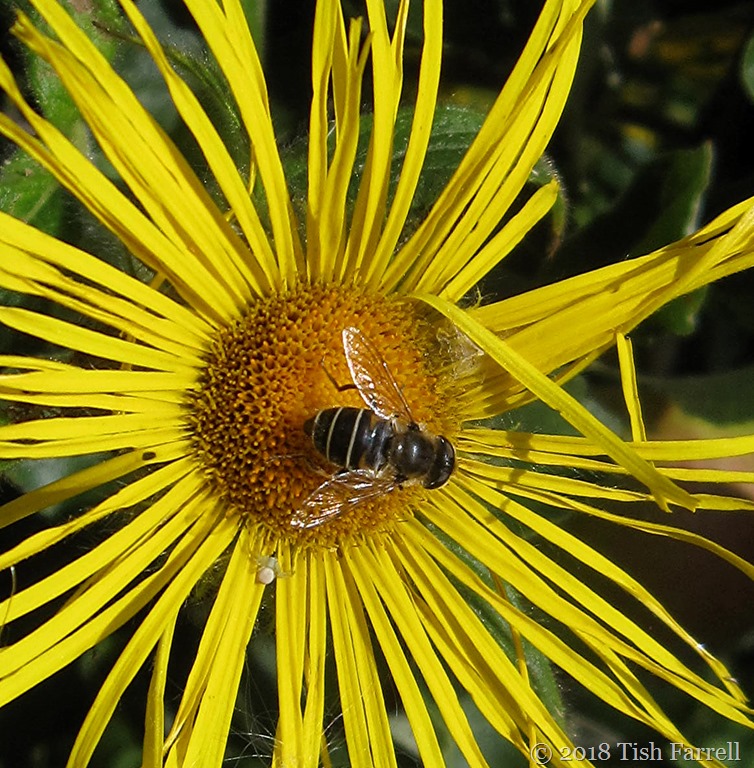
And then there was also the hoverfly:

IMG_7380

In Our Summer Garden ~ See Who’s Looking For Dinner

IMG_7175

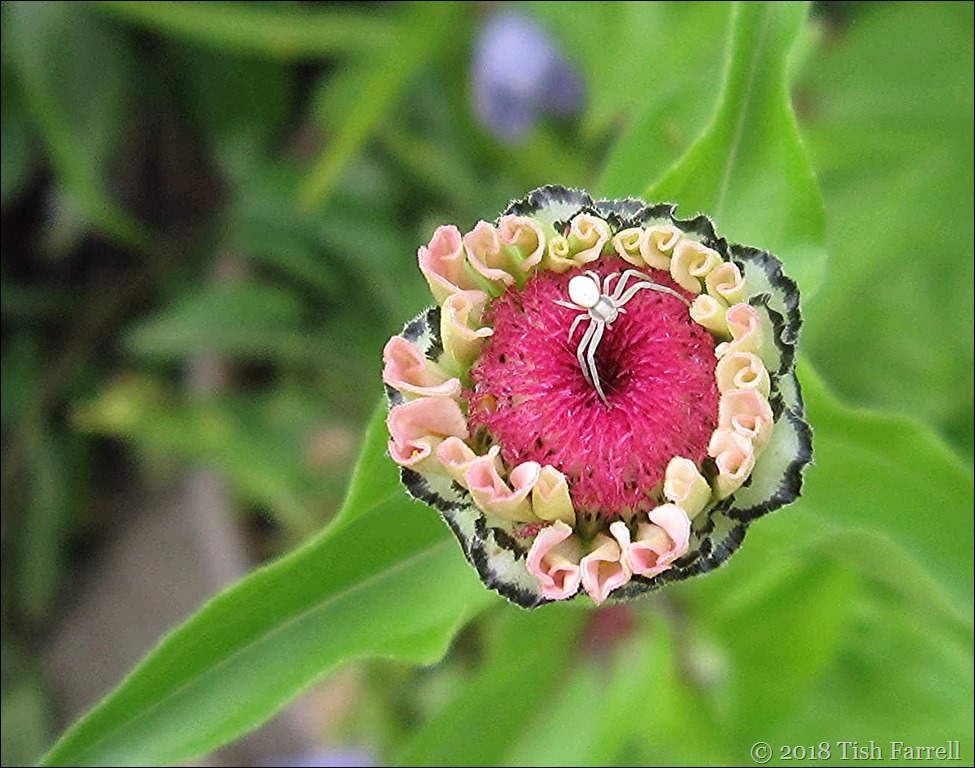
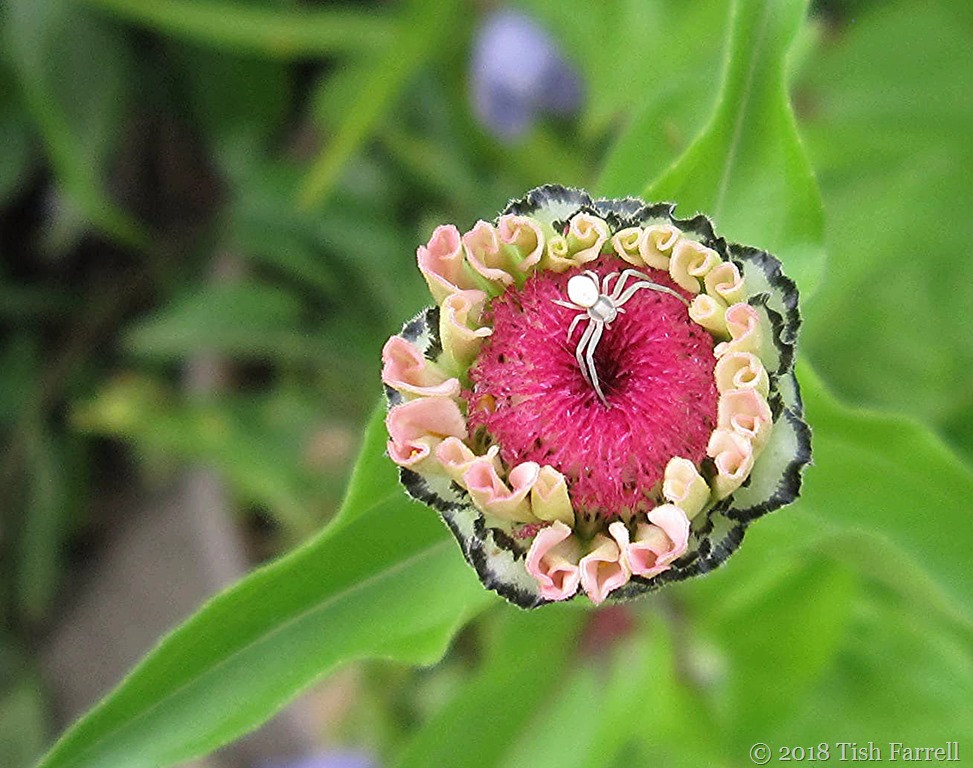
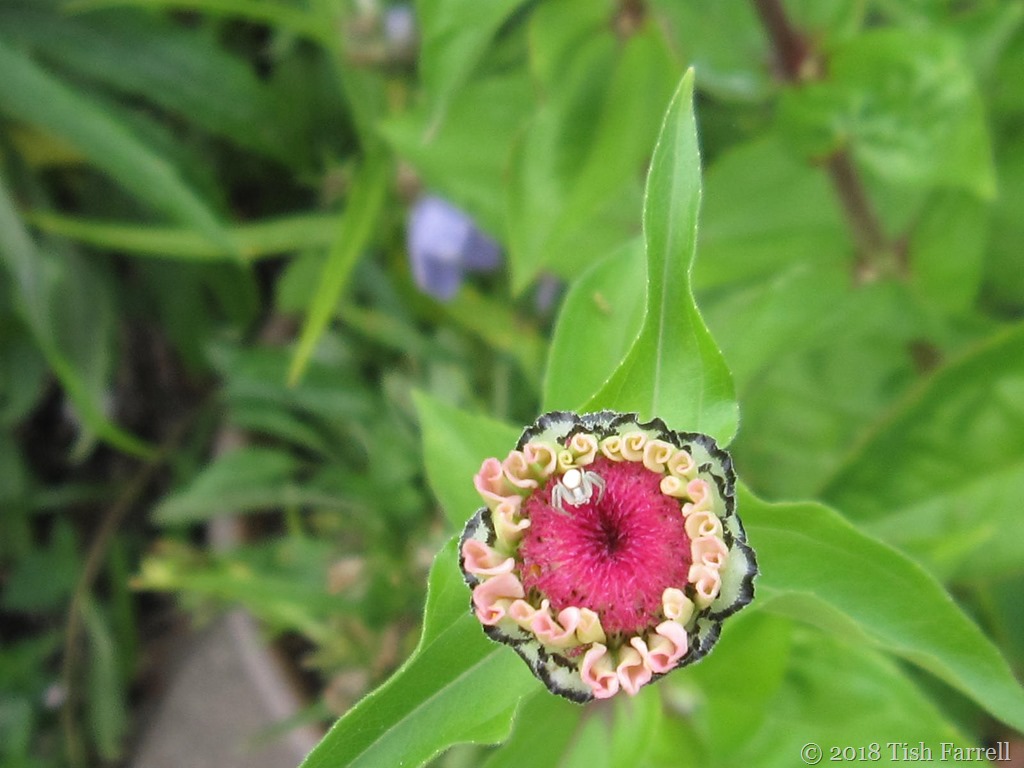
When I tell you that this crab spider is sitting on a zinnia bud and the zinnia bud is less than an inch across, then you can see, that in real life, this spider is very very small. Even in the next shot it’s still twice its actual size.

IMG_7168

It’s fascinating to think that the hunting instinct is embodied in such a tiny entity. These spiders (Misumena vatia) do not spin webs to catch their prey. They sneak about in plants, sometimes seemingly taking on the shades of particular flowers as camouflage. And then they pounce!

I think the spider in this next shot is being a trifle ambitious. Can you spot it, lurking on the Doronicum? Also an ID for the bee-like fly would be welcome – Ark, Pete, Brian…

IMG_7332

And now here’s a view of the garden, where all of life and death goes on – and under our very noses.

IMG_7339

The Blissfulness Of Blue On A Winter’s Day In Wales

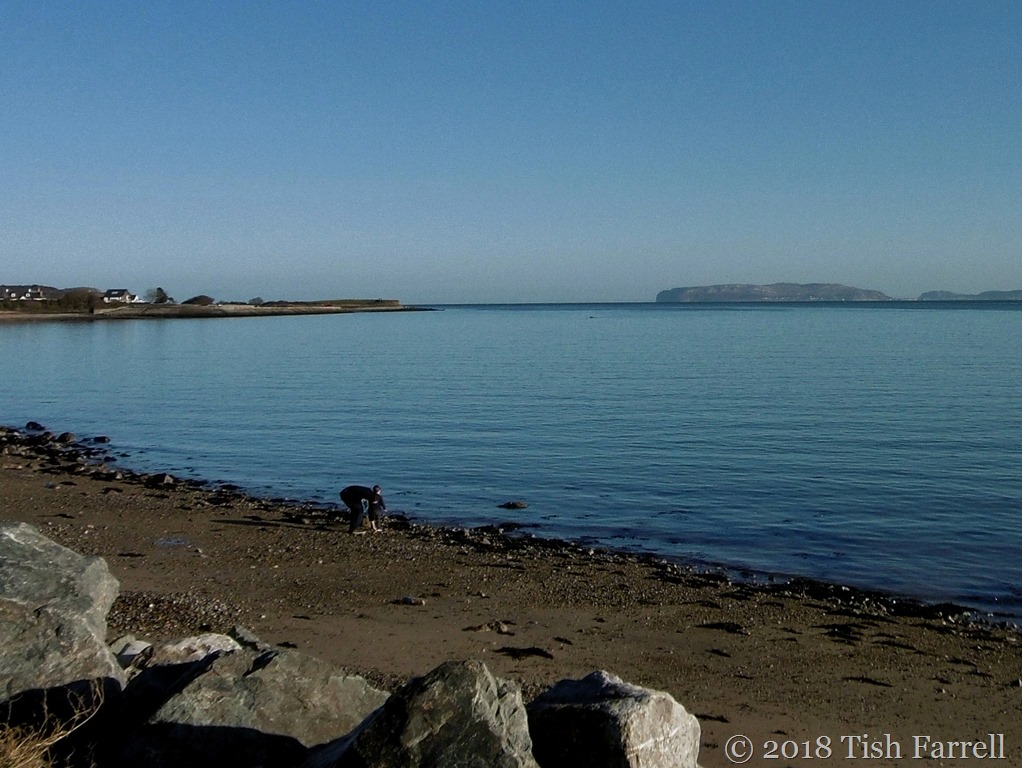
We have spent several Christmases on the island of Ynys Mon, otherwise known by its Viking name of Anglesey, in North Wales. The weather in December always throws up surprises. On our last trip this was one of them – a perfect, windless, cloudless day with warm sunshine. We wandered on the Menai Straits beach, looking out at the Great Orme peninsula at Llandudno across the water. I found myself watching this young man and his little  boy, so absorbed in their play, the sun catching winter-white faces. No sound but the call of an oyster catcher.

P1060447

*

That day in that place, we felt the universe had just given us a gift.

P1060453

Lens-Artists: Blue

Learning ~ One Little Bug At A Time

IMG_7212

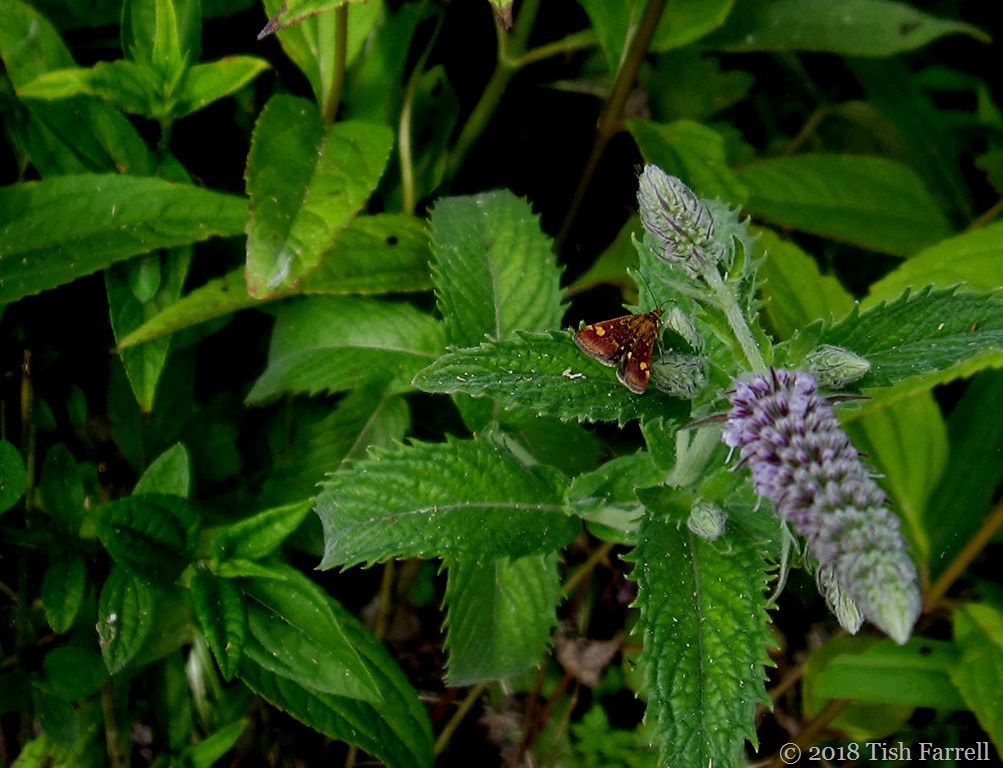
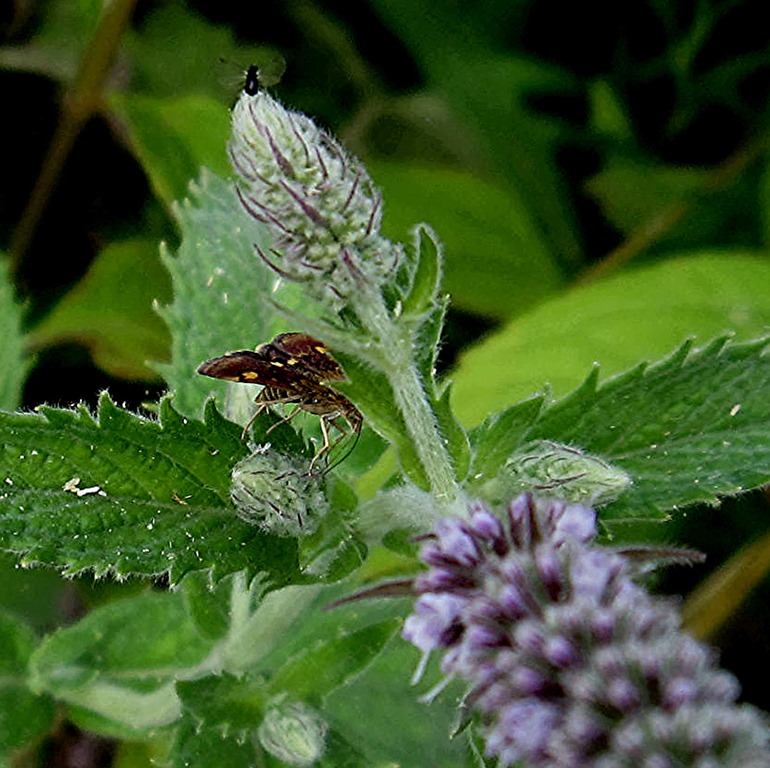
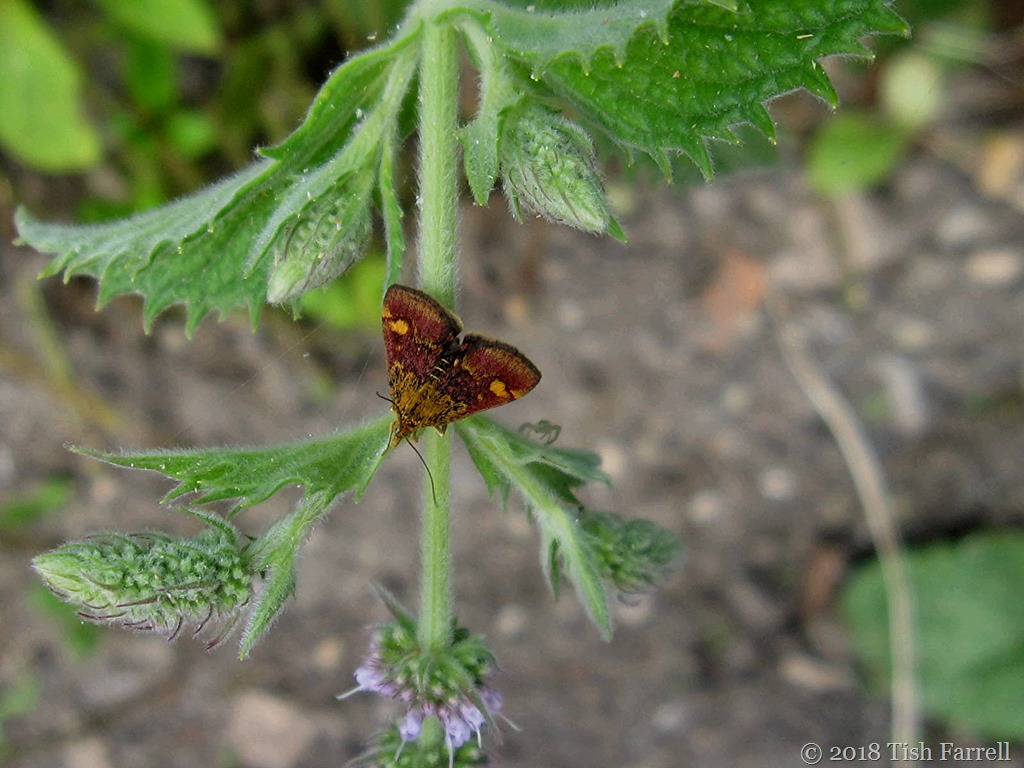
Leaning over the garden fence the other morning, I caught sight of a tiny moth flitting about in the guerrilla garden. It stayed while I went indoors to fetch the camera, and obliged me with a few shots.  Then I went back inside and googled ‘very small diurnal moth UK’ and ‘images’ and up it popped. A Mint Moth, says the font of some wisdom that is my PC –  Pyrausta aurata. The butterfly conservation link also told me that it flew actively in sunshine (which is was doing) and particularly liked spearmint (which is where I found it and where you see it here). I confess a frisson of success: ID done and dusted.

It’s a dainty little thing  – 70mm across/ three quarters of an inch. Here are a couple of closer views:

IMG_7215

IMG_7221

Into The Field of Lost Content…

IMG_7203

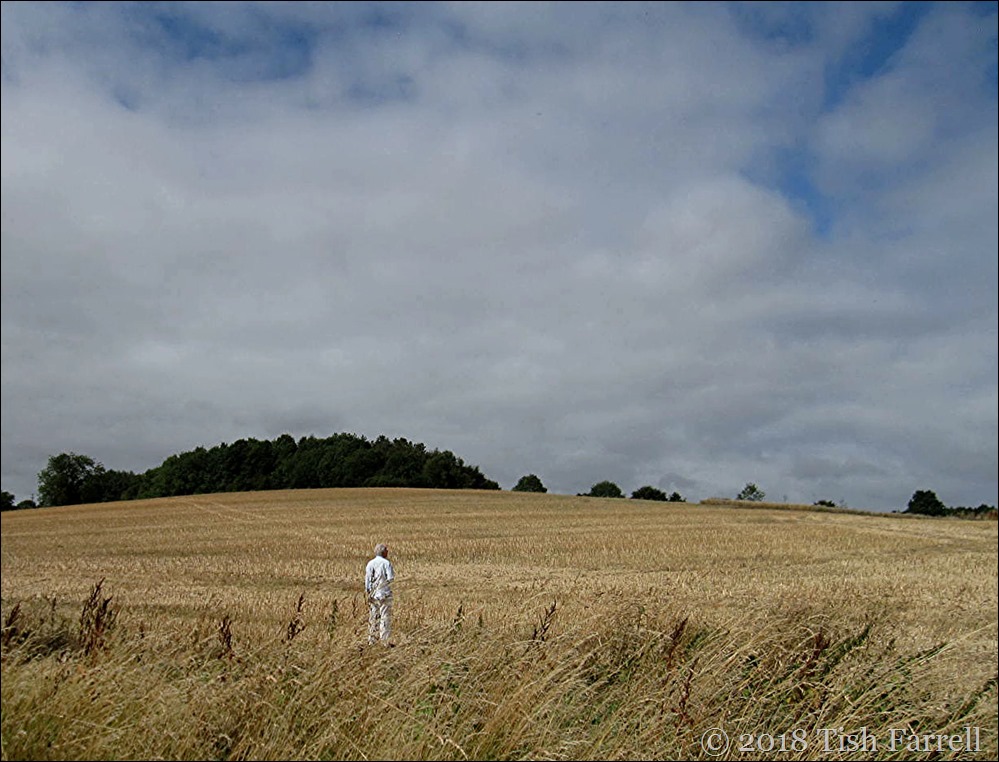
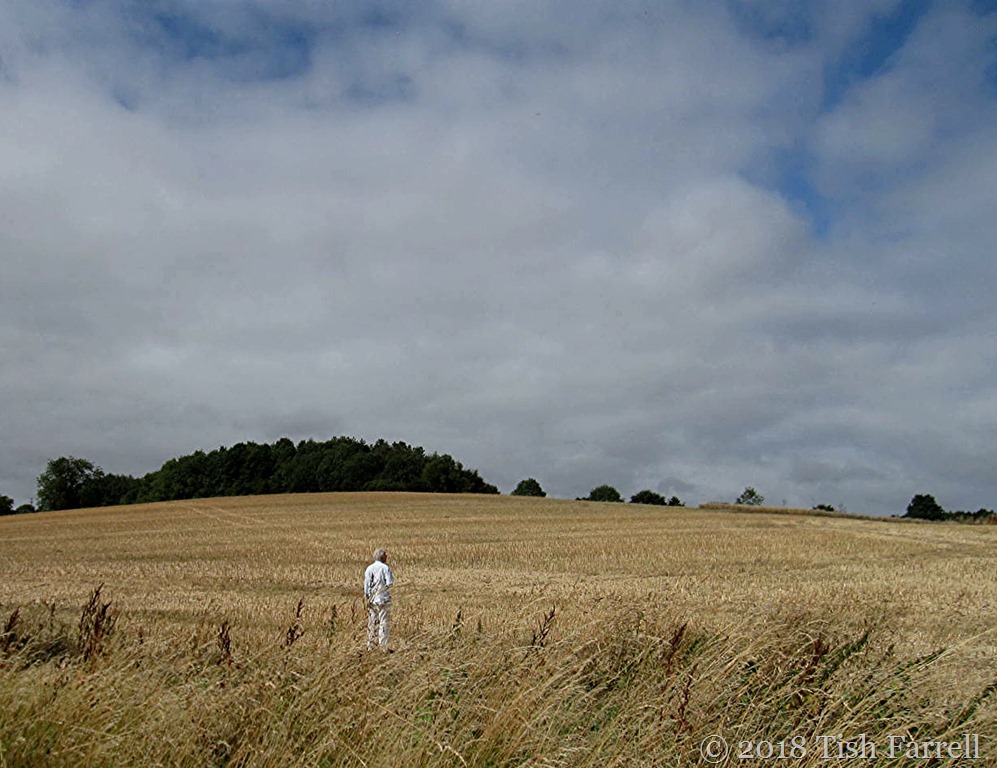
…marches Graham with his morning mug of coffee. A touch eccentric perhaps. But then if you have a handy field you can walk into from the house, and the sun is shining, why not?

Actually we always get excited when the farmer harvests Townsend Meadow. We watch over the crop, usually wheat, but this year oil seed rape, for the whole year. And then comes a brief interlude before the ploughing and re-sowing when we feel we can rush out there and romp. In Graham’s case the romping is a purely cerebral activity as you may judge from this contemplative pose.

We could, however, have done without Wednesday night’s momentous dust storm that followed the combine harvester. The crop looked totally desiccated before it was cut, and the seed pods wizened, and now we are left with a desert of chaff that lies in deep drifts between the stalks. Please, weather gods, keep your stock of gales, winds, and even light zephyr breezes well contained otherwise we might have to hoover the garden. And ourselves too.

cr


Six Word Saturday

Please visit Debbie and her v. stylish ATM

Colour Scheming ~ It Caught My Eye

IMG_3837

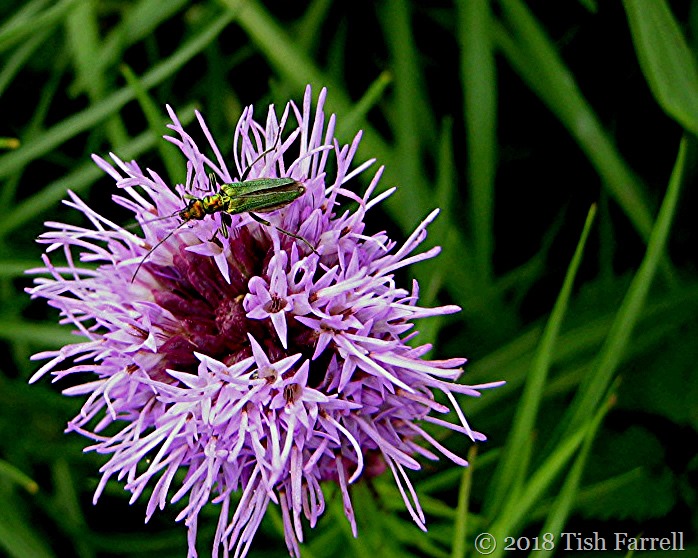
In my last post I muttered about the shortcomings of close-up shots because you lose the wider setting which may have much more to tell you. But I took this one because it made me smile: the contrast of the green longhorn beetle on liatris spicata; the liatris against the green grass, and the congruent shade and form of beetle and the blades of grass. Not a scheme I would wish to replicate in my own home, I hasten to add.

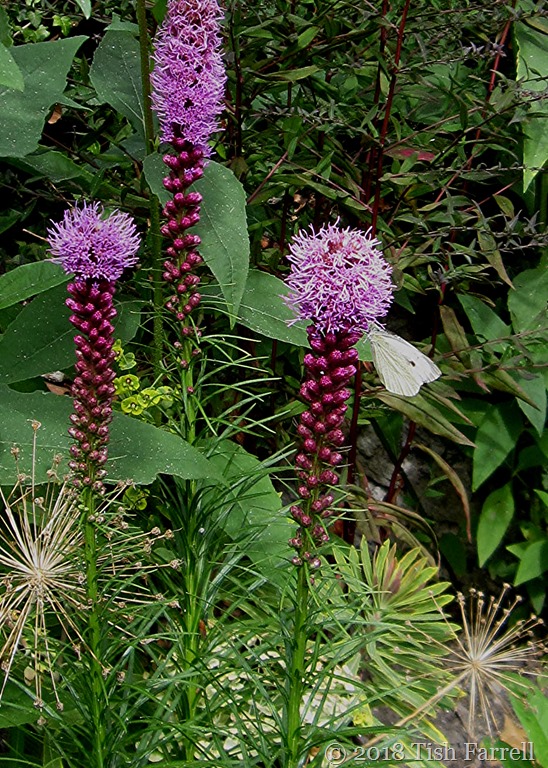
Liatris, with its tall purple spires, is now an English herbaceous border staple, and another magnet for insect life. But its true home is on the North American prairies where it has the names of Prairie Gay Feather and Dense Blazing Star.

IMG_7238

The first photo was taken at the allotment where my neighbour is growing insect attracting plants, but I have also grown it in my garden for the first time this year – seen in the second photo along with all the rapeseed dust from the previous night’s harvesting. (There are disadvantages to country living, and the  combine harvester’s dust and chaff cloud that buried our house and garden was one of them).

Now I know where liatris comes from, I have a sudden yen to set it free to colonise the fields of Wenlock Edge. I see it growing up tall as tall nodding its plumed heads over hillsides of wild oats – and no more compacted earth, chemical sprays and harvesting dust. Still, I know too that this is exactly the sort of impulse that has led to major biological disasters across the world, not least the devastating spread of the very lovely water hyacinth, which also grows in alluring purple spires, choking the waterways of the African continent and beyond, making poor people even poorer; killing livelihoods.

It was most probably a colonial gardener in the former Belgian Congo who was responsible that piece of horticultural mayhem; the plant escaped from a beautifully contrived water garden and up the riverine systems of Central Africa and into Lake Victoria, far away from its native South American quarters where there are local natural forces (weevils) to keep it in check. It has infested North America too, where there is big business in selling big water hyacinth harvesting machines.

So I will contain my expansionist inclinations, and enjoy the liatris where it is. It is actually a medicinal plant, well known to North America’s first nations, the Cherokee in particular, and used to treat many conditions.

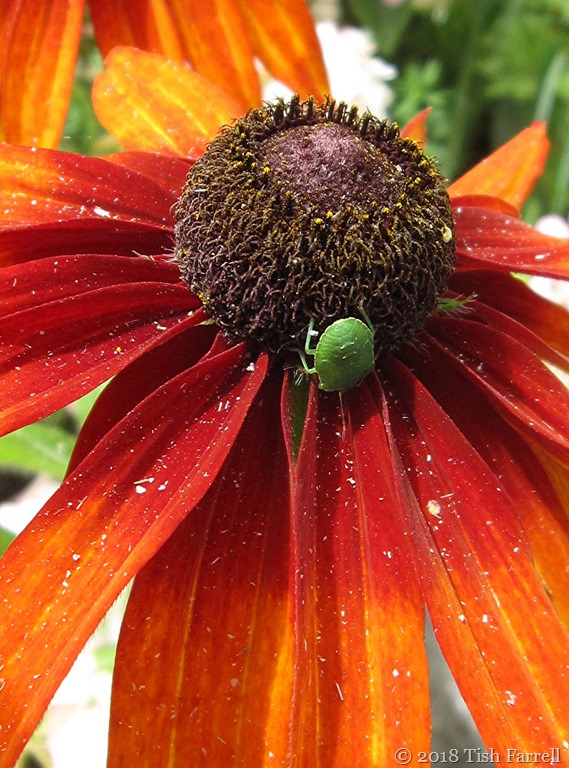
And now for some more striking flower-insect colour-scheming – a green shield bug on my dusty Russian rudbeckia, grown from seed last year – another floral (hopefully benign) displacement.

IMG_7243