Black & White Sunday: A Spot Of Dog Walking And A Dastardly Outbreak Of Clothes Moths

P1030733

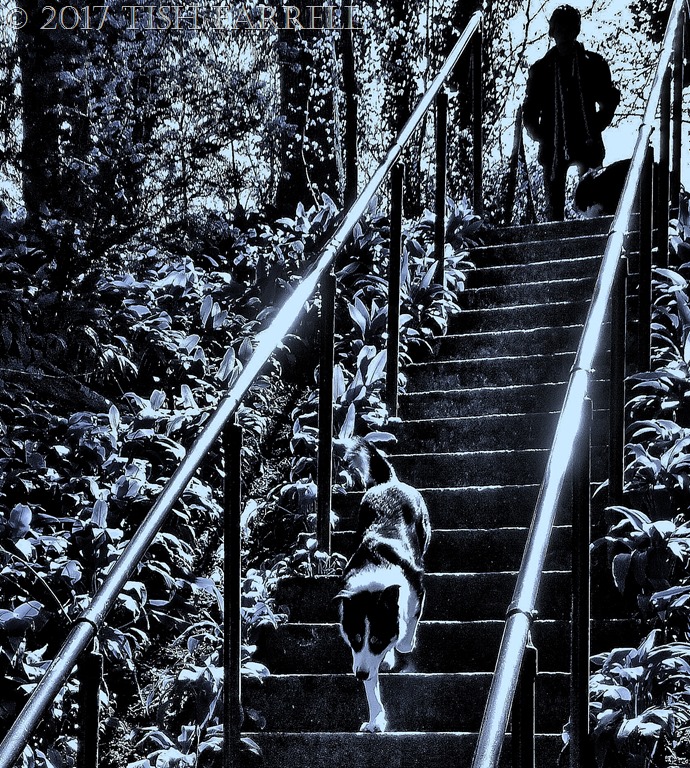
Here is a dog who knows just where he’s going, taking the steps down to the old railway line that runs besides the Linden Walk. I caught him by chance in a beam of sunlight. This rather makes him look as if I stuck him on later. I also like the way his master has become a silhouette at the top of the steps.  One my photo-accidents that turned out quite well.

While I’m here I’d like to wish you all a Happy 16th April in whatever capacity you are enjoying or celebrating it. As for me, I’m waging a campaign against moths – cleaning out my closet and putting all my fine wool items into the freezer for a fortnight. It’s just as well the stock of frozen allotment beans and raspberries is now dwindling and I have a spare drawer for assorted Indian shawls. And in case you think this very odd behaviour for an Easter Sunday, my other half tells me that this is the only way to ensure my woollies are moth egg-free without the application of noxious chemicals. Apparently there is quite an outbreak of clothes moths in the UK just now. I’m wondering if this isn’t due to all the buying of cashmere jumpers that people have been indulging in; it’s ideal moth food. Anyway, it does have its uses being married to an entomologist.

Black & White Sunday  Please visit Paula to see her mesmeric stairwell. If you follow her steps down and down, they could well take you to a parallel universe.

Some People Don’t Like Spanish Bluebells

IMG_4281

Naturally I would have to say that nothing compares with the hazy woodland swathes of British bluebells; their slender spires gently nodding; the subtle fragrance that not quite like any other scent.

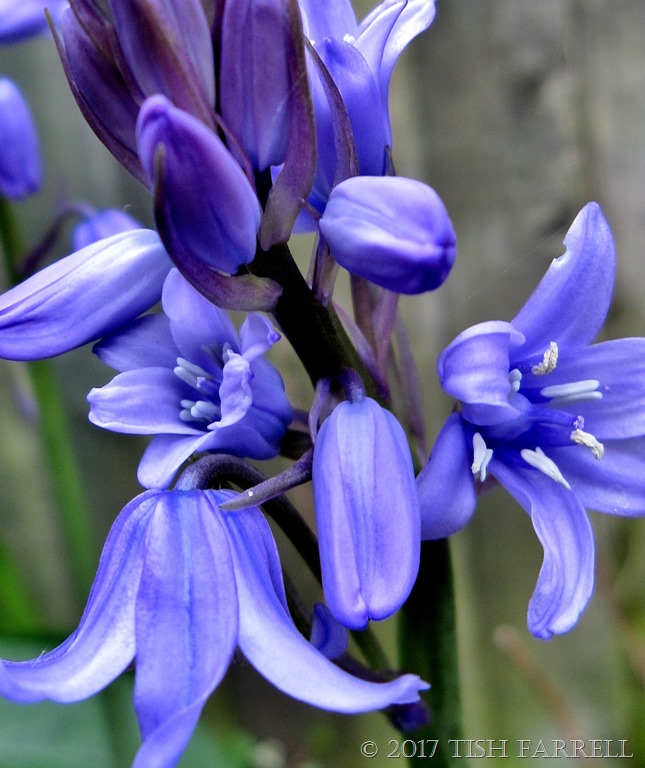
By contrast, the garden-escaping Spanish sort are much more upright and chunky, more like a skinny hyacinth. They have blue pollen too, or so the Woodland Trust site tells me. And it also says they are a big MENACE. People hate them in their gardens and so dig them up and dump them round the countryside, where they have relations with our native species, so changing them forever.

Without doubt, losing our native species would be a great a shame, but I still have time for the Spanish cousins that pop up around our garden. Admittedly I used to try to dig them up and compost them – until I learned that it was a pretty impossible task to excavate every part of them.

Now when they flower, I pick them. They make excellent house flowers, their bells opening wider and the blue fading over the days. They smell nice too. I’m thinking that cutting them off at the roots might also put a stop to fraternisation, and ultimately weaken the plant. In the meantime, I have the pleasure of them indoors.

Picking the native species is of course very much forbidden. But those of you who live in the UK will soon have the pleasure of spotting them in a wood near you. Reports have it that they will be flowering early this year.


Six Word Saturday Now pop over to Debbie’s for more SWS posts.

After The Rain It’s Party Time!

IMG_4256

You simply can’t beat tulips for exuberance. They are presently bursting from pots and beds in my back garden – the result of a couple of cheap packs of bulbs from  my local  market stall bought back in the autumn.

I like the tulips that most resemble the wild forms – lily like, low-ish growing, and with several flower heads per bulb. These are one of the praestans varieties – possibly Bloemenlust. I threw the pack label away before pressing enter on the memory save button. Anyway, they are beautiful, whoever they are. And I especially love the way they throw their petals wide to catch the sun.

P1070557

Six Word Saturday  Please visit Debbie at Travel With Intent. She is the new host of SWS with the new rule of Six Words Only In The  Title.


Marvellous Magnolias ~ And More From Bodnant Garden

IMG_4169

You could say that one of Britain’s loveliest gardens grew from a cosmetic nicety – the means to make white soap from brown. This new Victorian product was invented by one Henry Pochin (1824-1895), an industrial chemist who developed a process to clarify rosin, a brown resin that was used to make soap. He then sold the rights to white-soap-making to fund a new development: the production of alum cake from china clay, so creating a vital ingredient for the manufacture of good quality paper.

After that it was full steam ahead for Mr. Pochin, and literally too. He bought up china clay works in Cornwall and South Wales, and the Cornish Gothers works had its own tramway system on which ran a fleet of small steam locomotives, known at the time as Pochin’s Puffing Billies. And so he became a major industrialist, with further interests in iron, steel, and coal. He was also an all round pillar of the community, including serving for a time as a Liberal Member of Parliament. His wife, Agnes Pochin, was also politically active and a passionate suffragist.

P1070470

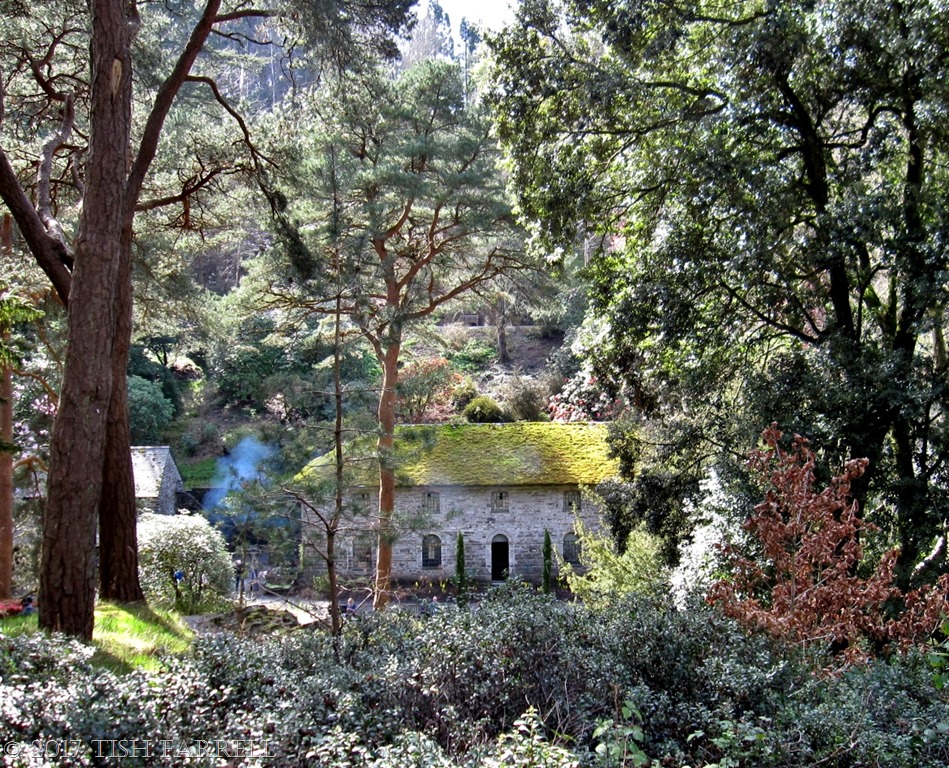
In 1874, Pochin bought the Bodnant Estate in the Conwy Valley, North Wales. The estate included Bodnant House,  25 farms and 80 acres of gardens, and for the next 20 years Pochin set about acquiring specimen trees from around the world.  He employed the notable landscape gardener Edward Milner, and together they re-landscaped the steep gorge below the house, planting American and Asian conifers along the banks of the River Hiraethlyn that runs through the gardens.

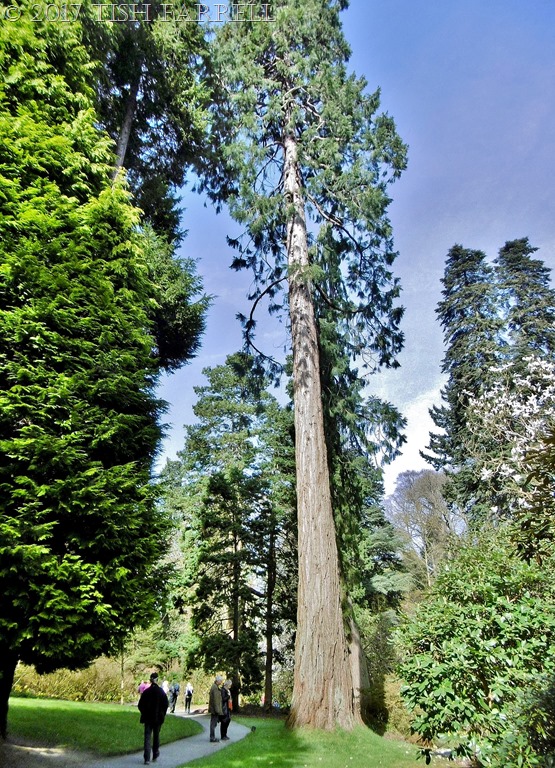
Some 140 years on, you can see the astonishing results – towering Douglas Firs, Giant Redwoods, Japanese Umbrella Pines. This part of the garden, known as The Dell, has over 40 champion trees, now on the UK list of notable and ancient trees.

As we wandered through the pinetum we wondered at the vision of these men – to plant trees whose full glory in that setting they would never live to see. It struck us too, that the world could well do with more of this forward, long-term planning, the creation of a living legacy for future generations.

P1070431

When Pochin died, his daughter Laura McClaren inherited Bodnant, and since that time the gardens have been developed by successive generations of the McClaren family, in particular Pochin’s grandson, Henry McClaren, who created the more formal gardens and the astonishing laburnum arch. (We were too soon to see it in bloom.) It was also he, who in 1949, gave the garden to the National Trust, although it is still managed on behalf of the Trust by a member of family. And it is still growing and expanding, with new areas being planted and opened to the public this year.

P1070478

This is the view from the house (still privately owned) – the Carneddau mountains of Snowdonia as a backdrop. What a setting. And what a garden. Here are a few more glimpses:

IMG_4182

IMG_4172

IMG_4204


Through Time And Space ~ Black & White Sunday

P1060543

This photo was taken at Penmon Priory on the island of Anglesey. It is a mysterious place, on the shore of the Menai Strait. The stone ruins date from the 12th century, built on the site of St. Seriol’s 6th century hermitage.

The window was in a building beside a dovecote, a much later structure, built by the local lord in 1600, long after the monastic period.

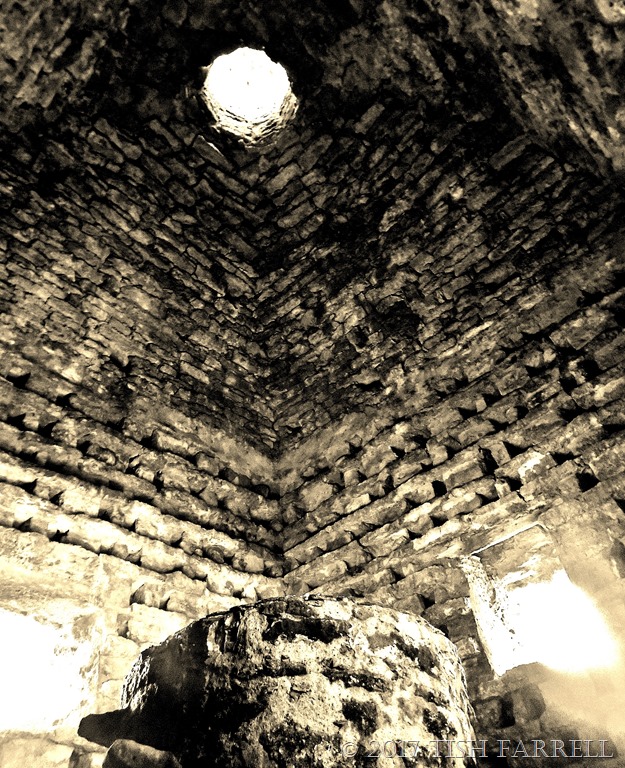
The dovecote’s interior was difficult to snap due to window slots in every quarter, but you get the idea. There are 1,000 nest boxes for pigeons, and both the birds and their eggs were harvested. Originally there would have been a long revolving ladder attached to the central plinth.

P1060541 - Copy

*

And since I know you are curious to see the outside too, here it is  seen through entanglements of Old Man’s Beard – the seed heads of wild clematis which adorn Britain’s winter hedgerows and byways:

017

Black & White Sunday: Through  This week Paula has an especially spectacular interpretation of this week’s challenge. Go see!

Serpent’s Eye View From Llandudno’s Great Orme And A Spot Of Lamb Retrieval

IMG_4230

It was Monday morning, and here we were cresting the head of a sea serpent – the mighty Welsh marine worm. At least that’s what how the invading Vikings saw Llandudno’s Great Orme, and named it accordingly.

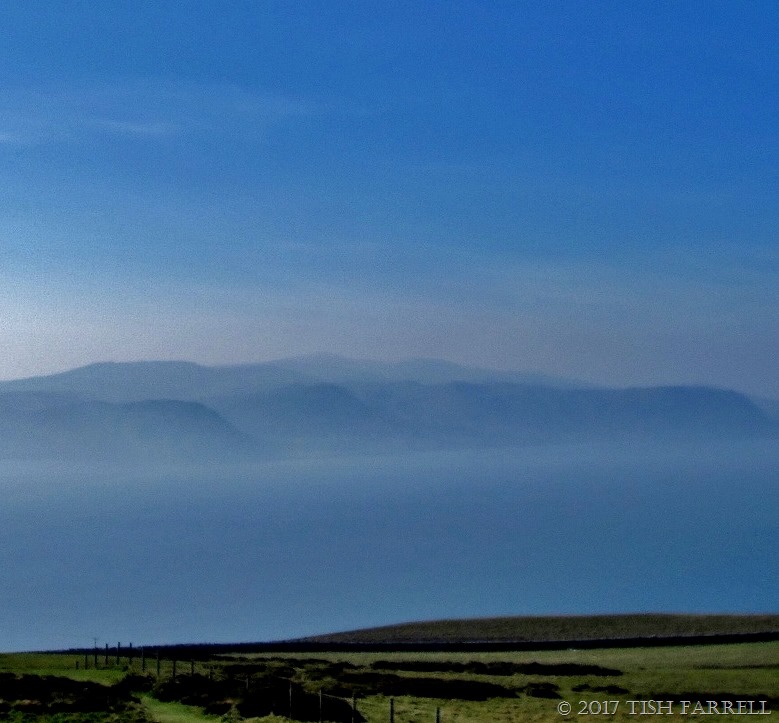
It is indeed an extraordinary craggy eminence that juts into the Celtic Sea, very much like a gigantic head. Amazingly, too, you can drive to the top, and see mountain mirages like this one. I’m looking south down the coast of North Wales, and this real-life illusion took little editing apart from cropping and reducing the brightness.

And now that I’m looking again at this still, blue scene, it is hard to believe it was blowing a gale as I took this photo.

Next are a couple of windscreen shots as we ascend and descend – rather more mythic edits this time and in keeping with this amazing slice of 300 million year old geology:

P1070513

P1070519

*

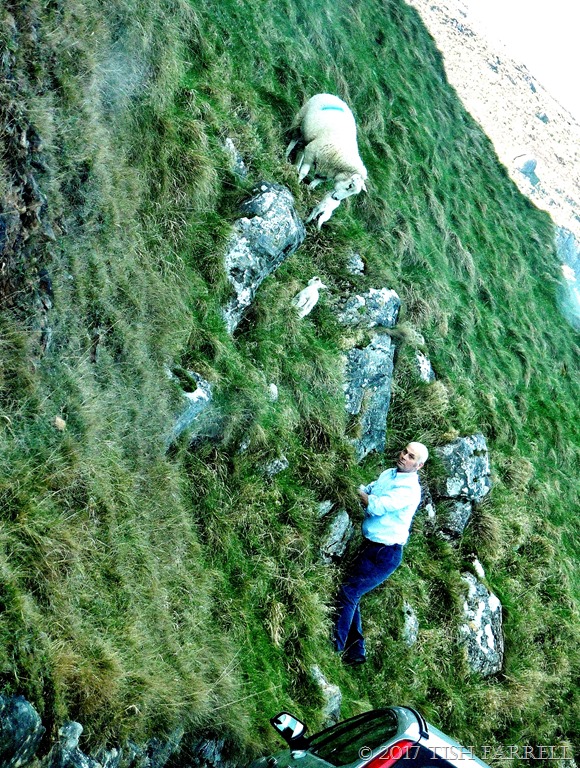
And now we come to Operation  Lamb Rescue –  a kind man restoring very little twins to their mother. They had slipped down the bank towards the road, and couldn’t climb back up. So this was more nightmare than illusion – but with a happy ending:

P1070533

*

Finally, a distant view of the sea serpent, taken from Anglesey on a still, but warm day in late December, when yet again Wales was in dreamy illusion mode. Perhaps we imagined it – the Great Orme, the mighty worm, snaking its way across the Menai Strait:

P1060459


In this week’s Thursday’s Special, Paula asks us for illusions however we wish to present them.

A Dreaming Of Daffodils ~ A New Collective Noun?

IMG_4177

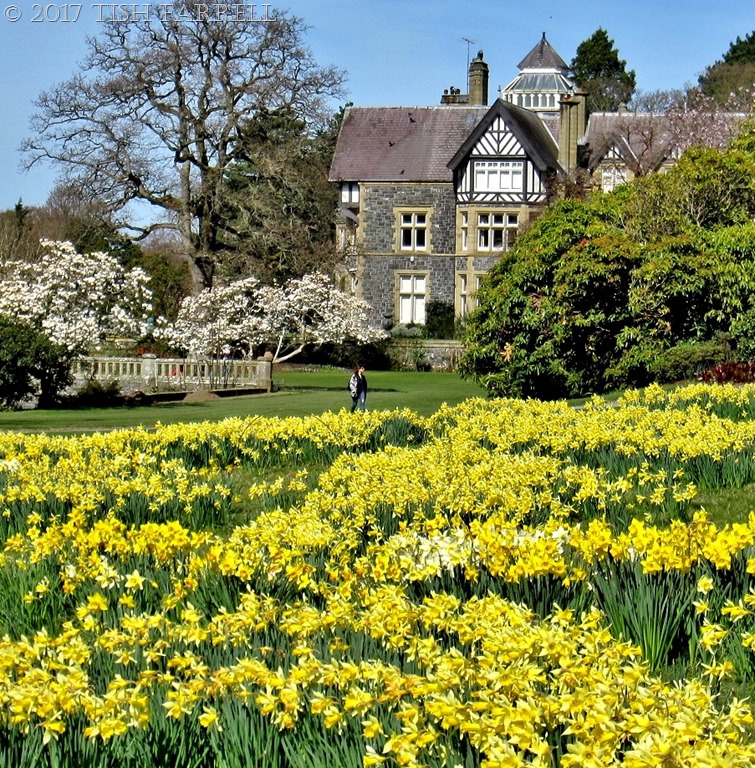
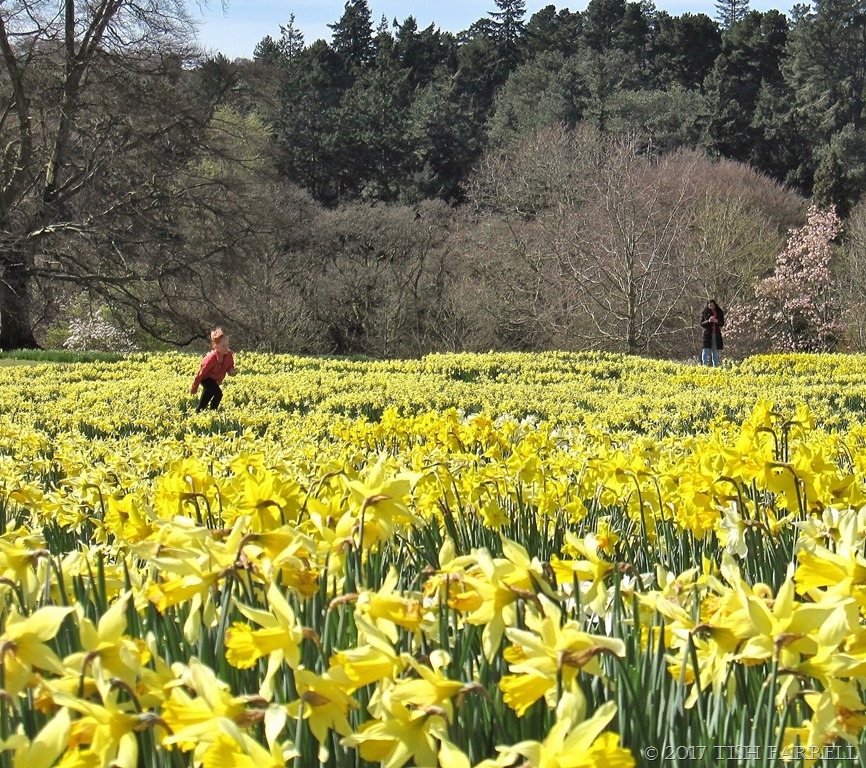
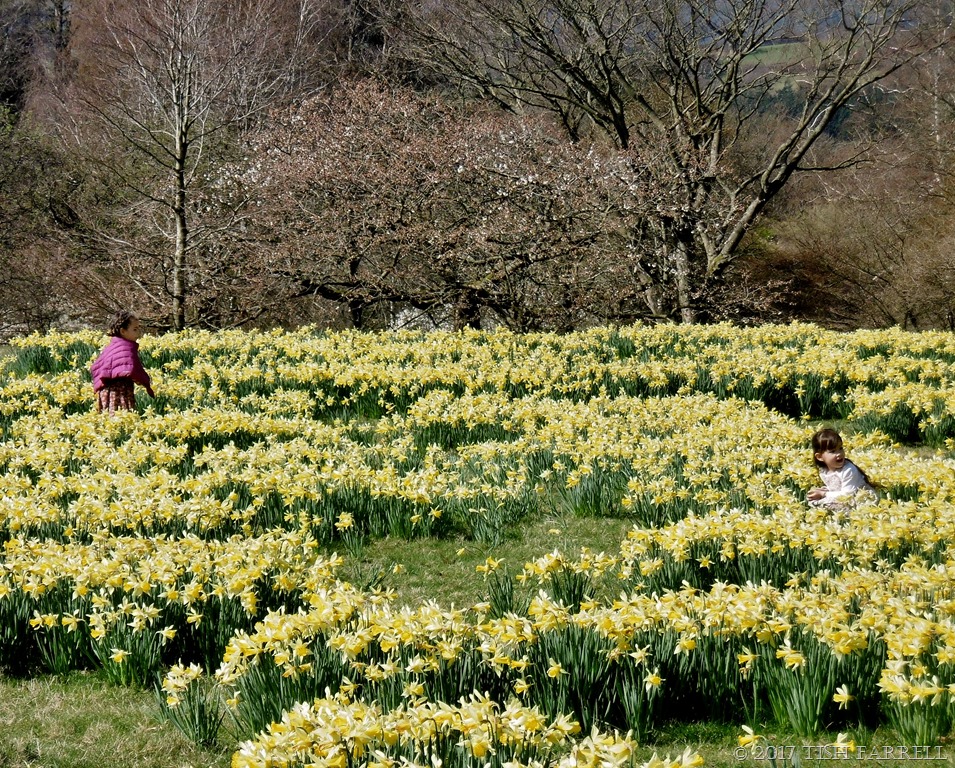
I promised more views of Bodnant Gardens, and here is one that took our breath away. So many daffodils. They sparked instant euphoria, impelling us to rush as one towards them. Who had thought to create this daffodil extravaganza? Was it real?

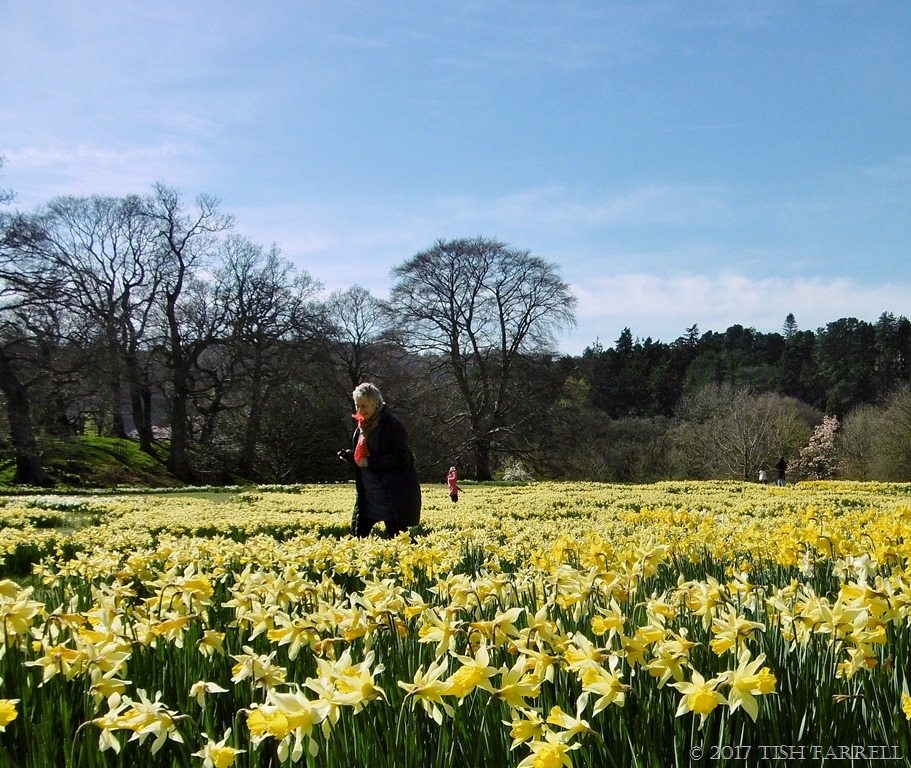
As we drew closer we saw that the lovely plants people had provided random pathways between the bulb crowds so allowing for natural childhood exuberance, and the desire of small persons to race hither and thither amongst them. Their excitement was electric. I almost joined in. Instead I took a photo of my sister, Jo.

P1070405

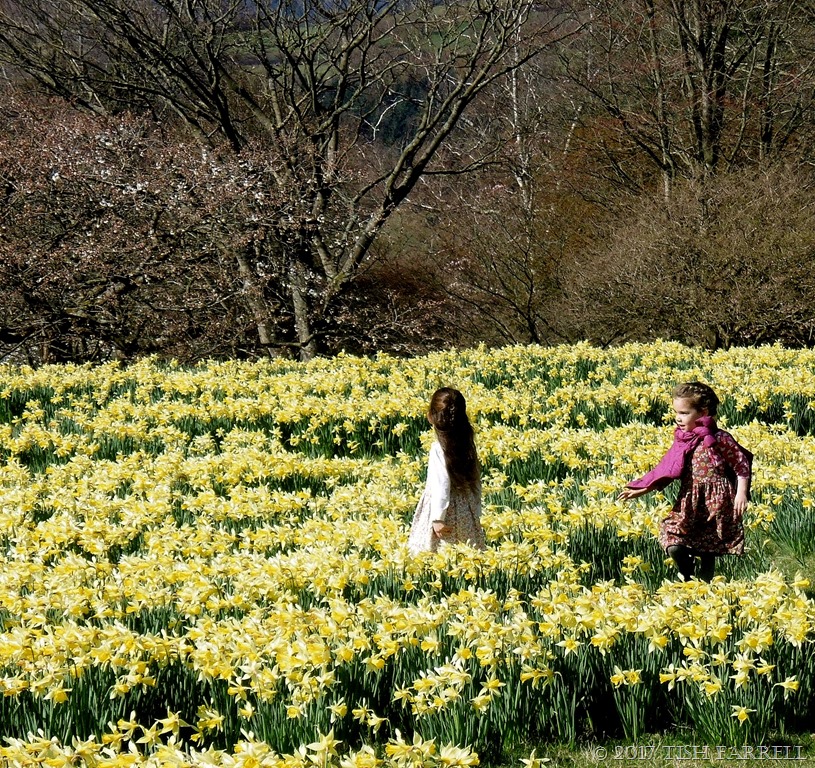
And then two much smaller sisters came running in:

P1070411

P1070412

Who needs Wordsworth?

*

Daily Post Photo Challenge: DENSE

So Easy To Be Green After The Rains In Kenya’s Great Rift

IMG_0003_NEW

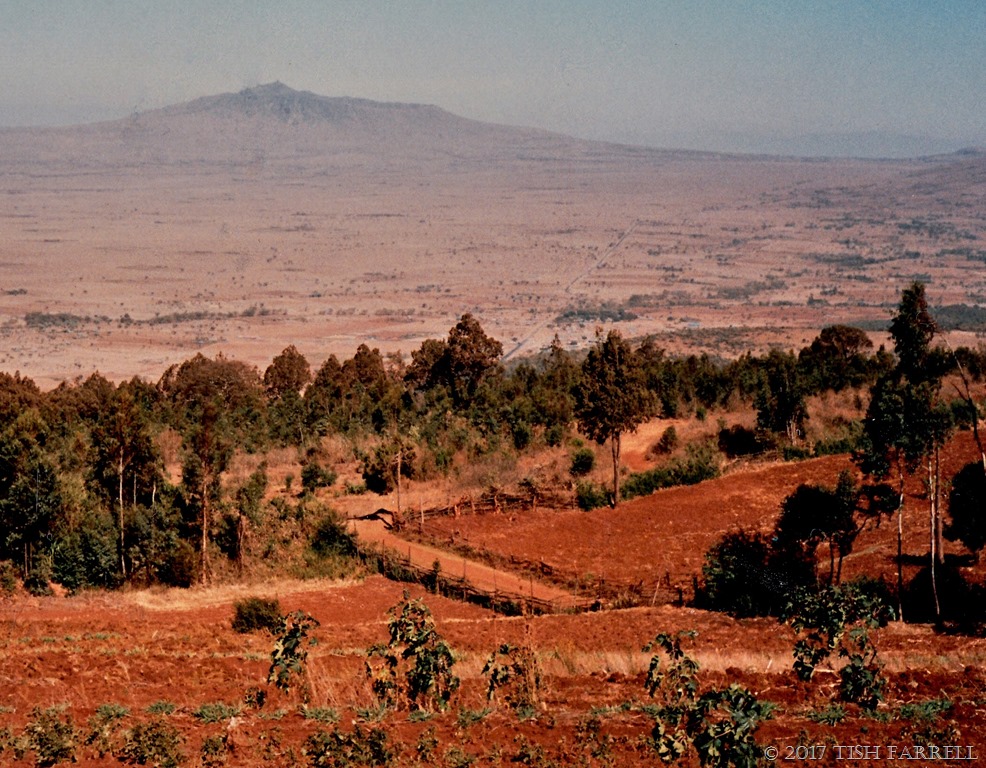
It is hard for many of us to imagine living in lands that have rain only in given seasons with little or none in between. In Kenya, in theory at least, the long rains come during March and April, and the short rains between October and December. All depends on the movement of the Indian Ocean monsoon winds, and long before awareness of serious climate change,  Africa’s rainy seasons were known to be fickle.

So: the arrival of timely rains to plant or ripen crops is matter of survival  for most rural households. Only 15% of the country’s land is fertile enough and receives sufficient rain to support agriculture, and most of this is cultivated by smallholder farmers, women for the most part, while their husbands go to the towns to earn cash to buy stuff – medicine, fertilisers, stone to build a house etc.

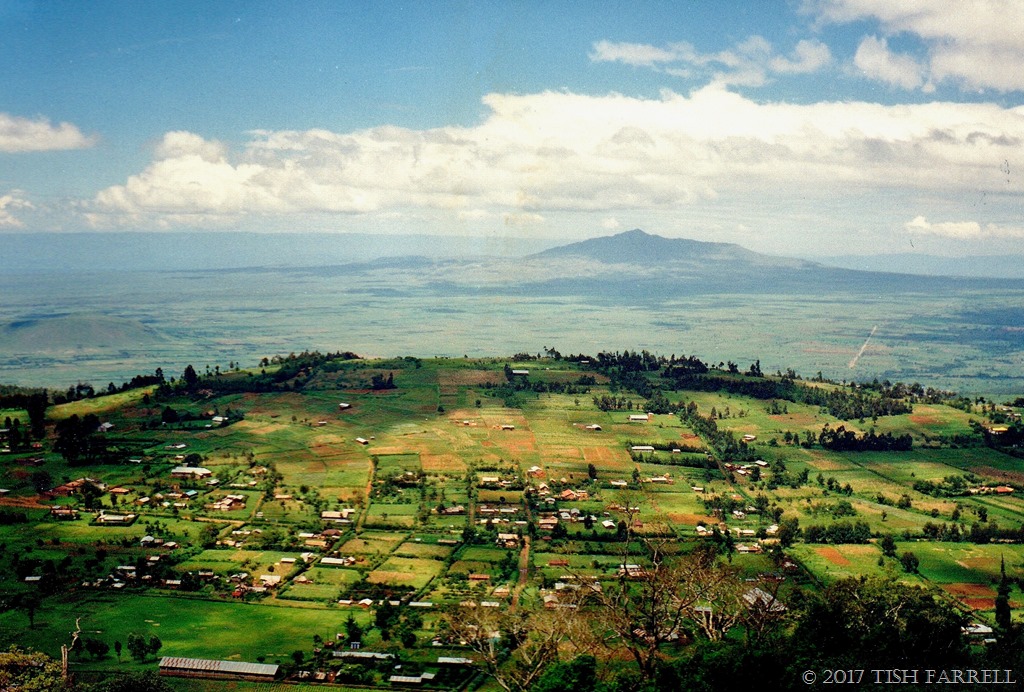
The second photo was taken just north of Nairobi, from one of the Great Rift view-points looking over the smallholder farming community of Escarpment. The farms here were originally a series of single 12 acre lots, distributed by the British administration around 1951. I’m not sure what prompted this land hand-out to Africans, or how  the beneficiaries were chosen, or if they had to buy the land, although that seems unlikely as Africans were not allowed to own land as individuals. By then the native reserves, the only places where indigenous people could farm, were more than overcrowded. Land shortage, especially within the Kikuyu reserves, meant that the marriageable generation could not marry for lack of farm plots, and this was one of the main drivers of the Land Freedom Uprising of 1952 – aka Mau Mau.

When we visited Escarpment during  Graham’s Napier Grass smut survey, Njonjo, our driver-guide played host, since this was where he had his own farmstead. He told us that his family’s 12 acre plot had been so subdivided (from father to sons according to custom) that he only had a quarter of an acre. He proudly showed it to us anyway, with his good crop of maize, and said it adjoined his brother’s plot.

Of course there comes a point when further subdivision is pointless, and there is not enough ground to support even the smallest family. Nearer the city such communities have turned ancestral farm land into room rental land, and erstwhile family gardens are now part of the city perimeter slum sprawl. It’s how it goes. As I’ve said in an earlier post, the British left their constructs of Crown land, landed gentry land ownership and native reserves well embedded when they so ‘graciously’ handed Kenya back to Kenyans, and made them pay for it too, thus creating a great big debt that was only paid off in recent times.

British feudal notions about land ownership never did fit with the more communally minded African ideas about land usage and proprietorship, although they certainly came to suit the current ruling elite, a family that has hung on to power (one way another) since the British bestowed it upon them in 1963.  Let us hope we manage the exit from Europe with more wisdom. Much as we Brits like to think we went around civilising the world, we also left a lot of skeletons in cupboards when we beat our retreat.

copyright 2017 Tish Farrell

Daily Post Photo Challenge: It is easy being green


Look At Me!

IMG_4165

We’ve just spent four perfectly sunny days in Bodnant, in the Conwy Valley, North Wales. And anyone who knows Wales, and its propensity for precipitation, will know we were truly blessed. In March too. We even had breakfast outside. Ye gods!

We were staying in a cottage on the Bodnant Estate, which meant an essential visit to the wonderful Bodnant Gardens, owned and managed with much grace by the National Trust.

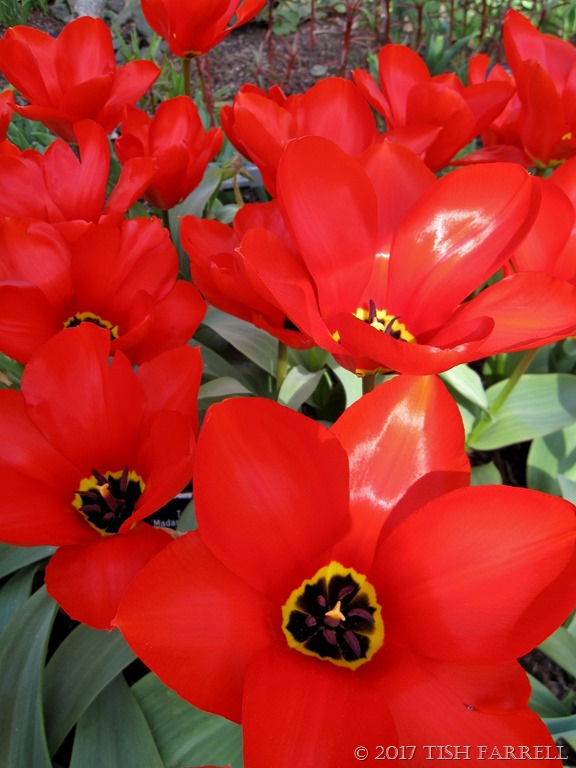
These tulips were the first things we saw as we stepped into the formal gardens. What show-offs.

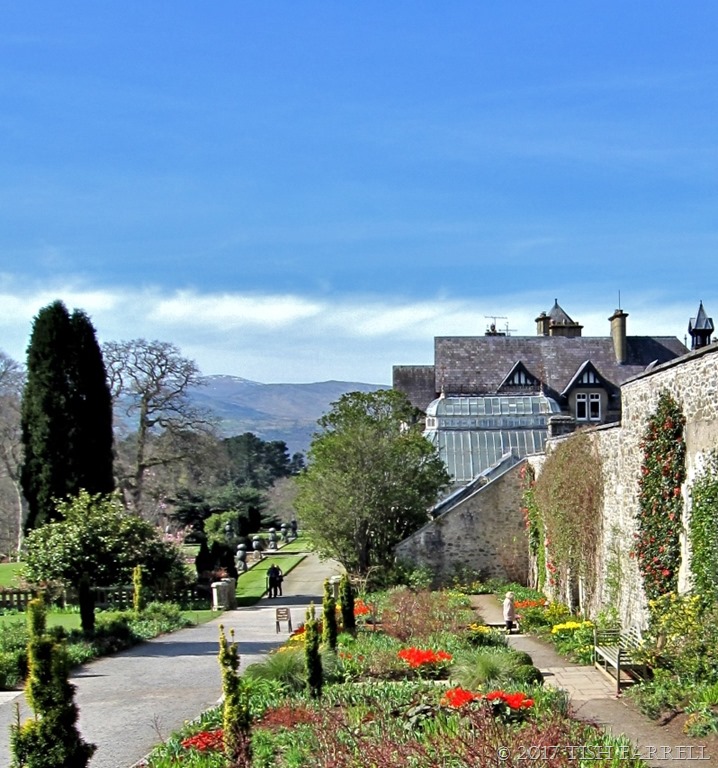
There will be more Bodnant photos over the next few days. Here’s a taster, with a view of the Welsh mountains. There was a scattering of snow on the highest peaks, despite the sunshine.

IMG_4157

Cee’s Flower of the Day  Please pop over to Cee’s for more tulip jubilation.

Thursdays Special ~ Winding Our Way Round Kingsand and Cawsand With Some Pirate Tales Thrown In

100_8607

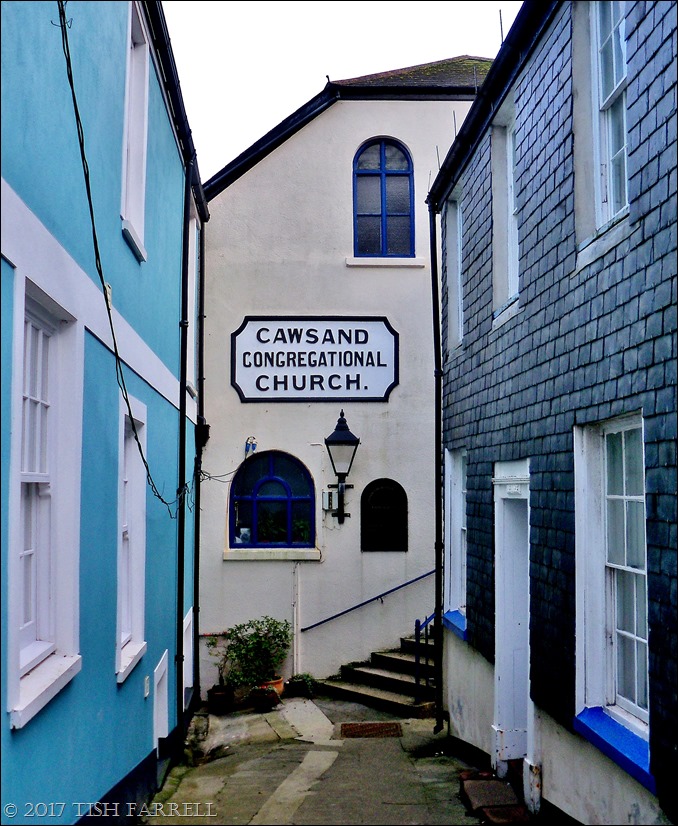
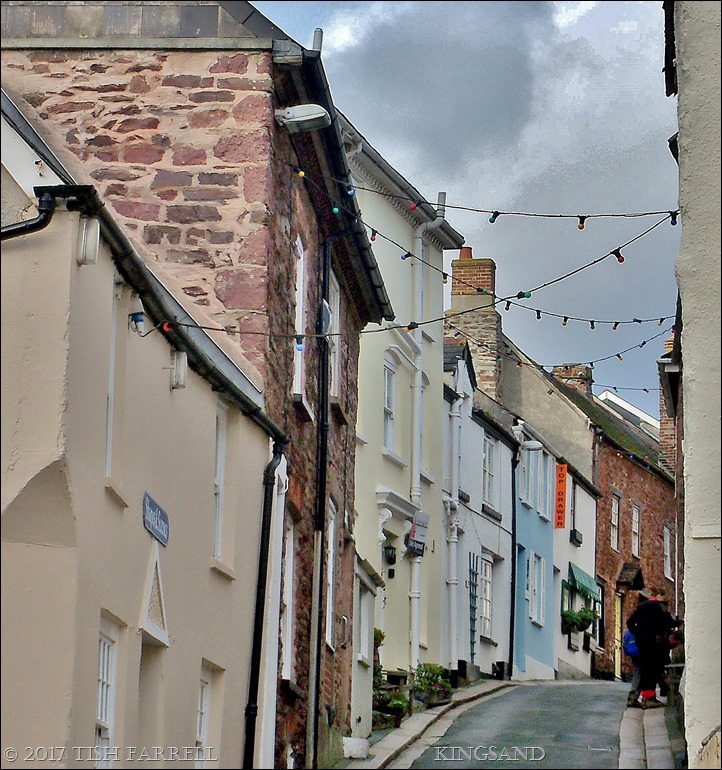
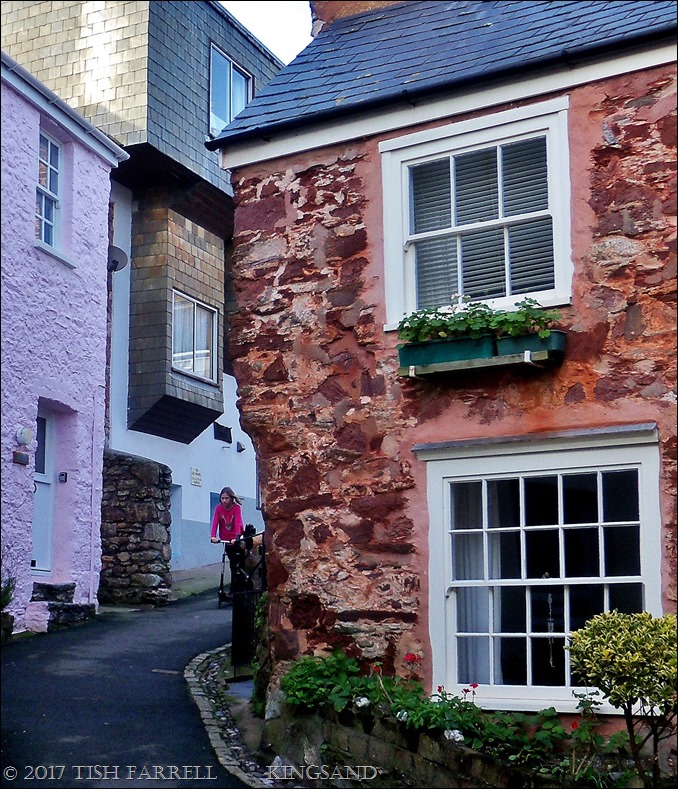
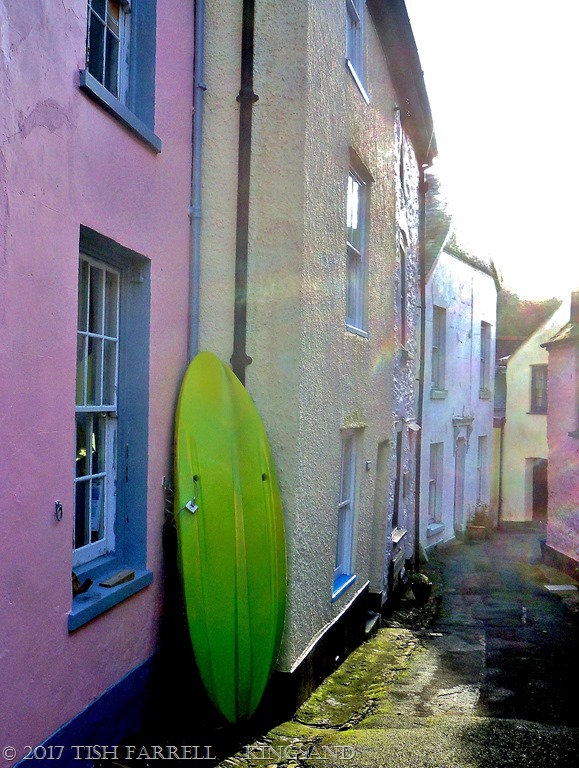
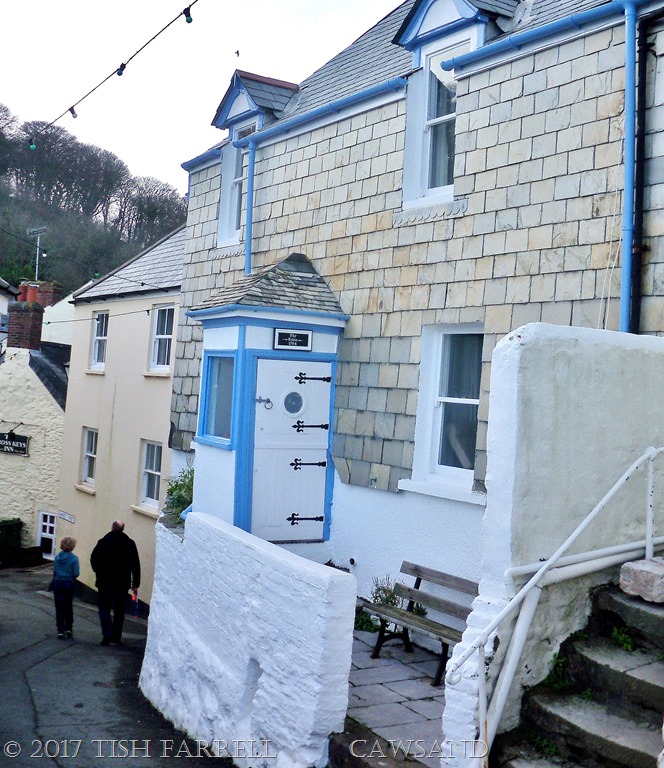
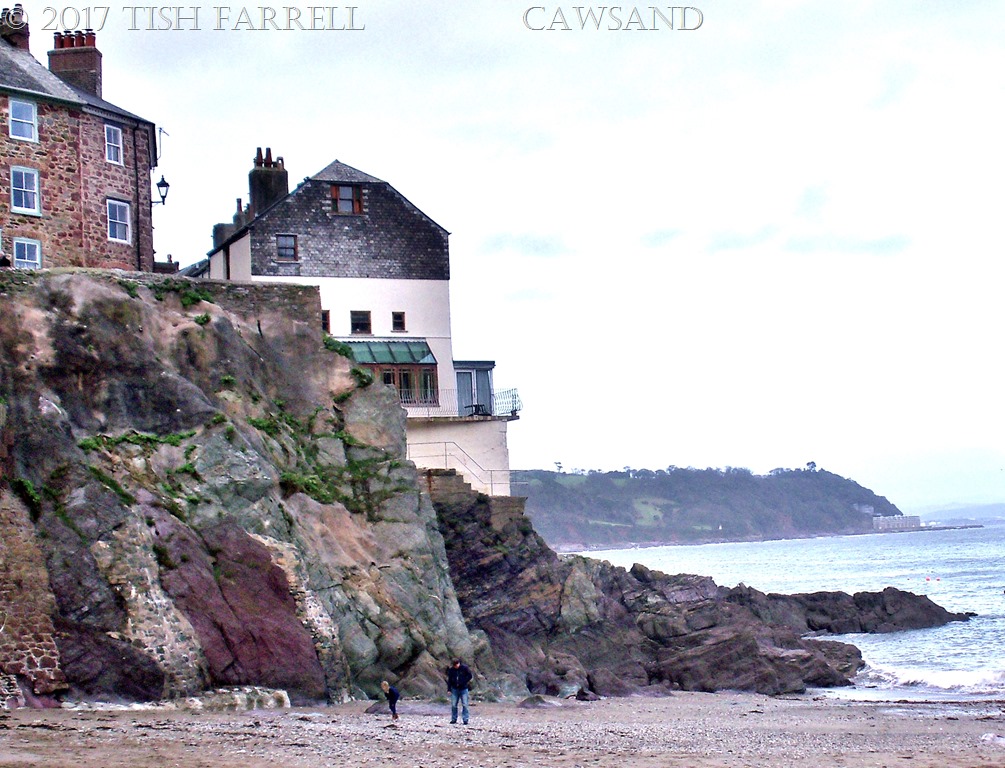
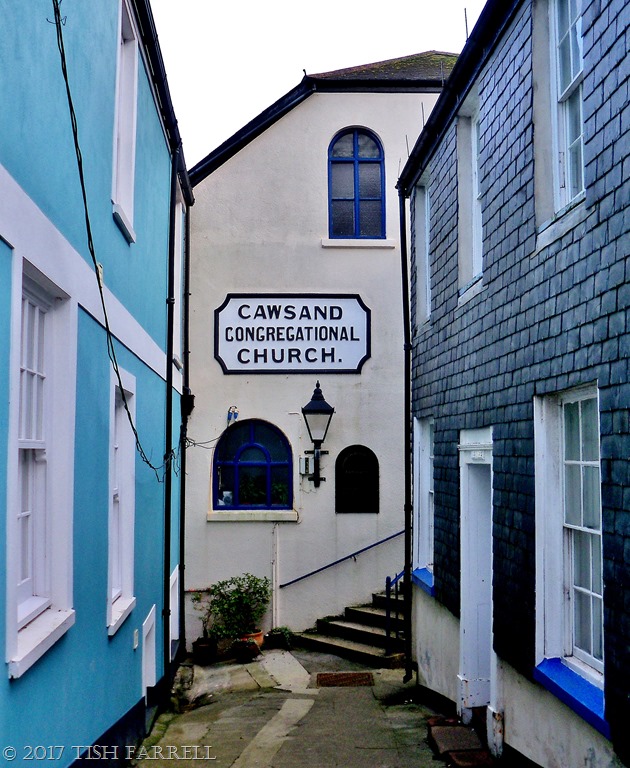
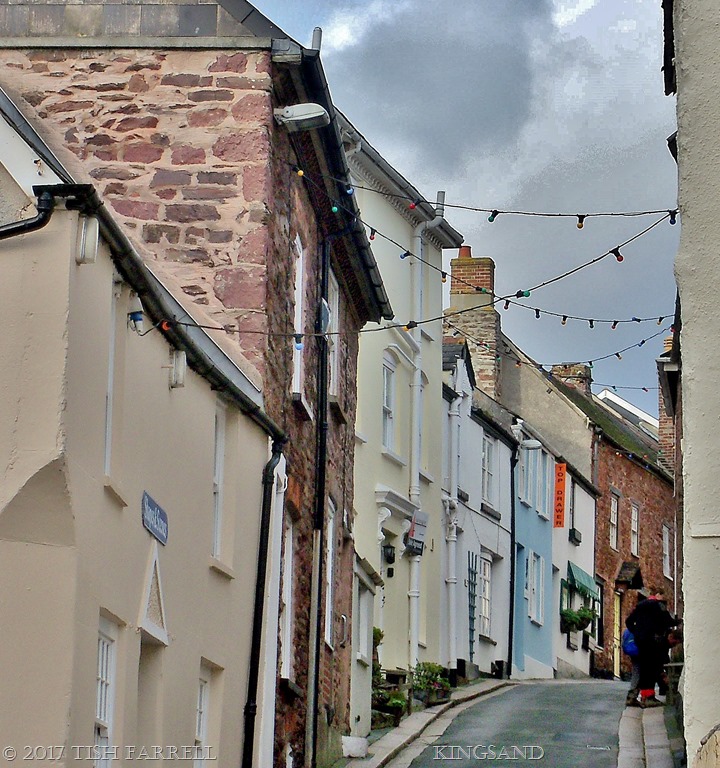
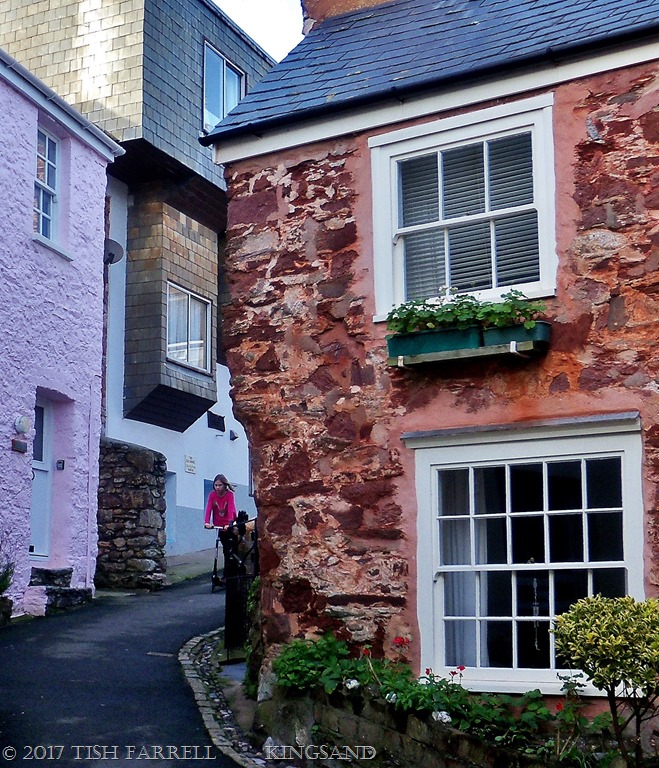
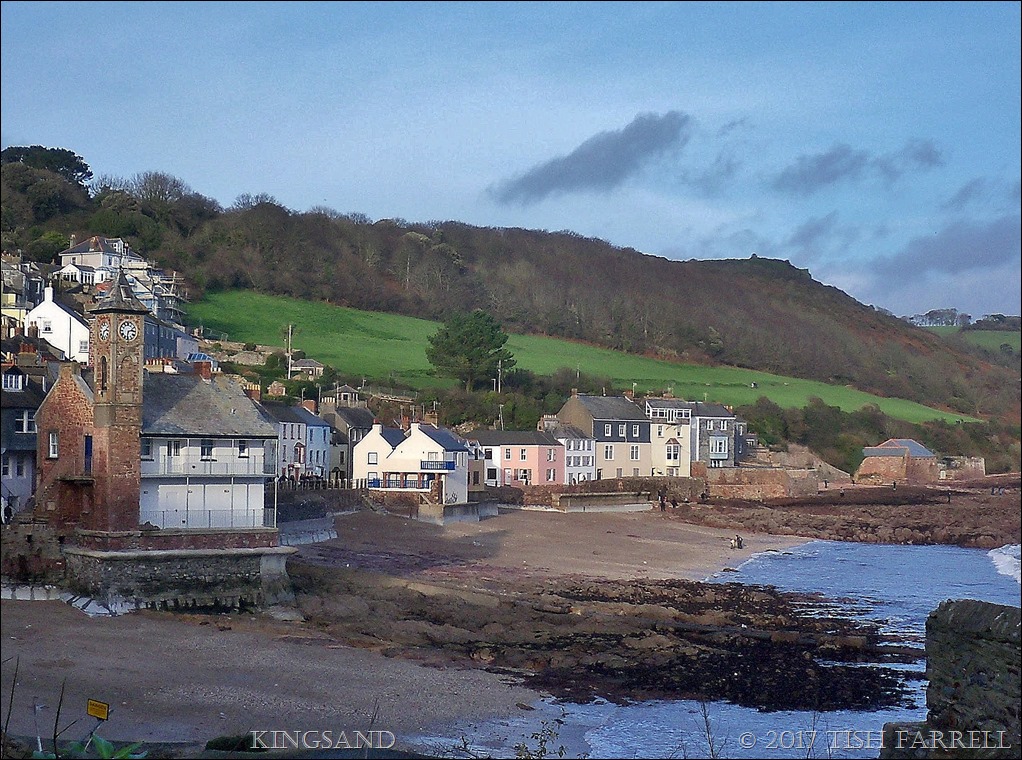
The meandering streets of Kingsand and Cawsand were all but deserted when we went wandering there one winter’s afternoon. The twinned  villages fringe adjoining bays, clinging to the hillside above the Tamar Estuary in south east Cornwall. The river marks the county boundary – Devon, and the port city of Plymouth to the north, Cornwall to the south.

The communities of these rugged shores run together so it’s hard to know when you have left one and entered the other. They have always looked to the sea for a living, although these days this is more about providing seaside holidays for outsiders. The place had a determinedly deserted air during our December visit. Many of the houses are now second homes; unoccupied out of season.

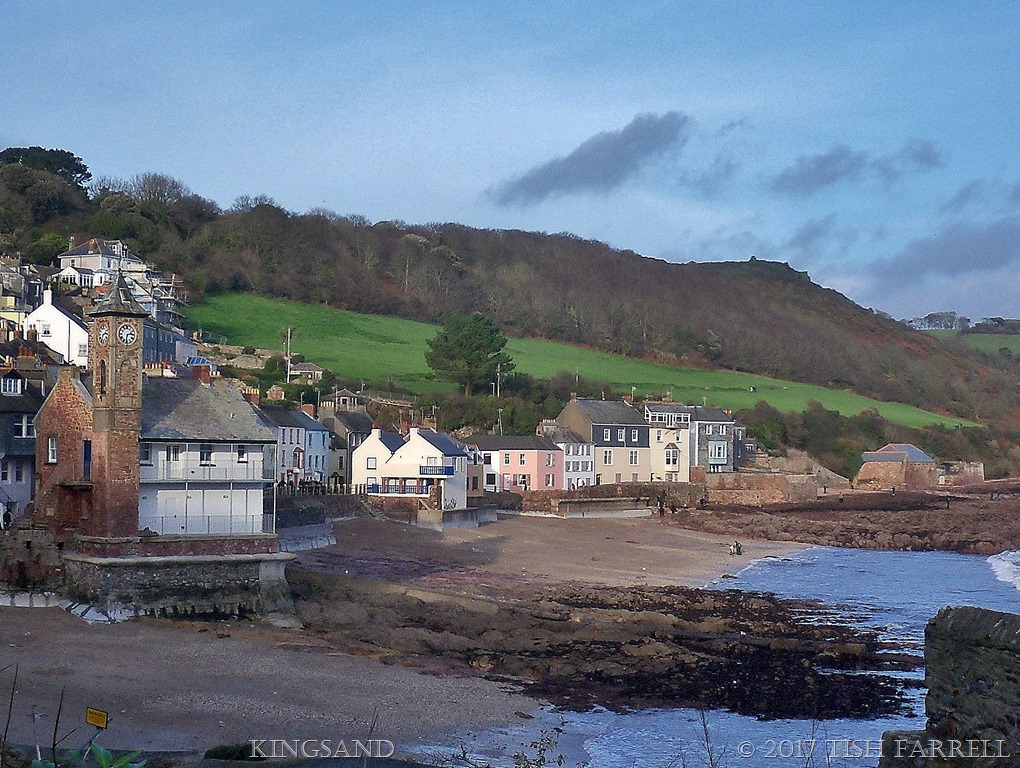
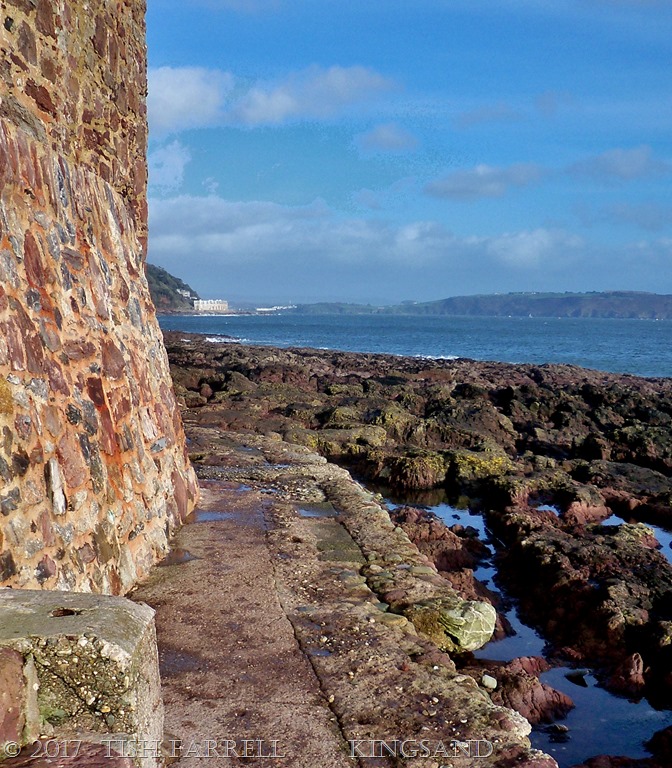
Once, though, it would have been a teeming place – a thriving fishing community from the medieval period, and the centre of the pilchard trade from the early 16th century. You can still see the remains of the fish cellars, or ‘pilchard palaces’ that were built along the shore north of Kingsand. These were for the storage and processing of fish, and there’s a surviving example, the red sandstone building, on the far right of the next photo.
100_8625

Smuggling was the other big business – its heyday running through the 1700s and into the 1800s. The place was a smuggler’s haven in fact – with some fifty vessels dedicated to the nefarious trade in contraband liquor.

And then there were the pirates. In 1604 one especially notorious rogue, a Kent man called John Ward,  upped the stakes of his earlier career as a privateer, and decided to join forces with the Barbary pirates of North Africa. He stole a French merchant ship off the Scilly Isles and headed for Cawsand, even then a well known centre for Cornish smuggling.  Mooring in the bay there, Ward went ashore and set about recruiting local smugglers to join his enterprise as a Barbary pirate.

The Barbary corsairs were slavers, mostly North Africans from Algiers, Tripoli and Tunis, but there were Dutch and Englishmen operating with them too. They terrorised Britain’s south west shores for 300 years, snatching people from their homes. By 1626 there around 60 Barbary men-of-war preying on communities of the Devon and Cornish coasts, and attacks were almost a daily event. A parliamentary committee of 1645 established that there were at least 3,000 English men, women and children held captive in Algiers. It was only in 1816 that combined British and Dutch forces ended their power, at which time four thousand Christian slaves were said to have been liberated.

As for Ward, he and his happy band of recruits wormed their way in with governor of Tunis, he who had made that city rich by providing a haven for pirates and taking a cut of their loot in goods and captives. Ward captured many ships, and directed his own pirate fleet. Then built himself a palace with his ill gotten gains and lived a life of drinking, gaming and swearing, to name the least of the vices he apparently indulged in. One wonders what happened to his Cawsand recruits. Did they ever go home? Ward himself gave up piracy, got married and took to raising chickens. He died of plague in Tunis 1622.

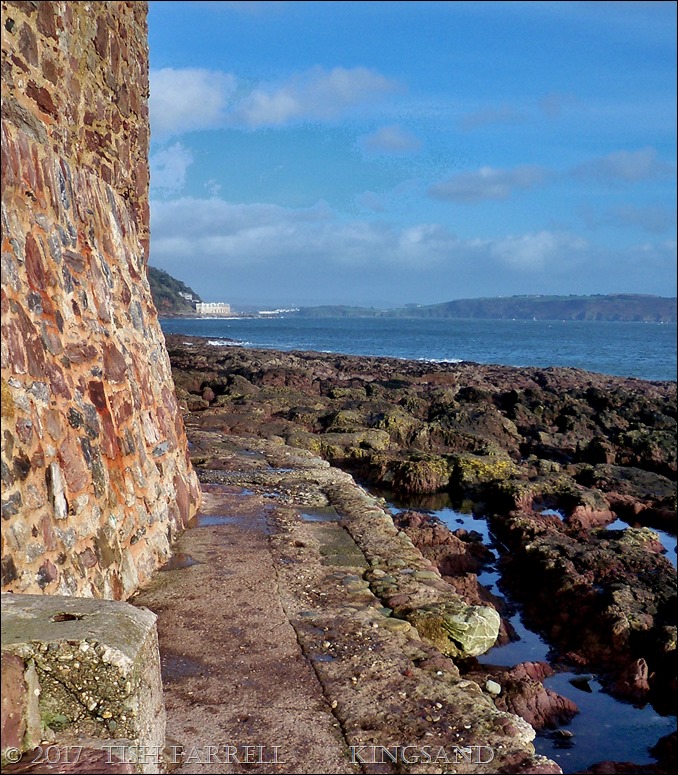
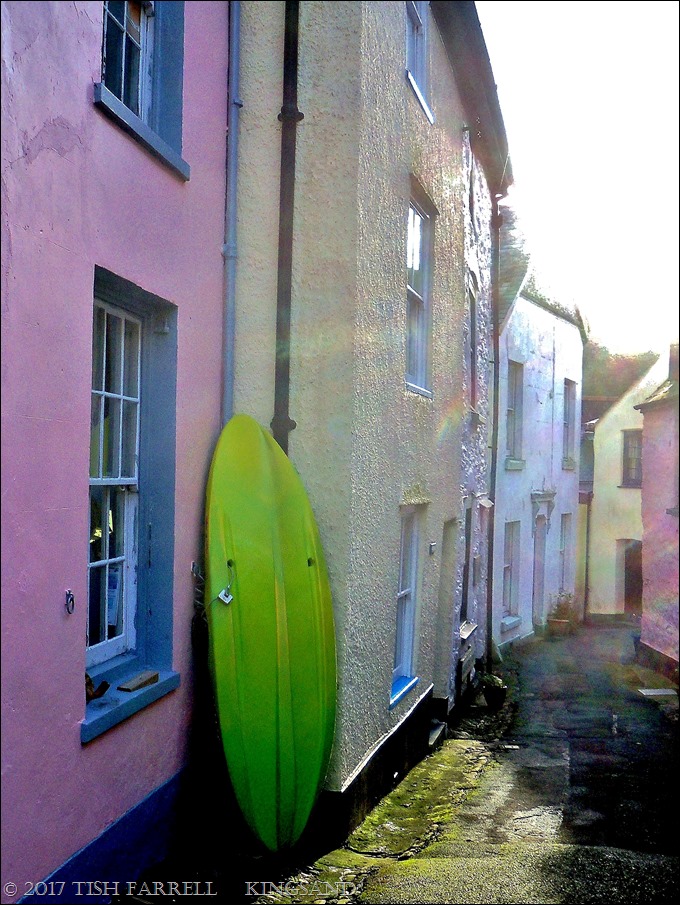
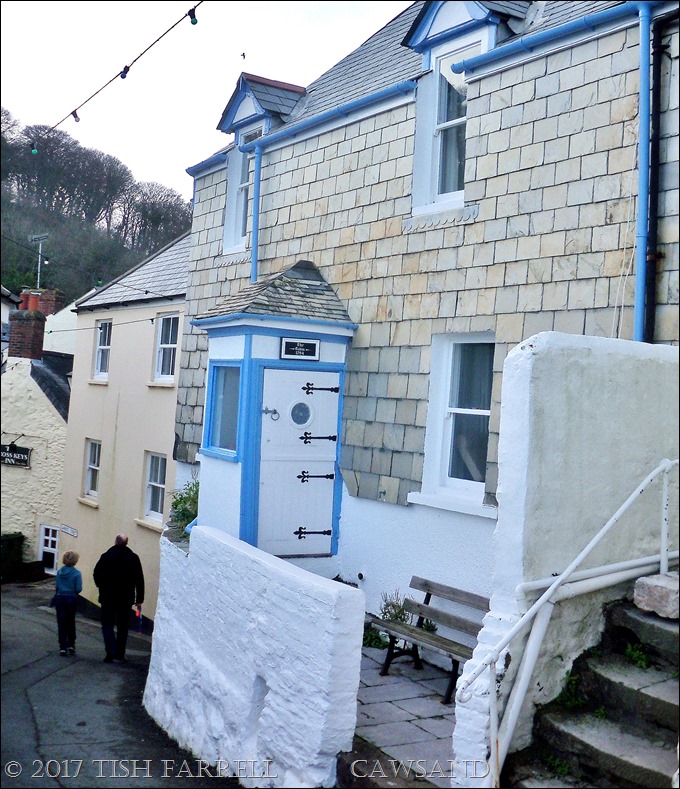
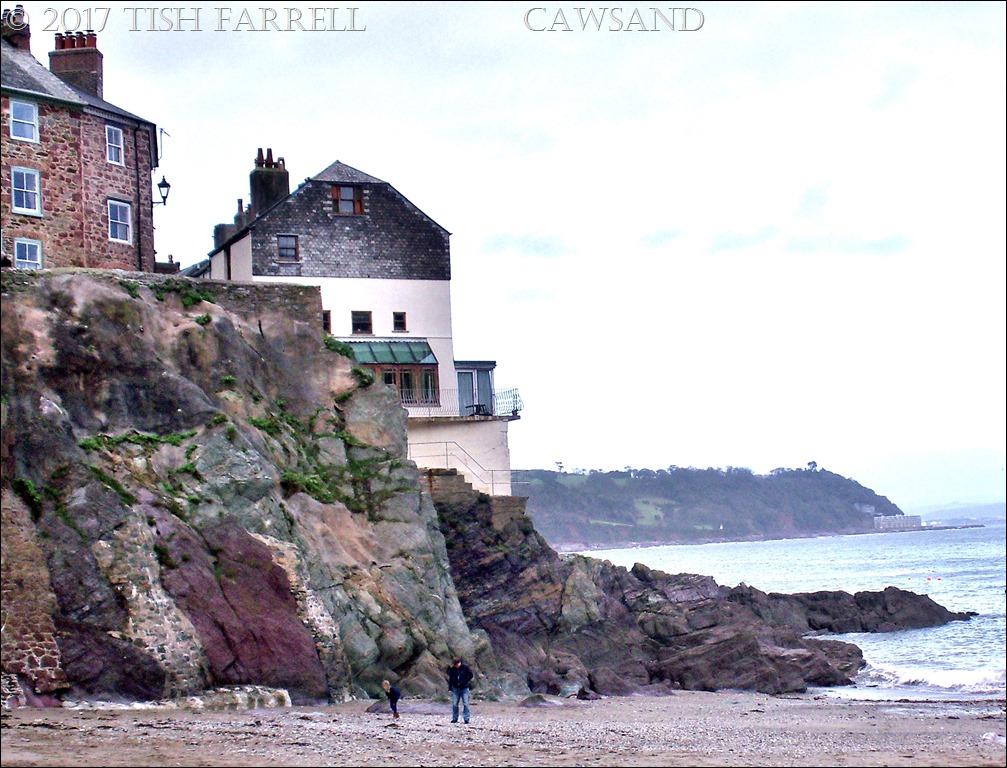
And now, after that little diversion, some more turny-twisty byways and shorelines from Kingsand and Cawsand, accompanied always by the sea’s ebb and flow on the nearby rocks, and the cries of gulls:
100_8643

100_8653

100_8658100_8535

100_8540

100_8565

100_8612

Thursday’s Special: winding.  Please visit Paula to see her astonishing interpretation of this week’s theme.