
The full-on-sun, no-rain weather continues, leaving the back garden borders with derelict looks. Some herbaceous plants have simply had enough. And now that the rambling cranesbills, Anne Thomson and Red Admiral have petered out, there’s a striking loss of colour.
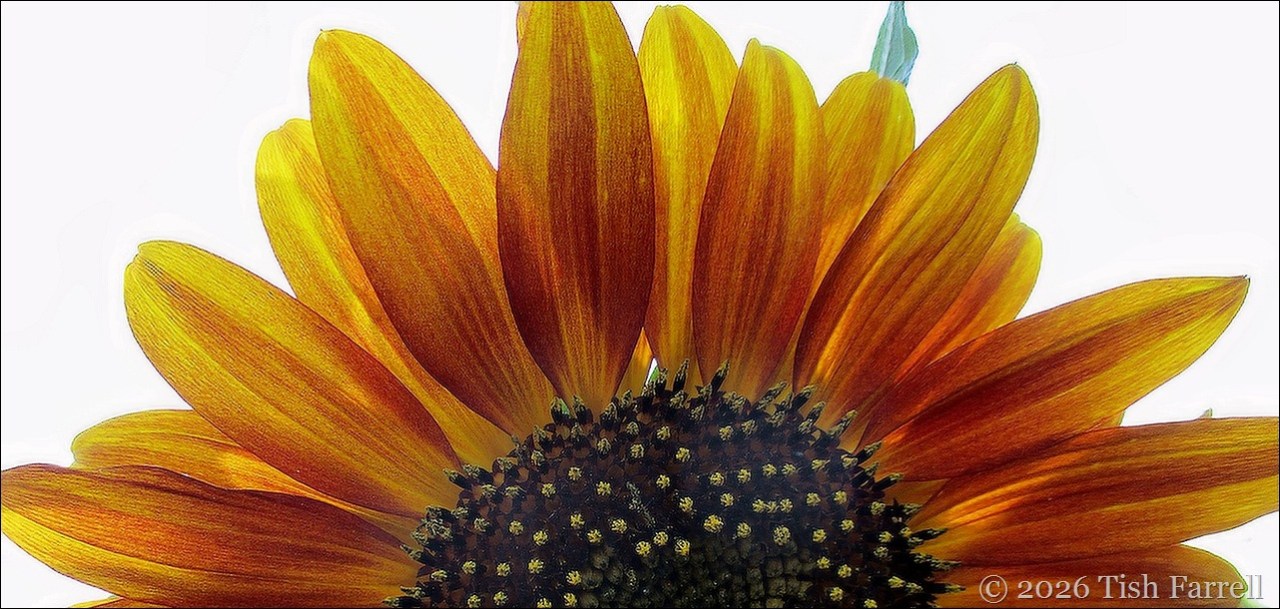
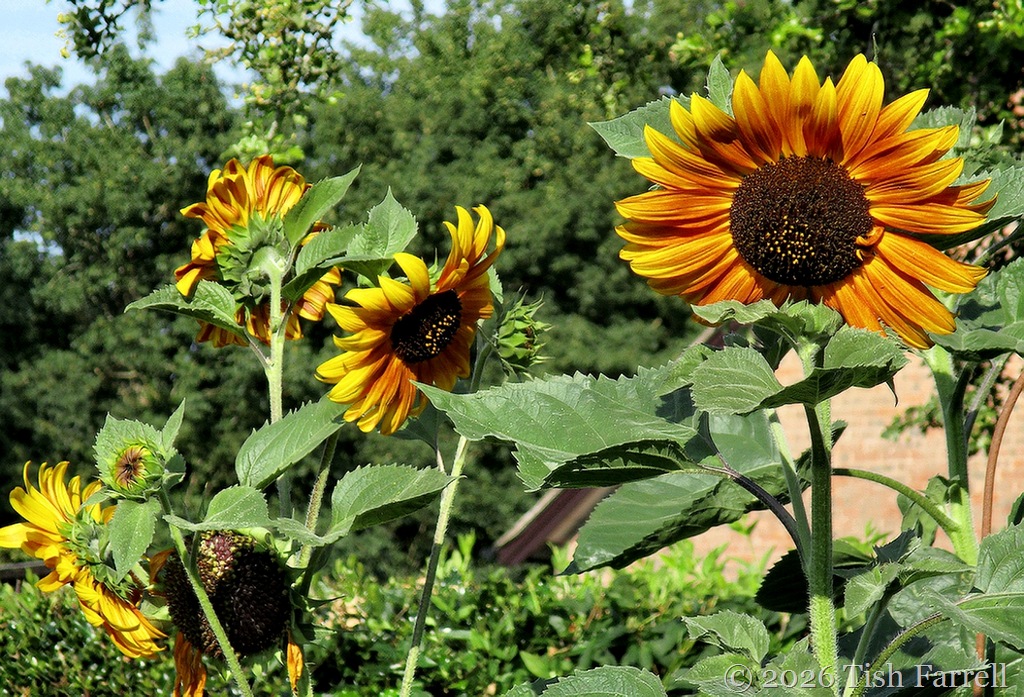
But not everything is fading. This is the season of SUNFLOWERS, both annual and perennial. And given the sudden floral gaps, I’m happy to see this self-sown and grown colony that’s circling the sweet pea obelisk. The sweet peas, anyway, are almost over – more beheading done than picking.
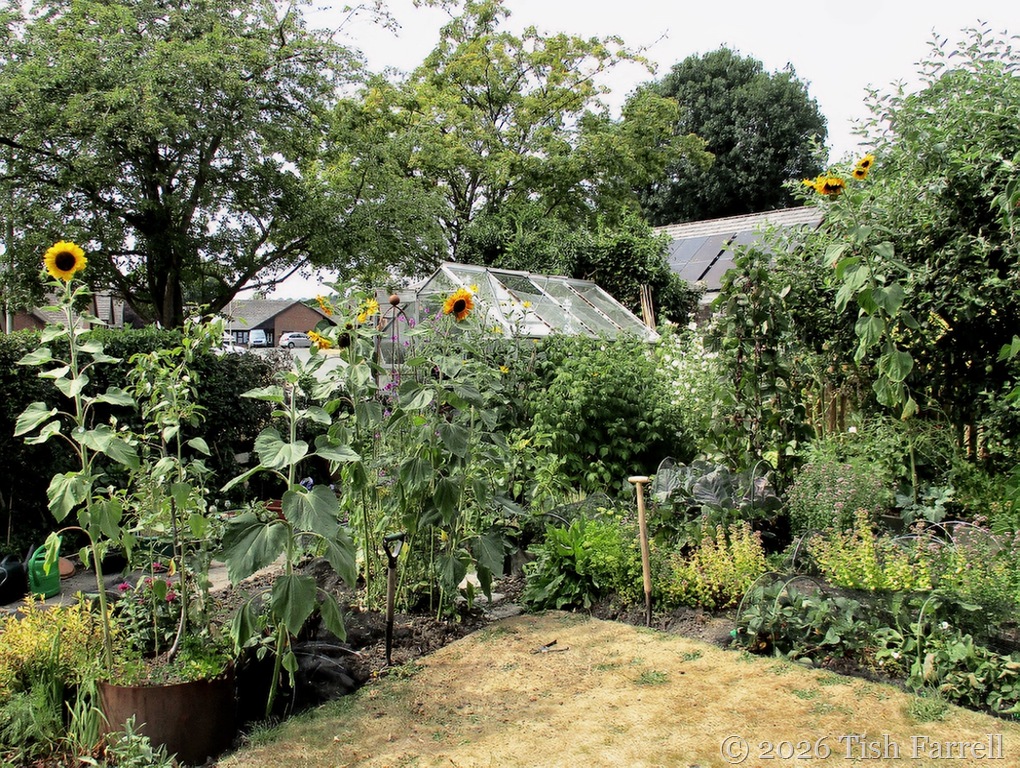
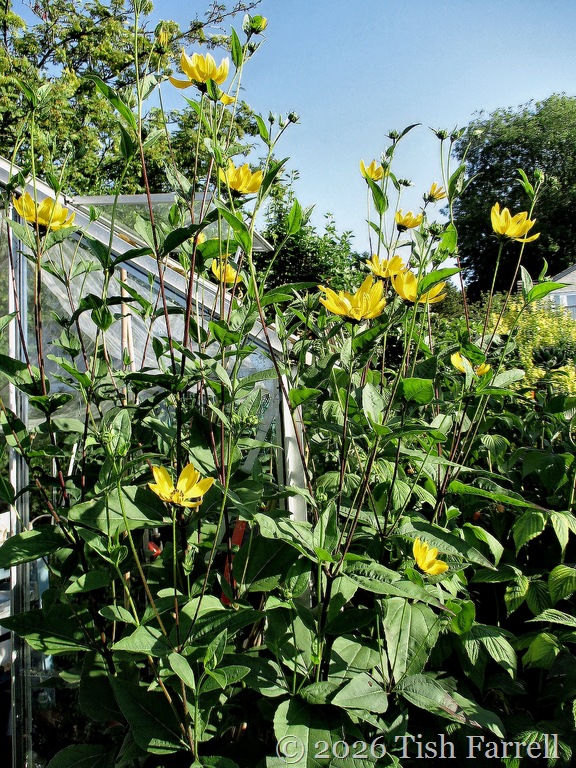
The perennial helianthus have also started to flower. I have them all over the place, although they can have thuggish tendencies. There’s a pleasing clump by the greenhouse, and more around the edges of the garden where nothing else seems quite so keen to grow. I think the original rootstock came via my sister from our Aunt Miriam’s slightly mad Devon garden; family feelings are involved here. With any luck, they should keep going till summer’s end.
*
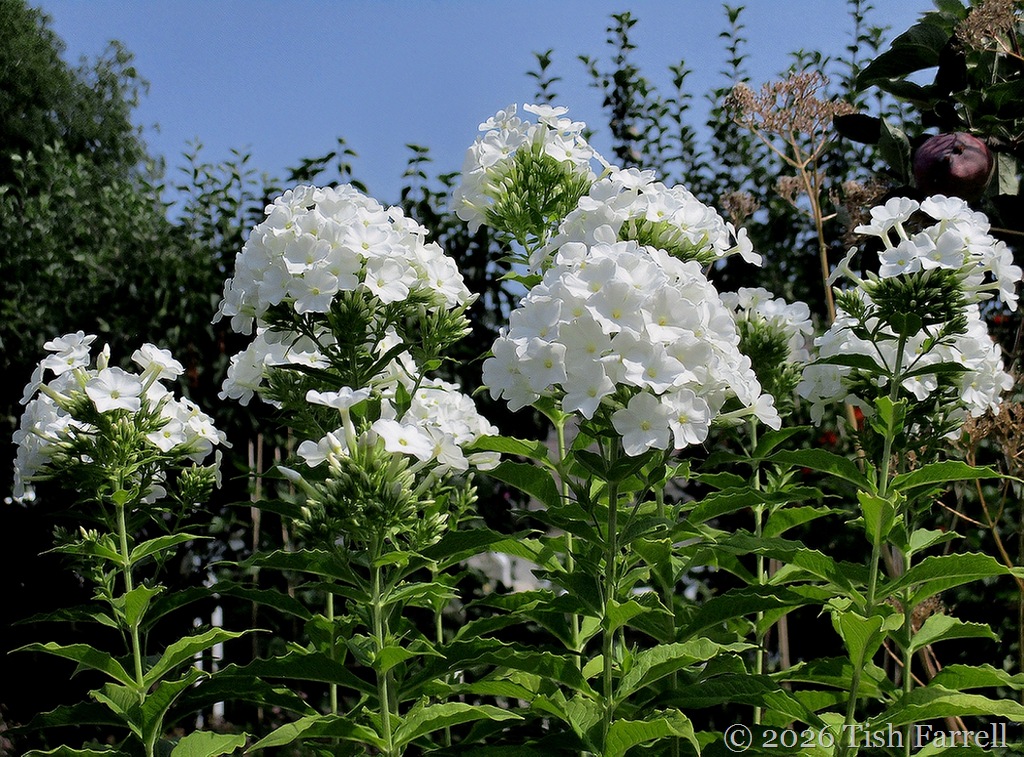
As mentioned in previous SoS’s, the magenta-purple phlox paniculatas have been flowering valiantly, even as their petals scorch. Now that the heat is not so fierce, I’m hoping the freshly opened PHLOX PANICULATA DAVID will have its time unscathed. It is a lovely plant with a delicate scent, here keeping company with stems of gone-to-seed valerian. It looks so cool too.

*
It’s also CROCOSMIA season. We have a big and brutish clump growing in the upstairs garden by the shed. It came with the house. I quite like looking up at it from the back door, seeing the play of light through the sword-like leaves.
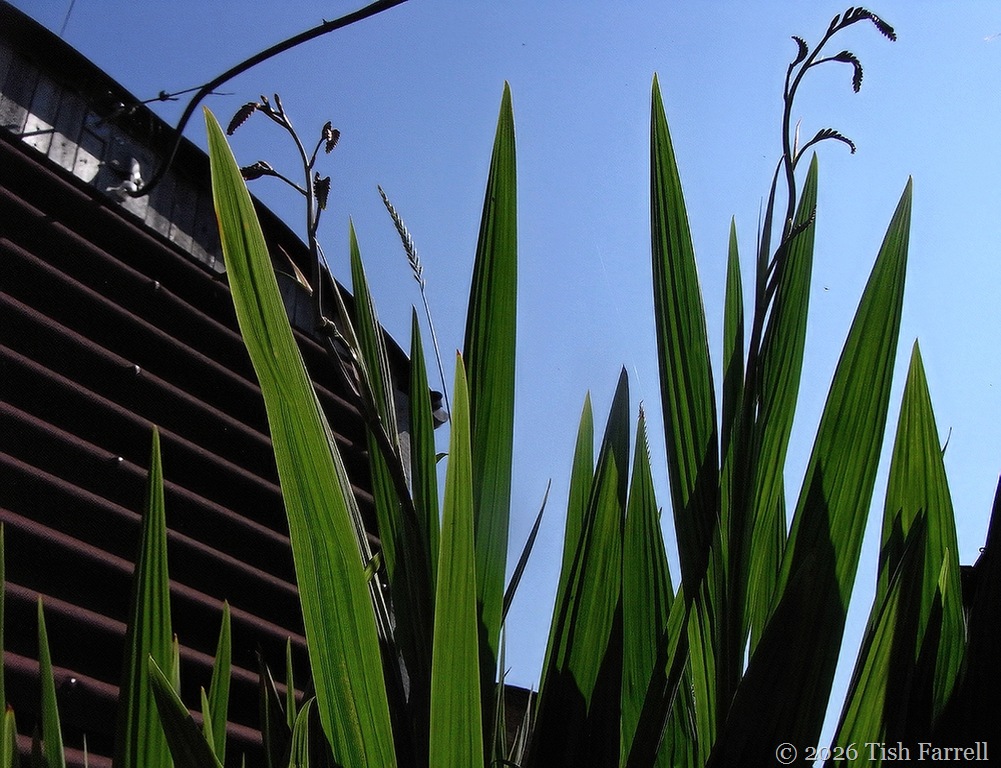
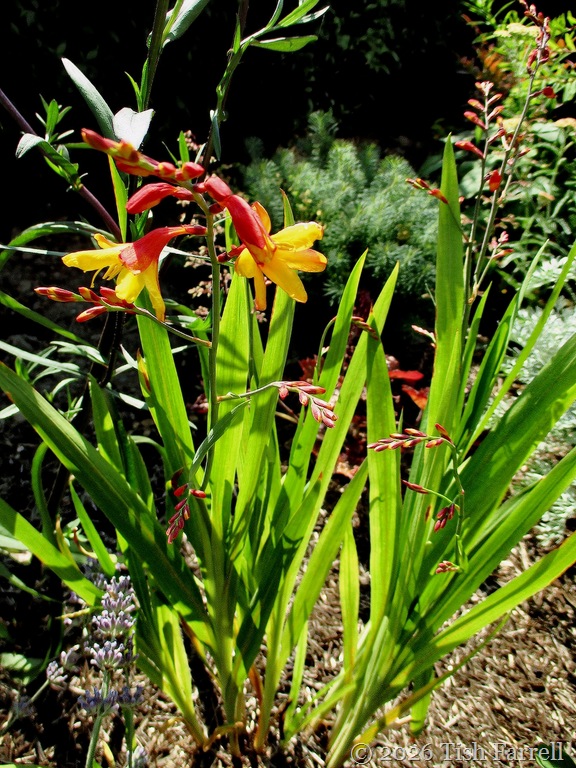
But the flowers are suffering, looking more inclined to die before opening. This is anyway not among my favourite plant varieties; far too rampant. But the same doesn’t go for its more refined cousin, Harlequin. I love everything about this plant – its stance, the more delicate sun-suffused leaves, the airy looks of the flowers, those juicy ice lolly colours…
*
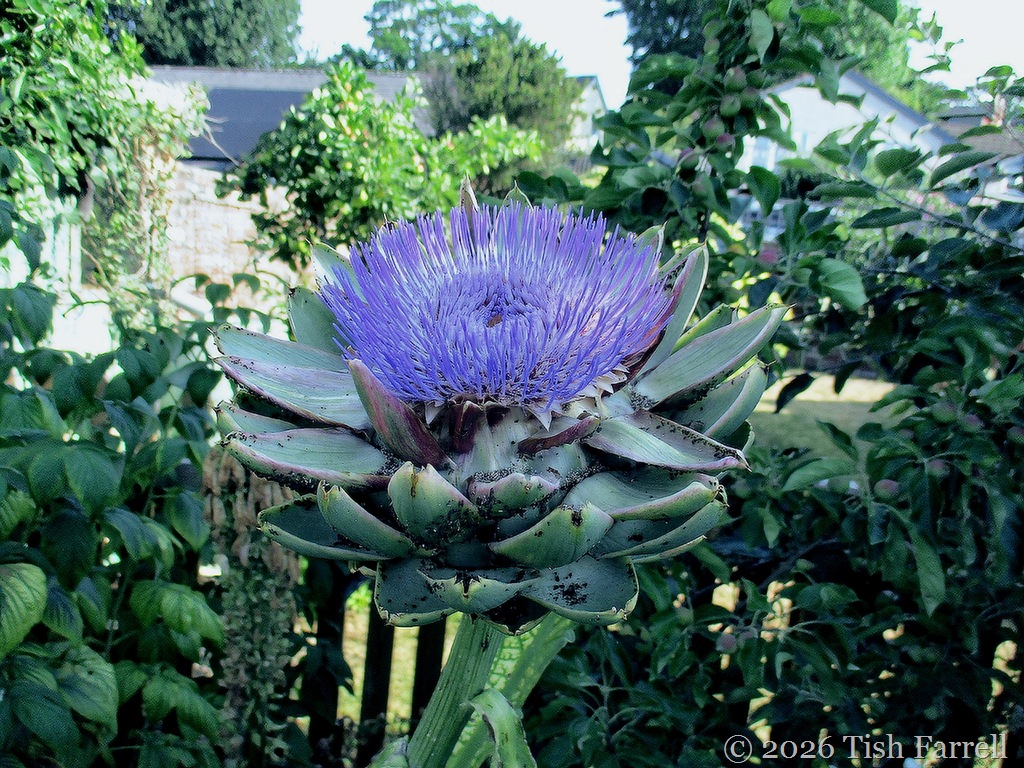
Number four is not exactly a success story, though it depends on your perspective. This is the GLOBE ARTICHOKE we did not eat and for obvious reasons. It is presently a very busy aphid factory under strict ant management. I nearly cut it down, but then this week it began to flower. Even infested, it’s still spectacular. The bees like it too.
*
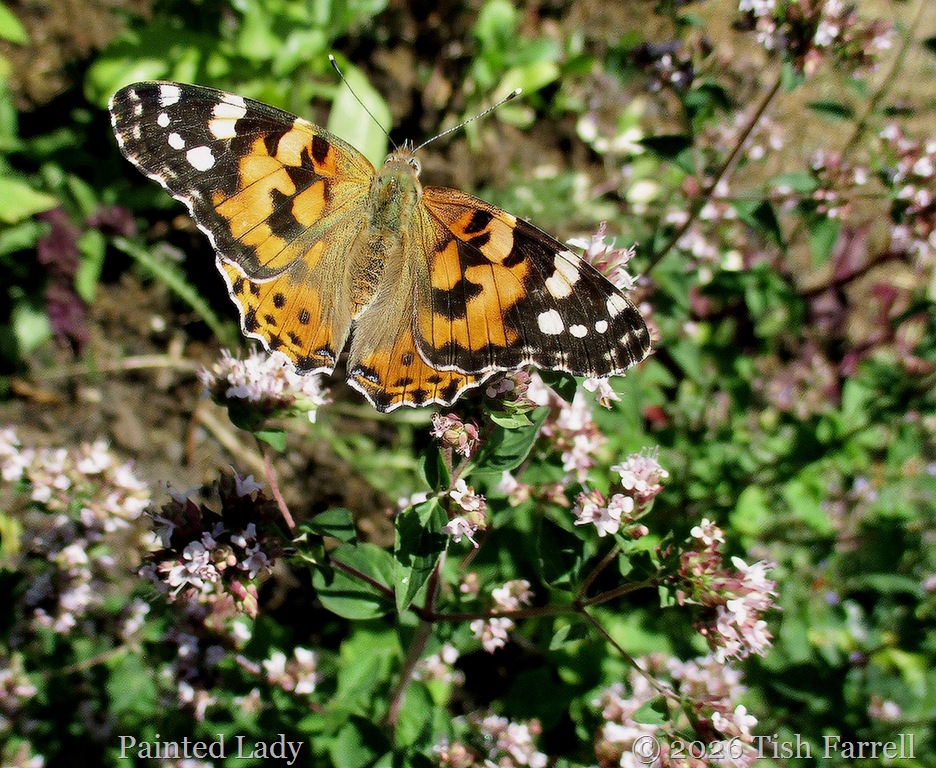
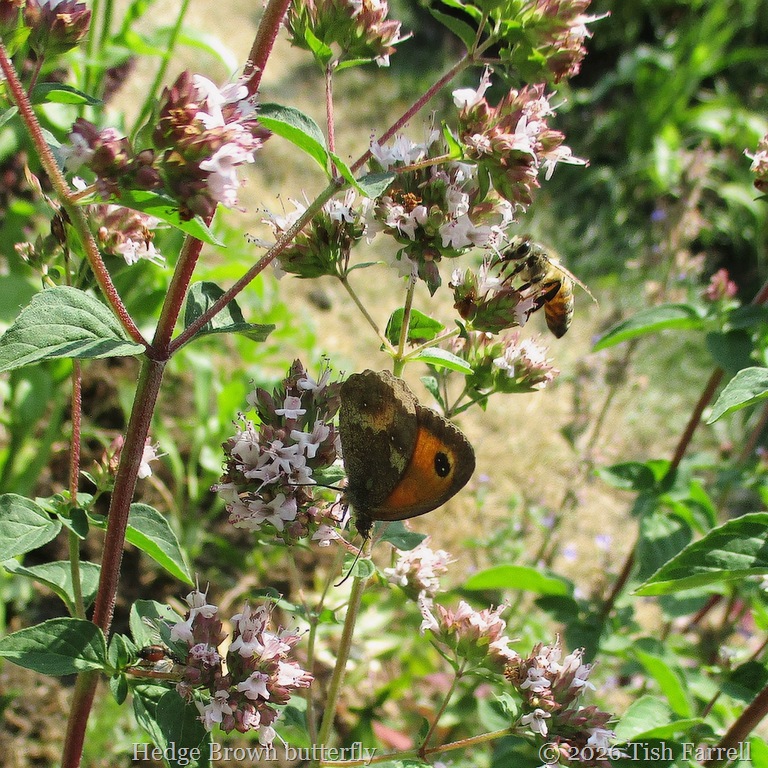
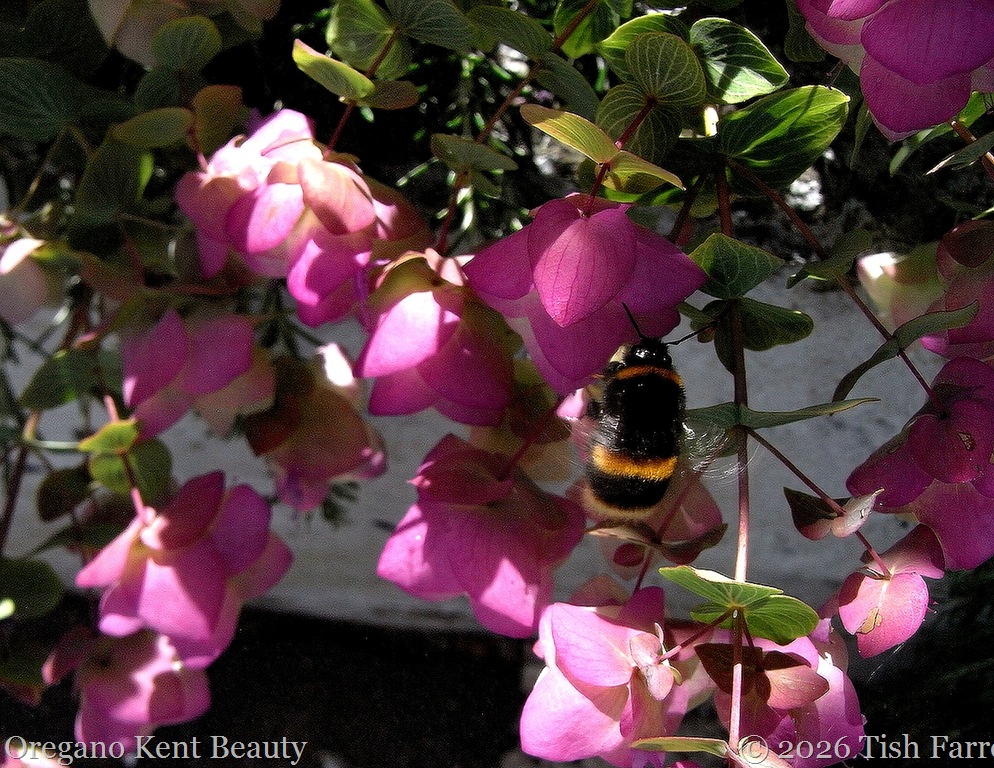
Five is a shout-out for OREGANO, however it comes – culinary or ornamental. I’ve already featured the very decorative Kent Beauty here, but at the moment it’s the cooking version that’s the big attraction for bees and butterflies. Painted Ladies and Hedge Browns have been among this week’s avid visitors. Much like the helianthus, I have oregano clumps all over the garden, between the raised beds and filling gaps in borders while new herbaceous plants grow on.
*
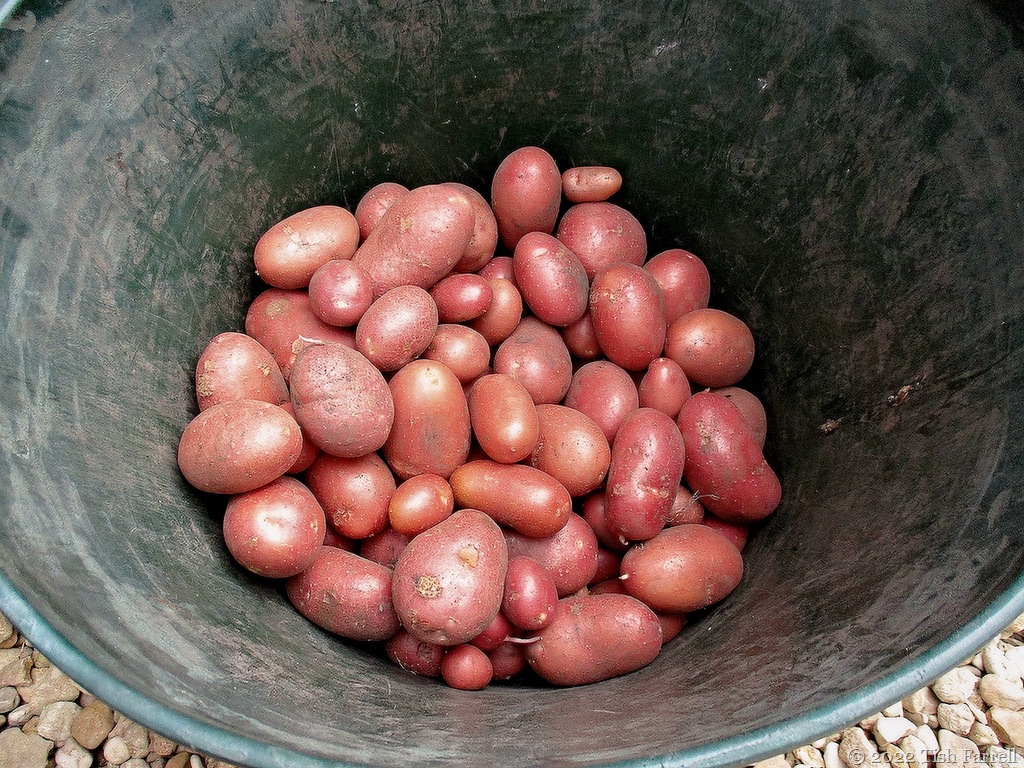
Finally, a food crop success, although not a great haul. And not surprising given the weeks and weeks without rain. Also I only planted 10 seed potatoes. So here we have it – a bucket of ROOSTER spuds. They should keep us going for a while.
*
And now fingers crossed for the promised cooler days. There might even be some drizzle this afternoon. (Do I believe this?)
Copyright 2026 Tish Farrell
Six on Saturday: 18 July 2026 This week host Jim has been capturing the garden wildlife.
