Winter Sky Through Our Hedge

P1100611

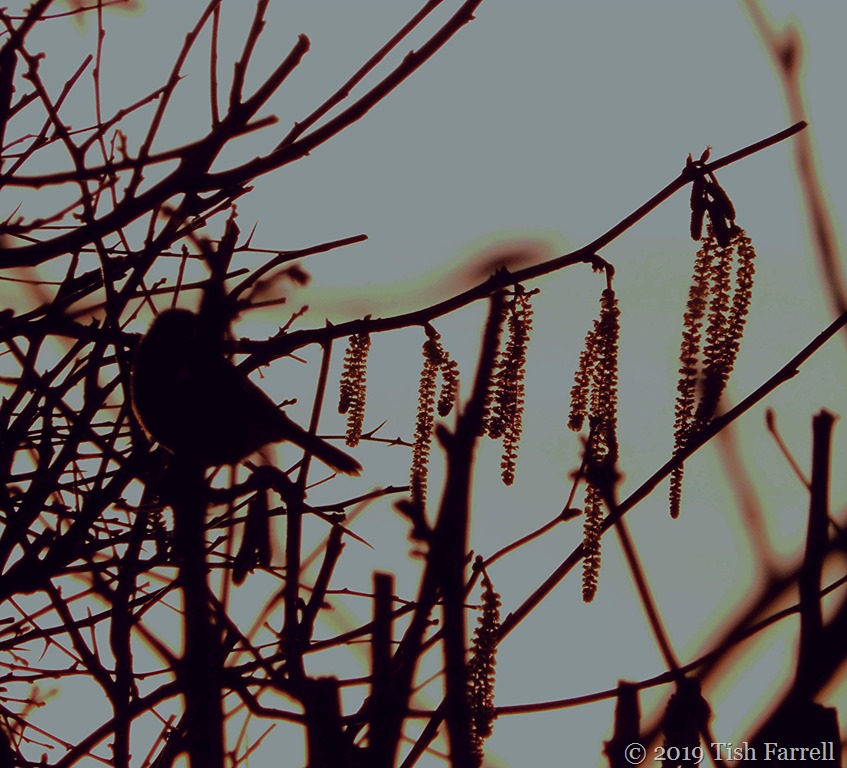
I was in the kitchen, faffing not writing, when the light through the hedge at the top of the garden caught my eye. Hurrah – a project! I dashed outside with my camera to capture the high definition catkins against the sunset, and caught this little bird as well – probably a dunnock; it’s hard to tell. But whatever it is, I like the tiny curve of sunlight against her breast.

Lens-Artists #Curves  Please visit Tina to see her fine gallery of curves.

A Year Looking Over The Garden Fence ~ December 2017-December 2018

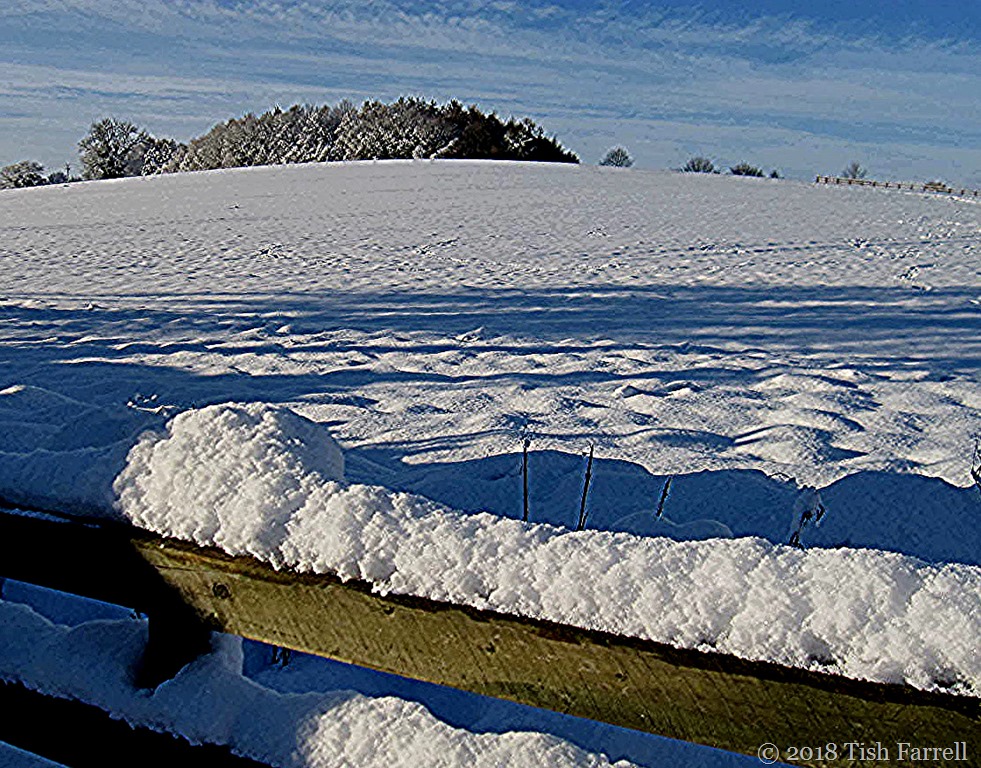
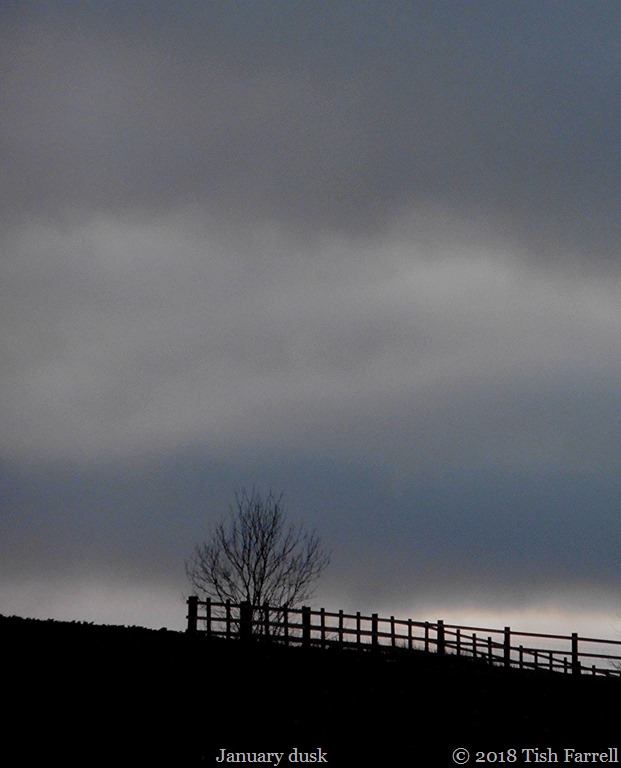
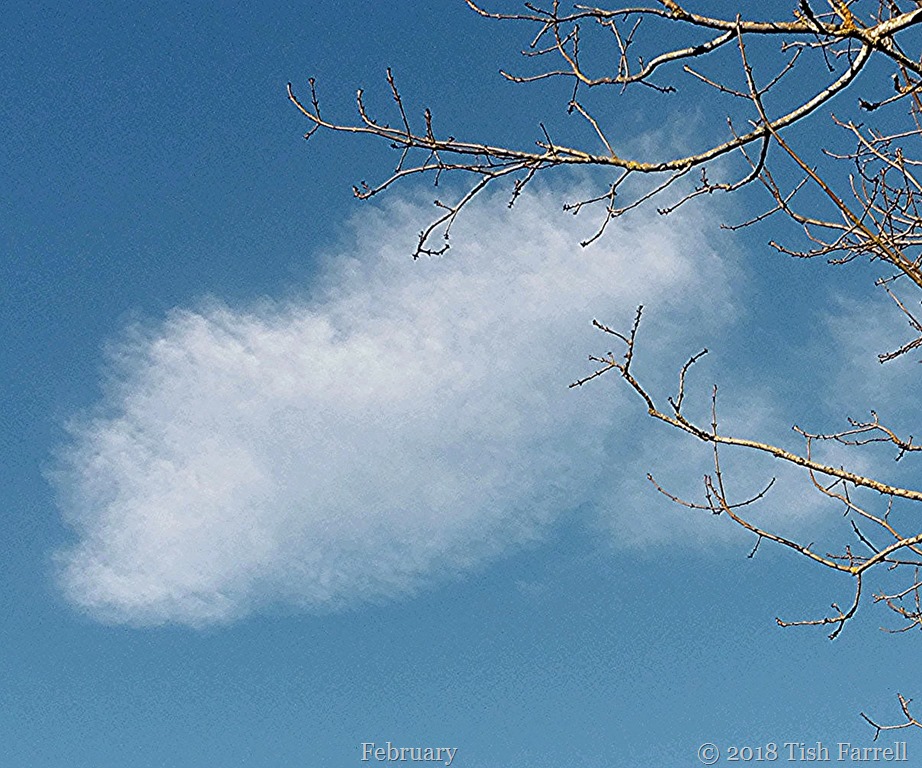
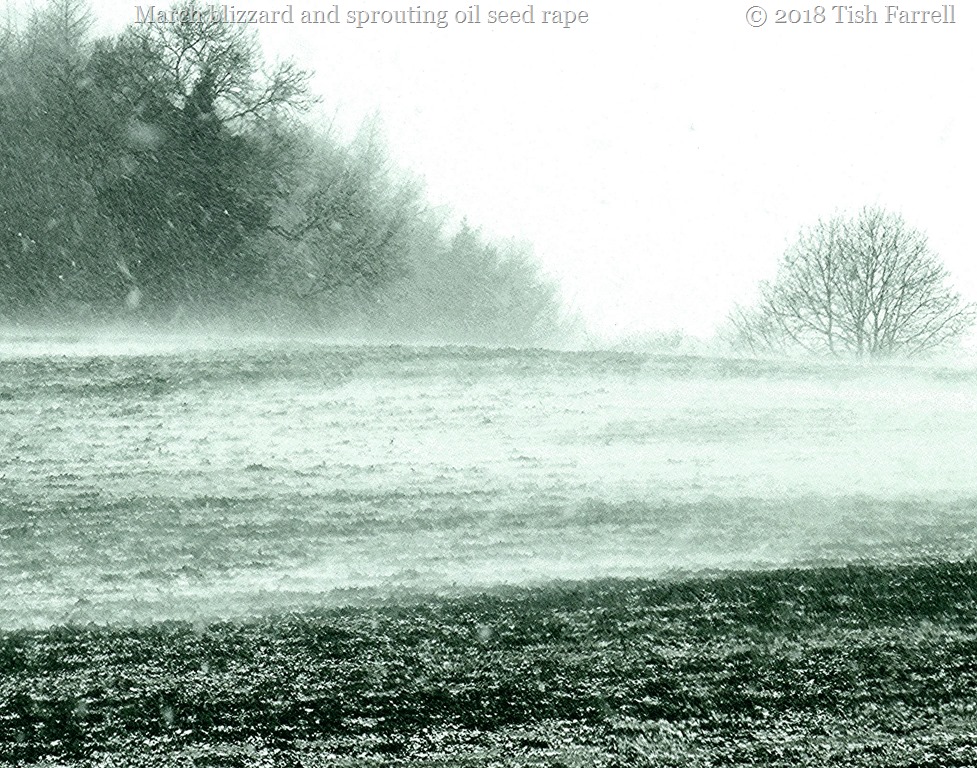
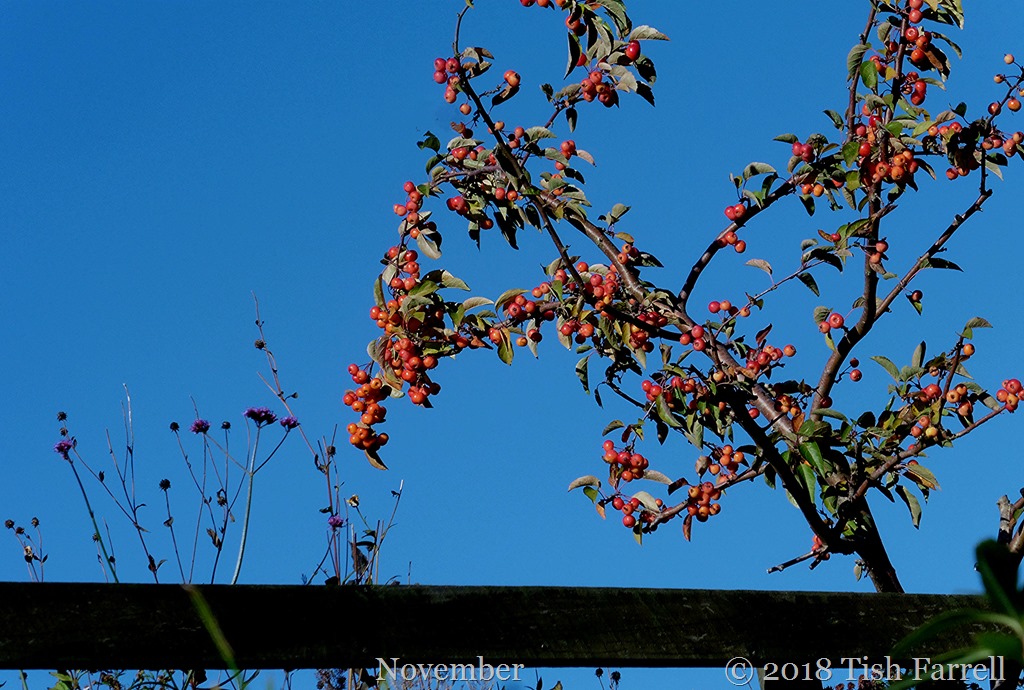
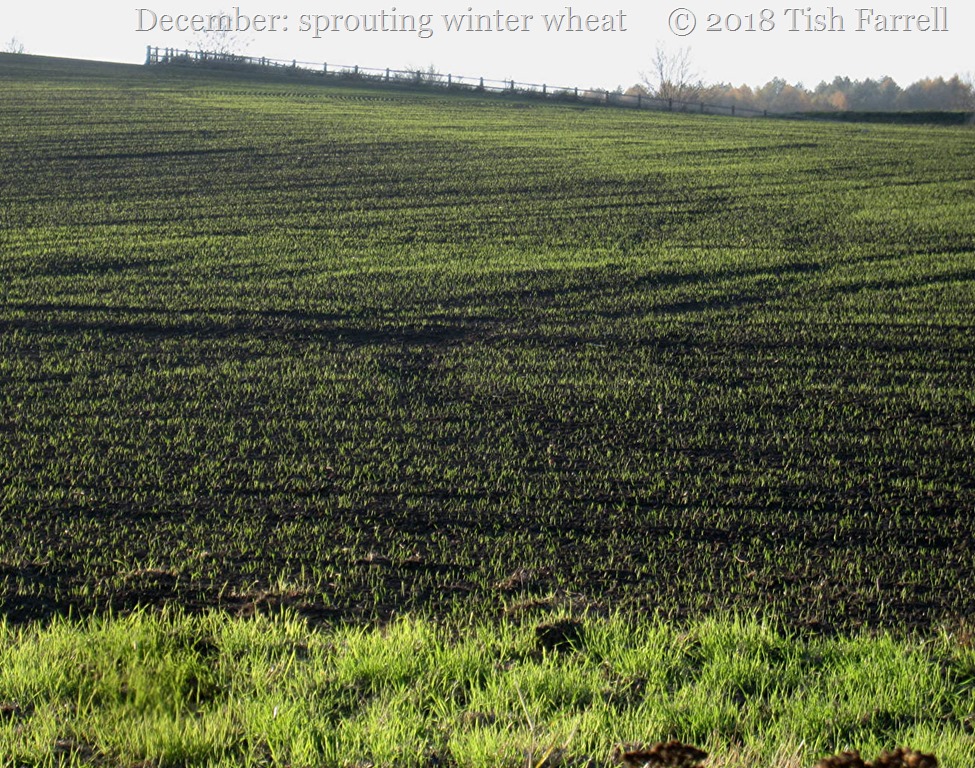
Last December we had over a foot of snow which lasted for a couple of weeks. This year we’ve barely had frost. Anyway, prompted by Lens-Artists, I thought I’d finish 2018 with ‘a year in the life’ of Townsend Meadow behind our house.

Happy New Year everyone, and may sanity and kindess be restored to Planet Earth and all who voyage on her.


P1040039

P1040162

P1040274

P1040400

P1040463

P1050447

P1050547

P1060315

P1050665

P1070611

IMG_7308

IMG_7203

IMG_1476

IMG_6251

P1090354

P1090382

P1090396

P1090387

P1090559

P1090745

IMG_7808

P1100450ch

Lens-Artists

Ann-Christine asks for a photographic review of 2018, however we choose to do it.

Reflections Intentional And Accidental

100_1451 - Copy

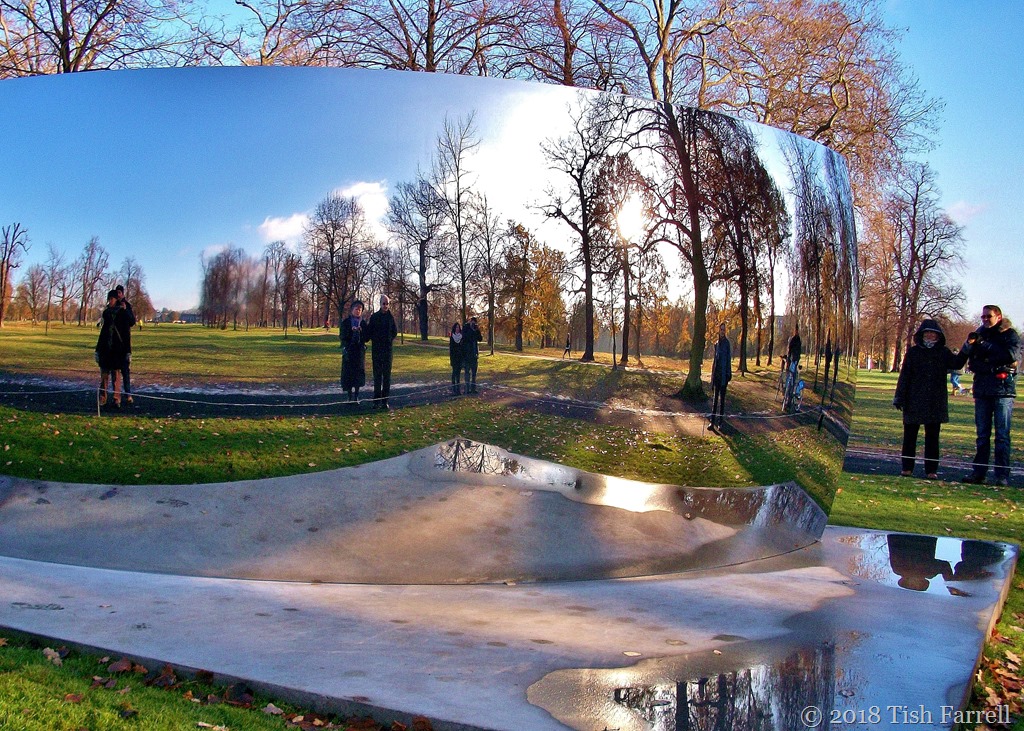
C-Curve by Anish Kapoor and reflective puddles courtesy of the rain god; photo taken several freezing Decembers ago in Kensington Gardens. You can spot the Farrells looking a bit stiff – centre twosome on the left.

Lens-Artists ~ Reflections  Patti set the challenge this week. Her fantastic photo of the Chicago Bean sculpture by Anish Kapoor reminded me that I had photos of his work too.

Welcome To The Night Garden ~ Yesterday At Powys Castle

P1100380

As darkness closed in and yet another squall blew up, we slipped over the Welsh border and headed for Welshpool. We had  hemmed and hawed up to the very last minute of departure: should we or shouldn’t we go; it could be muddy; the parking a nightmare; too many people; the prospect of getting soaked; nearly an hour’s drive on unlit winding country lanes. So many reasons not to go. And then we simply gave up the argument and set off.

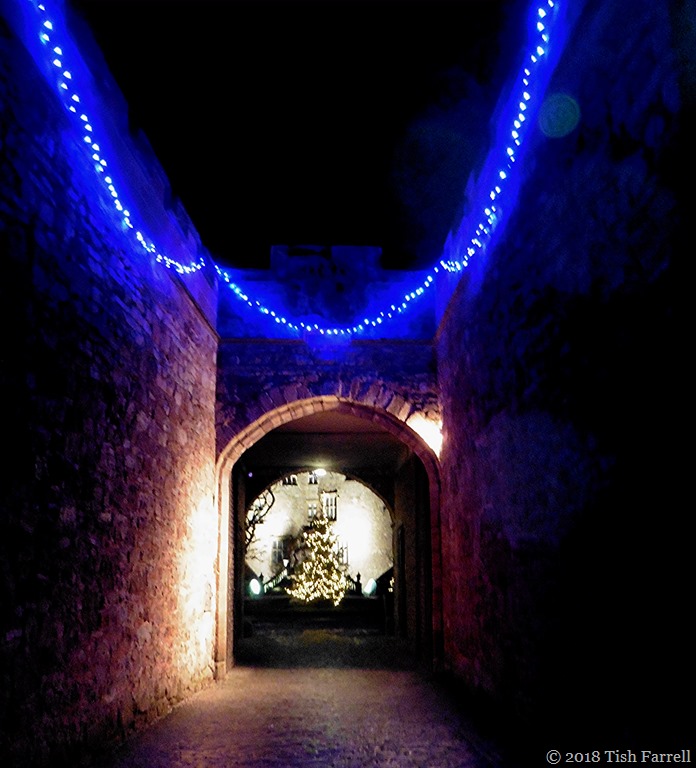
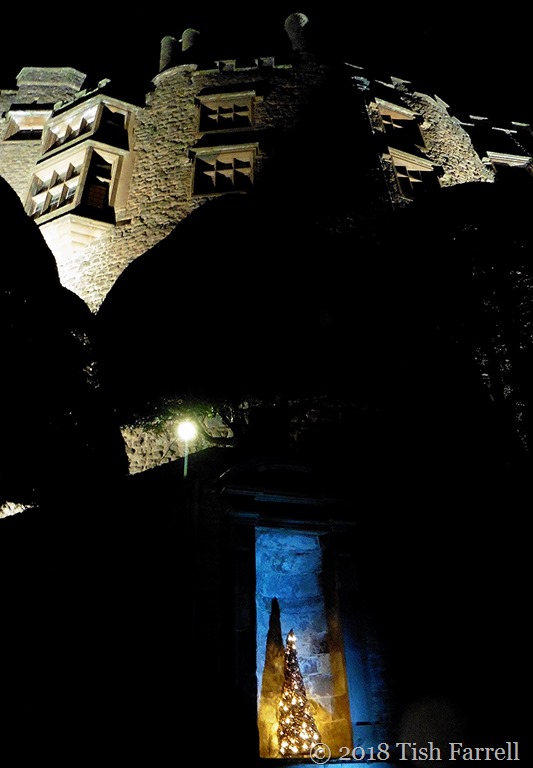
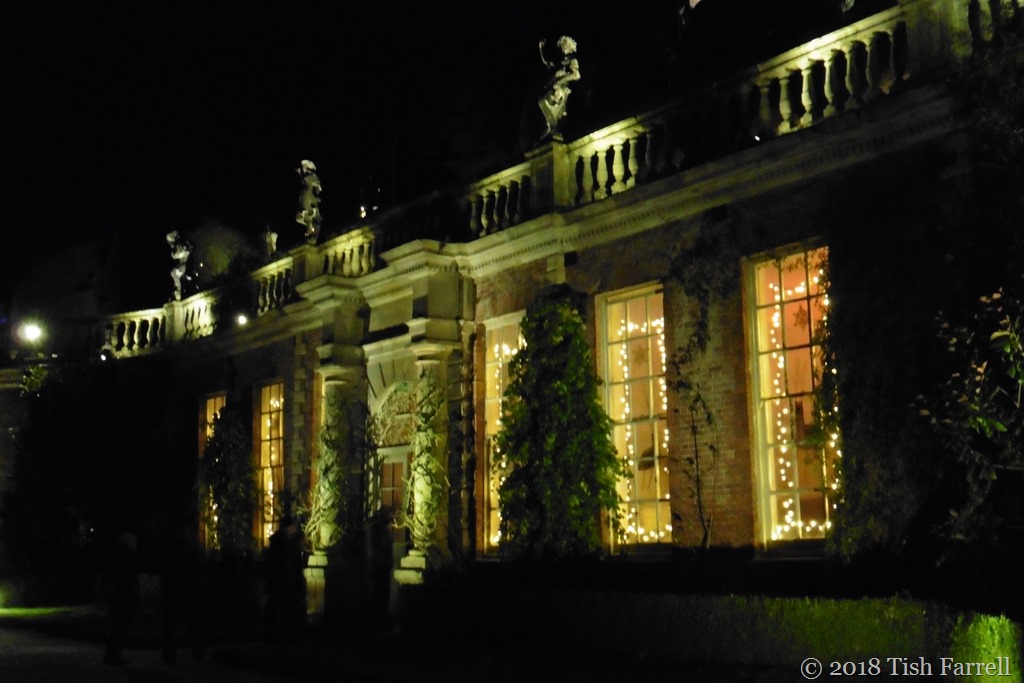
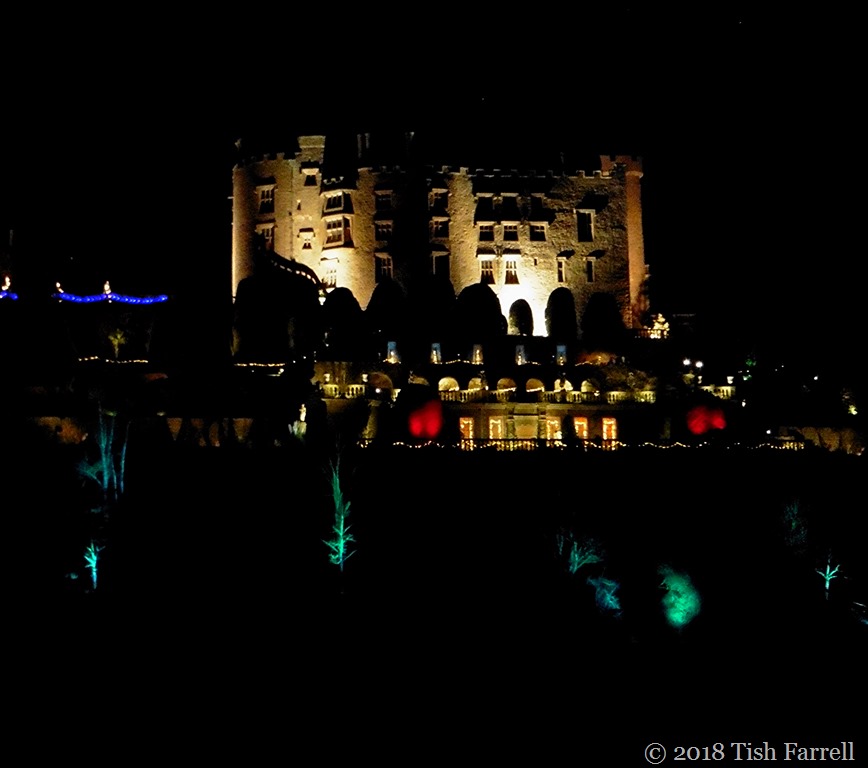
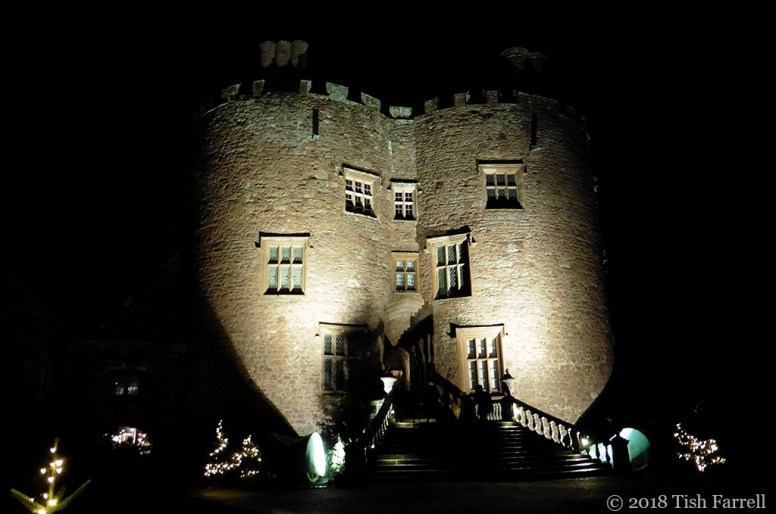
It was not promising. The constant swish of wipers; rain that felt set-in; roads awash and headlights picking up flooded fields and burst river banks. But as we reached the outskirts of Welshpool the rain suddenly stopped, and ahead and high on its rocky promontory Powys Castle glowed like some fairy-tale bastion. And as it turned out, parking was easy; we were not mired in mud despite days of rain; and though there were plenty of visitors, we all soon lost ourselves in the castle grounds and it quickly became a big, magical adventure.

And not a little bonkers, I must admit – going round the steeply terraced castle gardens in the dark – the whole thing laid on by the National Trust as part of their season of festive celebrations at the castle. Anyway, here are a few other-worldly scenes from the night garden of this ancient Welsh borderland fortress.

P1100301

P1100303

P1100325

P1100341

P1100366

P1100299

P1100344

P1100348


This slideshow requires JavaScript.

Lens-Artists: celebrations

There Can Be Good ‘Black Dog’ Days Too

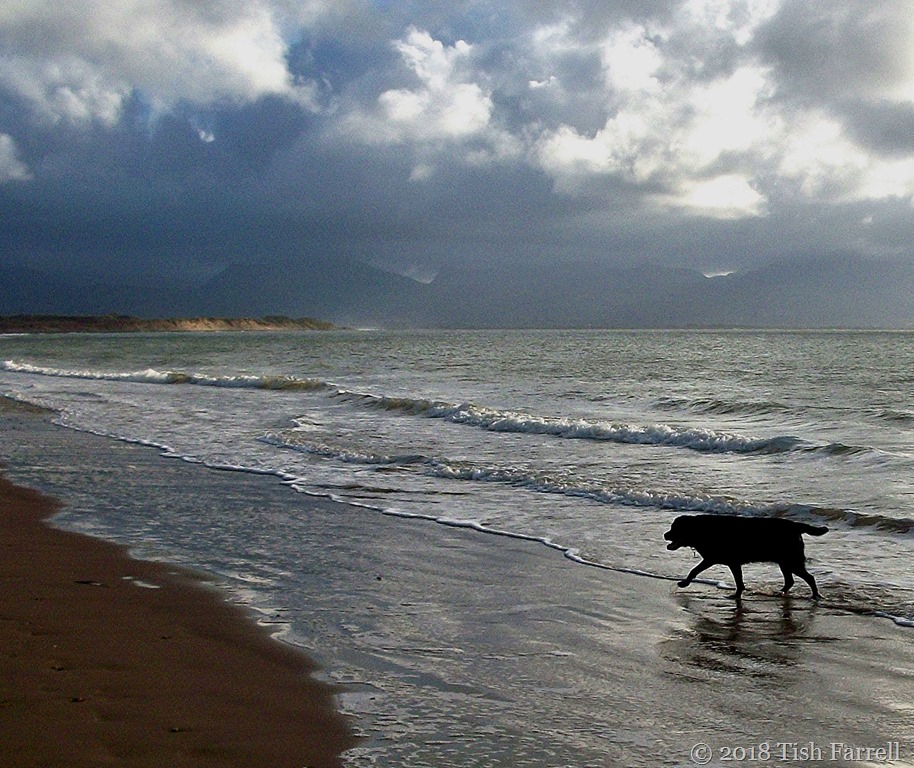
100_7179

This one was on Newborough Beach, Anglesey, one late December morning. You can just see the mountains of Snowdonia on mainland Wales in the distance.

But not to make light of those who suffer bad black dog days, and there are very many of us who do, intermittently or full-time, here is a hopeful little video from the World Health Organisation:

https://www.youtube.com/watch?v=XiCrniLQGYc

Lens-Artists: Splash Please visit the Lens-Artists to see their spirit-raising photos.

Pursuing The Light In Wenlock Priory

P1100036

On Saturday the weather gods handed down sunshine and stillness, and so after lunch I spent an hour wandering round our local ruins, trying to catch the best of the light. We take them for granted, of course, these ruins. They are practically on our doorstep, a few minutes walk past the Linden Field and down the Cutlins where the sheep are presently grazing. Even before you get there you can glimpse the ragged elevations of the 13th century priory church through the Corsican pines, the old sandstone with its strange quality of luminosity, no matter the weather.

The ornate Norman arches you can see in the header photo date from c1145 (I’m standing in what was once the cloister to take the photo) and this is the entrance to the Chapter House, the monks’ meeting room. The building to the immediate right, is now a private house, long known as The Abbey, but once containing the monks’ infirmary and dormitory. You can also glimpse the rooftops of the later and very grand Prior’s Lodgings beyond it (late 1400s). (You can see more about them at Going behind the scenes at Wenlock Abbey.)

The less imposing doorway to the left of the archways leads to the library. This is not the original entrance but was added after the Dissolution when the priory remains were used as farm buildings. Above it soars the remains of the south transept, once part of one of the most imposing monastic edifices in all Europe. It’s hard to imagine the full scale of it now. Not only did Henry VIII’s dissolving crew do a good job in 1540, but the good citizens of Wenlock were quick to repurpose all that well cut stone. Most of the oldest houses in the town doubtless have some monastic stonework in them somewhere.

P1100011

P1100038

This view from St. Michael’s Chapel (the Prior’s private place of worship) shows the southern edge of the church nave. The church originally extended to the far wall just in front of the trees (107 metres/350 feet). The stone stumps are the remains of gigantic columns, a matching arcade to the north side (out of shot). The remains to the right of the columns belong to the south transept. See next photo.

P1100100

St. Michael’s Chapel right, south transept centre, north transept left. And still it is hard to grasp the original scale of the place. The roof of the nave would have risen way above the south transept, the church forty years in the building.

But now I’ve lingered too long. The shadows are gathering. My presence here feels like intrusion. Time to head home.

P1100104cr

copyright 2018 Tish Farrell


More about the priory’s history in an earlier post HERE. And for an account of Henry James’ visit to The Abbey see When Henry James Came to Wenlock.


Lens-Artists: Doorways  This week Tina gives us doors and doorways as the Lens-Artists’ theme. Please pop over to see her ever impressive work, and don’t forget to visit the other Lens-Artists.

The Magic Of Winter Light

P1060462

You cannot beat the Menai Strait for magical light shows, and especially in December when there can be perfect days like these. These photos were taken on Anglesey near Beaumaris, looking across to mainland Wales: the first at midday, the second in the early morning from behind the town, and the third at Penmon Point in late afternoon.

P1060524

004


Lens-Artists #19: Magical Light

For more inspiration please visit Amy and the other Lens-Artists to see their take on magical light.

Lions ~ Now You See them, Now You Don’t

375

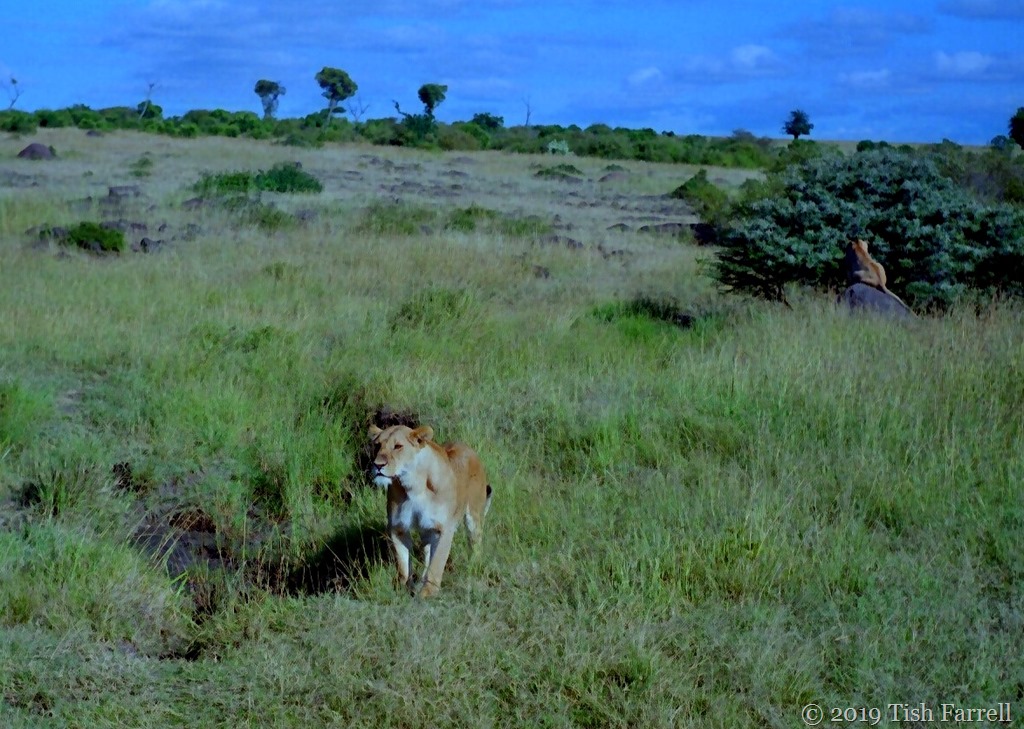
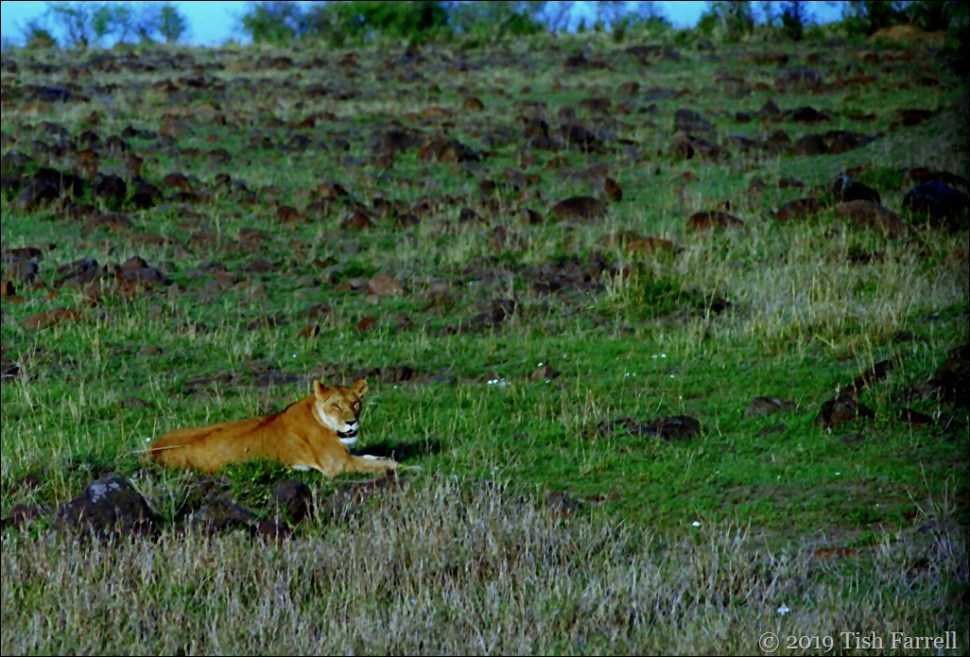
Lions are the past-masters when it comes to both standing out and blending in – this week’s photo challenge from Ann-Christine at Lens-Artists, which sent me rifling through the old Africa Album for some good examples. These were all taken in Kenya’s Maasai Mara back in another lifetime. The header shot shows both leonine proclivities – the art of showing off and of disappearing in foot-high oat grass. I think there are at least three lions in this shot. In the following close up you can see one of them – just right of the lioness’s left ear. Probably a male.Mara lioness 2 (2)

But what about this next shot – can you spot the second lion? Course you can, now you know what to look for:

Scan-130520-0019

*

And here’s a different kind of concealment – the whole pride in a gully; their concentrated gaze suggesting thoughts of dinner and where they might find it.

Scan-130520-0011

Scan-140731-0033

Lens-Artists: Blending in or standing out

Turning Accident Into Artwork?

P1090190

I am not sure why he who lives in my house interfered with the washing machine hose, thus causing said machine to disgorge all over the utility room floor; and not once but twice due to the rinse and spin cycle. I think it was something to do with the fact that he had stored some of his bookbinding card on top of the washing machine, (he being in need of a flat surface that was relatively dust-free beneath the counter top) and earlier in the week was having a sort out in that vicinity, fishing out supplies that had slipped to the back, and thereby dislodging water exiting hose.

I was upstairs writing while all the repercussions of this earlier manoeuvre were happening, and so blissfully unaware of the downstairs flood. It was only as I was coming downstairs to get the washing out of the machine, that I heard loud exclamations from bookbinding man. ‘What on earth’s been going on in here,’ he says. I have no idea, I say, but I note the accusatory tone that suggests I might have been responsible for whatever it is.

By now I have reached the flooded utility room. Oh, no! I think. The washing machine’s given up the ghost after 18 years. But diagnosis will have to wait. First there is water mopping up to do. Luckily the floor is covered in quarry tiles so there is no particular damage done. The only casualties are the dustsheets that are kept under one of the cupboards. The downside is we don’t discover this till later, by which time they are very fusty.

In the meantime, after pulling out the washing machine from its slot, investigating its innards, the penny is beginning to drop in the mind of bookbinding man. ‘I think it’s my fault,’ he says meekly. ‘I must’ve dislodged the hose.’ Then he says brightly that at least it’s good to know we don’t need to buy a new washing machine, and that we also now have a very clean floor, even in the places where we don’t normally clean it.

The day is saved then, but for the washing and airing of dustsheets. And as the sun is shining I go out and take a washing line photo. Look! The garden is putting on a shadow play.

copyright 2018 Tish Farrell


Lens-Artists: Just for fun

A Very Big Climb Up To Peveril Castle But Beautiful Views If You Reach The Top
P1080895

The header photo shows only the topmost portion of the path to the Castle of the High Peak. There were times as I hauled myself up there when I thought expiration – as in breathing  my last gasp – was a likely outcome. I had to sit down on every available seat (and thankfully there were several). There were also places along the way that were rather too vertiginous for my liking. On top of this we had been warned by the girl on the reception desk that that castle keep was closed for restoration works – so, you might think, why on earth were we bothering?

Frankly, if the keep had been open to visitors, I don’t think I would have made it up the spiral staircase to the main door. I like to think I’m fairly fit too, but I don’t seem be fit on the vertical. Phew and double phew.

P1080933

But then once you’re up there and can breathe again…

P1080928

What views of Derbyshire’s Hope Valley:

P1080931

IMG_1935

P1080909

The earliest fortification on the site, i.e. the extensive stone curtain wall, was already in existence in 1086 when it was recorded in the Domesday  Book. It was one of the earliest Norman fortresses in England, and held by William Peveril, a follower and so a beneficiary of William the Conqueror when it came to receiving territorial rewards. The castle served as an important administrative centre for extracting taxes from the local Saxon Pecsaetan people of the Hope Valley. At this time Forest Law was also strictly enforced, meaning people were brought before the Forest Court at the castle and fined for deemed infractions of the king’s royal  hunting forest that extended over much of the High Peak district. As time went on, and more and more forest was excised for settlement, farming and pasture, the fines for encroachment were seen more as rental payments than as penalties.

But back to the Peverils. Things did not go so well in the next generation. Son of Peveril was accused of plundering and treachery by the soon to be crowned Henry II.  On ascending the thrown Henry confiscated the castle and kept it for the particular purpose of overseeing the Forest of the High Peak, his personal royal hunting grounds. This was in 1154. He visited the castle three times in the next ten years. When he was not there, the place was apparently manned by one porter and two watchmen.

This all changed during the 1173-4 uprising when Henry’s three sons, Henry Young King, Richard the Lionheart and John Lackland, along with their mother Eleanor of Aquitaine, rebelled against Henry’s rule – a family argument of epic proportions. Peveril then became a garrison housing 20 knights who roved between the High Peak and Bolsover Castle some miles away. After the uprising in 1176, Henry built the impressive keep at a cost of £184. You can see from the photos above it was originally handsomely finished with dressed stone, an attractive proposition for later stone robbers.

Further improvements were made during the 13th century to cater for royal visits. And a very nice model shows us how things would have looked back then: stables, chapel, workshops, kitchens, bakery, a great hall for entertaining, new high-status apartments – an upscale self-sufficient community in other words, the whole perched atop a beetling limestone eminence and visible for miles around.

P1080936

The private chambers that backed onto the curtain wall came with their own garderobes or loos. The one in the photo coming up next would have had a wooden seat with a central hole, and waste would have dropped down into the Peak Cavern Gorge beyond the castle wall. The garderobe was also traditionally the place where noble personages kept their clothing, the whiffy draughts therein checking moth predation. Which also reminds me that Voltaire opined that the legendary bad temper of Edward 1, aka Longshanks and prolific builder of Welsh castles, was down to chronic constipation induced by the cold sea wind gusting up Caernarvon Castle’s royal garderobe. I always thought Voltaire might have a point.

P1080922

*

As time went on, the castle ceased to be of particular strategic importance. In 1374 King John ordered the lead stripped from the roofs for re-use at Pontefract Castle. And although local courts were still held there until 1600, by 1609 it was described as ruinous and serving no use. Thereafter its destiny lay in inspiring Sir Walter Scott’s novel Peveril of the Peak and providing a romantically rugged upland landmark for the first major flushes of tourists to Derbyshire in the 18th and 19th centuries. Oh yes, and  for inducing near asphyxia in people not good at hill climbs.

Lens-Artists: Big can be beautiful too

copyright 2018 Tish Farrell