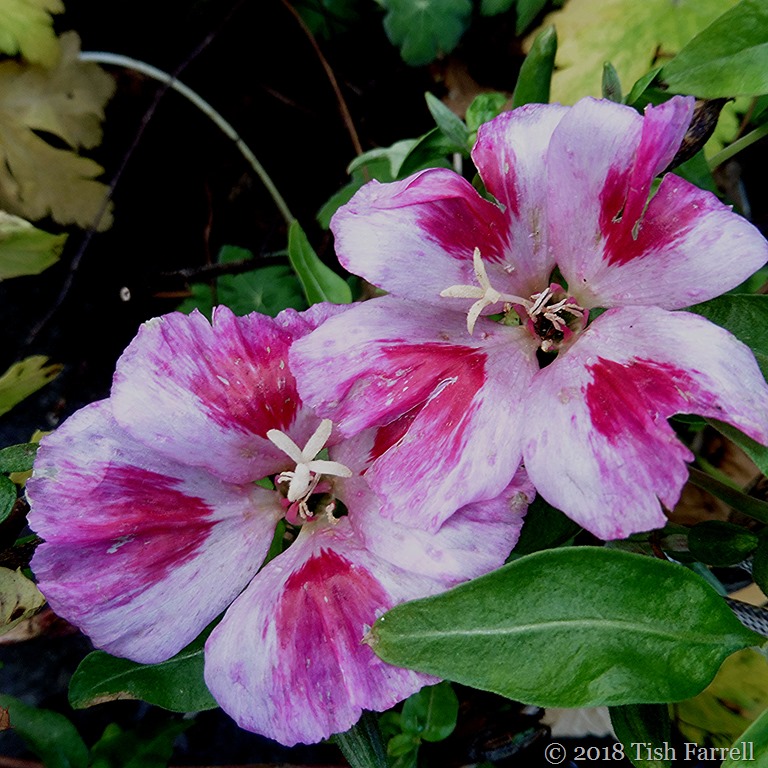
Clearly not, though she is a bit ragged round the edges. Anyway, here’s how I caught her on Tuesday when I was passing through the garden en route for the allotment with my bag of compost makings. (The heap building must go on.) This ‘cheap and cheerful’ cottage garden annual (once also known as Clarkia) is an easily grown plant that can usually be relied on to produce clouds of colour throughout the summer and do much self-seeding. This year however, it did not like the prolonged heat one bit. The limp and skinny stems that were produced soon curled up and fainted, and watering the plants didn’t seem to help matters either. I abandoned the cause. But now, heading for Christmas, I find a single plant prevails, driven by the seed-setting imperative. There’s optimism for you.
Gardens
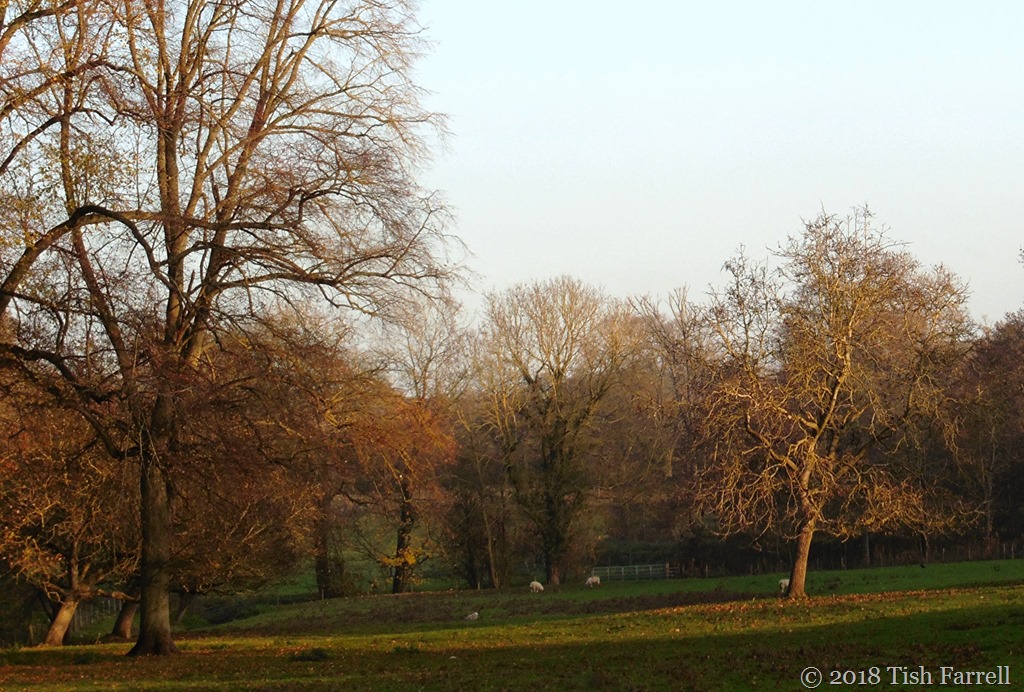
Fallen Harvest ~ Winter Feast For The Small Creatures
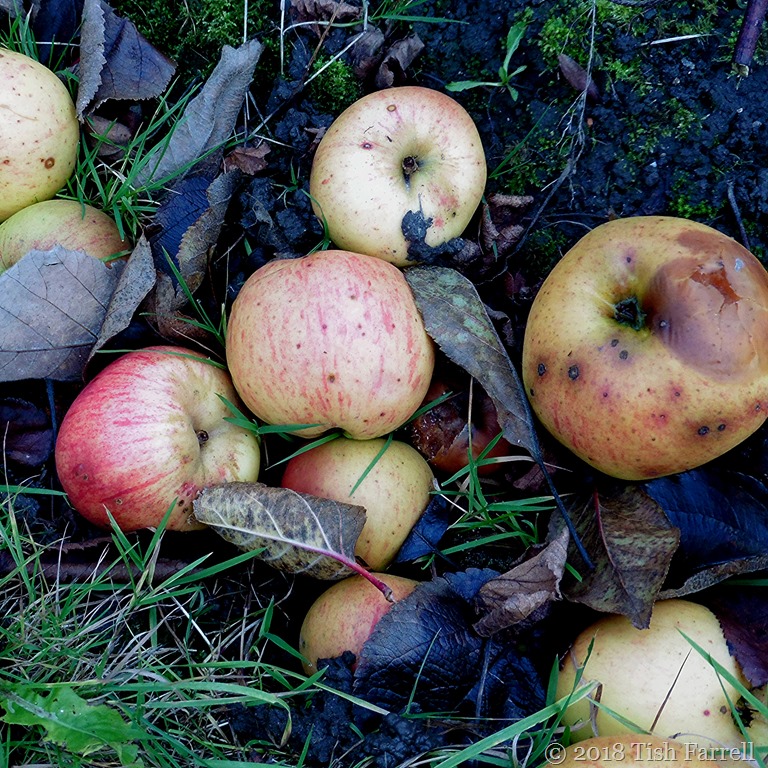
The old apple tree at the allotment has a litter of lost and decomposing apples all around it. As I took this photo yesterday I tried not to think of all the stuffed baked apples they added up to; the crumbles and tartes tatin missed out on. Just as well, says the waistline. I’ve recently been struggling to make a pair of corduroy trousers, the struggle being in the fitting department. Having adjusted the waistband to a state of snugness that allows only slight room for expansion, I do not need to grow out of them before I’ve worn them. Anyway, I’m sure there’s plenty of wildlife that will be glad of these windfalls, blackbirds and slugs especially.
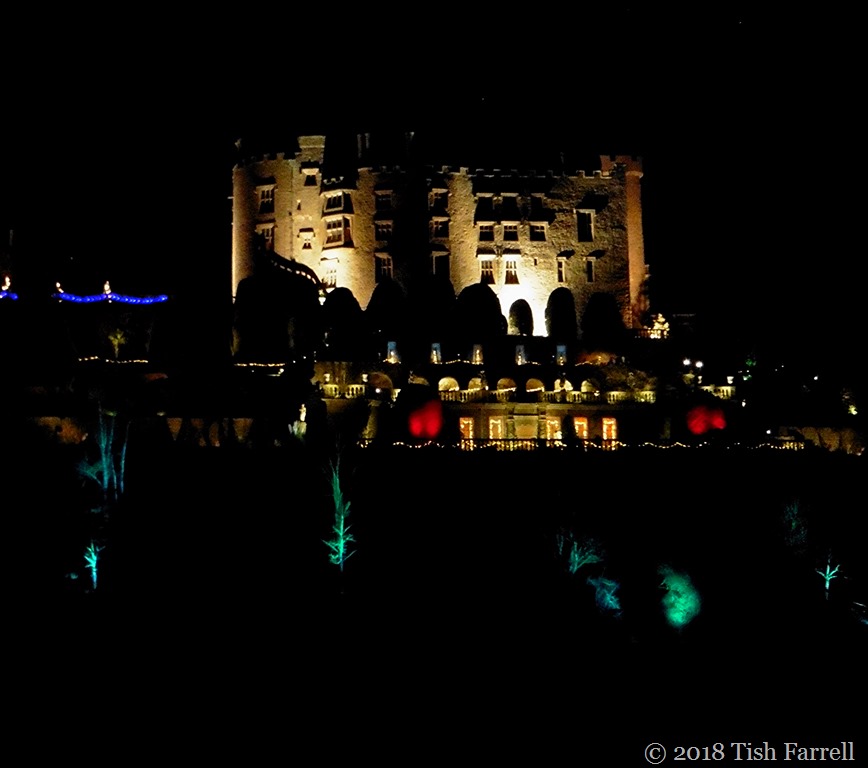
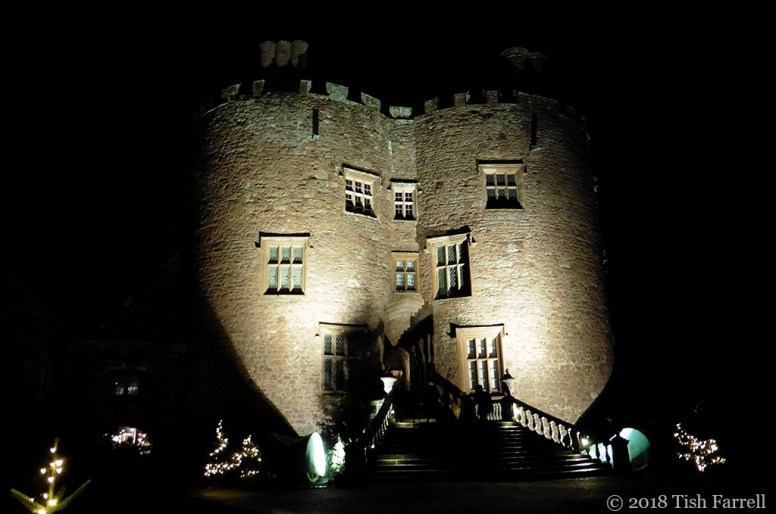
Seeking Light In The Night Garden ~ More From Powys Castle
Here we are, walking between high, high hedges, the castle terraces in the gloaming above, and overhead, stars pricking the black. It’s quite a climb to the castle from the formal garden: several flights of stone steps, and paths wending between the ancient yew trees that have been sculpted into strange shapes over three centuries. On this December evening many are lit from within, so that as you approach they barely glimmer, but when you draw level they open up like grottoes, revealing contorted arboreal workings beneath the close-clipped exteriors.
*
And now for some treescapes and garden views that did not feature in yesterday’s post:
Welcome To The Night Garden ~ Yesterday At Powys Castle
As darkness closed in and yet another squall blew up, we slipped over the Welsh border and headed for Welshpool. We had hemmed and hawed up to the very last minute of departure: should we or shouldn’t we go; it could be muddy; the parking a nightmare; too many people; the prospect of getting soaked; nearly an hour’s drive on unlit winding country lanes. So many reasons not to go. And then we simply gave up the argument and set off.
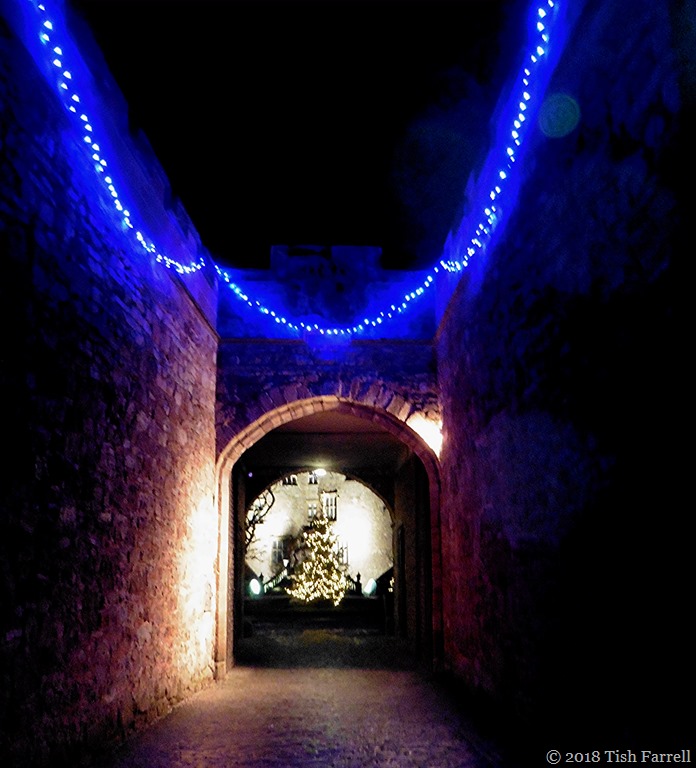
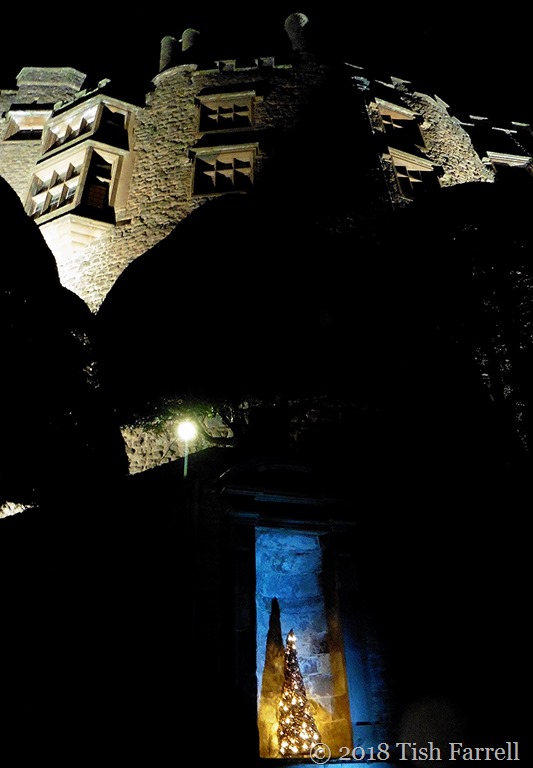
It was not promising. The constant swish of wipers; rain that felt set-in; roads awash and headlights picking up flooded fields and burst river banks. But as we reached the outskirts of Welshpool the rain suddenly stopped, and ahead and high on its rocky promontory Powys Castle glowed like some fairy-tale bastion. And as it turned out, parking was easy; we were not mired in mud despite days of rain; and though there were plenty of visitors, we all soon lost ourselves in the castle grounds and it quickly became a big, magical adventure.
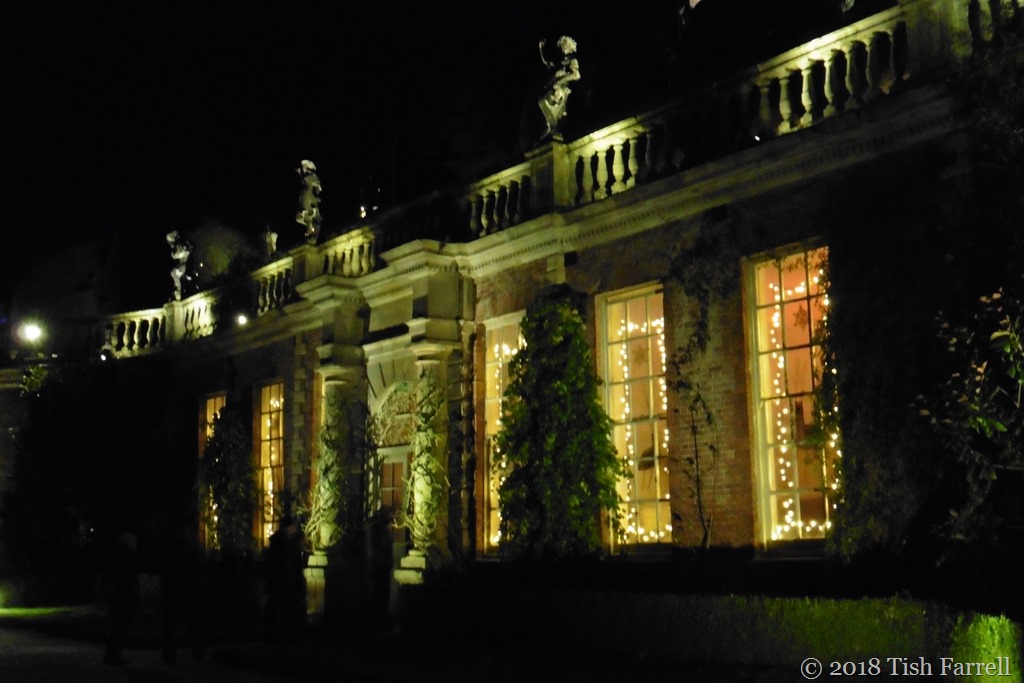
And not a little bonkers, I must admit – going round the steeply terraced castle gardens in the dark – the whole thing laid on by the National Trust as part of their season of festive celebrations at the castle. Anyway, here are a few other-worldly scenes from the night garden of this ancient Welsh borderland fortress.

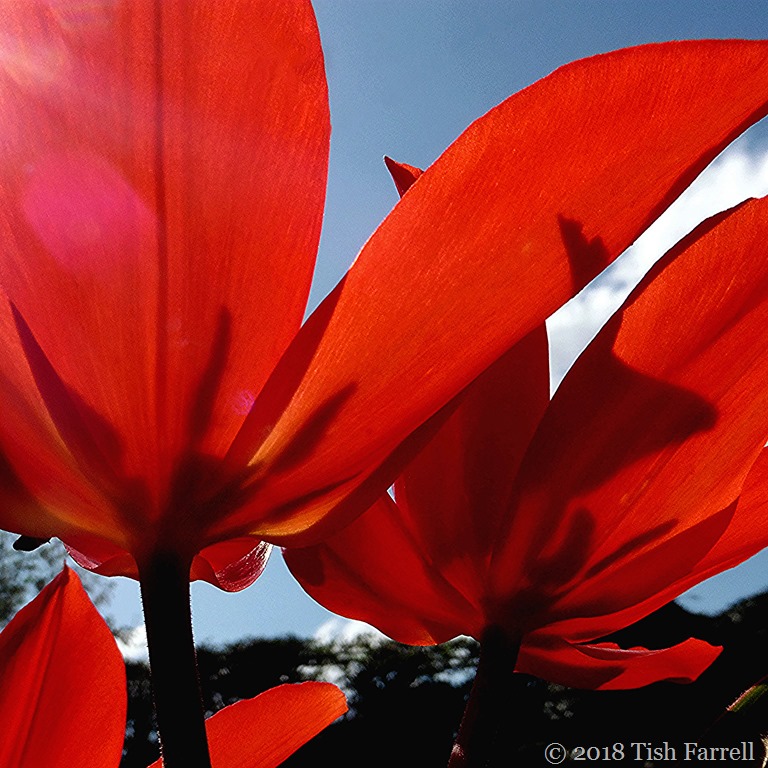
Still Time To Plant Tulip Bulbs…
…in the northern hemisphere that is. In fact UK gardening buffs say December is often the BEST time to plant them – before the real frosts, but after the temperatures have dropped. If planted in warm weather tulips can be prone to fungal diseases. But whenever you choose, they do need good drainage, and quite a deep planting hole. And they love the sun as they are plainly demonstrating here. So much to look forward to then from a pot filled with bulbs. And after yesterday’s monochrome studies of the field behind the house, I felt a blast of festive red was called for.
Time Square #1 For the month of December Becky’s set us the task of posting square photos on the topic of time, however we wish to interpret it. Please join in – as and when.
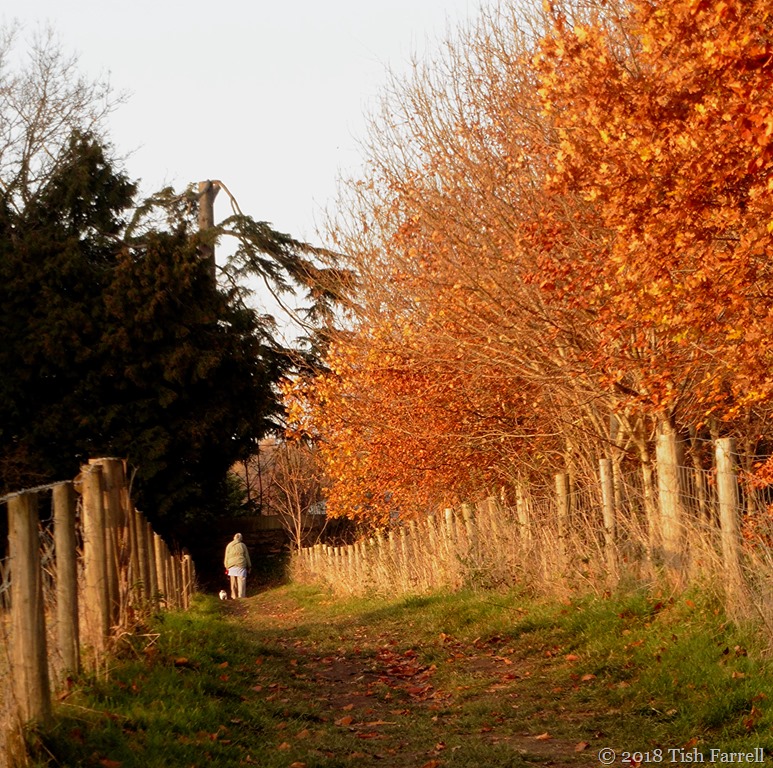
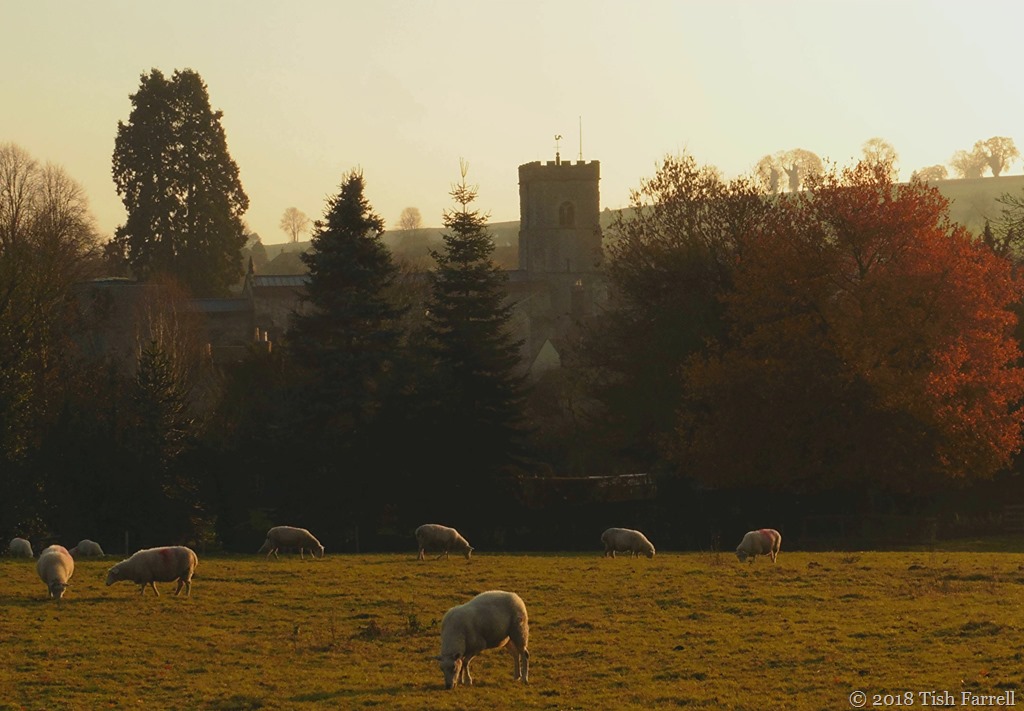
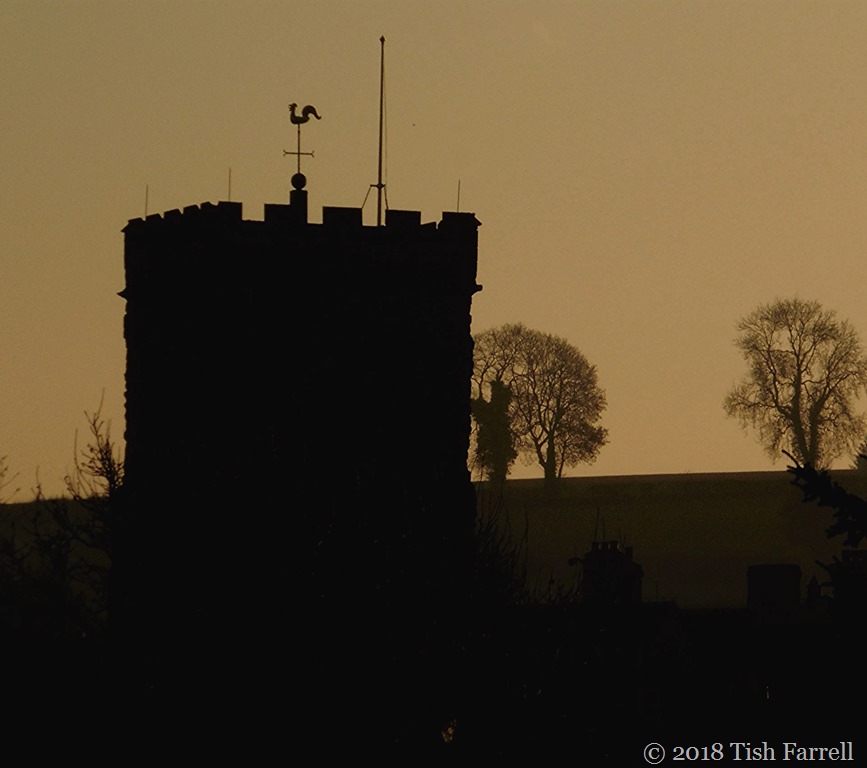
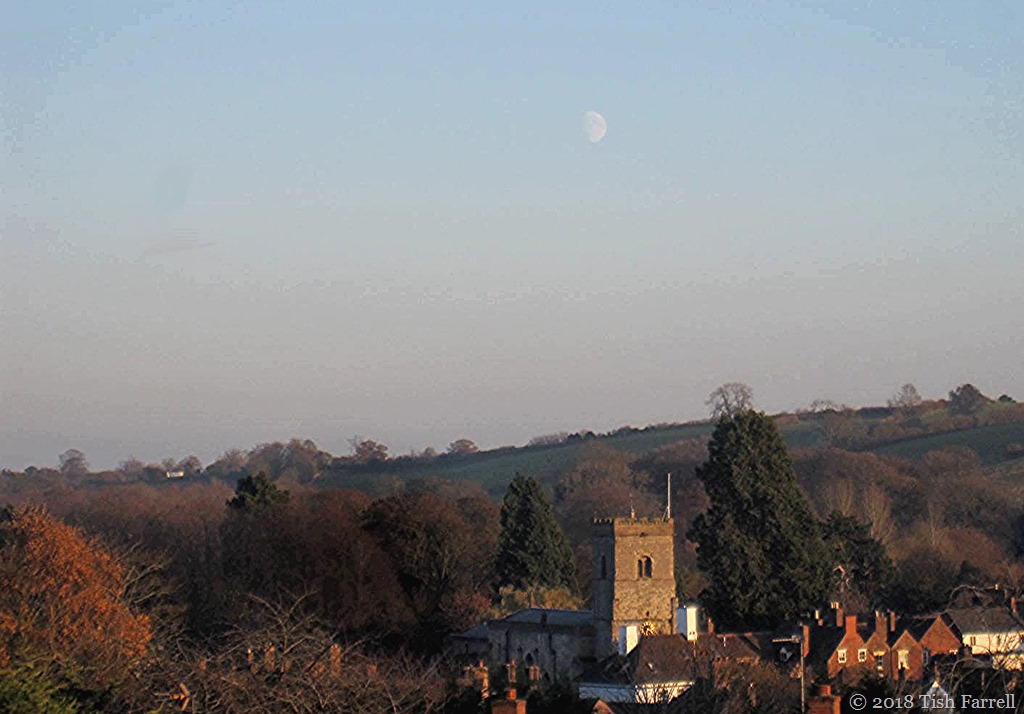
The Changing Seasons ~ November In Wenlock
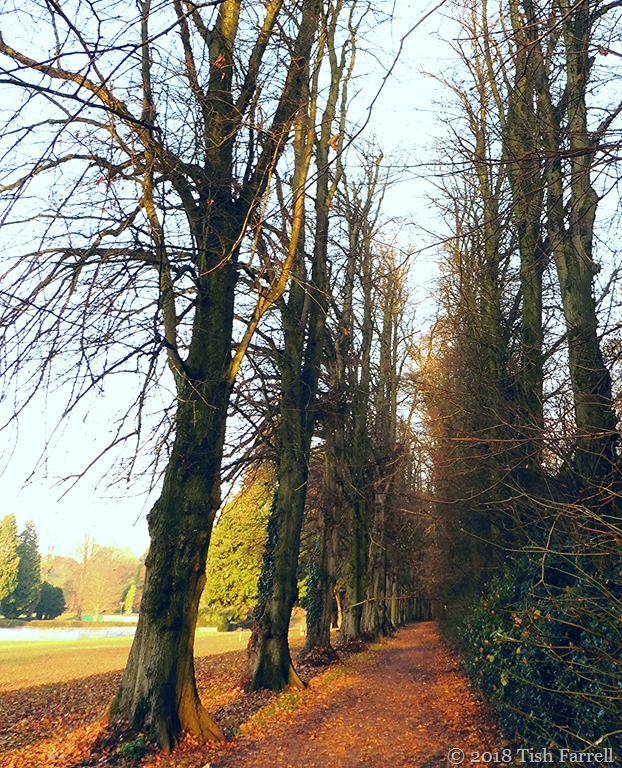
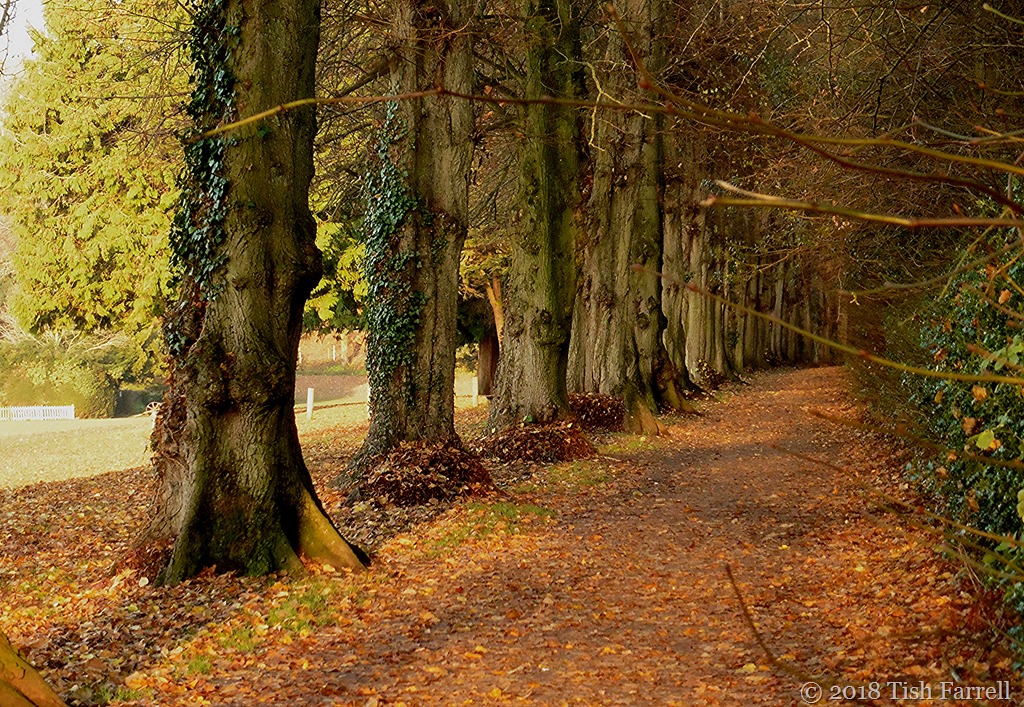
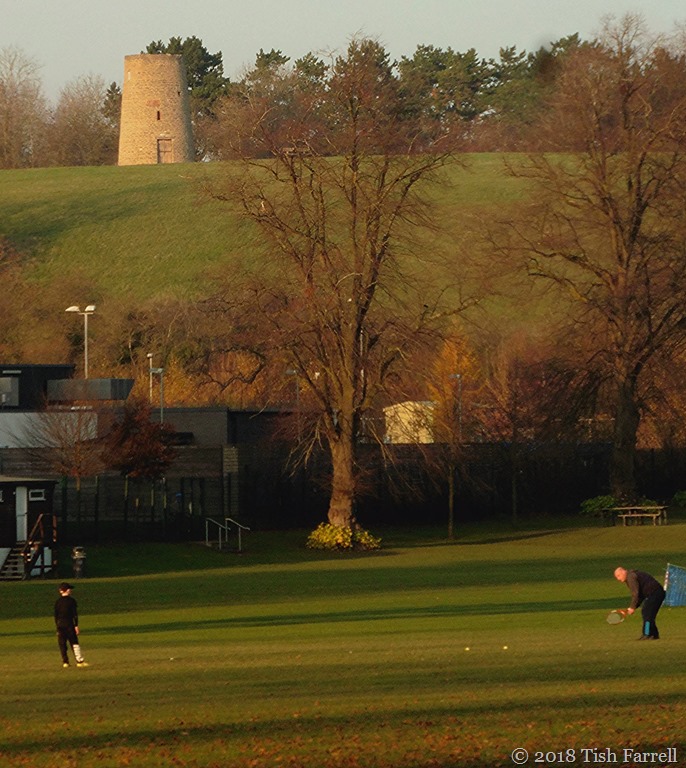
Scenes in old gold: the Priory parkland above, then the Linden Walk and Field and a view of Windmill Hill:
*
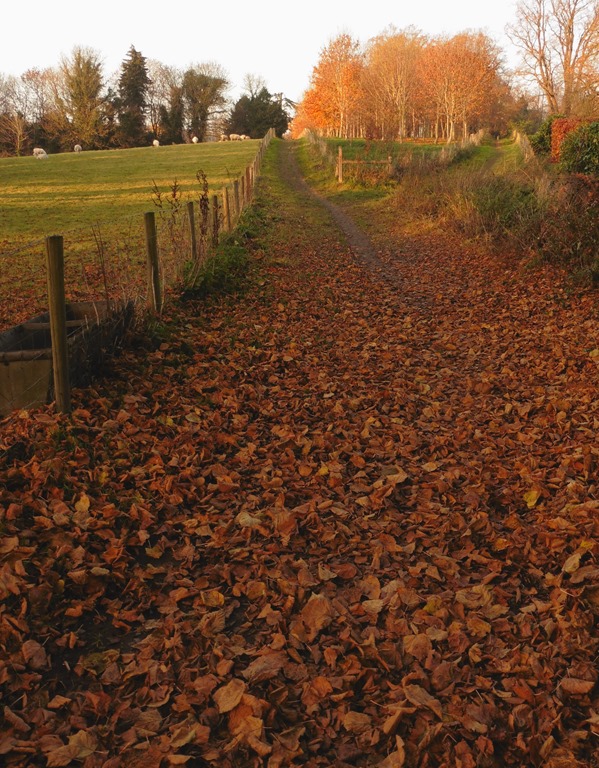
The Cutlins path, sheep and parish church:
*
And now the townscape as seen from the allotment:
*
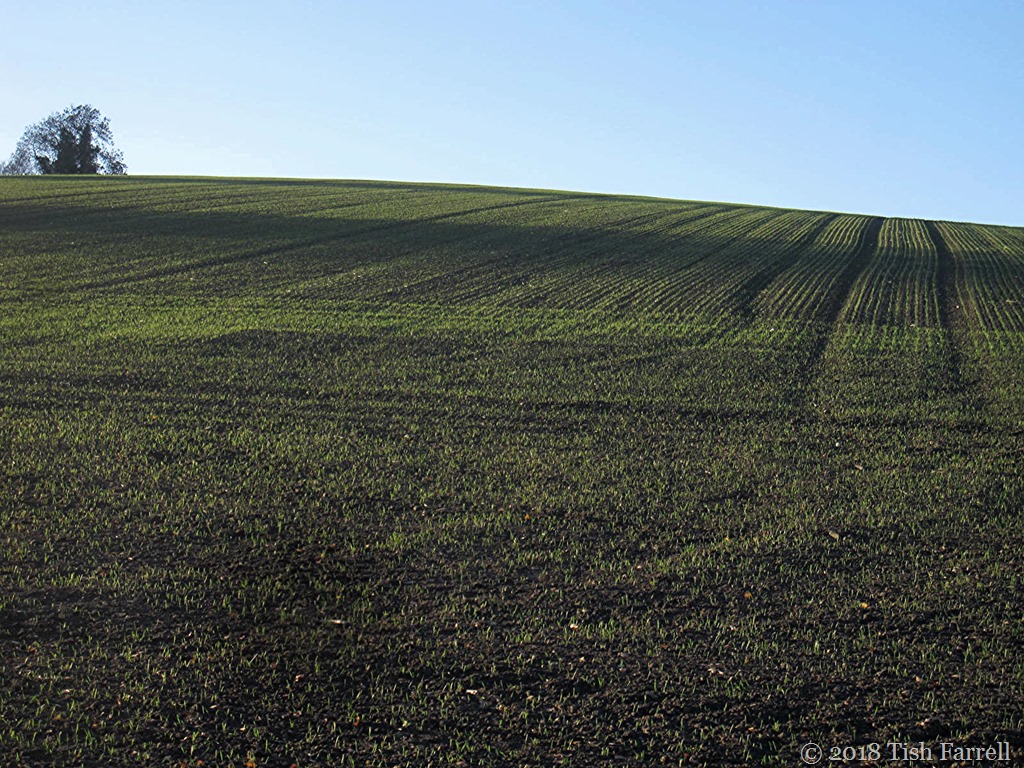
And a touch of green: winter wheat sprouting in Townsend behind the house (you saw it being sown HERE back in October):
*
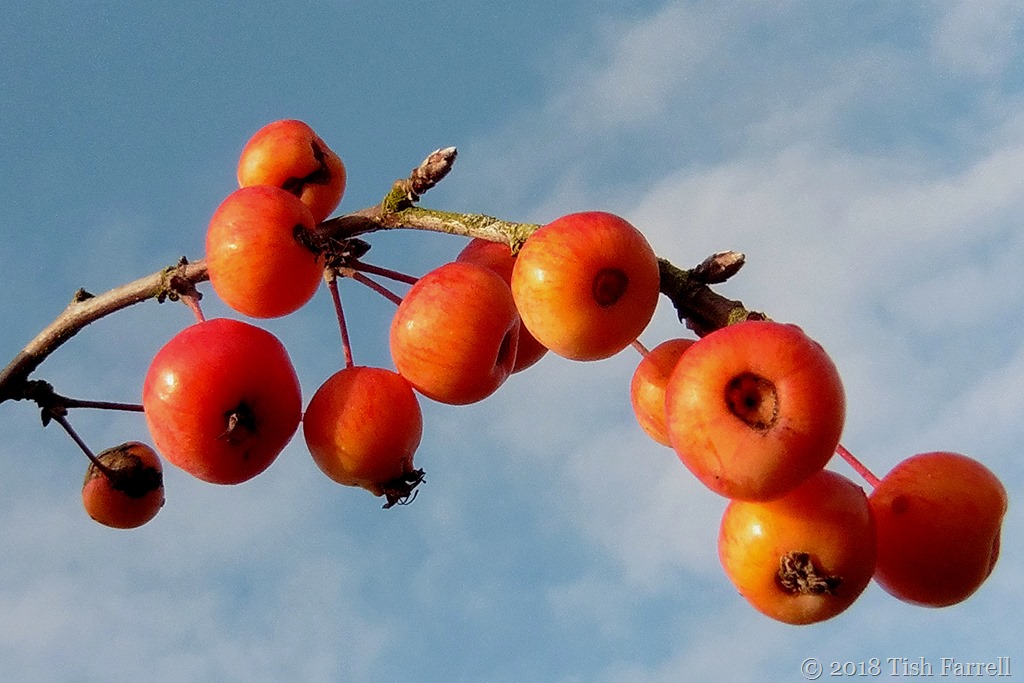
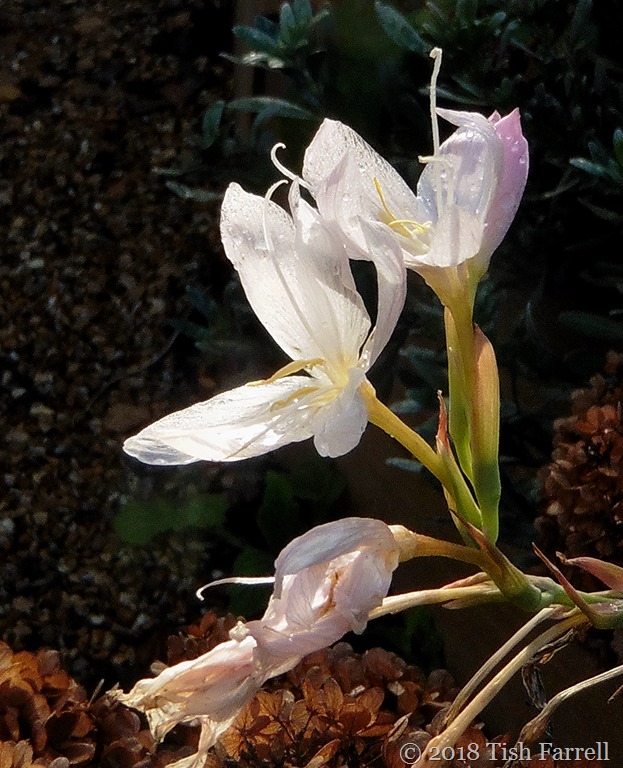
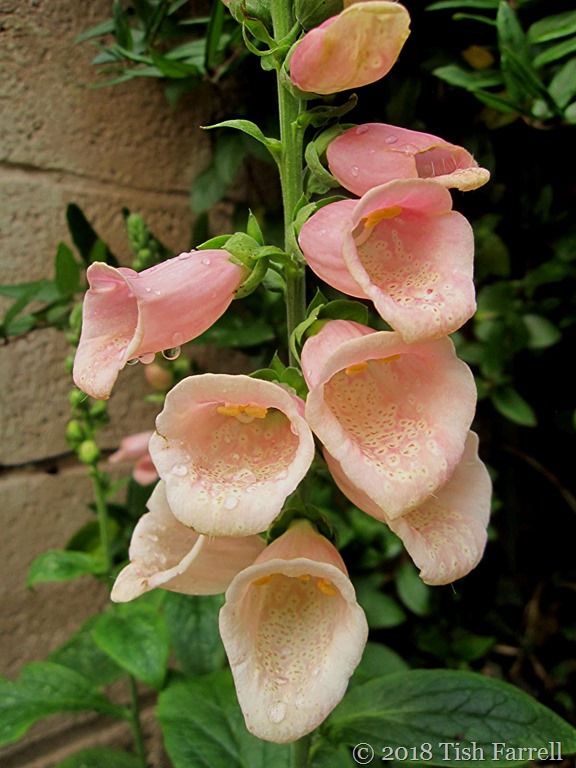
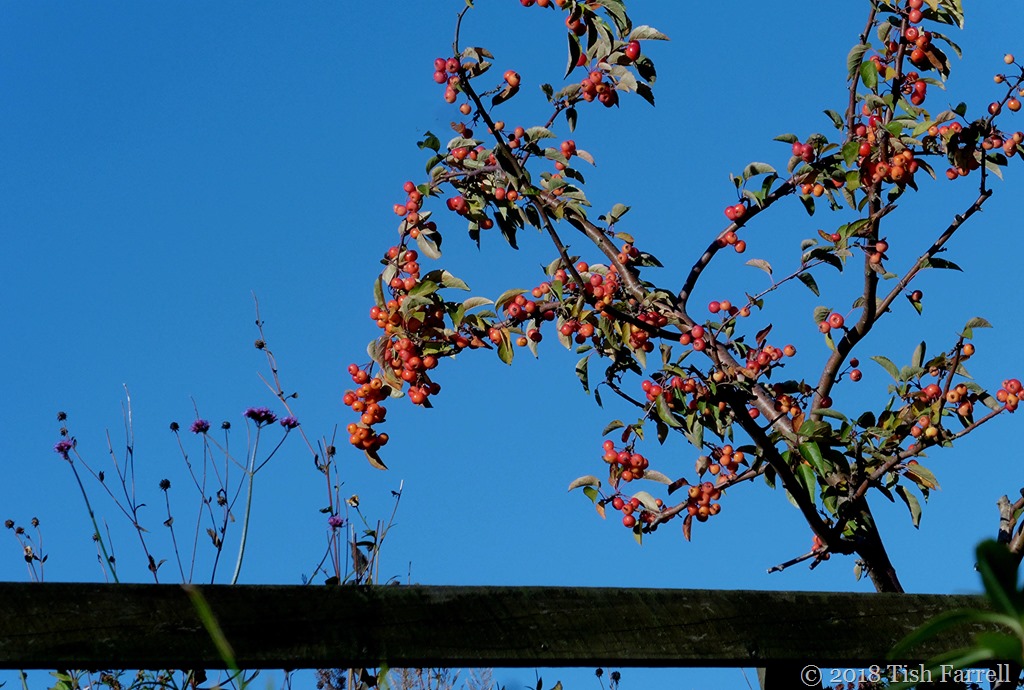
And in the garden: Evereste crab apples, Hesperanthus, and Foxgloves (still flowering today):
*
And on Remembrance Sunday, Much Wenlock marked the centenary of the ending of WW1 with the lighting of a beacon on Windmill Hill, an occasion (on my part anyway) coupled with the fervent wish that here at least was one lesson from history that the ruling elite might learn from, though it’s showing few signs so far.
Lighting Up Dark Days
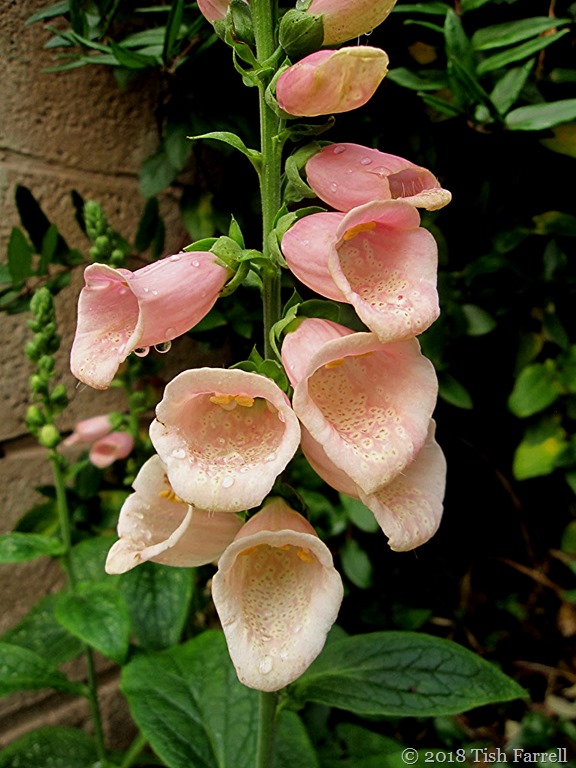
Today A Touch Of Garden Magic ~ Foxgloves?
Well, it has to be some kind of magic, foxgloves in November. And not just one aberrant stem, but several all set to bloom. And this after last week’s several frosty days. But what a treat to find it flowering outside the back door – its blushed peachy shades looking far too delicate for this autumn outing.
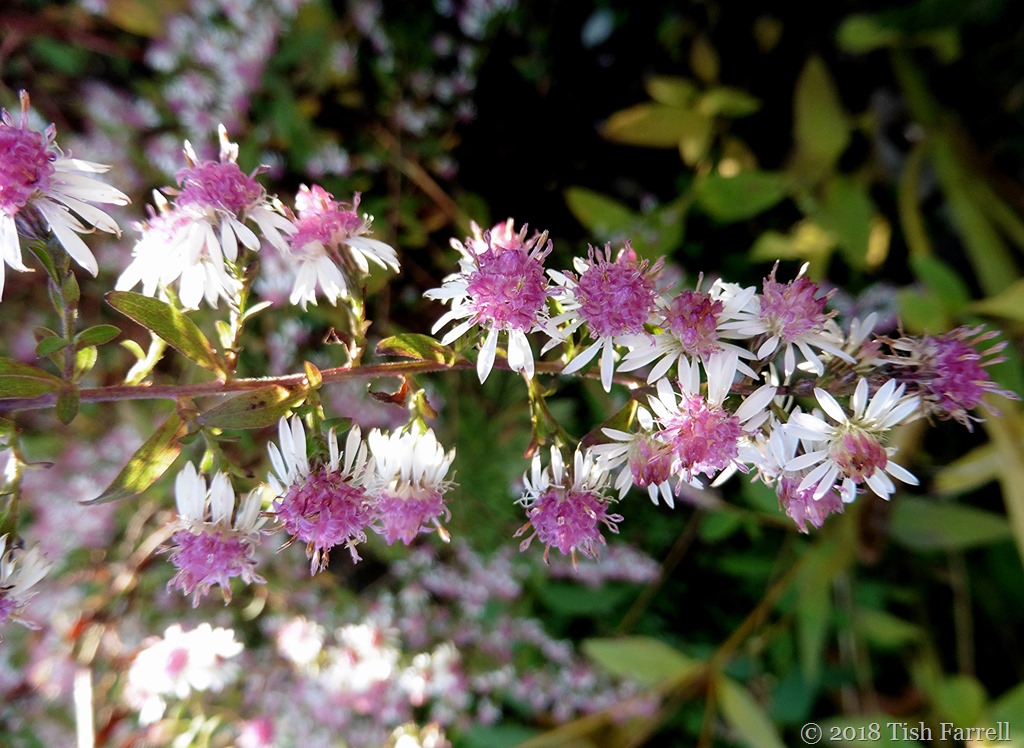
There are other treasures too. In the raised bed at the top of the garden there are delicate cascades of Aster Lady in Black. I bought it at the end of last summer, and it has just now come into its own. It doesn’t grow too large, but has dark stems and feathery leaves and a slightly unruly habit, and while the individual flowers are tiny, the overall effect is perfect for brightening a late season border.
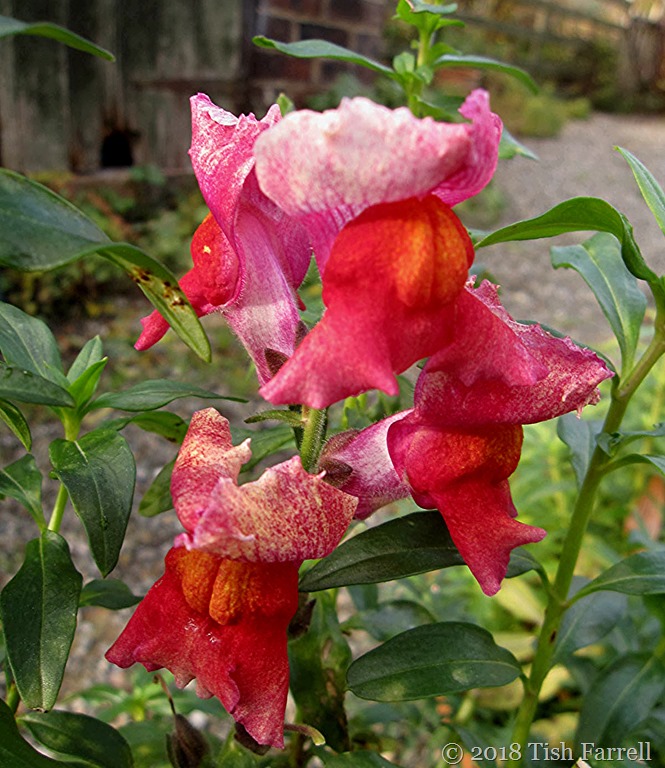
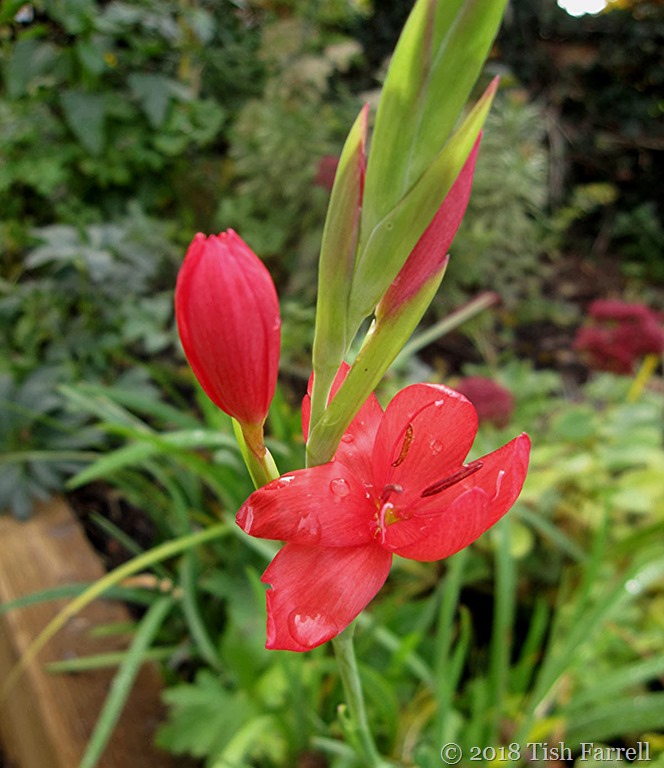
And then there are still some crimson snapdragons and coral hesperantha:
Blooming November ~ Today Over The Garden Fence
October’s Changing Seasons
Our October began bathed in the rosy glow of ancestral landscapes, the farm fields and vistas of four generations of maternal grandfathers, the millstone grit uplands of Derbyshire’s High Peak District. It would have been a hard life on Callow Farm, and especially for the grandmothers who would have managed a never ending round home and farm duties while rearing six or even eight children (the parish records suggest that many more Foxes survived into adulthood than were lost in infancy, but then yeoman farming folk would have been well nourished and well aired by comparison with most town dwellers down the centuries).
*
By the time we returned home, summer was definitely on the wane in our Shropshire garden although many flowers were still holding their own. Even now, the front garden beside the road is bright with helianthus, sedum, Michaelmas daisies, purple toadflax, small pink roses and the stalwart geranium, Rozanne. And out back in the guerrilla garden there are sunflowers and dyer’s chamomile with its bright yellow daisies. There are also Japanese anemones, hesperantha, zinnias, snapdragons and the shrubby convolvulus still on the go. So kind of the garden to ease us so gently into autumn.
*
Meanwhile, around the town and farm fields the change of season is more apparent:
*
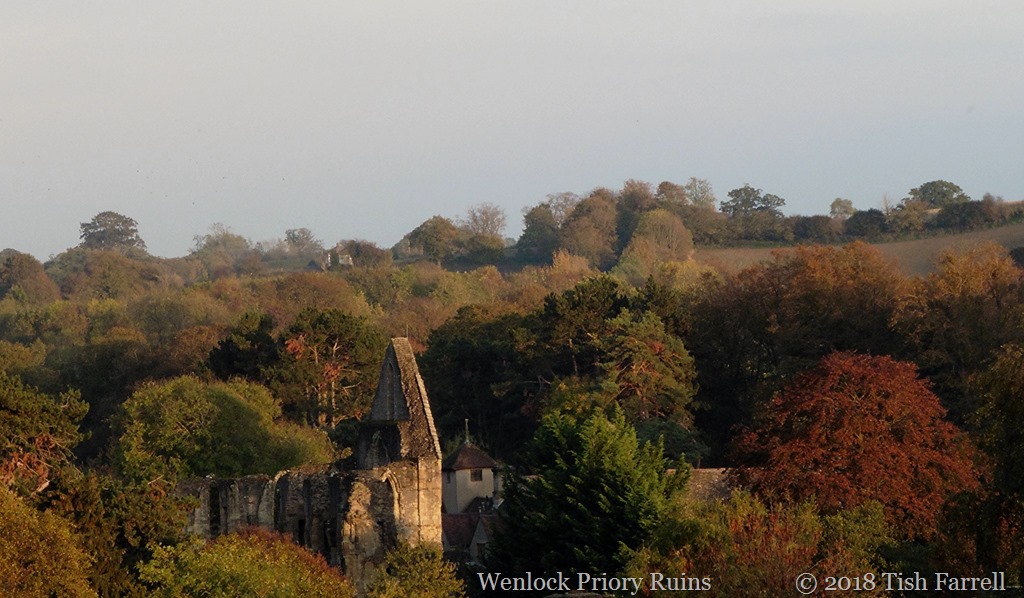
And finally a glimpse of the priory ruins and the little tower on the Prior’s House: