June On The Plot ~ Before The Rain

IMG_2018

This year it’s been a case of less blogging and more digging. And yes – to those of you who follow my gardening pursuits – I have not forgotten that for ages I have been trying to follow the tenets of ‘no dig’ gardening. I really do want to, and in spirit at least I hang on to Charles ‘no dig’ Dowding’s every soily crumb of wisdom. But the big thing is he gardens in Somerset in the mild south west; he does not garden on the side of Wenlock Edge where the land comprises 400 million-year-old Silurian clag that sets like cement at the slightest opportunity and does so even when you’ve piled on the compost.

In fact all the usual things that gardeners add to heavy soil to improve drainage – sand, grit, well rotted manure, lime – are grist to its mill. It seems to suck them up and then sets harder still. Clearly those decomposing  residues of fossil tropical sea bed – crinoids, trilobites, giant scorpions, volcanic ash and all – must contain something  very, very sticky – some geologically ancient equivalent of super glue I should think.

In other words, the chances of my making enough compost to apply each autumn across both my half-plots and to the appropriate depth that might make an actual difference to the soil are extremely unlikely.  Instead, and by way of cutting coat to suit cloth, I eke out the compost I do have, putting it only in the spots where I intend to plant, and rarely attempting to cover an entire bed. Also, given the challenging nature of the soil (and its slowness to warm up), I rarely sow directly in the ground, but germinate most things in individual pots or trays.

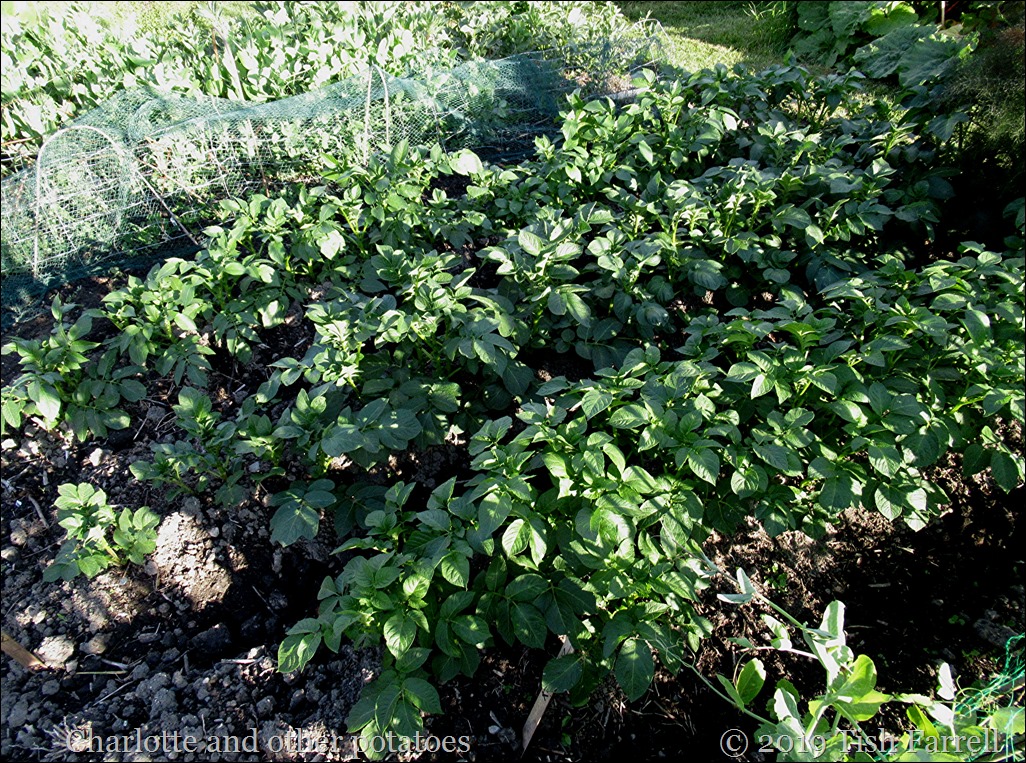
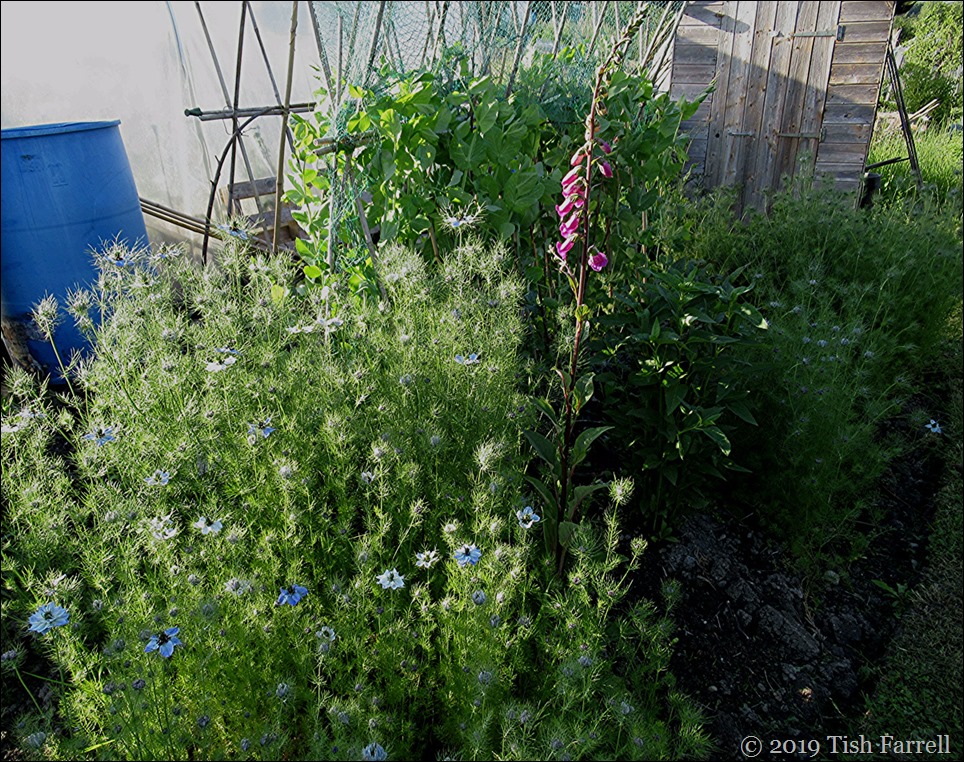
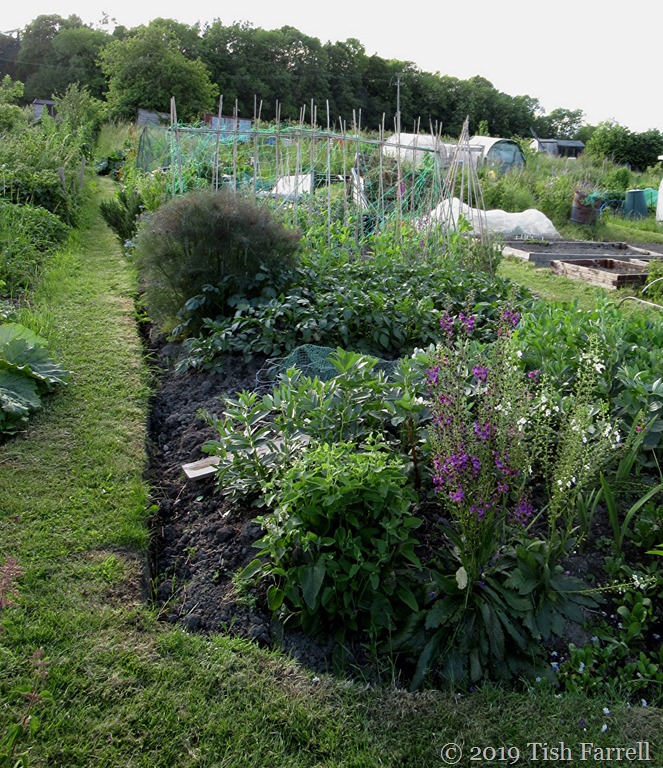
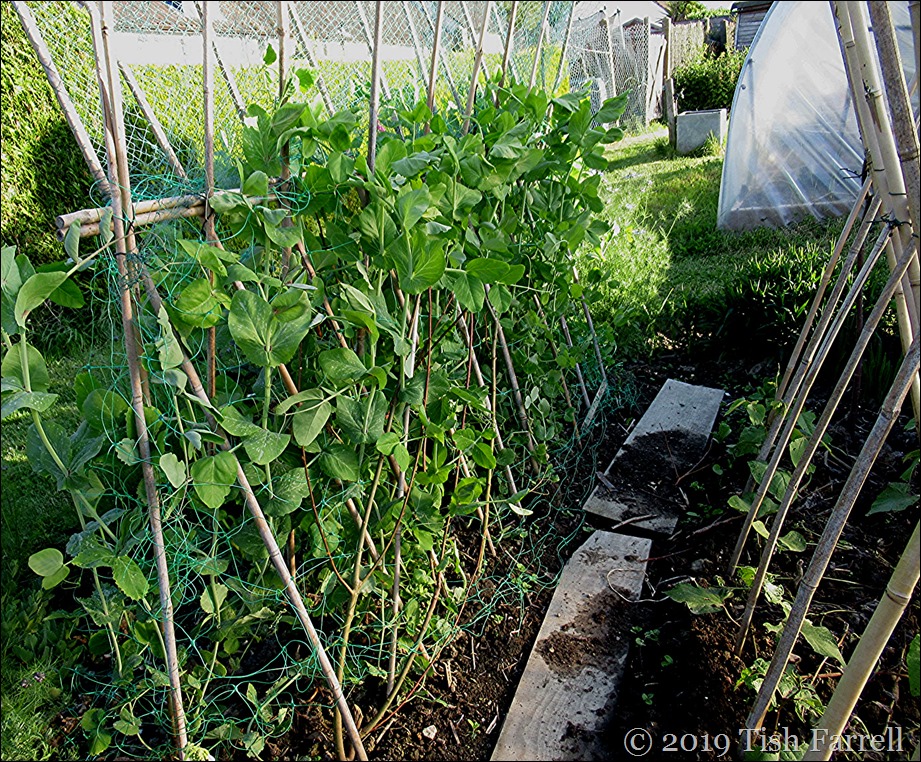
The first photo shows the result. On the left are climbing peas (currently half grown height-wise). This is a heritage variety called Ne Plus Ultra – sown three or four seeds to a 4” pot in February and planted out around the end of March. I’ve not grown it before (it was recommended, if not rediscovered during the making of the 1980s Victorian  Kitchen Garden TV series), and I’m looking forward to the results given its show-off ‘cannot  be bettered’ claim.

I’m also thinking that my head gardener grandfather, Charles Ashford, who as a boy underwent the full Victorian stately pile/hierarchical gardening apprenticeship, would have been very familiar with this variety and also with Alderman, the other main crop climbing pea I’m growing this year. One of the advantages of these old varieties is that they produce pods gently over the whole summer season, whereas the modern short cultivars crop at one go and need to be sown in succession if you want to extend their season.

Pea growing tip: peas germinate really well in compost filled lengths of plastic guttering (no need to add drainage holes but water in just enough to keep the sowing medium moist). When it’s time to plant out, and the seedlings are a couple of inches tall, slide the lot (wheesh!) into a shallow trench, draw soil round, firm in and water; protect from birds and provide small sticks for them to climb up. This sowing method of course foils seed-plundering mice and pigeons, and gives the plants a head start.  And if you are growing modern pea cultivars, it makes successional planting easier to sort out – e.g. you can sow, say, a metre length or two of guttering at two-weekly intervals. IMG_1999
But back to the top photo. On the right you can just see the runner bean bed. These plants were germinated in small pots and a couple of weeks ago planted into the remains of an overwintered compost heap. (The other half of the heap had been spread along the Ne Plus Ultra bed prior to planting).  Runner bean plants always struggle to begin with, no matter how healthy the seedlings. The allotment harbours some leaf-chewing pest that is not a mollusc. So far, and most annoyingly, the culprit has not been identified by he who is a plant pathologist and lives in my house – but every year it has a good go at everyone’s freshly planted out runners. You just have to hope they’ll grow through the setback. They usually do. Again I’m trying a new-to-me heritage variety. It’s called Liberty and has a reputation for producing large and succulent pods. Its seeds when I came to sow them were surprisingly enormous, and I’m secretly expecting multiple versions of Jack’s beanstalk. So if I suddenly disappear from this blog, you’ll know where I’ve gone. Or at least how I’ve gone.

Elsewhere on the plot the broad beans, strawberries and three different sorts of globe artichoke are beginning to crop and are proving delicious; beetroot seeds of many varieties are sprouting, including an old Gallic sort called Crapaudine which is French for Madame Toad. Parsnips, sugar pod peas, mixed lettuce, young cabbage plants and potatoes are looking sturdy though the cauliflower plantlets are definitely struggling and I have no idea why, nor what is causing some of the onions to start going to seed. Another unidentified pest is nibbling the tough leaves of the celeriac seedlings but not enough (so far) to kill them. Bought-in leek and sweet corn plugs are settling down, as are the ridge cucumbers and squashes. In the polytunnel the tomatoes, aubergines and peppers are growing well – so far.

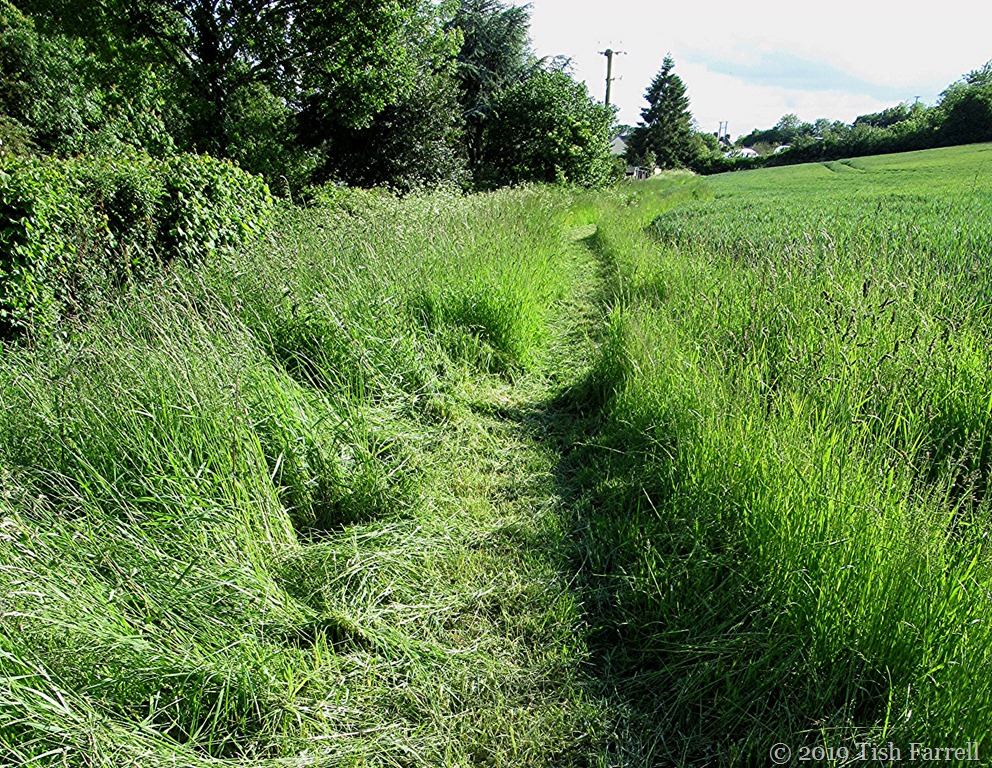
Meanwhile in our corner of Shropshire we now have a week and more of April-Showers-In-June to look forward to. Gardening is on hold, though in anticipation of resuming same I’m most grateful to the volunteer footpath people. On Thursday evening they brush-cut the field path, thereby providing me with a large quantity of unexpected compost makings – or they will be when I can get out there to rake them up. This kindness also means that when it is fine enough to next visit the allotment, I won’t arrive with rising damp and knees soaked through by overgrown vegetation. So thank you Strimmer Man. You did a good job.

Here’s the freshly cut path before the rains moved in. You can just  see the polytunnel tops over the far hedge:

IMG_1885

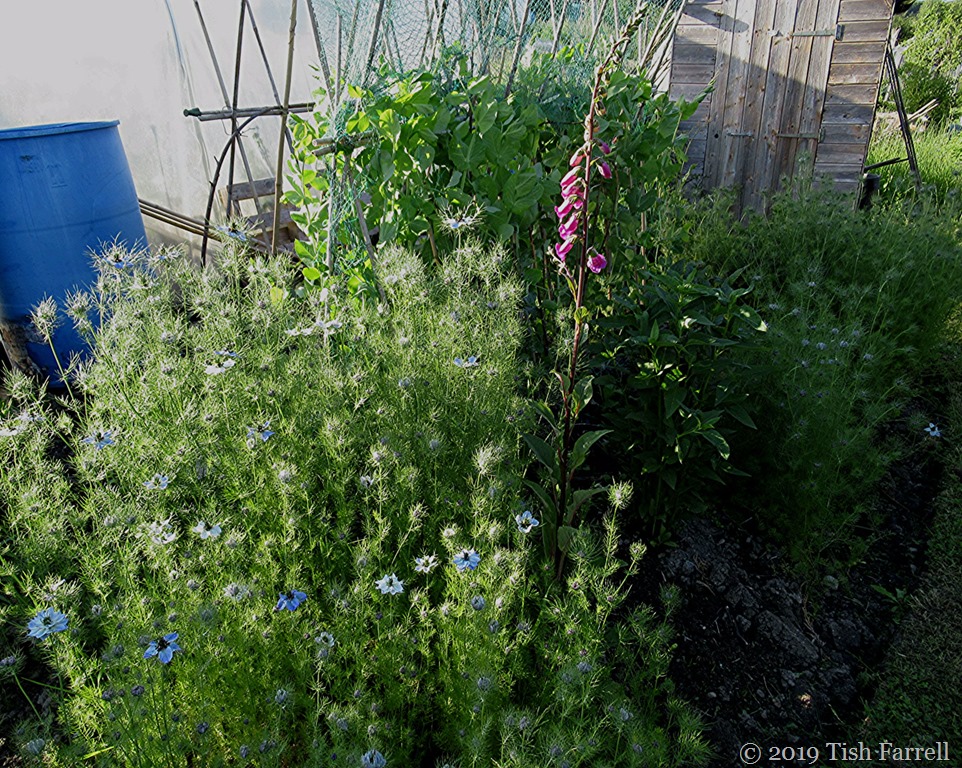
And here are more Thursday evening shots of Farrell half-plots one and two which are in separate places due to my wanting one with a polytunnel on it:

IMG_1993 (2)

IMG_1995 (2)

IMG_2000 (2)

IMG_2019

IMG_2003 (2)

IMG_2004 (2)

copyright 2019 Tish Farrell

Love-In-A-Mist ~ The Allotment Constellation

IMG_1946

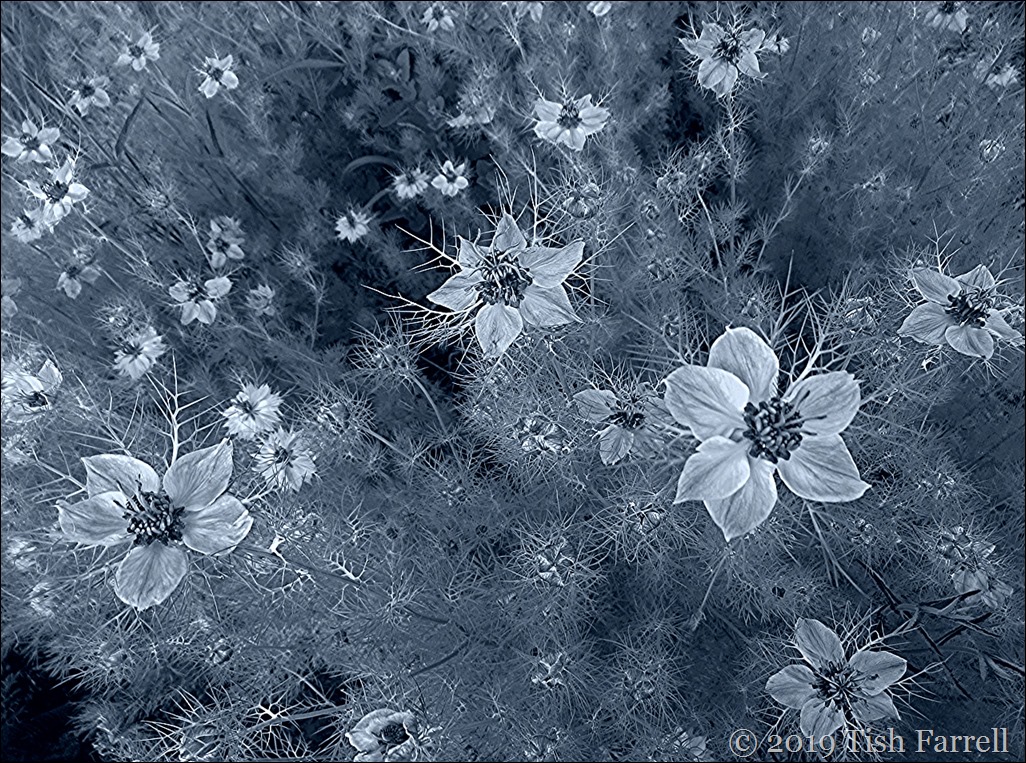
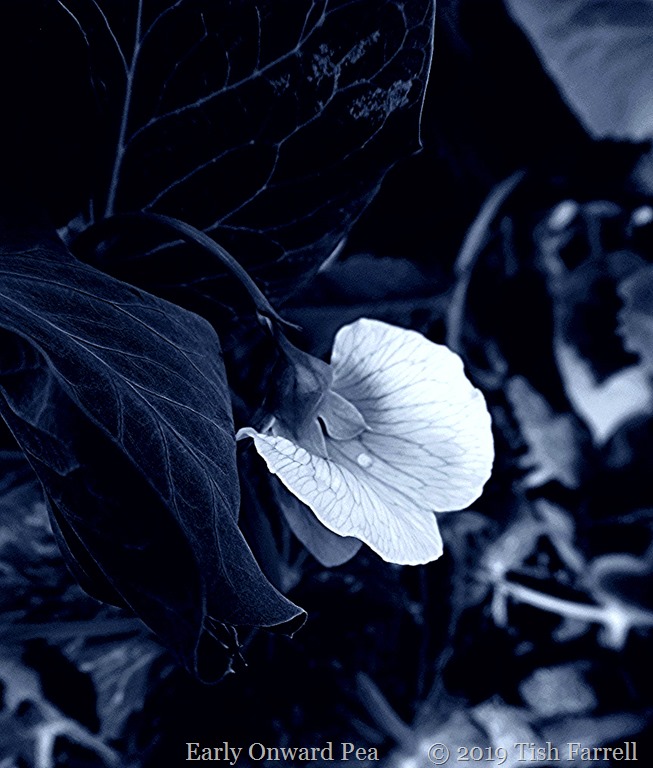
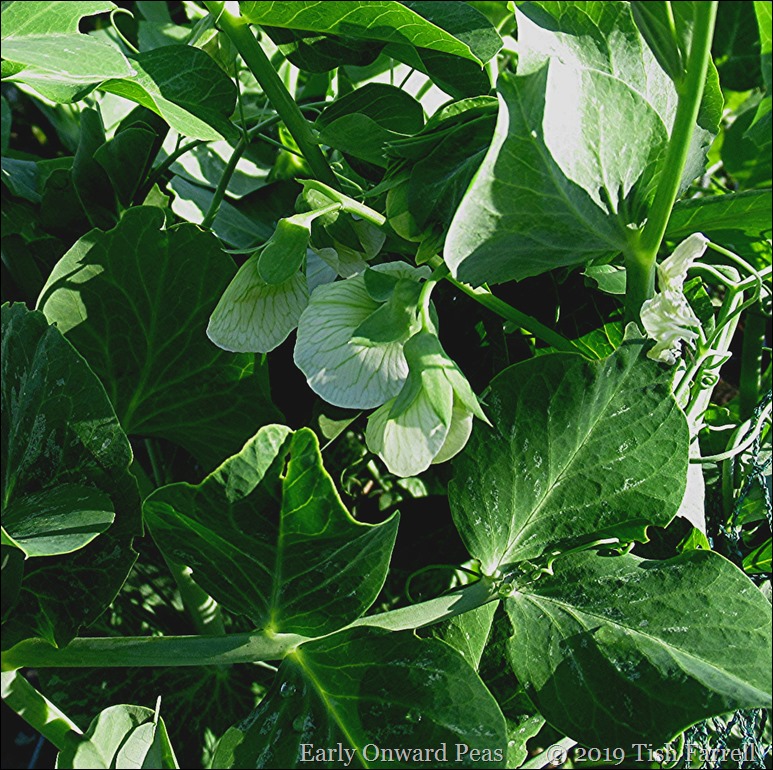
Nigella damascena is a wonderfully self-seeding annual that has been grown in English gardens since Elizabethan times. It is much loved for its sky-blue flowers (sometimes also white or pink) and its delicate ferny leaves. And of course, once the flowering is done, there are the strikingly odd sputnik seed capsules to admire.  Though seen here in monochrome (with a hint blue), the flowers already have a distinctly alien look. I took this photo last night at the allotment. I have several self-seeded clumps around the vegetable plots, and they are just beginning to flower. It’s always good to mix things up like this, the flowers not only attracting the pollinators for the fruit and vegetables, but also, in the case of French marigolds, diverting crop pests. And talking of crops, or ones in the making, here’s a rather fine pea flower:

IMG_1972


Cee’s Black & White Photo Challenge ~ flowers of any kind

Today In The Garden ~ Granny’s Bonnets Galore

IMG_1614

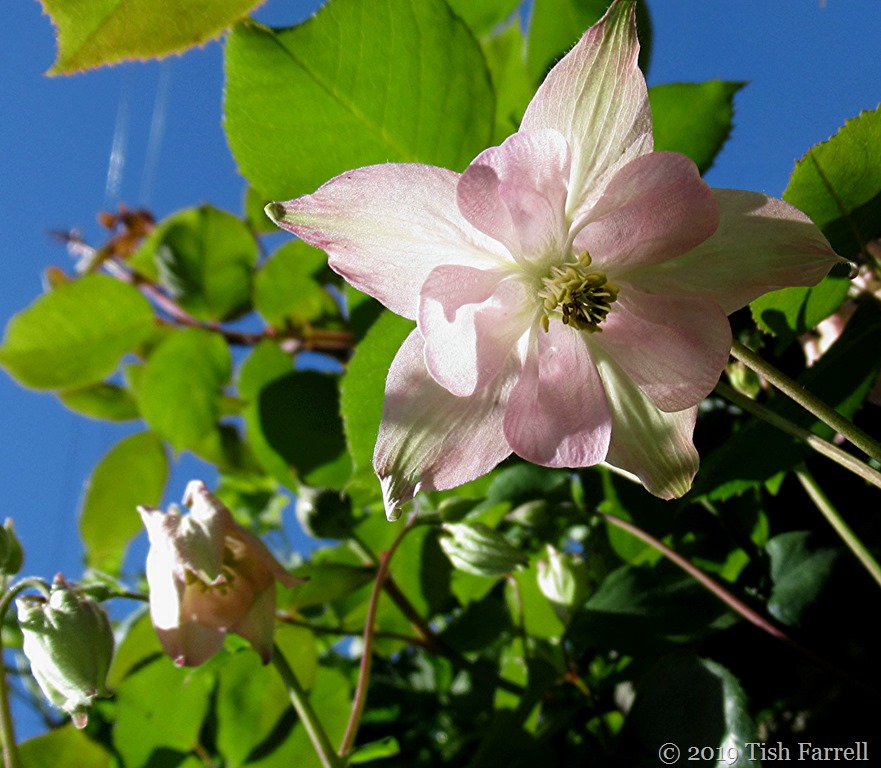
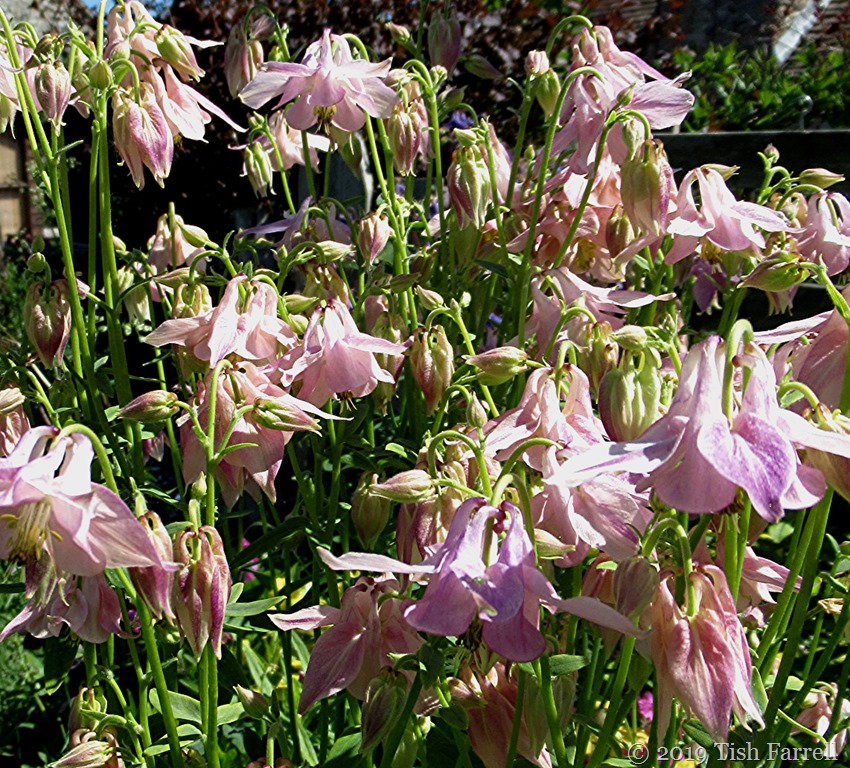
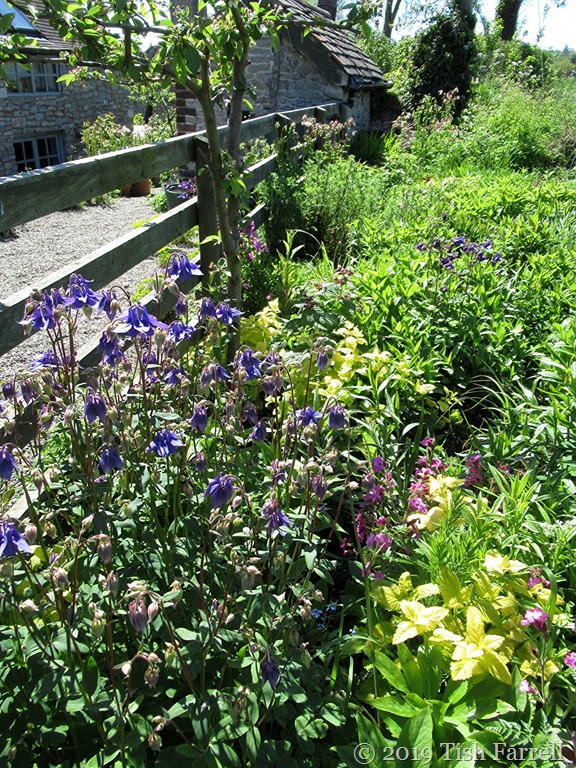
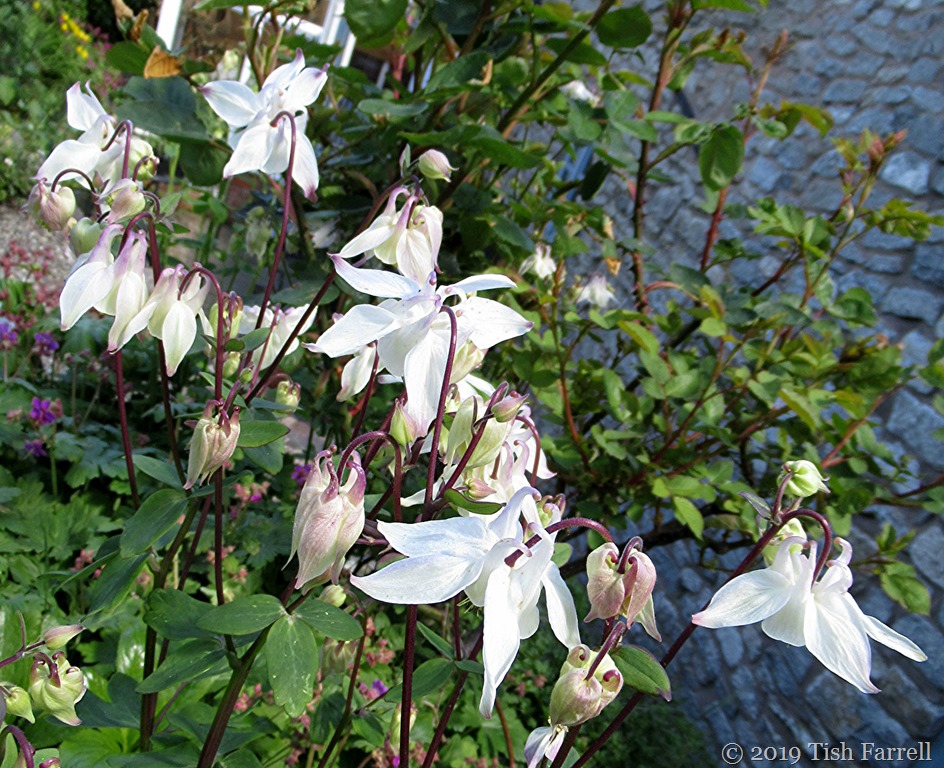
I’ve said before there’s a lot goes on in our garden that has little to do with me. This month’s aquilegia/columbine/granny’s bonnets invasion is just one of them.  Year after year they self-seed and appear in subtly new colour variations. Sometimes the mauve palette predominates, sometimes the pink and claret. This year there are several white ones with mauve hints, and also some new salmon pink ones that have chosen to grow in amongst the Gloire de Dijon climbing rose which is just about to break into blooms of the very same shade. Makes you wonder if the Grannies have more than bees in their bonnets. I mean, did they plan this?

IMG_1607

Out in the guerrilla garden (between our back fence and the field) the Grannies are growing in thickets. They have also crept round to front garden for the first time this year, though last year I did plant a species yellow one out there (a plant rescued from an abandoned allotment plot) in hopes that in time it might mingle with the residents and create some new shades.

IMG_1563

IMG_1561

IMG_1586

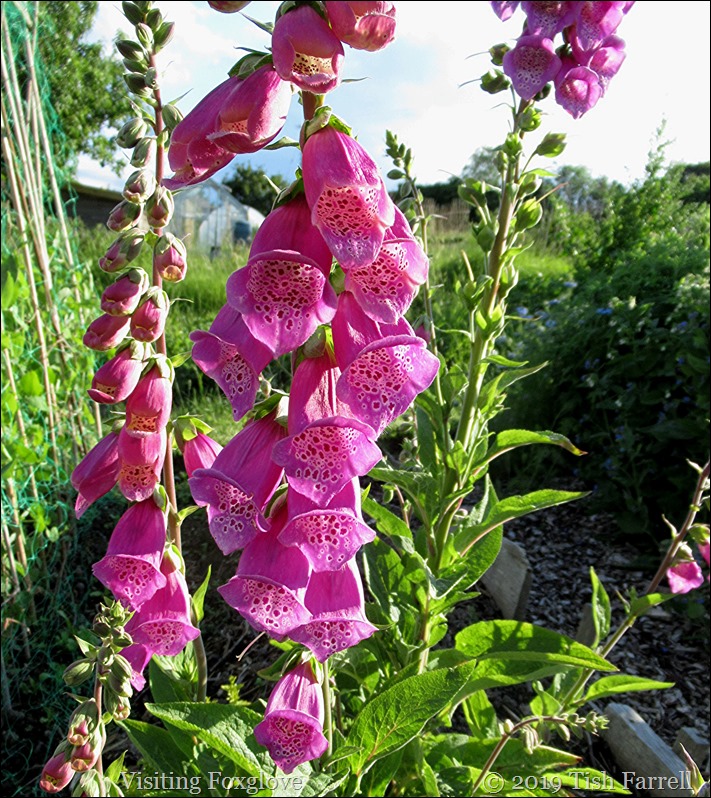
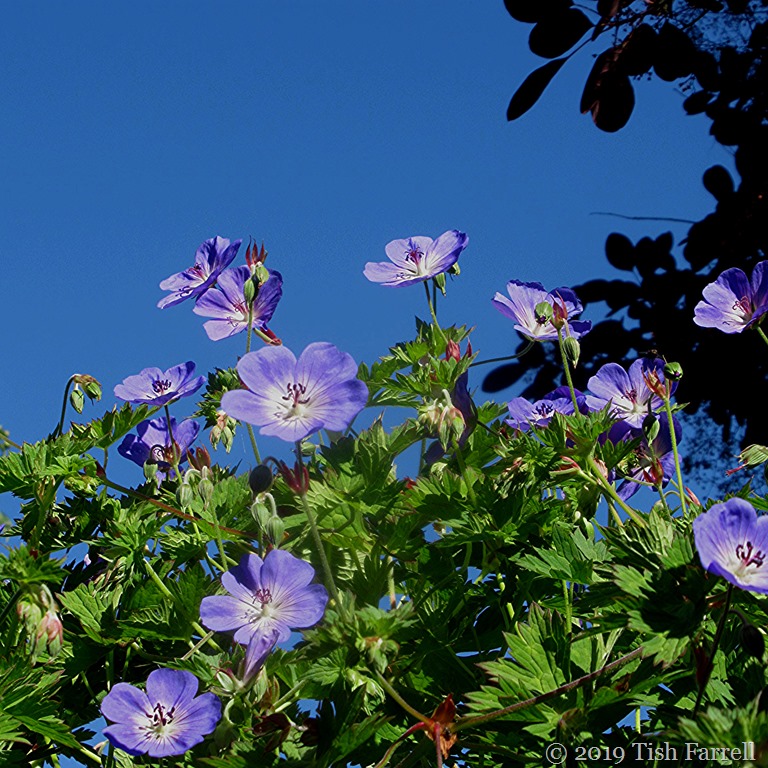
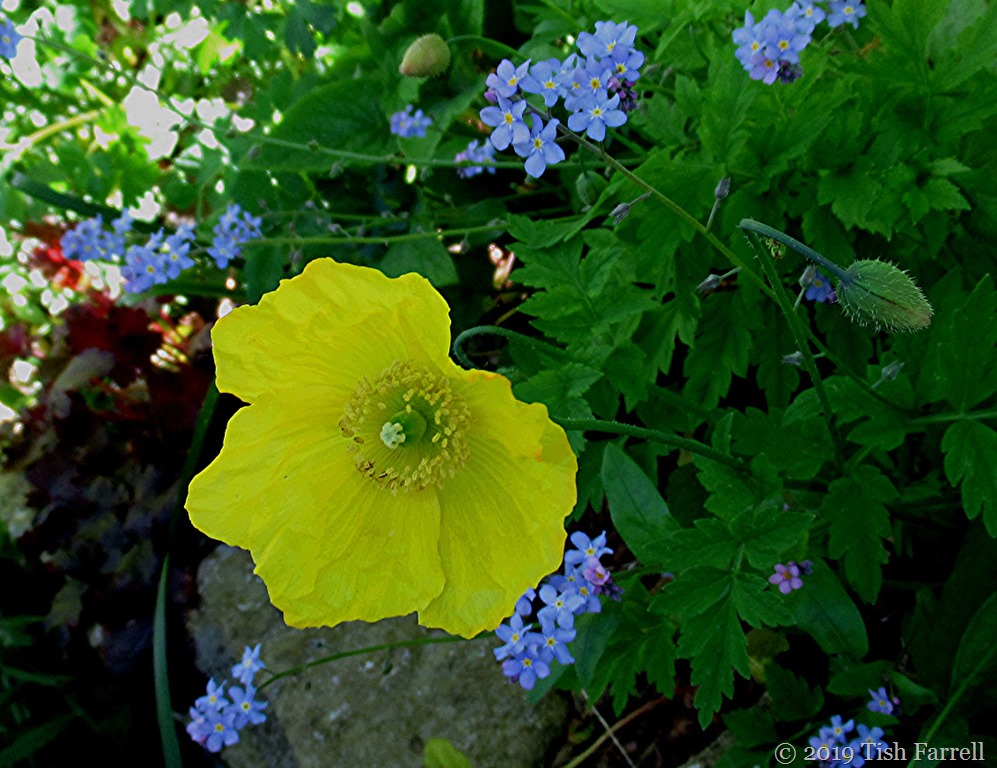
And then besides the Granny’s Bonnets, there are the self-gardening Welsh poppies, forget-me-nots and perennial geraniums (which also mingle and change colour). Soon there will be foxgloves and corn cockles, and if we’re lucky, the opium poppies may visit us again. When friends ask us if we’re going away, we always feel a touch bemused. With so much going coming and going outside the back door, why would we need to?

IMG_1618

IMG_1589

IMG_1599

Whenever we can, we sit on the bench at the top of the garden, stare at clouds (though there wasn’t a single one this morning when I took these photos), listen to the racketing of rooks, the keening call of buzzards, watch the jackdaws fly over, hear the garden buzz, observe the wood across the wheat field as it changes in shade and texture day by day, exchange greetings with a passing walker on the field path. And we think – this is a good place to be; a very good place.

IMG_1556

Garden Gold ~ Calendula Officinalis

IMG_1532

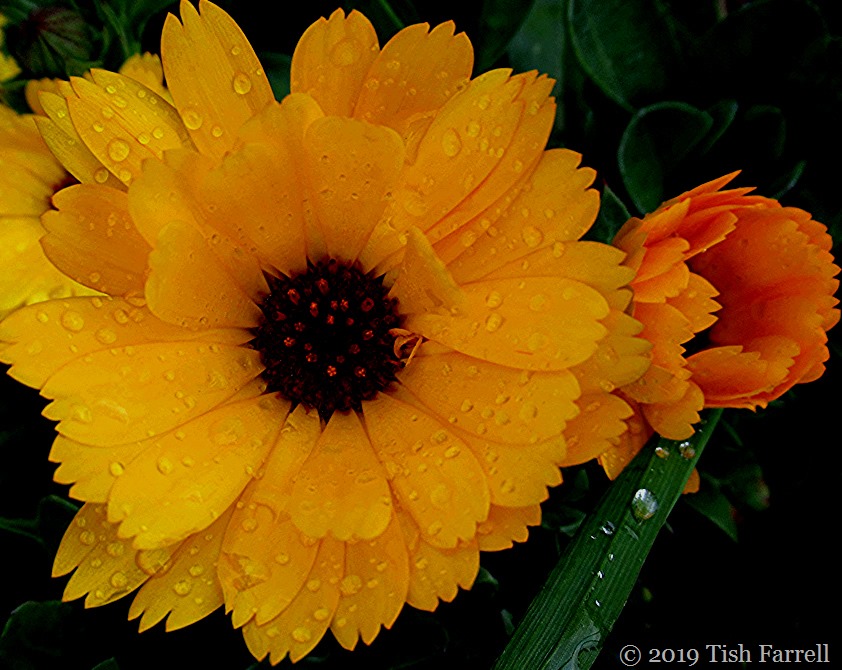
In medieval times the flowers of the common pot marigold (Calendula officinalis) were included in ‘a cure’ for bubonic plague – added to the finely ground shells of new laid eggs and stirred in with treacle and warm beer; to be drunk night and morning. I’m not sure about the powdered egg shell, but the rest of it sounds quite heart-warming. And that’s the best thing about marigolds: simple to catch sight of them lifts the spirits, and lifted spirits are an essential part of wellness and wellbeing. So here is some Friday morning ‘medicine’ from the allotment, marigolds self-sown and grown without one finger’s worth of help from me – a free and lovely gift from Planet Botanic.

Copyright 2019 Tish Farrell

Earth Sense: The Sweet Smell Of Wet Soil

IMG_8223

There’s nothing like it: either the word or the phenomenon. Petrichor is the term coined in 1964 by two Australian scientists, Isabel Joy Bear and Richard G Thomas, derived from the Greek word petra  meaning stone and ichor the fluid that flows in Greek gods’ veins (Nature, Volume 201, Issue 4923, pp. 993-995) and they used it to describe the smell of soil when it rains after a prolonged dry spell. They even defined the component parts. Oils from drying plants are absorbed by clay-based soils and rocks and when it rains, these are released in the air along with the aromatic exudations of actinobacteria in the soil.

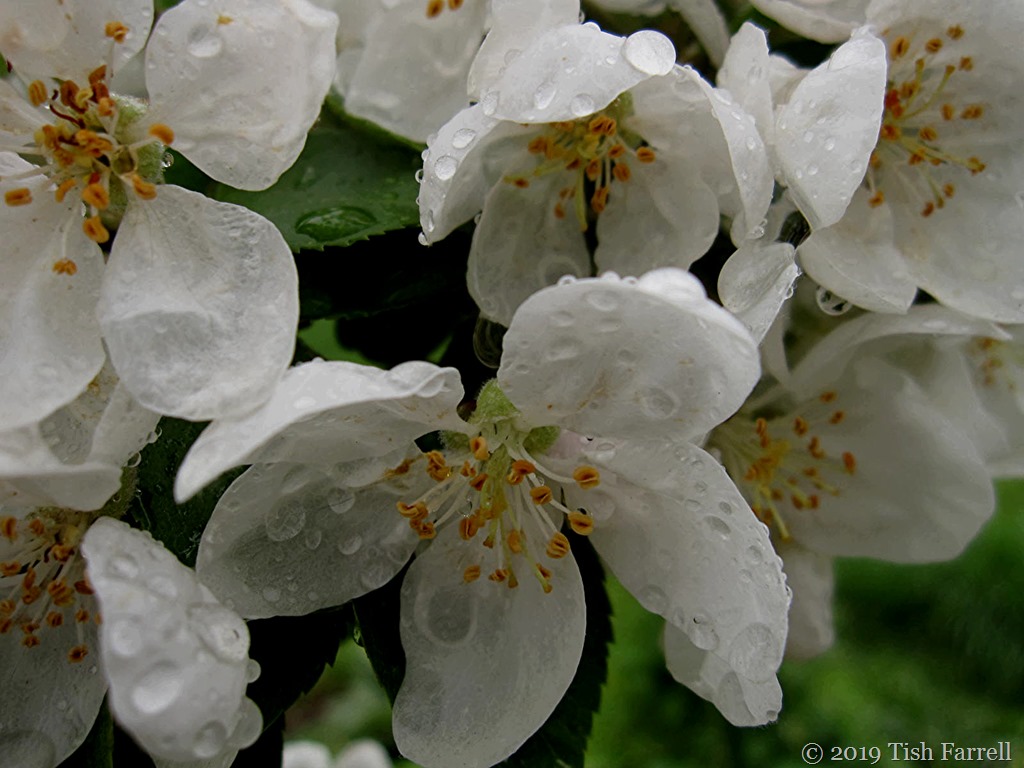
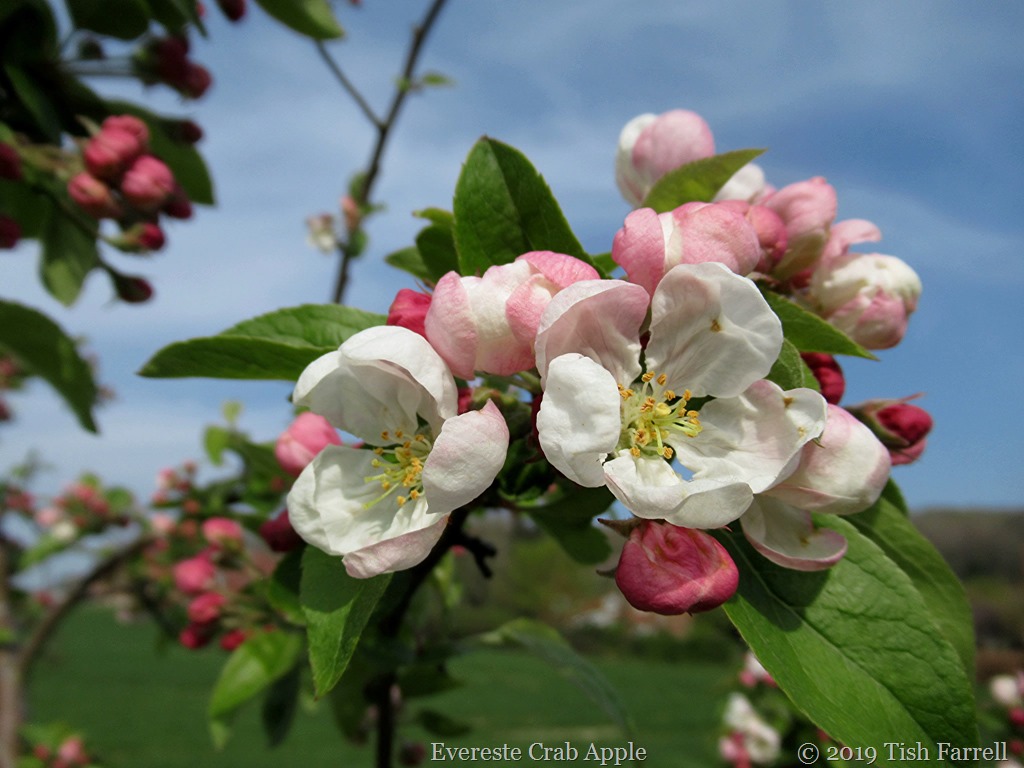
And that’s what happened here today, spot on 2 pm just when the weather forecast said it would, and after several weeks of drought. I’d just made it back from the allotment where I had been moving raised beds, making new terraces and breaking up compacted soil in readiness for the promised rain. On the way home, draped in emergency polytunnel mac – a somewhat scabby garment I have to say, I noticed how the blossom on the crab apple tree by the garden gate is already going over, and I had only posted its picture the other day, the flowers so pink and freshly unfurling. Today the petals are white and shedding, here and there revealing the makings of miniscule apples on their stems. The procreative imperative in full swing then, which naturally induced a fit of gardener’s panic, a feeling that somehow I was lagging behind. So much to do, and so little time.

But then down came a soft and steady rain that made the garden sit up tall, and pretty soon filled the air with those delicious earth scents, the sort you breathe up your nose and into your soul, that make you one with antique divinities whose veins flow with ethereal fluids. No need to rush. Just breathe. Aaaaah. Petrichor!

IMG_8237

Copyright 2019 Tish Farrell

Spring Well Sprung On Wenlock Edge

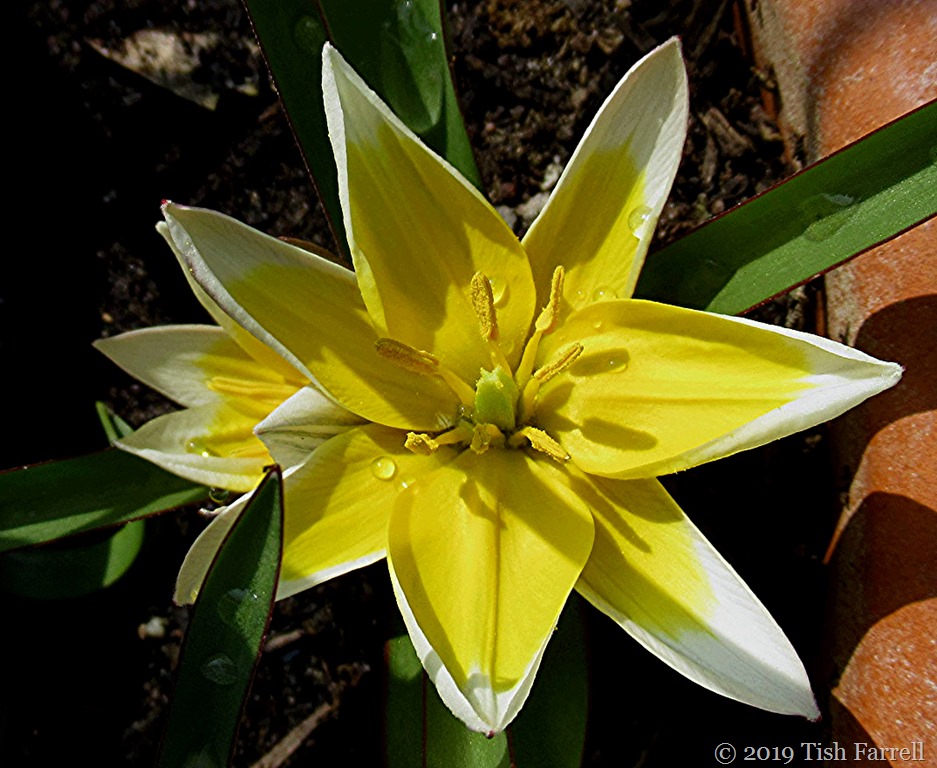
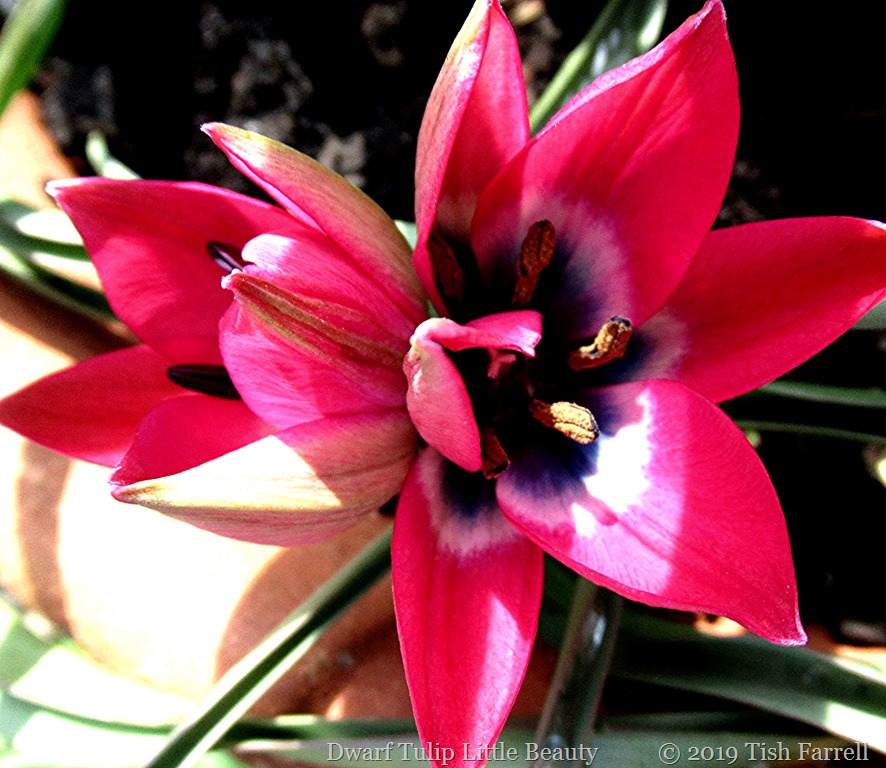
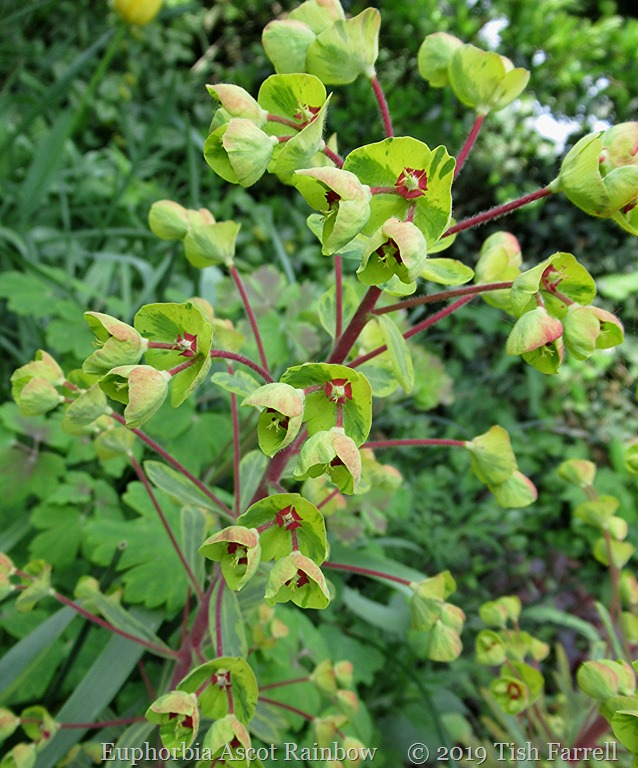
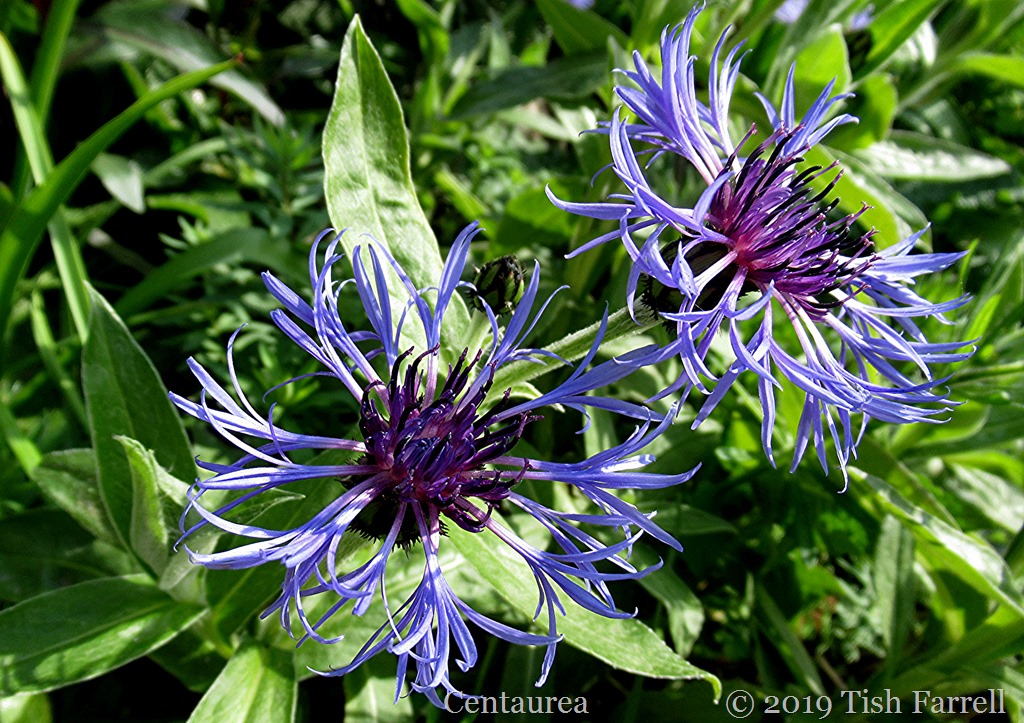
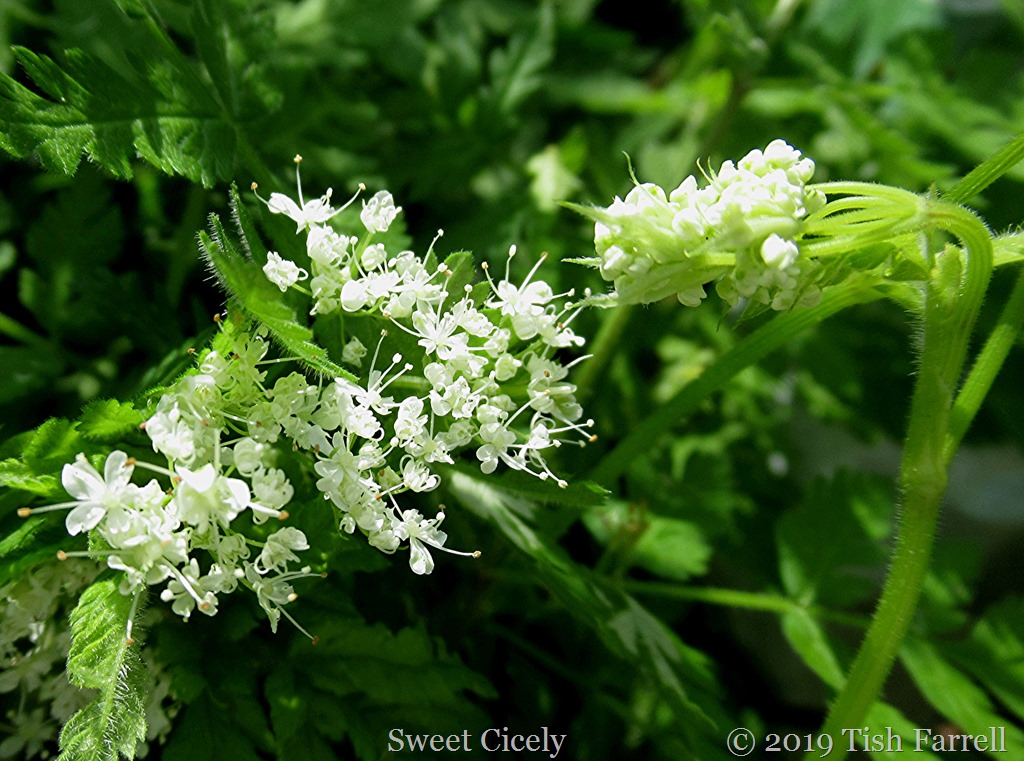
Bye bye Siberian icy blasts, hello summer! It’s been all change here in Wenlock and all go, go, go out in the garden. Tulips bursting, crab apple blossom unfurling, Spanish bluebells shooting up, euphorbias at their vibrant, greenest best, pesky weed oxalis suddenly a haze of soft pink flowers just to stop me pulling it up, columbines on the cusp, perennial Centaurea cornflowers showing off their best blues, Sweet Cicely all lacy umbels (and a good addition when cooking fruit to reduce the amount of sugar needed). Ladybirds on pest patrol. Bees on the forage. Cloudless blue above. Hot sun. It’s just all too exciting.

IMG_1396

IMG_1360

IMG_1388

IMG_1411

IMG_1389

IMG_1415

IMG_1420

IMG_1340

copyright 2019 Tish Farrell

 

Six Word Saturday (that would be in the post title!) Pop over to Debbie’s for more 6-worders.

Growing Thoughts

April and sowing and growing are very much on this English gardener’s mind. So far it’s been too cold to think of putting much in the ground, but impatience inevitably triumphs over common sense. In the last few days I have given in to inclinations to plant some first early potatoes. I’m trying a new technique as suggested by TV gardener Monty Don, growing them in a raised bed, and popped into a deep layer of compost a foot or so apart. But after I’d done it, I grew worried about the poor little tubers being subjected to Siberian icy blasts, and covered the bed in horticultural fleece. Now it’s down to ‘wait and see’.

Otherwise, it’s been mostly ‘housekeeping’ chores at the allotment: the first mowing of paths, turning compost heaps, edging beds, putting up climbing bean and pea canes, weeding, sowing stuff in the polytunnel. And dreaming of delicious produce to come.

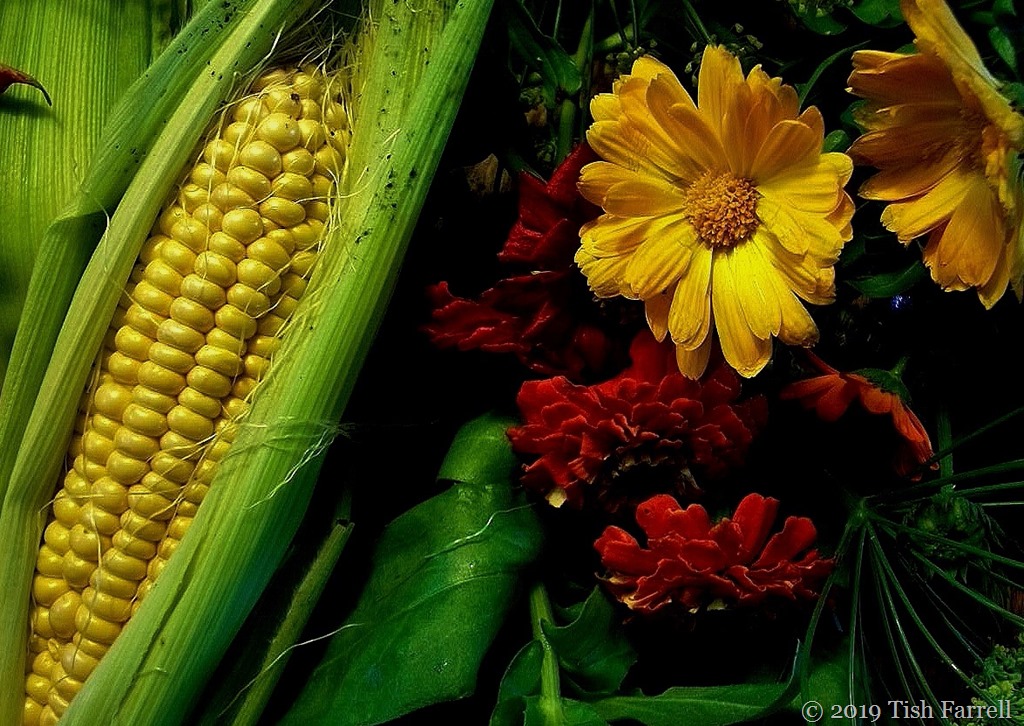
Here are some crops I grew earlier, and all eaten long ago:

And of course the allotment plots don’t feed only us humans. Most of the gardeners grow flowers too – i.e. besides the flowering fruit and vegetables. And there are always plenty of flowering weeds on the abandoned plots, and so therefore lots to keep the bees, bugs and butterflies well fed. Deliciousness all round then.

copyright 2019 Tish Farrell
 

Lens-Artists: delicious

This week Patti at #Lens-Artists asks us to show her ‘delicious’.

The Pink Pineapple Pavilion ~ Again

IMG_1328

April 1st, All Fools Day, and it flitted through my mind that it was just the day for paying the pink pineapple pavilion a second visit. It was anyway a piece of happenstance. We were driving back from the Malverns and the need for lunch was pressing. And, since you can pretty much rely on a National Trust property for a decent snack, we decided to call in at Berrington Hall.
The last time we were here it was a gloomy October day back in 2017 when Berrington was hosting all manner of art installations inspired by different aspects of the estate’s history. Taking photos then had proved a challenge so it was good to see the gardens full of sunshine. And though the pineapple may not be to everyone’s taste, I was quite pleased to see it was still in residence. And if it seems quite balmy, then it is probably not half as balmy as the kind of extravaganzas created by the overbearingly rich and idle during the 18th century. You can read more about this in the original post A Giant Pineapple In The Garden.

On Monday we were simply happy to have a quick mooch around the walled garden where the ancient apple orchard is currently being revivified, each tree carefully pruned and curated, with big name tags and the dates of species origins. So many varieties, and  these days you’re lucky to see six sorts in the supermarket. What treasures we deprive ourselves of and for no good reason. So full marks National Trust for taking pains to restore the garden and nurture these old varieties.

Now for some more garden views:

IMG_1292

cr

IMG_1306

IMG_1321

IMG_1324

IMG_1322

IMG_1312

IMG_1316

IMG_1313

IMG_1317

IMG_1318

IMG_1303

Lens-Artists #39: Hello April   All thanks to Amy for this week’s challenge. Please pay the Lens-Artists a visit.

Patti https://pilotfishblog.com/
Ann-Christine aka Leya  https://lagottocattleya.wordpress.com/
Amy https://shareandconnect.wordpress.com/
Tina https://travelsandtrifles.wordpress.com/

Damson Blossom Profusion

IMG_8032

Here in Shropshire we are just this minute bursting with damson blossom. We also have our own variety – the Shropshire Prune, which has been around from at least Tudor times. The damson trees along the field boundaries and lining the country lanes are also reminders, or so local legend has it, that before chemical dyes were invented, damson growing was done on an industrial scale both here and in many parts of rural England, the fruit skins used to colour wool and leather. I’ve certainly seen old photos on a pub wall in nearby ‘Damson Valley’ of the fruit being harvested by the cartload and driven off to the local station. And whether for dyeing or not, there was certainly once a great demand for damsons in the commercial jam-making industry. These days people aren’t so keen on them, and each year the old tree at the allotment hangs in unpicked fruit. It is seems a great pity. Damsons are delicious, and they also make for excellent damson gin or vodka, so spreading their cheer through the darkest months. Chin-chin!

Spiky Squares #26