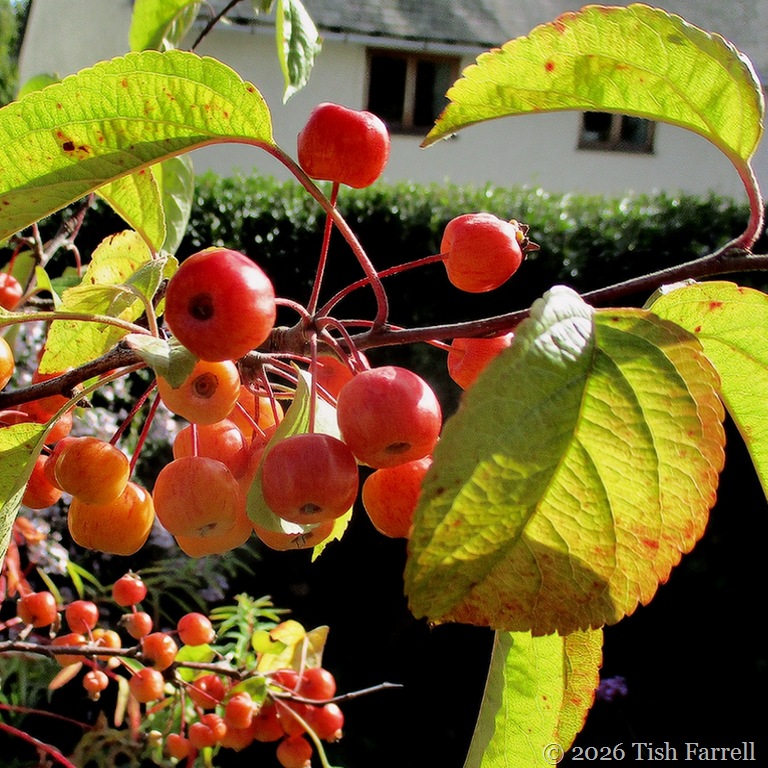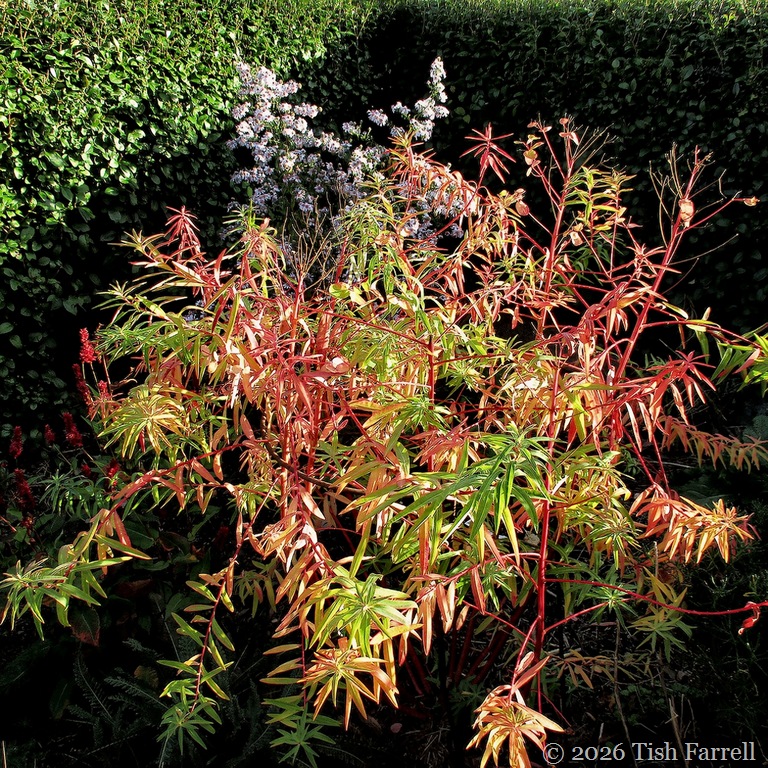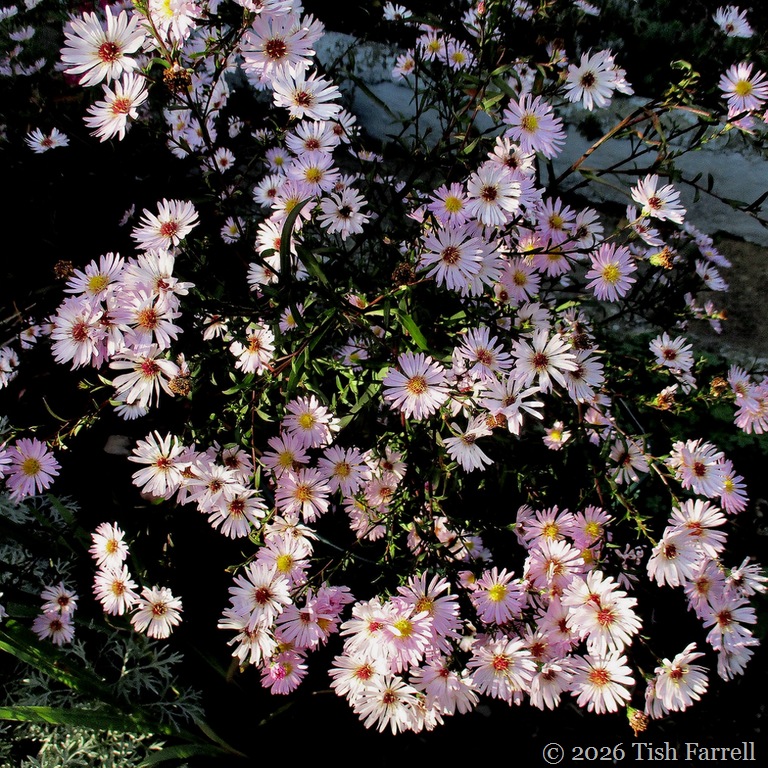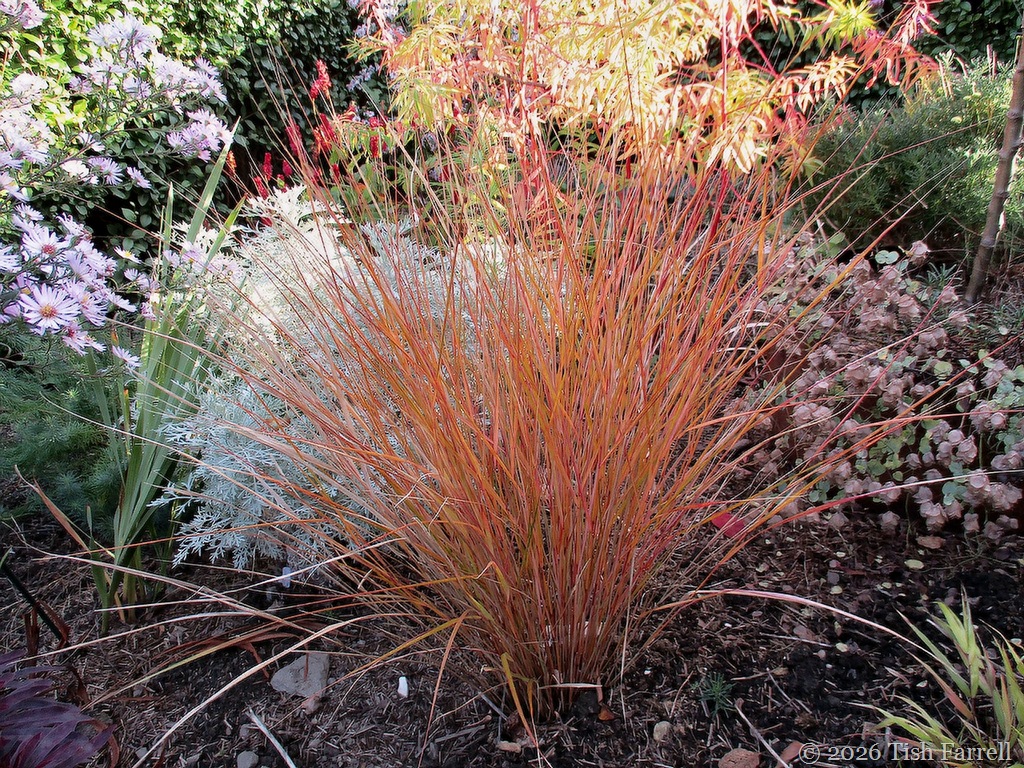
Raindrops On Roses ~ Six On Saturday

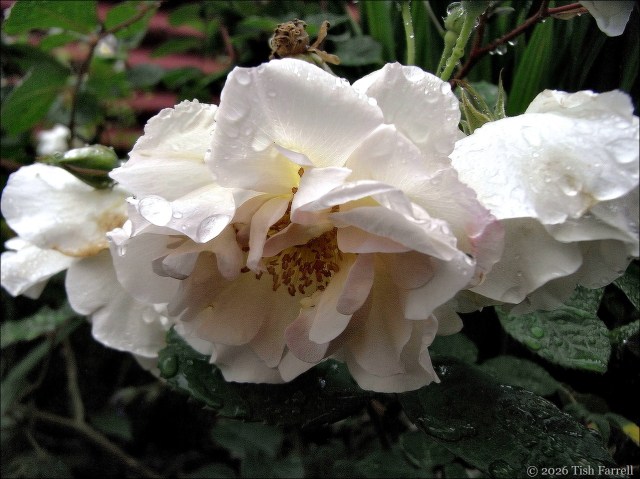
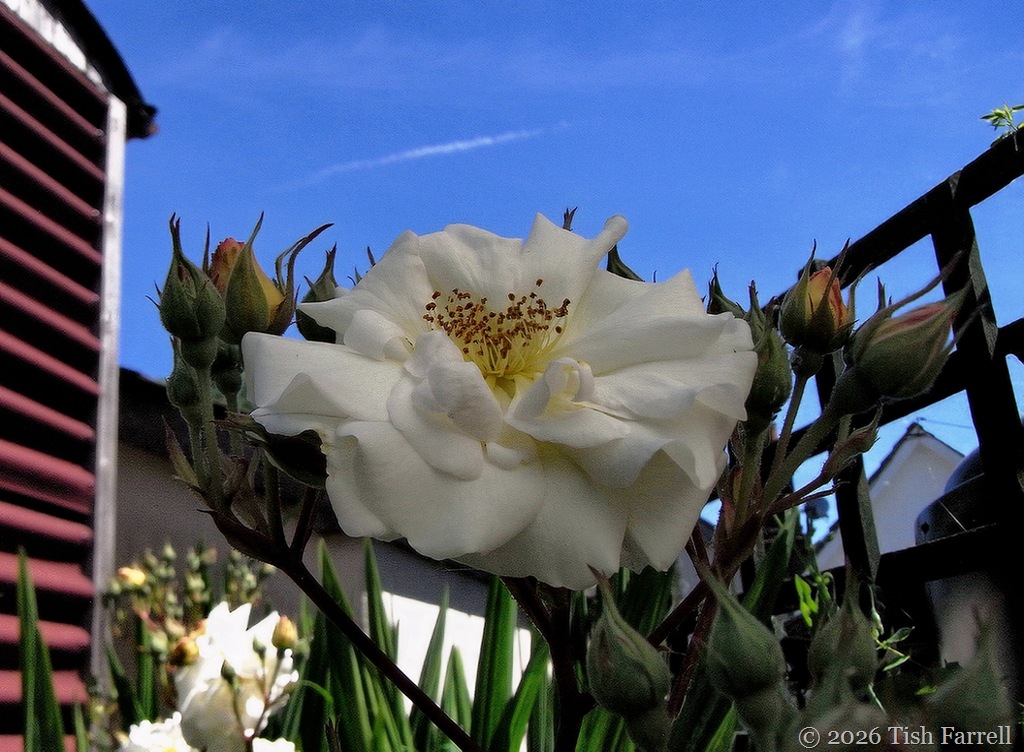
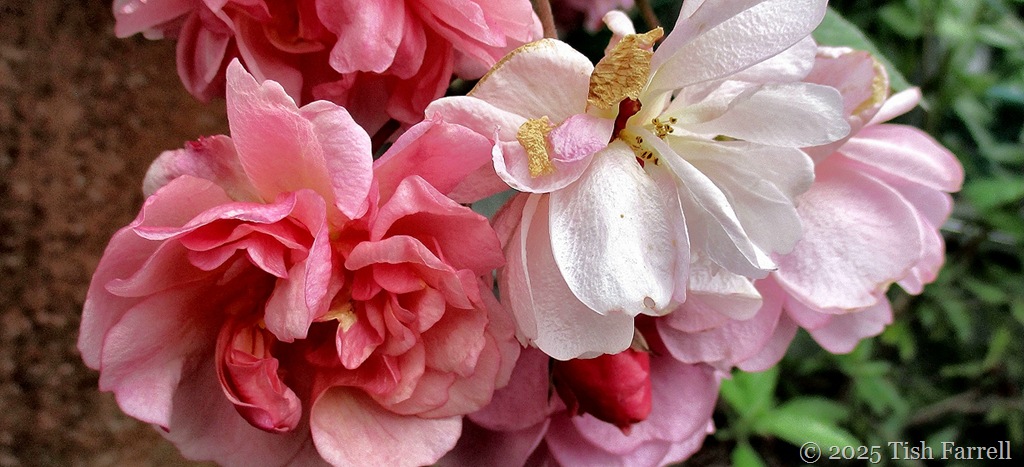
Today it’s more like October than June. We’re back to grey skies, gusty wind and rain between showers. But the Peneloperoses are bearing up, even if their frocks are soaked and their flounces crumpled.

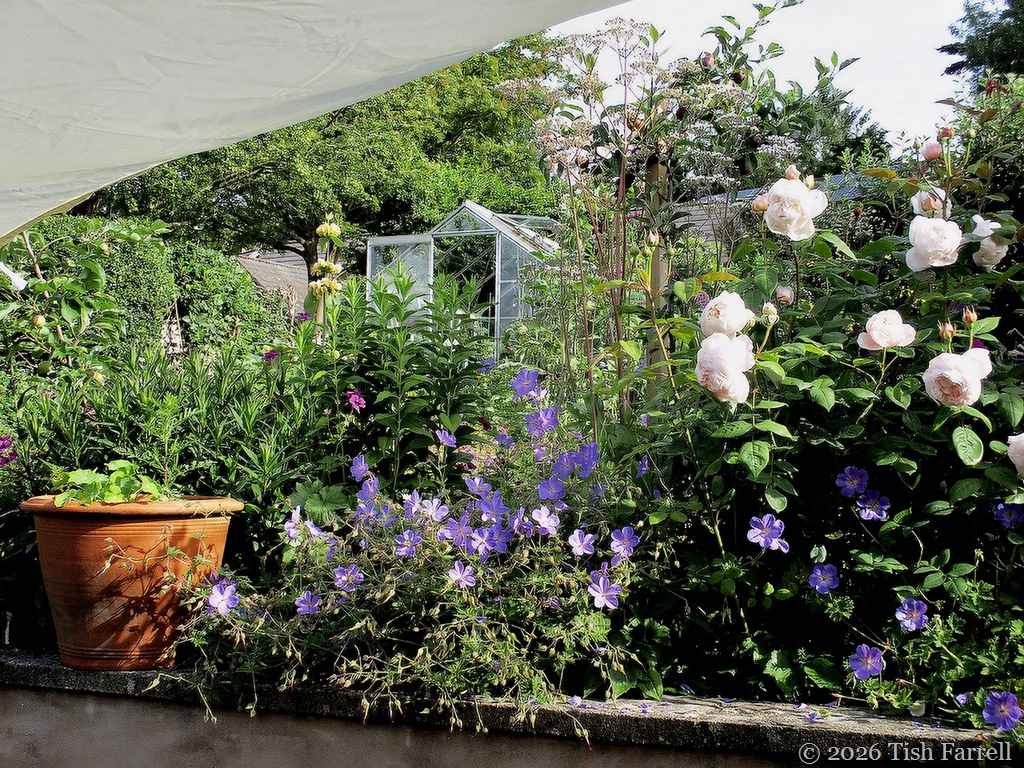
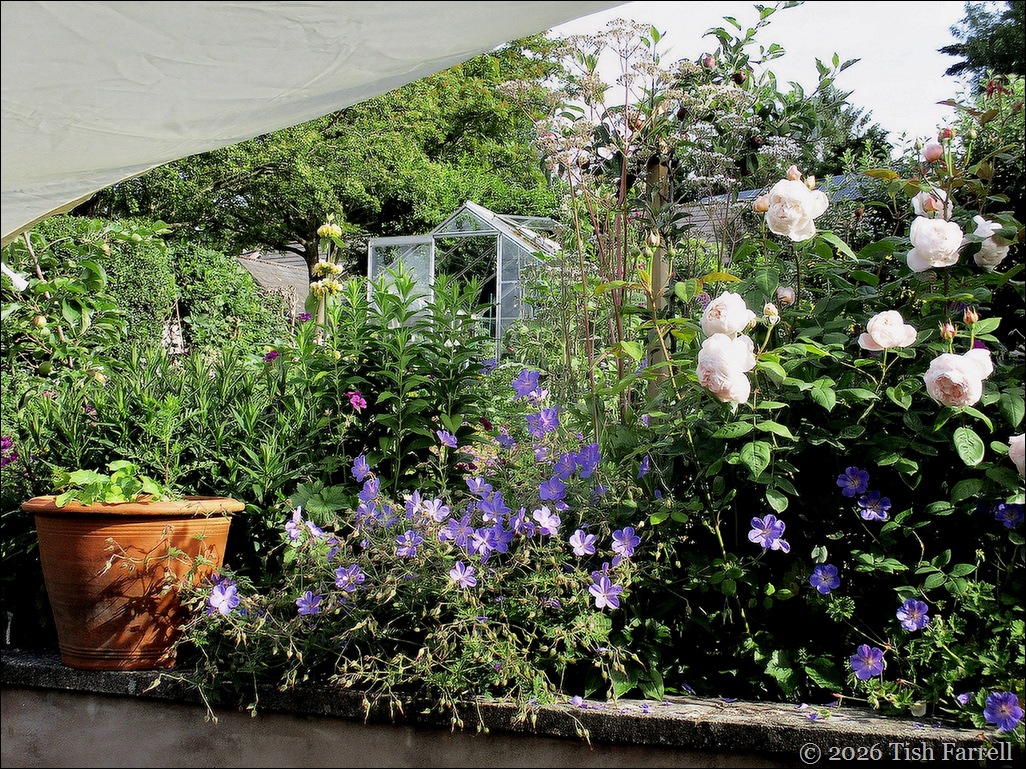
Here’s a photo from earlier in the week during a sudden sunny spell. The plant itself is a tending-tall, rather floppy shrub rose that can be trained as a short climber if you only have a short wall. I’m hoping that in time she will simply arc gracefully down the terrace wall without much in-put from me. She’s already doing her best.

RIMG0180 Penelope rose

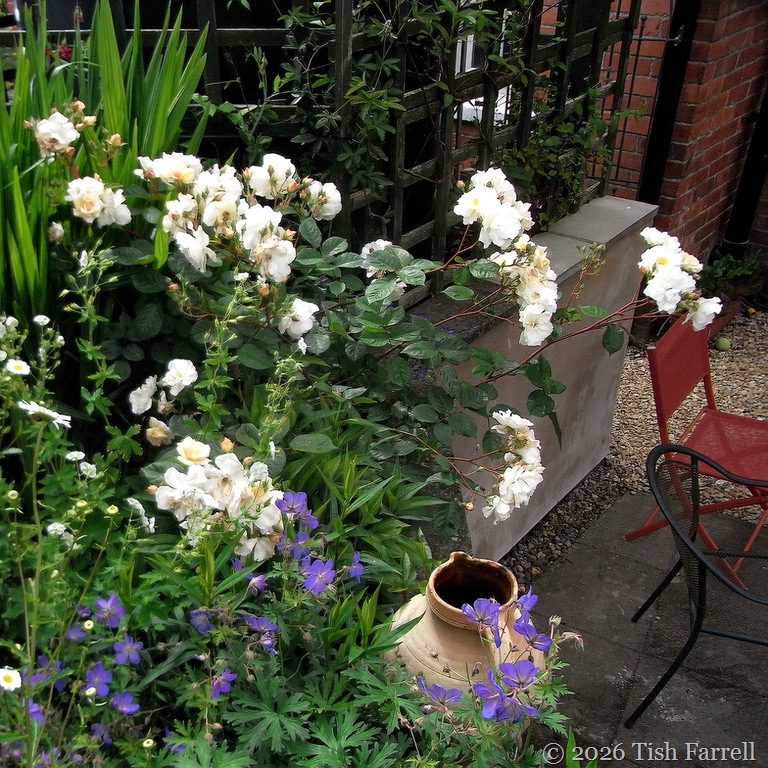
RIMG0215 rose back garden

***

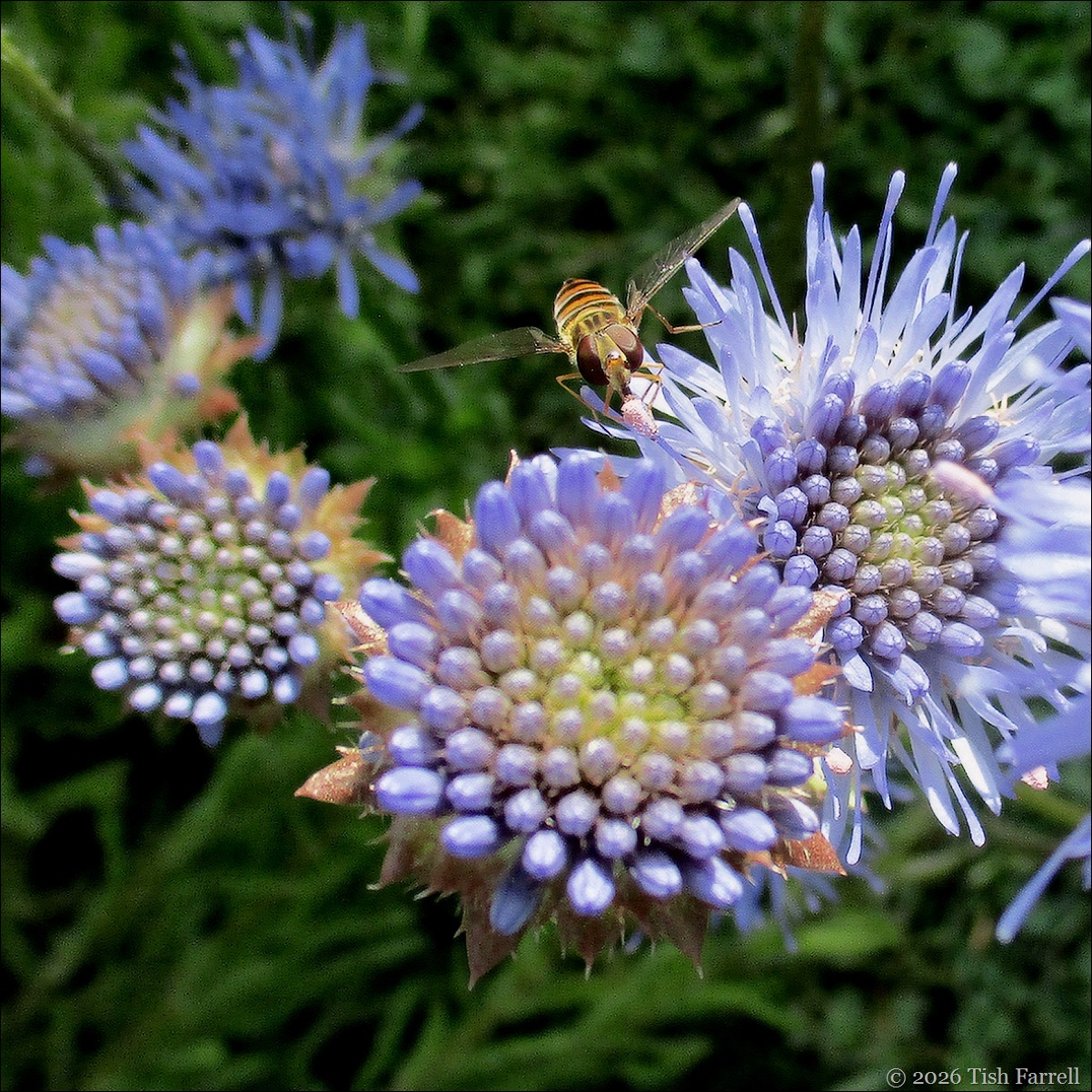
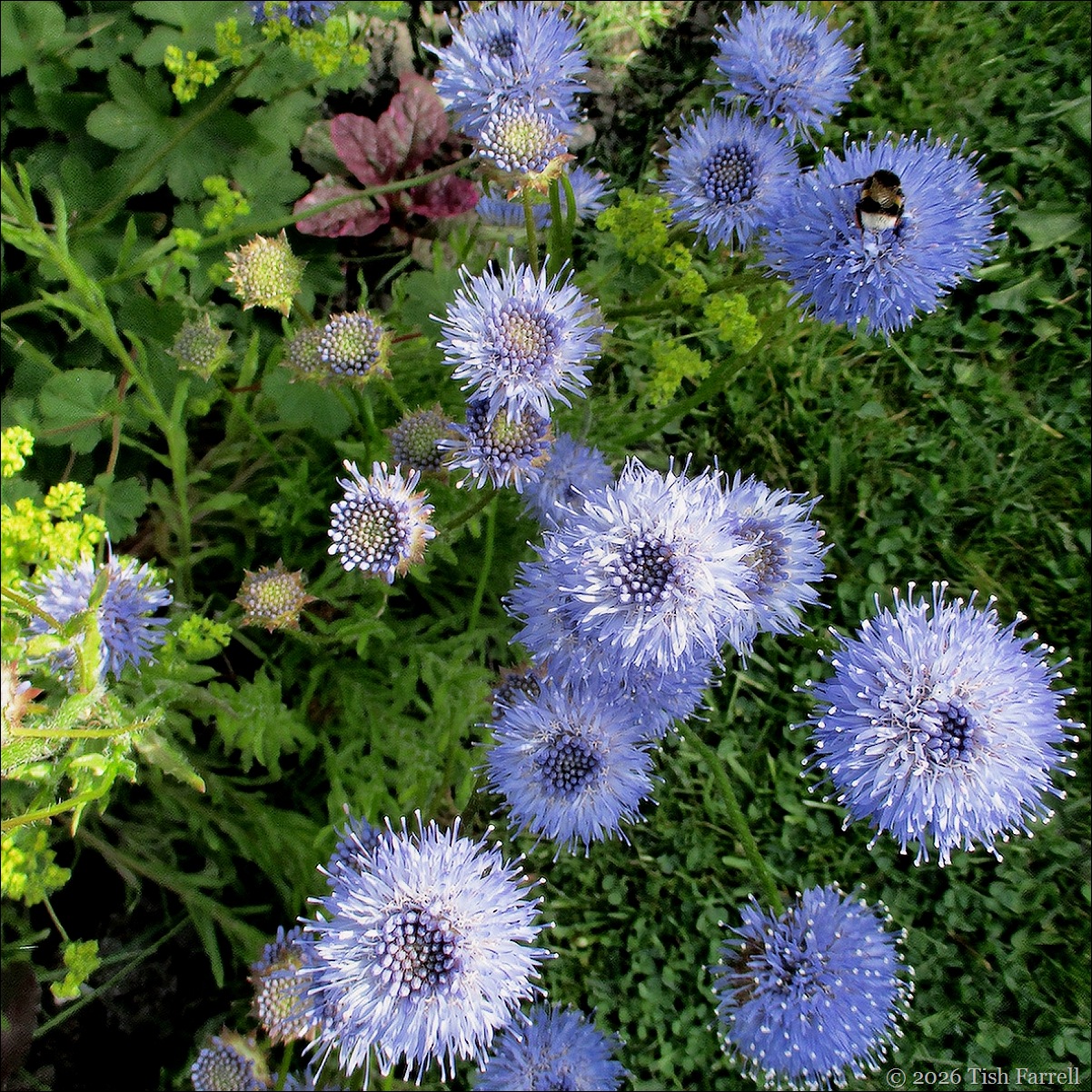
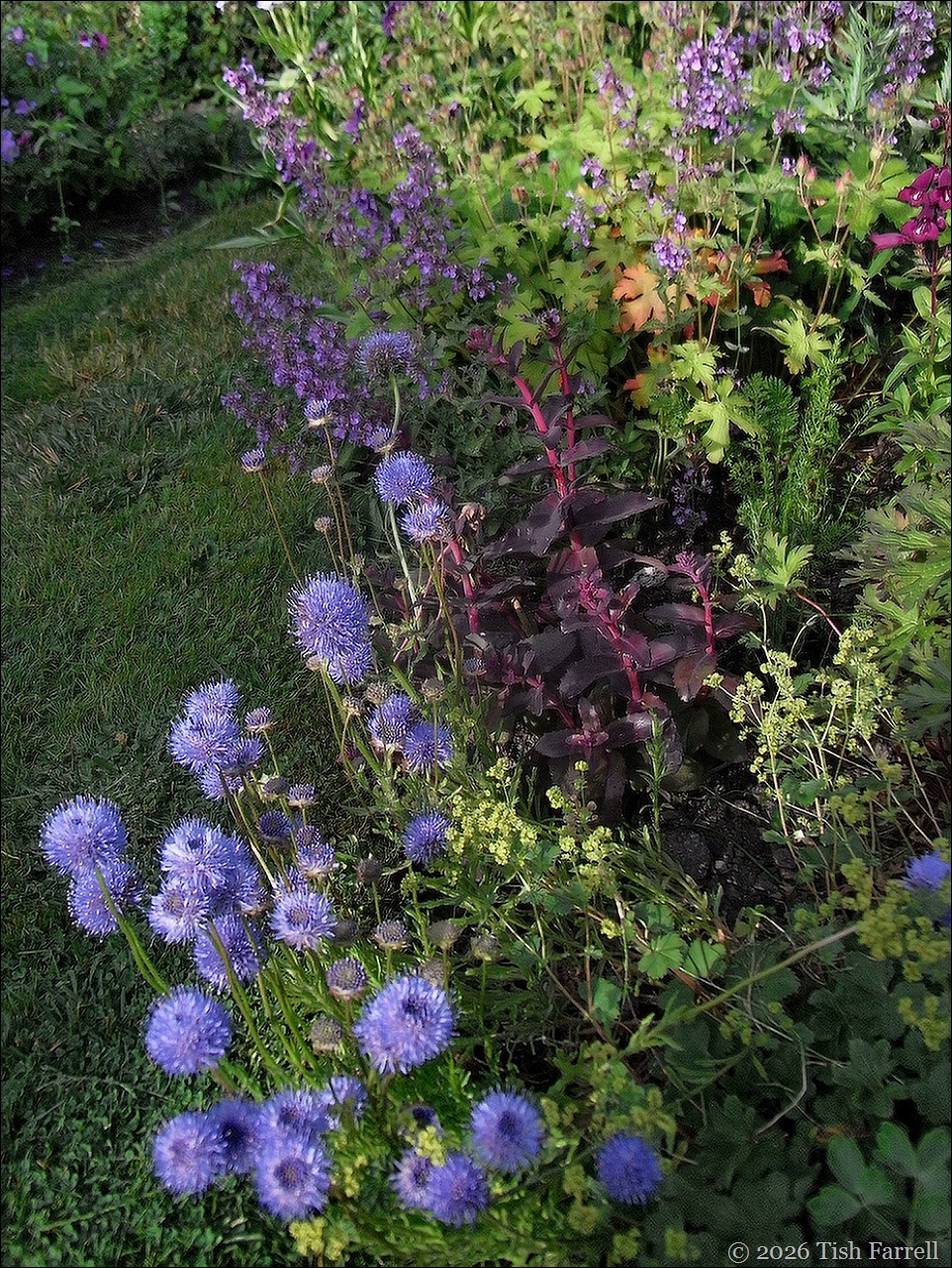
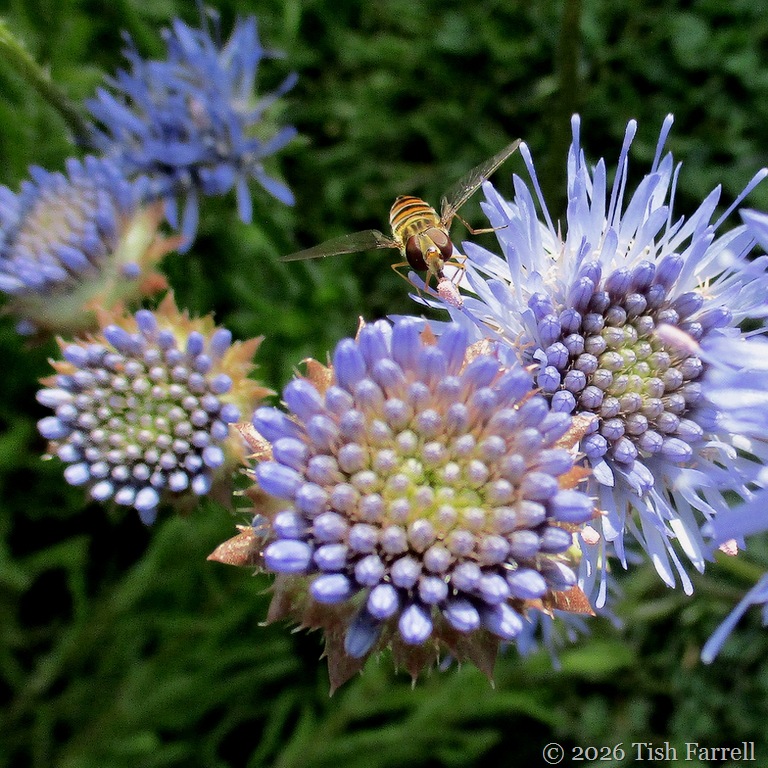
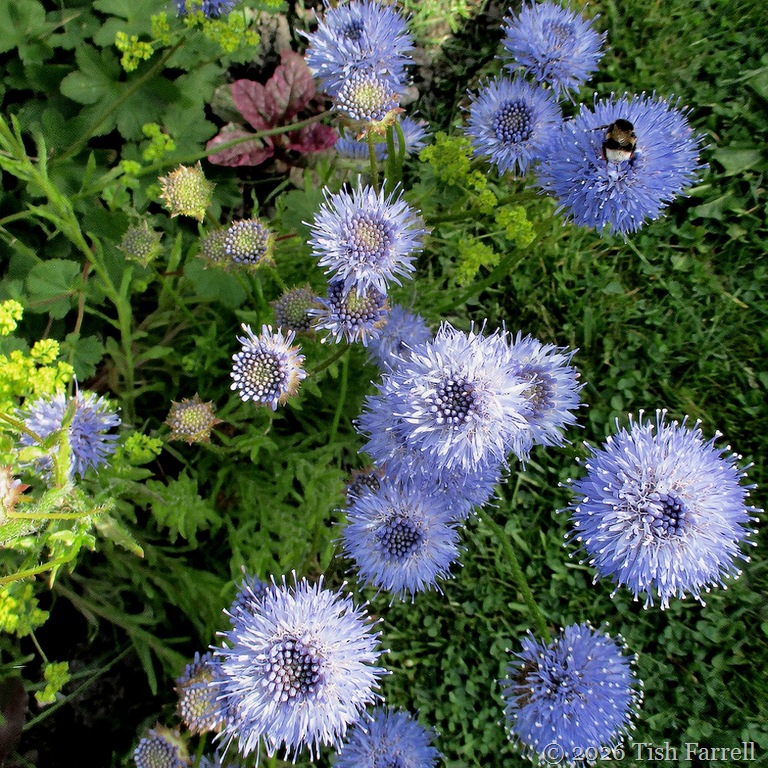
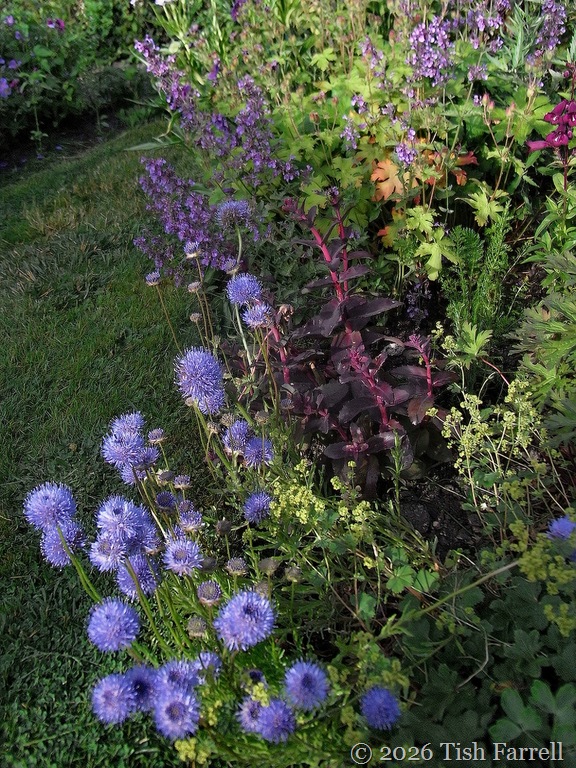
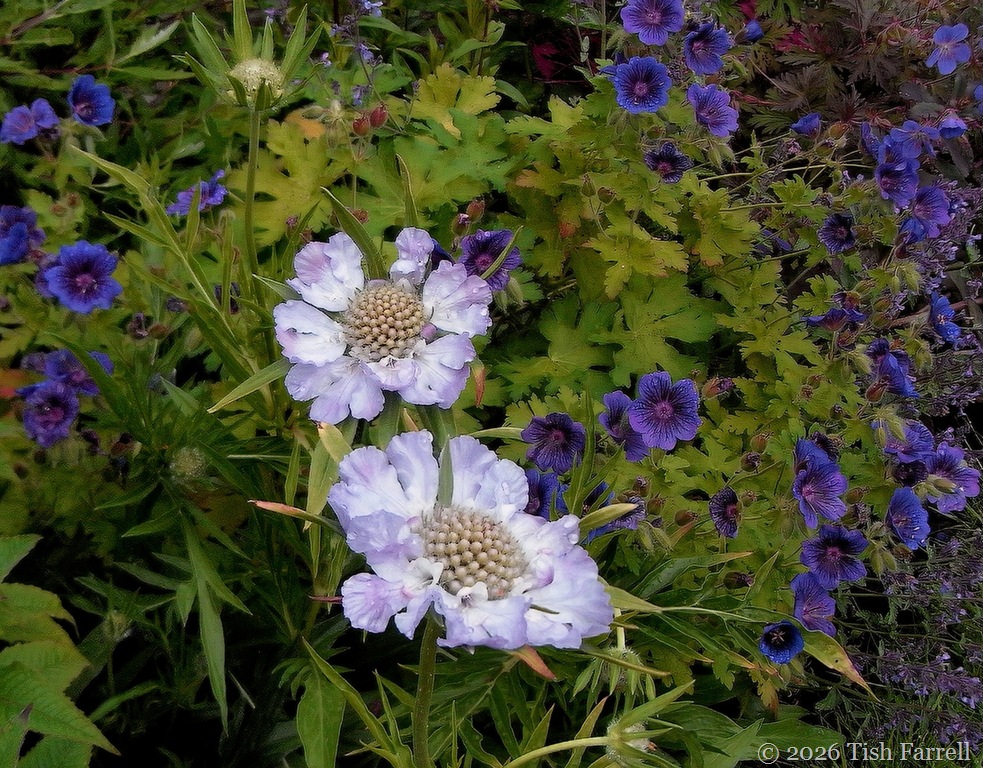
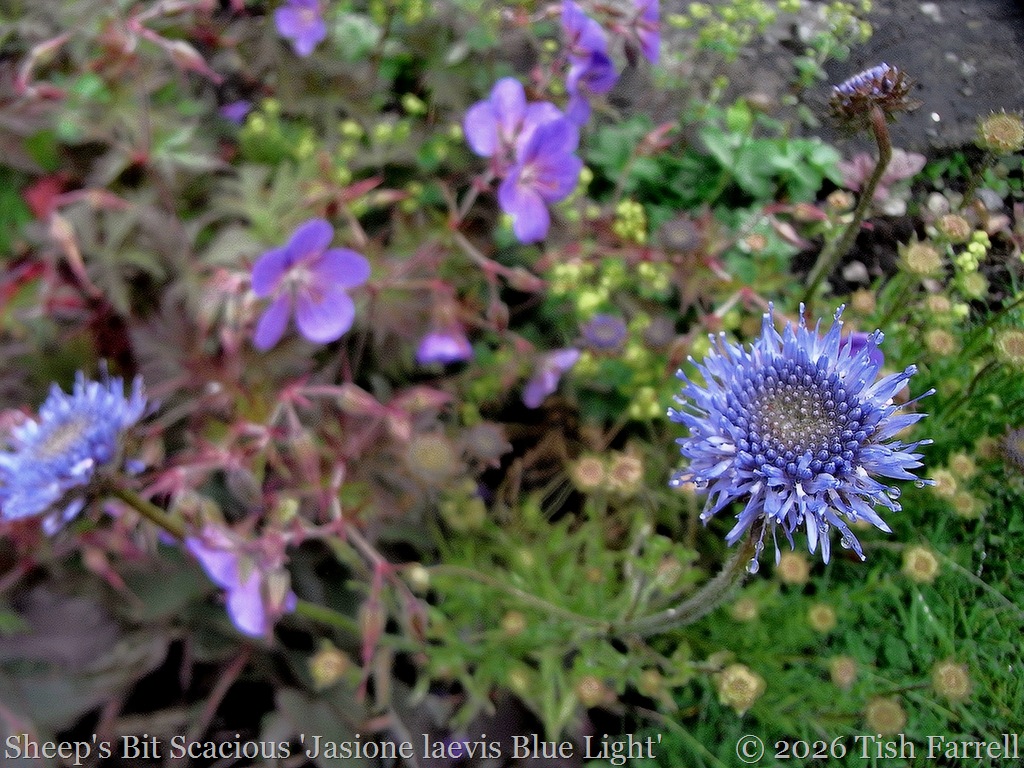
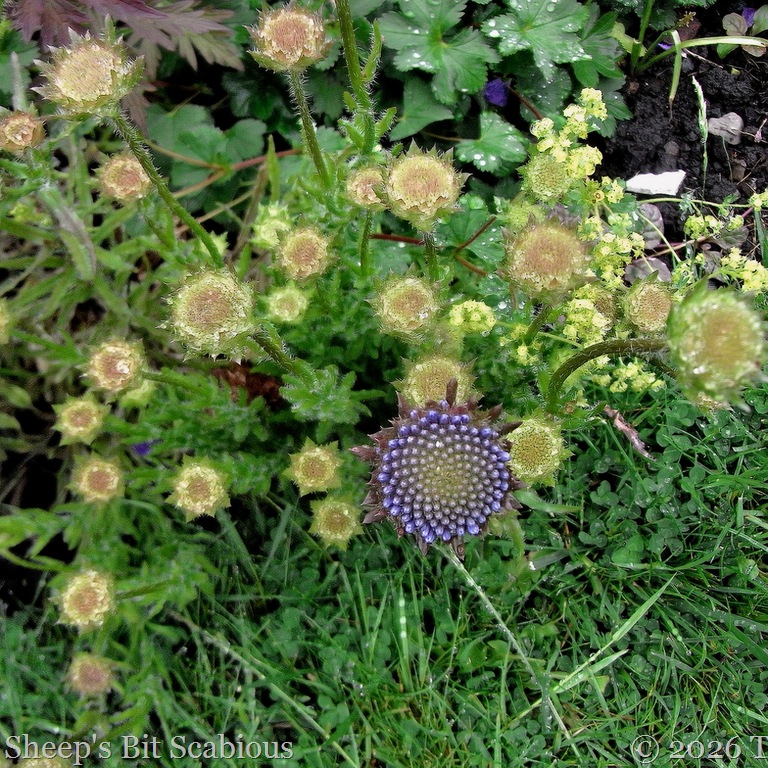
In the back garden the scabious are just beginning to flower – both the usual herbaceous border version which I bought as large plugs three years ago, but are only now performing, and a Sheep’s Bit variety called Jasione laevis Blue Light, which went in as a young plant last September. Both are presently keeping company with various hardy geraniums, but the Blue Light is already making a pleasing low clump on the border edge near the path.

RIMG0264 scabious

RIMG0260 Sheep's Bit scabious

RIMG0261 Sheep's Bit

***

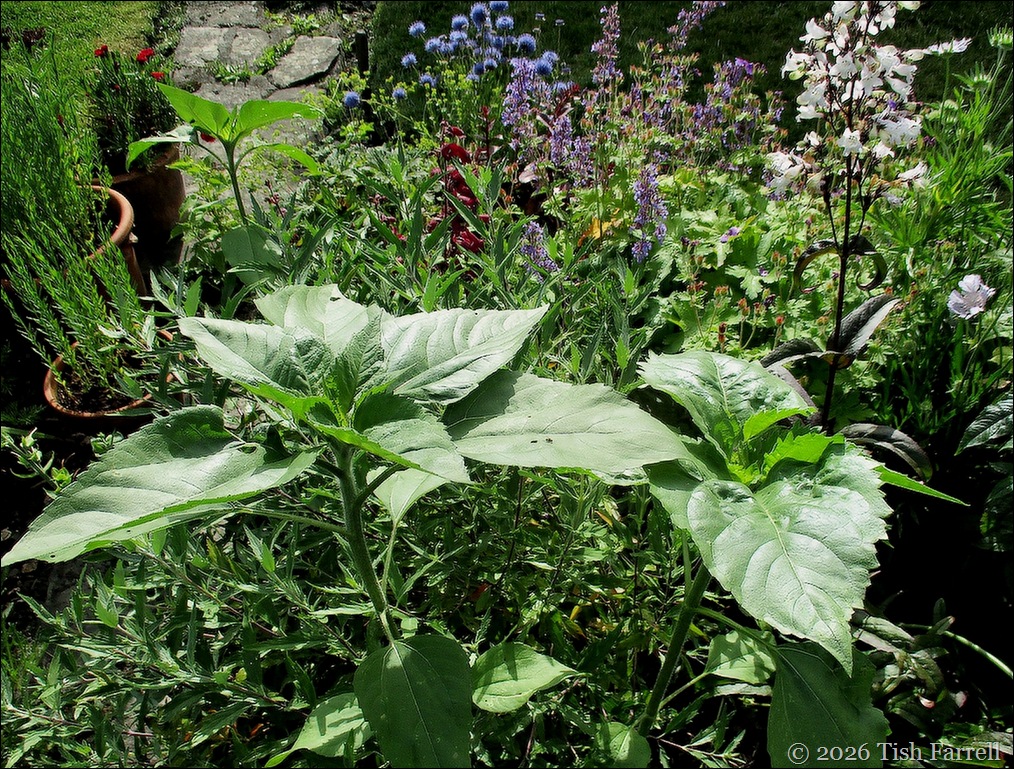
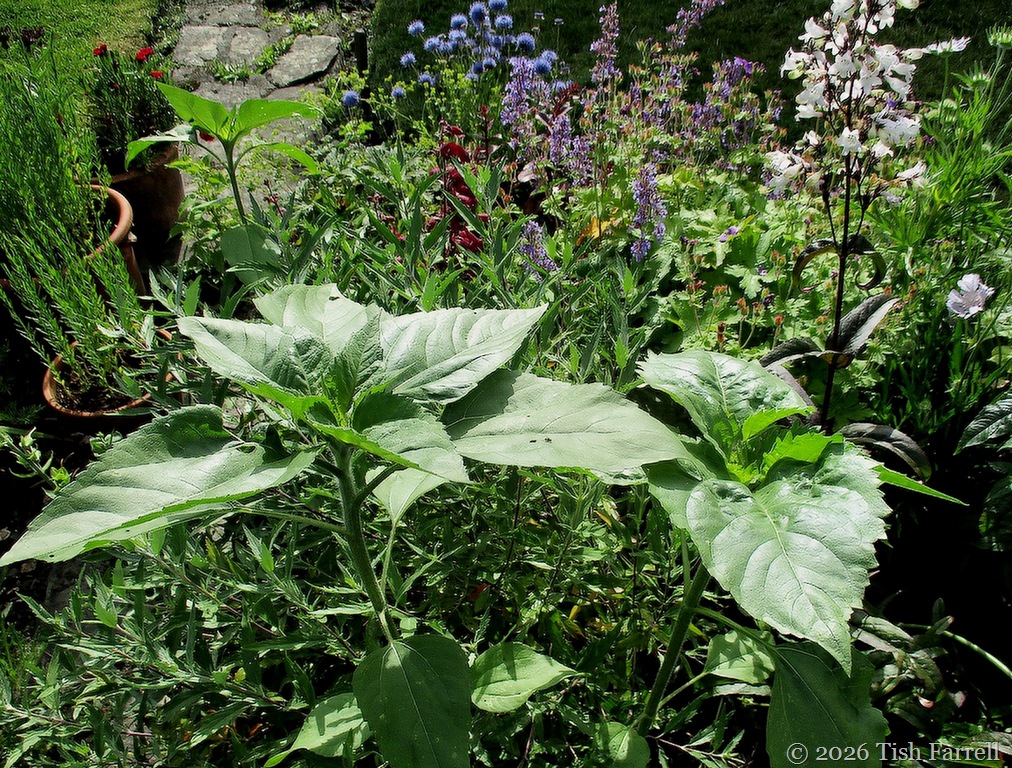
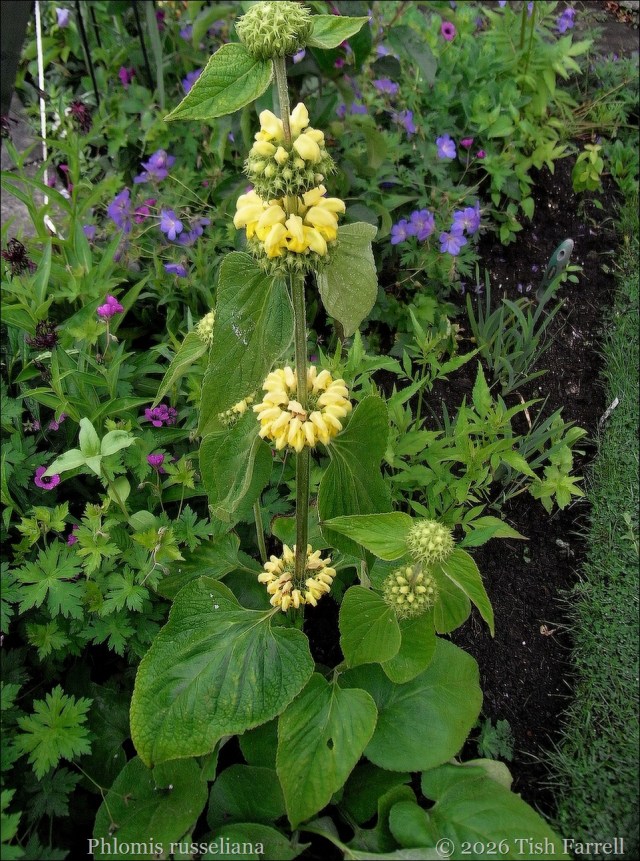
Another first-time performer in the garden is the yellow Phlomis russeliana. I bought it because it’s drought tolerant, bee friendly, will bloom all summer and the dead flower heads still look good in winter. Last year, however, it sat out the long drought, and only made big leaves. It’s making up for it this year. I’m thinking that in due course it will need to move to the side wall bed, where it can keep the yellow rudbeckia and helianthus company.

***

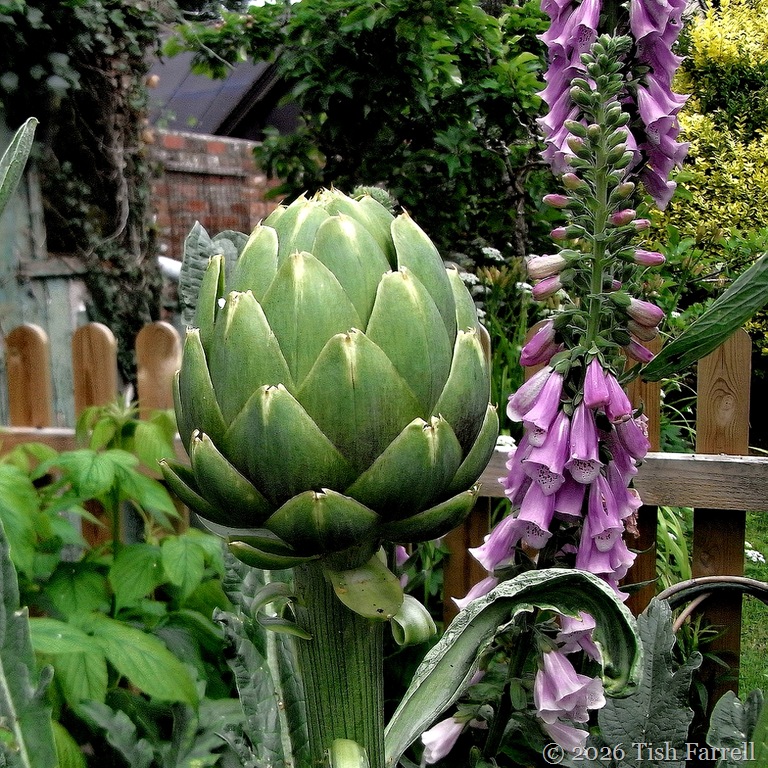
On the edible front, the globe artichokes are making their presence felt. One of the plants has grown up hugely in a most annoying spot, squashed in between the Polka raspberries and the Jelly King crab apple tree. I know I did grow it from seed but somehow it escaped me during the planting phase and dug itself in. Anyway, the rain has brought it on, and it’s about to be eaten. I usually cut artichokes in half to remove the choke, and then steam them. Halves obviously don’t need so much cooking time as wholes, and it’s easier to see if they’re done. Garlicky butter to serve.

RIMG0201 globe artichoke

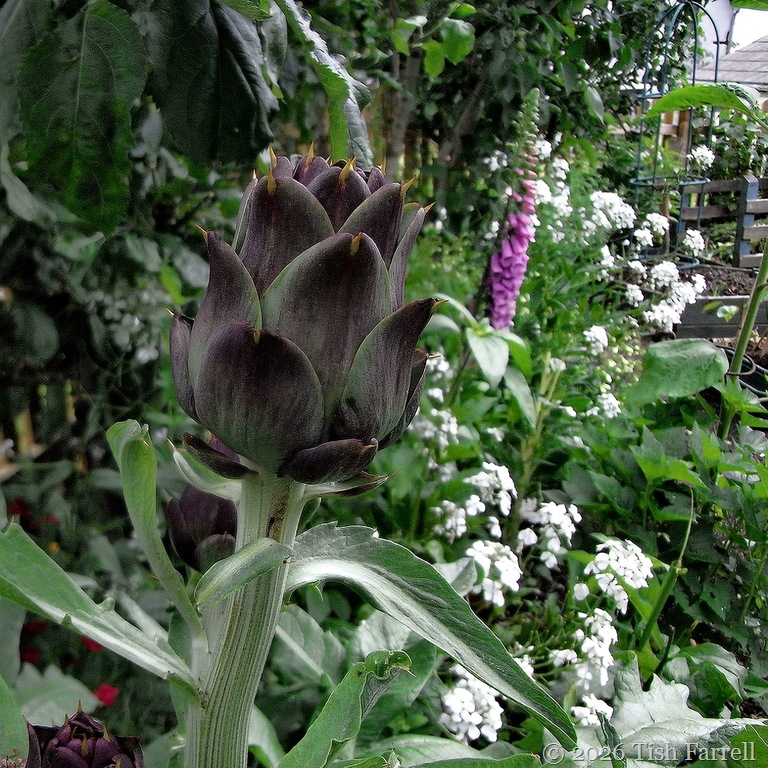
Also in the bottom border is a a purple headed variety. It’s strikingly ornamental growing alongside the sweet white rocket and foxgloves.

RIMG0205 artichoke

***

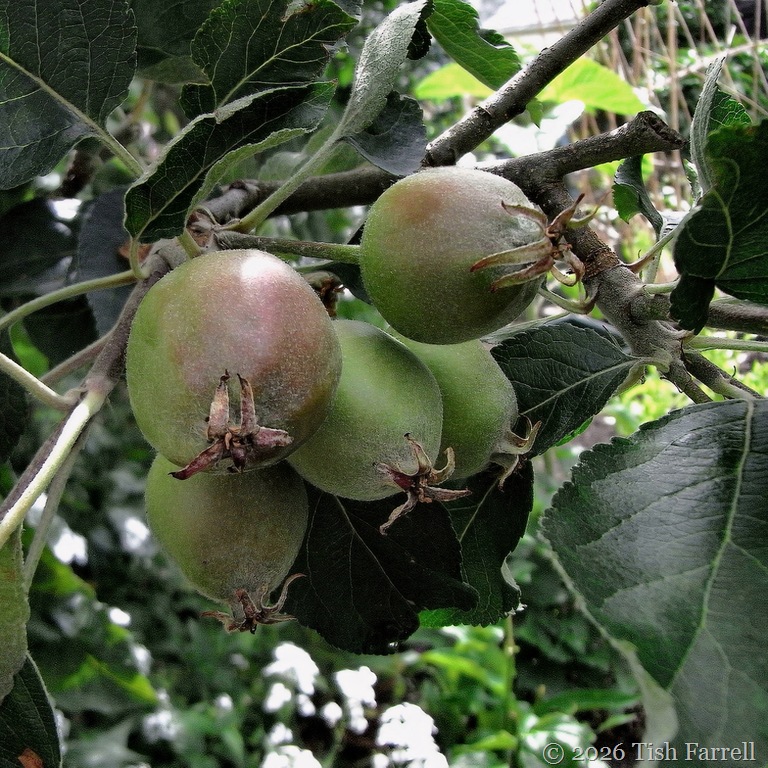
While I was inspecting this end of the garden, which takes some doing, what with the mammoth size of the artichoke leaves, I was pleased to see that the neighbouring old cooking apple tree looks to be bearing far more apples than we were expecting. The blossom came and went so fast in cold and windy weather, it seemed unlikely that much of it would be fertilised. But not so! We don’t know the variety, but the fruits are big and rose blushed and need no sugar when cooked.

RIMG0207 apples

***

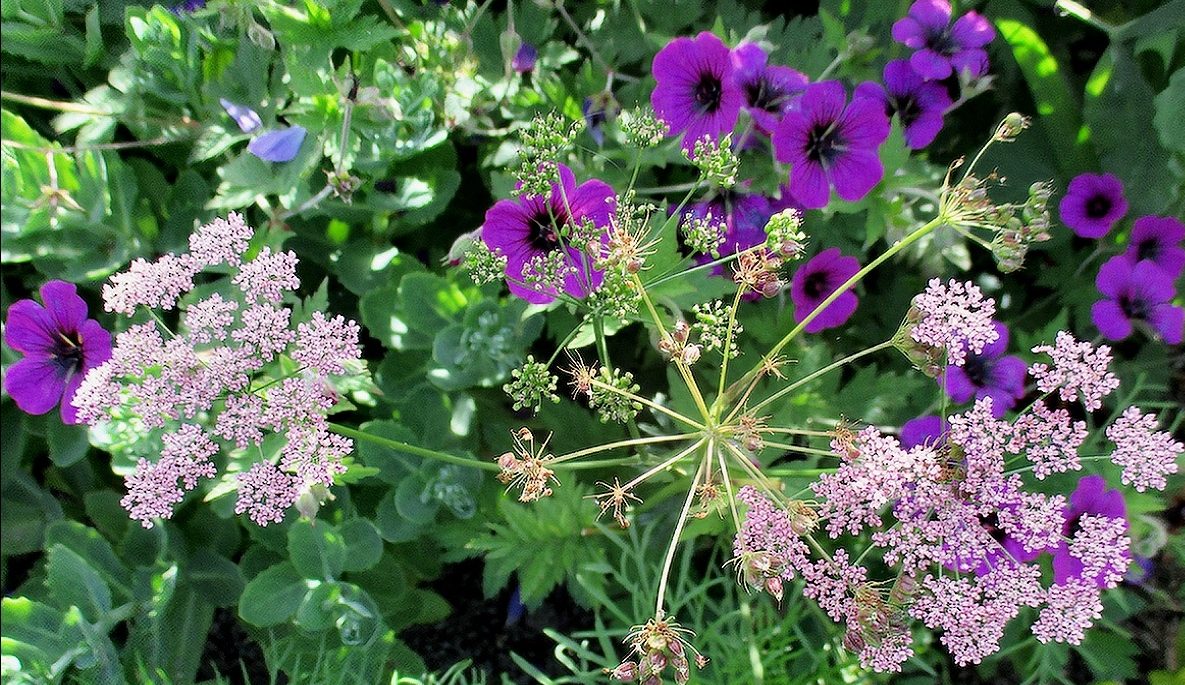
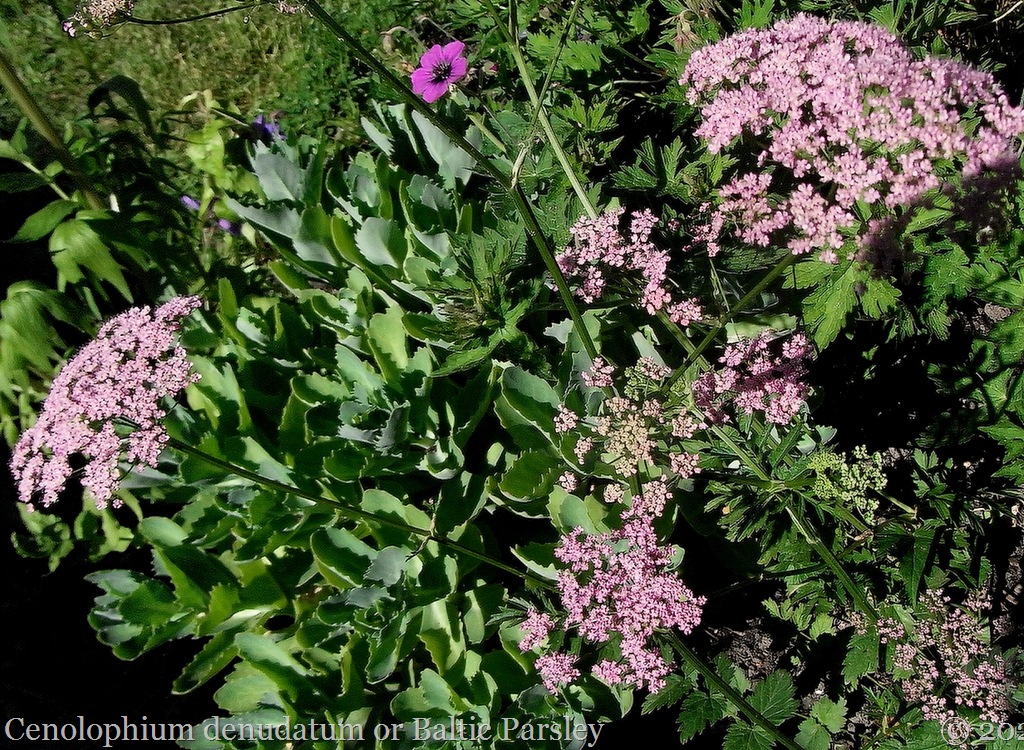
And now back to my new favourite, as mentioned in two recent posts – Cenolophium denudatum, aka Baltic Parsley. Coming up is the version I have already settled in the bed along the top of the terrace wall. It grows rather like Cow Parsley/Queen Anne’s Lace, and indeed it was supposed to be white, according to the Great Dixter Nursery catalogue. Mine, however, turned out to be pink. I don’t mind. It looks good with the valerian whose massed umbels are hint-of-pink white.

RIMG0162 SoS

***

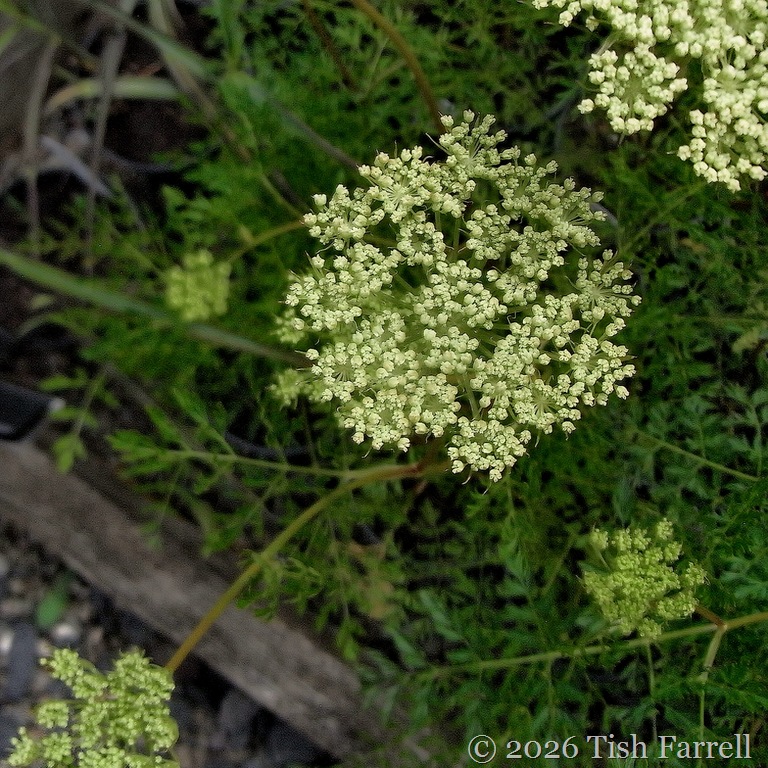
But then yesterday we were having a splendid day out in the walled garden at Wildegoose Nursery in the Corve Valley. And there I found a pale lemony version. It had to come home with me.

RIMG0243 Cenolophium

***

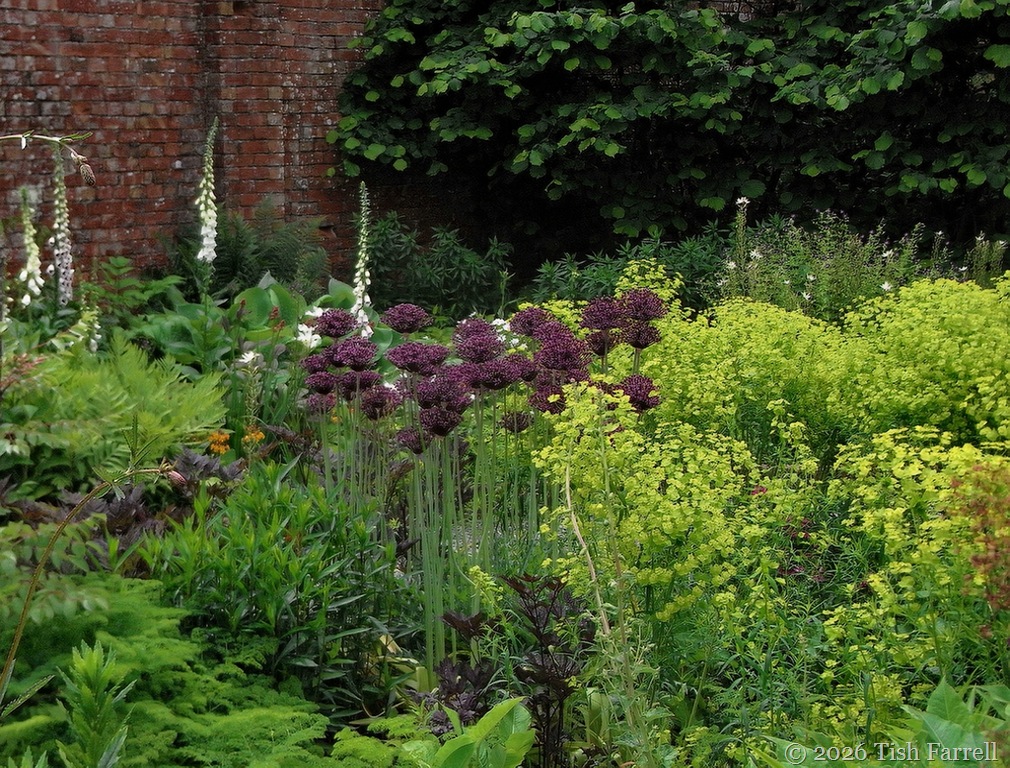
And to finish a shot of Wildegoose walled garden where I discovered it (along with a dozen or three other plants that roused acute spasms of gardener’s greed).

RIMG0247 alliums and euphorbia

Wildegoose Nursery Walled Garden

Copyright 2026 Tish Farrell
Six on Saturday 6 June 2026 Please call in on Jim as he prepares for his garden opening.

RIMG0273 header

After The Storm ~ Six On Saturday

Cornelia rose

This time last week, the wind was racketing around the garden, threatening to uproot and mash the herbaceous plants. But in the end, damage was minimal. In fact some plants have been thriving since.

And especially

1) Cornelia rose

She’d been in a big pot by the greenhouse all summer. And as she was new, I’d been concerned about keeping her suitably watered during the long summer drought. She did flower a little back then, but not for long. But since the storm, and removal into a bigger, bottomless pot, she has sent out elegant arching stems laden with buds and blooms. She’s a hybrid musk, and the flowers, though small like wild roses, smell delicious. I’m hoping she will eventually fill the gap between the hedge and the greenhouse.
2) Cosmos bigger and better

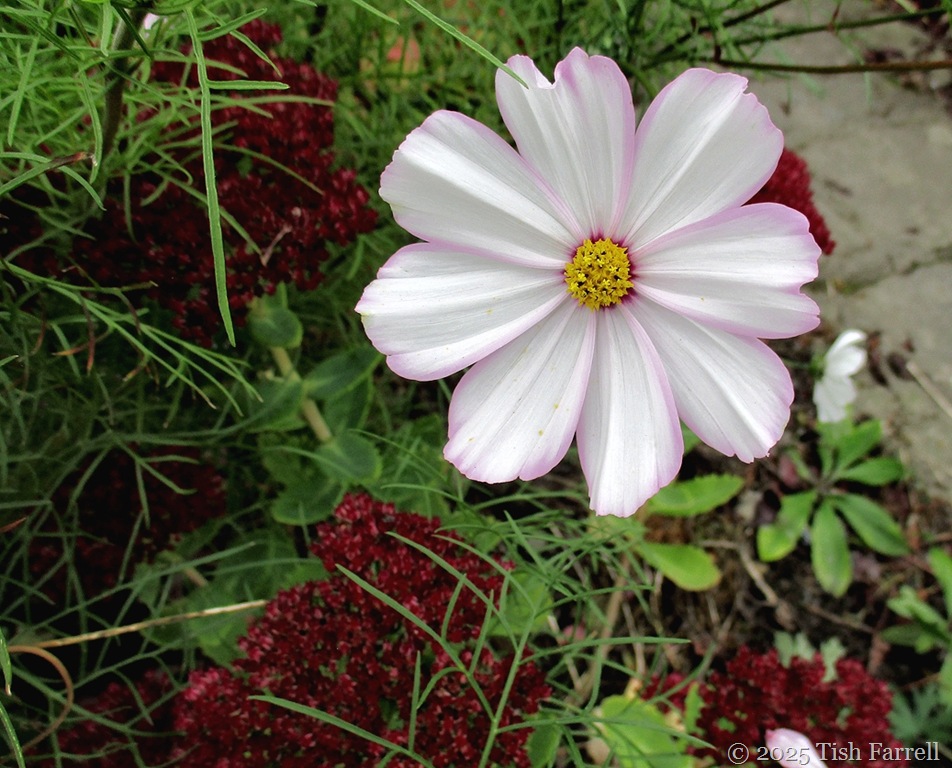
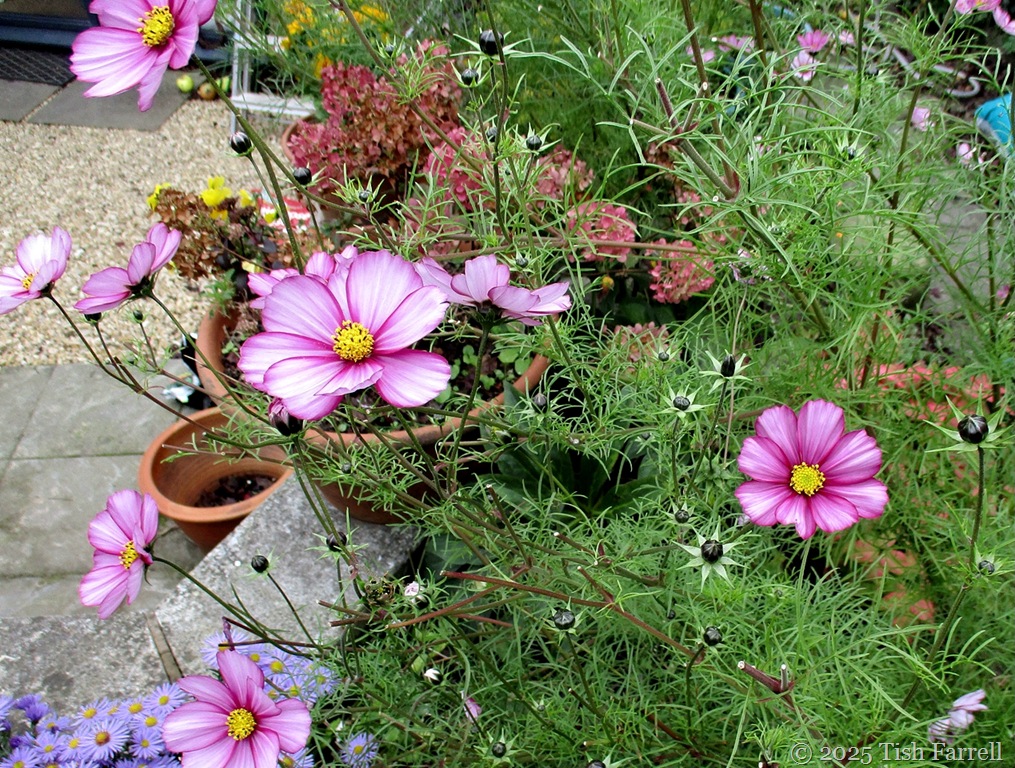
The gale might have blown their frocks off, not to mention nearly scooting them out of the ground, but the Cosmos plants on the terrace wall have come back bigger and better, and are covered in new buds. I’ve been filling vases with them.

cosmos

Cosmos 2

*

3) Tree tomatoes?

Nor did the big wind deter tomato production in the cooking apple tree.  Daft, I know.

sungold

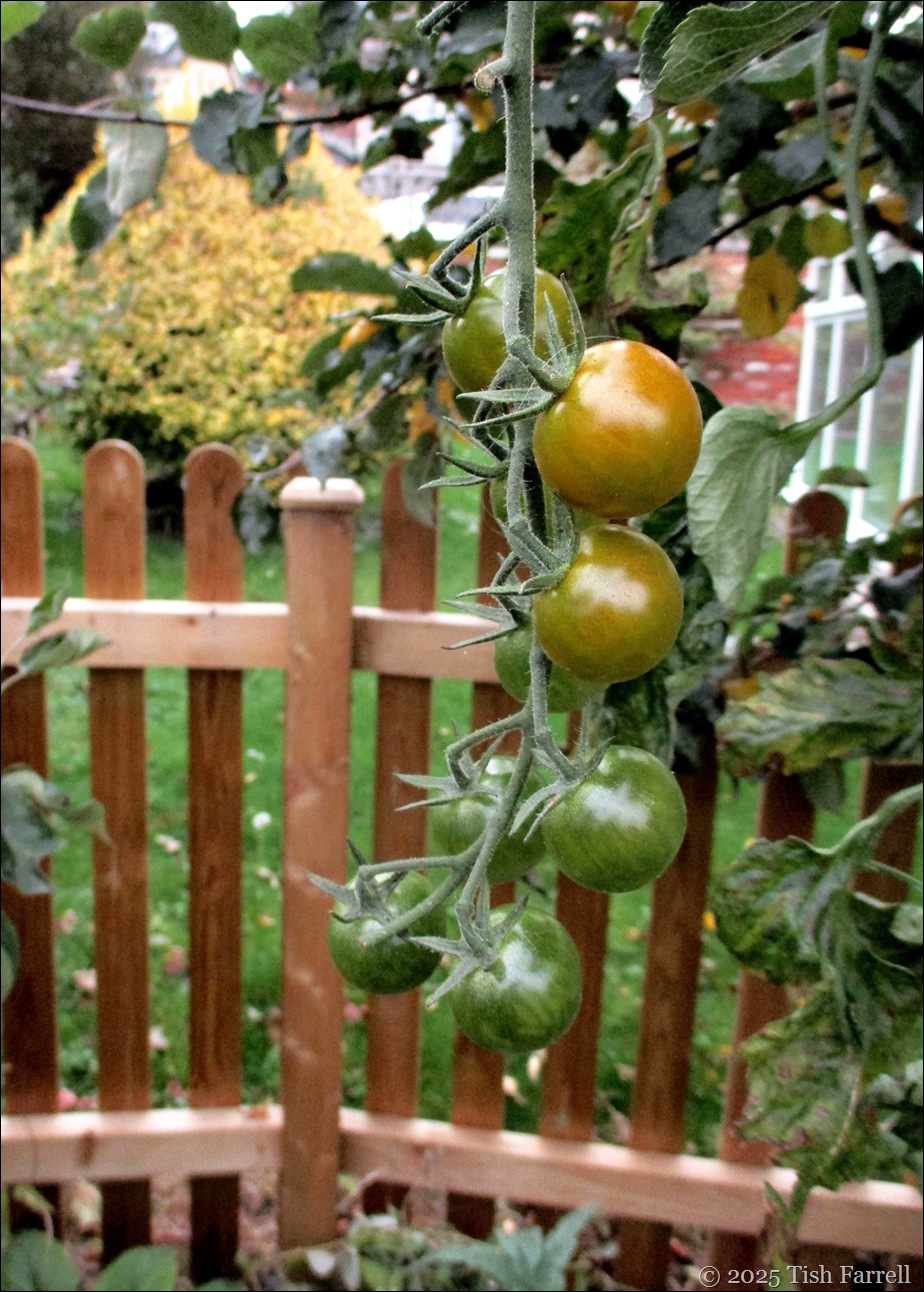
This plant was one of my rejects, a pot-bound Sungold seedling that had hung around on the garden path long after I’d potted up the main plants in early June. Eventually, I stuck it the ground , and generally forgot about it, though I did provide it with a supporting stick. Some time later I discovered that it had climbed way up into the apple tree, and so chopped off its top growth. And again ignored it. Then it began fruiting and has been doing so for many weeks – just a few tomatoes at a time. They’re delicious too.

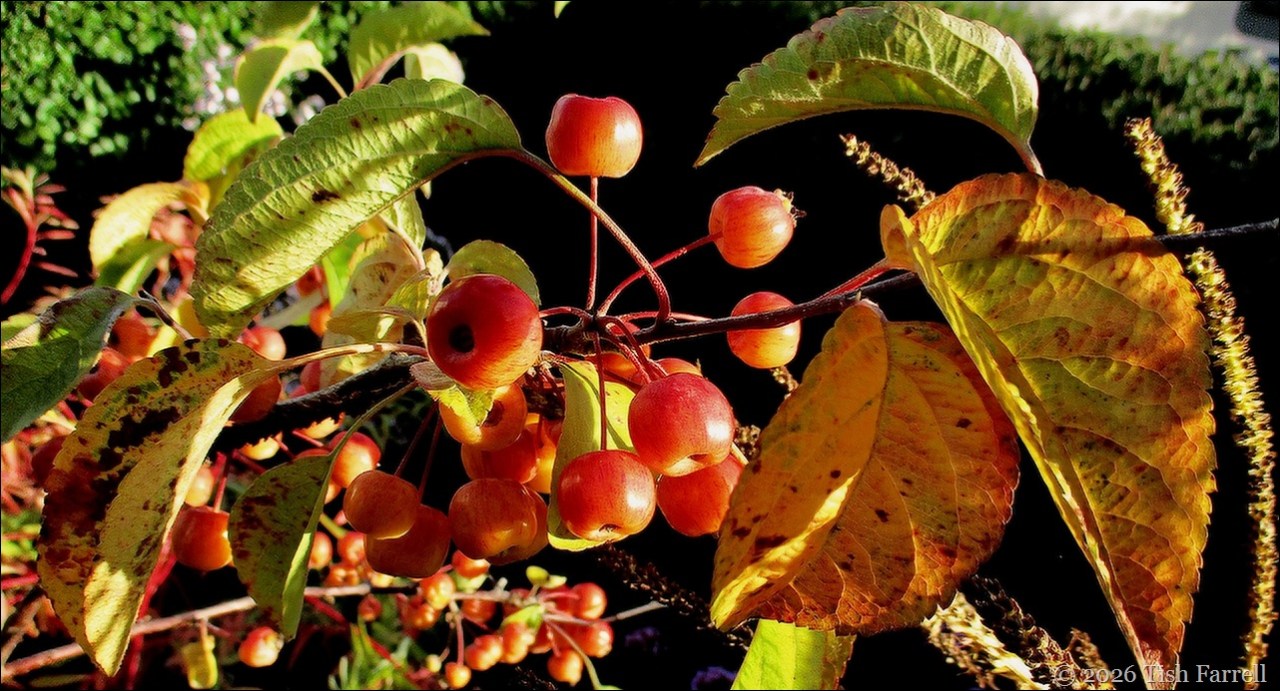
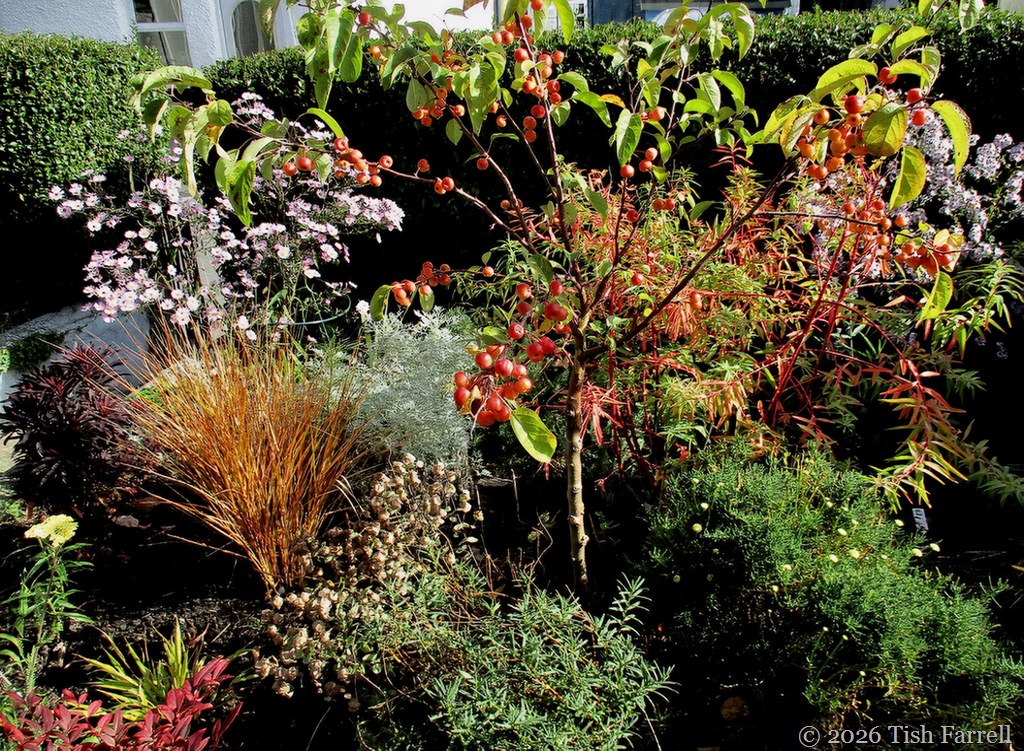
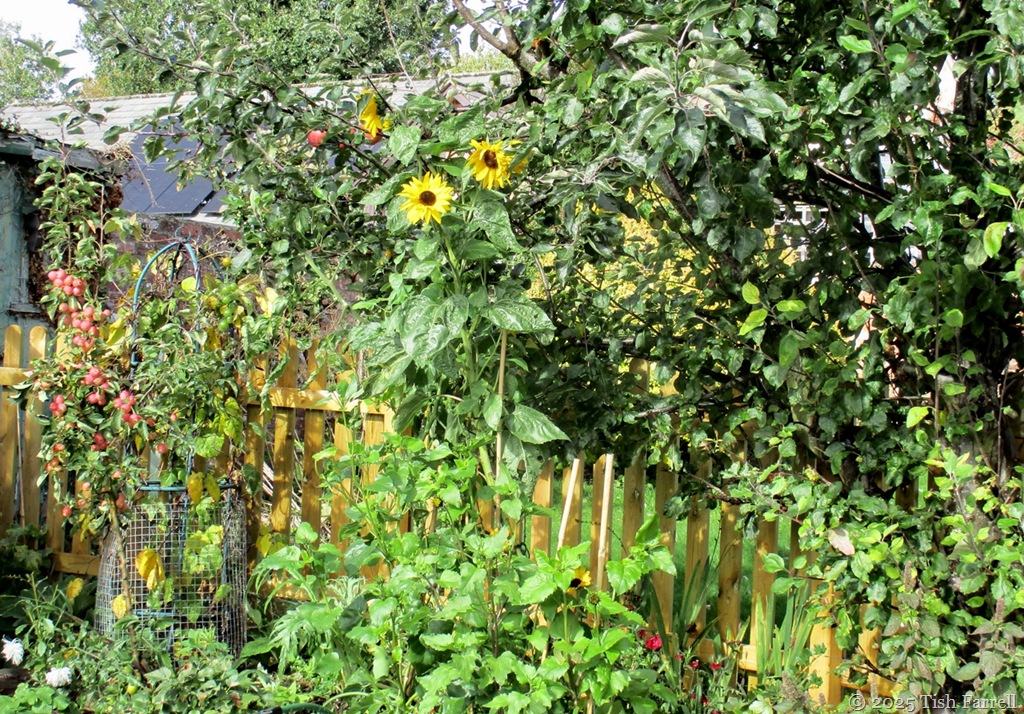
Here it is – you can just see a strand of green fruit hanging down to the right of Jelly King crab apples, green obelisk behind.

apple tree

*

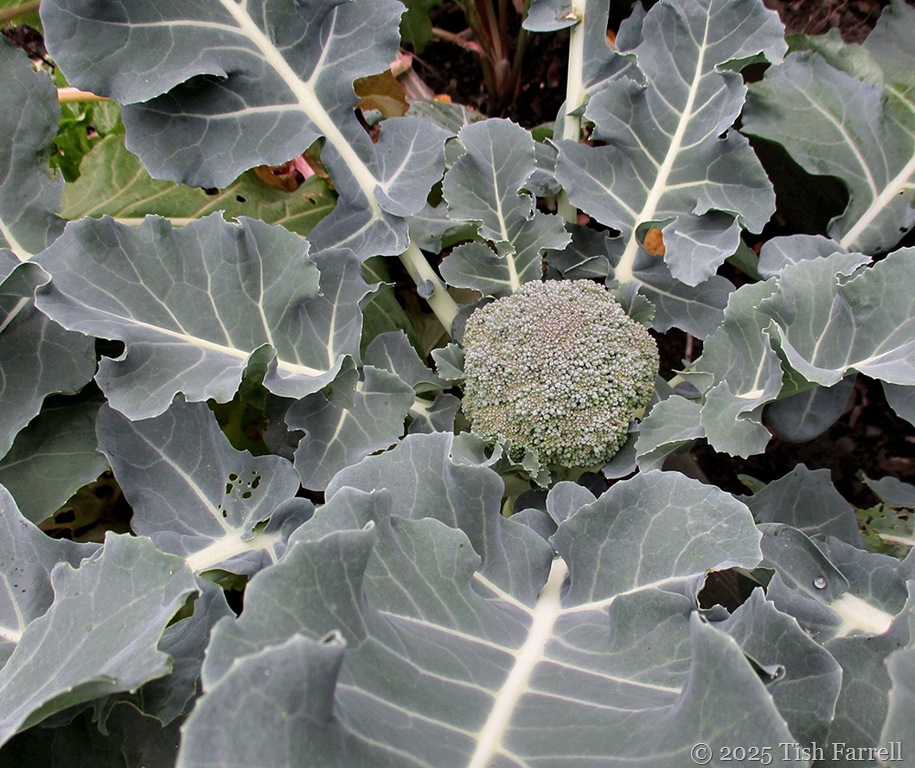
4) The Kabuki calabrese gets the prize this week for making me smile a lot. I always find it exciting when my brassicas start to sprout. And this particular plant has survived remarkably unscathed after the summer attack of flea beetles which make holes in everything of the brassica family. The flower head isn’t exactly big enough for two. Well, not yet. Watching brief activated.

Kabuki broccoli

*

5) Grumble of the week

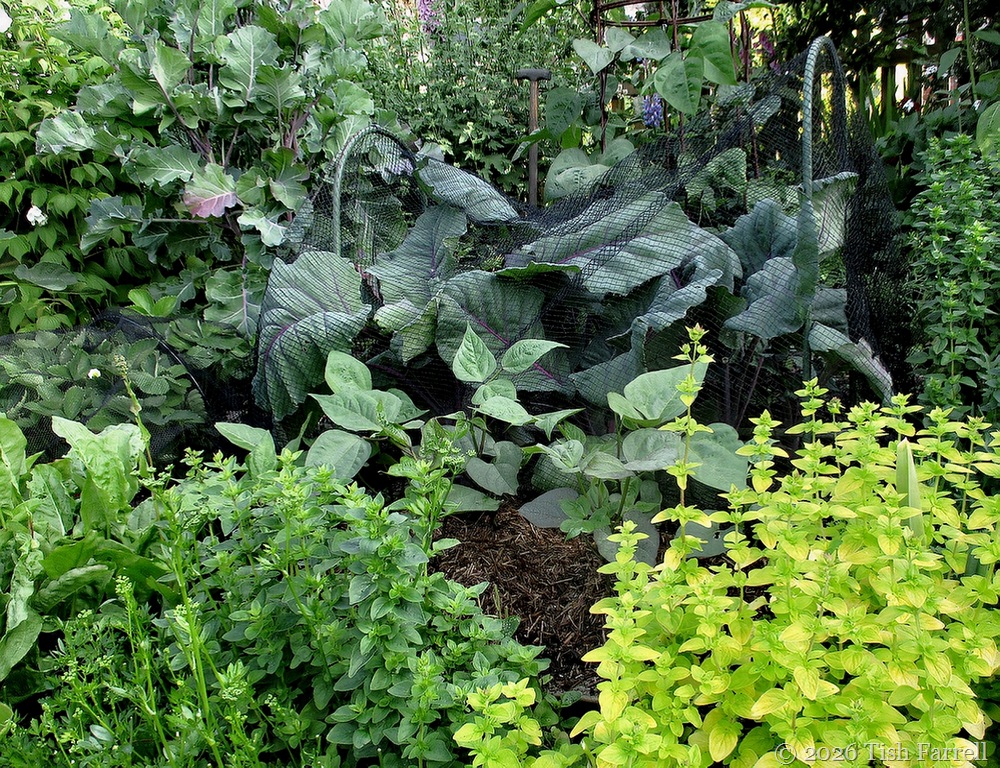
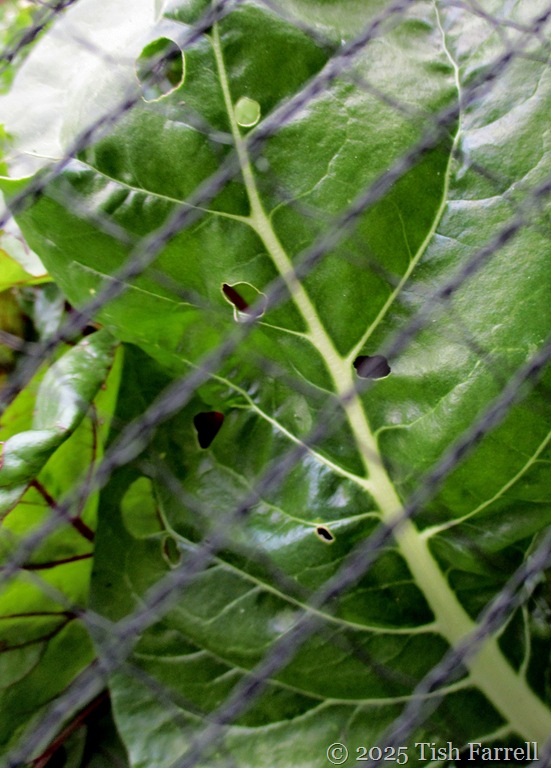
Well, there always has to be something. Now I’m wondering what on earth is making holes in my Swiss Chard (mature and seedling versions) and also the Perennial Spinach. I thought I’d finally protected all the edible greens from all comers with a covering of fine black netting. All summer I’d managed to fend off butterflies from the caulis and purple sprouting. And kept the pigeons at bay. But now I have holey leaves. He who is a sometime plant pathologist posits caterpillars, but I can see no obvious sign of them. Suggestions, anyone?

spinach pest

Swiss Chard

*

6) Sunbathing

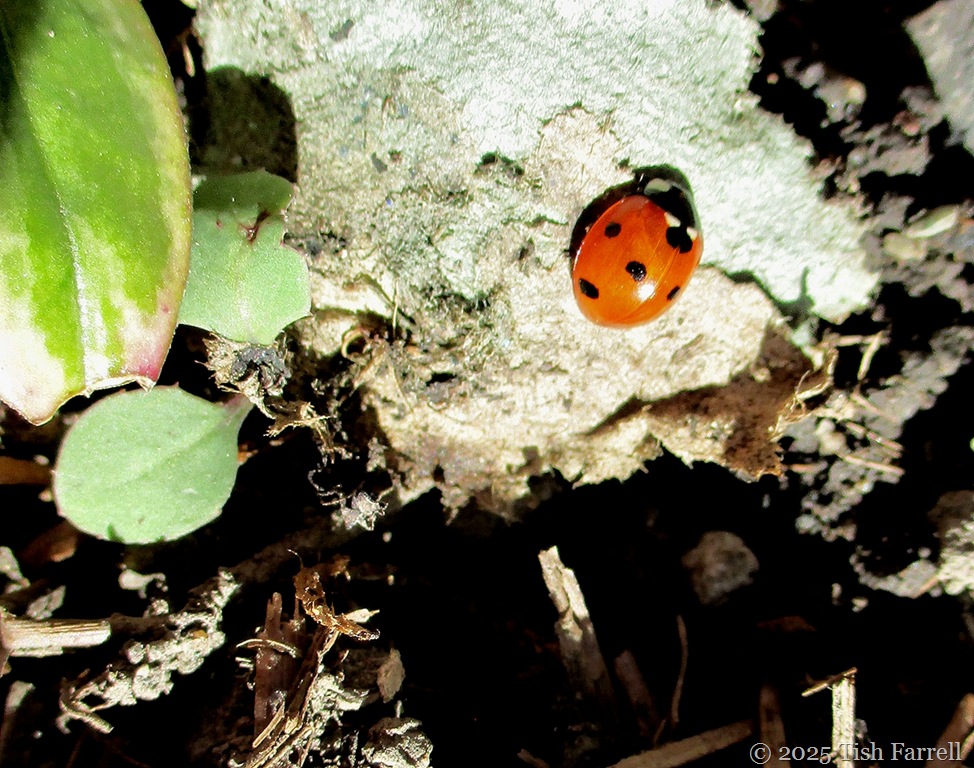
And not to end with a fit of gardening disgruntlement, since the storm we’ve been having some wonderful sunny spells, warm enough to make one put autumn woollies straight back in the cupboard. Even the ladybirds have been sunning themselves. I’ve been finding them all around the garden, including some very tiny ones.

ladybird

And that’s it from our Shropshire garden. Happy gardening, folks.

Please call in on our host Jim at Garden Ruminations.

Six On Saturday

Cornelia rose header

Six On Saturday ~ Still Waiting For Rain

IMG_8163

The evening garden

*

This gardener is beginning to panic. After weeks of rainlessness, we’re now having a spike in temperatures – the peak today  at 29 or 30 degrees, depending which weather forecast you consult. Thereafter, hopefully, we should feel a decline of several degrees, with finally a  promise of rain next week. 

But then we’ve had these promises several times over the last three months, with only one good downpour that yielded 8 watering cans’ worth from the shed water butt. And that was ages ago.

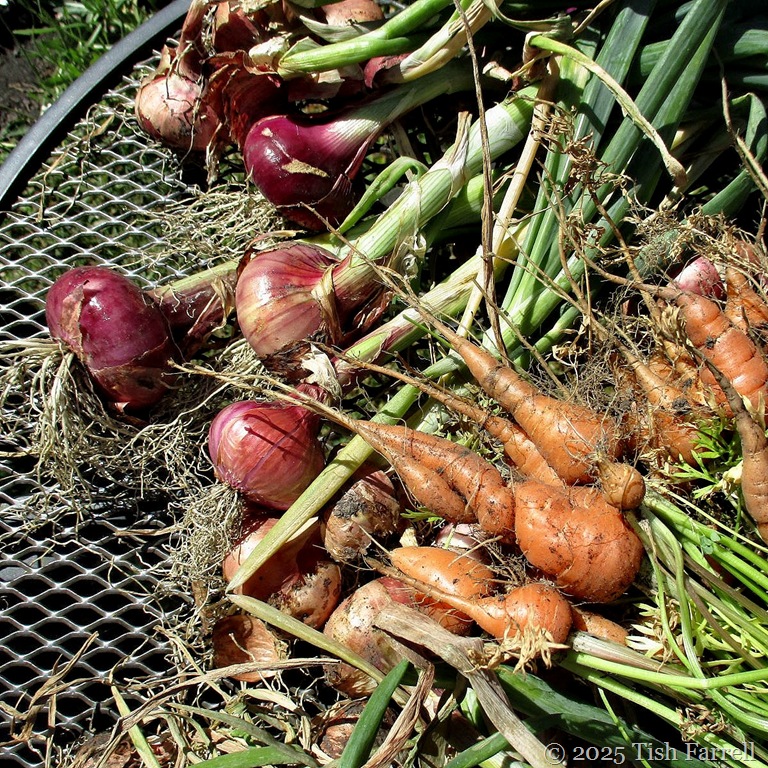
1. Hand watering is all very well, but it really only keeps plants ticking over. Or in the case of my onions and first sown carrots doesn’t. I pulled them up yesterday. They had simply stopped growing.

sos 2

*

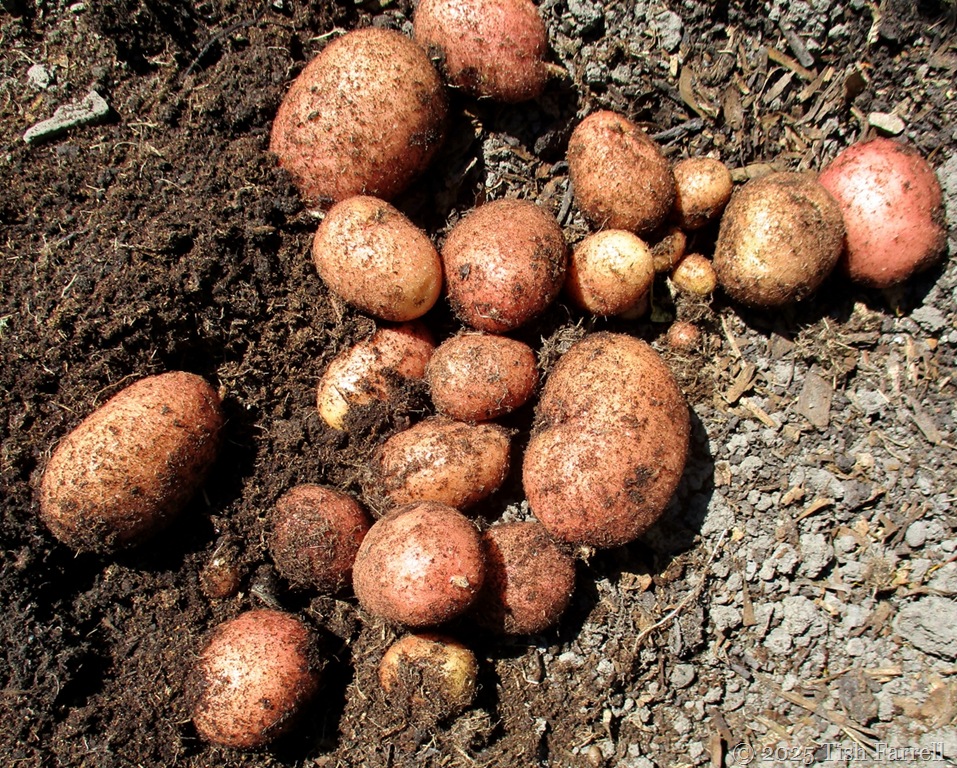
2. Also my single seed potato in a bucket had had enough by yesterday. This was one I couldn’t fit into my planting row, so I thought I’d trial it in a container. Stopping it from drying out was of course an issue. And the bucket  itself was making it very hot. All the same, when I emptied it, I was quite impressed with this little haul.

sos 4

The Rooster spuds in the ground are still holding their own for now, so I’m hoping for a reasonable harvest. We’ve eaten most of the Belle de Fontenay, and I’ve popped in a few peas where she’s left some space.

*

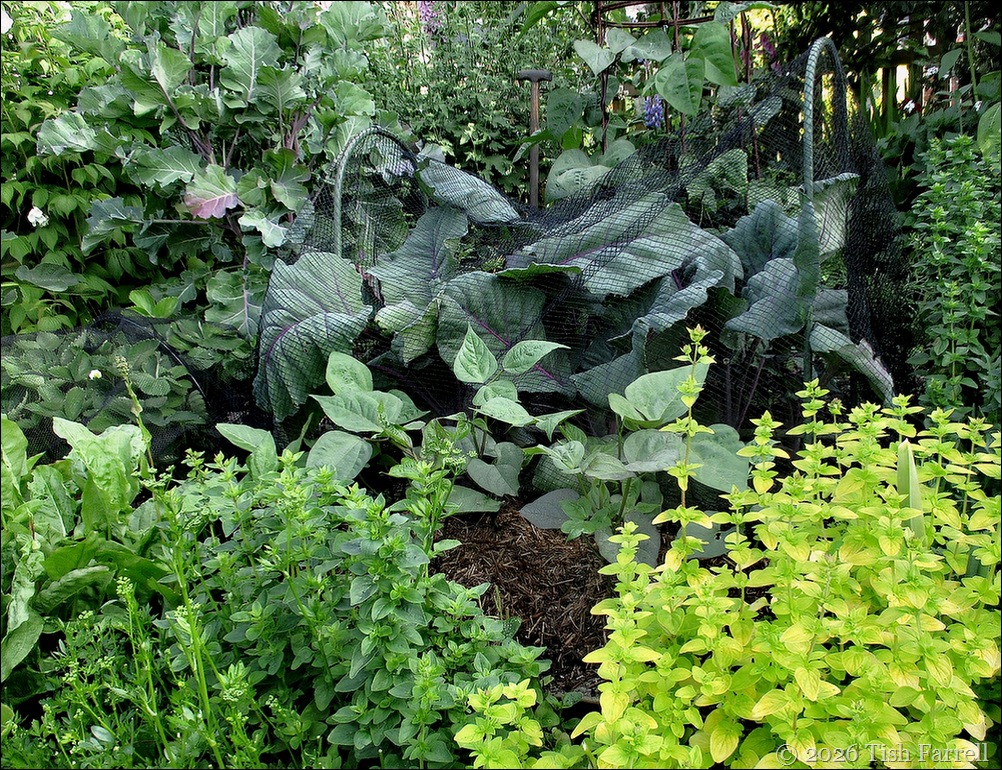
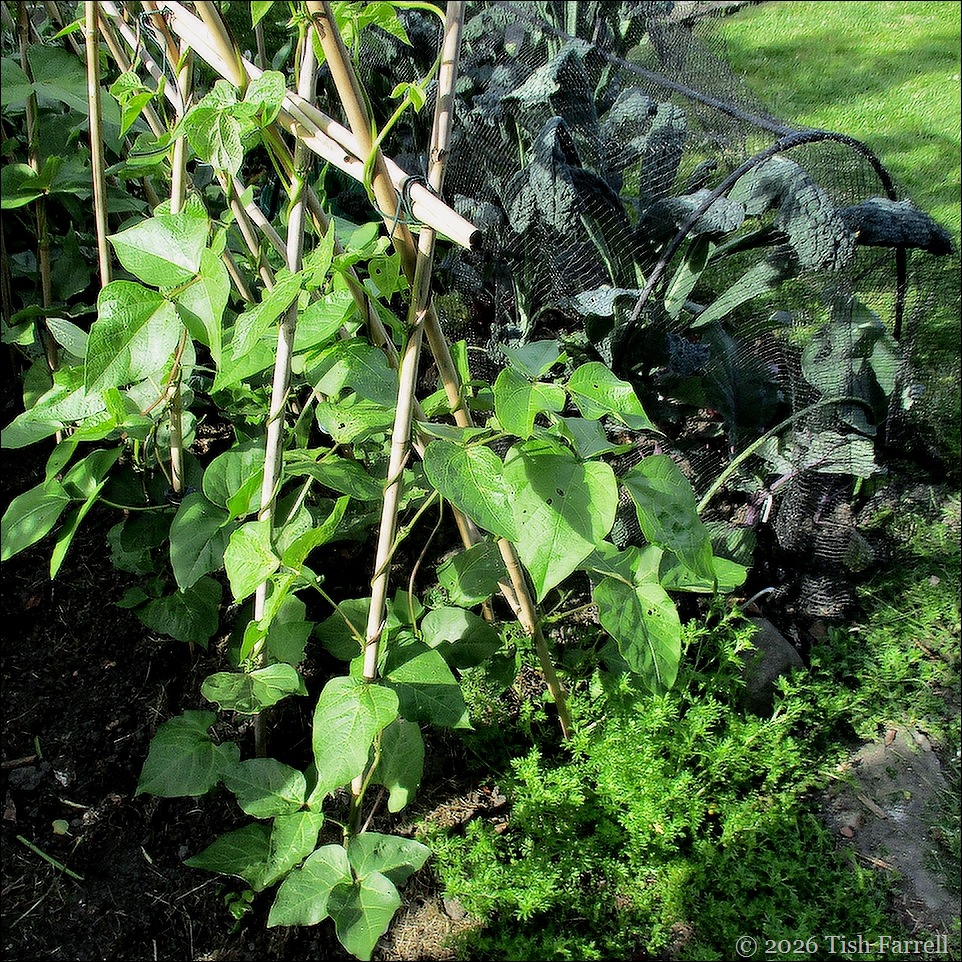
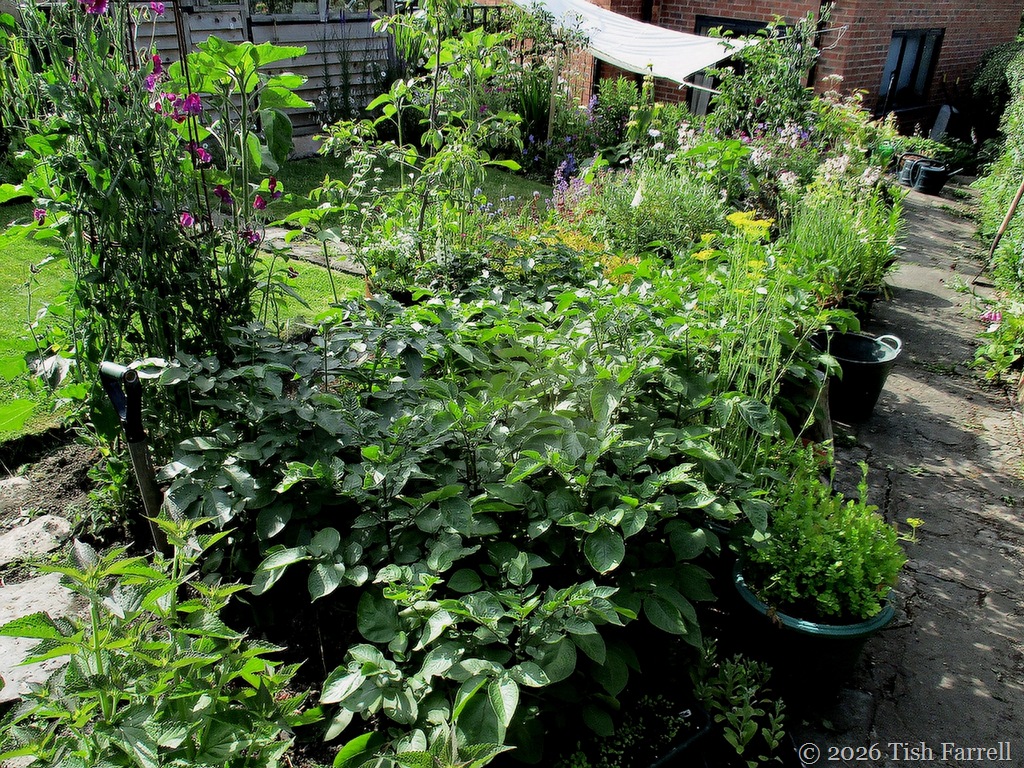
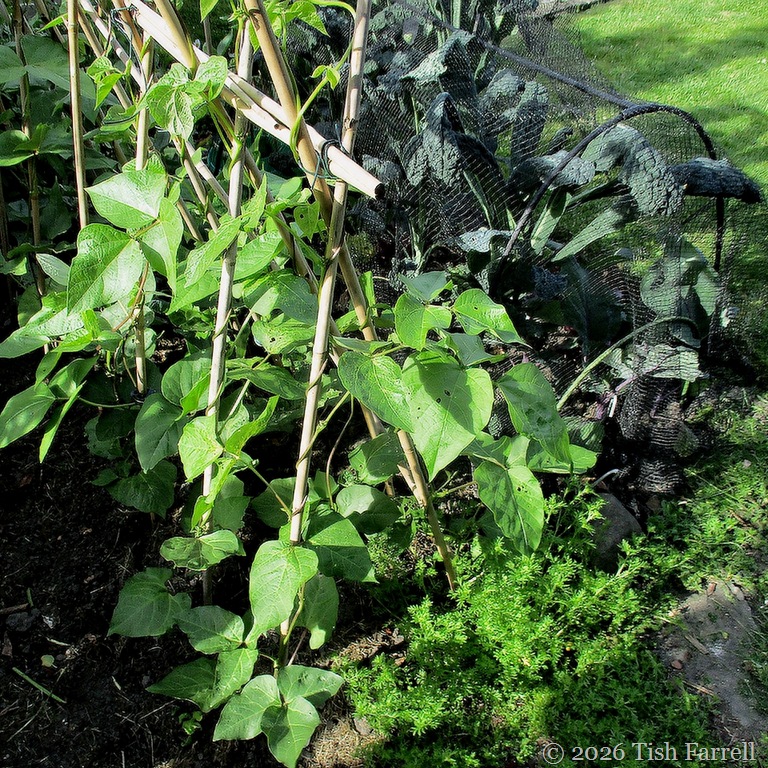
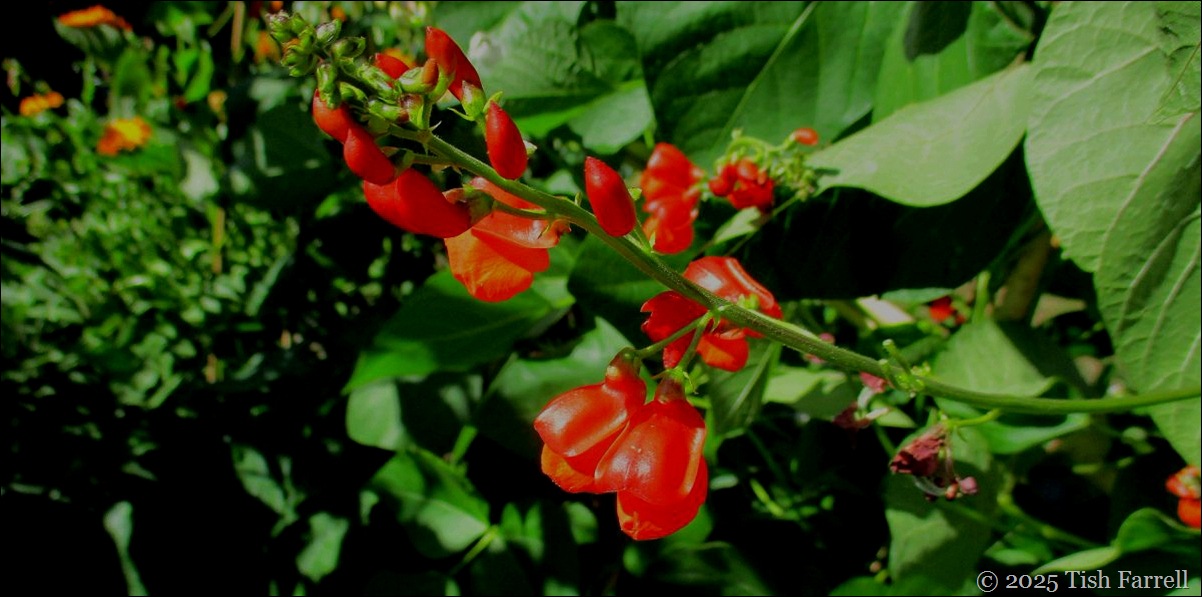
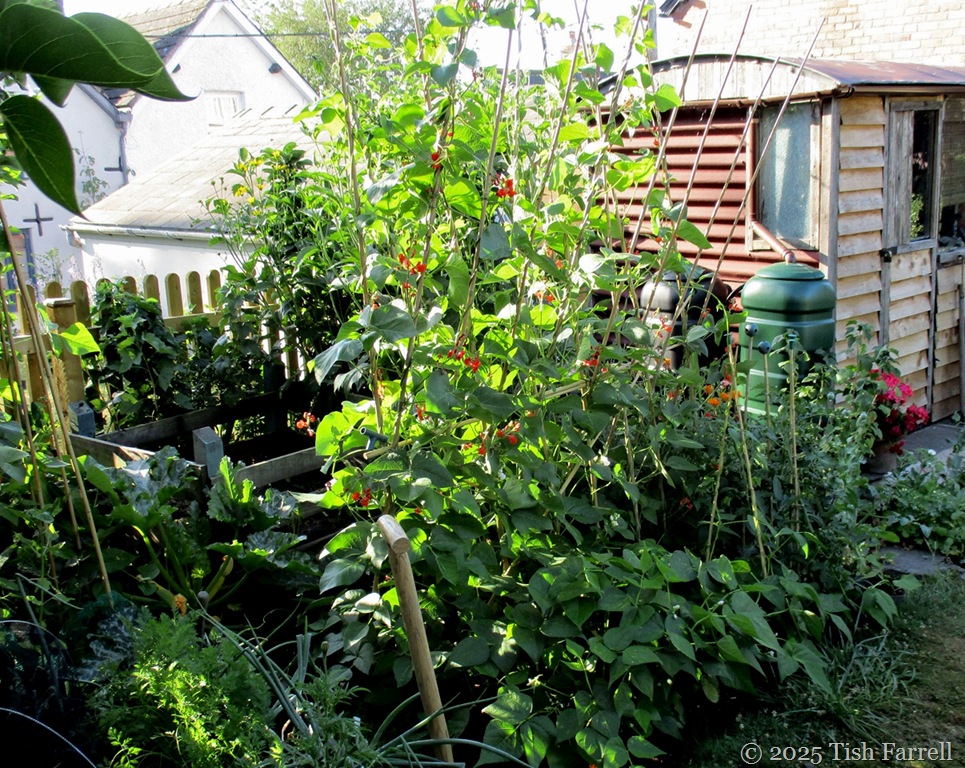
3.  In the bean corner things are looking fairly hopeful. Beans respond well to mulching, and anyway make some of their own shade. I’d also prepared a compost filled trench for the runners in the winter. The dwarf borlotti beans, planted out in front, are also sheltering the runners’ roots. They don’t seem to mind being hot and are already forming pods. A slight error in labelling has resulted in some of the dwarf borlotti in the row requiring sticks, which is annoying. I have the taller variety growing up some trellis against next door’s garage – i.e. in the once horridly hypericum infested wall-bed on our boundary.IMG_8213

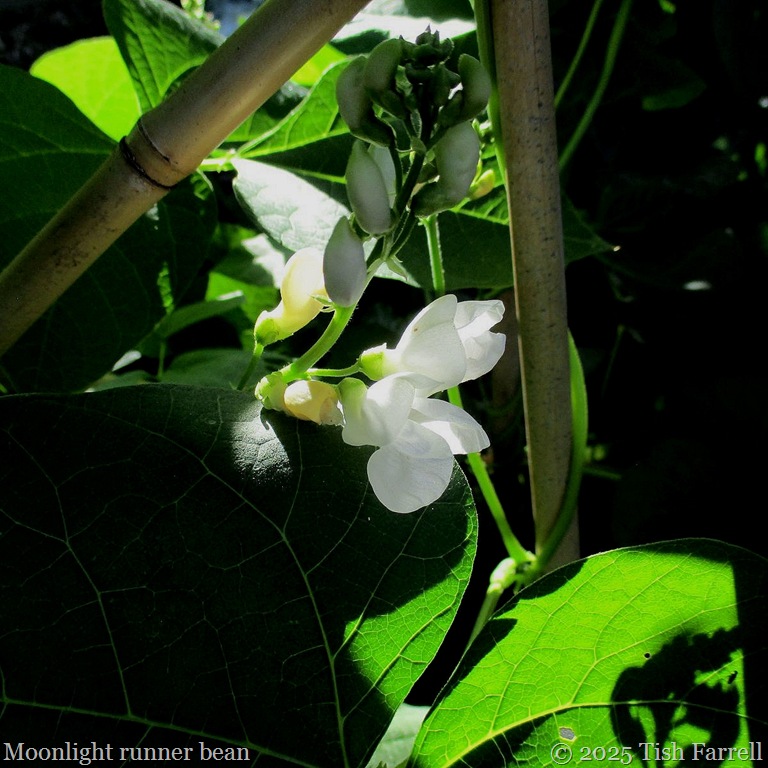
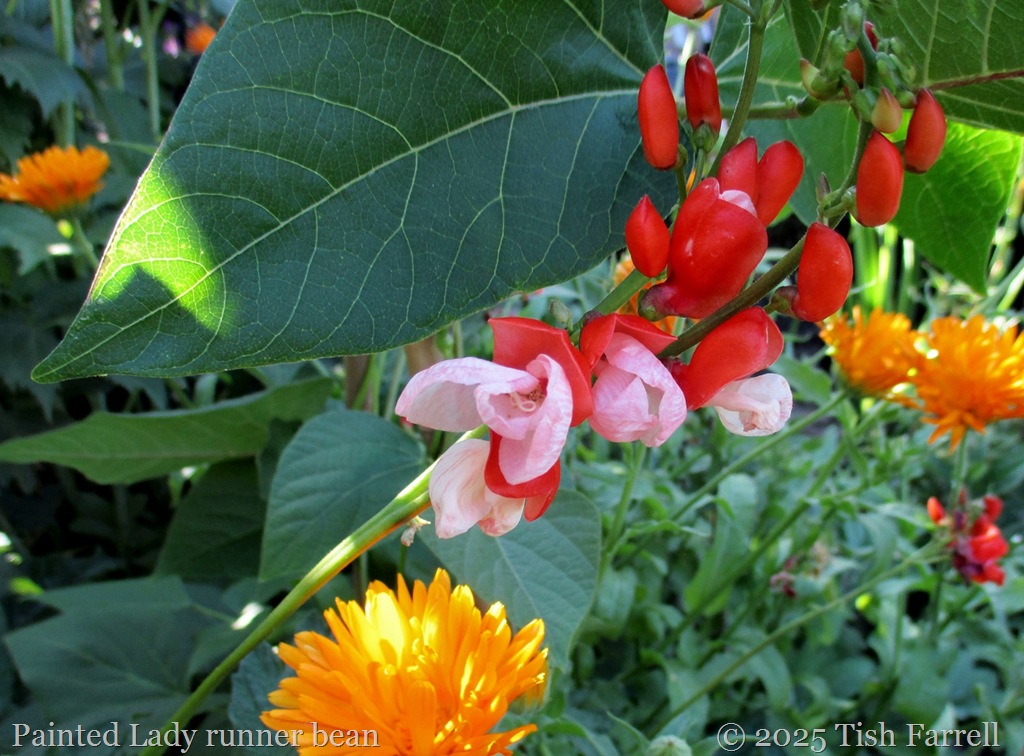
This year I have a real mix of runner bean varieties. For some reason I had problems getting any of my seeds to germinate well, new and not so new packets alike. I ended up re-sowing, and putting in a few Scarlet Emperor seedlings bought from the butcher’s to be going on with. My small row thus also has some white Moonlight, red Lady Di and one Painted Lady which has very pretty white and red flowers although they’re looking pink at the moment.

sos5

IMG_8227

*

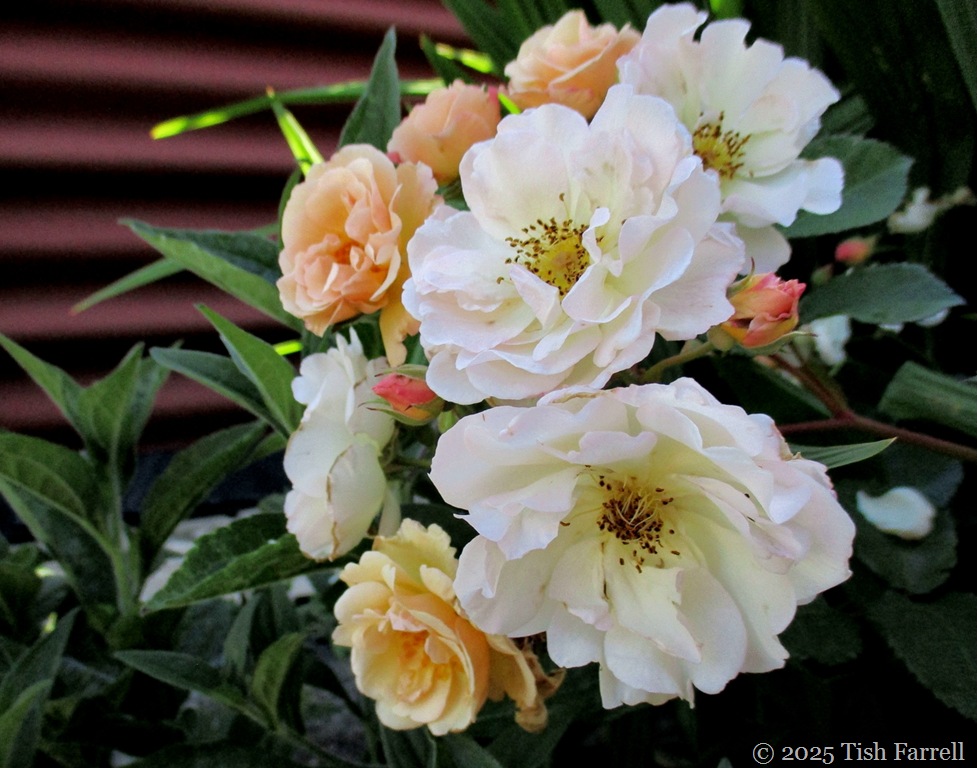
4. In the nonedible quarters, Penelope rose is still blooming hard, although the other roses have given up flowering now. I love her. She is like a wild rose, but with added flounces. And she smells delicious.

IMG_8171sos

*

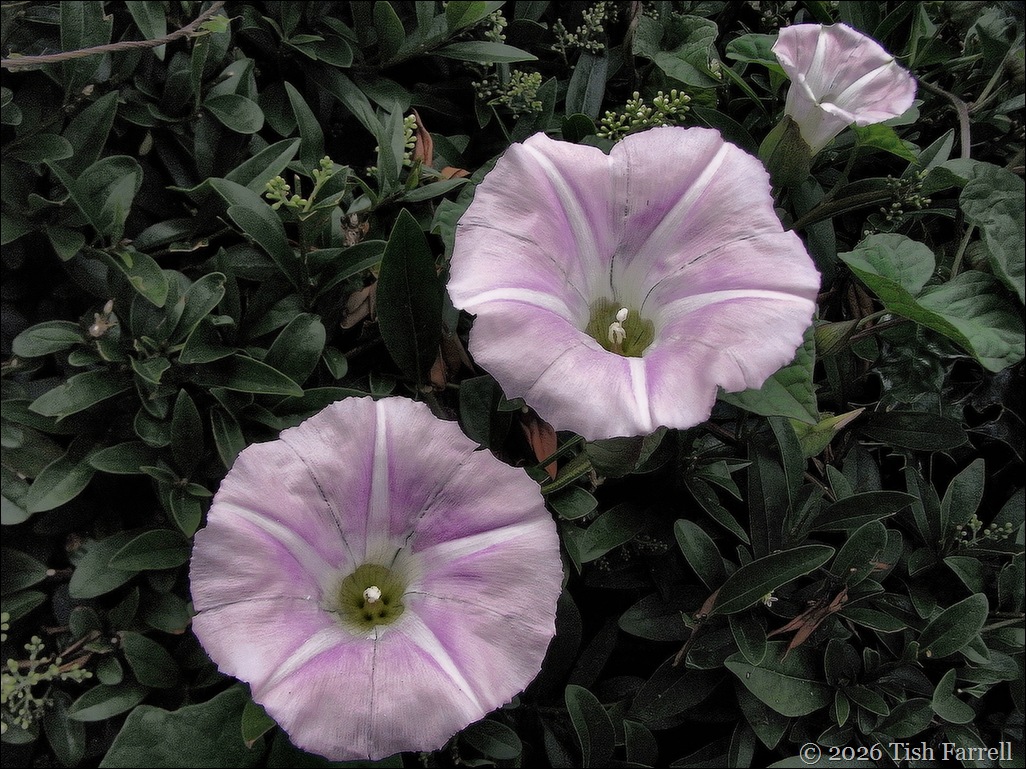
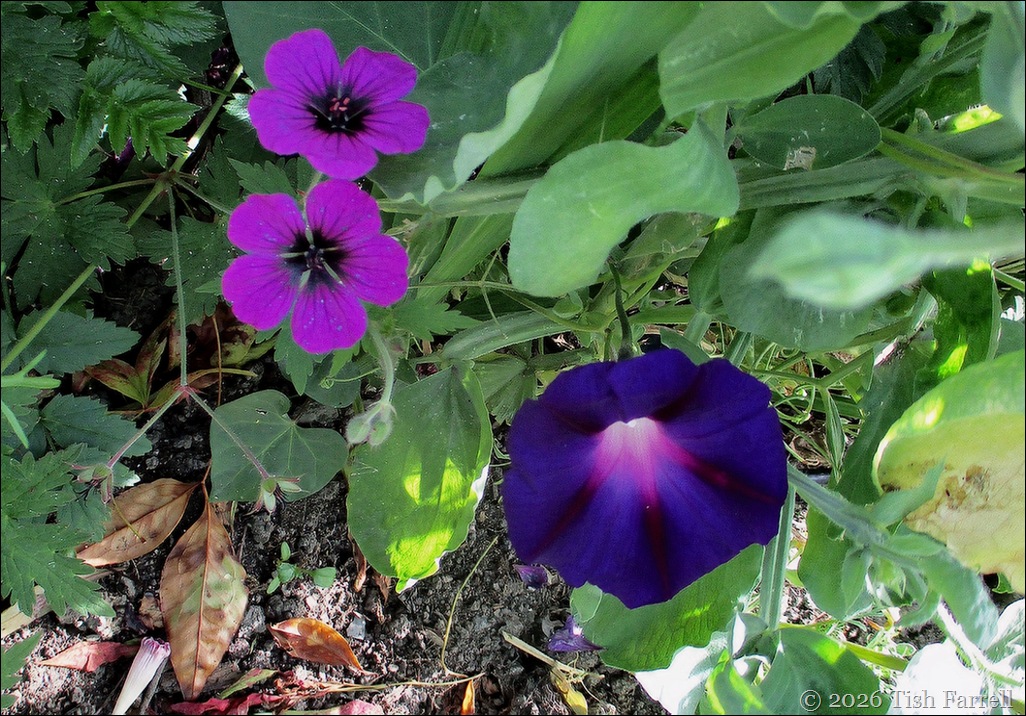
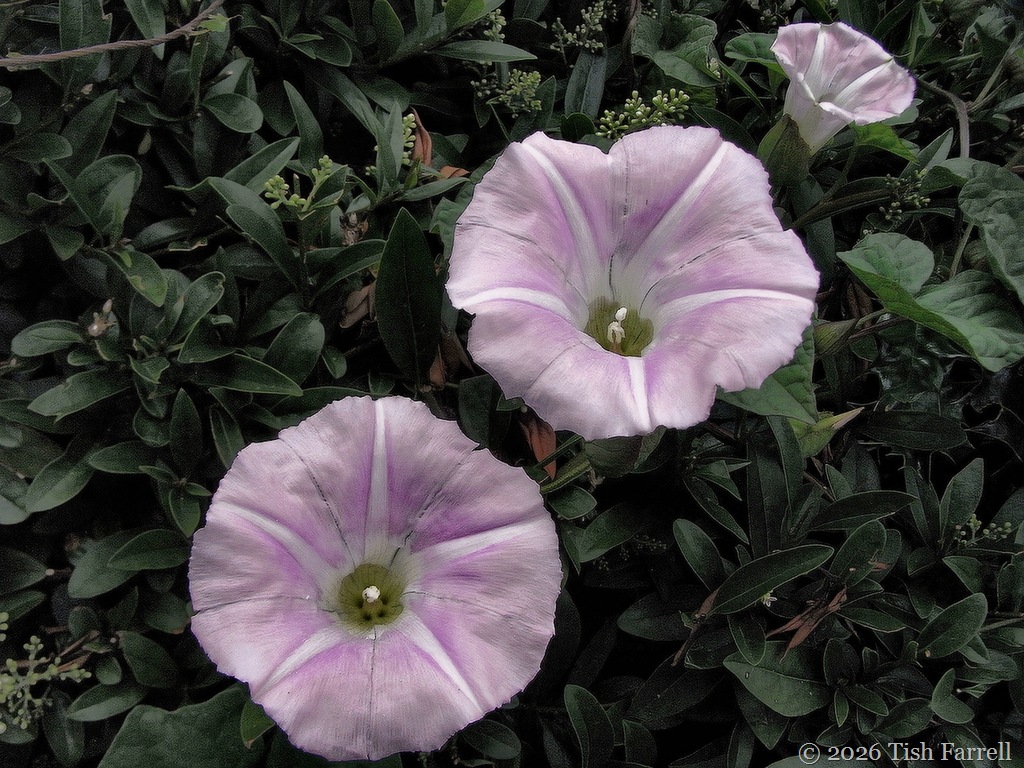
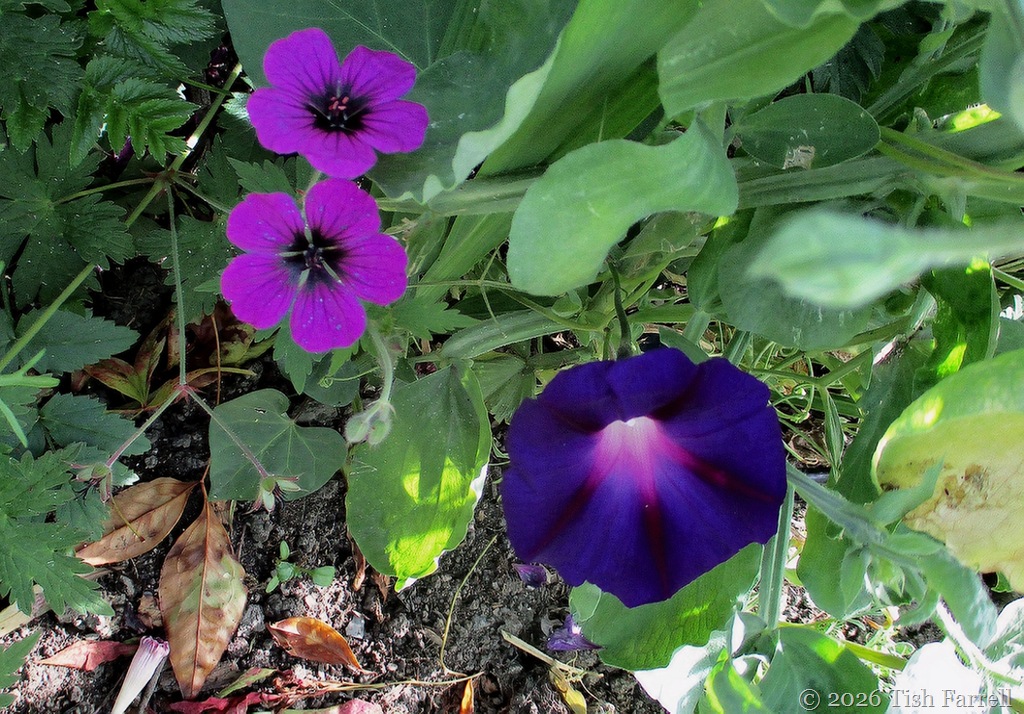
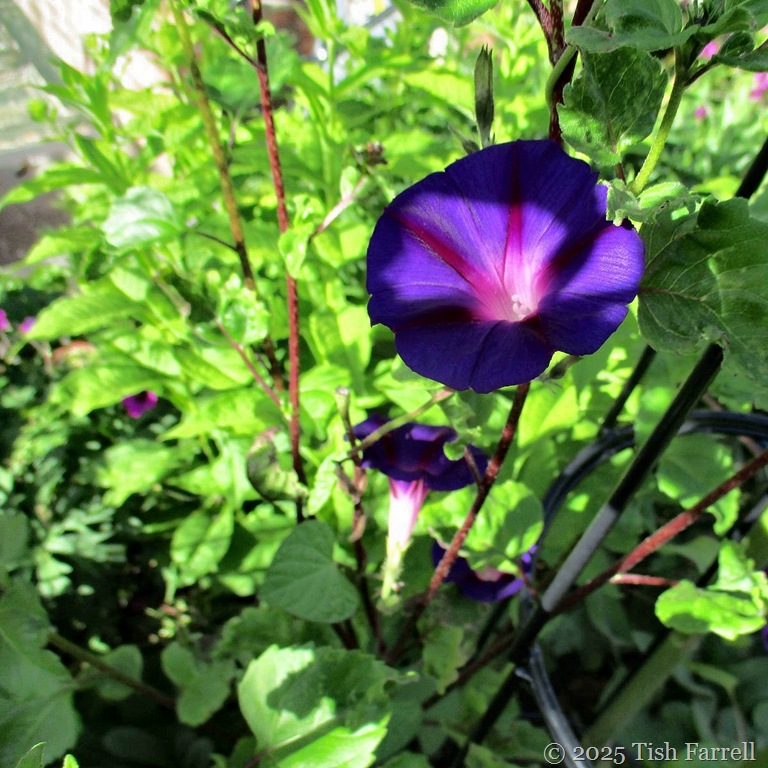
5. Also my favourite Morning Glories have begun to live up to their name and are putting on an early-day show. I’ve planted them out everywhere where there’s something to climb up, amongst the beans and sunflowers, up the trellis disguising the oil tank. Hopefully, if it does rain next week, they will really get going, and hopefully, too, keep flowering until the first frost as they did last year.

sos12

*

6. And another success has been the sweet peas. Although the ones in the front garden are now beginning to fry round the edges, this despite the watering and mulching. Also, given my non-orderly manner of cultivation – randomly up an obelisk and a trellis, they have grown rather short stems. My dear Pa would have been aghast. He used to grow his in regimented tall-cane rows, with set watering intervals to ensure evenly spaced blooms along each dead straight stem. Then he would lovingly count them, five and six big flower heads, usually. And then he would snip a bunch of the best and take them off to his latest lady friend. Mother rarely got a look in when it came to sweet peas.

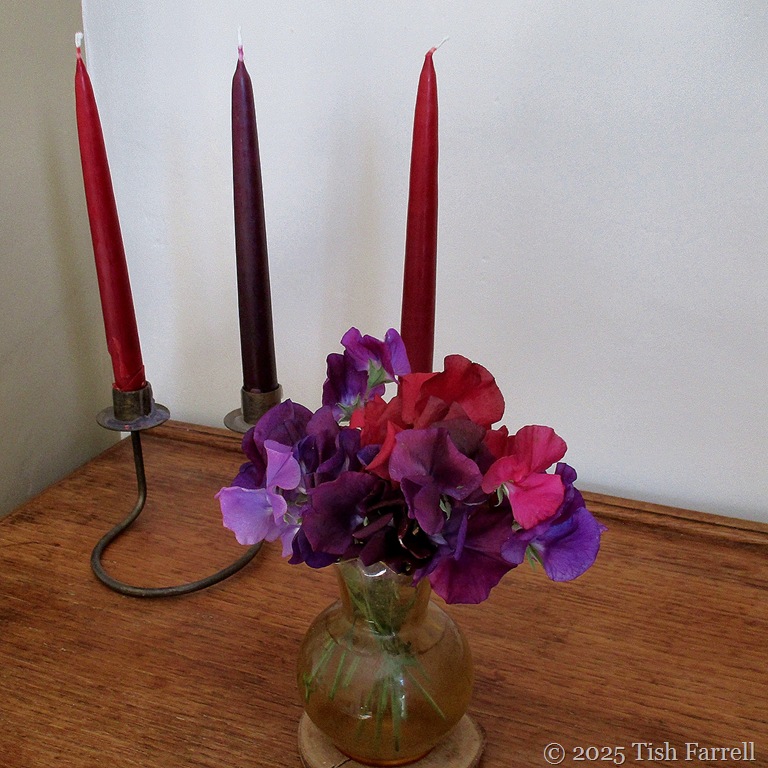
I’ve tried taking a photo of ours outside, but they don’t look their best. So here’s one of the several small vases we have about the house. Wall-to-wall sweet pea scent,  a soothing antidote to moments of over-heatedness.

IMG_8152

Six On Saturday Please visit our host Jim. Lots of interesting plants in his garden today.

And It’s Still Raining…

IMG_2301

Today, an errand that involved ordering shower room parts took us out of Shropshire and into Worcester. We’d been putting off going since Monday, the weather being so dire. But this morning the three-day deluge had reduced itself to heavy drizzle, so after a fortifying coffee, off we went.

I find bathroom showrooms dispiriting places for all sorts of reasons, but it had to be done, and mission completed, and the vile, multi-islanded Kidderminster bypass survived in both directions, we felt that soothing surroundings were needed. And since our route took us past Dudmaston Hall, which being National Trust has a very pleasant cafe, we decided to call in for lunch. And very nice it was too with the big log burning stove blazing away. (Anyone would think it was October.)

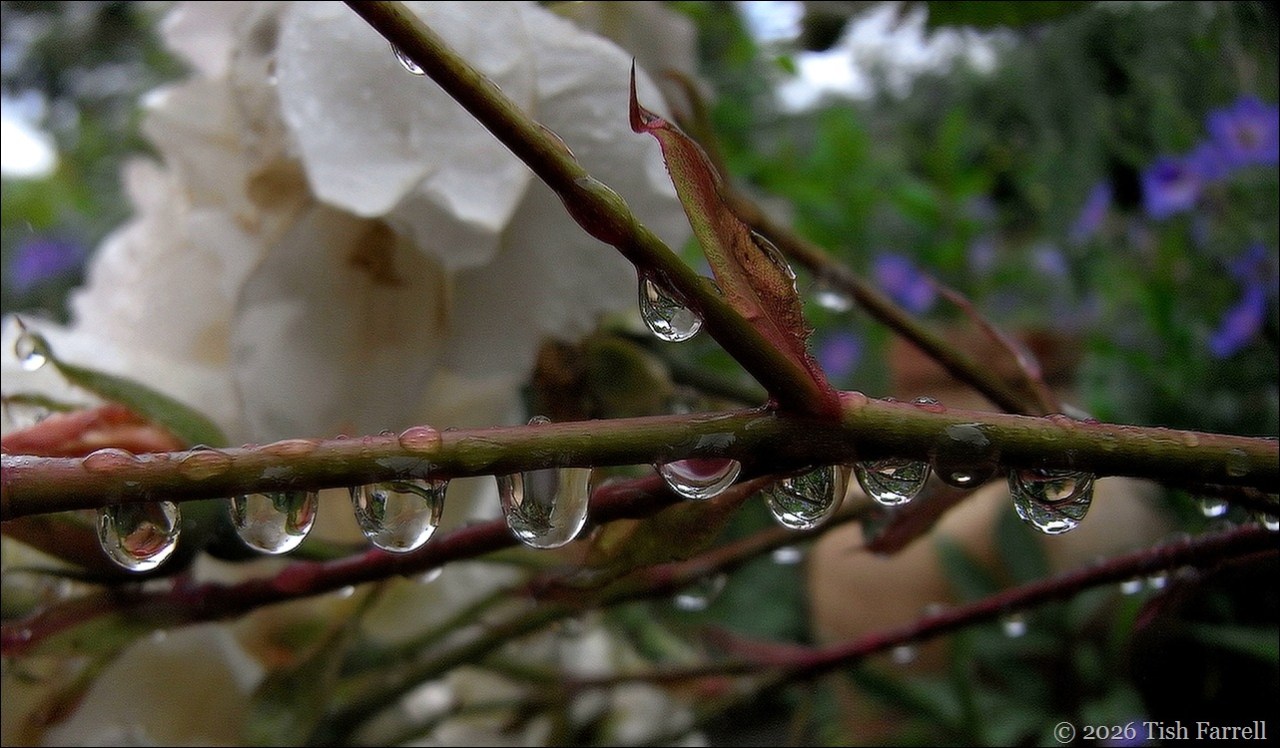
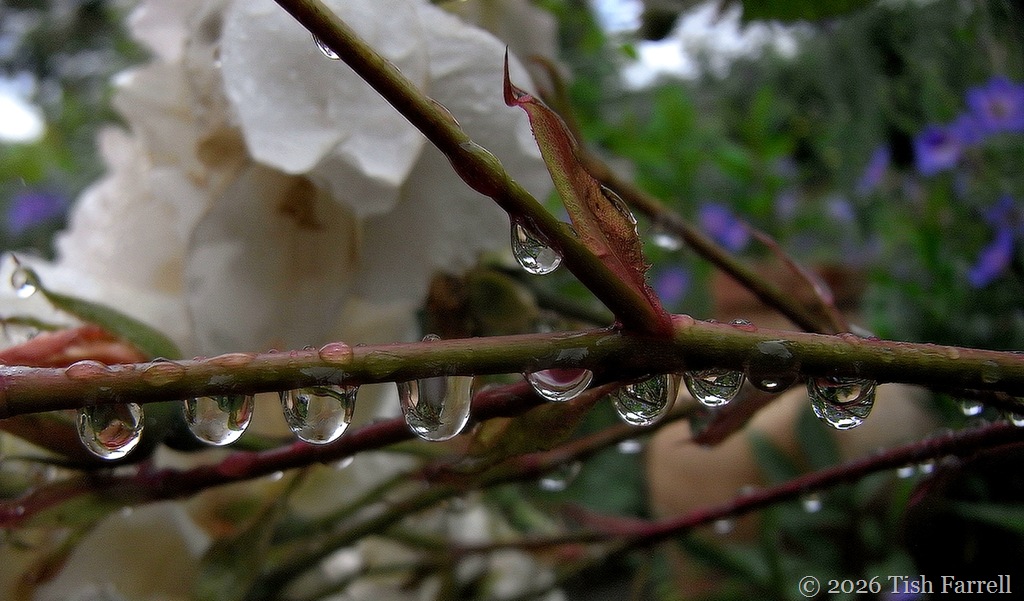
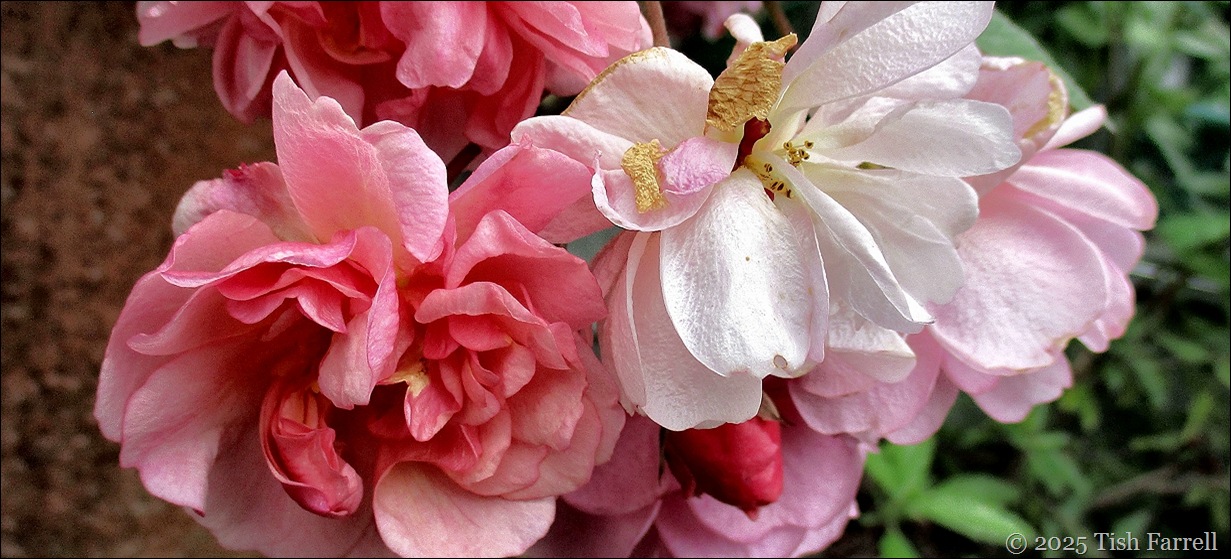
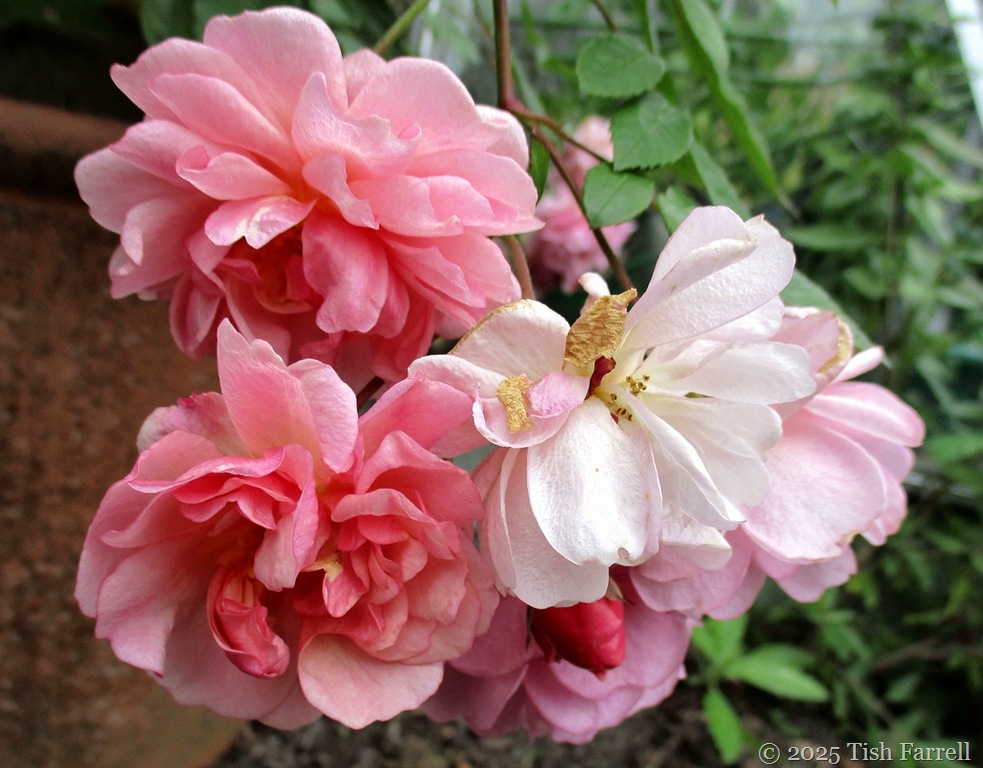
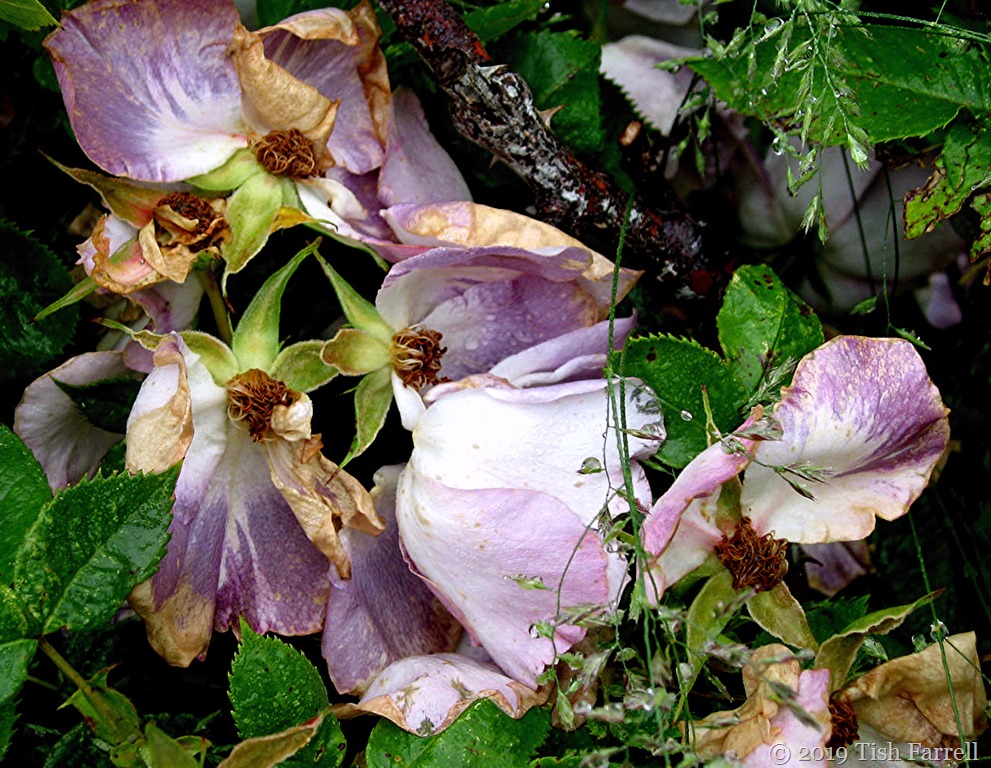
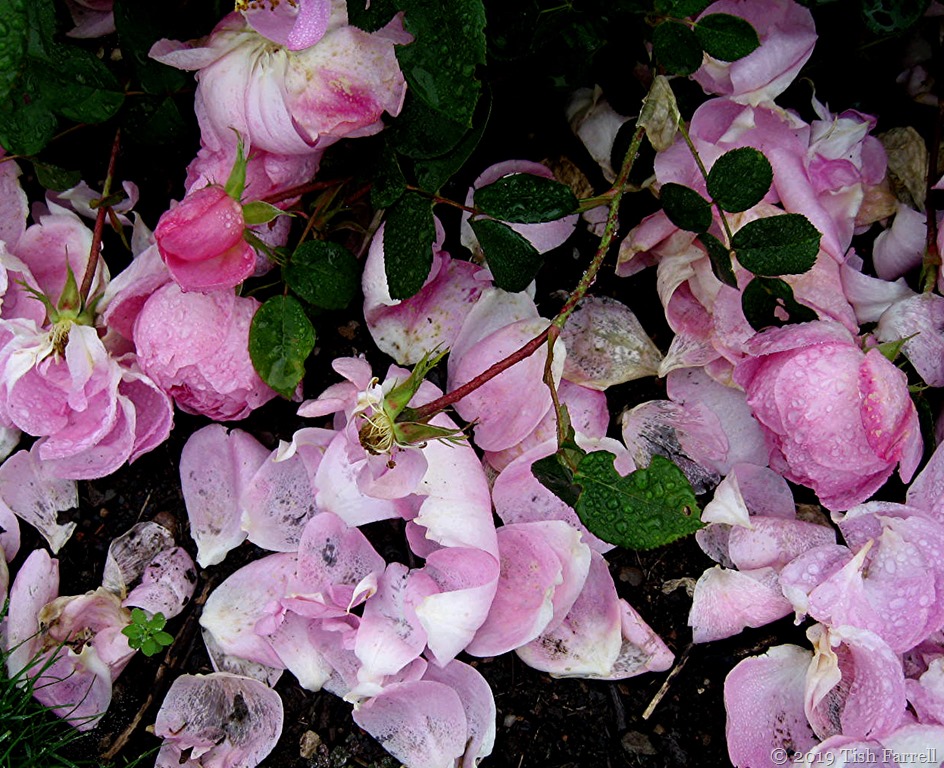
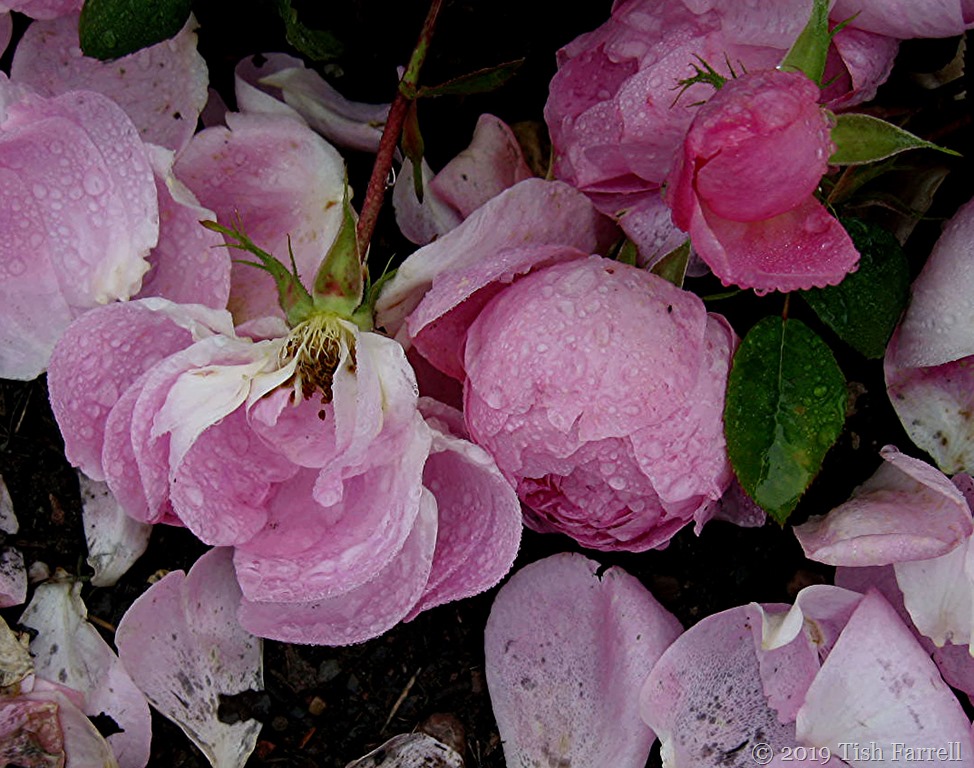
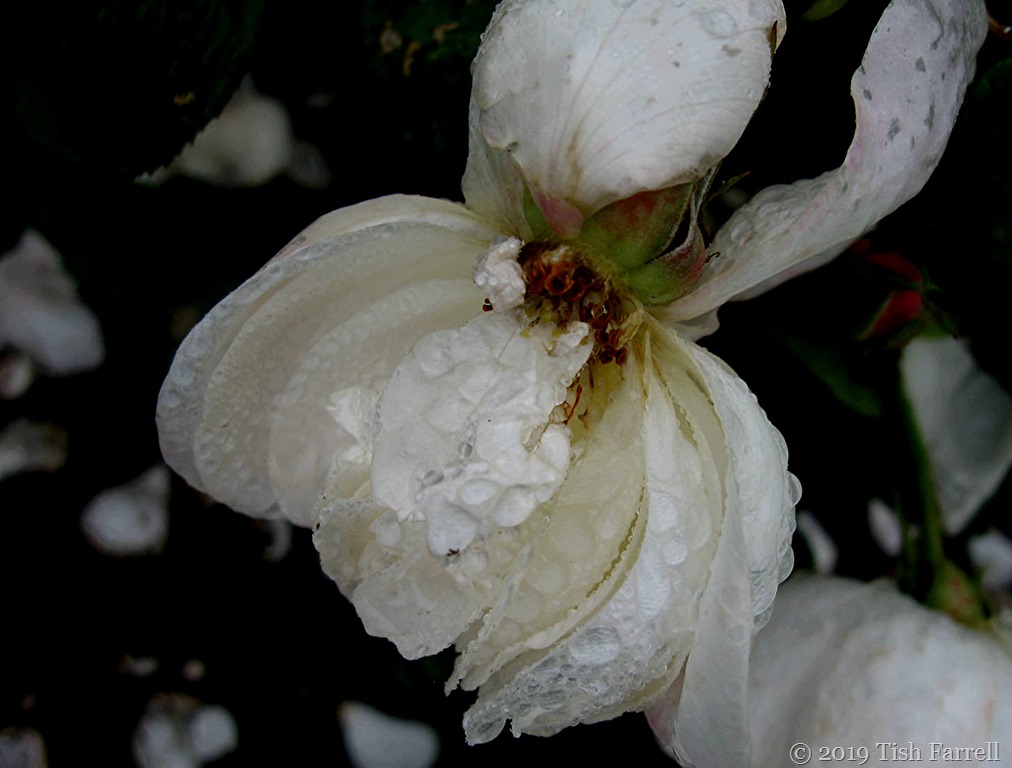
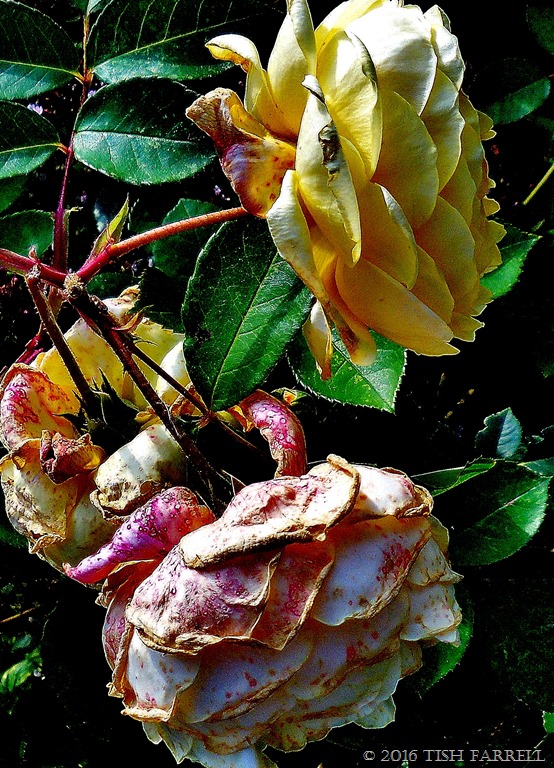
Afterwards we had a wander in the gardens. Many of the roses had been crushed and their stems battered down, but I thought they still looked beautiful in their way. So here are some more with their fallen petals, photos taken with Sue Judd at Words Visual in mind. Sue is a wiz in her studies of decay and transience.

IMG_2332

IMG_2335

IMG_2357

IMG_2302

But it wasn’t all mayhem. One walled border that comprised mainly wild flower species – foxgloves and red centranthus in particular – was thriving in the rain.

IMG_2310

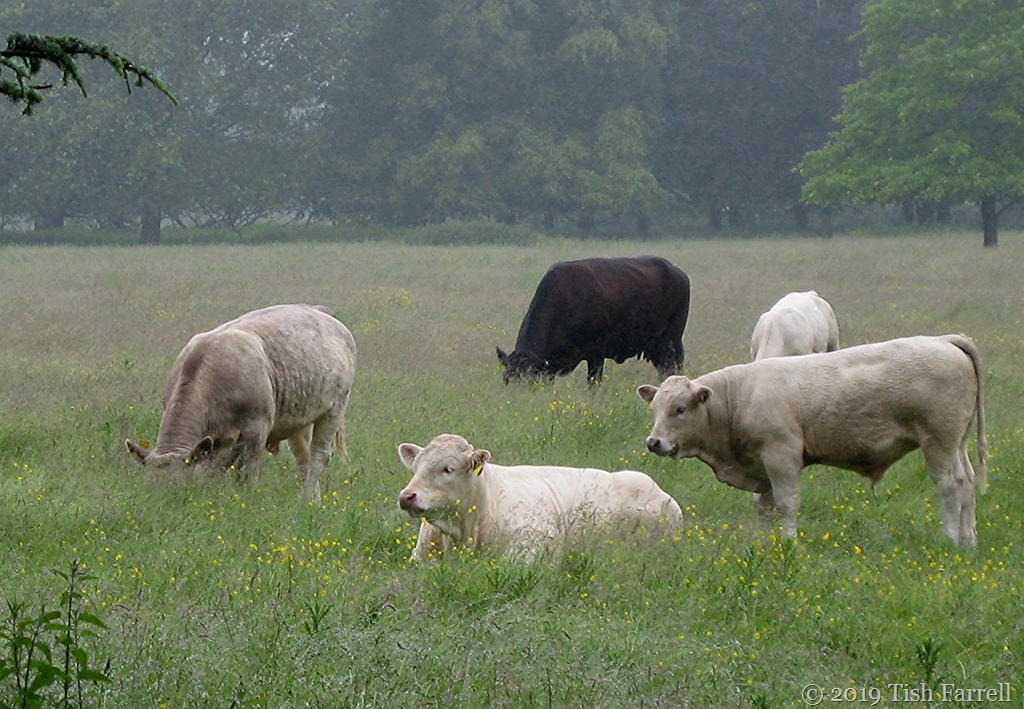
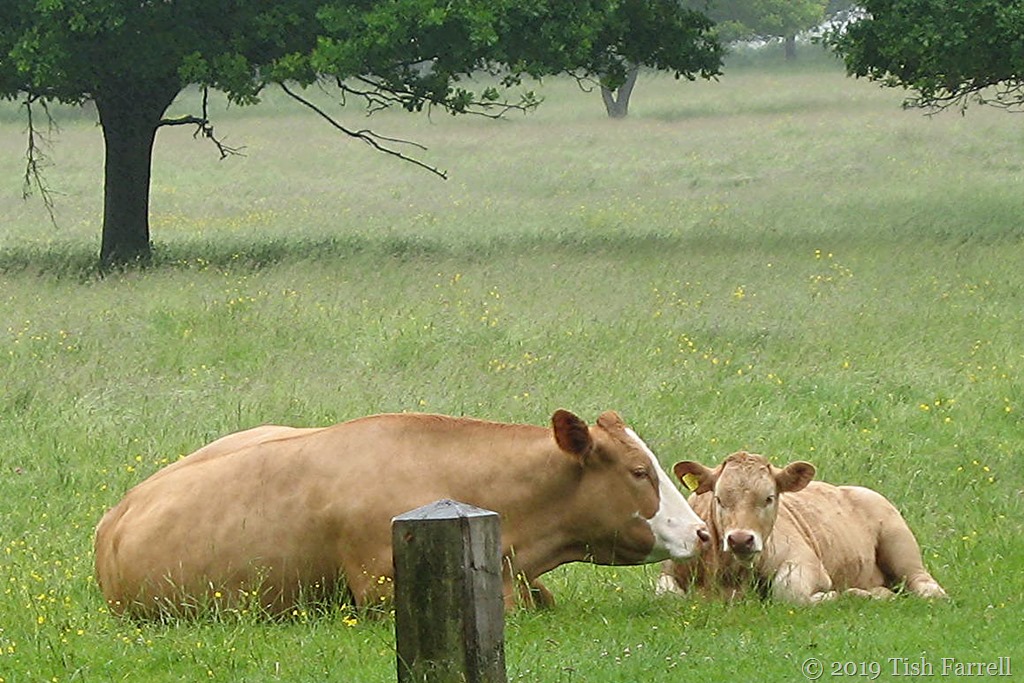
And out in the parkland among the buttercups there were some very contented cattle browsing lush meadow grasses.

IMG_2317

IMG_2316

Passing Glory ~ Three Old Roses

100_7676

This lovely rose grows up the wall in our back garden. Please meet Gloire de Dijon, also known less picturesquely in English as Old Glory. It’s a cross between an unknown tea rose and Souvenir de la Malmaison, an old Bourbon rose, and was introduced to the world by one Pierre Jacotot in 1853. He lived in Dijon, France, a place also famous for its mustard.

When the rose is fully opened it has dense whorls of pale peachy-pink petals that change colour as they age. Their scent is mesmerizing – notes of clove and jasmine that transport me back to Zanzibar where jasmine sprigs were nightly placed beside our plates at the hotel where we ate dinner.

And once the roses have passed their best, even dead-heading them is a delight – crushing fading petals  between my hands, inhaling their last fragrance that also soaks into the skin, and can be smelled for hours.

Like Sue Judd at WordsVisual, I’m drawn to the aesthetic of decaying plant life. I think there is great beauty here – these lingering shades of erstwhile glory.

*

Thursday’s Special: Three of a kind

Please visit Paula to see her own lovely study for this challenge. And definitely go and see Sue Judd’s stunning daffodil study at the link above