Two Of A Kind On The Hippo Chute

sq002

Many people do not know, and that once included me, that hippos are among Africa’s most dangerous animals. They do in fact kill quite a few people every year, usually local fishermen. The main source of contention is when a human presence is deemed an obstacle to a hippo’s return to its territorial waters. Hippos spend the dark hours roving through the bush chomping large quantities of grass. But they like to return to their lakes and rivers by sun-up.

They are very thinned skinned and although they produce a red oily secretion to protect themselves, any unexpected delay out in the hot sun can cause them to become ferociously overheated, if not downright murderous. We had a hair-raising experience ourselves when we were living in Zambia. We were on a guided bush walk in the magnificent South Luangwa Valley. Lucky for us we had a wise Zambian Park Ranger accompanying our party. You can read the story at Grouchy Hippo, Laid Out Lions.

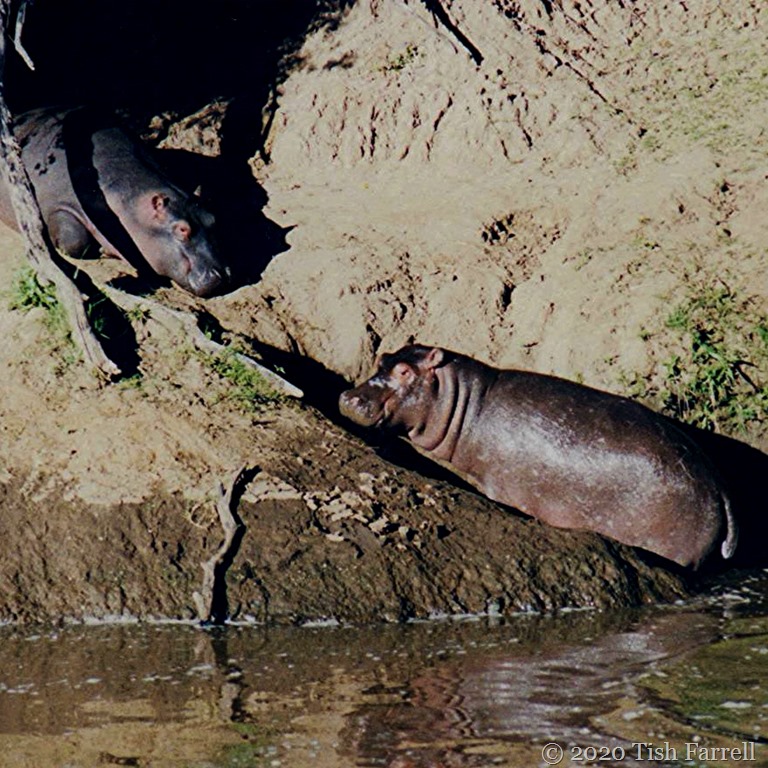
The hippos in the photo were our neighbours at Kenya’s Mara River Camp. Every morning at first light I would watch them emerge from the bush on the bank across from our tent. Full grown hippos weigh anything between three and six thousand pounds so the return to the river, even on custom-made hippo-slides, took some negotiating: head first or bottom first that is the question.

KindaSquare #6

Two Of A Kind #2

Scan-130520-0002

I might be on a bit of roll with this ‘two by two’ from the old Africa album, though as yet I haven’t come up with an ark to house the featured pairs.  Actually it’s now raining so hard in Shropshire (and for days to come if the forecast is anything to go by), it may well be prudent to come up with one.

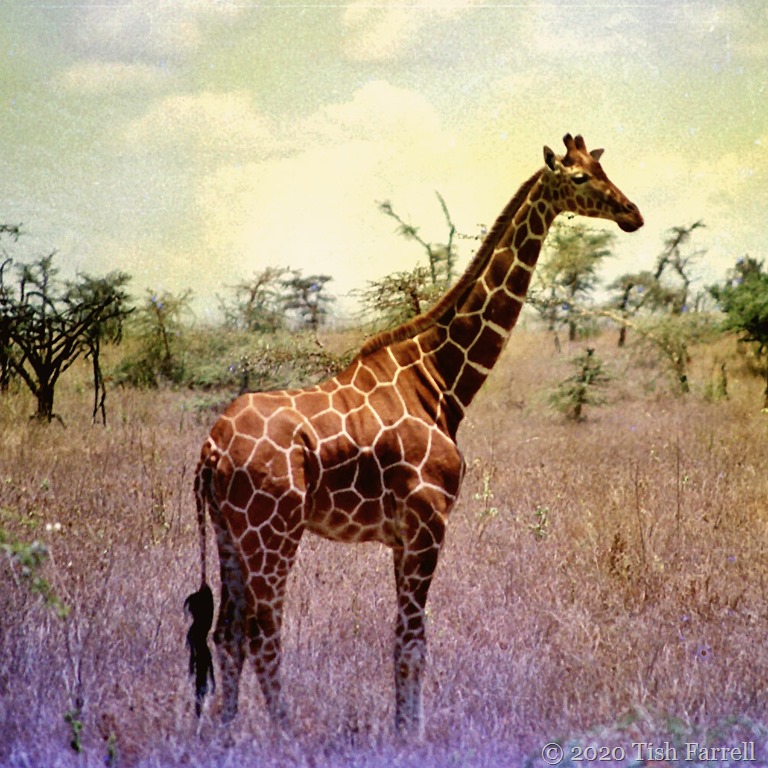
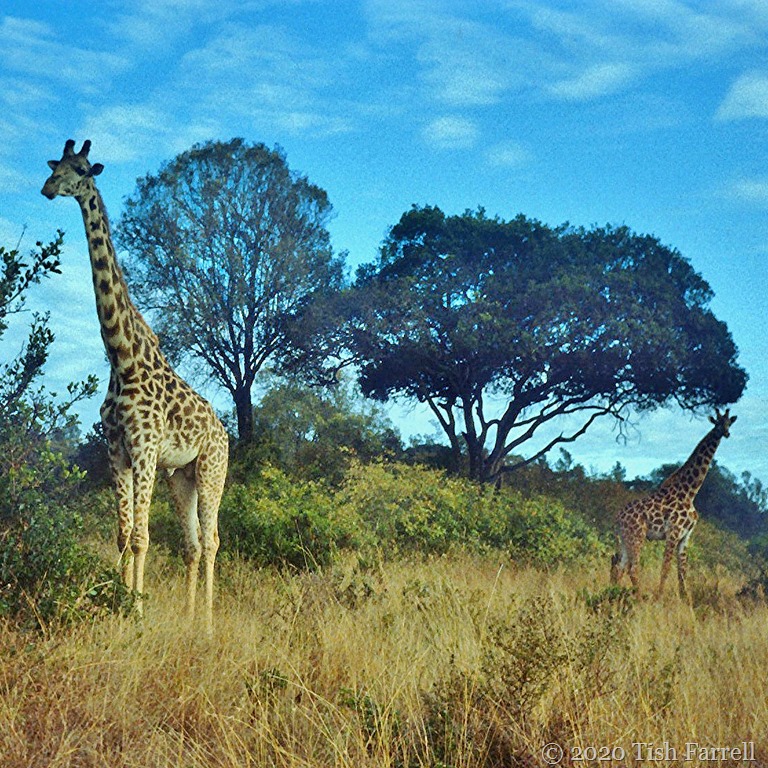
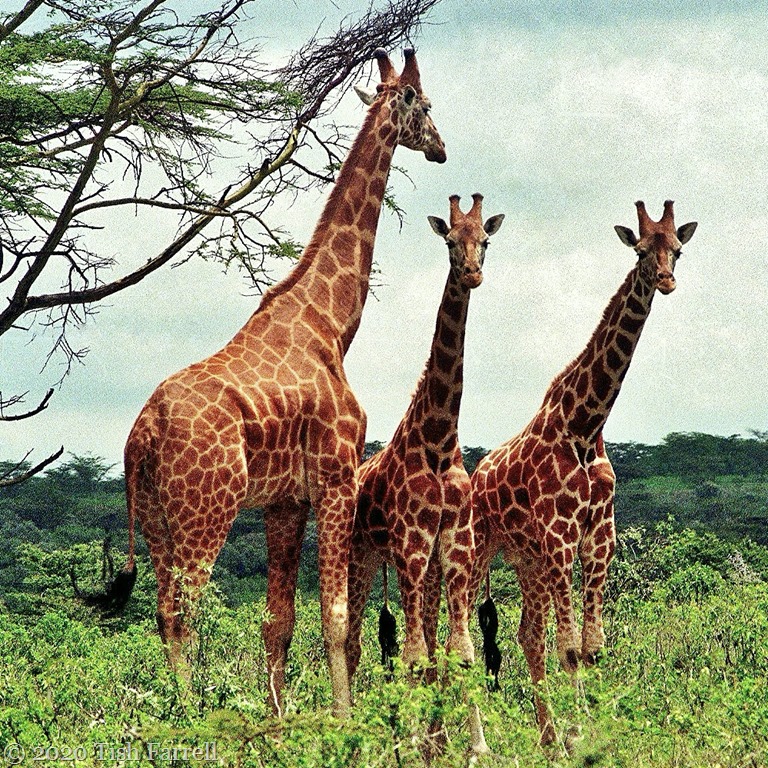
Anyway, here we have a pair of Maasai giraffes in a dreamy, somewhere-in-Tsavo setting. Please imagine the subtle spicy-sweet scents of dry bush country. There will be a soundscape too – high-whining crickets and the kroo-kroo-ing of ring necked doves.

KindaSquare #3

Two Of A Kind

Mara 8

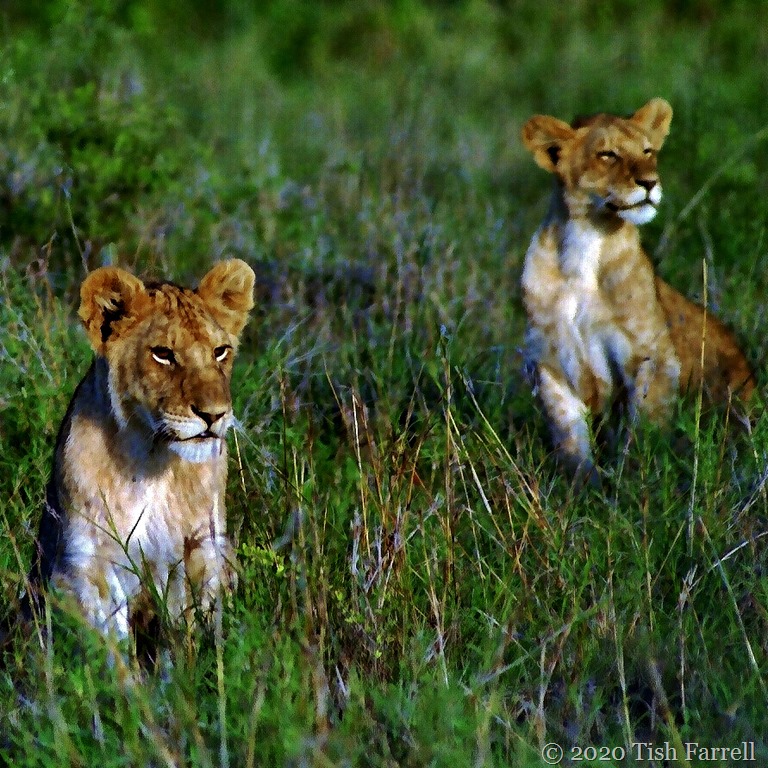
Gloomy Shropshire skies today had me rifling through the Farrells’ old Africa album, though it has to be said that Kenya, too, does a good line in gloom, cold and wetness at certain seasons. Anyway, the sun is shining in this particular shot, taken in the Maasai Mara long ago,  and these ‘likely lads’ of the leonine kind (or maybe a lad and lass) are anyway sure to raise a smile.

KindaSquare #2

Giraffe

Scan-140829-0018jpeg giraffe centre sepia

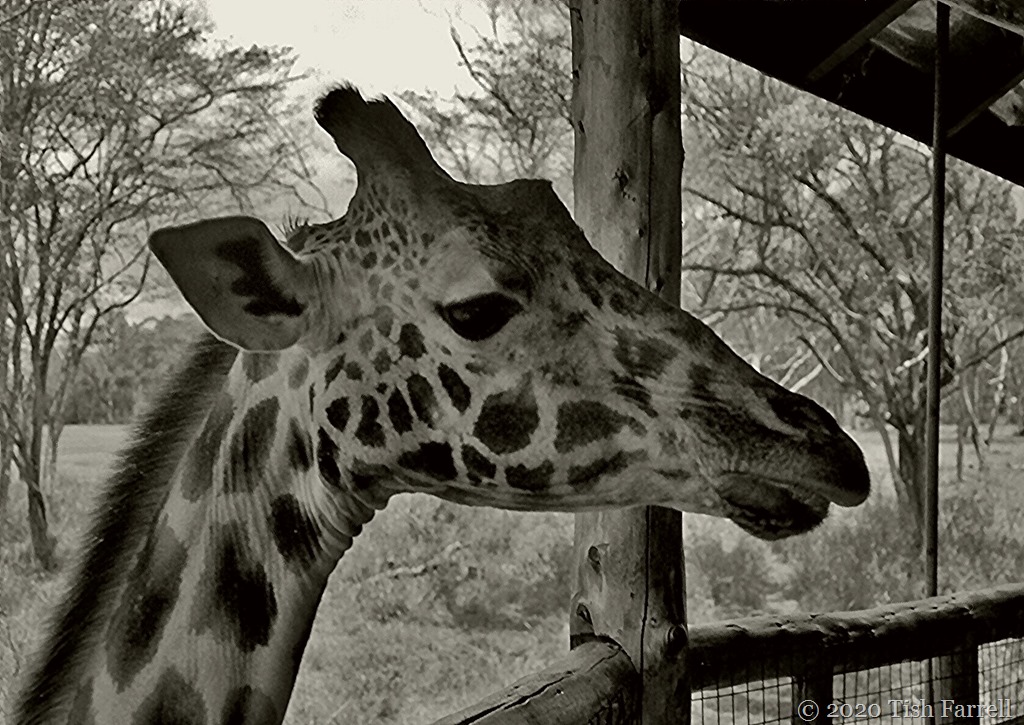
When we lived in Nairobi the Giraffe Centre on the edge of the city’s national park was a favourite place to visit. It was set up in 1979 both as an educational resource for city school children (50,000 visits a year) and as a conservation project to protect Kenya’s endangered race of Rothschild giraffes. The centre runs a breeding programme and over the years some 40 young giraffes have been settled in safe game reserves across the country. Now in 2020 the initiative can proudly claim to have helped restore Kenya’s wild population from 130 to a little over 700, and that has to be good news.

Scan-130429-0015bw

As you can see, the centre provides for head to head contact. The resident giraffes are much addicted to the ‘giraffe nuts’ which visitors hand out to them, though I have to say, from the donor perspective,  a slurp from a long giraffe tongue is not the best of experiences.

Cee’s Black & White Photo Challenge: horns

Past Lives ~ Beneath A Tropic Sun

Scan-130603-0062

352

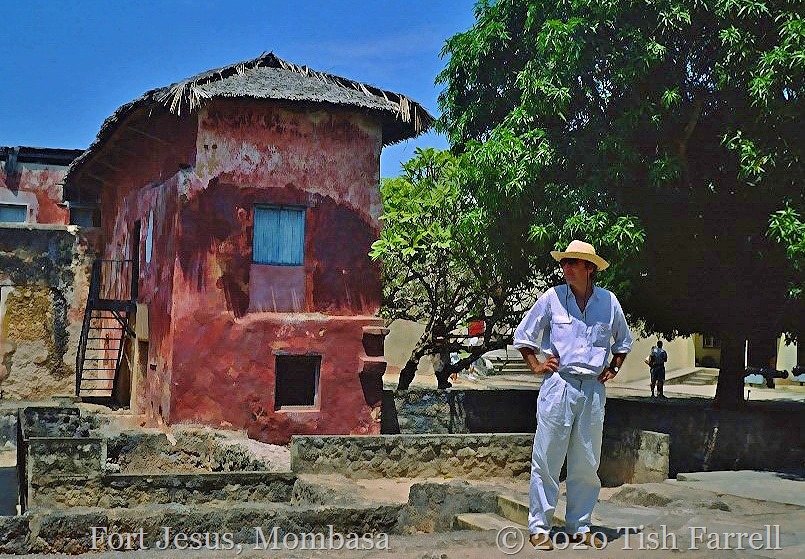
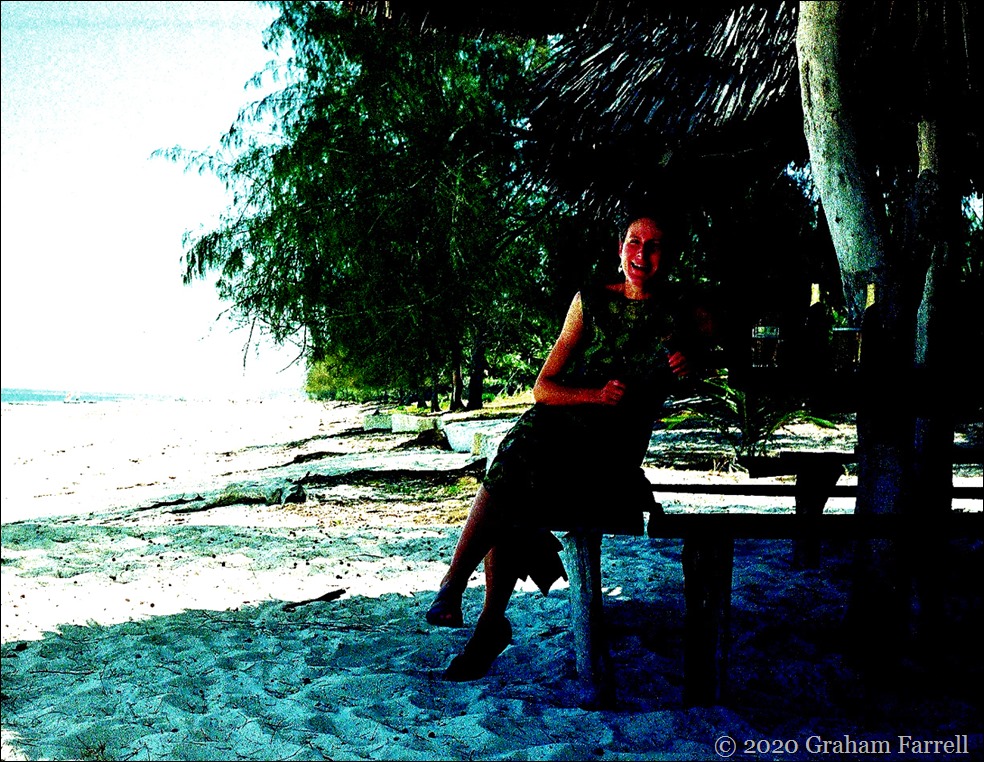
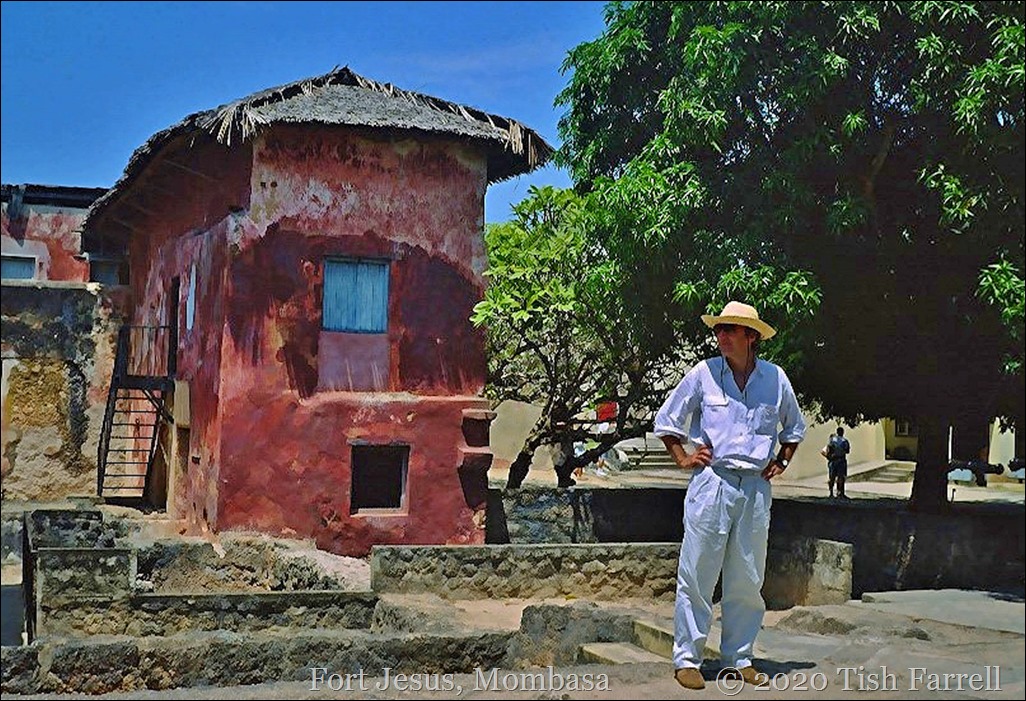
Goodness, was this us – a seeming lifetime ago and half a world away from the present Sheinton Street homestead? Here’s Graham managing to look so unruffled in the steamy, sun-baked precincts of the old Portuguese fort in Mombasa. And there’s me perched on a rustic stool at a Tiwi Beach beach bar, a cooling Tusker beer to hand, a refreshing breeze off the reef. I’d not long run away from Shropshire with hardly a thing to my name. You could call it a mid-life caper; it was supposed to last three months, but somehow stretched into eight years. By the time I resumed permanent occupation of home territory, I did not recognise the place; it took us a lot of adjusting. These days I’m not recognising it either.

Back then Graham had not long completed his Masters field work on the Larger Grain Borer in Mexico. This tiny beetle of Central American origin is a voracious pest of maize, though it started out as a wood borer before it developed a taste for corn. If a grain store is badly infected you can hear it grinding its way through the cobs. Oh yes, it also likes another food staple of particular importance in West Africa: dried cassava. In the 1970s it was imported into Africa in a consignment of food aid and has invaded much of the continent since, most notably spreading along the line of rail. (A grim, if non-intentional “Beware of Greeks bearing gifts” situation).

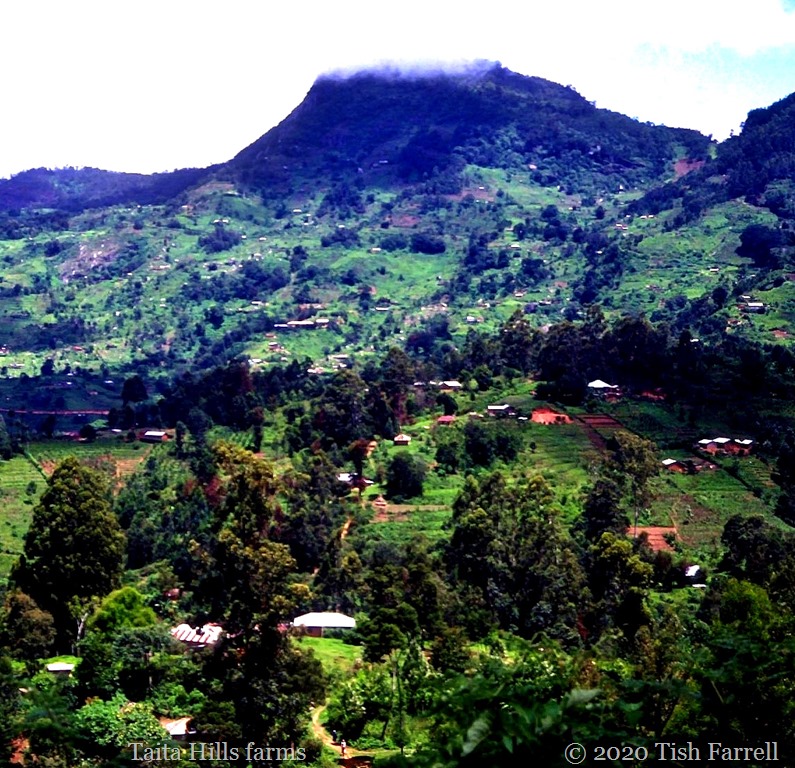
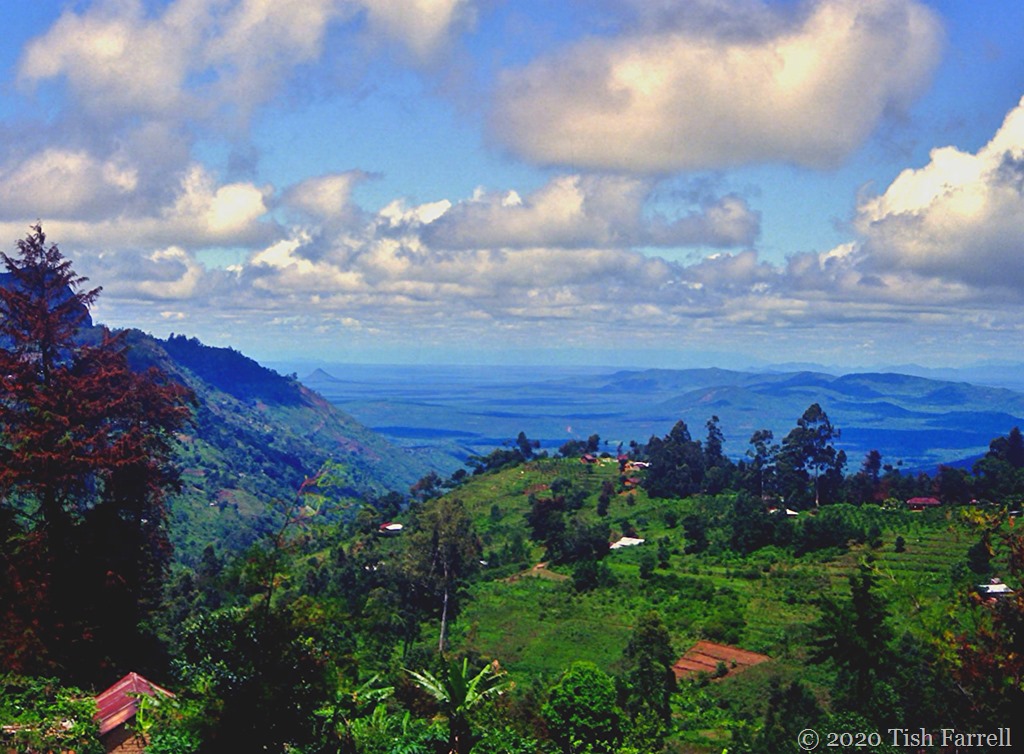
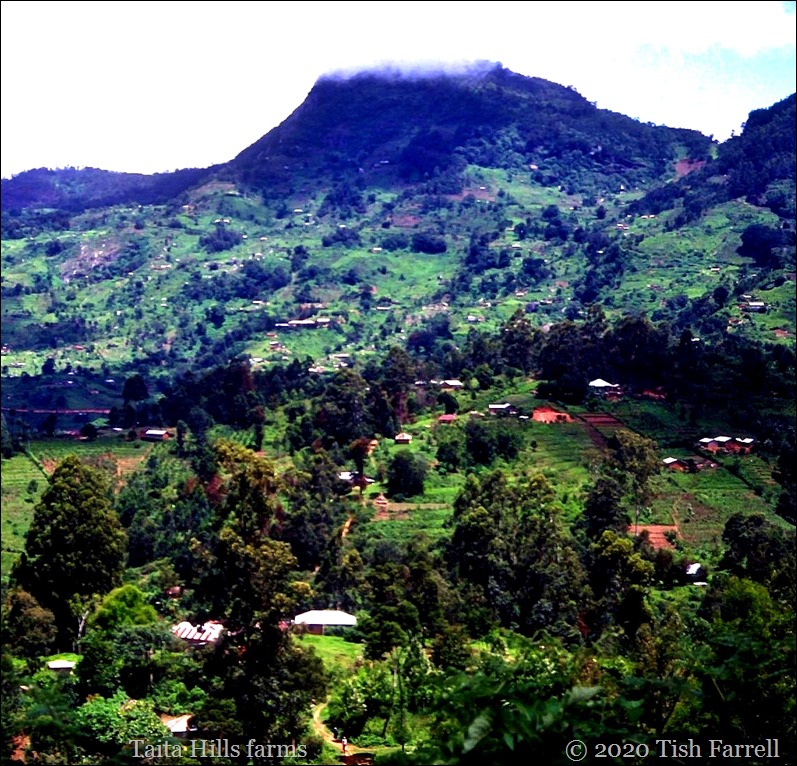
In its home territory LGB is prey to another beetle Teretrius nigrescens, TN for short, which keeps it in check. In Africa, though, the alien invader had no controlling predator. And so in 1992 Graham went out to Kenya on a 3-month consultancy project to work with farmers in affected areas: the Taita Hills near the Tanzanian border and Ukambani just north of the Tsavo national parks. The aim was to enlist their help in field trials to release stocks of TN which had been screened and bred by a British agricultural research institute. The three months extended to nine, and so began a series of contracts that took us next to Zambia, then back to Kenya until 2000.
Scan-130520-0003

Our homes in Lusaka and Nairobi were way-stations for itinerant British crop scientists and socio-economists; the expatriates we mixed with were all aid gypsies who had roamed the globe from the Falkland Islands to Uzbekistan and Outer Mongolia; the Kenyan crop scientists Graham worked with were generous and welcoming; they had their own research projects that were dependent on UK funding; but some of them too had their own views about the value of foreign aid, and the abject dependency it too often created.

We were all caught up in the ‘development’ paradigm: the givers and receivers; a mindset predicated on notions of indigenous people’s ignorance and incompetence, while actually serving donor interests in other peoples’ lands. Our next door neighbour, a Kenyan human rights lawyer, put it bluntly: all aid should end. We’ll go back to ground zero, he said; it will be painful, but we will develop on our own terms. His wife was running a Nairobi slum project, set on undoing all the years of imported misinformation about infant feeding, and helping poor urban mothers to return to breast feeding their babies. On our late afternoon walks she would tell me the stories of her daily encounters. It didn’t take me long to fathom that in colonial and post-colonial Kenya things had been, and still were, going badly awry. Unpicking it was quite another matter.
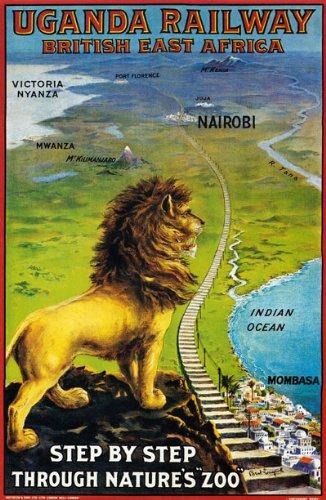
Uganda railway poster

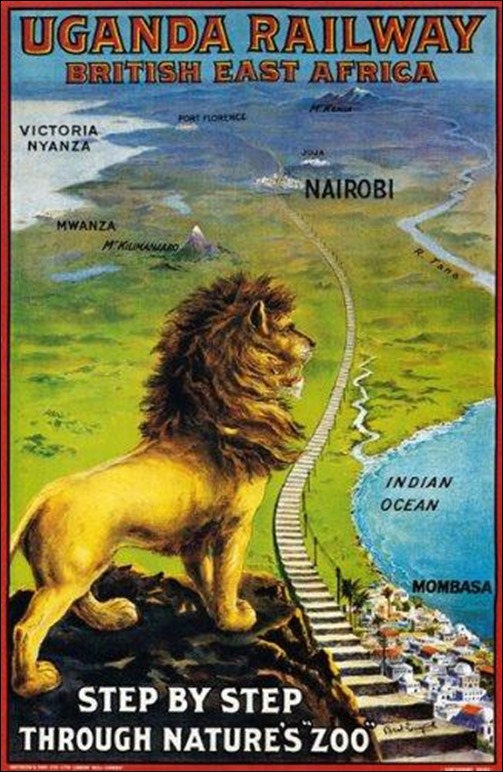
We British have our great explorers, Speke, Burton, Stanley et al to thank for informing us of East and Central Africa’s potential for exploitation and domination. In the late 1880s Britain’s invasion of East Africa was in the form of a military backed corporate enterprise: the Imperial British East Africa Company. They established their foothold  in a series of small forts across the territory we now know as Kenya. They did business by treaties, whose insidious long-term conditions the local people did not grasp until it was too late. When talking failed, military operations followed, targeting especially recalcitrant communities with punitive campaigns. This continued until 1914. The IBEAC’s interest was in the potential plantation wealth of landlocked Uganda to the north west. But to reap any rewards there they would need to build a 650-mile railway from Mombasa port, at that time a possession of the Sultan of Zanzibar.
Scan-130520-0009

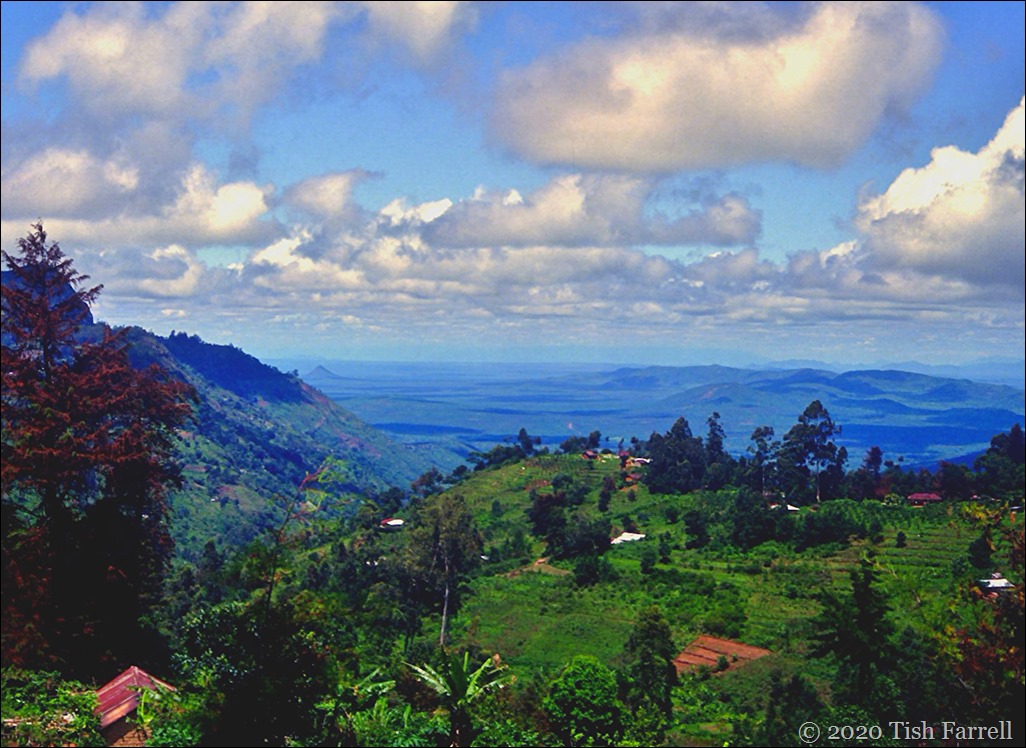
Shimba Hills smallholdings, southern Kenya

*

In 1895 after the IBEAC went bankrupt, the line of rail surveyed but barely begun, the British Government proclaimed the territory a protectorate. The railway project was approved by Parliament in 1896, for by then thoughts of war with Germany were to the fore, and it was believed, if the territory were not secured, the enemy could sabotage the Nile headwaters in Uganda and so drain the distant Suez Canal dry, thereby strangling British trade with its other key occupied territory, India. And so the building of the Uganda Railway (using many thousand imported Indian labourers) began. Among disgruntled Members of Parliament back in London it came to be dubbed the Lunatic Line.

(Which is making me think: never was a lyric more apt: “mad dogs and Englishmen go out in the midday sun.”)

At the time when all these plans were simmering, Uganda was described as a powerful and highly developed feudal state:

The country was populous, productive and highly cultivated. (Permanent Way  vol 1  M F Hill p 25).

This image ‘populous, productive, highly cultivated’ is worth fixing in the mind’s eye. I think I can be pretty sure that this is not how most people think of any African nation, past or present.

The 1892 reports of the IBEAC railway surveyors who trekked up from Mombasa in a caravan comprising 7 Europeans, 41 Indian surveyors, 7 Swahili headmen-interpreters, 40 African soldiers (askari), 270 porters, 24 cooks, servants and gun-bearers, 60 donkeys, also described the farming communities they traded with for supplies:

When they reached Ukambani (one of the areas later involved in the LGB-TN release project) the survey report states:

All about here large supplies are obtainable, as much as 4,000 lb of flour can be bought in one day by a passing caravan. The people (Akamba) are industrious and thriving, good cultivators, and possess large herds of goats and sheep. (Permanent Way  vol 1 M F Hill p72).

And then when the expedition reached the Central Highlands near present-day Nairobi, the Kikuyu settlements within the forest fringes are described as follows:

For the last few miles the path up to the Company’s post lies entirely through fields of grain and sweet potatoes…Long tapering spurs and narrow valleys, covered alike with waving cornfields. Clumps of graceful plantains and sugar cane, endless acres of sweet potatoes. (ibid p 74)
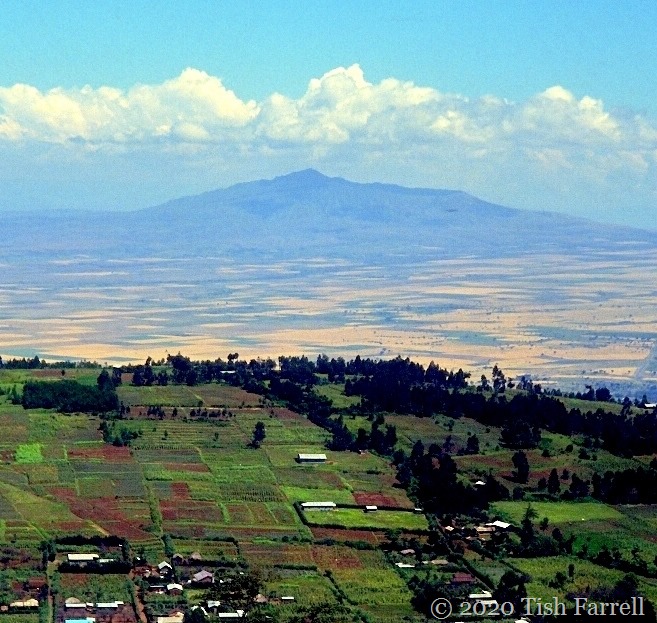
Rift Valley from Escarpment

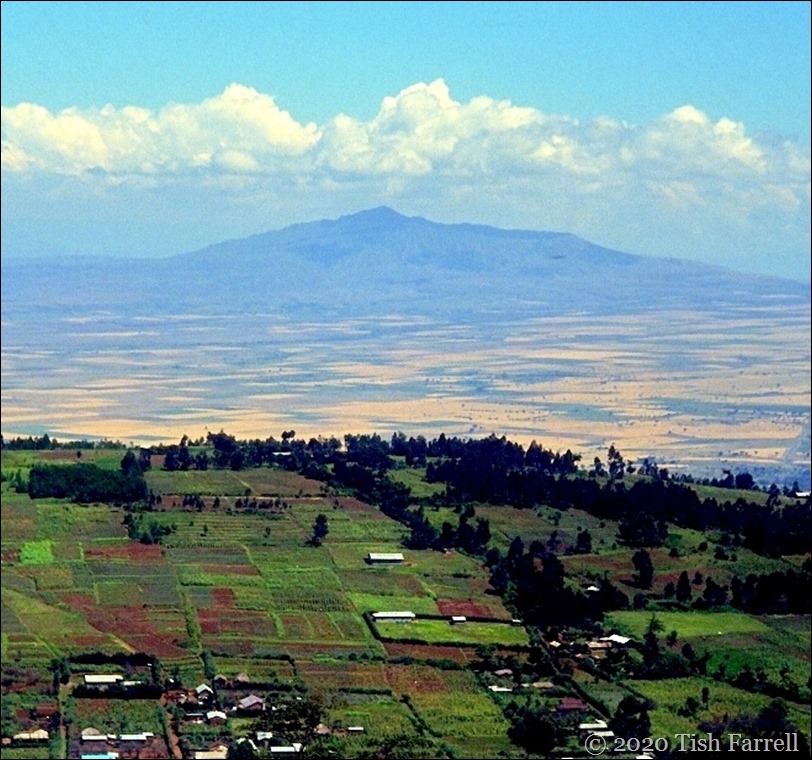
Smallholder farms, Escarpment, the Rift Valley just north of Nairobi, taken around 1997.

*

So: you may wonder, what happened to all this local prosperity and know-how? And it’s a question I am leaving with you. There are many answers and angles. Some of them I found in my readings of fifty years’ worth of Kenya colony’s agriculture reports, wherein I discovered that many traditional, long tried cultivation practices were actively discouraged by agriculture officers since they did not yield produce of export quality. It was a situation of totally conflicting interests. Ironically too, about the time we were leaving Kenya in 2000 I heard that German agricultural consultants there were advocating that smallholder farmers should return to mixed crop planting strategies, this to reduce the need for pesticides. Re-inventing wheels is a significant characteristic of foreign aid projects.
015

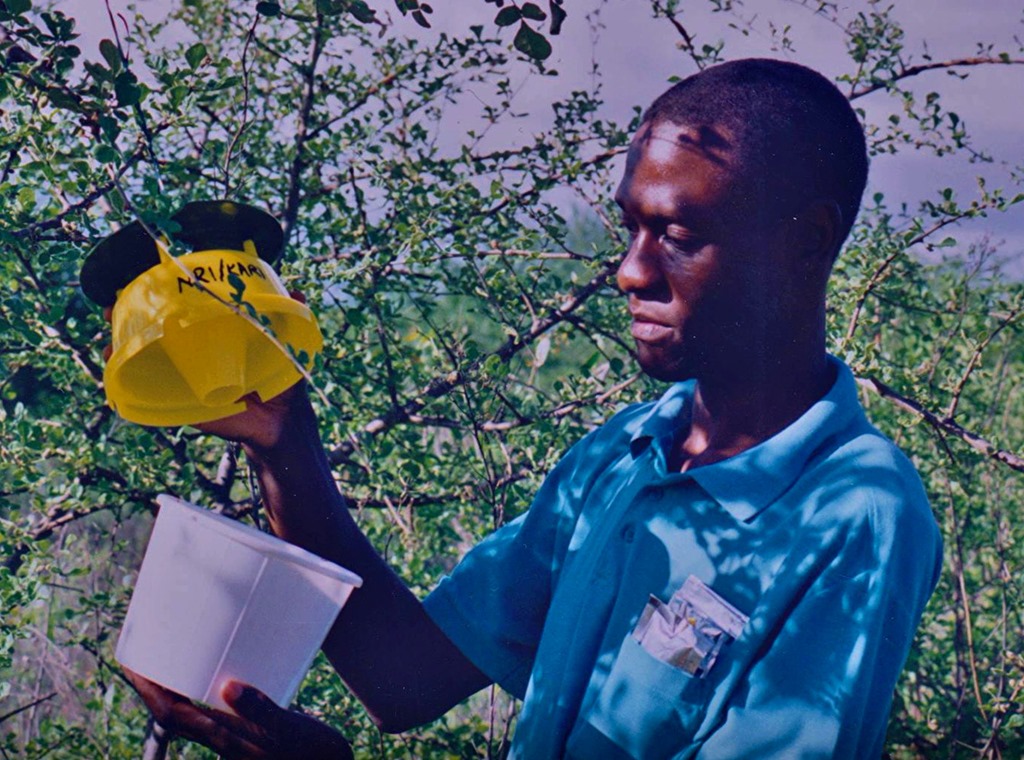
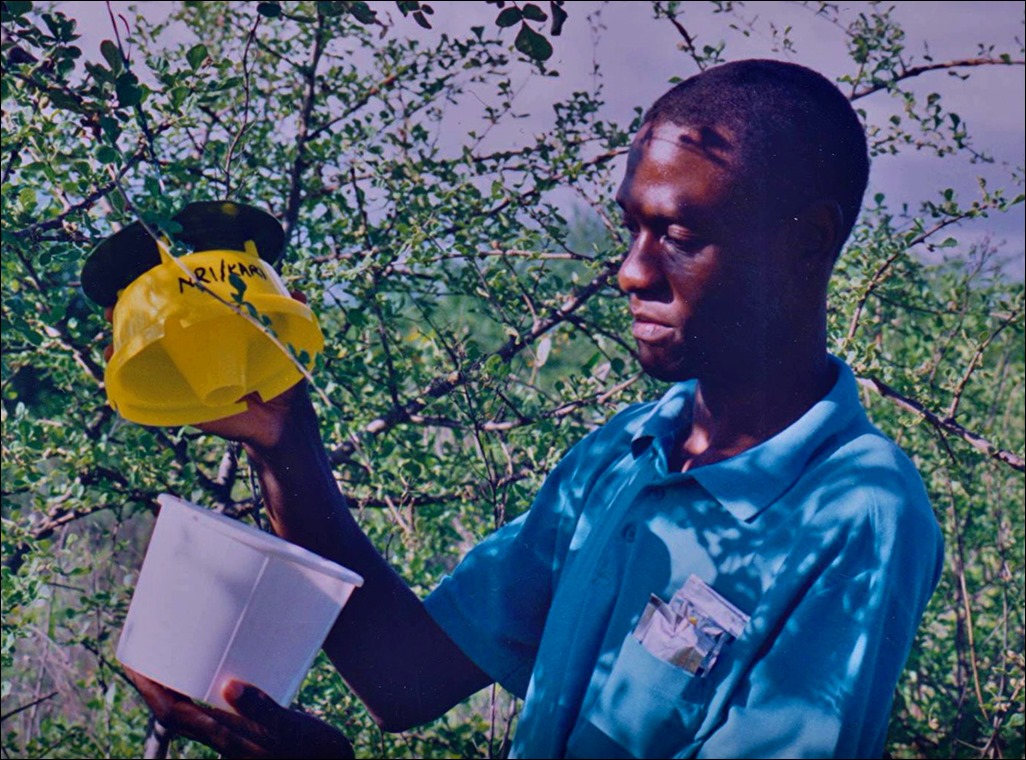
Kenya Agriculture Research Institute entomologist, Paddy Likhayo, using a pheromone trap to monitor insect numbers around Kiboko, Ukambani.

*

While Graham pursued food-decimating beetles and smut fungus on fodder grass, I wrote fiction: three short novels for the African children’s literature market, a picture book, Flame Tree Market,  that won first prize at the Zimbabwe International Book Fair in 1995, and many short stories for the US children’s magazines produced by Carus Publishing, Spider, Cricket and Cicada. The first of the short stories, Dudus, (Swahili for insects) made use of Graham’s LGB-TN project in the storyline.

I suppose at heart my aim was to explode that development paradigm that keeps us in the rich world seeing receivers as beholden and incapable of helping themselves, and donors as those who know what’s best for so-called undeveloped nations. It touches me more than anything that my story book Jessicah, about a street girl, originally published as Jessicah the Mountain Slayer by Zimbabwe Publishing House, and Flame Tree Market  have continued to be published by Phoenix Publishers in Nairobi for the last 24 years. And yes, they do pay me royalties.

*

By now you may be wondering about the success or not of the TN-LGB control project. Did it work? When I searched the available on-line literature this week, it seems that while TN has been exerting some control on LGB numbers in West Africa, the East African releases have ‘gone extinct’. It is thought TN prefers the humid tropics over the semi-arid tropics. LGB on the other hand, is utterly adaptable and has increased its menu to include plastic, soap, wooden domestic utensils and small-grained millet. Over a third of stored crops may be lost in 6 months.

All very dispiriting: a seeming charitable donation to relieve a famine situation delivered  fifty years ago to a Tanzanian port, creating the never-ending likelihood of significant food loss across East and Southern Africa. The upside is that the LGB project enabled the training of Kenyan researchers who are still on the front line, trying to improve the lot of pest-beleaguered smallholders. It’s something. Quite a big something.

Lens-Artists: under the sun

Top Tembo Mama ~ Among Lewa’s Elephants And Other Animals

Scan-130608-0001 - Copy

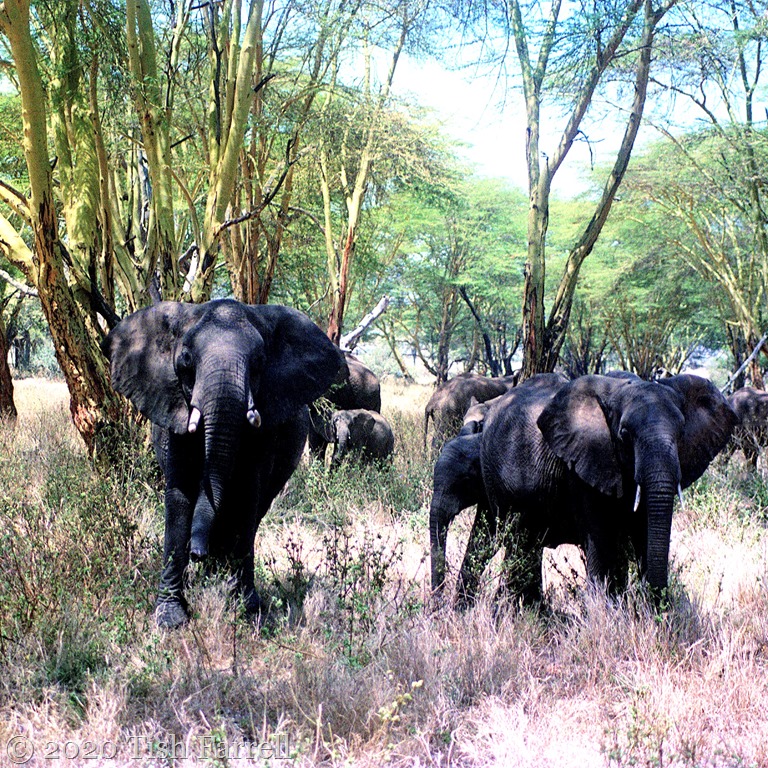
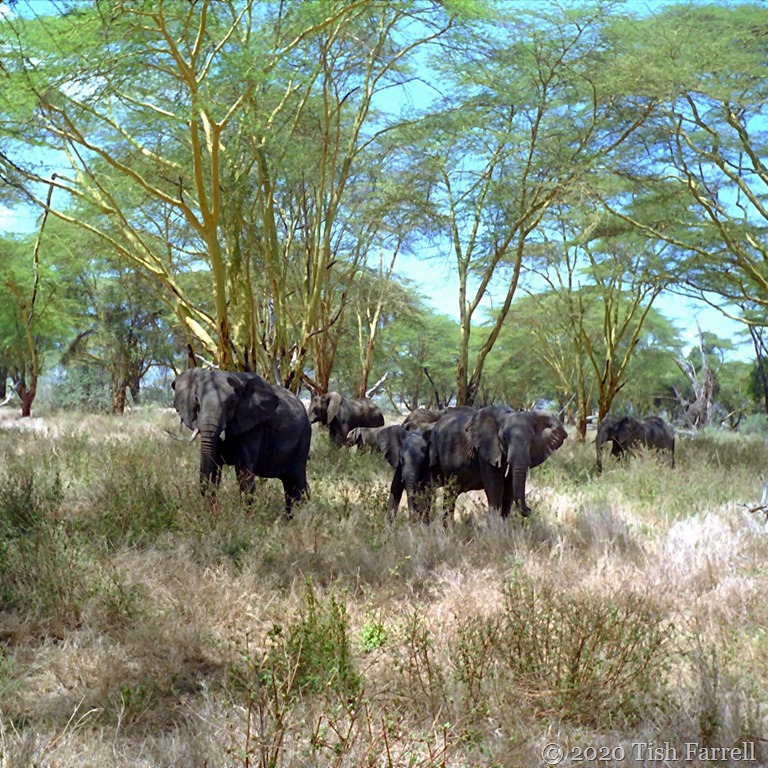
The elephant on the left is the matriarch of this little family group of six adult females and three infants. She is giving us the once over before concluding we are no threat to her charges. In elephant world, the matriarch rules; she is the keeper of the family knowledge; the guide and decision maker. She will also kill any creature that is deemed a threat.

Following on from yesterday’s post on Lewa Downs Conservancy, here are some notes from that trip. We’re out on a morning drive with Kevin our expert guide:

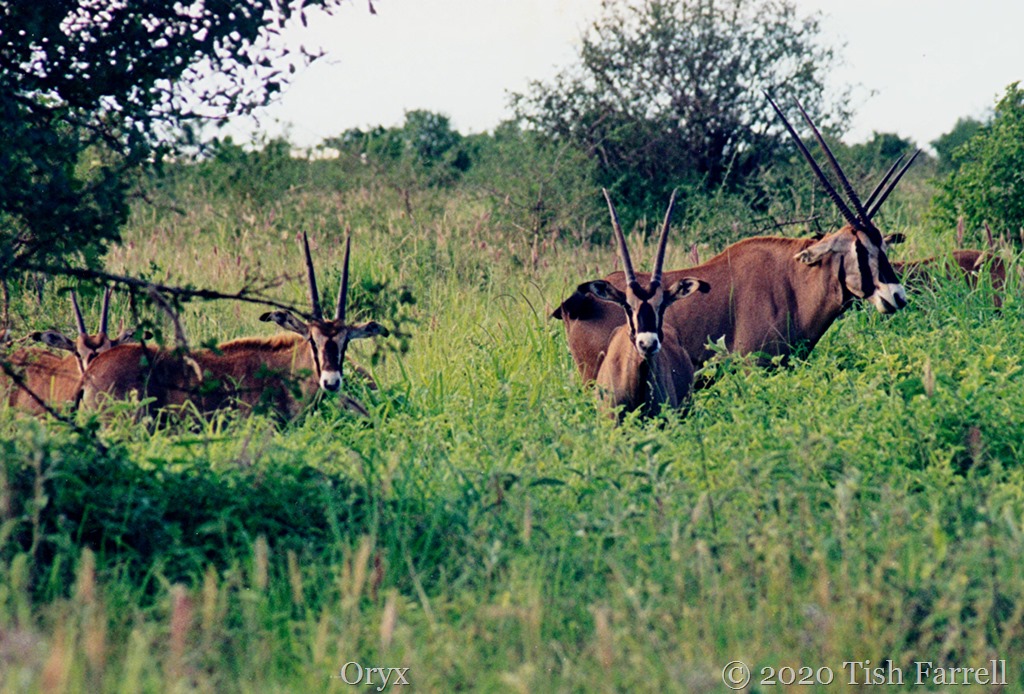
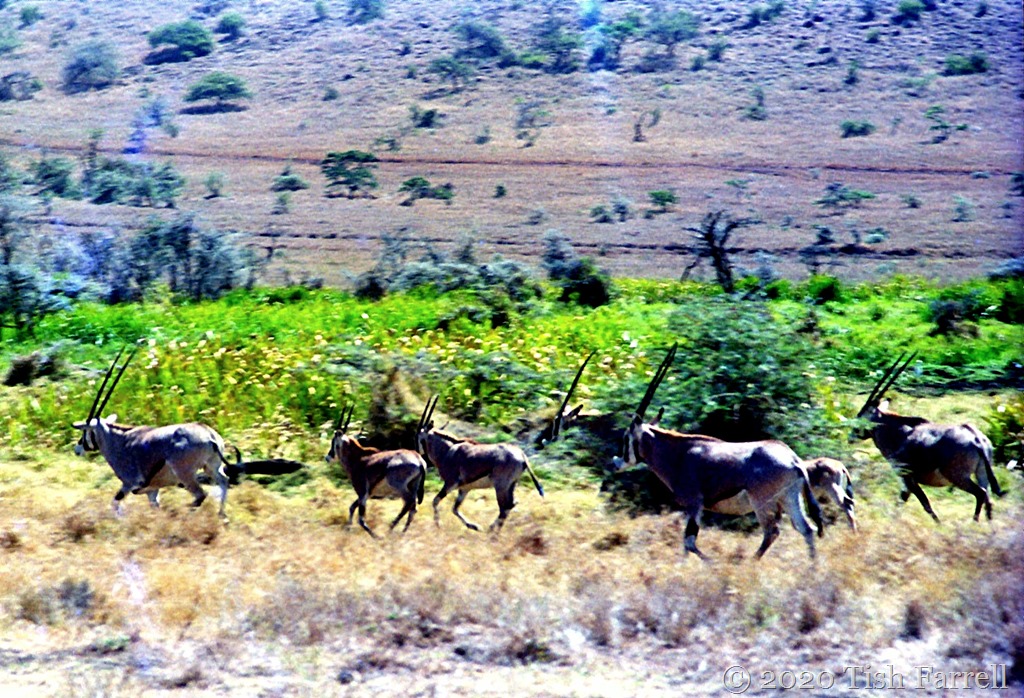
By now it’s late morning and we’re down by the swamp. The waterbuck stare out at us, and as we follow the track that skirts the reed bed we come upon a herd of oryx. They’re very shy though and won’t stay.

oryx

Scan-130608-0047

Kevin drives on towards a clump of fever trees, now following elephant prints along the track, and as we reach the acacias there is a lone old bull, large as life and very close.  Too close? When it comes to elephants the warning signs to look out  for are ears spread and trunk up and to the side. But we’re not bothering him. He views us serenely through long lashes, shakes his battle torn ears, ambles alongside the truck for a while then wanders off.

Scan-130608-0045

Graham meanwhile spots a group of elephant across the swamp and Kevin sets off for a better view. For a while we park on the track, torn between watching brilliant carmine bee eaters in one direction and the little herd in the other. The elephants are about fifty yards away in the fever trees, and I think that’s close enough, but no, Kevin is eyeing up the lie of the land, picking out a line of solid ground. Soon we are parked with swamp on our right and elephants on our left.

At first the matriarch adopts an intimidating stance, but then changes her mind. Our presence in no way interrupts tree browsing and bottom scratching, and no attempt is made to shield the youngest calf from our view. We watch for ten minutes or so, listening to the taptapping of a nearby woodpecker, the call of hadada ibis, spot a vervet monkey watching us watching the elephants. Then Kevin decides it’s time to leave them in peace. As we pull away over the rough ground we’re left with the musky, goaty, muddy smell of elephant in our nostrils.

Scan-130608-0004

Scan-131109-0001

Square Tops #21

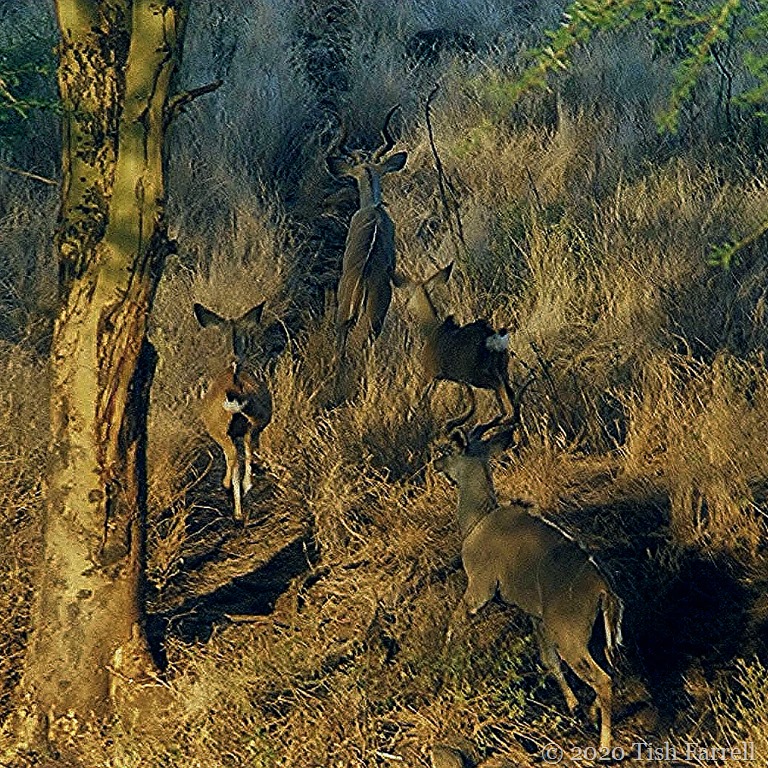
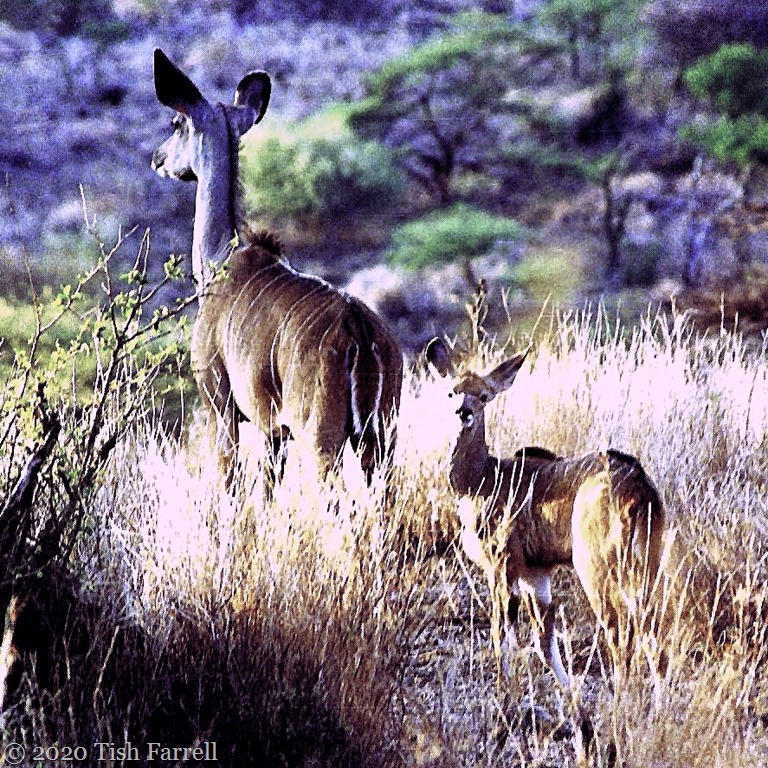
Kudu Family Heading For The Top Of The Trail

003

This sunset view of retreating greater kudu was taken at Lewa Downs, a private nature conservancy on the northern foothills of Mount Kenya near Isiolo. The reserve is 62,000 acres, and was once a colonial cattle ranch. The descendants of the original settler family still own the land, but now their focus is on wildlife conservation, upscale tourism, improving the lot of local communities and helping to protect surviving members of Kenya’s black rhino population.

When we visited years ago we stayed in  the small Lerai tented camp run by the same outfit whose camps we stayed in at Mara River and Elmenteita, i.e. fairly low key by comparison with Kenya’s super luxury safari ‘camps’, and aimed more at visitors with dedicated interests in wildlife, particularly ornithologists and professional wildlife photographers.
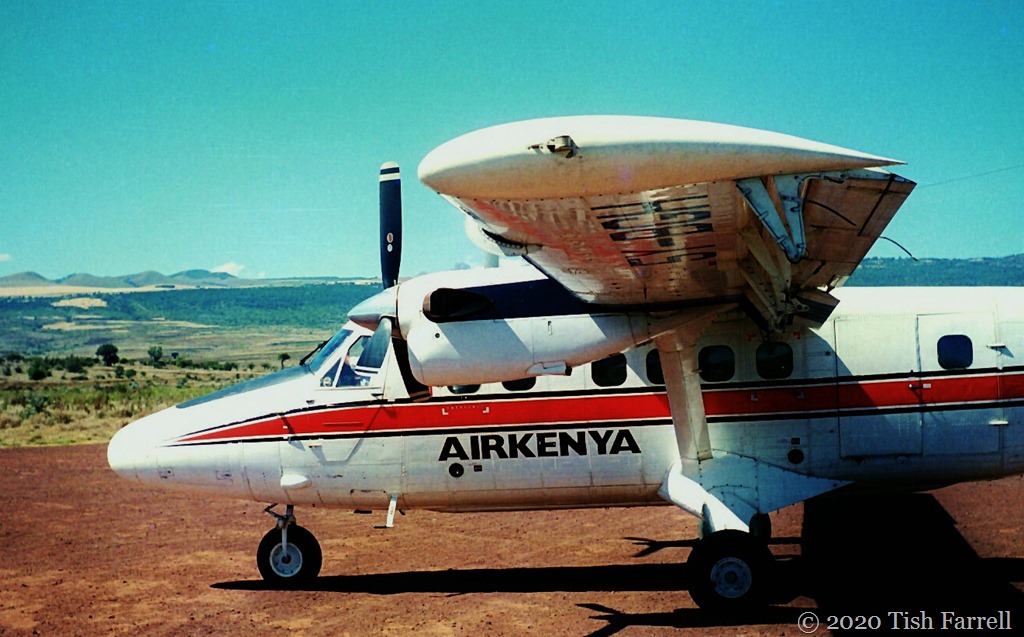
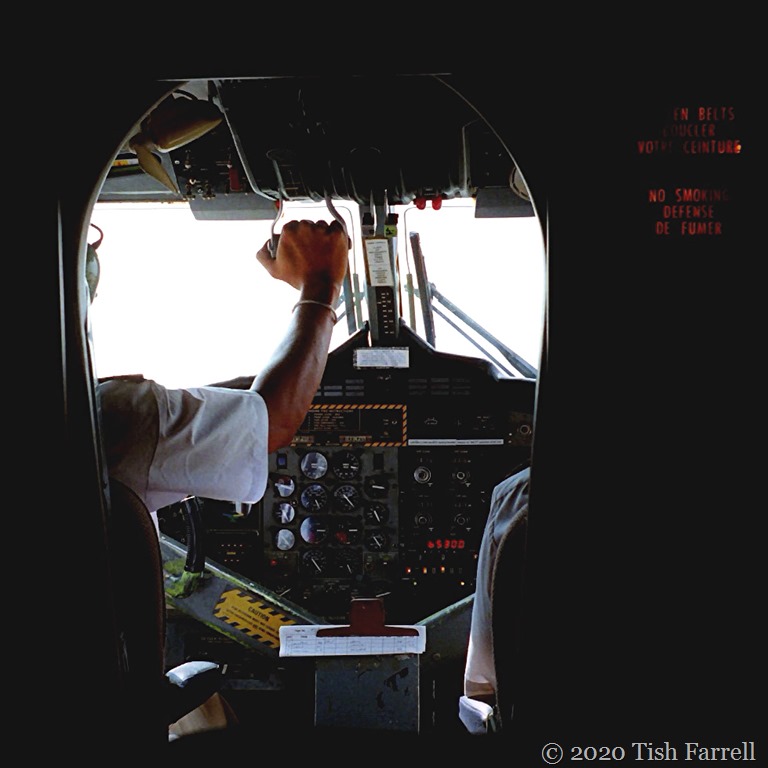
We flew up there in a Kenya Airways Twin Otter 20-seater plane. (Kenya’s internal aerial bus service is brilliant). There were only two others aboard and, after running through the safety procedures, the co-pilot leaned out of the cockpit with a bowl of boiled sweets and a cheery ‘pass it back!’ The next moment we were sprinting off the tarmac at Nairobi’s Wilson airport and banking over the nearby national park where small groups of wildebeest were gathered along city perimeter fence. So even before the safari is properly begun there’s a little wildlife spotting to do.

Scan-130608-0052

Next we whipped up the Great Rift, the old volcano Longonot in the valley bottom, the smallholdings, tea and coffee farms of Limuru up on the eastern escarpment. And in no time we were over Nyandarua, the Aberdares Range, and looking the dark snow-streaked spires of Mount Kenya in the eye. In fact in the same amount of time it had taken us that morning to get through Nairobi’s traffic jams to the airport we had covered the couple of hundred kilometres to Lewa.

lewa i

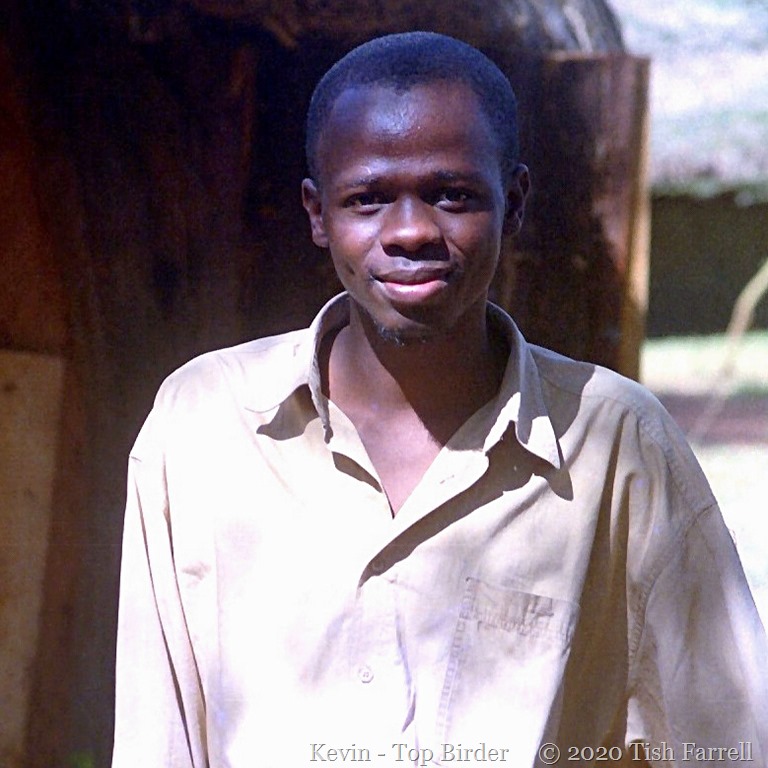
Soon we were flying low over the marsh buzzing zebra before putting down on the dirt landing strip whose only permanent structures then were a windsock and a thatched hut. Our transport, an open green safari truck, sped towards us in a cloud of pink dust. Kevin, our guide for the two-day stay, greeted us with a big grin. We found out later that his family were originally from Tanzania, his people the Chagga who live on the slopes of Kilimanjaro, and are renowned for their capacity for running up the mountain. Kevin also turned out to be a very passionate ornithologist, especially interested in the European migrants that were just then visiting Lewa. A bit of an irony I thought: a case of the reversed ‘exotic’ when he became, to my mind, rather over absorbed by the presence of a migrant tufted duck. That’s not what we came to see! Here’s some more of what we did see:

Scan-130608-0039

Scan-130608-0012

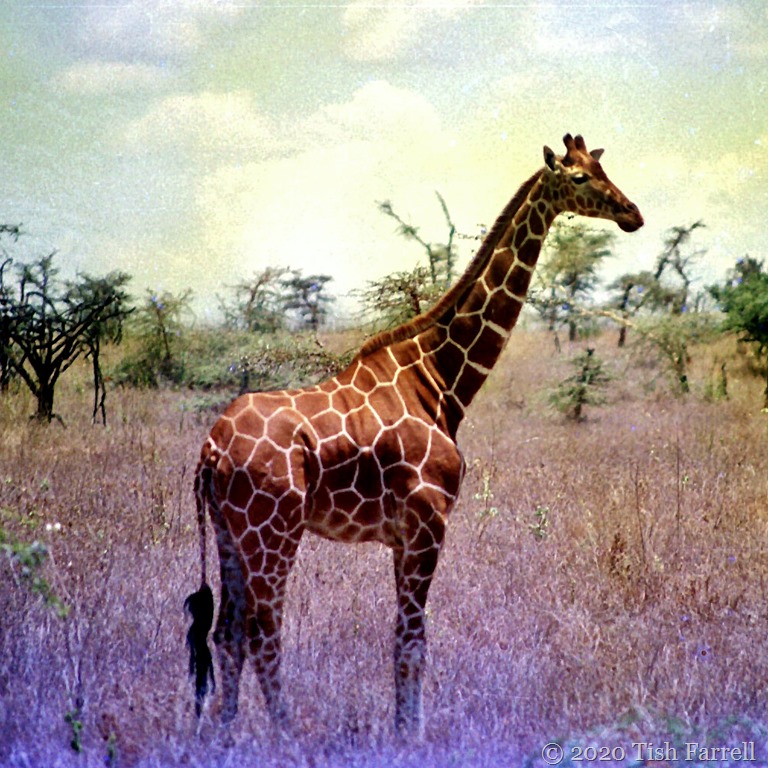
A reticulated giraffe, one of the three main giraffe races in Kenya. It is mostly found in the northern districts.  This photo’s for Brian at Equinoxio. (The weird colour flashes are due to poor film processing at the time).

Our guide:

Scan-130608-0023

Scan-130608-0056

Square Tops #20

Top Heavy?

women and animal fodder

You will need to peer into these hazy photos to see the subject of this post: Kenya’s rural wives hauling fodder grass and maize stalks to feed their cows. And the reason for this particular form of haulage is down to the fact that smallholder farms are indeed small – a few acres or less, and there is little or no pasture for grazing. Farm stock is thus kept in pens, quite roomy ones, and their food brought to them.

While we were living in Kenya I remember reading some UN or similar study on the carrying capacity of African women. It basically said that the loads they habitually bore were physically impossible in relation to the bearing potential of their bodily framework. So here we have it: women working miracles.

It further makes me think of the biblical contention that the first woman was made from Adam’s rib. Clearly this is wrong. These farming women anyway are built from some naturally occurring version of high-tensile steel. In every sense they are the backbone of the nation. I even have some statistics for that too. A few years ago I was writing a school textbook on Kenya, which caused me to discover that 75% of Kenya’s daily food was produced by women smallholder farmers. I don’t expect this has changed much.

IMG_0011 Muranga

The rural wife’s back has a lot to bear then. Much time may be spent each day seeking out wood for the cooking fire. There is water to be got from the stream or water point; the field to hoe; animal food to be gathered; spare produce to take to market; the baby to take to the pharmacy. There may also be much bending over an open hearth preparing meals, the family wash to pound in a bucket, and a broom to be wielded while sweeping out the house and the compound.

‘It is our days’ career,’ a young Kikuyu woman once told me when we met on a farm path. I was ‘labouring’ with clipboard and tape measure, helping Graham with his smutted Napier grass survey. She was bent double under a pyramid of grass for her dairy cow. When I remarked on the huge load, she gave me a lop-sided grin from beneath a canopy of green stems. In perfect English she spoke those five small words – unending hard work endured with good grace.

Kikuyu farmstead 22 - Copy (2)

And of course things have been changing.  Many educated women have made it their cause to return to their rural communities as educators, legal activists, medical workers and agriculturalists to improve women’s lives and livelihoods. Equally, country women have their own ideas about what they need and how this should be achieved. Women’s development groups, local missions and churches all have their part to play in airing ideas and giving women the skills, confidence and, most important of all, access to financing that will allow them to start new enterprises and so gain independence from traditional constraints. And one thing’s for sure: in the matter of ‘backbone’ the farm wives have been well and truly tested.

Square Tops #11